“If toe sucking, foot licking, stockings, stockings and stockings are your thing, then Elmer Batters is your man.” Fetish Times, London
Years ago I found a book with photographs of Elmer Batters (1919-1997). The book intrigued me and I bought it. Elmer Batters was a pioneer fetish photographer who specialized in capturing artful images of women with emphasis on stockings, legs and feet. I do understand what it is to have a shoe fetish for I have one, but don’t have a clue what it is to have a foot fetish. A lot of the times feet are ‘unpleasant’ to look at, except for the feet of people who take really good care of them. To get aroused by feet is not something that would happen to me, maybe that’s the reason why it intrigues me?

Legs that Dance to Elmer’s Tune
Introduction by Dian Hanson, Editor, Leg Show Magazine

Leg Lovers Unite!
The dean of leg men and his art
On June 25th, 1997 Elmer Batters died. I still find it hard to believe. In ten years of working together I’d seen him leap every hurdle a bad heart and advancing years could throw up. He’d come to seem immortal. The amazing thing is that this shy, self-effacing man managed to live 77 years with a hole in his heart, even serving on a submarine during WWII and going on to become the greatest foot photographer of all time.

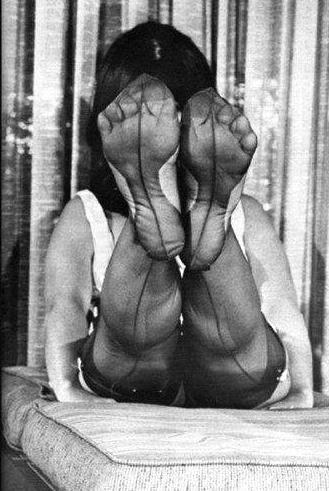
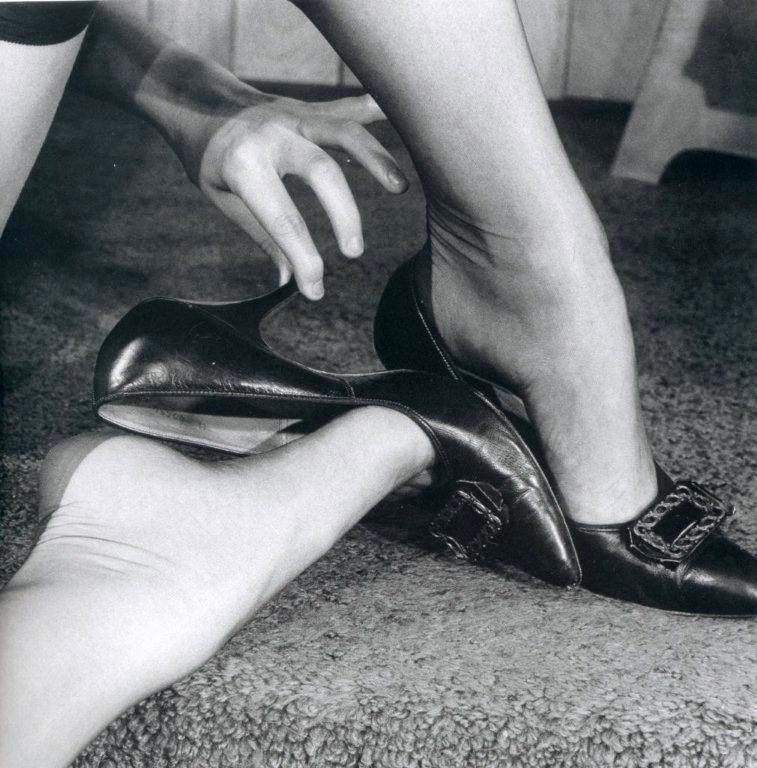
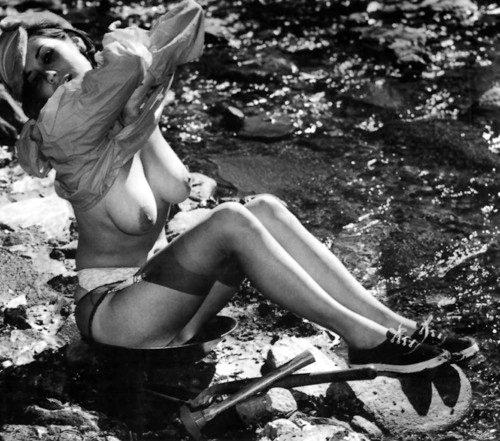
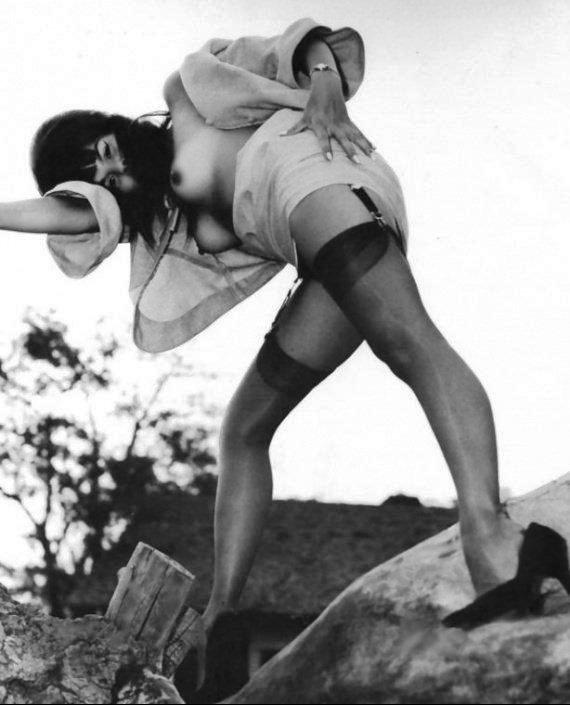
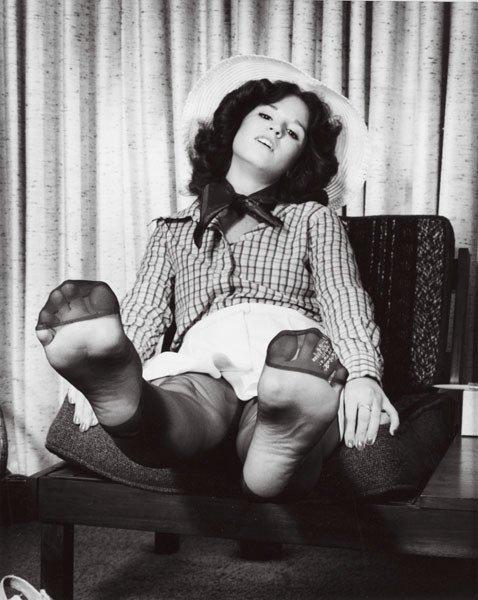
Of course, in his early years he was called a leg photographer. Foot fetishism was completely in the closet back in the 1950s when Elmer took up the camera. He was acclaimed back then for his photo’s of women in black seamed stockings and garter belts. Unlike the other leg art photographers of the time Elmer often posed his models sans shoes, however, sneakily including his favorite body part. He couldn’t control his passion for the foot, didn’t want to, even though he knew it was socially unacceptable, and possibly perverse. like any true artist he was driven to express his emotions in his work, and what came through in Elmers’s masterpieces was ardent footlove. Before long, the censors took notice. it wasn’t if it were illegal to depict feet. He was breaking no laws. Nonetheless, his genius made the foot seem provocative, erotic. Viewers could plainly see careful posing and lighting of feet in his photo’s, the loving attention to the curve of the arch and sharply pointed or spread toes. The spread toes really gave him away. Such odd thing to ask of your model! Why, in some photos the model was lifting het foot, spreading her toes, and aiming it right at the camera, as if she were inviting the viewer to do something … unspeakable.
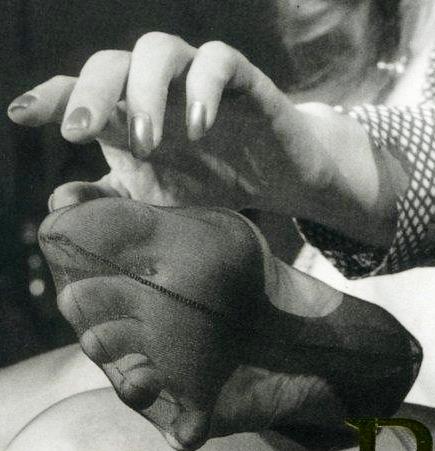

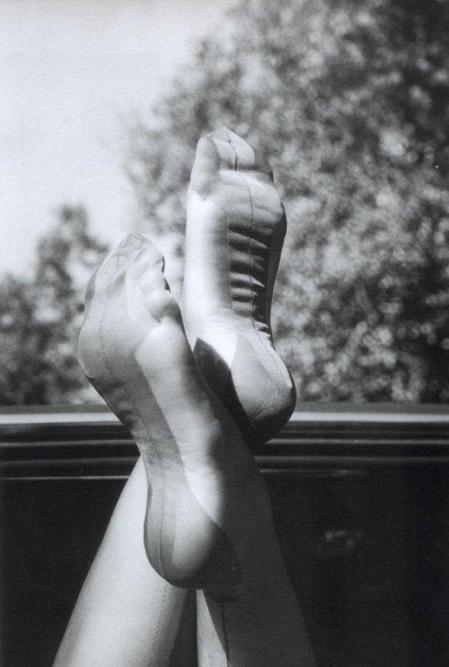
They arrested Elmer for publishing his magazines Man’s favorite Pastime and Black Silk Stockings, charging him with obscenity, not for the model’s bare breasts, but for their feet. “They said what I was doing with the stockinged feet was perverted“, he told me. “I asked them what exactly was perverted about it and they couldn’t tell me. It only proves that feet are sexy, because if something about my foot photos hadn’t got to them they wouldn’t have come after me”.
They hounded Elmer and his family until he pulled out of publishing, retreating to what he liked best anyway – photographing beautiful legs and feet. From then on he left the marketing to tougher types. Through the 60s and 70s, on into the mid-80s, Elmer perfected his foot photography. He developed his five light technique, wherein he grouped five tungsten lights – never flash – around model’s legs and feet to outline every curve and bring out the stocking shine. He also developed strong ideas about perfect leg and foot, and seldom photographed models who didn’t conform to his standard of beauty.

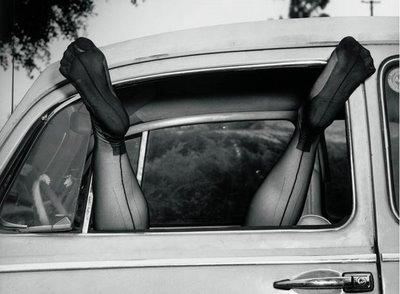
For Elmer this meant a fuller leg than is fashionable now, thick in thigh, narrow at the knee and curvy in calve, tapering to small, plump foot. He like his feet short and relatively wide, with a high shapely arch and fat, straight, lively toes capable of his trademark spread shot. “When a gal spreads her toes it’s as if she’s inviting you for a sniff of a lick’, he once confided to me. This was not an easy thing for Elmer to confess. As much as he adored feet and lavished his love on them photographically, he was acutely sensitive about his fetish. He often told me that while he considered attraction to feet normal, he had never discussed his desire to sniff or lick them with any woman. Or Man, for that matter. He always felt alienated from other men because in their discussions about what made women attractive he never dared admit the part he liked best, “Especially on the submarine the fellows spent a lot of time talking about breasts and bottoms and legs and they’d ask me what I liked and learned to lie. I came to think I was the only fellow like me in the world. I thought pretty bad about myself, like I must be pretty sick“, he told me.

So, like so many before him, Elmer sought to explore and vanquish his demons through his art. He focused his lens on the thing he most wanted to conceal from the world – his footlove – and when his work was accepted, felt himself accepted as well. His arrest for creating perverse images could have ended his career, confirming his worst fears, but by then he had uncovered a world of fellow footlovers, and he went on as much for them as for himself.
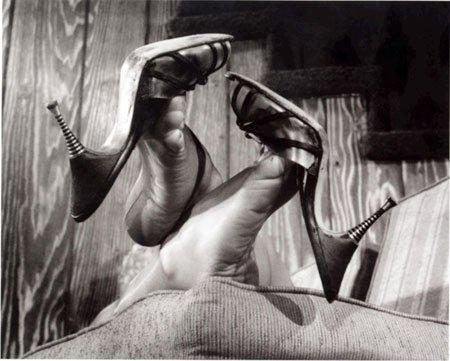
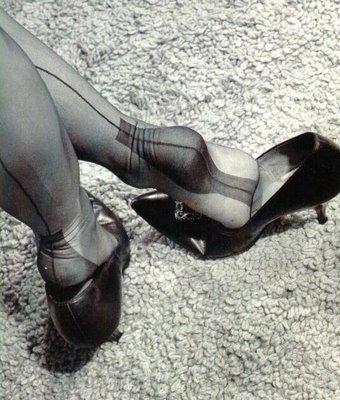
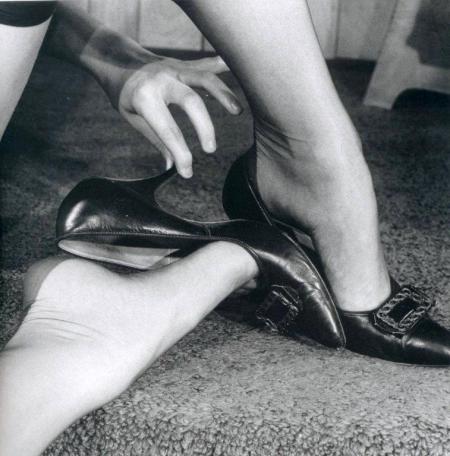
No one before or since has matched Elmer’s posing of female foot. I will admit that I’ve urged photographers to give me an Elmer foot pose and none get it right. Elmer said he posed the models’ feet with his own hands, but I do that too and never do get an Elmer. As a true genius, Elmer is inimitable.
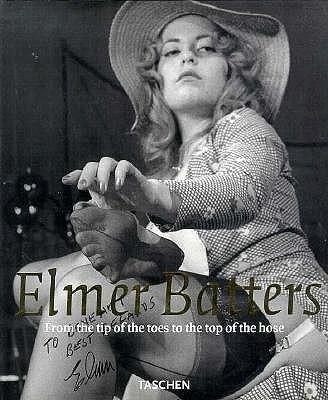
Elmer was blessed to achieve his highest career goals in his last two years of life. The publication of his first Taschen photo book, From The Tip Of The Toes To The Top Of The Hose, at last brought him recognition outside the fetish world. Initially suspicious, sure he was going to be ill-used as he had been so often in the past, seeing the finished volume was his greatest triumph. He said over and over that it was like a dream, what he’d always wanted. Sadly Elmer died as this second volume was being prepared.

Elmer was hugely excited about the release of this second book. He talked with childlike glee of being on television in Germany and his popularity in Europe. He was bitterly disappointed when his doctor told him he couldn’t travel overseas without open heart surgery – and then cancelled the surgery due to Elmer’s fragile health. Still, Elmer was optimistic in our last conversation, saying they were adjusting his medication and he felt better than he had in months. We spoke of doing new photo shoots for Leg Show, with the help of an assistant who would arrange the lights and pose the model to his specifications. The posing of the feet would be left to Elmer’s own talented hands. When I called to follow up I learned my old friend had died quietly in his sleep.
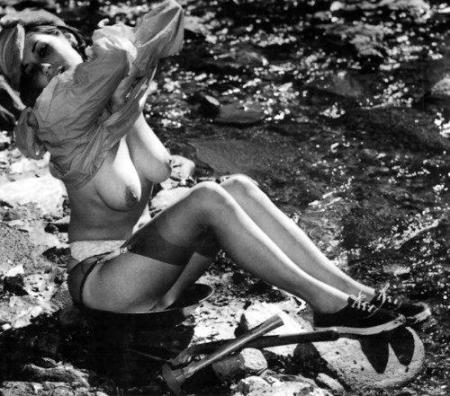
It’s hard to grasp that I’ll never speak to Elmer Again, That we’ll never again discuss theories of leg art and foot fetishism, or simply share affection for each other. Thankfully we don’t have to say goodbye to his art. His genius will live on in these collections of his work, inspiring and consoling a new generation of footlovers with his lifelong homage to the lovely, lowly foot.
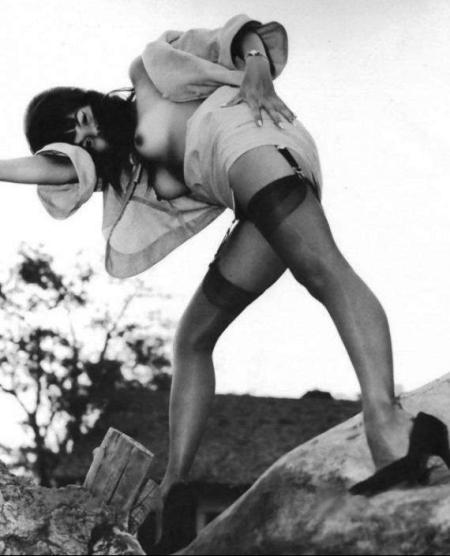
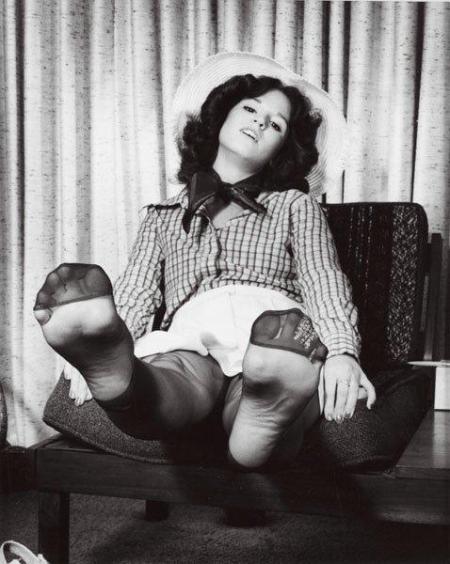

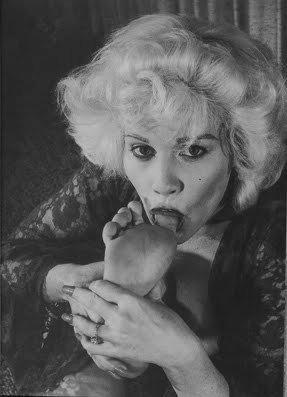
Elmer Batters and his models
What were the girls paid? Fifty dollars a day.
How did you find your models? Well, the motel I’d be saying in. I’d tell the bellhop who I was and that I’d be interested in finding someone I could shoot, and I’d get call girls’ to come in and shoot. Most of them would rather screw. And I’d tell them I’d rather get pictures. Some of these models would ask me if I was queer.
What about plump Caruska, the fabled model on the backyard swing? I went to Pretty Girl International on Hollywood Boulevard. She was sitting there and nobody wanted to use her because she was too heavy. The minute I saw her… There are so many guys who like a thigh and a face like that, and she had the legs from the tip of her toes to the top of her hose. Every time you used her she’d change her look.
Elmer Batters in a conversation with Eric Kroll, Palos Verdes (CA)
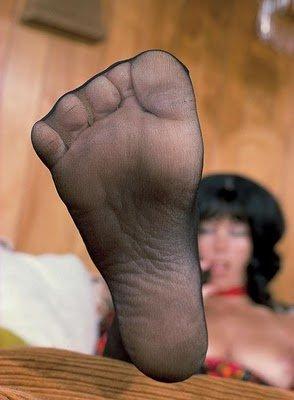
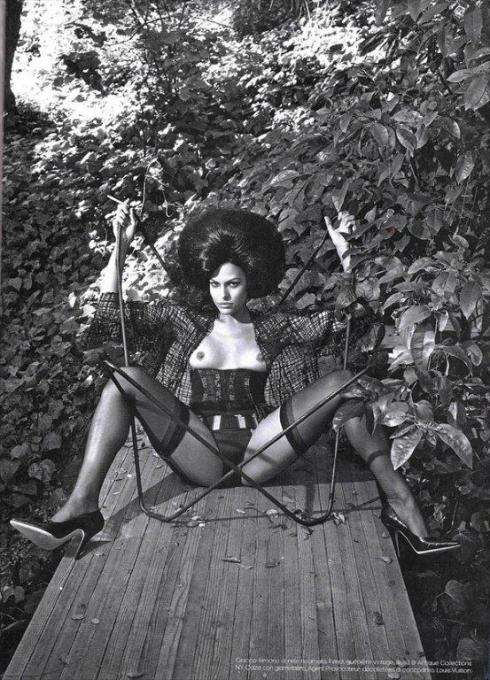
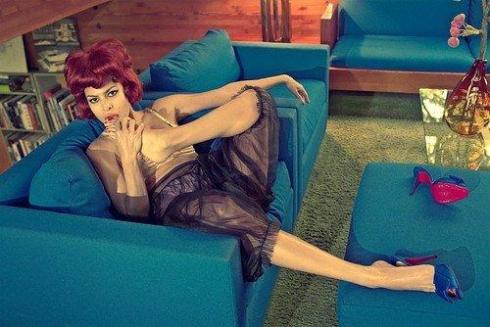
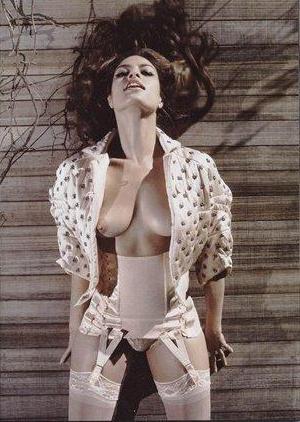
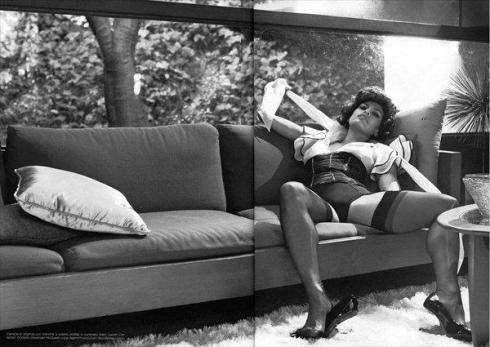
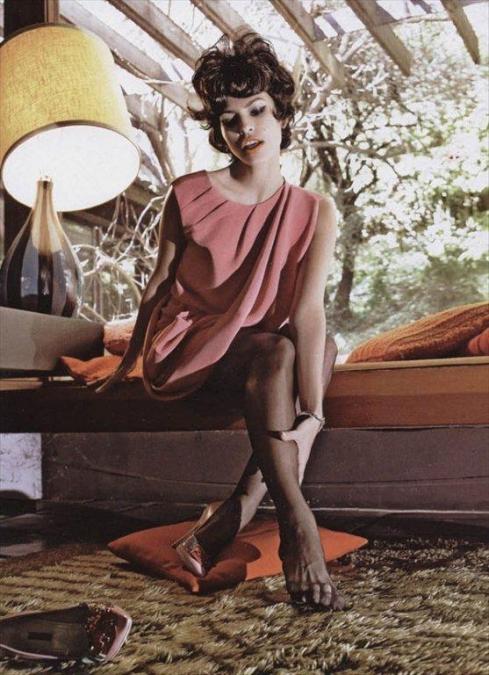
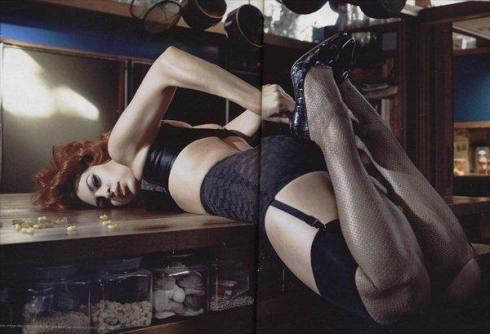
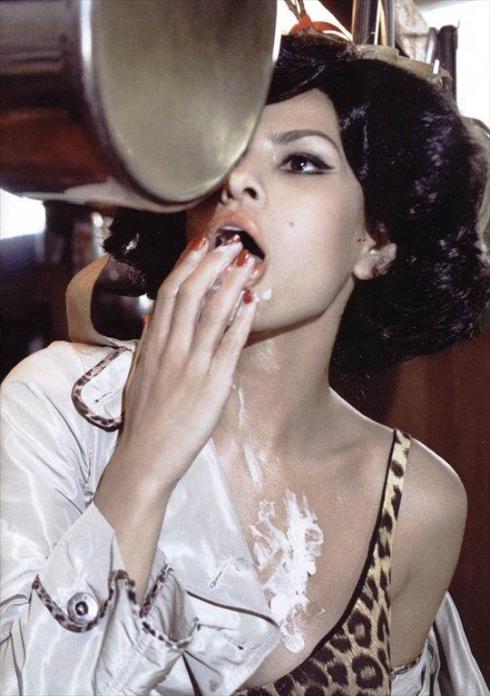
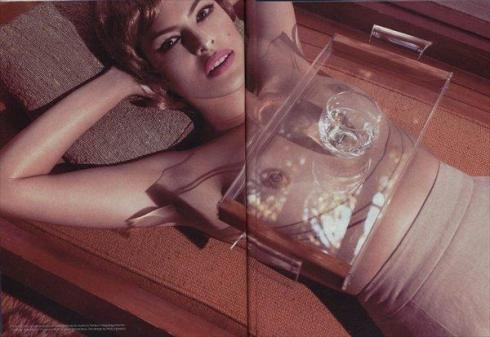
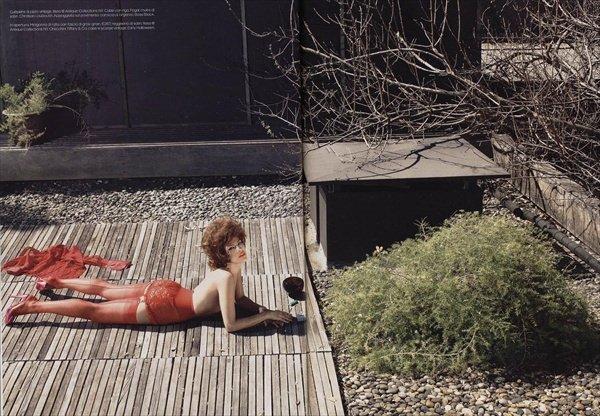
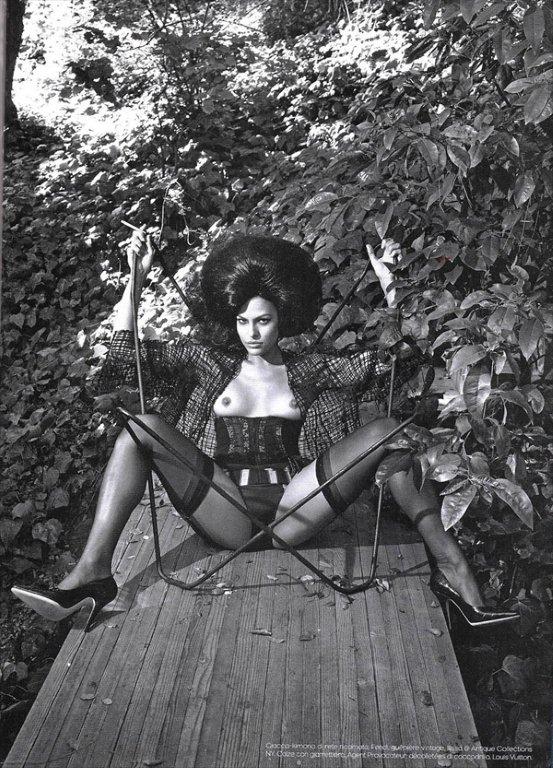
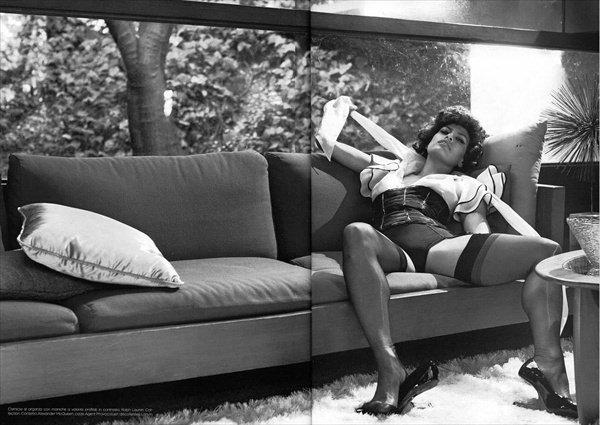
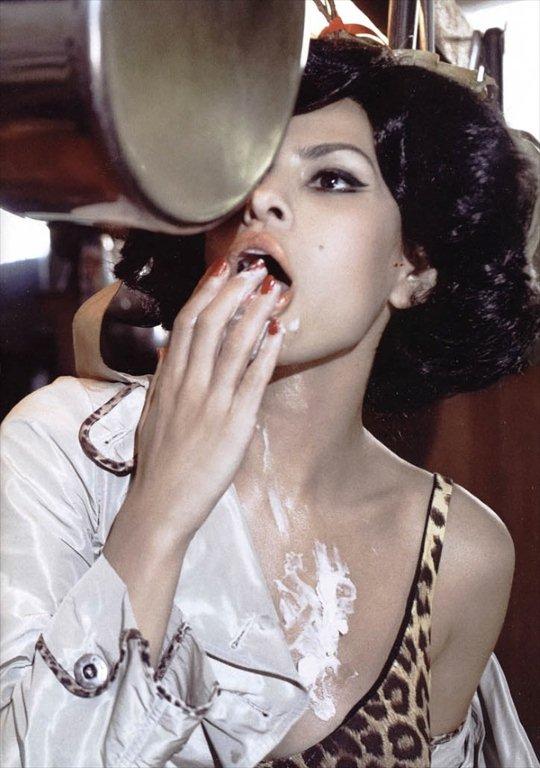
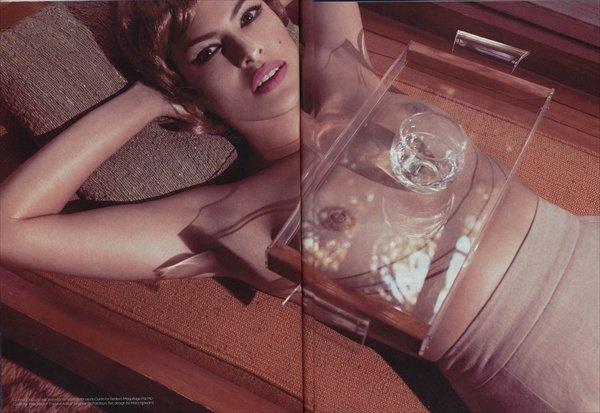
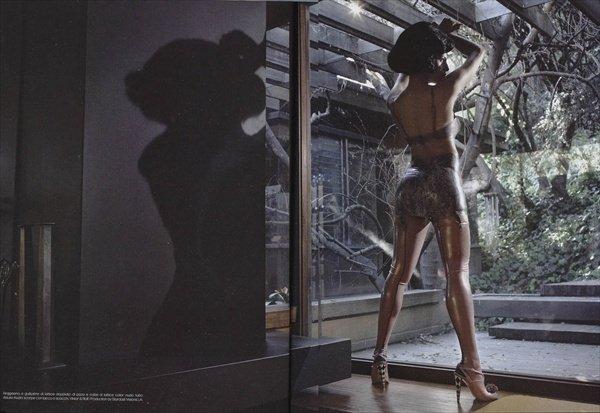
For Vogue Italia May 2008, Steven Meisel photographed a story with Eva Mendes as his model. This story is a tribute to Elmer Batters.
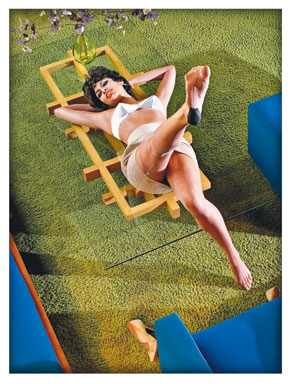






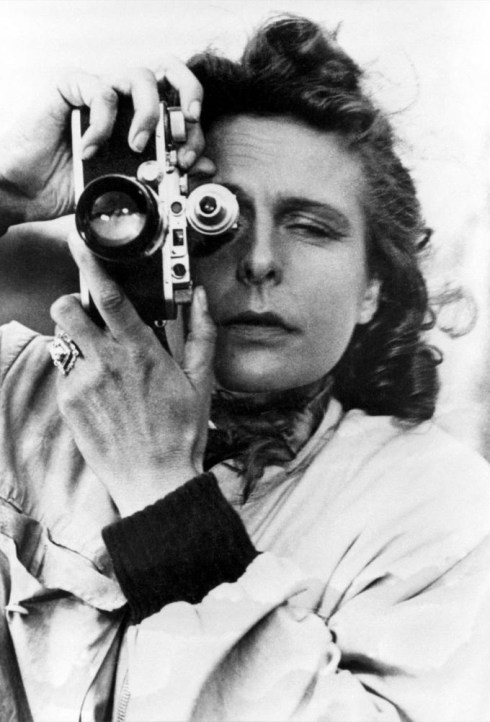 There is already so much written and said about Leni Riefenstahl, but everybody is equally impressed by her photographs and films.
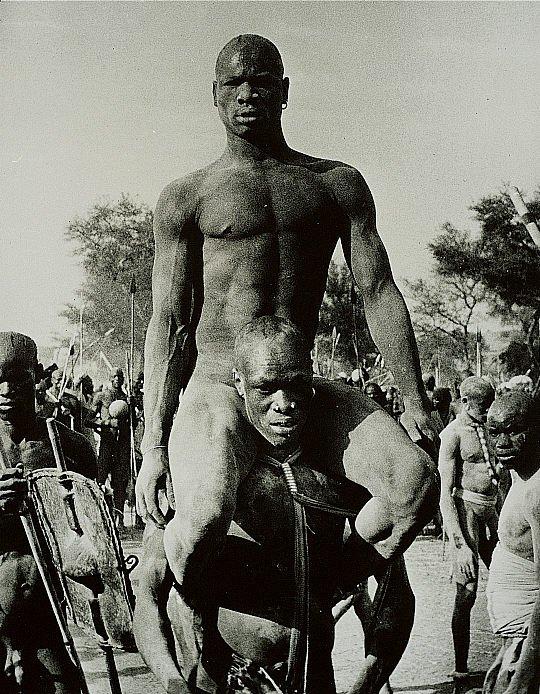




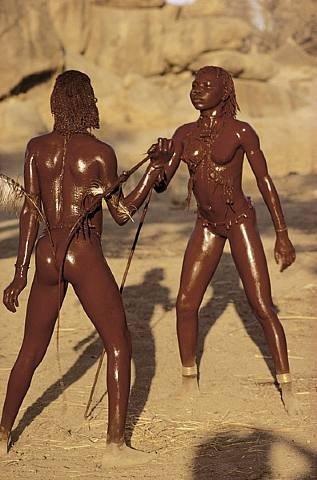
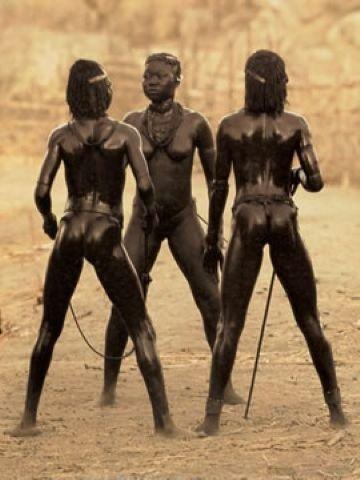




























 agnautacouture.com