Archive by Author

Nettie Rosenstein, a Multilateral Designer

2 Mar
thumb_category_nettie_rosensteinThe only portret of Nettie Rosenstein
.
Years ago, on a flea market, I found a label that said: Nettie  Vogue model. Although spelled different from my first name (Netty), it’s pronounced the same and I treasured it for a long time.

I never knew what the label stood for untill this week. When starting to work on a new story for my blog, I stumbled on the jewelry by Nettie Rosenstein. Reading about this very talented designer, whose clothes were promoted by Vogue and designed patterns for Vogue, the mystery of the Nettie Vogue model was unravelled.

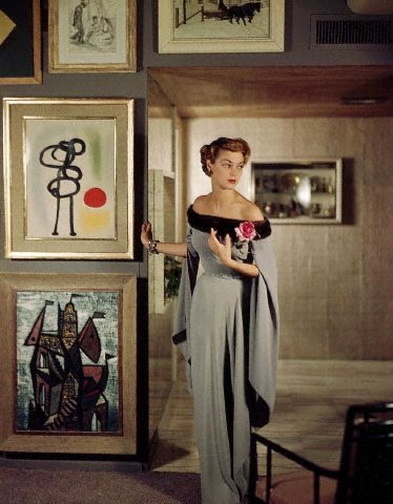
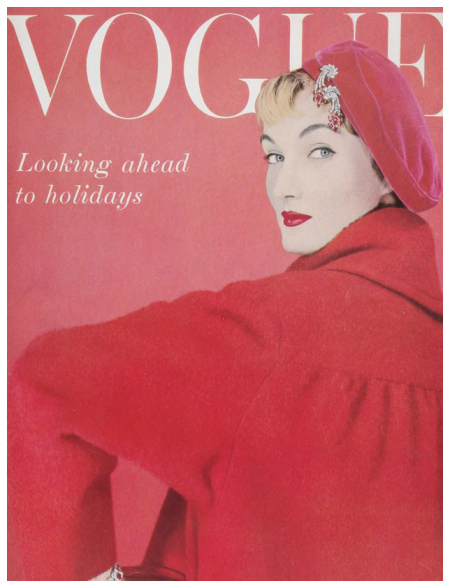
january-1955-vogue-14may13_btCoat, Nettie Rosenstein ph.Erwin Blumenfeld for Vogue, 1955 
.

Nettie Rosenstein Bio

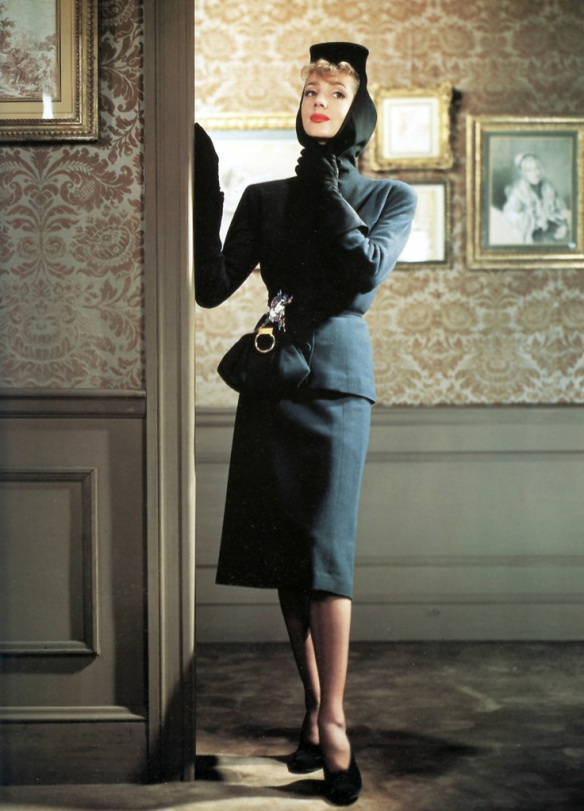
Born Nettie Rosenscrans in Salzburg, Austria in 1890, she and her family migrated to America in the 1890s and settled in Harlem, New York, where they ran a dry-goods store. She began making her own clothes when she was only 11 years old.  Her interest in and exposure to the fabrics in her parents’ store formed the backbone of her career. Nettie’s sister, Pauline, ran a millinery business known as Madame
 Pauline in the Rosencrans family house, next to the dry-goods store. Nettie began her career as a custom dressmaker for her sister’s clients.

In 1913 Nettie married Saul Rosenstein, who ran a women’s underwear business. In 1916, Nettie Rosenstein started a custom dressmaking business in her home on West 117th Street. By 1921, she employed fifty dressmakers and had moved her business to a more fashionable address at East 56th Street. During the 1920s, Rosenstein switched to selling wholesale. By the late 1920s, I. Magnin, Neiman-Marcus, Nan Duskin, and Bonwit Teller were some of the stores that carried her clothing.

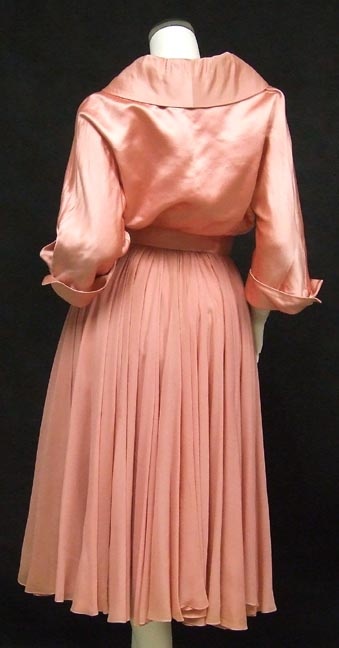
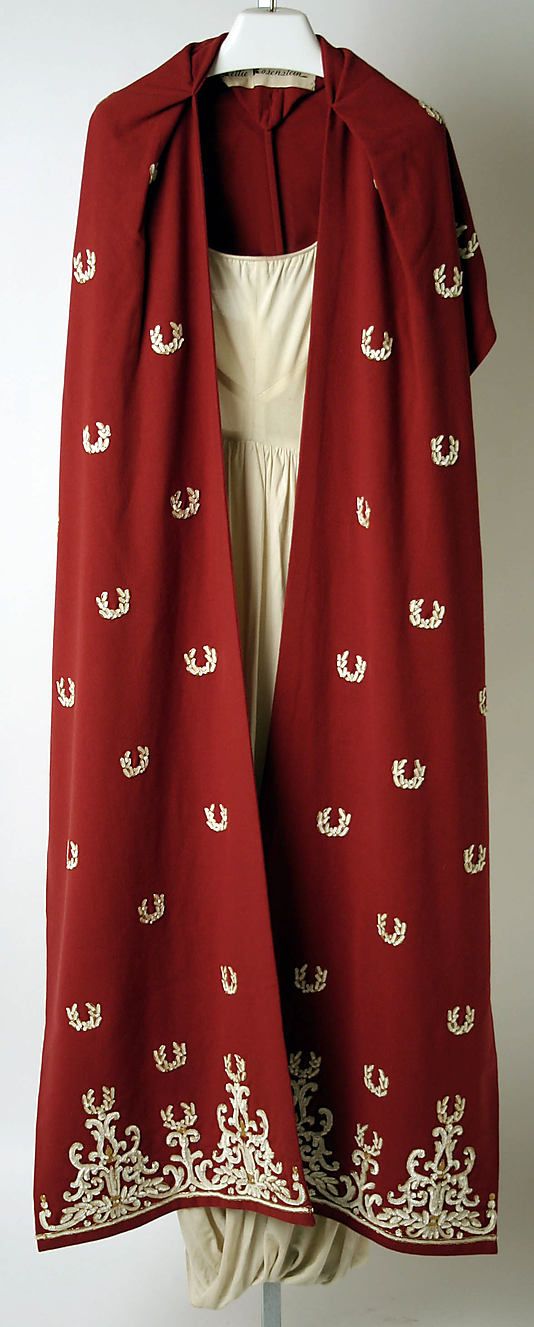
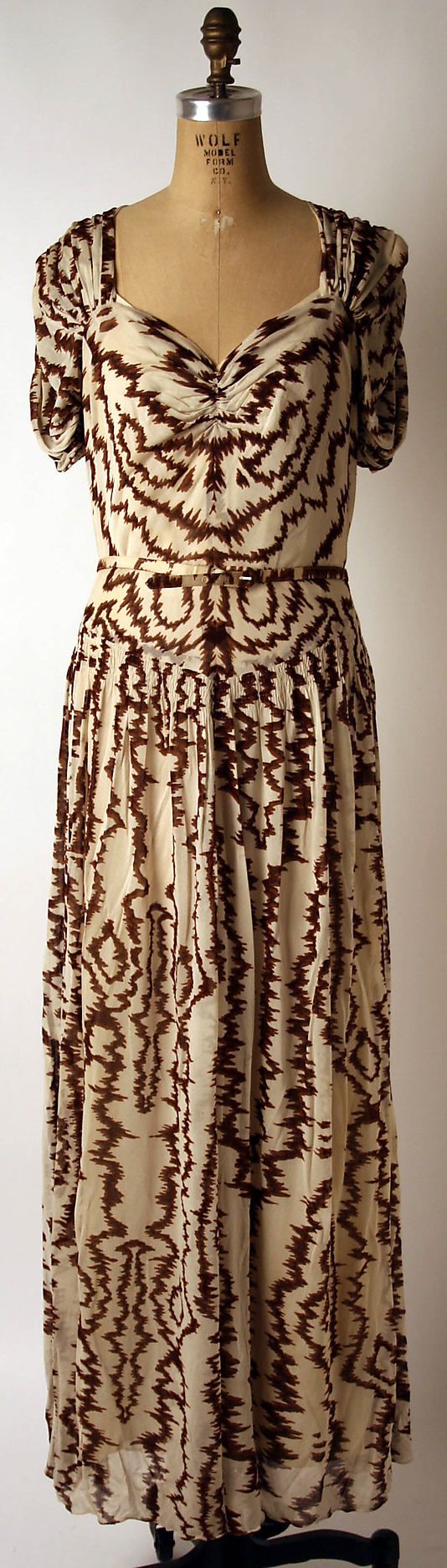
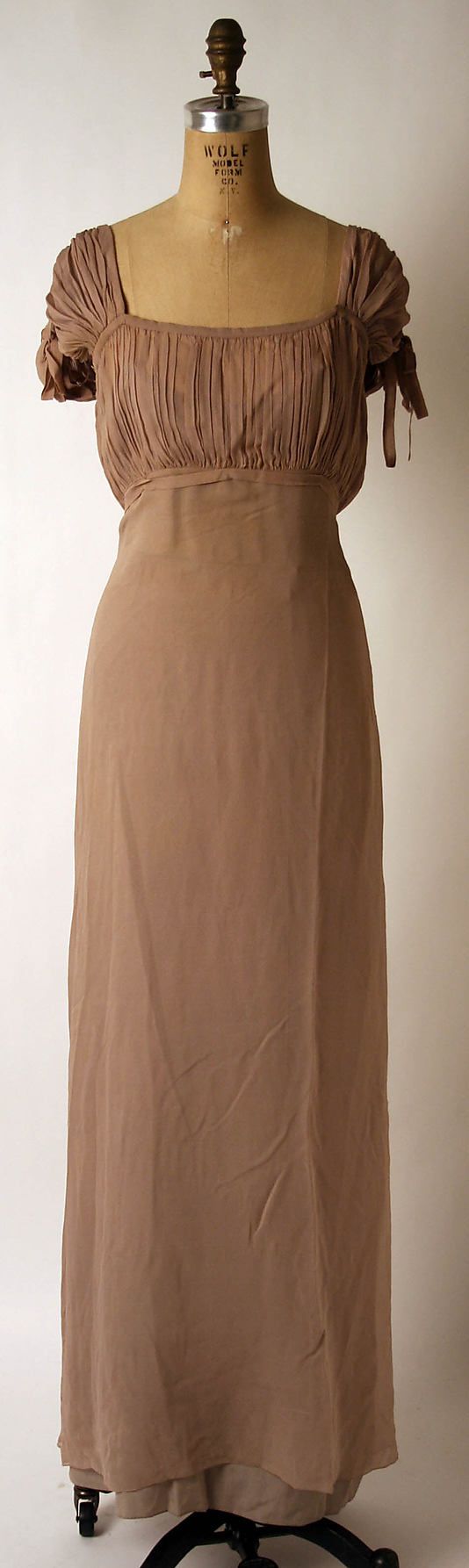
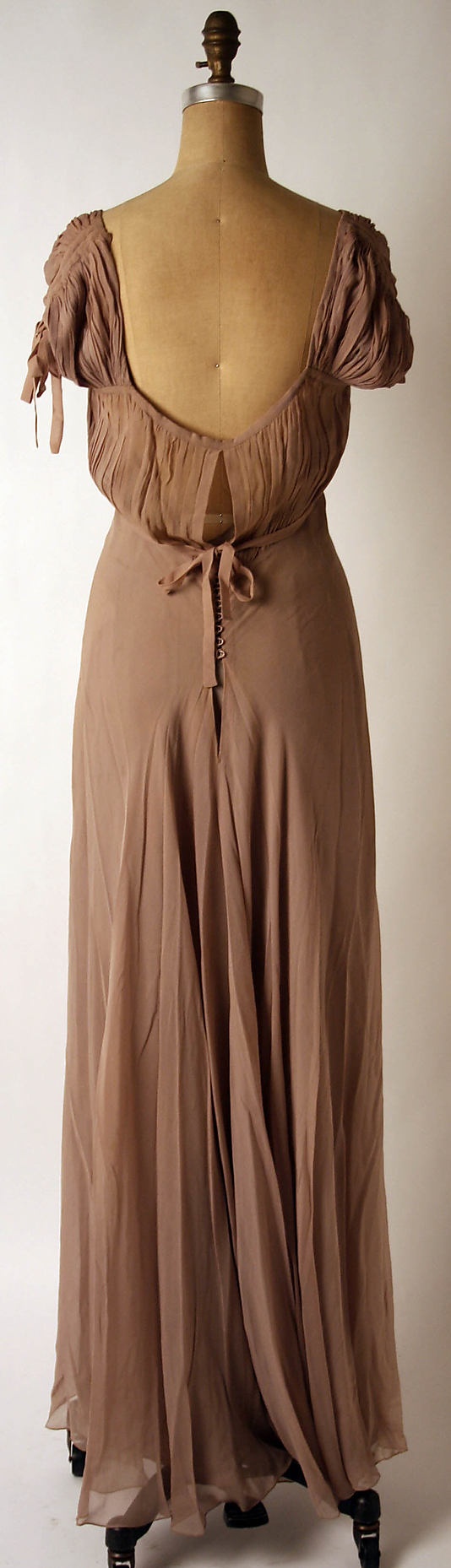
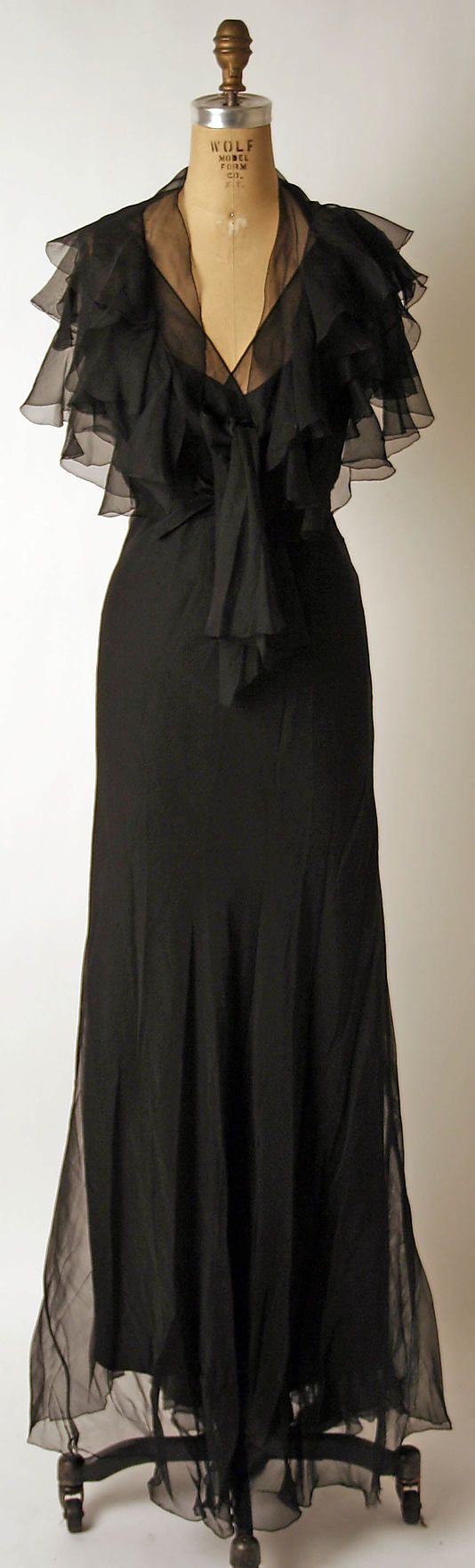
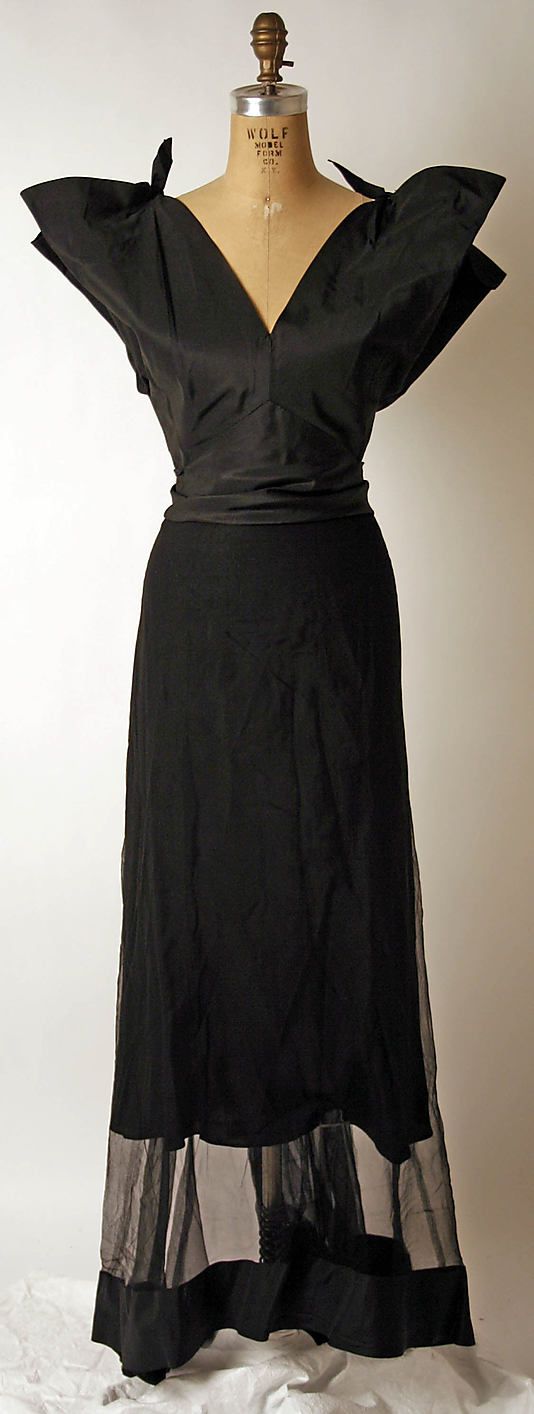
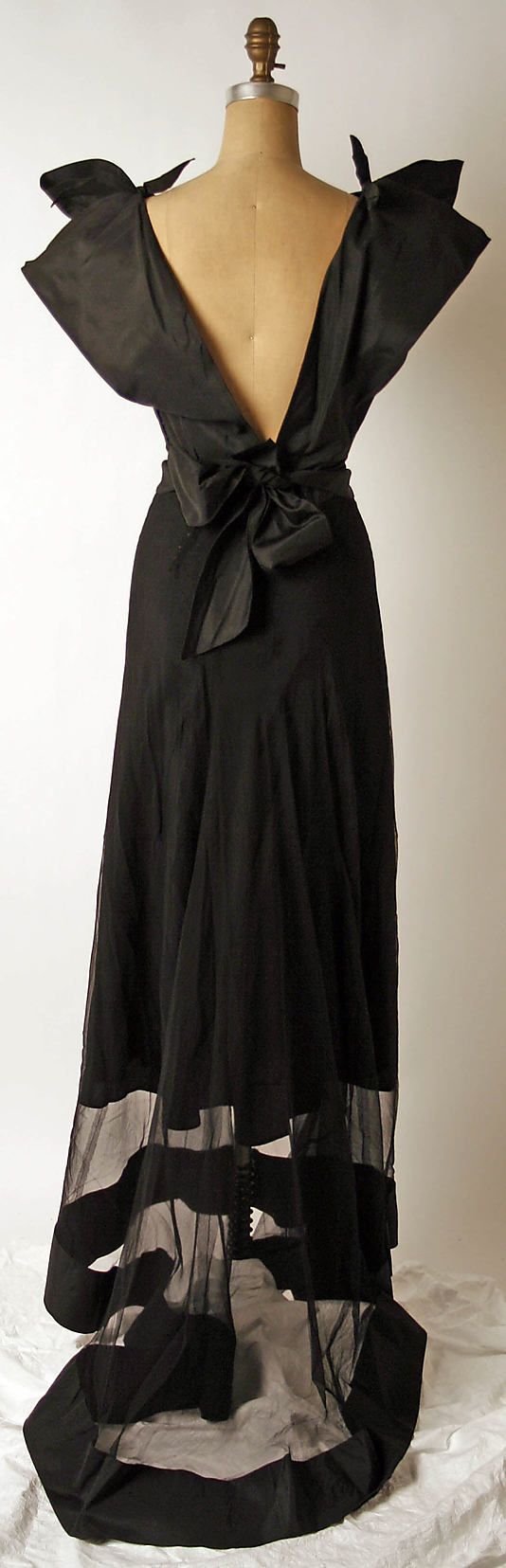
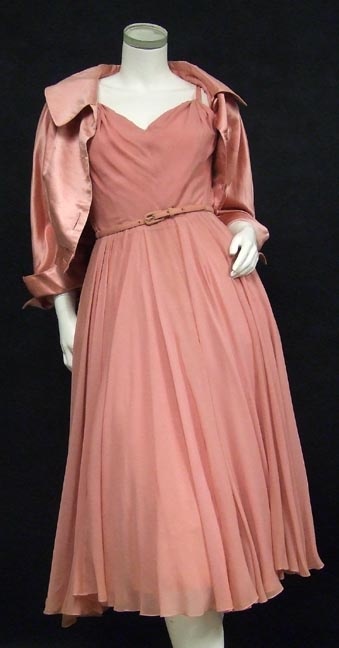
Clothes by Nettie Rosenstein
Nettie Rosenstein

Nettie Rosenstein

Nettie Rosenstein

28fc6574809d8ccc9286f3cf7d5a35bb

Nettie Rosenstein

Nettie Rosenstein

Nettie Rosenstein

Nettie Rosenstein

Nettie Rosenstein

When Saul Rosenstein retired from his successful women’s underwear business in the late 1920s, Nettie tried retirement, too. Two years later, however, she began working for the dressmaking firm Corbeau & Cie. She started couture clothing around 1927 and a couple of years later, she reopened her own dressmaking firm on West 47th Street with her sister-in-law, Eva Rosencrans, and her former boss at Corbeau & Cie., Charles Gumprecht.  . In 1931 she moved to West 47th Street and in 1942 to Seventh Avenue.

“It’s what you leave off a dress that makes it smart.”

At her peak in the 1930’s, Nettie designed 500 models a year, preferring to work by draping material directly on the figure.  Her clothes were sold all over America, but only to one store in each city.  The store that featured her clothes by name in New York was Bonwit Teller.

In 1936 LIFE magazine profiled Nettie Rosenstein, as one of the most respected American designers, showing a photograph of one of her evening dresses.

In spite of the Depression, Rosenstein’s business flourished, grossing $1 million in 1937.

wedding ensemble 1944Nettie Rosenstein wedding dress
.

Nettie was very well-known for her little black dresses and her evening gowns. Her wedding gowns were also very much admired. Her designs were among the highest-priced wholesale clothes in New York City. Because they were so widely copied, the influence of her work went far beyond those who could afford her clothing. The reasons for her high prices were her use of high-quality materials and construction techniques, and her precise fit process. Each of her designs was first conceived on a showroom model, and then adapted in fit and proportion five times to five different-sized workroom models that represented the average figure. Rosenstein, who was given a design award in 1938 by the department store Lord & Taylor

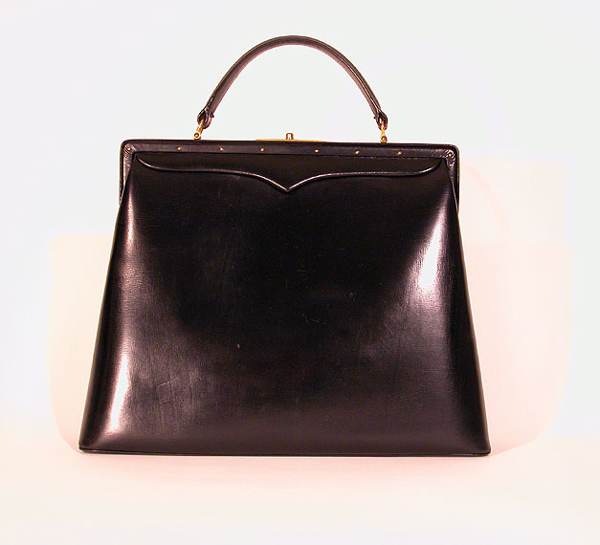
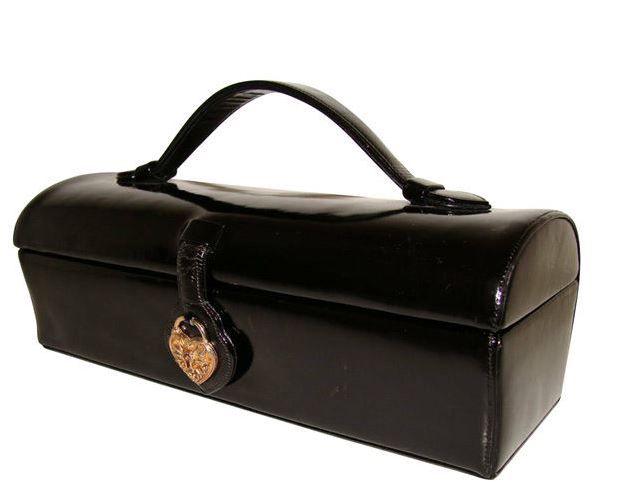
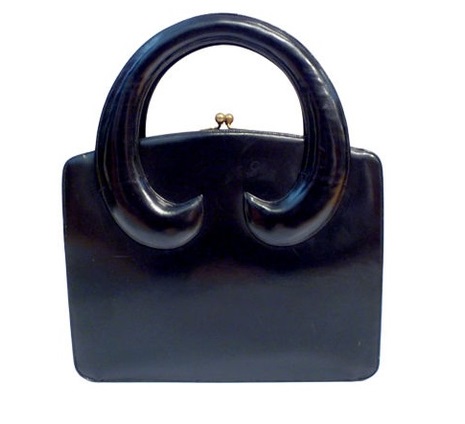
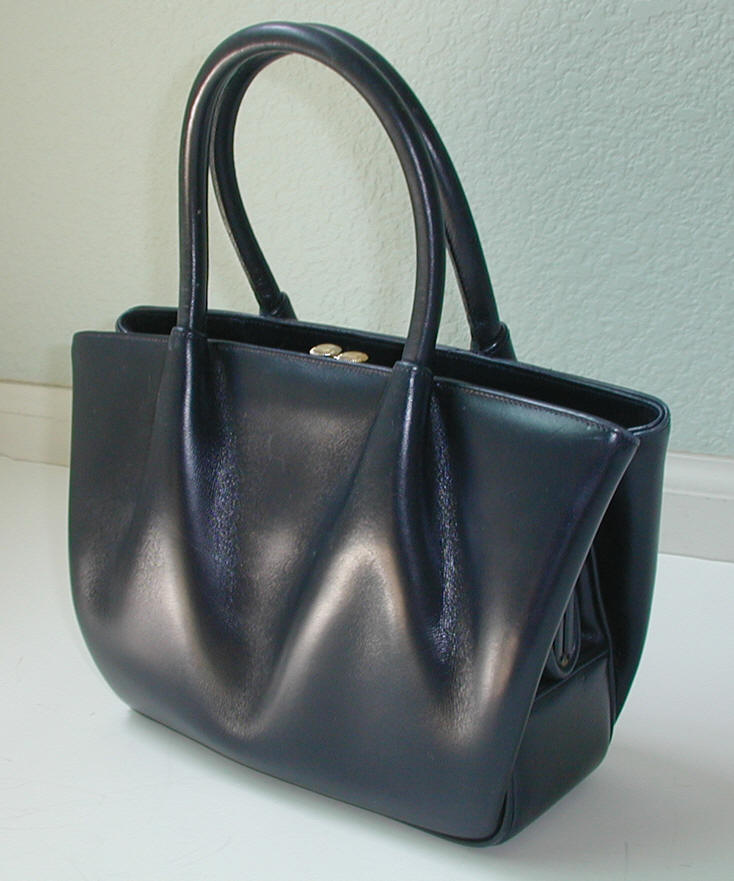
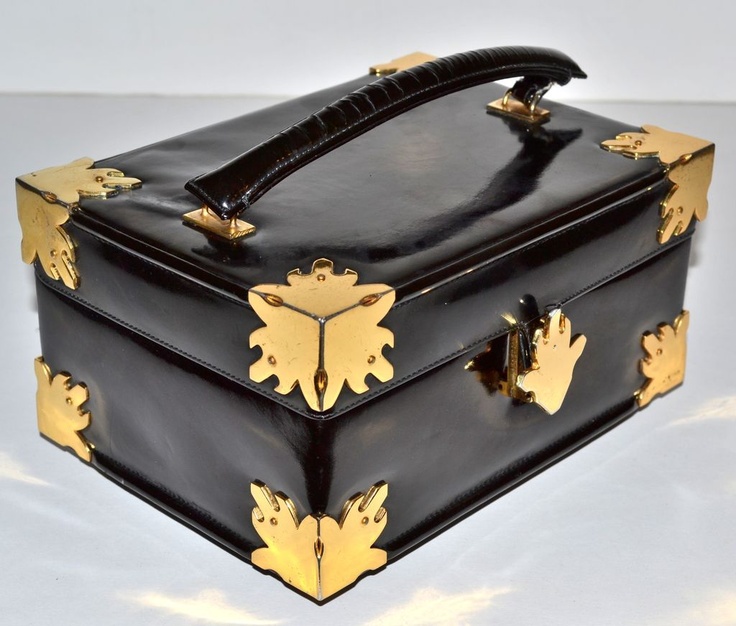
Together with old friend Sol L. Klein, who also came from Austria and moved to the United States in 1920, in the 1940s Nettie  founded Nettie Rosenstein Accessories Inc. The company manufactured costume jewelry and handbags.

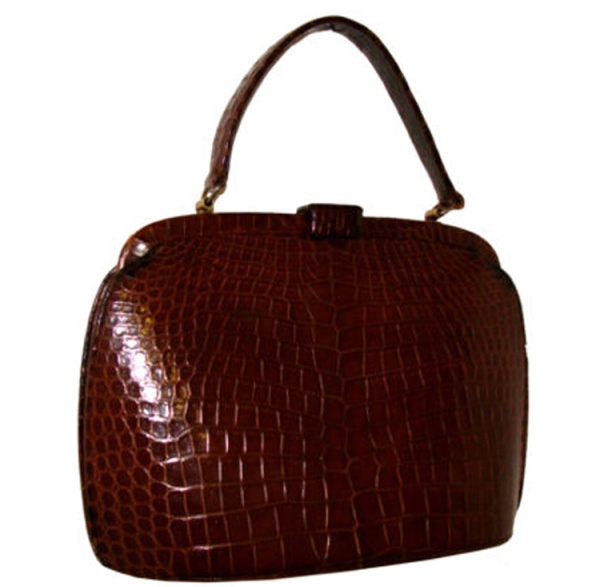
Handbags by Nettie Rosenstein
Nettie Rosenstein

Nettie Rosenstein

Nettie Rosenstein

Nettie Rosenstein

Nettie Rosenstein

Nettie Rosenstein

She announced her second retirement in March 1942, inspiring a tribute in TIME Magazine. However, also this retirement did not last long, as she resumed fashion design a few years later, winning a Coty Award in 1947. She  contributed largely to the movement of the democratization of fashion in America during the first half of the twentieth century by making good-quality clothing of sophisticated design available for the ready-to-wear customer.

Commissioned by Neiman Marcus, she designed the pink brocade Inaugural gown shown here on the right for Mrs. Mamie Eisenhower in 1953 when her husband Dwight Eisenhower became President of the United States.  First Lady Mamie Eisenhower‘s style landed her on many a best-dressed list and made her a fashion icon to women across America.

Mrs. Eisenhower in 1953Mrs. Mamie Eisenhower in 1953
.

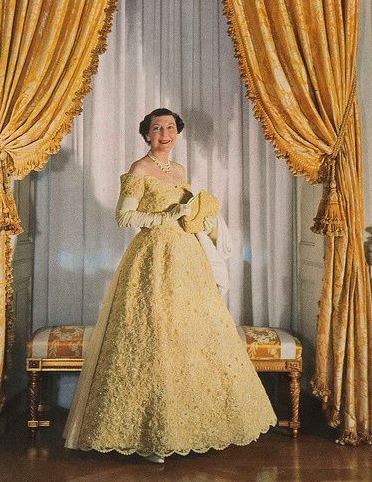
Nettie was again called upon again by Mrs. Eisenhower in 1957.  She made a beautiful yellow gown for Mrs Mamie Eisenhower when he husband became President for the second time.

Mrs. Eisenhower in 1957.Mrs. Mamie Eisenhower in 1957
.

Nettie cultivated excellent relationships with European fabric houses, so they made exclusive materials for her including shantung, organdy and taffeta gauze.  Lace, one of her favourite fabrics, went on sheer bodices of cocktail dresses or whole ball gowns. In 1957 she went into sportswear with maillots made out of Lastex.

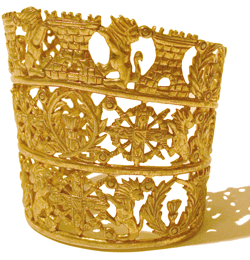
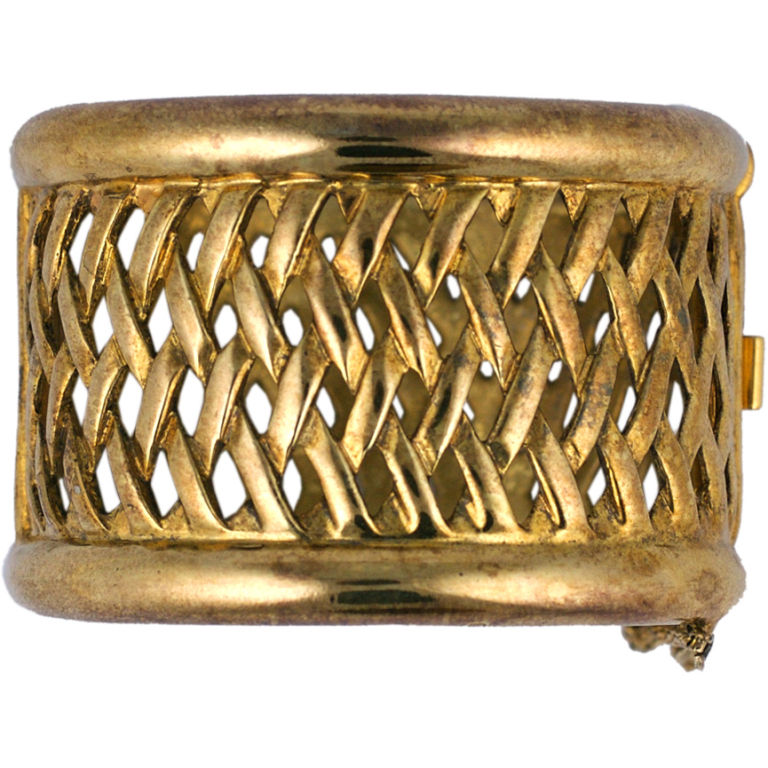
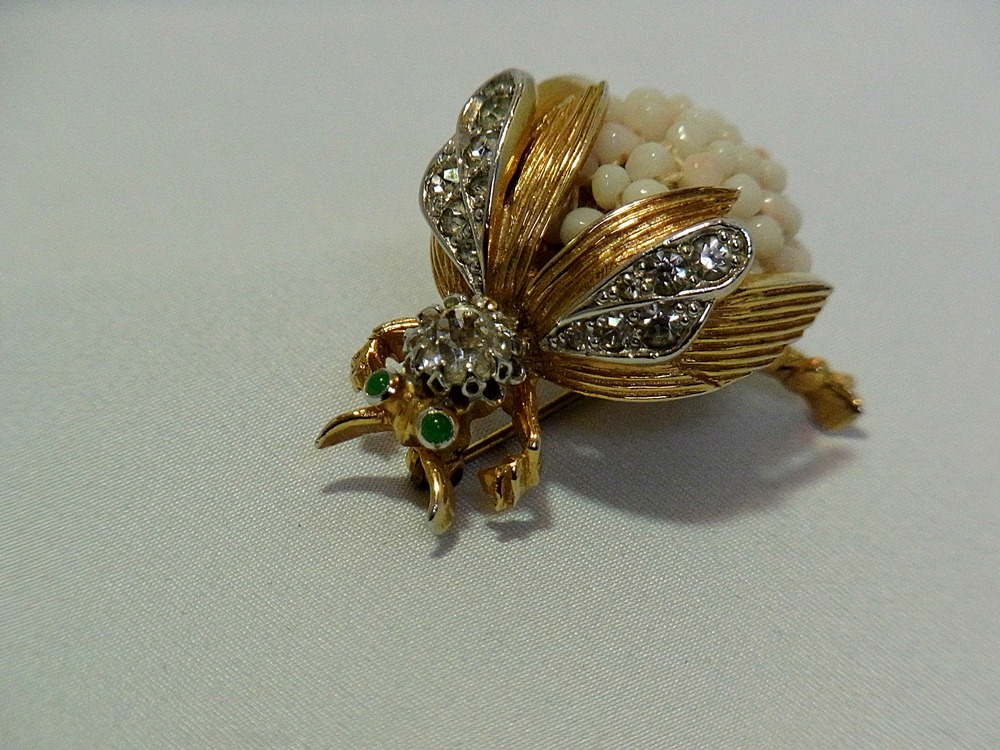
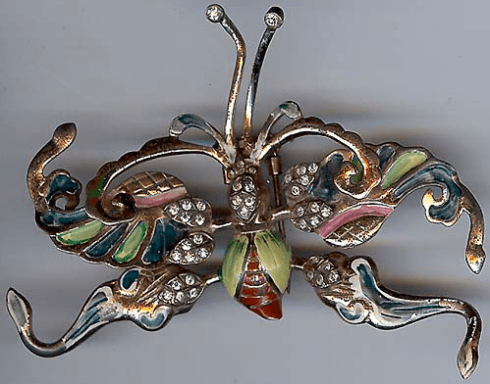
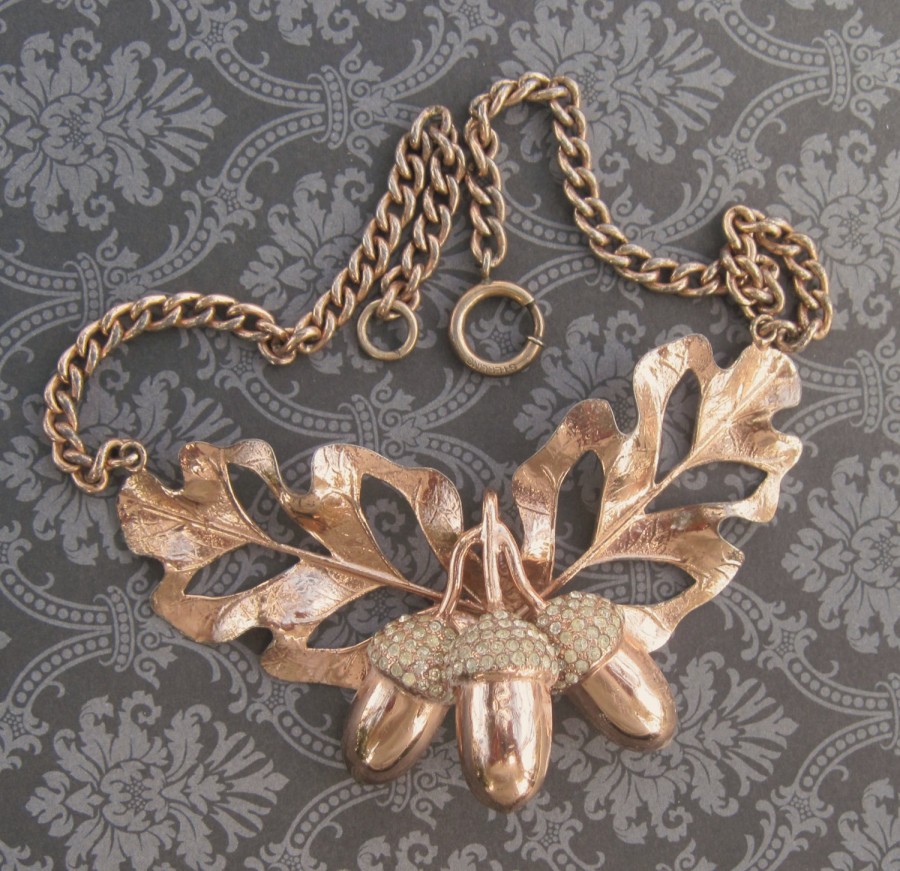
Charles Kleibacker joined her house in 1958, and designed till 1961.  He was a master of bias-cut garments with a beautiful fall. In 1961 Nettie stopped making dresses, and concentrated on design of jewellery and accessories. Her jewellery is nowadays very much in demand and there are many sites on the net offering these pieces.

After Nettie retired from the fashion industry, her name was carried on by Sol L. Klein with Nettie Rosenstein Accessories Inc . He retired in 1975, at which time the Nettie Rosenstein brand closed too

Jewellery by Nettie Rosenstein

Nettie Rosenstein

Nettie Rosenstein

Nettie Rosenstein

Nettie Rosenstein

Nettie Rosenstein

Nettie Rosenstein

Nettie Rosenstein

Nettie Rosenstein

Nettie Rosenstein

Nettie Rosenstein

On March 13, 1980, after a long illness, Nettie died at the age of 90.

In 2000 the City of New York included the name of Nettie Rosenstein in a list of great American fashion designers, when considering whom to honour by a plaque on the pavement of 7th Avenue called the FASHION WALK  OF FAME.
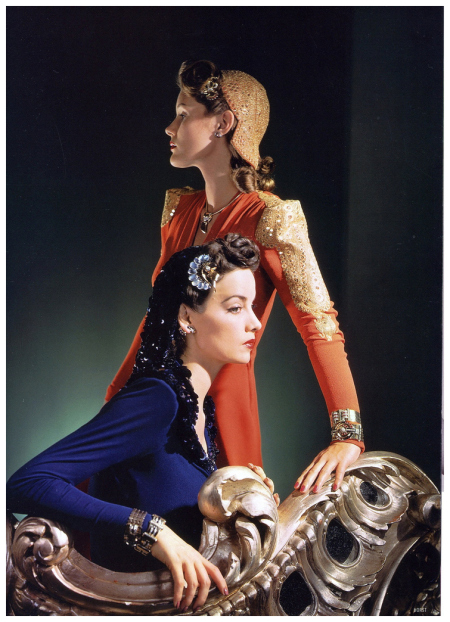
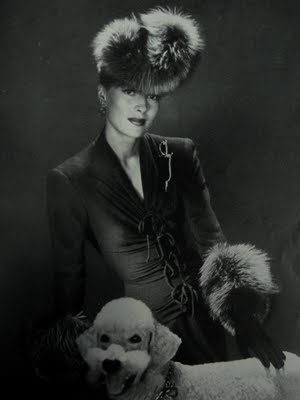
models-are-wearing-dresses-and-matching-caps-by-nettie-rosenstein-and-jewelry-by-tiffanys-photo-by-horst-vogue-nov-1-1940

Nettie Rosenstein

Nettie Rosenstein

Nettie Rosenstein

Info:
Wikipedia
http://jwa.org/encyclopedia/article/rosenstein-nettie

…………………..
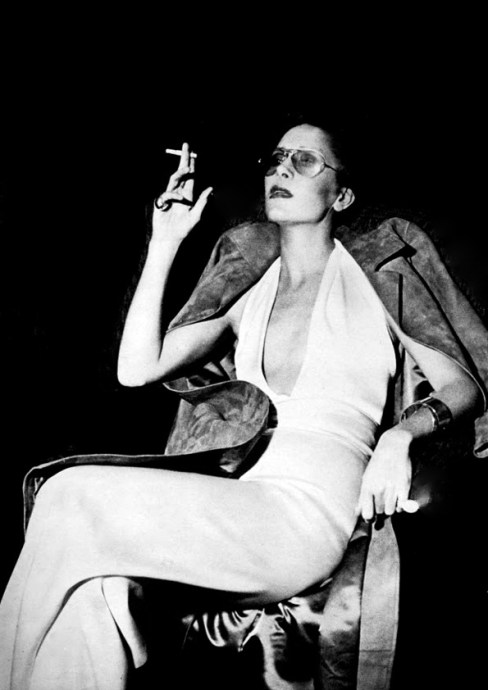
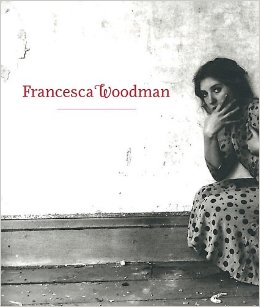
Francesca Woodman’s intriguing Photographs

23 Feb

Francesca Woodman

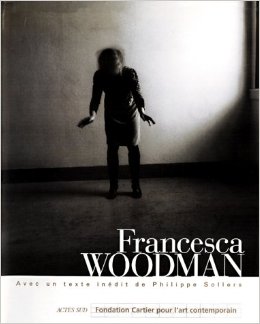
Years ago I got a the book about Francesca Woodman‘s work as a present from a friend. I’d never heard of Francesca Woodman, but I was immediately intrigued by her photographs. Her short life was intense and full of passion , as was her work.

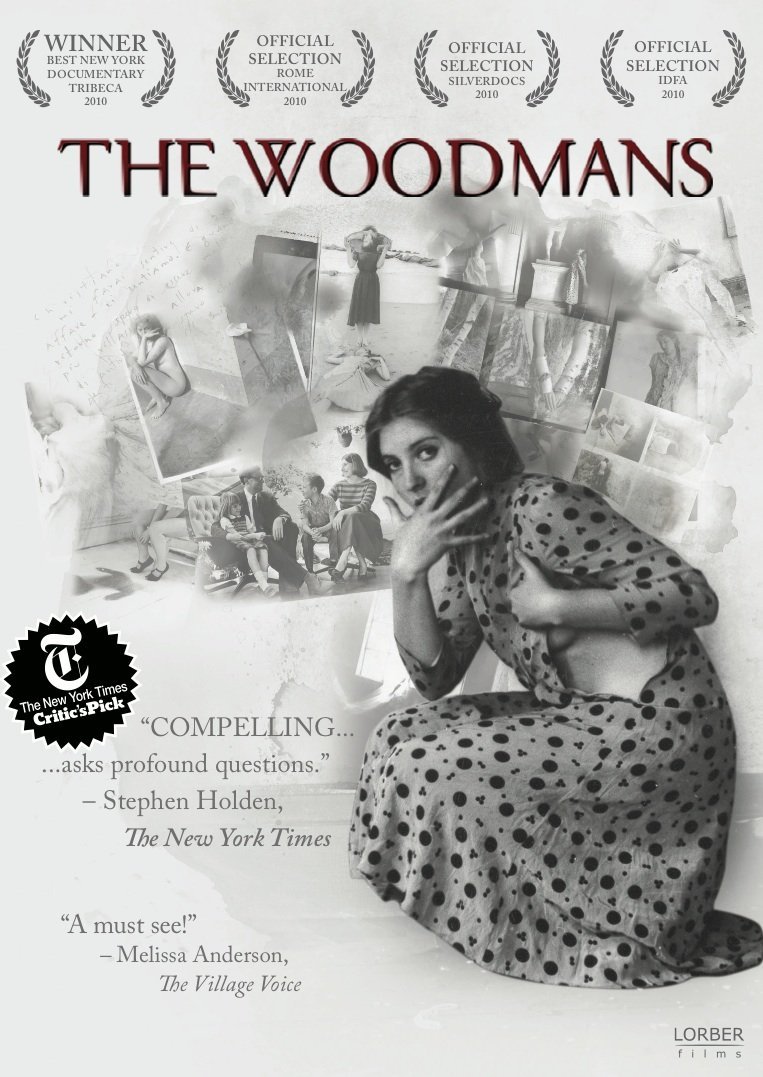
In 2010 a documentary by director C. Scott Willis about the artistic family Francesca came from, called The Woodmans, won an award at the Tribeca Film Festival.

Francesca & FatherFrancesca & her father George Woodman
.

Francesca Woodman Bio

Francesca Woodman (1958-1981) only lived to be 22 years old, but her remarkable body of work has continued to increase attention in the world of contemporary art since her suicide in 1981.

She was born to an artistic family in Denver, her mother, Betty Woodman, is a sculptor and ceramicist and her father, George Woodman, is a photographer and painter. Her older brother Charles later became an associate professor of electronic art.

Beginning in 1975, Francesca attended the Rhode Island School of Design (RISD). She studied in Rome between 1977 and 1978 in a RISD
honors program. A year later Francesca moved to New York “to make a career in photography”.  She sent portfolios of her work to fashion photographers, but “her solicitations did not lead anywhere”.

francesca-woodman

francesca-woodman_3-1024x750

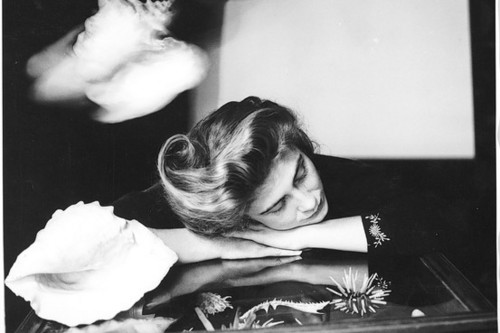
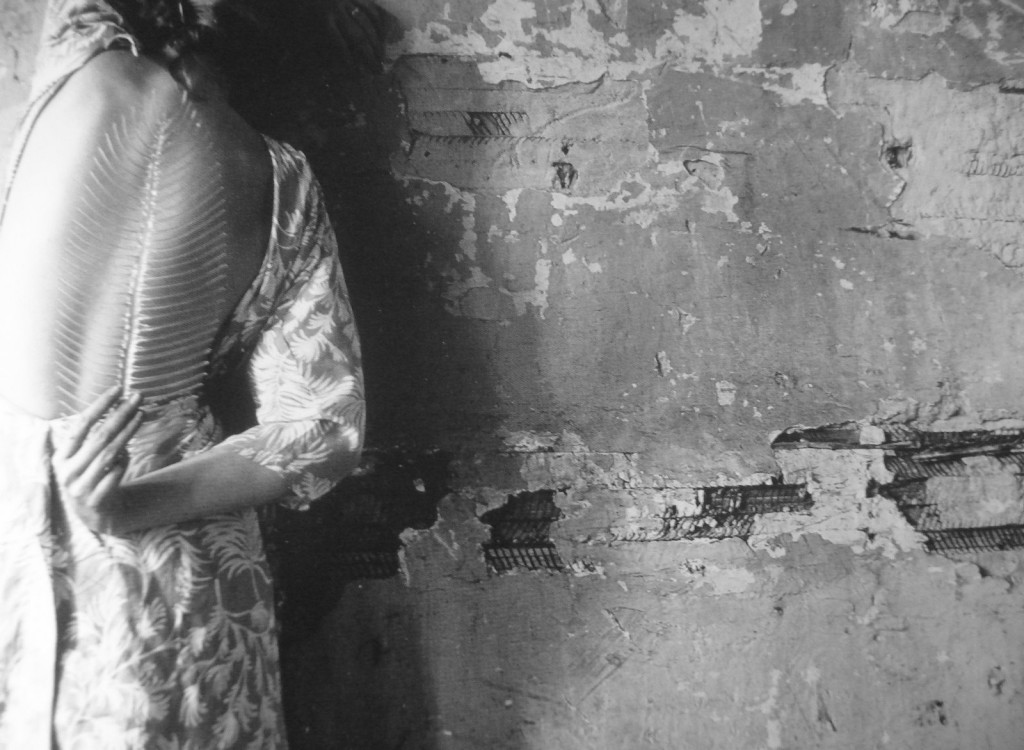
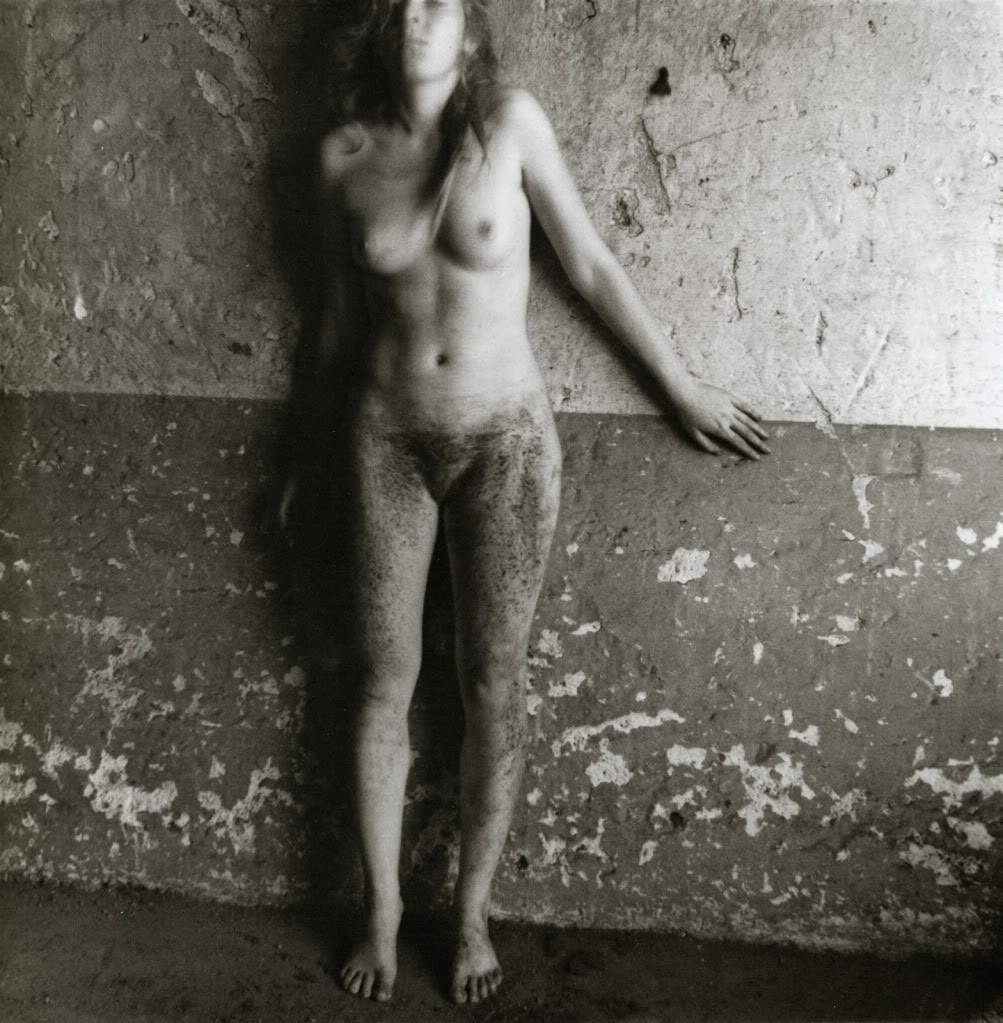
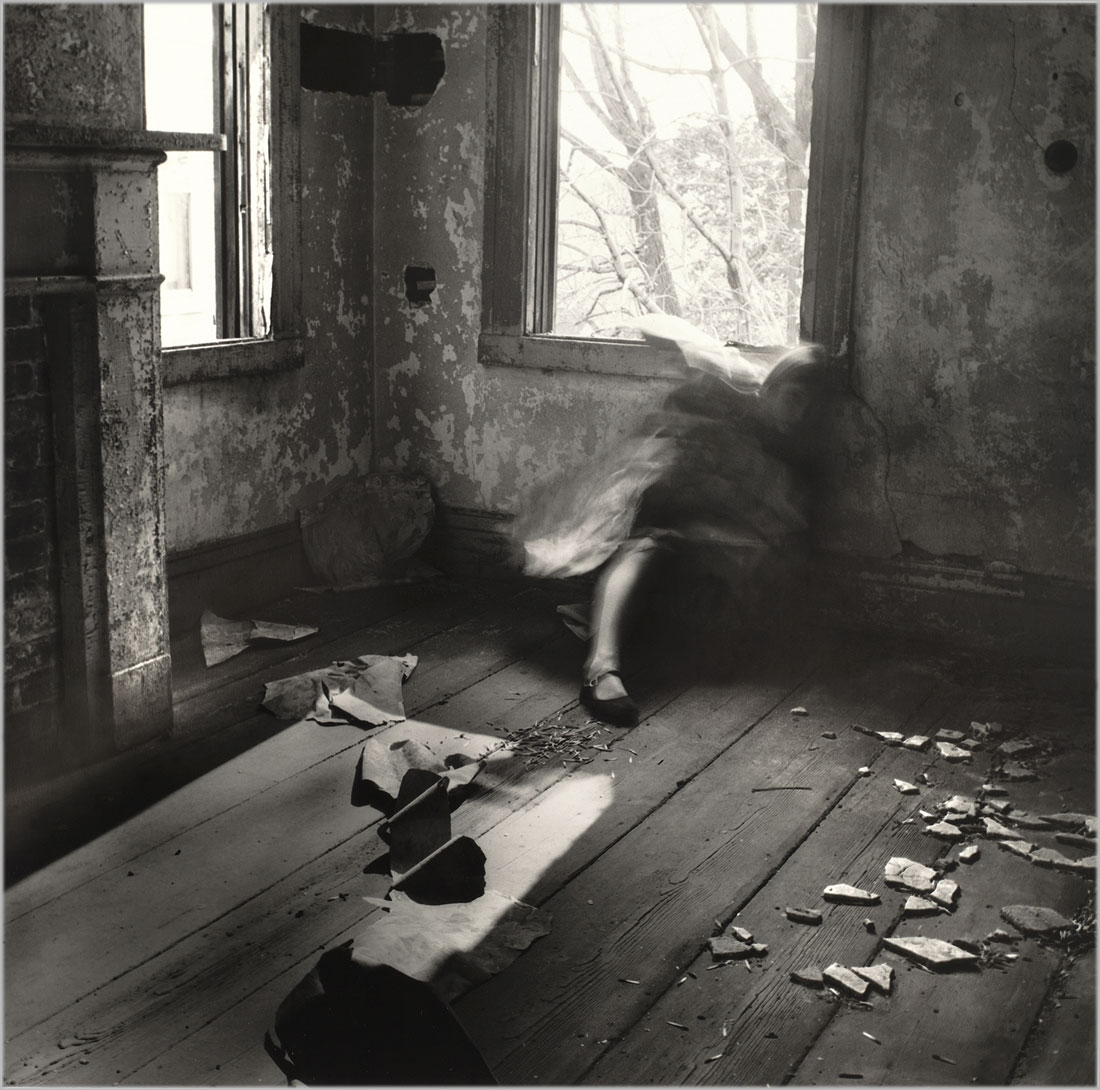
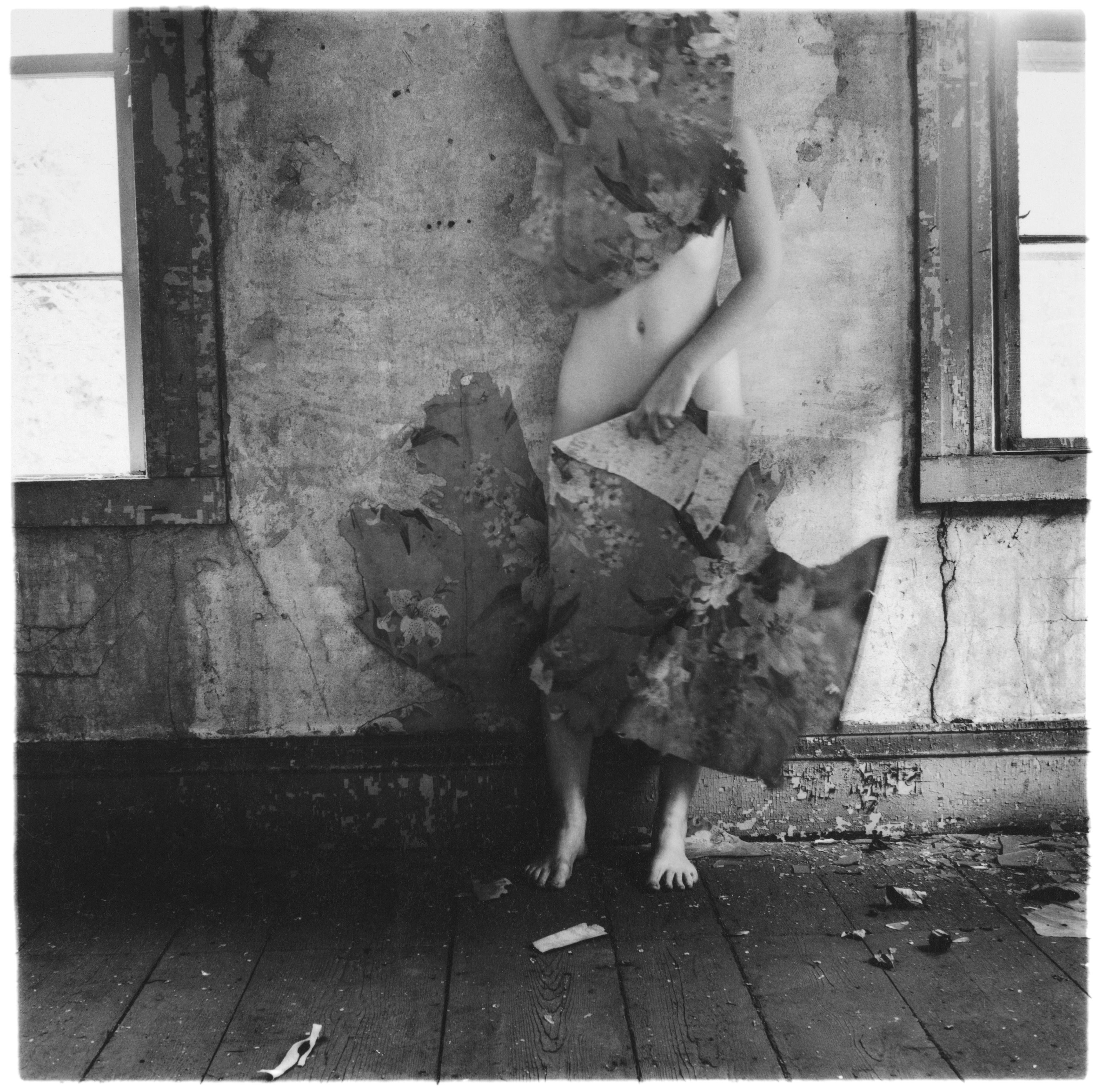
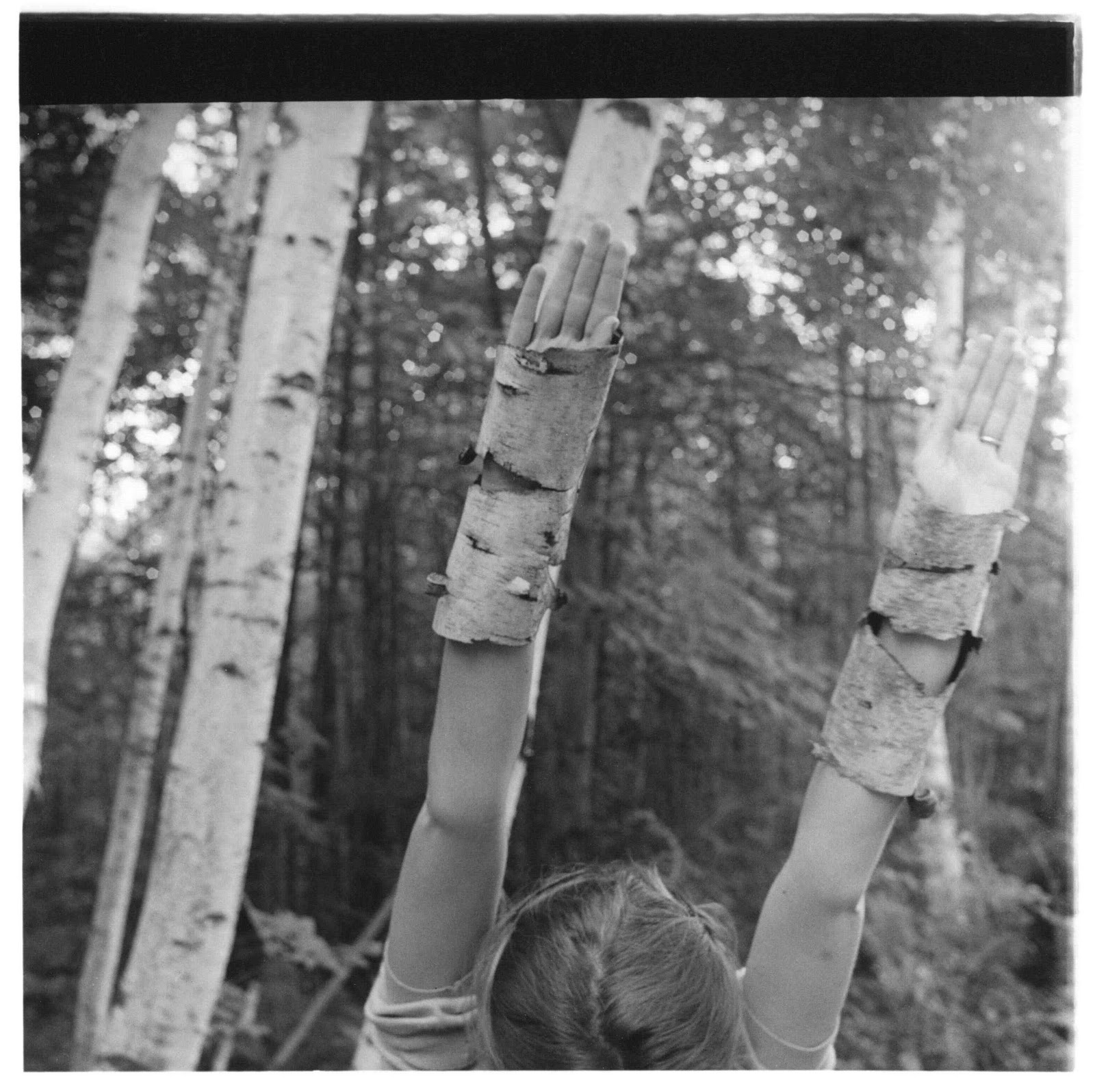
Francesca was also deeply interested in the Surrealist movement and neo-Pictorialism—as seen in the work of fashion photographer Deborah Turbeville—and both movements are evident in the abstraction, motifs, and ghostly air of her work.

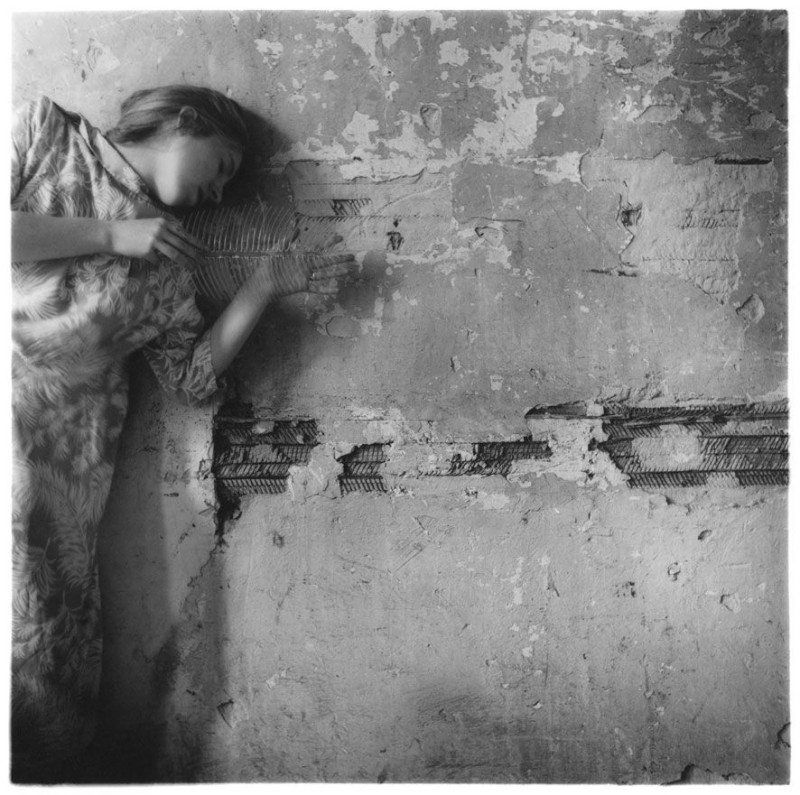
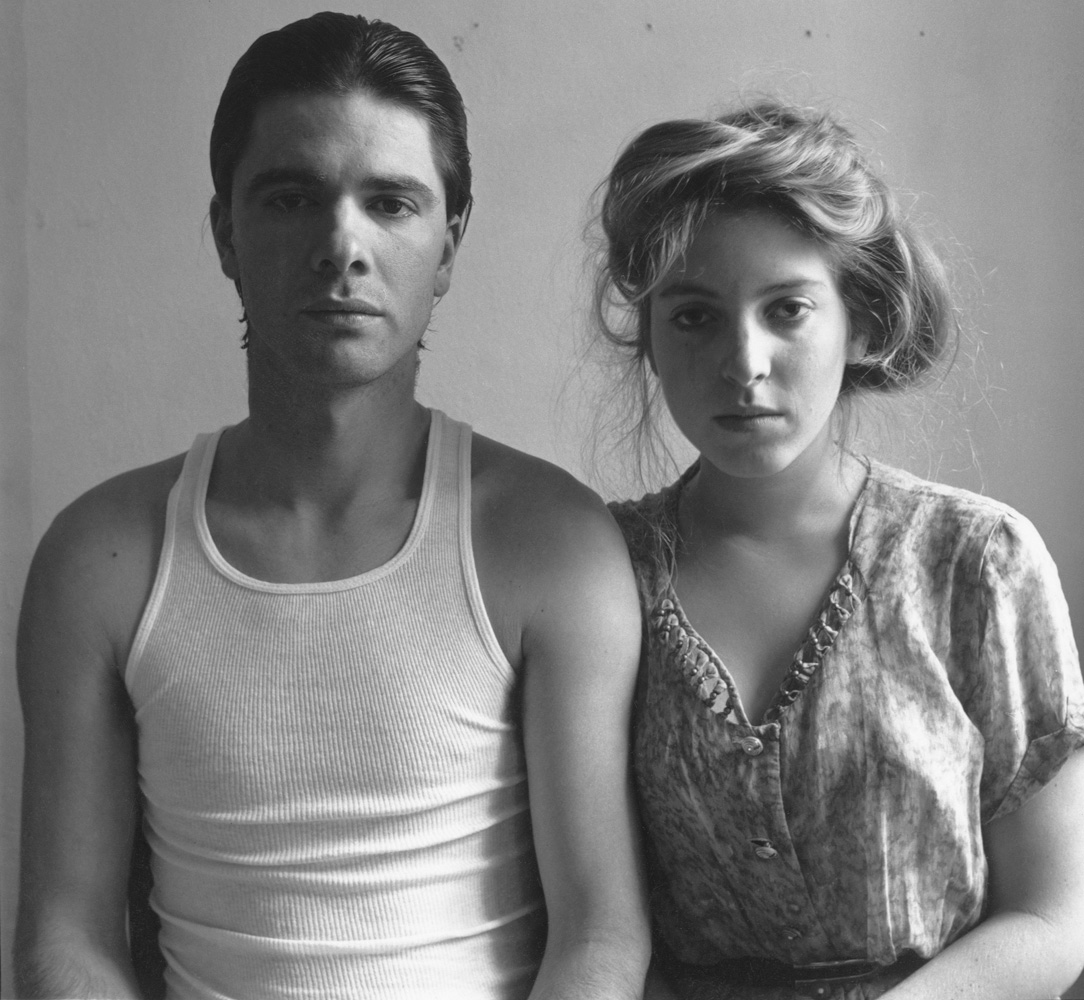
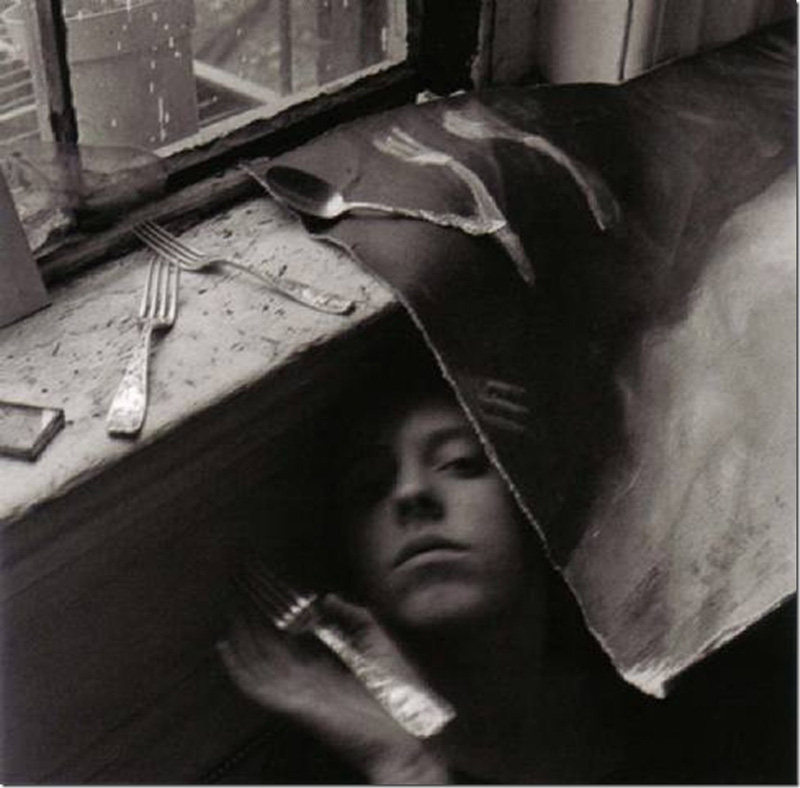
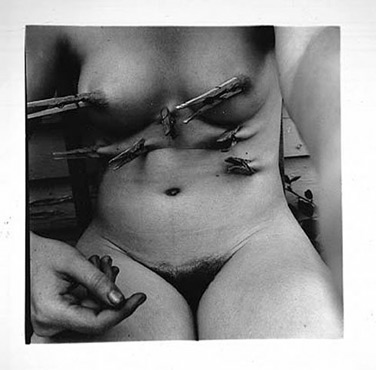
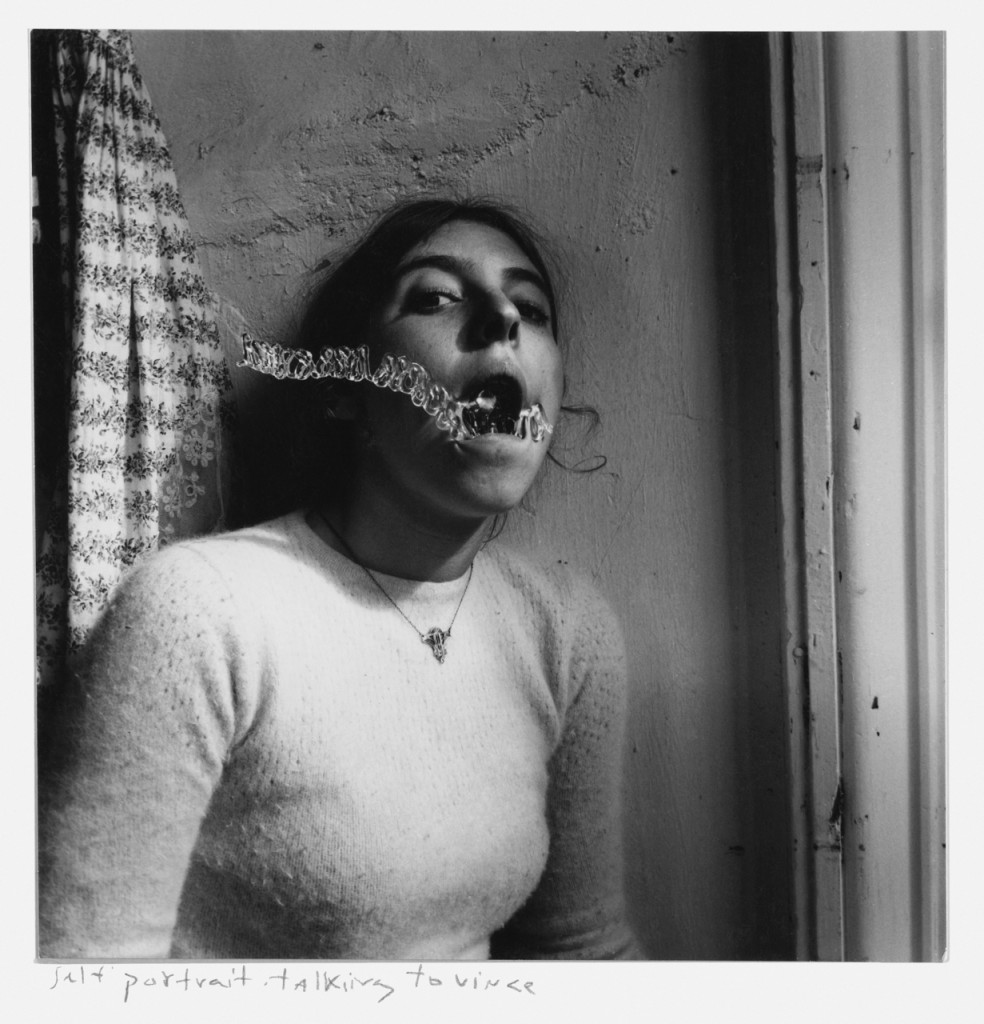
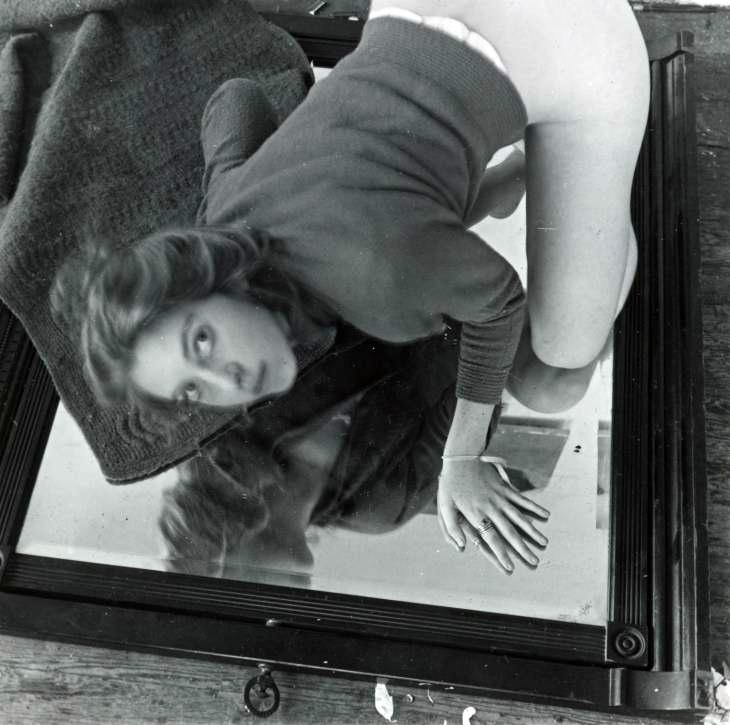
While her work would remain unknown for the entirety of her life, today she is widely celebrated for her black-and-white depictions of young women, frequently in the nude and blurred by slow shutter speed and long exposure. Many of her photographs are self-portraits—though you rarely can see Woodman’s face unobstructed—and men are an infrequent presence. Francesca made a number of short films as well, along the same aesthetics of her photographs.

Woodman

Francesca Woodman

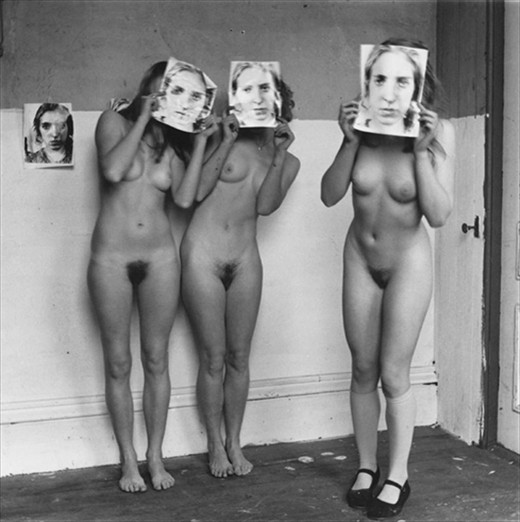
Sometimes she dressed up like the heroine of a Victorian novel – she collected vintage clothes long before it was fashionable – or as Alice about to disappear through the looking-glass. In one famous image, she stands alongside two other naked women, each of them concealing their face behind a photograph of her face, while a different Francesca Woodman face, in a self-portrait pinned to the wall, gazes out at us too.

Her nudes often recall Bellocq‘s haunting Storyville portraits of New Orleans prostitutes. One startling photograph of her legs bound tightly in ribbon or tape, her hand holding a striped glove that rests between her legs, has traces of the disturbing doll photographers of the German surrealist photographer Hans Bellmer.

Francesca woodman

In late 1980 Francesca became depressed due to the failure of her work to attract attention and to a broken relationship. Her life ended when she threw herself off a building in New York in January 1981. She was just 22, but left an archive of some 800 images.

Francesca’s photography was first exhibited at Wellesley College in 1986 after it was discovered by Ann Gabhart, the director of the Wellesley Art Museum, in the Woodmans’ family home in Colorado. Her first retrospective opened at the San Francisco Museum of Modern Art in 2011 and traveled to the Guggenheim in 2012. The photographs are in the permanent collections of both the Whitney Museum and the Metropolitan Museum of Art, and prominent artists such as Cindy Sherman continue to cite her as an inspiration for their work.

Francesca-Woodman-Book-9

Woodman

francesca_woodman

francesca-woodman

.

Documentary:  The Woodmans

Film poster

The tragic story of Francesca Woodman, a young photographer renowned for her extraordinary nude self-portraits, is also the story of her brilliantly artistic family.  With THE WOODMANS, director C. Scott Willis shows how the struggle for fame in the high-stakes world of art resulted in tragedy, and then in healing and redemption.  As a family, the Woodmans are noted for their talent.  Betty Woodman, in particular, is an internationally renowned ceramicist whose work has been shown at The Metropolitan Museum of Art.  But it is the fate of Francesca, the youngest Woodman, that will haunt them over the years.  By piecing together Francesca’s photos, never-before-seen experimental videos and personal journals, and through candid conversations with George and Betty Woodman, Charlie Woodman and a host of friends, Willis depicts four lives committed to art.  And whose art lives through them.  It is an extraordinary debut film that explores what it truly means to create.

.

.

http://www.amazon.com/The-Woodmans-Francesca-Woodman/dp/B007IHH4H0

.

Woodman

Woodman

.

Books

book cover

.
.
book cover
.
.
Book cover
.
Francesca Woodman
.
info: 
Sean for The Observer, November 2010
Wikipedia

Halston, a true American Designer

2 Feb

halston design

The name Halston evokes a highly decadent moment in our cultural history: the nightlife-as-performance days of Studio 54, electrified by seventies disco, drugs, and celebrity. But Halston was also synonymous with characteristically American kind of sporty, easy fashion that, as Vogue put it in 1980, was (and remains) “unpretentious, unexcessive, with an instant attractiveness that answers the needs of all women who demand fashion that works.” Whatever he designed—a halter jumpsuit, a fitted jersey dress, a fluid blouse to be worn with an A-line skirt—was executed with a chic simplicity that kept it very wearable.

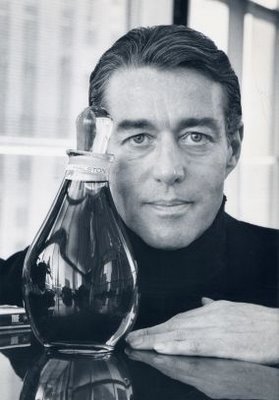
Roy Halston

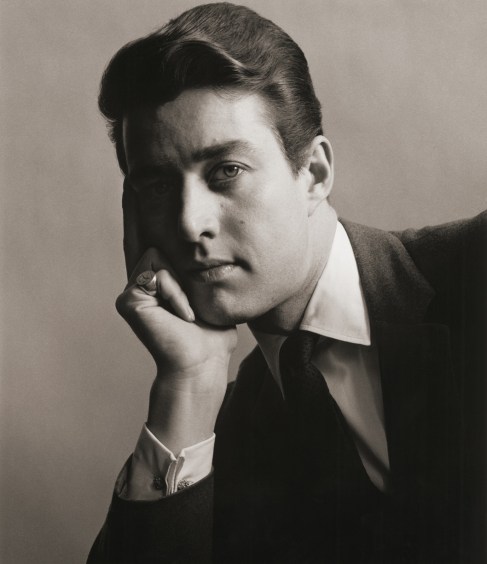
Roy Halston Frowick was born in Des Moines, Iowa, April 23, 1932. After his school education, Halston becomes a hatmaker in Chicago. (during his childhood he had been referred to as Halston to distinguish between himself and his uncle Roy). At 26 he moves to New York to work for prominent milliner Lilly Daché and meets designer Charles James, whom Balenciaga had called “the greatest couturier in the world,” and who becomes his friend and mentor.

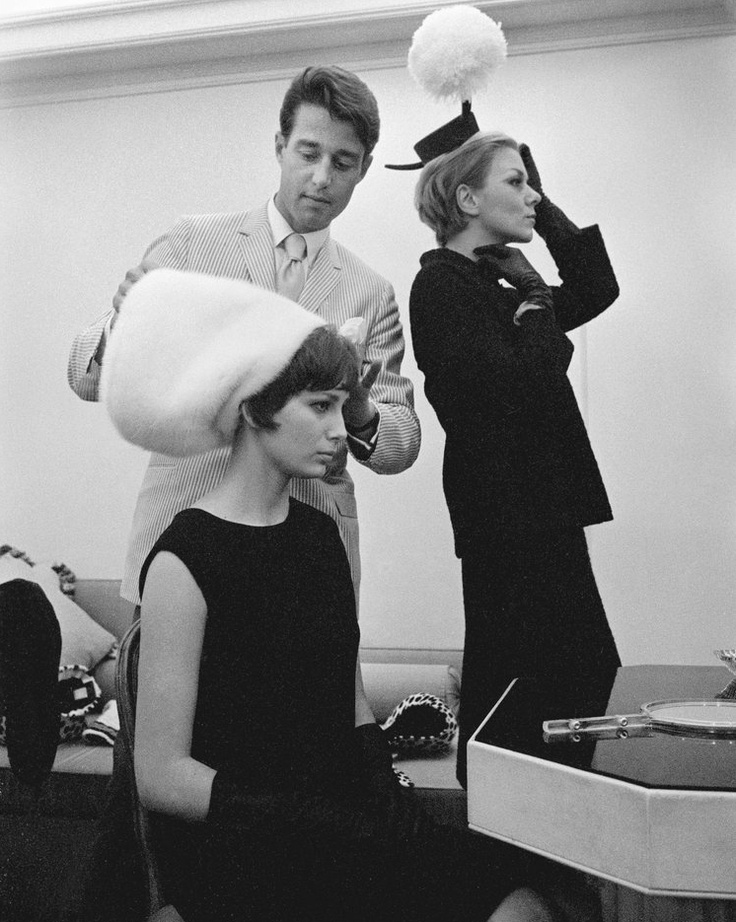
By 1960, Halston is working at Bergdorf Goodman as a hatmaker and becomes the chief milliner to future First Lady Jacqueline Kennedy, now on the campaign trail. Reportedly, she has a large head—the same size as Halston’s. An assistant to the designer later will say that before hats were sent to Mrs. Kennedy, “Halston would put them on his head and sit there and look at them with two mirrors, one behind him and one in front, turning his head at different angles to make sure they looked right. When the First Lady wears a Halston pillbox hat to her husband’s presidential inauguration. Halston is famous.

Halston

Halston

halston hat
 
Halston hat

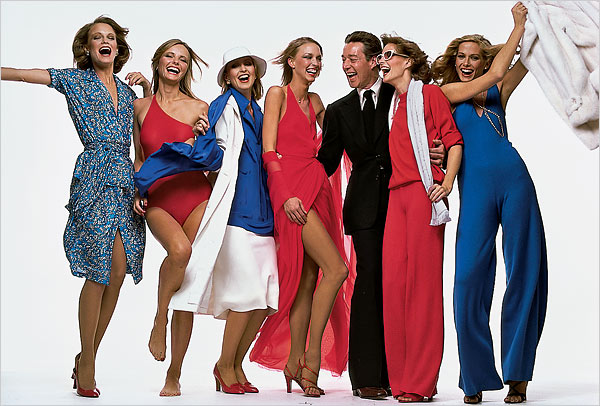
 At a tea dance in the Pines on Fire Island, meets Edward J. Austin, Jr., an assistant buyer of menswear at Alexander’s department store and the two will be lovers for at least five. Two years later, when Halston branches into designing women’s wear, Newsweek dubbed him “the premier fashion designer of all America.”His designs were worn by Bianca Jagger, Lauren Hutton, Liza Minnelli, Anjelica Huston, Gene Tierney, Lauren Bacall, Babe Paley, and Elizabeth Taylor, setting a style that would be closely associated with the international jet set of the era. He opens the first Halston Boutique, within Bergdorf’s; he will create several collections for the store over the next couple of years.

When he opens an independent salon on Madison Avenue, Edward becomes Halston’s boutique manager. After showing his first collection of 25 pieces, receives a visit—the next morning at 9:30—from socialite Babe Paley, who wants an argyle pantsuit. “It wasn’t my intention to go into a made-to-order business,” Halston later says. “I didn’t have that kind of staff, you know, but of course Mrs. Paley is probably the number-one client you could possibly want as a designer. So I started.” Calls from other society belles follow. Halston often closes the store to lunch with clients like Barbara Walters or Lauren Bacall, with a very civilized routine of wine in Baccarat glasses, salad, a main course, and freshly brewed espresso. The salon is the setting for exclusive parties at night.

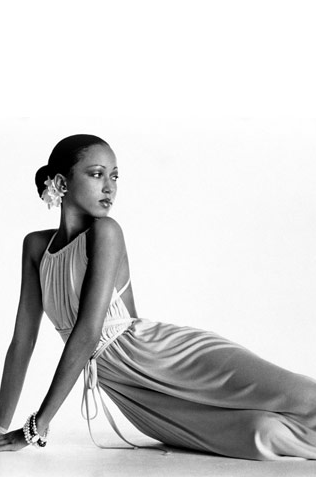
Irving PennPat Cleveland in Halston by Irving Penn 
 
Halston
 
Halston
 
.

Still loyal to his friend and mentor Charles James, in 1969, Halston sponsors a retrospective of the older designer’s work at the Electric Circus, a trendy nightclub in the East Village. Soon after, he hires James to work for him in his showroom. In 1970, the two designers show a collection of their commingled efforts; it is roundly panned by critics. The pair have a bitter falling out, both personally and professionally, shortly thereafter—from which James never recovers. Halston, on the other hand, becomes even more successful. “Halston became Halston after the Charles James show, because he realized he was as good as Charles James.” (?)

Halston once told Vogue that his role in fashion was to clean it up: “just getting rid of all of the extra details that didn’t work—bows that didn’t tie, buttons that didn’t button, zippers that didn’t zip, wrap dresses that didn’t wrap. I’ve always hated things that don’t work.”

Halston was ‘addicted’ to the nightlife and partying in Studio 54, where he meets Victor Hugo, a 24-year-old Venezuelan male prostitute, who he asks to dress his boutique windows. Soon he fires Ed Austin, his ex-lover and boutique manager, whose responsibilities have been encroached upon by Hugo.

In 1974, Halston sells his business, and his design services, to Norton Simon, Inc., for about $12 million in stock. The company goes on to license Halston womenswear, menswear, bedding, accessories, luggage, fragrances, and more.  

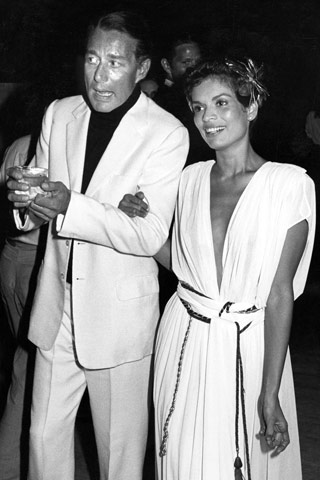
Halston & Bianca JaggerHalston & Bianca Jagger.

In 1977, Halston hosts a white-themed party for Bianca Jagger at Studio 54. Liza Minnelli attends in a white-sequined sweatsuit, and she and Jagger release white doves in the club.

Halston is very influential in the design of uniforms. In 1977 he is contracted by the airline Braniff International Airways to create a new look for their flight attendants. Halston created interchangeable separates in shades of bone, tan and taupe. An elaborate party was thrown at Braniff’s Acapulco Executive House in January, 1977, dubbed Three Nights In Acapulco, to introduce the new Halston fashions along with the new and elegant Braniff International Airways. The party and the Halston creations were a hit not only with the fashion press but also with Braniff employees who thought they were the easiest and most comfortable uniforms they had ever worn.

 
Halston
 
halston
 
Halston
 
Halston
 
Haston
 
halston
 .

Halston moves from his small boutique to a skyscraper called Olympic Tower, a location that receives spectacular reviews. The collections that follow are huge hits. His first at the new location includes a showstopping live performance of “New York, New York” by Minnelli, and a cameo appearance by Hollywood legend Elizabeth Taylor.

After years of huge success, the designer launches a lower-priced line of clothing and accessories for JC Penney, telling Vogue, “I always wanted to reach a wider America. When you’re able to produce a dress—that a woman can wear to work, wear out, that’s machine-washable—for $75, that’s magic.” Bergdorf Goodman drops Halston’s line…

Halston with "Halston"Halston photographed with “Halston”, the perfume
.

As “the first designer to realize the potential of licensing himself,” his influence went beyond style to reshape the business of fashion. Through his licensing agreement with J.C. Penney, his designs were accessible to women at a variety of income levels. Although this practice is not uncommon today, it was a controversial move at the time. Halston, his perfume, was sold in a bottle designed by Elsa Peretti and it was the second best selling perfume at the time.

Despite his achievements, the increased pressures from numerous licensing deals, in particular that of J.C. Penney which demanded eight collections per year plus accessories, in addition to his Made to Order, Ready to Wear, and Haute Couture lines, all took their toll. Halston was a perfectionist and he would not allow junior designers to design licensed products bearing his name. In October 1984, Beatrice Foods subsidiary the Playtex Corporation managers asked Halston to leave the Olympic Tower, headquarters of Halston Enterprises, due to several conflicts. 

Halston

His fans were called the Halstonettes
.

Halston is no longer able to design or sell clothes under his own name. Nevertheless, he continued to design clothing for his family and friends, including costumes for his friends Liza Minnelli and Martha Graham and her Martha Graham Dance Company.

Roy Halston died on March 26, 1990, of, an AIDS-related cancer.

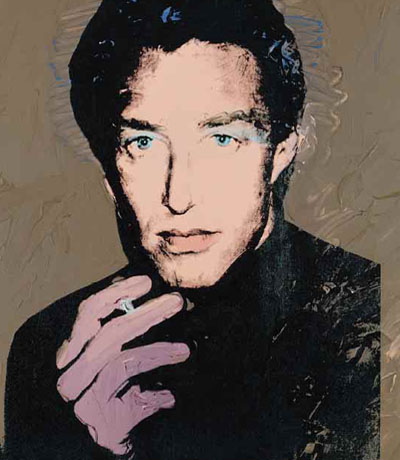
warhol

Halston by Andy Warhol
.

Video Biography

Halston hats

Also watch the great video biography on Halston.com, by clicking on the link underneath

http://www.halston.com/index.php/house-of-halston/heritage/

.

Book

Halston_StevenBluttal

http://www.amazon.com/Halston-Steven-Bluttal/dp/0714863181/ref=sr_1_1?s=books&ie=UTF8&qid=1391103665&sr=1-1&keywords=halston+book

.

Documentary

Ultrasuede: In Search of Halston

The documentary got bad reviews, mostly because it’s more a gossip story of the rise and fall of the person, Roy Halston instead of an overview of Halston’s importance in fashion for America.

Halston docu.

.

http://www.amazon.com/Ultrasuede-In-Search-Halston/dp/B006QVRV1I

.

halston20circa1977Halston  circa 1977

.

“One (or Two) of a Kind” Collection for Men

26 Jan

Collection inspiration

The “One (or Two) of a Kind” Collection for men is a series of handmade clothes.  Only one or two items of the same fabric and/or colour are available within the collection, which contains trousers, shirts, jackets and coats.

The collection is inspired by the clothes worn in the ’20ties to ’40ties of the last century, but with a nowadays touch. Almost every item is made in wool, cotton, linen or viscose, pure or blends. Some of the fabrics are woven with very fine metal to secure a creased look.

All fabrics are pre-washed and after finishing an item, it’s washed again. Some clothes get an extra treatment. All shirts, jackets, coats and most of the trousers are finished by visible hand stitching.

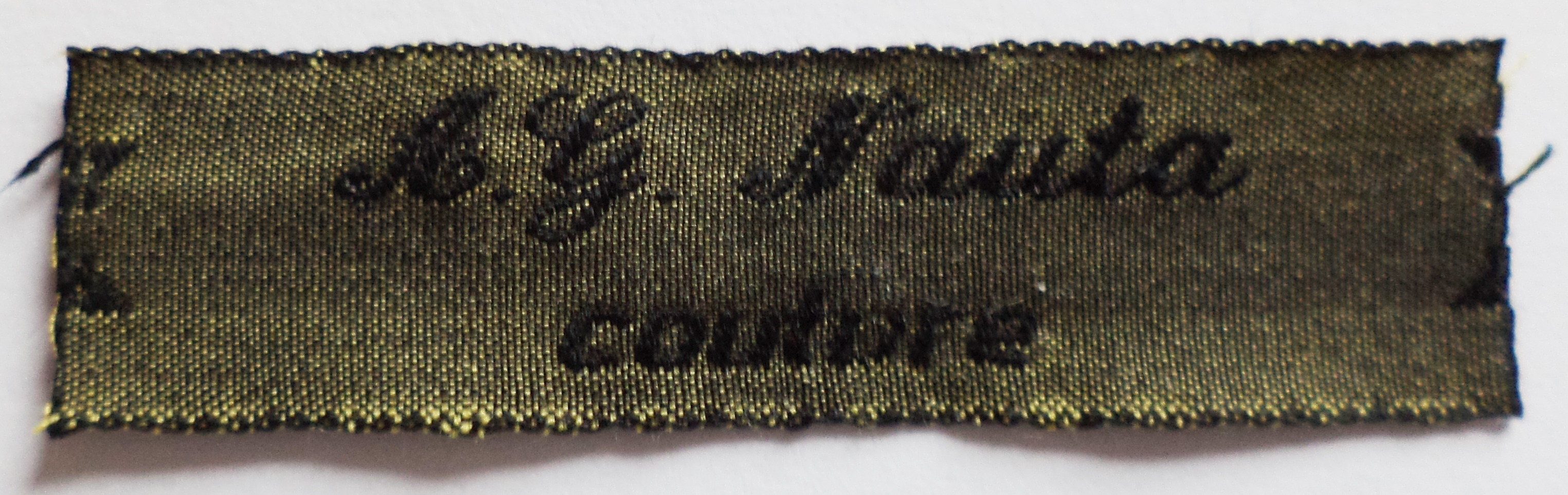
A.G.Nauta couture label

The collection will be available in about two weeks.

Lee Radziwill: Sister, Princess & Fashion Icon

26 Jan

Lee Radziwill

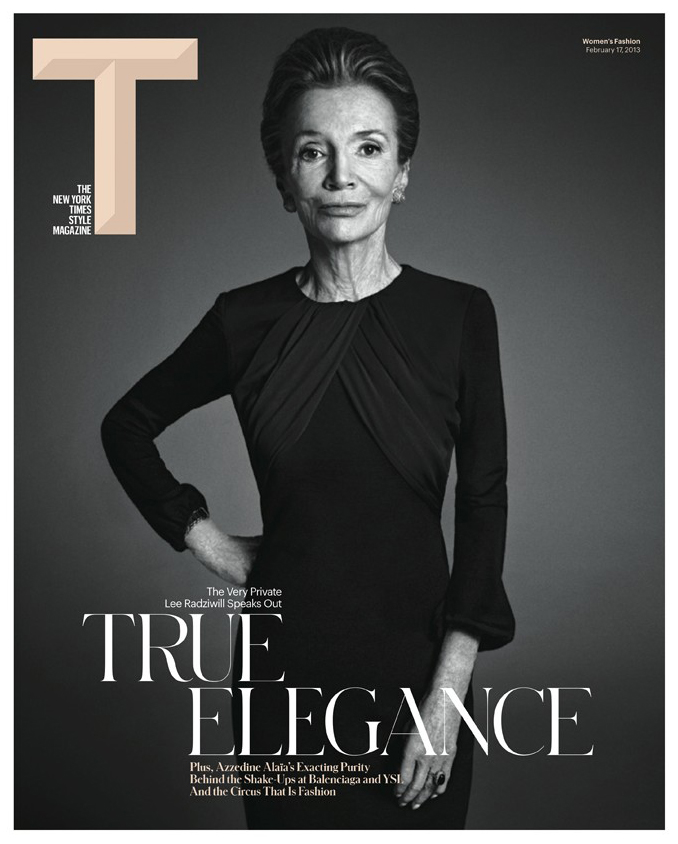
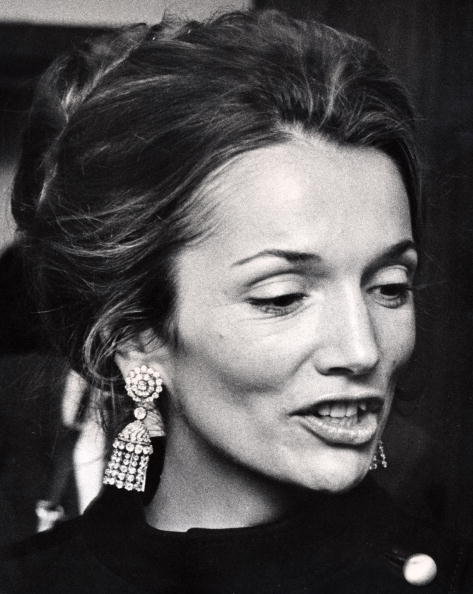
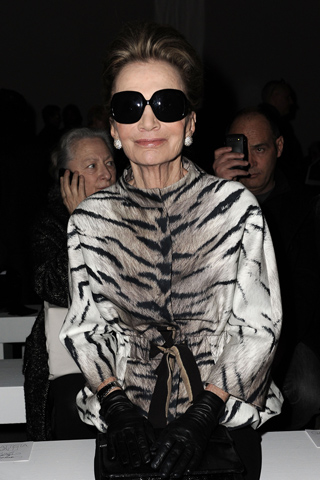
Jacqueline Kennedy Onassis will forever be remembered for bringing a sense of style to the White House, but her younger sister, Lee Radziwill, who is direct, free-spirited and true to her own ideals, may have done her one better. The impeccably dressed former princess has almost reached the well-preserved age of 80. Known for her Aristocratic looks and upper-crust taste, Lee Radziwill has swirled through life in the High Society for the better part of the last half-century. Lately she’s become a regular at the shows in New York and Paris, where she’s been photographed often in fabulous outfits and glamorously over-sized sunglasses.

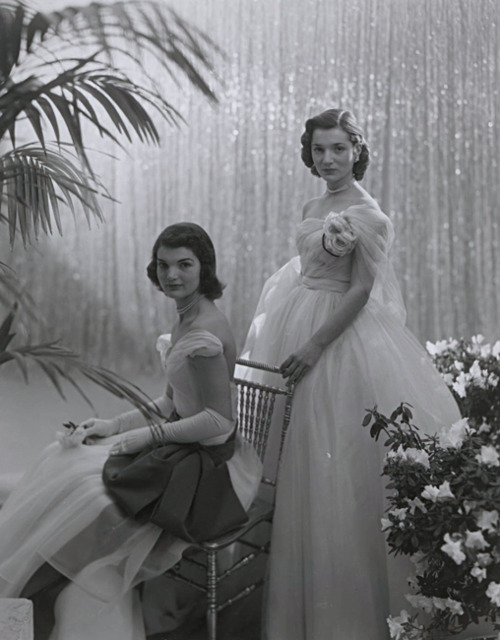
The Bouvier sistersJacqueline & Caroline Lee Bouvier at their debutante ball
.

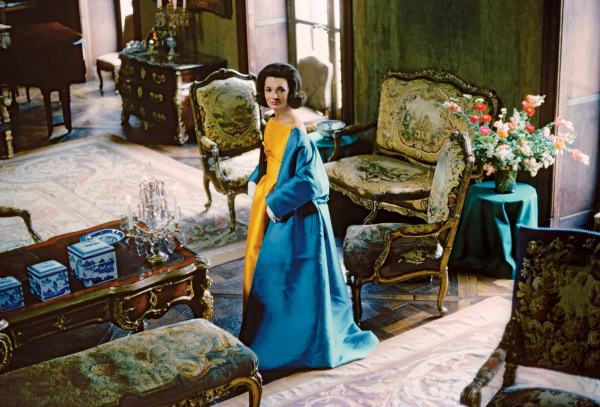
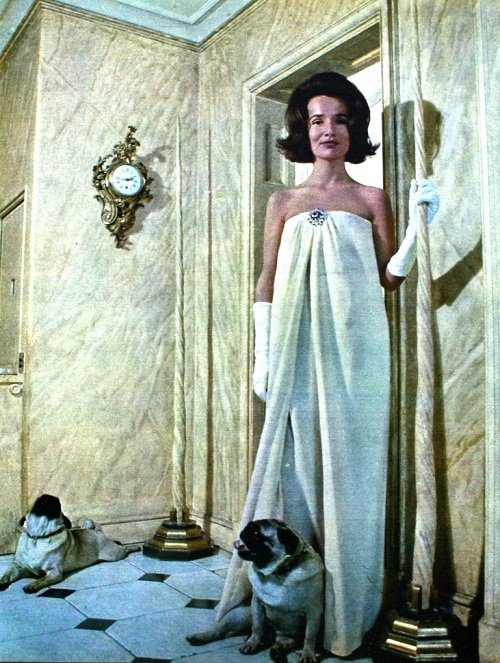
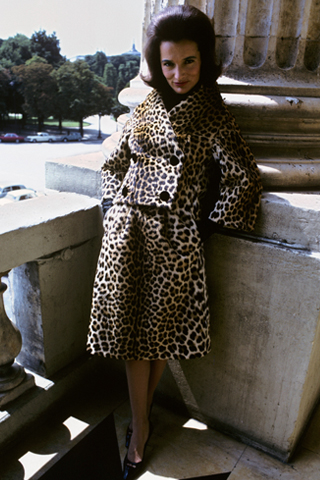
Lee Radziwill’s sometimes rivalrous relationship with her sister and her tabloid-ready romances have long fascinated. But it’s her enviable wardrobe and not-a-hair-out-of-place coiffeur that have served as inspiration to designers from Yves Saint Laurent to Marc Jacobs. Michael Kors once dedicated an entire collection to “the Lee Radziwill look.” With Balmacaan coats and stovepipe velvet slacks, Kors conjured “what Lee would wear to walk her dogs in the sixties.” Add furs, cashmere, and kitten heels, mix with simple jewelry and minimal makeup, and you’ve got the Lee Radziwill recipe for era-spanning chic.

Caroline Lee Bouvier was born on 3-3-33 in Southampton, New York. Growing up, she made the usual socialite rounds: Miss Porter’s boarding school, Sarah Lawrence College, summers in Newport, R.I—all while favoring sweater sets, three strands of pearls, and frocks in sweet 16 pastels.  She married young, admitting that girls often married in the fifties just to get their own apartments.    

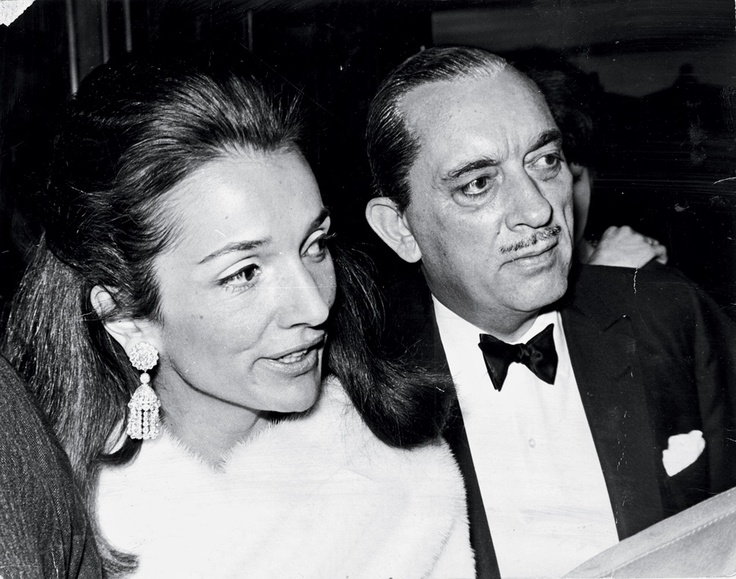
Lee’s starter marriage to “homebody alcoholic” Michael Canfield was annulled after a short time, and she threw herself into supervising Vogue‘s exhibition at the American Pavilion for the 1958 World’s Fair in Brussels. While in Europe, Lee met real estate mogul/ Polish emigré Prince Stanislas Radziwill in England and married him on March 19, 1959, giving birth to son Anthony six months later.

Lee RadziwillLee Radziwill
. 

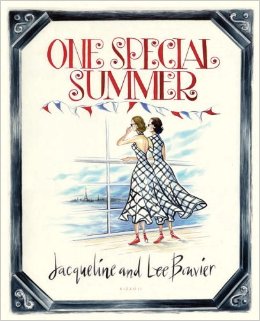
“Jackie married twice for money with splendid results,” Gore Vidal—the Bouviers’ step-brother—wrote. “Lee married twice too, far less splendidly.”  (Lee finally married three times) But both sisters lived the life, taking trips around the world resulting in a funky scrapbook-type book, One Special Summer, which was created by the pair in the fifties (and published many years later).

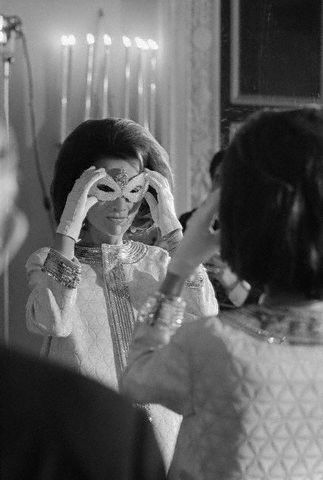
The high point of the 1966 social calendar was Truman Capote’s Black and White Ball, with a guest list that read like a who’s who of Hollywood and high society: Frank Sinatra, Greta Garbo, and the Duke and Duchess of Windsor, included. Radziwill went with white for the occasion.

Princess Lee Radizwell at Costume PartyLee Radziwill all masked up for Capote's Black and White Ball 

.
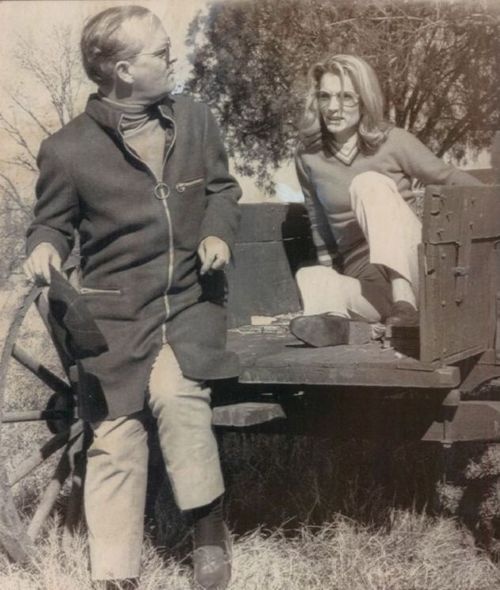
Truman Capote, for some years Lee and Truman were inseparable friends, encouraged a newly blond Lee to pursue acting. After critics panned her performance in a Chicago stage production of The Philadelphia Story. The show sold out its run as fans flocked to see Lee the personality–not Lee the actress–take the stage in a custom-made wardrobe by Yves Saint Laurent. Jackie was conveniently out of the country for the show’s entire run, so those fans hoping to catch a glimpse of the other famous sister in the audience never got their wish. 

Truman wrote the TV adaptation of Laura for Lee—cribbed from Otto Preminger’s film noir of the same name. It was also badly received and she discontinued her acting work.

lee-blue-cape

lee5

lee-Lee Radziwill in her various houses
.
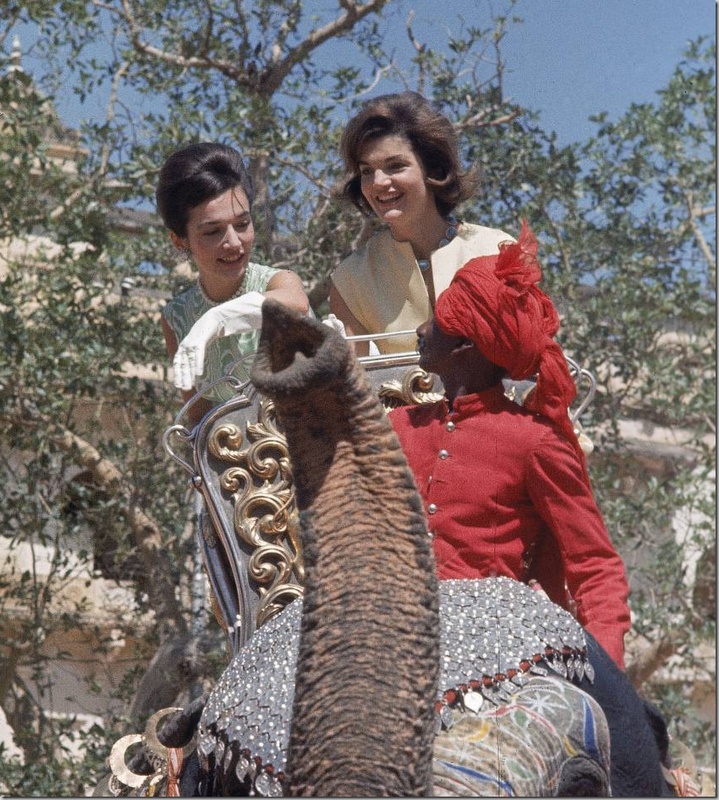
Lee & JackieLee & Jackie visiting India and Pakistan along in March 1962
.

Peter Evans’ 2004 book Nemesis stated that Radziwill also had a long-standing affair with Greek shipping tycoon Aristotle Onassis, and was privately bitterly disappointed when he married her elder sister Jackie, who allegedly stole Ari away, heating up the rivalry that existed between the sisters.

In 1972 Lee tagged along with Truman on tour with the Rolling Stones; she also rented Eothen, the Montauk retreat owned by Paul Morrissey and Andy Warhol. Photographer Peter Beard lived nearby and was coincidentally the official photographer for Rolling Stone magazine, which was paying Truman Capote to cover the Stones’ tour. Lee and Peter became really, really good neighbors.  

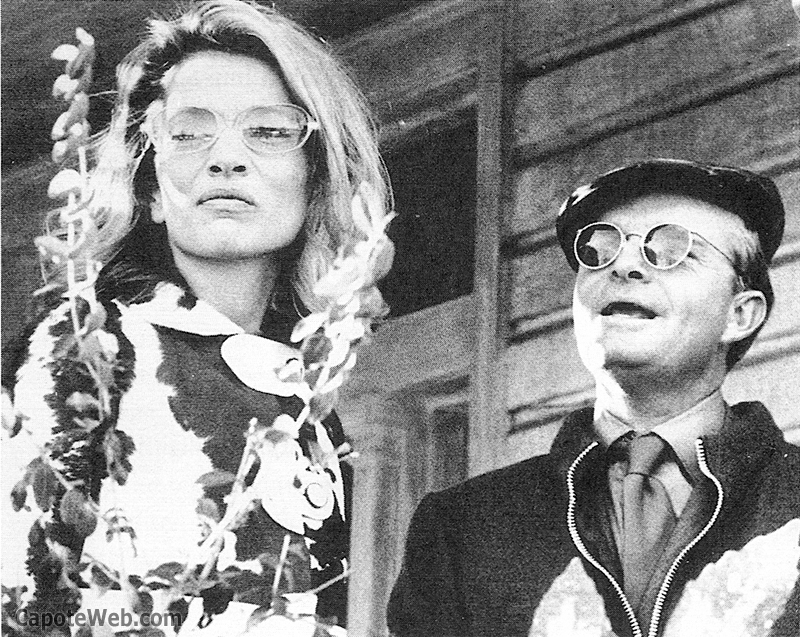
capote/radziwillLee Radziwill & Truman Capote
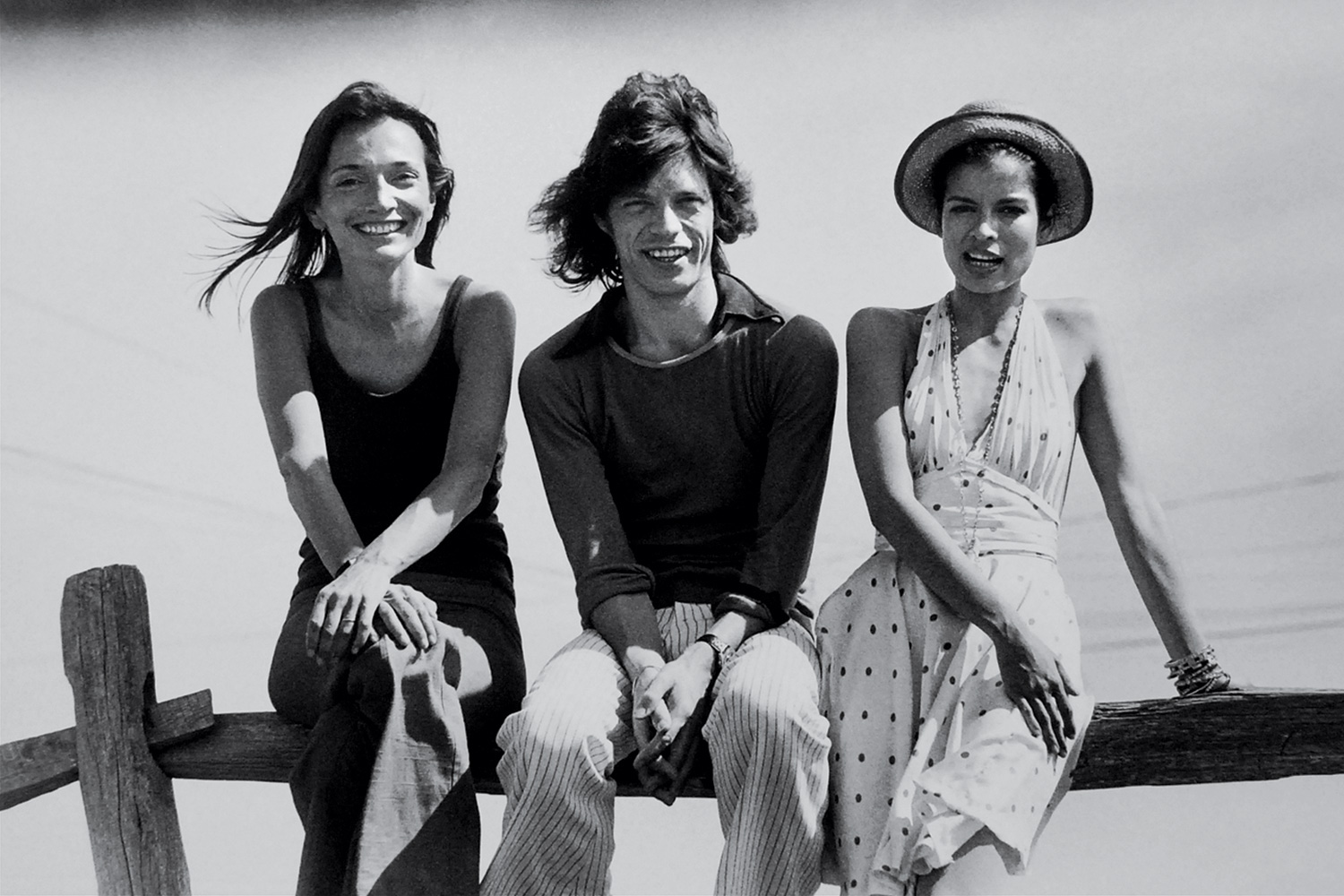
Lee, Mick and Bianca JaggerLee Radziwill with Mick & Bianca Jagger
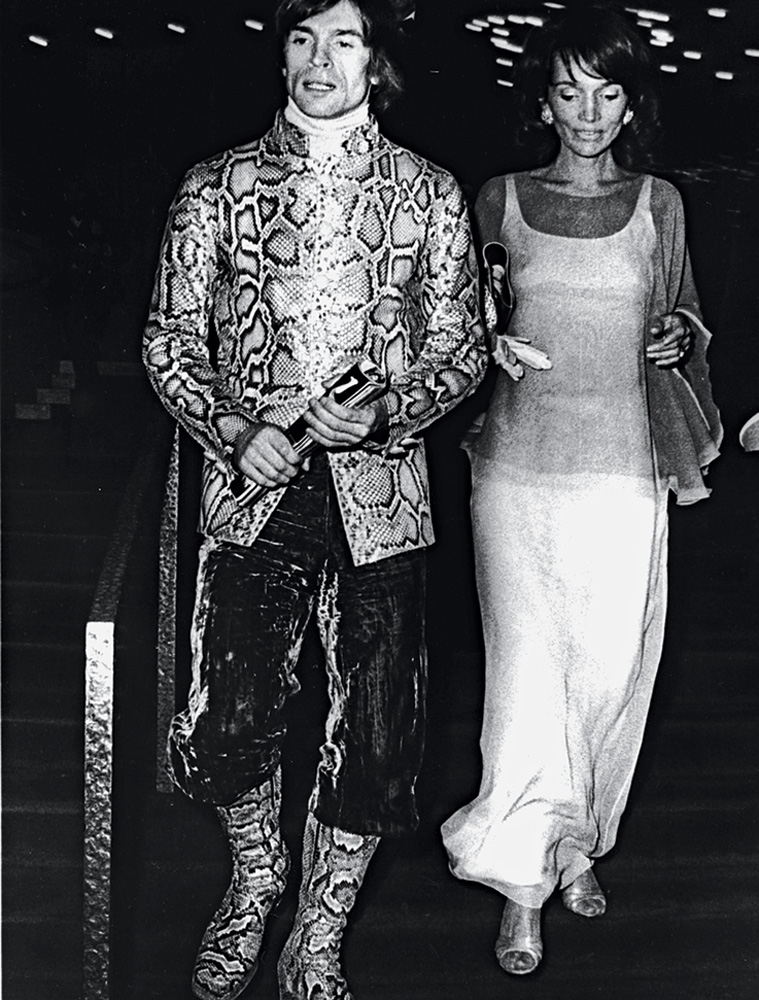
Rudolf Nureyev & LeeRudolf Nureyev & lee Radziwill
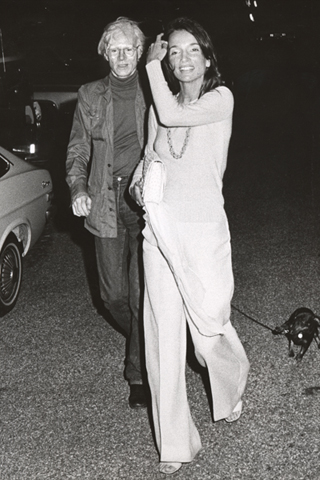
Andy Warhol & Lee RadziwiilAndy Warhol & Lee Radziwill

.

For some years, Lee was a public relations executive for Giorgio Armani and on September 23, 1988, she became the second wife of American film director and choreographer Herbert Ross. They divorced in 2001, shortly before his death.

She was listed as one of the fifty best-dressed over 50s by the Guardian in March 2013. A longtime lover of fashion, Lee is still a front-row fixture, turning up from Marc Jacobs in New York to Giambattista Valli in Paris. She’s still beautifully kitted out in simple shapes with theatrical flourishes, armed with cigarettes and sunglasses.  

Lee Radziwill
Lee Radziwill by Mario Sorrenti

.

Unauthorized Biography

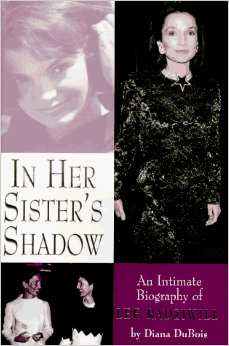
After reading all about the glamorous side of Lee Radziwill’s life, it was quiet a shock to read the unauthorized biography In Her Sister’s Shadow: An Intimate Biography of Lee Radziwill!  Lee’s life seemed perfect, exiting and a success, but in fact she was very frustrated, living in enormous debts and in her relationships she always had an agenda……..
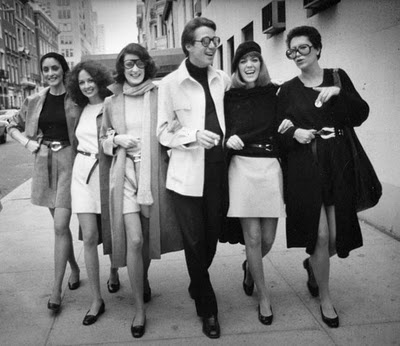
Known as the “Whispering Sisters” to everyone in their social circle who knew them because of their tendency for sneaking off in corners and whispering to one another in private, Caroline Lee did indeed grow up in the shadow of her older sister Jacqueline Lee Bouvier.

Lee RadziwillLee Radziwill
.

The prologue of In Her Sister’s Shadow begins with the story of Jackie dropping Lee off at an AA meeting at an Episcopal church in East Hampton in the summer of 1981. Jackie escorted her sister into the meeting and waited in her limo out in the church parking lot to make sure Lee stayed for the whole meeting. Such was the essence of their bond.

About Lee’s first marriage to Michael Canfield:

“There was a lack of intimacy in the marriage and Lee’s personality was paramount in that lack of intimacy. Her agenda precluded real intimacy with Michael because she was always saying things for a reason. This was something you always felt about Lee, that she had an objective, an agenda, and it was more important than anything else.” (page 76)

Lee & Stass
Lee & Stass Radziwill
.

About Lee’s second husband Stanislas Radziwill:

Prince Radziwill, as he referred to himself, had settled in London after WWII, which had ended with his family losing not only all their wealth–namely landholdings–but their royal titles as well. For whatever reason, Stas Radziwill chose to hold on to his Polish title, and though everyone knew it to be an empty title, they humoured him and his jovial attitude by addressing him as Prince Radziwill and introducing him as such at social occasions. Immediately smitten with the man 19 years her senior–and the empty title of “Princess” which would surely come with marrying him–Lee set her plans in motion for leaving alcoholic Michael for the man many say resembled her father, Black Jack Bouvier.

Lest one think Lee wasn’t happy with Stas, she was…for awhile. They had two beautiful children together, Anthony and Tina, and had two beautiful homes: a townhouse in London and a manor house about an hour outside of London, both of which Lee decorated lavishly with money Stas gladly gave her in the name of entertaining their house guests. After all, they were “royalty” (big quotes), and had to appear as such at all times. Another side note: Stas died in 1976 at age 62–two years after their divorce became final–owing the equivalent of $30 million USD to creditors. With their father’s estate bankrupt and Lee barely supporting her own lifestyle, Jackie stepped in and set up trust funds for Anthony and Tina. Lee was supposedly shocked that Stas had “mismanaged” his finances so much over the years; the reality was, he had been living well above his means for many years, especially the years in which he was married to her. His princely title and his connections gave him access to plenty of loans which–in the end–were never called in.

Lee & Truman

Truman Capote & Lee Radziwill
.

About the friendship with Truman Capote:

Lee and Truman had a special relationship from the word go. They were inseparable for years before a gradual falling-out caused by Truman’s one-way descent into drinking and drugs, and his jealousy of any new boyfriend of Lee’s which took time and attention away from him. Truman’s biographer Gerald Clarke is quoted in DuBois’s book as saying.

“Lee was very depressed and lost at the time Truman first knew her. At least he saw it that way, and all the evidence points to it. He said she was a lost woman, and she did not have any purpose. She felt very much eclipsed by Jackie. She seemed to have everything, but it wasn’t enough.” (page 134)

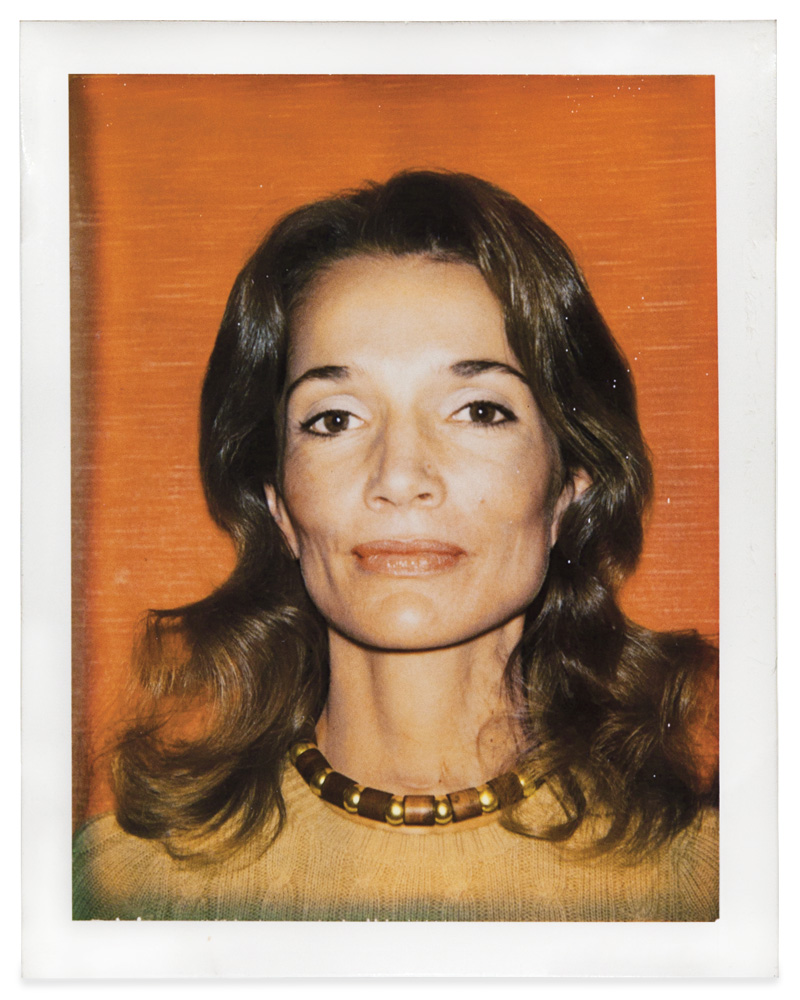
Lee RadziwillLee Radziwill by Andy Warhol
.

The 70s were a time of transition for Lee, from a more stilted society maven to a pseudo-bohemian goddess who hung with Andy Warhol and the Rolling Stones in an attempt to “find herself.” And she put forth a valiant effort…in-between very serious boyfriends. Peter Beard, Jay Mellon, Peter Tufo, Newton Cope–a string of gentlemen that all held her attention for a while until she found a reason to cast each one of them aside. In the case of Beard, Tufo, and Cope, she would eventually about-face and beg them repeatedly to marry her when she realized she was running short on funds. All three men saw through the charade and as much as they enjoyed spending time with attractive, enchanting Lee, they
weren’t going to be taken for a ride. It was exactly this failure of the cunning which she had relied on her entire life that had Lee turning to the bottle more and more. She actually got Cope to agree to marry her in 1977, but negotiations on a prenup an hour before the wedding broke down and he called the whole thing off.

When Lee joined AA in 1981, she was at her wit’s end. Her children were essentially being raised by her sister, she was in debt up to her eyeballs, and she’d just broken up with her boyfriend Peter Tufo for the umpteenth time. Like any alcoholic, she had turned to liquor to self-medicate from life’s unmanageable problems.

Lee Radziwill

Lee Radziwill photographed by David Bailey
.

About the time with her third husband Herbert Ross:

Lee was soon up to her old tricks again, though. Herb complained to friends that all the money he made directing went to Lee’s grandiose plans for their new home, of which he had little to no say-so in the building of. She would show up on his movie sets and bring home freebies such as caviar which were intended to be shared with the entire cast and crew. It all came to a head, however, at the London premiere of the Ross-directed Steel Magnolias. Pouty that she couldn’t be in the production-only receiving line to greet Prince Charles and Princess Diana, Lee made a point of bee-lining for the theatre and sitting right next to Prince Charles on the front row…in Julia Roberts’s assigned seat. Several people involved with the movie production, including Julia, asked Lee to move, and she pretended to hear none of them.

The above folly of Lee’s cost her husband some business in the film business, and Lee herself was shunned from openings for a while afterwards.

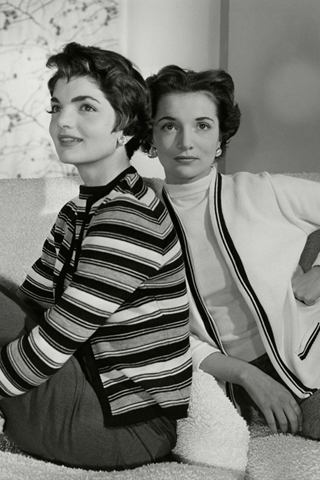
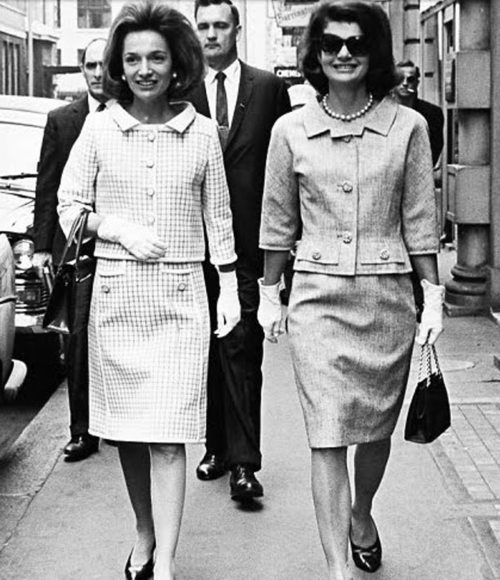
Lee Radziwill & Jackie Kennedy

Lee Radziwill & Jackie Kennedy
.

Jackie was always looking out for Lee, even when it seemed Lee wasn’t looking out for herself. The product of divorce, a domineering mother, and an alcoholic father, the two girls did indeed have to look out for one another growing up. But Jackie bailed Lee out time and time again, whether it was the annulment plea to the Pope, a loan for a penthouse mortgage, or by literally taking in her children when Lee’s drinking got out of control. Jackie died of Lymphoma in 1994 and left Lee nothing in the will:

“…not even so much as a trinket left to her, at least as a gesture, Lee was deeply–and publicly–mortified. Her will stated clearly that she was making no provision for Lee because she had already done so in her lifetime.”

.
Quotes from the book and notes from the author Diane Dubois

.

Interview by Sofia Coppola

The filmmaker captured an intimate conversation with Lee Radziwill, in her New York City apartment. On camera, Lee  recalls going on tour with the Rolling Stones and Truman Capote, a splendid summer spent with Peter Beard at Andy Warhol’s house in Montauk, N.Y., and a childhood so lonely she tried to adopt an orphan.

.

.

Books

One Special Summer

book cover

http://www.amazon.com/One-Special-Summer-Lee-Bouvier/dp/0847827879/ref=pd_sim_b_2

.

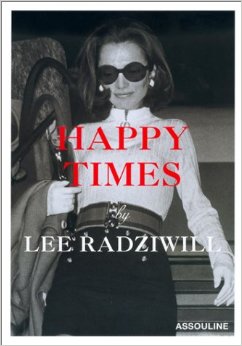
Happy Times

book cover

Happy Times offers readers a very personal perspective on a highly publicized life.

http://www.amazon.com/Happy-Times-Lee-Radziwill/dp/2843232503/ref=pd_sim_b_1

.

In Her Sister’s Shadow: An Intimate Biography of Lee Radziwill

Book cover

.

http://www.amazon.com/Her-Sisters-Shadow-Biography-Radziwill/dp/0316187534

.

Lee Radziwill