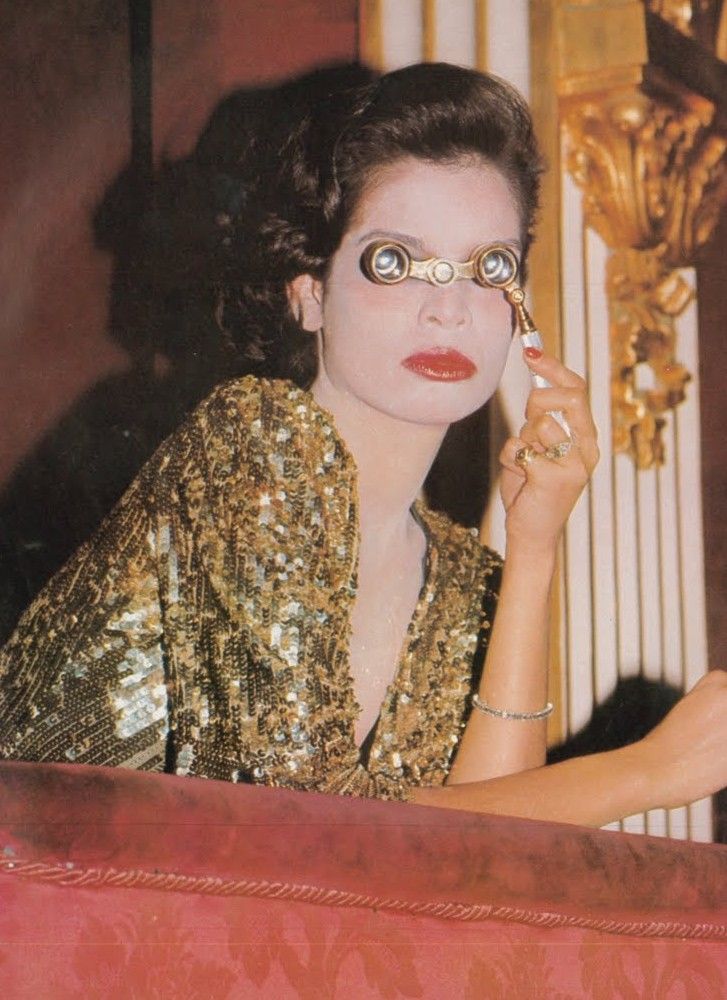
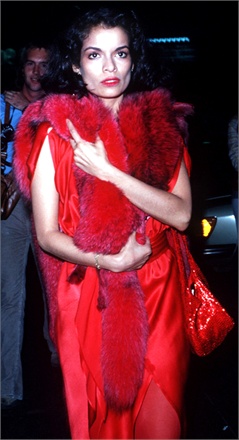
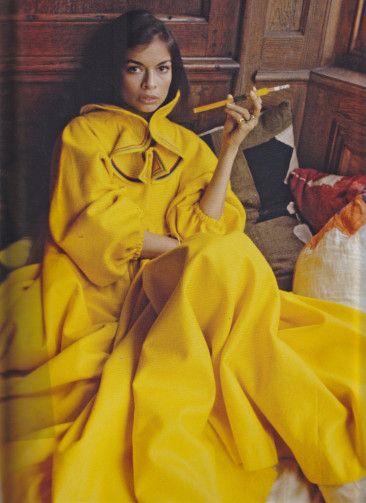
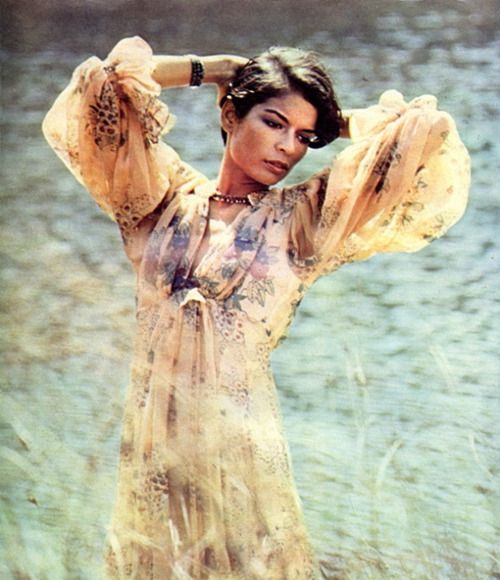
Thea Porter, Godmother of Bohemian Chique

13 Dec

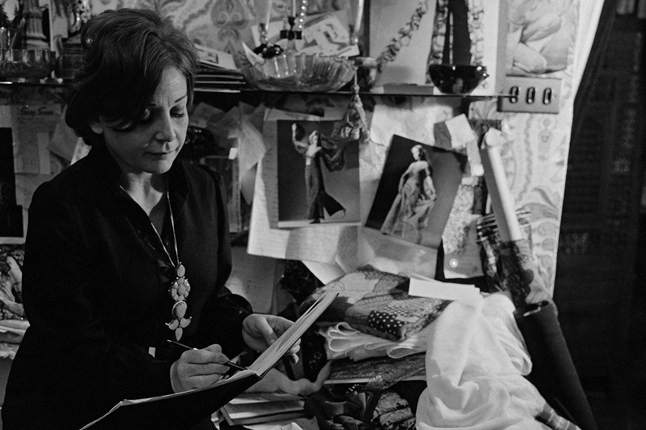
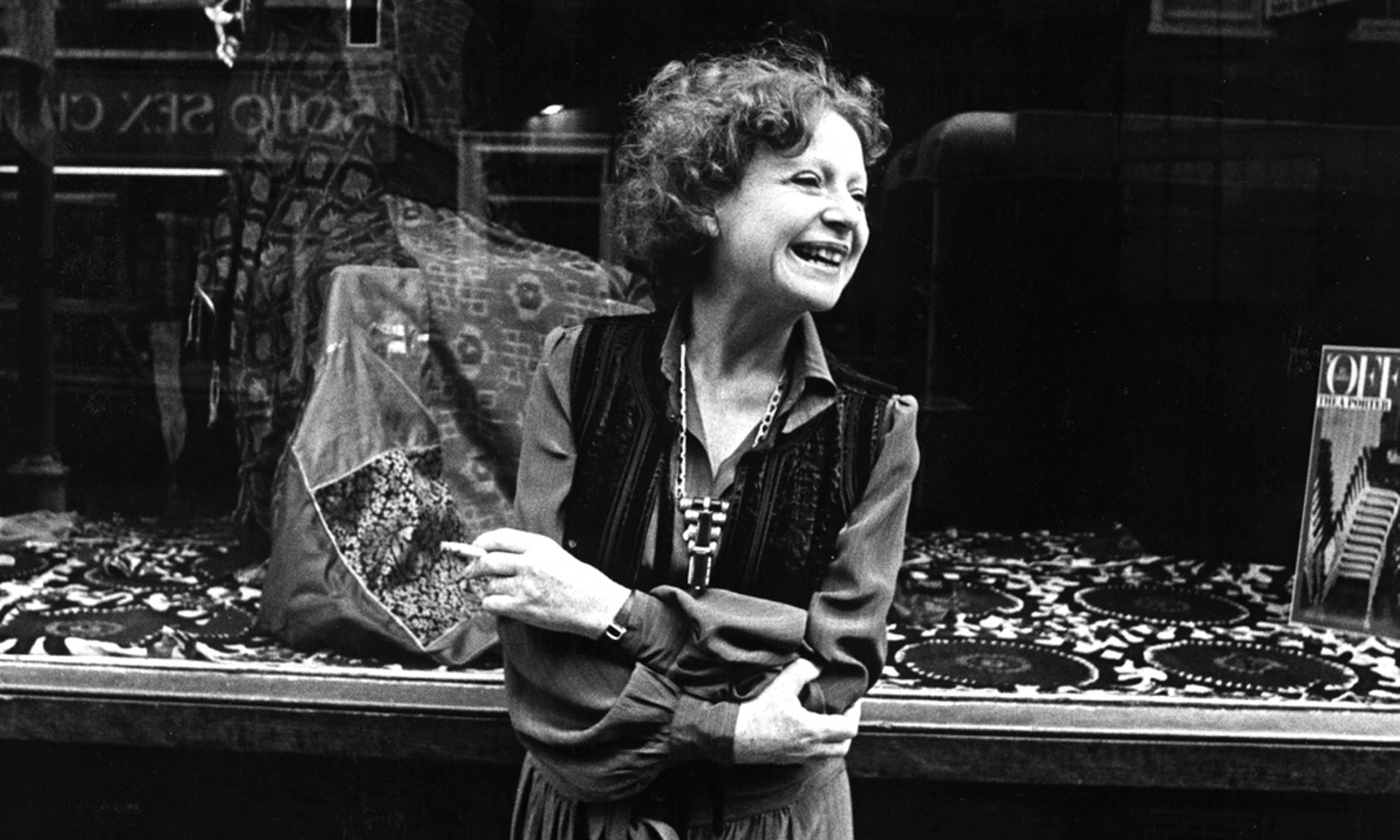
Thea PorterThea Porter reflected in her dining table.  Ph. Jim Lee for the Sunday Times , 1971
.
Once, towns strewn across Turkey and Afghanistan owed their economies to the western appetite for the kaftan. During the 1970s travellers on the hippy trail brought back pottery, soft furnishings and piles of clothes to remind them of their spiritual adventures.

More than 40 years on, the kaftan has had several revivals as a key fashion piece. And, like Indian cuisine, it now seems to have been adopted as a British staple. It is the late Thea Porter, who is credited with bringing the bohemian look to London catwalks…. 

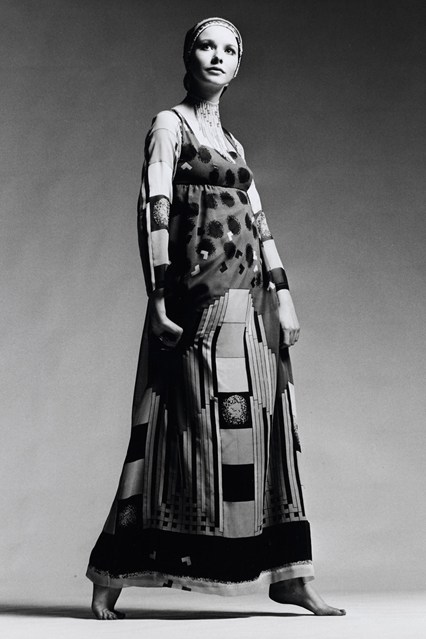
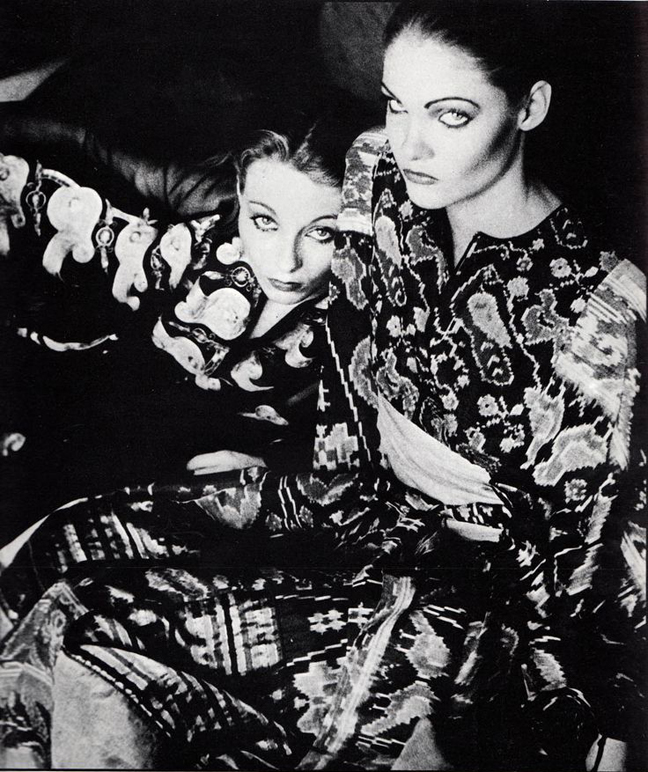
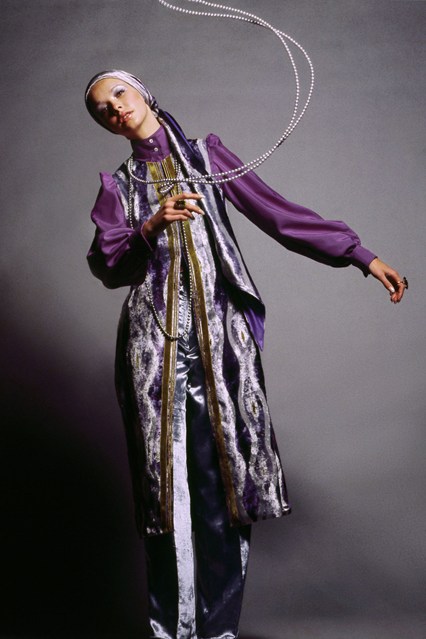
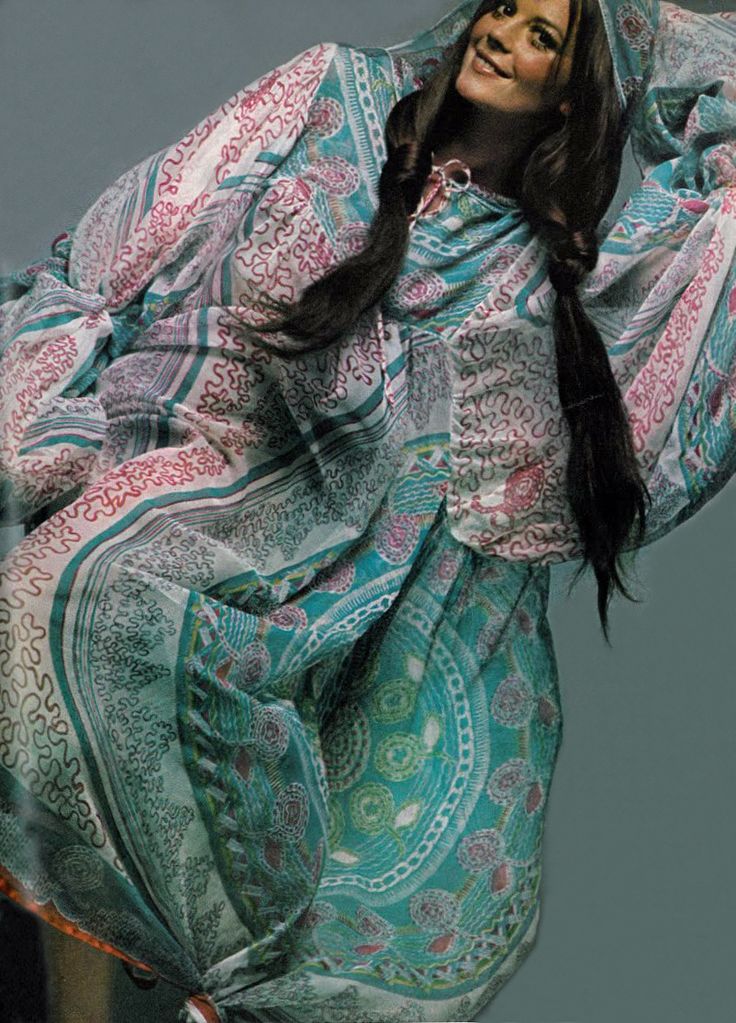
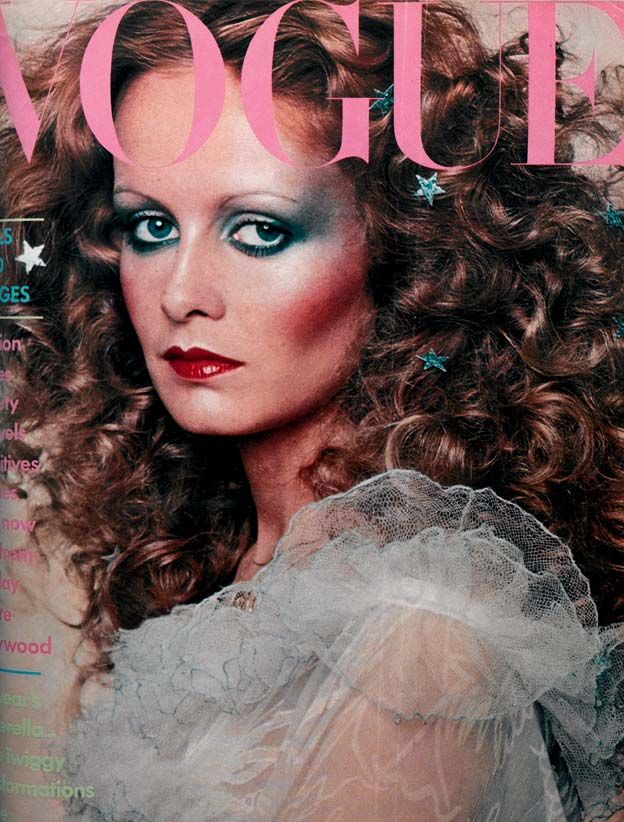
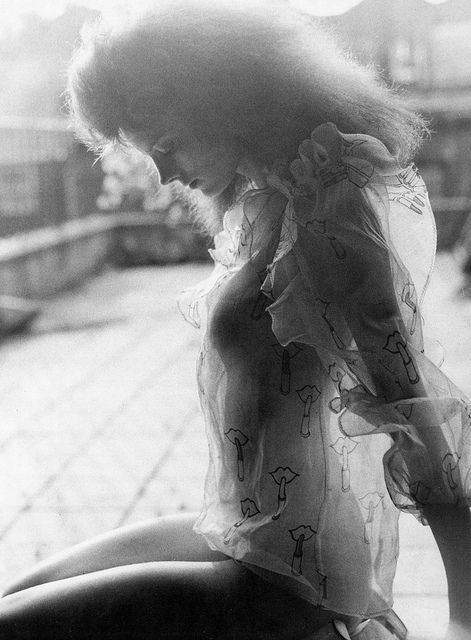
Although Thea Porter is not as famous a name as Mary Quant or Laura Ashley, her influence on the look of her era is just as potent. Her loose, draped shapes and fabrics helped create the style of stars such as Faye Dunaway and Elizabeth Taylor in the 1970s, and they have since become forever entangled with the idea of rock-star self-indulgence.  Vogue UK, June 1971.Vogue UK, June 1971Maudie-James-1970-Photograph-by-Patrick-Hunt-Courtesy-of-the-Venetia-Porter-collection-Image-VA-Photographic-Studio_426x639Maudie James, ph. Patrick Hunt 1970

Thea Porter, Mode Avant Garde, September 1978. Photograph by Jacques d’AlvaAvant Garde, September 1978, Ph. Jacques d’Alva

Thea-Porter_
.

Short Biography

Thea-Porter-in-her-work-room-Thea Porter in her work room
.
Thea Porter was born Dorothea Noelle Naomi Seale, on 24 December 1927, in Jerusalem and raised in Damascus. She was the daughter of Morris S. Seale, the Arabist and theologian, who was a Christian missionary in Syria, and his French wife, who was also a missionary.  

Thea was educated at the Lycée Française in Damascus, Fernhill Manor, then for a short time studying French and Old English at Royal Holloway College, London, before being expelled.

Following her studies in England, she worked in the library of the British embassy in Beirut, where she met her future husband, Robert Porter. Together they travelled to Jordan and Iran, and had holidays in France and Italy. She studied painting during the day, and “went to nightclubs every night and had millions of clothes.” In June 1961 Thea had her first solo painting exhibition at the Alecco Saab Gallery, Beirut. Together they had a daughter, Venetia.

Thea-Porter-Vogue-1975-April-Barry-LateganVogue April 1975, ph. Barry Lategan
Thea-Porter-Vogue-1970-November-May-Barry-Lategan_426x639Vogue November 1970, ph. Barry Lategan
Thea Porter British Vogue 1969Vogue 1969
Thea-Porter-Vogue-Oct69-Guy-Bourdin_426x639Vogue October 1969, ph. Guy Bourdin
.
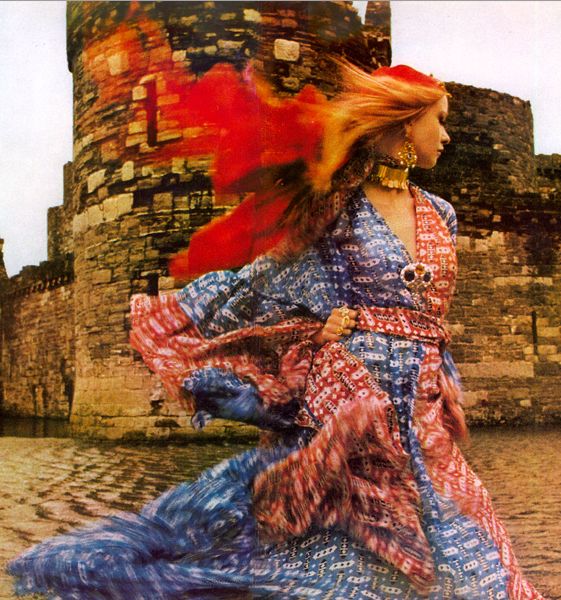
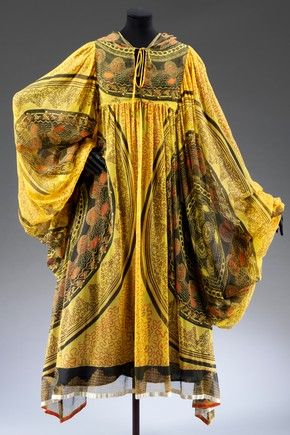
After she separated from her husband, Thea moved to London in May 1964. Her first job was in interior design, working for Elizabeth Eaton. She opened her first shop, an interior decorating business offering imported cushions, fabrics and hangings called Thea Porter Decorations Ltd, in Soho at 8 Greek street on July 27, 1966. She realised that rather than just cutting up her imported kaftan to use the fabric for cushion covers, they were fashionable in their own right, and began making up her own in mixed fabrics and antique trimmings.

From 1967, she expanded internationally; her first wholesale client was Henri Bendel in New York in 1968. 
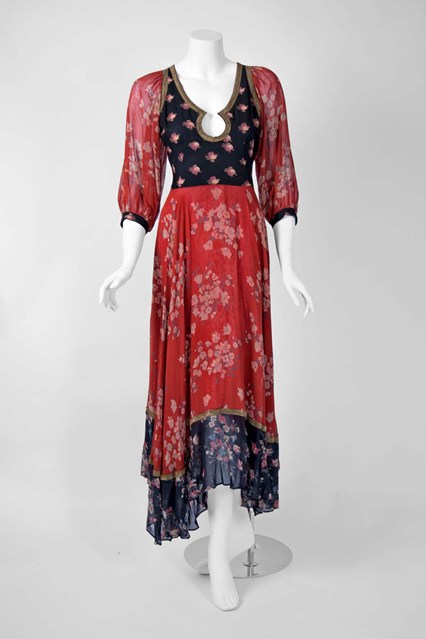
Gypsy-dress-Liz-Goldwyn-Collection-Photograph-by-Amanda-Charchian_426x639

Thea Porter 1970-1973

Gipsy-dress-Courtesy-of-the-Venetia-Porter-collection-Image-VA-Photographic-Studio_426x639

Thea Porter

Thea Porter '70-'72

Thea Porter

In 1971, Thea opened a store in New York financed by Michael Butler, the producer of the hit Broadway musical Hair. It closed after six months, but she continued to sell very successfully at high-end boutiques across the United States; Giorgio Beverly Hills sold approximately $300,000 worth of Thea Porter designs per year in the mid-1970s. On April 1, 1977 she opened a store in Paris, on the Rue de Tournon; this closed in 1979. Thea Porter Decorations Ltd went into receivership in February 1981; she subsequently worked from ateliers on Avery Row and Beauchamp Place. Zandra Rhodes has stated, “Sadly, one didn’t hear of her after that“.

In 1994 Thea was diagnosed with Alzheimer’s disease. Thea Porter died in London on 24 July 2000.

.

Though she’s no longer a household name, Thea Porter basically owned the boho look from the late 60s onwards. 
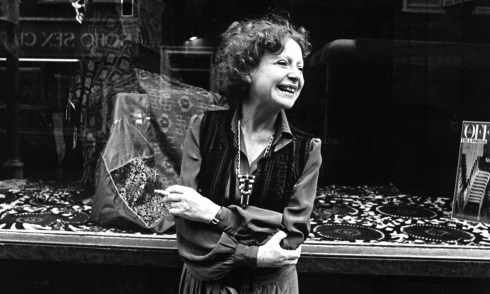
Outside the Greek Street shop in 1977. Ph. Tony McGrath, the ObserverFacts about Thea Porter:

Growing up in the Middle East had a lasting influence on her designs

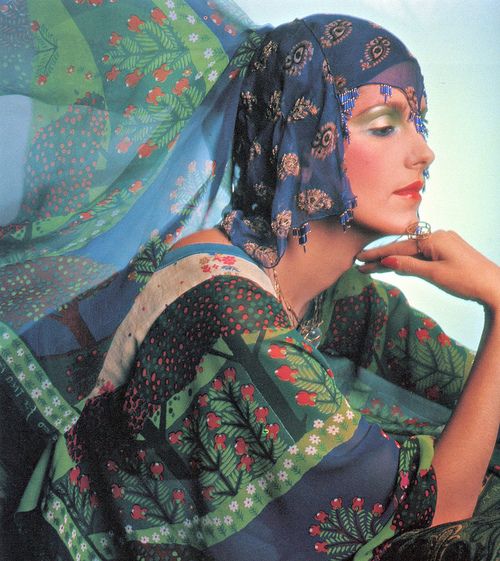
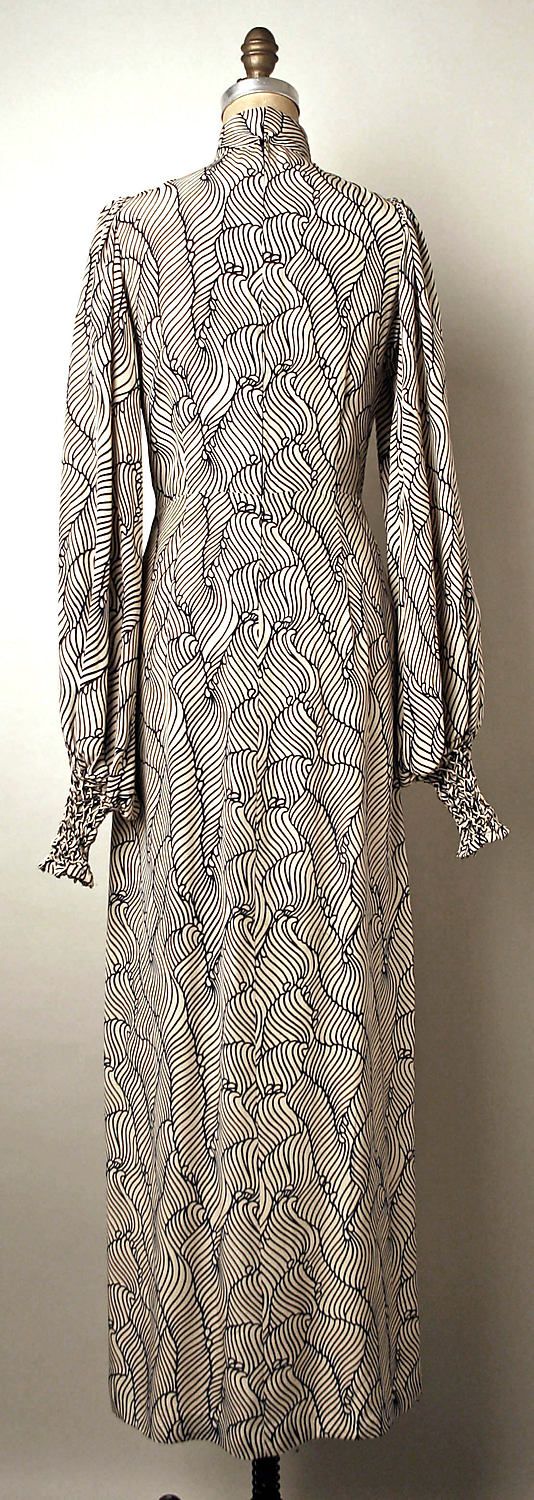
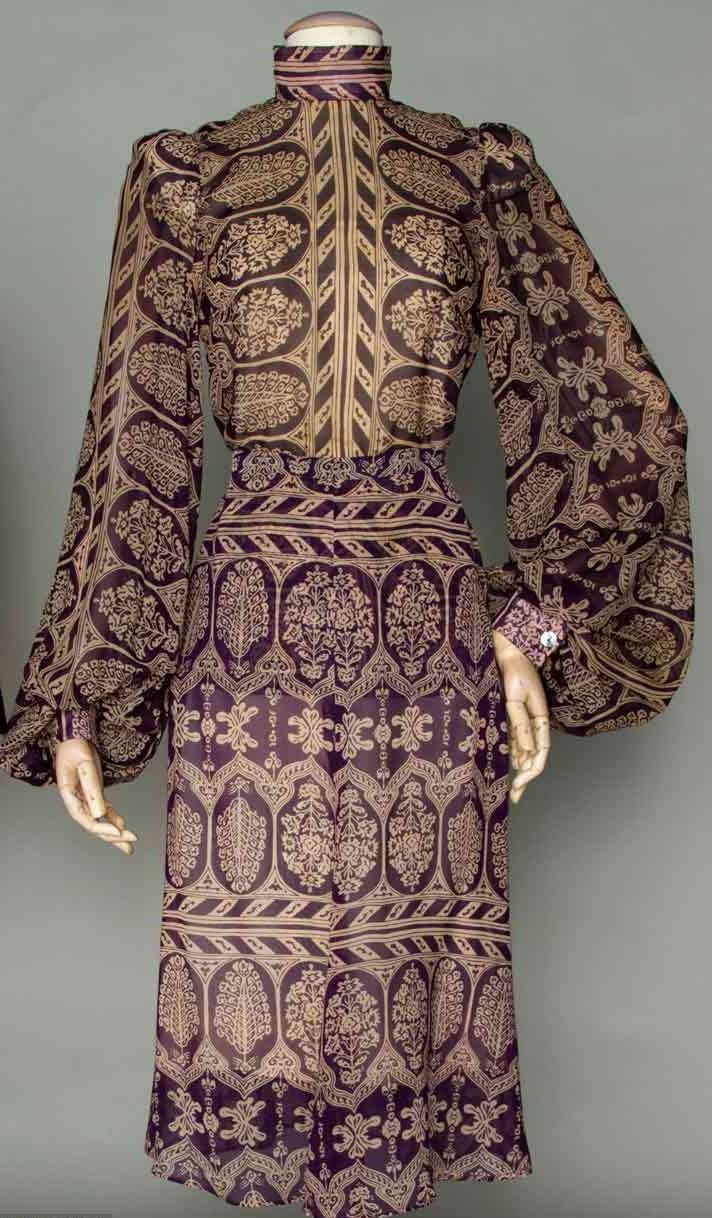
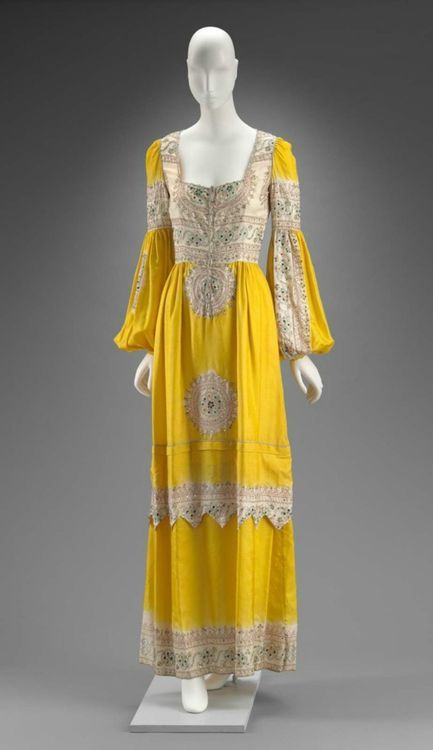
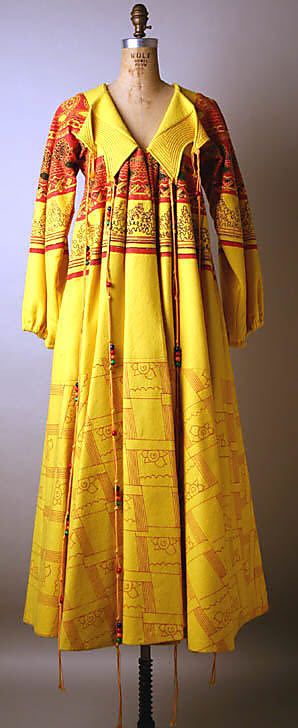
Thea was born in Jerusalem, grew up in Damascus and studied in Beirut. Eventually settling in London in the mid-60s, the influences of her upbringing made her designs feel new. She brought the flowing robes and rich textures that she’d seen as a child to a London crowd who had been dressing in the Op Art and modernist styles of the early 60s. Moroccan djellaba robes, Iraqi Samawa carpets and 17th-century Persian paintings were all inspirations. A shirtdress made from the Damascus tablecloth fabric, aghabani, became a bestseller.

She started out with interiors, and menswear followed

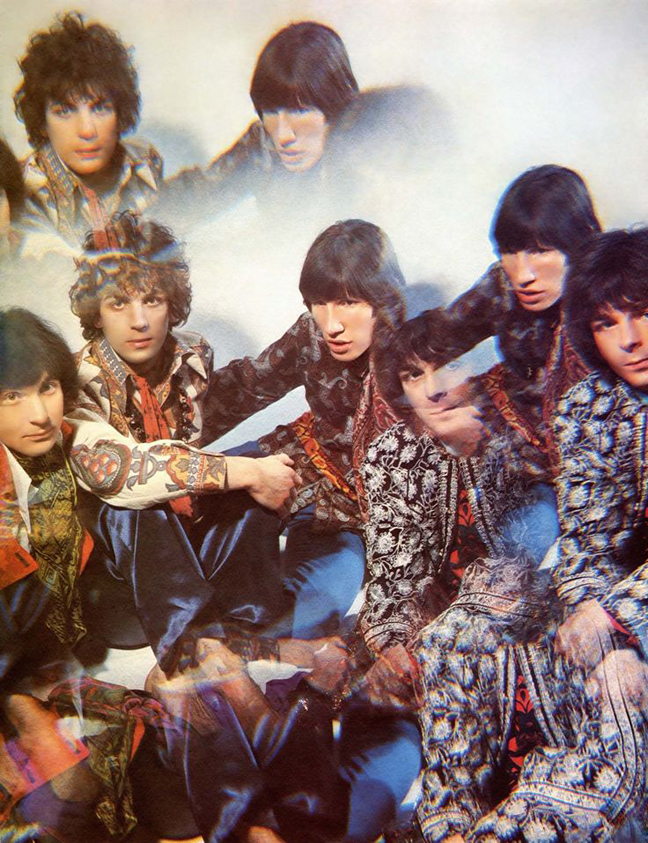
Her first shop, on Soho’s Greek Street 8, was quite the hangout. It opened in 1966, and sold Thea’s ornate, colourful furnishings, including wall hangings and curtains. The Beatles snapped them up to decorate their short-lived Apple Boutique. Rock royalty liked her menswear designs, too. Elton John was an early fan and Pink Floyd wore her embroidered jackets and vibrant shirts on the cover of their appropriately trippy debut album The Piper At The Gates Of Dawn in 1967.

Piper AlternatePink Floyd album cover  'The Piper At The Gates Of Dawn'
She also excelled at womenswear

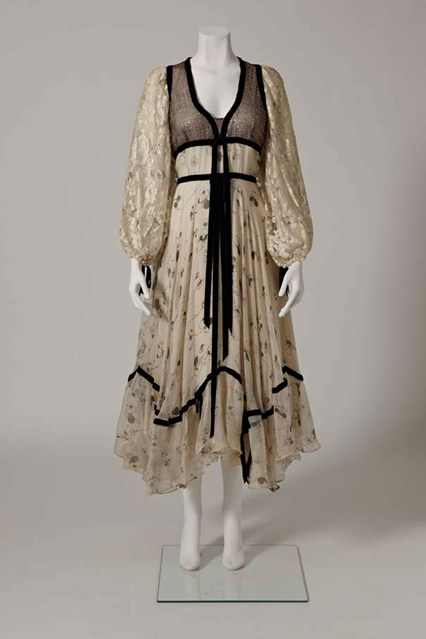
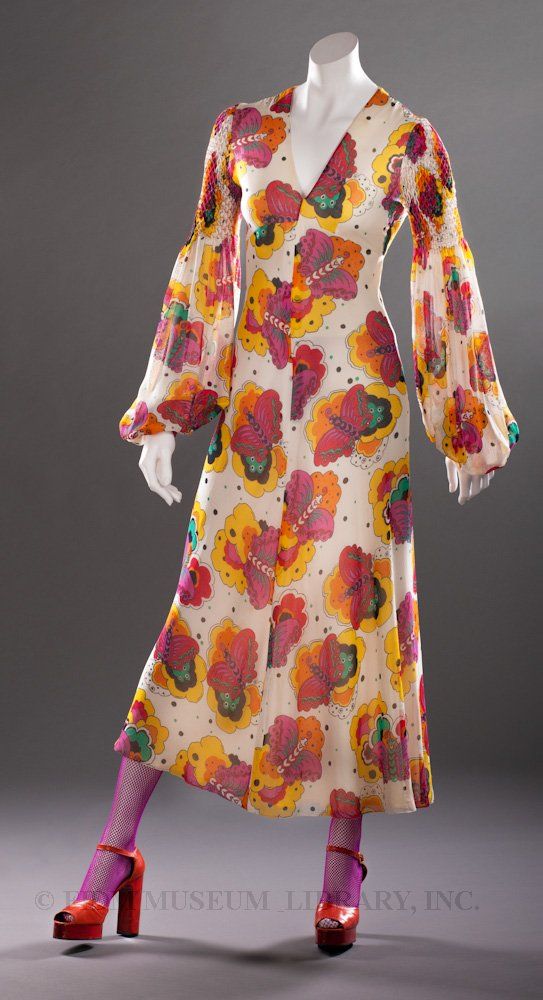
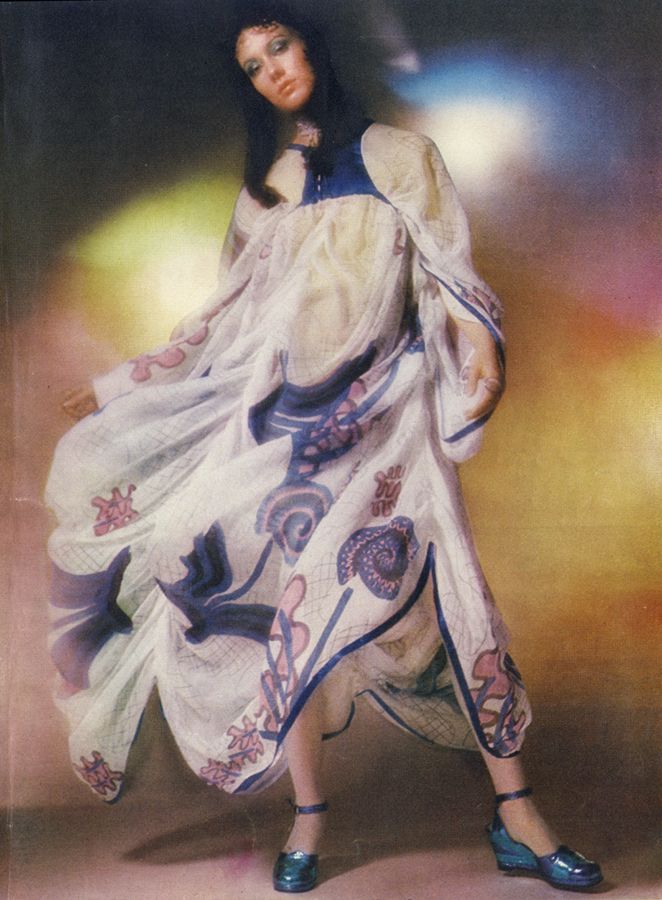
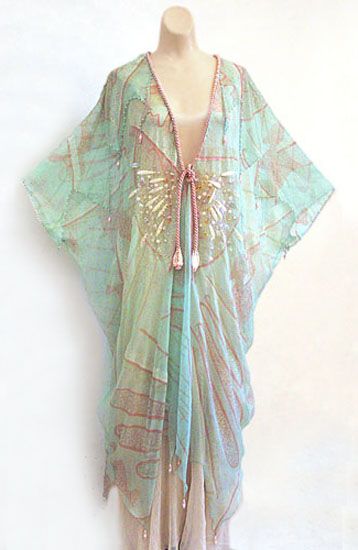
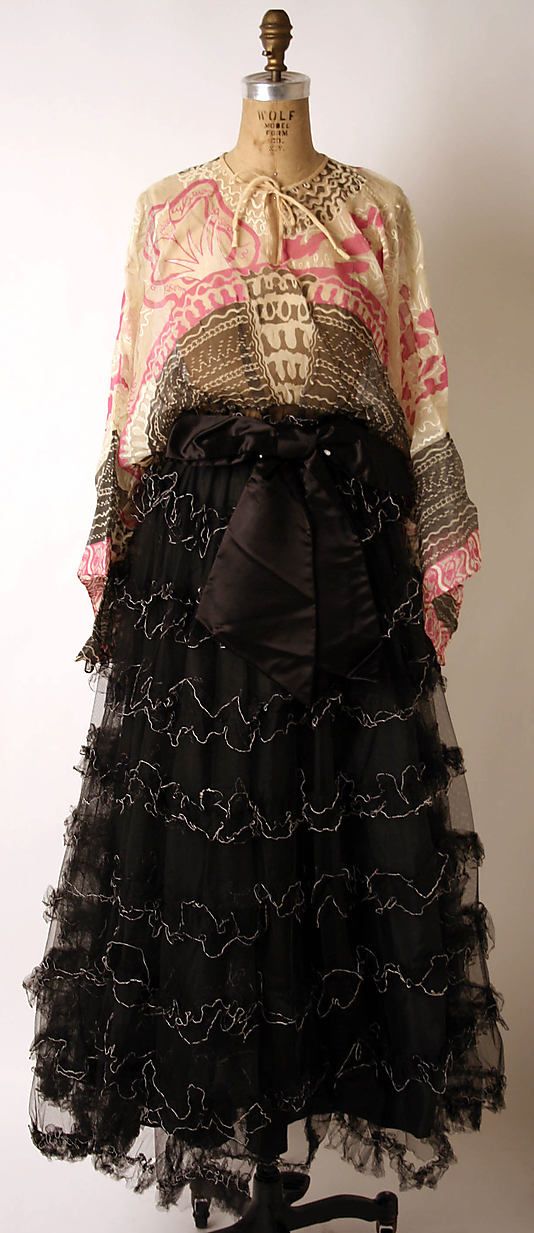
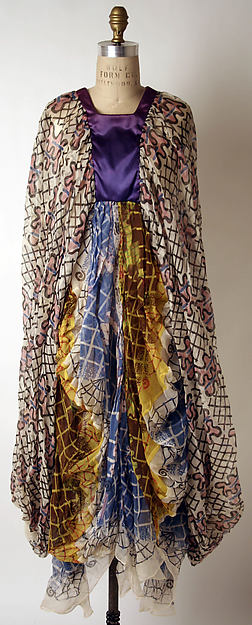
Thea fitted into the floaty, feminine mood of the time that other designers – Bill Gibb, Ossie Clark, Laura Ashley – were also exploring, but made it her own with several signatures. Along with the aghabani shirtdress, her so-called “gipsy” dress – layers of vibrantly printed chiffon, with a tight bodice and flowing sleeves – had the requisite wild romanticism, especially when worn with swashbuckling boots. 

She had a good business brain on her chiffon-clad shoulders

By 1969, Thea had expanded overseas, with a concession in New York department store Henri Bendel. A stand-alone store followed in 1971, and she sold her designs successfully in LA, too. Her success partly came from an ability to evolve her aesthetic. The very ornate designs gave way to simpler pieces in the 1970s, influenced by the classical lines of 30s fashion. At this time, she also hired a young Katharine Hamnett who worked for Thea while still studying at Central Saint Martins.

Her clothes were loved by a well-heeled crowd

A regular in the pages of British Vogue – where luminaries including Lauren Hutton, Penelope Tree and Rudolf Nureyev modelled her clothes – the likes of Barbra Streisand and Faye Dunaway were clients in the Greek Street store and Elsa Peretti modelled in her shows. While Thea’s name faded into obscurity in the 1980s and 90s, it’s since become a cult favourite on the vintage scene, with original pieces fetching more than £1,000 on eBay. 

.

Book
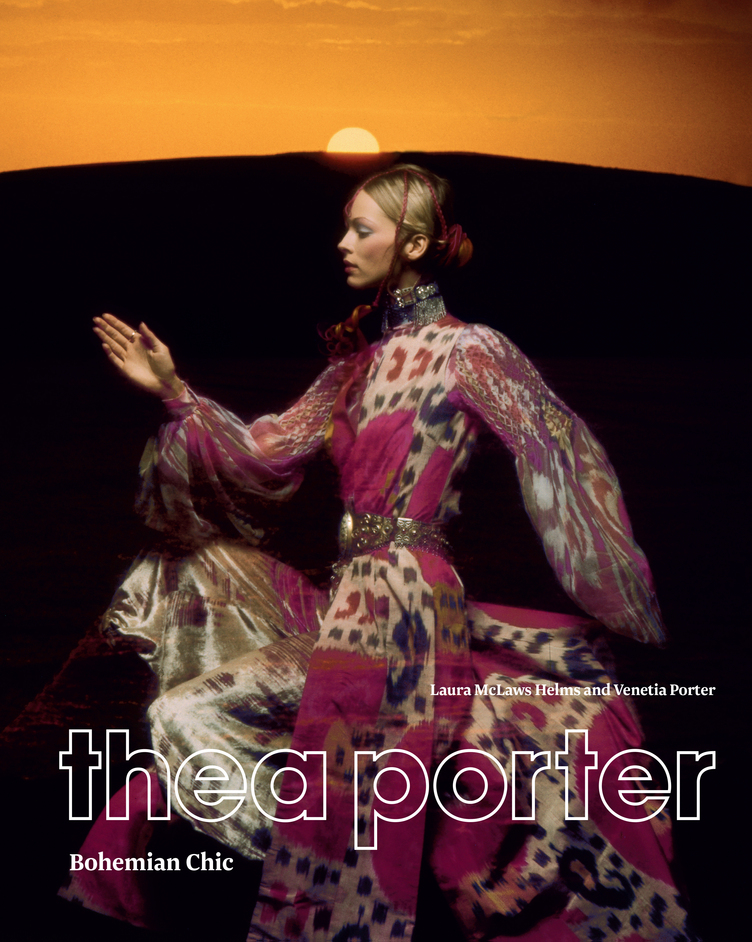
book cover

Thea Porter: Bohemian Chiq

Thea Porter (1927–2000) came to epitomize bohemian chic in the 1960s and ’70s, using an eclectic mix of luxurious fabrics for her signature flowing dresses that became favorites of stylish women everywhere. Faye Dunaway, Joan Collins, Barbra Streisand, and Elizabeth Taylor were fans; Vogue’s Diana Vreeland championed her clothes; and today vintage Thea Porter is worn by Kate Moss, Nicole Richie, and other fashionistas. This first  book devoted to the UK-based fashion designer features new photography of her fabulous clothes and jewelry as well as press clippings, sketches, and excerpts from an unpublished memoir she wrote about her aesthetics, philosophies, and work.

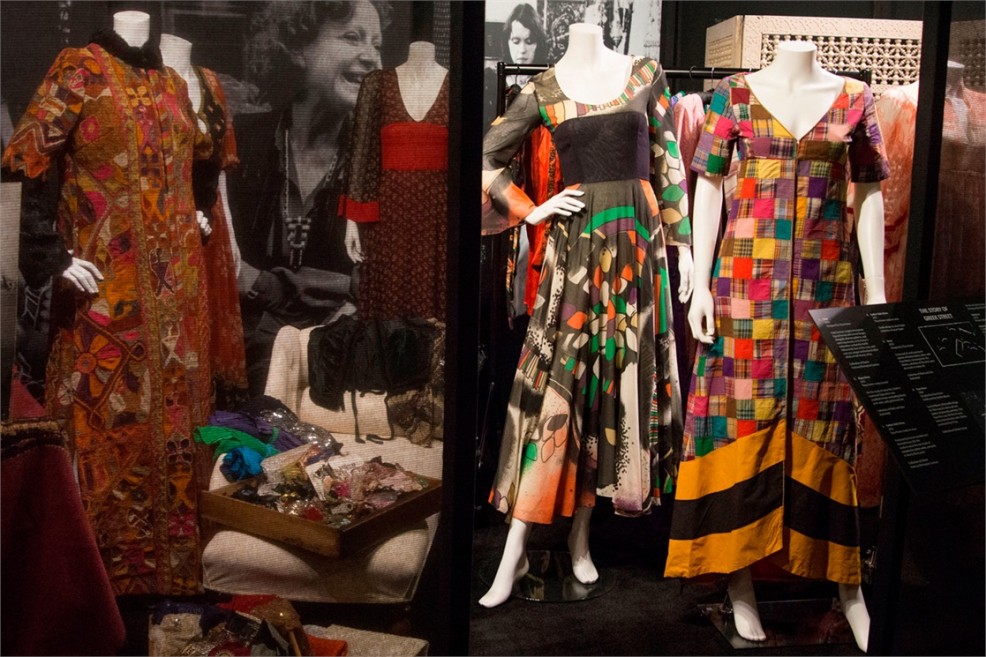
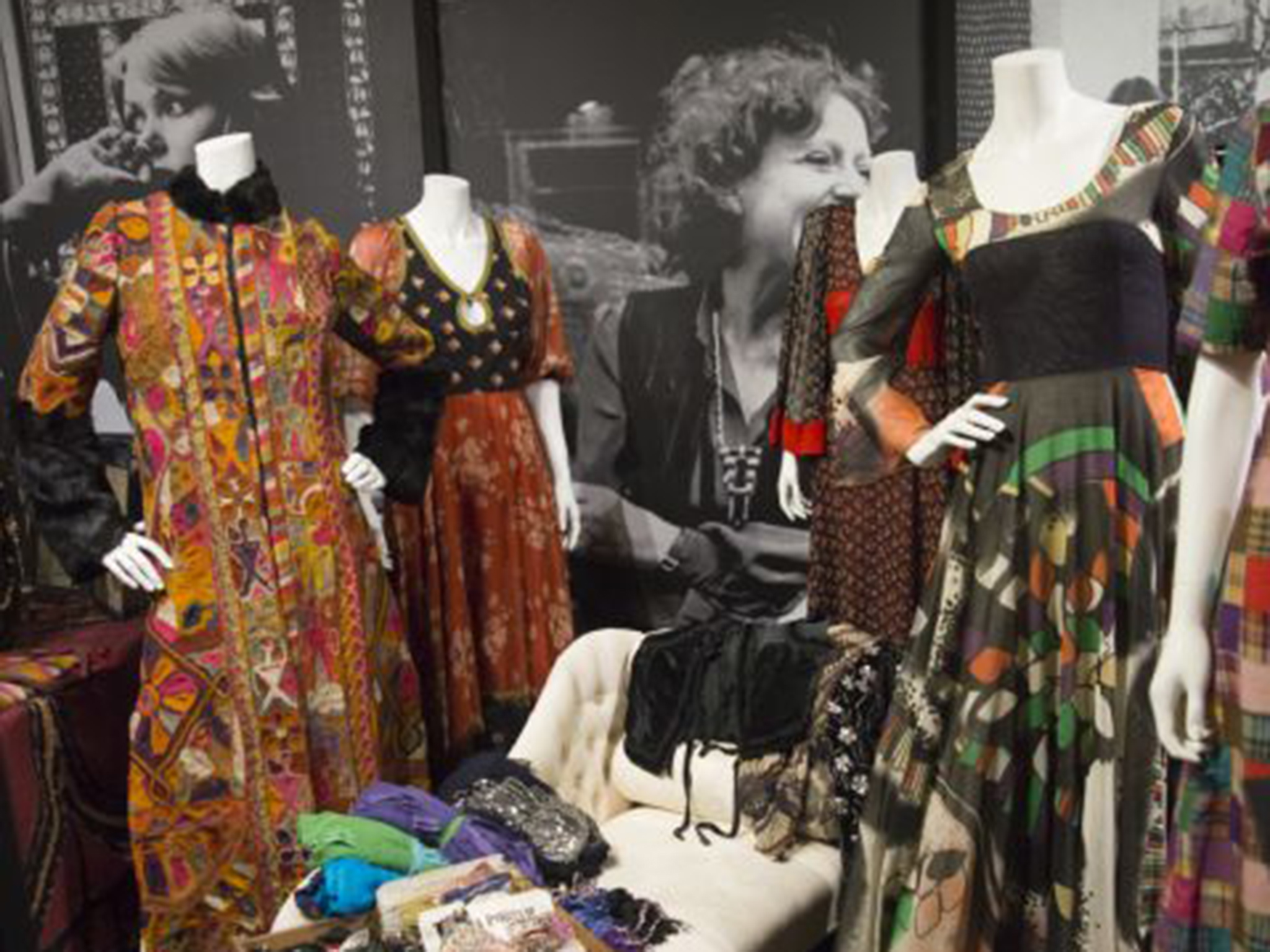
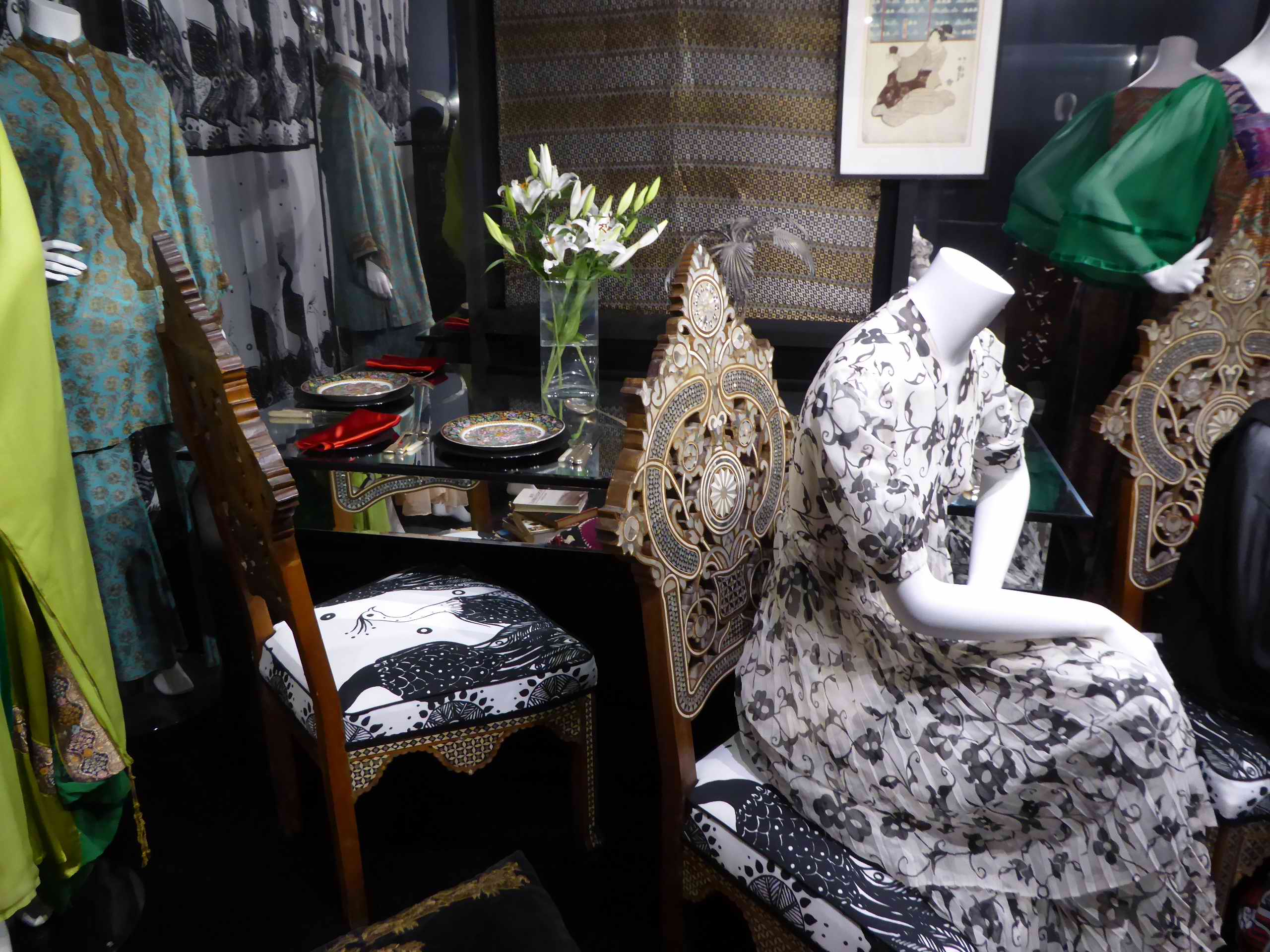
Photo’s of the Thea Porter exhibition in the Fashion &Textile Museum, London
Greek-Street-shop-2

Thea Porter exhibition

Thea Porter exhibition

Thea Porter exhibition

.

info:

Click to access TheaPorter-press-release.pdf

WikiPedia
http://www.theguardian.com

http://fashion.telegraph.co.uk/

Dame Zandra Rhodes, a Lifelong Love Affair with Textiles

6 Dec

Zandra Rhodes

Zandra Rhodes (born 19 September, 1940. Chatham, England) was introduced to the world of fashion by her mother, a fitter for the Paris fashion House of  (Charles) Worth and later a lecturer at Medway College of Art. Zandra studied at Medway College of Art, and then at The Royal College of Art in London. Her major area of study was printed textile design.

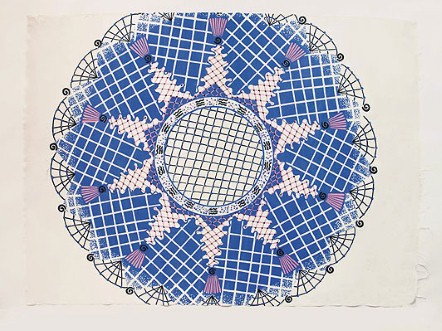
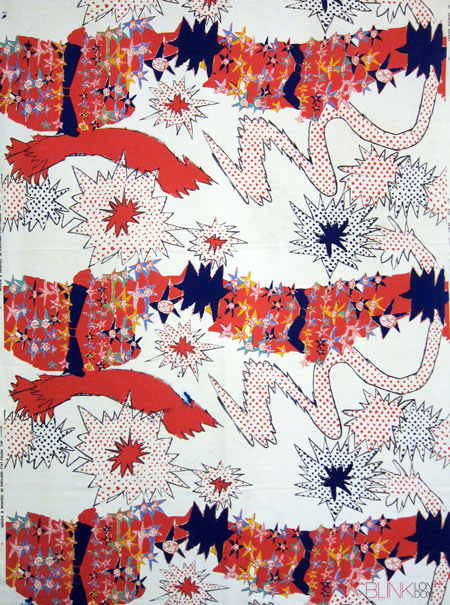
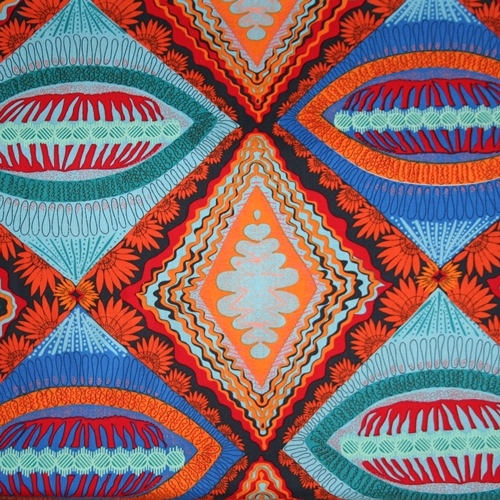
Zandra Rhodes Textile Designs

Textile design Zandra Rhodes

Textile design Zandra Rhodes

textile design, 1964, Zandra Rhodes

Textile design Zandra Rhodes

Textile design Zandra Rhodes

Textile design Zandra Rhodes

Her early textile designs were considered too outrageous by the traditional British manufacturers so she decided to make dresses from her own fabrics and pioneered the very special use of printed textiles as an intrinsic part of the garments she created. While teaching at art college, in 1967, she opened her first shop: The Fulham Road Clothes Shop in London with Sylvia Ayton. In 1969 she set up on her own and took her collection to New York where Diana Vreeland featured her garments in American Vogue, after which she started selling to Henri Bendel in NY, followed by Sakowitz, Neiman Marcus and Saks. In the UK, Zandra was given her own area in Fortnum and Mason, London. She was Designer of the Year in 1972 and in 1974 Royal Designer for Industry. In 1975 she founded her own shop off Bond Street London and boutique area in Marshall Fields, Chicago.

Zandra Rhodes garments in American Vogue 1970

Natalie Wood by Penati in Zandra Rhodes Vogue 1970Natalie Wood by Penati in Zandra Rhodes Vogue 1970
Natalie Wood by Penati in Zandra Rhodes Vogue 1970Zandra’s own lifestyle is as dramatic, glamorous and extrovert as her designs. With her bright pink hair, theatrical make-up and art jewellery, she has stamped her identity on the international world of fashion. She was one of the new wave of British designers who put London at the forefront of the international fashion scene in the 1970s. Her unique use of bold prints, fiercely feminine patterns and theatrical use of colour has given her garments a timeless quality that makes them unmistakably a Rhodes creation. In 1977 she pioneered the pink and black jersey collection with holes and beaded safety pins that earned her the name of “Princess of Punk”. Her posters from this period have been a continuous inspiration for make-up artists and are collectors’ items.

Zandra Rhodes Chinese Lantern

David Bailey, Vogue UK

Vogue UK March 1974

Zandra Rhodes

1968 zandra rhodes
She has designed for clients as diverse as Diana, Princess of Wales, Jackie Onassis, Elizabeth Taylor and Freddie Mercury of the rock group ‘Queen’. She has a strong following in the US, UK, and Australia.

Zandra’s dresses are the ultimate dress-up dress. Helen Mirren, star of “The Queen” wore a Zandra Rhodes when she received her award from BAFTA and Sarah Jessica Parker dressed up in a Zandra for “Sex and the City”. Her vintage pieces have long been collected by Tom Ford and Anna Sui and have been worn by Kelly Osborne, Ashley Olsen, Kate Moss and Naomi Campbell.

ss 1971, Zandra Rhodes

Zandra Rhodes, 1973

1972,72 Zandra Rhodes

Zandra Rhodes

Additionally, Zandra has set up the Fashion and Textile Museum in London which was officially opened May 2003 by HRH Princess Michael of Kent. Mexican architect Ricardo Legorreta designed the museum, which is in stunning pink and orange, and already has a preservation plaque. The museum is dedicated to showing the work of fashion and textile designers from the 1950s onwards. This museum has created several notable exhibitions: “My Favorite Dress”, “The Little Black Dress”, and Zandra’s very own “Zandra Rhodes: A Lifelong Love Affair with Textiles”, which is a major monographic exhibition exploring the forty year career of the iconic British Designer herself. 

'68 '69, Zandra Rhodes

1975, Zandra Rhodes

1969, Zandra Rhodes

1973, Zandra Rhodes

1968-1969, Zandra Rhodes

Rhodes was appointed Commander of the British Empire (CBE) in 1997 and Dame Commander of the Order of the British Empire (DBE) in the 2014 Birthday Honours for services to British fashion and textiles, having been invested at Buckingham Palace by Princess Anne.

.

.

Book Zandra_Rhodes_1024x1024

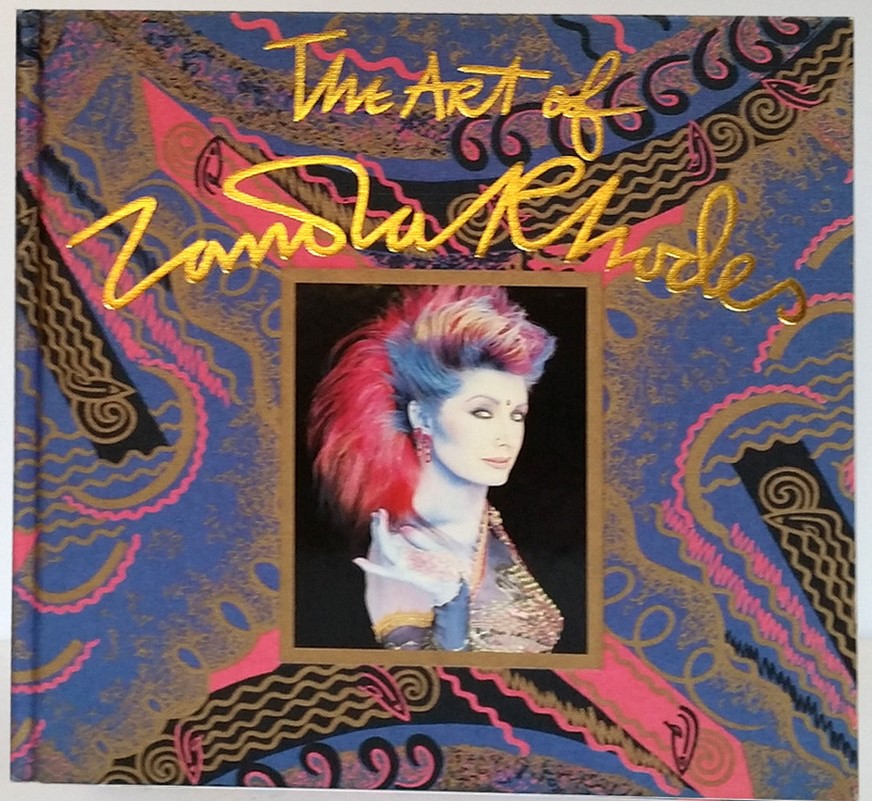
The Art of Zandra Rhodes
A glamorous hardcover reprint of the 1984 edition

This book began as a record of Zandra Rhodes’ work and has become the ultimate reference book for students studying the process behind creating designs. It explains how Zandra’s ideas are translated from her original sketchbook drawing, into a textile design, and then into the final garment. It spans from the beginning of her career to 1981.

.

.

zandra-rhodes-2015Zandra Rhodes 2015

.

info:

WikiPedia
http://www.zandrarhodes.com/about


Bianca Jagger, the Reigning Queen of Studio 54

29 Nov
british_vogue_december_1974__bianca_jagger__baileyVogue UK December 1974, ph. David Bailey
.

Bianca Jagger (born Bianca Pérez-Mora Macias, 2 May 1945) is a Nicaraguan-born socialite turned human rights activist.

She was born in Managua, Nicaragua. Her father was a successful import-export merchant and her mother a housewife. They divorced when Bianca was ten and she stayed with her mother, who had to take care of three children on a small income. She received a scholarship to study political science in France at the Paris Institute of Political Studies. 

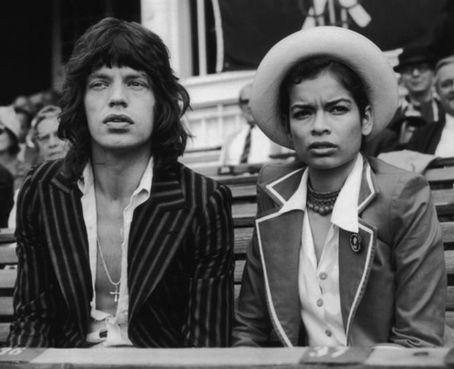
Bianca & Mick Jagger
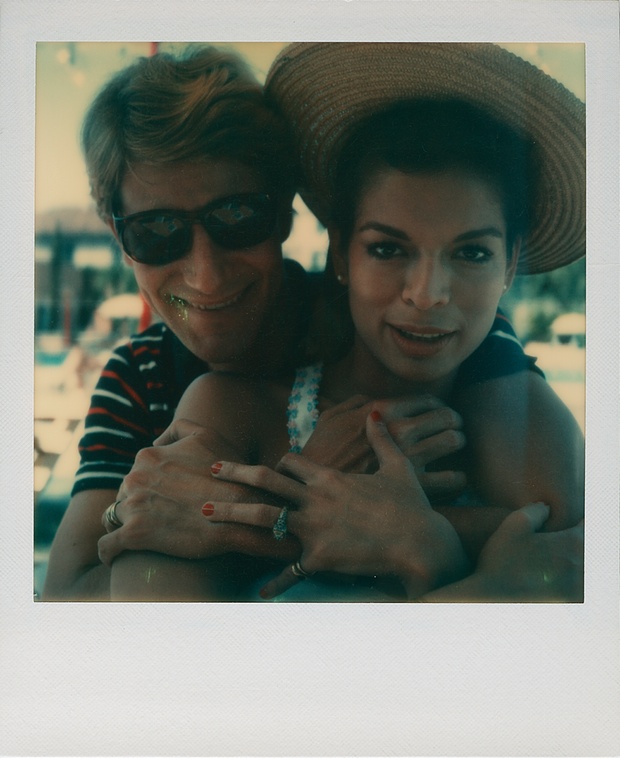
Bianca Jagger wears a YSL Le Smoking jacket to her 1971 wedding to Mick Jagger

Bianca & Mick Jagger

Bianca & Mick Jagger

Bianca & Mick Jagger

Bianca & Mick Jagger

Mick Jagger and Bianca Jagger by Leni Riefenstahl for The Sunday Times, 1974
Bianca & Mick Jagger

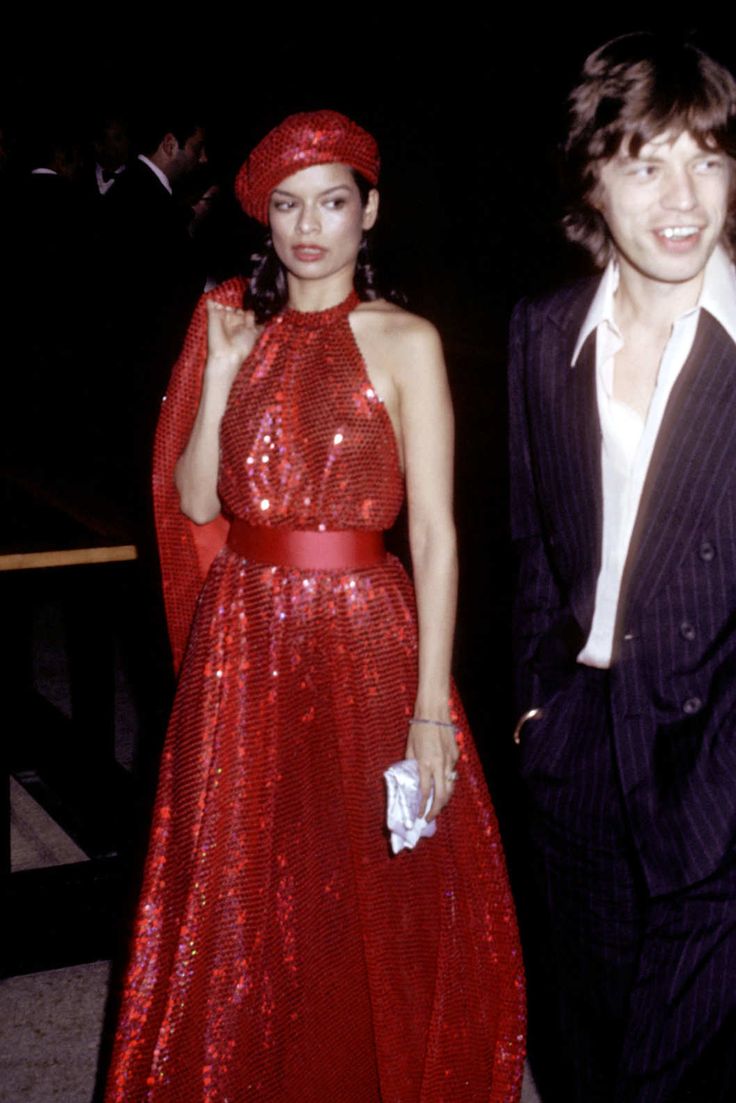
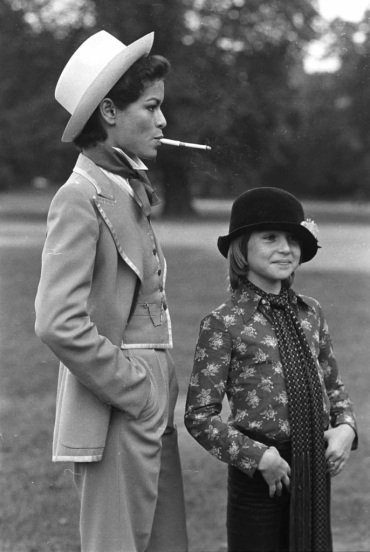
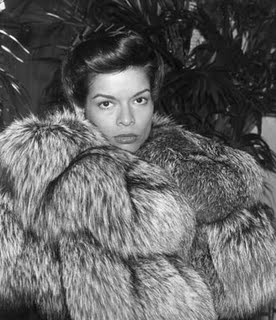
Bianca Jagger is known for being both the first wife of Mick Jagger and one of the most impeccably stylish women in the world. Bianca’s exotic beauty caught the Rolling Stones’ frontman’s eye at a party in France after one of their concerts in 1970 and they married ( Bianca wore a YSL Le Smoking jacket on her wedding day) a year later in St Tropez. Bianca has since said that her marriage was over as soon as it began, but black and white photographs of the cooler-than-cool pair dripping with ’70s glamour suggest it was beautiful while it lasted. Their split did little to snuff out Bianca’s jet-setting, party-going reputation, and she was a solid fixture on Manhattan’s Studio 54 scene always decked out in luxurious furs, glittering sequins and exquisitely tailored white YSL trouser suits.

Bianca jagger

Bianca jagger & Tatum O'Neal

Bianca jagger

Bianca jagger

tumblr_m1odu3p2xx1r13koao1_400

Bianca Jagger At A Party

A close friend and photographic favourite of Andy Warhol (her daughter Jade once urinated on a piece of his artwork), Bianca also personified the elegant Halston woman along with Liza Minnelli and Lauren Bacall. It was Halston she wore to her 30th birthday party at Studio 54 where she famously rode on a white horse lead by a semi-clad man.

Studio 54

Steve Rubel, Halston and Bianca Jagger at Studio 54, 1978Steve Rubel(owner Studio 54), Halston and Bianca Jagger at Studio 54, 1978
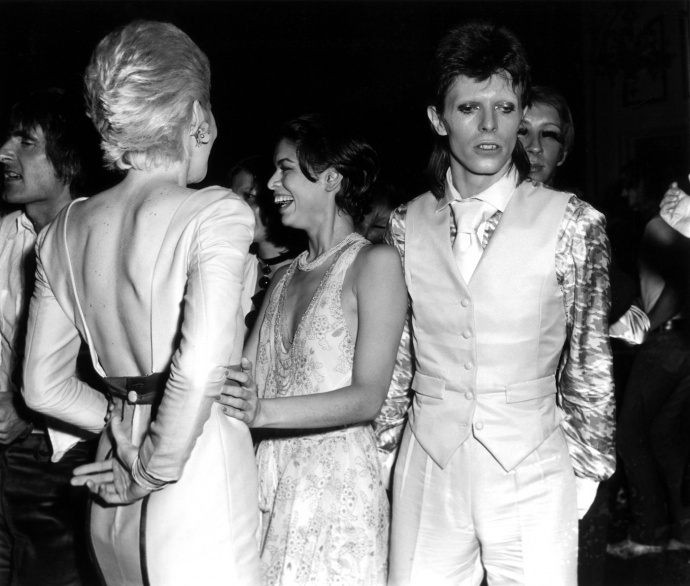
Liza Minnelli;Andy Warhol;Halston;Jack Jr. Haley [& Wife];Mrs. Mick JaggerHalston, Bianca & Andy WarholBianca Jagger with David & Angie BowieWith Angie & David BowieLiz-Taylor-Halston-Bianca-JaggerElisabeth Taylor, Halston & Bianca
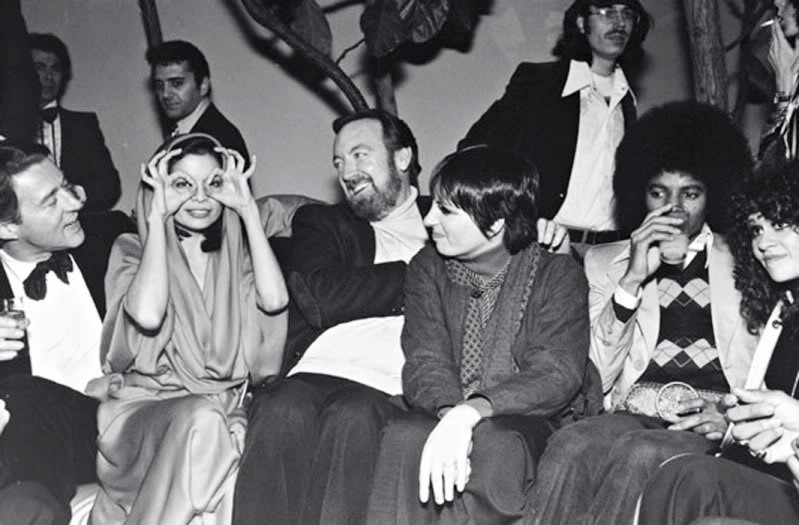
the-gangHalston, Bianca,Liza Minnelli & Micheal Jackson
.

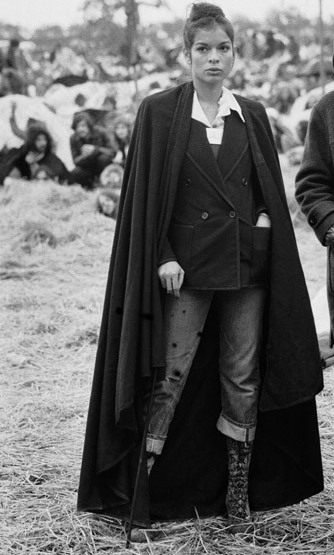
The It Girl of the decade, Bianca’s glam look ranged from unbuttoned blouses, wide-lapel suits, bold choker necklaces, one-shoulder dresses, and fierce facial expressions. As she puts it well, “Style is knowing what suits you, who you are, and what your assets are. It is also accepting it all.”

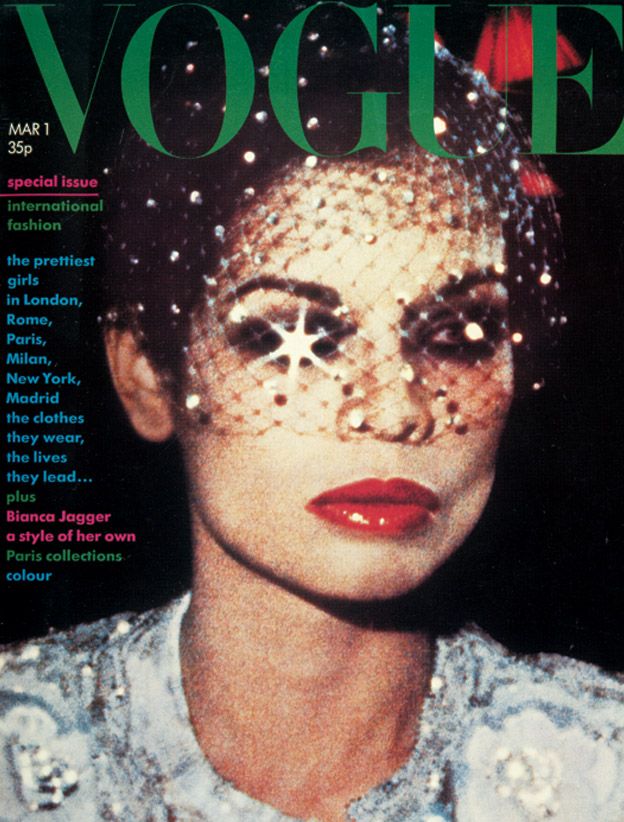
Bianca Jagger , cover Vogue

Bianca Jagger by Eric Boman for Vogue UK, March 1974.

cam-00047796.highres-0_0x440

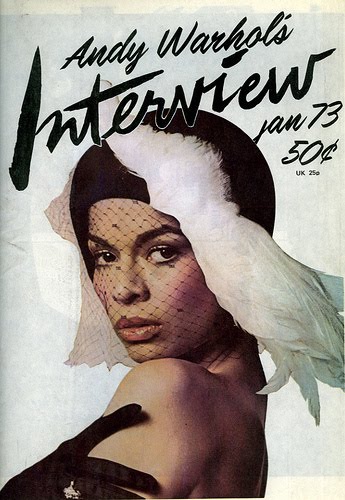
Bianca Jagger wearing Zandra RhodesWearing Zandra Rhodes Bianca Jagger wearing a dress by Ossie ClarkWearing Ossie Clark1819With Yves Saint LaurentBianca Jagger, cover Interview magazine.

.
Studio 54 Fable
Bianca-Jagger

Bianca Jagger wants to set the record straight about a certain night at Studio 54, which has haunted the annals of night life lore since 1977. “Mick Jagger and I walked into Studio 54,” she wrote in a letter to the editor in the Financial Times, finally setting to rest the rumors that she rode into the famed nightclub on a white horse.

As with most rumors, the story has some basis in fact. Fashion designer Halston threw a 30th birthday party at Studio 54 for Jagger, who at the time was married to Rolling Stones frontman, Mick Jagger. At the party, a naked giant covered in gold glitter led Bianca, clad in Halston and Manolo Blahniks, around the night club on horseback. The moment was captured by noted fashion photographerRose Hartman and the image went whatever was the 1977 equivalent of viral, slowly becoming emblematic of the excesses (read: fun) of the era and eventually becoming a legend.

However somewhere along the way, the story was twisted to include the detail that Jaggerrode into the nightclub on the horse, which would certainly be a memorable feat. However, Jagger took to the Financial Times today to declare that detail preposterous and, as an animal rights defender, downright offensive. In the letter to the editor, she wrote: “It is one thing to, on the spur of the moment, get on a horse in a night club, but it quite another to ride in on one.”

She explained that the club’s owner, Steve Rubell, had brought the horse into a club as a lark, after seeing a photo of her riding one in her home of Nicaragua. When she saw the horse inside the club, Jagger thought it would be fun to hop on and take it for a quick spin. Contrary to rumor, she did not ride the white horse down 54th street and into the velvet-roped doors of Studio 54. In her letter to the editor, Jagger wrote: “I often ask myself how people visualise this fable . . . Where was Mick during this time? Was he holding the reins and pulling me and the horse through the streets of New York, or following submissively behind me!?”

She closed the note with the hope that her letter would finally “put this Studio 54 fable — out to pasture.”

By Melissa Locker for Vanity Fair

.

.

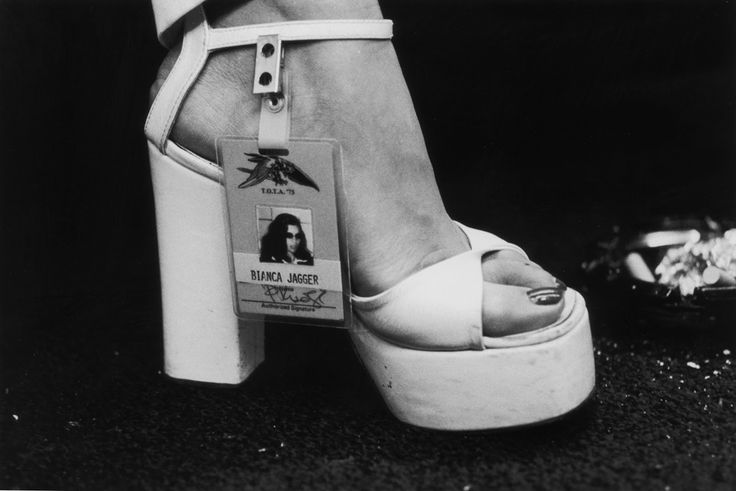
Bianca Jagger Wearing her backstage pass on het shoe


info:

WikiPedia
http://www.oystermag.com

http://www.vanityfair.com/hollywood/2015/04/bianca-jagger-studio-54

Barbara ‘Babe’ Paley, the Ultimate Trophy Wife

22 Nov
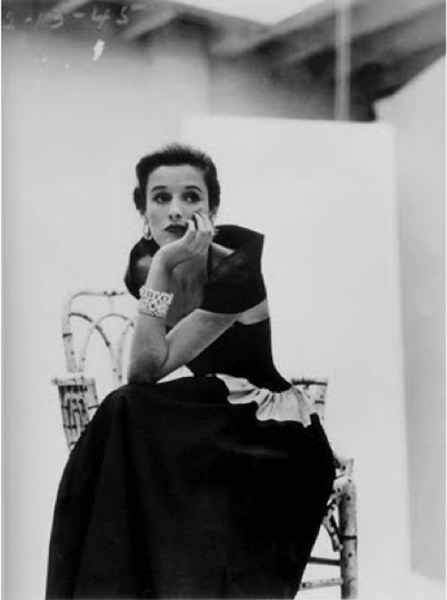
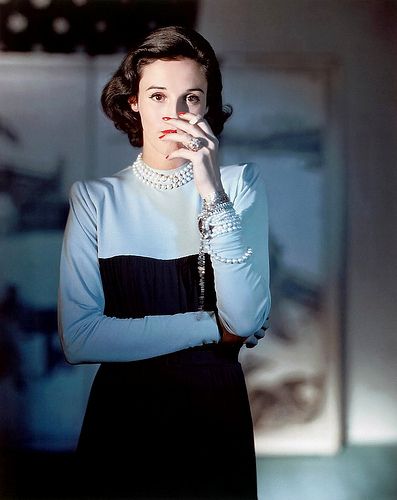
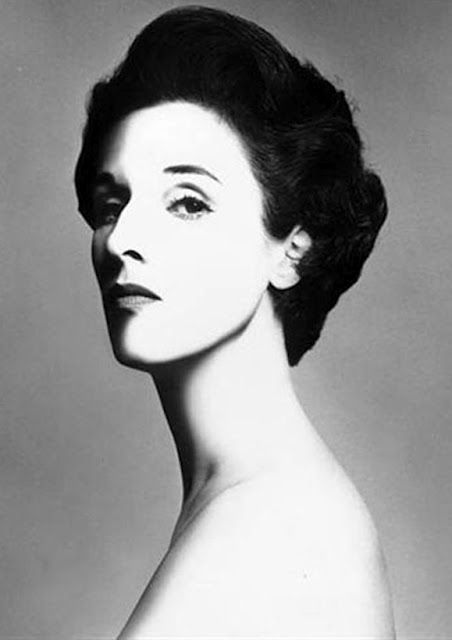
Erwin Blumenfeld, Portrait of Barbara "Babe" Paley, 1947Ph. Erwin Blumenfeld, 1947
.

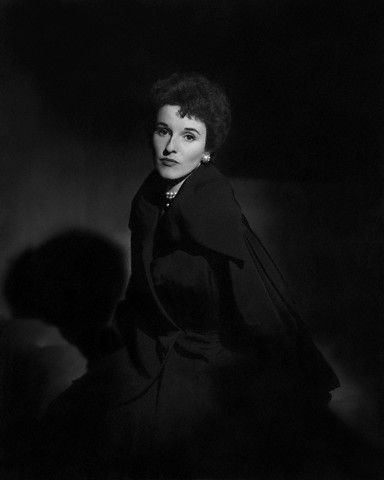
Barbara Cushing in Boston (July 5th, 1015), she was the daughter of world-renowned brain surgeon Dr. Harvey Cushing, who was professor of surgery at Johns Hopkins, Harvard and Yale universities, and Katharine Stone Crowell Cushing. 

A student at the Westover School in Middlebury, Connecticut, she was presented as a debutante in October 1934 in Boston, with Roosevelt’s sons in attendance. Her debut drew great attention during the Great Depression, and marked the beginning of her social career. 

In 1934, she was disfigured in a serious car accident and underwent re-constructive surgery that turned her into a beautiful woman.
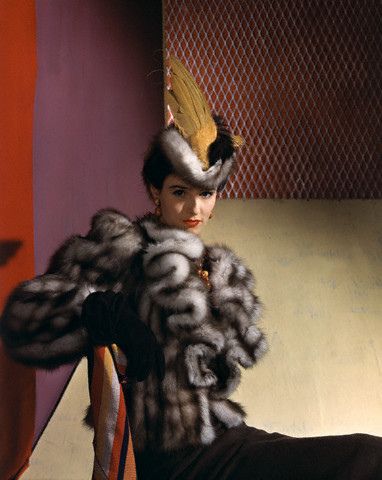
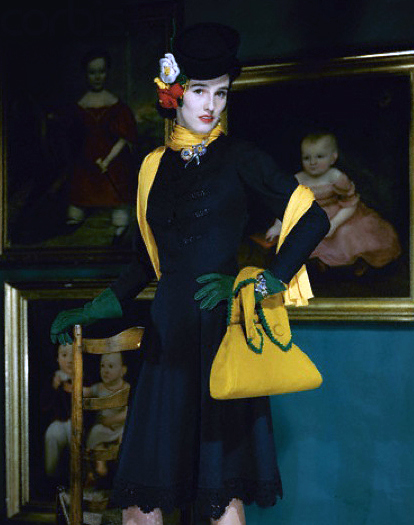
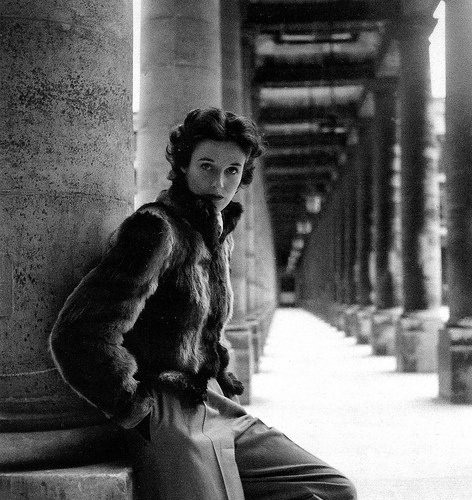
1939 horst p horst Babe Paley is wearing a be-winged marten hat and jabot revers on a natural marten hat by John FredericsPh. Horst P. Horst, 1939
John Rawlings ca. 1941John Rawlings ca. 1941
Vogue 1939 babe paleyVogue, 1939
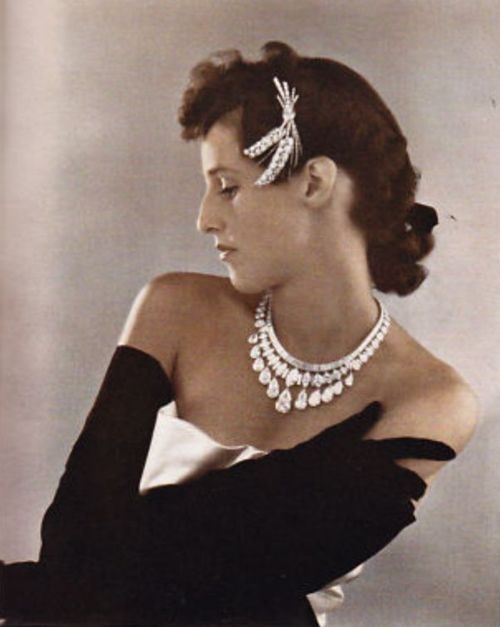
photographed by Erwin Blumenfeld for Vogue, 1946.Ph. Erwin Blumenfeld for Vogue, 1946.
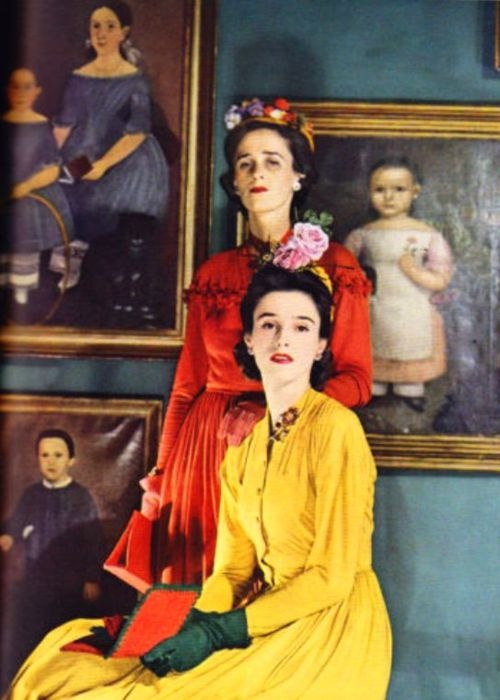
Babe Paley for Vogue, February 1941Vogue, February 1941 Horst P. Horst (Babe Paley on the right)Ph. by Horst P. Horst (Babe Paley on the right)

.

Babe met and married oil heir Stanley Grafton Mortimer, Jr., in 1940. Though her mother preferred that she marry a powerful man with a title, she generally approved of the union. She and Mortimer had two children: Amanda Jay Mortimer  and Stanley Grafton Mortimer III. Their marriage ended by 1946. Several retrospectives have claimed that Babe neglected her children while in pursuit of social status and depended upon the wealth of her husbands to support her lavish lifestyle. Her daughter Amanda has admitted that their relationship was “virtually nonexistent” and that the distance “was her choice, not mine”.

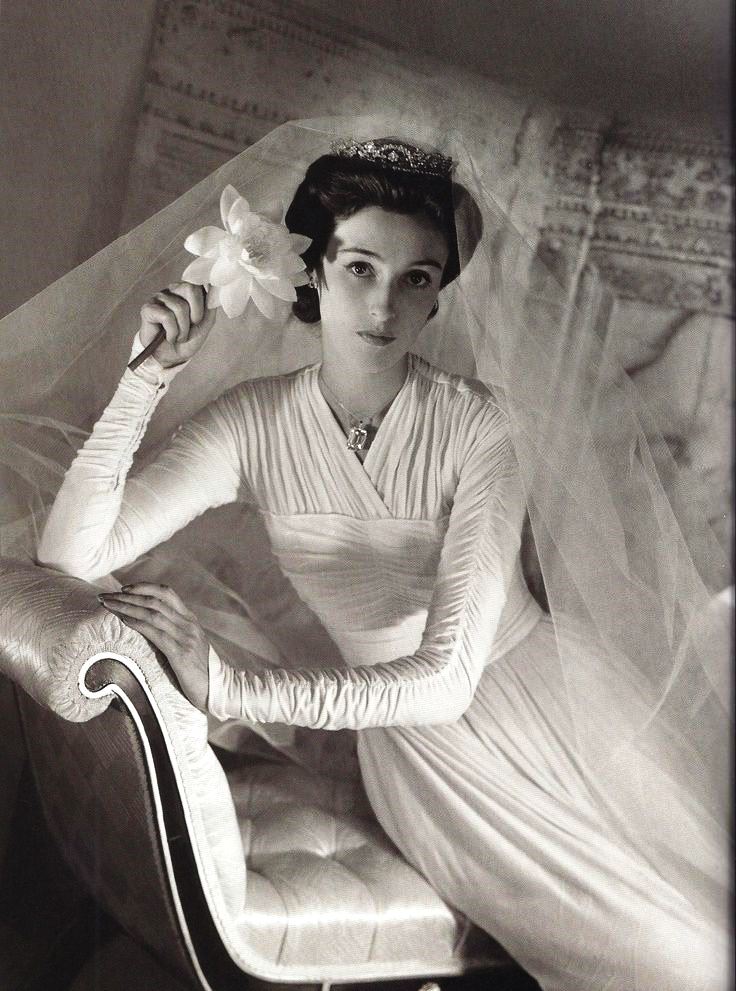
Wedding Gown by Mabel McIlvain Downs.Babe in her wedding dress when she married Stanley Mortimer.Ph. Horst P.Horst,1940

.
In 1938, Babe began working as a fashion editor for Vogue in New York City. Her position at Vogue gave her access to designer clothes, often given in exchange for Babe’s high profile and glamorous image. In 1941, Time magazine voted her the world’s second best dressed woman after Wallis Simpson. In 1945 and 1946 Babe appeared on the best-dressed-list again. Upon her second marriage in 1947 to William S. Paley , she left her job at Vogue.

Apartment at the St. Regis

Babe Paley
Babe Paley
b22e87f1fa003c587dc3d9258ad41782

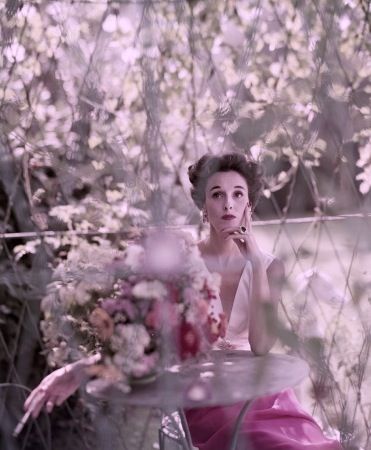
Babe set about to cultivate and create a picture-perfect social world. The couple took an elegant apartment at the St. Regis and hired noted interior designer Billy Baldwin to decorate. She and Paley lived there during the week, while weekends were spent at Kiluna Farm, on 80 acres (320,000 m2) in Manhasset, Long Island, where a succession of landscape architects and garden designers beautified the grounds.

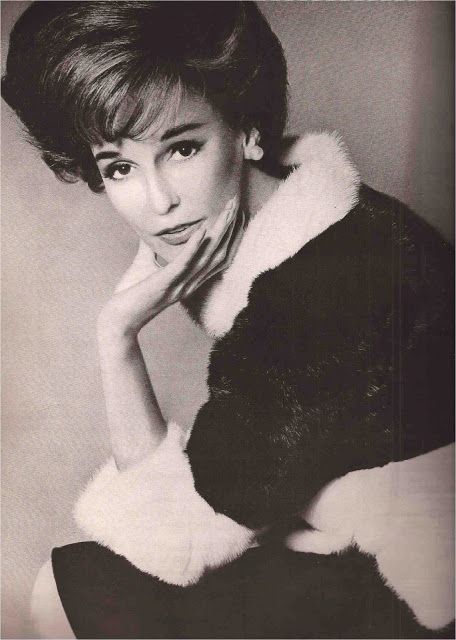
In addition to lavish entertaining, Babe maintained her position on the best-dressed list fourteen times before being inducted into the Fashion Hall of Fame in 1958. She regularly bought entire haute couture collections from major fashion houses like Givenchy and Valentino SpA. Her personal style was inspirational to thousands of women who tried to copy her, but as Bill Blass once observed, “I never saw her not grab anyone’s attention, the hair, the makeup, the crispness. You were never conscious of what she was wearing; you noticed Babe and nothing else.”

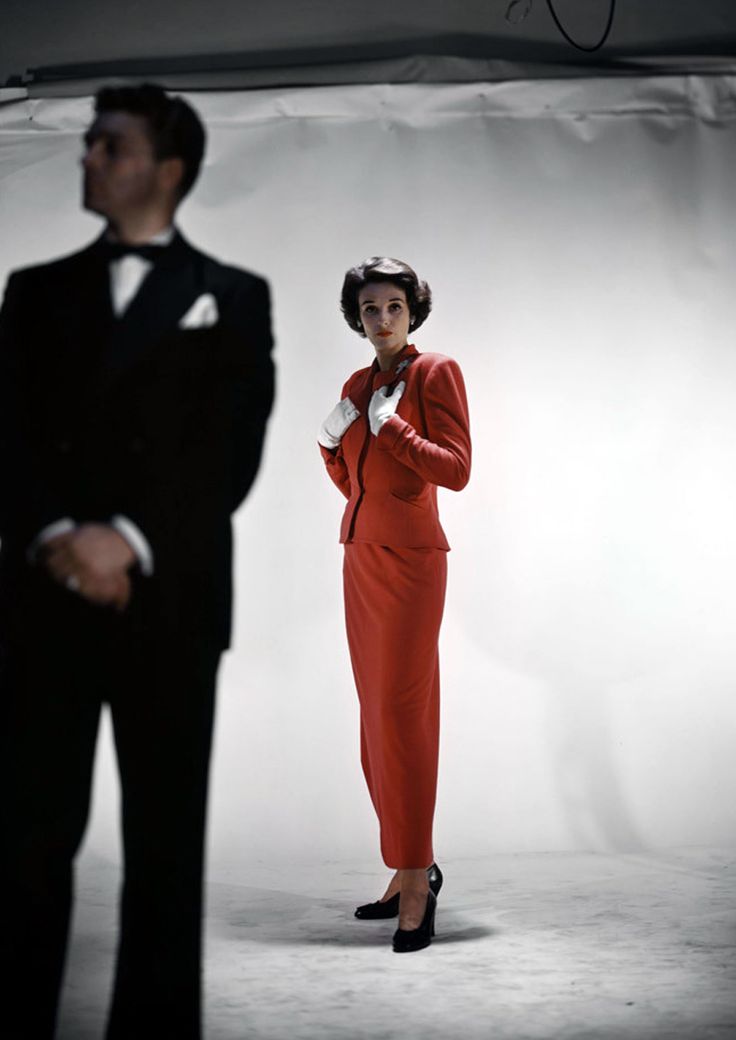
Babe Paley John Rawlings for Vogue February 1946Ph.John Rawlings, Vogue February 1946
Babe Paley shot by Clifford Coffin for British Vogue December 1946Ph. Clifford Coffin for British Vogue December 19469.-babe-paley-by-lord-snowdon-300x300Ph. Lord Snowdon

.
Her personal, unconventional style was enormously influential. A photograph of Babe with a scarf tied to her handbag, for example, created a trendy tidal wave that millions of women emulated. She often mixed extravagant jewelry by Fulco di Verdura and Jean Schlumberger (jewelry designer) with cheap costume pieces, and embraced letting her hair go gray instead of camouflaging it with dye. In a stroke of modernism, she made pantsuits chic. Her image and status reportedly created a strain on her marriage to William S. Paley, who insisted that his wife be wrapped in sable and completely bejeweled at all times.

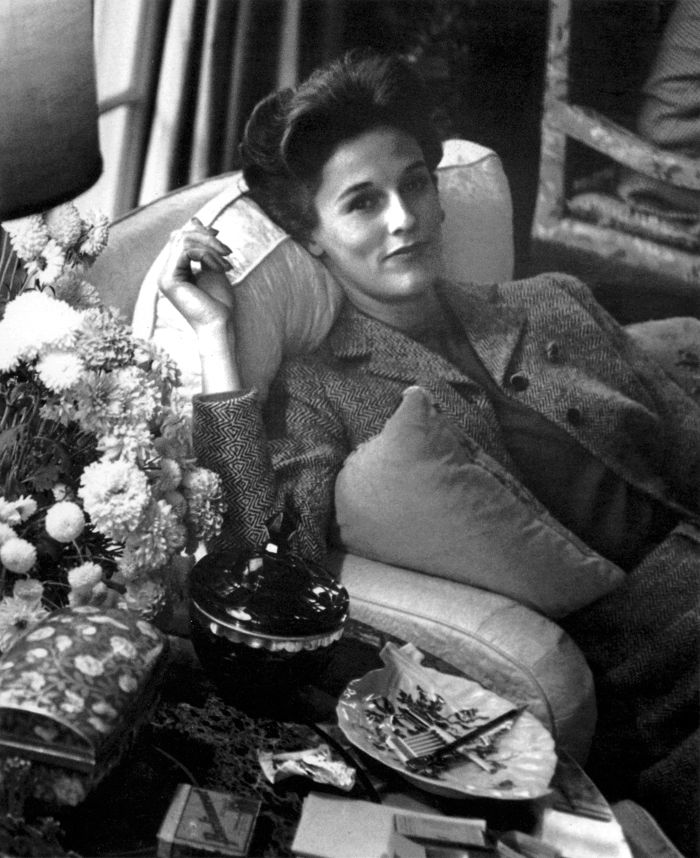
By many biographers’ accounts, Babe was lonely and frustrated as William Paley carried on a chain of extramarital affairs. This psychological battering took its toll on her and her family. She was constantly under the scrutiny of society and the media, who pressed her to maintain the unrealistic image of a social and fashion goddess. These external pressures, as well as a two-pack-a-day cigarette habit, finally affected her health.

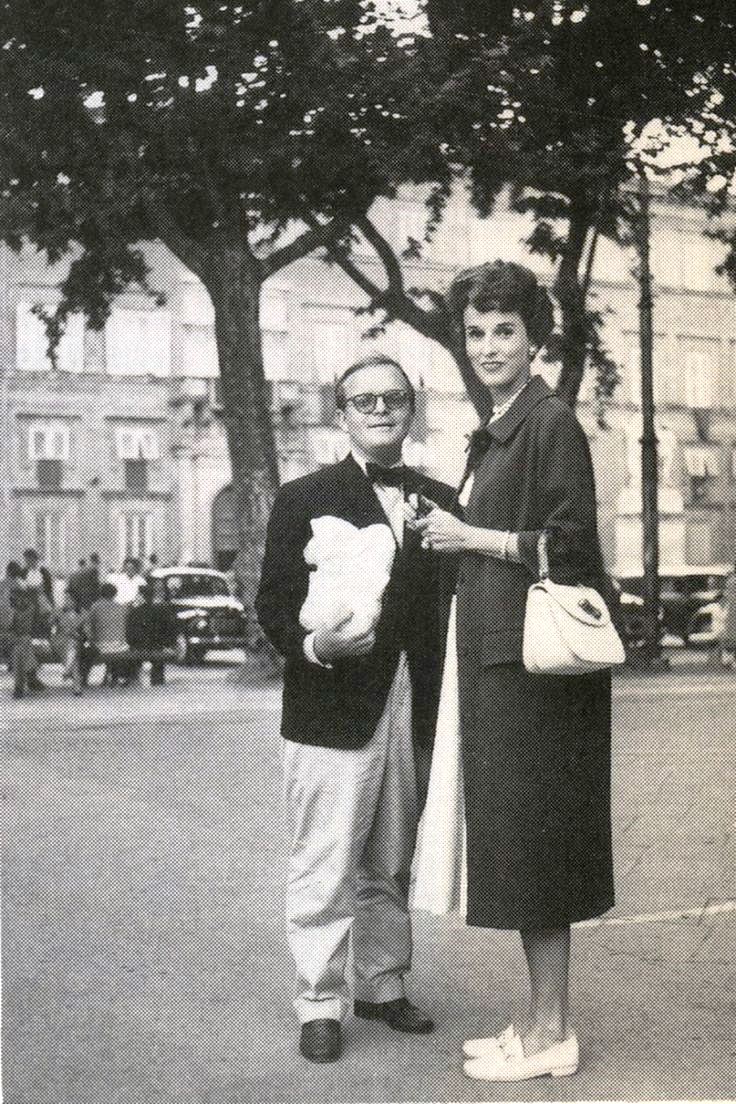
Babe Paley & Truman CapoteBabe Paley & Truman Capote


Babe Paley had only one fault, she was perfect. Otherwise, she was perfect. 

Truman Capote.
.

Truman Capote was Babe Paley’s close friend and confidant until he did the unforgivable: In “Answered Prayers” he depicted a character apparently based on her husband in an extramarital tryst with someone said to be modeled on Happy Rockefeller, which ended up in a big mess. Literally. When she read the excerpt from the book, Babe dropped him and never spoke to him again.

(Babe Paley) wearing a Creation of Traina-Norell, photographed by Horst P. Horst from American Vogue in 1946.Ph. Horst P. Horst
photo by Norman ParkinsonPh. Norman Parkinson
Babe Paley
photographed by Alexander Liberman, 1942.Ph. Alexander Liberman, 1942
Babe Paley

A heavy smoker, Babe was diagnosed with lung cancer in 1974. She planned her own funeral, right down to the food and wine selections that would be served at the funeral luncheon. She carefully allocated her jewelry collection and personal belongings to friends and family, wrapped them in colorful paper, and created a complete file system with directions as to how they would be distributed after her death, which happened on July 6, 1978.

.

.

.

.

JOHN RAWLINGSPh. John Rawlings

.

Info:  Wikpedia &
http://video.vanityfair.com/watch/the-best-dressed-women-of-all-time–babe-paley

Shaun Ross, the first Afro-American Male Model born with Albinism

15 Nov
Shaun RossShaun Ross
.

This week I watched a documentary about the hunt for Albinos in parts of Africa and it completely took my by the throat. Wanting to share this film, I surged for a connection with my blog and found it in Shaun Ross.

‘.

Albinism in humans (from the Latin albus, “white”) is a congenital disorder characterized by the complete or partial absence of pigment in the skin, hair and eyes due to absence or defect of tyrosinase, a copper-containing enzyme involved in the production of melanin. It is the opposite of melanism. 


Shaun Ross

“I was always the outcast, but a confident outcast”  

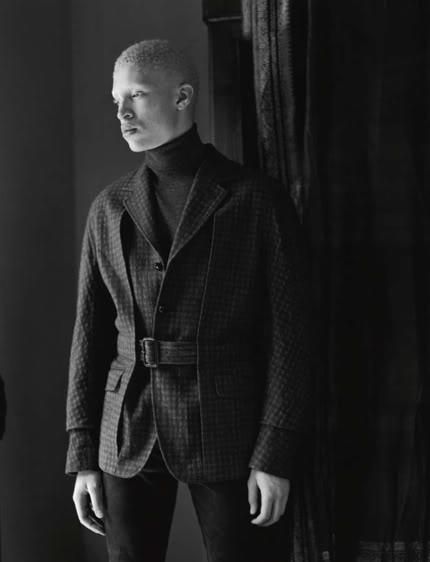
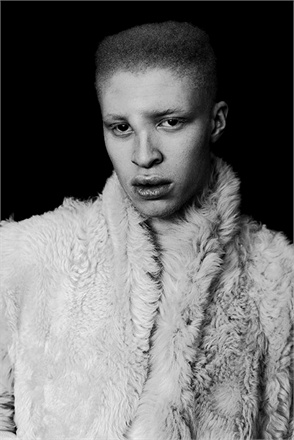
Shaun Ross (born May 10, 1991) is an American professional fashion model, actor and dancer best known for being the first male albino pro model. He has been featured in photo-editorial campaigns in fashion publications including British GQ, Italian Vogue, i-D Magazine, Paper Magazine and Another Man. He has modeled for Alexander McQueen and Givenchy.

Ross’s mom gave birth to him on the highway on the way to the hospital. “The nickname my parents always called me was Nissan,” Ross said with a laugh.

Ross is of African-American descent. Born in the Bronx, when he was growing up, Ross dealt with much discrimination for being albino. He was bullied frequently by his peers, called names such as “Powder”, “Wite-Out”, and “Casper”. After training at the Alvin Ailey School for five years, Ross was discovered on YouTube and crossed over to the fashion industry in 2008 at 16 years old.

african american albino models shaun ross & diandra forrestmodels Shaun Ross & Diandra Forrest
.

In 2009, Ross appeared on the Tyra Banks Show. He shared the show with fellow albinistic African American model Diandra Forrest; together, they shared their life stories about how different life was for them. Later that year, Ross played a role in a short film by Yoann Lemoine which won a first-place prize in a contest sponsored by Italian VogueRoss also has worked with other directors, such as Julien Seri, Jason Last, Jessica Yatrofsky and Ella Manor in both film and television. Ross, who is bisexual, participates in the underground ballroom scene in New York, where he often vogues as a free agent.

.


Shaun Ross in People Magazine:

Growing up in New York, I had to face scrutiny of my looks for as long as I can remember. Looking different, feeling different, all because of the way the world wants to classify you. I got called “weird,” “powder,” or “Casper.” When the world doesn’t want to see you – or better yet, accept you the way you are – the last thing you think you could become is a supermodel. 

Society makes it seem that the most beautiful people in the world are models; they are the perfect design of what a human being should look like: female models with long straight hair and a tiny thin waist and male models with bleach blond hair or Herculean bodies. When you’re raised with the public telling you that you are ugly or you have a disease, you don’t think you have a chance. 

As a child, I was always very outgoing and charismatic, traits I got from my parents. They helped me gain the confidence to eventually become a dancer, like my idols Michael and Janet Jackson, Madonna and Beyoncé. Later, Shameer Khan scouted me for a modeling contract. When this break led to me becoming the first male model with albinism, I knew I was helping to change the way people thought. I was breaking the mold by changing the standards of beauty with the help of others before me like Alek Wek, Stacey McKenzie and Connie Chiu.

Shaun Ross

Ross says that his condition doesn’t define him or confine him in any way. It has just always been there. The problem lies with others and with people’s perception.

Shaun Ross

Shaun Ross

David Armstrong for Another Man MagazinePh. David Armstrong for Another Man Magazine
Danny Roche, Vogue ItPh. Danny Roche, Vogue Italia
Shaun RossFord Motor Company campaign "Be Unique"
Shaun Ross
Shaun Ross


,

http://www.inmyskiniwin.com/

Ross summed up his attitude with a hashtag he uses to his growing social media following, #InMySkinIWin, which he says promotes a level of comfort with yourself. He started it to raise albinism awareness, but has since expanded the meaning to just loving who you are.
16ca56b4ae27a1a2896cb9a676476653

http://shaundross.tumblr.com/

.

.

Documentary

The hunt for Albinos

In parts of Africa people believe that giving birth to an Albino “creature” is a curse. Some also believe that owning a part of their body will make them rich. Albinos are hunted down and hacked to death. Or, if lucky, they will only lose an arm (sold for $225).

In this amazing documentary Joseph Terner reaches out to the same people who made his life hell. He explains Albinos are not the product of a curse, but that of a genetic mutation.

https://youtu.be/1w0AhGAC2R0

.

.

nixi-magazine-shaun-ross-terry-richardson-portrait-male-model-13-e1434580494325Ph.Terry Richardson for Nixi Magazine
;
;

Info:

http://www.huffingtonpost.com/shaun-ross/

http://www.people.com/article/shaun-ross-model-albinism-tanzanian-refugees

http://edition.cnn.com/2013/09/10/living/fashion-week-imperfect-model-shaun-ross/