In May 1984, when Sprouse showed his latest collection at the Ritz, a former club downtown, 2,500 people attended, including Andy Warhol. He loved Sprouse’s sixties-inspired clothes and afterward traded two portraits for the whole collection. “Sprouse was definitely one of Andy’s ‘children,’ ” says Benjamin Liu, who worked as Warhol’s assistant. “So much of what Andy was brilliantly known for—the neon colors, the Pop imagery, the association with musicians—Stephen brought into his own work.” Warhol, in turn, brought Sprouse into his life, inviting him for dinners at Odeon or Indochine that would lead to after-dinner excursions to Area, at the time the city’s hottest club.
Jean Pagliuso for American Vogue, November 1984
Steven Meisel for American Vogue, March 1988.
Spanish Vogue, Stephen Sprouse in the middle
.
Sprouse had been in business only a short time but had quickly become a cult figure, his clothes prominently featured in major department stores and on the pages of Vogue and Harper’s Bazaar. He was part of Warhol’s coterie. Rock stars, like Madonna, wanted him to help style their images. But there was one way in which success eluded him: He was running out of money. From Halston, he’d developed a taste for expensive materials, but since no one was making Day-Glo fabric at the time, he turned to Agnona, the Italian luxury cashmere manufacturer. As a result, his clothes were priced too high for the youthful customers who gravitated to them. Then there were the production problems, as Sprouse insisted on doing things like hand-painting the graffiti on the clothes himself. By the spring of 1985, he owed $600,000 to creditors; that summer, Sprouse shut down his business.
The press had a different kind of field day, and stories appeared with headlines like SPROUSE: HOW SUCCESS TURNED TO FAILURE. Sprouse, for the most part, kept his feelings private.
In September 1987, six months after he’d designed costumes for the New York City Ballet’s premiere of Ecstatic Orange—and after the sudden death of Warhol, who was buried in a Sprouse suit—Sprouse returned to fashion with the opening of his own store in a converted firehouse on Wooster Street. He was now in business with 24-year-old Andrew Cogan, whose father, Marshall, was chairman of GFI-International. At last, he had big money behind him. But the store was a risky venture—he would be the first designer to have a full-scale emporium in Soho. “There was nothing like this downtown,” says longtime friend Candy Pratts Price. “It was a real happening. A living environment.”
1984 1987 1987-1988 1988 1988
. Sprouse controlled almost every aspect, designing the interior, picking out the music, selecting the images for the massive video wall on the first floor. He created three different clothing lines, including a cheaper one for younger customers, as well as gloves, fishnets, hats, shoes, jewelry, even makeup. “The opening was unbelievable,” says Jamie Boud, Sprouse’s longtime assistant. “Debbie Harry played on a stage formed by a big red X. Stephen knew a lot of people, and they all showed up for him.”
He did two shows that year, one grown-up and sophisticated, with prints done in collaboration with Keith Haring, the other a Sprouse phantasmagoria, with models stumbling down the runway chewing capsules that gushed fake blood. “That show was critisized harshly ,” says Boud. “But Stephen thought it was the best one he’d ever done. He was into the showbiz of it all. The clothes were just costumes for the ‘show.’ ”
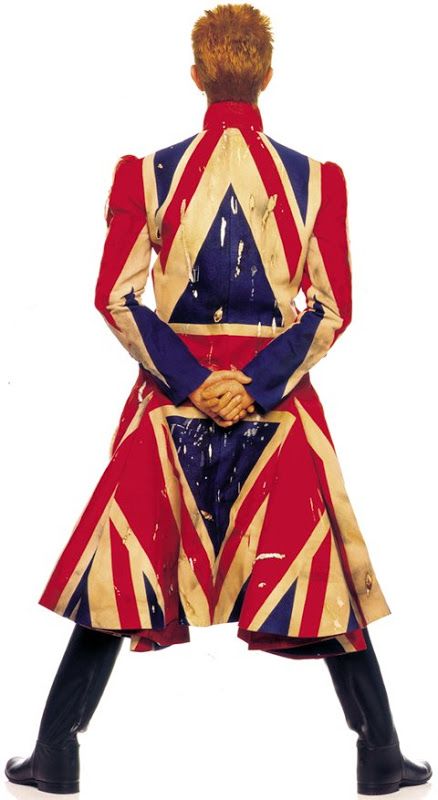
By 1989, Sprouse, in what was now becoming a familiar pattern, was once again unemployed. He lost his stores—he’d opened a second one in L.A.—and his wholesale business. “We were too crazily, overly ambitious,” admits Cogan. “At the end, we were doing close to $10 million worth of business, but it wasn’t enough. The clothing, particularly after that last show, which was a spectacular bomb, didn’t sell. Telling Stephen we couldn’t continue was the worst day of my life.” “After the store closed, Stephen was a little lost,” says Boud. “He was just a freelance guy at that point. He realized fashion was what he was best known for, but nothing about his career had ever been calculated.” He spent more time on his art, creating giant silk screens of rock stars, like Iggy Pop and Sid Vicious. He made costumes for Mick Jagger, Axl Rose, Trent Reznor, Courtney Love, David Bowie, and Duran Duran, and designed numerous album covers and backdrops for sets.
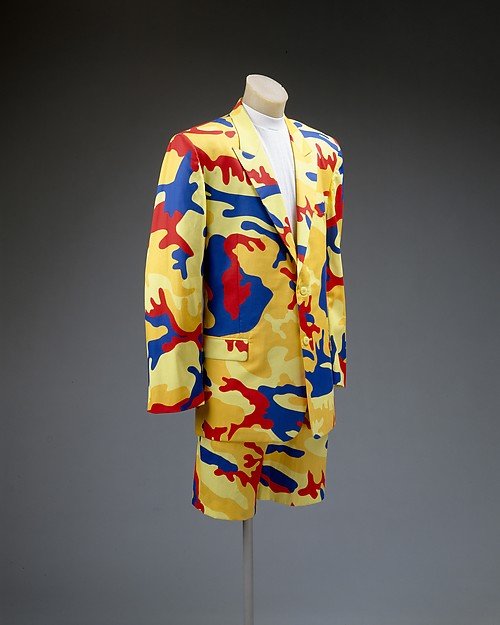
In 1996, Sprouse won the rights to use Warhol’s imagery on his clothing, which led to a deal with Staff International, an Italian company whose stable of designers included Vivienne Westwood. Sprouse returned to the runway in the fall of 1997 with a collection that paid homage to Warhol: Models wore the artist’s vivid Pop images on dresses and baggy raver-style pants. But when Staff was later bought out by another company, Sprouse’s license wasn’t renewed—a cruel irony, as fashion was then experiencing a retro-eighties moment and Sprouse’s designs were fetching high prices at vintage stores.
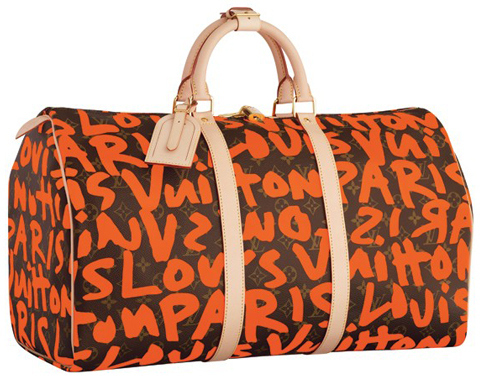
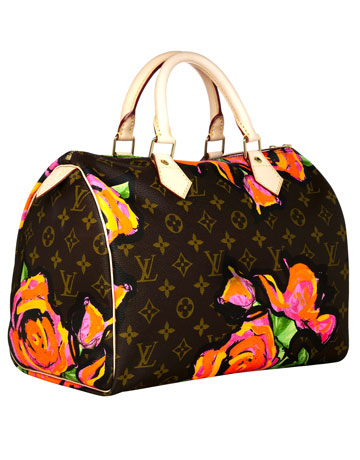
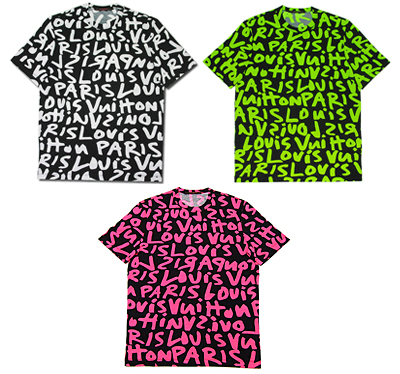
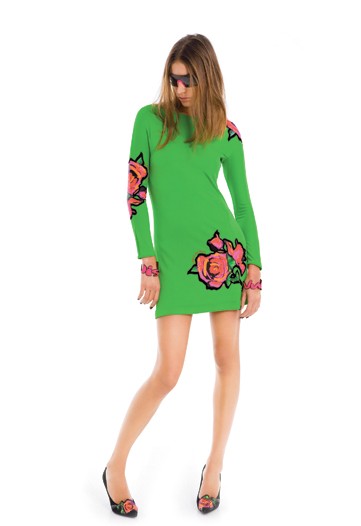
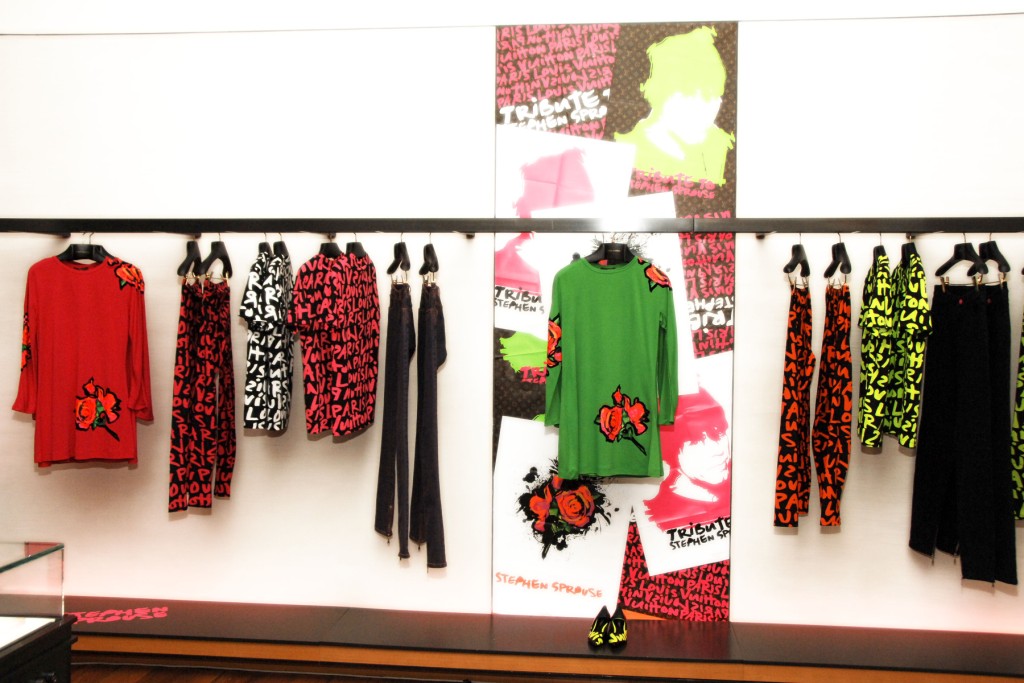
In the summer of 2000, Marc Jacobs asked Sprouse to go to Paris to help with his spring collection for Louis Vuitton. Jacobs, who’d known Sprouse from his own club days, had long been a fan, and arranged for him to stay at the Ritz, where Sprouse, staring at TV static one night, came up with the idea of creating floral prints using huge digitized cabbage roses. But it was Sprouse’s graffiti bag, on which he’d written, in raw painted lettering, louis vuitton paris, that became the big hit, with long waiting lists. Sprouse confided to Boud that even he couldn’t get one. Months later, he could—on Canal Street, where counterfeiters were selling them by the hundreds. “At least the knockoffs were expensive,” says Boud. “Other bags by other designers were selling for $20; his were $90.” Friends bought the standard LV knockoffs and asked Sprouse to paint graffiti on them.
Backstage with Marc Jacobs at the Louis Vuitton s/s 2001 show
.
The experience with Marc Jacobs disillusioned Sprouse on fashion; instead of coming away envious of Jacobs’s lucrative LVMH deal, he realized he’d never be able to work in such a rigid corporate structure. Though Sprouse was then in his late forties, he was still very childlike and loved sitting in Washington Square Park, watching the kids skateboard.
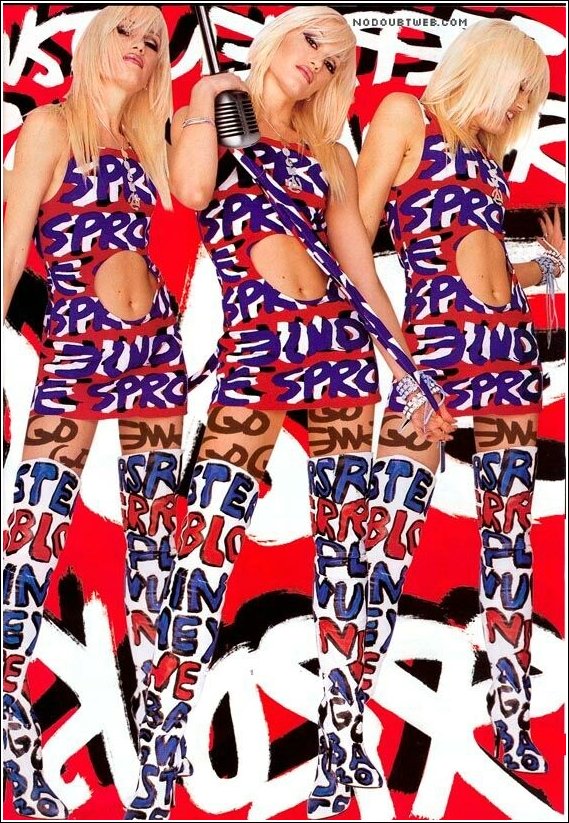
In 2002, Sprouse designed a lower-priced line of red, white, and blue clothing and accessories for Target. Everything had usa written on it in graffiti print. While some people viewed it cynically as a cheap way of cashing in on 9/11, Sprouse, who’d lost a friend in one of the plane crashes, felt an uncharacteristic surge of patriotism.
For years, friends had noticed that Sprouse, who smoked three packs of cigarettes a day, seemed frequently out of breath. At the end of 2002 Sprouse asked around for rehabs for cigarette smokers. He wanted to go to a place where they’d lock him up. Finally, Sprouse quit cold turkey, but in spring 2003, he was diagnosed with lung cancer.
Sprouse kept his diagnosis a secret from all but a few friends. Andrew Cogan, who by then had become CEO of Knoll, had hired him to do textiles, and Renzo Rosso, the founder of Diesel, wanted him to design T-shirts and jeans. He was very concerned about losing those contracts.
A friend took him to the Dana-Farber Cancer Institute in Boston and managed to get him admitted into an experimental drug trial, but when his breathing worsened, doctors wouldn’t let him continue with the protocol. Over the next eight months, he visited numerous oncologists and took various drugs, hoping to improve enough to be readmitted into the Dana-Farber program. One drug gave him such bad acne he didn’t want anyone to see him. In September 2003, though, he had to put in an appearance at the opening of the new Diesel store he’d helped to design on Union Square.
Yet he had his optimistic moments, as if cancer were just another business reversal from which he could stage a triumphant comeback. He put his energy into painting portraits of his friends and nephews. He was even working on a painting of the space station for NASA.
In January 2004, he took a six-week trip to Buenos Aires to visit a friend. A few days after his return, Sprouse couldn’t catch his breath. He called a friend, Sean Bohary, who took him to St. Luke’s–Roosevelt Hospital, where he died early the next morning.
In Paris, the fall 2004 shows were in full swing, with people saying an emotional farewell to designer Tom Ford, acting as if he’d died when he was only leaving Gucci. On Sunday night at the Vuitton show, tucked inside the program, people found a slip of paper that read, “This collection is in loving memory of our friend Stephen Sprouse.”
On March 10, 25 friends gathered in New Jersey for the cremation. With pens and Magic Markers, they covered his wooden coffin in graffiti, writing messages to him on the inside and outside surfaces of the box. Then, before closing the lid, someone placed a Magic Marker in Sprouse’s hand, so he could write the last words himself.
.
.
Book
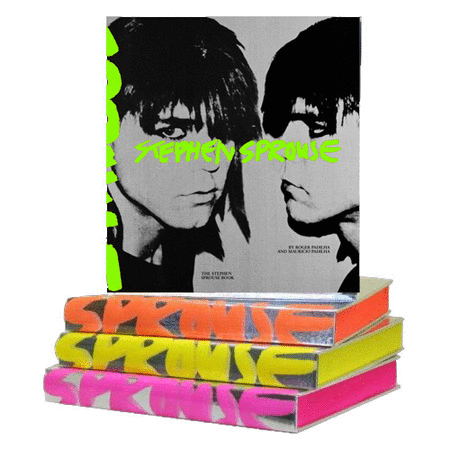
The Stephen Sprouse Book
Inventive, enigmatic, and supremely creative, Stephen Sprouse made art and clothing that captured the mood of the eighties. One of the first American designers to mix graffiti and a punk aesthetic with fashion, Sprouse manipulated conventional notions of style, and his unique sensibility has inspired designers from John Galliano to Raf Simmons to Marc Jacobs. Sprouse’s career started in the late seventies, when, after working for Halston, he migrated to a warehouse on the Bowery and started making outfits for his neighbor, Debbie Harry. The fashion world quickly embraced his innovative, culturally relevant sensibility and downtown edge. But Sprouse’s inability to compromise his artistic vision for the rigid fashion business compromised his commercial success. The Padilhas possess the largest private collection of Sprouse’s work, and were given exclusive access to his archives by his family for this project. They also obtained never-before-published images from photographers such as Steven Meisel, Bob Gruen, and Mert and Marcus. The book features a foreword by the novelist Tama Janowitz, one of Sprouse’s closest friends. The release of this book coincides with a retrospective at Deitch Projects. The book will be available with four different jackets, each featuring a different Day-Glo color, an homage to Sprouse’s iconic album cover for Debbie Harry’s Rockbird.
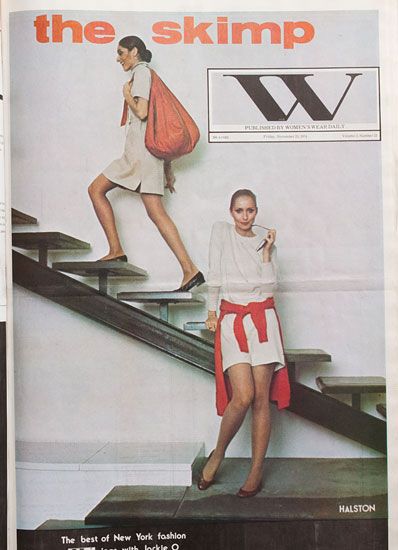
When Stephen Sprouse was working for Halston in the early seventies, he liked to tease the designer. “Okay, here we go,” he’d say. “Another shirtdress for the old ladies.” Sprouse loved Carnaby Street and miniskirts. He wanted to see women’s legs again, and pestered Halston constantly about it. Finally, two days before a major New York show in 1974, Halston let Sprouse have his way. “We rolled a big fat joint,” says the actor Dennis Christopher (another of the designer’s “Halstonettes”), “and Halston said, ‘Do it!’ Stephen picked up a pair of giant shears and began cutting off the bottoms of the dresses.” Christopher soon joined in, and with Halston crying, “Skimp it, skimp it!,” they created what became known as the Skimp.
Stephen Sprouse was born in 1953. Being the oldest son of Norbert and Joanne Sprouse, he spent his first two years in Dayton, Ohio, where his father was stationed at the Air Force base. After the family moved to Columbus, Indiana, Norbert Sprouse pursued a lucrative manufacturing career; the family lived comfortably in a white, columned house a friend describes as something out of Gone With the Wind. Sprouse’s artistic talent emerged when he was a toddler. “Stephen was wired the way he was from the time he was 2,” his mother says. “He was totally unique.”
He was rarely without a pen, churning out pictures with such intensity that his mother worried that her shy son was relying too much on his art to do his talking. Sprouse was assertive only when wielding a pen or pencil—and then so much so that teachers nicknamed him the Art Supervisor. At 9, he drew a series of four self-portraits, in which he imagined his future career choices. “I might be a hobo,” he printed beneath one. “Or a movie star . . . or a father.” On the last picture, as if acknowledging his special gifts, he wrote, “Now I know who I better be—ME!”
When Sprouse was 12, his father showed his portfolio to someone at the Art Institute of Chicago, which led to an introduction to the designer Norman Norell. Sprouse’s father took Stephen to New York to meet both Norell and the Indiana-born Bill Blass, who later hired the aspiring artist as a summer apprentice. Sprouse was then only 14. “He was cool, my dad,” Sprouse told the late fashion editor Amy Spindler. “I mean, this was in Indiana. He could have beat me up if I didn’t play football, and he didn’t.”
Four years later, Sprouse enrolled at the Rhode Island School of Design, where a teacher introduced him as “the designer of the future” to a class that included Nicole Miller. For Sprouse, however, the future couldn’t come soon enough, and he left after three months to come to New York. He was totally fascinated by Andy Warhol and the people who hung around him. Sprouse loved Edie Sedgwick. For him, she was like the sixties Kate Moss.
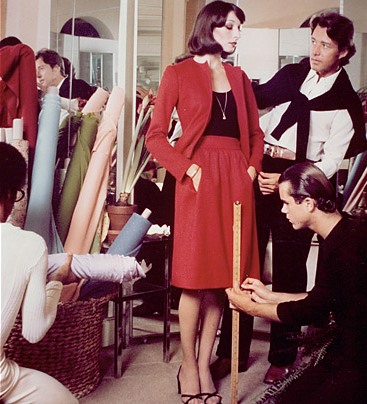
Assisting Halston with a fitting on Anjelica Houston, 1970s
.
Sprouse immediately got a job with Halston, who was then at the height of his fame as America’s top fashion designer, and a reigning prince of Manhattan’s nightlife. Sprouse as a “total drawing machine.” Halston frequently designed by draping fabric, and Sprouse, sketchpad in hand, would have to visualize the architecture of his draping and then translate it to paper. Other times Halston would simply say, “Now, give me a dolman sleeve,” and Sprouse would instantly create one. From Halston, whose strength as a designer was in the purity and simplicity of his forms, Sprouse learned about shape and luxury.
Sprouse left Halston after two and a half years, and in 1975, he moved to a loft in the Bowery, where he shared a bathroom and kitchen with singer Deborah Harry. The beautiful ex–Playboy Bunny, and former art student Chris Stein had recently formed Blondie, and they were beginning to gain a following at Max’s Kansas City and CBGB. At Halston, Sprouse had loved playing dress-up with the designer’s favorite model, Karen Bjornson, who personified the cool Upper East Side blonde. He transformed Harry into a kind of Bowery Bjornson, creating clothes from ripped tights, T-shirts, and objects he picked up off the streets. In London, designer Vivienne Westwood and Malcolm McLaren, manager of the Sex Pistols, were already making the conceptual link between fashion and punk with their Kings Road boutique, Sex. It sold slashed T-shirts and bondage gear. Sprouse’s vision was less hard-core, more glam. He may have created a dress with razor blades dangling from the hem, but it was beautifully designed.
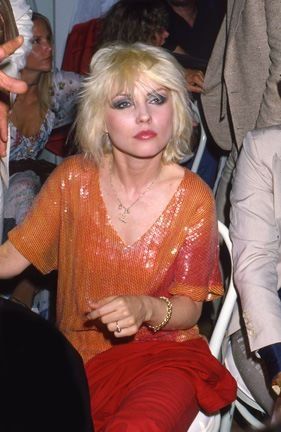
Debbie Harry wearing Sprouse, 1979
Debbie Harry & Stephen Sprouse
.
Art, rock music, and fashion were the central themes of Sprouse’s life. When he wasn’t designing clothes, he worked on his art, doing giant silk-screen paintings of rock stars, and painting pictures over the Xerox copies he made with his large industrial copier. With the advent of music video, rock and roll was becoming a bigger part of mass culture. In 1978, he photo-printed a picture he’d taken of TV scan lines onto a piece of fabric, which he then designed as a dress for Debbie Harry. She wore it in the video for her No. 1 hit “Heart of Glass,” giving Sprouse the kind of exposure it had taken Halston years to get.
Sprouse found many of his design ideas on the downtown club scene. He was a regular at the Mudd Club, where the “theme parties”—the equivalent of happenings in the sixties—attracted both an art and a music crowd. It was viewed as the antithesis of Studio 54, which, in Sprouse’s mind, was more Halston’s territory. One thing both places had in common, however, was the copious quantities of drugs being consumed on their premises. Pot was Sprouse’s drug of choice during the Halston years, but he later moved on to heroin. Friends say that if he hadn’t stopped, it would have killed him, but he went into AA. He wasn’t about to become a drug victim. His work meant too much to him.
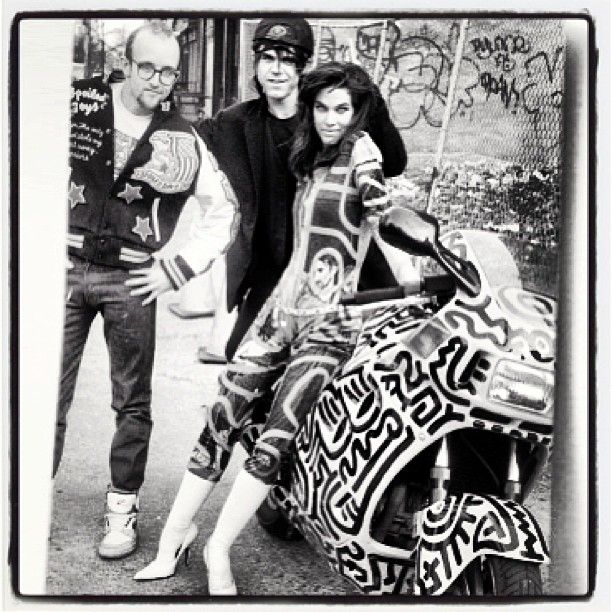
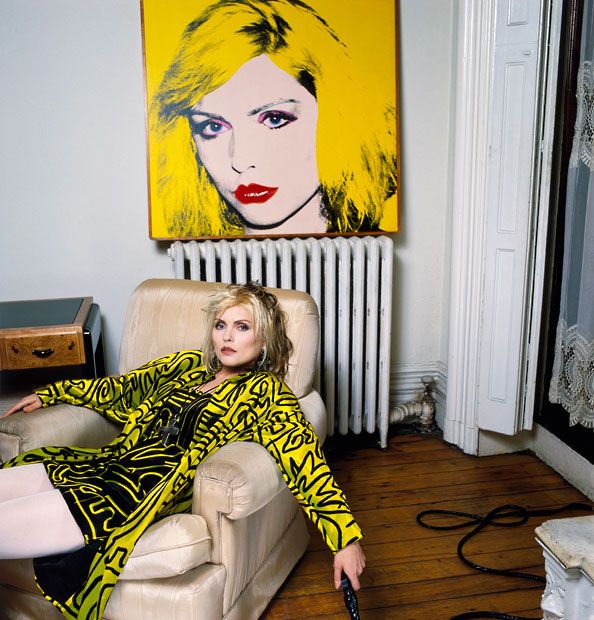
Debbie Harry in early Stephen Sprouse dress Keith Haring, Stephen Sprouse & Teri Toye .
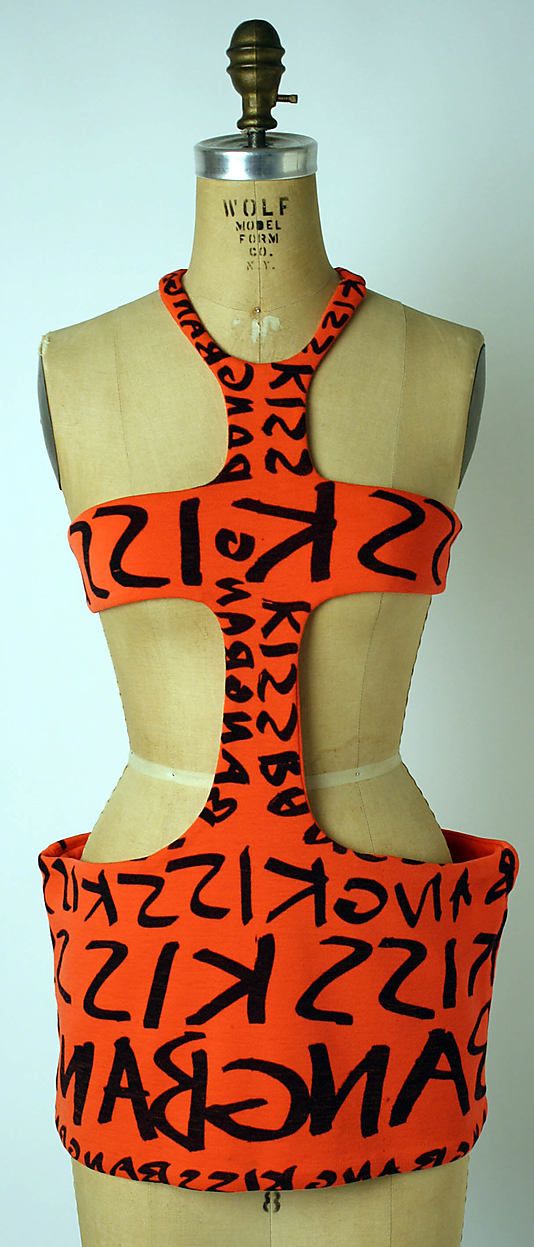
For years, Sprouse had been adorning his hands and arms with friends’ phone numbers—his version of a Palm Pilot. Graffiti, both an essential element of punk and an outgrowth of subway art, had already been incorporated into the works of Jean-Michel Basquiat and Keith Haring. Sprouse decided to use it his way.
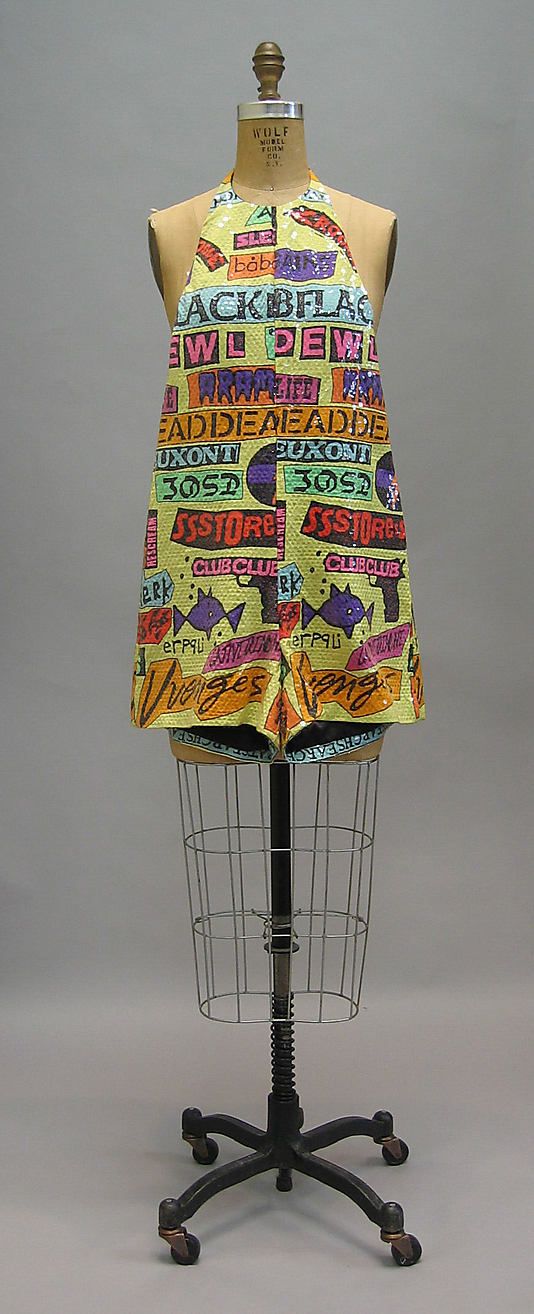
“Stephen told me that he was wandering around the East Village one day,” says Beyer, “and suddenly went home and began sketching graffiti-covered motorcycle jackets and sequined miniskirts.” He showed them to his friend Steven Meisel, then an aspiring photographer, who brought them to fashion producer Kezia Keeble. In April 1983, Sprouse’s clothes appeared in a show of young designers that Keeble produced and were such a hit that Bergdorf Goodman and Henri Bendel immediately ordered ten dresses. He was suddenly a bona fide fashion designer—something he wasn’t entirely sure he wanted—and with $1.4 million from his parents, he set up his business.
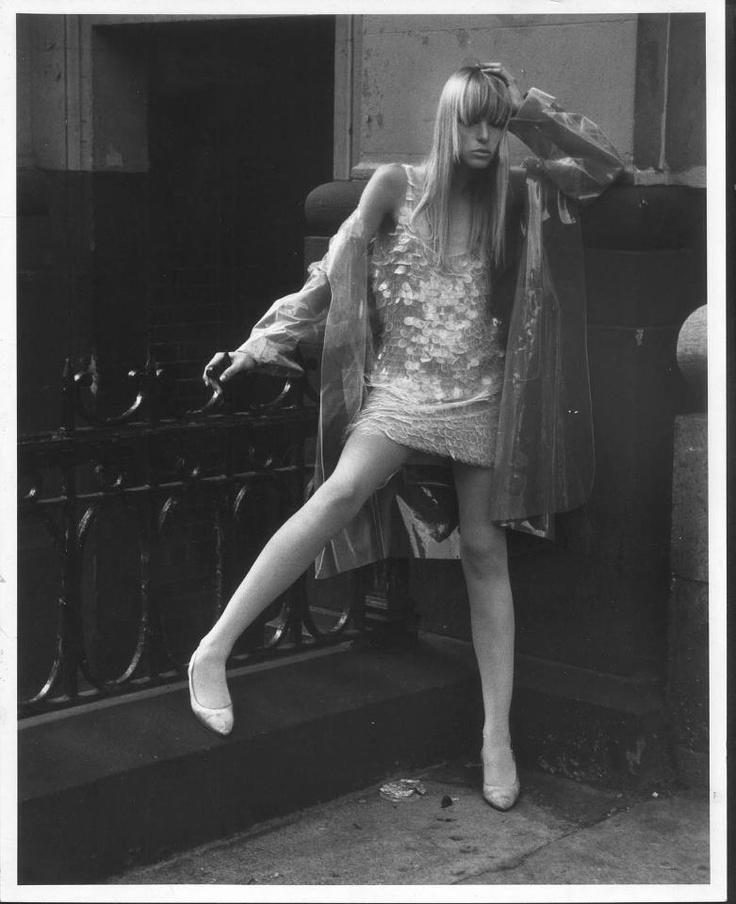
Muse Teri Toye modeling Stephen Sprouse
.
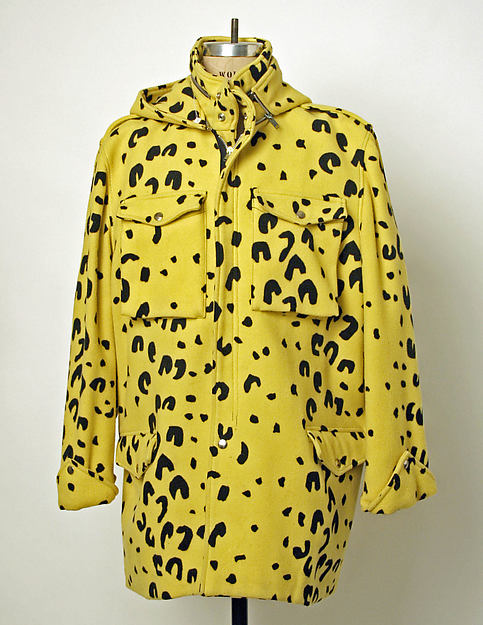
Eight months later, at his silver-painted showroom on 57th Street, he introduced his first, groundbreaking collection, a synthesis of sixties and eighties pop culture, which merged all the visual references he’d picked up on during his thirteen years in New York. The models wore big Jackie O sunglasses, impish stocking caps, and graffiti-covered white motorcycle jackets, while punk rock and the Rolling Stones boomed from speakers. “I remember being totally overwhelmed,” says Kal Ruttenstein, now Bloomingdale’s senior vice-president for fashion direction. “It was the first time I’d seen Day-Glo clothing. You had very loud rock-and-roll music, which you just didn’t have before in shows. You had boys and girls walking together down the runway, which wasn’t done, and you had Teri Toye, a man who lived as a girl. It was a very powerful moment.” (Ruttenstein says that when Bloomingdale’s started carrying the line, Karl Lagerfeld and Claude Montana always wanted to see Sprouse’s clothes.)
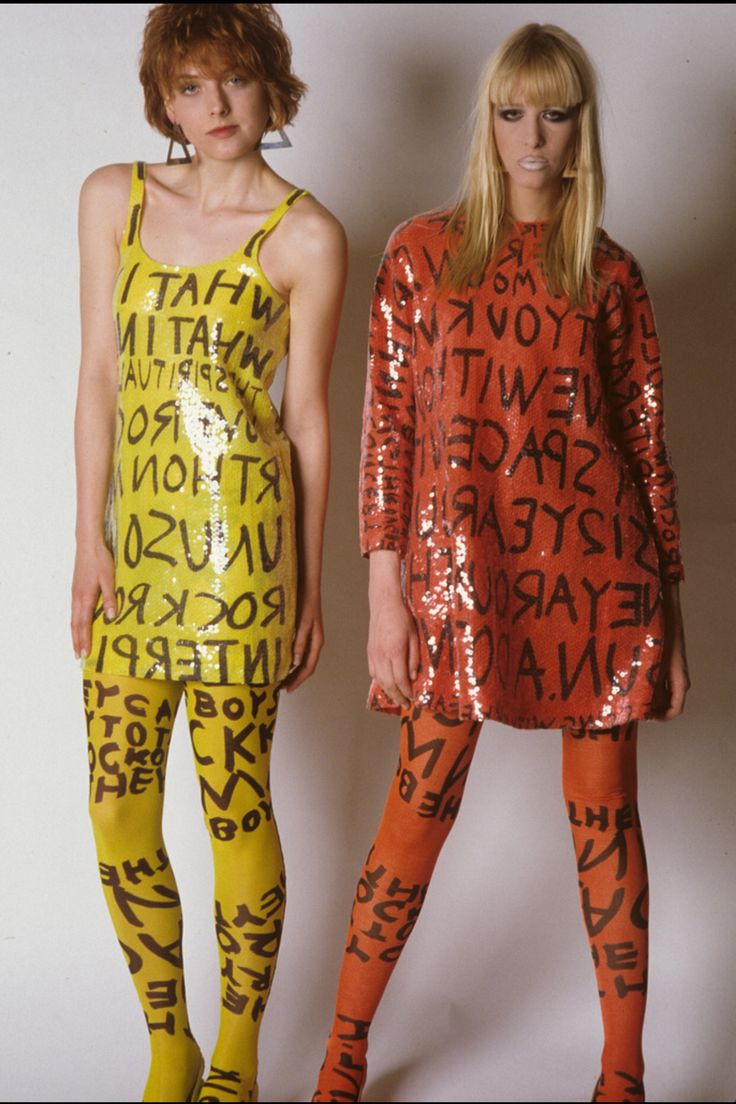
Fall 1984 sequined graffiti dresses
..
.
.
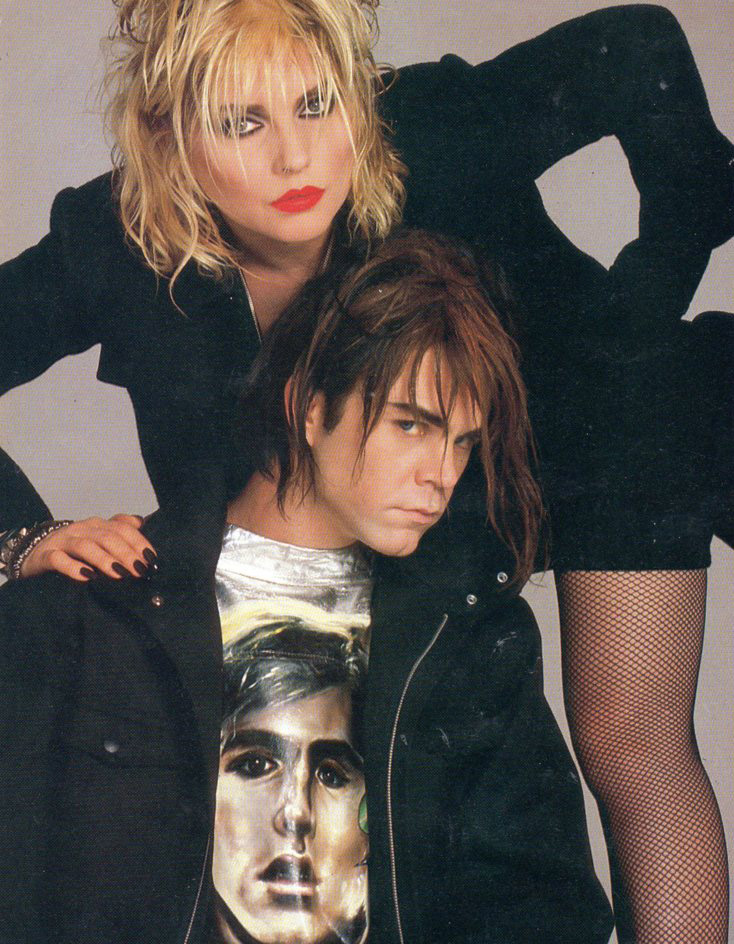
Debbie harry in Stephen Sprouse, 1988
.
Next Week:
Stephen Sprouse, never made it from Cult Figure to Legend (Part Two)
“Heart of Glass” is a dreamy pop hit that at the very least is pleasing to anyone sane and addictive to those who love to dance. And the video delivered so much more: a beautiful blonde front woman whose delivery matched her persona: Detached, willful, feminine, feminist, bored and flirtatious. And the style! Was she disco, New Wave, rock or punk? Was she an uptown princess or downtown cokehead? Her outfit—a scrap of a dress paired with clear plastic heels—hints at posh but also feels like a one-off. The duality made Blondie lead singer Debbie Harry endlessly alluring and enigmatic. Through “Heart of Glass,” Harry was introducing the world to fashion designer Stephen Sprouse, who styled her rock goddess image from the tips of her bleached roots to the transparent toes of her Cinderella slippers, East Village style.
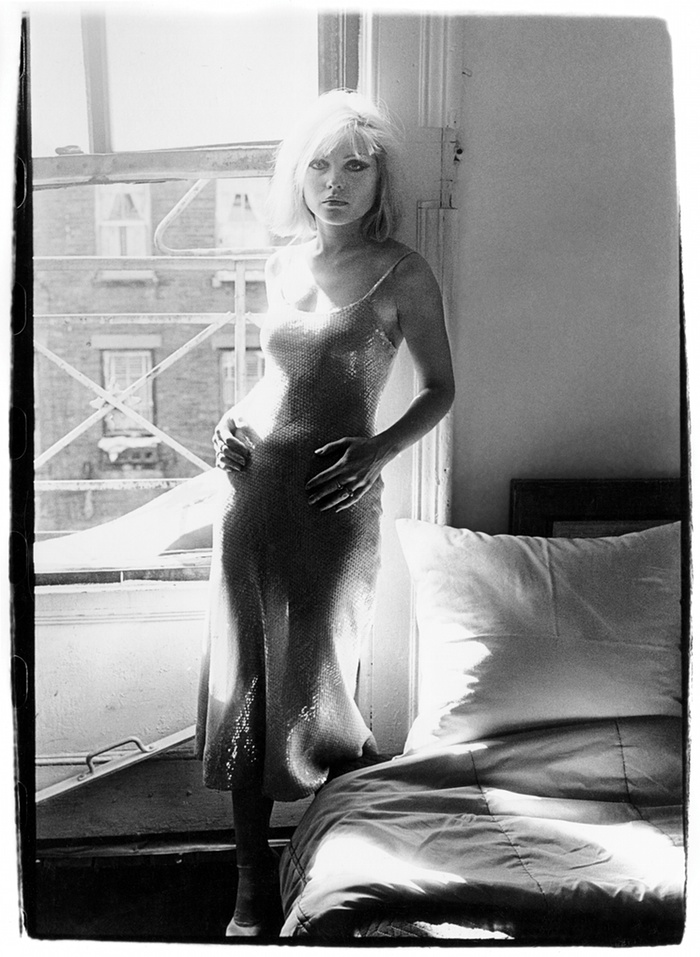
Debbie Harry before Stephen Sprouse
.
Sprouse met Harry in 1975, after he moved into the East Village loft above a liquor store where Harry lived. The two shared a kitchen and bathroom, and Harry would often feed the designer’s cats. Sprouse had some clothes he’d “been dragging around for years,” and started to put a look together, cutting up dance tights and T-shirts into outfits and helping her dress. Rock music was a primary source of inspiration for Sprouse, and in 1978 he took a picture of lines of pixels dancing across the TV, photo-printed the enlarged image onto diaphanous chiffon and designed what became “the Heart of Glass dress” for Harry. When that song shot to number one on the dance charts, even in those pre-MTV days, Sprouse’s reputation quietly crept above ground and uptown.
Watch any Blondie video and it quickly becomes clear that it is next to impossible to draw attention away from stunning Harry—her band mates tried in vain to do so through the lifespan of the group—but Sprouse’s dress does it. In fact, all of the costumes he created for her various videos and appearances hold their own against Harry’s magnetic “It factor,” precisely because they are so perfectly styled for her; they are her. The Heart of Glass dress, for, fits and drapes superbly and, with its hip-high asymmetrical hemline, might have looked Halstonesque were it not for the single, off-kilter strap and DIY print. It hangs from her tiny frame like an oversize kerchief; torn, filmy and strangely unforgettable.
Years later, Harry told People magazine that Sprouse “put a layer of cotton fabric underneath and a layer of chiffon on top, and then the scan-lines would do this op-art thing.” A shadow of a stripe is repeated on the thin scarf Harry bats about and on the coordinated T-shirts the rest of the band wears. In the world’s first glimpse of the band, Sprouse’s styling created the image of Blondie, a group not quite disco and not quite pop, one with punk-rock roots that appeals to the upper-crust set.
wait. i like debbie harry, blondie, stephen sprouse, & yr blog. but the photo of her with the dark hair is from much earlier, c1969, when she was in a band called wind in the willows. & ‘heart of glass’ was ABSOLUTELY NOT the world’s first glimpse of her. all the punkrocker types knew who she was for YEARS before that, since ’75-’76, maybe? and the only worry over what type of music blondie made showed up maybe at the time of ‘heart of glass’ by people who actually had never heard them before. they are from the same scene as television, the heartbreakers, the ramones, every-new york-one who then mattered. blondie was a fixture on the tiny punk scene—maybe 500 core people WORLDWIDE, not what people think at all. other than that, do not worry, yr article is very good. and even my friend, who does not follow fashion in the least, loved the one about koos. i sent it to her, as i will send this one to another friend, who will enjoy it. i just wanted to make the abovenoted clear, because so much of our tiny culture’s history is lost, gone with so very many of our dead. i’m still here, not very druggy & one of the youngest so count me still alive. sadly.
Koos Van Den Akker (March 16, 1939 – February 3, 2015) was a Dutch-born fashion designer based in New York. He was famed for his unique collaged ‘Koos’ designed clothing and notably the creator of the ‘Bill Cosby’ Sweaters.
.
I think of myself as very basic . I am a craftsperson and I sew like that. I sew beautiful clothes. I am nothing more than a worker sitting behind a sewing machine. That’s where I feel most comfortable, that’s where I am the best. That’s what I do best and it’s very basic.
Koos Van den Akker
.
Short Biography
Koos Van Den Akker was born on March 16, 1939 in the Hague, Netherlands. He taught himself to sew using a simple sewing machine and his first creation was a dress made from a white bed sheet for his sister. With a broad portfolio at just age 15 he bypassed the 18-year-old requirement age to attend the Royal Academy of Art where he studied fashion and made window displays for a department store until he was 18. He then had to spend two years in the Dutch army where his skills were recognized and a workroom in a basement was set up for him where he made clothes for the officers wives and daughters.
After the two years Koos voyaged to Paris to design window displays for the famous Galeries Lafayette but realizing he needed more formal training, in 1961 he enrolled in L’Ecole Guerre Lavigne which was located in the same building as the Christian Dior workrooms. Every year Christian Dior picked the most gifted students for an apprenticeship and in 1963 Koos was selected. After three years at Dior and learning every detail about crafting beautiful clothes he moved back to the Netherlands and started his own business opened up his first store in The Hague. But the Netherlands wasn’t ready for his designs and anything glamorous or fashionable was shunned by Dutch women so after his father’s death in 1968 Koos took off to New York.
From a sewing machine on a hotel bed and only $180 in the pocket Koos set up a string of stores including ones on Madison Avenue, Columbus Avenue, Thomson Street Soho, 10th on Bleeker and even one in Beverley Hills, LA. In the mid seventies he even had a wholesale line with a showroom where major upscale stores bought their supplies of Koos’. Overspending and stagnating sales by Koos’ business eventually led it to obtain a tax-debt of a half a million dollars.
In 1998 Koos started a label for television retailer QVC called ‘Koos of Course!’ and presented his own show with the collection selling out in 27 minutes. The line continued on QVC until his final show in February 2006.
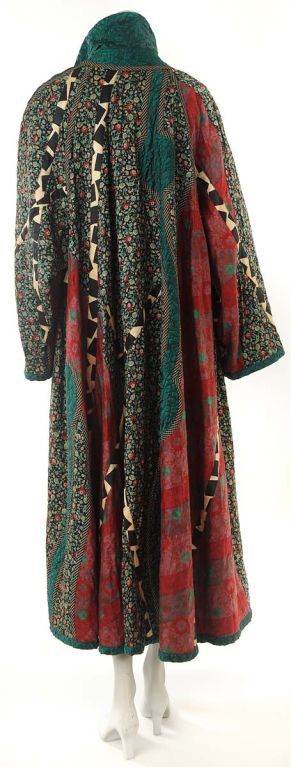
Koos was known for his painterly in mixing colors, patterns, and textures in unusual, often one of a kind, garments. Conservatively styled suits consisting of cardigan jackets and gored skirts might be covered with textured mixtures of fur, quilted fabric, leather strips, or pieces of wool. A dress of lace might be dramatized by bold appliqué.
Until his death Koos had a store at 1263 Madison Avenue, New York, his former location for decades and a studio in the Garment District. Koos maintained a high-profile in New York and LA. He collected a following among celebrities and much press from Vogue, Harper’s Bazaar, L’Officiel, Vice Magazine and I-D.
.
The Bill Cosby Sweater
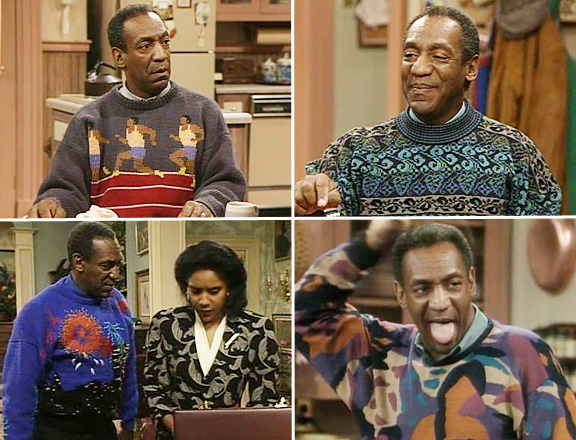
Josephine Premice, a singer in the 1980s and a good friend of Koos’s, asked him to make a sweater as present for Bill Cosby. She took it to the set of The Cosby Show where Bill immediately put it on and wore it for the taping. It was an instantaneous hit
The attention gained by Cosby’s wearing of Van Den Akker’s wild collaged sweaters on television established the designer’s reputation with the rich and famous.
.
.
.
.
Book
This biography and illustrated guide highlights the work of master designer Koos van den Akker and provides inspiration for bold, unique sewing creations. Chronicling the designer’s 30 years in haute couture, this book follows van den Akker from his start in the Paris workrooms of Christian Dior to his rise in the fashion world and the establishment of his own Madison Avenue boutique. Included are demonstrations for duplicating several of his construction and design techniques that offer illustrated sewing instructions and intricate details for home sewers to imitate. The designs, with their richness of texture, generosity of color, and dynamic mix of fabrics, share the full scope of van den Akker’s masterful creations.

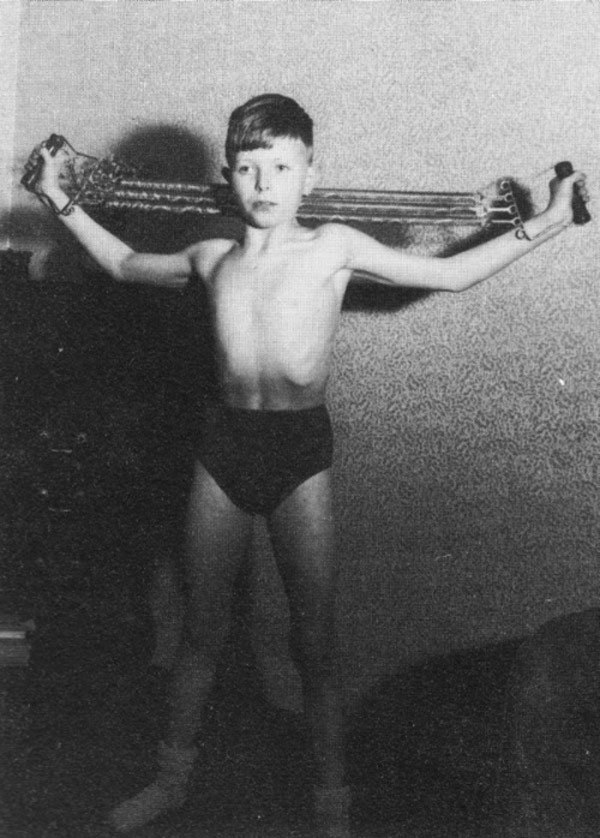
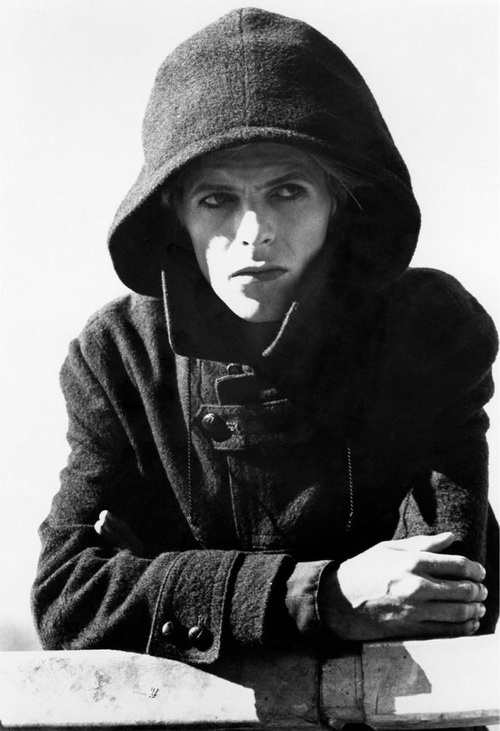
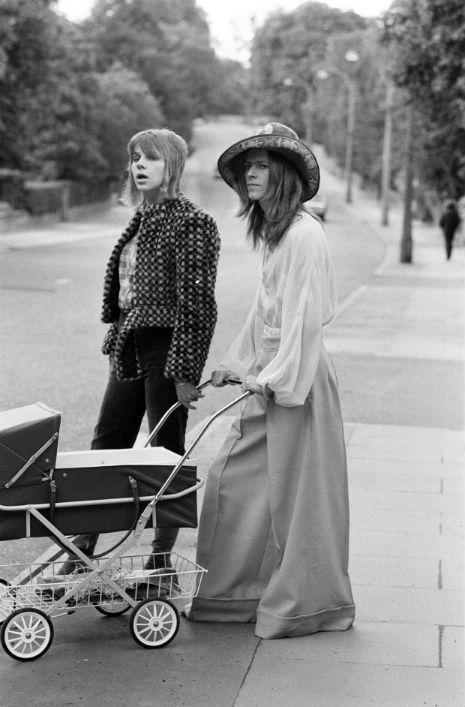
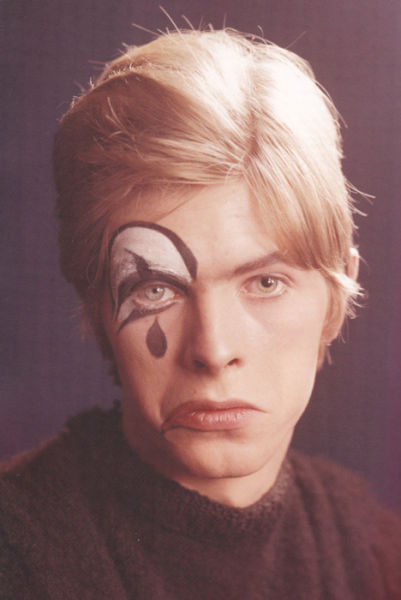
David Robert Jones
.
As Andy Warhol in my favorite movie 'Basquiat'


 R.I.P.













 agnautacouture.com