Black Power – the New Black Dandyism

27 Mar

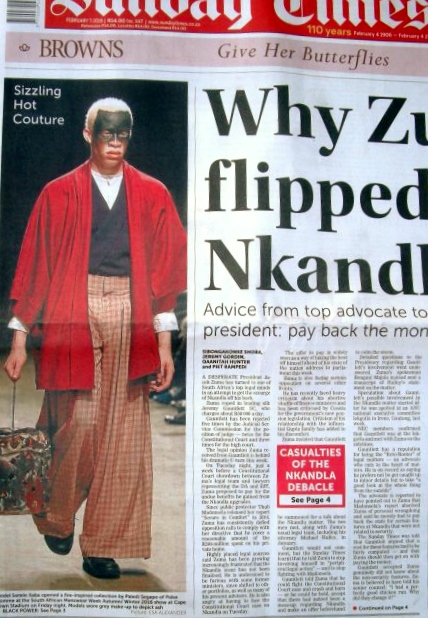
sizzling-hot-couture-voorpagina-sunday-times-7-feb-16

I would like to share a wonderful and inspiring post I found on

 https://soulsafari.wordpress.com/  

.week 

Hello World. Today’s post is a longread so may I suggest to take your time.

At the start of February the SA Menswear Fall 2016 Week took place in Cape Town, as in other capitals of the world. After Paris, Milan and London, the African continent sets its mark on international fashion. Fashion is flourishing as never before in Africa, a legion of ambitious young fashion designers are evolving towards national and international recognition and showing their collections to local and foreign buyers and press. The first rows are complemented by an enthusiastic young audience of bloggers and fashionistas eager to see the latest fashion.

But it’s more than just expensive designer clothes or original vintage haute couture. Fashion is hot not only for style-concious hipsters but is regarded as a highly effective way to create an own identity. It is also a firm confirmation that one who dresses well has style. And the young ‘bornfrees’-the generation that was born after 1991-have style, radiate confidence and success. Besides that, African traditions and the heritage of the ancestors are en vogue.And the amazing thing is that this actually sells. A new black middle-class has the money and interest to actually buy the clothes of African designers. Design boutiques and ultra-luxurious shopping centres offer a shopping extravanga never seen before and are popping up around the big South African cities. Should you be looking for a 40’s Christian Dior jacket, a Balenciaga ballgown from the 50’s, or Jordache bellbottoms, then your retro fix will be satisfied at The Flea Market at the Market Theatre in Newtown, the cultural hub of Johannesburg.

But it’s more than just expensive designer clothes or original vintage haute couture. Fashion is hot not only for style-concious hipsters but is regarded as a highly effective way to create an own identity. It is also a firm confirmation that one who dresses well has style. And the young ‘bornfrees’-the generation that was born after 1991-have style, radiate confidence and success. Besides that, African traditions and the heritage of the ancestors are en vogue.

.

Book

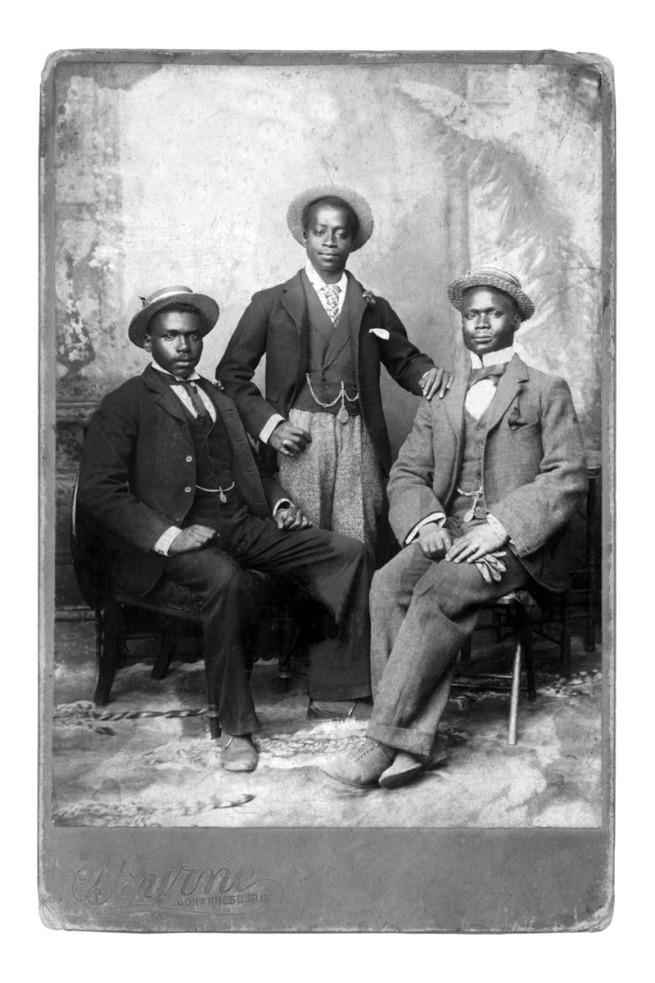
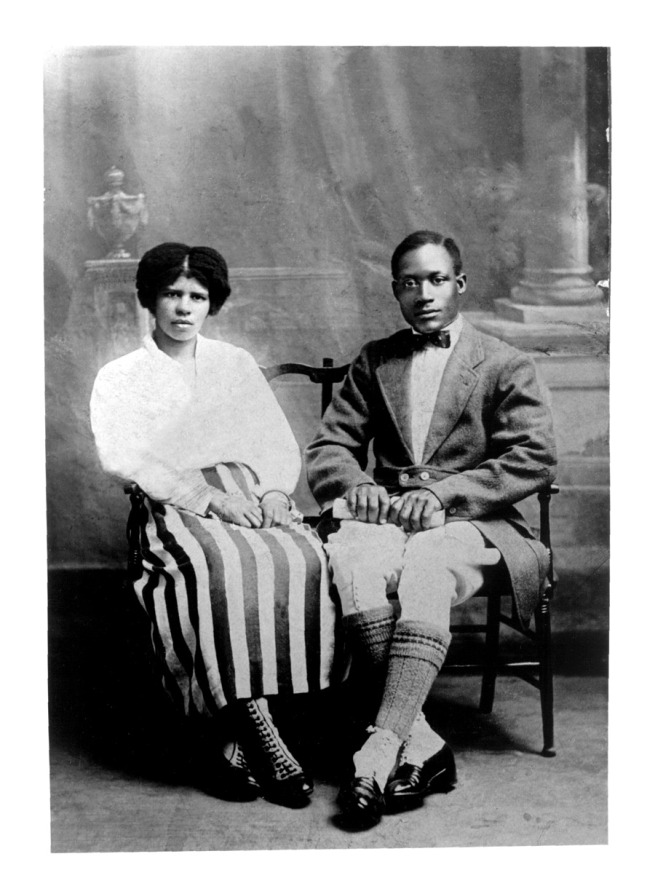
That is reflected in the book The Black Photo Album by Santu Mofokeng
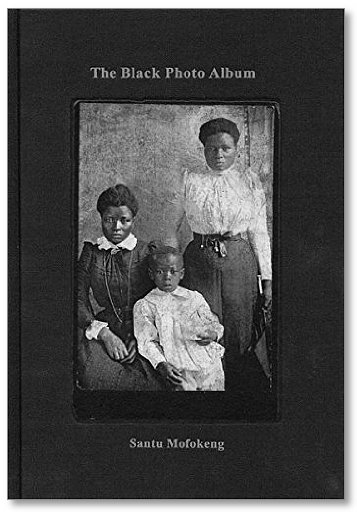
Book cover

DREAM BIG, ACT COOL

Every year The Street Cred Festival brings a buzz to Johannesburg, an excitement in street-culture that unites the hottest and cool young fashionistas and designers. Streetgangs like the Swenkas, Smarties (Soweto), Isokothan (a gang modeled after the Urhobo People of Niger Delta) show that their passion for fashion is not only obsessive by clothes but at the same time their style manifests a passive aggressive form of resistance.

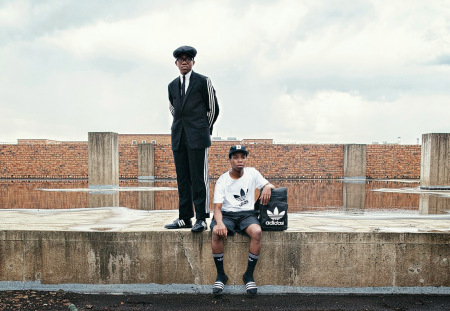
Although financially limited this young generation wants to create their own look, to show the world an interpretation of Africa, a tribute to their ancestors while looking forward to the future. It is hopeful and positive. What is Africa, Who am I as an African, those are the big questions that engage this new generation. Bloggers  like Sartist reflect the search for a new horizon of fashion and dopeness.
the-sartistSartist

.

LES SAPEURS & NYC GANGSTA STYLE

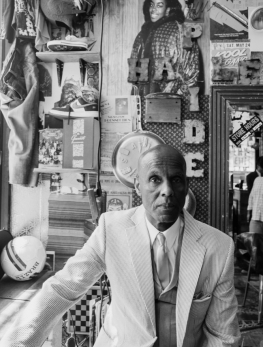
Each new movement has obviously predecessors. Les Sapeurs became somewhat of a household name in Congo in the 60’s with their brash dandyism. In New York it was designer Dapper Dan of Harlem who created the flamboyant look and style of rappers like LL Cool J and other heroes of the early hip hop scene in early 80’s.
dapper-dan-interview-magazine-11Dapper Dan of Harlem

Each new movement has obviously predecessors. Les Sapeurs became somewhat of a household name in Congo in the 60’s with their brash dandyism. In New York it was designer Dapper Dan of Harlem who created the flamboyant look and style of rappers like LL Cool J and other heroes of the early hip hop scene in early 80’s.

Right on 125th street in Harlem USA, sat a custom high-end clothing boutique owned by Mr. Dapper Dan. Before Kanye, Juelz, Fabolous and some other well known rappers wore Gucci and Louis Vutton, Dapper Dan in the 80’s and 90’s planted the seed for fashion in the hip hop culture. He created one of a kind customized high-end clothing that incorporated highly recognizable accessory logos like those of Gucci and Louis Vuitton, featuring them in non-traditional ways. His pieces were sold for thousands of dollars, and created a sense of what’s cool, what’s new in the streets and ‘in hip-hop’.

The designer describes his way of working as ‘sampling’, an unique interpretation of mixing existing designs and logos with his own interpretation. Dan Dapper ” I opened my workshop in ’82. First I would take little garment bags by Louis Vuitton and Gucci and cut them up, but that wouldn’t suffice for complete garments. So I said, “I have to figure out how to print this on fabric and leather.” I went through trial and error. I didn’t even know we were messing with dangerous chemicals—the U.S. government eventually outlawed the chemicals I was using. We made these huge silk screens so I could do a whole garment. A Jewish friend of mine helped me science out the secret behind the ink, and that was it.”

FAVORITE CREATIONS: The “Alpo Coat” [for drug dealer Alberto Martinez] and the Diane Dixon coat [for Olympic athlete Diane Dixon]

Diane Dixon coat by Dapper DanDiana Dixon wearing the “Diane Dixon” coat by Dapper Dandapper dan alpo coatThe “Alpo Coat”

His designs specified the look of hip-hop artists, sporters and those incurred by gangsters. “Gangsters. That’s who I grew up with. Middle-class blacks couldn’t accept what I was doing—you had to be of a revolutionary spirit. Who would be more like that than gangsters? And who would have the money? Hip-hop artists didn’t have any money. They used to wait until the gangsters left the store before they could come in and ask what the gangsters wore. Everybody follows the gangsters. The athletes came before the hip-hop artists. Mark Jackson, Walter Berry. I’ve got pictures of NBA players that I can’t even remember their names. The athletes had money earlier that the hip-hop artists.

.


AFRICAN DESIGNERS LIGHT UP THE CATWALK

Ozwald Boateng is a London fashion designer of Ghanaian descent and co-founder of Made in Africa Foundation, which supports and funds studies for large-scale infrastructure projects across Africa.

Boateng is known for his classic British menswear, done in warm colors. He is considered one of the most successful designers of men’s fashion in recent years. His big break came in 2005 when he worked as designer for the French fashion house Givenchy and dressed actor Jamie Foxx for the Oscars.

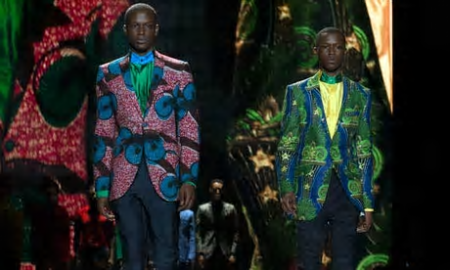
His first show in Ghana caused a small revolution. Just like in 2013 during NYC Fashion Week where Boateng showed mainly African prints processed in classic men’s suits on black models. Boateng’s explains his vision on style; “Colonialism has done little good for Africa but it brought the typical Western sense of style and elegance to Africa. Mixed with local traditions this sensibility created a truely new African identity.”

ozwald-boateng-2013Ozwald Boatang

During the same week in New York, South African born designer Gavin Rajah brought the fantasy element of fashion back to the runway with creations that were eclectic and high glamour. Again black models ruled the catwalk.

.

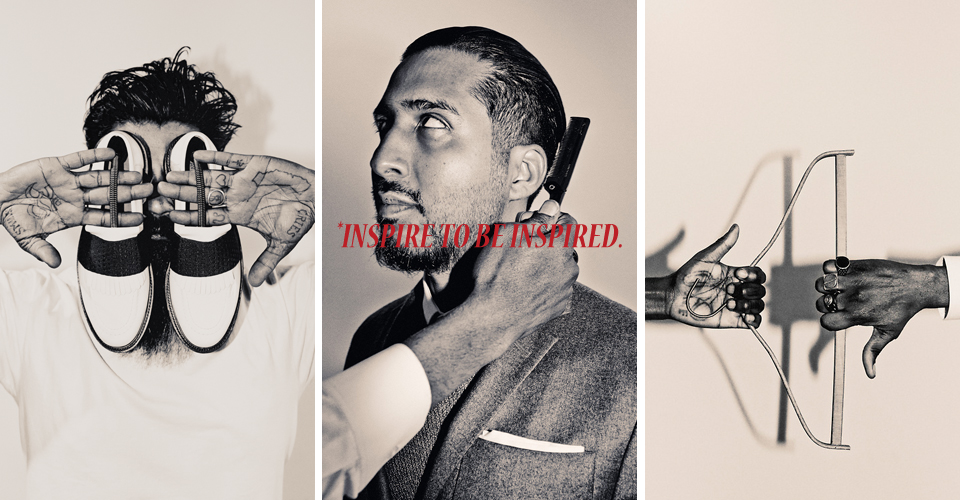
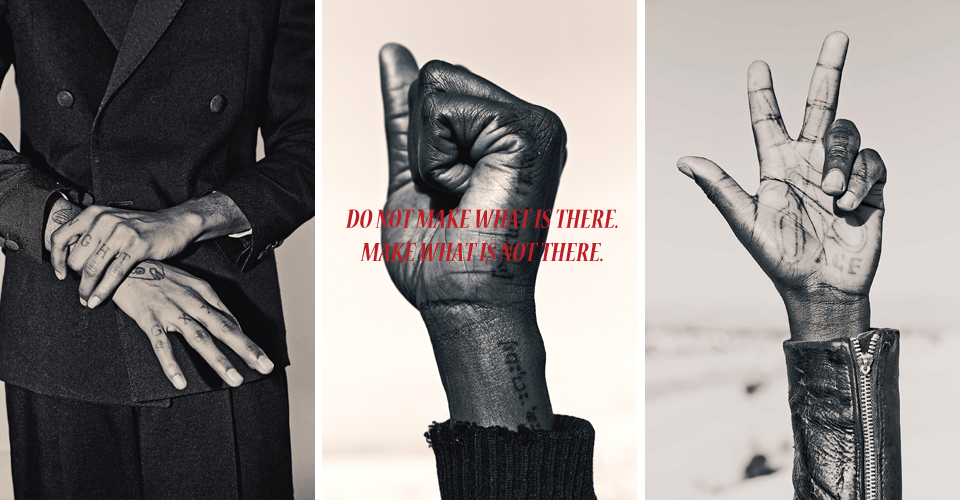
DO NOT MAKE WHAT IS THERE, MAKE WHAT IS NOT THERE

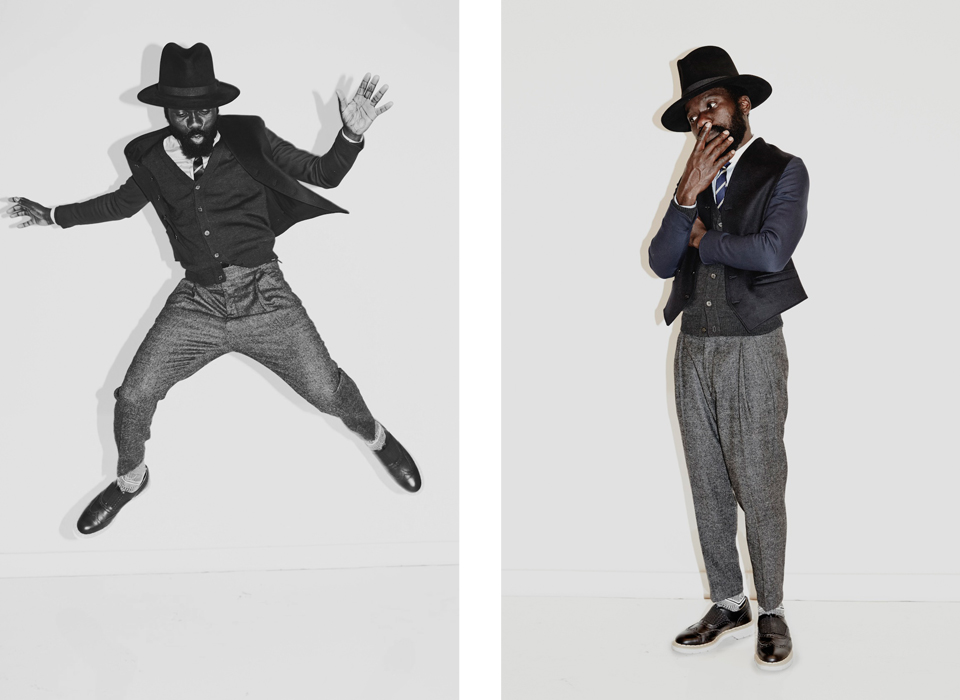
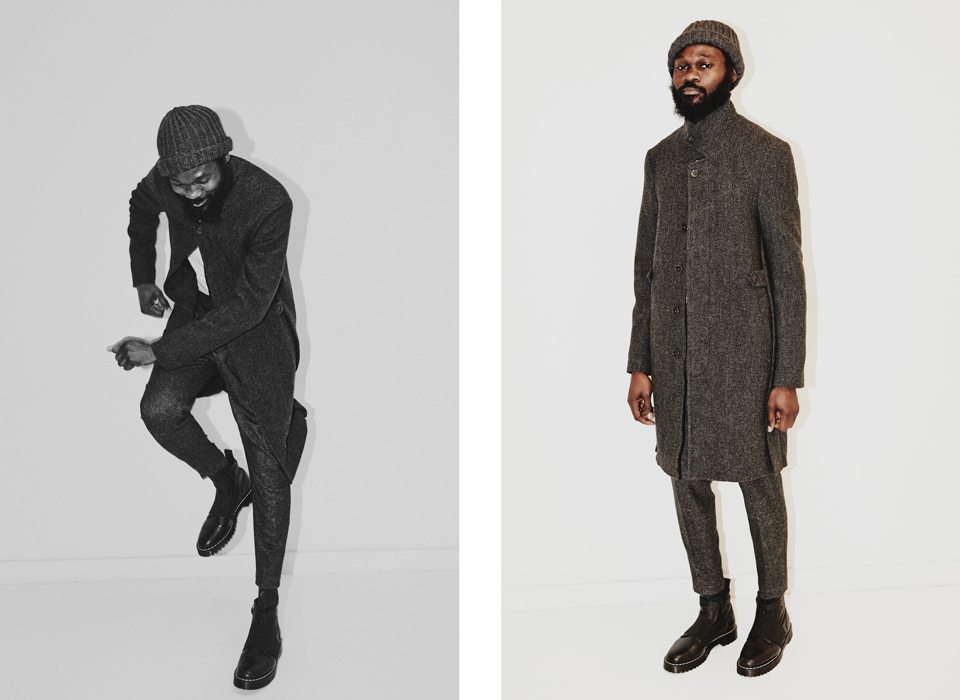
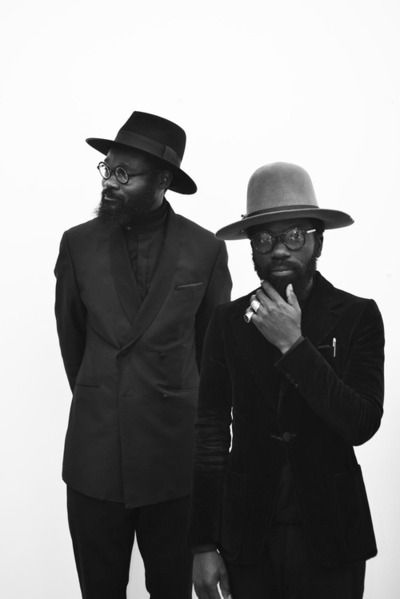
Is the motto of label ACF (Art Comes First/Always Cut First). ACF is an exciting innovative concept that typifies the New Black Dandyism.

In their vision a modern-day gentleman stands for Energy, Style, Power and Pride.
acf

Lambert and Maidoh have worked to vitalize this simple notion in a fresh travel-friendly wardrobe crafted with intelligence, curiosity and good intention.

.

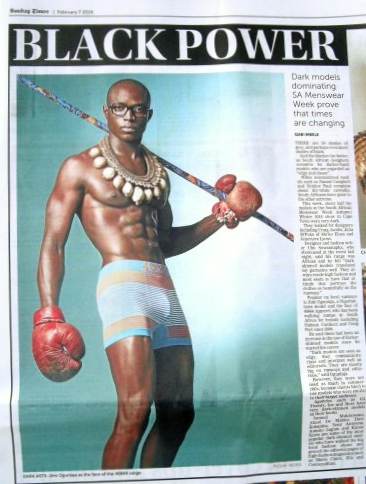
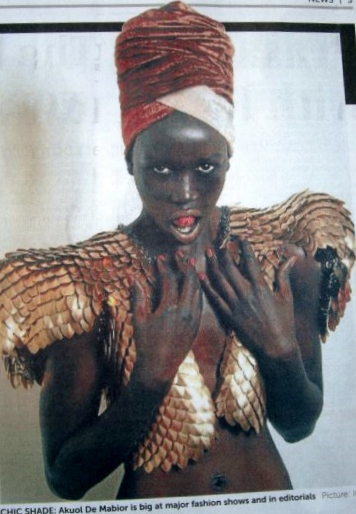
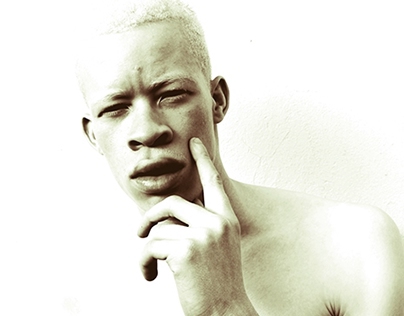
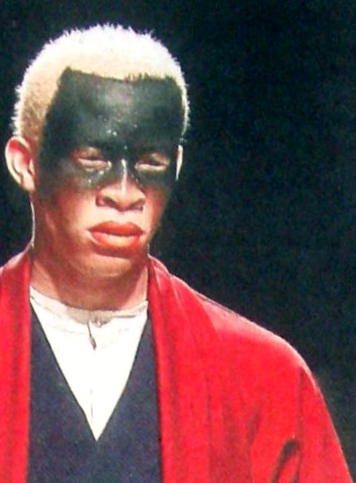
BLACK POWER

Dark Models dominate World’s Fashion Weeks catwalks…
Jimi Ogunlaja,Jimi Ogunlajablack-power-sunday-times-7-feb-16Jimi OgunlajaMax_Mara_Spring_2012_Backstage_Rtfe_Chi_Bu_HVxAkuol De Marbior, backstage at Max Maraakuol-de-mabior-sunday-times-7-feb-16Akuol De Marbior

Sanele XabaSanele Xabasizzling-hot-couture-voorpagina-sunday-times-7-feb-16-etail1Sanele Xaba

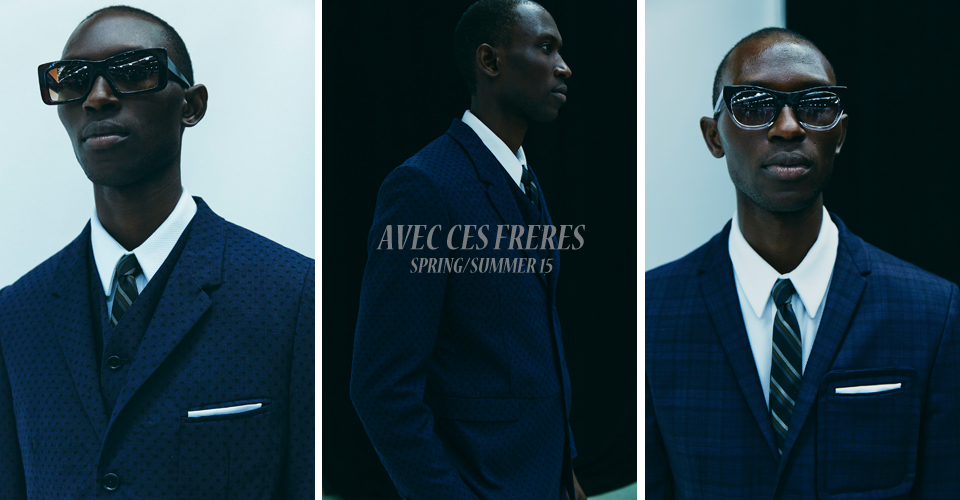
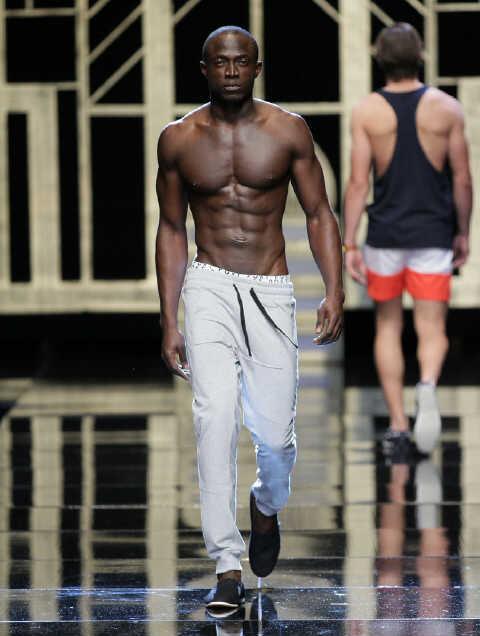
There are 50 shades of grey, and perhaps even more shades of black. And the blacker the better as South African designers scramble for darker-hued models who are regarded as ‘edgy and classy’. About half the models at the South African Menswear Autumn/Winter 2016 in Cape Town were very dark. They walked for designers including Craig Jacobs, Julia M’Poko of Mo’Ko Elosa and Jenevieve Lyons.

Popular on local runways is Jimi Ogunlaja, a Nigerian-born model and the face of 46664 Apparel, who has been walking ramps in South Africa for brands including Fabiani, Carducci and Craig Port since 2008.
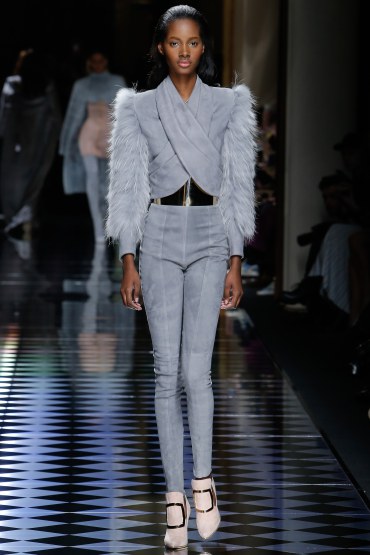
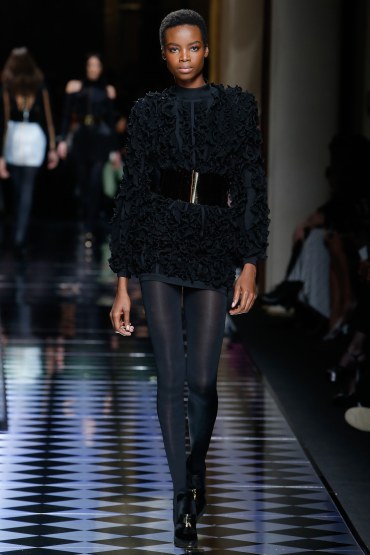
balmain-autumn-2016Tami Williams at Balmainbalmain-autumn-2016-2Maria Borges at Balmain

During the Paris Fashion 2016 Week black models also graced the Balmain Fall 2016 Ready to Wear catwalk, although the look and wide choice of models was based on the now platinum Kim Kardashian West. Her husband Kanye was sitting front row. His fashion-show-slash-record-listening-slash-party in New York last month drew 20,000 New Yorkers into Madison Square Garden on a freezing Thursday afternoon. The premiere of Yeezy Season 3 and stream of his new album, The Life of Pablo, proved to be the event of the New York Fashion 2016 week—with people lining up hours beforehand to enter. Young, old, invited or not, Kanye fans patiently waited for the doors to open. And once they did it was madness. The power of commercial streetstyle!
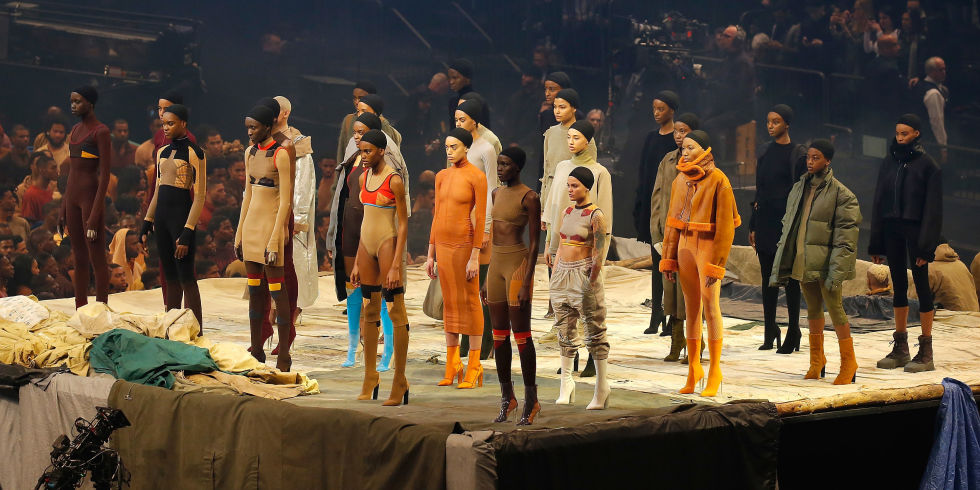
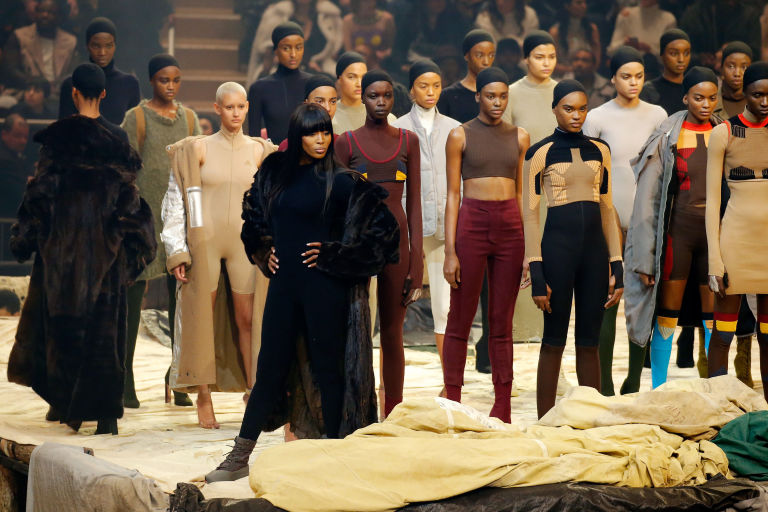
yeezy-season3-

Kanye WestKanye West’s Yeezy Season 3 Extravaganza

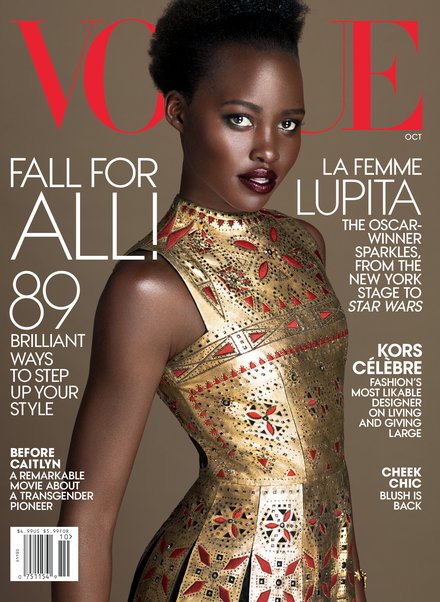
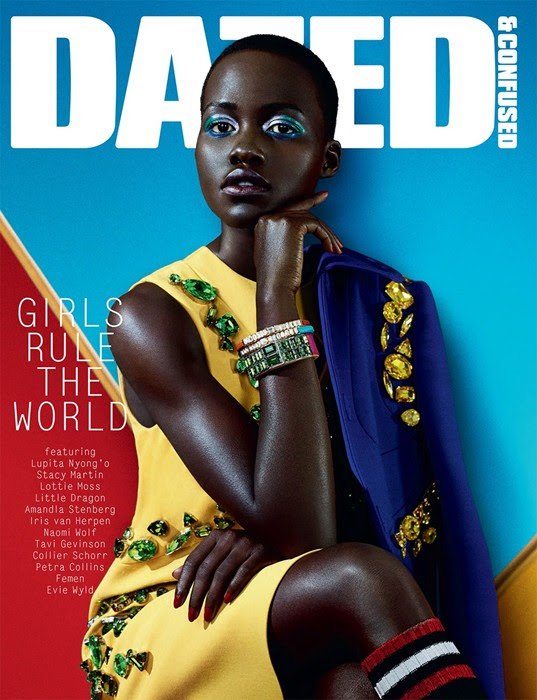
Lupita Nyong’o, one of the hottest black actresses of the moment walked onstage of the Late Night With Seth Meyers-talkshow in a tomato red Balmain power suit. Lupita Nyong’o is a Kenyan actress and film director. She made her American film debut in 2013 in Steve McQueen’s historical drama 12 Years a Slave. She won an Oscar for her supporting role as Patsey. But movie stars, popstars or fashion designers with African roots are not the only forces to dominate fashion in 2016, the biggest influence remains the First Lady of the USA, Michelle Obama.
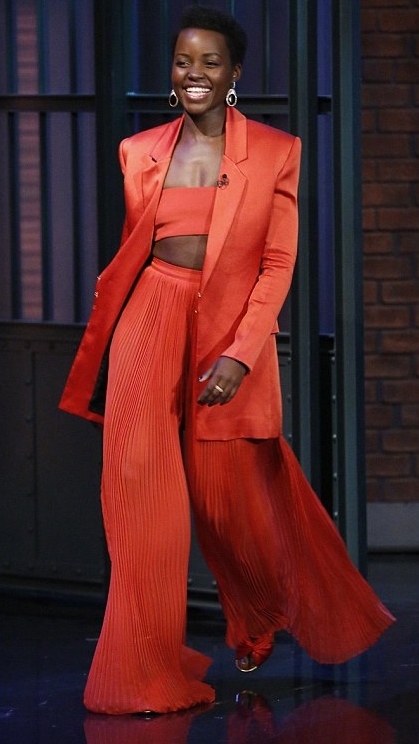
Lupita Nyong’oLupita Nyong’o wearing Balmainlupita-nyongo-vogue-cover-october-2015-10Lupita Nyong’o on the cover of Voguecouverture-dazed-and-confusedLupita Nyong’o on cover of Dazed &Confused

.
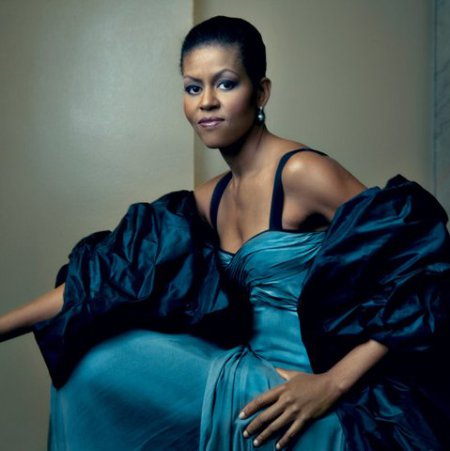
michelle-obamaUS First Lady Michelle Obama 2016


.

Special thanks to: 

https://soulsafari.wordpress.com / for sharing this post written by eedeecee

.

.

http://www.safashionweek.co.za

Sources:  The Guardian ,  les Sapeurs; battle of the dandiesThe Sunday Times 7th February 2016
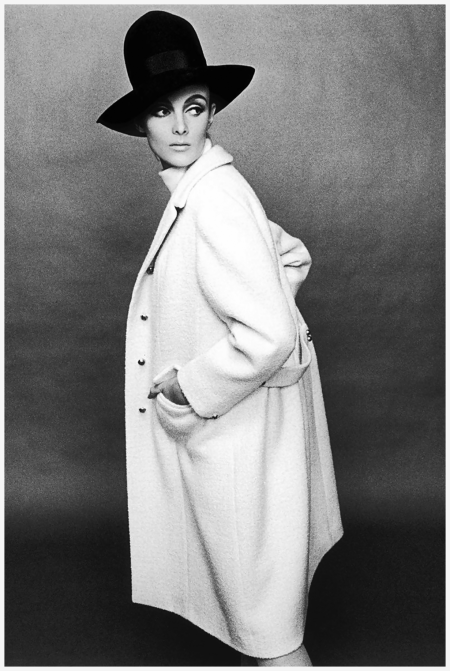
 

Terence Donovan, from East End Boy to Sixties Fashion Photographer to Film Director

20 Mar
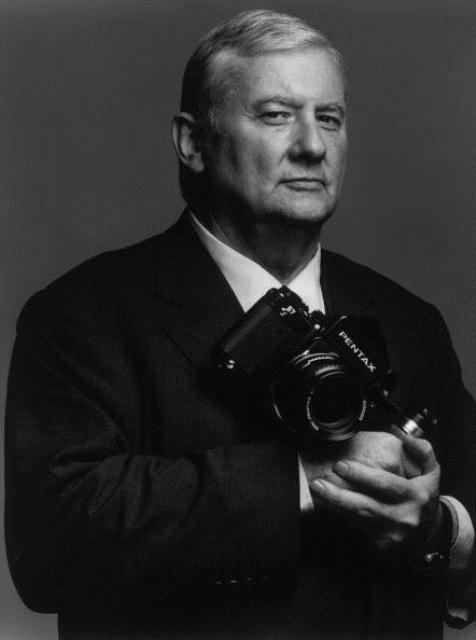
Selfportrait Terence Donovanself portrait Terence Donovan

Terence Daniel Donovan (14 September 1936 – 22 November 1996)[1] was an English photographer and film director, best remembered for his fashion photography of the 1960s and the video clips he directed for Robert Palmer. No one was better at capturing partly-dressed models in expensive hotel bedrooms. The Alaia-clad mannequins strutting to Robert Palmer’s hit Addicted To Love – for which he was nominated one of Vanity Fair’s ‘Men of the Decade’ in 1989 – seemed to epitomise everything that Terence Donovan represented.

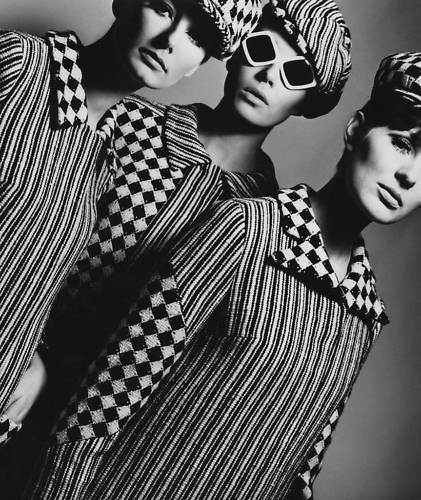
In June 1971, Nova magazine ran “Is There Any Truth in the Rumour?”, three pages of black-and-white fashion photographs by Donovan. The feature was about blazers, an ostensibly uninspiring subject for London’s most adventurous magazine for women.

But Donovan’s photographs, knowing and ironic, made the story a classic of the new wave. Rejecting Sixties zaniness and high colour, he made a set of images which were closer to street documentary than high fashion photography. Models were photographed in harsh black and white, standing in the courtyard of a block of council flats, waiting in front of the post office, sitting on a bleak concrete flight of steps.

The women were beautiful and the clothes classic, but the settings gave the twist to the story. You could say it was a metaphor for Donovan himself, a lorry driver’s son turned celebrity from the Mile End Road. In “Is There Any Truth in the Rumour?”, Terence Donovan was not only revisiting his past, but also paying homage to it, acknowledging the dour and fragile glamour of inner-city London while making intricate comedy at the expense of the haute bourgeoisie.

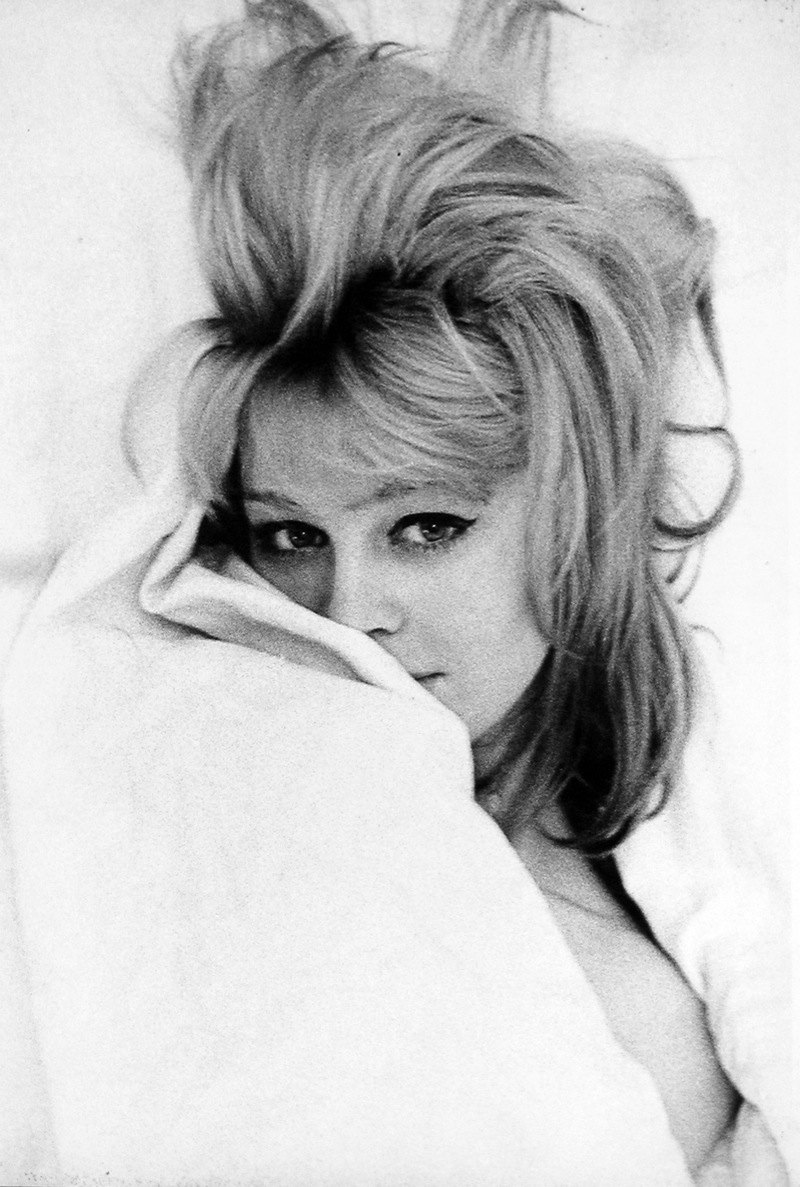
The famous Julie Christie photographs, 1962

JULIE-CHRISTIE-II-1962-1-Terence Donovan

JULIE-CHRISTIE-I-1962-1-Terence Donovan

The transformation of East End boy into charismatic Sixties celebrity is an enduring myth of London life. But there is some truth in the cliche. As many photographers from the 19th century onwards had proved, the close- knit streets of the East End, the crowded marketplaces, the expanses of the docks and a remarkable history of deprivation and resilience were inspiring visual catalysts. For those born and brought up there, the overwhelming urge was to escape.

Terence Donovan’s route out was by way of a time-honoured East End profession – the print. After leaving secondary modern school at the age of 11, Donovan signed on for a course in blockmaking at the London School of Engraving and Lithography in Fleet Street. He was fascinated by the world of the press, its speed, its influence and its glamour.

By the age of 15, he had discovered photography and soon afterwards joined the studio of John French, painter, designer and (from the mid-1940s) leading fashion photographer.

cecilia hammond,1961Cecilia Hammond,1961An unpublished shot of Alejandra Dolfino, photographed by Terence Donovan for British Vogue, February 25 1986Unpublished shot of Alejandra Dolfino, Bish Vogue, February 1986

Cecil Beaton, by then ageing and somewhat weary of the image-making business, was cautious in his assessment of the new generation of fashion photographers, warning that “often there is a danger that young photographers who meet with wide popular success quite suddenly are pushed further than they can naturally go”. He admired Donovan’s fashion photographs as “strong, stark” and was clearly fascinated by the way he managed to make his young models “look as if they were were wearing soiled underwear”.

Along with David Bailey and Brian Duffy, Donovan captured, and in many ways helped create, the Swinging London of the 1960s: a culture of high fashion and celebrity chic. The trio of photographers ( nicknamed “The Terrible Three” by  Beaton) socialised with actors, musicians and royalty and found themselves elevated to celebrity status. Together, they were the first real celebrity photographers.

Fashion PhotographyGrace Coddington, Harper's , April 1964Grace Coddington, Harper’s 1964  Terence Donovan
Terence Donovan

French Elle, 1966

Terence Donovan

terence Donovan

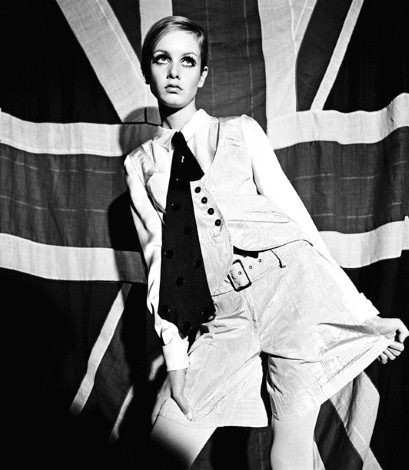
Twiggy, photographed by Terence Donovan for Woman's Mirror, August 27 1966

By 1959, Donovan had set up his own studio. He had learnt much from John French, but was determined to establish his own style and to compete for work in the new markets which were opening up in the soon-to-be-swinging London. Two magazines, Queen and Town, though conservative enough when compared to the later iconoclasms of Nova, were open to new ways of thinking about fashion. In Queen’s Mark Boxer and Town’s Tom Wolsey, the new generation of fashion photographers found enthusiastic supporters.

“It was working for Town,” Donovan told the fashion historian Martin Harrison in 1991, “that really got me started and got me a name.”

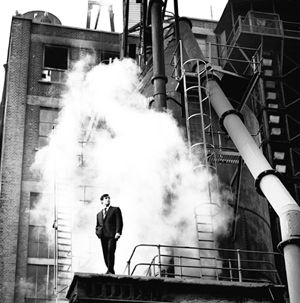
For a story on men’s suits published in Town in 1960, Donovan took his model to a gasworks and pictured him against the harsh ironwork and angular structures, juxtaposing the soft and the hard, the luxurious and the evreyday. It was a strategy in picture-making that he would adopt time and time again.

Terence DonovanOther, more traditional magazines were soon eager to adopt the new London style. Young editors at Queen and Town moved on to work in the expanding British edition of Vogue, and commissioned Bailey, Duffy and Donovan to make spreads. But the enduring legend of the Swinging London photographer was created not on the pages of the fashion magazine, but rather in celluloid, in that emblematic Sixties film, Antonioni’s Blow Up (1966), a peculiar mystery story with a young fashion photographer as its central character. For ever after, in the minds of the British public, every fashion shoot would be seen as an inevitable prelude to sex and every fashion photographer as cool, totally heterosexual and utterly charismatic. As the American critic Owen Edwards wrote in 1973.

Blow Up was one of those fairly ordinary movies that had the good fortune to appear at precisely the magic moment, crystallising the longings of an enormous audience. 

In 1974, Donovan travelled up to Manchester to speak to a group of photography students at Manchester Polytechnic. He told the students that, some time before, he had bought three identical suits so that he would no longer have to decide what to wear in the morning. Having to think about his appearance, he said, got in the way of the important things in life. He also advised his audience never to work for an employer, but simply “to find something you want to do, and get someone to pay you to do it”.

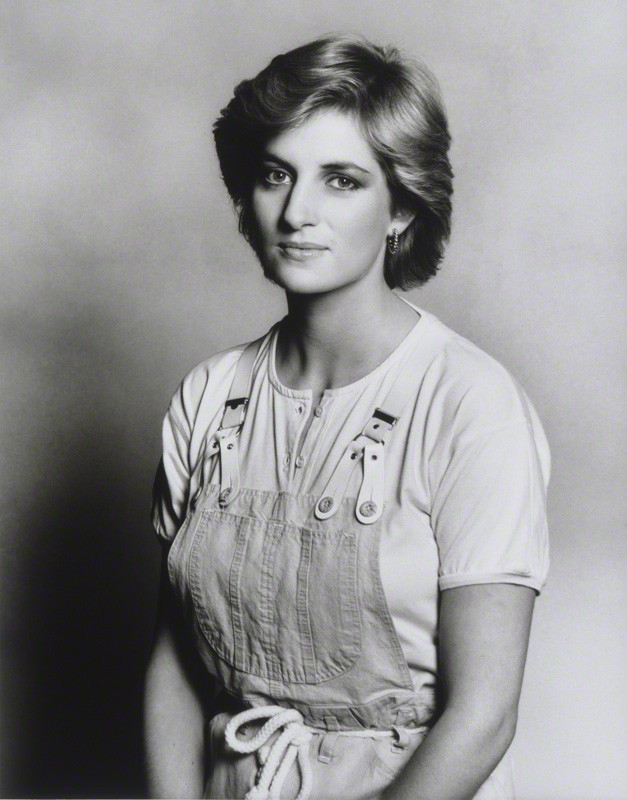
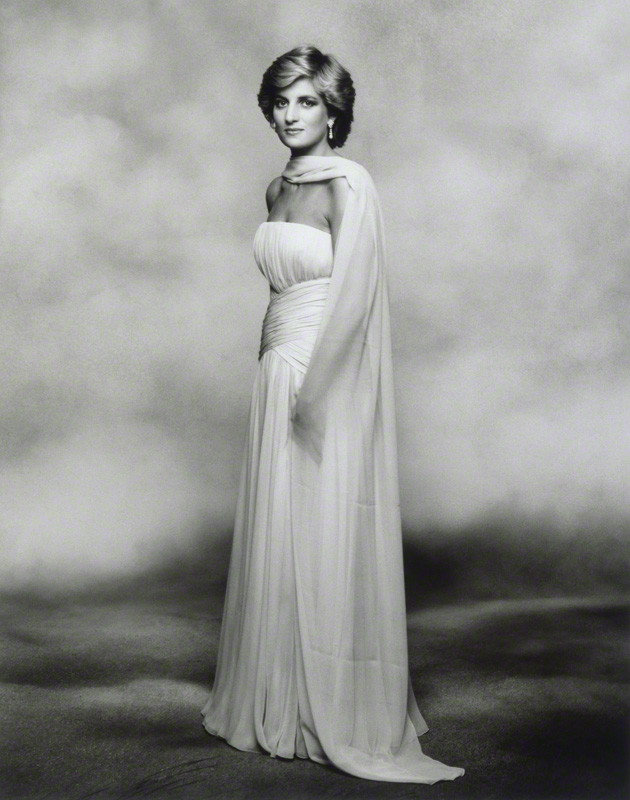
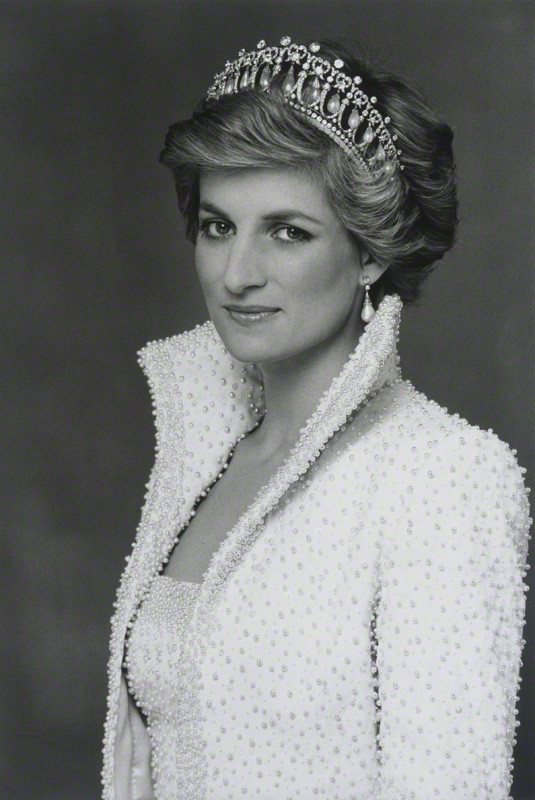
Donovan’s biography does not appear in the traditional histories of art and photography. Not until the 1990s did fashion photography assume a cultural importance which went beyond the fashion pages. He moved away from photography and into film production in the early Seventies and became a half-forgotten Sixties hero irrevocably trapped within a myth. Prominent women like the Princess of wales, Margaret Thatcher and the Duchess of York still sought him out in the hope that his photographic alchemy would still work wonders, and usually they were right.

 Diana, Princess of Wales by Terence Daniel Donovan, 1987

Diana, Princess of Wales by Terence Daniel Donovan

 Diana, Princess of Wales by Terence Daniel Donovan, 1990

Terence Donovan both challenged fashion photography and took it for what it was, an imperfect, compromised and inevitably comic set of contradictions with which we are endlessly complicit. Donovan knew that there are never any completely new ideas in fashion photography, only a constant recycling and adaptation, a process of finding the image to suit the Zeitgeist, and making us believe that we have discovered something completely new. Secrets shared on a grandly public scale, fairy stories told with skill, comedy and a certain austerity, tarnished tiaras among the East End grit.

Terence Donovan died London 22 November 1996.

Portraits

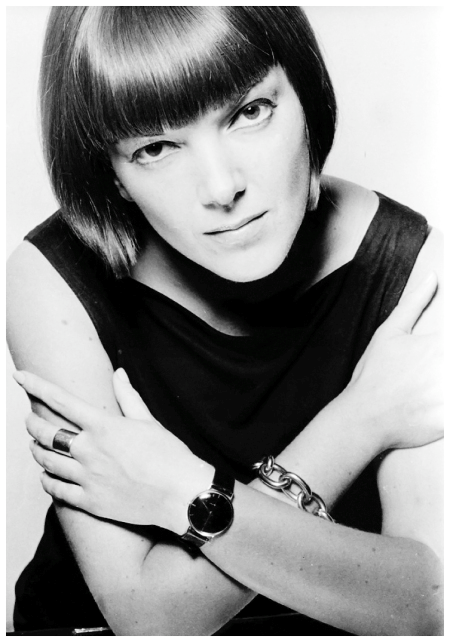
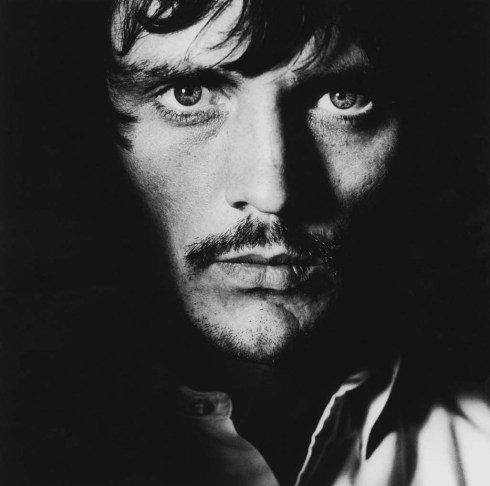
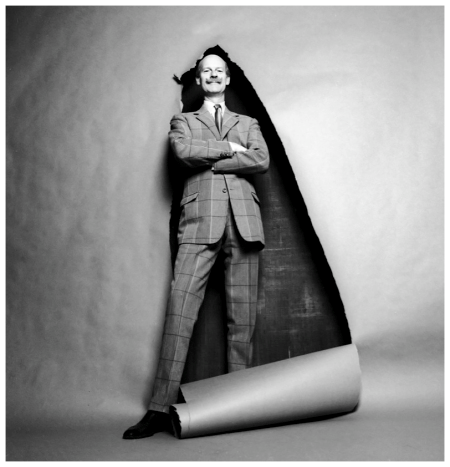
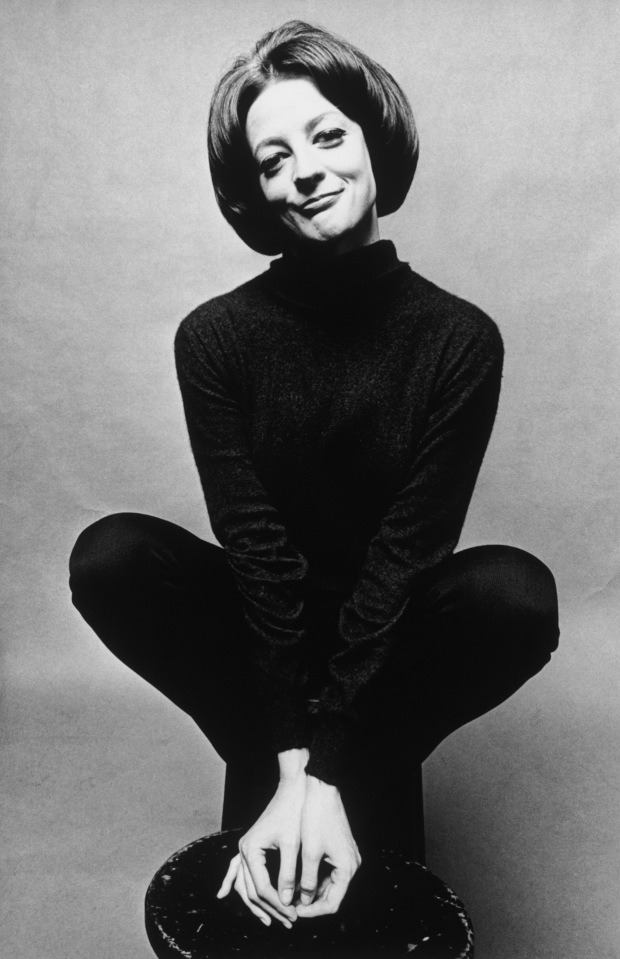
Mary Quant, 1966Mary Quant, 1966Terence StampTerence Stampnorman parkinsonNorman ParkinsonMaggie SmithMaggie Smith
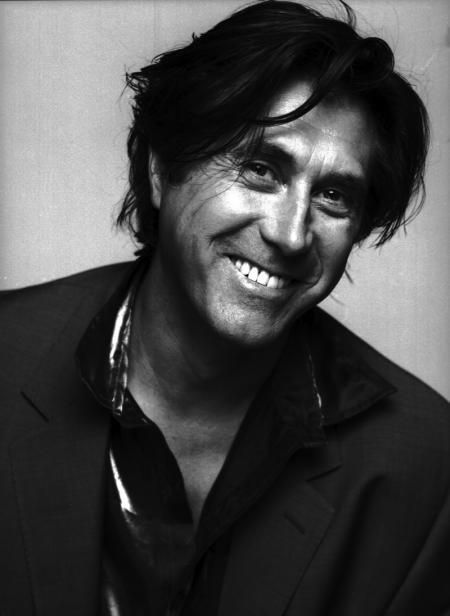
Brian Ferry, 1996Brian Ferry, 1996
kate mossKate Moss
.
.

Book

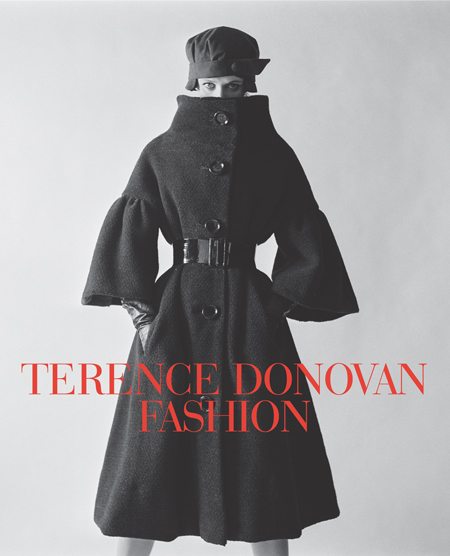
terence-donovan-fashion

Terence Donovan Fashion

Terence Donovan was one of the foremost photographers of his generation–among the greatest Britain has ever produced. He came to prominence in London as part of a postwar renaissance in art, fashion, graphic design and photography, and–alongside David Bailey and Brian Duffy (photographers of a similar working-class background)–he captured and helped create the Swinging London of the 1960s. Donovan socialized with celebrities and royalty, and found himself elevated to stardom in his own right, and yet, despite his success and status, there has never been a serious evaluation of Donovan’s fashion work: he allowed no monographs to be published during his lifetime. Terence Donovan Fashion is therefore the first publication of his fashion photographs. Arranged chronologically, and with an illuminating text by Robin Muir (ex-picture editor of Vogue), the book considers Donovan in the social and cultural context of his time, showing how his constant experimentation not only set him apart, but also influenced generations to come. Designed by former art director of Nova magazine and Pentagram partner David Hillman, and with images selected by Hillman, the artist’s widow Diana Donovan and Grace Coddington, creative director of American Vogue, this volume is indisputably a landmark publication in the history of fashion photography.
Terence Donovan (1936-1996) is regarded as one of the foremost photographers of his generation. From the beginning of the 1960s until his death more than 30 years later, he shot regularly for magazines such as Vogue, Elle and Harper’s Bazaar. He also directed some 3,000 commercials, the 1973 movie Yellow Dog and numerous music videos, for Robert Palmer’s “Addicted to Love” and “Simply Irresistible” among others.

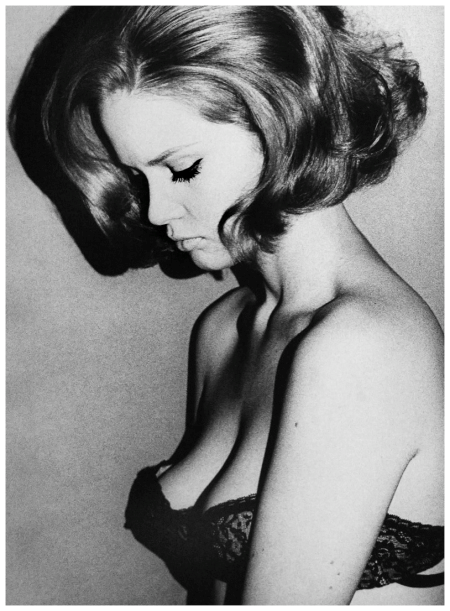
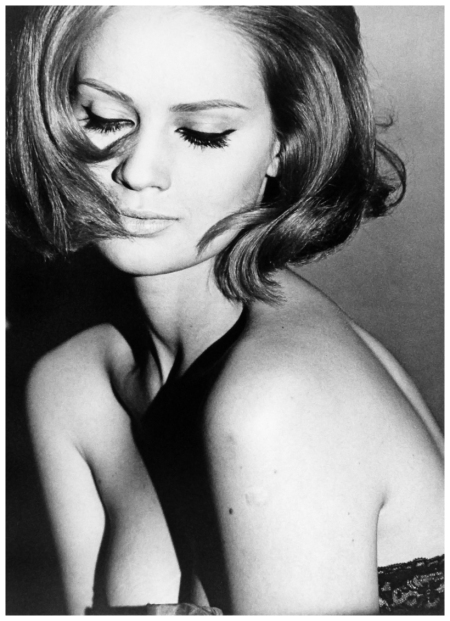
cecilia hammond,1962.png aCelia Hammond, 1962
cecilia hammond,1962Celia Hammond, 1962
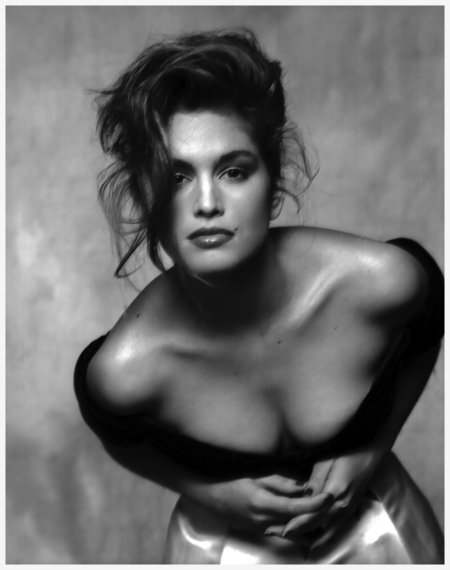
Cindy Crawford, 1988Cindy Crawford, 1988
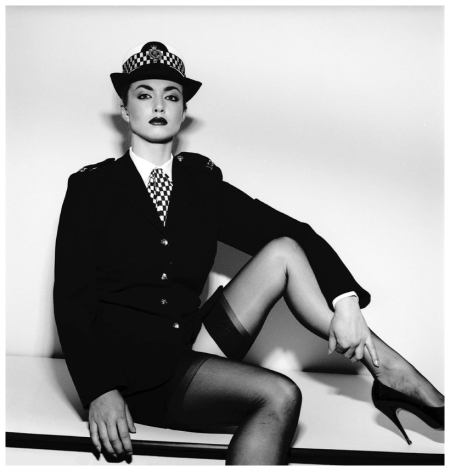
police woman, 1983Police Woman, 1983
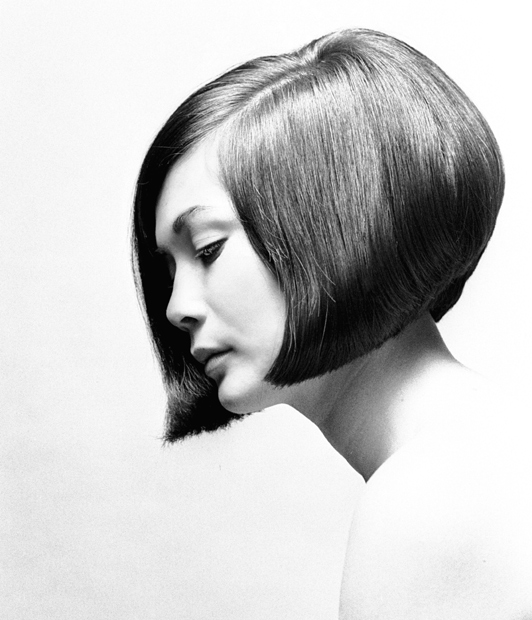
Nancy Kwan, photographed by Terence Donovan for British Vogue, October 1 1963.Nancy Kwan for Britisch Vogue, 1963Twiggy, 1967Twiggy,1967
.
.
.

Info:

Wikipedia

http://www.theguardian.com/
http://www.independent.co.uk

Vetements’ Demna Gvasalia, took off where Martin Margiela stopped…..

13 Mar
Demna GvasaliaDemna Gvasalia

.

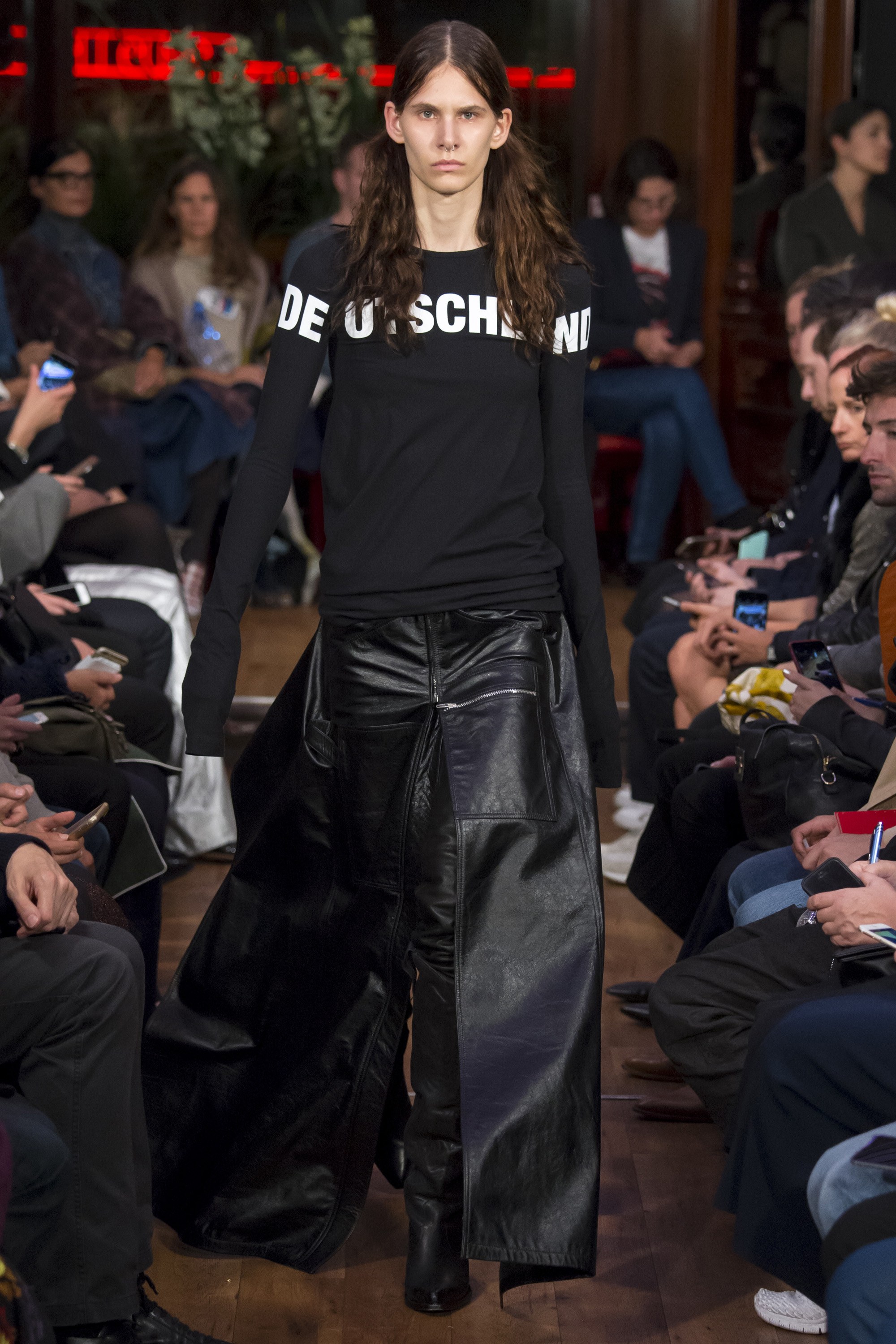
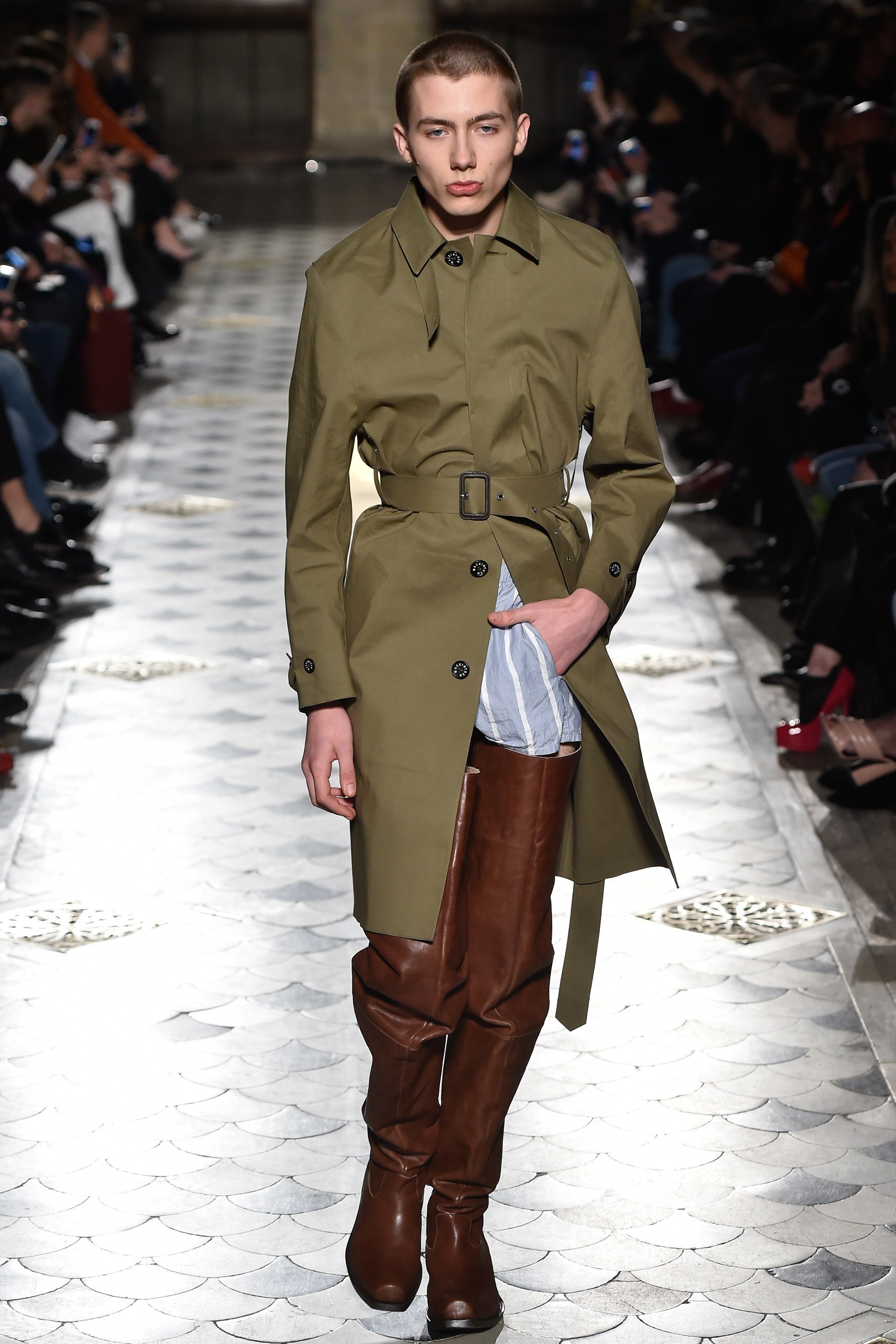
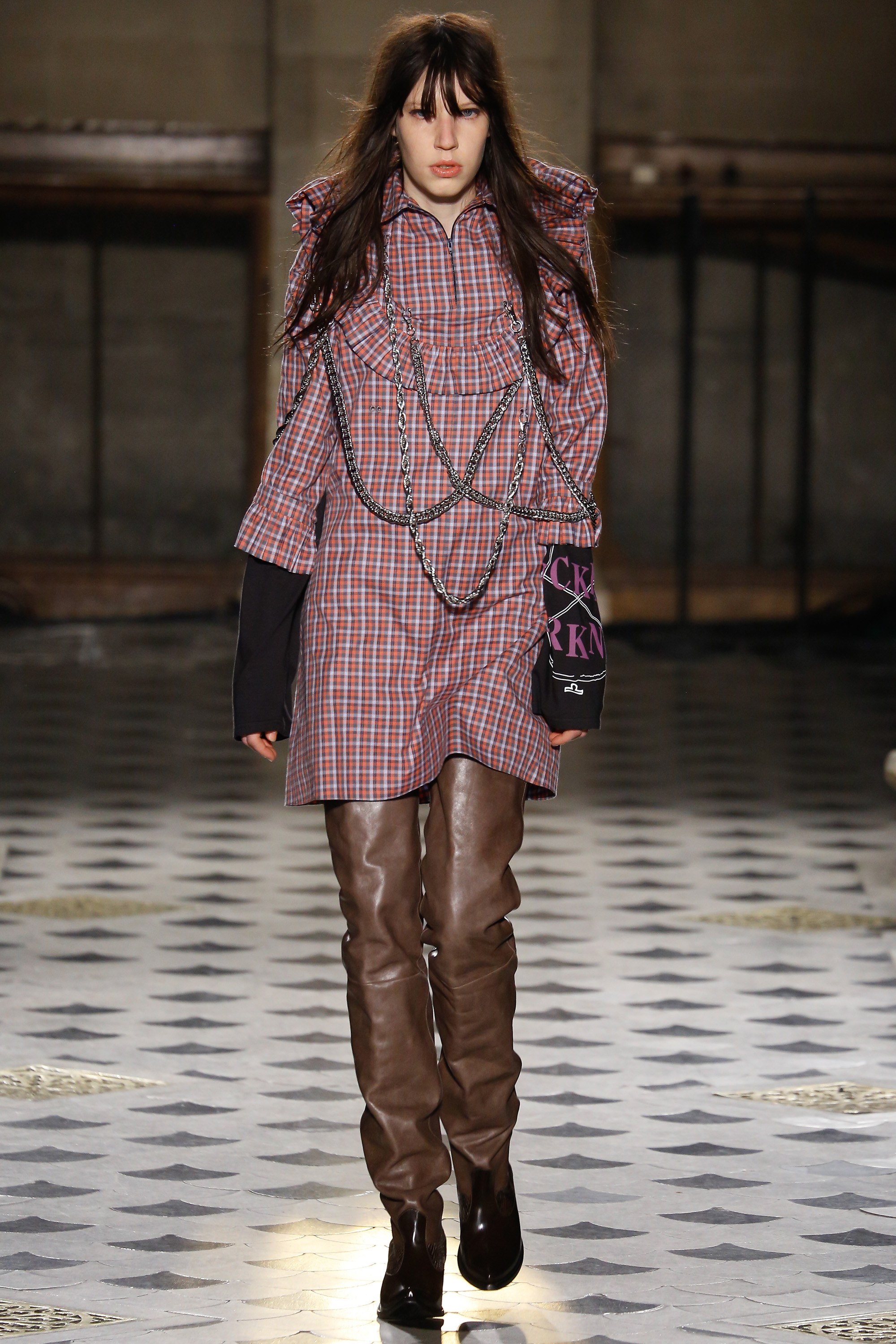
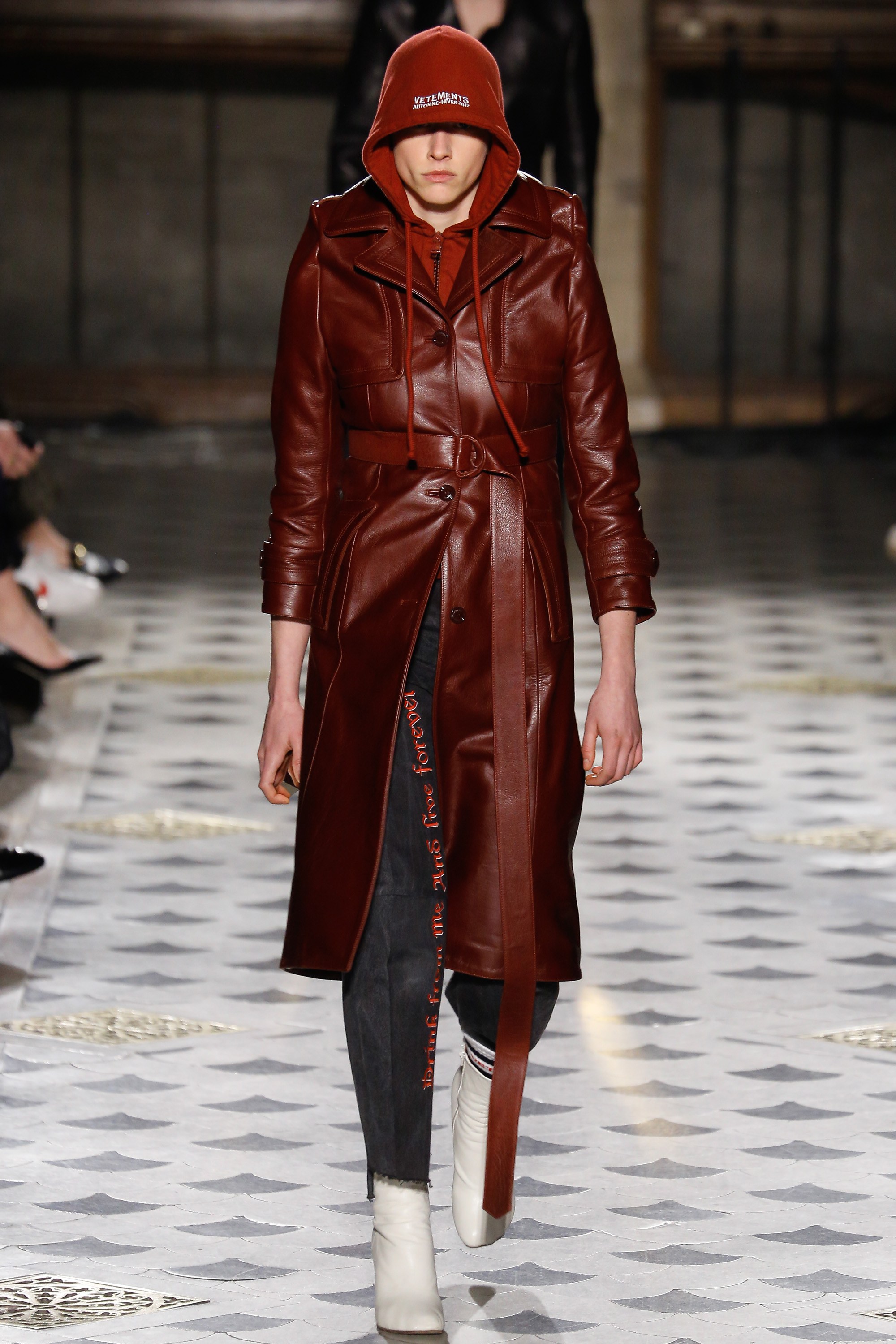
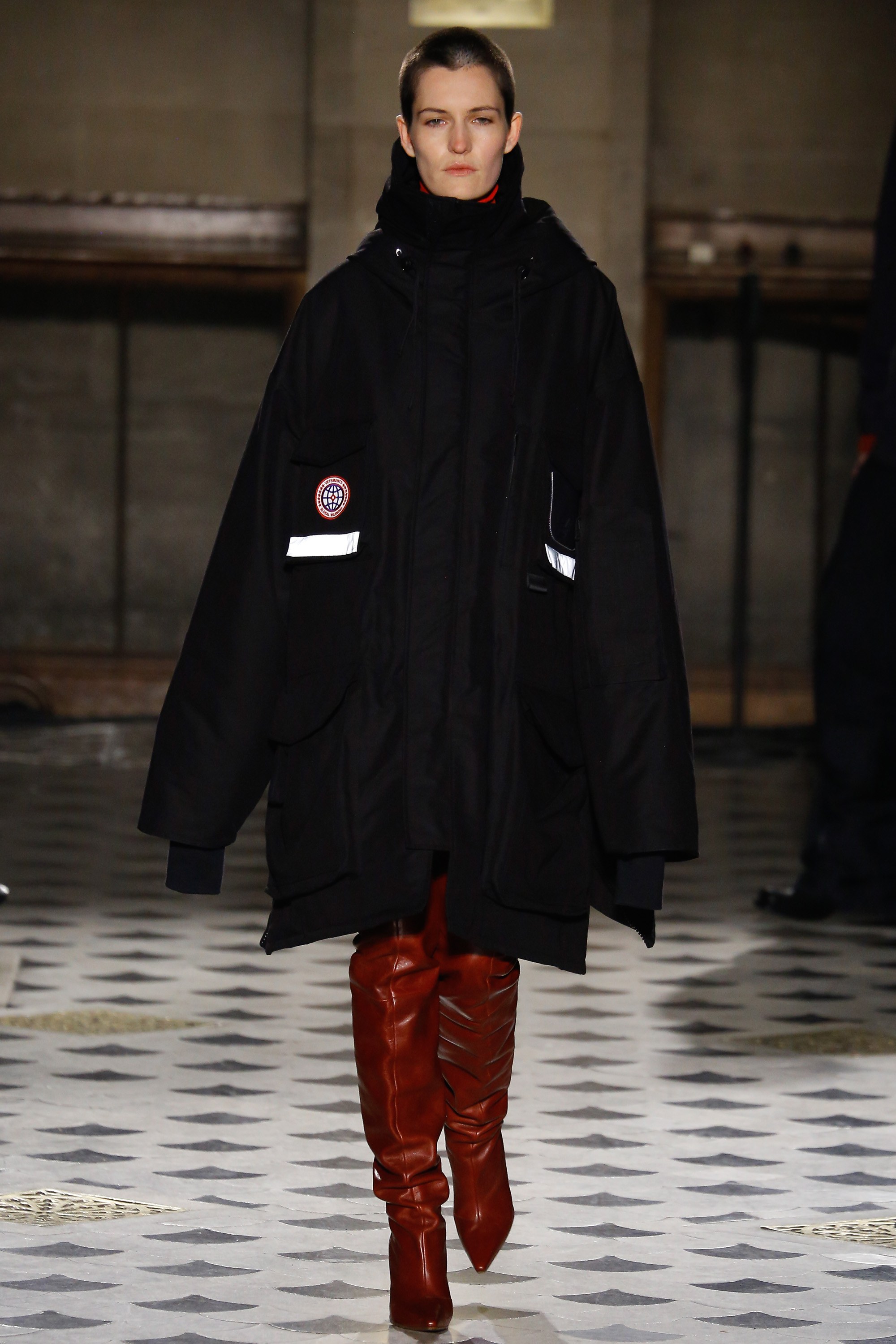
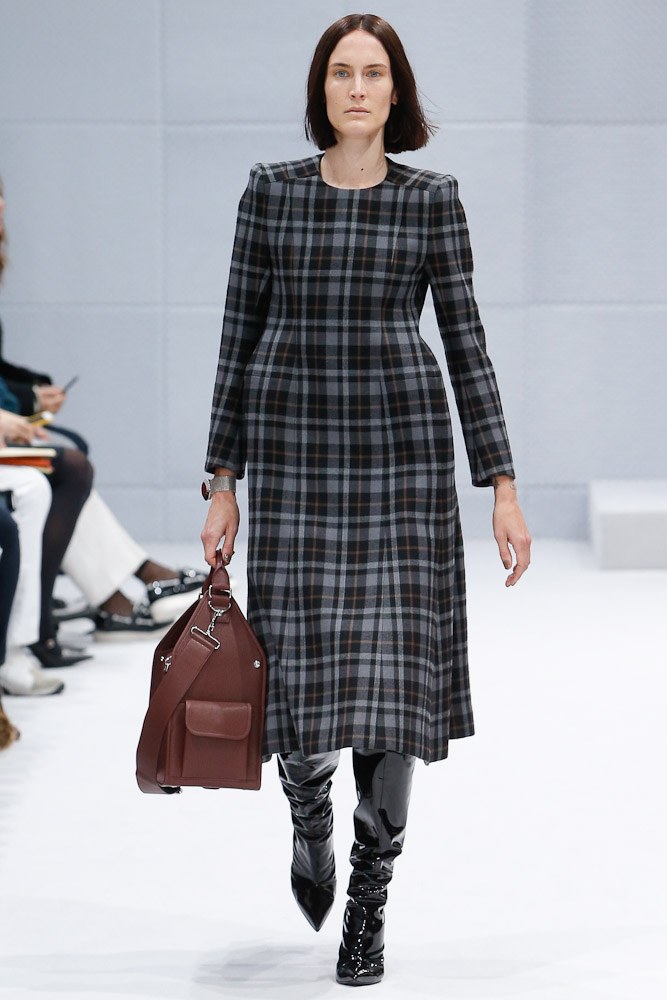
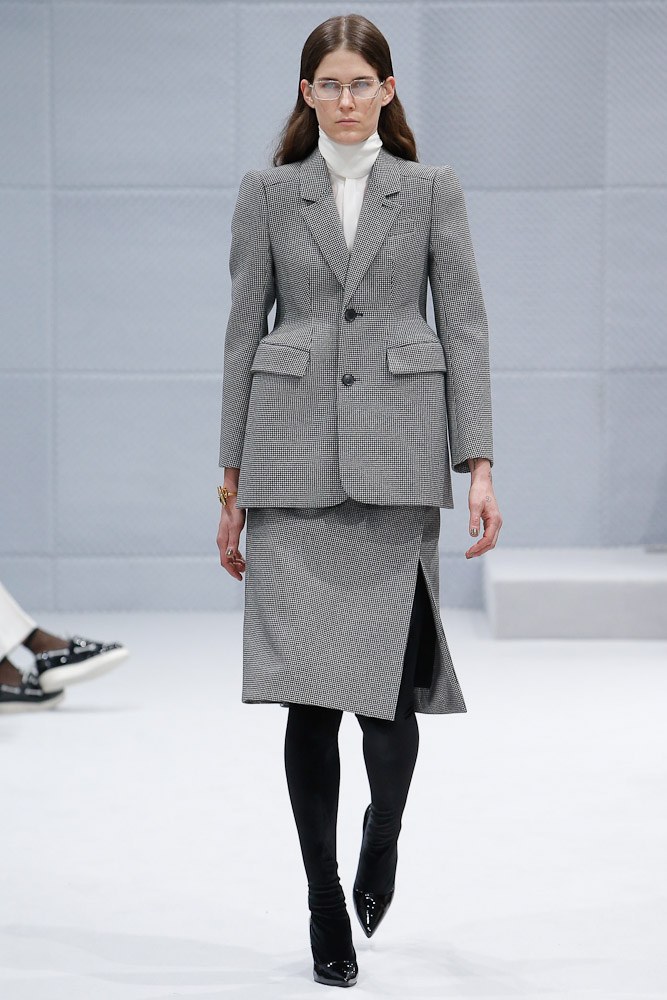
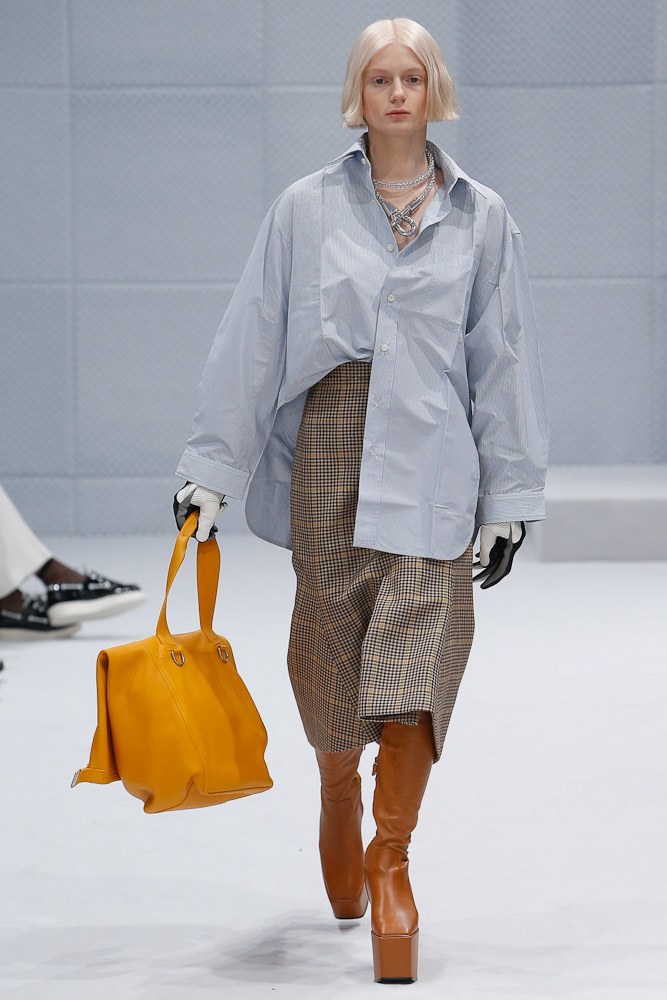
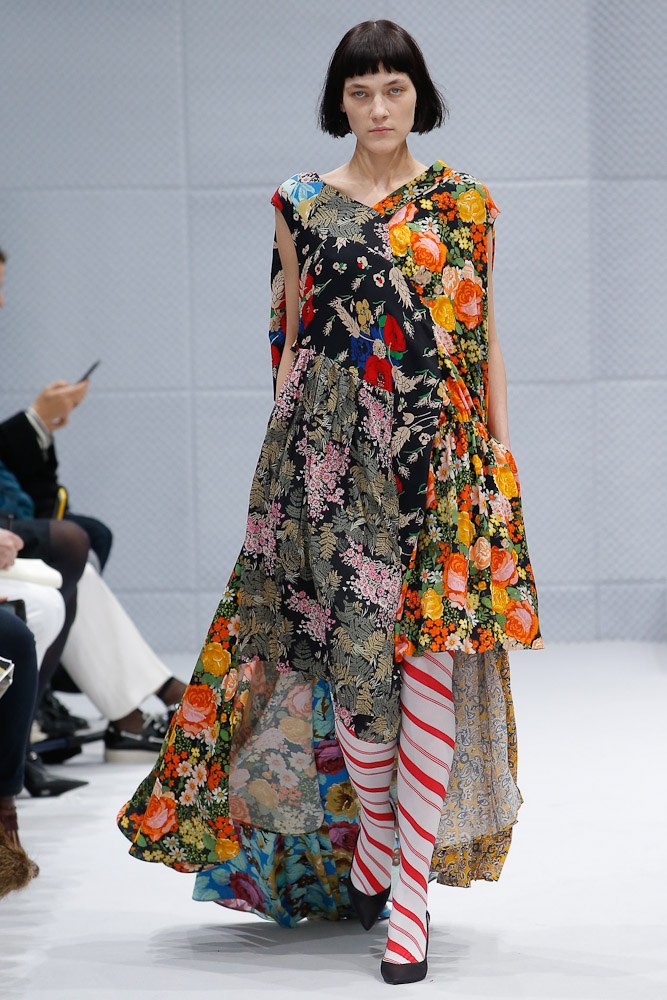
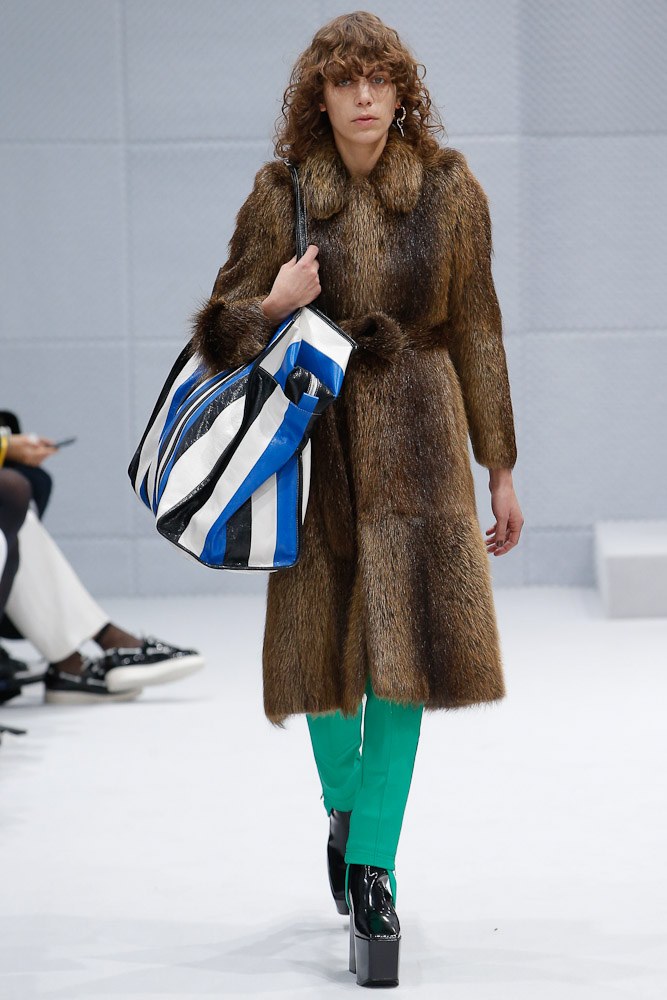
Vetements, the design collective led by Demna Gvasalia, has created an earthquake during Paris fashion week over the last few seasons. Mr.Gsavalia is also the newly appointed creative director of Balenciaga, replacing Alexander Wang. His first collection for Balenciaga is as ground breaking as the Vetements collections are. To get to know him a bit better, an interview about how it al started, his experience working with other designers and how the Vetements brand works.

VETEMENTS collectiveVetements design collective 
 .

Interview with Demna Gvasalia

  How did you first get interested in fashion?

Well, I grew up in Soviet times in Georgia, which meant that me and my friends, we all had the same clothes. It was such a unified society that was deprived of information and of many things, which probably pushed me from early on to discover certain excitement in things that I didn’t know.

Then we had the civil war in Georgia, where we had to leave the place where I grew up. We had this gypsy lifestyle for around 7 years, finally moving to Germany. So, I really had to adapt to a lot of situations and people within a short period of time, to be adaptable, to know how to integrate.

I really wanted to study fashion at the time — it was my ideal, but in Georgia people didn’t really believe fashion was a profession, and especially, it was not a profession for a guy to study. It was some weird, capricious thing for rich kids and was not considered a job.

I moved to Düsseldorf because my family moved there, and studied International Economics in Georgia. I was supposed to start working at a bank in Germany but that prospect was so depressing. I realised that I would be the most unhappy person in the world.

So, I went to Antwerp to try and enter the Academy there. I didn’t really know much about it and the whole Belgian avant-garde that had happened. I went literally because it was the only school I could afford. At the time it was 500 or 600 euros a year, I think because it was a state-owned school. That’s how I got to Belgium and studied fashion.

Vetements A/W 2015

Vetements a/w 2015

Vetements a/w 2015

Vetements a/w 2015

Vetements a/w 2015

Vetements a/w 2015

But it sounds like you were interested in fashion from the beginning.

I was interested in fashion, I just didn’t know much. Some people came to Antwerp and knew everything. At the entrance exam, one of the panel asked me who I knew from the Belgian generation of fashion designers and I just said Dries van Noten because that was the only name I actually knew and could pronounce. The person who asked me that was Walter van Beirendonck, who was part of the Antwerp Six. To me, he was just a weird guy with a beard and rings. He ended up being one of my teachers and I actually worked with Walter after I finished at the Academy.

 How did your training at the Academy shape you as a designer?

In many ways, we had to learn things about ourselves to discover our own aesthetic and what we liked. They try to push creativity — it’s not a very technical school. No one really explains how to construct a tailored jacket, you have to find out about that yourself, which is a hard process but it absolutely pays off. By discovering it on your own, you actually learn a lot more about it than if someone explains to you how to do it. So that was a blessing in disguise.

There was a lot of influence from this whole Belgian aesthetic: and the deconstruction, and Margiela and Dries. I mean we studied works and the names and methods of work that we heard about every day. So naturally it had an impact on me. But I cannot say that during these four years that I actually found my aesthetic — I don’t think so. I think I really started to understand what I liked and what I didn’t like afterwards, when I actually started working in fashion.

 What did you work on with Walter van Beirendonck?

When I worked with him, it was on menswear, but at one point I just realised it was a bit limited for me. I decided to do something for womenswear and I applied for jobs etcetera. One of the options I had was Margiela, so they called me and I moved to Paris to do womenswear for the first time.

 What was it like to work in that mythical place?

It was exceptional. That period of my life was probably the most formative in terms of fashion. My real studies, where I learned about clothes, was working at Margiela, especially in this kind of transitional period after Martin left; when the company was trying to modernise its DNA and find ways to continue its history. For me it was like an MA in fashion.

When you’re a student at a fashion academy, it’s all really theoretical. Here it was real, it was something that people made — that people wore. The most amazing thing was actually discovering the archives and looking at how the pieces were made and learning the way that the clothes were designed.

I saw the pieces that were done at the beginning of Margiela at the beginning of the 1990s. It was investigative fashion. They took a shirt, they took it apart, and they made a new one out of it. This whole idea about understanding the core of what you are doing, to make something new. They needed to take a shirt apart to make a new shirt. They didn’t come up with a new garment that didn’t exist.

It became a method of working for me. You really needed to understand the construction of the garment and to kind-of be in love with it in order to make something out of it. That’s something I learned there.

Vetements S/S 2015

Vetement s/s 2015

Vetement s/s 2015

Vetement s/s 2015

Vetement s/s 2015

Vetement s/s 2015

Vetement s/s 2015

Vetement s/s 2015

Vetement s/s 2015

Why is that important to you?

A garment is a product. It’s not made to be in a museum. It’s meant to be in somebody’s wardrobe. But then again, you need to like what you do. You don’t just need to like your job, but you need to like the product. I don’t want to compare it to an artist working on an artwork — but it’s the same. You are kind of subconsciously in love with what you do, and I think as I am working on a hoodie, I love to work on that hoodie. That’s what enhances your ideas and your creativity.

 After three and half years at Margiela, you decided to leave. Why?

It was so intense; this challenge and possibility of actually being there and learning there, but it was too much. At one point I realised, either I am going to stay there for the rest of my life like some people do, or I’m going to discover other parts of fashion that I didn’t know.

Margiela is a very specific company with a very different way of working. It’s not a classical model like the old houses. I wanted to see the other side, the more corporate side and the luxury product, because Margiela, for me, wasn’t really a luxury product, it was more investigative fashion rather than about the product itself.

That’s when I had an opportunity to go to Vuitton, which was a complete contrast. I did two collections with Marc Jacobs, from the moment I arrived, and then I did two collections with Nicolas Ghesquiére. It was good timing because I could work with Marc and see his way of working and then work with Nicolas, which was very different.

 How would you compare their ways of working and what did you learn from those designers?

Vuitton is such a big company and there are so many possibilities — technical possibilities. A huge atelier and everything. The sky is basically the limit of what you could do. Working with Marc was very different and a lot of fun. His way of working is about fun. Making a collection, but not doing it for six months. He would make the collection two or three weeks before the show. It was a very spontaneous way of making fashion.

Nicolas was a perfectionist. It was about working in detail. We could fit the same jacket 20 times before getting the perfect one he wanted to have. That was a very different approach and it was important for me to see and understand, to take elements from all those things and re-appropriate them, and to build up my own methodology.

 That’s a pretty fortunate set of circumstances there, working with those designers, in those houses.

I must say that I was really lucky to work with all the people I worked with. I learned an immense amount and different ways of doing things. I mean Marc, and Nicolas, and Margiela — and before that Walter. There were so many different things to learn. At one point I realised I wanted to be in a position to develop something on my own and to really have my own creative expression somewhere, and that’s when the Vetements idea was born.

 Let’s talk about that moment, when Vetements was first seeded.

It was conceived basically between me and a couple of my friends. We would meet and share our opinions about the industry and what was going on, and what we agreed on and didn’t agree on. The pre-collection, the collection, all the things that we had to do. We thought the same way and shared [something] aesthetically as well, so we thought, why don’t we put something together in our spare time?

I could have continued doing that job for another 20 years. It was quite a fortunate position to be in, but I felt like it wasn’t enough. There was something else I wanted to do. It was not to do something commercial at all. It was really just to not get creatively frustrated and to do something we liked aesthetically. It was not supposed to be a concept or a statement, but really to make clothes, not for ourselves but for girls that we projected on that we liked, and for our friends. We started doing it on the weekends, at night, after work — just as a fun project.

My brother Guram knew that we were working on this. At one point, he thought there was definitely a market for this so we should try to sell it. It was really his initiative to commercialise it, make a showroom, invite buyers, etcetera. This is how it all started in my bedroom.

Vetements A/W 2016
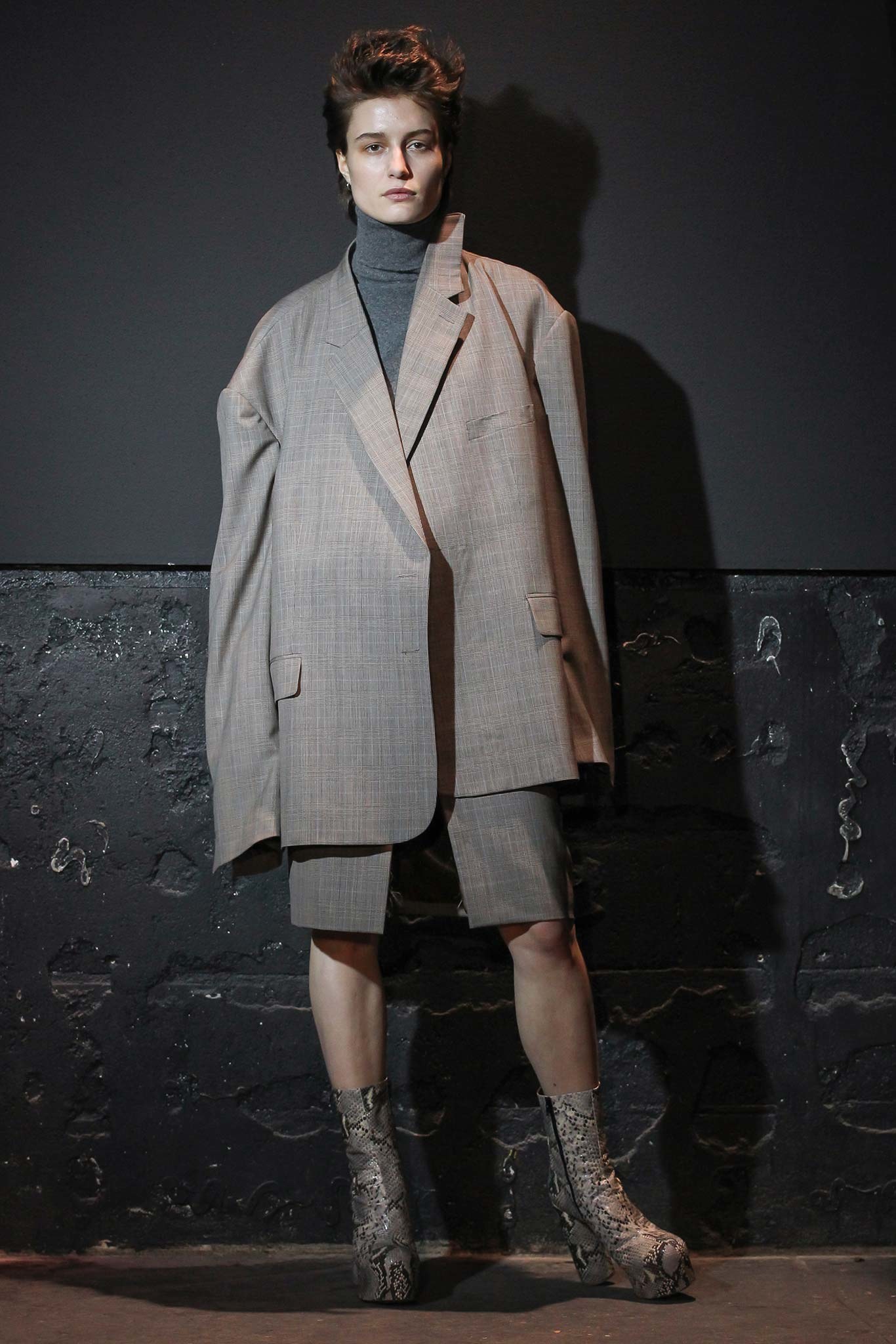
Vetements a/w 2016

Vetements a/w 2016

Vetements a/w 2016

Vetements a/w 2016
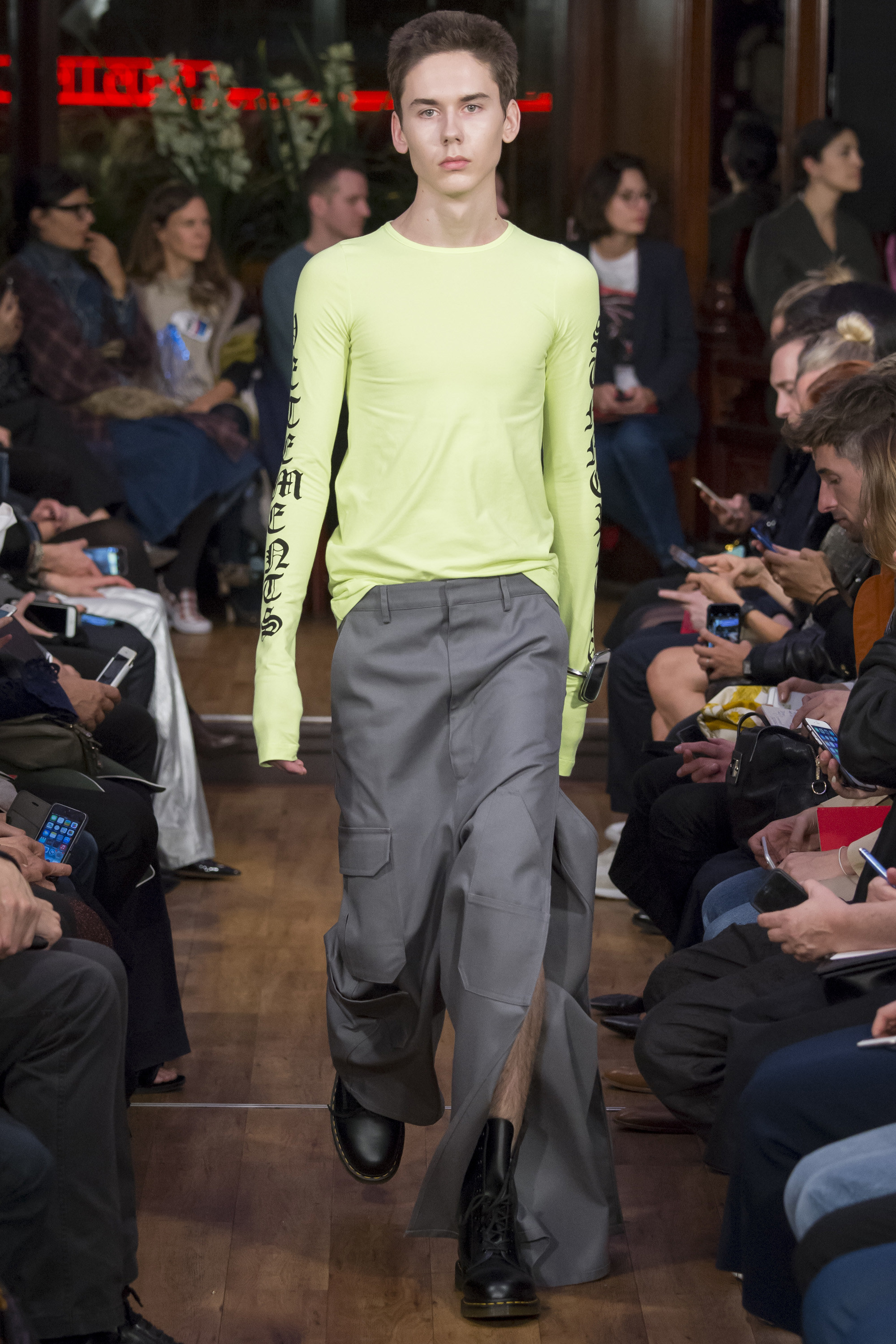
Vetements a/w 2016
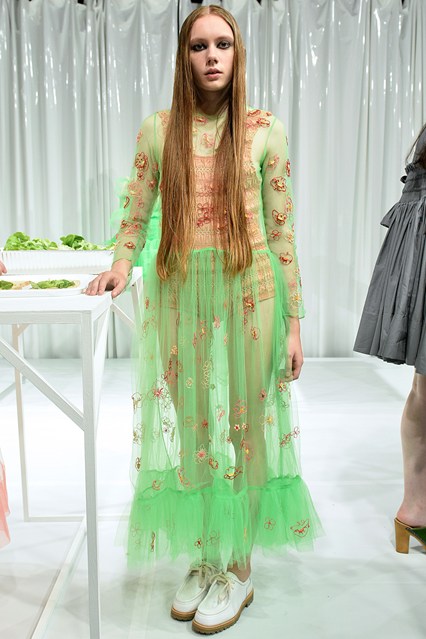
Vetements a/w 2016
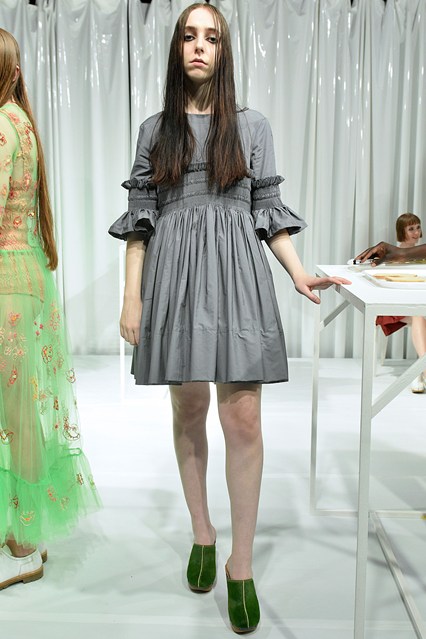
Vetements a/w 2016

Vetements a/w 2016
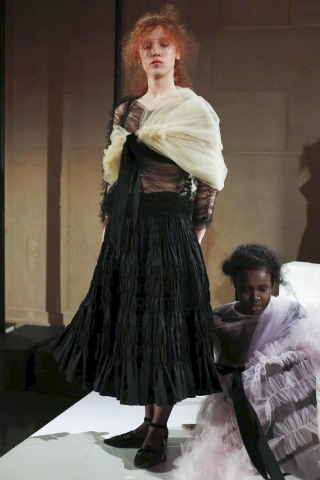
Vetements a/w 2016
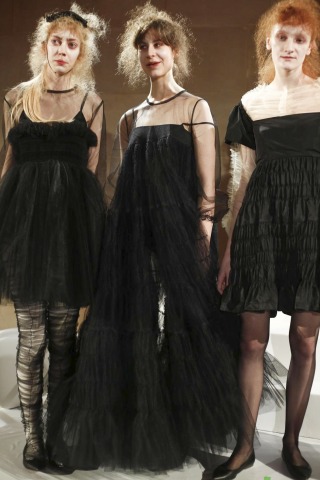
 I have rarely seen a brand gather as much momentum in such a short time. Why do you think that happened?

Well, I think the way we work is very intuitive. We don’t force things. We always work on one garment at a time, and for example, if we spend more than 20 minutes on it, we just cancel it because it doesn’t feel right. On the other hand, I think I am quite fortunate to have Guram working on the business. The way he does market research is very different because its very closely linked to the creative process and what we do. He would never come to me and say, “We need to do that because that’s what the market asks for.” He will do his utmost to sell what we believe in as a brand, what we create. If next season we do a capsule, I know he will be behind it and try to sell it to the client.

 You expressed a shared sense of frustration with the industry among the wider Vetements team. What types of things were you talking about?

Well, basically the frustration was with the cycle. The creative cycle that didn’t really coincide at all with the production side, and the demands and the number of pieces that we had to make. The pieces became kind of soulless, you know, because they had to be made, but didn’t really have a reason to be. That was the most frustrating part for me. You need to have a jersey top because that’s what the market requests — I can’t do a jersey top at that very moment, you know?

Our idea was to make things that we really felt confident about and wanted to see people wear. I wasn’t doing that in any of my previous professional experiences.

 What do you mean?

At Margiela, of course, it was all very conceptual and had to be a very different concept every six months. It was about a certain statement. At Vuitton, it was about the product and clothes that were meant to be worn, but it was not necessarily clothes that I wanted to see people wear. My idea from the beginning in fashion is that it is about the product and it’s about the clothes that people need to be wearing. That’s the biggest compliment for a designer, to see people wearing your clothes, not to be in a fashion book. I didn’t really feel satisfied at that time with what I was doing.

 How much of that, do you think, came from needing to say something of your own?

A lot of it came from that, and because I realised we could do something on our own and it would be saying something different and in a different way. Not necessarily new or avant-garde — not at all — that was not our idea. What we do is nothing new, it’s just things that people want to wear. That was my creative motivation and the motivation of the people that I started with. I knew that it was a risk. It’s always a risk to do something like that, but I felt it was right to do that.

 In the sea of stuff out there, how do you think people pick what they want?

How do you make something that people already know, but they still want to buy because they don’t have one? This is the challenge we have to face every six months, which is an exciting challenge for a designer I think. That’s what motivates me. Every time we are having a fitting and we are trying things on we say, “Ok, what do we do with this one now to make it wantable?” That’s hard. It’s much harder than decorating something with beautiful material and shapes.

Balenciaga A/W 2016

Balenciaga a/w2016

Balenciaga a/w2016

Balenciaga a/w2016

Balenciaga a/w2016

Balenciaga a/w2016

Balenciaga a/w2016

Balenciaga a/w2016

 Balenciaga is one of the most prestigious houses in the world. How are you splitting your time  between the two?

I split my time in half basically. The good thing is both of them are in Paris and my studios are 25 minutes away from each other so practically it’s a reasonable situation. I work two and a half days at Vetements and two and a half days at Balenciaga a week.

.

Interview by Imran Amed for businessaffashion.com   


Demna GvsaliaDemna Gvasalia

.

.

.

info: 

http://www. businessaffashion.com /  

http://www.nytimes.com/

http://www.vogue.com/fashion-shows/fall-2016-ready-to-wear/balenciaga

Stephen Jones, from Blitz club to Museum

6 Mar

Stephen Jones

Stephen Jones OBE (Order of the British Empire) is a leading British milliner based in London, who is considered one of the world’s most radical and important milliners of the late 20th and early 21st centuries.

.

Short Biography

Stephen Jones was born in 1957 on the Wirral Peninsula in Cheshire and educated at Liverpool College. From an early age, his mother instilled in him an appreciation of art.

He studied art at foundation level at the High Wycombe College of Art. In 1975 he travelled to London to see the exhibition Fashion from 1900-1939 at the V&A, which inspired him to pursue a career in the fashion industry.

Iconic Hats

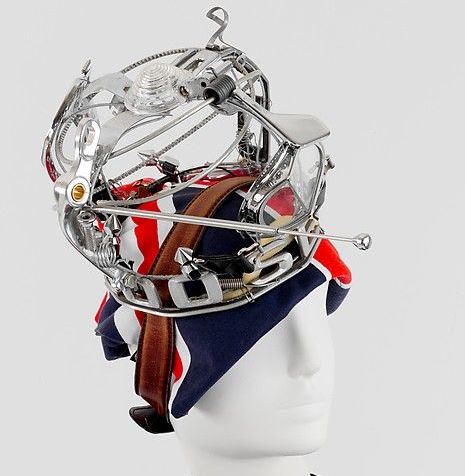
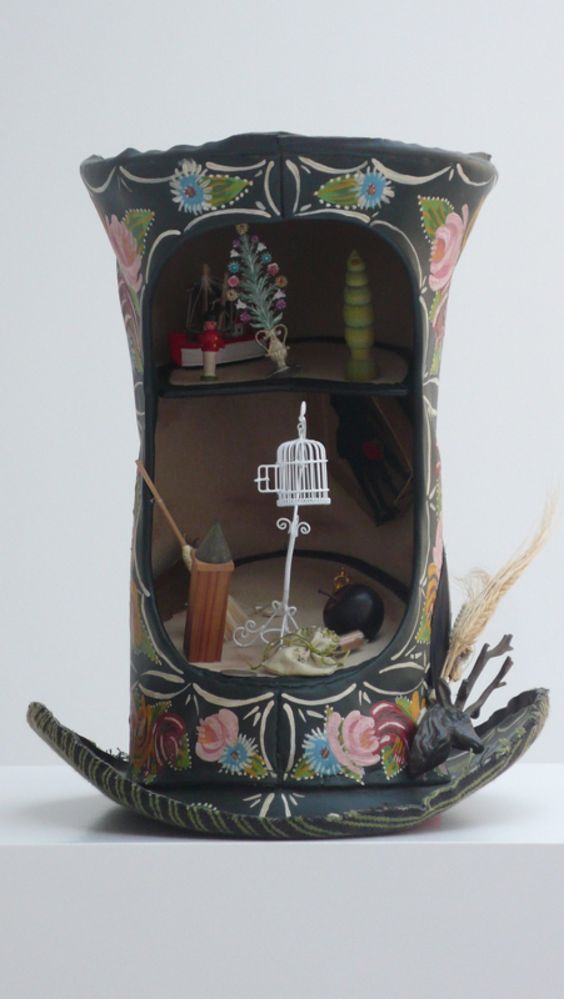
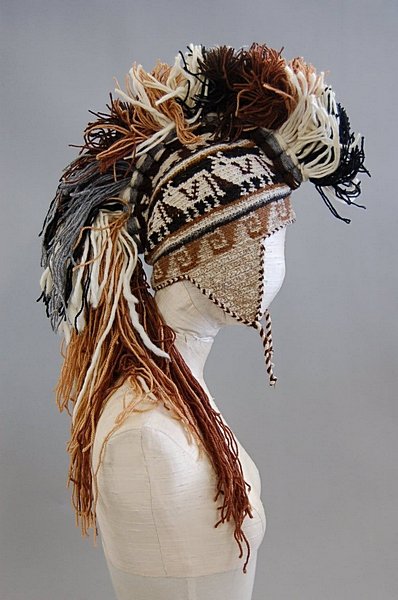
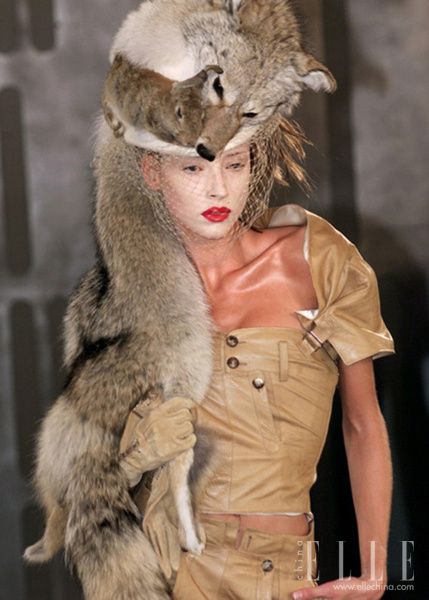
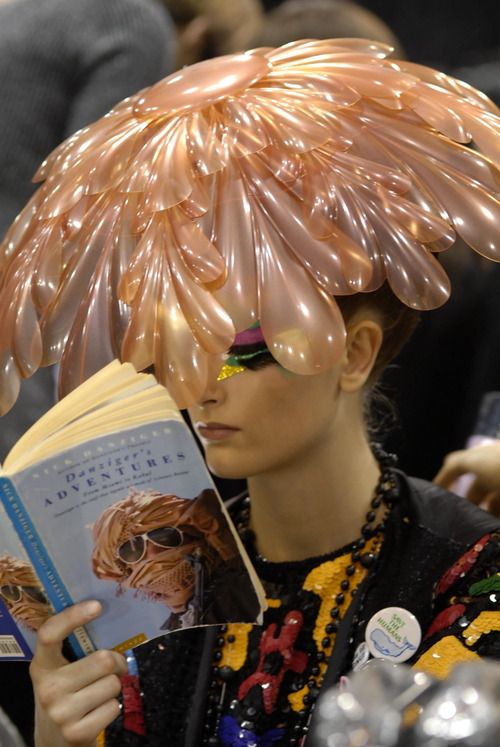
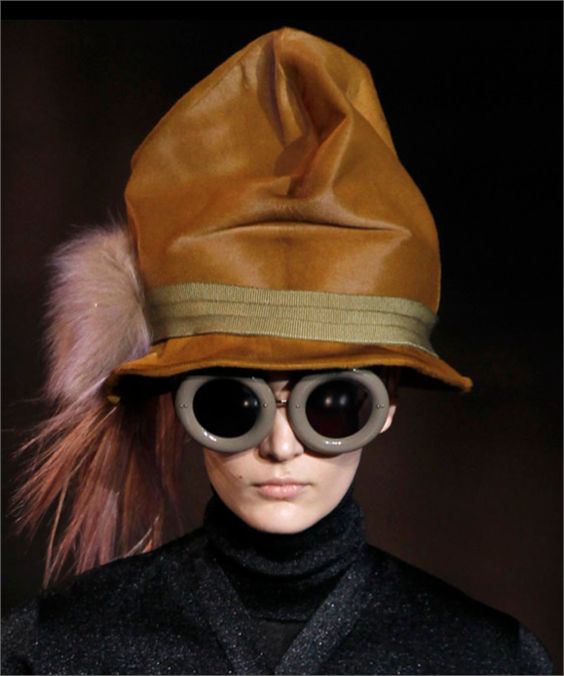
union jack hatUnion Jack hatCdG by Stephen Jones 2006Comme Des Garçons crownStephen Jones for Simon Costin's touring Museum of British Folklore exhibitionSimon Costin’s touring Museum of British Folklore exhibitionDior Mohawk hatChristian Dior mohawk hatVivienne Westwood Harris Tweed tweed crownVivienne Westwood Harris tweed crown

He applied to study fashion design under Bobby Hillson, at the Saint Martin’s School of Art, London, where he was the sole male student in his year. Although he enjoyed being taught by Peter Lewis Crown, the designer-owner of the London couture house Lachasse, he had little prior sewing experience, and so in order to develop his skills Crown secured Jones a summer placement in Lachasse’s tailoring workroom. Jones soon requested a transfer to the next-door millinery department presided over by Shirley Hex, but was told he had to make a hat from scratch first. The hat he eventually submitted, his first original millinery creation, was a cardboard pillbox covered in blue crêpe de Chine and trimmed with a plastic iris, sprayed silver that his mother had received as a free gift from a petrol station in the 1960s. In his innocence, Jones had not realised that millinery flowers were traditionally made of silk, but Hex approved the hat, commenting on the flower’s modernity. Between 1976 and 1979 Jones spent his summer breaks working for Hex and learning about millinery methods and techniques. Through hats he developed a keen interest in fashion history, particularly the drama and exaggerated glamour of the 1950s.

Rare footage of Stephen Jones in his first salon

.

Jones left Saint Martin’s in 1979, the same year that he became a regular attendee of London’s Blitz nightclub in Covent Garden for New Romantics and fans of new wave music. Jones had been a Punk while at St Martins, but keenly embraced the New Romantic movement. As one of the “Blitz Kids”, he hung out with the likes of Spandau Ballet, Duran Duran, Isabella Blow, and Jean Paul Gaultier; and shared a house with Boy George and Grayson Perry, competing with them to wear the most outrageous outfits to Blitz, including a pinstripe suit with stiletto heels. Many of the Blitz Kids became his first clients, with Jones creating outlandish hats for them to wear to the club.

Hats for the Catwalk

Stephen Jones for John Galliano, 1999John Galliano, 1999dior summer 2008Dior, S/S 2008
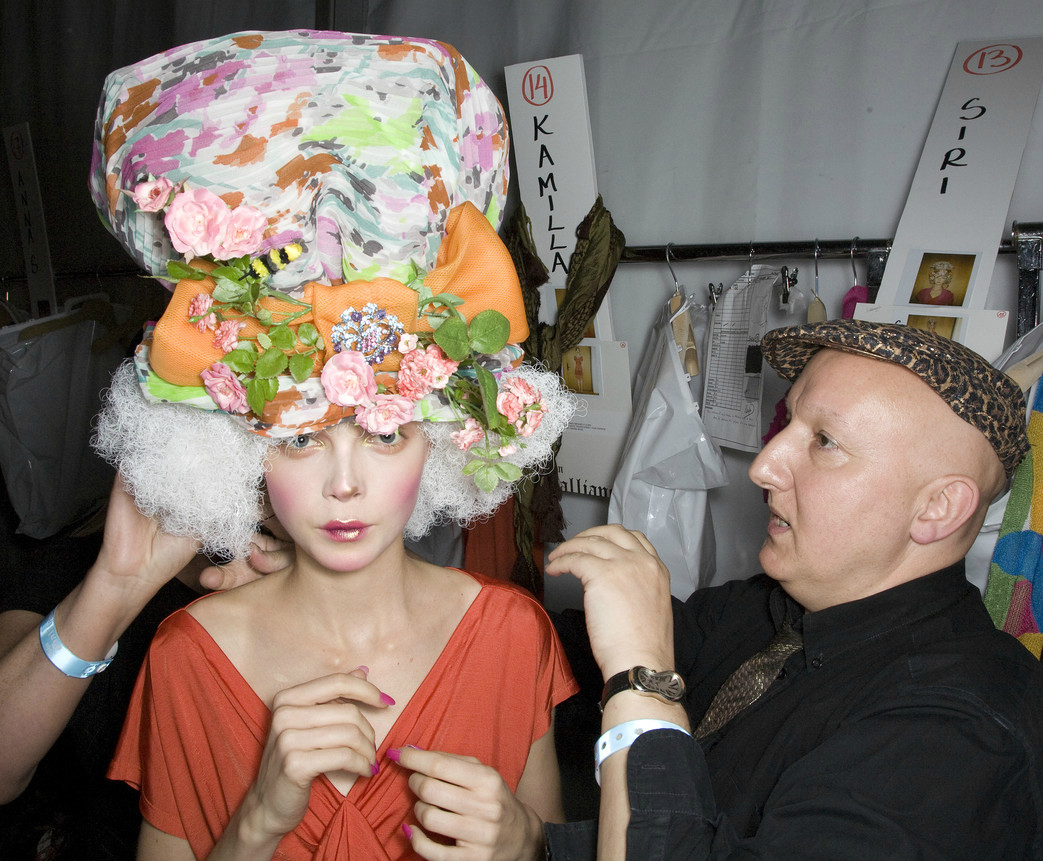
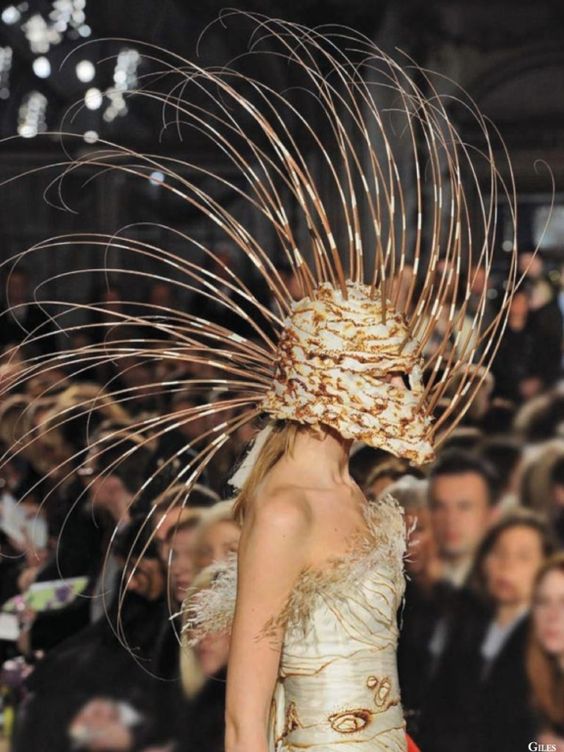
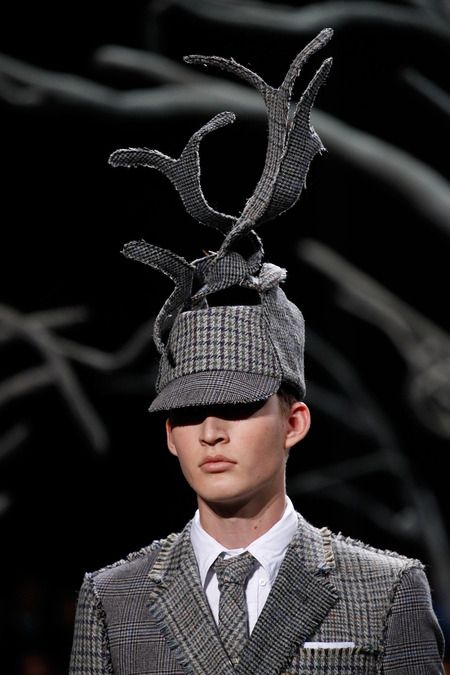
Siri Tollerod and Stephen Jones at John Galliano Backstage, Spring Summer 2009John Galliano, S/S 2009Giles DeaconGiles DeaconLouis Vuitton fw 2012Louis Vuitton F/W 2012schiaparelli spring 2014Schiaparelli S/S 2014thom browne - fall 2014Thom Browne, F/W 2014

Jones designed a line of hats for Fiorucci in 1979. In 1980, Blitz’s owner Steve Strange provided financial backing for Jones’ first millinery salon, which opened nearby in the basement of the trendy store PX, Endell Street, Covent Garden on 1 October. It was an instant success, with Jones commenting in 2008: “Overnight, I had a business”. On New Year’s Eve 1980, Jones had his head shaved by drunk friends, leading him to discover that without hair, his head was a perfect woman’s stock size, and that he could become his own fit model, developing all his ideas and designs upon himself.

1982 saw Jones’ first Paris fashion show and his first televised show. By this point, he was able to count Diana, Princess of Wales as a regular customer, in addition to his clients from Blitz, and had a hat commissioned by the Victoria & Albert Museum for their newly refurbished Costume Court.

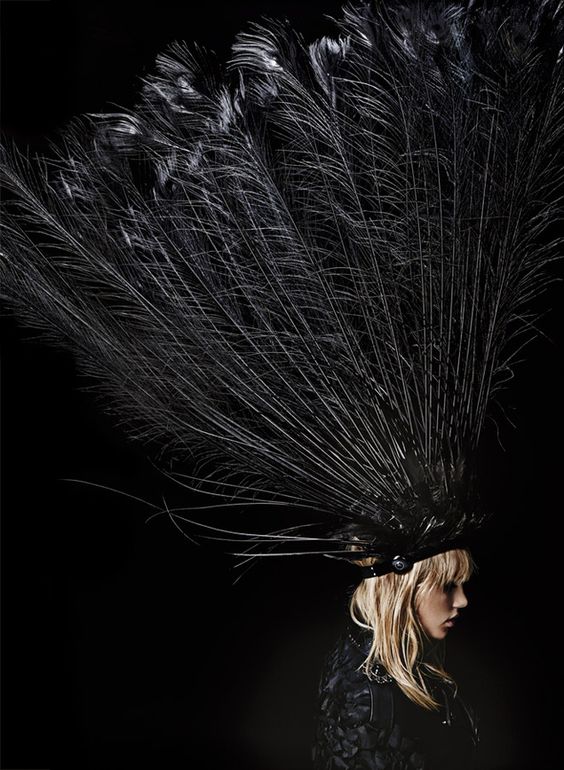
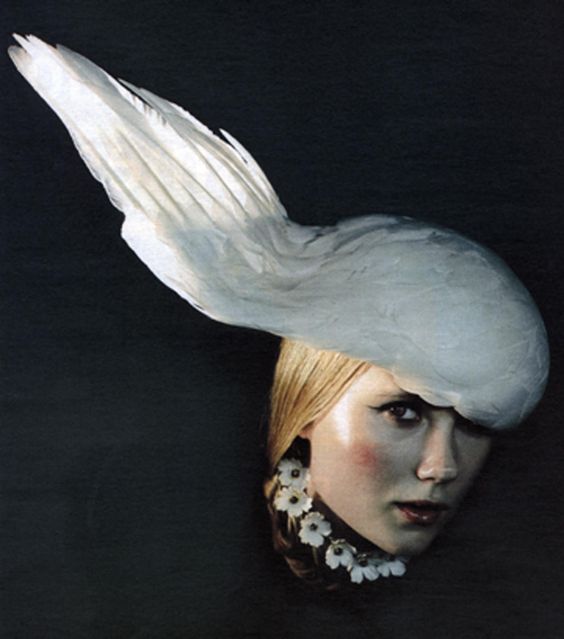
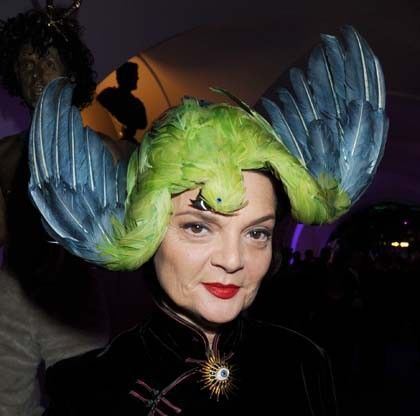
Feathers in the Leading Role

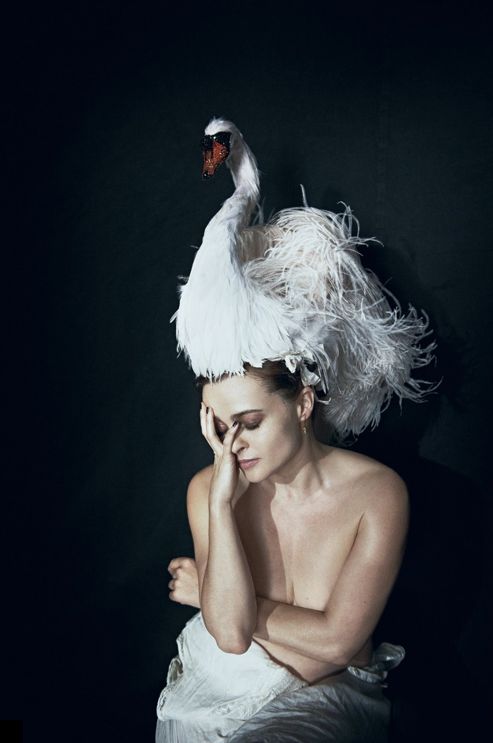
Helena Bonham Carter wears a fabulous swan headpiece by Stephen Jones for Giles DeaconHelena Bonham CarterStephen Jones hat

Stephen Jones hat

Lulu Guinness in a Stephen Jones 2011Lulu Guinness
.
Jones relocated his studio to Lexington Street in 1984. That year, Jean Paul Gaultier invited him to Paris to make hats for his show, his first designs for a Paris couturier, and he also made hats for Thierry Mugler. After their second show together, Gaultier ensured that Jones received full credit for his hats, therefore ensuring that the Paris fashion world was made aware of his work. In 1984 he also sold his first designs to a department store, Bloomingdale’s in New York.

Waterfall hat

Stephen Jones was appointed Officer of the Order of the British Empire (OBE) in the 2010 New Year Honours.


.


.

Stephen Jones

official website:  http://www.stephenjonesmillinery.com/

.

.

read more about the Blitz Kids:

The Blitz Club, Music & Fashion Revolution in the 80ties


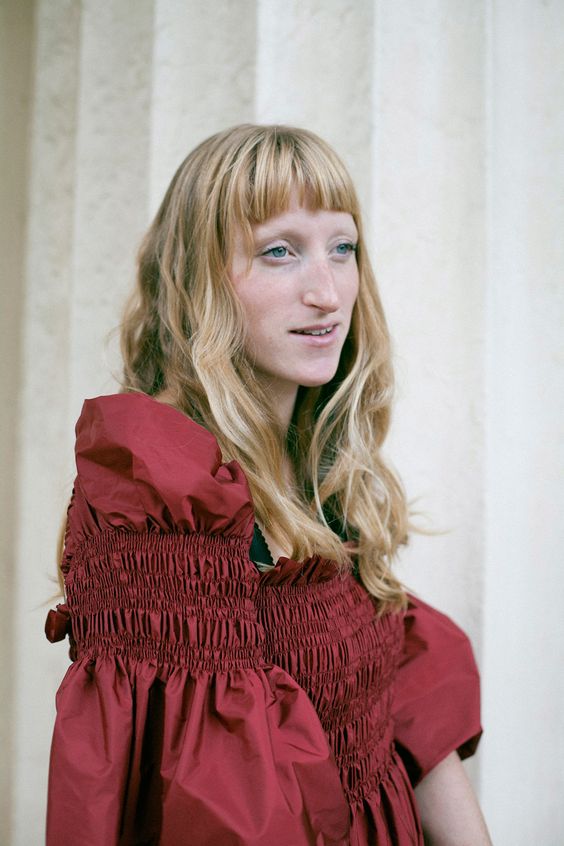
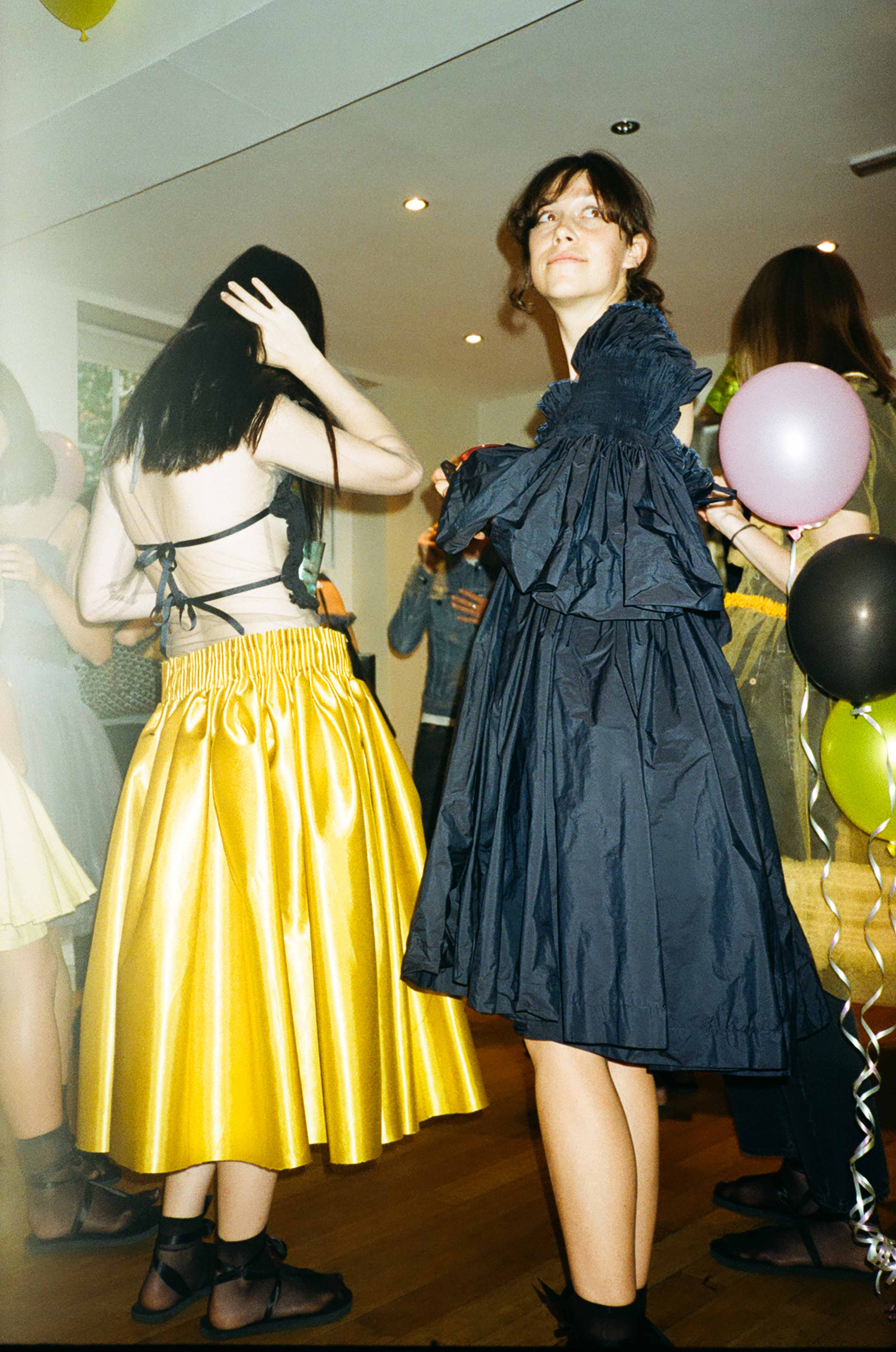
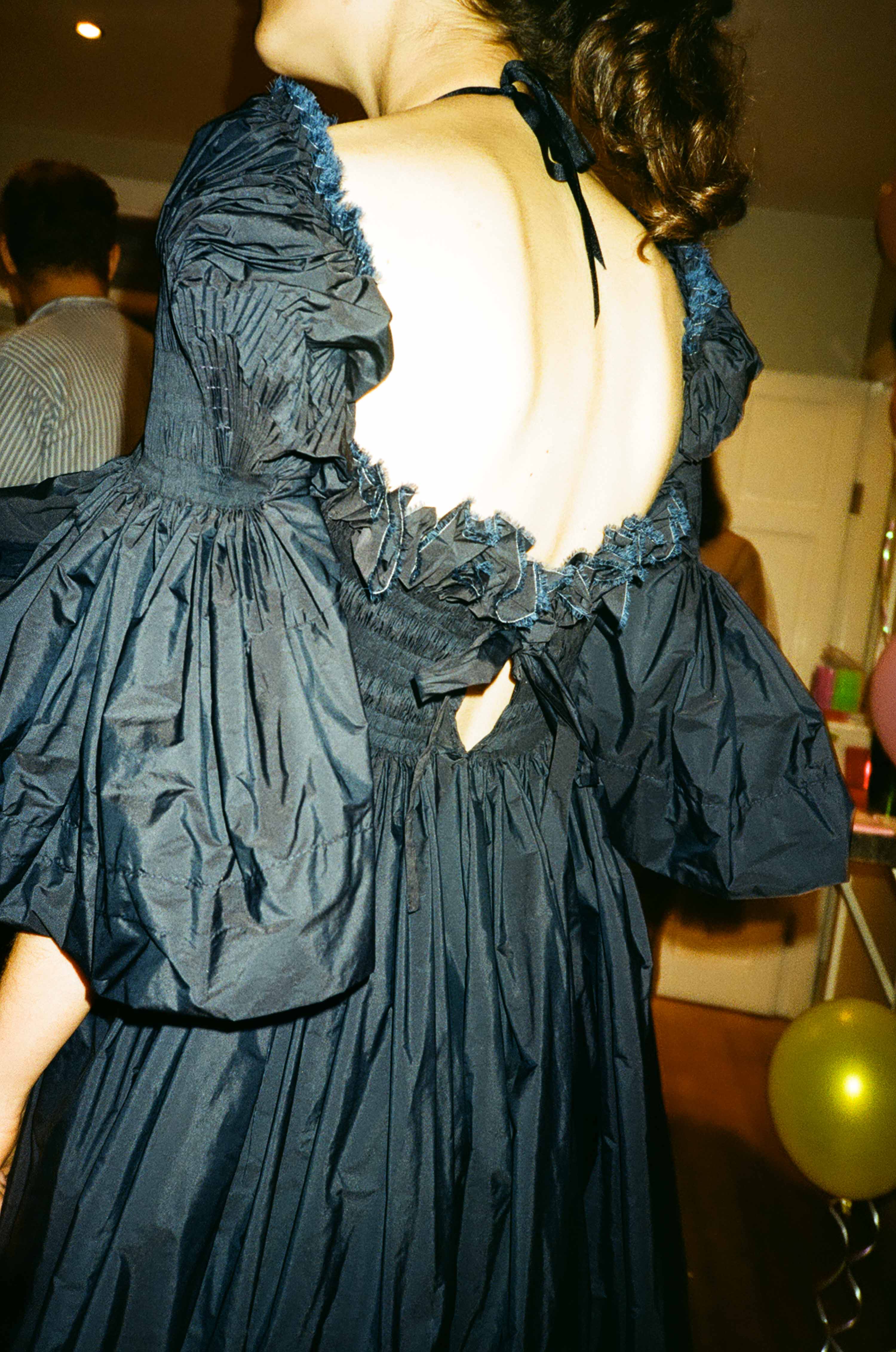
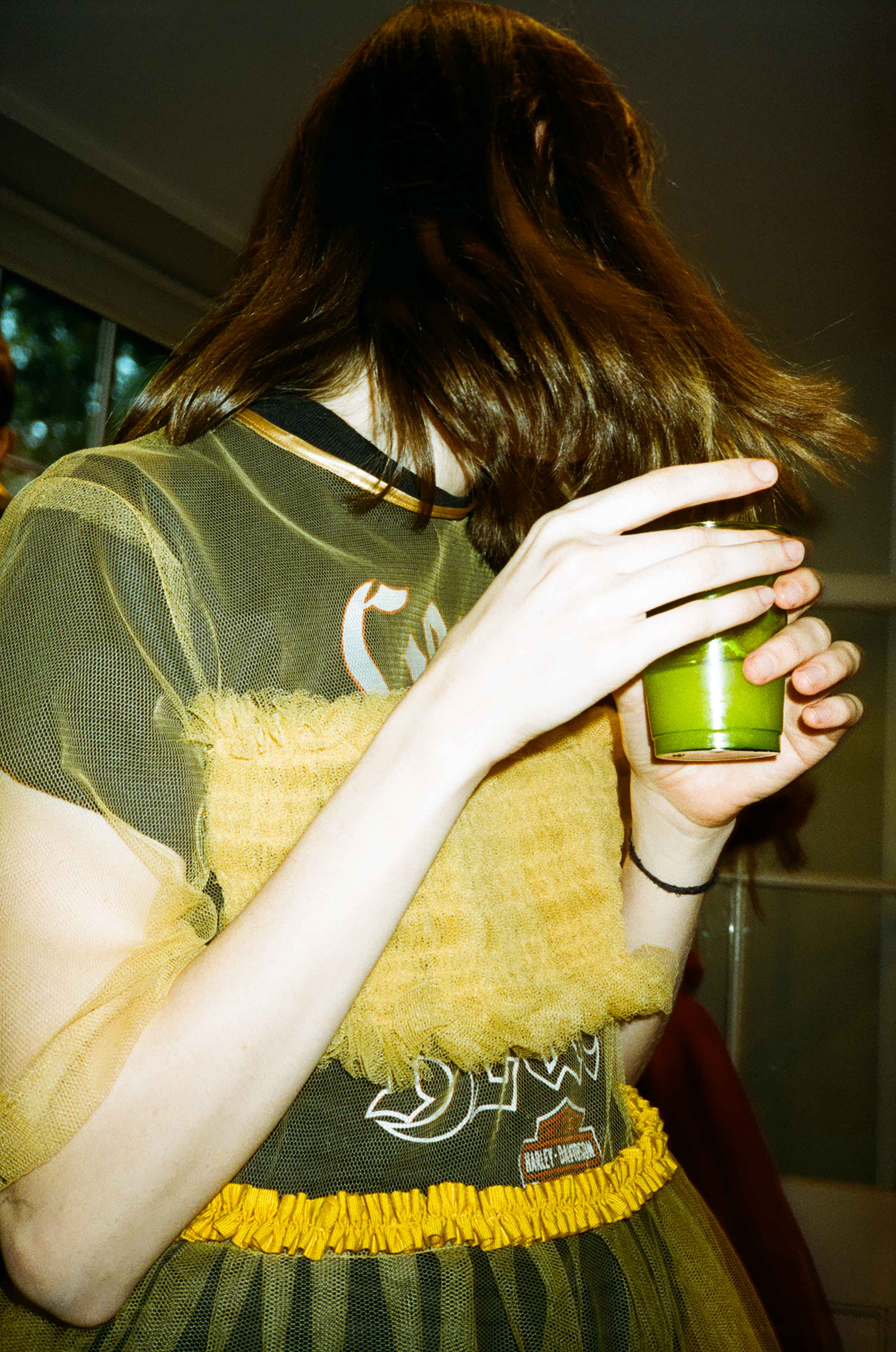
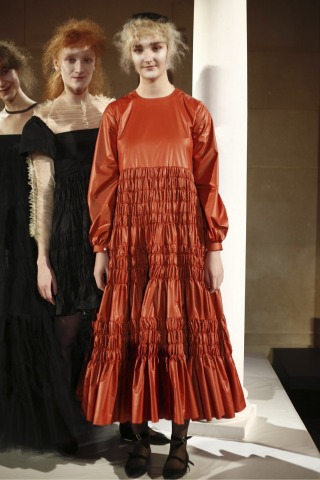
Molly Goddard, makes Frilly Dresses

28 Feb

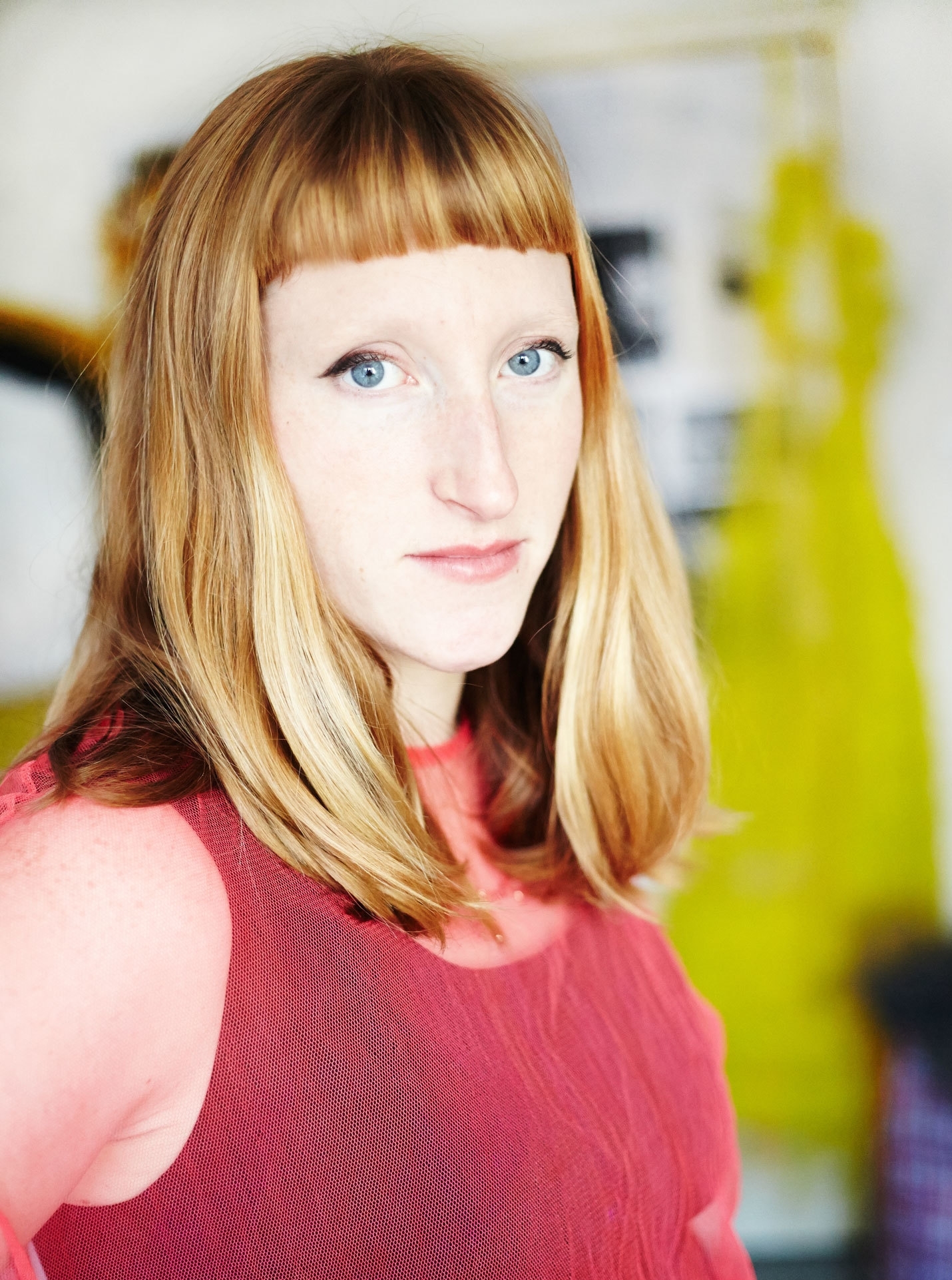
Molly Goddard

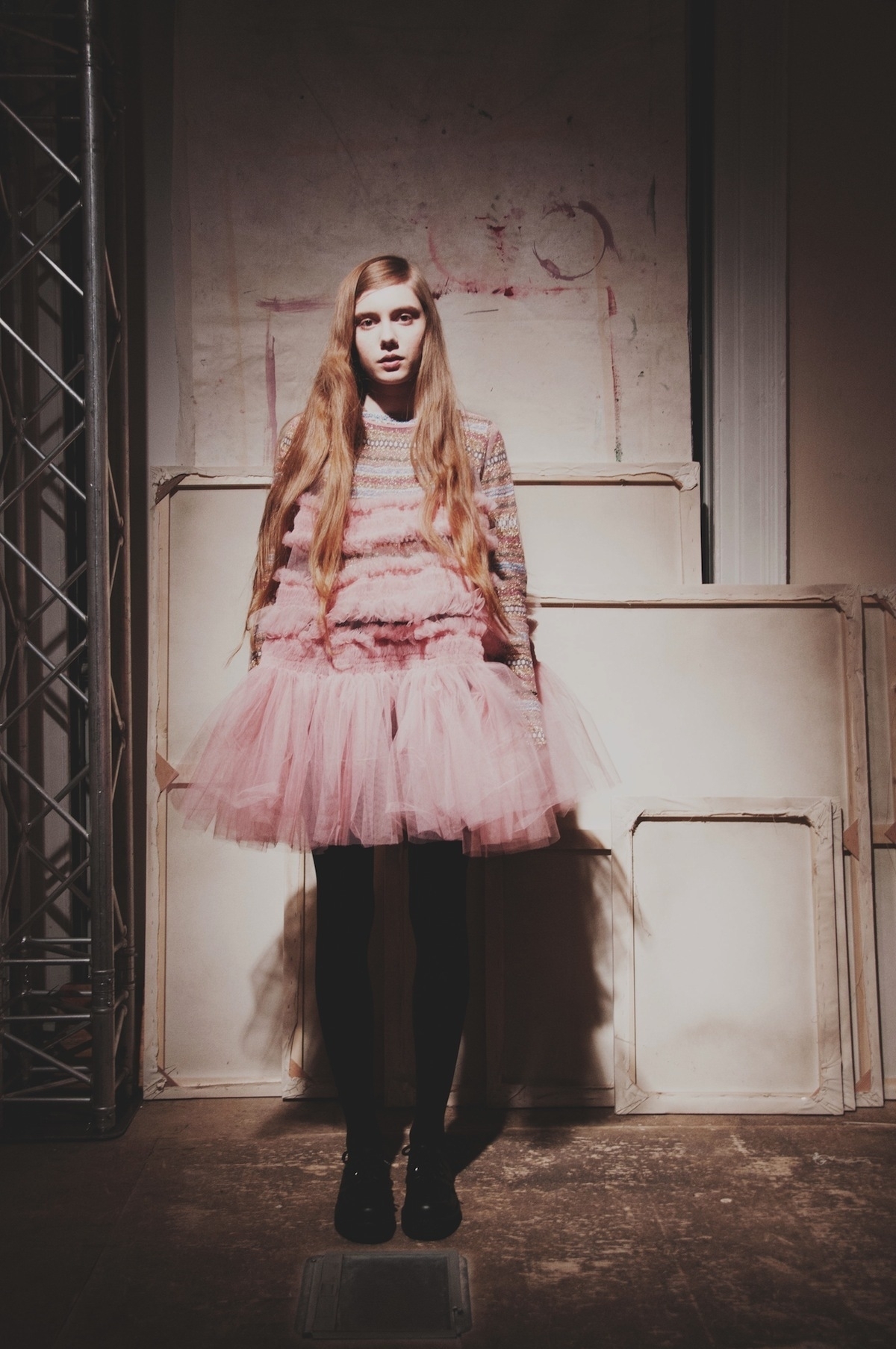
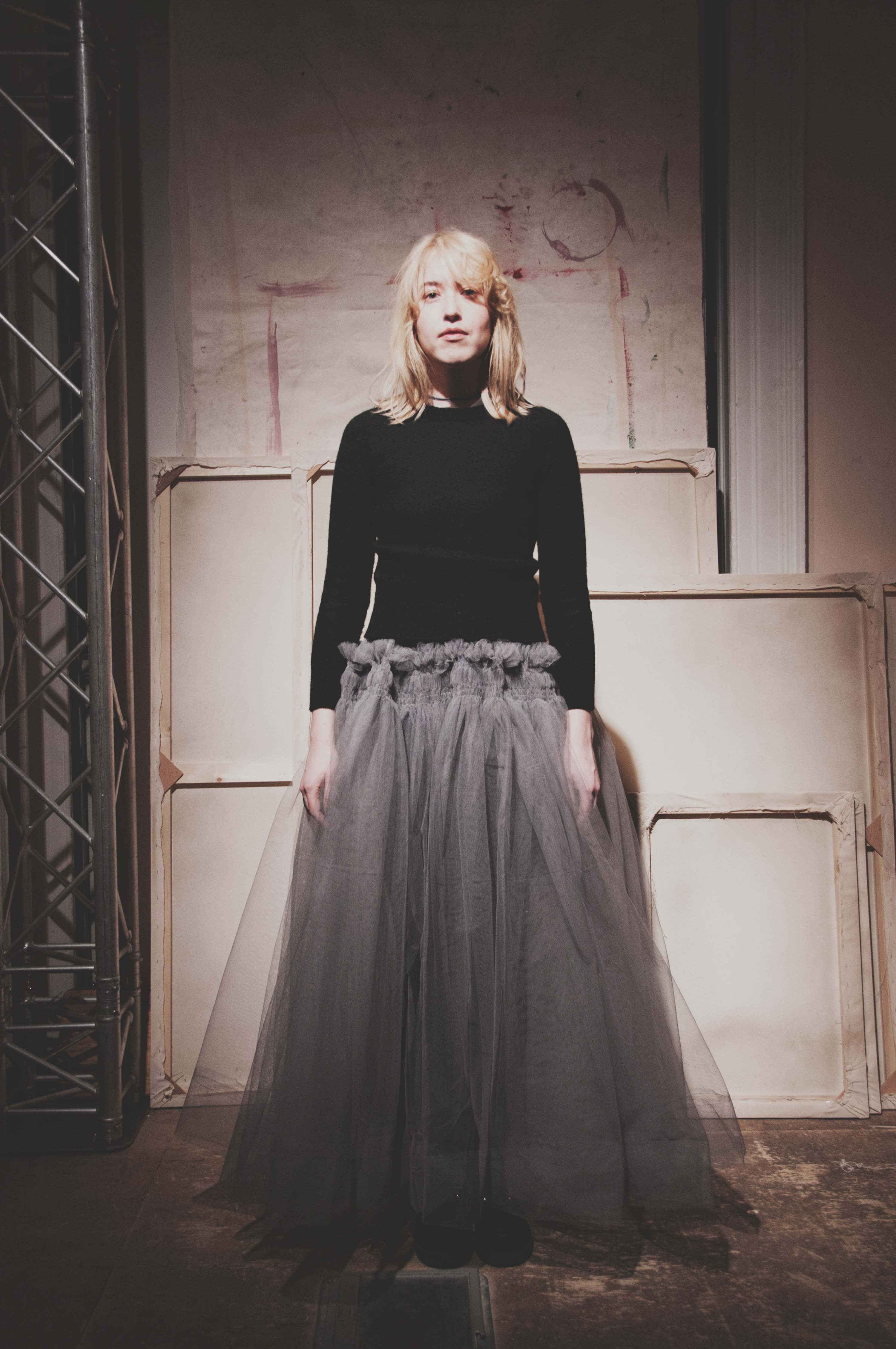
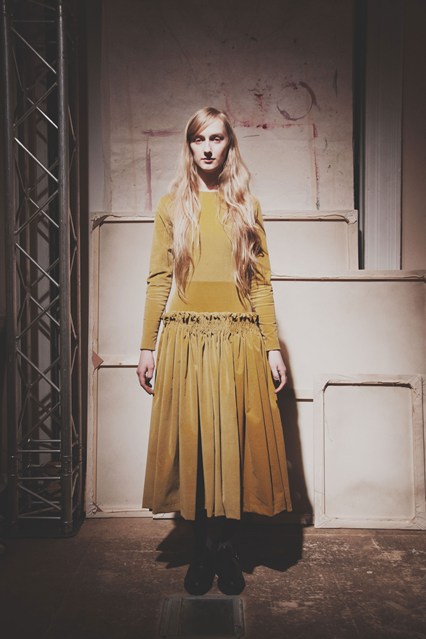
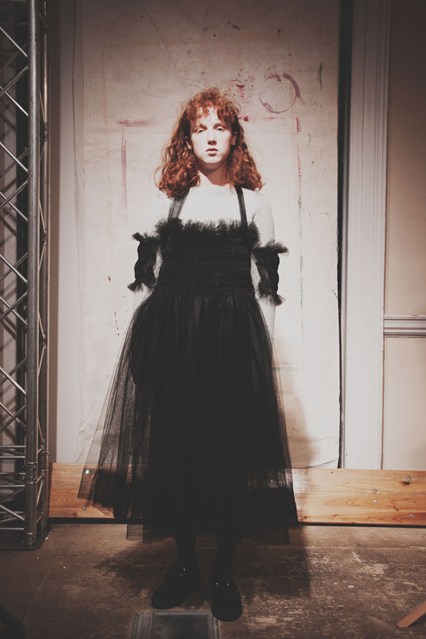
What started out as an excuse for a party – Molly Goddard’s first collection was put together in six weeks for £500 and shown off schedule – became a business almost by accident. “I had no production plan, it was just fun. It was in a church hall in Mayfair. Somehow Dazed & Confused and i-D covered it. I thought I would get a job from it – but I didn’t think I’d get sales.”

Quickly Dover Street Market, the influential multi-brand store set up by Rei Kawakubo of Comme des Garçons, put in an order, as did I.T in Hong Kong. “I spent all my youth going to Dover Street and feeling very intimidated,” she says. “I was almost too scared to look at things but now I know everyone is so friendly there and interested in you.” They even gave her a window.

Goddard (a former intern for John Galliano and Meadham Kirchoff) spent the next few months working morning till midnight cutting, smocking and sewing until the orders, for more than 80 dresses, were complete. She didn’t even have a studio – she did it all from a small spare room in her parents’s house in Ladbroke Grove in west London.

Collection  S/S 2015

molly_goddard_ss15

molly_goddard_ss15

molly_goddard_ss15

molly_goddard_ss15

molly_goddard_ss15

It was her mother who taught Molly Goddard to sew. “She used to make loads of clothes for me and my sisters in gingham, rickrack and frills. For our birthdays she would always make us something, like a skirt.”

While Goddard was at school, around the age of 15, she did a week’s work experience with designer Giles Deacon. “I didn’t have a clue who he was or how successful he was till I left and saw him in Vogue,” she says. Later she did a BA (Bachelor of Arts) in fashion knit. 

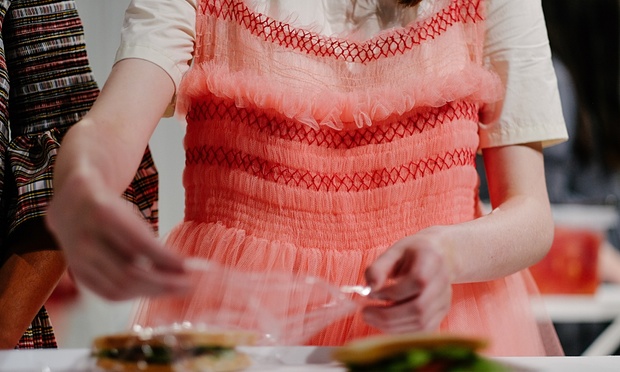
As a student at Central Saint Martins, Goddard became obsessed with the smocking that made her feel nostalgic for the dresses her mother made for her as a child. She likes children’s clothes; she has kept many of her own and collects vintage outfits as inspiration. She is drawn to garments that don’t fit properly, that are slightly too small, like the shrunken jumpers she designs. When she joined the MA (Masters of Arts) course, a tutor told her about the Sally Stanley smocking machine – a 1950s contraption with tiny needles that get threaded up and ruche the fabric into tight gathers. She started to experiment with the technique but struggled with the course.

Collection A/W 2015

Molly Goddard AW 2015

Molly Goddard AW 2015

Molly Goddard AW 2015

Molly Goddard AW 2015

Molly Goddard AW 2015

Molly Goddard AW 2015

“I couldn’t keep up and I was very miserable,” she says. “The month before the big deadline when you have to show your work, I didn’t sleep. The stress we were under was so intense. I was quite relieved that I had failed because it meant I had a way out.”

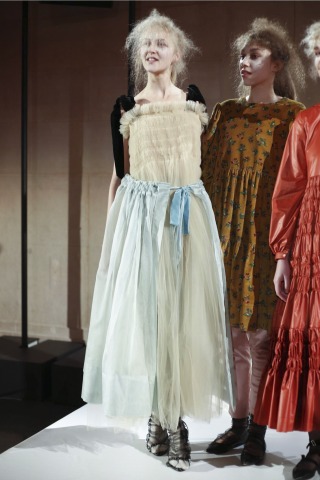
 As it turned out, leaving the MA was the making of her. Perhaps it was the fact that she was making a collection just for the fun of it that gave Goddard her joyful USP (unique selling proposition). The resulting look was dishevelled bohemian crossed with punk princess, and it hit a nerve. “It’s not precious,” says Sarah Mower, renowned fashion critic for Vogue.com. “It’s pretty but never frou-frou. I’ve seen very grown-up women wearing her things. This is not just for awkward 19-year-olds: it can be glamorous.

Collection S/S 2016

Molly Goddard S/S 2016

Molly Goddard S/S 2016

Molly Goddard S/S 2016

Molly Goddard S/S 2016

Molly Goddard S/S 2016

There is of course a danger that the famously fickle fashion pack will get bored with voluminous party dresses. But Goddard is in no hurry to reinvent herself just yet. “It’s really lucky to have an instant signature but it was never conscious,” she says. And with that she disappears in a cloud of tulle.

Collection A/W 2016

Molly Goddard aw 2016

Molly Goddard aw 2016

Molly Goddard aw 2016

Molly Goddard aw 2016

Molly Goddard aw 2016

..
.
Molly Goddard is a recipient of NEWGEN

Created by the British Fashion Council in 1993 New Generation (NEWGEN) is one of the most internationally recognised talent identification schemes which continues to showcase and promote new designer businesses today.  The scheme has been sponsored by Topshop since 2001 who have been integral in nurturing emerging talent in London.NEWGEN offers catwalk designers financial support towards their show costs and the opportunity to use the BFC Catwalk Show Space. Others receive sponsored presentation & installation funding and a timeslot in the ‘NEWGEN pop-up Showroom’ to showcase their collections. This offers an important introduction for young UK-based designers to influential press and buyers from around the world. NEWGEN also provides business and mentoring support through the BFC in partnership with DLA Piper, Baker Tilley and Lloyds TSB.

Since NEWGEN’s inception, its roll call includes Alexander McQueen, Boudicca, Matthew Williamson, Julien Macdonald and more recently Christopher Kane, Marios Schwab, Richard Nicoll, Erdem, Mary Katrantzou, Meadham Kirchhoff, Simone Rocha, J.W.Anderson & Christopher Raeburn.

.

.
molly-goddard
Official website:   http://mollygoddard.com/
 .
.