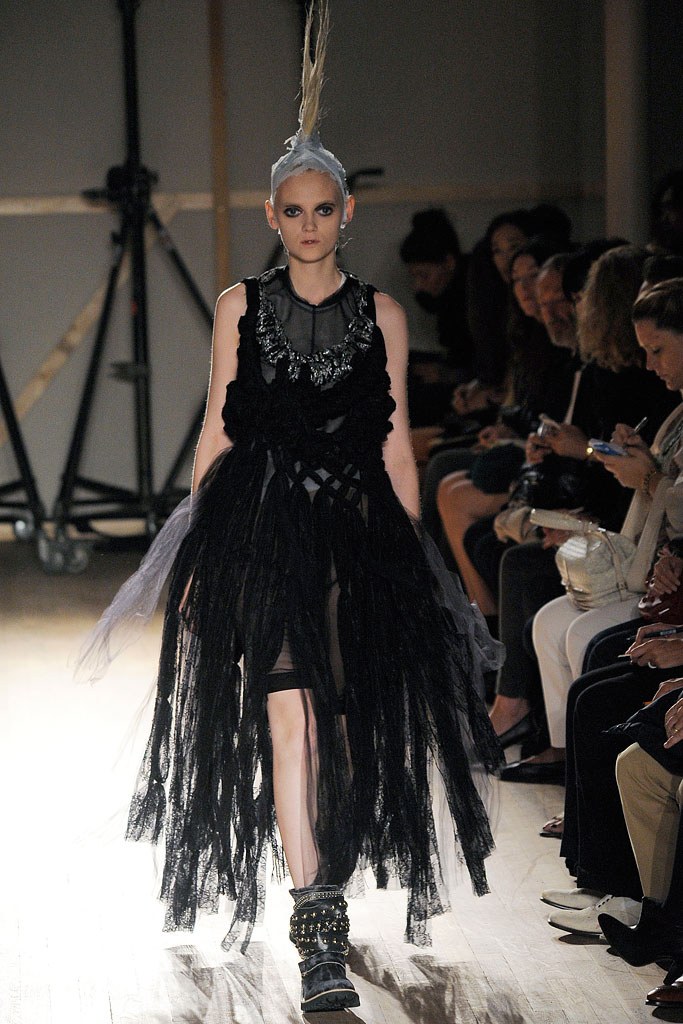
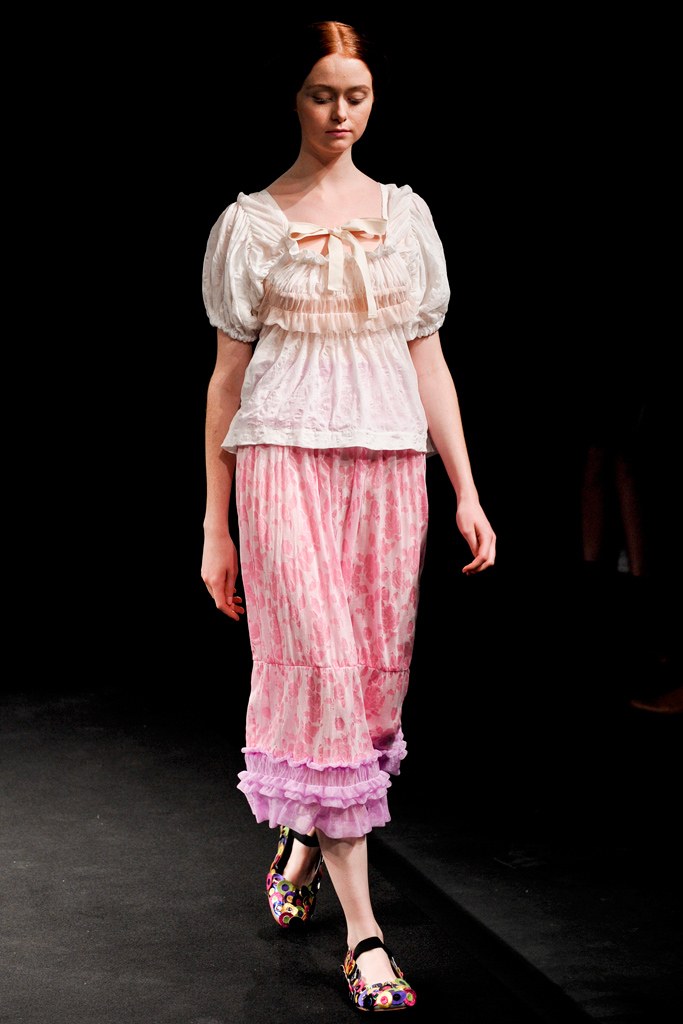
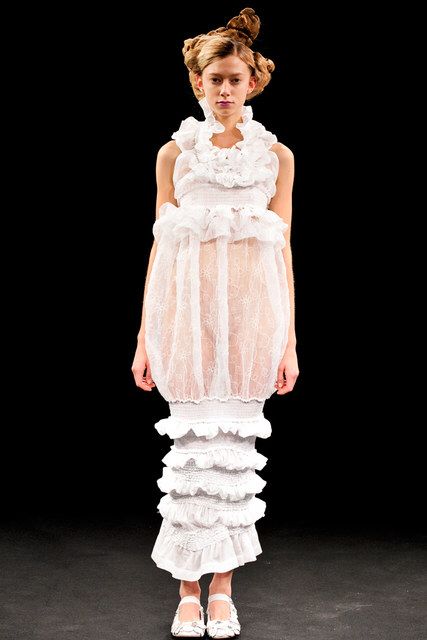
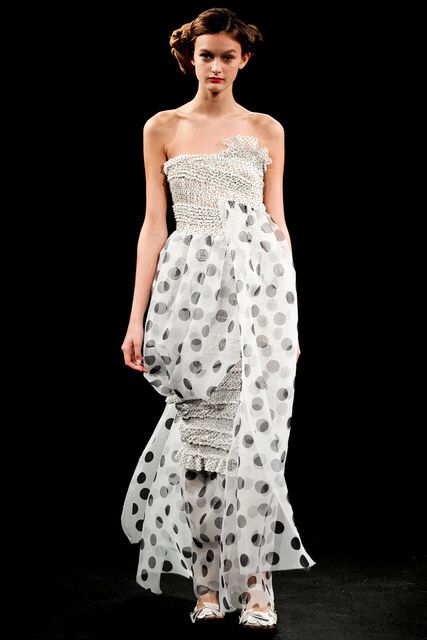
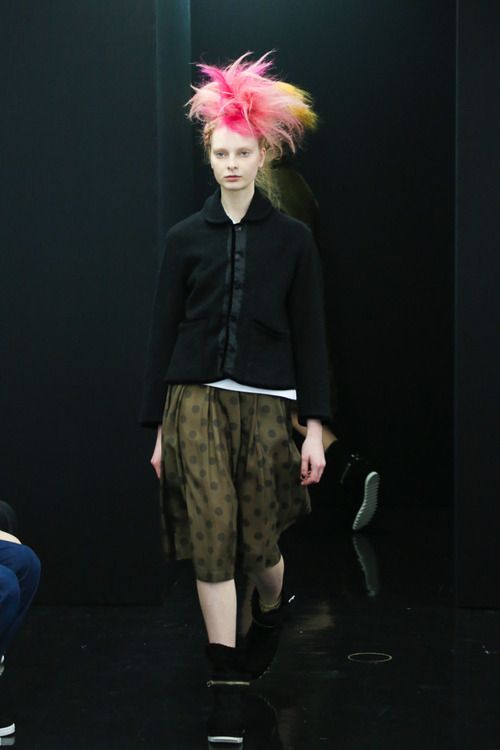
Tao Kurihara, closed her Signature Label after Seven Years

1 May
Tao Kurihara

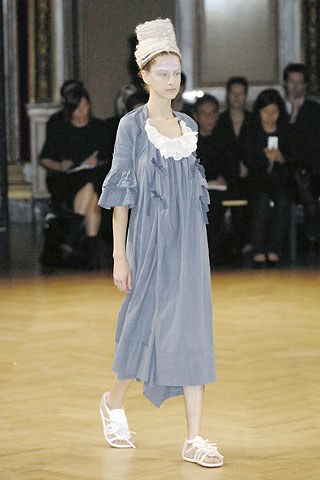
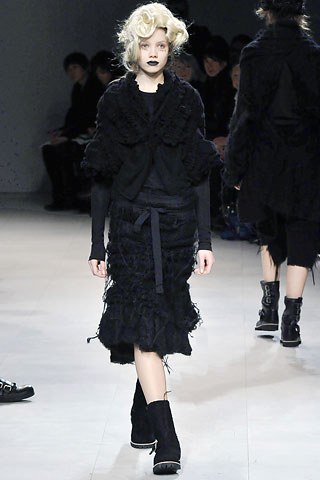
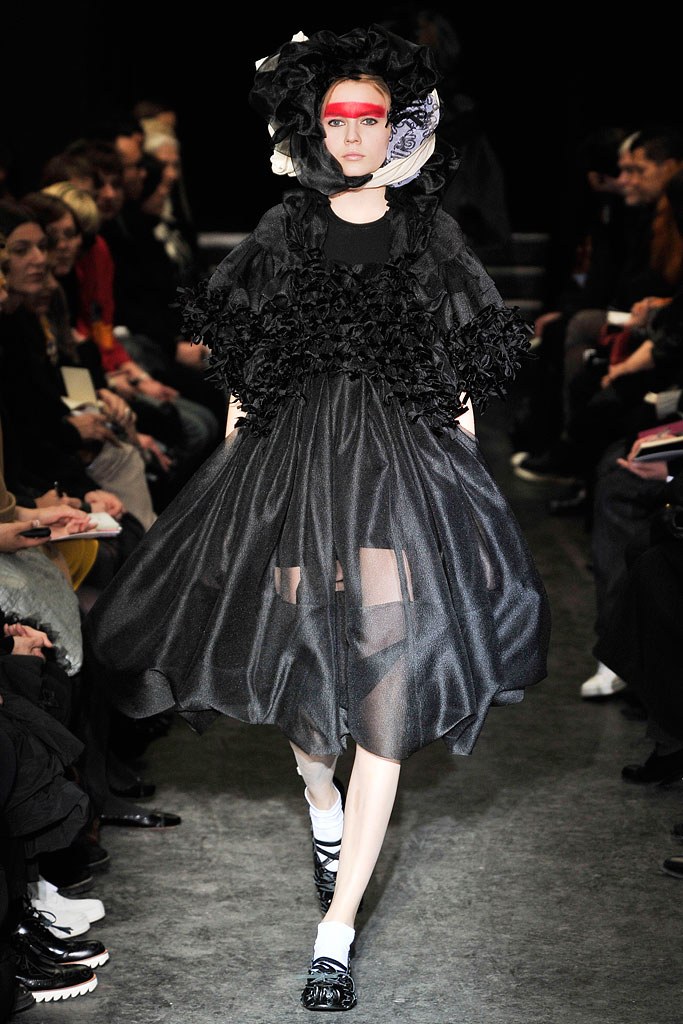
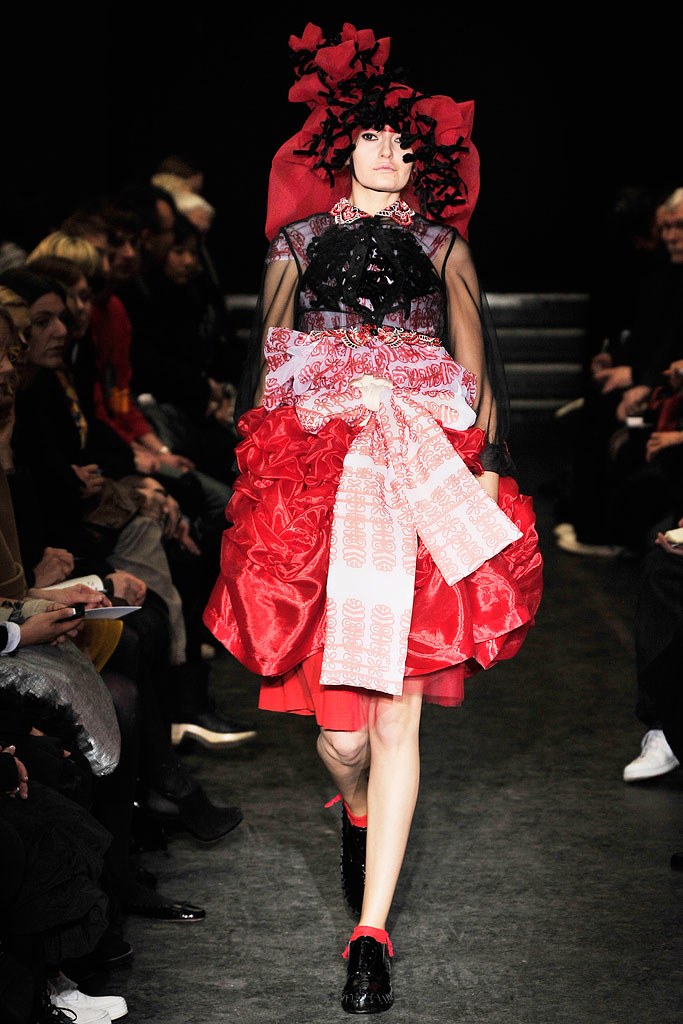
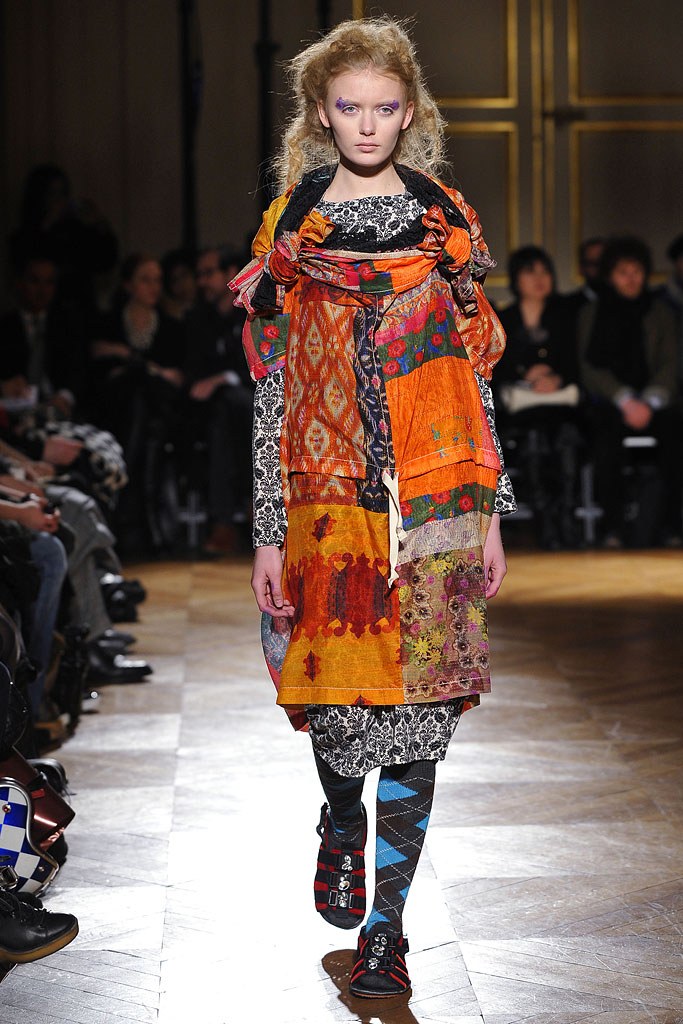
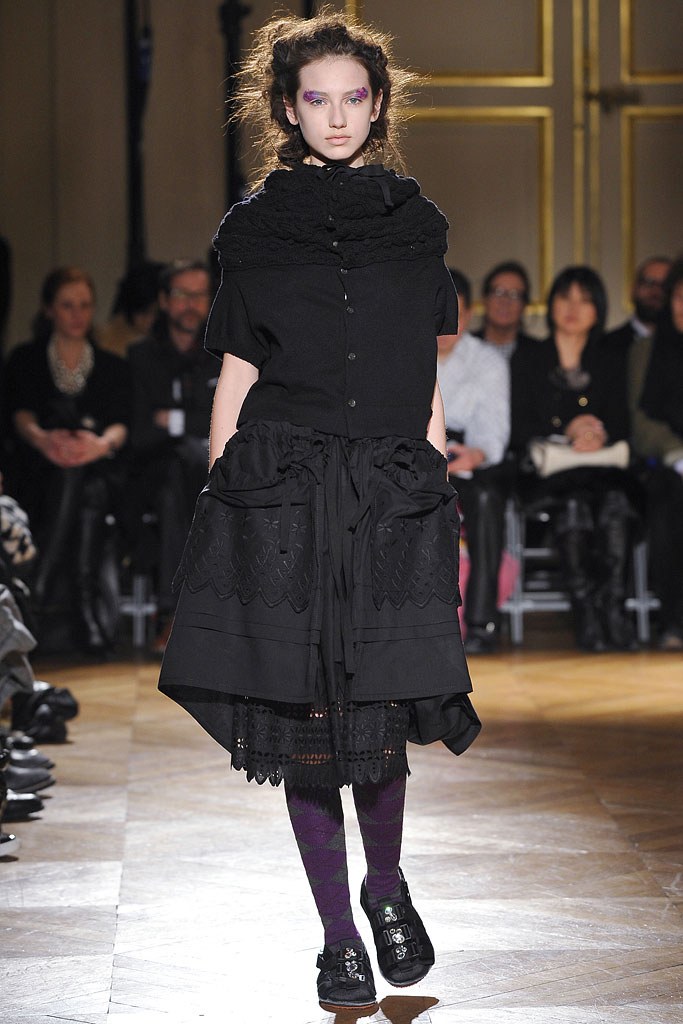
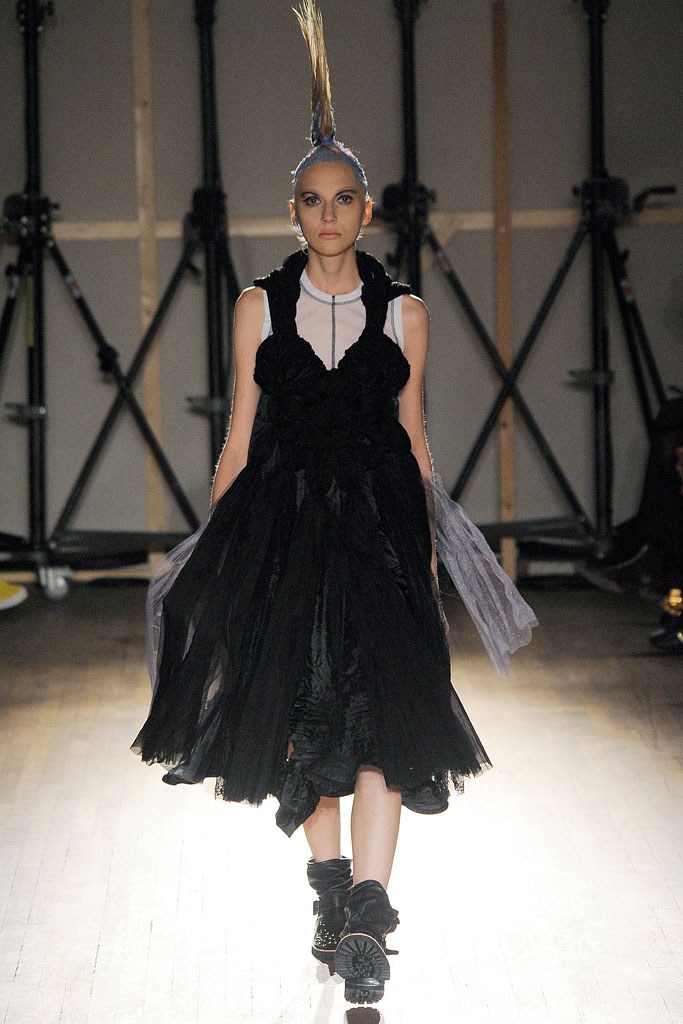
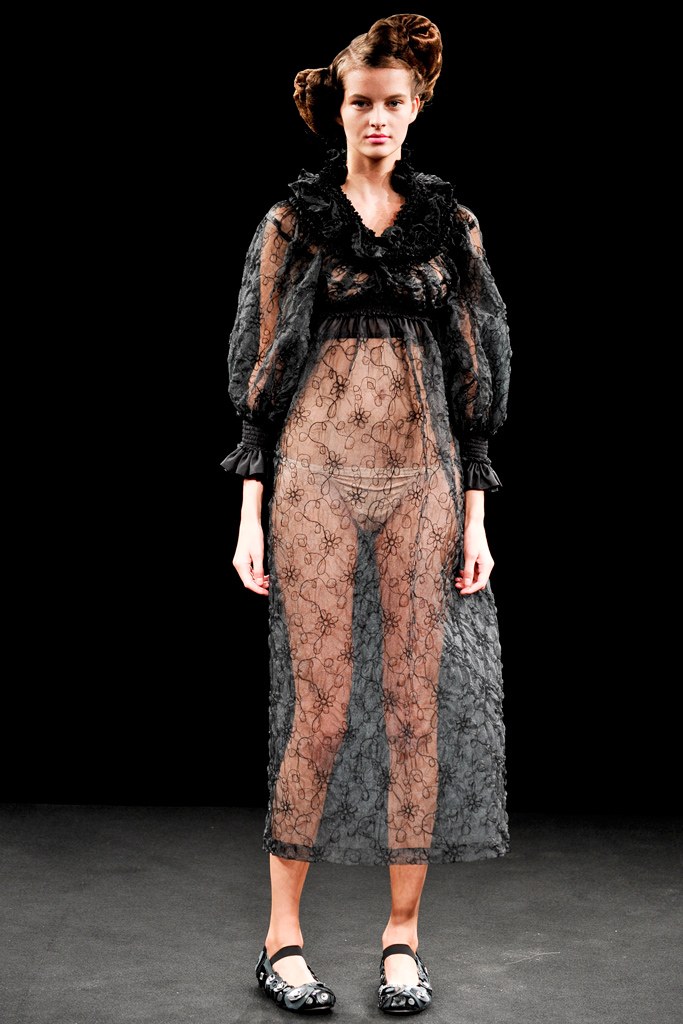
It’s already 5 years ago, Tao Kurihara’s label, simply named Tao, ceased to exist. Under the umbrella of her mentor and Comme Des Garçons founder, Rei Kawakubo, Tao showed from a/w 2005 untill s/s 2011.

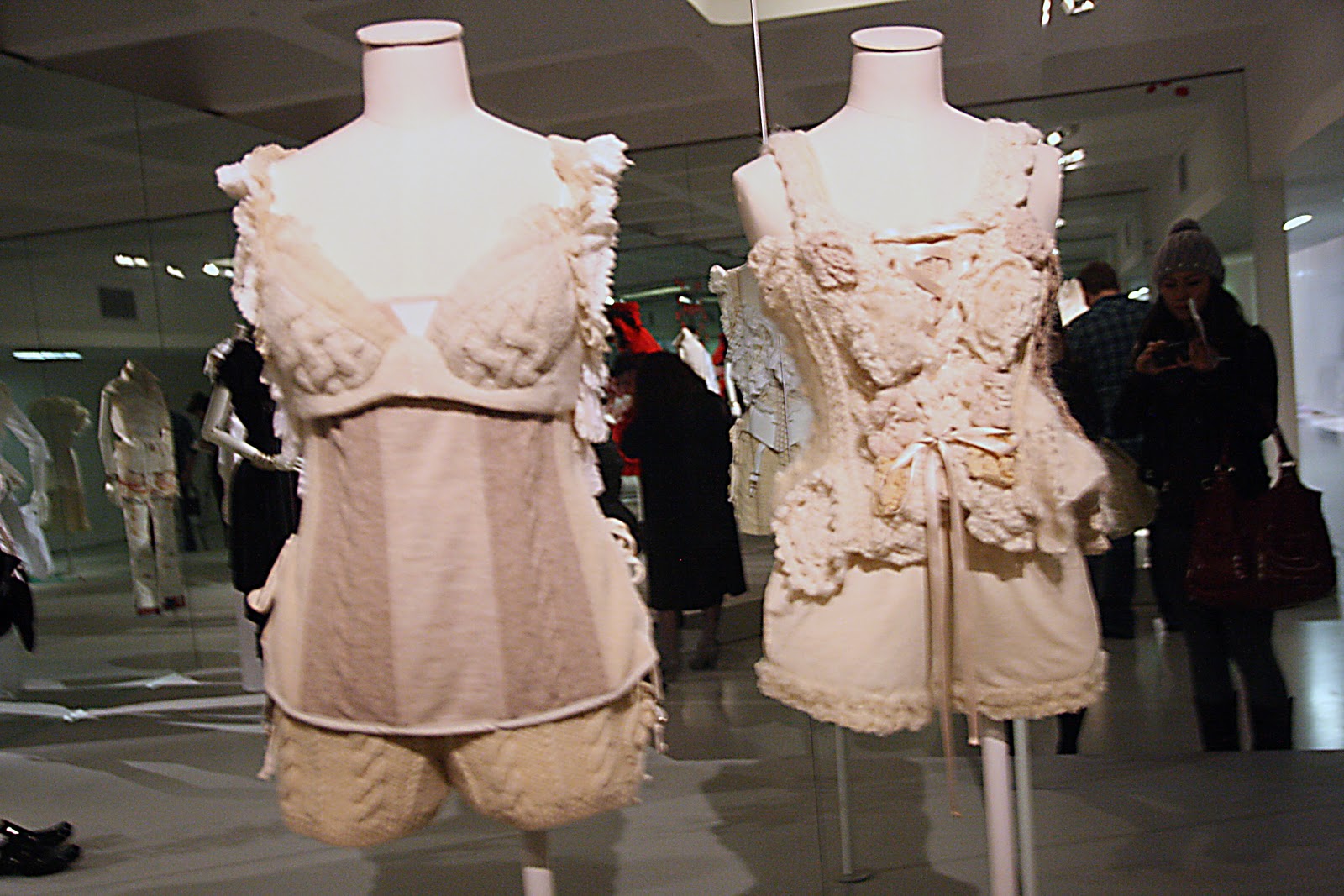
It all started with an elaborate re-working of the corset; only in Kurihara’s hands this was cable-knitted and came with a ruffled and also knitted lace trim and predominantly in less than overtly feminine school-uniform grey. Witty and pretty in the extreme, it quickly came to the attention of the more discerning fashion follower who, while she might not have been quite ready to buy into this aesthetic in bulk – it was as prohibitively expensive as it was extreme – would be more than happy to see and read about it. This she could do in the pages of W magazine which, for a debut collection, is elevated coverage indeed.

TaoPage in W magazineTao 2005

The famously media-shy Kawakubo, meanwhile, admired Kurihara’s work enough to make an exception to her rule of silence and comment in that magazine thus: “The Japanese don’t have the habit of praising their own family, but I thought the collection was good because it has a concept and youthfulness.”

Next came a collection based entirely on handkerchiefs – predominantly found, vintage Swiss handkerchiefs – and trench coats. “I was attracted to the strong, cool, definite form of trench coats,” Kurihara explained of that season’s offering. “But I wanted to make something very different from traditional, water-resistant and functional trenches. So I chose to work with something fragile and familiar: handkerchiefs.”

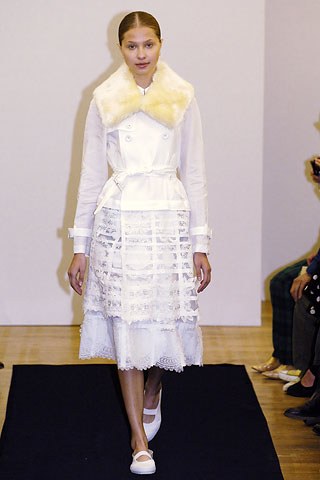
handkerchief trenchcoat

spring '06

Kurihara re-worked old-fashioned bedcovers too, into exquisite, rainbow-coloured stoles and, more spectacularly still, turned her attention to the wedding dress, playing off the overblown and ornamental genre with nothing more overtly feminine or obviously decorative than a classic man’s white shirt. “I thought the idea of a man’s shirt meeting a white dress was a beautiful one,” she told at the time. “It’s because it is worn only once. Some people get married a few times but they don’t, I would imagine, wear the same outfit or go on to wear their wedding dress again as part of their daily outfit.”ss 2007

summer '07

For this reason, she continued, at least some of the designs in the collection were crafted in plain white paper, only pleated and folded in a manner that might upstage even the most overblown meringue. “That makes sense to me,” Kurihara said. “Paper is so fragile and not appropriate for over-use. I thought a paper wedding dress would be more special than one that was crafted out of a more traditional and typically extravagant material.
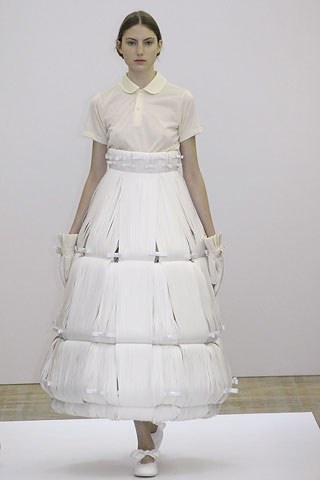
spring '07White silk knit short-sleeve polo shirt, white craft paper skirt from -A shirt and a wedding dress-

“I think the best way to express myself is to do a small but concentrated and very condensed collection,” was how the designer explained any self-imposed limitations as far as theme was concerned. “I believe that when one sets such limitations some kind of strength occurs.”

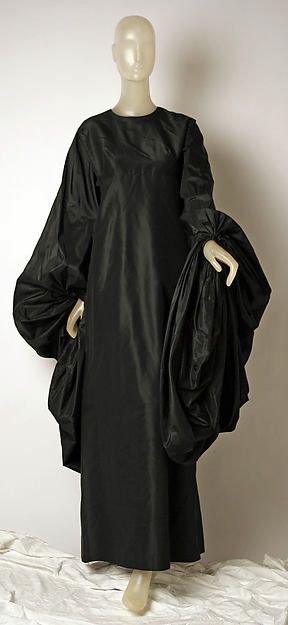
From thereon in, Kurihara based her shows on everything from 1980s gym-wear – striped, in hot pink and edged with small but perfectly-formed crushed frills – to the twisting and knotting of great swathes of fabric and the type of uniform the most  toy soldier might like to wear. While her work was clearly indebted to Comme des Garçons in particular and to the Japanese school of design more generally – and with that a belief that experimentation, as far as both fabric, cut and proportion are concerned, was of prime importance, her aesthetic has always also been gently feminine and as playful and light-hearted as it is clever.

What she did share with both Kawakubo and Watanabe is an uncompromising disregard for anything as obvious as a passing trend or even anything even remotely people-pleasing.

Tao fall 2006fall 2006
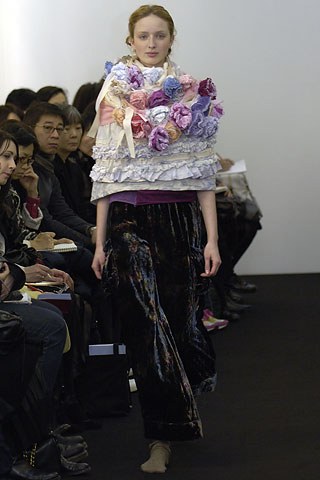
fall 06Tao spring 2008spring '08

spring '08Tao fall 2008fall '08

fall '08Tao spring 2009spring '09

In fact – and in this she differs from her Comme des Garçons stablemates – Kurihara studied fashion in London at Central Saint Martin’s “a few classes behind Stella McCartney and Phoebe Philo. I couldn’t find any Japanese universities and colleges where I could investigate my interests more deeply. I don’t deny that my national identity is reflected in my work. I think I’m influenced by where I grew up and especially by my experience at Comme des Garçons. However, I don’t think my way of working would change if I was another nationality. My standpoint would still be the same. Nationality is pure chance”.

Since graduation – and based once more back in Tokyo – her career path has, as she has always said, been entirely indebted to Comme des Garçons. After graduating, she worked as assistant to Junya Watanabe and, as well as designing her own collection, in 2002, took over from him (Watanabe) at the more accessible Comme des Garçons Tricot line alongside. She has been, she argues, “very lucky to work in an environment with 100 per cent free spirit”.

Tao fall 2009Tao Comme Des Garçons

fall '09

fall '09

fall '09 Tao fall 2010fall '10

fall '10Tao spring 2010spring '10

spring '10

spring '10Last Tao collection, spring 2011spring 2011

spring '11

spring 2011

spring 2011.j

Of her decision to stop work on her signature line in 2011, she says now that she was looking for “a change of my lifestyle – marriage could have been a trigger.”

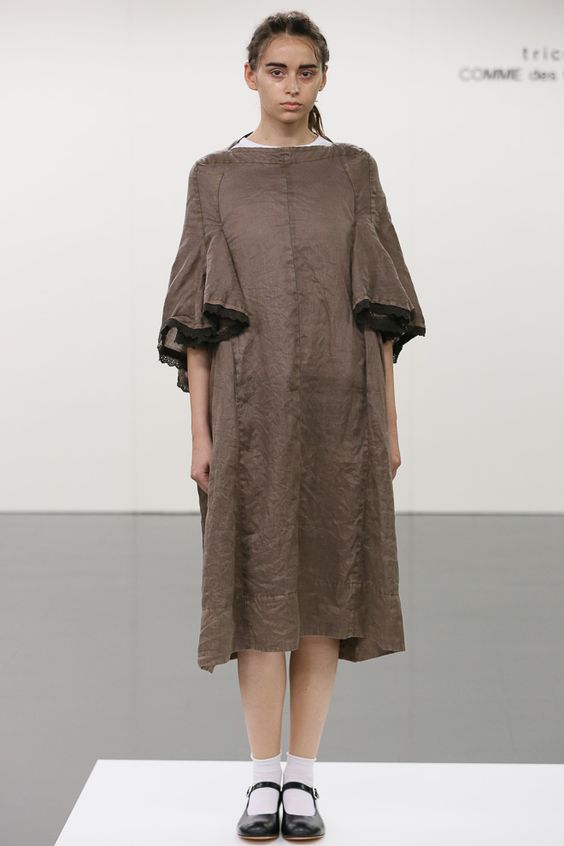
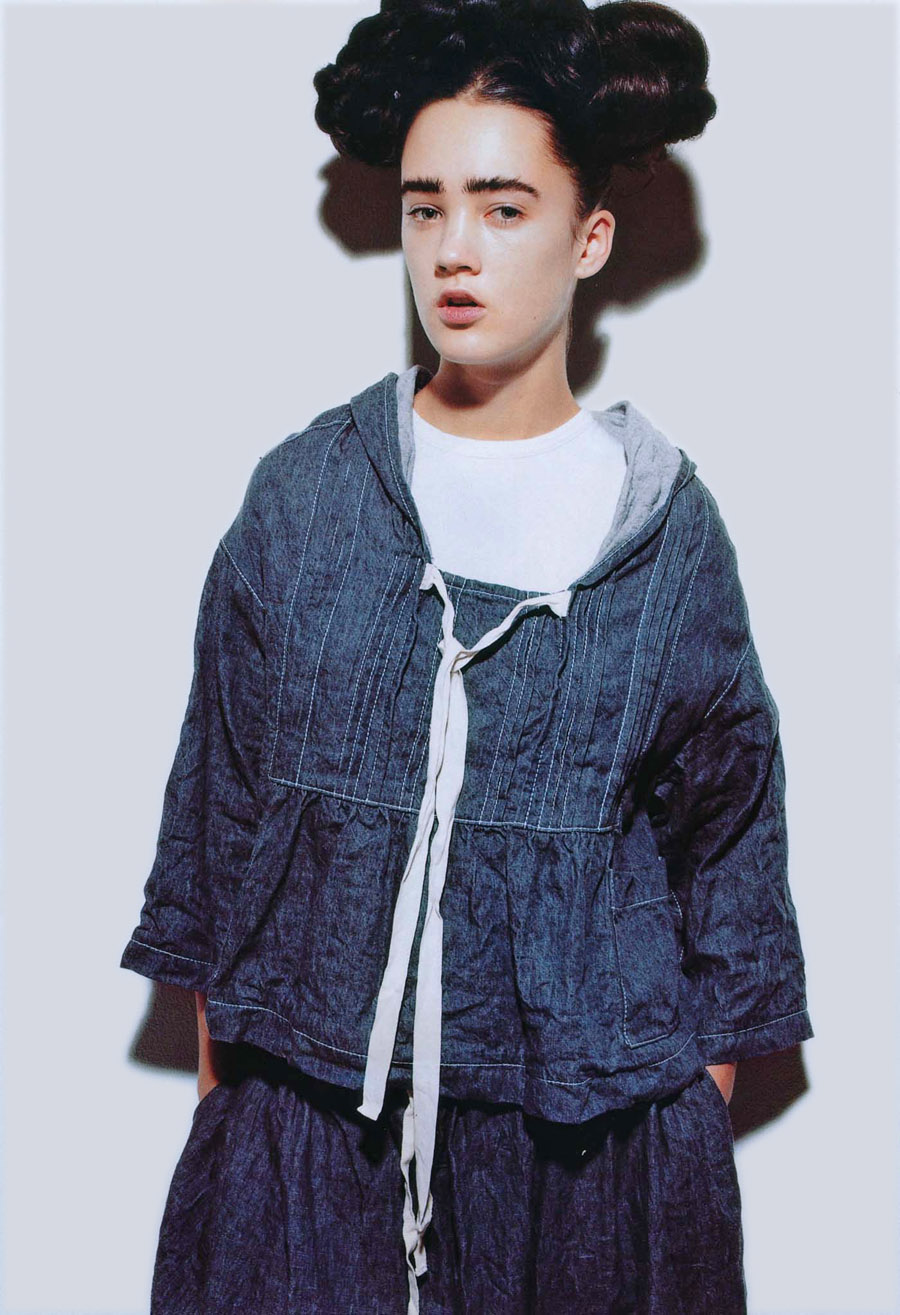
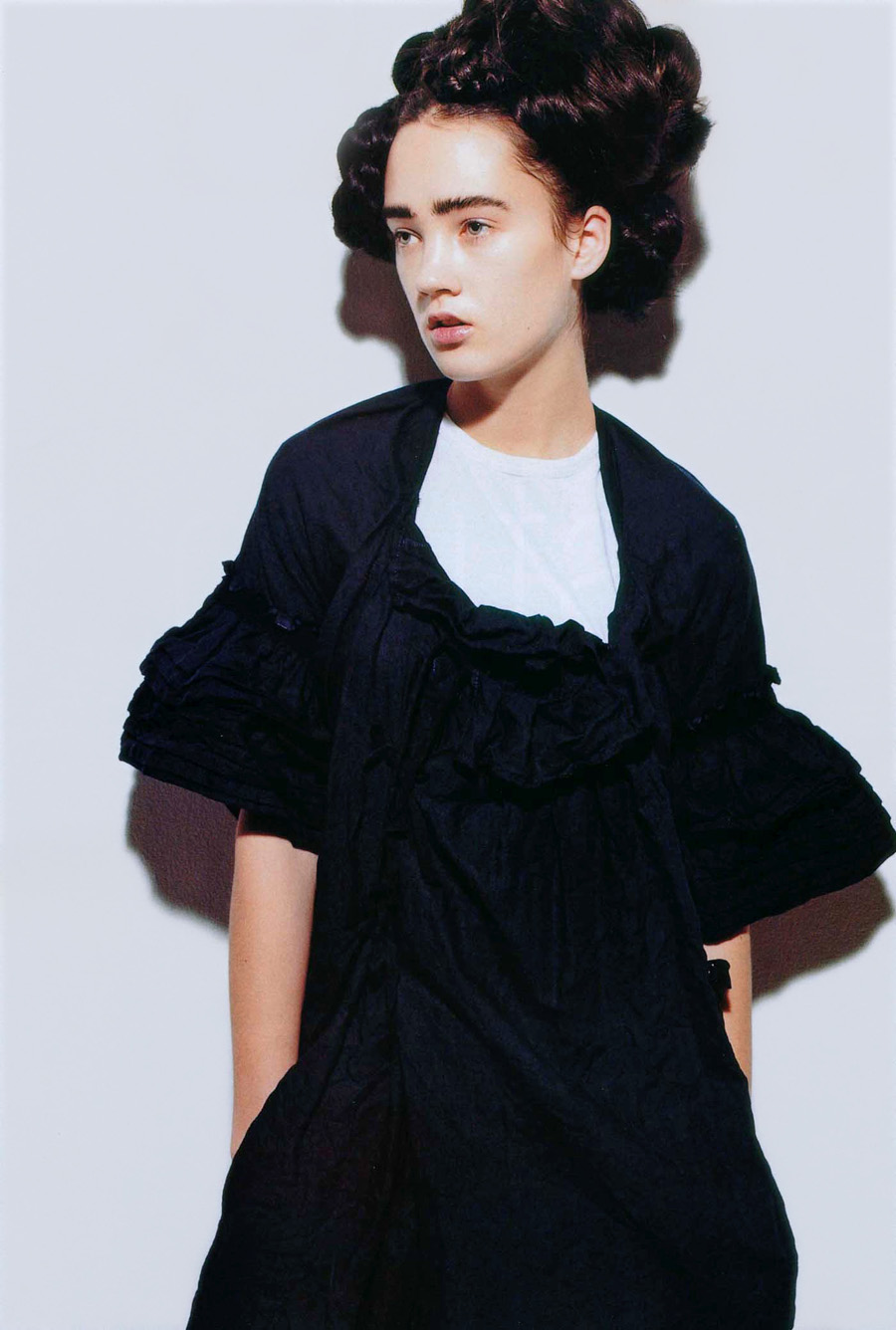
Kurihara is, of course, not the first or last talented designer to make such a move and, although her presence in Paris is missed, she still continues to design Tricot, which is available in Dover Street Market in and enjoys a high profile in Japan. “My intention is to create the kind of everyday clothing that is new and exciting for this label.

Tricot Comme Des Garçons 
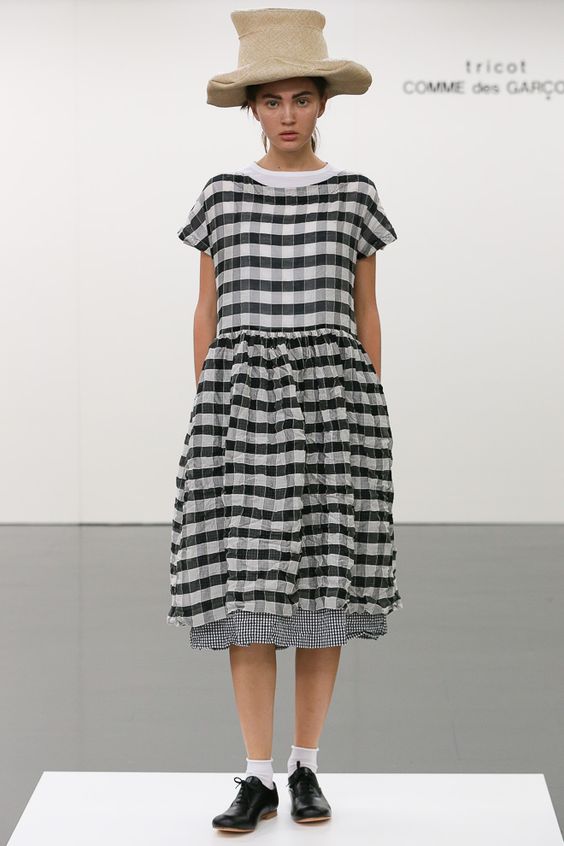
tricot CDG

tricot CDG

iiiinspired _ special story Tricot Comme des Garcons, so-en, feb 2011, ph Osamu Yokonami _013

iiiinspired _ special story Tricot Comme des Garcons, so-en, feb 2011, ph Osamu Yokonami _ 017

tricot CDG '13 '14

.

info: http://www.independent.co.uk & http://www.vogue.com/fashion-showsows

tao-kurihara


Caftan, moves with the Air and with the Body

24 Apr
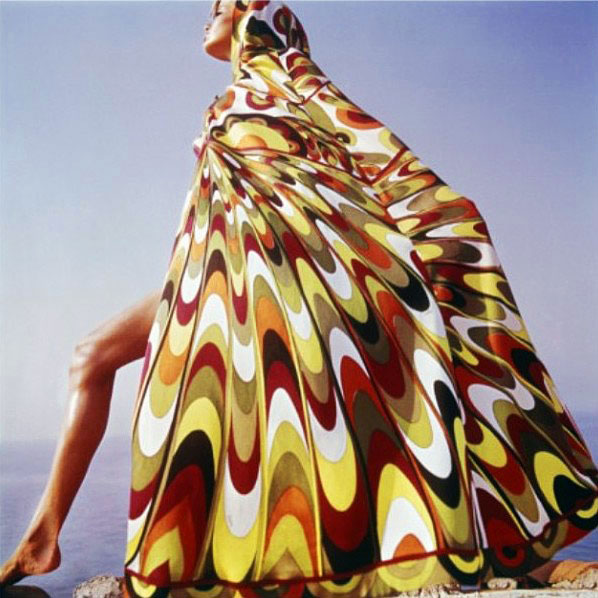
Caftan Emilio Pucci, ph. Bob Krieger 1970Emilio Pucci caftan, ph. Bob Krieger 1970 

History

Where exactly did these divine garments come from? They’re believed to have roots in ancient Mesopotamia, the cradle of civilization, a region that includes parts of present-day Turkey, Syria, and Iraq. Pretty much as soon as the first piece of textile was woven, someone thought to put a hole in it, pull it over their heads, and cinch it with a length of rope around the waist. They were worn by men and women—in some cultures, exclusively by men. More advanced caftans had real sleeves, and some opened in the front, like a coat or robe, worn with and without a belt.

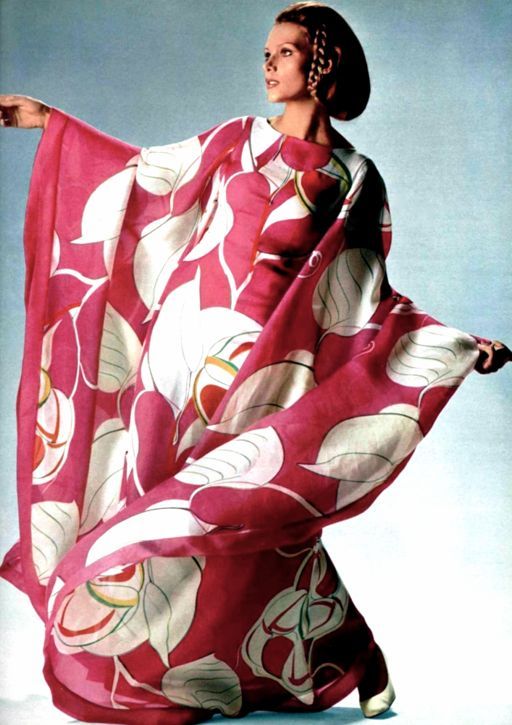
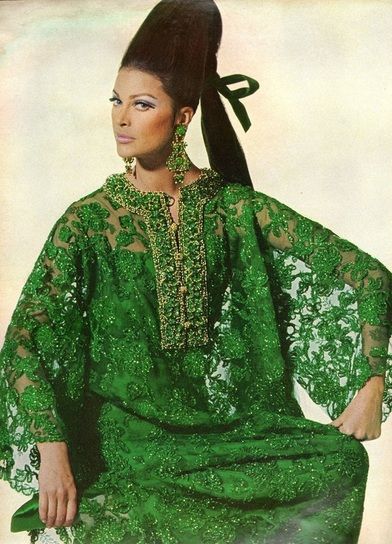
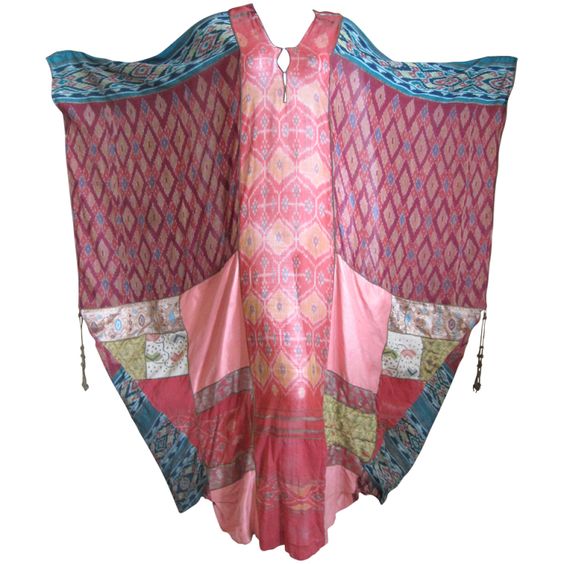
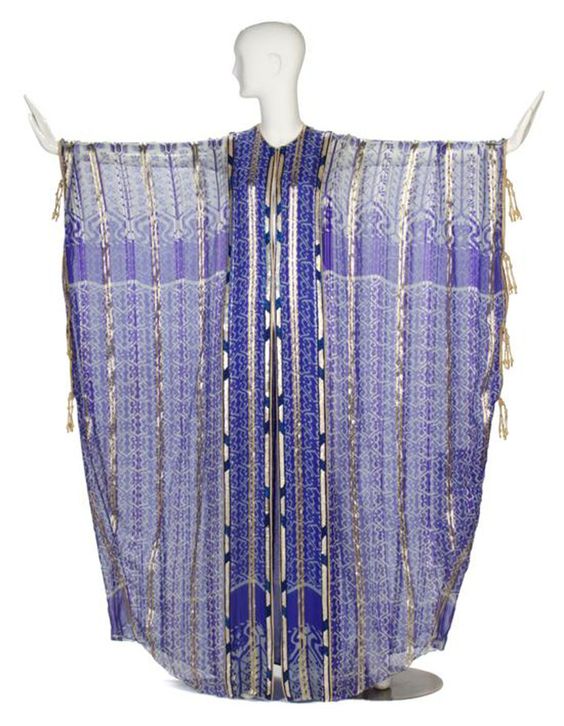
The structure of a caftan is really just loose fabric, attached to the shoulders with holes for the arms and the head. It’s the kind of garment that has been worn throughout history by lots of different cultures. The idea of taking loose fabric and covering the body is prevalent throughout the world. But the ones that we know now as fashionable caftans have their most immediate root in the 1960s, when designers were starting to look toward more exotic locations like Morocco and Turkey, places where these traditional loose, flowing garments were worn for centuries because of the warm climates. It’s such a breathable, comfortable garment in the heat.

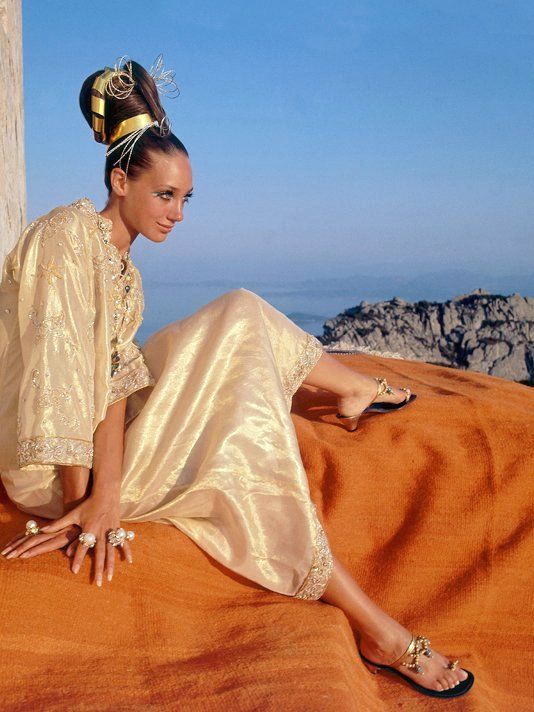
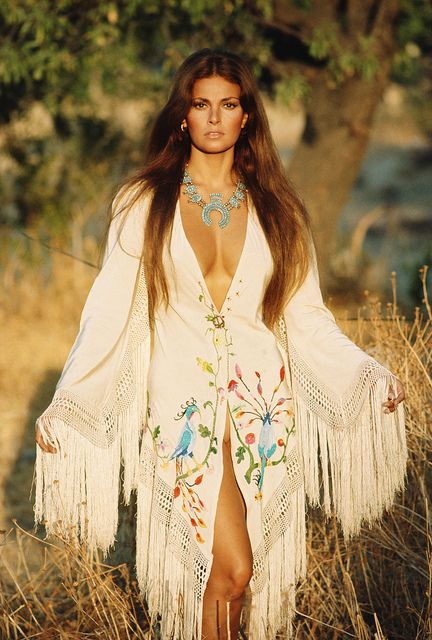
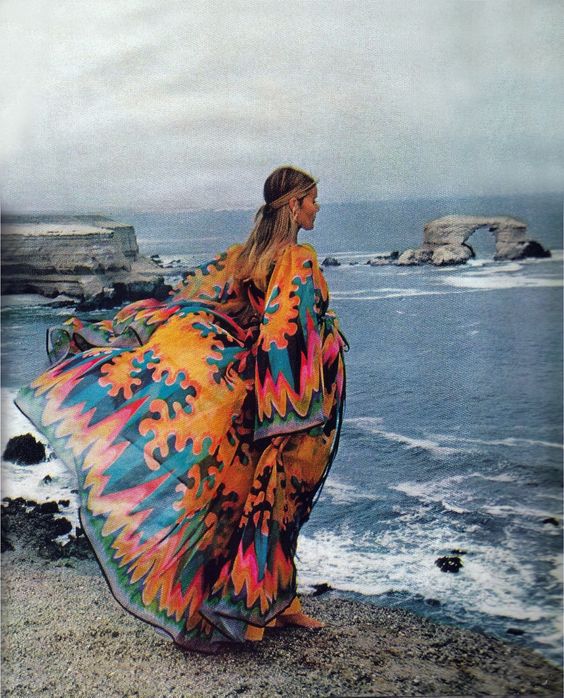
Caftan in the 1960sVogue US November 1967 Marisa Berenson is wearing a golden silk caftan by Tina Leser Photo Henry ClarkeMarisa Berenson, Ph. Henry Clarke for Vogue US, 1967.Actress Rachel Welch wearing a Creation of Valentino ph. by Franco Rubartelli for Italian Vogue,in 1969.Rachel Welch wearing Valentino, ph. Franco Rubartelli, Italian Vogue 1969Harper's Bazaar - 1969Harper’s Bazaar, 1969
Balmain, 1969Pierre Balmain, 1969
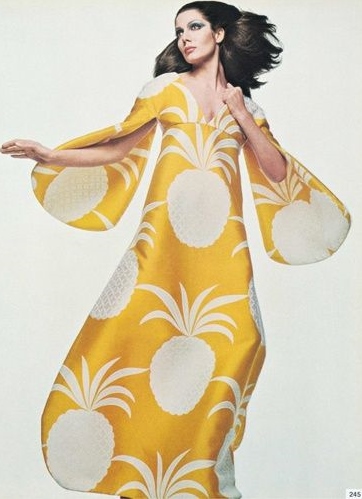
vintage pineapple print maxi Gian Paolo Barbieri 1969 Vogue ItaliaPh. Paolo Barbieri for Vogue Italia 1969

The caftan-like garments that popped up throughout civilization had their own regional styles and names. The Japanese developed flowing robes known as “kimonos,” while the Chinese started wearing big-sleeved robes called “hanfus.” The West African “boubou,” also known as a Senegalese kaftan, is a wide-sleeved robe similar to a hanfu. In other regions, the caftan took the form of a slimmer-fitting long jacket that buttoned in the front like the Indian “sherwani” or the Persian “khalat.”

Several cultures used the word “caftan” to describe their traditional dress. In North Africa around Morocco and Algeria, caftans also called “djellaba” are long outer robes with hoods. Morocco also has a woman’s caftan known as a “takchita,” which has two layers, a pullover dress made of unadorned fine fabric and then a matching overcoat that buttons up the front and is embellished with embroidery, beads, or sequins. The takchita is worn with a matching belt under the bust.

Caftan in the 1970sCaftan

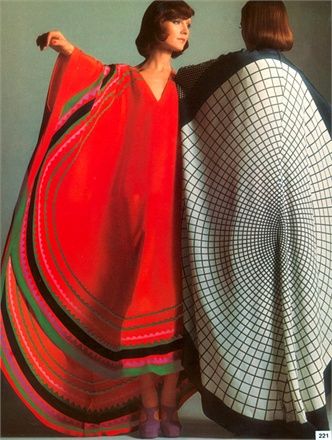
Vogue 1970s ethnic caftan dresses.

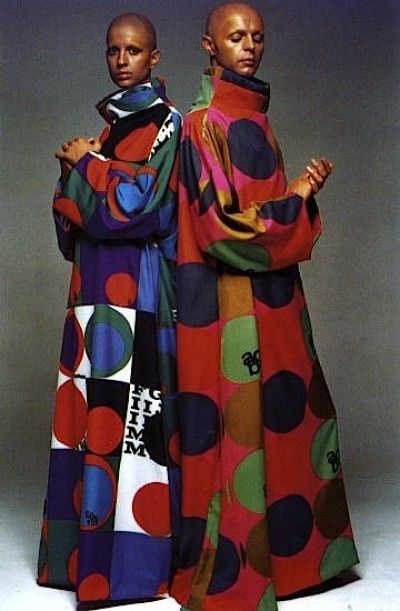
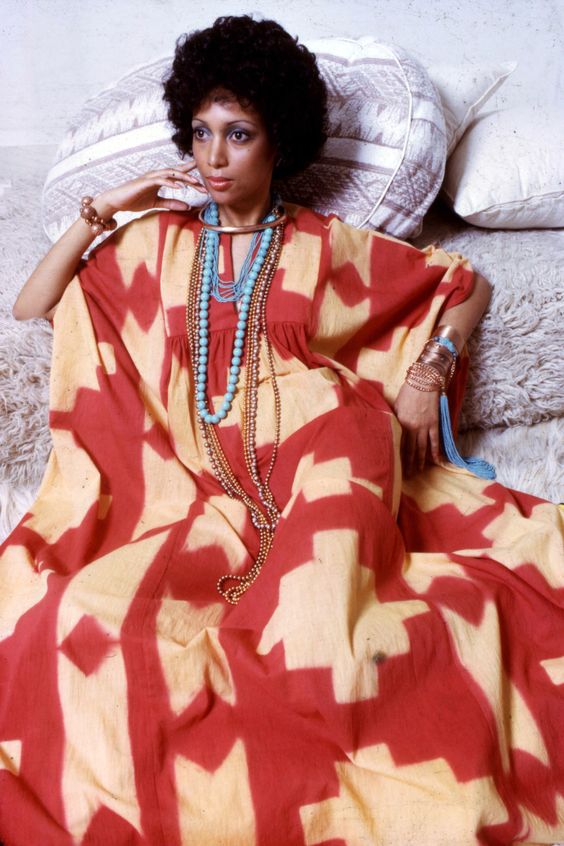
1970- UNISEX CAFTANS by Rudy GernreichUnisex caftans by Rudy Gernreich, 1970 1970s caftanPh. Anthony Barboza, 1970s 

The Ottoman Empire, ruled by the Oghuz Turks, ruled much of Southeast Europe, Western Asia, the Caucasus, North Africa, and the Horn of Africa during the 12th and 13th centuries. The all-male Ottoman sultans, as well as male dignitaries and generals, wore caftans. These caftans were more like coats that buttoned in the front and flared at the hips, and their rich colors, bold patterns, and accoutrements like buttons and ribbons all indicated the wearer’s status. They were given as gifts of honor to court guests. The Topkapi Palace Museum in Istanbul has an impressively preserved collection of ancient sultan caftans.

When the Western World started to appropriate caftans in the 20th century, the idea was pilfered from all over the map. Caftan fashion in the West was borne out of a romantic obsession with the idea of the exotic otherness.

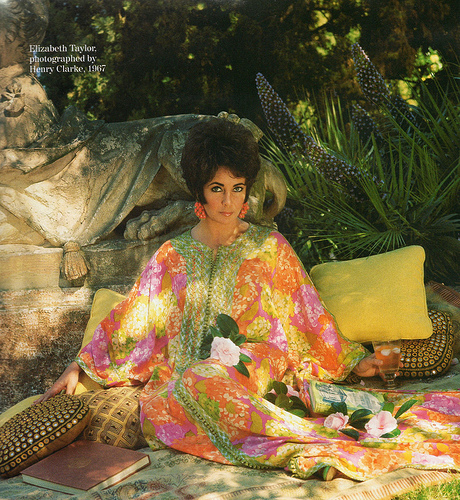
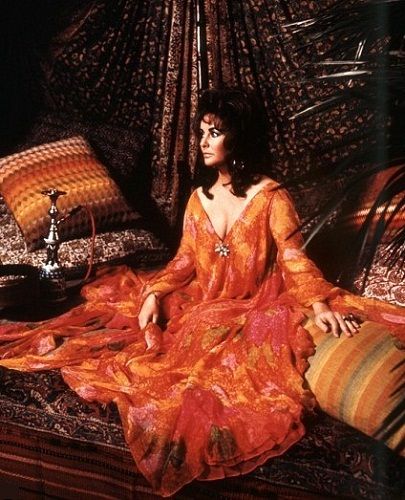
Elizabeth TaylorElisabeth Taylor

Elisabeth Taylor

The appropriation started with Russia, after Queen Victoria’s granddaughter Alix of Hesse married Czar Nicholas II, which made her Czarina Alexandra. In the late 1890s, Alexandra was an aspirational royal style icon. The czarina rocked the Western European fashion world when she appeared in a long, straight, and heavily embellished traditional coronation dress from Russia’s past. (Historically, Russian caftans look quite similar to those worn by Ottoman sultans.) Radically different from the waist-cinching corset and curve-hugging dress that was so fashionable in England, the robe completely obscured her figure. She looked delightfully striking and strange to Western eyes.

She definitely sparked an interest in a looser silhouette. She is one of the first examples of a woman who was also seen in fashionable Western dress wearing something so exotic. Her coronation gown influenced fashion, even if it wasn’t necessarily the same types of fabric or the same exact silhouette. But after that, socialites and designers were drawn to the idea of looser clothes with more volume and less constriction.

Designer caftans in ’60 & ’70

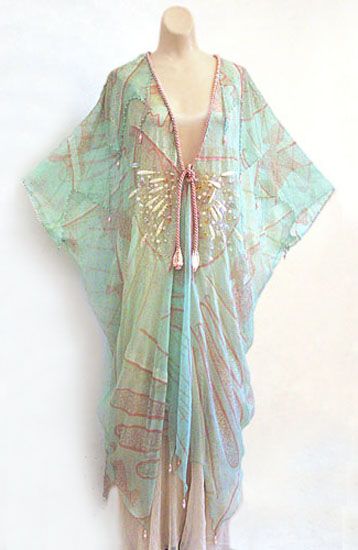
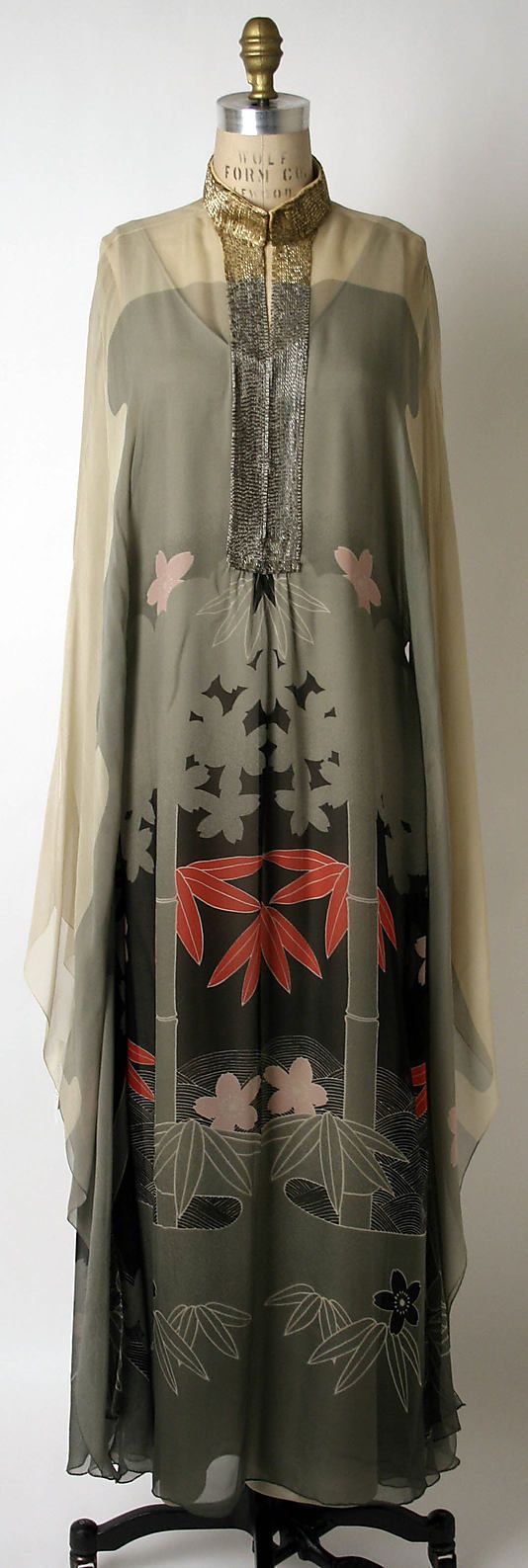
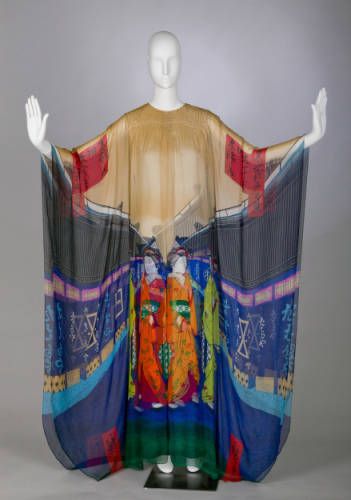
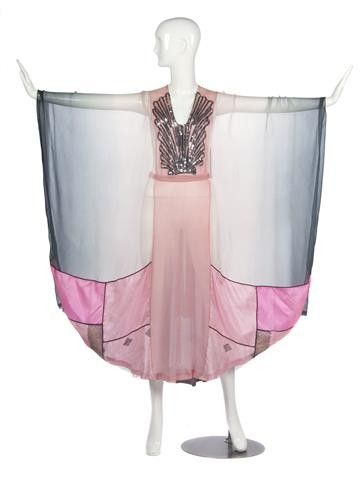
Zandra RhodesZandra Rhodescaftans7_designer_bustown_missoniMissoniEvening dress Hanae Mori 1975Hanae Mori , JapanEvening dress, circa 1974. Silk chiffon. Hanae Mori, JapanHanae Mori, Japanrudi GernreichRudi GernreichEvening dress Madame Grès (Alix Barton) (French, Paris 1903–1993 Var region) 1960–79Madame Gres

While the allure of unknown cultures like Russia and Persia was one factor that brought caftans to the West, another important influence was innovative fashions by turn-of-the-century designers who rejected the confinement of Edwardian S-shape corsets. Groundbreaking French fashion designer Paul Poiret was one such influencer—even as a teenager in 1896, he wanted to get women into robes. Which is not to say that all women blindly followed his lead. For example, 80-year-old Russian princess Leonilla Bariatinskaya wasn’t about to trade her corset for an ancient-style dress the way the young queen did. When teenage Poiret presented her with a hanfu cut with kimono-style sleeves, she exclaimed, “What a horror! When there are low fellows who run after our sledges and annoy us, we have their heads cut off, and we put them in sacks just like that.”
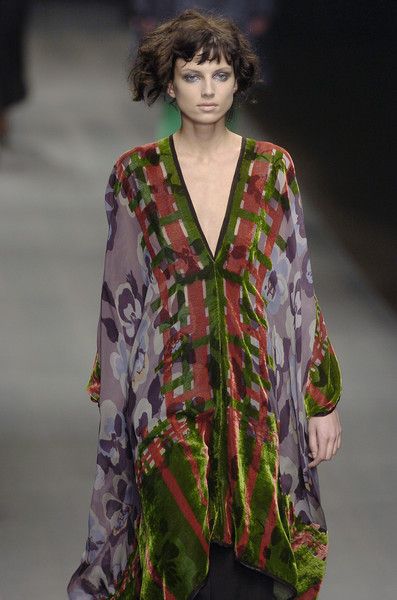
christian DiorChristian Dior Caftan dress

Dior is credited with showing the first modern caftan, as a coat over a dress, on a haute couture runway in the 1950s. By 1954, Dior had jettisoned the hourglass silhouette of his New Look for a flat H-line shape recalling the Jazz Age. In 1955, he added Yves Saint Laurent, a 19-year-old French designer from Algeria, to his team, and the house introduced the triangular A-line silhouette and the wide-shouldered, slim-skirted Y-line shape. After Dior died in 1957, Saint Laurent took over his fashion house, and introduced the “trapeze dress”—a short, waistless dress, also with an A-line silhouette.

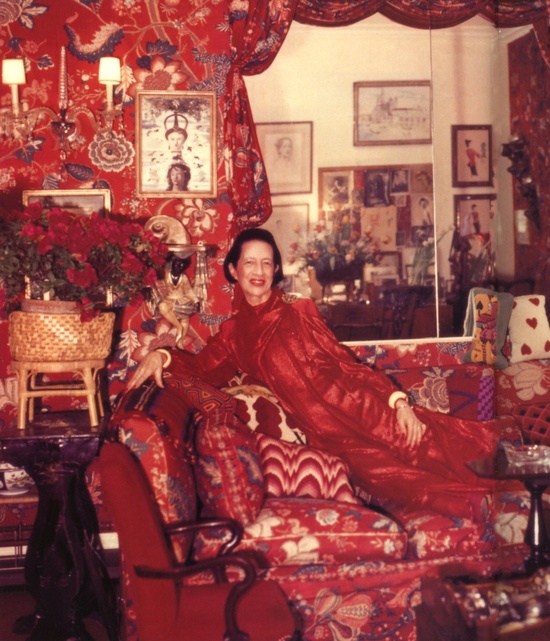
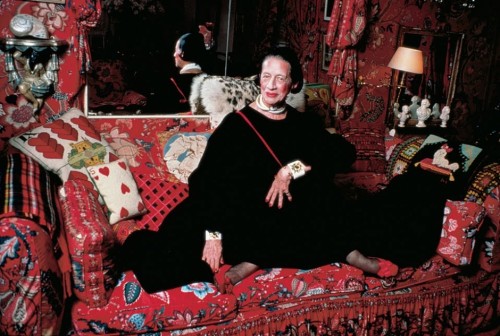
In the early ’60s, “Vogue” editor-in-chief Diana Vreeland discovered caftans on a trip to Morocco, and began to wear them around the office and champion them in her writing, calling them “the most becoming fashion ever invented.” In 1964, Elizabeth Taylor met young fashion designer Vicky Tiel, who was wearing a white lace mini caftan, and decided she absolutely must have one. Soon, Taylor made African mini caftans in colorful batik her signature look, which was copied by women all over the world. Around the same time, Thea Porter had so much success selling Middle Eastern wares and antique caftans at her London shop, she started designing caftans herself, which are very collectible these days.

Thea Porter caftansThea Porter caftan 2

Thea Porter Caftan 3

Thea Porter Caftan

By 1967, Vreeland’s Vogue was overflowing with caftans. She insisted that caftans were “fashionable for the beautiful people.” That same year, the Beatles wore Indian sherwanis when they visited guru Maharishi Mahesh in India, and this had a huge impact on bohemian fashion in America, particularly the hippies participating in the Summer of Love.

Diana Vreeland really embraced jet travel and the jet set. During her years at Vogue, she sent models and photographers off to all these exotic locations to shoot them in caftans. The world was just opening up to people in terms of visuals, thanks to the photographs that were appearing in the pages of Vogue.

Diana Vreeland Diana Vreeland , caftan

Diana Vreeland

Vreeland just loved caftans. When it comes down to it, the caftan is just an unstructured, uncut length of fabric. You have all that color, all that pattern, and Vreeland loved the bright patterns and great colors of the ’60s fabrics. She was all about making a big statement. What Balenciaga was doing with gazar had a really sturdy structure to it, and a lot of the Russian traditional garments have a heavier hand, or feel, to them. But the caftans that models were wearing in Vogue in the ’60s were about diaphanous, flowing material.

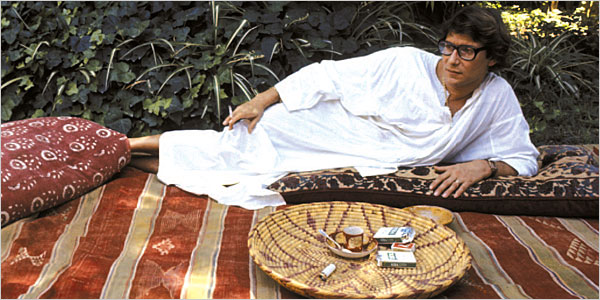
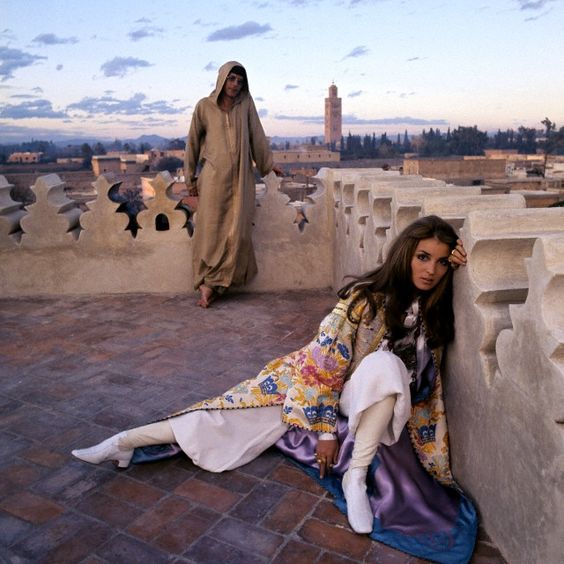
Yves Saint Laurent and his life partner, Pierre Bergé, who launched the Saint Laurent fashion house with him in 1961, visited Marrakesh, Morocco, in 1968, and became enamored with the colors, textiles, and sensuality of Moroccan culture. Saint Laurent fashioned caftans for his fabulous pals like actress and socialite Talitha Getty, her playboy husband, John Paul Getty, Jr., and supermodel Marisa Berenson. In January 1969, the Gettys were photographed by Patrick Lichfield wearing caftans on a Marrakech rooftop, which became an iconic image that defined what’s known as hippie or boho chic.

Marrakech Yves Saint LaurentYves Saint Laurent in MarrakechRetro Marrakech, 70's fashion shootTalitha Getty & husband John Paul Getty Jr., ph. Patrick Lichfield

Oscar de la Renta started created caftans as “hostess” dresses for his clients. Pucci, Pierre Cardin, and Valentino all debuted out their own versions of the caftan on the runway. Each designer made the caftan his or her own with the type of  fabric, color palette, and embellishments used.

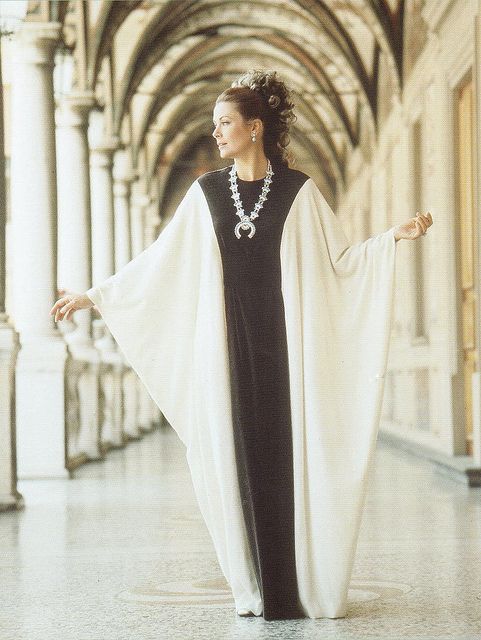
Celebrities like Jackie Kennedy, Bianca Jagger, Anjelica Huston, Brigitte Bardot, and Diahann Carroll were photographed in designer caftans. Grace Kelly, who became the Princess of Monaco in 1956, naturally, appeared sporting a caftan. 
Princess Grace Kelly of Monaco wearing a creation by Grès and photographed by Richard Avedon for Italian Vogue.Grace Kelly wearing madame Grès, ph. Richard Avedon, Italian Vogue
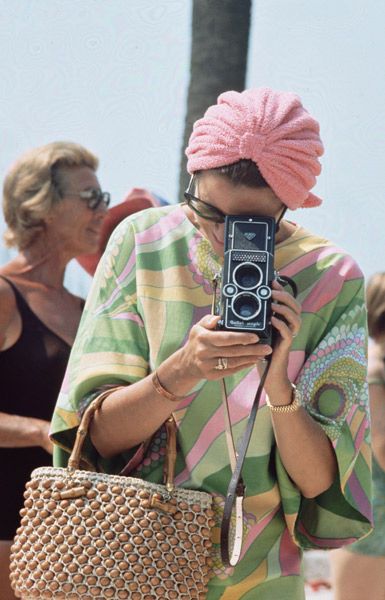
Grace Kelly was the most beautiful and chic woman. Here she's taking photos at a 1972Grace Kelly wearing a Emilio Pucci caftan, 1972

Over the years, Elizabeth Taylor amassed a huge collection of designer caftans by Emanuel and Thea Porter, and she even wore a tie-dyed Gina Frantini caftan for her second wedding to Richard Burton in 1975. In the 1970s, Halston designed tie-dyed and silk chiffon caftans explicitly for nights on New York’s club scene. Halston was the person who clothed the jet set of that time, and especially the Dancing Queens who loved their disco. It was the height of fashion to have something that you could dance in that really showed off your motion by moving with you.

While caftans were for the young and sexy in the disco world, as soon as disco became passé, caftans, along with muumuus, were regaled to batty old ladies, the kind who stayed at home smoking and drinking cocktails. Instead, young starlets in the 1980s adopted form-fitting Spandex and big, angular shoulder pads.

Halston Painted Caftan, 1972,Halston tie-dyed and silk chiffon caftan, 1972

Finally, the caftan is making a triumphant return. For its whole spring/summer 2011 collection, Missoni returned to the multi-cultural looks of the 1970s, with fluid smocks, tunics, caftans, and kimonos and colors and patterns that took cues from Bakst’s designs for Ballets Russes. Emilio Pucci returned to caftans as well, always a fantastic way to showcase his signature fabrics.

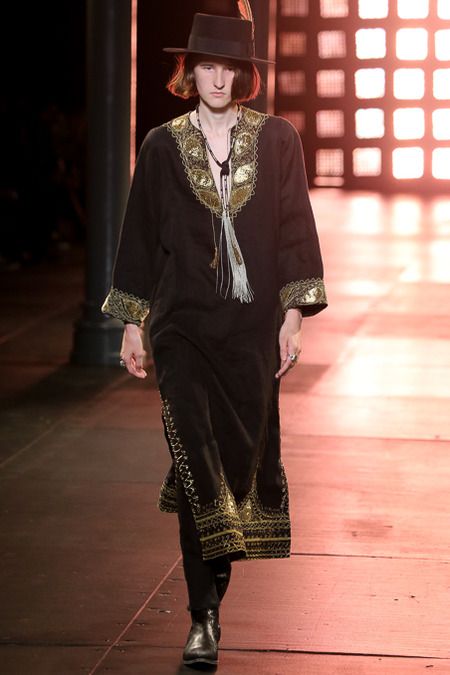
More recently, designers like Naeem Khan, Stella McCartney, Alberta Ferreti, Reem Acra, Gucci, and Roberto Cavalli have gotten on the caftan bandwagon. In 2013, Hedi Slimane showed caftans for Saint Laurent.

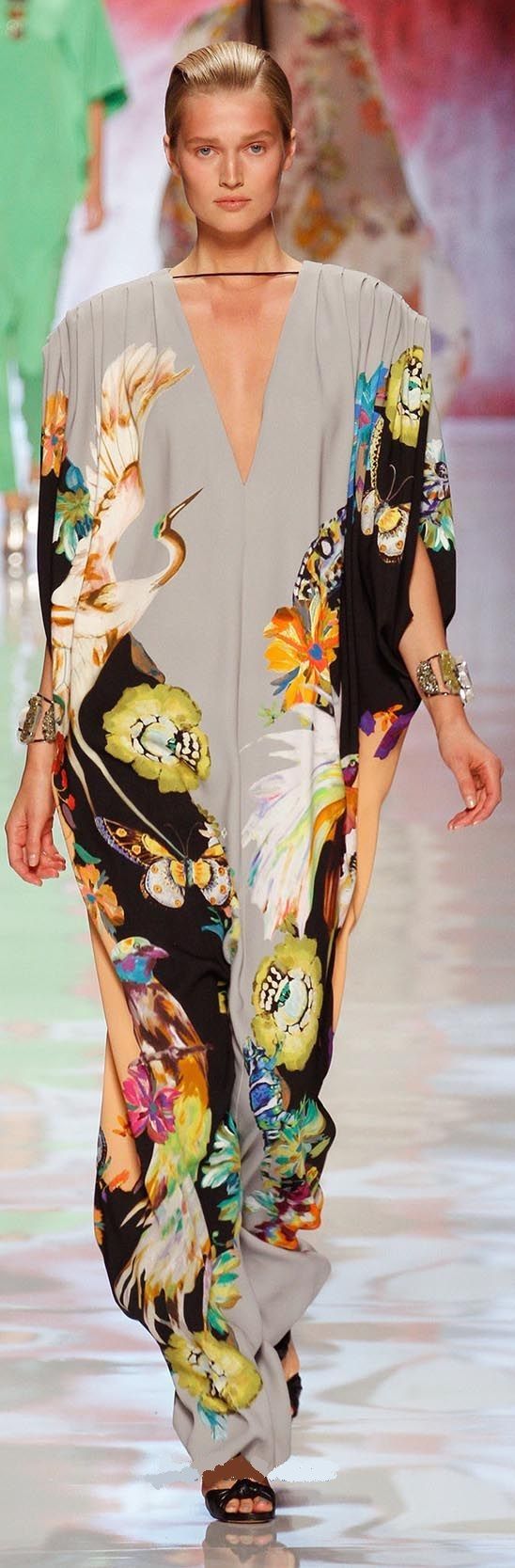
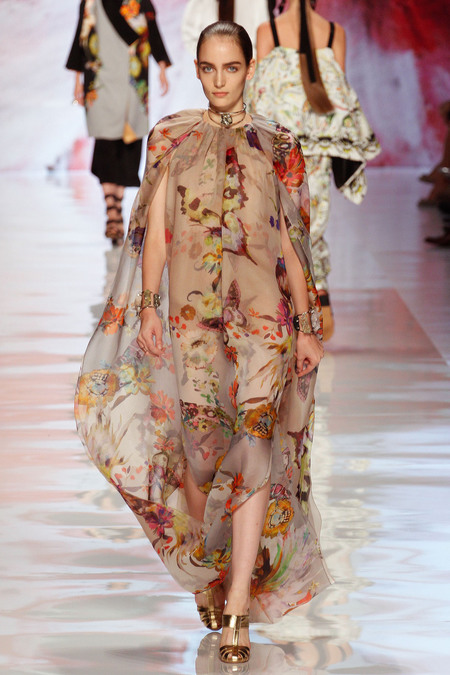
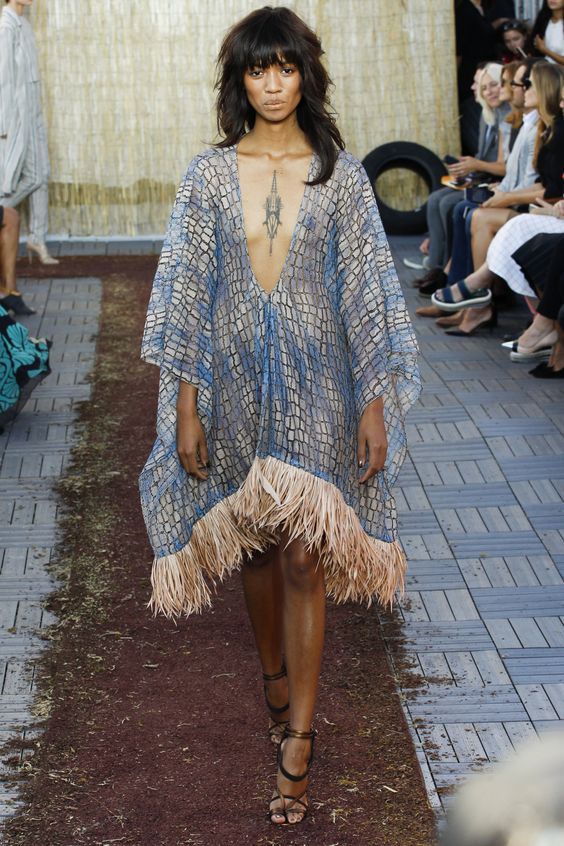
Caftans by contemporary designers
Saint Laurent 2015
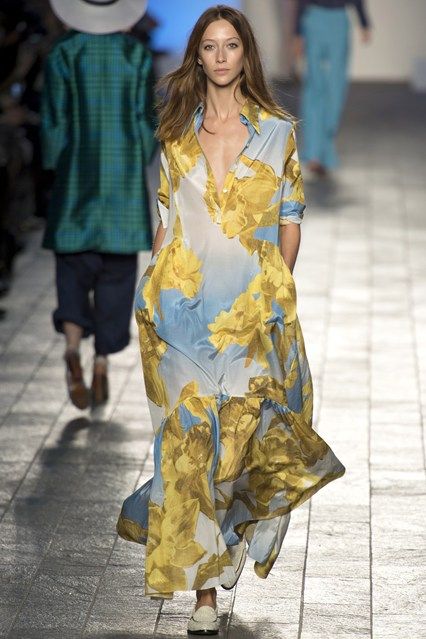
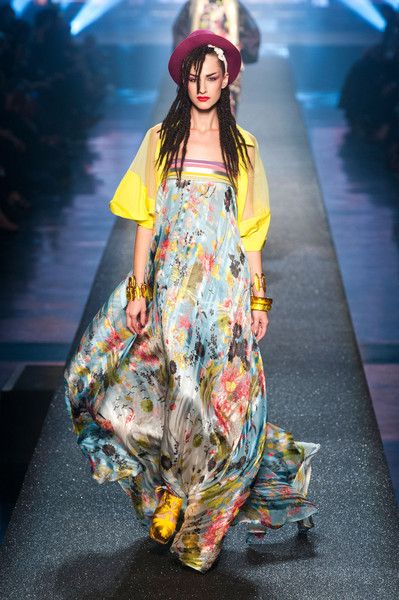
Saint Laurent by Hedi SlimaneEtro Spring 2013 RTW CollectionEtro spring 2013Etro-Spring-2013-RTW-Collection40Etro spring 2013Sophie Theallet Spring 2016Sophie Theallet 2016Paul Smith 2013Paul Smith 2013Jean Paul Gaultier 2013Jean Paul Gaultier 2013Dries Van Noten Fall 2004Dries Van Noten Fall 2004

.

.

info:

Harper’s Bazaar

Caftan Liberation: How an Ancient Fashion Set Modern Women Free

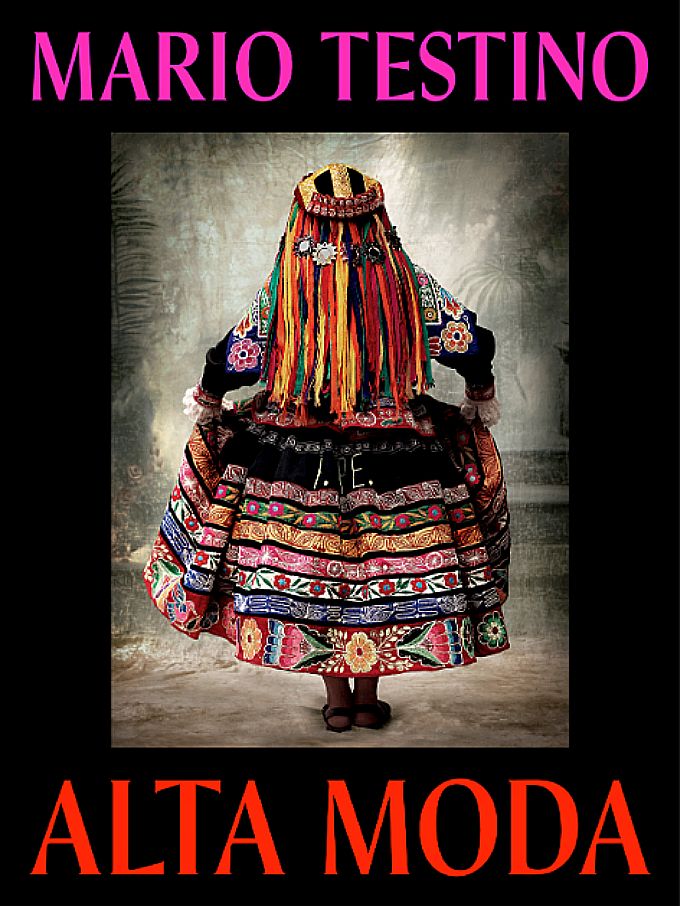
Alta Moda, the Splendor of Inca Culture

17 Apr

Mario-Testino-Alta-Moda_1

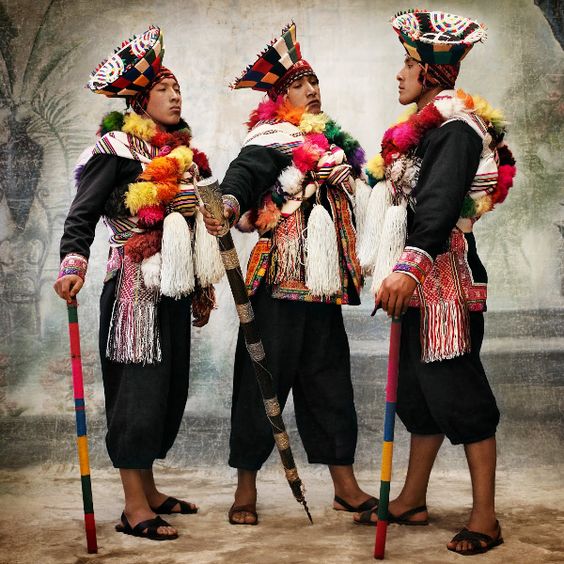
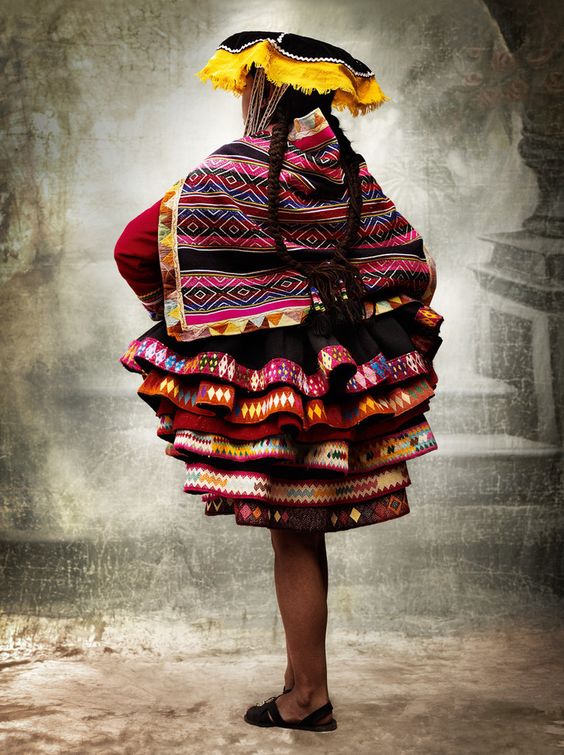
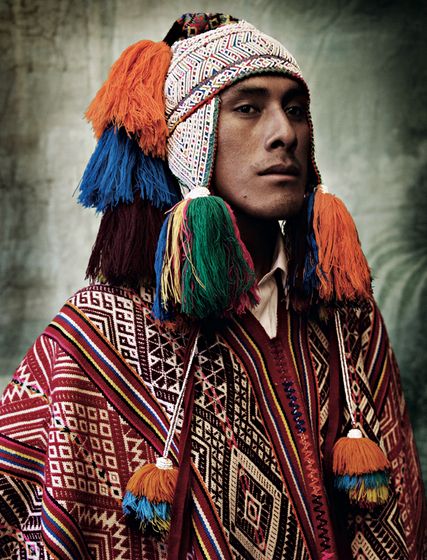
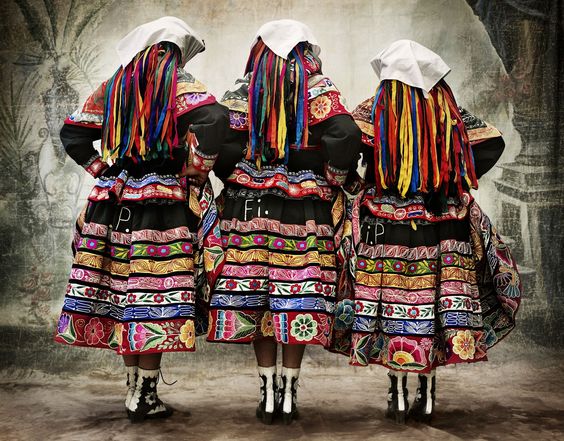
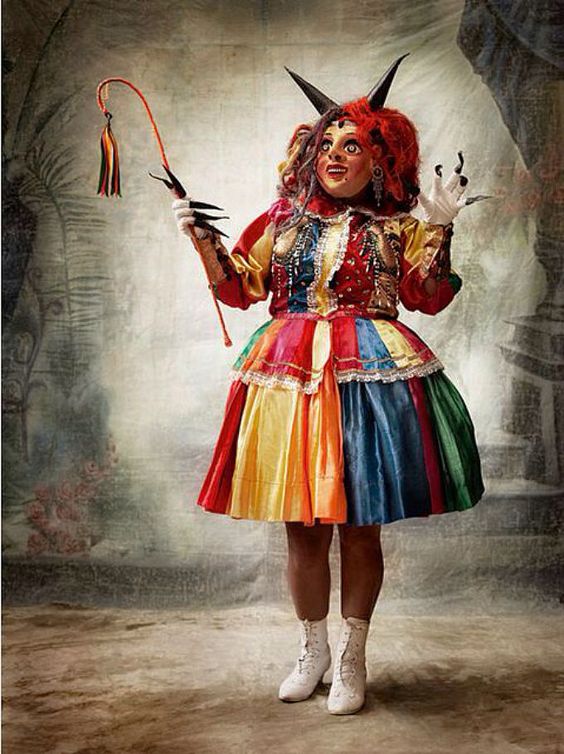
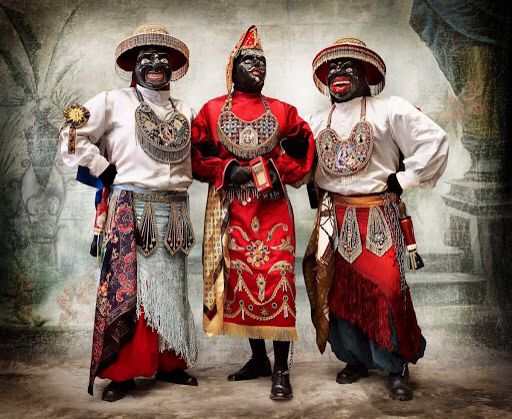
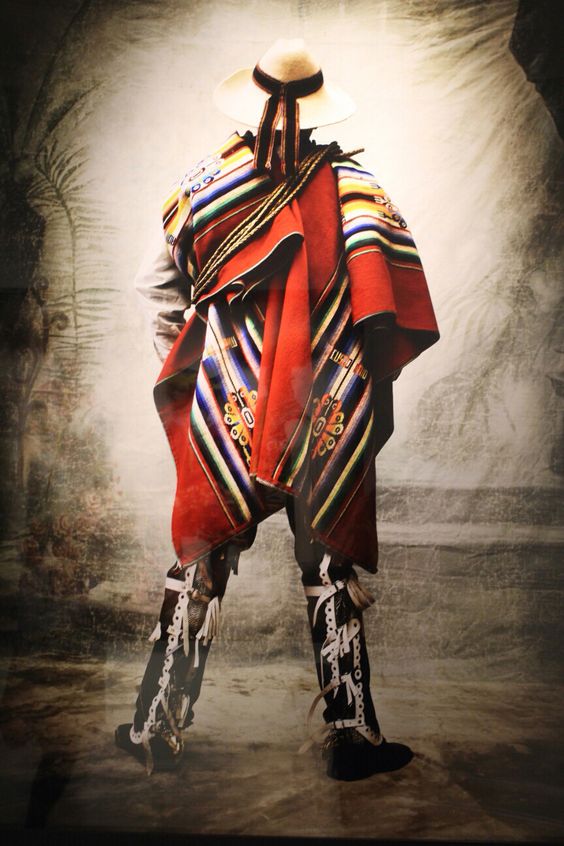
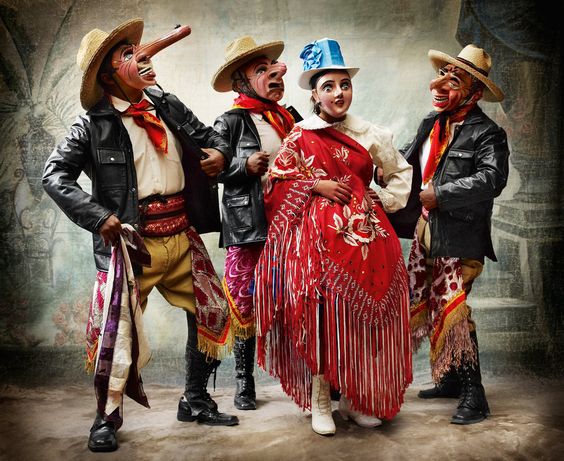
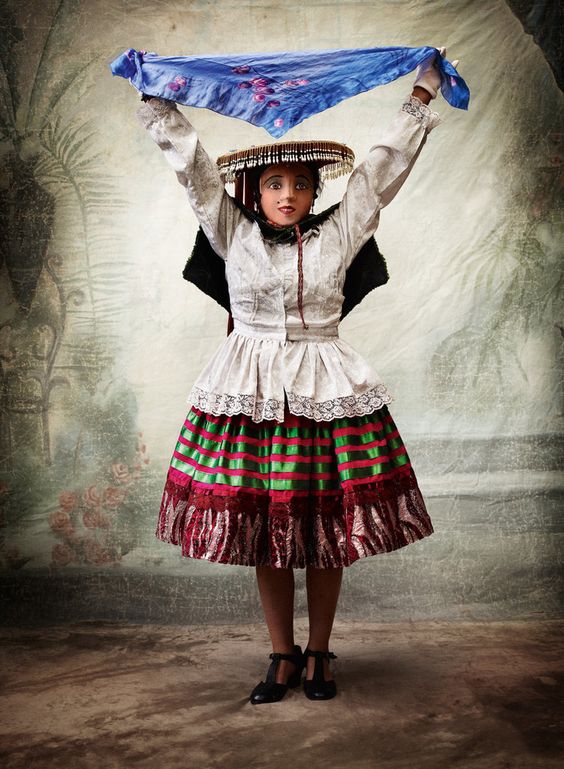
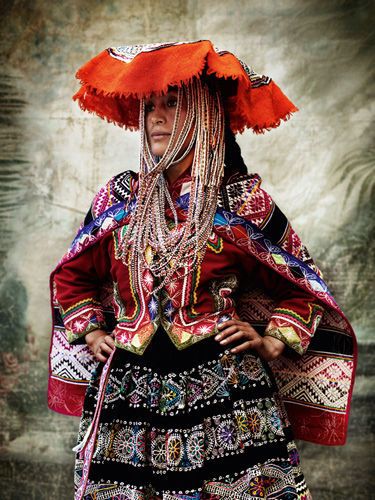
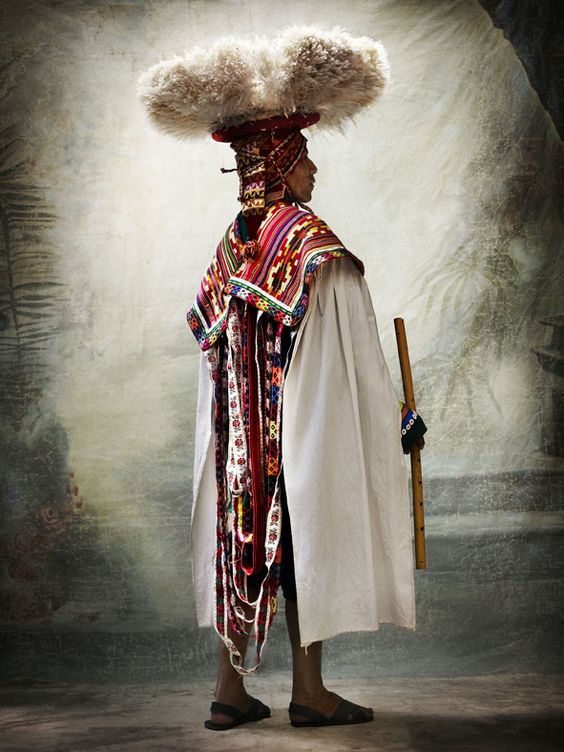
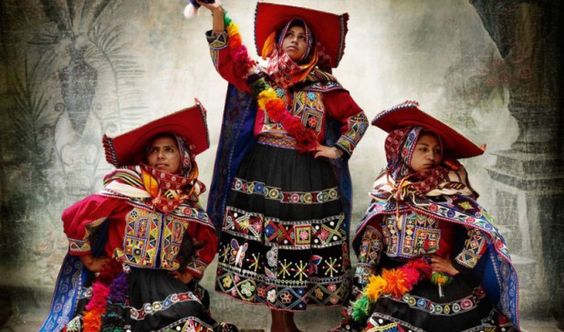
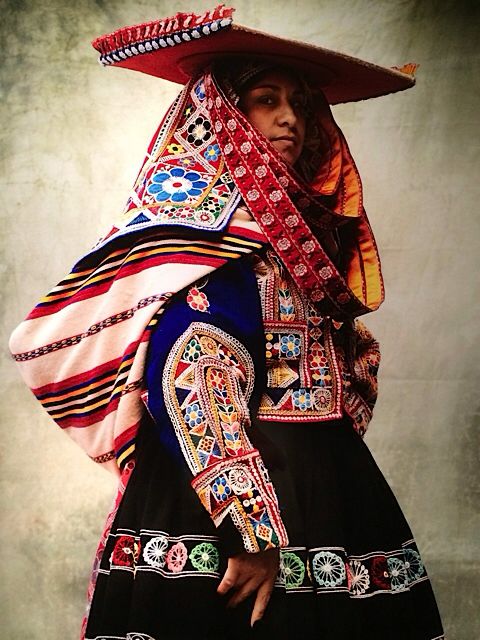
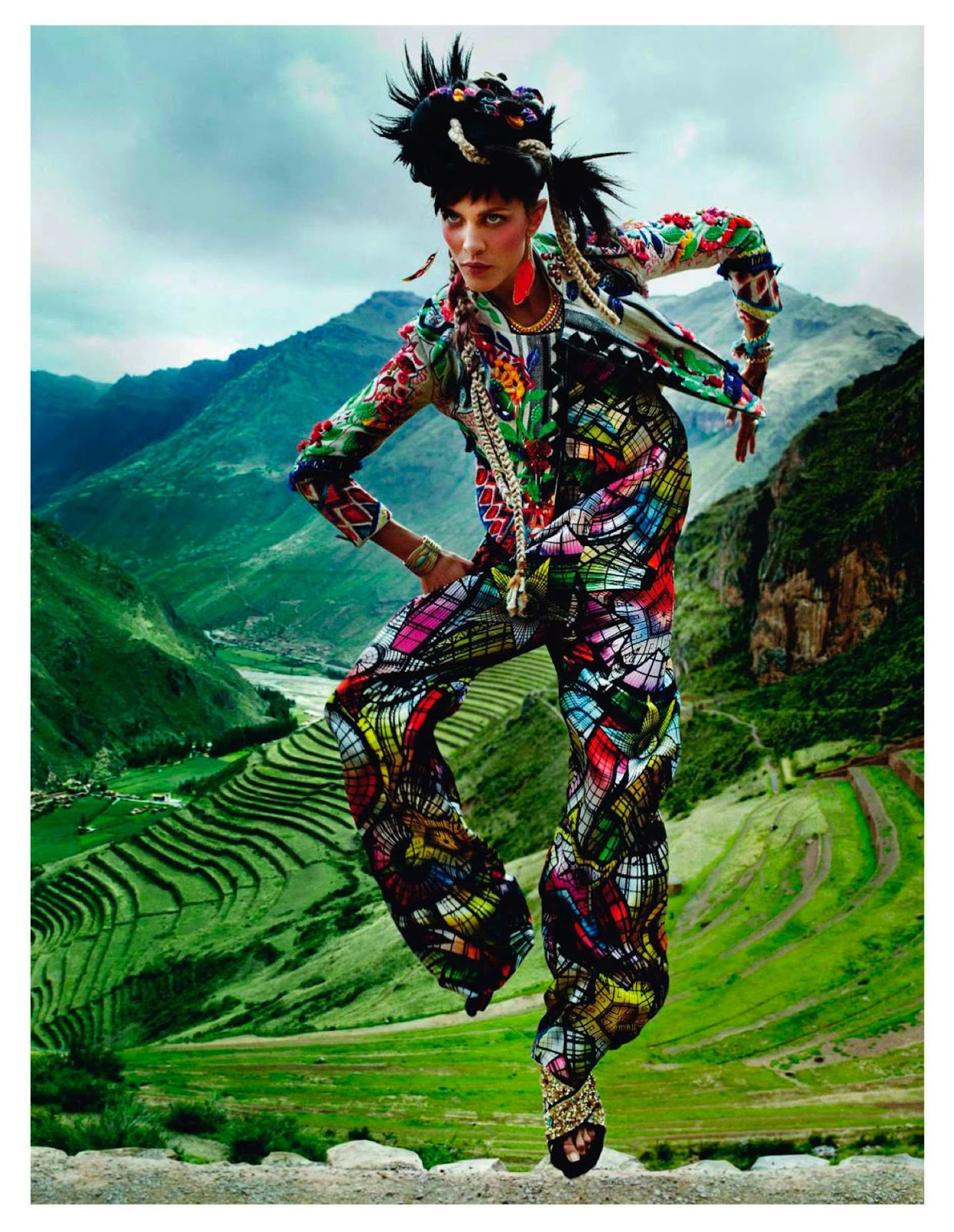
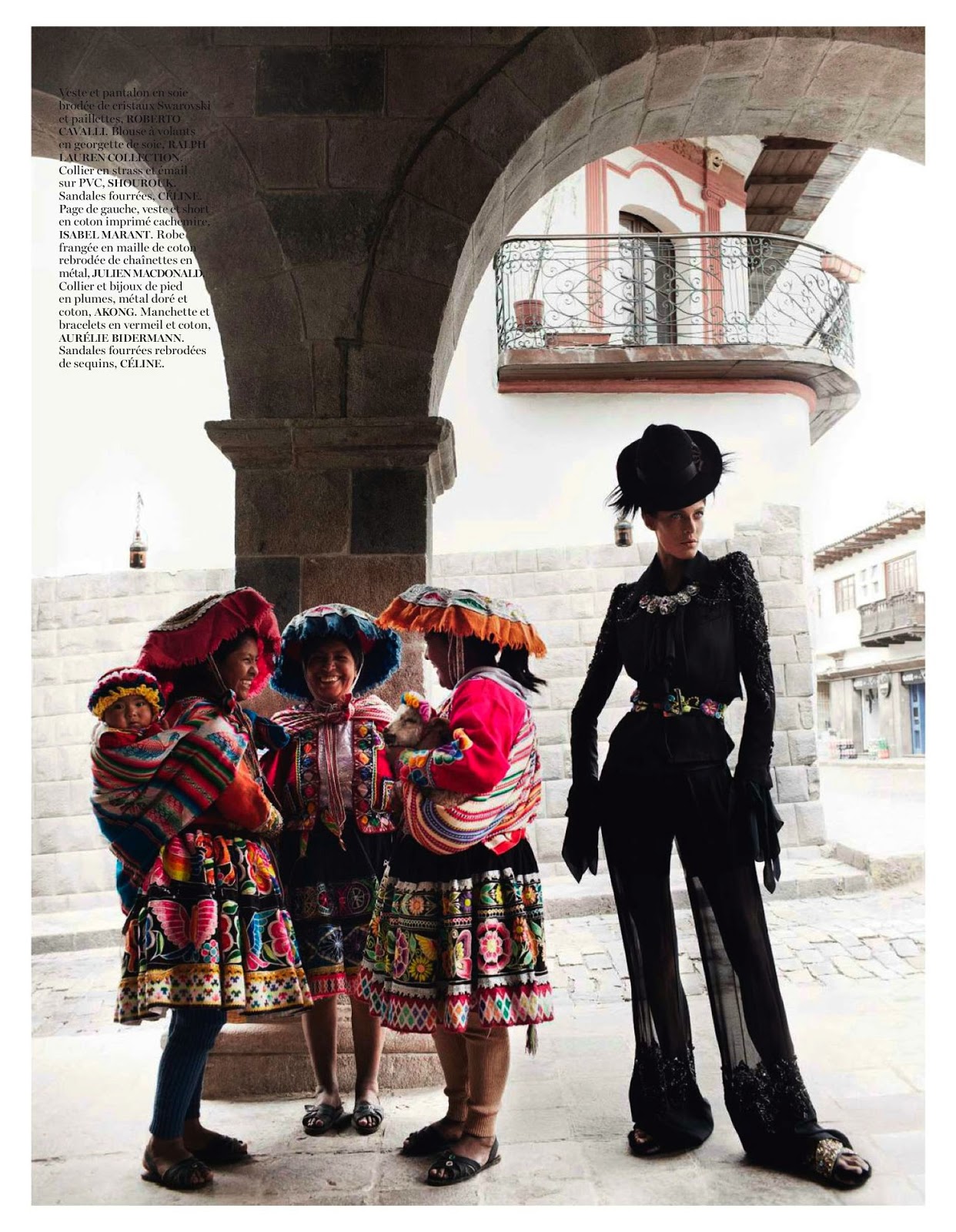
It’s always a treat to flip through a fashion editorial shot by photographic powerhouse Mario Testino and see the world through his artistic eyes.  A Testino portrait seems to look straight into it’s subject and bring out the secrets they’ve never told a single soul with an attention to detail and gesture that are unparalleled.  They set the mood, they inspire.Alta Moda, Mario Testino

Alta Moda, Mario Testino

Alta Moda, Mario Testino

Alta Moda, Mario Testino

Alta Moda, Mario Testino

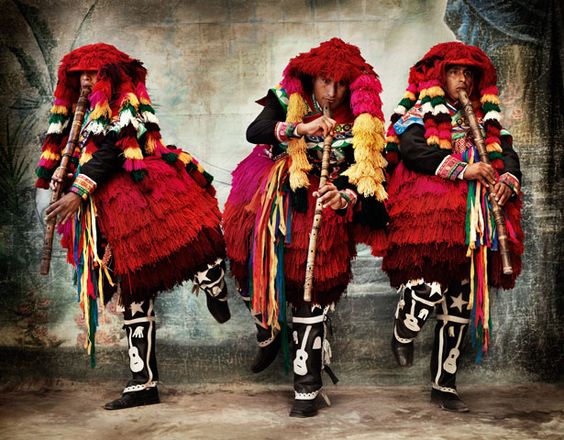
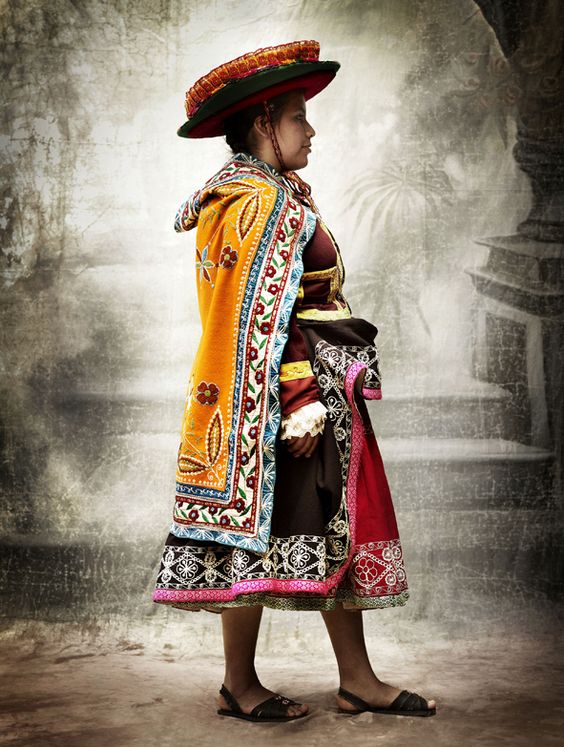
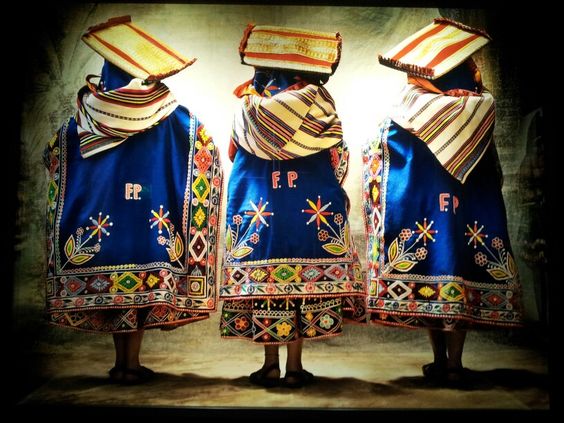
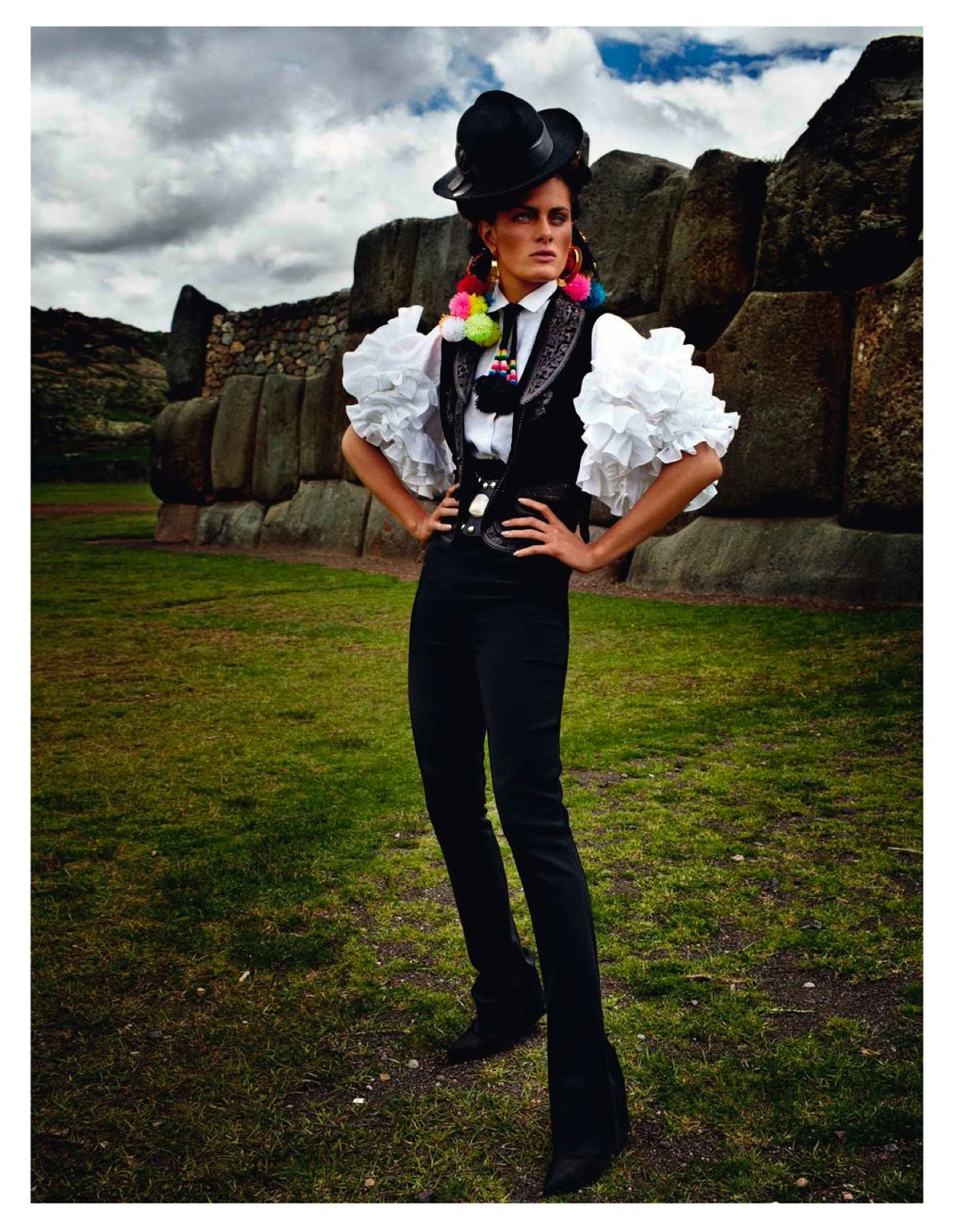
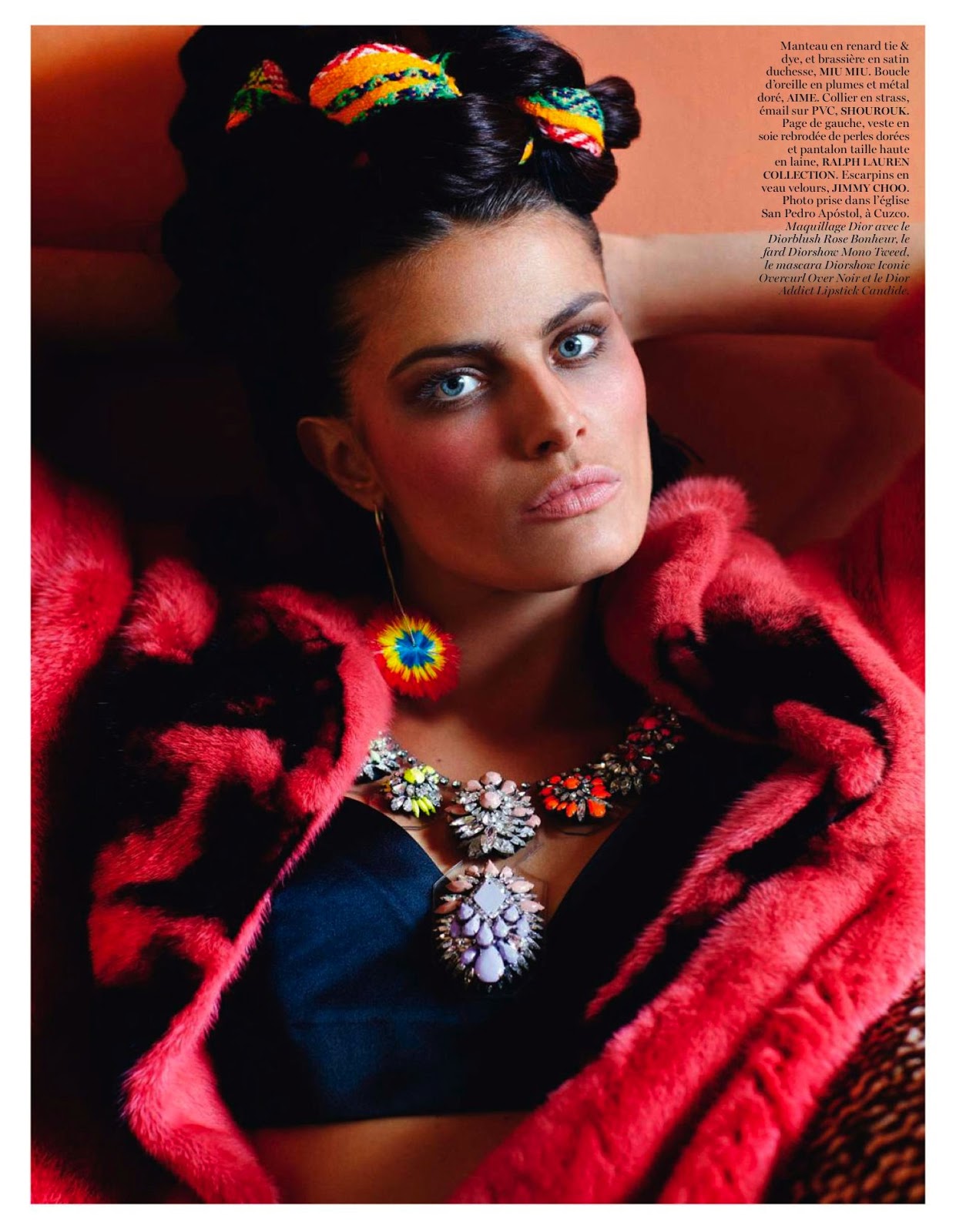
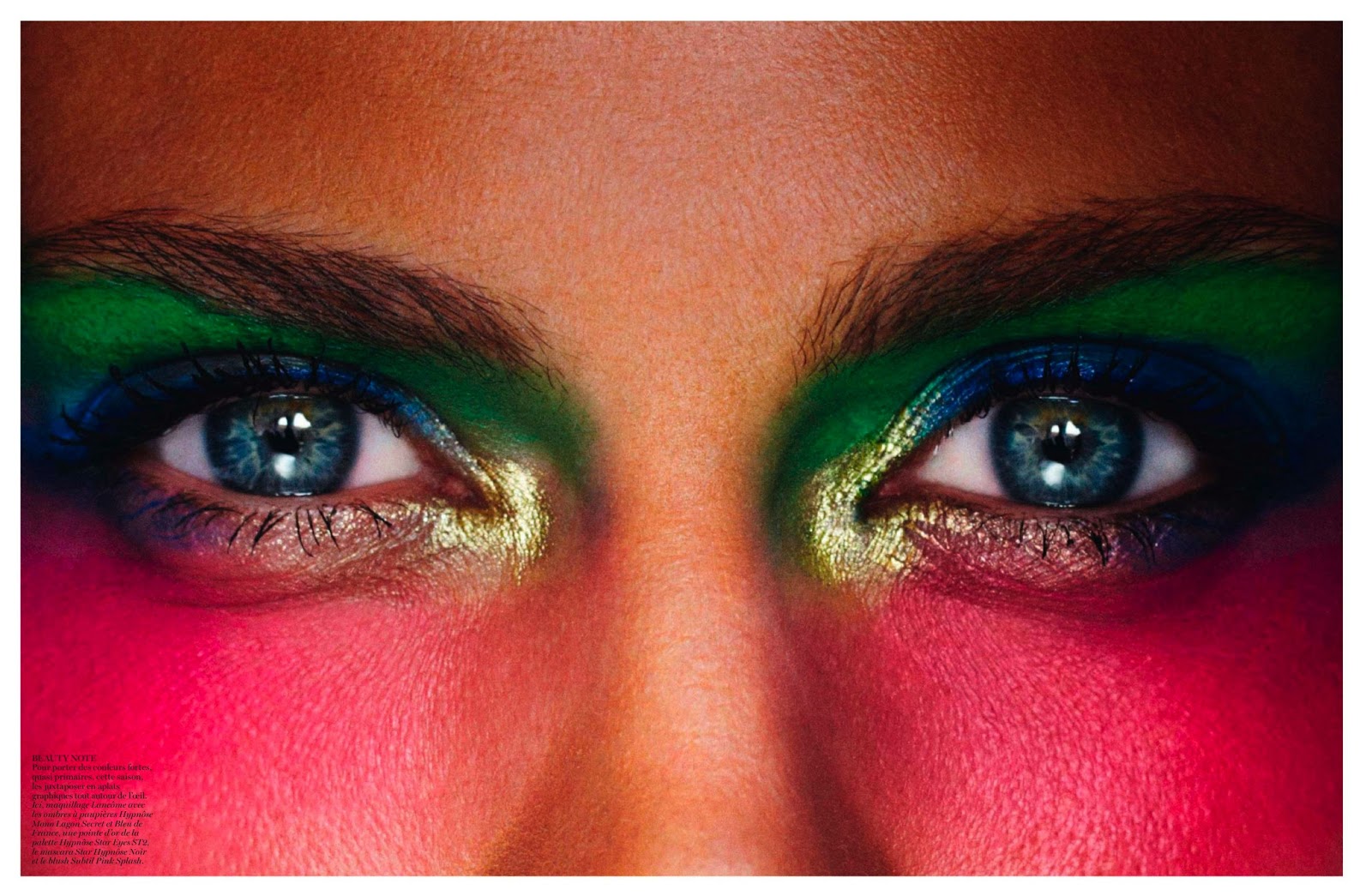
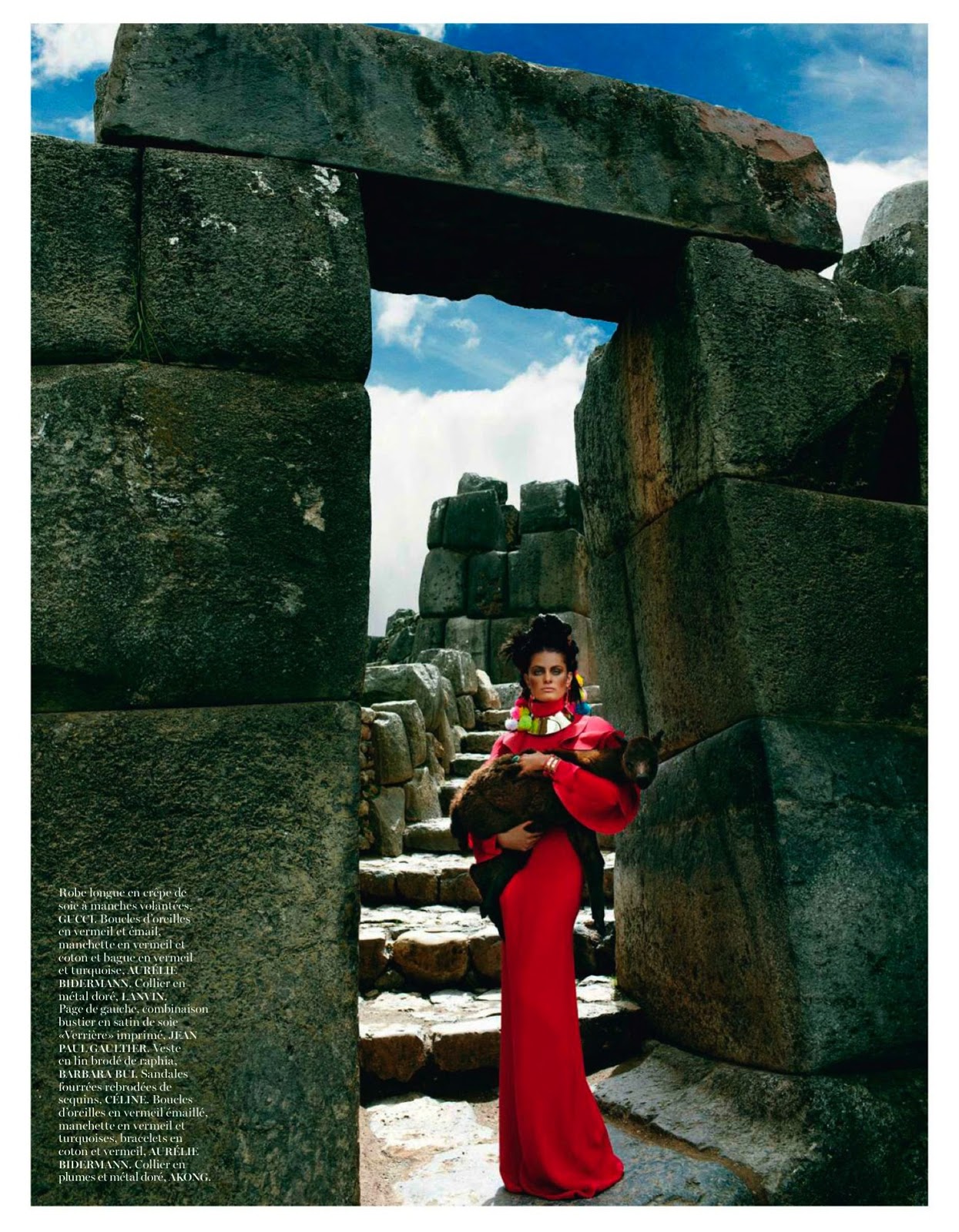
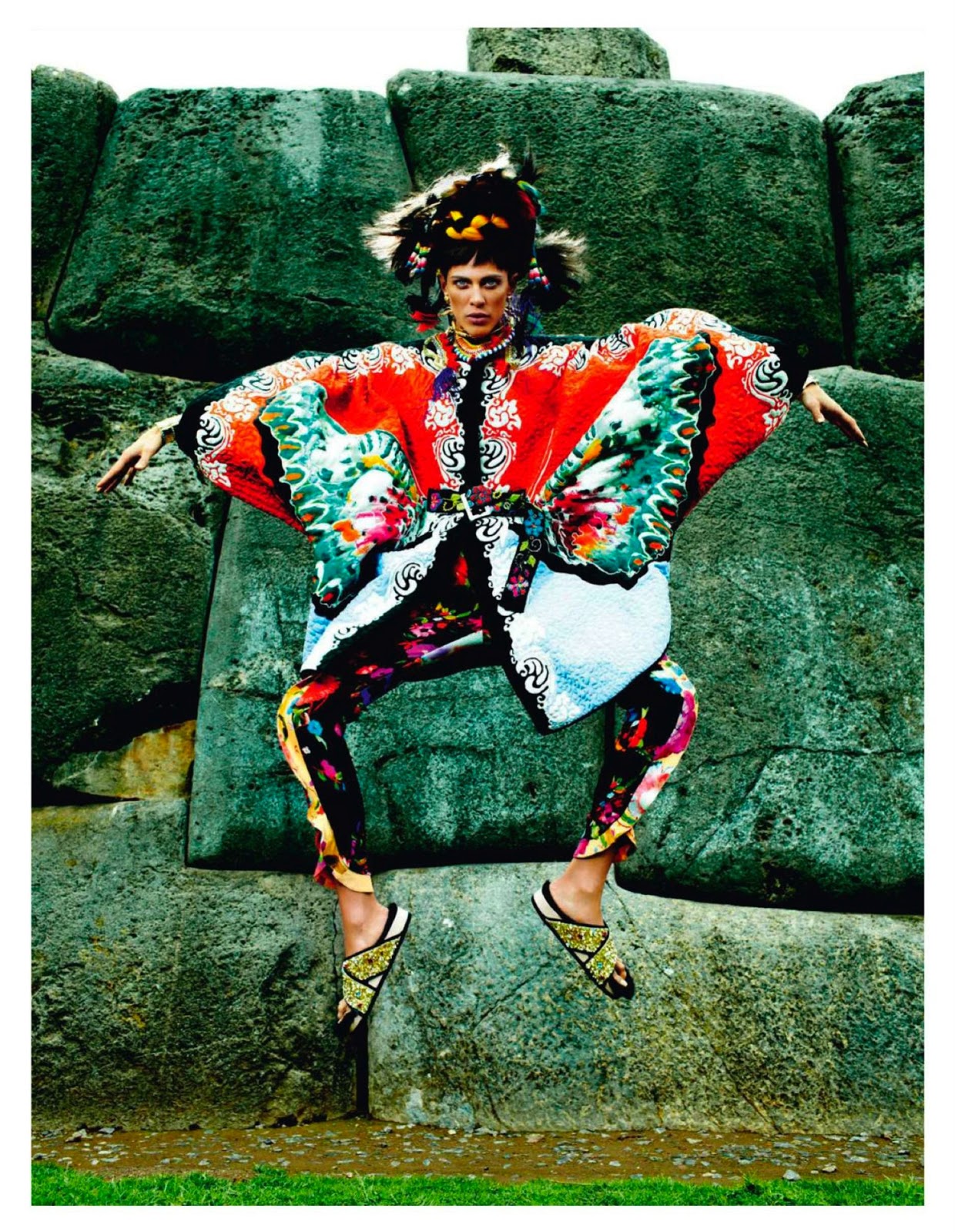
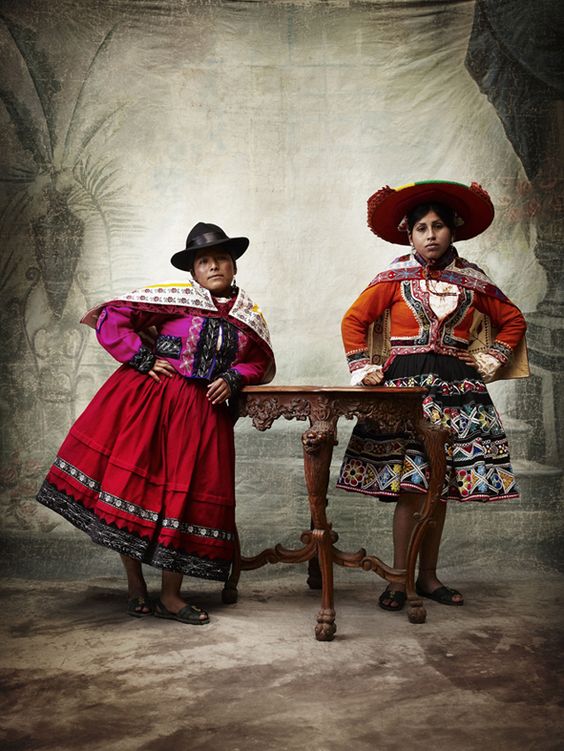
Pointing his lens at the costumes and people of his native Peru, a culmination of five years work, Testino’s book Alta Moda sheds that same insight into a culture as rich and vibrant as the multi-colored outfits depicted in the photo series.  A passion project Testino started while sourcing outfits for a British Vogue piece, his portraits capture the bright and bold colors, textures and distinct personal histories from Cusco, one of the highest mountainous regions of Peru.  The elaborate traditional costumes compare to any of the major fashion house’s couturiers in their intricacy, craftsmanship and delicate detailing.

Alta Moda, Mario Testino

Alta Moda, Mario Testino

Alta Moda, Mario Testino

Alta Moda, Mario Testino

Alta Moda, Mario Testino

Alta Moda, Mario Testino

Alta Moda, Mario Testino

It’s magic when high fashion and art blend into one in the same. But as Stanley Tucci’s character in The Devil Wear’s Prada poignantly pointed out, “what (the designers) created was greater than art because you live your life in it.” Which is what truly defines Testino’s photographs in Alta Moda.  Donning the most decadent of dress, you see the humanity and everyday life of the Peruvian people.  They dress to celebrate their home and culture.  Each portrait tells the story of it’s subject, while also sharing Testino’s personal history and pride for his homeland.

Alta Moda, Mario Testino

Alta Moda, Mario Testino

Alta Moda, Mario Testino

Alta Moda, Mario Testino

Alta Moda, Mario Testino

The book 

Exploring the “splendor of Inca culture”, Peruvian photographer Mario Testino‘s hardback is filled with vibrant images of costumes and masks, as well as an introduction by infamous editor Hamish Bowles. This wonderfully interesting book is a true collector’s piece – only 2500 copies have been published.
 For sale at Net-a-Porter for € 80,- (Product Code: 386632)
models: isabeli fontana and aymeline valade 
photographer: mario testino
stylist: emmanuelle alt
hair: james pecis 
make-up: charlotte tilbury
.
.
.

info:

http://www.net-a-porter.com

http://oliviapalermo.com/mario-testino-alta-moda/

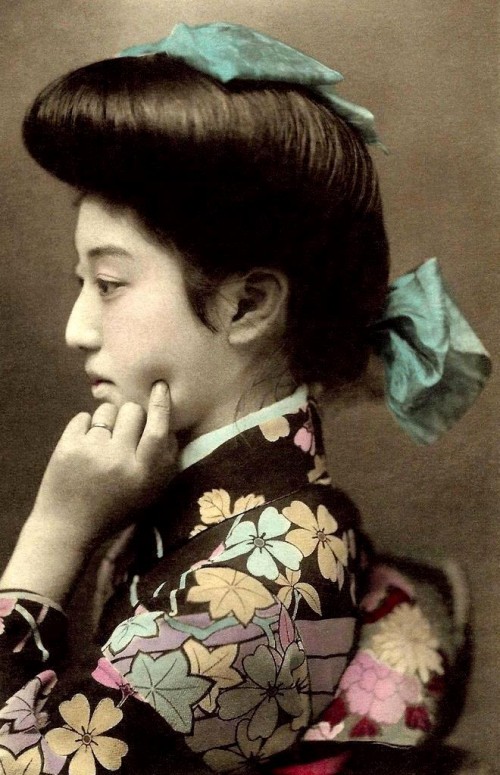
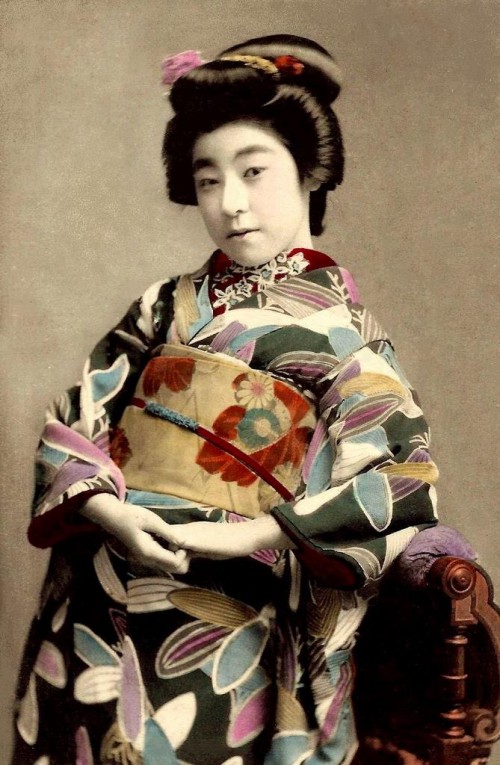
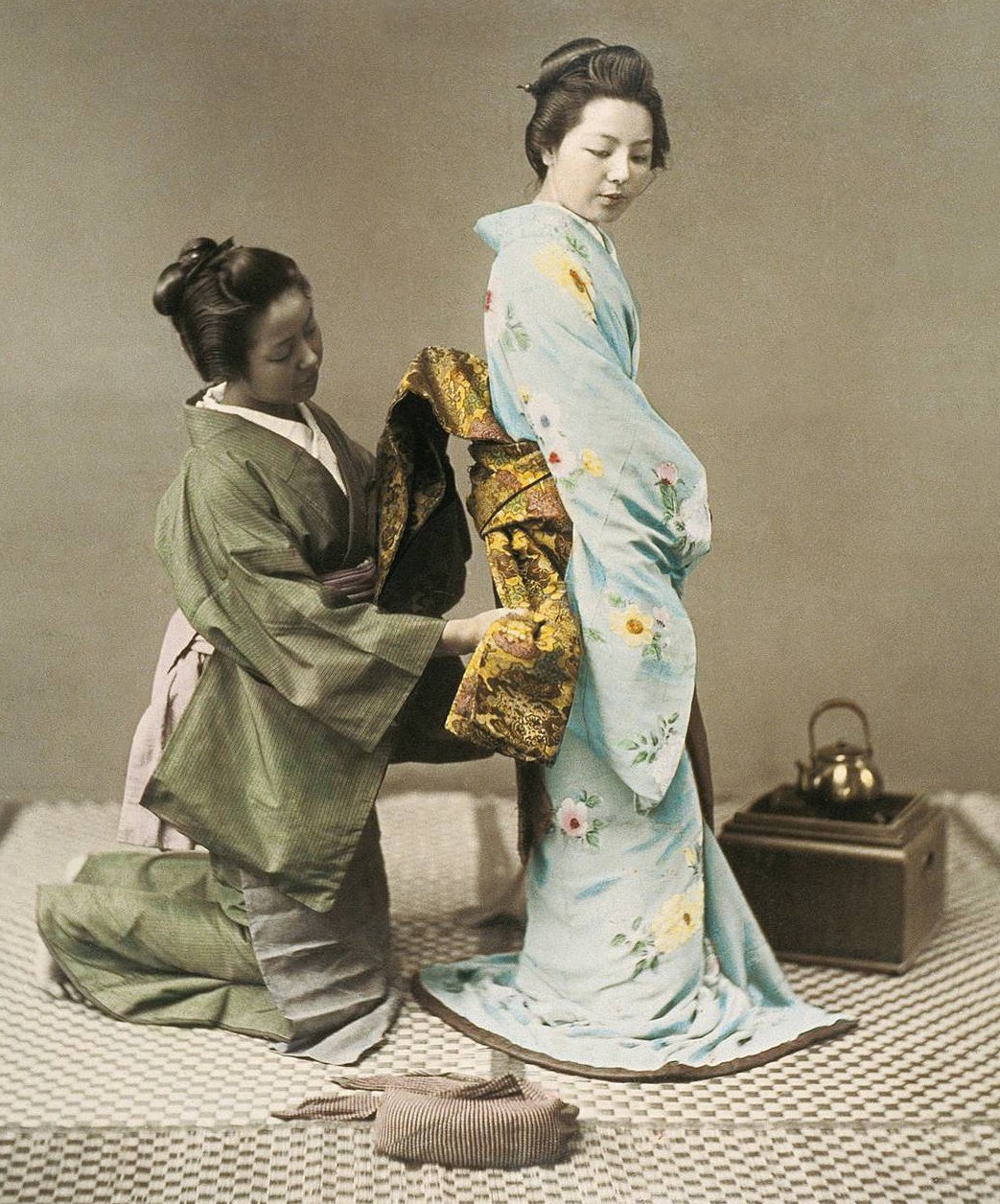
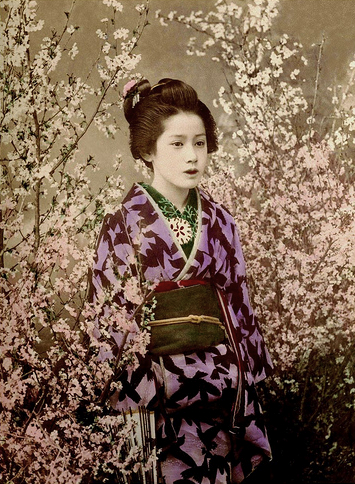
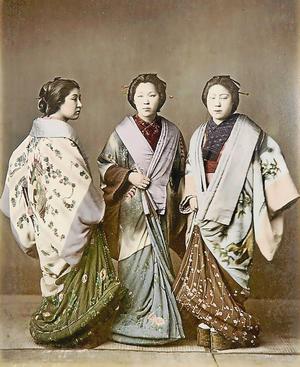
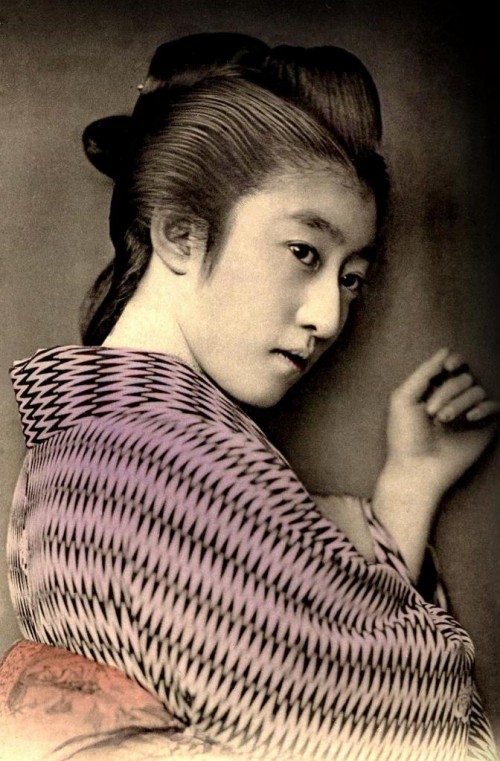
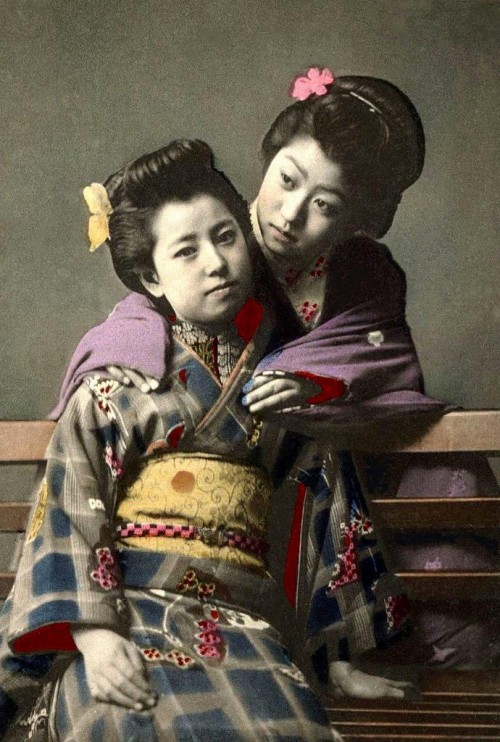
Kimono means “Thing you Wear”.

10 Apr

Kimono's

A disaster for kimonos in general happened in 1923 when a terrible earthquake hit Tokyo. Since the vast majority of structures were wooden/bamboo/paper arrangements they collapsed with the result that many of the old kimonos were lost or destroyed.

During the late 1920’s the Japanese government reduced production of silk in order to support their military buildup, leading to simpler designs and conservation of material. Kimono production increased after World War II but by this time Western dress had replaced the kimono in popularity.

248891-5275b363e0156

kimono story

The actual meaning of the word kimono is pretty plain and straight forward. The ki in kimono is the shortened form of kiru which means to “put on” or “to wear”, and mono means “thing.” So in essence, kimono means “a thing you wear”. Before that it was known as a kosode, which means “small sleeve.”

The kimono looks like it was influenced by the colorful garb of the Chinese court. As with many Japanese arts, a Chinese idea was taken and refined until it became a Japanese symbol all its own.

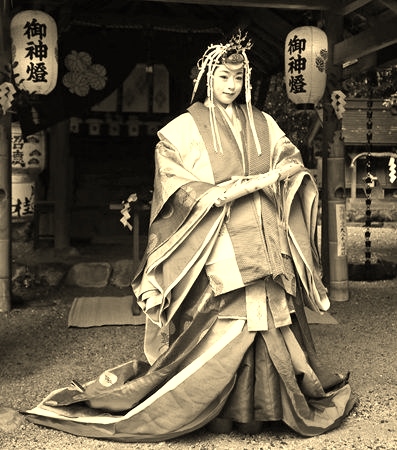
The style of the kimono has changed frequently over its long history – and yes even men wore kimono. During the Heian period (794-1185) the Japanese court was filled with long flowing kimonos. The Japanese men sporting their sokutai robes with long trailing trains of fabric, and the Japanese women putting on layer after layer of unlined kimono in what was called juni-hitoe, meaning “twelve layers”, which could weigh 40 pounds!  You could imagine the court may have looked like big balls of fabric slowly walking up and down the tatami covered corridors.

12 layered kimonoJuni-hitoe, a 12-layer kimono

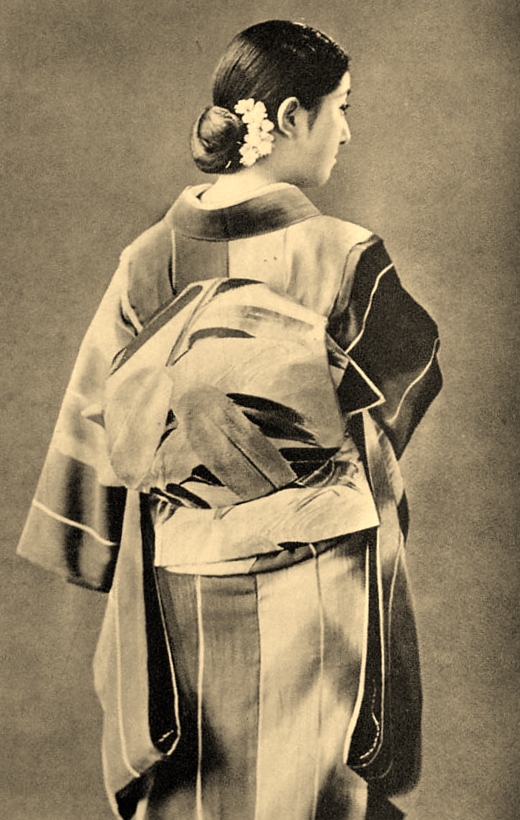
As time went on the kimono became less formal and more practical. The sizes of the sleeves were reduced and the overall volume of the fabric was lessened. This didn’t mean however, that the beauty of the kimono was diminished, as plenty of new designs and techniques were perfected during the Kamakura to Meiji period (1185-1912), culminating in the taiko musubi or “drum bow” kimono which is still popular today.

Taiko MusubiTaiko Musubi

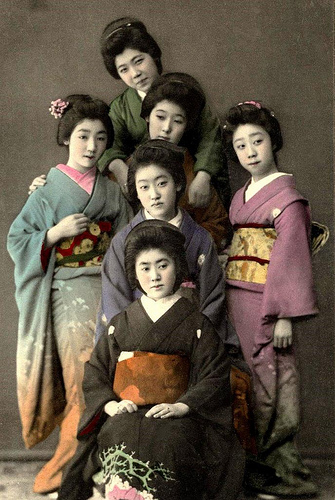
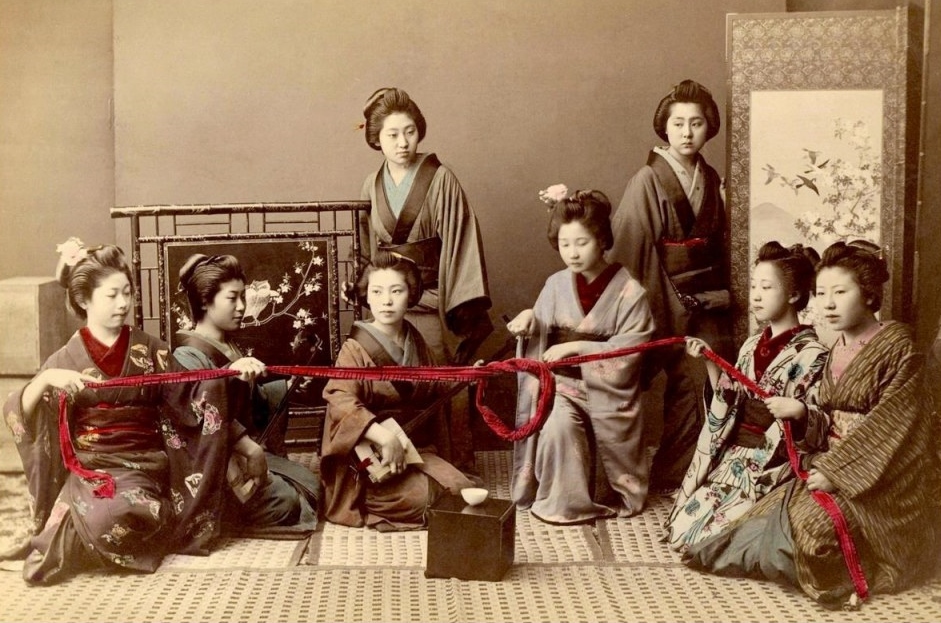
Kimono were originally worn by commoners, or as undergarments by the aristocracy. During the 16th century, the kimono became the principal garment for all classes and both sexes. By the end of the 17th century, during the Edo period (1615–1868), differences became more pronounced; patterns on women’s kimonos were more complex and vividly colored. At this time, the kimono became an important indicator of class and wealth. Despite the sumptuary laws put in place by the ruling samurai class (which restricted use of certain fabrics and colors), wives of wealthy merchants would try to outdo each other with lavish displays of kimono design, each one more stunning, vibrant and complex than the next.
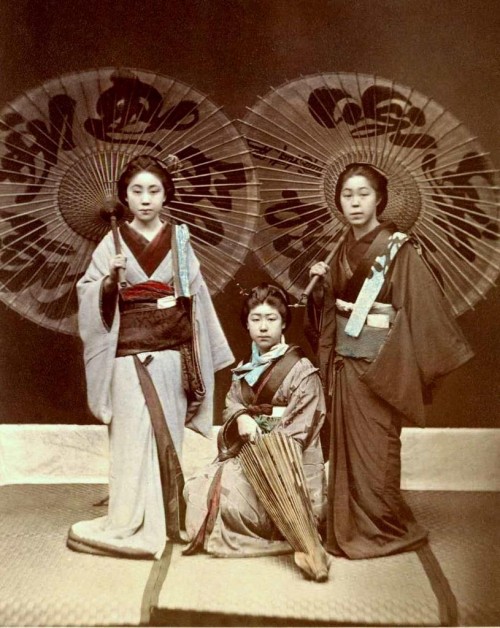
By the Meiji period (1868–1912), Japan was opened to the West, and for the first time, kimono were exported to Europe. Also at this time, Japan’s textile industry began to adopt western technology; new techniques and the end of sumptuary laws made silk kimono affordable and thus more available for popular use.

During the prosperity of the Taishō period (1912-1926), western-style clothes gained popularity among women, though the kimono continued to be worn. Motifs inspired by western designs—such as Art Deco and Art Nouveau, began to appear—while chemical dyes allowed for the production of even more vibrant colors. The development of innovative machinery, like power-operated spinning machines and jacquard looms, sped up production and continued to lower costs, making high-fashion kimono more readily available than ever.

kimono story

kimono story

kimono story

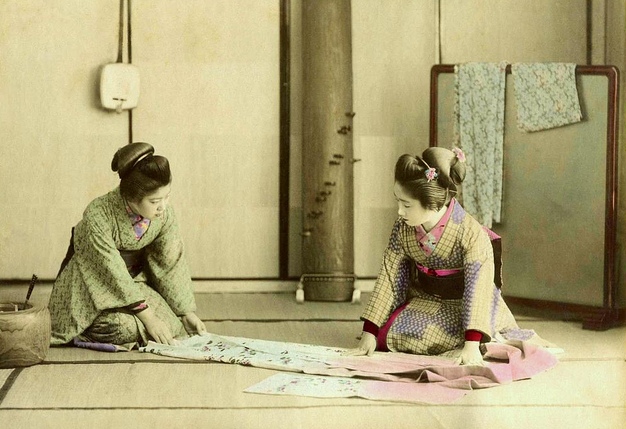
There’s a lot more to choosing which kimono to wear than just pulling one out of the closet. Many styles and colors of kimono should only be worn for special occasions, including weddings and funerals. But there are also many considerations in choosing even the day-to-day kimono – there are some 200 rules to govern which colors and combinations go together – it’s all very Japanese. Age, marital status and season are among these rules.

The color of the kimono is often based on the season. November to February is the “shades of the plum blossom” season, so you’ll see kimono with white outsides and red lining. March and April is “shades of wisteria”, which makes for the wearing of lavender kimonos with blue lining. Other seasons and styles include red lined kimonos for summer, and yellow and orange for winter and spring. 

Special patterns will emerge during special seasonal events. For example, light pink and white cherry blossom patterned kimono can be seen during sakura season, plum blossom and snow scenes will go with winter, and red maple leafs will often be seen during the fall season.

Kimono story

Geisha Obi

kimono story

Kimono story


Kimono story

Kimono story

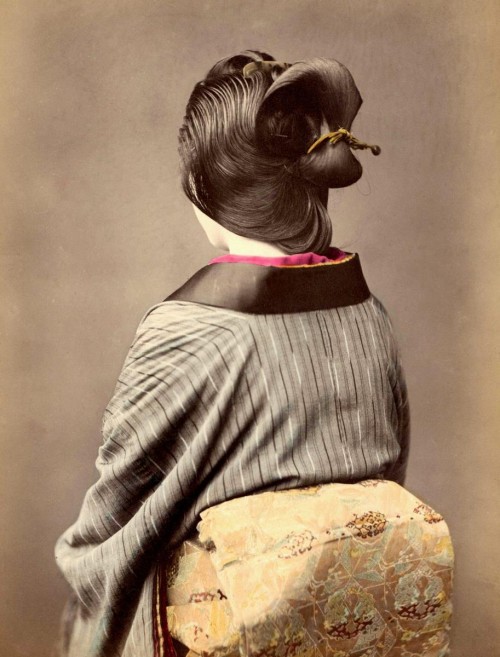
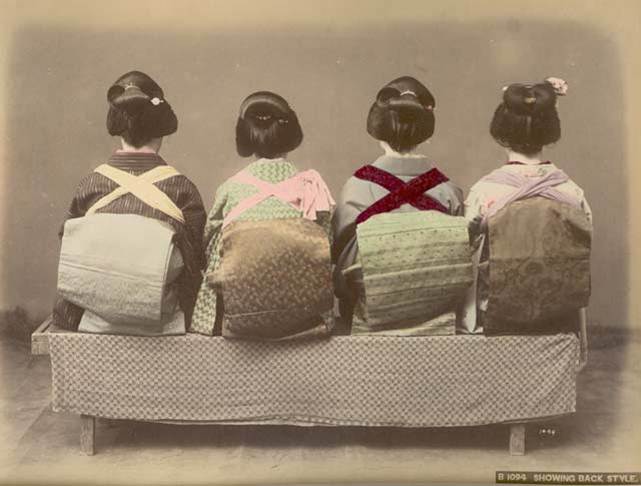
Kimono at the back

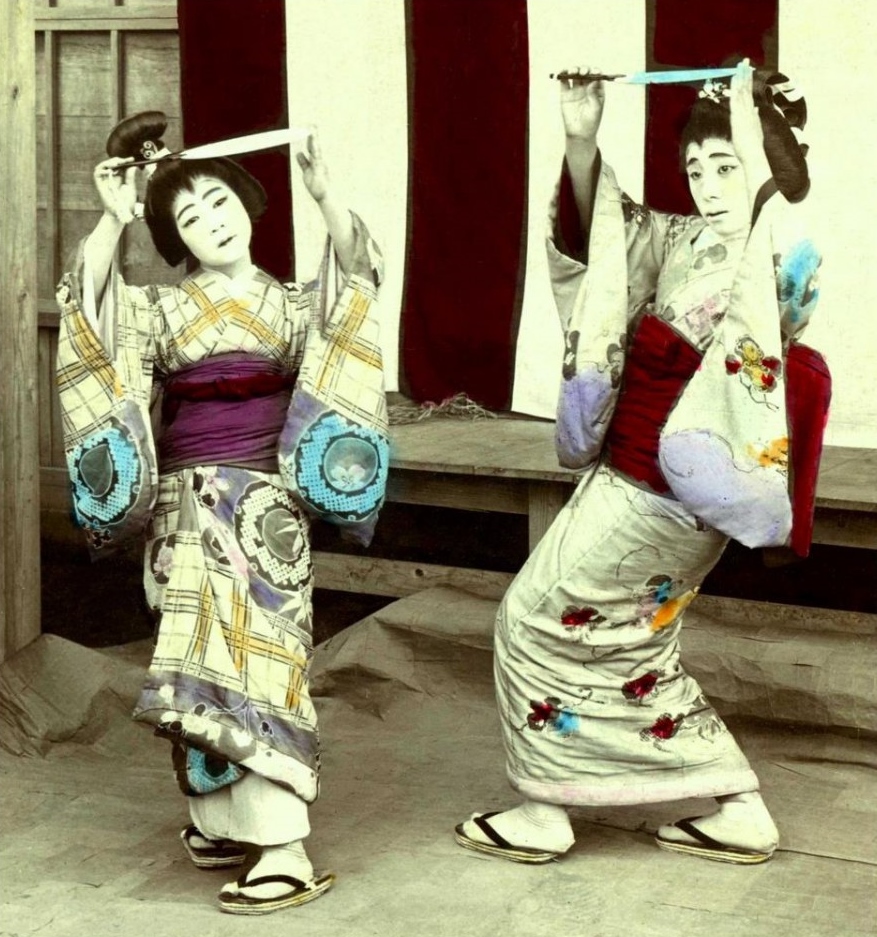
These days, silk kimonos, which sell for thousands new, are reserved for special occasions like the Shichigosan Festival (traditional festival day for three- and seven-year-old girls and three- and five-year-old boys, held annually on November 15 to celebrate the growth and well-being of young children) and New Year’s Day, and for older people, Noh and Kabuki performers, geishas, and others involved in the traditional arts of tea service and flower arrangement. Used kimonos can be found for about $300 at Japanese flea markets.

Kimono's at the back

info:

http://www.iheartjapan.ca/2009/06/all-about-the-kimono/

http://blog.peruvianconnection.com/fashion-trends/the-art-history-of-the-kimono/

http://www.obistudio.com/en/kimono/#lightbox/0/

.

.

.


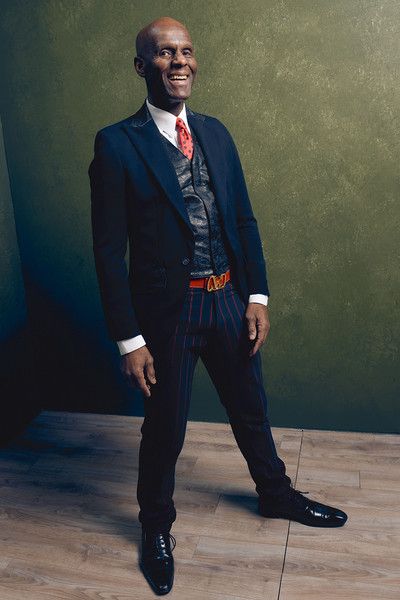
Dapper Dan of Harlem & the Power of Logo’s

3 Apr

Dapper Dan of HarlemDapper Dan of Harlem

Designer Dapper Dan described his way of working as ‘sampling’, a unique interpretation of mixing existing designs and logos with his own interpretation…. 

Dapper is often considered the godfather of hip-hop style, and for good reason. If it wasn’t for him, Eric B. and Rakim’s Gucci jackets on the cover of Paid in Full would not exist. Neither would all the Louis Vuitton, Fendi, and MCM outfits that LL Cool J, Big Daddy Kane, and KRS-ONE wore. His creations were so next-level—groundbreaking, if you will—that they live on today.

Eric B & RakimErik B. & Rakim on the cover of Paid in FullEric B. & Rakim on the Follow the Leader album cover, released in 1988Eric B. & Rakim on the Follow the Leader album cover, released in 1988

But it’s the “hustlers and street people” Dapper really got to thank for his success. “They were my primary clientele. The look spread outside the hustler culture and was embraced by the whole rap world, and they just took it everywhere”, Dapper explained.

The infamous drug dealer Alberto “Alpo” Martinez, also known as The Mayor of Harlem, was one of the primary customers.Alpo MartinezAlberto “Alpo” MartinezAlpo MartinezAlberto “Alpo” Martinez0a8afcf571c67f1156d8442d3d04d591Alberto “Alpo” Martinez

No one was more aware of the importance of the logo than Dapper Dan. The Harlem entrepreneur, born Daniel Day, developed a proprietary process for screen-printing on leather in the ’80s, just as logomania was cresting. He opened a boutique on 125th Street in 1982, and soon, he was outfitting the leading hip-hop stars in his takes on the popular logos of the time. (Rather than “knockoffs,” he prefers to call them “knockups.”) His logo designs soon spread to custom car interiors, curtains, and furniture, and his store was open 24 hours a day to satisfy his customers’ voracious appetite for all things logo. Less over the moon about Dapper’s work? The luxury brands whose logos he appropriated. A late ’80s raid on his store (led by Sonia Sotomayor, then a lawyer for Fendi) marked the beginning of the end, and he closed down shop in 1992. Jay Z went on to rap “Got a G on my chest/I don’t need Dapper Dan,” signaling hip-hop’s growing preference for real logos over faux ones.

A 1989 New York piece on Dapper Dan described a menacing bodyguard standing outside the store, while inside, the designer kept tabs on the sales of what he called his “macho type of ethnic ghetto clothing.” When asked if he would consider moving to another location, he said, simply, “This is our Fifth Avenue.

Dapper Dan DiddyP.Diddy in a Dapper Dan MCM logo jacketBobby BrownBobby Brown in a Dapper Dan’s Gucci suitLL Cool J in a custom piece with Dapper DanLL Cool J in a custom piece with Dapper Dan(on the left)The Fat BoysThe Fat Boys in Dapper’s  Louis Vuitton

.

Interview with Dapper Dan

When did you start becoming aware of the power of the logo?

I think the first one that I became aware of was Christian Dior, because the Christian Dior hat was popular. That was the big one; the hat and the umbrella. And after that, I remember Pierre Cardin, his suits.

What do you think is the power of the logo? What about it appeals to people?

It signifies status, and money, which go hand in hand. The thing is, you can have the status but nobody will know you don’t have the money. So that’s what gives it such an impact in your look.

What were the most popular logos in the store’s heyday?

Each had their period, but Louis [Vuitton] stayed with it. Louis never wavered; it always had that impact. But Gucci had a greater impact because there was so much more you could do with it. Louis just had the basic print.

Did you ever imitate Gucci’s bamboo-handle bag or the horse-bit loafer, or anything like that?

Yeah. That’s how Gucci made a heavy impact. Even in my clientele, you had people that didn’t want the letters all over. So they could have the piping — the red and green, and that’s the signal right there. So that was powerful.

Do you feel that the logo versions you did were defensible as your artistry, your creativity, and not copies? Did you feel like you were doing something different?

Oh yeah. I never used or designed anything that [the luxury houses] would think of — I was too cutting-edge for that.

Eventually, you started doing car interiors. Were there other things that you did that were kind of unlikely?

Furniture, curtains, anything I could think of. Guys wanted the heavy stuff, you know? They wanted a car done, a sofa done, the Jeeps had to have the [logo] symbol in the back. Anything that they can imagine.

You did so many designs for rappers, starting with the old-school rappers up until Diddy. Have you ever designed anything for Kanye?

Kanye is probably a little off the medium. He’s somewhere else.

Yeah, there was a period when he was so into logos, he called himself the Louis Vuitton Don. Now he’s obviously doing something totally different.

Louis took him in, so he never would have gone to me, until he realized — I think he spent a lot of money to realize — he was subject to the same thing I was subject to. You can wear it, you can promote it, but you’re not getting a piece of this.

Right, he was never the face of the brand — he was giving the brand a lot of free advertising.

Yeah, I think that was a rude awakening for him.

Are there designers who you think are doing something interesting with their logo now? I think of Jeremy Scott and what he’s doing with Moschino.

The flexibility that they have now is great. They’re going after young clients with young ideas and they’re playing around with it, and the marriage between the young [designers] and the traditional labels is making that possible.

Did you ever hear admiring things from any other people in the fashion industry? Or are there designers now who have said things to you?

Oh, I’ve met a lot now.

You weren’t going to fashion shows or in the industry in that way.

No, I had my own fashion world. I always thought that I was locked out, so you know. I don’t know if you read the [New Yorker] article on me, but [the fashion establishment] didn’t want to have that kind of relationship with me.

By Véronique Hyland for http://nymag.com

.

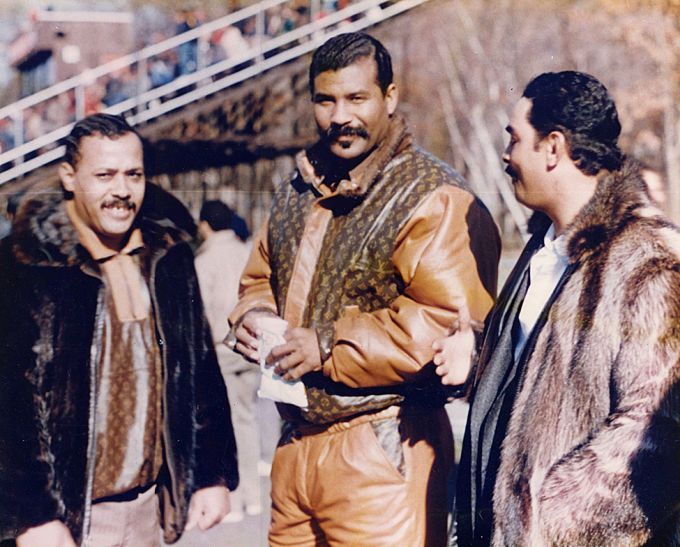
Custom Gucci & Fendi 1987Custom Gucci & Fendi, 1987Three brothers in customized Louis Vuitton and fur gear in 1988Three brothers in customized Louis Vuitton and fur gear, 1988vintage Dapper Dan x Louis Vuitton Air Force 1Vintage Dapper Dan x Louis Vuitton Air Force 1

NEW collection colaboration with GUCCI    2018

https://www.highsnobiety.com/p/gucci-dapper-dan-collection/?format=amp

.

.

Documentary

Fresh Dressed

Hip-hop was a music revolution and a fashion movement. In Fresh Dressed, director Sacha Jenkins explores the roots of hip-hop style and its rise as a mainstream trend through interviews with rappers, designers and fashion insiders like Pharrell Williams, Damon Dash, Karl Kani, Kanye West, Nas Jones, and André Leon Talley. Interview at AOL HQ in NYC for AOL BUILD.

Facebook: https://www.facebook.com/FreshDressedMovie/

.

Two of the jackets on the left were custom-made for Boogie Down Productions and The Jungle Brothers. 1989Dapper Dan in his shop.cThe two of the jackets on the left were custom-made for Boogie Down Productions and The Jungle Brothers,1989

.

.

info for this post:

http://www.dazeddigital.com/fashion/article/21390/1/dapper-dan-natural-born-hustler

http://www.vanityfair.com/style/2015/02/dapper-dan-fashion-week-interview

http://nymag.com/thecut/2015/04/harlem-legend-dapper-dan-on-the-power-of-logos.html#