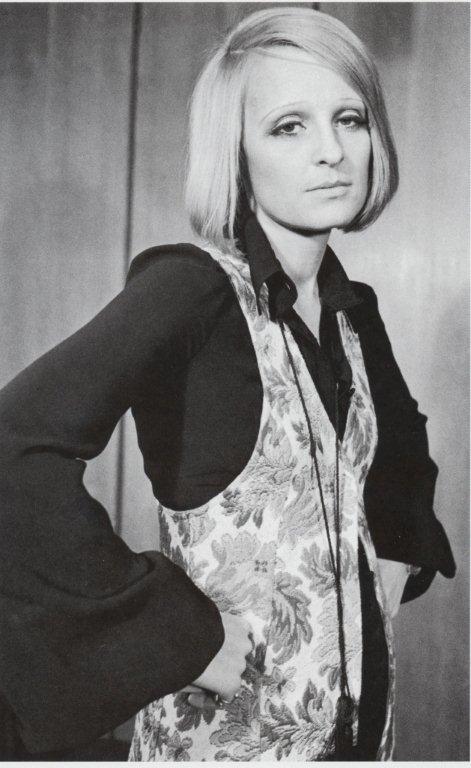
My introduction to Biba has left me with a beautiful memory. My sister Lia, who was four years older and só not into fashion, went to London with her girlfriends. There she visited the Biba department store, where she bought oatmeal-soap and a blue lipstick for me. I must have been fourteen and had never heard of Biba. When my sister told me about the store I was intrigued and the beautiful packaging of the soap and lipstick made my heart beat faster. Not much later I found an article about Biba and after reading I cut it out of the magazine and put it in my scrapbook (I still have it). One of my regrets is I’ve never been to Biba (one of my other regrets is I’ve never seen Jacques Brel perform live), I was just too young and my mom didn’t let me cross the canal yet… Years later, my sister took me to see Paris for the first time. She wasn’t happy at all to have to drag me along, but my mom made her…. Thanks mom!
How it all started
Barbara Hulanicki and Stephen Fitz-Simon got married in november 1961(both still in their early twenties). Barbara was working as a fashion illustrator and Fitz, as Barbara liked to call him, worked as an account executive in advertising. They were so busy with their careers, they didn’t have much time to be together. Fitz came up with the idea of Barbara drawing garments and trying to sell these designs by post. This way they could work together and didn’t have to make a large investment. The first design was an inexpensive long evening skirt, which only sold 400 pieces (not enough to make a profit), the second and third design didn’t sell anything at all and the project seemed become a failure. Then Barbara got a call from the Daily Mirror. Miss Felicity Green, the fashion editor was doing a feature on four career girls and she wanted Barbara to be one of them.

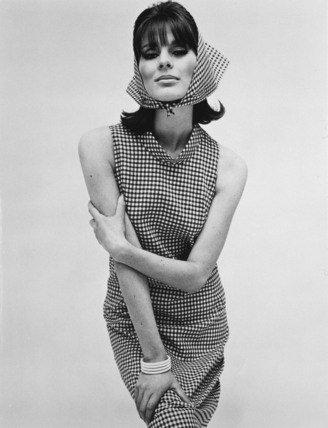
Barbara came up with a pink gingham dress with a hole in the back and a matching Brigitte Bardot kerchief. This became the breakthrough for Biba’s Postal Boutique (named after Barbara’s youngest sister Biba). Barbara and Fitz stumbled onto lots of problems before they got the 17.000 dresses, that were ordered after the publication in the Daily Mirror, produced, but in the end and with lots of help of some friend they got it all together. Barbara and Fitz held to their jobs during the day and in the evening they worked on Biba’s Postal Boutique together. Sheer brute force and ignorance got them through.
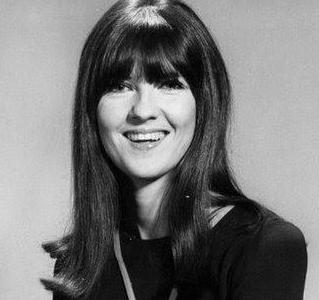
The next boost for Biba’s Postal Boutique came from Cathy McGowan, Queen of the Mods and host of Ready, Steady, Go, the friday-night music television programme. Cathy loved Biba’s clothes and wore them frequently on the show. Barbara wanted her clothes to be available for all young girls so the prices were kept low and everybody could dress like their idol now.
After more and more success with their Postal Boutique, Barbara started thinking about opening a shop, Fitz wasn’t sure about the idea. They had accumulated lots of rejects and garments that people had sent back to exchange for another and with these garments Barbara set up for a sale in their appartement. She telephoned friends and secretaries of press ladies to announce the sale. It was a huge success…

From a postal boutique to a shop
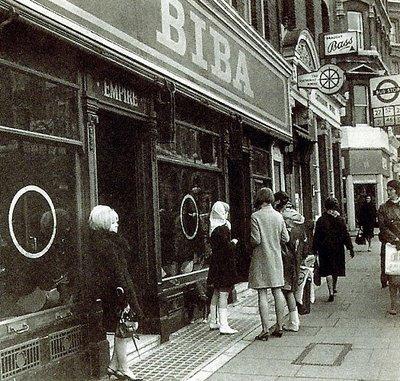
Barbara spotted a marvelous corner premises in Abingdon Road and Fitz loved it too. The shop hadn’t opened yet and they used it still as a storage for their Postal Boutique, when one morning at 10 o’clock Fitz dropped Barbara and drove back to the manufacturer to collect more dresses. Barbara had left the front door open and popped into the loo. When she came out the shop was packed with girls trying on the same dress in concentrated silence. Barbara turned on the record player and more people appeared in the shop. At 11 o’clock she had sold every dress. When Fitz came back, his car was filled with the same brown pinstriped dress in one size and girls went into the street and started fitting the dresses from the car.
The next months the Biba shop became so busy, Barbara and Fitz needed a manageress and Sarah Plunket was suggested to them. Sarah was an aristocratic girl who could control the crowd without upsetting anybody, but after a couple of weeks Sarah needed help and she pointed out two young girls who came in every evening after work. Elenor and Irene were two stunning beauties of only sixteen years old and Sarah was only twenty, but together they were a perfect combination. They became the first Biba girls.

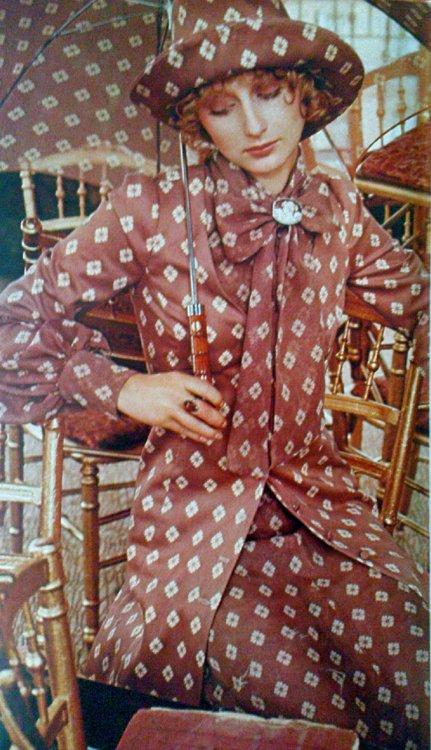
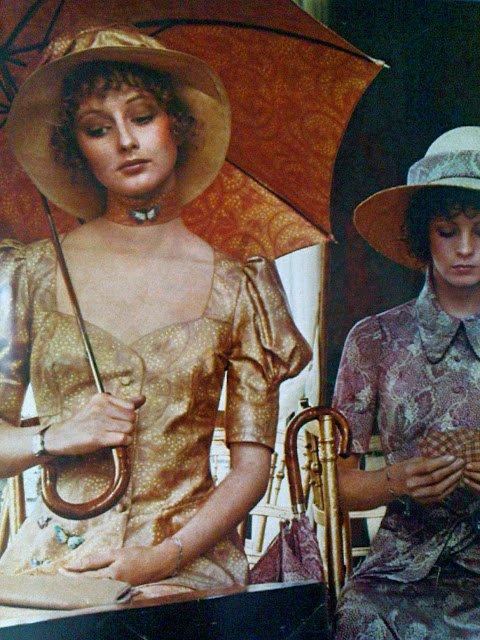
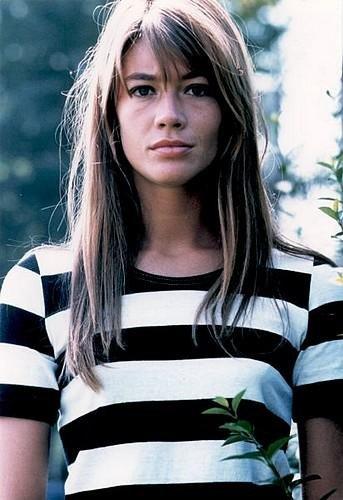
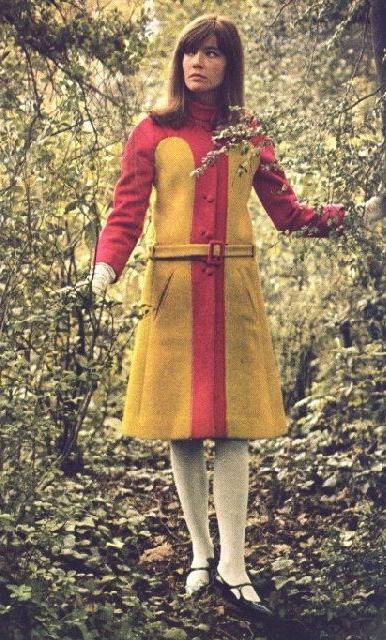
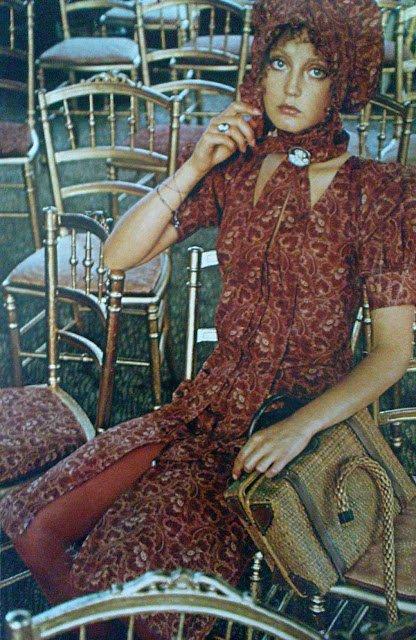
To create the skinny look Barbara wanted, the clothes were not comfortable to wear. Biba smocks were itchy and stopped women’s arms from bending, something that did not stop customers from buying the clothes. They became the uniform of the era,with the added bonus of that whatever you bought, you could always get accessories to match. Miniskirts were causing a scene of their own, every week they got shorter. Although Mary Quant was the first British designer to show the mini skirt, Biba was responsible for putting it on the high street. Everybody wanted to be seen in the Biba look.
Because the shop was relatively small it only had one dressing room where all girls went into together and when it was to crowded in there, they started changing in the shop and stood in their underwear for everybody to see. Even the famous customers sometimes changed in the middle of Biba. So many famous people were seen in the shop, the girls who worked there became blasé about it. After some time the shop had to move to another location, because it became too small. Expanding was required and Biba relocated to Church Street.


Cosmetics
When Barbara was about thirteen she had seen a movie, with Rita Gam as a slave girl. She hadn’t looked made up but her lips had obviously been painted brown. Barbara couldn’t wait to have brown lipstick and other natural shades. Until then lips and nails had always been painted scarlet.
Barbara and Fitz found a factory that produced cosmetics for all the big brands. They ordered the colours that Biba was already famous for like chocolate, blackish mulberries, blueberries, rusts and plums and all kind of other ‘auntie colours’ as Barbara liked to call them. The managers of the factory didn’t seem to take them seriously, but the girls in the laboratory couldn’t wait to formulate something different from the usual range of reds.
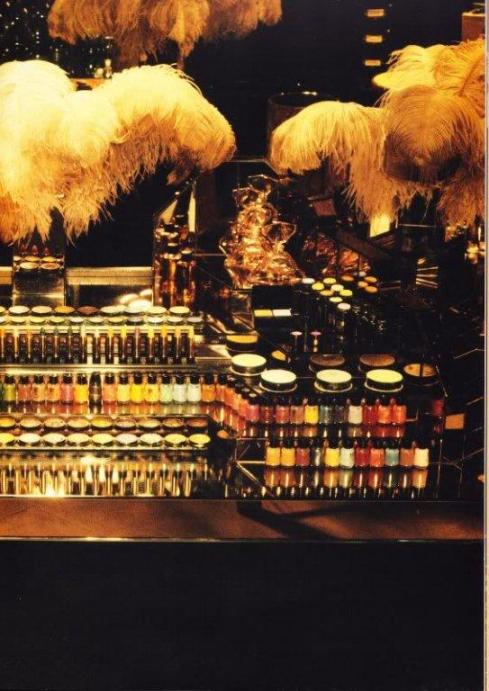
After some financial disasters happening, Fitz had needed some serious investors to keep Biba alive and sold seventy-five percent of Biba to Dorothy Perkins and Dennis Day. In 1971, after Biba had proved to be strong enough, Fitz felt it was right to distribute the cosmetics through Dorothy Perkins. The manageresses of Dorothy Perkins had to be shown how to use the chocolate lipstick and mulberry eyeshadow, so one day all the blue-rinsed ladies from the provinces got treated on a happy lunch and lessons how to apply Biba Make-up.
Biba was also the first store to encourage customers to experiment with the cosmetics before buying it. Lots of girls came in early in the morning with faces scrubbed clean, made themselves up and continued on to work .
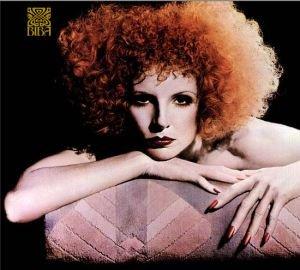
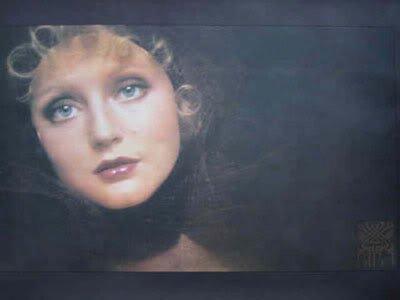
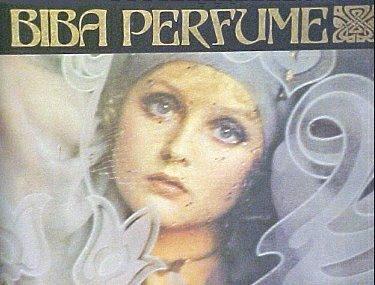
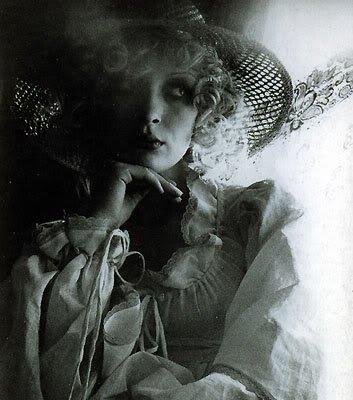
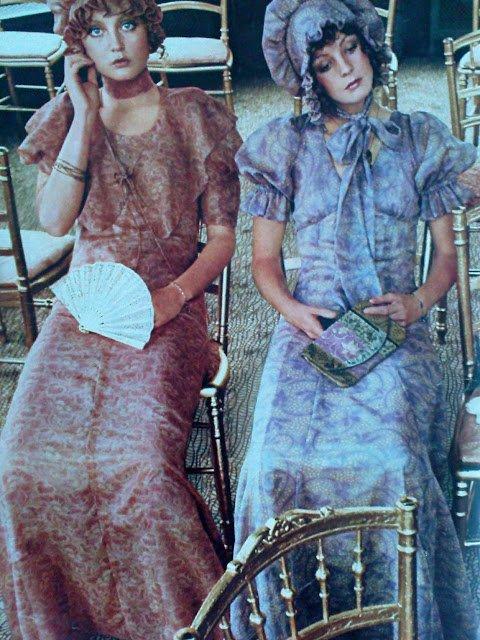
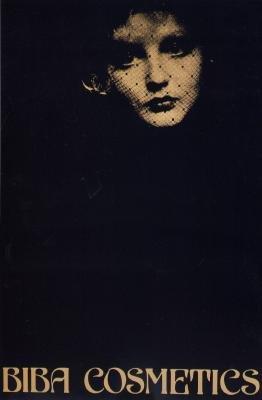
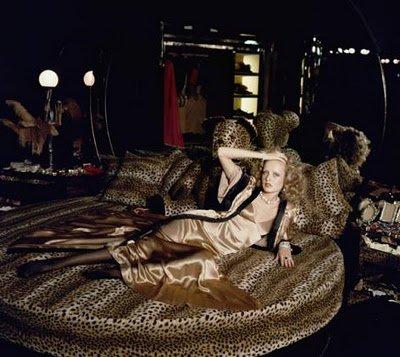
Biba cosmetics was such a great success it finally got sold al over the world. Photographer Sarah Moon was asked to photograph all ads for Biba and Biba cosmetics. Those pictures became almost iconic.

From a little department store to Big Biba
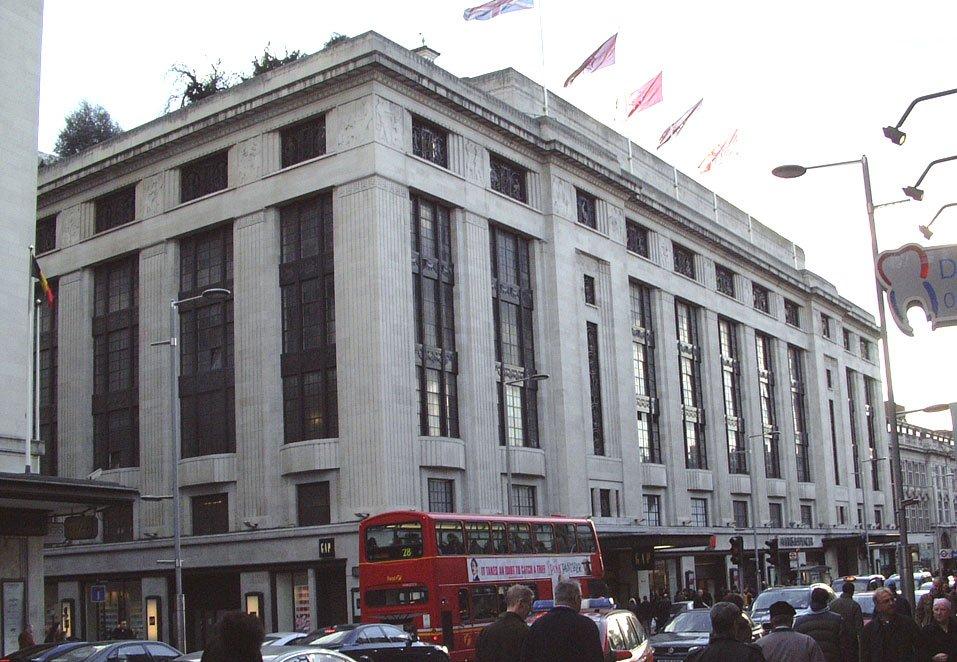
On her walks from Church Street to the new site in Kensington High Street, Barbara had examined the Derry & Toms department store building close by. It was so beautiful and so unappreciated. From the High Street shop looking at the Derry a& Toms building Barbara noticed the roof garden and one day she took het son Witold to the ‘garden in the sky’. Looking over the balustrade you could see the whole skyline of London.
Barbara started dreaming of Big Biba, a huge department store in the Derry a& Toms building and told Fitz about it. For the next two years she collected bits of furniture, cuttings of old carpets, mouldy old curtains with interesting weaves and books and references about Derry and Toms.

‘We felt shocked when we heard that our dream was going to be either shattered or forced upon us earlier than we imagined.’ Derry and Toms was to be sold to British Home Stores and this was the last change to buy the building. Biba ltd. got hold of the building.
Barbara’s dream came through, but it meant total dedication and twenty-four hours a day keeping on top of everything happening in the seven storeys department store building. seventy percent of everything sold in there was own-brand goods, a thing never attempted before or since.
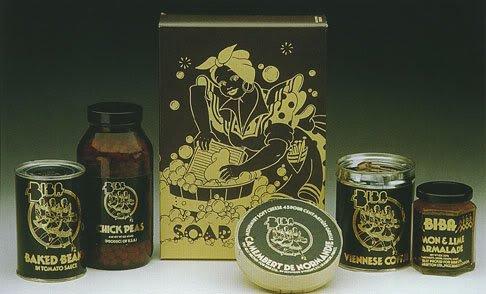
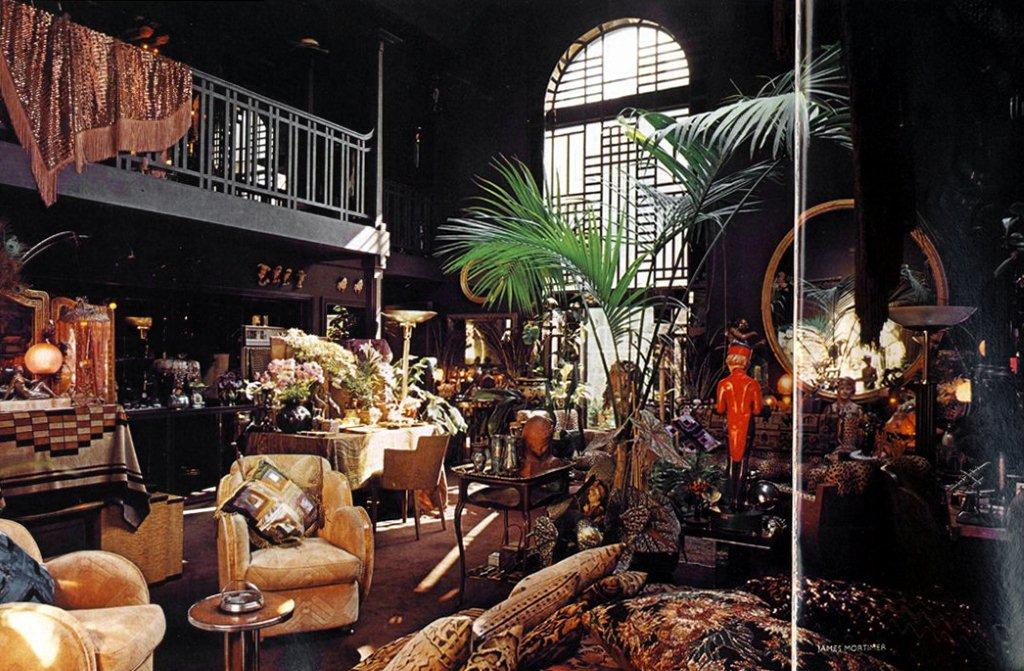
There were different departments, and each floor had its own theme, such as a children’s floor, a floor for men, a book store, a food market, and a ‘home’ floor which sold items such as wallpaper, paint, cutlery, soft furnishings and even statues. Each department had its own logo or sign, which was based on the Biba logo and had a picture describing the department; these were designed by Kasia Charko.
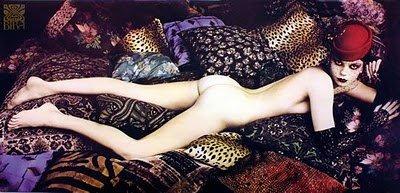
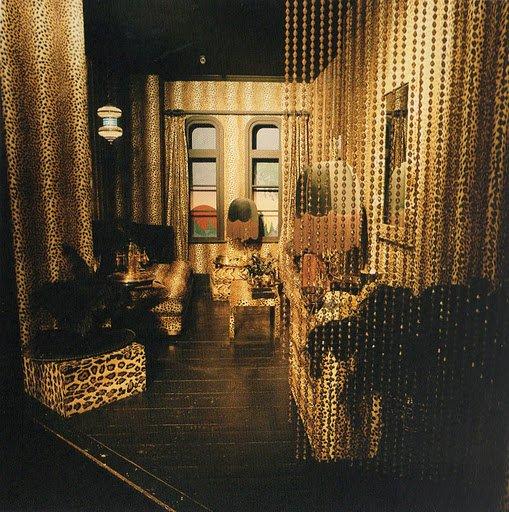
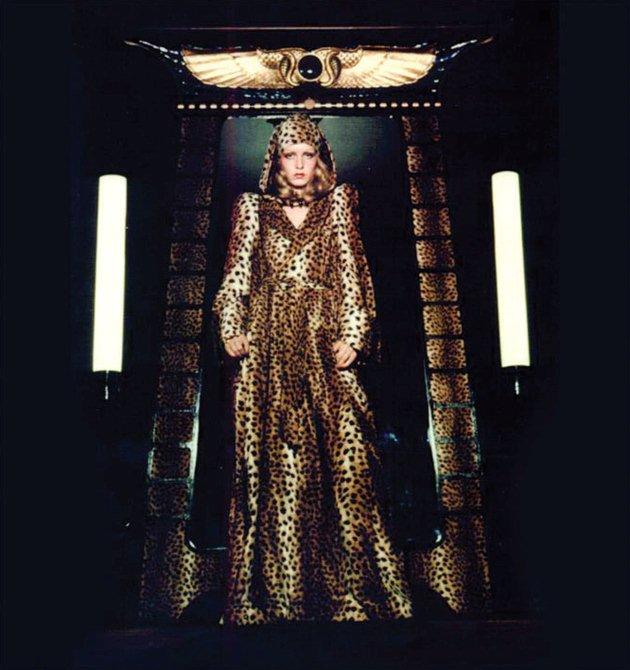
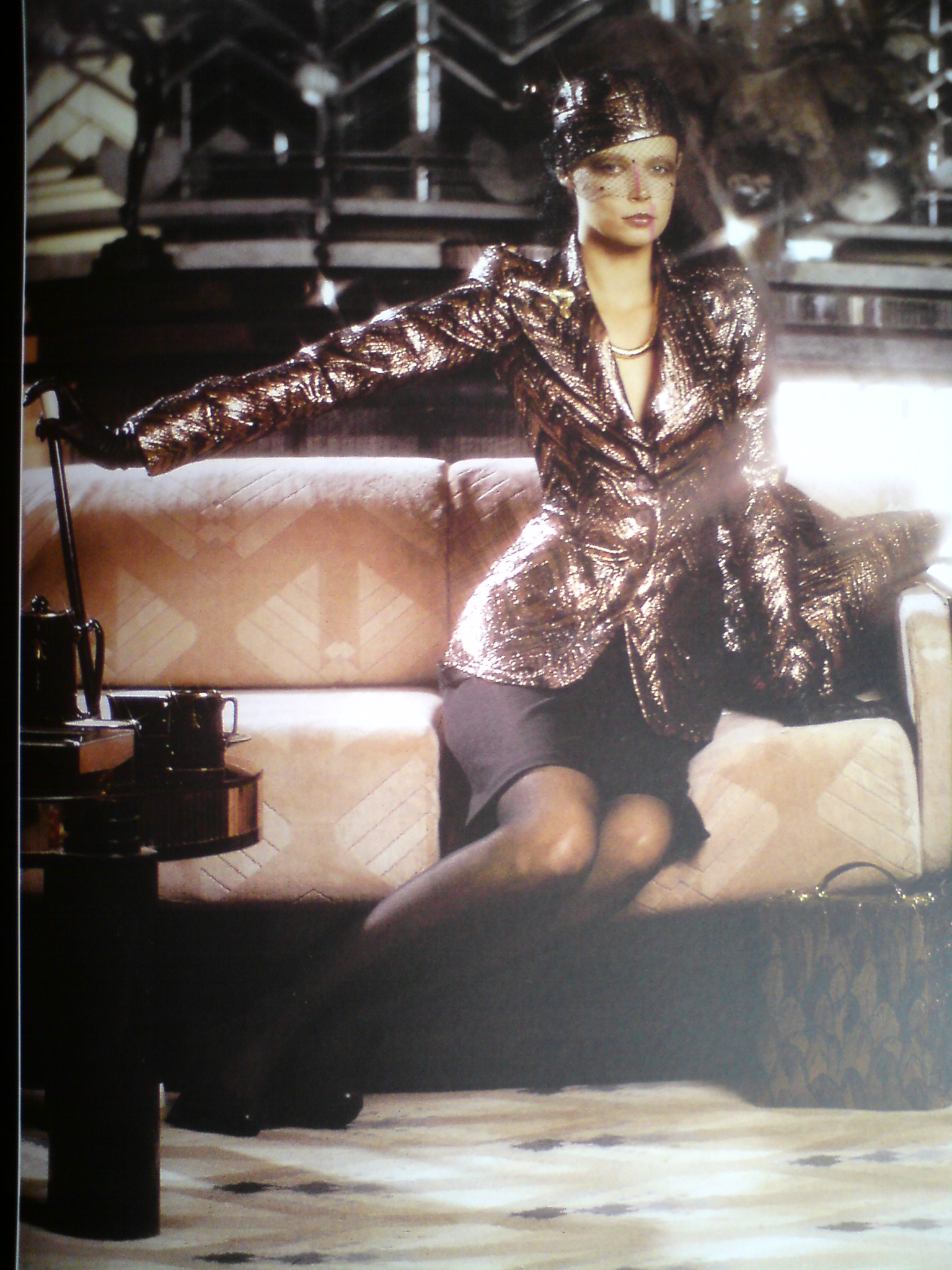
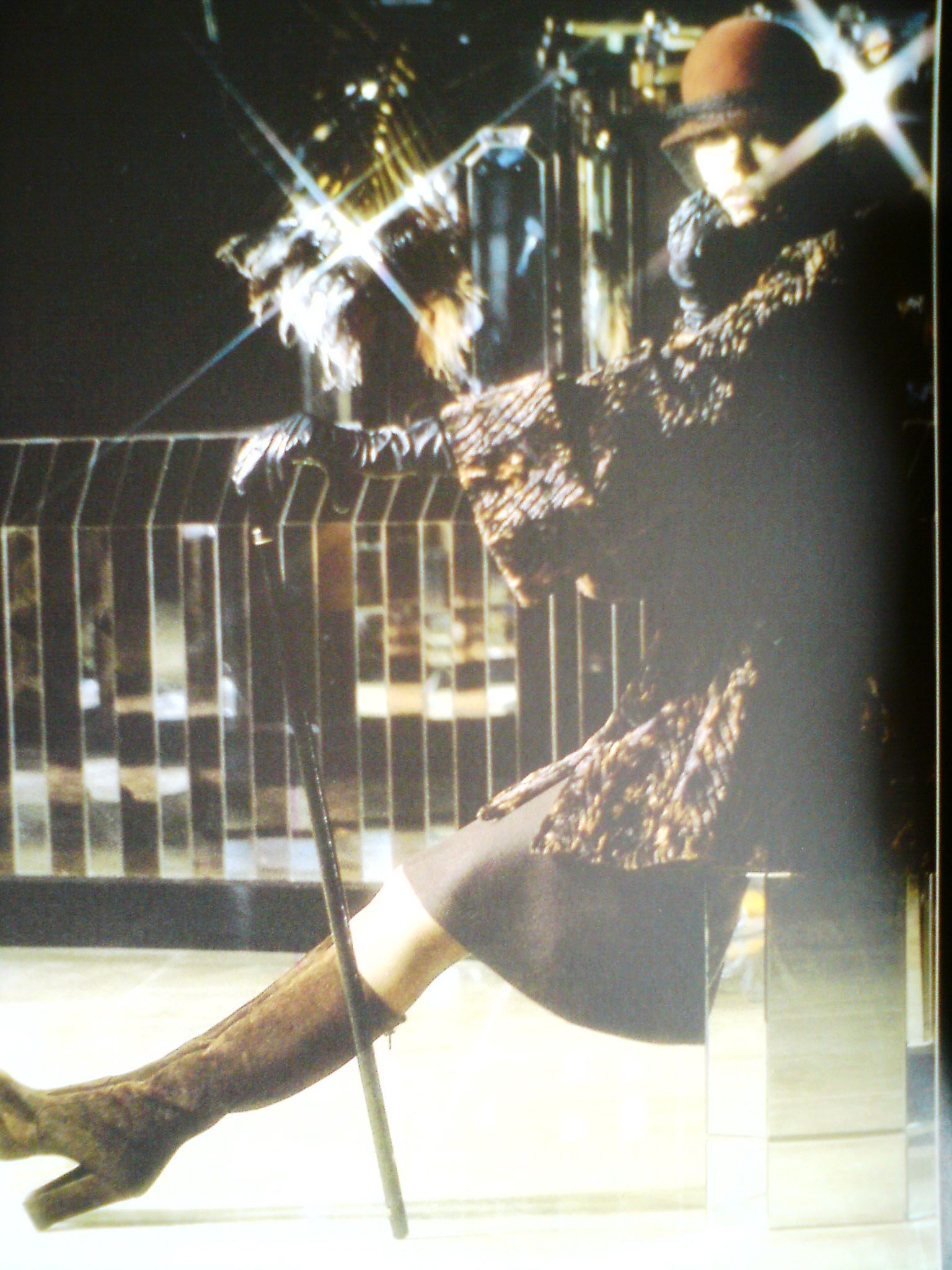
One of the most popular departments was a ‘Logo Shop’ featuring merchandise adorned with the Biba logos and pin-up art, such as playing cards, match books and coloring books. The store had an Art Deco-interior reminiscent of the Golden Age of Hollywood and non-traditional displays, such as a giant Snoopy and his doghouse in the children’s department, where merchandise based on the Peanuts comic strip was sold.
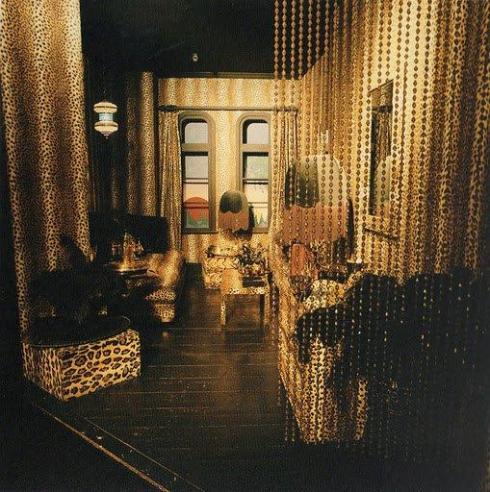
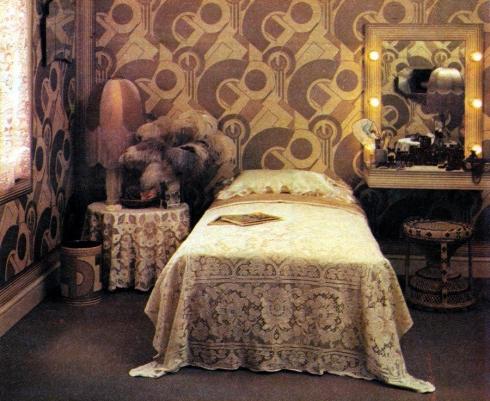
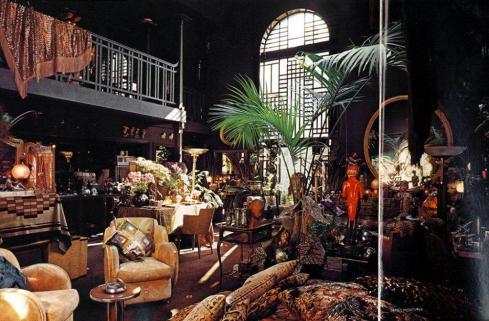
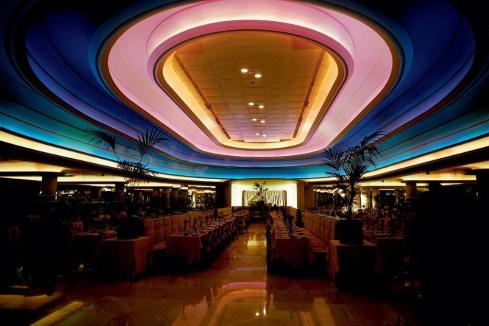
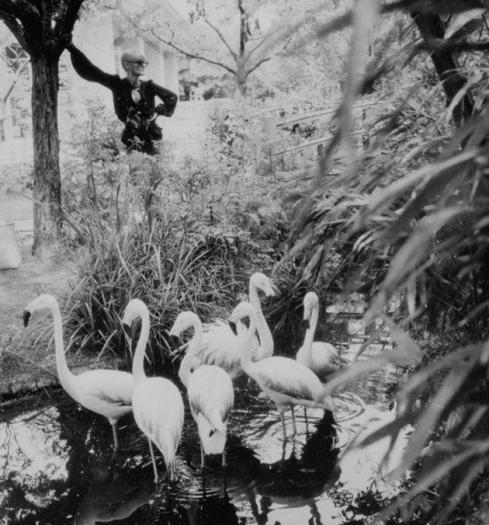
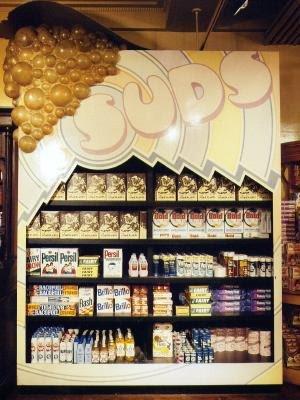
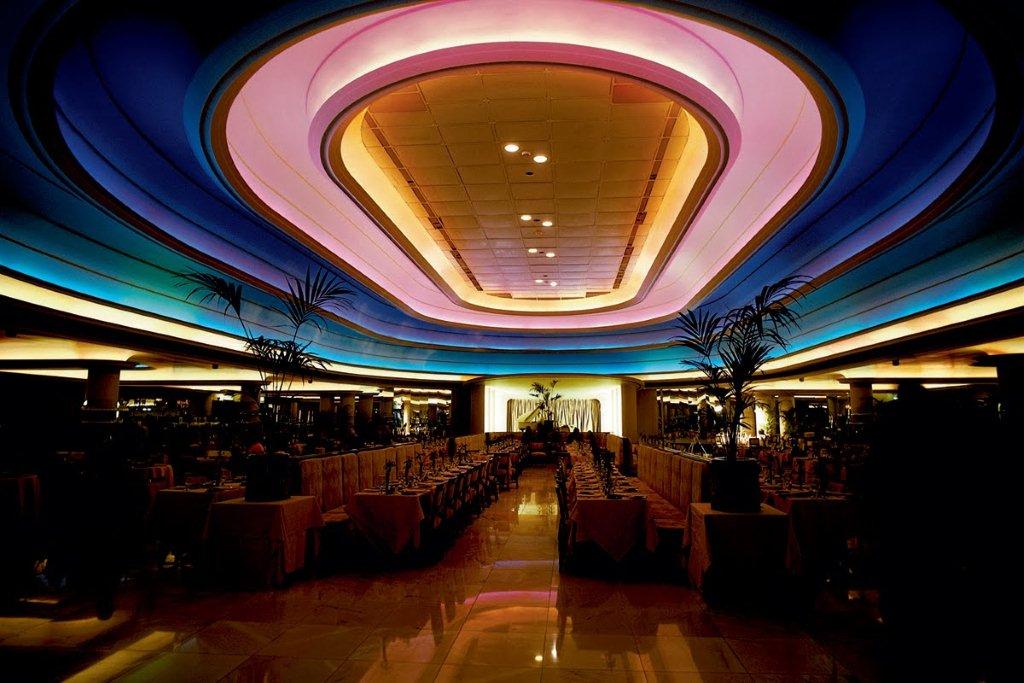
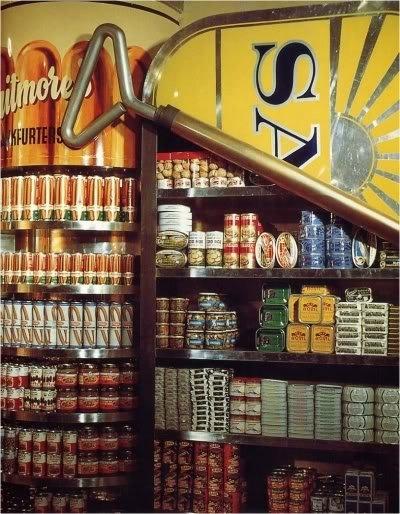
The Biba Food Hall was also designed ingeniously, each part being aimed at one particular kind of product; a unit made to look like a dog (based on Barbara’s own dog, a Great Dane named Othello)consisted of dog food; a huge baked beans tin can consisted of only tins of Baked beans; a can of ‘Warhol’s Condensed Soup’ etc., all foods having individual innovative units. Also at the new ‘Big Biba’ was ‘The Rainbow Restaurant’, which was located on the fifth floor of the department store and which was destined to become a major hang-out for rock stars, but which wasn’t solely the reserve of the elite. And of course the roof garden.

Marketing
The Biba logo played a crucial part in Biba’s success; the logo was gold and black which reflected the growing taste in youth for art deco.The logo was designed by Antony Little. To create a look for Biba in the first store, Little painted the Biba sign above the shop and blacked out all the windows. The blacked out windows didn’t allow the store’s interior to receive any sunlight, which was vital for the Biba’s art nouveau atmosphere.
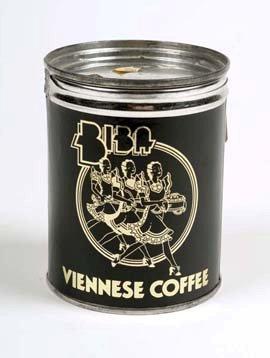
The Biba logo was customized in various ways to be appropriate for all the different products. Every product had the Biba logo on it. The labels showing size, color and price all resembled a similar style. Biba was the first to set a standard for brand marketing and the first high street store to create a look for itself. The logo was seen on everything: from clothes to food, to wallpaper.
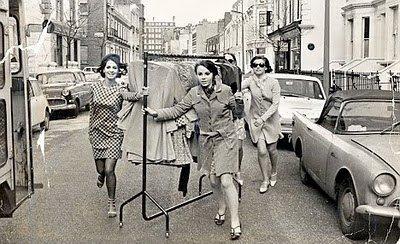
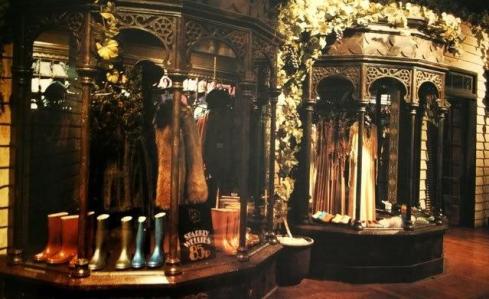
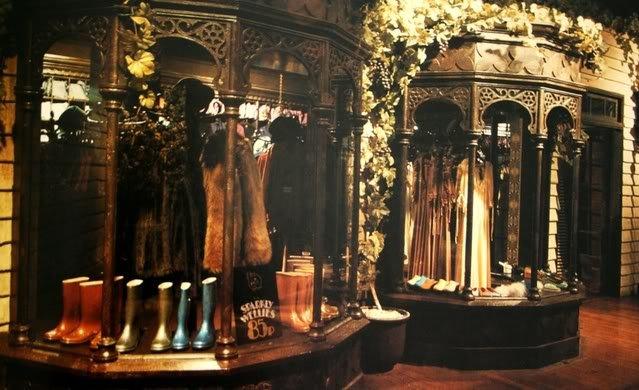
Biba’s layout was innovative and was set to enhance the clothes rather than just to hold them. The clothes were also displayed in an unusual manner, from the beginning hanging on coat stands. Since coat stands can not hold a lot of clothes many were needed. Fitz shopped for them all year round, so that he could secure as many as they needed in the store, while ordering hundreds more.
Biba never exhibited anything in shop windows, believing instead that people would be intrigued and seduced to enter the shop by their captivating store interior seen from outside.


What went wrong
Big Biba was a huge success from day one. Weekly about a million visitors and all departments were selling over their forecast figures.It was, as the press dubbed it, the Superstore Boutique and one of the main attractions of Swinging London. But then came the miners’ strike and the start of the three-day working week in early 1974. At the same time the property market collapsed.
Biba’s sales, along with everybody else’s, were badly hit and suddenly the complains started to come pouring in. One minute Barbara and fitz had been hailed as geniuses and the next they could do nothing right,
Dorothy Perkings got sold to British Land Company and now owned the largest share of Biba ltd. The ‘pinstriped suites’ from British Land Company moved to an office in Biba and set up what they called a Think Tank. They were not retailers, non of them had ever ran a shop in his life. They were an accountant, a personnel manager, someone from an advertising agency, another accountant, a head of Dorothy Perkins’s security and a junior manager.
The pinstriped suites started changing things in the department store. Large ‘Tesco-like’ white lightboxes (‘Pay Here’ and ‘Cash Desk’) were put all over the store. Their words were ‘Groovy Food Hall Basement’, ‘Cafeteria Self Service Fifth Floor'(what used to be the Rainbow Restaurant), ‘Maternity’ (formerly ‘Pregnant Mum’) and ‘Lolita’ became ‘Junior Miss’. Pretentious fibreglass figures were placed in the windows to lure customers into the store.
Big Biba was fast becoming a shifty-looking shop. The ground flour was now covered by supermarket-like units. In the Rainbow Room the glossy black cups and saucers were replaced by paper cups, which then littered the Deco carpets and nobody was there during the day to remove them.
Barbara decided it was time for her to go. Fitz tried to raise finance to buy the business back, but there was no worse time than the mid-seventies, with rising inflation and the collapse of the property market. London was full of ex-millionaires and people who knew Arabs. Finally British Land Company decided to auction off the entire interior, the Biba trademark was sold to a consortium with no connections to Barbara Hulanicki and so was the Derry & Toms building.
Biba will never return

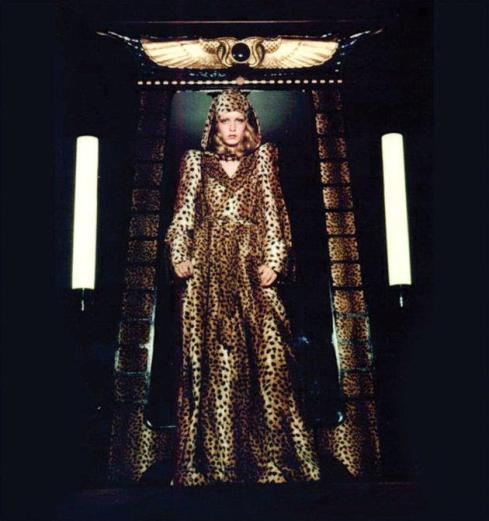
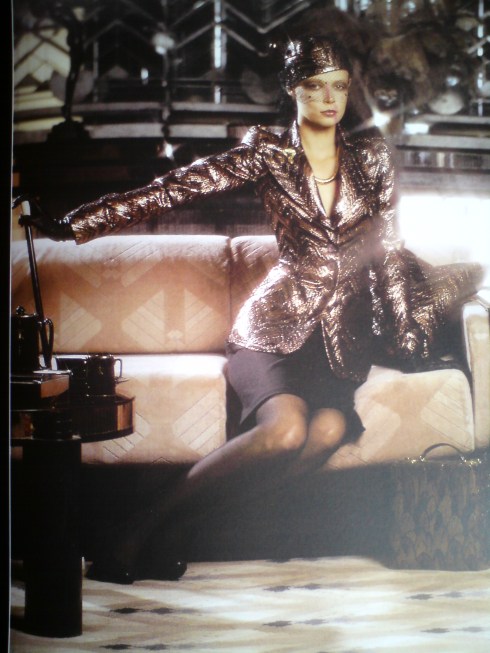
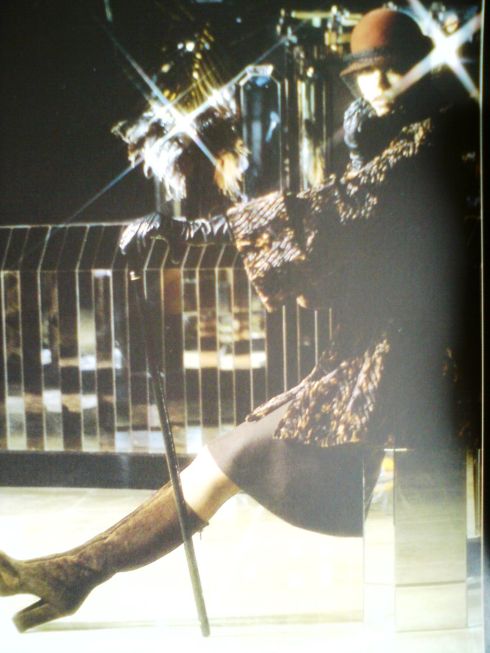
Biba was a product of its time, a combination of the right people at the right time in the right place. A few times the Biba label is relaunched. It was bought by the House of Fraser company in 2009 and they made the label into a success again, but the feeling and the fibes of the original Biba are long gone.
Barbara Hulanicki is a visionary and together with her Fitz started a new concept in fashion and marketing, never to be repeated again.
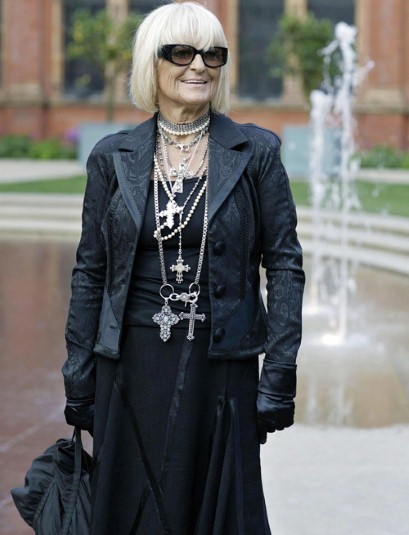
Thank you Barbara Hulanicki for a brilliant legacy!
Most information for this post comes from ‘From A to Biba’,the autobiography of Barbara Hulanicki. Another great purchase is ‘Welcome to BIG BIBA’ ,a book in which photographs show Big Biba in all its glory
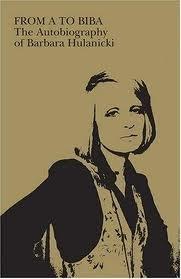

Both books can be ordered at www.amazon.com
















 agnautacouture.com