Charles James, the First American Couturier was an Egomaniac

15 Dec
3 Charles James - Photo Cecil Beaton, 1929 - high resCharles James - Photo Cecil Beaton, 1929
Biography

Often cited as the greatest American couturier, Charles James was actually born (1906) and raised in England , but began his career as a hatmaker supported by friends of his mother in Chicago, where he sculpted his creations directly on the heads of his clients. Before he was educated at Harrow, a British public school, where he met the fellow fashion enthusiast and fashion photographer Cecil Beaton, whose images later defined his work. Charles was described by a friend, Sir Francis Rose, as temperamental, artistic, and blessed even in childhood with the ability to escape the mundane chores of life-like a trapeze artist.

In 1928 Charles heads for Long Island with just 70 cents and an assortment of hats to his name, after he left Chicago in a swirl of financial confusion. He sets up a studio in a carriage house once rented by Noël Coward in Southampton. Socialite Diana Vreeland is a client; she will later recall Charles  at the time running “up and down the Southampton Beach in beautiful robes showing his millinery on his head.

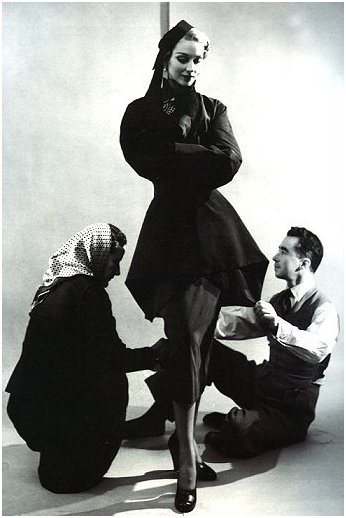
_charles-jamesCharles James at work

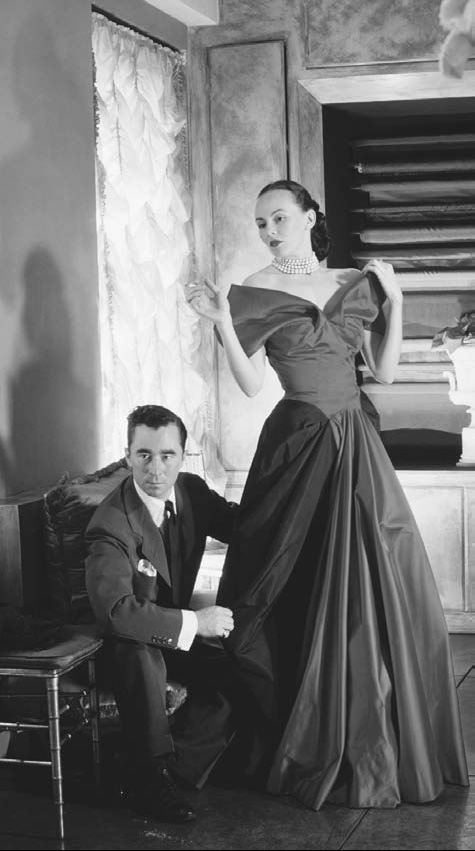
Charles-James-dress-Mrs-Randolph-HearstCharles James and Mrs Randolph Hearst

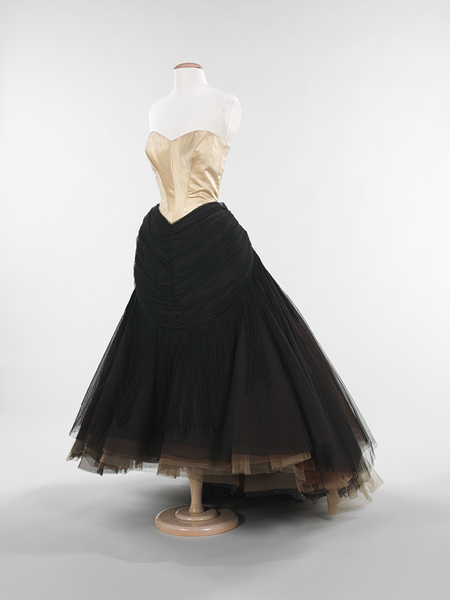
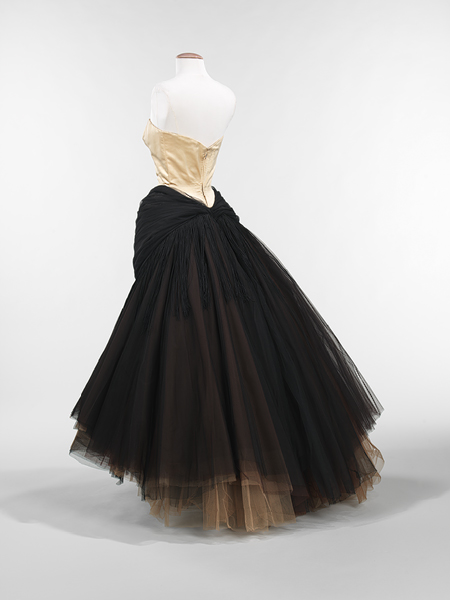
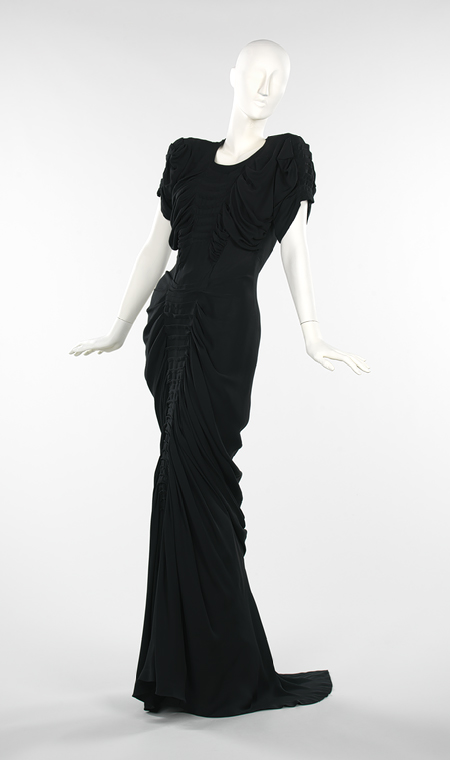
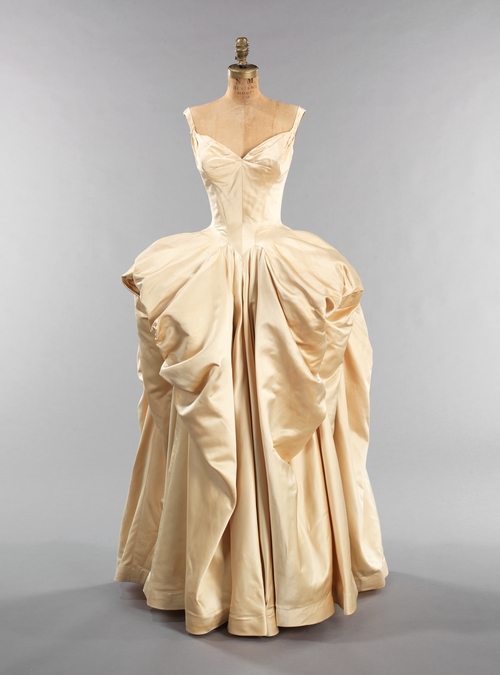
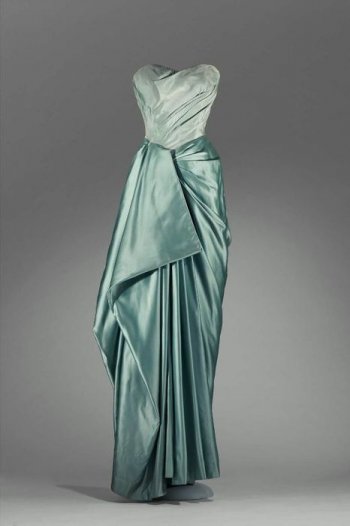
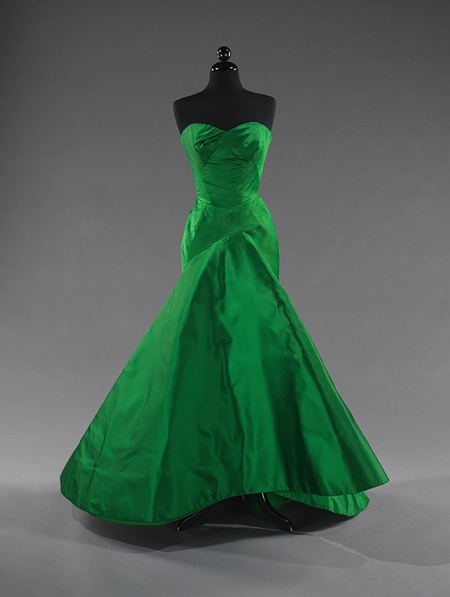
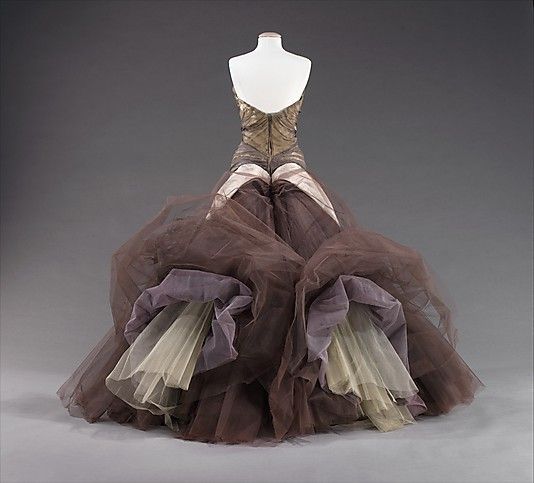
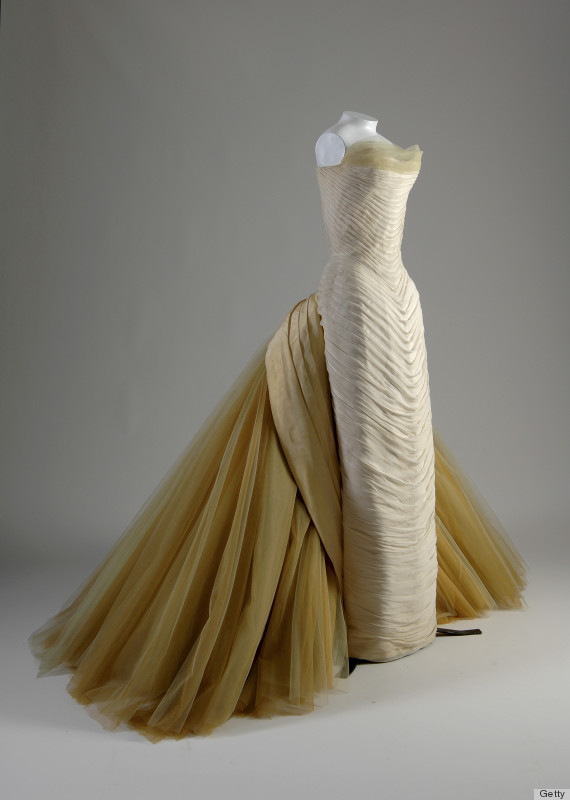
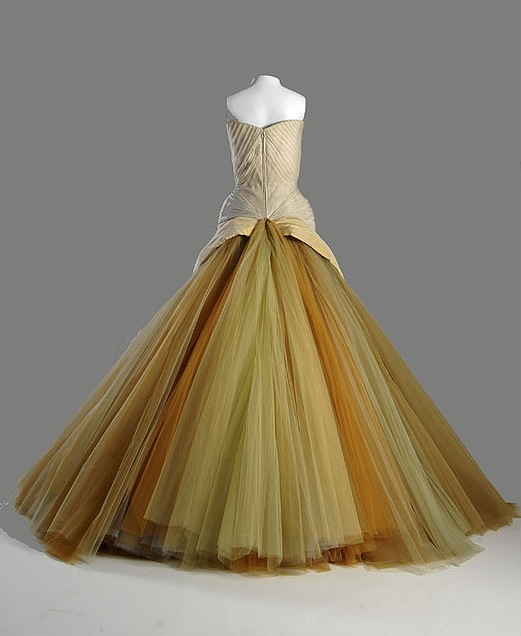
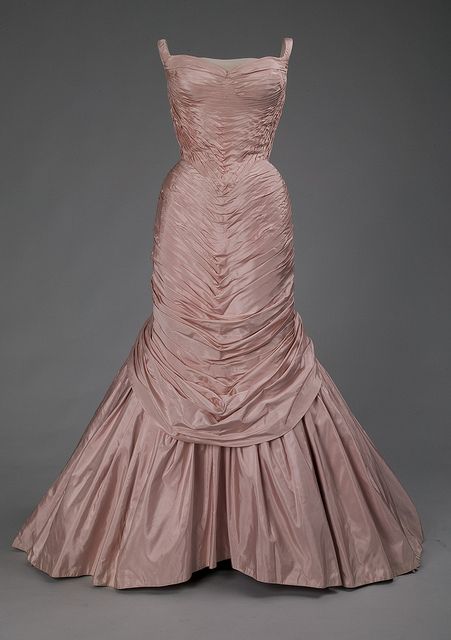
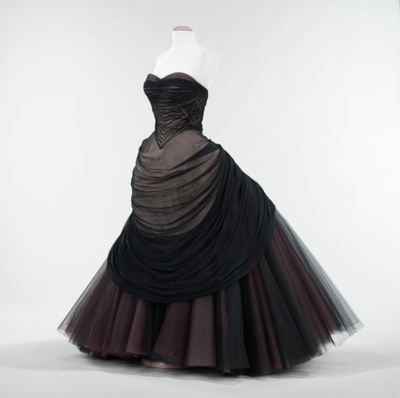
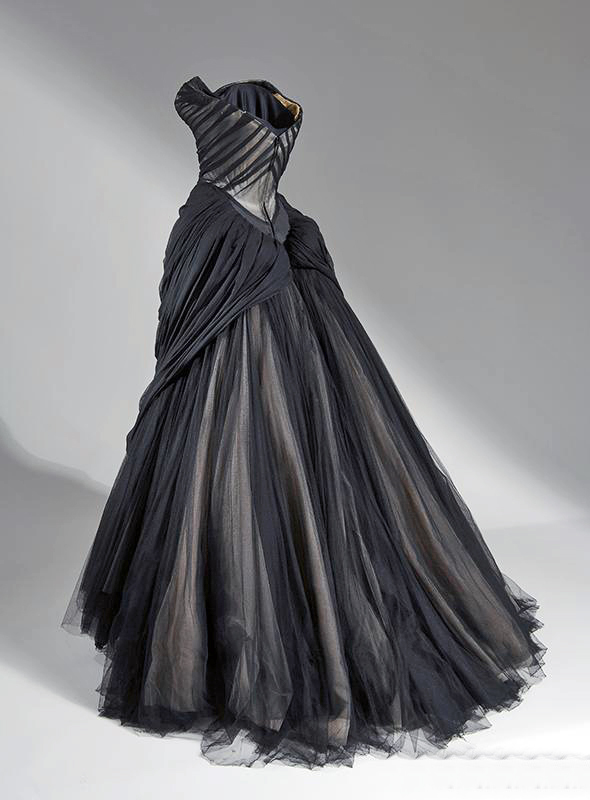
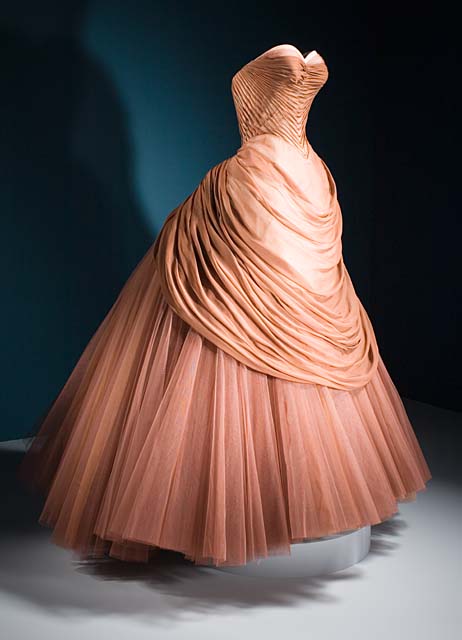
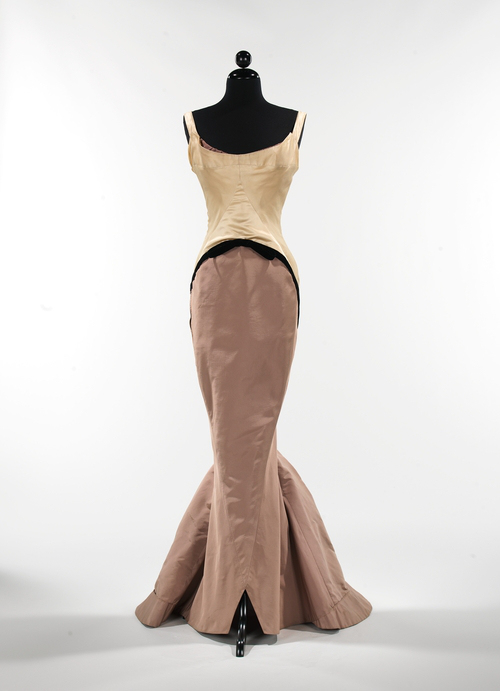
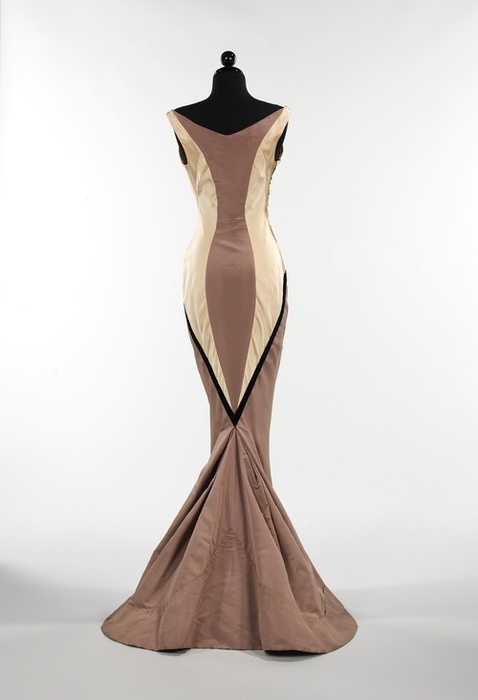
His training as a milliner would shape his approach to clothing design. Much as a hatmaker uses a block, Charles viewed the female form as an armature on which to build his highly sculptural pieces. Never afraid to try new materials, spiraled a zipper around the torso in 1929, thus designing his famous taxi dress. To give strength and shape to the luxurious fabrics he favored, Charles often underpinned them with a framework of millinery wire and buckram for bombast. Though his dresses weighed up to eighteen pounds, his technical prowess ensured that the wearer moved as gracefully as a ballerina. Witness the garment that Charles considered his “thesis” in dressmaking: the Four Leaf Clover ball gown, which, viewed from the top, indeed resembled the lucky charm. To create the unique quatrefoil silhouette, James engineered a complex undercarriage of multiple petticoats, over which floated a skirt of cream duchesse-satin, its four structured “petals” emphasized by a wide undulating band of black velours de Lyon. 

Four Leaf Clover ball gown
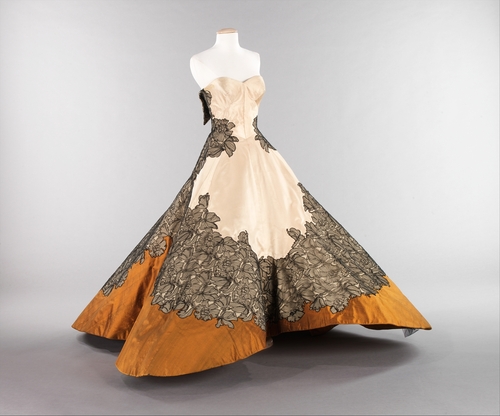
Four Leaf Clover ball gown

four-leaf-clover-ball-gown--

Charlkes James

Because of various financial escapades that skirted the limits of legality, James found himself in 1939 no longer welcome in England. The next year he opened Charles James, Incorporated, at 64 East Fifty-seventh Street, New York City. Virtually ignoring wartime rationing, he began designing collections for Elizabeth Arden and redesigning her couture collection in 1944; their relationship was severed in 1945 because of financial problems .

His impressive acts of achievement in construction earned Charles a reputation as fashion’s premier architect, known for his sumptuous eveningwear as well as his ingeniously seamed coats. “Mathematical tailoring combined with the flow of drapery is his forte,” Vogue noted in 1944. Even the venerable Cristobal Balenciaga, himself a master of cut and cloth, was unsparing in his praise of Charles James, calling him “the world’s best and only dressmaker.” Christian Dior described his designs simply as “poetry.”
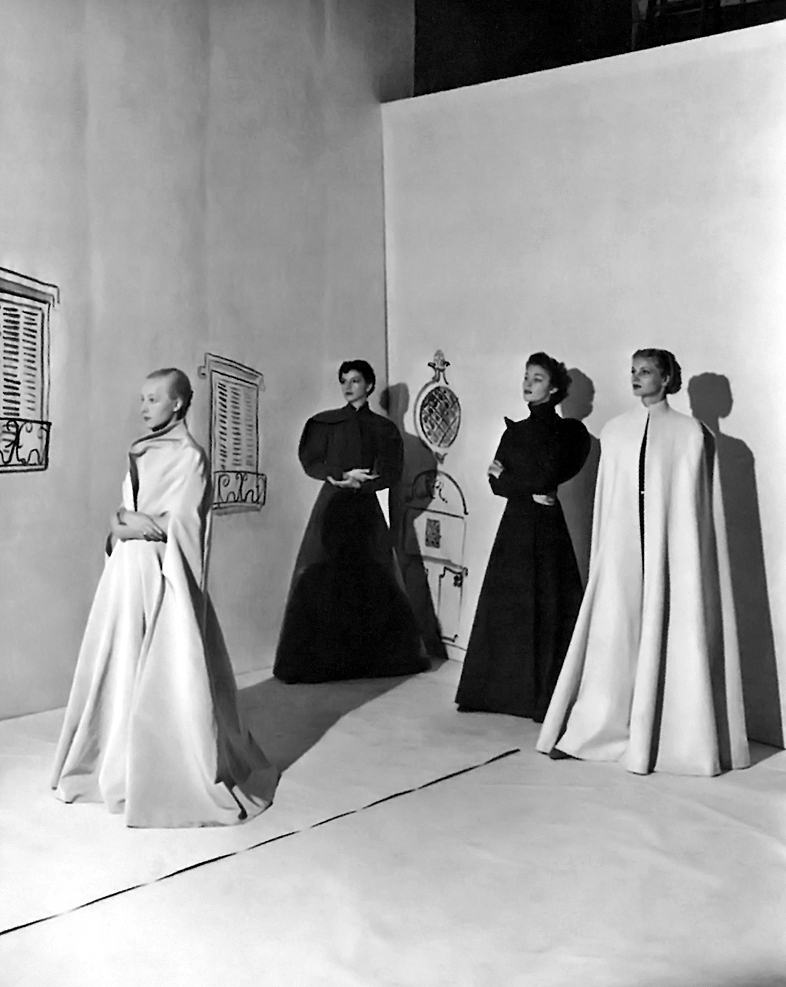
cecilbeatonvogue1936A

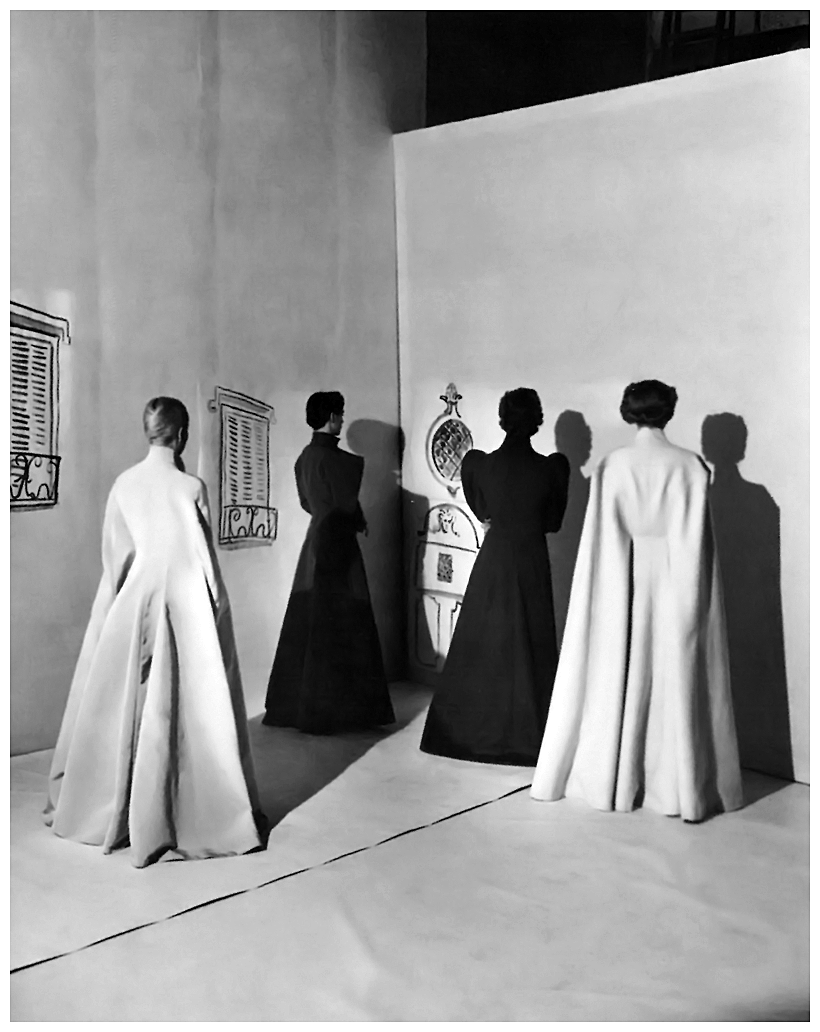
cecil-beaton-vogue-1936-bCharles James cloaks by Cecil Beaton for Vogue, 1936
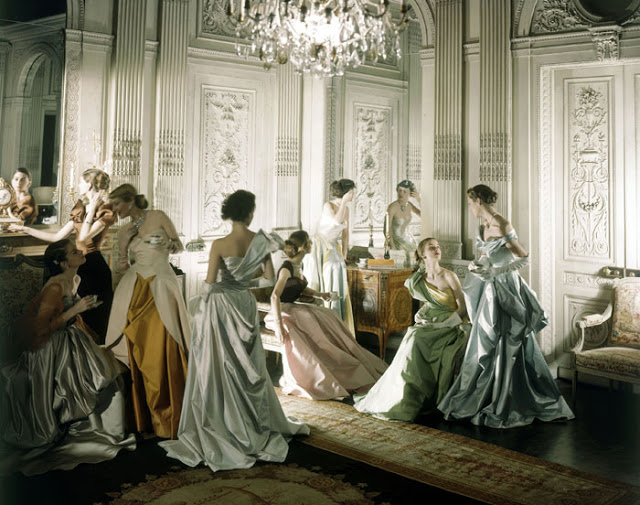
In 1948, Cecil Beaton photographed one of Vogue’s most memorable images, eight models in the eighteenth-century drawing-room of French & Company, a Manhattan antiques dealer. Their hair chicly coiffed, necks craned like swans, the young beauties in the composition were swathed in sculpturesque ball gowns of silk and satin, taffeta and velvet. Together, they created a harmonious palette—icy blues and grays, punctuated by surprising combinations of celadon and lemon, rust-orange and petal-pink. Posed against the Louis Seize–wall-panels, each figure emerged as a singularly exquisite study in color and texture. Indeed, if not for Beaton’s masterful lighting—soft shadows trace the curve of collarbone and shoulder-blade, the drape and billow of skirts—the women themselves could have been the rare objets on display.

The designer of this lavish fashion tableau was Charles James, “master of color comparatives, of the cut and fold of exceptional cloths”, as Vogue wrote.

Charles James Gowns by Cecil Beaton 1948Cecil Beaton for Vogue. Dresses by Charles James
Between the late forties and mid-fifties—around the time the Beaton photo ran—Charles was at the height of his powers. He finally achieved success and recognition, won two Coty awards in 1950 and 1954 for “great mystery of color and artistry of draping”. His pieces were already sought after by collectors and museums, as well as by those wealthy patrons willing to pay his exorbitant fees—not to mention, gamble on the actual delivery of a commissioned design. “Charles James felt there was not enough money in the world to buy his garments,” one client bluntly remarked. His desire to receive out-sized financial rewards for his designs, coupled with perfectionism and his insistence on total control, eventually destroyed him.

Charles James was, in short, an egomaniac. He considering himself an artist rather than a dressmaker, and was so strongly attached to his creations that he felt they ultimately belonged to him. He would borrow back a dress from one client, only to lend it to another; or, worse, loan it out for an advertising campaign for feminine products. At minimum eccentricity, the darkly handsome designer—who was said to have been an excellent model for his own work—might don a finished gown and dance all night in his apartment above the Chelsea Hotel before handing it over . . . if he handed it over at all. he did not let go of his creations easily. He made his clients pay, sometimes twice for the same gown, and sometimes for a garment he had also promised another client. He was notorious for not having garments delivered on time.

Among his most ardent (and patient) devotees were Babe Paley, Mona von Bismarck, the Standard Oil heiress Millicent Rogers—who steadfastly supported him throughout his career—and, deliciously, the burlesque performer Gypsy Rose Lee, for whom he created elegant designs for her strip-tease. Fellow couturiers Elsa Schiaparelli (who had to pay) and Coco Chanel (who didn’t) also put in orders.
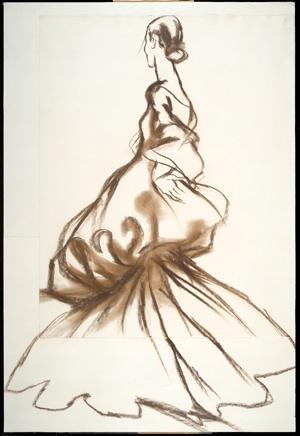
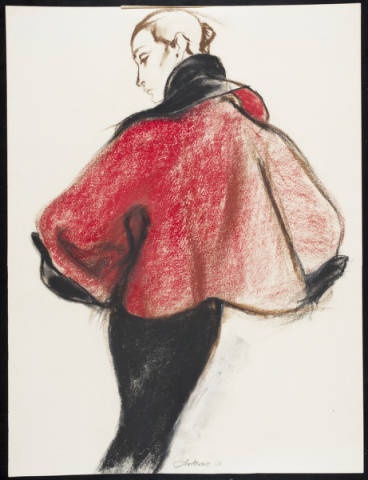
Antonio Lopez

Antonio Lopez

Antonio Lopez illustrations of Charles James's designs

A perfectionist to the extreme, Charles James was capable of spending thousands of dollars developing the ideal sleeve or a staggering twelve years on a single frock. He would “far rather work and rework a beautiful dress ordered for a certain party than have that dress appear at that party,”  Diana Vreeland once observed. Such obsessive tendencies, combined with his taking investors on a wildly careening roller-coaster ride in his business dealings—in short, promising unicorns and rainbows and delivering absolutely zip—would ultimately prevent the designer from achieving the kind of success his genius deserved.

By 1958 Charles was a beaten man, unwelcome on Seventh Avenue, and mentally, physically, and financially drained. In 1964 he moved into New York’s bohemian hotel, the Chelsea. Here he worked with the illustrator Antonio Lopez to document his career. Old clients joined with his protégé Halston in 1969 in a bravely attempted salute to his career.  Charles attempted to document the creations of a lifetime, whether they were in public or private holdings. Above all, during those final years of his life, Charles James was fanatical about securing his proper place in the history of twentieth-century fashion.

He dies in 1978 of pneumonia in the Chelsea Hotel, alone and penniless.
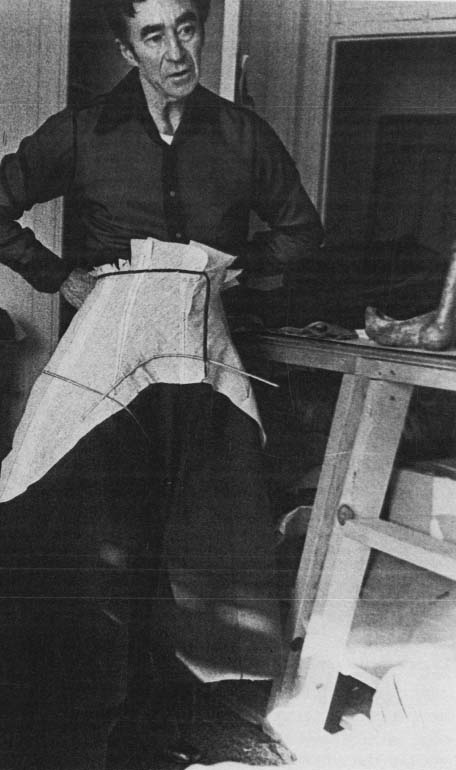
Charles James at work 2

Charles James at work

.

.

Exhibition in the Metropolitan
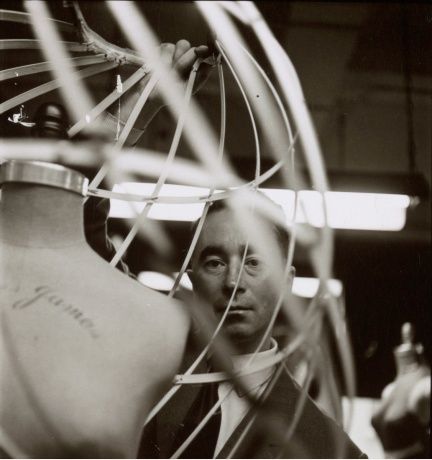
Charles James


          Charles James: Beyond Fashion

The inaugural exhibition of the newly renovated Costume Institute will examine the career of the legendary twentieth-century Anglo-American couturier Charles James (1906–1978). Charles James: Beyond Fashion will explore James’s design process, focusing on his use of sculptural, scientific, and mathematical approaches to construct revolutionary ball gowns and innovative tailoring that continue to influence designers today. Approximately one hundred of James’s most notable designs will be presented in two locations—The New Costume Institute as well as special exhibition galleries on the Museum’s first floor.
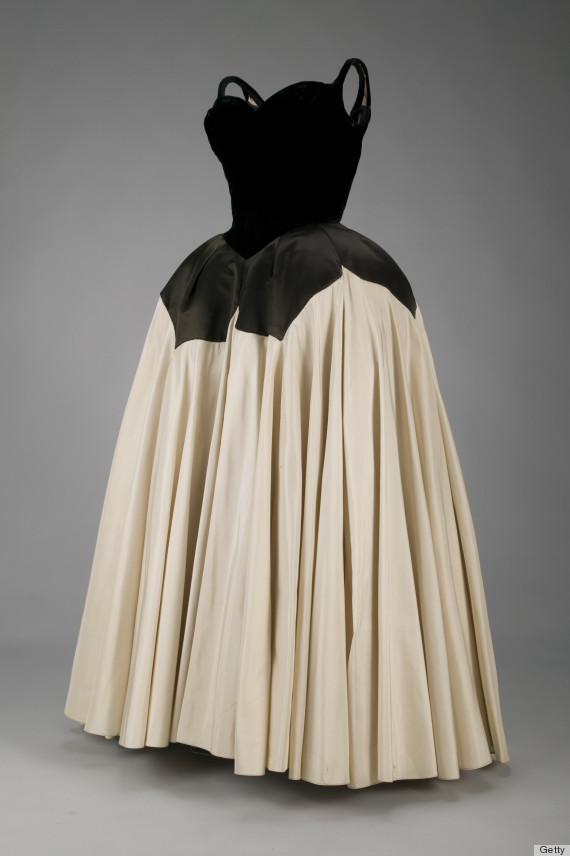
Petal Evening Dress
Petal evening dress
Charles James
charles james
The first-floor special exhibition galleries will spotlight the glamour and resplendent architecture of James’s ball gowns from the 1930s through 1950s with an elegant tableau celebrating such renowned clients of his as Austine Hearst, Millicent Rogers, and Dominique de Menil. The New Costume Institute’s Lizzie and Jonathan Tisch Gallery will provide the technology and flexibility to dramatize James’s biography via archival pieces including sketches, pattern pieces, swatches, ephemera, and partially completed works from his last studio in New York City’s Chelsea Hotel. The evolution and metamorphosis by James of specific designs over decades will also be shown. Video animations in both exhibition locations will illustrate how he created anatomically considered dresses that sculpted and reconfigured the female form.

La Sirene Evening Dress

La Sirene
La Sirene Evening Dress
La Sirene Evening Dress, 1938
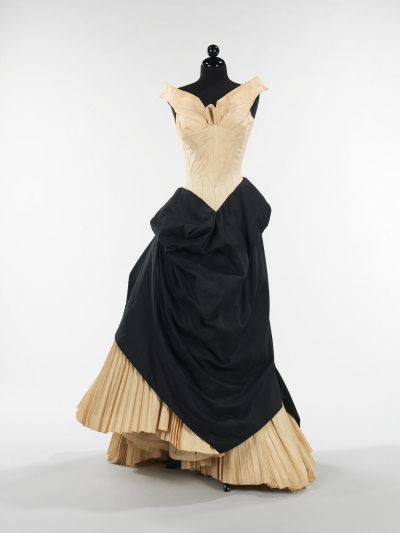
Charles James 1953
charles james
charles james
_charles-james_
_charles-james_
charles james
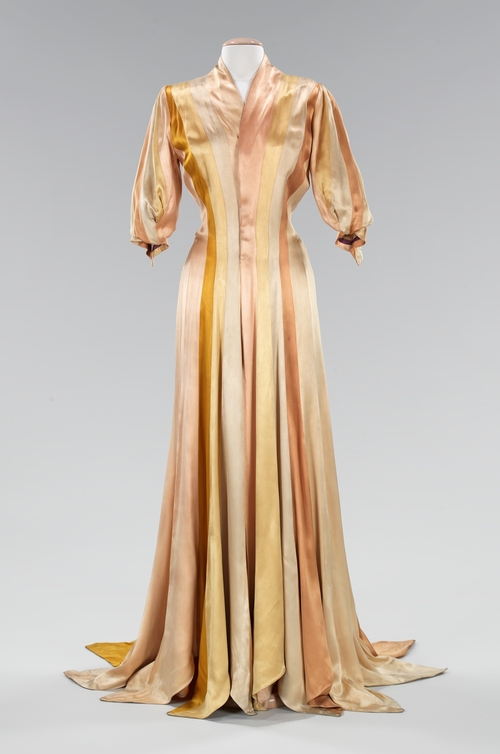
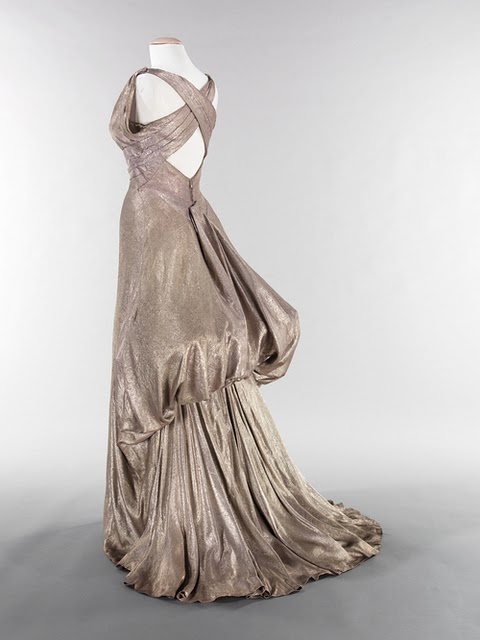
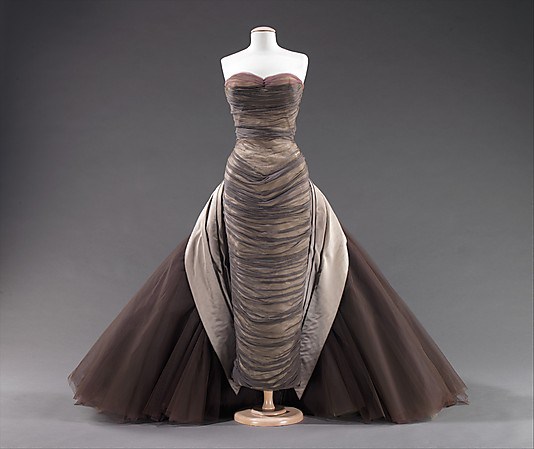
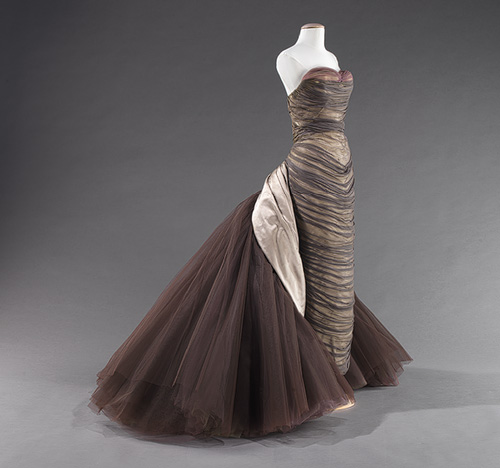
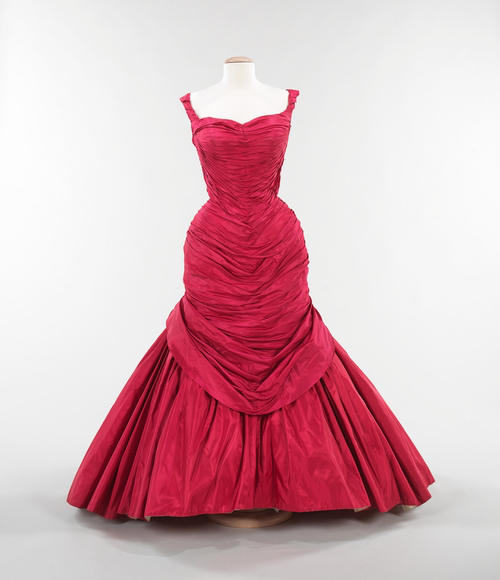
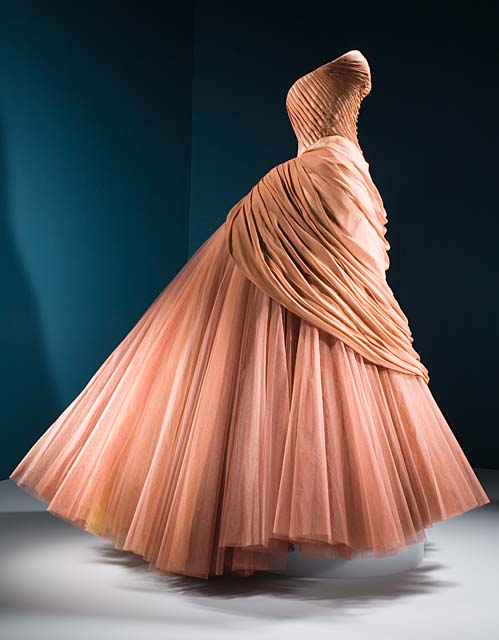
After designing in his native London, and then Paris, James arrived in New York City in 1940. Though he had no formal training, he is now regarded as one of the greatest designers in America to have worked in the tradition of the Haute Couture. His fascination with complex cut and seaming led to the creation of key design elements that he updated throughout his career: wrap-over trousers, figure-eight skirts, body-hugging sheaths, ribbon capes and dresses, spiral-cut garments, and poufs. These, along with his iconic ball gowns from the late 1940s and early 1950s—the “Four-Leaf Clover,” “Butterfly,” “Tree,” “Swan,” and “Diamond”—will be showcased in the exhibition.      May 8–August 10, 2014

Butterfly gown

Butterfly....

h2_2009_300_816

Butterfly dress, 1955

Butterfly Evening Dress

_charles-james_

Tree gown

81.25.3 0002

Charles James

Swan gown

Swan Evening Dress

The Swan Gown

Swan

charles james

Charles James 1951

charles-james

Diamand gown

Charles James

charles James

.

information found on: website of the Metropolitan Museum of Art

http://www.vogue.com/voguepedia/Charles_James

http://angelasancartier.net/charles-wilson-brega-james
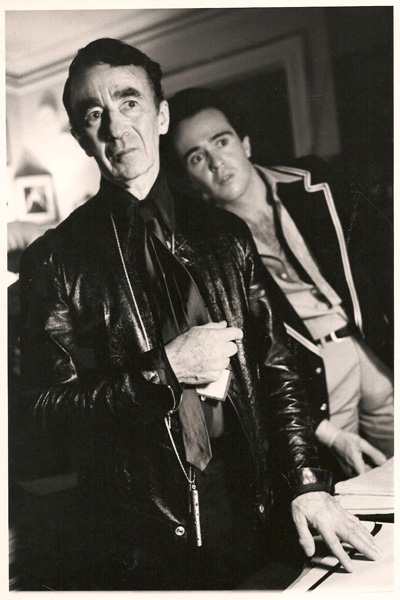
049_charles-james_theredlist

Apollonia Van Ravenstein, Model in the 70ties & 80ties and the Book written about Those Days

8 Dec

604da74f0da9ed1b46ac1e8f4361350d

When school pictures were taken, Apollonia Van Ravenstein always had to stand in the back, because of her height. At 15, the owner of a pantyhose factory , situated in her hometown Geldrop (Netherlands), asked her to pose for his new collection.  Apollonia sent him to meet her parents for approval. She was paid fl 75,- (€ 34,-) for the session, while her pocket-money was only € 11,- a month.

It was her brother Theo who convinced her to take the next step. He owned a hair salon in Berlin, Germany, and  was interested in fashion magazines. Theo told his sister, he believed she could become a professional model, made an appointment at the model agency of Corine Rottshäfer and accompanied Apollonia to Amsterdam. She was wearing a light-blue suit her mum had made for her. The other women at the agency were wearing fur coats, their hair up in a bun and too much make-up.

Within a month Apollonia was called ‘the face of 1970’ by the most important newspaper. She travelled to Milan, did a cover for Vogue, went to Paris and not long after took off to New York. The beginning of her model career was overwhelming. ‘You earn lots of money, you’re placed on a pedestal, but your inner grow suffers from these circumstances. The beginning of the 70ties was one big party, with lots of drugs and alcohol. I saw people in the fashion world who came to grief.’

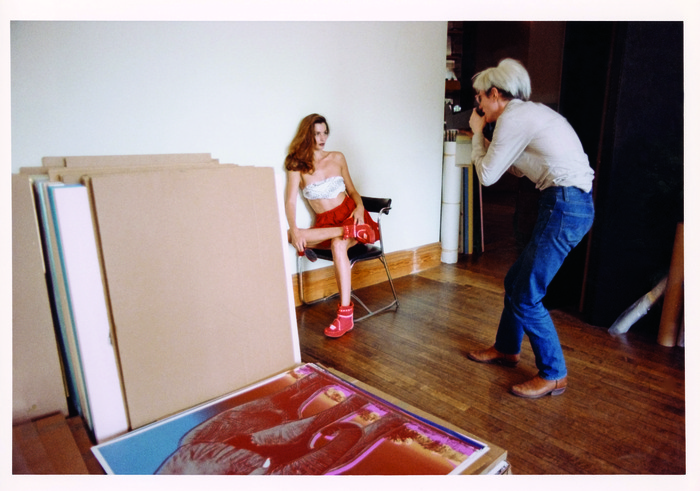
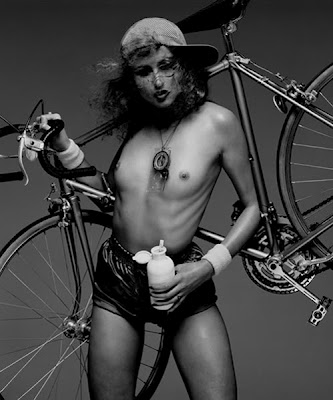
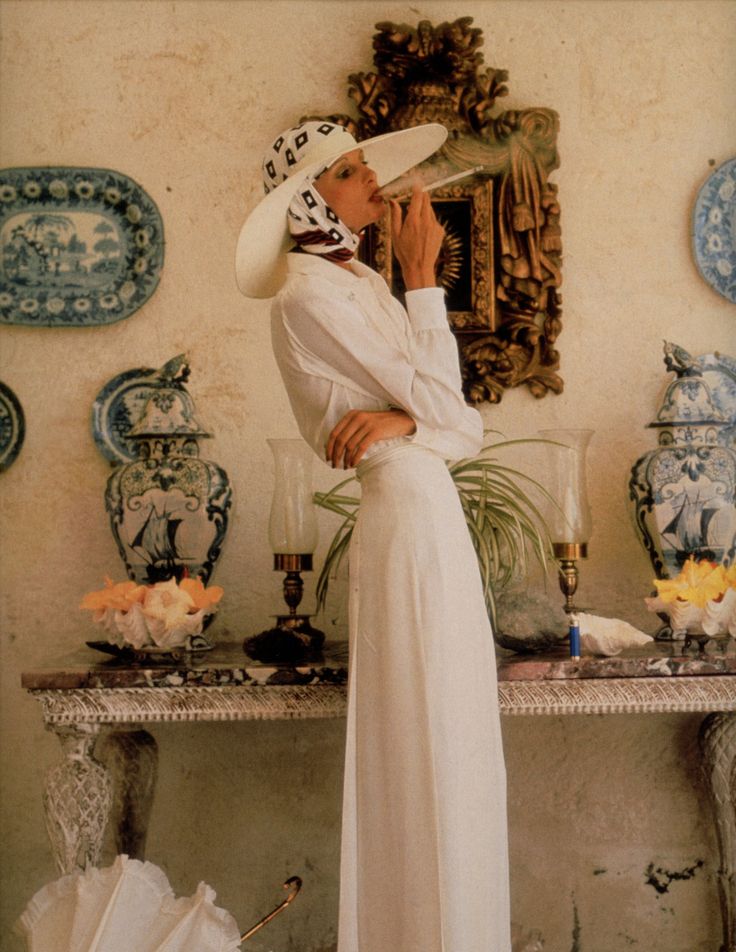
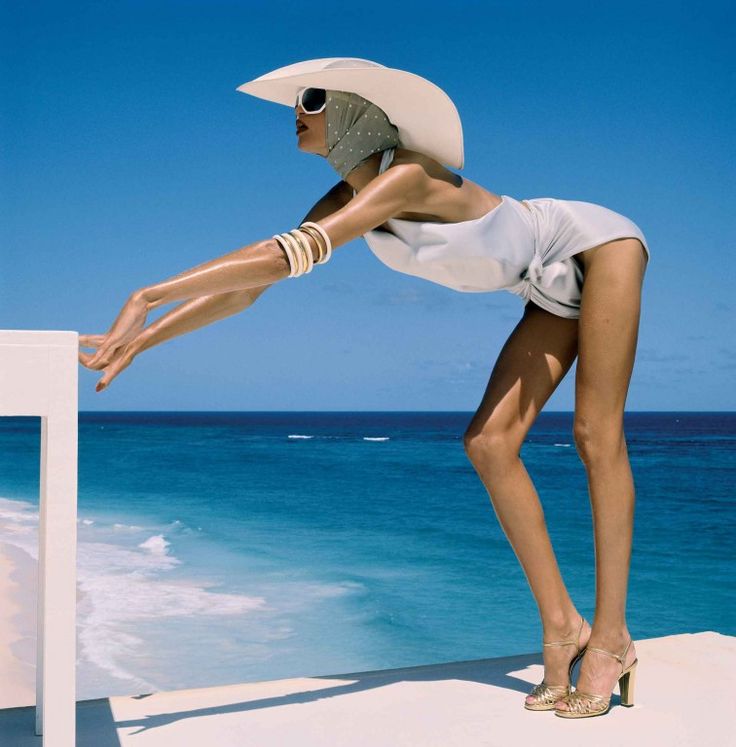
Apollonia became well-known in the 70ties and 80ties. She modelled for Norman Parkinson, Richard Avedon and Irving Penn . Her pictures were in various magazines such as Vogue Magazine and Ambiance (1978 ). In 1972 she went to the United States and received an exclusive contract with American Vogue. Besides the modelling world, she was also active in the art and music scene. She met with Andy Warhol , who signed her, was one of Mick Jagger’s girlfriends and modelled for Playboy Magazine  in June 1978.

.

Apollonia by Andy Warhol

Recently, september 11, 2013, these polaroids of Apollonia by Andy Warhol were auctioned.

NYR_2809_0086

ANDY WARHOL (1928-1987)  Apollonia Von Ravenstein  four unique polaroid prints  each: 4¼ x 3 3/8 in. (10.8 x 8.6 cm.) Executed in 1982. One time use for world wide publication.Apollonia photographed by Andy Warhol
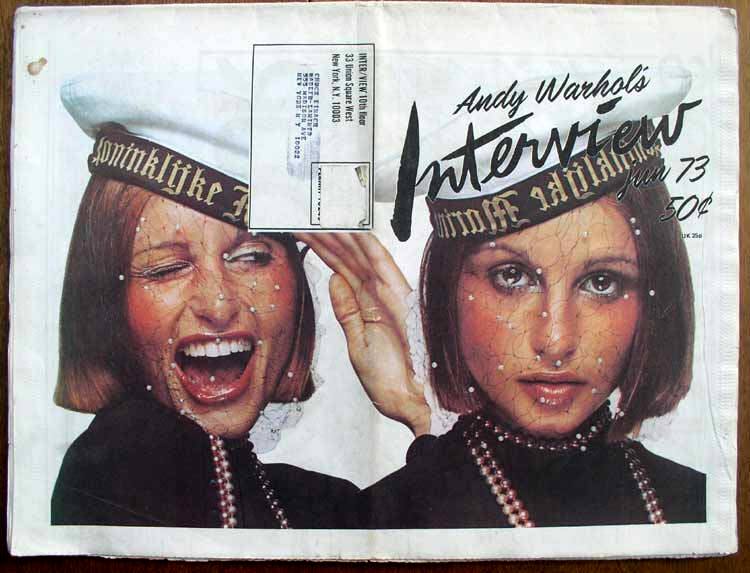
news_story_detail-Apollonia-van-RavensteinApollonia van Ravenstein. Circa 1978-1979Appolonia%20Van%20Ravenstein%20cover Apollonia on the cover of Andy Warhol’s Interview, June 1973

.

She played a small role in the music video for Golden Earrings Quiet Eyes by Anton Corbijn in 1986.
Since the late 90s Apollonia van Ravenstein sails the seas, as hostess and interpreter on board luxury cruise ships of the Holland America Line . She is married to Captain Edward Zaane.

.

.

Recently (November 2014) Apollonia was named in the biography by actress Anjelica Huston, who was Jack Nicholson’s other half during the 70ties and 80ties. Apollonia and Anjelica were friends, but after a onenightstand with Jack, Apollonia was no longer welcome in Anjelica’s house.

It’s said, Apollonia also had a brief encounter with Mick Jagger during those days (but who hasn’t).

.

Irving Penn

US Vogue November 1, 1972 , Pale, Liquid…with Pearl at Night

abbwX1CC
acmwX1OZ
.

Albert Watson’s Twelve

Albert Watson’s Twelve was private edition of twelve 12″ x 10″ silver gelatin prints, with an additional print (the heels) tipped onto the box cover, that was produced for his major clients. Only 12 of these sets were made. 1978

Apollonia Albert Watsons twelve 1978 topmodelsoftheworld_com
Norman Parkinson59813b1a0d021ff756fb3c938fb1147c

c0ddb873ee21a42cdb63f06cea01b848

.

Vogue CoversMX-2600N_20110110_112921_001

936full-apollonia-van-ravenstein

.

Avenue (Dutch magazine) May 1972

apollonia 001

apollonia 002

apollonia 003Apollonia van Ravenstein photographed by Barry McKinley
.

Various pictures of Apollonia

c6e292a5338d2d1f9df18bf8dd0a0ef9

c7fe2ef954fcee1b716ec81e8bc292b0

2af6bd5d3b29a5827114a1c4df175e16

4d6365311f4b1175069461fcc70b04ab

Apollonia Van Ravenstein

600full-apollonia-van-ravenstein

a2e06ccf0ad397d22d25e77806f1bfe2

dbe333fde62725a35932ca425176d041

d89d51daca1aceed7ec83b7948c3b392

4847543e5df3127618e9a17877668904

484285eb19bea4f96e8ef14829345cb3

.

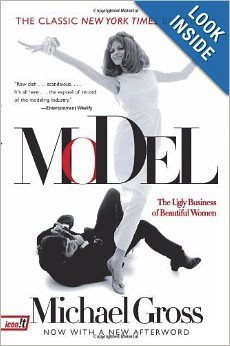
Model  by Michael Gross

Book cover

The definitive story of the international modeling business—and its evil twin, legalized flesh peddling—Model is a tale of beautiful women empowered and subjugated; a tale of vast sums of money, rape, both symbolic and of the flesh, sex and drugs, obsession and tragic death ; and of the most unholy combination in commerce: stunning young women and rich, lascivious men.  Overview of modeling industry and several supermodels. Models Persons Health Fitness Beauty Grooming Business Cindy Linda Christy Naomi Magazine Covers Tv Ads Supermodels Francine Counihan Jean Patchett Suzy Parker Celia Hammond Veruschka Lauren Hutton Apollonia Ravenstein Louise Despointes Gunilla Linblad Shelley Smith Janice Dickinson Mike Reinhardt Christie Brinkley Bitten Knudsen Tara Shannon Christine Bolster Veronica Webb.

Investigative journalist Michael Gross takes us into the private studios and hidden villas where models play and are preyed upon, and tears down modeling’s carefully constructed façade of glamour to reveal the untold truths of an ugly trade.

Model by Michael Gross. Published in 1995. 

http://www.amazon.com/Model-Ugly-Business-Beautiful-Women/dp/0062067907/ref=la_B001IQZ8ZM_1_6/184-0980824-6474223?s=books&ie=UTF8&qid=1386063564&sr=1-6

.

The Froggies – Apollonia Von Ravenstein – 1985

.

Johan Asherton’s hommage for Dutch actress/ model Apollonia van Ravenstein.

.

perich-apollonia-van-ravenstein-1972

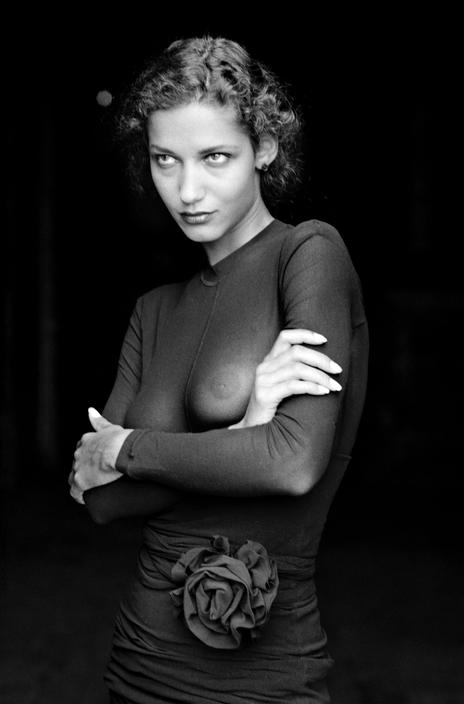
Marpessa Hennink’s Collaboration with Ferdinando Scianna and Dolce & Gabbana resulted in Iconic Pictures

1 Dec

marpessa-bagheria-1987-by-ferdinando-scianna

Short Biography

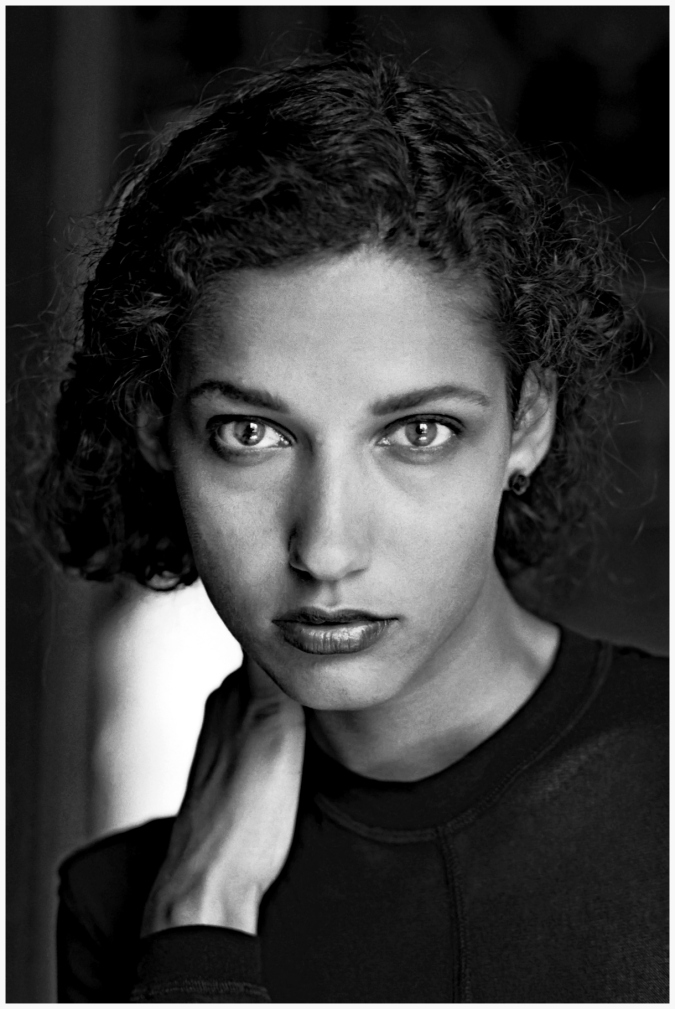
Among the 80s and 90s top models, the Dutch model Marpessa plays a particular role, thanks to her extrovert personality and her unusual beauty If it is true that the name of a person holds part of his destiny, then to be called Marpessa, like the nymph disputed between the god Apollo and the warrior Idas, or like the Afro-American actress turned by Marcel Camus into the carioca Eurydice of the Black Orpheus, means having an aura of beauty that is almost mythic. This is the case of Marpessa Hennink, which entered the Olympus of the top models between the middle 80s and the early 90s. She was born in Amsterdam from Dutch parents, and her father had origins from Suriname; at 16 years old she decided to begin her career as a model. Her strong will and her daredevil personality, that mirrored her unique way of walking, don’t let her give up when Eileen Ford, pioneer of the model management that passed by the Dutch city for some castings, rejects her.

Before there was Cindy and Christy and Naomi – and for a while, during – there was Marpessa. An olive-eyed, gravel-voiced Amsterdammer whose mixed-race lineage left her feeling an outsider among her strapping, fair classmates but also made her endlessly versatile for fashion shoots, and one of the great catwalk prowlers. “Modelling made me so much happier about myself. Before that, I was like a black sheep and then all of a sudden in Milan it was ‘Ooh bella’.” For a time, she was ubiquitous.

Then, in 1993, she bowed out. “Grunge killed it for me,” she says, waving her cigarette as if to brush away a pesky fly. “I wanted to be in fashion to be beautiful and elegant, not to walk around looking like a junkie.

You can feel her agent’s anguish even now – walking away just as the big money began to cascade down the model chain. “Don’t worry, I made plenty,” she cackles.

I get the impression she made plenty more “in retirement” in Ibiza, where she had her daughter Ariel, now 10, and established an idyllic-sounding life of haute hippiedom and lucrative property development.

Doing up homes for affluent would-be bohos is sweet revenge for a model who for 12 years never had time to unpack, let alone hang a picture. Her life seems to have been a constant process of balancing and amendments. “My mum was quite a hippie and into sewing things and studying homoeopathy – and this was Holland in the Seventies, we weren’t exactly at the vanguard of fashion. So when I got to Paris I really went for it, clothes-wise.

She reckons she was the first model to dress the part off duty. Not that they were ever really off. By the late Eighties the supermodel culture was fomenting nicely; theirs was the fame that only requires a first name. She and Linda (Evangelista) were fashion-obsessed, trotting around in their Alaïa leggings and Chanel jackets. “We wanted to look as good off the catwalk as we did on. Before us models didn’t dress nicely at all,” she reports disapprovingly. “It’s not supporting the business is it? I won’t mention names but some, especially the American girls, wore the ugliest cotton knickers even to their fittings.
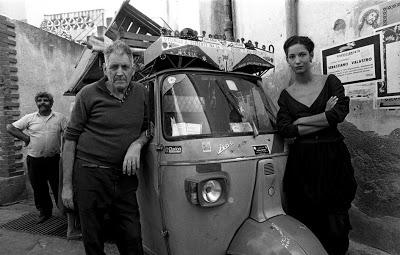
Marpessa, for the record, wore La Perla and Hermès. “I invented the It bag,” she laughs. She almost had an Hermès bag named after her – there was a collaboration in the offing but Ibiza got in the way.

She is an intriguing contradiction of laid-back and fastidious. But so is her parentage: her mother, the world’s “strictest hippie”, her father, a tailor “who used to go mad if he saw me up a ladder paint-stripping a wall in a Chanel jacket”.

Which would have been quite likely. She has around 17, at least two couture. She had “a particular relationship with Karl” when she was modelling. She doesn’t mean anything romantic, unless you count the creative connection that flourished between the big models of the Eighties and Nineties and the designers. She was in at the beginning, when Versace escalated the fee wars by paying models $50,000 to do one show and Dolce & Gabbana paid the models in clothes. “Models had much more input then than now,” she says. “The designers would listen to what we had to say during the fittings and sometimes they’d change the clothes because of it.” And sometimes they wouldn’t. “Then you’d have to wear something hideous on the catwalk and just pretend it was fabulous.
Apart from her hair, which she says she can never get right herself, she’s abnormally low-maintenance – no exercise, no special beauty tips, apart from total sunblock 364 days a year and one intriguing exercise she shows me to lift your boobs (smile downwards, flex your cheeks upwards, ladies, and feel the burn). She’s a compelling argument for not messing around with injectibles. In Ibiza she floated around in sun dresses (by her friend Yvonne Sporre who also decamped to the island) and lots of antique gold jewellery.

She’s wonderful at making things look effortless and as if they don’t matter very much – it’s the Chanel jacket-up-a-ladder philosophy. Secretly I think she worked quite hard in Ibiza, buying and selling real estate, as she calls it, engaging in the odd spot of modelling (she’s been in Vogue more this year than at any other time in her career) and ensuring friends like Valentino and Domenico Dolce and Stefano Gabbana had a good time whenever they came to visit.

And then, last year, when Dolce & Gabbana launched its Alta Moda (haute couture) line, it offered her a job in Milan. When I ask her title she looks at me pityingly. “We don’t have titles.” If they did, hers would be something like “Person Who Takes Care Of Clients And Makes Wearing Alta Moda Look Easy”. Because amazingly, wearing lace dresses worth tens of thousands of pounds without looking like a museum piece can be quite tricky. So can those clients, even though she diplomatically insists they’re a breeze. Perhaps they’re simply in awe.

(By Lisa Armstrong | 06 August 2013)

http://fashion.telegraph.co.uk/news-features/TMG10224775/Lessons-from-the-Stylish-Marpessa-Hennink.html

.

Collaboration with Ferdinando Scianna and Dolce & Gabbana

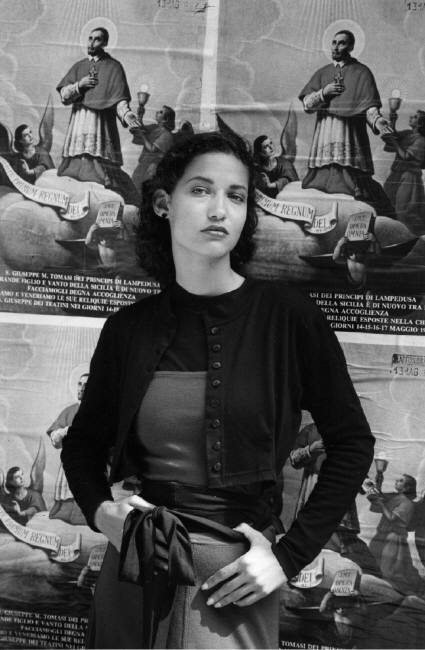
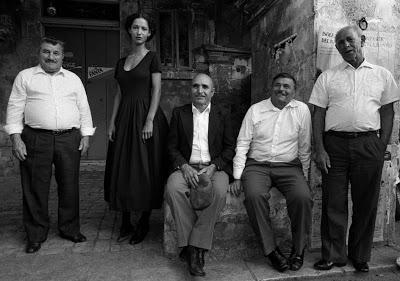
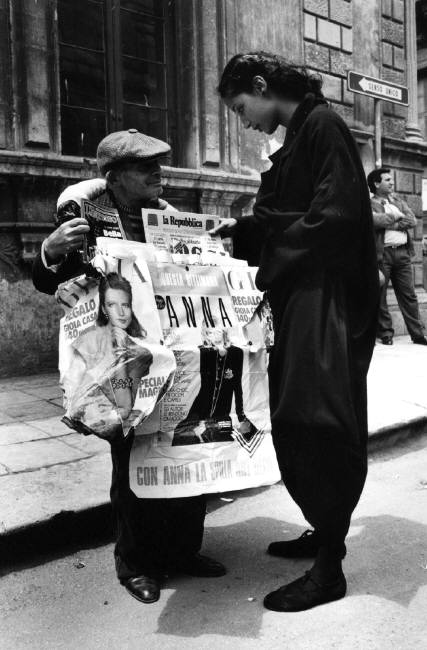
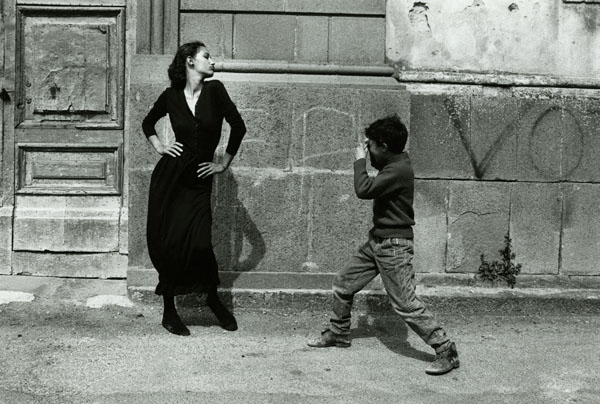
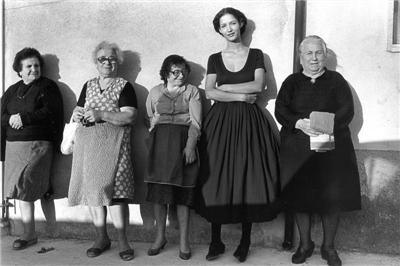
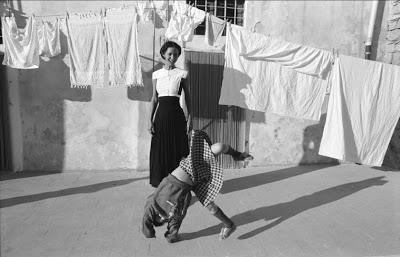
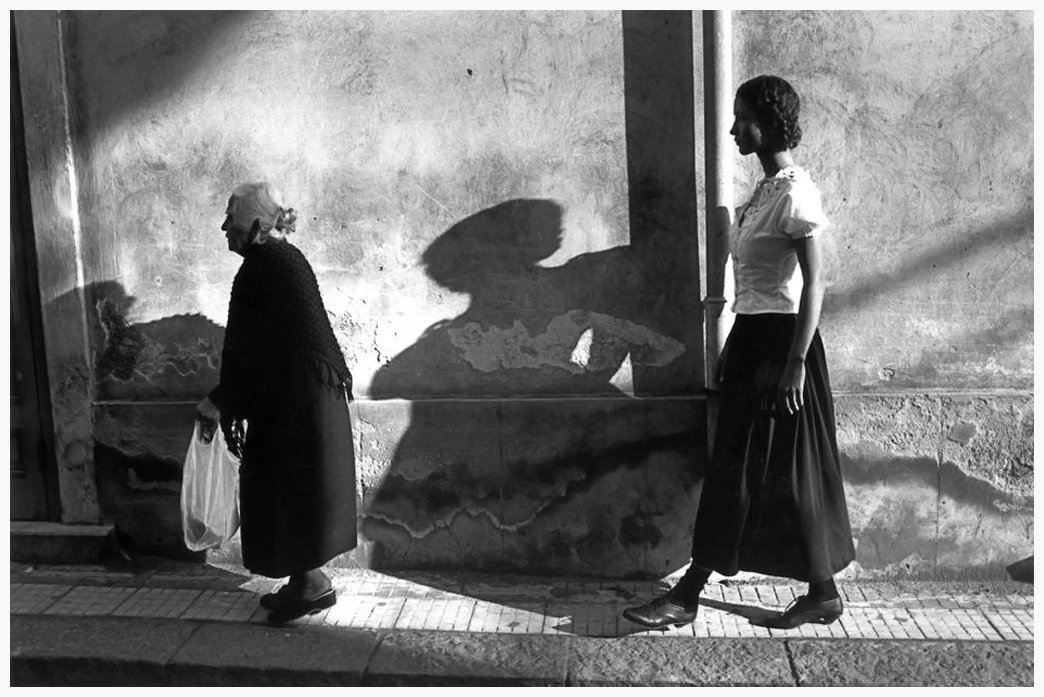
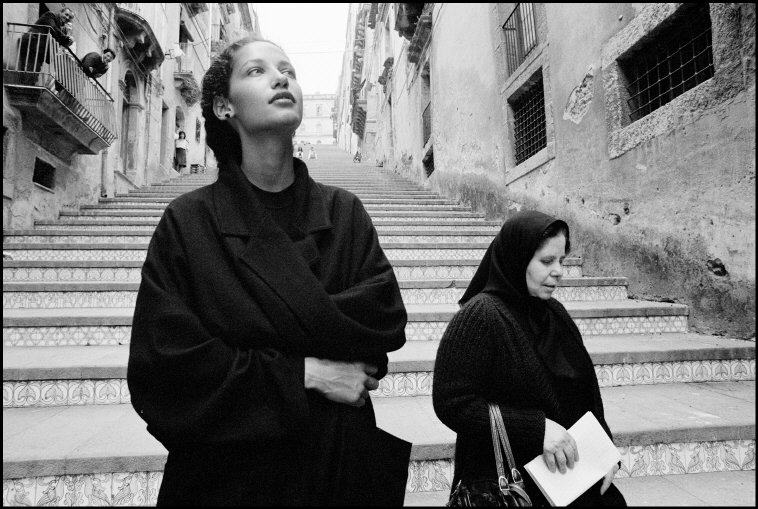
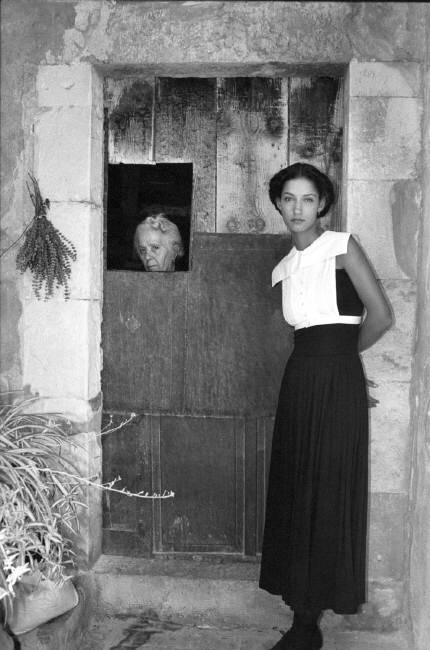
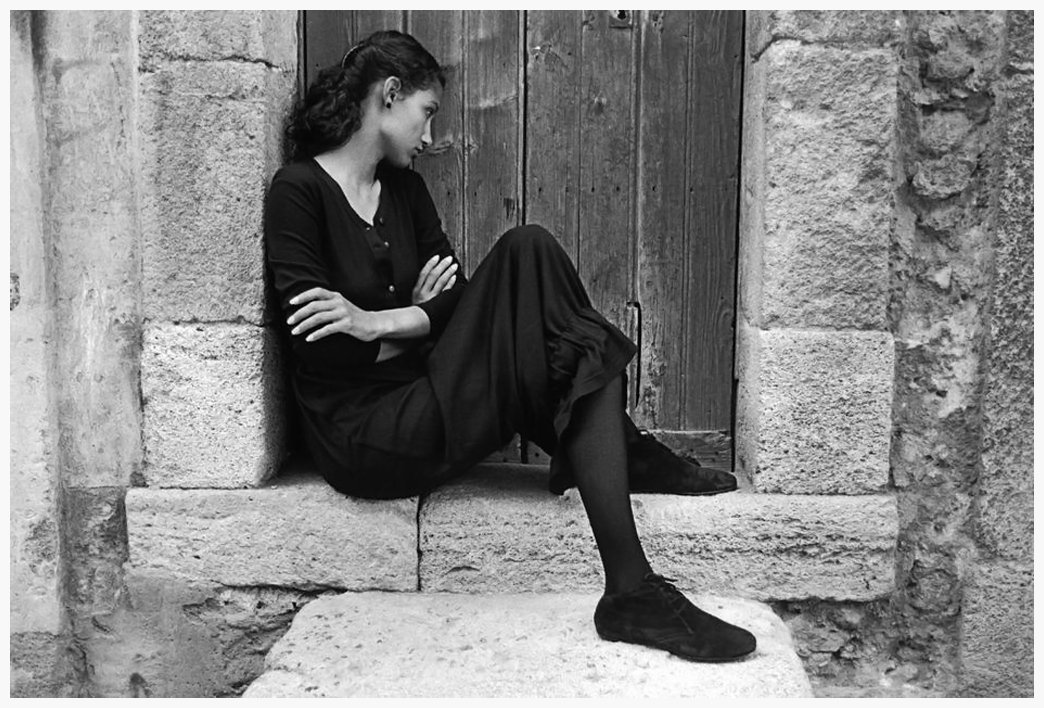
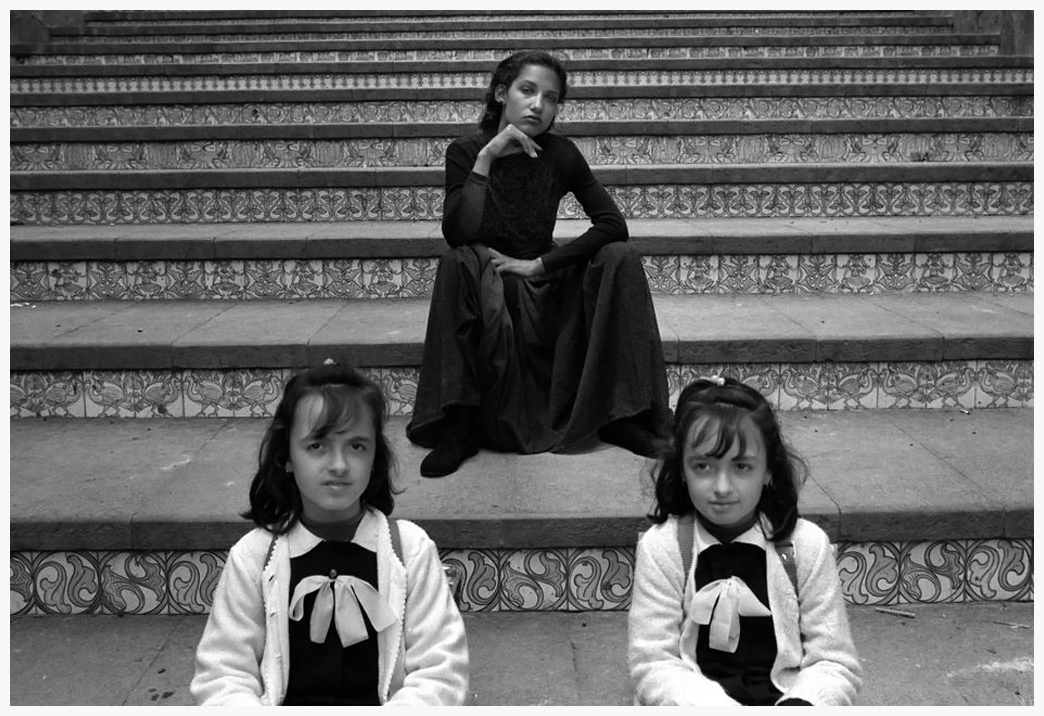
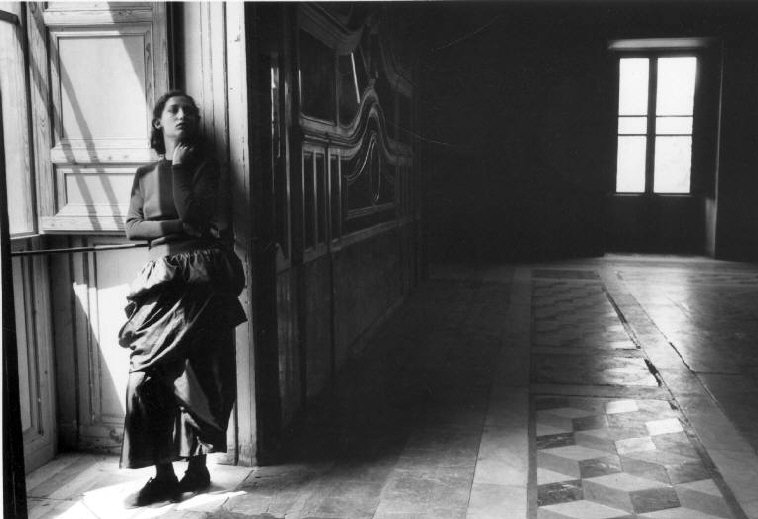
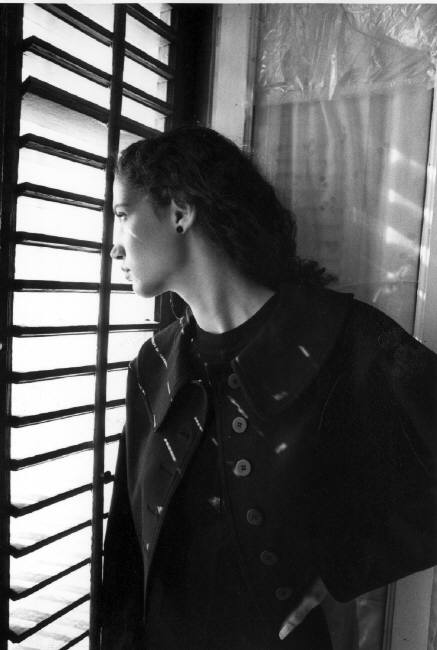
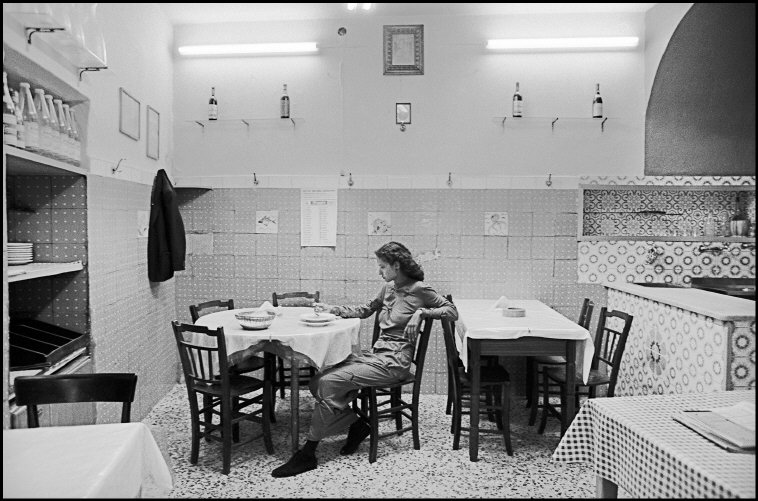
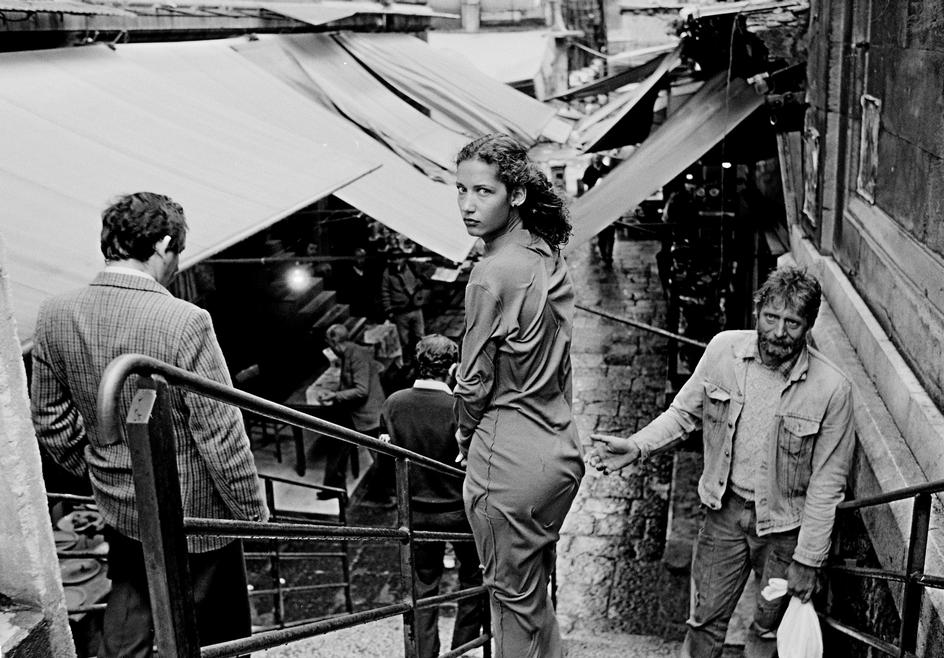
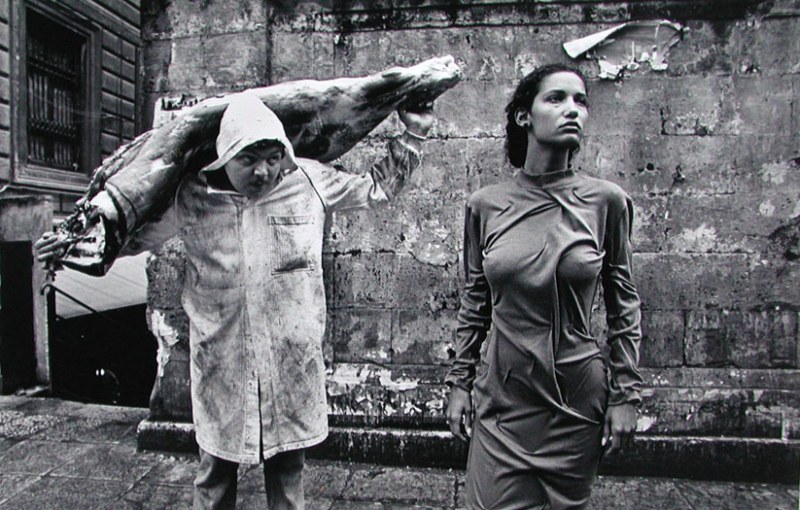
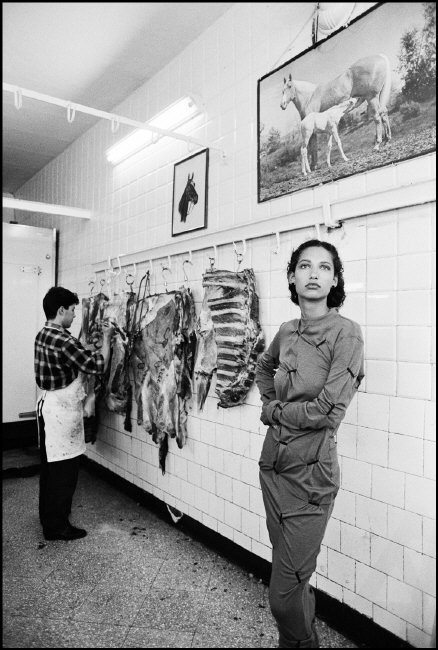
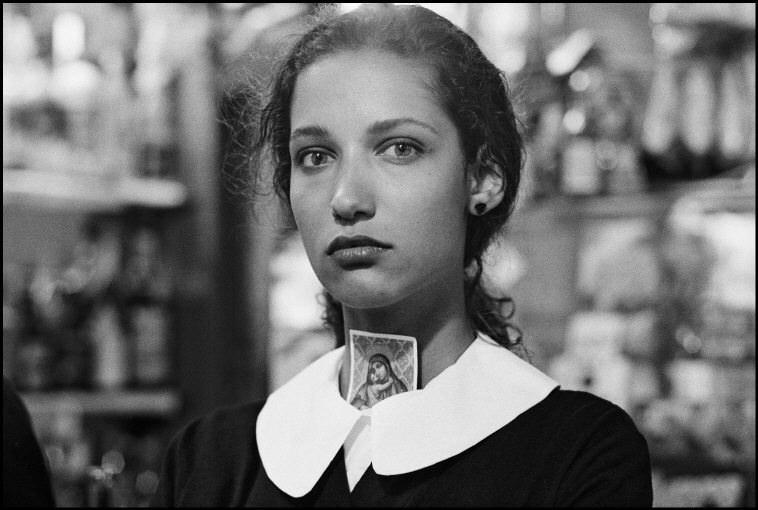
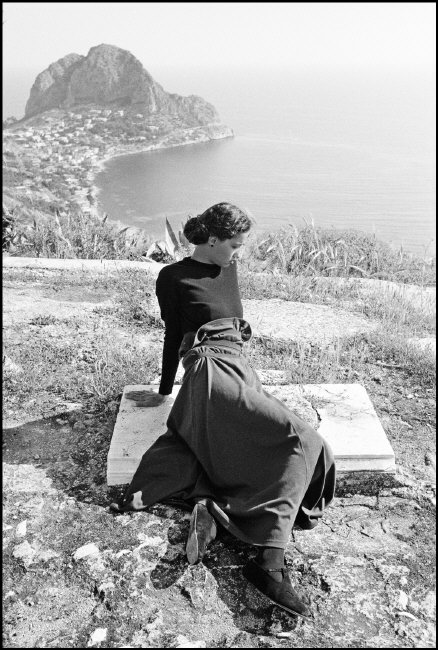
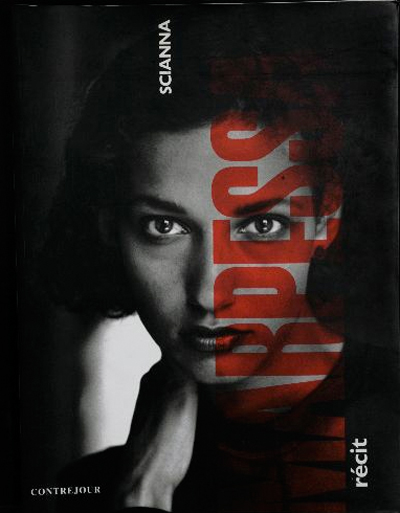
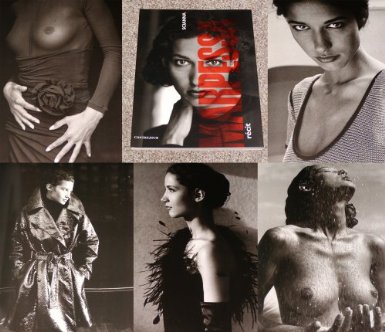
The long collaboration with Magnum photographer Ferdinando Scianna, with whom she shot the first D&G catalogues and campaigns and various editorial spreads, resulted in the publication of the book Marpessa, in 1993.

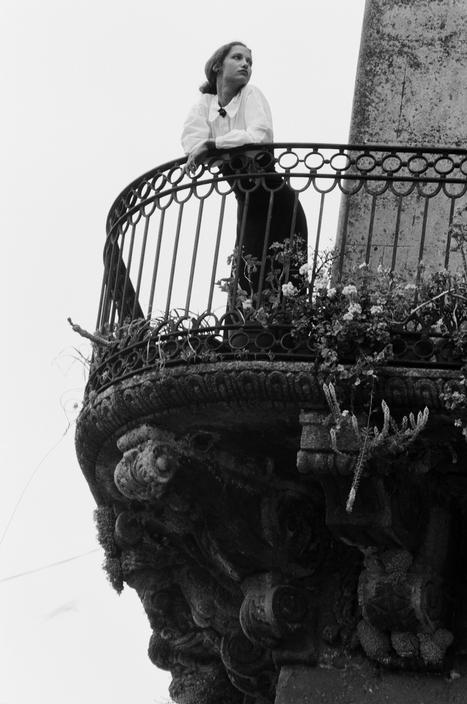
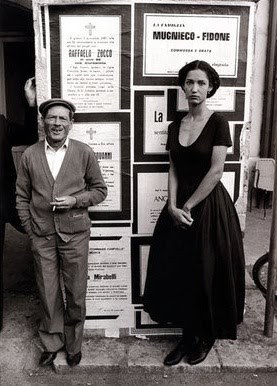
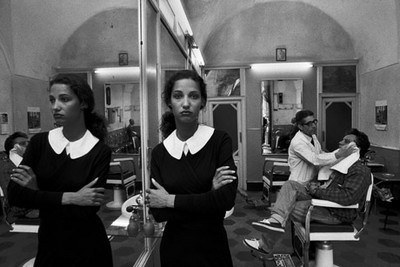
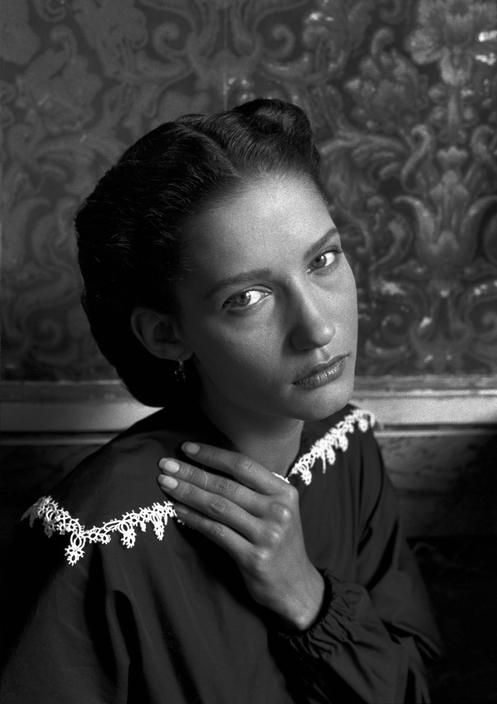
The first time Ferdinando Scianna has seen the top-model Marpessa, it was in photography, a small photography issued from the collection fall-winter 87, showed by the two italian designers Dolce & Gabbana. They asked him to work for them. Scianna knew nothing about fashion. It was his first experience. Like Scianna, Domenico Dolce was born in Sicilia. And for this collection, the clothes were inspired by Sicilia. As a photographer, Scianna was looking for the virtue of his earlier books on Sicilia to shoot Marpessa. The book surpasses the classic definition of fashion photographs. It’s simply like an sensual italian movie in black & white, as a long time ago…

SCF6027

ferdinando-scianna-marpessa-per-dolce-gabbana-L-3NroMJ

SCF6028

SciannaFerdinando-Marpess-DolceGabbana-MastersofStyle-SomersetHouse

SCF6192

ferdinando-scianna-marpessa-per-dolce-gabbana-L-N0id_B

photo-by-fernando-scianna-ss1987

italy-sicily-province-of-catania-caltagirone-1987-the-dutch-model-marpessaferdinando-scianna

SCF110521

campagna-pubblicitaria-dolce_gabbana-ss-1987-photo-by-ferdinando-scianna

ferdinando-scianna-marpessa-per-dolce-gabbana-L-GVVCXp

aci-trezza-1987

PAR391773

photo-by-fernando-scianna-ss1987-2

sicily-province-of-catania-caltagirone-1987

province-of-catania-caltagirone-dutch-model-marpessa-1987

SCF11029

75de535f2d675048d96e0a9a7f9f1618

SCF11031

SCF11056

SCF11026

PAR391778

SCF11011

2Marpessa___Palermo_1987_800x600_44151

PAR391780

PAR391775

PAR391787

.

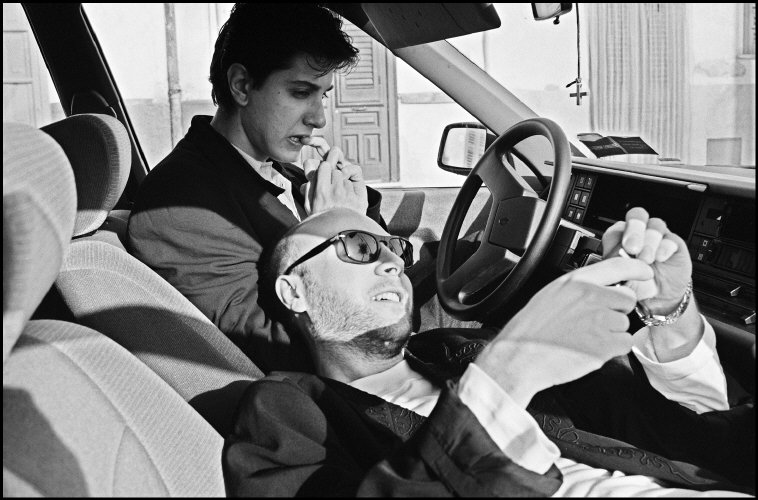
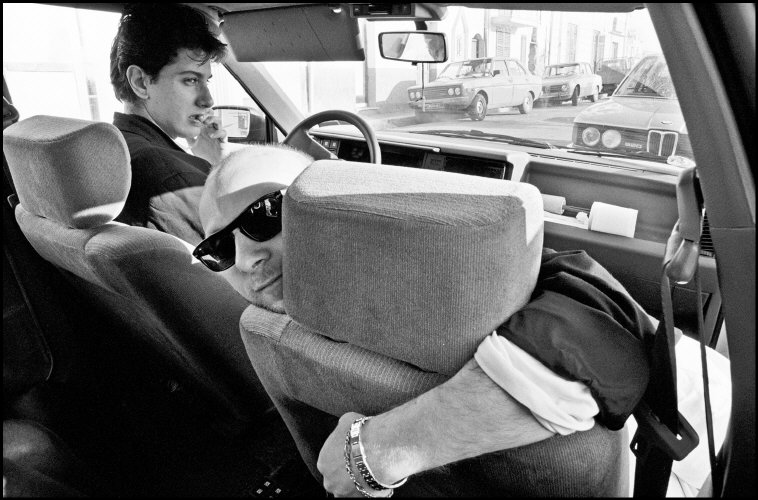
Young Dolce & Gabbana waiting in a car during the photo shoot on Sicilia

PAR391793

PAR391795

.

book cover Marpessa

5190PgteeBL__SX385_

http://www.amazon.co.uk/Marpessa-R%C3%A9cit-Ferdinando-Scianna/dp/2859491503

(all pictures above by Ferdinando Scianna)

.

.

DOLCE AND GABBANA ALTA MODA

April 27, 2013

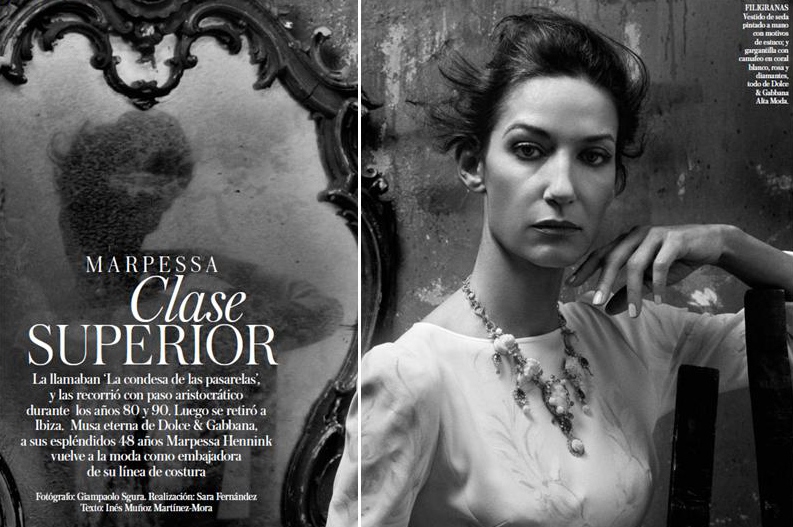
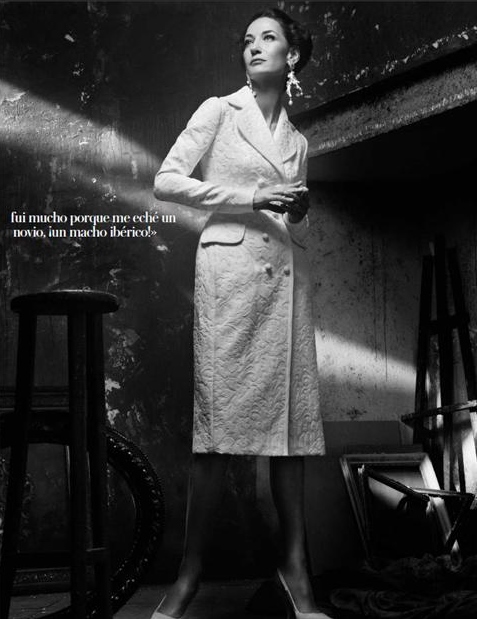
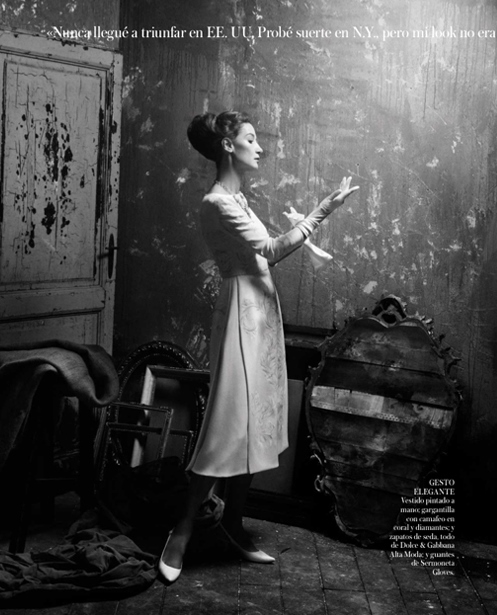
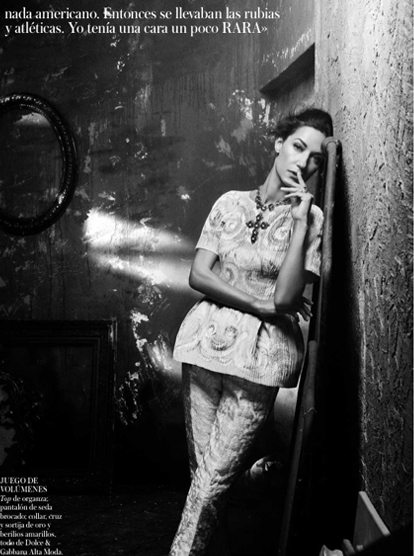
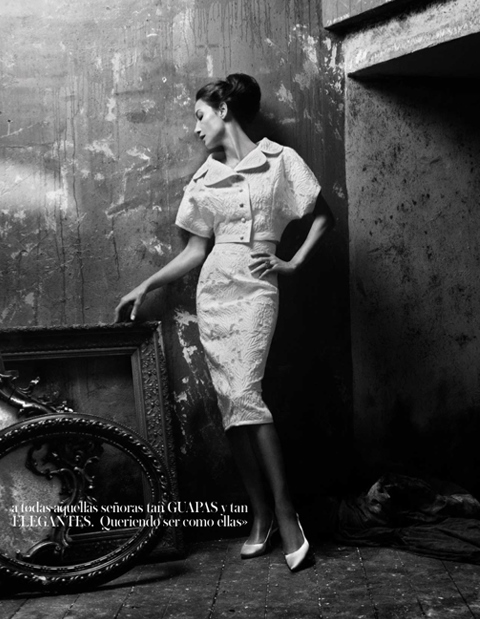
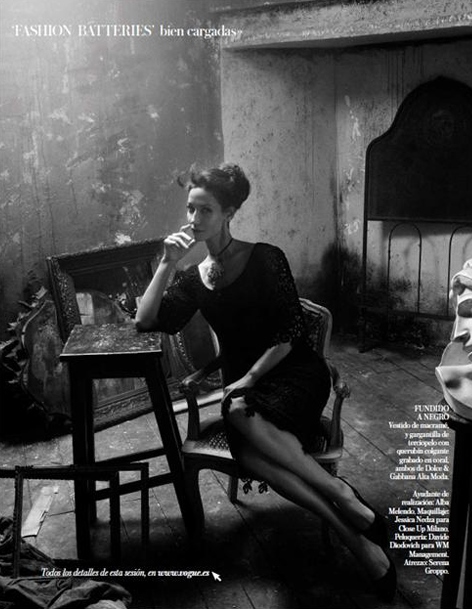
Marpessa’s elegance and charme, as well as that glint in her eye make her a truly unique beauty, at any age. Muse to Dolce&Gabbana and queen on the runway and advertisement campaigns in the 1980s and 1990s, Marpessa was a different kind of super model.

Today her innate elegance make her relevant and still a muse to Dolce&Gabbana, to their Alta Moda Collection in particular, where know how, quiet luxury and attention to detail are key.

Vogue Spain      Photographer: Giampaolo Sgura, stylist: Sara Fernandéz

Marpessa-hennink-wearing-dolce-and-gabbana-alta-moda-in-vogue-spain-may-2013-issue-portrait

Marpessa-hennink-wearing-dolce-and-gabbana-alta-moda-in-vogue-spain-may-2013-issue-coat

Marpessa-hennink-wearing-dolce-and-gabbana-alta-moda-in-vogue-spain-may-2013-issue-pics

Marpessa-hennink-wearing-dolce-and-gabbana-alta-moda-in-vogue-spain-may-2013-issue-pics

Marpessa-hennink-wearing-dolce-and-gabbana-alta-moda-in-vogue-spain-may-2013-issue-separates

Marpessa-hennink-wearing-dolce-and-gabbana-alta-moda-in-vogue-spain-may-2013-issue-thinking

Inspiration by National Geographic and Martina Hoogland Ivanow & Desiree Heiss

24 Nov

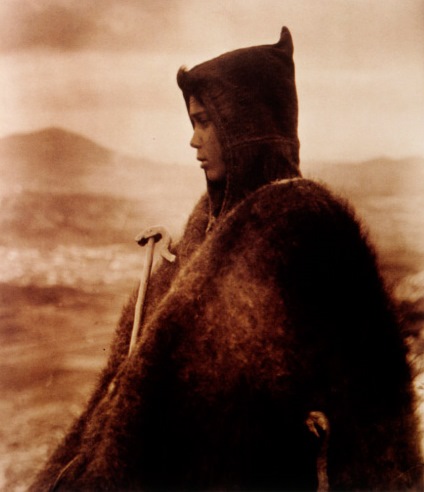
Horace Brodzky

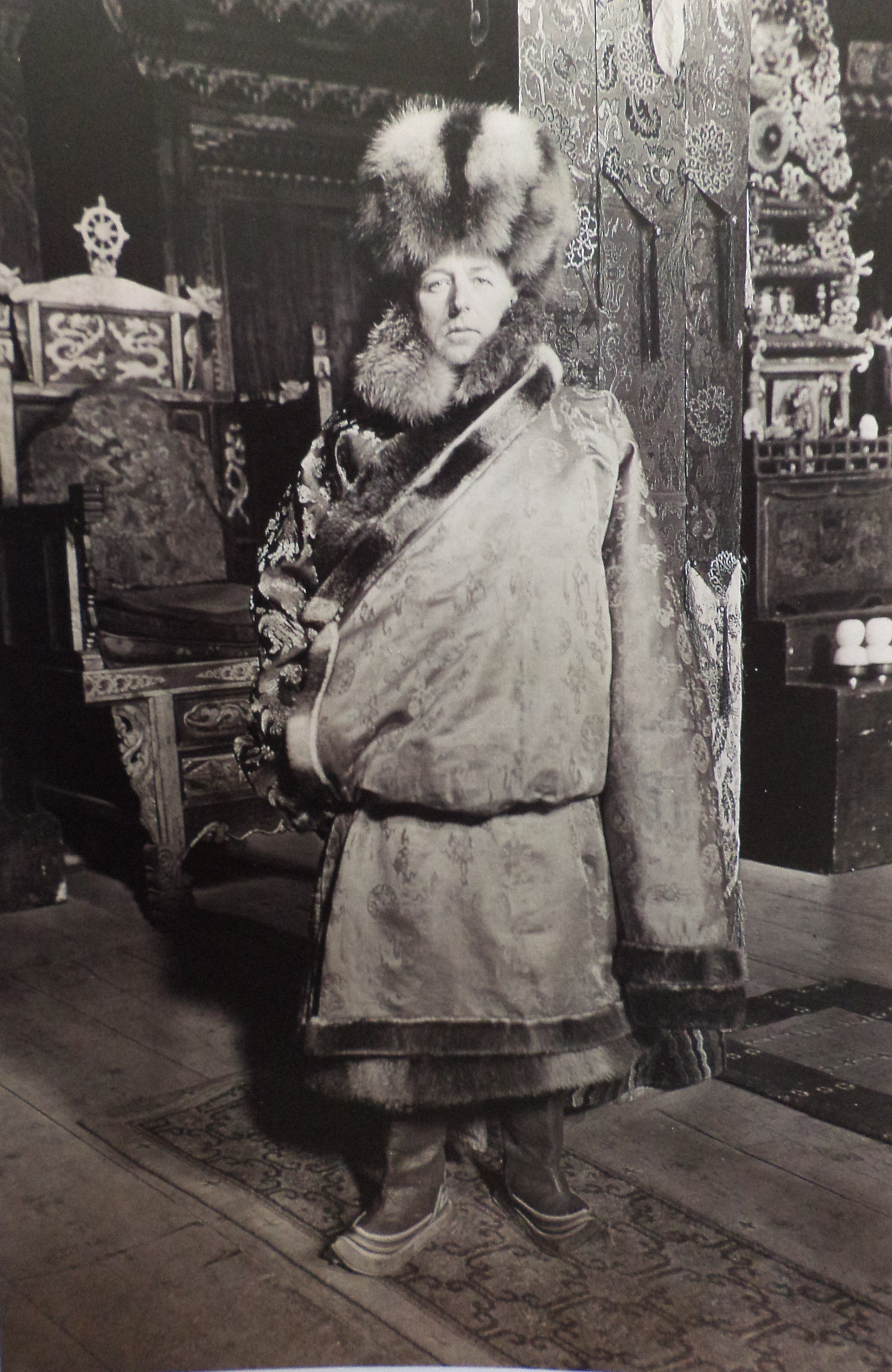
Mongolia, 1921. Ph. published in National Geographic/Fashion
.

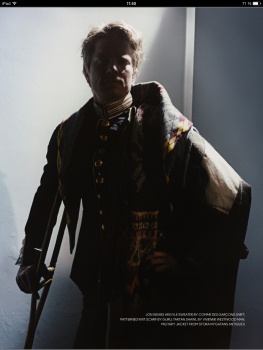
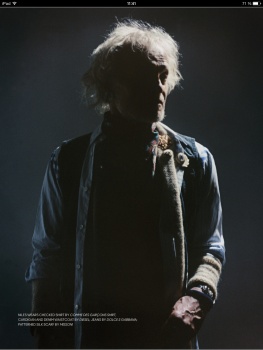
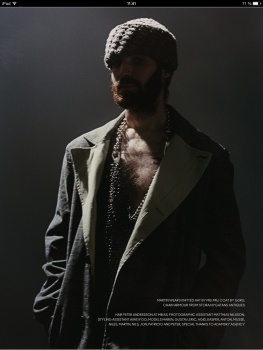
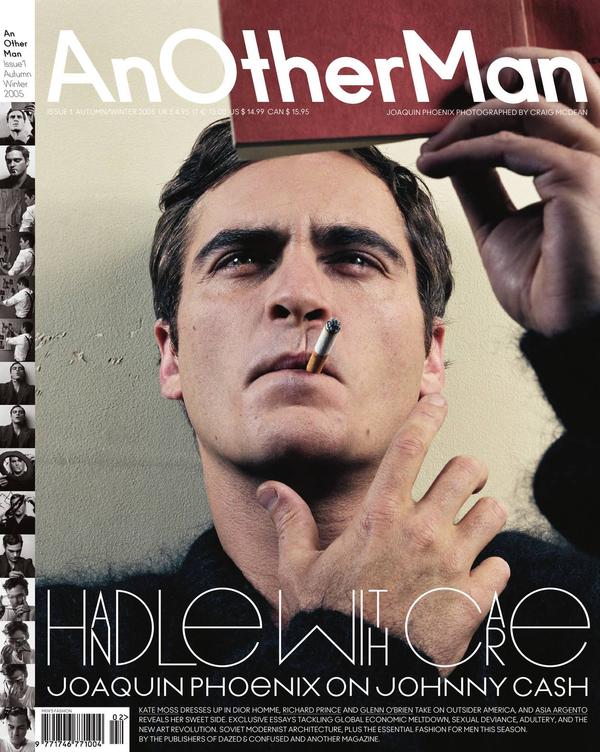
In this post I’d like to share photographs I find very inspiring, like the story by Martina Hoogland Ivanow (photography) and Desiree Heiss (styling and 1/2 of the Bless duo)  for  Another Man, issue 1 autumn/winter 2005. 

Actually, the complete debut issue is a great source of inspiration. If you’re interested, dubble click on the link underneath the cover photo with Joaquin Phoenix, and scroll through the pages….

.

Another Man, issue 1  autumn/winter 2005

Martina Hoogland Ivanow (photography) and Desiree Heiss (styling).

acbABMqq

adbDcYpJ

acucngNF

ach9MoMk

abyelzzh

addoT6rl

abqY2Jsb

addvOH28

abqd2vYT

achqhTve

abqPWbtW

abxcp0a7

ablo2Y7D

.

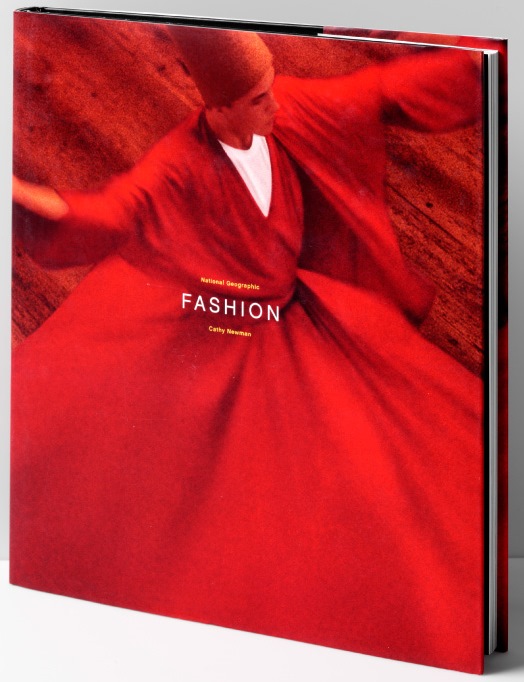
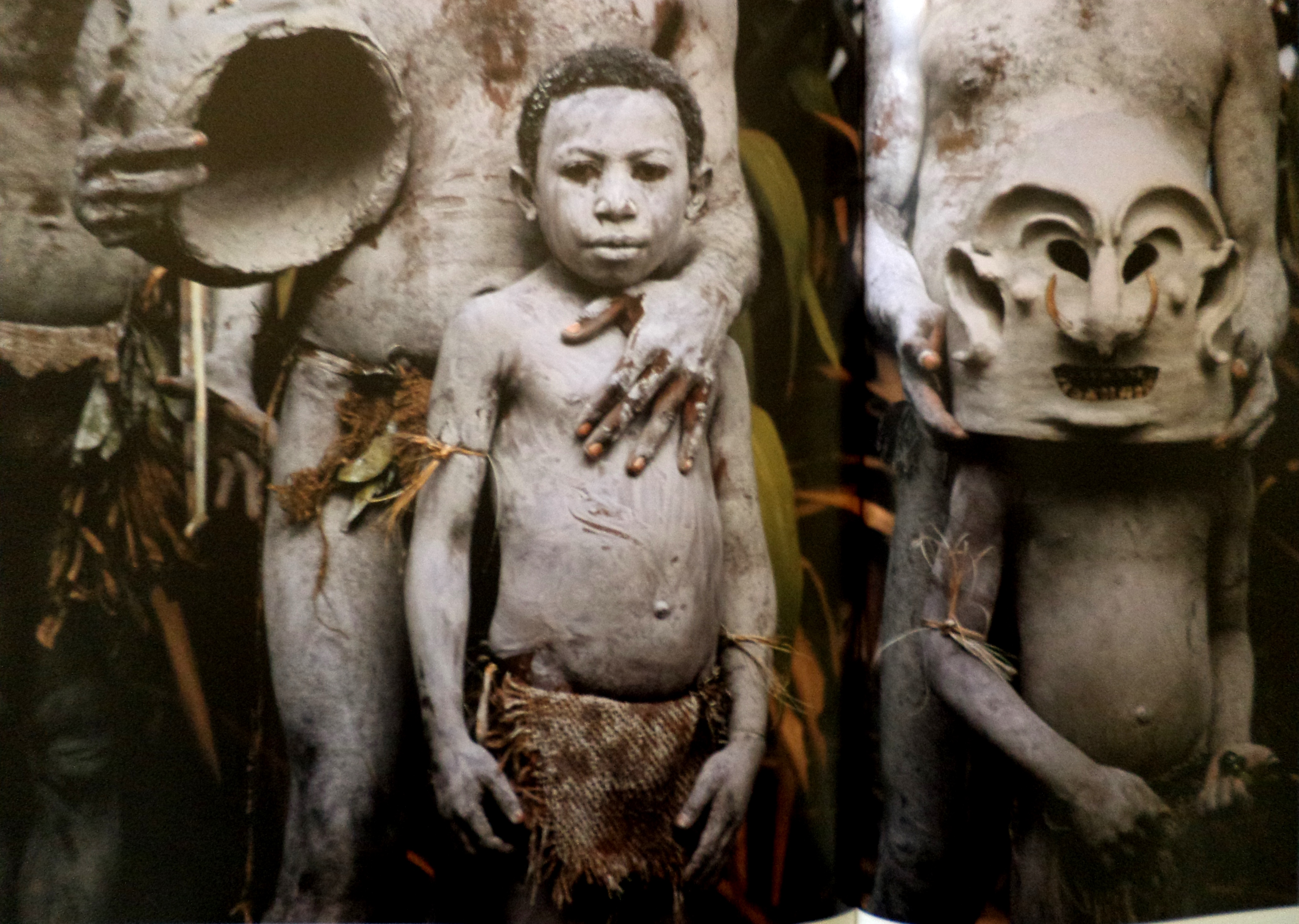
National Geographic   FASHION

by Cathy Newman

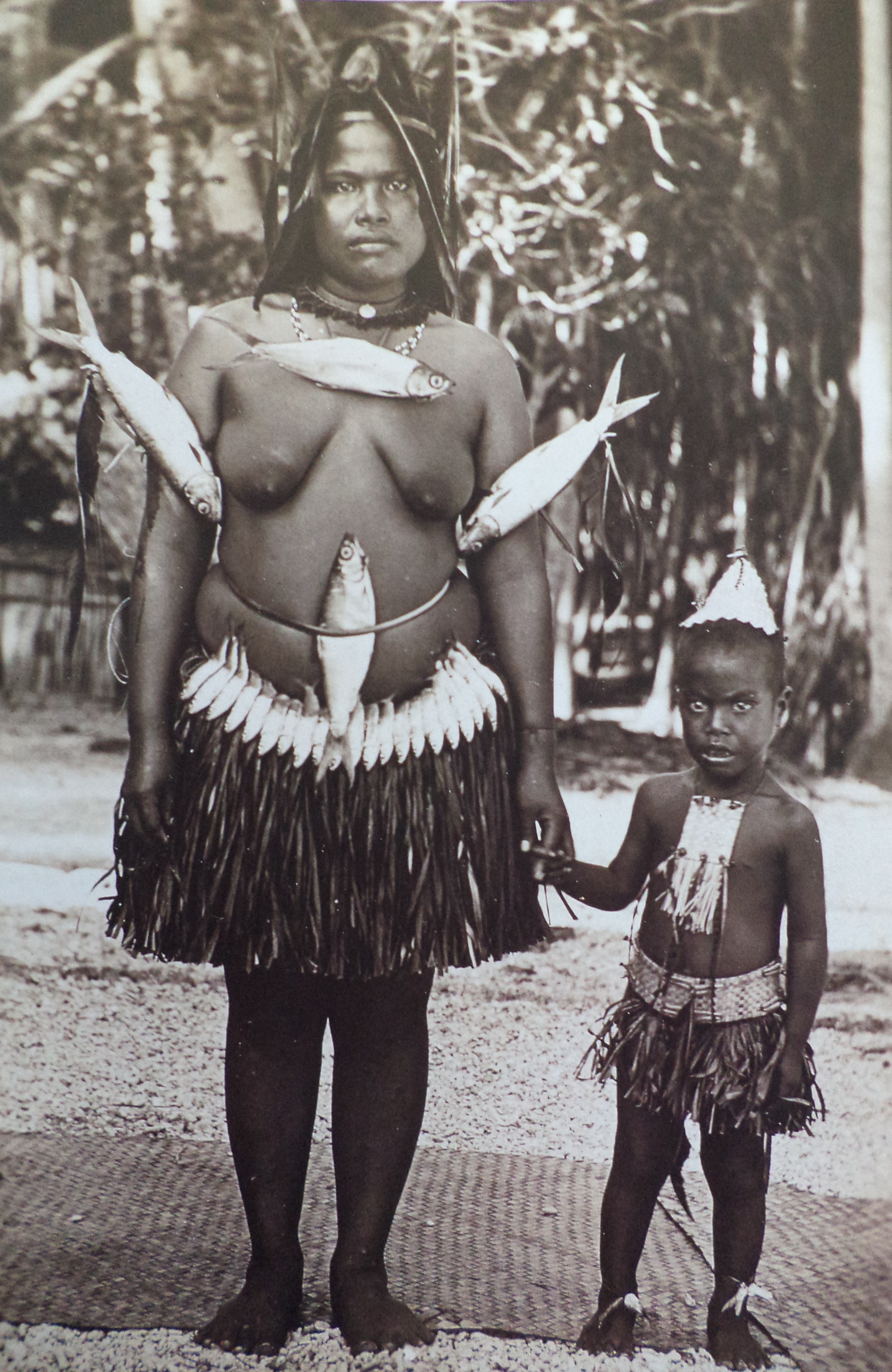
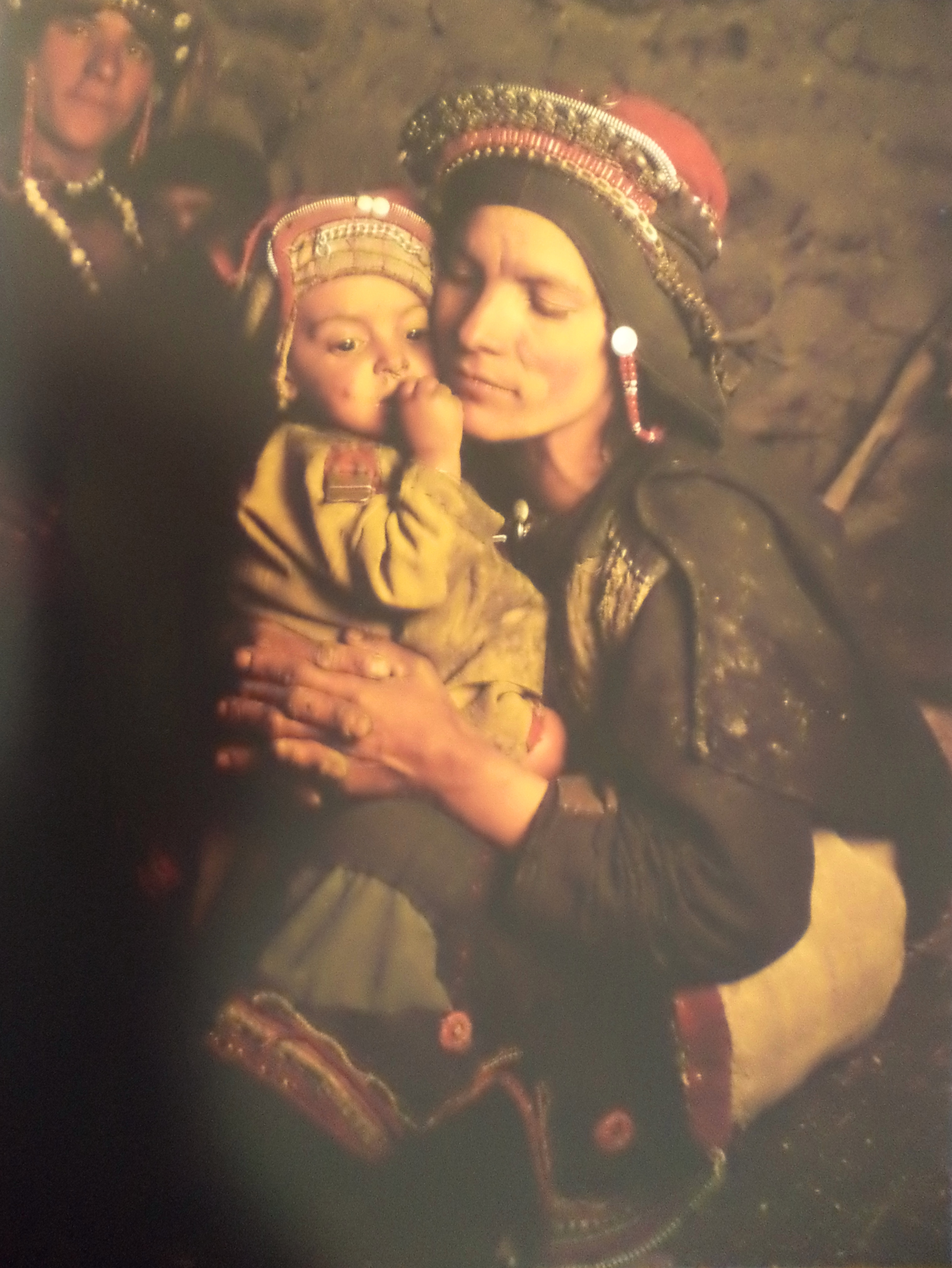
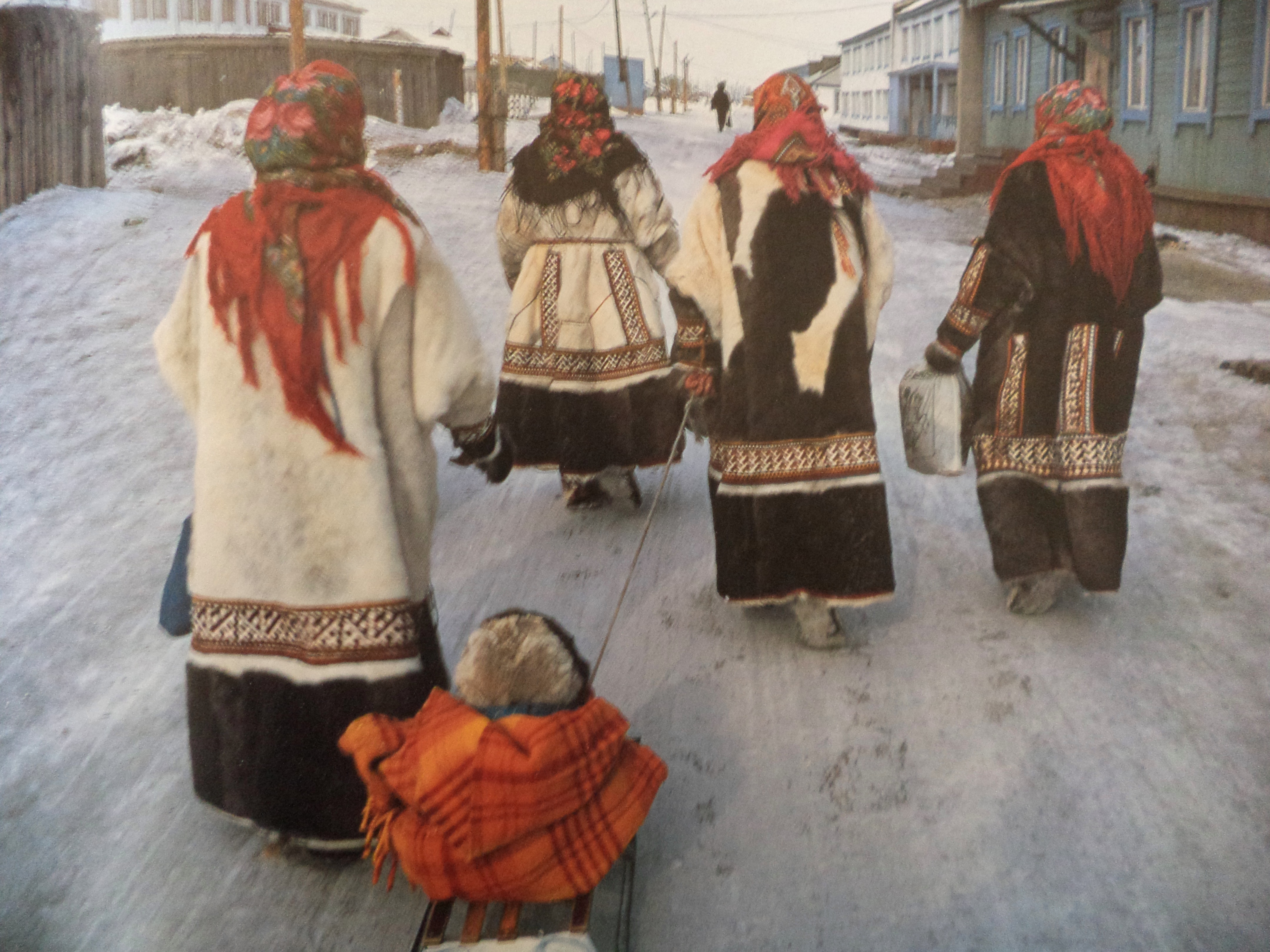
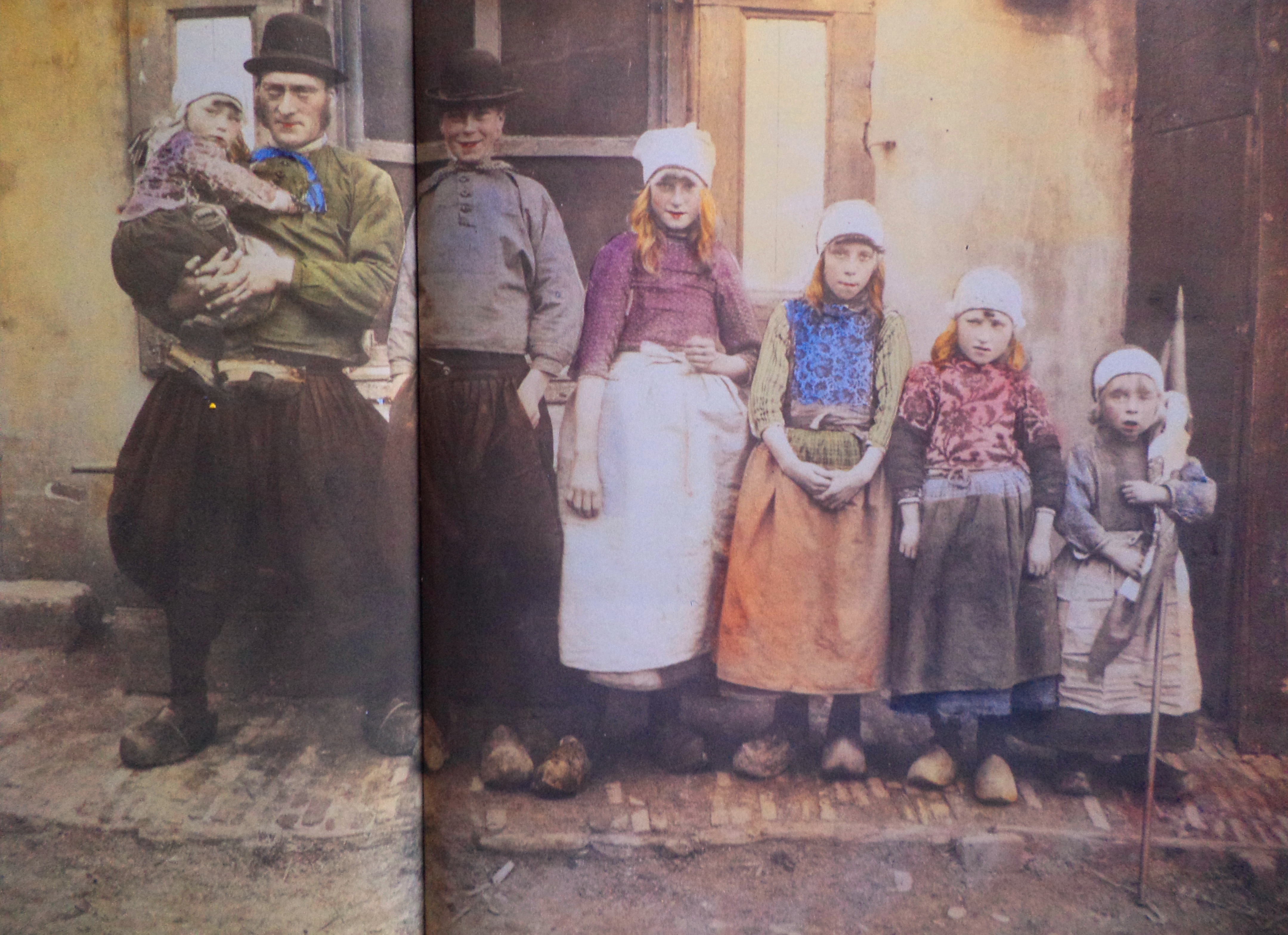
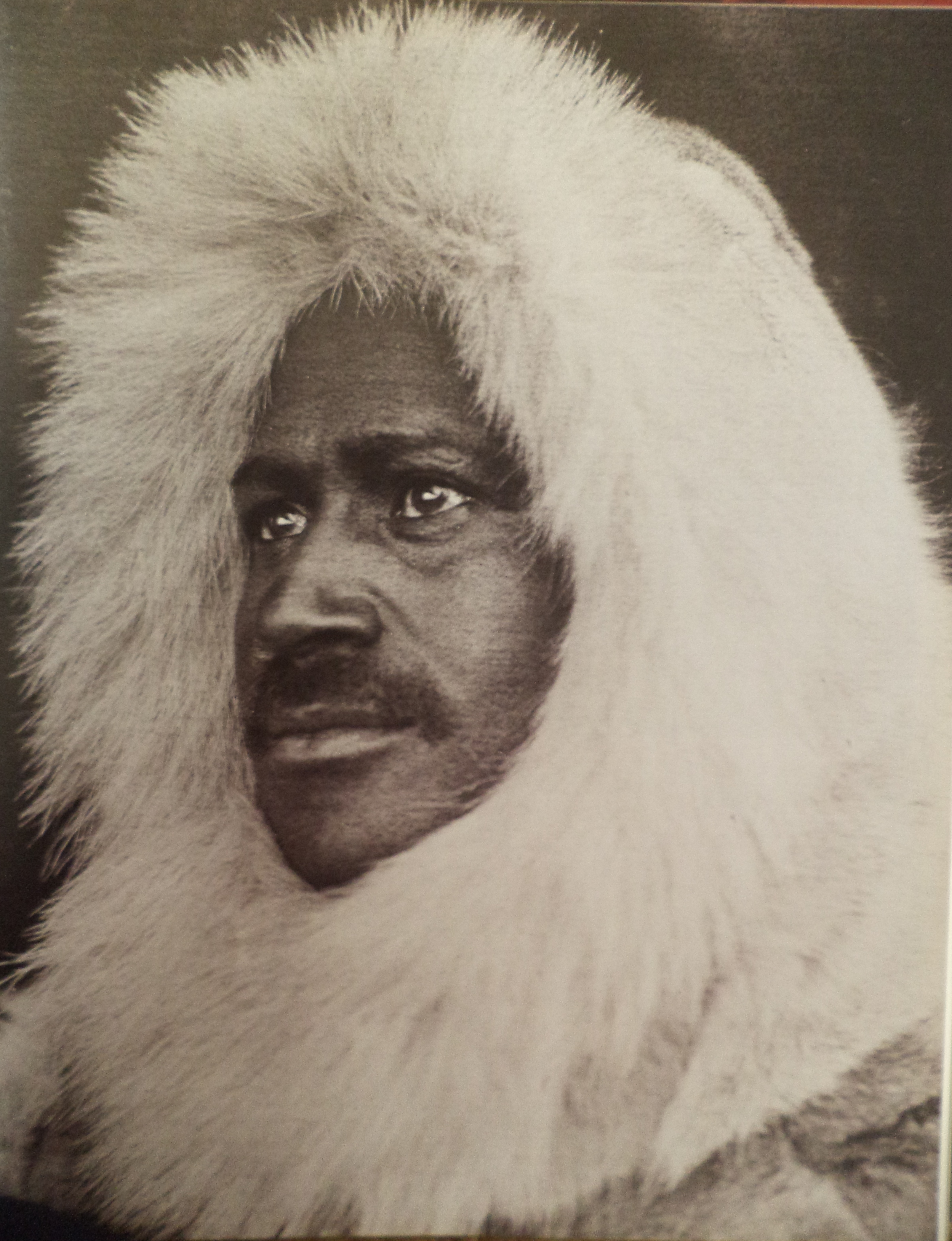
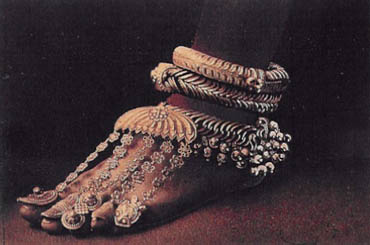
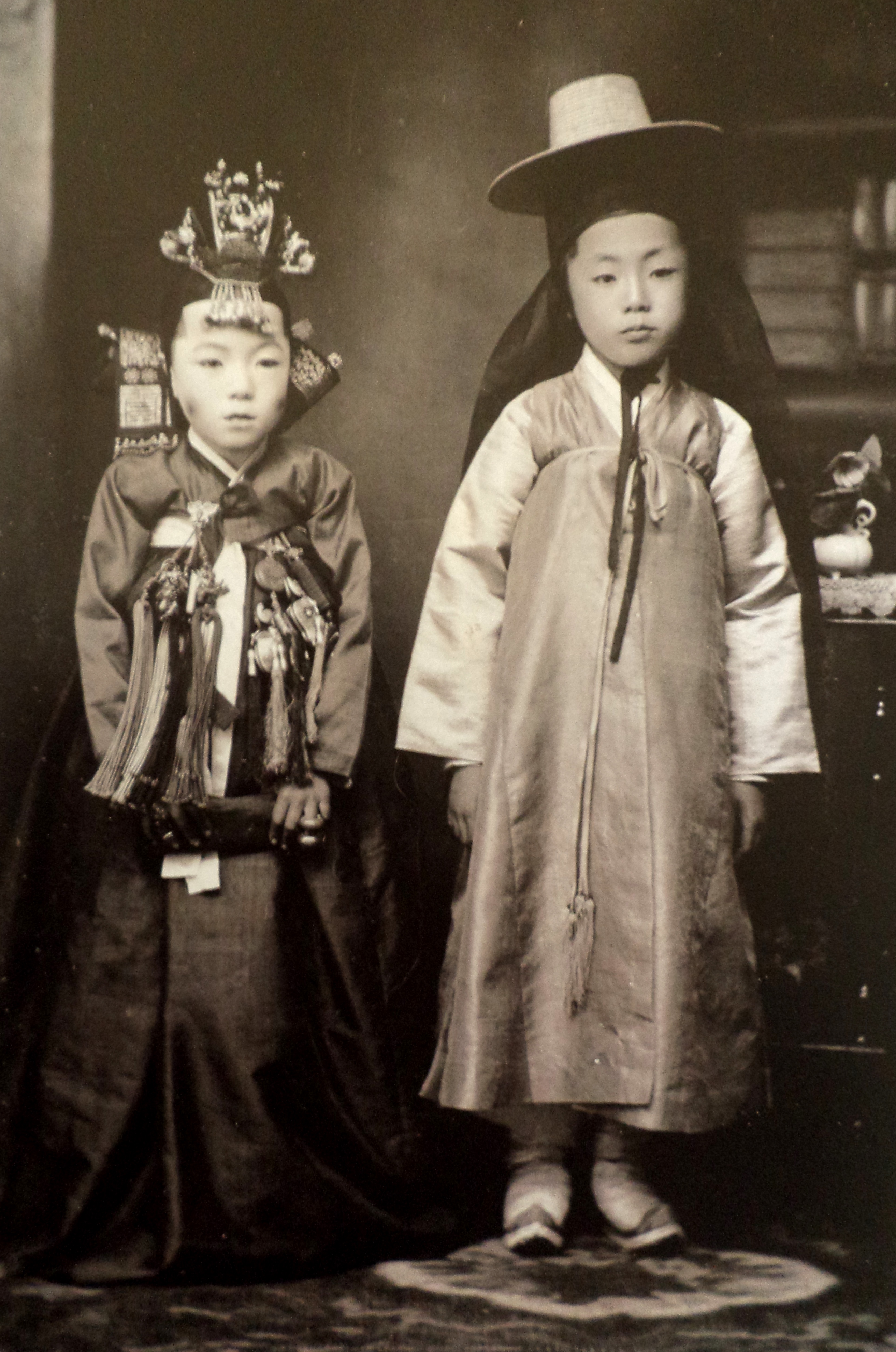
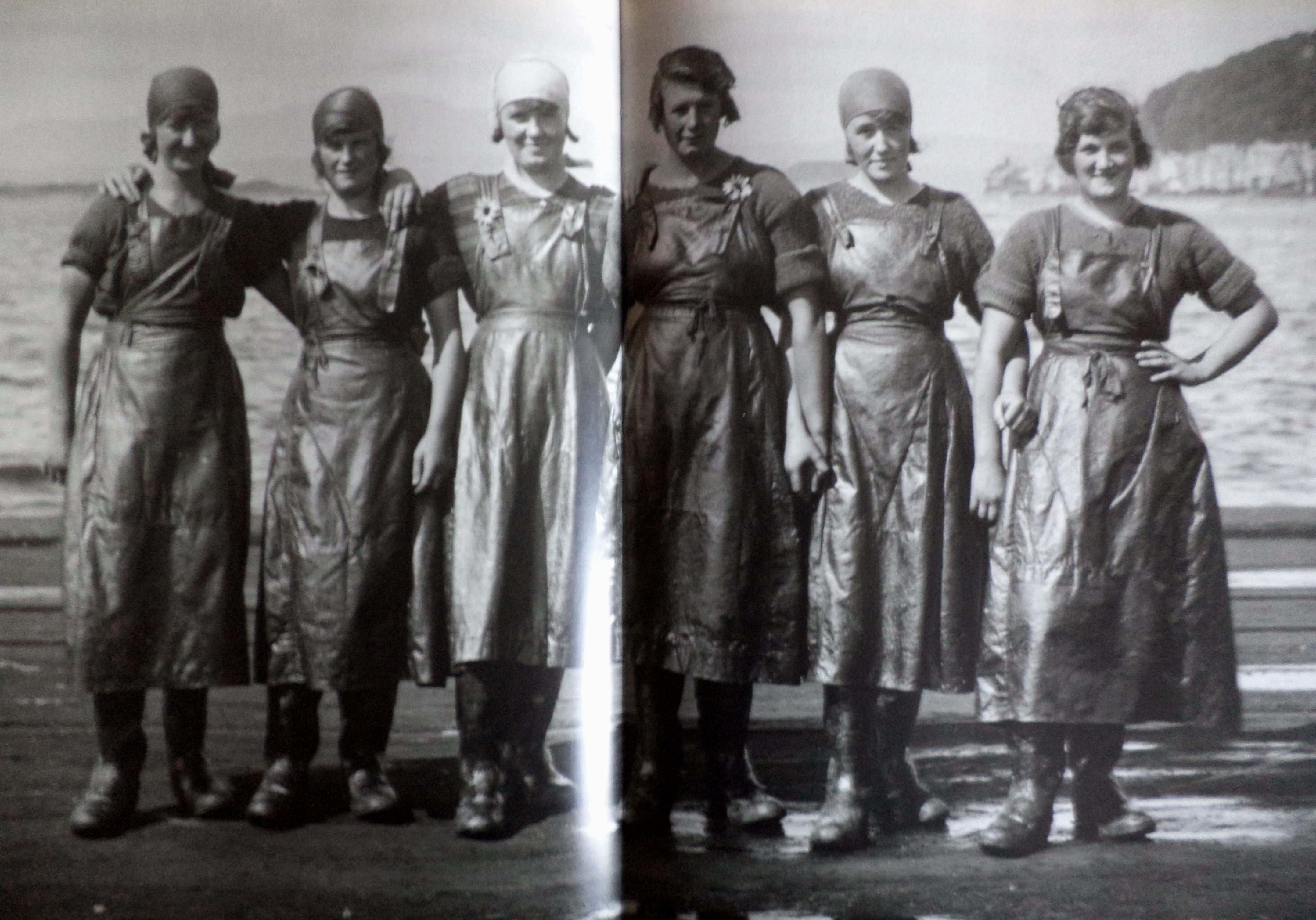
This book is also inspiring to me. It contains archival and contemporary photographs focussed on fashion while documenting the people and cultures who wear them.

national_geographic_Fashion5

???????????????????????????????

DSC00455

???????????????????????????????

Nat-Geo_Page_1

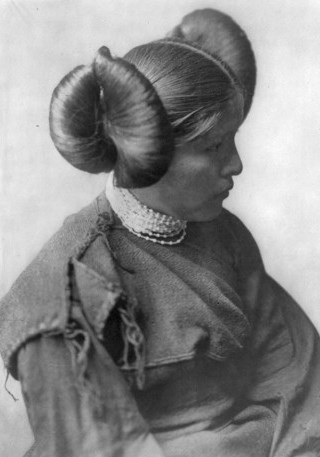
At-left-Yellow-Bull-of-the-Nez-Perce_-At-right-a-Hopi-Girl-ca_-1905_-Library-of-CongressEdward-S_-Curtis-650x457

???????????????????????????????

???????????????????????????????

???????????????????????????????

???????????????????????????????

???????????????????????????????

DSC00548

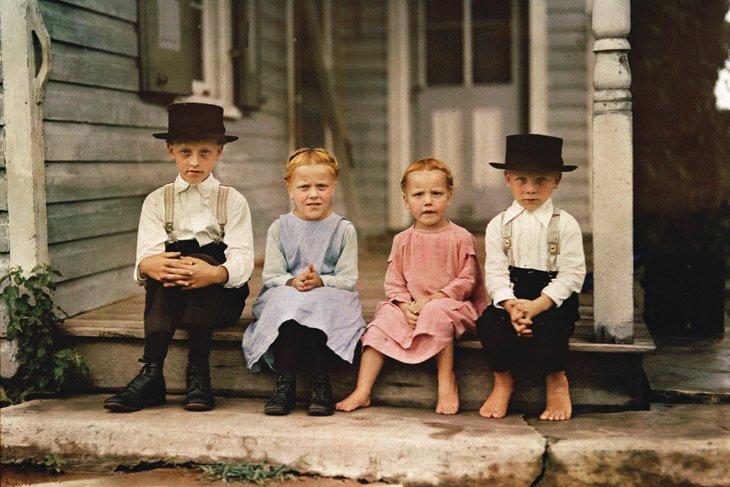
Amish children by J.Baylor Roberts

???????????????????????????????

foot

???????????????????????????????

???????????????????????????????

???????????????????????????????

???????????????????????????????

???????????????????????????????

tumblr_l83hyn2XWF1qbsy7ko1_500

???????????????????????????????

.

DBkQiElEeIv6OQxP

http://forums.thefashionspot.com/f78/another-man-debut-issue-32640-3.html

.

national_geographic_Fashion

http://www.amazon.com/Fashion-Cathy-Newman/dp/0792233751

.

Patrick Petitjean, how Beards got back in Fashion

17 Nov

10g

A friend asked me recently if I had noticed all these boys and men wearing beards lately. I laughed, because this trend isn’t just lately, it’s been going on for a few years already. But not many people know how and with whom it started…?

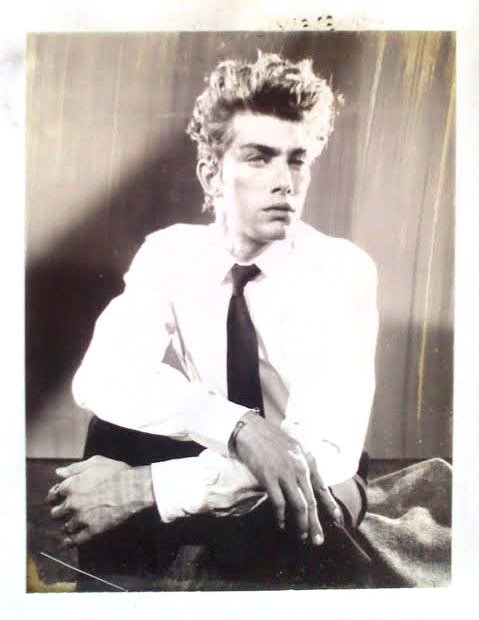
In 1996, Patrick Petitjean was already well known as a model, he’d done some great editorial jobs. I met him during a job for a Dutch magazine called Man. I told him I would in Paris during the next menswear shows-week and promised to give him a call. We met again backstage at the Claude Montana show and later we went to the Hugo Boss show, he was booked for. I never saw him again after that day, but I remember him as a really nice guy, with amazing blue eyes!

mail

Early editorial picture of Patrick Petitjean 
mailb
Polaroid of Patrick Petitjean, ph. Patrick Demarchelier
.

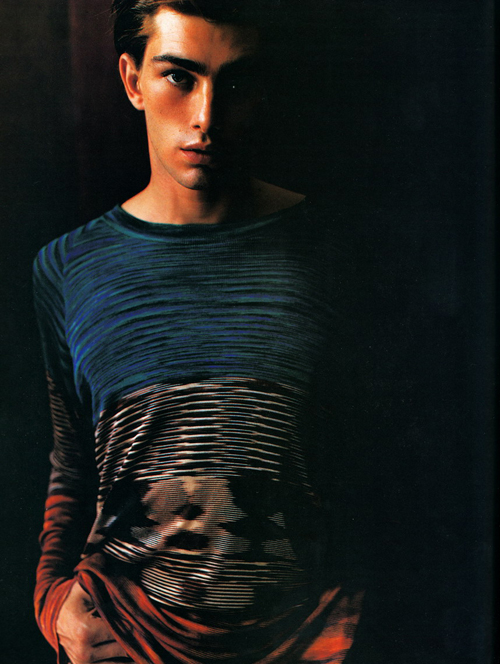
Soon he appeared on billboards for Missoni, Louis Vuitton, Calvin Klein and Hugo Boss, and became one of the most photographed male models during the late 90ties. 

patrick
Missoni Campaign, 1996

. 

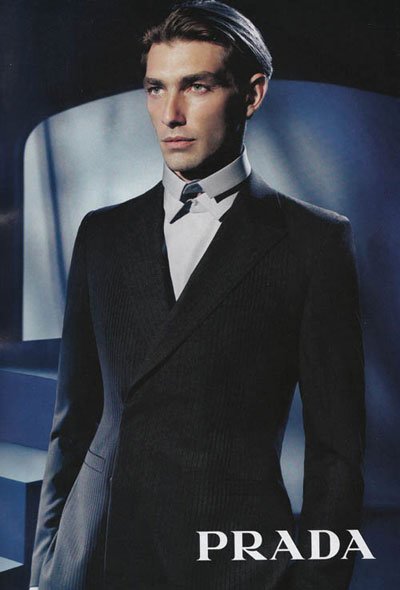
After a few years of lots of editorials and campaigns it became quiet around Patrick Petitjean, but in 2008 he appeared in a campaign again, this time for Prada, photographed by Steven Meisel.

24H_1684248

Prada campaign, photographed by Steven Meisel
 .

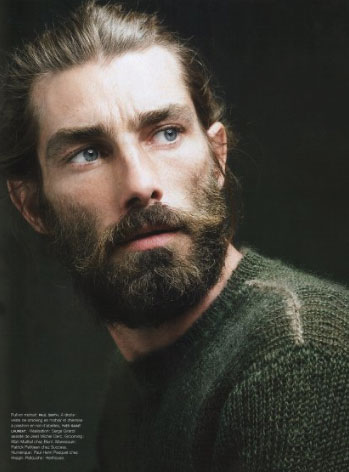
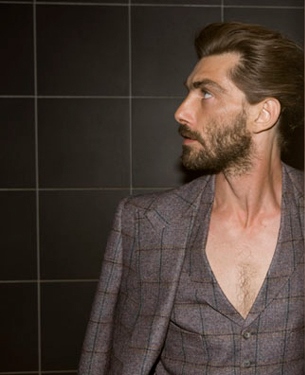
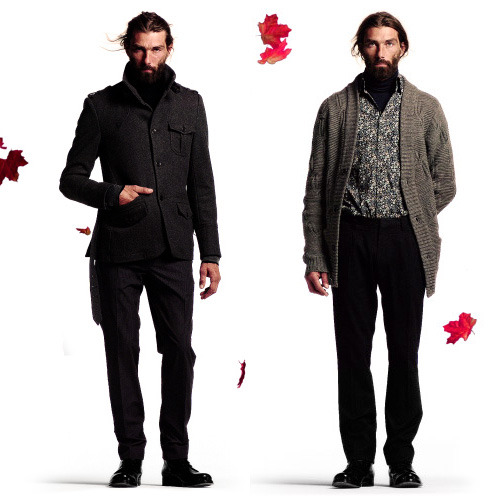
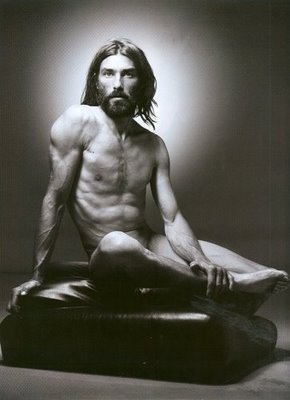
Then Patrick did something that bombarded his career to the  absolute top and changed men’s fashion: he grew his beard… Magazine editors and photographers recognized immediately it was thé new look for men. He first appeared  with his new look in 10 Men magazine, 2008.

IMG_0019

a78773a2401d

Ph. by Marcelo Krasilcic for 10 Men magazine

.

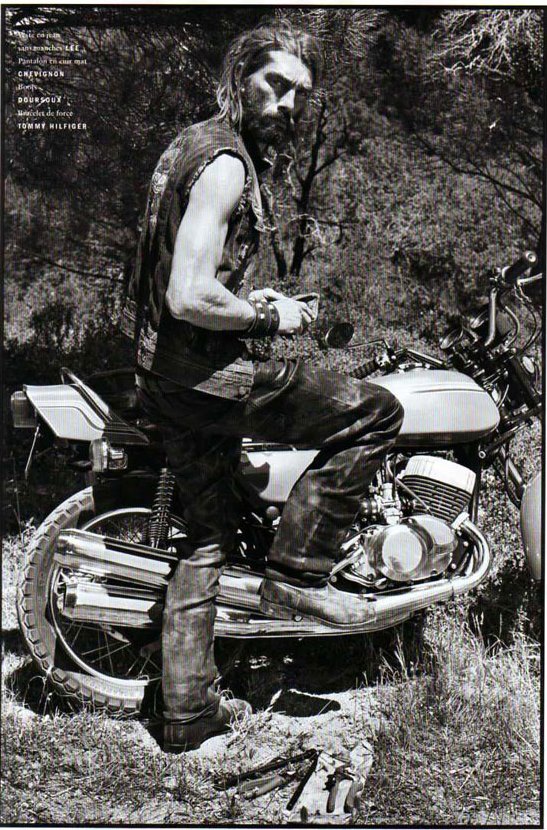
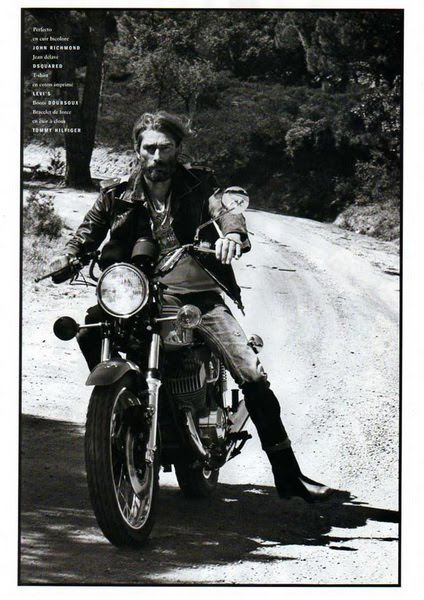
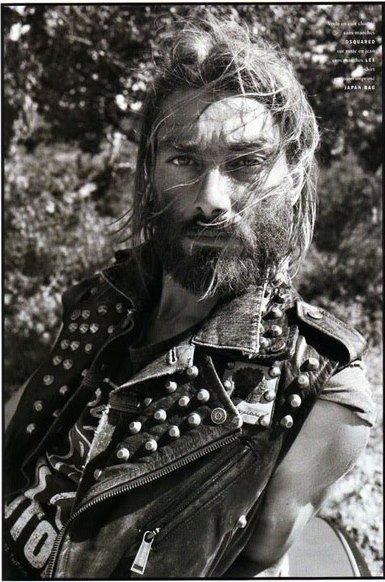
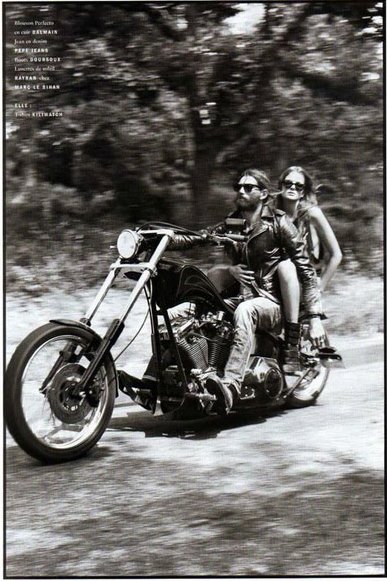
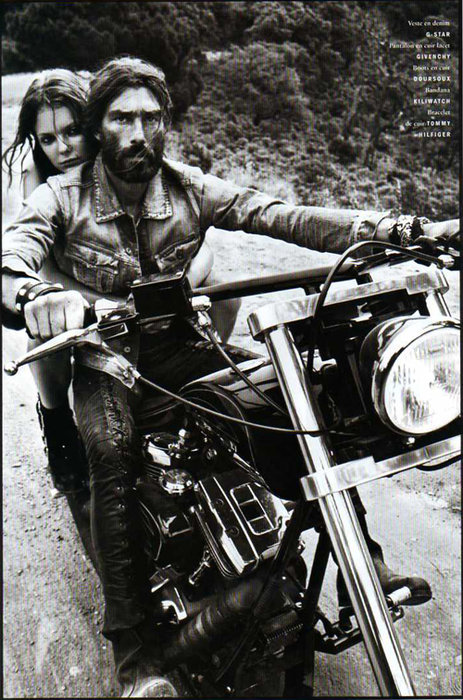
Growing his beard wasn’t all Patrick did, he also grew his hair. This Jesus-look has inspired  photographer Mario Sorrenti and stylist Emanuelle Alt  to make “On the Road” for Vogue Hommes International, september 2009.
road1

roadvh6

roadvh8

roadvh10

roadvh14

road15

Vogue Hommes International, september 2009
.

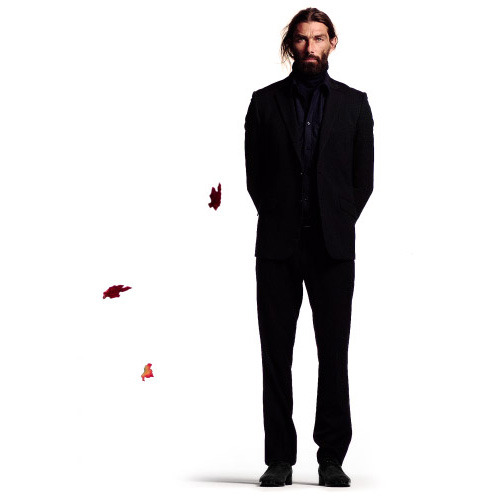
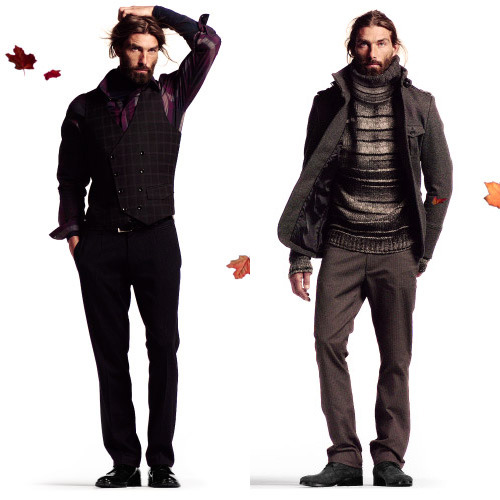
But the absolute break-through for the bearded look came with the fall/winter,2009 H&M campaign, photographed by Andreas Sjodin.
.

tumblr_kq8ekk7ogT1qzpdjwo1_500

tumblr_kq8eniOGD01qzpdjwo1_500

tumblr_kq8ekvIdd21qzpdjwo1_500

That’s how the beard became a fashion item again and lost its hippy / 70ties image.

.

Other great photographs of  a bearded Patrick Petitjean

Patrick_P_06

f77547a86a27

patrick5

patrick_petitjean_lenneryd

lofficielhommes

e0cdaaaa90b0

dbe439addd7b

And in 2012 without a beard

26

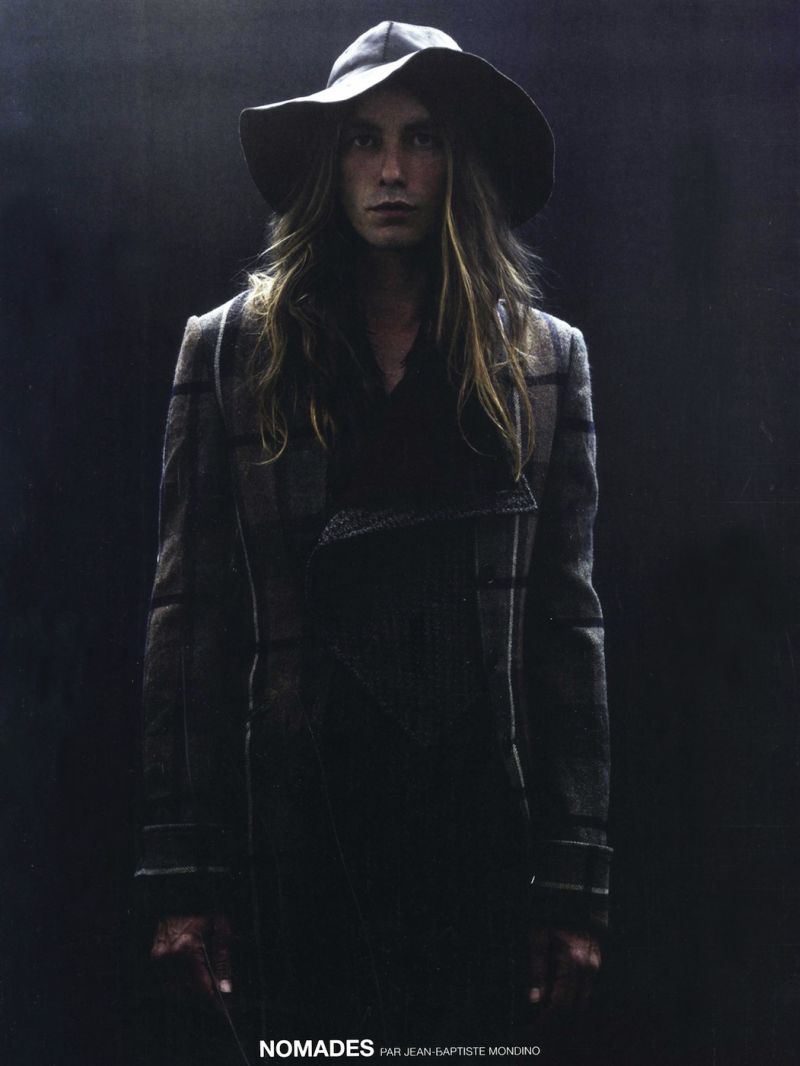
Ph. Jean- Baptiste Mondino

numero-homme5

Ph. Jean- Baptiste Mondino