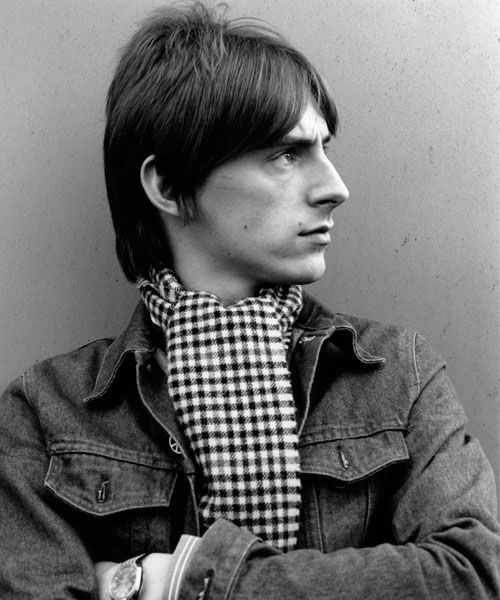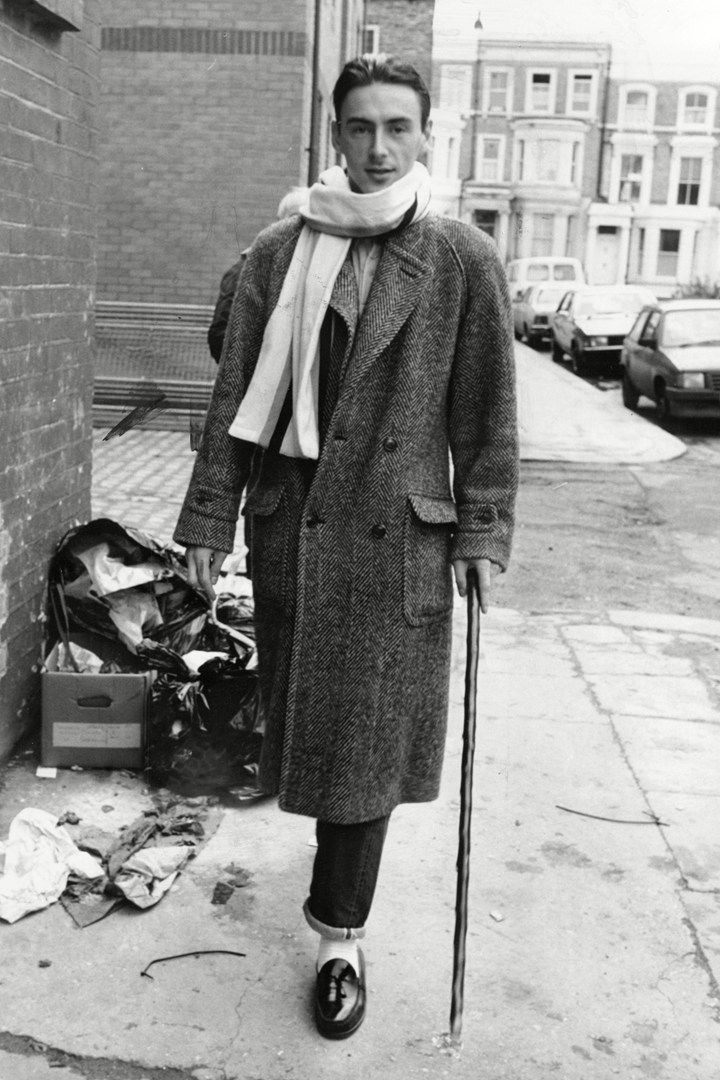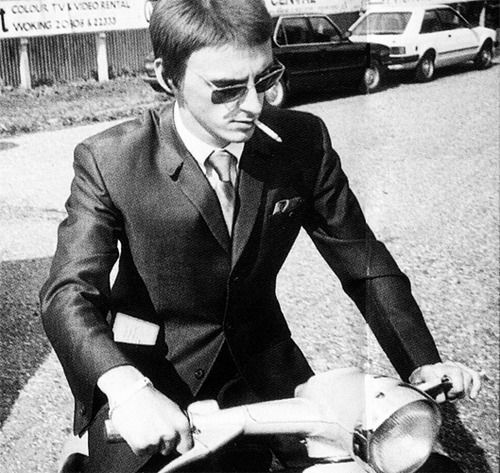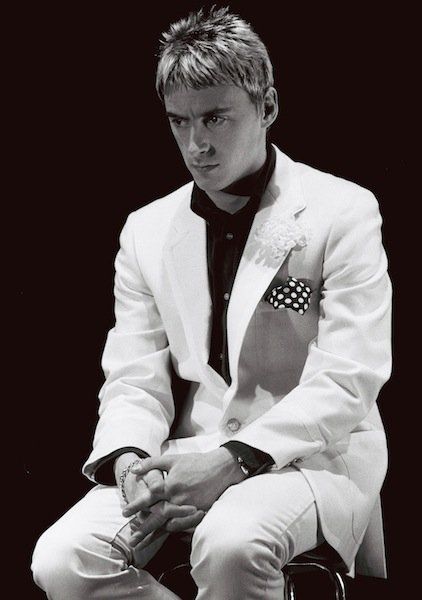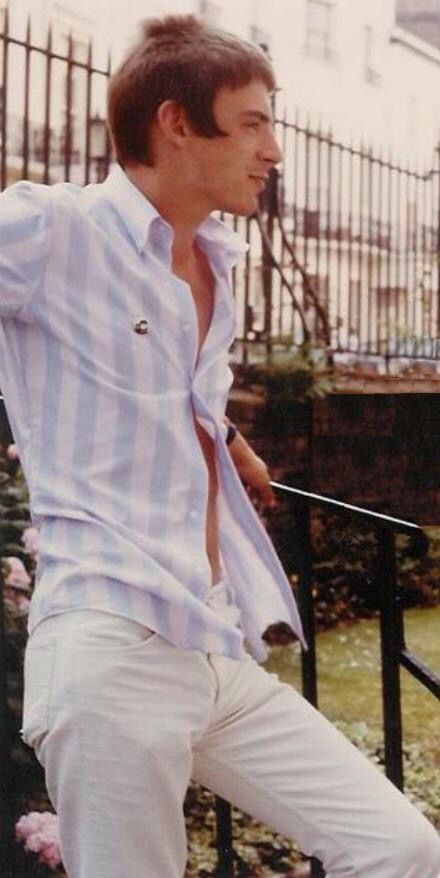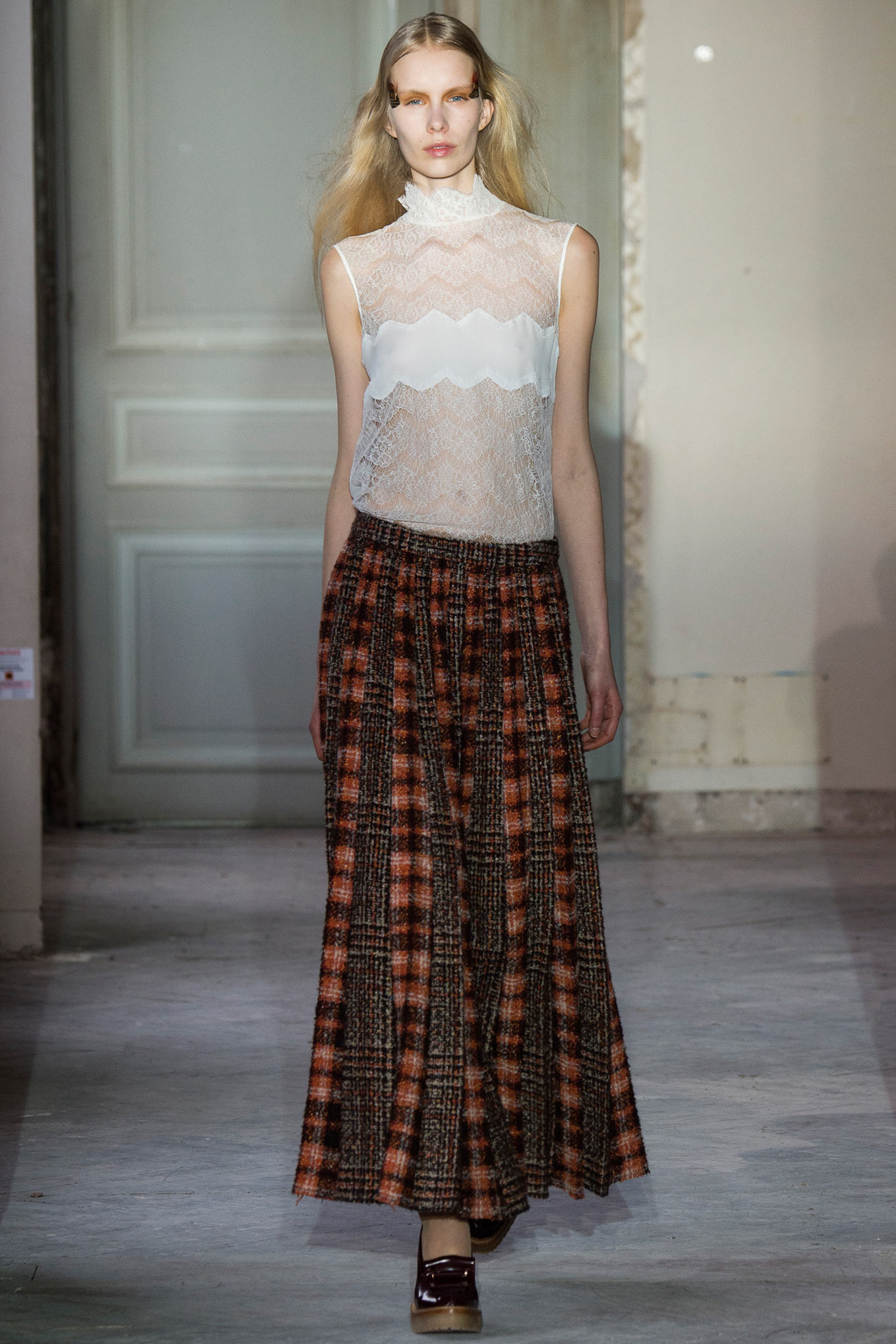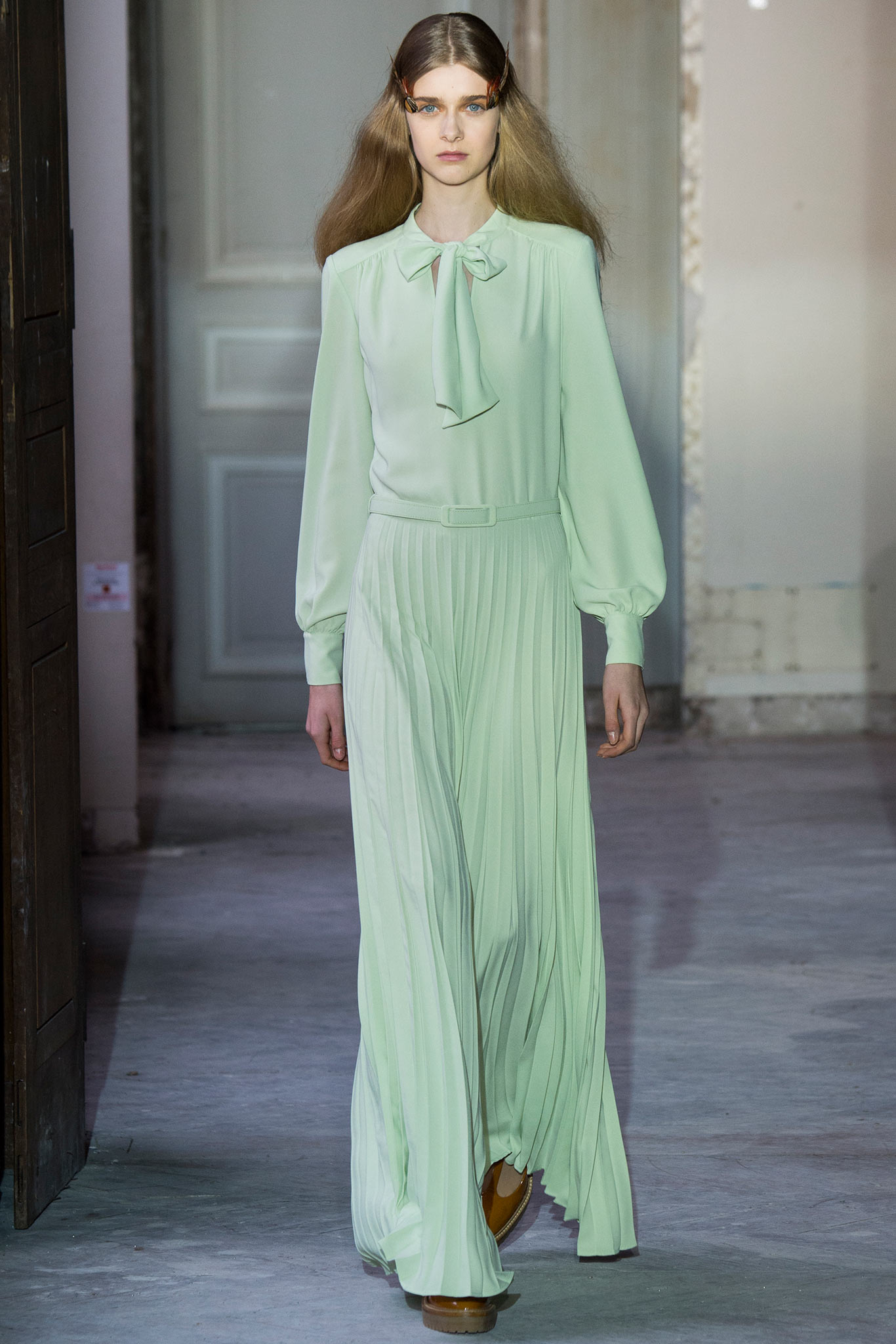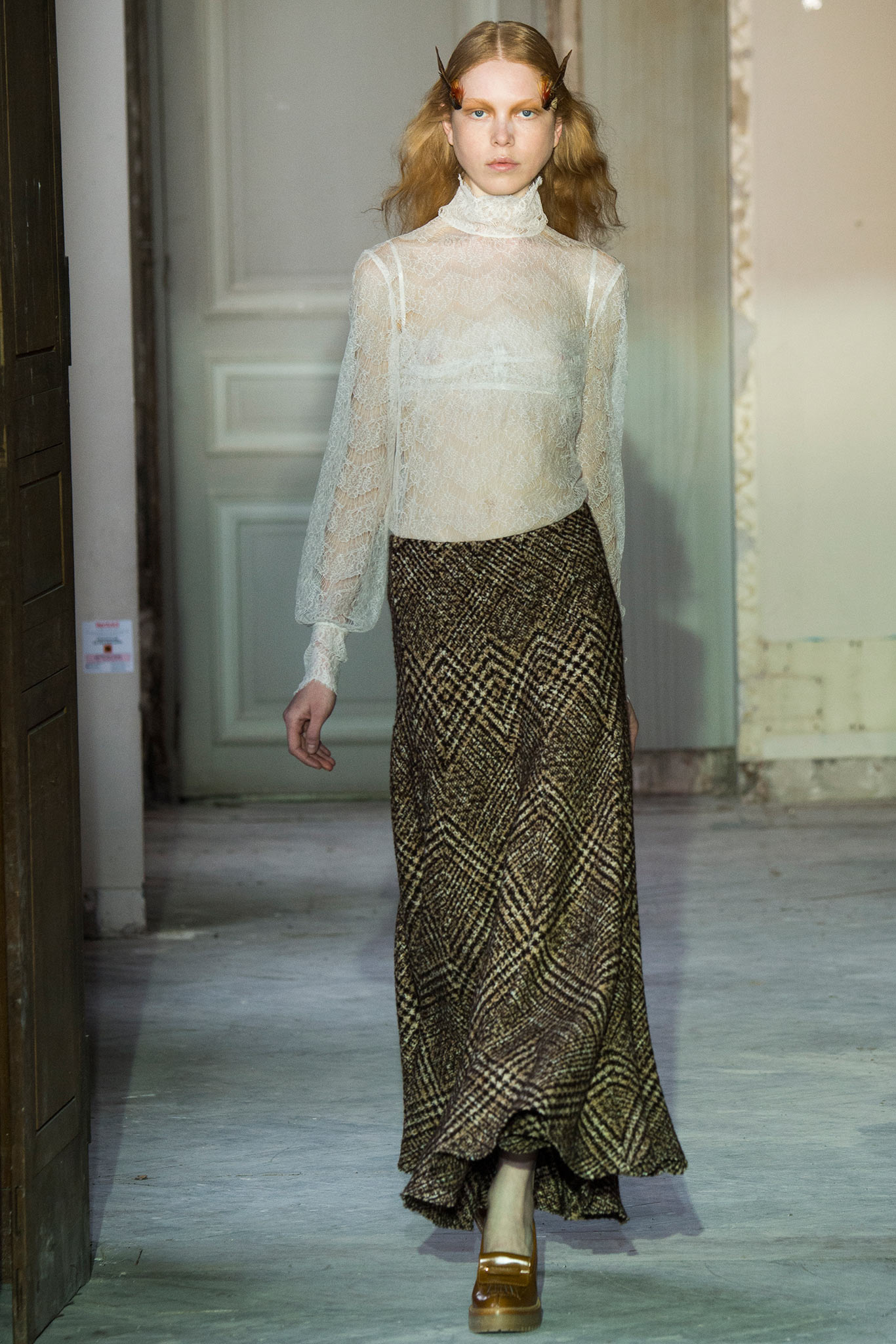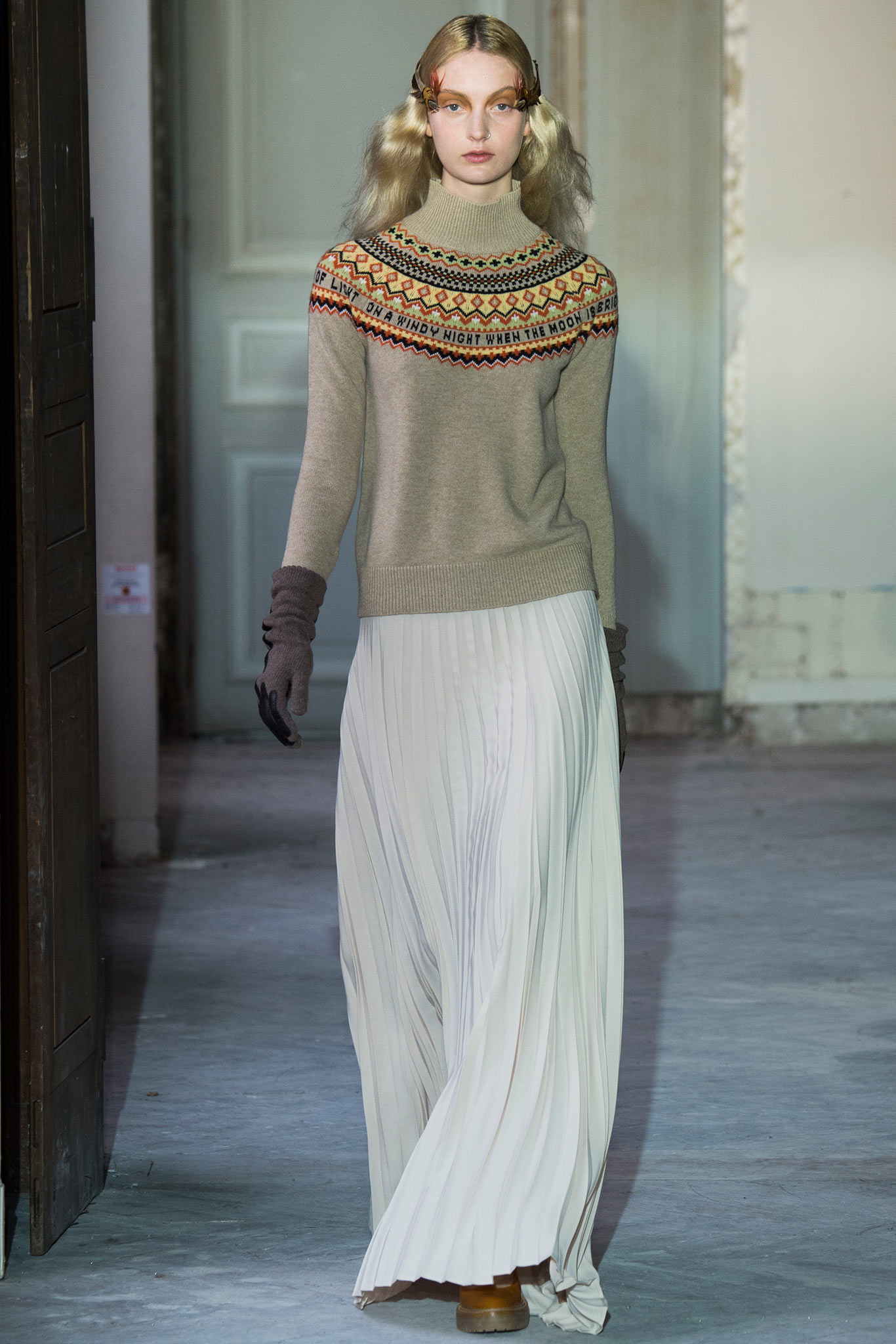
Paul Weller, revered to as one of the Coolest Men on the Planet

30 Aug
Paul Weller

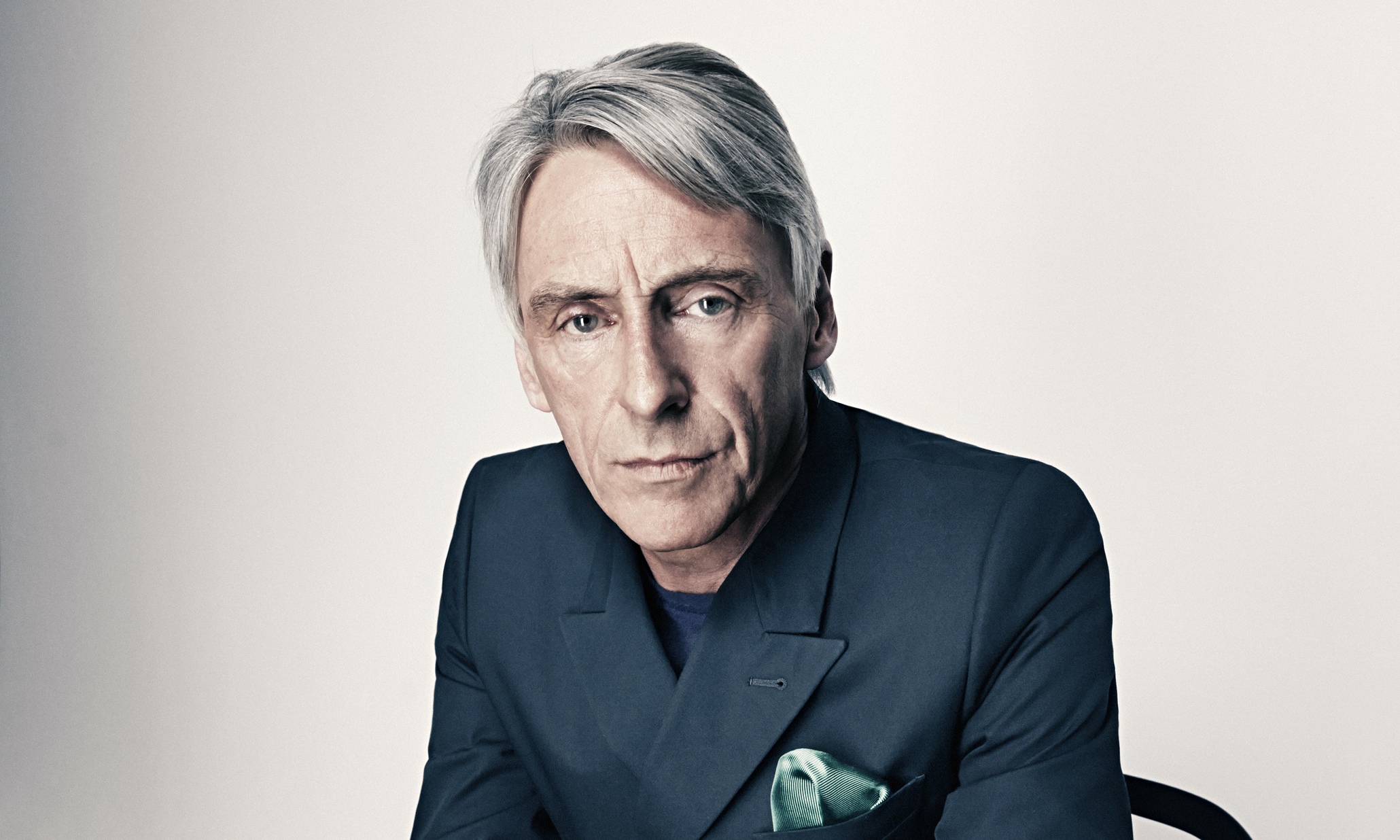
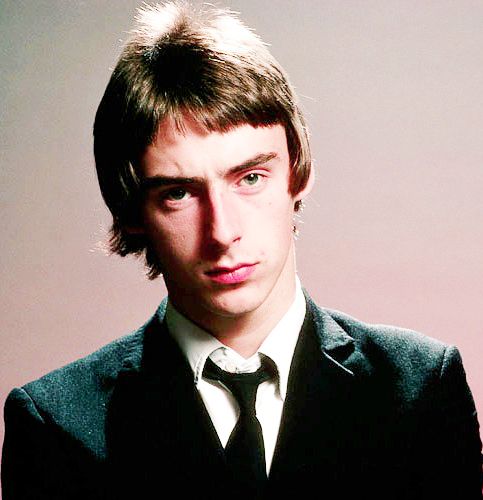
Paul Weller (born 25 May 1958) is an English singer-songwriter and musician. Starting out with the band The Jam (1976–82), Weller branched out to a more soulful style with The Style Council (1983–89), before establishing himself as a successful solo artist in 1991. He is also revered as one of the coolest men on the planet.

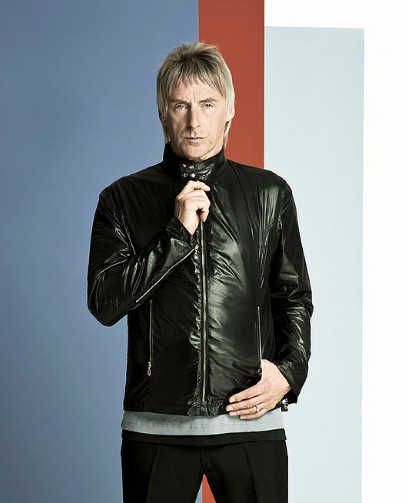
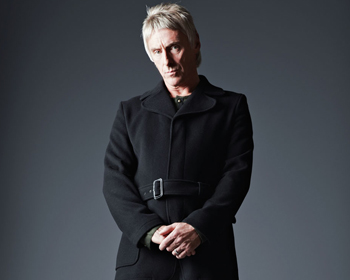
While Weller has been described as a punk, a soul boy, a pin-up for dad-rock and laddism, throughout it all he has been, first and foremost, a Mod (nicknamed the Modfather). Looking sharp is all important to Mods – it’s almost a religion to devotees – and for almost four decades Weller has been a style icon.
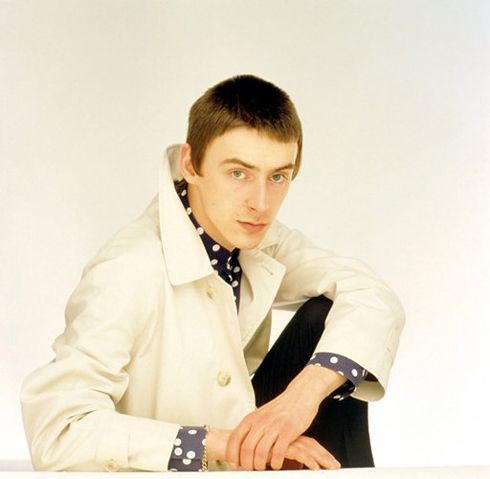
Paul Weller
Paul Weller about style

I come from a time when every kid dressed up. Everybody. If you didn’t, you wouldn’t be able to hang out. It was very tribal. There’s nice things in that. It’s culture, it’s roots for me. Maybe I just never grew up, mate.

When I was a kid in Woking, every week you went to the football dance, and every week the top kids would be wearing something different. You were constantly trying to catch up with them – which you could never do because, by the time you’d saved up enough to buy the item, they’d moved on to something else. That’s the whole Mod thing I suppose.
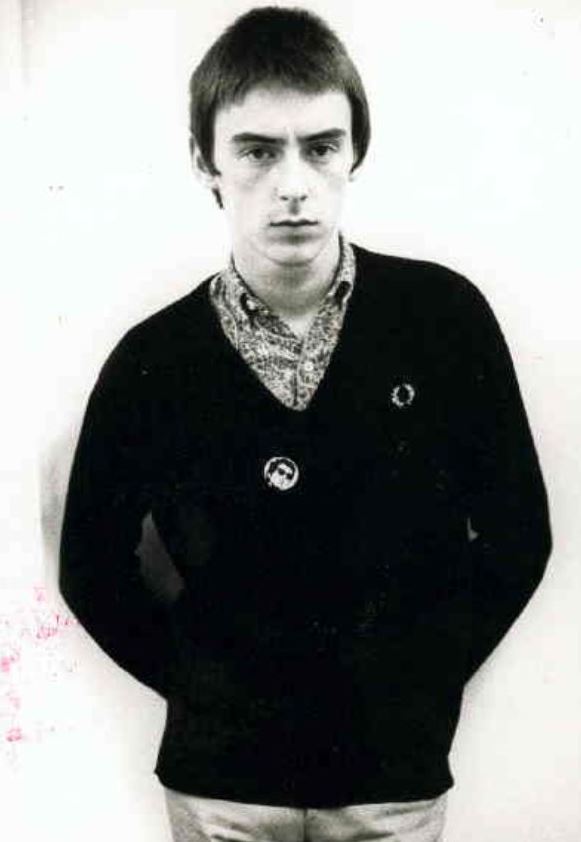
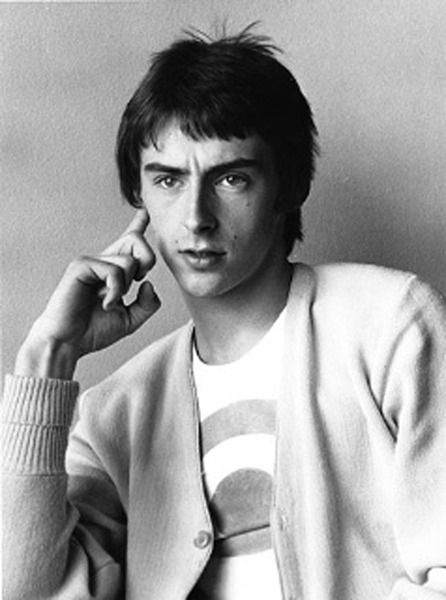
Paul Weller

Paul Weller

Paul Weller

Paul Weller

Paul Weller

Paul Weller

This was the late Sixties, early Seventies and we were all post-skinheads – suedeheads. We were little peanuts, too young to be proper skinheads. But those styles permeated down to the kids anyway. The main strand that forged it together was that American-college look, the Brooks Brothers look: the cardigans and sleeveless jumpers and the buttoned-down shirts and the Sta-Prest trousers. That was the common ground. It was a way for people who haven’t got much to make a show.

I can remember original Ben Sherman shirts being around till the early Seventies. I had to really save for my first Ben Sherman. We used to buy Brutus shirts, which were much cheaper – second best. But Ben Shermans were the sought-after item. The first one I ever got was a lemon-yellow one. I must have been 12, 13, and it was a bit too big for me. But being a kid I didn’t realise you could take it back to the shop. I wore it till it fitted me.

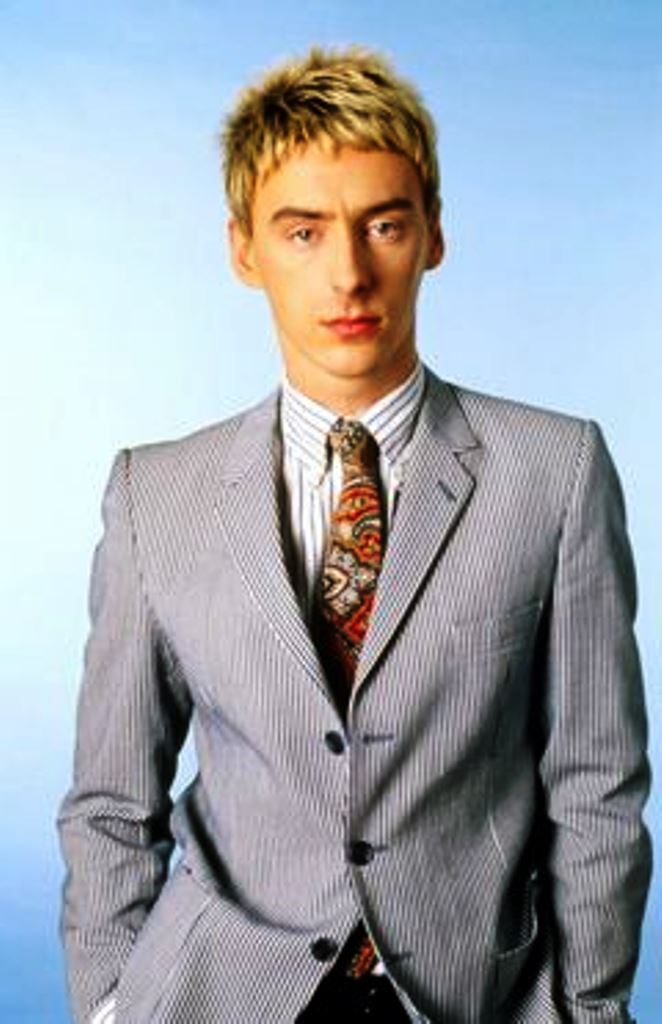
Paul Weller

Paul Weller

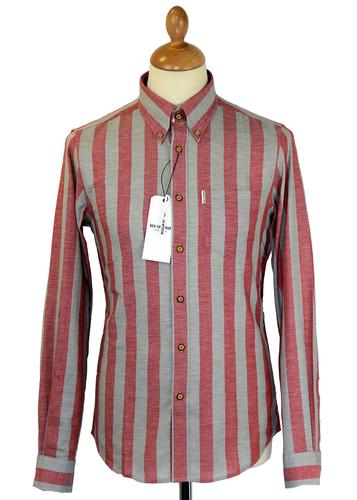
Paul WellerIt’s the aesthetic that sticks in my mind. The colours and the look of things have stayed with me. It meant everything to me. It was a statement of intent. And I thought, wouldn’t it be nice to have a Ben Sherman as they used to make ’em 40 years ago, or whatever it was. So I spoke to Ben Sherman about doing my own design, based on how they used to be, as near as dammit anyway. With a few little modern touches. I just did a little sketch, put all the details in: the bigger collar, bit more like a contemporary Italian collar, a few little touches here and there. It’s not rocket science.

Fashion Collaborations

ben_sherman_weller_stripe_shirtPaul Weller for Ben Sherman shirt
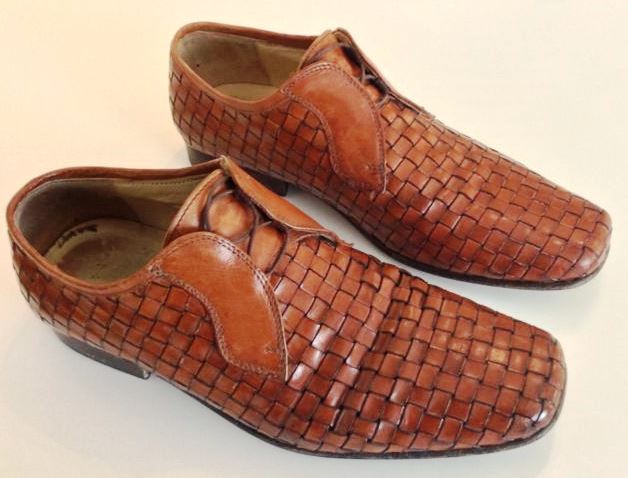
Paul Weller for HudsonPaul Weller for Hudson, a basket-weave shoe

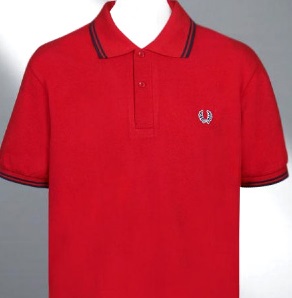
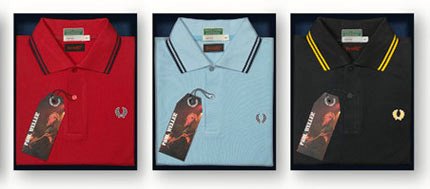
fredperryPaul Weller for Fred PerryPaul Weller for Fred Perry

.
The hook-up with Ben Sherman follows previous collaborations with shoemakers Hudson, for whom he came up with a basket-weave shoe, ‘which really took off.

He e was also involved with another British clothing classic, Fred Perry. ‘I went through their archives to try to find the same kind of weave they used 35, 40 years ago. I wanted to make the collar a little wider and have more of a roll – all the little details that they lost along the way.

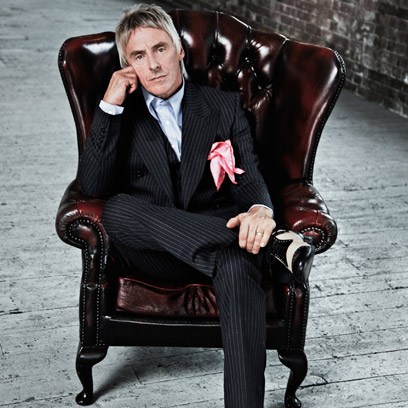
In 2009 Liam Gallagher, front-men Oasis, founded a brand which unites people through a love of music and fashion. Named after a track by The Jam, ‘Pretty Green’ provides simple, classic clothing with a modern twist in three distinct labels. In 2011, Paul Weller designed a collection for the label.

Paul Weller for Pretty Green
paul weller for pretty green

paul weller for pretty green

Paul Weller for Pretty Green


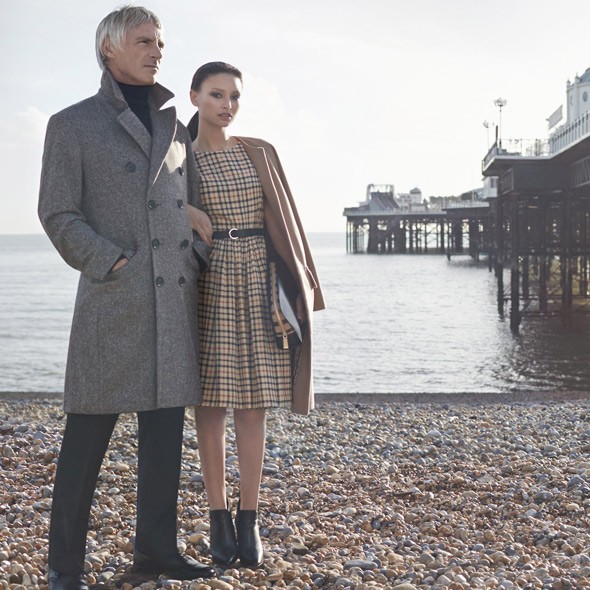
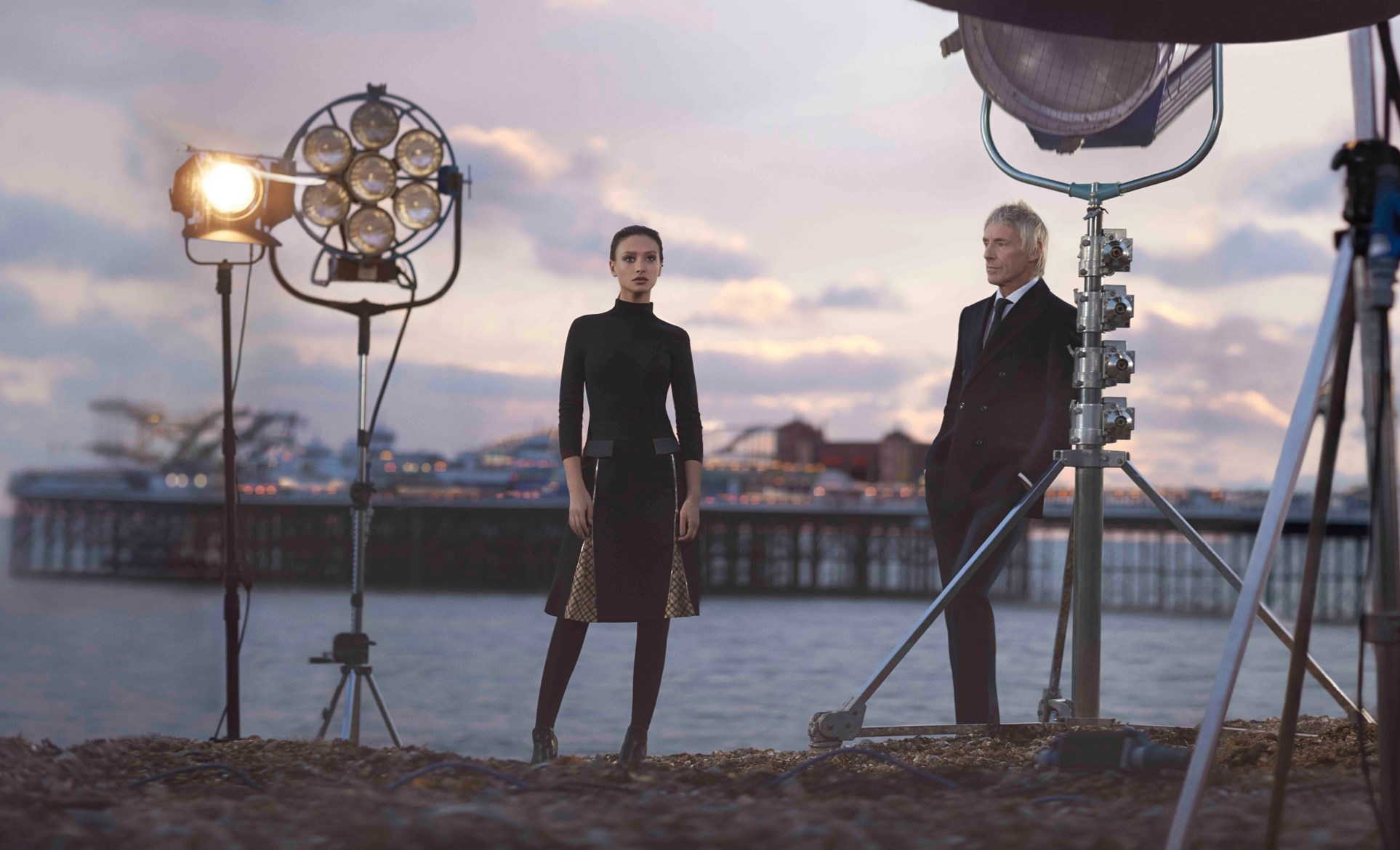
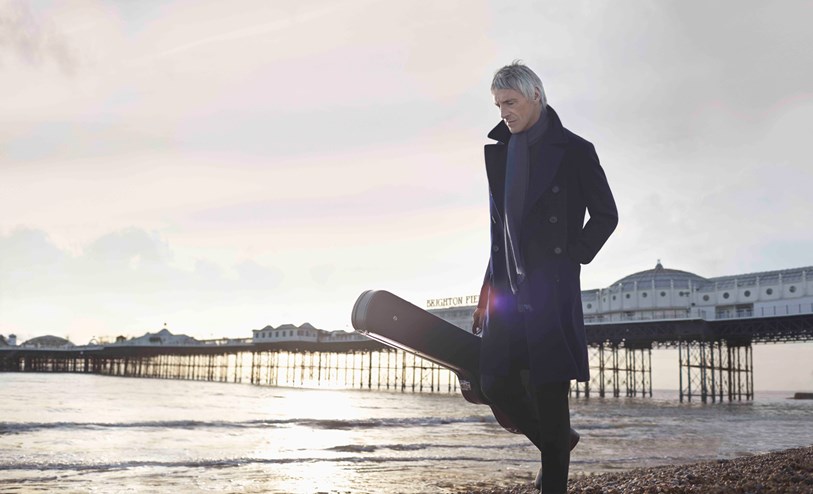
 To celebrate the brand’s 120th anniversary of DAKS, Paul Weller and his daughter Leah were asked to model.  Daks-02-GQ-21Jul14_pr_b_813x494
Paul-and-Leah-Weller-DAKS-AW-14_590_590_90 (1)
Daks-04-GQ-21Jul14_pr_b

And in October 2014, launched his own line of clothing with his partner Phil, owner of Tonic on Portobello Road, under the name  REAL STARS ARE RARE. It has a simple vision: small collections of classic, timeless pieces with a focus on quality materials. Every garment we is based on inspiration Paul Weller has taken from a life-long interest in fashion and style and starts life sketched by him.
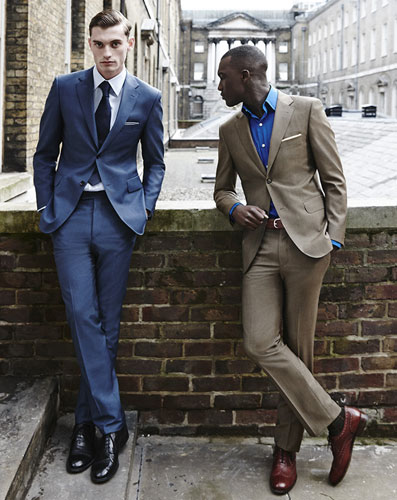
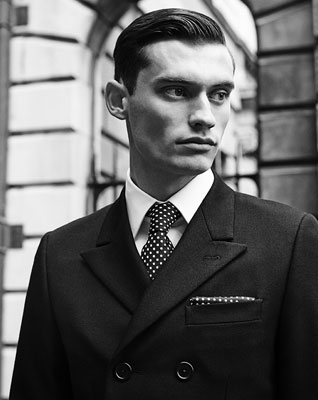
real stars are rare

real stars are rare

real stars are rare

https://realstarsarerare.com/

.


.

paul weller


info:

http://www.mrporter.com/journal/journal_issue56/1#1

http://www.gigwise.com/features/100395/paul-weller-interview—fashion-&-style-noel-gallagher-pretty-green

http://www.dailymail.co.uk/home/moslive/article-448356/Paul-Wellers-rock-star-style.html
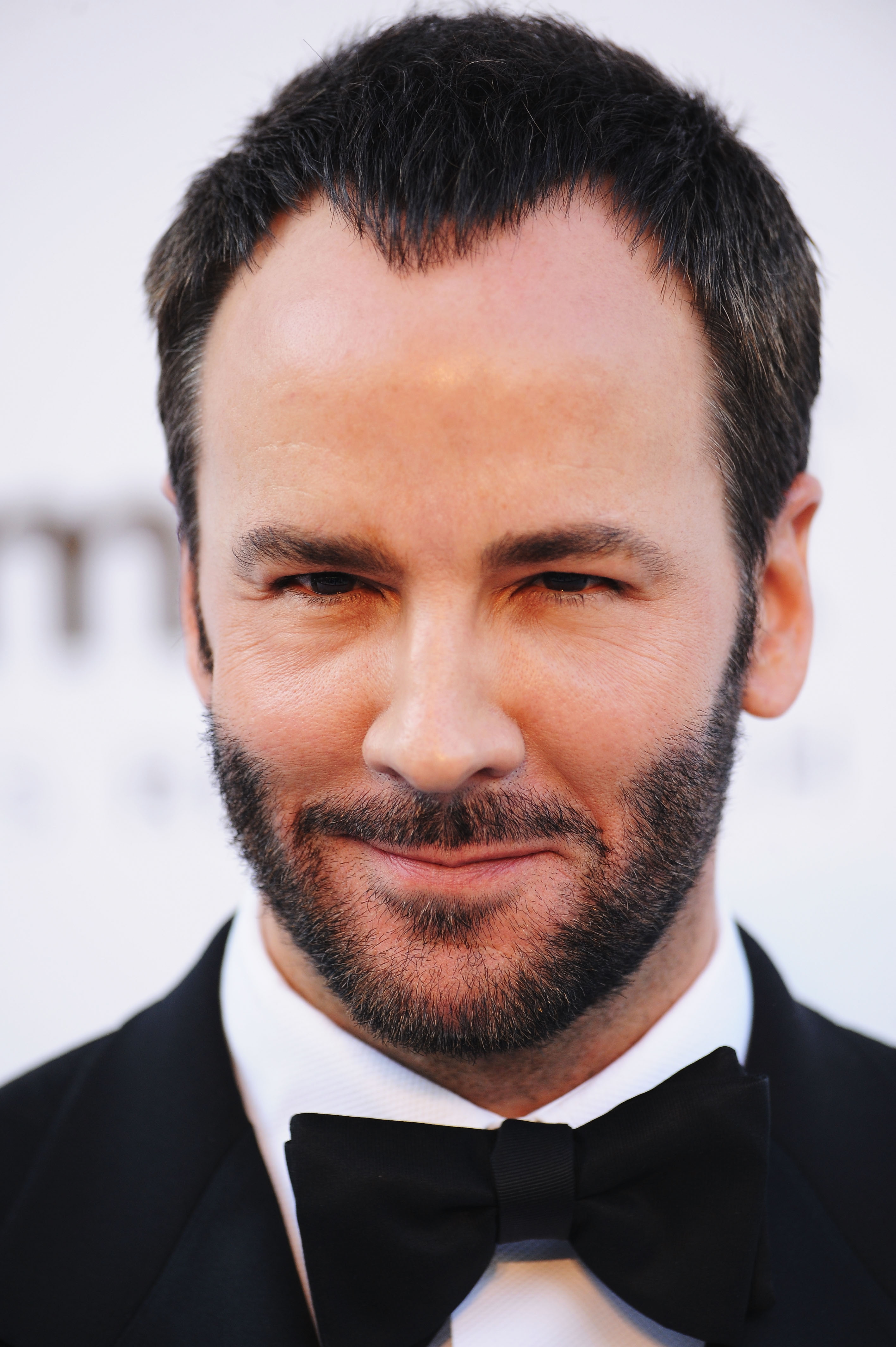
Tom Ford gets Candid about his Years at Gucci

23 Aug

Tom Ford

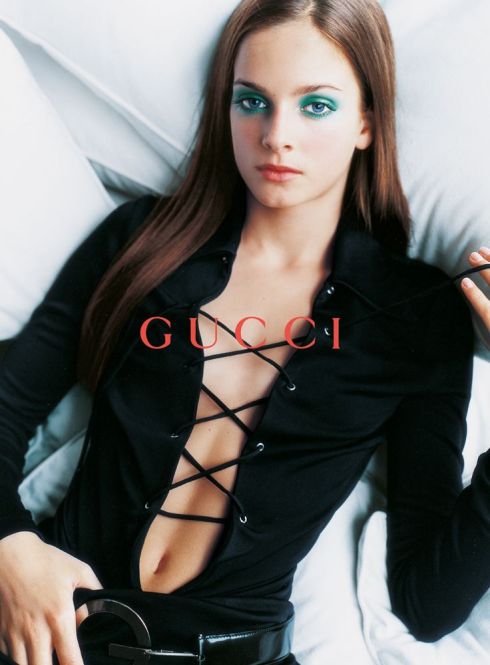
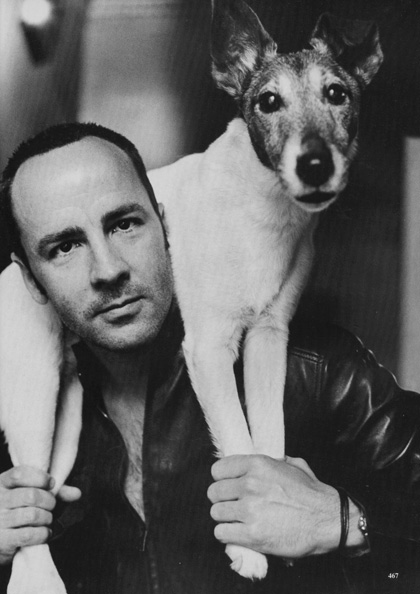
What Tom Ford did for Gucci in the 90ties was revolutionary and some of the designs are still iconic. Lately I wondered what happened during those days with Tom Ford and Gucci.

I am clearly not the only one, browsing the internet I found a recent article ‘Tom Ford Gets Candid About His Years at Gucci’ ( at the NY Magazine website), which I like to share. And to refresh the memories of the epic designs I included some video’s and photographs….. 

Gucci 1996 ad by Mario TestinoGucci '96/'97 ad by Mario Testino, styling Carine Roitfeld
.

In October 1994, the publicist for Gucci nearly begged journalists to attend Tom Ford’s first women’s show in Milan. Within a year, Ford would behailed as “the most directional designer in Milan” for his sleek tailoring and retro ’70s glamour. And Madonna dressed in a teal-blue satin shirt and hip-huggers at the MTV Music Video Awards, would invite even more attention when she chimed about her outfit, “Gucci, Gucci, Gucci.”

But that autumn it was easy to be skeptical. Despite its golden association with playboys and Hollywood goddesses, and despite success by the company’s creative director, Dawn Mello, who pushed the house to revive its snaffle-bit loafer and bamboo-handle bag, Gucci had failed to achieve its potential — and to distract consumers from designers like Giorgio Armani and Gianni Versace or upstarts like Romeo Gigli. At one point Gucci couldn’t even meet its payroll. Maurizio Gucci, after selling out family shares to Bahrain-based Investcorp, had been ousted. (He later was gunned down in a murder-for-hire arranged by his ex-wife.) Then in the spring of 1994, Mello left, returning to Bergdorf Goodman as president.

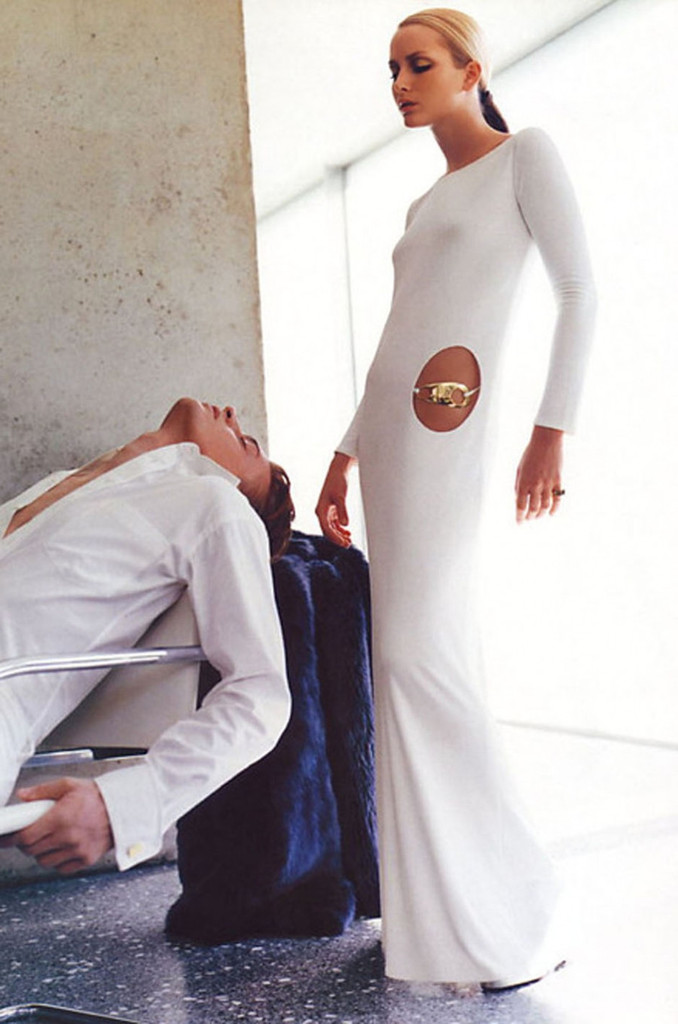
FW 1996 Tom Ford for Gucci KeyHole Gown 2FW 1996 Tom Ford for Gucci KeyHole Gown  .

Ford, who in his four years at Gucci had been an invisible backroom presence, was now on his own. And the ladylike knits and full skirts in wistful colors and prints that he showed reflected his tentative grasp of the brand’s identity. Speaking by phone last Friday from his home in London, Ford said with a laugh, “It wasn’t a bad show. It just wasn’t anything.” He said that his “brain was still full” of the type of fashion that Maurizio Gucci had wanted — classics that related to Gucci’s scarf history and leather goods. But clearly no one cared. Besides, Gucci didn’t have a ready-to-wear story to tell — not the way, say, that Chanel did. It would have to be invented. But given the brand’s uncertain future, with Investcorp weighing a sale of Gucci, was that even feasible? Depressed, Ford says he was ready to leave after the fall 1994 show.

Gucci Jeans 1999

As it happened, his sense of failure became his wedge. He felt he could do as he pleased because he had nothing to lose. “I had a moment where nobody was looking at anything I did,” he says. Then, too, he has always been the kind of person who knows what he wants. On his first date, in 1986, with Richard Buckley, the writer who became his partner, Ford announced that within ten years he would be a millionaire and designing his own line in Europe. Preparing for his Gucci men’s show, in January of 1995, Ford began questioning how he thought people wanted to look. At the time, Gucci’s archives consisted of a cardboard box filled with glossy press snaps of movies stars like Liz Taylor and Grace Kelly wearing Gucci scarves or walking through an airport with a bag. The glamour of Gucci resided in their celebrity rather than in anything they specifically wore. That’s what Ford tapped into, and he would emphasize that notion in his shows by putting a single spotlight on the models as each came down the runway. Versace often used the same effect, but the difference was that Ford killed the backlight, so that you were actually forced to notice the clothes and the models — and not someone sitting opposite. He also had the sense, he said, that people wanted to look sexy again. Fashion had reached the point where it was all minimal and proper, apart from the romance of Alexander McQueen and John Galliano whose businesses were still relatively tiny.

So in January, in Florence, Ford sent out velvet hip-huggers and a long, thin, new Gucci loafer in patent leather, a look that some writers related to mod and James Bond. He repeated the idea, more or less, for his women’s show that March. He also ignored a clause in his contract that said he couldn’t take a bow. “I thought, You know what? I’m going to do what I think is right. I’m going to step on the runway,” he recalled.

Gucci Mens and Womens A:W 1995-1996 S:S 1996 from TOM FORD INTERNATIONAL on Vimeo.

“What did Gucci executives have to say about that?” I asked him.

“The next day you could not get into the showroom. It was absolute hysteria. So, no, no one gave me flak after that.

It’s interesting to trace journalists’ reactions between 1994 and March of 1996, when Ford showed perhaps his most celebrated collection, the one with the slinky cutout gowns in white jersey, for which he received a standing ovation. Until the hip-hugger men’s show, Amy Spindler of the New York Times, who became one of his most ardent admirers, typically landed Ford’s men’s shows near the bottom of her reviews. But after Florence she called the show “the most directional for the magazines.” By July, she had upgraded Ford to “the most directional designer in Milan” and in September of 1995, in an insightful column headlined “Flip-Flop: The Runway Leads the Street,” she elaborated on “the Gucci influence.” Fashion brands at all levels were suddenly turning out hip-huggers.

Those three seasons — the velvet collection, the so-called hippie show with clashing prints in the fall of 1995, and the white-dress show — are what made Tom Ford at Gucci. Revenues in the first nine months of 1995 doubled, to $342 million, over the previous year. At the same time, he began to work with the stylist Carine Roitfeld and the photographer Mario Testino, helping to expand their own domination in the ’90s and beyond. Ford first made the connection to Roitfeld in 1994, while looking at a shoot she had styled for French Glamour. In so many words, he said, “This is my woman.” In reality, a number of women have served as Ford’s muses, notably Lisa Eisner in Los Angeles. But Roitfeld’s ultrasexiness, her élan, had a huge impact on him. And very much in the tradition of designers like Bill Blass and Coco Chanel and Yves Saint Laurent, Ford knew that he had to design for an actual woman, and not some cardboard creature.

In so many ways, Ford’s run-up at Gucci is instructive — though, to be sure, the fashion world has now changed beyond recognition. He was one of the very first designers to put into play the notion of mass luxury — that is, stuff that anyone could aspire to and maybe acquire. Despite the incredible glamour of Ford’s shows, which he carried over in the provocative advertising images, the clothes were essentially wearable. Christopher Bailey has taken a similar approach at Burberry not coincidentally, both Ford and Bailey have a strong business sense. And in abstracting the notion of celebrity from that slim box of Gucci photos, and in spectacularly elevating that notion on his runway, he was foreshadowing the current mania for celebrities and the red carpet. He really defined the conversation for the industry in the second half of the ’90s.

Chatting with Ford, I remarked that breaking with Gucci’s storied but rather conventional past must have saved him. He laughed. “Yes, but in fashion you never feel that way. Every time you turn your back and walk off the runway you think, Fuck, I got away with that this time. What am I going to do the next time? Literally, I was always terrified.” But in the lull before his velvet hip-hugger show, before Madonna, it did help that no one was looking. As he said, “I could have sent anything down that runway.”

By Cathy Horyn (for the New York Magazine website)

.

Tom Ford

.

http://nymag.com/thecut/2015/04/tom-ford-gets-candid-about-his-years-at-gucci.html
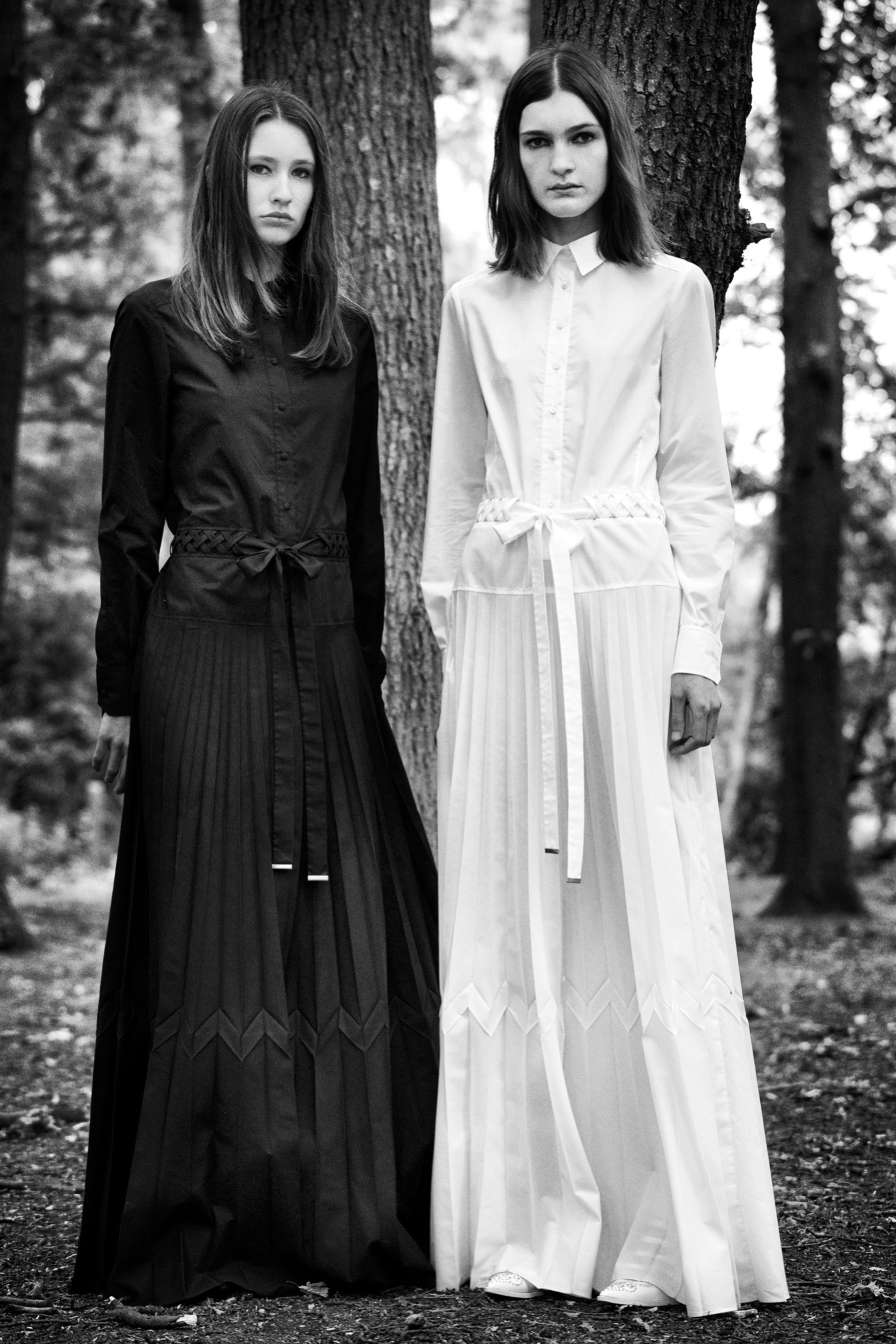
Veronique Branquinho, known for her long Pleated Skirts

16 Aug

Veronique BranquinhoVeronique Branquinho is a diverse Belgian designer who creates ladieswear, menswear, shoes, boots, sunglasses and lingerie. She has worked on several projects collaboratively with other designers and fashion manufacturers. Her designs fall into the luxury brand category, are well-tailored, and use the finest fabrics to create striking, yet lovely garments. She is in tune with the female body and believes that clothing should be made to fit perfectly, thus, making them more comfortable and more appealing. Her attention to detail through the use of quality fabrics is her signature feature.
Short Biography

Veronique was born in Vilvoorde, Belgium in 1973. As a child, she was timid and quiet, preferring to be alone, rather than in a large group. Because of this, she never imagined working with so many people, owning a company, much less being in the limelight. The world of fashion to her was something that people saw in a magazine, not something that someone like her lived. But she did decide to study fashion, and like other excellent designers from Belgium, she studied at the Royal Academy of Fine Arts, graduating in 1995.

Early Designs

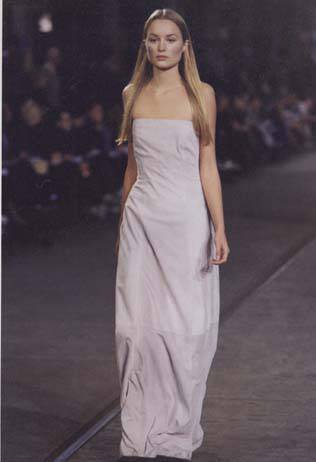
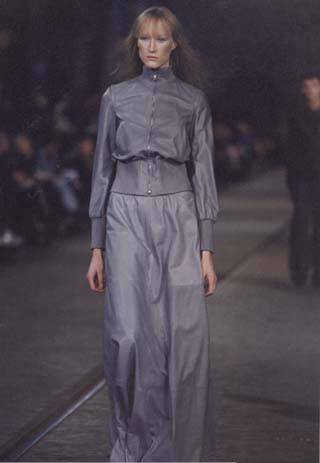
Veronique Branquinho ss 2000

Veronique Branquinho ss 2000

Veronique Branquinho S 1999

Veronique Branquinho fall 1999

Veronique Branquinho 99 2000
Veronique Branquinho

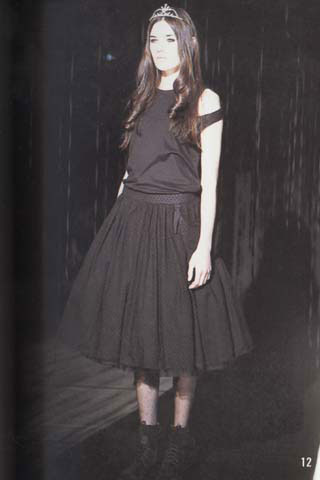
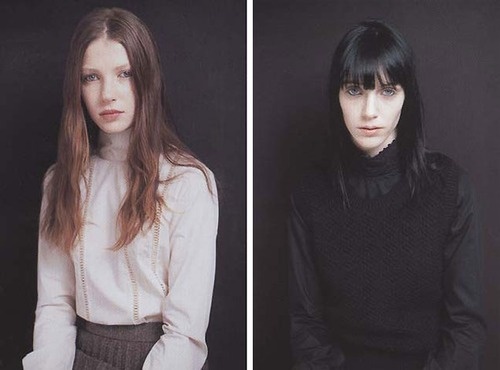
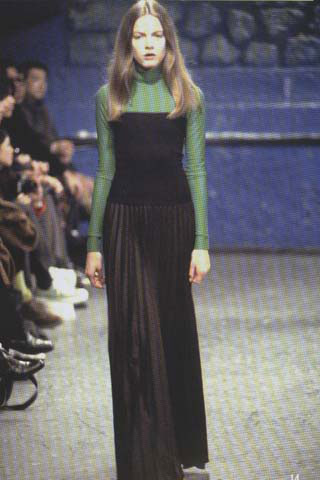
After graduation, Veronique worked hard and released her first collection in 1997, a ready-to-wear womens line. Her label was called Veronique Branquinho. She was not afraid to show her work and was confident enough to present the collection on the Paris runway. All of the garments were clearly top quality, as she wanted everything to be perfect, right down to the finishing touches and magnificent detailing of each item. She was immediately known for her long pleated skirts which resembled kilts in a maxi styling length. Her womenswear collections would continue until Fall 2009.

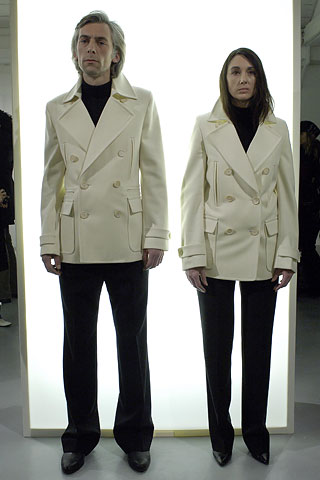
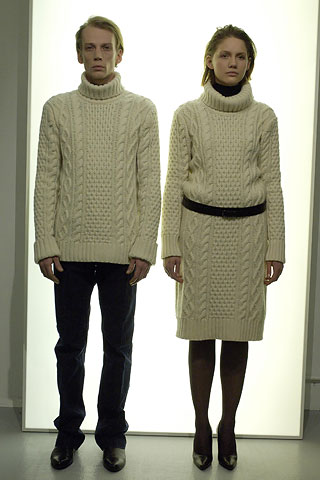
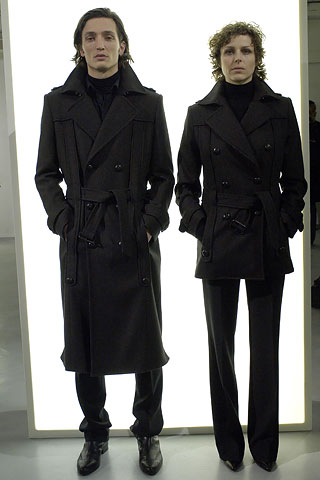
Not long after Veronique’s first showing, she established an actual company in Antwerp, as she was growing from the orders from luxury companies like Barneys New York and Iris in Montreal. Boutiques in Moscow, Tokyo, London and Paris also wanted to stock her now famous label. By Fall 2003, she launched her menswear line which also continued successfully until 2009. One her most unique collections was the 2006 “his and hers” line. It was basically the same garments, but made for both men and women. The women’s line also had a skirt which was made from the same fabric as the men’s pants. When interviewed, she said that this was probably her favorite collection to date.

‘His and Hers’ Collection00110m

00100m

00080m

00050m

Through the years, collaboration was important to Veronique and she has worked with numerous companies to create unique pieces. Examples include luxury eyewear with Linda Farrow, a British sunglass designer; leather goods with Raf Simmons for Ruffo Research, an Italian company; an exclusive sixteen-piece collection for 3 Suisses, a French catalog company selling upper end fashions; and jazz shoes for Repetto, the French company that specializes in ballet and dance footwear.

By early 2008, just ten short years in business, Veronique had shown a total of twenty-one collections on the Paris catwalk. As a result, she was permitted a presentation at the MoMu which was called “Moi, Veronique: Branquinho Toute Nue” translated as “Totally Naked Veronique”. It was a reflection of her ten successful years showing examples of her ideas and the actual clothing that she created.

Ruffo Research by Veronique Branquinho & Raf Simmons

Ruffo Research by Veronique Branquinho & Raf Simmons

Ruffo Research by Veronique Branquinho & Raf Simmons

Ruffo Research by Veronique Branquinho & Raf Simmons

In early 2009, Veronique announced that she would have to close her company, ending production of her own designs and label. The economy was such that she felt she could no longer sustain a business and compete in the marketplace solely on the merits of her name. She also felt that although many great designers existed, and people loved their finished products, independent designers were no match against the conglomerates in the fashion world. Joyfully, that has not stopped her from carrying on with her designs. Since then, she has worked on various projects and keeps her name in the spotlight through designing for other companies.

Shortly before leaving her own brand, Veronique was named Artistic Director for Delvaux, a prestigious leather manufacturer with over two hundred years of history crafting handbags. The first collection she designed for the company debuted in Paris for Fall-Winter 2010. Additionally, in early 2010, she entered into an agreement with Camper, a Spanish shoe company, to create a line called “Veronique Branquinho for Camper Together“. The collection was released in the Spring of 2010 around April.

Lingerie Collection

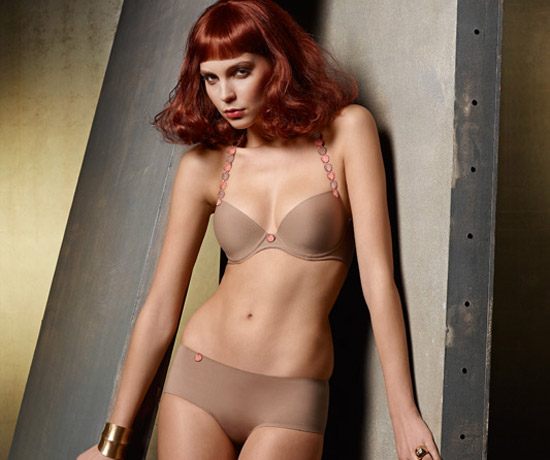
Veronique Branquinho pour Marie Jo LAventure

Veronique Branquinho pour Marie Jo LAventure

Veronique Branquinho pour Marie Jo LAventure

One of her collaborations is a lingerie collection. In the fall of 2011, Marie Jo L’Aventure, a lingerie company in Belgium, requested Veronique’s assistance in creating a new “design series”, something completely unique . Called “Veronique Branquinho voor Marie Jo L’Aventure“, the eleven pieces are absolutely stunning. A “silky gloss look”, in green or black satin and tulle, the collection includes three variations on a balconette bra, a fiberfill bra, a strapless bra, a full body (teddy from shoulder straps to crotch closures), a rio brief, a full brief with control top, a hipster brief, g-string, and garter band with straps. Each piece is sumptuously comfortable to wear and truly elegant to view.

For a short period, Veronique worked at the University for Applied Arts in Vienna where she taught fashion. Although the strict teaching side of designing does not interest her as much, she does help young up-and-coming designers, such as George Bezhanishvili, who studied under her tutelage. Likewise, Delvaux has a relationship with the program, so she sometimes works with Masters students while she creates for the company.

Fall/Winter ’15 Collection

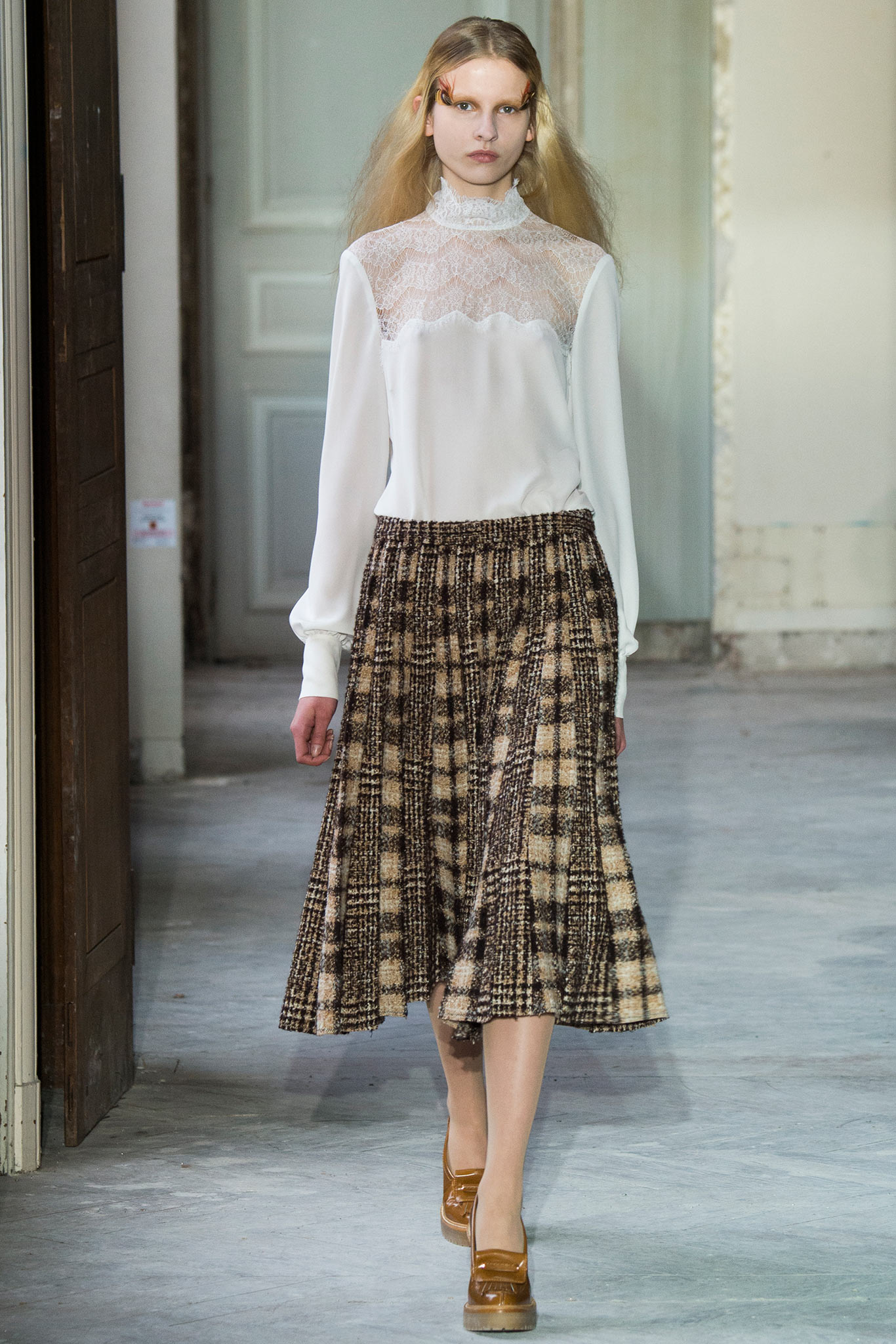
fall 2015.

fall 2015.

fall 2015

fall 2015.

fall 2015

Veronique returned to fashion under her own name, three years after filing for bankruptcy. The designer set to return to the ready-to-wear (S/S 2013) schedule in Paris, with a slightly lower-priced offering than her former eponymous brand.

Created along with Italian clothing manufacturer Gibò, who has reportedly also invested in her company, the collection will be a “bit more adult” than her former designs, she says.

I’ve always been a no-nonsense girl, I think,” the designer said. “My approach is also like that and I think this is something people are looking for – honest things… Before, I had an independent company. I was responsible for everything. In this new situation, it feels so comfortable, because I’m only busy with the creative part.”

Resort 2016 Collection

resort 2016

resort 2016

resort 2016

resort 2016

resort 2016

.

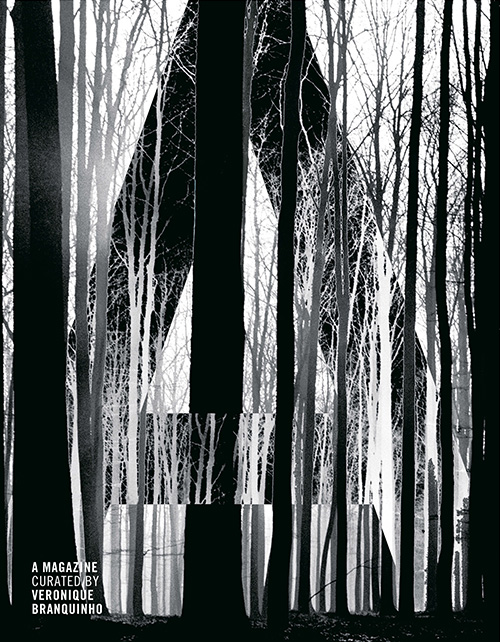
A Magazine curated by Veronique Branquinho ( No.6)
AMAGAZINECURATEDBYVERONIQUEBRANQUINHO_Page_001

Watch A Magazine curated by Veronique Branquinho by clicking on the link below

http://www.amagazinecuratedby.com/issues/veronique-branquinho/

.

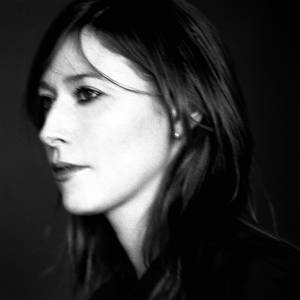
 .Veronique Branquinho -®MARK SEGAL_0

Veronique Branquinho  ®MARK SEGAL

.

info:

http://www.belgian-fashion.com/veronique-branquinho-a-bio.php

http://www.vogue.co.uk/news/2012/06/25/veronique-branquinho-returns—catwalk-comeback

Colleen Corby, Model Icon in a more Innocent Time

9 Aug

Colleen Corby

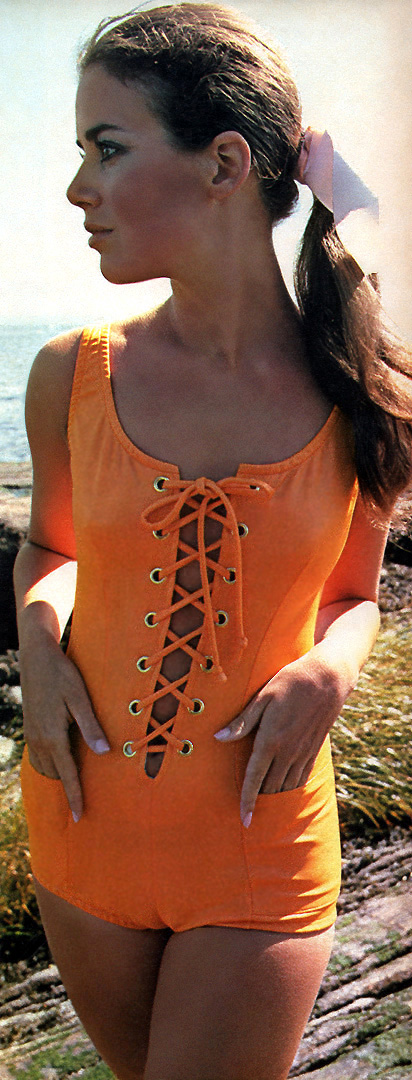
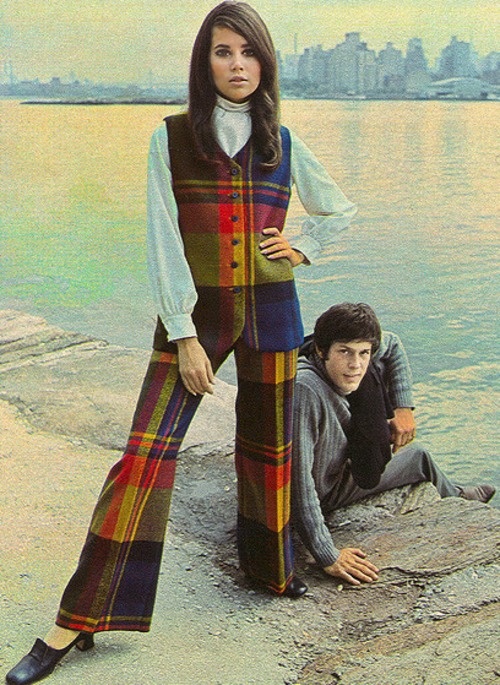
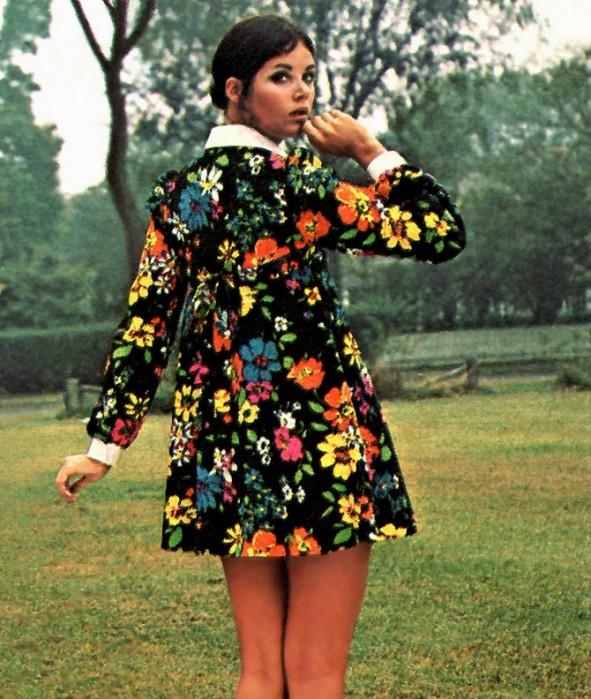
During the 1960s women’s clothing fashions assumed a more significant role in American society than ever before. Reflecting the shifting political culture of the time, the styles were more rebellious than the rigid designs of the 1950s.

“Hippies,” college-aged youth bent on making a political statement, favored relaxed, comfortable and natural clothing such as blue jeans and tie-dyed T-shirts. More acceptable, were “modern” fashions characterized by bright colored bellbottoms, revealing mini-skirts, and hyper tailored designs.

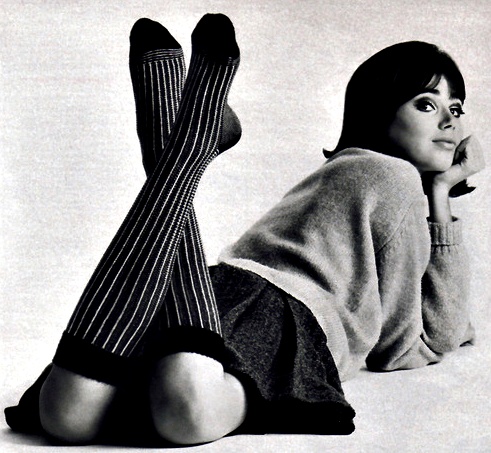
Models who advertised the new fashions were young and appealed to a youth-driven Baby Boom generation. Among them was Colleen Corby, who became a cultural icon among the teen girl crowd.

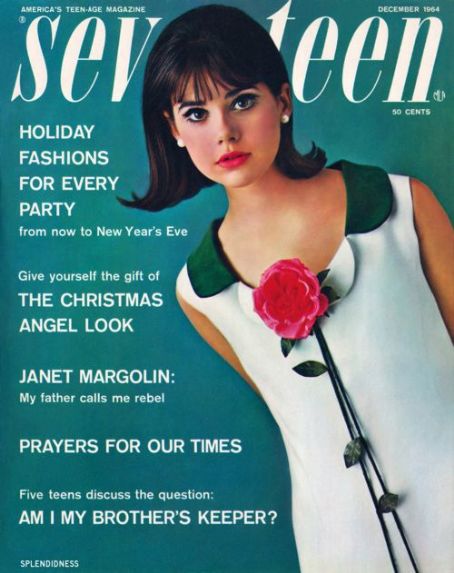
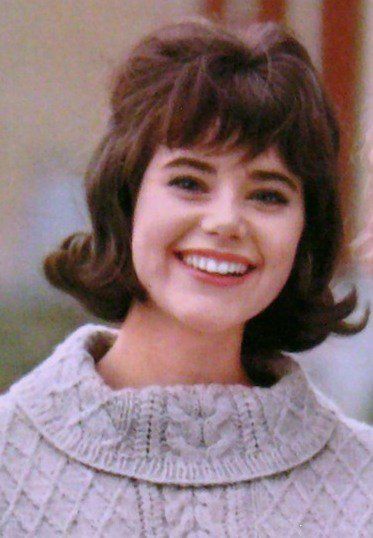
One of the first young models to capitalize on the sensual look while retaining an innocent sweetness, Corby graced the cover of “Seventeen Magazine” an unprecedented 15 times during the decade. She also appeared on the covers of “American Girl,” “Teen Magazine,” “Ingenue,” “Co-Ed,” “Glamour” and “Mademoiselle” and modeled for “Simplicity,” “McCalls,” and “Butterick” sewing patterns.

Colleen Corby

Short Biography

Born on Aug. 3, 1947, in Wilkes-Barre, Colleen Corby was the eldest daughter of Peggy and Robert Corby, a public relations executive. She was raised nearby in Luzerne, where she led a “nice, normal childhood.

“There was really nothing extraordinary about my childhood,” Corby recalled in an interview. “Just like all the other kids, I walked to school, came home for lunch and played outside after school.”

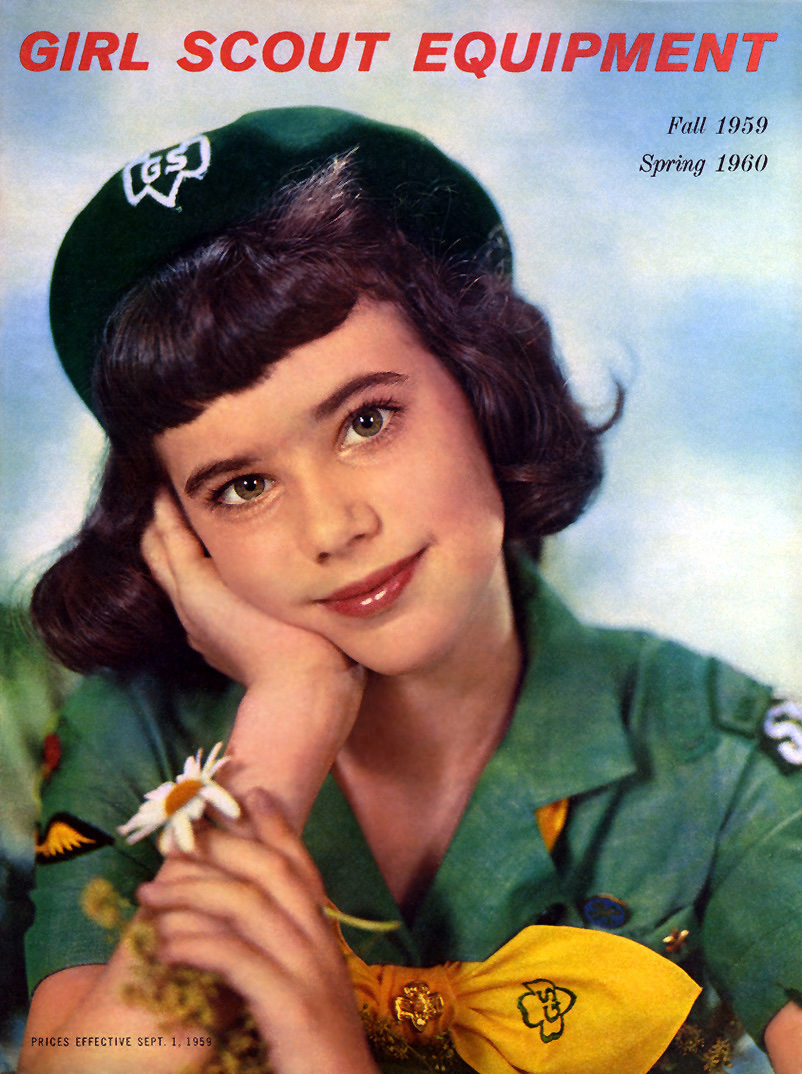
The only exception to the “normalcy” was modeling. As a child, Corby began posing for the Boston Store in Wilkes-Barre, usually doing back-to-school advertisements. Her career took off when the family moved to New York City in 1958. Two weeks after walking into Eileen Ford’s modeling agency (supposedly to look for a summer job), Corby was sent on her first modeling assignment, a cover shoot for “Girl Scout Equipment” magazine.

colleen-corby-girl-scout-catalog-1959

By the end of the summer the assignments were coming so steadily that her parents enrolled her in Manhattan’s Professional Children’s School, which allowed for the irregular schedules of actors and models.

With her dark brown hair, glowing skin and piercing, green eyes, Colleen attracted the attention of several teen magazine editors and posed for the covers of the “Girl Scout Magazine,” “American Girl,” “Teen,” and “Co-ed.” She was already an experienced model by age 16 when she first appeared on the cover of “Seventeen” in April 1963.

“Seventeen” was a magazine that helped to shape teenage life in America by running music and movie reviews, identifying social issues and celebrating icons of popular culture.

Colleen Corby on Seventeen Magazine cover

Colleen Corby on Seventeen Magazine cover

Colleen Corby on Seventeen Magazine cover

During the 1960s, the magazine was also becoming a major influence in defining notions of beauty and style among adolescent females. Girls combed its pages, choosing their favorite brunette and blond models – Terry Reno, Joan Delaney, Rinske Hali, Wendy Hill, Jennifer O’Neil, and, of course, Colleen Corby – usually depending on their own coloring. 

At 5 feet 7 inches and just 107 pounds, Colleen was more petite than some of the other regular “Seventeen” models, but her alluring combination of unmistakable innocence and tempered boldness made her an ideal cover girl for the magazine. During the 1960s, Corby’s image appeared on the cover an unprecedented 15 times (five times in 1964 alone), and seemed to be on every other page. As a result, she became a hero for a whole generation of 13- to 18-year old girls.

In a profession filled with sensitive egos, Corby was somehow able to bond with a fairly small group of models who appeared together in the ads and editorial pages for “Seventeen.” They played off one another so smoothly that Corby was comfortable taking center stage or complimenting the lead of another model.

Model Sisters Molly and Colleen CorbyModel Sisters Colleen & Molly Corby

Unlike today’s supermodels, Corby lived quietly in a Manhattan apartment with her businessman father, stay-at-home mother and little sister, Molly, who was also a model. Between modeling assignments, she spent time doing homework, listening to Andy Williams records and answering her considerable fan mail.

“To be honest, modelling was just a job like any other job,” said Corby. “I didn’t get carried away with it because my family kept me grounded. Though we lived in New York City, my parents’ value system was shaped by the Wyoming Valley. They stressed hard work, doing one’s best and maintaining a sense of humility.”

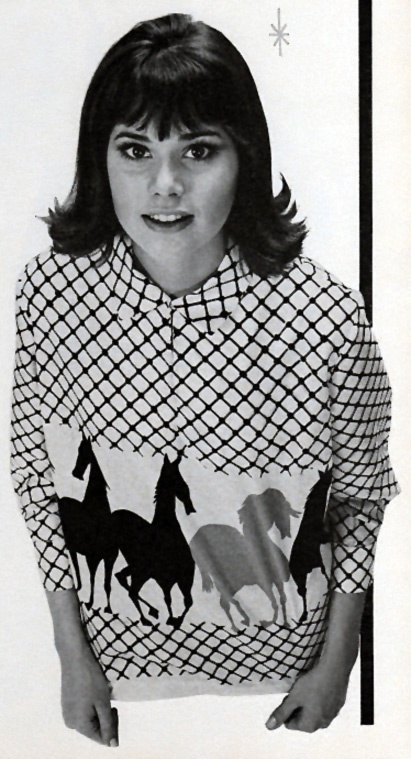
Mid-1960s

Teen Magazine  1963

Colleen Corby in Seventeen Magazine 1965

Colleen Corby in Pierre Balmain Marie Claire France September 1965

1967 Colleen Corby

Colleen Corby

Colleen Corby

During the mid-1960s, Corby’s popularity was at its peak. She had blossomed into a wholesome young woman whose 32-23-33 measurements attracted a new, adolescent male audience. Her image seemed to be everywhere: TV commercials, magazines and catalogs.

Naturally comfortable before a camera, Corby signed a multi-year movie contract with Universal Pictures. “Acting wasn’t really something I wanted to do,” she admitted. “As a model I had to take acting lessons and I was offered the contract. But I never actively pursued it”

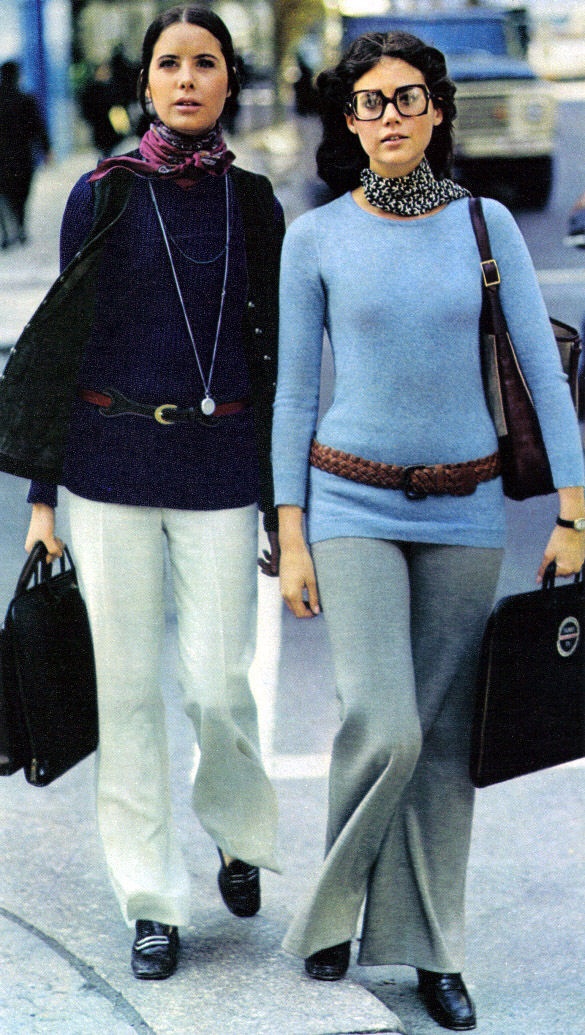
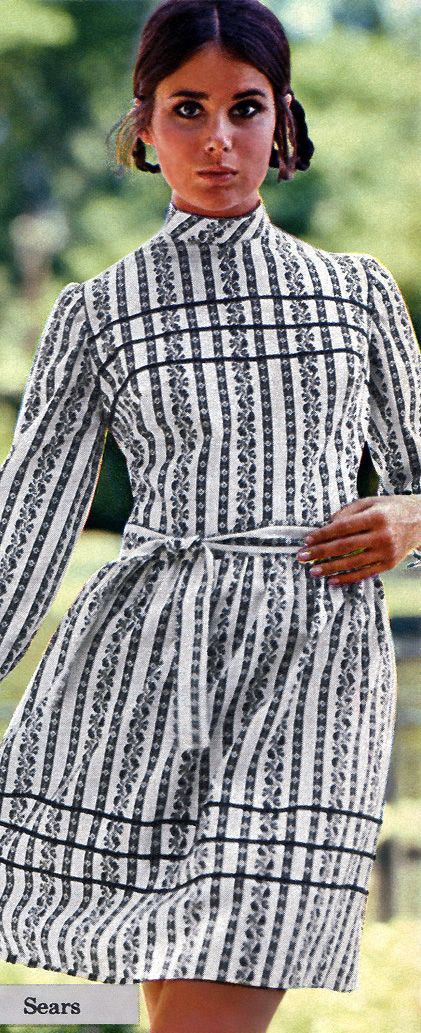
By the 1970s, Corby’s teen market had vanished, but she continued to appear in magazines like “Glamour” and “Mademoiselle.” She was also a fixture in the catalogs of major retailers like Sears and JCPenney.

1970s

colleen corby

Colleen-Corby-70s

Colleen-Corby

Colleen Corby

collen-corby-seventies

Sears 1971

01f23dba681e1f6a621b6a8cffe8bec2

Corby retired from modeling in 1979 after her marriage only to return briefly to the profession in the early 1980s. After giving birth to two sons – Alexander and Christopher – she left New York and the fashion world for good and turned her full attention to raising a family.

“I had no regrets about walking away,” said Corby. “I wanted to get married and to have children, and you can’t really raise a family and be a full-time professional model. Besides, I was always very busy doing a lot of volunteer work at my sons’ schools.” Corby’s last public appearance came in 2000 on the “Oprah Winfrey Show,” though she had some initial reservations. “I had put the modeling career in the past, and I really didn’t want to do the show,” said Corby. “But Oprah’s producers kept calling me, and many of my friends encouraged me to do it.

“As it turned out, the appearance was a very pleasant experience. I enjoyed meeting Oprah and was flattered to find out that I was her favorite model as a child. Apparently, she even papered her bedroom walls with some of the covers I did for ‘Seventeen.’

Corby, now age 68, believes she was fortunate to have been a fashion model in the 1960s. “It was a very different industry than it is today,” she said. “You didn’t have the same pressures (i.e., short deadlines, intense competition, anorexia, designer drugs) that now exist. We were very protected, especially working for ‘Seventeen Magazine.’ The Ford agency was also very careful with young models. It was just a more innocent time.” That innocence can still be found in the smiling face of an 11-year-old Corby who appeared on the cover of “Girl Scout Magazine” 50 years ago.

.

Colleen Corby


.

.

Written by William Kashatus 

Info: http://citizensvoice.com/arts-living/colleen-corby-teen-fashion-icon-of-the-1960s-1.215293

Miuccia Prada rebuilt a sleepy Family Business

2 Aug
Miuccia Prada was born Maria Bianchi Prada on May 10, 1949, in Milan, Italy. She was the youngest granddaughter of Mario Prada, who started the Prada fashion line in 1913 by manufacturing well-crafted, high-end suitcases, handbags and steamer trunks for the Milanese elite.
.
Miuccia was an unlikely inheritor of her family’s business. A former member of the Italian Communist Party, she attended the University of Milan, where she made a name for herself as an ardent feminist and earned a Ph.D. in political science. Following her academic work, Prada planted herself at Milan’s Piccolo Teatro, where she trained as a mime for five years.
.
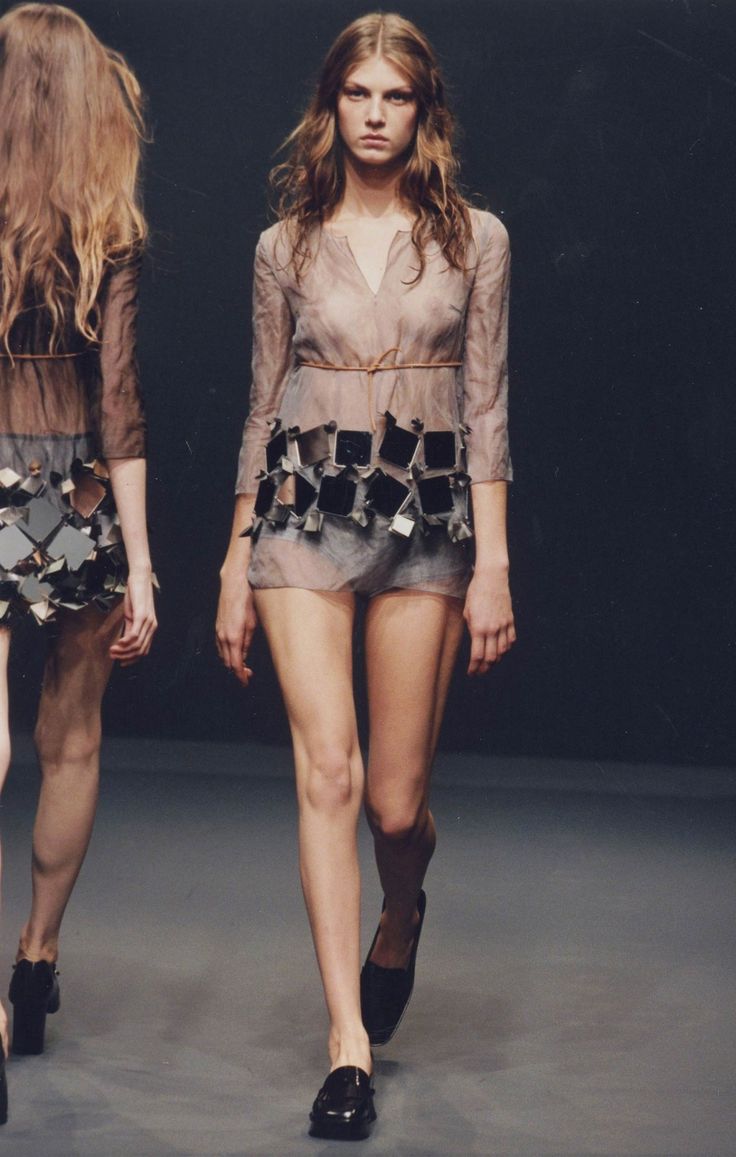
In 1978, Miuccia entered her family’s business and soon set to work on rebuilt a company that had grown sleepy and inactive. With the help of her future husband, Patrizio Bertelli, Muiccia began updating the company’s merchandise with designs she’d developed herself.She first dazzled the fashion world in 1985, when she unveiled a series of black nylon handbags and backpacks with understated labeling—a stark contrast to the logo heavy clothes that dominated the fashion world at the time. Four years later, Prada, who has no formal fashion training, introduced a line of ready-to-wear women’s clothes that she called “uniforms for the slightly disenfranchised.” (disenfranchised : voteless, voiceless)  Some critics burned it, but consumers ate it up. 
.

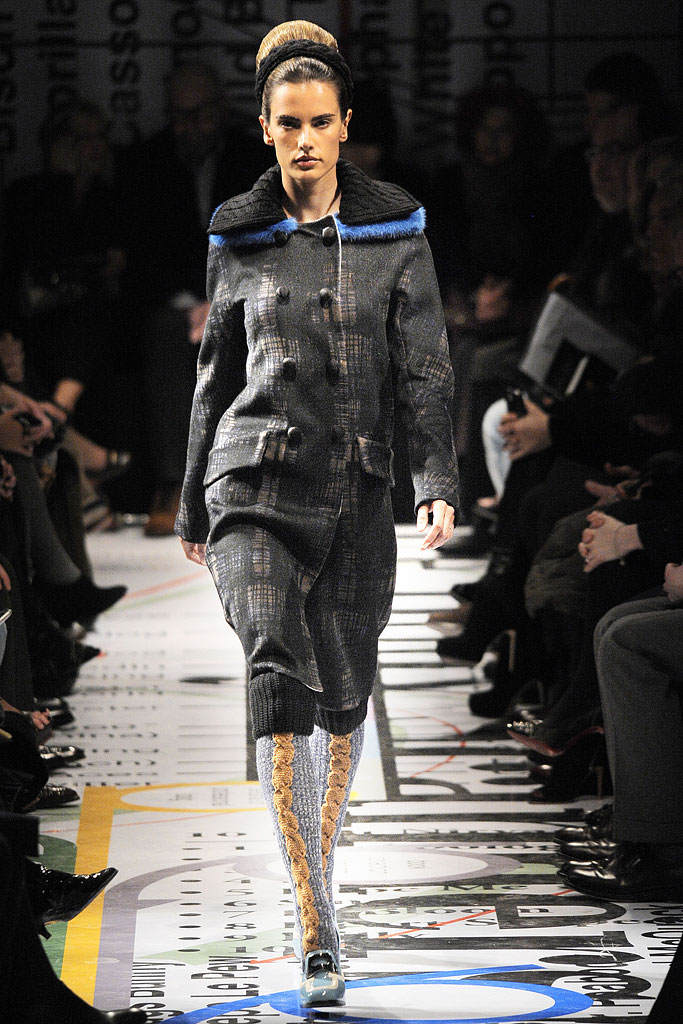
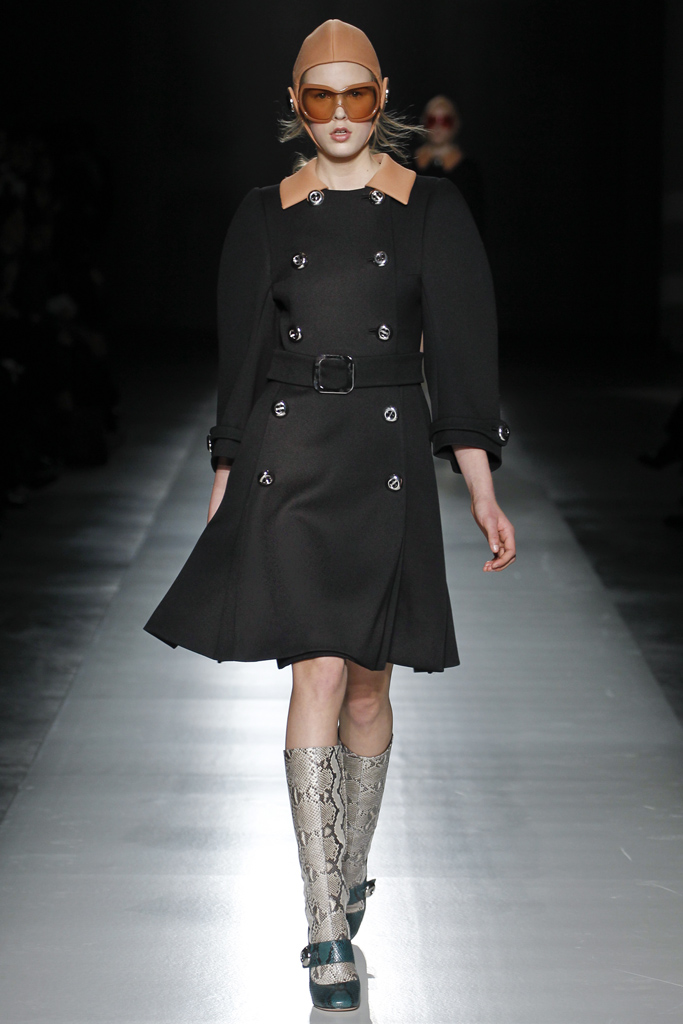
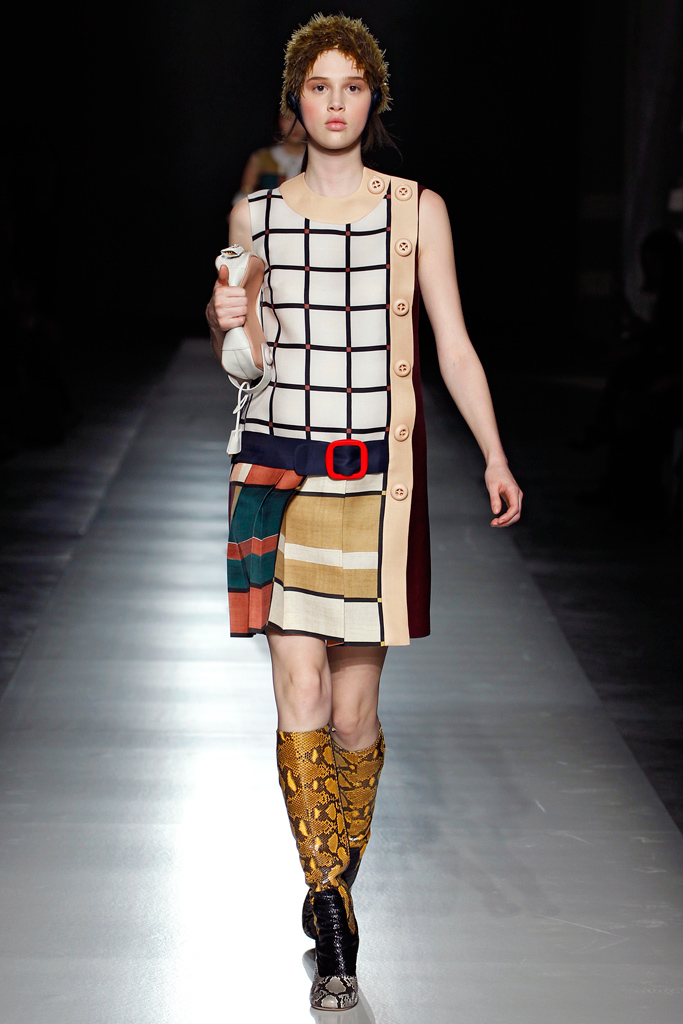
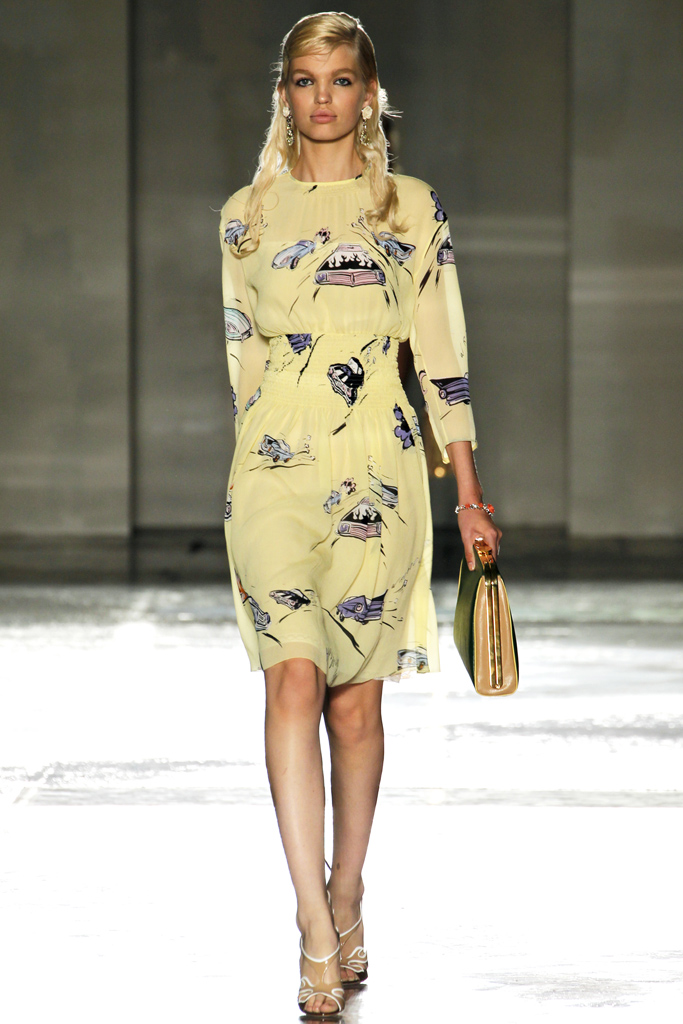
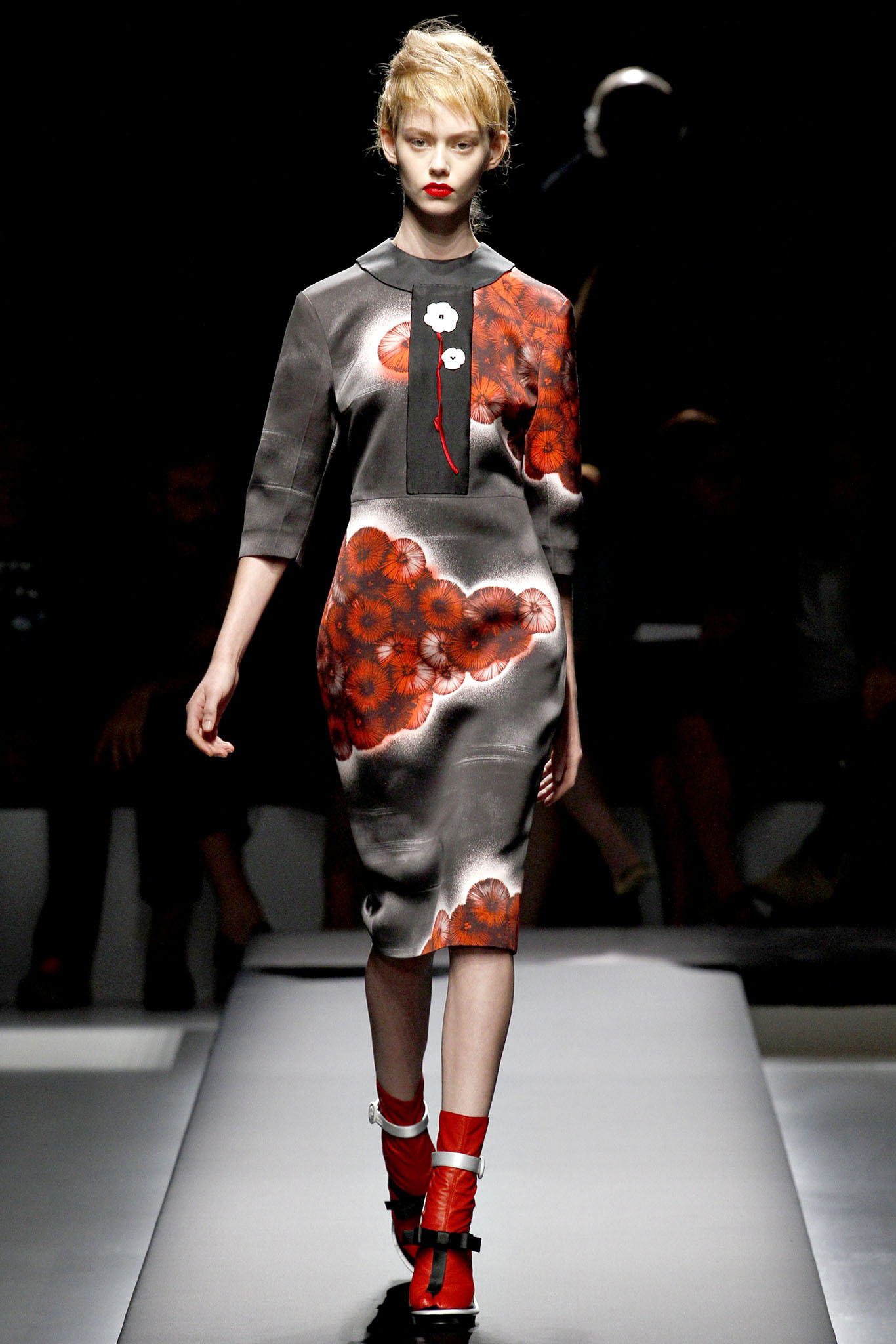
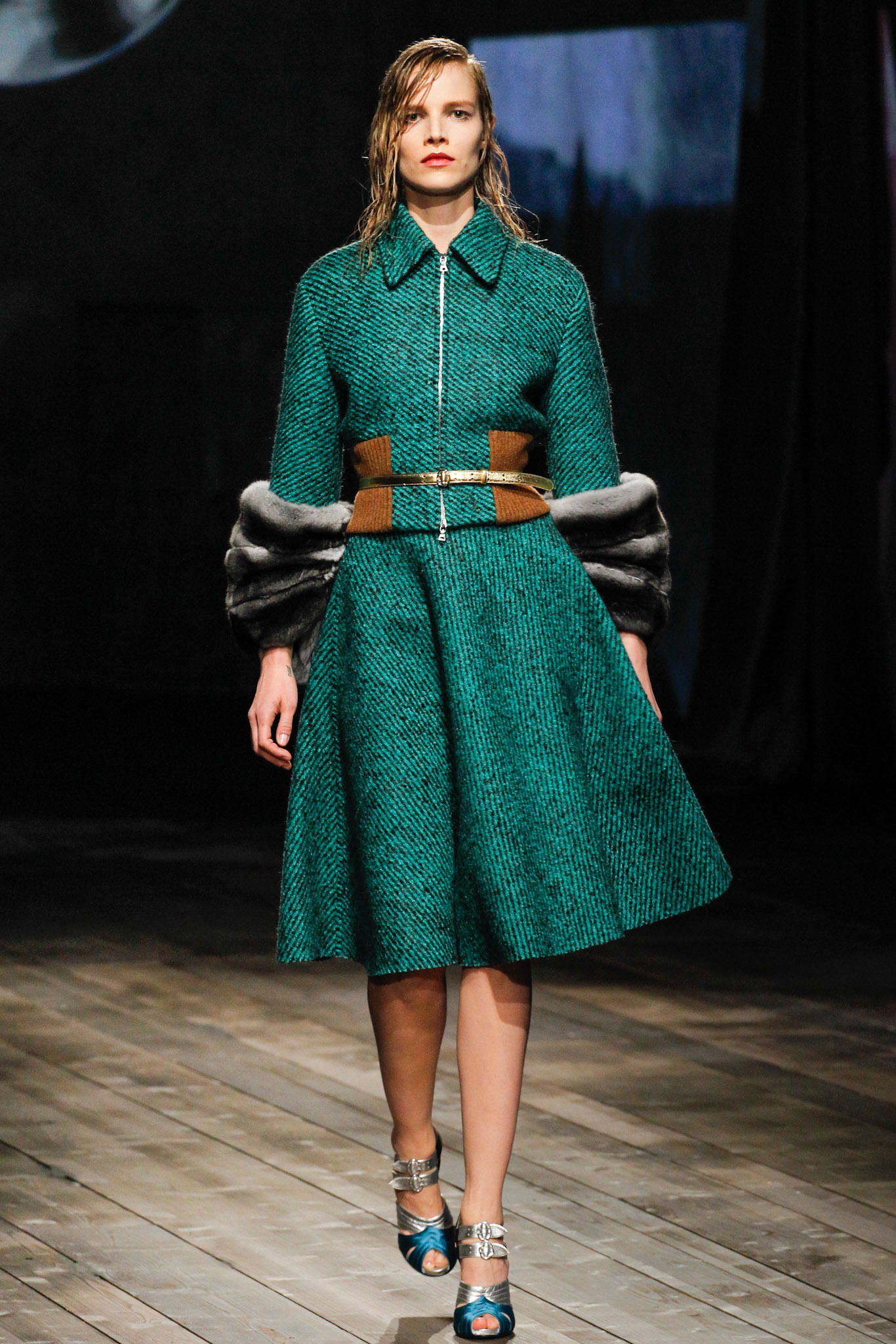
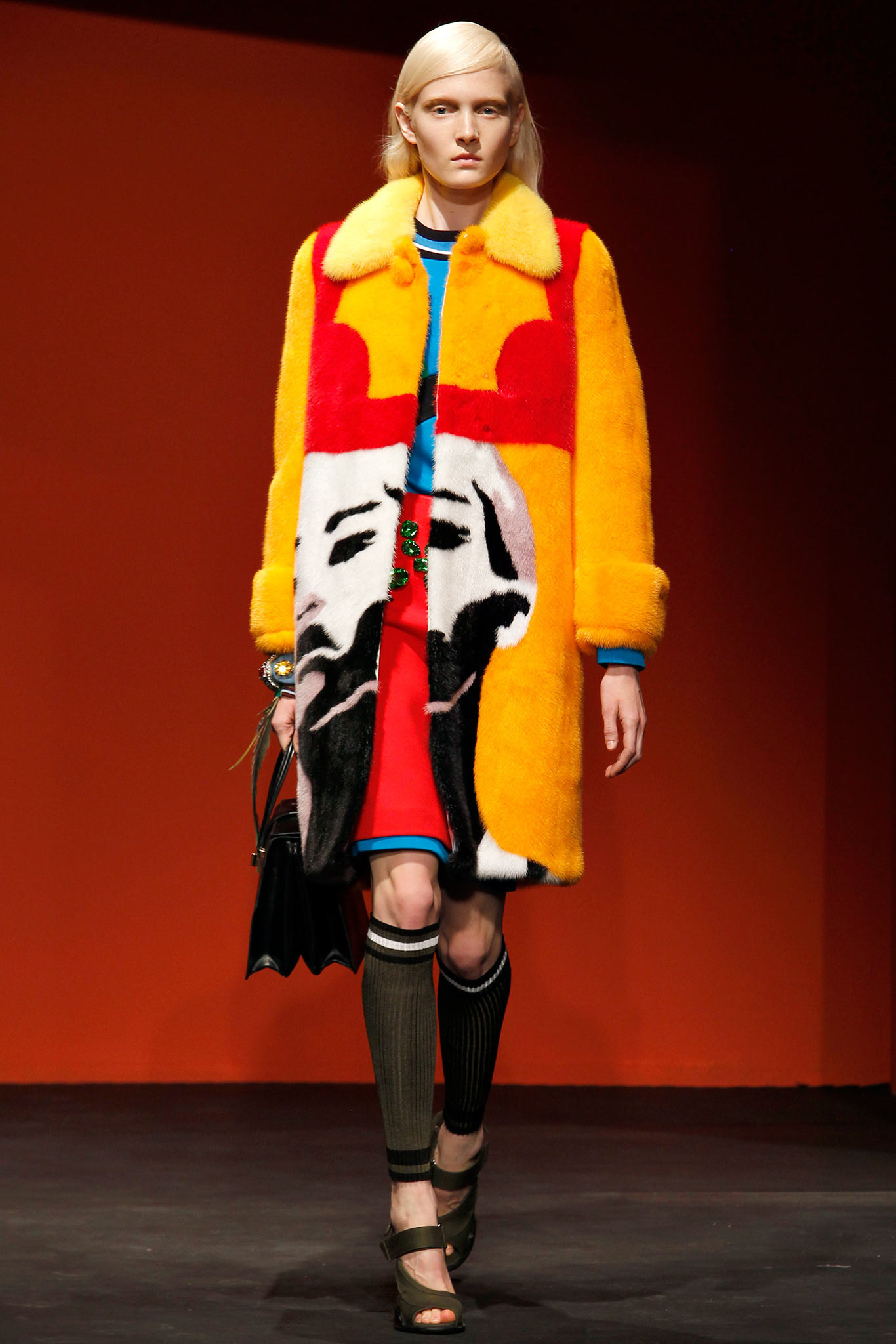
Miuccia’s Wayward Designs for Prada

Spring ’96

Spring 1996 2

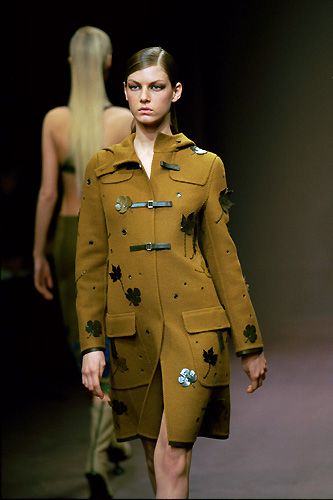
Spring ’99

spring 1996 1

Spring 1996

Fall ’99

Fall 1999

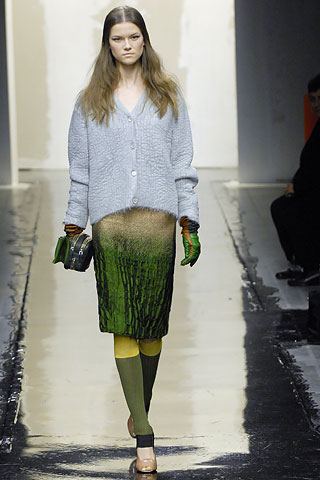
Fall 2007fall 2007

fall 2007 2

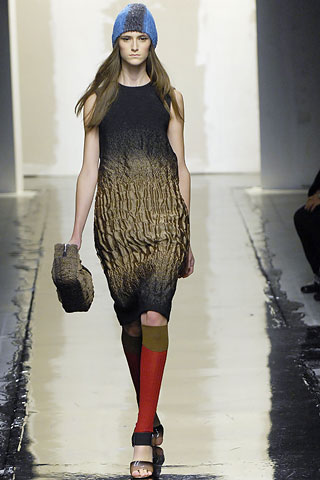
fall 2007 1

fall 2007 3

Spring 2008

spring 2008 1

spring 2008

Fall 2009

fall 2009

fall 2009 1

fall 2009 2

Fall 2010

Fall 2010

fall 2010

fall 2010 3

Fall 2011fall 2011

fall 2011 1

Spring 2012

spring 2012 1

Spring 2013

spring 2013

Fall 2013fall 2013

fall 2013 1

Spring 2014

spring 2014

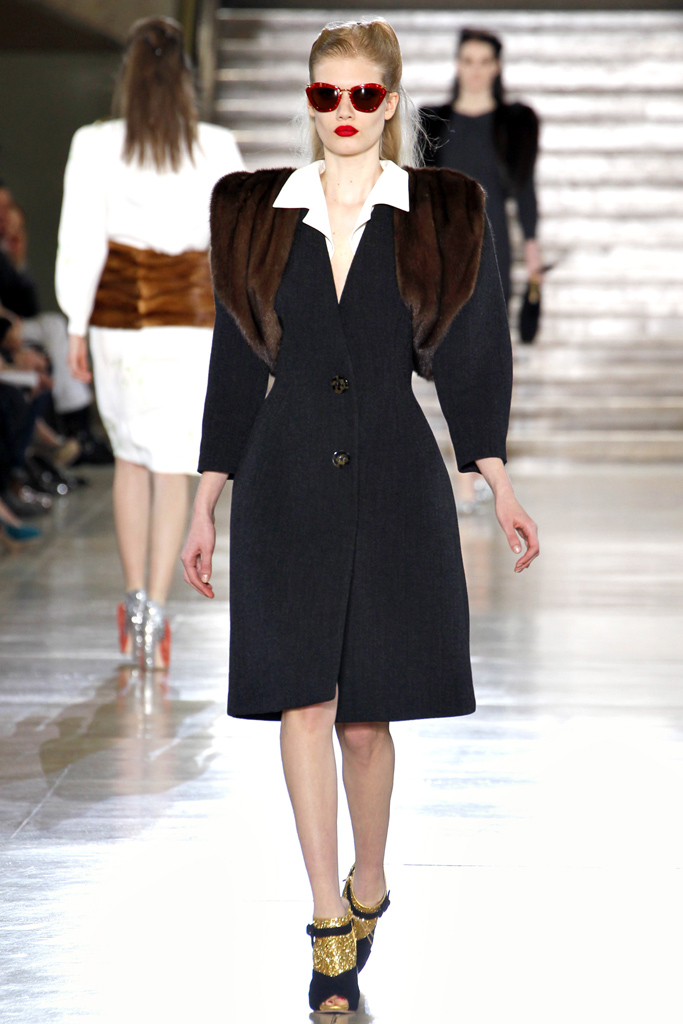
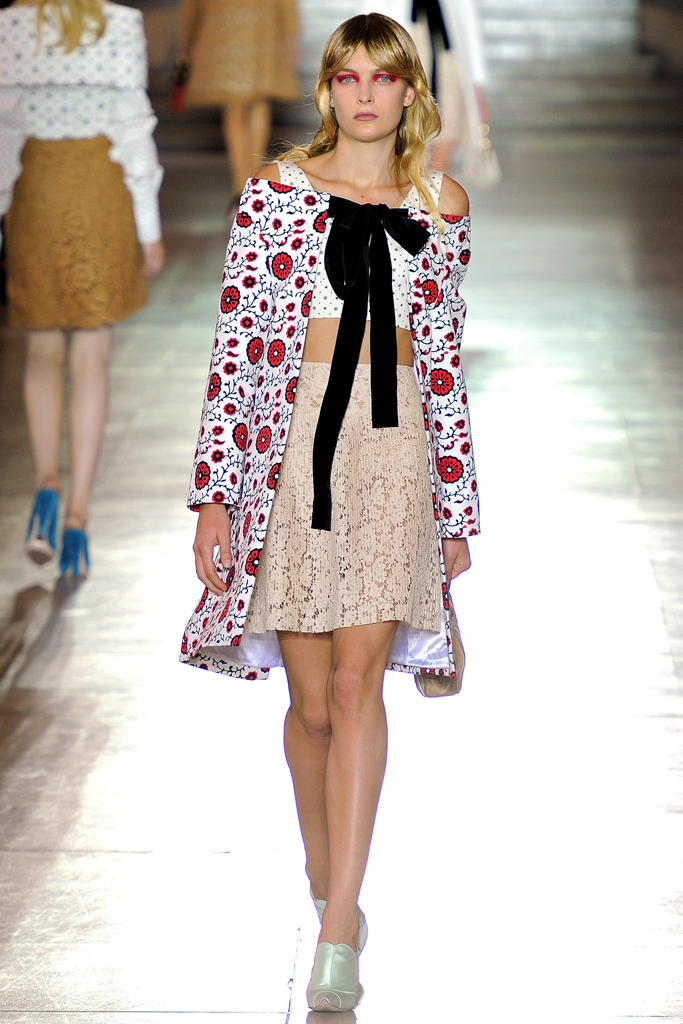
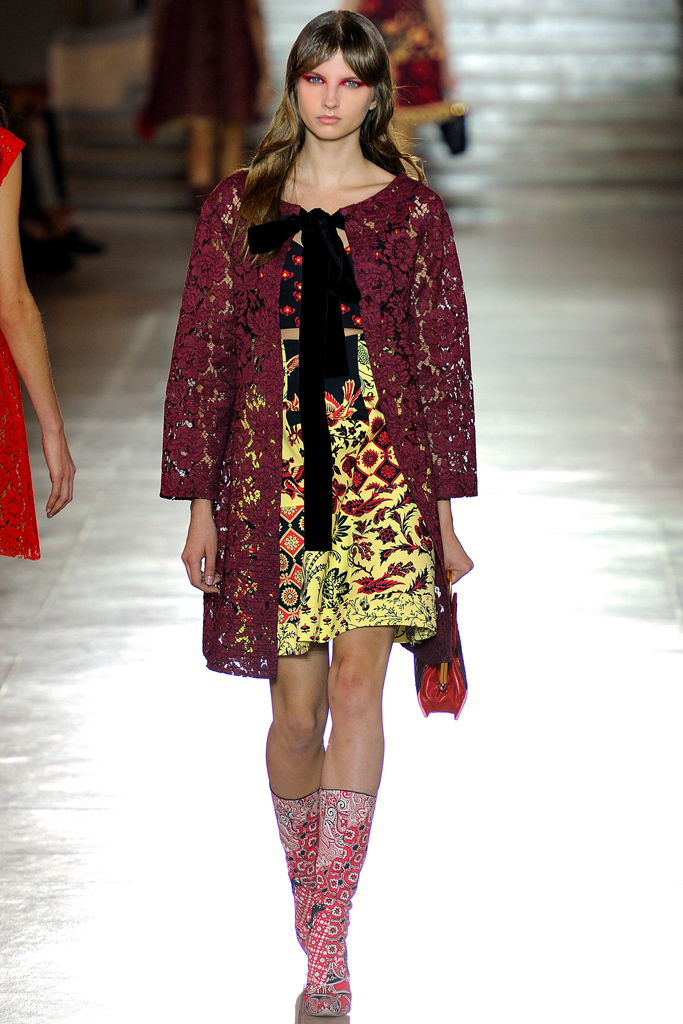
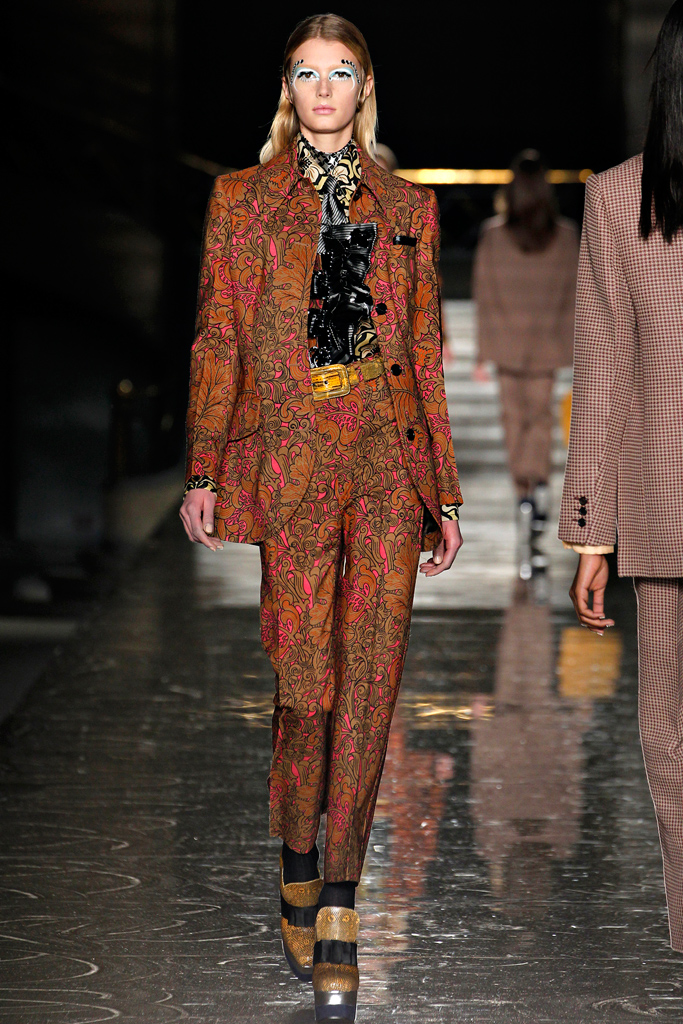
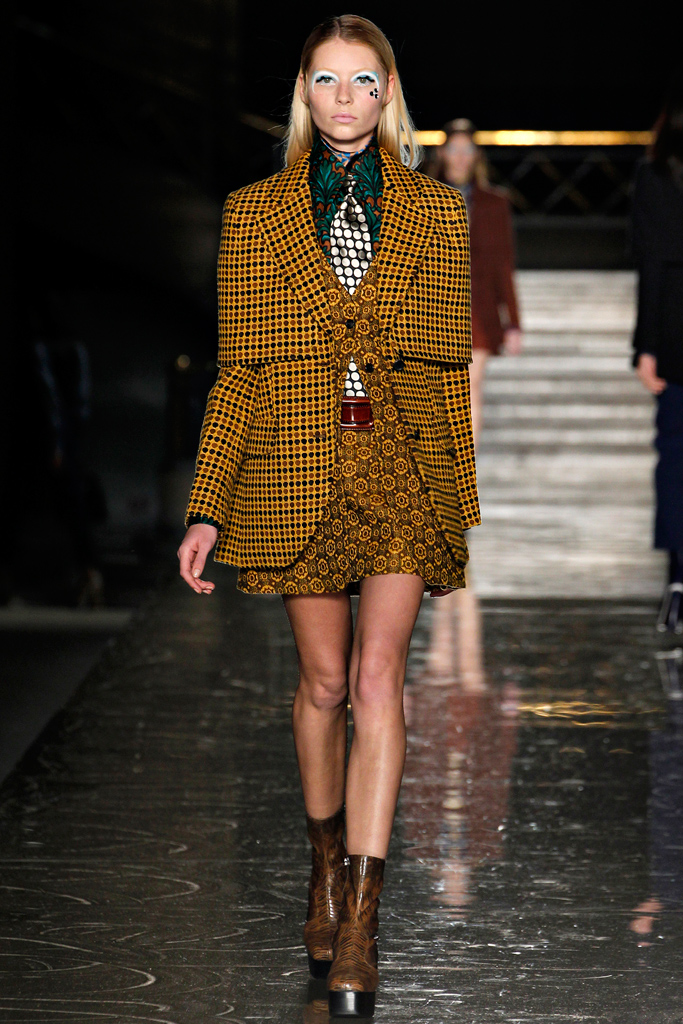
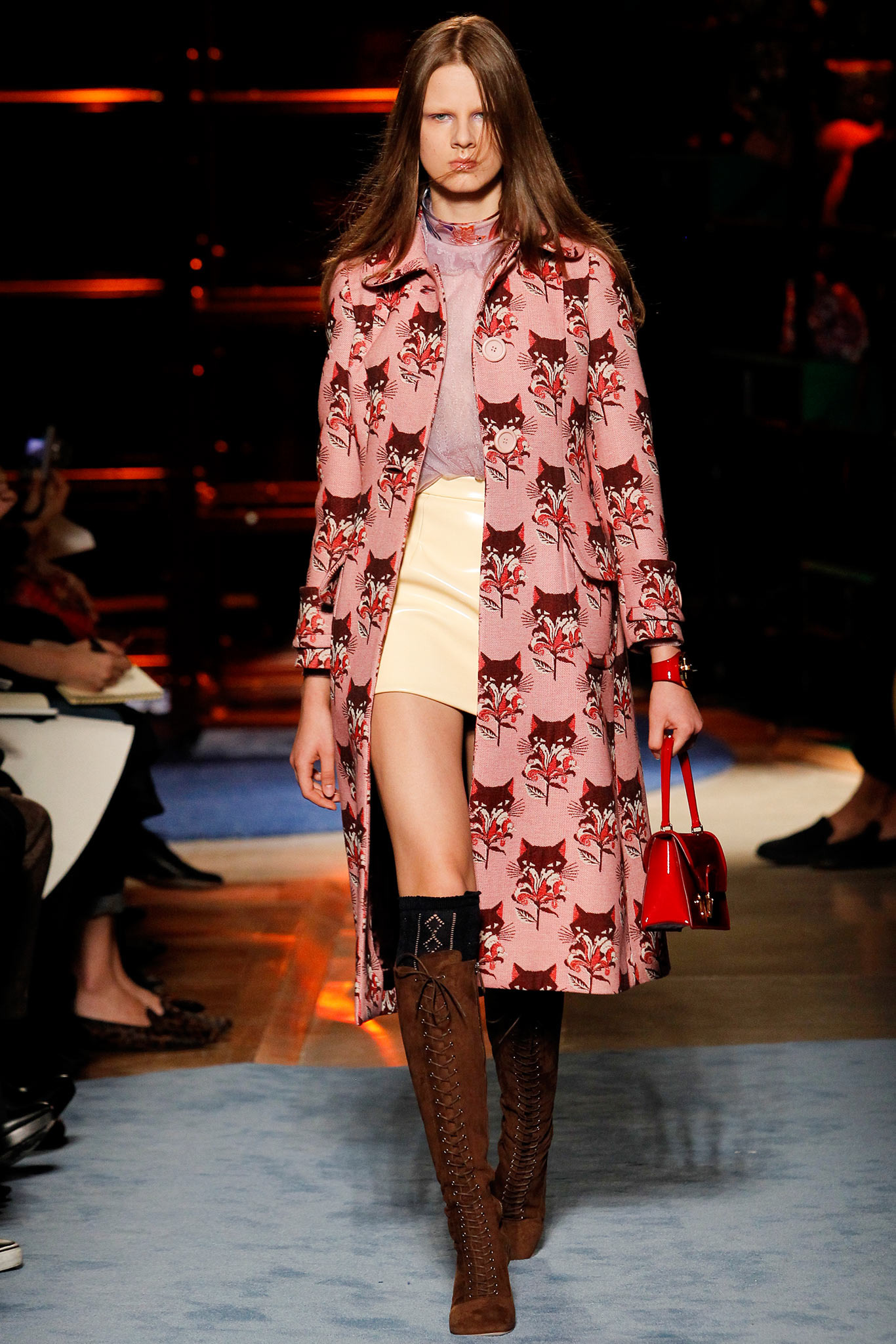
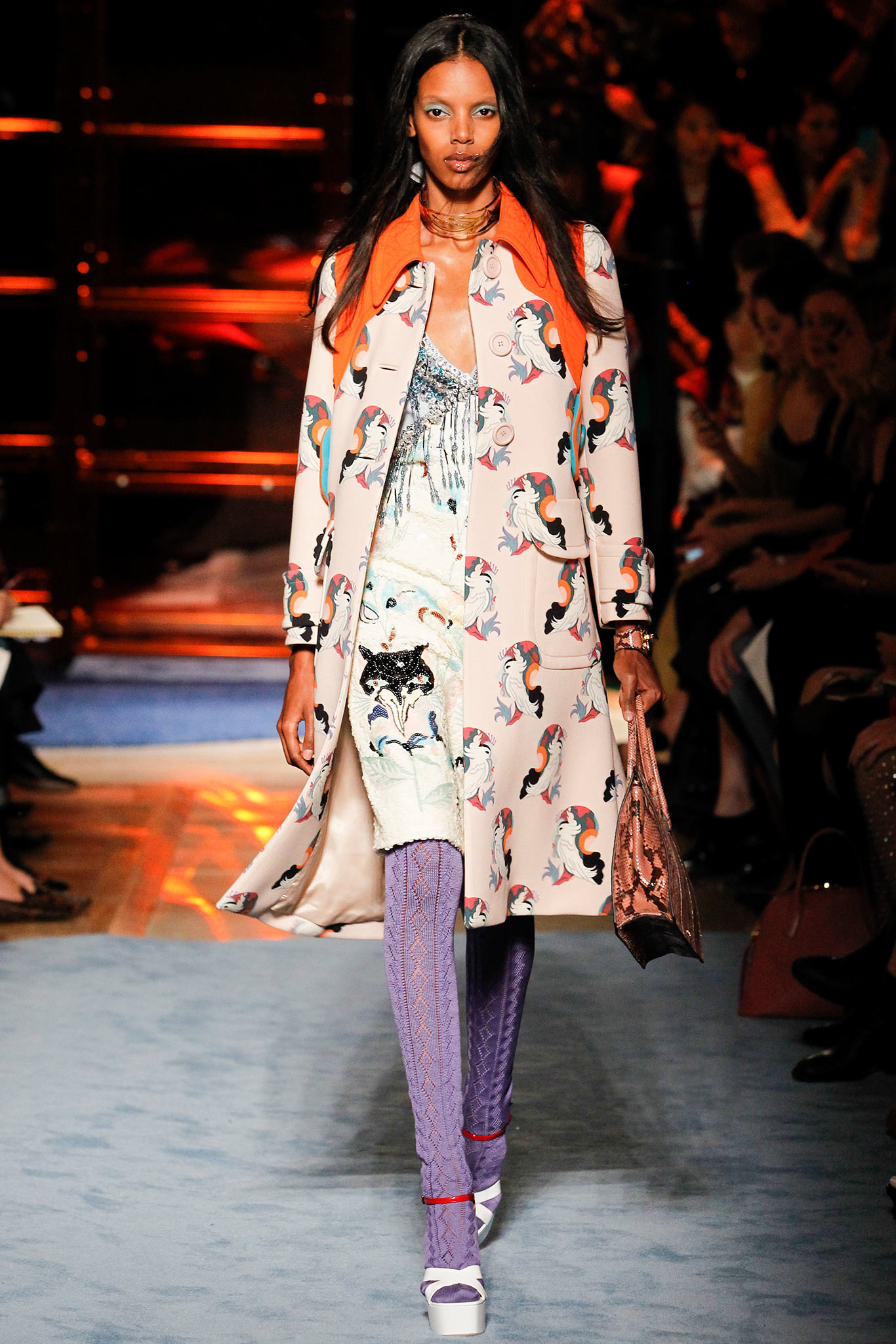
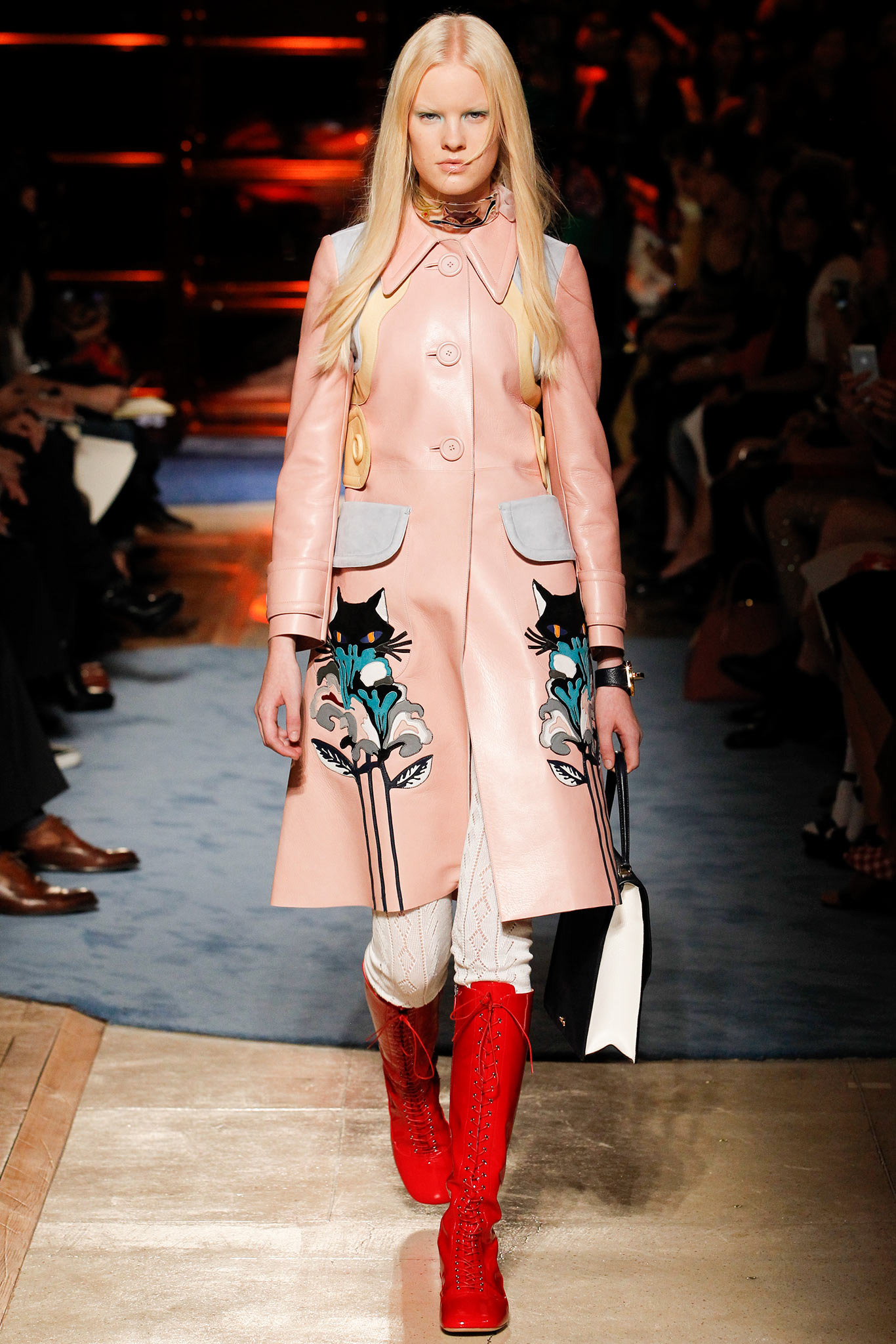
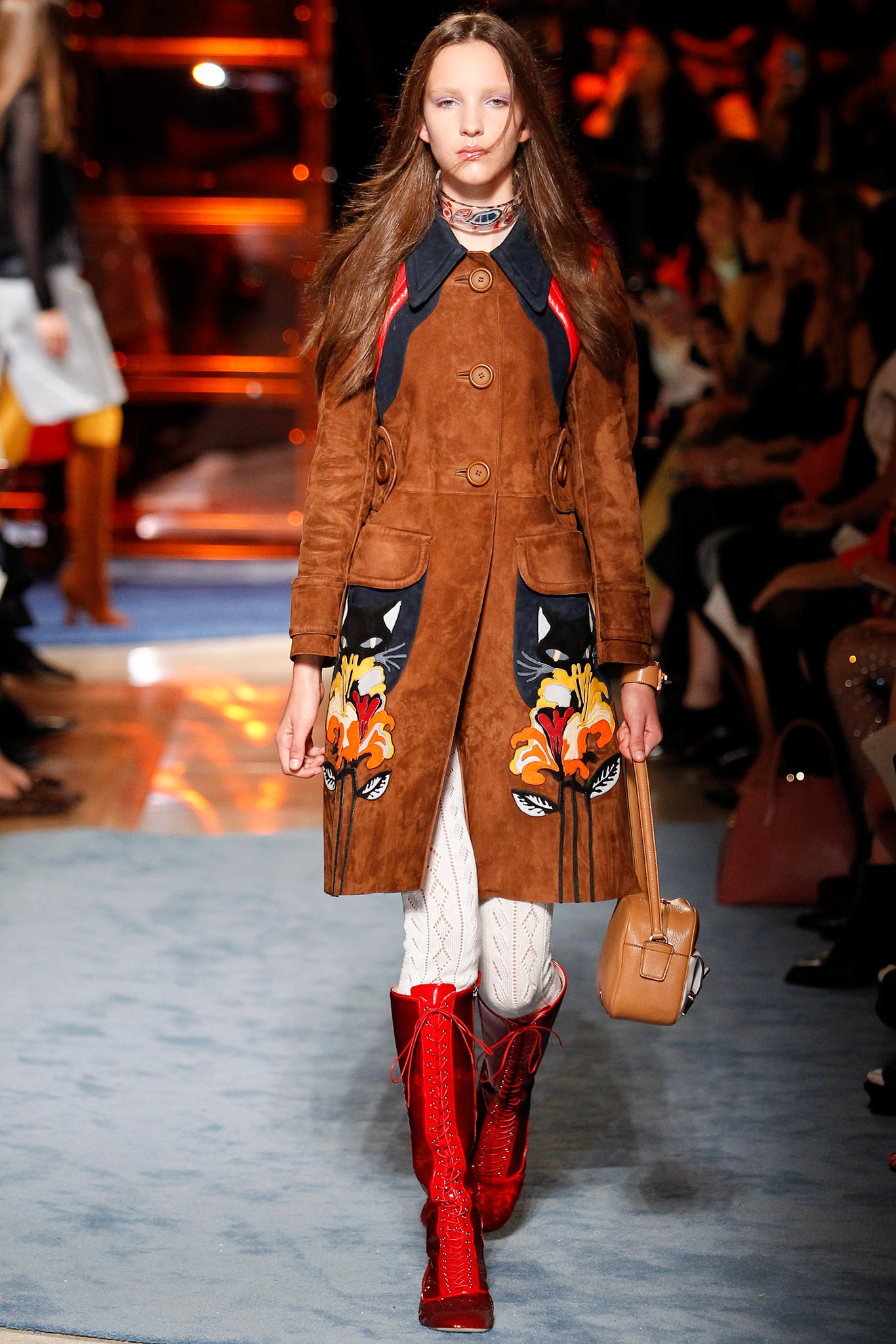
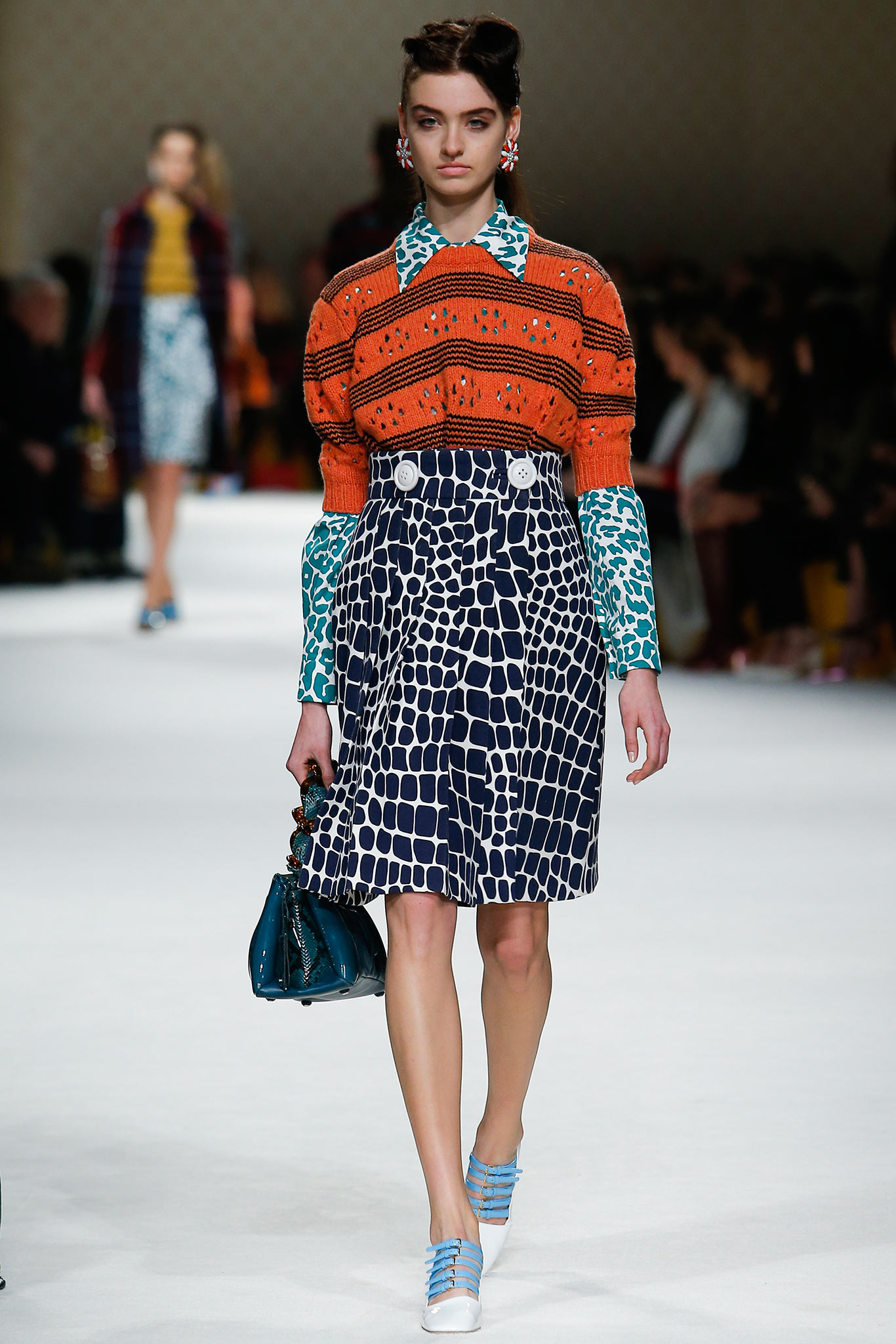
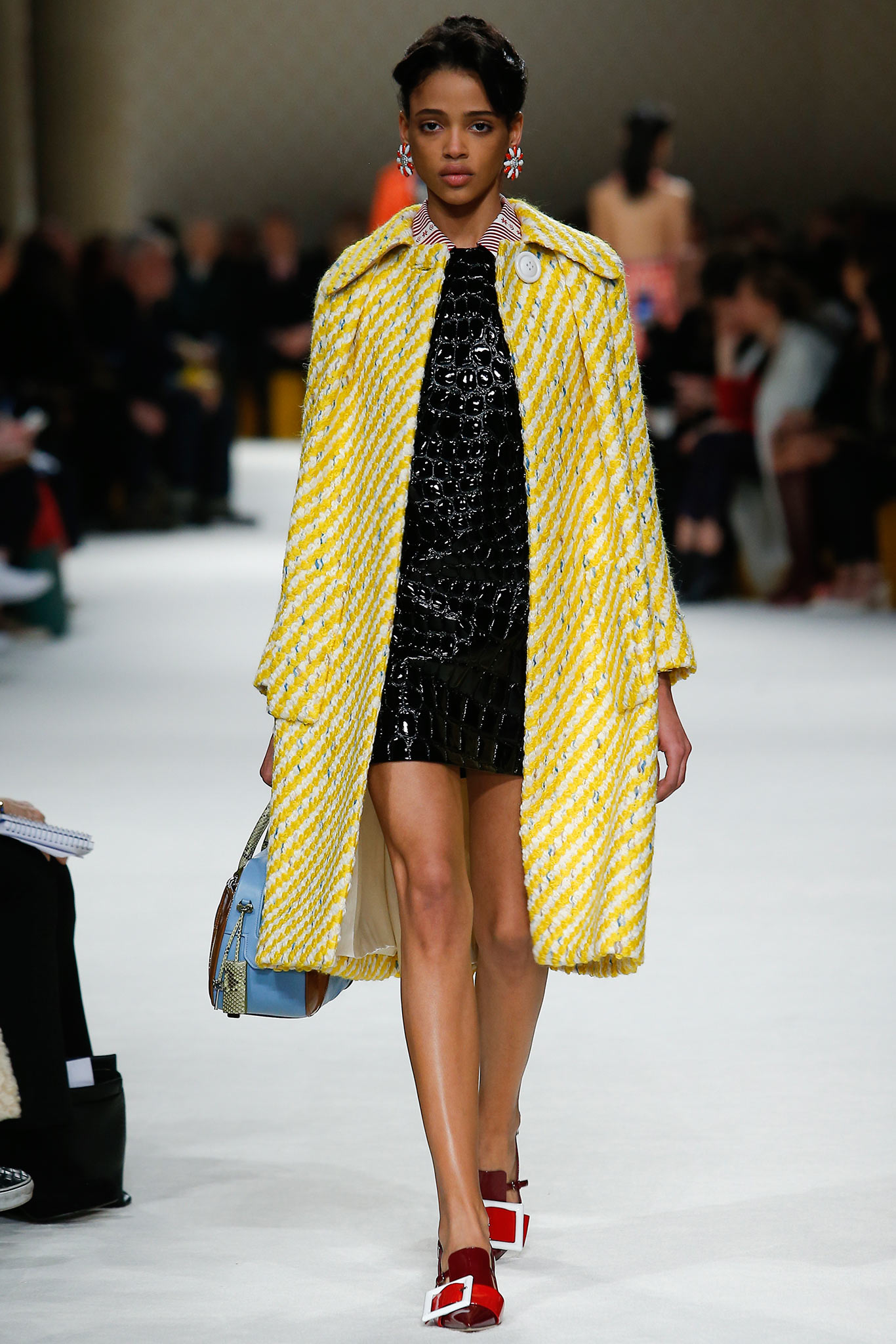
In 1992, she introduced a new, more affordable label called Miu Miu. Three years later, the company unveiled a line of men’s clothing..

Much of what set Prada apart from the rest of the fashion world is Miuccia’s seeming disregard for the fashion industry. She has always blazed her own trail in trying new styles. Her experimentation once included a raincoat that was transparent until it became wet, at which point it turned opaque. While major-league designers cashed in on their singular, predictable vision, Miuccia Prada has made her creative quirky behaviour pay off. If the rest of the fashion world says “color,” she will present an all-black collection. In the process, she has been consistent for the most part only in her fearlessness. “When they tell me something won’t sell, that is when I want to make it,” she has often said, alluding to her choices in fabrics and silhouettes.
.

Her knowledge of fashion comes from her own closet and her personal style. Growing up in a wealthy Milanese family, Miuccia was wearing Courrèges and Yves Saint Laurent by the time she was a teenager. Her ability to marry the functional with the radical has inspired such influential trends as clothing made of techno fabric, 1950s housewife dresses cut from nylon and, of course, the nylon backpack.

Miu-Miu

Fall 2008MM Fall 2008

MM Fall 2008 a

Fall 2009

MM Fall 2009

MM Fall 2009 a

Spring 2011

MM Spring 2011 a

MM Spring 2011

MM Spring 2011 c

Fall 2011

MM Fall 2011

MM Fall 2011 a

MM Fall 2011 bSpring 2012

MM Spring 2012 a

MM Spring 2012

Fall 2012

MM Fall 2012 b

MM Fall 2012 a

Spring 2014

MM Spring 2014

MM Spring 2014 b

MM Spring 2014 c

MM Spring 2014 a

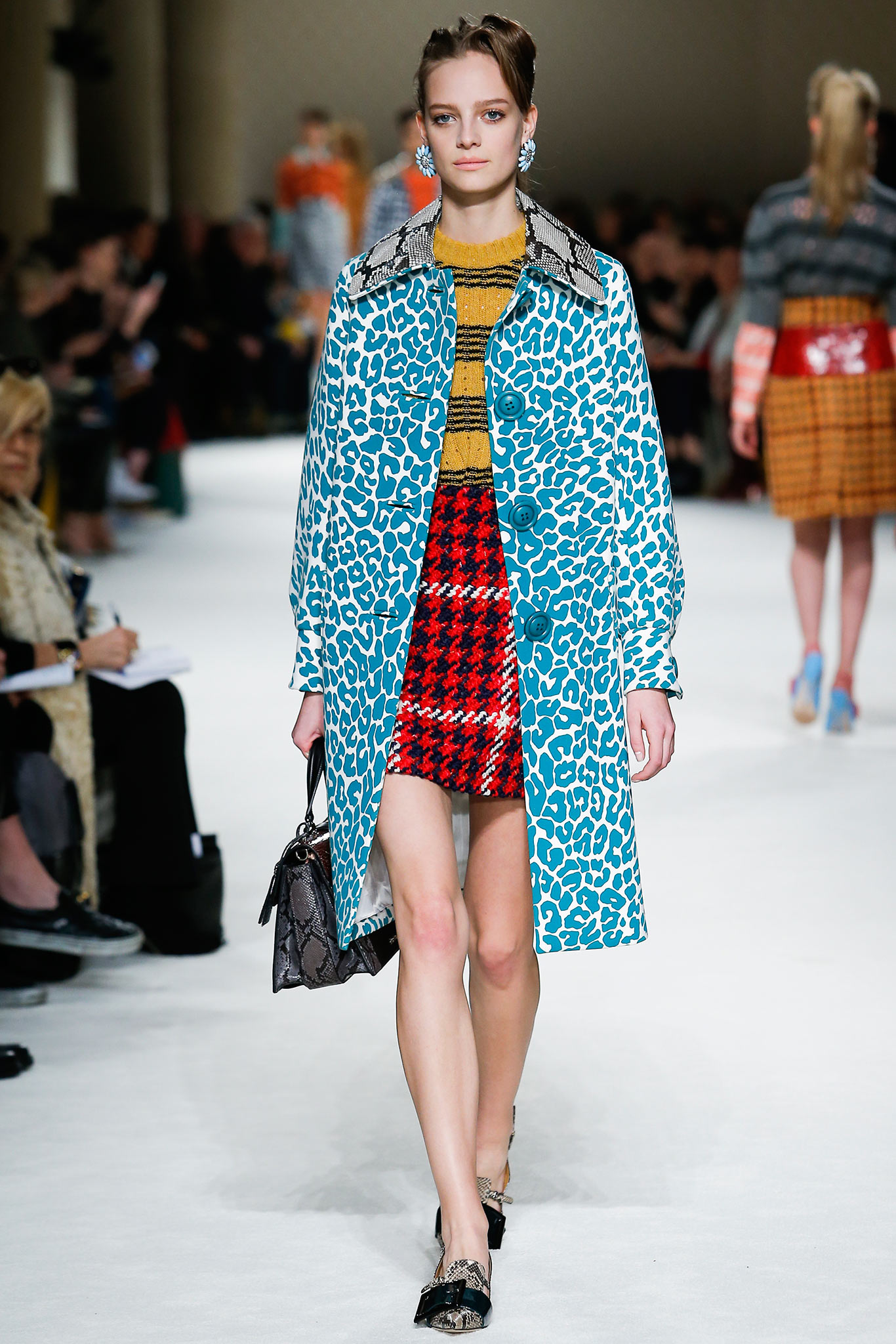
Fall 2015

MM Fall 2015 a

MM Fall 2015

MM Fall 2015 b


.

.

.

Miuccia Prada

info: http://content.time.com/time/specials/2007/article/0,28804,1647860_1647834_1644300,00.html