Zelda Fitzgerald, the “First American Flapper”

8 Nov

Zelda Fitzgerald

Flappers were a “new breed” of young Western women in the 1920s who wore short skirts, bobbed their hair, listened to jazz and flaunted their disdain for what was then considered acceptable behavior. Flappers were seen as brash for wearing excessive makeup, drinking, treating sex in a casual manner, smoking, driving automobiles, and otherwise flouting social and sexual norms. Flappers had their origins in the liberal period of the Roaring Twenties, the social, political turbulence and increased transatlantic cultural exchange that followed the end of World War I, as well as the export of American jazz culture to Europe.  (Wikipedia)

Zelda Sayre Fitzgerald

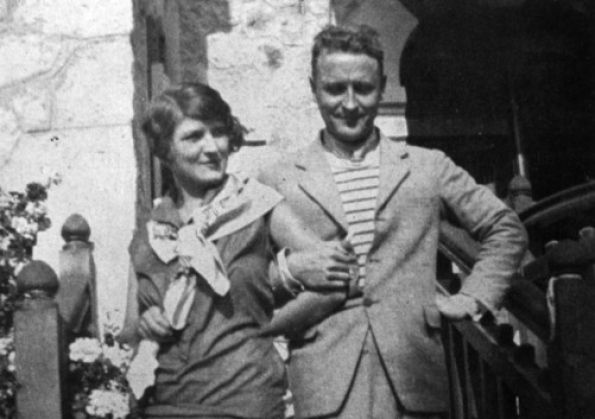
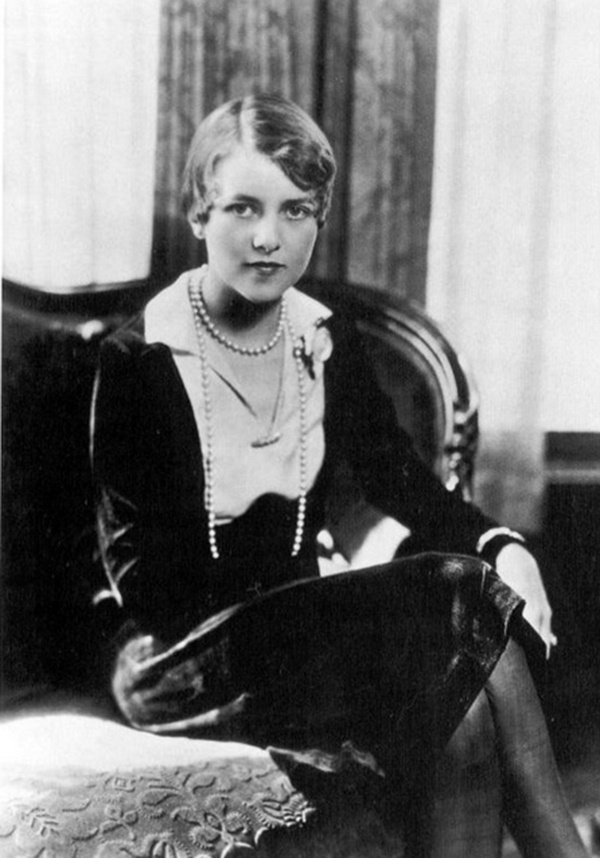
The empress of the Jazz Age, Zelda Fitzgerald  inspired fashion in much the same way she inspired her husband F. Scott Fitzgerald’s writing: firmly and fiercely. The two married in 1920, and soon after Scott achieved literary success with This Side of Paradise. Feisty, talented and a prodigious social butterfly, Zelda quickly made a name for herself as his charismatic muse. Dubbed the “first American flapper” by her husband, Zelda epitomized the Roaring Twenties with her bobbed hair, short skirts and unapologetic drinking as she made her way through the most exclusive social circles in New York and, later, Paris. She wore a flesh-colored bathing suit to fuel rumors that she swam nude–she liked the attention. However, in reality, life wasn’t quite so enchanting — the Fitzgeralds’ marriage was often turbulent. Zelda spent much time in and out of institutions being treated for mental illness. She was staying in an institution in North Carolina in 1948 when she died after a fire broke out. However, despite the personal hardships, Zelda had embodied everything that fabled era promised: defiance, recklessness and, above all, glamour.

Zelda Fitzgerald

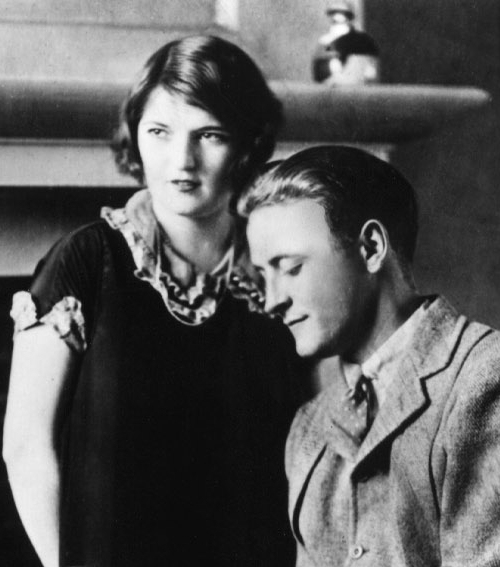
Zelda & Scott FitzgeraldZelda & Scott Fitzgerald

Zelda Fitzgerald

Zelda & Scott FitzgeraldZelda & Scott Fitzgerald
.

When Dorothy Parker first caught a glimpse of Zelda and F. Scott Fitzgerald, in the early twenties, they were sitting atop a taxi. “They did both look as though they had just stepped out of the sun; their youth was striking,” she said. “Everyone wanted to meet him.”

And her as well. Zelda Fitzgerald, the iconic flapper, whose glory and despair have come to define the Jazz Age, was born in Montgomery, Alabama, on July 24 1900, as Zelda Sayre. “Youth doesn’t need friends—it only needs crowds,” she once wrote, but she was wrong. She loved the limelight, at least initially, but she certainly needed her friends—married to Scott, and the star and heroine of his bestsellers, she was, like all celebrities, like all It girls, trapped in the image she had come to represent, even when she was a willing co-conspirator in authoring the myth. The pressure of living up to—or down to—that myth, it has been argued, is what literally drove her mad, and was responsible for her tragic spiral.

Zelda Fitzgerald

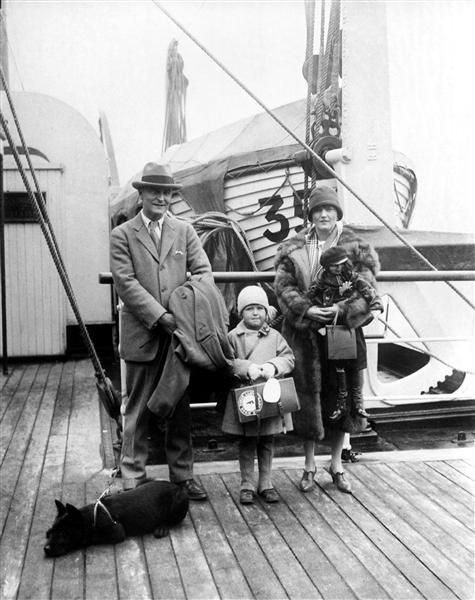
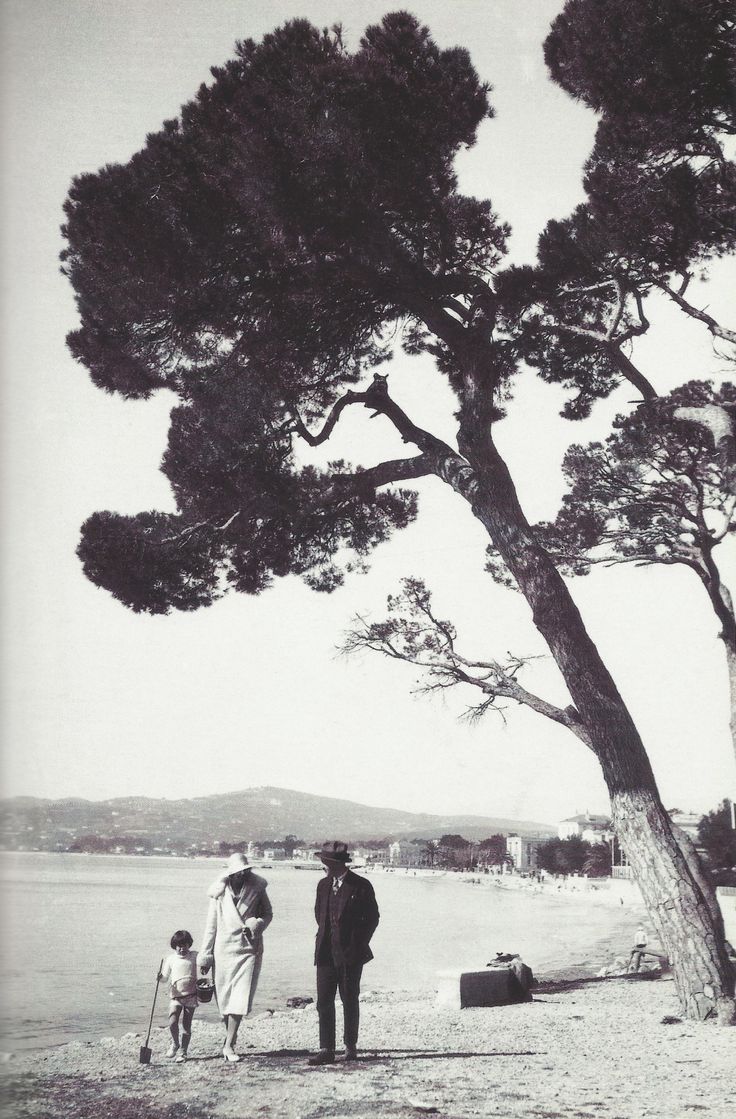
Zelda & Scott FitzgeraldZelda, Scott & Frances "Scottie" Fitzgerald
.

The clever, charismatic Mrs. Fitzgerald bristled at her wife-of-the-artist role—in her own right she was a serious ballet dancer and a talented author. In 1932 she published a novel, which infuriated Scott, though he had borrowed liberally from her diaries and letters for his own work. She was in the end far more complicated, deeply more interesting, than the champagne-guzzling-fountain-jumping-goddess-bad-girl the public thought they knew.
Zelda Fitzgerald

Zelda and Francis Scott Fitzgerald in 1926Zelda & Scott Fitzgerald
Zelda & Scott FitzgeraldZelda, Scott & Frances "Scottie" Fitzgerald
zelda-and-scott-fitzgerald-mylusciouslife-com-zelda-fitzgerald1Zelda & Scott Fitzgerald
.

But, by 1925, Zelda wrote, ”The flapper! She is growing old. She has come to none of the predicted ‘bad ends,’ but has gone at last, where all good flappers go — into the young married set, into boredom and gathering conventions and the pleasure of having children, having lent a while a splendor and courageousness and brightness to life, as all good flappers should.”

Zelda Fitzgerald

.

Zelda Wasn’t ‘Crazy’

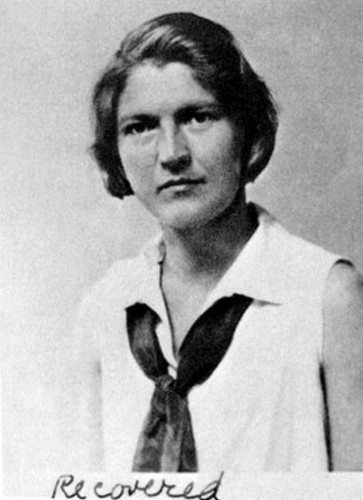
According to Zelda biographer, Theresa Ann Fowler: “Zelda did suffer some mental health crises — depression, primarily — and was an uninhibited, uncensored woman who didn’t always think before she acted, but she wasn’t crazy. Unwise? Sometimes. Insane? No.”
Zelda Fitzgerald

.

.

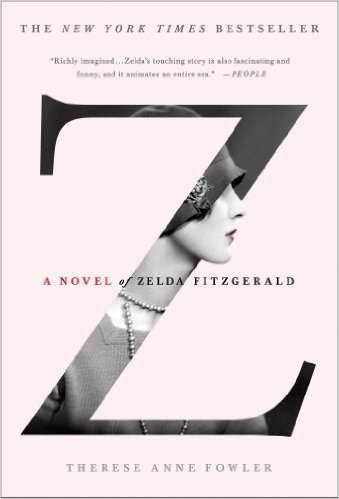
Book

Book Cover

When beautiful, reckless Southern belle Zelda Sayre meets F. Scott Fitzgerald at a country club dance in 1918, she is seventeen years old and he is a young army lieutenant stationed in Alabama. Before long, the “ungettable” Zelda has fallen for him despite his unsuitability: Scott isn’t wealthy or prominent or even a Southerner, and keeps insisting, absurdly, that his writing will bring him both fortune and fame. Her father is deeply unimpressed. But after Scott sells his first novel, This Side of Paradise, to Scribner’s, Zelda optimistically boards a train north, to marry him in the vestry of St. Patrick’s Cathedral and take the rest as it comes.

What comes, here at the dawn of the Jazz Age, is unimagined attention and success and celebrity that will make Scott and Zelda legends in their own time. Everyone wants to meet the dashing young author of the scandalous novel―and his witty, perhaps even more scandalous wife. Zelda bobs her hair, adopts daring new fashions, and revels in this wild new world. Each place they go becomes a playground: New York City, Long Island, Hollywood, Paris, and the French Riviera―where they join the endless party of the glamorous, sometimes doomed Lost Generation that includes Ernest Hemingway, Sara and Gerald Murphy, and Gertrude Stein.

Everything seems new and possible. Troubles, at first, seem to fade like morning mist. But not even Jay Gatsby’s parties go on forever. Who is Zelda, other than the wife of a famous―sometimes infamous―husband? How can she forge her own identity while fighting her demons and Scott’s, too? With brilliant insight and imagination, Therese Anne Fowler brings us Zelda’s irresistible story as she herself might have told it.

.

.


John Rawlings, elevated Commercial Photography to an Art Form

1 Nov

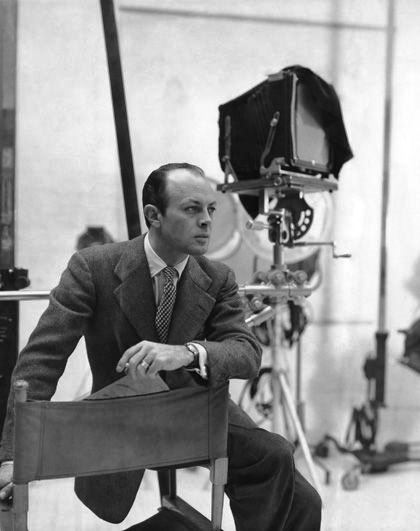
Self-Portrait of John Rawlings, fashion photographer

John Rawlings (1912-1970) was a Condé Nast Publications fashion photographer from the 1930s through the 1960s. Though Rawlings left a significant body of work, including 200 Vogue magazine and Glamour magazine covers to his credit, he never achieved the name and fame of his lengendary colleagues and masters Cecil Beaten and Horst P. Horst.

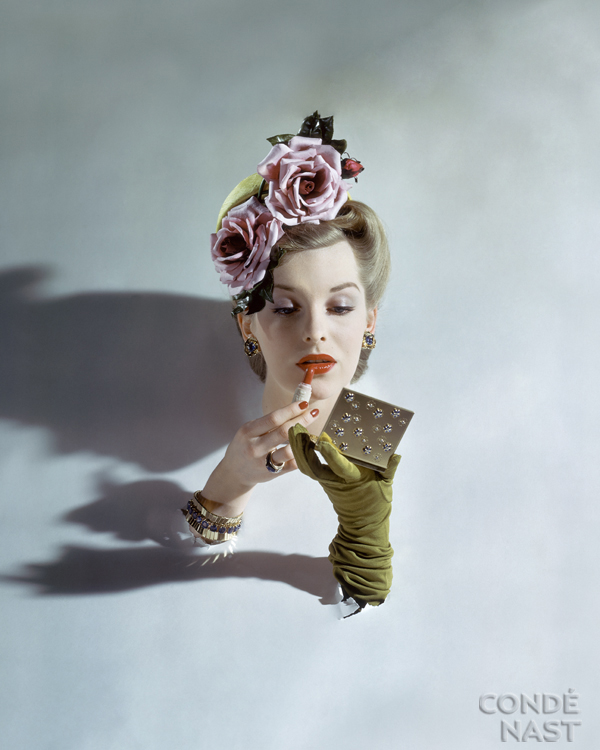
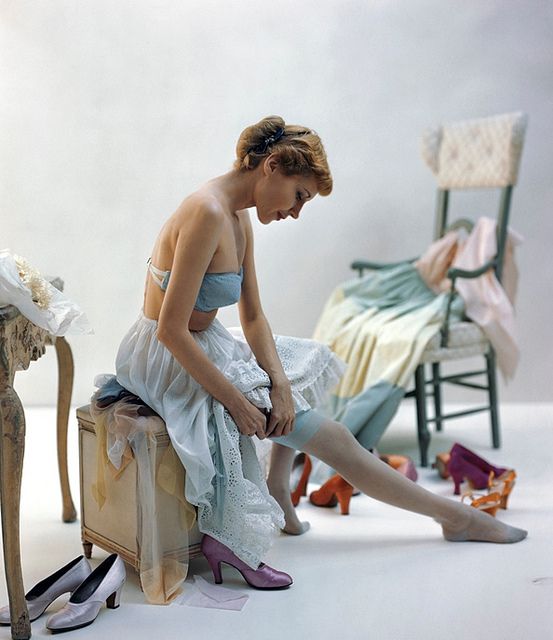
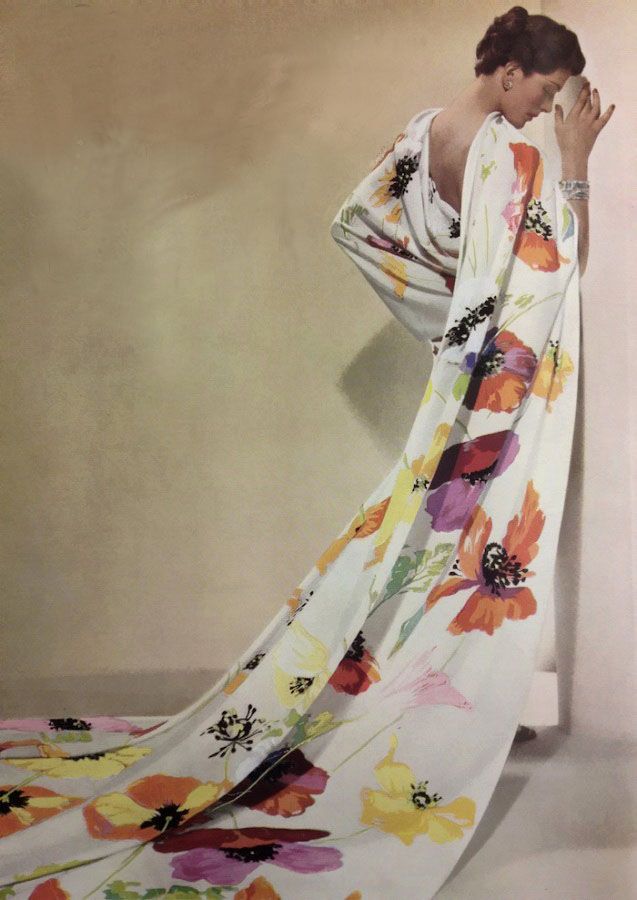
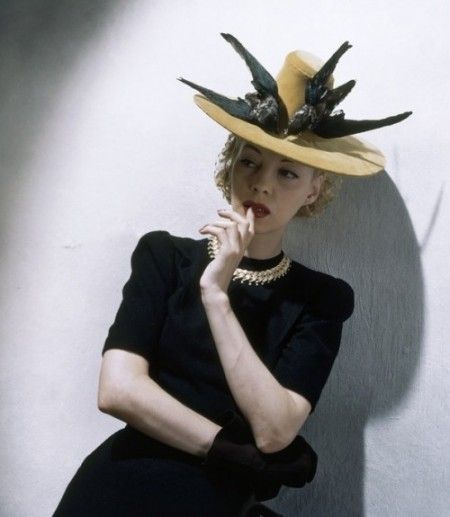
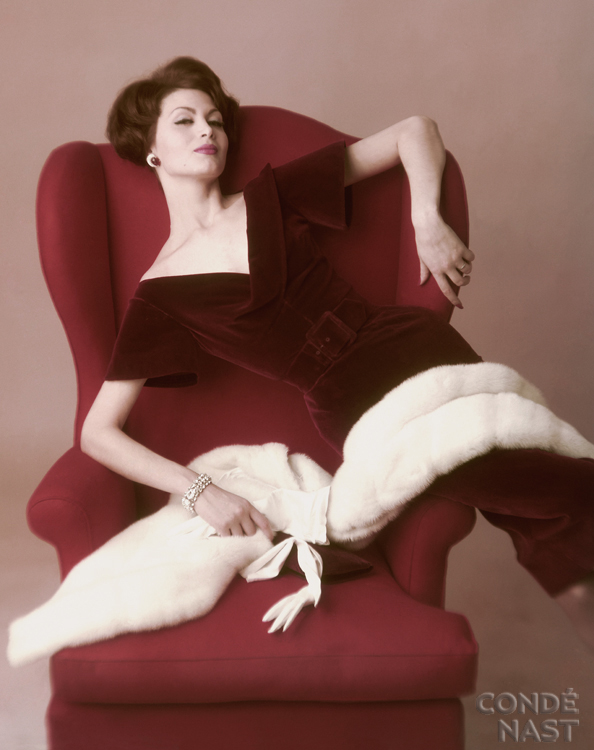
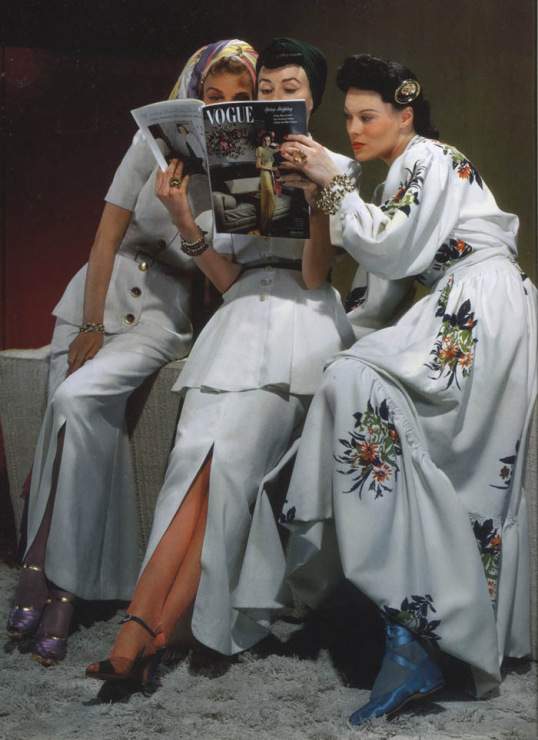
Ph. John RawlingsThe introduction of American photographer John Rawlings to Vogue’s visual team in 1936 was certainly one of Conde Nast’s best strategic moves. At a time when opulence, pretentiousness, and theatrical lighting were prevalent in fashion photography – fueled by the European school led by the British Beaton, the German Horst, and the Russian Hoyningen-Huene – Nast and Vogue’s editor in chief Edna Woolman Chase decided they needed a change of direction and placed their bets on a talented but unknown twenty-four-year Midwesterner.

In two memos sent by Chase, one to her staff in 1937 and another to the photographers in 1938, she demanded more information and less art in Vogue pictures: “Several of the photographs for September fifteenth are nothing but black smudges,” she wrote in the second. “Concentrate completely on showing the dress, light it for this purpose and if that can’t be done with art then art be damned. Show the dress. This is an order straight from the boss’s mouth and will you please have it typed and hung in the studio”. 

ph. John Rawlings

ph. John Rawlings

ph. John Rawlings

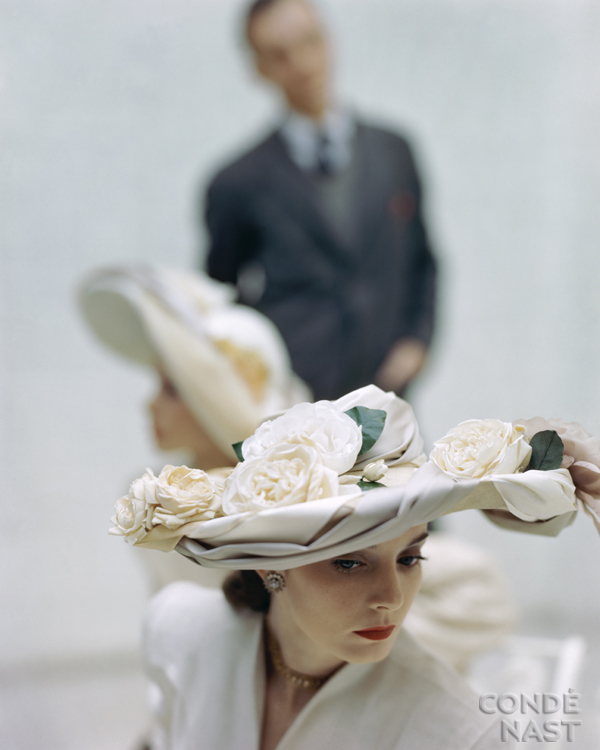
The change of direction would take a few years, but the man to lead it, John Rawlings, would become one of the most prolific and important photographers of the twentieth century, with more than two hundred Vogue and Glamour covers to his credit. John Rawlings for Vogue April, 1947

Flowered Hat

Ph. John Rawlings

His beginnings were unremarkable. Born in Ohio in 1912, John Rawlings attended the local Wesleyan University, and upon graduation in the early 1930s he relocated to New York, where he became a freelance store window dresser. After buying a Leica to photograph his work and show it to potential clients, Rawlings discovered that he enjoyed taking pictures and eventually started to photograph some of the aristocratic clients themselves, alone or with their dogs. A few of those shots found their way to the desk of Nast, who decided to offer Rawlings a job at the Vogue studios as prop builder, studio hand, and apprentice to the legendary masters Beaton and Horst. The young man was so dedicated and worked with such unbridled enthusiasm that four months later he not only was promoted to first assistant to the masters but also got his first photo published in the September 15 issue of Vogue. Impressed by his precocious talent and visual style, Nast and Chase rewarded him in 1937 with a job at the British Vogue studio in London, where he would train and work until the early 1940s. During his time there, Rawlings experimented with his style and began to develop his signature uses of light, setting and posing. His British Vogue work was so impressive it began cirulating in French and American Vogue as well.

vogue 1938

Ph. John Rawlings

Ph. John Rawlings

Charles Dare Scheips Jr., former director of the Conde Nast Archives, called Rawlings “The first major Conde Nast photographer to demonstrate a truly American eye.”

Rawlings is credited as the first fashion photographer to associate fashion with Hollywood celebrities and also said to have single-handedly elevated commercial photography to an art form. 

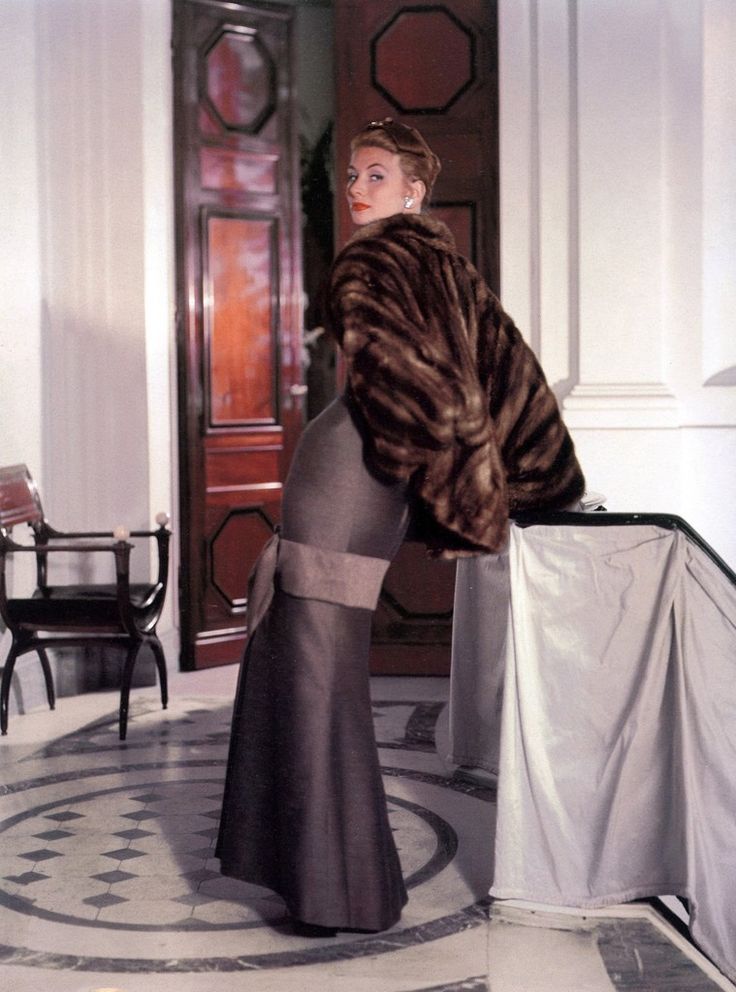
Suzy Parker in Christian Dior, Vogue, October 15, 1953.

Wilhelmina Cooper

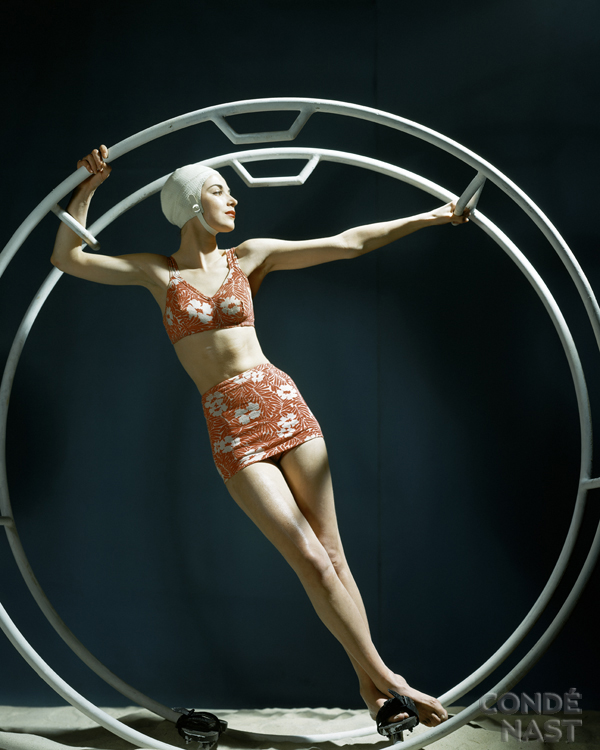
Exercise Ring and Jantzen Swimsuit

Ph. John Rawlings


.


Book    

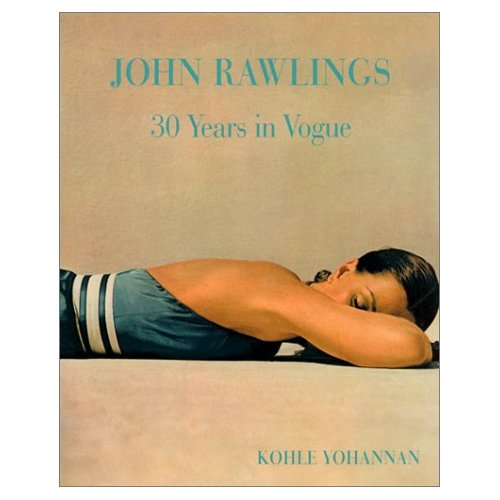
Book cover John Rawlings: 30 Years in Vogue

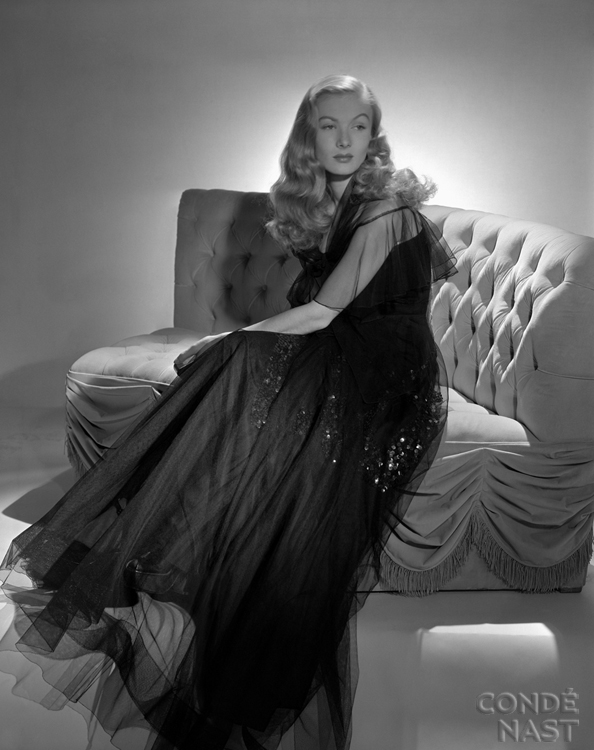
With over 200 Vogue and Glamour covers to his credit and 30,000 photos in archive, John Rawlings (1912-1970) immortalized the era in which American fashion and style truly came into their own. During his three-decade affiliation with Conde Nast, Rawlings’s work paralleled his publishers’ and editors’ efforts to reformat and expand the power and scope of the fashion press. Rawlings was in the elite circle of Irving Penn, Horst P. Horst, George Hoyningen-Huene, and George Platt Lynes, all top Vogue photographers, yet never received the kind of attention lauded on his colleagues — until now. Drawing on the photographer’s rediscovered archive, curator Kohle Yohannan presents glamour portraits as well as never-before-published nudes that testify to the artist’s ground-breaking and compelling body of work. Photographs of stage, screen, and society stars of the 1940s and 1950s, including Marlene Dietrich, Salvador Dali, Veronica Lake, Lena Horne, and Montgomery Clift are featured.

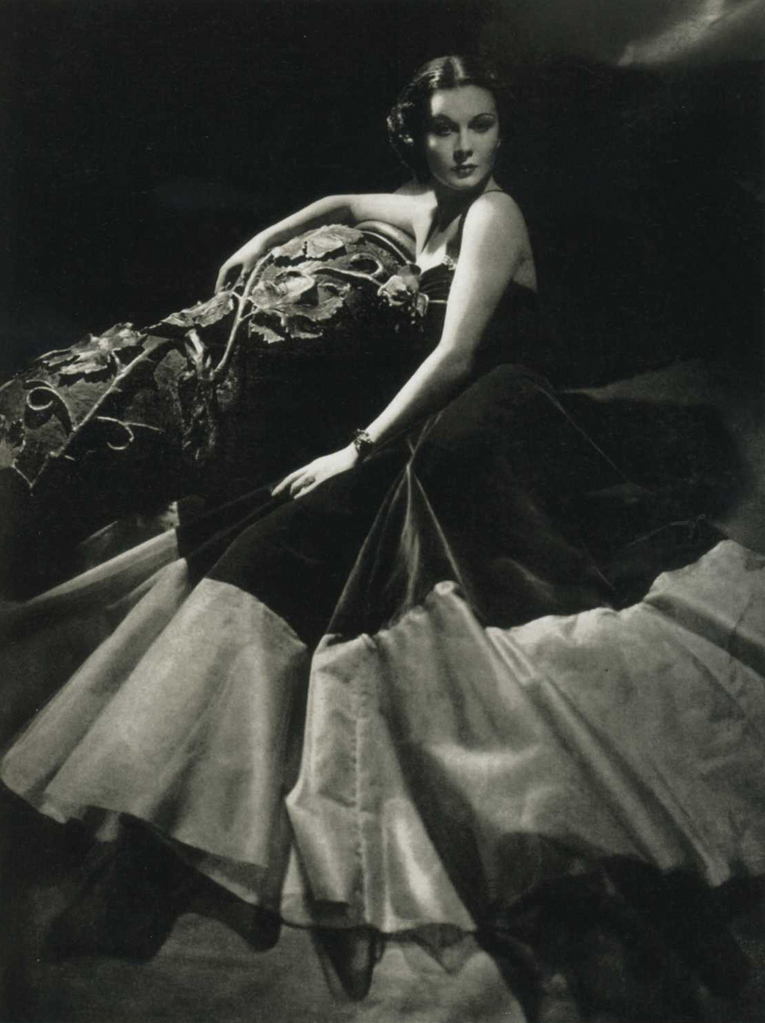
Veronica LakeVeronica LakeVivien LeighVivien Leigh
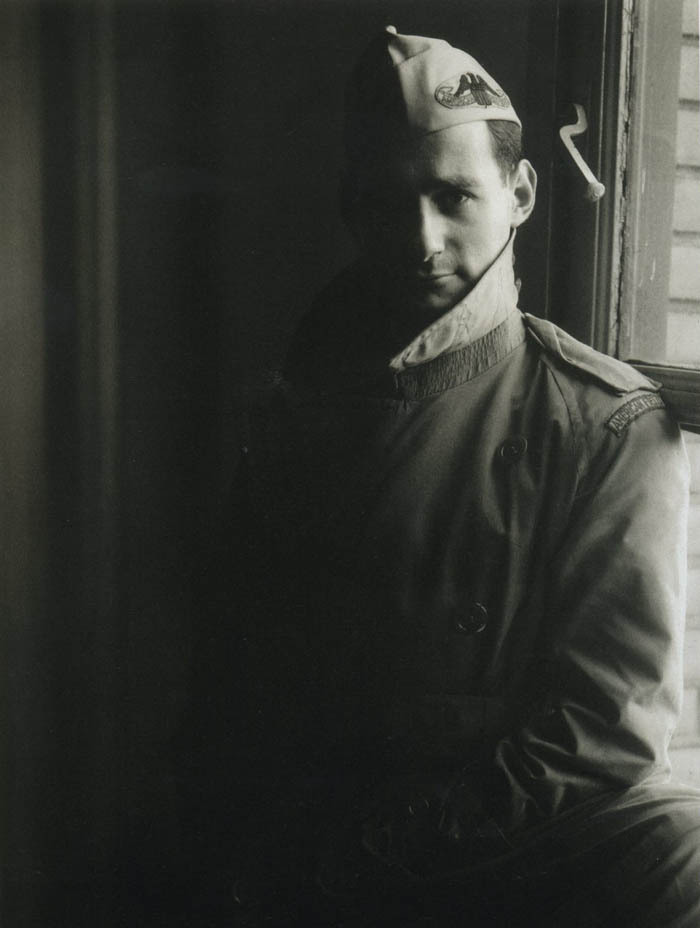
Photographer Irving Penn in his American Field Service uniform.Photographer Irving Penn in his American Field Service uniform.
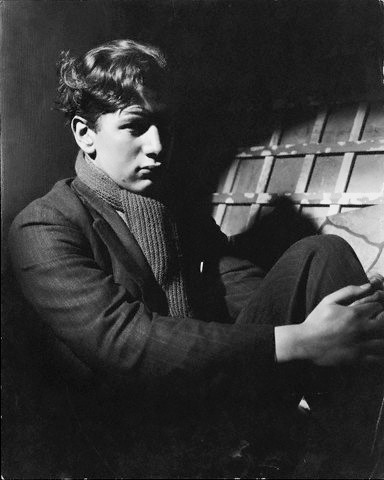
Actor Peter UstinovActor Peter Ustinov
.
.
.
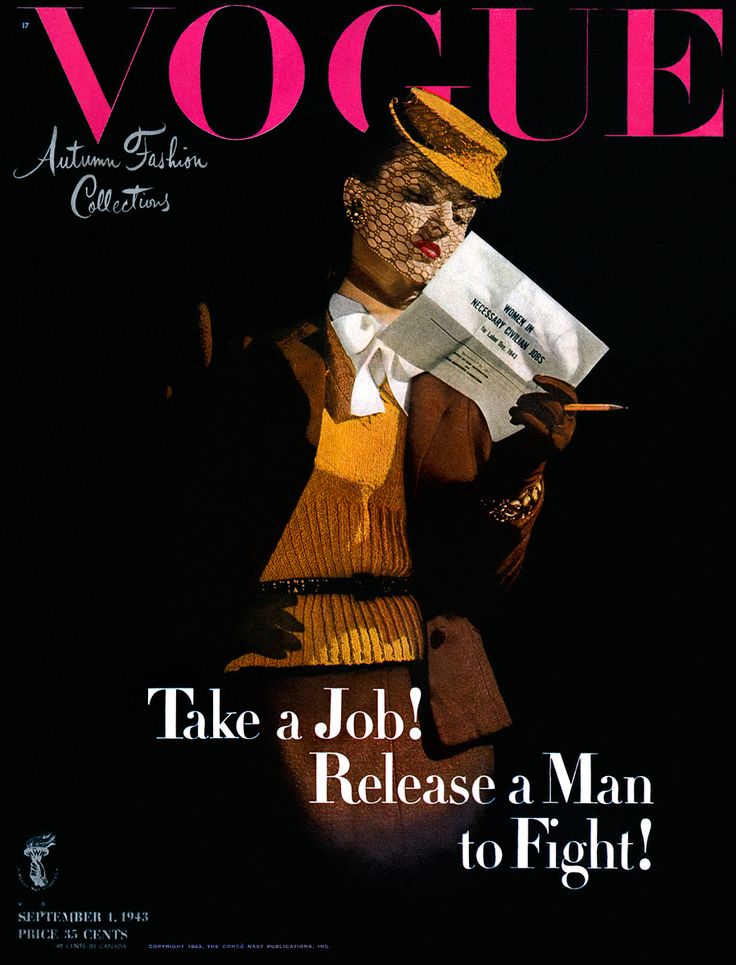
June 1, 1941 cover
.
.
info:

http://bygonefashion.livejournal.com/195868.html

http://www.fashionmefabulous.com/2011/03/famous-fashion-photographers-john.htmlshion Me Fabulous

Donyale Luna, the real First Black Supermodel

25 Oct
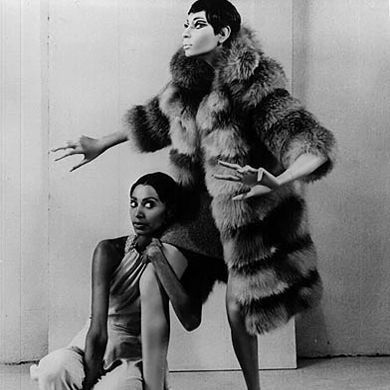
Charlotte March's shoot for Twen magazine, 1966Donyale Luna, ph. Charlotte March, Twen magazine, 1966


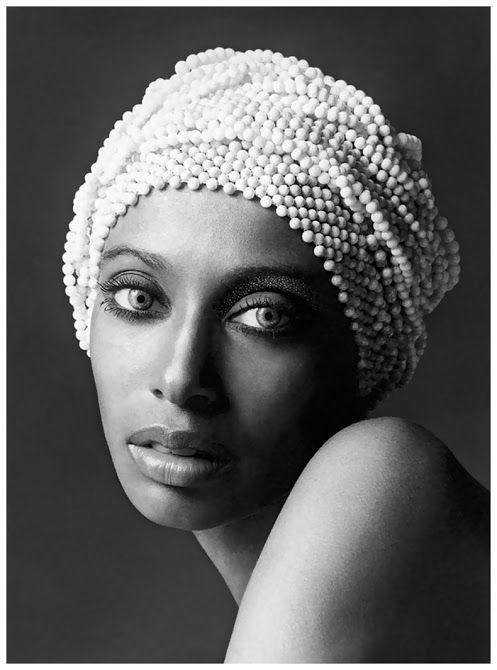
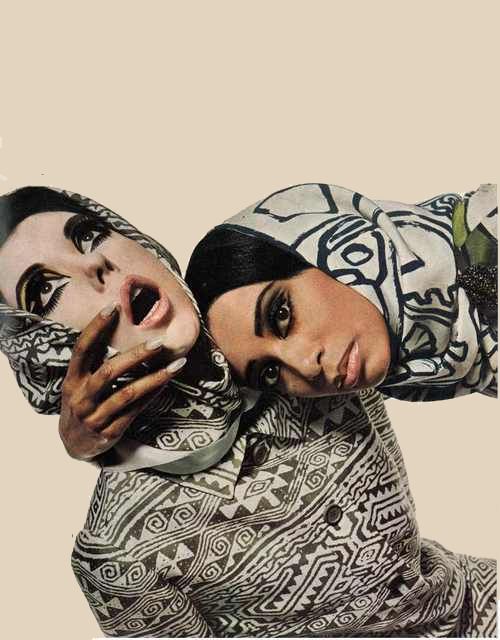
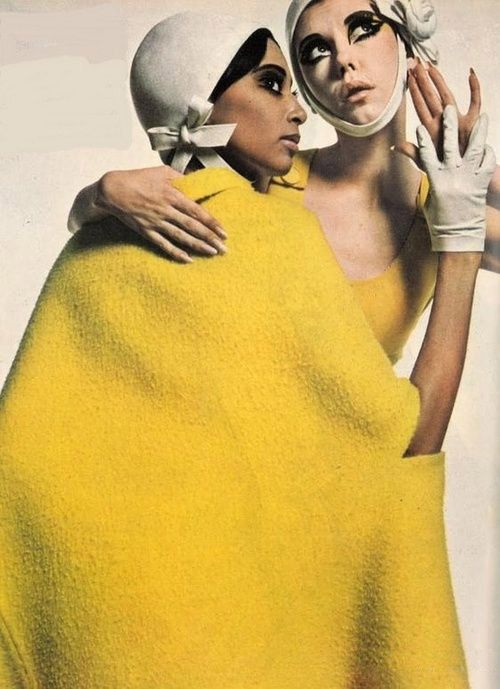
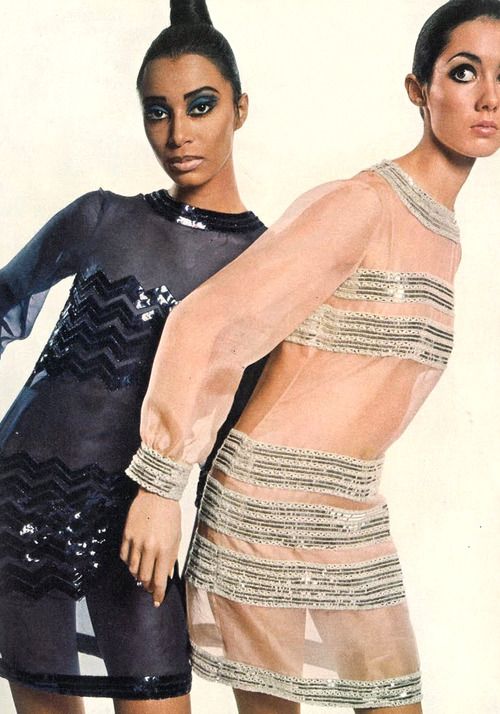
.Donyale Luna was the first black Supermodel, though many long established fashion-watchers don’t even know her name.  At the height of her career, the New York Times called Luna “a stunning Negro model whose face had the hauteur and feline grace of Nefertiti.” The designer Stephen Burrows recalled that “she was just one of those extraordinary girls.” And in 1966, when Beatrix Miller, the editor of British Vogue, chose her as the first-ever black model for that magazine’s cover, it was because of “her bite and personality.” Bethann Hardison, another ascendant model, remembers that “no one looked like her. She was like a really extraordinary species.”

Donyale Luna, first black model on cover of Vogue. ph. David BaileyPh. by David Bailey 
.

David McCabe, known for photographing celebrities like Twiggy and Andy Warhol, recognized that Luna had something special the first time he saw her in 1963. “I was on a photo assignment in Detroit, photographing Ford cars [and] there was a school nearby,” he recalled. “I was struck by this almost 6-foot-tall beautiful girl – around 14-years-old at the time – wearing her Catholic uniform. She stopped to see what was going on.” He told her that he was a photographer for magazines like Mademoiselle and Glamour and that, if she was ever in New York, she should call him. In 1964, he got that call, and sent the ensuing photos to various agencies. “I also called Richard Avedon,” he remembers. “I said you’ve got to see this girl. She’s just unbelievable. Soon Avedon began photographing her, too, eventually signing her to a one year contract.

Harper's bazaar, Donyale Luna

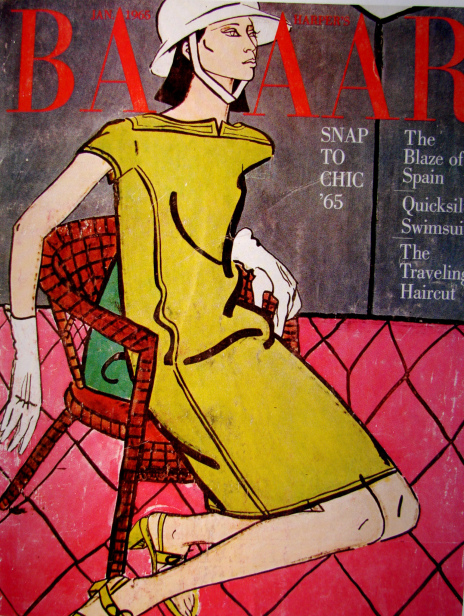
In the mid-sixties, “the magazine world really wasn’t ready for photographing beautiful black women,” McCabe says. Luna’s first major cover, for Harper’s Bazaar in 1965, was a sketch in which her racial identity remained ambiguous. Luna’s face, most notably her lips and nose, are also obscured on her British Vogue cover, also somewhat hiding her race.

Despite all that, Luna’s role as a trailblazer is largely forgotten. Luna’s name is still a rarity on many “black firsts” lists. And Beverly Johnson is routinely referred to as “the first black woman to appear on the cover of Vogue,” for her turn on the American edition eight years after Luna’s British cover.

Donyale Luna

Short Biography

Donyale Luna (August 31, 1945 – May 17, 1979) was born Peggy Ann Freeman in Detroit, Michigan, to Nathaniel A. and Peggy Freeman (née Hertzog). She was the youngest of three daughters. In January 1965, her mother fatally shot her father in self-defense as he was reportedly abusive.

Despite the parentage stated on her birth certificate, she insisted that her biological father was a man with the surname Luna and that her mother was Indigenous Mexican and of Afro-Egyptian lineage. According to Luna, one of her grandmothers was reportedly a former Irish actress who married a black interior decorator. Whether any of this background is true is uncertain. Luna’s sister later described her as being “a very weird child, even from birth, living in a wonderland, a dream”. She would routinely create fantasies about her background and herself (like Coco Chanel did).

As a teen, she attended Cass Technical High School, where she studied journalism and was in the school choir. It was during this time that she began calling herself “Donyale”. She was later described by friends and classmates as being “kind of kooky”.

After being discovered by the photographer David McCabe, she moved from Detroit to New York City to pursue a modeling career. In January 1965, a sketch of Luna appeared on the cover of Harper’s Bazaar. She became the first black model to appear on the cover of a Vogue magazine, the March 1966 British issue, shot by photographer David Bailey.

Luna was under exclusive contract to the photographer Richard Avedon for a year at the beginning of her career.

Photographs by Richard Avedon

Donyale Luna, shot by Richard Avedon, 1966.

Donyale Luna by Richard A vedon

Donyale Luna by Richard A vedon

Donyale Luna, ph. Richard Avedon, HARPER'S BAZAAR APRIL 1965

Donyale Luna, ph. Richard Avedon, HARPER'S BAZAAR APRIL 1965

Donyale Luna, ph. Richard Avedon, HARPER'S BAZAAR APRIL 1965

Donyale Luna, ph. Richard Avedon, HARPER'S BAZAAR APRIL 1965

Donyale Luna, ph. Richard Avedon, HARPER'S BAZAAR APRIL 1965

Donyale Luna by Avedon

After being discovered by the photographer David McCabe, she moved from Detroit to New York City to pursue a modeling career. In January 1965, a sketch of Luna appeared on the cover of Harper’s Bazaar. She became the first black model to appear on the cover of a Vogue magazine, the March 1966 British issue, shot by photographer David Bailey.

Luna was under exclusive contract to the photographer Richard Avedon for a year at the beginning of her career.

Photographs by David Bailey

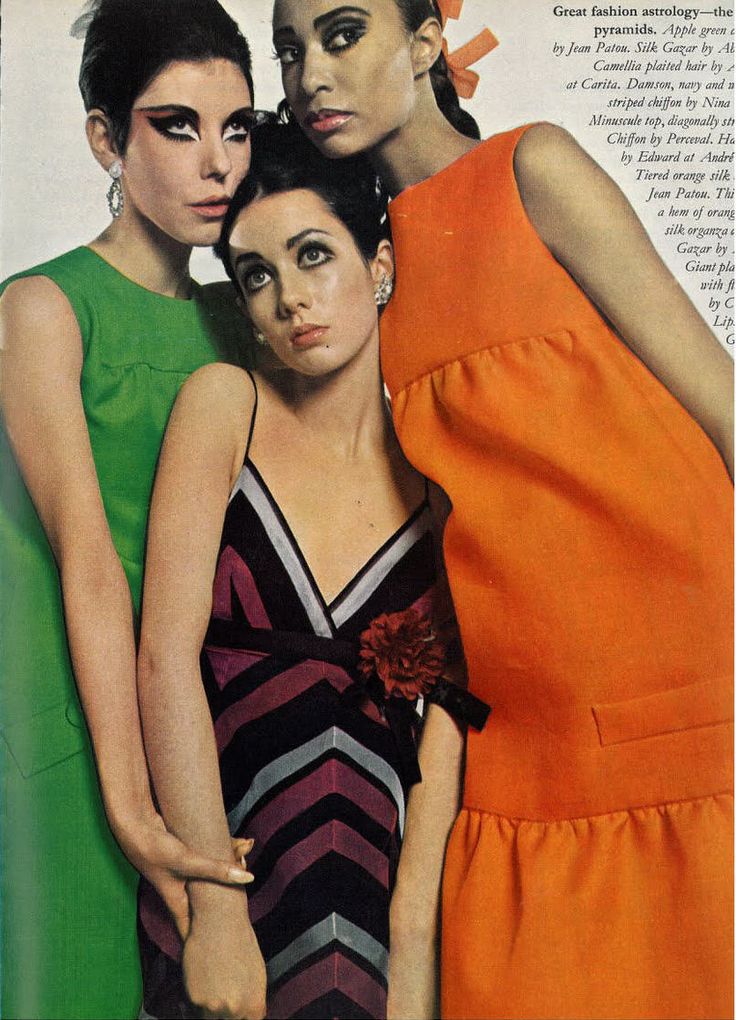
Donyale Luna, Peggy Moffit and Moyra Swann by Bailey. UK Vogue 1966

Donyale Luna, Peggy Moffit and Moyra Swann for UK Vogue 1966

Donyale Luna, Peggy Moffit and Moyra Swann for UK Vogue 1966

Donyale Luna and Moyra Swann by David Bailey, 1966.

Donyale Luna, Peggy Moffit and Moyra Swann by Bailey. UK Vogue 1966 2

Donyale Luna by David Bailey, 1966

Donyale Luna , photo by David Bailey , 1966

An article in Time magazine published on April 1, 1966, “The Luna Year”, described her as a new heavenly body who, because of her striking singularity, promises to remain on high for many a season. Donyale Luna, as she calls herself, is unquestionably the hottest model in Europe at the moment. She is only 20, a Negro, hails from Detroit, and is not to be missed if one reads Harper’s Bazaar, Paris Match, Britain’s Queen, the British, French or American editions of Vogue.

By the 1970s, however, Luna’s modeling career began to decline due to her drug use, eccentric behavior and tendency to be difficult. A designer for whom Luna once worked said, “She took a lot of drugs and never paid her bills”. Fellow model Beverly Johnson later said, “[Luna] doesn’t wear shoes winter or summer. Ask her where she’s from—Mars? She went up and down the runways on her hands and knees. She didn’t show up for bookings. She didn’t have a hard time, she made it hard for herself.”

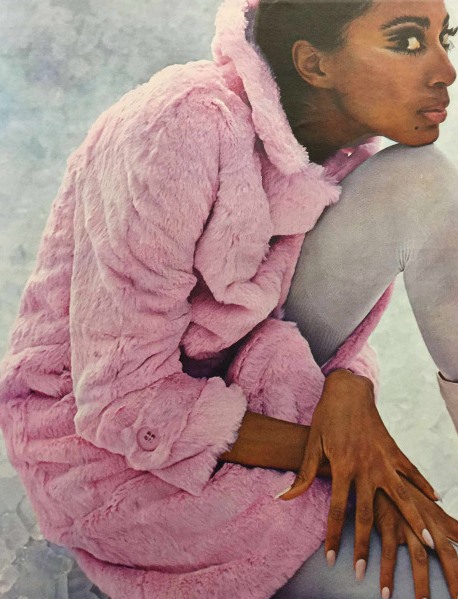
‘Fur on Ice’, Twen magazine, 1966, ph. Charlotte March

Ph. Charlotte March, 'Fur on Ice', Twen magazine, 1966

Ph. Charlotte March, 'Fur on Ice', Twen magazine, 1966

Ph. Charlotte March, 'Fur on Ice', Twen magazine, 1966

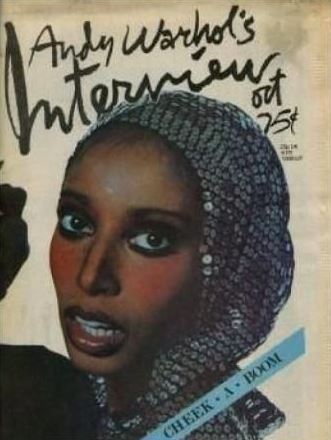
During the late 1960s Luna appeared in several films produced by Andy Warhol. These included Screen Test: Donyale Luna (1964), Camp (1965), and Donyale Luna (1967), a 33-minute color film in which the model starred as Snow White.

In the 1969 Federico Fellini film Fellini Satyricon, she portrayed the whitch Oenothea, and Luna also appeared in The Rolling Stones Rock and Roll Circus, the Otto Preminger comedy Skidoo, the documentary Tonite Let’s All Make Love in London and  starred as the title character in the 1972 Italian film Salomé by director Carmelo Bene.

Donyale Luna on the set of SatyriconDonyale Luna on the set of Satyricon
.

Donyale Luna was married, engaged or romantically involved many times, like to Austrian-born Swiss actor Maximilian Schell and in 1969 with German actor Klaus Kinski. This relationship ended when Kinski asked her entourage to leave his house in Rome: he was concerned that their drug use could damage his career. Another one of her liaisons was with Rolling Stone Brian Jones

Luna married the Italian photographer Luigi Cazzaniga. In 1977 they had a daughter, Dream.

At the age of 33 the drug-taking finally caught up with Donyale Luna. Estranged from her husband, she died in a Rome clinic in the early hours of 17 May 1979 of an accidental heroin overdose. She left behind her 18-month-old daughter, Dream.

Luigi Cazzaniga.Donyale Luna, ph. Luigi Cazzaniga

.

.
Rootstein mannequin

Donyale Luna & her Rootstein mannequin

Donyale Luna, the first notable African American fashion model and cover girl, was also the first African American to have a mannequin created in her likeness. It was produced in 1967 by the leading mannequin manufacturer, Adel Rooststein, as a follow-up to their famous Twiggy mannequin of 1966.


eBook

Beauty’s Enigma – Donyale Luna – The First Black Supermodel

Beauty's Enigma

They called her “the reincarnation of Nefertiti,” and “a girl of staggering beauty and magnetism.” She was Donyale Luna, the startling, owl-like beauty who crashed through fashion’s apartheid system in the mid-1960s to become the world’s first black supermodel, and the first to grace a Vogue cover. In a short but action-packed career, she worked with Salvador Dali, Frederico Fellini, Andy Warhol, David Bailey, Helmut Newton and Richard Avedon, before her untimely death from a drug overdose in 1979. This new biography by Ben Arogundade, author of Black Beauty, details her amazing life story in all its dramatic glory.
eBook
ISBN: 978-0-9569394-4-9.

.
Donyale Luna


Info:

Wikipedia &

http://nymag.com/thecut/2013/07/first-black-supermodel-whom-history-forgot.html


Naomi Sims, two Model of the Year Awards

18 Oct
Naomi Sims

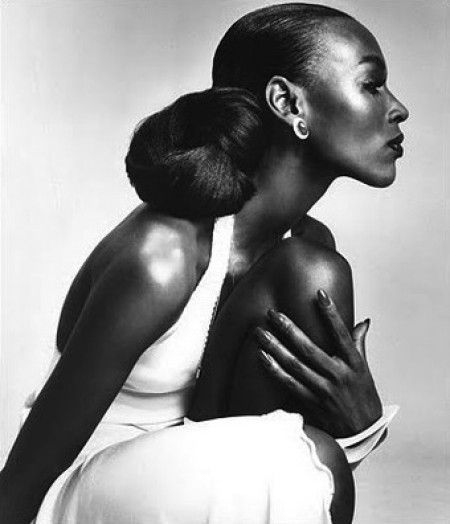
Naomi Ruth Sims (March 30, 1948 – August 1, 2009) was an American model, businesswoman and author. She was the first African-American model to appear on the cover of Ladies’ Home Journal, and is widely credited as being the first African-American supermodel.
Sims was born in Oxford, Mississippi, the youngest of three daughters born to John and Elizabeth Sims. Her father (whom she never knew) reportedly worked as a porter, but Sims’ mother later described him “an absolute bum” and her parents divorced shortly after she was born. She was teased for her height of 5’10 at the age of 13. Mrs Sims later moved with her three daughters to Pittsburgh, Pennsylvania, where Naomi’s mother was forced to put her child into foster care. She attended Westinghouse High School. There due to her height, she was ostracized by many of her classmates.

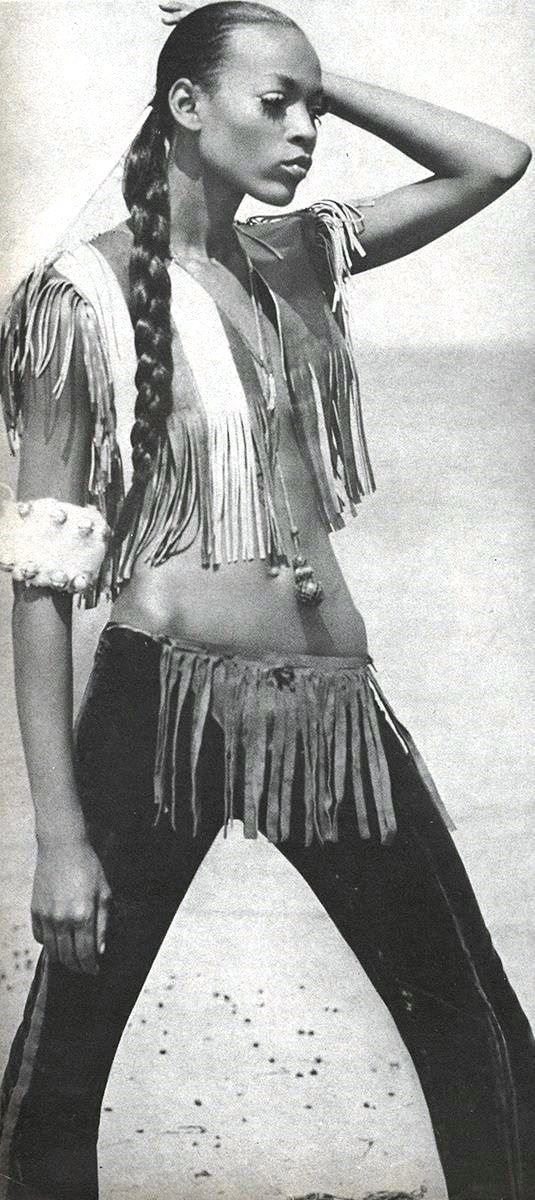
Naomi Sims

vogue italia 1969Vogue Italia, 1969
1971, Naomi Sims
Irving Penn for Vogueph. Irving Penn for Vogue
vogue 1970Vogue 1970

Sims often said childhood insecurities and a painful upbringing — living in foster homes, towering over her classmates and living in a largely poor white neighborhood in Pittsburgh — had inspired her to strive to become “somebody really important” at a time when cultural perceptions of black Americans were being challenged by the civil rights movement and a renewed stress on racial pride.

Sims began college after winning a scholarship to the Fashion Institute of Technology in New York City in 1966, while also taking night classes in psychology at New York University. Her early attempts to get modeling work through established agencies were frustrated by racial prejudice, with some agencies telling her that her skin was too dark. There was very little interest in fashion for black models and only a handful who had been successful, like Dorothea Towles Church, who starred in the couture shows in 1950s Paris, and Donyale Luna, who was named Vogue’s model of the year in 1966.

Her first career breakthrough came after she decided to sidestep the agencies and go directly to fashion photographers and Gosta Peterson, a photographer for The New York Times, agreed to photograph her for the cover of the paper’s August 1967 fashion supplement, then called Fashions of The Times.

Naomi Sims

Irving PennPh. Irving Penn

Naomi Sims

Despite this breakthrough, Sims still found it difficult to get work, so she approached Wilhelmina Cooper, a former model who was starting her own agency, saying that she would send out copies of the Times supplement to advertising agencies, attaching Cooper’s telephone number, and that Cooper’s agency would get a commission if Naomi received any work. Within a year Sims was earning US$1000 a week. The key breakthrough came when she was selected for a national television campaign for AT&T, wearing clothes by designer Bill Blass. In 1968 Sims told Ladies’ Home Journal: “It helped me more than anything else because it showed my face. After it was aired, people wanted to find out about me and use me.”

Sims was suddenly in high demand, modeling for top designers like Halston, Teal Traina, Fernando Sánchez and Giorgio di Sant’Angelo, and standing at the vanguard of a fashion movement for black models that would give rise to runway stars of the 1970s, including Pat Cleveland, Alva Chinn and Beverly Johnson.

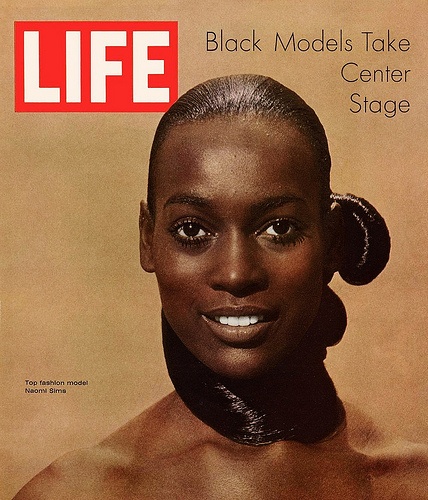
She became one of the first successful black models while still in her teens, and achieved worldwide recognition from the late 1960s into the early 1970s, appearing on the covers of prestigious fashion and popular magazines. The New York Times wrote that (her) “appearance as the first black model on the cover of Ladies’ Home Journal in November 1968 was a consummate moment of the Black is Beautiful movement”. She also appeared on the cover of the October 17, 1969 issue of Life magazine. This was the first African-American model on the cover of the magazine. The images from the 1967 New York Times fashion magazine cover and the 1969 Life magazine cover were exhibited at the Metropolitan Museum of Art in an exhibition entitled The Model as Muse.

Naomi Sims, LIFE cover

In 1969 and 1970, Naomi Sims received the Model of the Year award. In 1972 she received the Woman of Achievement Medal and then the Top Hat Award in 1974.

By 1972, Hollywood took an interest in her as a potential actress and offered her the title role in the movie Cleopatra Jones, but when Sims read the script, she was appalled by the racist portrayal of blacks in the movie and turned it down. Sims ultimately decided to go into the beauty business for herself. Sims retired from modeling after five years to start her own business which created a successful wig collection fashioned after the texture of straightened black hair. It eventually expanded into a multimillion-dollar beauty empire and at least five books on modeling and beauty. 

She authored several books on modeling, health, and beauty, including All About Health and Beauty for the Black Woman, How to Be a Top Model and All About Success for the Black Woman, as well as an advice column for teenage girls in Right On! magazine.

Naomi Sims

In the 1980s, she expanded the Naomi Sims Collection to include a prestige fragrance, beauty salons and cosmetics, but by the end of the decade she had become less involved with its daily operations. Many images of  Sims from that period are still used to promote the products that bear her name.

In August 1973, she married art dealer Michael Findlay. Findlay and Sims caused a stir as Findlay was white and interracial marriage in 1973 was still considered taboo. Findlay and Sims were both profiled separately in the February 1, 1970 issue of Vogue before they met and married. They had one son, Bob. Their marriage ended in divorce in 1991.

Sims died of breast cancer on August 1, 2009, aged 61, in Newark, New Jersey.

Naomi Sims

“Naomi was the first. She was the great ambassador for all black people. She broke down all the social barriers.”   

Halston in 1974


.

Book

Naomi Sims book, not the real Book cover

How to be a top model

Hardcover – 1979

1ste edition is over € 1.350,- !!!!

ISBN-10: 0385133618

ISBN-13: 978-0385133616


.

ph. Steven Meisel 1990Naomi Sims, ph. Steven Meisel 1990

.

.

info: WikiPedia &

Wilhelmina Cooper, from Model to Model Agencie

11 Oct

Wilhelmina Cooper

Wilhelmina Cooper (1 May 1939 – 1 March 1980) was a Dutch model who began with Ford Models and, at the peak of her success, founded her own agency, Wilhelmina Models, in New York City in 1967.


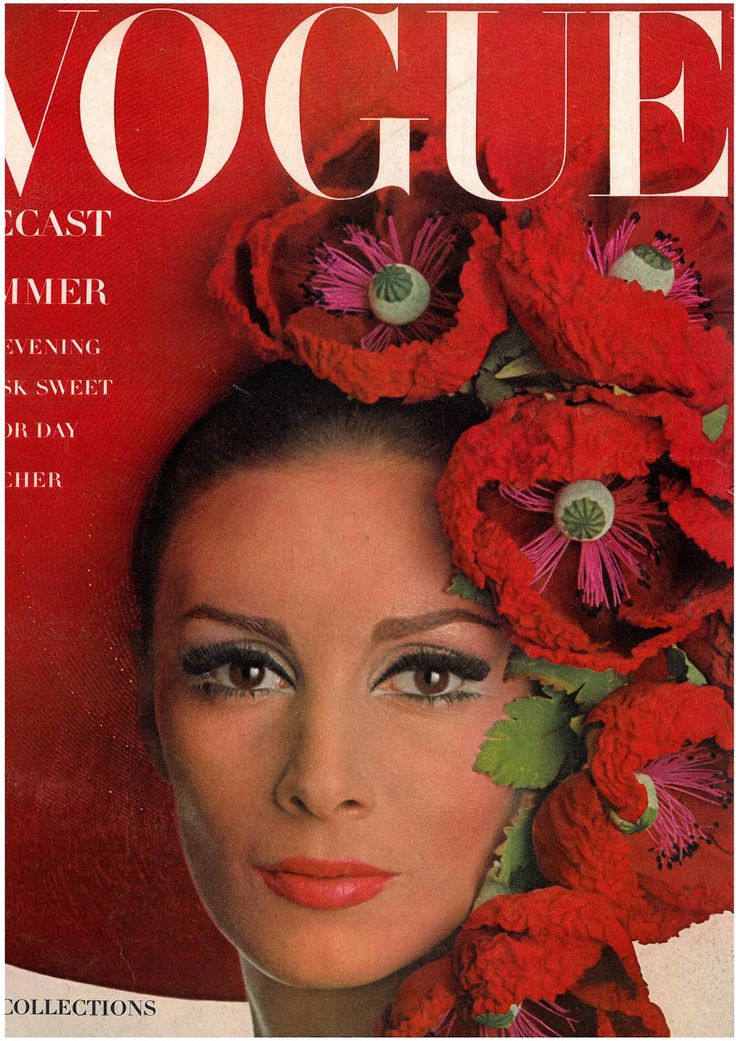
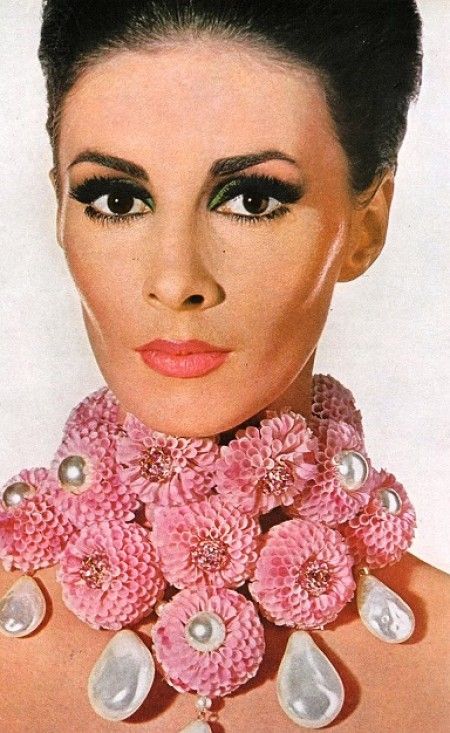
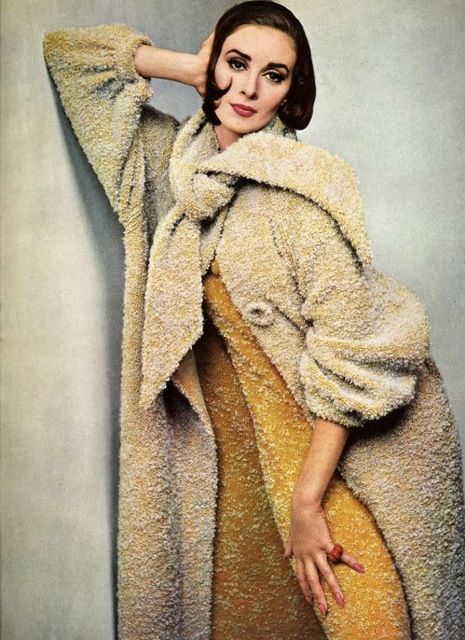
Born Wilhelmina Behmenburg in Culemborg, the Netherlands, she was known professionally simply as “Wilhelmina,” or “Willy” to intimates. Wilhelmina grew up in Oldenburg, Germany. She moved with her family to Chicago, USA, in 1954. She became one of the most famous models of the 1950s and 1960s. During her career as a model she was on the cover of 255 magazines. For a long time she also held the record for most covers on American Vogue, appearing 27 or 28 times.

Vogue Covers

1965. Irving Penn.ph. Irving Penn, 1965bert-stern-wilhelmina-cooper-vogue-janaury-15-1964-1ph. Bert Stern, 1964

Wilhelmina Cooper

Wilhelmina Cooper

Wilhelmina Cooper

Wilhelmina Cooper

She was one of the most recognizable models of her time and she was considered the last star of the couture era in modeling.

In 1965 she married Bruce Cooper, former executive producer of The Tonight Show Starring Johnny Carson. In 1967 they founded Wilhelmina Models, which became the other leading model agency alongside Ford Models, years before Elite Model Management and other agencies began.

1964 .Wilhelmina Cooper

Wilhelmina Cooper

Wilhelmina Cooper

irving penn,1965ph. Irving Penn, 1965

Cooper’s agency played a major role in launching the career of Naomi Sims, credited as the first African-American supermodel. Sims began her modeling career in the mid-1960s but despite a breakthrough appearance in the New York Times fashion supplement in 1967, she found it difficult to get work. Sims approached Cooper and told her that she would send out copies of the Times supplement to agencies and that Cooper would receive a commission on any work Sims received from this. Within a year, Sims was earning US$1000 a week; in 1968 she appeared on the cover of the Ladies’Home Journal and the following year she appeared on the cover of Life magazine.

On 1 March 1980, Cooper died of lung cancer at the age of 40 in Greenwich Hospital.

According to her obituary in Time magazine:

During her cover-girl days, Wilhelmina boasted that she was “one of the few high-fashion models built like a woman.” And she was. With her 5 ft. 11 in., 38-24-36 frame, doe eyes, delicate cheekbones and mane of high-piled dark hair, she epitomized the classical, aristocratic look that she helped to make the style standard of the 1950s and ’60s…

Wilhelmina Cooper

Wilhelmina Cooper

Wilhelmina Cooper

vogue , 1965

Cooper’s daughter, Melissa, told Michael Gross (author of “Model: the Ugly Business of Being Beautiful”) she believes her mother chose to kill herself with cigarettes instead of facing, and fixing, her horribly imperfect life, suffering as an abused wife of an alcoholic husband.

Cooper was portrayed by Faye Dunaway (who won a Golden Globe for her performance) in the 1998 movie Gia, which tells the story of Gia Carangi, a model who was discovered by Cooper and later died of AIDS.

In American sitcom Ugly Betty, the antagonist Wilhelmina Slater (Vanessa L. Williams) is named as a tribute to Cooper. Her nickname, Willy, and the fact that she became a successful businesswoman in fashion after being a model were attached directly to the character.

Wilhelmina Cooper

.

Movie

Gia film poster

Gia is a 1998  biographical film about the tragic life and times of one of America’s first supermodels, Gia Marie Carangi. The film stars Angelina Jolie as Gia and Faye Dunaway as Wilhelmina Cooper.

Gia Carangi is a Philadelphia native who moves to New York City to become a fashion model and immediately catches the attention of powerful agent Wilhelmina Cooper. Gia’s attitude and beauty help her rise quickly to the forefront of the modeling industry, but her persistent loneliness after the death of Wilhelmina drives her to experiment with mood-altering drugs like cocaine. She becomes entangled in a passionate affair with Linda, a make-up artist. Their love affair first starts when both pose nude and make love to each other after a photo shoot. However, after a while Linda begins to worry about Gia’s drug use and gives her an ultimatum; Gia chooses the drugs. Failed attempts at reconciliation with Linda and with her mother, Kathleen, drive Gia to begin abusing heroin. Although she is eventually able to break her drug habit after much effort, she has already contracted HIV from a needle containing infected blood.

https://youtu.be/lOYRvbitnXY

.
.
Wilhelmina Cooper
.
.

info:Wikipedia