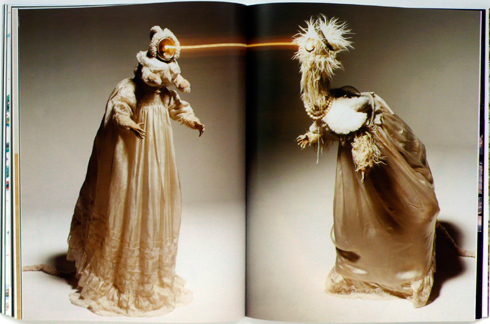
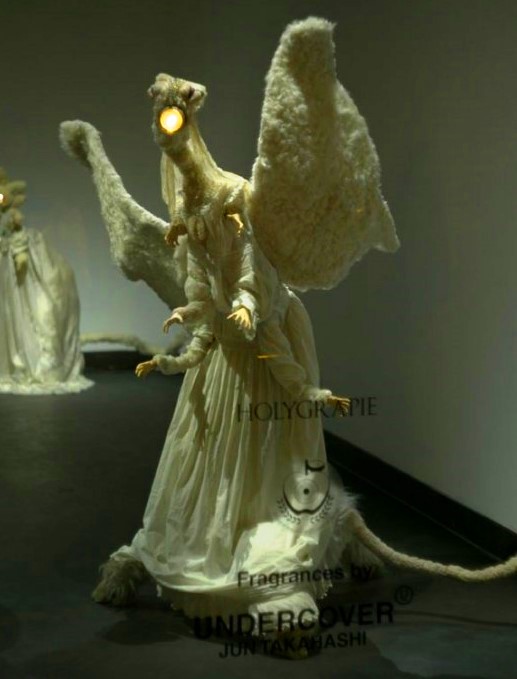
Designer Jun Takahashi of the ‘cult’ fashion house Undercover makes dolls. They’re called Graces and he makes them out of metal and teddy bears and light bulbs and other things.
Jun Takahashi: ‘The Graces spontaneously come out of me, genuinely, while making clothes is something more calculated, an entire process that requires teamwork. But doing both allows me to keep a balance in my creativity. Therefore, it makes sense to me to have everything linked.’
Takahashi collaborated with perfume brand Comme des Garçons to release two new perfumes named after his own fashion label Undercover and inspired by his fantastic plush animals, the Graces.
The fragrances are called Undercover Holygrace and Undercover Holygrapie.
.
UNDERCOVER for Uniqlo called UU
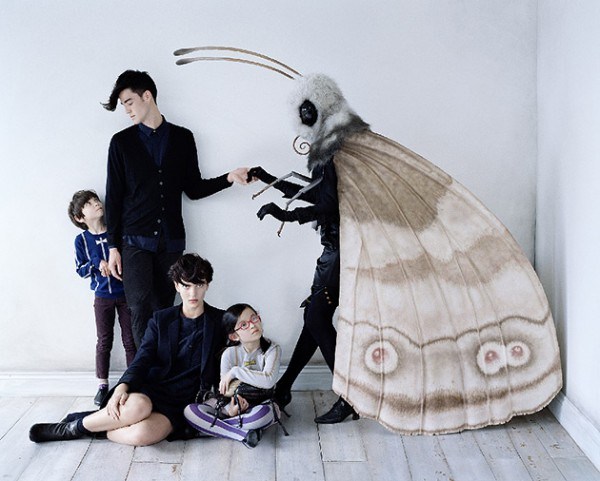
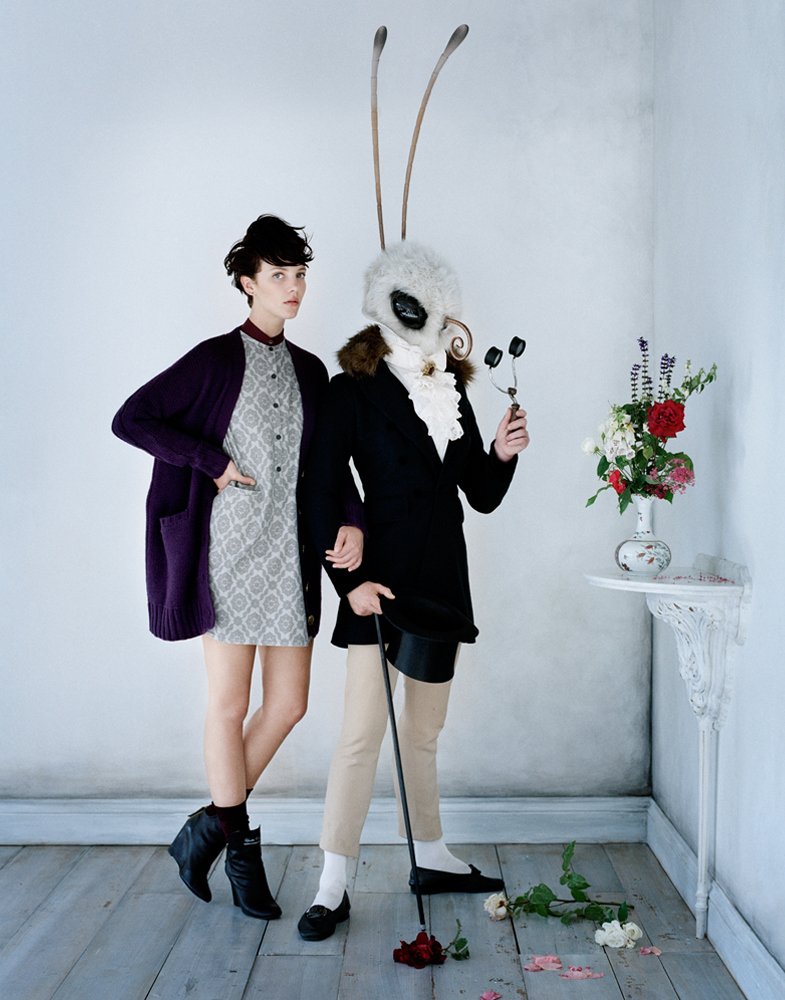
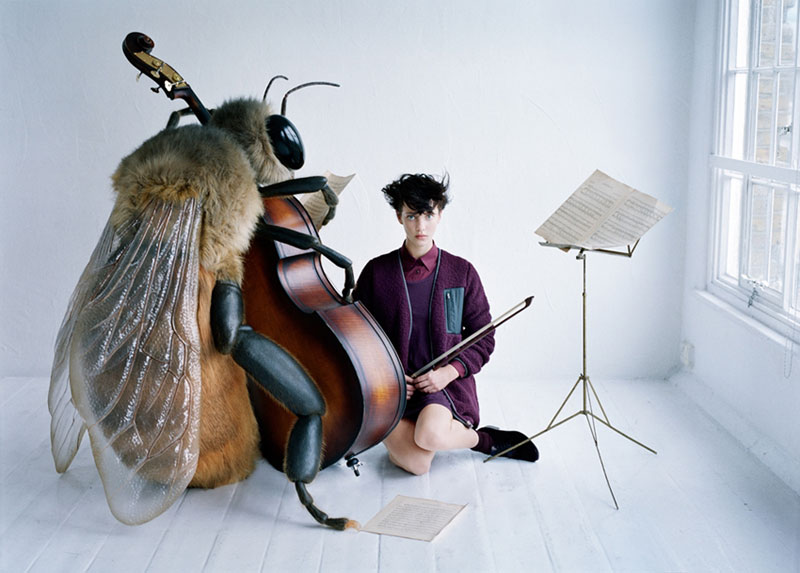
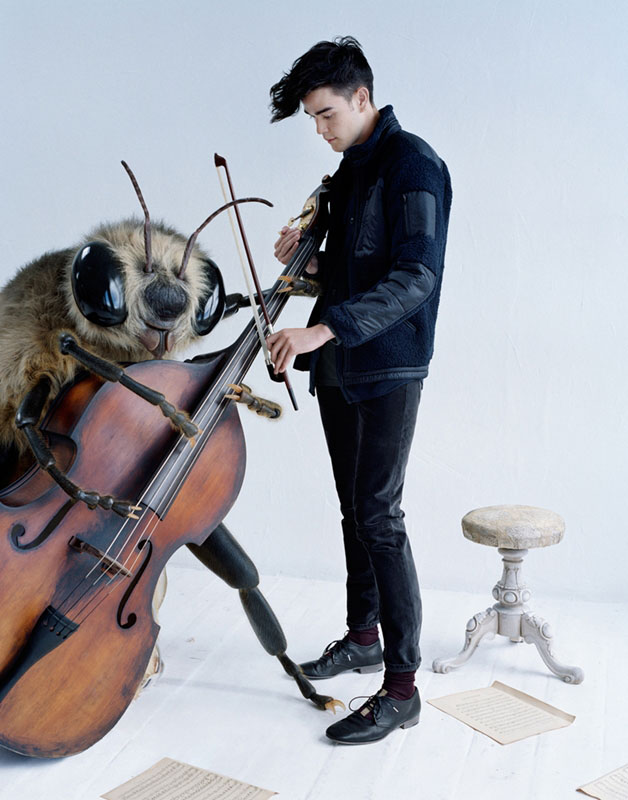
UNIQLO collaborated in a design project Jun Takahashi and his Undercover fashion label. It debuted in 2012 and is called the UU collection which focused on a family theme, with a full lineup of apparel for women, men and, for the first time in 10 years, UNIQLO UK also offered kidswear to the British market!
.
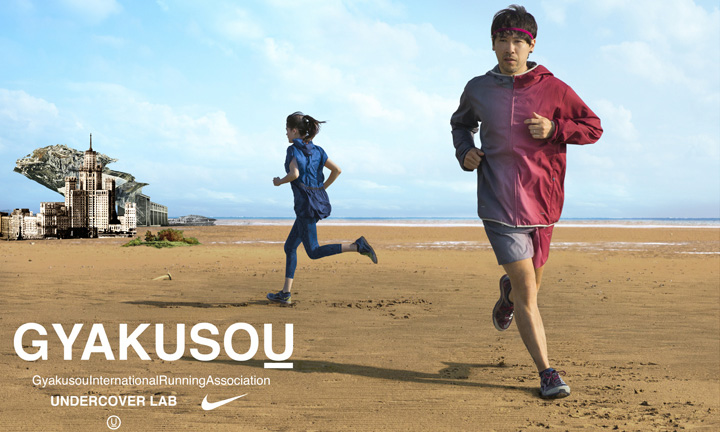
Nike x Undercover = Gyakusou
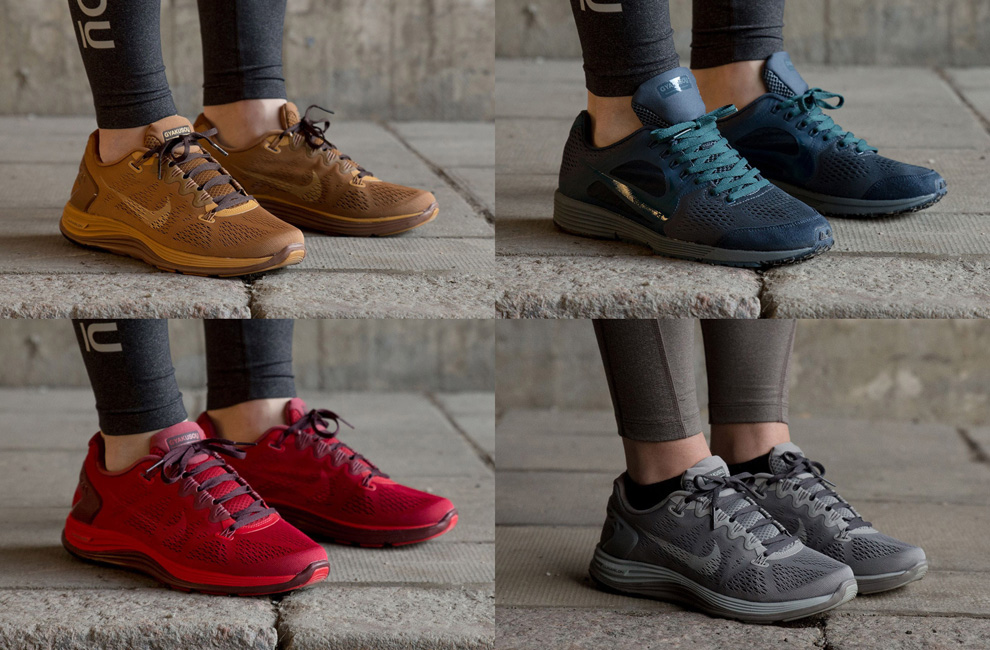
In October 2010, Nike and Jun Takahashi’s label Undercover, released the first Nike x Undercover Gyakusou performance running collection. The design partnership fused cutting edge Nike running innovations and design with the functionality of Takahashi’s Undercover.
Takahashi began running six years ago “I run 12 or 13km every other day. It’s kind of like meditation to me – but with adrenaline. It’s part of my life. I have to run.” Gyakusou takes its name from a group of Tokyo-based runners who passionately run in their city. The name Gyakusou comes from ‘gyaku’ meaning wrong way or reverse and ‘sou’ meaning ‘run or running’. It draws upon a shared obsession for design innovation and improving the performance of the athlete.
“Style and functionality is very important and when I started running, I looked very closely at the color and styling of products as well as their performance attributes and functionality. We both wanted to create an authentic performance running collection from the point-of-view of the actual runner.” A technical approach is sustained throughout, ensuring Takahashi’s run remains a mobile personal space where he can concentrate, unwind and continually achieve.
Jun Takahashi
.
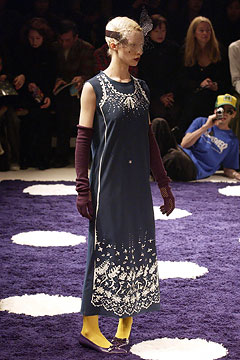
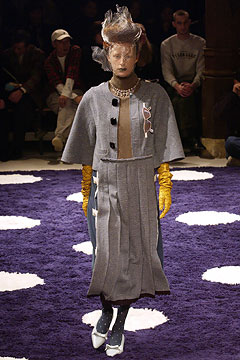
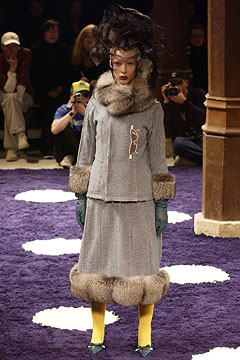
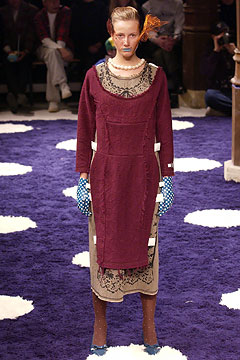
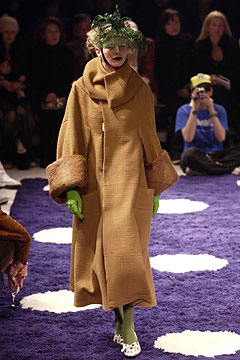
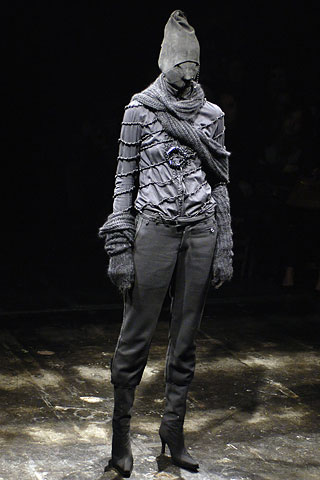
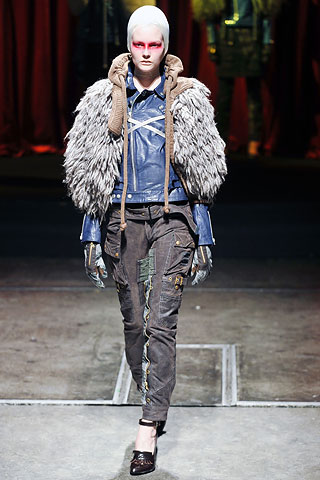
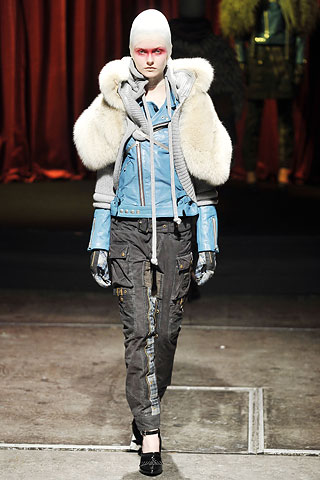
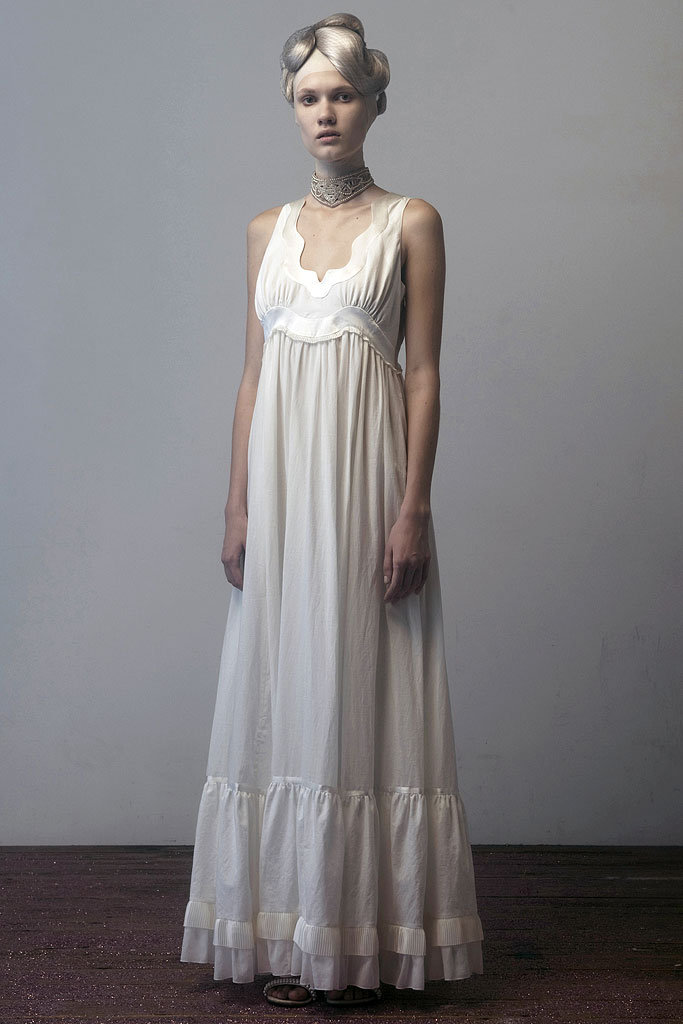
Amazing Runway Outfits
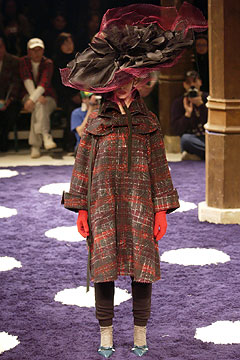
Fall/Winter 2003
Fall/Winter 2006 collection ‘Guruguru’
Fall/Winter 2008-09
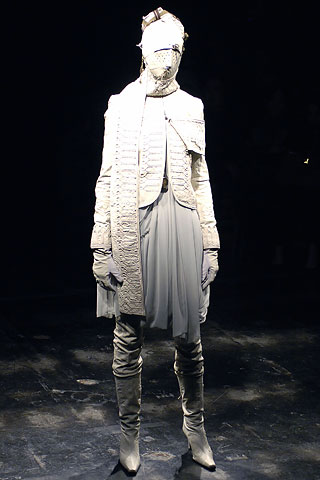
Spring/Summer 2009
.
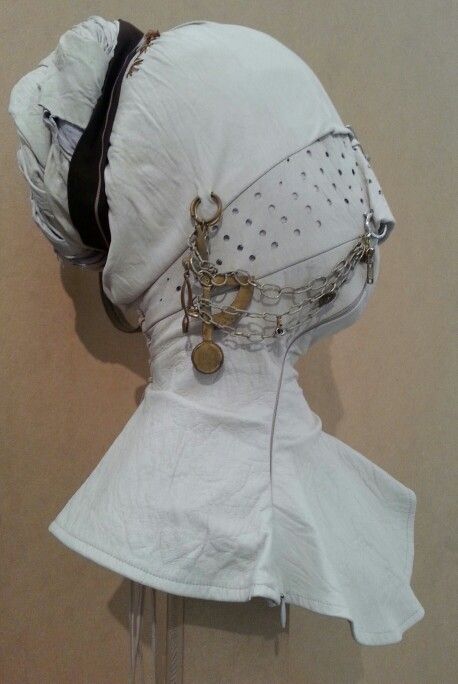
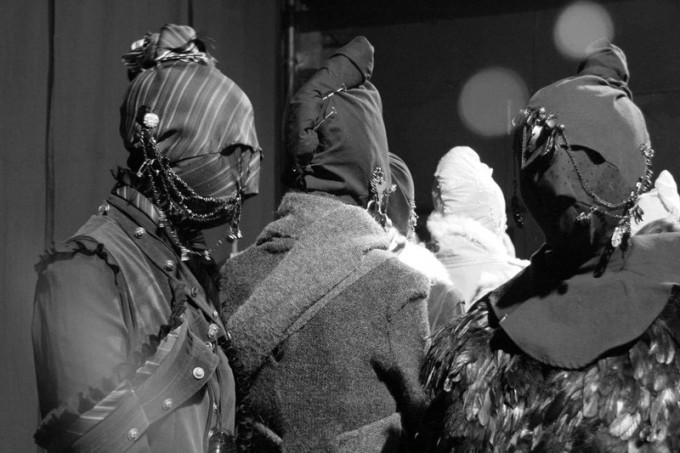
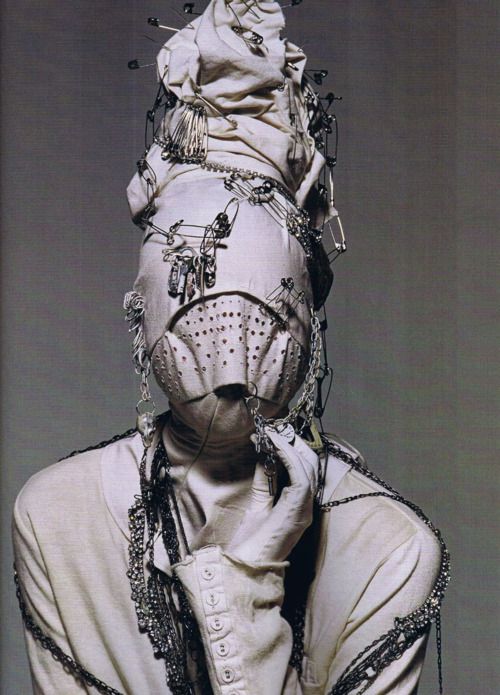
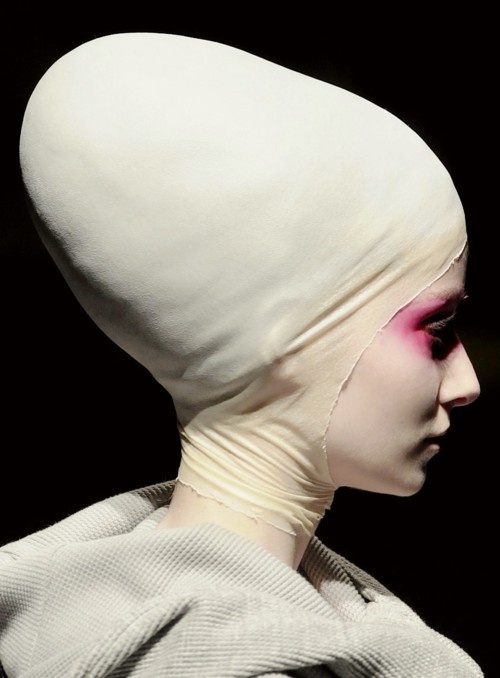
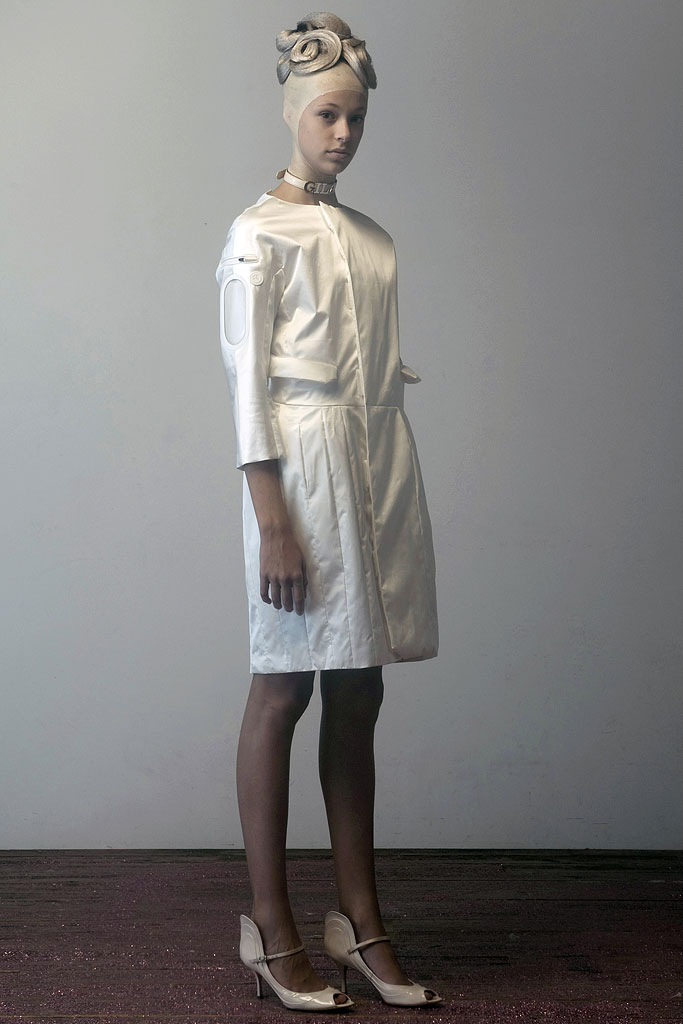
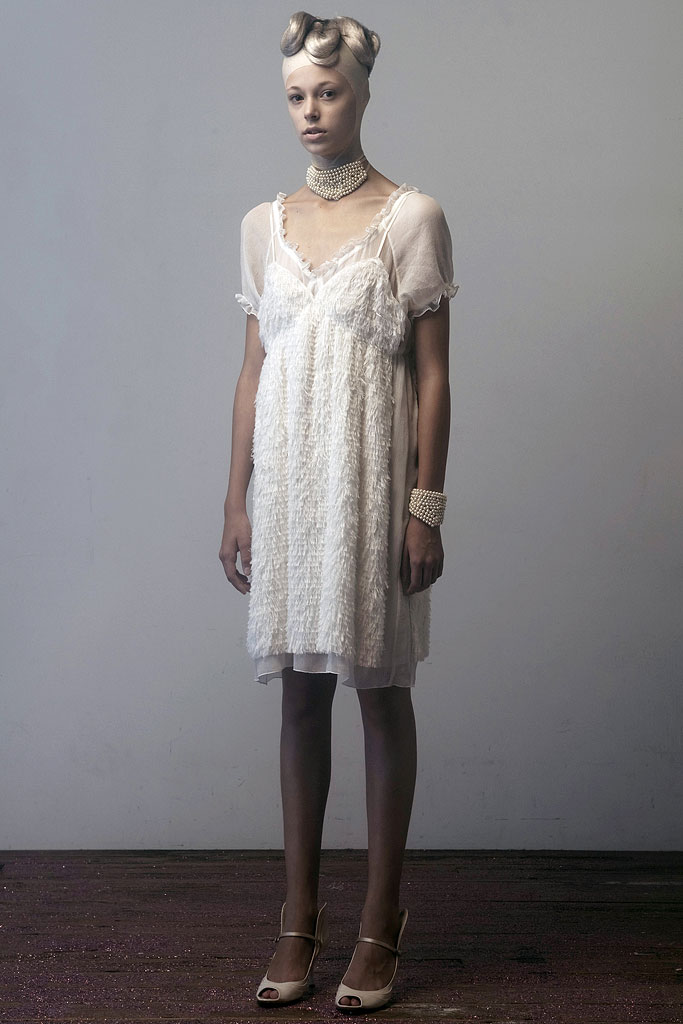
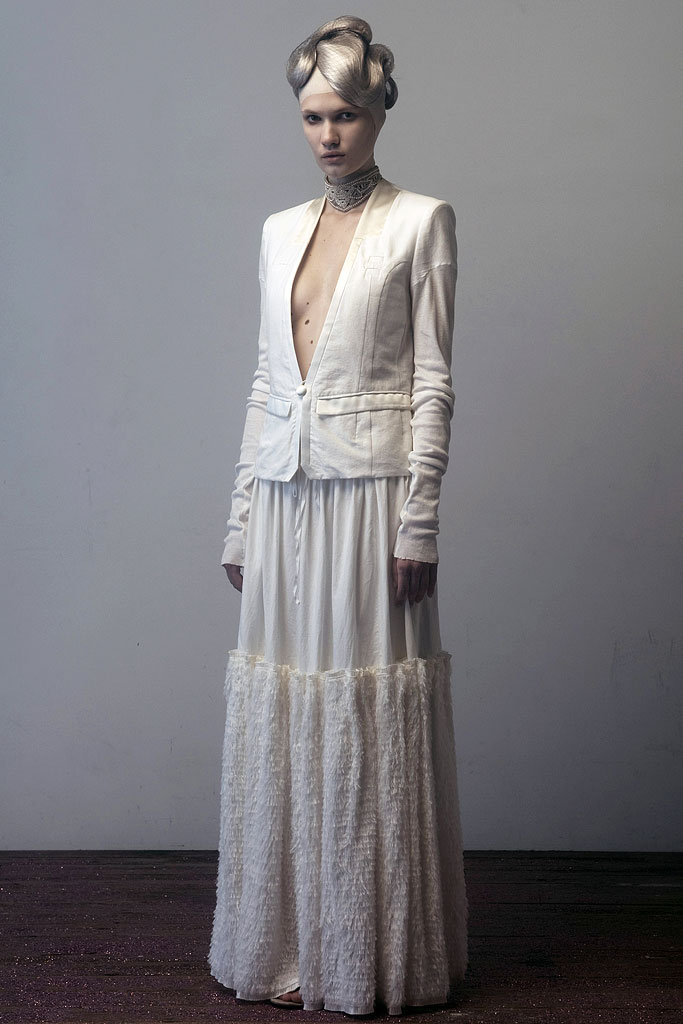
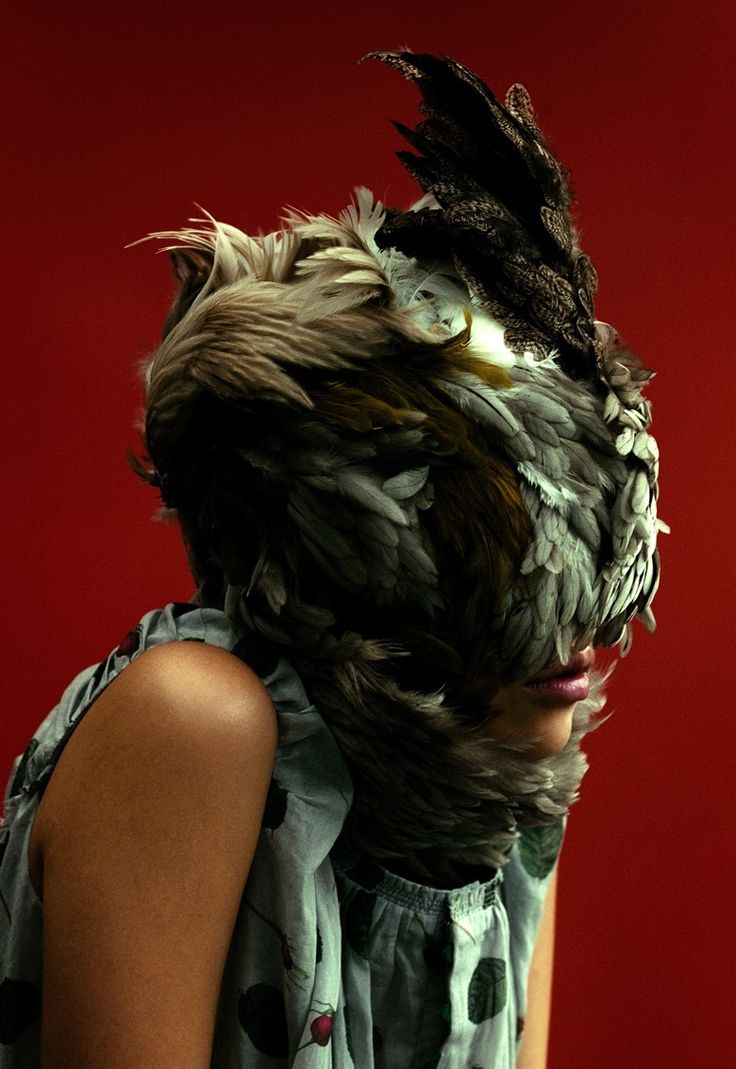
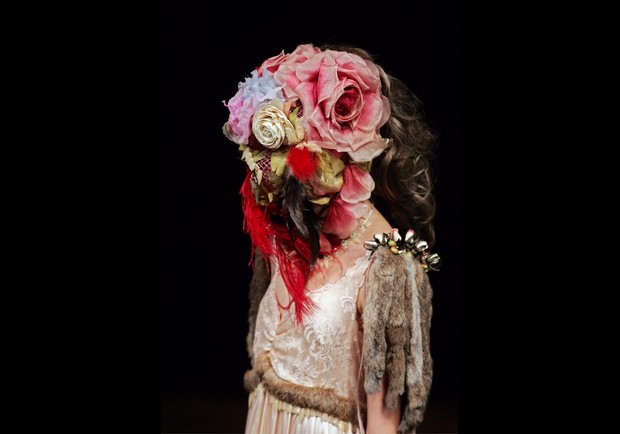
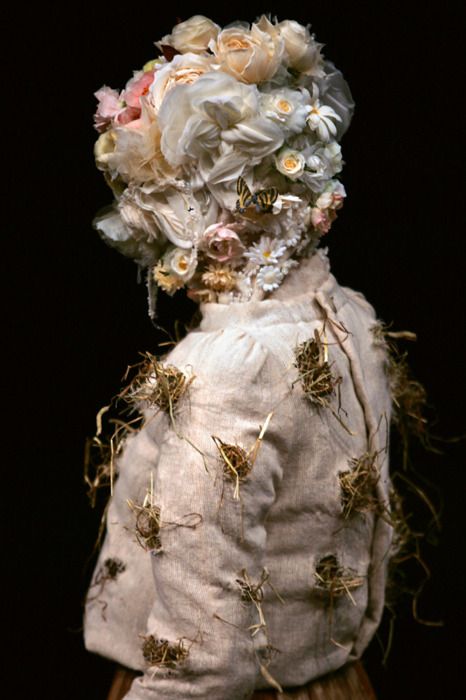
Runway Headpieces
.
info official website: http://www.undercoverism.com/
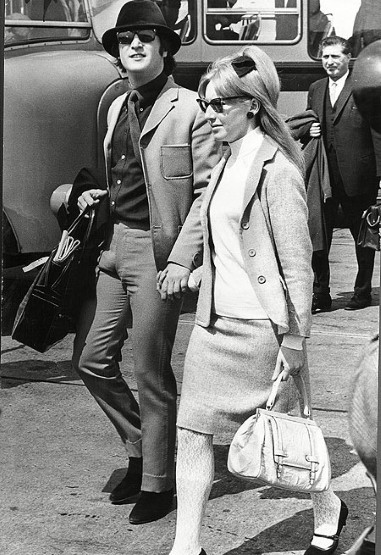
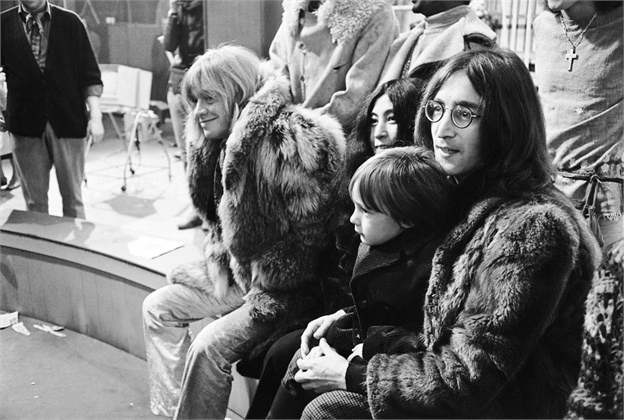
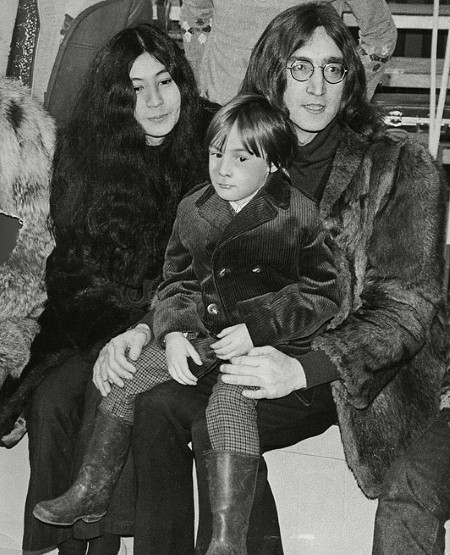
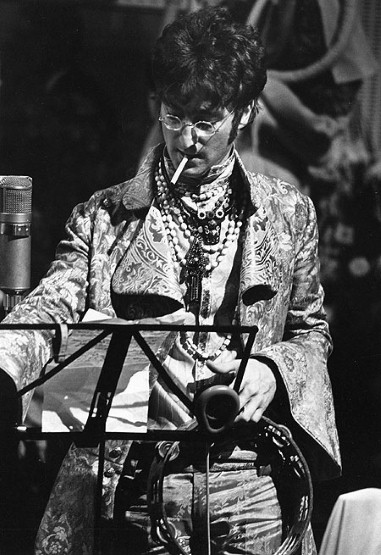
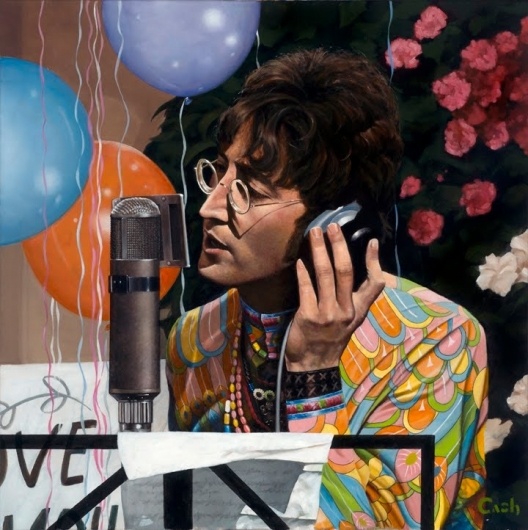
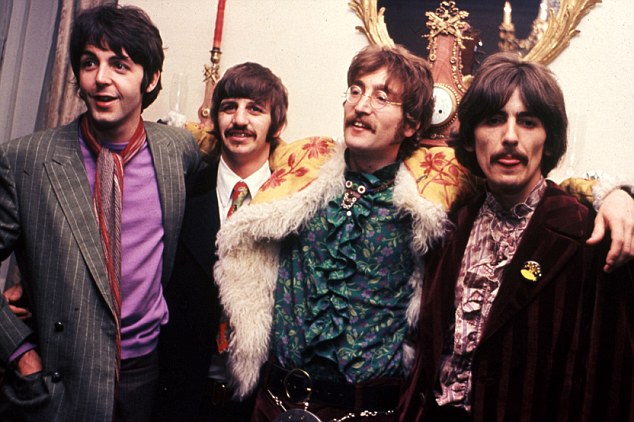
John Lennon is notoriously known as an eternal style icon and infamous music legend. He defined and in the opinion of many, created the profound relationship between music and fashion. He will forever remembered by not only his revolutionary music but for his ever-changing, always inspiring personal style.
.
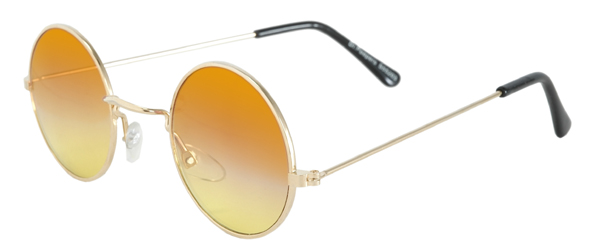
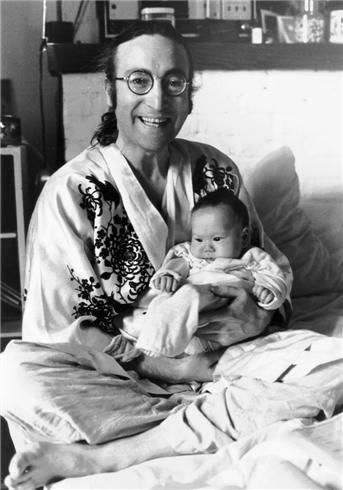
The round wire-rimmed style of glasses will forever be associated with John Lennon, but in the early years of The Beatles John didn’t think wearing glasses was cool enough for a rock star. It wasn’t until after he wore the round framed glasses for his role in the 1967 film “How I Won The War” that he started to wear them regularly in public.
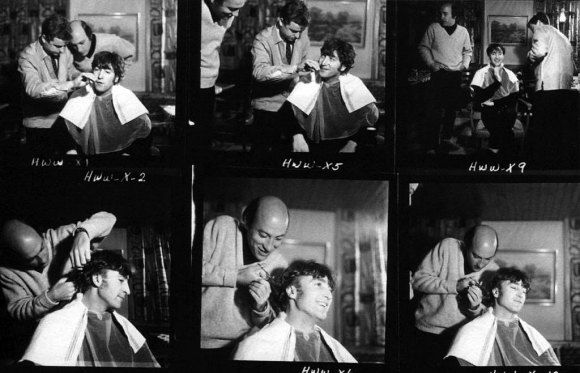
In preparation for his role as Richard Lester, John was given an army-style haircut and a pair of new glasses to wear. John’s haircut took place in the breakfast room of the bar The Inn On The Heath hotel in Celle, near Hanover, West Germany. The short-back-and-sides, performed by 28-year-old German hairdresser Klaus Baruch, made headlines around the world. Baruch shaved off John’s sideburns, swept back his fringe and greased it down. The cut hair was later burnt to prevent it being sold.
Although the hairstyle proved a temporary measure, the old-fashioned round National Health ‘granny’ glasses quickly became a trademark of his public image. They became soon fashionable and he retained the look until the end of his life.
June ’64 interview ’16 Magazine’
What do you dislike about yourself? The fact that I’m so short-sighted. Off stage I have to wear very thick glasses. On stage I can’t see the crowd, but I know they are there by their screams. The boys have a lot of fun telling me the wrong door to go through, and I often end up in a cupboard.
How did you decide on your “puddin’-basin” haircuts? Well our hair was just growing most of the time. One of us got dunked in a pool once and their hair dried in that “position.” All the rest dug it-so that was that.
What do you plan to invest your money in? I’d like to invest in a string of high-class clothes shops.
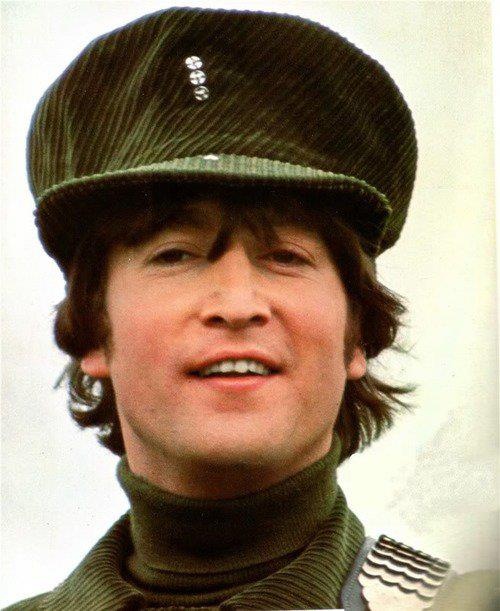
What kind of clothes do you like to wear? Neat lines in dark shades. I love suede, leather and cord.
What kind of clothes do you dislike? Baggy things or anything in a bright colour.
Teddy boy with leather jacket & pompadour
“puddin’-basin” pop look and Buddy Holly like glasses
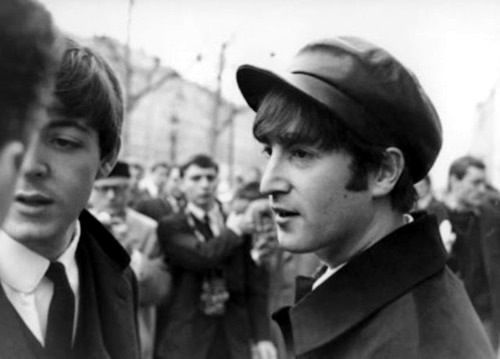
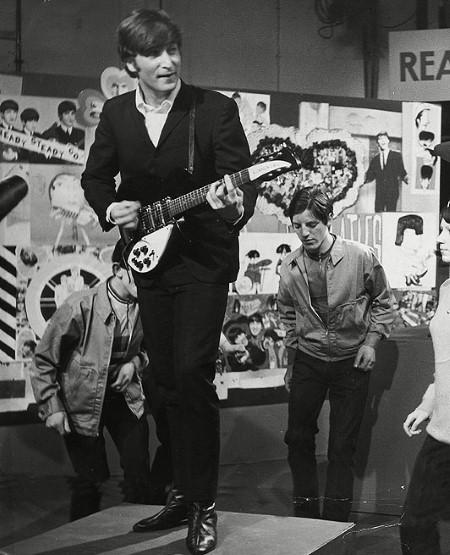
John himself wasn’t the trend-setter of all his iconic styles, his looks were also inspired by others. Back in the day before The Beatles, the “teddy-boy” look was the in-thing and John adorned a leather jacket and a pompadour hair-do. Then came the mop-head a.k.a the “puddin’-basin” pop look. The psychedelic hippie movement came next, followed the avant-garde hipster scene.
Before he took to his classic look of round specs, he would sometimes were Buddy Holly-esk horn rim glasses. Paul also explained how John came to actually take on Buddy Holly’s persona. “John was very short-sighted. He wore glasses, but he would only wear them in private. Until Buddy Holly arrived on the scene he would never get them out because he felt like an idiot, with his big horn-rimmed glasses…But when Buddy came out, the glasses came out too. John could go on stage and see who he was playing to. In our imaginations back then, John was Buddy and I was Little Richard or Elvis. You’re always somebody when you start.”
So whether John’s iconic style was inspired or original, John Lennon a style Icon!
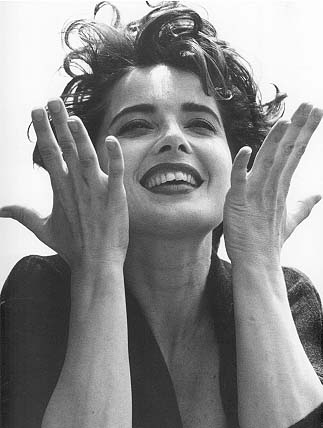
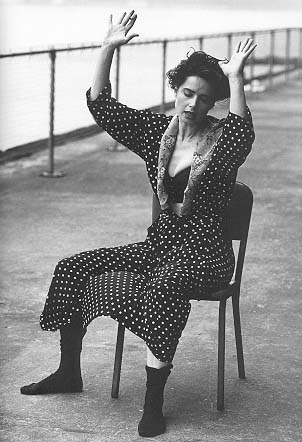
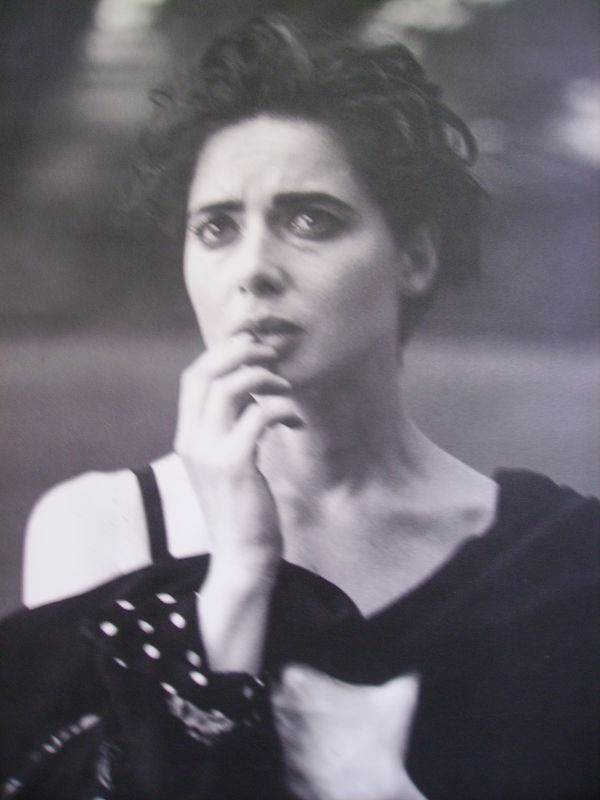
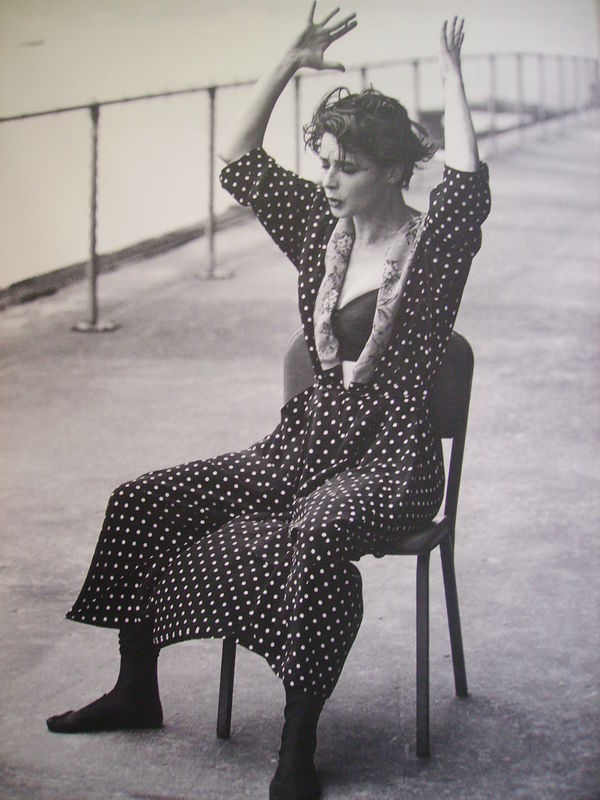
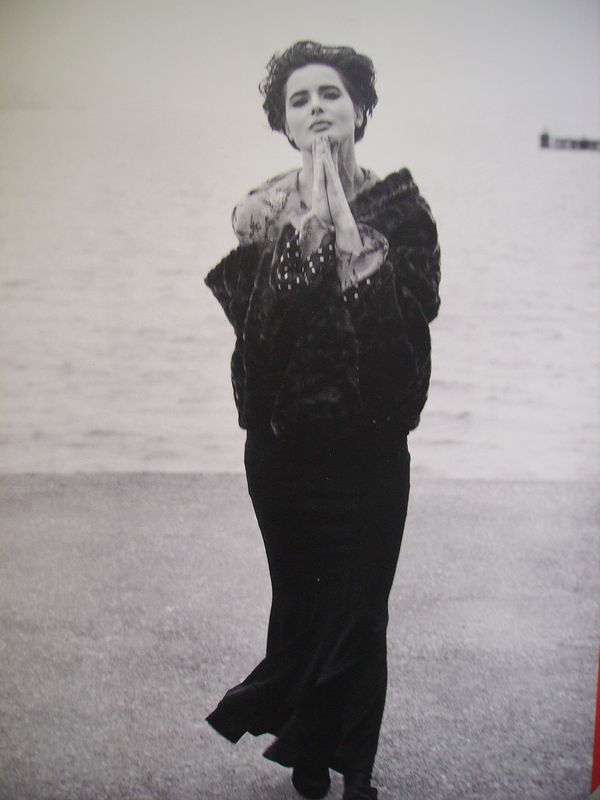
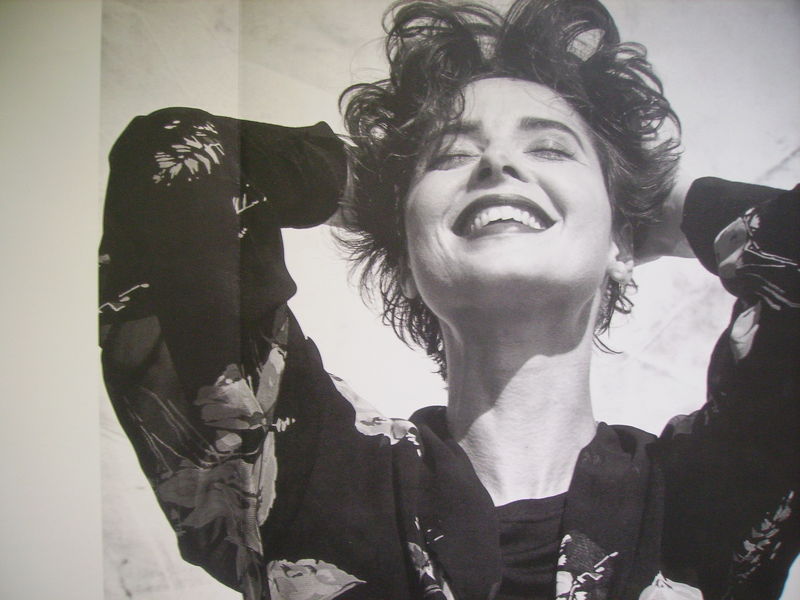
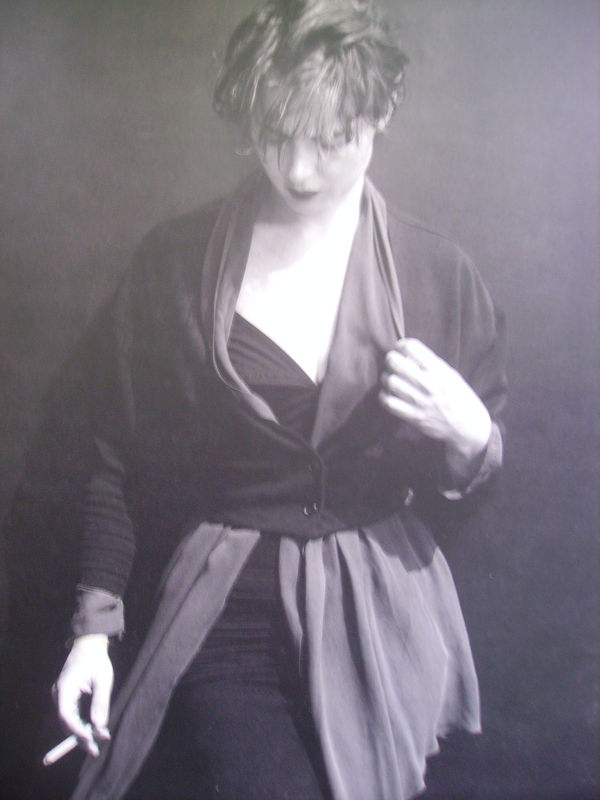
Leaving their native Italian soil to land in Manhattan with a collection packed in suitcases, Domenico Dolce and Stefano Gabanna had asked Steven Meisel to photograph their next campaign. Steven wanted to convey emotions and the clothes to accentuate Isabella Rosselini’s attitudes.
Her crying, her laughing, got the drama out of very genuine designs. The photographs were a new approach to a fashion campaign. And who better than Isabella could reveal the neorealist influence in Dolce&Gabbana’s creations; her father Roberto Rossellini invented it somehow.
A strong connection between the designers and their muse plus a confidence in Steven Meisel’s photographic eye made it happen.
Fall/Winter 89-90 was characterised by the simplicity and femininity expressed in their first ever embroidered corsets to become part of their trademark and by a stronger and more underlined sex appeal for an interpreted version of Anna Magnani.
.
20 Years Dolce & Gabbana
To celebrate their twentieth anniversary, Italian designers Dolce & Gabbana feature their most significant fashion moments in this luxurious book. Known for their contemporary fashion with a strong Mediterranean identity, Dolce & Gabbana’s style is sensual and unique with the utmost attention to quality and detail. Adored by Hollywood elite and pop stars around the globe, their creations convey a message in a universal language. 20 Years Dolce & Gabbana is a collection of memories and iconic images that mark each step of their evolution. The book features images from photographers such as Steven Meisel, Mario Sorrenti, Ferdinando Scianna among others and models of the likes of Gisele, Linda Evangelista, Isabella Rossellini and Marpessa.
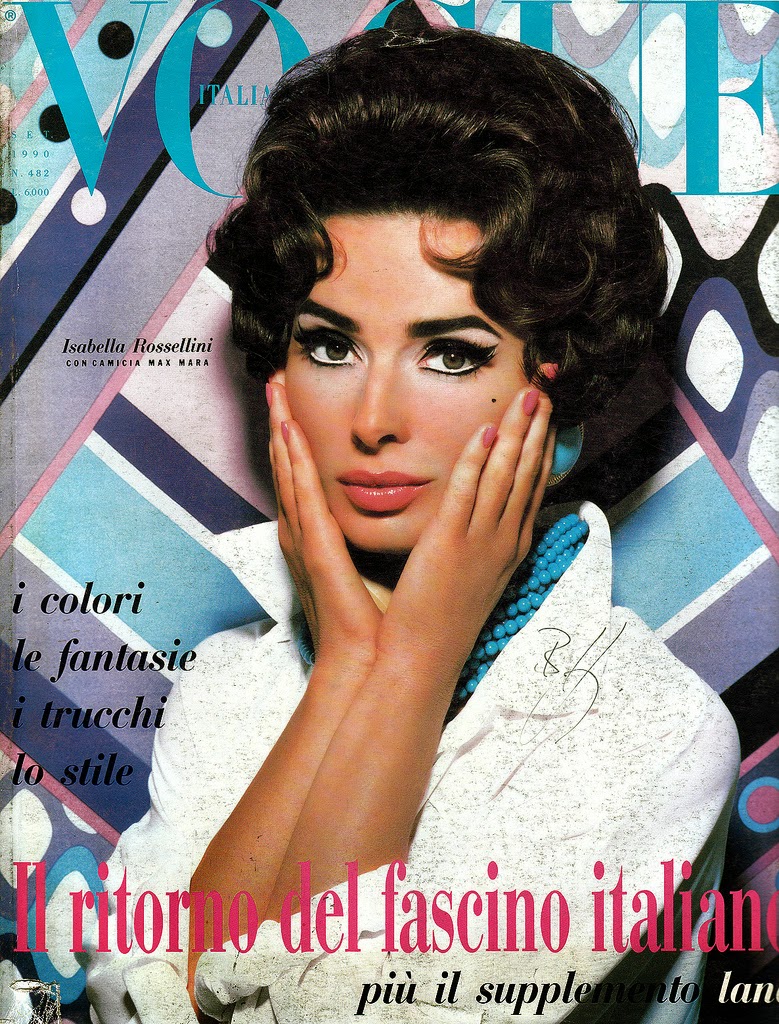
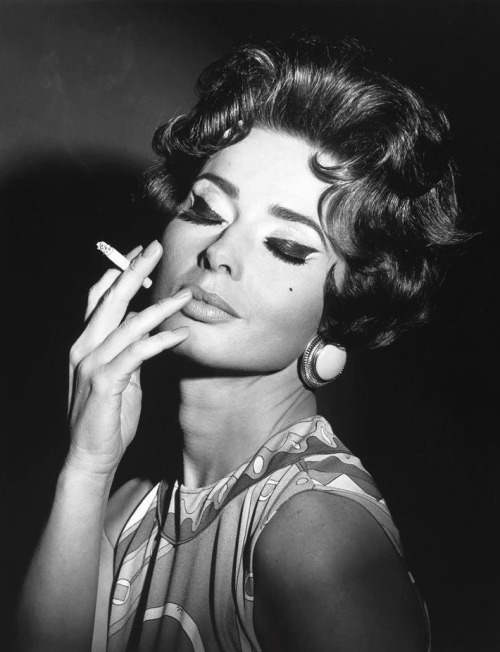
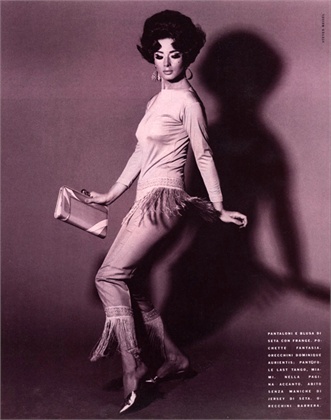
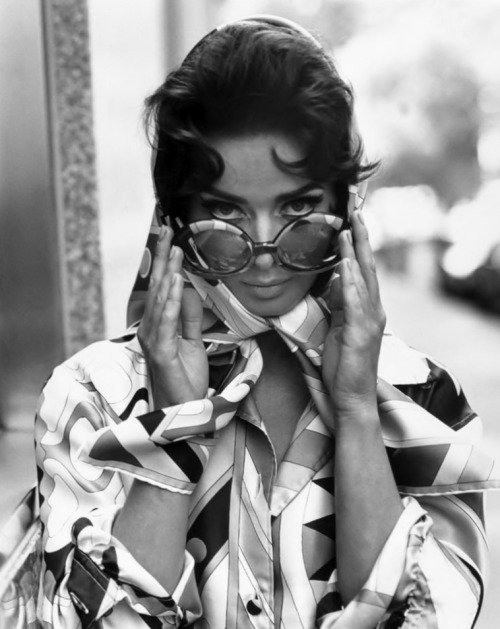
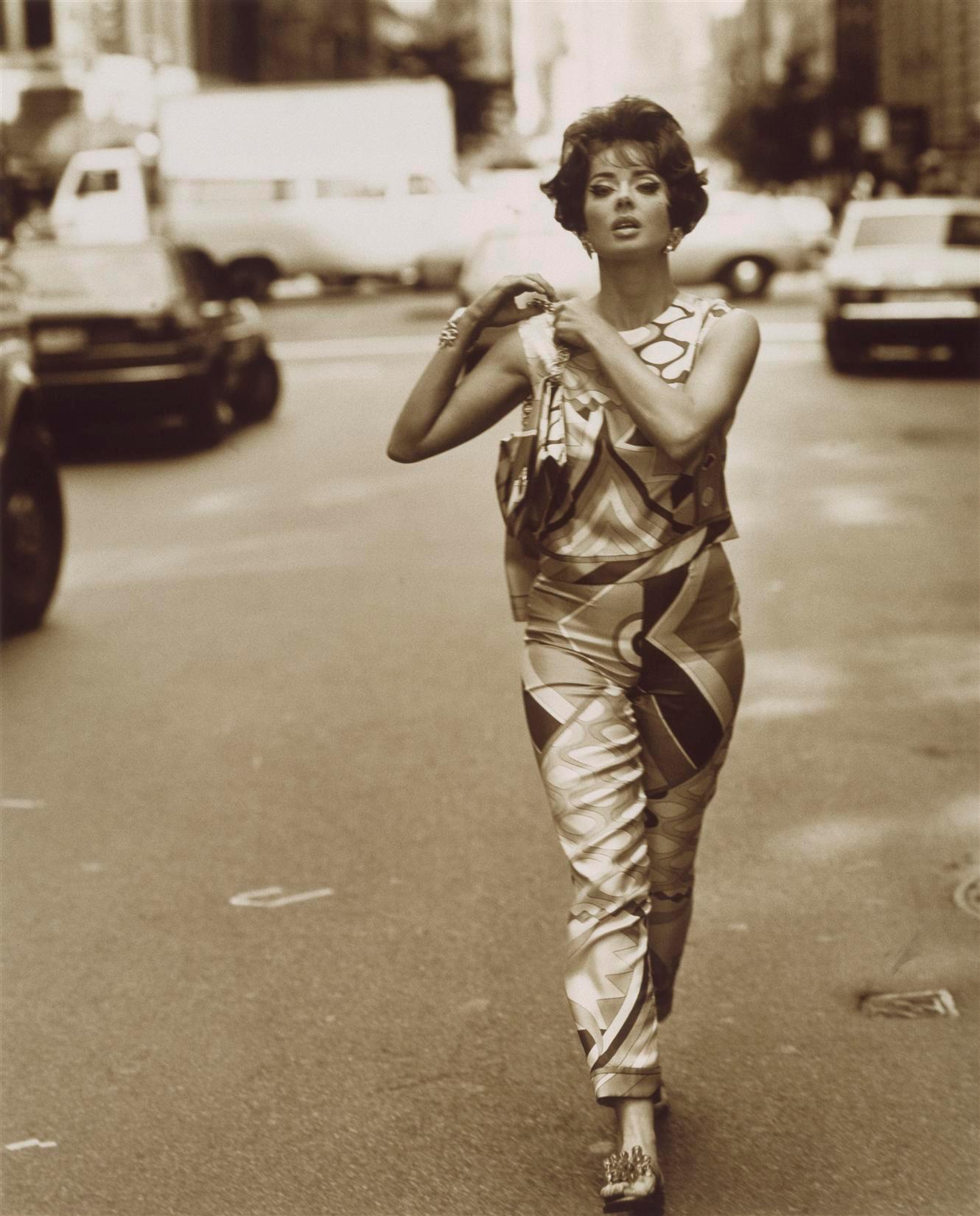
One of those iconic photoshoots for Vogue Italia by Steven Meisel, modelled by Isabella Rossellini. A tribute to the collections by Emilio Pucci, Marchese di Barsento (20 November 1914 – 29 November 1992) who was a Italian fashion designer and politician. He and his eponymous company are synonymous with geometric prints in a kaleidoscope of colours.
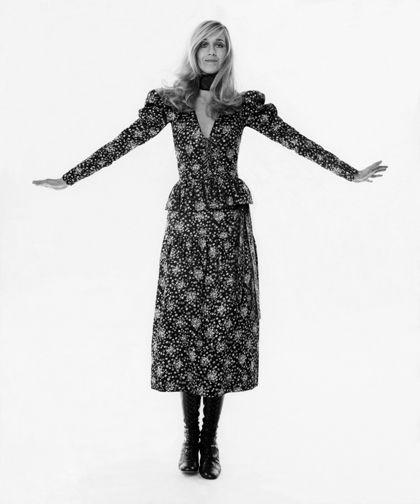
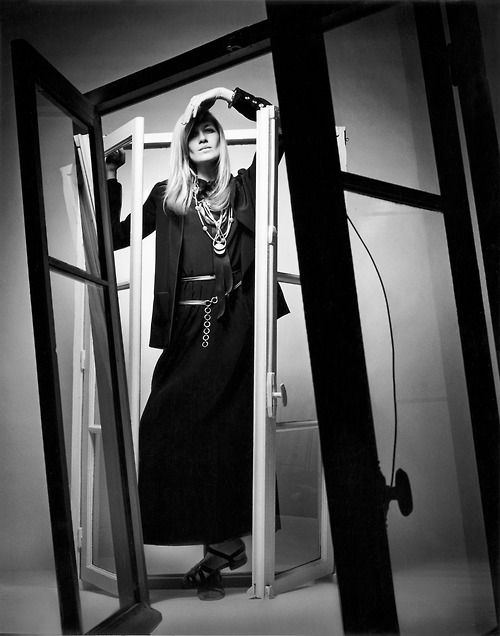
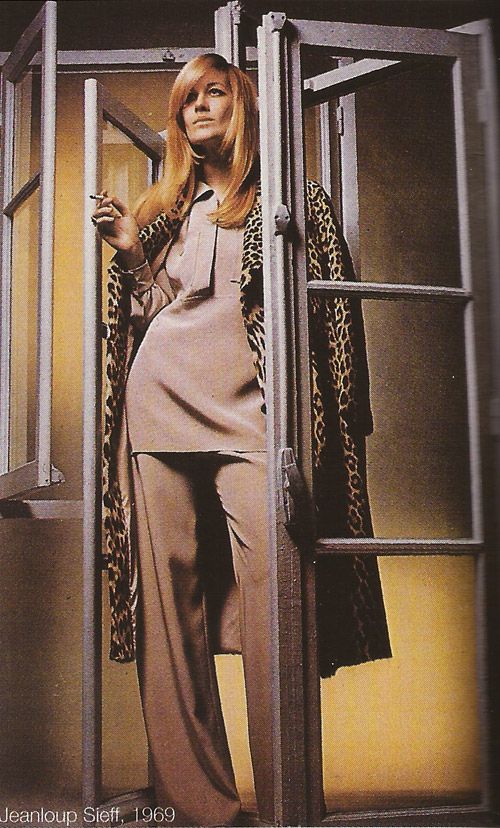
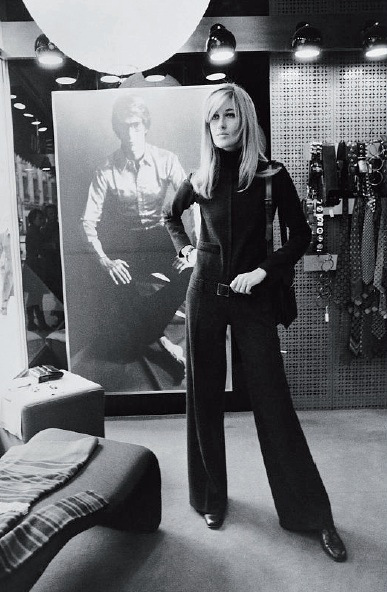
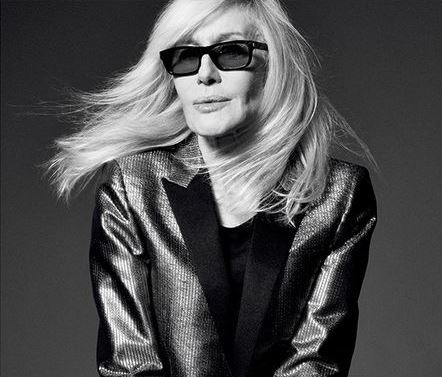
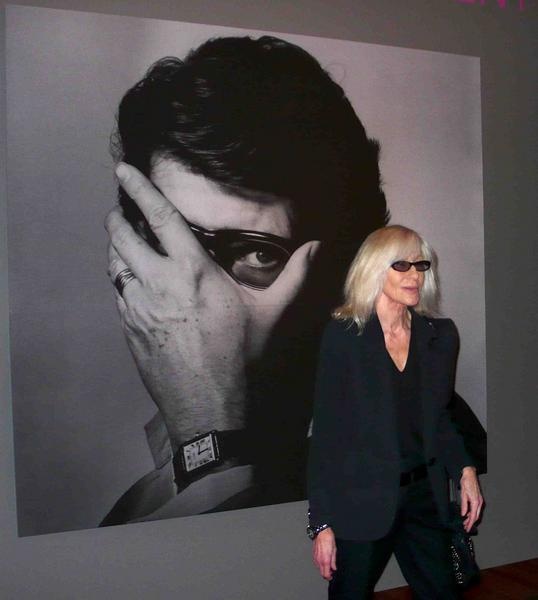
Yves Saint Laurent has called her his twin sister and referred to her as his female incarnation. Tom Ford was so inspired by her that he dedicated his debut YSL Rive Gauche collection to her. When asked about her fashion sense, Catroux said that she has “dressed the same way practically since I was born. I don’t dress as a woman. I’m not interested in fashion at all.”
Catroux is famed for her long white-blond hair, lanky body, gaunt features, and androgynous appearance. Catroux and Saint Laurent met, according to her, in Regine’s, a “very, very gay” nightclub in Paris, in the 1960s. They had a friendly relationship until his death. Reminiscing on their friendship, Catroux said: “I had a fairytale life with him.”
She was born in 1945, the only child of Carmen Saint, a Brazil-born French socialite and Elim O’Shaughnessy (1907-1966), an American diplomat.
In 1968, Betty Saint married French interior decorator François Catroux, a grandson of General Georges Catroux. The couple have two daughters: Maxime and Daphné.
About Yves Saint Laurent
“Love at first sight. An extraordinary meeting of minds. Yves was a big brother figure, we shared identical streaks of laid-back self-destructiveness and from moral and psychological points of view, we were absolutely identical. We were tremendous together, and bipolar, as it’s now known, always up and down. And of course, we were both anti-bourgeois and decadent to our cores.”
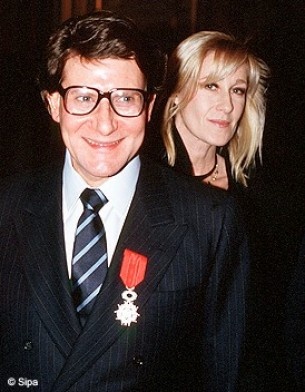
Betty & Yves Saint Laurent
Yves & Betty 1996
Interview
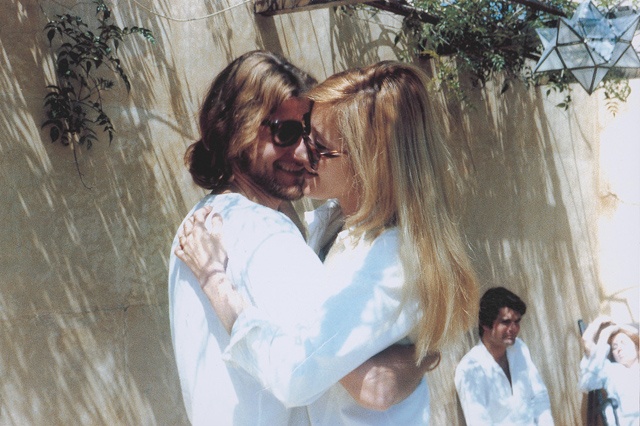
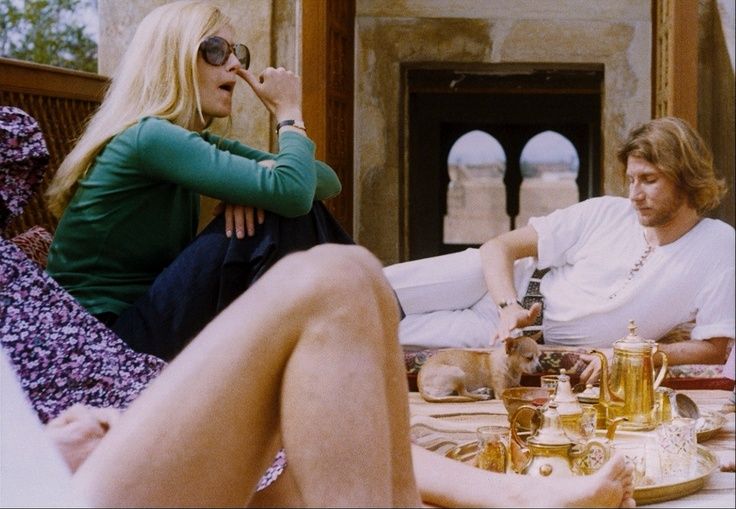
Betty is Betty, a unique and enigmatic character in the rarefied world of Parisian fashion and style. La Catroux began her dreamlike odyssey as a tall, sinuous teenager, looking much as she does now: an androgynous figure in basic black jacket, pants and crisp white shirt; a beauty among other great sixties beauties like Anita Pallenberg, Marianne Faithfull, Loulou de la Falaise, Jane Birkin. Careless of her sex but certain of her sensuality, she drew men to her like filings to a magnet. Among them was the legendary couturier Yves Saint Laurent, then in the early stages of his incredible career.
They met at Regine’s, the gayest nightclub in Paris. Their first encounter was an electric fusion of artist and muse – Yves immediately recognised his female counterpart. Betty’s physical proportions fit the supple, flowing line that Yves etched in the air and reproduced on women’s bodies, a line that magically transformed the women who wore his clothes. “Yves picked me up in a nightclub!” she recalls. “It was coup de foudre when we met, and we never left each other. After that we only lived for fun, two of us against the world. We hated normal life!”
Yves Saint Laurent and Muses Loulou de la Falaise & Betty Catroux
Betty had already modelled at the tender age of 17 for an ageing Coco Chanel, but when she met Yves – her true double in body and soul – she refused to work for him. She just wanted to have fun, and her agile mind was an equal match for his slightly twisted sense of humour, his eccentric worldview. It was the swinging sixties, and by the following year – 1968 – even the French were kicking out the jams. University students were pulling up the paving stones of old Paris (“the beach beneath the street”) and hurling them at the cops, inspiring Yves and others with their faux revolution – even though Yves was relaxing in Marrakech when the events of May ’68 took place. When he got back to Paris he saw that the world had changed, and he rapidly translated this new energy into fresh creations. 1968 was also the year that Betty married interior designer Pierre Catroux, with whom she has two daughters, and who has patiently indulged her eccentricities for over forty years.
Betty’s brief stay at Chanel had taught her how to avoid the vituperative jujitsu of a couture house, with all its backbiting, favouritism, malicious gossip; the real and imagined slights, sleights of hand, handouts; the hands in your pants. She rarely went to the YSL headquarters on Rue Spontini, where the business of fashion took place; she insisted on spending only playtime with Yves.
Betty wearing Yves Saint Laurent
The call of the wild hippie trail didn’t appeal to her. If she went to Morocco or Kathmandu it would be in grand style, not with a sleeping bag. She didn’t follow any fashion except her own; faithful to her black smoking jackets and long, slim pants. “We liked the hippie mentality, but since we loved luxury their lifestyle was not for us! It just meant more freedom and rebellion.” The sixties raved on into the seventies and Yves’ reputation expanded worldwide. For a few years he seemed genuinely possessed by the Muse, as well as possessing entirely the muses who surrounded him. Brilliant ideas simply poured out of him, and many were immediately copied and appropriated by a hundred other frock-makers. Betty was always present, through the years of super-highs and excruciating lows. They even went to rehab together, lounging in a fancy private clinic in Neuilly, passing notes to each other via a cooperative nurse.
“The place in Provence is paradise, but I don’t participate in anything material; I just sit among the shades of green and lavender and a few white roses. Provence has not changed; you always feel peaceful and far from the world, and there is beauty everywhere.” As for fashion, despite being a permanent member of a great couturier’s inner circle for 35 years, she claims to have less interest in fashion than ever. “I stopped at Tom Ford and Hedi Slimane,” she says enigmatically.
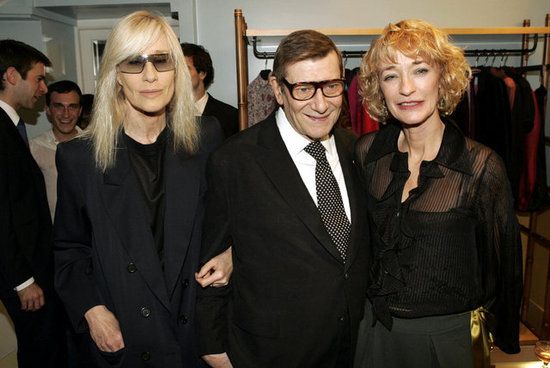
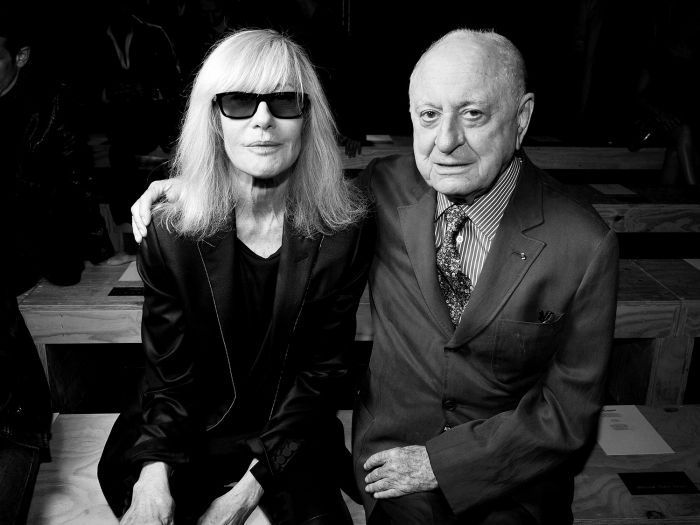
Betty & Pierre Bergé
Pierre Bergé (left), Yves, unknown man & Betty in 1968
Betty & Pierre (2013) at Saint Laurent show.
Betty still talks to Yves every night, toasting his portrait with a glass of fine champagne. The painting, by Andy Warhol, was a gift from Yves’ companion, Pierre Berge, after the designer’s death. Pierre and Betty are close now, but it took her about 30 years to convince him that, despite appearances, she was not, and never would be, a bad influence on Yves. She has been true to her word.
In 1976, when Halston’s lover Victor Hugo asked Betty what she did, she famously replied, “Nothing.” Thirty-five years later, her answer has not changed. Betty defines ‘doing nothing’ as “having no obligations, not having to work … I do what I want, when I want; I am completely free, in spite of being a kept woman – by my husband, and by Yves and Pierre Berge. Paris is still the best place to do nothing. It doesn’t have the same energy as New York, but has much more charm.” You might catch a glimpse of Betty strolling through her neighbourhood on the Rive Gauche, gracefully doing nothing on a daily basis. Yet, for such an existentialist, she seems very content. Perhaps it stems from three decades of being incessantly light and carefree around a manic-depressive genius. Even if she never worked a day in her life, she has done a terrific job so far.
Soon the first collections by John Galliano for Maison Martin Margiela will be presented and like many I am very curious about his approach to MMM. What an exiting choice, John Galliano as creative director!
Galliano’s first show, for the “artisanal line” will be held during Paris couture week in January (2015). The artisanal line is the house’s closest thing to haute couture. And doubtless, it’ll get closer, what with the wisdom of fifteen years experience of Christian Dior’s couture that Galliano brings with him.
.
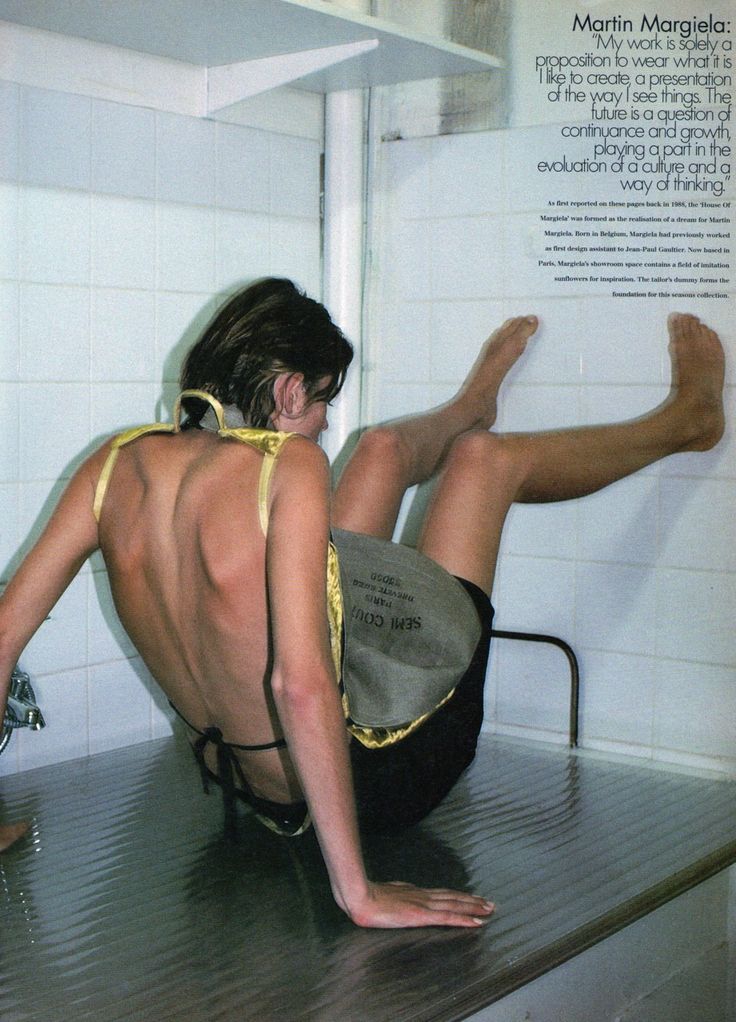
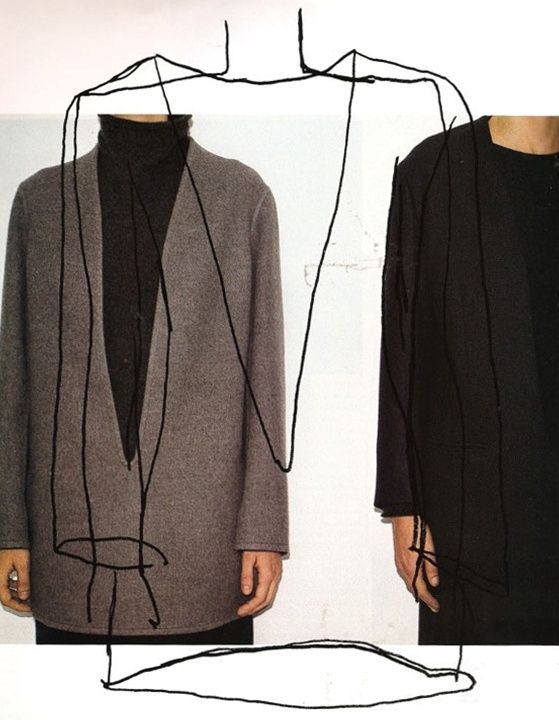
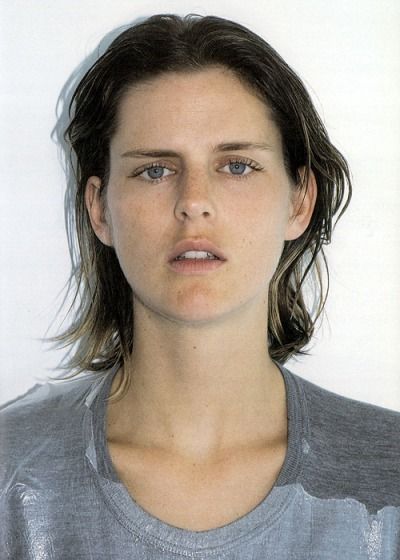
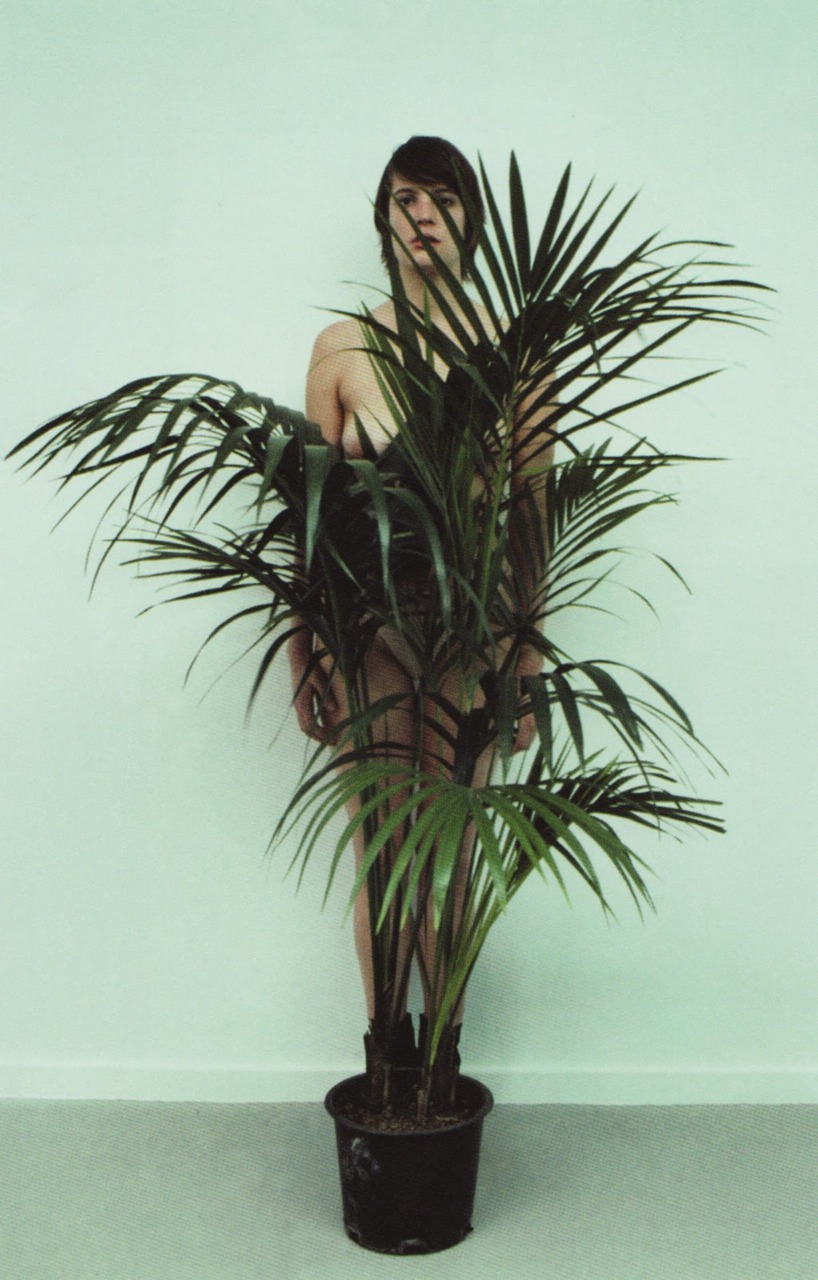
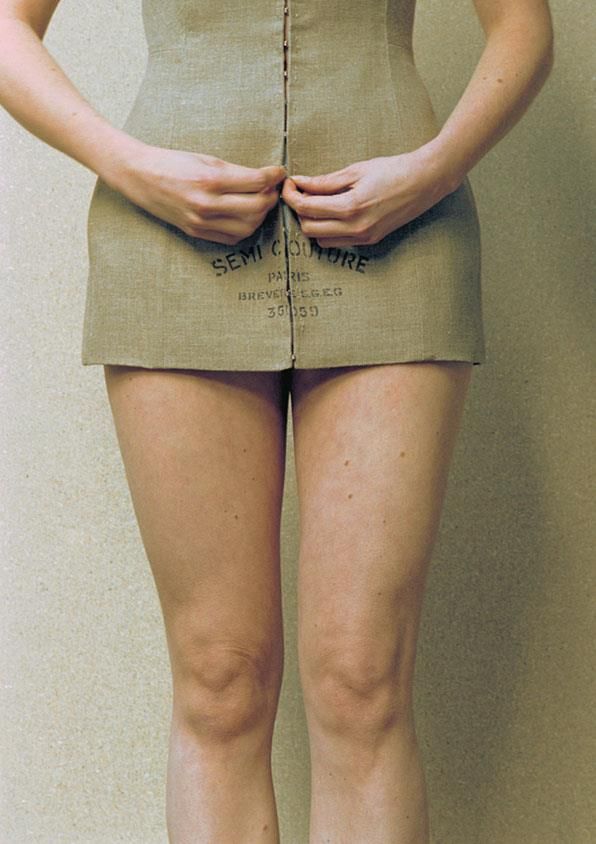
For this post I returned to the beginning of MMM and the collaboration with British photographer Mark Borthwick…..
Offensive against the luxurious fashion world with garments of oversized proportions such as long arms, and with linings, seams and hems on the outside. The concept of deconstruction was/is important for the understanding of Margiela’s fashion statement.
Borthwick’s photos were/are often minimal and crisp, yet somewhat ‘blown-out’ in terms of colour saturation (brightness).
.
i-D, The Outlook Issue, April 1997
..
‘Size 74 Collection’ , Purple magazine 2000
.
Amber’s New clothes, Nylon Magazine 2000
.
Hermès by Martin Margiela
Jutta Koether in Hermès by Martin Margiela
.
Hermès by Martin Margiela, Harper’s Bazaar June 1998
.
Book
‘2000-1’ Maison Martin Margiela by Mark Borthwick
For this collaboration Mark Borthwick was invited to freely interpret the Fall/Winter 1998/99 fashion collection of Martin Margiela. Margiela’s understated clothes are the perfect compliment to Borthwick’s photographic sensibility, Mark Borthwick has re-invigorated contemporary fashion photography and successfully merged it with art, video and design.

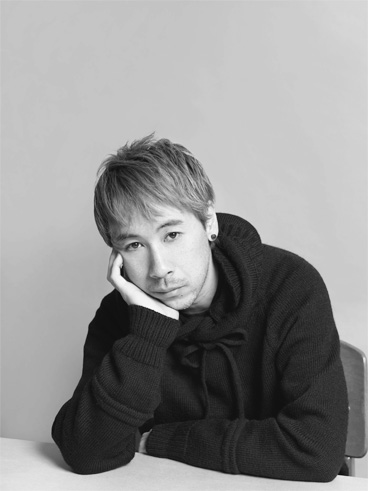 Jun Takahashi, photo by Yoshie Tominaga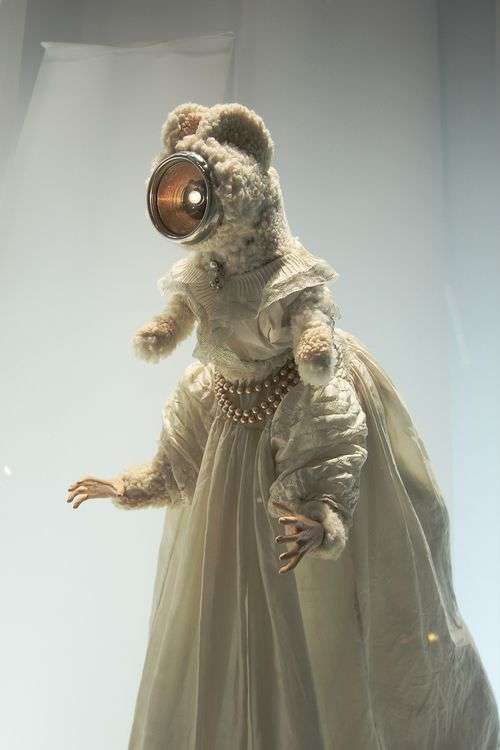
 Jun Takahashi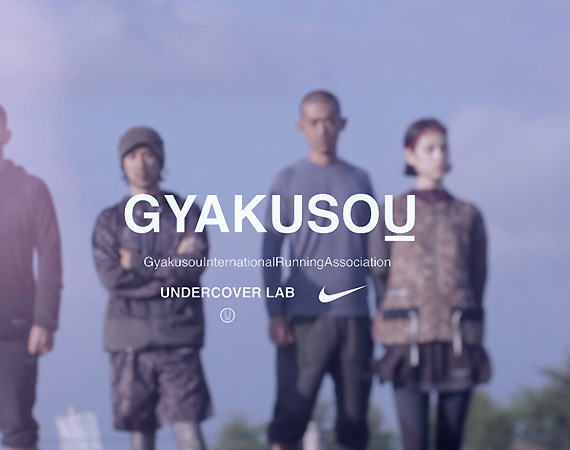
































 agnautacouture.com