


Coco Chanel once dismissed her rival as ‘that Italian artist who makes clothes.’ (To Schiaparelli, Chanel was simply ‘that milliner.’)
Elsa Schiaparelli (september 10, 1890 – november 13, 1973) was born in Rome, Italy. She studied philosophy and at the age of 22 she accepted a job as a nanny in London. Elsa led a refined life with a certain amount of luxury provided by her parents’ wealth and high social status. She believed, however, that this luxury was stifling to her art and creativity and so she removed herself from the ‘lap of luxury’ as quickly as possible. She moved first to New York City and then to Paris, combining her love of art and design to become a couturier.
She was not a trained seamstress and her interest was not merely in fashion. She was a flamboyant persona who liked interacting with artists. She designed her clothes on paper, trusting her tailors to correctly interpret them, which was not as common then as it is today.
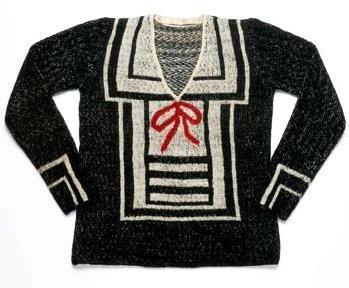

Elsa launched a collection of knitwear in 1927, after she made her first steps into fashion earlier, with some encouragement from Paul Poiret. The first collection featured sweaters with surrealist trompe l’oeil images which were published in Vogue. Her business really took off with a pattern that gave the impression of a scarf wrapped around the wearer’s neck.

Elsa’s ‘pour le Sport’ collection expanded the following year to include bathing suits, ski-wear, and linen dresses. The divided skirt, a forerunner of shorts, shocked the tennis world when worn by Lili de Alvarez at Wimbledon in 1931. She added evening wear to the collection in 1931, and the business went from strength to strength, culminating in a move from Rue de la Paix to acquiring the renowned salon of Madeleine Chéruit at 21 Place Vendôme, nicknamed the Schiap Shop.
Elsa collaborated with famous artist Jean Cocteau and Salvador Dalí to create her most significant designs. She was the most innovative and influential dress designer of the 20th century, known for her shocking designs and Surrealist influences in her haute couture. Her inventions included the color ‘Shocking Pink‘, which she made famous, the innovative use of colorful zippers, gadget accessories such as scarves of material with a newspaper print design and the clinging and attractive bias-cut dresses.
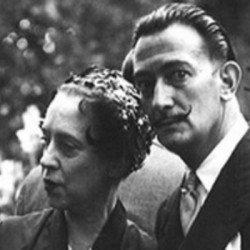
Elsa Schiaparelli & Salvador Dali
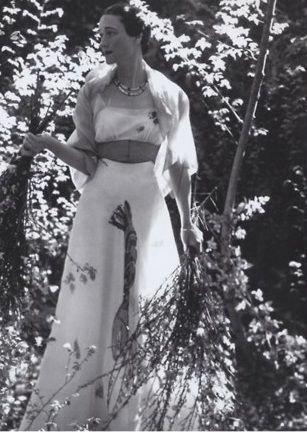
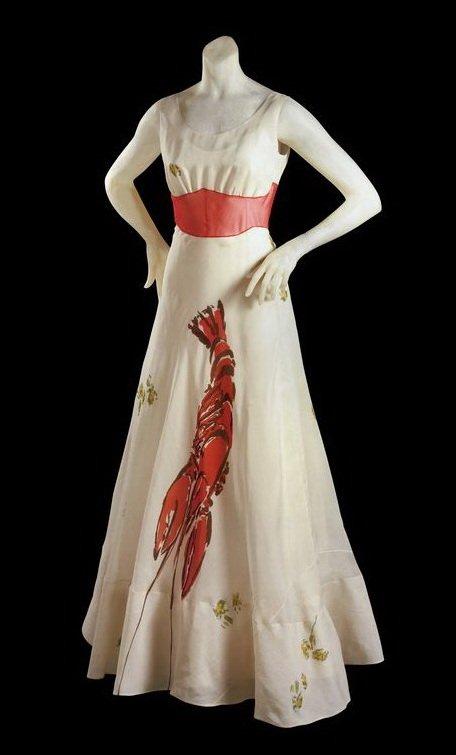

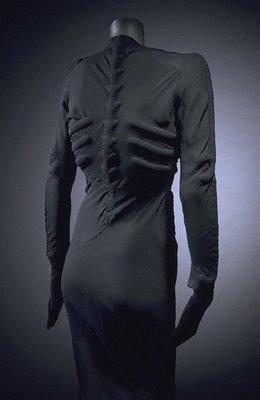
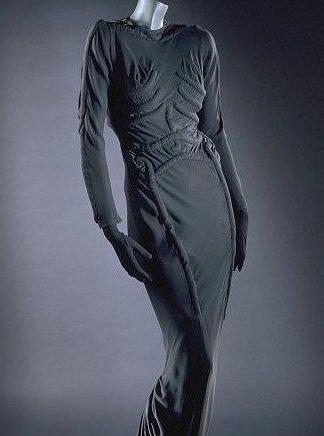

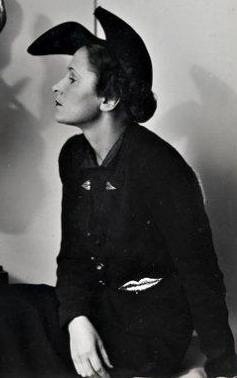
Elsa Schiaparelli & Jean Cocteau

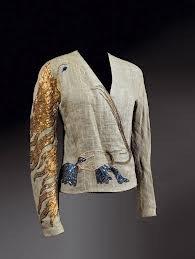
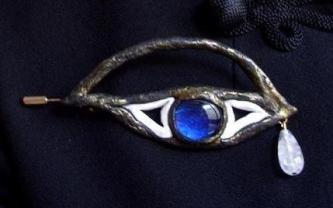
Perhaps Schiaparelli’s most important legacy was in bringing to fashion the playfulness and sense of ‘anything goes’ of the Dada and Surrealist movements. She loved to play with juxtapositions of colours, shapes and textures, and embraced the new technologies and materials of the time. With Charles Colcombet she experimented with acrylic, cellophane, a rayon jersey called “Jersela” and a rayon with metal threads called “Fildifer” – the first time synthetic materials were used in couture. Some of these innovations were not pursued further, like her 1934 “glass” cape made from Rhodophane, a transparent plastic related to cellophane. But there were more lasting innovations; Schiaparelli created wraparound dresses decades before Diane von Furstenberg and crumpled up rayon 50 years before Issey Miyake’s pleats and crinkles. In 1930 alone she created the first evening-dress with a jacket, and the first clothes with visible zippers. In fact fastenings were something of a speciality, from a jacket buttoned with silver tambourines to one with silk-covered carrots and cauliflowers.
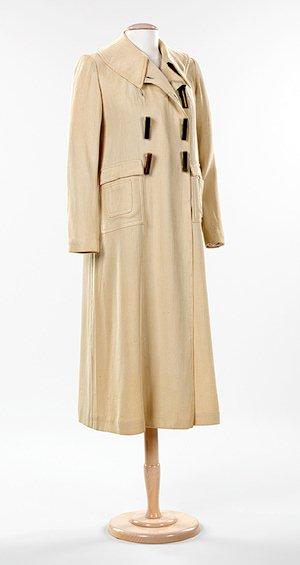
Elsa Schiaparelli clothes
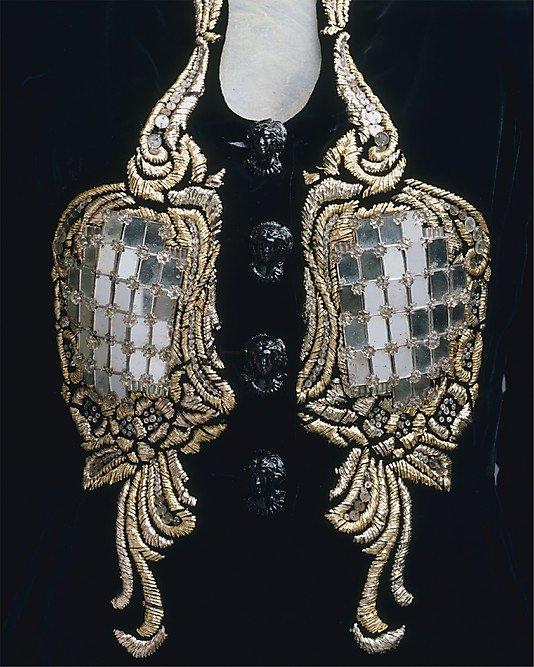

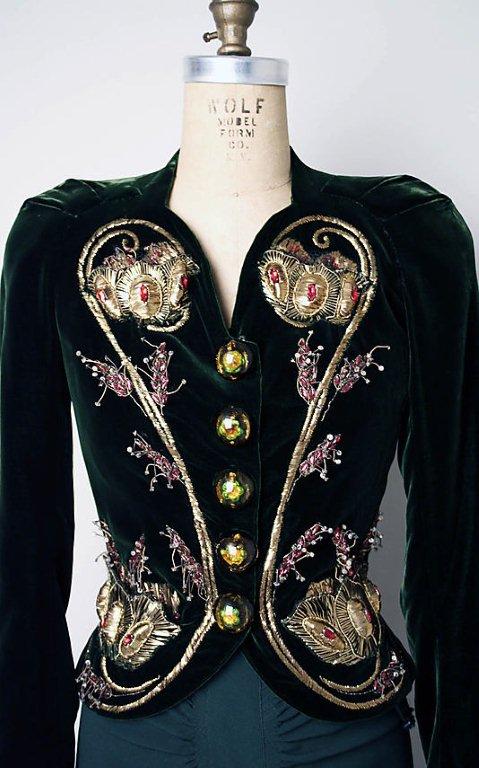


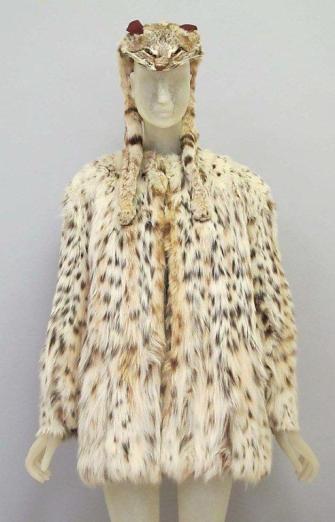
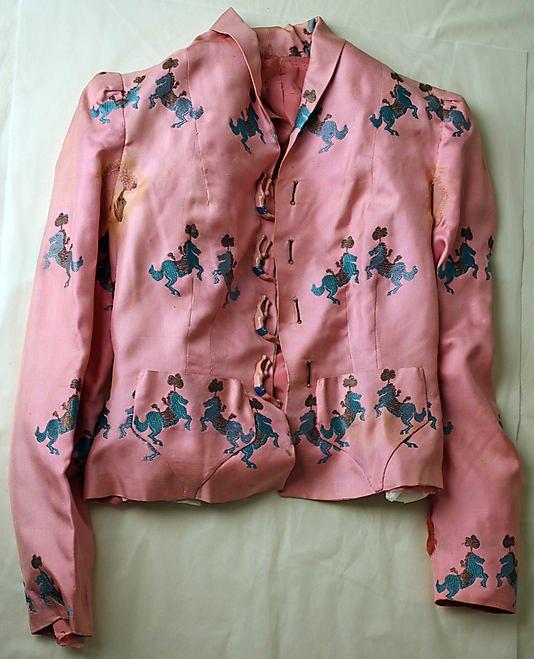


Elsa Schiaparelli accessories
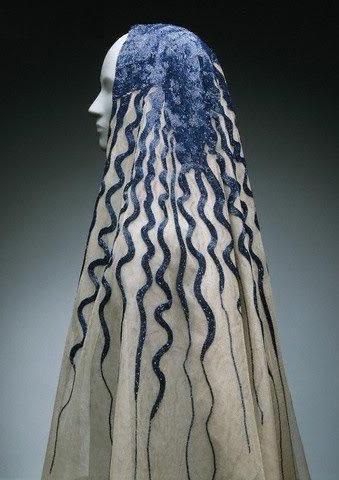
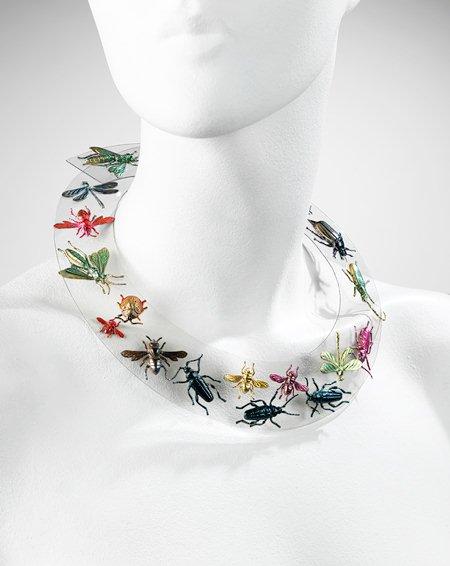
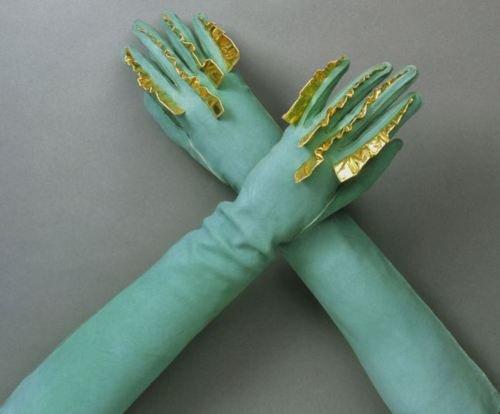

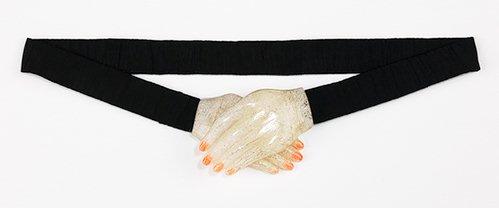
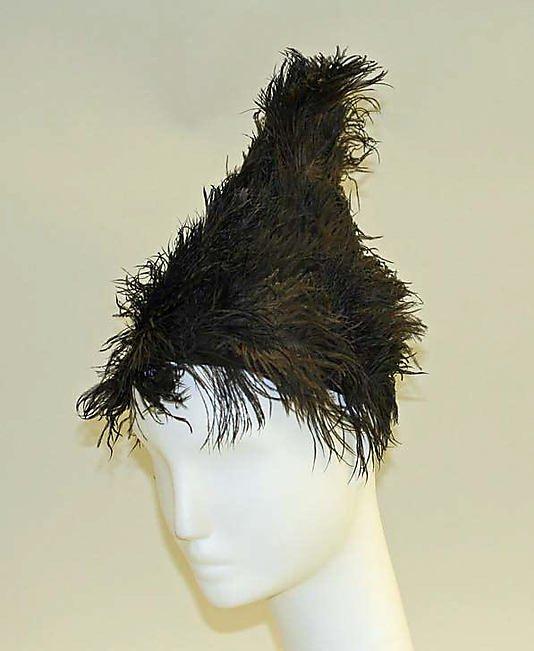
The failure of her business meant that Schiaparelli’s name is not as well-remembered as that of her great rival Coco Chanel, because she did not adapt to the changes in fashion following World War II. Soon after the fall of Paris on 14 June 1940, Elsa sailed to New York for a lecture tour; apart from a few months in Paris in early 1941, she remained in New York City until the end of the war. On her return she found that fashion had changed, with Christian Dior’s ‘New Look’ marking a rejection of pre-war fashion. The house of Schiaparelli struggled in the austerity of the post-war period, and Elsa finally closed it down in December 1954, the same year that Coco Chanel returned to the business. Aged 64, Elsa wrote her autobiography and then lived out a comfortable retirement between her apartment in Paris and house in Tunisia. She died on 13 November 1973.
Muccia Prada is inspired by Elsa Schiaparelli and surrealisme too.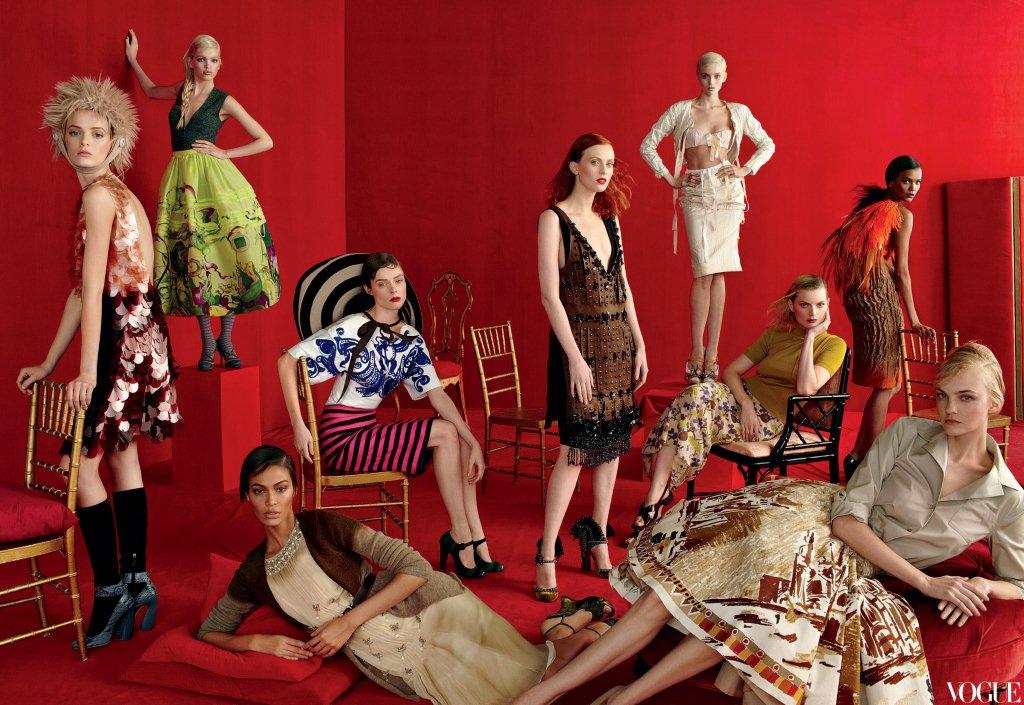
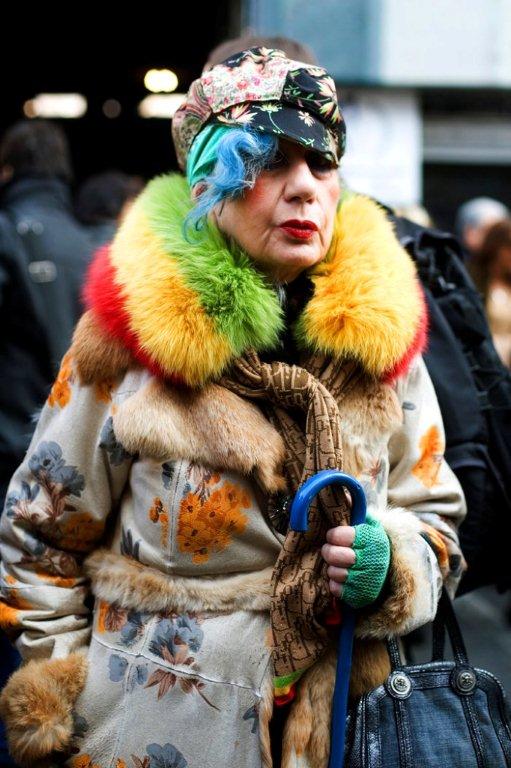
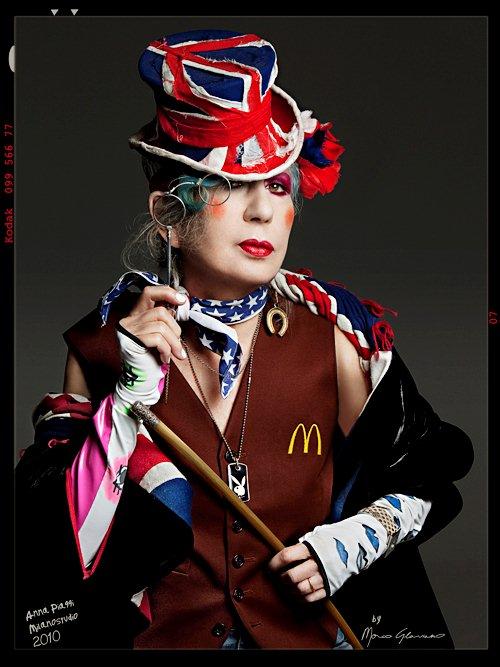

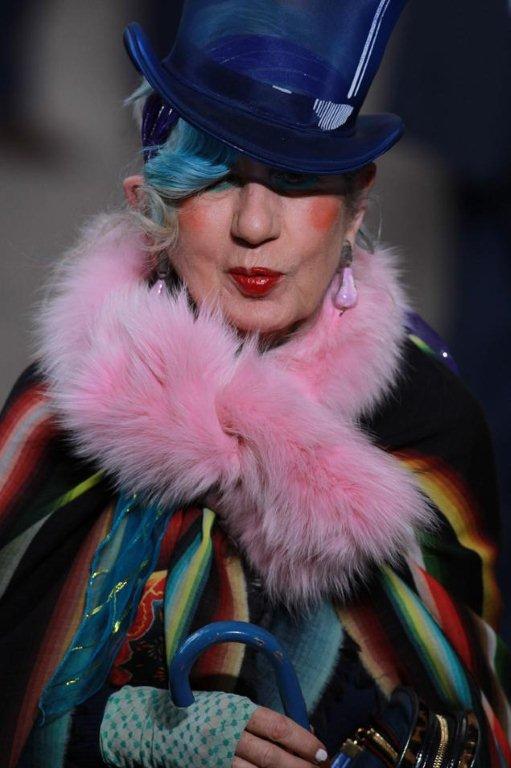
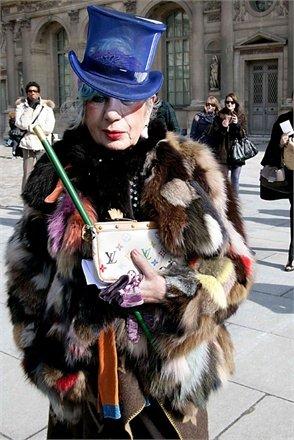
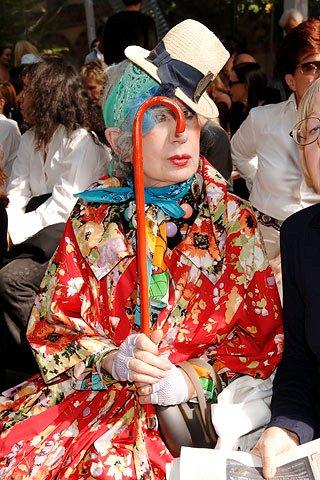
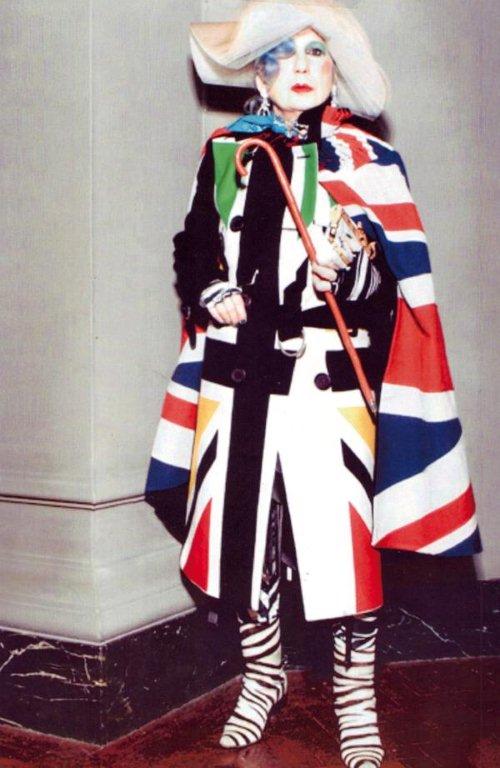
 Anna Piaggi,I will miss you!!!
I got familiar with the name Françoise Hardy at a young age, when her songs already had an impact on me. Listening to her music with my eyes closed, made me dream of Paris on a sunny Saturday morning and it still does, as I am a hopeless romantic…. Later, after seeing some of her pictures, I noticed Françoise looked stunningly beautiful in a very natural way and was incredebly stylish. Balenciaga’s Nicolas Ghesquiere names her as one of his muses. I still often listen to her music and this post is my tribute to Françoise Hardy….
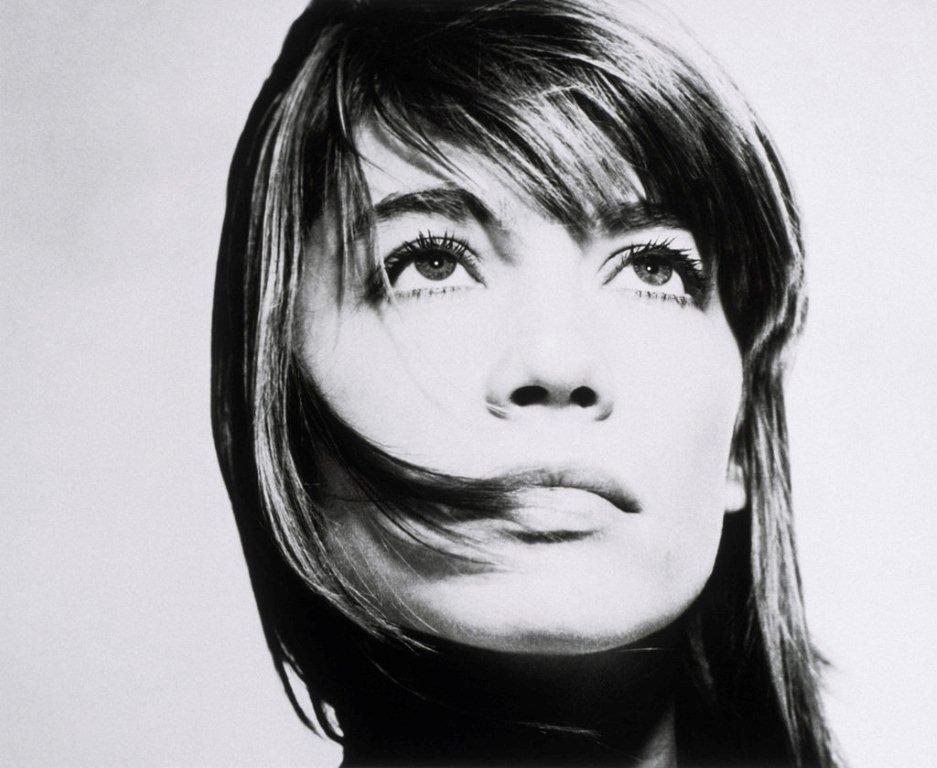
Françoise Hardy Portrets


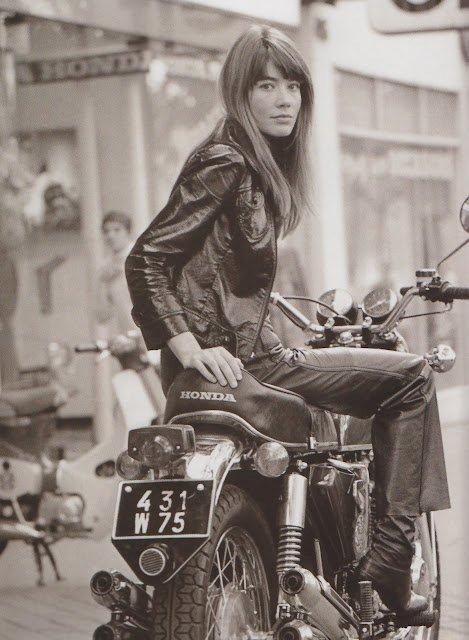

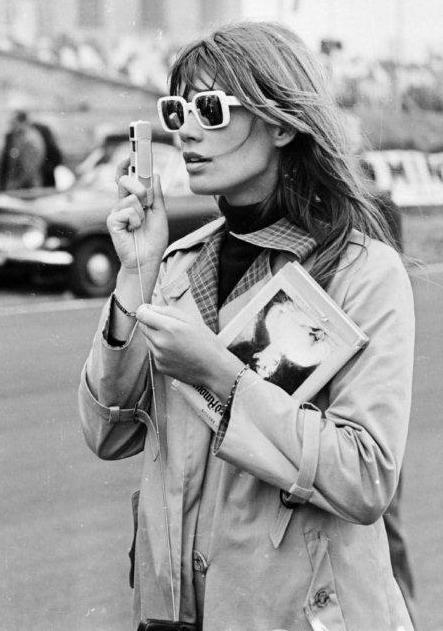
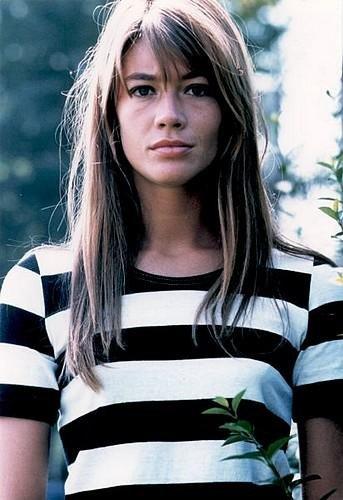

Françoise Hardy was born january 17, 1944 in Paris. Barely seventeen she answered to an ad in which the record label Vogue was looking for young singers. Françoise got signed. Her first single featured Óh Oh Chéri’ on the a-side, but it was the b-side ‘Tout les garçons et les filles’ a song she wrote herself, that was a huge success and Françoise became one of the youngsters that rode the popular ye-ye pop music wave of the sixties.
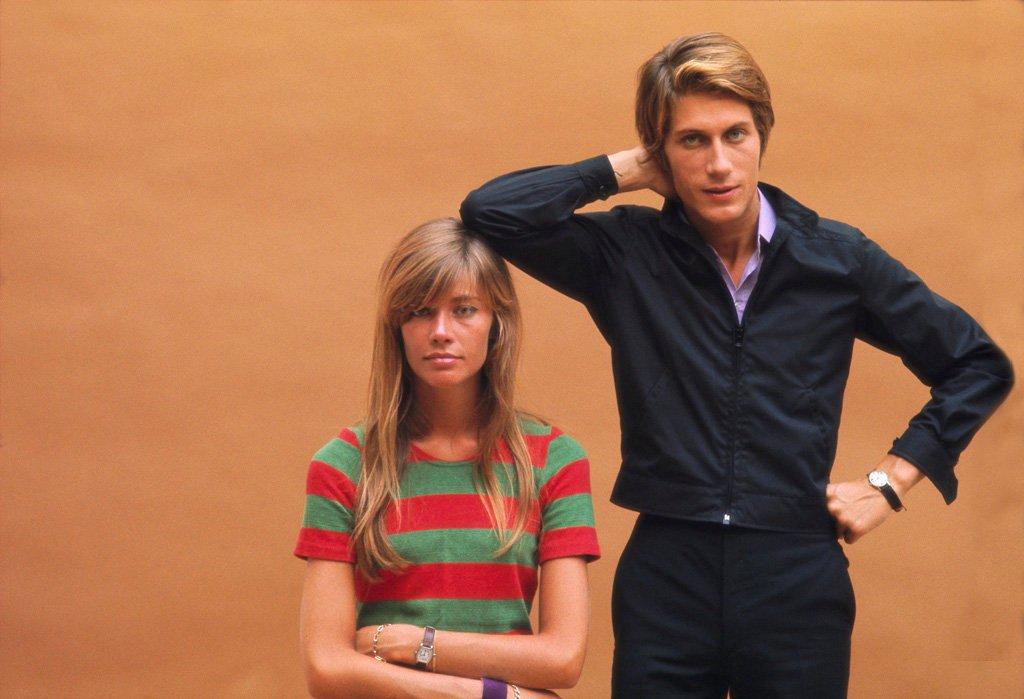
She represented Monaco at the Eurovision Song contest in 1963, only nineteen years old. At a photo shoot for the magazine ‘Salut les copains’ she fell in love with photographer Jean-Marie Périer, who changed her into a young trendsetter and made her become a fashion model. Something she actually never wanted, being extremely shy and very serious about her music career.
Françoise Hardy: Fashion model
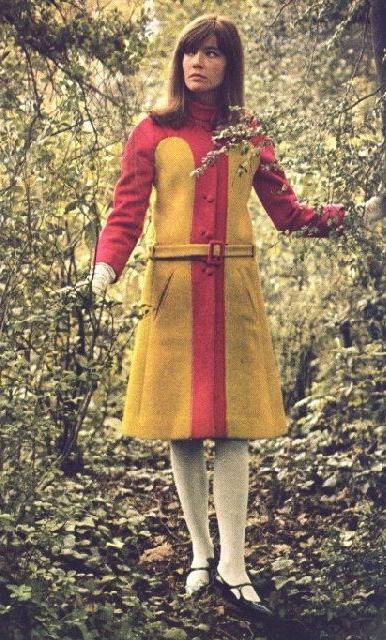
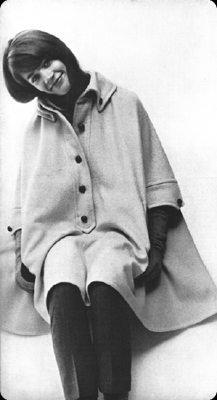
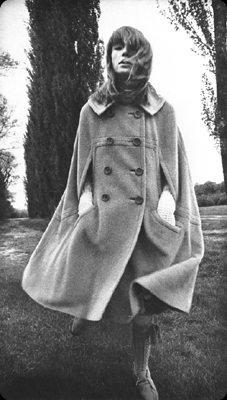

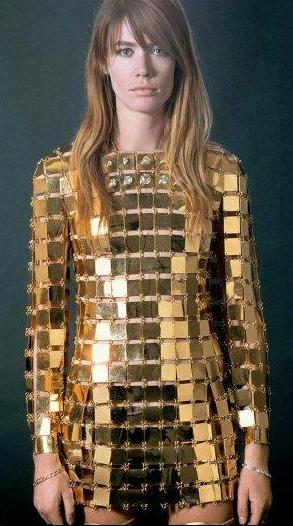
In the 1970’s Françoise started to reinvent herself again and casted of the image of ‘fashionable young girl about town’, she was no longer under the spell of her boyfriend Périer, although he stayed involved, designing her album covers for a long time. From those days on she only worked on her singing career and collaborated with many famous people in the music business, who just admired her for writing skills and her voice.
She reinvented her music several times over and that makes her known by different generations. She worked with Malcolm Mclaren (‘Revenge of the flowers’ on MCLaren’s ‘Paris’, one of my favorite albums all times), Iggy Pop and some years ago recorded a song with the British band Blur.
‘Revenge of the Frower’ by Malcolm McLaren
‘Message Personnel’, one of Françoise Hardy’s most well-known songs.
Françoise Hardy photographed by Jean-Marie Périer
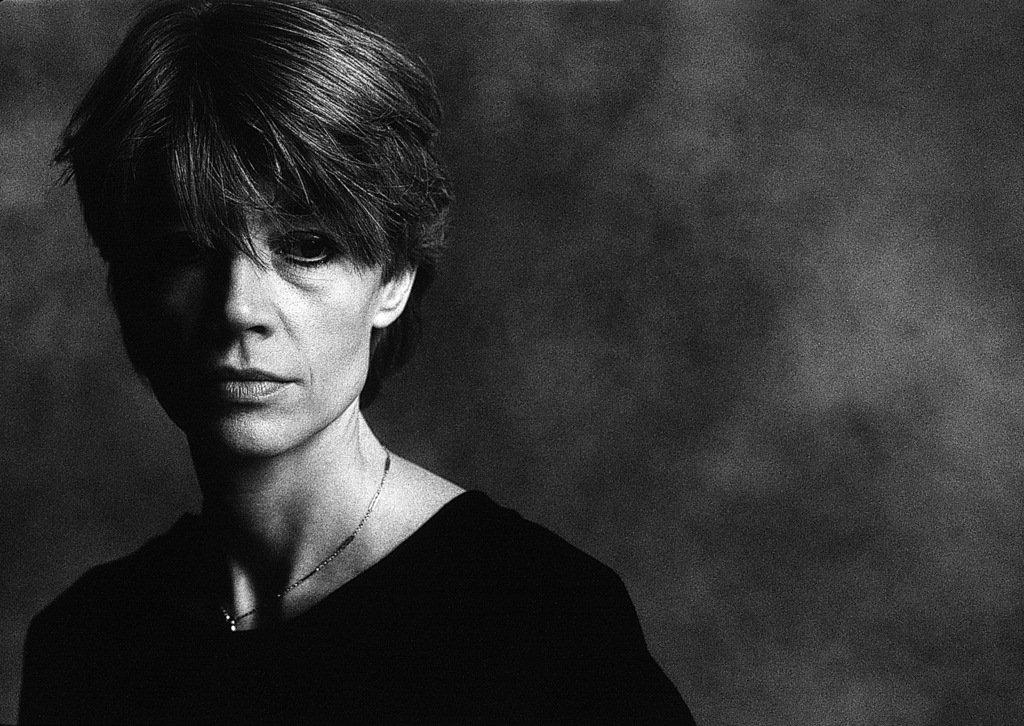
Françoise Hardy video’s
Comment te Dire Adieu
Ce Petit Coeur
Suzanne (written by Leonard Cohen)
I’ll be Seeing You (duet with Iggy Pop)
Françoise Hardy portret, 2011


I don’t remember much of my first communion except what I wore that day. It’s the first outfit of my childhood I have a recollection off …: a creme-coloured-with-silver-lurex-thread dress, white knee socks and white mary-jane’s… And large white bows in my hair (in almost all pictures of my childhood I wear these enormous bows in my piggy-tails or braids…On Queensday ofcourse my bows were orange, the colour of the Dutch Royal family).

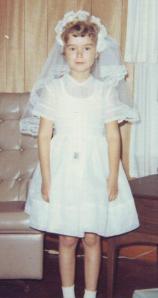

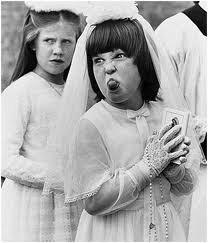
First Communion is traditionally an important festive occasion for Roman Catholic families. Also, Holy Communion is the second sacrament of the seven. This is traditionally practiced by many Roman Catholic Italians, Latin American, Scottish, and Irish (etc.) families.
Traditions surrounding First Communion usually include large family gatherings and parties to celebrate the event and special clothing is usually worn. The clothing is often white to symbolize purity. Girls often wear fancy dresses and a veil attached to a wreath of flowers or hair ornament. In other communities girls commonly wear dresses passed down to them from sisters or mothers, or even simply their school uniforms plus the veil and/or wreath.
In many Latin America countries, boys wear military-style dress uniforms with gold braid aiguilettes. In Switzerland and Luxembourg, both boys and girls wear plain white robes with brown wooden crosses around their necks.
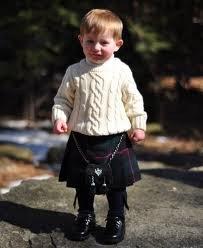
In Scotland, boys traditionally wear kilts and other traditional Scottish dress which accompany the kilt.
Gifts of a religious nature are usually given, such as rosaries, prayer books, in addition to religious statues and icons. Gifts of cash are also common.
Many families have formal professional photographs taken in addition to candid snapshot in order to commemorate the event. Some churches arrange for a professional photographer after the ceremony.
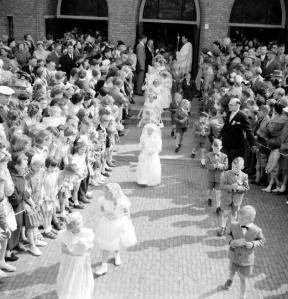
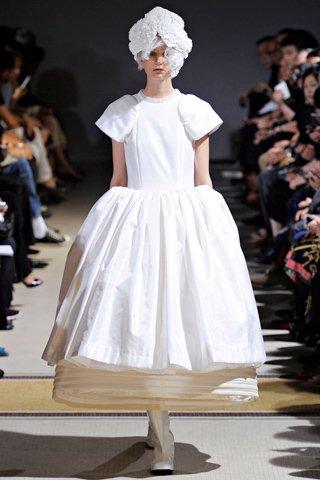
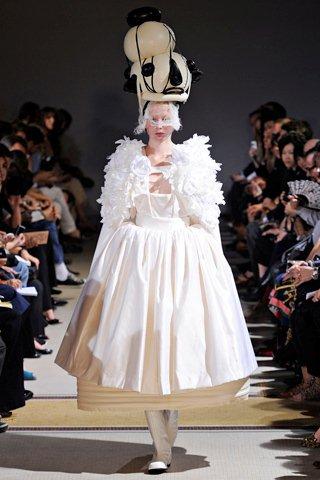
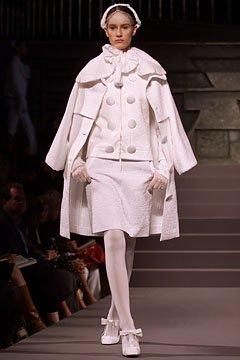
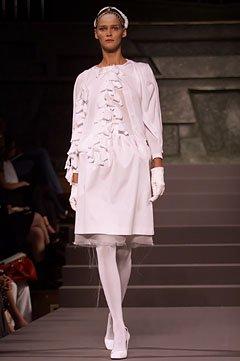
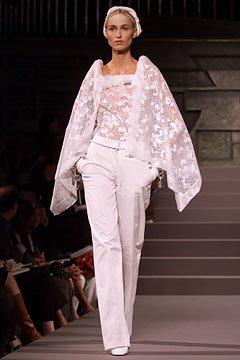
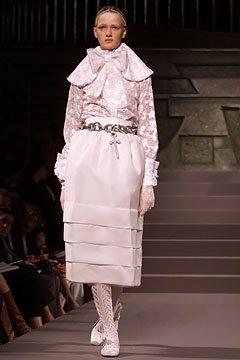
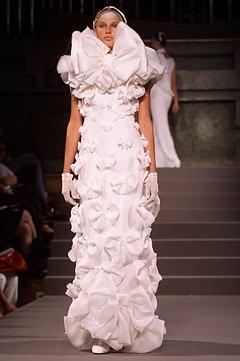
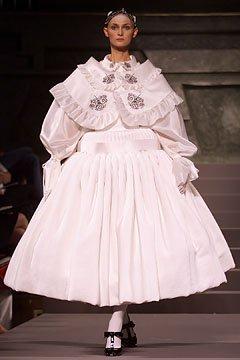
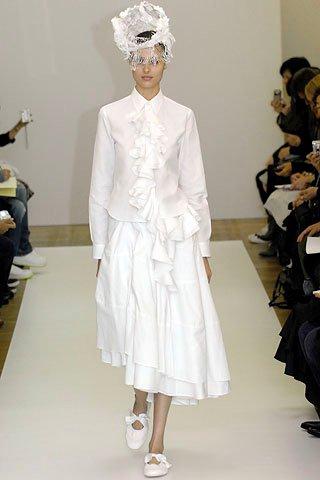
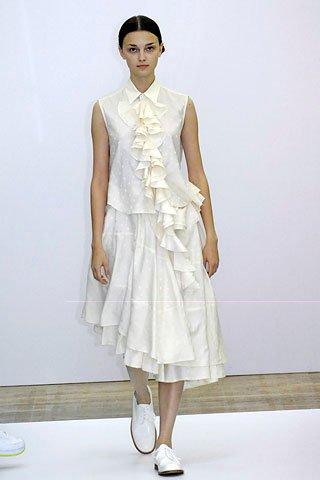
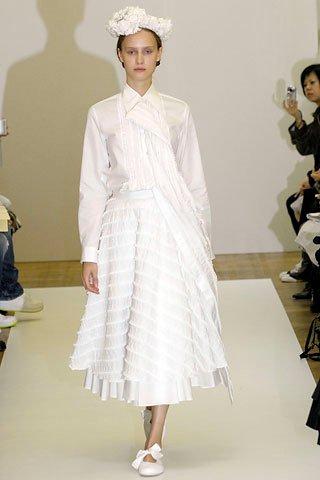
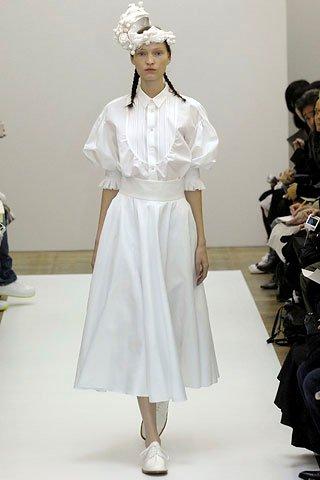
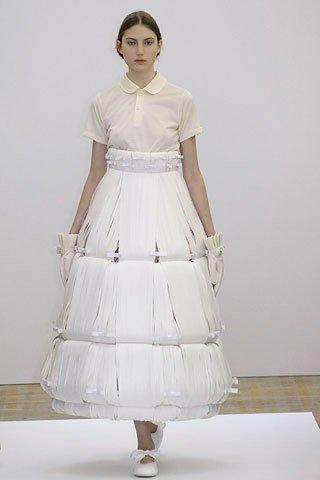
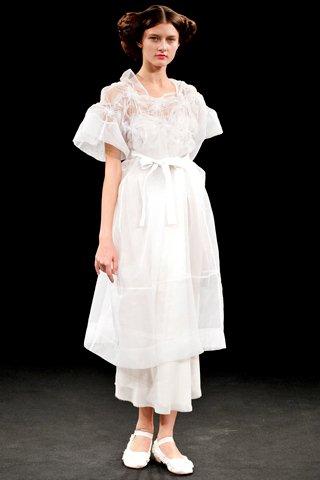
All-white looks are seen often on the catwalk, inspired by summer linen, winter ‘snow-like’ wool, bridal gowns, couture chique and the first communion. I like the first communion-inspired collections the most, for instance the one by Comme Des Garçons s/s 2012 and Viktor&Rolf s/s 2002. Tao (a protegé of Comme des Garçons) also designed a lot of all-white’s… These collections have an innocent and pure look with a touch of couture, call it theatrical…
Comme des Garçons 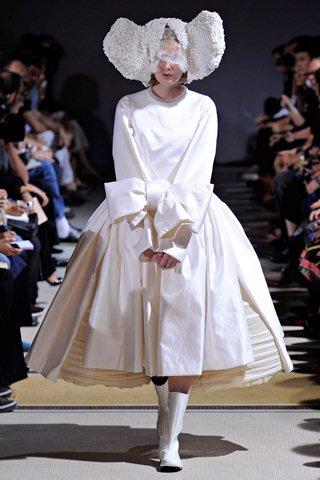




 agnautacouture.com