Archive | inspiration RSS feed for this section

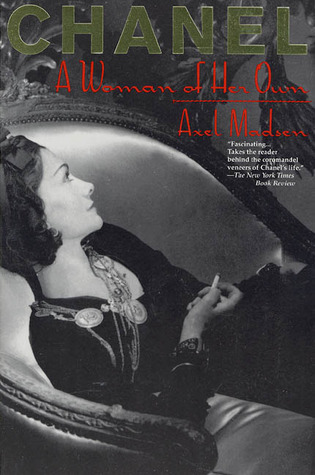
Chanel: A Woman of her Own by Axel Madsen

28 Jul
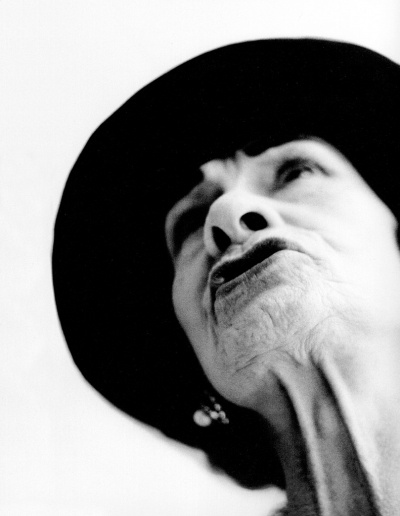
Chanel by Richard Avedon                                                  (Coco Chanel by Richard Avedon)
.

I must have read it 4 or 5 times now, Chanel: A Woman of her Own by Axel Madsen and like to recommend it as a very good read.

   “I didn’t create fashion, I am fashion.”   

Coco Chanel’s genius for fashion may have been distilled in simplicity, but her life was an extravaganza. A brilliant array of luminaries fell under her spell – Picasso, Churchill, Cocteau; lovers included the Grand Duke Dmitri; the English roué, Boy Capel; a French poet; a German spy and the Duke of Westminster, who offered to leave his wife for her permanently, if she would only bear him an heir. Paradoxically, though she might have been regarded in some lights as a pioneering feminist – sacrificing marriage to a revolutionary career in couture – Chanel was utterly baffled by the idea of women’s politics. Educated women? ‘A woman’s education consists of two lessons: never leave the house without stockings, never go out without a hat.’ Chanel’s rise from penniless orphan to millionaire designer – ‘inventing’ sportswear, the little black dress and No. 5 – makes compelling reading, not least because she was inclined to design her own life as deftly as she did her fashions. Axel Madsen negotiates Chanel’s smoke screens with skill, bringing this tantalizing woman to life in all her alluring complexity.

.
bookcover

PEERS BOOK REVIEWS

Review by Cathleen Myers
It’s not easy to construct a biography of a compulsive liar, especially when your subject is a highly creative liar who told a different set of lies to each biographer and eventually came to believe some of her own fantasies.
.
According to Axel Madsen’s well-documented biography, most of the “accepted” story about Gabrielle “Coco” Chanel’s romantic early life is pure fantasy. She didn’t learn dressmaking from sewing samplers for her strict “aunts” or from “taking courses in design;” but from the nuns at the orphanage where she was raised after her mother’s death and from an ordinary apprenticeship at a provincial dressmaker’s. Her first hat shop was started on money from her first protector, Etienne Balsan, not from her first love the polo-playing Englishman “Boy” Capell. Her father was not a respectable horse trader but an itinerant market fair trader who abandoned her; and she was illegitimate, a disgrace she sought to hide all her life.
.
Madsen’s biography is an eminently readable celebration of Chanel’s genius as both a couturier and as a self-made business woman who refused the easy life of a kept woman to start her own business, rise to the top of a male-dominated profession and help transform women’s fashion from the opulent Edwardian style to the practical, natural, “modern” look most of us wear today (to work, at least). The author’s style is lively and novelistic and he does have a good knowledge of the fashion industry, though he gives Coco credit for innovations that were not her own (The “feminization of masculine fashion” had been going on in England before Coco’s birth). But Madsen dishes so well about the deadly world of Haute Couture that his lavishly illustrated book is a must for anyone interested in the history of fashion and costume.
.
Historian’s warning: Madsen’s main weakness is a lack of understanding of the class structure of Chanel’s world (as his misuse of British titles makes clear). A true American, Madsen wonders why Coco fought so hard to conceal her “roots.” Since her true rags-to-riches story is so remarkable, why pretend to have risen from the lower middle class? But those of us who understand 19th century social history understand Chanel’s motives. Nor does Madsen seem to understand the social cachet that an English duke carries even today – which explains Chanel’s desire to marry the eccentric Duke of Westminster, her ruthless erasure of her past, and Westminster’s ultimate refusal to marry her. He was desperate for a male heir and, judging from Debrett’s, preferred well-born brides .

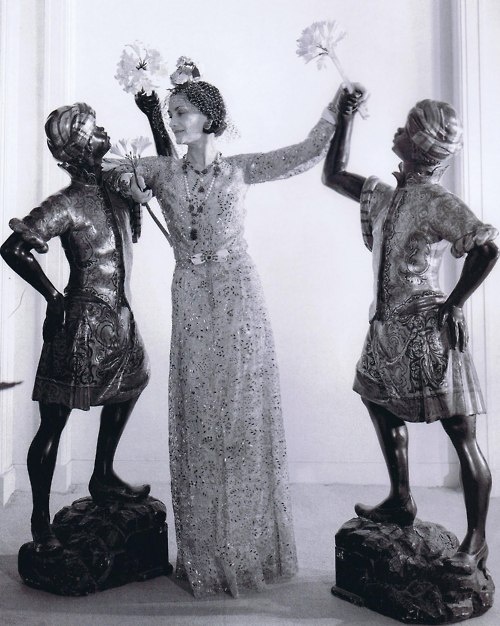
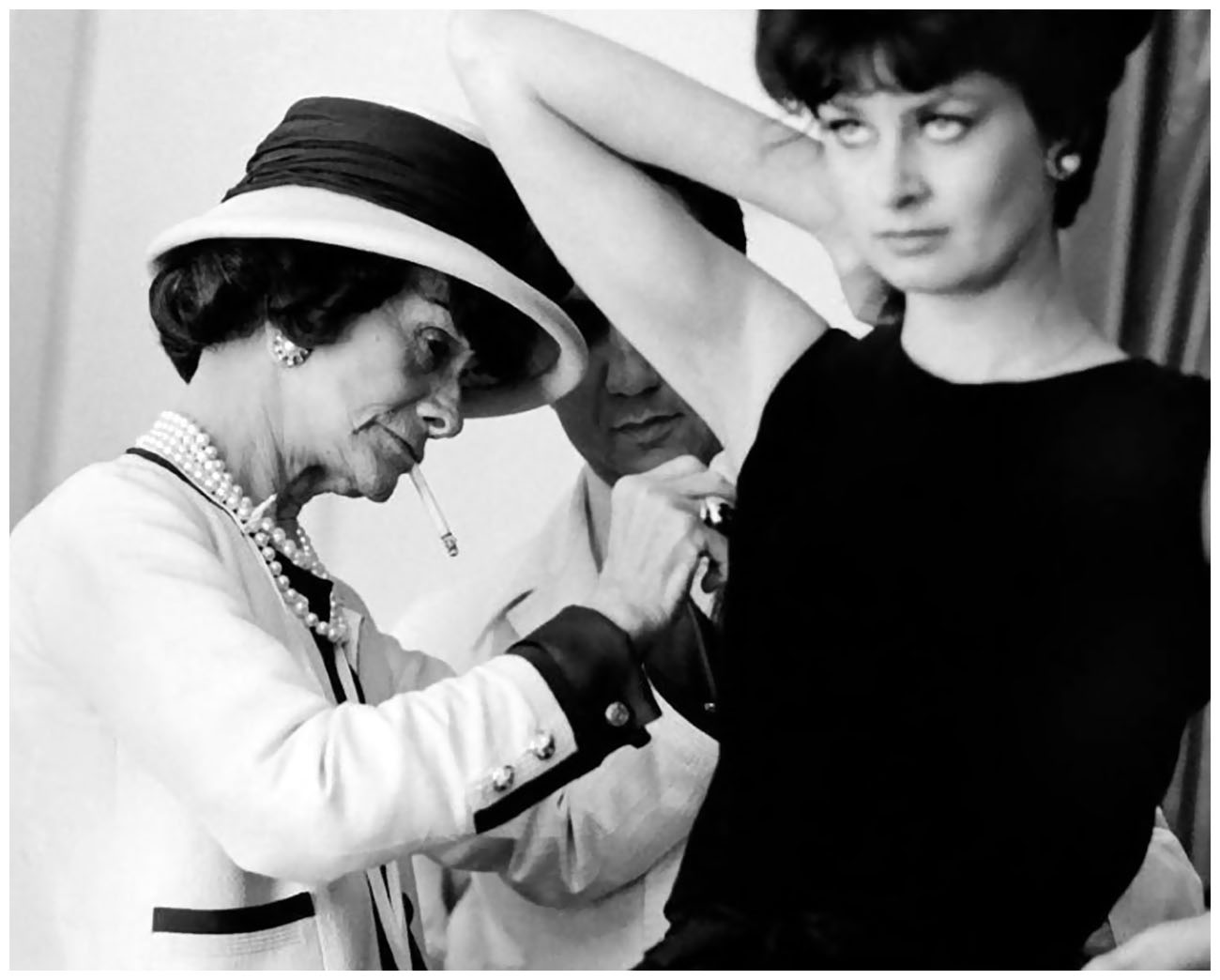
Coco Chanel’s life in photographs & quotes
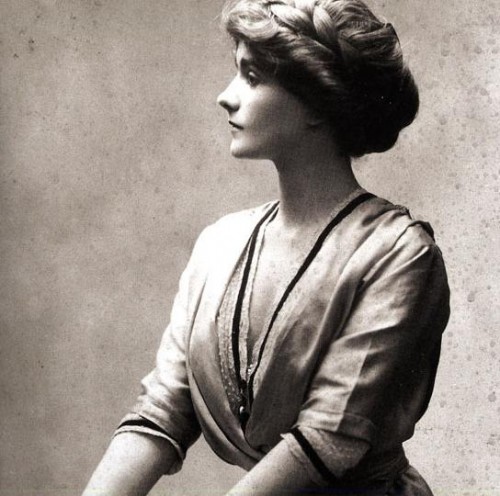
coco-chanel_6059_1-e1323537635564 Coco Chanel at the age of 23

. coco & etienne balsan Coco & Etienne Balsan

.Chanel

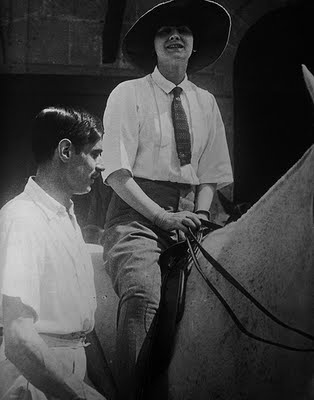
When Coco Chanel lived with Etienne Balsan at Royallieu, she started wearing men’s clothes
.
Coco & BoyCoco Chanel & Boy Capel, 1912
.
coco chanel & adrienneCoco & Adrienne in 1913, in front of Coco’s first boutique in Deauville
.

“Hard  times arouse an instinctive desire for authenticity.”

.
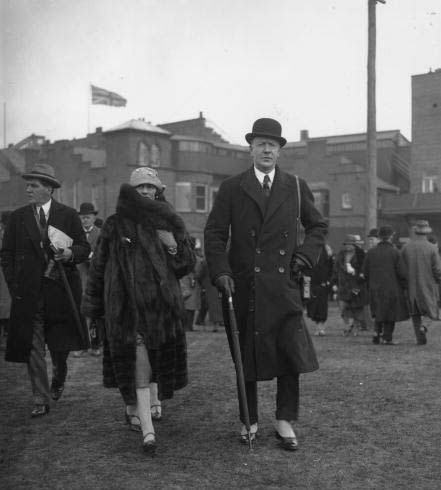
Coco & the duke of WestminsterCoco & Bendor, the Duke of Westminster, at the Grand National racetrack
.
Coco
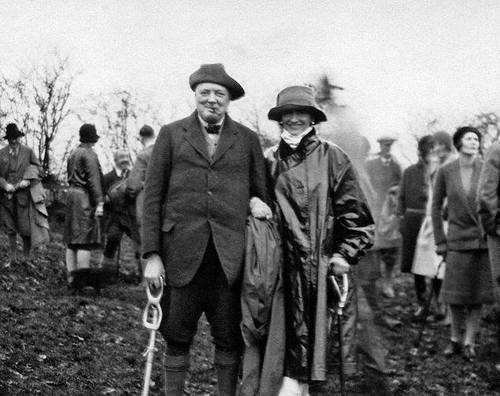
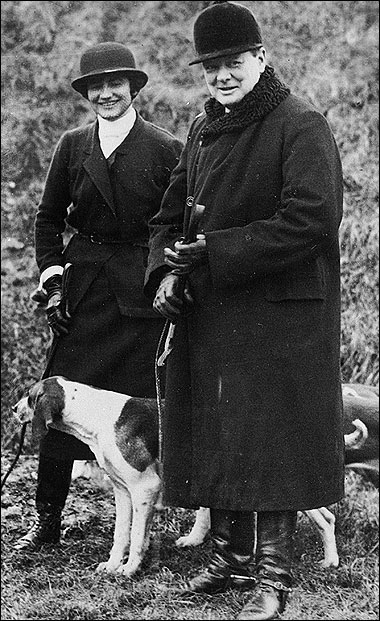
Coco & Winston Churchill
.
coco
Coco & Winston Churchill
.
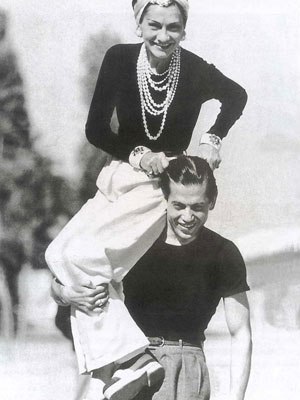
Gabrielle 'Coco' Chanel and Serge Lifar (The principal dancer of Diaghilev’s Ballets Russes during its final years in the late 1920's) -Coco & Serge Lifar (The principal dancer of Diaghilev’s Ballets Russes during its final years in the late 1920’s)
.
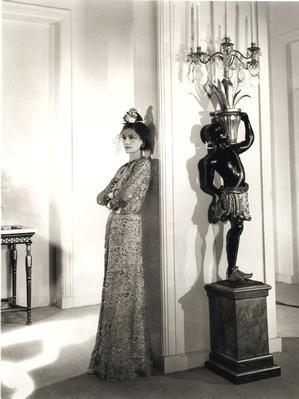
COCOCoco photographed by Cecil Beaton, 1937
.
Coco
.

“A girl should be two things: classy and fabulous.”

.
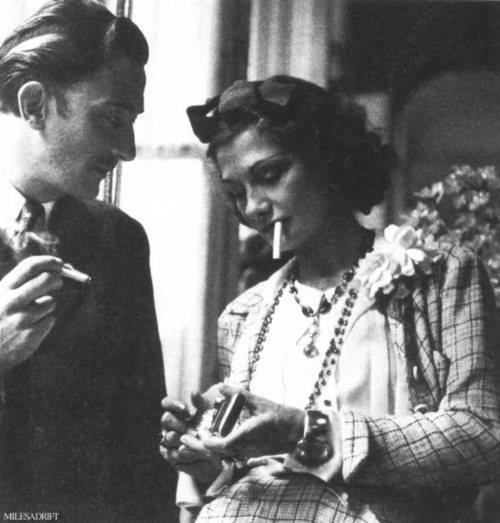
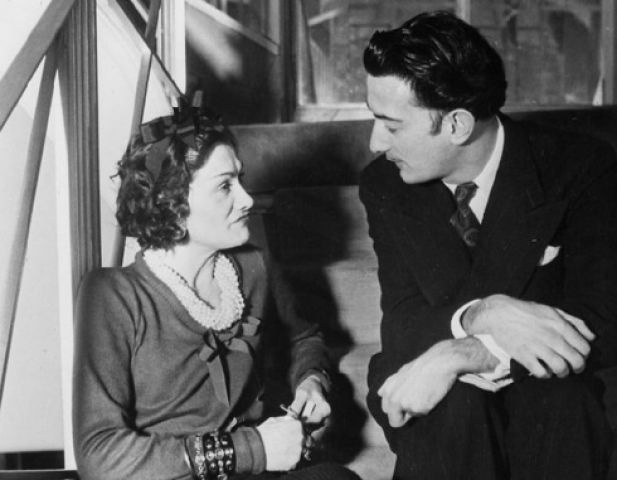
Coco & Salvador DalíCoco & Salvador Dalí
.
CocoCoco Chanel at 50 by George Hoyningen-Huene
.
coco-chanel.

“Dress shabbily and they remember the dress; dress impeccably and they remember the woman.”

.
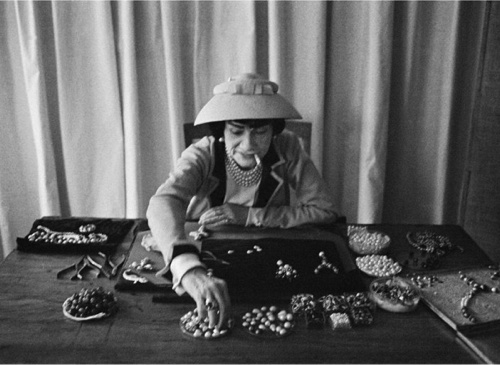
Coco

Coco working on het beloved jewelry

.
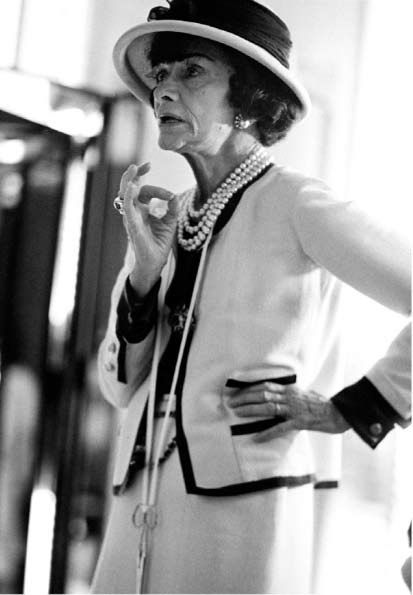
coco

coco-chanel-photo-douglas-kirkland

.

“Fashion has become a joke. The designers have forgotten that there are women inside the dresses. Most women dress for men and want to be admired. But they must also be able to move, to get into a car without bursting their seams! Clothes must have a natural shape.”
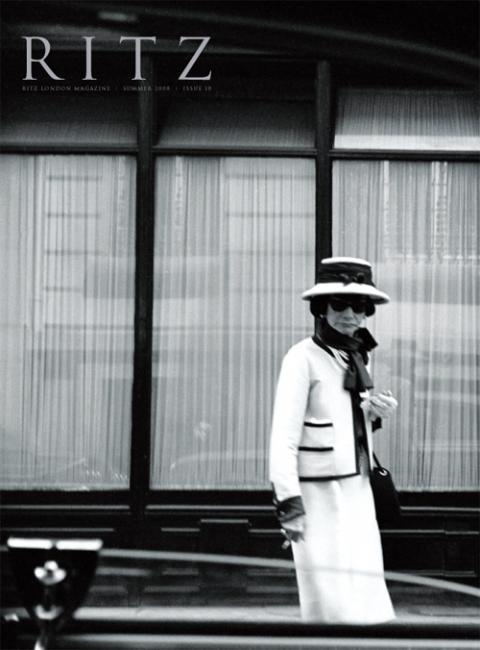
.
Coco Chanel
.

Limi Yamamoto a.k.a. LIMI feu

21 Jul

Limi & Yoshi Yamamoto

(photograph by Robert Maxwell)

Feu means fire, and there’s a lot of fight in Limi.

 Born in 1974 by the famous fashion designer Yohji Yamamoto, it was not surprisingly that Limi Yamamoto chose a creative path and took up fashion studies at Bunka Fashion College and is now one of Japan’s most promising fashion designers.

She started work as a pattern maker for the Y’s line of Yohji Yamamoto Inc. in 1996. After working 2 years as a pattern maker for Y’s, she started her very own label named Y’s bis LIMI in year of 1999 and presented her first 2000 autumn/winter collection in Tokyo. In 2002, the brand was renamed as LIMI feu and with a huge success, Limi further expanded her fashion territory to Paris and debuted her 2008 spring/summer collection there obtaining praises immediately.. In 2009, she was awarded the Designer of the Year award by the 51st Fashion Editor’s Club of Japan.

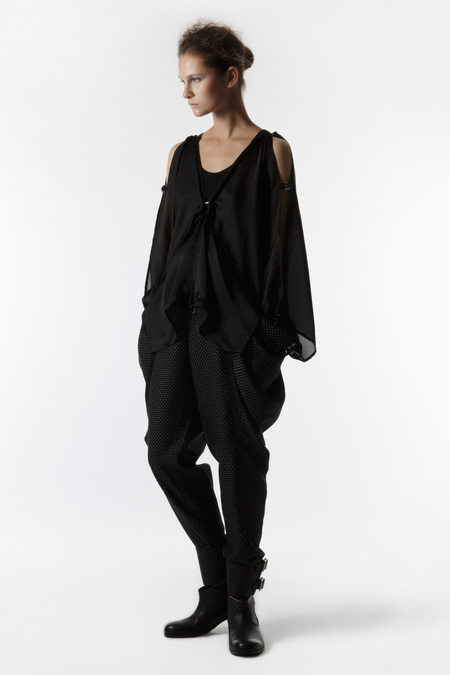
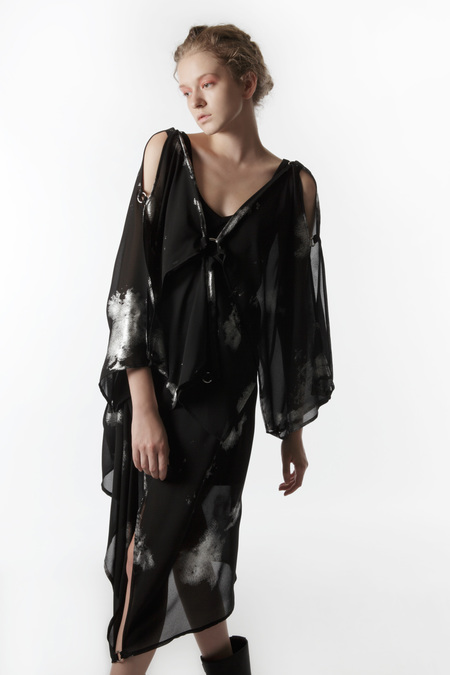
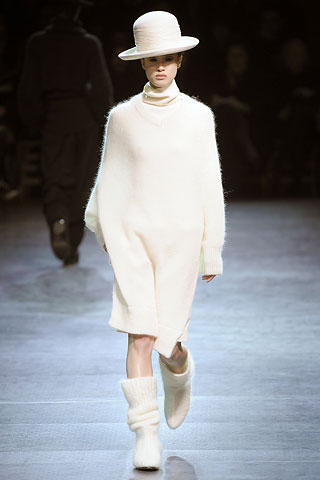
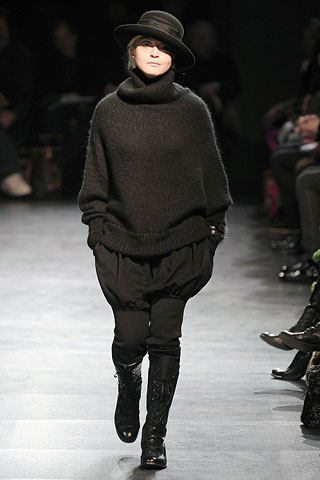
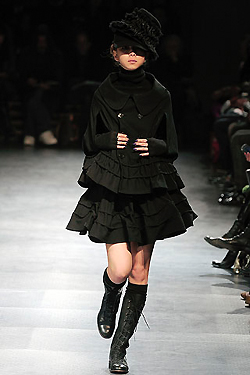
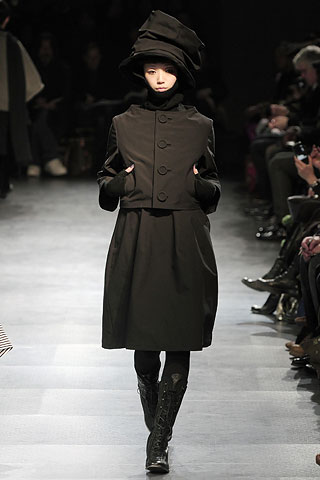
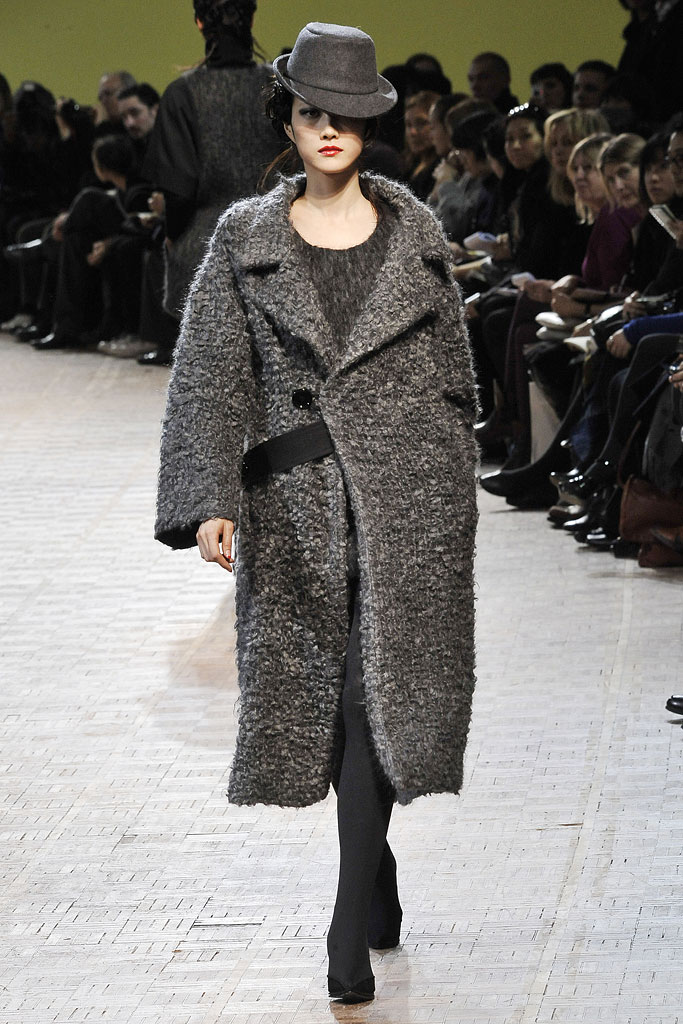
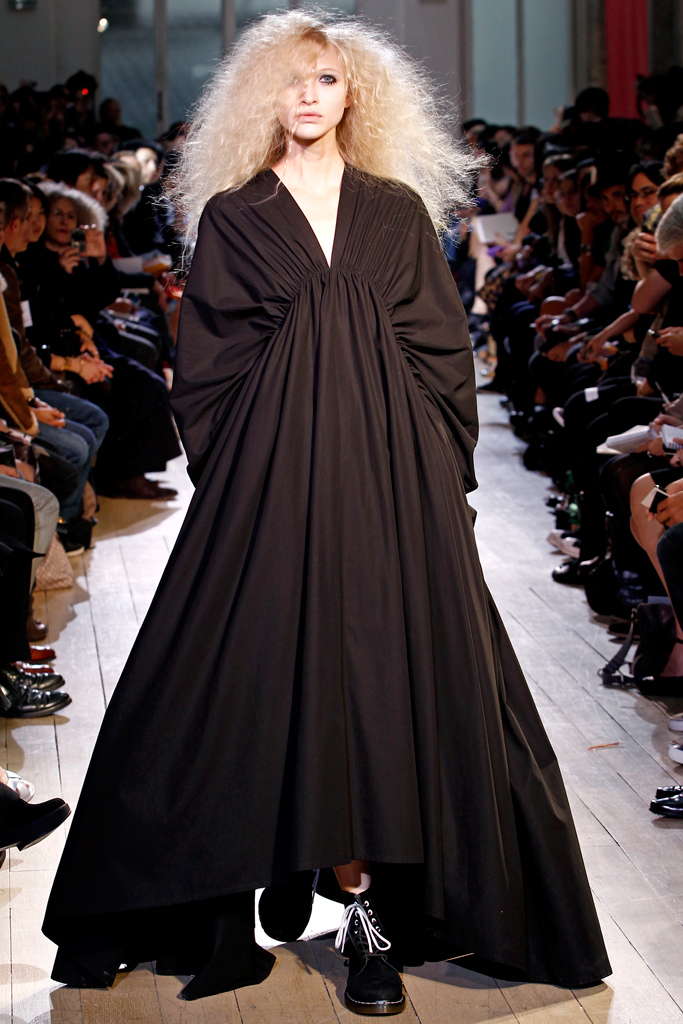
LIMI feu  spring 2013

limifeu

limifeu

limi feu

limifeu

linifeu

limifeu

limifeu

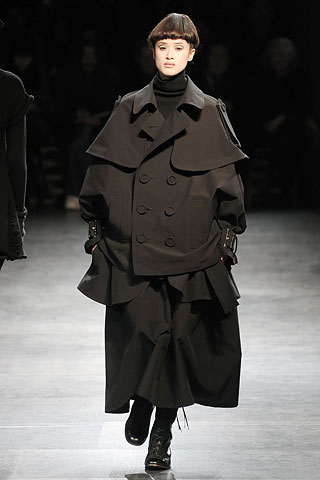
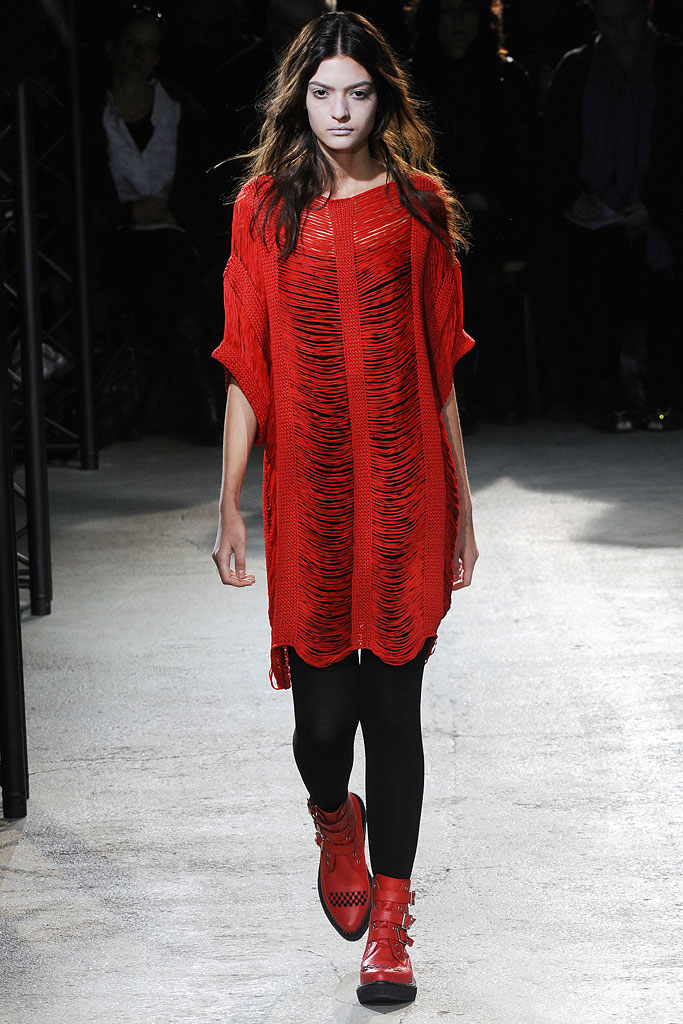
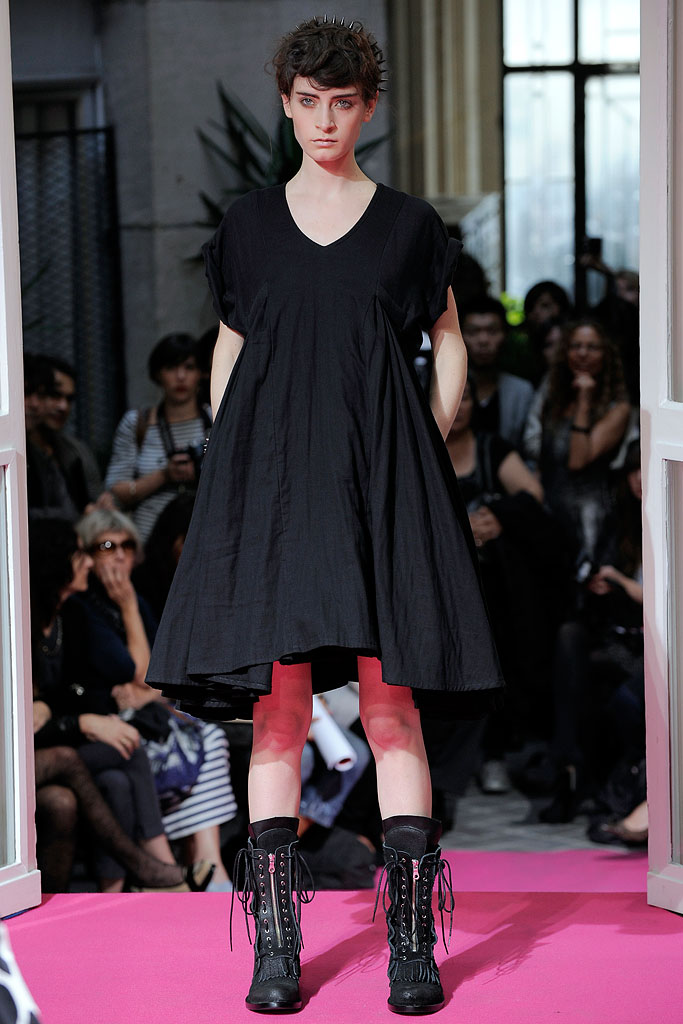
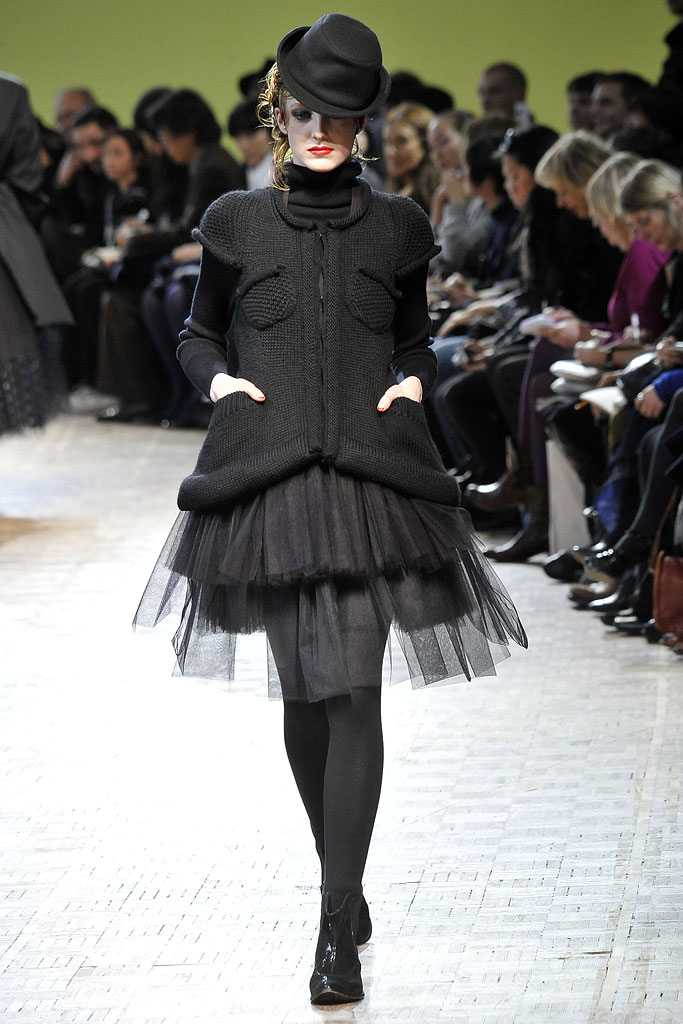
In one interview, when asked how Limi’s  style differs from the style of her famous dad), the designer replied simply: “by the fact that I’m a woman”. If the question was what they have in common, it would be that they are both Japanese.  Where the designs of Yohji are considered to be more romantic, the clothes of Limi are femininely sensual. Her signature is, first of all, in the volume: the garments are oversized, as if migrated from the men’s wardrobe to women’s as well as the combination of military style and delicate floral prints on the same coat, or those funny high bowlers. At one show several men came out on the runway which had the audience wondering if Limi has launched a men’s collection. “Ah non,” exclaimed one of her French  staff.  “It’s just that in Japan men often borrow LIMI feu from their girlfriends closets so she wanted to play with that”.

LIMI feu catwalk pictures

LIMI feu

LIMI feu

LIMI feu

LIMI feu

LIMI feu

LIMI feu

LIMI feu

LIMI feu

LIMI feu

LIMI feu

LIMI feu

.
A tribute to that infinitely complex and perfected very “Japanese” cut is in order: that black-white-grey palette, only occasionally broken by the bright colour splashes of blue, red or their mosaic combination, and that seemingly simple maximally elongated male snow-white shirt, and the curiosity of the trousers with strap,; and short leather jackets with inevitable motorcycle boots.
Sensuous rock and roll on the verge of anguish, or simply on the verge of.. male and female.

“She made it” declared a beaming Yohji after his daughter’s Paris debut. And papa had every reason to be proud: The collection was a walking advertisement for fashion DNA.

.

.

.

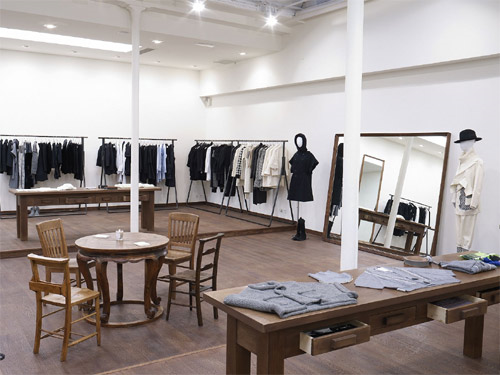
Boutique in Paris

 Situé dans le deuxième arrondissement, au 13 rue de Turbigo.

Limi Feu boutique

.

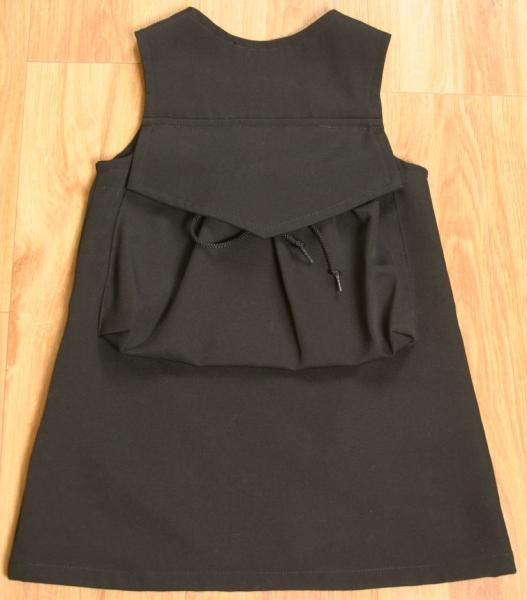
LIMI feu Prankster

LIMI feu also produces a kid collection called LIMI feu Pranster, which is very popular in Japan.

Limi feu

limi feu

Limi feu

limi feu

Limi feu

LIMI feu Prankster

.

Limi Yamamoto

Amazing Pattern Books

14 Jul

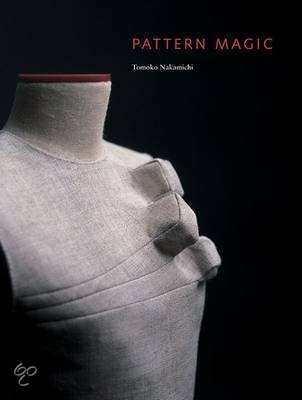
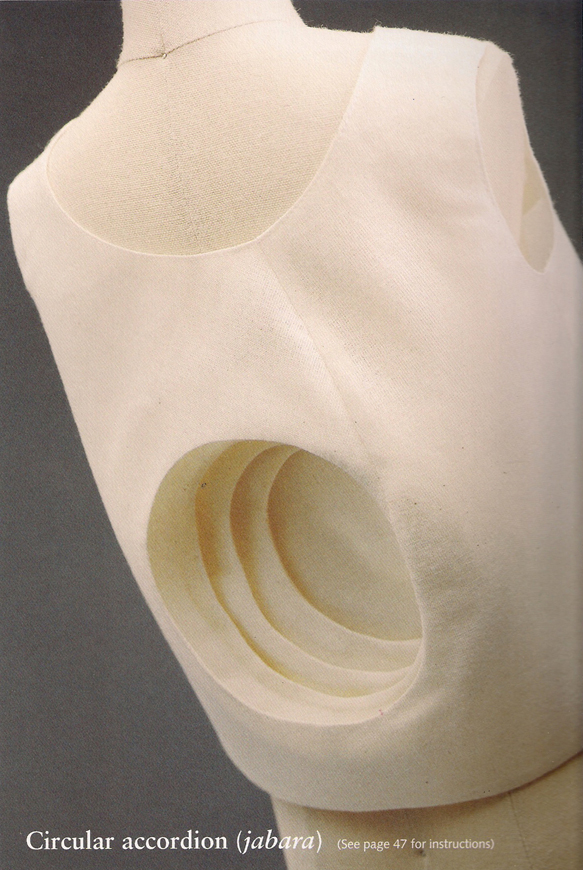
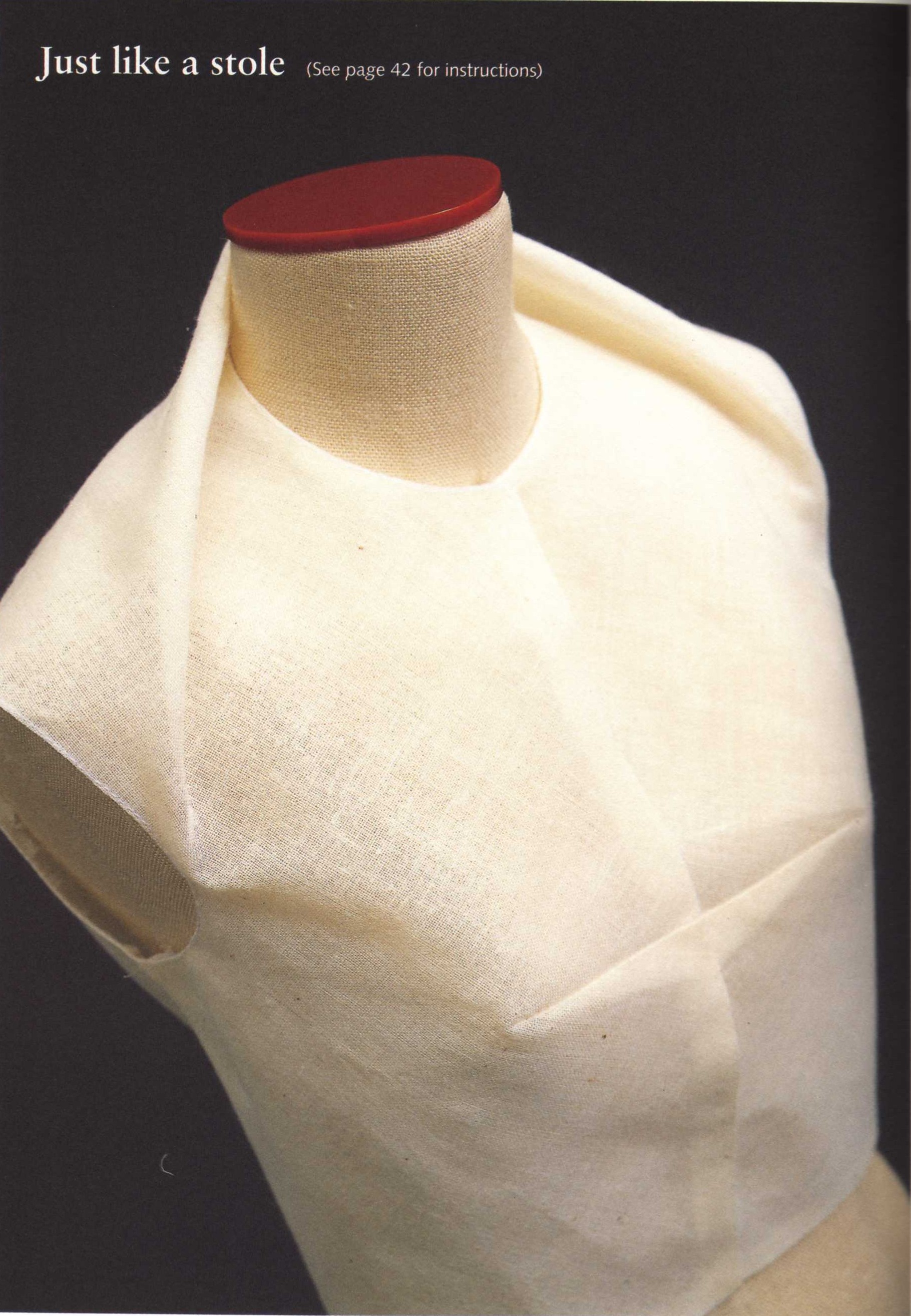
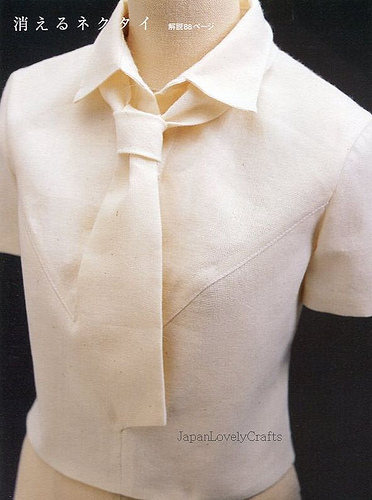
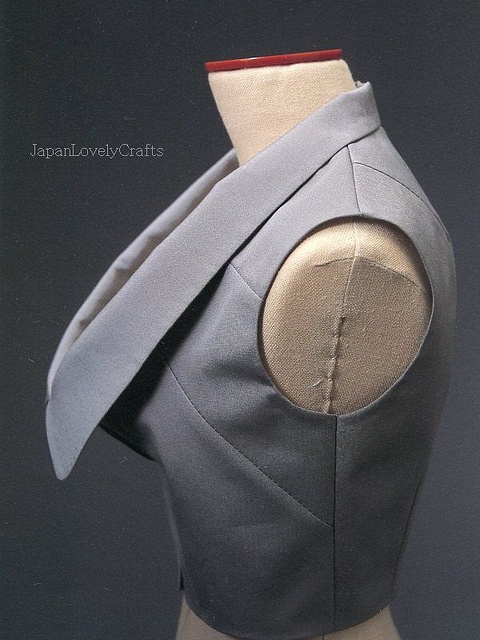
pattern magic 12

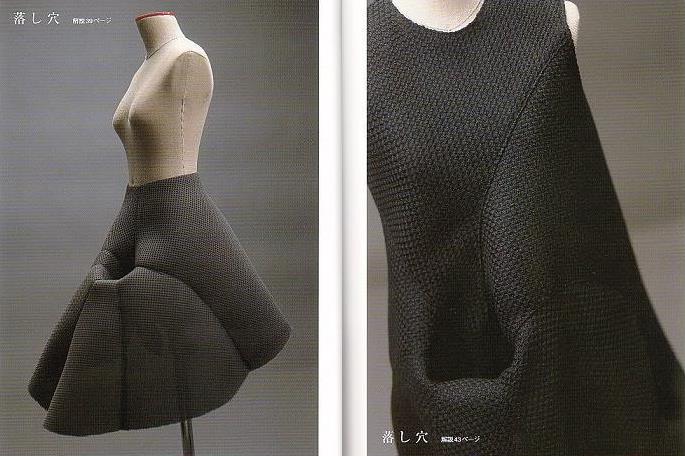
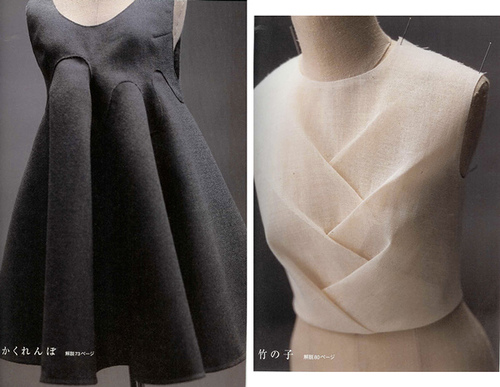
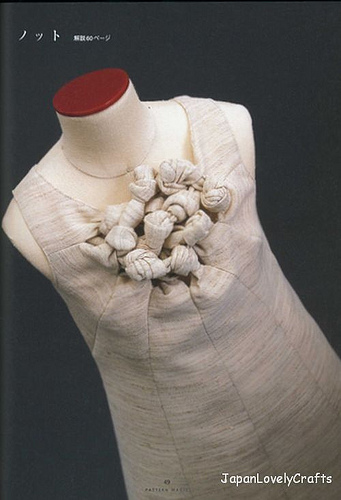
A couple of years ago, my sister Mary showed me a great online shop specialized in books on crafts like sawing, knitting, beading, embroidery etc. She had bought a Japanese book with patterns for children’s clothes which was really great, so I started searching the shop for other pattern books and found the best ever. They were written in Japanese, but because I am a very advanced sewer this didn’t withhold me from buying some of the books. A little while ago I noticed one of these books in a bookstore in Amsterdam, but this one was translated in English. So for my fellow craftsmen who haven’t been introduced to these fantastic books, read this post.

 Pattern Magic

Pattern Magic

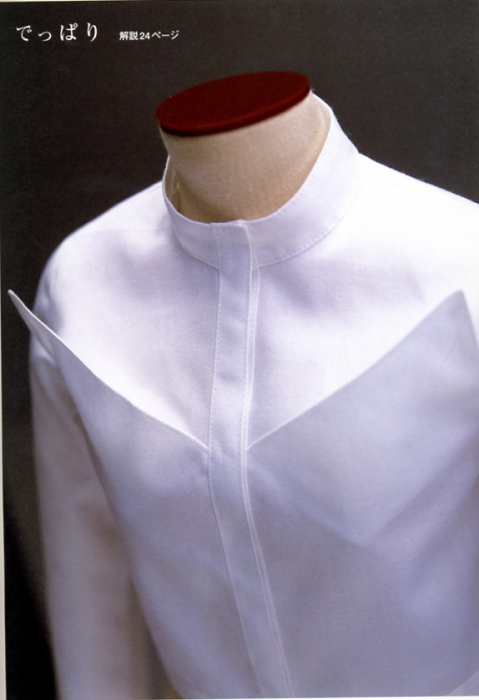
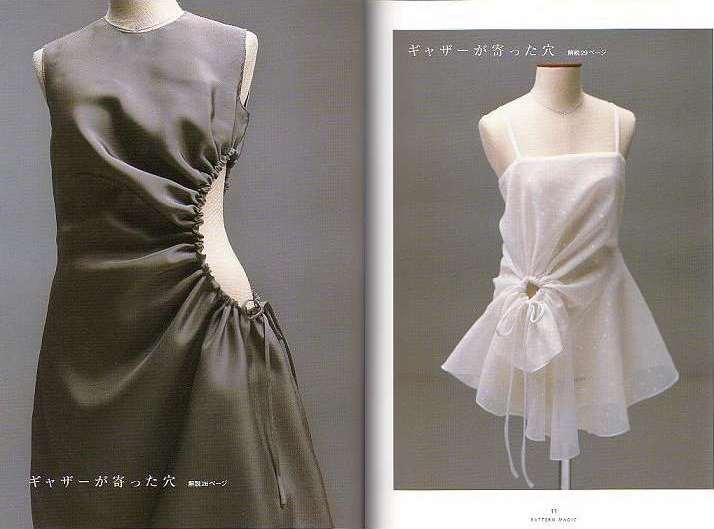
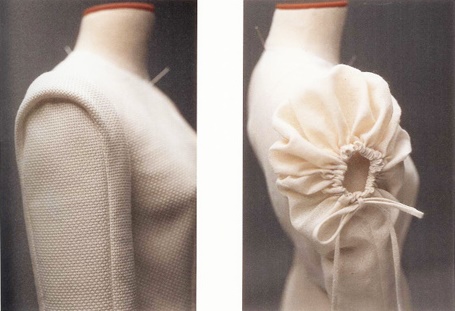
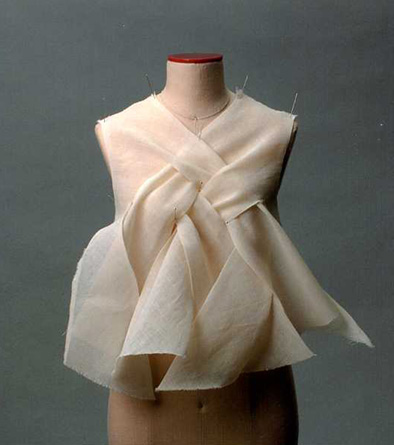
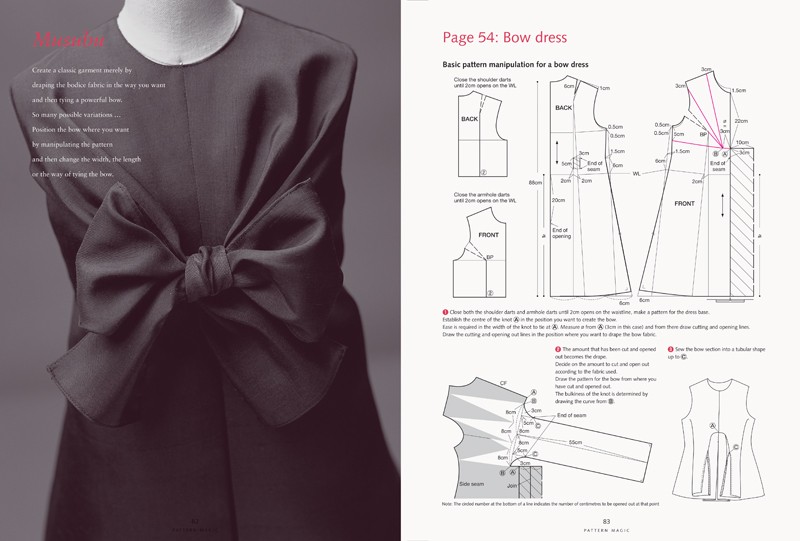
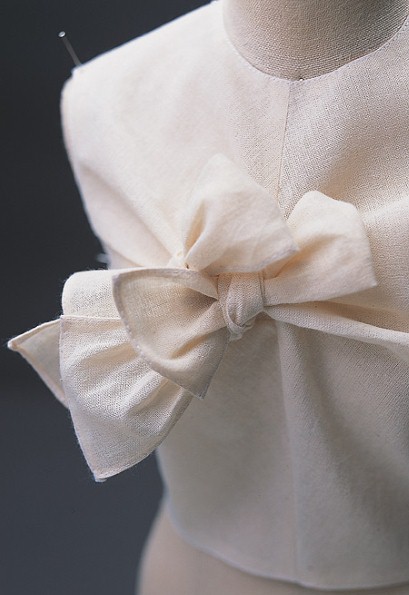
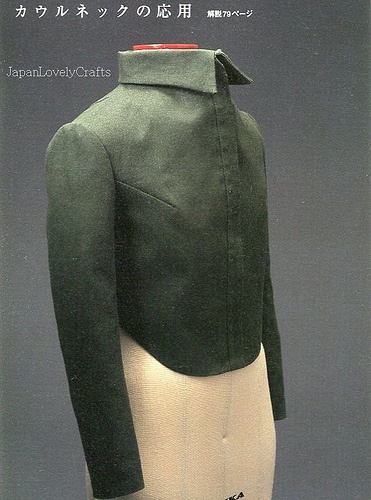
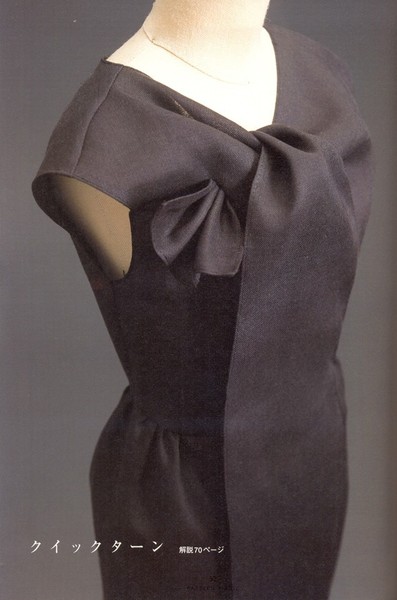
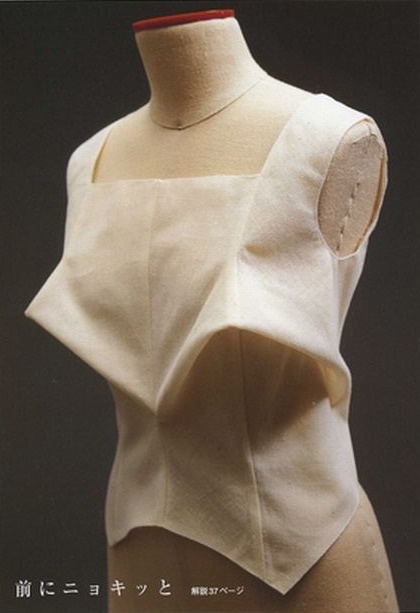
Pattern Magic is the cult pattern-cutting book from Japan. Taking inspiration from nature, from geometric shapes and from the street, this book harnesses the sheer joy of making and sculpting clothes. The book takes a creative approach to pattern cutting, with step-by-step projects for fashion designers and dressmakers to enjoy.
All the basic information you need to start pattern cutting is included, from the basic block to measurements and scaling. Each project is beautifully illustrated with clear diagrams and photographs showing the stages of construction, the toiles and the finished garments. These easy-to-follow illustrations and detailed instructions make it easy to create stunning, sculptural clothes with a couture look.

1

2

3
4

5

6

7
8
.

 Pattern Magic  vol. 2

Pattern magic vol. 2

About the Author

After serving many years as a professor at Bunka Fashion College, Tomoko Nakamichi currently delivers lectures and holds courses on design making, both in Japan and overseas.

1
2
3
8
4
5
6
7
.
Pattern Magic even has its own Facebook page on which people show their own Magic Pattern-garments and their own designs !
 
.

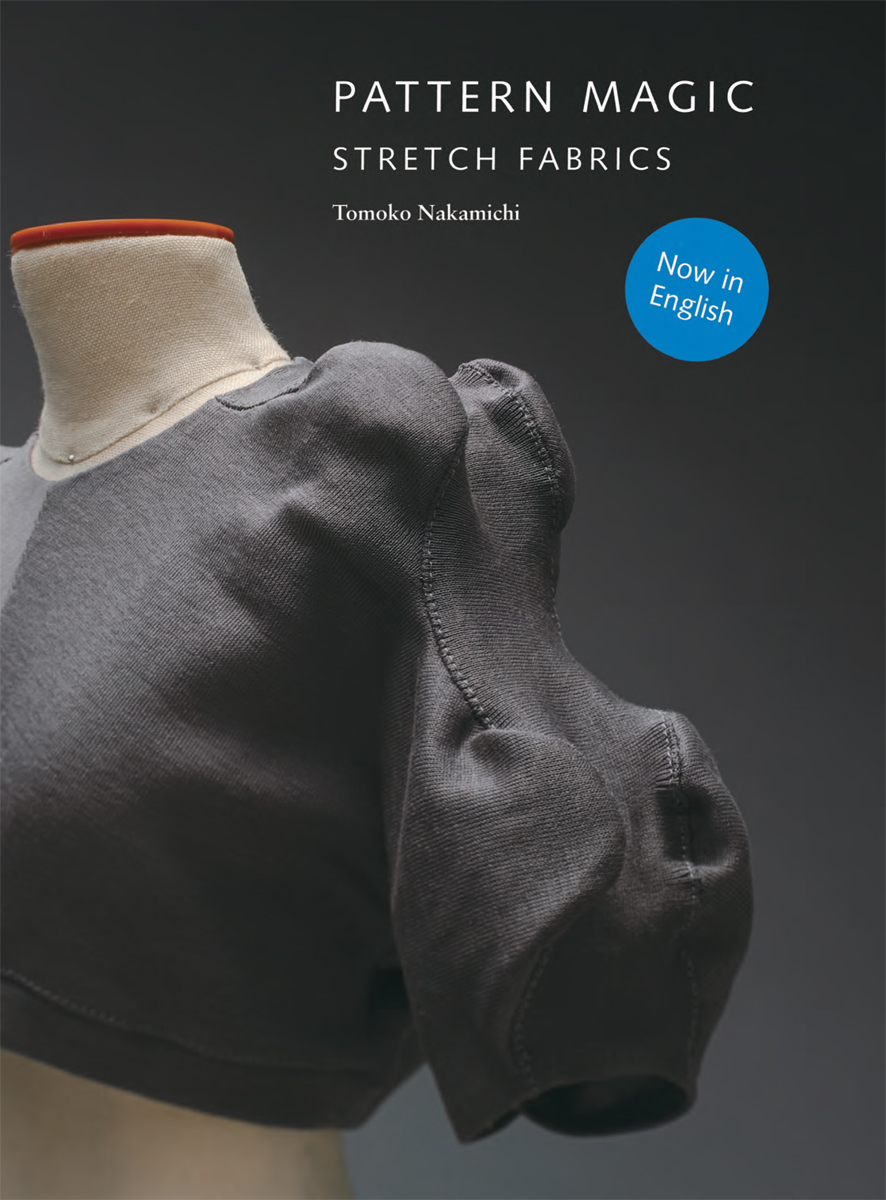
Pattern Magic  Stretch Fabrics

Pattern Magic
.
All three books (English version)  can be ordered by Amazon.com
.

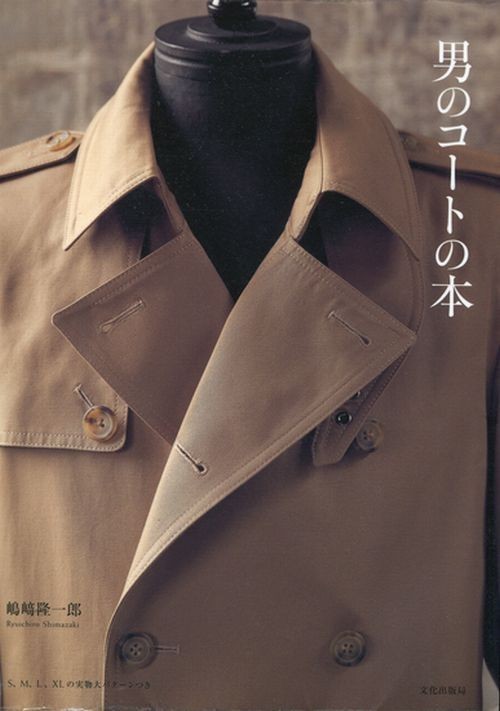
Men’s coats by Ryuichiro Shimazaki

bookcover
.
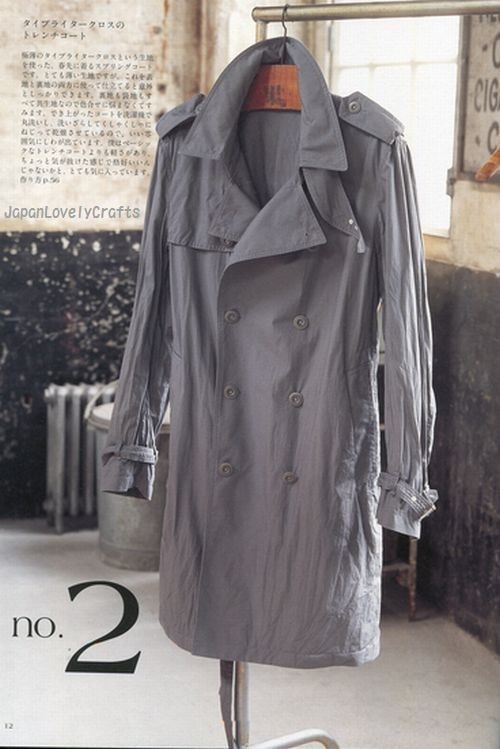
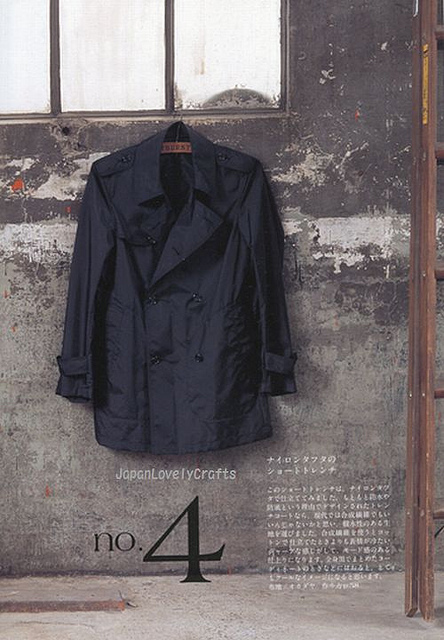
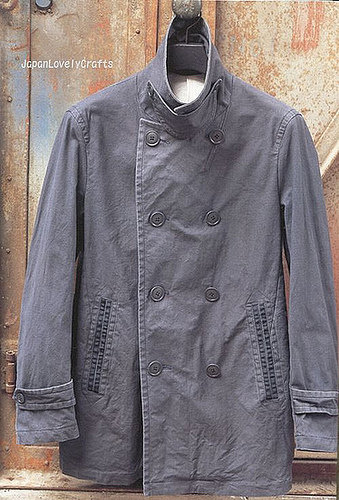
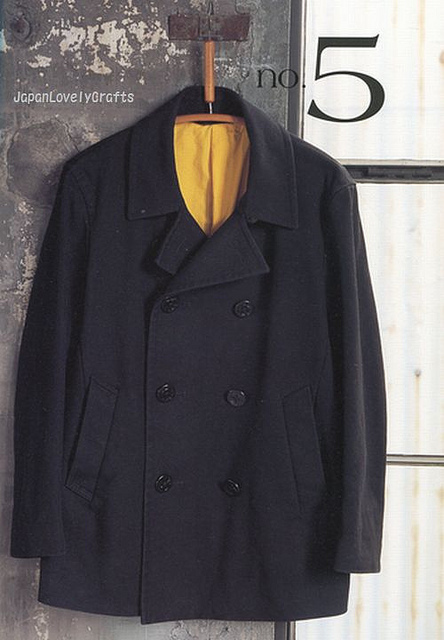
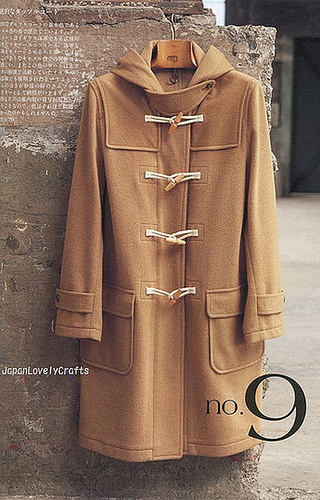
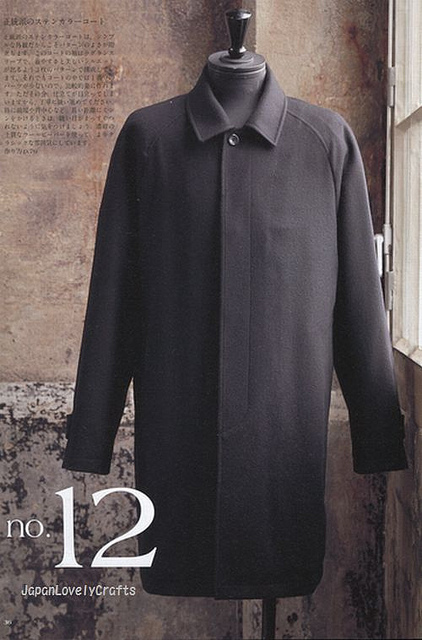
Japanese Sewing Pattern book for Men’s Coats with Full-Sized Pattern Sheet Basic & Cool!!! These cool coats are all designed by  Ryuichiro Shimazaki. Ryuichiro Shimazaki is very famous Sewing Designer for men in Japan!! This book is absolutely FANTASTIC! It’s written in Japanese though… Don’t worry 🙂 You can get step-by-step instructions  in illustrations ! 01 – Trench Coat 02 – Trench Coat (Spring Coat) 03 – Casual Trench 04 – Short Trench 05 – Pea Coat 06 – Pea Coat (Vintage Style) 07 – Pea Coat (Marine Style) 08 – Pea Coat (Military Style) 09 – Duffel Coat (Traditional) 10 – Duffel Coat (Off-White) 11 – Duffel Coat (Canvas) 12 – Balmacaan Coat (Traditional) 13 – Balmacaan Coat (Used Style)
.
2
4
Magic Patterns
5
9

.

Shirts by Ryuichiro Shimazaki

les-chemises-couture-Shimazaki-edisaxe

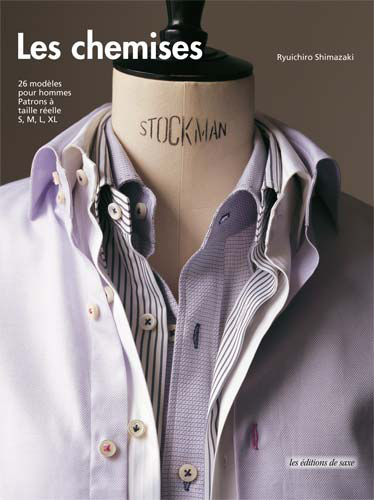
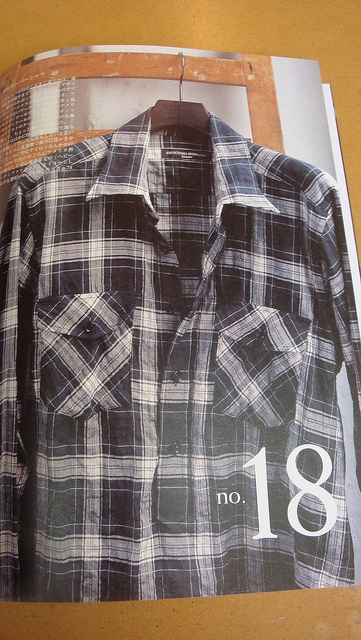
This book is can be bought in the French or Japanese language

making_cool_men_shirts_by_ryuichiro_shimazaki_-_japanese_sewing_book_7f80475e

making_cool_men_shirts_by_ryuichiro_shimazaki_-_japanese_sewing_book_7f11244d

making_cool_men_shirts_by_ryuichiro_shimazaki_-_japanese_sewing_book_58af4737

18

.
.

Six Magazine is Moving…

30 Jun

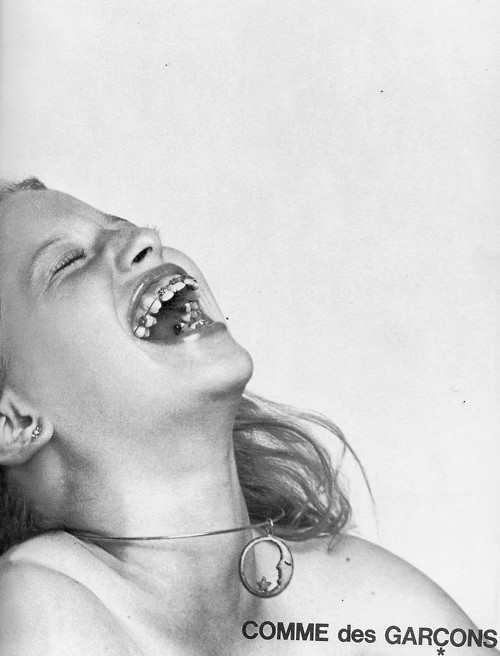
CDG

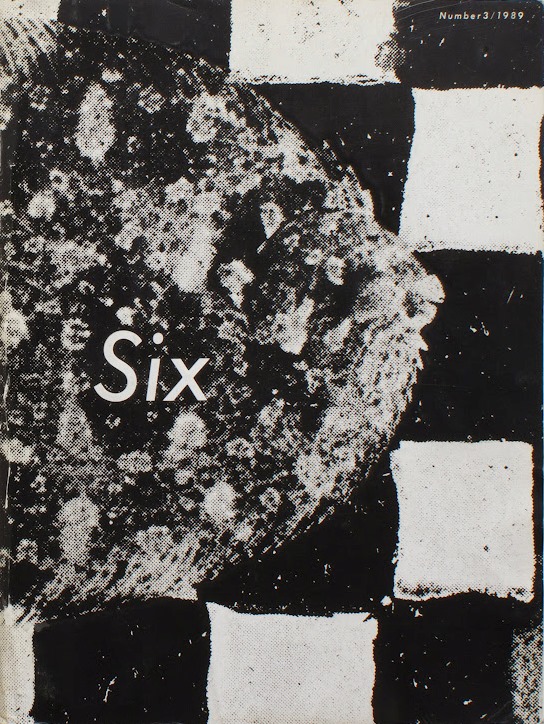
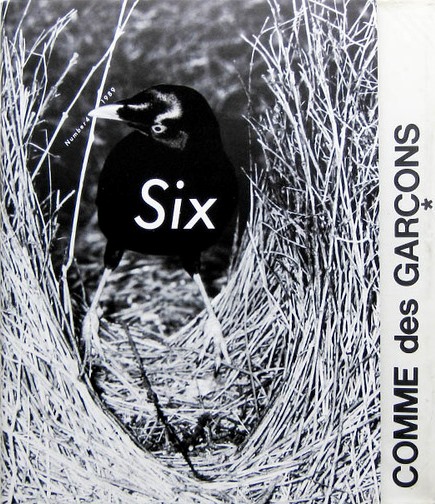
Twice a year I took the train to Paris, just so I could get my hands on the next issue of Six Magazine by Comme Des Garçons, the most inspiring magazine at the time.

.

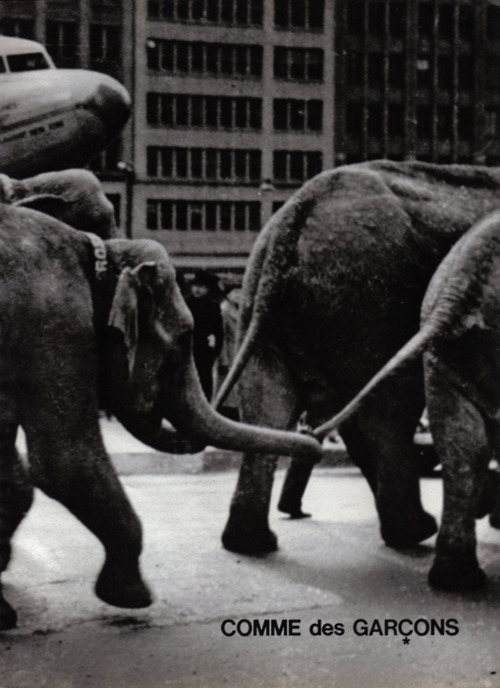
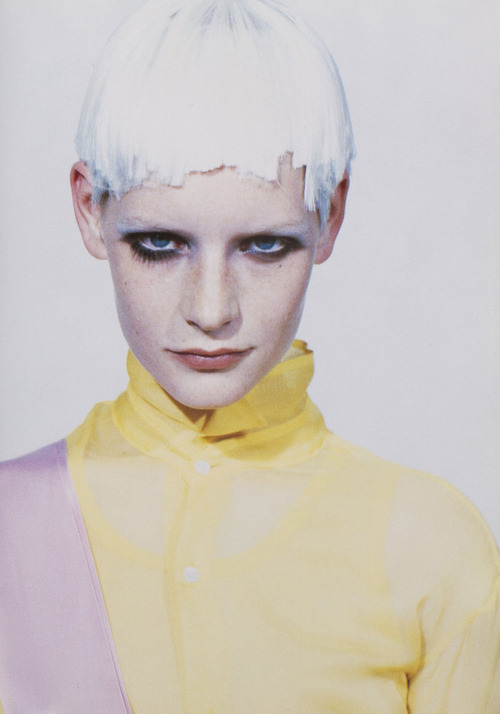
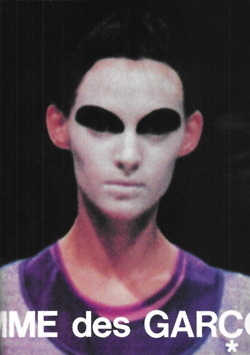
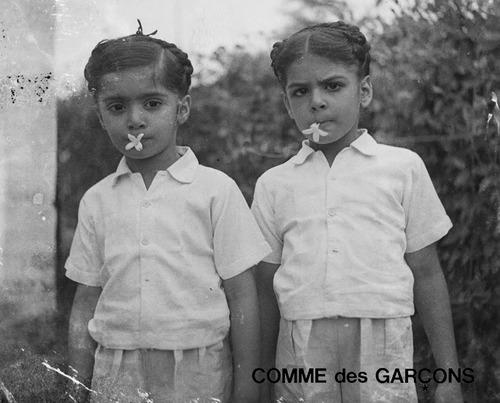
In 1988, Comme des Garçons founder and creative director Rei Kawakubo created bi-annual creative journal Six (and abbreviation of Sixth Sense), presenting her own work alongside that of other artists, photographers, designers and writers. The magazine closed its doors in 1991, by which time it had become an institution for the Japanese brand, and it’s now the subject of a stylish new iPad app. Moving Six takes an interactive look back into the archives, still a source of inspiration for Rei Kawakubo, packed with photos by Steven Meisel, Minsei Tominaga and Karl Blossfeldt, all tinted and enhanced especially. Be inspired.

.

CDG

Yukio Nakagawa Flower arrangement

CDG shirt

CDG

CDG

CDG

CDG

CDG

CDG

CDG

CDG

CDG

CDG

CDG

CDG

CDG

CDG

CDG

CDG

CDG

CDG

CDG

CDG

CDG

CDG

.

Comme des Garçons’ Moving Six app

Comme des Garçons presented a brand new iPad application in 2012, exploring the world of Six magazine, edited by designer Rei Kawakubo from 1988 to 1991.

.

.

(most pictures in this post were published in Six Magazine, the other pictures are also related to Comme des Garçons)

Body Modification inspires… (Part 2)

16 Jun

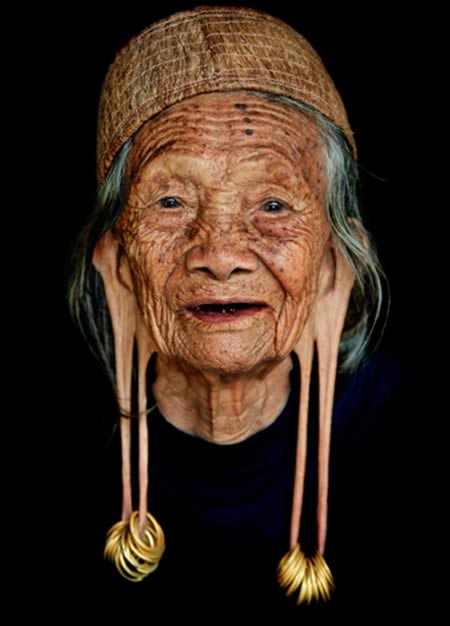
streched-ears

Body modification (or body alteration) is the deliberate altering of the human anatomy. It is often done for aesthetics, sexual enhancement, rites of passage, religious beliefs, to display group membership or affiliation, to create body art, for shock value, and as self-expression, among other reasons. In its most broad definition it includes plastic surgery, socially acceptable decoration (e.g., common ear piercing in many societies), and religious rites of passage (e.g., circumcision in a number of cultures), as well as the modern primitive movement.

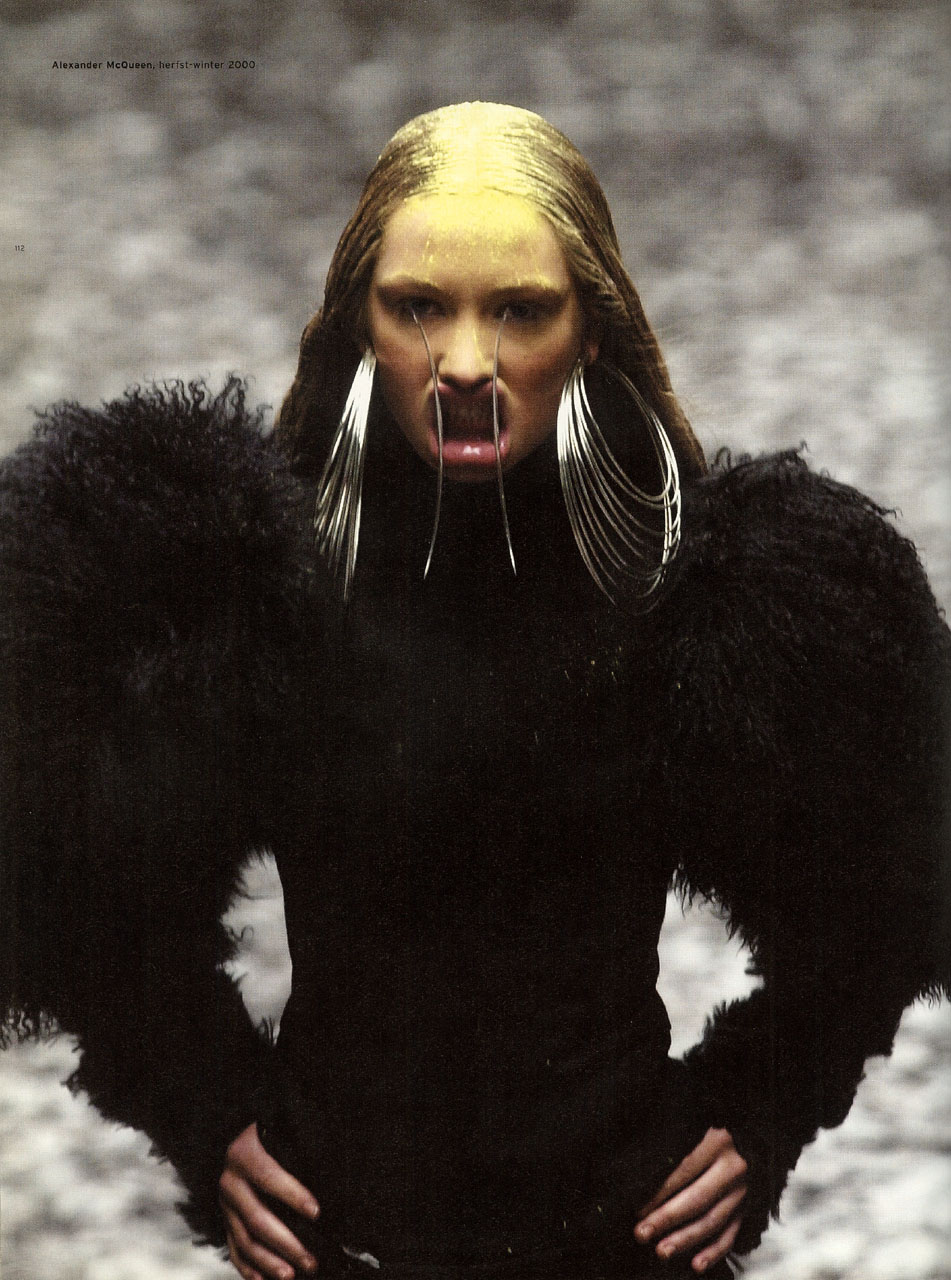
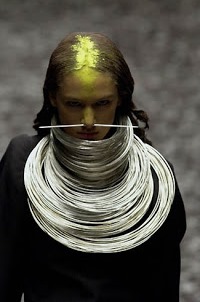
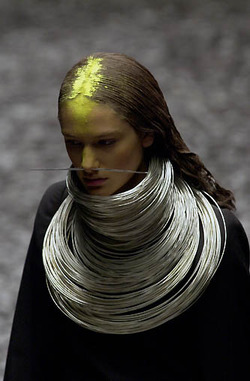
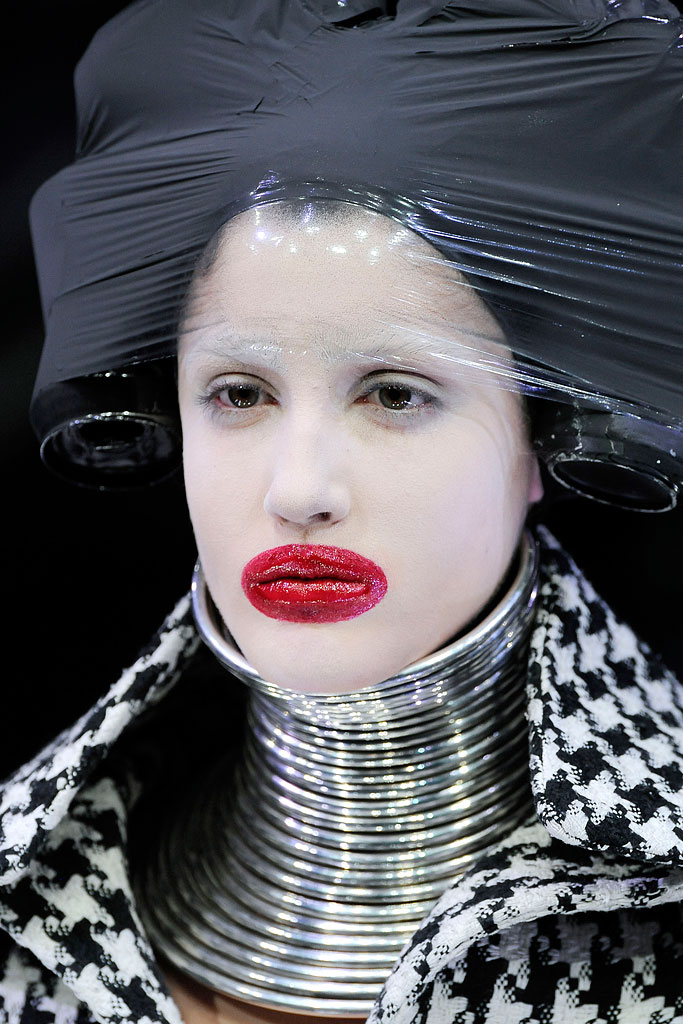
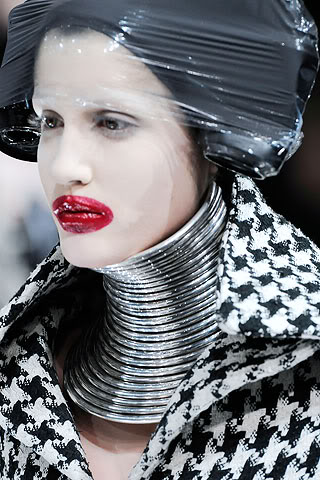
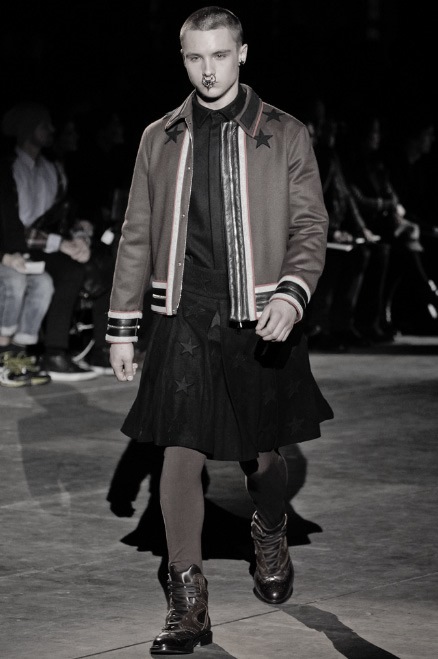
Walter van Beirendonck, Alexander McQueen & Riccardo Tisci found inspiration in body modification and its jewelry.

firestarter

.

Piercing

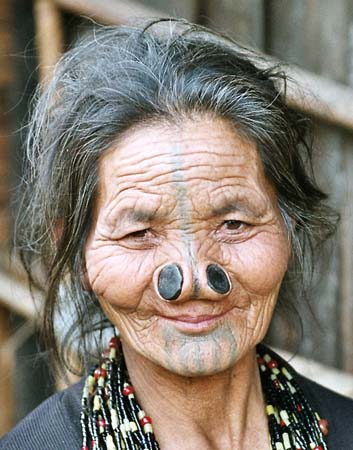
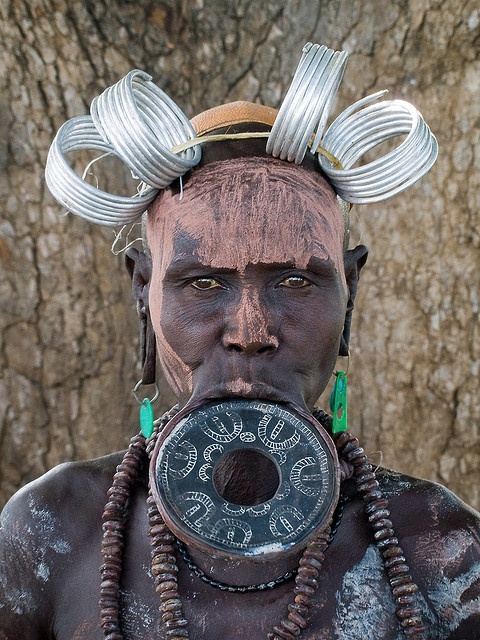
It’s a misconception that body piercing is a relatively recent trend or fashion. Ear piercing is incredibly common in almost every culture throughout history, with a huge range of legends, myths, and meanings behind the jewelry worn and its placement. Nostril piercing has been documented in the Middle East as far back as 4,000 years. The fashion continued in India in the sixteenth century, and is still widely practiced there to this day. Both ear and nostril piercing and jewelry are mentioned in the Bible. And piercings in other parts of the body, such as labret or lip piercings, are widely practiced often in the form of enlarged piercings and lip discs. Tribes across Africa, in Southeast Asia, and in North and South America all participate in lip piercing.

enlarged nostril piercing

streched nose piercings

enlarged ear piercings

piercing

enlarged piersings

lip discs

Lip disc

Lip disc

tumblr_lykp5gVI6m1qh1nq7o1_500

.

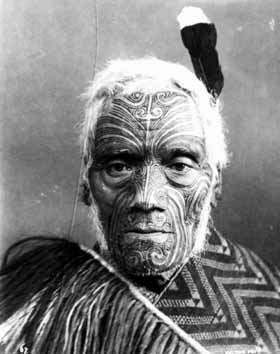
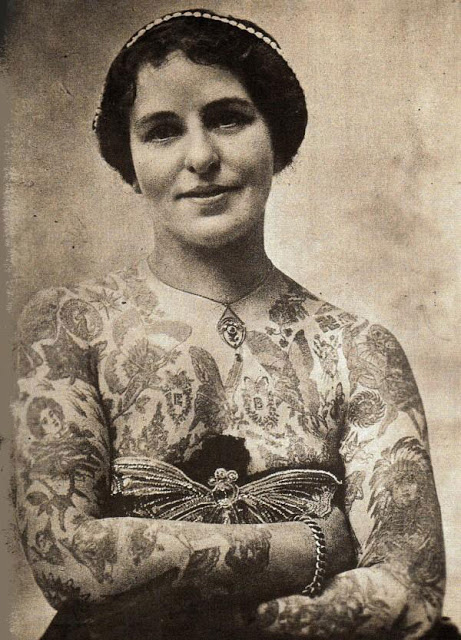
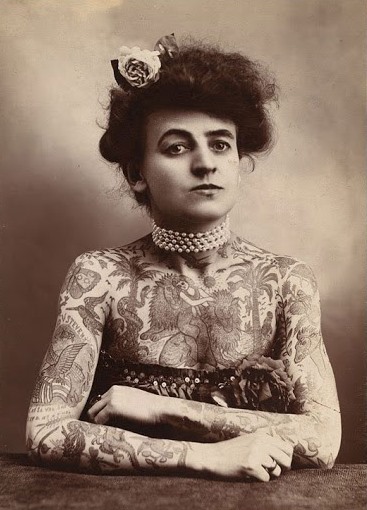
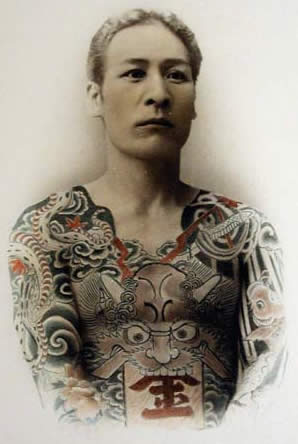
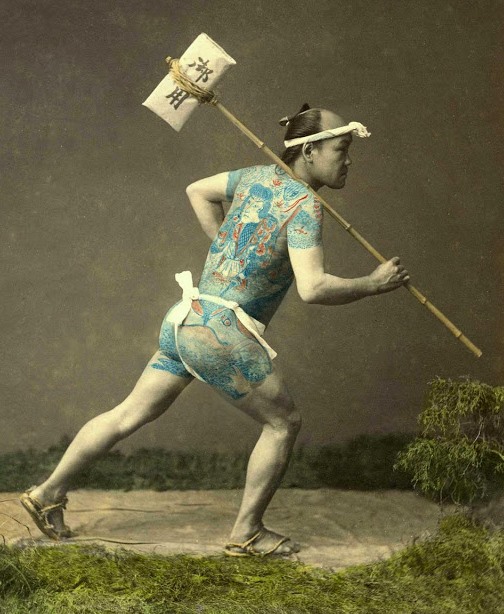
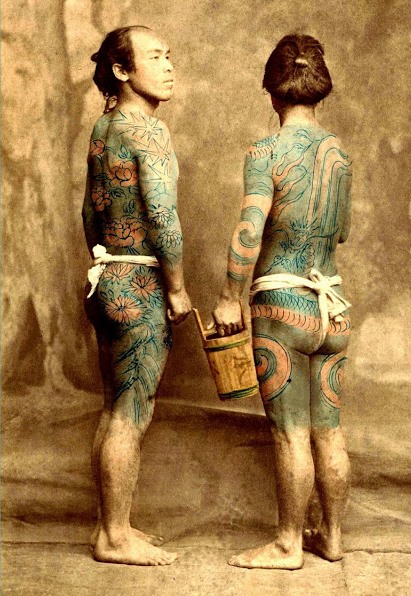
Tattooing

Tattooing, as we know it, is documented as far back as 3300 BCE as seen in the discovery of Otzi the iceman in 1991 and ancient Egyptian mummies bearing tattoos of animals and various creatures.  The practice, however, is believed to have originated over 10,000 years ago. The mechanics of tattooing have changed over the years, and the pigments and inks used have wildly improved in recent times, but whether hand-tapped, poked with a single needle or administered with the telltale buzz of a modern tattoo machine, the basic reasons behind the choice to become tattooed haven’t changed much in all that time: fashion, function or just to make a statement of some kind.

People have also been forcibly tattooed to identify them permanently as criminals or undesirables in society and that associated stigma of tattooing as ‘lowbrow’ or undesirable still exists in the minds of many. Despite that, tattoos are enjoying a resurgence of popularity and are very common in modern culture and for the most part, accepted as the norm.

MaoriChief-lg

tattooed woman

Tattooed woman

japanese-tattoos-1900

THE TATTOOED MEN of OLD JAPAN

TATTOOED POST RUNNER  --  Delivering the Mail in Old Japan (1)

.

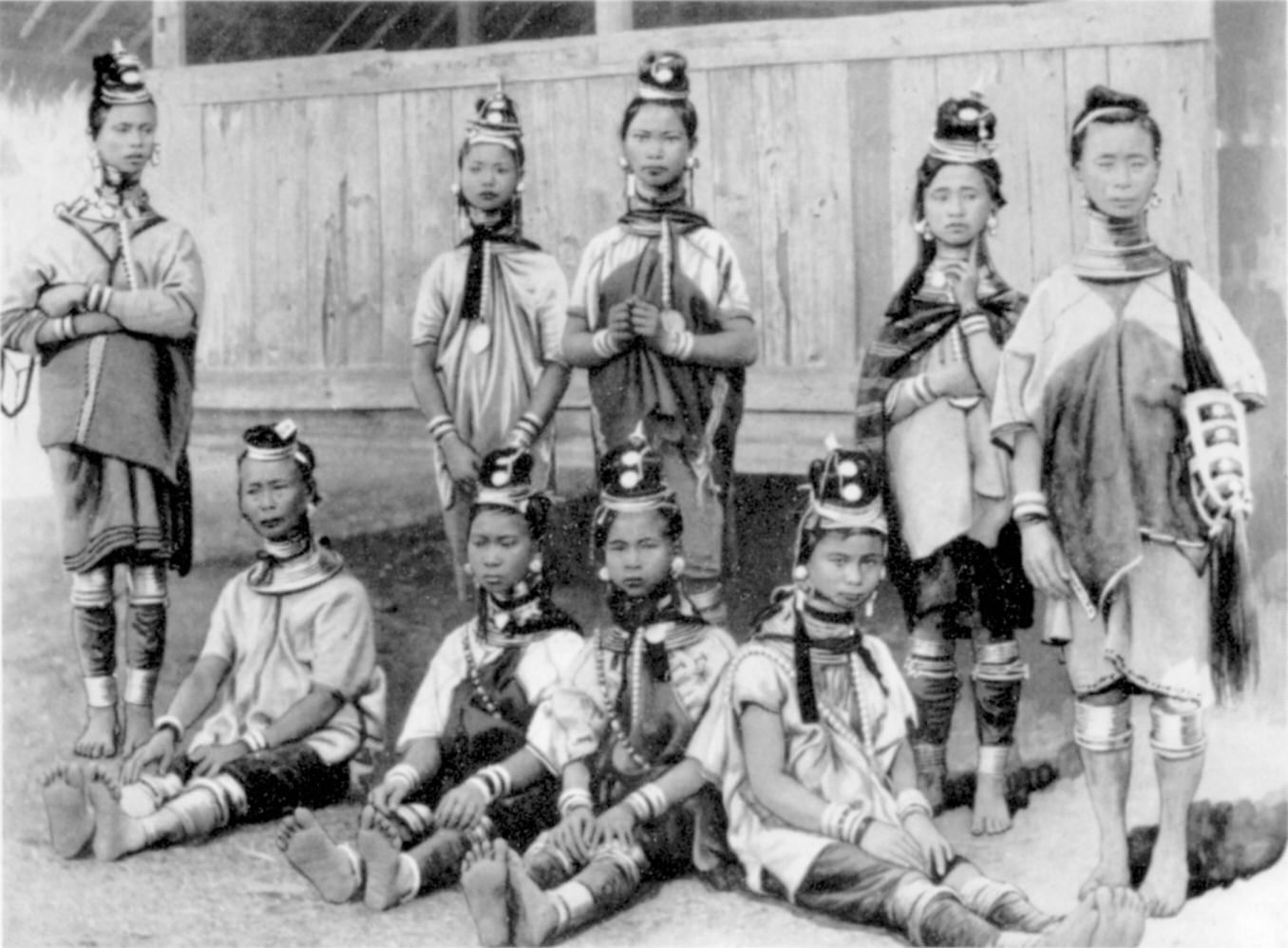
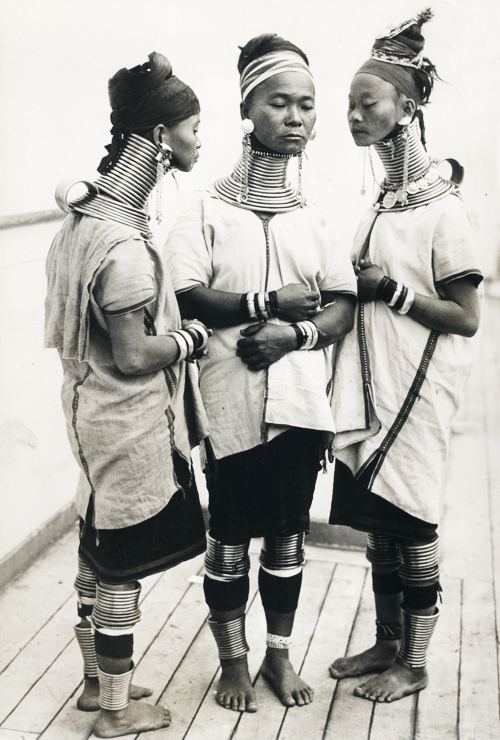
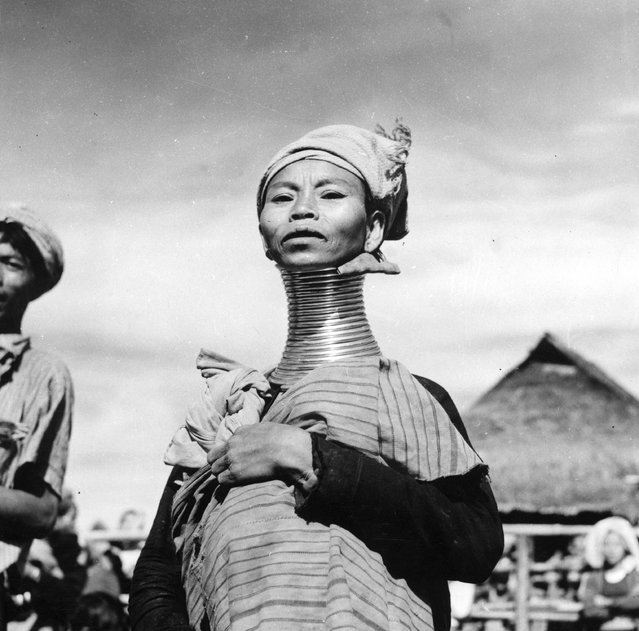
Neck rings

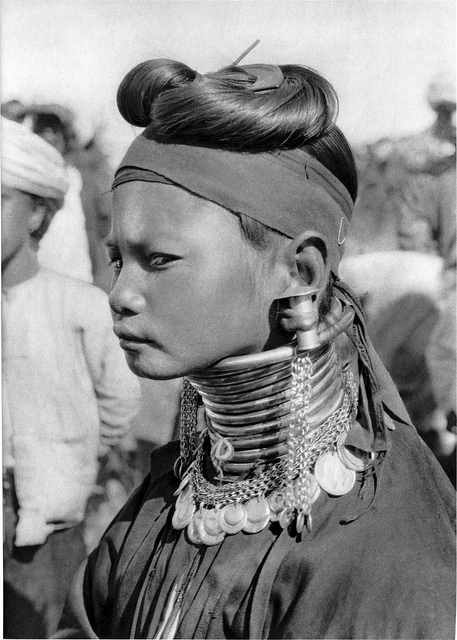
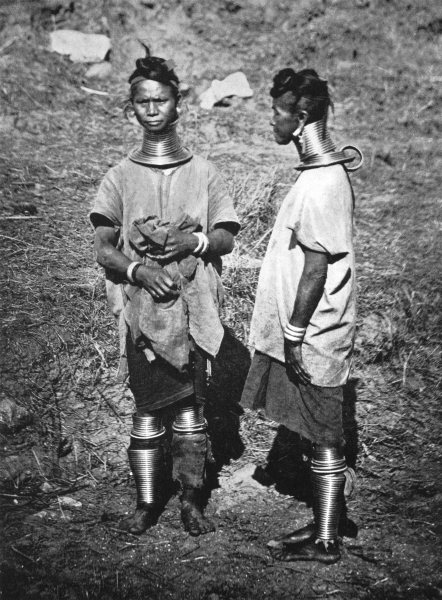
Neck rings are one or more spiral metal coils of many turns worn as an ornament around the neck of an individual. In a few African and Asian cultures neck rings are worn usually to create the appearance that the neck has been stretched. Padaung (Kayan Lahwi) women of the Kayan people begin to wear neck coils from as young as age two. The length of the coil is gradually increased to as much as twenty turns. The weight of the coils will eventually place sufficient pressure on the shoulder blade to cause it to deform and create an impression of a longer neck.

The custom of wearing neck rings is related to an ideal of beauty: an elongated neck. Neck rings push the collarbone and ribs down. The neck stretching is mostly illusory: the weight of the rings twists the collar bone and eventually the upper ribs at an angle 45 degrees lower than what is natural, causing the illusion of an elongated neck. The vertebrae do not elongate, though the space between them may increase as the intervertebral discs absorb liquid.

The South Ndebele peoples of Africa also wear neck rings as part of their traditional dress and as a sign of wealth and status. Only married women are allowed to wear the rings, called “dzilla”. Metal rings are also worn on different parts of the body, not just the neck. The rings are usually made of copper or brass. If these rings are removed from around the neck, the neck could collapse under its own weight.
Scott's_portrait_of_Padaung_'giraffe_women'_in_the_1890s
tumblr_mdnh7qnkq01qa70eyo1_500
Amazing Photos of Burmese Women in The Past (3)
tumblr_m2eag4QhOx1qgazxho1_500
burma-burma-padaung-women-neck-rings-antique-print-1900-117969-p
LongNeckWoman&ChildC
.

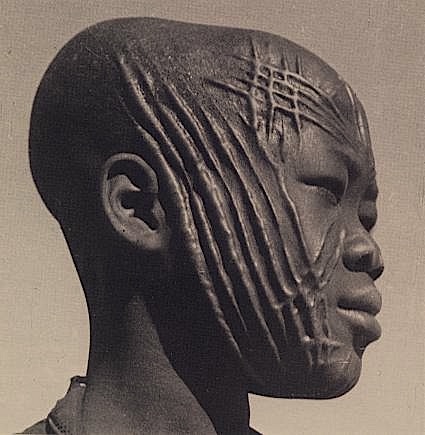
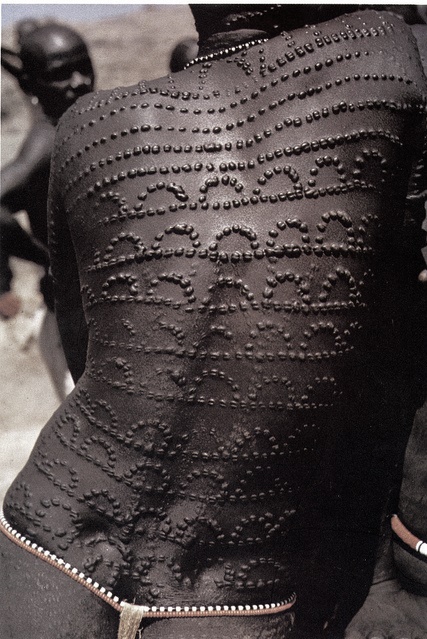
Scarification & Branding

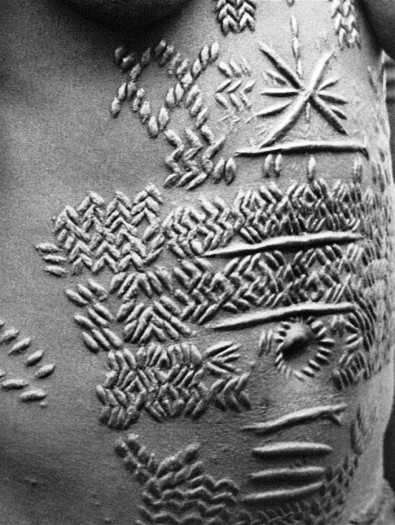
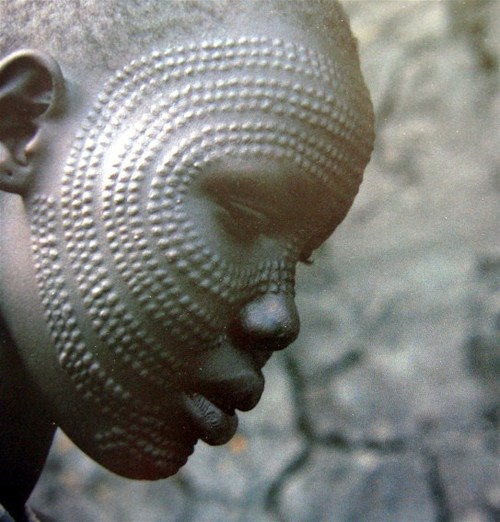
Traditionally, scarification is seen most widely amongst dark-skinned people in equatorial regions-people who tend to have so much melanin in their skin that tattooing isn’t very effective, visually. The “crocodile” people of Papua New Guinea’s Sepik region, several Aboriginal tribes in northern Australia and the Karo people of Ethiopia are just a few of the many cultures who, to this day, participate in traditional rites involving scarification.

In the modern-day Western context, scarification and branding, while markedly less popular than tattooing, are still common forms of body modification, with beautiful end results for many devotees. The aesthetic outcome of a healed scarification, however, has less to do with the artist and more to do with the healing and genetics of the wearer and that (along with the pain and discomfort of the procedure and healing) will probably ensure that scarification never becomes as common as, say, getting a tattoo.

scarification

scarification

scarification

scarification

scarification

.

Hardcore

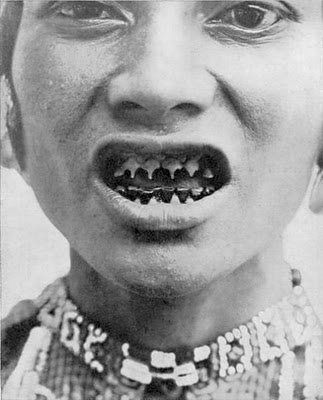
Other surgical modifications seen in recent times are ear pointing, tongue splitting, and many different genital modifications, all offered by “cutters” and in many cases, by sympathetic board-certified surgeons. But even within the bodymod community at large, these types of modifications are often considered “hardcore,” are generally more unusual (though not uncommon) and are mostly of interest to those body modification enthusiasts motivated to push the boundaries of social acceptance.

carved teeth

carved teeth

(Teeth Chiseling is a tradition often performed without any anesthesia by the  Mentawai people in Indonesia).

Body modification has been around as long as humans have lived and with its rich and fascinating history, the practice is unlikely to die out anytime soon. But despite some lingering societal disdain, modifications, even of the more esoteric variety, are becoming more mainstream and acceptable every day, and the craft behind performing these procedures is being constantly perfected and refined by the artists involved. And as new ideas and techniques become reality and traditional standbys are adapted and perfected, it’s safe to say that

humans will continue to reshape and redefine themselves by modifying their bodies.

.

.

Influence on Walter Van Beirendonck

Book cover

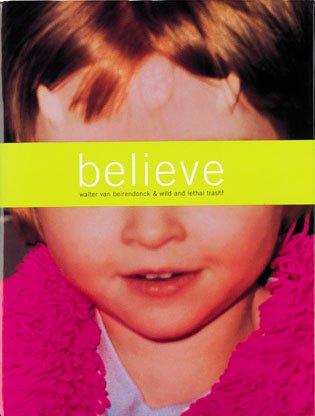
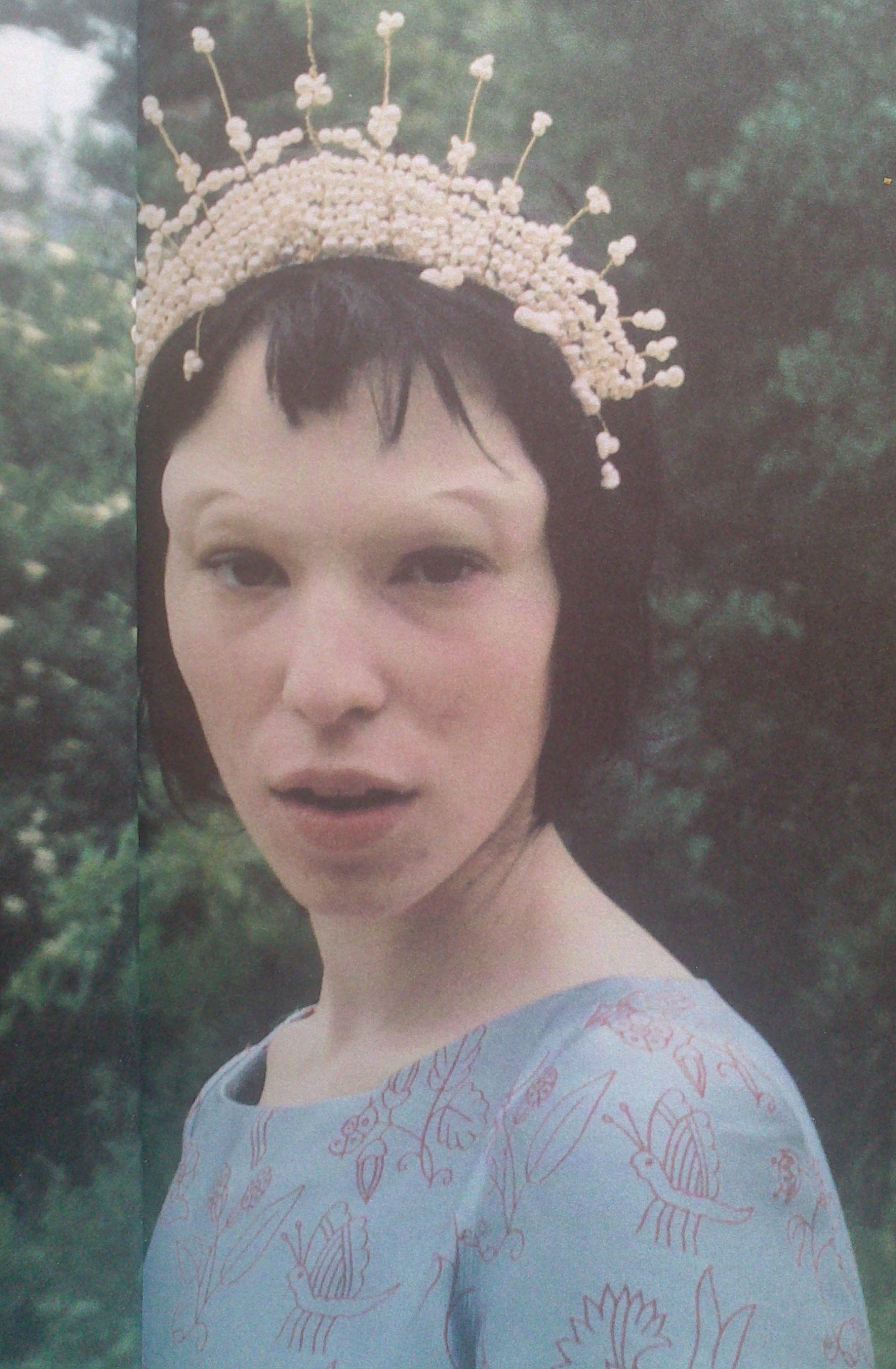
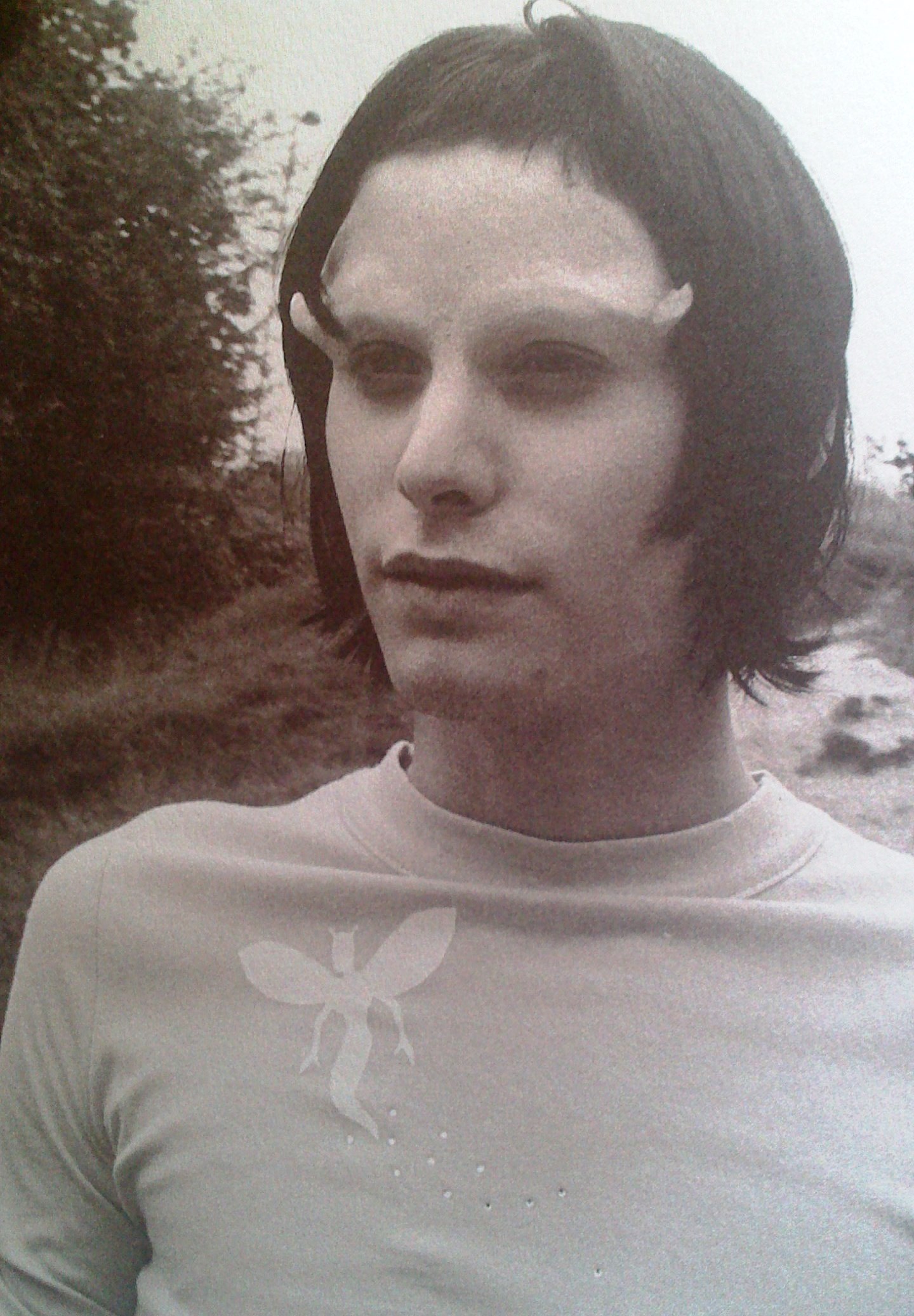
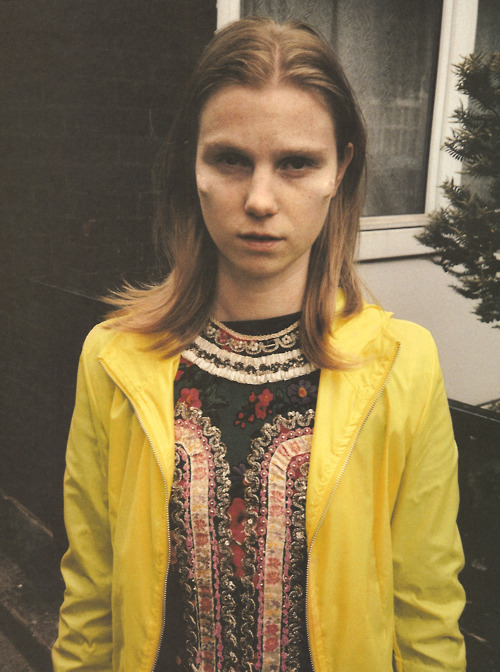
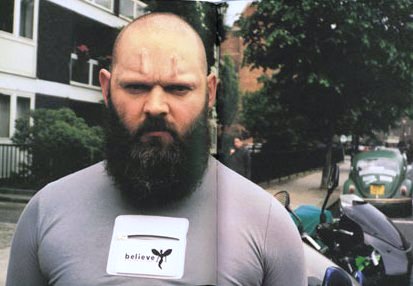
Walter Van Beirendonck and his Wild and Lethal Trash label caused a furor during Paris fashion week in 1998. One look at his work and the reason should be clear, for in this book he uses French artist Orlan — whose medium, her own body, she alters with plastic surgery — for a blend of fashion, make up (fake implants) , art, and design. Photographed by Juergen Teller.
.
Believe
Believe
Believe
Believe
Believe
Believe
Believe
Believe
.

Influence on Alexander McQueen

McQueen

tumblr_m0x1zzlLzR1qbbjpeo1_1280

6222414268_058038d3b9_b

tumblr_maglmyxTWk1qguputo1_250

00080fullscreen

AMcQnF09AmandaLaine

00050fullscreen

.

Influence on Givenchy

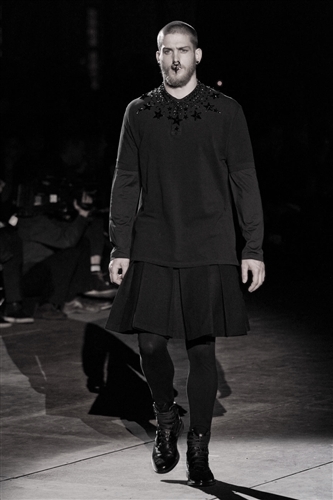
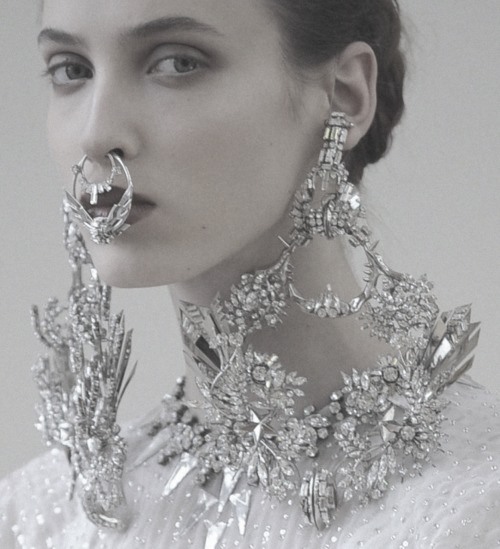
Riccardo Tisci (head designer of Givenchy)) was inspired by the look of singer Keith Flint of the Prodigy in the 1996 hit video Firestarter for his mens collection a/w 2012. Also Keith’s nose ring became an item of the collection. For Women Tisci also found inspiration in piercing objects for jewelry.

.

.

Givenchy-men-black-red-stripe-jersey-star-sweater-fall-winter-2012

givenchy-fall-winter-2012-collection-15

Givenchy-m-RF12-5783

Women jewelry f/w 2012 by Givenchy

Haute Couture

Givenchy

.

Most information in this post  from:

The Art and History of Body Modification by Lori St. Leone