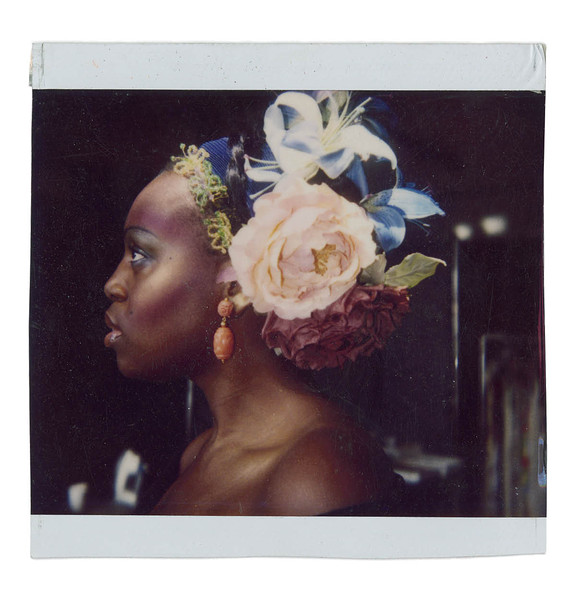
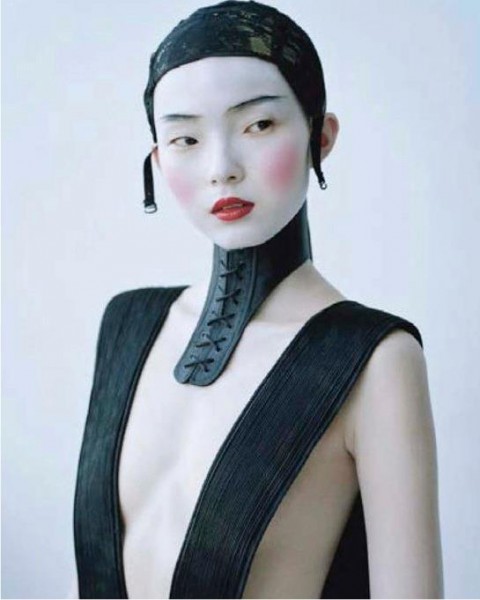
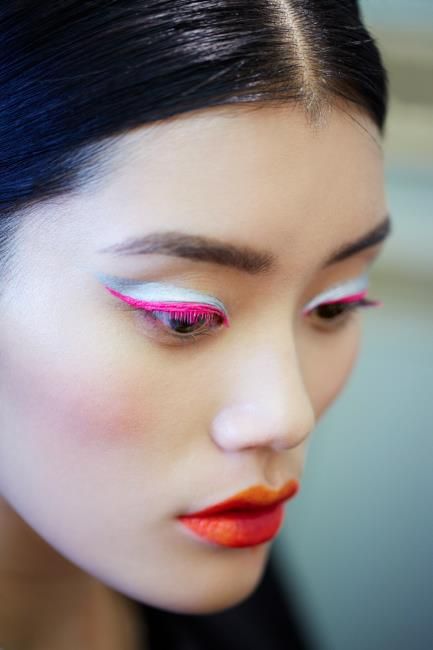
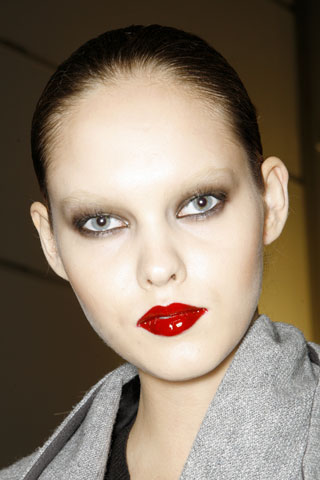
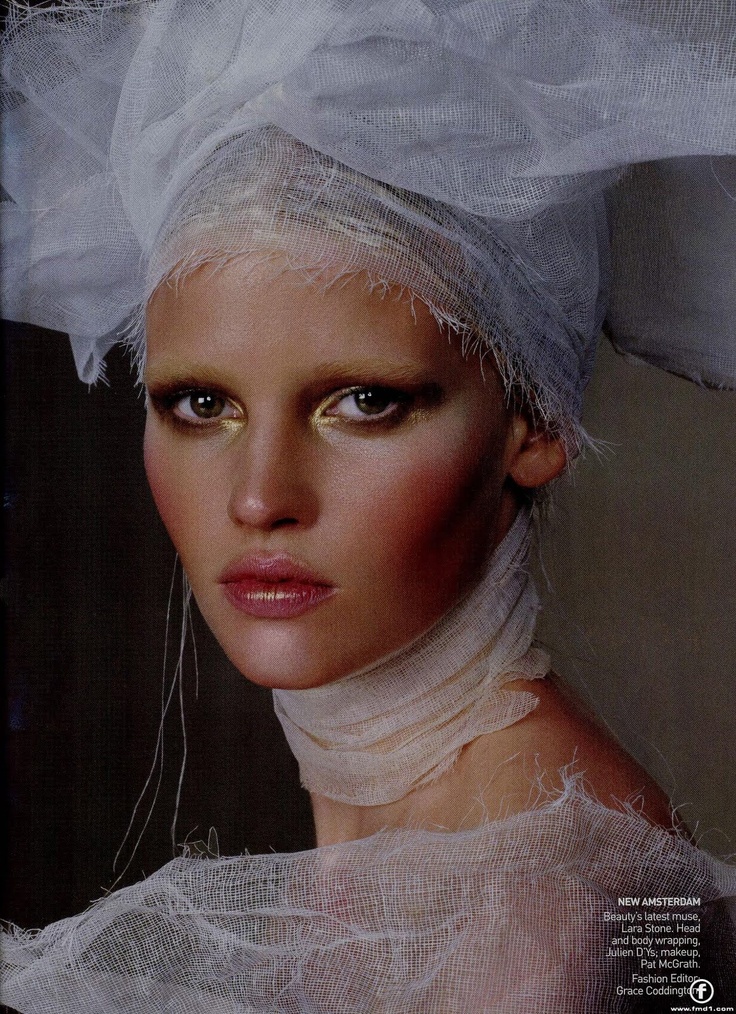
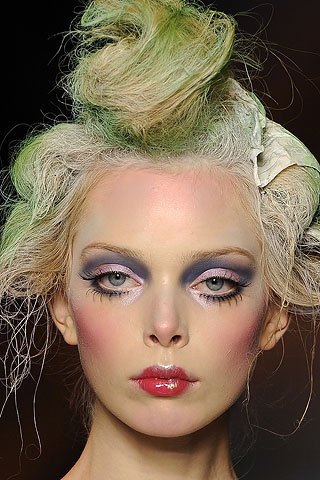
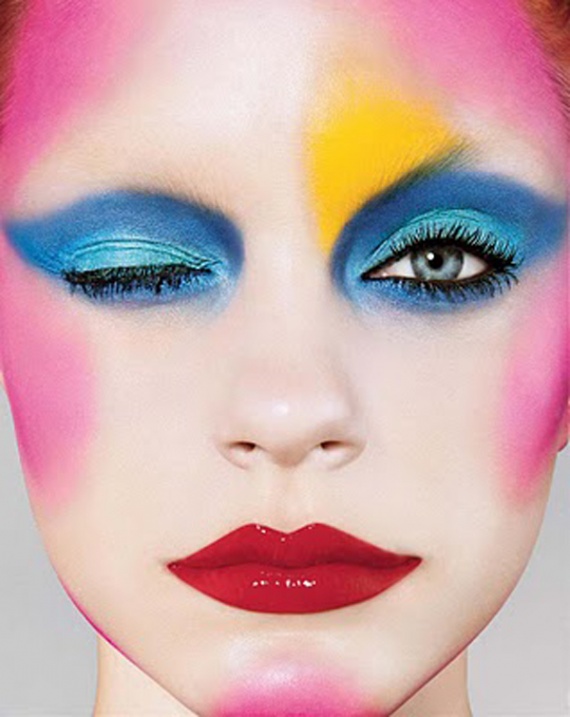
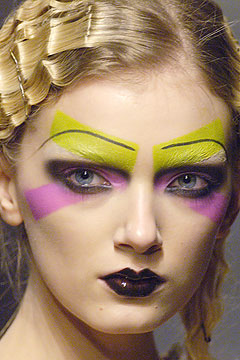
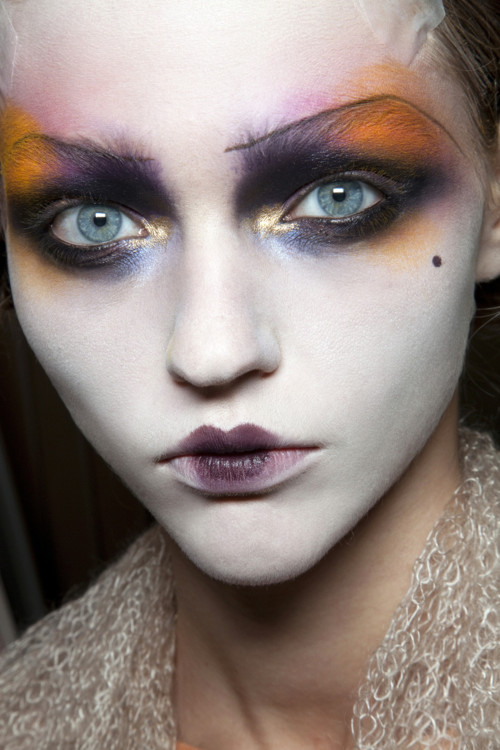
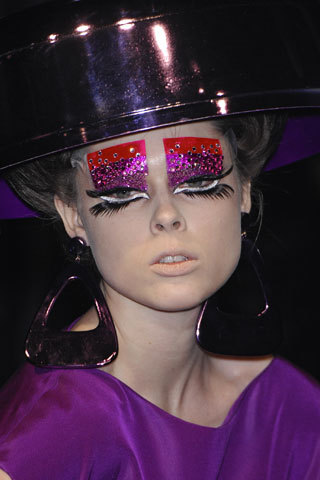
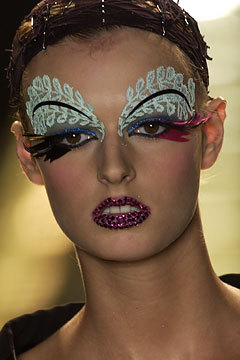
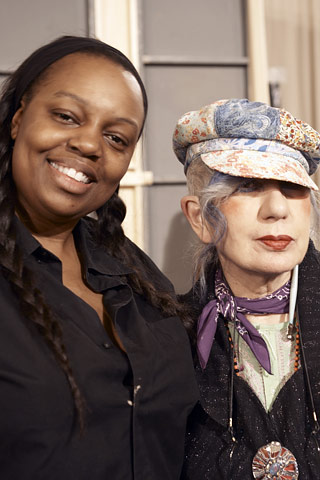
Pat McGrath is born in 1970. She was raised by her mother, Jean McGrath, a Jamaican immigrant, in Northampton. Pat didn’t have a formal training as a make-up artist, but she did become one of the most influential ones in the fashion industry.
Pat says her mother, who was a keen follower of fashion, is the one who stimulated her creativity.The two made a habit of studying classic Hollywood films, which Pat cites as a key to her ultimate success . Jean would quiz her daughter on different shades of eye shadow. “She trained me, basically, to do the shows, right there… look at the pattern, check the fabrics, look for the make-up – and begin.” “She was always mixing up colours because there wasn’t anything out there for black skin.”
She has described her upbringing as “very religious, very conservative” and has spoken of her teenage fascination with the Blitz Kids – Boy George, Marilyn, Spandau Ballet – all of whom were famed for their outré make-up and whom she used to follow around the King’s Road. “We thought we were New Romantics, we’d get changed on the train and try to get into all those clubs,” she told the Guardian in 2008.
After leaving school, Pat completed an art foundation course at Northampton College. She had planned to undertake a fashion degree but abandoned this when she met the stylist Kim Bowen, who invited her along to watch her work on shoots for The Face and i-D. Her big break came when she received a phone call asking her to go on tour in Japan with Caron Wheeler from Soul II Soul, whose make-up she had done one afternoon three years previously as a favour for a friend. “I left my job and went to Japan for three months, scared to death. I cried all the way there because I’d never been on a plane before and I was terrified.” This opportunity led to McGrath working with i-D magazine’s fashion director Edward Enninful and subsequently, being named beauty director for the title – a position which she holds to this day.
The drama of Pat’s work is a reflection of her larger-than-life personality. She can create fantasy at the drop of a hat and is known for arriving backstage armed with at least 20 cases of ammunition, from standard-issue mascara to sequins, doilies, and art books.
Additionally, she designed Armani’s cosmetics line in 1999 and in 2004, and in 2009 for Dolce & Gabbana, was named global creative-design director for Procter and Gamble, where she is in charge of Max Factor and Cover Girl cosmetics, among other brands.
In the 2013 Queen Elizabeth II’s New Year Honors List,Pat McGrath was “named an MBE, or Member of the Order of the British Empire, for services to the fashion and beauty industry.”
“Everything goes into fashion, it isn’t just makeup. . . . It’s film, TV, history of art, books, clubs. The culture.”
..
.
.
.
Lisbeth Salander
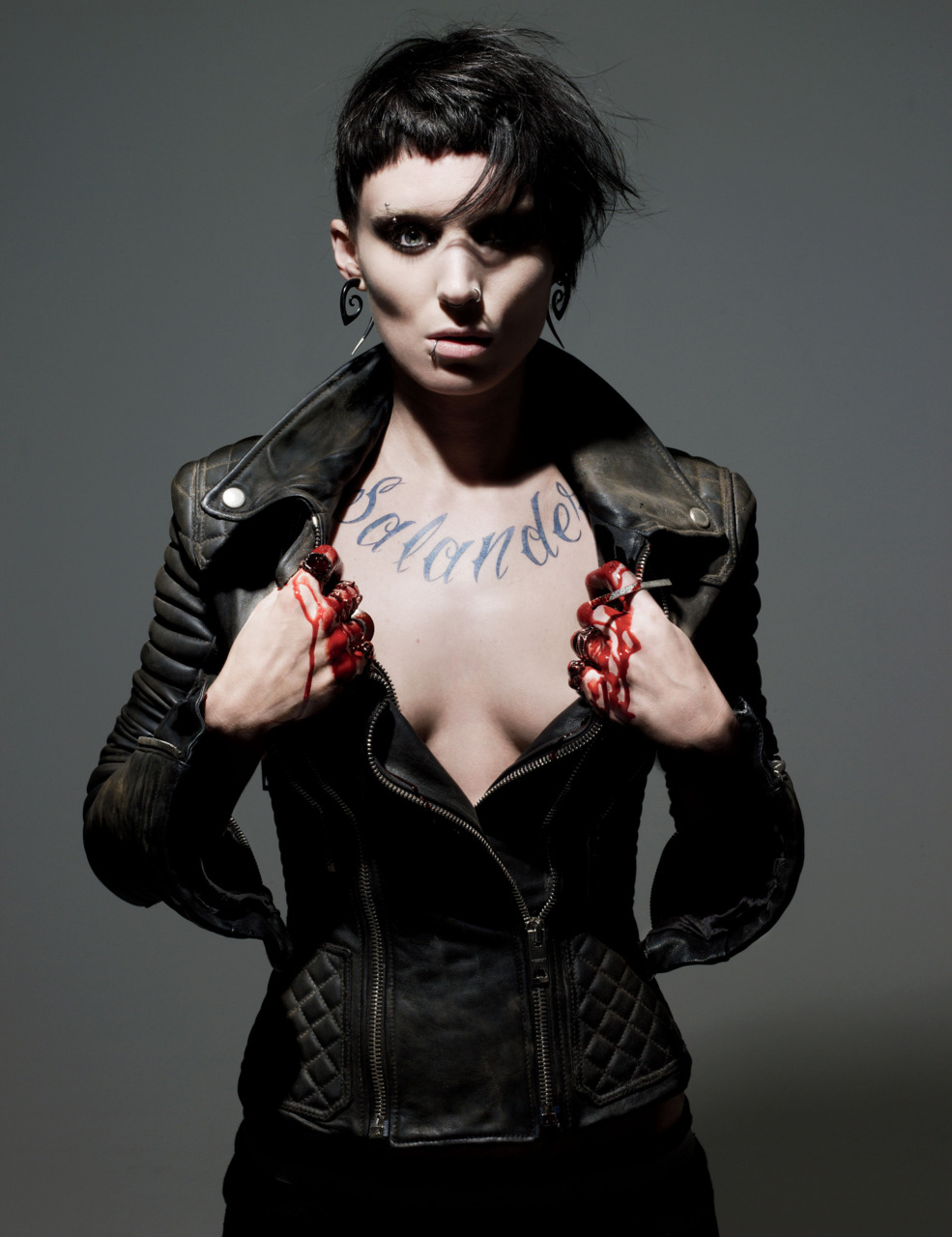
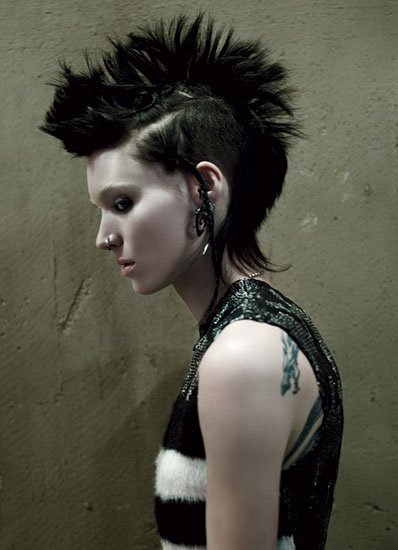
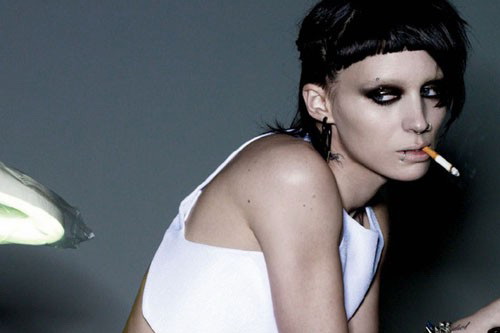
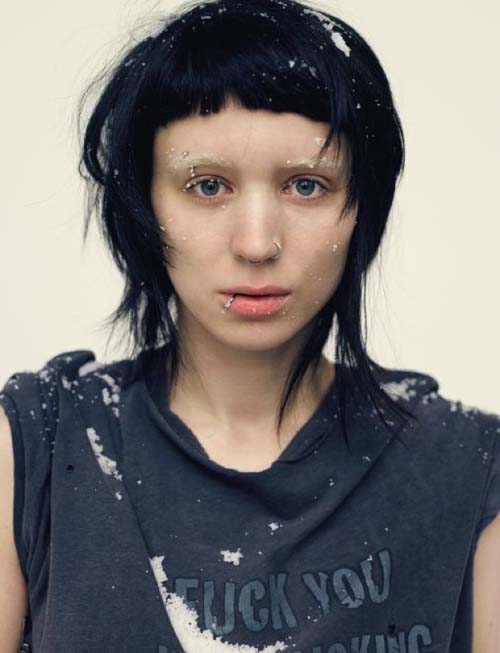
Pat McGrath also designed the makeup for “The Girl with the Dragon Tattoo”,Lisbeth Salander, one of my favorite movie characters and transition: to make the porcelain-faced Rooney Mara into a stone-cold punk computer hacker, her eyebrows were bleached and her hair dyed black. It made her becomethis dark, androgynous, and mysterious loner.
Rooney Mara
Keeping the look minimal, as a real tomboy would, Pat focused mainly on shaping the eyes with smoky shadow and bare skin (“There was no foundation. I wanted her skin to be translucent and for it to change color in the cold. In fact, the most beautiful scene is when she was actually very cold.”)The trick was to take black and brown eye colors and add a tiny drop of red—that created a look that was vulnerable but hard and strong.
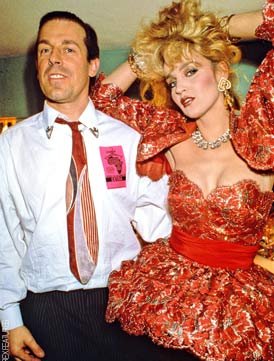
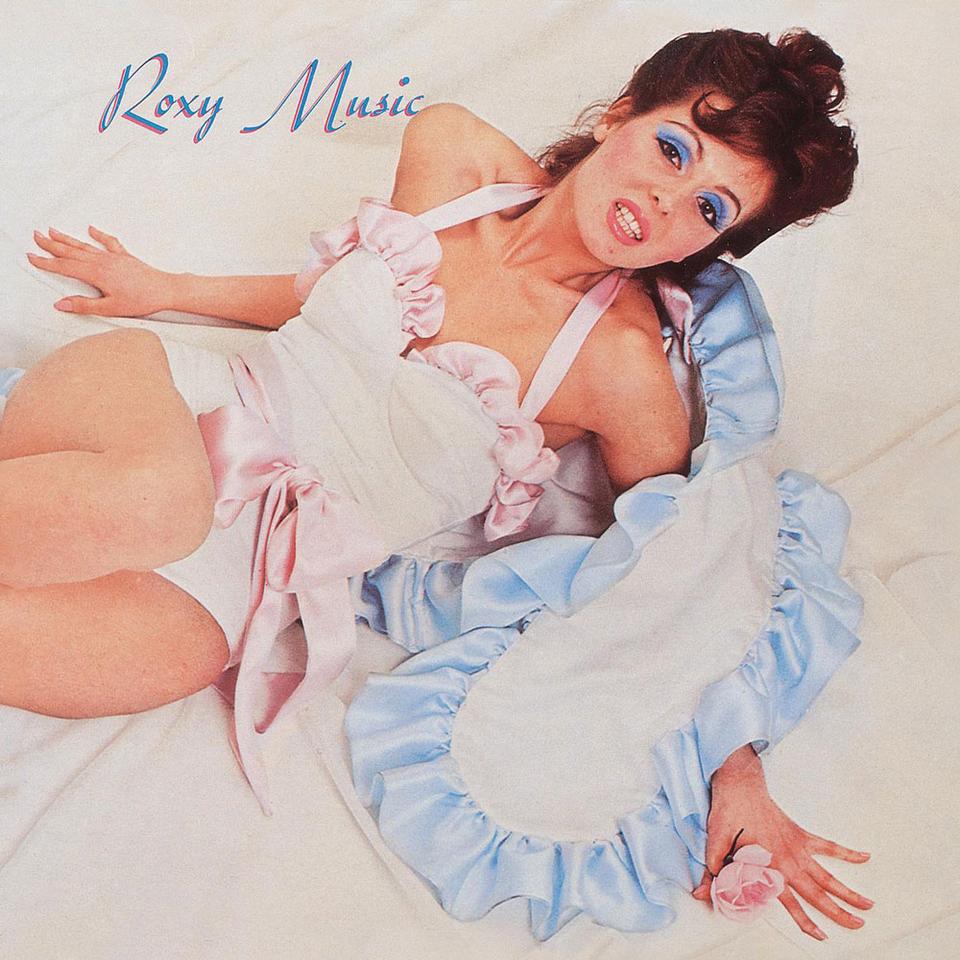
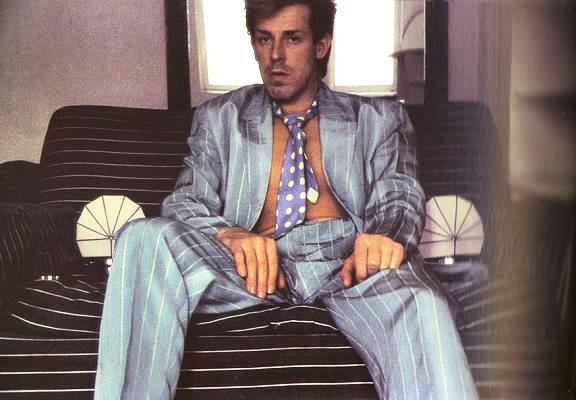
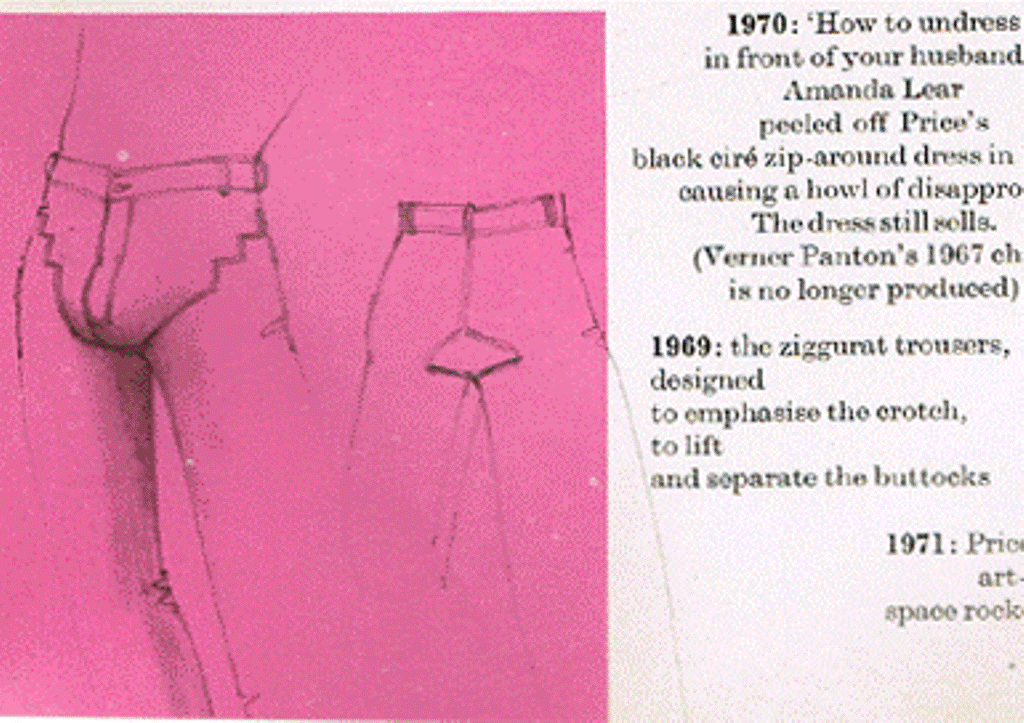
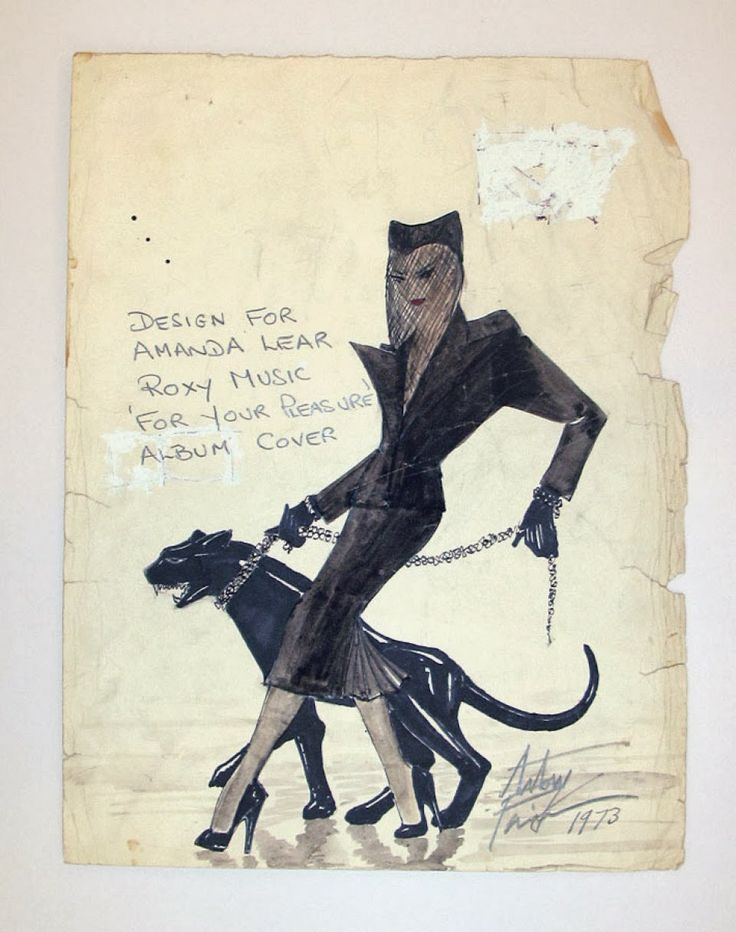
In many ways Antony Price made Roxy Music the in crowd that they used to sing about. Often called the silent member, he created a look ahead of its time: fetish wear fused with fantasy, the 80s long before the 70s were over. He created the visuals for their album covers. He shaped Bryan Ferry into a style icon in shiny matinee idol suits – a little bit military, a little bit Dietrich. He designed high-waisted trousers with intriguing seams up the bottom and called them “arse pants”.
Mr. Price also dressed Gayla Mitchell for the infamous back-cover shot of Lou Reed’s Transformer album. A decade later he created the highly stylised look of Duran Duran – Nick Rhodes had been obsessed with Roxy Music. He made Jerry Hall look like a mermaid throughout the 70s and 80s. He could deal with all sexes and shapes; he knew how to “get the best out of the flesh”. He cut to create illusion.
Antony Price & Jerry Hall
Roxy Music album coverBrian Ferry wearing Antony Price designed suit
Back-cover of Transformer by Lou Reed.
.
Antony Price is known as “the doctor”. He listens to women’s body problems and his clothes perform a kind of surgery. He is famous for making body doubles out of chicken wire on which to base his couture creations. “I’m the man who has spent 40 years measuring and studying women’s bodies. Not just thin women. Everyday real women. Real bosoms. Real problems. Women who have no tits and want them, and women who want them smaller. I build frocks.”
“He reinvented the suit so that it was no longer about going to the office. He made it rock’n’roll. He started at a time when British fashion didn’t have sponsors. It was the era before the superstar designer. They all came after him. Yet he was a visionary. He created that military, dandy, sexy, eclectic men’s look. He created rock’n’roll fashion.” (stylist David Thomas)
Short biography
Antony Price (born in 1945) graduated from the Royal College of Art 40 years ago, just after David Hockney and Ossie Clark, and was a perfectionist even then. He would hide from the caretaker so he could stay in college and machine all night. When he graduated he was recruited to the Stirling Cooper group, which was at the heart of fashion in the 60s.
Prudence Glynn, fashion editor for The Times tipped him as a major new fashion talent in ‘Trendsetters’, giving him the main picture and writing that ‘Antony Price is a sensational cutter and he puts a lot of work and thought into the shaping of even the most casual clothes. His range of little bare tops in crepe and cotton, for example, are technical feats, for they all have bra sections cut into the pattern … he is undoubtedly a trendsetter and in advance of his time … his clothes have great wit and gaiety and he is certainly a name to be watched in the future’.
Before long Mr. Price was styling the Rolling Stones, Roxy Music, David Bowie and was responsible for the controversial back cover photo of Lou Reed’s ‘Transformer’ album, featuring a model with a cucumber down his trousers. His button trousers for Stirling Cooper were worn by Mick Jagger for The Rolling Stones’ 1969 American Gimme Shelter Tour. In addition, his bridge-crutch trousers were feat of technical skill, inventing a new construction that high-lighted the male crotch and buttocks.
Harpers & Queen 1979, drawing of the bridge-crutch trousers
.
Mr. Price has been credited as the chief illusionist of what he dubbed “the Roxy Machine” and contributed to all eight album covers – something which can be boasted by no-one besides Bryan Ferry himself. The manner in which Mr.Price dressed – or in many cases, undressed – the “Roxy girls” on the covers of their albums helped to define the band’s pop retro-futurism.
He joined the Plaza Clothing Company in 1972, which specialised in the mass production of garments in retailers in the United Kingdom and abroad. Portugal. He spent 5 years working in Portuguese factories concentrating on developing ranges of stretch garments that sold in extremely large quantities to all major fashion outlets..
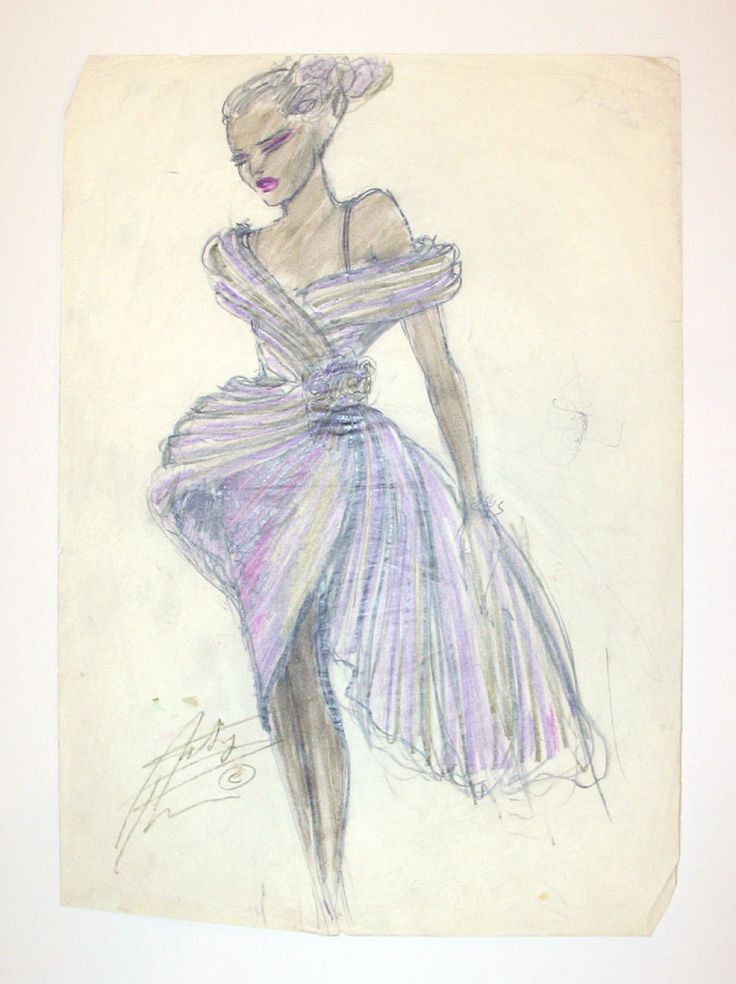
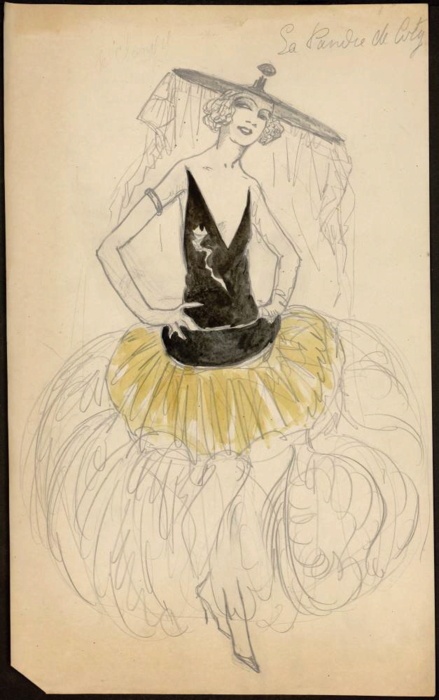
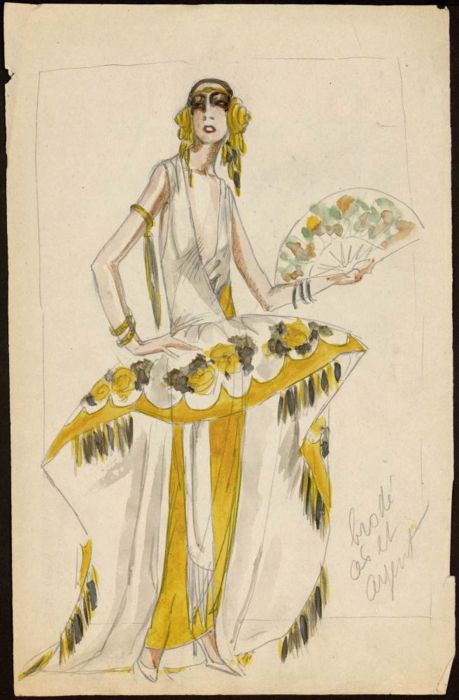
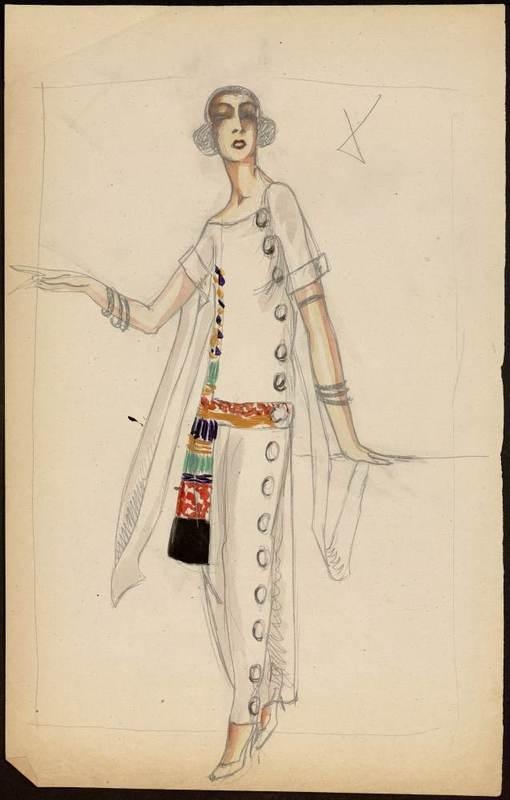
Antony Price drawings
In 1979 Mr. Price and his business partner Richard Cunninghmam (Head of Sales at Plaza) began a 15 year business relationship and took over the Plaza shop launching his own label, Antony Price, with shops in SouthMolton Street and on the King’s Road,which became the centre for Rock and Roll Glamour for the stars and also involved major interest from various magazines; Vogue, Tatler and Harpers and Queen. The blue glass exterior of the shop was hailed in high esteem by retail architects and the media as it had a revolutionary method of visual merchandising, i.e. the clothes were displayed as art within the store. The window was a huge television/cinema screen displaying controversial fashion images of the clothes sold within.
He also operated a shop called ‘Ebony’ in the 1980s. And in 1982 he collaborated with the British band Duran Duran, designing electric silk tonic suits for the “Rio” video.
A few years later, in 1984, Mr. Price staged another ‘Fashion Extravaganza’ at the London’s Hippodrome, combining fashion and rock music. “I’m partly responsible for the marriage of rock and fashion,” he said in 1998, “When I started out, rock people thought fashion people were snobby and fashion people though the music industry grubby and dirty.”
Antony Price received the ‘Evening Glamour Award’ from the British Fashion Council in 1989 and the following year British Vogue published a profile on Price written by Sarah Mower. He was widely considered to be a frontrunner in the search to replace Gianni Versace in 1998, after that designer’s untimely death.
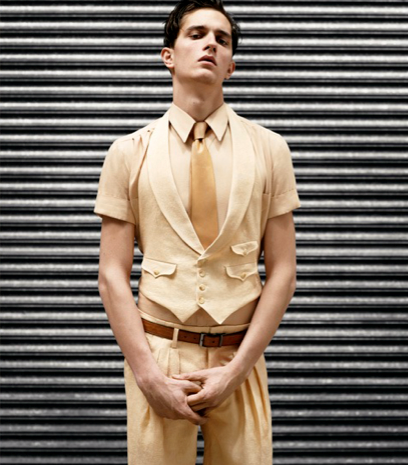
Like the rediscovery of Celia Birtwell, Topshop’sTopman brought out three Antony Price collections (s/s 2009, a/w 2009 & a/w 2010), called Priceless, which were only on sale in the UK and the US. He also assisted Daphne Guinness on her eponymous line of exquisitely tailored shirts for Dover Street Market.
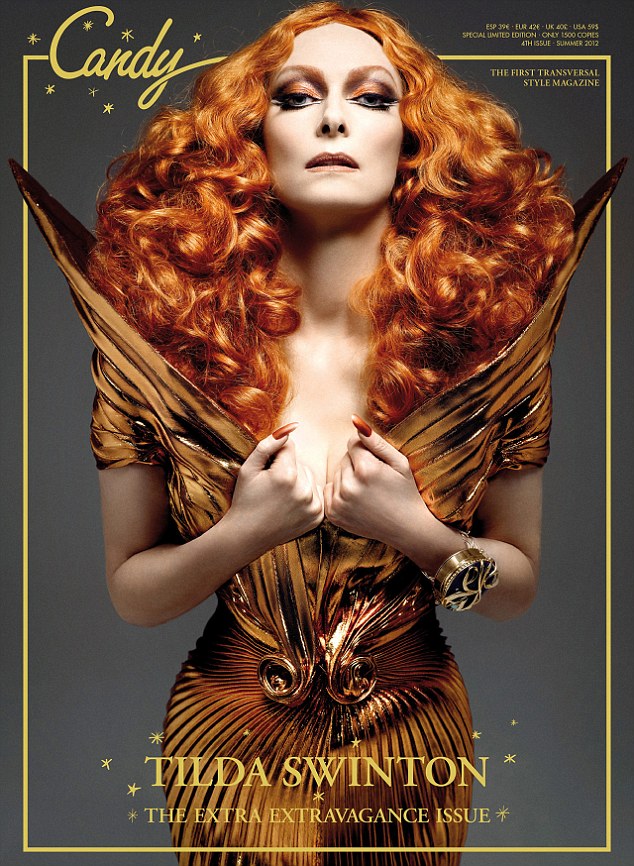
He continues to design clothing for the elite, including the Duchess of Cornwall. In May 2012, he dressed actress Tilda Swinton for her appearance in drag for the cover of Candy magazine, described as “the first fashion magazine completely dedicated to celebrating transvestism, transexuality, crossdressing and androgyny in all their glory.”
The secret to his success? Antony Price is a master tailor, incredibly adept at sculpting and moulding the body to perfection. Not for him size zero waifs, his dresses are created for women who have curves – and aren’t afraid to show them off in figure hugging, eye-catching dresses. The likes of Alexander McQueen and Roland Mouret have plenty to thank him for.
Antony Price for Topman
.
Antony Price has remained unfinanced through out his entire career trying to compete against his French and Italian counterparts in the glamorous couture end of the Fashion industry. It has been a notoriously difficult journey, but Price fights on.
By his own admission, “It has not been easy.”
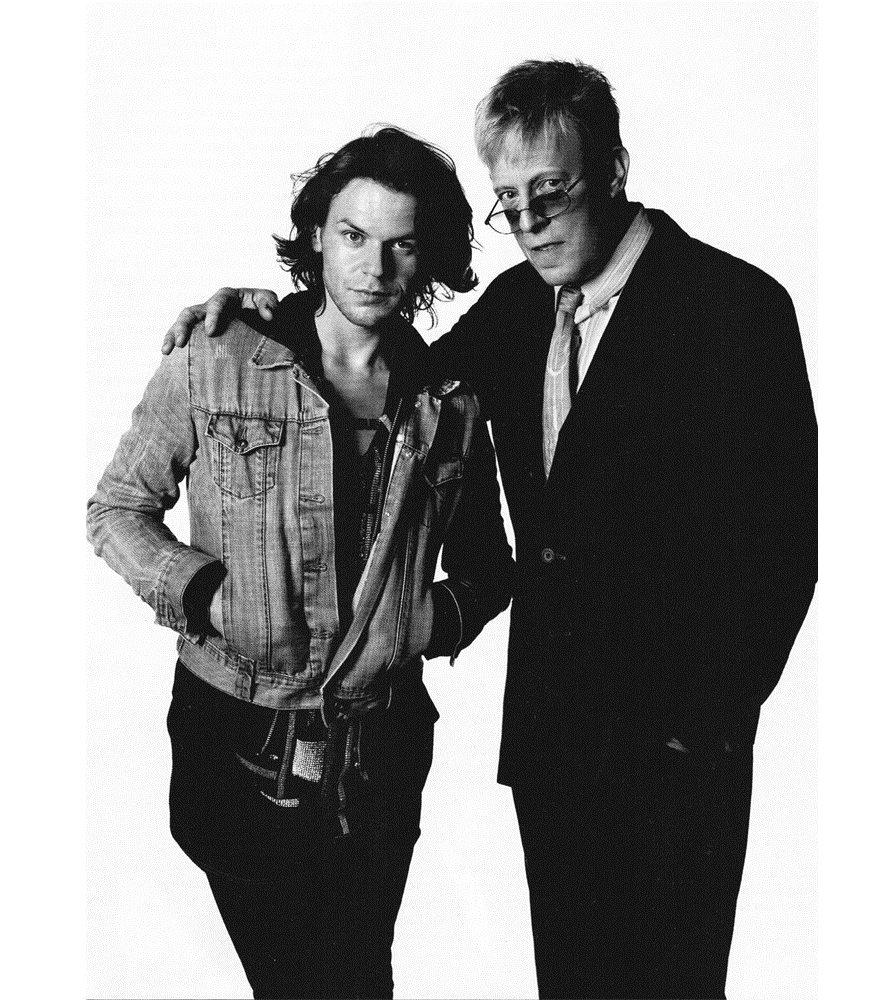
Brian Ferry & Antony Price
 .
“He is one of the most remarkably gifted people I have ever met, and an authority on a bewildering range of subjects. He is a master craftsman – quite rare in this day and age – and has quietly exerted an enormous influence on so many people. Although most of his work has been associated with urban nightlife, he is surprisingly a man of nature, an expert on exotic plants and rare birds and the niceties of human behaviour. To those who know him he is a constant source of amusement. In times of adversity, an incredibly loyal friend.” (Brian Ferry). .
.
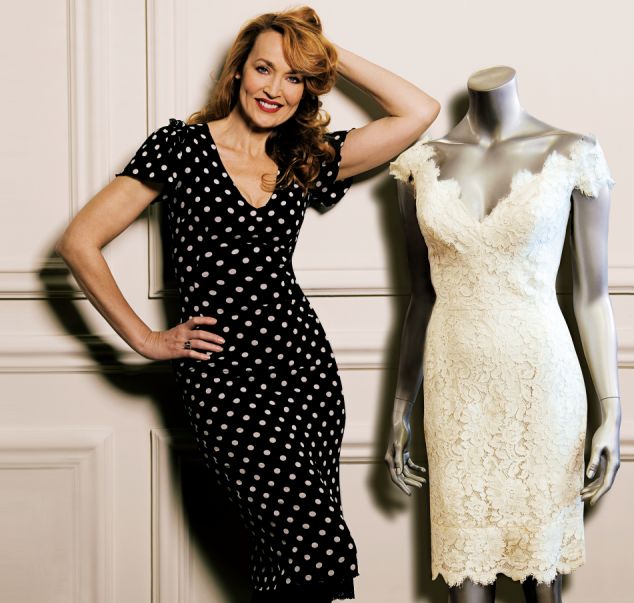
Jerry Hall & her Antony Price wedding dress (marriage to Mick Jagger)
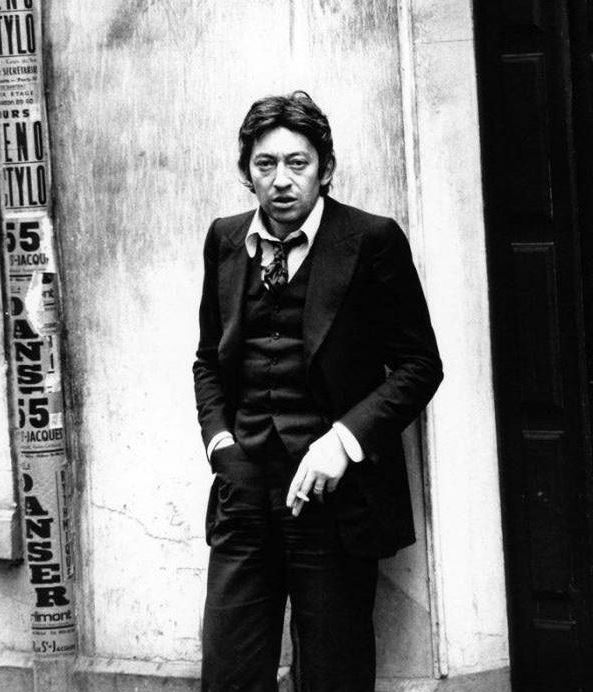
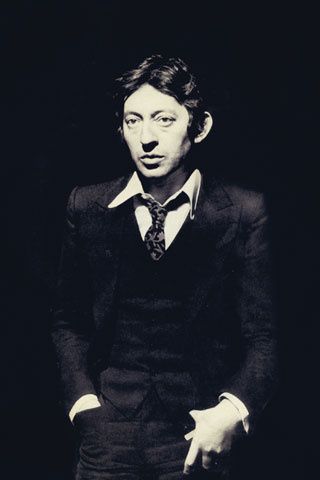
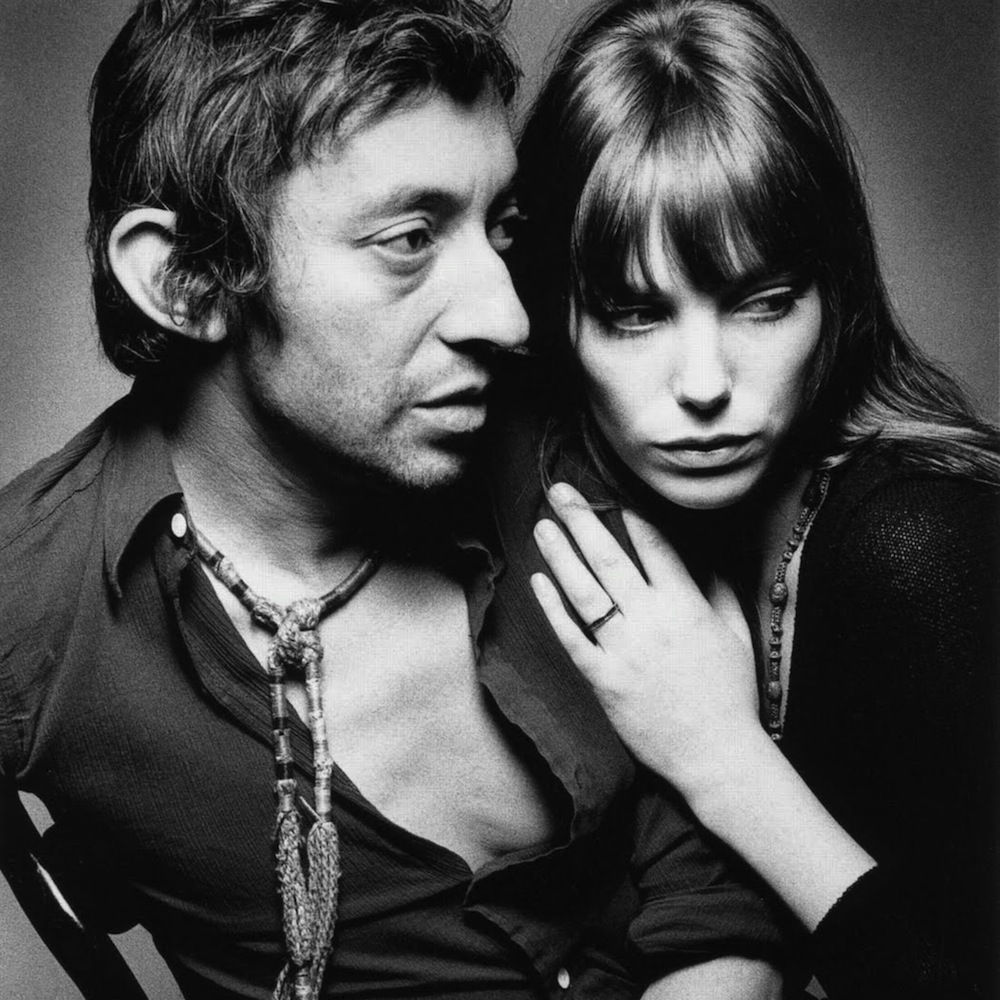
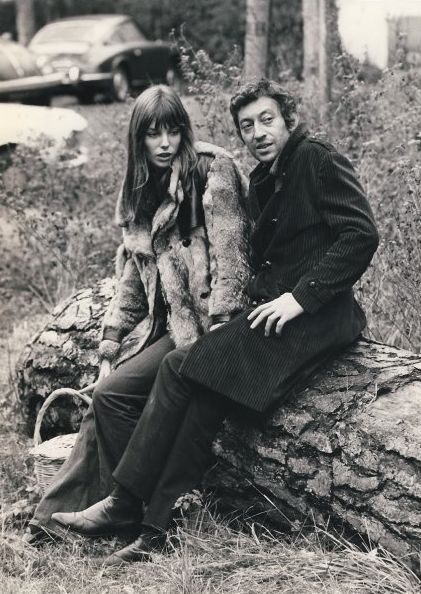
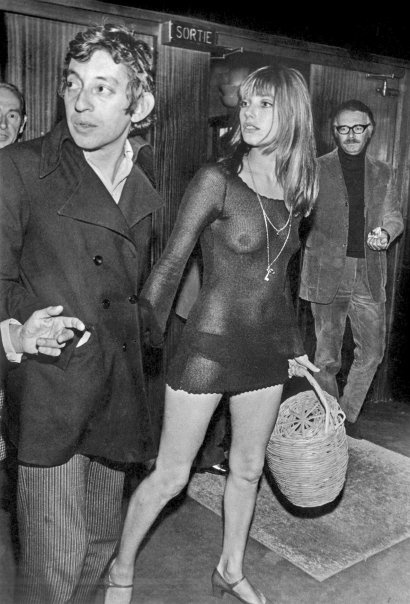
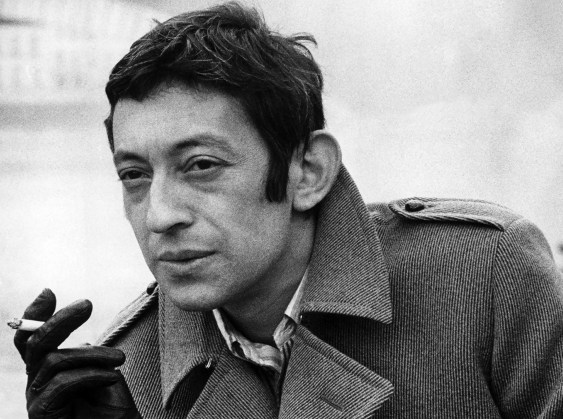
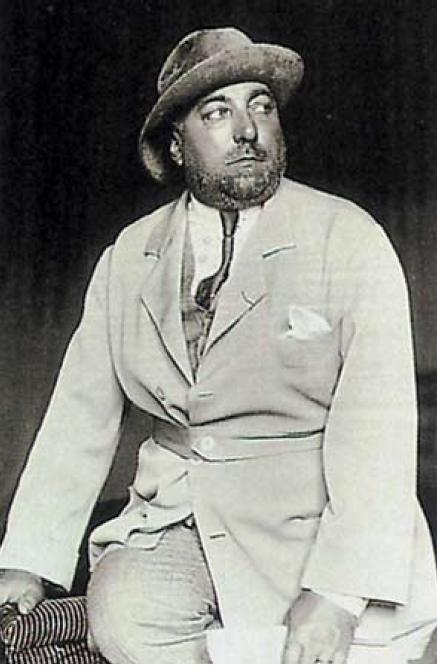
Style is not just about beauty, it’s about finding out what fits you well and putting it all together. Serge Gainsbourg was a french rock star with great style and always surrounded by sexy girls. Something about him that fitted his personality and life style, and it all came together and worked. That is what style is. Finding what works on you and wearing it well.
Finding his signature style is what matters here. It takes some people their entire life (and let’s face it some people never figure it out), but when you realize the absolute basics to fashion and that style has to do with how clothes fit you and how those clothes interact with your lifestyle, then you truly figured it out. Gainsbourg, who was always smoking and had a crazy party life, was always wearing a white shirt that look liked he had slept in it. He never had anything ironed or looked neat, but was always wearing a suit or a jacket. He was chic, and with purpose effortlessly cool. He was definitely trendy, but seemingly wore his clothes without care,
Short Biography
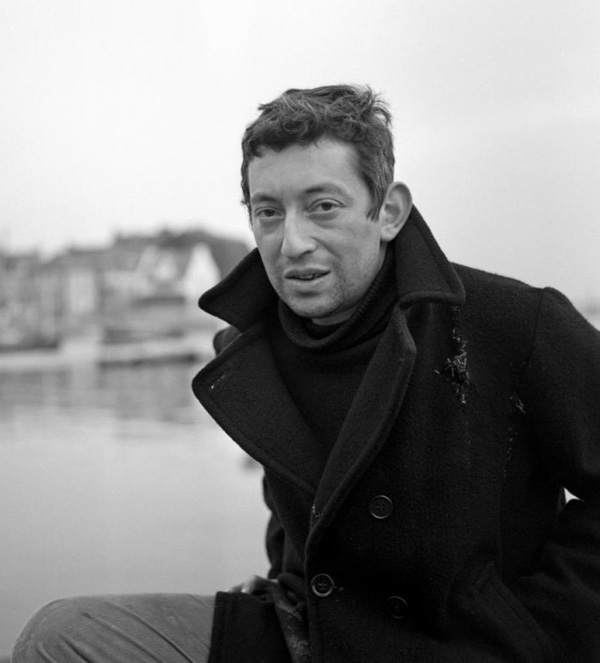
He was, by his own account, a freakishly ugly man, blessed with jug ears, narrow eyes and a huge hooter. In Joann Sfar’s biopic, he’s represented by a golem-like puppet that bears more than a passing resemblance to the Count from Sesame Street. So how was it that Serge Gainsbourg managed to seduce some of the world’s most beautiful women?
“I never actually had a relationship with him,” says Marianne Faithfull, who first met Serge in 1965. “But I sometimes wish I had. You could tell that anyone who slept with him would come away very satisfied indeed. Ha ha! He had a wonderful aura of quiet confidence around him, an odd mixture of shyness and arrogance.”
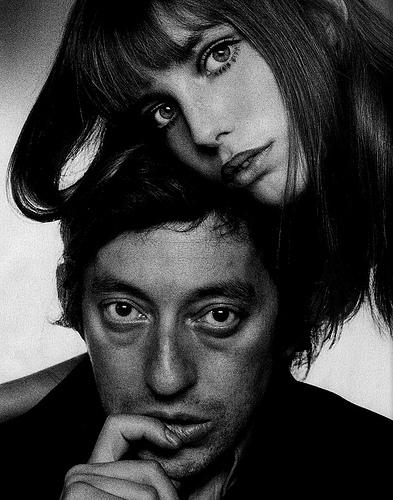
There was certainly no lack of implausibly attractive women who were more than willing. “Serge liked to surround himself with women,” says the actress and singer Jane Birkin, who was married to Gainsbourg in the 1970s. “He was insecure about his looks and felt validated by their attentions.”
Indeed, it was women who transformed Gainsbourg’s career. None of his early records sold many copies or attracted much attention, but he started to make a name for himself when women started to cover his songs.
The stunning actress and singer Juliette Gréco was the first, releasing an EP of Gainsbourg songs in 1959. But it was the 16-year-old blonde France Gall – one of the country’s new “yé-yé singers” – who transformed his career. After initially dismissing yé-yé – a style of music popular in France and Spain in the 1960s – as “banal”, he started writing for Gall in 1965. “I am a turncoat,” he said. “I turned my coat and I now see that it is made of silk.”
.
.
His first song for her was a chart topper; his next won the Eurovision Song Contest. Later, he got her to sing the innuendo-laden Les Sucettes, about a young girl’s fondness for sucking lollipops.
Gall’s success brought Gainsbourg celebrity, including several movie roles. His songs were covered by the likes of Françoise Hardy, Michèle Arnaud, Valérie Lagrange, Michèle Torr, Régine, Dalida, Barbara, Isabelle Aubret and Brigitte Bardot, not to mention overseas artists such as Petula Clark, Marianne Faithfull, Dionne Warwick and Nico.
The attentions of some of these women infuriated Gainsbourg’s wives. He’d actually been married twice by the mid-1960s. In 1951, aged 23, he married fellow bohemian art student Elisabeth Levitsky. Levitsky came from Russian aristocratic stock and worked as an assistant to Salvador Dalí’s friend, the poet Georges Hugnet. As a result she had access to Dalí’s Paris apartment, which the couple often used as a hurried love nest.
They split and, in 1964, Gainsbourg married the beautiful, if long-suffering, Béatrice Pancrazzi, although they lived separately. By this stage, Gainsbourg had started to stray..
Serge Gainsbourg & Brigitte Bardot
.
One of his affairs was with Brigitte Bardot. Bardot, aged 34, was still a huge star, but her film career appeared to be over. Gainsbourg assisted her transition from film to music, providing Bardot with some memorable psych-pop material. They had a brief, passionate affair, raising his public profile and consolidating his credentials as an unlikely sex symbol. He and Pancrazzi briefly reconciled, and even had a child together, but it wasn’t long before Gainsbourg was on to marriage number three.
Born in 1946, Jane Birkin was an upper-middle-class Englishwoman 18 years younger than Gainsbourg. They met on the set of the film Slogan, in which Serge had a small acting role. Birkin had recently split up with her first husband, the film composer John Barry, and fell for Gainsbourg. “He was mesmerising company,” she says. “His talent and odd sense of shyness seemed to demand affection.”
Their union was not without controversy after they wrote and produced the song ‘Je t’aime… moi non plus’ which contained explicit lyrics and orgasmic moans. The song was banned by numerous radio stations including the BBC and the Vatican declared it was ‘offensive’..
Serge Gainsbourg & Jane Birkin
.
.
Together they had a daughter, Charlotte, and also brought up Jane’s earlier daughter, the photographer Kate Barry. They split in 1980, with Birkin citing Gainsbourg’s alcoholism. “He was insupportable, so drunk and so difficult,” she says. “He would come home at 4am and be so drunk he couldn’t get his key in the front door.” She left Gainsbourg for the film director Jacques Doillon.
After the divorce, Gainsbourg was rumoured to be involved with the actress Catherine Deneuve. Instead, he entered into what would end up as the longest relationship of his life, with Bambou, a Eurasian model and singer a quarter-century his junior. They were together until his death in 1991.
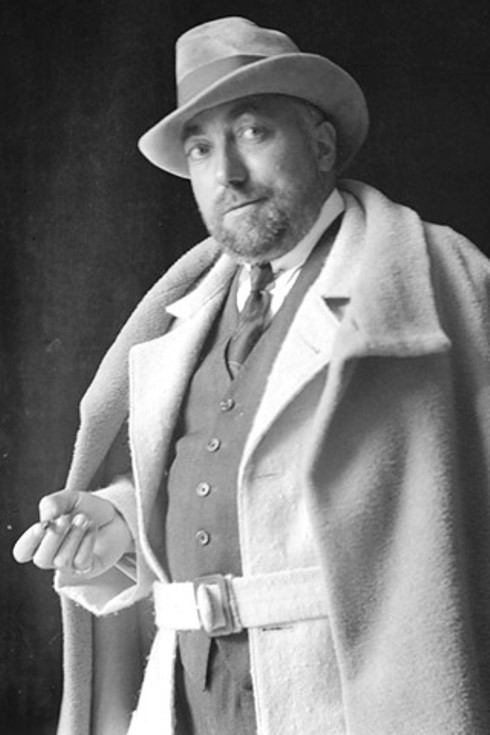
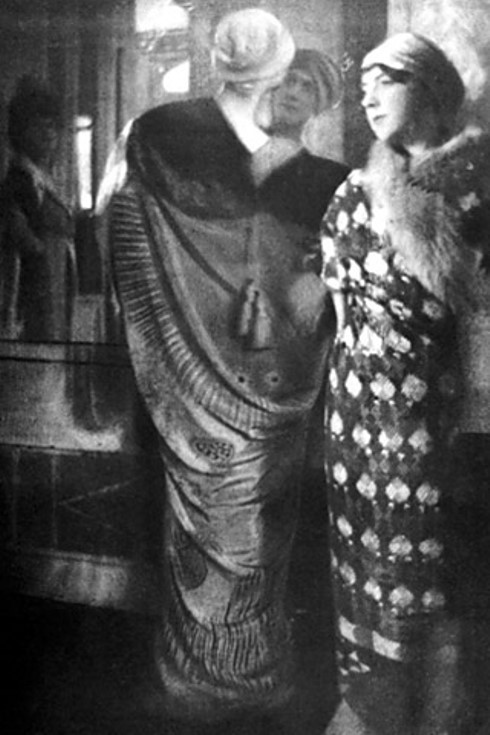
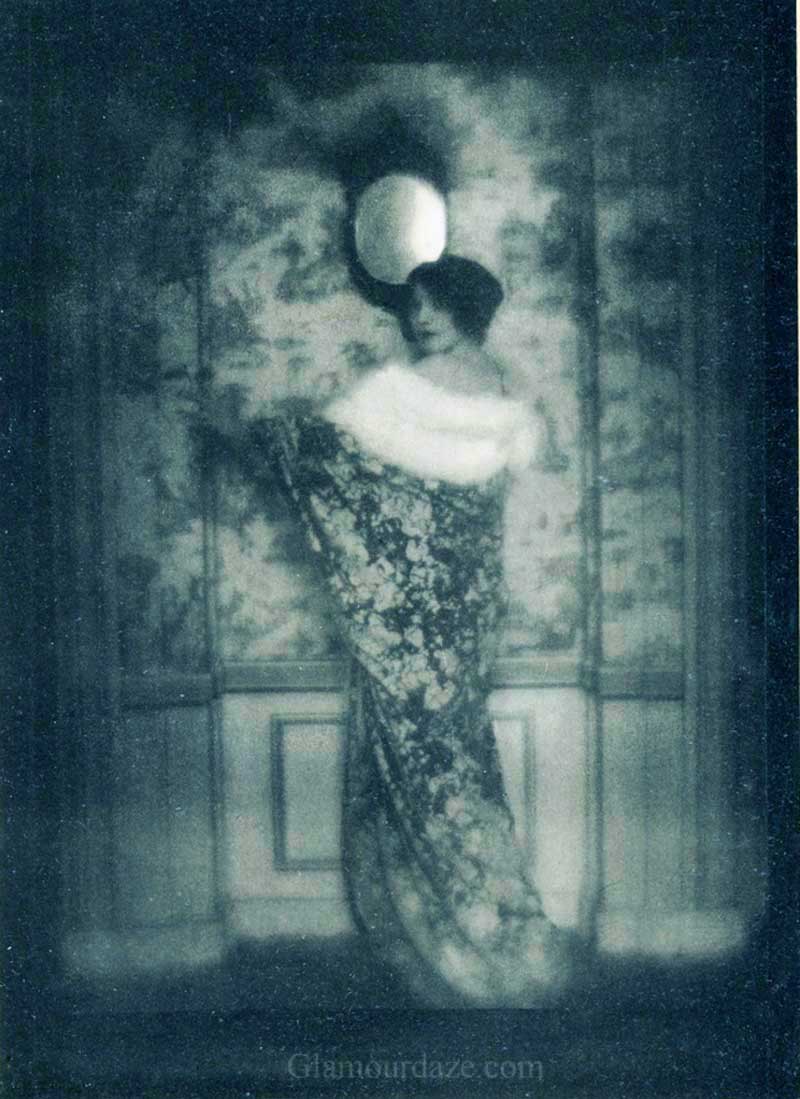
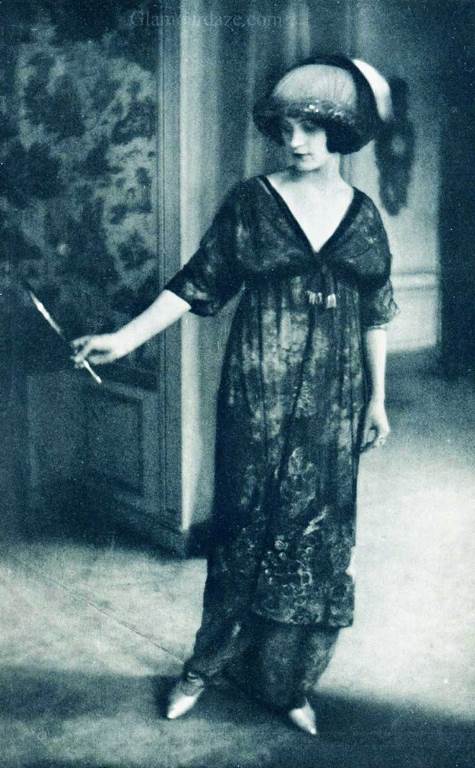
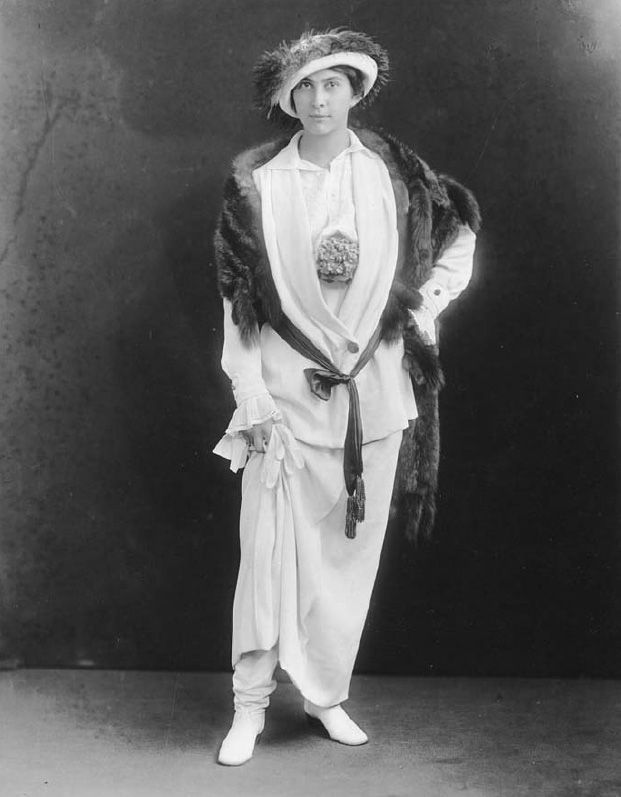
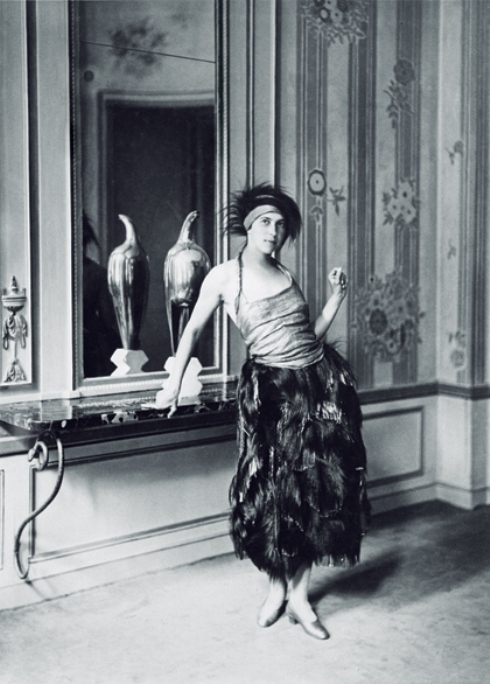
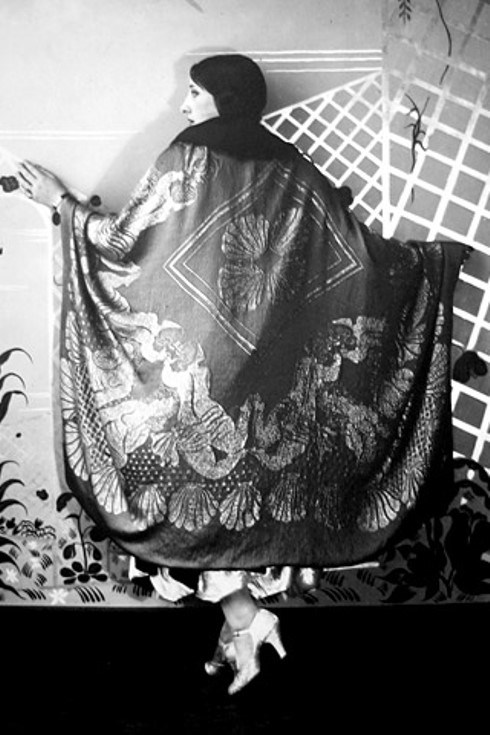
Paul Poiret was the first couturier to embrace draping over the more traditional techniques of tailoring and corsetry; in doing so he played a key role in liberating women (Madeleine Vionnet also advanced an uncorseted silhouette, but it was Poiret, largely owing to his acumen for publicity, who became most widely associated with the new look). Draping freed not just the woman but the designer as well, allowing him to develop the innovations that became his trademarks: billowing kimono coats, neoclassical Empire and lampshade dresses and hobble skirts.
.
.Biography(follow-up)
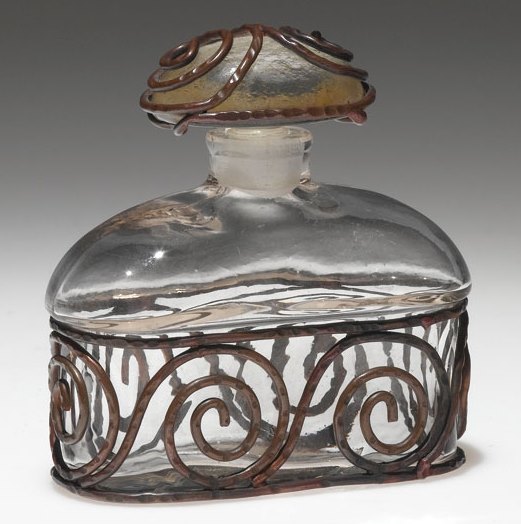
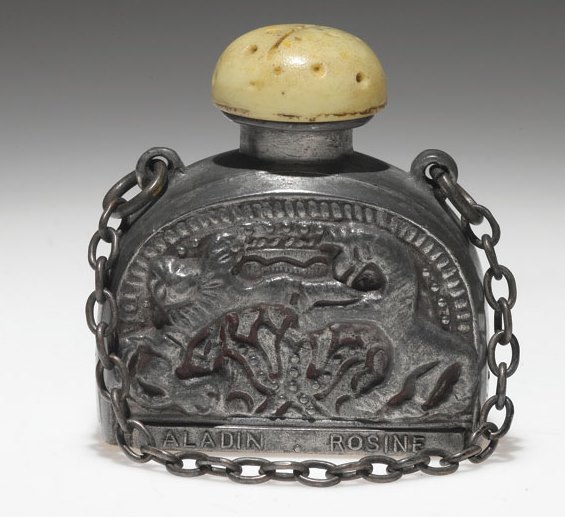
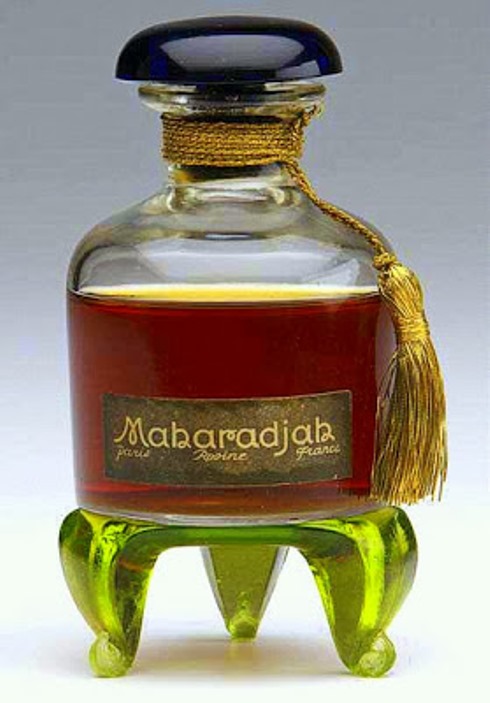
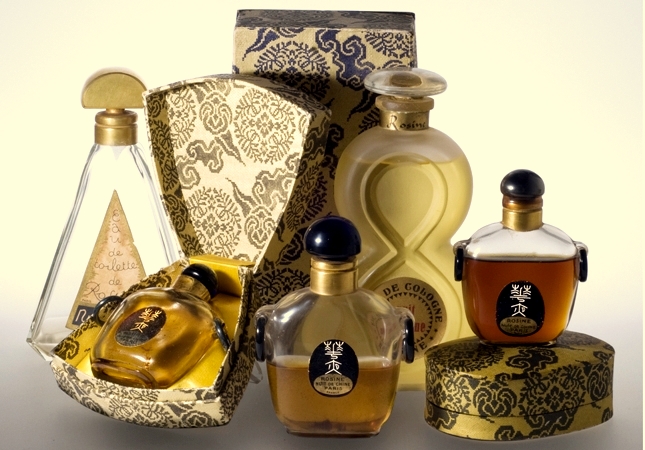
In 1911 Poiret’s house expanded to encompass furniture, decor, and fragrance in addition to clothing, the first “total lifestyle“. Rosine, a perfume and cosmetics line is named after his eldest daughter. Poiret introduced “Parfums de Rosine” becoming the first couturier to launch a signature fragrance linked to a design house.
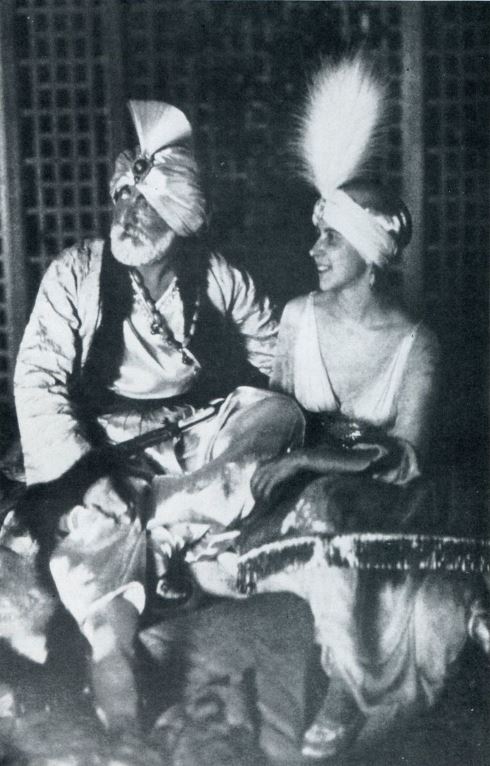
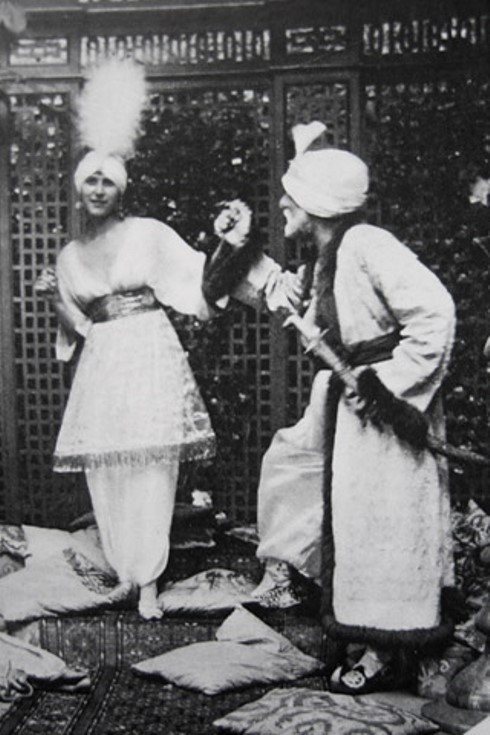
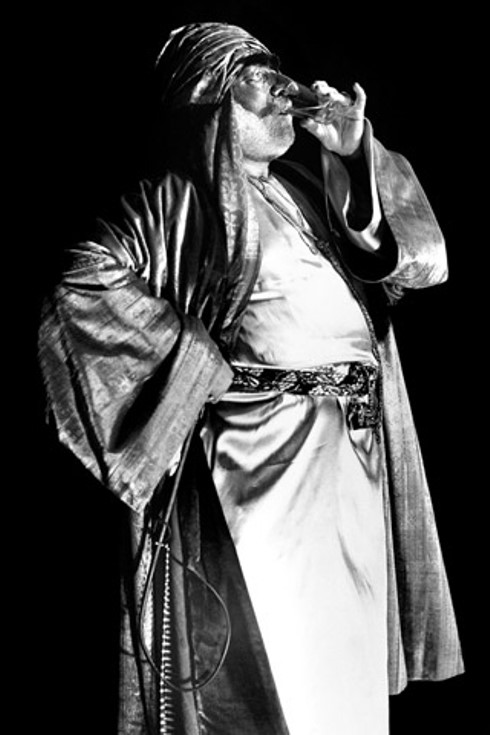
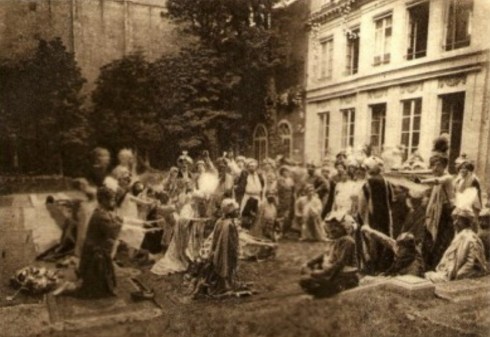
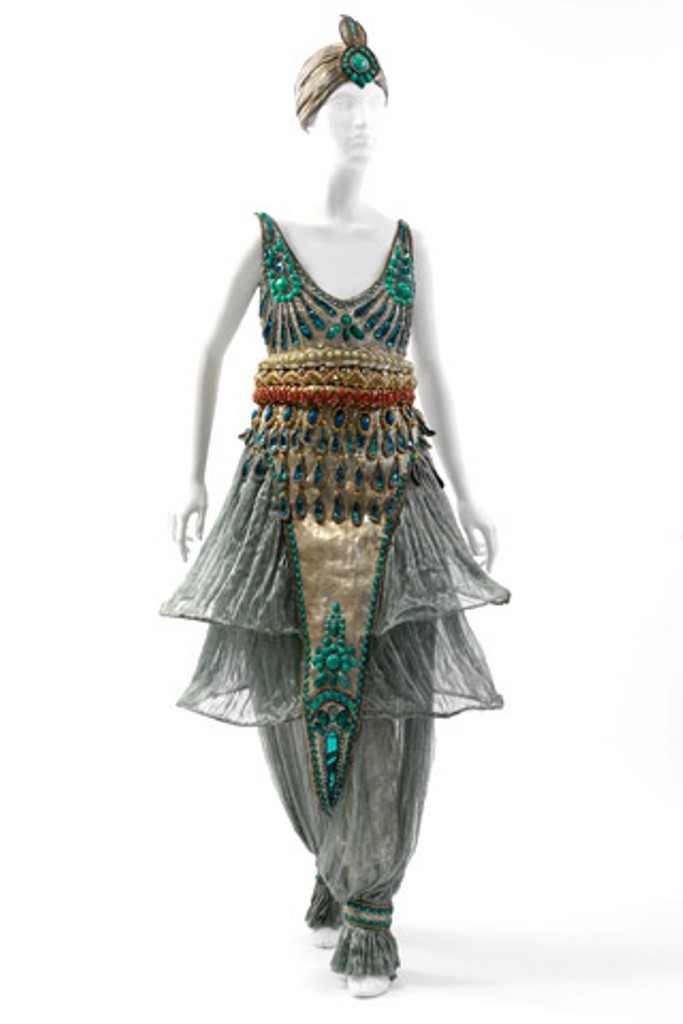
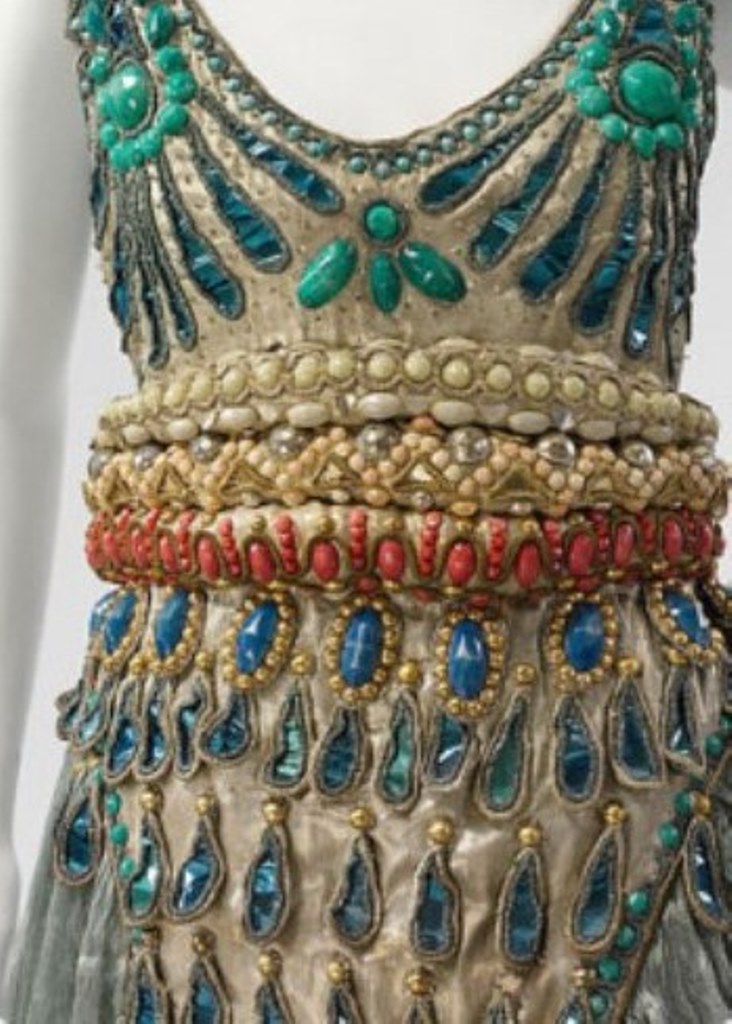
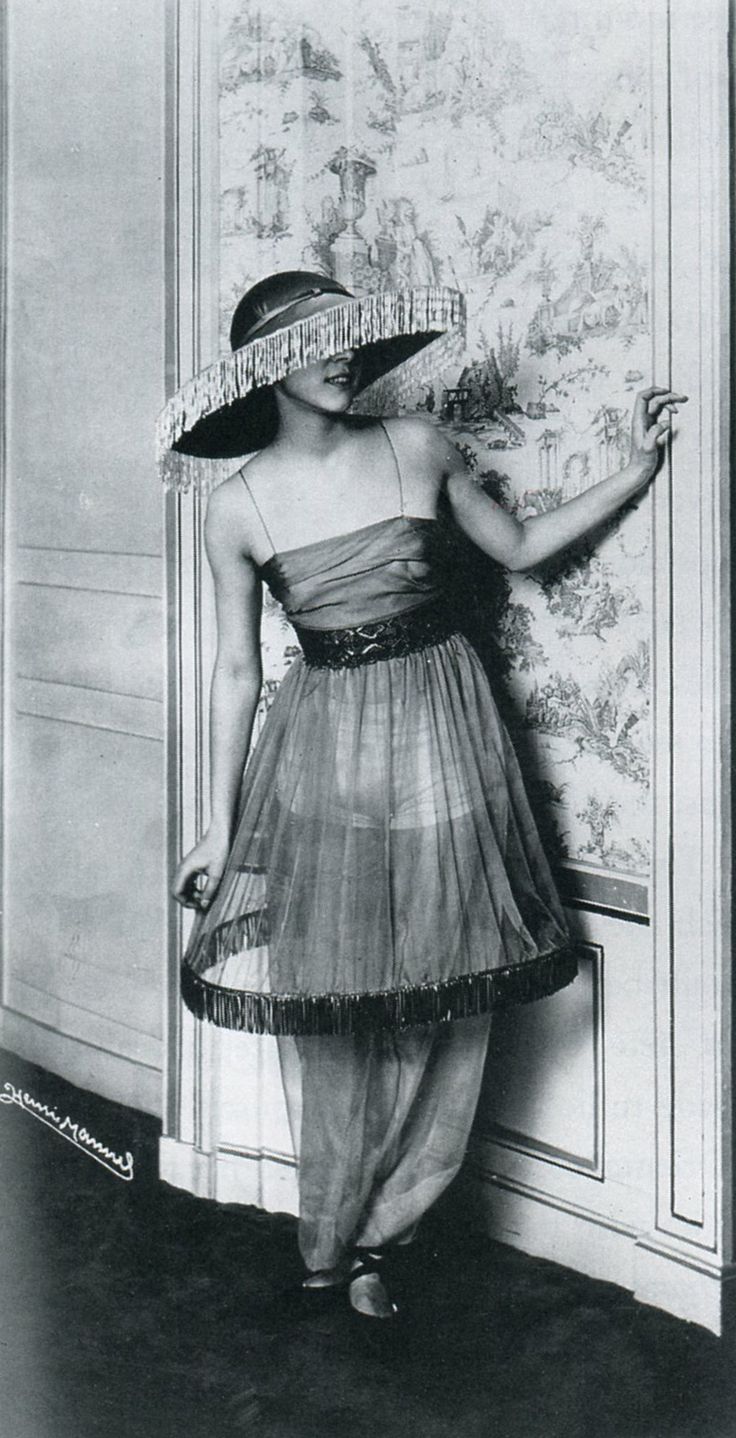
On 24 June 1911 Poiret unveiled “Parfums de Rosine” in a flamboyant manner. A grand soiree was held at his palatial home, a costume ball attended by the cream of Parisian society and the artistic world. Poiret fancifully christened the event “la mille et deuxième nuit,” the thousand and second night, inspired by the fantasy of sultans’ harems. Gardens were illuminated by lanterns, set with tents, and live tropical birds. Madame Poiret herself lounged in a golden cage luxuriating in opulence, waiting for her master’s arrival so that he could set her free. The bejeweled silk harem pants Poiret made for Denise (who played the part of a concubine) were said to be inspired by a production of Scheherazade by the Ballet Russes, eventually became the basis for a new kind of lampshade silhouette that was soon all the rage. Poiret was the reigning sultan, gifting each guest with a bottle of his new fragrance creation, appropriately named to befit the occasion, Nuit d’Perse. Improperly dressed guests were requested to either outfit themselves in some of Poiret’s ‘Persian’ outfits or to leave! Poiret’s marketing strategy played out as entertainment became a sensation and the talk of Paris.
.
“The Thousand And Second Night”party
Denise & Paul Poiret at “The Thousand and Second Night” party. Paul Poiret in an Arabian outfit for one of his parties At the end of the Thousand and Second Night partyDenise Poiret at “The Thousand And Second Night”party, by George Lepape (illustrator)
.
Design by Paul Poiret made for the “thousand and second night” party
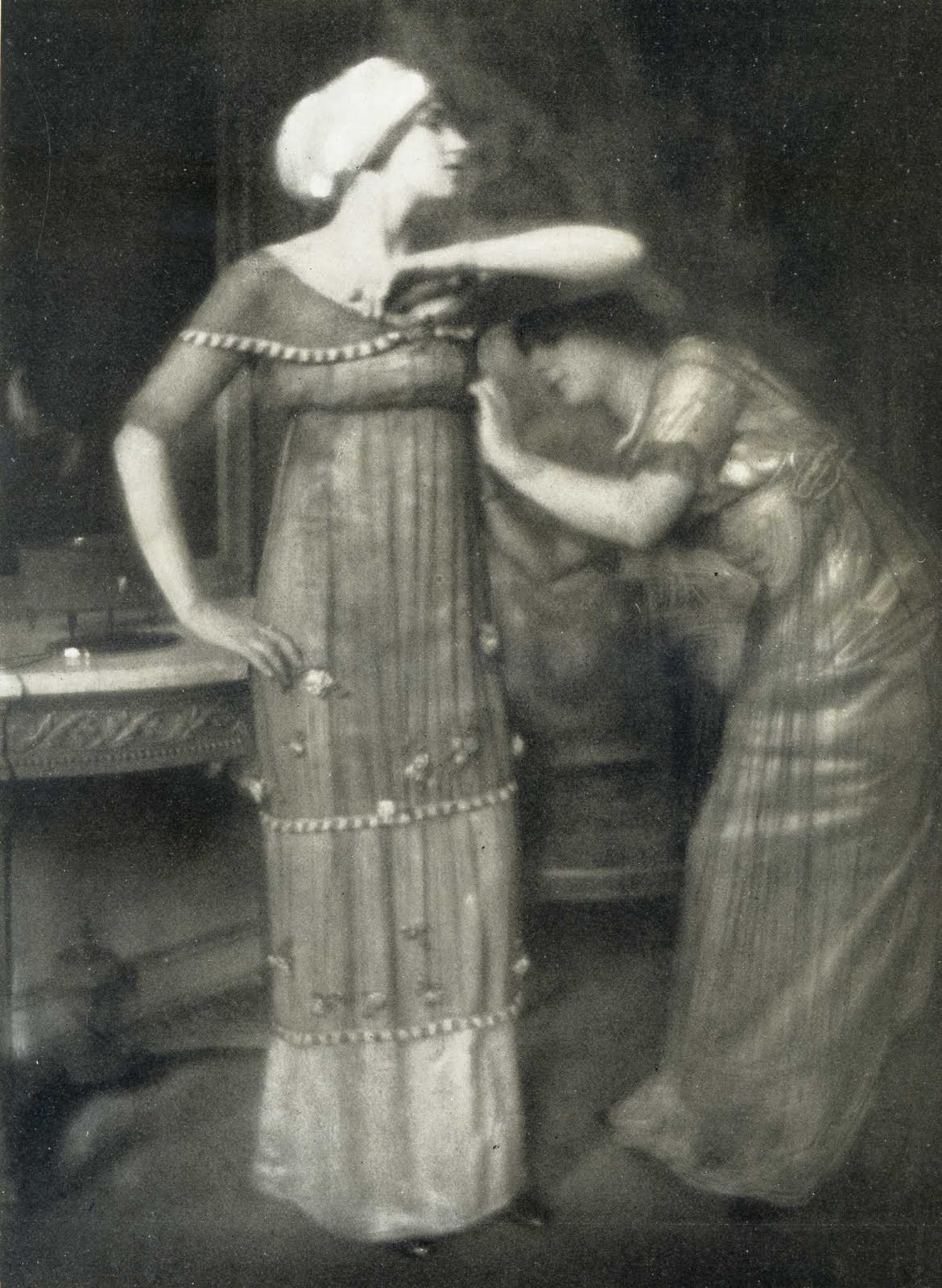
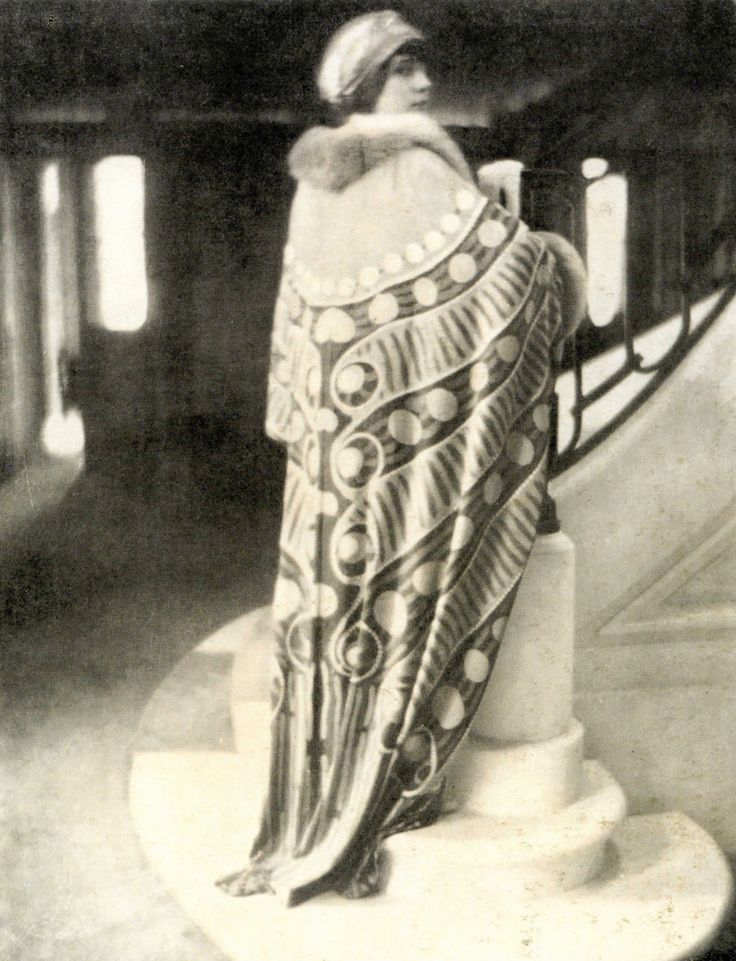
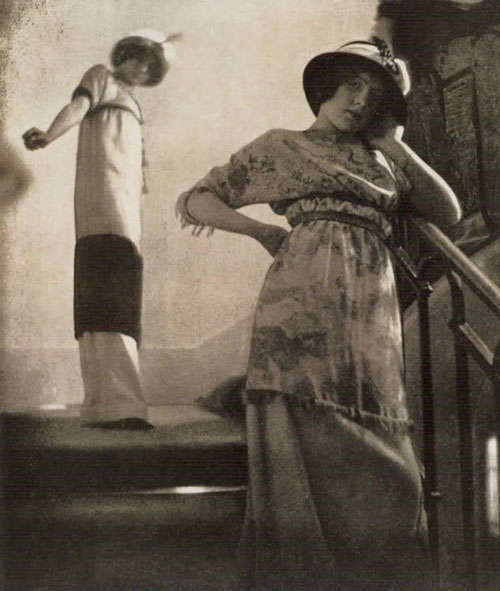
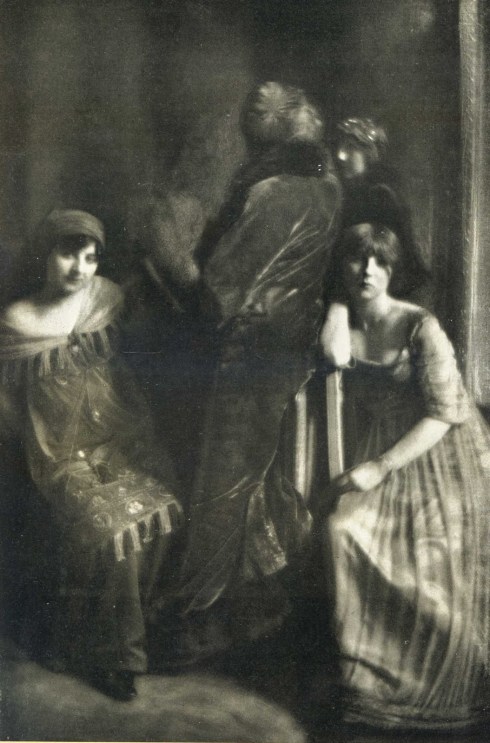
. In 1911, publisher Lucien Vogel dared photographer Edward Steichen to promote fashion as a fine art by the use of photography. Steichen then took photos of gowns designed by Poiret. These photographs were published in the April 1911 issue of the magazine Art et Décoration. This is “…now considered to be the first ever modern fashion photography shoot..
In September 1913 Poiret travels to New York with Denise to tour department stores and give a series of lectures. The Manhattan fashion world welcomes them with noisy fanfare. The New York Times runs the excited headline, “Poiret, Creator of Fashions, Is Here.”
“My wife is the inspiration for all my creations; she is the expression of all my ideals.She was to become one of the queens of Paris” .”
During World War I, Poiret left his fashion house to serve the military by streamlining uniform production. He returns to Paris briefly to design the fall collection, but after two of his children die suddenly (first Rosine from an ear infection, then Gaspard from Spanish influenza), he abandons the idea. His house will now lay dormant until the end of the war. He does release one perfume during this time “Sang de France” (Blood of France), but the authorities ban it..
.
Edward Steichen; The First Modern Fashion Photography Shoot
April 1911, Art et Décoration magazine
..
Poiret returned after being discharged in 1919. He meets a young Elsa Schiaparelli. They strike up a friendship and he gives her clothes to wear to in-crowd hangouts. He encourages her to start her own line, which she will do a few years later.
Because he has failed to move on from his pre-war aesthetic, his designs start to be outshined by those of younger, more modern designers such as Coco Chanel, who were producing simple, sleek clothes that relied on excellent workmanship. In comparison, Poiret’s elaborate designs seemed dowdy and poorly manufactured. (Though Poiret’s designs were groundbreaking, his construction was not—he aimed only for his dresses to “read beautifully from afar.”) Struggling, the house was on the brink of bankruptcy, he decides to sell the rights to his business to a group of backers. His new maison du couture, however, is described by a visitor as “rich and tasteless. His struggle to be unusual has wound up making it all impossible. It’s like a sweetshop.”
After their bitter divorce in 1928 (Time reported, “M. Poiret charged that his wife’s attitude was injurious; Mme .Poiret countercharged that her husband was cruel”), Denise still held her ex-husband’s work in high esteem. She kept her spectacular wardrobe for posterity’s sake and it was passed down to her children and grandchildren.
.
Parfums de Rosine bottles
.
Poiret was suddenly out of fashion, in debt, and lacking support from his business partners and he soon left his fashion house. In 1929, the house itself was closed, and its leftover clothes were sold by the kilogram as rags.
When Poiret died in 1944 in German-occupied Paris, his genius had been forgotten. His road to poverty led him in odd jobs as a street painter trying to sell drawings to the customers of Paris’ cafes. and working as a bartender.
At one time it was even discussed in the ‘Chambre syndicale de la Haute Couture’ to provide a monthly allowance to help him, an idea rejected by the Worths (at that time at holding the presidency of that body). Only the help of his friend Elsa Schiaparelli prevented his name from encountering complete oblivion and it was Schiaparelli that paid for Poiret’s burial.
.
..
.
.Licensing
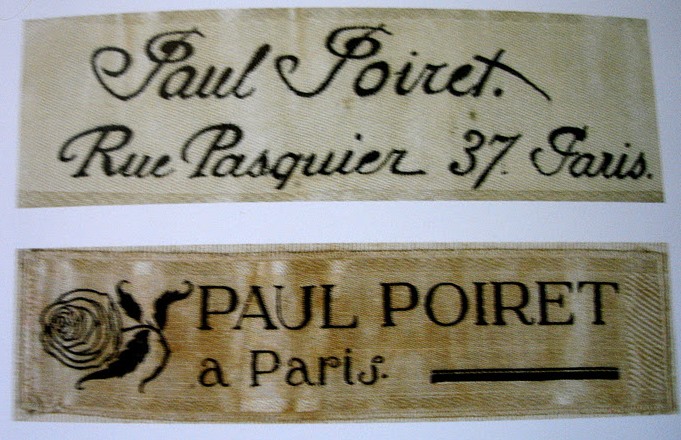
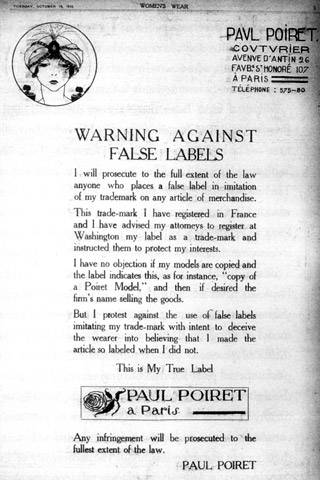
One of the first designers to explore licensing, Poiret got burned by illegal copies and trademark infringements. He fought this in court and became the head of the Syndicat de Défense de la Grande Couture Française, an organization to protect the rights of designers.
A warning against false labels, from Women's Wear Daily, 1913
...
Info about Paul & Denise Poiret: Voguepedia & Wikipedia
.
.Next week: Paul Poiret, Pictures of Garments (part 3)
.
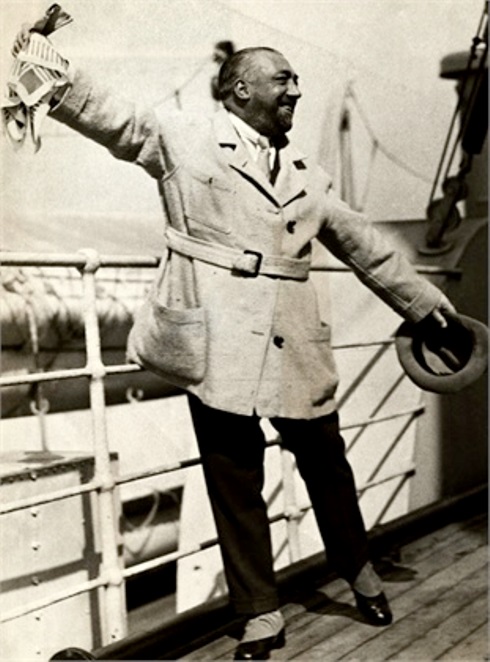
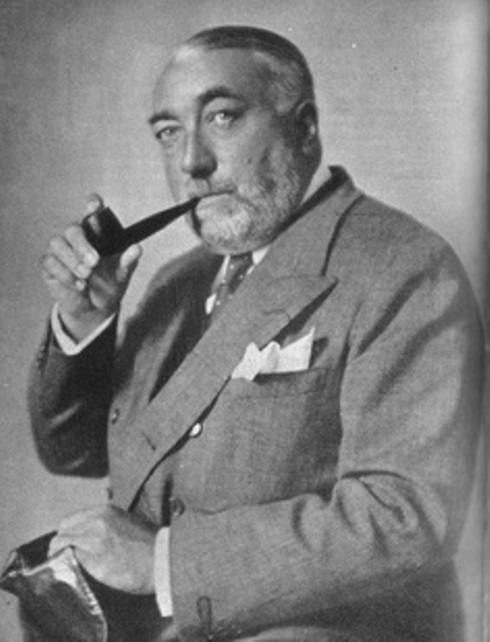
The story of Paul Poiret is one of a working class son, who used his natural charisma to gain entry into some of the most exclusive ateliers in Paris and eventually became one of the twentieth century’s great couturiers. But it’s also a cautionary tale about a man who refused to adapt to changing times and styles after WWII due to his arrogance and finally ended penniless and bitter, his once-great label long forgotten.
.
.
Biography (the beginning)
Paul Poiret is born 20 April, 1879 as the son of a cloth merchant, in Paris’s working-class quartier of Les Halles. As a young boy he is sent to apprentice with an umbrella manufacturer, where he gathers “the scraps of silk left over after the umbrella patterns had been cut,” and uses them “to dress a little wooden doll that his sister . . . had given him.”
Still a teenager, Poiret takes his sketches to Madeleine Chéruit, a prominent dressmaker, who purchases a dozen from him. He continues to sell his drawings to major Parisian couture houses, till he is hired by Jacques Doucet, one of the capital’s most prominent couturiers. Poiret is only nineteen years old at the time. Beginning as a junior assistant, he is soon promoted to head of the tailoring department. His debut design for Doucet, a red wool cloak with a reverse gray crepe-de-chine lining, receives 400 orders from customers.
..
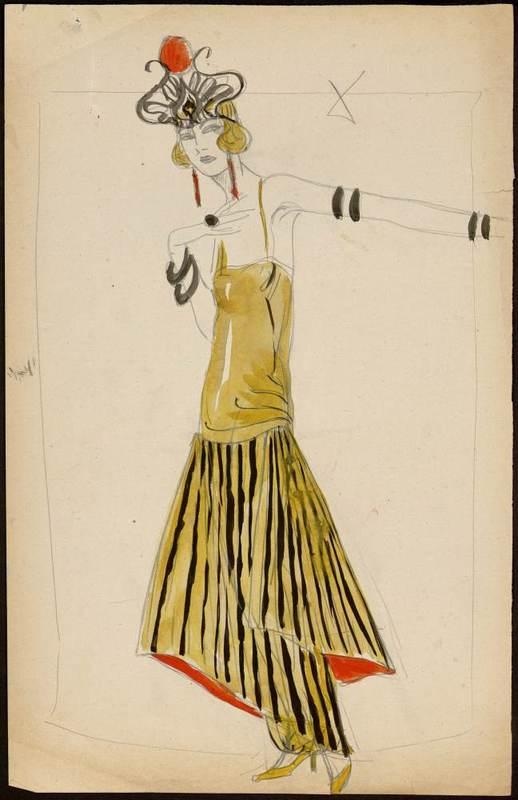
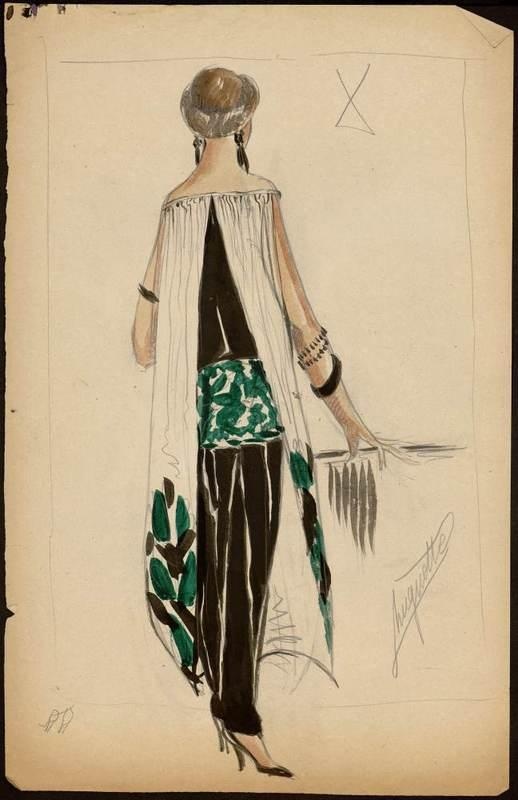
Paul Poiret Sketches
..
After two years of mandatory military service (1914-1918), he returns to Paris and is hired by House of Worth, once founded by Charles Worth, but now taken over by his sons. Instead of working on the luxurious eveningwear the House is famous for, Poiret is put in charge of the less glamorous and more practical items. Gaston Worth, the business manager, referred to Poiret’s division as the “Department of Fried Potatoes.” His ideas and designs are not appreciated by the clients. One of his “fried potatoes,” a cloak made from black wool and cut along straight lines like the kimono, proved too simple for one of Worth’s royal clients, the Russian princess Bariatinsky, who on seeing it cried, “What horror; with us, when there are low fellows who run after our sledges and annoy us, we have their heads cut off, and we put them in sacks just like that.”
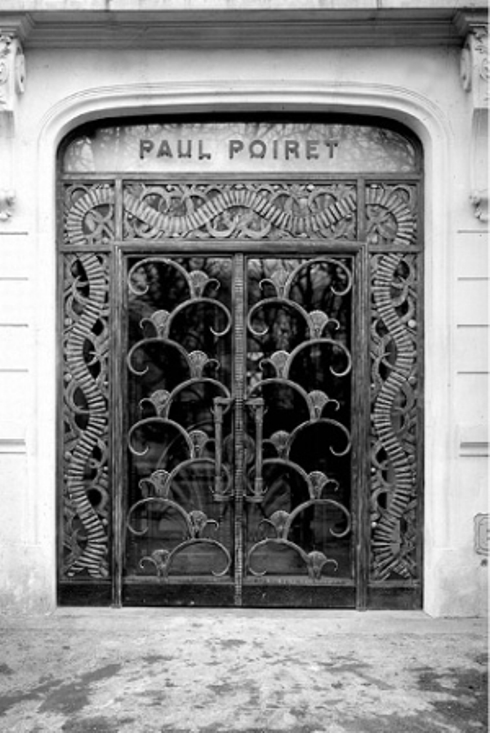
At twenty-four (Poiret has a tireless self-confidence, despite his experiences at the House of Worth) he breaks out on his own and after borrowing funds from his mother, opens his own shop on Rue Auber. Its flashy window displays attract attention and he makes his name with the controversial kimono coat. Looking to both antique and regional dress types, most notably to the Greek chiton, the Japanese kimono, and the North African and Middle Easterncaftan, Poiret advocated fashions cut along straight lines and constructed of rectangles.
..
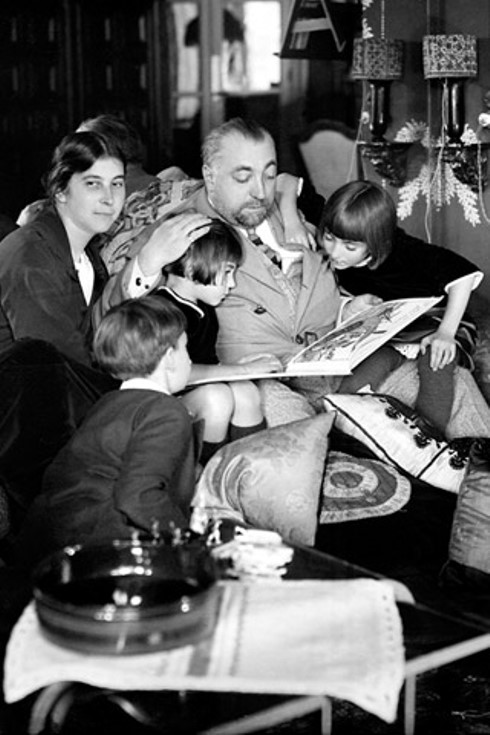
Paul, Denise & the children
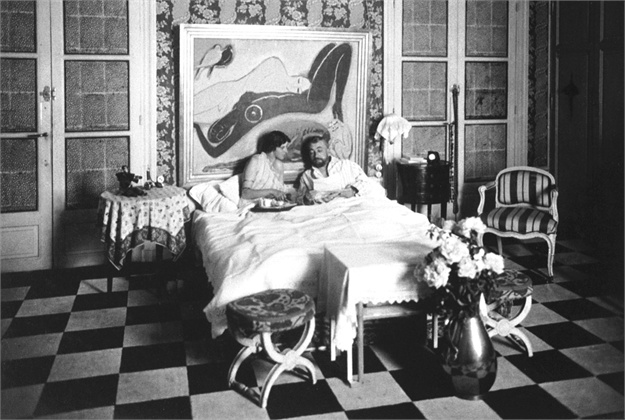
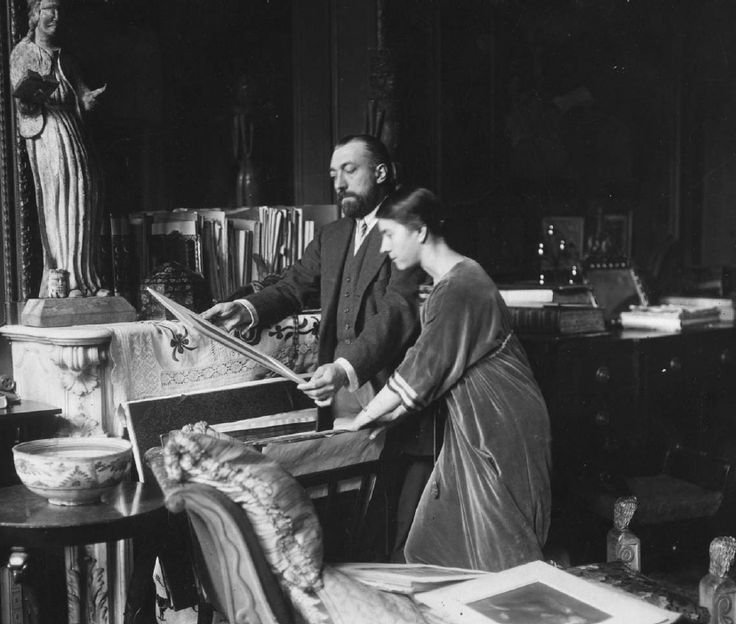
Denise & Paul Poiret in their home at Faubourg
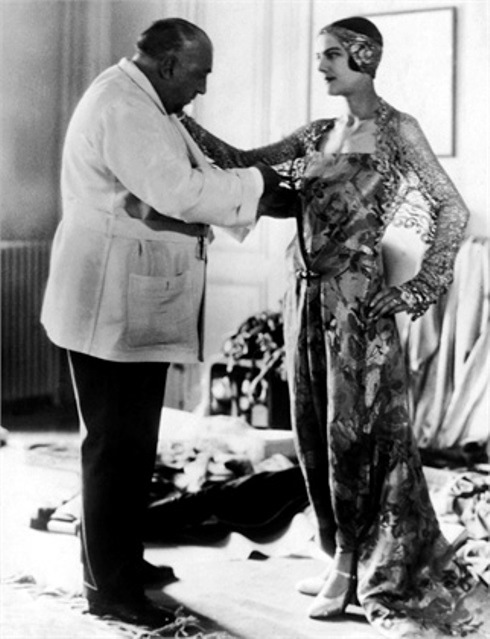
Paul & Denise Poiret at workDenise & Paul Poiret at work
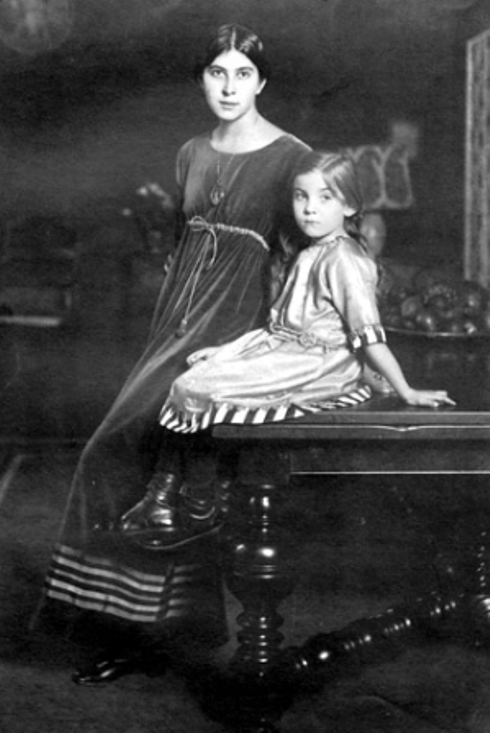
Denise & daughter Rosine (the cosmetic line was named after her)Paul & Denise Poiret with their children, November 1922
.
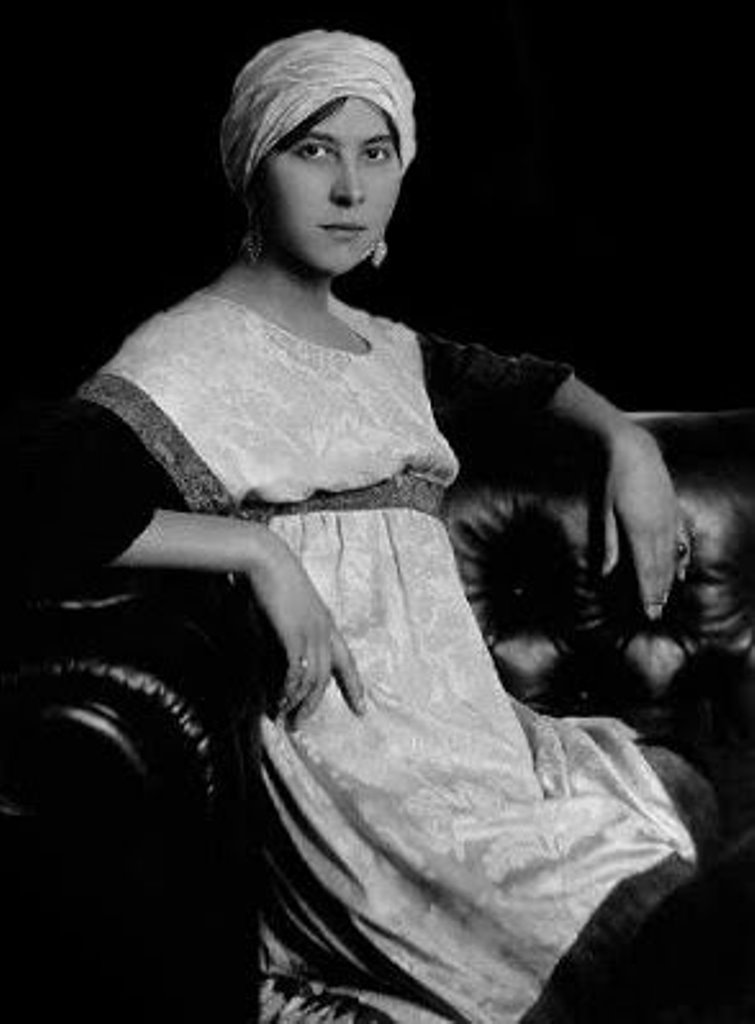
In 1905 Poiret marries childhood friend Denise, with whom he’ll go on to have five children. “She was extremely simple,” he later will say, “and all those who have admired her since I made her my wife would certainly not have chosen her in the state in which I found her.” Denise Poiret will eventually become his artistic director as well as muse, wearing his designs as they travel around Europe together and winning a reputation as a trendsetter. (A fact her husband will later take credit for: “I had a designer’s eye, and I saw her hidden graces.”)
Years later, Denise Poiret is described as:
“the woman who had inspired the feminine silhouette of this century”
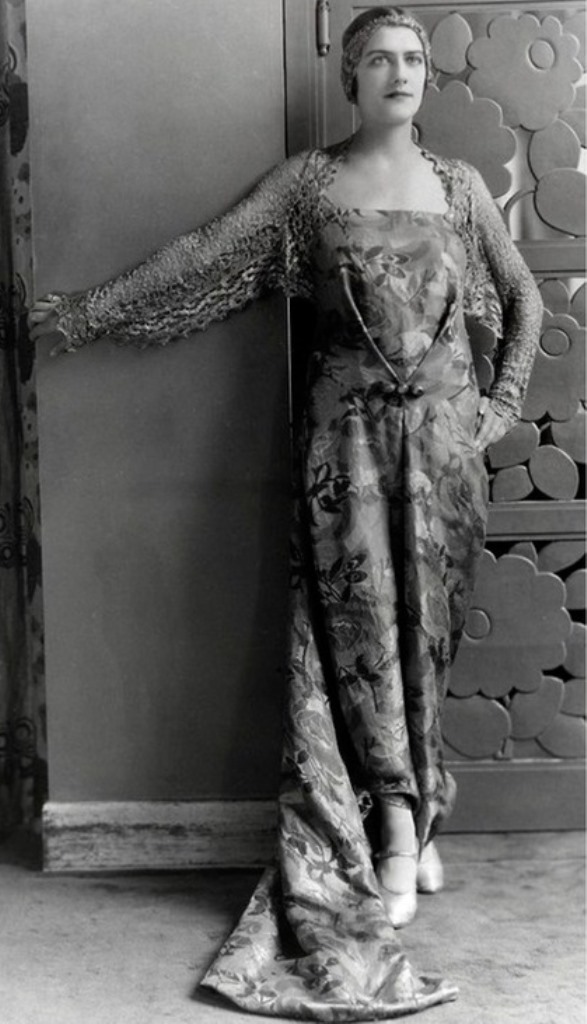
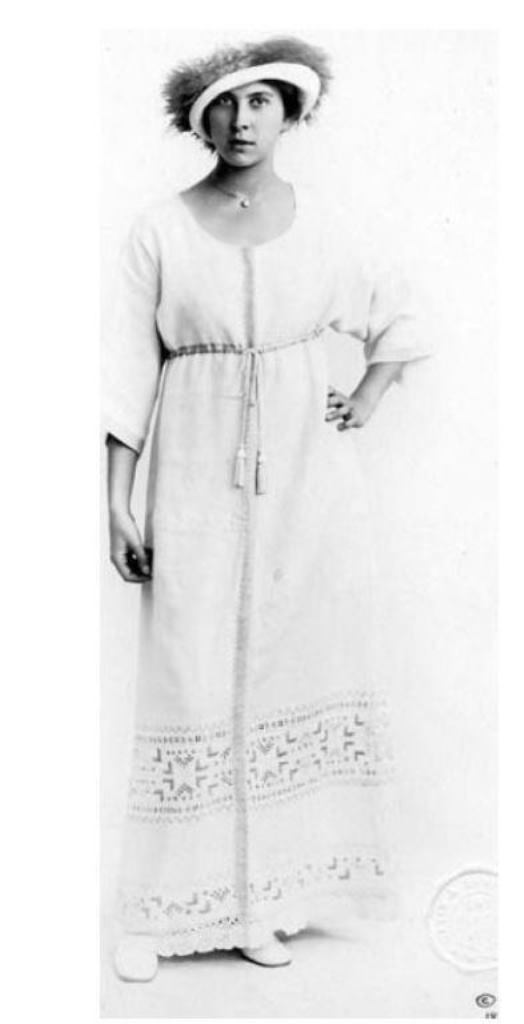
Poiret’s process of design through draping is the source of fashion’s modern forms. It introduced clothing that hung from the shoulders and facilitated a multiplicity of possibilities. Poiret exploited its fullest potential by launching, in quick succession, a series of designs that were startling in their simplicity and originality. From 1906 to 1911, he presented garments that promoted a high-waisted Directoire Revival silhouette. Different versions appeared in two limited-edition albums, Paul Iribe’s Les robes de Paul Poiret (1908) and Georges Lepape’s Les choses de PaulPoiret (1911).
.
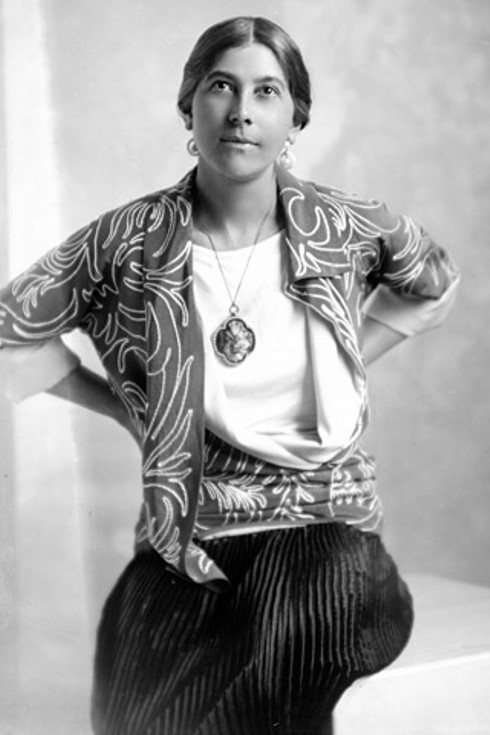
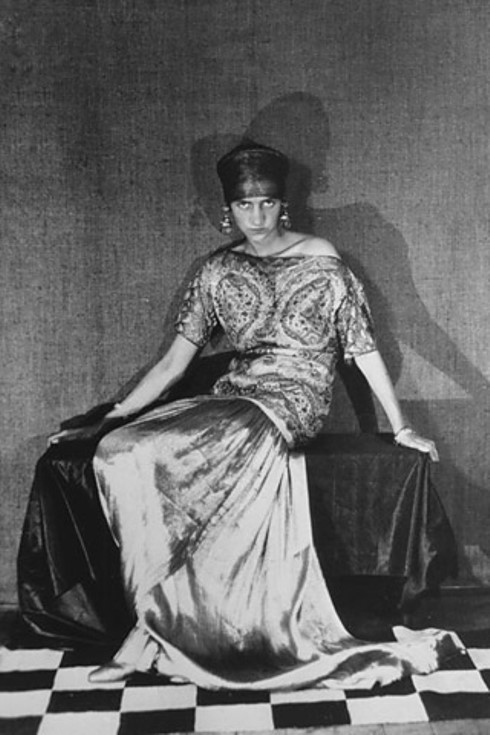
Denise Poiret, the Fashion Icon
Denise Poiret, ph. by Man Ray 1919
Denise wearing the Amphitrite cape by Poiret.
Every decade has its fortune-teller, a designer who, above all others, is able to divine and define the desires of women. In the 1910s, this oracle of fashion was Paul Poiret, known in America as “The King of Fashion.” In Paris, he was simply Le Magnifique, after Süleyman the Magnificent, a suitable nickname for a couturier who, alongside the great influence of Sergei Diaghilev’s Ballets Russes, employed the language of orientalism to develop the romantic and theatrical possibilities of clothing. Like his artistic confrere Léon Bakst, Poiret’s exoticized tendencies were expressed through his use of vivid color coordinations and mysterious silhouettes such as his iconic “lampshade” tunic, “Kymono” coat and his “harem” trousers, or pantaloons. However, these orientalist fantasies (or, rather, fantasies of the Orient) have served to decline from Poiret’s more enduring innovations, namely his technical and marketing achievements. Poiret effectively established the canon of modern dress and developed the blueprint of the modern fashion industry. Such was his vision that Poiret not only changed the course of costume history but also steered it in the direction of modern design history..
..
Anecdote
Lady Asquith, wife of British Prime Minister H. H. Asquith, invites Poiret to show gowns at 10 Downing Street. Stories of half-nude models running amok at the prime minister’s residence cause a furor in the press and the resulting scandal almost forces Asquith to resign...
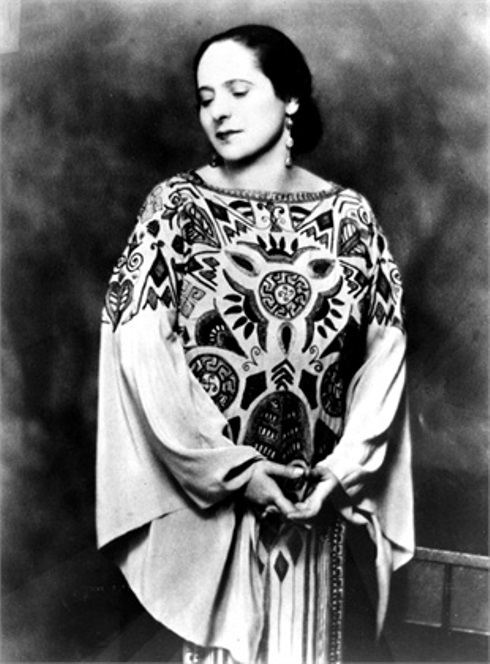
. Peggy Gugenheim wearing Paul Poiret Helena Rubenstein in Poiret, 1926
...
Paul Poiret on Tour with his Collections
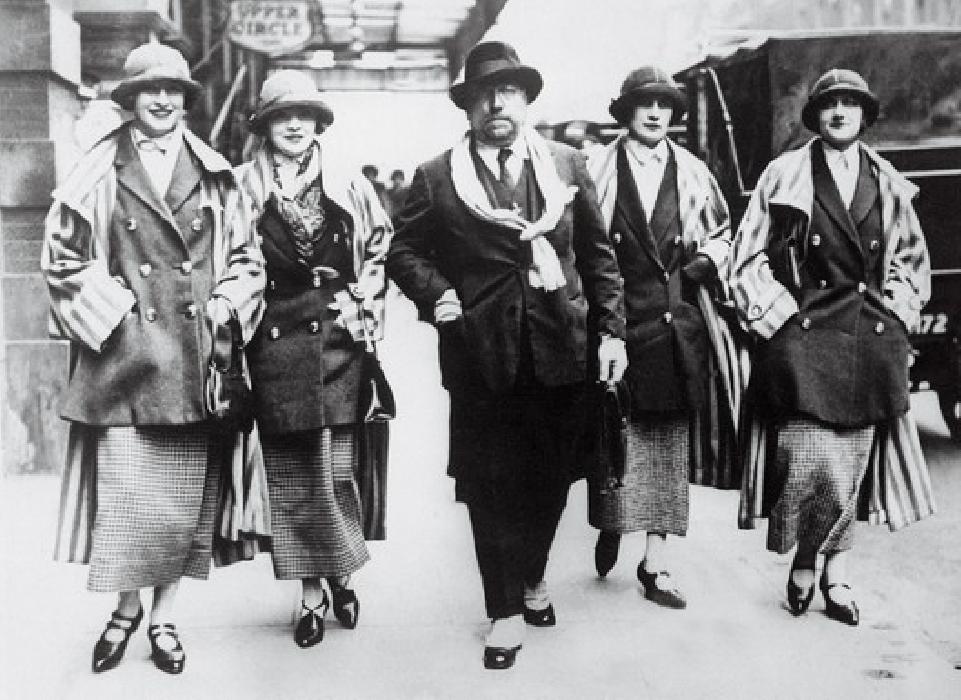
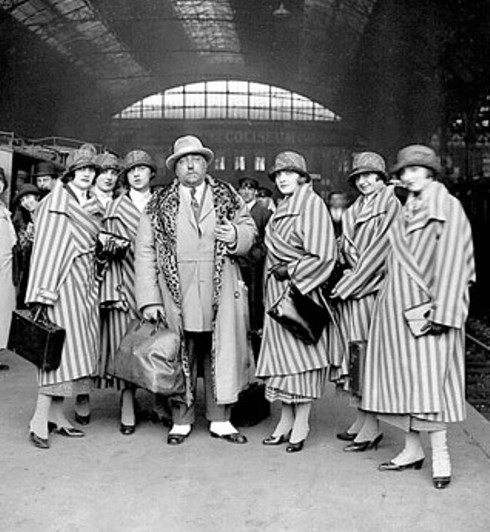
Historians consider Poiret the first haute couturier to have taken his collections on tour in Europe and America. He visited Berlin in 1910, and the next year went on a six-week trek (in a chauffeured car) to Moscow, St. Petersburg, Warsaw, Vienna, Frankfurt, Berlin, and Bucharest—where he was arrested for not having a proper permit. Poiret’s arrival in New York in 1913 was prefaced by an open letter from John Cardinal Farley warning against the temptations offered by “the demon fashion.”
..Paul Poiret was the first couturier to tour America
..
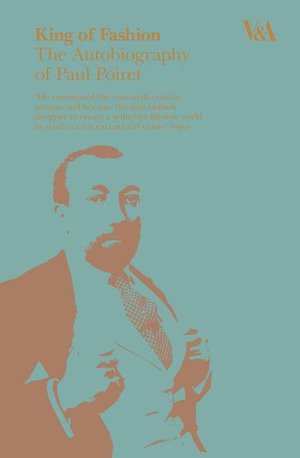
King of Fashion, The Autobiography of Paul Poiret
An extraordinary story, Paul Poiret’s 1931 autobiography describes the meteoric rise of a draper’s son to become the “King of Fashion.” From his humble Parisian childhood to his debut as a couturier to his experiences during WWI, Poiret reveals all in this captivating tale. A remarkable testament to the energy of the Art Deco movement, Poiret’s memoir recounts how his artistic flair, coupled with his exceptional and highly original cutting skills, enabled him to translate the spirit of the era into revolutionary garments. A clever businessman, Poiret describes the expansion of his fashion empire to encompass furniture, decor, and the first designer perfume, and recalls the extravagant Oriental garden parties at which his guests would parade his latest creations.
This book, out of print for decades, offers an evocative inside look at the life of a celebrated figure in fashion history.
.
info: Voguepedia & Wikipedia…next week: Paul Poiret, Le Magnifique (part 2)

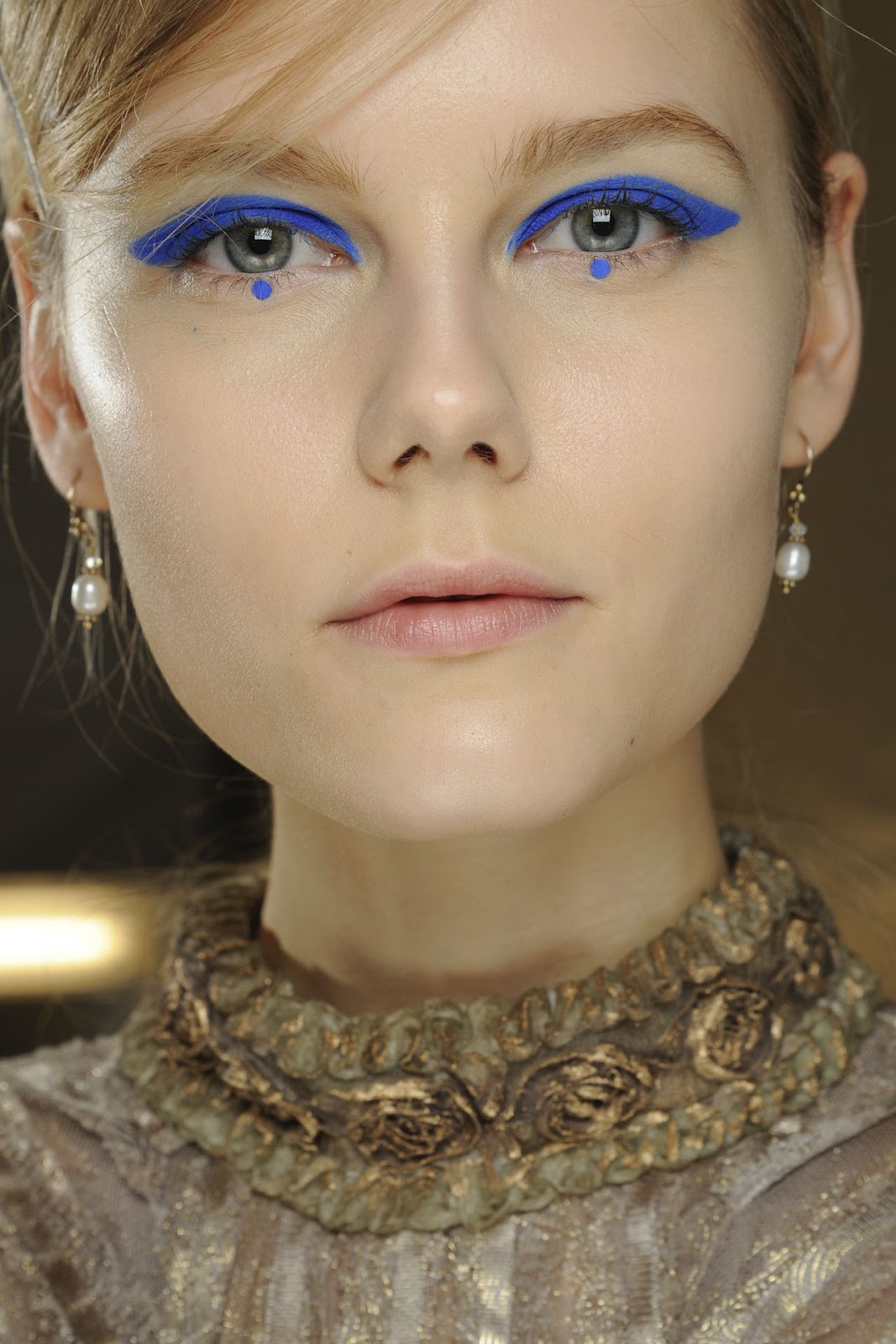
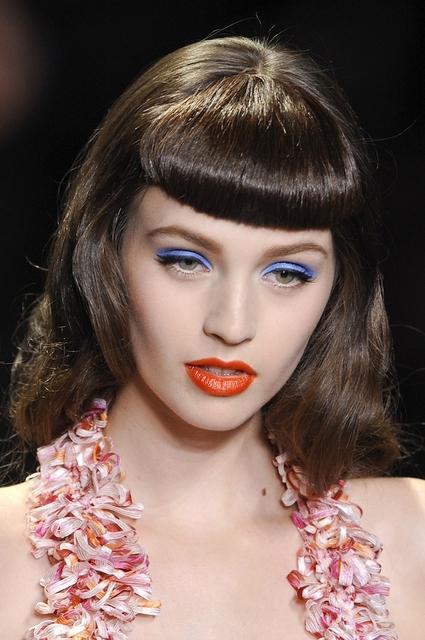
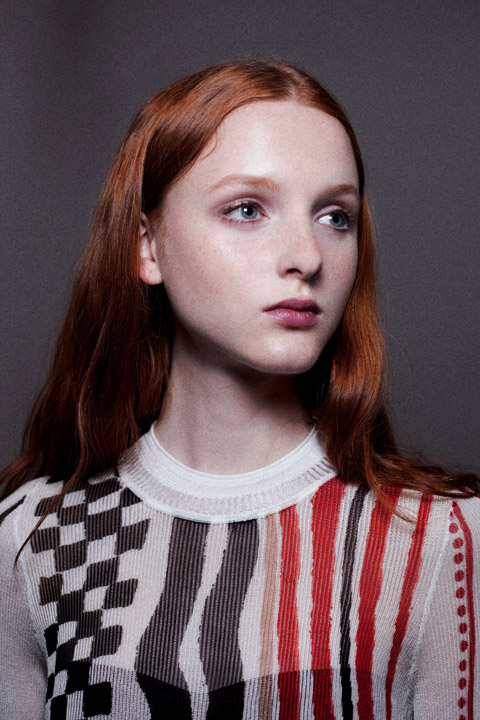
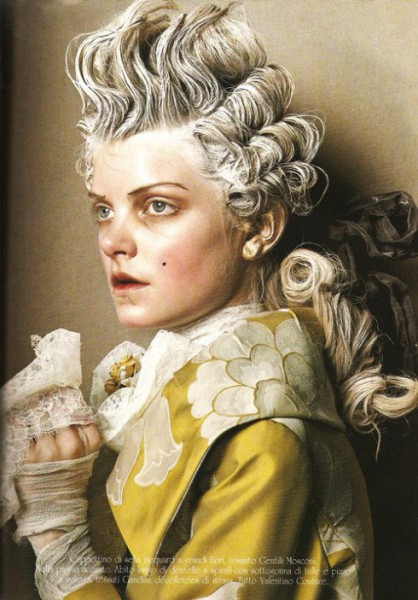
Pat McGrath, ph Steven Meisel



Rooney Mara

 Pat McGrath & Anna Piaggi













 At the end of the Thousand and Second Night party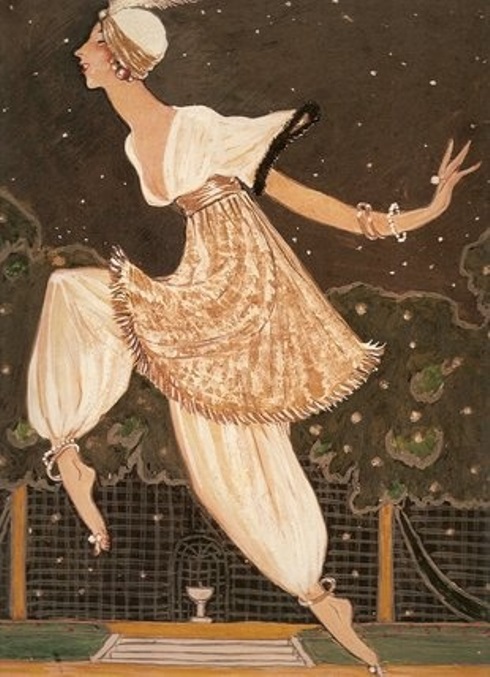


 agnautacouture.com