Archive | biography RSS feed for this section

Grace Coddington, a legend in her own time (part 1)

30 Sep

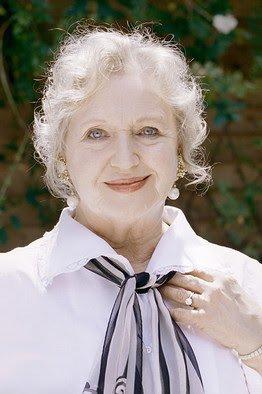
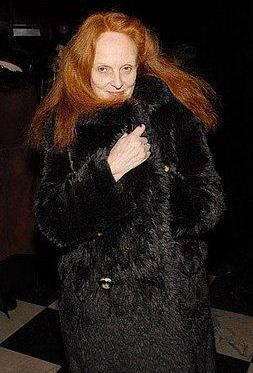
The September Issue started out as documentary about Anna Wintour and the famous September issue of American Vogue, but became a story in which Grace Coddington played the leading role. Finally the outside world got a peak inside the Vogue offices, where Grace is the creative director and leading stylist. Now at the age of 71, she still produces the majority of photo shoots for the magazine.

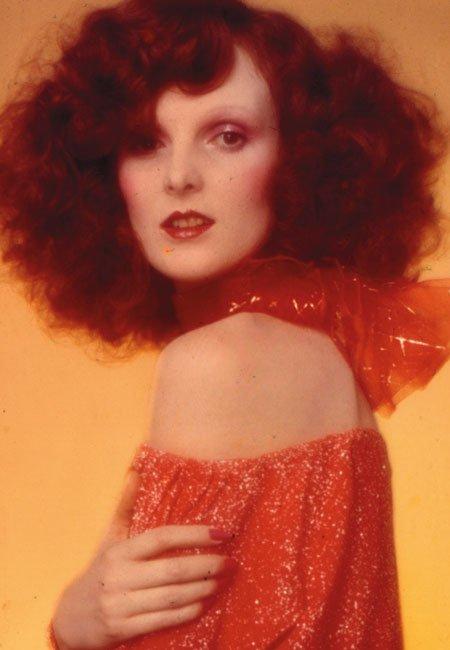
Born on the island of Anglesey, Wales, in 1941 Grace Coddington lives a shy and quiet youth, helping out her parents at the family hotel, every month eager awaiting the new British Vogue she orders at a local bookstore and dreaming away at the pages. She is taught by roller-skating nuns at a Catholic convent. ‘Grace has a sweet way of getting her will’, one school report notes. She sews her own stylish togs on a Singer sewing machine, hoping one day she will be one of the stylish women she imagens inhabit London.

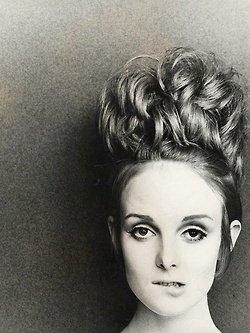
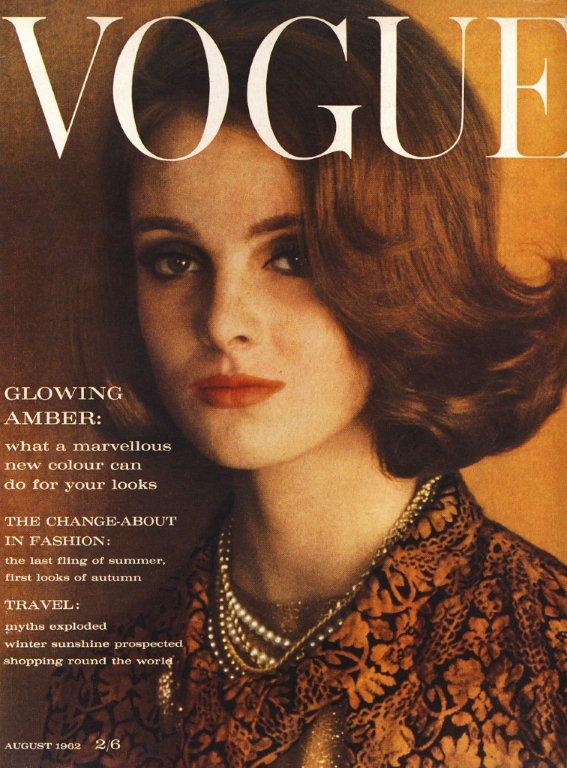
At the age of 18 Grace leaves Anglesey for London. Waitressing at a coffee bar in Knightsbridge and attending Cherry Marshall modeling school fill her days, but the agency says she doesn’t have what it takes to be a model. Than a customer working for Norman Parkinson sends her to meet the photographer and he decides she is perfect for the job. Grace enters British Vogue’s modeling contest and takes the Young Idea category. Anthony Armstrong-Jones (later Lord Snowdon) snaps her first test shots.
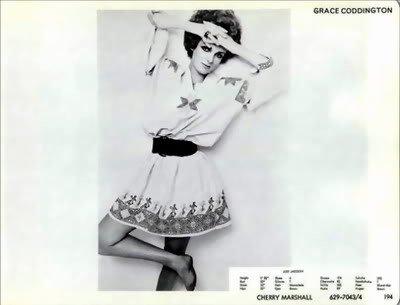
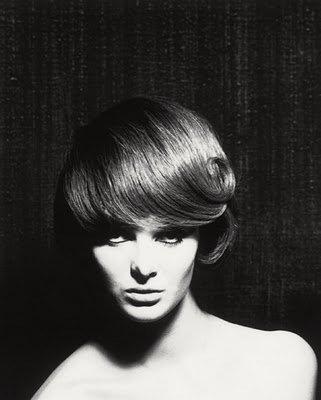
In 1961 Grace becomes a house model for Vidal Sassoon. He chopps her hair into a geometric bob, which later became known as his famous Five-Point Cut. This gives her the exposure she needs. Touring with Sassoon for a series of hair shows in England, she gets involved in a serious car accident. Her face smashed in the driving mirror and her left eyelid is sliced off. Five reconstructive surgeries later, Grace returns to modeling and develops a reputation for versatility.

Than the fashion editor of Queen magazine tells Grace she is too old to model, but ‘should be a fashion editor’. Grace meets Beatrix Miller over lunch and is hired as a junior fashion editor for British Vogue, allowed a great deal of creative freedom. In 1971 she goes on assignment with Norman Parkinson to the Seychelles, where she gets inspired for the first fashion-fantasy travelogue that will become her signature style.

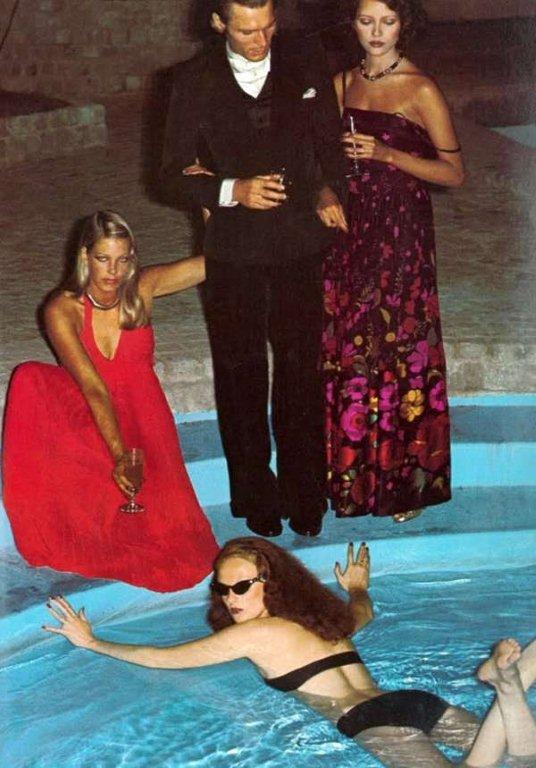
On the set in the South of France (1973), Helmut Newton declares the evening wear shoot ‘bloody boring!’ and calls for something sexy. Editor Coddington obliges and jumps in the water wearing a black bandeau-top bikini and cat-eye sunglasses.
In spring 1986 Anna Wintour takes over editorship of British Vogue, following Beatrix Miller. Grace Coddington, by now the magazine’s fashion editor, resigns by winter, saying “Anna was much more into ‘sexy’ than I was. She leaves Vogue to become design director for Calvin Klein. “If it hadn’t been for Calvin, I wouldn’t have understood America” Grace later tells Vogue. Klein, in turn, will credit her for being the first European fashion editor to appreciate American design. Grace works on the memorable Eternity fragrance ad with Richard Avedon, featuring Christy Turlington. In the meantime Grace moves into a brownstone in Greenwich Village with her companion Didier Malige, the French hairstylist. Anna Wintour moves to the States to take the helm at House & Garden.

In 1988, Anna Wintour becomes the new editor in chief of Vogue in New York and Grace Coddington comes on board as fashion editor. “I was over the moon when she came to the magazine”, Wintour will say later. Grace is named creative director of Vogue in 1995.
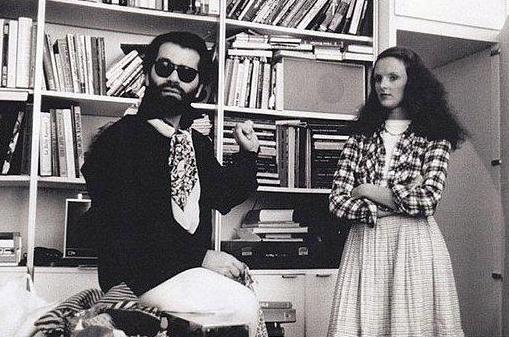
Short stories: celebrating 25 years of Vogue Fashion by Grace Coddington” opens at the Danziger gallery in Soho. The retrospective surveys her work with top photographers at British and American Vogues. She’s honored with a Lifetime Achievement award from CFDA (Council of Fashion Designers of America). Karl Lagerfeld hosts a launch party for Grace: Thirty Years of Fashion at Vogue and Hamish Bowles peruses the coffee-table chronicle of Coddington’s work.

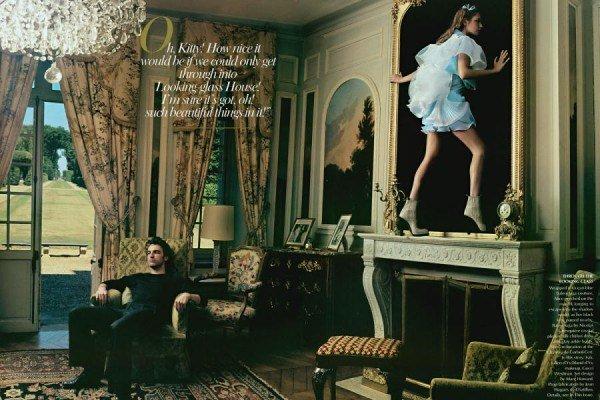
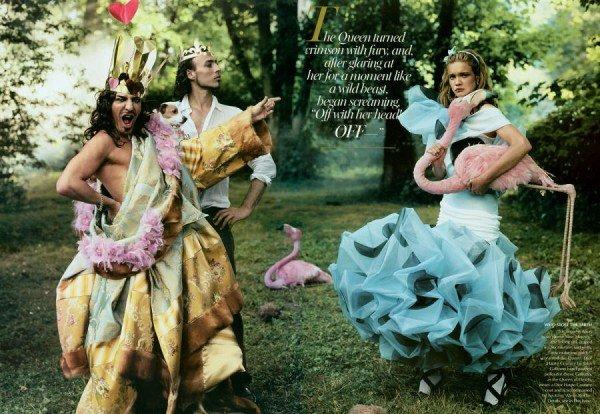
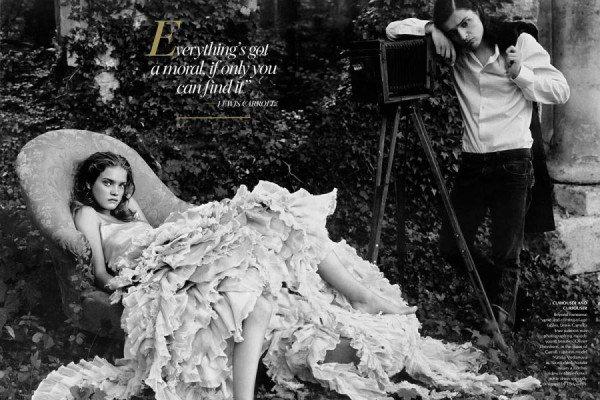
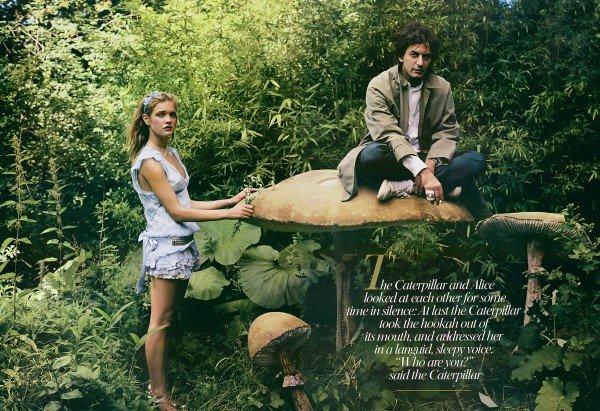
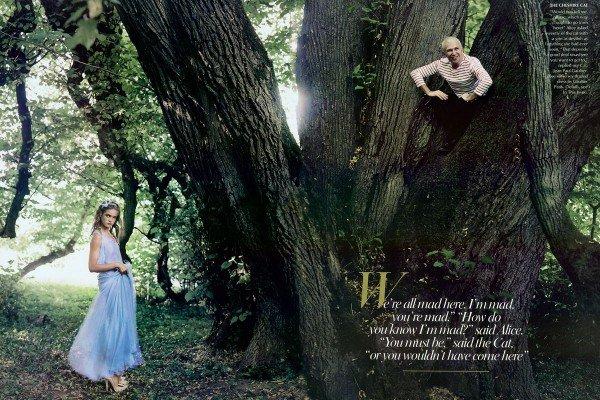
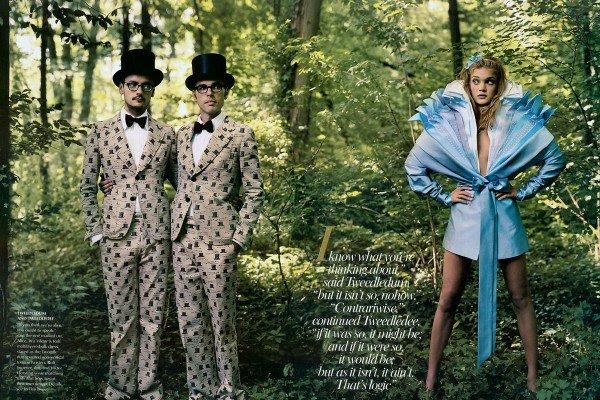
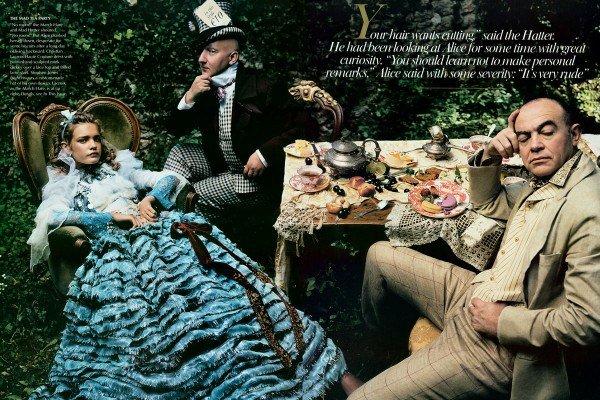
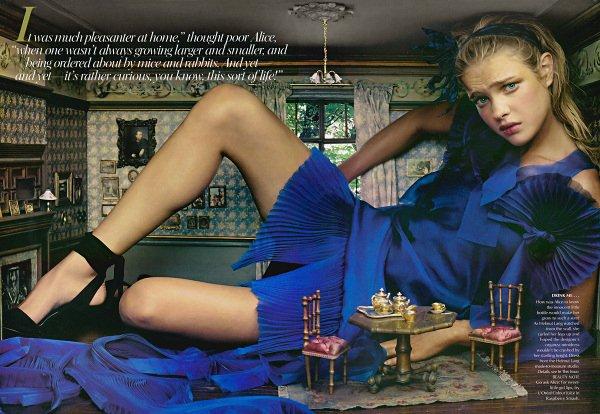
In 2005 Grace Coddington produces the fantastical Wizard of Oz portfolio for Vogue’s December issue, with a cast of fashion and art-world stars photographed by Annie Leibovitz

Next week  Grace Coddington, a legend in her own time (part 2)
Elsa Schiaparelli is the one to whom the word ‘genius’ is applied most often

19 Aug

Coco Chanel once dismissed her rival as ‘that Italian artist who makes clothes.’ (To Schiaparelli, Chanel was simply ‘that milliner.’)

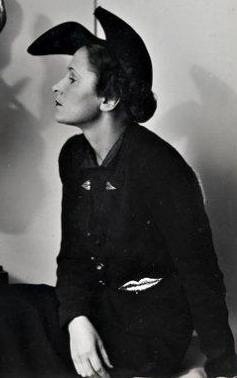
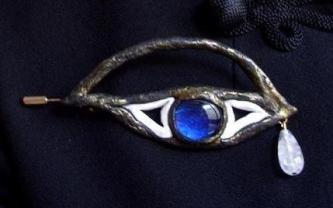
Elsa Schiaparelli (september 10, 1890 – november 13, 1973) was born in Rome, Italy. She studied philosophy and at the age of 22 she accepted a job as a nanny in London. Elsa led a refined life with a certain amount of luxury provided by her parents’ wealth and high social status. She believed, however, that this luxury was stifling to her art and creativity and so she removed herself from the ‘lap of luxury’ as quickly as possible. She moved first to New York City and then to Paris, combining her love of art and design to become a couturier.

She was not a trained seamstress and her interest was not merely in fashion. She was a flamboyant persona who liked interacting with artists. She designed her clothes on paper, trusting her tailors to correctly interpret them, which was not as common then as it is today.

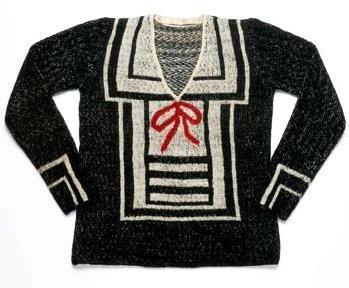
Elsa launched a collection of knitwear in 1927, after she made her first steps into fashion earlier, with some encouragement from Paul Poiret. The first collection featured sweaters with surrealist trompe l’oeil images which were published in Vogue. Her business really took off with a pattern that gave the impression of a scarf wrapped around the wearer’s neck.

Elsa’s ‘pour le Sport’ collection expanded the following year to include bathing suits, ski-wear, and linen dresses. The divided skirt, a forerunner of shorts, shocked the tennis world when worn by Lili de Alvarez at Wimbledon in 1931. She added evening wear to the collection in 1931, and the business went from strength to strength, culminating in a move from Rue de la Paix to acquiring the renowned salon of Madeleine Chéruit at 21 Place Vendôme, nicknamed the Schiap Shop.

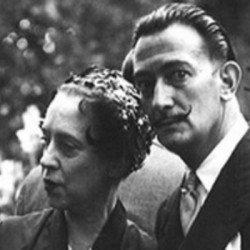
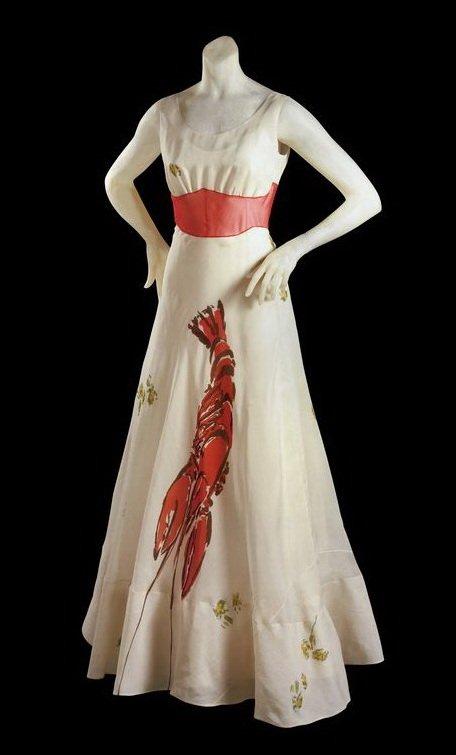
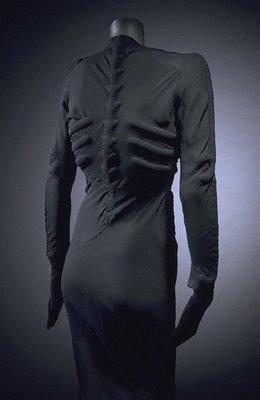
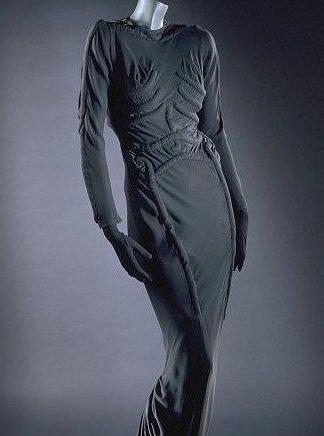
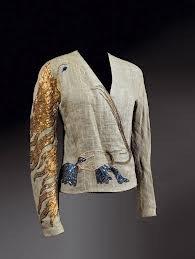
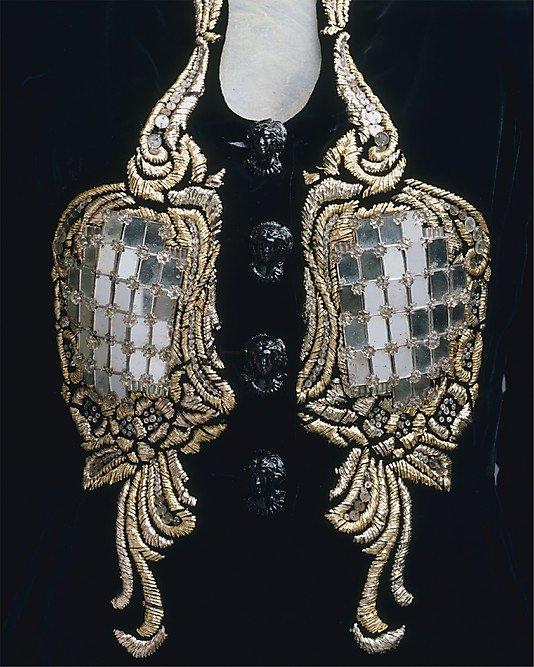
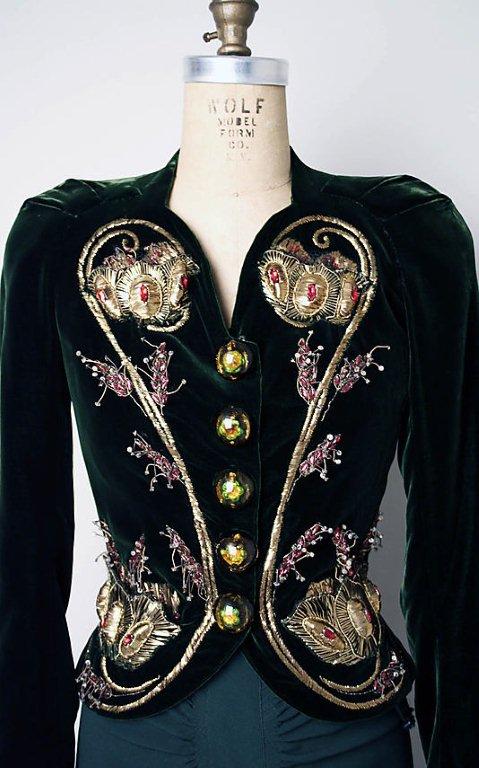
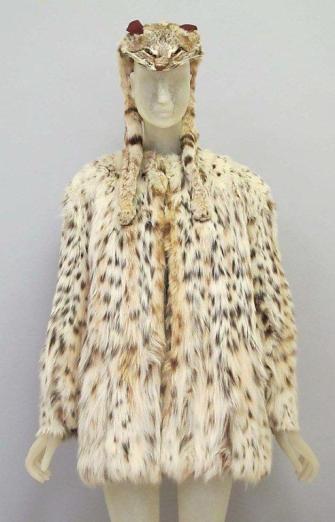
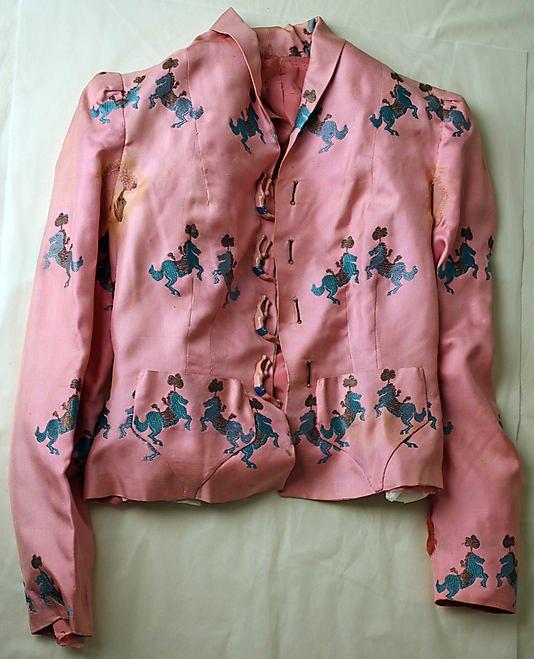
Elsa collaborated with famous artist Jean Cocteau and Salvador Dalí to create her most significant designs. She was the most innovative and influential dress designer of the 20th century, known for her shocking designs and Surrealist influences in her haute couture. Her inventions included the color Shocking Pink‘,  which she made famous, the innovative use of colorful zippers, gadget  accessories such as scarves of material with a newspaper print design  and the clinging and attractive bias-cut dresses.

Elsa Schiaparelli & Salvador Dali

Elsa Schiaparelli & Jean Cocteau

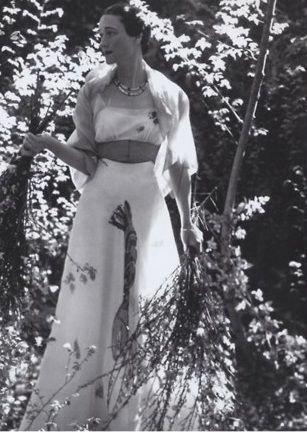
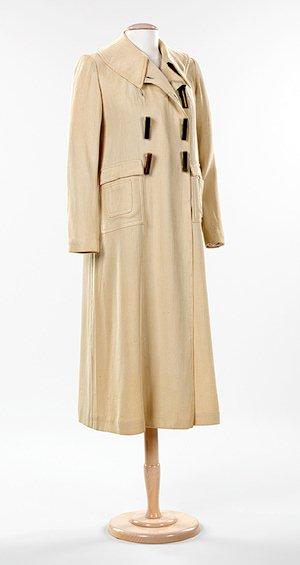
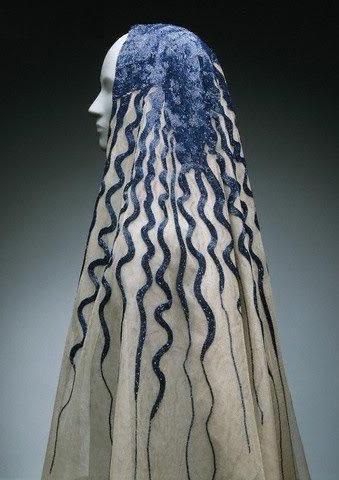
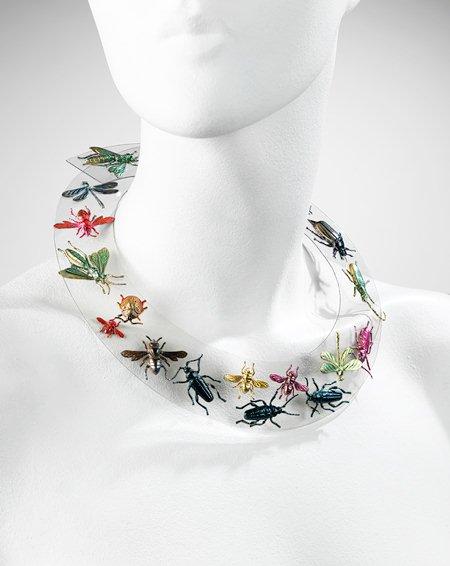
Perhaps Schiaparelli’s most important legacy was in bringing to fashion the playfulness and sense of ‘anything goes’ of the Dada and Surrealist movements. She loved to play with juxtapositions of colours, shapes and textures, and embraced the new technologies and materials of the time. With Charles Colcombet she experimented with acrylic, cellophane, a rayon jersey called “Jersela” and a rayon with metal threads called “Fildifer” – the first time synthetic materials were used in couture. Some of these innovations were not pursued further, like her 1934 “glass” cape made from Rhodophane, a transparent plastic related to cellophane. But there were more lasting innovations; Schiaparelli created wraparound dresses decades before Diane von Furstenberg and crumpled up rayon 50 years before Issey Miyake’s pleats and crinkles. In 1930 alone she created the first evening-dress with a jacket, and the first clothes with visible zippers. In fact fastenings were something of a speciality, from a jacket buttoned with silver tambourines to one with silk-covered carrots and cauliflowers.

Elsa Schiaparelli clothes

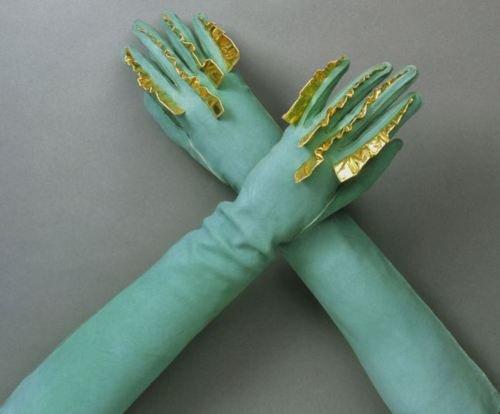
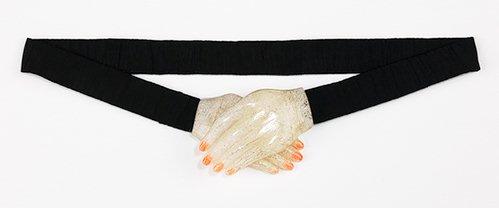
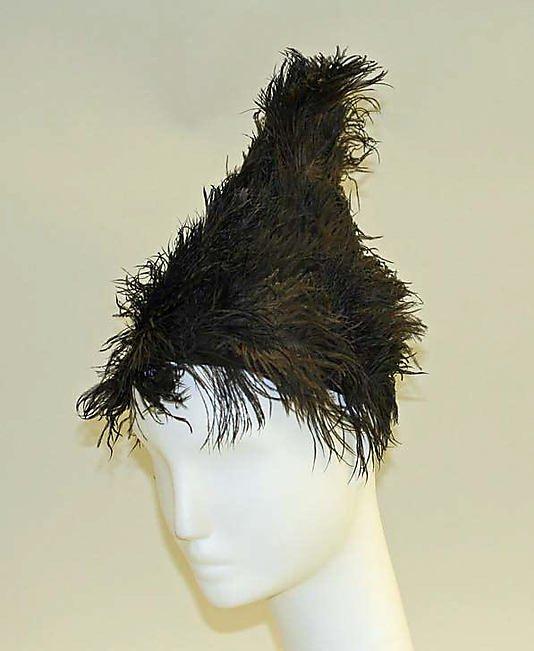
Elsa Schiaparelli accessories

The failure of her business meant that Schiaparelli’s name is not as well-remembered as that of her great rival Coco Chanel, because she did not adapt to the changes in fashion following World War II. Soon after the fall of Paris on 14 June 1940, Elsa sailed to New York for a lecture tour; apart from a few months in Paris in early 1941, she remained in New York City until the end of the war. On her return she found that fashion had changed, with Christian Dior’s ‘New Look’ marking a rejection of pre-war fashion. The house of Schiaparelli struggled in the austerity of the post-war period, and Elsa finally closed it down in December 1954, the same year that Coco Chanel returned to the business. Aged 64, Elsa wrote her autobiography and then lived out a comfortable retirement between her apartment in Paris and house in Tunisia. She died on 13 November 1973.

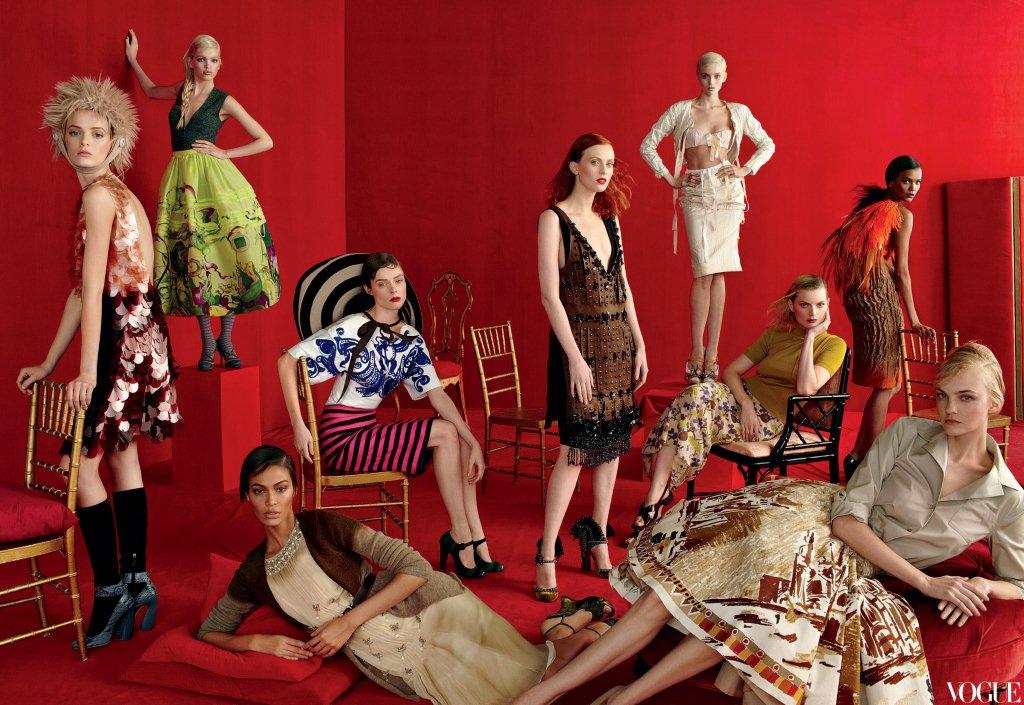
 Muccia Prada is inspired by Elsa Schiaparelli and surrealisme too.


Edie Sedgwick, Superstar?

29 Jul

For a long time I thought Edie Sedgwick was used by Andy Warhol, for her wealth, her connections to the upper class and her beautiful physical appearance, but after a deep dive into Edie’s life, my opinion changed. Oké, Andy Warhol was a user and till certain extent he did. She introduced him to some very wealthy people, whom she convinced to buy some his work and Edie’s appearance in his films Vynil and Horse generated so much interest, Andy decided Edie would be his Superstar’, so she could attract more people to go and see his movies, but Edie did her utmost to be noticed by and involved with Warhol and  she was the one who stepped out of  Warhol’s Factory to be signed up by Bob Dylan’s manager Albert Grossman. So the relationship worked both ways….

Edie Sedgwick: Teenager

Edie Sedgwick( Edith Minturn Sedgwick  april 1943, november 1971) was born in Santa Barbara, California. Her parents were Francis ‘Fuzzie’ Minturn Sedgwick, a philanthropist and  Alice Delano de Forest. Together they got 8 children.

Edie Sedgwick was born in a family which was long-established in history. From her seventh-great grandfather to first cousin Kyra Sedgwick, the actress, they all found a place in American history. Also financially Edie was well-set. However she also inherited a large history of mental illnesses. Her brothers Minty and Bobby committed suicide after being in several mental hospitals, something Edie got deeply affected by and her father had a series of nervous breakdowns as well.

Edie had a very difficult relationship with her father, who openly carried on relationships with other women. On one occasion she walked in on him having sex with a neighbour which made her flew into a rage, but her father claimed Edie imagined it all as a result of her emotional problems and send her to a mental hospital, of which Edie said: ‘Was the Sedgwick way of dealing with problems’. After this event Edie developed anorexia which carried on her entire life.

Edie Sedgwick, fashion model

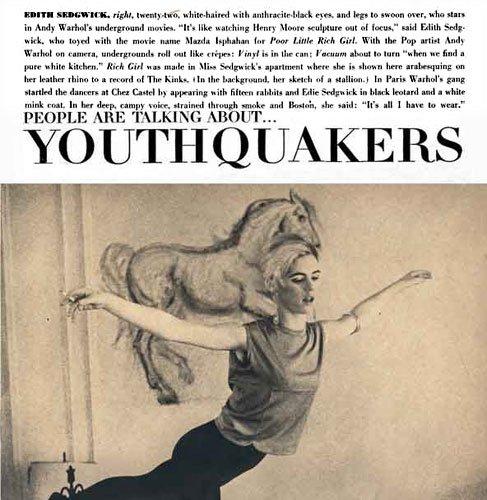
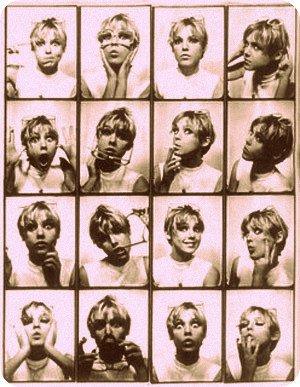
After she moved to New York, Edie appeared in Vogue as a ‘Youthquaker’ in august 1965 and Diana Vreeland, editor-in-chief at the time, discovered Edie as fashion model. She appeared in Vogue and Life magazine. In those days models were mostly beautiful socialites like Edie and Penelope Tree. Edie even became ‘The Girl of the Year’ and ones was dubbed ‘It Girl’.

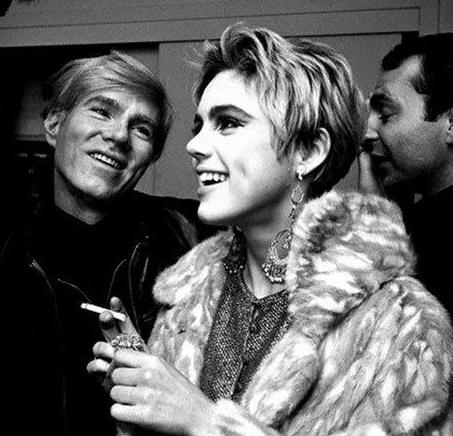
In March 1965 she met Andy Warhol and began going to The Factory regularly with her friend Chuck Wein. After appearing in his movies Vynil and Horse, Warhol decided Edie would be his Superstar and started an intense work and private (non-physical) relationship with her.

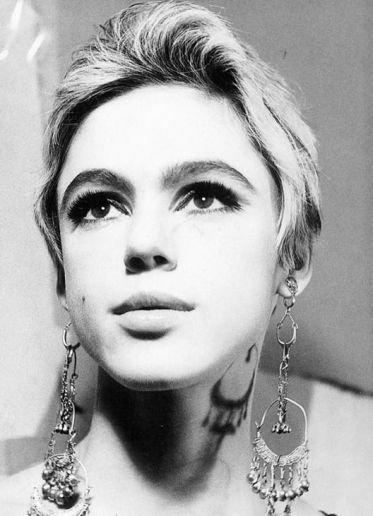
Edie in the meantime had devolved her own significant style: black leotards, ultra short dresses or sweaters, chopped and bleached blond hair with dark roots (inspired by Andy Warhol’s wigs) and her chandelier earrings.

Edie’s trademark look

Edie spent her entire inheritance of $80.000 in only six months, by purchasing large amounts of clothes, jewelery and make-up, paying restaurant bills for everybody at her table and on drugs. Her father was only willing to pay half of her rent after she empty-out her bank account, he called it tough love. Edie asked Warhol to pay her for her acting work, but Warhol never paid anybody (!) and Edie got into severe financial problems. She called Diana Vreeland, asking her for a modelling job, but Vreeland told Edie she could no longer commission her, because she was considered vulgar by the public for her drug abuse and connections with The Factory.

Edie Sedgwick & Andy Warhol

Kitchen, movie by Andy Warhol

Warhol asked scriptwriter Ronald Travel to write a script for Edie, ‘something in a kitchen-something white, and clean, and plastic’. The result was Kitchen, starring Edie and Rene  Ricard. Later Chuck Wein replaced Ron Travel, Chuck being Edie’s ‘friend’ could manipulate her into doing things she rather did not do……

Edie got estranged from Warhol’s inner circle and went to live in the Chelsea Hotel, where she got close to Bob Dylan. Here the story becomes a bit blurred; Dylan said, he never had an intimate relationship with Edie, she said they had. She did have a relationship with his best friend though, Bob Neuwirth, but Edie must have had a huge crush on Bob Dylan. In February 1966 at the Gingerman Restaurant, Edie and Warhol got into an argument; Edie told Warhol, she was supposed to star in a movie with Bob Dylan and went on Bobby this and Bobby that, when Andy Warhol couldn’t resist to ask her; “Did you know Edie, that Bob Dylan has gotten married to Sara Lownds?’ (something he learned that day at his lawyer’s office). Edie started trembling, she really thought she was entering a relationship with Dylan, who hadn’t been truthful to her! (Dylan also had an affair with Joan Baez at that time). Edie went out to make a phone call, when she came back she announced she was leaving The Factory and disappeared. She never returned.

During her relationship with Neuwirth, Edie became increasingly dependent on barbiturates and in early 1967 Neuwirth could no longer cope with her drug abuse and erratic behavior, he broke of with her. Edie began shooting Ciao! Manhatten, an underground movie which was made over the course of 5 years. In the meantime Edie returned to her family in California, were she spent time in several psychiatric institutions. In 1969 she got arrested for drug offenses and in hospital she met another patient, Micheal Brett Post, whom she married on July 24, 1971. Under his influence she stopped abusing alcohol and drugs for a short time.

On the night of November 15, 1971, Edie went to a fashion show at the Santa Barbara Museum. At the party after the show, someone insulted her by calling her a heroin addict and repeatedly asserting her marriage would fail. Edie called Micheal (Post) and when he arrived at the party she was already in total distress. He took her home and put her to bed after he gave her the medication prescribed for her. When he awoke the next morning, Edie Sedgwick was already dead. She was only 28 years old.

The day she died, Warhol was asked how he felt about her death and he responded by telling he hardly knew her and Paul Morrissey, contributor to The Factory and friend of Warhol, responded with: ‘Edie who?”

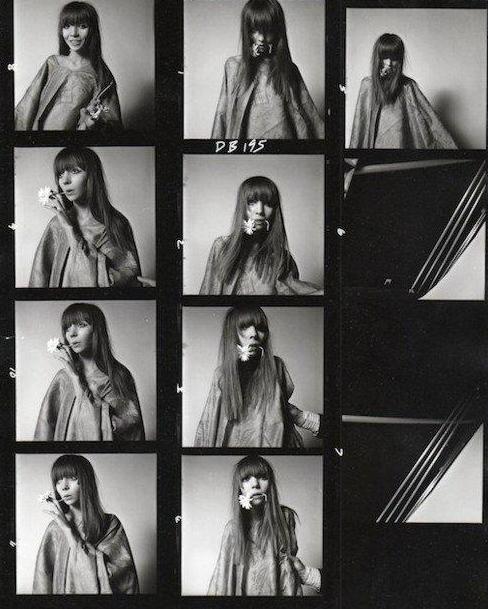
Penelope Tree, ‘Hot, Hot, Hot, Smart, Smart, Smart!’.

22 Jul

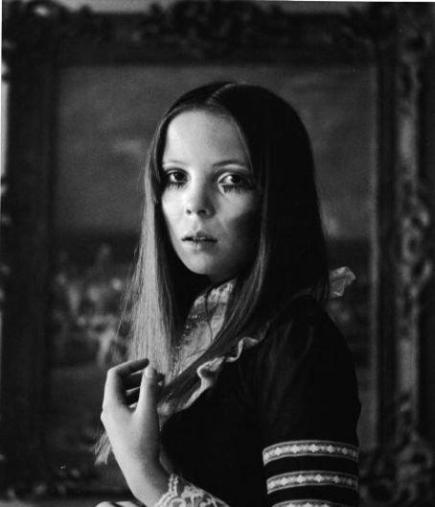
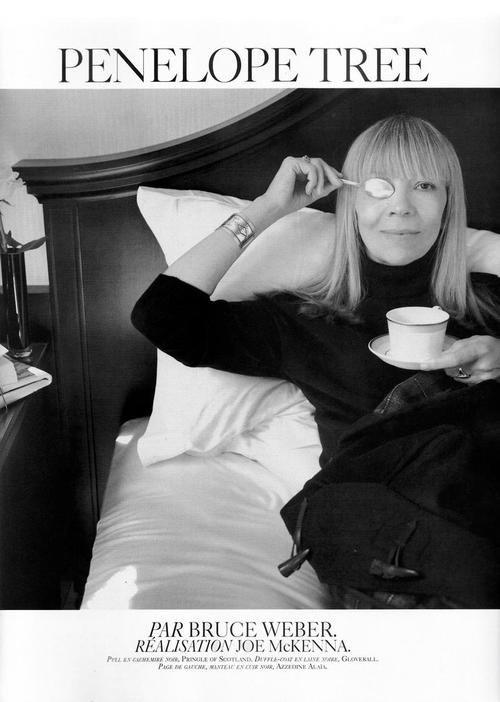
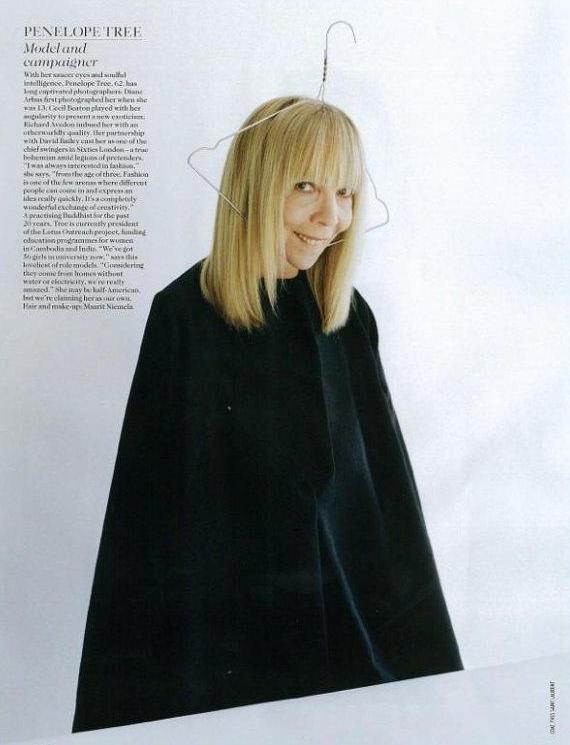
Penelope Tree is her real name. Only child of Ronald Tree, journalist, investor and British MP and Marietta Tree, US socialite and in later years American represent  at the United Nations . Penelope is also related to retailer Marshall Field, Rev. Endicott Peabody and half-sister of author Frances FitzGerald. With Penelope Tree a change began in the way we perceive beauty. Penelope didn’t look like anybody else, she was a moon-child.

Penelope Tree’s well-to-do background could have been the foundation of a happy childhood, but it wasn’t. In a rare interview she gave a couple of years ago, she talked about a very unhappy childhood, a mom who was to busy having affairs with other man and her father, whom she felt very close too, but she only saw at school holidays.

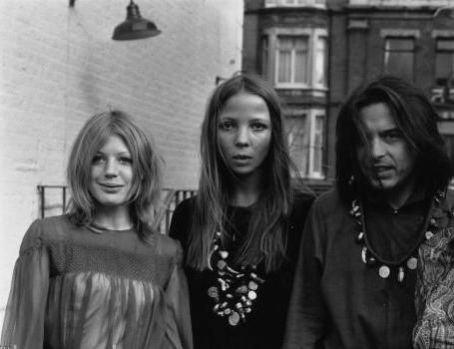
Teenager Penelope Tree

She was 13 when the legendary photographer Diane Arbus photographed Penelope for a feature inTown & Country magazine. When Ronald Tree saw the pictures, he forbade them to be used. Arbus portrait Penelope as a spoilt rich kid, absolutely desperate at her own native habitat. Only one picture ever published is Penelope in their home living room.

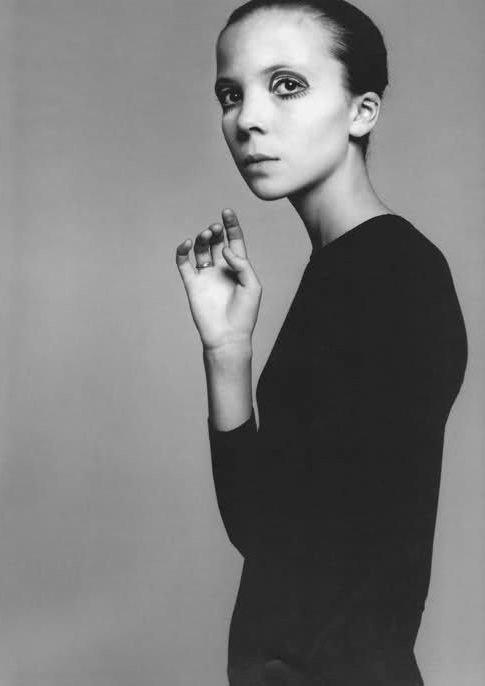
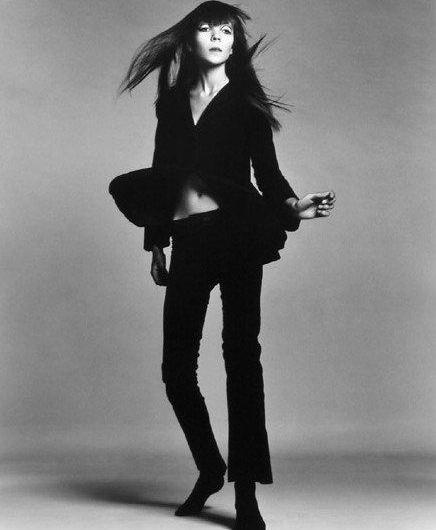
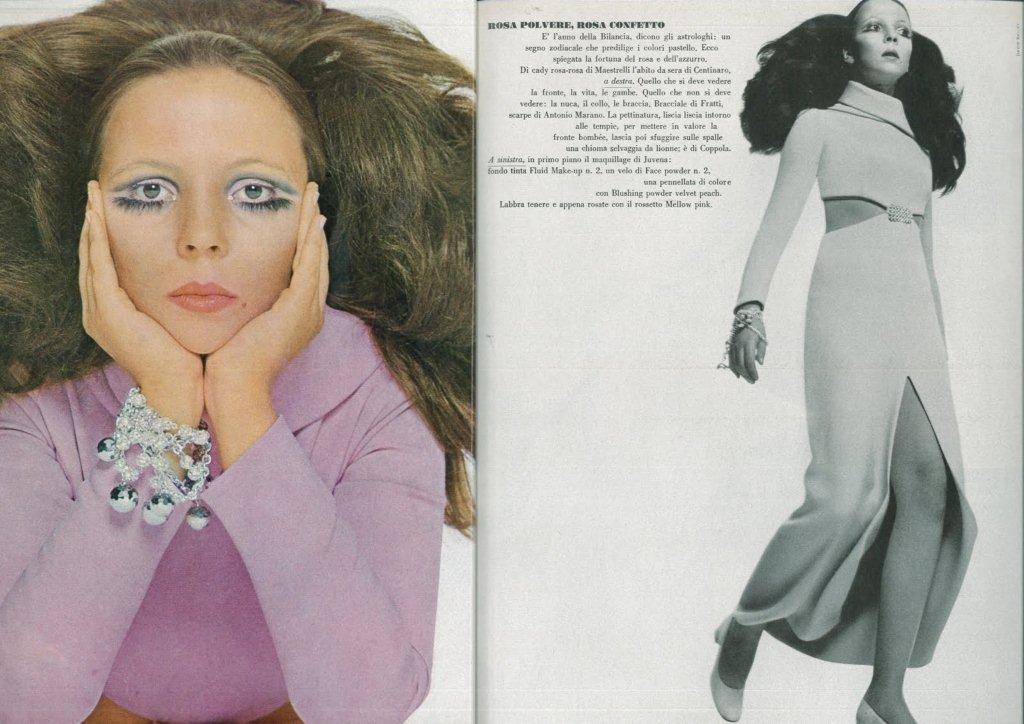
At 17, she went to Truman Capote’s famous Black & White Ball (in 1966) and was spotted by Cecil Beaton, Richard Avedon and Diana Vreeland ,who all took credit for discovering Penelope. The next day Penelope was already commissioned by American Vogue to be photographed by Avedon, who was so taken by Penelope’s appearance he said; ‘Don’t touch her. She is perfect’.

Penelope had already begun to cultivate her own style, which sometimes triggered furious reactions in the street of New York, because of her barely-there minis and racoon-tail skirts. With the sudden change in her life she hoped to escape her background. Avedon and Beaton worked together to make Penelope a supermodel.

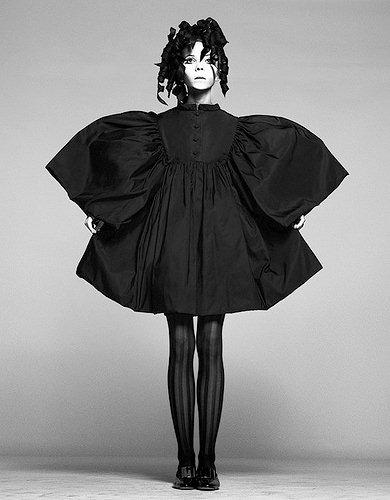
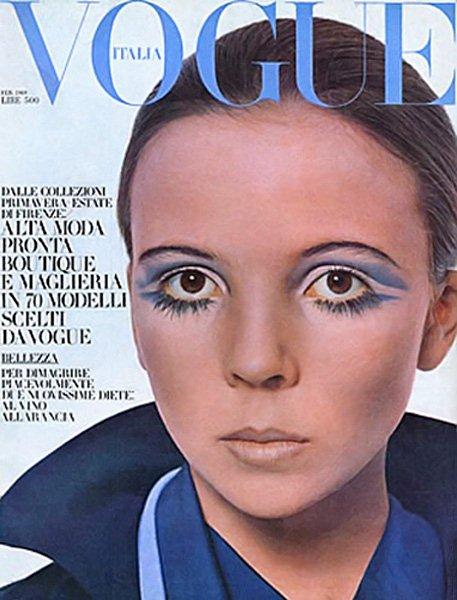
The start of her modeling career (pictures by Richard Avedon)

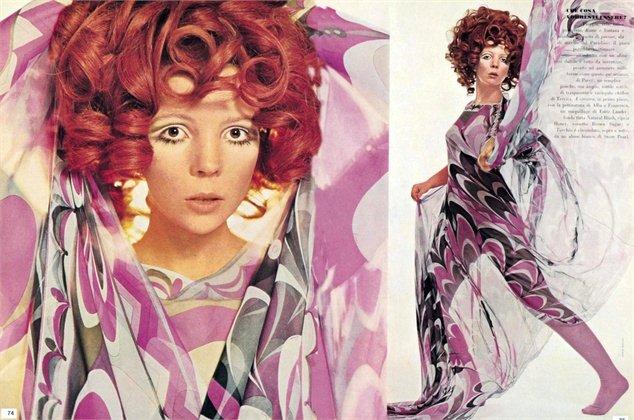
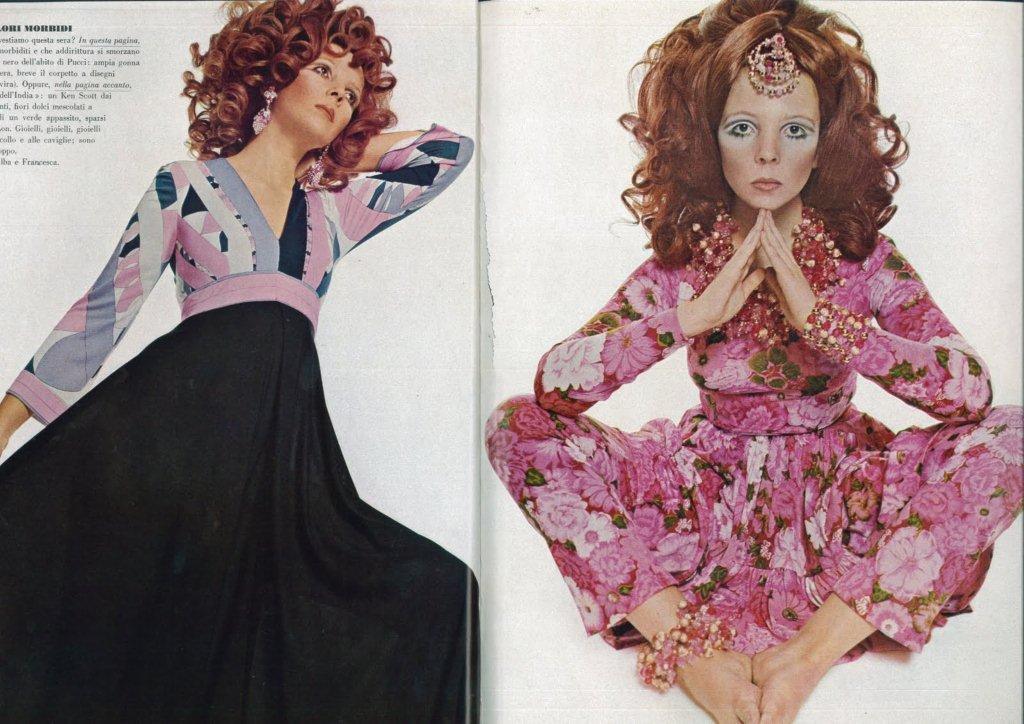
Vogue, Vogue,Vogue…

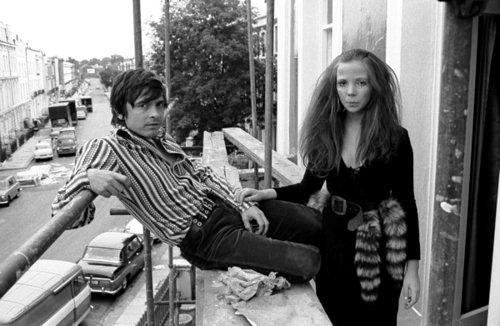
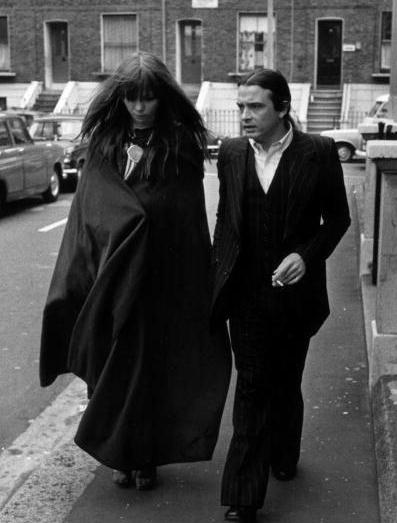
Not long after her modelling career took off, Penelope met photographer David Bailey, who was then married to Catherine Deneuve. Penelope went back to New York and didn’t see Bailey for almost a year, but there were sparks between them and she thought about him all the time. And then Bailey turned up in New York and Penelope fell madly in love, she was 18, Bailey (as she calls him) was 30. She thought he could save her from her parents and her upbringing.

For a year or so  the relationship worked out. They lived together, travelled the world and when they were in London, Bailey and his muse were the epicentre of the sixties society. Then Penelope started to get jealous and somehow obsessed and inevitably it became claustrophobic to Bailey. ‘What an idiot! I had this Jane Austen view that once you have found your man, that is it’, Penelope says about this period.

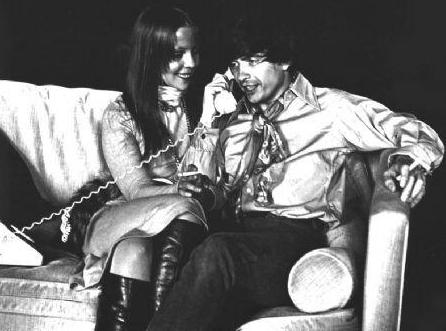
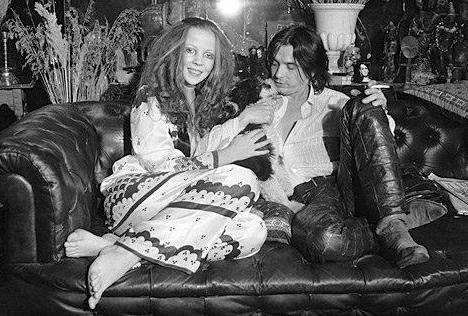
Penelope Tree and David Bailey

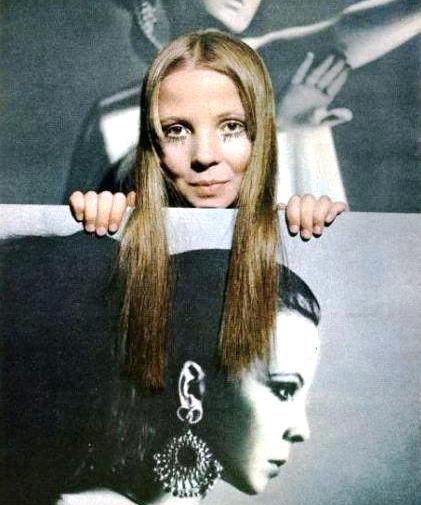
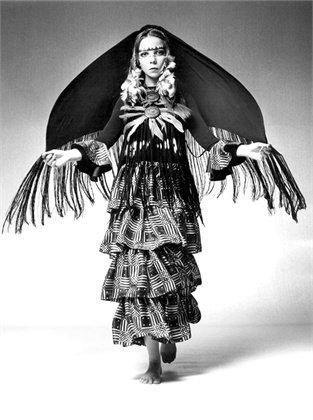
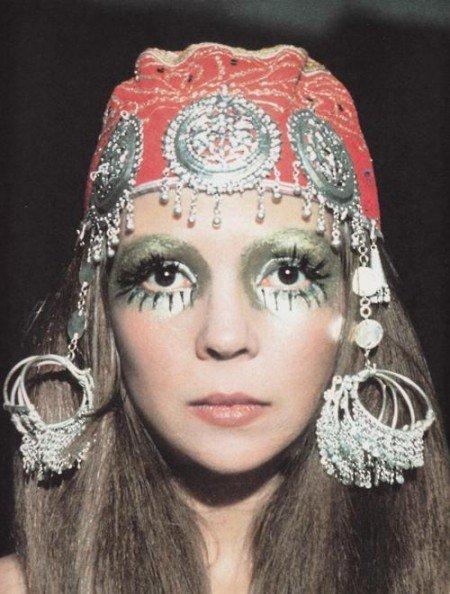
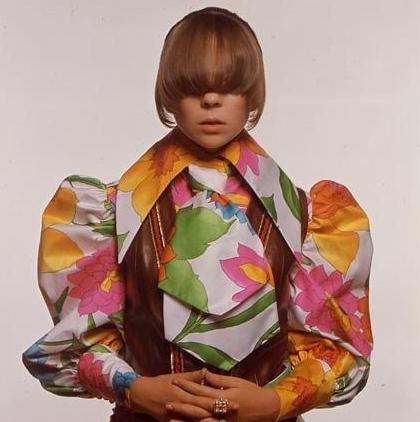
Penelope’s look at the time was described as part Pipi Langstokking, part Egyptian Jiminy Cricket. She played up her Martian-like appearance by shaving her eyebrows. There are fashion observers who now say that she was a pioneer – she changed the notion of beauty and brought her own sense of style, which was copied by others.

But most of all  she brought enigmatic luminosity to the pictures taken of her. While some photographers adored her, others refused to work with her, because they thought she was a freak…. John Lennon, in a famous quote, called Penelope: ‘Hot, Hot, Hot, Smart, Smart, Smart!’

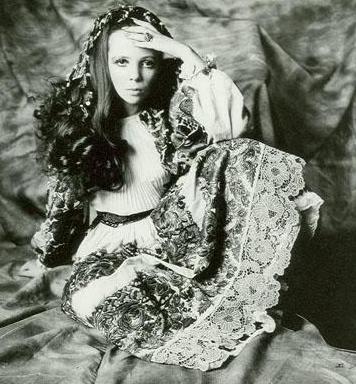
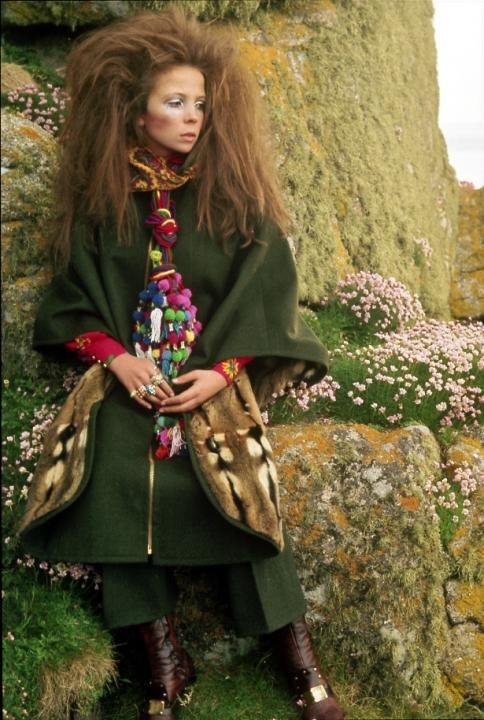
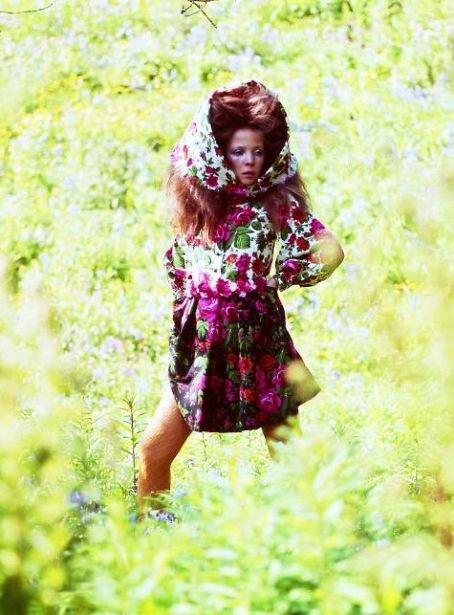
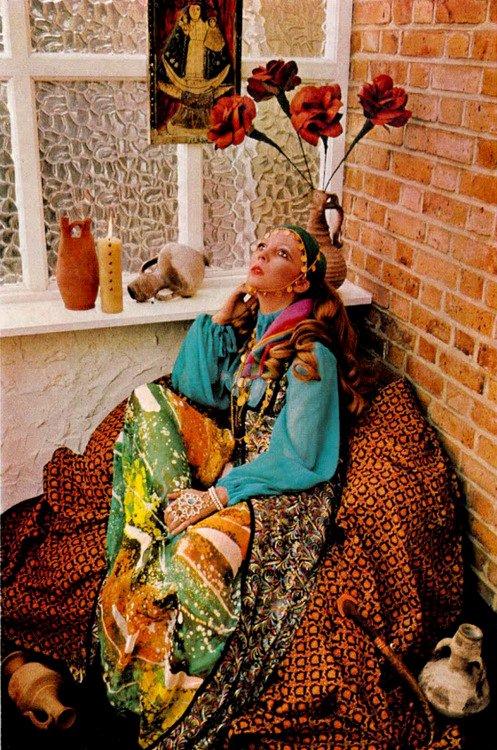
Her favorite style: Bohemian

Penelope secretly suffered from anorexia. This started already at boarding school. She was so in control of her weight as far as knowing exactly not to go beyond a certain point, because she didn’t want to end up in hospital. Nowadays Penelope’s pictures sometimes appear on pro-anorexia websites and this horrifies her. In her twenties the anorexia turned to bulimia, something she didn’t get under control till her thirties.

Then everything started to go wrong. Her relationship with Bailey was in free fall and suddenly her face got swollen by severe late-onset acne. Her career ended as quickly as it had begun. ‘I went from being sought-after to being shunned because nobody could bear to talk about the way I looked.’ It got even worse, when Penelope got arrested for possession of cocaine during a drug bust. Scarred and looking rough the police refused to believe she was either a famous model or the daughter of wealthy parents who could easily afford bail. She was held in custody for the night. ‘In a way, I was stripped of my identity completely’, she said.

In 1974 Bailey ended their relationship and Penelope went to Los Angeles and later to Australia, where she met her first husband Ricky Fataar, a musician with the Beach Boys. They got a daughter, Paloma Tree Fataar and with Australian psychoanalyst Stuart McFarlane Penelope got a son, Micheal McFarlane. Through all the years she stayed friends with Bailey.

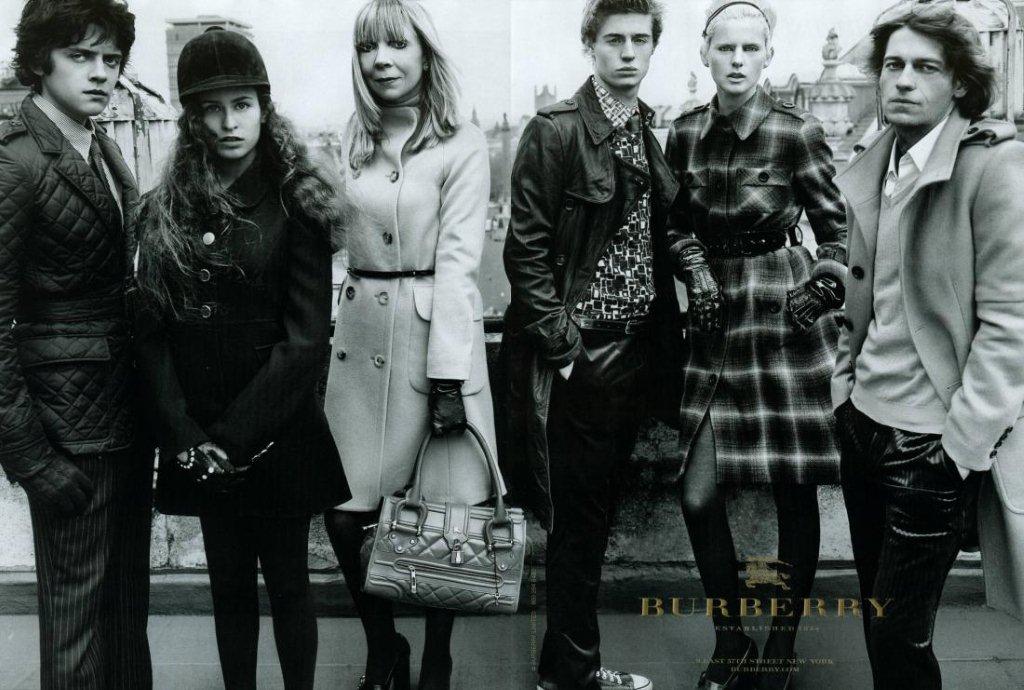
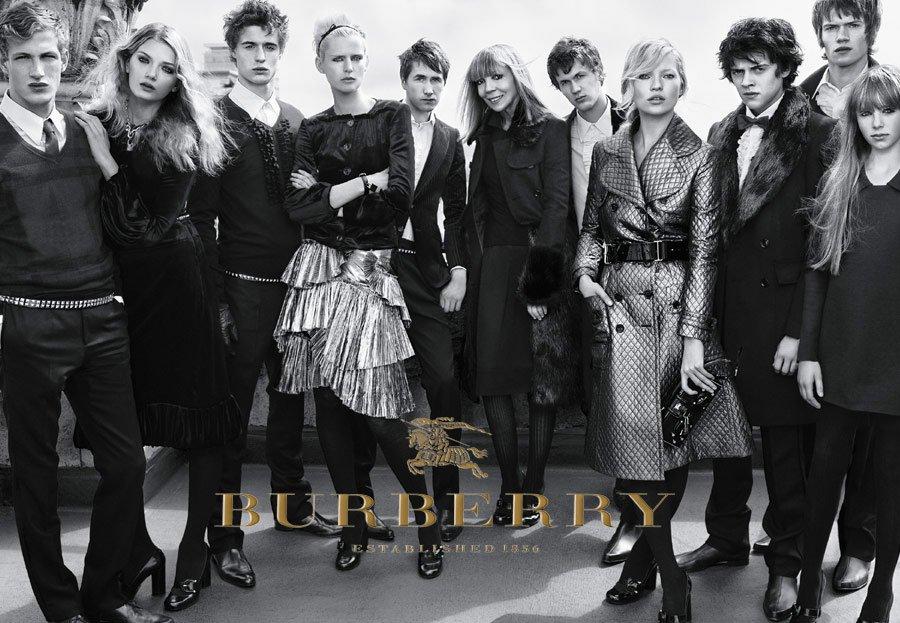
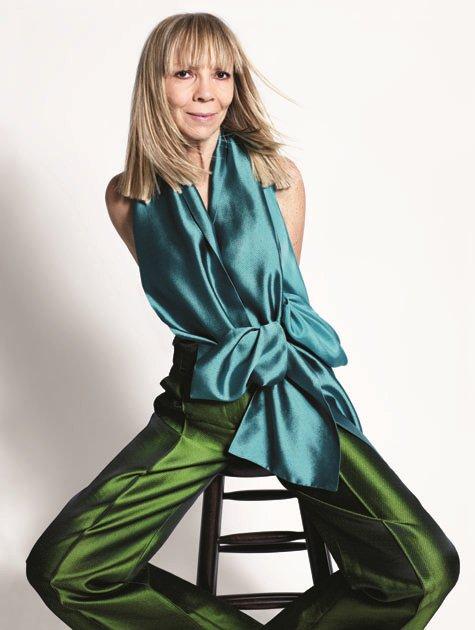
For the best part of the past 39 years Penelope has done her damnedest to stay out of the spotlights, but during the last years she has appeared again in some magazines and fashion ads like Burberry and Barneys Tree time spring 2012, photographed by Mario Sorrenti. Penelope is a student of Buddhism since the 1980s and works for a non-profit organization that supports education for vulnerable women and children in Cambodia and India, called Lotus Outreach and for the Khyentse Foundation, which promotes Buddhist scholarship. She is as true to herself as her photographs would have you believe!

Recent photographs of Penelope Tree 

.

Ossie Clark & Celia Birtwell

1 Jul

Ossie Clark is  the world’s most collectible post-war fashion designer.

This is my third post about a designer in London during the swinging 60ties, because a revolution infashion happened during those days. The Beatles and The Rolling Stones changed the sound of music and young people were ready for their own style in fashion, more appropriate for the new times. Mary Quant was the first to understand and created a look for the new generation and by doing so blasted an opening in the wall of tradition through which other young talents have poured, like Barbara Hulanicki, Jean Muir, Zandra Rhodes and the most flamboyant of all, Ossie Clark. 

Raymond ‘Ossie’ Clark practised tailoring clothes on his dolls when he was not yet ten years old. He attended the Regional College of Art in Manchester at sixteen. Here he got introduced to Celia Birtwell, with whom he became close friends and soon also lovers. Ossie also befriended David Hockney, who became a famous artist/painter. He graduated in 1958 and went on to the Royal College of Art (RCA) in London where Madge Garland, who had worked for British Vogue and as a leading fashion journalist and textile expert, had become the  first Professor of Fashion Design. Magde Garland had great influence on the young and upcoming designers.

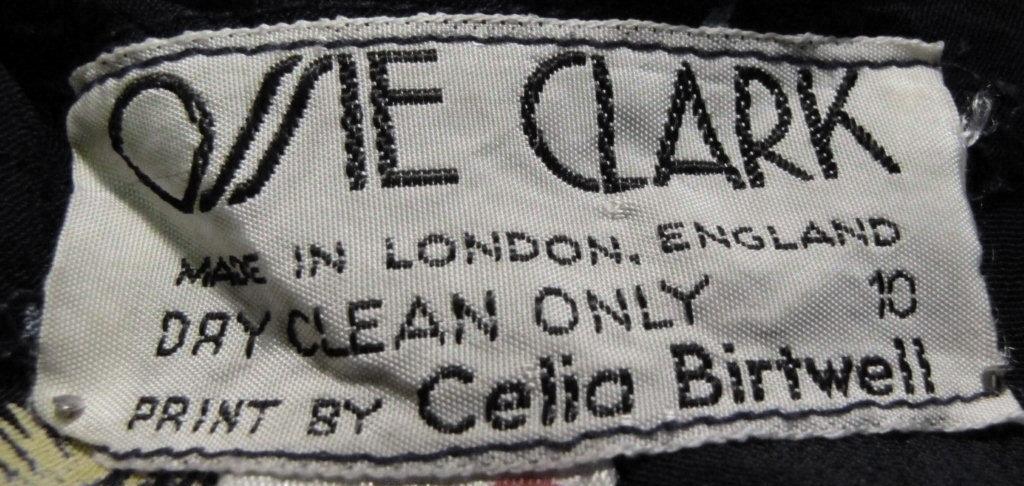
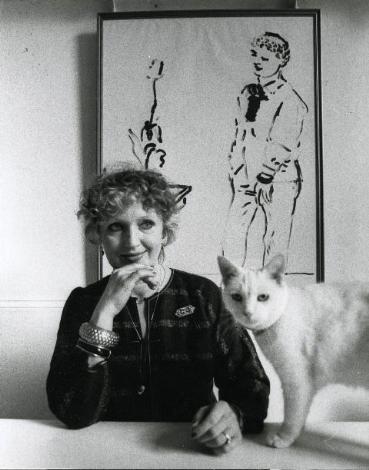
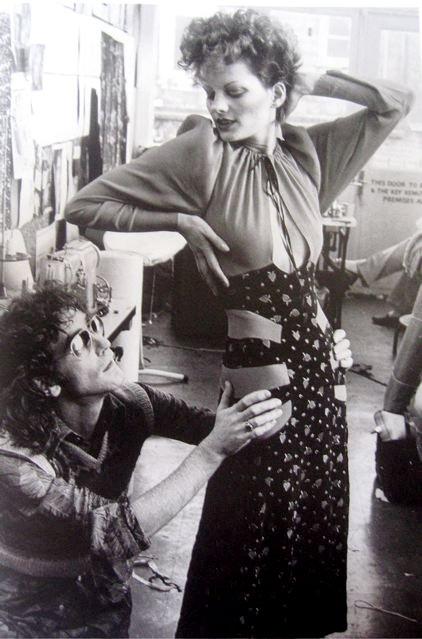
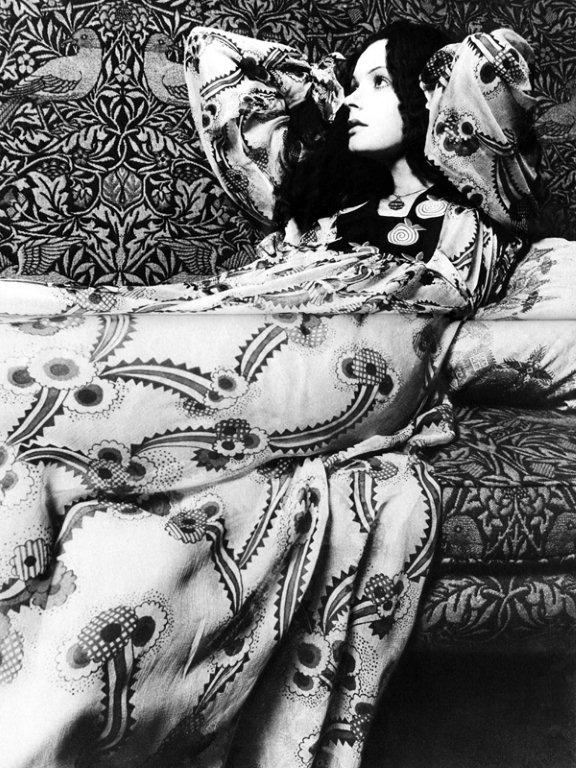
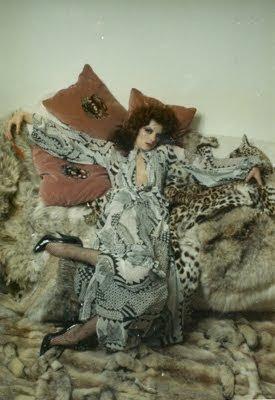
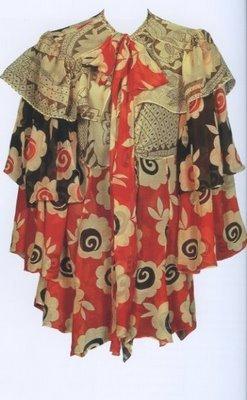
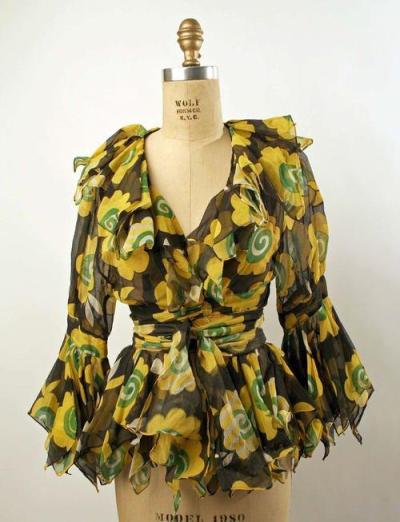
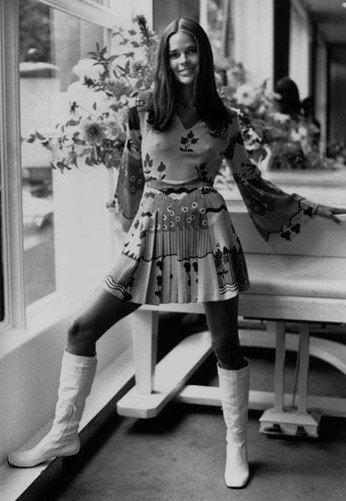
Celia Birtwell followed Ossie to London and they lived together in his small flat. His final exam featured a dress with flashing lightbulbs, that was shown in every major news and fashion publication the next day. Ossie Clark got noticed. During the next year (1966) he met Alice Pollock, who owned the exclusive boutique ‘Quorum’ on Kings Road. Alice recognized Ossie’s talent and ordered a collection of dresses, he made in all white and cream chiffon. The collection sold well and for the next collection Alice Pollock commissioned Celia Birtwell to design prints and one of the most famous fashion collaborations was born: Ossie Clark designing clothes and Celia Birtwell designing prints for these clothes. The partnership would last for almost all of Ossie’s career in fashion. She was his muse and inspirer. Her designs would never have gotten so famous without his dresses and his dresses would not have been so outstanding without her designs.

Ossie Clark dresses in prints by Celia Birtwell

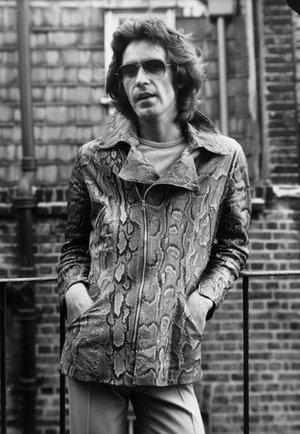
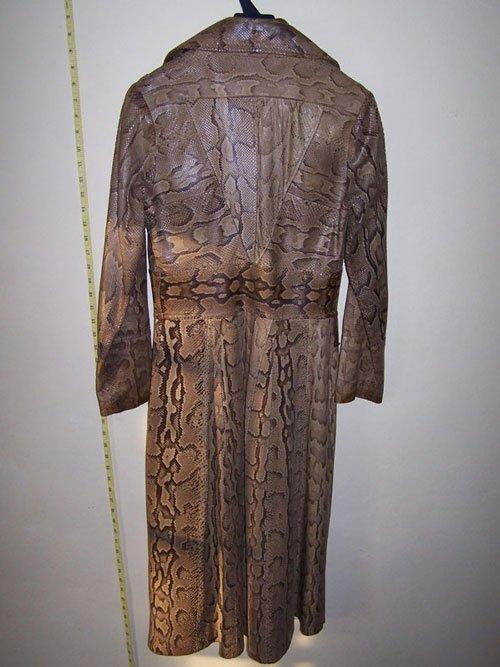
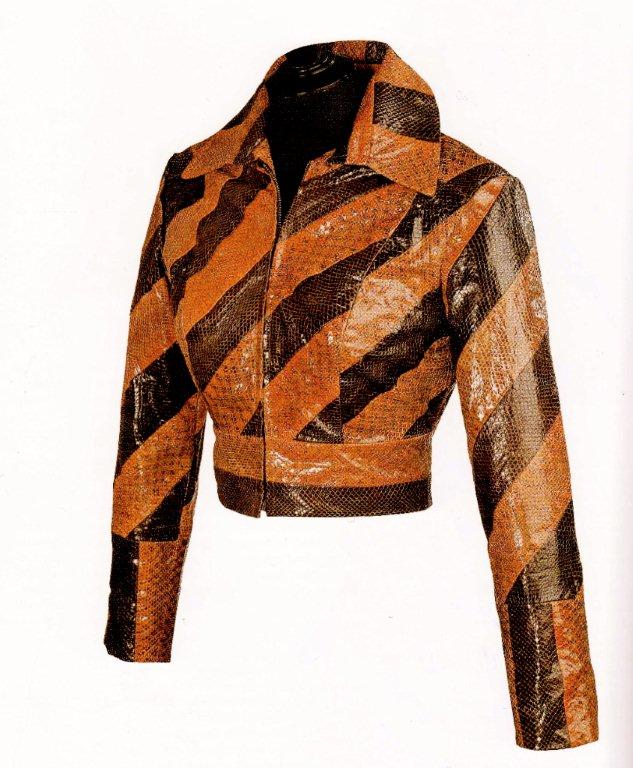
Their work became very sought after and the collections sold out in no time. From a top-shelf collection ‘Ossie Clark for Quorum’ became the main collection. In late 1966 Ossie discovered a warehouse, where he found several rolls of untouched python and watersnake skins which were stored for about twenty years. He was able to hide his enthusiasm and purchased the skins for a bargain. The first leather clothes were shown at the Quorum A/W collection 1967. The phyton and snake-skin jackets were a huge success.

Python & Watersnake skin jackets

In the late 1960s the fashion press named Ossie ‘The King of King’s Road’. His love for dance, Nijinsky in specific, inspired him to make his clothes not restricting the female form and allow free movement. This style of dressing became quite popular in the 70ties thanks in large part to the popularity of Ossie’s clothes. He and Alice Pollock were great in creating an image and drawing in the rich and famous, but were not successful in managing the business. In 1967 Quorum was deeply in dept and Alice, together with Ossie, agreed to sell the boutique to a large fashion house, Radley, owned by Alfred Radley.

Alfred Radley continued to support Ossie’s aspirations by developing the ‘Ossie Clark’ brand, which was popular with the rich & famous and also introduced the ‘Ossie Clark for Radley’ collection, which made his designs also available to high street clietele. Radley organized fashion shows at Chelsea Town Hall and the first full fashion show by Ossie in London’s Berkeley Square, which featured black models (Yves Saint Laurent introduced this in Paris).

Ossie Clark was not just popular in London, but also in New York and Paris, where Radley also organised fashion shows for him. But Ossie, who drank heavily and started taking hard drugs with Alice Pollock in the beginning of their collaboration, became more and more unpredictable. When Alfred Radley made an important appointment for Ossie and himself to meet large new buyers from Italy, Ossie didn’t show up and the buyers went home without doing business.

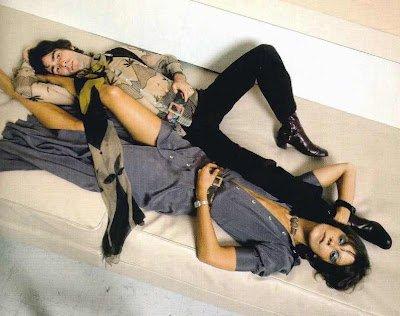
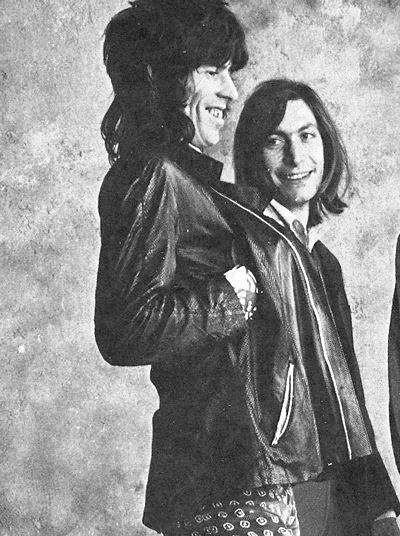
In 1969 Ossie had married Celia, who got  pregnant with their first son, Albert and later they had their son, George. Ossie adored his sons and would have loved to have more children, but the relationship got under a strain. Celia spent most her time raising the boys, while Ossie lived a life of sex (mostly with men), drugs & rock ‘n roll with his famous friends. For a while he went on making clothes for Mick Jagger (also some stage outfits), Keith Richards, The Beatles, Marianne Faithfull,  Tahlita Getty and other well-known people, but when Celia decided to divorce Ossie it went all downwards.

Some rich & famous wearing Ossie Clark

Ossie couldn’t cope with the loss of Celia and his sons and together with his alcohol and substance abuse, he derailed. In the mean time fashion changed and Punk became the new style. When his fortunes declined to bankruptcy, Ossie blamed it on the banks. Taxmen cashed in all his assets. He went bitter and set out the bankruptcy term. He now only worked on private orders from friends and got paid out in rent-free stayovers in weekend houses, free holidays or by paying of his outstanding bills.

In 1978, Ossie met his second long-term partner Nicholas Balaban, who worked as a barman in the famous Sombrero Club in Kensington (the place to spent the night). He encouraged Balaban to start his own fashion business in printed T-shirts, which became hugely successful. But Ossie kept on living an illegitimate lifestyle and Balahan ended the relationship 1983. The next year Ossie went back to work with Radley, produced some beautiful garments, but got sacked the same year. His designs were too complicated to produce commercially. After Balaban died and Ossie converted to Buddhism it was finally time to shake of the past.

In 1996 Ossie got stabbed to death in his flat in Kensington by his 28-year-old Italian on-and-of lover, Diego Cogolato. Cogolato was high and destabilised by a combination of Prozac and amphetamines and reenacted a vision he had the previous day, he was the messiah and Ossie the devil. (Cogolato was only sentenced to six years in prison) By the evening of August 7, family and close friends were informed and the next day newspapers around the world carried the news.

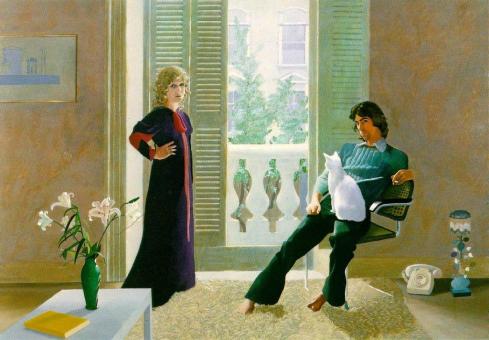
Mr. and Mrs. Clark and Percy  thepainting by David Hockney(1970) hangs in the Tate Britain gallery on Millbank and is one of the most visited paintings in Britain

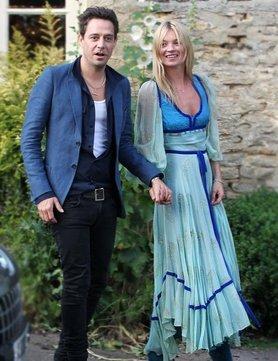
Style Icon Kate Moss wore a vintage Ossie Clark dress at the rehearsal dinner before her wedding to Jamie Hince.

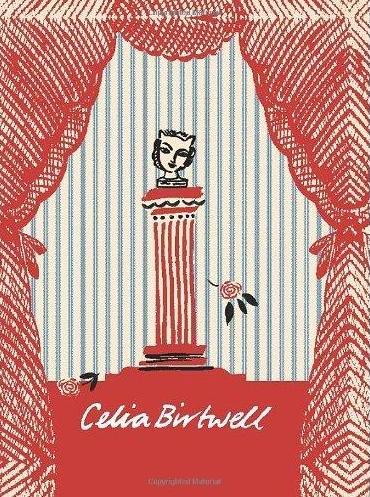
Celia Birtwell opened shop on Westbourne Park Road in London. The shop has been described as ‘London’s best kept secret’ and is now managed by her son George and his wife Bella. On the online shop you can find  fabrics and wallpaper with her famous prints, but also some beautiful vintage Ossie Clark dresses.    www.celiabirtwell.com

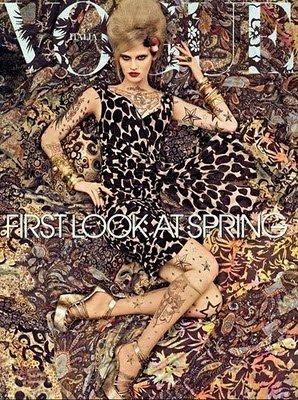
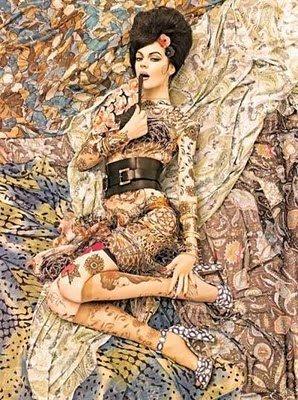
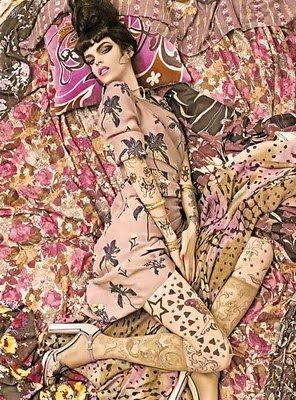
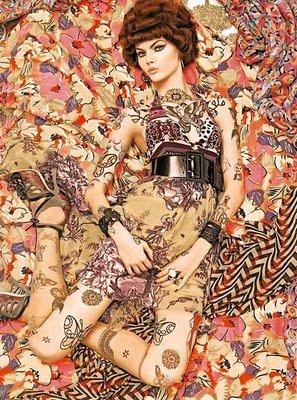
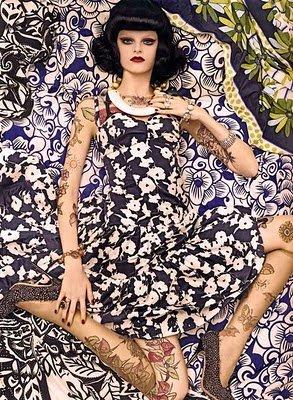
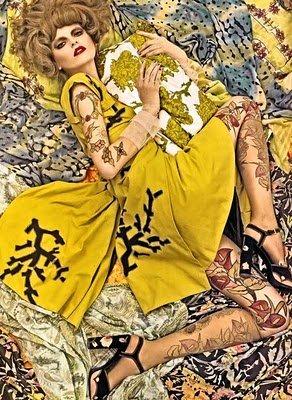
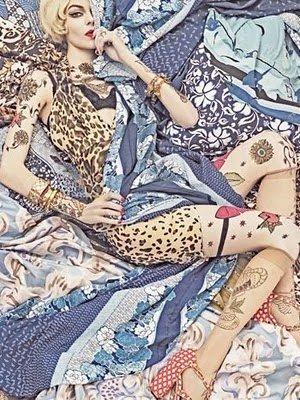
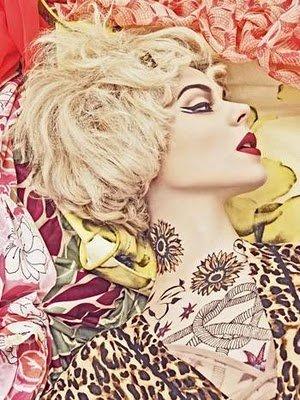
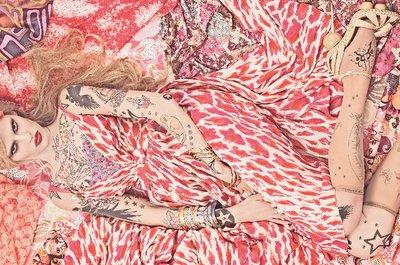
Vogue Italia published a story photographed by Steven Meisel in december 2009, which was inspired by the works of Ossie Clark and Celia Birtwell.

To read more about this tumultuous time I can recommend two books: Celia Birtwell by Celia Birtwell and Dominic Lutyens &  The Ossie Clark Diaries,edited and introduced by Lady Henrietta Rous. To order at  www.amazon.com

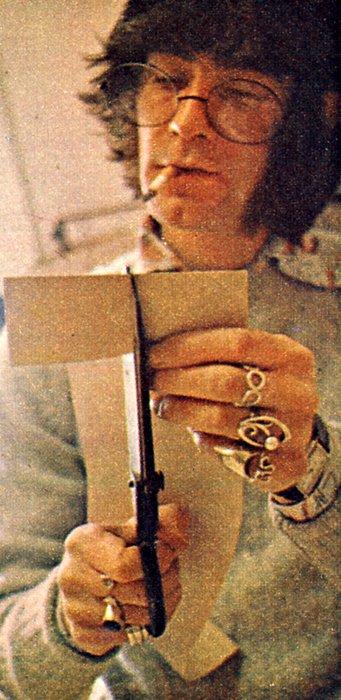
                         Raymond ‘Ossie’ Clark     9 June. 1942  –  6 August, 1996