Archive | biography RSS feed for this section

Olivier Theyskens, from Couture to Luxury Streetwear

28 Apr

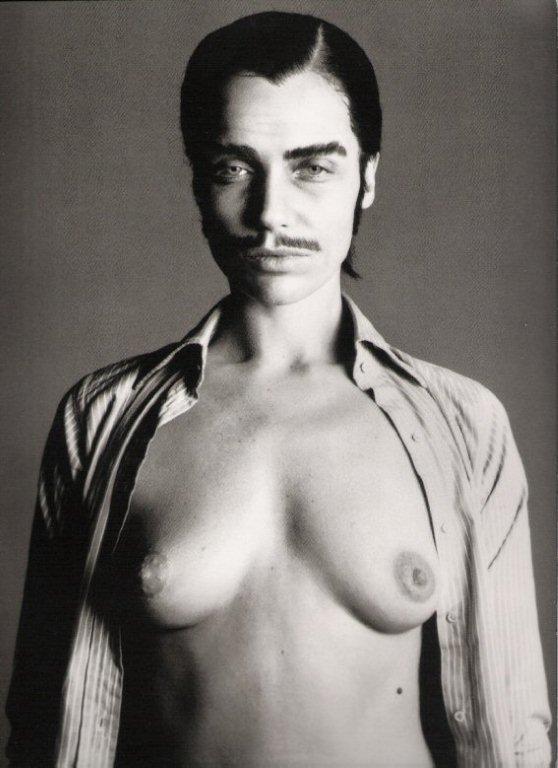
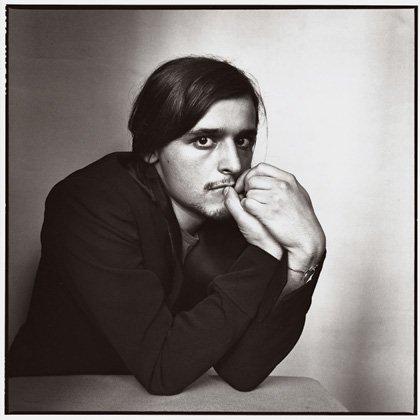
Olivier Theyskens

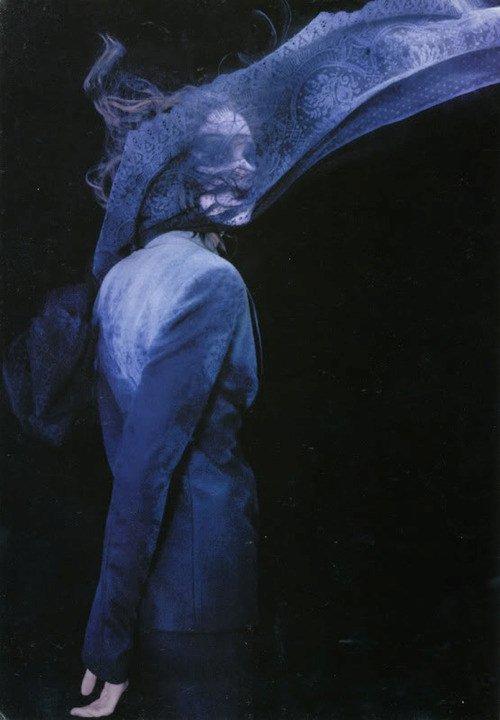
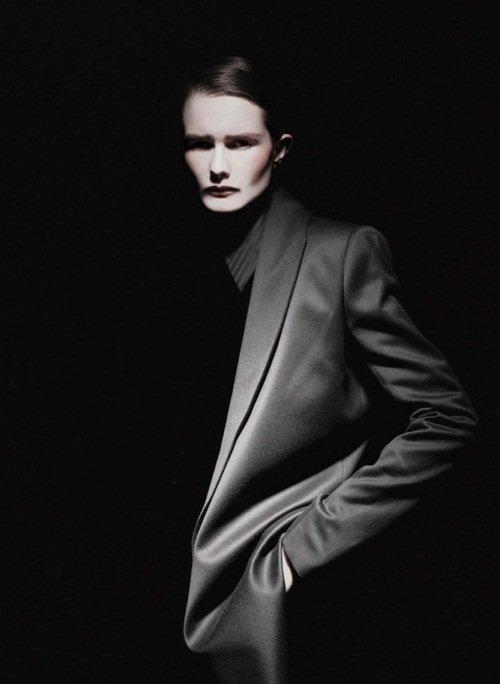
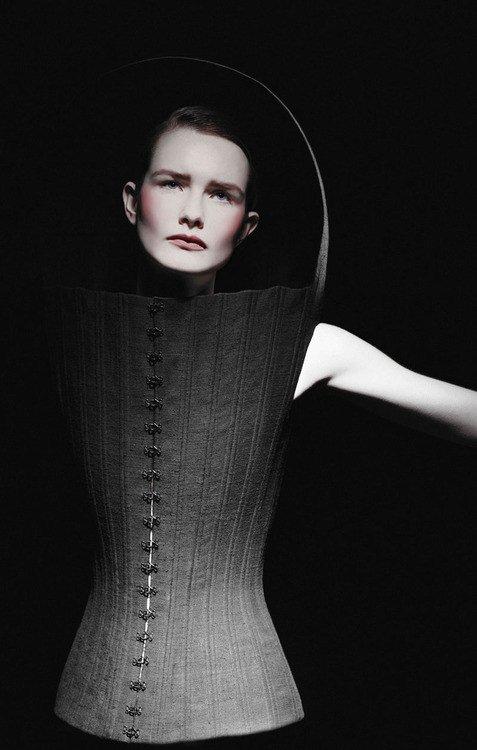
 (Photograph by Irving Penn, 2003)

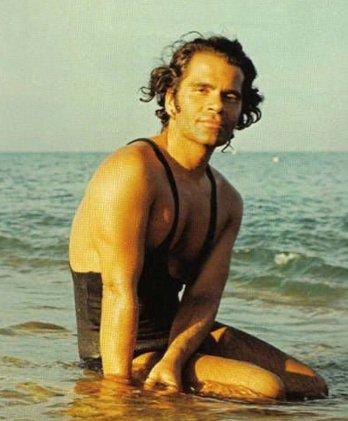
I met Olivier Theyskens ones in Paris, many years ago. I was walking the streets with a friend, who was modeling at the time and knew Olivier. I had seen pictures of his work and admired his style, but at the moment we met I didn’t know he was the Olivier Theyskens and just stood there fascinated by his beautiful androgynous face…

.

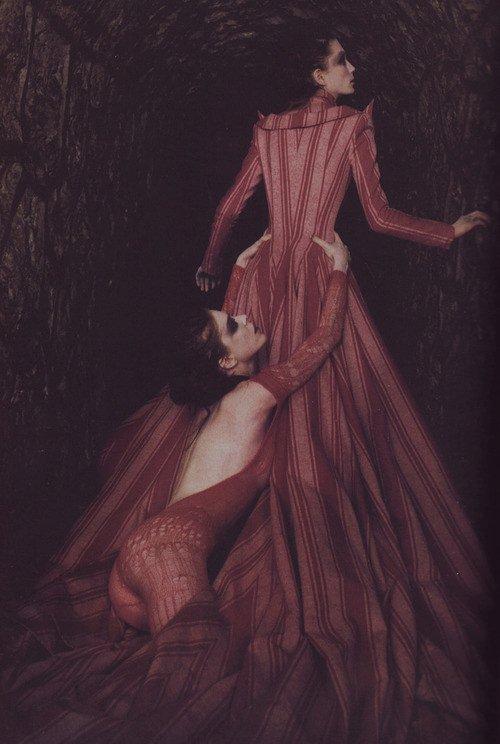
Born in Brussels, Belgium, in 1977, Olivier Theyskens decides at a very early age he wants to design Haute Couture. His parents are always very supportive of his dreams. At eighteen he registers at Brussels’ prestigious La Cambre school of visual arts, but two years later he drops out because he thinks he’s wasting his time and his parents money. He starts his own label Olivier Theyskens. His first collection is titled Gloomy Trips.
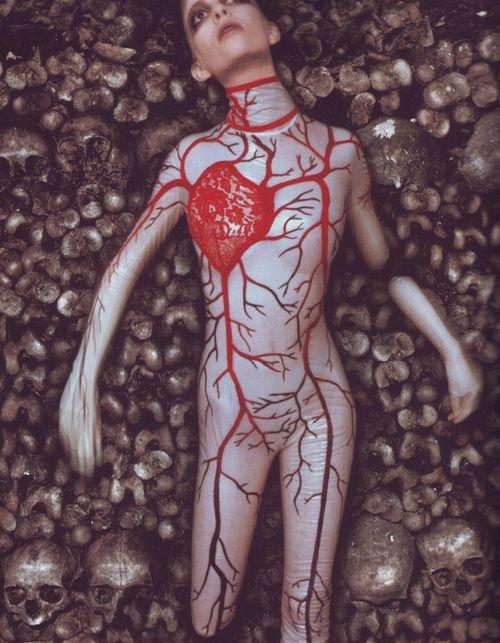
Gloomy Trips by Olivier Theyskens

(garment from first collection is titled Gloomy Trips)
tumblr_m8nubbwCfu1qlt4c6o1_500

tumblr_mhr3rp84w51qkm910o1_500

tumblr_m0x0ytU4Fn1qbbjpeo1_500

les cyclopes  Tumblr

tumblr_m7081nGroU1qb4hiyo1_500

Olivier believes in design for design’s sake. So much so that he creates his debut collection in 1997 with no intention of ever selling it. When the fashion director of Barneys New York approaches with an offer to buy the entire line, wholesale, the stubborn 20-year-old will not budge: Yes, his Gothic garments can go on display in the windows of the chic department store’s Manhattan flagship, but the sales floor? No.

His first collections are often referred to as ‘Gothic extravaganzas’.  “My first collection was made from sheets that my grandmother, who lived in Normandy, had been collecting for a long time”: Olivier tells later.  His cutting-edge vision quickly makes him one of the most acclaimed and respected designers of his generation.

DSC_0040

(for 15 years  this ‘Melissa auf der Mauer wearing Olivier Theyskens’ picture hangs on my ‘inspiration-wall’)

One year later stylist Arianne Phillips sees photographs of his collection and dresses Madonna in his black silk satin coatdress for the Academy Awards and this brings his name to public attention.

Olivier Theyskens collection s/s 1999 (part 1 & 2)

.

.

But without sufficient financial support, Olivier is forced to close his label in 2002. He begins costuming an opera for the Théâtre Royal de la Monnaie in Brussels, but is soon recruited by Rochas, to become the houses’s new creative director.

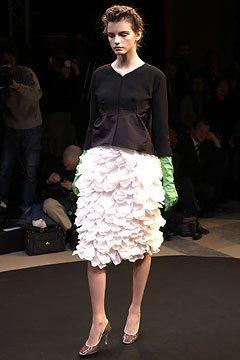
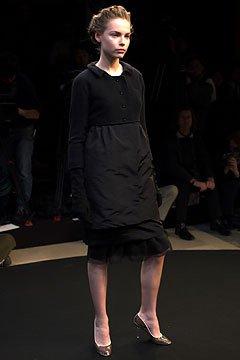
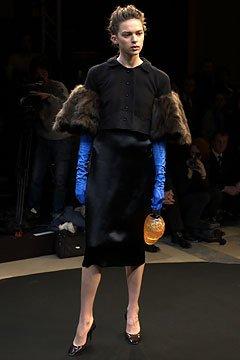
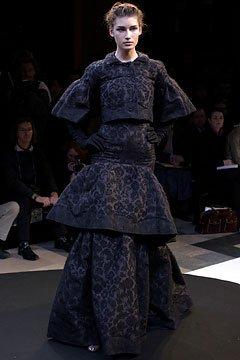
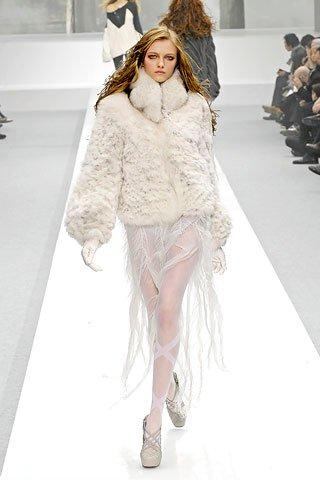
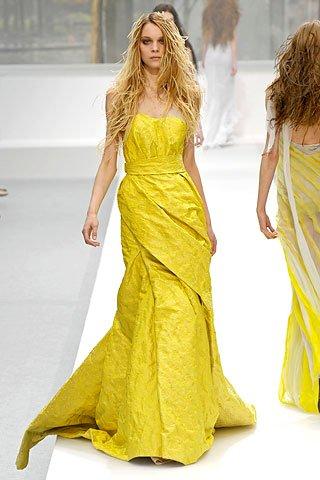
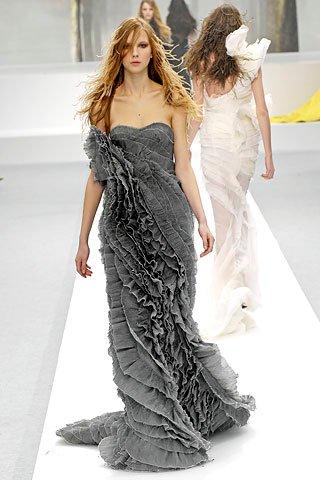
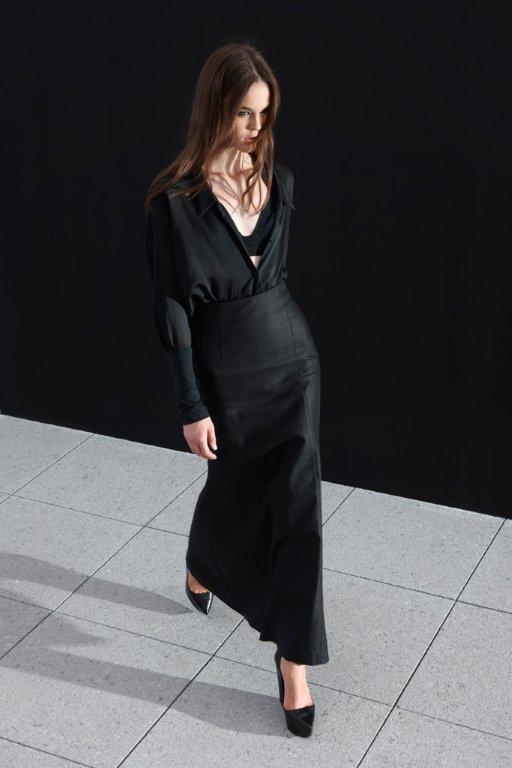
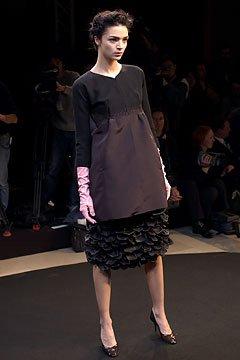
For Rochas, Olivier designs collections inspired by “elements of lace, a Parisian couture approach, a femininity that is very intellectual and very beautiful but not that girly.”  His brief is to modernize the brand, making it more hip.

Debut collection Rochas  f/w 2003
100099699

100099673

100099690

100099676

100099665

100099677

.

While Olivier’s dark aesthetic softens and gives a more romantic feel during his tenures at Rochas (and Nina Ricci), his approach is met with some criticism and is ultimately not sustainable. He is a champion of “demi- couture”—creating clothes for the retail market using techniques from the haute couture atelier. It is certainly an appealing concept, but hours of hand-stitching or embroidery drives the price of his pieces up and out of the range of his target customer. Olivier also takes a purer approach to fashion and doesn’t rely, like many fashion houses, on accessory sales for a reliable source of revenue. Olivier’s refusal to create a marketable accessories line, combined with the fact that he undermines the importance of advertising makes his position by Rochas very difficult.

In 2006 Rochas fashion division is discontinued by the line’s parent company, Proctor & Gamble, even though Olivier receives the CFDA International Award for his work at Rochas. A couple of months later he is appointed creative director at Nina Ricci.

Olivier’s first show for the House of Nina Ricci established him as being somewhat wiser in a business perspective. “He is now aware of the fact that fashion needs to address a younger, more casual level of dressing.” This is in stark contrast to the couture-like dresses he created for Rochas.

In March 2009, seven months before the end of his contract, Olivier is dimissed from Nina Ricci by the parent company, Puig.

Debut collection Nina Ricci a/w 2007

00260m

00150m

00400m

Nina Ricci Fall 2007 Ready-to-Wear Collection Slideshow on Style.com

Nina Ricci Fall 2007 Ready-to-Wear Collection Slideshow on Style.com (2)

00440m

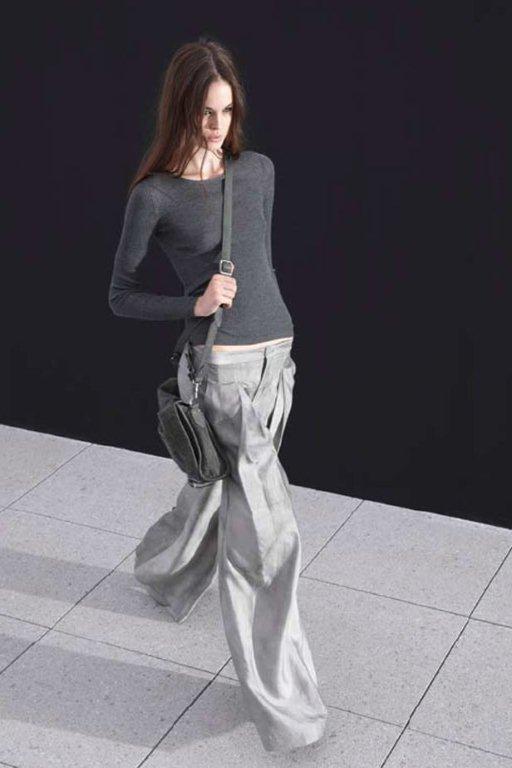
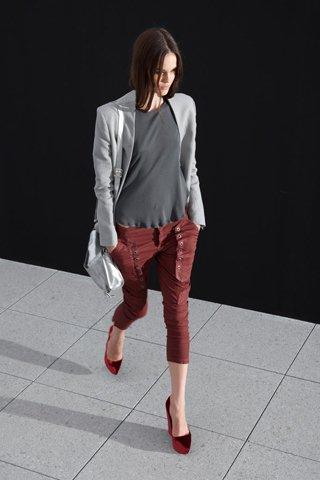
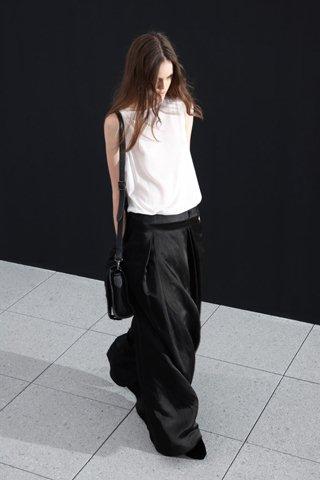
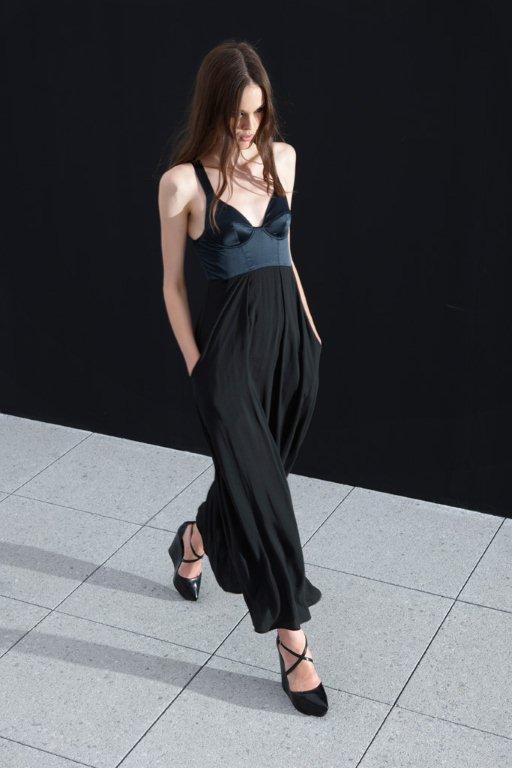
In 2010 Olivier designs the capsule collection for Theory (a Japanese owned, New York based company), which is loved by the public and is almost sold out (this rarely happens anymore in economical difficult times).

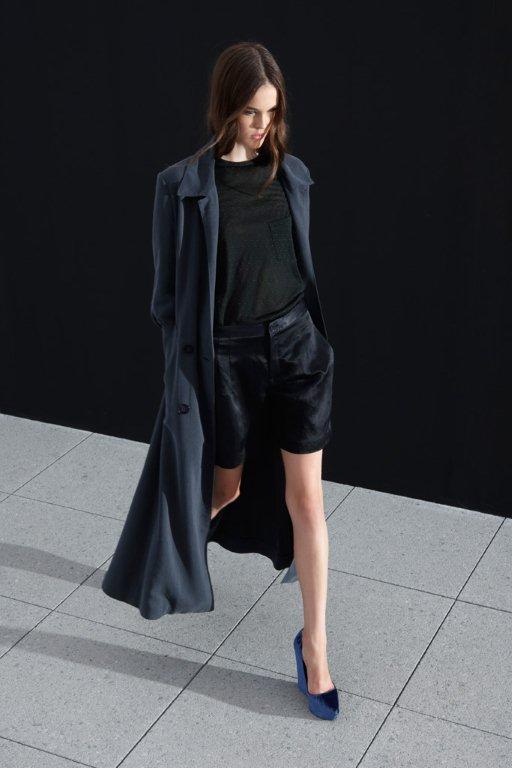
Olivier is appointed Artistic Director of the global Theory brand, as well as Head Designer of the Theyskens’ Theory collections. He’s also gaining creative control of everything from accessories to menswear. He has matured, and lessons had to been learned: “It’s about designing fashion that makes it more affordable, more accessible.” This brand allows him to offer a new point-of view on modern fashion.

Theyskens’ Theory is a worldwide succes.

http://theyskenstheory.com/

.

Debut collection Theyskens Theory s/s 2011

Theyskens' Theory Spring 2011 Ready-to-Wear Collection Slideshow on Style.com

25fullscreen

theyskens-theory1 (2)

5

5015251174_d469572b23_o

24fullscreen

Theyskens' Theory Spring 2011 Ready-to-Wear Collection Slideshow on Style.com (3)

.

.
olivier-theyskens

Veruschka, the Amazonian Barbie

7 Apr

Veruschka by Avedon

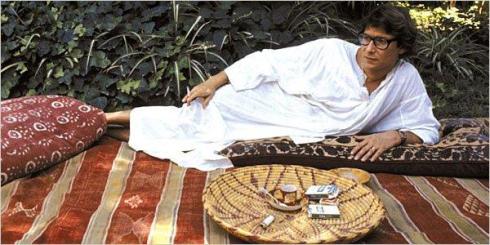
Here I am. That was the only line uttered by Veruschka—famous enough in 1966 to play herself—in her classic scene from Michelangelo Antonioni’s Blow-up. But here was a case where action—those three minutes of leggy writhing on the studio floor for David Hemmings’ Bailey-esque fashion photographer—truly spoke louder than words.

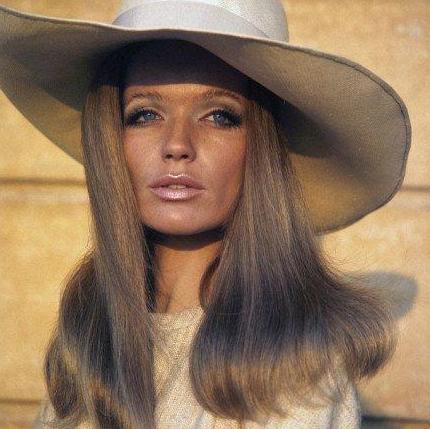
It’s no exaggeration to say that Veruschka changed ­fashion for good. She was the first superstar model of the Sixties. Her six-foot frame, with its improbably long limbs, was revolutionary, ­following as it did the more womanly shapes of the models that came before her.

When the director Antonioni came to London in 1965 to film Blow-Up, the fashion movie that defined the decade, he cast Veruschka as the model who cavorts in front of the lens of the ­character based on David Bailey.

The part was only a cameo, lasting no more than five minutes, but it made her a superstar. Slinking like a cat toying with a mouse—half-naked on the floor in a beaded dress—while the photographer shouted encouragement (“Give it to me! Give it to me! . . . Work, work, work!”), she was sixties sexuality incarnate.
Veruschka in Blow-Up

Veruschka single-handedly started the trend to be super- thin; Twiggy burst on to the scene only once the film was in the can.

‘I was tall and I was thin. But just before shooting started I had been on a fashion assignment in Mexico and became terribly sick from drinking the water. I lost so much weight and was really ill and weak when I made the movie.’

Start of the super-thin trend: Veruschka admits she was too thin when she played a model who cavorts in front of the lens of the ­ it-fashion photographer in the film Blow Up. Dysentery. Not the most glamorous of muses for a new look.

.

Veruschka’s scene in the film Blow Up has been voted the sexiest cinema moment in history

.

veruschka

Biography

Vera Gräfin von Lehndorff-Steinort or Veruschka von Lehndorff (born 14 May 1939 in Königsberg, East  Prussia, Russia) is a German model, actress, and artist who became popular during the 1960s. Known  professionally as Veruschka.

Vera’s father, Count von Lehndorff, is serving in the German army reserves when he witnesses Nazi atrocities in Balarus. The count takes part in the famous Operation Valkyrie plot to kill Adolf Hitler at the Wolf’s Lair. He is arrested the day after the conspirators’ bomb fails to kill the Führer.  “I have done this because I consider Hitler to be a murderer,” Von Lehndorff  tells the court at his trial. He is convicted and hanged. Vera and her sisters are separated from their mother and taken to a labor camp. “You will change your names and Hitler will educate you and you will never see your mother again,” the girls are told. Vera is five, her eldest sister seven.

In 1945 World War II ends in Europe. The von Lehndorff family is shattered, homeless, moving from place to place. Vera will attend thirteen different schools before studying at an art college in Hamburg.

veruschka

Although she had grown up dreaming of becoming an artist, she moved to Florence, where she was discovered at age 20 by the photographer Ugo  Mulas and became a full-time model.

In 1961 Veruschka, a twenty-something, aspiring model who stood more than six feet tall, is still going by her given name, moves to New York City. Her modeling career fails to take off. She is unable to secure even one booking, despite having met Eileen Ford, head of powerful Ford Modeling Agency. After a brief sojourn in Europe, she brings a new, exotic name back to Manhattan: Veruschka. “I dressed all in black and went to see all the top photographers, like Irving Penn,” she will later say. “And [I] said, ‘I am Veruschka, who comes from the border between Russia, Germany, and Poland. I’d like to see what you can do with my face.’ ”Her audacity, and her exoticism, are entrancing.

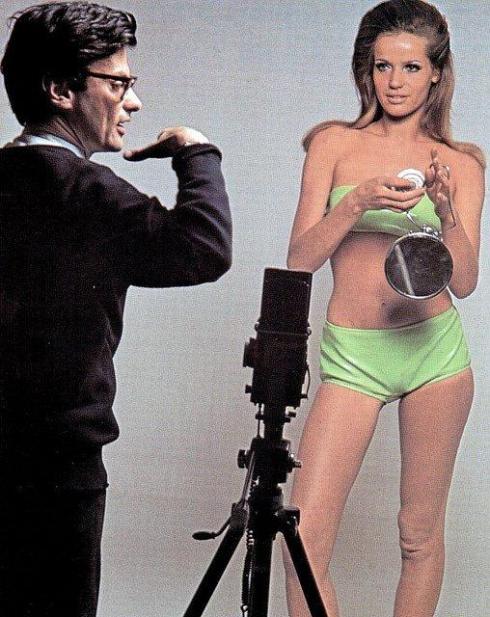
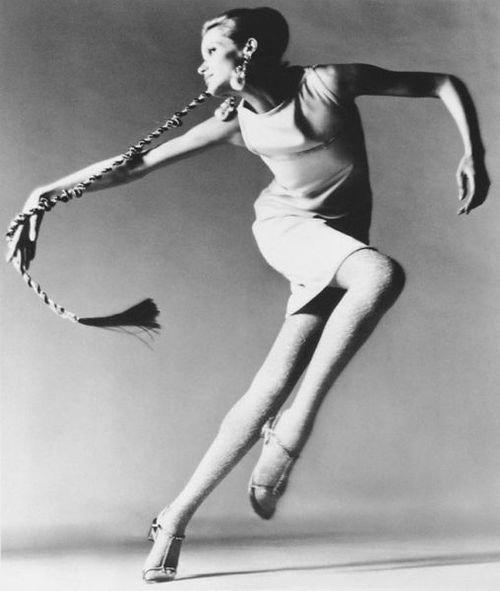
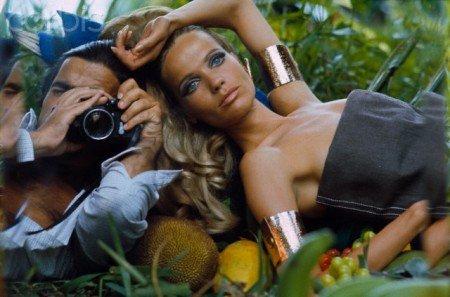
The transformation did the trick: Soon, everyone was clamoring to work with her. Richard Avedon called her “the most beautiful woman in the world.” (Her boyfriend, the photographer Franco Rubartelli, was reported to be jealous)

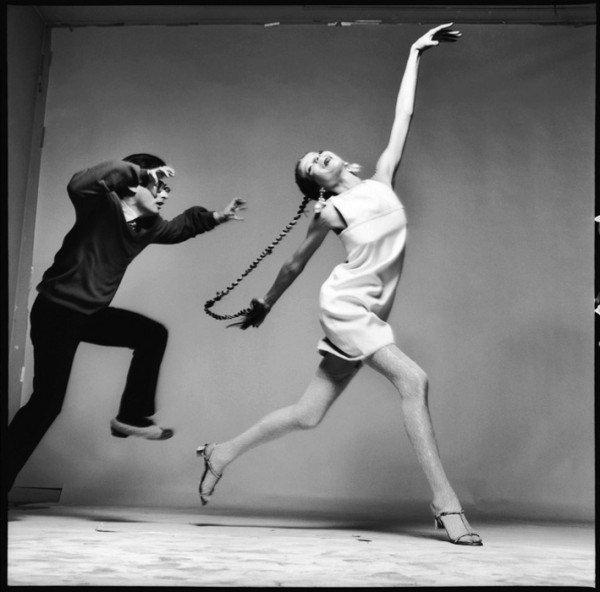
 Richard Avedon & Veruschka

Veruschka & Richard Avedon

5796147634_5908540430_b

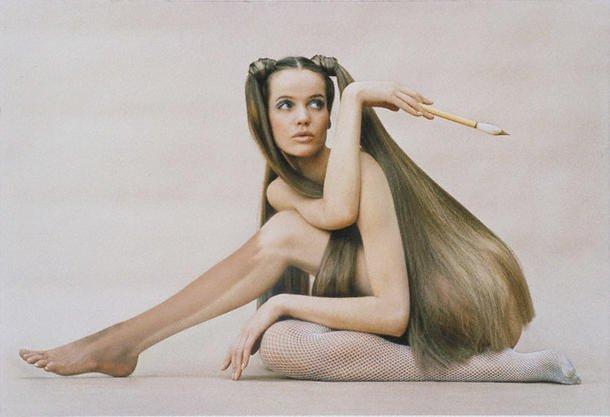
Veruschka

richard_avedon-veruschka-1967-600x592

veruschka-by-avedon-1

.

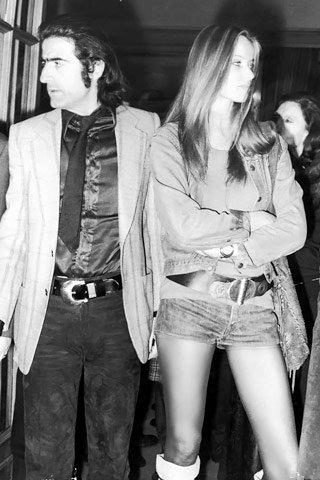
Franco Rubartelli & Veruschka

Franco Rubartelli

premiere-of-film-veruschka-poetry-of-a-woman-1971

Veruschka

Veruschka

franco-rubartelli-vogue-april-1969-veruschka

Franco-Rubartelli-and-Veruschka

Veruschkan

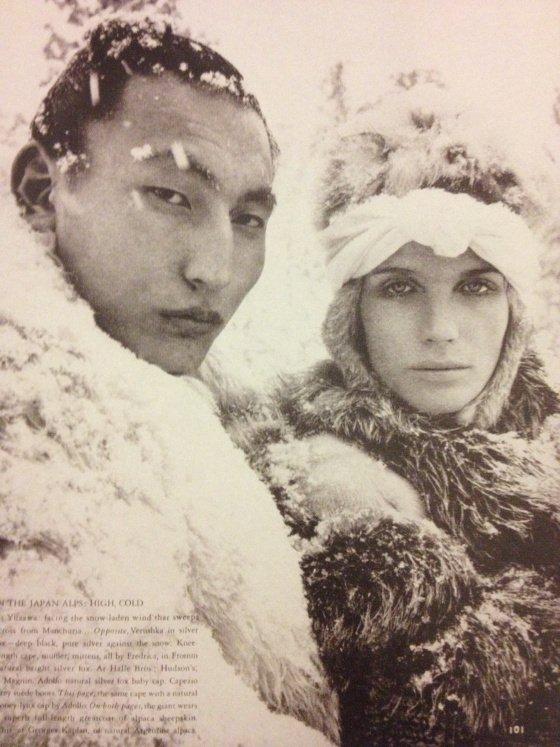
For one landmark shoot, with Avedon and the fashion editor Polly Mellen, Veruschka spent three weeks in Japan, modeling exotic furs on icy peaks, on the slopes of a dormant volcano, and in a shogun’s shrine. “Fashion isn’t about being beautiful. It’s about never being forgotten once a photographer has seen you,” she once said.

.

.

In 1963 she poses for Salvador Dalí as a living sculpture covered in shaving cream. Models for the first time in Vogue, in a fashion portfolio on the “new crepe chic” by Irving Penn. Called in for a meeting with Diana Vreeland. “She was charming and had a great  presence,” the Vogue editor in chief will later recall. “Her looks, of course, were superb.”

Veruschka & Dalí(Salvador Dalí & Veruschka)

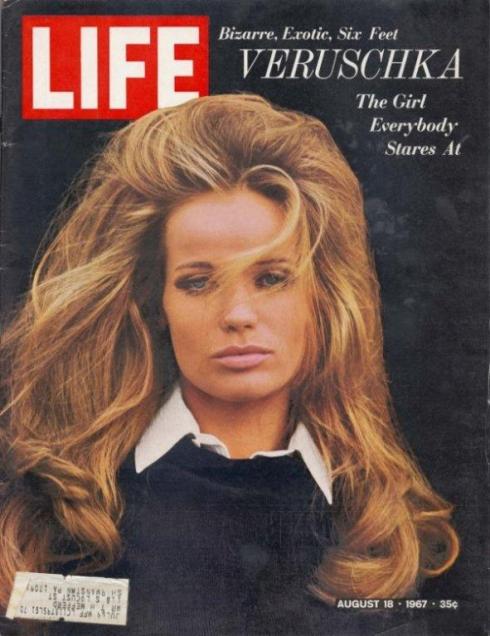
In 1967 Veruschka is one of the highest-paid models in the world and she makes the cover of Life magazine. The accompanying feature is titled “Bizarre, Exotic, Six Feet Veruschka—The Girl Everybody Stares At.”

Grace Mirabella, the new editor of Vogue, brings her in to do a Paris collections portfolio in 1972. The makeup, however, takes five hours to apply—leaving the model exhausted by the time they are ready to shoot. “It absolutely showed in the pictures: They were dead; I had no expression,” she says. Mirabella and Condé Nast editorial director Alexander Liberman suggest she try a new look, “to cut my hair and be more like other models.” (Veruschka said about th disagreement, “Grace Mirabella wanted me to be bourgeois, and I didn’t want to be that”) Veruschka: “I said no. I realized it was no longer my moment. After that, I decided not to work in fashion again.”

Veruschka

Veruschka

Sensing that her moment had passed, Veruschka retired from modeling in 1975. She reverted to her given name and rediscovered her first passion: art. Working with Holger Trülzsch, a painter and sculptor, she collaborated on photographic self-portraits in which her camouflage body paint blended into the background; they were an “exploration of visibility and disappearance, a near-perfect but uncomfortable analogy for [her] own life,” according to Frieze magazine.

Her first photo book, Veruschka: Trans-Figurations—in collaboration with artist Holger Trülzsch—is published in 1986. In the arresting images, her body is painted to appear clothed.

veruschka

.

In October ’94, Veruschka makes a surprise runway appearance at the Chanel spring show in Paris (“looking sensational,” one reviewer says).And in 2002 “Veruschka Voyage” is the title of designer Michael Kors’s latest collection for French fashion house Céline.

In 2006  Veruschka appears as Gräfin von Wallenstein in latest Bond flick, Casino Royale.

Veruschka

Veruschka

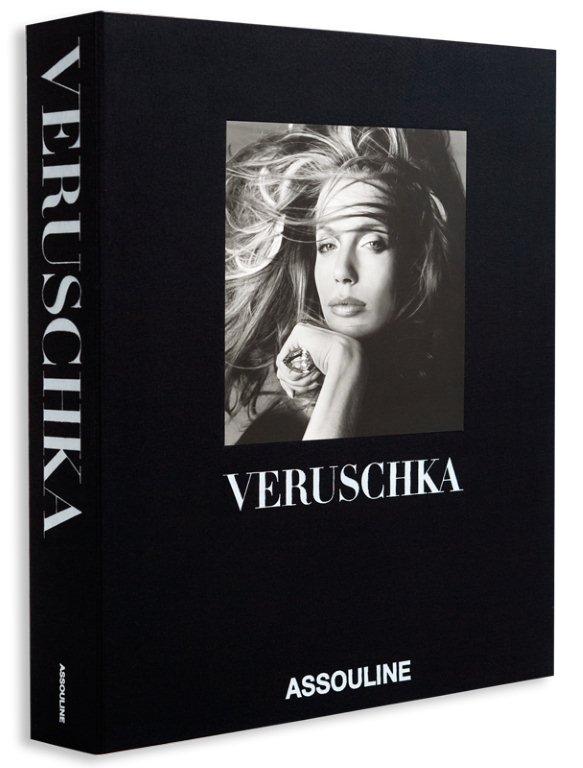
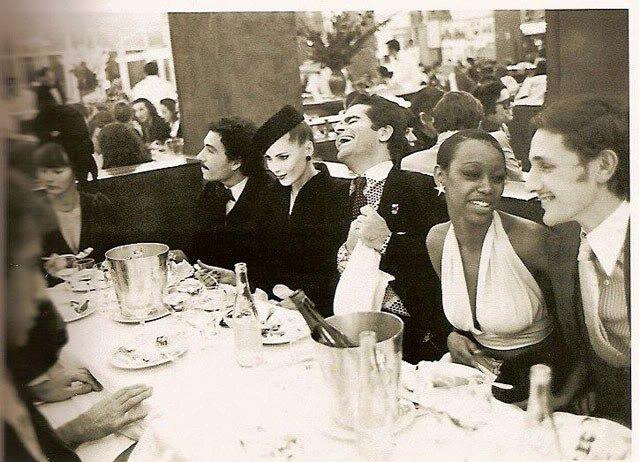
Veruschka, a sumptuous $500 limited-edition coffee-table book, is published by Assouline. The foreword, by Richard Avedon, is reprinted from a May 1972 issue of Vogue.        

http://www.assouline.com/9782759402960.html

.

.
Book cover Veruschka

.

Veruschka: ‘It has not been hard to grow older, because I believe if you have something you believe in that will keep you alive far more than plastic surgery or Botox. I know that there are many things I could do, but I’m not interested. It’s more important to be loving and to have a lively mind.’

Occasionally Veruschka still appears on catwalks.

.

Veruschka

The Beautiful Fall…..

17 Mar
Yves-Saint-Laurent-Karl-Lagerfeld
Due to my own recent ‘beautiful fall’, I am not able to put many hours in a new post this week, therefore 2 reviews about one of my favorite books. If you haven’t read it yet, I hope this post triggers you to do so!
The Beautiful FallFashion, Genius and Glorious Excess in 1970s Paris by Alicia Drake.
.
Book cover

The New York Times

By Caroline Weber  (September 17, 2006)

As anyone who has ever been backstage at a fashion show (or watched “Project Runway”) can attest, egomania, depravity and back-stabbing are either fashion’s necessary ingredients or its inevitable byproducts. Without purporting to solve this chicken-and-egg conundrum, Alicia Drake’s “Beautiful Fall: Lagerfeld, Saint Laurent, and Glorious Excess in 1970s Paris” considers a deliciously dramatic case in point. For the 70’s in Paris was not just a time when hedonism reigned supreme, youth flouted its stodgy elders’ expectations and fashion designers, the pied pipers of the new guard, emerged as “creators of fame, sex appeal and glamour that was accessible to all.” It was also the era when two particular designers — Yves Saint Laurent and Karl Lagerfeld- entered into a high-stakes, high-profile vendetta that changed the face of Parisian chic.
.
The Beautiful Fall

To understand this quarrel’s origins, Drake, a Paris-based former contributing editor of W magazine and British Vogue, digs deep into the two men’s intersecting life stories. Both titans got their start as middle-class “boys from the provinces, dreaming of Paris.” As adolescents, the Algerian-born Saint Laurent and the German-born Lagerfeld studied at a Paris trade school for couturiers, where, in 1954, they each won prizes in an international fashion competition. By taking both first and third place in the dress design category, the 18-year-old Saint Laurent outshone his friend Lagerfeld, who was three years his senior. Before long, Saint Laurent was designing for couture’s undisputed master, Christian Dior, while Lagerfeld toiled in obscurity at lesser houses.

For a time, the former schoolmates remained close, but by the early 60’s relations between them had cooled. In 1958, Saint Laurent triumphed with his first collection at Dior. (Dior had named Saint Laurent his successor before he died in 1957.) Not long afterward, Saint Laurent met an older man, Pierre Bergé, who appointed himself the couturier’s Svengali. Between the international renown he achieved as Dior’s helmsman and his involvement with Bergé, with whom, in 1961, he founded a label bearing his own name, Saint Laurent had little time for his old school chum. Lagerfeld reacted by declaring haute couture a dying art and forsaking it to work as a freelance ready-to-wear designer. Although the two rivals socialized in the same fizzy beau monde, professionally they were worlds apart.

The Beautiful Fall

Compounding this divergence was a profound difference in style. Almost from the outset, Saint Laurent had a highly specific vision of female elegance. With innovations like the safari jacket and le smoking (a women’s trouser suit based on the tuxedo), he developed an instantly recognizable look, reprised in his subsequent collections. (His attitude toward his pets betrays a similar fixity of spirit: “Each time one of Yves’s French bulldogs dies, he mourns it, buys another and calls it Moujik,” the author writes.) Lagerfeld, by contrast, was predictable only in his self-proclaimed habit of “vampirizing” any and all cultural references that came his way. His ready-to-wear confections betrayed a wild eclecticism. His signature statements — like the ponytail, sunglasses and fingerless gloves he sports today — were reserved mainly for his artfully outrageous self.

The more publicly flamboyant of the two designers, Lagerfeld was far less adventurous when it came to private indulgences. Saint Laurent partook recklessly of the alcohol, drugs and casual sex that abounded in Paris in the 70’s, but Lagerfeld avoided such decadence. As it turned out, “glorious excess” took its toll on Saint Laurent. His substance abuse led to frequent hospitalizations, and to an inordinate dependence on Bergé. (By 1976, Drake writes, Saint Laurent couldn’t write a check, board an airplane or book a restaurant without Bergé’s help.) Lagerfeld ceded control to no one, breaking off friendships once he had mined their creative possibilities or when they threatened to disappoint him. As he declared in 1997: “I was born to live alone. … But who cares?”

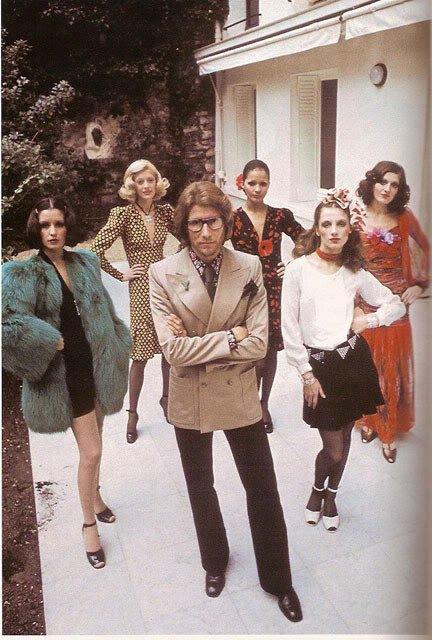
ysl-models

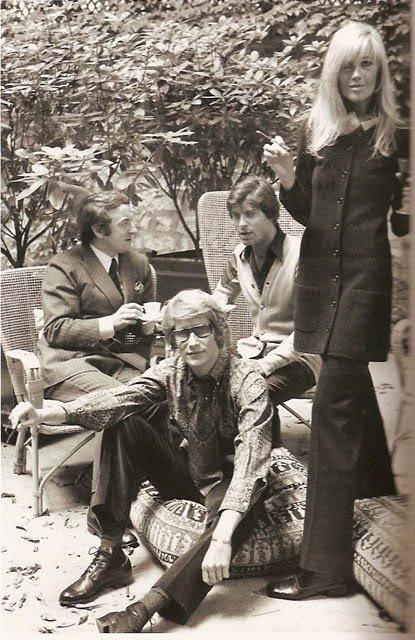
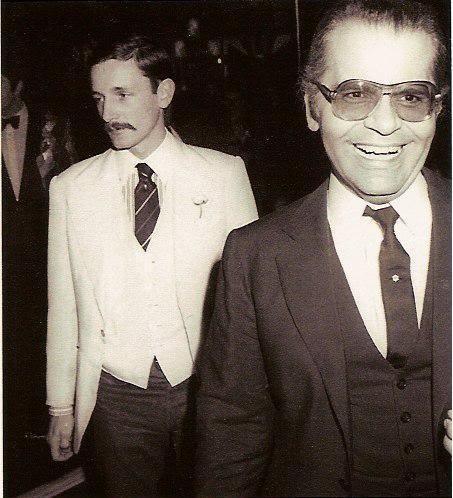
In the early 70s, however, Lagerfeld became enamored of Jacques de Bascher, a debauched young nobleman new to the Parisian scene, and began bankrolling his extravagant lifestyle. Bascher intrigued Saint Laurent, too, who saw in him a way to rebel against Bergé’s tight control and to “exorcise certain of his demons,” Drake writes. In 1973, Saint Laurent and Bascher began an affair — infuriating Lagerfeld and Bergé, and precipitating the fateful rupture between the two camps.

For Drake, Bascher personified the “gilt-edged decadence” that defined his intimates’ milieu. Drawing on the link he himself made between “decadence” and “falling” (a link that apparently inspired her book’s title), she writes: “For Jacques, it was always beauty that justified the fall. Beauty made even the idea of self-destruction … a possibility.” By self-destruction, the author means not only drug addiction but AIDS, from which Bascher died at 38. But despite Drake’s presentation of him as a doomed artiste, his demise comes more as an anticlimax than as a tragedy of genius lost. Having “never carved a statue or painted a picture” or designed an article of clothing, Bascher left behind only a legacy of hatred between two men far more talented than he.

YSL

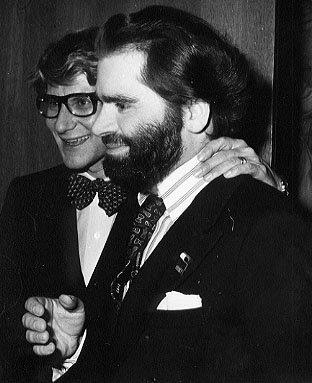
This animosity, though, assumed epic proportions, as Drake, with her insiders feel for fashion-world cattiness, shows in splendid detail. When it relates the fallout from the two designers’ feud, “The Beautiful Fall” crackles with excitement. Mutual friends were forced to choose sides; barbs flew in the press; and the rivalry that had been brewing since their school days became a driving force in Parisian fashion. Declaring himself “the last couturier,” Saint Laurent retreated into what some critics perceived as stultifying nostalgia for his own past work. Lagerfeld took issue with this approach. “The best way of surviving in the present,” he announced pointedly, “is forgetting the past, to permanently recreate one’s paradise.” In 1982, Lagerfeld found a new paradise to recreate when he was tapped to design for Chanel. Lagerfeld’s subsequent “irreverent manipulation of the Chanel oeuvre” — a classic case of his “vampirizing” — “drove Yves Saint Laurent to distraction,” Drake writes, but it also provided a refreshing counterpoint to his increasingly mummified version of couture.

In 2002, Saint Laurent retired from fashion and became a recluse; his atelier has since reopened as a museum. Lagerfeld, conversely, has breathed “life into a moribund fashion house” and made Chanel one of the world’s most bankable bastions of style. In so doing, he has not only become a legend in his own right, but “invented the blueprint” for designers like Tom Ford, Nicolas Ghesquière and Marc Jacobs, who have likewise catapulted to stardom by reviving languishing labels. Perhaps not incidentally, Ford drew Saint Laurent’s ire when, in 1999, he began reworking the maestro’s best-known staples for the Saint Laurent ready-to-wear line. Ford’s modus operandi was surely too reminiscent of Lagerfeld’s “vampirizing” to appeal to Saint Laurent. Indeed, Drake suggests, by making constant reinvention the watchword of modern fashion, Lagerfeld just may have trounced his great rival at last.

Yves & Karl

.

The Guardian

By Hadley Freeman (September 23, 2006)

Literature, like film, has never really been able to capture the fashion world. Three approaches prevail: there’s sarcastic mockery, as in The Devil Wears Prada; there’s campy revelling in its silliness, as in Fashion Babylon; and there’s po-faced solemnity, as in pretty much any fashion designer’s biography, which will almost invariably include a line such as, “His handling of the sleeve caused grown women to weep.”

None of these methods really works because they rely on stereotype to a tedious and unilluminating extent. Alicia Drake, an experienced fashion journalist, attempts something a little different in The Beautiful Fall, which tells the twin stories of Karl Lagerfeld and Yves Saint Laurent, and their rise and, in the case of the latter, fall in the Paris fashion world.

The Beautiful Fall

Aside from the occasional dip into tired hyperbole – must success be “devastating”? Was Coco Chanel really “infuriated” by a “needless manipulation of hemlines”? – this is an extremely readable and impressively researched book. The problem is that most of the people in it – namely, the entourages with whom Lagerfeld and Saint Laurent surrounded themselves – are so unattractive. Not in a physical sense, of course, beauty being pretty much the only requisite to be part of this group. But their superficiality, snobbery and lack of interest in anything other than the bracelet someone is wearing at dinner that night inevitably begins to pall.

Saint Laurent certainly comes out the worst: a controlling, childish, self-involved manic depressive who “will never ask how you are for the simple reason that if you say you’re not well, he will be extremely put out … People who are ill do not interest him”. And this from his lifelong partner and most devoted defender, Pierre Bergé. When a black model auditioned for him, Saint Laurent, who was born and raised in north Africa and featured African styles in his collections, muttered as she left the room: “Mmm, a little too Museum of Mankind.”

The Beautiful Fall

By the end, even Drake seems to have wearied of the whole scene. When Saint Laurent announced his retirement in 2002 Drake claims that his faithful coterie were relieved because “they could stop playing this game of make believe that they had been playing for so long now – the obsessing over fantasy clothes to be worn by just a handful of women”. Considering that one of his muses, Betty Catroux, went on to become a muse to another designer, Hedi Slimane at Dior Homme, and the other, Loulou de la Falaise, opened her own fashion boutique, that statement seems unconvincing.

Far more interesting is the evocation of the changing times in which they lived. Lagerfeld and Saint Laurent helped to shift the fashion world away from the fustiness of couture to prêt a porter. They also spotted how becoming celebrities themselves would sell clothes, a trick designers still use today. Bergé and Saint Laurent were the first openly gay celebrity fashion couple, bringing homosexuality out of fashion’s closet.

The Beautiful Fall

Heavy drug use began to seep into the fashion world throughout the 70s, and these groups certainly mastered the lifestyle, managing even to shock Mick Jagger when one of them casually offered him some heroin at a wedding reception. The effect of the advent of Aids on people who saw the flaunting of casual sex and hard drugs as part of their essential glamour is described with clear-eyed compassion.

Yves & models

Both Lagerfeld and Saint Laurent refused to speak to Drake for the book, but allowed their intimate friends to do so. As Saint Laurent once said, it is the image that a person creates of themselves that is important – to show the reality would be a rude intrusion. The truth, however, cannot help but creep through, and ultimately, the image one is left with is of an Icarus generation, a group of people who were burned by their own arrogant self-obsession. Unexpectedly, it is Thadée Klossowski, professional dilettante and husband of De la Falaise, who puts it most evocatively: “I think we used to laugh a lot. But we were desperate, all of us.”

.

http://www.amazon.com/Beautiful-Fall-Fashion-Genius-Glorious/dp/0316001856

Yves & Karl

.

.
.
More about Jacques de Basher:

https://agnautacouture.com/2014/09/28/jacques-de-bascher/

.

Kate Moss

and if it’s good enough for Kate……..

David Sims, fashion photographer

10 Feb

David Sims

Fashion photographer David Sims is born in Yorkshire, England in 1966. He leaves secondary school when he is 17 and soon starts assisting photographers Robert Erdmann and Norman Watson. At 19 he steps out on his own and gets his work published in i-D. He also starts collaborating with make-up artist Dick Page and hairstylist Guido Palau. He becomes one of the ‘new photographers’, who are partially responsible for the changes in fashion photography in the 90ties.

In 1993, David Sims is hired by Calvin Klein to shoot an ad campaign with Kate Moss and for this David Sims becomes internationally recognized. He signs a one-year exclusive contract to Harper’s Bazaar (USA).

In the post ‘fashion photography changed in the 90ties’ I showed some early pictures of David Sims, modelled by Emma Balfour and his first i-D cover of February 1996, starring Kate Moss covering one eye with her hand. Another series that stayed with me is published in Harper’s Bazaar in ’93, modelled a young Linda Evangelista.

Harper’s Bazaar US, September 1993. ‘Anatomy of a suit’

Harper's Bazaar 1993

HarpersBazaar'93

Harper's Bazaar

Harpers_Bazaar_us_September_1993_anatomy_of_a_suit_06

Harpers_Bazaar_us_September_1993_anatomy_of_a_suit_07

Harper's bazaar

Harpers_Bazaar_us_September_1993_anatomy_of_a_suit_05

Harper's Bazaar

harper's Bazaar

Harper's Bazaar

.

David Sims’s photographs appear at the Howard Greenberg Gallery in New York and in ’94 and he is named Young Fashion Photographer of the Year. But it is his ’95 campaign for the Japanese avant-garde designer Yohji Yamamoto that is the real turning point in his career.

Yohji Yamamoto campaign 1995

Stella tennant

Stella Tennant

Stella Tennant.

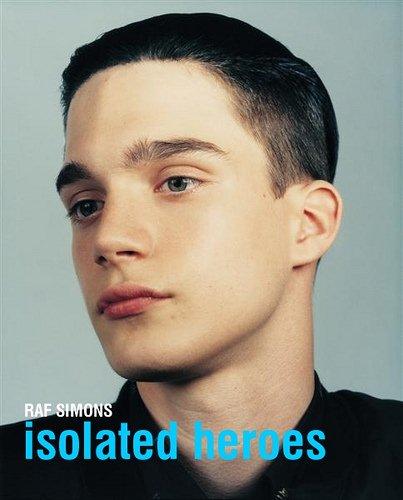
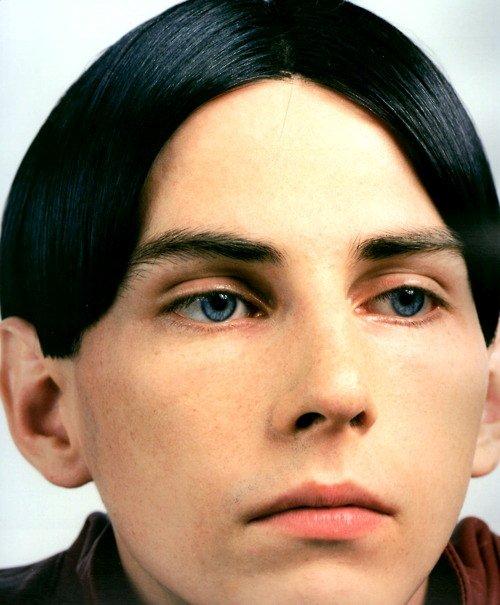
In ’96 David Sims is named Photographer of the year at the International Festival of Fashion Photography, beating Steven Meisel, Juergen Teller, Craig McDean, Mario Testino and David LaChapelle. He also starts working with menswear designer Raf Simons. Together they produce ‘Isolated Heroes’, a collection of portraits of Raf Simons’s unconventional models dressed in his s/s 2000 collection. This eventually develops into a book and a traveling exhibit.

Isolated Heroes

Book cover

Isolated Heroes

Isolated Heroes

Isolated Heroes

.

In 2000 Women’s Wear Daily (WWD) reports the days of alternative fashion magazines may be coming to an end, as'”phtographers once synonymous with the underground are now employed by the likes of Vogue“.

In 2002 David Sims becomes romantically involved with Luella Bartley, a fashion journalist turned designer. Soon son Kip Sims is born, two years  later followed by daughter Stevie Sims and in 2007 second son Ned Sims joins the family. When he’s not travelling the world shooting for the world’s top fashion magazines, David can be found hitting the surf in Cornwall, where family lives.

David Sims

Luella Bartley

.

David Sims known as a very private person and prefers to leave little trace- only the beautiful photographs he makes. his style has shifted with time, becoming more kinetic and less nitty-gritty after the turn of the millennium. David Sims still prefers to shoot against a plain backdrop, but he instructs his models to bend, jump, and otherwise push the edges of the frame. He works for Vogue not just with one main fashion editor, but with all the magazine’s stalwarts: Grace Coddington, Tonne Goodman, Camilla Nickerson, and Phyllis Posnick.

Vogue Paris 2009, Kristen McMenamy 

Vogue Paris 2009

Vogue Paris 2009

Vogue Paris 2009

Vogue Paris 2009

.

Luella Bartley, an English writer and magazine editor who first became famous for her now-defunct fashion label, has admitted to being nervous about revealing new projects—say, a book cover or home-decorating scheme—to him. Why? Because he is an arbiter of extreme discernment. (“Dave has such amazing taste, so he always ends up doing the house,” she said in 2007.) The couple, both fanatic surfers, live near the waves in a seventeenth-century farmhouse  in Bodmin, Cornwall. When the writer Mark Holgate visited Luella Bartley—and their children, Kip, Stevie, and Ned—for a Vogue profile in 2006, she said that she and her husband share a need to create their own atmosphere and surroundings: “We will get the most beautiful piece of furniture, something that cost a fortune,” she said, “and we have to do something to it—scratch it, slap on stickers, anything—to make it ours.”

Kate Moss in Heads: Hair by Guido

.

David Sims & Luella Bartley are named in The Independent’s list of style influencers in 2009. When Emmanuelle Alt, editor-in-chief, spoke about her vision as the new editor in chief of French Vogue, David Sims’s name popped up. He’s been tapped by Prada and Yves Saint Laurent to do advertisements and after photographing Kate Moss with ‘faux-cropped’ short hair for the book Heads: Hair by Guido, she was inspired to cut her hair for real. All these proof positive of how the understanding and taste of this least self-promoting of fashion photographers is respected across the industry.

W magazine, February 2009 Alexandra Deshorties is ‘Aria’

W magazine

W magazine

W magazine

W magazine

W magazine

.

.
Vogue Paris November 2012, ‘Le Noir Dans La Peau’

Kati-Nescher-by-David-Sims-Le-Noir-Dans-La-Peau-Vogue-Paris-November-2012-6-790x1024

Kati-Nescher-by-David-Sims-Le-Noir-Dans-La-Peau-Vogue-Paris-November-2012-5-800x947

Kati-Nescher-by-David-Sims-Le-Noir-Dans-La-Peau-Vogue-Paris-November-2012-7-800x947

Kati-Nescher-by-David-Sims-Le-Noir-Dans-La-Peau-Vogue-Paris-November-2012-1-800x947

Kati-Nescher-by-David-Sims-Le-Noir-Dans-La-Peau-Vogue-Paris-November-2012

.

Alexander McQueen s/s 2012

McQueen s/s 2012

McQueen s/s 2012

McQueen s/s 2012

.

.
Alexander McQueen s/s 2013

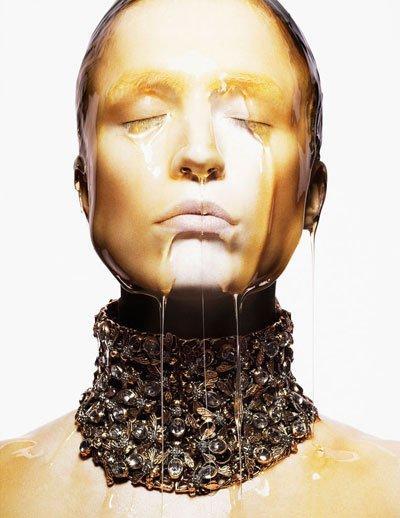
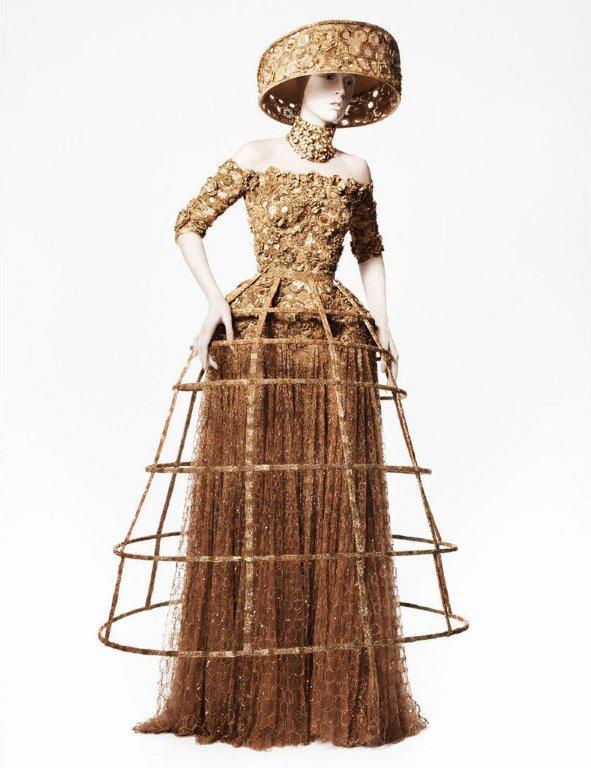
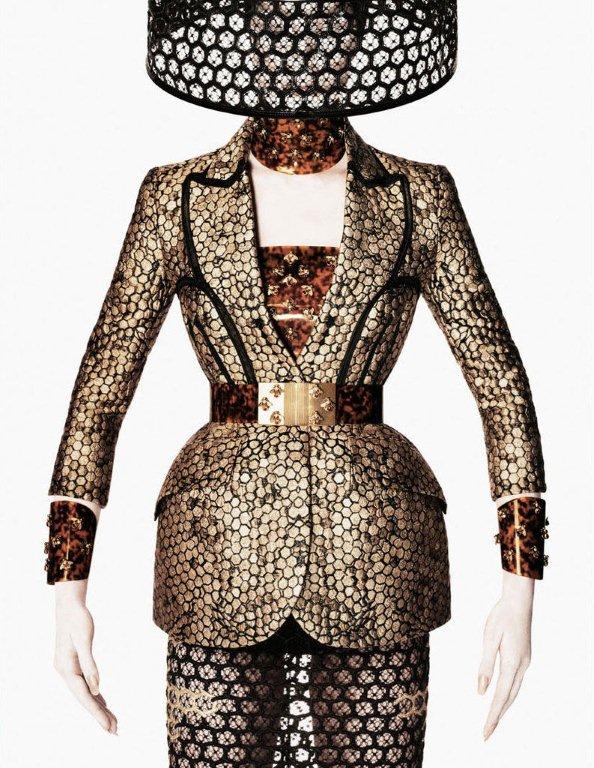
The Alexander McQueen collection s/s 2013 runs with a beekeeper inspiration … For the campaign pictures model Raquel Zimmermann has her entire hair, face and shoulders (and the statement collared-necklace she’s wearing) dripped in honey.

Alexander McQueen s/s 2013

alexander-mcqueen-spring-2013-2

alexander-mcqueen-spring-2013-1

.

Proenza Schouler  s/s 2013proenza-schouler-spring-summer-2013-campaign-david-sims-www.lylybye.blogspot.com%252B1

proenza-schouler-spring-summer-2013-campaign-david-sims-www.lylybye.blogspot.com%252B2

proenza-schouler-spring-summer-2013-campaign-david-sims-www.lylybye.blogspot.com%252B3

proenza-schouler-spring-summer-2013-campaign-david-sims-www.lylybye.blogspot.com%252B4

.

Visionaire   issue 40/ Roses

Book Cover

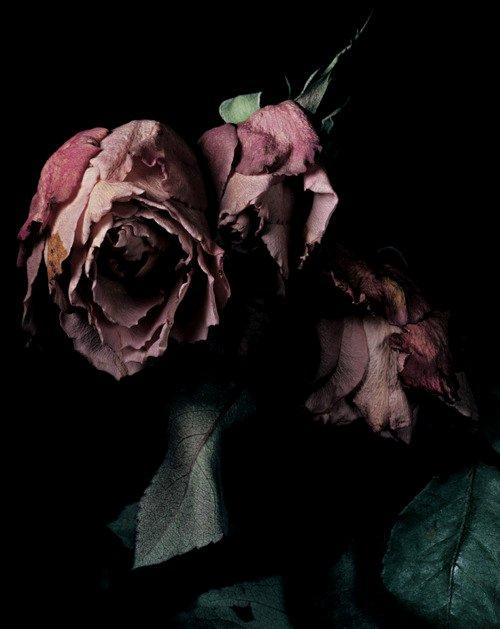
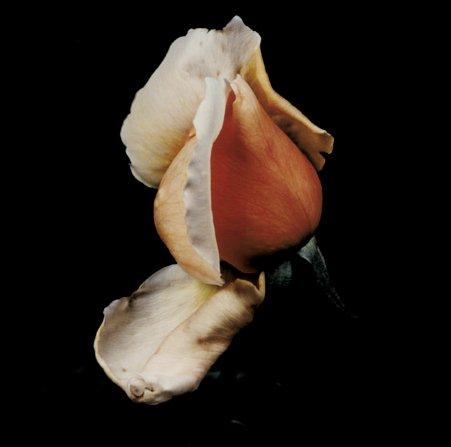
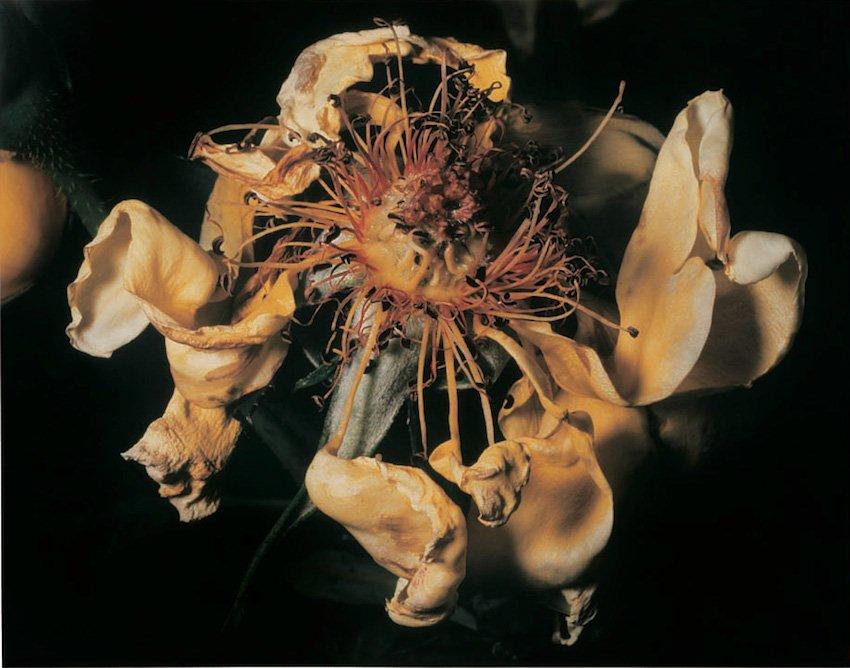
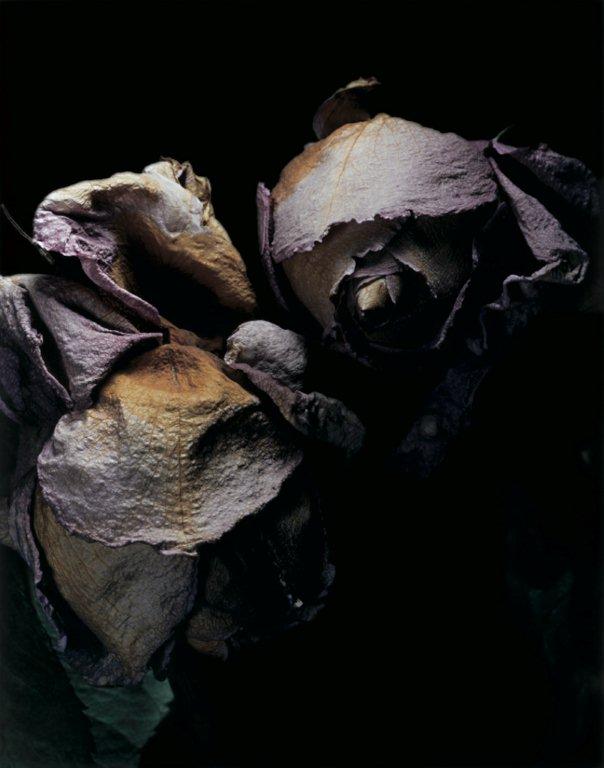
For this issue of Visionaire, Sims reveals a personal project that he has been working on for several years. ”I think of these roses as portraits. ” Sims explains, ”I was a pupil at the school where these roses grow…when I look at these roses close up and trace their own knocks and dents, I find a greater beauty and a complexity in their imperfections.  The roses represent for me a very definite point in life and a state of mind. ”

http://www.amazon.com/Visionaire-No-40-David-Sims/dp/1888645199

Roses

Roses

Roses

Roses

most information: Voguepedia

Rudi Gernreich, misunderstood Fashion Prophet….

25 Nov
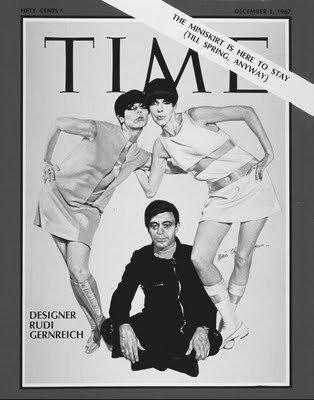
Although Rudi Gernreich is listed on ‘All-TIME 100 Fashion Icons’, his name is not as well-known as Dior, Balenciaga or Courréges. Perhaps because of his geographic detachment from the centers of fashion and the fact that he refused to show in Paris, but Rudi Gernreich had just as much influence on women’s appearance, especially during the 1960s and 1970s.
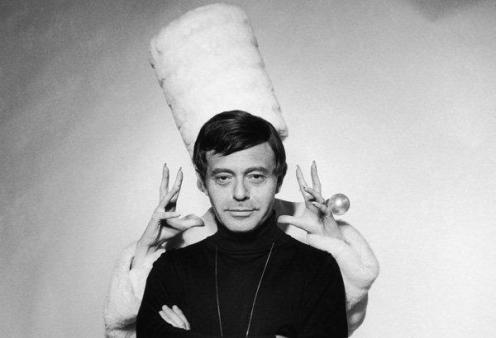
Rudolph (Rudi) Gernreich was born in Vienna, Austria, in 1922. His father was a hosiery manufacturer and his aunt kept a dress shop in which Rudi worked as a teenager. In 1938 with numerous other refugees, Rudi fled to the USA and settled in California. From 1942 to 1948 he worked with a dance troupe as a dancer and costume designer. In 1948, he became a freelance fashion designer. He toiled (to make the first garment in white cotton, before the pattern becomes definitive and goes in production)  for a 7th Avenue firm making copies of Paris couture garments but really hated it. In 1951, he formed a partnership with manufacturer Walter Bass to supply clothes to Jax, a Los Angeles boutique.
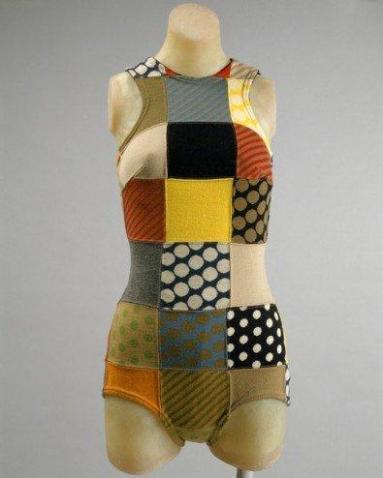
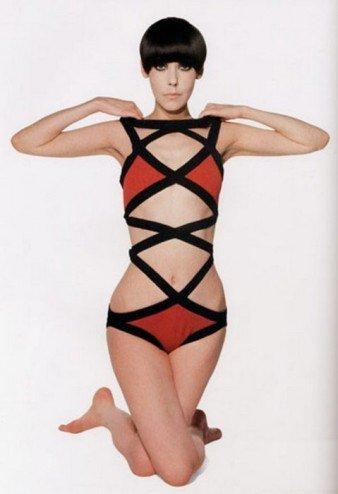
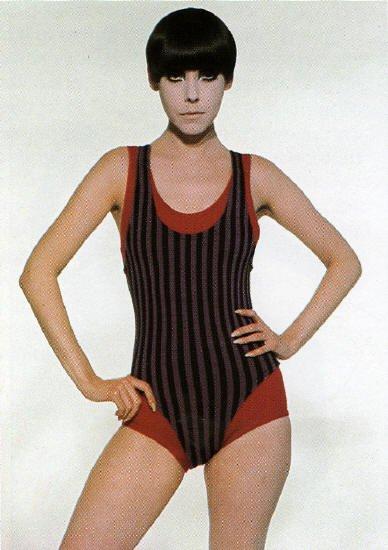
Some years later, he opened his own company G.R. Designs Inc. which became named Rudi Gernreich Inc in 1964. Being a dancer himself, Rudi was interested in liberating the body from the limitations of clothing surfaced in his early swimwear designs of 1952 in which he eliminated the complicated boned and underpinned interior construction that had been obligatory in the 1950s. He revived the knitted swimsuit or ‘maillot’  of the 1920s, which he elasticized to  follow the shape of the body. These experiments were continued in his  knitted tube dresses of 1953. He was awarded the prestigious Coty Award for American designers in 1960. In the early 1960s Rudi opened a Seventh Avenue showroom in New York where he showed his popular designs for Harmon knitwear and his own more expensive line of experimental garments.
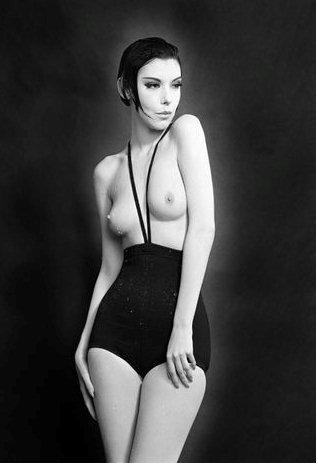
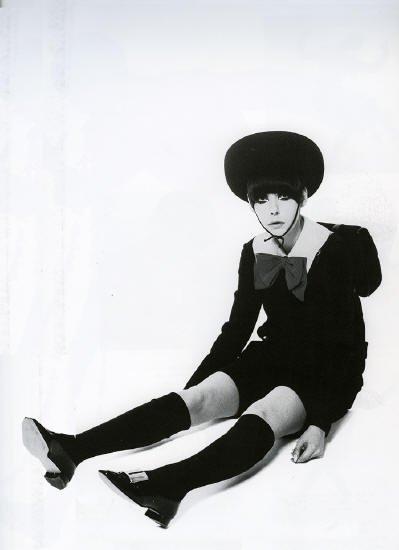
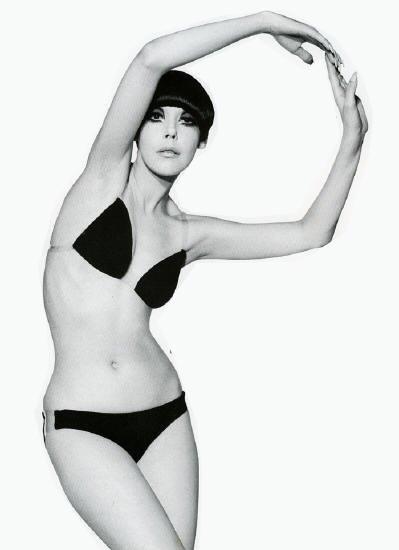
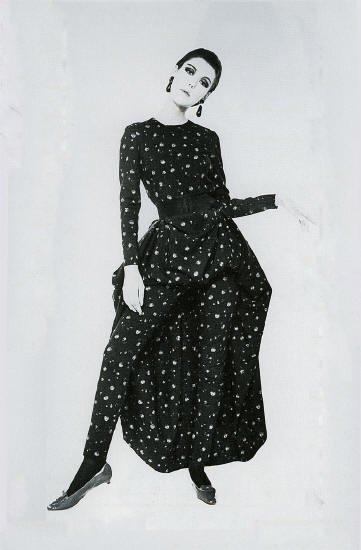
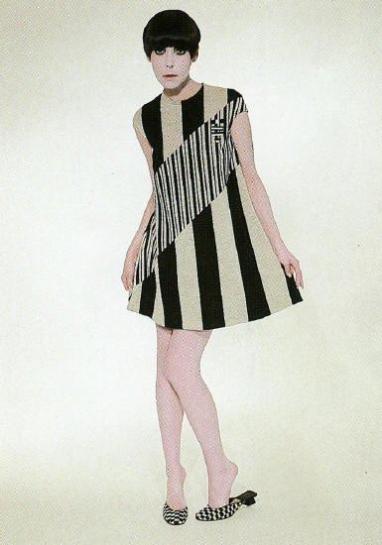
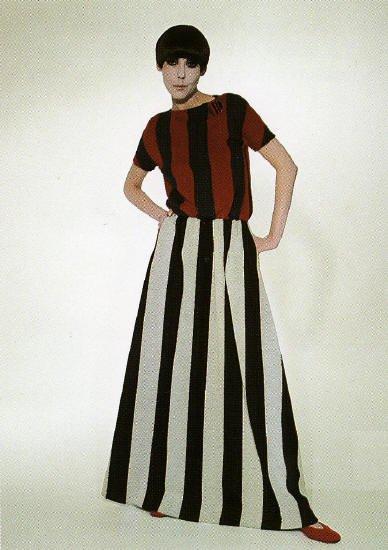
During the decade Rudi Gernreich acquired a reputation for being the most radical designer in America; his designs included the jacket with one notched and one rounded lapel, tuxedos made of white satin, and the topless bathing suit’ named Monokini of 1964, which reflected the new vogue for topless sunbathing. It was worn by Peggy Moffitt, his favourite model.
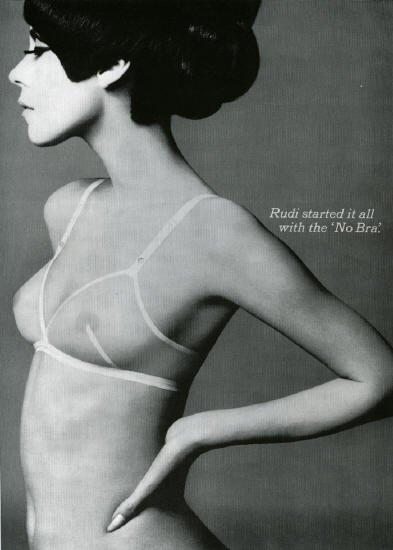
Rudi Gernreich’s freeing of the breasts was a social statement, somehow part of the emancipation of women, and a portent of the unfettering of the breast by the women’s movement in the 1970s. Rudi invented the ‘no bra’ bra in 1964, a soft nylon bra with no padding or boning in which breasts assumed their natural shape, rather than being  molded into an aesthetic ideal. This kind of bra was later traded in again for boned and padded ones, because it didn’t do much good for breasts in the long ran…..
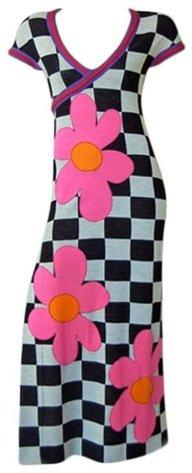
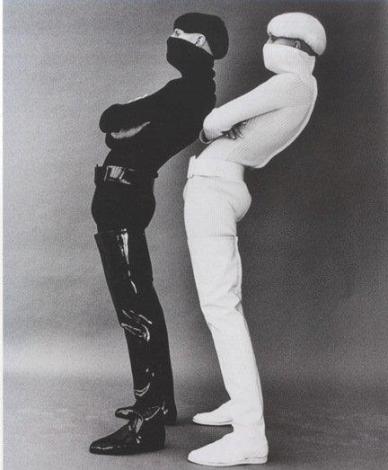
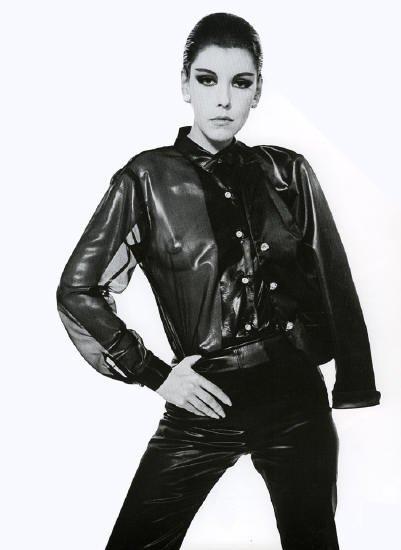
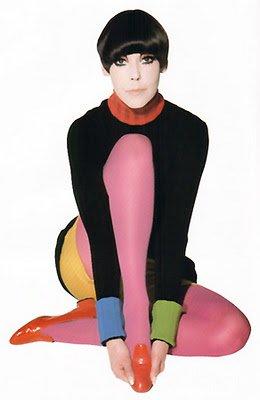
Rudi was the first to design unisex/interchangeable clothes for men and women such as floor-length kaftans or white knit bell-bottomed trousers and matching black and white midriff tops, and even, in 1975, Y-front underwear for women. Other designs included the first chiffon t-shirt dress, see-through blouses, coordinated outfits of dresses, handbags, hats and stockings known as the Total Look, mini dresses inset with clear vinyl stripes and the  thong bathing suit, cut high to expose the buttocks. He experimented constantly with the potentials of different materials using cutouts, vinyl and plastic, and mixing patterns such as checks with dots.
Rudi was interested less in the details and decorations of clothes and more in how they looked in motion. In the 1950s he was designing relaxed, comfortable clothes fabricated out of wool, jersey, and other malleable materials, usually in solid colors or geometric shapes and checks. During the next decade he went on to use unusual fabrics and bold color disharmonies such as orange and blue or red and purple.
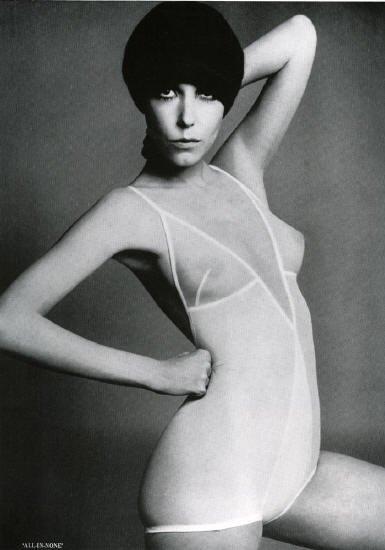
In 1964 corset manufacturers Warner Brothers Co., commissioned Rudi to design a bodystocking made of flesh coloured stretch nylon. He was quite creative, he did leggings, designed furniture, stockings, even gourmet soups, as well as clothing for children and menswear.His boxer shorts for women predated the 80’s version by about 8 years. In 1971 he had a Military look collection and showroom models carried rifles. At the time the Viet Nam war was going on.
.

Rudi Gernreich designs


Peggy Moffitt : ‘He seamed to be 30 years ahead of time. Rudi Gernreich is a widely misunderstood fashion prophet….’

His notion of freeing the body was  taken to its logical extreme in his last design statement, the pubikini,  which appeared in 1982, revealing the model’s dyed and shaped pubic hair.
.
In the USA, Rudi Gernreich was an influential co-founder of the Mattachine Society, the USA’s first gay liberation movement.
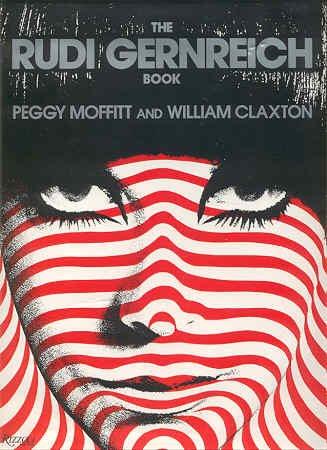
Rudi Gernreich died in 1985. In 1992, his favourite model Peggy Moffitt and her husband photographer William Claxton collaborated and published a book called ‘The Rudi Gernreich Book’ detailing all the fashion ideas of Gernreich and his wonderful clothes. She explained that he was a widely misunderstood fashion prophet, who came up with all today’s trends yesterday. In the year 2000, the city of New York decided to honour American fashion designers by placing bronze plaques along 7th Avenue, the great street of fashion in New York. This has been called the “FASHION WALK OF FAME.” Rudi Gernreich was one of those honoured.
.
Rudi Gernreich’s legacy, which was celebrated with an exhibit at MOCA in Los Angeles, hasn’t been forgotten and their will be a relaunch. Most information is still a mystery, but the man backing the business venture is a ‘German entrepreneur’ and while the global trademark rights have been obtained, the brand is still in need of a designer. The first runway show is expected in 2014….
.
(Almost all pictures in this post are made by William Claxton)
Next week: Peggy Moffitt