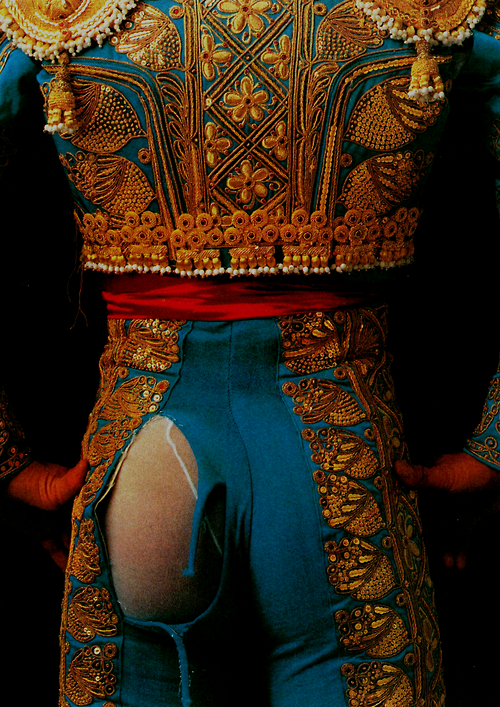
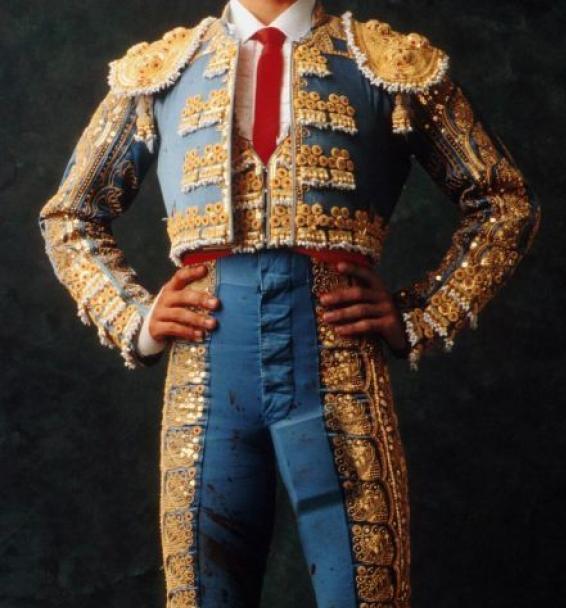
Matador César Rincón after a bullfight in Seville. This must be the sexiest picture ever taken of a bullfighter!
The photograph is made by Peter Müller, who was born in Peru. He studied art and architecture at Zurich university before working as assistant to photographer Bert Stern and chief camera operator under director Eddie Vorkapich. After many years living in Spain, working on major advertising campaigns and for various magazines including Vogue, he decided to look more closely at the crafts and lifestyle of southern Spain.
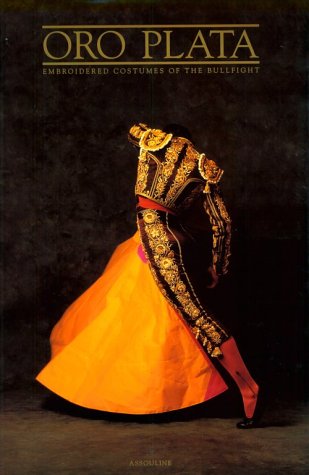
Two books by Peter Müller have been published, featuring photographs of Spanish bullfighter costumes.
Oro Plata: Embroidered Costumes of the Bullfight
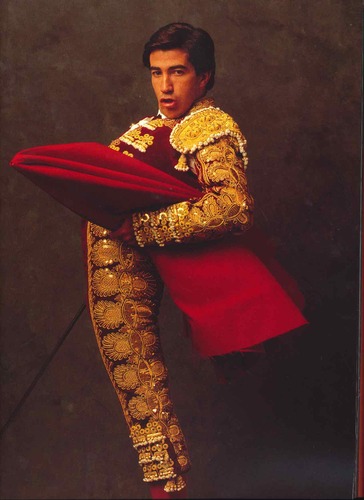
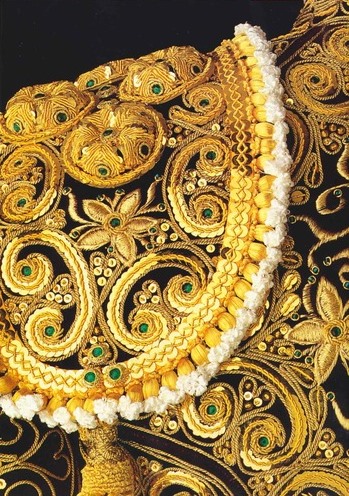
Costumes of light
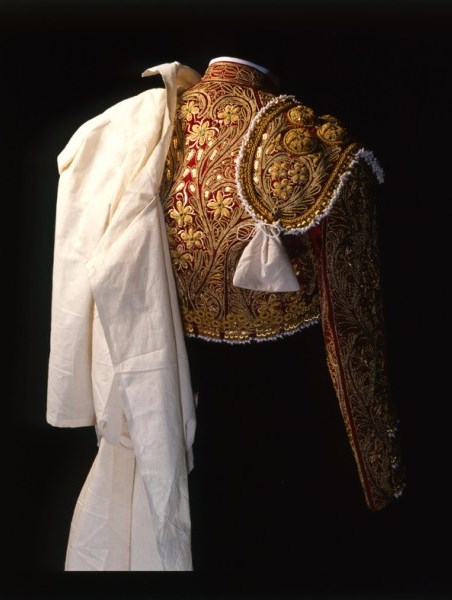
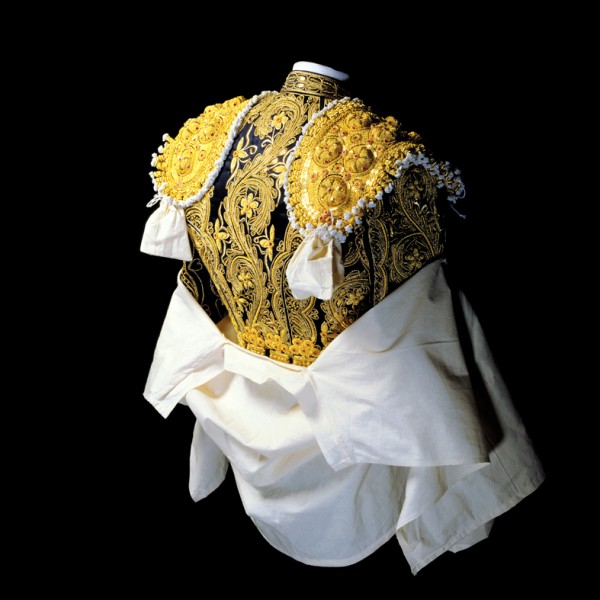
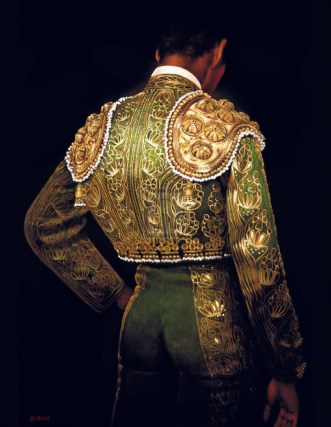
According to Spanish tradition, the bullfighter should never wear his costume outside the bullring. Published for the first time, the greatest stars of the Corrida, resplendent in their elaborately embroidered costumes, are brought to readers in a series of stunning studio portraits. Matadors dressed in gold and banderilleros wearing silver re-enact the dramatic gestures and intricate choreography of their profession, displaying the most artistic, appealing aspects of the bullfight as seen today in Spain, France and South America. Oro Plata and Costumes of light are the perfect showcase for both the colorful history and tradition of these costumes, and for the living legends of the men who wear them.
.
.
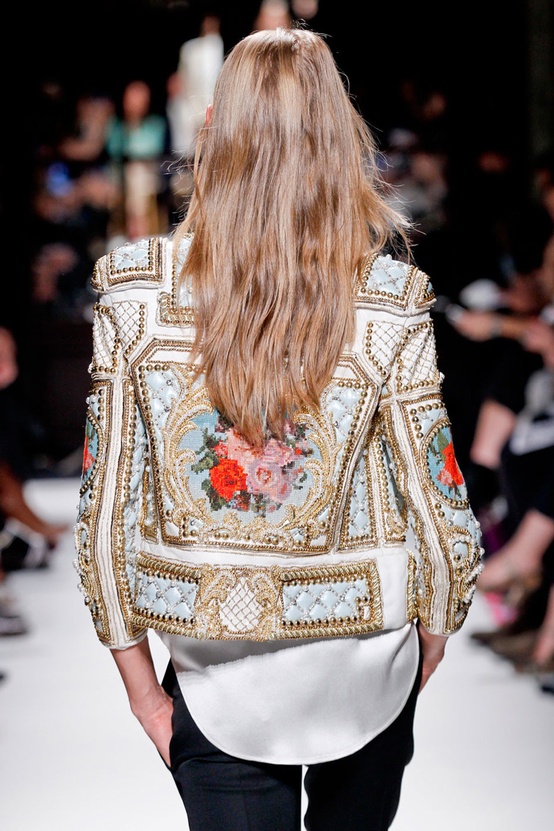
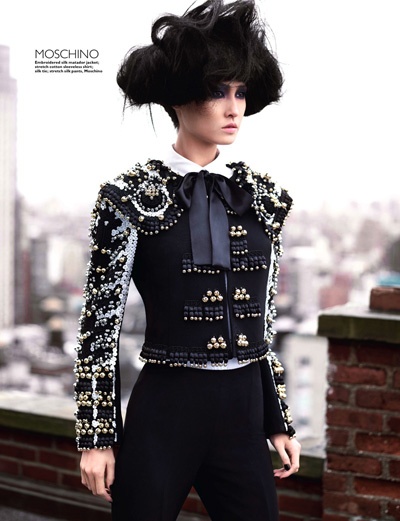
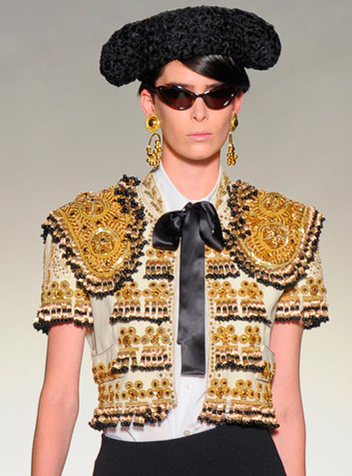
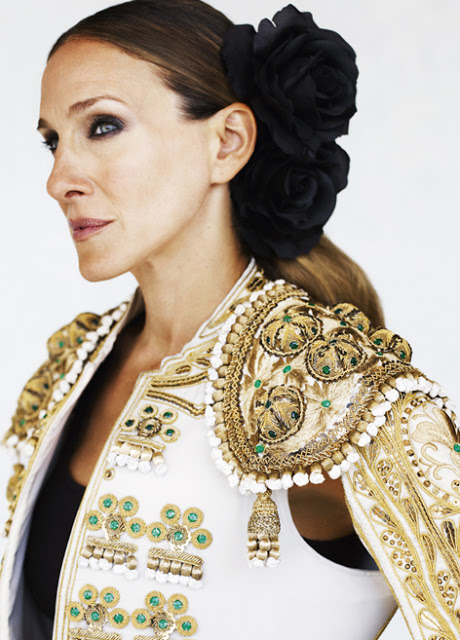
Bullfighter’s costume influence on fashion
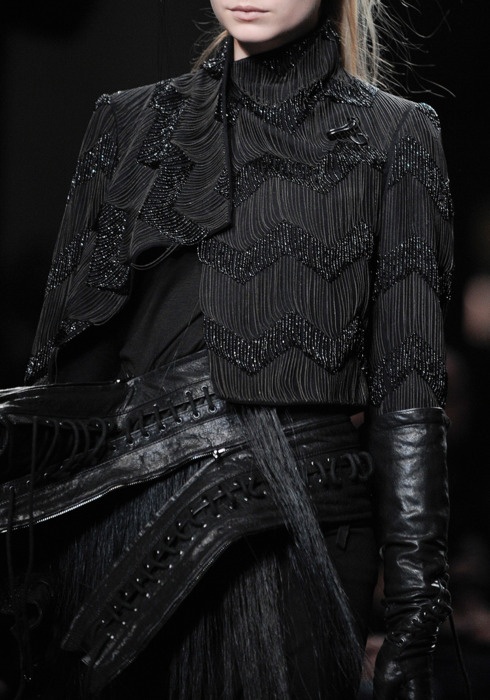
Ann Demeulemeester ‘matador’ jacket
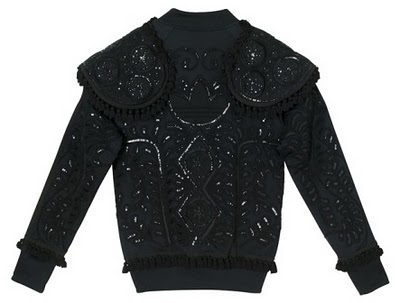
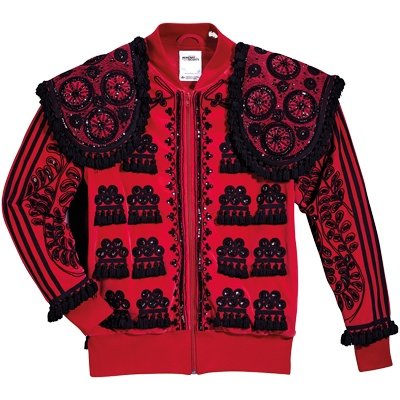
Jeremy Scott designed these sweaters for Adidas Originals
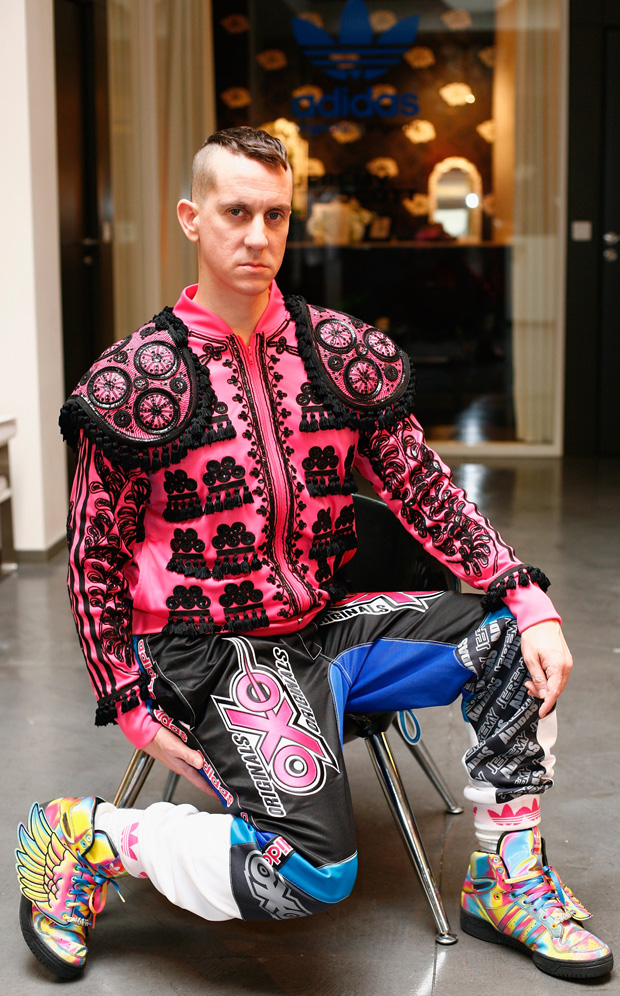
Jeremy Scott in his matador inspired Adidas Originals jacket
Matador inspired jacket
Moschino 2012
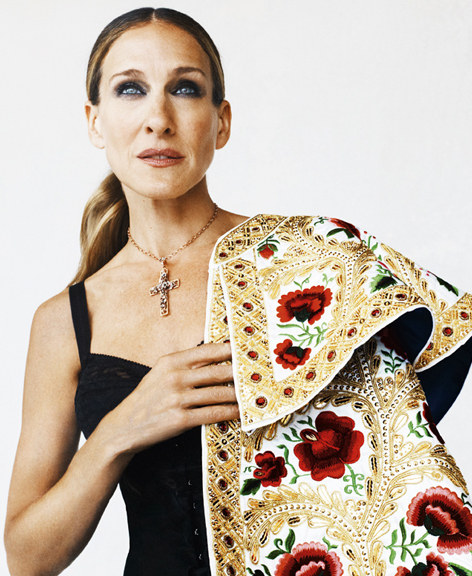
Sarah Jessica Parker in Matador look
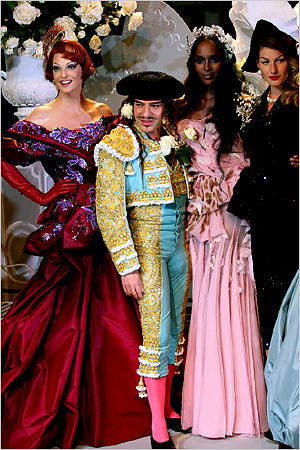
And last but not least, the king of dress-up, John Galliano as a Matador
February 14, 2006 a photograph of a pond taken by Edward Steichen sold for more than $2.9 million, easily setting a world record for the highest amount a photograph has sold for at auction, Sotheby’s said (today this record has been broken a few times). The photograph, titled ”The Pond-Moonlight” and taken in Mamaroneck, Westchester County in 1904.
There are only three prints which were made under Steichen’s supervision, and are a great example of a rare vintage photograph by an artist who had an influence on later 20th-century photographers. Steichen’s early painterly photographs, possibly naive to our image-soaked modern eyes, helped establish photography as an art form.
The Pond-Moonlight
A few days ago I went to an exhibition with photographs by Edward Steichen and realised I recognized so many of his pictures, but knew nothing of the man himself. Reading about his tumultuous life, I got fascinated with this multi talent.
.
Edward Steichen was born in Luxembourg in 1879, migrated with his parents to the United States only two years later, eventually settling in Milwaukee. In his mid-teens be became an apprentice lithographer and took up photography as a hobby. But his first love was painting and it was painting that inspired him to travel to Paris in 1900.Years later Steichen destroyed the canvasses in his possession, instead he learned to achieve Impressionist effects in his photographs, by blurring his lenses with petroleum jelly or manipulating his negatives and prints in the darkroom.
“If it looked like a painting, it was art”.
(the photographer struggled to gain the recognition as an artist)
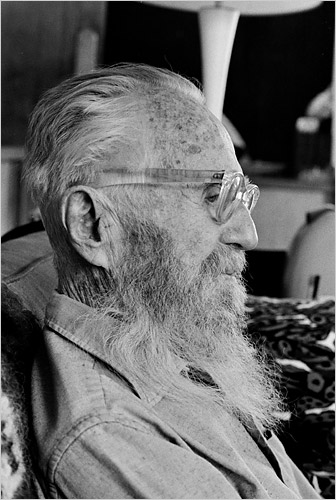
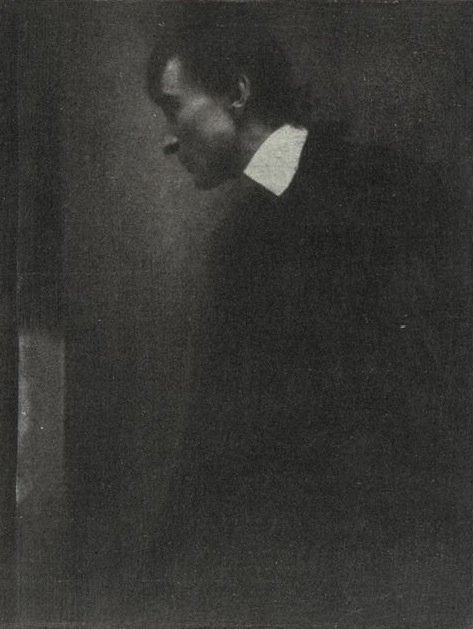
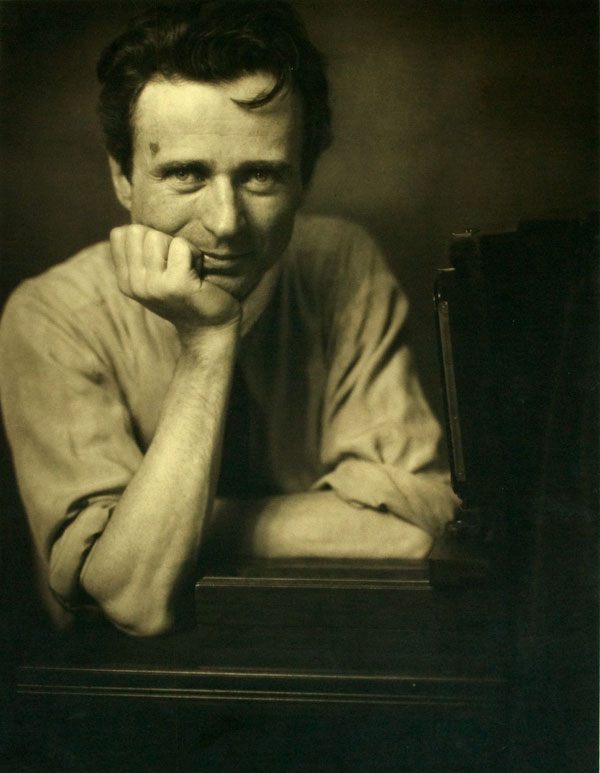
Self Portraits
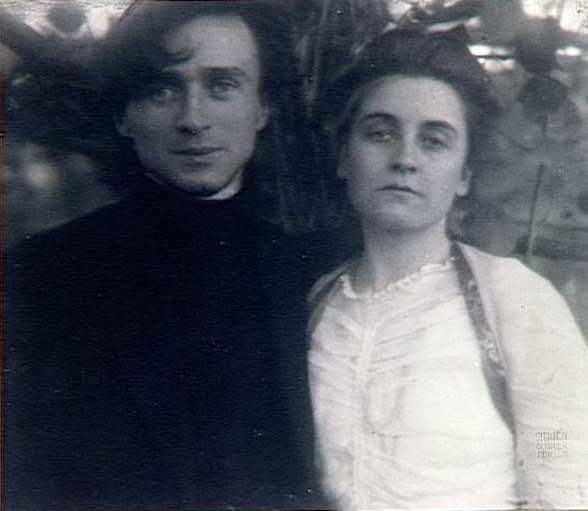
Steichen with his wife Clara Smith .
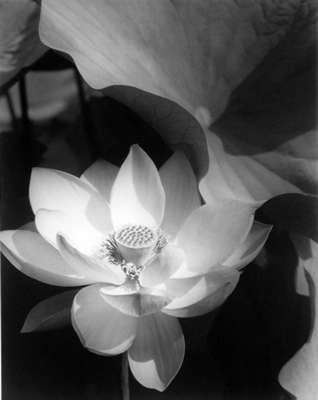
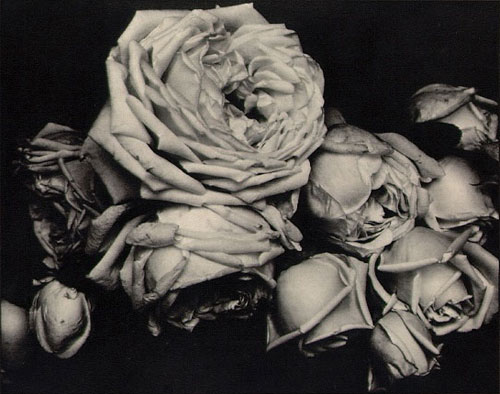
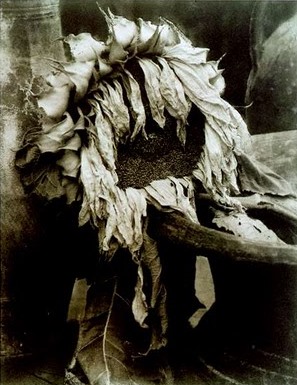
Steichen’s pictorialist period ended in 1917, when he joined the United States Army and created an aerial photography unit innorthern France to gather intelligence about artillery positions and troop movements behind enemy lines. And after the war, Steichen’s lifelong interest in horticulture resulted in near-abstract images of flowers, plants and insects.
Then he went through a bad and expensive divorce. By 1922, when Steichen was 43, he was undergoing what we now call a midlife crisis. He had serious misgivings about his talent as a painterand told fellow photographer Paul Strand that he was sick and tired of being poor. He needed something to renew his energies and a means of making his alimony and child-support payments.
Flowers
.
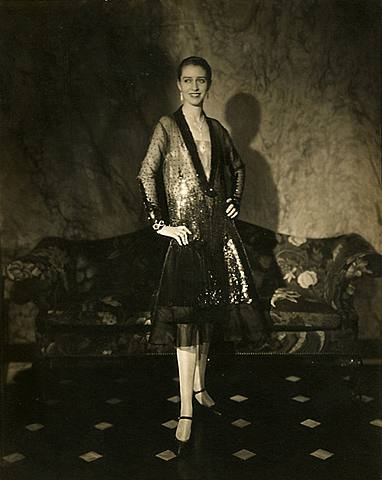
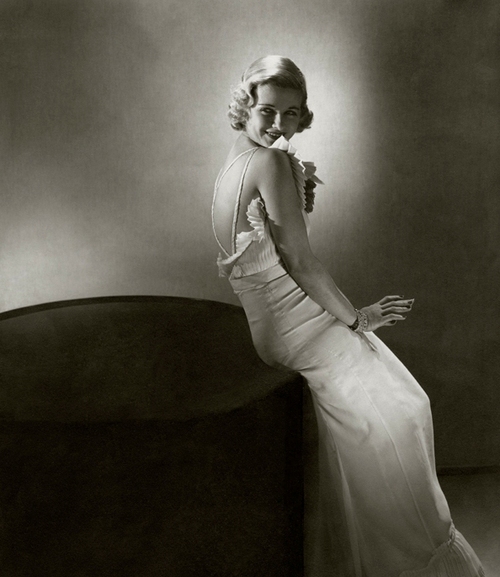
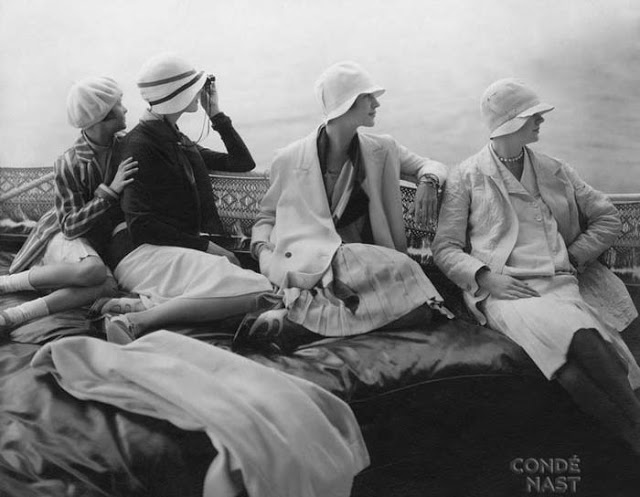
A crucial change happened in 1923, when Condé Nast offered him a job as chief photographer for Vanity Fair, which meant essentially house portraitist, but regular fashion work for Vogue was also part of the deal, following Baron Adolphe de Meyer, who was fashion photography’s first star. Some of his pears felt like Steichen was selling out to commercialism.
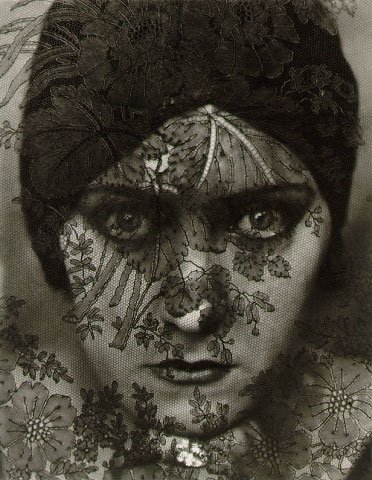
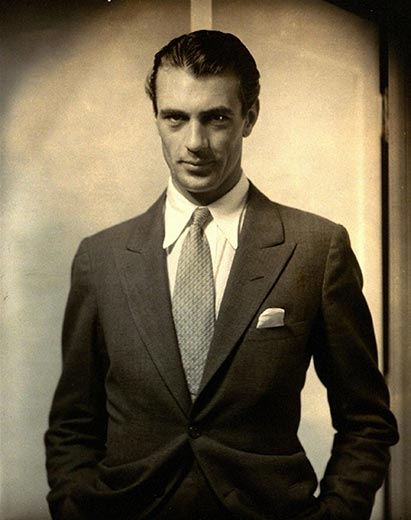
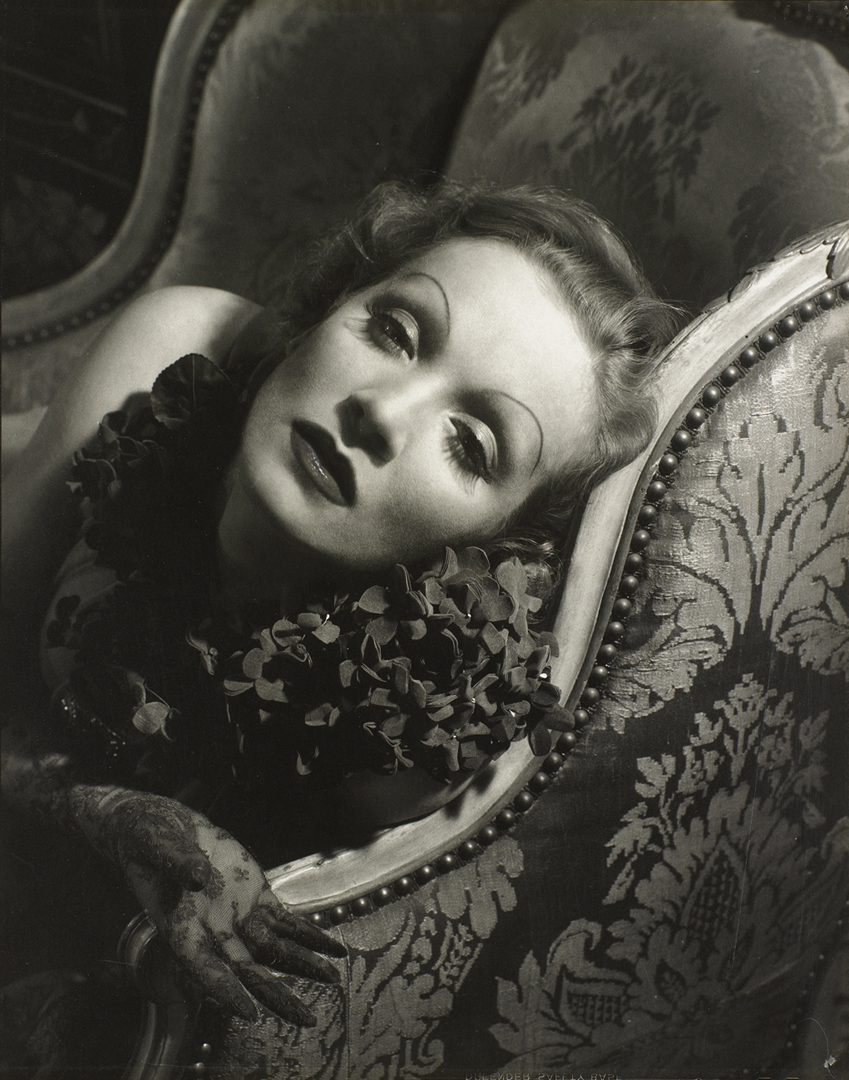
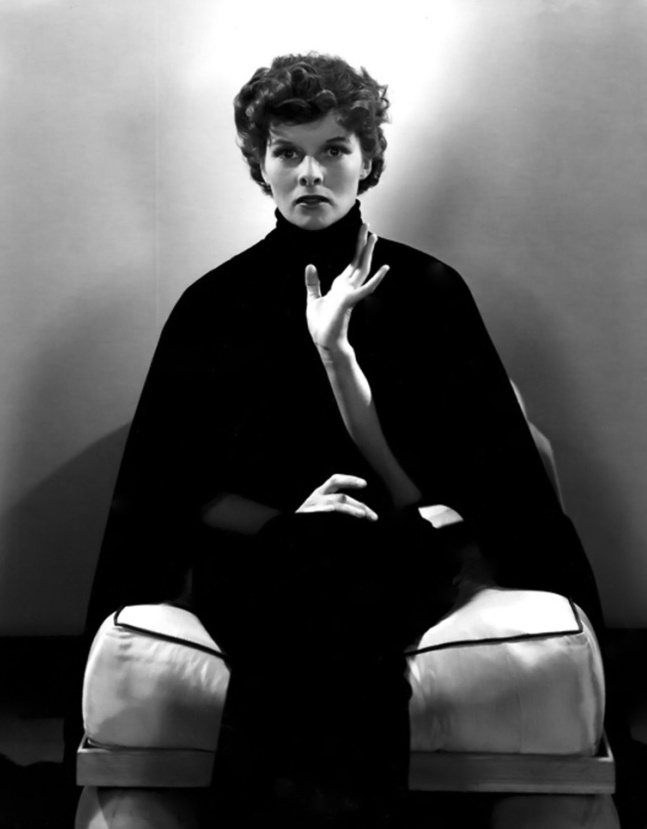
Steichen’s portraits for Vanity Fair brought him new fame. In part because of the status of celebrity subjects as Gloria Swanson and an incredibly handsome Gary Cooper.But on his Vogue assignments Steichen produced pictures as extremely careful and precise as any painting by Gainsborough or Sargent—even though he needed to fill page after page, month after month.
Gloria SwansonGary Cooper
.
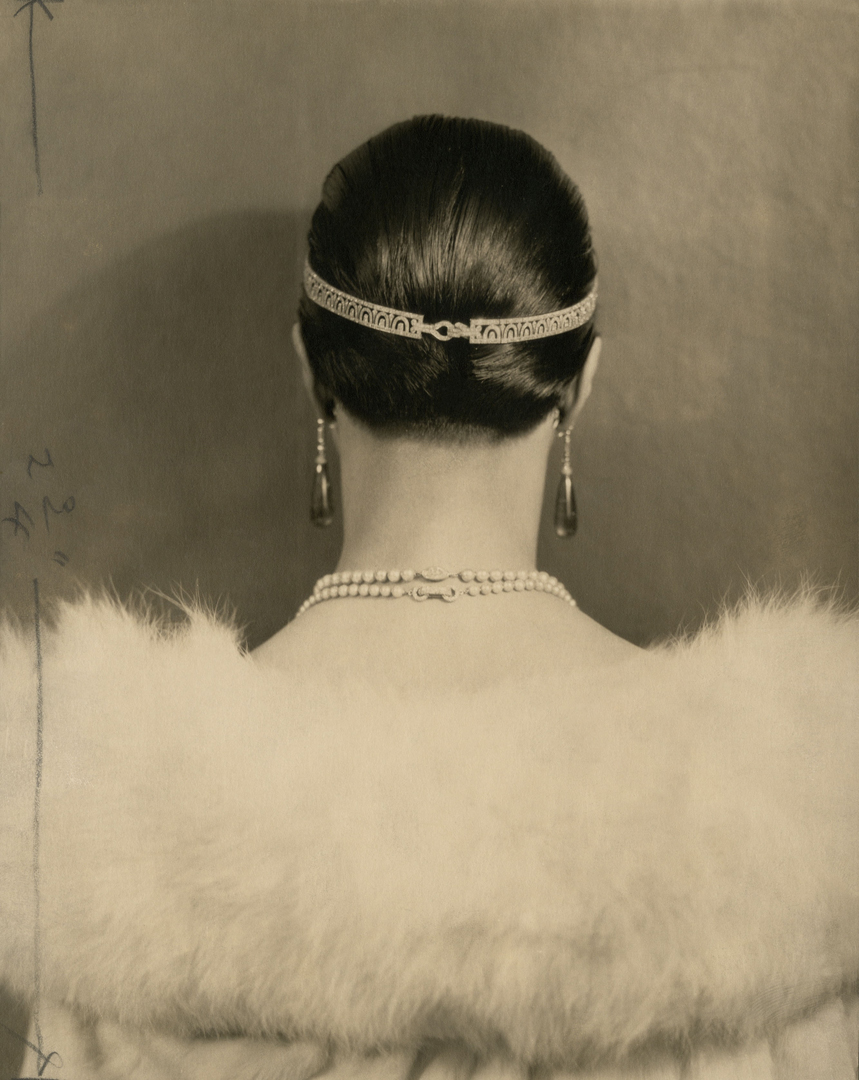
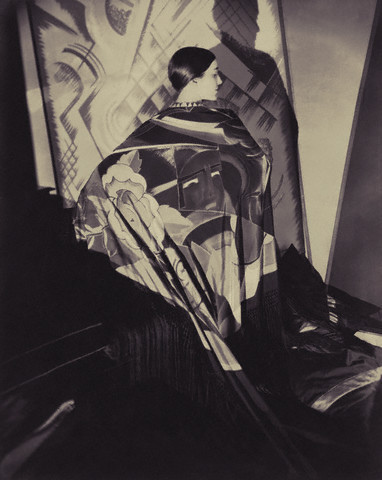
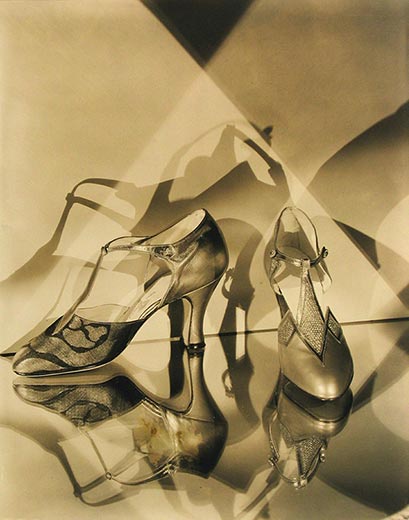
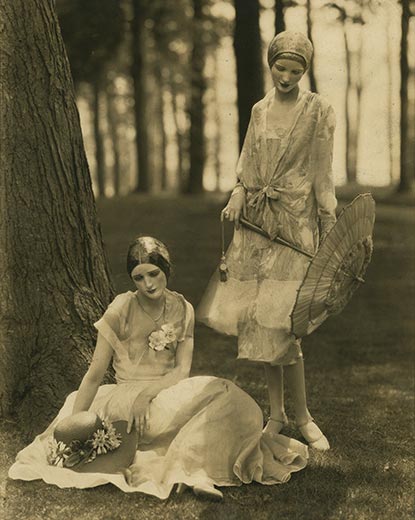
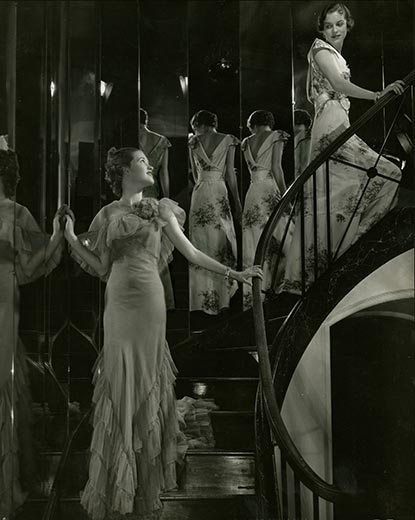
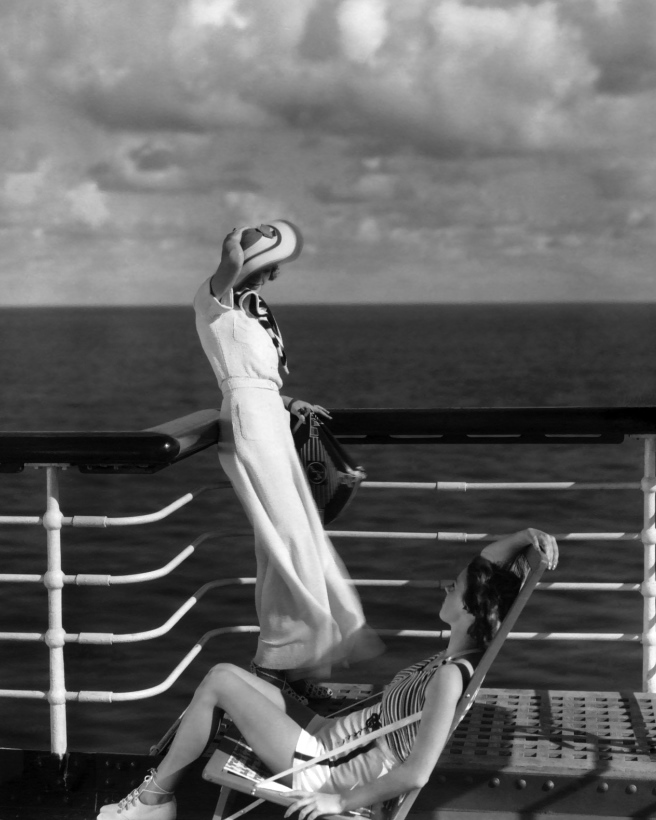
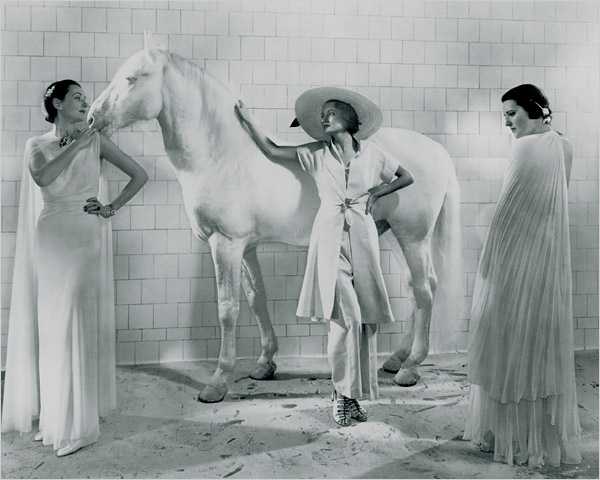
Steichen’s corner-to-corner attentiveness, coupled with his painterly training, allowed him to make fashion pictures that ranged in style from classic 19th-century illustrations to Art Nouveau and Art Deco. “He was designing with his camera and after starting out as a [soft-focus] pictorialist, he brought sharp focus to bear and had a tremendous effect on the field.”
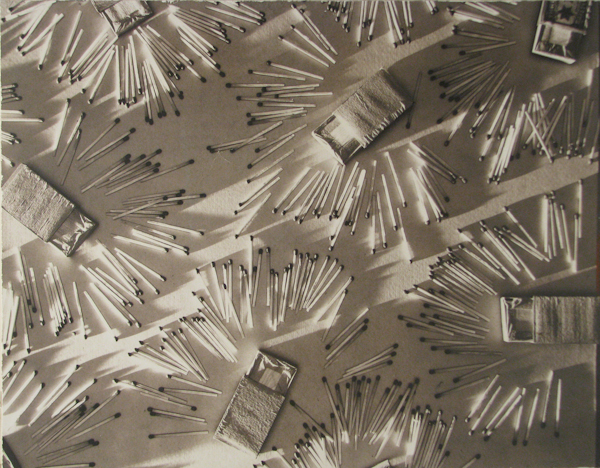
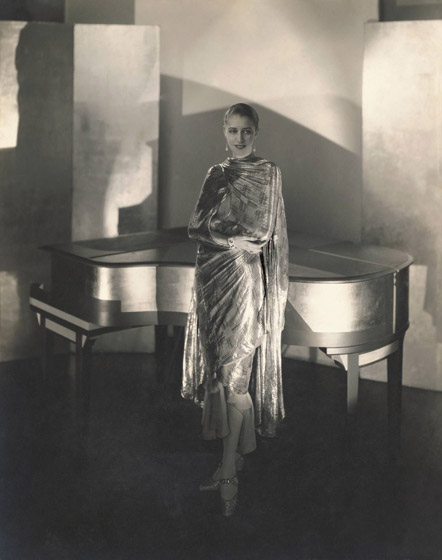
Typical of his work is a 1933 picture of a model wearing a patterned dress by a designer named Cheney. Steichen poses her in front of a two-tone background covered with calligraphic curves that echo the dress, then adds a white hat, scarf and gloves, a bentwood chair and tulips—all of which make a composition reminiscent of a Matisse painting. But he also used movie conventions to make even studio photographs—which are by definition artificial—appear to be life at its most enviable. If two women and a man sat at a well-appointed dinner table, Steichen made sure that part of another table, set with equal lavishness, appeared behind them, turning the studio into a fine restaurant in which the black dresses and tuxedo found their proper context. Matchsticks and matchboxes study for fabric Piano of Steichen’s own design, one of his favorite props .
Astonishing is a pattern of matchsticks and matchboxes he photographed as a study for a fabric (silk) design. And his work as a designer appears in his Condé Nast work in the form of a piano of his own design he favored as a prop.
In 1937 he ended his contract with Condé Nast and devoted his time to raising Delphiniums (common name “larkspur“). He became an accomplished gardener in France. During WWII he put on the uniform of a Navy officer and never returned to photographing clothes, though he kept taking pictures untill his death in 1973 at the age of 93.
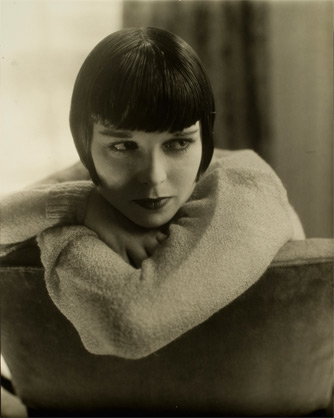
Portraits
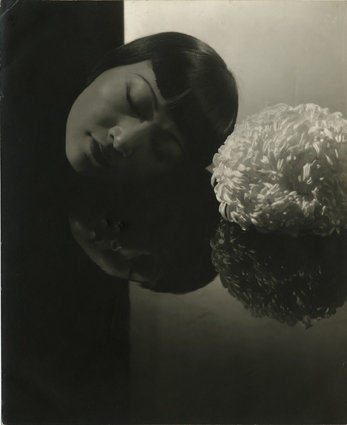
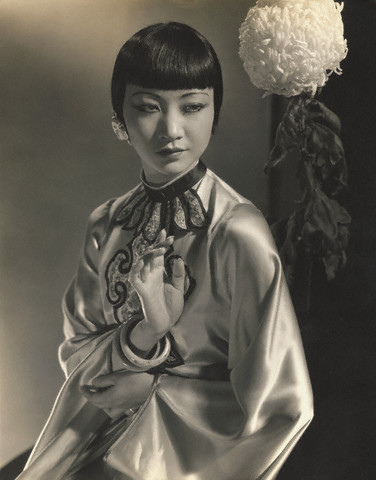
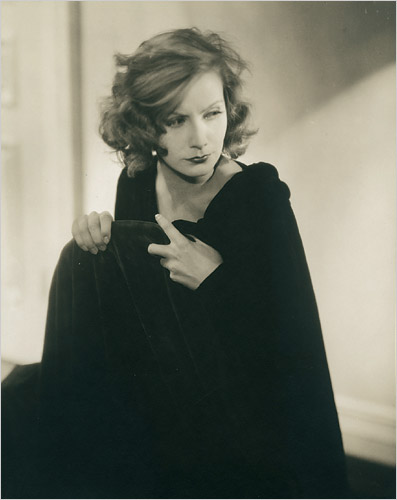
Marlene Dietrich Louise BrooksMary HeberdenCarlotta MontereyAnna May WongAnna May WongGreta Garbo
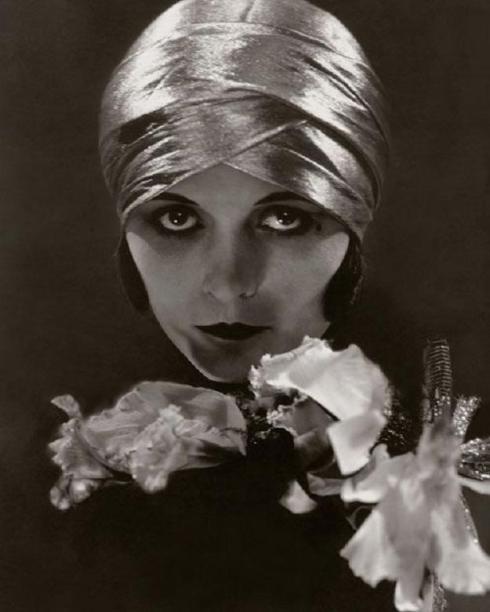
Pola Negri
Katharine Hepburn
Lillian Gish
.
Edward Steichen was recognized in his lifetime as one of the great photographers of the 20th century.
.
Fashion
Steichen had the instinct of a communicator who was supremely confident in his eye as an artist. And if he was criticized for using art to sell clothes and magazines, he saw no reason to apologize.”I don’t know any form of art that isn’t or hasn’t been commercial,”Steichen said in old age. After all, he added with no small immodesty, Michelangelo also liked to be paid well for his work.
.
.
(information for this post comes from the Smithsonian magazine, article by Owen Edwards)
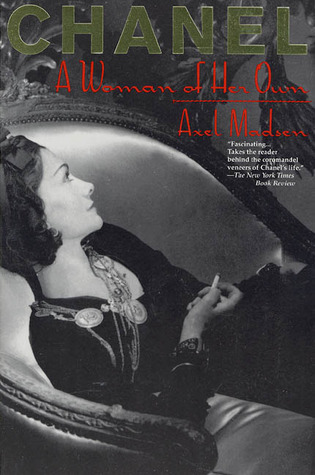
I must have read it 4 or 5 times now, Chanel: A Woman of her Own by Axel Madsen and like to recommend it as a very good read.
“I didn’t create fashion, I am fashion.”
Coco Chanel’s genius for fashion may have been distilled in simplicity, but her life was an extravaganza. A brilliant array of luminaries fell under her spell – Picasso, Churchill, Cocteau; lovers included the Grand Duke Dmitri; the English roué, Boy Capel; a French poet; a German spy and the Duke of Westminster, who offered to leave his wife for her permanently, if she would only bear him an heir. Paradoxically, though she might have been regarded in some lights as a pioneering feminist – sacrificing marriage to a revolutionary career in couture – Chanel was utterly baffled by the idea of women’s politics. Educated women? ‘A woman’s education consists of two lessons: never leave the house without stockings, never go out without a hat.’ Chanel’s rise from penniless orphan to millionaire designer – ‘inventing’ sportswear, the little black dress and No. 5 – makes compelling reading, not least because she was inclined to design her own life as deftly as she did her fashions. Axel Madsen negotiates Chanel’s smoke screens with skill, bringing this tantalizing woman to life in all her alluring complexity.
.
PEERS BOOK REVIEWS
Review by Cathleen MyersIt’s not easy to construct a biography of a compulsive liar, especially when your subject is a highly creative liar who told a different set of lies to each biographer and eventually came to believe some of her own fantasies. .According to Axel Madsen’s well-documented biography, most of the “accepted” story about Gabrielle “Coco” Chanel’s romantic early life is pure fantasy. She didn’t learn dressmaking from sewing samplers for her strict “aunts” or from “taking courses in design;” but from the nuns at the orphanage where she was raised after her mother’s death and from an ordinary apprenticeship at a provincial dressmaker’s. Her first hat shop was started on money from her first protector, Etienne Balsan, not from her first love the polo-playing Englishman “Boy” Capell. Her father was not a respectable horse trader but an itinerant market fair trader who abandoned her; and she was illegitimate, a disgrace she sought to hide all her life..Madsen’s biography is an eminently readable celebration of Chanel’s genius as both a couturier and as a self-made business woman who refused the easy life of a kept woman to start her own business, rise to the top of a male-dominated profession and help transform women’s fashion from the opulent Edwardian style to the practical, natural, “modern” look most of us wear today (to work, at least). The author’s style is lively and novelistic and he does have a good knowledge of the fashion industry, though he gives Coco credit for innovations that were not her own (The “feminization of masculine fashion” had been going on in England before Coco’s birth). But Madsen dishes so well about the deadly world of Haute Couture that his lavishly illustrated book is a must for anyone interested in the history of fashion and costume.. Historian’s warning: Madsen’s main weakness is a lack of understanding of the class structure of Chanel’s world (as his misuse of British titles makes clear). A true American, Madsen wonders why Coco fought so hard to conceal her “roots.” Since her true rags-to-riches story is so remarkable, why pretend to have risen from the lower middle class? But those of us who understand 19th century social history understand Chanel’s motives. Nor does Madsen seem to understand the social cachet that an Englishduke carries even today – which explains Chanel’s desire to marry the eccentric Duke of Westminster, her ruthless erasure of her past, and Westminster’s ultimate refusal to marry her. He was desperate for a male heir and, judging from Debrett’s, preferred well-born brides .
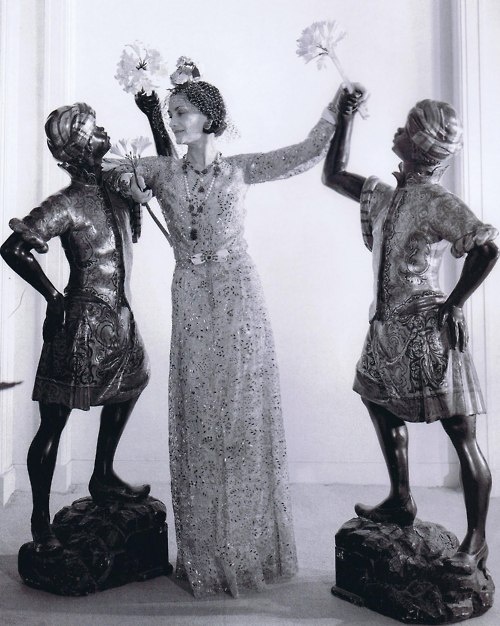
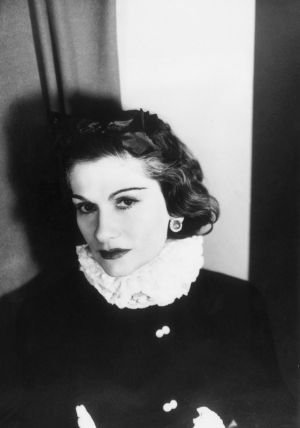
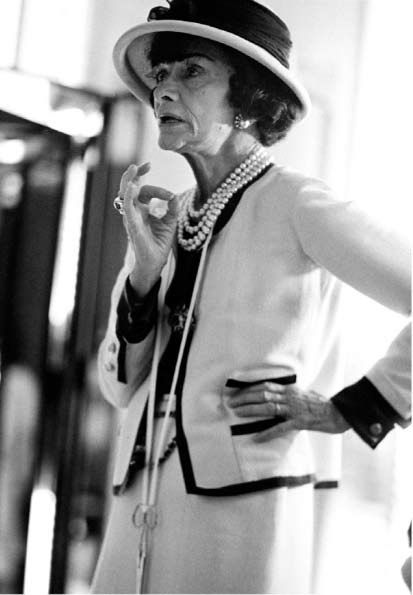
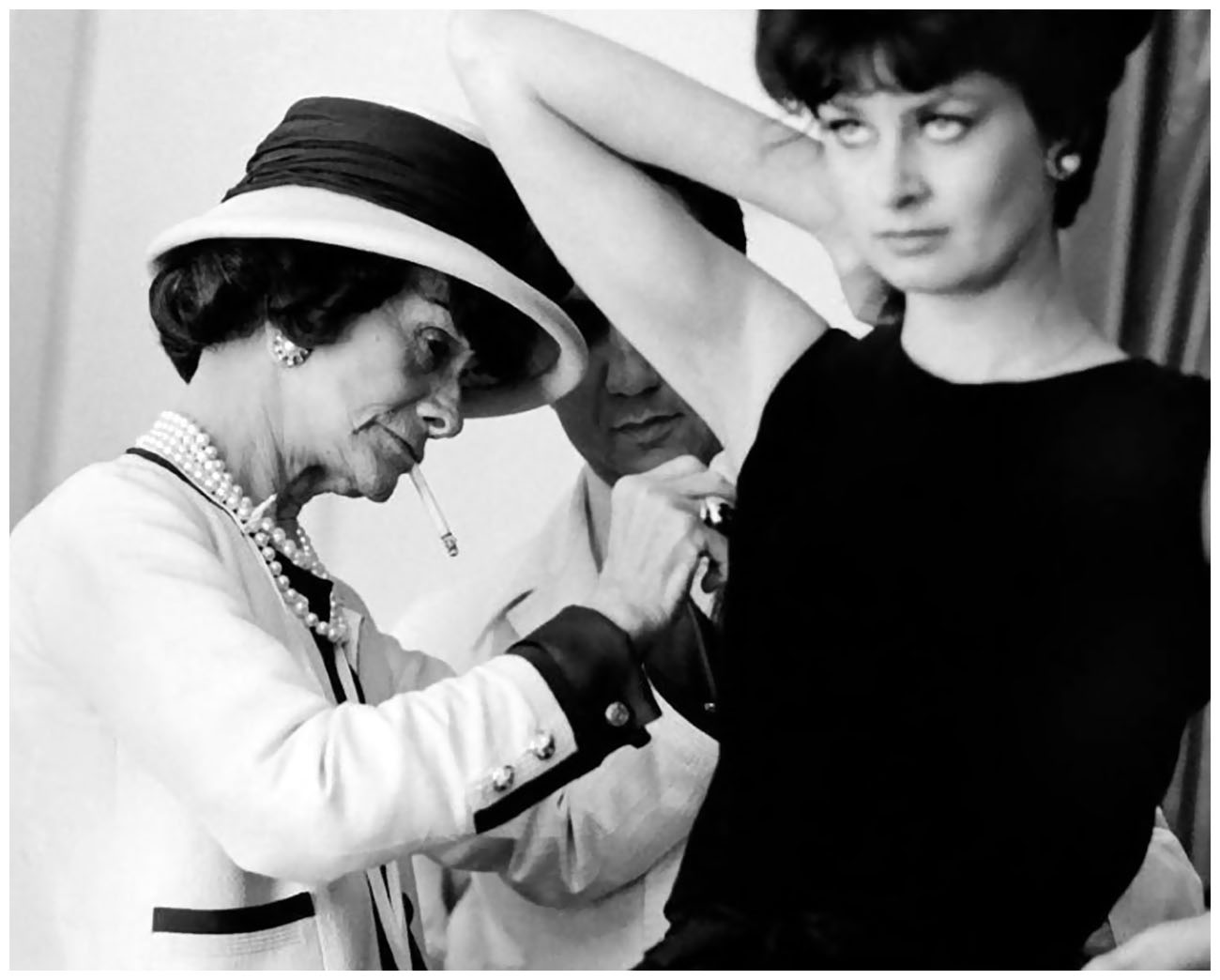
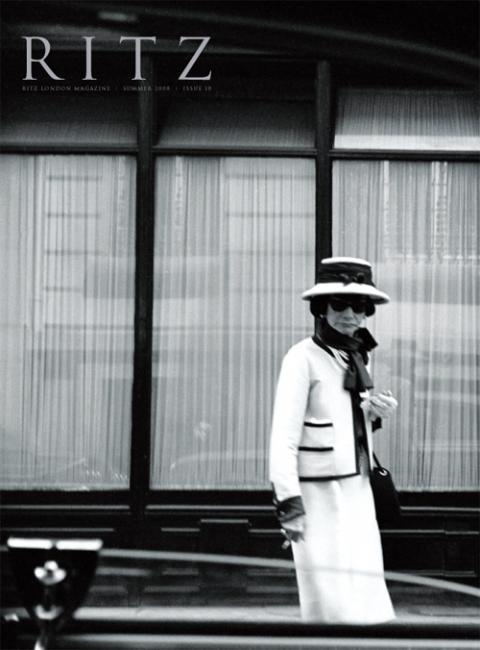
Coco Chanel’s life in photographs & quotes
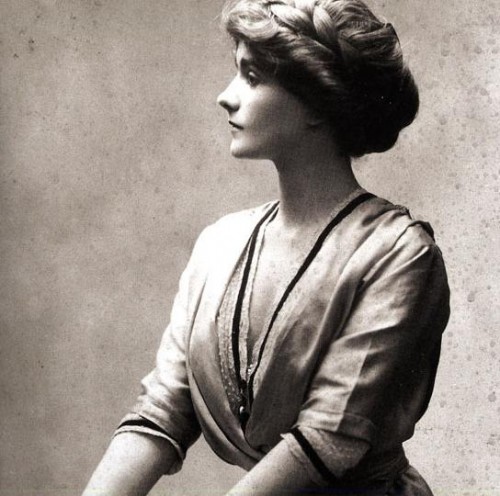
Coco Chanel at the age of 23
. Coco & Etienne Balsan
.
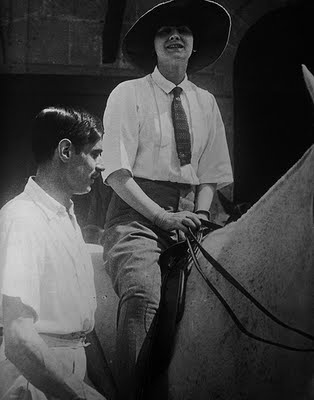
When Coco Chanel lived with Etienne Balsan at Royallieu, she started wearing men’s clothes
.
Coco Chanel & Boy Capel, 1912
.
Coco & Adrienne in 1913, in front of Coco’s first boutique in Deauville
.
“Hard times arouse an instinctive desire for authenticity.”
.
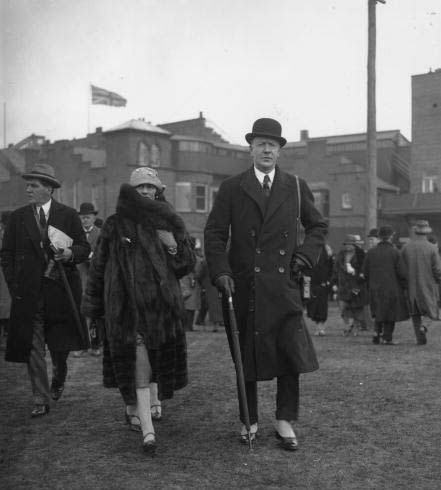
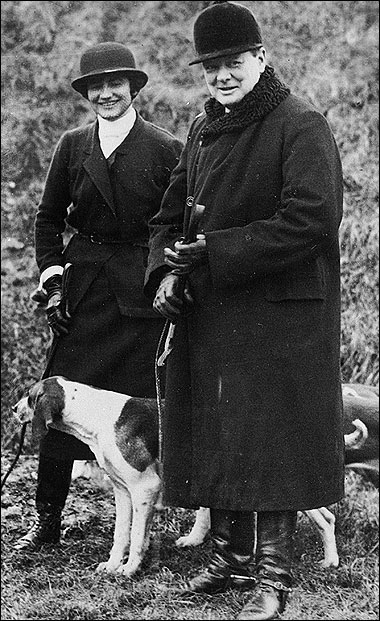
Coco & Bendor, the Duke of Westminster, at the Grand National racetrack
.
Coco & Winston Churchill
.
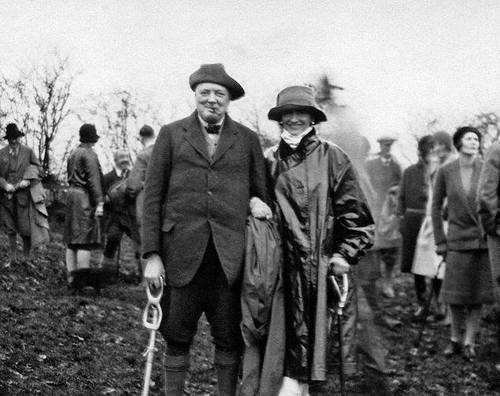
Coco & Winston Churchill
.
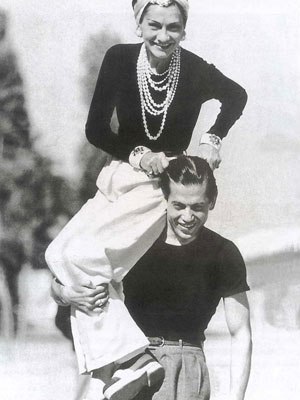
Coco & Serge Lifar (The principal dancer of Diaghilev’s Ballets Russes during its final years in the late 1920’s)
.
Coco photographed by Cecil Beaton, 1937
.
.
“A girl should be two things: classy and fabulous.”
.
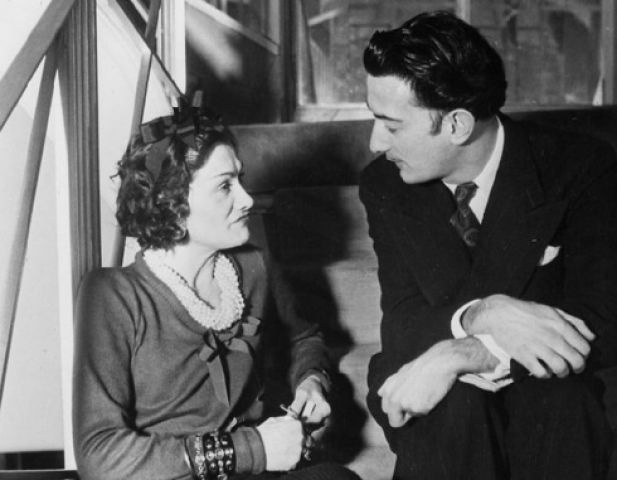
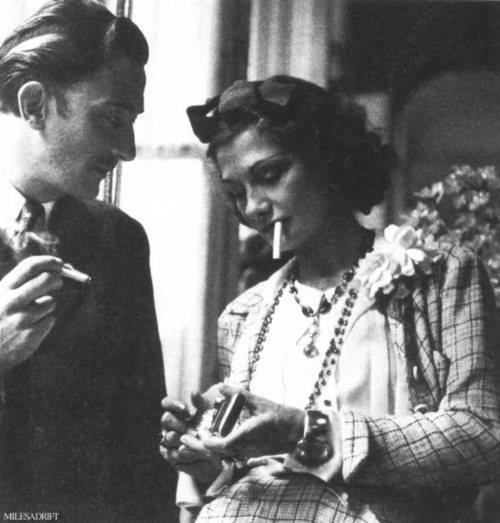
Coco & Salvador Dalí
.
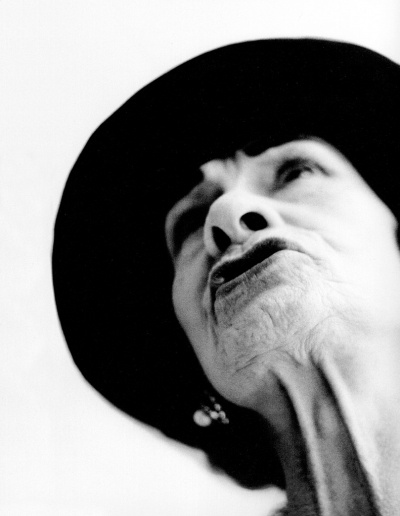
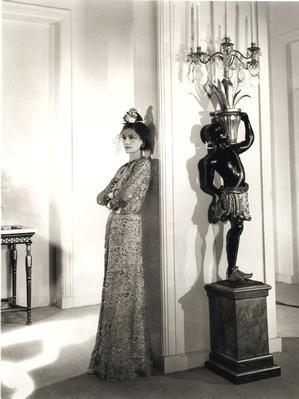
Coco Chanel at 50 by George Hoyningen-Huene
.
.
“Dress shabbily and they remember the dress; dress impeccably and they remember the woman.”
.
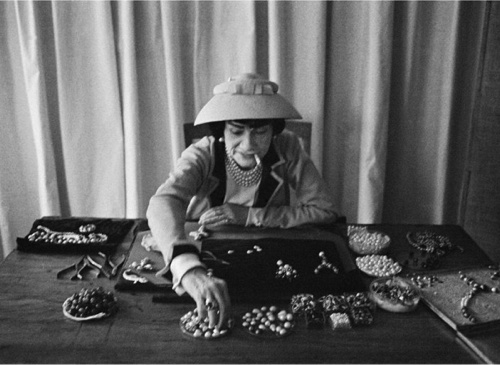
Coco working on het beloved jewelry
.
.
“Fashion has become a joke. The designers have forgotten that there are women inside the dresses. Most women dress for men and want to be admired. But they must also be able to move, to get into a car without bursting their seams! Clothes must have a natural shape.”
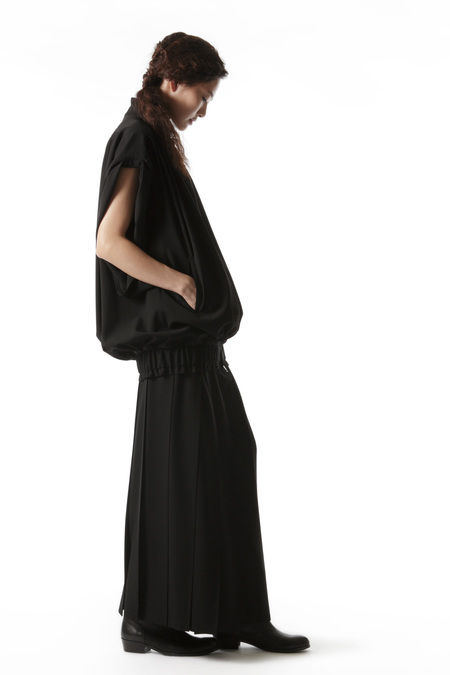
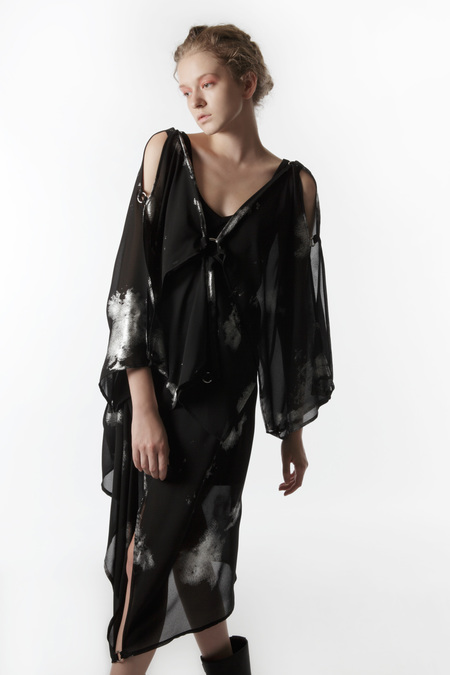
Feu means fire, and there’s a lot of fight in Limi.
Born in 1974 by the famous fashion designer Yohji Yamamoto, it was not surprisingly that Limi Yamamoto chose a creative path and took up fashion studies at Bunka Fashion College and is now one of Japan’s most promising fashion designers.
She started work as a pattern maker for the Y’s line of Yohji Yamamoto Inc. in 1996. After working 2 years as a pattern maker for Y’s, she started her very own label named Y’s bis LIMI in year of 1999 and presented her first 2000 autumn/winter collection in Tokyo. In 2002, the brand was renamed as LIMI feuand with a huge success, Limi further expanded her fashion territory to Paris and debuted her 2008 spring/summer collection there obtaining praises immediately.. In 2009, she was awarded the Designer of the Year awardby the 51st Fashion Editor’s Club of Japan.
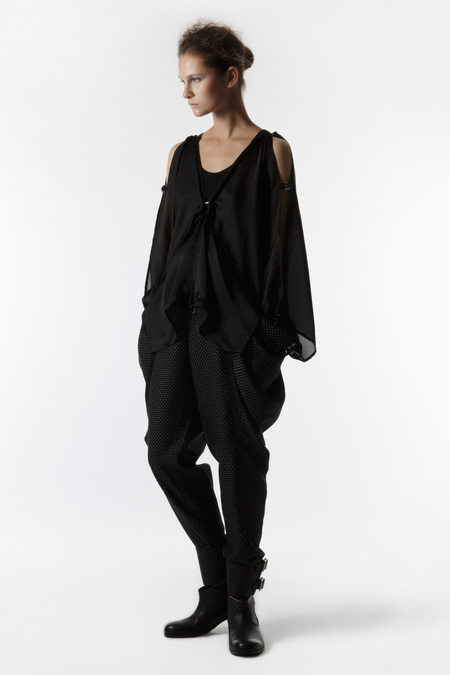
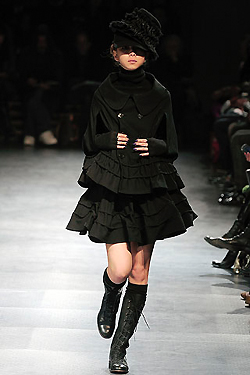
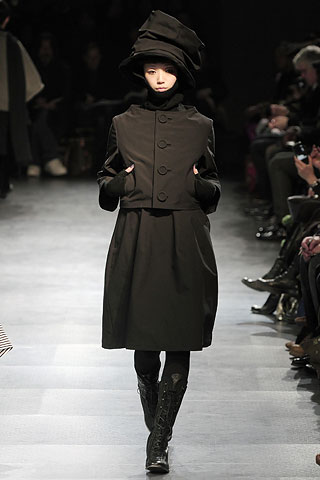
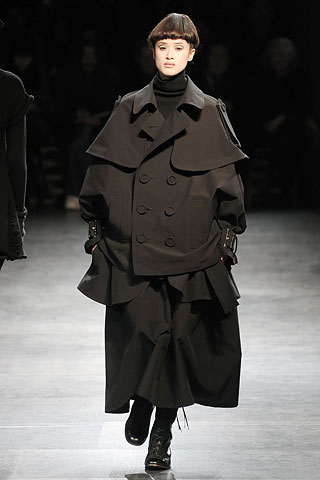
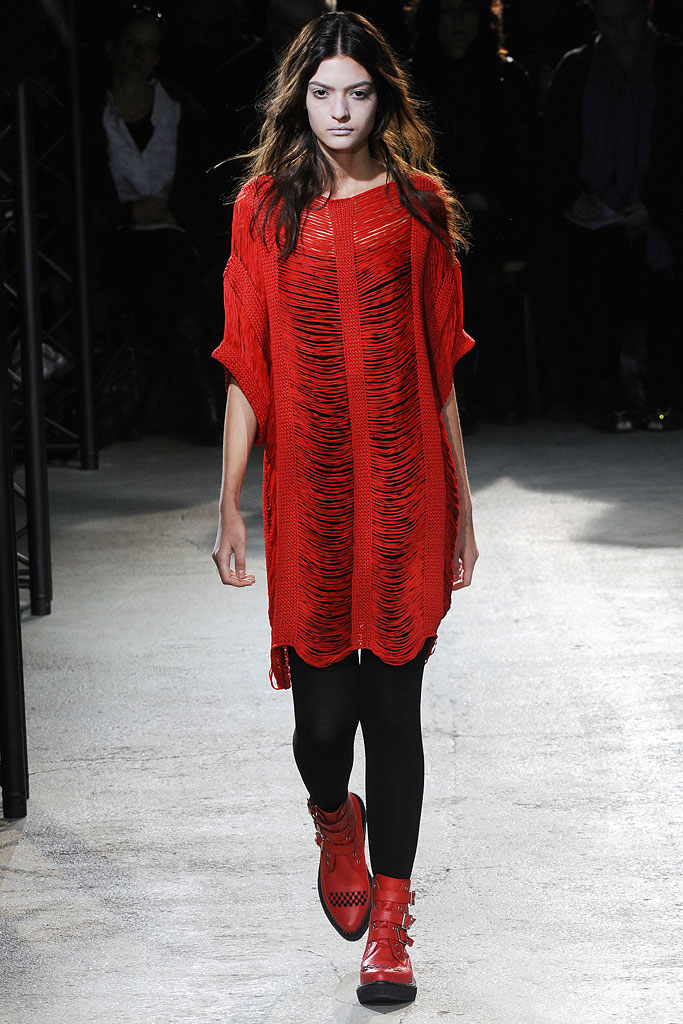
LIMI feu spring 2013
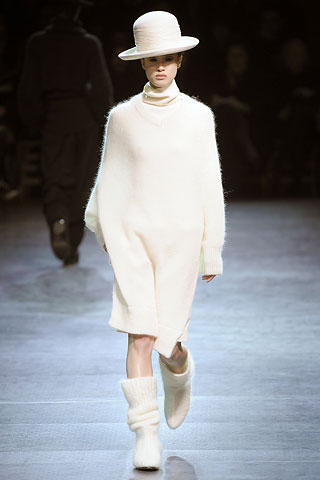
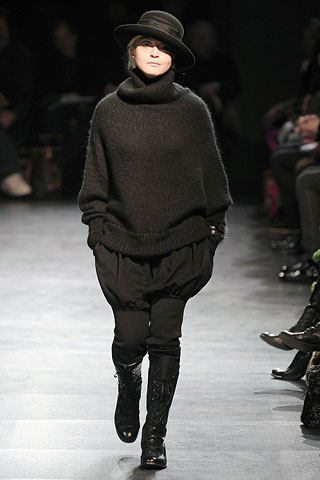
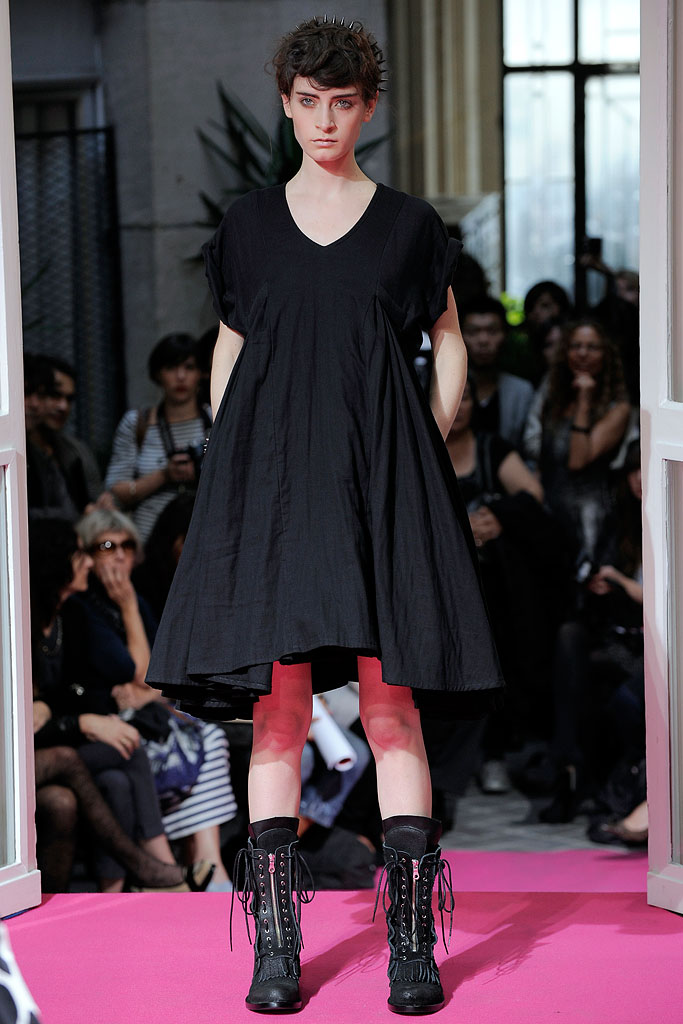
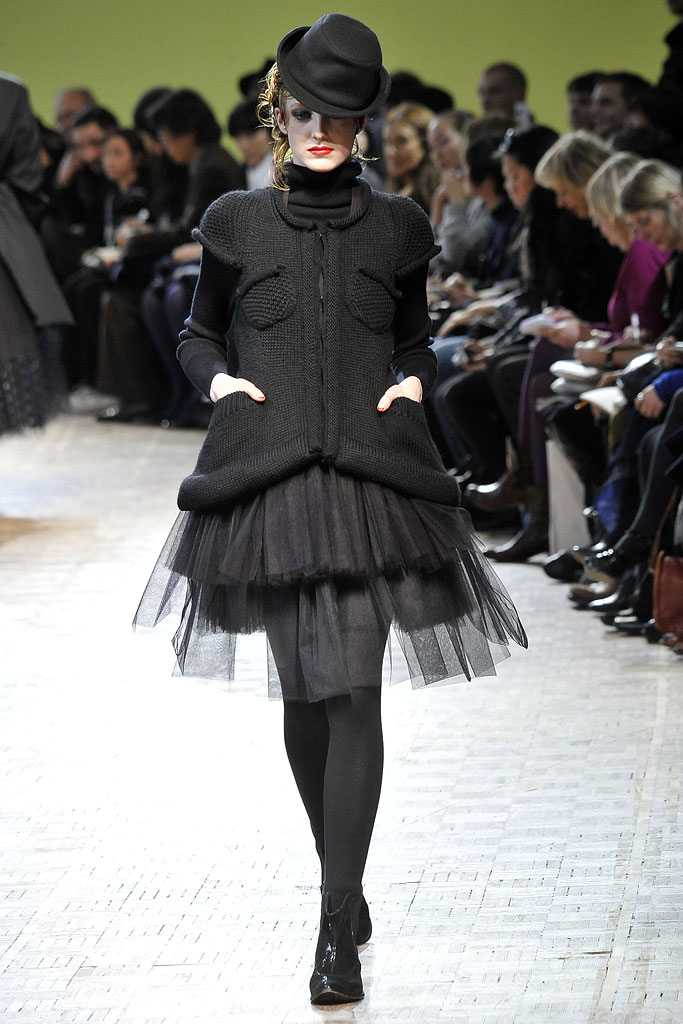
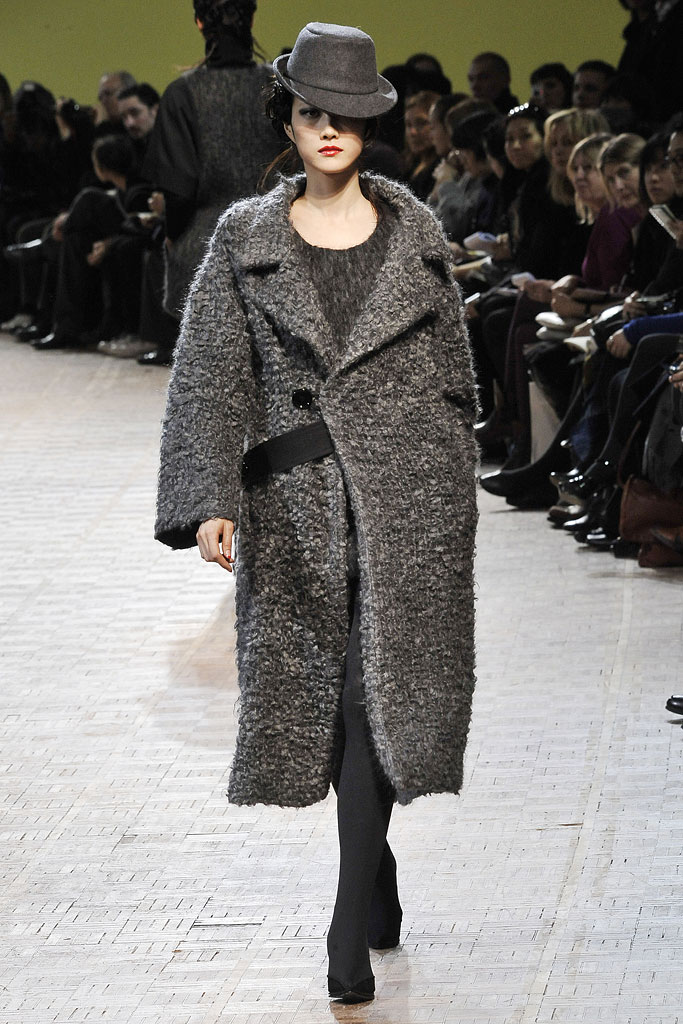
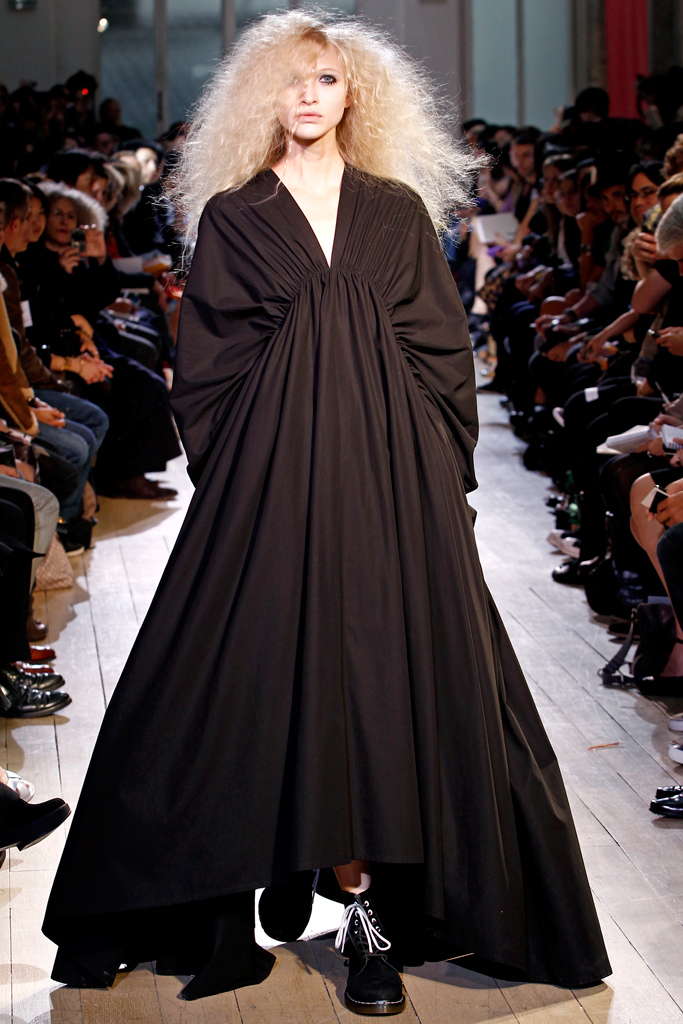
In one interview, when asked how Limi’s style differs from the style of her famous dad), the designer replied simply: “by the fact that I’m a woman”. If the question was what they have in common, it would be that they are both Japanese. Where the designs of Yohji are considered to be more romantic, the clothes of Limi are femininely sensual. Her signature is, first of all, in the volume: the garments are oversized, as if migrated from the men’s wardrobe to women’s as well as the combination of military style and delicate floral prints on the same coat, or those funny high bowlers. At one show several men came out on the runway which had the audience wondering if Limi has launched a men’s collection. “Ah non,” exclaimed one of her French staff. “It’s just that in Japan men often borrow LIMI feu from their girlfriends closets so she wanted to play with that”.
LIMI feu catwalk pictures
. A tribute to that infinitely complex and perfected very “Japanese” cut is in order: that black-white-grey palette, only occasionally broken by the bright colour splashes of blue, red or their mosaic combination, and that seemingly simple maximally elongated male snow-white shirt, and the curiosity of the trousers with strap,; and short leather jackets with inevitable motorcycle boots. Sensuous rock and roll on the verge of anguish, or simply on the verge of.. male and female.
“She made it” declared a beaming Yohji after his daughter’s Paris debut. And papa had every reason to be proud: The collection was a walking advertisement for fashion DNA.
.
.
.
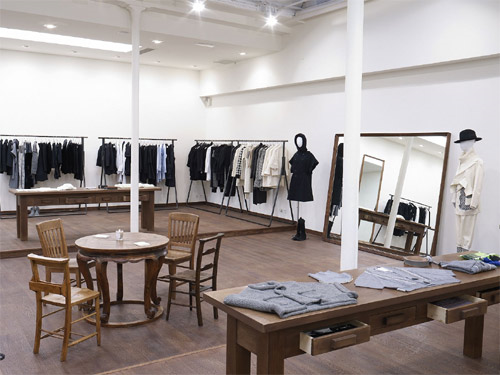
Boutique in Paris
Situé dans le deuxième arrondissement, au 13 rue de Turbigo.
.
LIMI feu Prankster
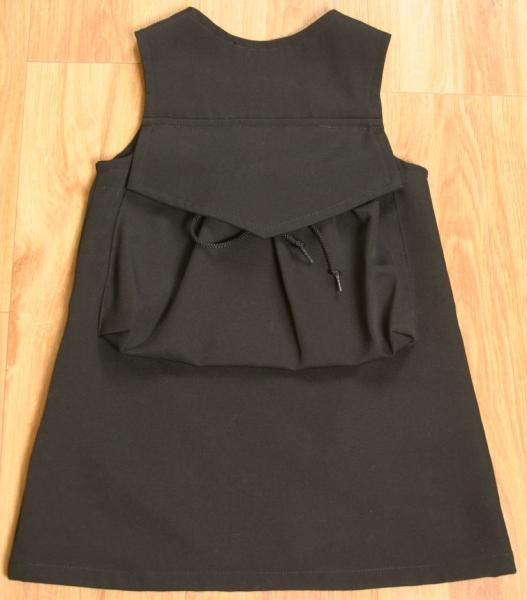
LIMI feu also produces a kid collection called LIMI feu Pranster, which is very popular in Japan.
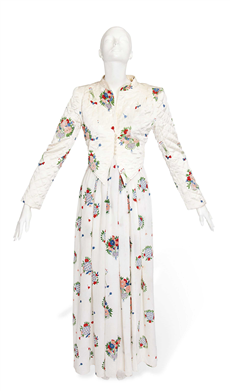
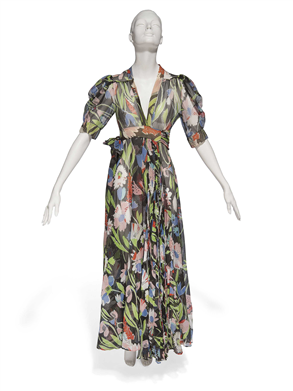
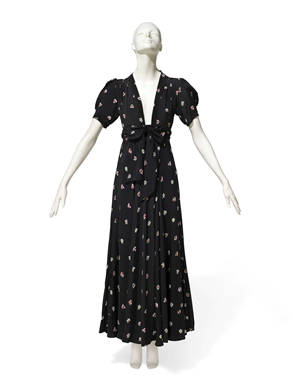
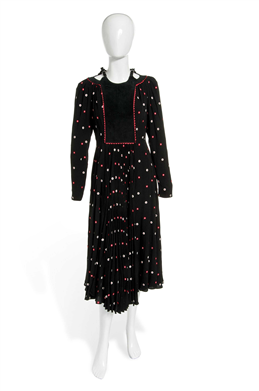
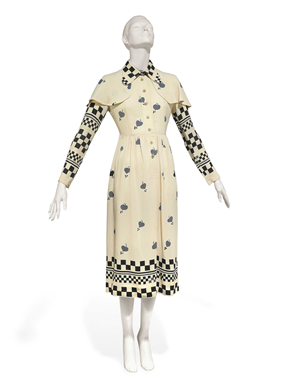
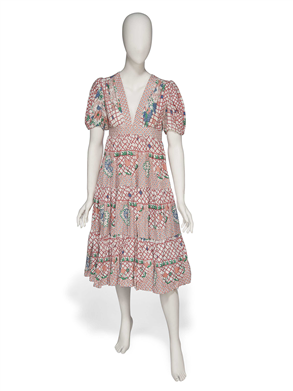
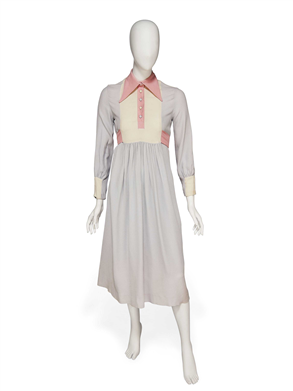
My friend Eddy send me an email this week, with a link to the Christie’s Online Auctions : The Suzy Menkes Collection. Some spectaculair garments are for sale, specially the very sought after Ossie Clark/Celia Birtwellpieces are rare to be found.
.
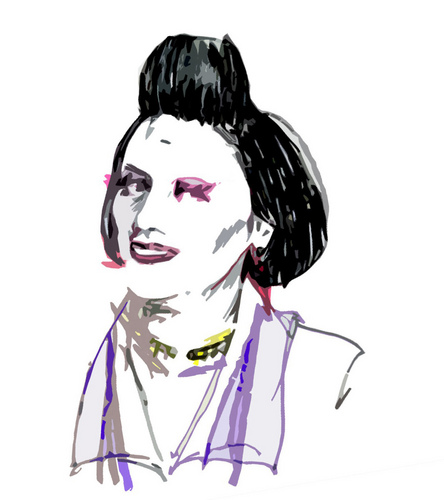
Suzy Menkes is an iconic fashion journalist who is held in the highest esteem by designers, models, fellow journalists and fashion followers around the globe. Comprising just over 90 lots, the collection features an inspiring array of dresses, coats, skirts, jackets and accessories by a cross spectrum of the most revered names in fashion from Ossie Clark and Emilio Pucci, to Yves Saint Laurent and Christian Lacroix. All the pieces highlight Suzy’s beliefs that colour and pattern make every day joyous and that clothes are like friends: they have to complement your personality, your hopes and desires.

 Costumes of light






















 agnautacouture.com