Peggy Moffitt in Blow-Up & Comme Des Garçons

2 Dec

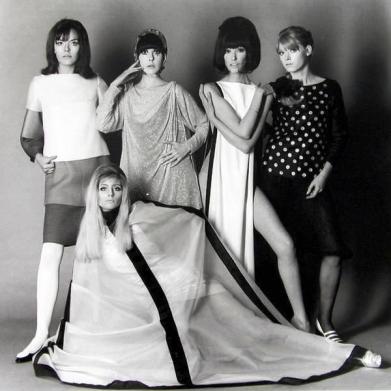
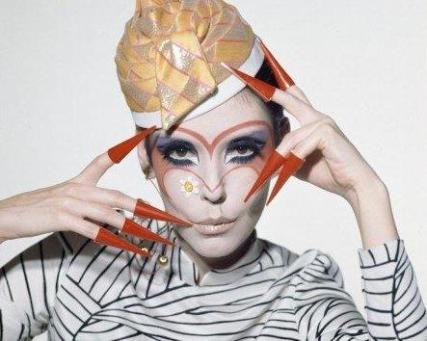
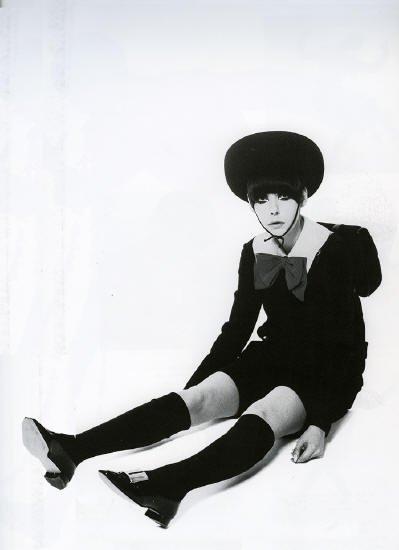
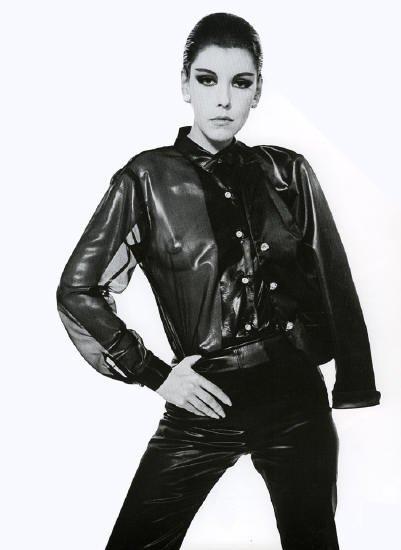
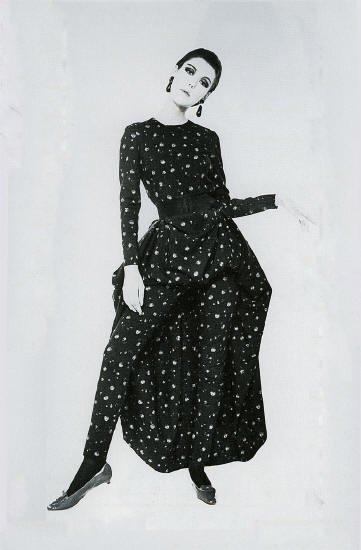
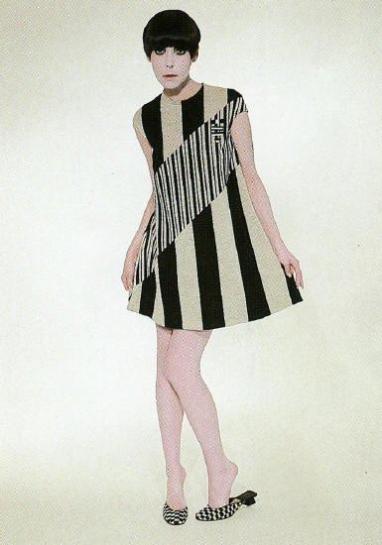
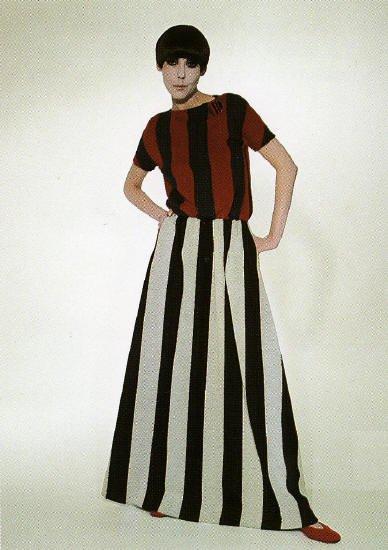
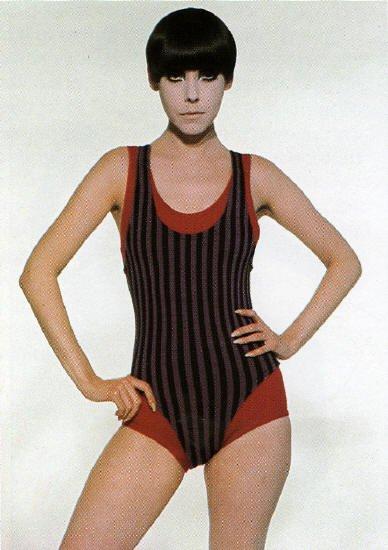
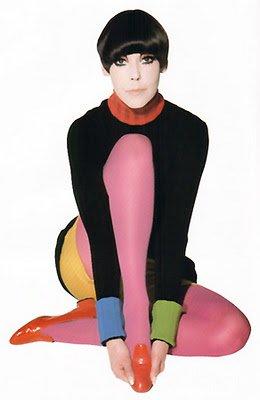
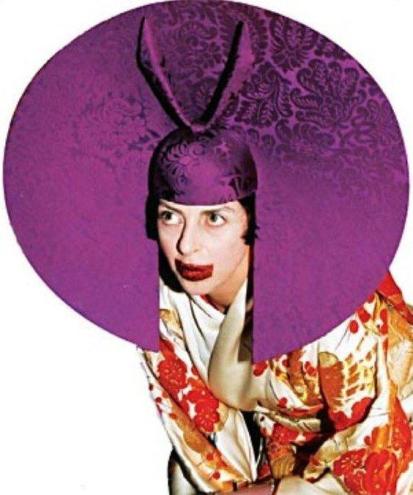
Peggy Moffitt (born in California in 1939) was during the 1960s a premier model and muse for the late fashion designer Rudi Gernreich. She developed a signature style that featured heavy, Kabuki-like makeup and an asymmetrical hair cut.

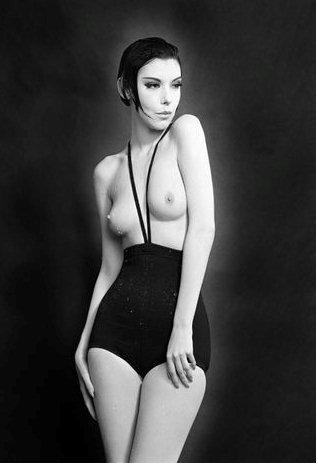
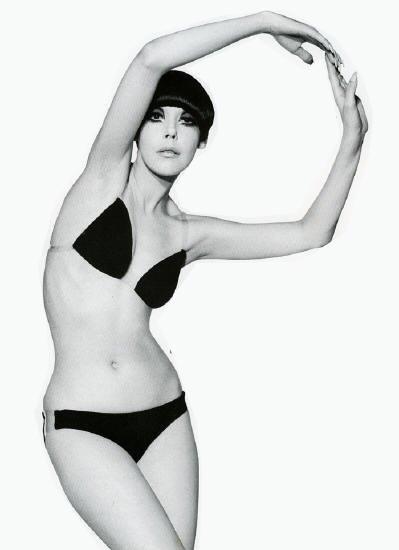
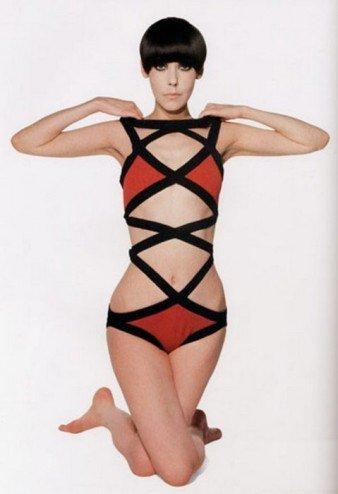
Though her unique look has now become iconic of the 60s fashion scene, Peggy started out pursuing a career in film, beginning with an uncredited role in the 1955 film ‘You’re Never Too Young’. As a model, she developed a signature style, including false eyelashes and heavy eye makeup, drawing on Japanese Kabuki theater. Her hairstyle, an asymmetrical bowl cut, created by Vidal Sassoon, became known as the ‘five point’. Her unique look became an icon of the 1960s fashion scene. In 1964, she made international headlines when she was photographed by her husband since 1960 William Claxton wearing Gernreich’s famous topless monokini bathing suit. Peggy was one of the few models bold enough at the time to model it…..
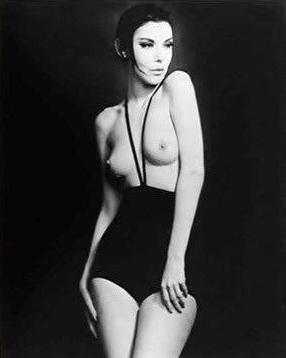
Peggy’s career in film never took off, but she appeared in a film entitled ‘Who Are You, Polly Magoo’ and in Michelangelo Antonioni’s ‘Blow-Up’.

Peggy Moffitt & Antonioni’s Blow-Up
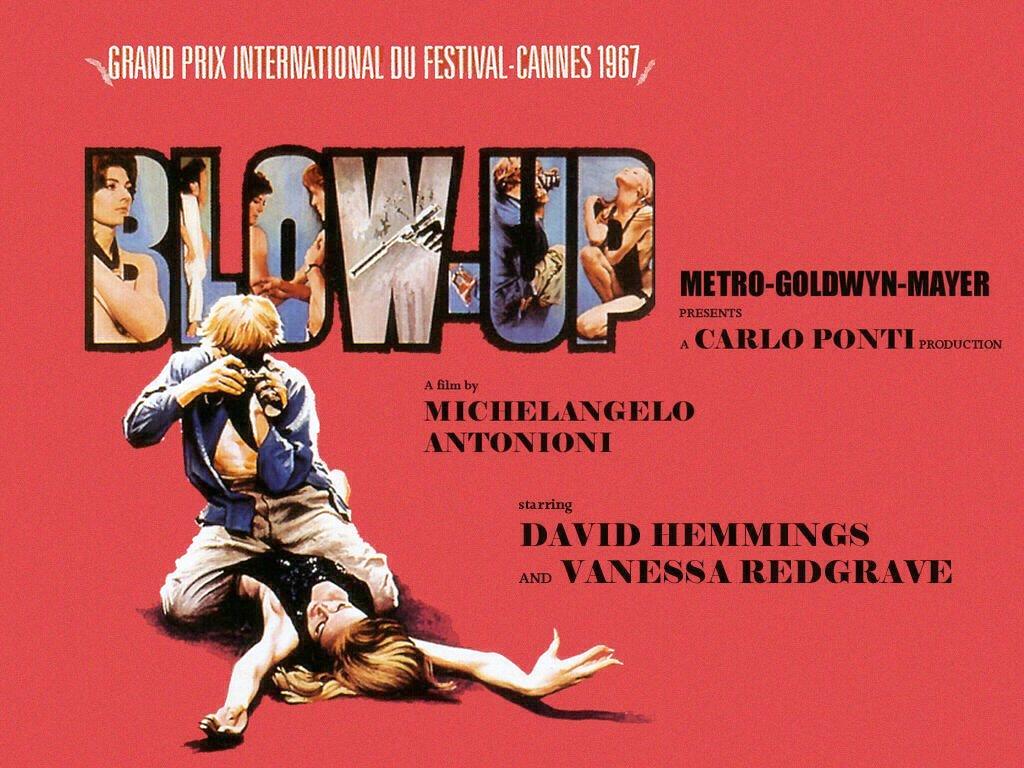
‘A mod London photographer seems to find something very suspicious in the shots he has taken of a mysterious beauty in a desolate park’

Blow-Up is filmed in London during the sixties. David Hemmings leading movie-character, a fashion photographer, is based on David Bailey, who was the it photographer at the time.  Other people starring in the movie are: Vanessa Redgrave, Sarah Miles, John Castle and sixties model Veruschka. Also appearing in the movie are Jane Birkin, Peggy Moffitt and The Yardbirds.
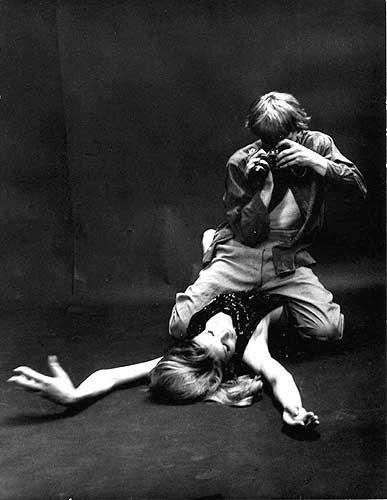
The movie has become iconic for the theme, the cast and the fashion photo shoot scenes. The first is the scene with Veruschka and the second is the scene in which David Hemmings has to do a fashion shoot with five models (Peggy Moffitt among them).
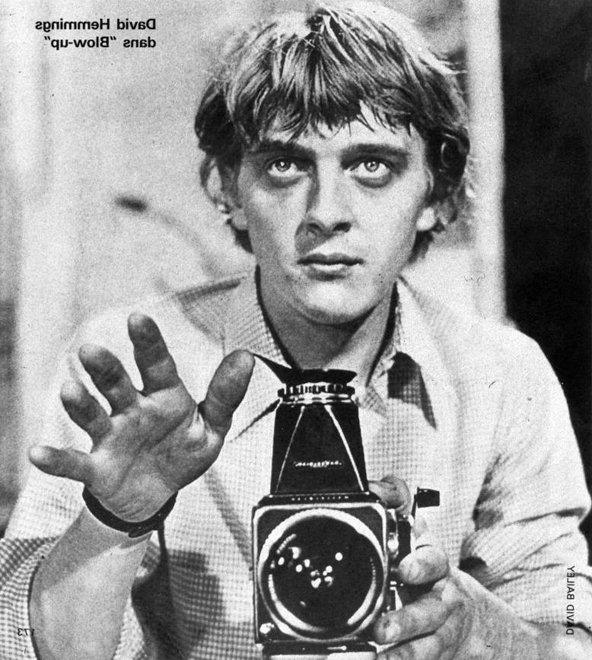
The plot is a day in the life of a glamorous fashion photographer. It begins after spending the night at a doss house, where he has taken pictures for a book of art photos. He is late for a photo shoot with Veruschka at his studio, which in turn makes him late for a shoot with other models later in the morning. He grows bored and walks off, leaving the models and production staff in the lurch. As he leaves the studio, two teenage girls who are aspiring models (Jane Birkin plays one of them) ask to speak with him, but the photographer drives off to look at an antiques shop. Wandering into Maryon Park, he takes photos of two lovers. The woman (Vanessa Redgrave) is furious at being photographed. The photographer then meets his agent for lunch, and notices a man following him and looking into his car. Back at his studio, Redgrave arrives asking for the film, but he deliberately hands her a different roll. She in turn writes down a false telephone number to give to him. His many enlargements of the black and white film are grainy but seem to show a body in the grass and a killer lurking in the trees with a gun. He is disturbed by a knock on the door, but it is the two girls again, with whom he has a romp in his studio and falls asleep. Awakening, he finds they hope he will photograph them but he tells them to leave, saying, “Tomorrow! Tomorrow!”

As evening falls, the photographer goes back to the park and finds a body, but he has not brought his camera and is scared off by a twig breaking, as if being stepped on. The photographer returns to his studio to find that all the negatives and prints are gone except for one very grainy blowup showing the body. After driving into town, he sees Redgrave and follows her into a club where The Yardbirds, featuring both Jimmy Page and Jeff Beck on guitar, are seen playing. At a drug-drenched party in a house on the Thames near central London, he finds both Veruschka – who had told him that she was going to Paris, and when confronted, she says she is in Paris – and his agent, whom he wants to bring to the park as a witness. However, the photographer cannot put across what he has photographed. Waking up in the house at sunrise, he goes back to the park alone, but the body is gone.

Befuddled, he watches a mimed tennis match, is drawn into it, picks up the imaginary ball and throws it back to the two players. While he watches the mime, the sound of the ball being played is heard. As the photographer watches this mimed match alone on the lawn, his image fades away, leaving only the grass as the film ends.

The film grossed $20 million (about $120 million today) on a $1.8 million budget and helped liberate Hollywood from its puritanical prurience.

.

Blow-Up fashion shoot scene

.

Blow-Up scene with Veruschka

.

http://www.amazon.com/Blow-Up-David-Hemmings/dp/B0000WN0ZK/ref=sr_1_1?ie=UTF8&qid=1353939241&sr=8-1&keywords=blow-up+dvd

After Gernreich’s death, she retained legal rights to his designs and arranged for his designs to be displayed in an art exhibition. She also collaborated with Marylou Luther and photographer Claxton to release a comprehensive book chronicling Gernreich’s designs.

.

Peggy Moffitt & Comme des Garçons

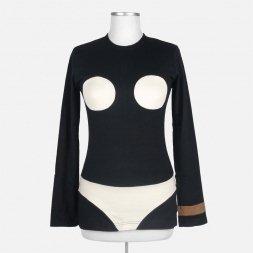
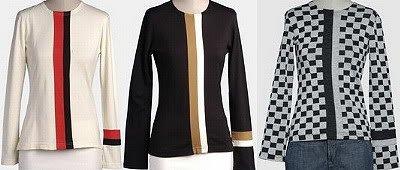
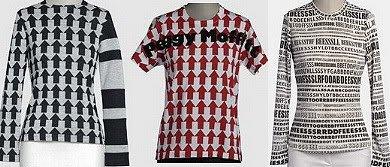
Peggy’s resurge for the book led to contact with Comme des Garçons designer Rei Kawakubo and together they went over the Gernreich archives and selected key pieces to be re-created under the Comme des Garçons label as the Moffitt line, which also contained a series of t-shirts depicting Peggy Moffitt’s image…

The Chicago band The Handcuffs feature the song “Peggy Moffitt” on their debut album Model for a Revolution, with famous photographs of the revolutionary model on the CD cover. Boyd Rice and Giddle Partridge released a limited edition vinyl called Going Steady With Peggy Moffitt in 2008.

.

Peggy Moffitt, Muse & Model for Rudi Gernreich

.
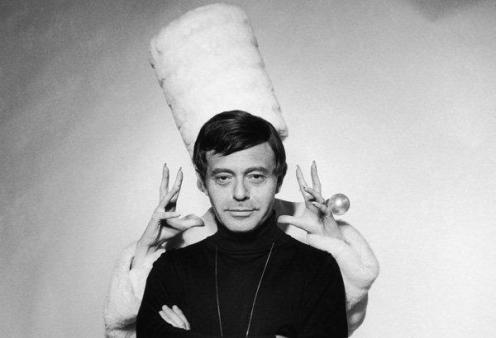
Rudi Gernreich, misunderstood Fashion Prophet….

25 Nov
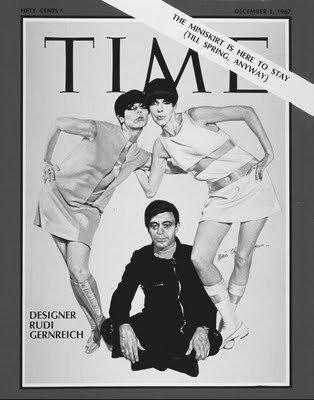
Although Rudi Gernreich is listed on ‘All-TIME 100 Fashion Icons’, his name is not as well-known as Dior, Balenciaga or Courréges. Perhaps because of his geographic detachment from the centers of fashion and the fact that he refused to show in Paris, but Rudi Gernreich had just as much influence on women’s appearance, especially during the 1960s and 1970s.
Rudolph (Rudi) Gernreich was born in Vienna, Austria, in 1922. His father was a hosiery manufacturer and his aunt kept a dress shop in which Rudi worked as a teenager. In 1938 with numerous other refugees, Rudi fled to the USA and settled in California. From 1942 to 1948 he worked with a dance troupe as a dancer and costume designer. In 1948, he became a freelance fashion designer. He toiled (to make the first garment in white cotton, before the pattern becomes definitive and goes in production)  for a 7th Avenue firm making copies of Paris couture garments but really hated it. In 1951, he formed a partnership with manufacturer Walter Bass to supply clothes to Jax, a Los Angeles boutique.
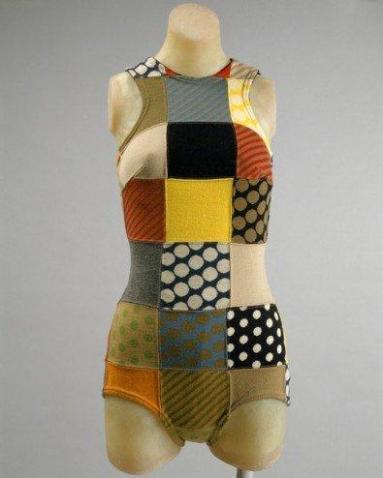
Some years later, he opened his own company G.R. Designs Inc. which became named Rudi Gernreich Inc in 1964. Being a dancer himself, Rudi was interested in liberating the body from the limitations of clothing surfaced in his early swimwear designs of 1952 in which he eliminated the complicated boned and underpinned interior construction that had been obligatory in the 1950s. He revived the knitted swimsuit or ‘maillot’  of the 1920s, which he elasticized to  follow the shape of the body. These experiments were continued in his  knitted tube dresses of 1953. He was awarded the prestigious Coty Award for American designers in 1960. In the early 1960s Rudi opened a Seventh Avenue showroom in New York where he showed his popular designs for Harmon knitwear and his own more expensive line of experimental garments.
During the decade Rudi Gernreich acquired a reputation for being the most radical designer in America; his designs included the jacket with one notched and one rounded lapel, tuxedos made of white satin, and the topless bathing suit’ named Monokini of 1964, which reflected the new vogue for topless sunbathing. It was worn by Peggy Moffitt, his favourite model.
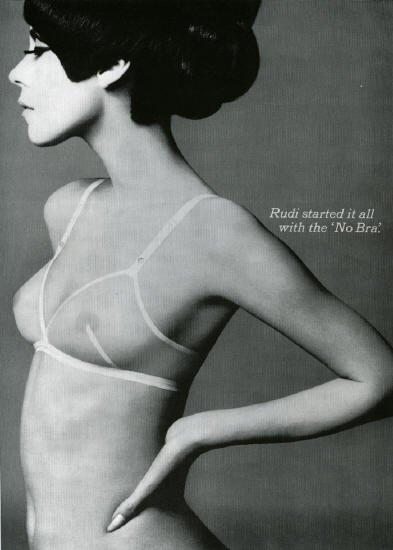
Rudi Gernreich’s freeing of the breasts was a social statement, somehow part of the emancipation of women, and a portent of the unfettering of the breast by the women’s movement in the 1970s. Rudi invented the ‘no bra’ bra in 1964, a soft nylon bra with no padding or boning in which breasts assumed their natural shape, rather than being  molded into an aesthetic ideal. This kind of bra was later traded in again for boned and padded ones, because it didn’t do much good for breasts in the long ran…..
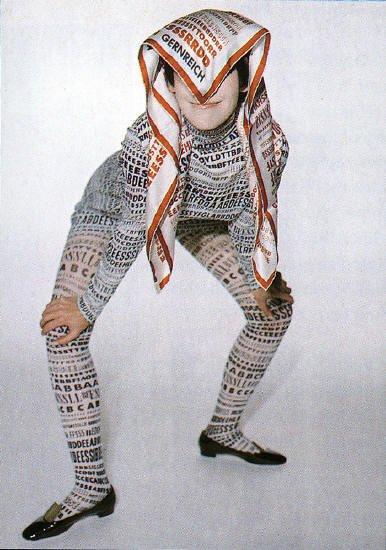
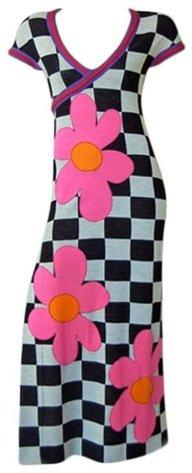
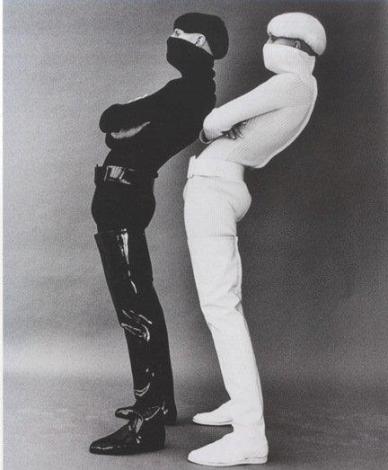
Rudi was the first to design unisex/interchangeable clothes for men and women such as floor-length kaftans or white knit bell-bottomed trousers and matching black and white midriff tops, and even, in 1975, Y-front underwear for women. Other designs included the first chiffon t-shirt dress, see-through blouses, coordinated outfits of dresses, handbags, hats and stockings known as the Total Look, mini dresses inset with clear vinyl stripes and the  thong bathing suit, cut high to expose the buttocks. He experimented constantly with the potentials of different materials using cutouts, vinyl and plastic, and mixing patterns such as checks with dots.
Rudi was interested less in the details and decorations of clothes and more in how they looked in motion. In the 1950s he was designing relaxed, comfortable clothes fabricated out of wool, jersey, and other malleable materials, usually in solid colors or geometric shapes and checks. During the next decade he went on to use unusual fabrics and bold color disharmonies such as orange and blue or red and purple.
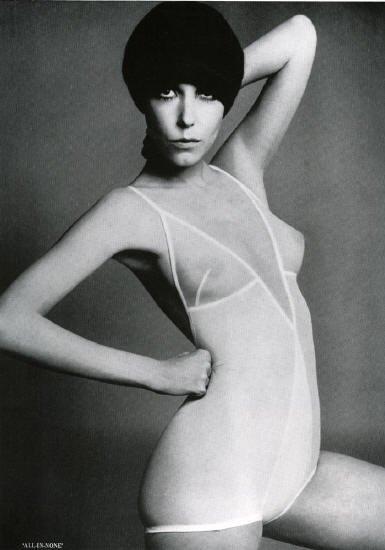
In 1964 corset manufacturers Warner Brothers Co., commissioned Rudi to design a bodystocking made of flesh coloured stretch nylon. He was quite creative, he did leggings, designed furniture, stockings, even gourmet soups, as well as clothing for children and menswear.His boxer shorts for women predated the 80’s version by about 8 years. In 1971 he had a Military look collection and showroom models carried rifles. At the time the Viet Nam war was going on.
.

Rudi Gernreich designs


Peggy Moffitt : ‘He seamed to be 30 years ahead of time. Rudi Gernreich is a widely misunderstood fashion prophet….’

His notion of freeing the body was  taken to its logical extreme in his last design statement, the pubikini,  which appeared in 1982, revealing the model’s dyed and shaped pubic hair.
.
In the USA, Rudi Gernreich was an influential co-founder of the Mattachine Society, the USA’s first gay liberation movement.
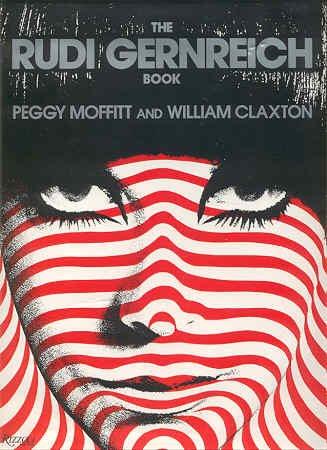
Rudi Gernreich died in 1985. In 1992, his favourite model Peggy Moffitt and her husband photographer William Claxton collaborated and published a book called ‘The Rudi Gernreich Book’ detailing all the fashion ideas of Gernreich and his wonderful clothes. She explained that he was a widely misunderstood fashion prophet, who came up with all today’s trends yesterday. In the year 2000, the city of New York decided to honour American fashion designers by placing bronze plaques along 7th Avenue, the great street of fashion in New York. This has been called the “FASHION WALK OF FAME.” Rudi Gernreich was one of those honoured.
.
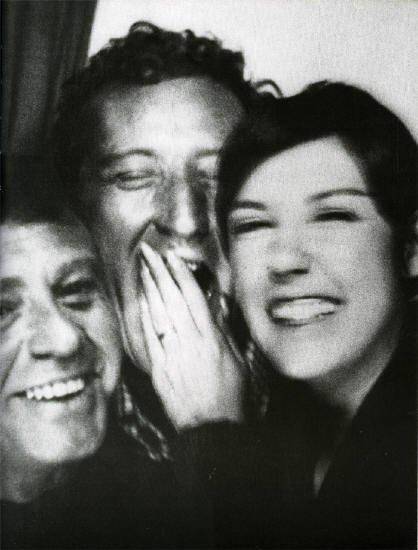
Rudi Gernreich’s legacy, which was celebrated with an exhibit at MOCA in Los Angeles, hasn’t been forgotten and their will be a relaunch. Most information is still a mystery, but the man backing the business venture is a ‘German entrepreneur’ and while the global trademark rights have been obtained, the brand is still in need of a designer. The first runway show is expected in 2014….
.
(Almost all pictures in this post are made by William Claxton)
Next week: Peggy Moffitt

Isabella Blow lived fashion like no other

18 Nov

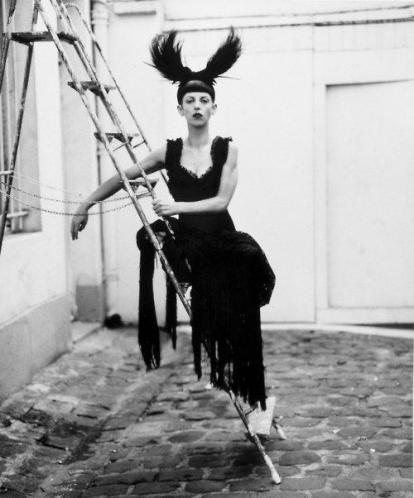
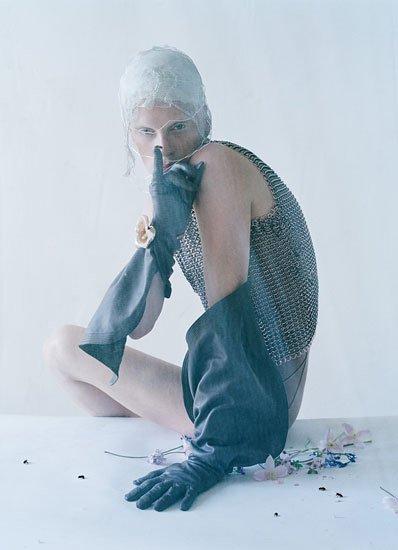
Dressed as Joan of Arc in costume armour with a  chain mail headdress, it was a typically dramatic picture of Isabella Blow and  as part of a prestigious feature on British fashion icons in Vanity Fair  magazine, it should have been one of the crowning glories of a legendary career.


Isabella Delves Broughton (Issie) was born 19 November 1958  in Marylebone, London. Isabella had two sisters, Julia and Lavinia, and a brother, John, who drowned in the family’s swimming pool at the age of two. In 1972, when she was 14, her parents separated and her mother left the household, bidding each daughter farewell with a handshake. Her parents divorced two years later. Isabella did not get along with her father, who bequeathed her only £5,000 from his estate, which was worth more than one million pounds.

Isabella Blow……I‘ve done the most peculiar jobs. I was working in a scone shop for years, selling apricot-studded scones. I was a cleaner in London for two years. I wore a handkerchief with knots on the side, and my cousin saw me in the post office and said, What are you doing? I said, What do you think I look like I’m doing? I’m a cleaner!

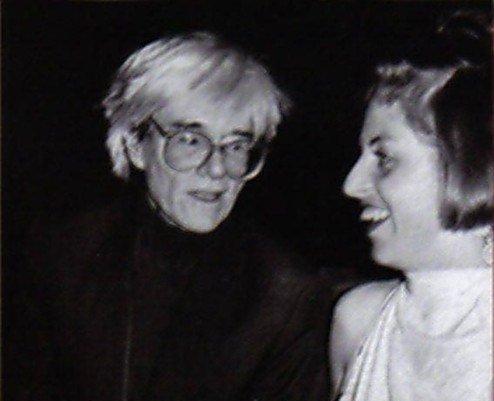
In 1979 Isabella moved to New York to study Ancient Chinese Art at Columbia University and shared a flat with the actress Catherine Oxenberg. A year later she moved to Texas and worked for Guy Laroche. In 1981, Issie married her first husband, Nicholas Taylor (whom she divorced in 1983), and was introduced to the fashion director of American Vogue, Anna Wintour. She was hired initially as Wintour’s assistant, but it was not long before she was assisting Andre Leon Talley, now Vogue’s editor-at-large. While working in New York, she befriended Andy Warhol and Jean-Michel Basquiat. Both ended up doing assignments for Vogue as a result of  Issie’s introductions.

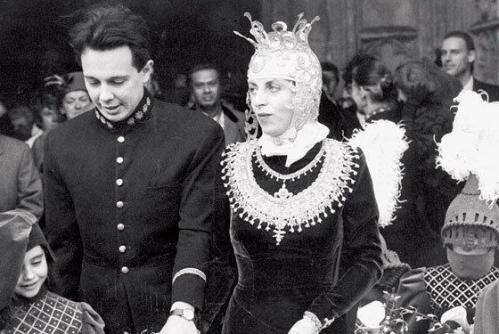
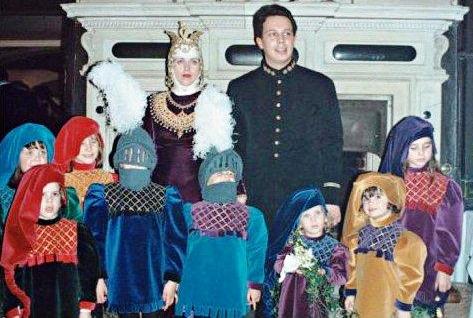
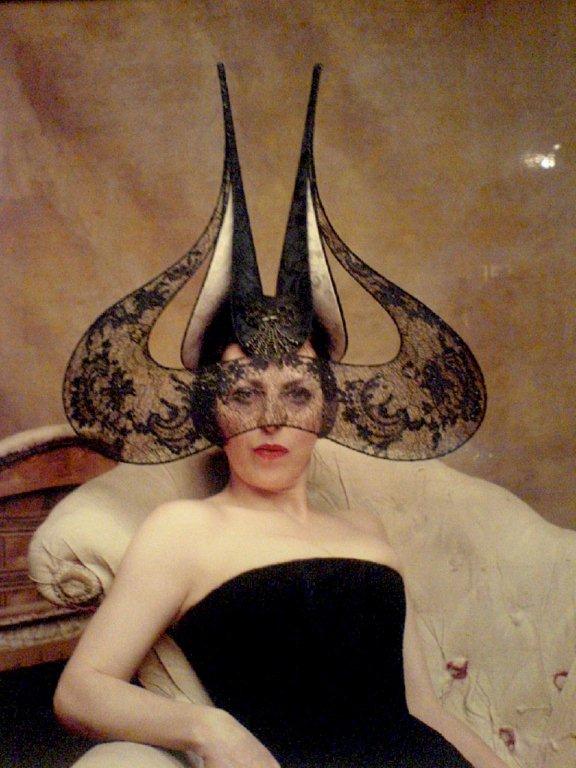
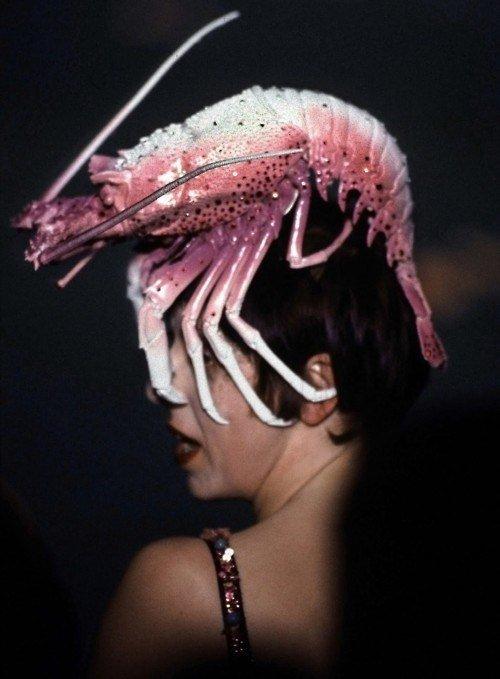
In 1986, Isabella Blow returned to London and worked for fashion director Michael Roberts (Tatler and the Sunday Times Style magazine). Two years later she married her second husband, art dealer Detmar Hamilton Blow (he is a grandson and namesake of the early 20th-century society architect Detmar Blow). Milliner Philip Treacy designed the bride’s wedding headdress and a now-famous fashion relationship was forged.

Why  the hats? ‘ ….to keep everyone away from me. They say, Oh, can I kiss you?  I say, No, thank you very much. That’s why I’ve worn the hat. Goodbye. I don’t want to be kissed by all and sundry. I want to be kissed by the people I love.

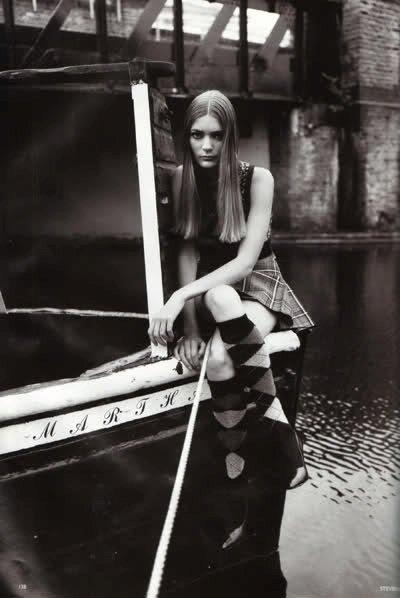
In 1993, Isabella worked with photographer Steven Meisel producing the Babes in London shoot featuring Stella Tennant, Plum Sykes, Bella Freud and Honor Fraser. Isabella had a natural sense of style and a good feeling for future fashion directions. Spotting Sophie Dahl, she described Dahl as “a blow up doll with brains”, and launched the model’s career. During the Babes shoot, Issie told Stella Tennant, ‘If I  make you famous, I want a bottle of my favourite perfume.’ A bottle of Fracas duly arrived. 

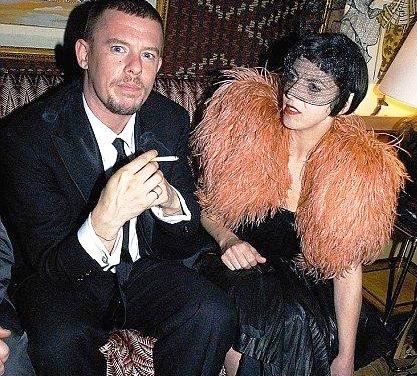
Isabella Blow & Alexander McQueen

Detmar Blow……One of the main reasons my wife became the fashion icon she did was because of her passion for combing the streets in her endless quest for new designers. And her biggest discovery was undoubtedly the incredible talent of Alexander McQueen. I clearly recall how she returned home in London’s Pimlico one evening in  June 1992, enraptured by the graduate show of a 23-year-old student from Central  St Martins College of Art and Design. There had been no seats left, so Issie simply sat on the stairs and watched  the clothes go past her. The student’s name was Lee Alexander McQueen. ‘Det, his clothes move like birds,’ she told me. ‘He can cut material like a god.’ From that very first moment, Issie, who was 33, knew that here was a fashion  genius, the likes of which are seen just once in a lifetime.

Isabella bought his entire postgraduate collection, which he presented to her in a binbag, for £5,000, paying in weekly installments of £100, and made herself part of his world. She introduced her favourite milliner to her favourite fashion designer, and the two have collaborated ever since. ‘They both love birds,‘ she explains.

Detmar Blow, recalls the deep bond that united the designer and his muse. I first met Alexander when Isabella invited him to live with us at 67 Elizabeth Street in Belgravia. We were on the top floor, Philip Treacy on the first, and Alexander was on the ground. Issie was working at British Vogue at the time.

Detmar Blow …Issie was the one who suggested that McQueen use his middle name, Alexander, for his designs, as she thought it sounded nobler  –  like Alexander the  Great. And she was a deeply significant creative influence for him, as he acknowledged when he dedicated his fourth show in 1994 to her.

In 1996 Alexander McQueen became chief designer at Givenchy, certainly not without Isabella’s help and determination. But Alexander didn’t give her a job, instead he took Katy England with him to Givenchy. Isabella was very hurt.

Detmar Blow…. his treatment of her, once he hit the big time as chief  designer at Givenchy in 1996, all the more deplorable. Brutally, after all the help she had given him, McQueen did not find a role  to give Issie at the fashion house. But, despite the hurt, Issie was determined to stay friends with her former protégé. She would continue to be given pride of place in the front row of his  shows and he was always welcome down at Hilles. But the balance of power had shifted….

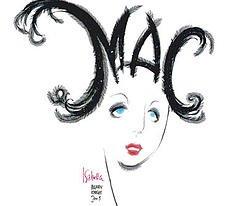
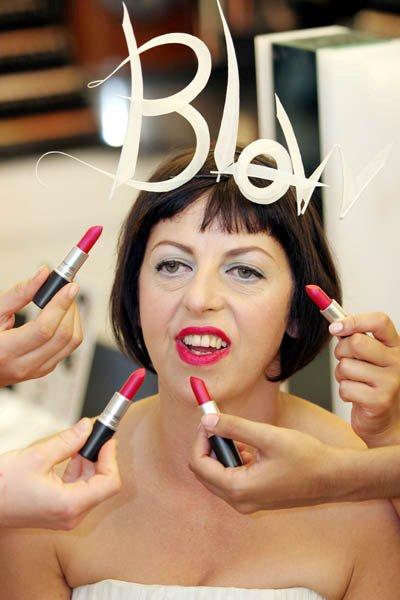
Isabella became fashion director of Tatler and consulted for DuPont Lycra, Lacoste, and Swarovski. In 2002, she became the subject of an exhibition entitled When Philip met Isabella, featuring sketches and photographs of her wearing Treacy’s hat designs. In 2004, she had a brief acting cameo in the film The Life Aquatic with Steve Zissou and in 2005 she starred in a project by artist Matthieu Laurette, commissioned and produced by Frieze Projects 2005 and entitled “What Do They Wear at Frieze Art Fair”. In the same year MAC cosmetics honoured her with a lipstick (named of course): Isabella. 

Toward the end of her life, Isabella had become seriously depressed and was reportedly anguished over her inability to “find a home in a world she influenced“. Although Isabella continued to produce incredibly creative shoots, her depression really took hold. In 2003, she had her first spell in a mental health clinic. On 6 May 2007 Isabella made her seventh suicide attempt. When Detmar got to her hospital bedside after she had swallowed poison (weedkiller), he dared hope she might survive, even though a nurse told me she was dying.

After her death, Detmar Blow confirmed that his wife suffered from depression and that she had once declared, “I’m fighting depression and I can’t beat it”.


At the funeral in 2007, Alexander McQueen was utterly devastated, distraught. Isabella was buried in McQueen, in a red-and-gold brocade dress. Alexander McQueen, Philip Treacy and her sister Julia helped dress the body.

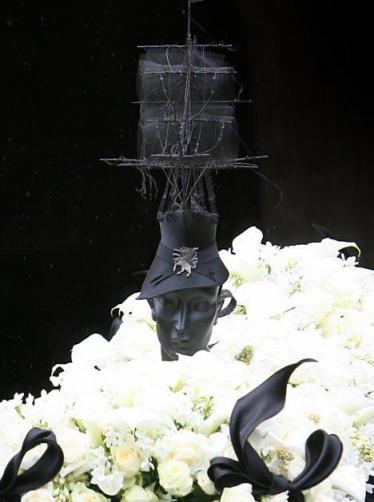
Alexander McQueen tribute Spring 2008 show: La Dame Bleue

On entering the white-on-white space the mood had an affectionate nostalgia for Issie Blow, whose favourite Robert Paguet scent, Fracas had been sprayed liberally around the room and pink boxes containing fragrance were on the seats: all denoted that this would be a fitting tribute ~ love was in the air. As her two most successful discoveries and close friends, Philip Treacy and Alexander McQueen collaborated on the show in tribute to Issie

.

.
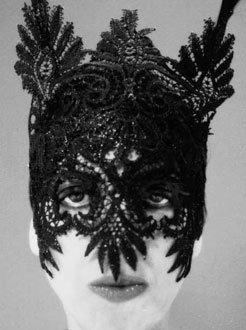
The brilliantly eccentric, beautiful and iconic Isabella Blow lived fashion like no other.

.
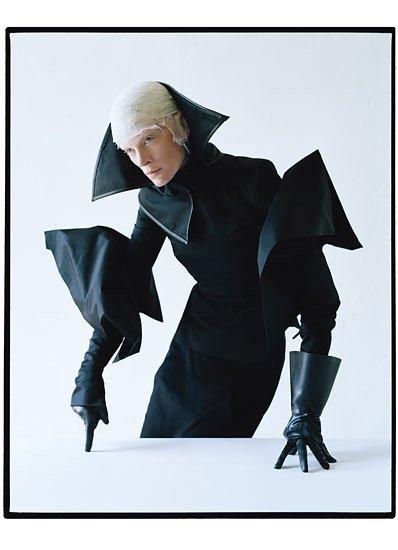
.
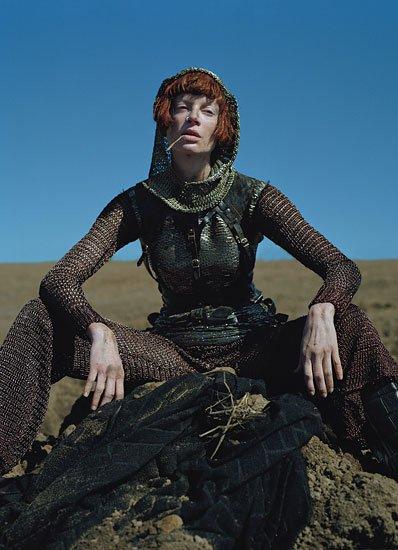
Queen Elizabeth I; Alexandra Byrne, Cate Blanchett & Kirsten McMenamy

11 Nov

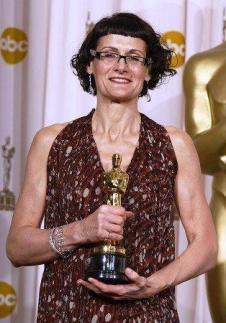
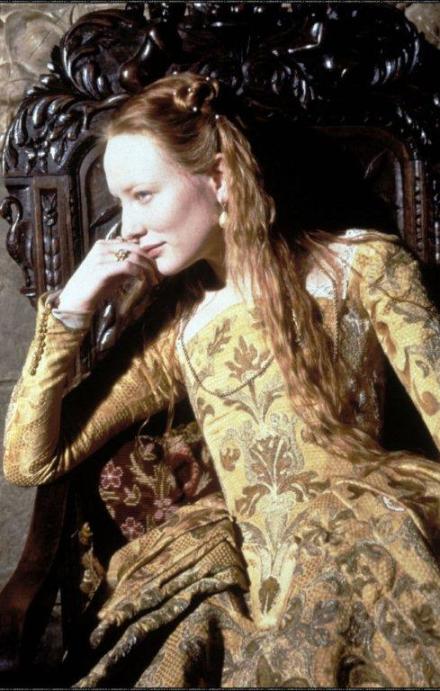
I love the costume drama’s  Elizabeth (1998) and Elizabeth: The Golden Age (2007) in which Cate Blanchett portrays Elizabeth I as a woman with great political and strategic knowledge, but also the feelings and doubts of a woman of real flesh and blood. Though not only Cate Blanchett’s performance is intriguing, her movie wardrobe consists of true masterpieces all designed by Alexandra Byrne, who got nominated for an Academy Award for Elizabeth I and won an Academy Award for Elizabeth: The Golden Age.

A vintage photograph that Alexandra Byrne posted on her costume mood board of a ruffled Spanish renaissance black velvet dress conceived by Cristóbal Balenciaga in 1941, was the overriding influence for Elizabeth’s court gowns.

Alexandra Burne confesses that she sacrificed historical accuracy to portray the splendorous wardrobe of the monarch who, at the height of her power, had 3.000 dresses in her wardrobe. Elizabeth’s jewelery was made by Erickson Beamen of Belgravia and her plumed heats by Christian Dior’s milliner, Stephen Jones.

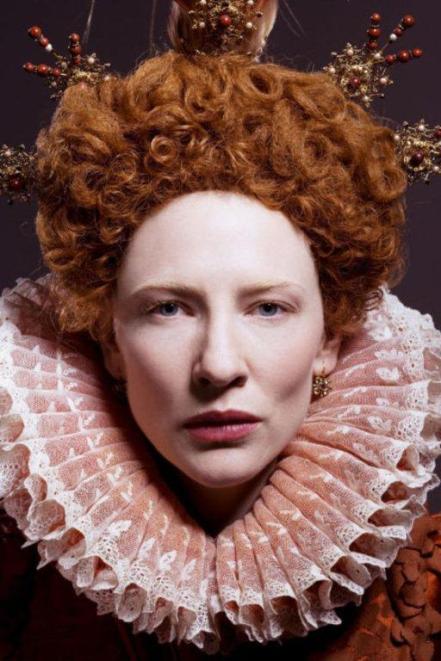
The End of the first movie Elizabeth I decides to marry nobody except England. She has her hair cut off by lady in waiting, Kat and assuming the white-faced and gowned persona of the Virgin Queen. A breathtaking movie-moment.

Cate Blanchett as Elizabeth I, photographed by Irvin Penn in 2007 for Vogue. Dress by Nicolas Ghesquiëre based on the costume Cate Blanchett wears in the final scene of Elizabeth

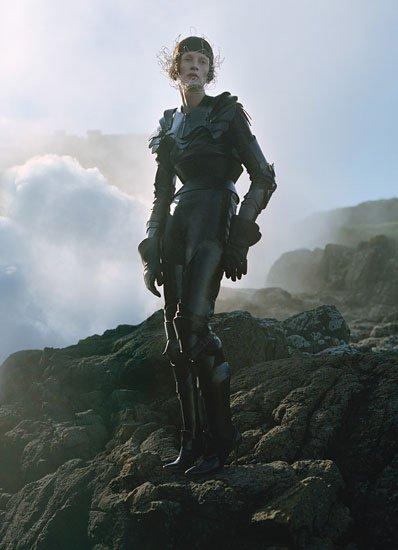
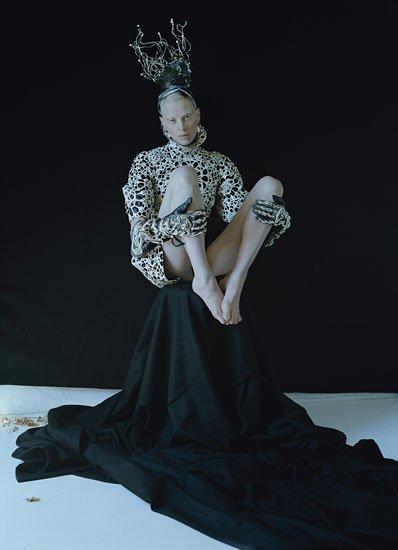
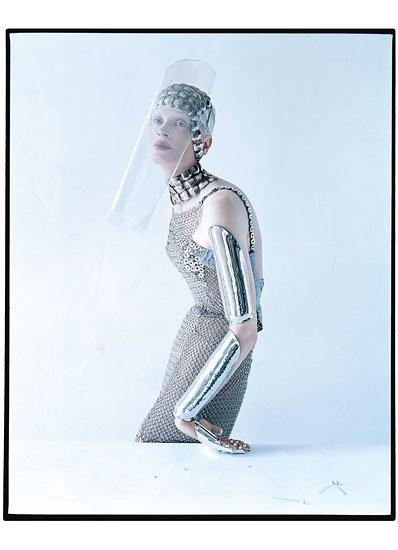
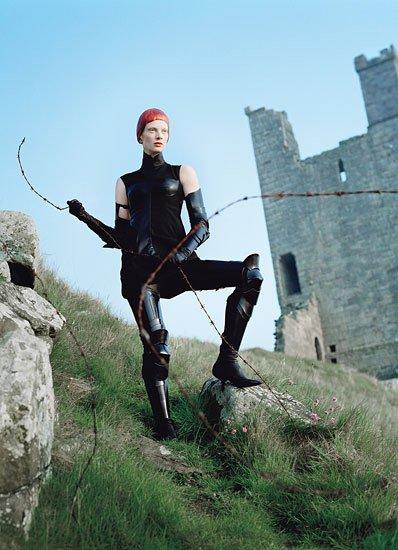
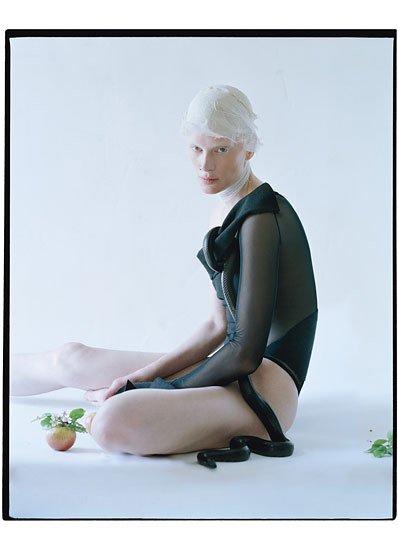
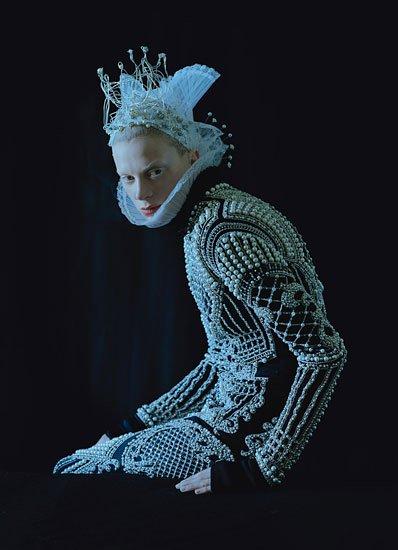
W Magazine produced a stunning Queen Elizabeth I inspired fashion shoot entitled ‘Dame of Thrones’ for their September 2012 issue, featuring the story’s heroine Kirsten McMenamy beautifully captured by Tim Walker and styled by Jacob K.

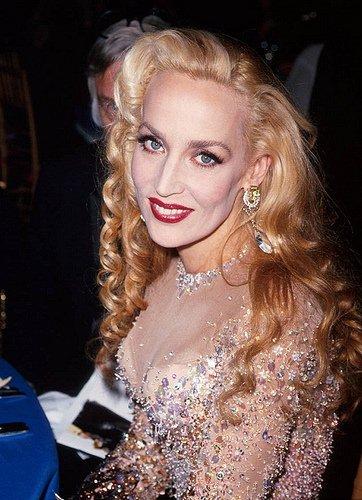
Jerry Hall, first generation supermodel

4 Nov

Watching photographs of Jerry Hall in the book Antonio Lopez: Art, Sex & Disco a memory popped in my head: when I was fifteen, I covered my bedroom with her magazine covers and fashion pictures. Those days Jerry was the it girl. After a while I’d gathered lots of pictures in which the main colour was blue (blue sky, blue bathing suit, blue dress or blue eye make-up) and I decorated a whole wall with them. (I was already a very stylish girl) The Vogue cover underneath was in the centre of my ‘Blue Jerry Hall Wall’. I assume Jerry Hall was my first muse….

Jerry Faye Hall and her twin sister Terry were born on July 2, 1956 in Gonzales, Texas. Still young she attended the Kim Dawson Modeling Agency and at sixteen, she used the insurance money she received following a car accident, to move to France (with a suitcase full of Frederick’s Of Hollywood knockoffs made by her mum).

Jerry was staying at the French Riviera, when she was discovered sunbathing on a Saint Tropez beach by fashion agent Claude Haddad. Soon she moved to Paris where she shared an appartement with Grace Jones, who was also pursuing a modeling career. Together Jerry and Grace immersed themselves in the Parisian nightlife, often performing risqué cabaret acts in clubs and at parties. In famous Club Sept Jerry mesmerized fashion illustrator Antonio Lopez , who immediately started working with her.


To Antonio Lopez, Jerry was the personification of his illustrations and with the changes he made in her appearance, she became the model everybody wanted to work with. It wasn’t the first time, Antonio had discovered and transformed a girl into a sought-after model. Jerry moved in with Antonio. She fell in love with him and because he didn’t want to lose her to another illustrator or photographer they got engaged. They were the couple everybody wanted to be acquainted with. The engagement only lasted  a few months.

Jerry Hall’s first fashion show was Yves Saint Laurent at which she wore his famous tuxedo and her first photographer was Helmut Newton. Her modeling career took off instantly. At nineteen she appeared on the cover of Roxy Music’s album Siren. Five months later, lead singer Bryan Ferry gave her an engagement ring, Jerry was 19 and Bryan Ferry 30She also appeared in the video for his solo hit ‘Let’s Stick Together’. By 1977 Jerry had been on forty magazine covers including Italian Vogue and made thousands of dollars a week. She was the face of Yves saint Laurent Opium perfume and Revlon cosmetics.

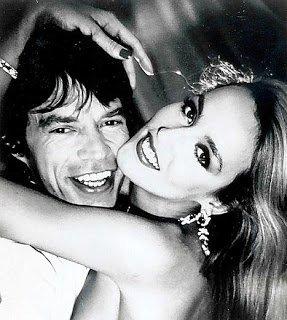
Jerry Hall and Bryan Ferry were the coolest couple in London and invited everywhere, including to dinner by Mick Jagger. Bryan saw that Mick was smitten with Jerry and at the end of the evening Mick brushed his leg next to hers. “I felt an electric jolt!”, Jerry remembers. Mick Jagger began turning up regularly at the home Jerry and Bryan shared. One night, while Bryan was on tour, Jerry was seated between Jagger and Warren Beatty at a dinner in New York City. “It was May 21, 1977… We would celebrate that day for the next 23 years”, Jerry wrote in her biography. They began an affair.

When Bryan Ferry’s tour ended later that summer, he took Jerry with him to Los Angeles, but Jagger was relentless. When Jerry saw Mick again in Paris, she knew she wanted to be with him. Not much later Jerry and Bryan Ferry ended things and she was free to move in with Jagger. She tried not to worry about the small detail that Mick was technically married to Bianca. On a David Letterman show she famously said:”My mother taught me, the way to keep a man, you must be a maid in the living room, a cook in the kitchen and a whore in the bedroom. I said I’d hire the other two and take care of the bedroom bit myself.”

Jerry and Mick became regulars at their favorite nightspot Studio 54. “It was wonderful. You’d see Martha Graham, Rudolf Nureyev, Truman Capote, Tennessee Williams, Elisabeth Taylor’.

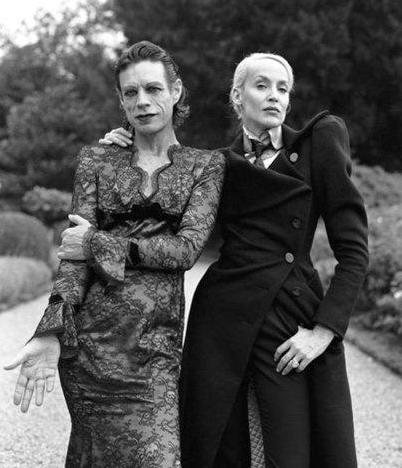
The couple finally married on Bali, Indonesia, and had four children. For many years Jerry was plagued with doubts about the relationship, “Mick was a dangerous sexual predator and I felt very unsure of him. I had weaned him off drugs, but they had been replaced by sex… By the time we had children, I would read about Mick’s dalliances in the newspapers.” Two years after the birth of their fourth child, Brazilian model Luciana Morad announced she was pregnant by Mick, Jerry filed for divorce. Mick claimed their Hindu beach wedding wasn’t valid under English law. The relationship ended after 23 years.

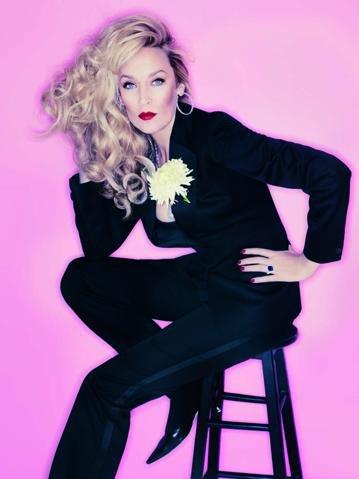
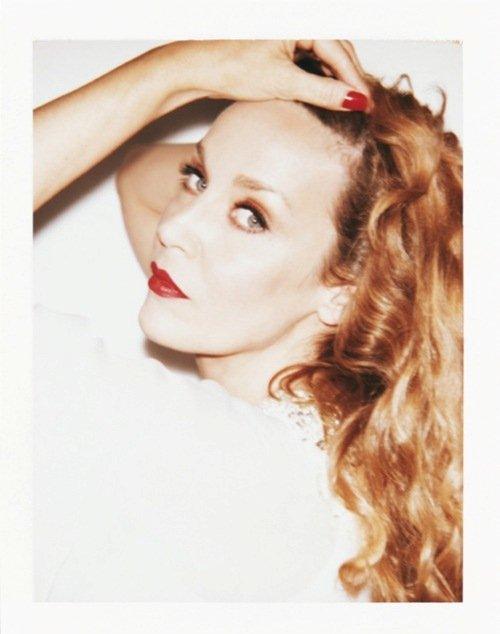
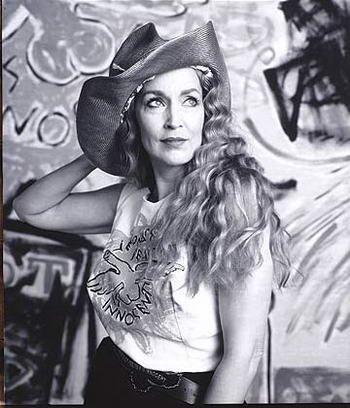
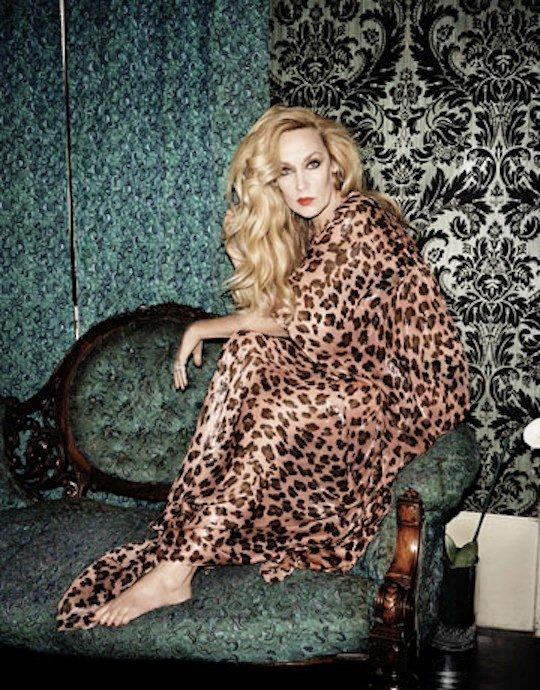
Through all ups and downs, Jerry’s career stayed on track. She walked countless catwalks, worked with most famous photographers and became a muse for Thierry Mugler and Vivienne Westwood. Her signature style was all over the spring 2011 collections. Her youngest daughter Georgia May has followed in her footsteps and although Jerry herself is more focussed on acting the last decade, she still appears on the cover and in fashion stories of magazines. Jerry Hall went from supermodel to icon.
.
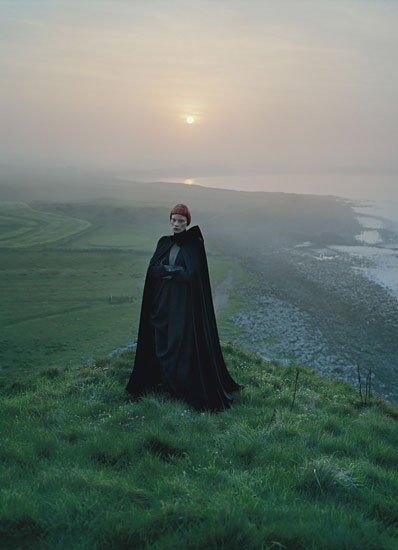
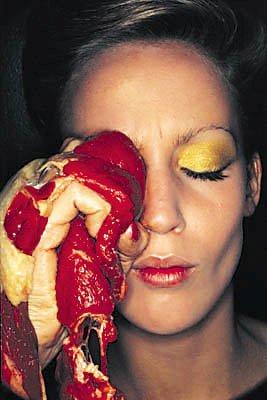
Jerry Hall, The Supermodel

       (I don’t like ‘models with meat’, but this picture is from 1974 and therefore revolutionary)
.
Jerry Hall  The Icon

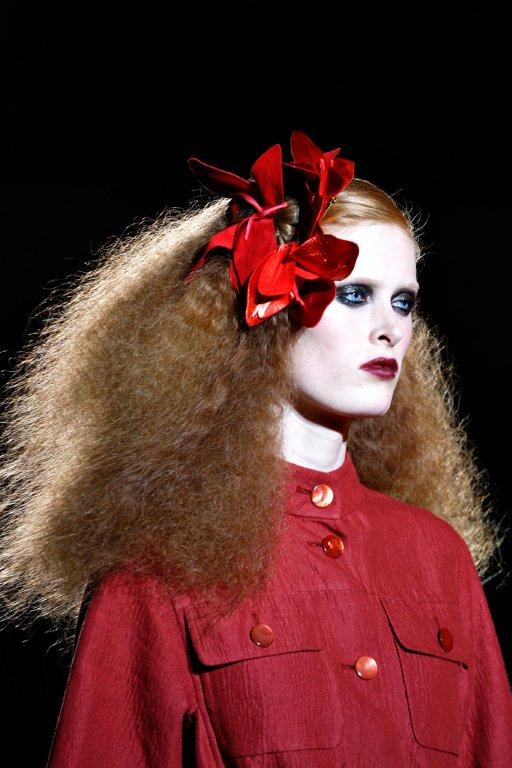
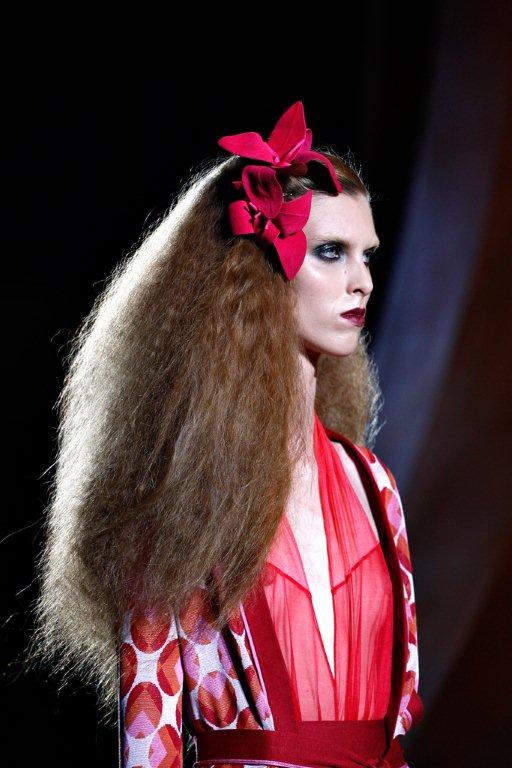
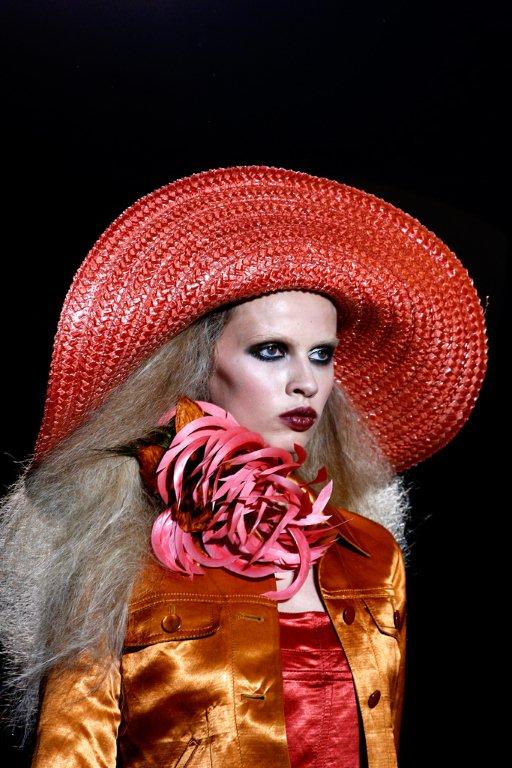
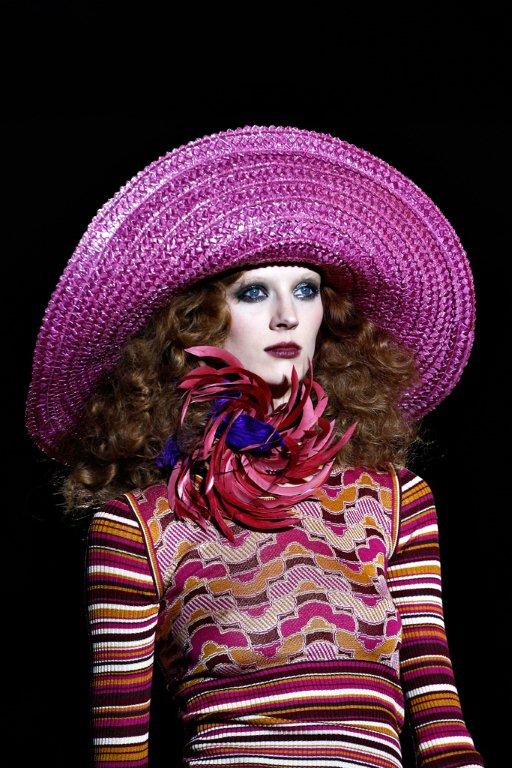
Marc Jacobs was inspired by the Jerry Hall-look for his S/S collection 2011

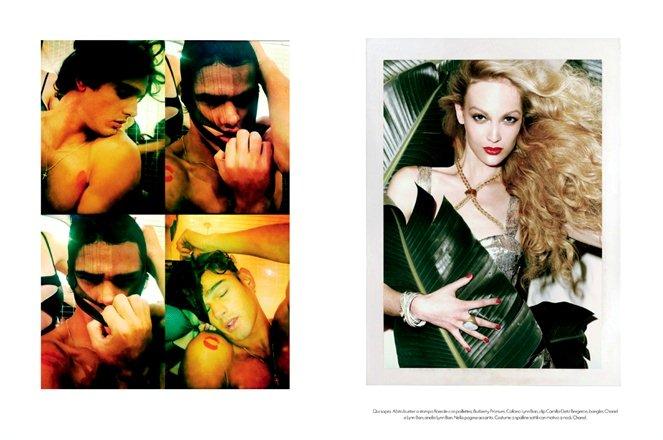
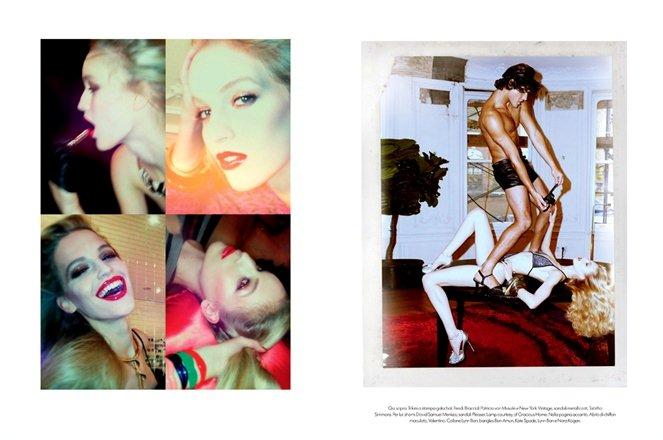
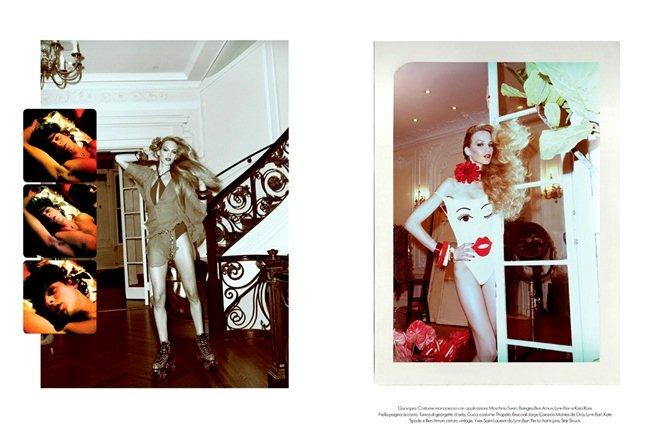
Steven Meisel was inspired by Jerry Hall & Antonio Lopez for the ‘High Gloss’ story in Vogue Italia december 2012

cover Vogue Italia by Steven Meisel

Vogue Italia

vogue italia

 Vogue Italia

Vogue Italia

Vogue Italia

Vogue Italia

Vogue Italia

Vogue Italia

Vogue Italia

Vogue italia

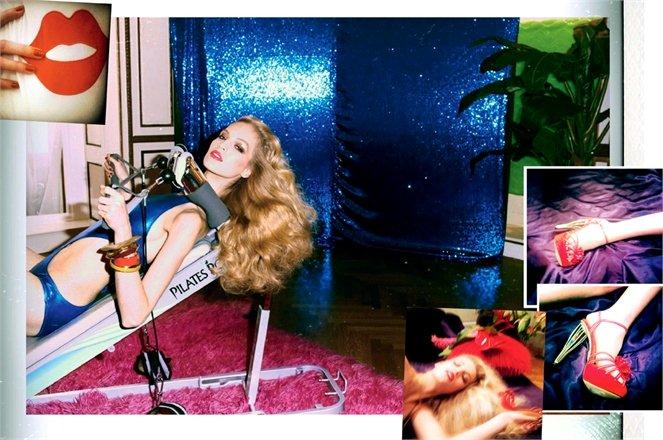
I end this post with a picture that could have been part of my Blue Jerry Hall Wall’……