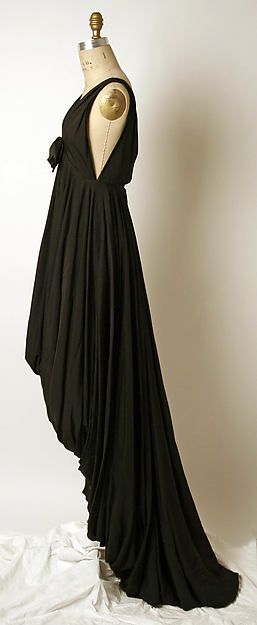
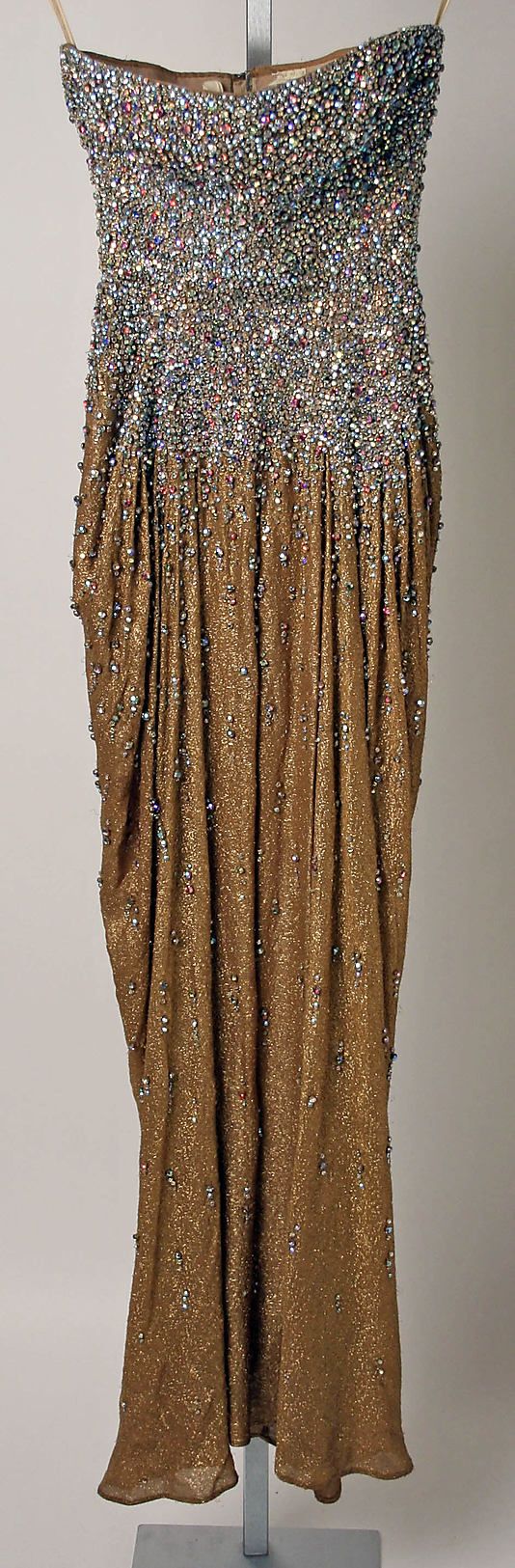
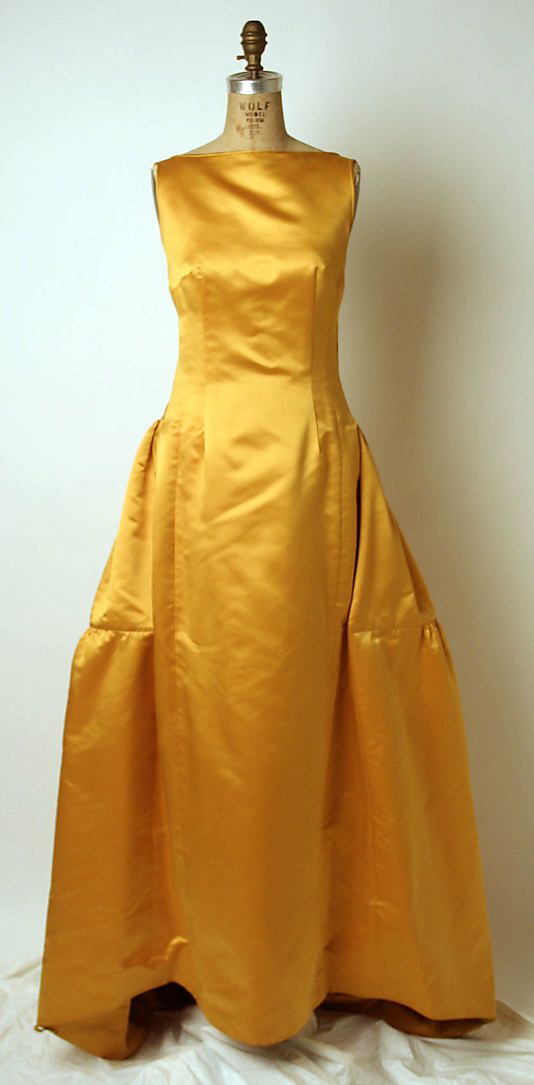
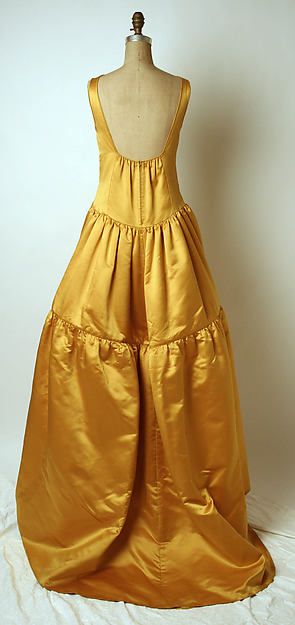
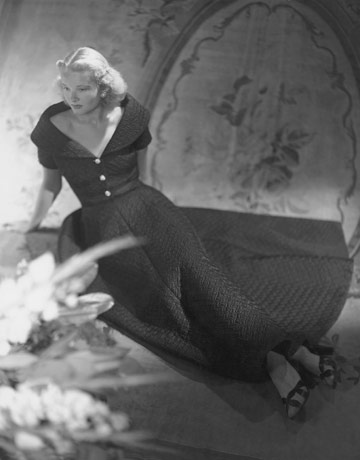
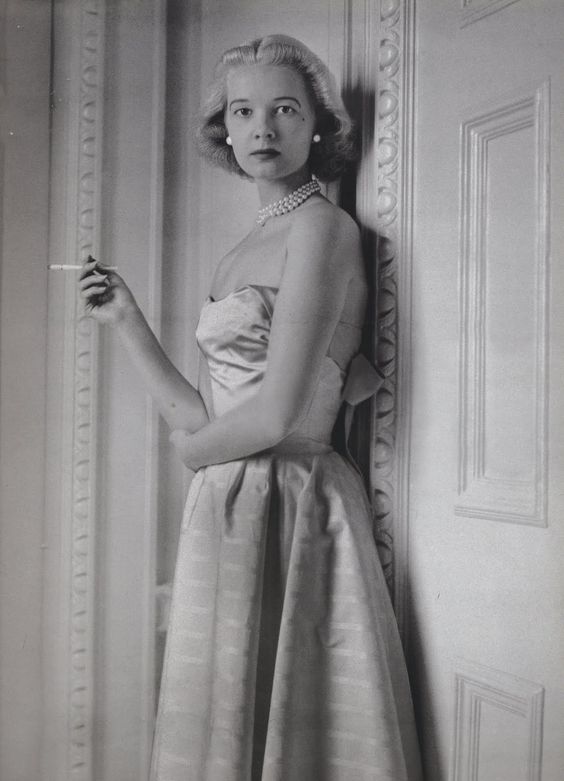
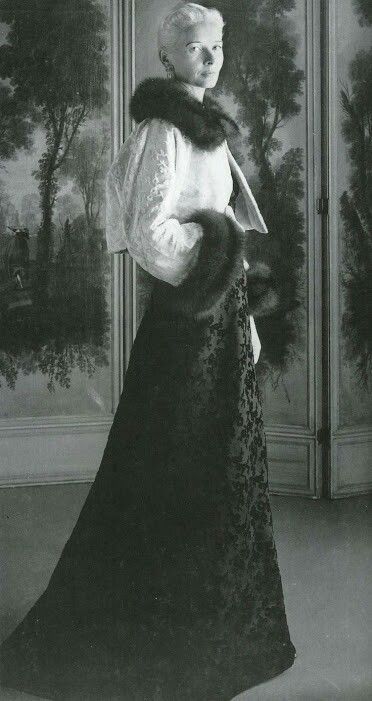
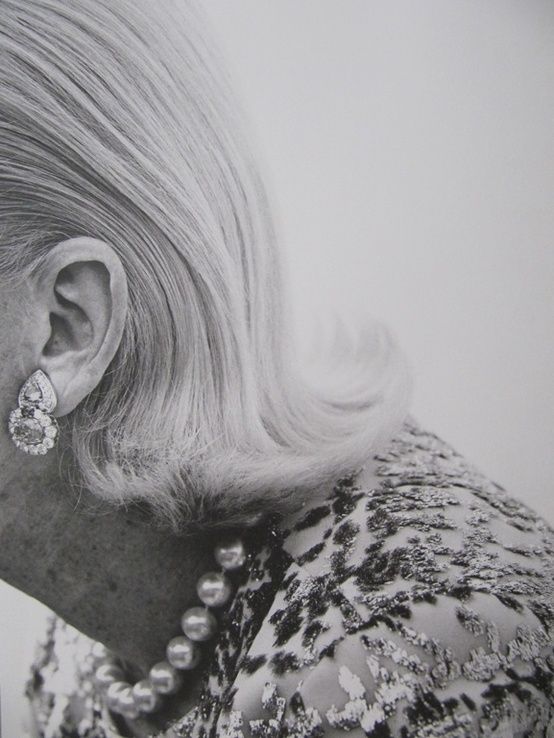
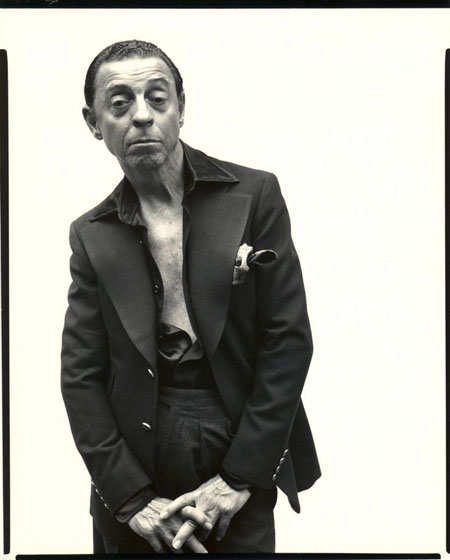
James Galanos, one of History’s great American Fashion Designers

5 Jun
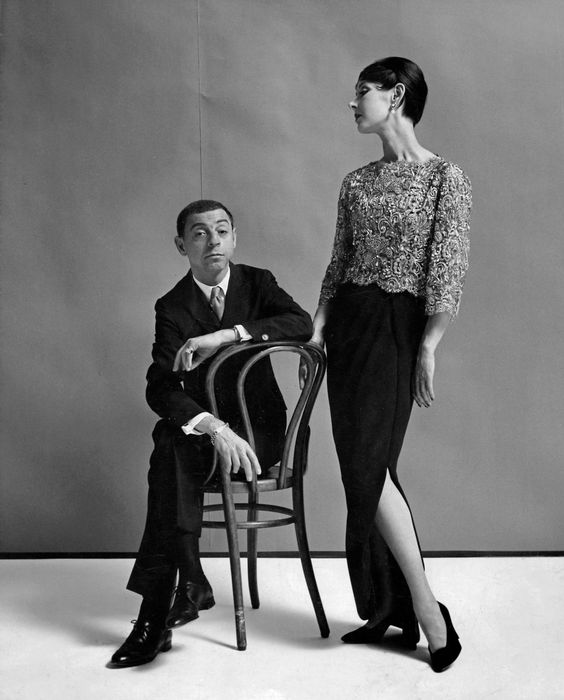
James-GalanosJames Galanos, ph. Richard Avedon, 1975
..
Hubert de Givenchy, the illustrious French couturier, ones looked at an inside of a James Galanos garment and exclaimed “… we don’t make them this well in Paris!”

.

Short Biography

James Galanos was born in 1924 in Philadelphia, PA. After graduation from high school in 1942, Galanos enrolled at the Traphagen School of Fashion, in New York City. He completed two semesters before leaving to gain experience as a designer at the New York East 49th Street emporium of Hattie Carnegie. His job there turned out to be more clerical than creative, and, disappointed, Galanos left.

After a failed launch of a ready-to-wear dress business by textile magnate Lawrence Lesavoy, the intrepeneur agreed to send the 24-year-old Galanos to Paris, just as couture houses there were rebounding from the war. Couturier Robert Piguet absorbed the American into his stable of assistants, among whom were Pierre Balmain, Hubert de Givenchy and Marc Bohan. At the Piguet atelier, Galanos met with fabric and trimming suppliers to choose materials, sketched and draped up designs under the eye of Piguet, who oversaw his work on a daily basis.

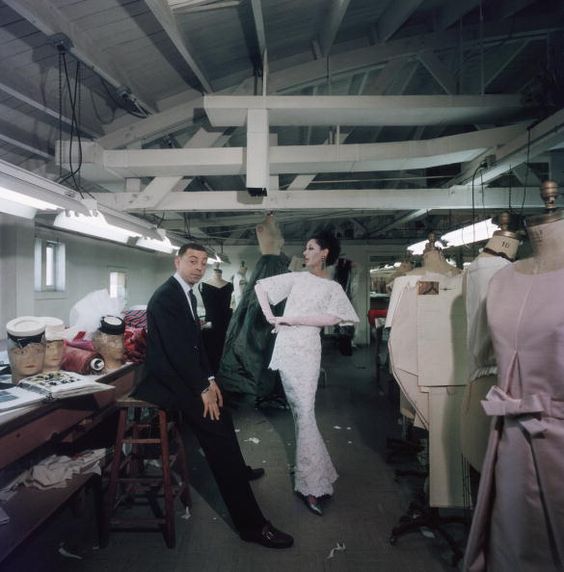
American fashion designer James Galanos with supermodel Dovima in his studio, 1960.James Galanos with supermodel Dovima in his studio, 1960
In 1948, Galanos decided to return to the U.S and accepted a job with Davidow, a dress-making firm in New York. The new job allowed him very little creativity, and he resigned shortly.

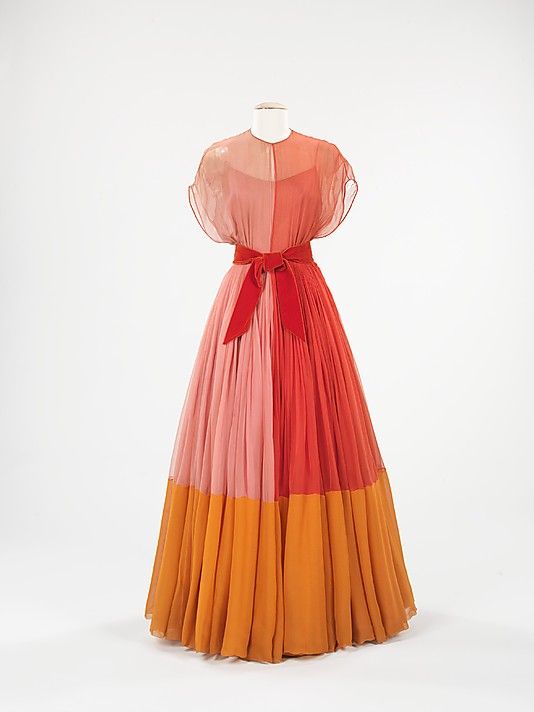
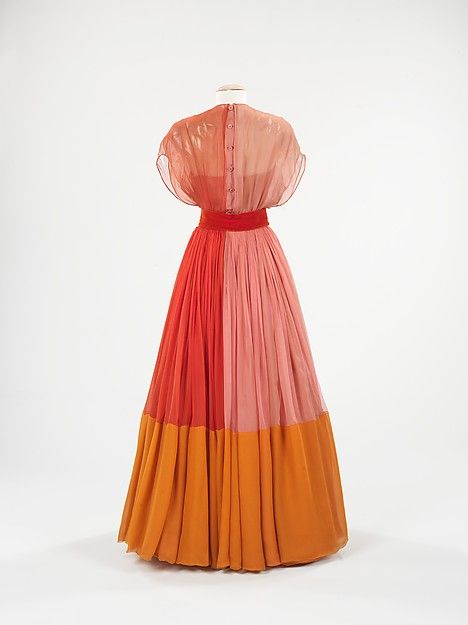
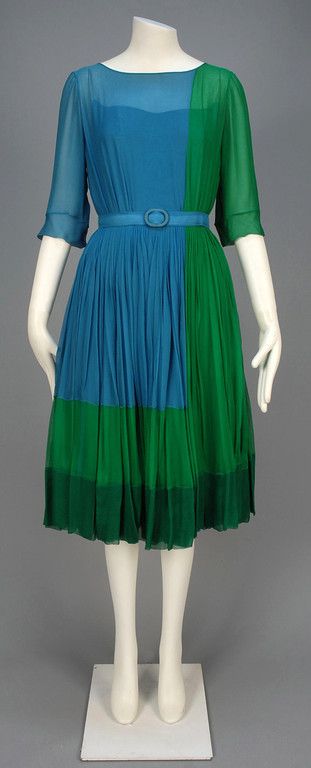
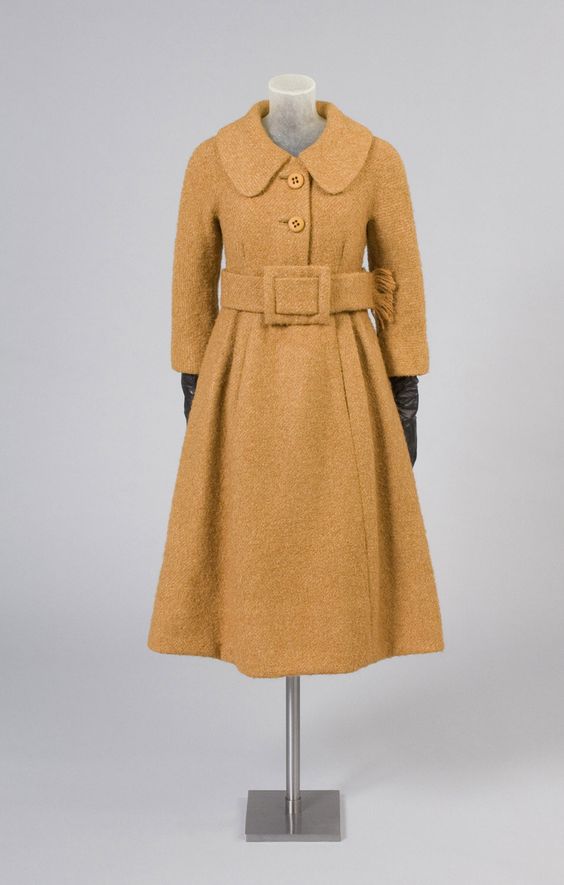
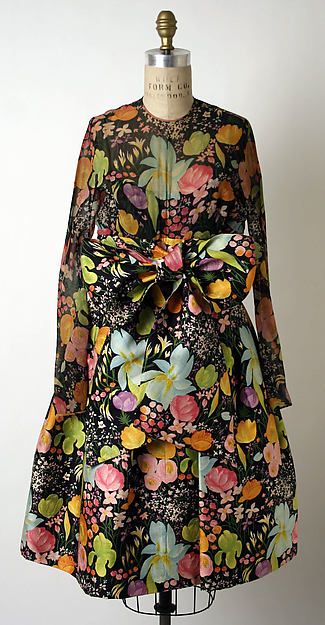
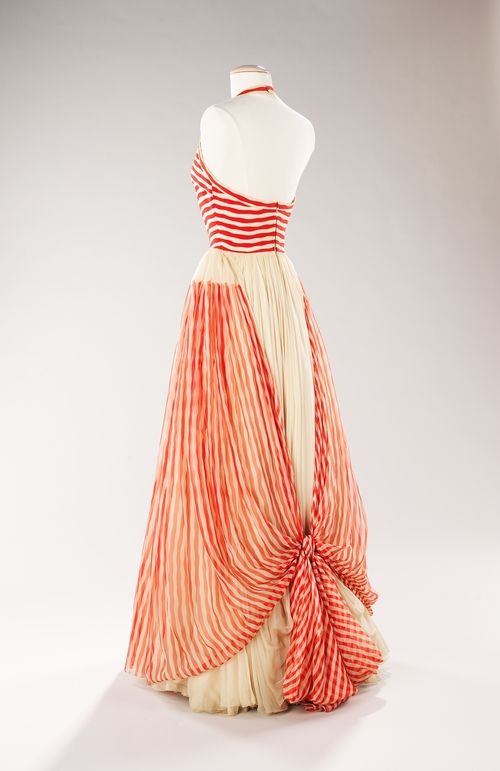
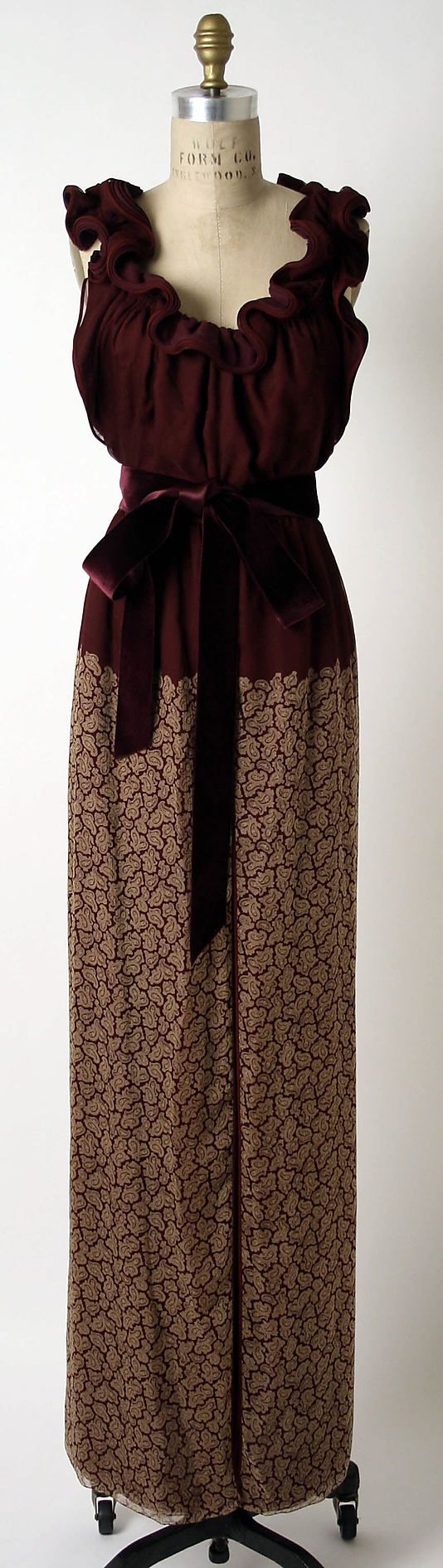
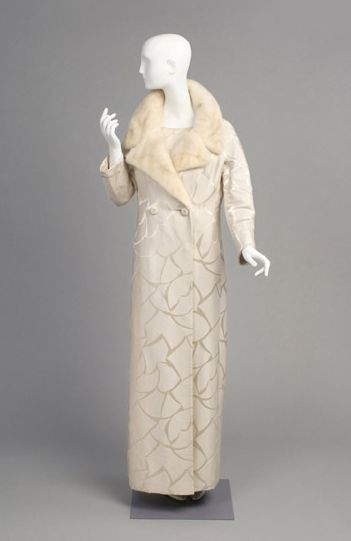
In 1951, James Galanos decided to take a shot at California, and when the opportunity arose for him to open his own company, Galanos Originals, in 1952, he created a small collection, which was immediately ordered by Saks Fifth Avenue in Beverly Hills. He then opened his New York showroom where a Neiman Marcus clothing buyer discovered him and predicted his styles would soon “set the world on fire.” Stanley Marcus, the president of Neiman Marcus, agreed and soon proclaimed that the greatest and most treasured luxury in the world for a woman to have would be a dress by James Galanos. Legendary magazine editors and style arbiters such as Diana Vreeland, Eleanor Lambert and Eugenia Sheppard became fans, ensuring that he would become a household name within months. From this first collection, his clothing has been admired for its particularly high quality, especially considering it was ready-to-wear, not custom-made. His chiffon dresses in particular made his reputation in the early 1950s, with their yards of meticulously hand-rolled edges. Many designers worked with chiffon, but Galanos was a true master of the genre.

Chiffon dresses 
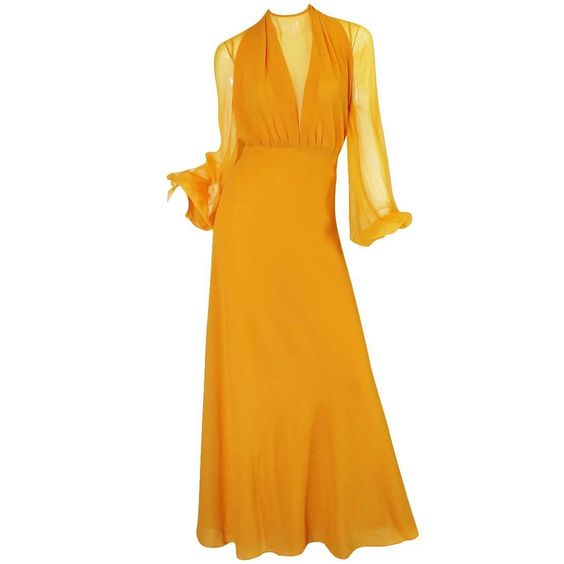
1970's James Galanos

1959-61

1959-61 2

1960In 1953, Galanos embarked on another venture altogether – he began designing for movies. His first job was to create costumes for Rosalind Russell, the star of the forthcoming film “Never Wave at a WAC.” Russell, who at that time was considered the best-dressed of all American actresses, loved Galanos’ designs, and she became his friend and a loyal client.

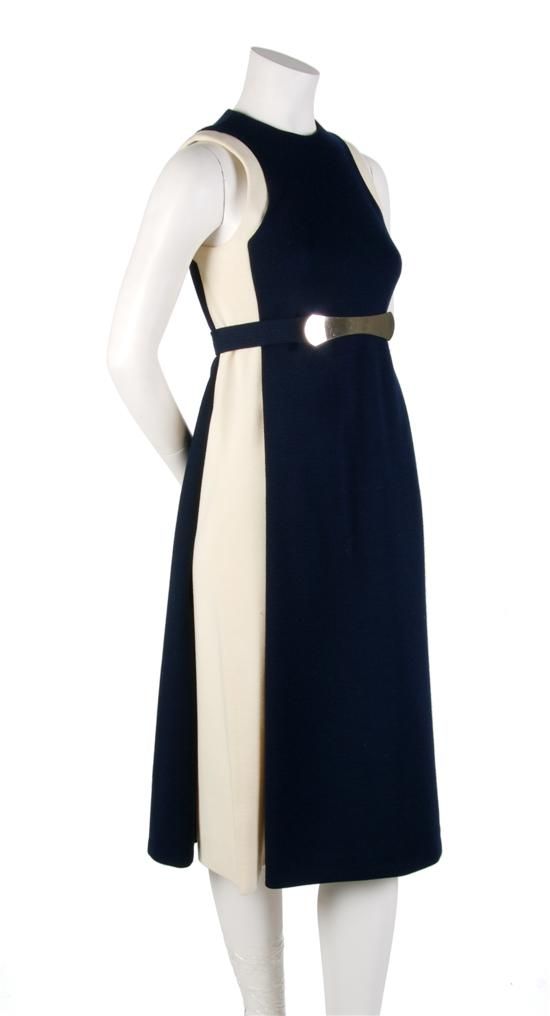
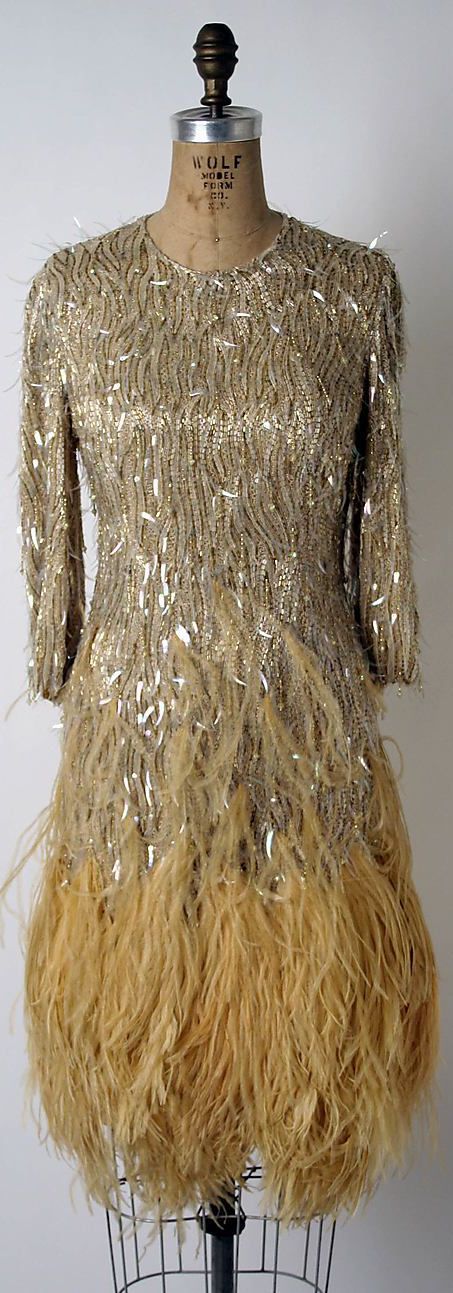
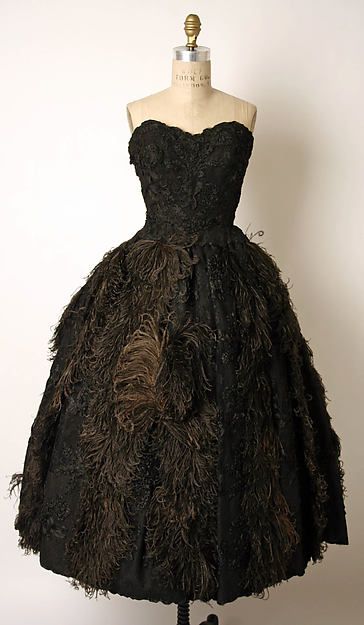
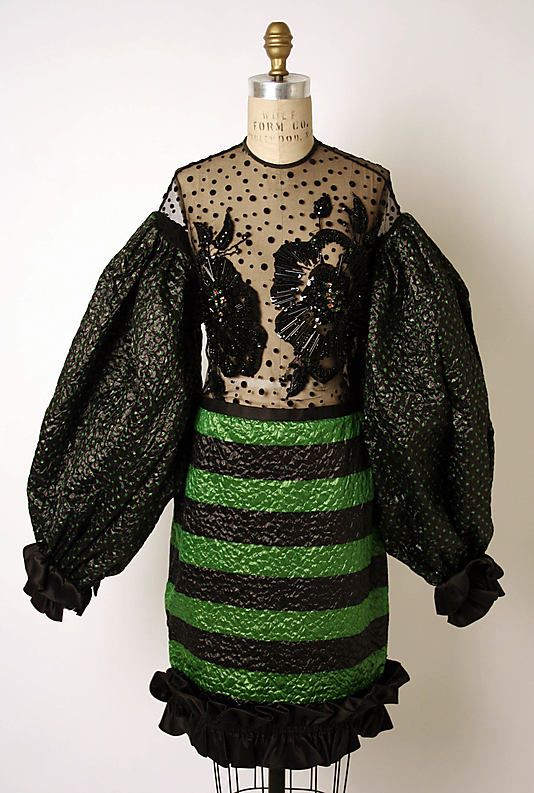
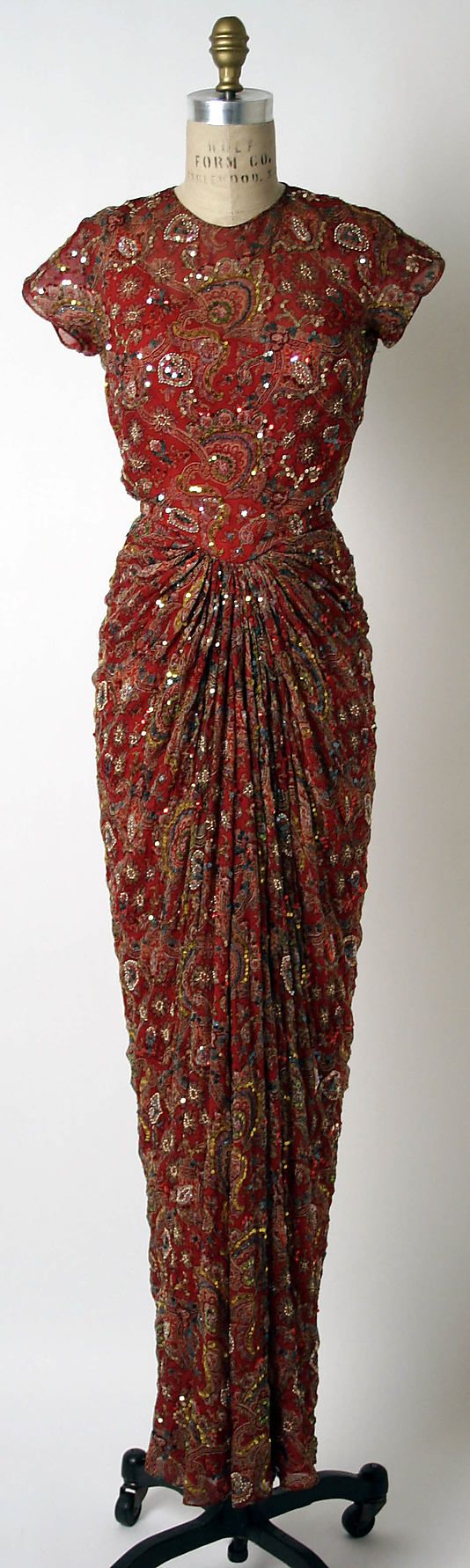
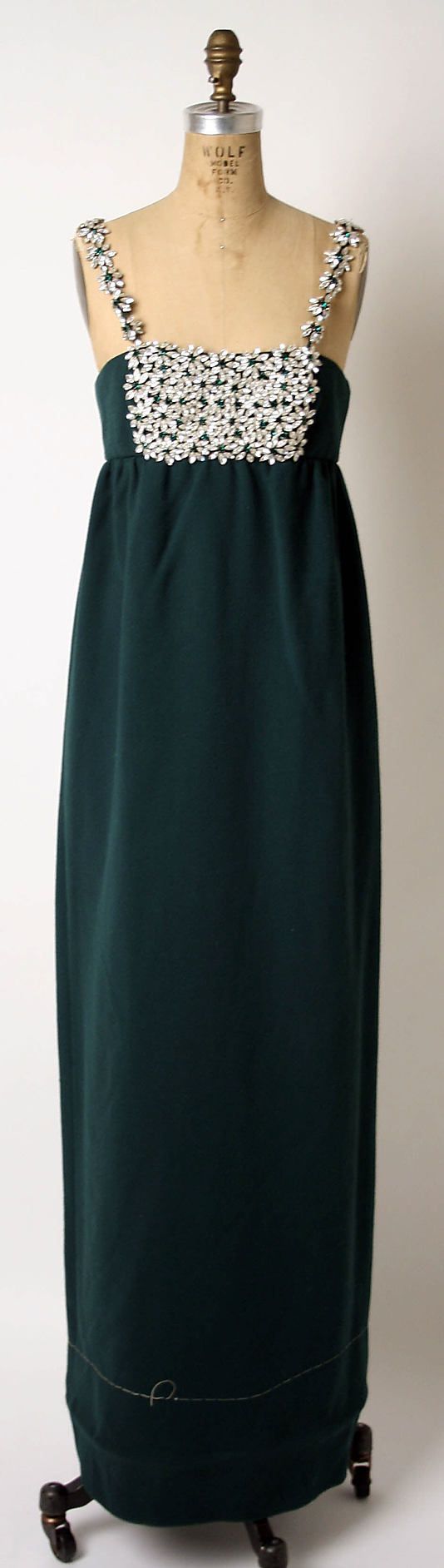
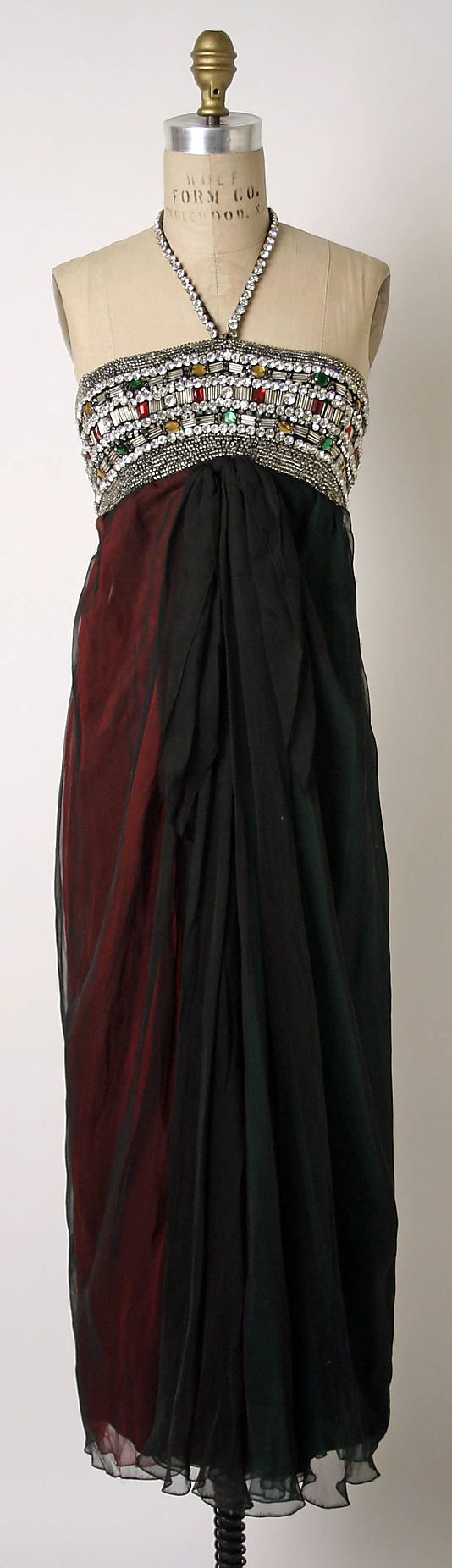
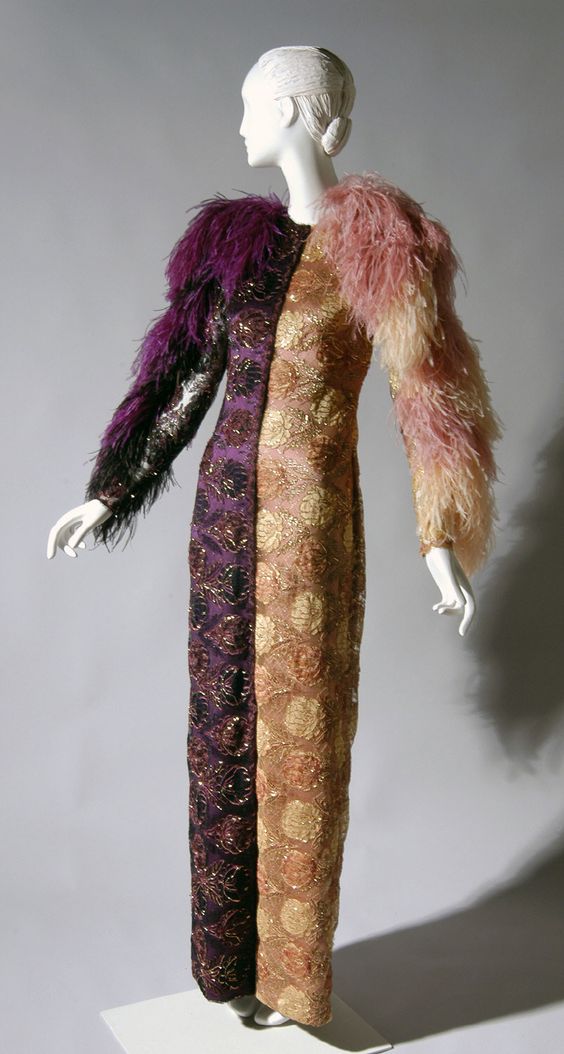
Galanos gathered some of the most talented craftsmen available in his workrooms; many were trained in Europe or in the costume studios of Hollywood, for whom he continued to design from time to time. Nondas Keramitsis, Galanos’ head tailor, moved to Los Angeles from his native Greece to make women’s clothing. He had heard about Galanos through relatives and soon started working with him in his Los Angeles studio. Keramitsis and a crew of about 22 tailors he oversaw made everything by hand. If Galanos’ work was compared to that of anyone else, it was compared to French haute couture. His business was more comparable to a couture house than a ready-to-wear manufacturer; there was a great amount of hand work in each garment, and all of his famous beadwork and embroidery was done by his staff. Galanos always chose fabrics and trimmings personally during trips to Europe and Asia. Though he constantly looked for the best fabrics, Galanos often felt compelled to create his own. So he would make jackets out of different colored ribbons to toss over his chiffon dresses in impressionist colors. Or he would cross black satin ribbons over black lace for the bodices of delicately frothy short evening dresses. He often lined his dresses with silks that other designers used for dresses themselves, and he was always a firm believer in the importance of hidden details. These details made a difference in the feel of the clothes on the body and the hang of the fabric, and his clients all over the world were willing to pay a great deal for them. Details that were not hidden included sequins, feathers, metallic brocades and laces. He often balanced his most glittering dresses with quiet tie-dyed velvet sheaths and long, clingy styles in black crepe or crushed velvet. “Galanos: Perfection, and Lots of It,” read the headline in The New York Times after Galanos’ show of some 200 designs in 1988. “While he travels to Europe for his fabrics – many are the same as those used in the Paris couture collections – most of Galanos’s designing is done in California,” reported the Times. “His standards are as high as those found anywhere in the world. If a comparison is made, it is usually with the Paris couture. It is reasonably astonishing that an American designer of ready-to-wear should merit that kind of homage over so long a period of time.”

Daywear 
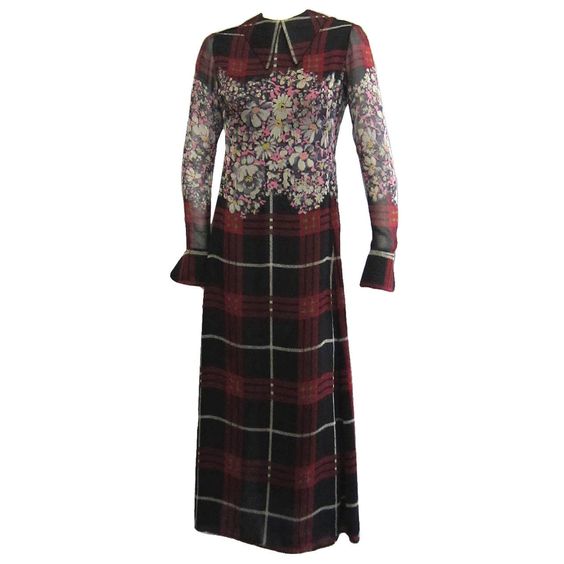
james galanos

1960's 2

1958 a

early 60ties

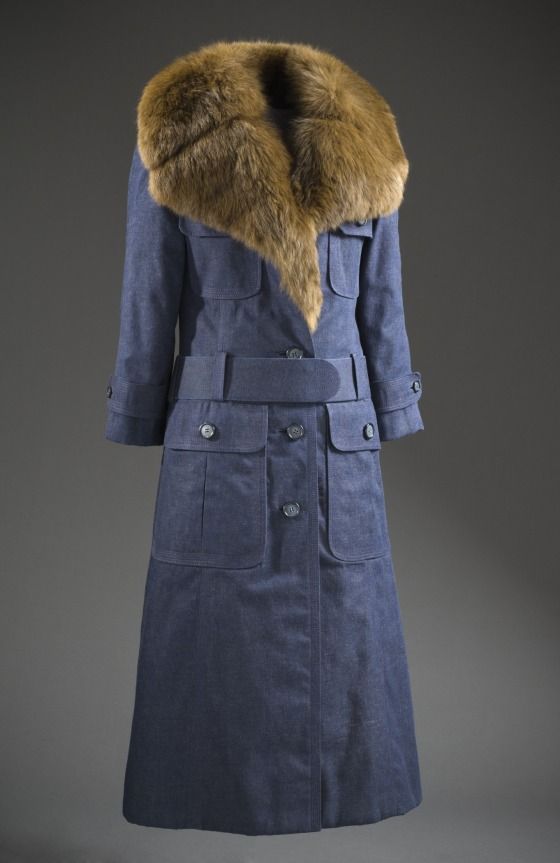
James Galanos, 1970, American, denim and sable fur

Galanos was also famous for his exquisite furs. He used mainly mink, sable, lynx and broadtail and handled the furs imaginatively, as if they were fabric. He smocked and quilted the surfaces, nipped the waistlines and used drawstrings, ruffles and capelets to give a strong fashion slant to all that opulence. He often designed for Peter Dion, the furrier who made sure that the quality of the pelts and the workmanship supported the innovative design. At the top of the line were coats made of lynx bellies, so soft and fluffy they looked airborne. The short style was selling for $200,000, the long one – for $300,000. The fitted coat was a Galanos specialty, successful in almost any fur, including fox.

Coctail dresses

1963-641963-'64james galanos

1987

Galanos was also famous for his exquisite furs. He used mainly mink, sable, lynx and broadtail and handled the furs imaginatively, as if they were fabric. He smocked and quilted the surfaces, nipped the waistlines and used drawstrings, ruffles and capelets to give a strong fashion slant to all that opulence. He often designed for Peter Dion, the furrier who made sure that the quality of the pelts and the workmanship supported the innovative design. At the top of the line were coats made of lynx bellies, so soft and fluffy they looked airborne. The short style was selling for $200,000, the long one – for $300,000. The fitted coat was a Galanos specialty, successful in almost any fur, including fox.

Many of the world’s most socially prominent women were Galanos customers. “James Galanos designs for wealthy women who go to luncheons and cocktail parties, dine at the finest restaurants and are invited to the best parties,” reported The New York Times. “His clothes are rarely seen in business offices. It isn’t only because of the five-figure price tags, although they are daunting to all but the highest-paid executives. It’s also the glamour quotient of the clothes.” Galanos agreed, “I design for a very limited group of people,” he told Time magazine in 1985.

Evening wear
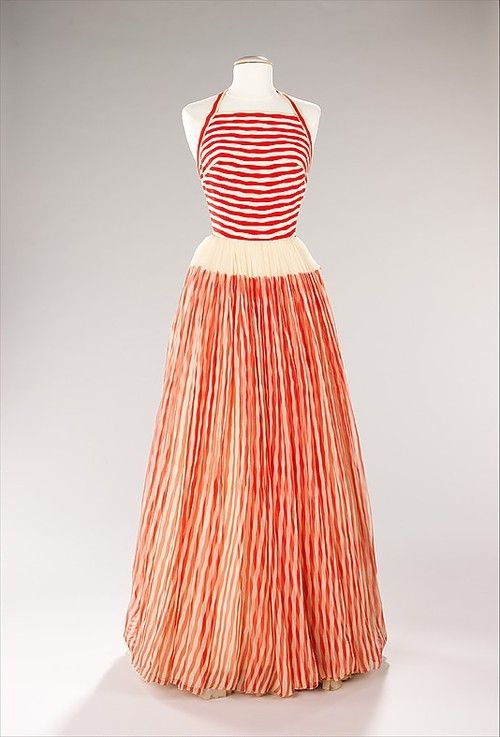
1951 2

19551955
1950's evening dress1950's
58-591958-'59
The Metropolitan Museum of Art - Aurora Borealis by James Galanos 19591959
1960's

1960's 11960’s
19661966
James Galanos
1977-781977-’78
1980
James Galanos
In the 1980s, Galanos made national headlines as First Lady Nancy Reagan’s favorite designer. The fact that Mrs. Reagan wore a 14-year-old Galanos gown to her first state dinner at the White House attested to the timelessness and durability not only of his workmanship, but more importantly, of his design. This type of occurrence was commonplace among his faithful customers, which included Marilyn Monroe, Elizabeth Taylor, Jackie Kennedy, Lady Bird Johnson, Grace Kelly, Diana Ross, Betsy Bloomingdale, Rosalind Russell, Marlene Dietrich, Dorothy Lamour, Judy Garland, Loretta Young, Ali MacGraw, Ivana Trump, Carolyne Roehm, Kim Basinger, Arianna Huffington and many other notable personalities and film and media stars.
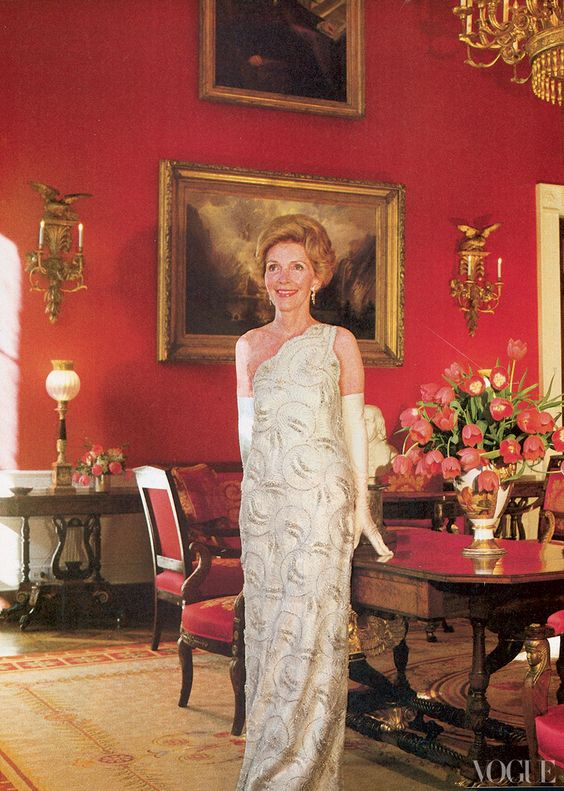
Nancy Reagan wearing a dress by James Galanos, photographed by Horst P. Horst, Vogue, May 1981.Nancy Reagan in a dress by James Galanos, ph. Horst P. Horst, Vogue, May 1981
.
Despite his retirement in 1998, Galanos continues to make his presence known in the fashion world. In 2002, he blasted the fashion industry for catering to only young women with perfect bodies. In an interview with WWD over lunch at the Pierre Hotel in New York he asked the reporter, Eric Wilson, shaking his head in contempt, “How many women can wear just a patch over their crotch and a bra? Aren’t you embarrassed when you see a young girl walking down the street practically naked? Fashion is geared only to young people today,” Galanos continued. “All we see is Levi’s and bare bellies to the point of nausea. There are no clothes for elegant women. Let’s face it, some of the things you see in the paper are absolutely monstrous looking – and I’m not squeamish. God knows I made sexy clothes in my day, but there’s a point when you have to say, ‘Enough, already’.”

“While he officially retired in 1998,” wrote Alix Browne in The New York Times, “he shows no signs of falling out of fashion.”.Galanos’s vintage gowns remain chic, sought after and popular among the international jet-set, Hollywood stars and supermodels.

Vintage James Galanos can be found on: http://www.shrimptoncouture.com/collections/designer-galanos
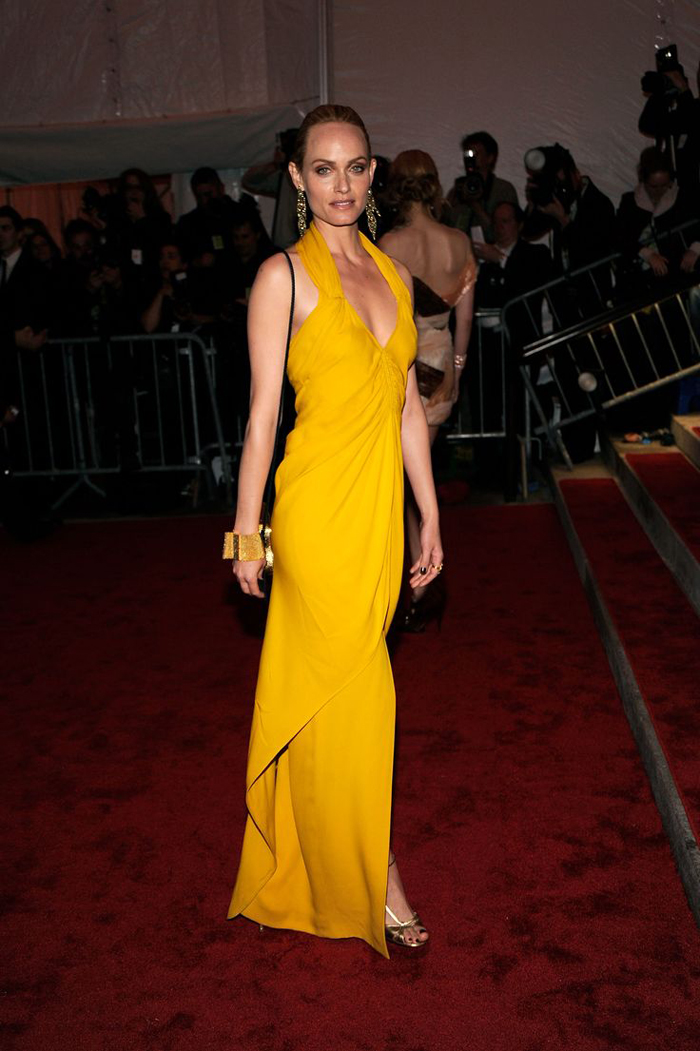
vintage-red-carpet-amber-valettaAmber Valetta wearing vintage James Galanos
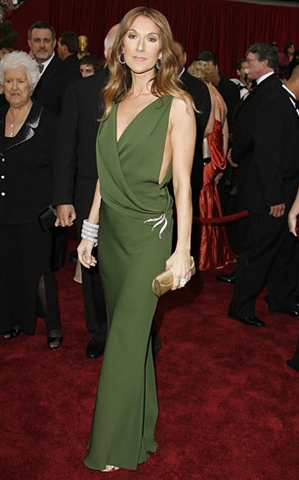
celine-vintage-jamesgalanosCeline Dion wearing vintage James.
.
.

1961James Galanos with model, 1961
.
.
info:
Wikipedia
http://fashion-history.lovetoknow.com/fashion-clothing-industry/fashion-designers/james-galanos
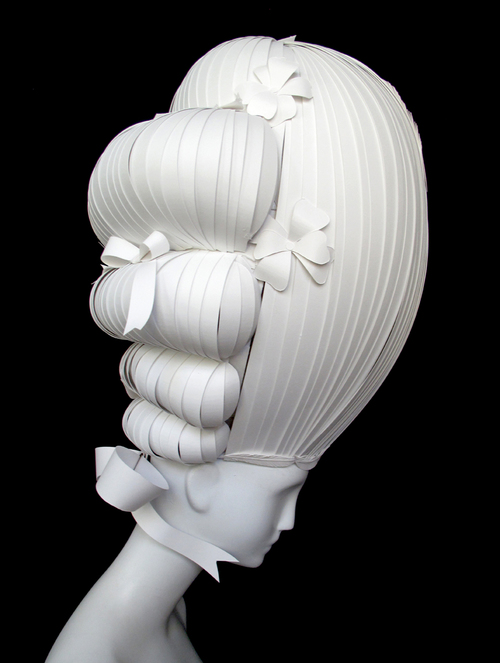
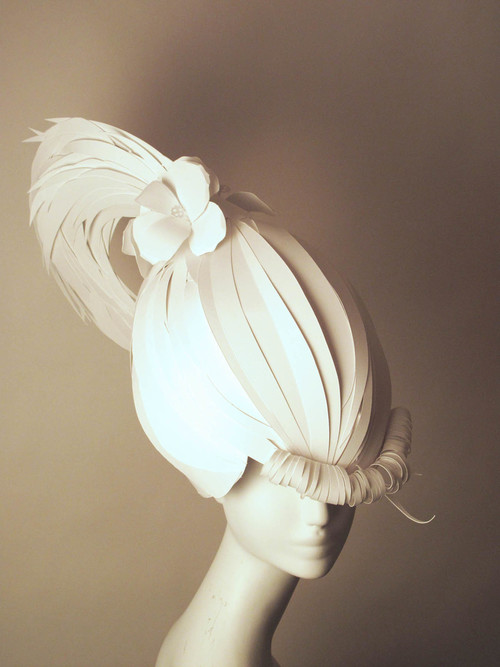
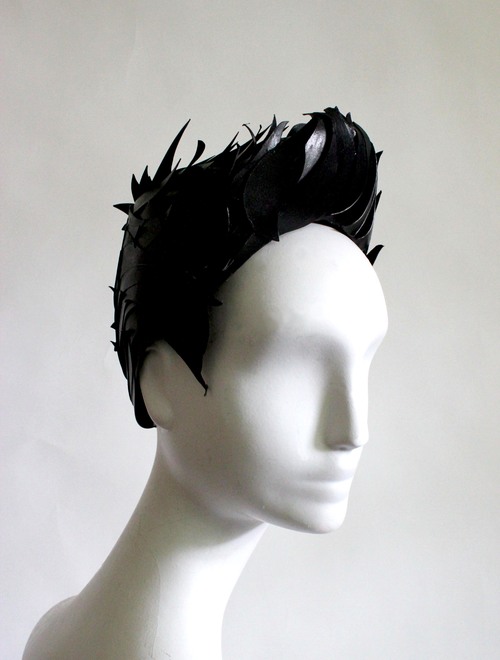
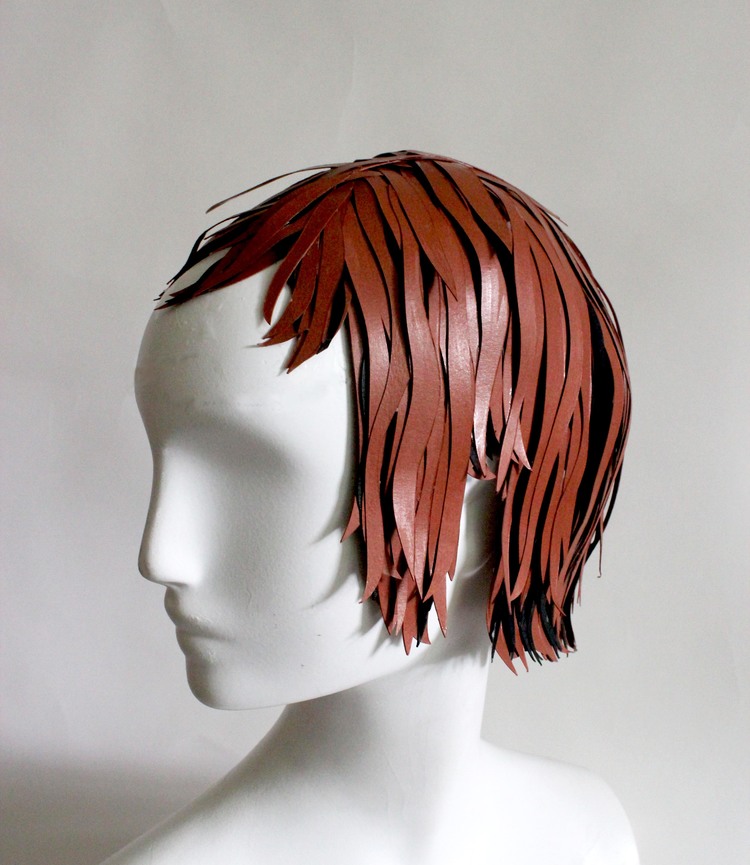
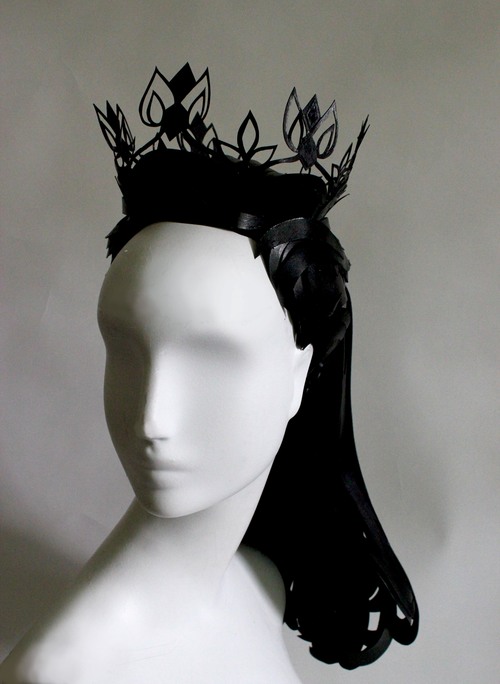
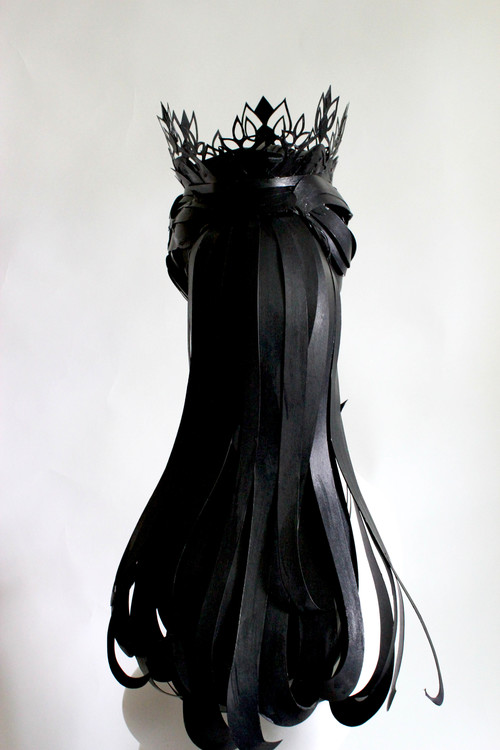
Paper-Cut-Project, amazing handmade Paper Wigs & Masks

29 May
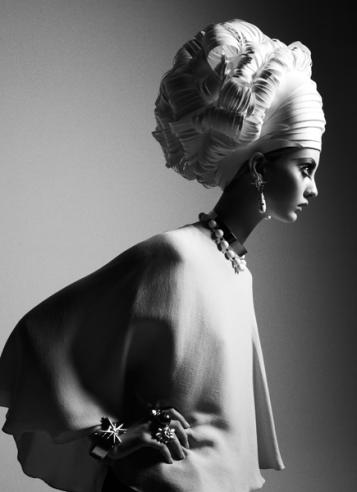
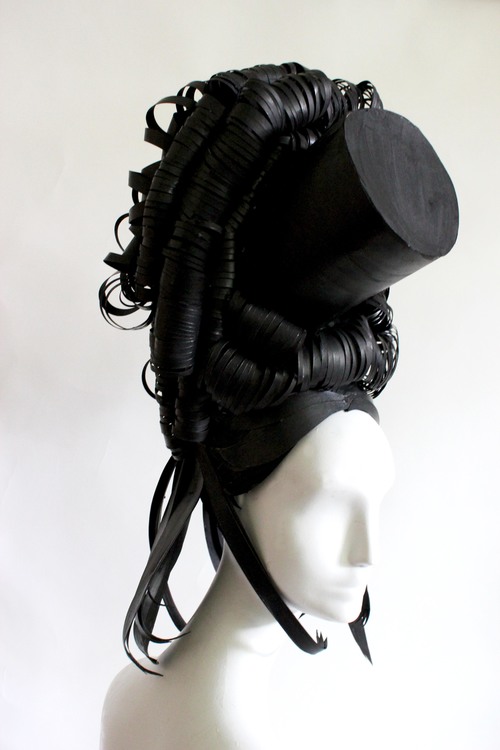
Paper cut projectMarie Antoinette paper wig
.
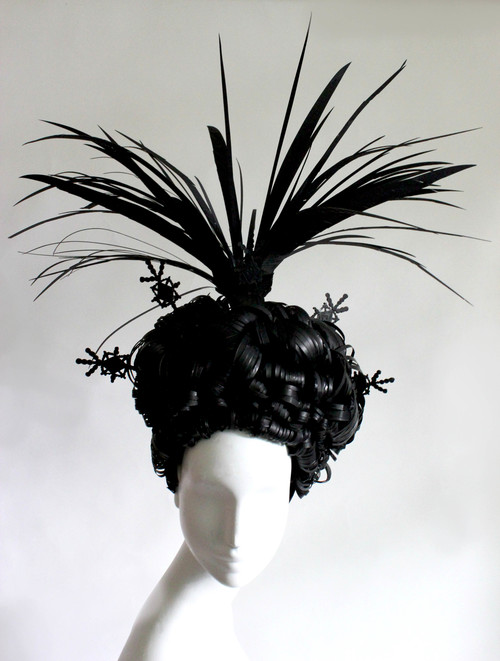
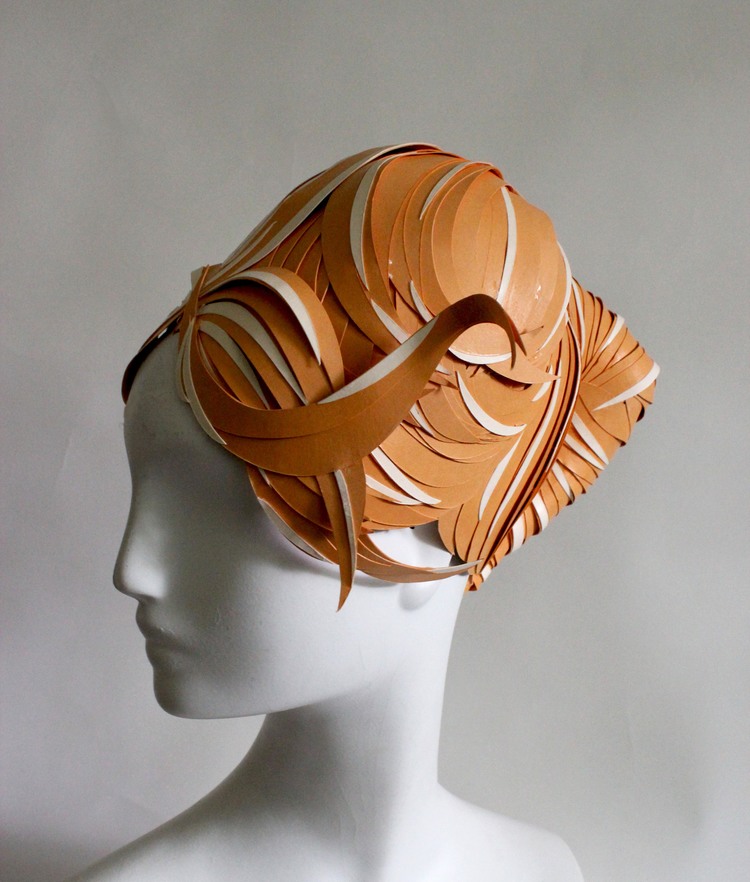
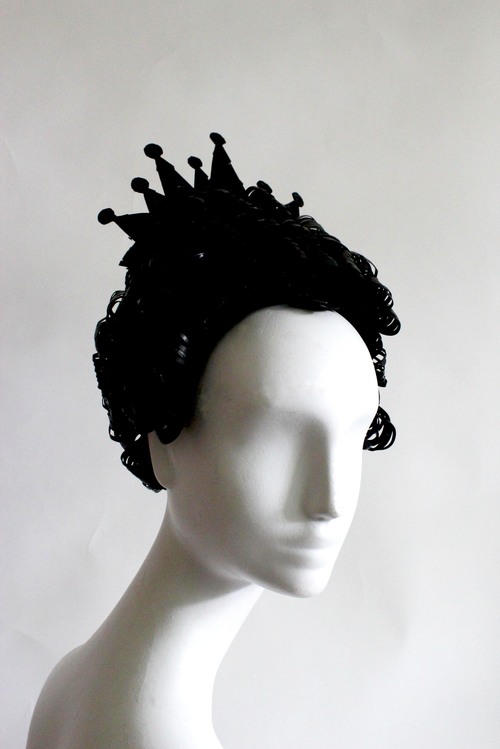
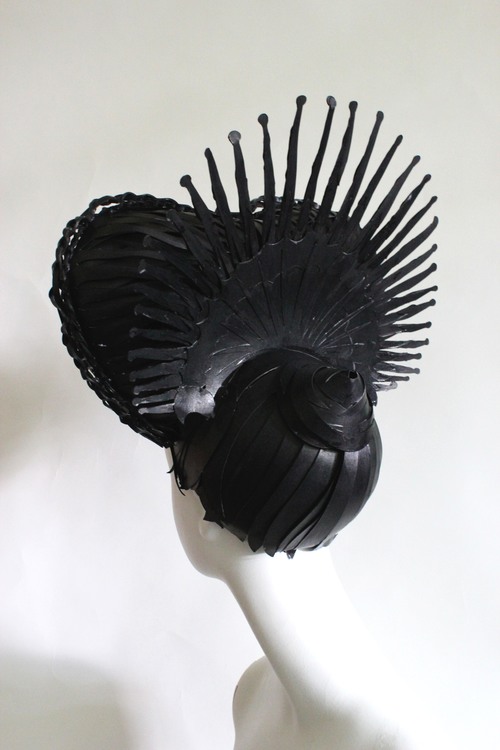
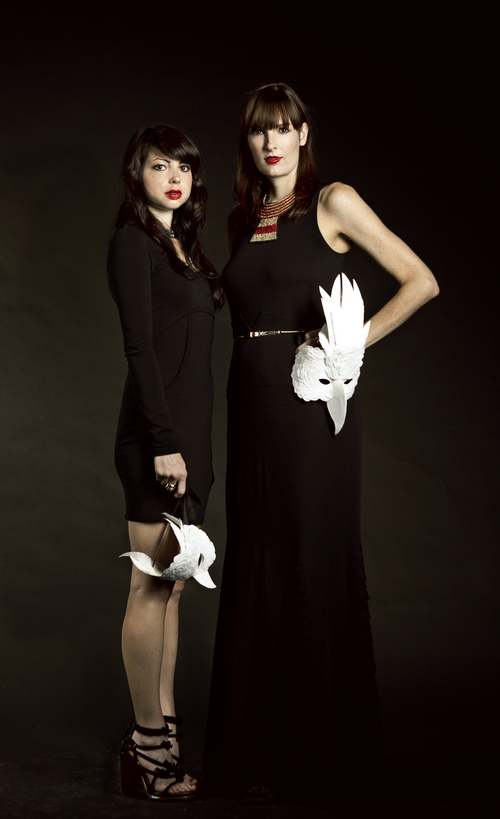
Duo Amy Flurry and Nikki Salk, aka the Paper-cut-project. The former fashion writer and local boutique owner, formed an artistic partnership to create handmade paper sculptures and installations in the midst of a free-falling economy in 2009.

“It was a glum moment, but both of us still needed an outlet for our creativity. So we got together and imagined one that nobody was directing but us,” says Flurry.

Their first job: Design windows for the New York and Atlanta outposts of Jeffrey, the longtime arbiter of high-end women’s fashion in Atlanta. “We had a plan for a window and thought that maybe we could convince someone to go along with,” says Flurry. “Then, we thought: ‘The Jeffrey window.’ They knew both Nikki and I, and on trust and with a little bit of collaborative effort with their visual director, they gave us the windows in New York and in Atlanta.”

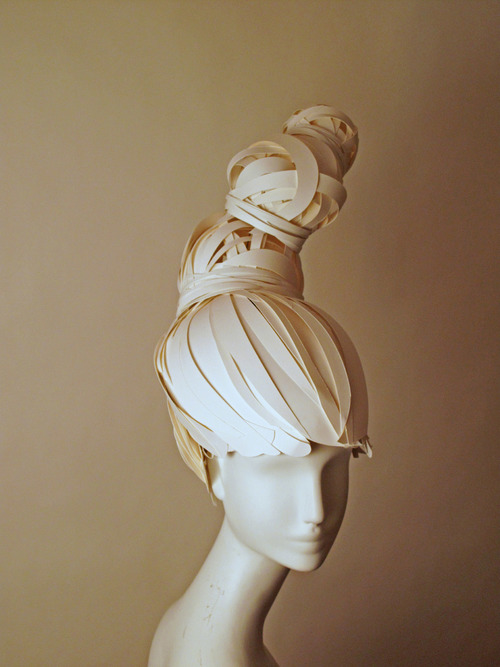
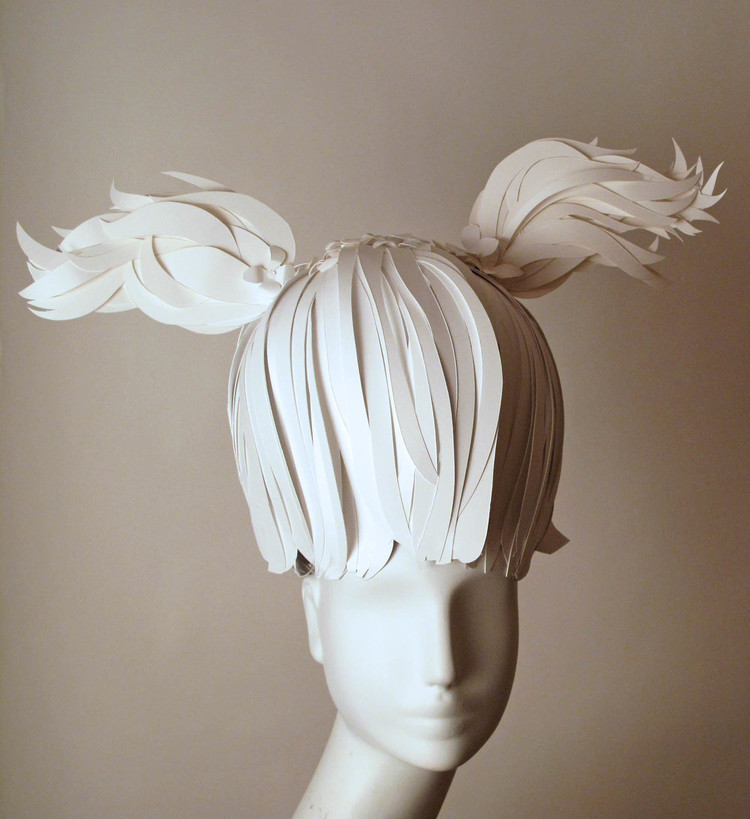
Wigs for the Jeffrey Windows

Ponytail

IceCreamCone

Pigtails

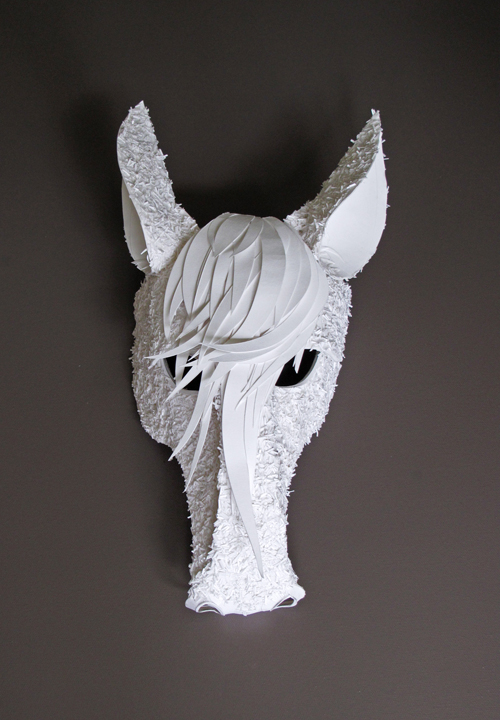
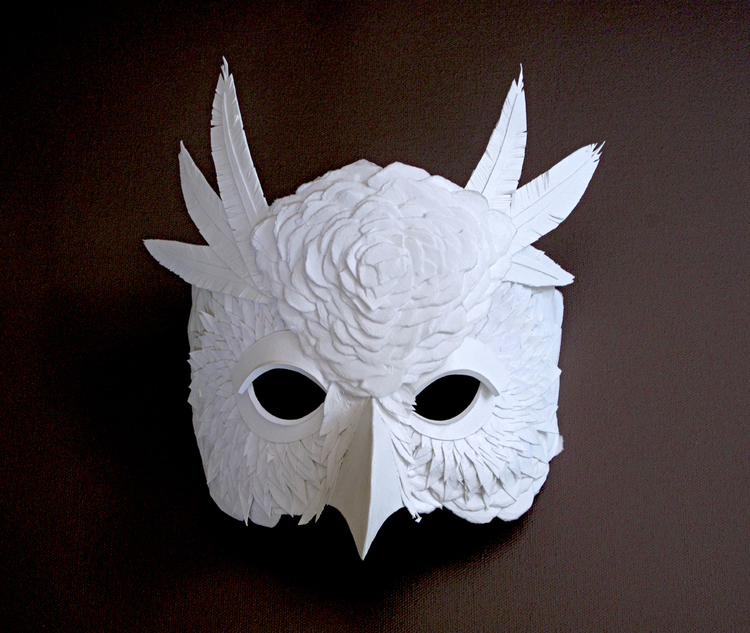
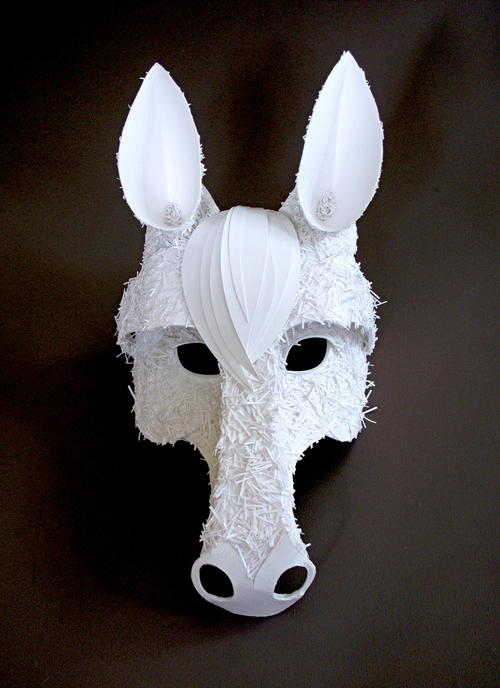
Since then, Flurry and Salk, a formally trained artist, have cut their way through commissions for some of fashion’s most recognizable and respected names: a mess of Shirley Temple curls in a bouffant for a holiday window display at the Bay; strands of coal-black hair for a series of wigs for Kate Spade; an exclusive collection of animal masks for Hermès.

Animal Masks for Hermès

Horse

Owl

Horse 2

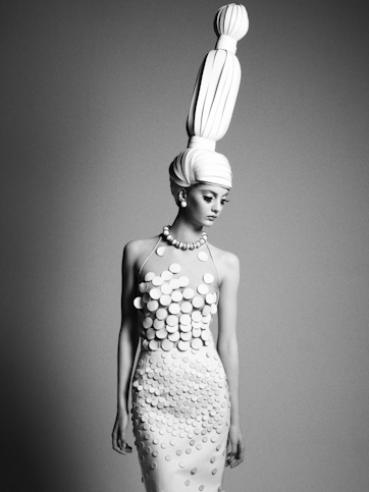
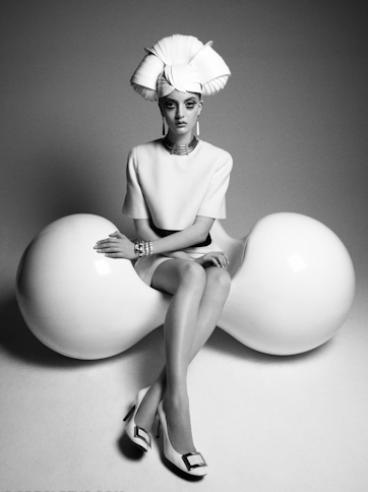
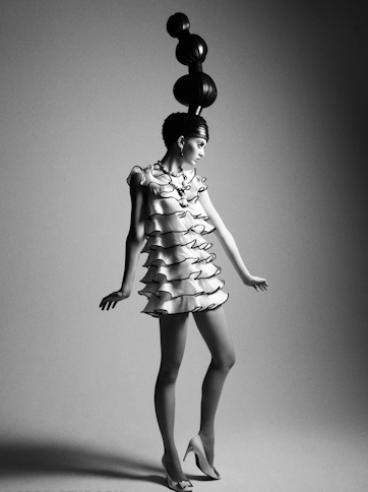
Any given Paper-Cut-Project sculpture can be made up of thousands of hand-cut, hand-placed, hand-glued pieces, the final work sometimes taking upward of 80 hours to create. And the duo doesn’t have six months to create seven pieces when Italian Vogue comes knocking. Paper-Cut-Project does it in a month. 

Vogue Italia, ph. by Greg Lotus

Paper-cut-project, ph. by Greg Lotus, Vogue Italia

Paper-cut-project, ph. by Greg Lotus, Vogue Italia

Paper-cut-project, ph. by Greg Lotus, Vogue Italia

Paper-cut-project, ph. by Greg Lotus, Vogue Italia

“For the two of us to work together, it is this very fluid knowing because we’ve done it together from the start. It would be almost impossible to bring somebody else in because it’s a piece-by-piece, cut-by-cut situation,” says Flurry. “People look at these pieces, and they think, ‘You must have had a whole crew of people sitting around cutting this stuff.’ It couldn’t work that way.”

And then Christie’s called. The elite New York auction house phoned the duo during the last-minute prep for its high-profile sale and exhibit of Elizabeth Taylor’s couture collection. “They had all these exquisite jewels for couture on the mannequins, and they looked goofy without something on the head,” Flurry says. They knocked out four pieces in two weeks, including a daisy-adorned ponytail to top Taylor’s lemony chiffon sundress she wore for her first wedding to Richard Burton.

Wigs for the “Hollywood Costume” exhibit at the V&A

BarryLyndonBarry Lyndon ElizabethGoldenAgeFrontElisabeth, the golden age BirdsBirds VirginQueenThe Virgin Queen shakespeare in love, ElisabethShakespeare in Love, Elisabeth Shakespeare in love, JosephShakespeare in Love, Joseph GangsofNewYorkGangs of New York CamelotCamelot (front) CamelotCamelot (back)

The duo was also commisioned by Valentino and collaborated with the Victoria & Albert museum, a 16-piece collection of paper wigs for their “Hollywood Costume” exhibit.

.

.

The Paper-cut-projectAmy Flurry and Nikki Salk, ph. by Caroline Petters
.
.
.
.
info:

Betty Brosmer, “the Most Gorgeous Body of 50s”

22 May

Betty Brosmer

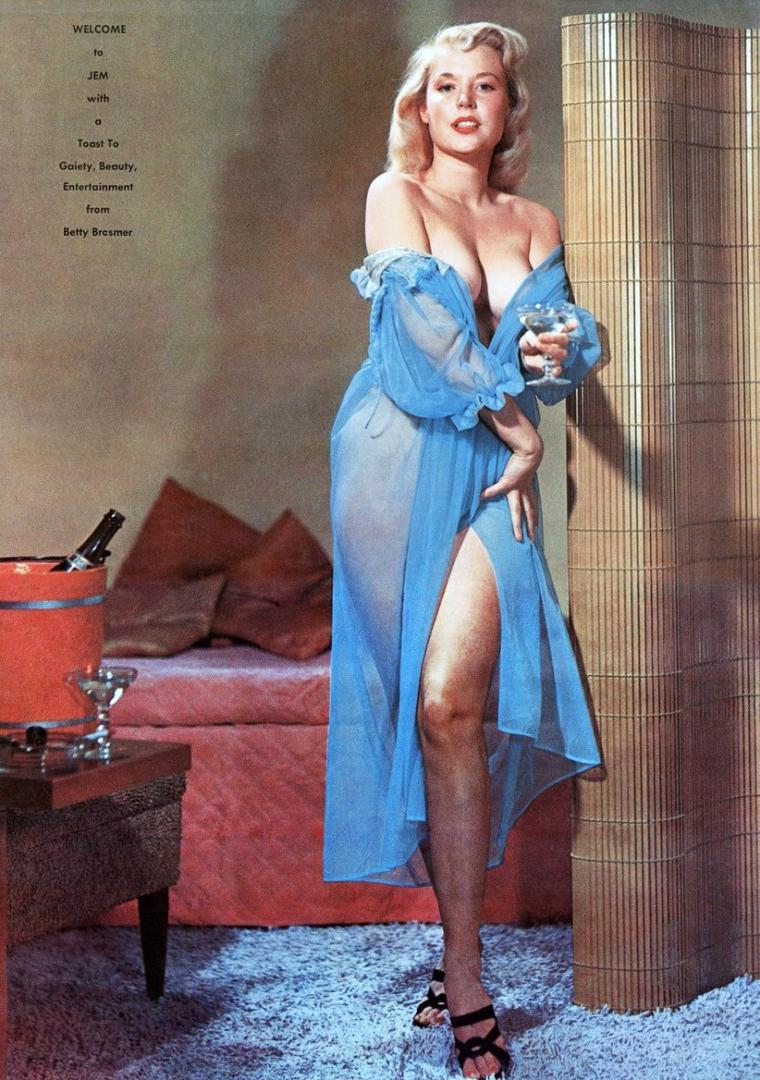
Beauty queen of 1950s Betty Brosmer started her model career at the age of 13. The result was more than impressive – she has won over 50 beauty contests, has appeared on magazine covers more than 300 times, her image decorated more than a hundred calendars, billboards across the country, and she was the highest paid model. She was a forerunner of such stars as Marilyn Monroe and Jayne Mansfield. Her phenomenal measurements: 38-18-36 (in inches) and 96-45-91 in centimeters gave her the title “The most gorgeous body of 50s”.

It’s speculated that Betty achieved her tiny waist with a little help from the practise of corset training, also known as waist training, waist reduction or tightlacing, for moulding a pronounced and significantly smaller waist, altering the shape of the ribcage in extreme cases and moving internal organs out of their original positions.

.

Short Biography

Betty Brosmer

Betty Brosmer (born on August 2, 1935) lived her early childhood in Carmel but later, from about the age of ten, grew up in Los Angeles. Naturally small and slight of frame, she embarked on a personal bodybuilding and weight training regimen before she was a teenager. Raised as a sports fan by her father, she excelled in youth athletics and was “something of a tomboy”.
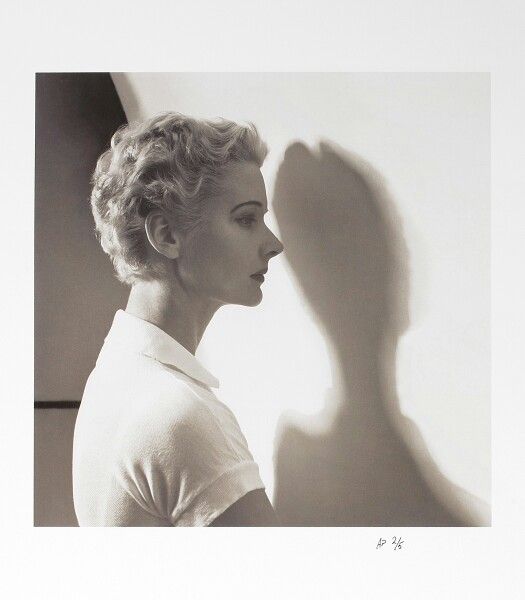
A photo of Betty appeared in the Sears & Roebuck catalog when she was 13 years old. The following year she visited New York City with her aunt and posed for pictures with a professional photographic studio; one of her photos was sold to Emerson Televisions for use in commercial advertising, and it became a widely-used promotional piece, printed in national magazines for several years thereafter.

Betty Brosmer

Betty Brosmer

Betty Brosmer

Betty Brosmer

Betty returned to Los Angeles and was soon asked to pose for two of the most celebrated pin-up artists of the era, Alberto Vargas and Earl Moran. Encouraged, her aunt took her back to New York City again in 1950, and this time they took up residency. Betty built her photographic portfolio while attending George Washington High School in Manhattan. Despite her age, over the next four years she found frequent work as a commercial model, and graced the covers of many of the ubiquitous postwar “pulps”: popular romance and crime magazines and books. As she explained, “When I was 15, I was made up to look like I was about 25”. Some of her most famous photo work during this period include glamour appearances in Picture Show, People Today, Photo and Modern Man. She was also employed as a fashion model, and in 1954 posed for Christian Dior.

Betty Brosmer

Once Betty was 16 years old, the most prestigious titles which could beauties in 50s get, like a magnet attracted to the California model, “Miss TV”, “Miss Jones Beach,” “Miss figure”, “Miss blue eyes”, and so on.

Betty was pursued by Playboy magazine for an exclusive pictorial, and a photo shoot was set up in Beverly Hills. The resulting picture set was rejected, however, after she declined to do any nude posing: “I wore sort of a half-bra or low demi-bra with nothing showing … and that’s what I thought they wanted.” Playboy threatened a lawsuit over the alleged breach of contract, but ultimately relinquished the case. The photos were eventually sold to Escapade magazine and published in its anthology issue Escapade’s Choicest. She never did any nude or semi-nude modeling throughout her long career: as she explained later in life, “I didn’t think it was immoral, but I just didn’t want to cause problems for others … I thought it would embarrass my future husband and my family”.

Betty Brosmer

She managed to win over 50 beauty contests! Her image appeared regularly in the magazine advertising, trade catalogs, on milk cartons and roadside billboards. One month, her photo was printed directly on the cover of the eight national magazines. She has managed to become the uncrowned queen of the world of magazine covers.

Betty became the first model, who had the rights on all her photos, got a percentage every time her photo was published. Marilyn Monroe became a commercial phenomenon after 1955. Since 1948, the standard of female beauty was Betty. She performed the title role in the development of pin-up, creating an image of a playful girl. Her long-term success prepared the launch of a new star – Marilyn Monroe.

Joe WeiderJoe Weider would become Betty's husband in 1961
.

April 24, 1961 26-year-old Betty marries a famous bodybuilder, entrepreneur and co-founder of the International Association of bodybuilding, the creator of the Mr. and Ms. Olympia, Joe Weider and she takes her husband’s surname.

They lived together for a lifetime, and wrote many books on bodybuilding and fitness, in 1981 Betty and Joe co-wrote the “Book of Weider bodybuilding for women”, it’s still a leading speaker on these topics.

They say she suggested her husband to look at the Austrian champion – Arnold Schwarzenegger. Thanks to her, “The Terminator” was settled in neighboring cottage of Weider. This was her who pushed him to the movie screen.

Betty Brosmer with Arnold SchwarzeneggerBetty Weider (Brosmer) with Arnold Schwarzenegger
.

Betty developed her talent to business: in the 70s she jointly actively engaged in trading real estate. Power Exerciser huge sales were due to the fact that a new product was advertised by the couple “Arnold Schwarzenegger – Betty Weider”.

Joe Weider died in 2013, and Betty is now alone, and she still looks perfectly. Years passed her. She remains a star, immersed in the arms of the most muscular men of the planet.

Betty Brosmer

official website: http://www.bettyweider.com/

betty-brosmer-magazine

Betty Brosmer

.

A story about an even tinier waist:

Mr. Pearl, Ethel Granger and Stella Tennant, what a waist…..

.

info:

Wikipedia

http://www.messynessychic.com/

http://www.bettybrosmer.com/

C.Z. Guest, one of America’s Classic Beauties & first Fashion Icon Award winner

15 May
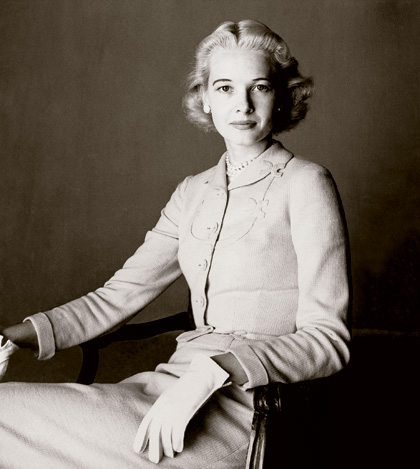
C.Z. GuestWearing oatmeal tweed Mainbocher, ph. Irving Penn 1952

A muse to artists like Andy Warhol and Salvador Dali, C.Z. Guest was one of the first true fashion icons. The socialite who also became a fashion designer later in life was the first among the select list of CFDA Fashion Icon Award winners. Named in the International Best Dressed List Hall of Fame in 1959.

C.Z Guest

Short Biography

Lucy Douglas “C. Z.” Guest  (born Cochrane) was an American stage actress, author, columnist, horsewoman, fashion designer, and socialite who achieved a degree of fame as a fashion icon. She was frequently seen wearing elegant designs by famous designers like Mainbocher. Her unfussy, clean-cut style was seen as typically American.

She was born on February 19, 1920 in Boston. Her brother called her “Sissy” and she transformed that into “C.Z.” Mrs. Guest’s father died when she was 6. She was educated by tutors and later graduated from the Fermata School in Aiken, S.C. She made her debut in 1937, and was voted the glamour girl of the Massachusetts North Shore in a contest held in 1939, which prompted a brief fling as a showgirl. She appeared in a 1943 revue on the roof of the Ritz-Carlton in Boston and in a revival of the Ziegfeld Follies on Broadway in 1944. She spent six months in Hollywood attending 20th Century Fox’s studio school but never appeared in a film.

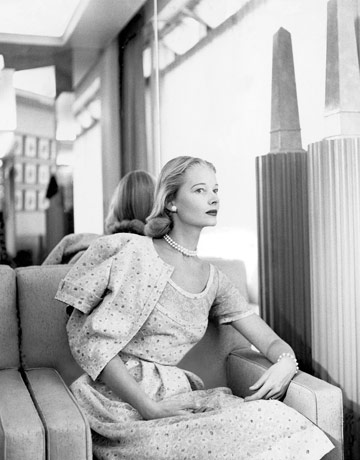
In Mainbocher's La Galerie floral dress and jacket and double-strand pearls, 1950Mainbocher's La Galerie floral dress and jacket, 1950

”My ambition was to be a successful enough actress to get myself thrown out of the Social Register,” she once said. ”I had no talent at all but I enjoyed every minute of my experience.” It was also during this period that she took off for Mexico, where Diego Rivera painted her as a nude odalisque. When she became engaged to Mr. Guest, her portrait, which had reportedly been displayed in a Mexico City bar, was bought by her fiancé’s family.

Mrs. Guest’s interest in horticulture began when she was a child following the family gardener around her parents’ estate on the North Shore of Boston. Embarking on a writing career relatively late in life, she was the author of books on gardening and a children’s book, ”Tiny Green Thumbs.” She also wrote a syndicated weekly column that appeared in 350 newspapers across the nation.

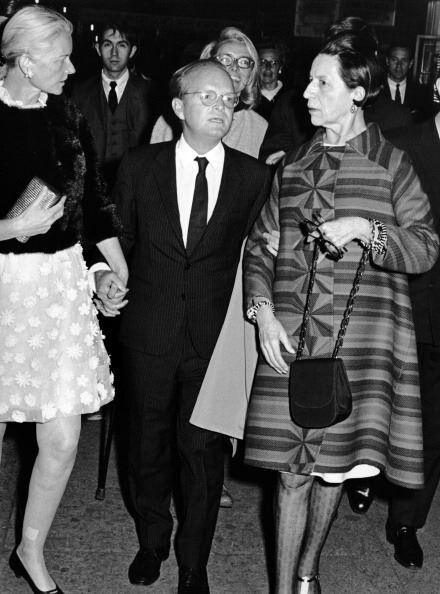
Capote, Diana Vreeland & C.Z. Guest (1968).C.Z.Guest, Truman Capote & Diana Vreelend

Mrs. Guest began her writing career while recovering from a horseback riding accident in 1976. While she was convalescing, frequent telephone calls from friends about their gardening problems prompted her first book, ”First Garden,” which was illustrated by her ”very dear friend” Cecil Beaton and which had an introduction by another ”dear, dear friend,” Truman Capote.

C.Z.Guest by Cecil beaotnPortret by Cecil Beaton

Beaton and Capote were only two in a legion of celebrities and jet-setters who surrounded Mrs. Guest throughout her vivid life. When she was married in 1947 to Winston Frederick Churchill Guest, an international polo star, heir to the Phipps steel fortune and a second cousin of Winston Churchill, the ceremony was held at the home of Ernest Hemingway in Cuba, with Hemingway serving as best man.

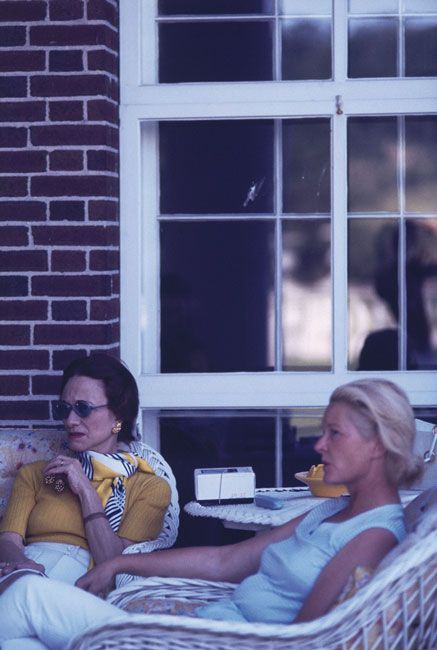
Until Mr. Guest’s death in 1982, the couple was prominent in international social circles, hunting in India with the Maharaja of Jaipur and frequently entertaining the Duke and Duchess of Windsor, who subsequently became godparents of their children, Cornelia and Alexander.

C.Z. Guest and the Duchess of WindsorWith the Duchess of Windsor

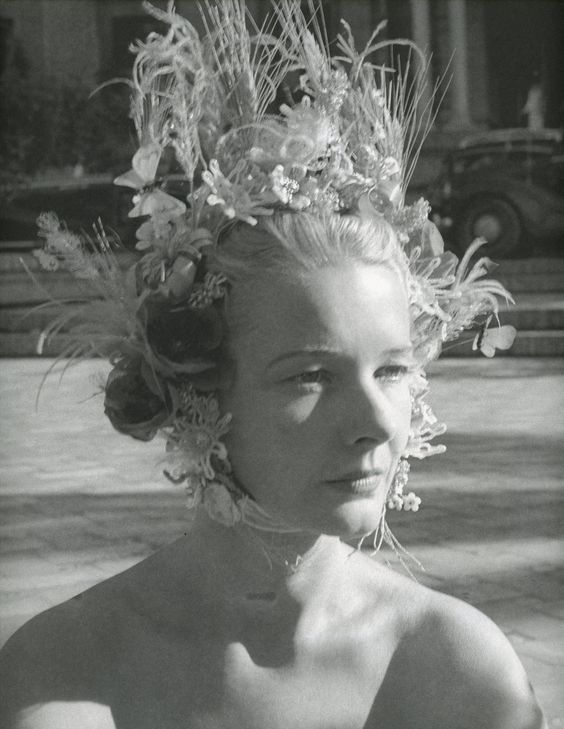
 C. Z. Guest was considered one of America’s classic beauties. The writer Jill Gerston once described her this way: ”With her pale skin, blue eyes, ash-blond hair and trim figure, she is cut from the same cool, silky cloth as Grace Kelly. It is a patrician beauty that is indigenous to socially registered enclaves like Palm Beach and Southampton, a sporty, outdoorsy look that eschews makeup, hairspray and anything trendy. She has an outspoken, coolly self-assured manner and a throaty, well-modulated voice with a trace of a British accent.”

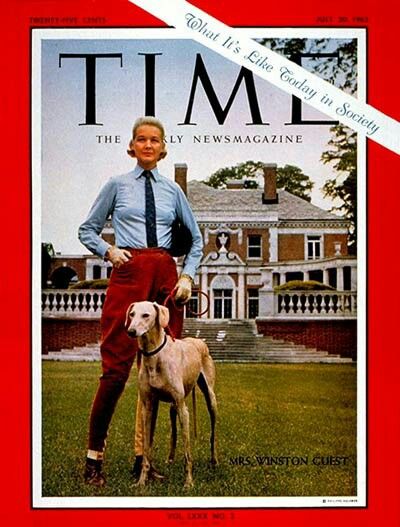
In 1962, Time magazine did a lengthy article on American society and apotheosized Mrs. Guest on its cover as the model of horsy high society. She posed in front of her Long Island estate wearing a button-down shirt and tie and jodhpurs, a sleek hound at her side, the personification of old-guard chic. Truman Capote once described Mrs. Guest as the incarnation of understated elegance and said she was ”a cool vanilla lady.” John Fairchild, then publisher of Women’s Wear Daily, described her as ”Southampton, Long Island American, Ivy League blond.” British Vogue said she had ”the face of a flower.”

C.Z Guest in cover Time magazine

Often adorned by Mainbocher, Givenchy and Adolfo Dominguez., she was chosen by the New York Dress Institute as one of the best-dressed women in the world early in the 1950’s and remained on the list for years until her elevation to the Fashion Hall of Fame.

On of the Best Dressed Women in early 1950’s

C.Z. Guest

C.Z.Guest

C.Z. Guest, photo by Peter Stackpole, October 1947

C.Z.Guest

C.Z.Guest

C.Z. Guest

C.Z. Guest photographed by Cecil Beaton for Vogue

C.Z. Guest

Mrs. Guest was also the designer of a small fashion collection introduced in 1985 and at the time made up principally of cashmere sweaters. ”I will only sell what I like to wear,” she said after her sweaters had been displayed flung casually around the shoulders of models at the semiannual show of the designer Adolfo Dominguez. A limited sportswear line was licensed in 1986 and in 1990 she came out with a fragrant insect repellent spray and other garden products.

Mrs. Guest died on November 8, 2003

C.Z. Guestph. Bruce Weber.

.

‘I’ve always felt that having a garden is like having a good and loyal friend,” C.Z. Guest once said.

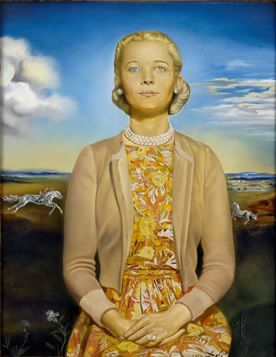
Salvador Dalí - Portrait of C. Z. Guest, 1958Salvador Dalí - Portrait of C. Z. Guest, 1958

.

info:

Wikipedia

The Apple Boutique, only lasted eight Months

8 May

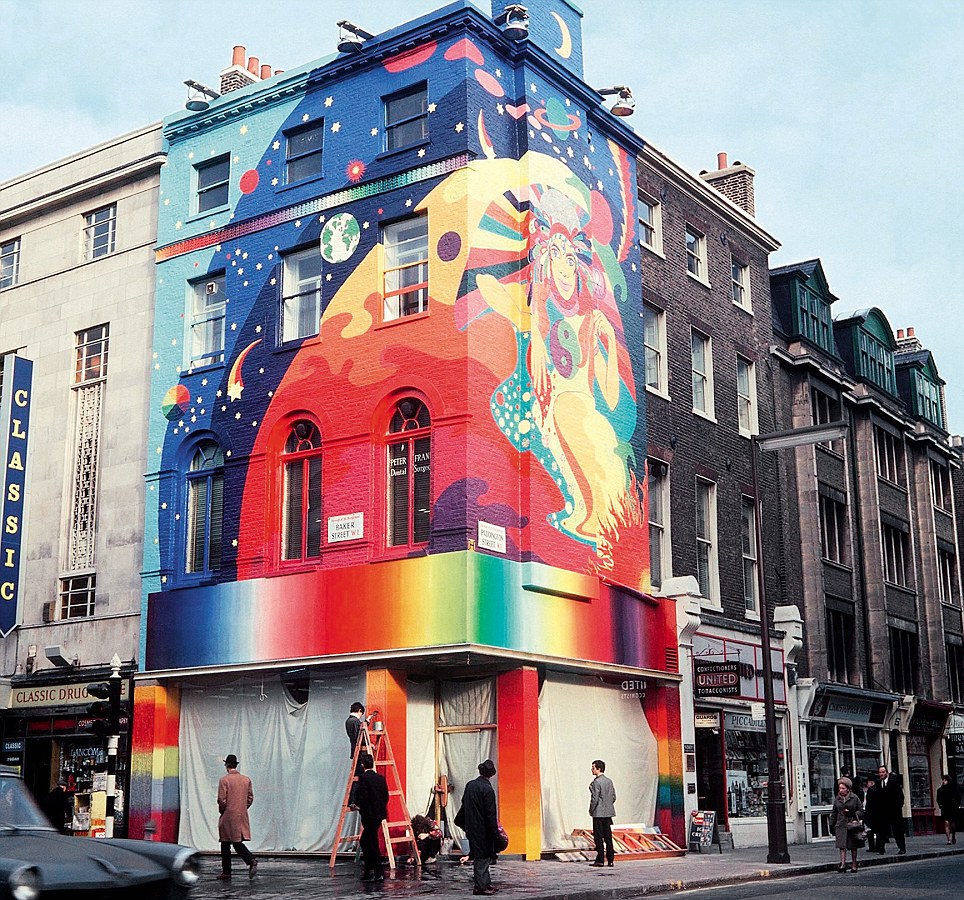
The Apple StoreApple Shop just before opening

.

The Apple shop was a retail store located in a building on the corner of Baker Street and Paddington Street, Marylebone, London. It opened on 7 December 1967 and closed on 30 July 1968. The shop was one of the first business ventures by The Beatles’ newcomer Apple Corps.

The concept of the shop was that everything in it was for sale. The aim, as described by Paul McCartney, was to create “a beautiful place where beautiful people can buy beautiful things”. In practice, the stock was overwhelmingly fashion garments and accessories. John Lennon vetoed the use of the word “boutique”, but the venture has come to be popularly called the “Apple Boutique“.

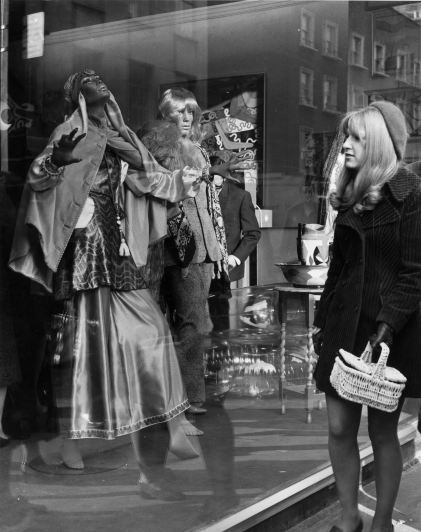
The Apple Boutique windowApple Boutique window

.

The launch party on 5 December 1967 was attended by John Lennon and George Harrison with their wives, as well as Eric Clapton, Jack Bruce, Cilla Black and Kenneth Tynan, who were sipping apple juice as the shop had no alcohol licence.7th December 1967 Jenny Boyd, sister in-law of Beatle George HarrisonJenny Boyd, sister in-law of Beatle George Harrison

.

Lennon’s friend Peter Shotton managed the store with Pattie Boyd’s sister Jenny Boyd. The Apple shop was a financial disaster. Theft was endemic. Customers helped themselves to the stock, as did staff members, who had difficulty determining which things people had come in with and which they had picked up in the shop. The ethos of the venture and those operating it was antipathetic to making accusations of shop-lifting or of calling for the police. The Fool’s members also made a habit of taking their choice of the merchandise.

.

The Mural

dbc8df8689ab47765619b90ca69b9981The Fool 

.

During the 60’s three Dutch designers, Mr. Simon Posthuma, Ms. Josje Leeger, and Ms. Marijke Koger had an initially successful fashion boutique called the Trend in Amsterdam. It was closed due to financial problems. Simon and Marijke wandered around Europe before moving to London where they met Simon Hayes and Barry Finch. Hayes became the business manager while Finch joined the 3 Dutch designers who became known as “The Fool.” Pattie Harrison was familiar with them and even wore some of their designs. How it all started is not clear, but in September 1967 the Beatles gave The Fool 100,000 pounds to design and stock the first outlet of a planned national chain of “Apple” shops. 

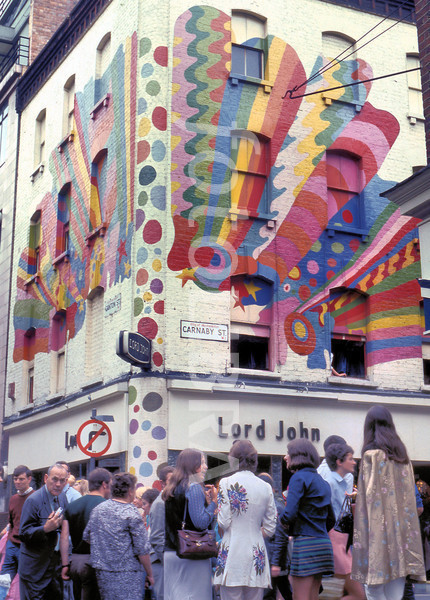
Barry Finch employed art students to paint a psychedelic style mural, designed by The Fool, across the building’s facades between 10 and 12 November 1967. The concept was borrowed from the painting of the facades of the Lord John shop in Carnaby Street, albeit executed to a figurative design with greater density and color.

Lord John shopLord John shopThe fool outside the Apple Boutique.The Fool outside the Apple Boutique The Beatles' Apple Boutique (after The Fool's psychedelic murals were painted overThe Apple Boutique after The Fool’s psychedelic murals were painted over

.

Westminster City Council had not, however, granted consent for the mural, which could be construed as an advertisement, nor had a licence to do this been sought from the landlord, the Portman Estate. Complaints from local traders resulted in the Council issuing Apple with an enforcement notice to paint over the façade mural. In addition, the Portman Estate were prevailed upon[by whom?] to enforce the terms of the lease.

Apple Boutique Fashion, designed by The Fool

Apple Boutique Fashion

Apple Boutique Fashion

Designed by The Fool, 1960s.

Between 15 and 18 May 1968 the façades were duly painted white with the word “Apple” in cursive script painted on each fascia. This transformation and shift in style from the florid “psychedelia” of the original mural, already anachronistic by the end of 1967, to the minimalism of the “approved” scheme prefigures the contrast in record cover design between that of Sgt. Pepper’s Lonely Hearts Club Band released in June 1967 and that of The Beatles to be released in November 1968.

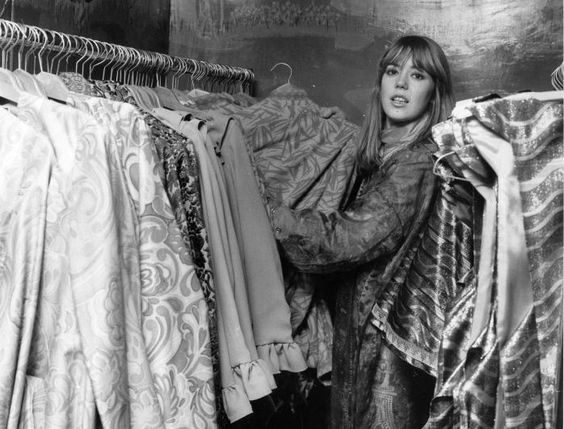
Inside the Apple Boutique

Apple Boutique

Interior of Apple Boutique, 94 Baker Street, London. Photograph by Peter Mitchell, 1967.

In an interview conducted for The Beatles’ Anthology, George Harrison said of the artwork: “If they’d protected it and the painted wall was there now, they would be saying, ‘Wow, look at this. We’ve got to stop it chipping off.’ But that’s just typical of the narrow minds we were trying to fight against. That’s what the whole Sixties Flower-Power thing was about: ‘Go away, you bunch of boring people.’ The whole government, the police, the public — everybody was so boring, and then suddenly people realized they could have fun. Once we were told we had to get rid of the painting, the whole thing started to lose its appeal”.

.

The Failure and Closing

The retail business lost money at an alarming rate, due to (among others) the shop-lifting, eventually running to £200 000 and the shop was closed on 30 July 1968.

Jenny Boyd (bottom) with Beatle wives Pattie Harrison, Cynthia Lennon and Maureen Starr modelling Apple boutique designs, 1968Jenny Boyd (bottom) with Beatle wives Pattie Harrison, Cynthia Lennon and Maureen Starr modelling Apple boutique designs, 1968

.

The night before the closing The Beatles, their wives and girlfriends came to take what they wanted. The next morning it was announced that all the remaining stock was to be given away on the basis of one item per person. In his interview on The Beatles’ Anthology george Harrison describes the event: “We ended up giving the contents away. We put an ad in the paper and we filmed people coming in and grabbing everything”. Word spread quickly and the shop was empty within hours. The public, numbering in the hundreds nearly rioted trying to get their share and the police attended.

e328be65134e124098950553becb746aOne item per person were given away

.

.

Marijke Koger & Simon Posthuma 
Jackie magazine
1970Marijke Koger & Simon Posthuma 
Jackie magazine, 
1970

.

info:

Wikipedia

http://www.strawberrywalrus.com/applestore.html

http://dandyinaspic.blogspot.nl/2012/11/the-fool-beatles-and-story-of-apple.html