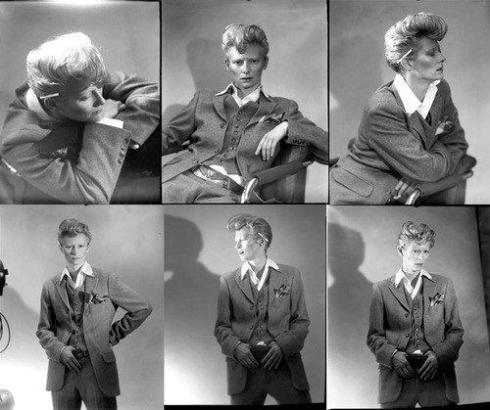
David Sims, fashion photographer

10 Feb

David Sims

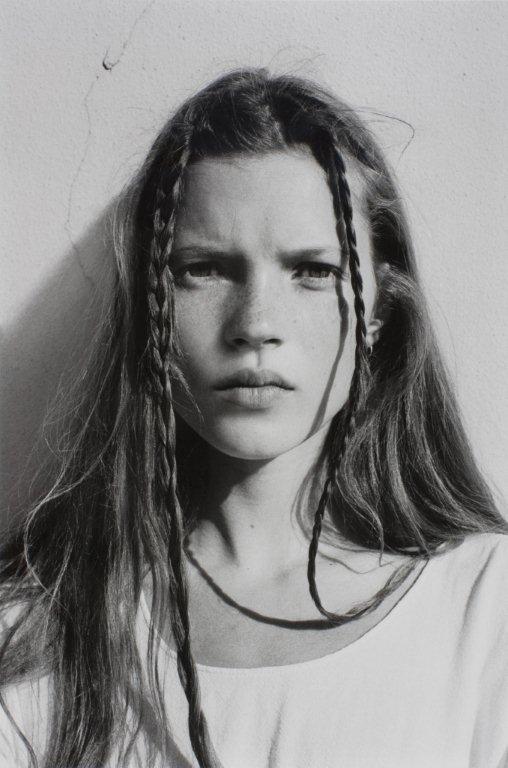
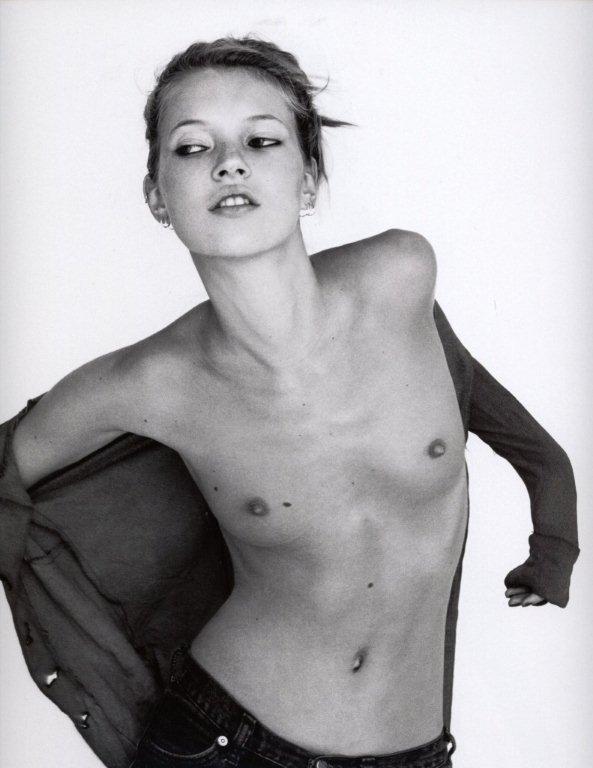
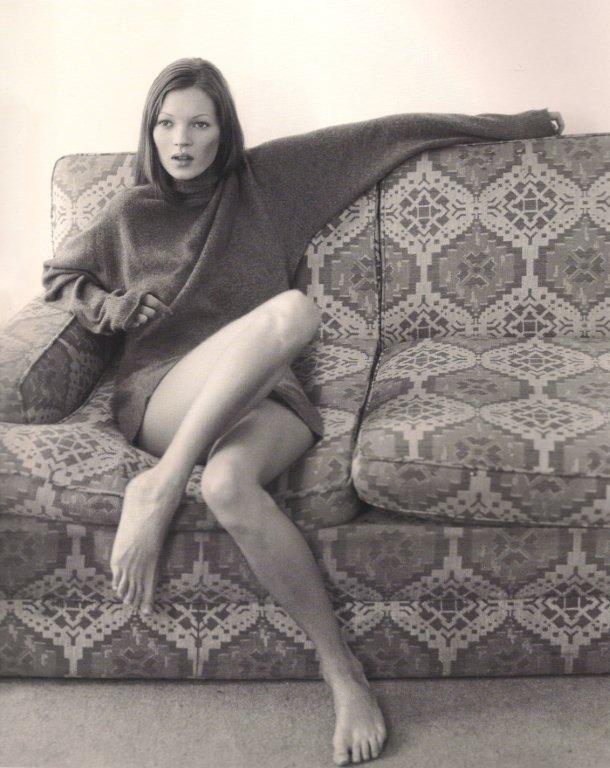
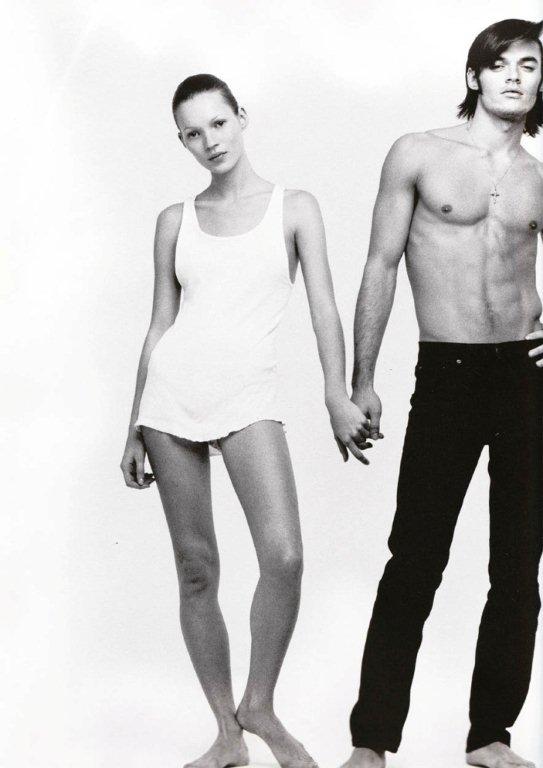
Fashion photographer David Sims is born in Yorkshire, England in 1966. He leaves secondary school when he is 17 and soon starts assisting photographers Robert Erdmann and Norman Watson. At 19 he steps out on his own and gets his work published in i-D. He also starts collaborating with make-up artist Dick Page and hairstylist Guido Palau. He becomes one of the ‘new photographers’, who are partially responsible for the changes in fashion photography in the 90ties.

In 1993, David Sims is hired by Calvin Klein to shoot an ad campaign with Kate Moss and for this David Sims becomes internationally recognized. He signs a one-year exclusive contract to Harper’s Bazaar (USA).

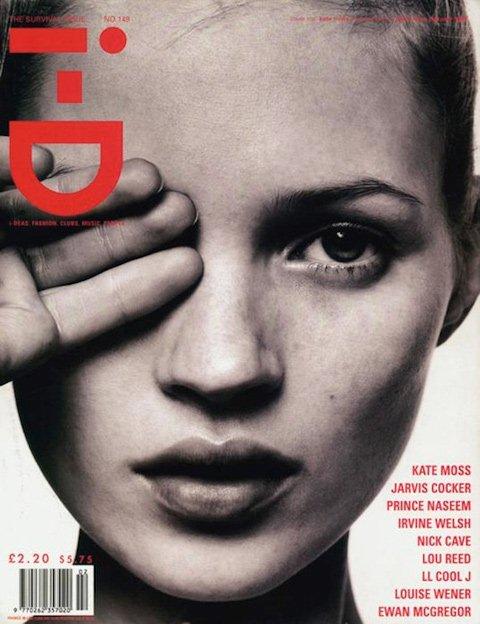
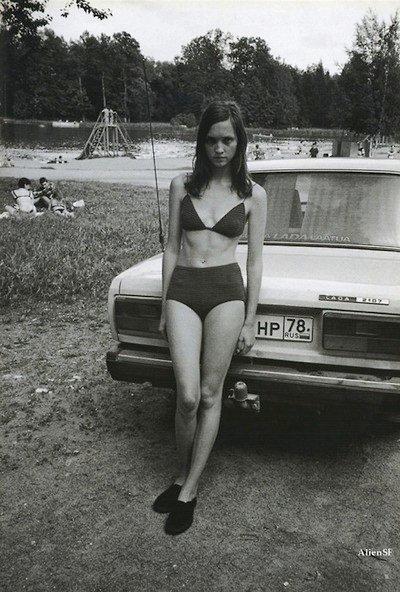
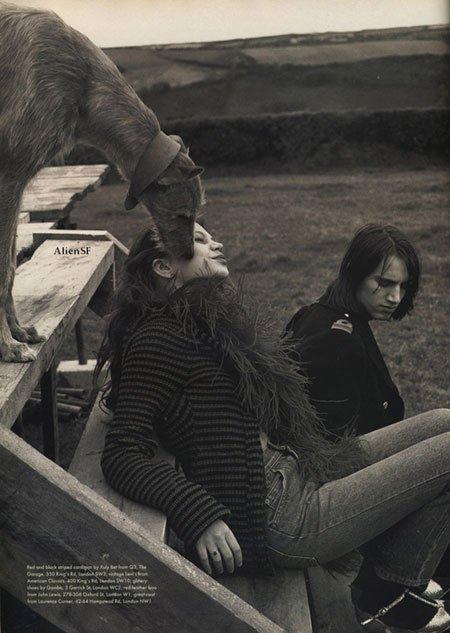
In the post ‘fashion photography changed in the 90ties’ I showed some early pictures of David Sims, modelled by Emma Balfour and his first i-D cover of February 1996, starring Kate Moss covering one eye with her hand. Another series that stayed with me is published in Harper’s Bazaar in ’93, modelled a young Linda Evangelista.

Harper’s Bazaar US, September 1993. ‘Anatomy of a suit’

Harper's Bazaar 1993

HarpersBazaar'93

Harper's Bazaar

Harpers_Bazaar_us_September_1993_anatomy_of_a_suit_06

Harpers_Bazaar_us_September_1993_anatomy_of_a_suit_07

Harper's bazaar

Harpers_Bazaar_us_September_1993_anatomy_of_a_suit_05

Harper's Bazaar

harper's Bazaar

Harper's Bazaar

.

David Sims’s photographs appear at the Howard Greenberg Gallery in New York and in ’94 and he is named Young Fashion Photographer of the Year. But it is his ’95 campaign for the Japanese avant-garde designer Yohji Yamamoto that is the real turning point in his career.

Yohji Yamamoto campaign 1995

Stella tennant

Stella Tennant

Stella Tennant.

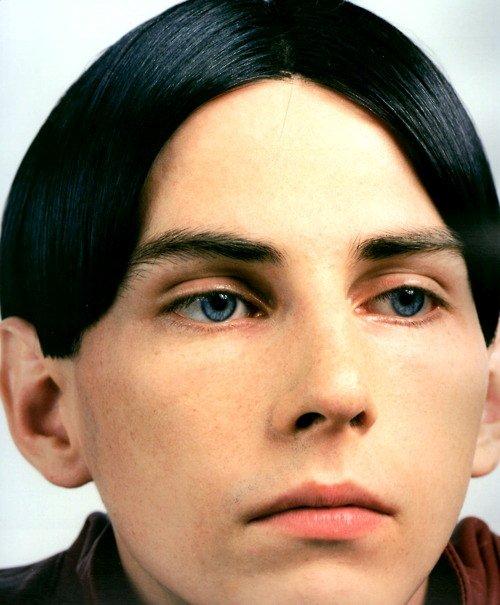
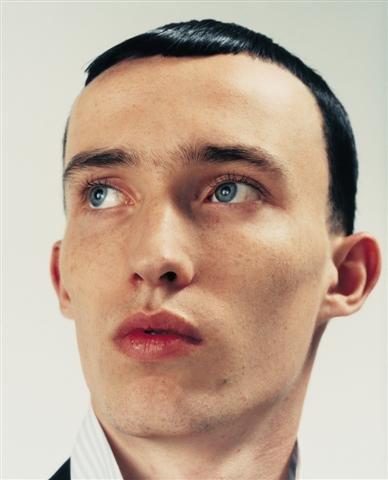
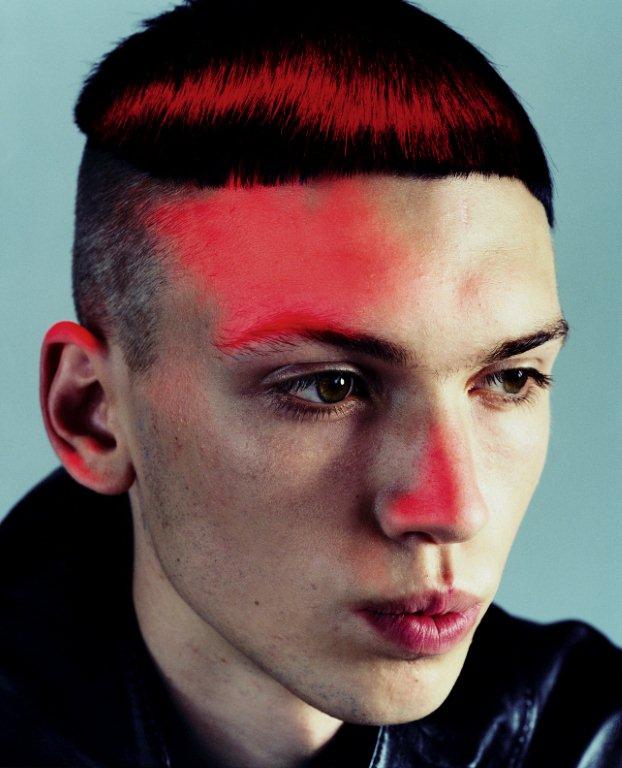
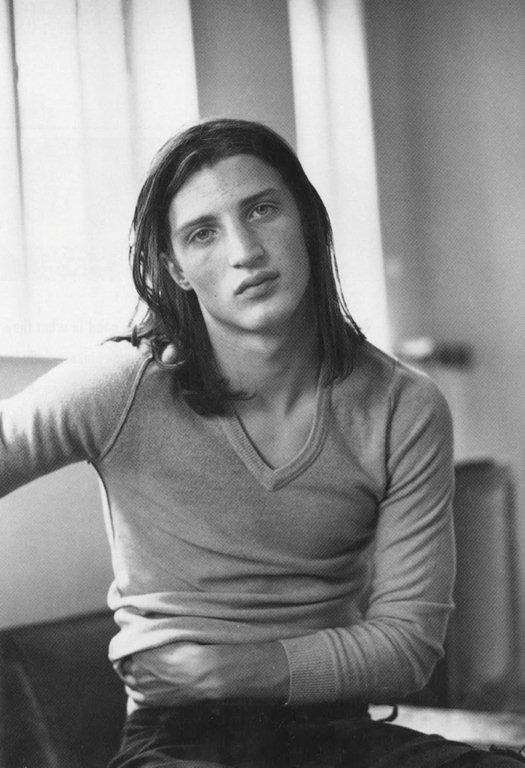
In ’96 David Sims is named Photographer of the year at the International Festival of Fashion Photography, beating Steven Meisel, Juergen Teller, Craig McDean, Mario Testino and David LaChapelle. He also starts working with menswear designer Raf Simons. Together they produce ‘Isolated Heroes’, a collection of portraits of Raf Simons’s unconventional models dressed in his s/s 2000 collection. This eventually develops into a book and a traveling exhibit.

Isolated Heroes
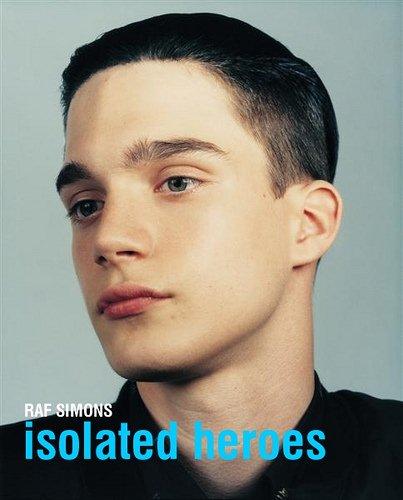
Book cover

Isolated Heroes

Isolated Heroes

Isolated Heroes

.

In 2000 Women’s Wear Daily (WWD) reports the days of alternative fashion magazines may be coming to an end, as'”phtographers once synonymous with the underground are now employed by the likes of Vogue“.

In 2002 David Sims becomes romantically involved with Luella Bartley, a fashion journalist turned designer. Soon son Kip Sims is born, two years  later followed by daughter Stevie Sims and in 2007 second son Ned Sims joins the family. When he’s not travelling the world shooting for the world’s top fashion magazines, David can be found hitting the surf in Cornwall, where family lives.
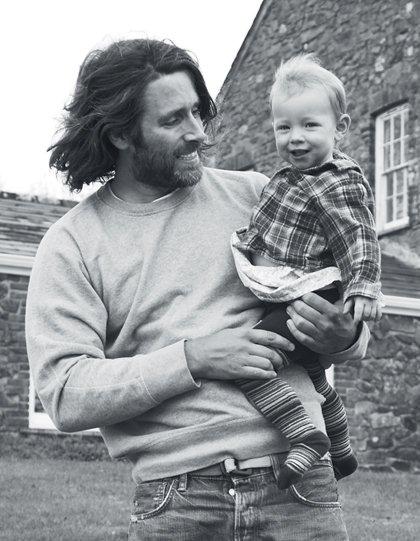
David Sims

Luella Bartley

.

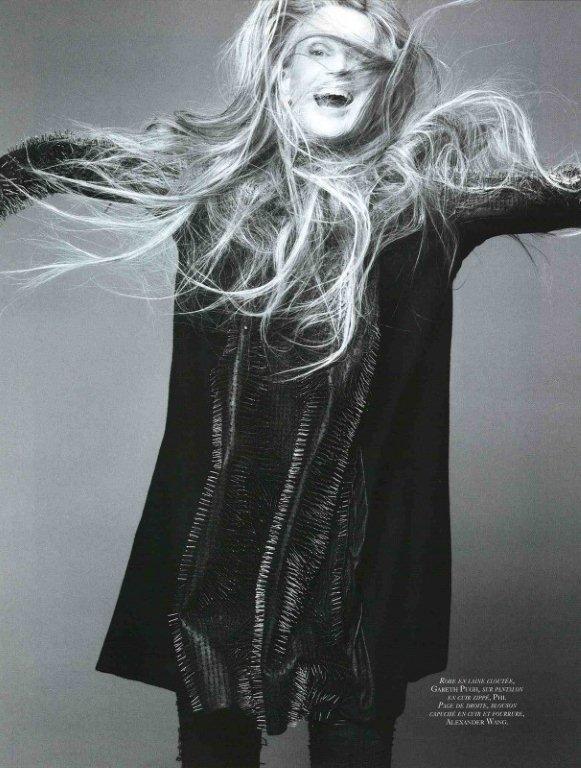
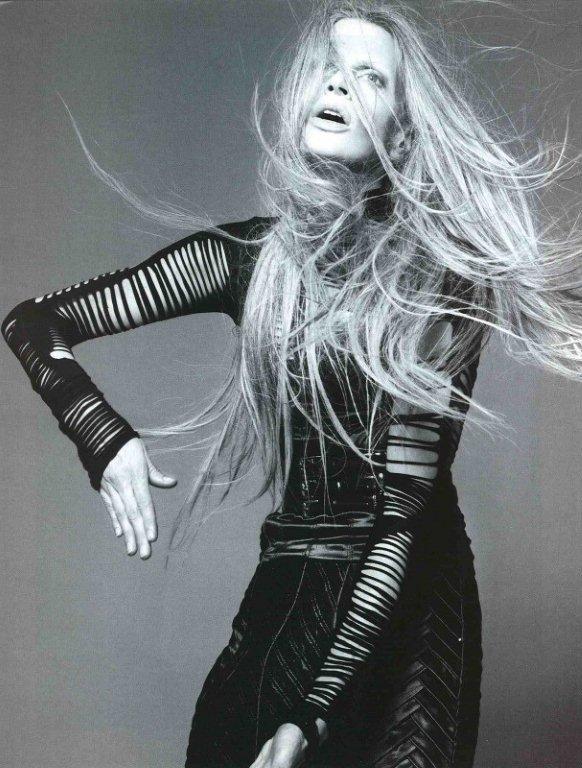
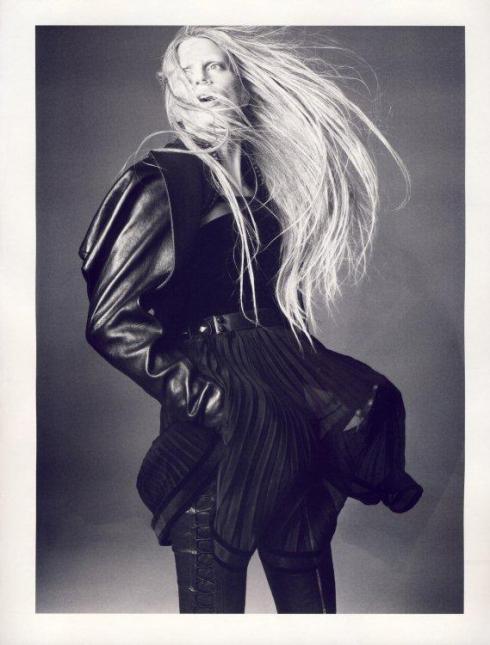
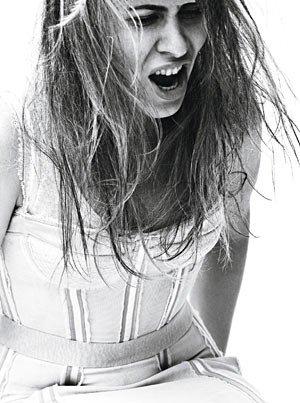
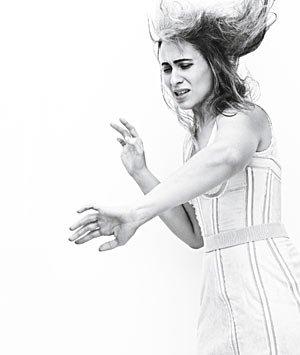
David Sims known as a very private person and prefers to leave little trace- only the beautiful photographs he makes. his style has shifted with time, becoming more kinetic and less nitty-gritty after the turn of the millennium. David Sims still prefers to shoot against a plain backdrop, but he instructs his models to bend, jump, and otherwise push the edges of the frame. He works for Vogue not just with one main fashion editor, but with all the magazine’s stalwarts: Grace Coddington, Tonne Goodman, Camilla Nickerson, and Phyllis Posnick.

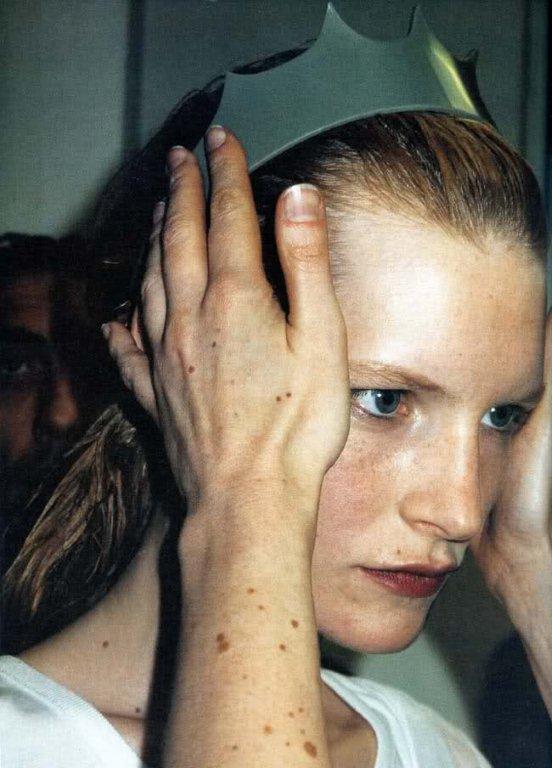
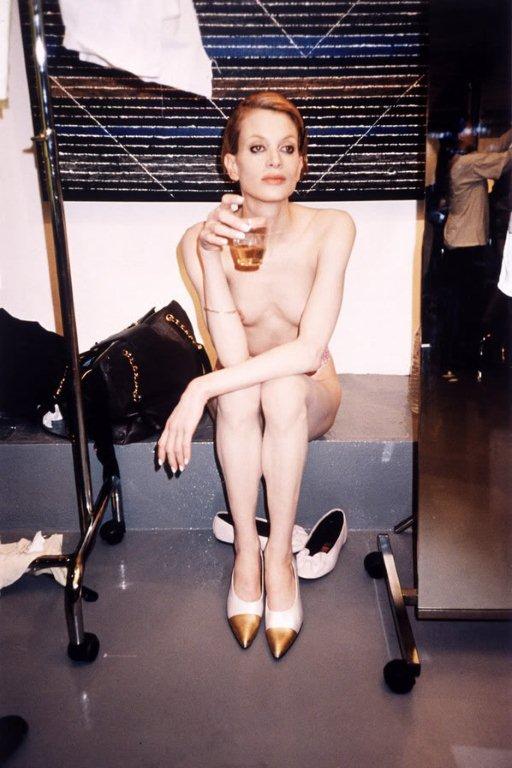
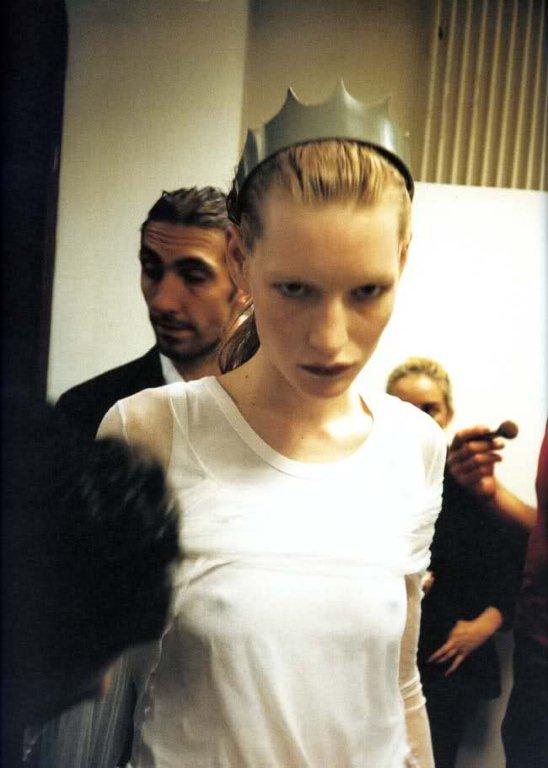
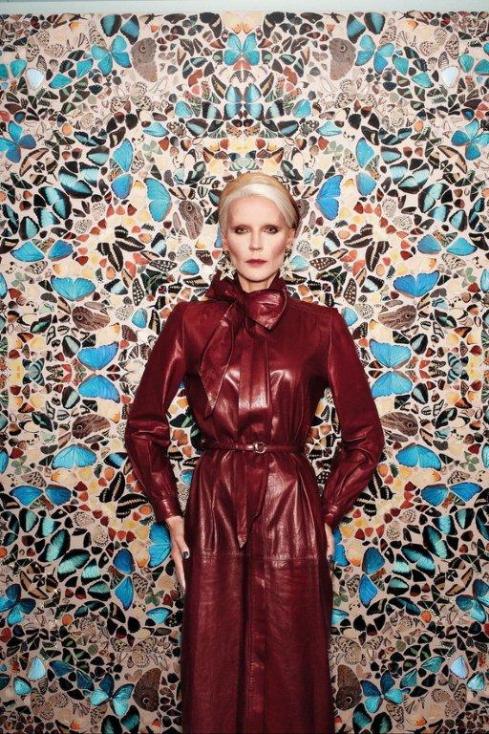
Vogue Paris 2009, Kristen McMenamy 
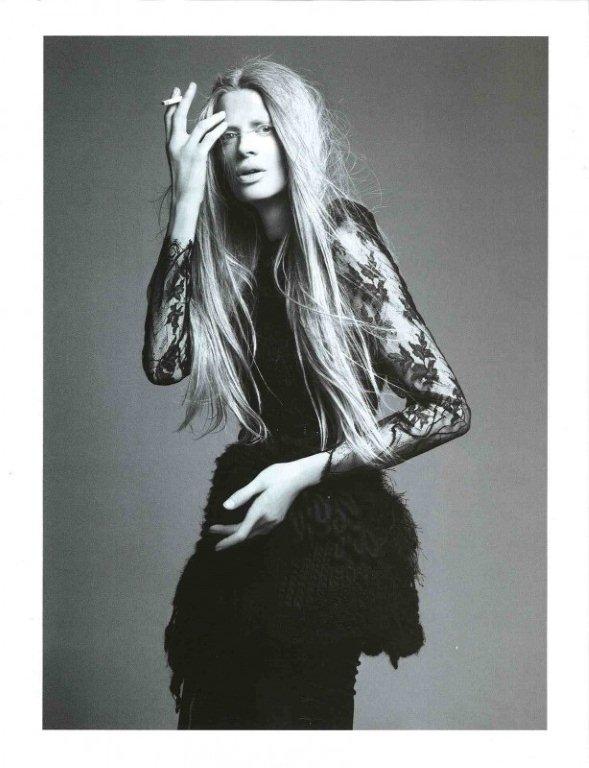
Vogue Paris 2009

Vogue Paris 2009

Vogue Paris 2009

Vogue Paris 2009

.

Luella Bartley, an English writer and magazine editor who first became famous for her now-defunct fashion label, has admitted to being nervous about revealing new projects—say, a book cover or home-decorating scheme—to him. Why? Because he is an arbiter of extreme discernment. (“Dave has such amazing taste, so he always ends up doing the house,” she said in 2007.) The couple, both fanatic surfers, live near the waves in a seventeenth-century farmhouse  in Bodmin, Cornwall. When the writer Mark Holgate visited Luella Bartley—and their children, Kip, Stevie, and Ned—for a Vogue profile in 2006, she said that she and her husband share a need to create their own atmosphere and surroundings: “We will get the most beautiful piece of furniture, something that cost a fortune,” she said, “and we have to do something to it—scratch it, slap on stickers, anything—to make it ours.”

Kate Moss in Heads: Hair by Guido

.

David Sims & Luella Bartley are named in The Independent’s list of style influencers in 2009. When Emmanuelle Alt, editor-in-chief, spoke about her vision as the new editor in chief of French Vogue, David Sims’s name popped up. He’s been tapped by Prada and Yves Saint Laurent to do advertisements and after photographing Kate Moss with ‘faux-cropped’ short hair for the book Heads: Hair by Guido, she was inspired to cut her hair for real. All these proof positive of how the understanding and taste of this least self-promoting of fashion photographers is respected across the industry.

W magazine, February 2009 Alexandra Deshorties is ‘Aria’
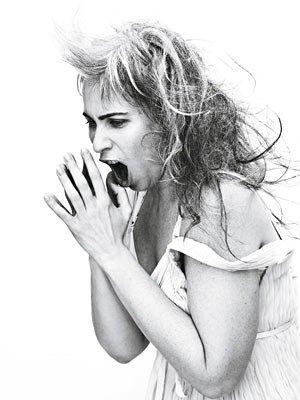
W magazine

W magazine

W magazine

W magazine

W magazine

.

.

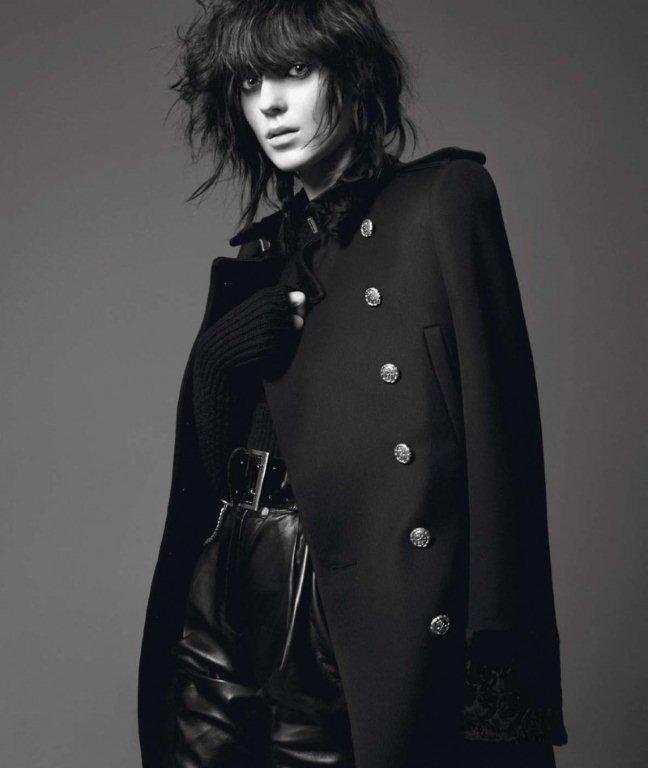
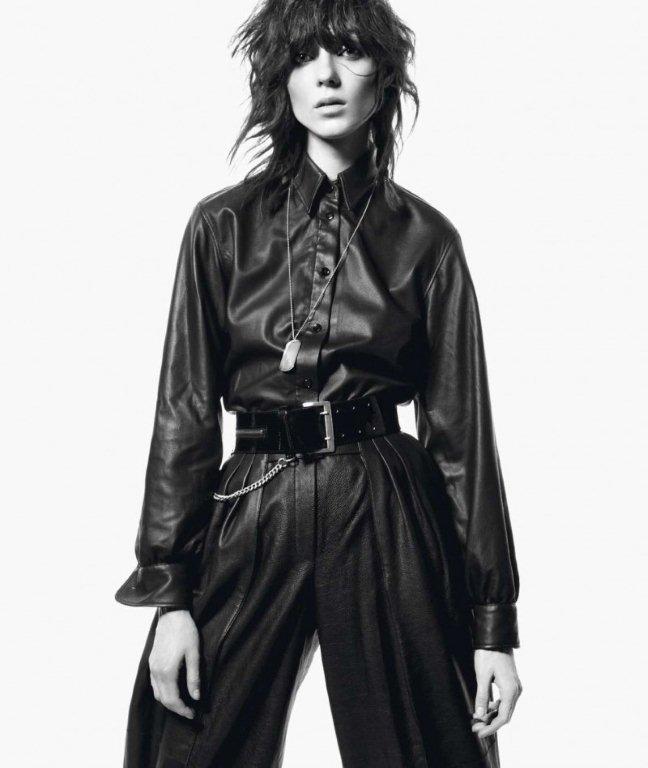
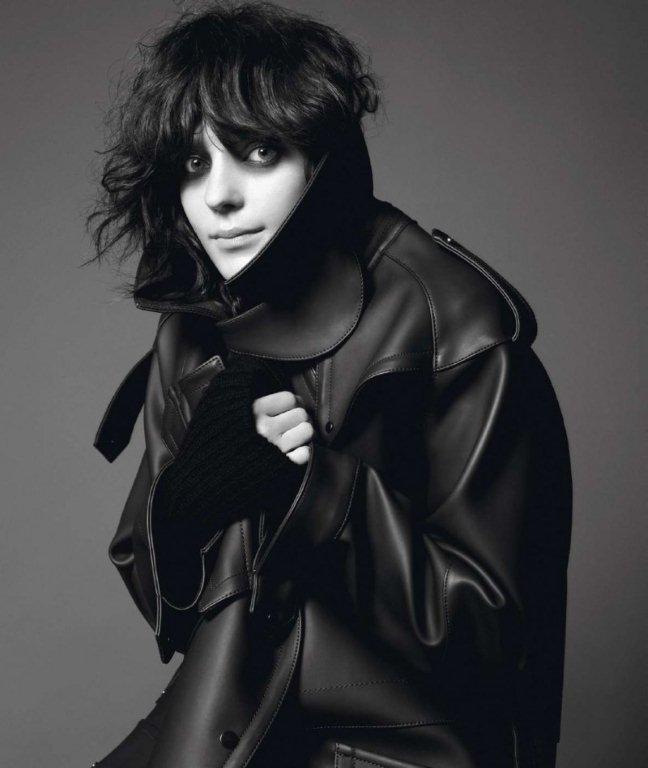
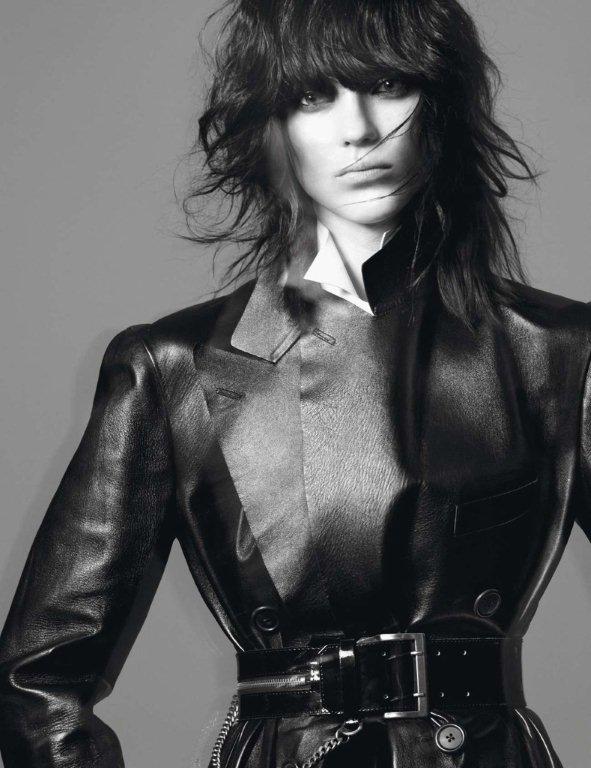
Vogue Paris November 2012, ‘Le Noir Dans La Peau’
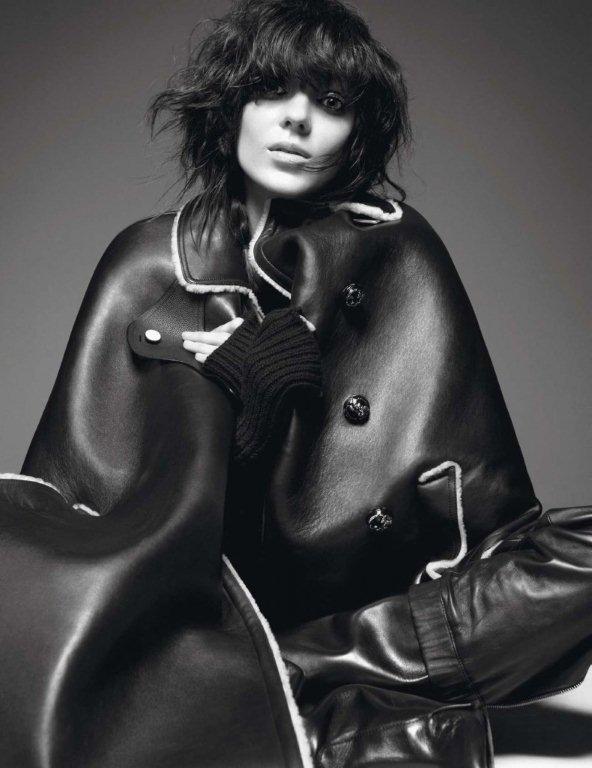
Kati-Nescher-by-David-Sims-Le-Noir-Dans-La-Peau-Vogue-Paris-November-2012-6-790x1024

Kati-Nescher-by-David-Sims-Le-Noir-Dans-La-Peau-Vogue-Paris-November-2012-5-800x947

Kati-Nescher-by-David-Sims-Le-Noir-Dans-La-Peau-Vogue-Paris-November-2012-7-800x947

Kati-Nescher-by-David-Sims-Le-Noir-Dans-La-Peau-Vogue-Paris-November-2012-1-800x947

Kati-Nescher-by-David-Sims-Le-Noir-Dans-La-Peau-Vogue-Paris-November-2012

.

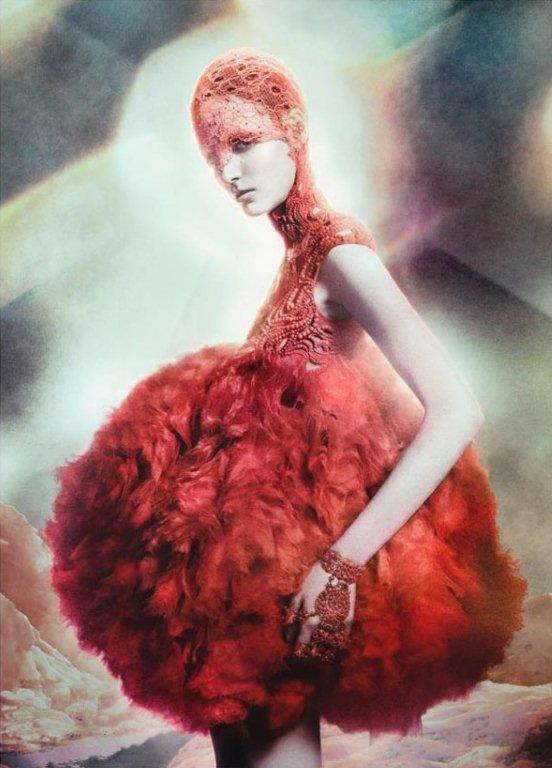
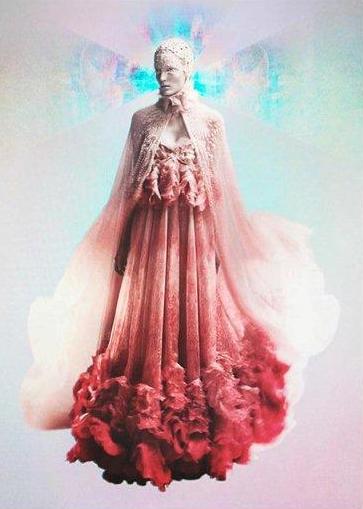
Alexander McQueen s/s 2012

McQueen s/s 2012

McQueen s/s 2012

McQueen s/s 2012

.

.

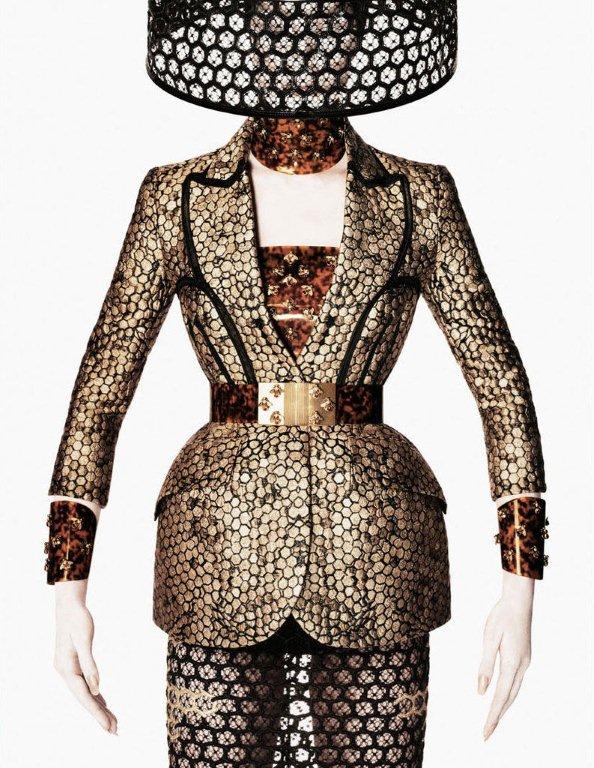
Alexander McQueen s/s 2013

The Alexander McQueen collection s/s 2013 runs with a beekeeper inspiration … For the campaign pictures model Raquel Zimmermann has her entire hair, face and shoulders (and the statement collared-necklace she’s wearing) dripped in honey.
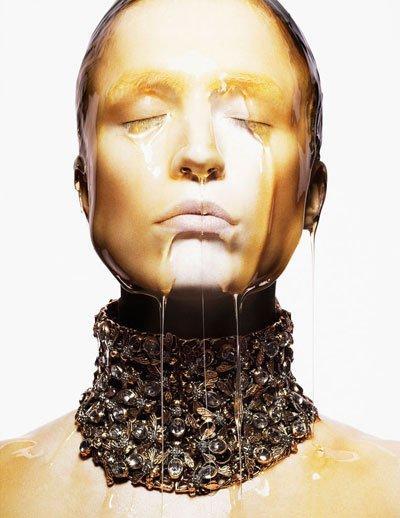
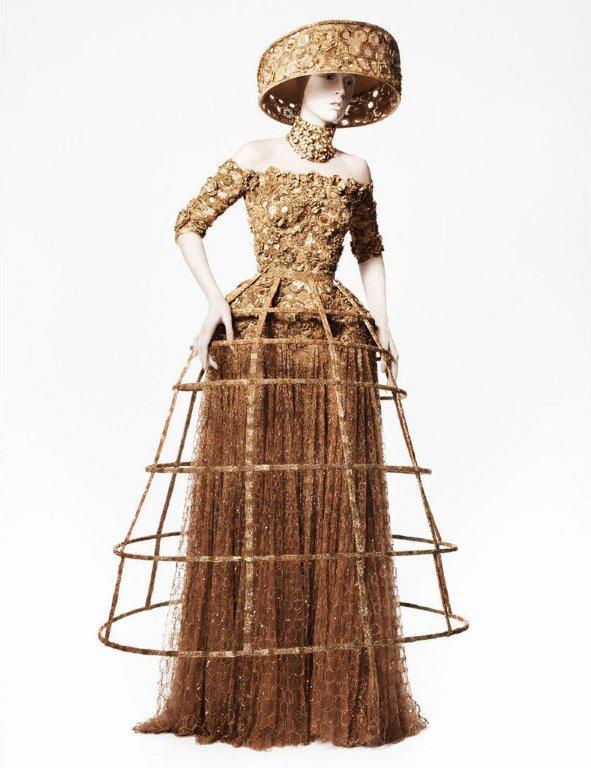
Alexander McQueen s/s 2013

alexander-mcqueen-spring-2013-2

alexander-mcqueen-spring-2013-1

.

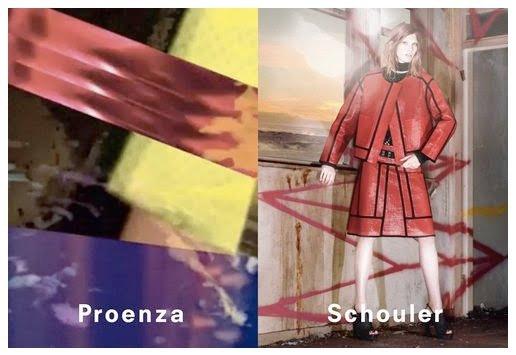
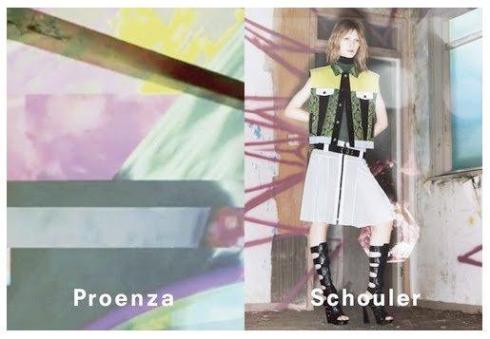
Proenza Schouler  s/s 2013proenza-schouler-spring-summer-2013-campaign-david-sims-www.lylybye.blogspot.com%252B1

proenza-schouler-spring-summer-2013-campaign-david-sims-www.lylybye.blogspot.com%252B2

proenza-schouler-spring-summer-2013-campaign-david-sims-www.lylybye.blogspot.com%252B3

proenza-schouler-spring-summer-2013-campaign-david-sims-www.lylybye.blogspot.com%252B4

.

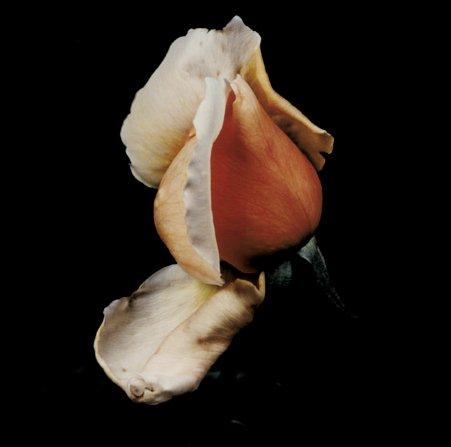
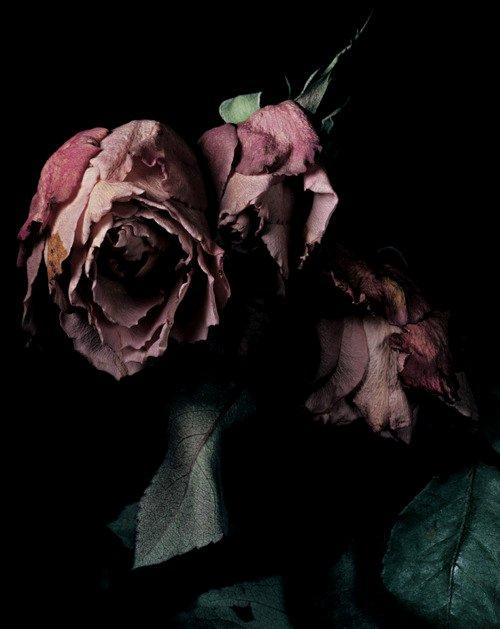
Visionaire   issue 40/ Roses

Book Cover

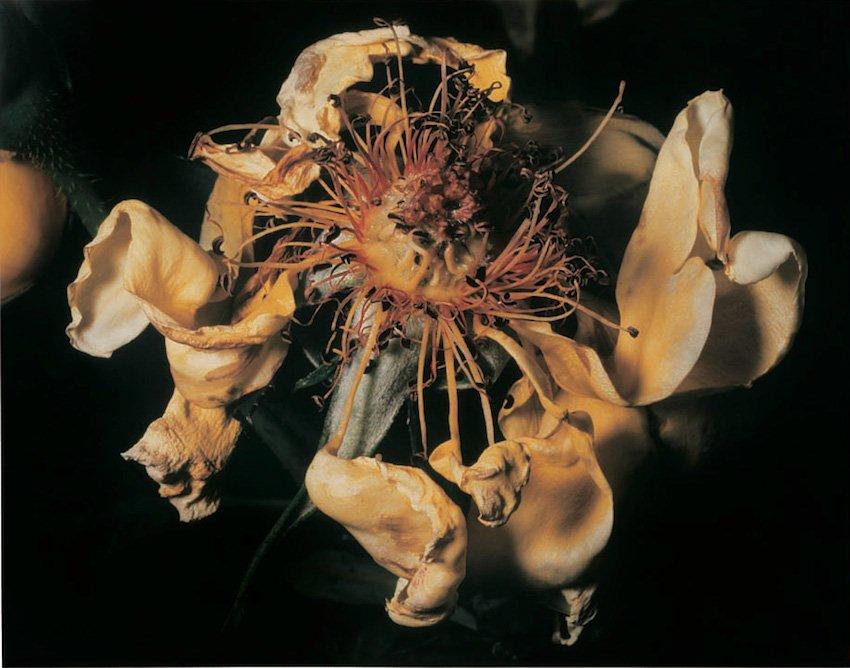
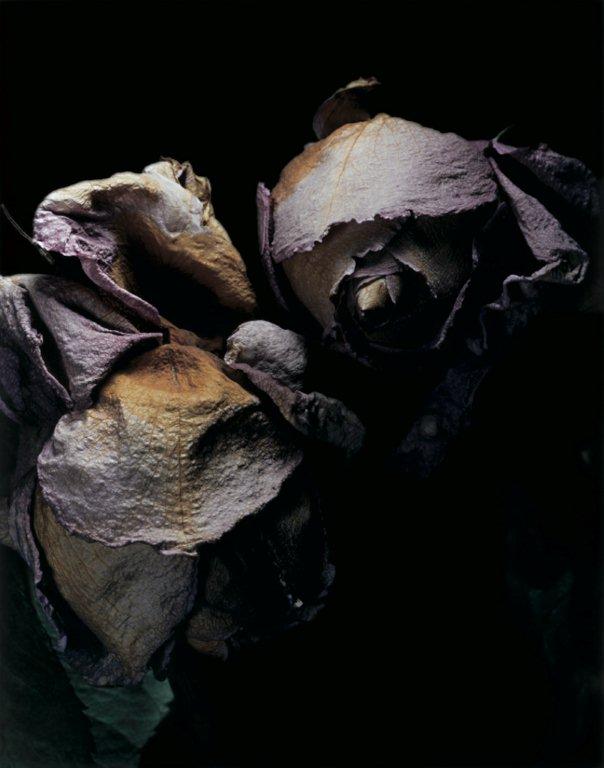
For this issue of Visionaire, Sims reveals a personal project that he has been working on for several years. ”I think of these roses as portraits. ” Sims explains, ”I was a pupil at the school where these roses grow…when I look at these roses close up and trace their own knocks and dents, I find a greater beauty and a complexity in their imperfections.  The roses represent for me a very definite point in life and a state of mind. ”

http://www.amazon.com/Visionaire-No-40-David-Sims/dp/1888645199
Roses

Roses

Roses

Roses

most information: Voguepedia
Fashion photography changed in the 90ties

3 Feb

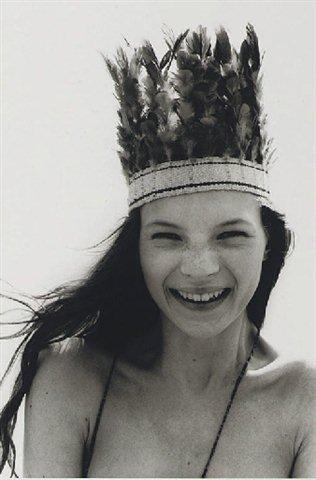
Kate Moss by Corinne Day

In the late 80’s and during the 90’s fashion photography changed and still is undoubtedly influenced by these changes. It was a result of collaborations between designers, stylists and photographers. No one was interested anymore in over-produced imagery, instead the new generation in fashion was looking at their surroundings like their friends, the street and the local neighborhood. This was often referred to as ‘grunge’, but actually it was more a kind of realness.

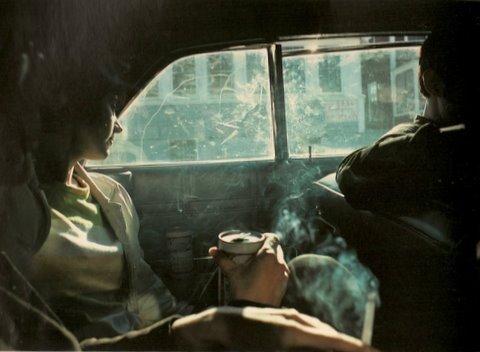
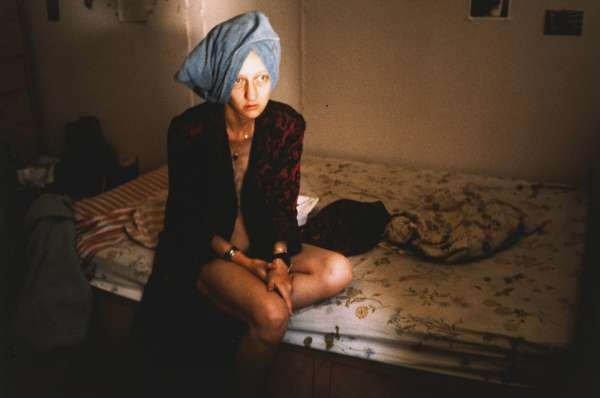
The  new super-real fashion photography was full of photos that draw from the gestures and demons of the documentary subjects of Larry Clark and Nan Goldin, whose most influential work has been confessional diaries of downtrodden lives. Photographer Corinne Day was most influenced by Nan Goldin. The fashion super-realists showed the seemingly snapshot spontaneity, in high contrast to the perfectionist fashion pictures of the 1980’s; they rejected the staged studio’s lighting, seamless paper and seamless images.

Some critics have accused Nan Goldin of making heroin-use appear glamorous, and of pioneering a grunge style that later became popularized by youth fashion magazines. However, in a 2002 interview with The Observer, Goldin herself called the use of ‘heroin chic’ to sell clothes and perfumes ‘reprehensible and evil’.

Nan Goldin photographs

Nan Goldin

Nan-Goldin-Amanda-in-the-Mirror-1992

Nan Goldin

Nan Goldin

Nan Goldin

Corinne Day Photographs

kate-moss-corinne-day

nick moss

corrine-day-kate-1990-hi-res

corinne-day-british-vogue-1993

Kate Moss

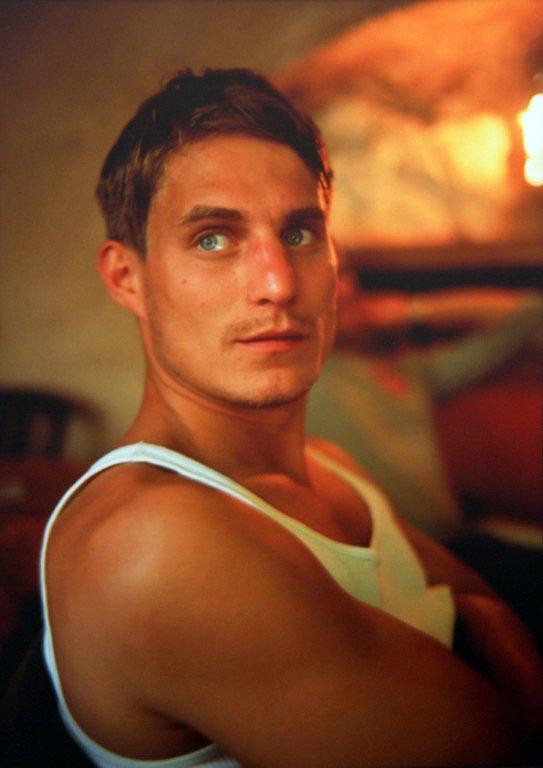
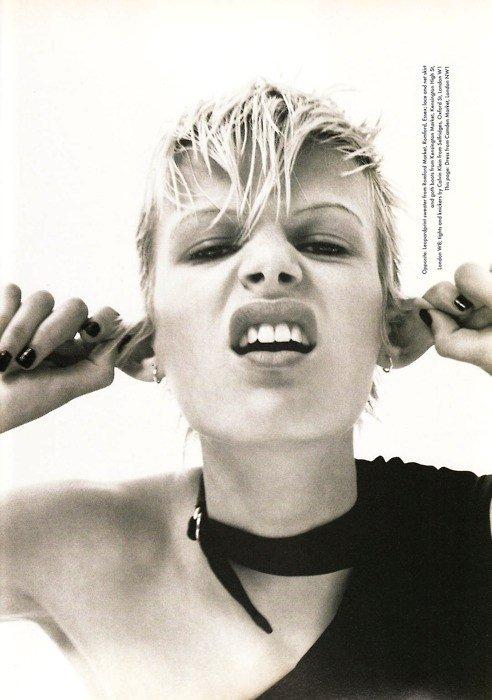
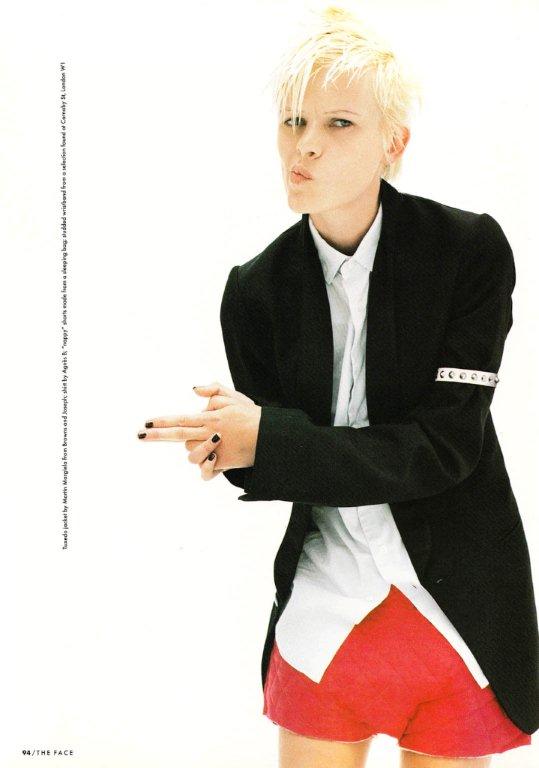
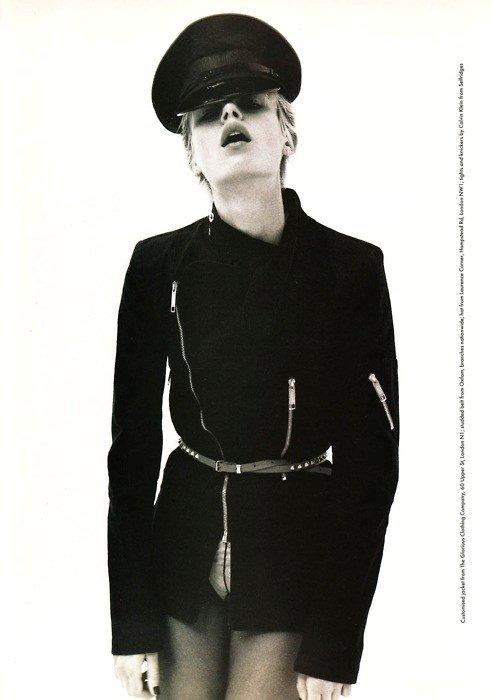
Under the new fashion collaborators were Mario Soretti & Kate Moss (boyfriend& girlfriend), David Sims & Emma Balfour (boyfriend&girlfriend), David Sims & Guido Palau (hairdresser),  Juergen Teller & Venetia Scott (stylist and his 1st wife), Juergen Teller & Helmut Lang and Nick Knight & Yohji Yamamoto. They found a platform for their work in magazines suchs as The face, Purple, Dazed and confused, I-D and Six from Comme Des Garçons.

Kate Moss & Mario Sorrenti

Kate Moss & Mario Sorrenti

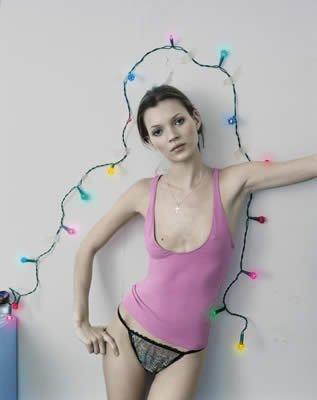
David Sims ‘Are friends electric’

The Face, november 1993. Model Emma Balfour

David Sims

david Sims

David Sims

David Sims

David Sims cover I-D

David sims

Helmut Lang told a young Juergen Teller approached him to photograph his work backstage because he liked what Lang was doing. Juergen teller produced phenomenal images. Lang thought they acted as an extension to his work and used them for his next campaign.

Juergen teller Backstage at Helmut Lang

Helmut Lang backstage by Juergen Teller

Helmut Lang backstage by Juergen Teller

Helmut Lang backstage by Juergen Teller

Juergen teller

Juergen teller for Helmut Lang

Juergen Teller & Venetia Scott

Kate Moss

Juergen Teller

Juergen Teller

Jason Evans & Simon Foxton

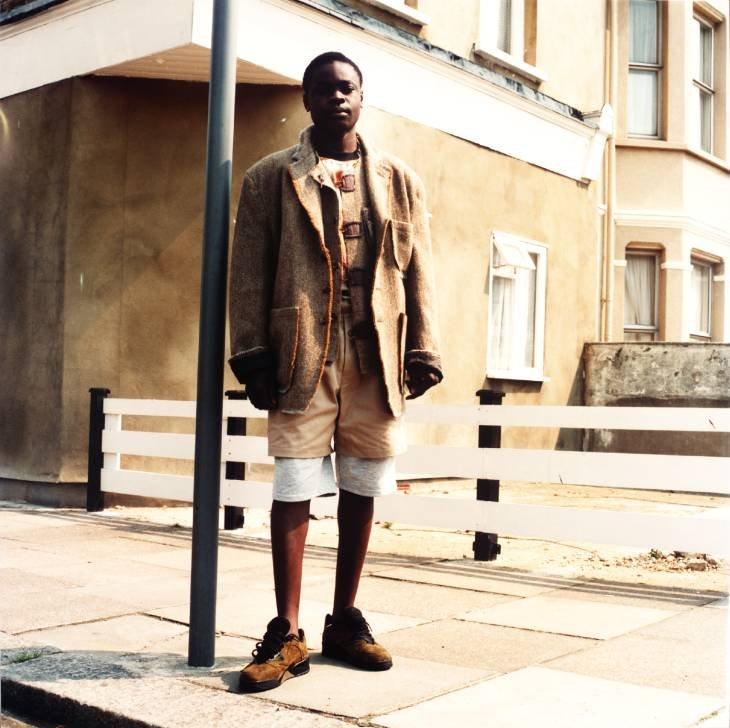
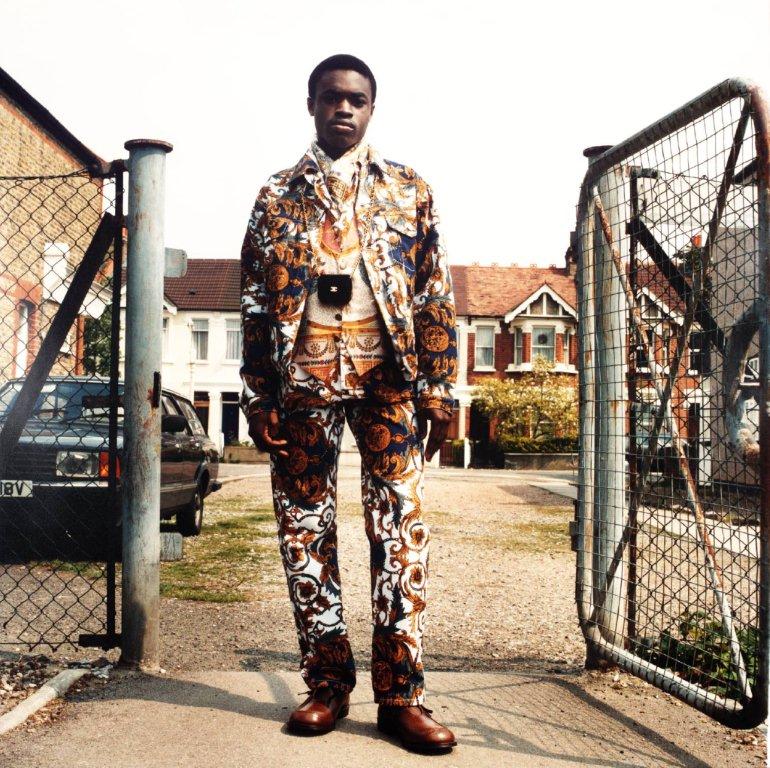
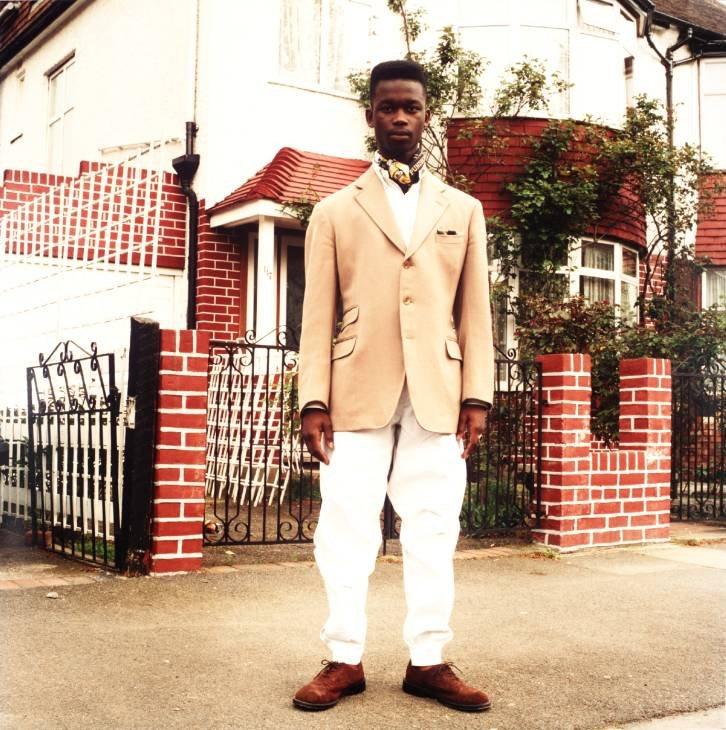
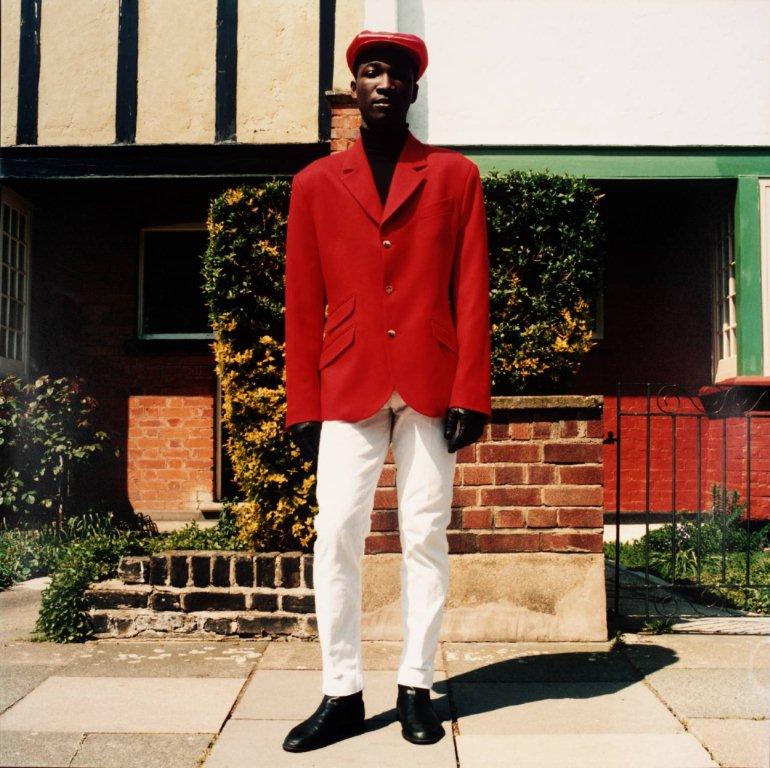
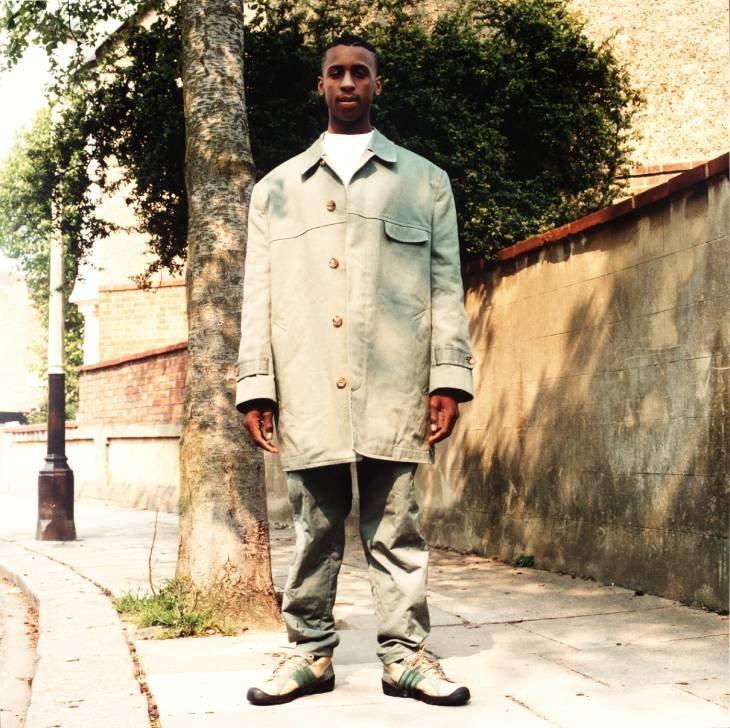
Jason Evans (born 1968) is a Welsh photographer best known work is a series of portraits of young black men dressed as ‘country gents’ made in collaboration with stylist Simon Foxton and which were acquired for the permanent collection of the Tate Gallery in 2004. Characterizing his photo-series Strictly, Evans said: “Strictly was a weird mixture of macho clothes and quite effeminate clothes. Sportswear-based but classical English things, turned around. The syntax of clothes was completely upside down, and then worn by black people, it was a new vision of Britain. We were trying to break down stereotypes.” The series first appeared in the I-D in 1991.

Jason Evans

Jason Evans

Jason Evans

Jason Evans

Jason Evans

Evans got in contact with Nick Knight after seeing his work in Arena(magazine)  in 1989. ‘Those pictures characterized a place I wanted to be emotionally and physically, but hadn’t previously known. I think this is what great fashion pictures can do…. propose a way of being.’

.

90ties photography in advertising

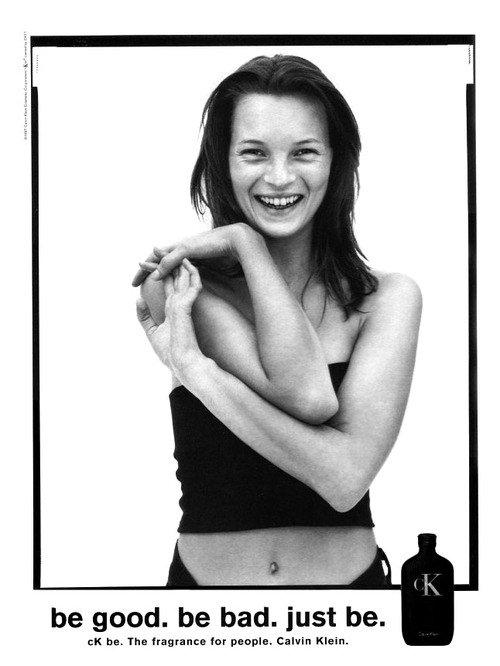
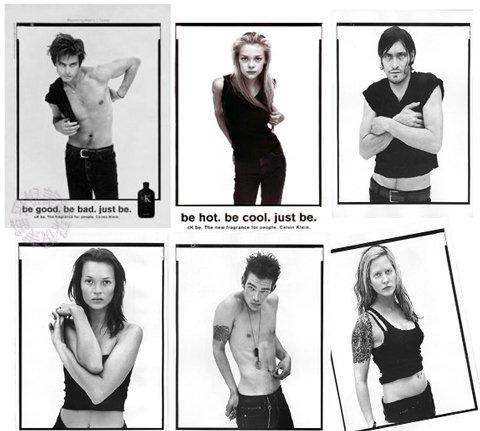
Advertising also altered in the 90’s, because it obsorbed the new trends and aesthetics very quickly. Once more, Calvin Klein was the first to bring the newest fashion photography, documentary-style realism, into the his advertising for CK Be. This created a huge stir….

CK be advertisment

One of many critics to CK be campaign

The photos depicted being pale, disheveled, dirty, tired, strung out, starved, scratched, pierced, and tattooed. While these explicit images provoked critique, what was more disturbing (at least to this author) was the placement of Moss (or in other CK ads, another straight-looking male model) at the end of pictorial sequences of junkie-looking models, and under the slogan “just be.” Moss and other end-positioned models appeared anorexic thin, but otherwise strikingly normal/straight looking compared with the other models.  ….. Playing at the “hotness,” the “coolness” or the “hipness” of being a “bad” junkie—the dangerous exotic other—was thus produced and consumed as safe and familiar consumer play.Calvin Klein’s commodified promise was that one could emerge unscathed when traveling to and through radical superficial otherness, emerging with conventional identity intact.   (by Karen Bettez Halnon,  ”Heroin Chic, Poor Chic, and Beyond Deconstructionist Distraction” in Consumers, Commodities and Consumption, Vol. 11, No. 1, December 2009, emphasis Halnon’s own)

CK be advertisment

But as raw as the images looked, they constituted just another fashion fantasy, this one a newly pervasive fantasy of reality. Even if bruises, scars and underarm hair showed, the models were still there to sell something.

”What we’re seeing is a collective attraction to something that seems to symbolize, in quotes, reality,” said Ingrid Sischy, the editor of Interview magazine and the former photography and fashion critic for The New Yorker. ”But of course, reality is more complicated than that. Not all reality is a bruise. Reality can also be a sunny day.”

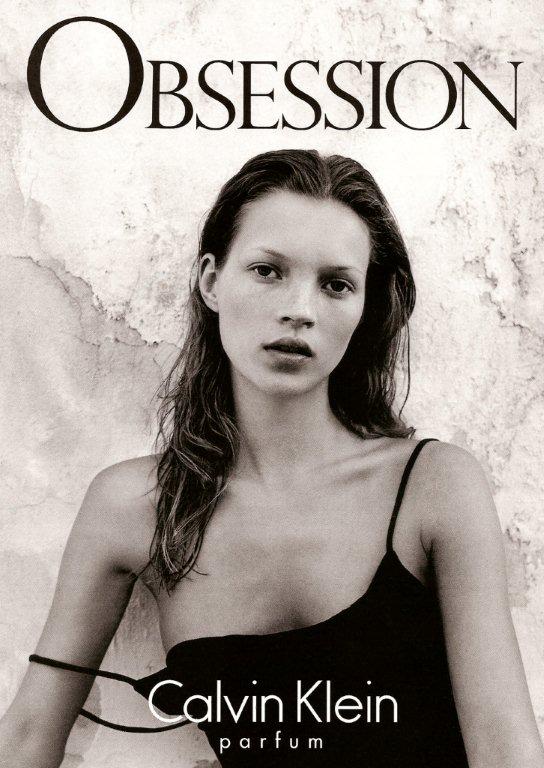
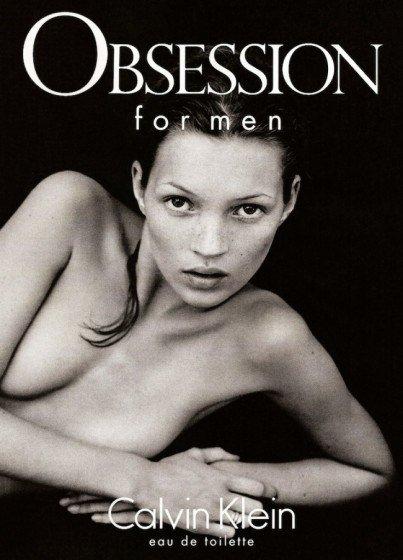
Mario Sorrenti for Calvin Klein

Kate_Moss-Mario_Sorrenti-Obsession-12

kate_moss-mario_sorrenti-obsession-12b-403x560

.

Nowadays almost all boundaries (in fashion and commercial photography) are broken and the collaborations are strategic and just moneymaking machines like Yayoi Kusama for Louis Vuitton, Damian Hirst for Levi and all collaborations of Nike and Adidas with various fashion designers…

.

Next week more about Fashion Photography….David Sims

Frida Kahlo, an icon in many ways (part 2)

27 Jan

Frida in America

Frida Kahlo is a fashion icon and remains one of the most popular artists ever. Frida was a true original and her life and looks are appealing to many. I admire Frida Kahlo also because she was an incredible strong person, who didn’t drown in sorrow because she suffered a great deal during her life, instead  she stayed true to herself and tried to make the best of it.

Recovering from her injuries isolated Frida from other people and this made her focussed on her painting. It also influenced her works, many of which are self-portraits. “I painted myself because I am often alone and because I am the subject I know best”, Frida stated, “I was born a painter.”

“I tried to drown my sorrows, but the bastards learned how to swim, and now I am overwhelmed by this decent and good feeling.”—Frida Kahlo

Frida Kahlo

Appearances Can Be Deceiving: The dresses of Frida Kahlo

After Frida died in 1954 Diego Rivera (her husband) locked the closet doors and vowed never to allow anyone to enter fearing the contents would be mishandled or ruined. When Diego died, not many years later, he entrusted the inheritance to a friend, Dolores Olmedo, who promised to keep it on-opened till her death. She died in 2002.

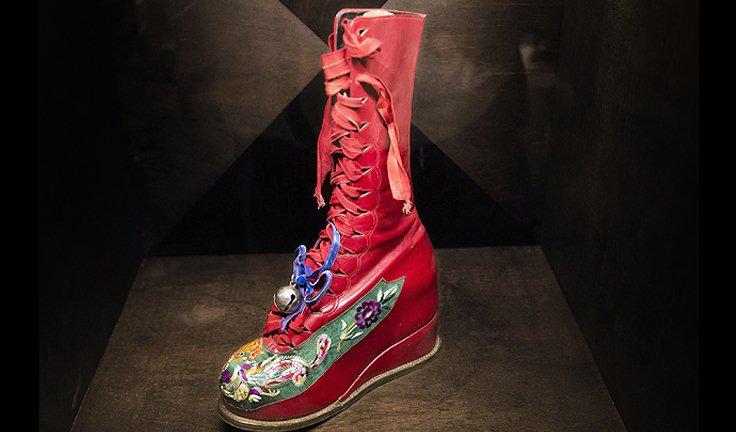
Eventually, museum personnel decided it was time to look inside. And what a discovery. Art historians and fashionistas already knew Frida was unique and ahead of her time. But, what the items in the exhibit show are that despite the disabilities, the monobrow, and the violent depictions of the female anatomy in some of her paintings, Frida Kahlo was a bit of a girlie girl who wore makeup, used perfume and dressed up her prosthetic leg with a red high-heeled boot.  Her clothing aimed for style and self-protection but it also made a statement, both political and cultural. Inside not only articles of her clothing, but also hundreds of personal items, including photographs, love letters, medications, jewelry and shoes.

This was especially true of the Tehuana dresses Kahlo wore like a “second skin,” said Circe Henestrosa, the exhibit curator. Colorful and carefully made by native artisans, they were a tribute to the matriarchal Tehuantepec society whose women were traders, considered equals with the men. Tehuana’s long skirts were also the perfect way for Kahlo to hide her ailments, including a polio-deformed leg she would eventually have amputated.

Cover Vogue mexico during opening month exhibition 2012

On november 22, 2012 an exhibition opened in the Frida Kahlo Museum for which they collaborated with Vogue Mexico. ‘Appearances Can Be deceiving: The dresses of Frida Kahlo’ . The exhibition will stay there for a year.

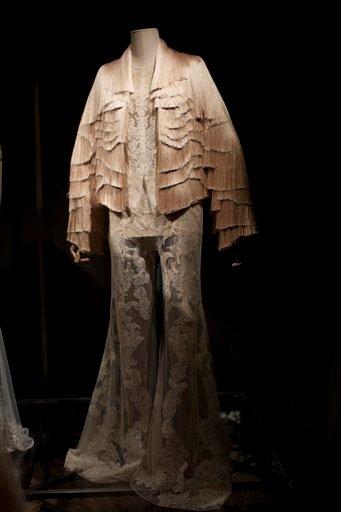
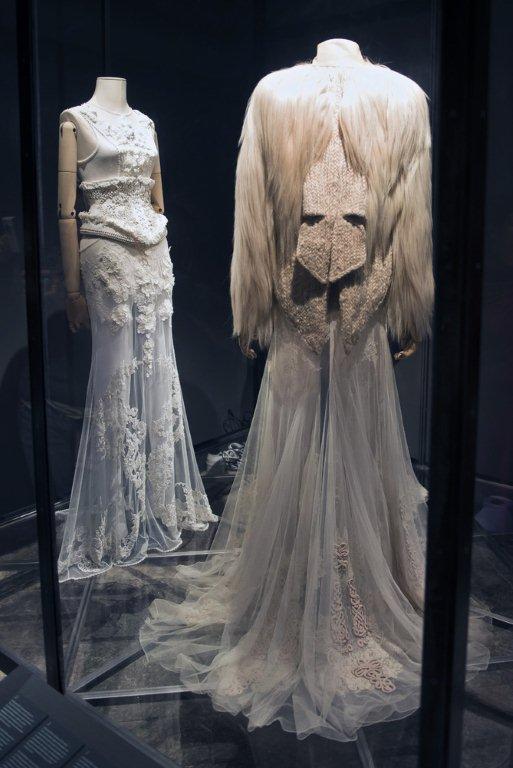
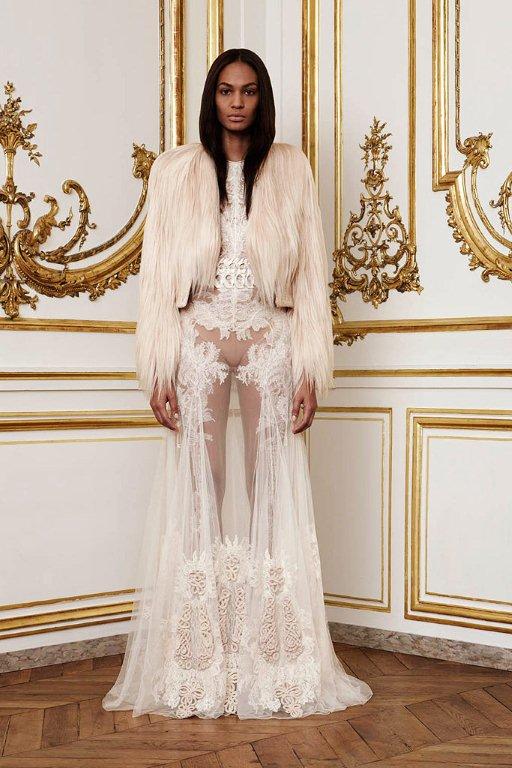
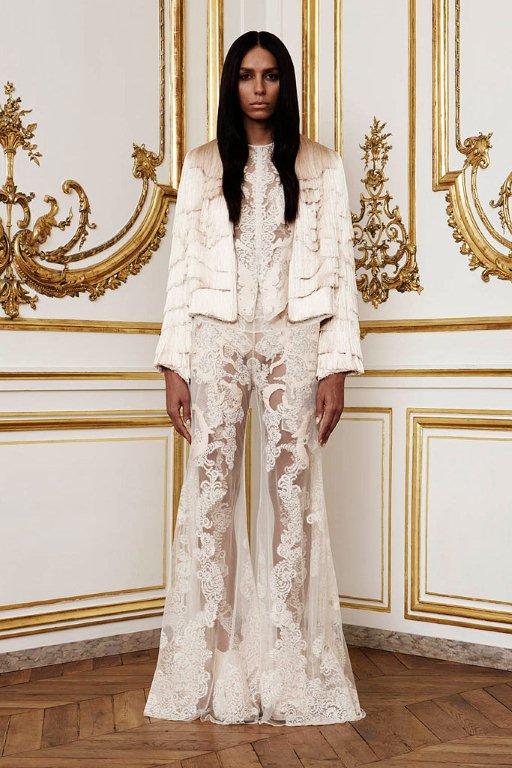
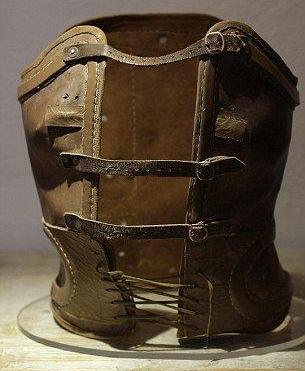
In order to elevate the exhibit from simple costume into a fashion exhibit in collaboration with Vogue Mexico, the show also includes examples of how her style has influenced modern design. There are the corsets from Jean Paul Gaultier and Comme des Garçon collections.  And in the Givenchy dresses on display, designed by Riccardo Tisci, there are Kahlo-inspired flowers, white lace and cotton, reminiscent of a few key elements often found in her paintings.

frida kahlo dresses on display

Frida Kahlo exhibition

Frida Kahlo exhibition

Frida Kahlo shoe

Frida Kahlo corset                                                                                                                             .

Jean Paul Gaultier, Comme des Garçons and Givency for Frida Kahlo Exhibition

Jean Paul Gaultier

Gaultier

Comme Des Garçons

Givenchy

Givenchy

                                                                                                                                           .

Frida (the movie)

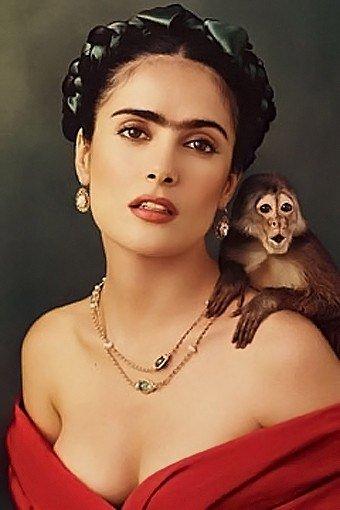
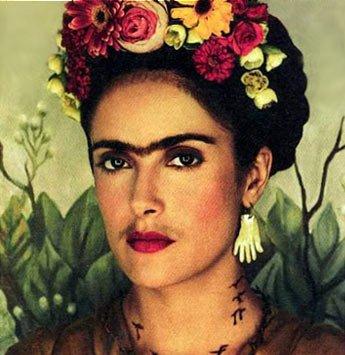
Frida the movie is a beautiful, colorful and entertaining biography, although not always accurate. For many years Salma Hayek, who portrays Frida Kahlo, worked and lobbied to get this movie produced.

Frida, the movie

Frida the movie is a beautiful, colorful and entertaining biography, although not always accurate. For many years Salma Hayek, who plays Frida Kahlo, worked and lobbied to get the movie made.

Frida begins with the traumatic accident Frida Kahlo suffered at the age of 18 when a trolley bus collided with a motor bus she was riding. She is impaled by a metal pole and the injuries she sustained plague her for the rest of her life. To help her through convalescence, her father brings her a canvas upon which to start painting. Throughout the film, a scene starts as a painting, then slowly dissolves into a live-action scene with actors.

Frida also details the artist’s dysfunctional relationship with Diego Rivera. When Rivera proposes to Kahlo, she tells him she expects from him loyalty if not fidelity. Diego’s appraisal of her painting ability is one of the reasons that she continues to paint. Throughout the marriage, Rivera cheats on her with a wide array of women. The two travel to New York City so that he may paint the mural Man at the Crossroads at the Rockefeller Center. While in the United States, Kahlo suffers a miscarriage, and her mother dies in Mexico. Rivera refuses to compromise his communist vision of the work to the needs of the patron, Nelson Rockefeller; as a result, the mural is destroyed. The pair return to Mexico, with Rivera the more reluctant of the two.

Salma Hayek as frida

Kahlo’s sister Cristina moves in with the two at their San Ángel studio home to work as Rivera’s assistant. Soon afterward, Kahlo discovers that Rivera is having an affair with her sister. She leaves him, and subsequently sinks into alcoholism. The couple reunite when he asks her to welcome and house Leon Trotsky, who has been granted political asylum in Mexico. She and Trotsky begin an affair, which forces the married Trotsky to leave the safety of his Coyoacán home.

Kahlo leaves for Paris after Diego realizes she was unfaithful to him with Trotsky. When she returns to Mexico, he asks for a divorce. Soon afterwards, Trotsky is murdered in Mexico City. Rivera is temporarily a suspect, and Kahlo is incarcerated in his place when he is not found. Rivera helps get her released.

Kahlo has her toes removed when they become gangrenous. Rivera asks her to remarry him, and she agrees. Her health continues to worsen, including the amputation of a leg, and she ultimately dies after finally having a solo exhibition of her paintings in Mexico.

Salma Hayek as Frida

 (Salma Hayek as Frida Kahlo in self-portrait with the earrings Picasso made for her)

.

Self Portrait in a Velvet Dress: Frida’s Wardrobe

Frida bookcover

The first book focused on one of the most memorable aspects of Frida’s creative output: her wardrobe.

Original and beautifully staged photographs (95) of Frida’s newly restored clothing are paired with historic photos of the artist wearing them and her paintings in which the garments appear. Frida’s life and style were a large part of her art and she deserves recognition as a fashion icon.

.

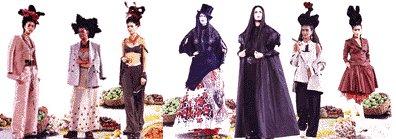
Fashion designers and photographers are still inspired by Frida Kahlo

For the Givenchy Fall 2010 Couture collection, Ricardo Tisci’s inspiration was Frida Kahlo and her three obsessions: religion, sensuality and  given the painter’s lifelong battle with spinal pain, the human anatomy. The zipper pulls were little bones, a belt was a spinal column re-created in porcelain. The dominant motif of the collection was the skeleton.  At one point during his presentation, Tisci rather tellingly muttered, “A romantic way to see death.”

Givenchy

Givenchy

givenchy

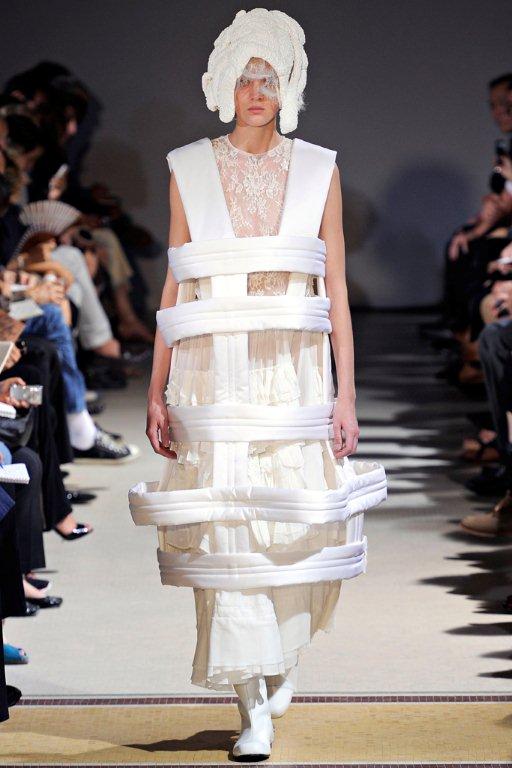
Comme Des Garçons s/s 2012 collection was influenced by Frida Kahlo’s paintings and corsets.

Comme des Garçons Spring 2012 Ready-to-Wear Collection Slideshow on Style.com

CDG s/s 2012

CDG s/s 2012

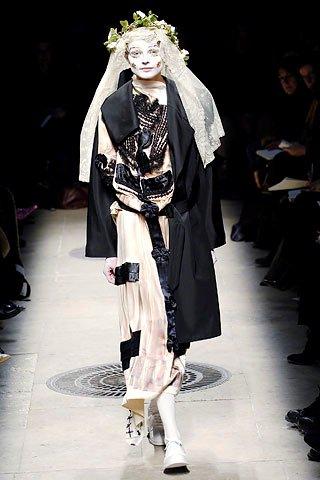
And the Comme des Garçons fall 2005 collection had some inspiration from Frida Kahlo’s looks & style

CDG fall 2005

CDG fall 2005

CDG fall 2005

In 1998 Jean Paul Gaultier made a collection called ‘Homage a Frida Kahlo’

JP Gaultier Hommage á Frida Kahlo

.

.

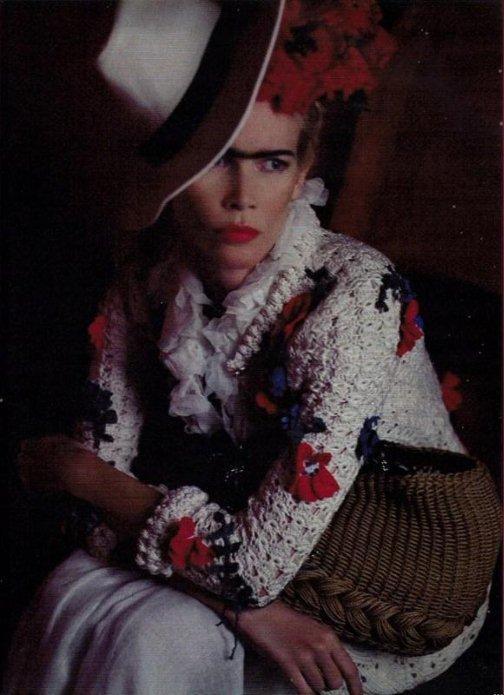
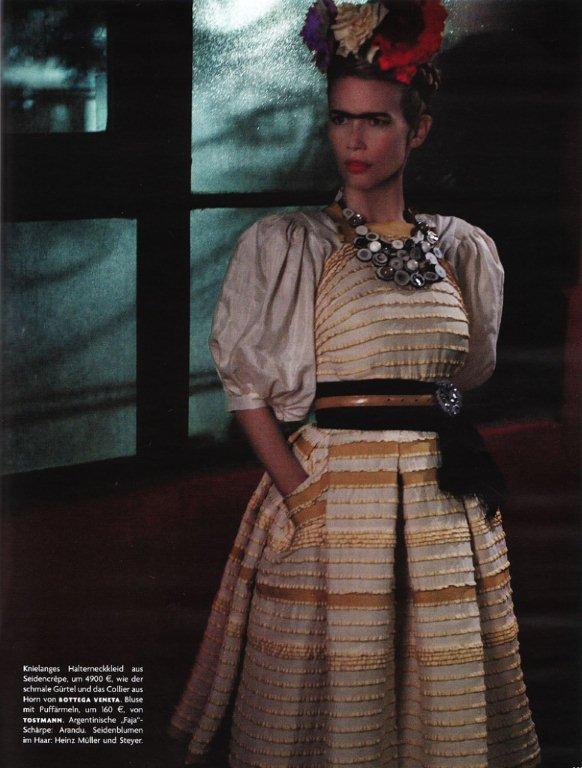
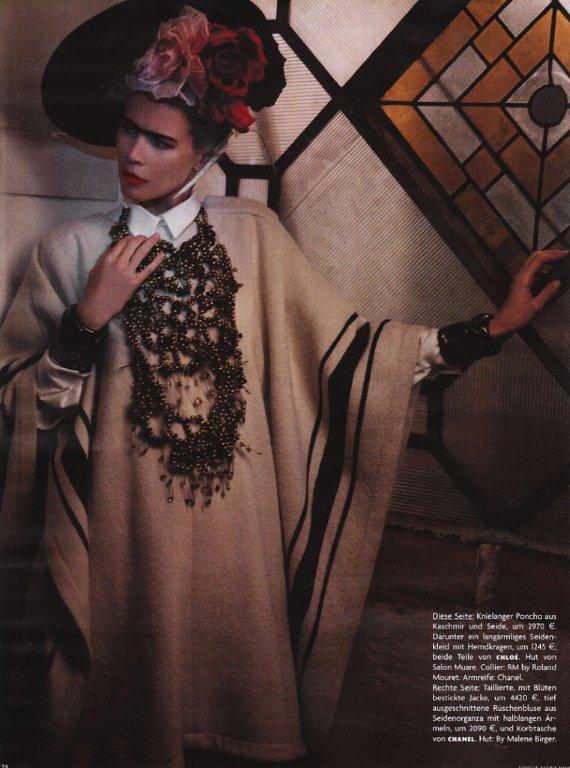
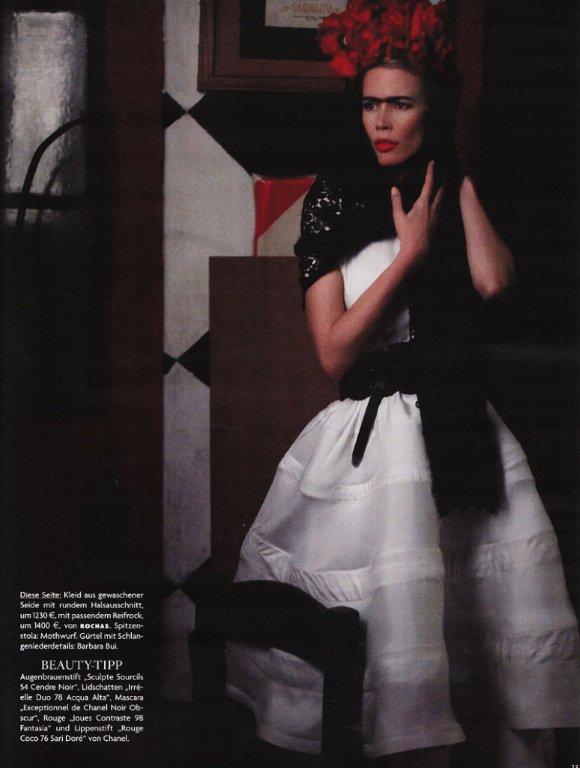
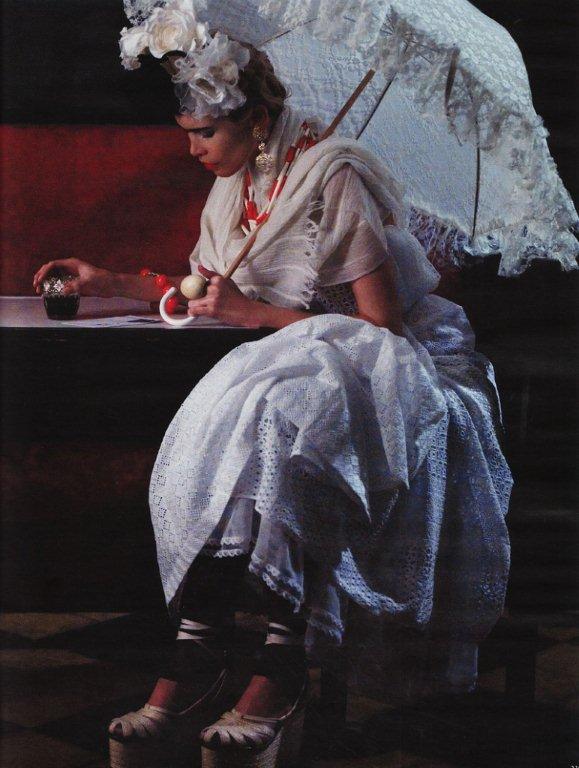
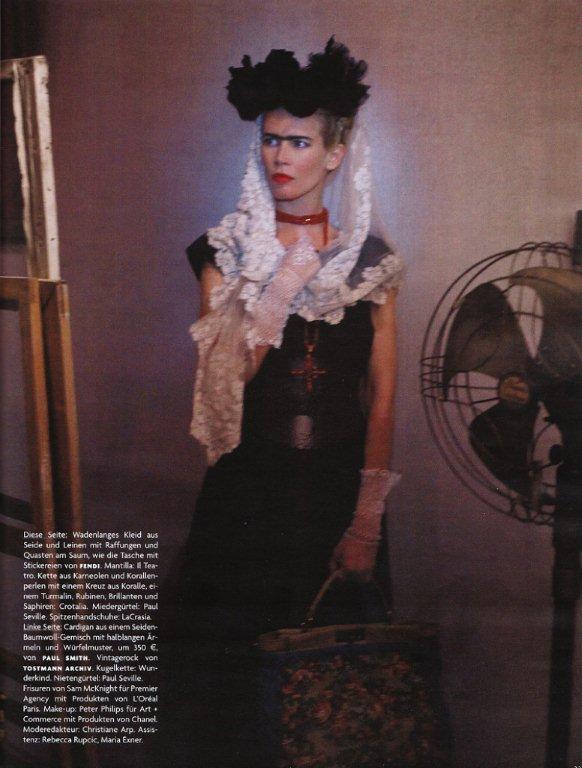
Karl Lagerfeld photographed Claudia Schiffer as Frida Kahlo for German Vogue in 2012

German Vogue

German Vogue

claudiaschiffer3

German Vogue

German Vogue

German Vogue

German Vogue

German Vogue

.Frida Kahlo
Frida Kahlo, an icon in many ways (part 1)

20 Jan

Frida Kahlo

Magdalena Carmen Frieda Kahlo y Calderón was a Mexican painter, who is best known for her self-portraits, her tumultuous marriage to renowned muralist-painter Diego Rivera, but Frida is also famous for her significant style.

Frida Kahlo’s style of dressing and accessorizing

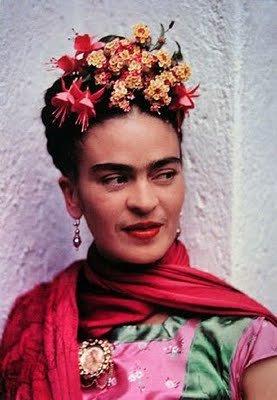
The most unique aspect of Frida’s style was the way she mixed different colors, patterns and textures. Although the eclectic patterns she wore together didn’t necessarily matched, they never clashed and created a one-of-a-kind look. She bought the fabrics and  took them to Indian  seamstresses. Frida also loved accessorizing to the max… She always wore lots of ornate jewelry. More is more was her style and she would wear earrings, necklaces, bangles and rings all at once.

But her hair was her most colorful accessory. She braided her locks and decorated them with brightly colored flowers and ribbons. She even wove fabric into her braided updo’s. And Frida Kahlo rocked the unibrow with pride.

Twice in her life she cut her hair short and started wearing man’s clothes. The first time when she was still a young woman trying to discover her identity. The second time was when she divorced Diego in 1940. Frida cut her hair, threw off her Tehuana costume and reclaimed her bold 21 year-old self. In Self Portrait with Cropped Hair (1940) Frida adopts a man’s suit and short hair, holding the scissors in her hand, her hair litters the floor and her eyes challenge the viewer.                                                                                                                                             .

Frida Kahlo photographed by her father

Frida Kahlo

Frida Kahlo

                                                         Frida Kahlo selfportrait with cut-off hair

Frida Kahlo facts of life

Frida was born on July 6, 1907 in Coyoacán, Mexico. When she was six, Frida contracted polio, which stunted the growth of her right leg. Despite this disability, Frida was quite the athlete growing up and participated in many sports, including boxing.

In 1925, Frida was involved in a terrible auto accident and had to spend over three months recovering in a full-body cast. Although she recovered from the injuries, she spent the rest of her life having painful relapses, which oftentimes left her bedridden.

After the accident, Frida began to paint and sought out artistic advice from Diego Rivera, whom she later married. However, Frida was a self-taught artist who was well known for her self portraits and still life paintings.

Frida was an animal lover and owned dogs, cats, monkeys and birds. Her beloved pets were often painted alongside her in her self portraits.

Frida passed away in 1954, but her paintings did not become well-known until the early 1980s. Today, her work is recognized worldwide and her life has been portrayed in numerous books and films.

Frida Kahlo painting

Frida Kahlo posing with a selfportrait

Frida Kahlo and 'The Two Fridas'painting

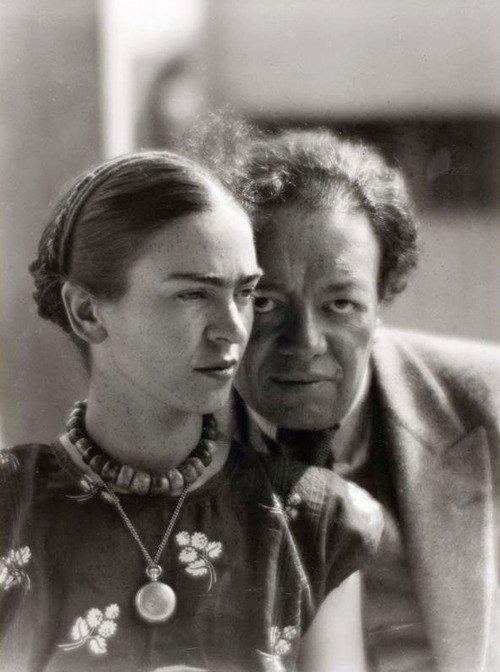
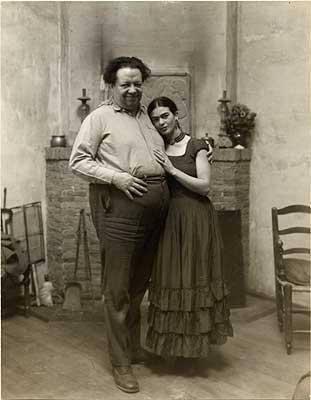
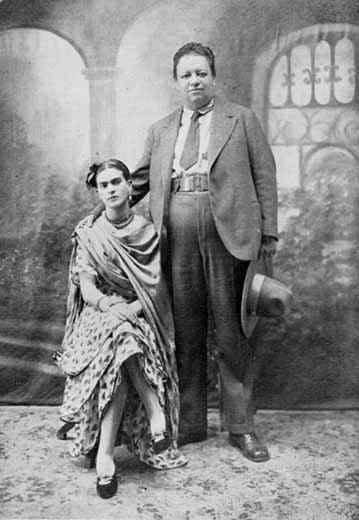
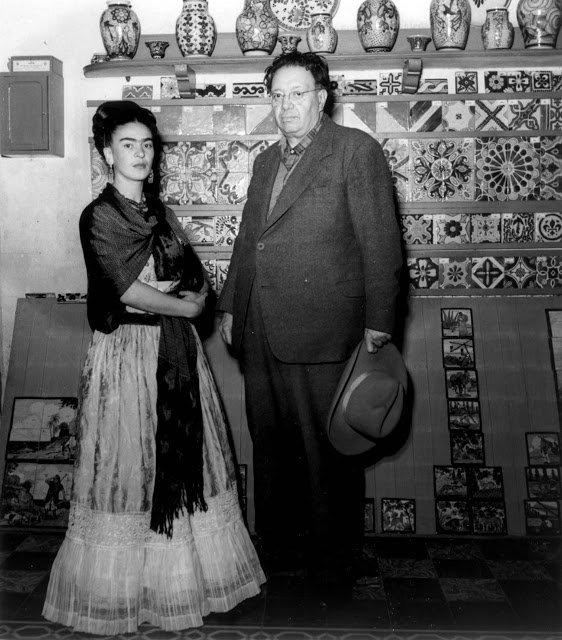
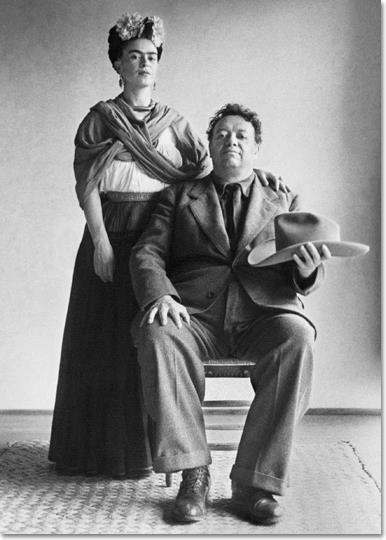
Frida Kahlo & Diego Rivera

Frida loved to dress up for Diego, who adored her feminine and colorful taste in clothes and jewellery.

Although Diego Rivera was 20 years older than Frida, she  called him her ‘big child.’ Frida loved Rivera, even though he was reportedly unfaithful. She once said, “I suffered two grave accidents in my life. One in which a streetcar knocked me  down … The other accident is Diego.”

The following is from a letter that Frida sent to Diego in 1940:

“Diego my love, remember that once you finish the fresco we will be together  forever once and for all, without arguments or anything, only to love one another. I adore you more than ever. Your girl, Frida (Write me).”

Frida & Diego

Frida & Diego

Frida & Diego

Frida & Diego weddingday 1929

Frida & Diego

Frida & Diego

Frida & Diego

Frida & Diego

Frida & Diego

Diego at Frida's bed

Frida Kahlo’s corsets and artificial leg

‘She had a tremendous self-confidence.  She was convinced that what she wore displayed who she was inside,’ said Alejandra  Lopez, art restorer for the painter’s home.

Frida used her clothes to disguise a life of pain, both  physical and emotional. Her long, full skirts hid a tiny, thin right  leg, and loose blouses covered the stiff corsets she wore for back  pain.

Frida selfportrait in corset

Frida Kahlo corset

Frida Kahlo's leg-prothese

Frida Kahlo’s succes in Paris

Andre Breton recognized that Frida Kahlo’s work was Surrealist in 1938. ‘The promises of fantasy are filled with greater splendor by reality itself!’ he exclaimed about her work. Breton organized an exhibition in Paris to include seventeen of her paintings in 1938. Traveling to Paris, Frida met Picasso, Duchamp, Kandinsky, and others, dazzling Parisians with her style and originality, her portrait appeared on the cover of French Vogue. She returned to Mexico feeling more sure of herself as an artist than ever before. Her pictures were selling and had earned the praise of many severe critics. Frida was not disturbed by critical comments from those horrified by her shocking themes. Frida felt uplifted by her popularity in Paris among famous artists, political figures, and writers.

Vogue cover Frida Kahlo

Frida Kahlo’s jewelery

Her earrings were elaborate drops or dangles in the traditional Mexican style,  and her necklaces often featured roughly-hewn, handmade stone beads and pendants. These styles were popular in early Central America; they were not “trendy” or in fashion at the time of Frida’s life. For Frida, they represented cultural tradition, and she wore them largely as a political statement.

In fact, it’s been said  that Frida sometimes was the brunt of jokes when she walked in public in her showy, traditional Mexican outfits and gaudy pre-Columbian jewelry. But this look, which included over-the-top traditional Mexican hair styles, was deliberately crafted by Frida as a backlash against new trends and a message of cultural preservation.

Frida Kahlo

Frida Kahlo

Frida KahloFrida Kahlo

Frida kahlo

.

.

Next week ‘Frida Kahlo, an icon in many ways’ (part 2): an exhibition, a movie and how her look still inspires fashion photographers and designer.

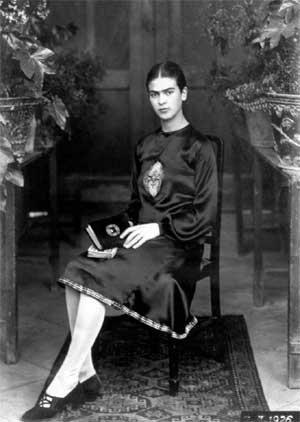
Young Frida Kahlo photographed by her father Guillermo

Who doesn’t want to look like David Bowie?

13 Jan

David Bowie

“I re-invented my image so many times that I’m in denial that I was originally an overweight Korean woman.”

I am definitely not the only one, that thinks David Bowie is the most stylish man ever….. Whatever persona he became during his career, they were all incredible stylishly dressed, fantastically groomed and so well made-up. Some of his looks have become iconic.

Fashion editors, designers and photographers have often been inspired by David Bowie. In this post I want to share some the stories, photographs, a movie and an exhibition based on his style though the years.

.

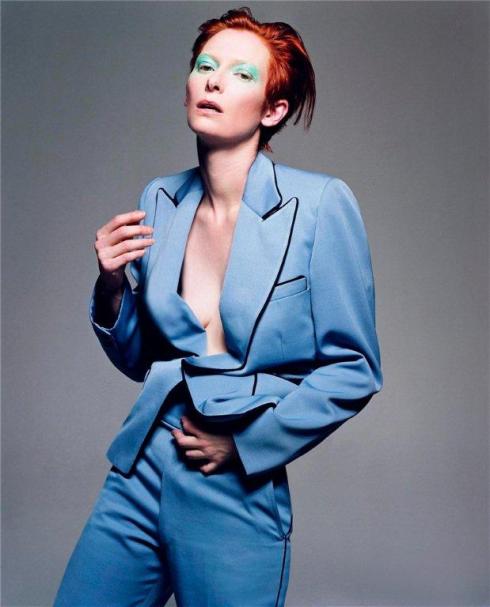
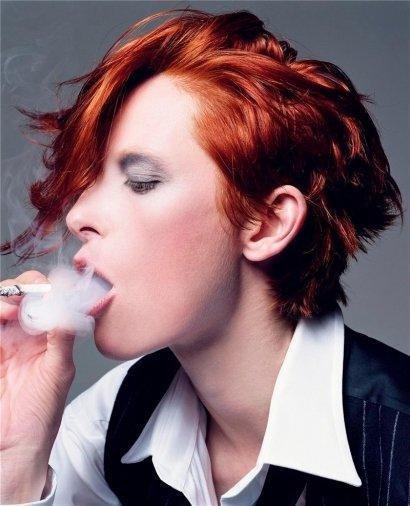
Tilda Swinton photographed by Craig McDean

Tilda Swinton

Tilda Swinton

Tilda Swinton

Tilda swinton

Tilda Swinton

.

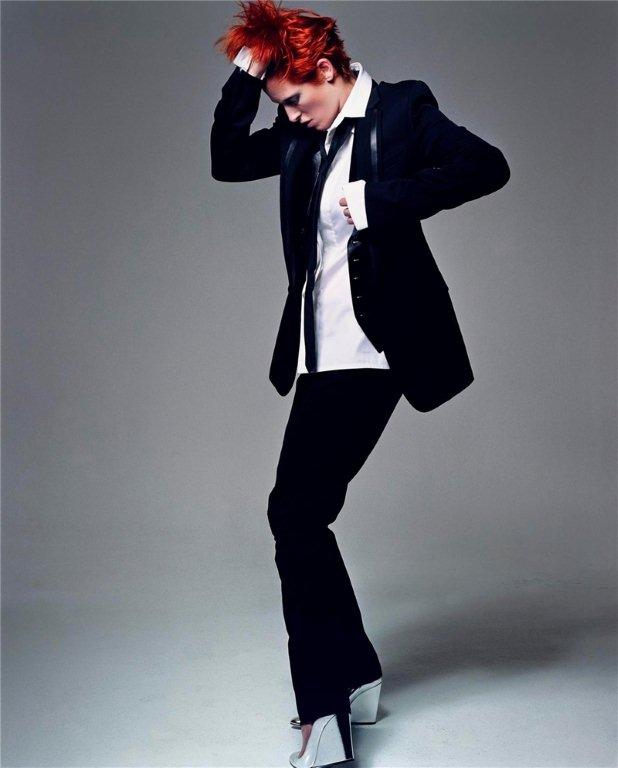
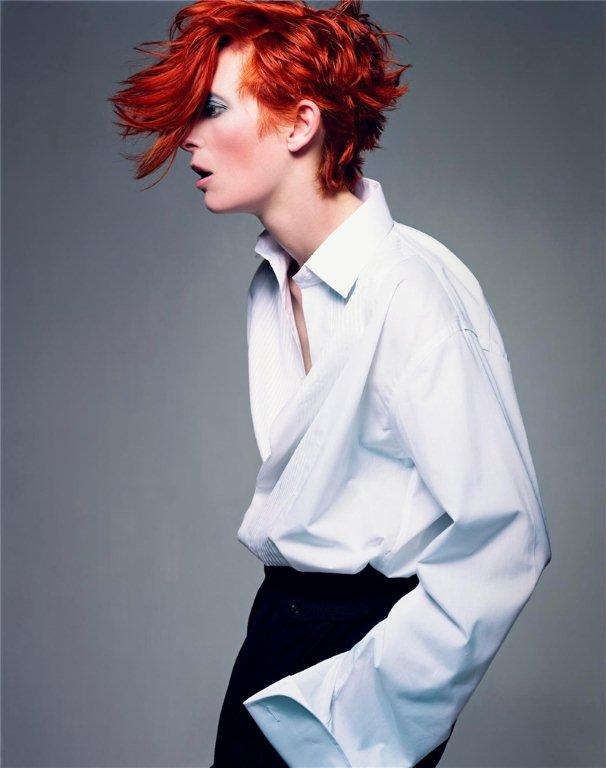
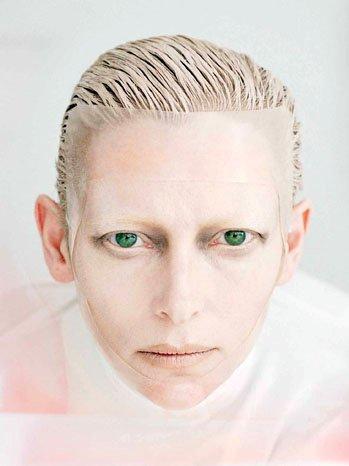
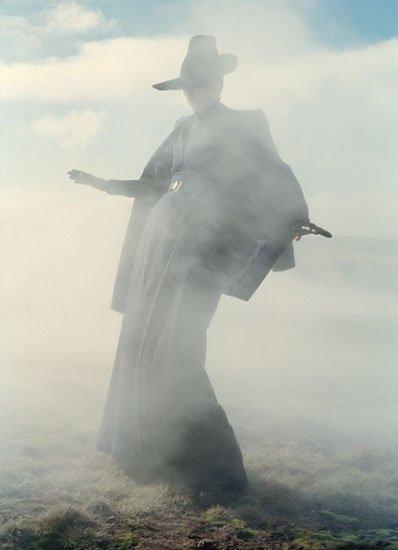
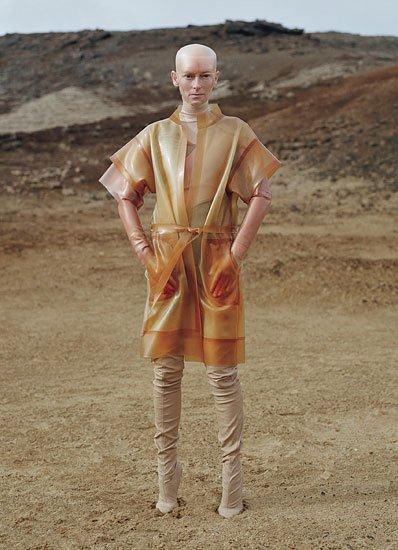
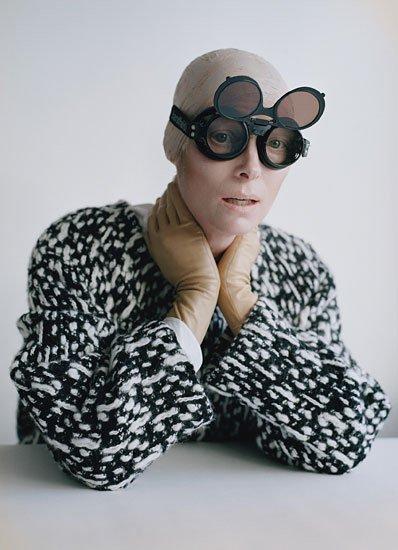
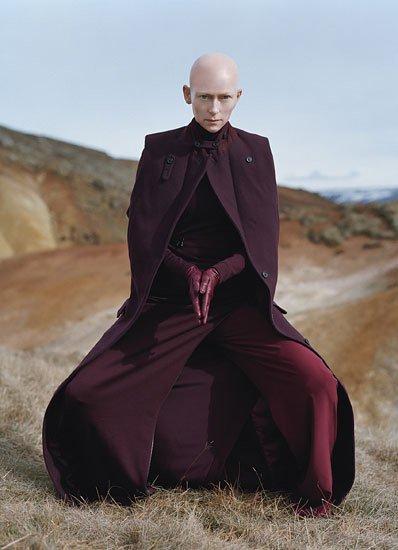
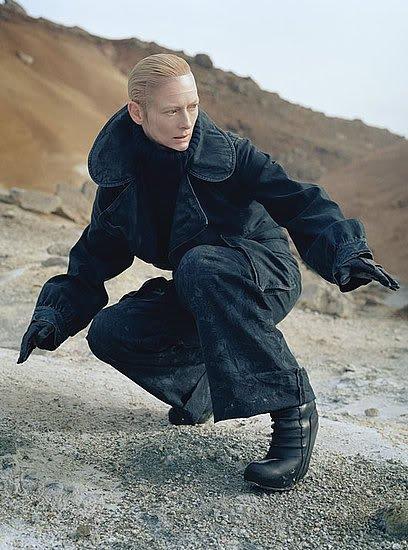
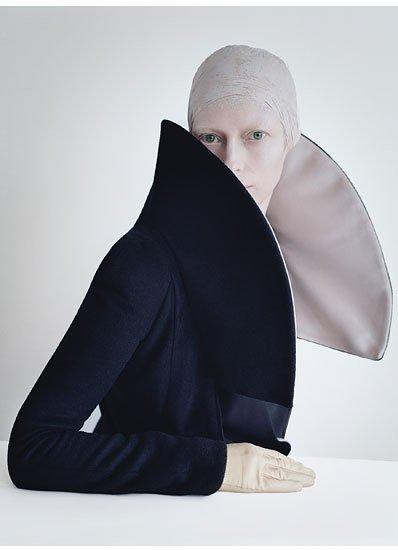
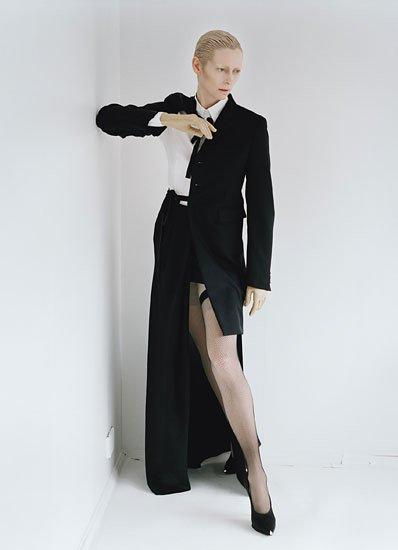
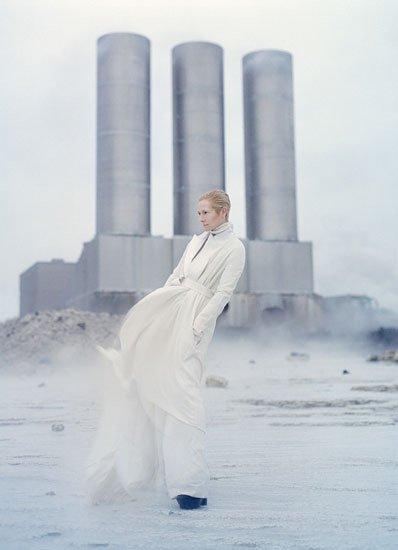
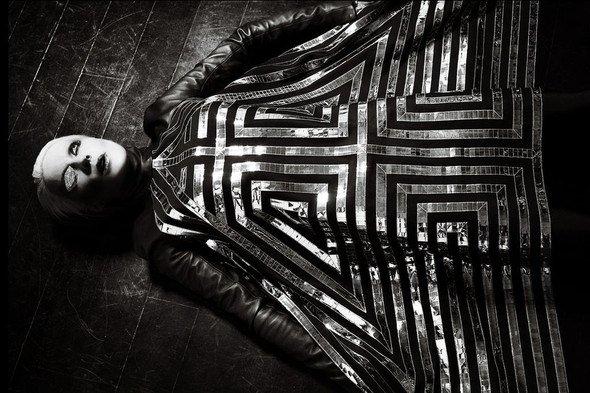
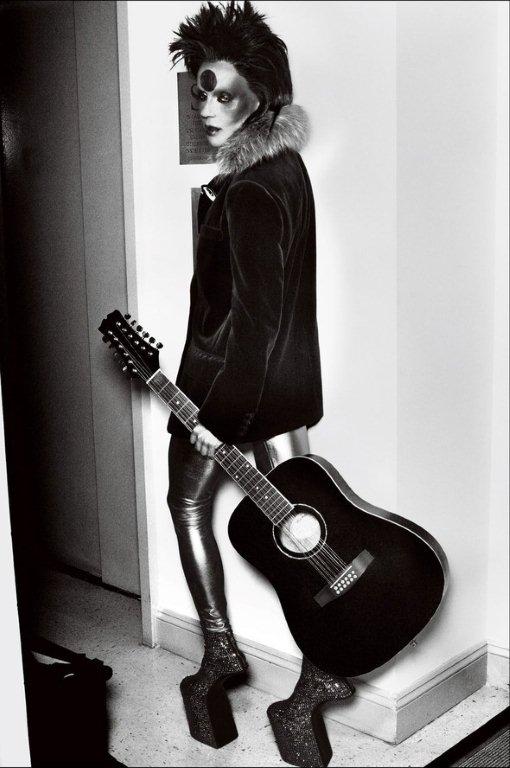
W magazine published a story August 2011, photographed by Tim Walker and modelled by Tilda Swinton, inspired by David Bowie in the movie ‘The Man Who Fell to Earth’

Tilda Swinton

Tilda swinton

Tilda swinton

Tilda Swinton

Tilda Swinton

Tilda Swinton

Tilda SwintonTilda swinton

Tilda swinton

Tilda Swinton

.

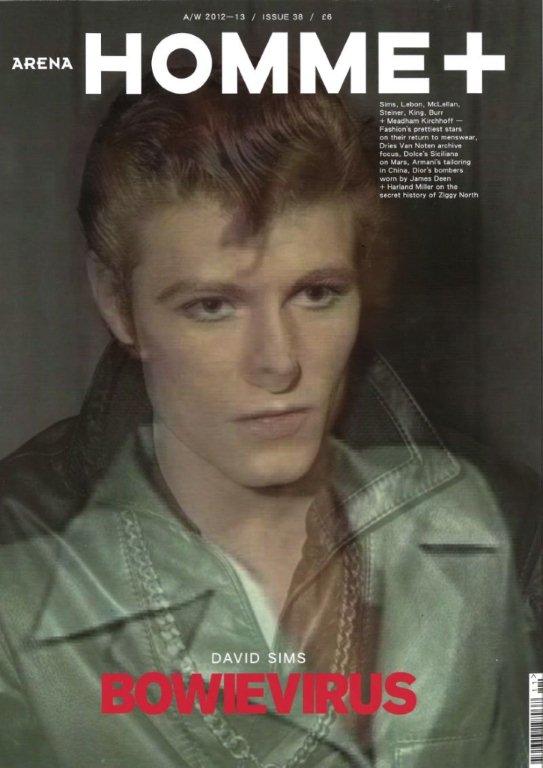
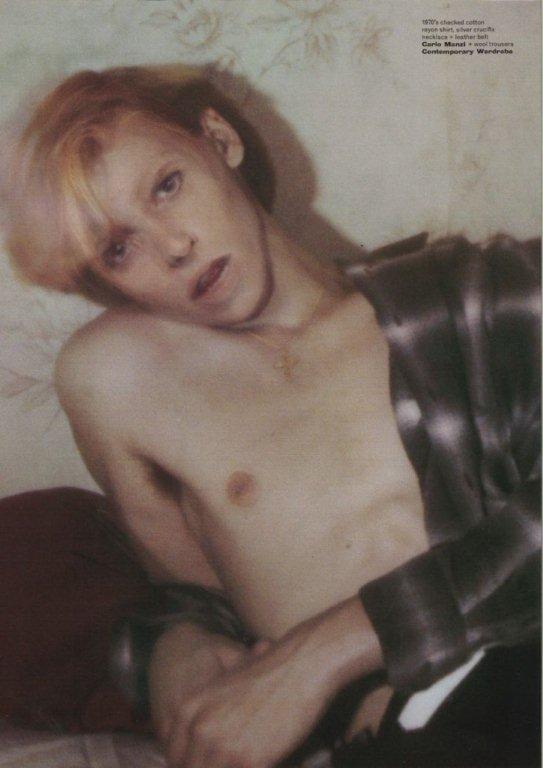
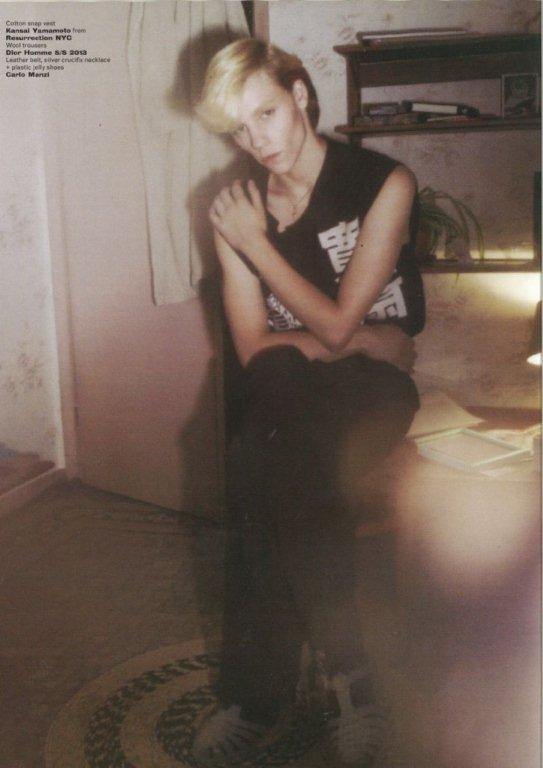
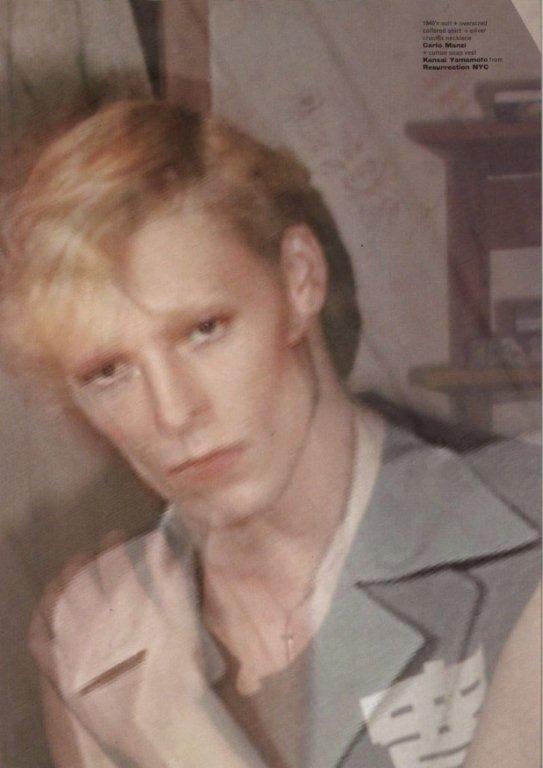
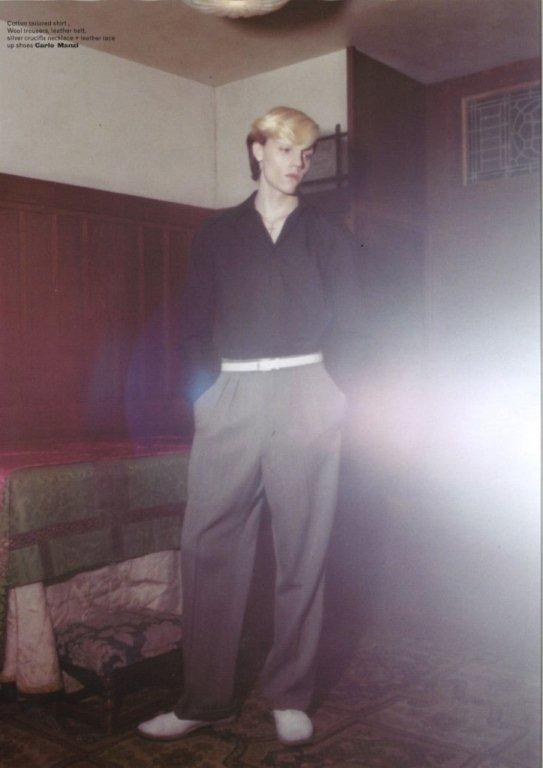
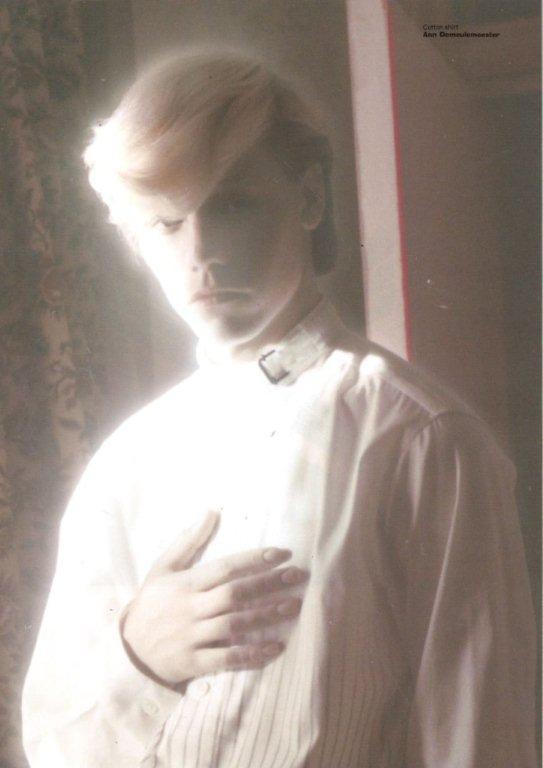
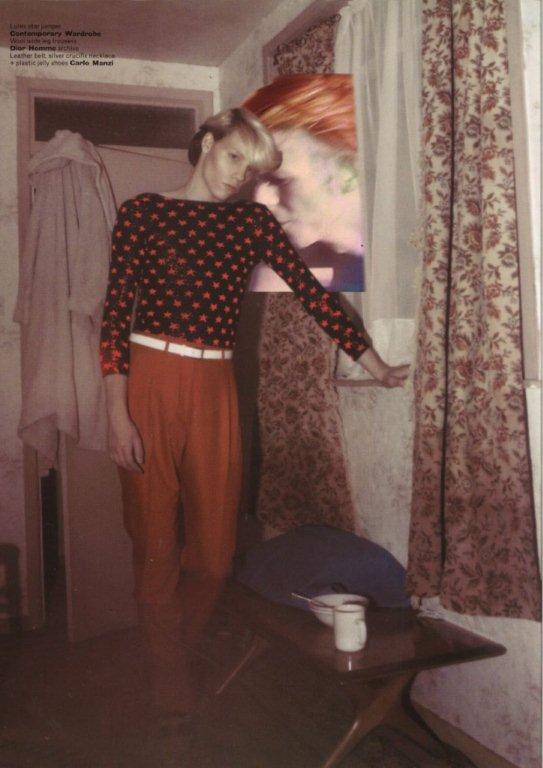
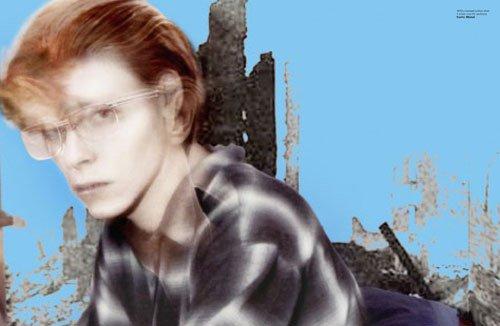
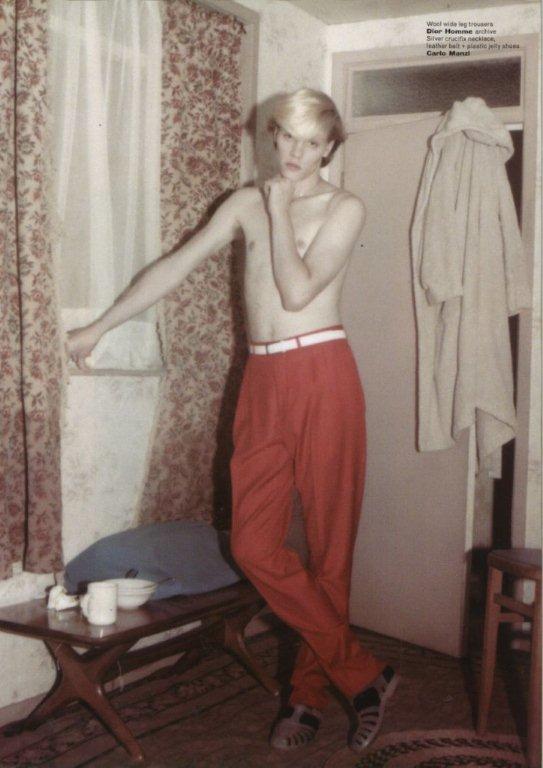
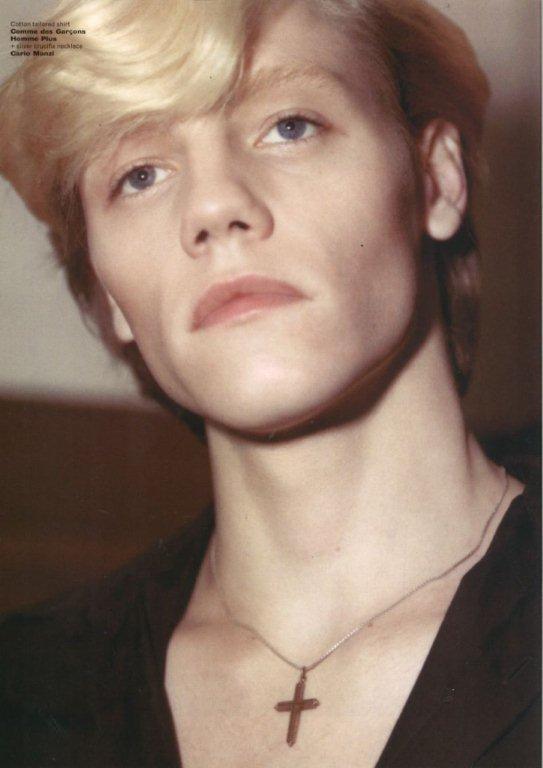
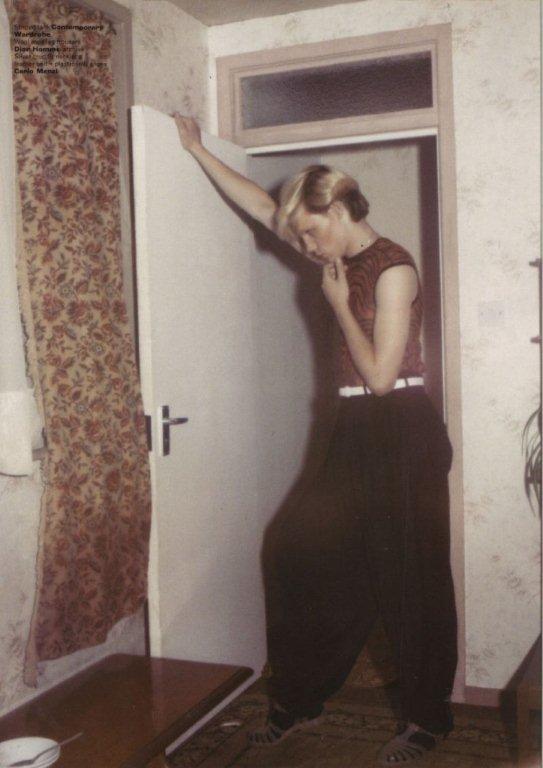
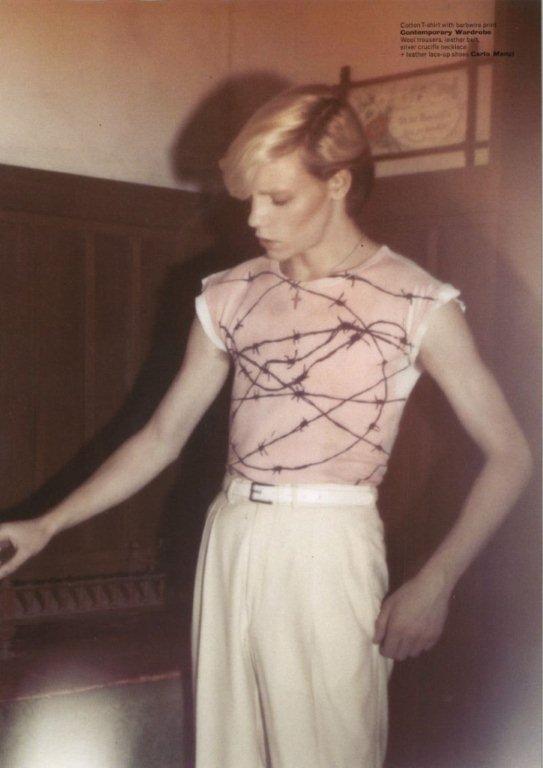
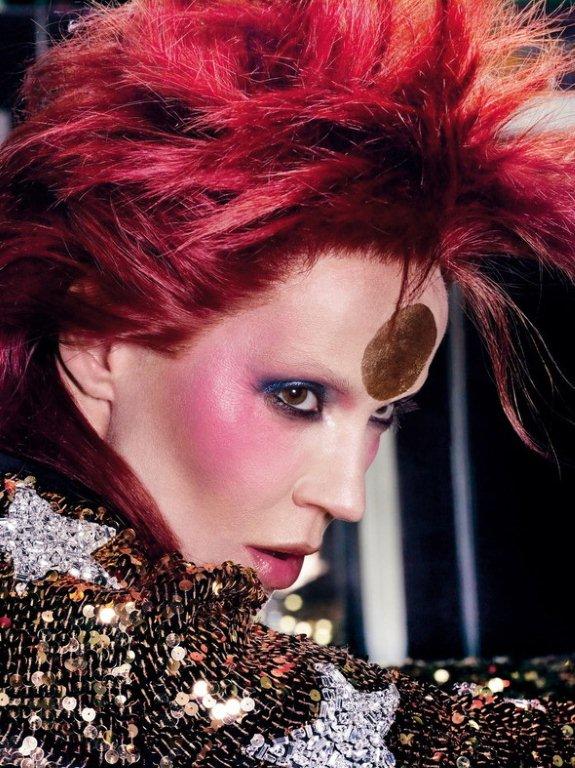
Arena Homme+ issue 38 was dedicated to David Bowie, fabulous cover and story photographed by David Sims and modelled by Duncan Pyke

Arena Homme+ a/w 2012-13

Duncan Pyke

duncan pyke

duncan pyke

duncan pyke

duncan pyke

duncan pyke

David Bowie/ David Sims

duncan pyke

duncan pyke

duncan pyke

duncan pyke

.

Dahne Guinness photographed by Bryan Adams (yes, the musician turned photographer) for Vogue Germany

daphne guinness

dapne guinness

Daphe Guinness

daphe guinness

Daphne Guinness

daphe guinness

.

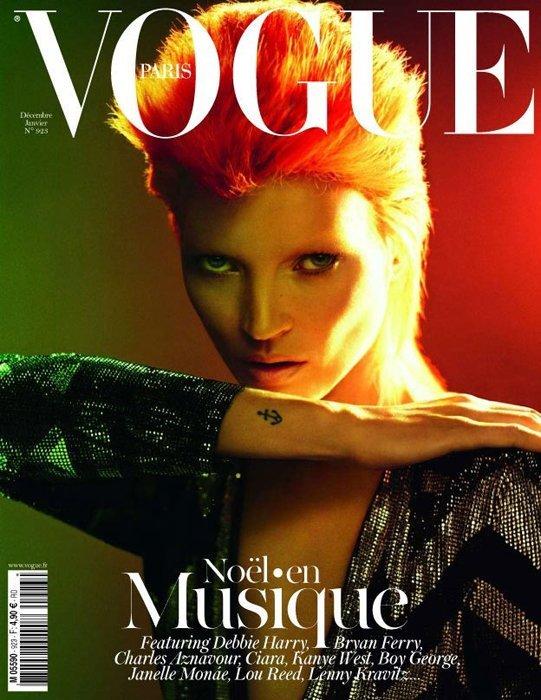
And ofcourse Kate Moss on the cover of Vogue Paris, photographed by Mert Alas and Marcus Piggott

Kate Moss

.

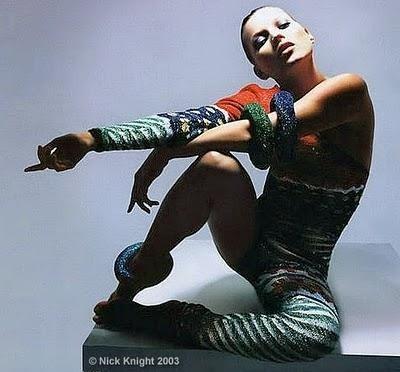
Kate Moss as David Bowie photographed by Nick Knight in 2003

Kate Moss

.

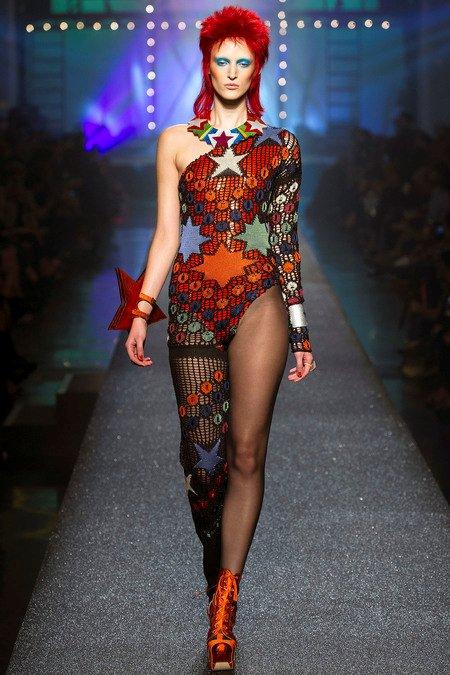
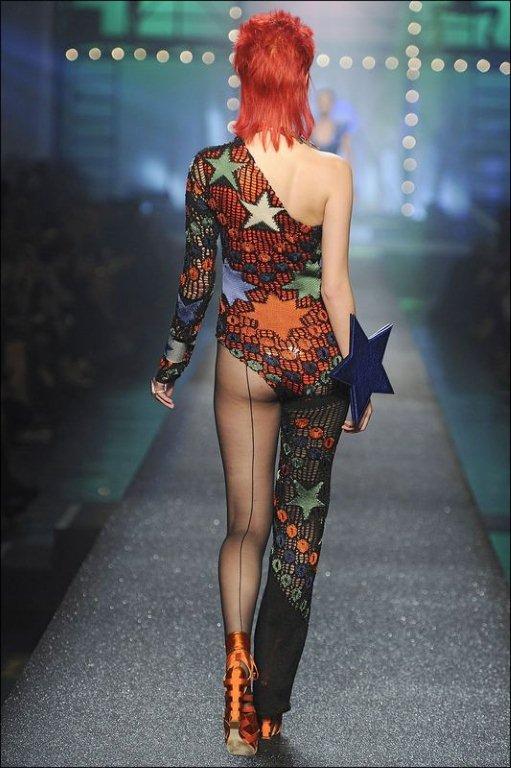
Designer Jean Paul Gaultier based his collection s/s 2013 on popstars including David Bowie

JPG s/s 2013

Jean Paul Gaultier 2013

.

David Bowie is

exhibition

david-bowie-is

An extraordinary exhibition charting the career of British singer David Bowie will open at the  Victoria&Albert museum in London next March. The V&A is going for the bigger picture and  has announced details of the first museum retrospective for a man who is one of the most influential performers of modern times. The “David Bowie is” exhibition will feature handwritten lyrics, original  costumes and set designs alongside the 65-year-old star’s own instruments. “David Bowie is a true icon, more relevant to popular culture now than ever,”  said V&A director Martin Roth. David Bowie Is, launching on 23rd March 2013, will be running for four months.

For tickets go to the next link, don’t wait to long….!!!!

http://www.vam.ac.uk/content/exhibitions/david-bowie-is/about-the-exhibition/

.

Dave

Film poster Dave

Belgian model Hannelore Knuts portrays  David Bowie in movie ‘Dave’ by Soulwax brothers Stephen en David Dewaele

.

Tilda Swinton