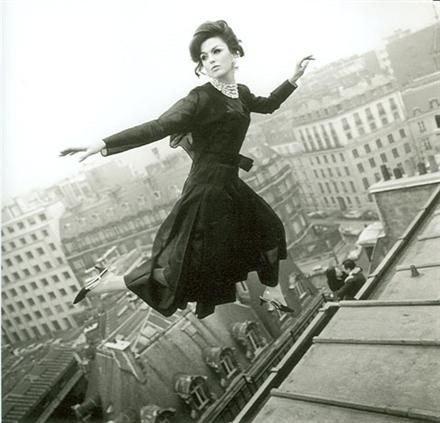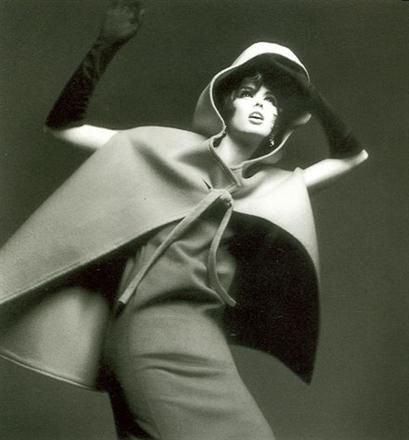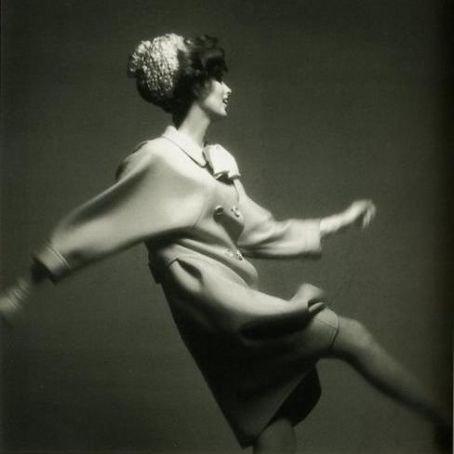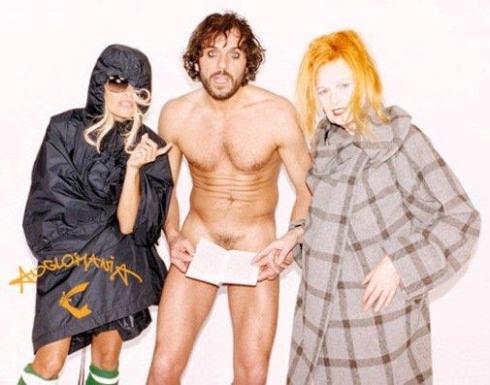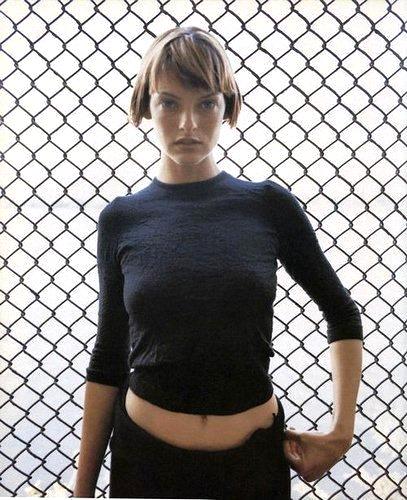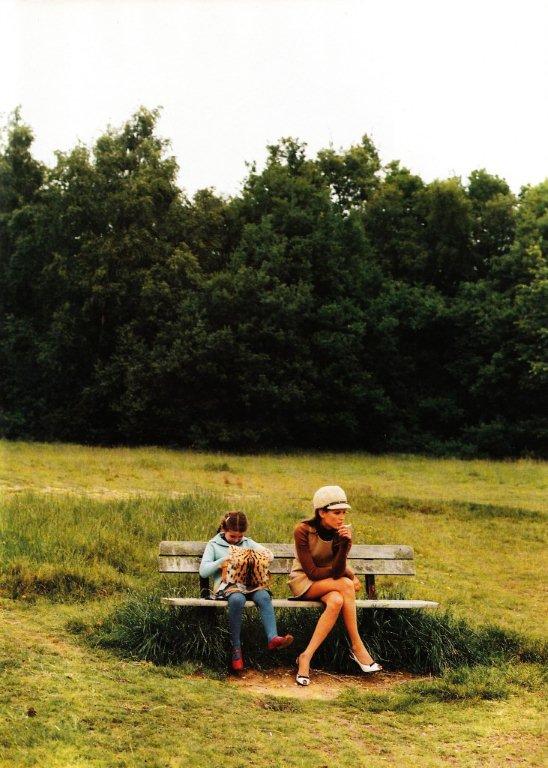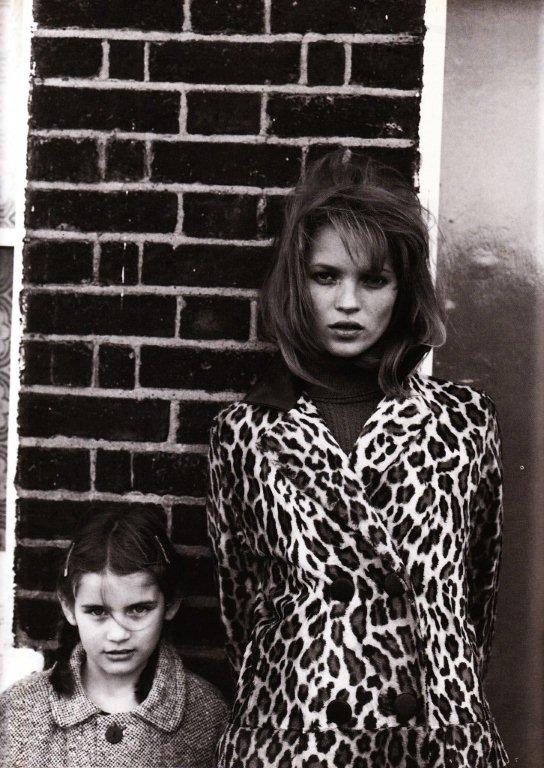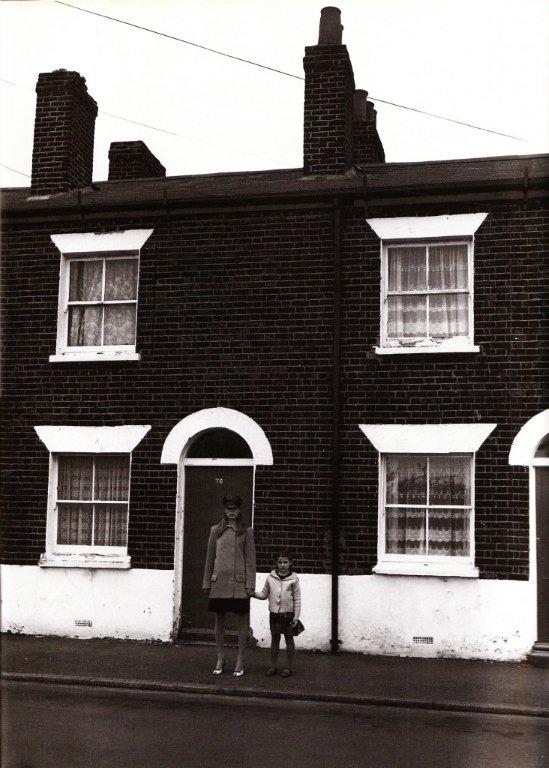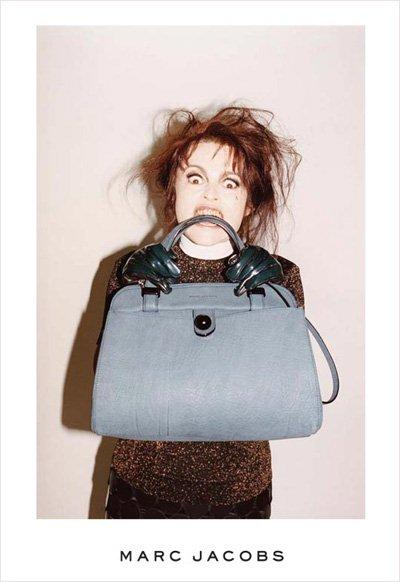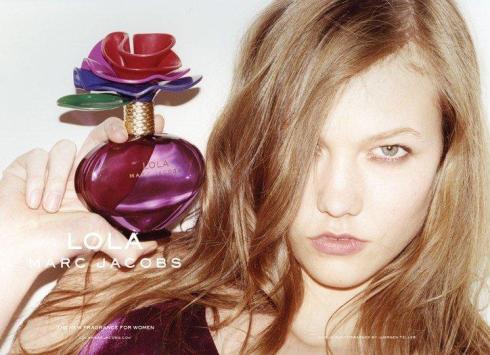
The Beautiful Fall…..

17 Mar
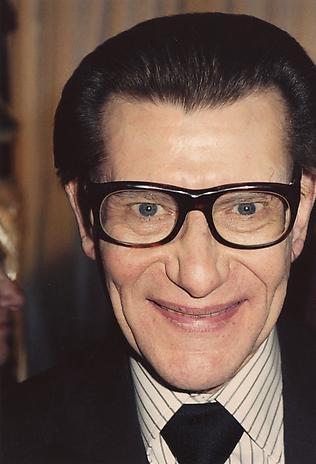
Yves-Saint-Laurent-Karl-Lagerfeld
Due to my own recent ‘beautiful fall’, I am not able to put many hours in a new post this week, therefore 2 reviews about one of my favorite books. If you haven’t read it yet, I hope this post triggers you to do so!
The Beautiful FallFashion, Genius and Glorious Excess in 1970s Paris by Alicia Drake.
.
Book cover

The New York Times

By Caroline Weber  (September 17, 2006)
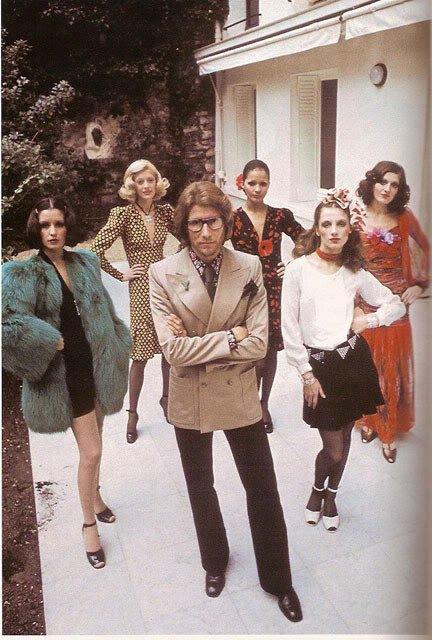
As anyone who has ever been backstage at a fashion show (or watched “Project Runway”) can attest, egomania, depravity and back-stabbing are either fashion’s necessary ingredients or its inevitable byproducts. Without purporting to solve this chicken-and-egg conundrum, Alicia Drake’s “Beautiful Fall: Lagerfeld, Saint Laurent, and Glorious Excess in 1970s Paris” considers a deliciously dramatic case in point. For the 70’s in Paris was not just a time when hedonism reigned supreme, youth flouted its stodgy elders’ expectations and fashion designers, the pied pipers of the new guard, emerged as “creators of fame, sex appeal and glamour that was accessible to all.” It was also the era when two particular designers — Yves Saint Laurent and Karl Lagerfeld- entered into a high-stakes, high-profile vendetta that changed the face of Parisian chic.
.
The Beautiful Fall

To understand this quarrel’s origins, Drake, a Paris-based former contributing editor of W magazine and British Vogue, digs deep into the two men’s intersecting life stories. Both titans got their start as middle-class “boys from the provinces, dreaming of Paris.” As adolescents, the Algerian-born Saint Laurent and the German-born Lagerfeld studied at a Paris trade school for couturiers, where, in 1954, they each won prizes in an international fashion competition. By taking both first and third place in the dress design category, the 18-year-old Saint Laurent outshone his friend Lagerfeld, who was three years his senior. Before long, Saint Laurent was designing for couture’s undisputed master, Christian Dior, while Lagerfeld toiled in obscurity at lesser houses.

For a time, the former schoolmates remained close, but by the early 60’s relations between them had cooled. In 1958, Saint Laurent triumphed with his first collection at Dior. (Dior had named Saint Laurent his successor before he died in 1957.) Not long afterward, Saint Laurent met an older man, Pierre Bergé, who appointed himself the couturier’s Svengali. Between the international renown he achieved as Dior’s helmsman and his involvement with Bergé, with whom, in 1961, he founded a label bearing his own name, Saint Laurent had little time for his old school chum. Lagerfeld reacted by declaring haute couture a dying art and forsaking it to work as a freelance ready-to-wear designer. Although the two rivals socialized in the same fizzy beau monde, professionally they were worlds apart.
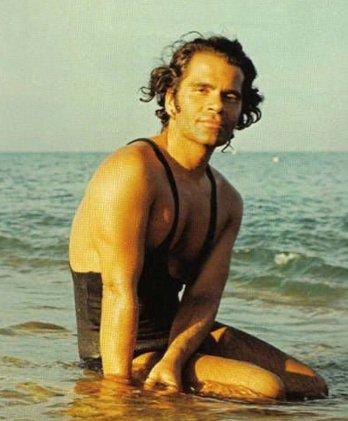
The Beautiful Fall

Compounding this divergence was a profound difference in style. Almost from the outset, Saint Laurent had a highly specific vision of female elegance. With innovations like the safari jacket and le smoking (a women’s trouser suit based on the tuxedo), he developed an instantly recognizable look, reprised in his subsequent collections. (His attitude toward his pets betrays a similar fixity of spirit: “Each time one of Yves’s French bulldogs dies, he mourns it, buys another and calls it Moujik,” the author writes.) Lagerfeld, by contrast, was predictable only in his self-proclaimed habit of “vampirizing” any and all cultural references that came his way. His ready-to-wear confections betrayed a wild eclecticism. His signature statements — like the ponytail, sunglasses and fingerless gloves he sports today — were reserved mainly for his artfully outrageous self.

The more publicly flamboyant of the two designers, Lagerfeld was far less adventurous when it came to private indulgences. Saint Laurent partook recklessly of the alcohol, drugs and casual sex that abounded in Paris in the 70’s, but Lagerfeld avoided such decadence. As it turned out, “glorious excess” took its toll on Saint Laurent. His substance abuse led to frequent hospitalizations, and to an inordinate dependence on Bergé. (By 1976, Drake writes, Saint Laurent couldn’t write a check, board an airplane or book a restaurant without Bergé’s help.) Lagerfeld ceded control to no one, breaking off friendships once he had mined their creative possibilities or when they threatened to disappoint him. As he declared in 1997: “I was born to live alone. … But who cares?”

ysl-models

In the early 70s, however, Lagerfeld became enamored of Jacques de Bascher, a debauched young nobleman new to the Parisian scene, and began bankrolling his extravagant lifestyle. Bascher intrigued Saint Laurent, too, who saw in him a way to rebel against Bergé’s tight control and to “exorcise certain of his demons,” Drake writes. In 1973, Saint Laurent and Bascher began an affair — infuriating Lagerfeld and Bergé, and precipitating the fateful rupture between the two camps.

For Drake, Bascher personified the “gilt-edged decadence” that defined his intimates’ milieu. Drawing on the link he himself made between “decadence” and “falling” (a link that apparently inspired her book’s title), she writes: “For Jacques, it was always beauty that justified the fall. Beauty made even the idea of self-destruction … a possibility.” By self-destruction, the author means not only drug addiction but AIDS, from which Bascher died at 38. But despite Drake’s presentation of him as a doomed artiste, his demise comes more as an anticlimax than as a tragedy of genius lost. Having “never carved a statue or painted a picture” or designed an article of clothing, Bascher left behind only a legacy of hatred between two men far more talented than he.
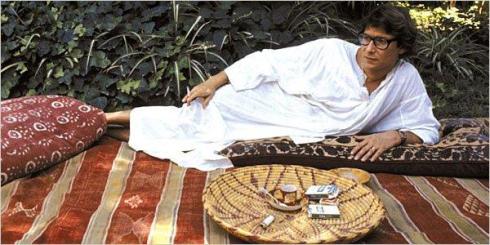
YSL

This animosity, though, assumed epic proportions, as Drake, with her insiders feel for fashion-world cattiness, shows in splendid detail. When it relates the fallout from the two designers’ feud, “The Beautiful Fall” crackles with excitement. Mutual friends were forced to choose sides; barbs flew in the press; and the rivalry that had been brewing since their school days became a driving force in Parisian fashion. Declaring himself “the last couturier,” Saint Laurent retreated into what some critics perceived as stultifying nostalgia for his own past work. Lagerfeld took issue with this approach. “The best way of surviving in the present,” he announced pointedly, “is forgetting the past, to permanently recreate one’s paradise.” In 1982, Lagerfeld found a new paradise to recreate when he was tapped to design for Chanel. Lagerfeld’s subsequent “irreverent manipulation of the Chanel oeuvre” — a classic case of his “vampirizing” — “drove Yves Saint Laurent to distraction,” Drake writes, but it also provided a refreshing counterpoint to his increasingly mummified version of couture.

In 2002, Saint Laurent retired from fashion and became a recluse; his atelier has since reopened as a museum. Lagerfeld, conversely, has breathed “life into a moribund fashion house” and made Chanel one of the world’s most bankable bastions of style. In so doing, he has not only become a legend in his own right, but “invented the blueprint” for designers like Tom Ford, Nicolas Ghesquière and Marc Jacobs, who have likewise catapulted to stardom by reviving languishing labels. Perhaps not incidentally, Ford drew Saint Laurent’s ire when, in 1999, he began reworking the maestro’s best-known staples for the Saint Laurent ready-to-wear line. Ford’s modus operandi was surely too reminiscent of Lagerfeld’s “vampirizing” to appeal to Saint Laurent. Indeed, Drake suggests, by making constant reinvention the watchword of modern fashion, Lagerfeld just may have trounced his great rival at last.

Yves & Karl

.

The Guardian

By Hadley Freeman (September 23, 2006)

Literature, like film, has never really been able to capture the fashion world. Three approaches prevail: there’s sarcastic mockery, as in The Devil Wears Prada; there’s campy revelling in its silliness, as in Fashion Babylon; and there’s po-faced solemnity, as in pretty much any fashion designer’s biography, which will almost invariably include a line such as, “His handling of the sleeve caused grown women to weep.”

None of these methods really works because they rely on stereotype to a tedious and unilluminating extent. Alicia Drake, an experienced fashion journalist, attempts something a little different in The Beautiful Fall, which tells the twin stories of Karl Lagerfeld and Yves Saint Laurent, and their rise and, in the case of the latter, fall in the Paris fashion world.
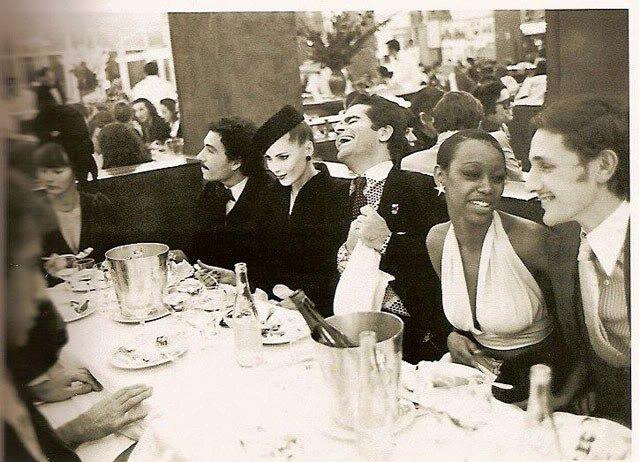
The Beautiful Fall

Aside from the occasional dip into tired hyperbole – must success be “devastating”? Was Coco Chanel really “infuriated” by a “needless manipulation of hemlines”? – this is an extremely readable and impressively researched book. The problem is that most of the people in it – namely, the entourages with whom Lagerfeld and Saint Laurent surrounded themselves – are so unattractive. Not in a physical sense, of course, beauty being pretty much the only requisite to be part of this group. But their superficiality, snobbery and lack of interest in anything other than the bracelet someone is wearing at dinner that night inevitably begins to pall.

Saint Laurent certainly comes out the worst: a controlling, childish, self-involved manic depressive who “will never ask how you are for the simple reason that if you say you’re not well, he will be extremely put out … People who are ill do not interest him”. And this from his lifelong partner and most devoted defender, Pierre Bergé. When a black model auditioned for him, Saint Laurent, who was born and raised in north Africa and featured African styles in his collections, muttered as she left the room: “Mmm, a little too Museum of Mankind.”
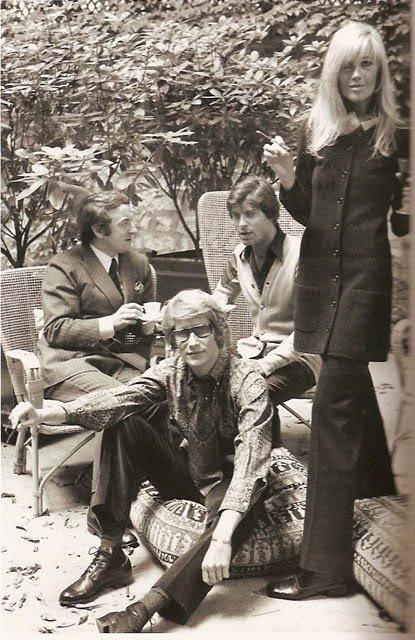
The Beautiful Fall

By the end, even Drake seems to have wearied of the whole scene. When Saint Laurent announced his retirement in 2002 Drake claims that his faithful coterie were relieved because “they could stop playing this game of make believe that they had been playing for so long now – the obsessing over fantasy clothes to be worn by just a handful of women”. Considering that one of his muses, Betty Catroux, went on to become a muse to another designer, Hedi Slimane at Dior Homme, and the other, Loulou de la Falaise, opened her own fashion boutique, that statement seems unconvincing.

Far more interesting is the evocation of the changing times in which they lived. Lagerfeld and Saint Laurent helped to shift the fashion world away from the fustiness of couture to prêt a porter. They also spotted how becoming celebrities themselves would sell clothes, a trick designers still use today. Bergé and Saint Laurent were the first openly gay celebrity fashion couple, bringing homosexuality out of fashion’s closet.
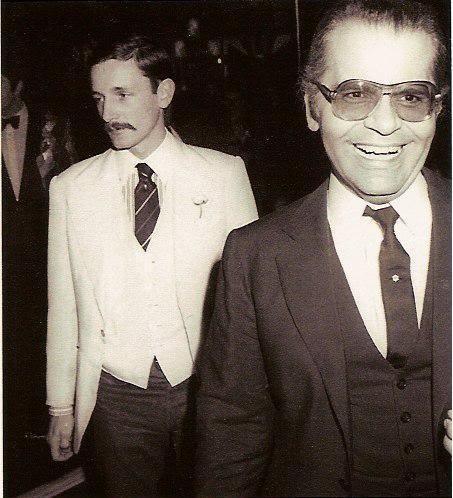
The Beautiful Fall

Heavy drug use began to seep into the fashion world throughout the 70s, and these groups certainly mastered the lifestyle, managing even to shock Mick Jagger when one of them casually offered him some heroin at a wedding reception. The effect of the advent of Aids on people who saw the flaunting of casual sex and hard drugs as part of their essential glamour is described with clear-eyed compassion.
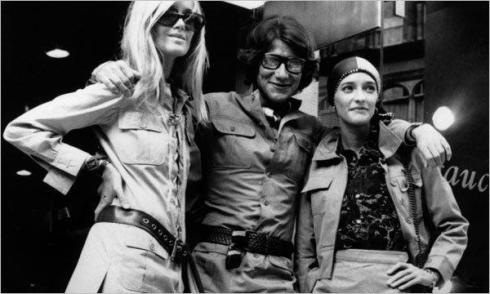
Yves & models

Both Lagerfeld and Saint Laurent refused to speak to Drake for the book, but allowed their intimate friends to do so. As Saint Laurent once said, it is the image that a person creates of themselves that is important – to show the reality would be a rude intrusion. The truth, however, cannot help but creep through, and ultimately, the image one is left with is of an Icarus generation, a group of people who were burned by their own arrogant self-obsession. Unexpectedly, it is Thadée Klossowski, professional dilettante and husband of De la Falaise, who puts it most evocatively: “I think we used to laugh a lot. But we were desperate, all of us.”

.

http://www.amazon.com/Beautiful-Fall-Fashion-Genius-Glorious/dp/0316001856
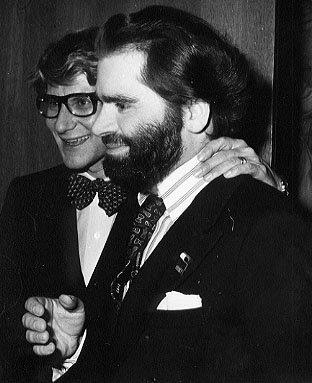
Yves & Karl

.

.

.

More about Jacques de Basher:

https://agnautacouture.com/2014/09/28/jacques-de-bascher/

.

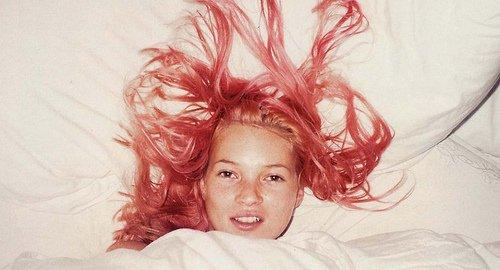
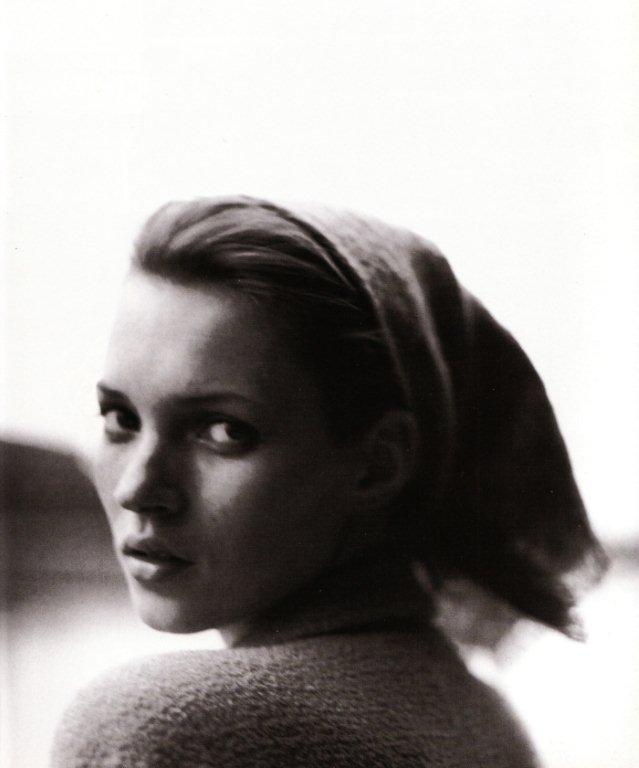
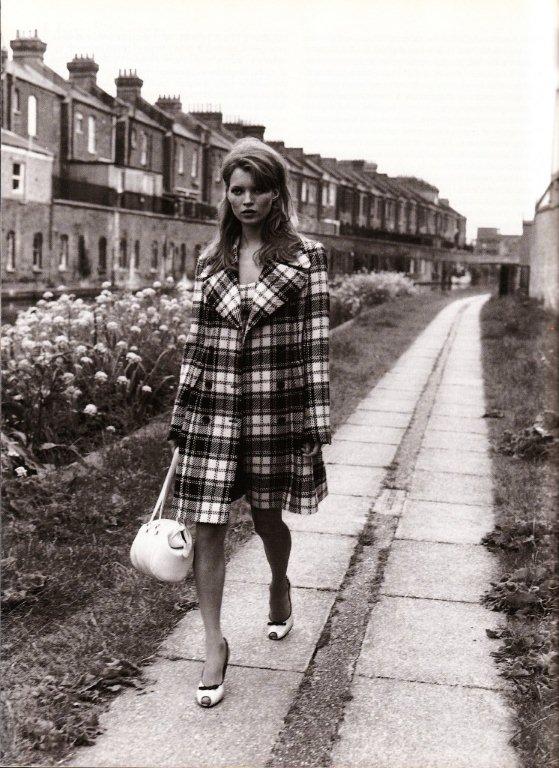
Kate Moss

and if it’s good enough for Kate……..
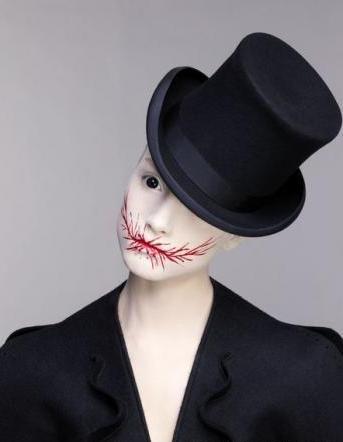
Topolino, Artist with Make-up

10 Mar
Guido Mocafico for Citizen K
                                                                                 .
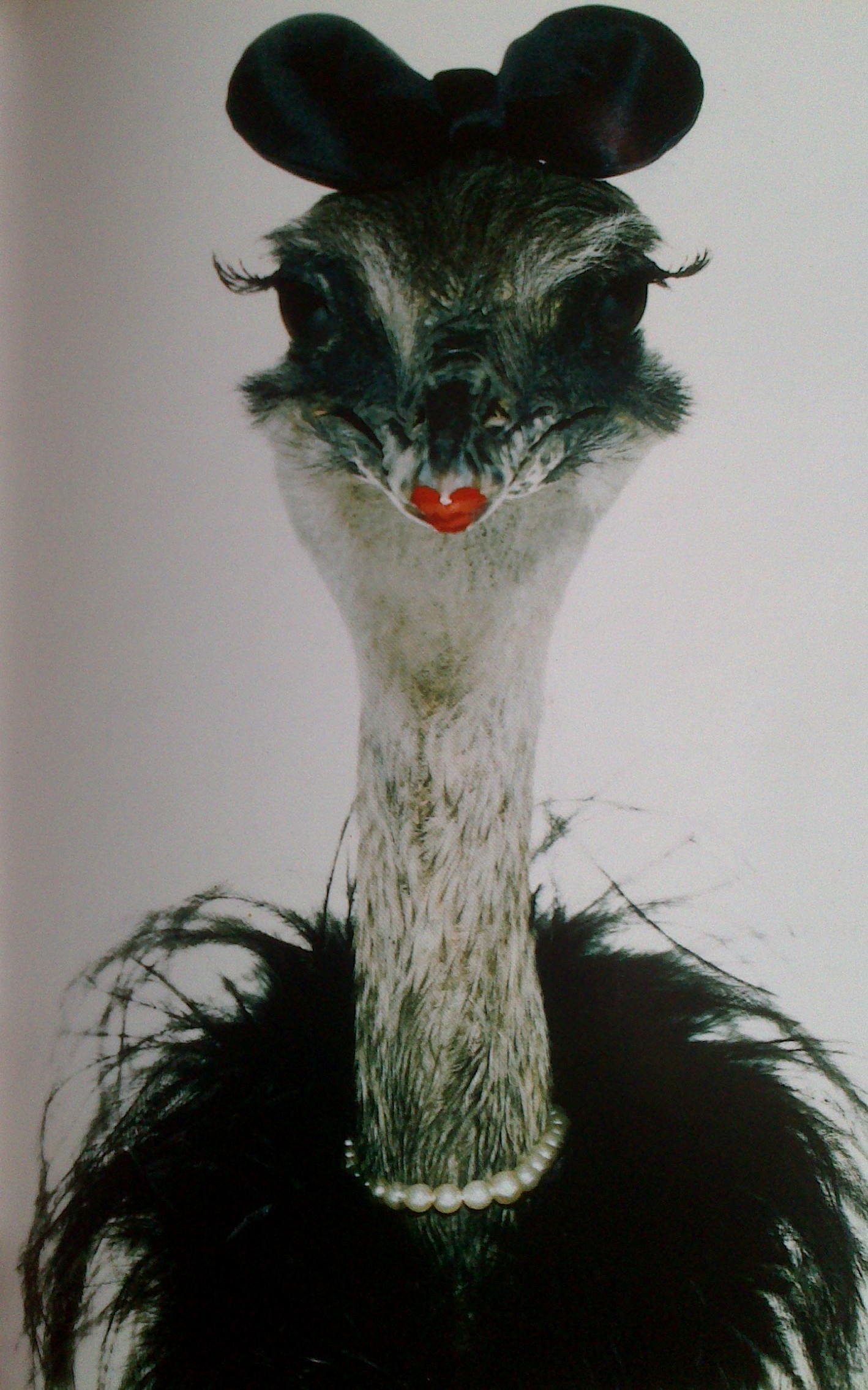
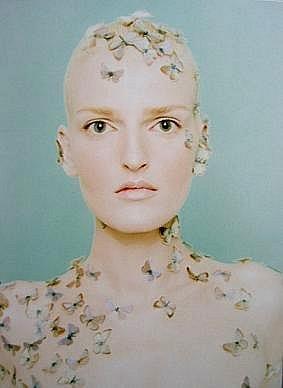
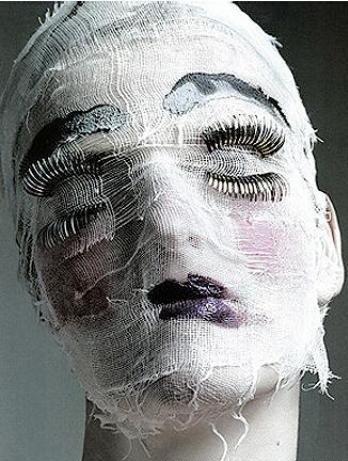
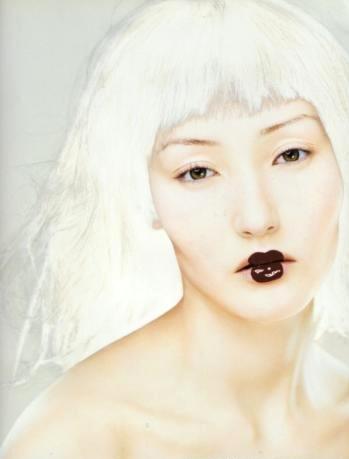
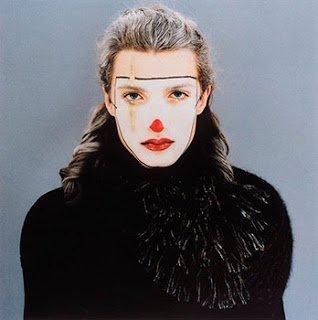
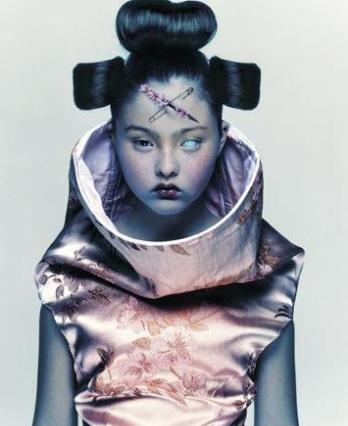
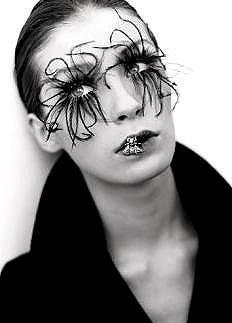
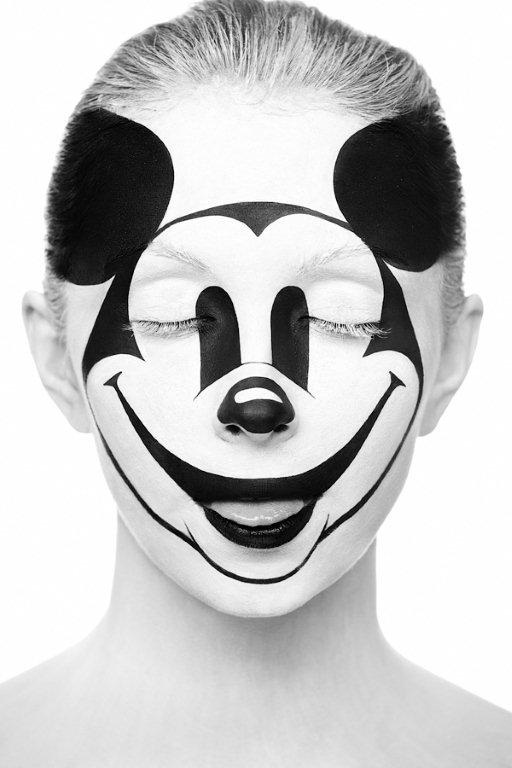
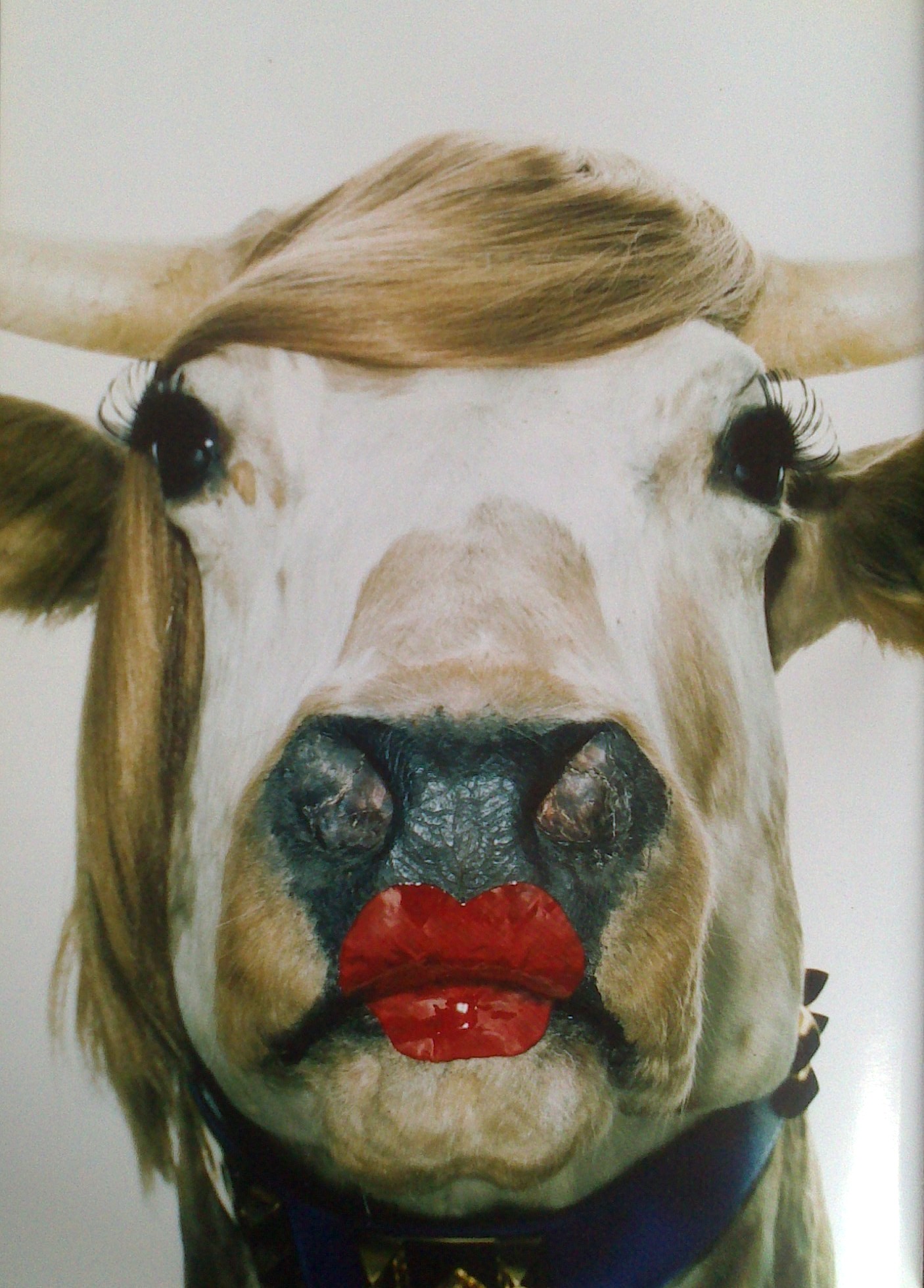
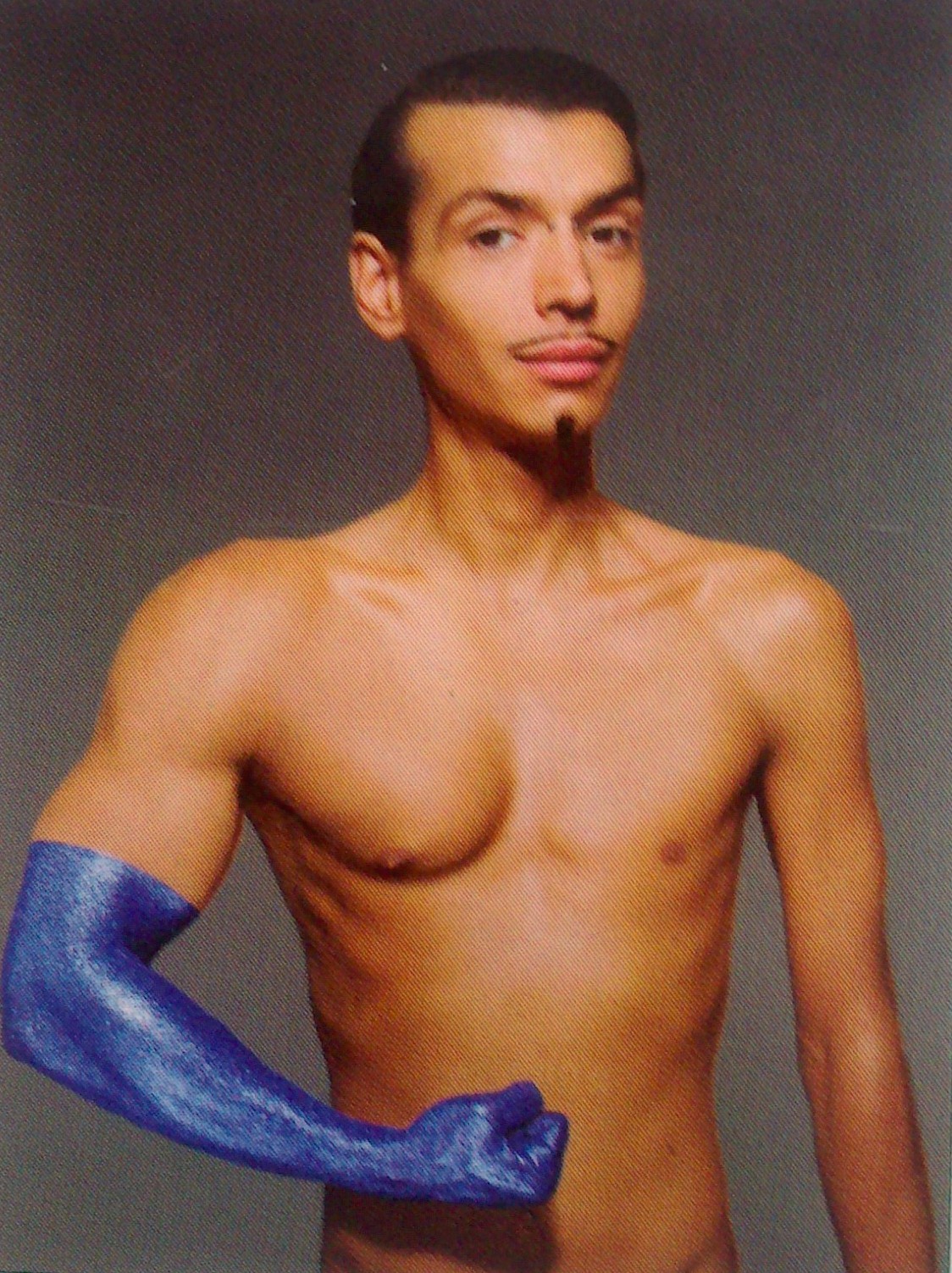
Topolino is very petite, smokes like a chimney, and has the thickest french accent. His name is Italian for Mickey Mouse, and the name of one of the most extraordinary make up artists around. Actually he is more an artist who uses make-up. Topolino is continually introducing new perspectives to the standards of beauty. Using feathers, flowers, paint and even metal, he is a perfectionist, as well as a visionary, who has turned the rules of professional make-up upside down. And not to forget, he has my favorite character trait: humour!
                                                                                 .
 Topolino came fresh from Marseilles and an apprenticeship at L’Atelier Paralelle, where he had mastered the basics of his trade: hairstyling, fashion, make-up, manicure, etc. Just at the age of 19 he moved to Paris, to carve out a career as a make-up artist. The 1980s was a booming time in fashion, a time for showing off, for cheap and chic, for mixing cultures and eras.
                                                                                  .
Topolino
ph. Éric Traoré for Vogue france
ph. Éric Traoré
                                                                                       .
Topolino’s work was free from historical references. His inspiration comes purely out of his own imagination and his own imagination is his childhood world. He thrives on fantasy, fairy tales and legends. Topolino adores clowns and cartoons and has retained spontaneity and innocence.
                                                                                       .
Topolino
                                                                                       .
All these ingredients make him a true original and original is also his use of modest means. He has the tiniest kit ever, basically the size of a handkerchief and out of this kit Topolino creates the quirkiest characters. He doesn’t care what brand the tools and products he uses are, with the exception of Vaseline-it must be American (the consistency is better for glitter adhesion. To achieve a glitter princess Topolino rubbed Vaseline all over her face, neck and chest, then poured large particle glitter into his hands and blew!).
                                                                                         .
ph. Alek & Inaki for Jalouse
                                                                                                  .
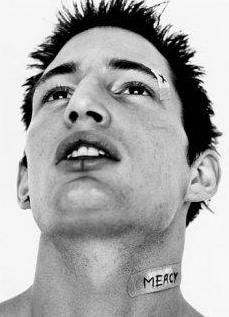
He draws tattoos with a ballpoint pen directly on the skin, uses fake tan to draw a bikini on a torso and covers a body with stars using only a black eye pencil. Self-taught, Topolino creates looks that haven’t been seen before and changes the way people look and work with make-up. However strange his concepts sometimes may sound, they still manage to be undeniable beautiful.
                                                                                                  .
For more than twenty-five years, he has worked with the greatest fashion crowd such as Alexander McQueen and Philip Treacy, photographers of our time, from Mondino to Nick Knight, and magazines like Vogue, The Face & I-D. In 1995 he was honored with a show at the Musée de la Mode.

In Topolino’s case: pictures speak louder than words…

                                                                               .

Topolino

topolino

ph. Les Cyclopes

Iph. Jean Baptiste Mondino

ph. Nick Knight

                                                                                    .

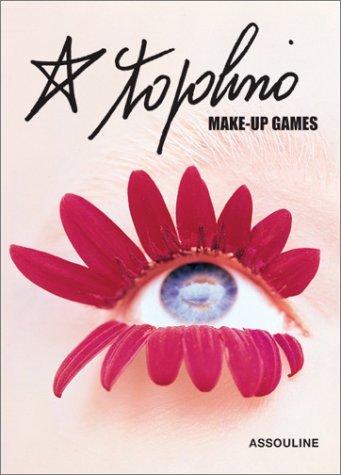
In 2001 Assouline Publishing tributed Topolino with the book Topolino,  make-up games, which contains some of his most brilliant work.

                                                                                     .

bookcover, ph. satoshi Sakusa 1987

                                                                          .

http://www.amazon.com/Topolino-Make-Up-Games/dp/2843233712

.

ph. Annett Aurel

ph. Mario Testino

Topolino

.

.

ph. Guido Mocafico

Topolino

most pictures downloaded from:  http://www.callisteparis.com/topolino

Qui Êtes-Vous, Polly Maggoo?, William Klein&Dorothy McGowan

3 Mar
Polly Maggoo
                                                                              .
Recently my friend Eddy (De Clercq) told me of this movie, Qui Êtes-Vous, Polly Maggoo? after we watched the documentary about Diana Vreeland, in which some gorgeous pictures from the film were shown. I got pretty curious and wanted to know more about this obscure movie about the fashion world in the 60ties.

.
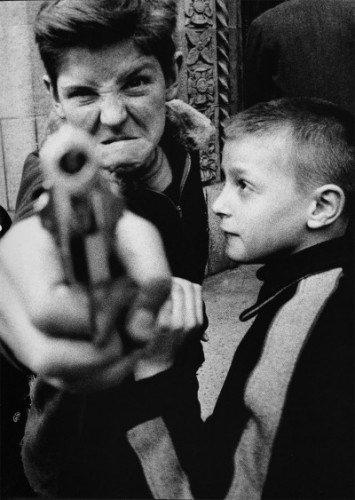
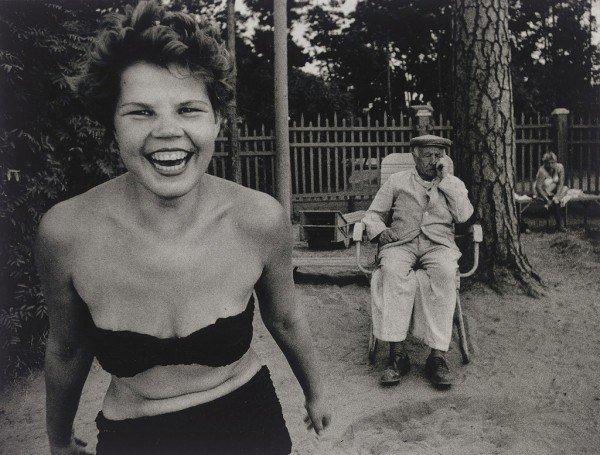
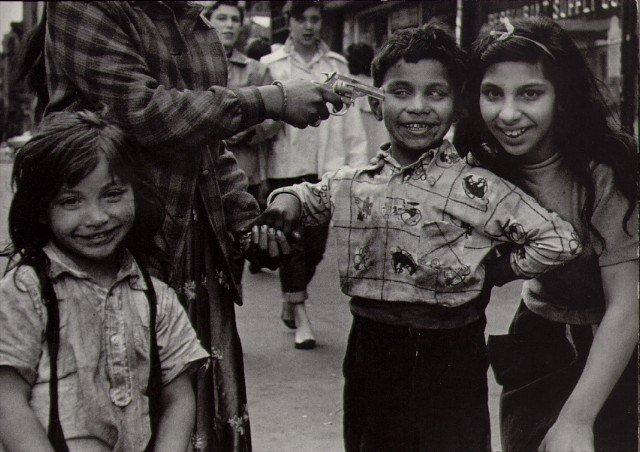
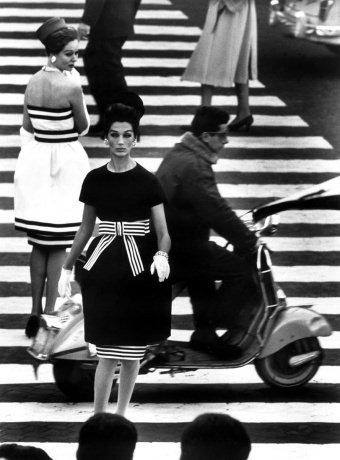
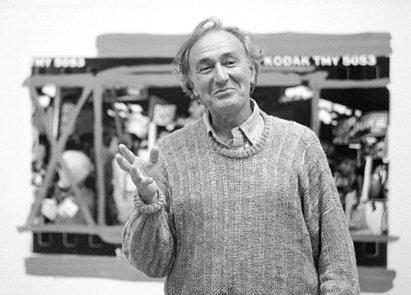
The film is a satire of the French mid-1960’s fashion world, in which William Klein, writer and director of the movie, unapologetically skewers the fashion industry. William Klein, an expat American in Paris and former fashion photographer for Vogue during the Diana Vreeland era. His explosive New York street photography made him one of the most heralded artists of the sixties. He was ranked 25th on UK’s Professional Photographer’s ‘100 Most Influential Photographers of all time’: ‘The anarchic rebel of fashion, reportage and film making. His wide-angle ‘in your face approach’ lives on, as does his attitude.’

William Klein
William-Klein-Bikini-Moscow-1959-e1332891524238
William Klein_
                                                                                 .

In 1954, Alexander Liberman, then art director of Vogue hired William Klein, launching his career as a fashion photographer, “a journey marked by his ambivalent and ironic approach to the world of fashion. Klein worked for Vogue till 1965. ” Klein did not want to continue with mundane fashion poses, but wanted to take, in his own words “at last real pictures, eliminating taboos and clichés.”

William Klein
William Klein
William Klein
William Klein
William Klein
William Klein
                                                                                   .

William Klein’s move into the cinema world was a natural progression in his artistic career. He only made three fiction features. His debut, Qui Êtes-Vous, Polly Maggoo? (1966) with, in the leading role as Polly Maggoo, Dorothy McGowan.

.

Polly Maggoo, the movie

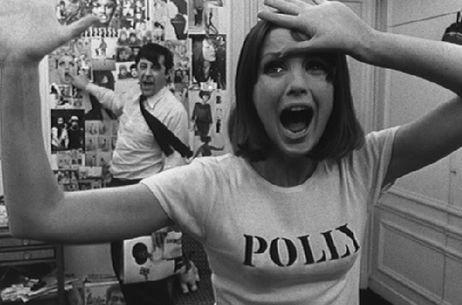
Fairly loosely plotted, the film uses a fictional documentary TV news program called “Who Are You?” to take a close look at Polly Maggoo, the world’s most popular supermodel and in the process, ruminate (often satirically) on fashion, fame, and wealth.

polly Maggoo
Polly Maggoo
                                                                                  .

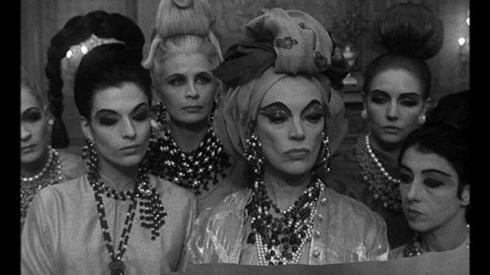
It’s an art film through and through, and in the truest sense of the word. It’s extremely edgy, surrealistic, and critical of the fashion world, which exploded into a new shape during the 60s (haute couture really getting “out there” – no longer about wearable clothing but about making ‘art’ on the human form).

Polly Maggoo
Polly Maggoo
Polly Maggoo

Polly Maggoo                                                                                 .

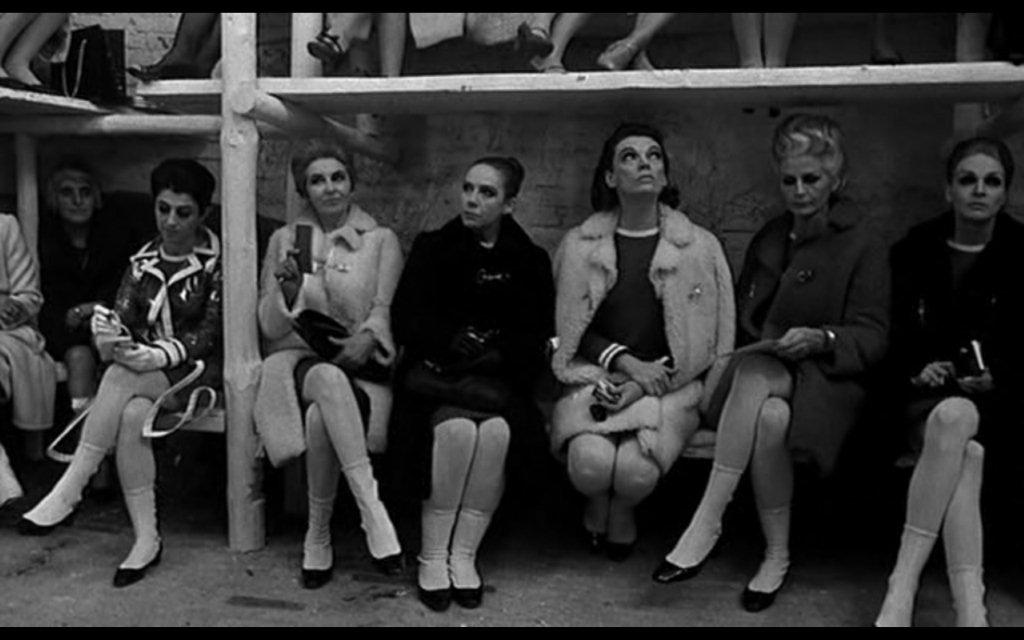
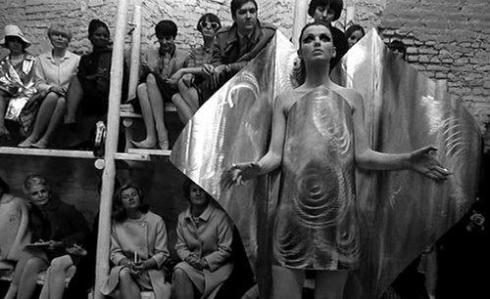
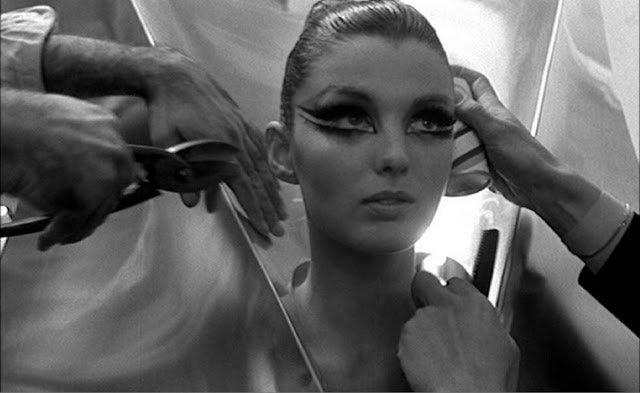
The movie starts with an absurd runway show in which the models are wearing aluminum sheets as clothes. When one of the models cuts herself at the aluminum, the designer says :”no problem, we can fix it with some foundation”, instead of caring about the pain and cuts in her arm. When the show is finished Miss Maxwell, the most famous fashion editor, who is obviously based on Diana Vreeland,  proclaims the designer has ‘recreated the woman’. Then fashion crowd goes backstage and give all ridiculous (but very funny) comments about the show and the creations and the designer pronounces: “I have great plans, I am going to do the whole collection in copper too'”.

.

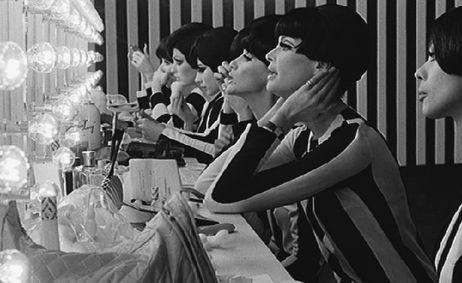
Admittedly, this won’t be for everyone, as it is rather strange (sometimes too psychedelic for me). It’s delightfully absurd and extremely stylish, crammed with awesome pop art costumes, makeup, sets, and more. It’s worth watching for the visuals alone, but it also has quite a bit of intellectual weight and interesting ideas well-presented.
.

.

Dorothy McGowan played the role of Polly Maggoo

Dorothy McGowan

Dorothy McGowan

Dorothy McGowan

Dorothy McGowan

Dorothy McGowan

                                                                                      .

Interview with Dorothy McGowan by Vanessa Lawrence of WWD (Women’s Wear Daily):
                                                                                      .

Models aren’t generally the most loquacious bunch. In fact, talking seems to be generally discouraged among their numbers: they are meant to be visual entities, whose mystique is only heightened by the lack of verbal insight they give. As such, it is usually assumed they don’t have very much to say.

.
Fortunately, Sixties mannequin Dorothy A. McGowan was perfectly at ease last Friday evening when the Metropolitan Museum of Art’s Harold Koda and historian Kohle Yohannan chatted with her before a screening of William Klein’s “Qui Êtes-vous, Polly Maggoo?” in which she stars.

.

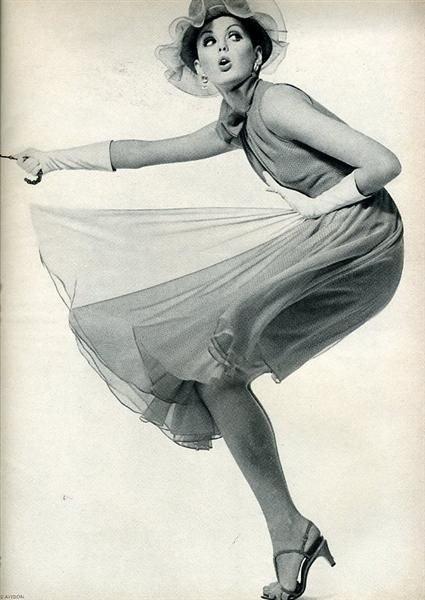
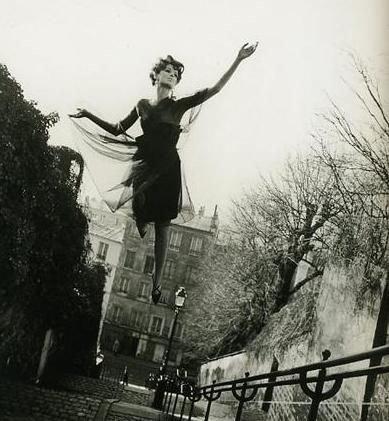
The Brooklyn-born McGowan, child of Irish immigrants, was discovered at Kennedy Airport and joined the Ford agency’s roster in 1959. She went on to work with Richard Avedon, Irving Penn and Melvin Sokolsky; nab four Vogue covers back-to-back, and most famously, become one of Klein’s favorites and the star of his 1966 French film.

.
It was all a rather bemusing trip for the young Bay Ridge native, who claimed, “I had no ambition for the future.”

.
“What happened that made you see [modeling] as a career opportunity?” asked Koda.

.
“Everyone would say to me, ‘You should be a model.’ I wasn’t stylish. I was long and lanky and had a baby face,” explained McGowan, between sips of water. “I saw this ad that said ‘Wanted: model trainee.’ And so I went to this place and this man asked me to come back the next day…it was a model agency on East 40th Street. When I was leaving his office, somebody said, ‘Who was that girl?’ and he said, ‘Oh, she’s not interesting; she’s too skinny.'”

.
“Last time that was ever said in fashion,” said Yohannon to much laughter.

.

In the satirical film, McGowan plays Brooklyn-born supermodel Polly Maggoo working in Paris. She becomes the subject of a French TV documentary series “Qui Êtes-vous?” and is simultaneously courted by both the filmmaker and a Soviet prince, all to her bewilderment.

.

“I met William Klein in 1960 in the offices of French Vogue. I was working with Penn and I guess he saw some of my pictures…and he asked me if I would do some pictures [with him],” said McGowan, who stopped modeling in 1974 and has since earned both a bachelor and graduate degree in the arts.

                                                                                     .

And despite Klein’s infamously intimidating reputation, McGowan was a willing foil.

                                                                                     .

“People were terrified of Klein as though it was a lion’s den; I was never more at home.”

                                                                                     .

William Klein

William Klein

The World Photography Organisation has announced that legendary photographer William Klein received the Outstanding Contribution to Photography Award at the 2012 Sony World Photography Awards.

.

Watch the following documentary about William Klein

.

The Delerious Fictions of William Klein

dvd box with the three movies William Klein directed: ‘Who Are You, Polly Maggoo’, Mr. Freedom’ and ‘The Model Couple”.

DVD box William Klein

http://www.amazon.com/Eclipse-Series-Delirious-Criterion-Collection/dp/B0011U3OB0/ref=sr_1_1?ie=UTF8&qid=1361893312&sr=8-1&keywords=polly+maggoo

.

Juergen Teller, collaborations (part 2)

24 Feb

British Vogue feb, 2013  by Johnnie Shand Kydd

                                                     (ph. Johnnie Shand Kydd)

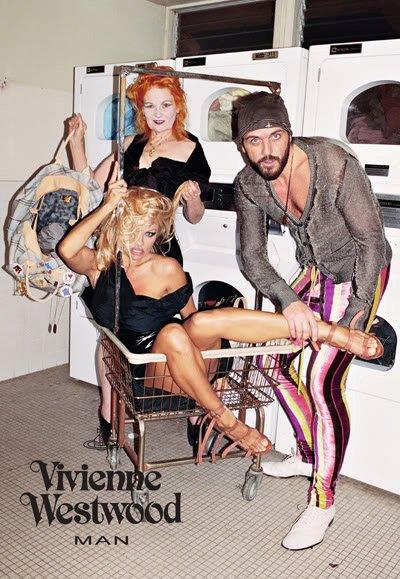
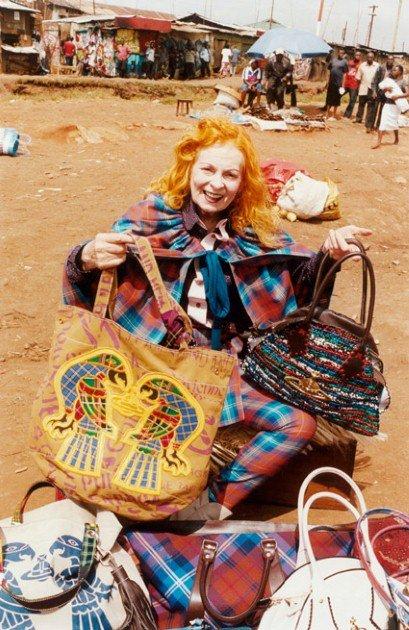
Juergen Teller and Vivienne Westwood have known each other about 16, 18 years. The last six years, Juergen Teller has been doing her advertising campaign, so he’s been dealing with the dress code of her fashion a lot. Teller says he’s mesmerized by who she is, what she stands for. He admires her and the way she looks, her white skin, red hair and the way she is so uninhibited.

Vivienne Westwood by Juergen Teller

Vivienne Westwood

Vivienne Westwood

.

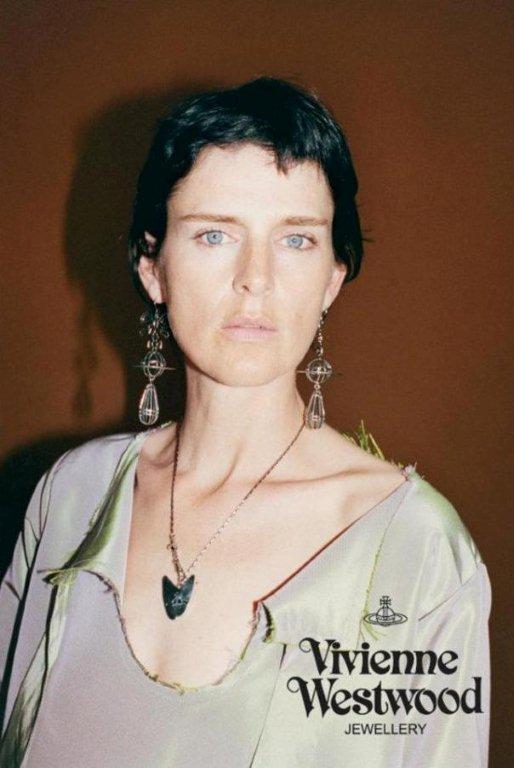
Vivienne Westwood ad campaigns by Juergen Teller

vivienne westwood

Vivienne Westwood

vivienne westwood ad campaign by juergen teller - Google zoeken

Vivienne Westwood

Stella Tennant

.

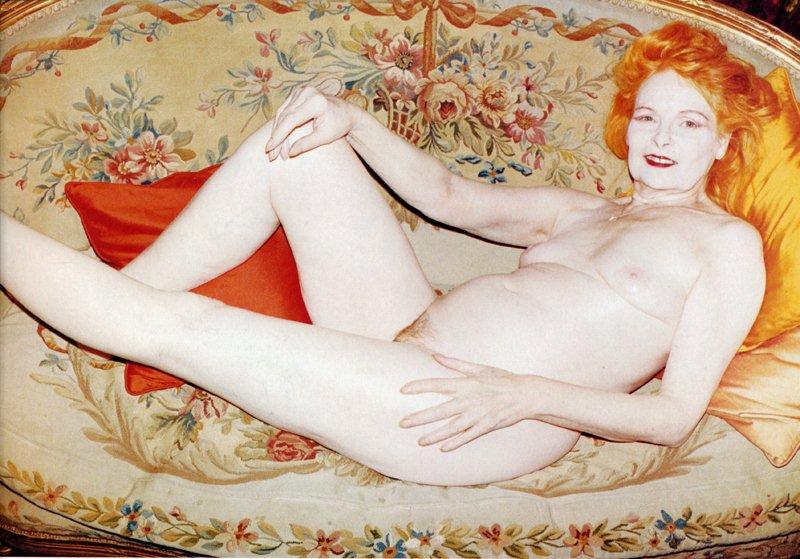
Juergen Teller was curious to know what Vivienne Westwood looked like naked and asked her if he could photograph her naked. Immediately she said: “Yes, come next Sunday”. Whenever Teller is super-nervous, he takes his wife Sadie (Coles, contemporary art dealer) with him and this time their son Ed came along. he was about 4 and a half at the time.

Andreas (Kronthaler, Vivienne’s husband) and Vivienne made a lovely early dinner and after she said: “Are we going to do this or not?”, because Teller was too shy to make that step. She got undressed and Ed came in and said: “What’s going on there? Why is Vivienne naked?’. Teller answered: “Because I’m interested to see what she looks like and I want to photograph her and she looks really beautiful I think.” And Ed went back to playing with his PlayStation.

This was the atmosphere in which the photo shoot took place.

When Juergen Teller took these pictures at the designer’s home in Battersea in south London in 2009, Vivienne Westwood was 68. Inevitably, her body lacked supple youthfulness. But so what? But in her coquettish, self-assured and letting-it-all-hang-out relaxed, she looked magnificent: sexy and with a dazzlingly impressive appearance, like a playful queen in the private apartment of a Baroque palace. The photographs are wonderfully harmonious, too – constructed around a palette of red, golden-yellow, beige, cream, orange, white and pale pink.

.

Vivienne westwood

Vivienne Westwood

(The Vivienne Westwood nude pictures are part of Juergen Teller’s “Woo” Exhibit at ICA in London)

.

Woo, Exhibition

Considered one of the most important photographers of his generation, Juergen Teller is one of a few artists who has been able to operate successfully both in the art world and the world of commercial photography. The exhibition provides a seamless journey through his landmark fashion and commercial photography from the 90s, presenting classic images of celebrities such as Lily Cole, Kurt Cobain and Vivienne Westwood, as well as more recent landscapes and family portraits.

Teller’s provocative interventions in celebrity portraiture subvert the conventional relationship of the artist and model. Whatever the setting, all his subjects collaborate in a way that allows for the most surprising poses and emotional intensity. Driven by a desire to tell a story in every picture he takes, Teller has shaped his own distinct and instantly recognisable style which combines humour, self-mockery and an emotional honesty.

_The_Keys_to_the_House_No__46_Suffolk_2010_hr0

_Yves_St_Laurent_

Juergen Teller

David Hockney

Kate Moss

Juergen Teller

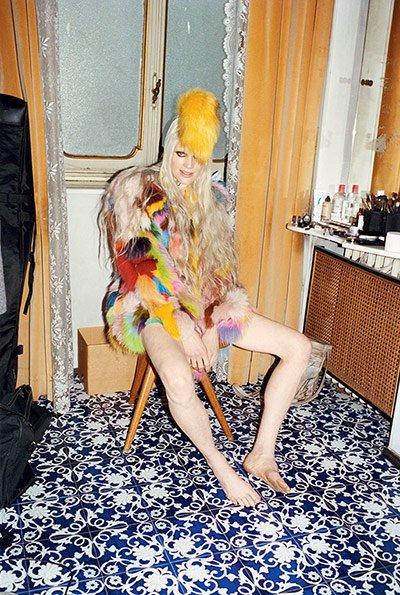
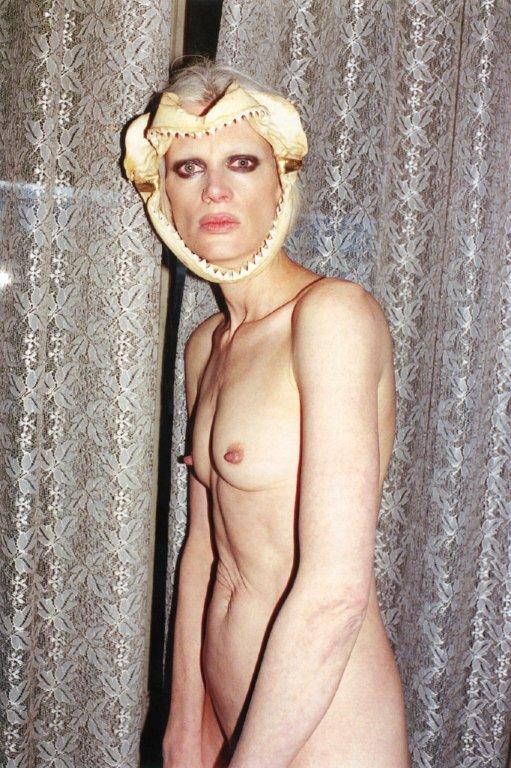
Kristen McMenamy

Kristen McMenamy

Pettitoe Suffolk

Juergen Teller & Ed

Kate Moss Gloucestershire

woo

.

.

Juergen Teller, Go-Sees

003911

.

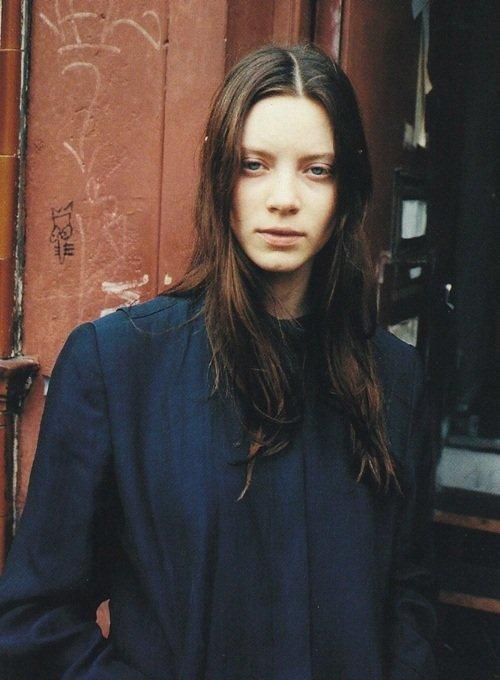
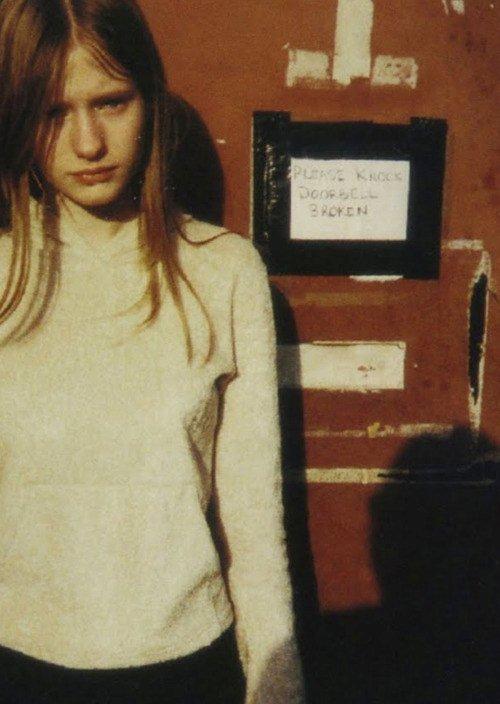
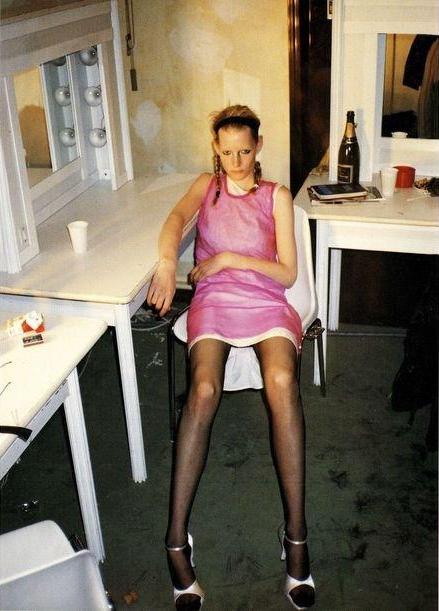
In 1999, Juergen Teller had another stroke of genius! After becoming successful, model agencies started calling, asking if they could send over models for a go-see (casting), which means, new models come to show their portfolio and hand over a setcard. At first he didn’t know what to do with these requests, but then he turned the procedure around and called the agencies to send girls and photographed them all at the entrance to his studio. Juergen Teller, Go-Sees  became a photographic log of every model that had visited his studio May 1998 and 1999. The hundreds of portraits made for an artistic concept exploring identity. The book is an uncompromising journal of the uncharted world that lies behind the outward glamour of the fashion industry. These portraits of models, most of whom are unknown, are sometimes deeply moving.

go-sees

go-sees

Go-sees

go-sees

go-sees

.

The Missoni family

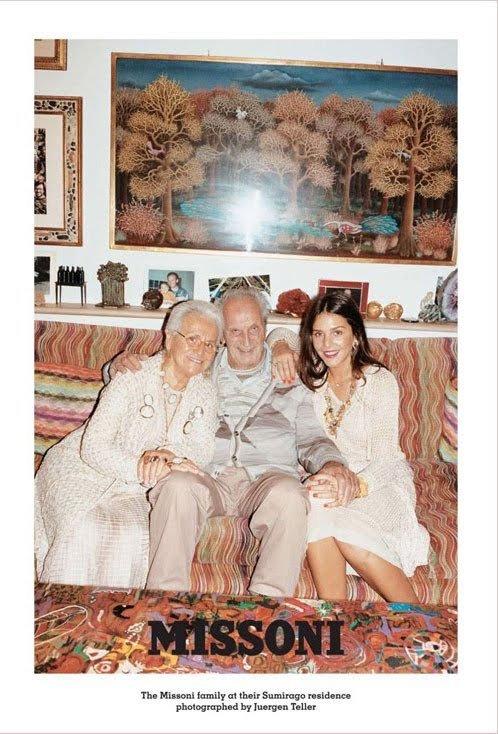
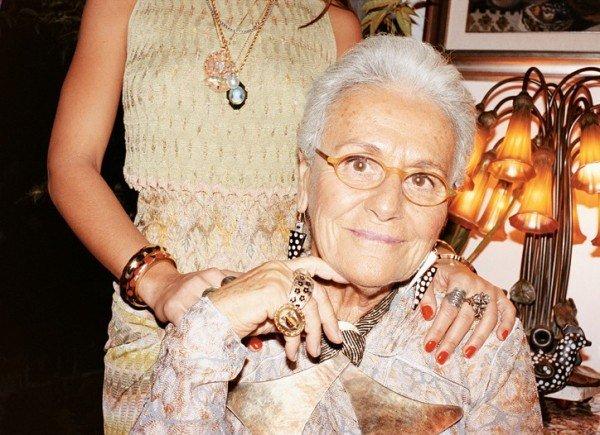
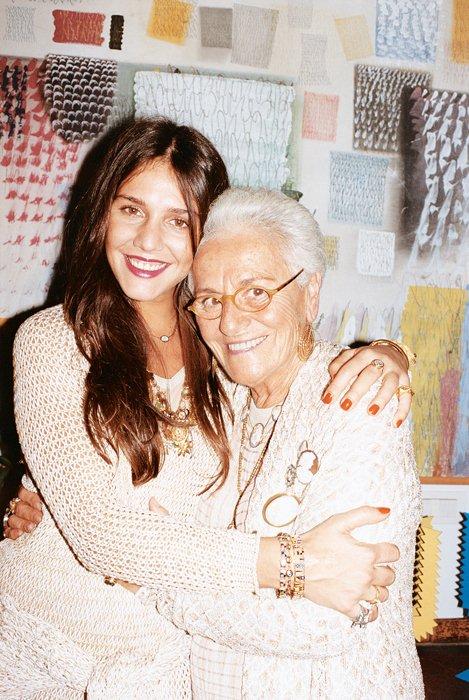
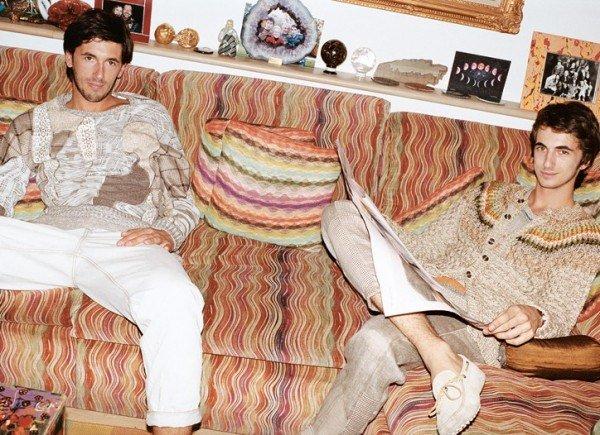
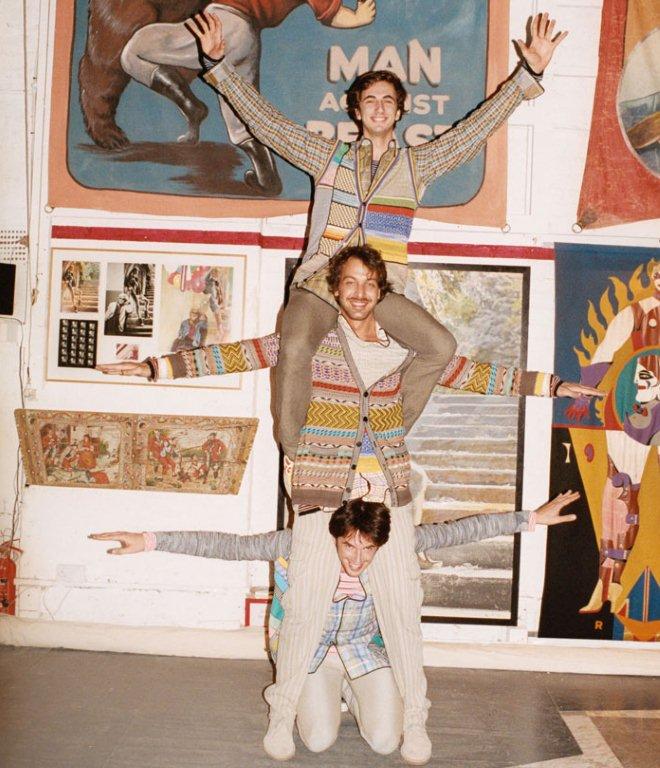
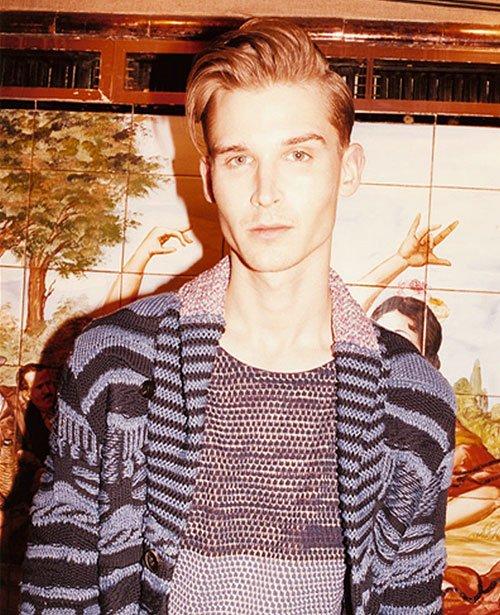
“We wanted the campaign to be a snapshot of an evening with the Missoni family,” said creative director Angela Missoni, “I always think that our product has some extra value – an artisanal, traditional value – and I know that people often collect the pieces and keep them for a long time. The product is real so I wanted to show it in a real context – and that is difficult to do with traditional fashion imagery.”

The campaign was shot at the home of Missoni founders Ottavio (or Tai) and Rosita Missoni in Sumirago, in Italy’s Lombardy region and starred three generations of Missonis: the founders themselves, their daughter Angela and son Vittorio and grandchildren Margherita, Francesco, Theresa, Marco, Ottavio Jnr and Giacomo, all wearing pieces from the Missoni ready-to-wear collection.

“It was very relaxed, we had a lot of fun,” Missoni laughed. “Juergen had only one assistant so there was no big crew – it was just us and him. We did have to make some samples up specially for the shoot – because my son and my nephews are huge compared to catwalk boys – but apart from that it wasn’t a big effort. At half past midnight my father said ‘Are you planning on staying much longer?’ but it was definitely a good day.”

missoni by juergen teller - Google zoeken (2)

missoni by juergen teller - Google zoeken

missoni

Missoni

missoni

Missoni

Missoni

Missoni

.

Céline , autumn/winter 2012

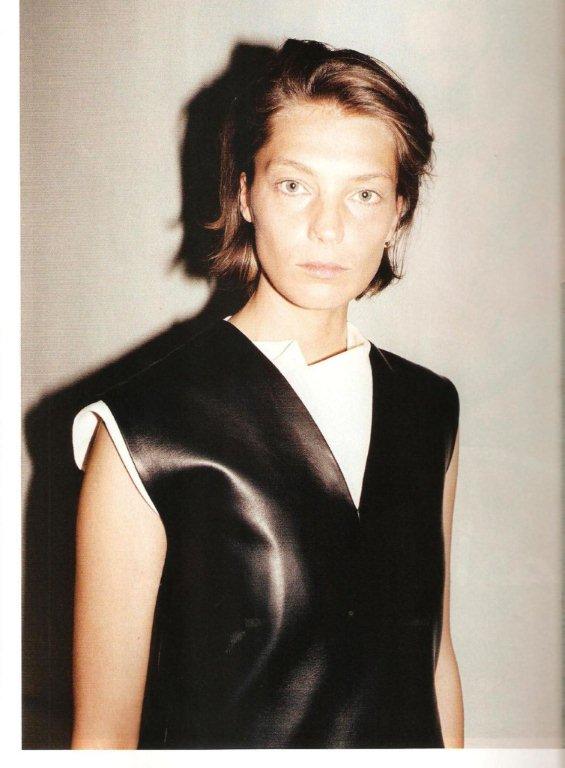
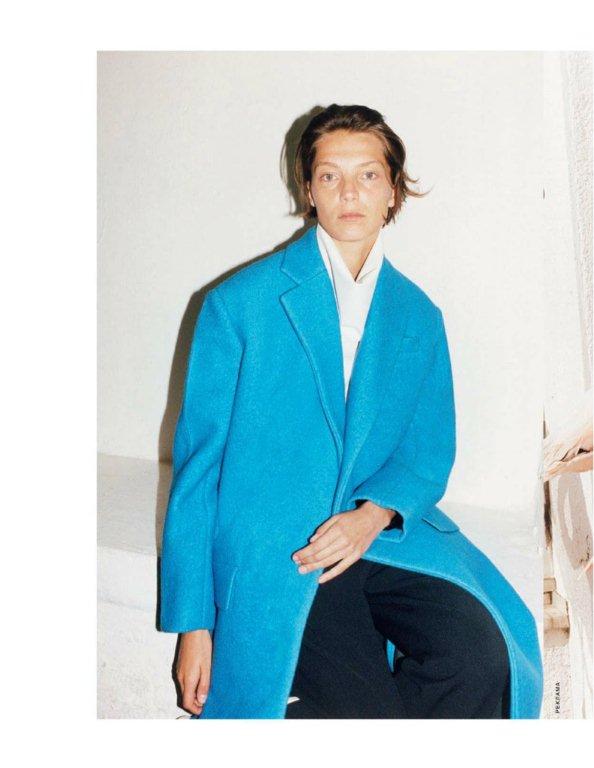
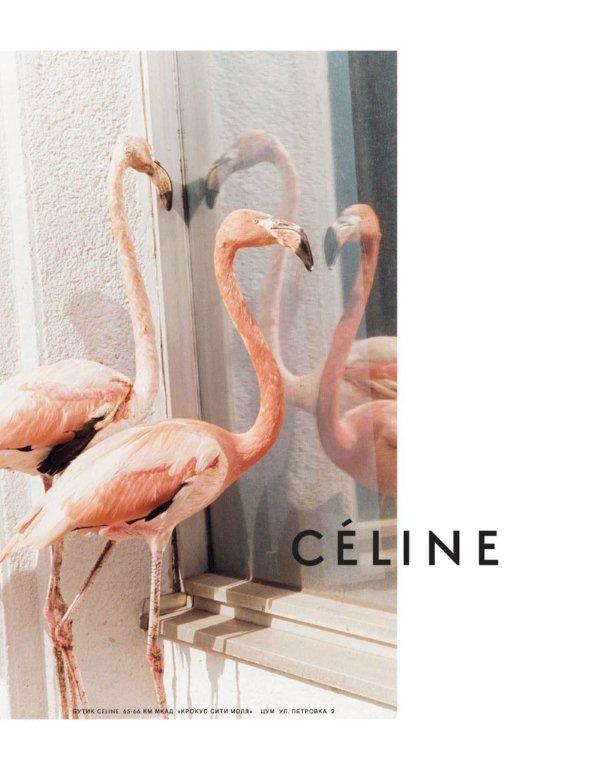
Recently Daria Werbowy returned as the face of Céline for a/w 2012. Daria cut her hair and dyed her eyebrows a lighter color. Posing without makeup and unstyled hair, she wears the Parisian label’s clean-cut tailoring and signature oversized coats in unique shades for a mixture of candid shots which are interspersed with some accessory close-ups and some quirky snaps of pink flamingos.

Céline

Céline

celine

daria_werbowy_celine

celine

.

Juergen Teller is one of the most influencial fashion photographers of his generation

Juergen Teller & Sadie Coles(Juergen Teller & his wife Sadie Coles)


Juergen Teller, collaborations (part 1)

17 Feb

Juergen Teller

Photographer Juergen Teller was born 1964 in Germany, where he studied photography for two years. To avoid military national service he learned English and moved to London in 1986 (age 22). Here he started working for record companies and photographs record covers. Later he got commissioned by magazines to make feature portraits. He meets stylist Venetia Scott and together with her, he started to photograph fashion stories for magazines like Face, i-D and Vogue Homme International.

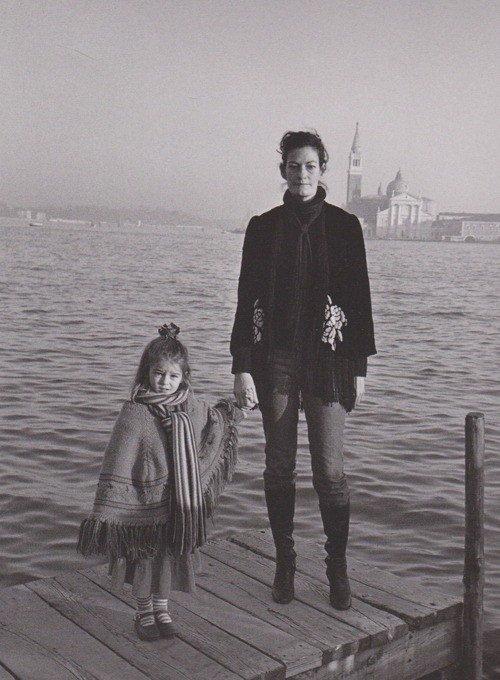
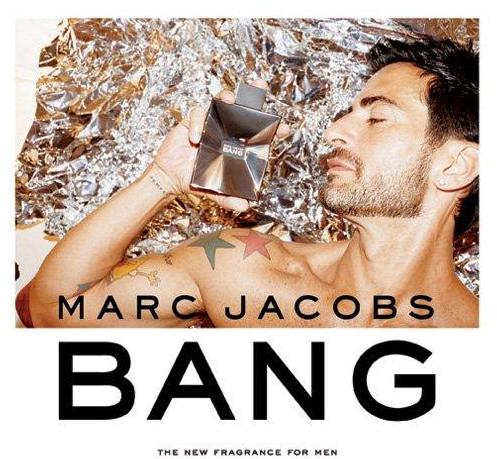
Venetia Scott & Lola (Venetia Scott & Lola, daughter of Juergen & Venetia. Years later Marc Jacobs named his perfume after daughter Lola)
 

Juergen teller’s early fashion series were very much influenced by Venetia Scott’s styling, which wasn’t negative ofcourse… Later styling will still be an important element of Teller’s pictures, but it’s more blending in with the pictures, not dictating them….

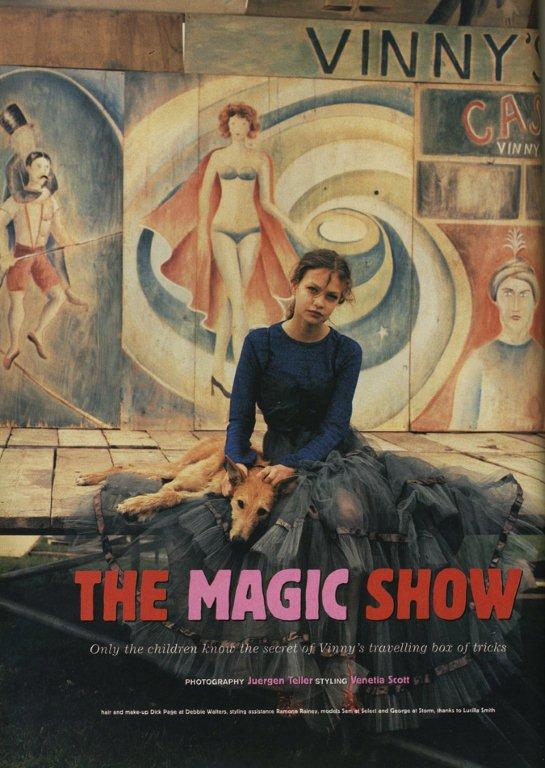
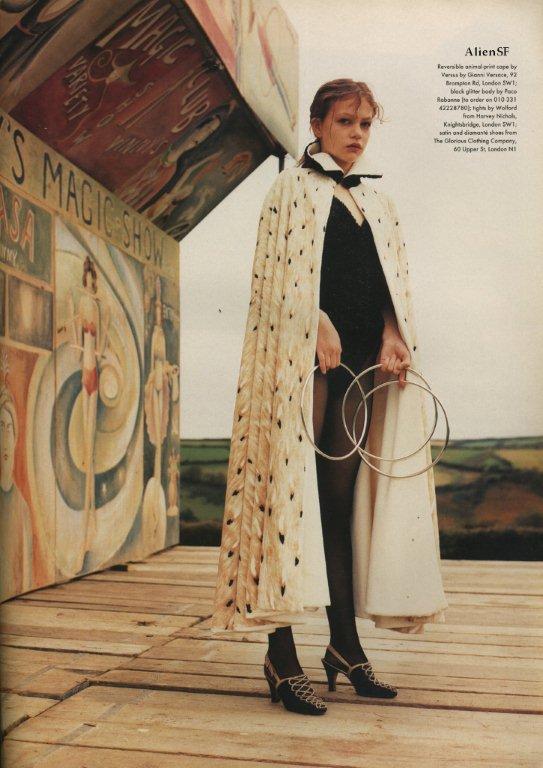
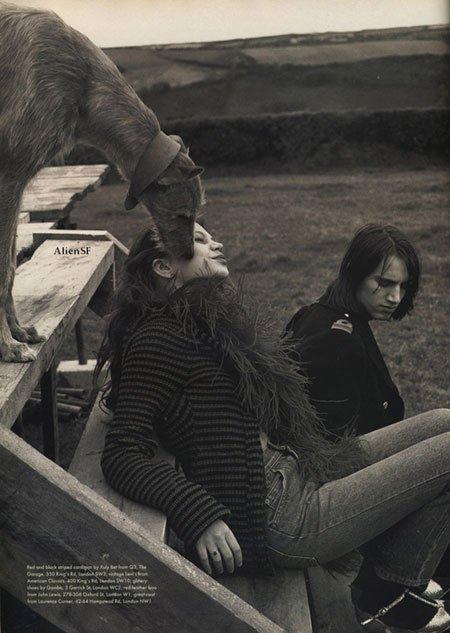
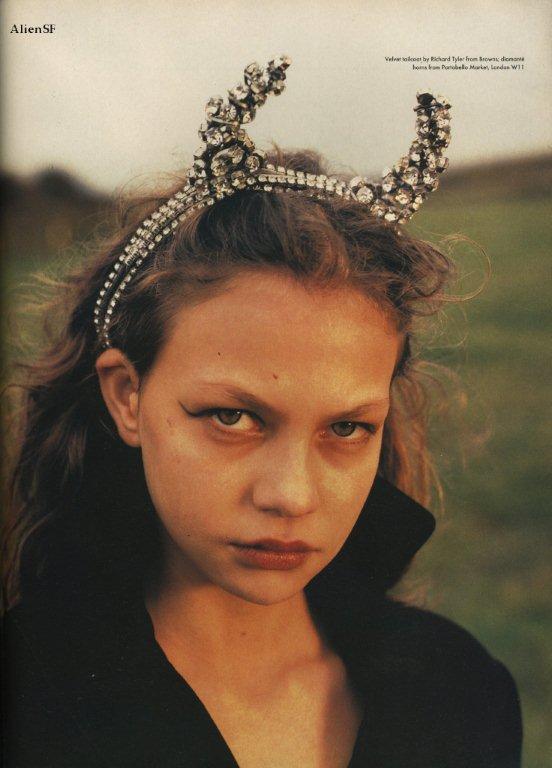
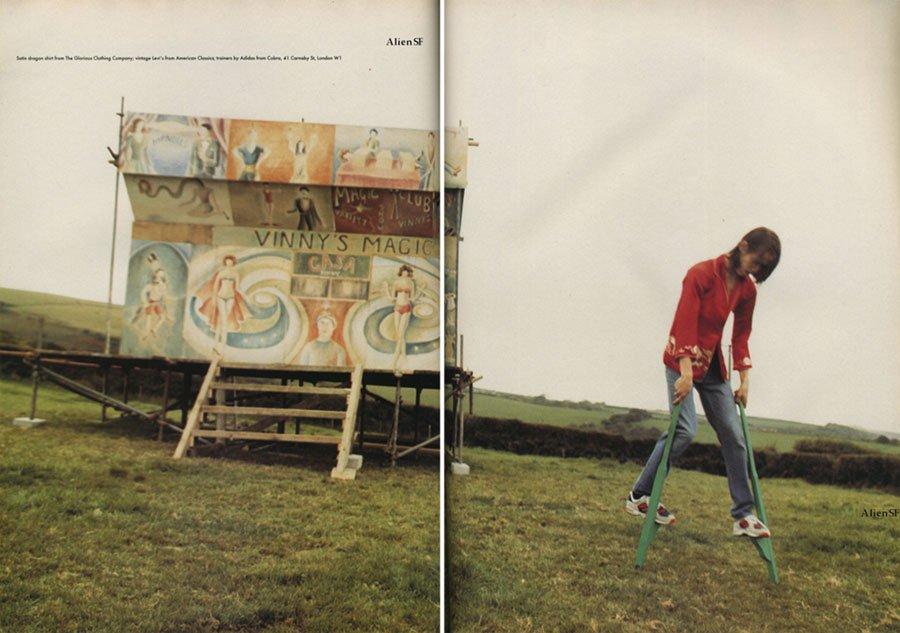
The Magic Show

Face, December 1994

Juergen Teller

Juergen Teller

Juergen teller

Juergen Teller

Juergen Teller

Juergen Teller

Juergen teller

Juergen teller

Juergen teller

.

Juergen Teller by Juergen Teller

Bookcover 'Juergen Teller'

In 1996 Taschen published the book Juergen Teller. On the cover, and inside, pictures of Annie Morton and a wide range collection of Teller’s work from 1990 till 1996.

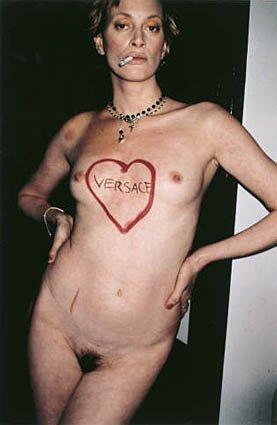
The pictures of Kristen McMenamy, made for the Süddeutsche Zeitung Magazin, were considered shocking to a lot of people. Teller was accused of ruining her career ( the pictures show bruises and a scar on her body), but Kristen loved and still loves to work with him.

.

kristen mcmenamy1996

Kristen McMenamy

.

Pictures of Juergen Teller, behind the scene of Helmut Lang fashion shows, like the ones from Kirsten Owen. Helmut Lang liked them so much, he decided to use them for his next ad campaign and a collaboration, which stayed on for many years, was born. Teller recently told he fell completely in love with Kirsten Owen the first time he saw her in a hotel bar in Milan, where she walked in with Peter Lindbergh (but Teller was with Venetia Scott a the time). Many years later, backstage at another Helmut Lang fashion show, Teller finally had the courage to tell Kirsten he was in love with her,  she answered: “So was I”.

.

Kirsten Owen

                                                                           .
A fashion story with Linda Evangelista for Interview magazine 1993, photographed in Central Park showed a pure side of her, while most magazines and other photographers worked with Linda because she was a incredible chameleon.
                                                                            .
Linda Evangelista
Linda Evangelista
                                                                                     .
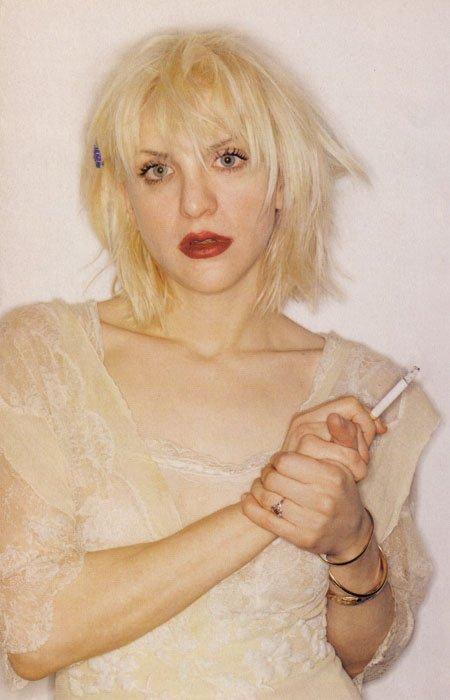
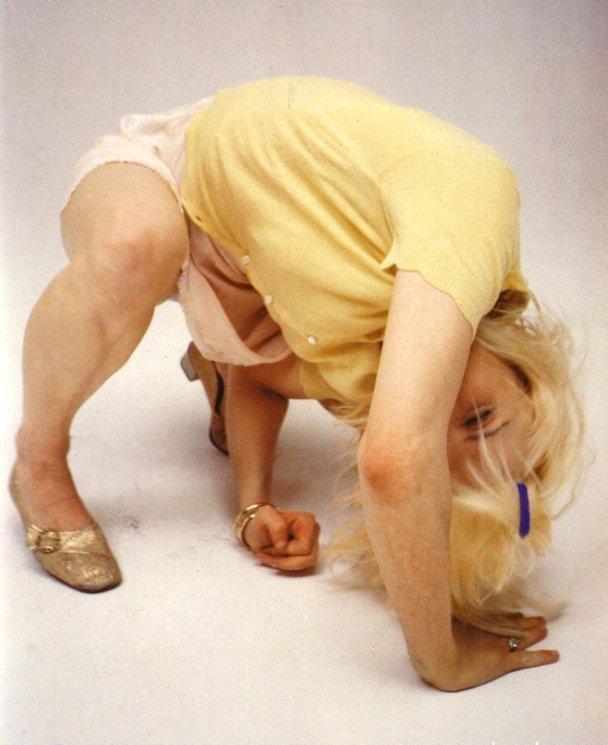
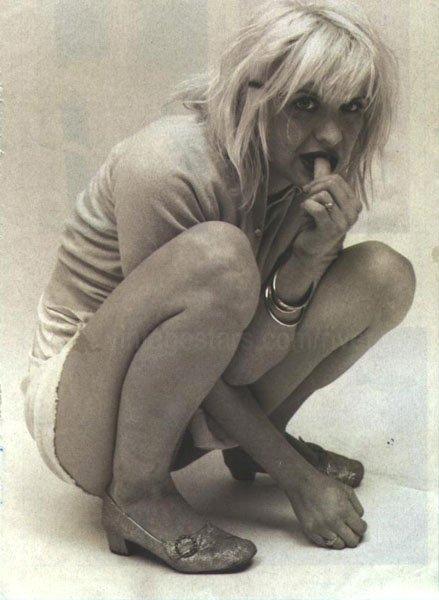
Juergen Teller had already met and photographed Nirvana singer Kurt Cobain in 1991 for Details and got commissioned by i-D to also photograph Cobain’s wife, Courtney Love. He flew to Seattle and was able to capture her outgoing (read outrageous) personality…
                                                                                     .
Courtney Love
Courtney Love
Courtney Love
                                                                               .
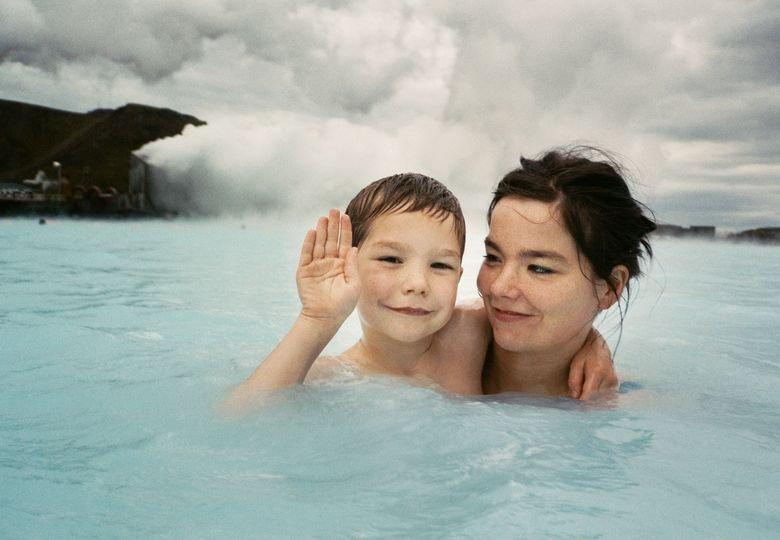
Björk & son, in Iceland for Face (1993) was the beginning of a still going on working relationship between Björk and Juergen Teller. Teller likes longterm creative relationships with the people who inspire him, like Kristen McMenamy, Kate Moss, Helmut Lang and Marc Jacobs.This picture became quiet iconic for Björk.
                                                                                .
Björk & son
                                                                              .
About the way he works:
‘I can achieve something in a very quick moment, but it does get very personal. I think I open a lot too. I don’t come around as the archetype fashion photographer dude, playing the big guy with the horde of assistants. I let them know I’m also nervous and insecure. Them I let them relax. The way I photograph is quite hypnotizing. I found a way to hide my insecurity – I have two cameras and I photograph like this [mimes cameras in each hand moving hypnotically] and this helps me to figure out what I should do, where they should go…it’s so intense, so psychologically draining, it’s like my brain works on overdrive in those minutes -or hours or days- I’m photographing.
                                                                               .
Uno Stille
Kate Moss by Juergen Teller for Vogue Italia October 1995, Styling Venetia Scott
Italian Vogue
Italian Vogue
IItalian Vogue
Italian Vogue
Italian Vogue
Italian Vogue
                                                                                        .
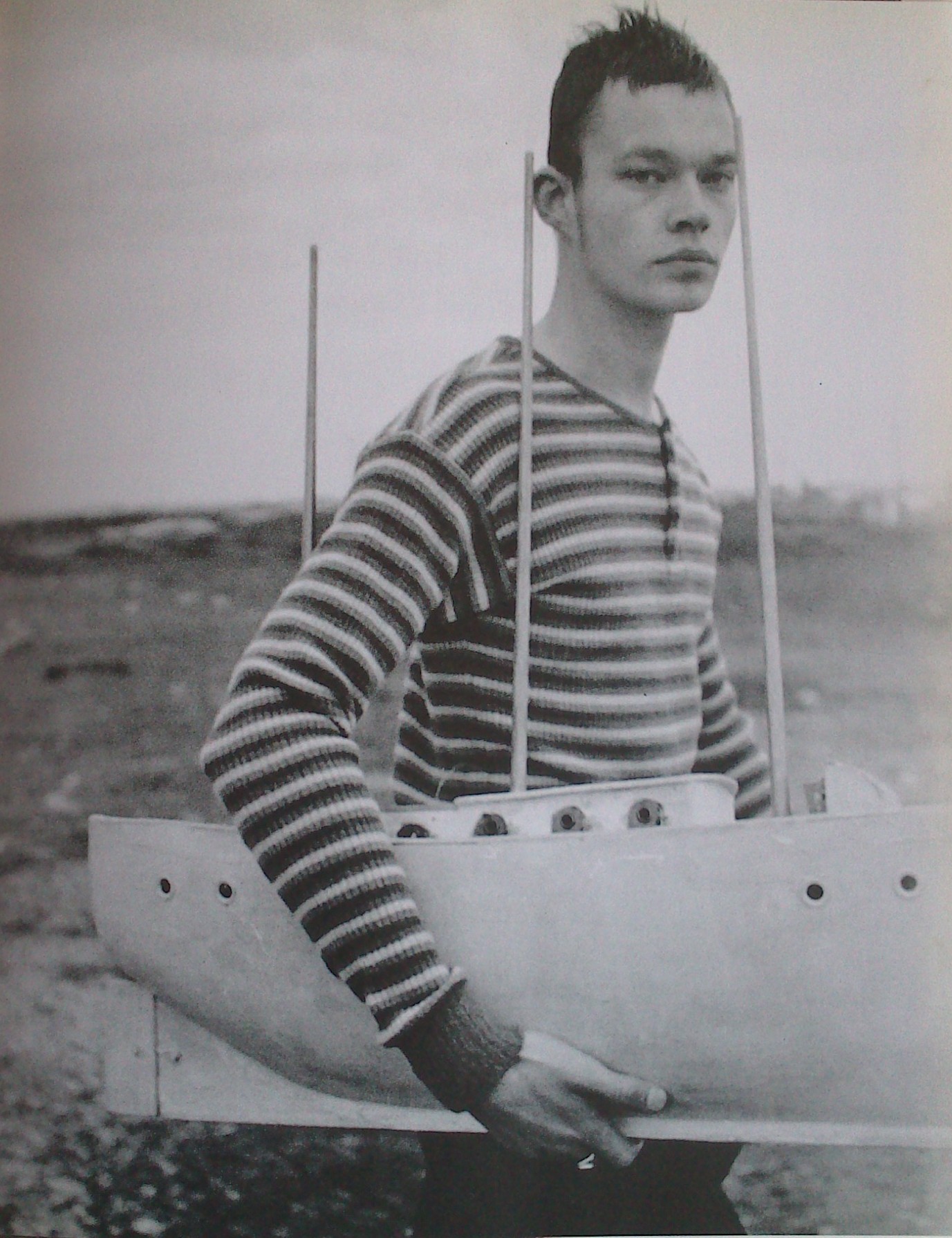
The last picture of the book Juergen Teller I show, is one for Vogue Hommes International , 1992. This picture always stayed with me, I don’t know  why. Maybe because I have a soft spot for (miniature) boats? It just makes me  happily emotional….
                                                                                        .
keith martin
                                                                               .
                                                                               .
                                                                               .

Working with Marc Jacobs

Marc Jacobs

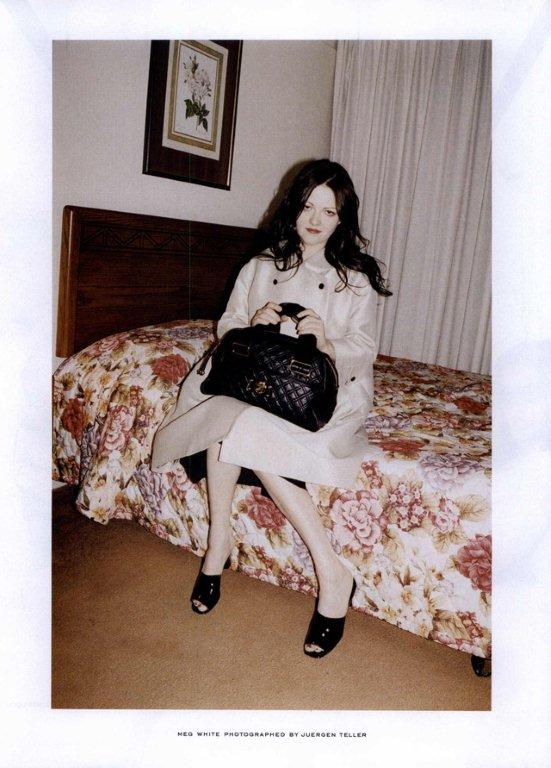
Juergen Teller’s work with Marc Jacobs, started 14 years ago. Venetia Scott turned down the work with Marc Jacobs, because she was about to give birth to the couples child, but CEO Robert Duffy and Marc Jacobs were persisting. They was flew over to reconsider the offer and Duffy and Jacobs were very understanding and clearly Venetia Scott couldn’t say no.

.

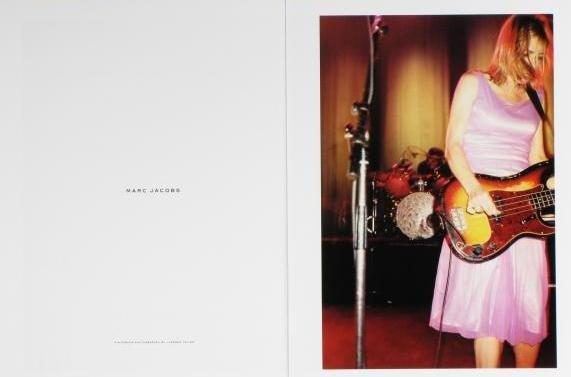
Marc Jacobs asked Juergen Teller if he was interested in photographing Kim Gordon, who was in London and wearing Marc Jacob’s dresses on stage. There was a small budget to place the pictures in a magazine and Teller thought it was a nice thing to do, to go to a Sonic Youth concert. Teller said he wanted to be in control of the image and how about it was going to appear on the double page and wanted to design how the Marc Jacobs logo was in relationship to the advertorial… Marc Jacobs and Robert Duffy agreed and Juergen Teller created Marc Jacobs imagery.

.
first Marc Jacobs ad
.
After this adventure Juergen Teller did numerous things for free, just like in the beginning at Helmut Lang. Teller said it was just the pleasure of being involved in such a thing. When Prada took over Helmut Lang and LVMH bought into Marc Jacobs, Teller got a proper share of earnings for all
his contributions.
.
People were saying: “How do you get away with that, being in control of how it looks?” and Teller answered :”Weel, I put my heart and blood into it.”
And the better Teller and Jacobs got with what they were doing, the more confident they became, the work they did together was an excellent package. When, at one point, Juergen Teller became very insecure, Jacobs told him: “I really like that you get the best result if I let you do what you believe is right.” For Teller this was the nod of confidence he needed….
.
Most of the time it was just Juergen Teller on his own with a handbag full of bags and shoes, no art director, no assistent, no stylist or anything. That’s how it all started…
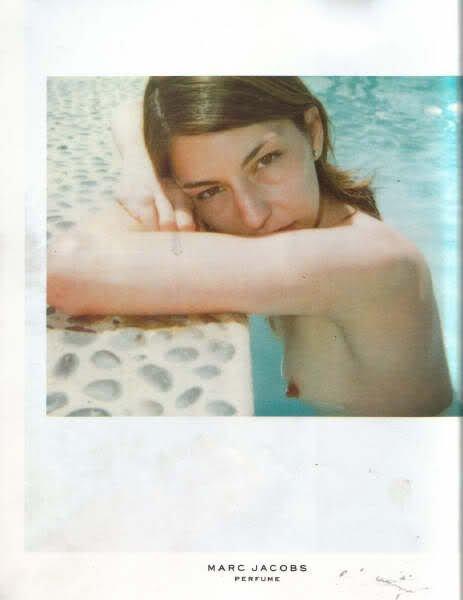
Sofia Coppola
Marc Jacobs
Marc Jacobs
Marc Jacobs
Marc Jacobs
Marc Jacobs
marc jacobs
Marc Jacobs
Marc Jacobs
.
.
Book about Marc Jacobs advertising 1998 – 2009, all photographed by Juergen Teller.  Published by Steidl
.
Marc Jacobs bookcover
.
.
Marc Jacobs
(Lola photographed for Marc Jacobs by her father Juergen Teller for the perfume named after her)
.
Next week  Juergen Teller, collaborations (part2), with Viviënne Westwood, Celine, nominated actors and a recent exhibition…