Edith Head, the legendary Hollywood Designer (part two)

19 Jan

Edith Head

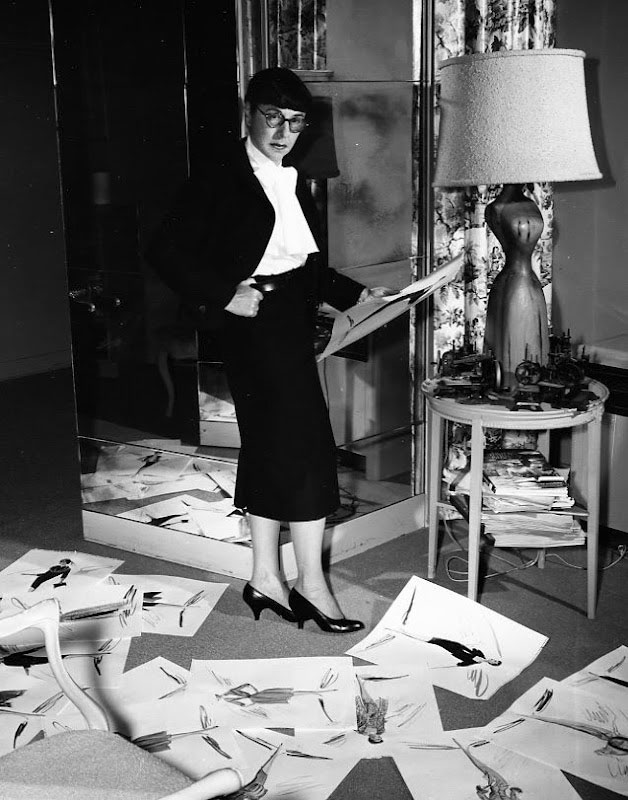
A small diminutive woman, famous for her Anna May Wong inspired crop and signature sunglasses – Edith Head may not have been a fashion visionary, but she knew how to concoct screen glamor like nobody before her or since. She managed to make clothes that not only conveyed the moods and ideas behind a screen narrative, but were also beautiful, flattering to the stars, and inspiring to everyday women.

To succeed in the industry, Edith said, one had to be a “combination of psychiatrist, artist, fashion designer, dressmaker, pincushion, historian, nursemaid, and purchasing agent.”

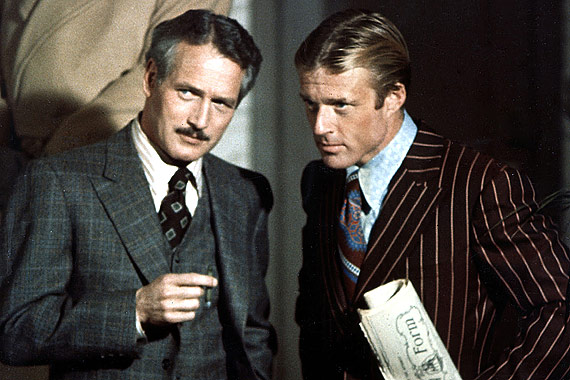
But she was sometimes economical with the truth, taking credit for designs she had not created, such as Audrey Hepburn’s bateau-necked black dress in Sabrina and Paul Newman and  Robert Redford’s wardrobe for The Sting, for which she won an Oscar. After winning the Oscar, she was sued by the illustrator who really designed Redford and Newman’s clothes.
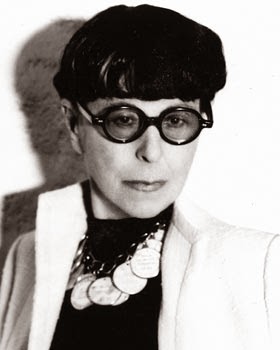
edith head

Always discreet about the size and shape of the stars’ backsides, she knew about all the skeletons in their closets but she was never one to gossip, although she did reveal that full-figured Clara Bow was known as “a sausage”, that Claudette Colbert was “mean-spirited”, and that Barbara Stanwyck was “frumpy” until she took over her designs.

“Go on a diet!” Edith would instruct an overweight woman, while instantly making her look ten pounds slimmer by pulling her shirt out of her trousers, whipping a belt around her middle and swapping her cheap gold jewellery for her own signature pearls.

In the first year for which costume design becomes an Academy Awards category, she receives a nomination for best costumes in a black-and-white film, for Billy Wilder’s The Emperor Waltz, a period comedy set in turn-of-the-century Vienna. But no worry,in the following years Edith was nominated 35 times and won 8 Oscars!!!

In 1966 Edith makes cameo appearance as herself in The Oscar, for which she also designs gowns. As more and more cinematic wardrobes begin to be bought off the racks, Edith remains one of the last studio costumers. A year later How to Dress for Success, Edith’s advice manual for the career-oriented, is published. She moves to Universal after her contract is not renewed at Paramount.

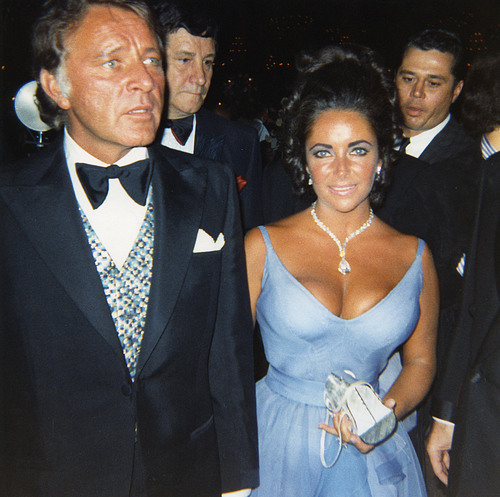
With her film work declining in frequency, Edith and June Van Dyke present more and more costume fashion shows—up to eighteen a year. In 1970 Elizabeth Taylor presents the Oscar for Best Picture to the makers of Midnight Cowboy wearing a curve-hugging, low-cut lavender dress by Edith.

Elisabeth Taylor & Richard BurtonElisabeth Taylor & Richard Burton
.
Elisabeth Taylor wearing Edith HeadYoung Elisabeth Taylor wearing a Edith Head dress.
.
.

In 1974 Edith gets a star on the Hollywood Walk of Fame. She also begins creating sewing patterns for the Vogue Pattern Company. December Vogue toasts an exhibit at the Met, curated by former editor Diana Vreeland, of costumes from Hollywood’s heyday, including many looks designed by Edith Head.

Edith died on October 24, 1981, four days before her 84th birthday, from myelofibrosis, an incurable bone marrow disease.
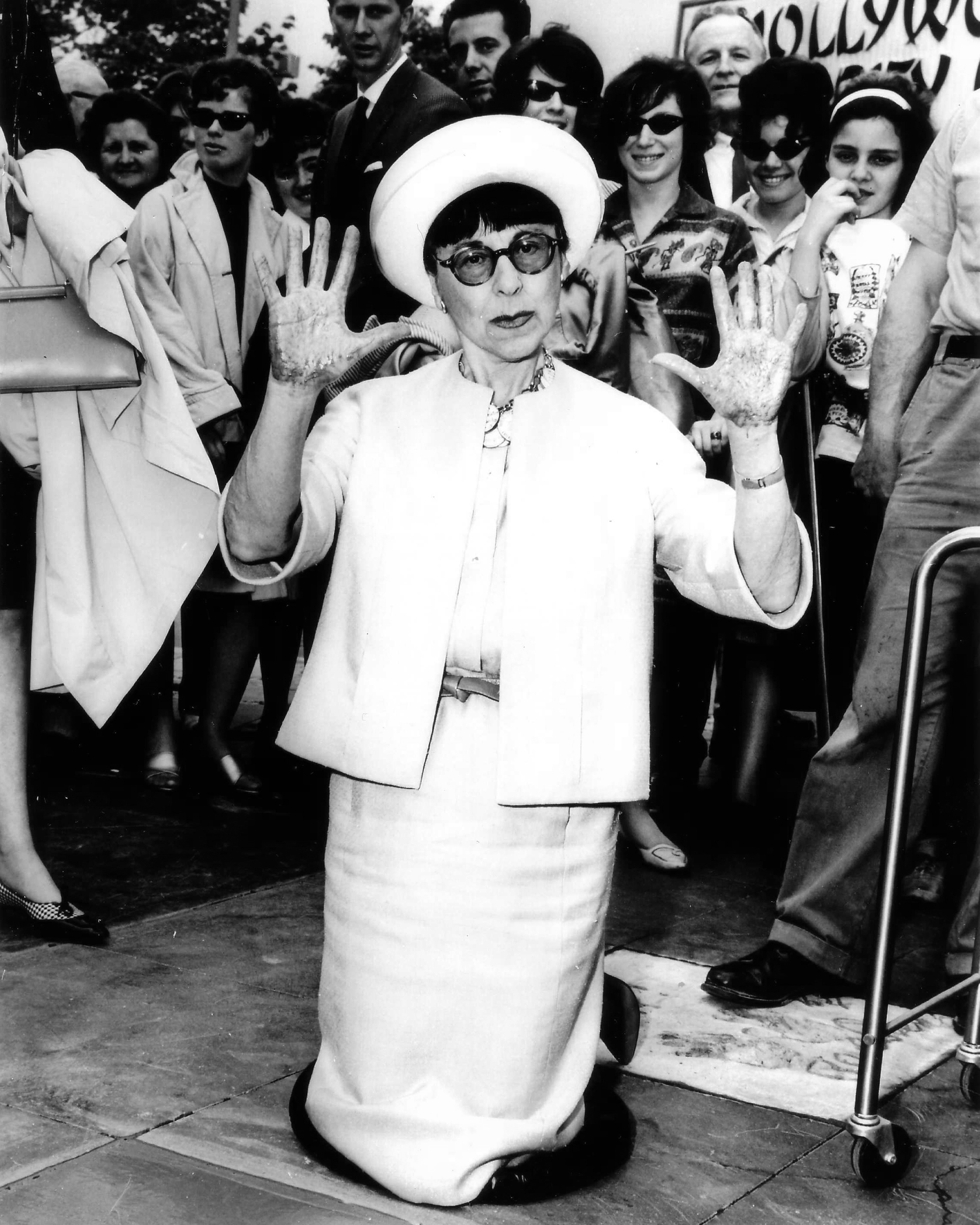
edith-head-handprint-ceremony1

Edith Head gets a star on the Hollywood Walk of Fame in 1974

.

Edith Head & Grace Kelly


Edith adored Grace Kelly, for whom she designed many movie wardrobes. When Grace won an Oscar for The country girl, she asked Edith to design her Academy Award ceremonial dress. 

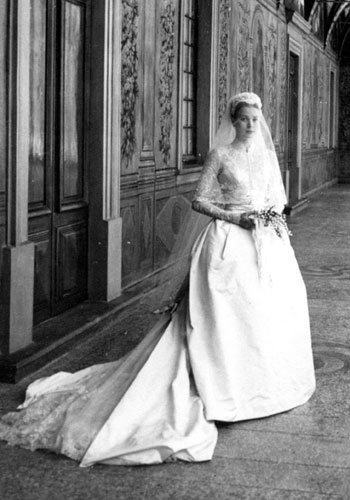
Edith was upset when the luminous actress slighted her by not inviting her to design the wedding dress when she got married to Prince Rainier of Monaco. She did create Princess Grace’s grey going-away suit, though.
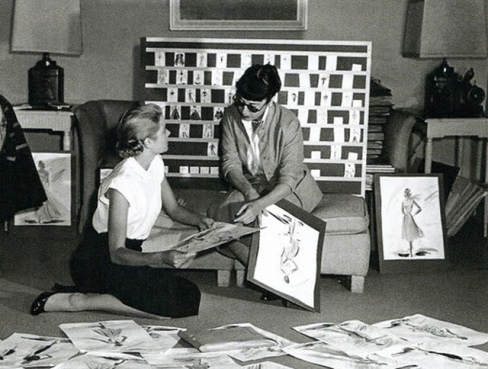
Edith Head + Grace KellyEdith & Grace Kelly preparing the wardrobe for To catch a thief
.
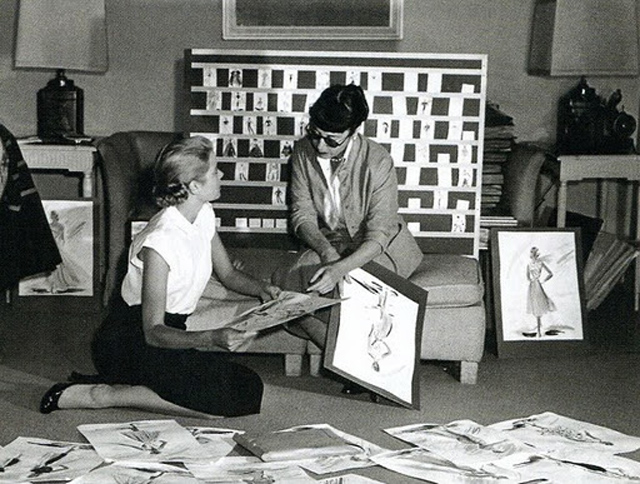
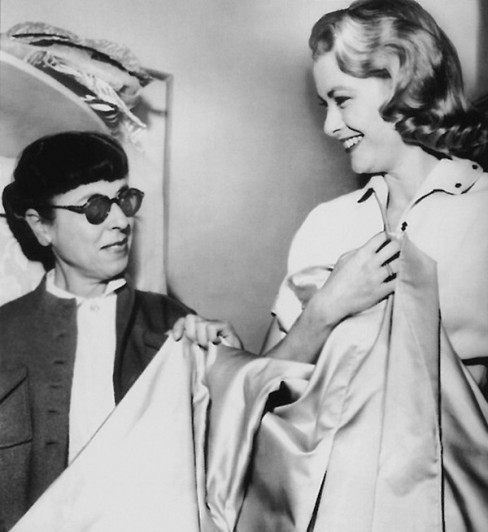
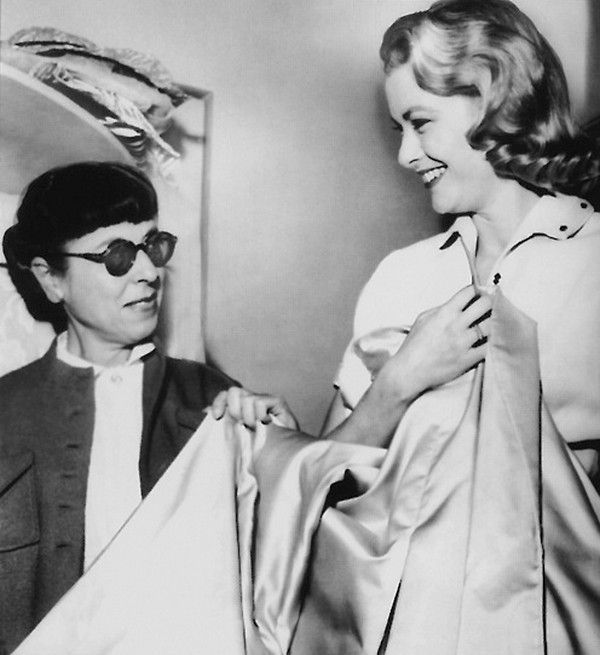
Edith-Head-and-Grace-KellyWorking on the Oscar dress with Grace Kelly
.
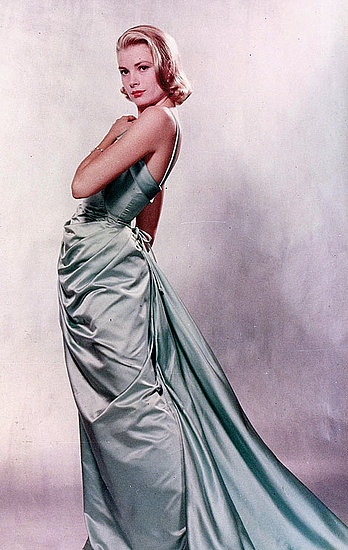
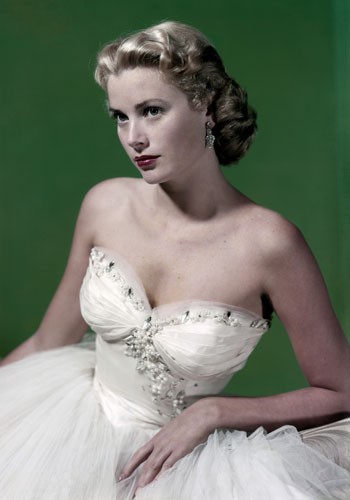
Grace Kelly in Edith Head, 1955
1955, Grace Kelly in her ceremonial Oscar dress by Edith Head
.

Edith Head & Audrey Hepburn
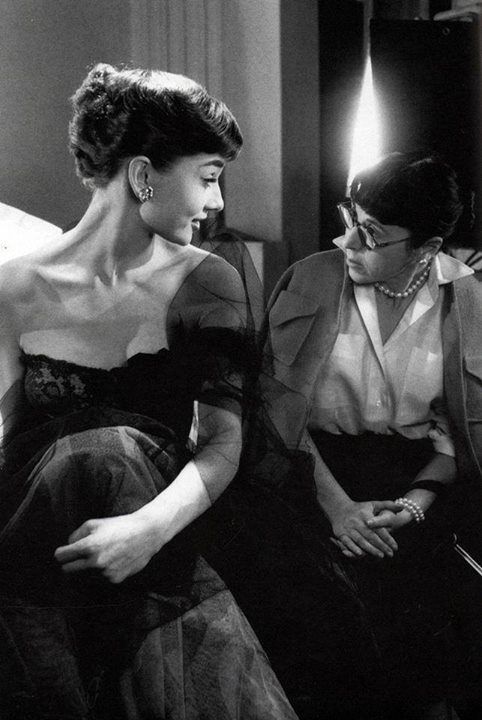
Audrey Hepburn & Edith HeadAudrey Hepburn & Edith Head 

.

.

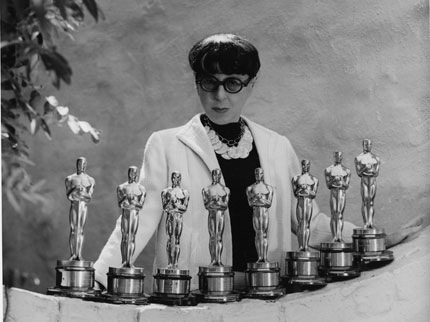
The 8 Oscars won by Edith Head
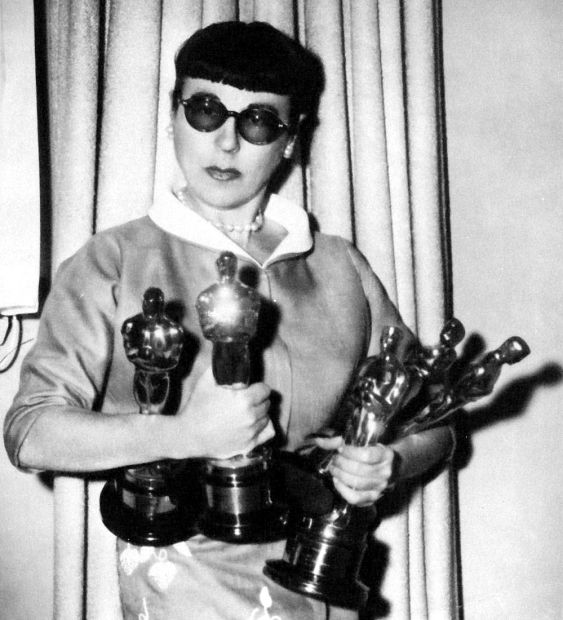
Edith Head

When asked about the most important men in her life, Head would always reply: “There were eight of them – they were all named Oscar.”

.

1950, Oscar for The Heiress
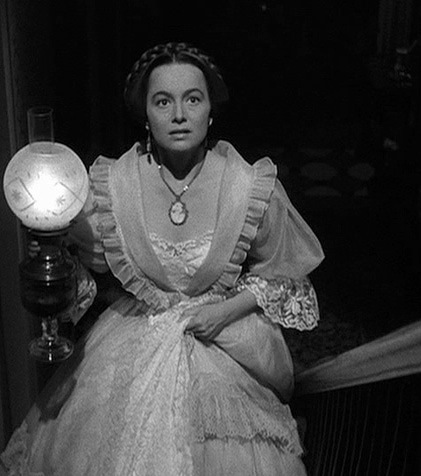
The Heiress

.

1951, Oscar for Samson and Delilah 
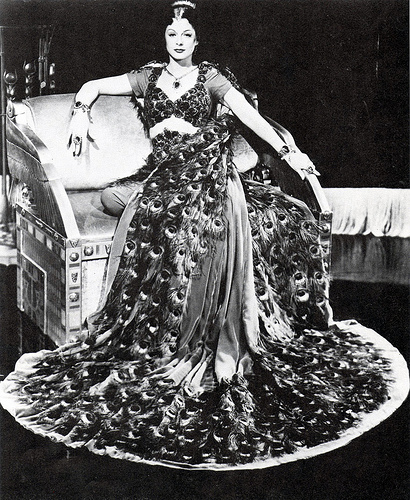
Samson and Delilah (1949)

.

1951, Oscar for All about Eve

“Her life was all about glamour in the most glamorous place in the world, Hollywood,” Bette Davis once said of her. Indeed, it was Edith who designed the brown silk, sable-trimmed cocktail dress Davis wore as Margo Channing in the 1950 classic All About Eve, warning everyone as she swept down the staircase for the big party scene to fasten their seat belts because it was going to be a bumpy night.

Bette Davis later bought the dress for herself, because she loved it so much – it had been square-necked, with a tight bodice, but when Davis tried on the finished gown the bodice and neckline were much too big. Edith was horrified, but the actress pulled it off her shoulders and shook one shoulder sexily, saying: “Doesn’t it look better like this anyway?” In the wake of this “accident”, Head won another Oscars for the film.
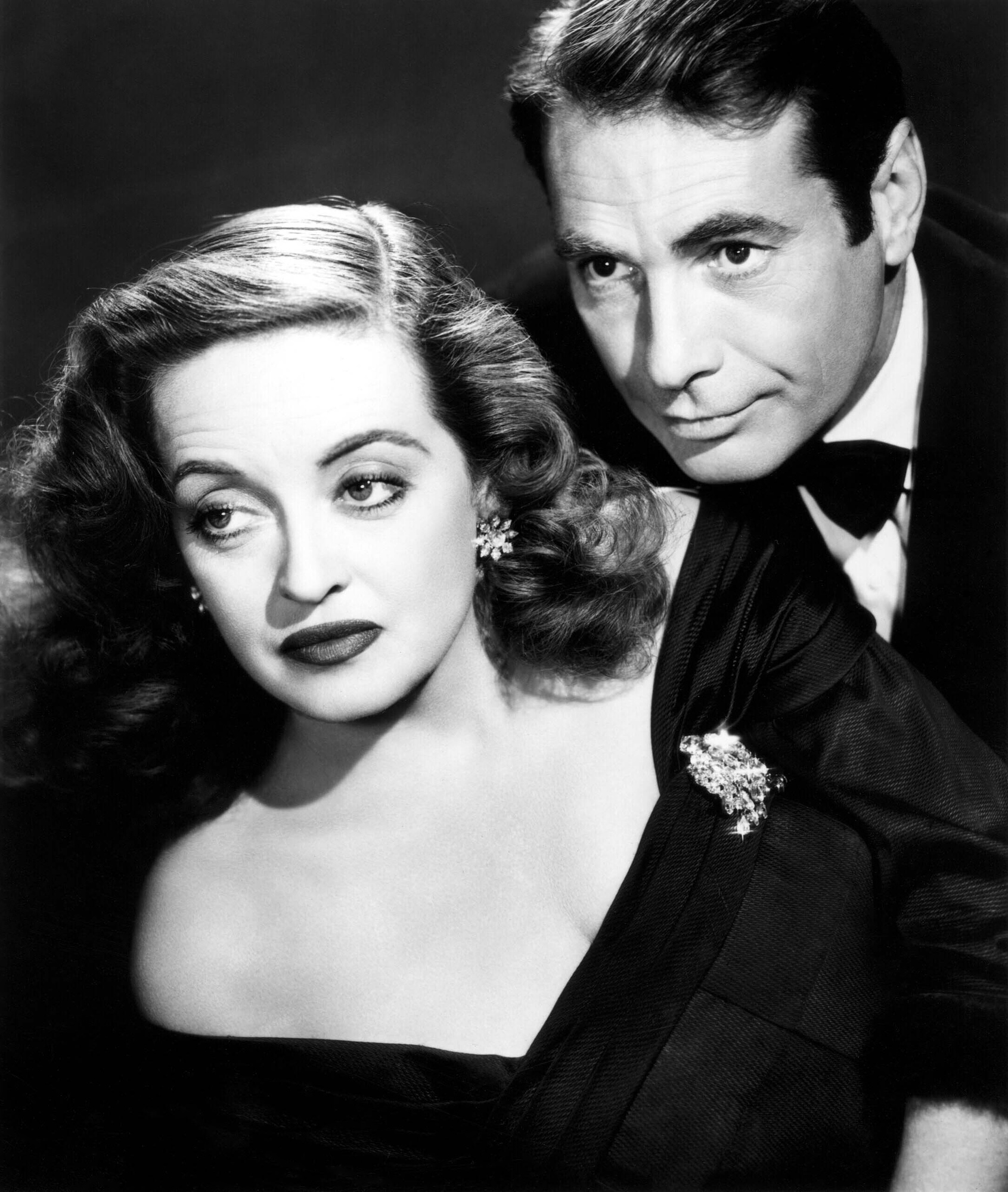
all about eve

.

1952, Oscar for   A Place in the Sun  

“The prototype of the perfect debutante dress, and every girl coming out or having her sweet-16 birthday party wanted this dress because they all wanted to look like Elizabeth Taylor in this movie, which was one of Taylor’s first  films as an adult. It was a tribute to a typical ’50s gown: strapless top covered with silk petals, waisted in silk with a full, bold but lightweight tulle skirt with petals sprinkled all over. It became the prom dress for American teenagers when it was copied by all the leading department stores.
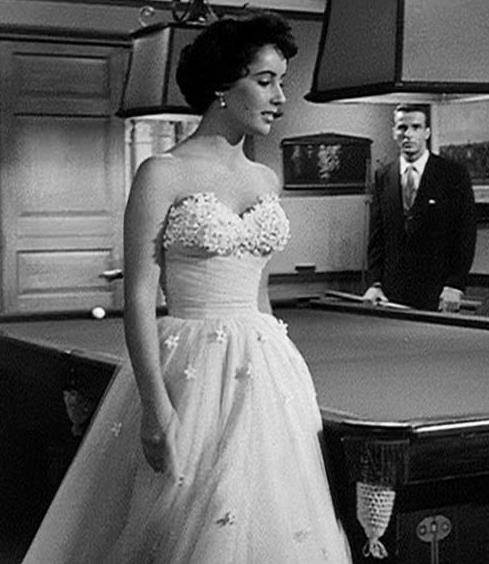
elizabeth+a+place+in+the+sun+dress

.

1954 Oscar for Roman Holliday

Although Edith Head won an Oscar for Best Costumes, the Capri Collection (Capri Skirt, Capri Blouse, Capri Belt, Capri Pants) was, in fact, designed by the European fashion designer Sonja de Lennart. However, since the outfits were actually made in Edith Head’s Roman temporary Atelier of the sorelle Fontana—that acted as the costume department—Edith, Paramount’s costume designer, used only her name without giving credit to the original designer, Sonja de Lennart, as it was pretty common at that time in history. Costume designers around the world used only their names, regardless who created the costumes. However, Edith was given credit for the costumes, even though the Academy’s votes were obviously for Hepburn’s attire. Sonja de Lennart’s Capri Pants were sewn and used in the next movie, Sabrina, by Hubert de Givenchy. Edith Head did not refuse that Oscar either…….

Roman holliday

.

1955. Oscar for Sabrina

1954. “Audrey Hepburn plays the daughter of a Manhattan chauffeur. She goes to Paris and returns a total fashion plate. The white gown with black embroidery was the source of some controversy. Hepburn had a relationship with Givenchy. He probably was the one who actually designed the gown, but Edith (again) ended up getting the credit. Rumors circulate that Audrey Hepburn’s famous black cocktail dress with high, straight bateau neck (subsequently dubbed the “Sabrina neckline”) was also designed by Hubert de Givenchy  and merely made by Edith’s studio—a claim that she roundly denies. After this, Givenchy started designing on the record for many of Hepburn’s films.”
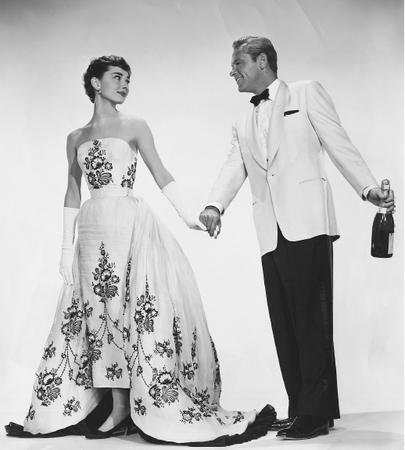
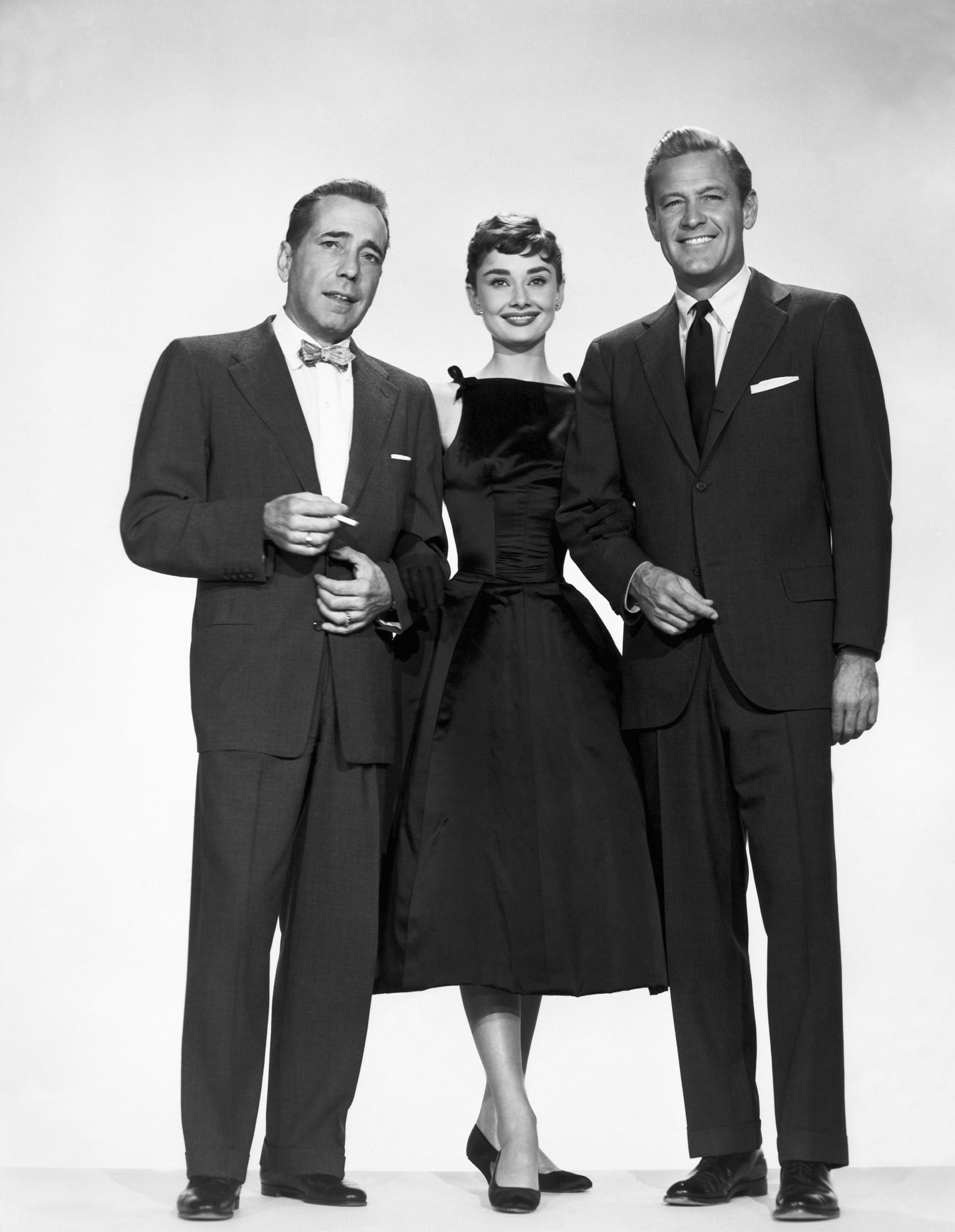
sabrina

Sabrina-sabrina-1954-8171428-1972-2545

.

1961, Oscar for The Facts of Life   (together with  Edward Stevenson)
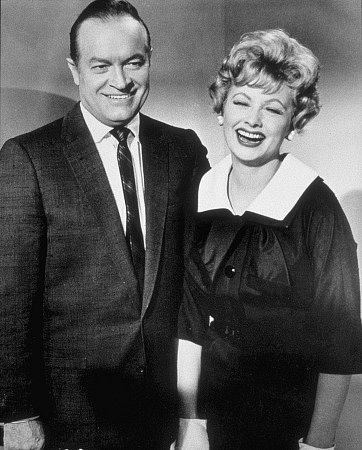
bob hope, lucille ball

.

1974. Oscar for The Sting

the-sting

.

v

.

info: Vogue Pedia, Wikipedia and http://edithhead.biz/html/diva_in_disguise.html
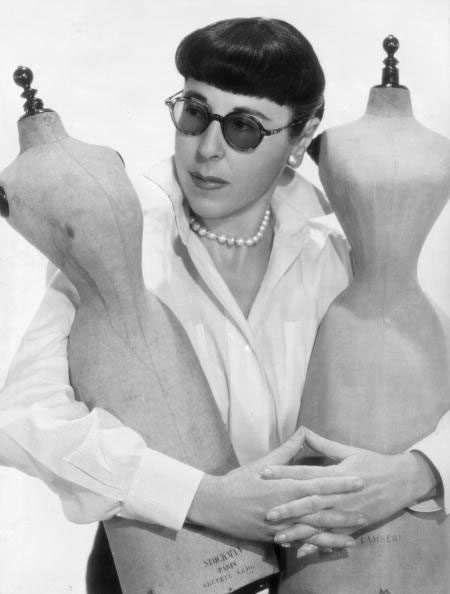
Edith Head, the legendary Hollywood Designer (part one)

12 Jan

Edith_Head

Fashion is a language. Some know it, some learn it, some never will—like an instinct.”

–Edith Head
.

Biography

The legendary costume designer Edith Head loved to refer to herself as Hollywood’s “dress doctor.” Throughout her six-decade career, and in more than 1,000 films, Edith dressed up extravagant cinematic personas (Biblical seductresses, jungle princesses, showgirls, and cowboys) and yet she saw her task first and foremost as that of a roll-up-your-sleeves problem-solver: a curer of wardrobe ills, a soother of vexed brows, and a tamer of egos. Edith was grounded and pragmatic, a shrewd politician and savvy businesswoman who not only operated an efficient “fashion clinic” at Paramount Studios (and later at Universal), but became a celebrity in her own right.
edith-head

Edith Claire Posener was born in 1897, in California. At the age of eighteen she graduates at the University of California, with honors in French after which she also receives her masters in romantic languages at Standford.

Edith becomes a French teacher at the Hollywood School for Girls, where she meets the daughters of Cecil B. DeMille. Through them she occasionally visits the Famous Players–Lasky Studio to watch the grandiose director’s productions underway.  She is an enterprising young woman and although her lack of experience, Edith soon  gets duties in art instruction. (She secretly takes evening art courses at Otis Art Institute, and then at Chouinard Art College in Los Angeles).

edith-head

In the summer of 1923, she answers an ad in the Los Angeles Times for a costume sketch artist and is hired. (She feigns expertise in costume design by cobbling together a portfolio of drawings borrowed from her classmates at Chouinard.)  Soon Travis Banton (wardrobe designer) also joins Famous Players-Larsky and becomes Edith’s mentor. The seem time she marries Charles Head, a salesman for Super-Refined Metals Company in Southern.

Like so many in the image business, Edith succeeded through self-invention. For years, she liked to obscure the details of her less-than-glamorous origins.

Luck strikes in 1927, when Travis Banton is named chief designer, making Edith his assistant. After designing countless wardrobes for the “B” movies and the Westerns, as well as the background characters, Banton assigns her to costume her first big star: Clara Bow, for the film Wings, the two women become friends.

clara bow in wingsClara Bow in Wings
.

After the 1929 crash and the rapid fall of hemlines, Hollywood makes wants to establish itself—rather than Paris—as a trendsetting force. Various studios begin instructing costumers to produce original designs, rather than buying from the couture houses. Publicity departments begin promoting films as fashion spectacles. Edith’s contract is renewed, but her salary is cut by $25 a week.

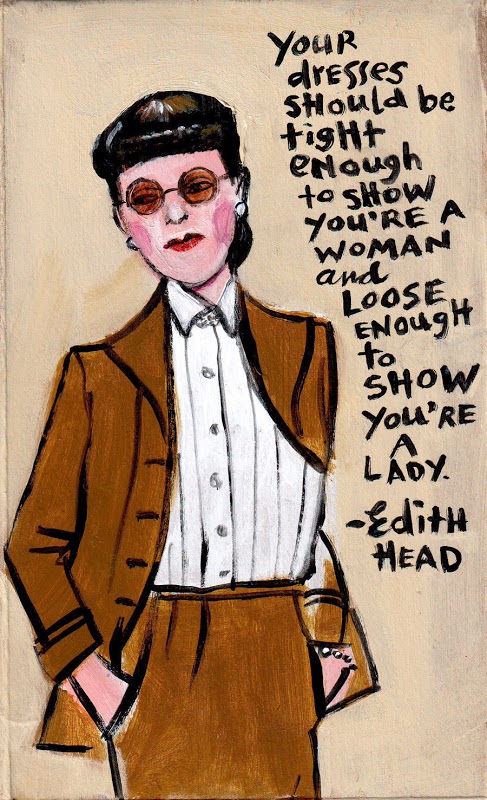
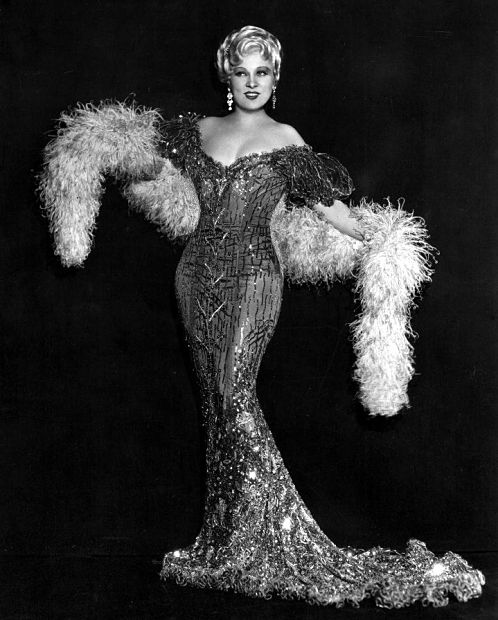
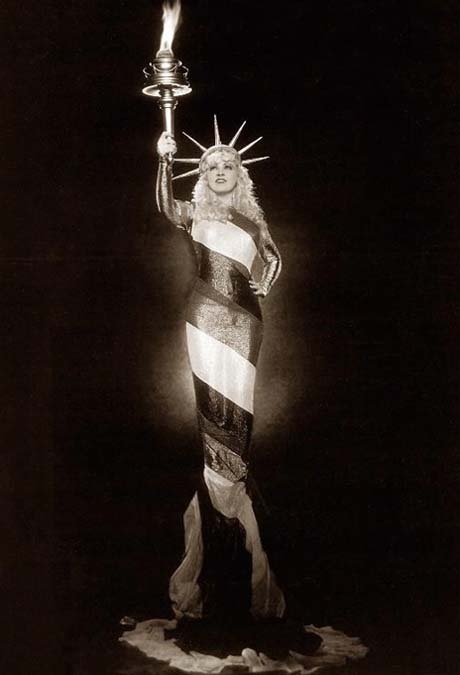
In 1933 she earns her first official on-screen credit, “Costumes by Edith Head,” when she outfits another celebrity, Mae West for her first headlining movie, She Done Him Wrong.  Mae West remarked ‘tight enough so I look like a woman, loose enough so I look like a lady.’ This statement became a style template Edith would adopt.

mae-west-wrong_optMae West in She has done him wrong, 1933
.
Mae WestMae West dressed by Edith Head
.

Edith is triumphing on for years, when, in 1938, she’s named chief designer at Paramount—the first woman to hold the job. She gets a divorce from Charles Head and  appears for the first time in Vogue, in an ad for Fashion Plate shoes, wearing a Louise Brooks bob; “Look for Edith Head’s autograph on the insole,” exhorts the copy. Also Edith will continue to contribute style tips in Photoplay for many years, to help sustain Tinseltown’s place as style arbiter.

In 1940 Paramount, now producing 40 to 50 movies a year, brings in an impoverished European aristocrat named Oleg Cassini to apprentice with Edith. And in September she marries Wiard (“Bill”) Boppo Ihnen, a film art director. They will remain together for nearly 40 years.

During WWII, Edith frequently makes statements to the press rallying women on the home front: “All designers are turning to cotton. Silk is out of style for 1942. . . . Double-duty clothes will cut down on budgets. Coats with zip-in, changeable linings and suits with reversible jackets are the fashion news.

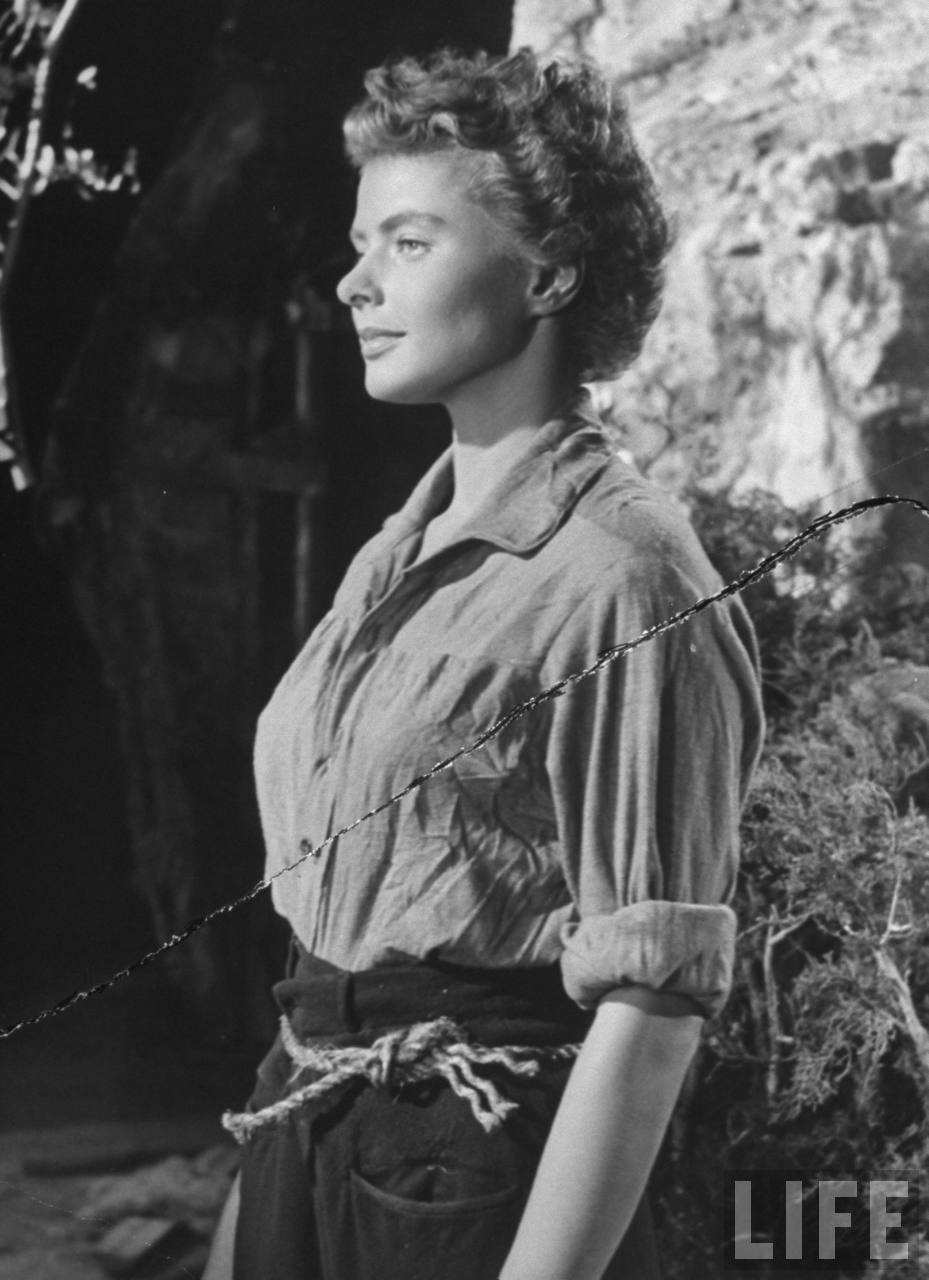
Edith designs the look for Ingrid Bergman in For Whom the Bell Tolls, 1944.

Ingrid Bergman as Maria in the movie For Whom the Bell Tolls1944Ingrid Bergman as Maria in Whom the Bell Tolls
.

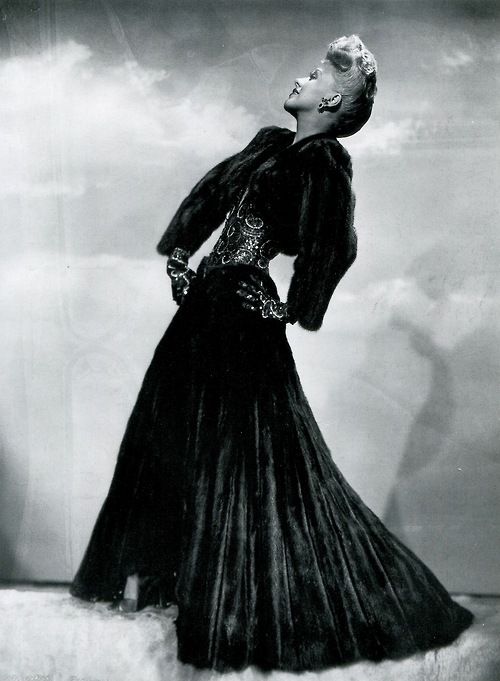
Lady in the Dark features Ginger Rogers wearing one of the most expensive costumes in Hollywood history: a mink skirt with inner skirt beaded using multicolored jewels in sequins (with matching bodysuit), plus a mink bolero and muff.  . Because it was the 1940s, you had shoulder pads and gloves. The shoes kind of disappeared into the dress—which is important, because it was all about making Ginger Rogers’ legs look longer. There was surely netting behind that deep V-neck so the dress would stay on her. This was before body tape.”

ginder rogers

ginger rogersGinger Rogers in Lady in the Dark

.

In 1947 Hollywood is shaken up by the Paris debut of Christian Dior’s shockingly opulent, lush-skirted New Look; many movies, mid-production, feature simpler straight skirts and narrower silhouettes. “Every film that I had done in the past few months looked like something from the bread lines,” Edith later says. “I vowed that I would never get caught by a fashion trend again, and became a confirmed fence-sitter. When skirts became full, I widened mine gradually. If lengths were at the ankle, mine were mid-calf. The result has been that if you look at my films it is very difficult to date them.

 After costume design was added as an Academy Awards category in 1948, she quickly racked up an astounding number of nominations, winning eight in total, for now-classics including The Heiress, All About Eve, and Roman Holiday. “The Academy Award is given to the costume designs that best advance a story,” she insisted, “not necessarily for the most beautiful clothes.”

edith-head-

The praise wasn’t unanimous, however. After Head claimed her sixth Oscar for the 1954 film Sabrina, rumors circulated that Audrey Hepburn’s striking black cocktail dress with bateau neck and bow-bedecked shoulder straps was actually designed by the Parisian couturier Hubert de Givenchy (Hepburn’s friend), while Head publicly took credit for it. Even after her death, former colleagues would claim that Head had no compunction about accepting plaudits for others’ work.

Head’s career eventually waned in the late sixties, as the role of the studio costumer began to die out; more and more, clothes were being bought off the rack. By the seventies her output dwindled to just a few pictures a year. Nonetheless, she worked almost till the day she died, in 1981. The comedienne Lucille Ball remembered her this way: “Edie knew the truth about all of us. She knew who had flat fannies and who didn’t—but she never told.”

.

.

The hilarious Play

http://www.edithhead.biz/

.

Book

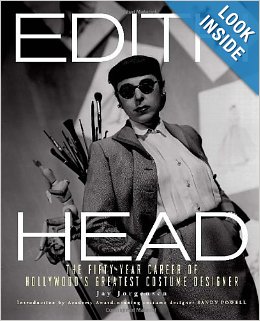
book cover

Edith Head: The Fifty-Year Career of Hollywood’s Greatest Costume Designer

All About Eve. Funny Face. Sunset Blvd. Rear Window. Sabrina. A Place in the Sun. The Ten Commandments. Scores of iconic films of the last century had one thing in common: costume designer Edith Head (1897–1981). She racked up an unprecedented 35 Oscar nods and 400 film credits over the course of a fifty-year career.

Never before has the account of Hollywood’s most influential designer been so thoroughly revealed—because never before have the Edith Head Archives of the Academy of Motion Picture Arts and Sciences been tapped. This unprecedented access allows this book to be a one-of-a-kind survey, bringing together a spectacular collection of rare and never-before-seen sketches, costume test shots, behind-the- scenes photos, and ephemera.

http://www.amazon.com/Edith-Head-Fifty-Year-Hollywoods-Greatest/dp/0762438053

.

Edna-Mode

“Edna Mode” in The Incredibles (2004) was modeled on Edith Head

.

Next week:   Edith Head, the Dress-Doctor  (part  two)

Yves Saint Laurent Movies 1&2

5 Jan
luc-fournol-yves-saint-laurent-july-1960
Yves Saint Laurent, July 1960
.

It looks like 2014 is going to be Yves Saint Laurent‘s turn to be immortalized on the big screen. There will be two films coming out about the life of this iconic French designer who died in 2008, despite one facing criticism from the late designer’s close companion and business partner, Pierre Bergé. The businessman – who was co-founder of the iconic house – has said that he wants to try to “ban” production of the second movie.

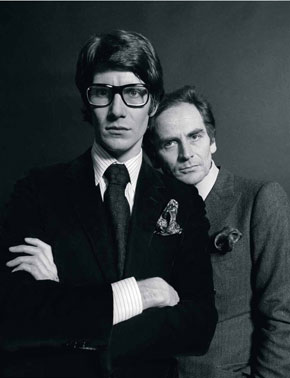
YSL & Pierre Bergé

Yves Saint Laurent & Pierre Bergé
.

However, the second film has been backed by head of Kering (formerly known as PPR) – the conglomerate that owns Saint Laurent – Francois-Henri Pinault, who has given consent for the fashion house’s logo and designs to be used. Bergé took to Twitter to share his frustration, saying: “Two films on YSL? I hold the moral rights in the work of YSL’s image and mine have authorised that of Jalil Lespert” – in reference to his favoured film’s director. He then hinted that a trial may be in the near future. Bergé is the head of the Pierre Bergé-Saint Laurent Foundation – created to “prolong the history of the House of Saint Laurent”, while conserving a collection of 20,000 haute couture designs, accessories and sketches “that bear witness to 40 years of Yves Saint Laurent’s creativity”.

Both rival biopics currently have the working title of Yves Saint Laurent.

The first  film

YSL movie poster

Movie poster
.

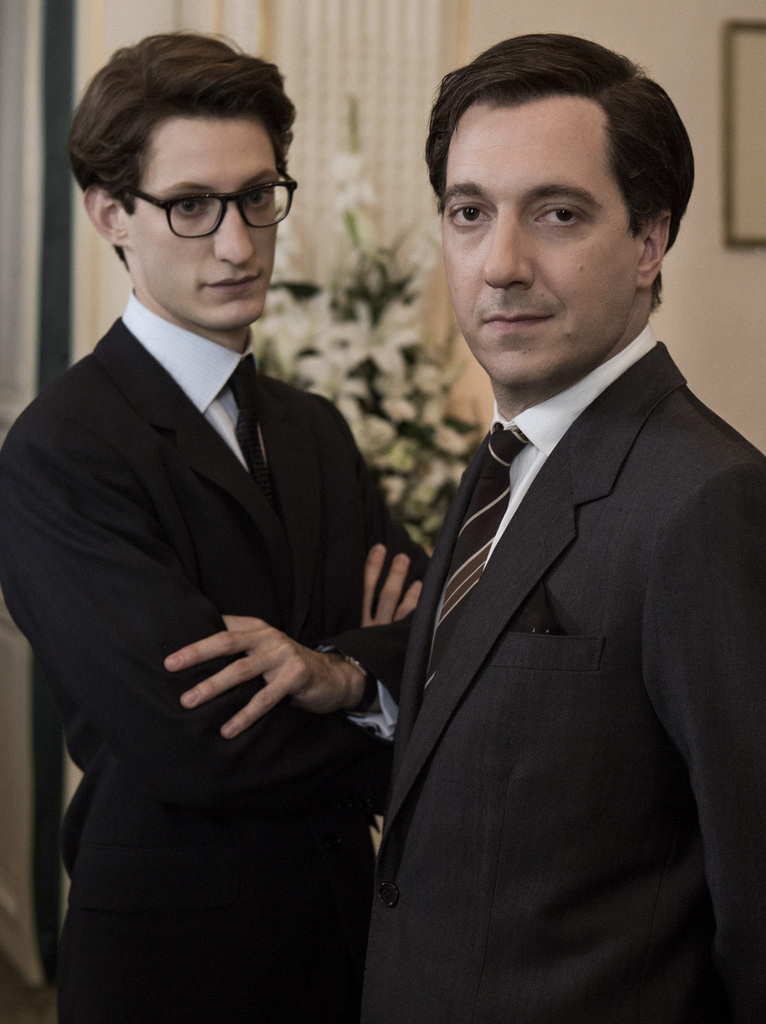
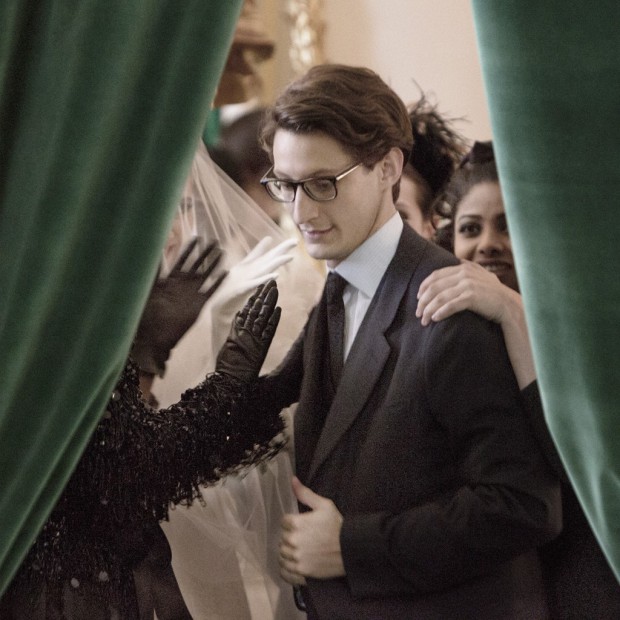
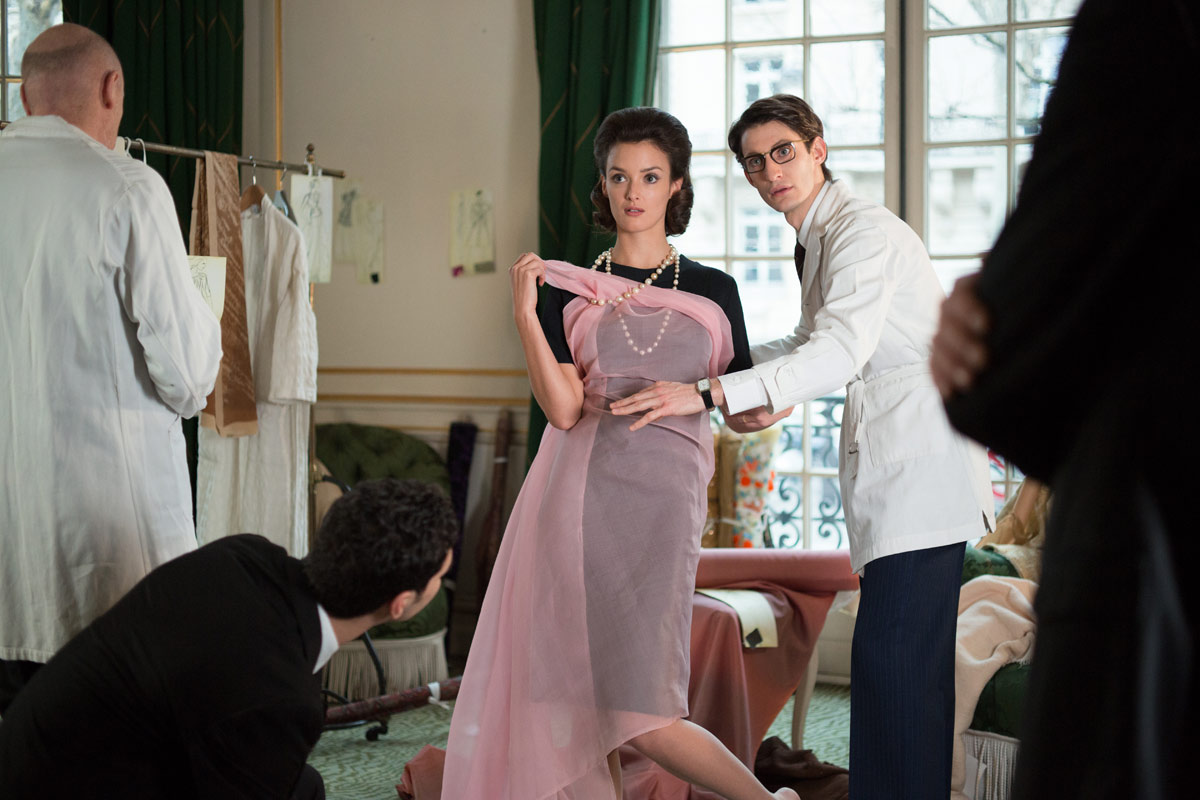
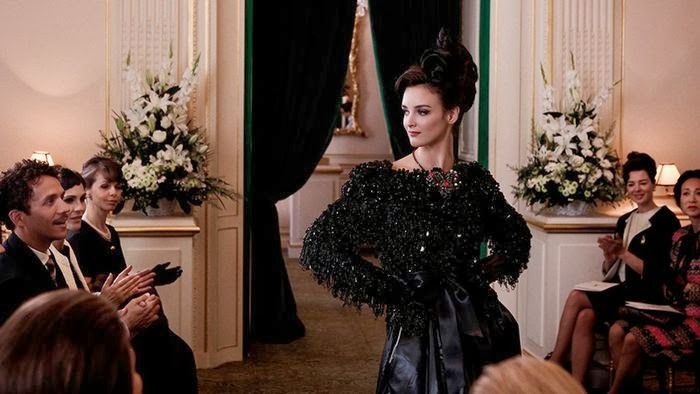
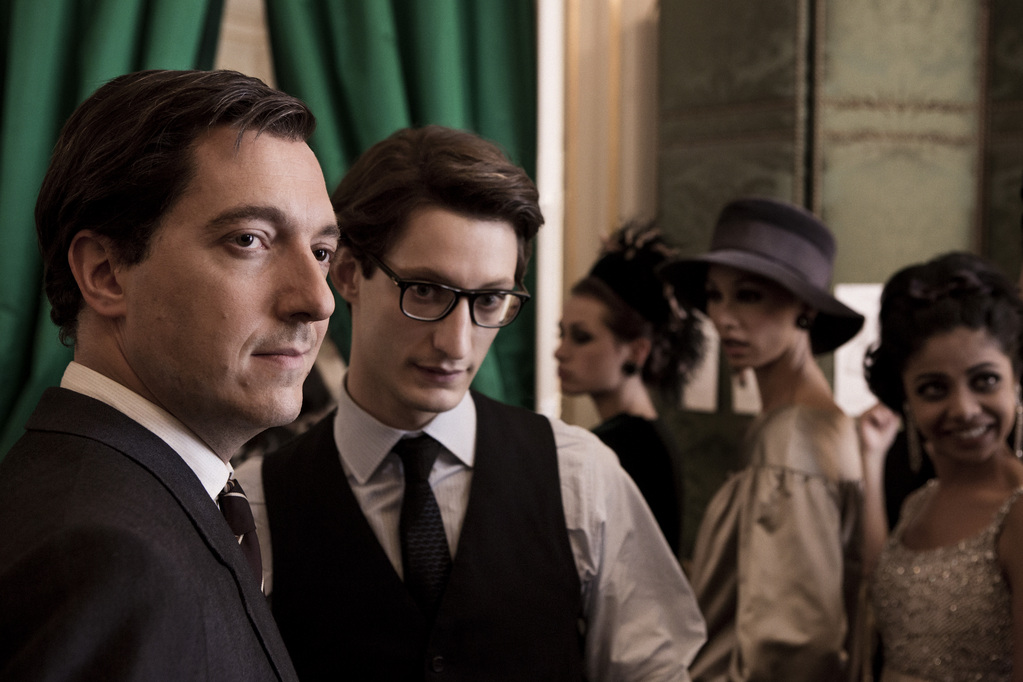
The first film- which has the backing of Bergé – is to be  directed by Jalil Lespert and will star French actor Pierre Niney as the late designer. Bergé has previously commented on the strong resemblance Niney has to his former companion, revealing that he almost greeted him: “Welcome Yves”.

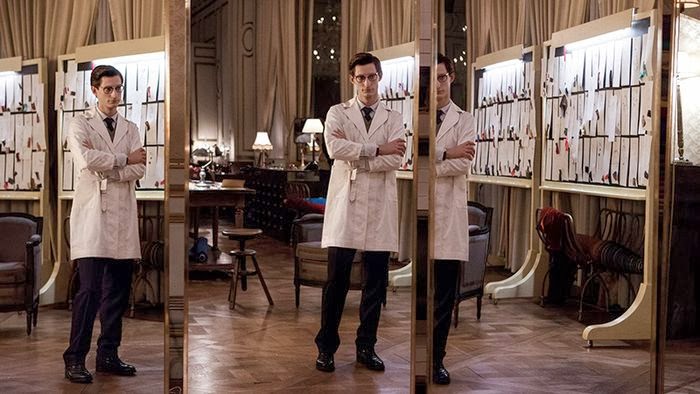
Pictures of this movie

pierre-niney-yves-saint-laurentvv

YSL movie

YSL movie

YSL movie

YSL movie

YSL movie

YSL movie

.

Yves Saint Laurent opens January 8th.

It looks every dramatic, a bit over the top and every bit as glamorous as you’d expect.

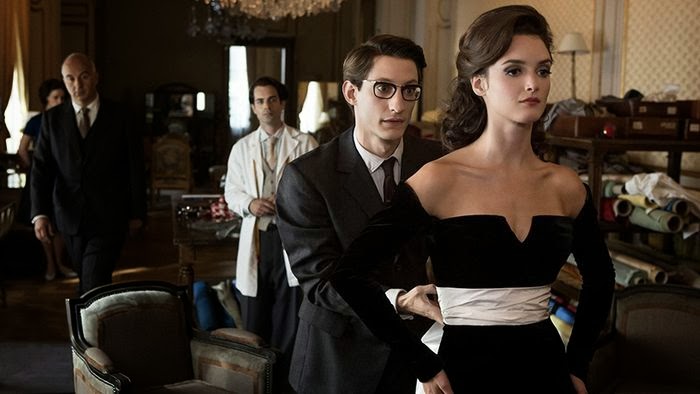
Director Jalil Lespert, starts the film in 1957 as 21 year-old Saint Laurent (played by Pierre Niney, Nikolai Kinski as Karl Lagerfeld and Guillaume Gallienne as Pierre Berge. ) takes over the couture house of Dior. He is bombarded with questions from reporters but appears calm and collected. Alas, this does not last. Young Saint Laurent tears a white table-cloth dramatically, to make a sash with a bow for a glamorous client. He is temperamental: “I don’t fear critics” he proclaims. He is a diva who just wants to be alone:  “Let me sketch in peace!” he yells.

.

My review:

You already  have to know a lot about Yves Saint Laurent and his friends to understand the story, otherwise you have no clue who is who and what all happens. Like the reason YSL and Karl Lagerfeld broke up as friends: YSL started a love-affair with Lagerfeld’s lover Jacques de Bascher. The movie also says a lot about Pierre Berge, who lived in the shadow of YSL and obviously had a hard time living & working with him.

The movie reveals details about YSL’s life, only Pierre Berge knew about and probably felt the need to share with the world. I don’t know what these revelations add to the legacy of YSL. It feels like Berge is still frustrated about certain events and the fact YSL couldn’t function without him and is now seeking recognition for his part in the history of YSL.

Still a nice movie to go to and see……

.


.

The second film 

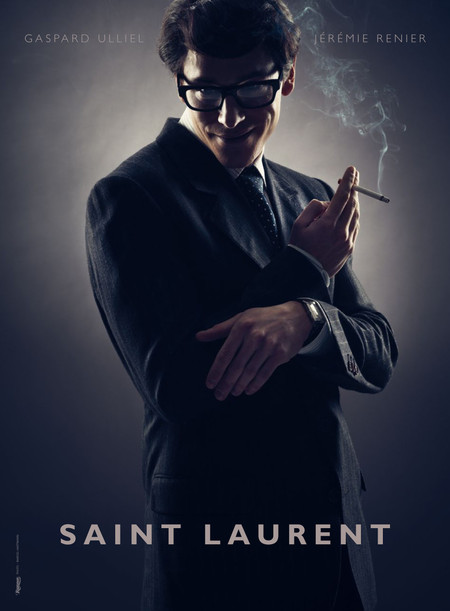
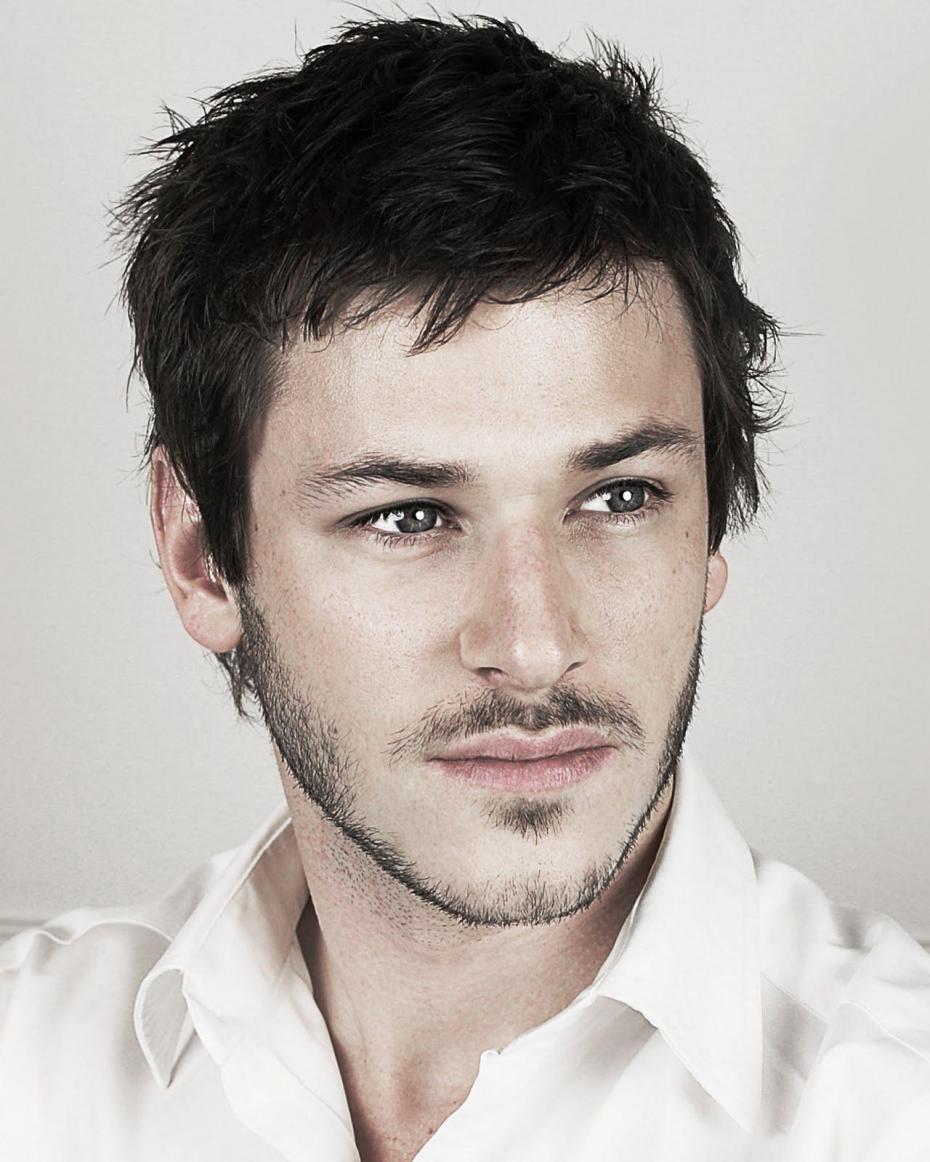
The second film- supported by Pinault – will be directed by Bertrand Bonello, with  Chanel model Gaspard Ulliel cast as the leading role opposite actress Lea Seydoux. According to The Telegraph, Bonello’s team wrote to Bergé explaining that they had not sought his blessing because they wanted true “freedom of expression”. It’s believed that the businessman’s lawyers responded immediately denying any use of his image or Saint Laurent possessions.

YSL movie poster

Movie poster of Saint Laurent film which Pierre Bergé is trying to "ban"
.
gaspar-ulliel-le-deuxieme-yves-saint-laurent
Gaspar Ulliel who plays Yves Saint Laurent in the second film
.

“Bergé’s role, even when Saint Laurent was alive, has been: ‘I tell the story,'” said scriptwriter Thomas Bidegain, who is working on the Bonello film. “Saint Laurent had a very complicated life and Bergé always managed the legend. That’s why he couldn’t take being dispossessed of that story.”

The French release of this movie is set for September 2014.

.

.

Both productions are expected to focus on the early life of the designer and his relationship with Bergé.

YSL

Yves Saint Laurent & Pierre Bergé
.

.

YSL

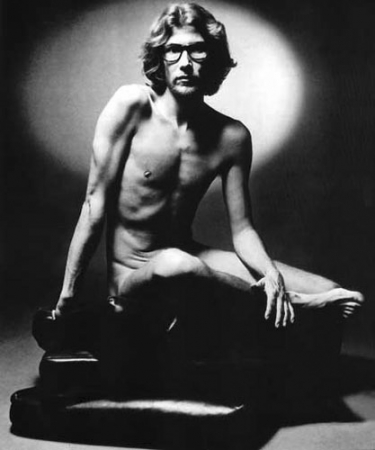
The Iconic nude photograph 

In 1971, the same year that his radical ” 1940s” collection shocked animal activists and fashion critics, Yves Saint Laurent released his first perfume for men, Pour Homme. For its advertisements, Yves Saint Laurent posed in nude in front of the camera of a close friend, Jean Loup Sieff. Sieff who worked for Magnum and was at the apex of his fashion photography career when he took fourteen photos for Yves Saint Laurent. The photo brashly challenged conventional taboos of male nudity in mainstream advertising of the era.

YSL and Sieff rejected the conventional machismo virility that was usually used in the ads on that time, such as Old Spice (introduced in 1937) and Aramis (introduced in 1964). It was a ‘natural’ appearance after the excesses of 1960s youthquake ostentation and fantasy. Although YSL personally wished the photo become an icon of gay liberation, he looked almost a Christ-like figure, a wavy-haired and gaunt and stark naked but for his large-rimmed glasses. The photos desexualized nudity, and presented a more vulnerable, and androgynous side of humanity.

.

Info for this post: 
http://www.vogue.co.uk/  
http://iconicphotos.wordpress.com/2010/05/02/yves-saint-laurent/

Lara Stone, the Sexiest, Funniest and most Beautiful

29 Dec

Lara-Stone-by-Inez-Vinoodh-350x350

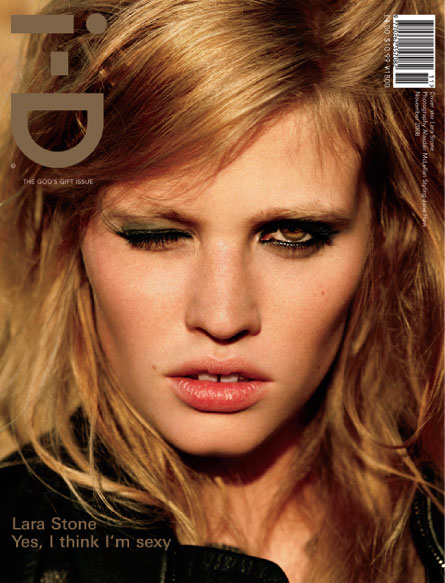
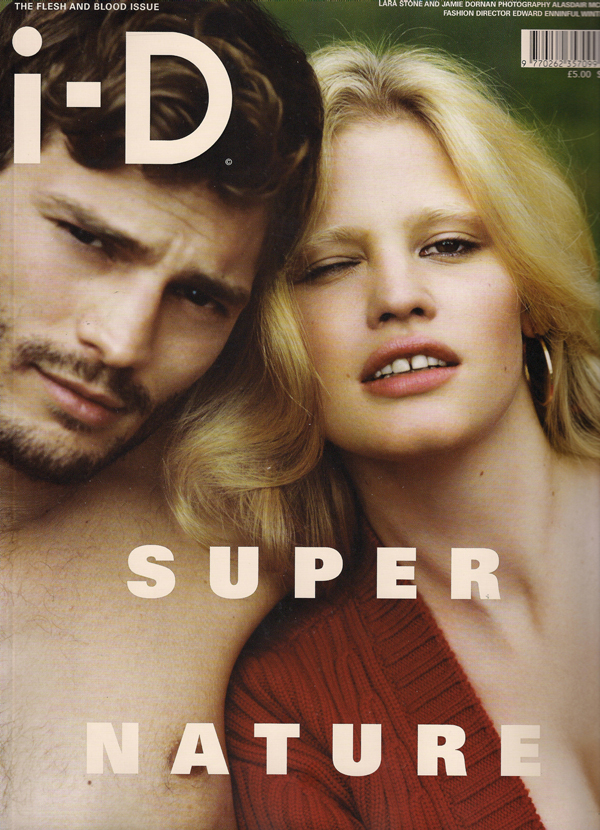
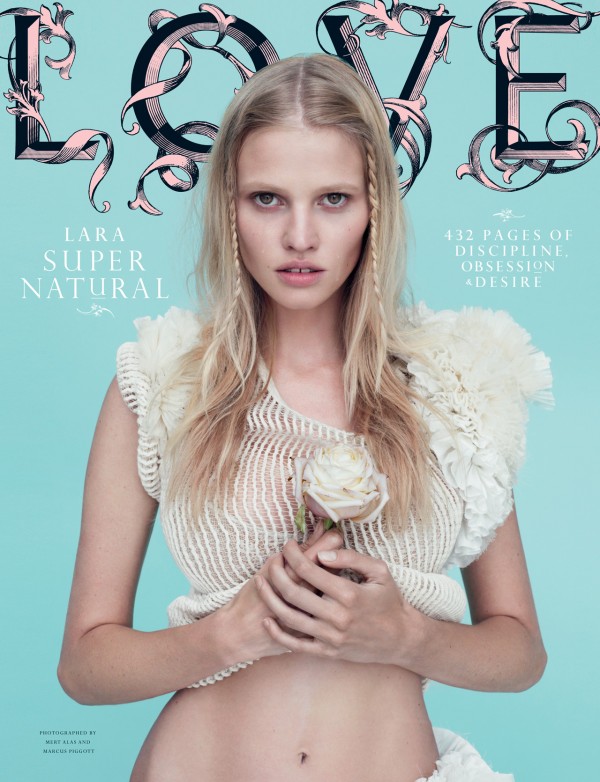
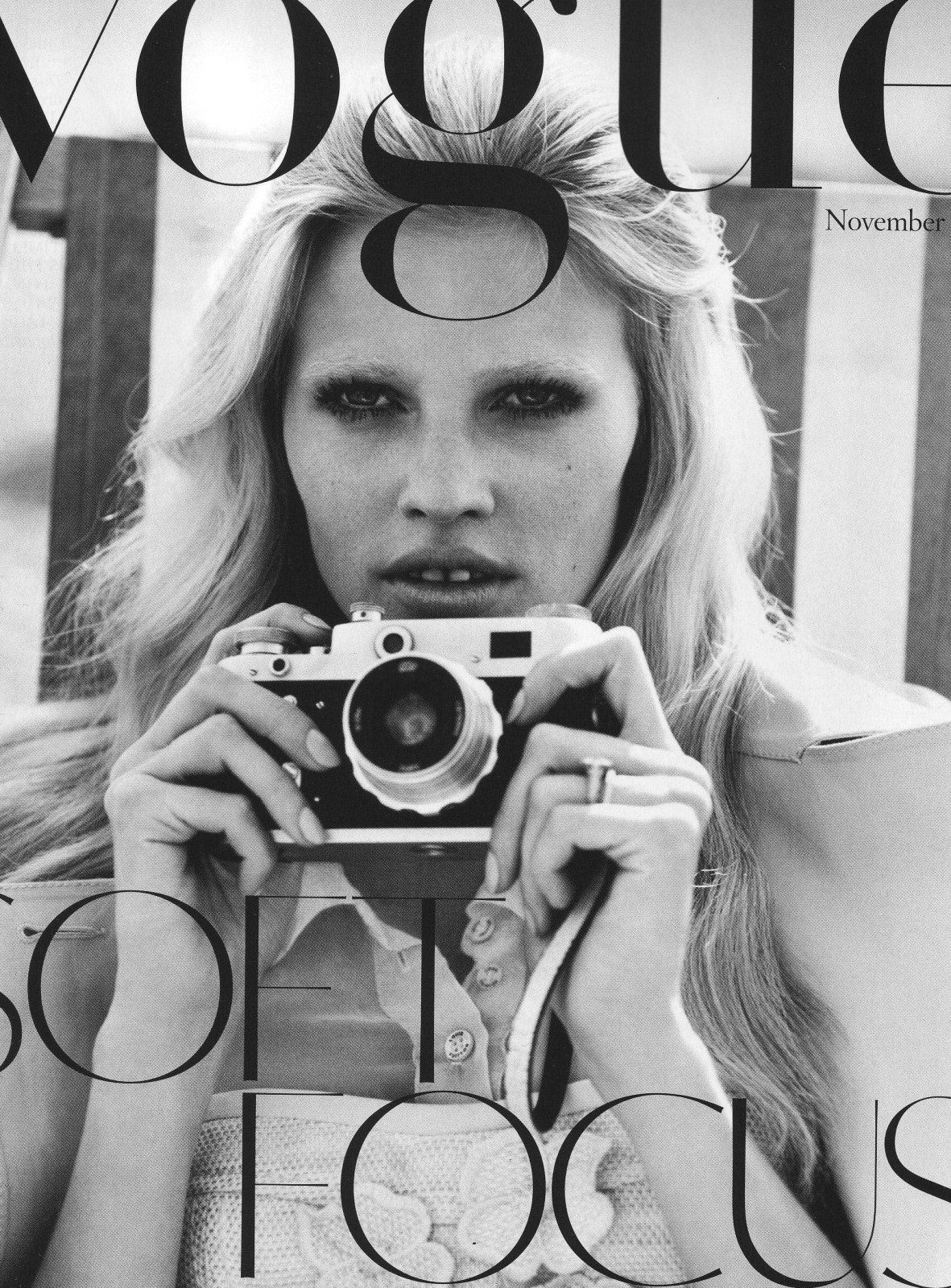
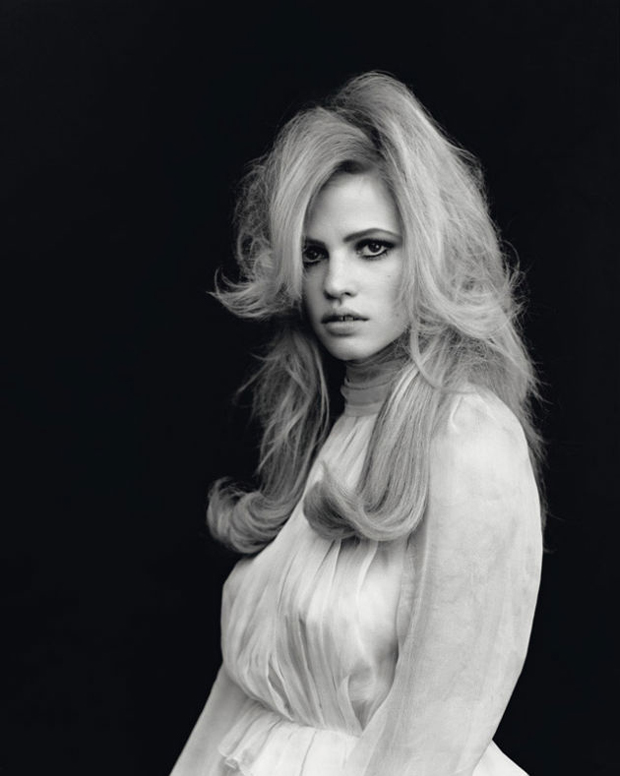
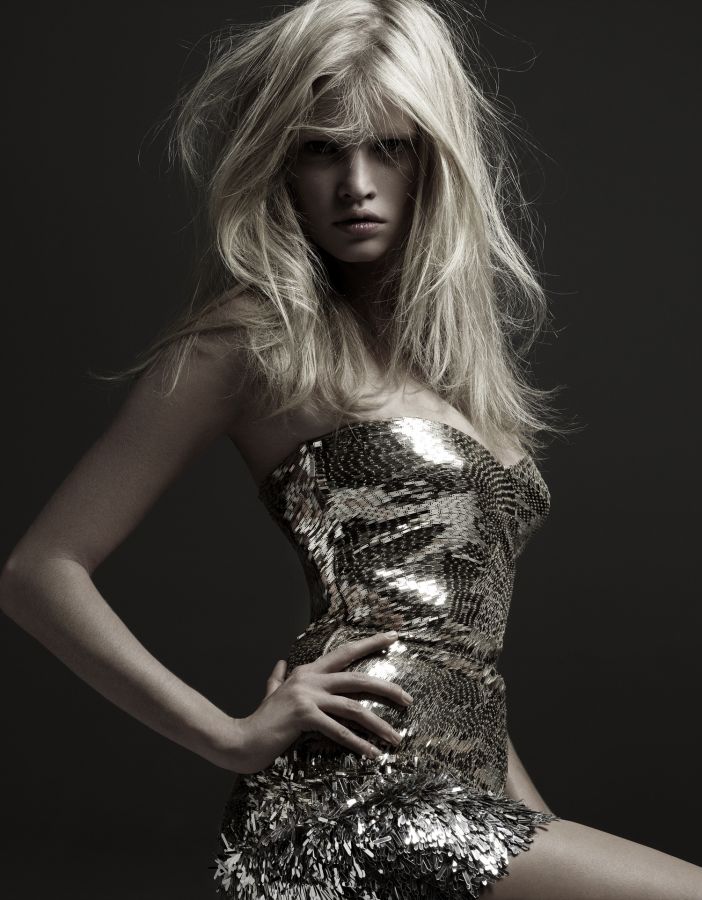
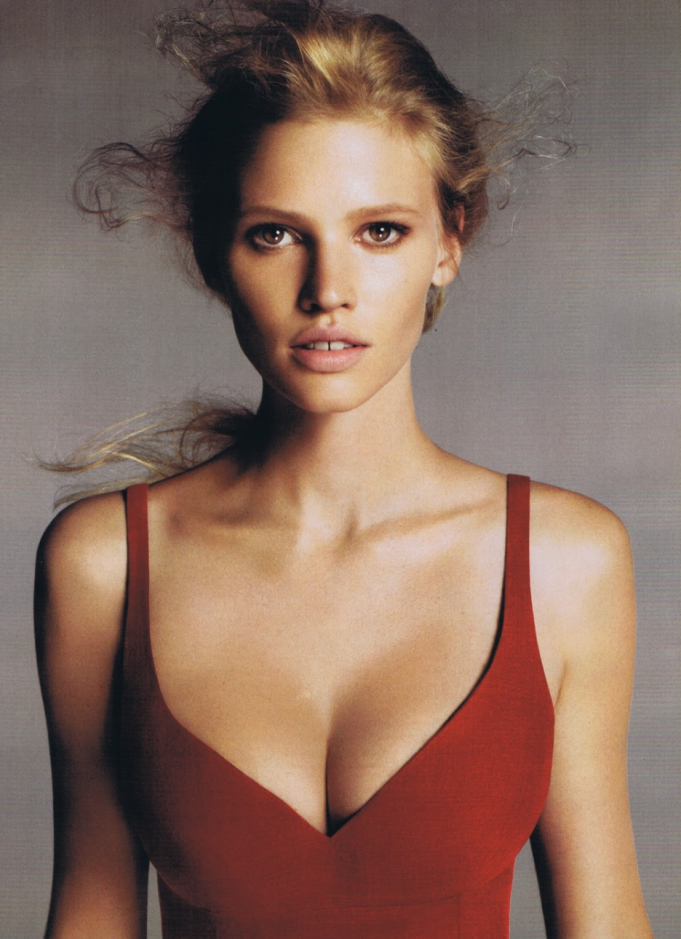
The last post of this year is a tribute to Lara Stone, the sexiest, funniest and most beautiful model at the moment.

16

The last time I worked with Lara was for Dutch Glamour Magazine 
ph. Andrea Lennon, styling Ellen Hoste   2007
.

Short biography

Lara Stone was born (December 20,1983) to a Dutch mother and an English  father in the town of Geldrop, (the Netherlands) and  grew up in Mierlo. She was first discovered in the  Paris Metro when she was 12, she then went on to  participate in the Elite Model Look competition at age  15. She became the primary choice for editorials and  advertising campaigns after signing with IMG in 2006. Lara is not a fan of the runway because of her  unusually small feet of someone of her size. Because  the shoes are usually too big for her, she sometimes  goes down the runway thinking “Do not fall, do not  fall!” (from Vogue Paris interview Feb 09). Lara Stone  was made Models.com #1 on the Top 50 List in  February 2010. In October 2013, joined L’Oreal as  their latest ambassador.

Magazine covers

ID cover
f
lara-stone-x-i-d-magazine
model-of-the-year
1lara-stone-cover-love-magazine-issue-6
ls3
.

Editorial stories 

LaraStonebyMertAlasMarcusPiggottforWMagazine01

LaraStonebyMertAlasMarcusPiggottforWMagazine03

LaraStonebyMertAlasMarcusPiggottforWMagazine04

Peek-a-Boo, POP AW 2007_Lara Stone by Mert and Marcus_wonderlandlondon_blogspot

Peek-a-Boo, POP AW 2007_Lara Stone by Mert and Marcus_wonderlandlondon_blogspot3

Lara-Stone-Fashionwithus10-600x801

Lara-Stone-Fashionwithus5-600x900

Lara-Stone-Fashionwithus8-600x819

larastoneforvogueparis1

larastoneforvogueparis4

larastoneforvogueparis8

On the catwalk and backstage

00260m

00860m

00880m

00490m

00100m

00450m

And other great photographs

lara-stone-ss-2011-13

lara-stone-by-hedi-slimane-600x600

lara-beauty3

936full-lara-stone

.

.

dwalliams_v_17may10_pa_b_426x639

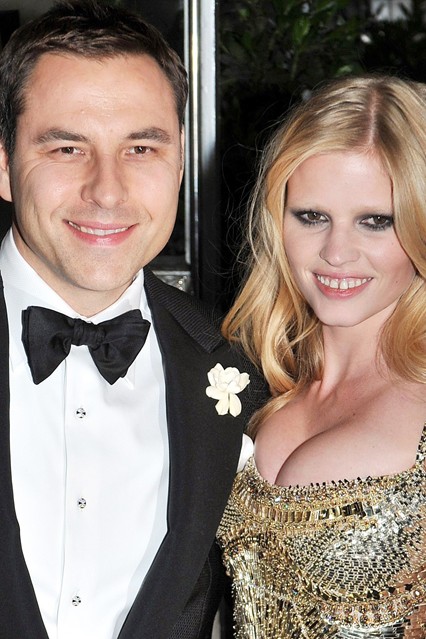
Lara and her husband David Walliams 
.
 Biography from Models.com

Oleg Cassini & Grace Kelly, a Fashion(able) Love Affair

22 Dec

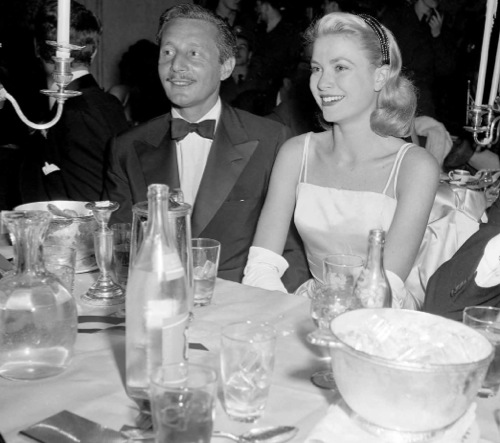
Grace Kelly & Oleg Cassini

Who was Oleg Cassini?

Oleg Cassini (April 11, 1913 – March 17, 2006) was a French-born American fashion designer. Cassini dressed numerous stars creating some of the most memorable moments in international fashion and film. He garnered admiration and fame for his designs for First Lady Jacqueline Kennedy.

His designs for the First Lady, ‘The Jackie Look’ are recognized as being the “single biggest fashion influence in history” by film costume designer, Edith Head. Cassini’s contemporary designs such as the A-line, Sheath and the Empire Strapless continue to remain influential and predominant today. His passions including sports and Native American culture fueled his work with freshness and imagination, creating innovative looks fueled by his very personal feeling that: “To be well dressed is a little like being in love.”

Jackie Kennedy & Oleg Cassini

Jackie Kennedy & Oleg Cassini
.

More about Oleg Cassini for Jackie Kennedy:   https://agnautacouture.com/2013/10/27/jackie-kennedy-the-presidential-wardrobe/

.

grace-kelly-life-cover

Grace Kelly in her Oscar gown by Oleg Cassini

The Love Affair

Grace Kelly was with Jean-Pierre Aumont, trying to get over the loss of Ray Milland when she met Oleg Cassini. Cassini had recently seen Grace Kelly in the film Mogambo and was already besotted when he spied her in a restaurant in New York. She was with Aumont whom Oleg Cassini already knew (they had competed for the love of Gene Tierney in the past). According to Oleg, when they met, Grace dressed ‘like a school teacher’. He encouraged her to ‘put a little sex in her clothes’. Cassini was something of a Casanova, an ‘accomplished seducer’ he set his sights on winning Grace’s heart and did so in typical fashion. ‘It was to be the greatest, most exhilarating campaign of my life.‘ He remarked later.

Cassini set about developing a plan of seduction which involved sending a dozen red roses to Grace’s home for ten days, he did not sign the card, instead he wrote ‘from the friendly florist’ on the tenth day he called her saying he was the friendly florist. He got her laughing and got her to join him on a date (she was chaperoned by her sister on this occasion).

Grace Kelly & Oleg Cassini

Grace Kelly & Oleg Cassini

Grace told Oleg she was in love with Ray Milland. The silver-tongued and confident Aries told her it was not a problem and that she would be engaged to him within a year. Grace left for LA the next day, but Oleg made sure he was seen by gossip columnists in the company of beauties such as Pier Angeli and Anita Ekberg in order that he would be seen and read about by Grace in their columns.

They eventually met up again on the French Riviera where they spent an evening together in what Oleg describes as a ‘distressingly platonic’ situation. He poured out his heart to Grace, declared the essence of his inner desires and that was it, his persistence paid off.

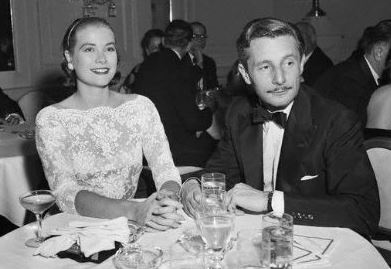
Oleg & Grace

Oleg Cassini & Grace Kelly

Oleg Cassini’s biggest obstacle to life-long happiness with Grace Kelly was his past (he had been married before and linked with many beautiful women) which caused a problem for Grace’s mother who considered Oleg a bad risk for a husband. Her father, who was an old-fashioned racist, considered Cassini to be too much of a foreigner (Oleg was a son of a Russian and born in Paris).

Grace was persuaded not to marry designer Oleg by her mother and father. “Do you realise if my mother hadn’t been so difficult about Oleg Cassini, I probably would have married him?” the screen goddess is quoted as saying. Marrying into the Monaco royal family in 1956 was an apparent attempt to gain the approval of her father, who had failed to congratulate her on any of her past accomplishments, including the Oscar she was awarded for The Country Girl.

Once married, Grace realised that there was no way of continuing the Hollywood career that she had so loved and began to regret not choosing a marriage that would have allowed her to work. “How many wonderful roles I might have played by now?” she apparently lamented. “How might my life have turned out? That one decision (to marry Prince Rainier) changed my entire future.”

grace-kelly-engagement-set-keystone_v_14par10_PR_426x639

Grace Kelly 

.

What Oleg Cassini had to say

Oleg, who never remarried, did let the regret tinge his voice when he talked about what might have been: “I fell in love with Grace after I saw her in Mogambo. When she broke up with Milland she sent me a postcard asking me to come to the south of France while she filmed To Catch a Thief. ‘Those who love me follow me,’ she wrote.

“Well, I let my dress collections go to hell, and I flew to Cannes. She was warm and funny and caring, also very disciplined about her work. She never stayed out past 11 p.m. Up till now our relationship had been platonic, but we had such a wonderful time that she asked me what my intentions were. I told her I wanted to marry her. We became secretly engaged.

sjcf_01_img0066Oleg Cassini with his wife actress Gene Tierney, 1941. 

“Later I saw sharks in the water. It was 1955, and Paris Match introduced Grace to Prince Rainier as a photo publicity stunt for a magazine article. I thought nothing of it. She said Rainier was nice, but that was it.

“We came back to New York and Grace was becoming a superstar. Neither of her parents liked me. The weekend I spent in Ocean City was the worst of my life. I had my own room, but I had to walk through her parents’ bedroom to get there.

oleg_cassini_and_grace_kelly_picture3

Grace Kelly & Oleg Cassini

“She kept seeing me despite her family’s opposition, even suggesting we get married right away. She told me to find a priest who would marry us. I agreed, but then she got sick and rundown. Once she recovered, she had changed her mind. Her parents had talked her out of it. I didn’t see her again until she called to tell me she was engaged to Prince Rainier.”

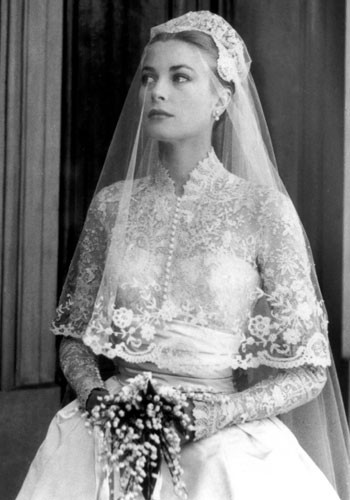
 350x500_Grace-Kelly-wedding
350x500_grace-kelly-wedding-1Grace Kelly on her wedding day with Prince Rainier. 

.

Books by Oleg Cassini

oleg-cassini-the-wedding-dress-rizzoli-new-york-booknn

The Wedding Dress

The quintessential book on the wedding dress, newly revised and updated in a collector’s edition, is an exciting look at the variety of luxurious wedding dresses, which both celebrates and reveals their beauty, sophistication, and romance.   From Jacqueline Kennedy to Grace Kelly, Oleg Cassini’s designs are synonymous with the world’s most glamorous women. The same electrifying elegance resonates with his magnificently crafted bridal gowns. This informative presentation discusses every aspect of the wedding dress—the ultimate expression of a bride’s personality and the focal point of her day. This book showcases a wide range of styles by such fashion luminaries as Cassini, Chanel, Dior, Armani, and McQueen, among others. The beautiful fashions, photographed by such notable photographers as Patrick Demarchelier, Benno Graziani, Horst, Arthur Elgort, Milton Greene, David LaChapelle, and Irving Penn capture the effervescent spirit that is associated with the wedding dress. The Wedding Dress begins with an overview of the sumptuous wedding gown, chronicling its history  from royal weddings to today’s celebrities. The book presents a variety of silhouettes—from elegant Empire-style floor-length gowns to flirty short dresses and sophisticated suits. The same electrifying elegance resonates, whether an informal ceremony, a formal evening affair or a spontaneous trip to City Hall. Also featured are some of the best weddings in the world, including celebrity, society, and high fashion weddings. This stylish look at the wedding dress is not only an essential resource for the bride-to-be but for everyone interested in fashion.

http://www.amazon.com/Wedding-Dress-Revised-Updated-Collectors/dp/0847841820/ref=sr_1_2?s=books&ie=UTF8&qid=1387464881&sr=1-2&keywords=the+wedding+dress+by+oleg+cassini

.

Book cover

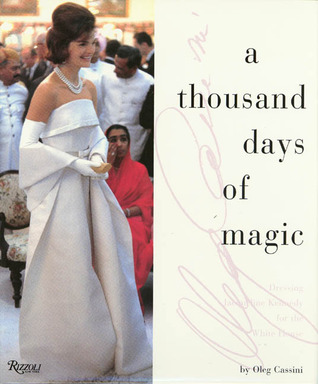
A Thousand Days of Magic: Dressing Jacqueline Kennedy for the White House    

A gorgeously revised edition of this fashion favorite book, which combines Cassini’s memoirs of working closely with Jacqueline Kennedy during her brief White House years, his fashion philosophies and ideas, and the iconography of the early 1960s style and energy of the Kennedy years.  Jacqueline Kennedy’s selection of Oleg Cassini to design her personal wardrobe as First Lady was not only fashion history, but political history as well. As the creator of the “Jackie look,” Cassini made the First Lady one of the best-dressed women in the world and a glamorous icon of the Kennedy era.

During the 1000 days of the Kennedy administration, Cassini designed over 300 outfits for Jackie Kennedy—coats, dresses, evening gowns, suits, and day wear—and coordinated every aspect of her wardrobe, from shoes and hats to gloves and handbags. In this book, Cassini offers a fascinating and comprehensive view of his role as Jackie’s personal couturier, a position that allowed him unprecedented access to both Jackie and John Kennedy as a designer and a trusted friend. From the details of his first meetings with the First Lady to his thoughts on Jackie’s clothes and their legacy, Cassini’s recollections are far-ranging and informative. Also included are Cassini’s original sketches accompanied by 200 color and black-and-white photographs of the First Lady as she tours India, France, England, and Italy, shows off the White House, and hosts state dinners and family gatherings. Public moments as well as private ones capture the great elegance and charm of one of the most admired and emulated women in the world.

http://www.amazon.com/Thousand-Days-Magic-Dressing-Jacqueline/dp/0847819000

.

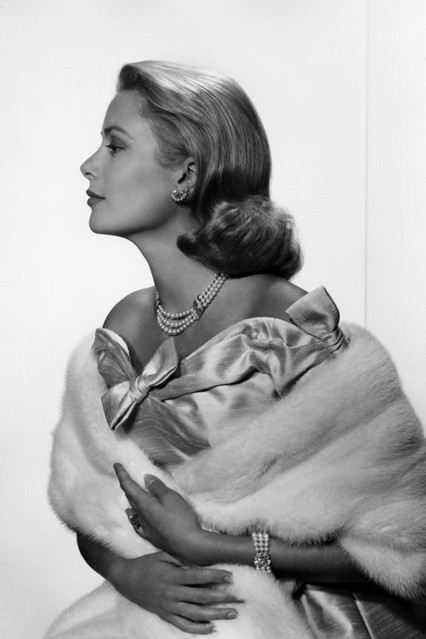
Grace KellyGrace Kelly