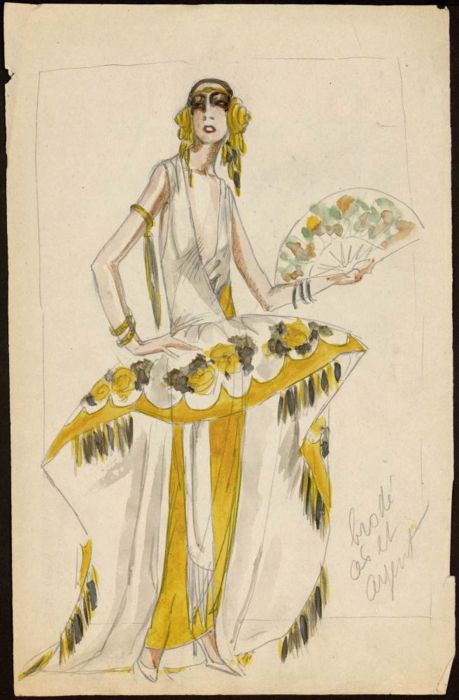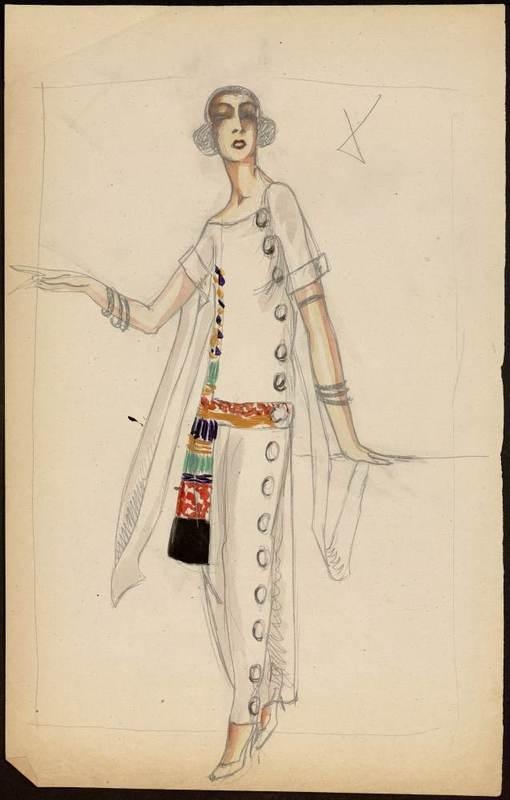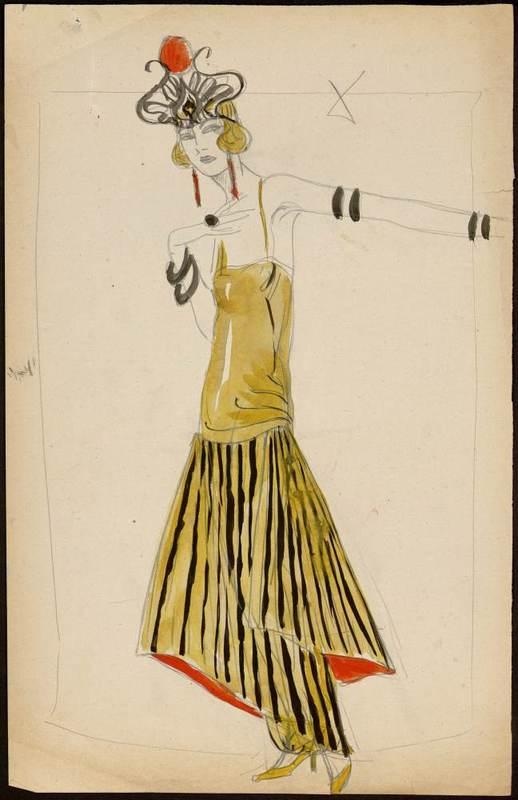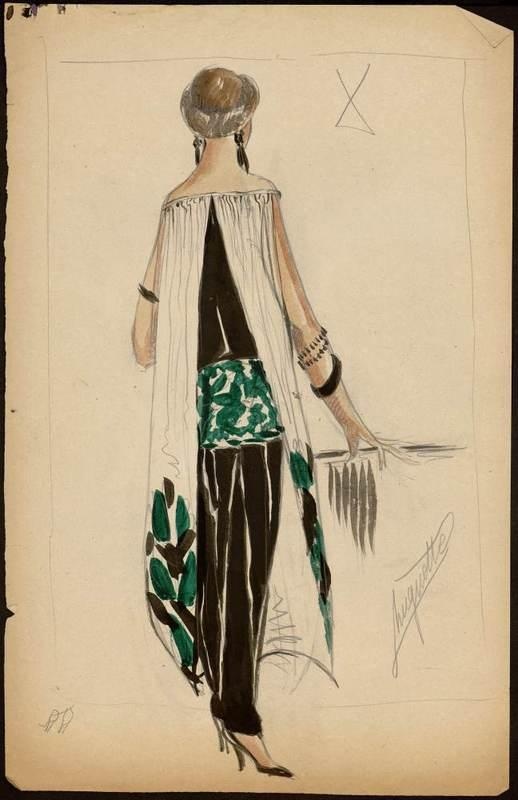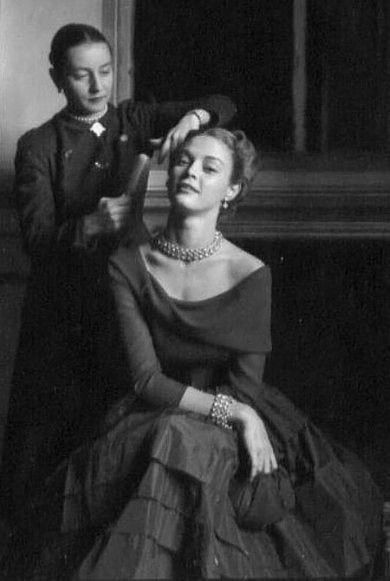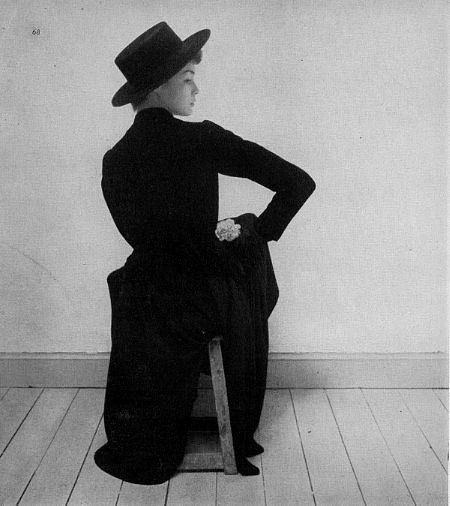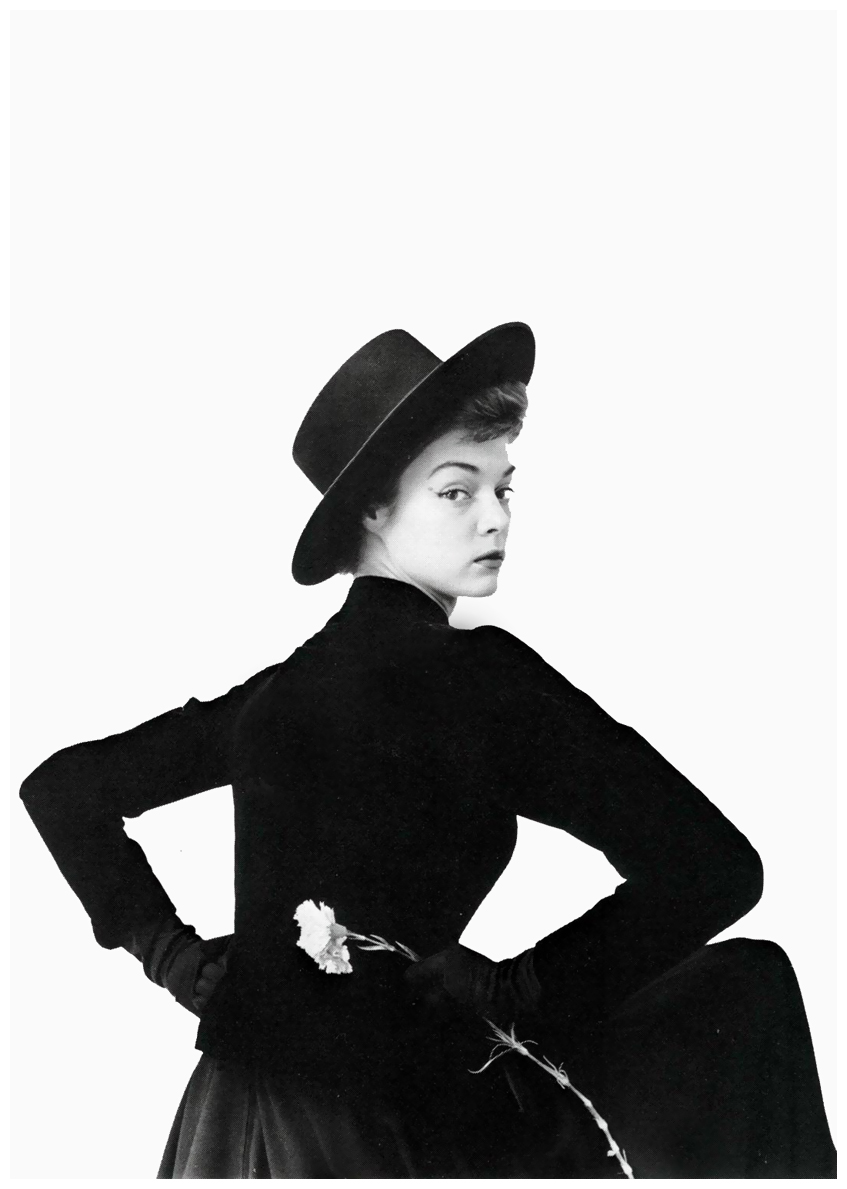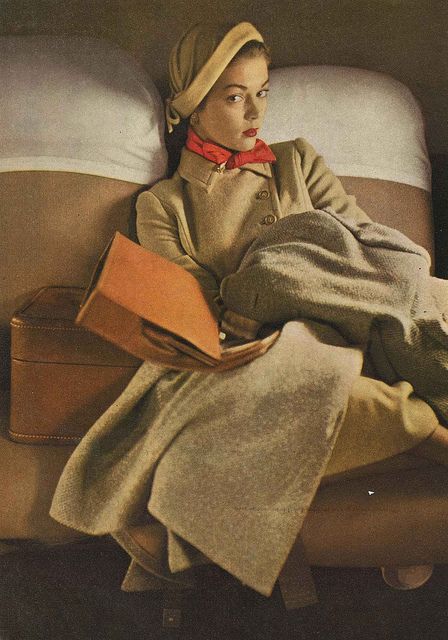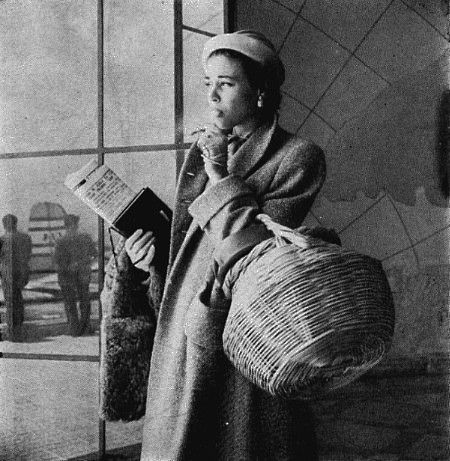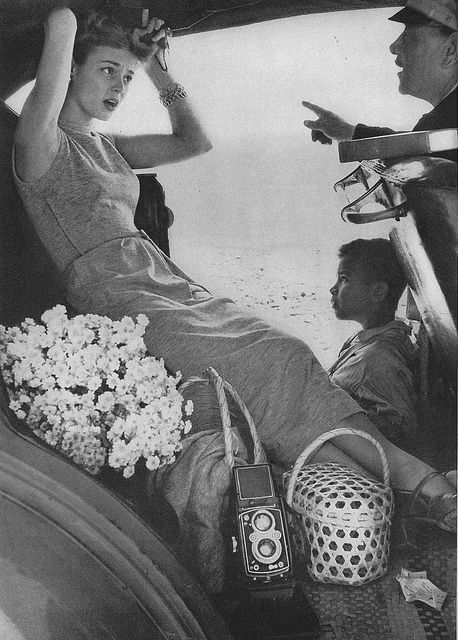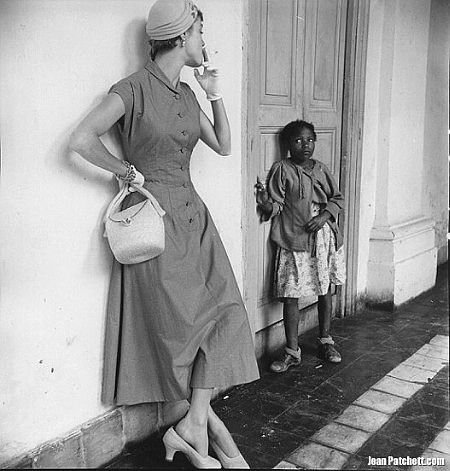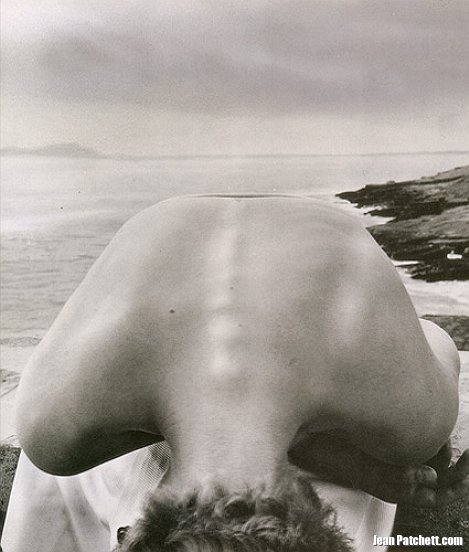
Paul Poiret, the self-proclaimed “King of Fashion” (part 1)

30 Mar

21009-2poiret-3n (Custom)

.

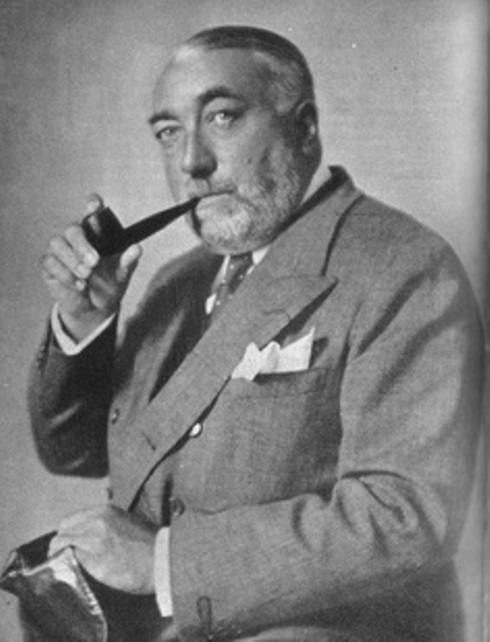
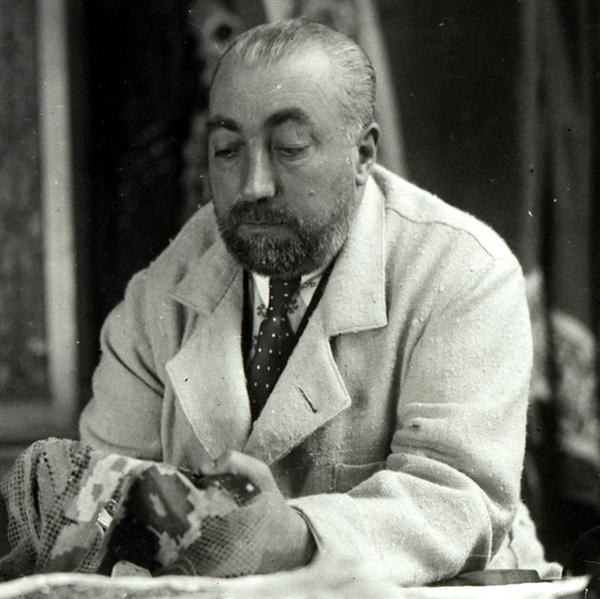
The story of Paul Poiret is one of a working class son, who used his natural charisma to gain entry into some of the most exclusive ateliers in Paris and eventually became one of the twentieth century’s great couturiers. But it’s also a cautionary tale about a man who refused to adapt to changing times and styles after WWII due to his arrogance and finally ended penniless and bitter, his once-great label long forgotten.

.

.

Biography  (the beginning)
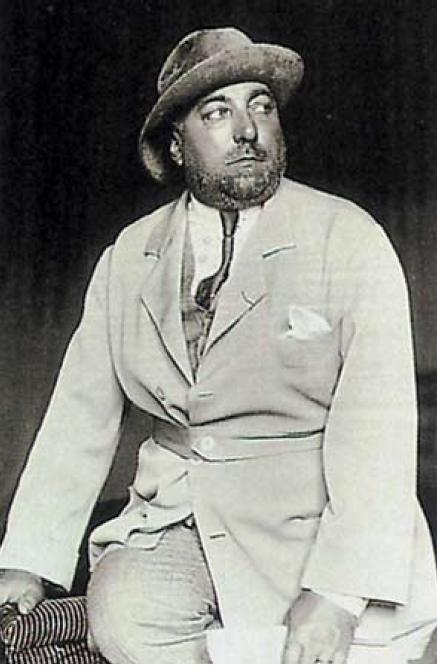
Paul Poiret

Paul Poiret is born 20 April, 1879 as the son of a cloth merchant, in Paris’s working-class quartier of Les Halles. As a young boy he is sent to apprentice with an umbrella manufacturer, where he gathers “the scraps of silk left over after the umbrella patterns had been cut,” and uses them “to dress a little wooden doll that his sister . . . had given him.”

Still a teenager, Poiret takes his sketches to Madeleine Chéruit, a prominent dressmaker, who purchases a dozen from him. He continues to sell his drawings to major Parisian couture houses, till he is hired by Jacques Doucet, one of the capital’s most prominent couturiers. Poiret is only nineteen years old at the time. Beginning as a junior assistant, he is soon promoted to head of the tailoring department. His debut design for Doucet, a red wool cloak with a reverse gray crepe-de-chine lining, receives 400 orders from customers.

..

Paul Poiret Sketches
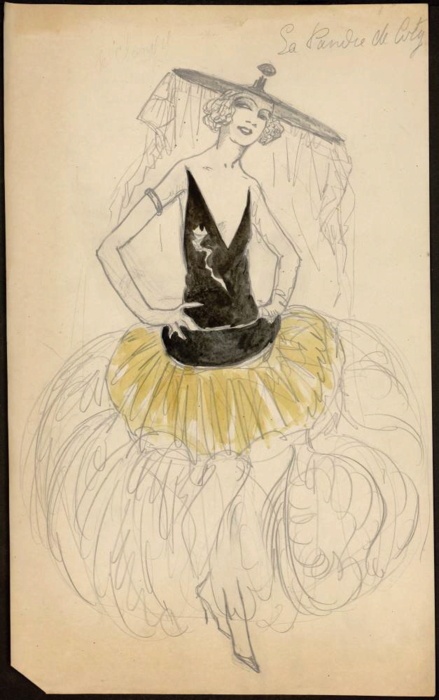
poiret

Poiret

poiret

poiret

poiret..

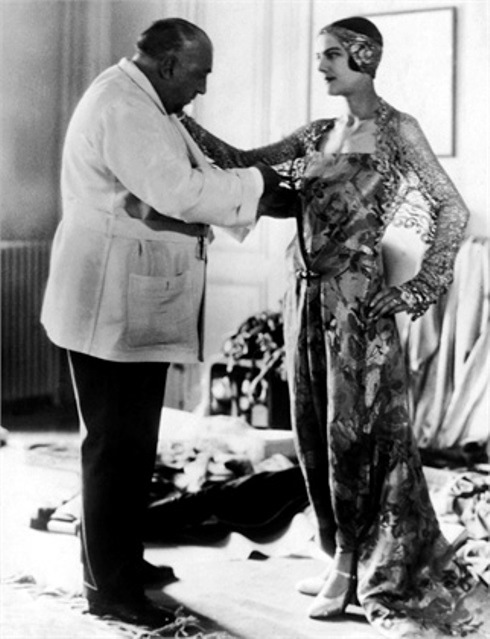
After two years of mandatory military service (1914-1918), he returns to Paris and is hired by House of Worth, once founded by Charles Worth, but now taken over by his sons. Instead of working on the luxurious eveningwear the House is famous for, Poiret is put in charge of the less glamorous and more practical items. Gaston Worth, the business manager, referred to Poiret’s division as the “Department of Fried Potatoes.” His ideas and designs are not appreciated by the clients. One of his “fried potatoes,” a cloak made from black wool and cut along straight lines like the kimono, proved too simple for one of Worth’s royal clients, the Russian princess Bariatinsky, who on seeing it cried, “What horror; with us, when there are low fellows who run after our sledges and annoy us, we have their heads cut off, and we put them in sacks just like that.” 

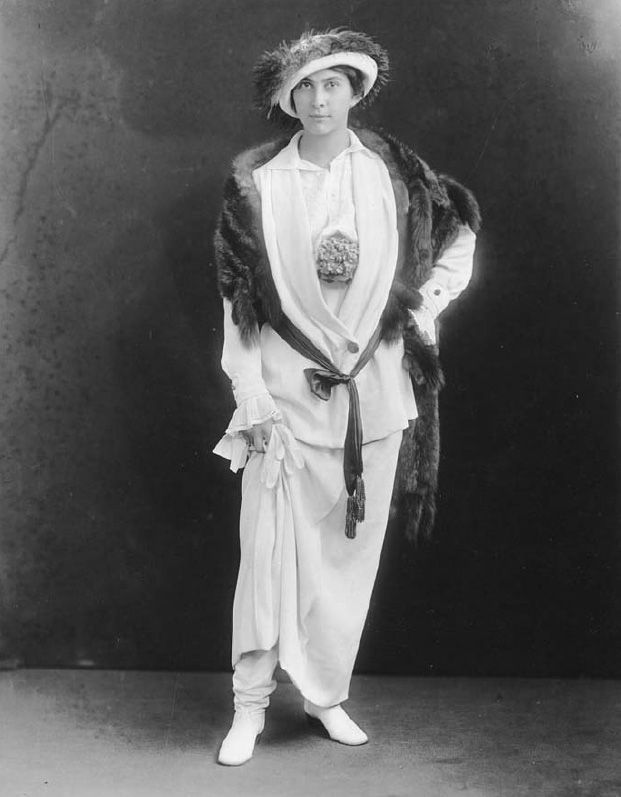
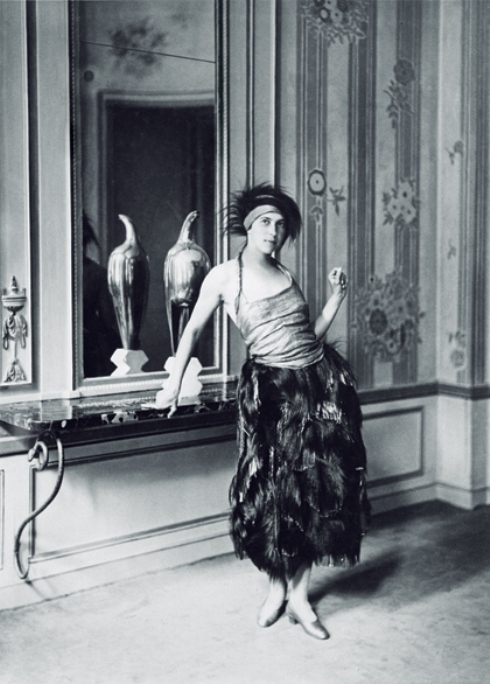
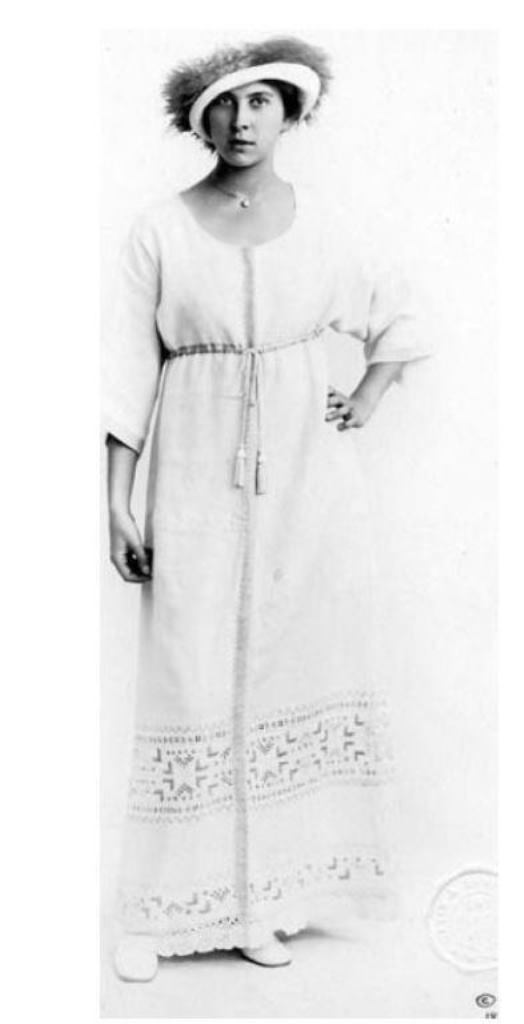
At twenty-four (Poiret has a tireless self-confidence, despite his experiences at the House of Worth) he breaks out on his own and after borrowing funds from his mother, opens his own shop on Rue Auber. Its flashy window displays attract attention and he makes his name with the controversial kimono coat. Looking to both antique and regional dress types, most notably to the Greek chiton, the Japanese kimono, and the North African and Middle Eastern caftan, Poiret advocated fashions cut along straight lines and constructed of rectangles. 

..

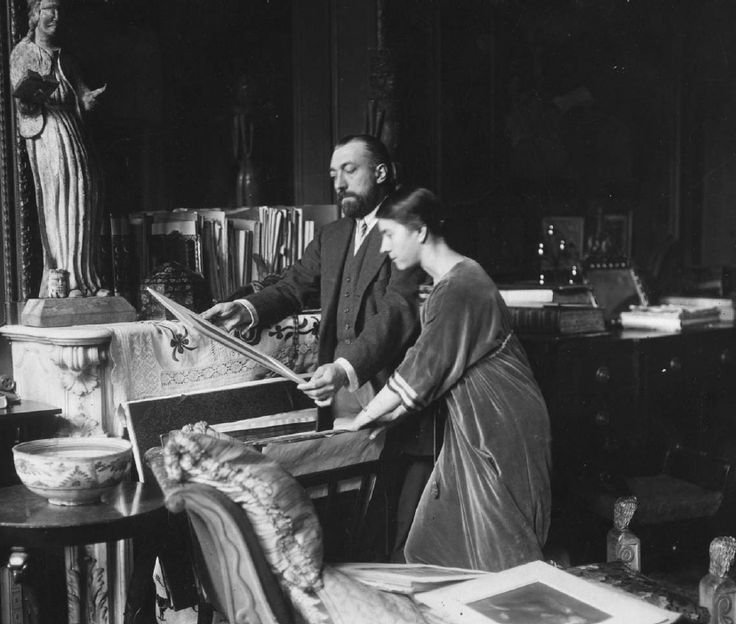
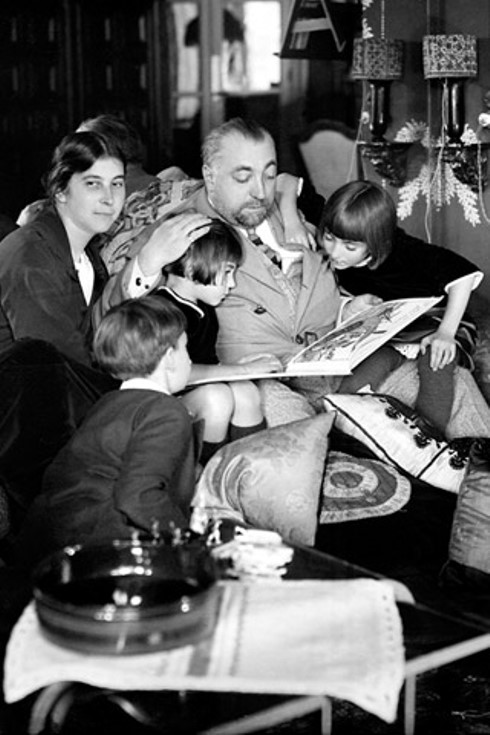
Paul, Denise & the children

Denise & Paul PoiretDenise & Paul Poiret in their home at Faubourg
Paul &Denise Poiret at workPaul & Denise Poiret at workDenise & Paul PoiretDenise & Paul Poiret at work
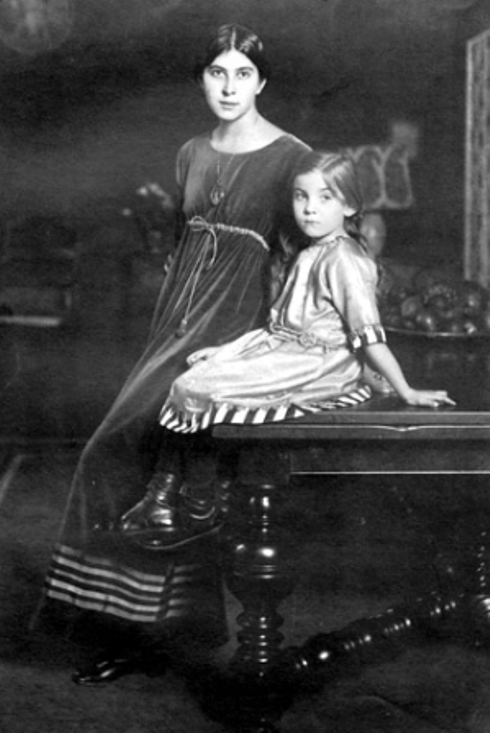
1911-with-her-daughter-Rosine-age-5_-Madame-Poiret-wears-a-gray-velvet-afternoon-dress-called-Toujours-Poiret-en-famille-November-1922Denise & daughter Rosine (the cosmetic line was named after her)november 1922Paul & Denise Poiret with their children, November 1922
.
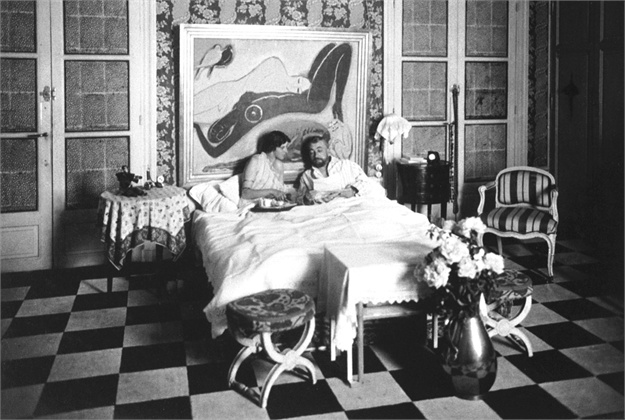
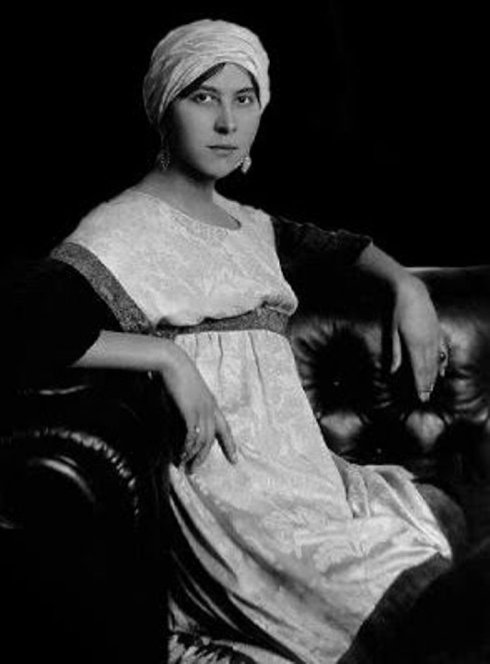
In 1905 Poiret marries childhood friend Denise, with whom he’ll go on to have five children. “She was extremely simple,” he later will say, “and all those who have admired her since I made her my wife would certainly not have chosen her in the state in which I found her.” Denise Poiret will eventually become his artistic director as well as muse, wearing his designs as they travel around Europe together and winning a reputation as a trendsetter. (A fact her husband will later take credit for: “I had a designer’s eye, and I saw her hidden graces.”)

Years later, Denise Poiret is described as:

“the woman who had inspired the feminine silhouette of this century”

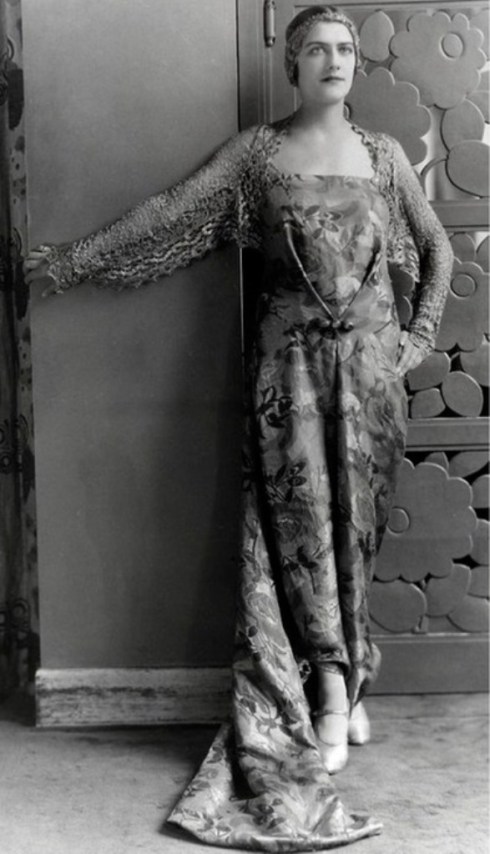
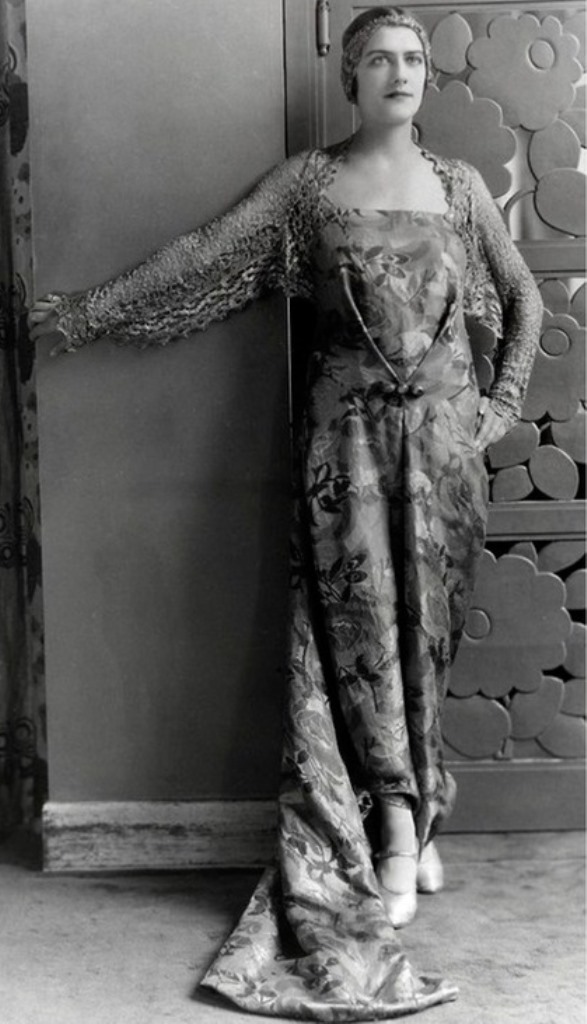
Poiret’s process of design through draping is the source of fashion’s modern forms. It introduced clothing that hung from the shoulders and facilitated a multiplicity of possibilities. Poiret exploited its fullest potential by launching, in quick succession, a series of designs that were startling in their simplicity and originality. From 1906 to 1911, he presented garments that promoted a high-waisted Directoire Revival silhouette. Different versions appeared in two limited-edition albums, Paul Iribe’s Les robes de Paul Poiret (1908) and Georges Lepape’s Les choses de Paul Poiret (1911).

.

Denise Poiret, the Fashion Icon
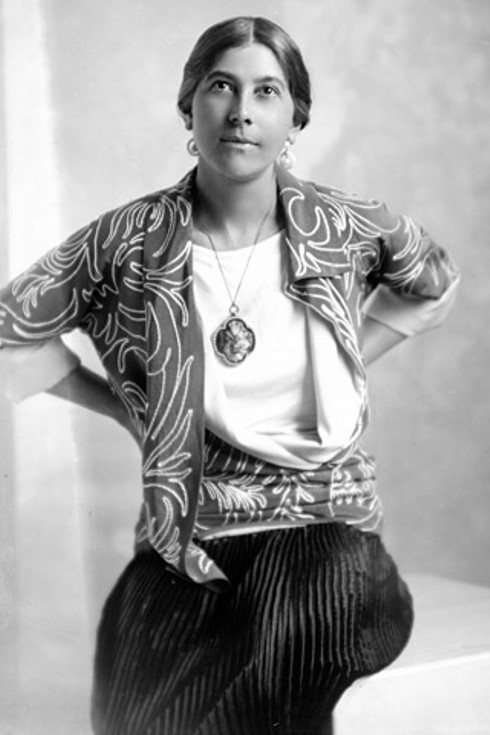
denise Poiret

DEnise Poiret

Denise Poiret

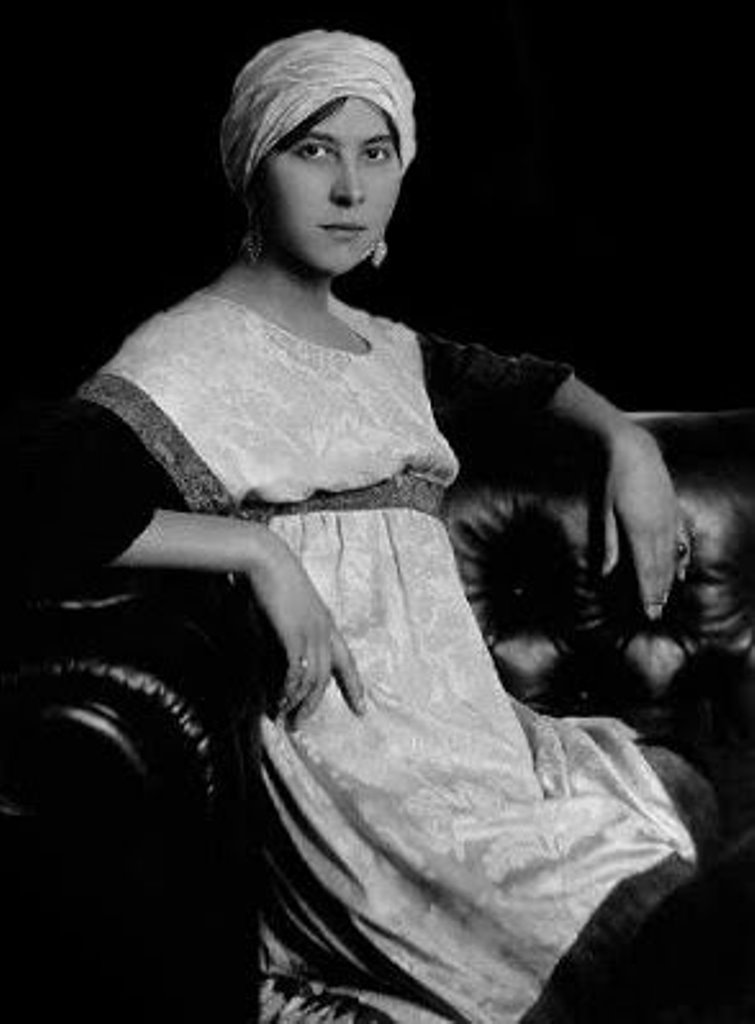
Denise PoiretDenise Poiret, ph. by Man Ray 1919
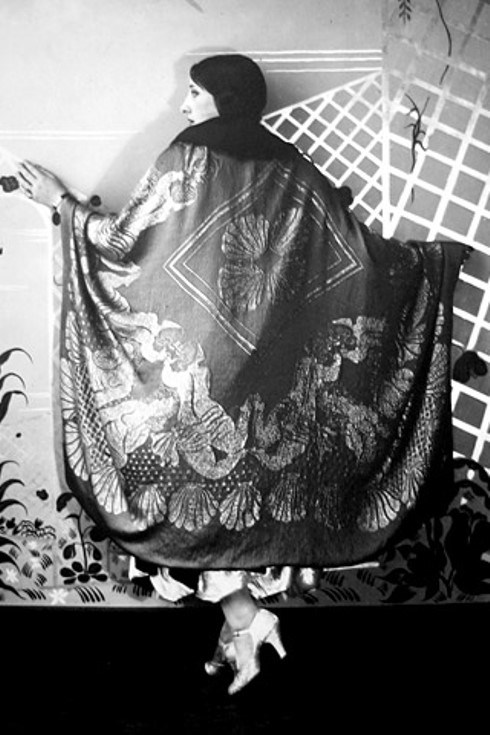
Poiret Amphitrite cape, the textile designed by Raoul Dufy, 1926.Denise wearing the Amphitrite cape by Poiretdenise poiret
Denise Poiret
Denise Poiret
.

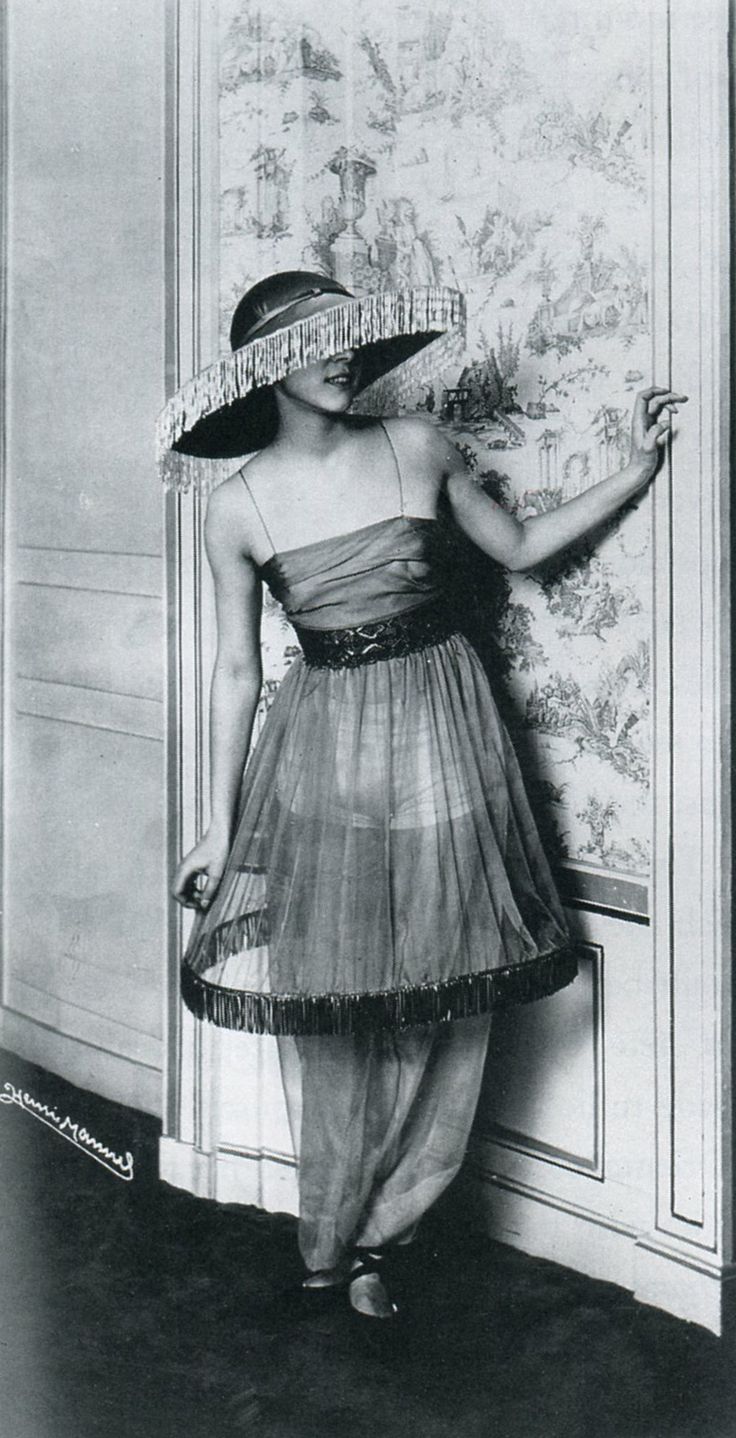
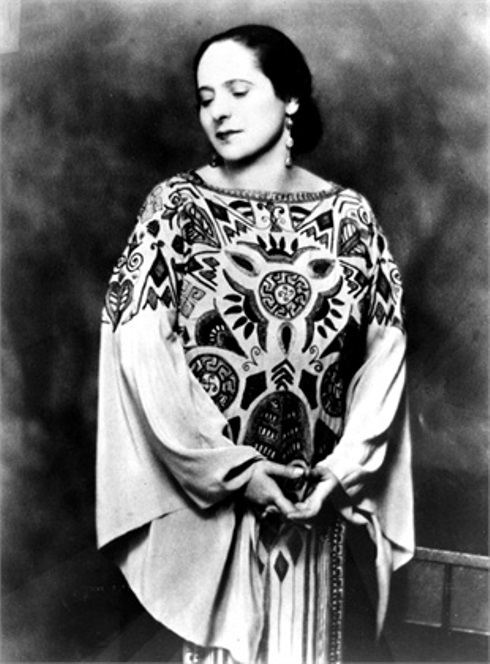
Every decade has its fortune-teller, a designer who, above all others, is able to divine and define the desires of women. In the 1910s, this oracle of fashion was Paul Poiret, known in America as “The King of Fashion.” In Paris, he was simply Le Magnifique, after Süleyman the Magnificent, a suitable nickname for a couturier who, alongside the great influence of Sergei Diaghilev’s Ballets Russes, employed the language of orientalism to develop the romantic and theatrical possibilities of clothing. Like his artistic confrere Léon Bakst, Poiret’s exoticized tendencies were expressed through his use of vivid color coordinations and mysterious silhouettes such as his iconic “lampshade” tunic,  “Kymono” coat and his “harem” trousers, or pantaloons. However, these orientalist fantasies (or, rather, fantasies of the Orient) have served to decline from Poiret’s more enduring innovations, namely his technical and marketing achievements. Poiret effectively established the canon of modern dress and developed the blueprint of the modern fashion industry. Such was his vision that Poiret not only changed the course of costume history but also steered it in the direction of modern design history..

..

Anecdote

Lady Asquith, wife of British Prime Minister H. H. Asquith, invites Poiret to show gowns at 10 Downing Street. Stories of half-nude models running amok at the prime minister’s residence cause a furor in the press and the resulting scandal almost forces Asquith to resign...
.
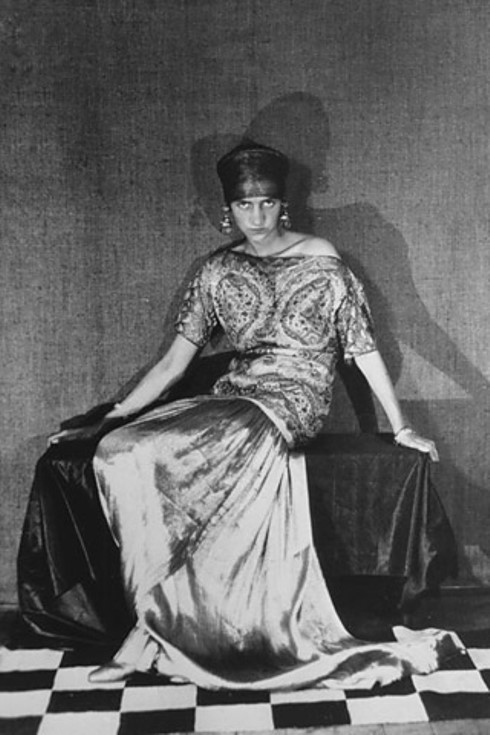
peggy gugenheim wearing poiret, by Man Ray 1923Peggy Gugenheim wearing Paul Poiret helena rubenstein 1926Helena Rubenstein in Poiret, 1926

...

Paul Poiret on Tour with his Collections

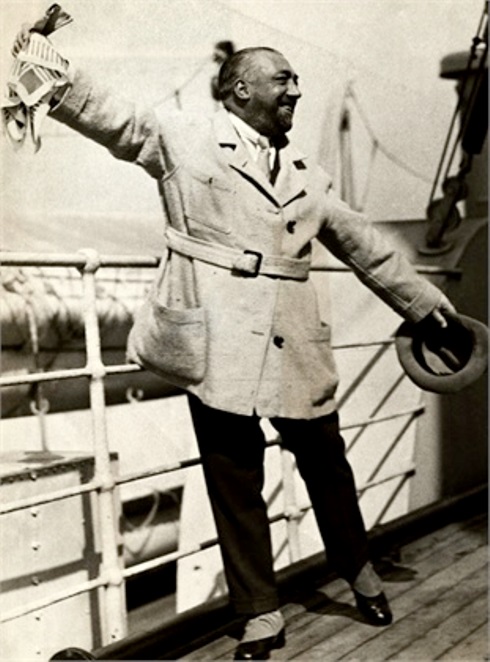
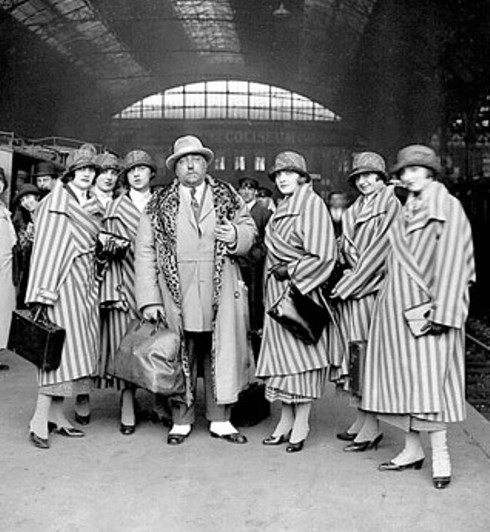
Historians consider Poiret the first haute couturier to have taken his collections on tour in Europe and America. He visited Berlin in 1910, and the next year went on a six-week trek (in a chauffeured car) to Moscow, St. Petersburg, Warsaw, Vienna, Frankfurt, Berlin, and Bucharest—where he was arrested for not having a proper permit. Poiret’s arrival in New York in 1913 was prefaced by an open letter from John Cardinal Farley warning against the temptations offered by “the demon fashion.”
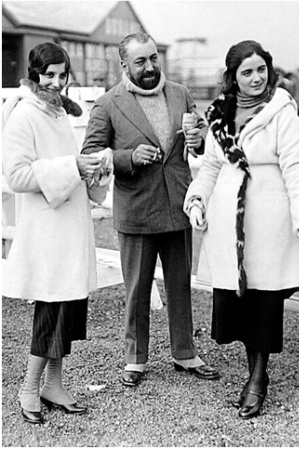
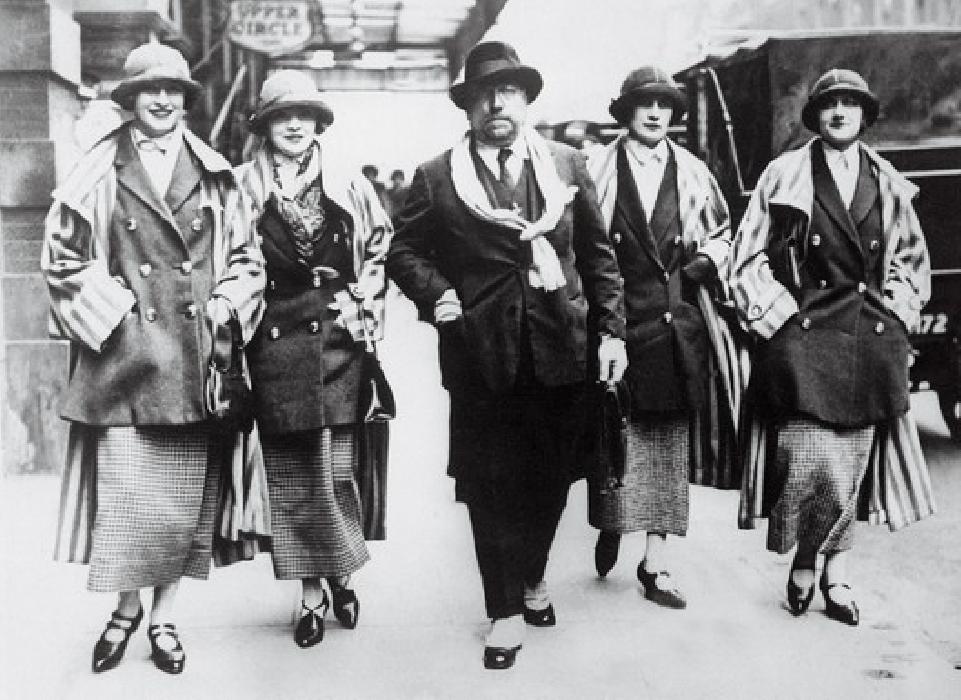
Poiret arriving in England

paul-poiret-with-models

Paul Poiret..paul poiret Paul Poiret was the first couturier to tour America
..
King of Fashion, The Autobiography of Paul Poiret
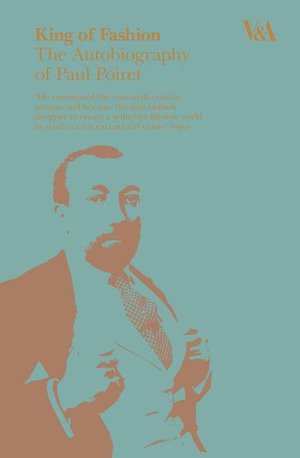
Book cover

An extraordinary story, Paul Poiret’s 1931 autobiography describes the meteoric rise of a draper’s son to become the “King of Fashion.” From his humble Parisian childhood to his debut as a  couturier to his experiences during WWI, Poiret reveals all in this captivating tale. A remarkable testament to the energy of the Art Deco movement, Poiret’s memoir recounts how his artistic flair, coupled with his exceptional and highly original cutting skills, enabled him to translate the spirit of the era into revolutionary garments. A clever businessman, Poiret describes the expansion of his fashion empire to encompass furniture, decor, and the first designer perfume, and recalls the extravagant Oriental garden parties at which his guests would parade his latest creations.
 
This book, out of print for decades, offers an evocative inside look at the life of a celebrated figure in fashion history.

. 5561b927a94f25259020eb8a406f5781

info: Voguepedia & Wikipedia
 
next week: Paul Poiret, Le Magnifique  (part 2)

A.G.Nauta couture: “One (or Two) of a kind” collection of handmade clothes for men

25 Mar

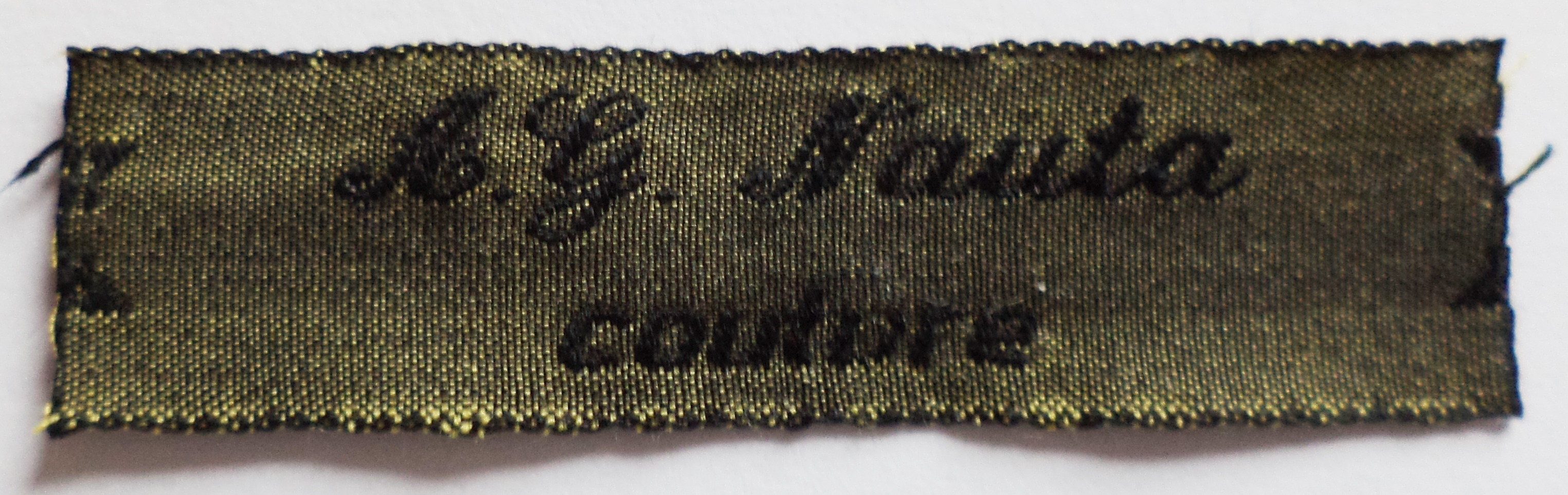
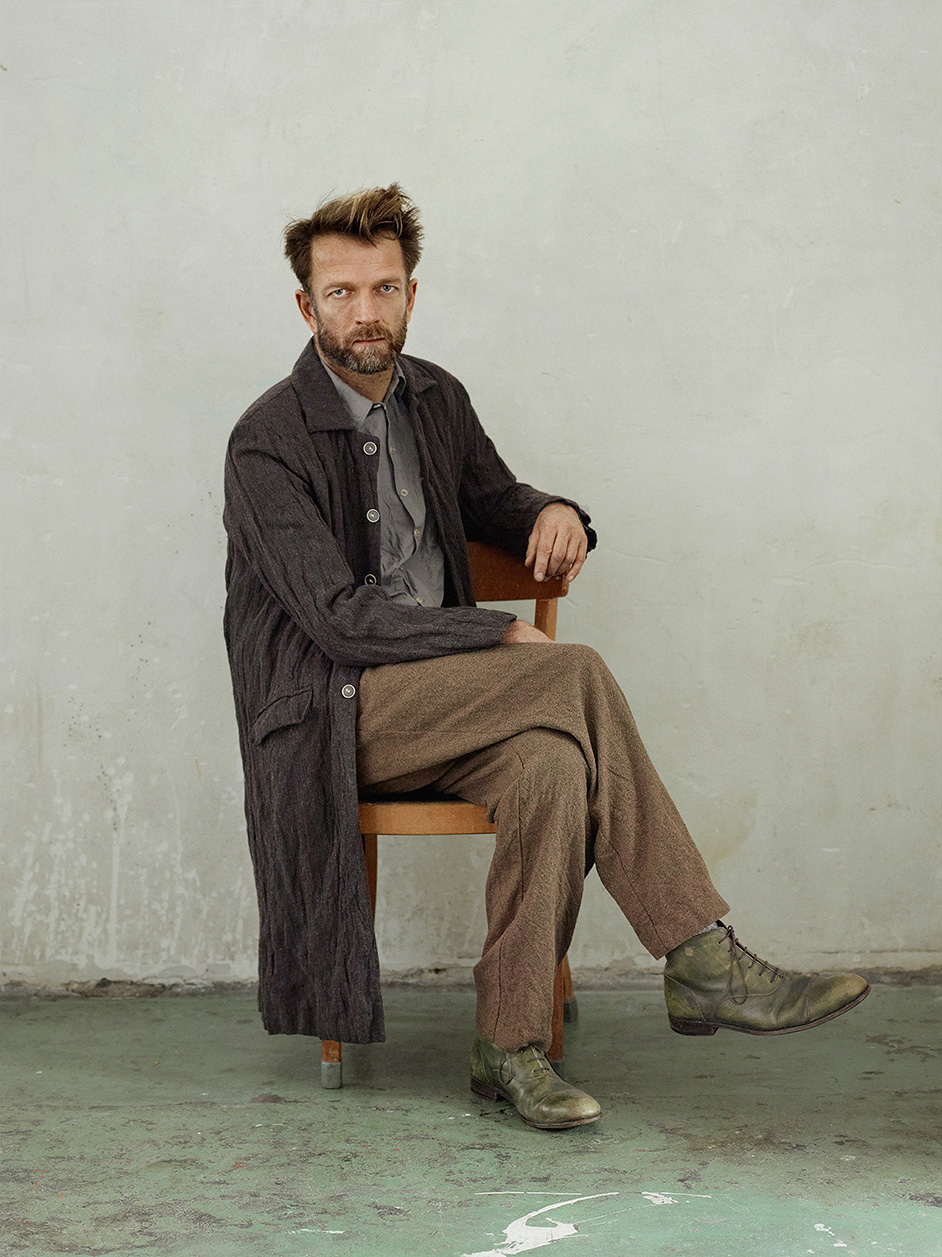
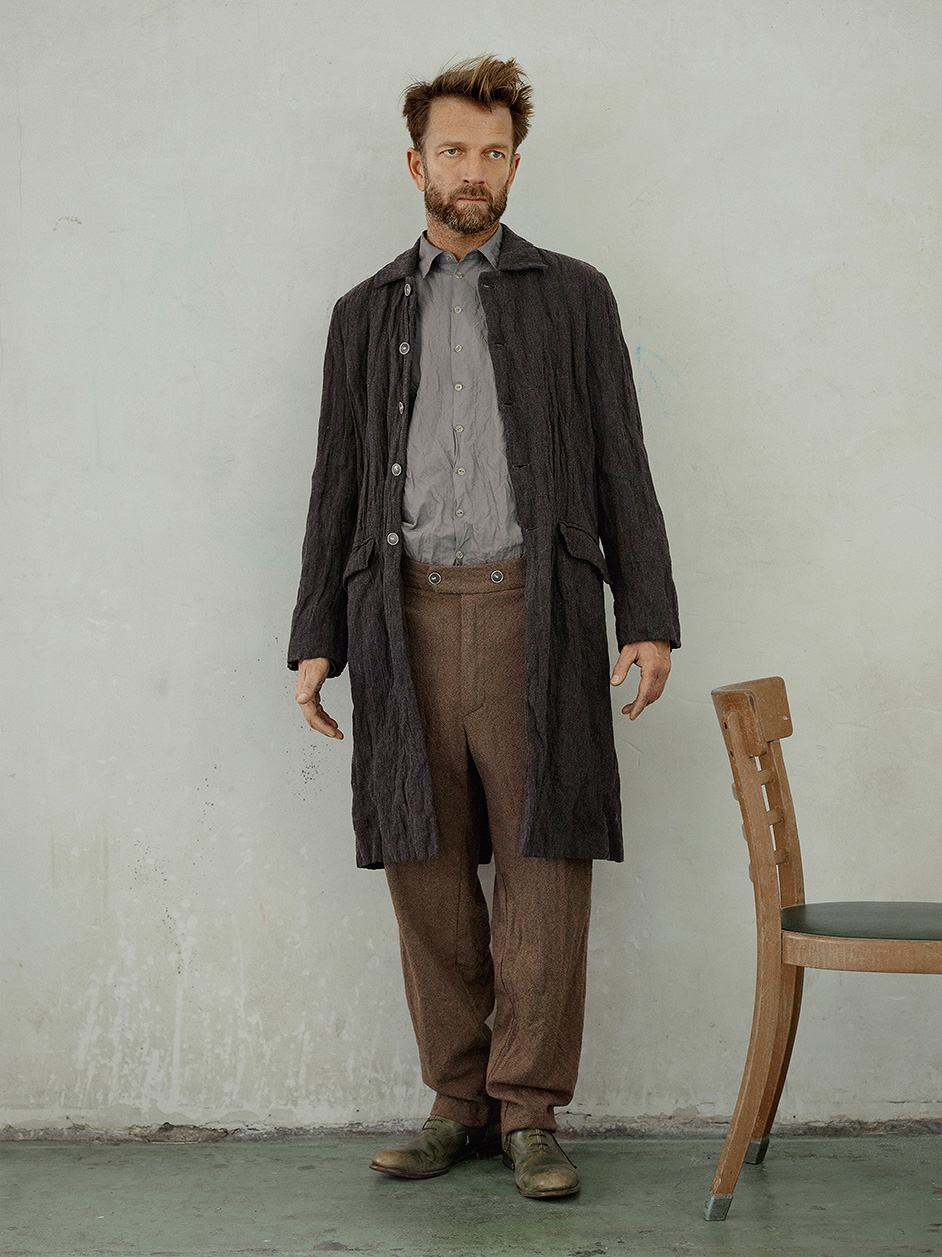
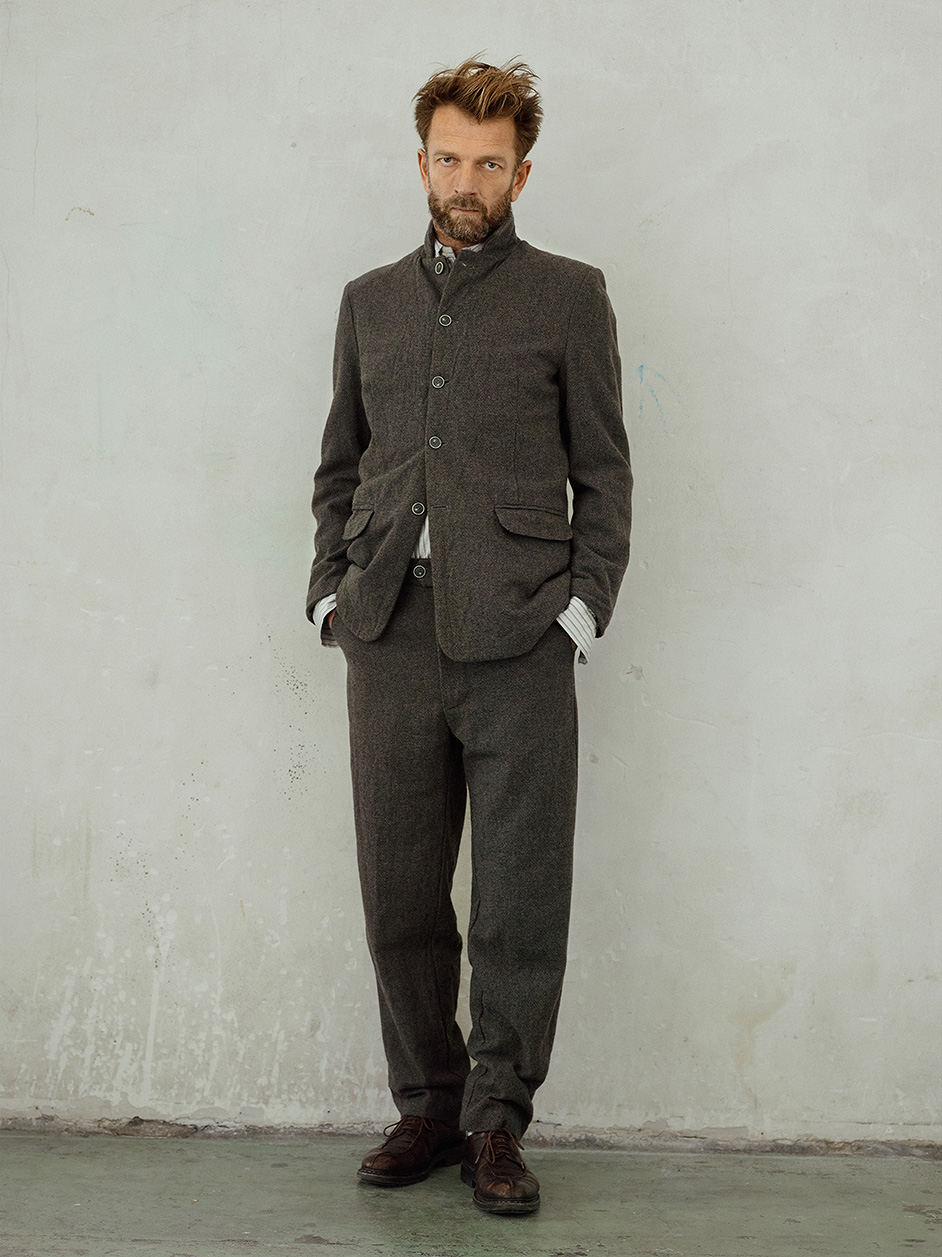
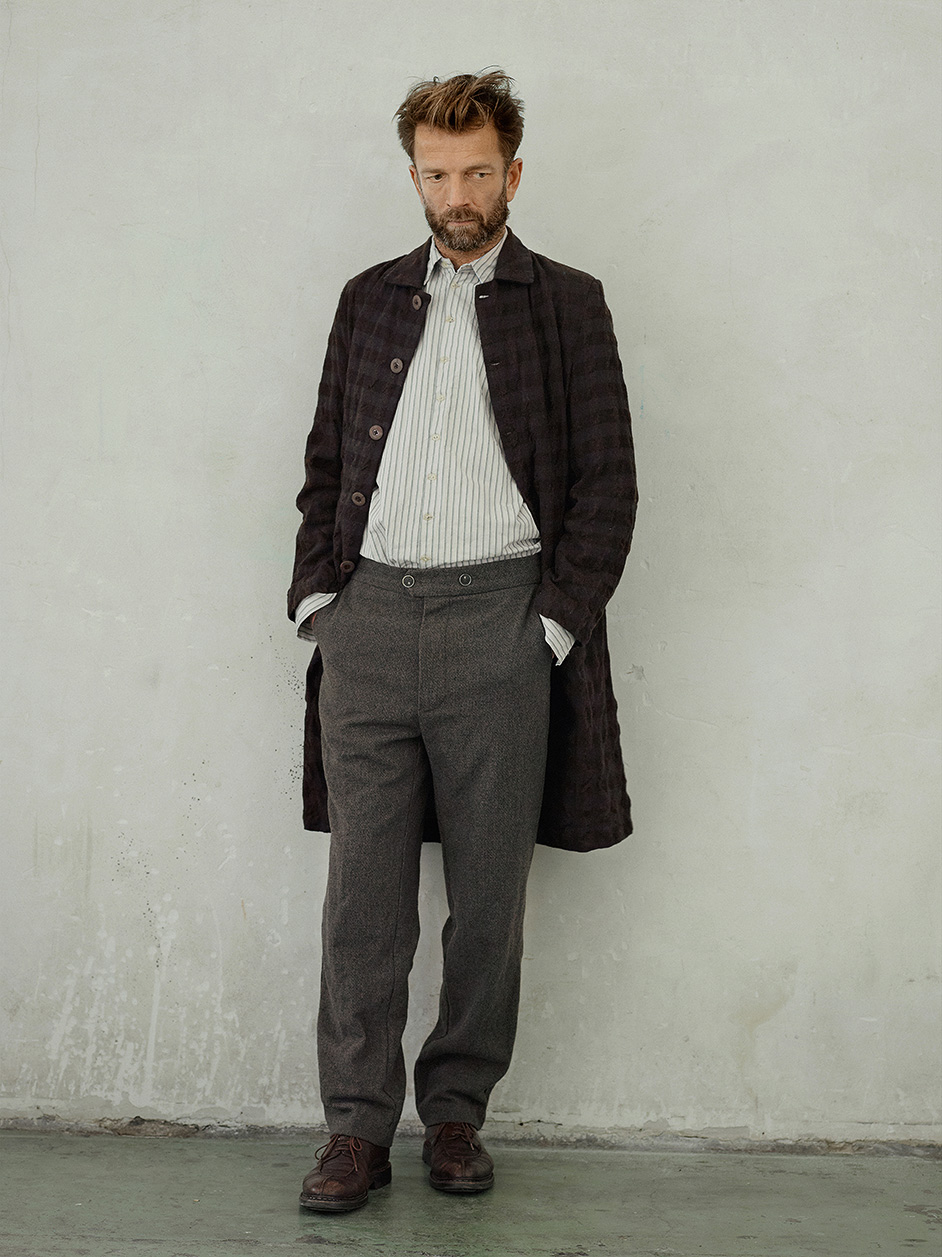
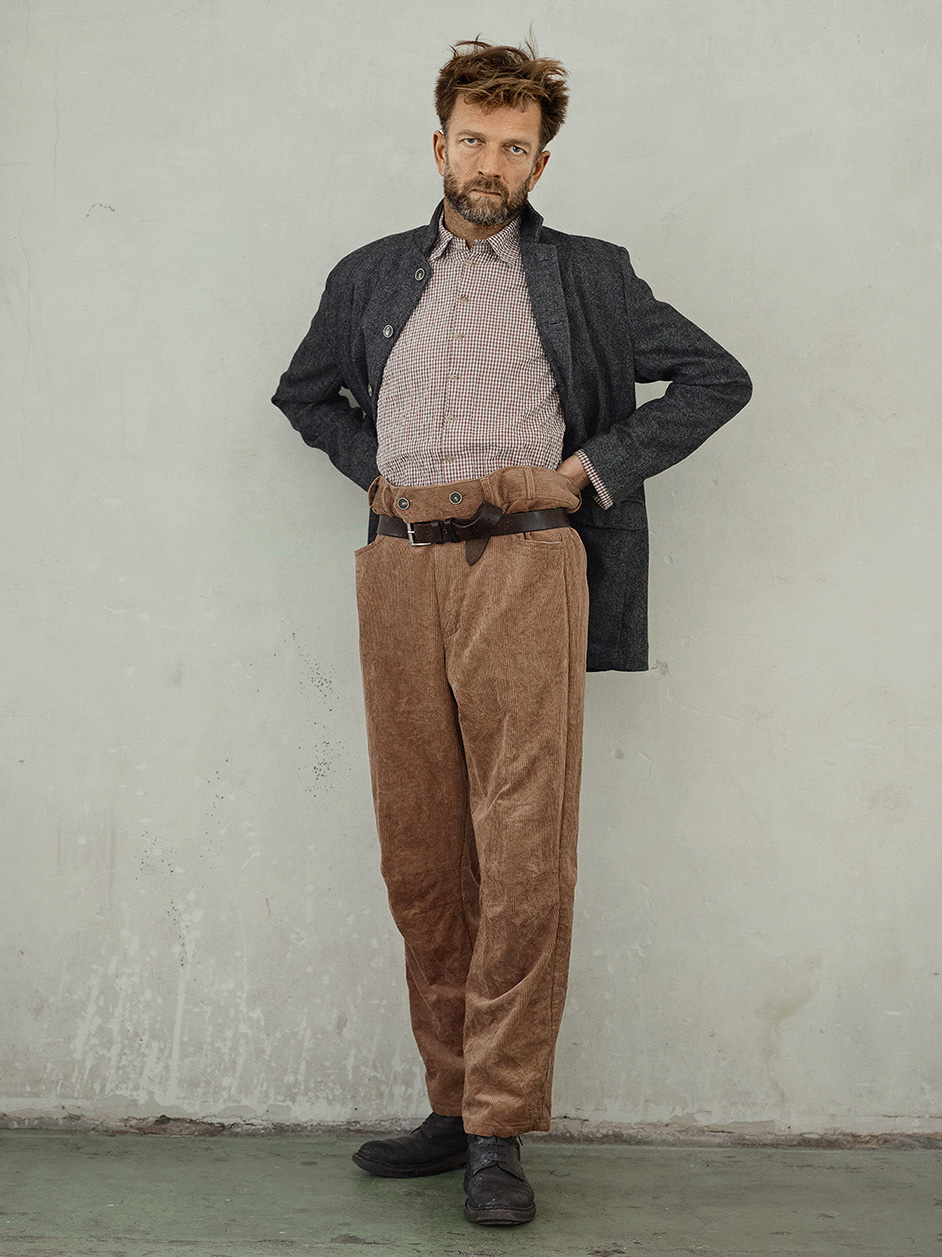
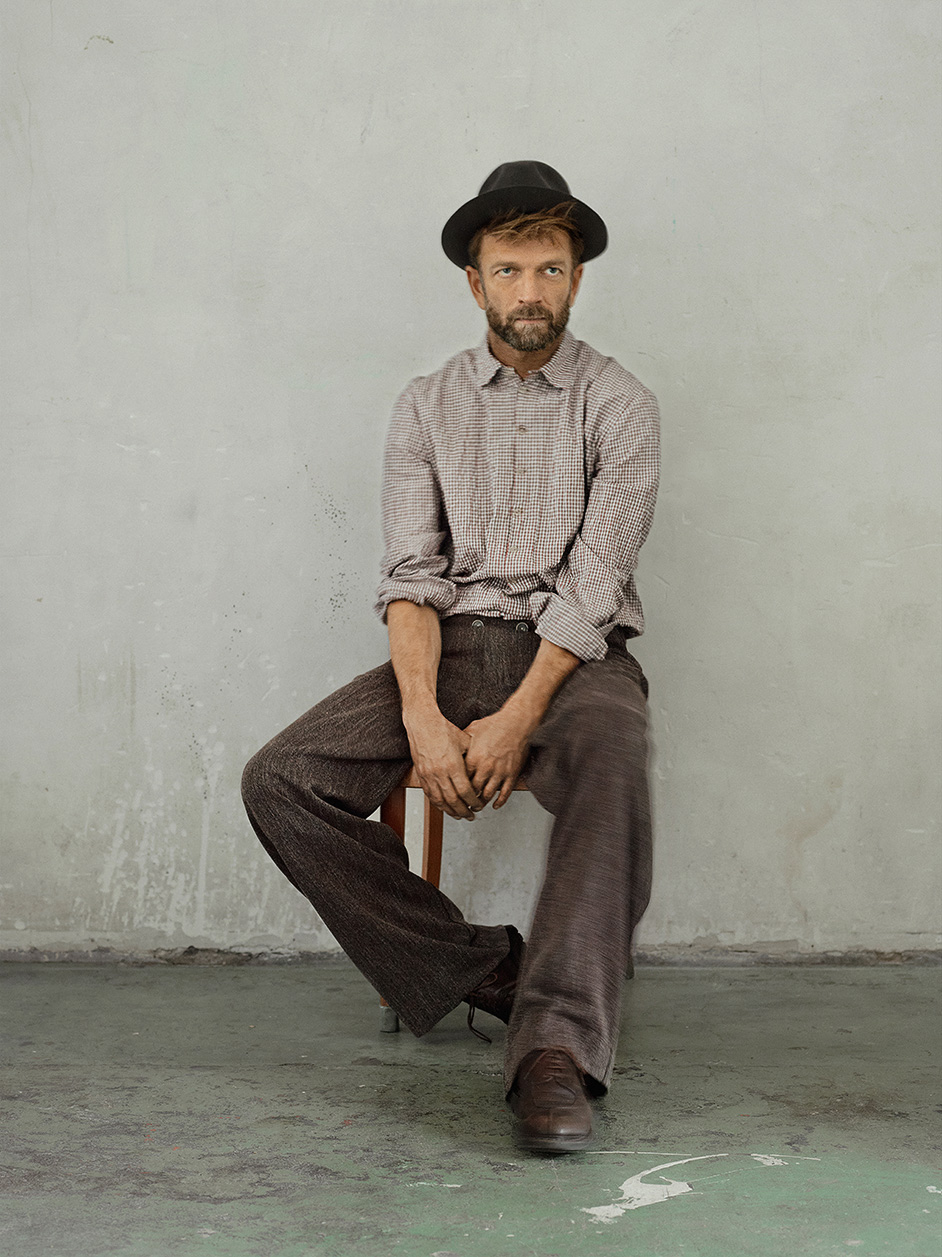
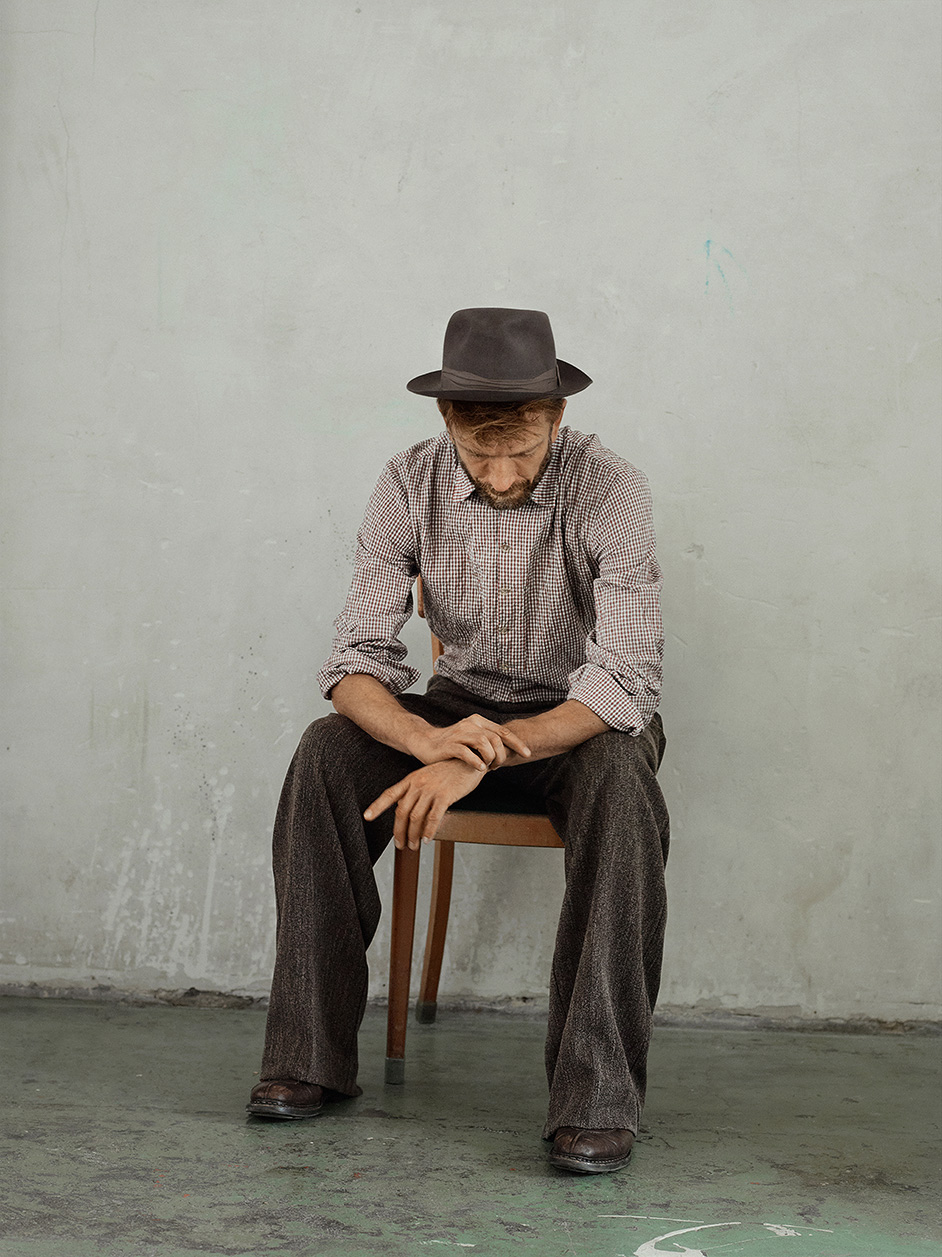
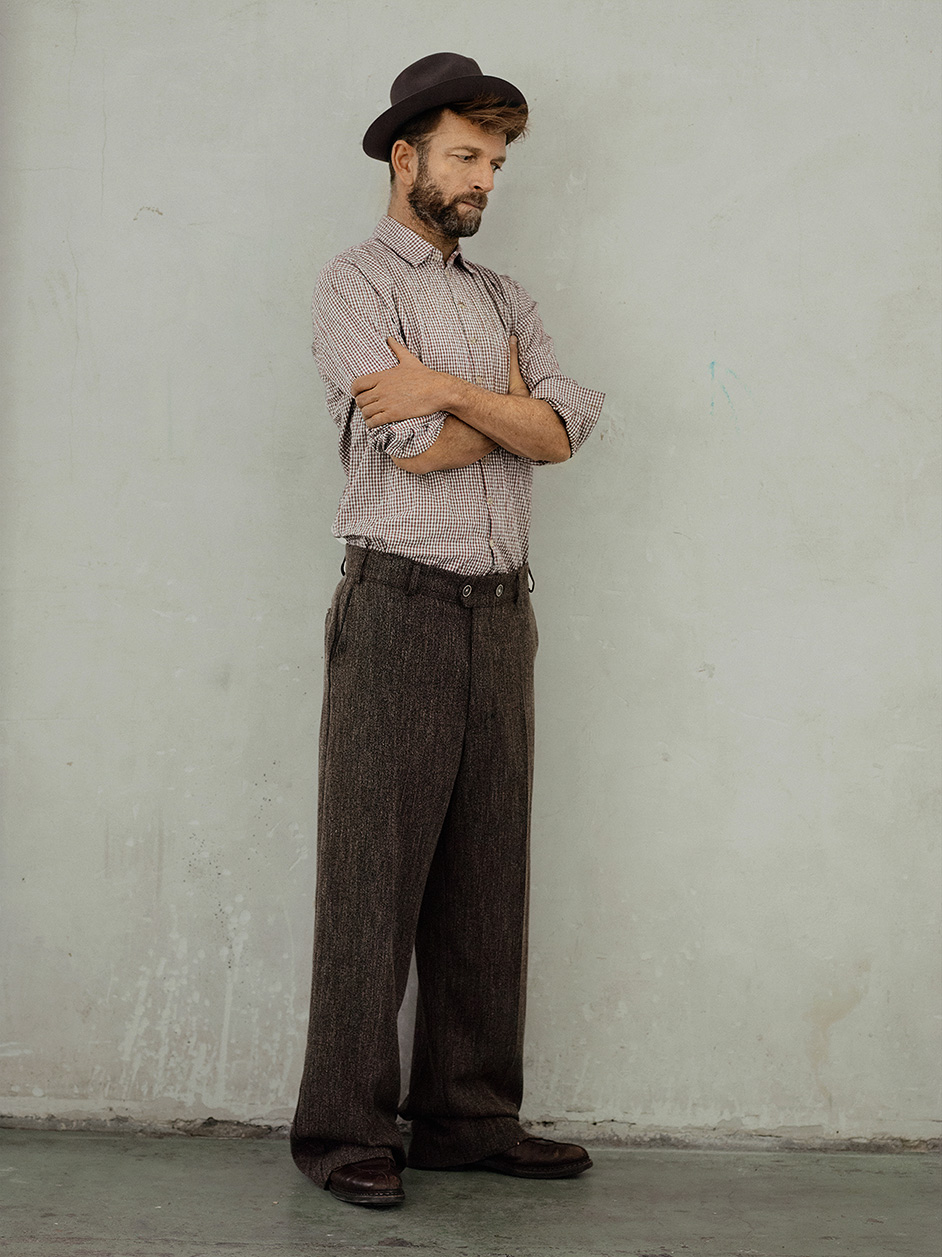
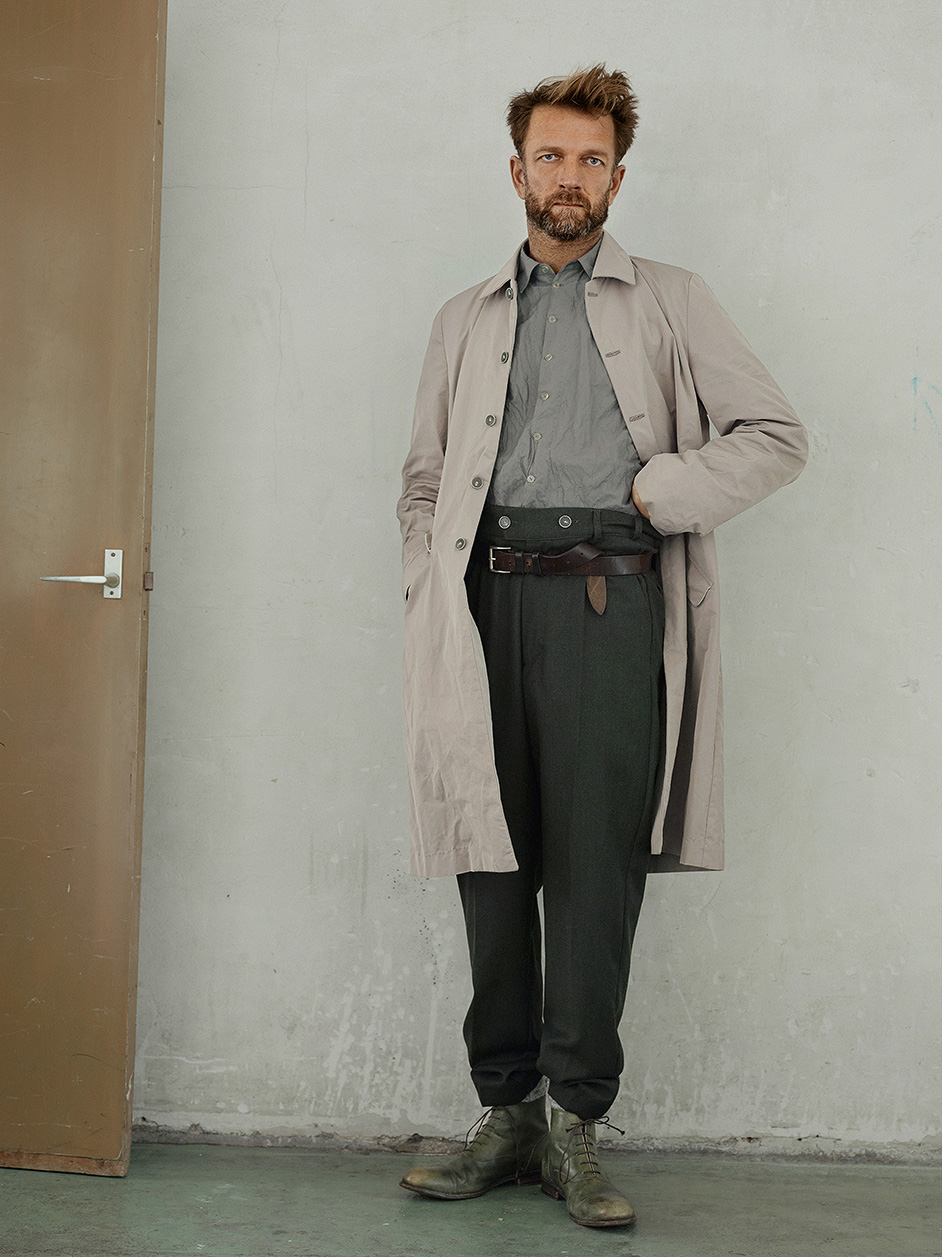
Label A.G.Nauta couture The “One (or Two) of a Kind” Collection for Men is a unique series of handmade clothes.  Only one or two items of the same fabric and/or colour are available within the collection, which contains trousers, shirts, jackets and coats.

The collection is inspired by the clothes worn in the 20’s to 40’s of the last century, but with a nowadays touch. Almost every item is made in wool, cotton, linen or viscose, pure or blends. Some of the fabrics are woven with very fine metal to secure a creased look.

All fabrics are pre-washed and after finishing an item, washed again. Some clothes get an extra treatment. All shirts, jackets, coats and most of the trousers are finished by visible hand stitching.

The online shop regularly gets new supplies!

A.G.Nauta couture

A.G.Nauta couture

A.G.Nauta couture

A.G.Nauta couture

A.G.Nauta couture

A.G.Nauta couture

A.G.Nauta couture

A.G.Nauta couture

A.G.Nauta couture

A.G.Nauta couture

.

photography:  Astrid Zuidema                              http://www.astridzuidema.com
.
modeled by artist/painter:  John Biesheuvel      http://johnbiesheuvel.com/
.
special thanks to Dave Fikkert for Photoshop
.
 and special thanks to Eddy de Clercq for inspiration
.

Photographs with or without a Story, like The Critic, Dovima with Elephants & Mainbocher Corset

23 Mar

The Critic by Weegee

The Critic

by Weegee

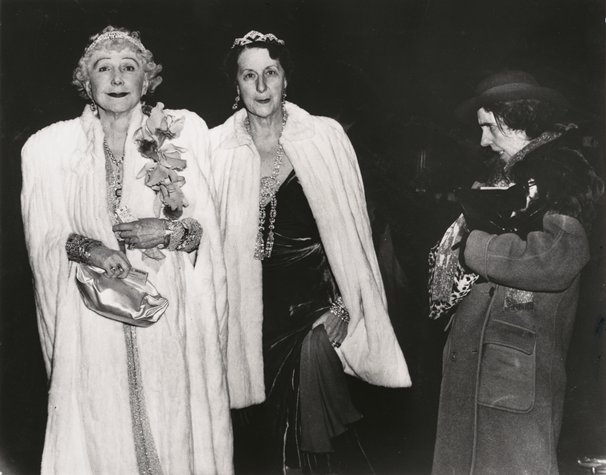
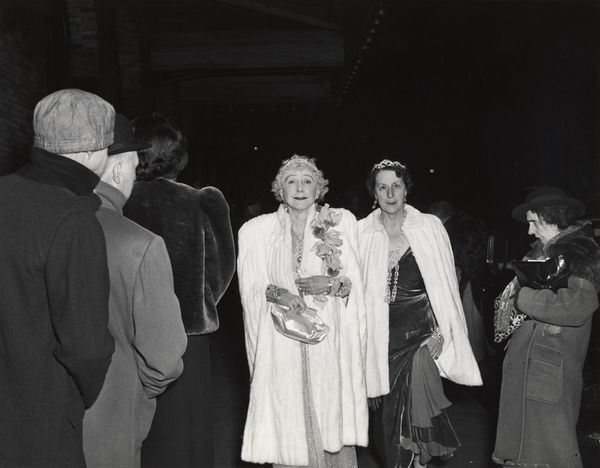
Originally titled The Fashionable People, this photograph is not the  journalistic coup it appears to be, but rather a setup planned in advance by the  photographer, Arthur H. Fellig, nicknamed Weegee.

On opening night at New York’s Metropolitan Opera in 1943 — the 60th  anniversary of the company and thus its Diamond Jubilee — Weegee sent an  assistant to Sammy’s Bar in the Bowery to pick up the drunken woman shown at  right. Weegee positioned himself for the picture as the woman encountered Mrs.  George Washington Kavanaugh and Lady Decies, two well-known art patrons often  featured in New York society pages. The setup is typical of the photographer,  who was enamored with stark juxtapositions of rich and poor, young and old, dead  and living.

The Critic, 1943.  Mrs Cavanaugh and friend entering the opera.The original photograph which was cropped later.

The picture, bearing the title The Fashionable People, was first published in Life magazine on December 03, 1943. It was renamed The  Critic in Weegee’s book The Naked City (1945).

.

.

Yves Saint-Lauren Outside Church Where Dior’s Funeral Was Held

by Loomis Dean, 1957

Yves saint LaurentA young man with the weight of the world on his shoulders

.

.

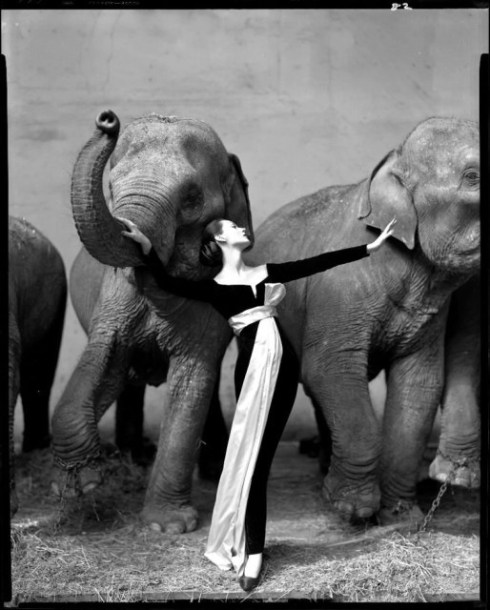
Dovima with Elephants

by Richard Avedon, 1955

Dovima by Avedon

When it took place, New York-born Avedon was 32 and had been a professional  photographer for ten years. He had been recruited to work as a staff  photographer for Harper’s Bazaar in1945 soon after completing his military  service, by the influential art director Alexey Brodovitch. Avedon, with his  enthusiasm, inventiveness and instinctive visual flair, soon established himself  as a significant new voice in fashion photography.
.
Although most  conventional fashion images after the Second World War were shot in the studio, Avedon often created his images outside, posing his models in streets, cafés and  casinos. Influenced by the Hungarian photographer Martin Munkacsi, he rejected  conventional static poses and instead pictured the models in motion and using  expressive gestures. The model chosen for the Cirque d’hiver shoot was  known as Dovima. Her real name was Dorothy Virginia Margaret Juba, but she  created her professional name from the first two letters in her three given  names. Tall and slender, Dovima epitomised 1950s style and was said to be one of  the highest-paid models of the period. She and Avedon often worked  together and Dovima later commented that the two of them ‘became like mental  Siamese twins, with me knowing what he wanted before he explained it. He asked  me to do extraordinary things, but I always knew I was going to be part of a  great picture.’ For this particular Harper’s Bazaar shoot, Dovima was asked to  pose close to four circus elephants. The shoot took place on a hot summer’s day. Avedon later recalled that when he entered the area where the elephants were kept, he saw that the animals were beautifully lit by natural light. ‘I saw the elephants  under an enormous skylight and in a second I knew… there was the potential here  for a kind of dream image.’
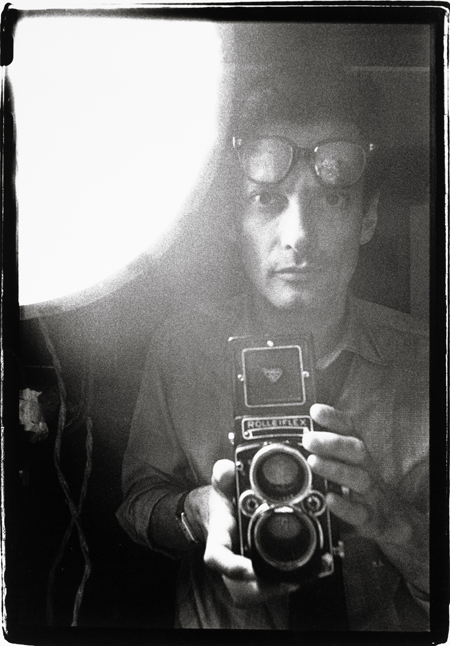
Richard Avedon
Richard Avedon, selfportrait
 .
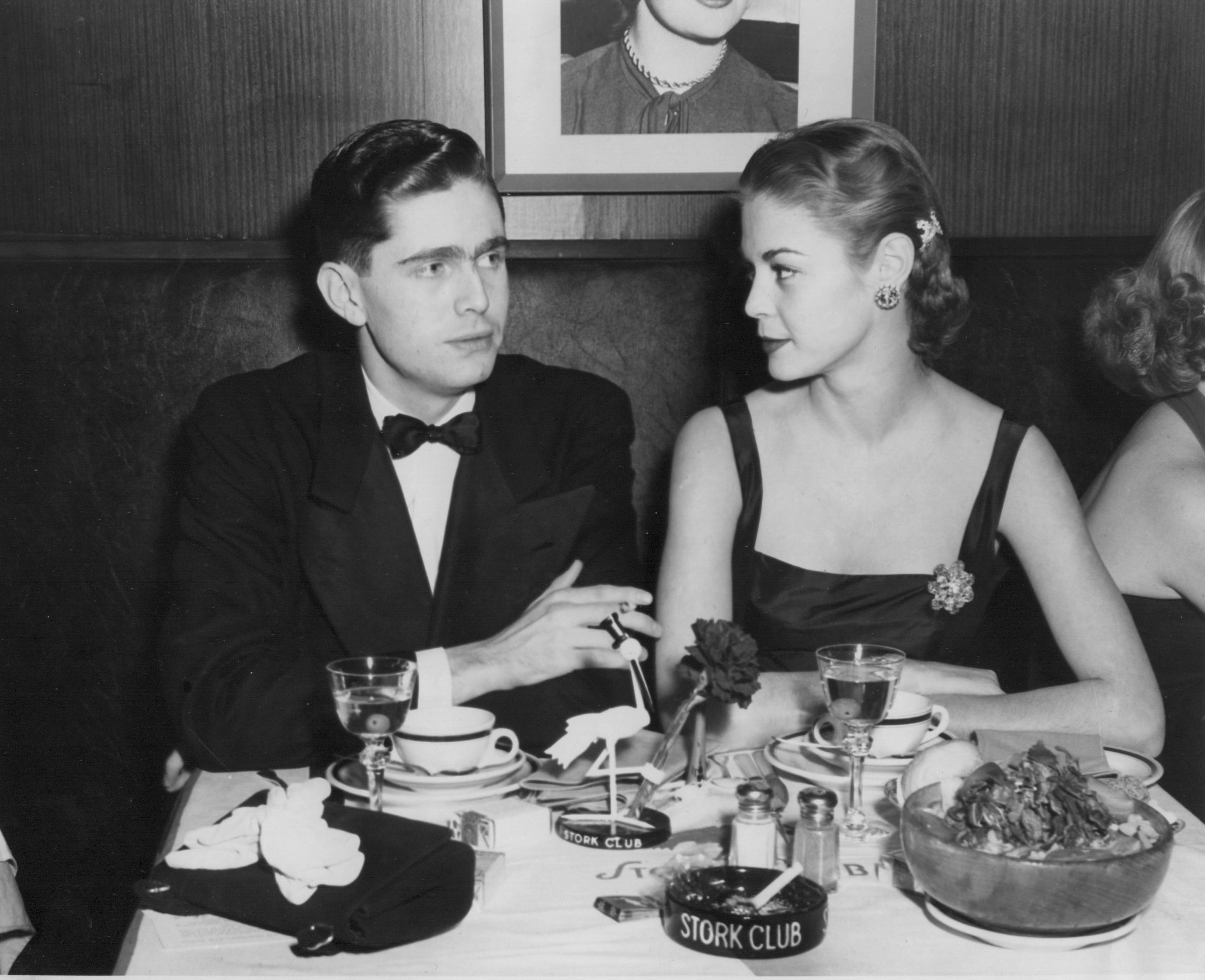
In the most famous image from the shoot,  Dovima is shown in an ankle-length black evening gown with a white sash. It was  the first dress designed for Dior by his 19-year-old assistant, Yves  Saint-Laurent. Although the elephants each had one foot chained to the floor,  they were still potentially dangerous and Dovima had to hold her nerve as they  moved restlessly behind her. She is shown striking a graceful, narcissistic  pose, her eyes almost closed, with one hand resting on an elephant’s trunk.  The picture has become iconic for a number of reasons. First, it’s almost  surreal juxtaposition of the model and elephants is visually arresting and  unexpected, combining fantasy and reality. Second, it is beautifully lit and  elegantly posed. Finally, the picture represents a contrast of opposites: youth  and age, strength and frailty, grace and awkwardness, freedom and captivity. The  picture’s rich combination of qualities elevates it beyond the standard fashion  image and into the realm of high art.
.
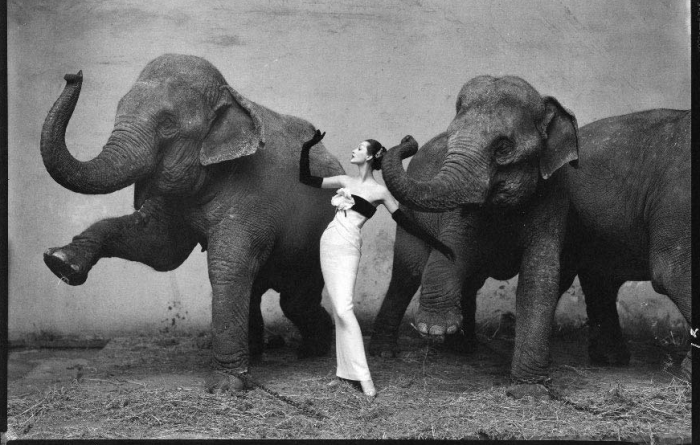
Avedon’s photograph was considered  revolutionary when first published in Harper’s Bazaar in September 1955. It was  shown as part of a 14-page report on the latest Paris fashions, together with  another picture of Dovima posing with the elephants. In the second picture, she  was in a white dress with long black gloves. This latter image, however, lacks  the impact of the first and is rarely printed; Avedon stated that the negative  of this image ‘disappeared mysteriously.’
Dovima by Avedon
Avedon went on to become one of  America’s most celebrated and influential photographers, particularly for his  fashion and portraiture, and was still creating new work up to his death at the  age of 81 in 2004. Dovima, however, was less fortunate. After her modelling  career ended she appeared in a few minor film roles before ending her working  life employed as a pizza restaurant hostess. She died in 1990, aged 62. ‘She was  the last of the great elegant, aristocratic beauties,’ said Avedon, ‘the most  remarkable and unconventional beauty of her time.’
.
‘Dovima with  Elephants’ is widely regarded as one of the most iconic fashion photograph of  the 20th century. Avedon recognised its importance and displayed a large print  of the image in the entrance to his studio for more than 20 years. He  nevertheless remained unsatisfied with it. ‘I look at that picture to this day  and I don’t know why I didn’t have the sash blowing out to the left, to complete  the line of the picture,’ he said late in life. ‘The picture will always be a  failure to me because that sash isn’t out there.’ 
info Dovima with Elephants: http://www.amateurphotographer.co.uk/
.
.

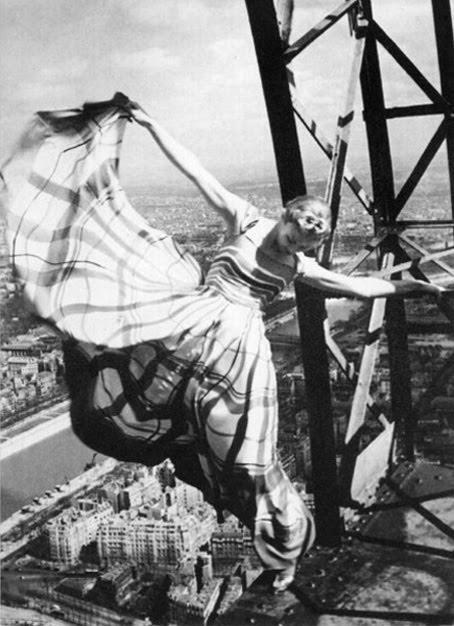
Lisa Fonssagrives on the Eiffel Tower

by Erwin Blumenfeld, 1939

Erwin BlumenfeldErwin Blumenfeld’s original set of photos featuring Lisa Fonssagrives swinging from the girders of the Eiffel Tower in a Lucien Lelong dress appeared in May 1939 Vogue.

.

.

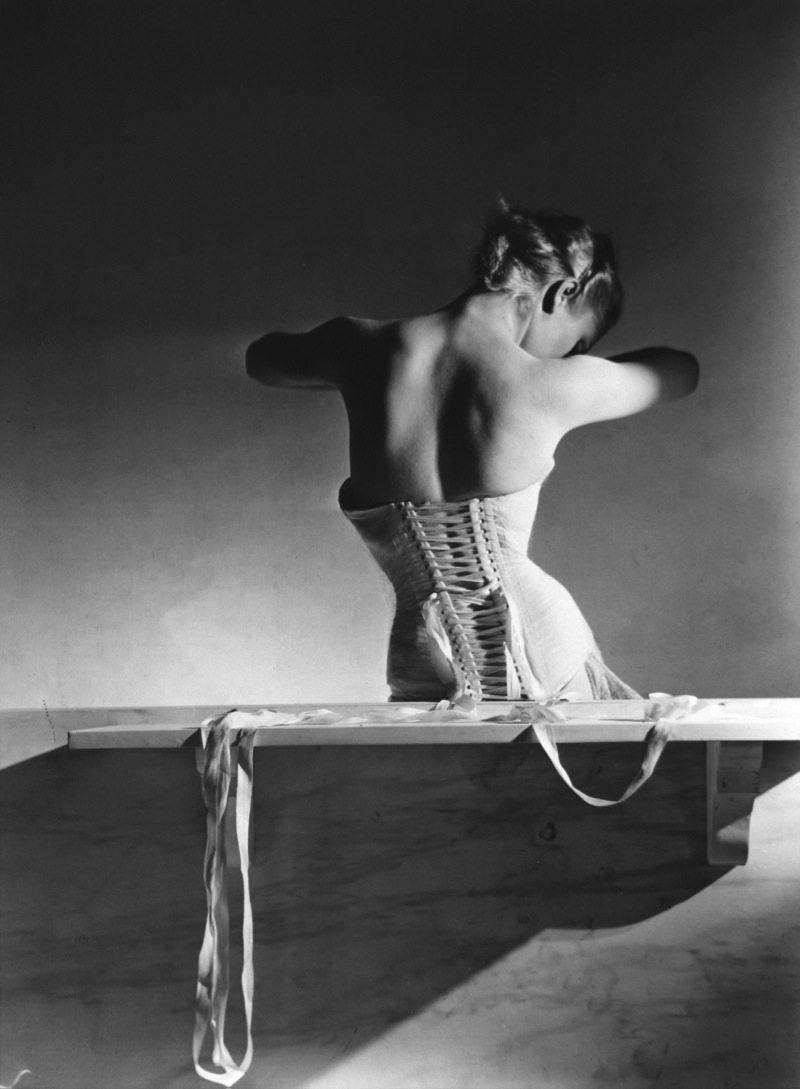
Mainbocher Corset

by Horst P. Horst, 1939

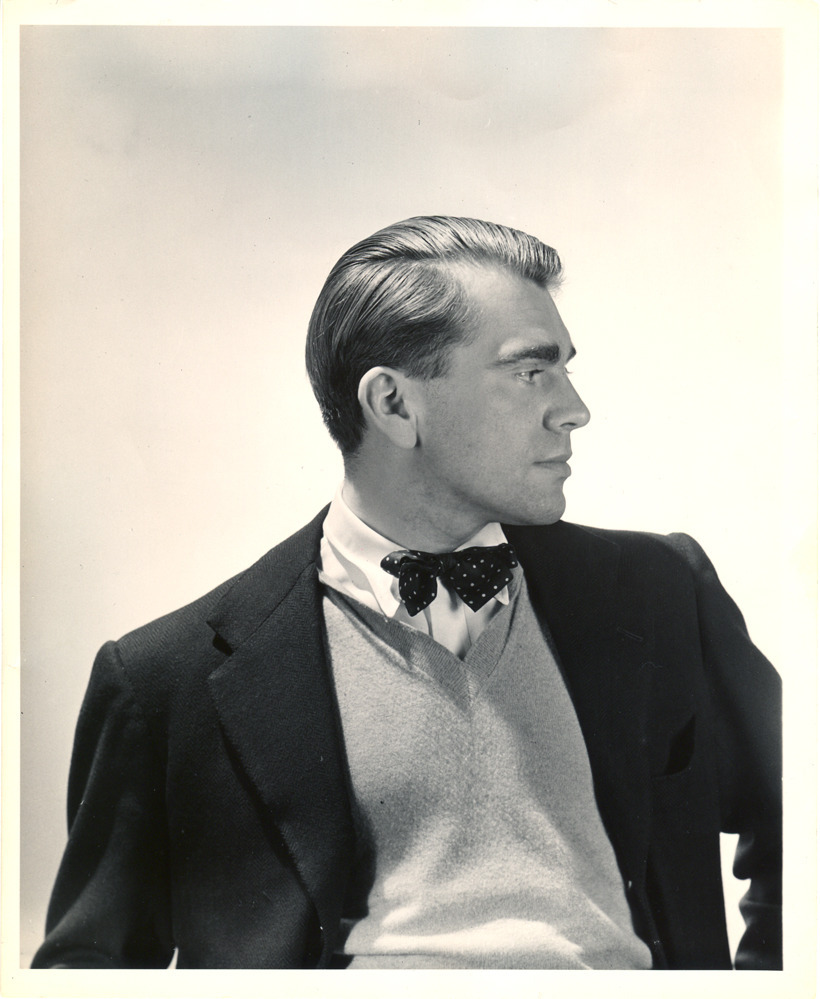
Horst P. Horst

In August 1939, on the eve of the Second World War, Horst P. Horst (called a master of dramatic lighting ) took his famous photograph of the Mainbocher Corset in the Paris Vogue studios on the Champs-Elysees. The picture, which marked the end of his work for some time, later became his most cited fashion photograph.

Many consider the photograph to be Horst P. Horst’s best work, an opinion that the photographer himself would probably agree with, for otherwise, how is one to explain that he chose the motif almost as a matter of course for the cover of his autobiography Horst – His Work and His World? 

Lucile Brokaw on Long Island Beach' by Martin MunkácsiLucile Brokaw on Long Island Beach' by Martin Munkácsi, 1933

.

Horst P. Horst photographed his Mainbocher Corset in the studios of the Paris Vogue in 1939. Only a few years earlier, Martin Munkacsi had let a model in light summer clothing and bathing shoes run along the dunes of a beach – freedom, adventure, summertime, sun, air, movement, sporty femininity – all caught by a photographic technique schooled in photojournalism. Munkacsi’s picture, first published in the December 1935 issue of Harper’s Bazaar, caused a sensation. Munkacsi photographed with a Leica, and the photographer moved to keep up with the moving object. Horst in contrast favored the large camera mounted on a stand and a focusing screen that allowed him to calculate his photograph down to the last detail. In other words, Horst sought to produce elegance as the outgrowth of intuition and hard work. How long did he pull at the bands, turn and twirl them, until they arrived at the right balance on an imaginary scale between insignificance and the determining factor in the picture! Occasionally he spoke of “a little mess” that he carefully incorporated into his pictures. 

Horst P. HorstPortrait of Horst P. Horst, by Cecil Beaton
.

Horst had photographed his famous study on the very eve of the coming catastrophe. “It was the last photograph I took in Paris before the war”, he later recalled, “I left the studio at 4:00 a.m., went back to the house, picked up my bags and caught the 7.00 a.m. train to Le Havre to board the Normandie. We all felt that war was coming. Too much armament, too much talk. And you knew that whatever happened, life would be completely different after. I had found a family in Paris and a way of life. The clothes, the books, the apartment, everything left behind. I had left Germany, George (Hoyningen-Huene, chief of photography of the French Vogue, who, in 1931 met Horst, the future photographer, who became his lover and frequent model) had left Russia, and now we experienced the same kind of loss all over again. This photograph is peculiar – for me, it is the essence of that moment. While I was taking it, I was thinking of all that I was leaving behind.” 

info the Mainbocher Corset: http://onlyoldphotography.tumblr.com/
.
.

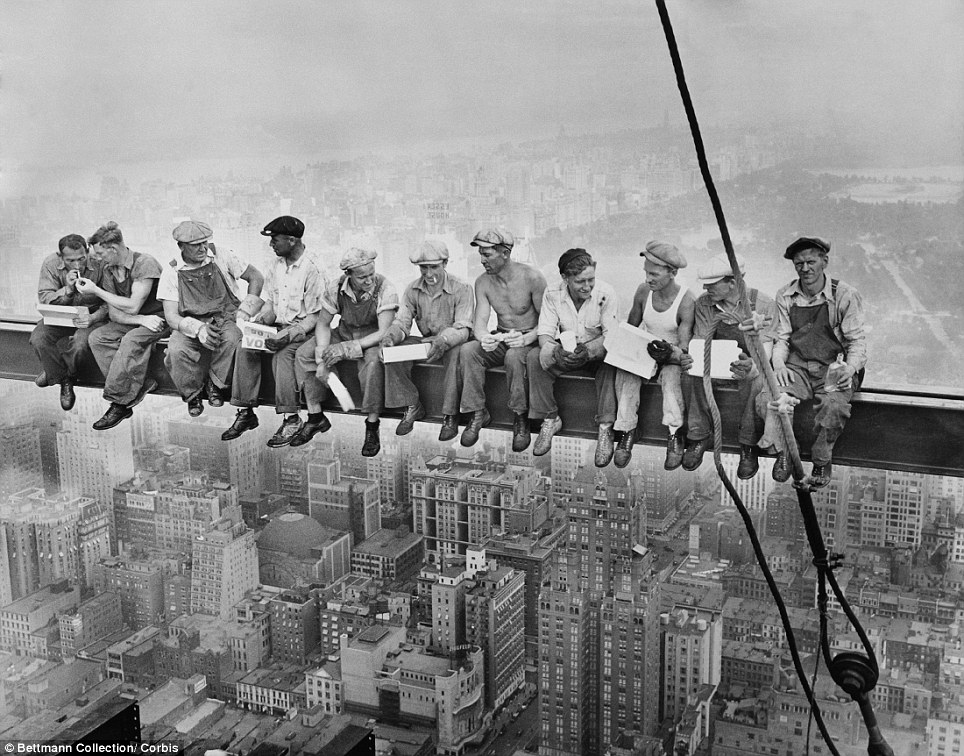
Men at Lunch

by  Charles Clyde Ebbets / unknown, 1932

men at lunch, charles c. Ebbets

A famous black-and-white photograph taken during construction of the RCA Building (renamed the GE Building in 1988) at Rockefeller Center .

The photograph depicts eleven men eating lunch, seated on a girder with their feet dangling 256 meters (840 feet) above the New York City streets. The men have no safety harness, which was linked to the Great Depression, when people were willing to take any job regardless of safety issues. They probably had a plank floor just some meters below them. The photo was taken on September 20, 1932 on the 69th floor of the RCA Building during the last months of construction. According to archivists, the photo was in fact prearranged. Although the photo shows real construction workers, it is believed that the moment was staged by the Rockefeller Center to promote its new skyscraper. The photo appeared in the Sunday photo supplement of the New York Herald Tribune on October 2. The glass negative is now owned by Corbis who acquired it from the Acme Newspictures archive in 1995.

Formerly attributed to “unkown”, it has been credited to Charles C. Ebbets since 2003 and erroneously to Lewis Hine. The Corbis corporation is now officially returning its status to unknown although sources continue to credit Ebbets.

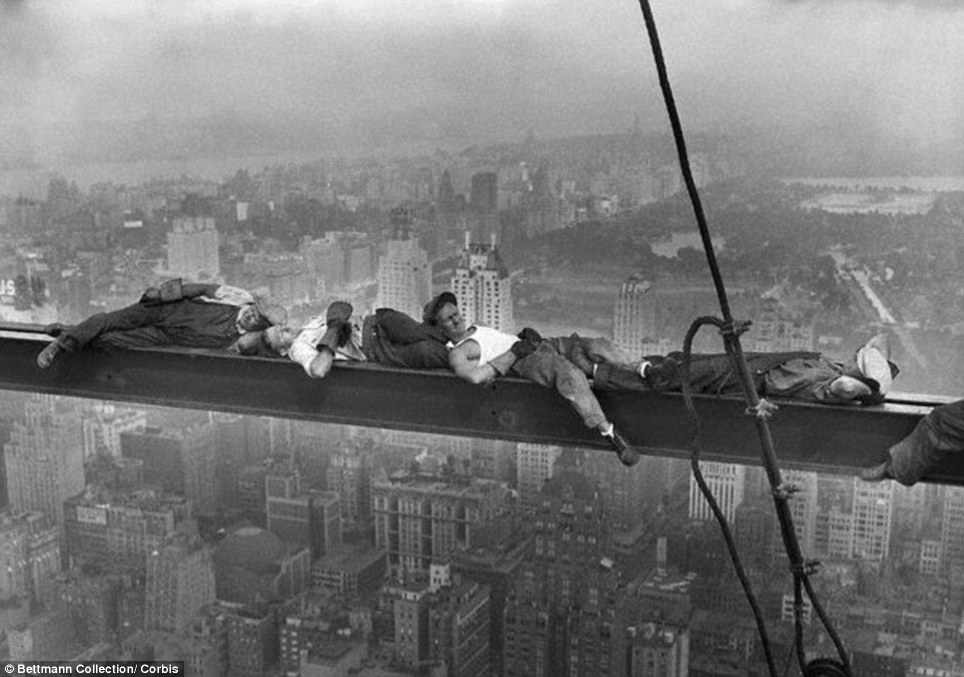
Resting on a Girder. by Charles Glyde EbbetsResting on a Girder by Charles C. Ebbets/ unknown
.

The same day, just a few hours later the photographer takes another picture at the same location, only this time the men on the girder are taking a break and resting.

.

Documentary: Men at Lunch

promo

Taken in September 1932 during the construction of Rockefeller Center, the iconic image speaks to the American dream and the immigrant experience at the height of the Depression, with daredevil workers at ease in their natural habitat, 800 feet above the street. This 2012 documentary zooms in on the hugely popular picture, whose actual photographer and subjects remain a mystery. New research yields clues to their possible identities, though the universal nature of the image is such that many are inclined to believe their father or uncle is one of the fearless workers. As one scribe wrote, they “lived on the thin edge of nothingness.” Two percent of skyscraper construction workers died on the job, the film says, or an average of one man for every 10 floors. And yet despite the daily danger, the jobs were coveted because of their high wages at a time when work was scarce. The film defends the photo against claims that it is a fake, though it probably was staged, the film concedes. But that doesn’t detract from its authenticity. It’s one of those rare photos in which everything comes together, making it work on every level. Though this film is only 67 minutes, it does start to feel a little padded near the end, but it’s still a fascinating study of a uniquely American tableau.

http://www.amazon.com/Men-at-Lunch-Fionnula-Flanagan/dp/B00F64PA1O

.

.

Jean Patchett, Ernest Hemmingway & a Television Broadcast (part 2)

16 Mar
jean_patchett.

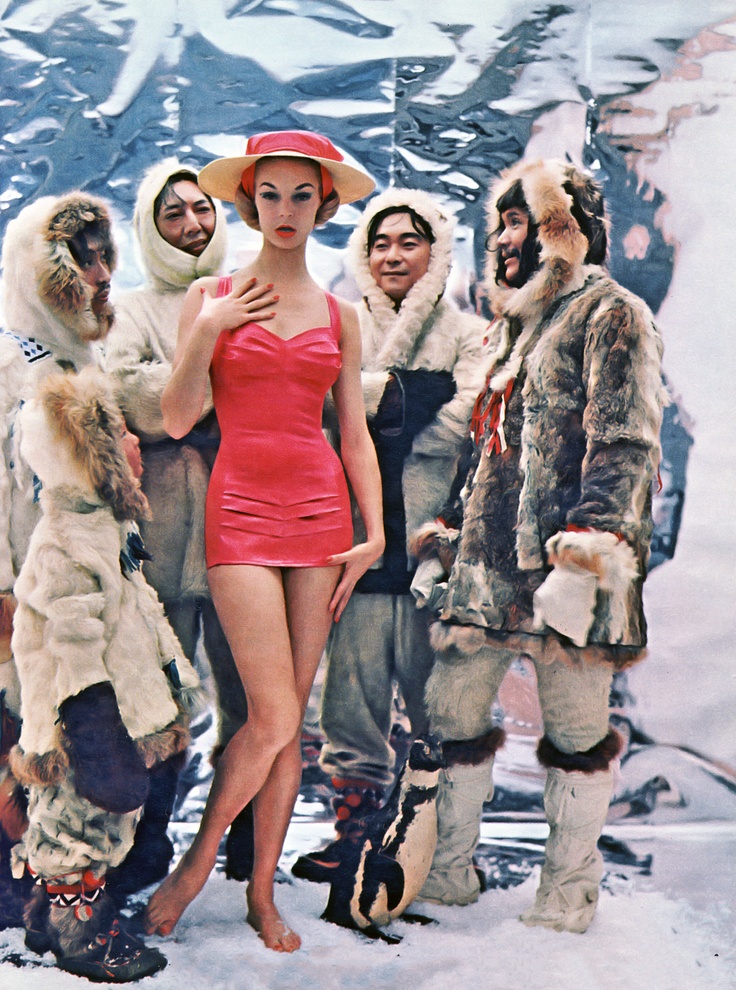
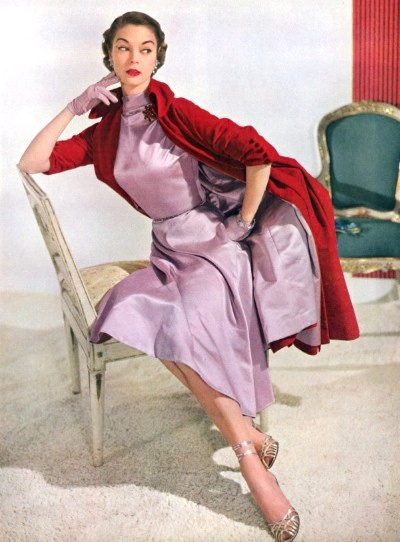
Jean Patchett’s features, delightful as they were, were not responsible for making her the most sought after, the busiest, and the most successful photographic model in New York in the 40’s & 50’s. Jean was a highly paid models because of a blemish. She had a mole next to her right eye which she darkened with an eyebrow pencil to make it more prominent. For the mole became her trademark. Manufacturers of every product from toothpaste to fashions, and jewelry to luxury cars insisted on having the girl with the mole in their advertisements. The same happened to Cindy Crawford in the 90’s.

“Photographers used to retouch the pictures they made of me very carefully, to remove the mole,” Jean said. “It used to make me angry, so out of defiance, I began to darken it with eyebrow pencil. Then one photographer left it alone and the
advertising people started asking for me. That’s how it all began.”

Jean Patchett

Jean Patchett

jean patchett

jean patchett

jean patchett.

If a picture is worth a thousand words, then Jean Patchett’s pictures are encyclopedic.

.Jean_Patchett

jean patchett

jean patchett by Horst P. Horst

jean patchett

In 1951 Jean married boyfriend/fiancé Louis Auer, a Yale-educated banker, whom she had met in 1948. She didn’t stop working, what married women did mostly in those days, but she refused to work before 10 am or after 4:30 pm because she liked to cook meals for herself and her husband. She worked 3 ½ days a week.

jean-patchettJean Patchett & Louis Auer
.

Jean is seen in eighteen of Vogue’s 20 issues in 1953 and constantly in the advertisements (for Bergdorf Goodman, Henri Bendel, Hattie Carnegie, and Revlon, among others). The next year she appears on the cover of Popular Photography magazine alongside “The Four Most Expensive Models in the World!”—Dovima, Evelyn Tripp, and Barbara Mullen.

In 1960 she retires to raise son Bart and daughter Amy. After they left home, Jean occasionally modelled again.

Jean Patchett dies from emphysema at 75, in 2002. In her New York Times obituary, she is remembered by Irving Penn as “a young American goddess in Paris couture.”


.

The story behind a famous photograph

Jean patchett & ernest hemingway

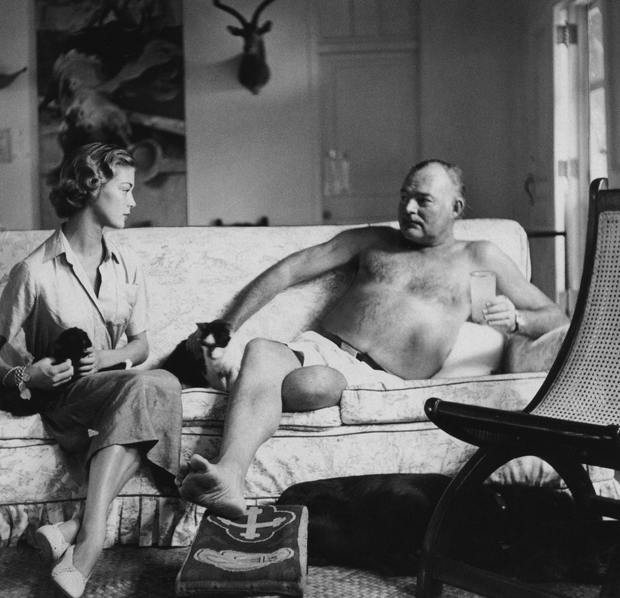
For the April 1, 1950 issue of Vogue, Jean travelled to Cuba. She met Ernest Hemingway, sat with him, and talked for hours. During their time, Hemingway kept her wine glass full. In proper etiquette, Patchett could not refuse her host. By the end of their interview, Jean reported: I could barely walk and had a headache the next day. No need to be precious, dear.

They met at his Cuban ranch and the shot was captured by fashion photographer Clifford Coffin. At Hemingway’s feet lays his beloved Black Dog and his hand rests on Ecstacy, one of his eleven cats. Jean sits, reserved, holding Boise. Hemingway elected to go shirtless and shoeless for the interview and photo shoot and Jean commented that Mr. Hemingway smelled bad.

We’re guessing Hemingway was enjoying a daiquiri, a favorite of Papa’s (his rumored go-to, the mojito, was not his drink of choice according to Philip Greene’s recent book). The tension between the two is palpable and Hemingway appears completely in control of his domain. Although Hemingway is iconic in many realms, this shot captures the essence of summer—craft cocktails, casual conversation, international models, slow days, Cuban ranches.

jean_patchett
jean_patchett
jean-patchett
.

The Television Braodcast

Jean was featured on CBS Television on Edward R. Murrow’s show Person to Person on January 28, 1955. In Mr. Murrow’s introduction he said: “Jean Patchett has been the most sought after model for nearly seven years now.”  Jean and husband Louis Auer V were broadcast live from their home in the relaxed style of Mr. Murrow’s TV journalism.

.

.

Jean Patchett

jean patchett

.

Info: http://jeanpatchett.com/  & Wikipedia
.

Jean Patchett, Vogue & Irving Penn (part 1)

9 Mar
 
jean patchett
Jean Patchett Vogue cover by Erwin Blumensfeld, January 1950. The picture is described as “a visual haiku”.
.

Who does not recognize the picture above…? It’s one of the most published images ever, but not many know whose face this is. Well, it’s the face of Jean Patchett, one of the most recognizable and popular models in American fashion.

An absolutely stunning creature with a signature beauty mark, Jean was a super model decades before the term ‘super model’ was invented and staggeringly, has had more covers than any fashion model in history. Jean’s distinct features helped define the face of fashion for over a decade, the body of work she did is enormous and the legacy she and fashion photographers created together is monumental. The camera loved Jean and Jean loved the camera.

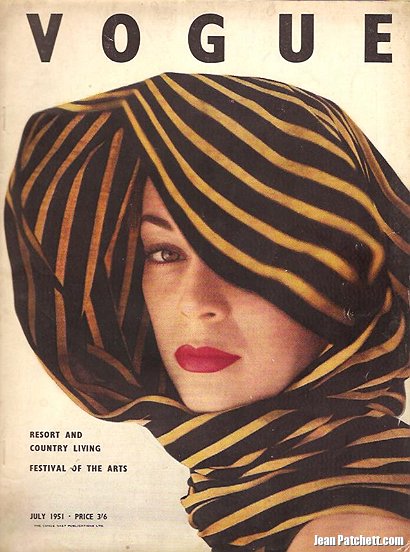
Editorially, as Jean herself once said, she “belonged to Vogue.” She is the subject of two of the magazine’s most famous covers ever, shot by Erwin Blumenfeld and Irving Penn, respectively, in January and April of 1950. The first, which has been described as “a visual haiku,” features only Patchett’s slanted doe eye, lips, and a beauty mark. The second, titled  Girl in Black & White, was the first noncolor cover the magazine had run since 1909. The symmetry is broken only by Jean’s sidelong glance. To help get the contrasts Penn wanted, Jean used black lipstick, improvised from mascara. In 2008 a signed, initialed, titled, dated in ink copy of the famous photograph by Irving Penn of Jean Patchett was auctioned at Christie’s, New York for a fabulous sum of $266,500.

Some of Jean Patchett’s Vogue covers

jean patchett

jean patchett

jean patchett

jean patchett

jean patchett

jean patchett

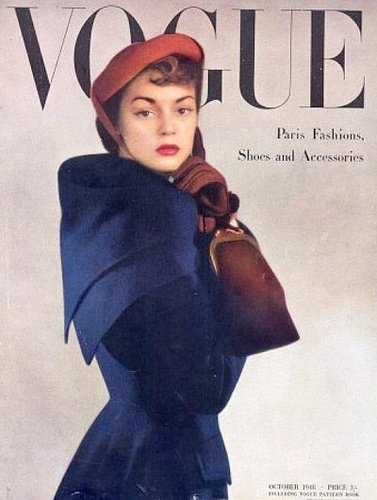
Jean Patchett's first Vogue cover, 1948
.

Jean-Patchett

Girl in Black & White by Irving Penn
.

The start of Jean’s modeling career

In 1948, 21-year-old Jean Patchett (1927-2002) borrowed $600 from her father and headed to New York City. Their she met future boyfriend Louis Auer, a banker  who lived at the Yale Club, at a luncheonette (they married in 1951). In February she signed with the Harry Conover modeling agency and two months later, April 10, Jean signed with the Ford Model Agency (a new agency when Jean walked in the door) and became their first star model. ”I’ll always remember what our first great model Jean Patchett went through when I told her she had to cut her hair. I don’t remember everyone, but I do remember her,” Eileen Ford said. “You just had to take a deep breath, even then. She had on a black tent coat that her mother had made with black velvet at the shoulders and a black hat with veil and garnet earrings, bracelet and necklace. She really was a country girl.  When she took off her hat and veil I saw that she had beautiful ‘doe eyes’ and a marvelous mole on her face, which she darkened with an eyebrow pencil. Jean was unique.”  Impressed with Jean, however Eileen told Miss Patchett: “Loose 20 pounds and come back in a month; you’re as big as a house!” At that time Jean weighed 135 pounds. “Jean didn’t mind the weight part, but her hair was her glory,” Eileen continued. “We took off just one inch, but you’d have thought we’d taken her life’s blood!” In september Jean modelled for her first Vogue cover.

irving penn, jean patchett

Another Vogue cover with Jean Patchett by Irving Penn
.

One enthusiastic reporter suggested that “almost alone Jean changed the accent in high-fashion modeling. Before, models of that ilk often had a warm, girl-next-door look. Today they mostly appear unapproachable, unattainable.”  While Jean was not as alone in this shift (Dovima, Evelyn Tripp, and Barbara Mullen could also cop an attitude), she readily admitted to purposefully
playing the ice queen. (There were practical reasons for this, too: The mood didn’t require Patchett to grin. “I have baby teeth; when I open my mouth I look like a child,” she said.).

the tarot reader

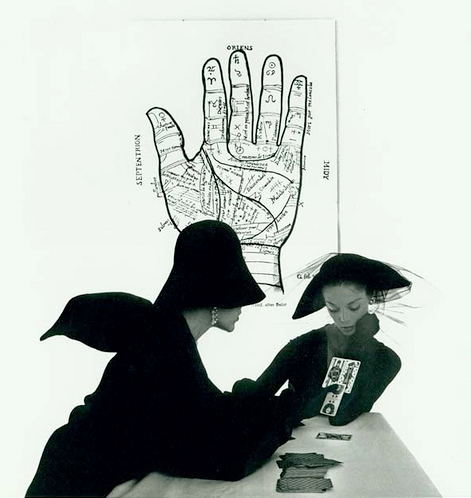
The Tarot Reader. Ph. Irving Penn, Vogue, 1949

.

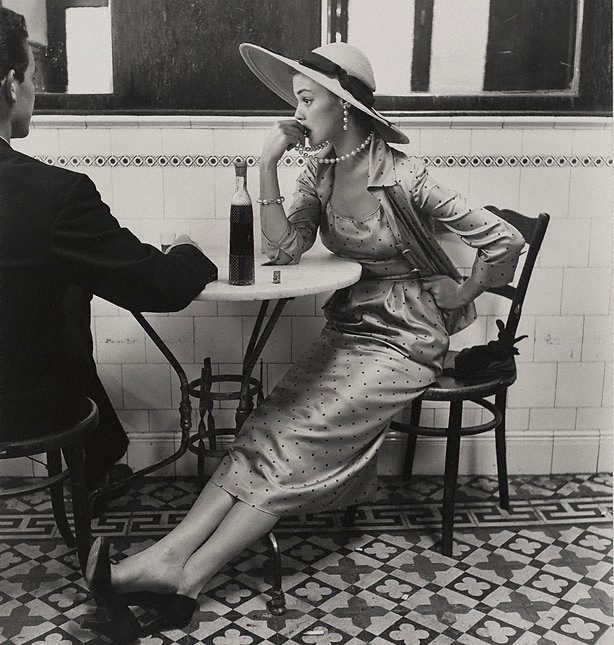
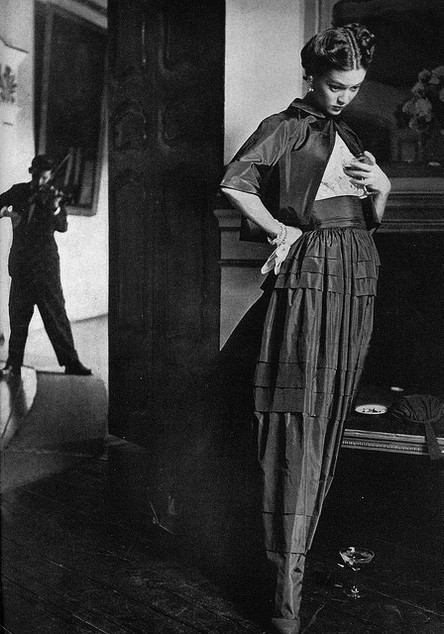
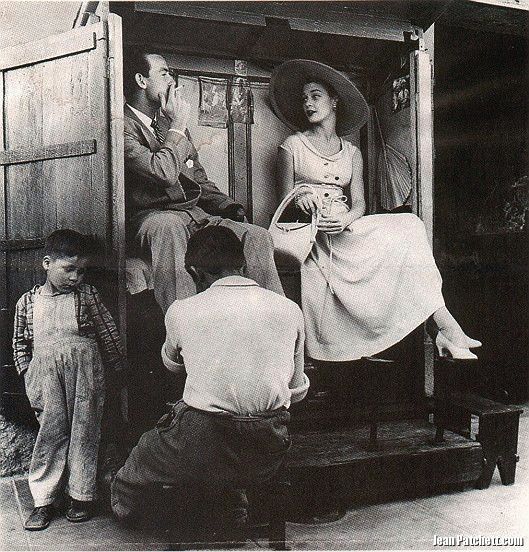
Working on ‘The Tarot Reader’ in 1949, Irving Penn discovered Jean was not only of seldom beauty, but also had great skills as a model. Their frequent collaboration resulted in many iconic photographs, like the one  1949 he took of her chewing pensively on a string of pearls as she sat in a cafe, a picture that came about spontaneously. This photo was for a photo-spread article for Vogue “Flying down to Lima” a romantic travelogue as lived by the model. Jean was also photographed in a shoeshine stand with an admirer and rubbing her tired feet; again in a real life and spontaneous moment. In later sessions, Irving Penn  (who called Jean Beautuful Butterfly)  would give her the suggestion of a story she could act upon,

.

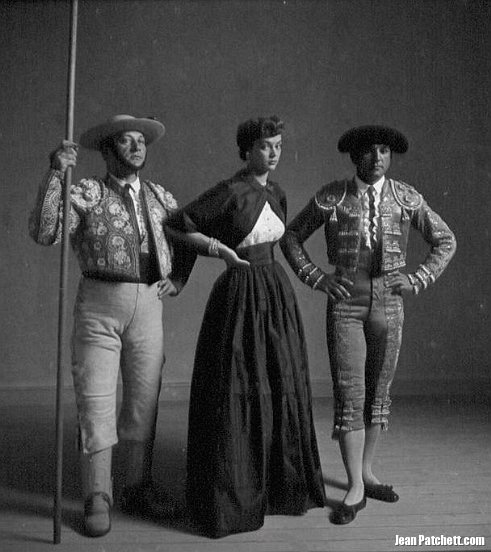
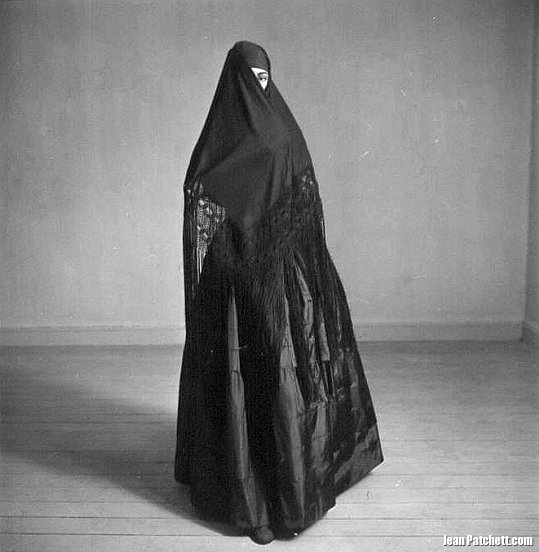
Jean Patchett & Irving Penn, Award Winning Photography in Lima, Peru, Vogue 1949
jean Patchett, Irving Penn

jean Patchett, Irving Penn

jean Patchett, Irving Penn

irving penn, jean patchett

Irving penn, jean patchett

jean Patchett, Irving Penn

jean patchett, irving penn

Irving penn, jean patchett

irving penn, jean patchett

jean patchett, irving penn

jean Patchett, Irving Penn

Jean Patchett, photo by Irving Penn, Lima, Peru, Vogue, February , 1949
Irving penn, jean patchett

.

Jean later said  “Flying down to Lima”  for Vogue was her big Break-Through. 

.

“A young American goddess in Paris couture”

 Irving Penn

.

“She has great physical energy and throws it all into a job,” Irving Penn said. “She is not conventionally pretty but has the real beauty of a person of deep intelligence and sympathy, and that all comes out.”

.

Some other pictures of Jean by Irving Penn

jean patchett, irving penn

jean patchett, irving penn

jean patchett, irving penn

.

Next week more about Jean Patchett.
.
.