Robyn Beeche, Before Photoshop

25 May

robyn beeche

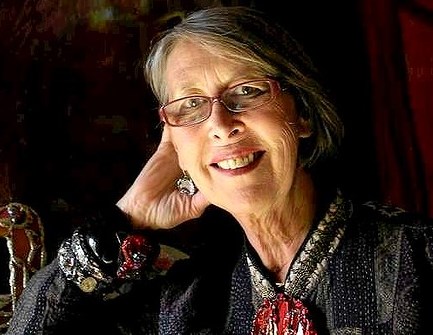
As someone who has the desire to document, I become the stable factor in the chaos around me

Robyn Beeche

.

Intro

Robyn Beeche moved from Sydney, Australia to London in the mid 1970’s. From catwalk shows to clubs, she captured the leading artists and designers of the time and works extensively with the artists and designers including Zandra Rhodes, Viviënne Westwood, Leigh Bowery and Mary Quant, collaborating with famous make-up artists Richard Sharah, Phyllis Cohen and Richard Sharples. Her Photographs explore a decade of the change in London in the 1980’s.

Since 1985, she has based herself in Northern India, documenting the festivals and culture of region known as Vraj.
Robyn Beeche

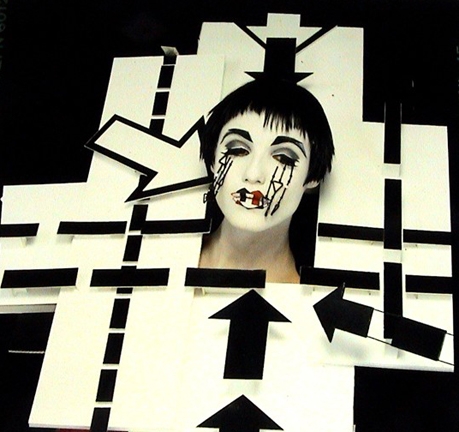
make-up Phyllis Cohen, collar by Richard Sharples, courtesy of Vidal Sassoon
.
.

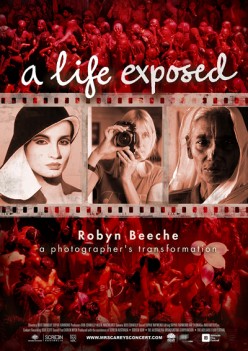
About the documentary

More than seven years ago Australian Filmmaker Lesley Branagan came across Robyn Beeche’s images in a magazine profile and was immediately struck by her work and her story.

And, although Beeche was spending most of her time in India, she happened to be visiting Australia at the time, and they met.

”I instantly knew I wanted to make a film about her,” Branagan says. ”It was the life story, that leap of giving up the commercial success for something deeper in India”, but it was also the power of the images themselves.

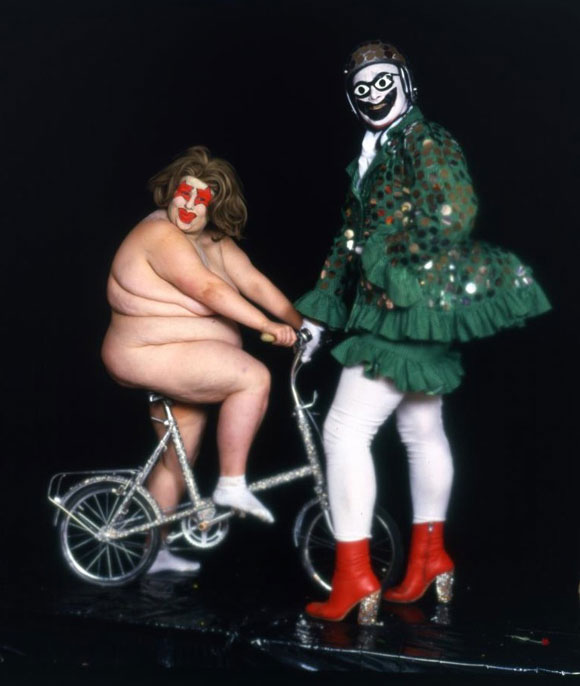
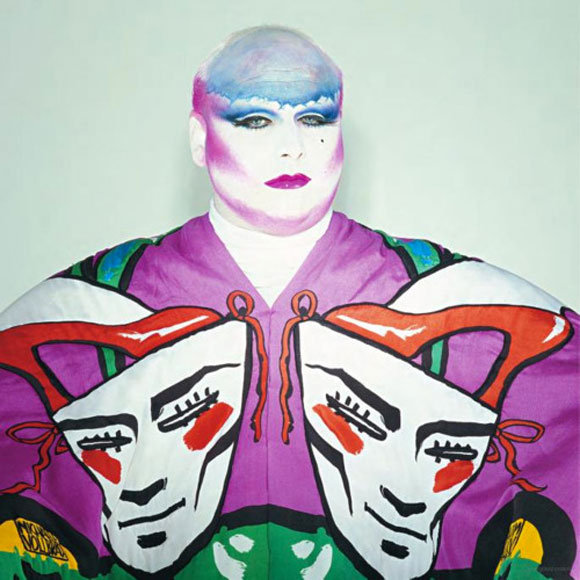
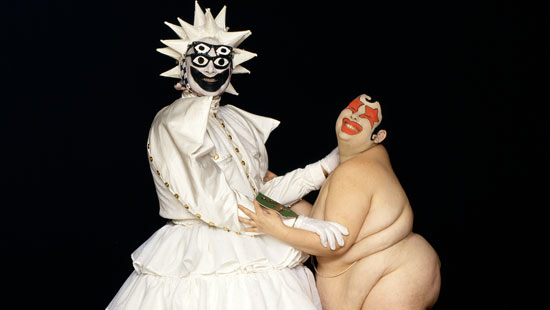
Leigh Bowery by Robyn Beeche
Leigh Bowery, 1984

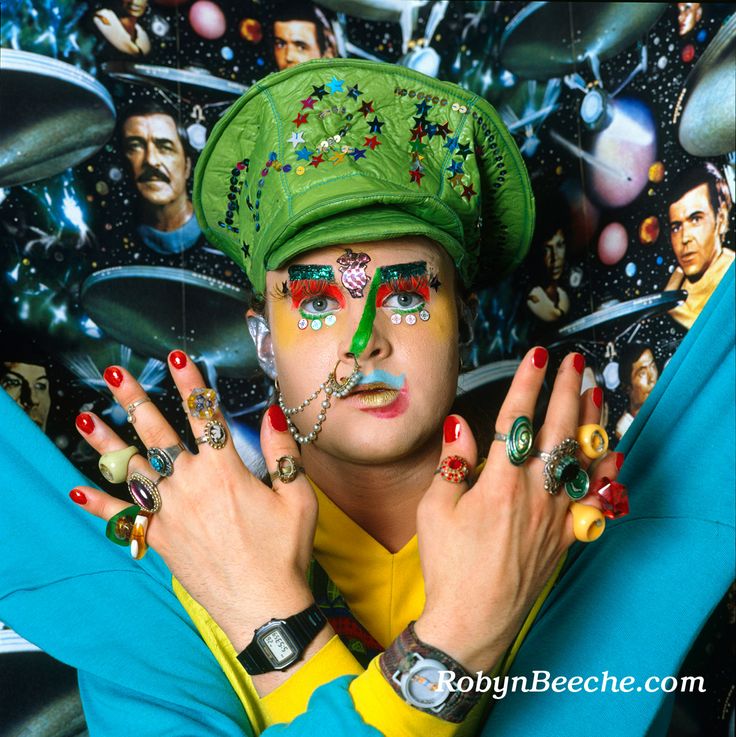
Leigh Bowery (right) and Fat Gill as Miss Fuckit, swimwear, Alternative Miss World 1985 EarthLeigh Bowery (right) and Fat Gill as Miss Fuckit, swimwear, Alternative Miss World 1985 Earth
 
robyn_beeche

.

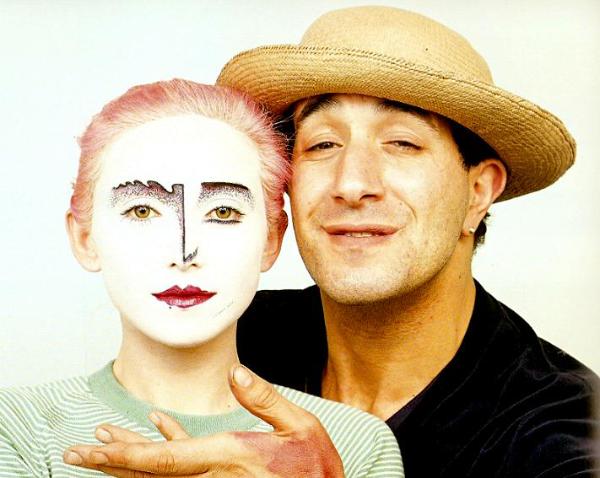
In London in the ’80s, Beeche was drawn to people who were part of the intersecting worlds of art, music and fashion, and who were fascinated by the possibilities of physical transformation. They included Australian performance artist Leigh Bowery, fashion designer Zandra Rhodes, singer and club figure Steve Strange and artist and provocateur Andrew Logan.

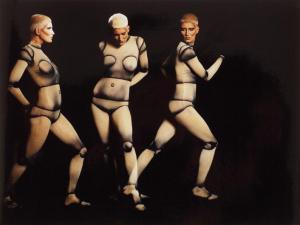
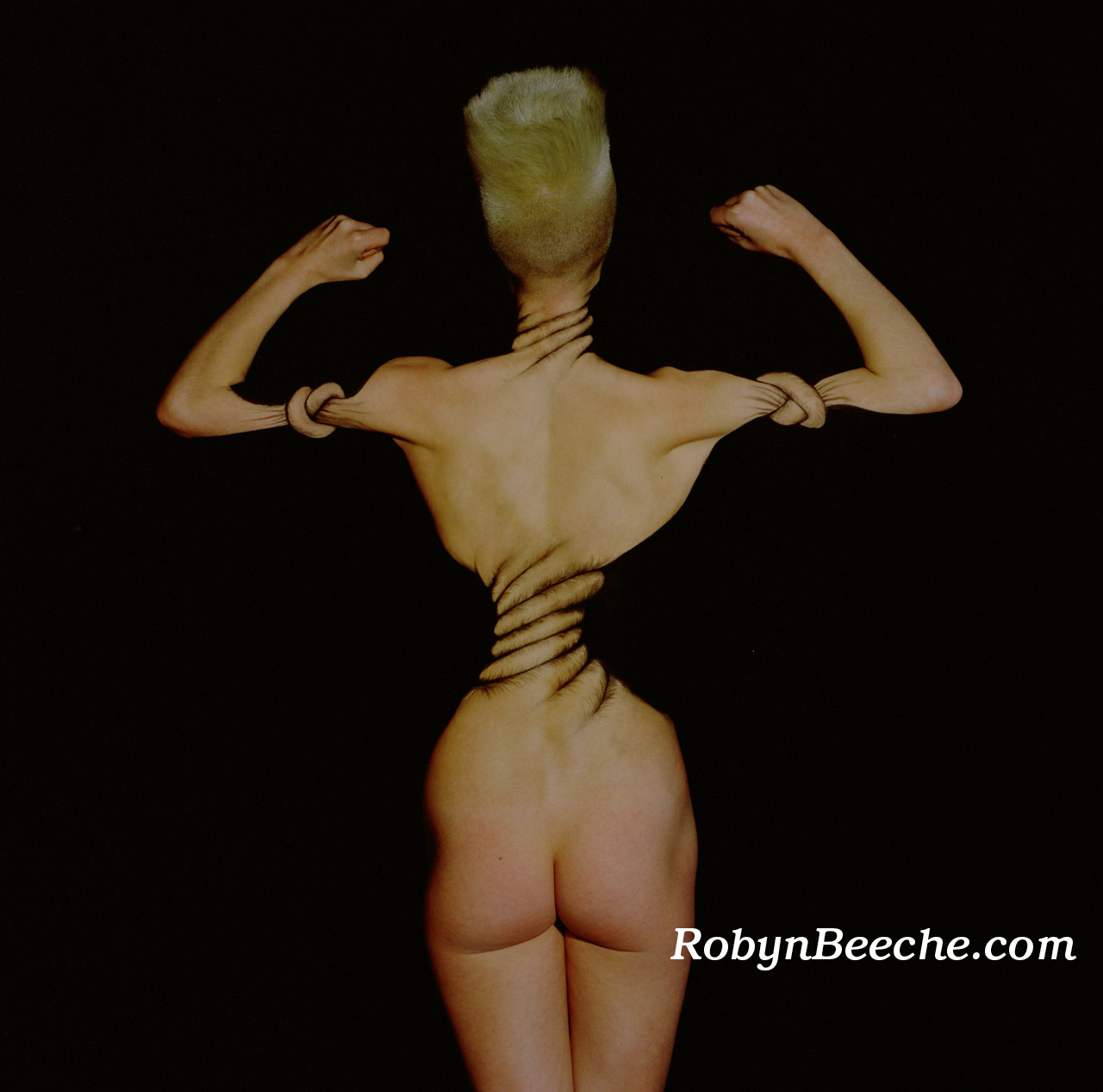
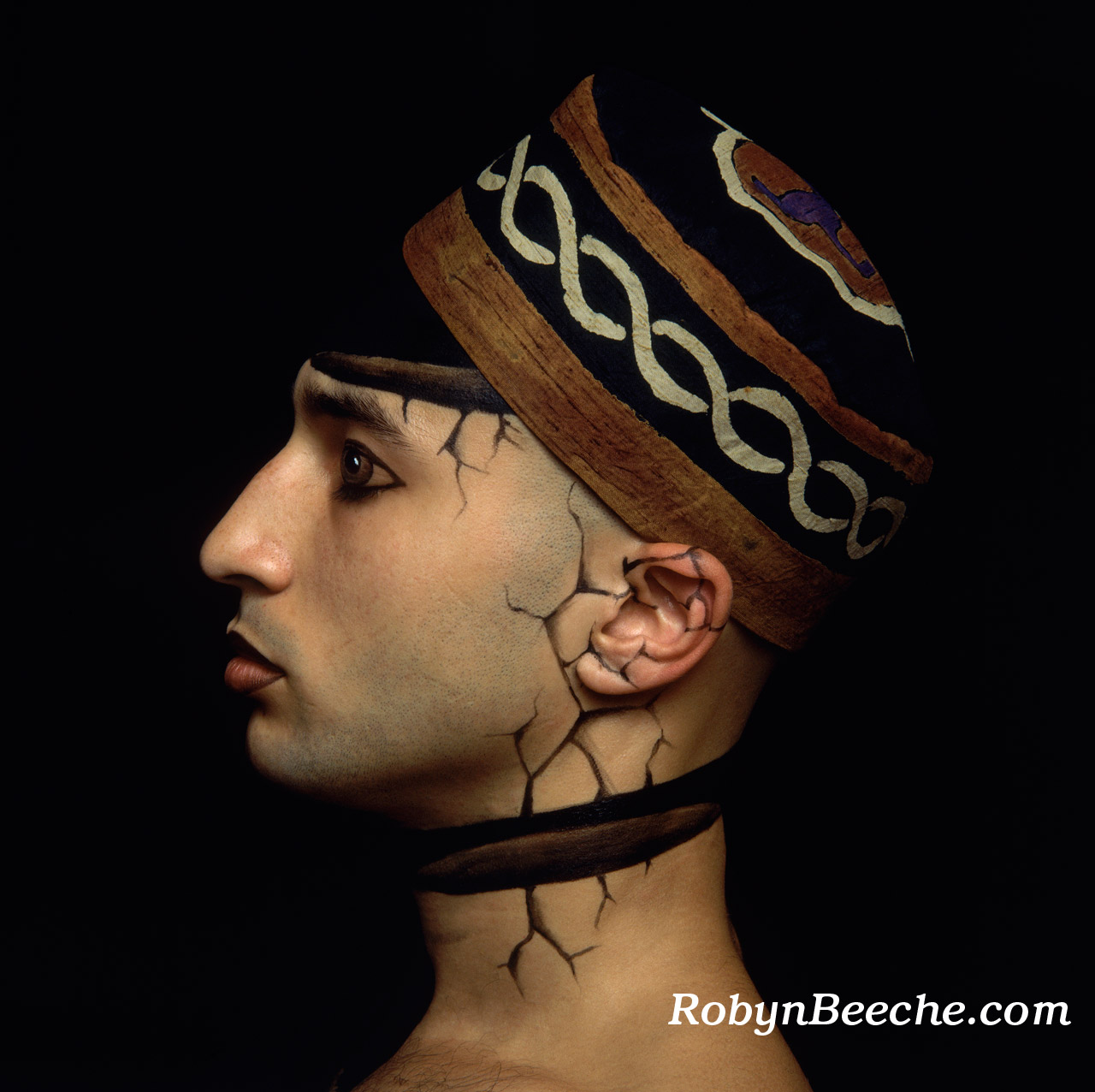
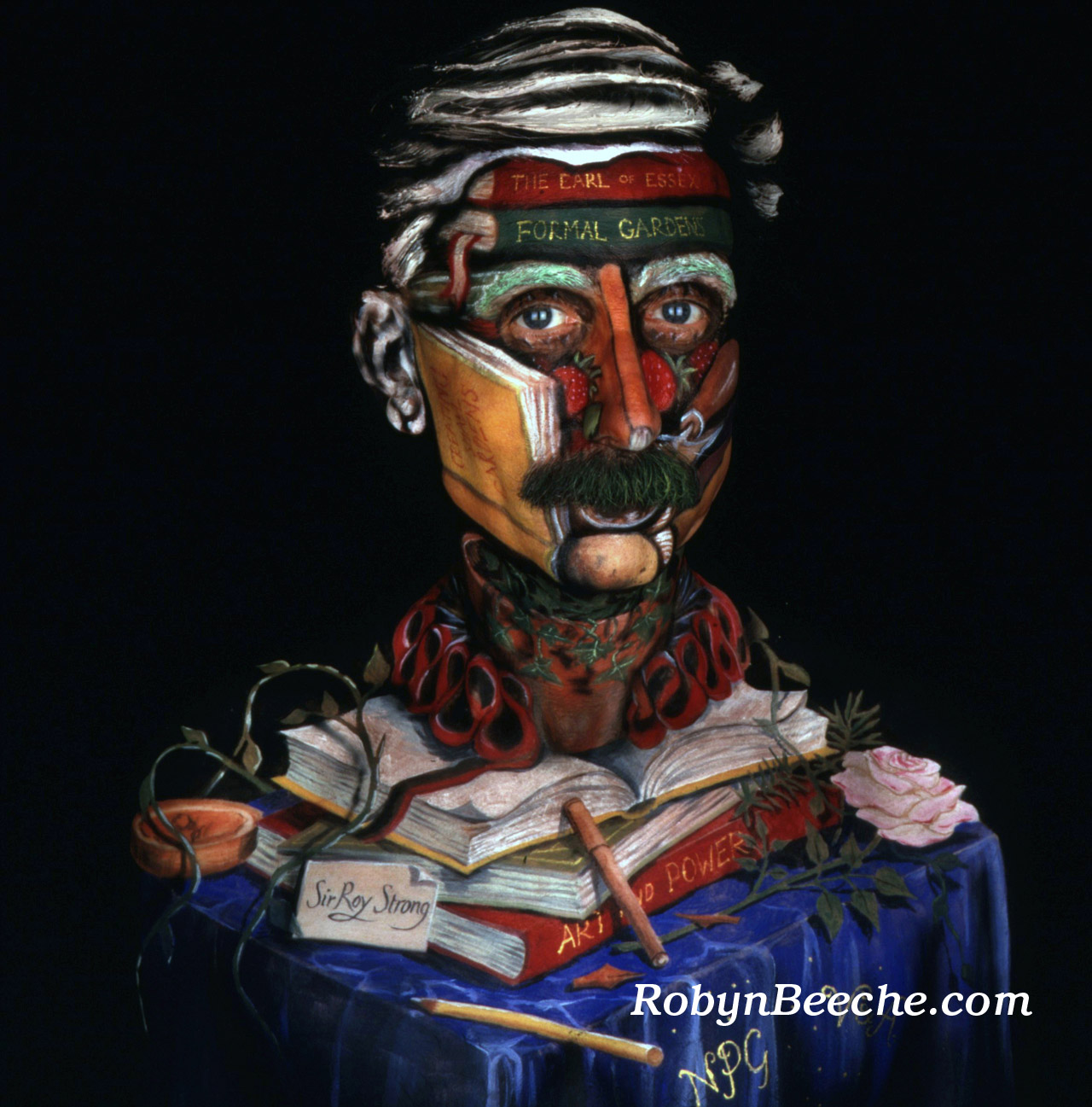
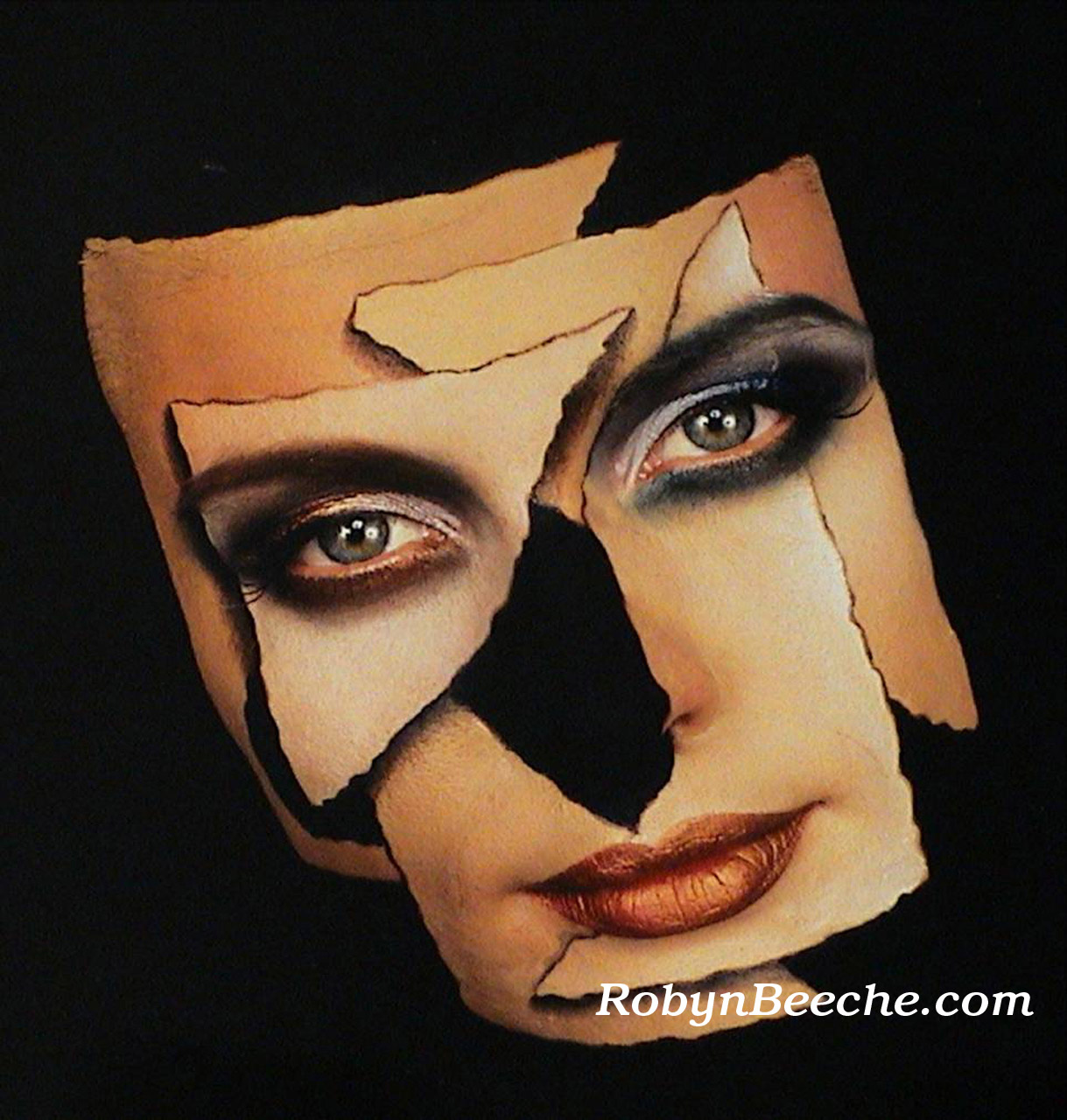
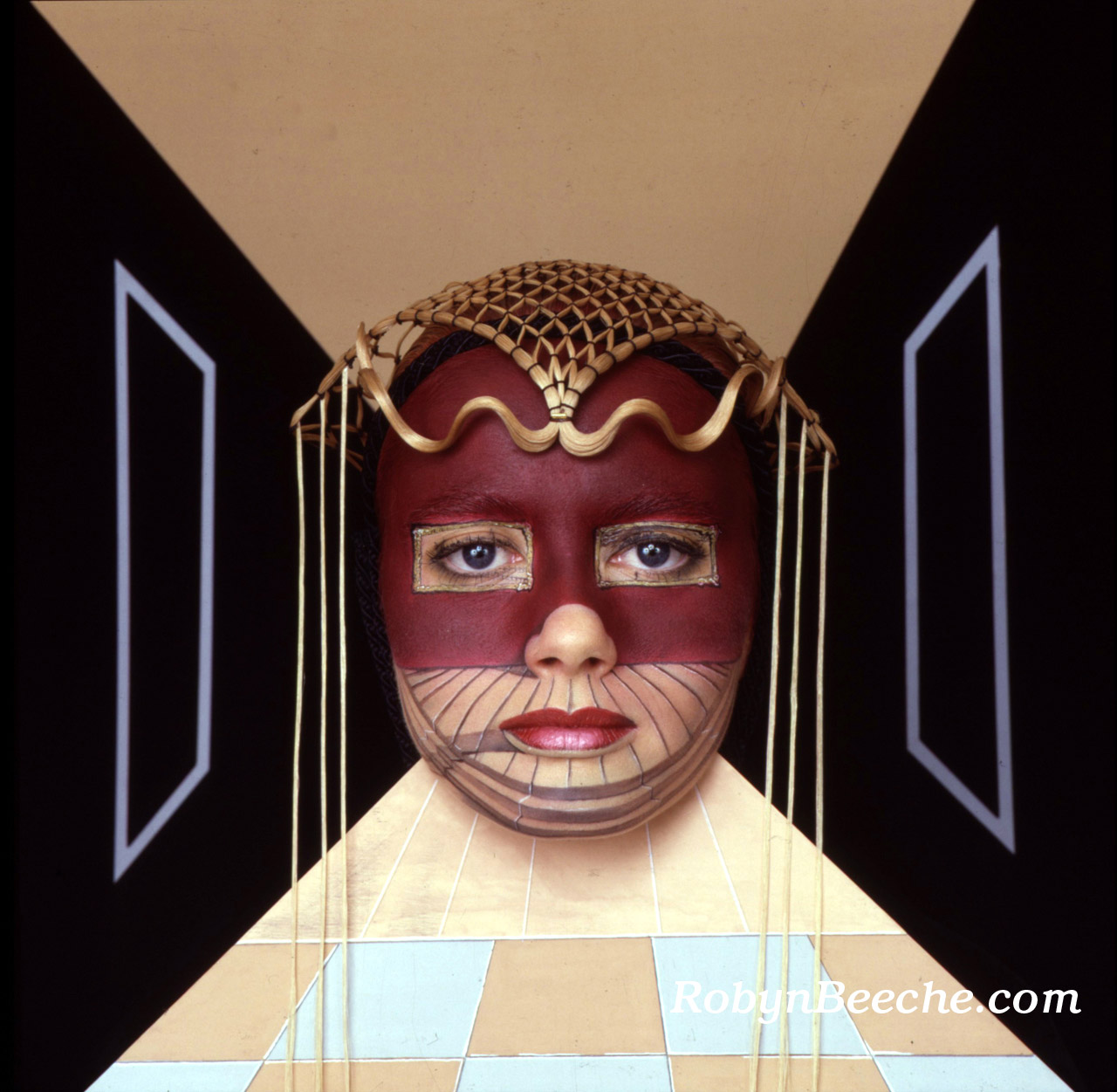
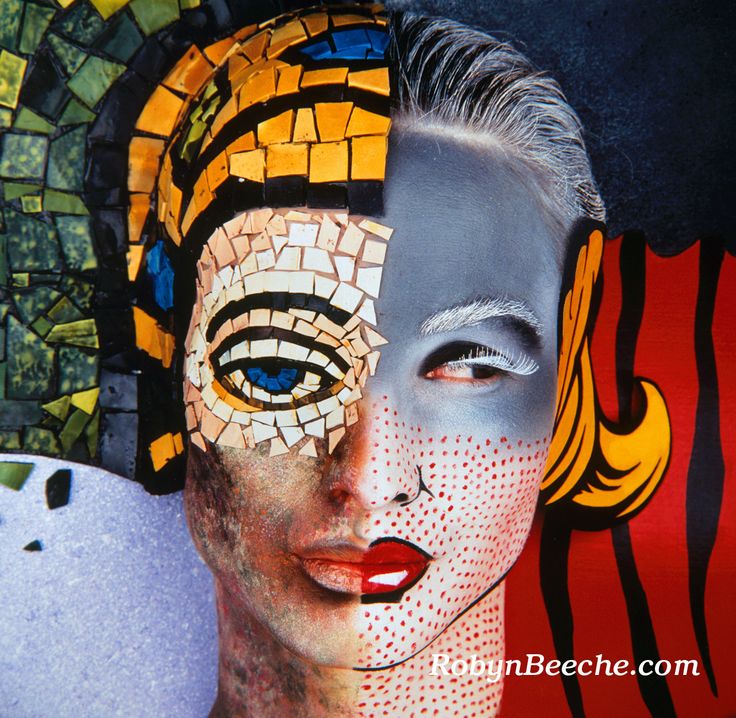
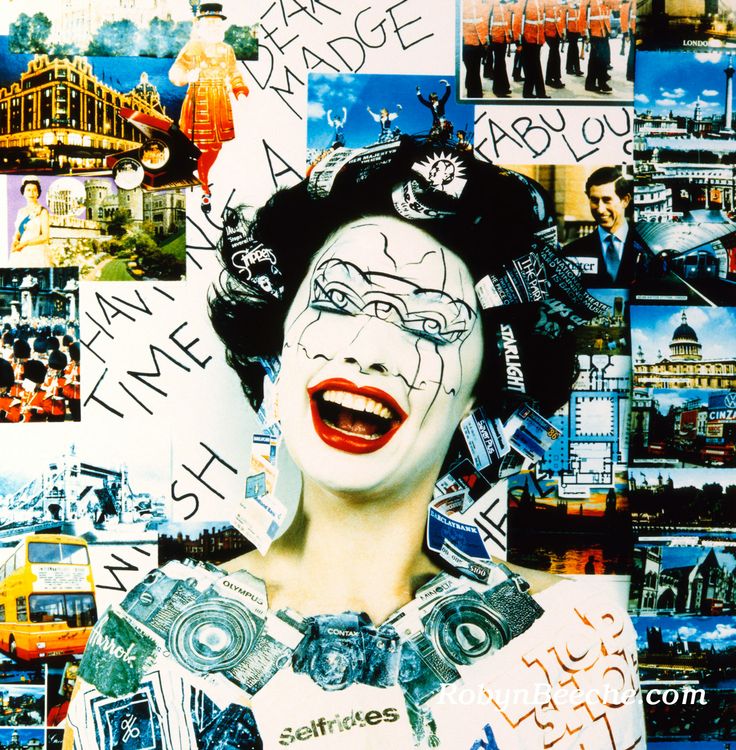
Some of her most striking photographs from this time are of the painted body, the self-transformed with elaborate, detailed tromp l’oeil inventiveness – the body becomes a canvas, a site of exploration, a work of art.

Beeche’s images are often creative collaborations, but they also have a recording imperative. For Branagan, Beeche’s impulse was to put others at the centre, and to build an archive, of their work, of the scene, of the times. ”It was a very useful tendency to have by the time she came to document the festivals in India.”

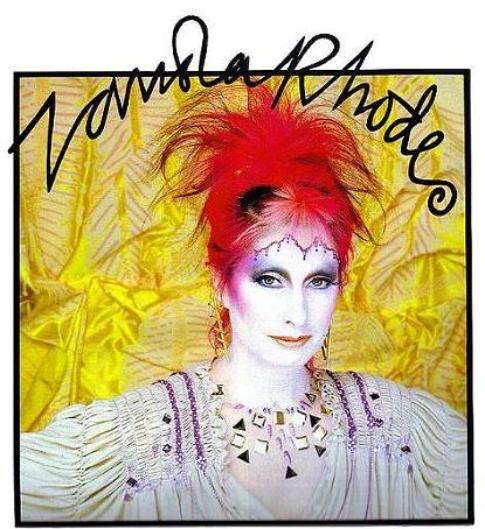
Zandra Rhodes by Robyn Beeche

zandra Rhodes

1986_Zandra_Rhodes

Zandra Rhodes

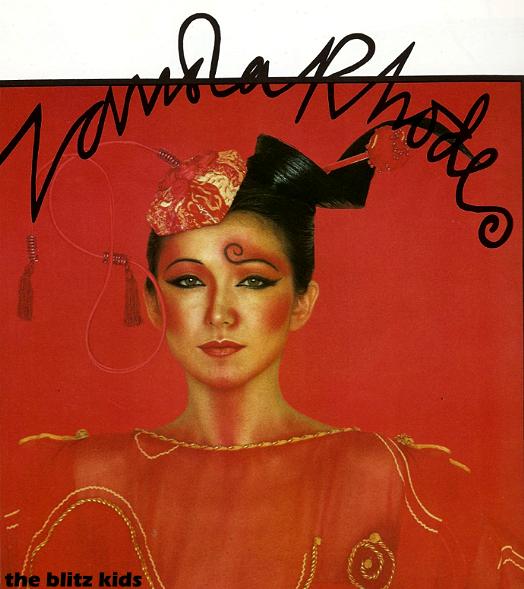
Vivienne Lynn for Zandra Rhodes

Vivienne Lynn for Zandra Rhodes by Robyn Beeche

.

It was a collaboration with Rhodes that first led Beeche to India, and to another life and sense of purpose – but always with a camera in her hand. For the past 25 years, she has lived in an ashram at Vrindavan, a pilgrimage city in Uttar Pradesh. And part of her spiritual practice is to document the religious life around her. This can vary from serenity to ecstasy, particularly when it comes to the ancient Hindu festival of Holi, and its kinetic, uninhibited rituals.

For this kind of work, Branagan says, ”You need tenacity, a sense of roundedness, a sense of egolessness, as well as the photographic skills. It’s not about you, you have to surrender to the chaos to get what you can get.”

Beeche is also uniquely placed to understand the religious dimensions of some of the most spectacular, chaotic aspects of what she’s portraying. ”And I think she is trying to capture the transcendence she has experienced herself.”

‘Body deformation’ photographs by Robyn Beeche
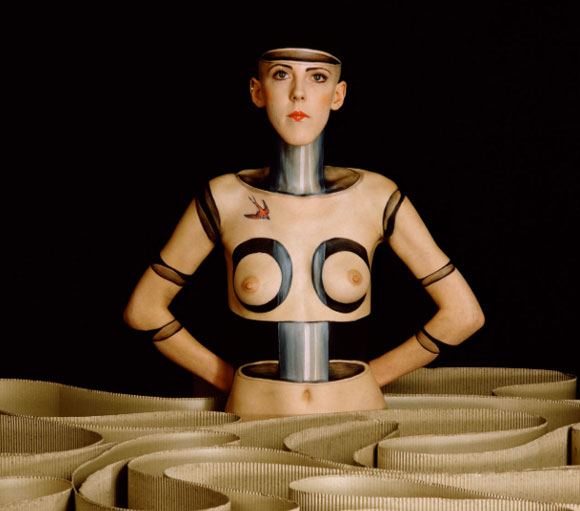
Scarlot by robynbeeche-

beeche_robyn

63-Scarlett-knots-1986_web

At the same time, she adds, Beeche’s endeavour is backed up by hours of hard work. ”It’s incredibly pragmatic, and she has to stay very focused to achieve what she has achieved. She has been there for 25 years and created this large archive as a legacy which scholars from around the world are now accessing.”

It took time, Branagan says, for Beeche to become accustomed to being the subject. Yet she feels that Beeche was ready to have a film made about her. ”She had a couple of approaches around that time, she was starting to have a few exhibitions and retrospectives. I think she felt she was coming to a certain point when somebody could document her life and pull it all together in that way.”

Vivienne Lynn by Robyn Beeche
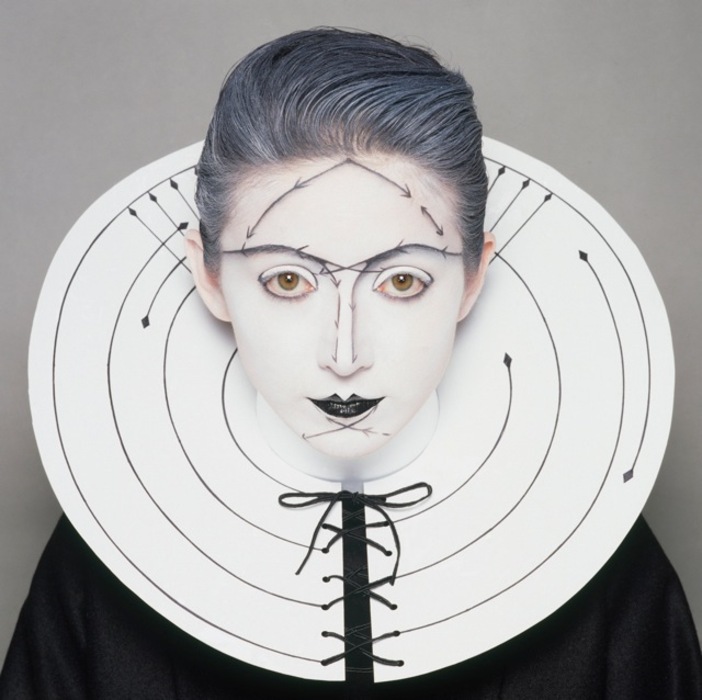
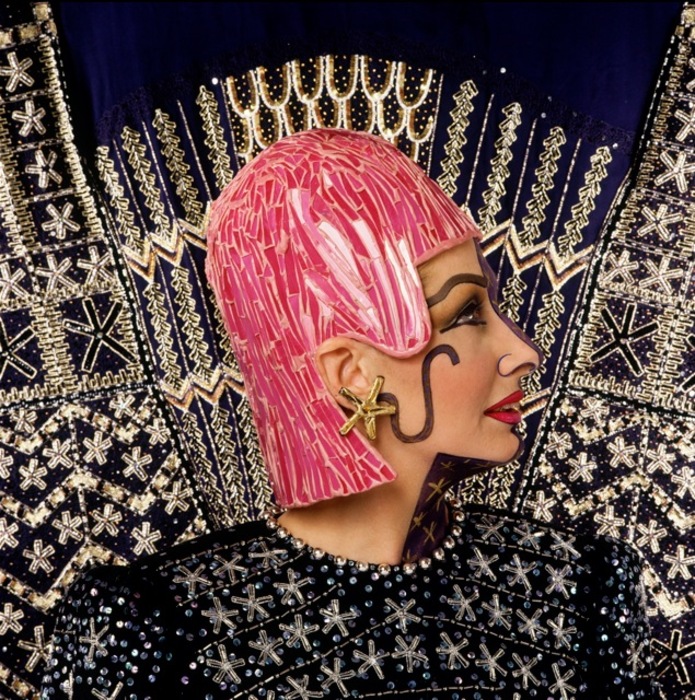
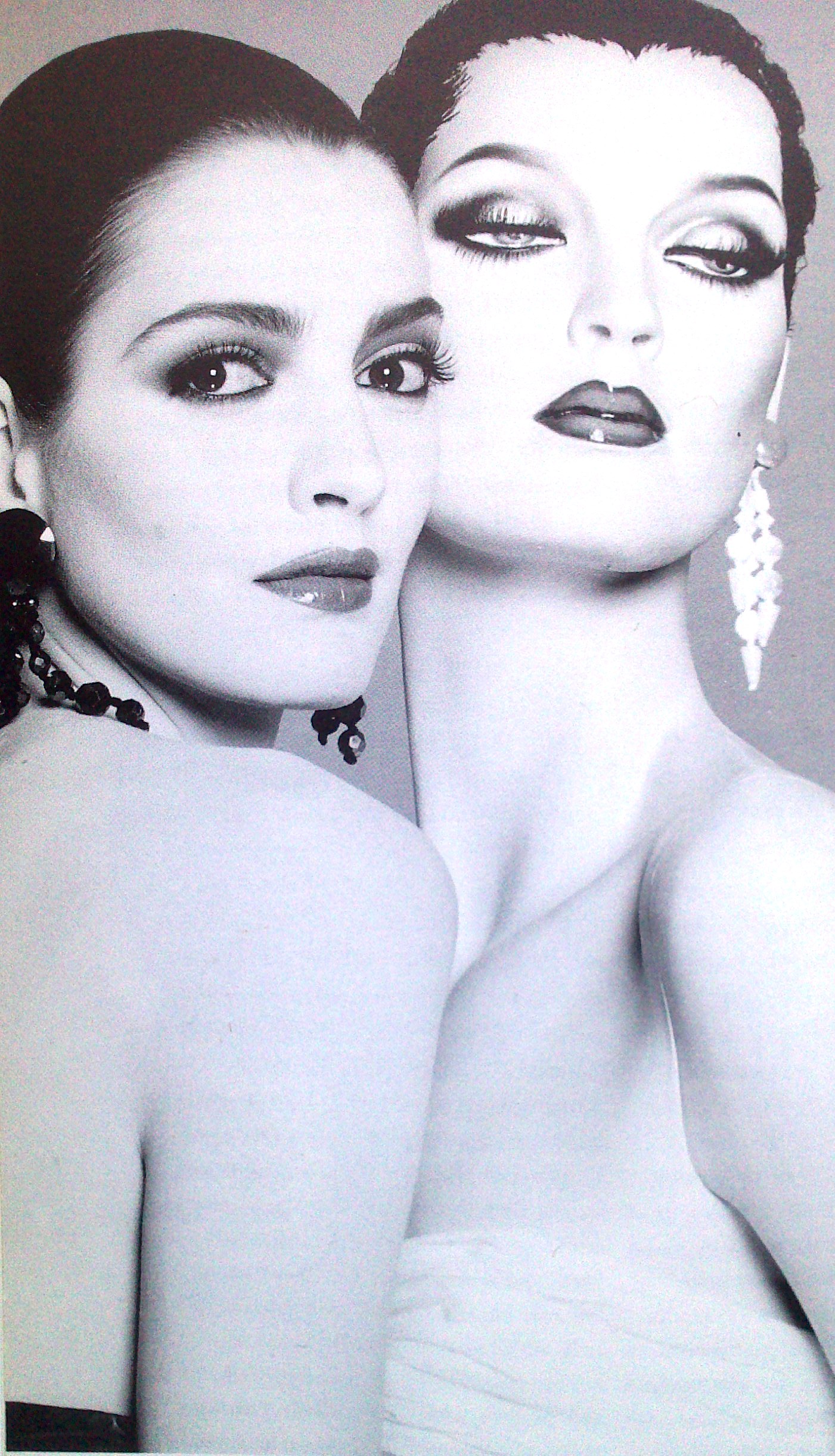
Vivienne LynnJapanese model Vivienne Lynn became the mannequin for Willy Brown’s Modern Classics collections, and a beautiful canvas for Richard Sharah’s make-up. 
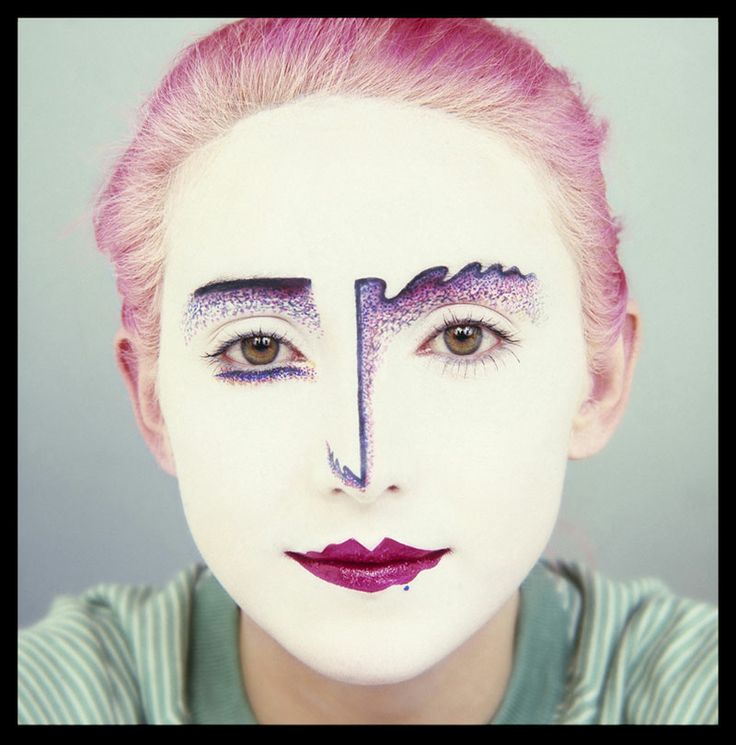
Vivienne Lynn, makeup Richard Sharah
VIVIENNE  LYNN, make up richard Sharah
Vivienne Lynn & make-up artist Richard Sharah
.
.
.

Interview with Robyn Beeche

You made your mark while living and working in 80s London, in the very thick of the fashion world. Tell us about that era?

Robyn Beeche: There is a saying, “being in the right place at the right time” and to be in London in the 80s was just that. Remembering that there were no computers nor Photoshop and our collaborative pursuit was not for financial gain, we set the parameters to explore each and everyone’s individual talents. I ran my studio as an open house to share and achieve the best possible image and to have a good time doing it. We were propelled on by the street scene and there were no boundaries which creative directors impose, it was freedom to create.

Of course this did not pay the rent so other work had to be found and gradually after the Observer magazine put Sonia Shadows on their front cover, it was the commercial seal of approval and we began to get some advertising work. Working with designers such as Zandra Rhodes, Vivienne Westwood and artists Andrew Logan and Carol McNicoll; it was really very exciting and fulfilling on so many levels. The androgynous Divine became my best friend and what with Andrew Logan’s ‘Alternative Miss World’ events, there was never a dull moment!

Divine by Robyn Beeche
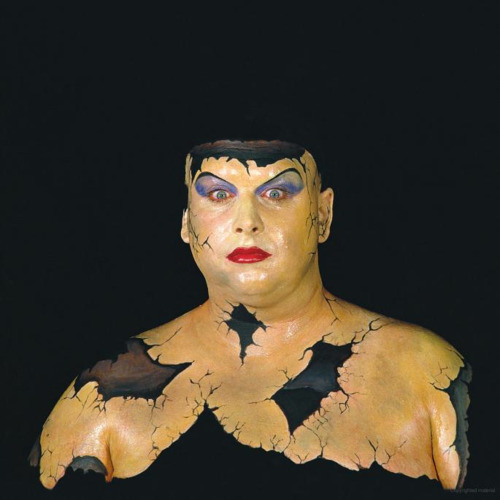
Divine

Divine

 
Who are some of your favourite designers?

Zandra Rhodes is my favourite designer as her talent is inexhaustible to this day. Her inspiration comes from her environment and her textile design comes from those impressions of landscape or whatever. I loved her 70s designs which carried no buttons or zips — free cloth, moving beautifully. Vivienne Westwood is also a great talent and I would also add Issey Miyake to that list. It is hard not to like Jean Paul Gaultier and Alexander McQueen. Nowadays I like Manish Arora in India.

As part of your exhibition Fade to Grey, your documentary A Life Exposed – Robyn Beeche: A Photographer’s Transformation will be playing. What can we expect from that?

It is quite daunting to be the subject of a documentary film and to be on the other side of the camera, but Lesley Branagan has done a very good job of weaving all the strands of my life together and after my initial nerves I realise it has had such a good response from the general public and many have written to say how they have been inspired. So that makes me believe that the importance and purpose of sharing my work is for others to perhaps try a different approach to their own photographic talents.

Faces by Robyn Beeche
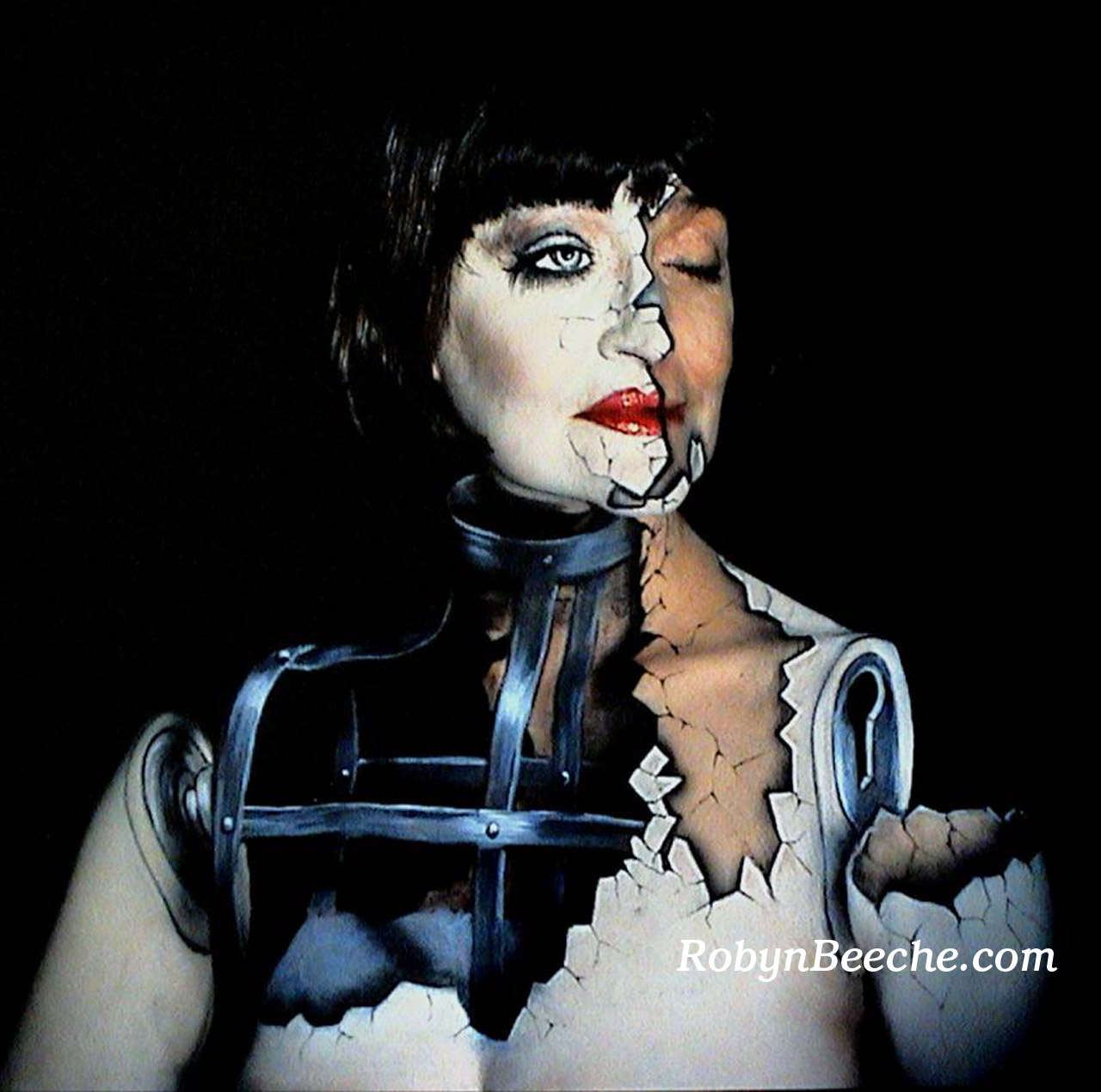
Adel-Rootstein-1987

Mannquin designer Adel Rootstein, 1987
Anand-1985
Anand, 1985
Sir-Roy-Strong-1987
Art historian, curator Sir Roy Strong, 1987
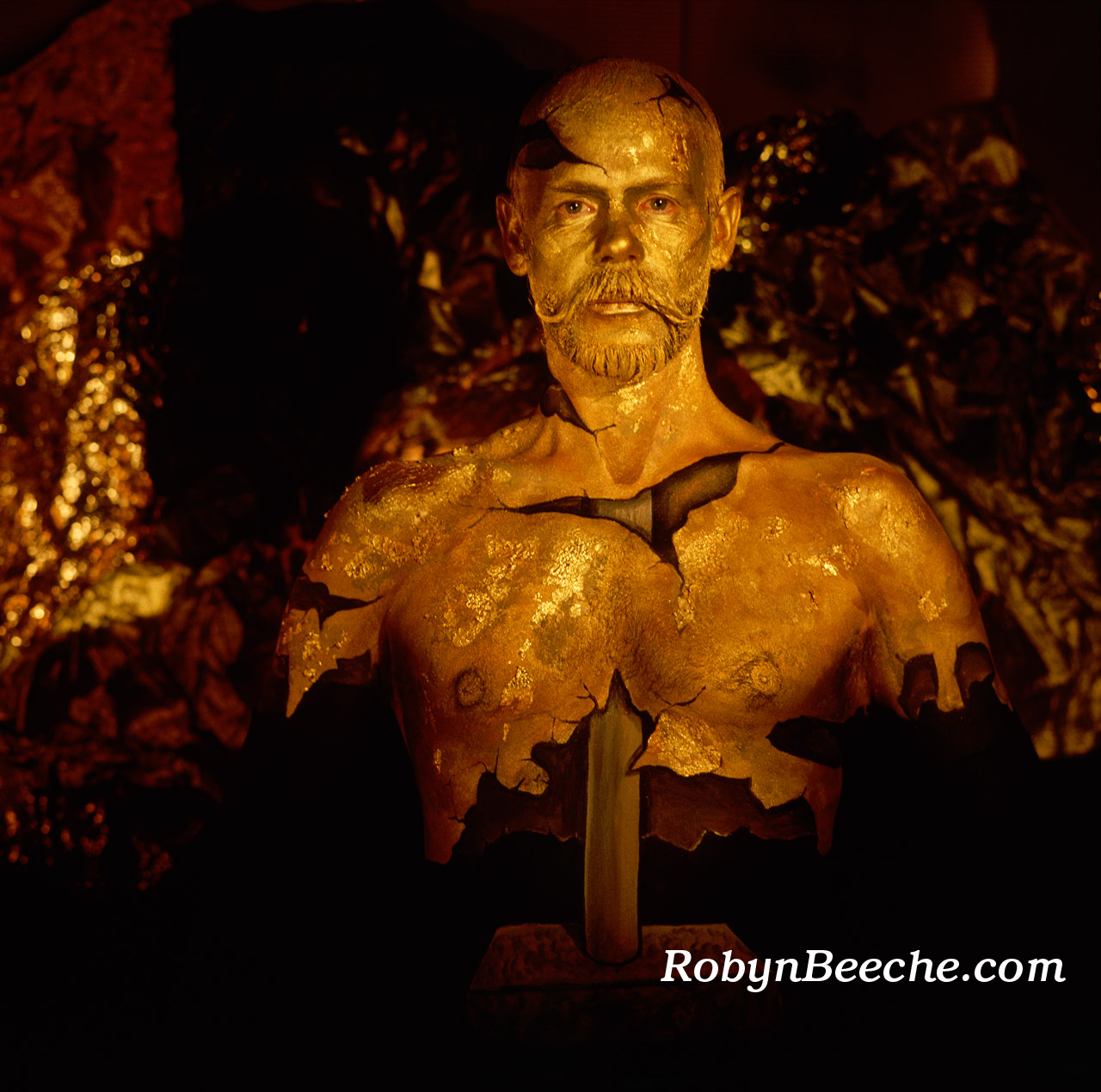
Bill-Gibb-1987
Fashion designer Bill Gib, 1987
.
 
Your work is often described as treading a line between fashion photography and art. Is that fair to say?

It is fair to say that my work is often described as treading a line between fashion and art photography. The collection of 80s photographs initially came into the National Gallery of Australia in Canberra via the fashion curator, Robyn Healy. After 30 years some of them are hanging alongside Bill Henson’s work so they have taken on a new meaning, I think, due to the fact that they have a timeless quality and are viewed in a different way. That was always uppermost in my mind when I did the shot; that it had universal appeal and remained timeless.


What’s been the biggest learning experience in your career?

Learning about myself has been the biggest learning experience in my career. I mean by that, there is so much learning to do with regards to relationships with others and in order to practice my craft this became paramount. India has taught me selfless behaviour and service and they remain the anchors in my life.


What does ‘fashion’ and ‘creativity’ mean to you?

Fashion means many things to me — a sculptor can fashion a stone into an exquisite piece, a face can be adorned by a ‘fashionable’ look, it does not mean that I should change my wardrobe every season! I believe that everybody possesses ‘creativity’ whether it be a highly priced artist or it can be a craftsman in India designing and creating the most beautiful textile. It is the anonymity which is the key — some have the opportunity of making money from it and some don’t even get exhibited, but the fashion and the creativity which lasts is that which remains so inspirational and if we seek to find it, it is all there.

Faces by Robyn Beeche
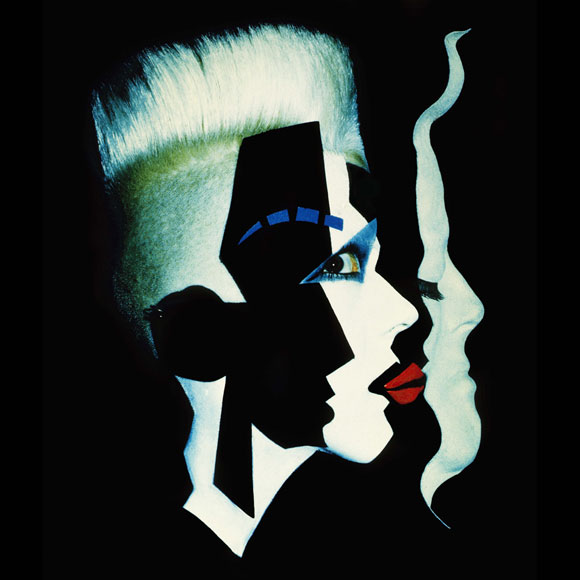
Robyn Beeche

-Torn-mask-1987

Tina-Dali-1985

Robyn Beeche

Robyn Beeche

 Documentary

A life exposed

.


To watch the whole documentary go to: 

http://www.npo.nl/avro-close-up-robyn-beeche-a-life-exposed/09-01-2014/AVRO_1657425

 .
DVD

To buy the dvd go to:  http://alifeexposed.com/

.

Book 
Book cover

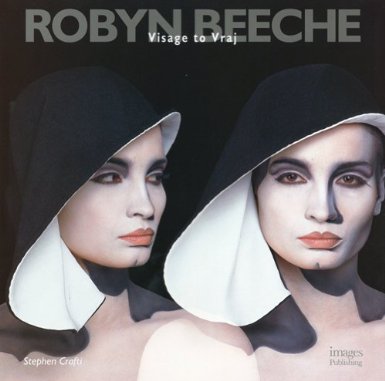
Australian photographer Robyn Beeche discovered a new world when she went to London in the late 1970s. From catwalk shows to clubs, Beeche captured the leading designers and artists of the time, becoming an important photographer of the fashion world and working extensively with designers such as Zandra Rhodes, Vivienne Westwood, Bill Gibb and Mary Quant.
Working with legendary make-up artists such as Richard Sharah and Phyllis Cohen, Beeche took fashion photography to a new level, creating surrealistic masterpieces. While the Blitz club was the place to be at the start of the 1980s, a few years later Beeche discovered the beauty of India, particularly the region of Vraj, which she visited on many occasions to document local festivals and culture.
She moved to Vrindavan permanently in 1992. Through Beeche’s superb photography, this book conveys the vibrancy of London and the richness of India, beautifully capturing the tapestry of life in both countries.
.

http://www.amazon.co.uk/Robyn-Beeche-Visage-Stephen-Crafti/dp/1864703121

.

.

information Robyn Beeche:
 The Sydney Morning Herald (Philippa Hawker)
 Oyster magazine (Introduction: Jerico Mandybur   interview: Melissa Kenny)
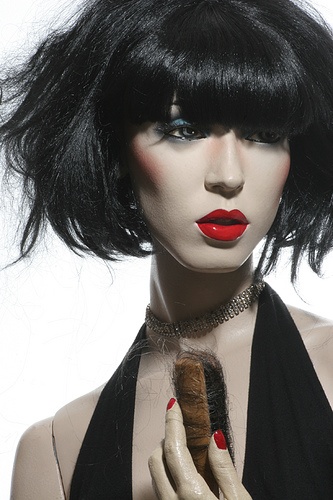
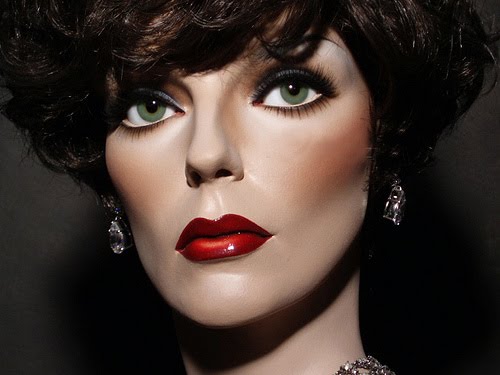
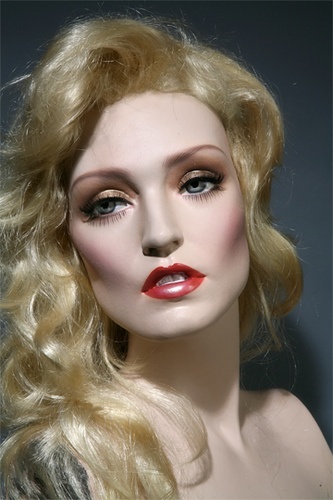
Adel Rootstein changed the Face of the Mannequin

18 May


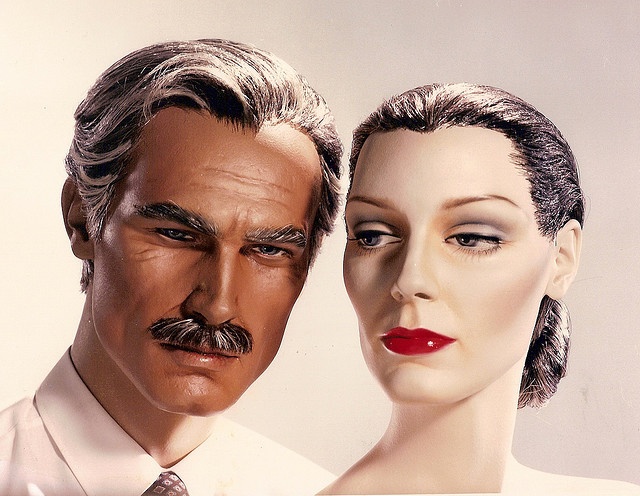
vintage rootstein couple

vintage Rootstein mannequin couple
vi.

Rewind to the early 1950’s, when a young Adel Rootstein immigrated to London from South Africa (born in Warmbaths, 1930) to discover the city’s fashion scene in the midst of a glamorous post-WWII revival – a creative wave that would later make way for the likes of Mary Quant, Jean Muir, Ossie Clarke and Barbara Hulanicki’s BIBA. As a window dresser at Aquascutum, Adel grew tired of the faceless forms that stared back at her from under the label’s elegant trench coats. What use were beautiful garments, she thought, if you have only bland and featureless dummies upon which to admire them? Unbeknownst to Adel this question, born of boredom, would dictate her life’s work.

“Adel lived and died in Jean Muir and Mary Quant,” exclaims Kevin Arpino of his late employer, who he describes as a glamorous fixture of the London fashion set, a woman whose personal sense of style and panache remains embedded in the lifeblood of the company. As Adel’s successor after her death in 1992, Kevin has seen over three decades at Rootstein’s London and New York offices, and even turned down Stephen Jones for a position in the makeup department in 1979! Just as well, perhaps?

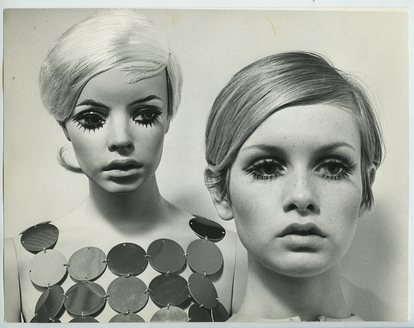
Twiggy and her mannequin by Rootstein

Twiggy and her mannequin by Rootstein
.

“Adel started her company making wigs for windows in her Earl’s Court apartment,” explains Kevin, ushering me through a hallway of partially painted faces above the company’s sleek salon showroom. “She was really breaking boundaries in those days. Her idea was to bring to life the models that were selling clothes in the magazines”. The first model to be sculpted live by her lifelong employee John Taylor in 1968 was a girl called ‘Imogen’ – a slender, exotic figure whose significance has become somewhat lost amongst the bevy of top models Rootstein has since immortalized in fiberglass, plaster and oils. It was Twiggy who put Rootstein truly on the fashion map. “Having a mannequin made is good luck for a model,” says Kevin, “It’s slightly Dorian Gray I think. For us it is more about choosing people who epitomize the time”

Luna Donyale

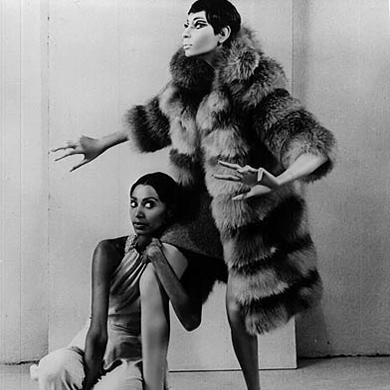
Donyale Luna, the first notable African American fashion model and cover girl, was also the first African American to have a mannequin created in her likeness. It was produced in 1967 by the leading mannequin manufacturer, Adel Rooststen, as a follow-up to their famous Twiggy mannequin of 1966.
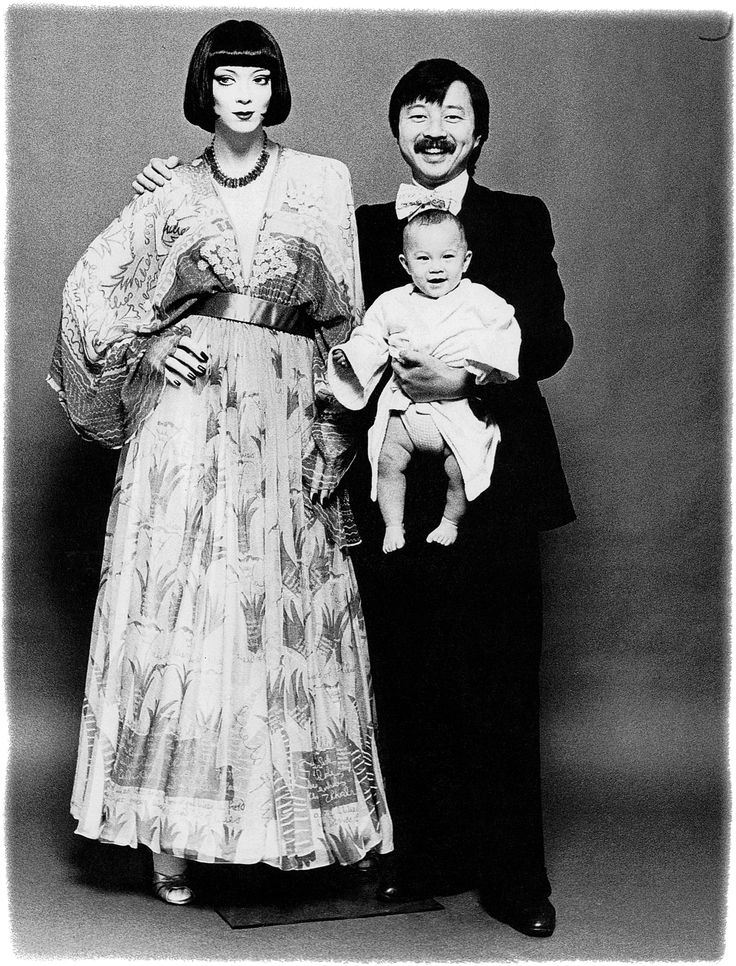
Michael and China Chow with an Adel Rootstein mannequin of Tina Chow in a 1973 printed chiffon evening gown with satin sash by Zandra Rhodes, 1975
.
Michael and China Chow with an Adel Rootstein mannequin od Tina Chow in a printed chiffon evening dress by Zandra Rhodes, 1973


.

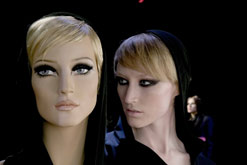
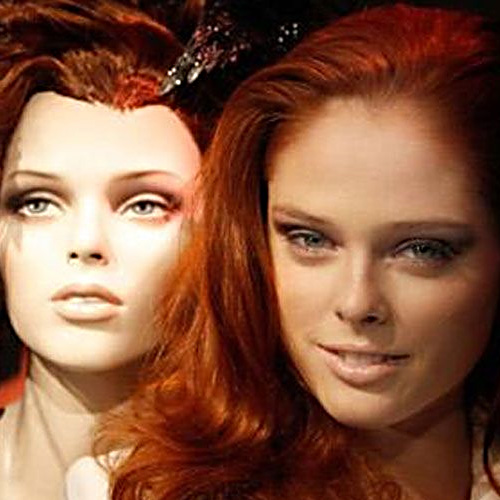
Since Twiggy, countless beauties have stood before Rootstein’s sculptors (for hours and days at a time), their sizes and body shapes fluctuating with the trends – from Pat Cleveland, Violetta Sanchez and Joan Collins in the early days through to a young Naomi Campbell and Kate Moss and more recently the flame-haired Canadian beauty Coco Rocha. Their replicas form series comprised of various figures and poses, which are then dressed and displayed for sale in the New York and London showrooms twice a year.

Pat ClevelandPat Cleveland mannequin joancollinsJoan Collins mannequin jerry hallJerry Hall mannequin linda evangelistaLinda Evangelista mannequin  (comment from JP:  the Linda Evangelista head is not by Rootstein. Linda was made by an artist/fant and placed on a Rootstein body)
.

Aside from their famous faces, like any savvy fashion designer Rootstein have a commercial collection too – from mannequins with various heel heights to those in reclining or seated poses, glamorous gestural mannequins and more somber styles. All must be considered when working with a solid, fixed form upon which to showcase the dynamic trends of any given era. “I think that the mannequin, when used properly, can give off a very strong image but unfortunately the people who know how to do that are a dying breed,” says Kevin, who labels the mannequin business as a ‘cottage industry’.

Even so, today Rootstein’s regular clients include designers from Tom Ford, Lanvin and Ralph Lauren to high street giants like Zara and department stores from Harvey Nichols to Bergdorf Goodman and the Galeries Lafayette. They’ve worked on exhibitions with the Costume Institute of the Met since the 70’s, including none other than Diana Vreeland’s iconic Yves Saint Laurent retrospective and her Ballets Russes show. Photographers too have entertained a veritable love affair with Rootstein’s static beauties, a fact Kevin is quick to demonstrate with a wall of black and white photographs signed by the two legends. “Helmut Newton loved mannequins, and photographed many of ours. He was obsessed with them and used to collect them. Also David Bailey. We have made mannequins of all his wives!”

Catherine DyerCatherine Dyer, fourth and recent wife of David Bailey, with mannequin. ph. David Bailey
..

All well and good, you may be thinking, but where does one find Stephen Jones amidst Rootstein’s particular cave of wonders? Firstly, Kevin explains, Stephen often makes hats for Rootstein’s showrooms. “When I phone and say ‘I need four hats in two weeks’ he’ll say ‘Oh that’s nothing dear, John (Galliano) used to give me a day!’” Secondly, and despite Stephen’s failed interview back in ‘79, the answer still lies in the makeup room, just upstairs past the wigs.

“The people who work here are artists, not makeup artists,” explains Kevin, of the team of six artisans in their makeup division who, under the watchful guise of head artists John Davis & Judith Fain, apply delicate oil paints to the finished mannequins in a four-day process which includes painting, drying, over-painting and eyelash application. “You may get an order of fifty mannequins and have five artists doing the same makeup. John’s job is to make them all uniform, he’s what you call an overpainter.”

Rootstein Biba.

Rootstein mannequin for Biba

.

In terms of styles and limitations, “We can do anything,” Kevin regales, “We’ve been inspired by Biba for decades – in fact the next season we’re doing very Biba petrol blue eyes. Actually Barbara (Hulanicki) came in here when she was working on her book recently. Adel originally did all the 1930’s heads for her shops. Barbara was fascinated, and so chuffed”.

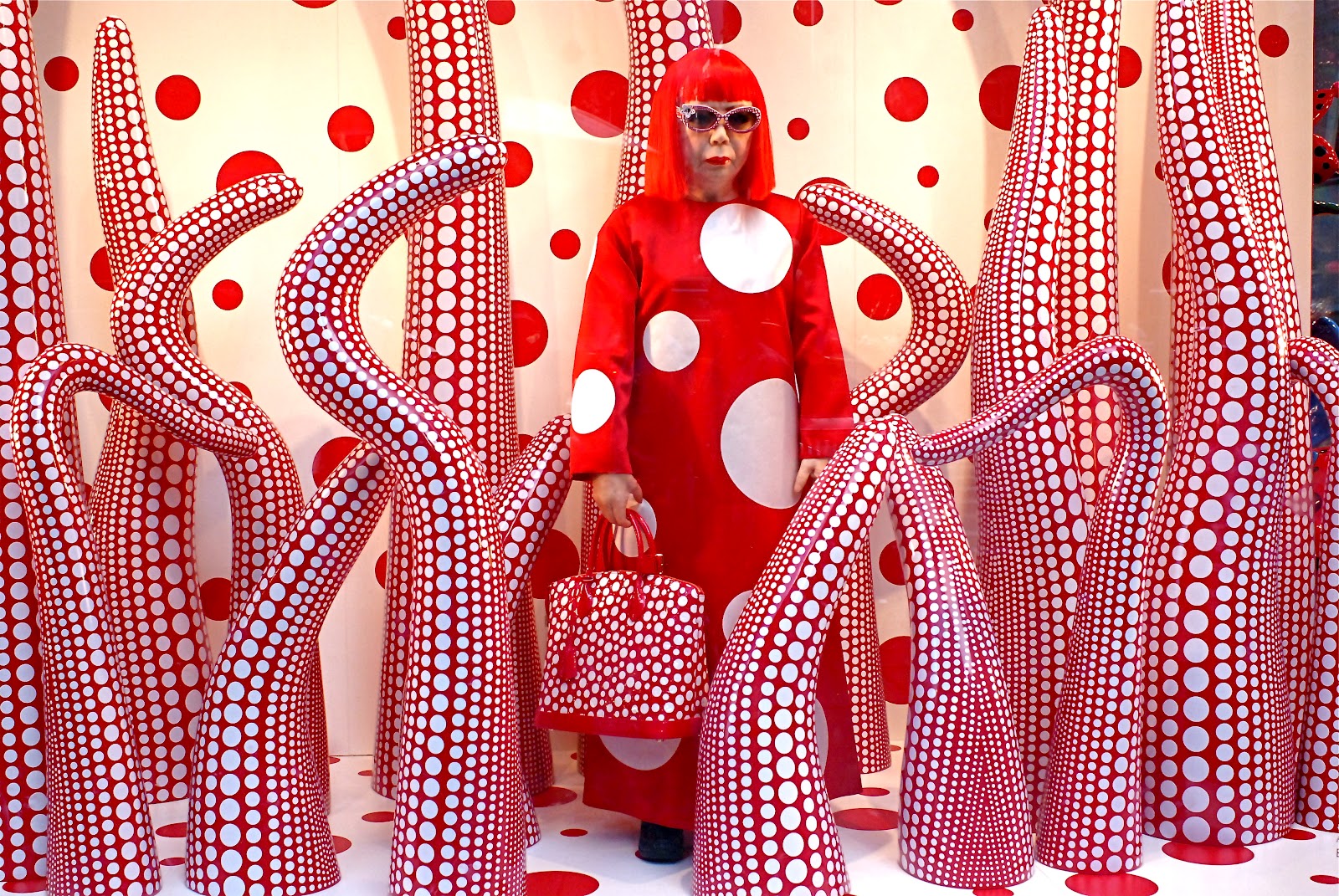
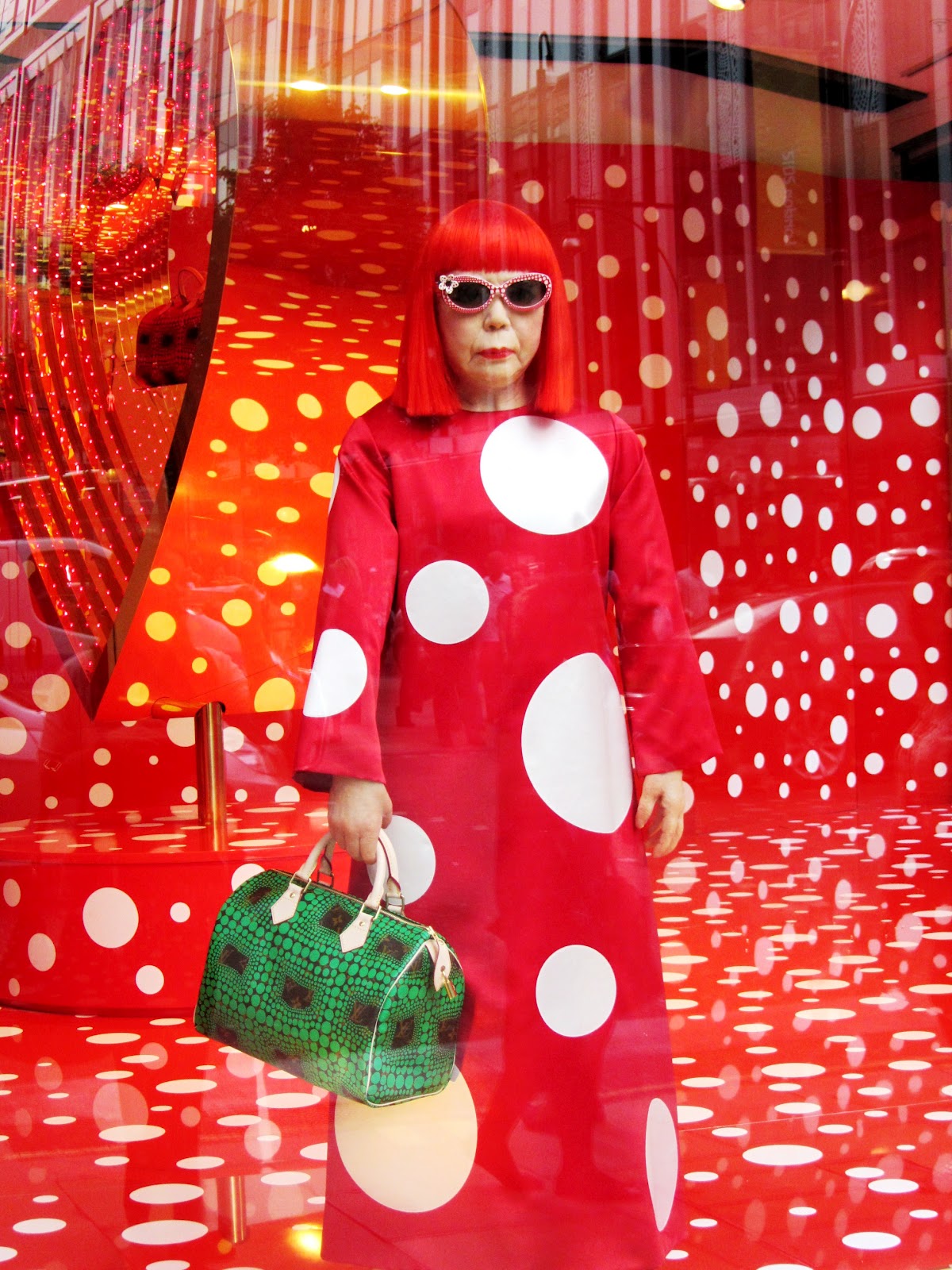
Despite recent trends for faceless mannequins somewhat detracting from Rootstein’s demand for made-up faces, new commissions have had the division working overtime – including last year’s worldwide takeover of Louis Vuitton by the Japanese artist Yayoi Kusama, a project that saw the luxury house’s window displays overrun with white tentacles and mannequins (including one of the artist herself) covered in red polka dots. “Every dot had to be in the right position. That was art, you know,” muses Kevin.

Yayoi Kusama

Louis Vuitton window Selfridges London Yayoi Kusama spots

Yayoi Kusama mannequin for Louis Vuitton
.

Stephen Jones himself commissioned a bevy of busts and heads for an installation last November, when Mrs. Prada took over the Café Royal on London’s Regent Street for her 3-day women’s club called “The Miu Miu”. Charged with decorating the halls of the 3-level interior and one window (the second was offered to another British icon, Dame Vivienne Westwood), Stephen crafted three swirling vortex headpieces that grew out of glossy pink busts, each adorned with an assortment of Miu Miu’s sunglasses, bags and shoes. For the window he turned Mrs. Prada’s skirts upside down as headdresses on the floating heads of Rootstein models like Erin O’Connor, Jade Parfitt and Yasmin Le Bon. “Three weeks before Stephen came in and said ‘You’re going to hate this dear, but what can you do?’” recalls Kevin.

 Stephen Jones for Café Royal, commissioned by Murcia Prada

 .

“I just love the fact that Stephen is so hands-on,” he enthuses, winding up my tour by bestowing upon Mr. Jones a compliment that clearly reflects his own ardent dedication – not to mannequins or hats, or even fashion itself – but to the weird and wonderful labyrinth and the artisans over which he presides.

 Agyness Deyn mannequin by RootsteinAgyness Deyn mannequin
Jade-ParfittJade Parfitt and her mannequin

Coco RochaCoco Rocha and her mannequin
.
.
Text by Dan Thawley
This article originally appeared in A Magazine Curated By Stephen Jones
Kevin-Arpino

“Mannequins have been around an awfully long time. They date back to the 1850s if not before. When Adel Rootstein came along in the 60’s she brought youth culture into mannequins, because before – they looked like your mum.”

Kevin Arpino
.
.


BBC documentary; the Story of Ziggy Stardust

11 May
 DAVID-BOWIE
 
 
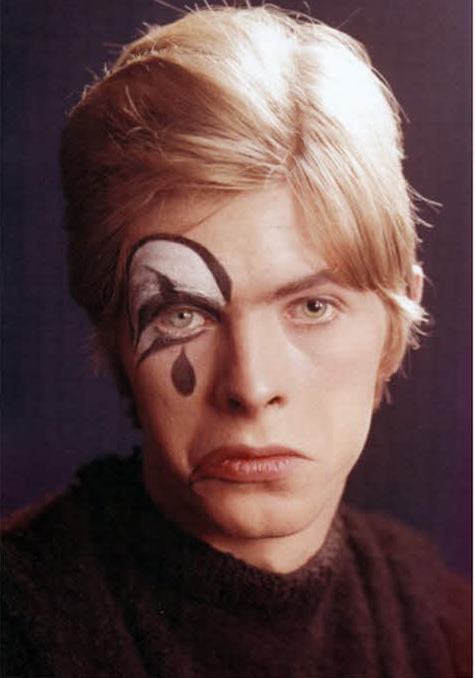
I already published two stories about ‘the creation of the Ziggy Stardust look’, but in this documentary more about how and why David Bowie came to invent Ziggy Stardust, who had an enormous influence on fashion in the 20th century and actually still has!
.

In 1973, legendary director D.A.Pennebaker decided to film the London leg of David Bowie’s tour of Britain in support of Aladdin Sane. Little did Pennebaker know that Bowie, in his most famous incarnation as Ziggy Stardust, would announce his retirement after the final encore. What Bowie retired, of course, was the Ziggy persona—fans of that incarnation are indebted to Pennebaker for catching the final act in his film Ziggy Stardust and the Spiders from Mars.

Pulling footage from Pennebaker’s concert film, and a great deal of rare footage, and narrated by Jarvis Cocker, the BBC documentary does what Pennebaker’s film refused to; it tells a story, in typical TV documentary fashion, of the rise of Ziggy. And it’s not a story that many fans know. The first part of the film addresses the question: “What made this mysterious extra-terrestrial one of the most influential cultural icons of the 20th century?” It turns out, quite a lot went into the making of Bowie’s 1973 breakthrough as Ziggy Stardust. In fact, says Cocker, “at that time,” when Bowie emerged as this seemingly fully-formed character, “we didn’t realize that he’d been trying to be successful for 10 years.”

 
 .
.
 
.
.
David Bowie
.
.
.


Paul Poiret, Pictures of Garments & Accessoires (part 3)

11 May

Paul Poiret

..

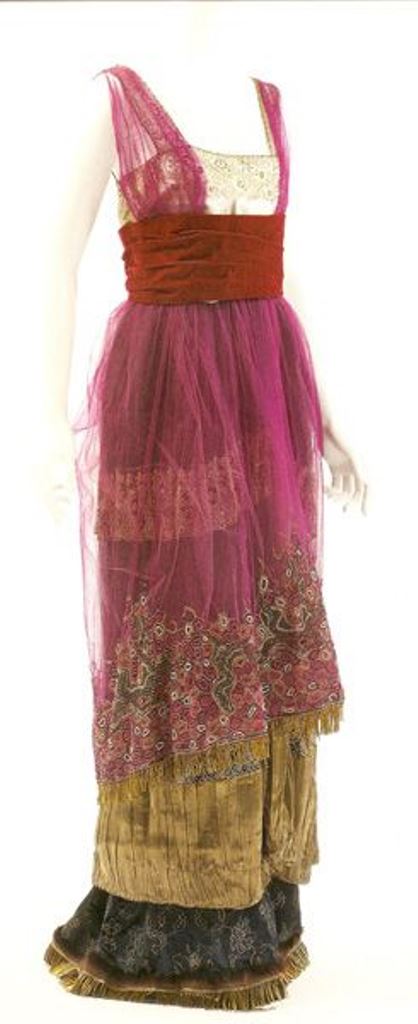
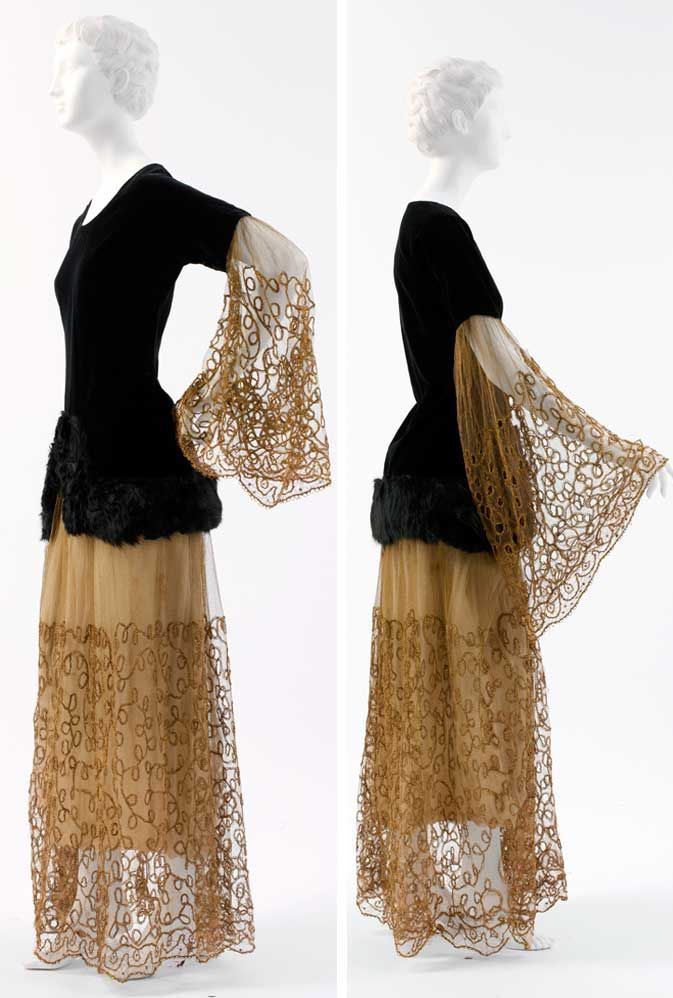
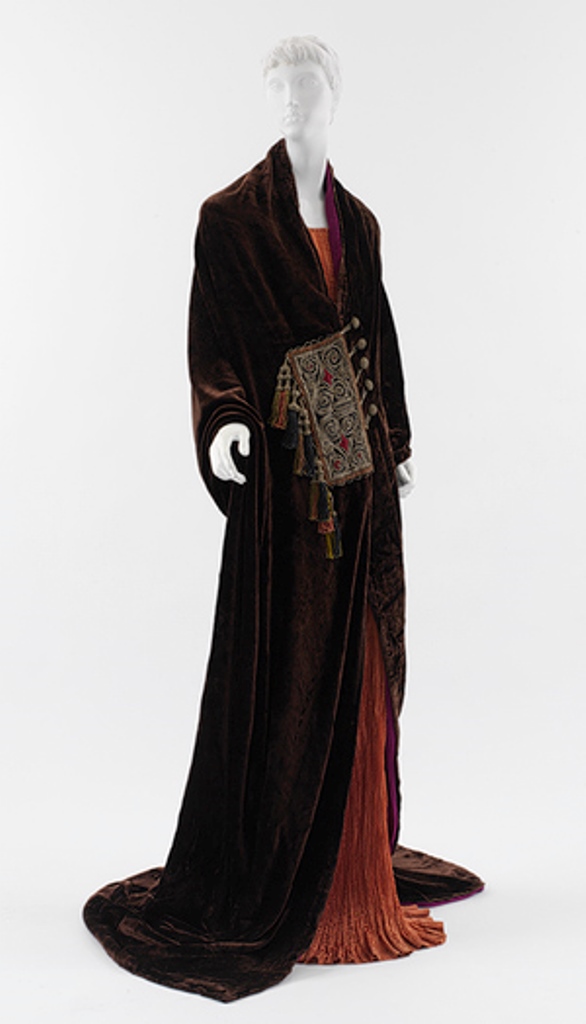
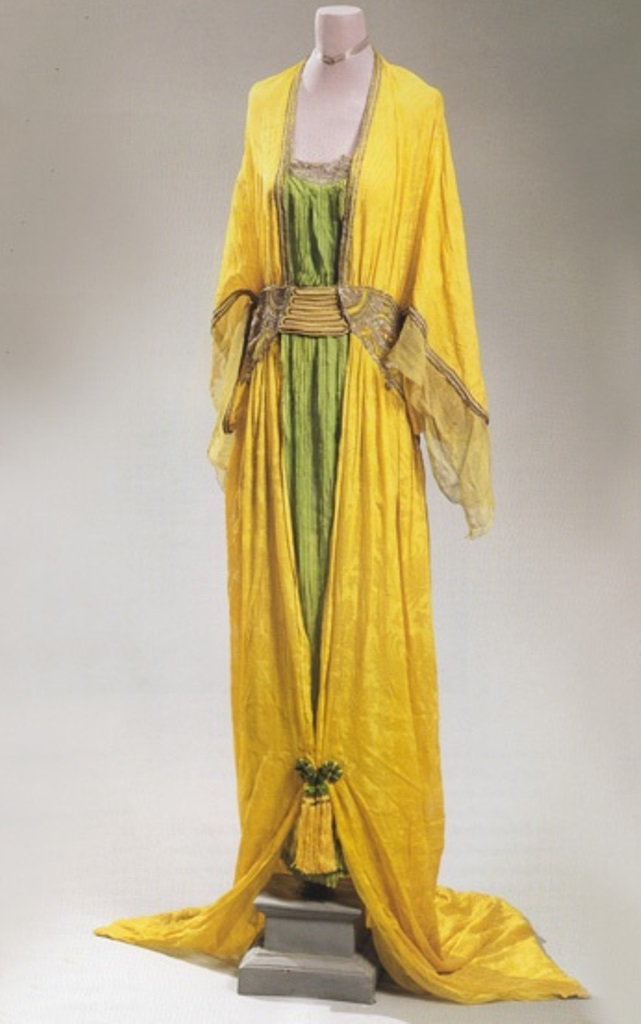
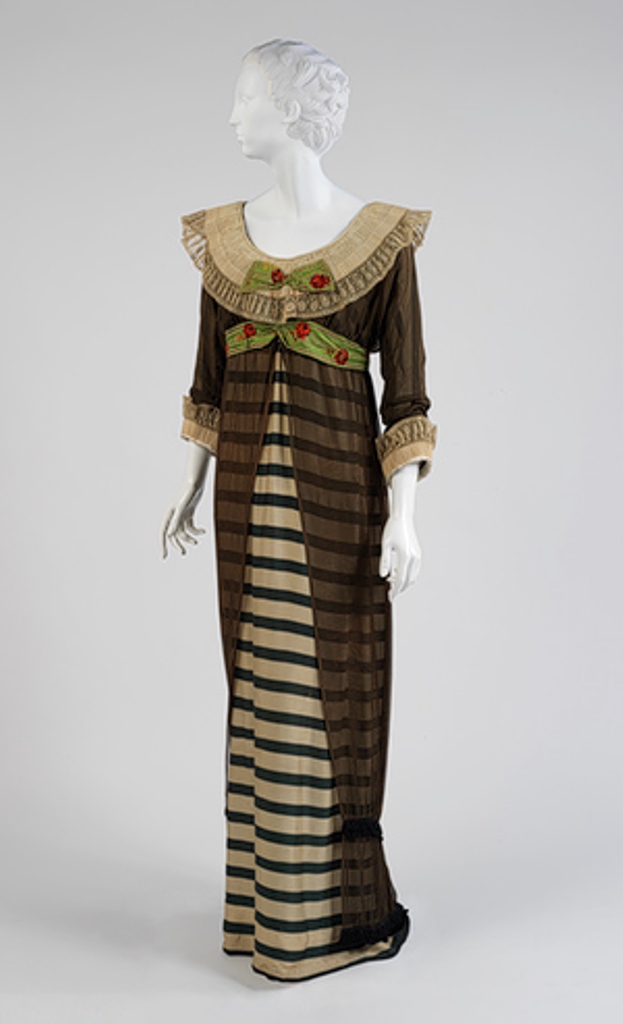
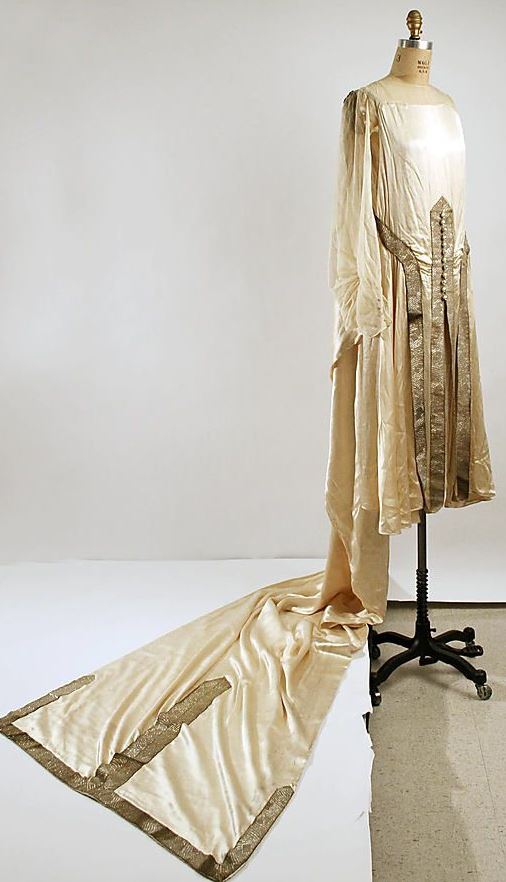
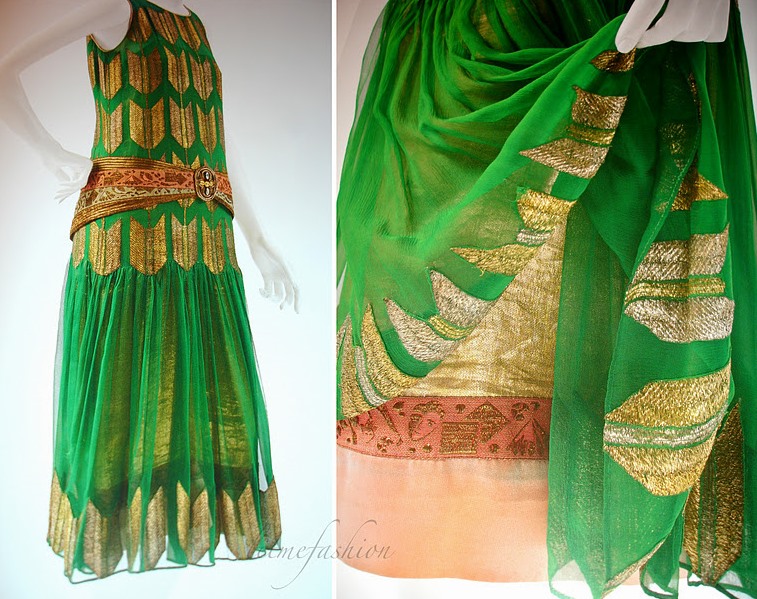
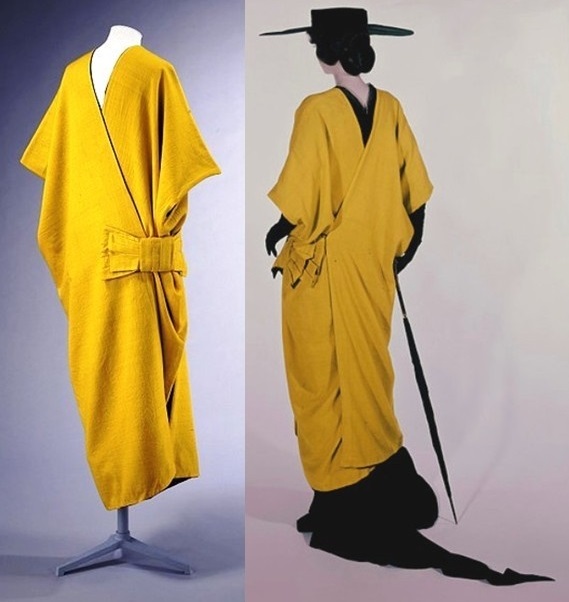
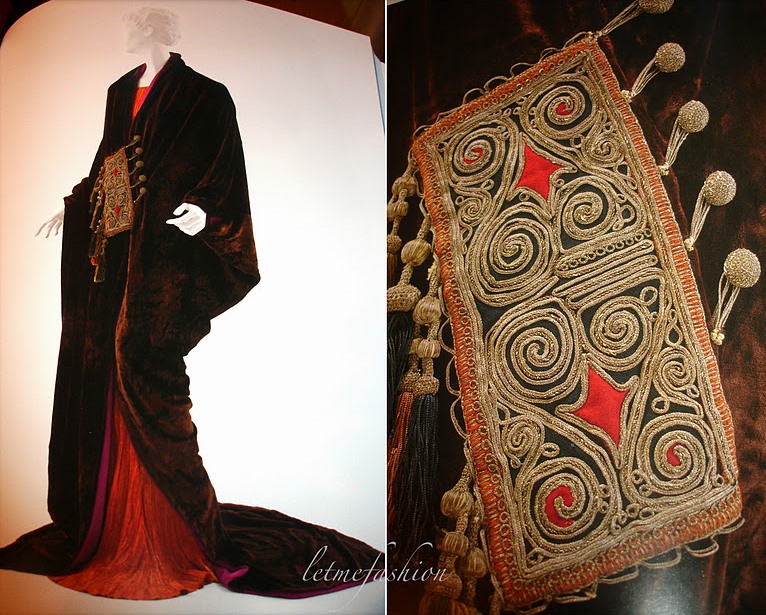
Pictures of Garments & Accessoires by Paul Poiret

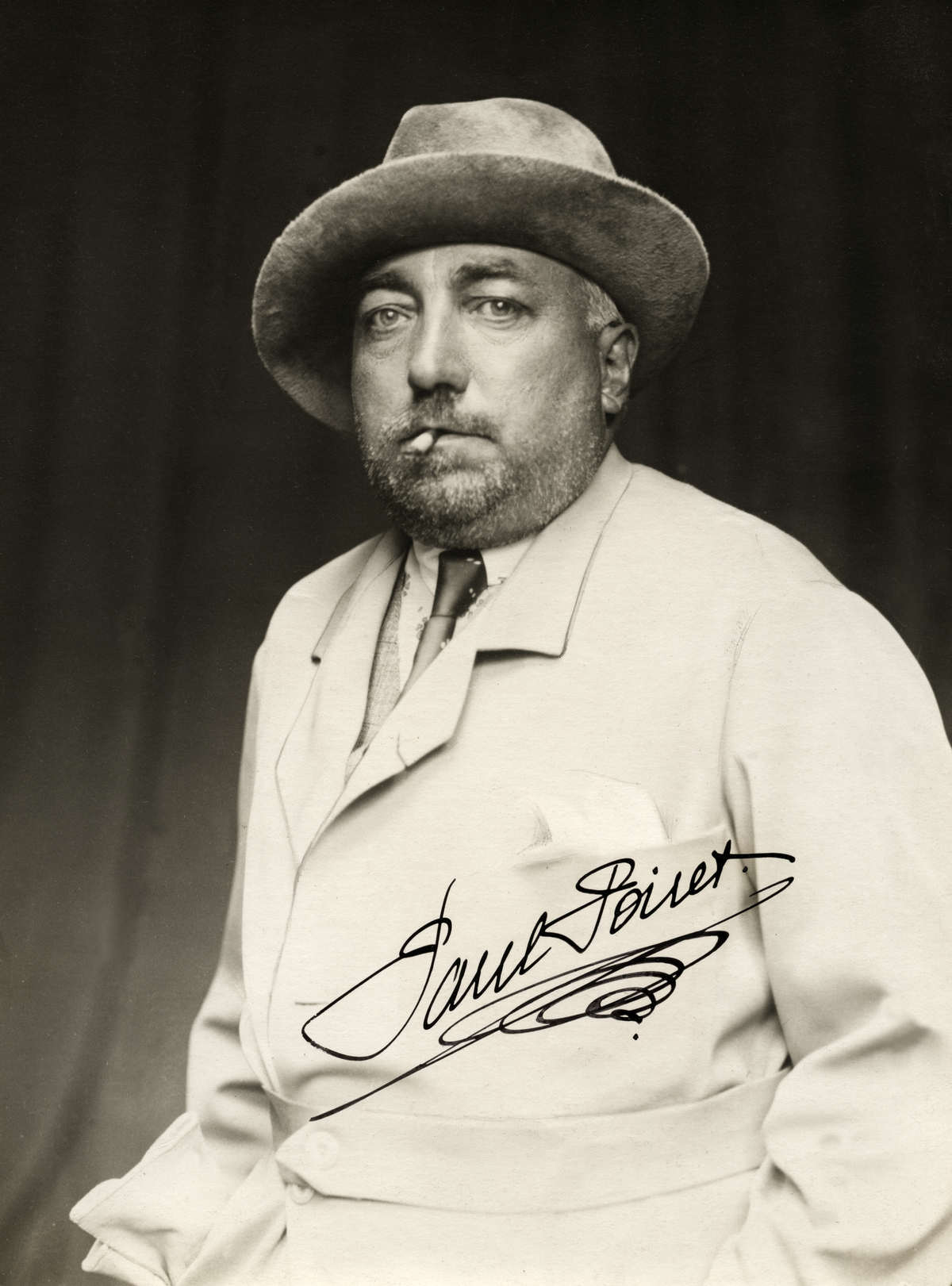
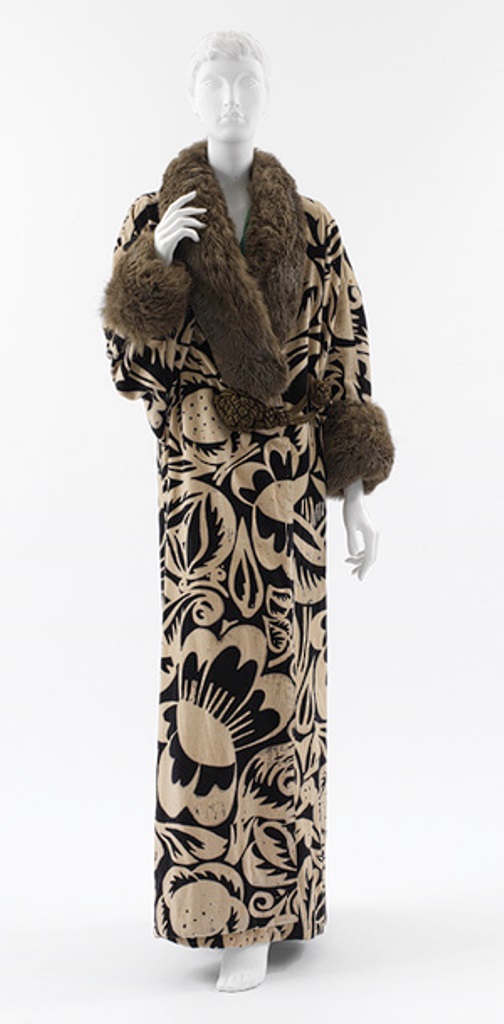
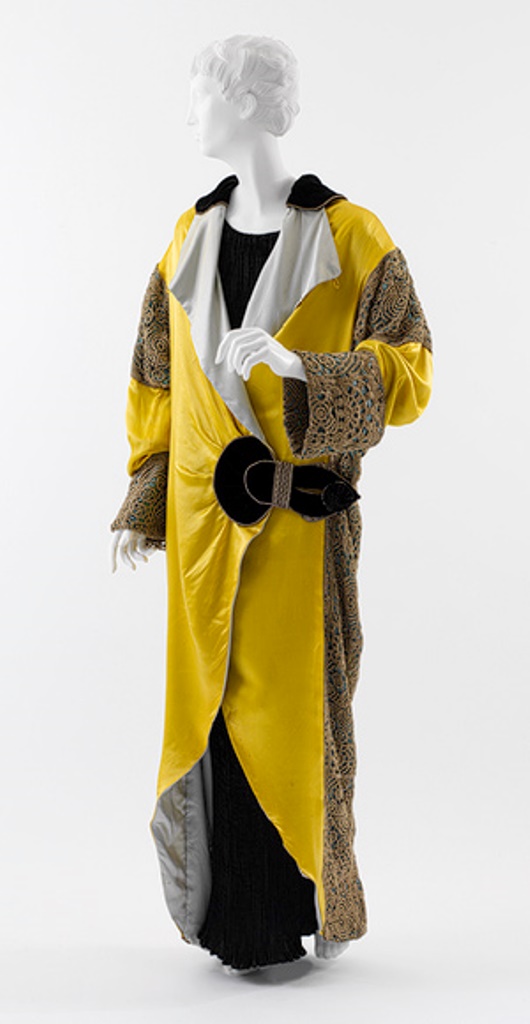
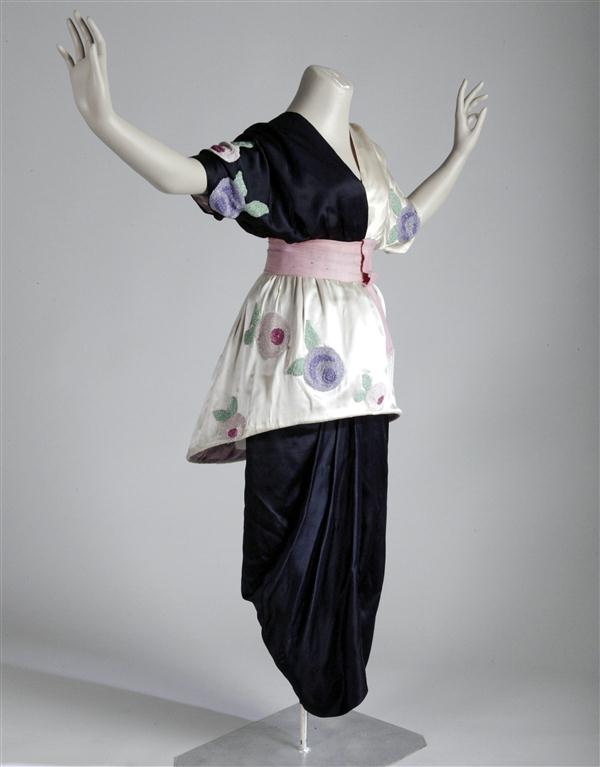
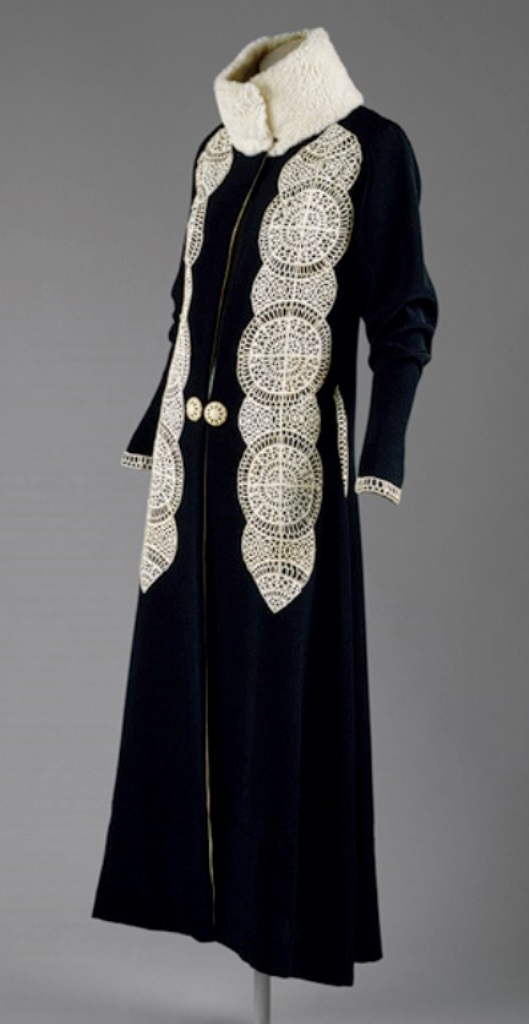
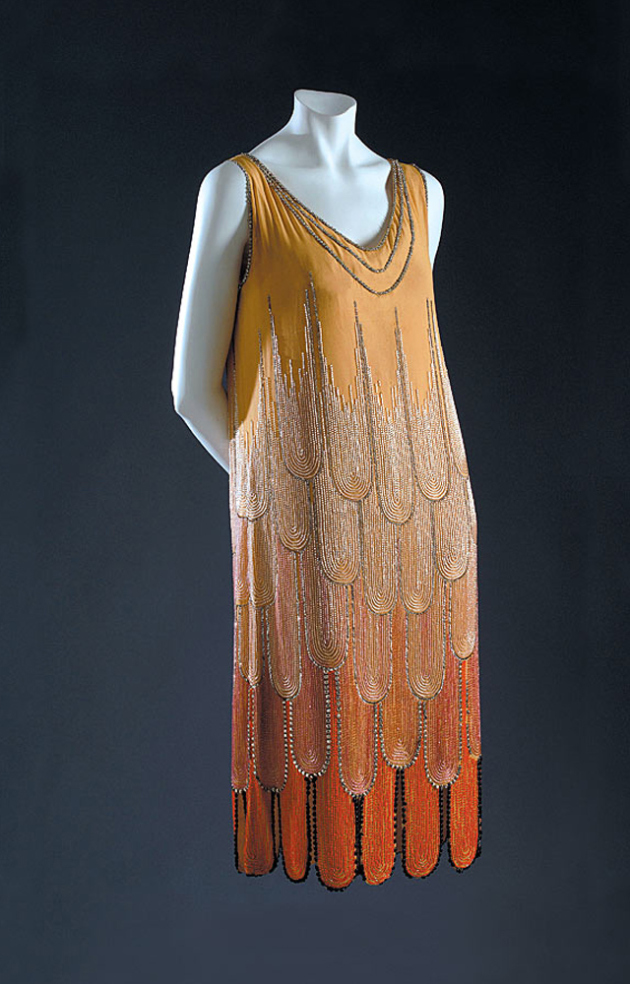
After writing about Paul & Denise Poiret the last two weeks, it’s time to show some of his briljant work!!!!

poiret

Poiret

poiret

871cebef257fd2c177162d6bbd329333

poiret

poiret

poiret

poiret

poiret


Poiret

poiret

Poiret

Poiret

poiret

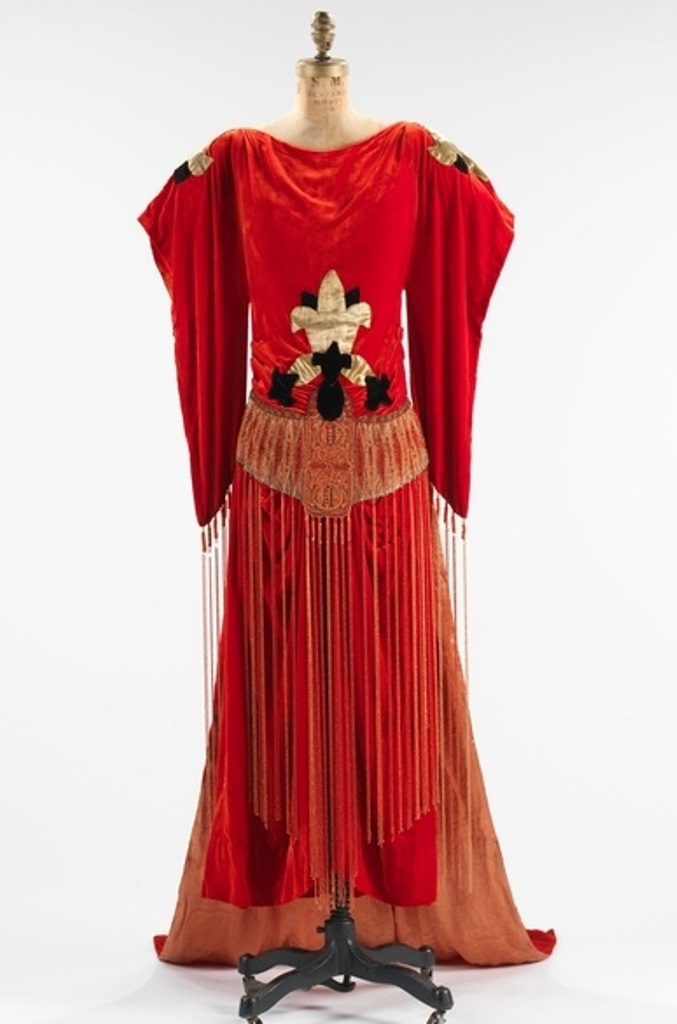
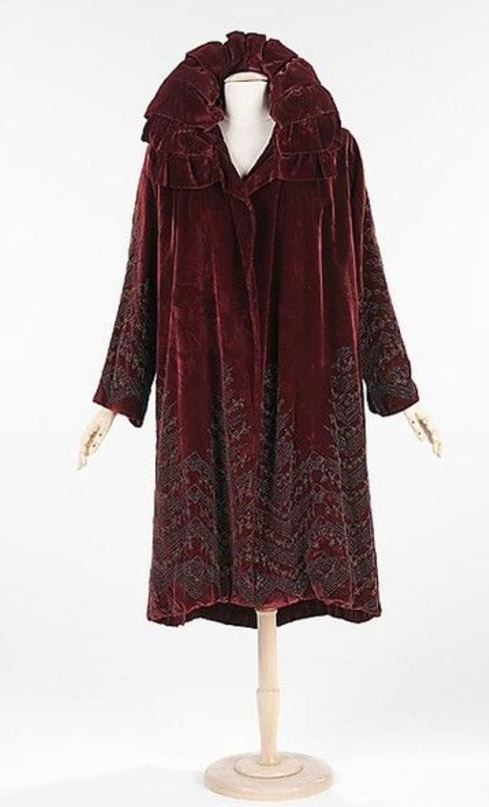
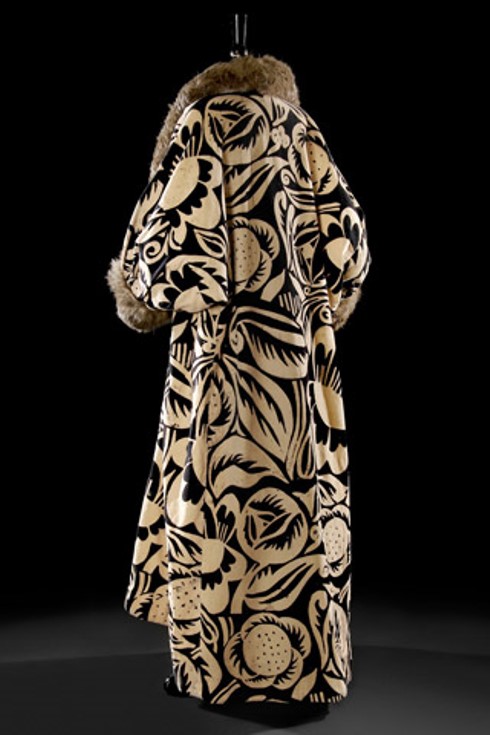
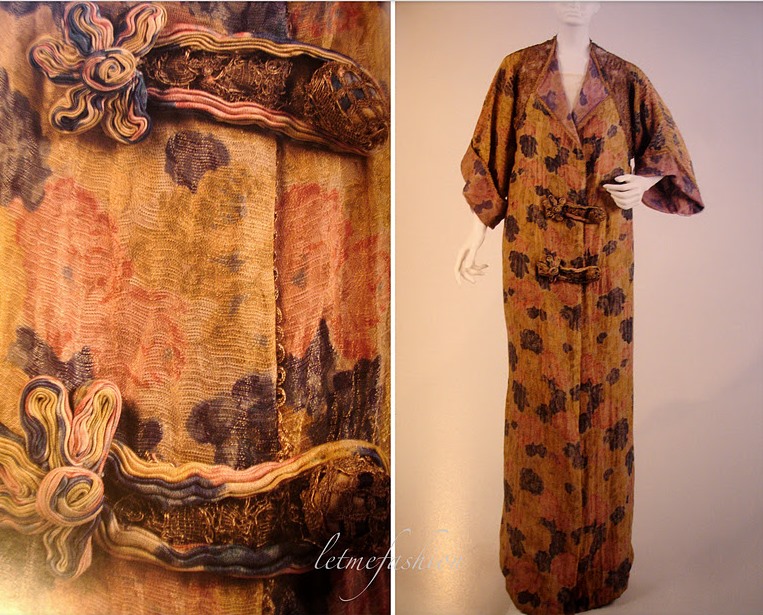
Poiret La Perse coat, 1911. Textile design by Raoul Dufy.

Poiret

Poiret

poiret

Poiret

Poiret

Poiret

poiret

poiret

.

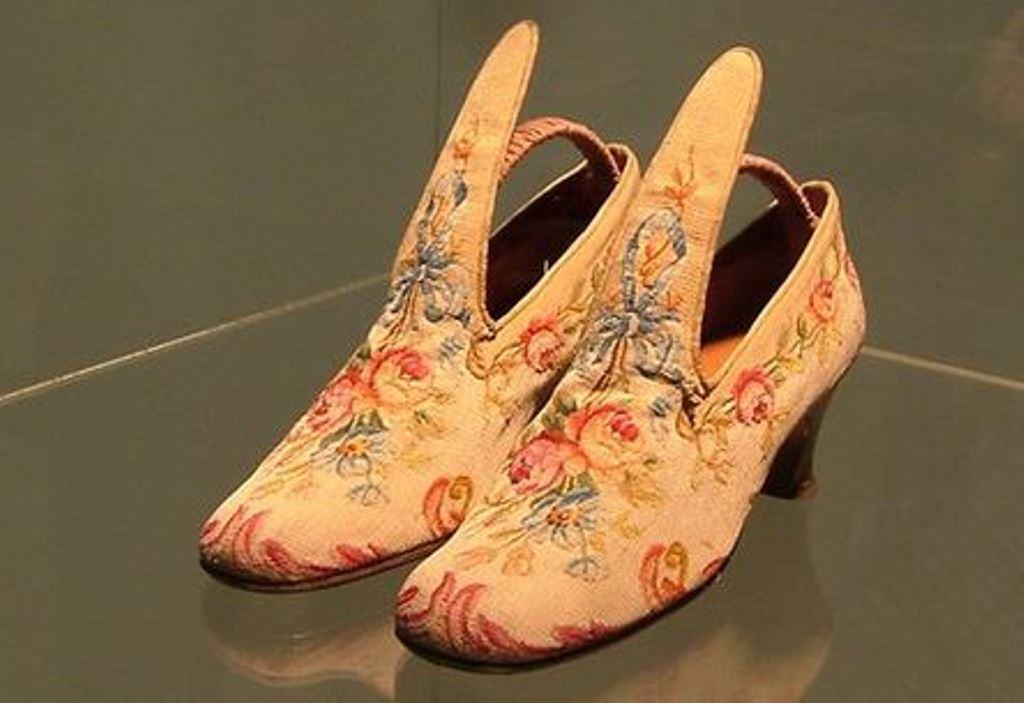
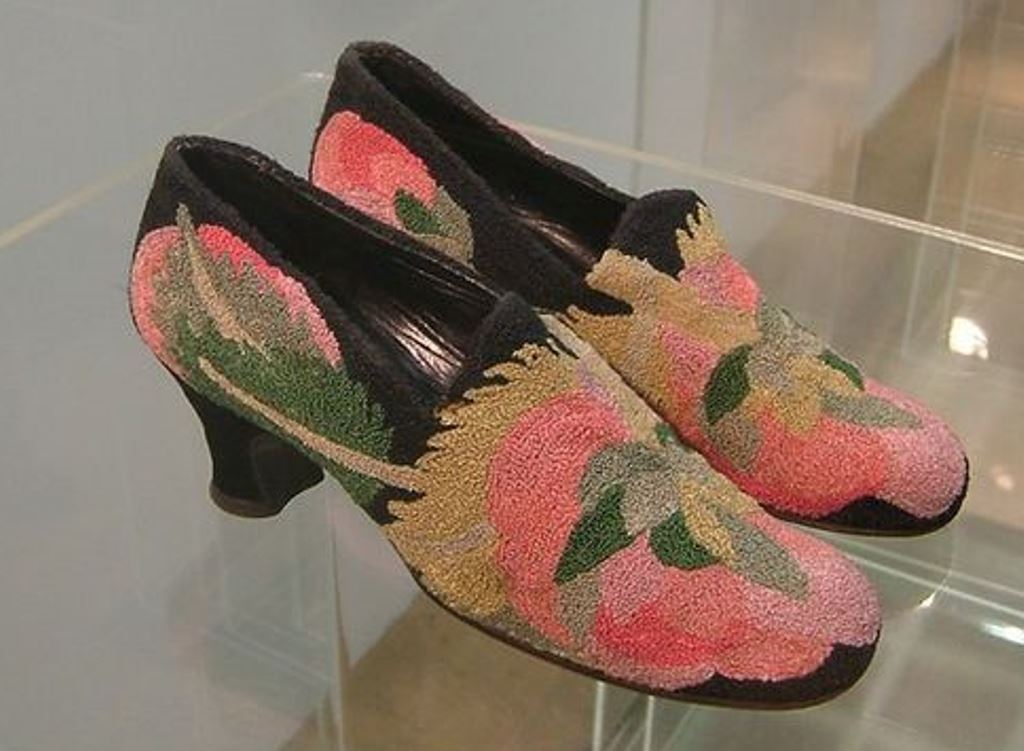
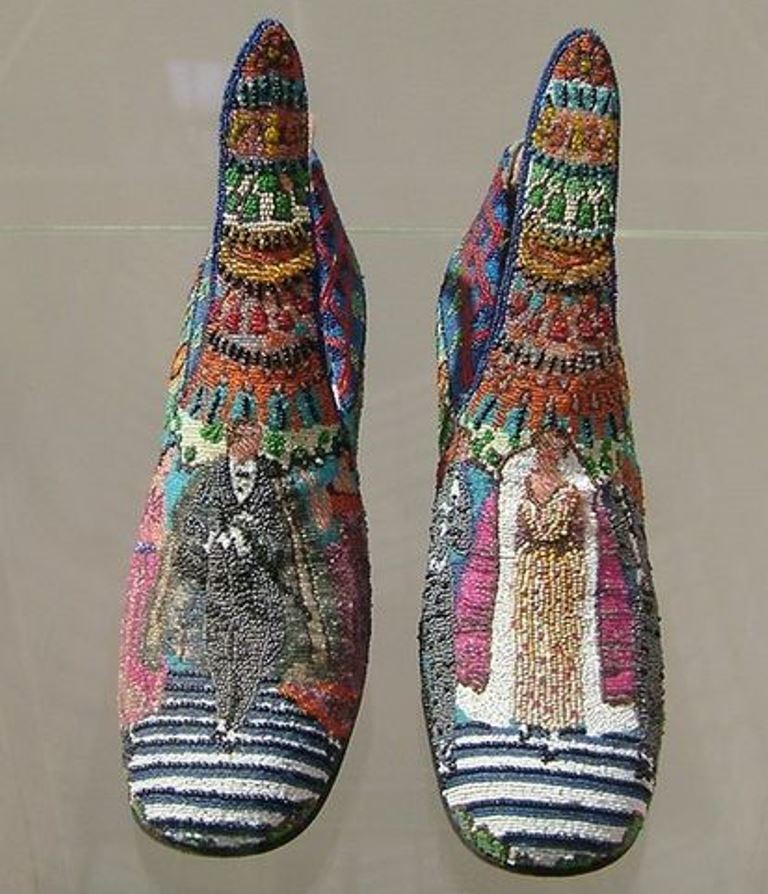
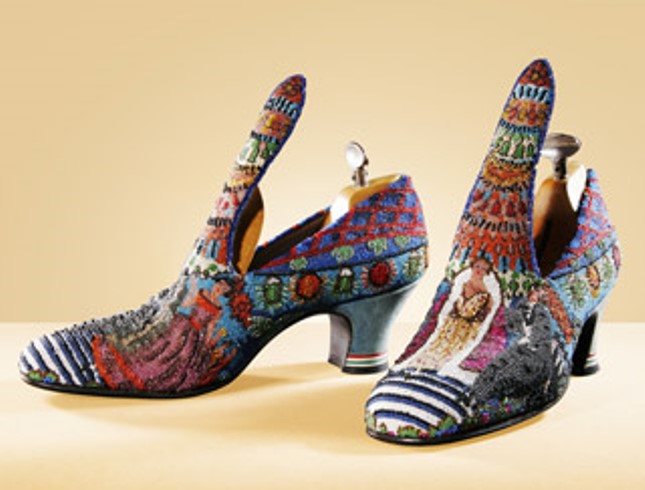
Le Bal shoes, 1924poiret

Le Bal shoes, 1924.poiret

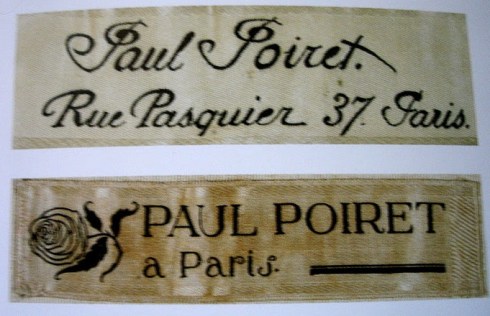
Paul Poiret Labels


.

Some pictures can be found on ‘letmefashion.blogspot’:

http://letmefashion.blogspot.nl/2012/01/paul-poiret-king-of-fashion.html

Serge Gainsbourg, Effortlessly Cool

4 May

Serge Gainsbourg


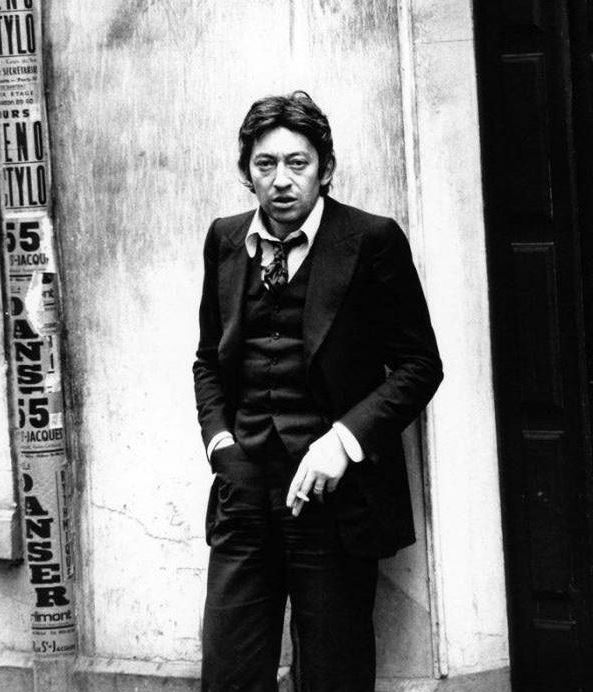
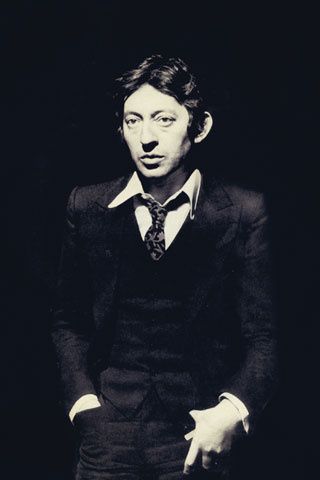
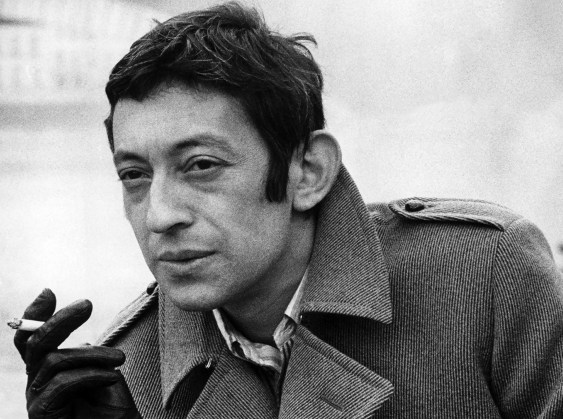
Style is not just about beauty, it’s about finding out what fits you well and putting it all together. Serge Gainsbourg was a french rock star with great style and always surrounded by sexy girls. Something about him that fitted his personality and life style, and it all came together and worked. That is what style is. Finding what works on you and wearing it well.

Finding his signature style is what matters here. It takes some people their entire life (and let’s face it some people never figure it out), but when you realize the absolute basics to fashion and that style has to do with how clothes fit you and how those clothes interact with your lifestyle, then you truly figured it out. Gainsbourg, who was always smoking and had a crazy party life, was always wearing a white shirt that look liked he had slept in it. He never had anything ironed or looked neat, but was always wearing a suit or a jacket. He was chic, and with purpose effortlessly cool. He was definitely trendy, but seemingly wore his clothes without care,

Serge Gainsbourg

Serge Gainsbourg


Short Biography

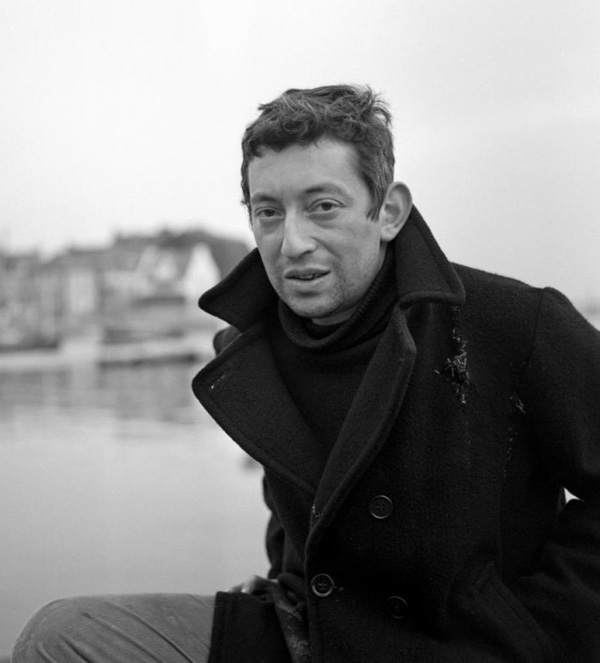
He was, by his own account, a freakishly ugly man, blessed with jug ears, narrow eyes and a huge hooter. In Joann Sfar’s biopic, he’s represented by a golem-like puppet that bears more than a passing resemblance to the Count from Sesame Street. So how was it that Serge Gainsbourg managed to seduce some of the world’s most beautiful women?

“I never actually had a relationship with him,” says Marianne Faithfull, who first met Serge in 1965. “But I sometimes wish I had. You could tell that anyone who slept with him would come away very satisfied indeed. Ha ha! He had a wonderful aura of quiet confidence around him, an odd mixture of shyness and arrogance.”

There was certainly no lack of implausibly attractive women who were more than willing. “Serge liked to surround himself with women,” says the actress and singer Jane Birkin, who was married to Gainsbourg in the 1970s. “He was insecure about his looks and felt validated by their attentions.”


Serge Gainsbourg


 Indeed, it was women who transformed Gainsbourg’s career. None of his early records sold many copies or attracted much attention, but he started to make a name for himself when women started to cover his songs.

The stunning actress and singer Juliette Gréco was the first, releasing an EP of Gainsbourg songs in 1959. But it was the 16-year-old blonde France Gall – one of the country’s new “yé-yé singers” – who transformed his career. After initially dismissing yé-yé – a style of music popular in France and Spain in the 1960s – as “banal”, he started writing for Gall in 1965. “I am a turncoat,” he said. “I turned my coat and I now see that it is made of silk.”

.

.

His first song for her was a chart topper; his next won the Eurovision Song Contest. Later, he got her to sing the innuendo-laden Les Sucettes, about a young girl’s fondness for sucking lollipops.

Gall’s success brought Gainsbourg celebrity, including several movie roles. His songs were covered by the likes of Françoise Hardy, Michèle Arnaud, Valérie Lagrange, Michèle Torr, Régine, Dalida, Barbara, Isabelle Aubret and Brigitte Bardot, not to mention overseas artists such as Petula Clark, Marianne Faithfull, Dionne Warwick and Nico.

The attentions of some of these women infuriated Gainsbourg’s wives. He’d actually been married twice by the mid-1960s. In 1951, aged 23, he married fellow bohemian art student Elisabeth Levitsky. Levitsky came from Russian aristocratic stock and worked as an assistant to Salvador Dalí’s friend, the poet Georges Hugnet. As a result she had access to Dalí’s Paris apartment, which the couple often used as a hurried love nest.

They split and, in 1964, Gainsbourg married the beautiful, if long-suffering, Béatrice Pancrazzi, although they lived separately. By this stage, Gainsbourg had started to stray..

Serge+Gainsbourg++Brigitte+Bardot

Serge Gainsbourg & Brigitte Bardot
.

One of his affairs was with Brigitte Bardot. Bardot, aged 34, was still a huge star, but her film career appeared to be over. Gainsbourg assisted her transition from film to music, providing Bardot with some memorable psych-pop material. They had a brief, passionate affair, raising his public profile and consolidating his credentials as an unlikely sex symbol. He and Pancrazzi briefly reconciled, and even had a child together, but it wasn’t long before Gainsbourg was on to marriage number three.

Born in 1946, Jane Birkin was an upper-middle-class Englishwoman 18 years younger than Gainsbourg. They met on the set of the film Slogan, in which Serge had a small acting role. Birkin had recently split up with her first husband, the film composer John Barry, and fell for Gainsbourg. “He was mesmerising company,” she says. “His talent and odd sense of shyness seemed to demand affection.”

Their union was not without controversy after they wrote and produced the song ‘Je t’aime… moi non plus’ which contained explicit lyrics and orgasmic moans. The song was banned by numerous radio stations including the BBC and the Vatican declared it was ‘offensive’..


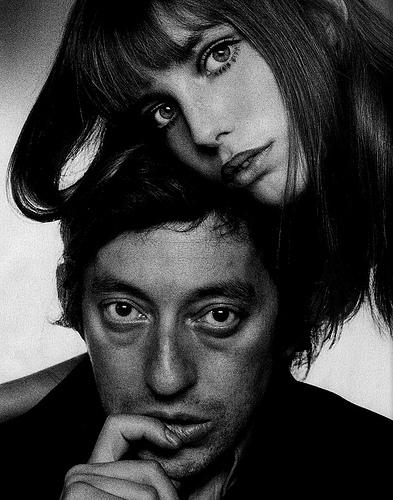
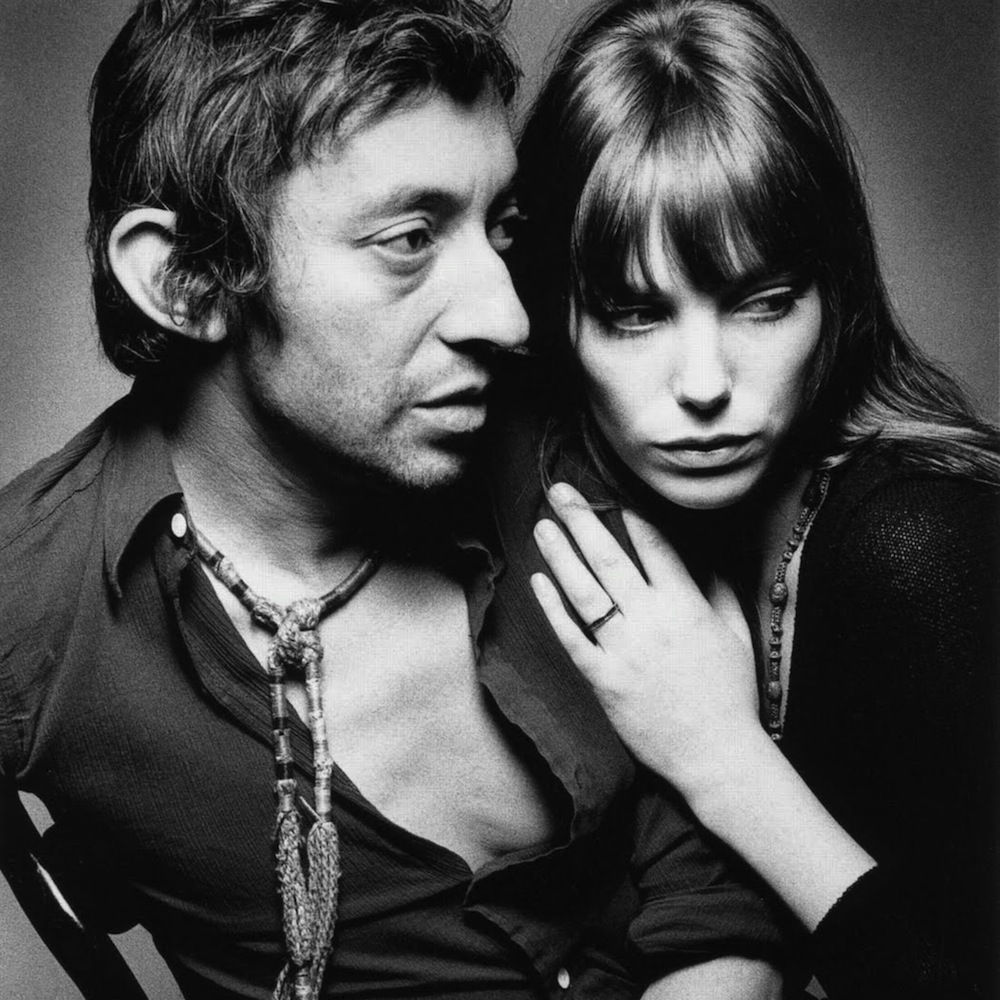
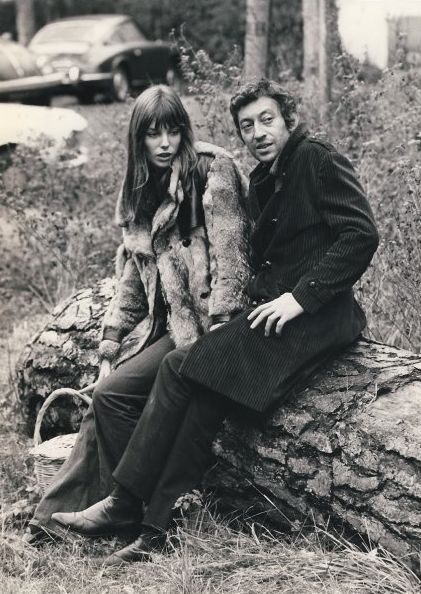
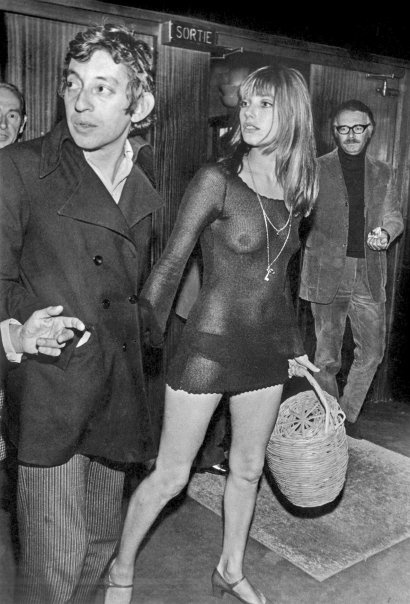
Serge Gainsbourg & Jane Birkin

serge-gainsbourg jane-birkin

sieff 1970 serge gainsbourg et jane birkin fb

Serge & Jane

Serge& Jane


.

.

Together they had a daughter, Charlotte, and also brought up Jane’s earlier daughter, the photographer Kate Barry. They split in 1980, with Birkin citing Gainsbourg’s alcoholism. “He was insupportable, so drunk and so difficult,” she says. “He would come home at 4am and be so drunk he couldn’t get his key in the front door.” She left Gainsbourg for the film director Jacques Doillon.

After the divorce, Gainsbourg was rumoured to be involved with the actress Catherine Deneuve. Instead, he entered into what would end up as the longest relationship of his life, with Bambou, a Eurasian model and singer a quarter-century his junior. They were together until his death in 1991.

serge-gainsbourg


info: The Guardian