Paloma Picasso (born Anne Paloma Ruiz-Picasso y Gilot in Paris on 19 April 1949) is the youngest daughter of Pablo Picasso and painter and writer Françoise Gilot. Paloma’s older brother is Claude Picasso (born 1947). .
‘My parents always taught me that I have to be my own person. At the same time when you have such parents and such a name you don’t want people to associate the two. When I got to be 14 or 15 it started making me feel very nervous. For a number of years I wouldn’t touch a pencil for anything other than writing, I was so afraid I might become an artist.’
.
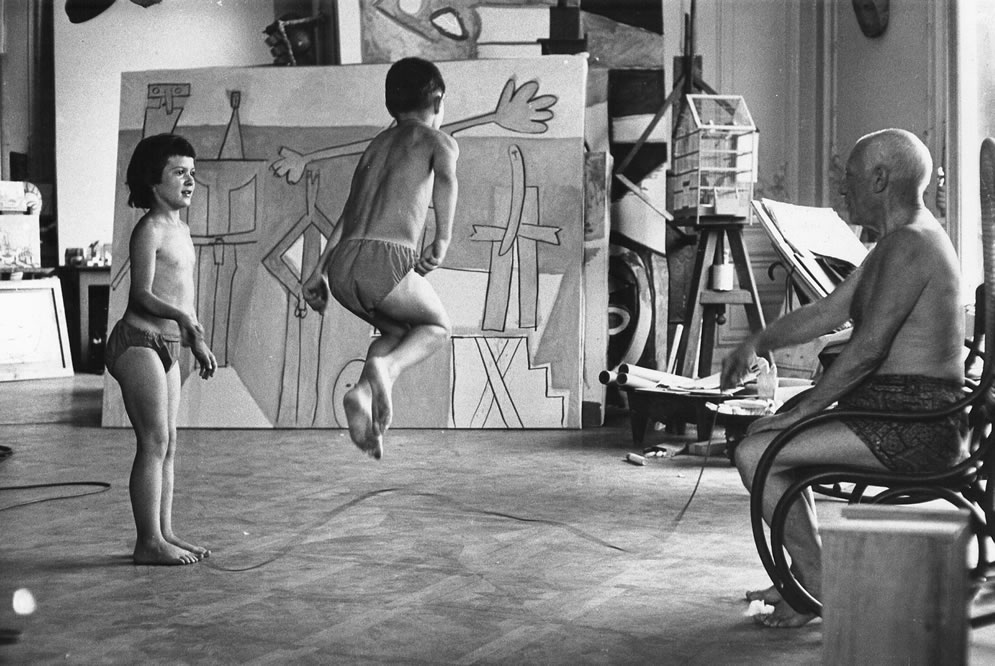
Childhood photographs Paloma Picasso & Family
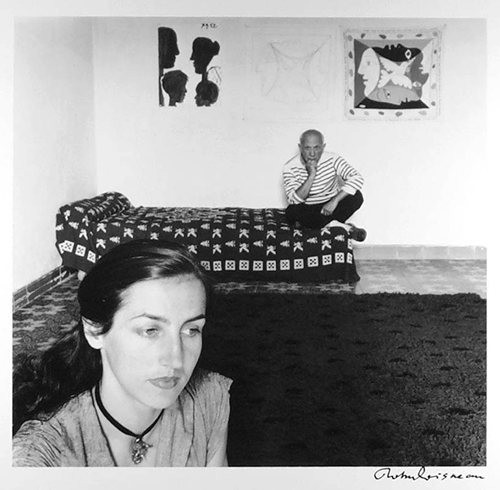
Françoise Gilot & Pablo Picasso
Françoise Gilot & Pablo Picasso, ph.Robert DoisneauPaloma, Pablo & Claude Picasso
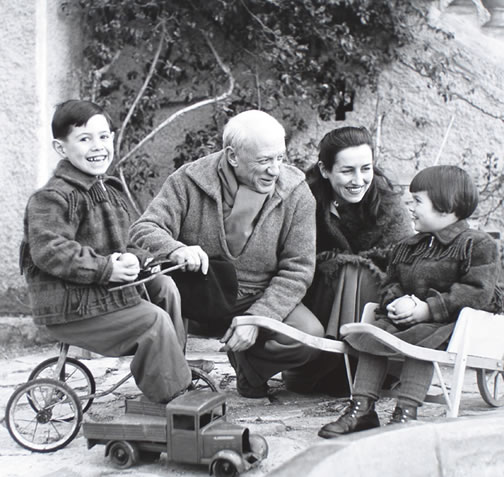
Claude, Pablo, Fran;coise & Paloma, 1953
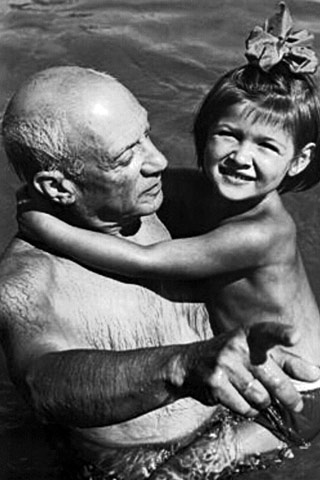
Paloma, Claude & Pablo, 1956Pablo & Paloma Picasso
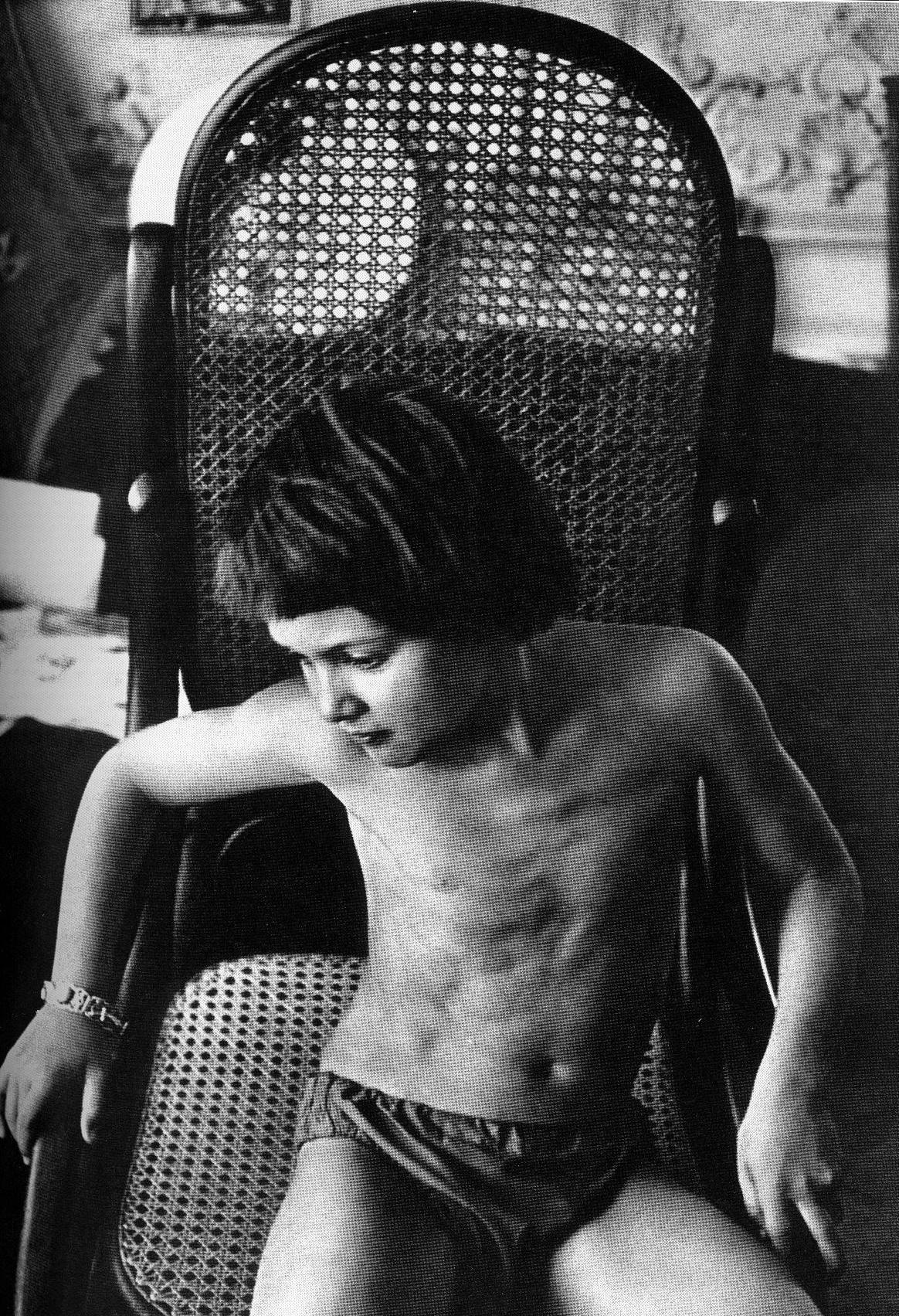
Paloma PicassoPaloma Picasso
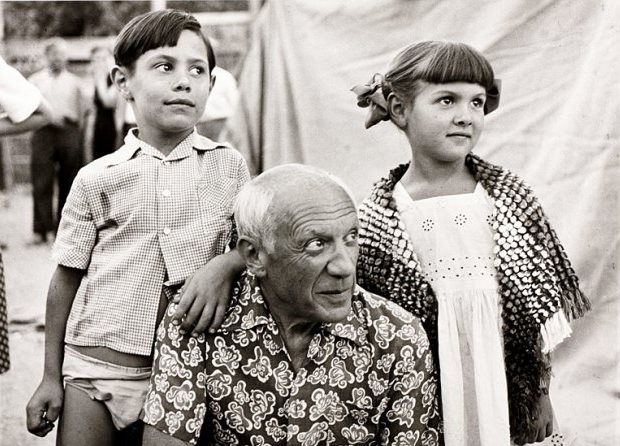
Claude, Pablo & Paloma Picasso
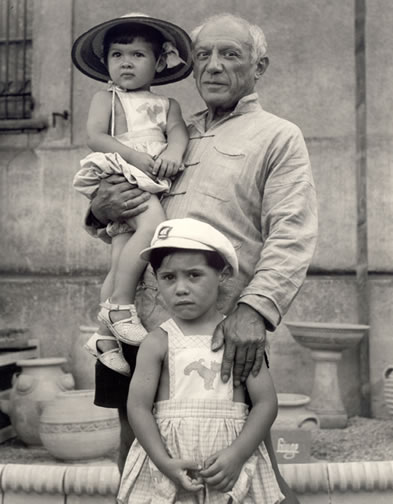
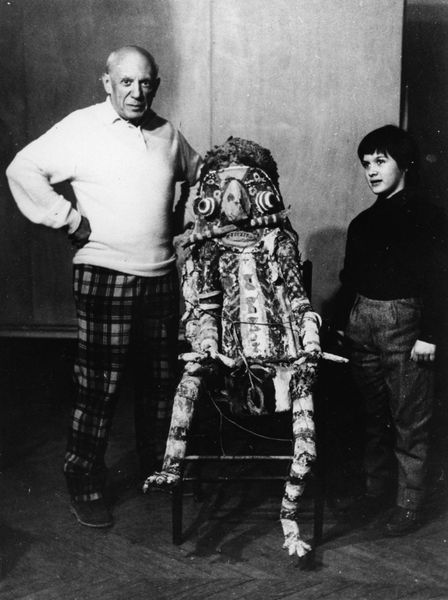
Pablo Picasso with his daughter Paloma, 1960s
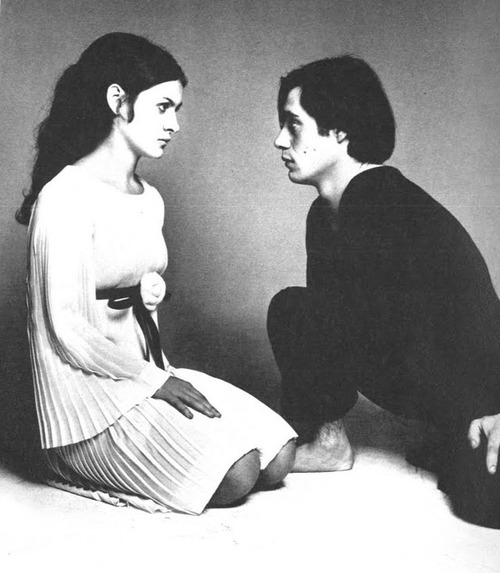
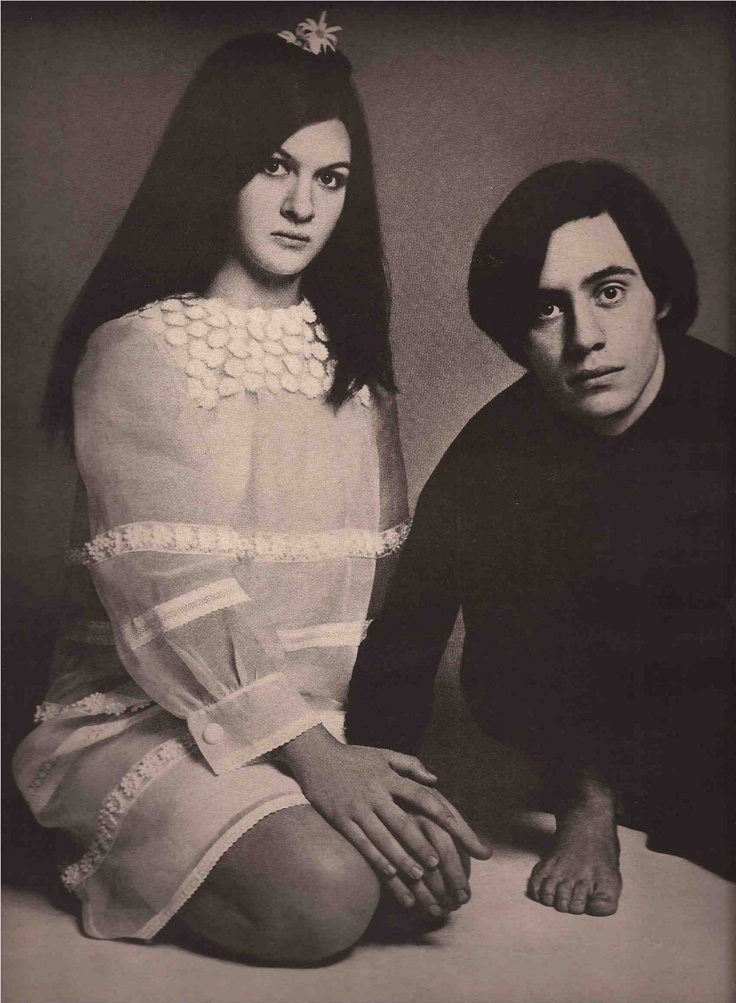
The Young Picasso’s (Paloma & Claude) by Richard Avedon, 1966
And then she became the IT girl…
Paloma Picasso had never had the luxury of escaping notice. Carrying the name of one of the most celebrated artists of the twentieth century was no small burden for a young girl coming of age. “I was very shy and having the name meant that I could never just go and be myself,” she once said. “I decided to start dressing up in a way to shift the attention from the person I was to what I was wearing. It became like a shield.”
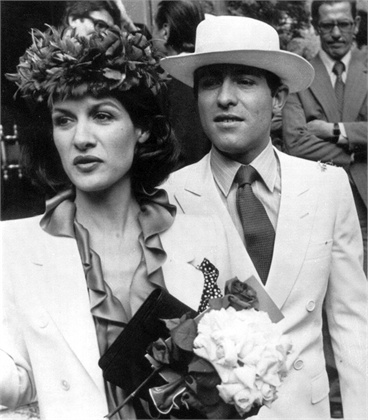
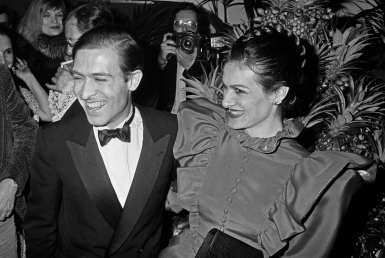
Paloma Sphynx—her mother’s nickname for her—became the coolly confident IT girl who held her own at the center of the French art, theater, and fashion worlds. “Her dresses were copied, choices followed, appearance imitated”. Among her most ardent admirers were Yves Saint Laurent and Karl Lagerfeld. (That she managed to straddle the divide between the warring superstars was a coup of considerable grace in and of itself—but, after all, Paloma was named after the dove her father drew for the 1949 World Peace Conference.) On her wedding day, she wore Saint Laurent’s white Spencer jacket, ruffled red silk blouse, and red gauntlet gloves. For the candlelit banquet that followed at Lagerfeld’s eighteenth-century salon, she slipped into his heart-shaped dress of scarlet satin; later, revelers headed to Le Palace to watch female wrestlers tussle to the strains of Carmen in a ring decorated like a giant wedding cake. Filled with glee and goodwill,Karl Lagerfeld and Yves Saint Laurent forgot their feud and danced the flamenco together.
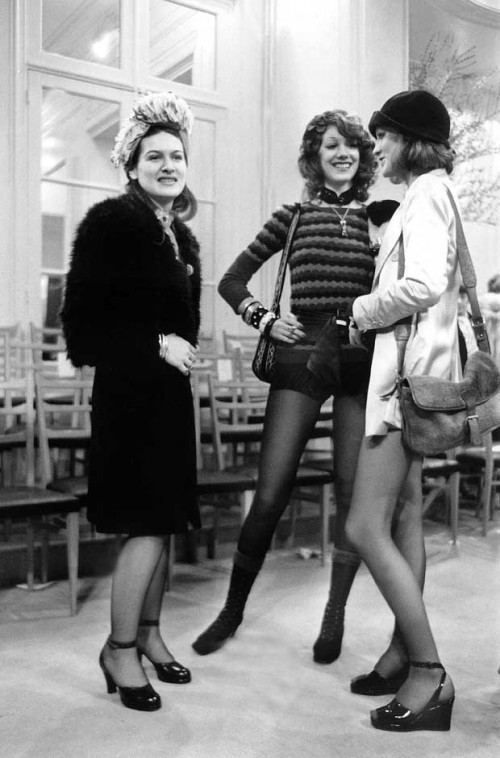
Paloma in her vintage 40s style
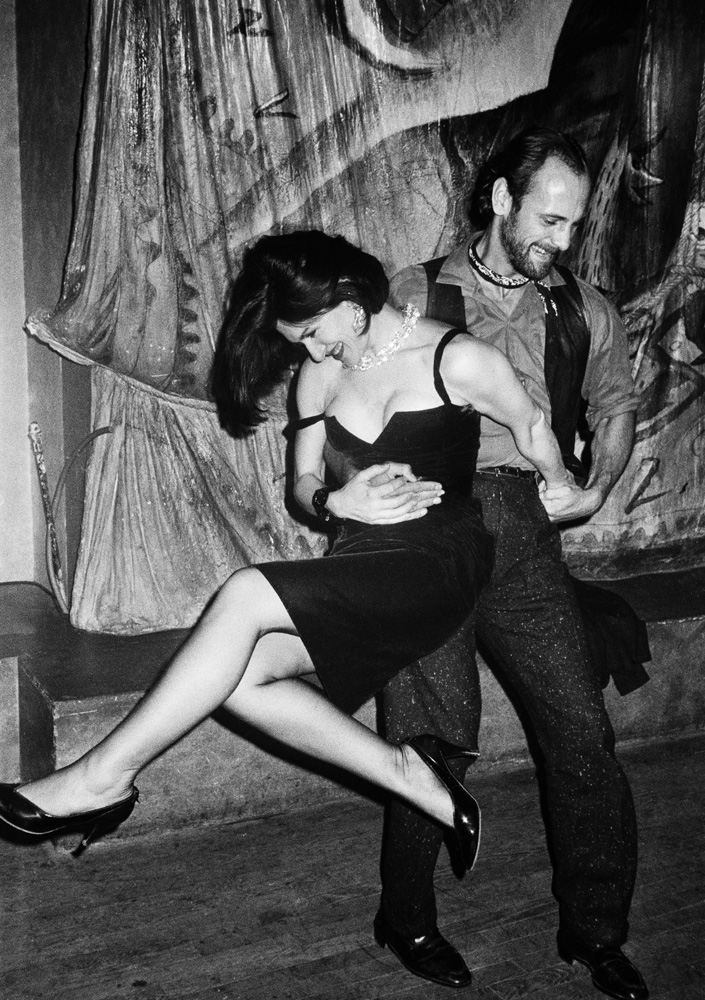
Paloma Picasso & Xavier de Castelle at Le Privilege, 1983 ph.Roxanne lowit
Paloma Picasso, in YSL, and Rafael Lopez-Sanchez wed in 1978
Karl Lagerfeld, Paloma & husband Rafael Lopez-SanchezPaloma & Rafael
Paloma wearing Karl Lagerfeld
Paloma Picasso & Yves Saint Laurent
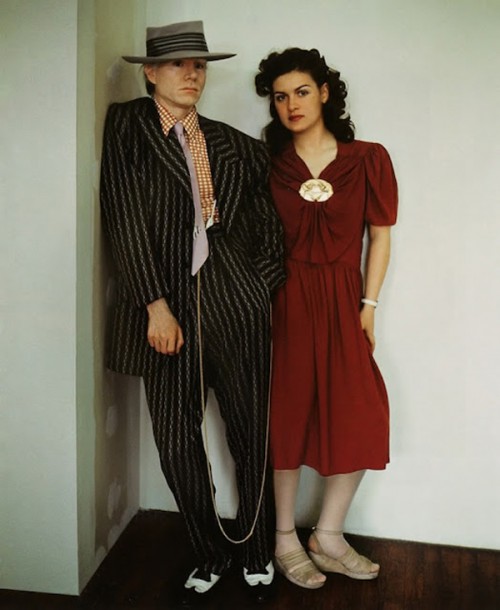
Paloma Picasso & Andy Warhol, ph. Jean Paul Goude
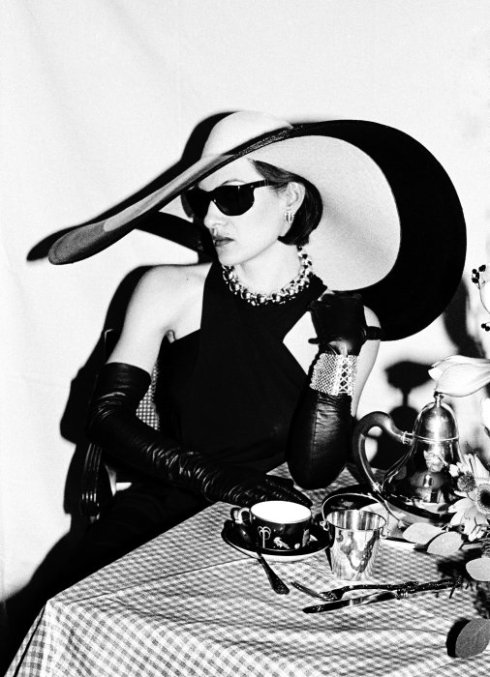
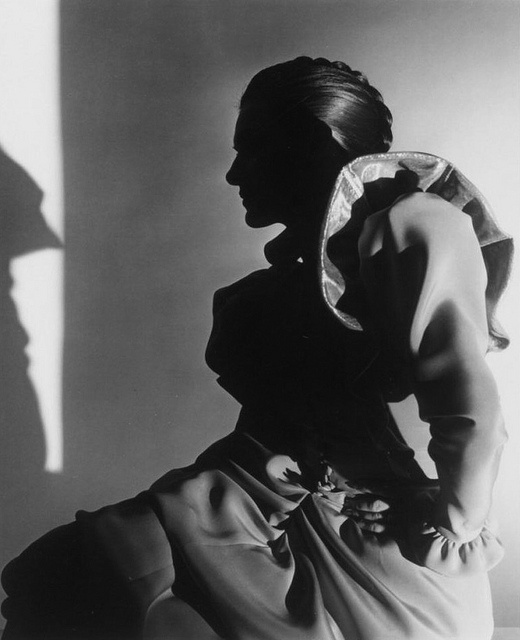
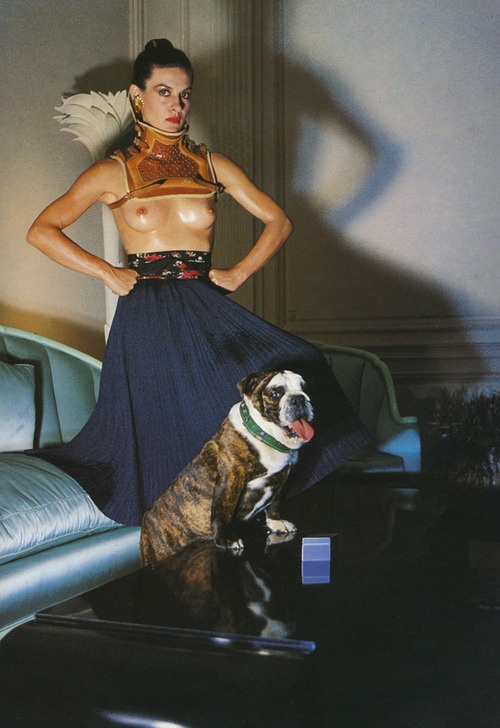
Paloma Picasso, ph. Helmut Newton
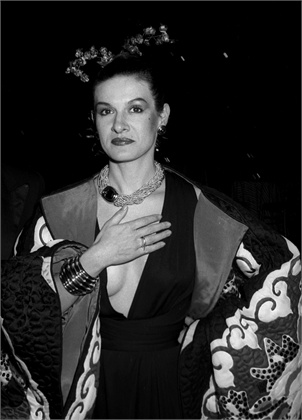
Paloma wearing YSL & her own jewelry
.
Beyond her status as a seventies fashion fascination, Picasso became an accomplished designer of jewelry and accessories. She began by creating costumes for avant-garde theatrical productions, stringing necklaces with rhinestones plucked from Folies Bergère bikinis. Soon, her sculpted wings and shooting stars—and other bijoux hand-soldered in her Paris loft—were being commissioned by Yves Saint Laurent as house exclusives.
.
.
The Scandal Collection
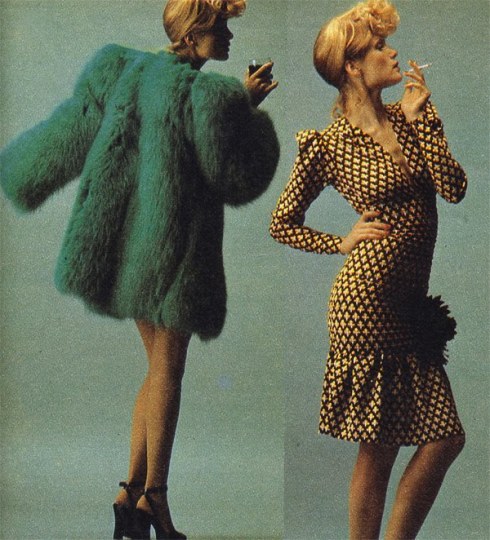
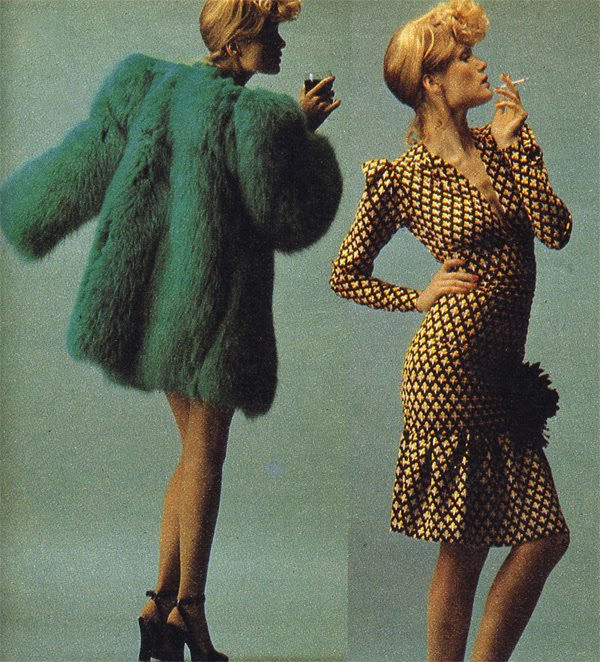
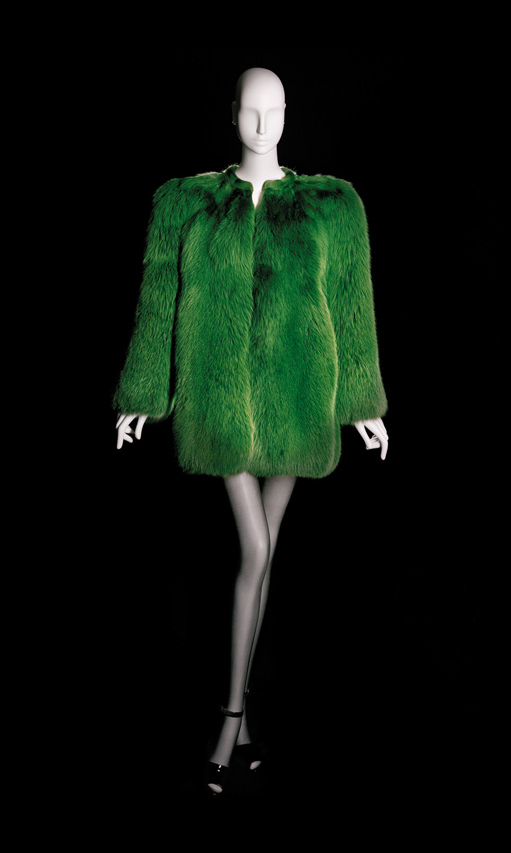
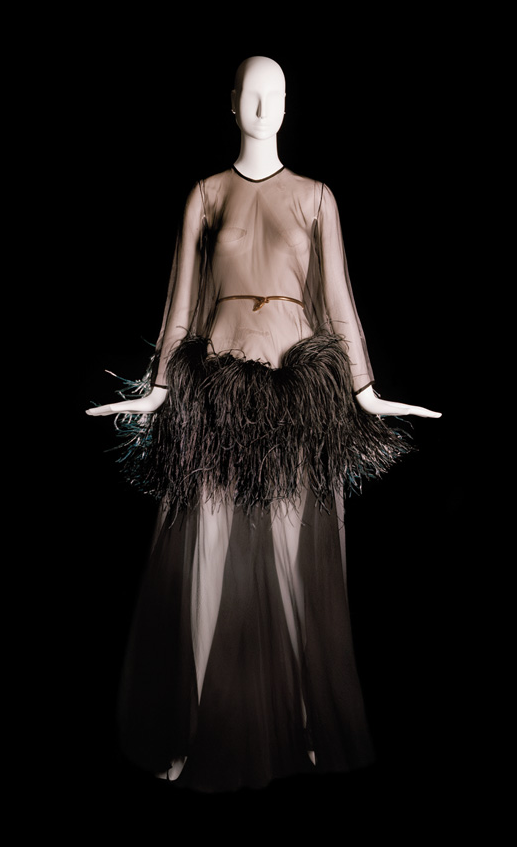
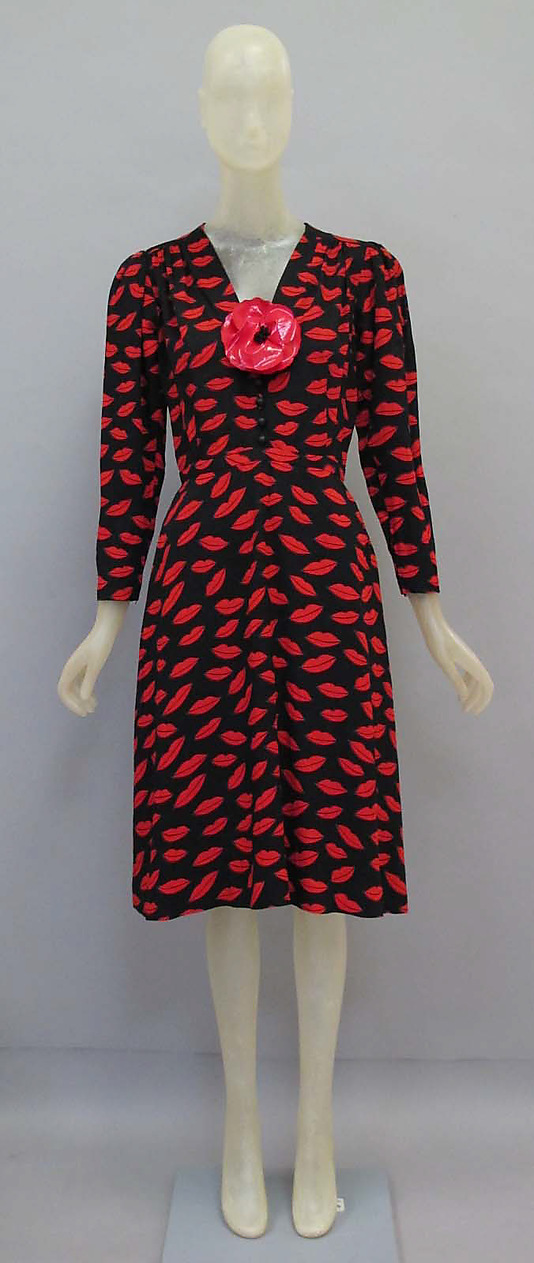
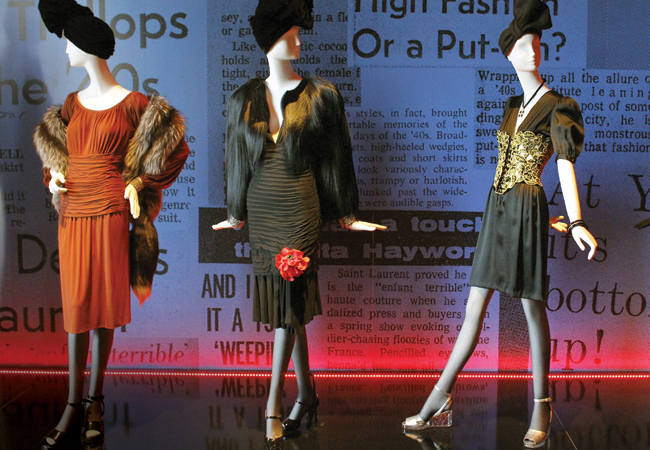
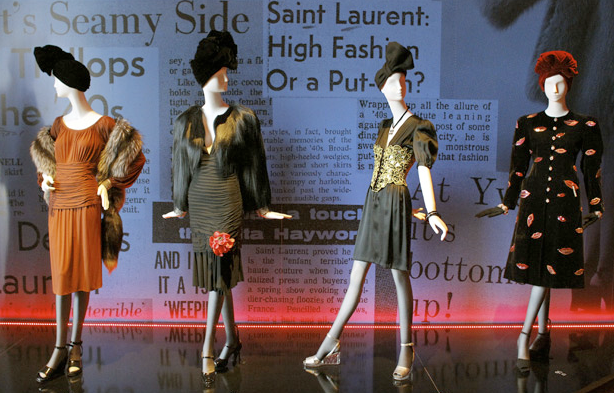
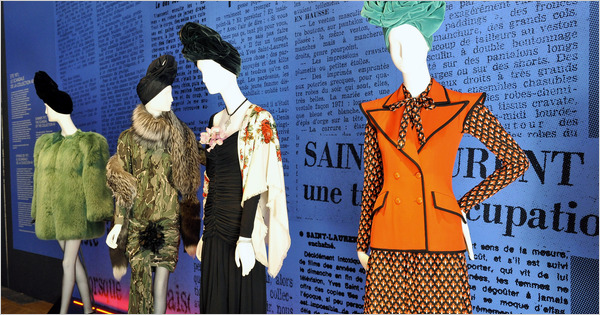
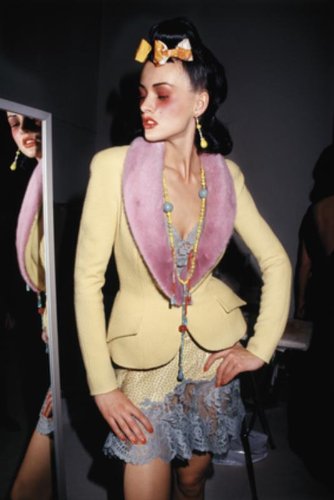
Yves was very inspired by Paloma Picasso, who liked to dress from flea markets. In the 1970s young Parisian’s were reviving the fashions worn by their mothers, wearing turbans and picking up forties clothes in flea markets. Seventies Chic. At the time, people weren’t at all used to seeing vintage.
Yves always cited “the fashion on the street” as his greatest influence; he was quick to tune in to the trends of the time and give them an aristocratic allure. “From the end of the war through the ’60s, not much changed in the world of high fashion,” said Serge Carrera (an employee of YSL) in France magazine, “then with one collection, Yves Saint Laurent upended everything and made fashion fresh by borrowing elements from the past and mixing turbans with prints. All of a sudden, fashion moved toward the realm of spectacle.”
Yves Saint Laurent, Scandal Collection
.
But a couturier was supposed to invent something new and for the French, these silhouettes evoke the Occupation as well as the gay camp aesthetic of Warhol’s drag queens and the gay liberation movement. The press was outraged. Yves openly dismissed the critics as “narrow-minded and reactionary, petty people paralysed by taboos” and denigrated couture as “a museum” that was “bogged down in a boring tradition of so-called good taste and refinement.”
.
/
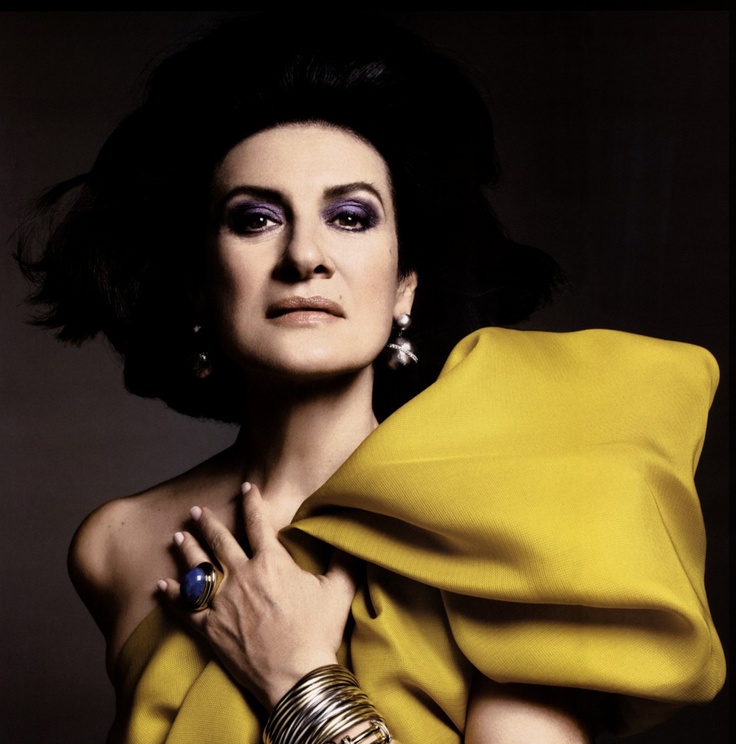
Paloma Picasso, ph.Mario Sorrenti Vogue Paris Mars 2009
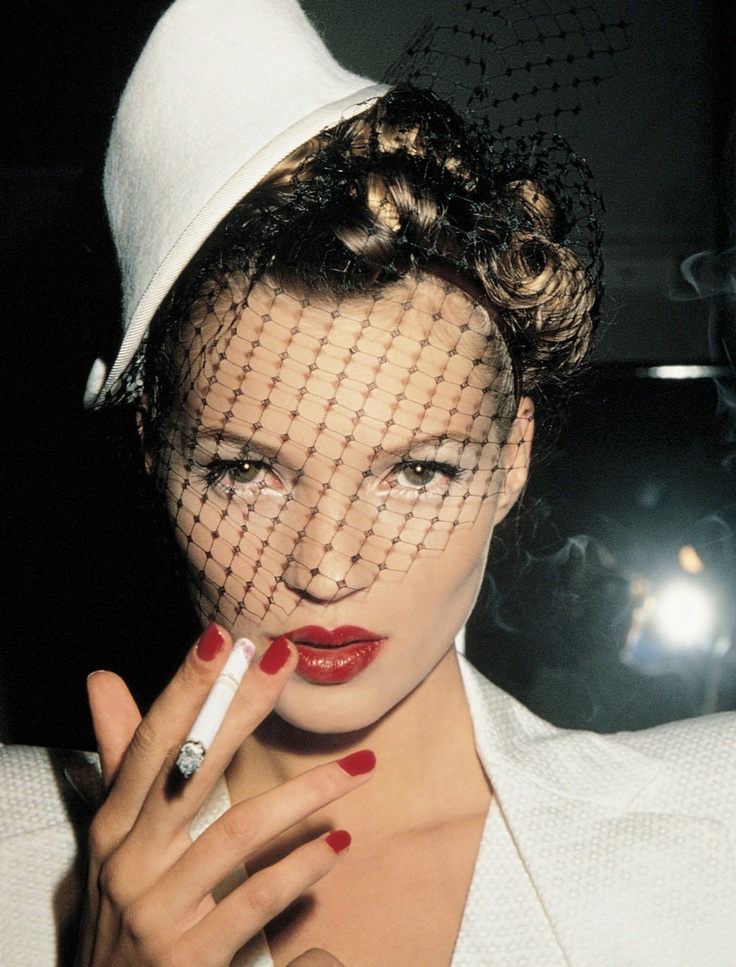
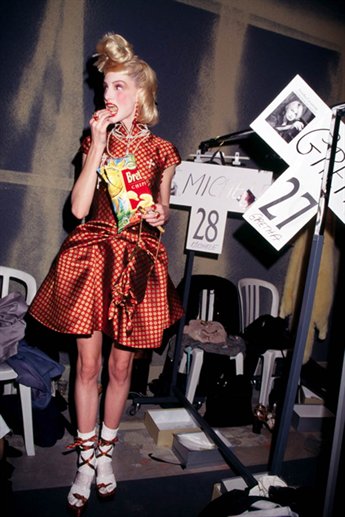
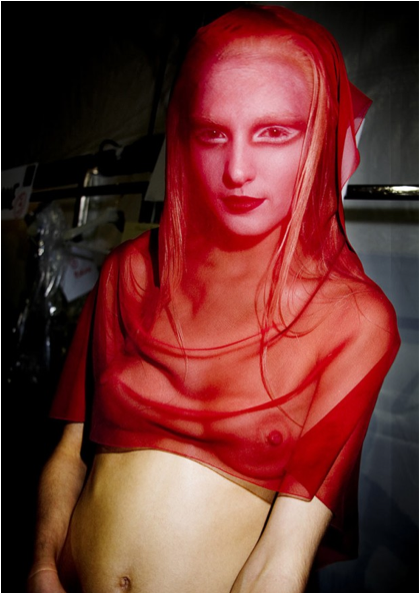
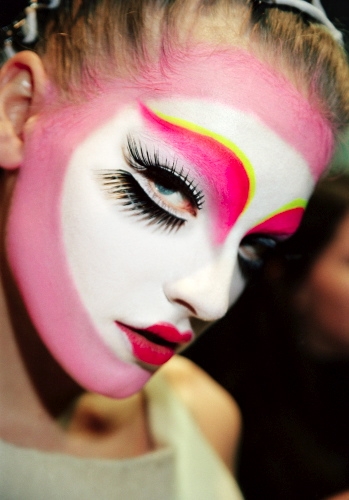
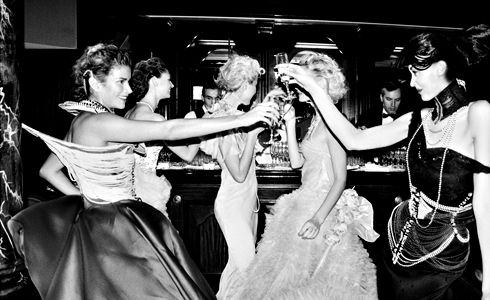
Roxanne Lowit did not go to school to be a photographer. She graduated from the Fashion Institute of Technology in New York with a degree in art history and textile design. It was during her successful career as a textile designer that she realized something. “I paint and there were people who I wanted to sit for me but had no time, so I started taking pictures of them. I liked the gratification of getting the instant image so I traded in my paintbrushes for a camera.”
Roxanne started making pictures in the late 70s with her 110 Instamatic, photographing her own designs at the New York fashion shows. Before long she was covering all the designers in Paris where her friends – models like Jerry Hall – would sneak her backstage. It was there that she found her place (and career) in fashion. “For me, that’s where it was happening,” she says. “No one thought there was anything going on backstage, so for years I was alone and loved it. I guess I made it look too good because now it’s so crowded with photographers. But there’s enough room for everybody.”
One of her earliest ‘memorable moments’ was that first time she went to Paris to cover the shows. Roxanne magically ended up on the top of the Eifel Tower with Yves Saint Laurent, Pat Cleveland and Andy Warhol. She felt star struck and blissed out. That could have been the moment she said to herself ‘I want to do this all the time!’ And decided to make it her career, her metier.
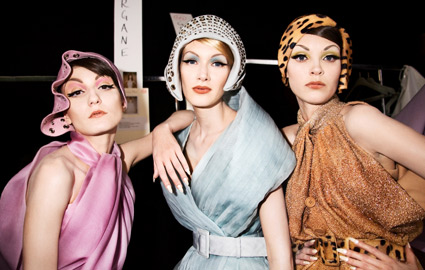
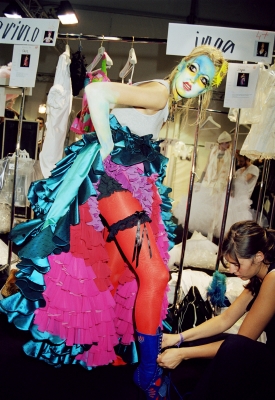
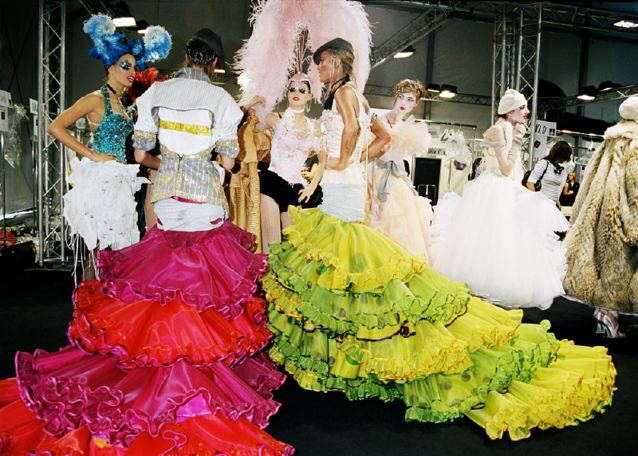
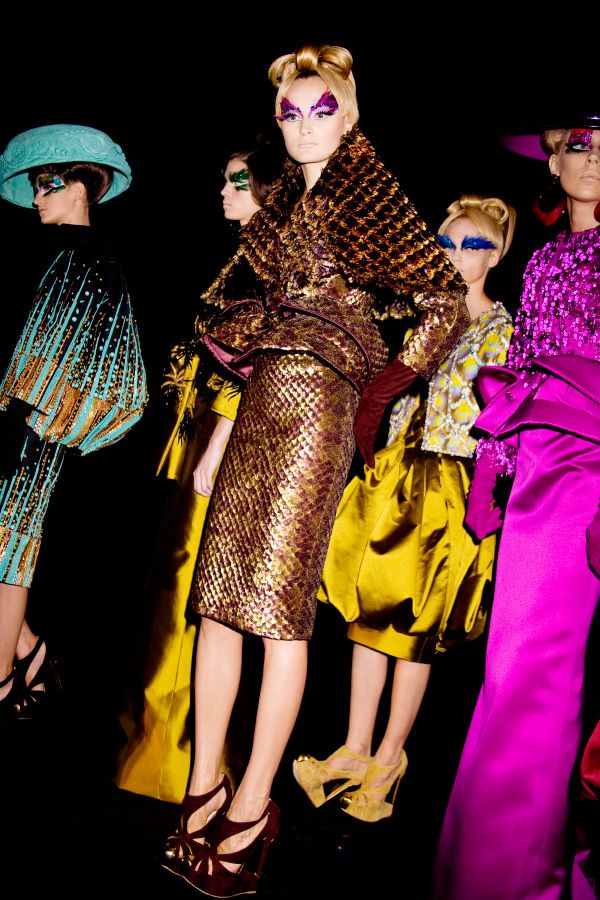
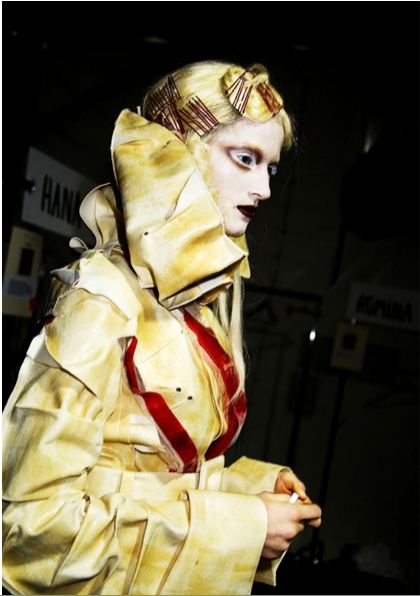
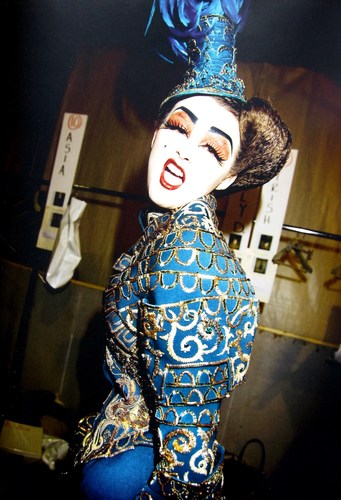
In december 2009, Roxanne Lowit published the amazing ‘Backstage Dior’, a collection of photographs taken over ten years backstage the Dior runway and haute couture shows, all during the reign of John Galliano
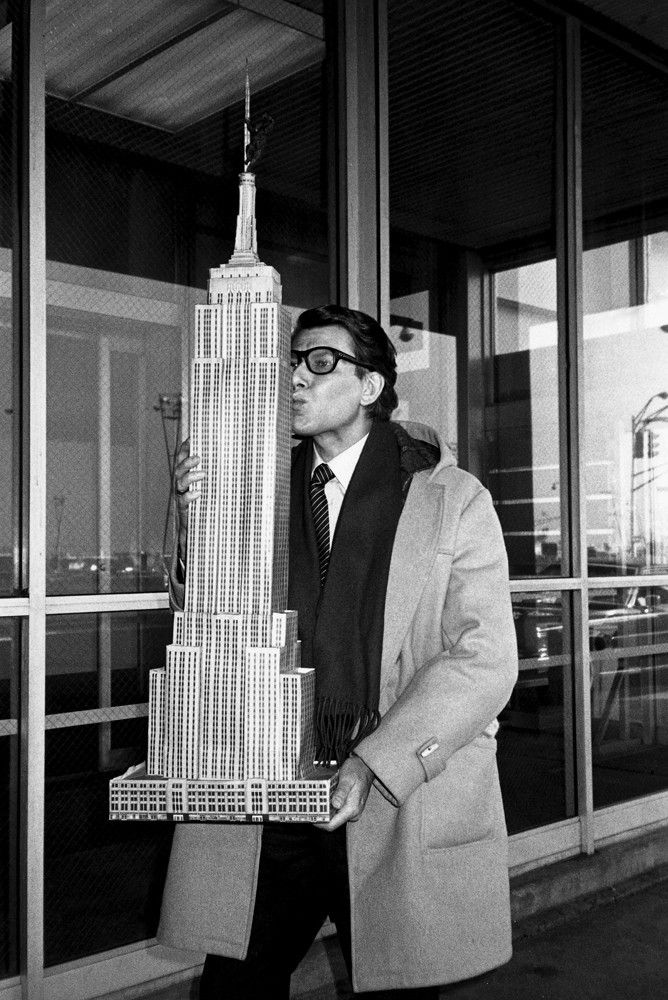
“I have been inspired by many designers in my day, but Yves Saint Laurent was the first designer who really wowed me. Not only as a designer, but as a man. He was a bit of an enigma, mysterious, a bit aloof, but always polite courteous and friendly. He had a very unique vision, his lines were unlike any other.”
Roxanne Lowit
Book description
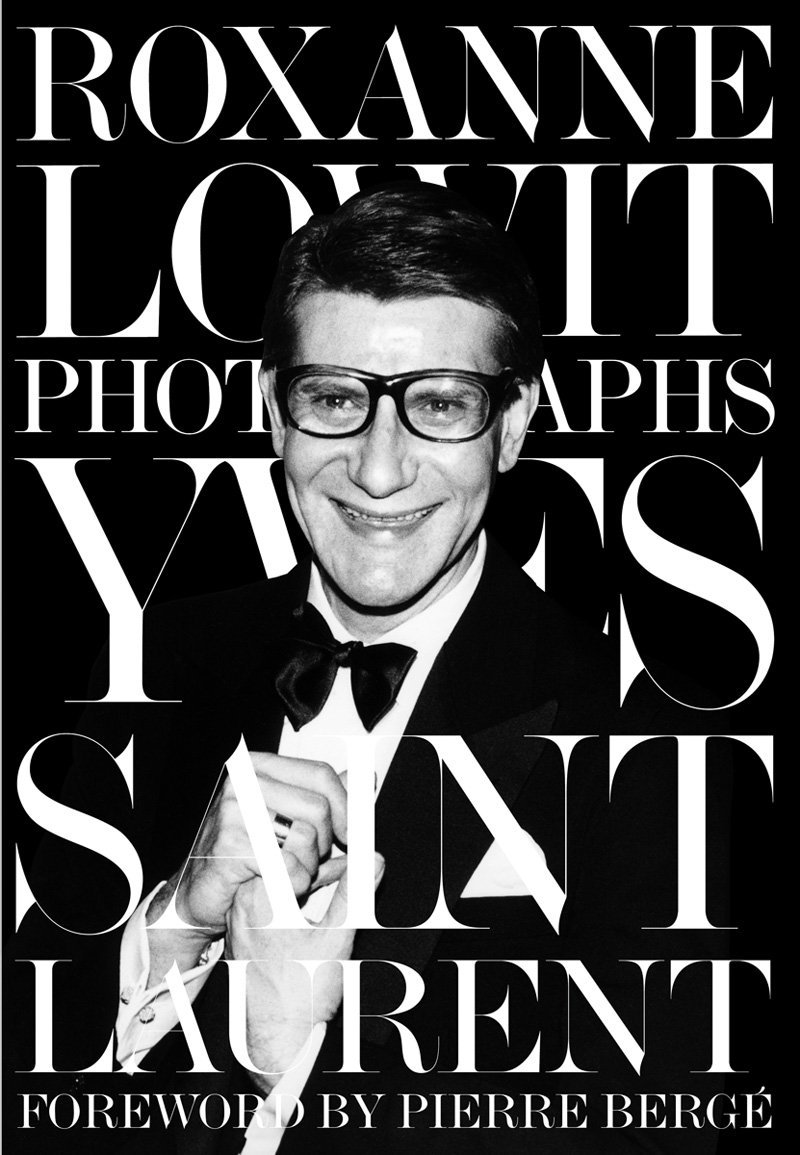
Yves Saint Laurent is a name synonymous with style, elegance and high fashion. When he came on the scene at Dior and then started his own line, he quickly changed the way people regarded haute couture and the world of fashion itself. He revolutionized womens eveningwear when he introduced le smoking, a womans tuxedo. He had a huge impact not only on fashion, but also on many people’s lives, including that of photographer Roxanne Lowit. Yves Saint Laurent is Lowits personal photographic history of Saint Laurent, the man and the fashion, from 1978, the year she first met him, to the last show he gave in 2002. With contributions from YSLs muses and admirers, including Catherine Deneuve, Lucie de la Falaise, Betty Catroux, Jacqueline de Ribes, Andre Leon Talley and Valerie Steele, this book represents the backstage experience at YSLs shows as Lowit experienced them. Whether surrounded by beautiful models or peeking at the catwalk from the wings, every moment was a magnificent photo opportunity. Lowit shares with the world magical moments of YSL intimate, social, absorbed in fashion and creates a unique portrait of this towering figure of postwar couture. This book will be coveted by Yves Saint Laurents many fans worldwide and by anyone interested in the very best of high fashion.
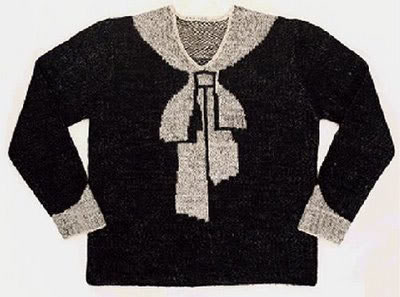
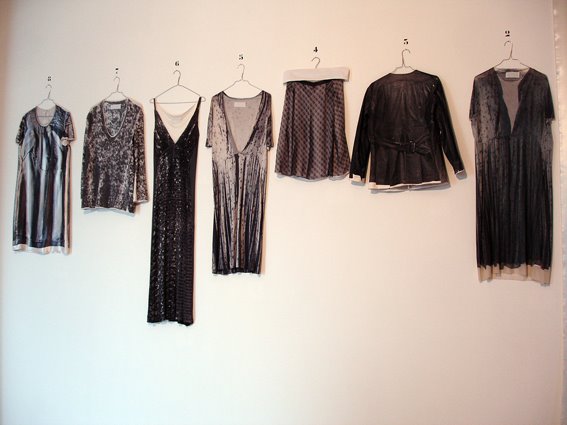
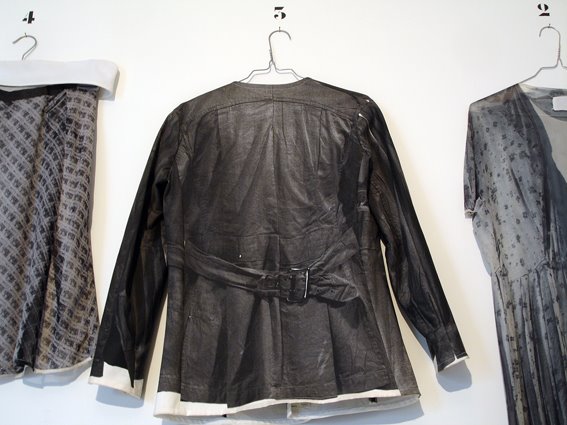
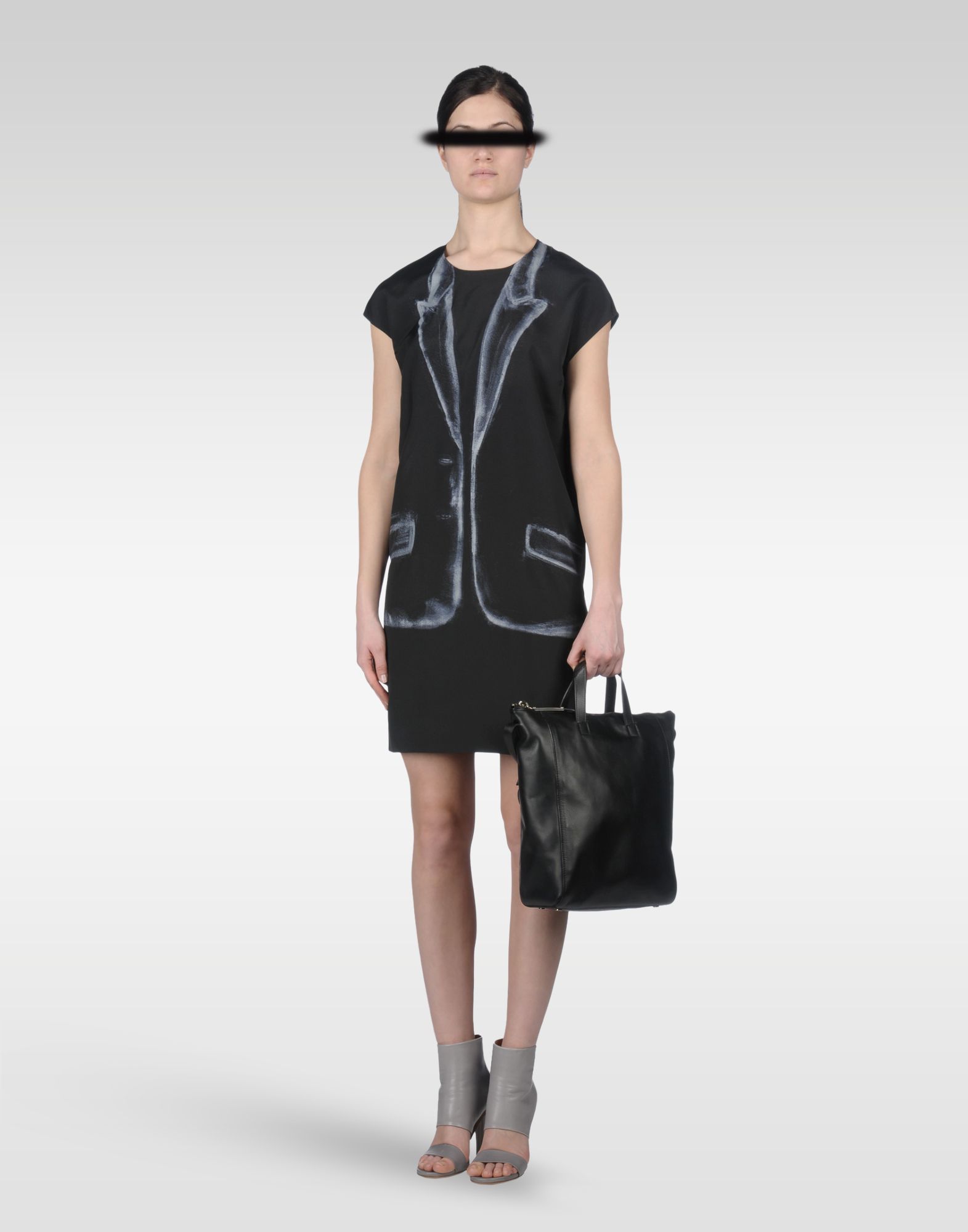
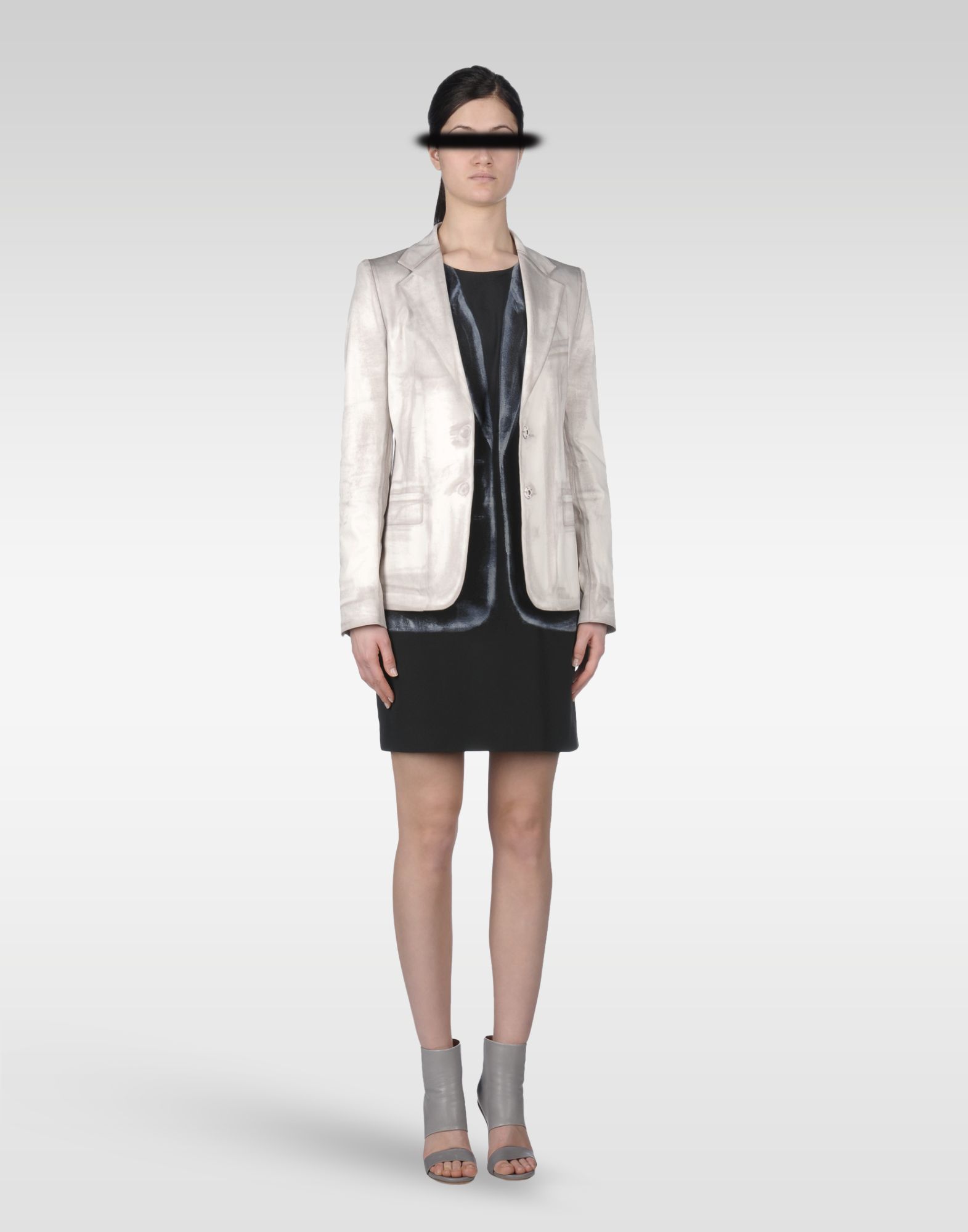
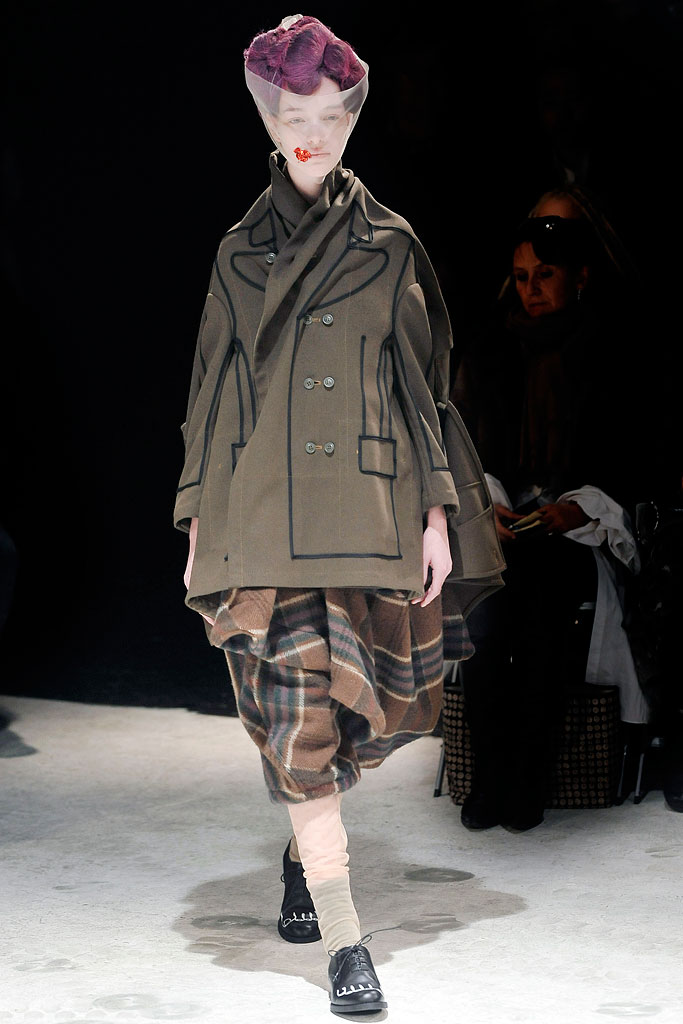
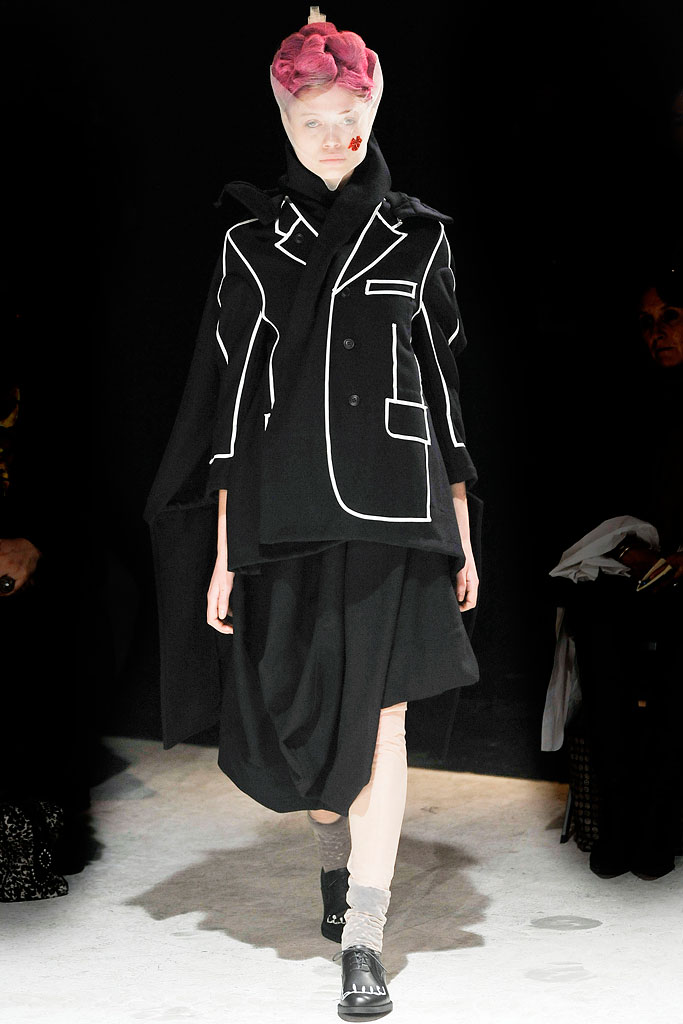
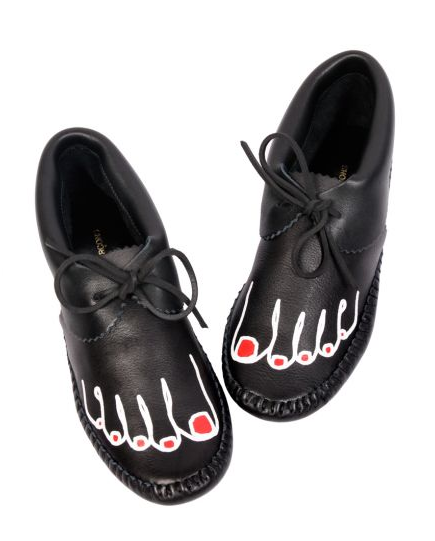
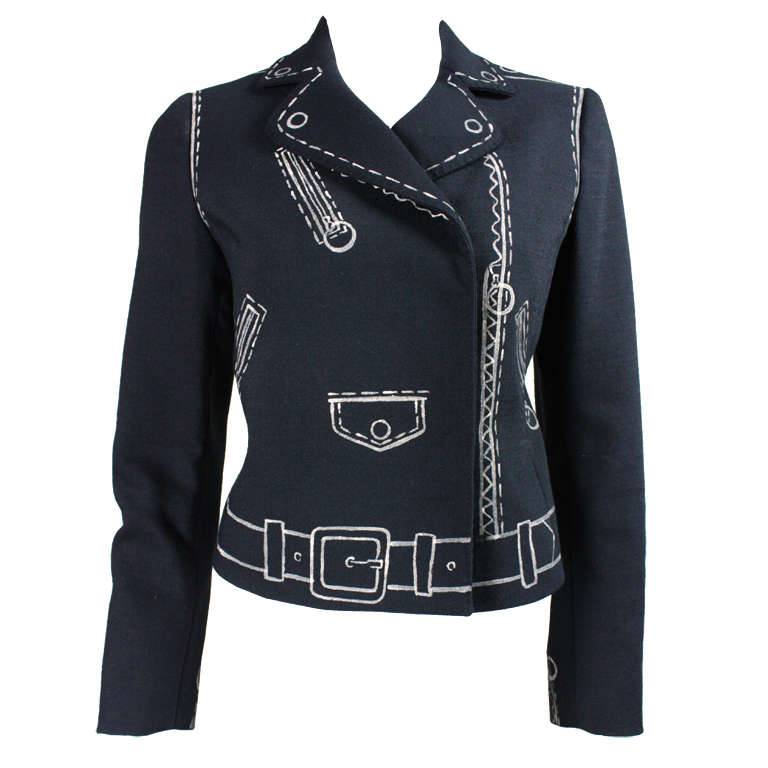
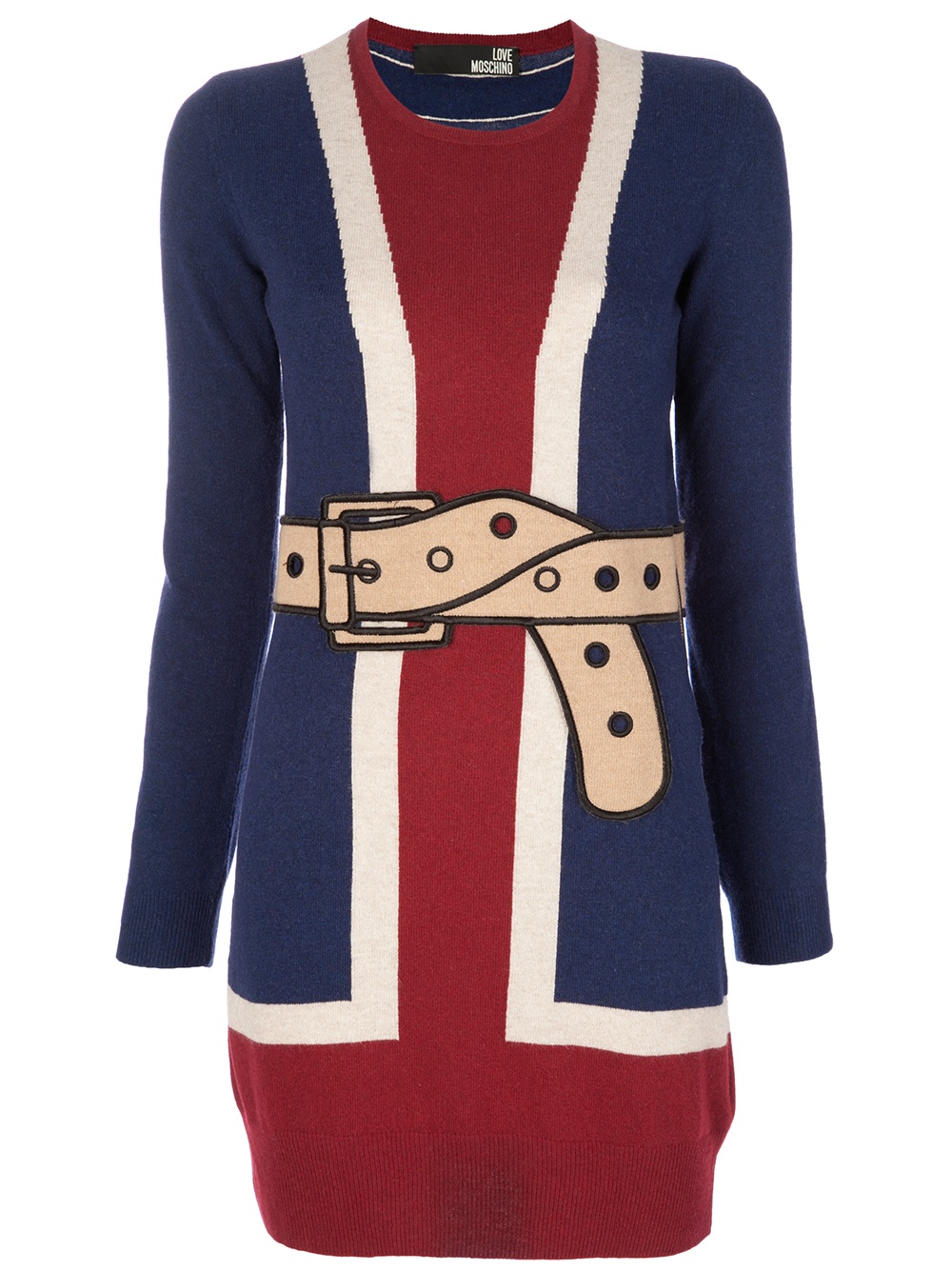
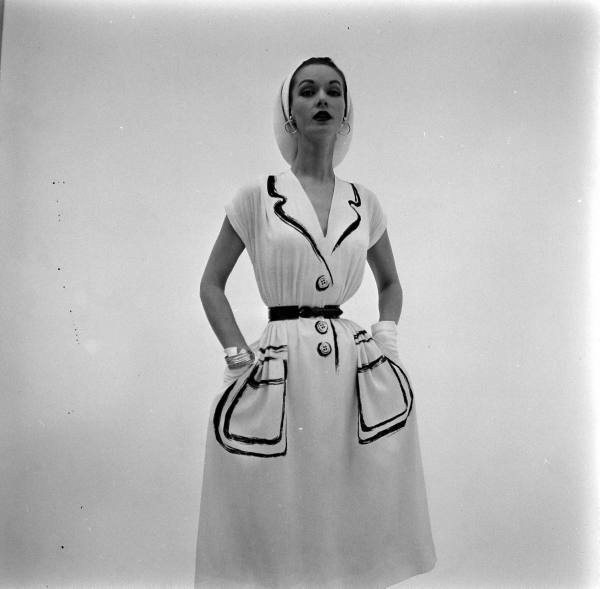
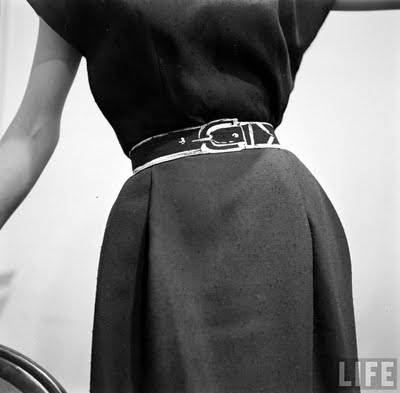
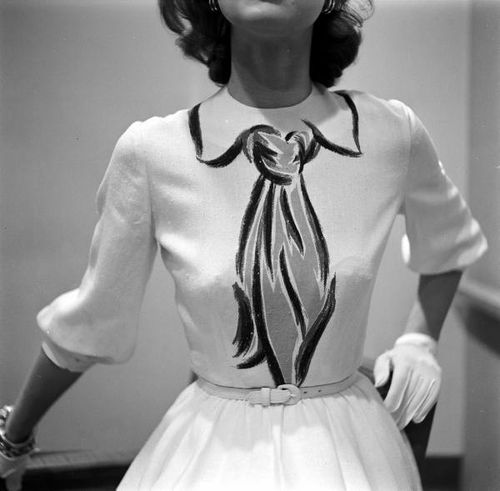
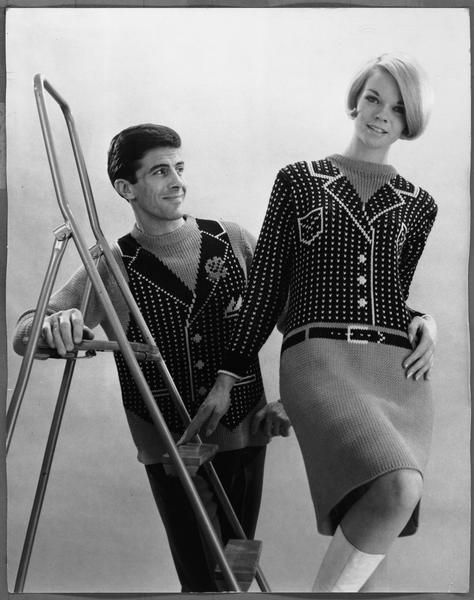
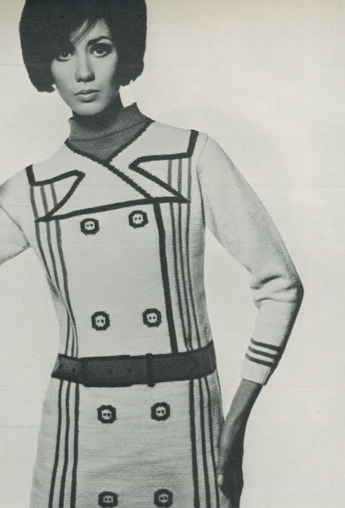
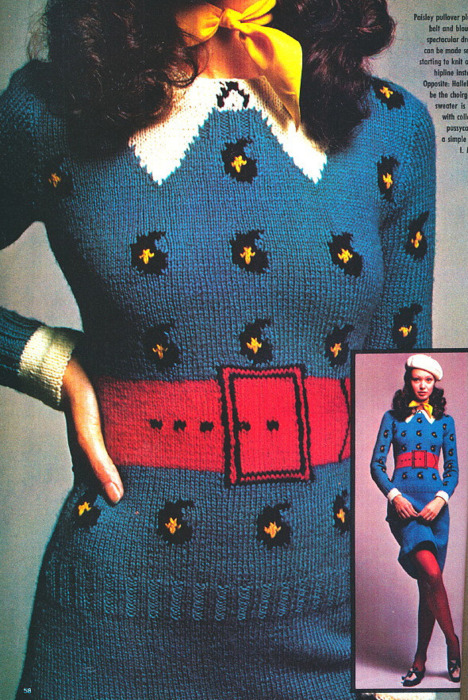
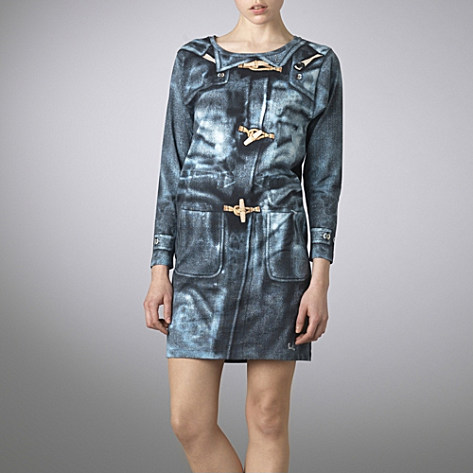
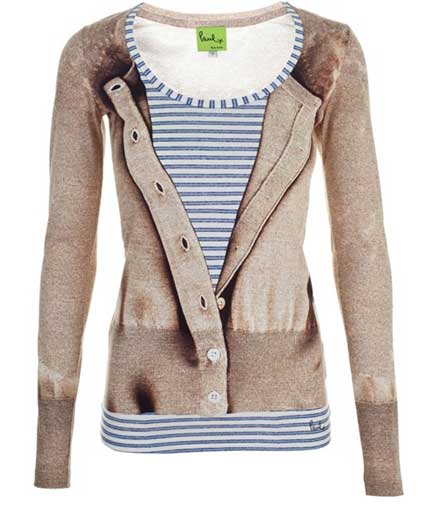
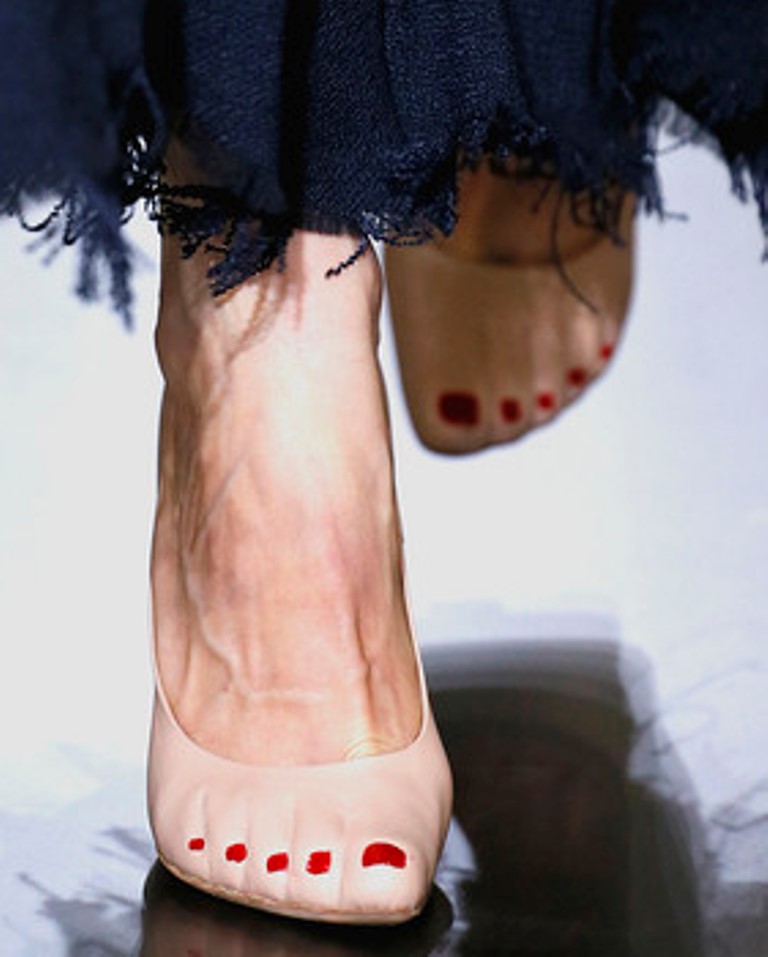
Trompe l’oeil was originally used as an artistic term and literally translates from the French to mean “fools the eye”. As painting this meant photo-like drawings with proper sizing and a great amount of detail, in fashion terms it refers to something which appears to have detailing, such as a belt, a tie or a complete garment, but is actually just drawn on, knitted in or printed on.
Elsa Schiaparelli Trompe l’oeil sweaters, 1927
Martin Margiela trompe l’oeil wardrobe
Maison Martin Margiela s/s 2014
Comme Des Garçons trompe l’oeil
Moschino Trompe l’oeil
Hermes Trompe l’oeil designed by Herbert Sondheim, 1952
Vintage Trompe L’oeil
Trompe l’oeil divers
Paul Smith Trompe l’oeil Duffle coat print tee dress
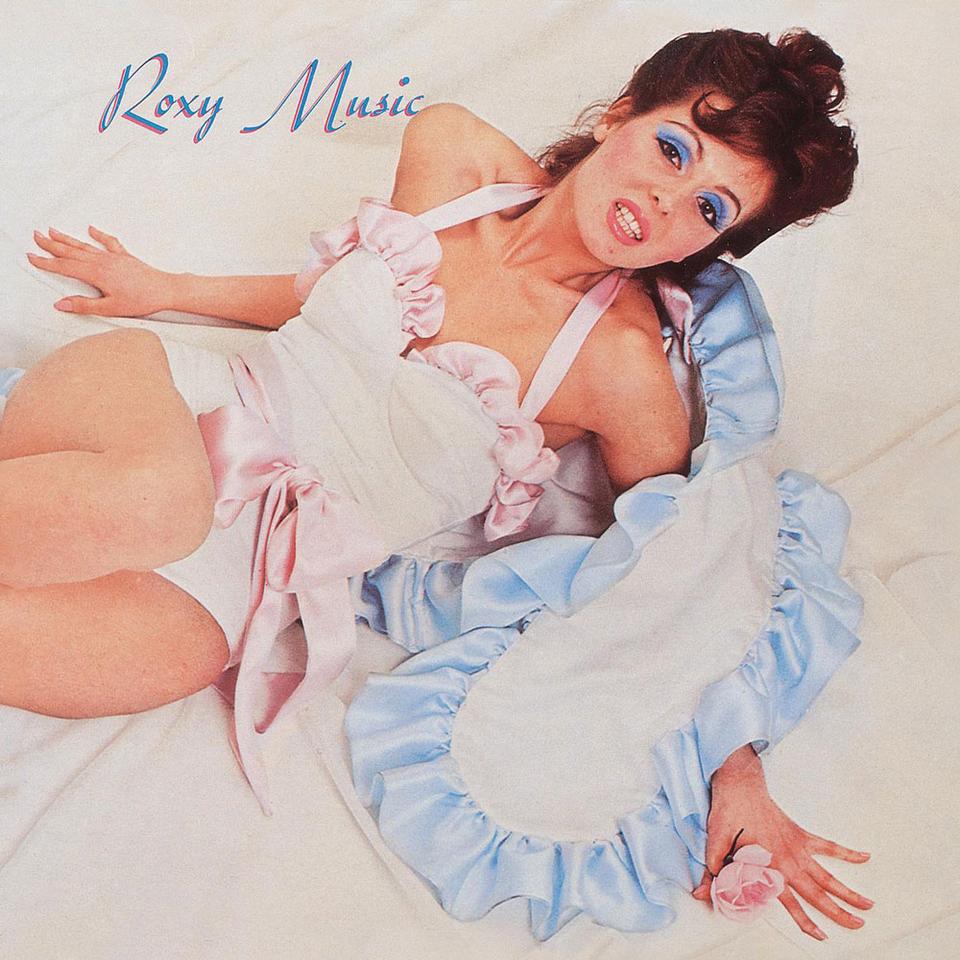
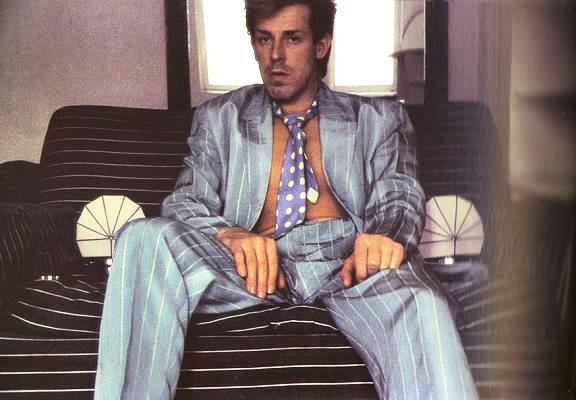
In many ways Antony Price made Roxy Music the in crowd that they used to sing about. Often called the silent member, he created a look ahead of its time: fetish wear fused with fantasy, the 80s long before the 70s were over. He created the visuals for their album covers. He shaped Bryan Ferry into a style icon in shiny matinee idol suits – a little bit military, a little bit Dietrich. He designed high-waisted trousers with intriguing seams up the bottom and called them “arse pants”.
Mr. Price also dressed Gayla Mitchell for the infamous back-cover shot of Lou Reed’s Transformer album. A decade later he created the highly stylised look of Duran Duran – Nick Rhodes had been obsessed with Roxy Music. He made Jerry Hall look like a mermaid throughout the 70s and 80s. He could deal with all sexes and shapes; he knew how to “get the best out of the flesh”. He cut to create illusion.
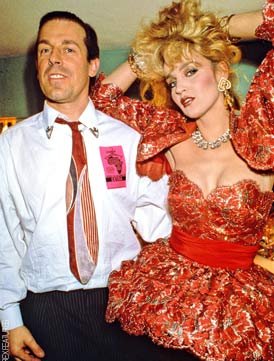
Antony Price & Jerry Hall
Roxy Music album coverBrian Ferry wearing Antony Price designed suit
Back-cover of Transformer by Lou Reed.
.
Antony Price is known as “the doctor”. He listens to women’s body problems and his clothes perform a kind of surgery. He is famous for making body doubles out of chicken wire on which to base his couture creations. “I’m the man who has spent 40 years measuring and studying women’s bodies. Not just thin women. Everyday real women. Real bosoms. Real problems. Women who have no tits and want them, and women who want them smaller. I build frocks.”
“He reinvented the suit so that it was no longer about going to the office. He made it rock’n’roll. He started at a time when British fashion didn’t have sponsors. It was the era before the superstar designer. They all came after him. Yet he was a visionary. He created that military, dandy, sexy, eclectic men’s look. He created rock’n’roll fashion.” (stylist David Thomas)
Short biography
Antony Price (born in 1945) graduated from the Royal College of Art 40 years ago, just after David Hockney and Ossie Clark, and was a perfectionist even then. He would hide from the caretaker so he could stay in college and machine all night. When he graduated he was recruited to the Stirling Cooper group, which was at the heart of fashion in the 60s.
Prudence Glynn, fashion editor for The Times tipped him as a major new fashion talent in ‘Trendsetters’, giving him the main picture and writing that ‘Antony Price is a sensational cutter and he puts a lot of work and thought into the shaping of even the most casual clothes. His range of little bare tops in crepe and cotton, for example, are technical feats, for they all have bra sections cut into the pattern … he is undoubtedly a trendsetter and in advance of his time … his clothes have great wit and gaiety and he is certainly a name to be watched in the future’.
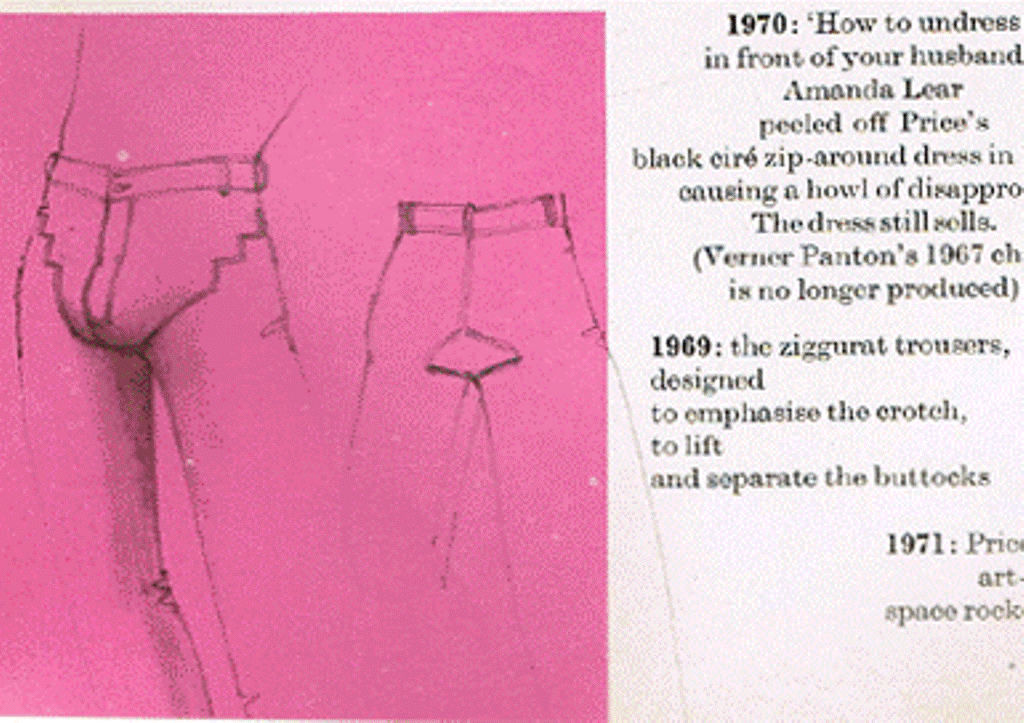
Before long Mr. Price was styling the Rolling Stones, Roxy Music, David Bowie and was responsible for the controversial back cover photo of Lou Reed’s ‘Transformer’ album, featuring a model with a cucumber down his trousers. His button trousers for Stirling Cooper were worn by Mick Jagger for The Rolling Stones’ 1969 American Gimme Shelter Tour. In addition, his bridge-crutch trousers were feat of technical skill, inventing a new construction that high-lighted the male crotch and buttocks.
Harpers & Queen 1979, drawing of the bridge-crutch trousers
.
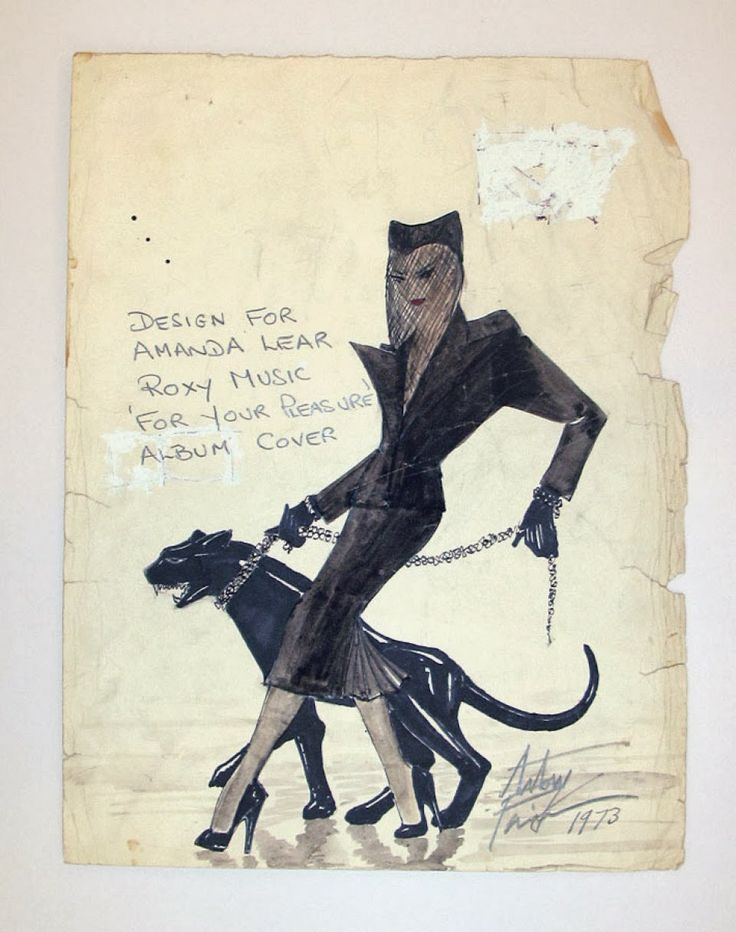
Mr. Price has been credited as the chief illusionist of what he dubbed “the Roxy Machine” and contributed to all eight album covers – something which can be boasted by no-one besides Bryan Ferry himself. The manner in which Mr.Price dressed – or in many cases, undressed – the “Roxy girls” on the covers of their albums helped to define the band’s pop retro-futurism.
He joined the Plaza Clothing Company in 1972, which specialised in the mass production of garments in retailers in the United Kingdom and abroad. Portugal. He spent 5 years working in Portuguese factories concentrating on developing ranges of stretch garments that sold in extremely large quantities to all major fashion outlets..
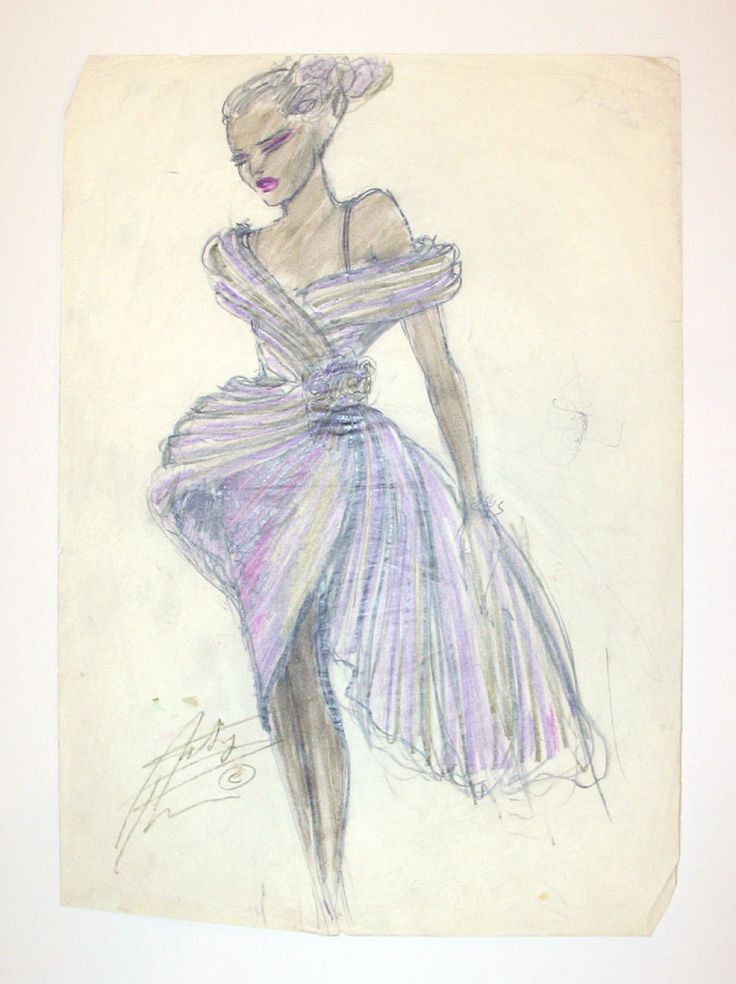
Antony Price drawings
In 1979 Mr. Price and his business partner Richard Cunninghmam (Head of Sales at Plaza) began a 15 year business relationship and took over the Plaza shop launching his own label, Antony Price, with shops in SouthMolton Street and on the King’s Road,which became the centre for Rock and Roll Glamour for the stars and also involved major interest from various magazines; Vogue, Tatler and Harpers and Queen. The blue glass exterior of the shop was hailed in high esteem by retail architects and the media as it had a revolutionary method of visual merchandising, i.e. the clothes were displayed as art within the store. The window was a huge television/cinema screen displaying controversial fashion images of the clothes sold within.
He also operated a shop called ‘Ebony’ in the 1980s. And in 1982 he collaborated with the British band Duran Duran, designing electric silk tonic suits for the “Rio” video.
A few years later, in 1984, Mr. Price staged another ‘Fashion Extravaganza’ at the London’s Hippodrome, combining fashion and rock music. “I’m partly responsible for the marriage of rock and fashion,” he said in 1998, “When I started out, rock people thought fashion people were snobby and fashion people though the music industry grubby and dirty.”
Antony Price received the ‘Evening Glamour Award’ from the British Fashion Council in 1989 and the following year British Vogue published a profile on Price written by Sarah Mower. He was widely considered to be a frontrunner in the search to replace Gianni Versace in 1998, after that designer’s untimely death.
Like the rediscovery of Celia Birtwell, Topshop’sTopman brought out three Antony Price collections (s/s 2009, a/w 2009 & a/w 2010), called Priceless, which were only on sale in the UK and the US. He also assisted Daphne Guinness on her eponymous line of exquisitely tailored shirts for Dover Street Market.
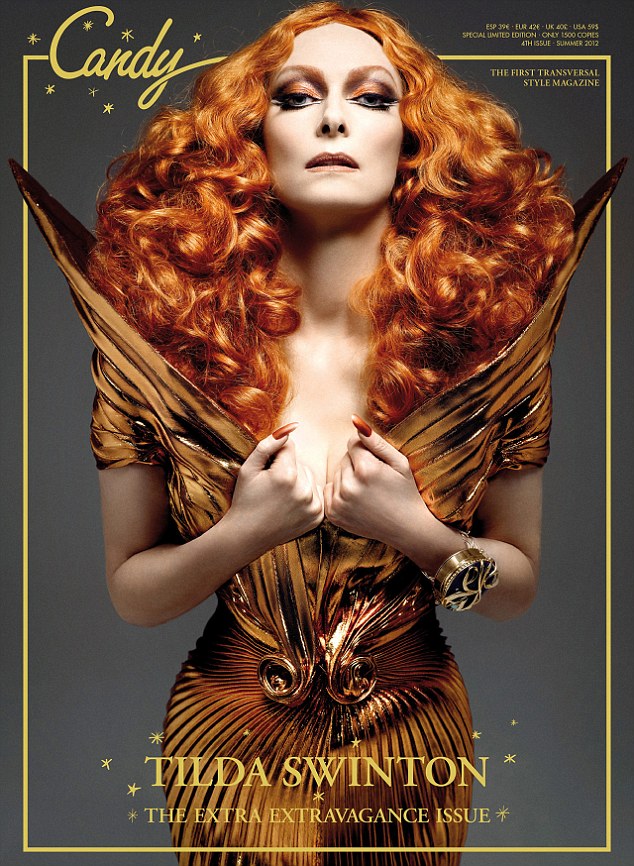
He continues to design clothing for the elite, including the Duchess of Cornwall. In May 2012, he dressed actress Tilda Swinton for her appearance in drag for the cover of Candy magazine, described as “the first fashion magazine completely dedicated to celebrating transvestism, transexuality, crossdressing and androgyny in all their glory.”
The secret to his success? Antony Price is a master tailor, incredibly adept at sculpting and moulding the body to perfection. Not for him size zero waifs, his dresses are created for women who have curves – and aren’t afraid to show them off in figure hugging, eye-catching dresses. The likes of Alexander McQueen and Roland Mouret have plenty to thank him for.
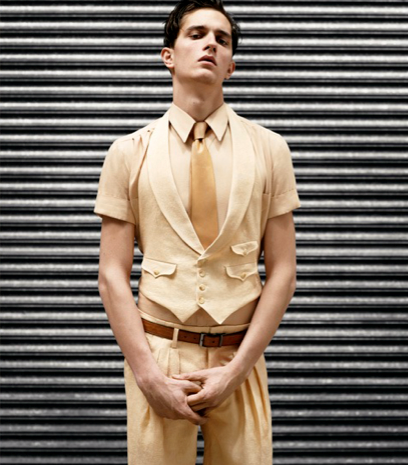
Antony Price for Topman
.
Antony Price has remained unfinanced through out his entire career trying to compete against his French and Italian counterparts in the glamorous couture end of the Fashion industry. It has been a notoriously difficult journey, but Price fights on.
By his own admission, “It has not been easy.”
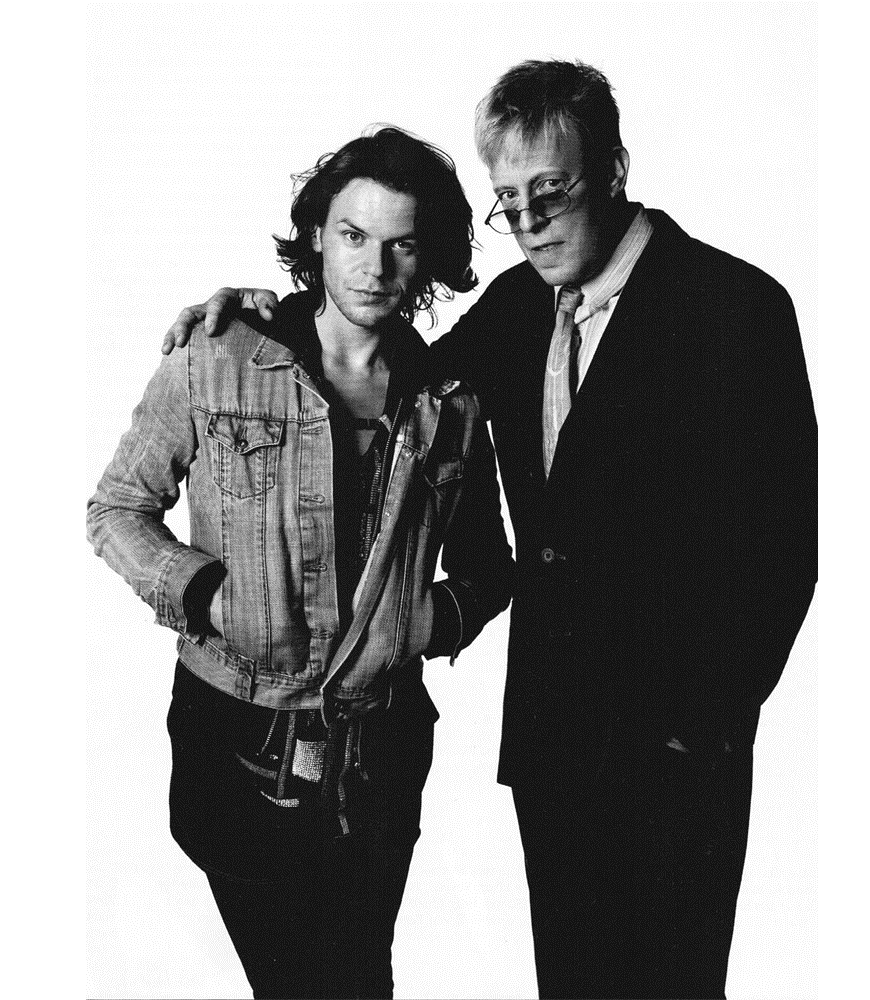
Brian Ferry & Antony Price
.
“He is one of the most remarkably gifted people I have ever met, and an authority on a bewildering range of subjects. He is a master craftsman – quite rare in this day and age – and has quietly exerted an enormous influence on so many people. Although most of his work has been associated with urban nightlife, he is surprisingly a man of nature, an expert on exotic plants and rare birds and the niceties of human behaviour. To those who know him he is a constant source of amusement. In times of adversity, an incredibly loyal friend.” (Brian Ferry). .
.
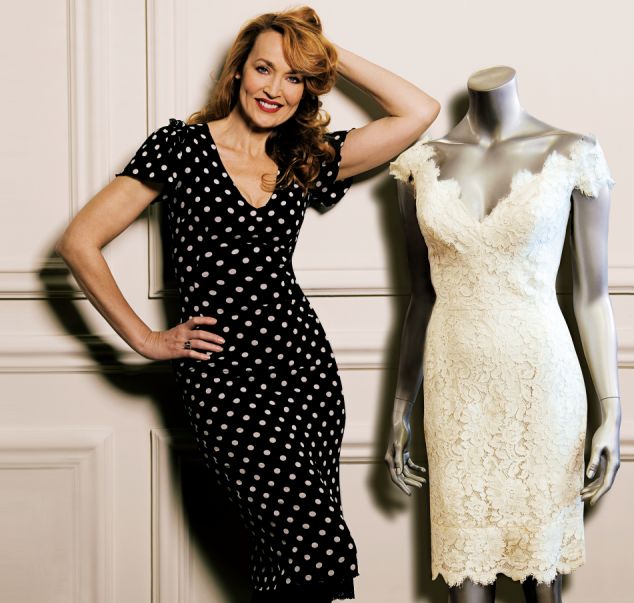
Jerry Hall & her Antony Price wedding dress (marriage to Mick Jagger)
Steve Strange was born in 1959 in New Bridge, South Wales as Steven Harrington. He moved to London as a teenager and became active in the punk movement. He hung out in the scene known as The Bromley Contingent, which included acts such as the Sex Pistols, Siouxsie Sioux, and Billy Idol. He worked with Malcolm McLaren, former manager of the Sex Pistols and the New York Dolls. The Punk movement helped free creativity and allowed people to express their look through fashion and music.
But eventually, Steve Strange found that Punk was starting to be perceived as unoriginal and that Nazi Punk created a negative political statement.Looking for a way out in 1978, he originally created The Photons. But he knew The Photons were not going to be a successful band and hated the bright multi-colored suits they wore. When the band The Rich Kids were splitting up and weren’t intending to use the rest of their studio time at EMI, Strange jumped at the chance to get in there and record, which is how Visage started.
The sound was new, and pioneered electronic music. “Fade to Grey” was the band’s first release and most acknowledged song. The video was extremely low budget. Trying to come up with a creative idea that would have lots of impact, Strange shaved his body hair and painted himself silver. A hand-painted snake with glittering scales had the effect of coming to life and turning into Strange. The crew worked for 36 hours straight on the video to get all the looks and changes. When it was time to remove the make up and paint, painful Brillo pads were used.
.
.
The first club night that Steve Strange started was a Tuesday night at Billy’s in Soho, London. This is where the first of the New Romantics hung out, a branch of the New Wave movement. Strange created an environment of creativity with hairdressers, art students, budding designers and eclectic club kids.
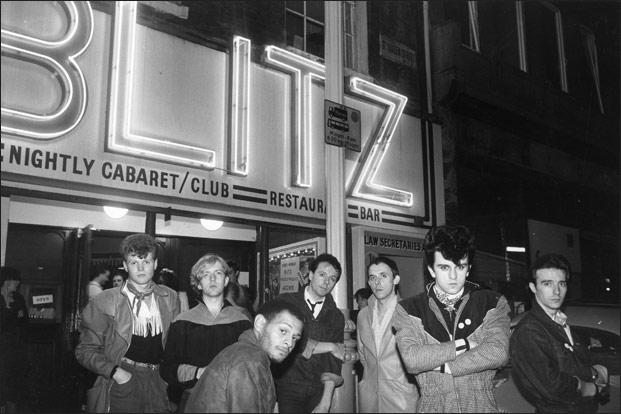
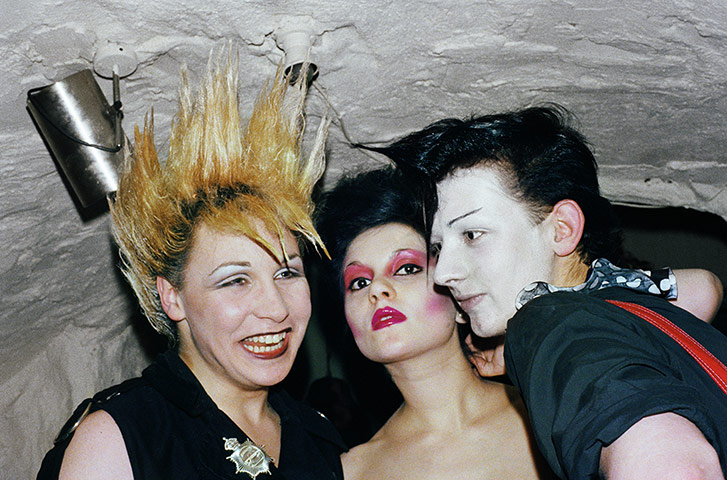
In 1979, he moved his “private party” to the shabby Blitz wine bar off Covent Garden. Outrage secured entry. Inside, precocious 19-year-olds presented an eye-stopping collage, posing away in wondrous ensembles, emphatic make-up and in-flight haircuts that made you feel normality was a sin. Hammer Horror met Rank starlet. Here was Lady Ample Eyefull, there Sir Gesting Sharpfellow, lads in breeches and frilly shirts, white stockings and ballet pumps, girls as Left Bank whores or stiletto-heeled vamps dressed for cocktails in a Berlin cabaret, wicked witches, kohl-eyed ghouls, futuristic man machines.
Steve Strange, ph. Janette Beckman Ph. Sheila RockThe Blitz club.
.“The Blitz ruled people’s lives. Exactly that,” says Stephen Jones, then making hats at St Martin’s School of Art. “A nightclub inspired absolute devotion of the kind previously reserved for a pop idol. I’d find people at the Blitz who were possible only in my imagination. But they were real.”
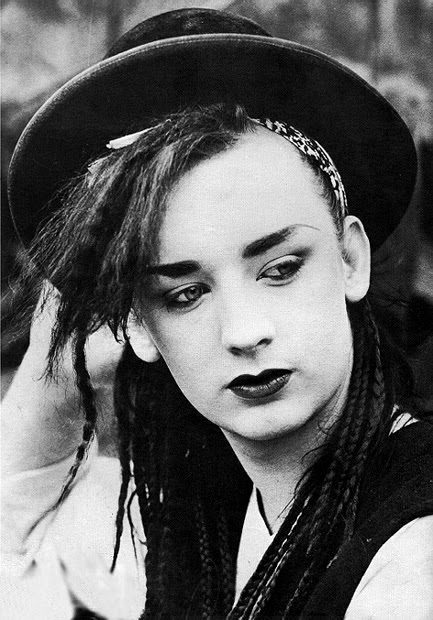
Shrouding any pleasure in ritual magnifies its intensity and the Blitz was all ritual. Everyone supped and danced on the same spot every week according to some invisible floorplan: downstairs near the bar stood the boys in the band (no make-up), their media and management by the stairs, credible punk legends such as Siouxsie Sioux along the bar, suburban wannabes beside the dancefloor. Deep within the club, around Rusty Egan’s DJ booth, were the dedicated dancing feet, the white-faced shock troops, the fashionista elite – either there or near the cloakroom, ruled first by Julia Fodor (still going strong as DJ Princess Julia) and later by George O’Dowd (less strong today as ex-jailbird Boy George). Downstairs, the women’s loo was hijacked, naturally, by boys who would be girls. Upstairs on the railway banquettes might be respected alumni from an earlier London: film-maker Derek Jarman, artists Brian Clarke and Kevin Whitney, designers Antony Price and Zandra Rhodes.
George O’Dowd a.k.a. Boy George
Boy George (right) Boy George (middle)
No longer a weekly secret society, the Blitz became a publicity machine for the pose age. Attendance became a statement of intent – to lead a life of style seven days a week. When Bowie visited the Blitz he hauled away four of the kids to strut with his pierrot through the video for Ashes to Ashes. It earned each of them £50, helped Bowie to No 1 and launched a fad for Judi Frankland’s ankle-length liturgical robes (inspired, she says, by the nuns in The Sound of Music).Steve Strange helped launch the careers of many artists in the early 80’s through The Blitz Club. These acts included Depeche Mode, Boy George, Spandau Ballet, Soft Cell, Human League and Duran Duran. Not since the Beatles had British pop music dominated the charts this strongly in America.With the birth of music videos, MTV brought fashion and music together for the first time in history in a 24 hour format. ..If you recast the 80s as a subcultural timeline, the decade actually spanned six years. They began in June 1978 when David Bowie’s world tour hit the UK and ended with Do They Know It’s Christmas? in December 1984, when Band Aid confirmed rival groups who had risen on the same wave as a new pop establishment.As clubs became workplaces and nightlife the essential engine of cultural evolution, they liberated music, design and, especially, ambition. In 1978, London offered only one hip club a week; by 1984 Time Out magazine was listing 50, while the British Tourist Authority reported that dancing was a serious reason visitors gave for visiting the UK. London Transport rolled out a whole network of night buses..
Blitz style/ Blitz kids
.
.
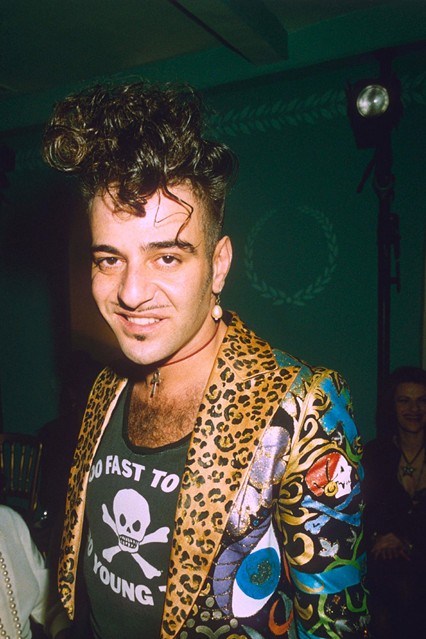
John Galliano & Blitz
Fallen Angel suit
‘My fashion has been a constant evolution of ideas… All that experimental cutting led me to understand precisely how a jacket had been put together in the past; how to put it together correctly in the present and then, from that, I was led to dismantle it and reassemble it in a way that would point to the future.’Galliano’s final year collection at St Martin’s School of Art was influenced by French revolutionary dress. But, like many art school students, Galliano also found inspiration in London’s night life. ‘The club scene fed me… Being with other creative people like Boy George was a crucial experience for me.’.
Sketch for Levi Strauss & Co.
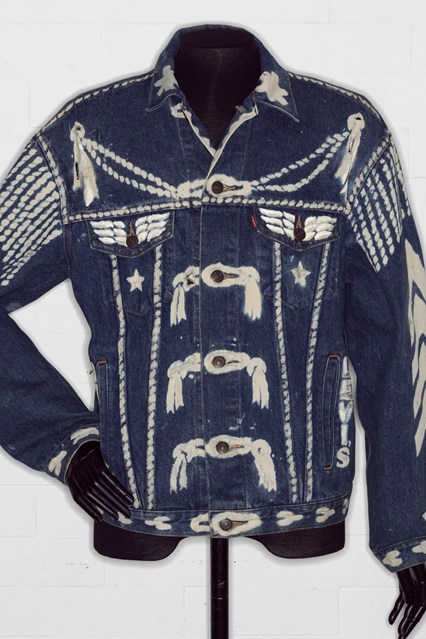
In 1986, BLITZ magazine commissioned 22 designers to customise denim jackets provided by Levi Strauss & Co. Fashion Editor Iain R. Webb recalled, ‘The magazine gave us a stage on which to present our version of the world, an alternative way of looking at fashion… The pages of BLITZ were intended to inspire readers to experiment with fashion rather than go shopping’.
1984, John Galliano graduation show from St Martin1984 -85 Galliano show...
Joseph Jumper
Joseph Ettedgui founded the chain of Joseph boutiques in London in 1977, stocking innovative designers such as Katharine Hamnett, John Galliano and BodyMap. He also created the Joseph Tricot knitwear label.
.
Stay Alive in 85
Katharine Hamnett was one of the most well known designers of the 1980s. She pioneered the vogue for stylish, casual clothing made in crumpled cottons, parachute silks and stonewashed and stretch denim. Her designs were often based on utilitarian boiler suits and army fatigues.In 1984, Hamnett caused a sensation at a fashion reception hosted by Margaret Thatcher by wearing a T-shirt that read, ‘58% Don’t Want Pershing’. Hamnett was protesting against the controversial siting of US Pershing missiles in the UK. Her T-shirts were a platform for her anti-war and Green politics..
‘BLITZ’ Denim jackets by Levi Strauss & Co
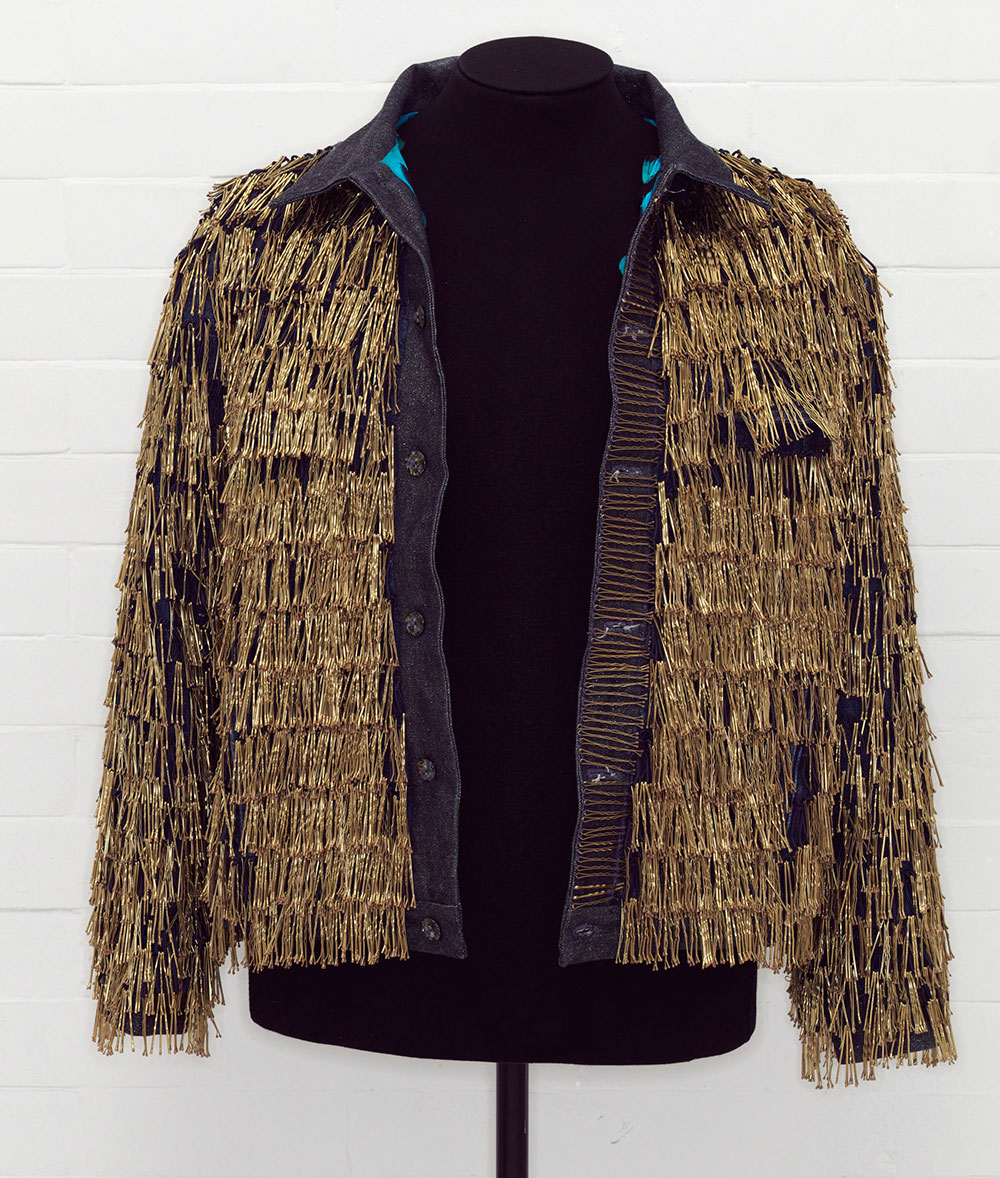
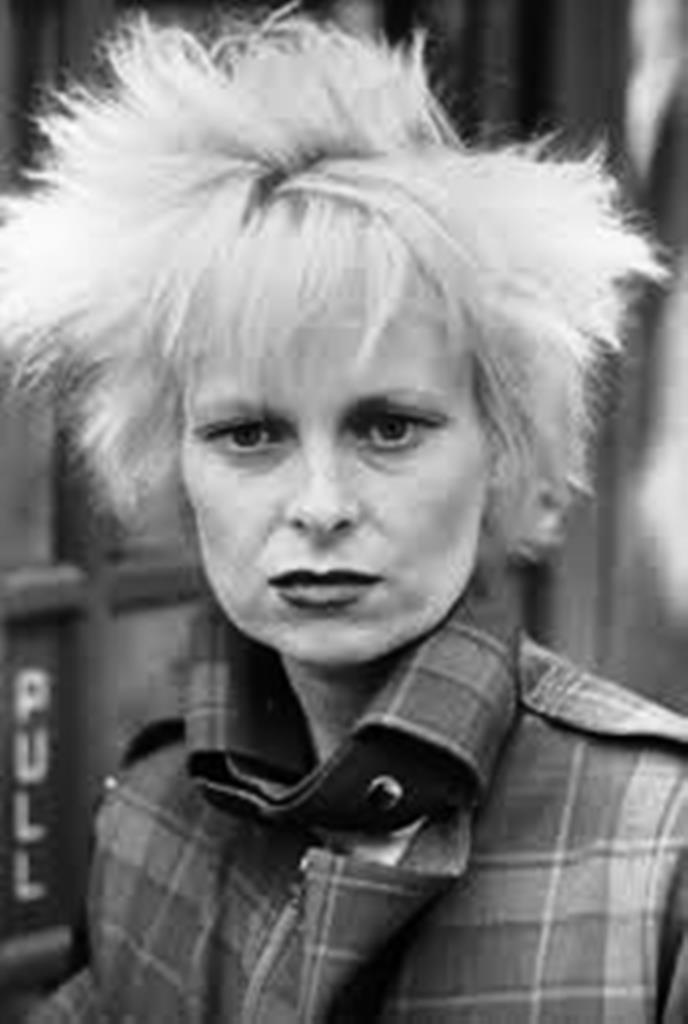
BLITZ magazine commissioned Leigh Bowery to customise this denim jacket in 1986. It has fringes created from hundreds of golden hair grips, making the jacket extremely heavy.Leigh Bowery..‘Blitz’ denim jacket customised by Vivienne Westwood, 1986 Viviënne Westwood..
Bodymap: Shaping the 1980s
Amidst the colourful extravagance of 1980s fashion, one label in particular stood out thanks to their pioneering approach to making and showing their creations: BodyMap.
..
BLITZ: A History, and the Tale of 22 Jackets
In July 1986, era-defining style magazine BLITZ published an issue featuring images of 22 Levi’s denim jackets that had been customised by some of the world’s most lauded designers – Vivienne Westwood, John Galliano and Katherine Hamnett among them.
BLITZ founder and publisher Carey Labovitch and the magazine’s fashion editor, Iain R. Webb speak about the thrills of setting the magazine up, its unique editorial approach and give us the full story behind the designer denim jacket project.
.
.
Book
. “Like the lightning in its name, it struck us in 1980 and kept us spellbound the whole decade. ‘Too fast to live, too young to die’, that is BLITZ for me. Every month we would run to the news stand to be ‘BLITZed’ with irreverent, glamorous, chic and iconic images. BLITZ was Iain R. Webb’s brainchild that corresponded perfectly to the era; it was one of its best expressions. He used emblematic faces that were so inspiring, and that I used for my shows, like Martine Houghton, who later became a photographer. BLITZ, we miss you but we are ready for your attack again!” Jean Paul GaultierIn London at the start of the 1980s, three new style magazines emerged to define an era. It was a time of change: after Punk, before the digital age, and at the dawn of a hedonistic club scene that saw the birth of the New Romantics. On the pages of BLITZ, The Face and i-D, a new breed of young iconoclasts hoped to inspire revolution. As BLITZ magazine’s fashion editor from 1982-87, Iain R. Webb was at the center of this world. His images manipulated fashion to explore ideas of transformation, beauty, glamor and sex. The magazine’s arresting, subversive fashion pages, and its profiles of disparate designers and creative types, let the imagination run free. Lavishly presented here are over 100 BLITZ fashion stories, with previously-unseen archive content, original images and tear-sheets. A separate section features original BLITZ interviews with the key designers, and there is also a vast amount of completely new material: Iain R. Webb has gathered the memories of those involved into a gripping oral history of an under-documented time.Characters and contributors include: Leigh Bowery, Amanda Cazalet, Boy George, Princess Julia, Nick Knight, David LaChapelle, Paul Morley and Anna Piaggi. Featured designers include Bodymap, Judy Blame, Dean Bright, Comme Des Garçons, Jasper Conran, John Galliano, Jean Paul Gaultier, Katharine Hamnett, Hermès, Pam Hogg, Marc Jacobs, Stephen Jones, Calvin Klein, Andrew Logan, Issey Miyake, Franco Moschino, Vivienne Westwood, and many more..
Steve Strange and Rusty Egan, partners in the Blitz Club, (2009)


Françoise Gilot & Pablo Picasso

Françoise Gilot & Pablo Picasso, ph.Robert Doisneau

Paloma, Pablo & Claude Picasso

Claude, Pablo, Fran;coise & Paloma, 1953

Paloma, Claude & Pablo, 1956

Pablo & Paloma Picasso

Paloma Picasso

Paloma Picasso

Claude, Pablo & Paloma Picasso

Pablo Picasso with his daughter Paloma, 1960s

Paloma in her vintage 40s style
Paloma Picasso & Xavier de Castelle at Le Privilege, 1983 ph.Roxanne lowit
Paloma Picasso, in YSL, and Rafael Lopez-Sanchez wed in 1978

Karl Lagerfeld, Paloma & husband Rafael Lopez-Sanchez

Paloma & Rafael

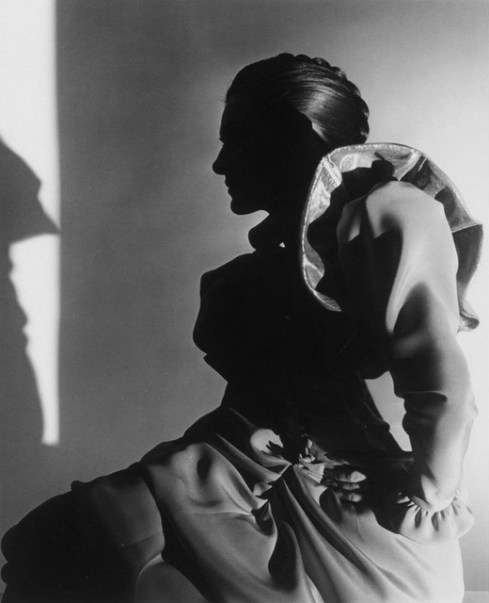 Paloma wearing Karl Lagerfeld
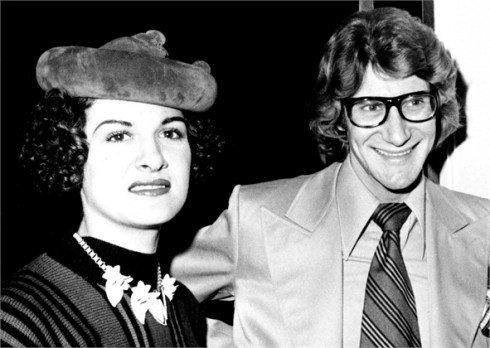 Paloma Picasso & Yves Saint Laurent
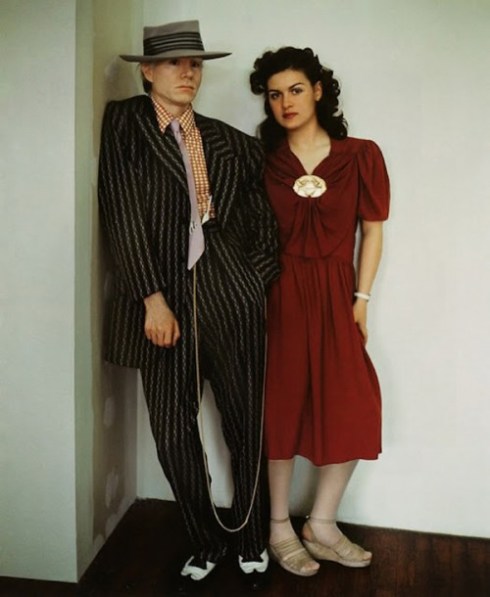 Paloma Picasso & Andy Warhol, ph. Jean Paul Goude
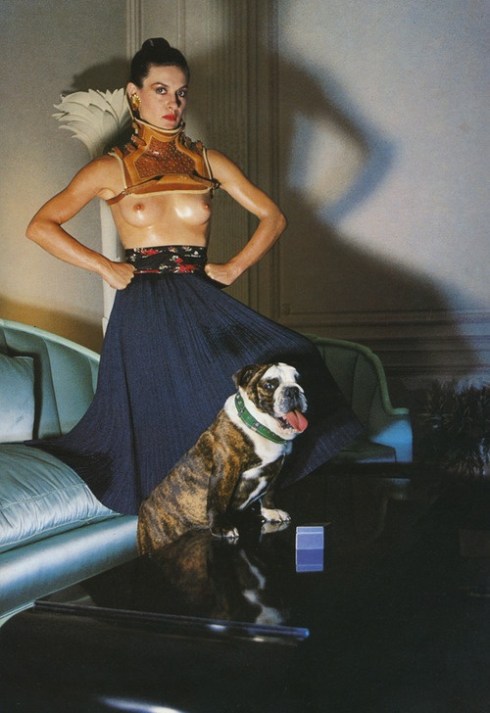 Paloma Picasso, ph. Helmut Newton
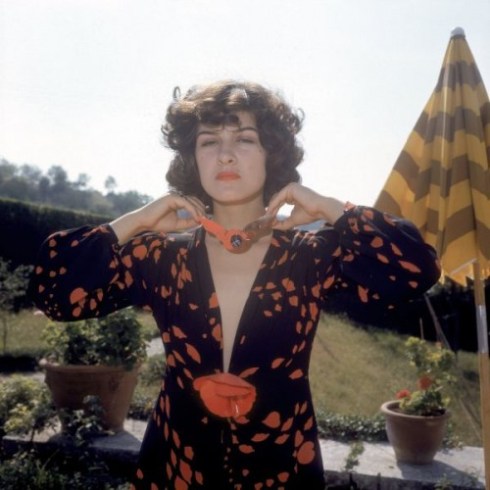 Paloma wearing YSL & her own jewelry
.
Paloma wearing YSL & her own jewelry
.


 .
.















































 agnautacouture.com