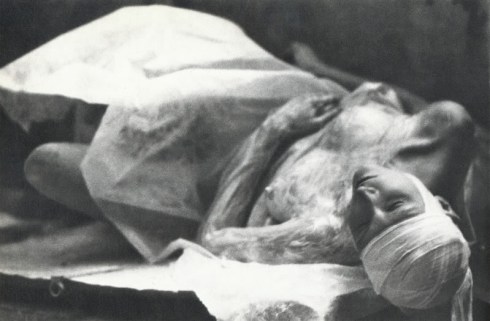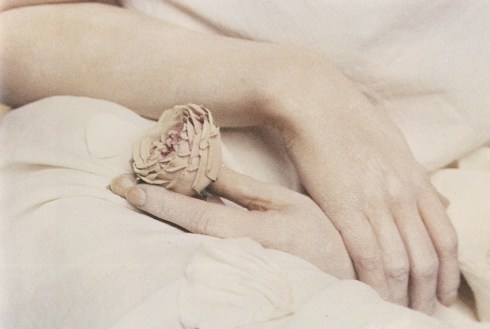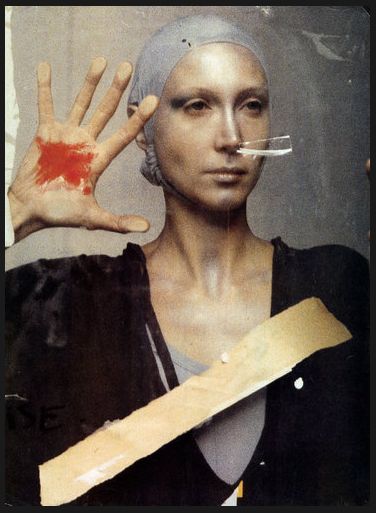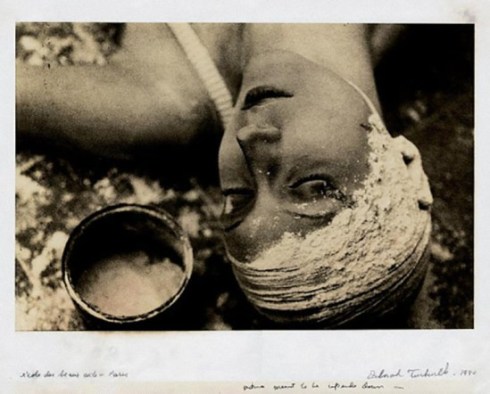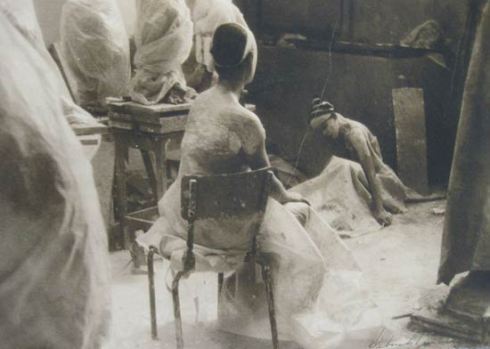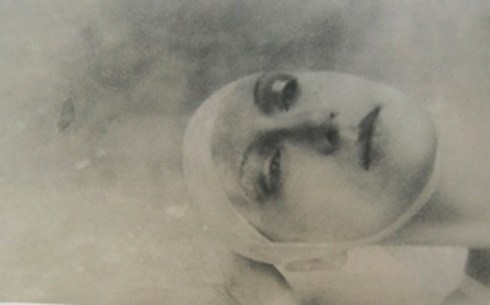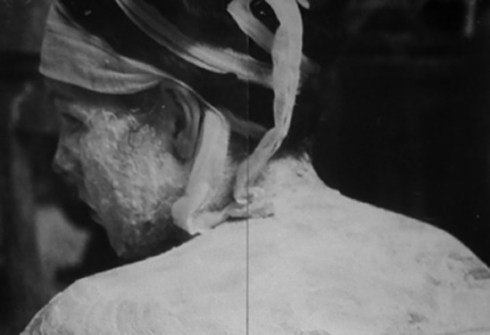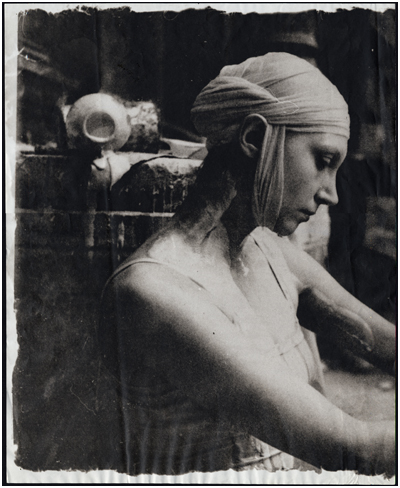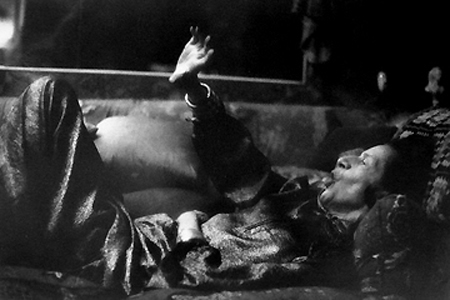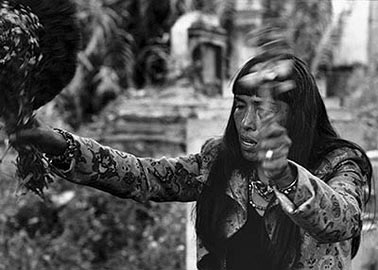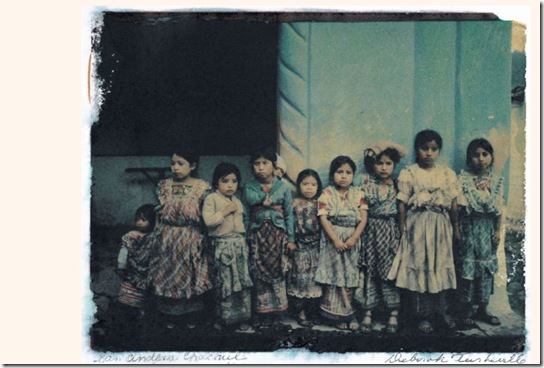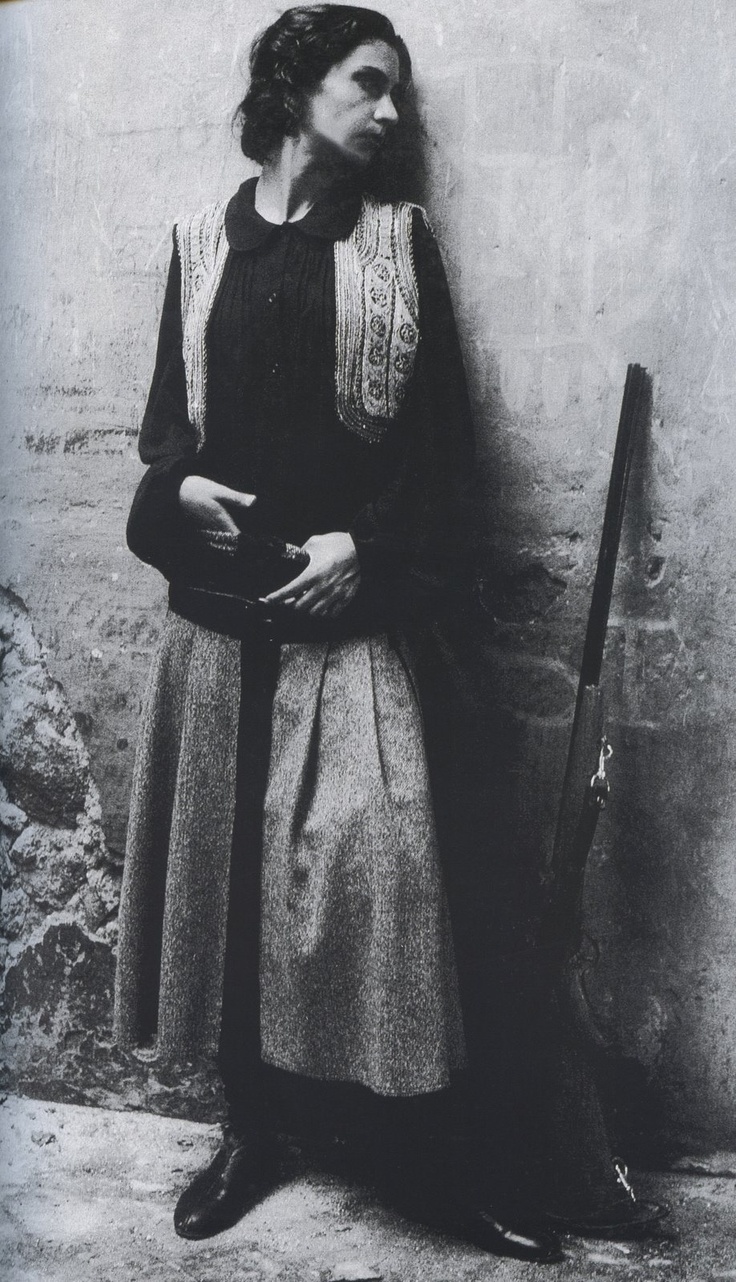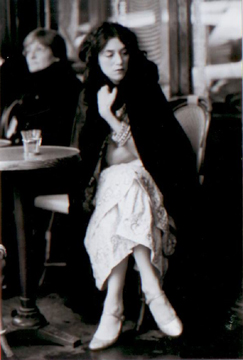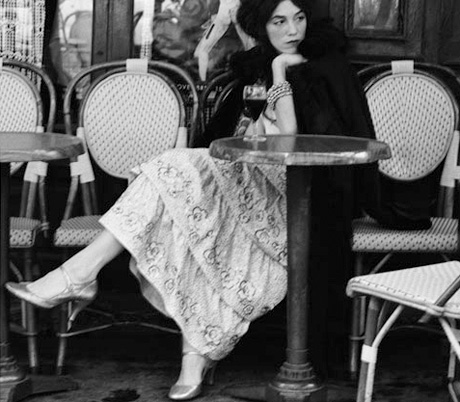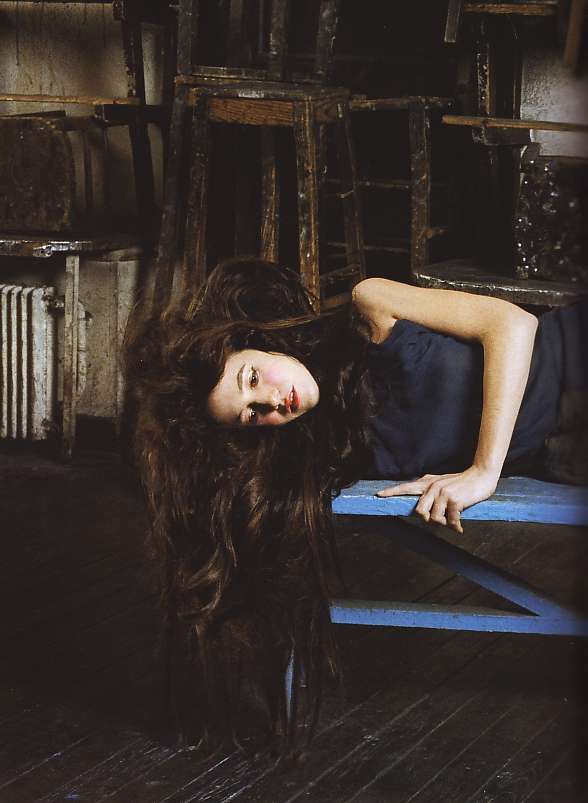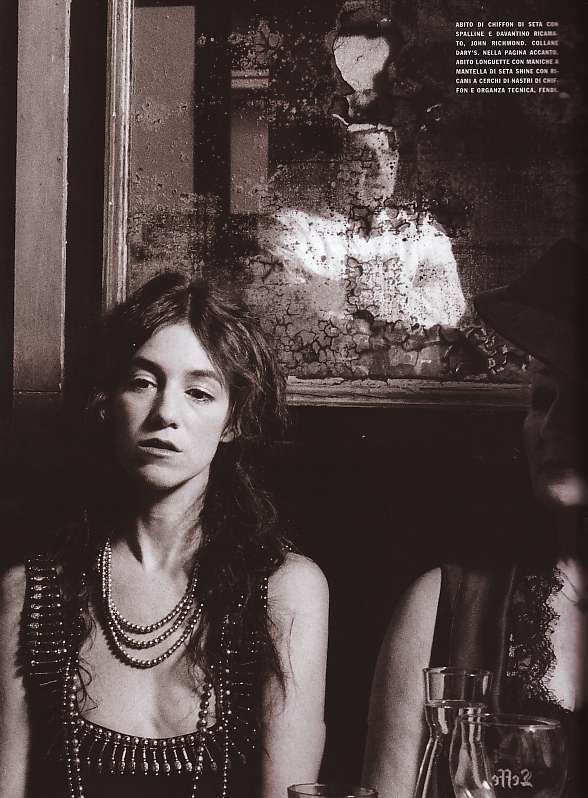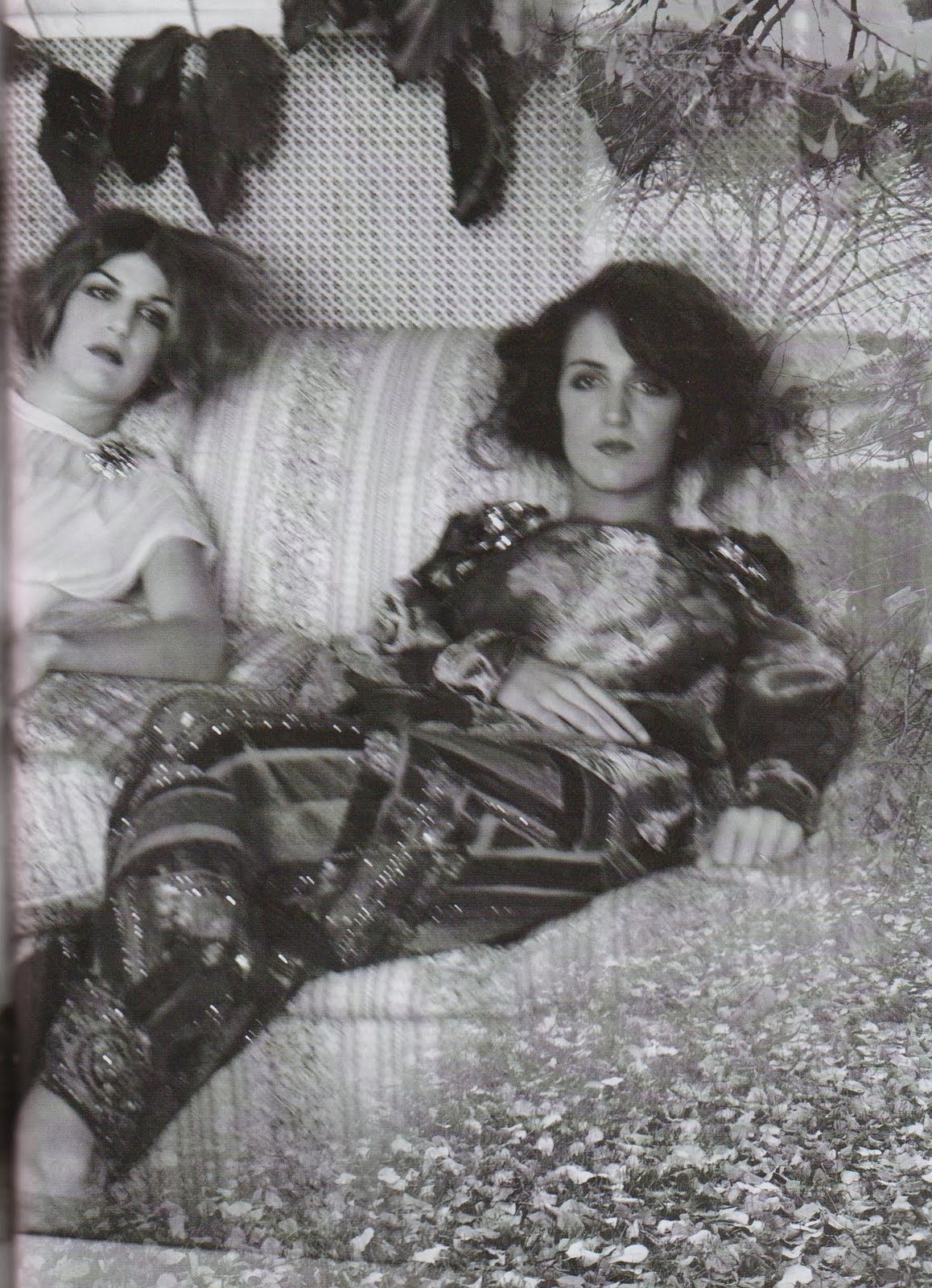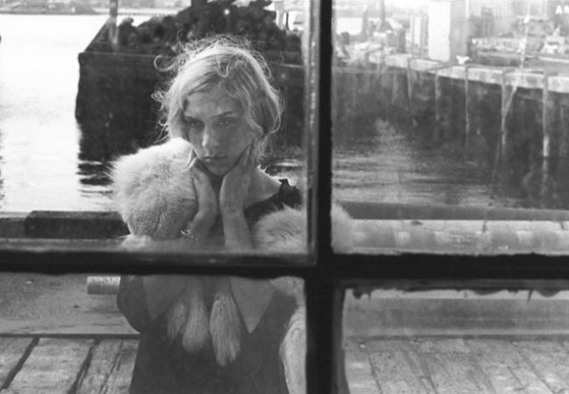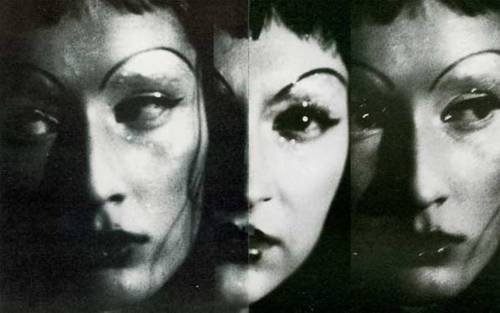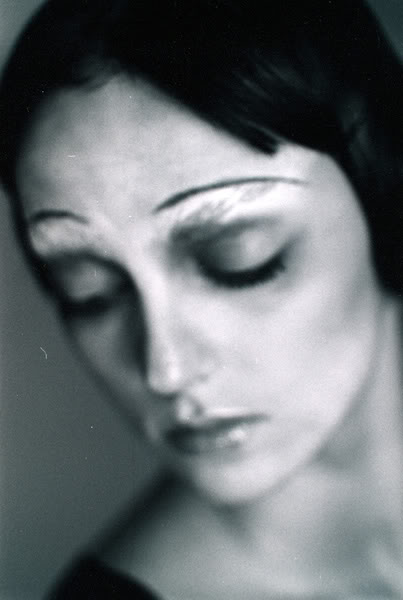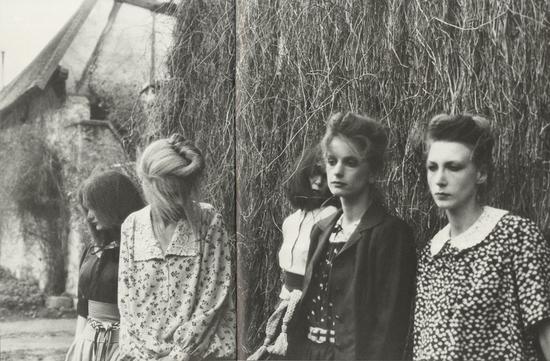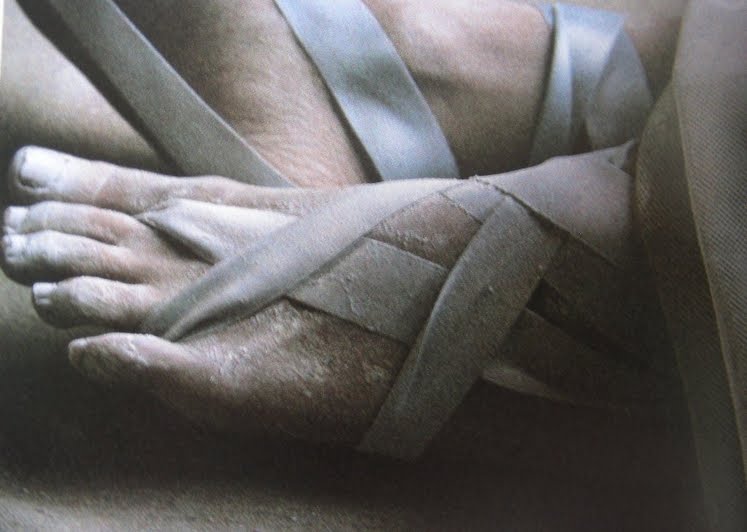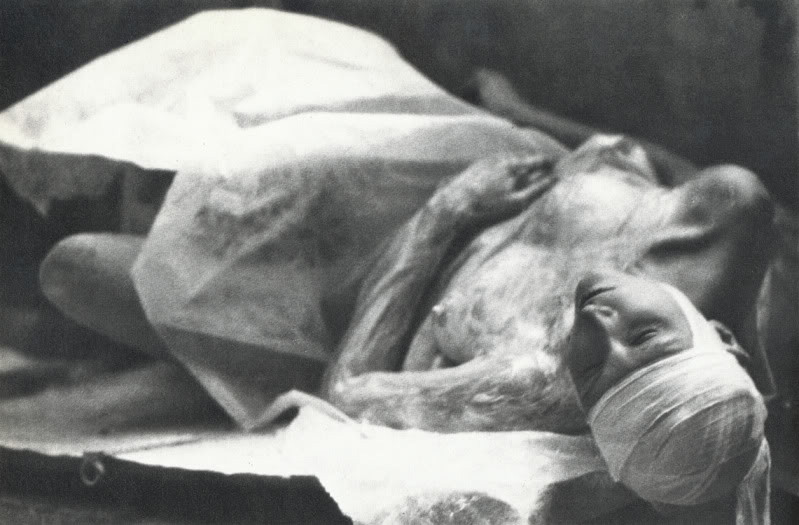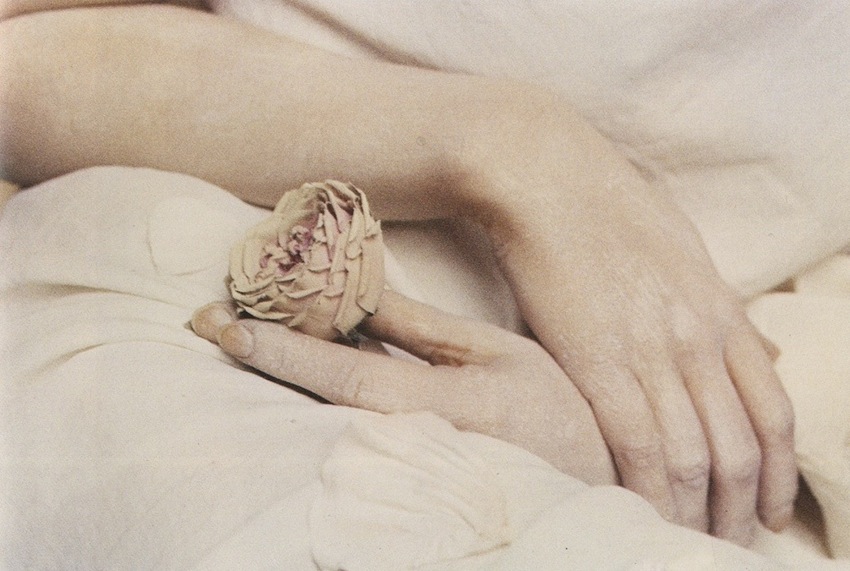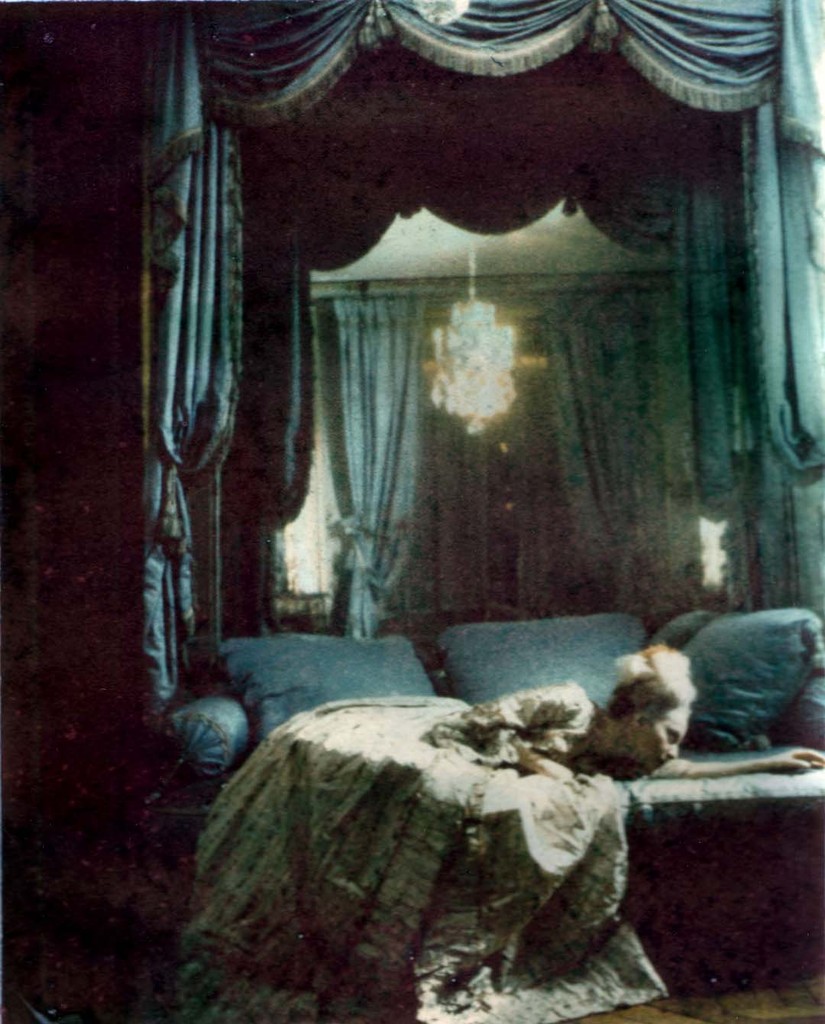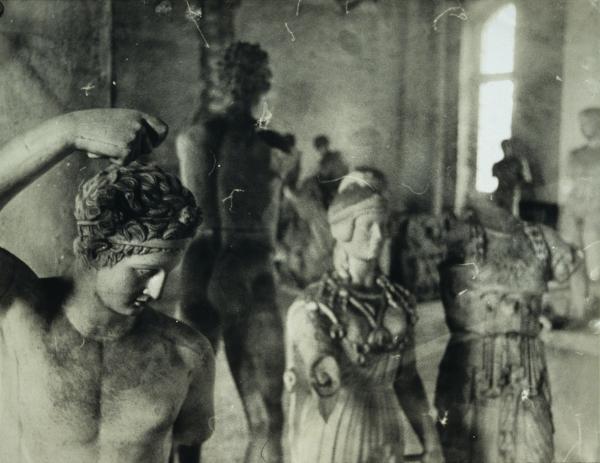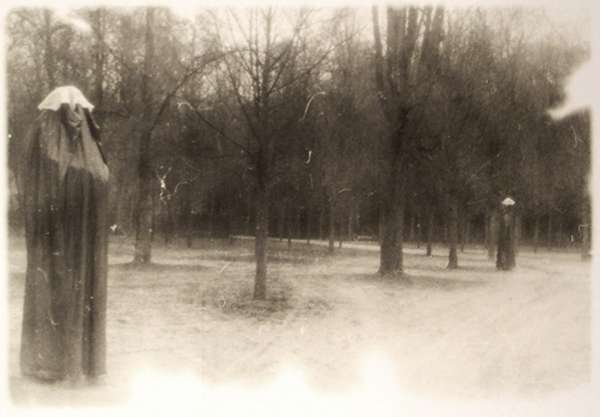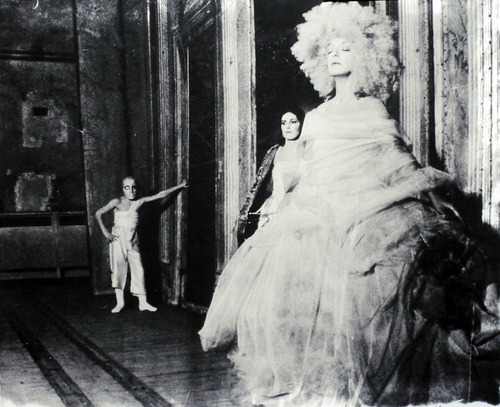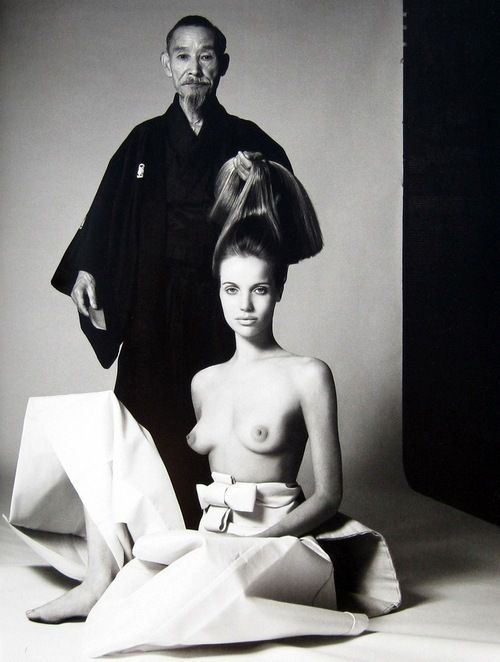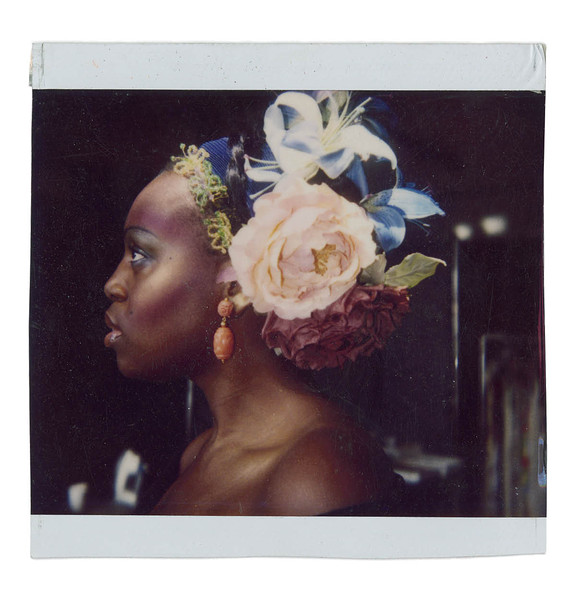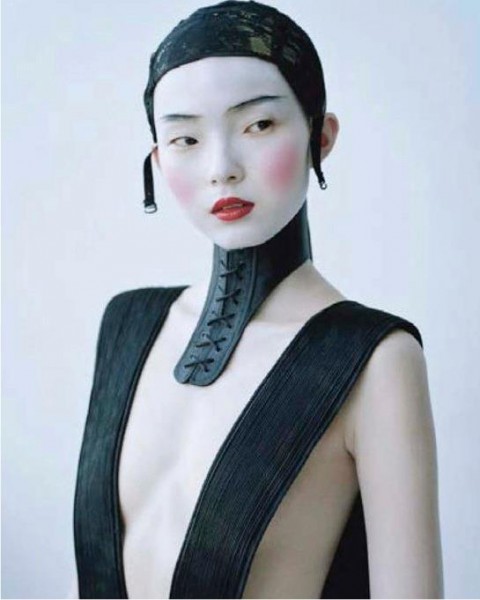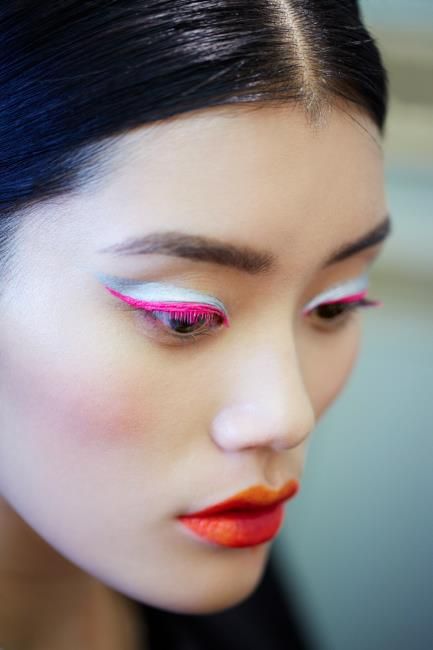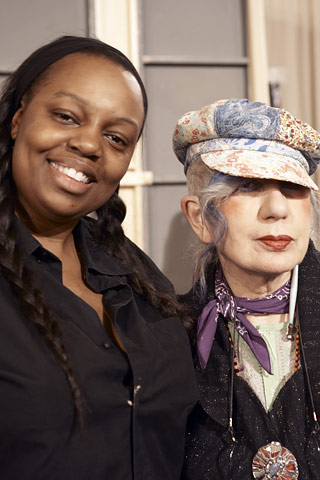
More work by Deborah Turbeville

3 Aug

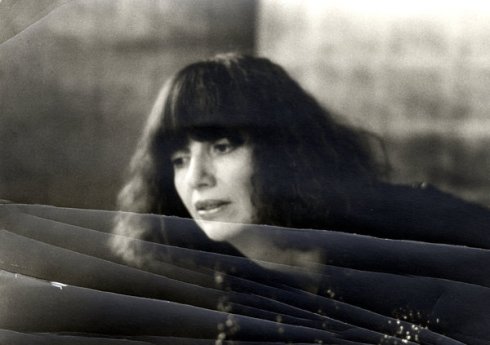
deborah-turbeville selfportrait-wallflower-1978
Deborah Turbeville selfportait, 1978


Ungaro, Vogue 1984

Ungaro, Vogue, 1984

Ungaro, Vogue, 1984, by Deborah Turbeville

.

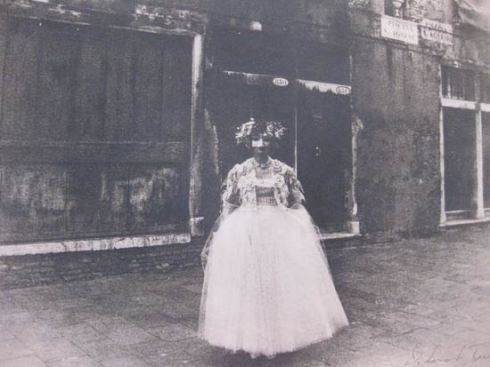
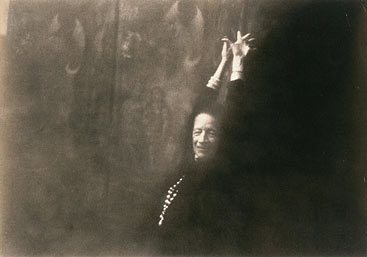
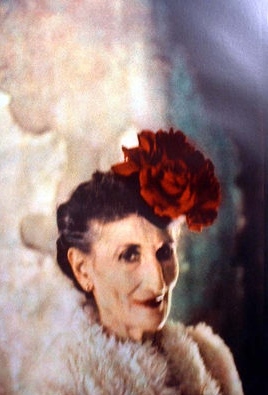
Diane Vreeland

Diane Vreeland

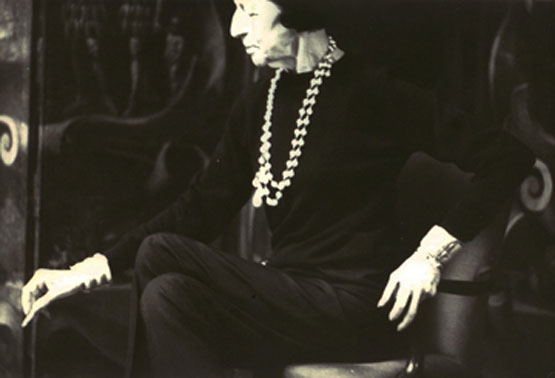
Diane Vreeland

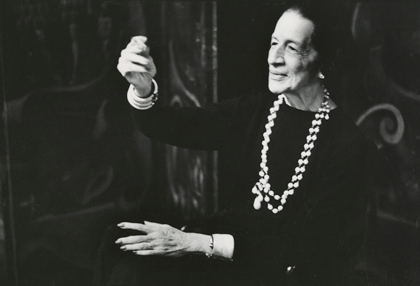
Diana-Vreeland- december 1980

Diane Vreeland

Casa No Name/ Mexico

casa no name

Casa no name

casa no name

Casa no name

DeborahTurbeville

casa no name

casa no name

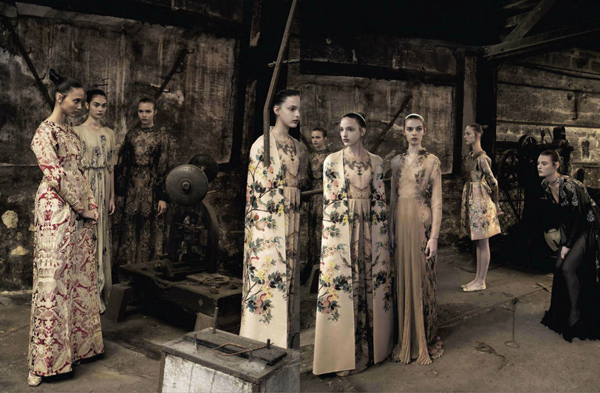
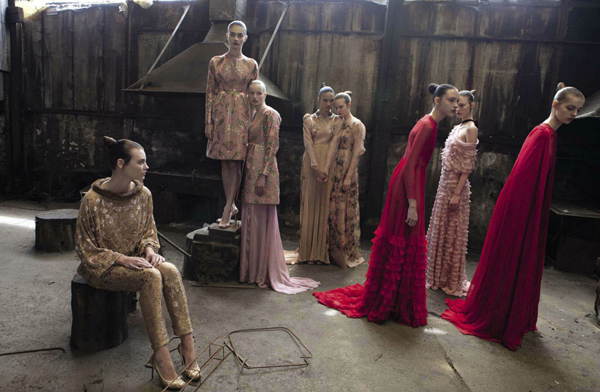
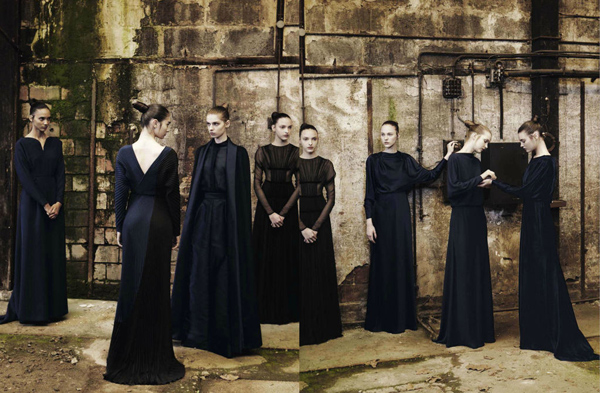
Valentino Haute Couture, Vogue Italia

Valentino_Haute-_Couture_Deborah-Turbeville-vogue-italia

Valentino_Haute_Couture_FW12_deborah-photo

Valentino_Haute_Couture_Deborah-Turbeville

.

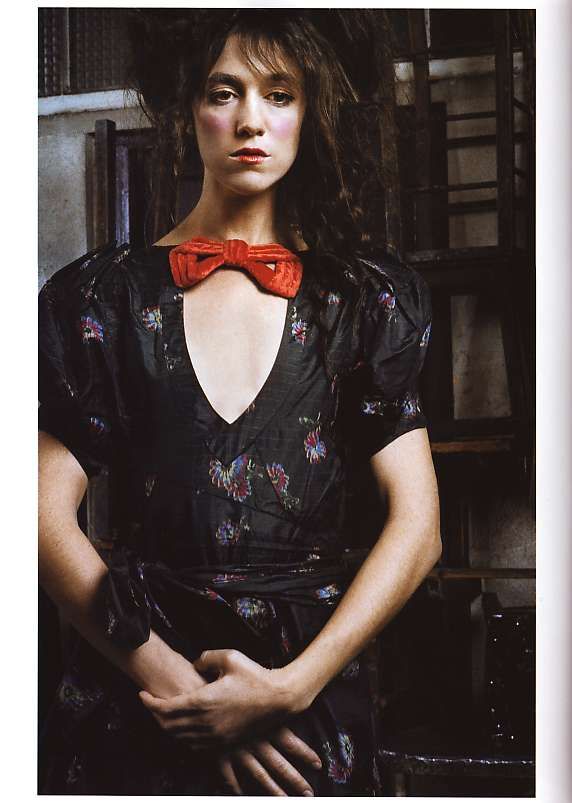
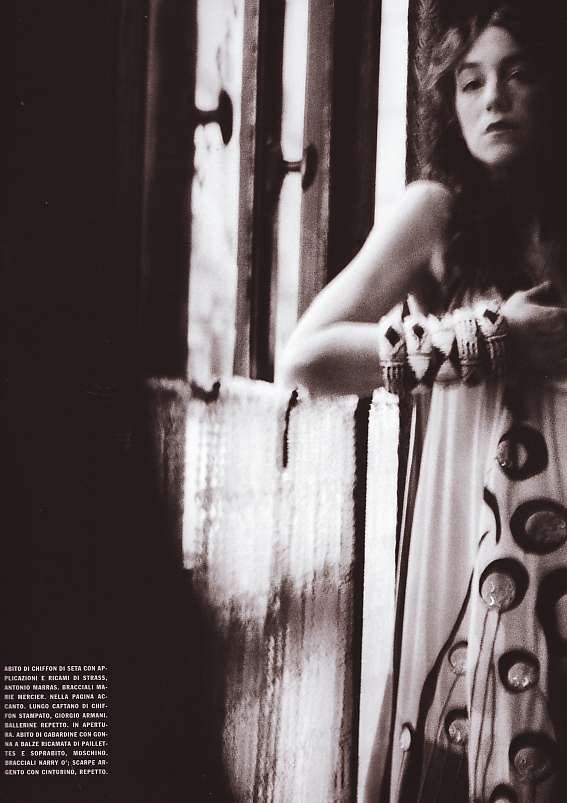
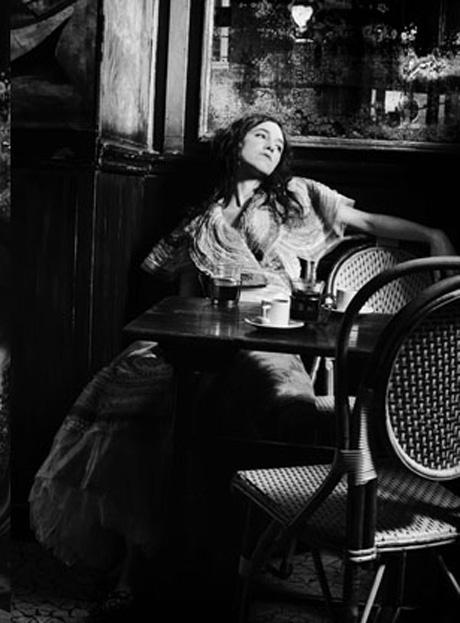
Charlotte Gainsbourg

Charlotte Gainsbourg by Deborah Turbeville

Charlotte Gainsbourg by Deborah Turbeville

34_Turbeville_CharlotteGainsbourg

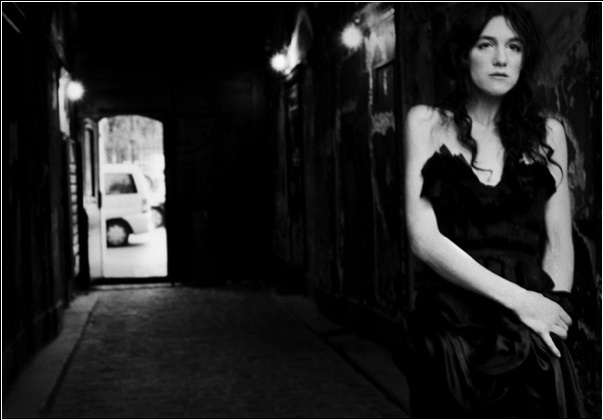
Charlotte Gainsbourg
 
Charlotte Gainsbourg by Deborah Turbeville
  
Charlotte Gainsbourg
  
Charlotte Gainsbourg by Deborah Turbeville
 
Charlotte Gainsbourg

.

Portrets

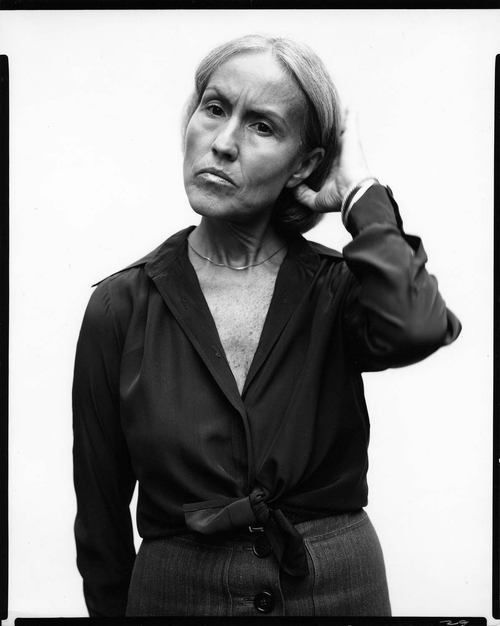
Victoria Guinness, 1983Victoria Guinness, 1983
.
Portrait of Carmen Freidberg, Mexico, 1997Portrait of Carmen Freidberg, Mexico, 1997
.

deborah turbeville Corenlia and Bianca Brandolini D'adda- vogue italia (3)

deborah turbeville 005 Corenlia and Bianca Brandolini D'adda- vogue italiaCorenlia and Bianca Brandolini D’adda- vogue italia
Chloe SevignyChloe Sevigny
.  
Deborah Turbeville
 
Deborah Turbeville
  
Deborah Turbeville
 
Turbeville
 
Turbeville

 .

And other Amazing Pictures by Deborah Turbeville

Deborah Turbeville

Deborah Turbeville

russian-vogue

Deborah Turbeville


.


DeborahTurbeville

Deborah Turbeville, described as the anti-Helmut Newton

27 Jul

Deborah Turbeville

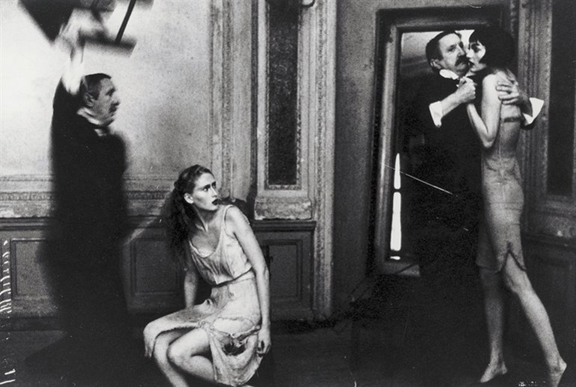
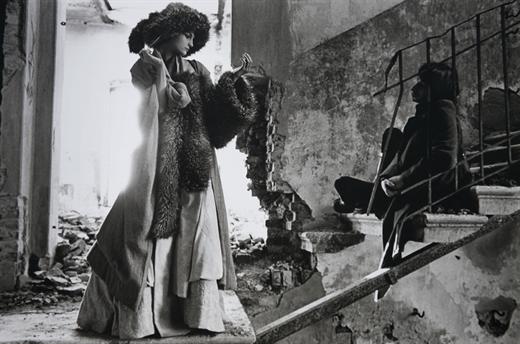
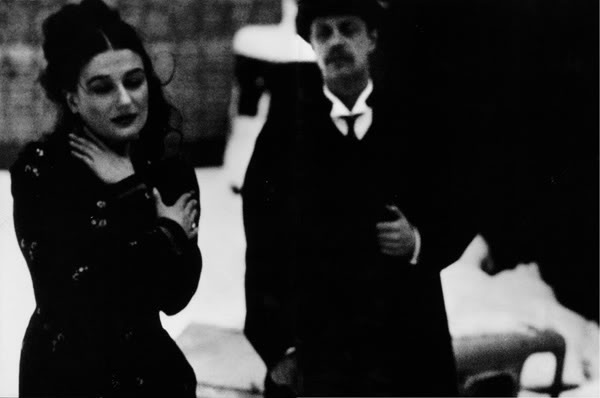
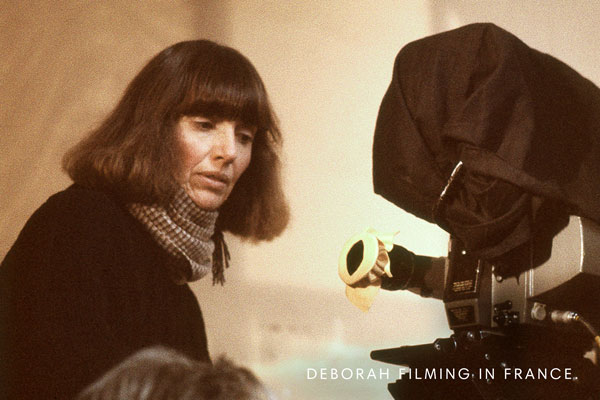
Deborah Turbeville was born in Massachusetts and raised in New England. When she was twenty years old she moved to New York City to become a sample model and assistant for  designer Claire McCardell, who will later  introduce her to Diana Vreeland . Having a fond interest in designer clothing Deborah became a fashion editor, but not long after she realized that her heart was in photography. She has been taking amazing photographs ever since.

Short Biography
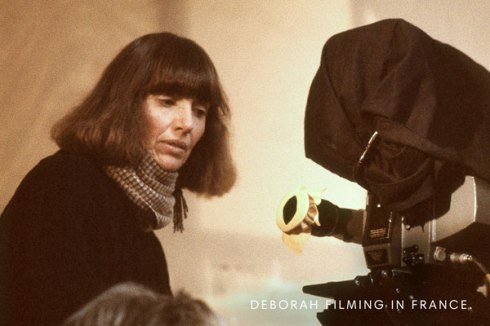
Deborah Turbeville

Deborah Turbeville is born in 1937. Spending her upbringing in New England and summers in Ogunquit, Maine, she always stays fascinated with environments: “very bleak, very stark, very beautiful,” she later remembers. “Since then I have always had to have mystery and atmosphere in my life. They draw me out more than anything.” Deborah dreams of becoming a dancer or actress.

She moves to New York in 1956, where Deborah becomes a sample model and assistant for Claire McCardell. The designer will later introduce her to Diana Vreeland, at this time a fashion editor at Harper’s Bazaar.  Having a fond interest in designer clothing, she becomes an editorial assistant at Ladies’ Home Journal in 1960 and two years later moves to Harper’s Bazaar to work as fashion editor.  In 1965 Bazaar’s current editor in chief, Nancy White, tells her she has taken things too far. Deborah is fired. In the mean time her love for photography grows on her and when  she shows some of her amateur work to Richard Avedon, he invites her to attend some advanced seminars.

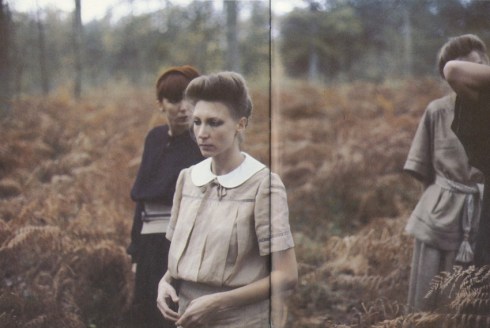
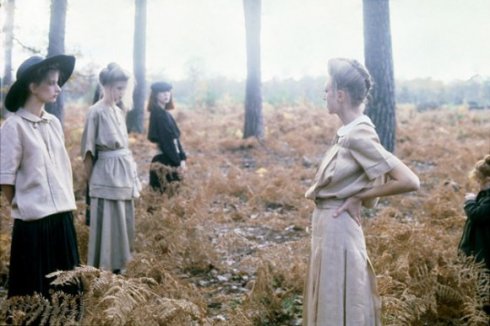
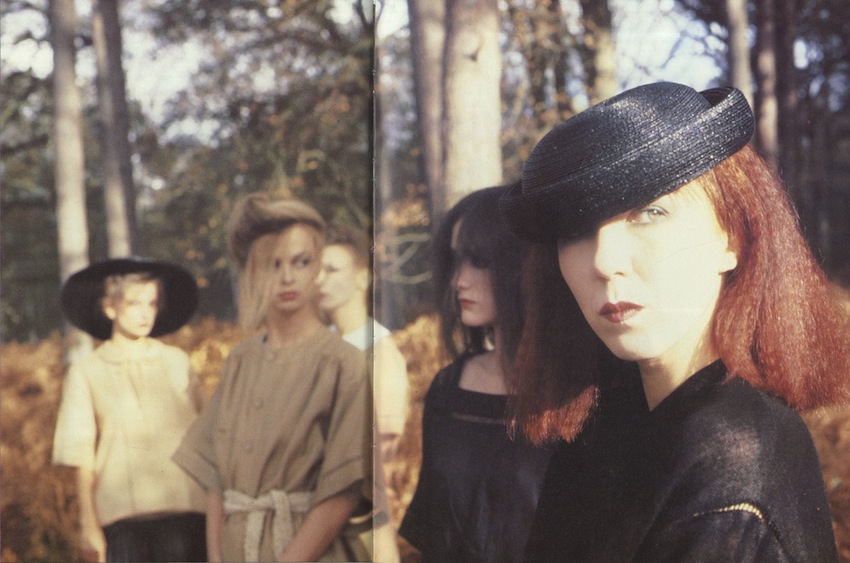
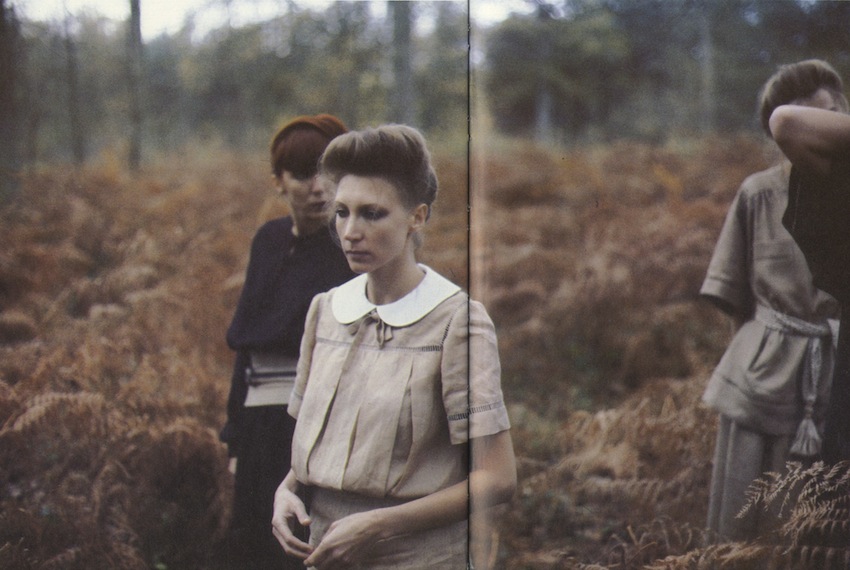
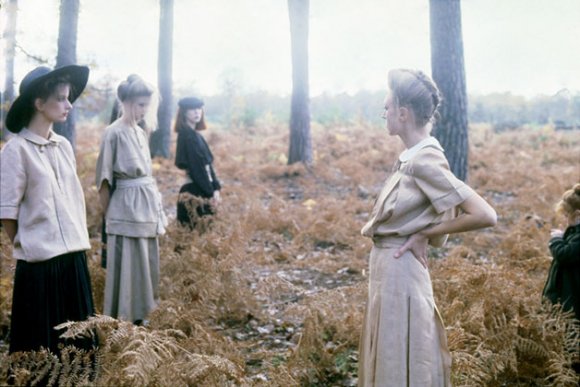
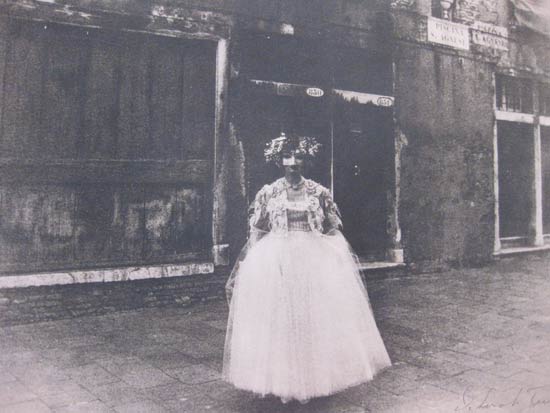
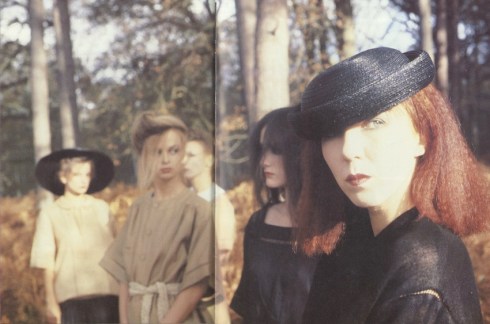
Early Fashion Photographs/ Women in The Woods, 1977
Deborah Turbeville

Deborah Turbeville

Deborah Turbeville

Deborah Turbeville

 Vogue Italia, 1977

While working at Diplomat magazine, she begins to shoot her own pictures. In 1967 Deborah becomes an associate fashion editor at Mademoiselle. “I was able to ask them if ever I could do a sitting of my own and take the pictures. That’s how I built my portfolio at Mademoiselle, shooting my own sittings.”.

She continues for a time to do both styling and photography. “That helped me, because I didn’t have to earn a living being a photographer at first,” she later recalls. “I never could have done that because I was too special. My pictures were in soft focus. It was a completely new thing. Had I been out on my own, I might have had to compromise my work.”

It isn’t long before she begins working alongside the photographers she used to collaborated with as an editor. She becomes a sought-after photographer in her own right. The New York Times single her out as the only American in a threesome —also including Guy Bourdin and Helmut Newton—that  bring “eeriness, shock, and alienation” to the formerly pleasant and pretty business of selling clothes. .

Wallflower
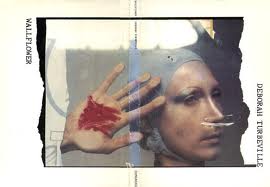
Wallflower book cover & backThe beautiful book has soft focus photographs of women in a bathhouse by Deborah Turbeville,  published in 1978.
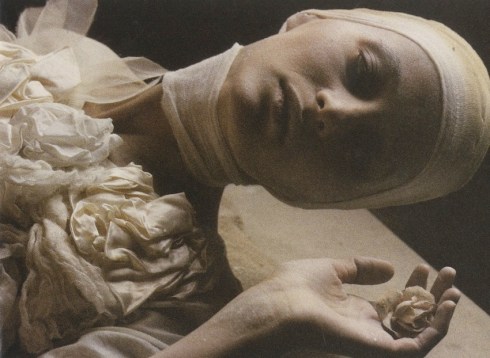
Wallflower 3

Wallflower

Wallflower

Wallflower 2

Wallflower http://www.amazon.com/Wallflower-Deborah-Turbeville/dp/093018601X/ref=sr_1_6?ie=UTF8&qid=1405938098&sr=8-6&keywords=deborah+turbeville .

.

Past Imperfect
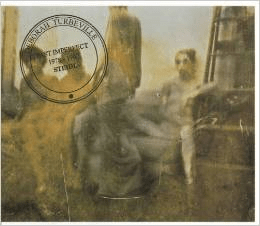
book cover

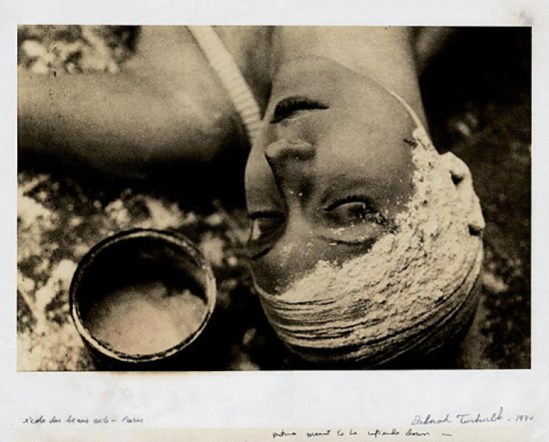
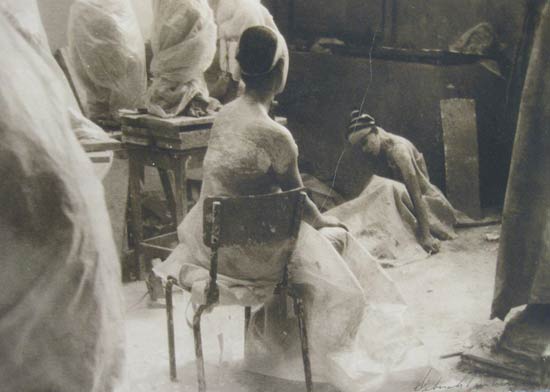
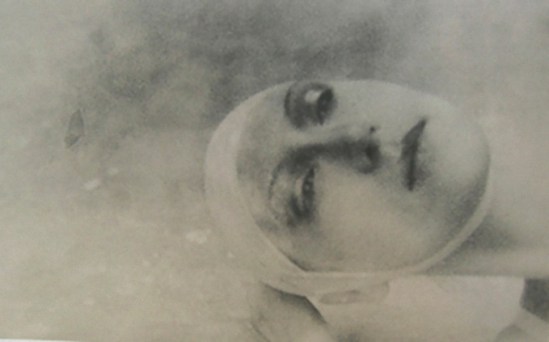
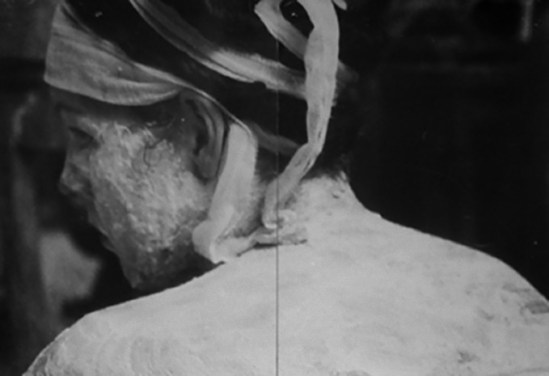
deborah-turbeville-e28093-fromecole-des-beaux-arts-1974-1980-from-past-imperfect_e

Deborah Turbeville

deborah-turbeville-e28093-from-serie-ecole-des-beaux-arts-1974-1980-from-e2809cpast-imperfect_e

deborah-turbeville-e28093-from-serie-ecole-des-beaux-arts-1974-1980-from-e2809cpast-imperfect-_e

Past Imperfect


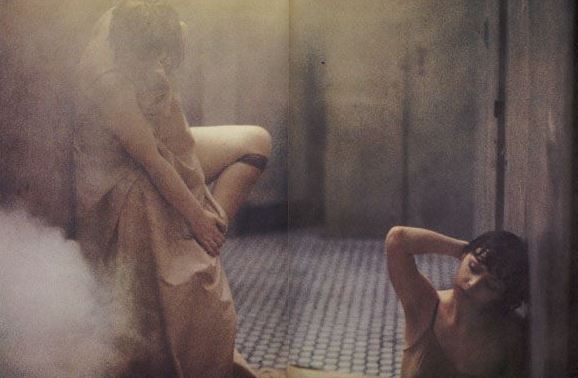
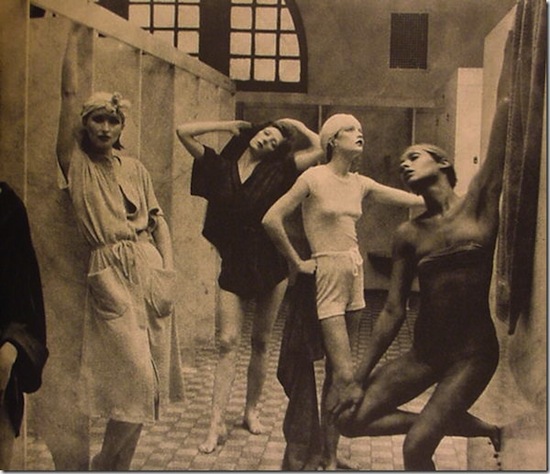
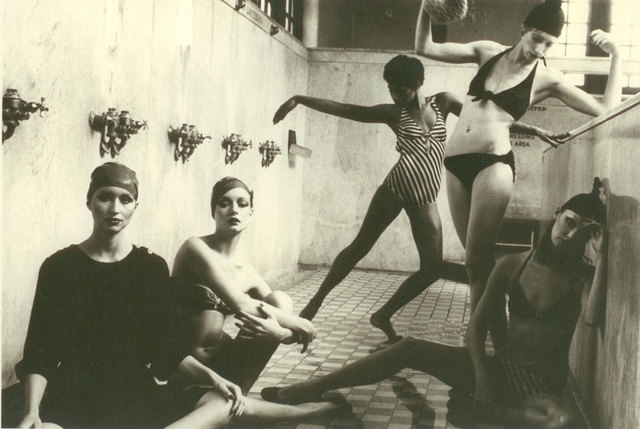
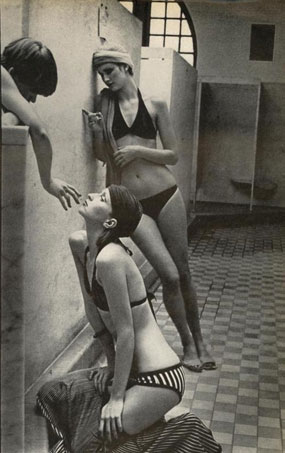
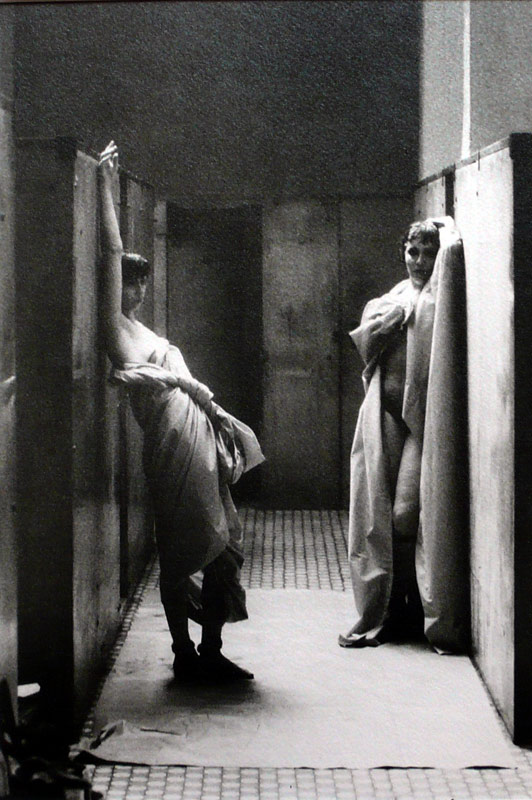
 In 1975, Vogue publishes what is probably Deborahs most infamous images, the Bathhouse series: skinny and world-weary-looking women wearing maillots and robes in a bathhouse that broke nearly every rule about how models in swimsuits were supposed to look. “I didn’t expect them to cause trouble,” she later says. (I already published these pictures in my last post: Polly Mellen styled the controversial Bathhouse Series & Nastassja Kinski )

Despite of this scandal, Vogue goes on working with her again and again, and she becomes closely identified with the magazine. Deborah always said that her intention was to leave it to viewers to make their own interpretations of the storyline and its meaning. “I’m not pinpointing anything,” she says in 2006. “In my pictures, you never know, that’s the mystery. It’s just a suggestion and you leave it to the audience to put what they want on it. It’s fashion in disguise.”
.

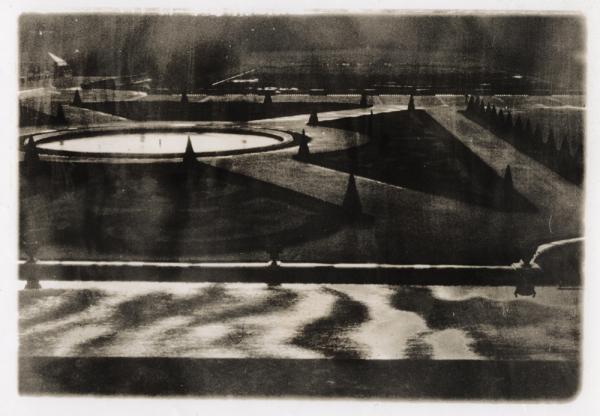
Unseen Versailles
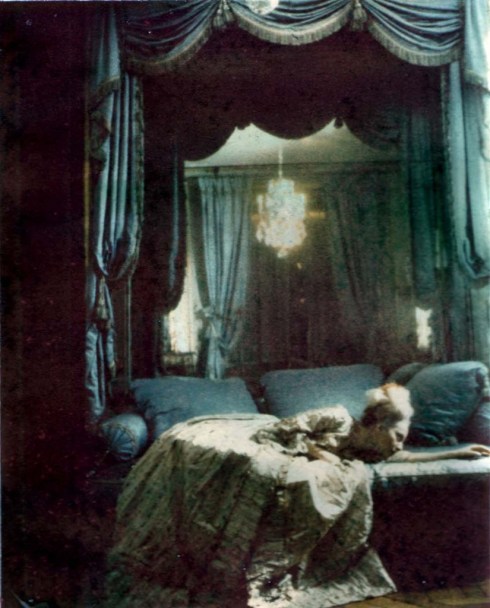
Unseen Versailles

Unseen Versailles 2

Unseen Versailles 7


Unseen Versailles

Unseen Versailles 4

Unseen Versailles 6

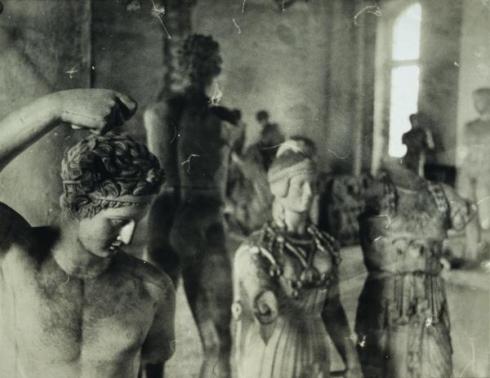
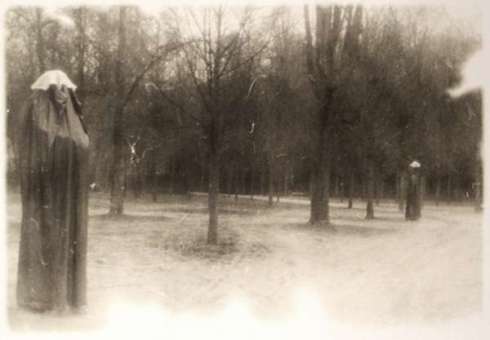
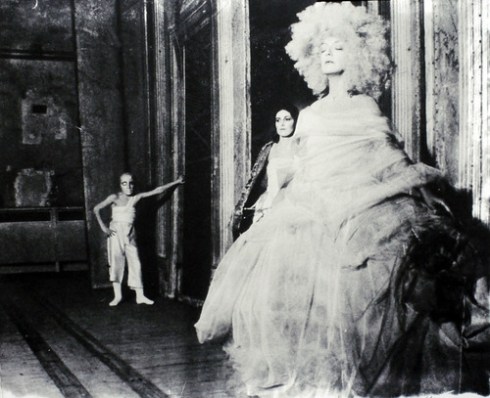
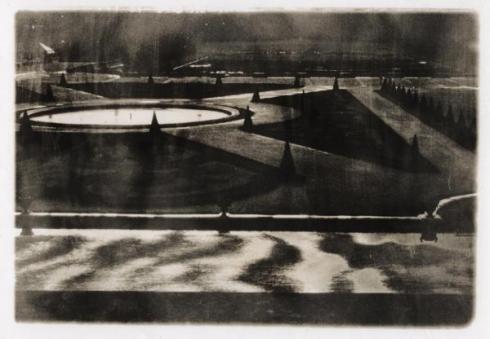
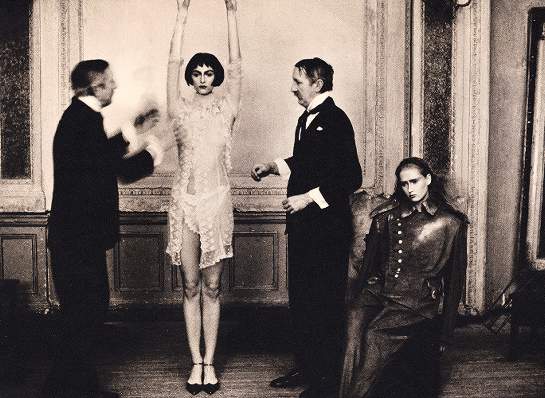
She begins work on Unseen Versailles, a book dreamed up by Jacqueline Kennedy Onassis, an editor at Doubleday, in 1979. “I wanted her to conjure up what went on there,” Jacqueline later tells People magazine, “to evoke the feeling that there were ghosts and memories.”  Despite having encountered a beautiful restored palace when she arrived to scout it, Deborah delivers—after two years of research and work—just the haunting imagery that Jacqueline had envisioned. “I destroy the image after I’ve made it, obliterate it a little so you never have it completely there,” Deborah says. Alexander Liberman, editorial director of Condé Nast publications, calls Unseen Versailles “a pioneering breakthrough in photography.” It wins the American Book Award.

She remains consistently popular with fashion editors, working continuously with Vogue, Harper’s Bazaar and W Magazine, shooting for Ungaro, Karl Lagerfield and Valentino, in the meantime receiving personal requests from personalities such as Jackie Kennedy. Taking photographs for more than 30 years, her aesthetic has never changed. Deborah divides her time between New York and Mexico and always spent a great deal of time in St. Petersburg, Russia, the city that inspires her most.

Deborah has been described as the anti-Helmut Newton. Where Newton’s pictures are vital with physicality and sexual power, Deborah’s are studies in immobility, surreal works shot as though misted glass. When discussing her favourite city St. Petersburg, she describes a place “where history has come to a halt, like a streetcar immobilized in ice“; words that can also be seen to resonate through her photography.
Deborah Tubeville lost the battle with lung cancer on October 24th, 2013. She was one of kind and will be remembered as the woman who changed the face of fashion photography.
.

The Fashion Pictures
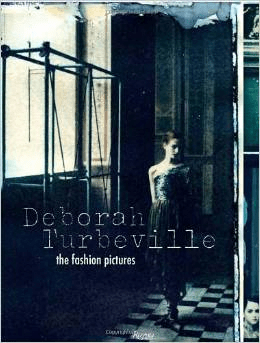
book cover

Book description:

From internationally acclaimed photographer Deborah Turbeville comes the first book on her highly influential visionary avant-garde fashion photography. Celebrated for her poetic grace and cinematic vision, Deborah Turbeville has produced fashion tableaux that draw the viewer into her otherworldly environments. A romantic and modernist, Turbeville bridges the boundaries between commercial fashion and fine arts photography. In this remarkable presentation, Turbeville reveals her highly individualistic point of view of fashion photography and the stories behind her photographs. 

This first retrospective presentation of Turbeville’s fashion photography was selected by the artist herself. In addition, she has designed the evocative layouts to create yet another masterwork. The presentation includes Turbeville’s most famous photographs, among them the controversial Bathhouse series of 1975 for American Vogue with disturbingly isolated figures and her Woman in the Woods series of 1977 for Italian Vogue showing psychologically charged emotions, along with her numerous photography campaigns for labels like Sonia Rykiel, Valentino, Yamamonto, Ungaro, and Commes des Garçons, as well as commissions for Chanel and work that has never been seen before. Her most current project for Casa Vogue–Italian nobility dressed in special couture outfits–evokes Turbeville’s vision of everlasting beauty.

http://www.amazon.com/Deborah-Turbeville-The-Fashion-Pictures/dp/0847834794

 .

.

Info for this story: Another Magazine & Voguepedia.

Next week:  More Work by Deborah Turbeville

Polly Mellen styled the controversial Bathhouse Series & Nastassja Kinski

20 Jul

.

Avedon2002Polly Mellen by Richard Avedon, 2002

.

In a career that spanned more than half a century, Polly Mellen , today 90 years old, helped create some of the most indelible imagery in the history of fashion. Her work as a stylist and editor, first under the legendary Diana Vreeland at Harper’s Bazaar, and later under both Vreeland and Grace Mirabella at Vogue, helped define a new, more modern ethos about clothes and how women wore them.

linda-evangelista-naomi-campbell-polly-mellon-and-christy-turlington1989

 Polly Mellen with the 90s supermodels, Linda, Naomi & Christy

.

Short Biography

polly mellen

Polly Allen Mellen was born in Connecticut, in 1924. She attended Miss Porter’s School for girls,in the early ‘40s, and later work as a nurse’s aid at an Army hospital in Virginia during WWII. 

In 1949 she moved to New York and became salesgirl at Lord & Taylor and a fashion editor at Mademoiselle. Soon after she was introduced to Diana Vreeland, then a fashion editor at Harper’s Bazaar and joins her at the magazine, where she will meet her future longtime creative collaborator, Richard Avedon. At first he is not keen on working with Polly, he finds her “to noisy”. She also worked with Helmut Newton, Irving Penn, Arthur Elgort, and, more recently, Mario Testino, Steven Meisel, and Steven Klein.

Later Avedon stated: “From Vreeland’s rib came Polly Mellen,”  of the longtime Vogue fashion stylist, “from that day on, Eden never looked better” and “She was the most creative sittings editor I ever worked with.”

.

Bathhouse by Deborah Turbeville

The Bathhouse (styled by Polly) was one of Vogue’s most controversial shoots that scandalised Vogue reader to pull out of their subscribsion, relating the images to Dachau and drug addicts (Heroin Chiq avant la lettre). It took five days with each spread taking a day to shoot. The amazing location was the Asser Levy Bath House, New York
 

Bathhouse by Deborah Turbeville

Bathhouse

Bathhouse by Deborah Turbeville

Bathhouse by Deborah Turbeville

Bathhouse by Deborah Turbeville

Bathhouse by Deborah Turbeville


Bathhouse try out


pre study picture 2


.

Polly marries her first husband Louis Bell in 1952, moves to Philadelphia and has two children. After she and Louis divorced (1962), she meets Henry Wigglesworth Mellen, who becomes het second husband in 1965.
A year later she returns to New York to work for Diana Vreeland as a fashion editor at Vogue, and rekindles creative partnership with Avedon. There first collaboration for Vogue is a five week trip to Japan where they produce ‘The Great Fur Caravan’ ( read & see the post of last week!). When in 1971, Diane Vreeland leaves Vogue, Polly carries on under editor in chief Grace Mirabella and in 1979, she becomes fashion director of Vogue,  . .

.

Nastassja Kinski 

During an Avedon shoot with Nastassja Kinski, Polly learned that the actress  liked animals, in particular snakes, because they are “exciting when they move”. She rushed to Avedon and insisted that the team “must send out for a snake!”
 
The result is a famous photograph of a nude, outstretched Kinski wearing only an ivory Patricia von Musulin  bracelet and a live python. This statement illustrated quite literally that fashion was about more than just beautiful clothes.

 Nastassja Kinski  .   .

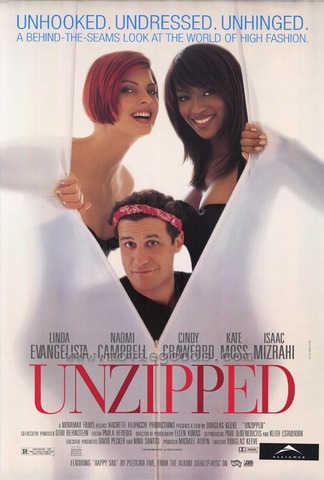
.In 1991 Polly joins the staff of new Condé Nast beauty magazine Allure as creative director. Two years later she receives a lifetime achievement award at age 68 from the CFDA (Council of Fashion Designers of America, Inc.) and makes a memorable, nostalgic cameo appearance in Douglas Keeve’s fashion-industry documentary, “Unzipped.” More than ever, fans appreciated her on-air grandiosity and declarations of fashion truisms.

After a brief freelance period of two years, Polly retires from styling in 2001, 


GAP advertisement

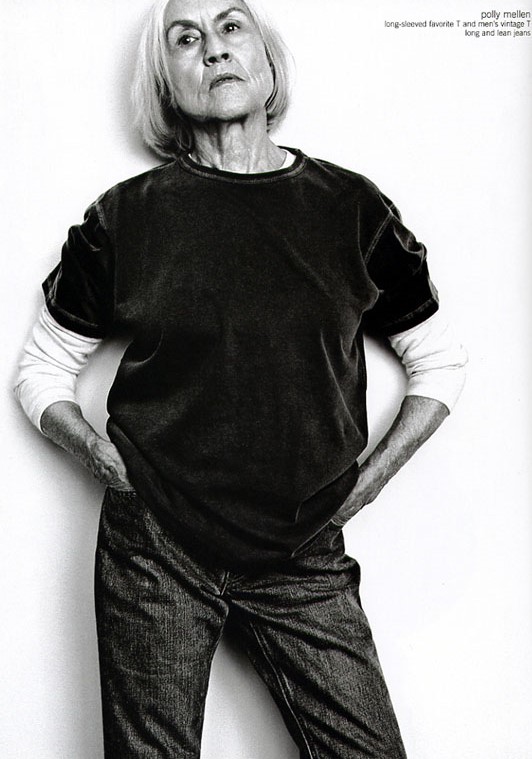
At 78, Polly appears in an advertising campaign for the Gap wearing a men’s vintage T-shirt layered over a long-sleeved tee and Long & Lean jeans.
.

In addition to producing unforgettable fashion stories, Polly was also inspiring young fashion talent, mentoring at-the-time-newcomers including Vera wang, Nicolas Ghesquière (whom she spotted already when he was an intern for Jean Paul Gaultier), Isaac Mizrahi, and Phoebe Philo, as well as future hair and makeup stars François Nars and Garren. Considered eccentric by some people, she was committed to never being “over it” when it came to fashion. She became known at runway shows as the editor who, when excited  by a collection, would raise her hands high above her head and clap long and loud.

.

.

Various work by Polly Mellen

polly mellen

polly mellen

polly mellen

polly mellen

polly mellen

US Vogue 1983 Polly Mellen  Helmut Newton & Hans Feurer

polly mellen

polly mellen

polly mellen

polly mellen

polly mellen

.

.


Unzipped (1995)

DVD cover

Isaac Mizrahi, one of the most successful designers in high fashion, plans his fall 1994 collection. He combines inspirations such as the Hollywood Eskimo look, the Mary Tyler Moore show, and Ouija-derived advise like “dominatrix mixed with Hitchcock” into a well-received collection. A behind-the-scenes look at the creative side of fashion.


The best thing about UNZIPPED is it introduced me to Polly Mellen who is hilarious and brilliant.

Isaac Mizrahi.


.
.
.

Polly Mellen


.

.

.

.

Veruschka in perhaps the Most Epic Fashion Story

13 Jul
The Great Fur Caravan
Veruschka, Richard Avedon & Polly Mellen
.

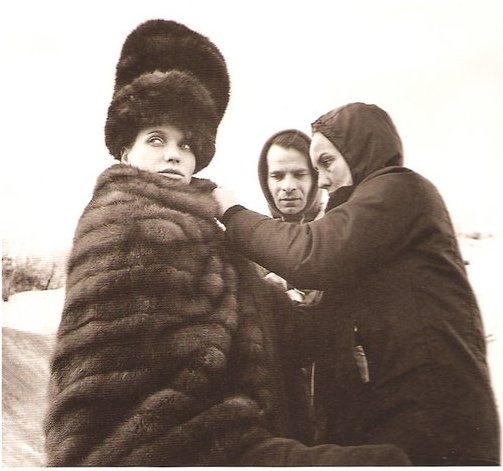
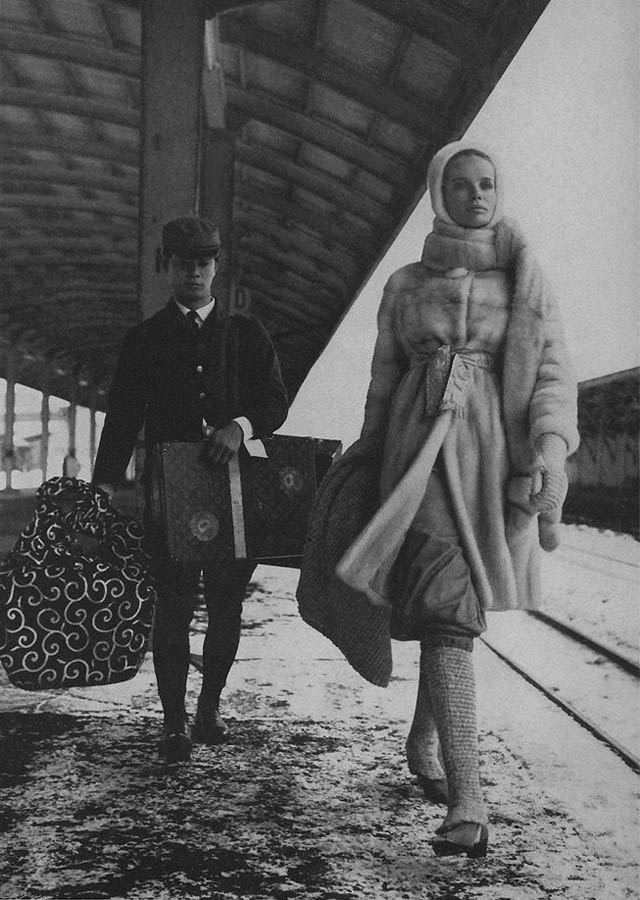
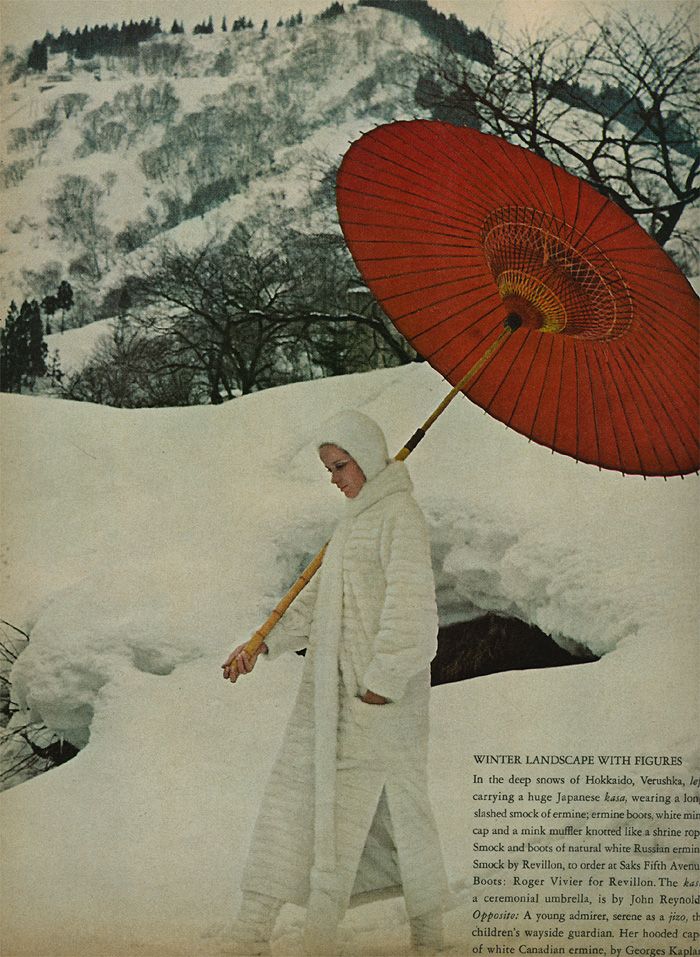
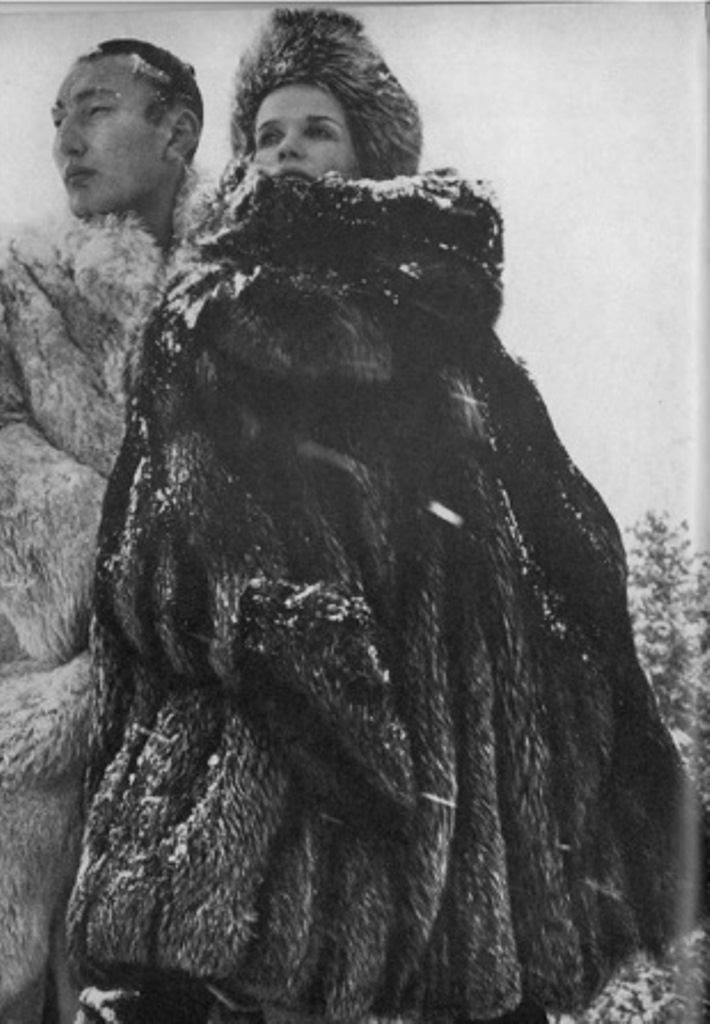
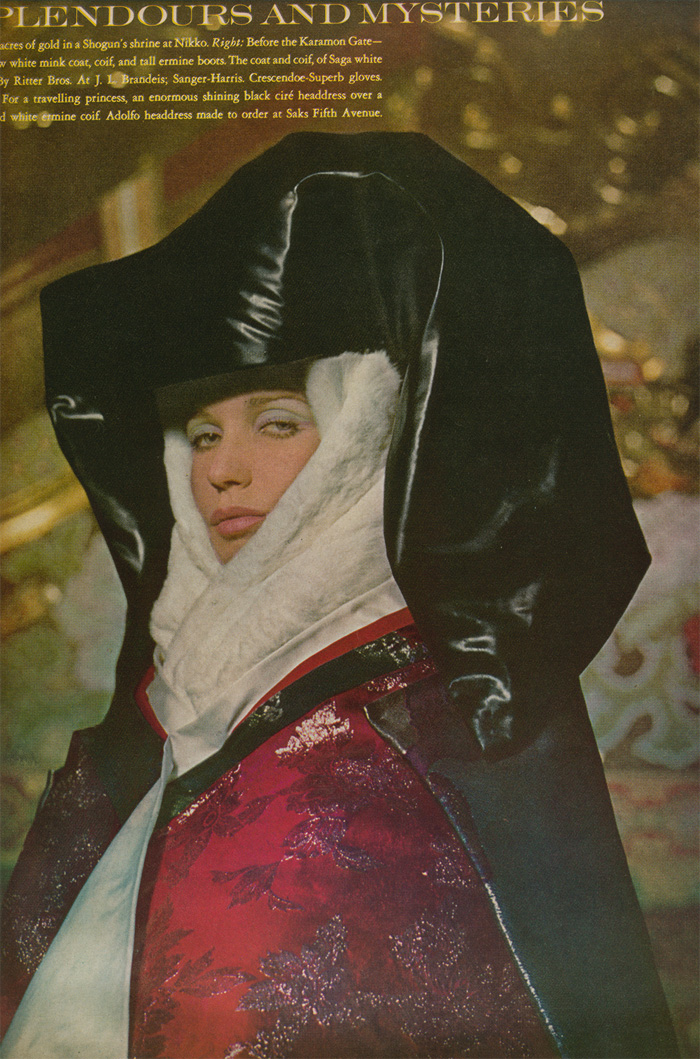
In 1966 Vogue did something extraordinary: a team was to Japan in the middle of winter to shoot perhaps the most epic fashion story of all time. The editorial was pre- PETA and it was dedicated to the beauty of furs. 

This editorial is often credited to Diana Vreeland, who was the magazine’s Editor-in-Chief at the time, but actually the editor on this story was Polly Mellen. It was one of her first assignments for Vogue and she set about on the five-week trip to Japan with supermodel Veruschka and legendary photographer Richard Avedon.

Fifteen trunks of clothes are hauled into the snow-covered mountains. Hairstylist Ara Gallant creates a wig eight feet long for Veruschka; Vreeland’s response when she sees the wig is, “I want 20 feet!”

The Great Fur Caravan, 1966

The Great Fur Caravan

The Great Fur Caravan

The Great Fur Caravan

The Great Fur Caravan

The Great Fur Caravan. A Fashion Adventure Starring the Girl in the Fabulous Furs Photographed for Vogue in the Strange Secret Snow Country of Japan…” took up a whopping 26 pages in the October 1966 issue. The Girl character was first introduced in the January 1963 issue as an idealized version of Diane Vreeland, sort of a dreamer, an adventurer. In Japan, the Girl takes a first class train to the middle of nowhere, where she explores the glorious snow mountains in her “fabulous” furs, and eventually falls in love with a gentle Japanese giant. It’s not like the story needed to make a lot of sense. It was dreamy and fantastical, and the type of travel story that Vreeland liked to entertain Vogue readers with. “The eye has to travel,” she famously said. Years later, Avedon remarked, “it’s without content. It’s without any meaning in it. It’s just this exquisite creature. Diana imagined her walking through the snows of Japan.”

The Great Fur Caravan

The Great Fur Caravan

The Great Fur Caravan

The Great Fur Caravan

The Great Fur Caravan

The Great Fur Caravan

The Great Fur Caravan

The Great Fur Caravan

The Great Fur Caravan

The Great Fur Caravan

The Great Fur Caravan

The Great Fur Caravan

The Great Fur Caravan

The Great Fur Caravan


The story is rumoured to have cost $1 million dollars back in the day — that would be equal to $7 million today. But that’s how legends are made.

 .

.


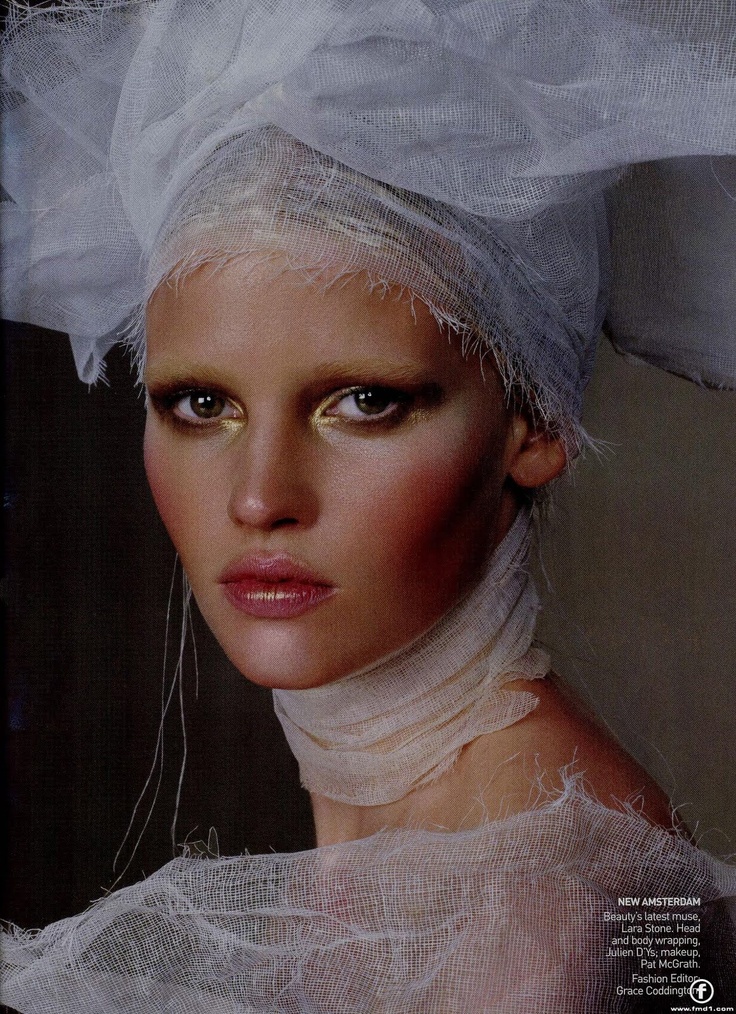
Pat McGrath, “The most influential make-up artist in the world”

6 Jul
pat-mcgrath-steven-meiselPat McGrath, ph Steven Meisel


Short Biography

Pat McGrath is born in 1970. She was raised by her mother, Jean McGrath, a Jamaican immigrant, in Northampton. Pat didn’t have a formal training as a make-up artist, but she did become one of the most influential ones in the fashion industry.

Pat says her mother, who was a keen follower of fashion, is the one who stimulated her creativity.The two made a habit of studying classic Hollywood films, which Pat cites as a key to her ultimate success . Jean would quiz her daughter on different shades of eye shadow.  “She trained me, basically, to do the shows, right there… look at the pattern, check the fabrics, look for the make-up – and begin.”   “She was always mixing up colours because there wasn’t anything out there for black skin.”

She has described her upbringing as “very religious, very conservative” and has spoken of her teenage fascination with the Blitz Kids – Boy George, Marilyn, Spandau Ballet – all of whom were famed for their outré make-up and whom she used to follow around the King’s Road. “We thought we were New Romantics, we’d get changed on the train and try to get into all those clubs,” she told the Guardian in 2008.


Pat McGrath

Pat McGrath

Pat McGrath

Pat McGrath

Pat McGrath

Pat McGrath

After leaving school, Pat completed an art foundation course at Northampton College. She had planned to undertake a fashion degree but abandoned this when she met the stylist Kim Bowen, who invited her along to watch her work on shoots for The Face and i-D. Her big break came when she received a phone call asking her to go on tour in Japan with Caron Wheeler from Soul II Soul, whose make-up she had done one afternoon three years previously as a favour for a friend. “I left my job and went to Japan for three months, scared to death. I cried all the way there because I’d never been on a plane before and I was terrified.”  This opportunity led to McGrath working with i-D magazine’s fashion director Edward Enninful and subsequently, being named beauty director for the title – a position which she holds to this day.

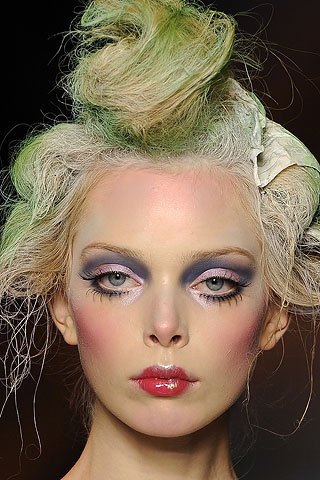
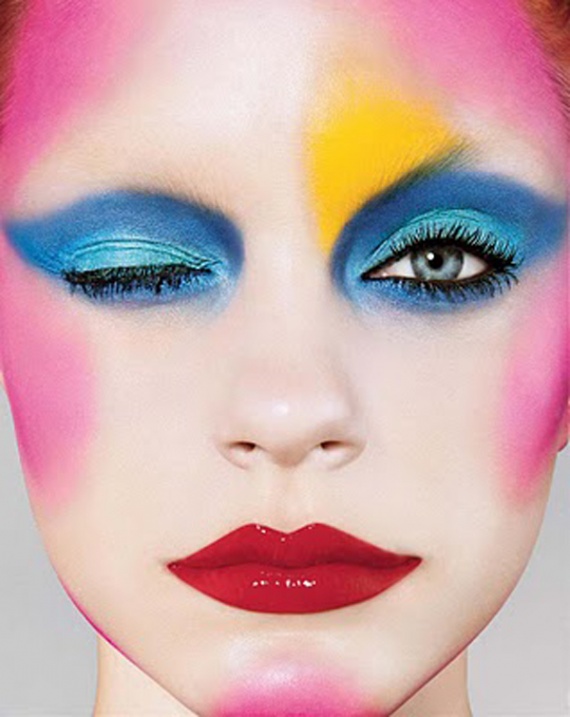
The drama of Pat’s work is a reflection of her larger-than-life personality. She can create fantasy at the drop of a hat and is known for arriving backstage armed with at least 20 cases of ammunition, from standard-issue mascara to sequins, doilies, and art books.

Additionally, she designed Armani’s cosmetics line in 1999 and in 2004, and in 2009 for Dolce & Gabbana, was named global creative-design director for Procter and Gamble, where she is in charge of Max Factor and Cover Girl cosmetics, among other brands.

In the 2013 Queen Elizabeth II’s New Year Honors List,Pat McGrath was “named an MBE, or Member of the Order of the British Empire, for services to the fashion and beauty industry.”

Pat McGrath

Pat McGrath

Pat McGrath

Pat McGrath


“Everything goes into fashion, it isn’t just makeup. . . . It’s film, TV, history of art, books, clubs. The culture.”


Pat McGrath

Pat McGrath

Pat McGrath

Pat McGrath

Pat McGrath

Pat McGrath

Pat McGrath

..

.

.

.

Lisbeth Salander

Lisbeth Salander

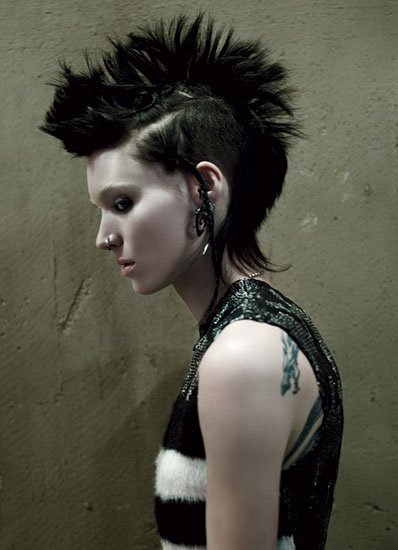
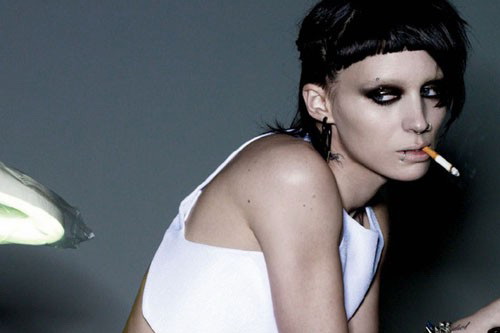
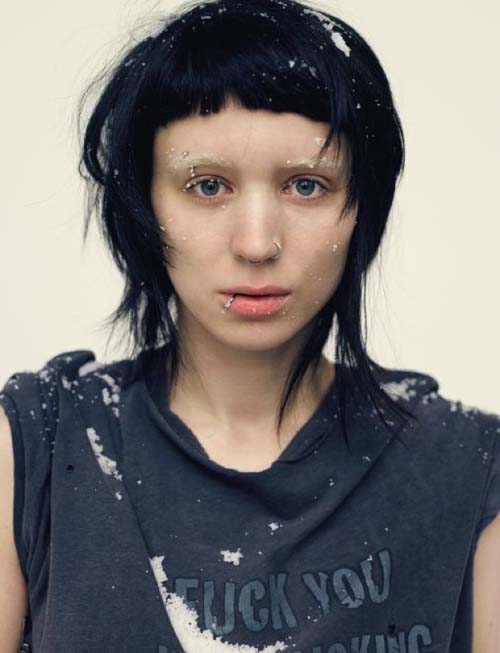
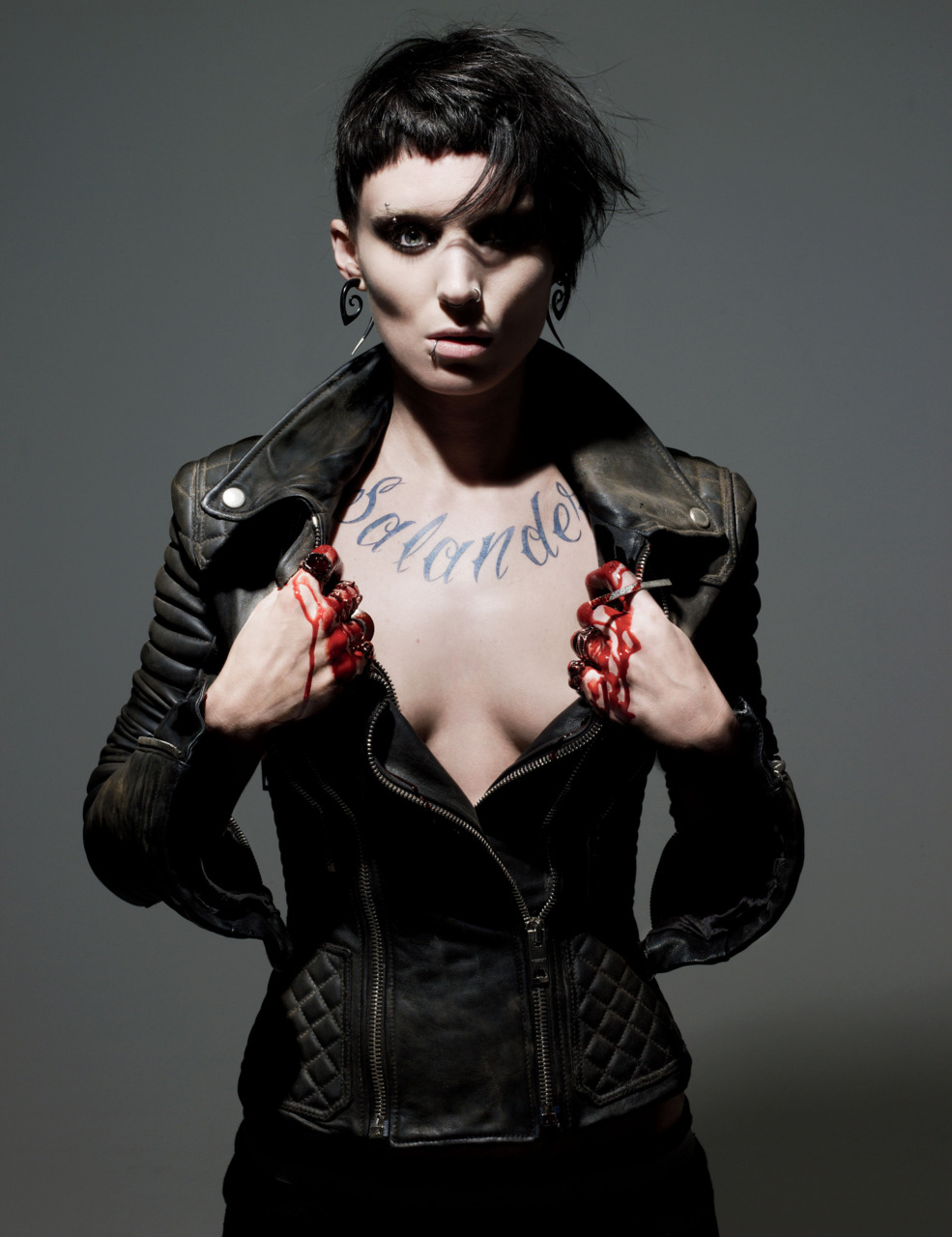
Pat McGrath also designed the makeup for “The Girl with the Dragon Tattoo”,Lisbeth Salander, one of my favorite movie characters and transition: to make the porcelain-faced Rooney Mara into a stone-cold punk computer hacker, her eyebrows were bleached and her hair dyed black. It made her become this dark, androgynous, and mysterious loner.

rooney-maraRooney Mara

Keeping the look minimal, as a real tomboy would, Pat focused mainly on shaping the eyes with smoky shadow and bare skin (“There was no foundation. I wanted her skin to be translucent and for it to change color in the cold. In fact, the most beautiful scene is when she was actually very cold.”) The trick was to take black and brown eye colors and add a tiny drop of red—that created a look that was vulnerable but hard and strong.

rooney-mara-the-girl-with-the-dragon-tattoo-06

rooney-mara-transformation-for-her-role-lisbeth-salander-in-the-girl-with-the-dragon-tattoo-b5245

Rooney-Mara-in-The-Girl-With-the-Dragon-Tattoo-4

.

.

.


Pat McGrath & Anna PiaggiPat McGrath & Anna Piaggi 


info: Vogue UK & Voguepedia