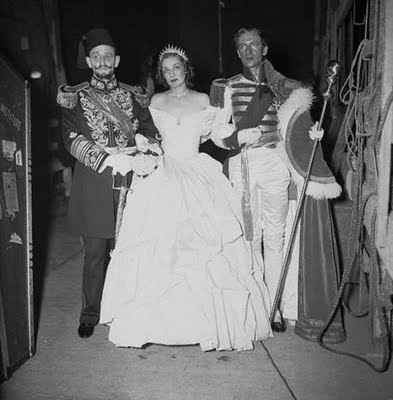
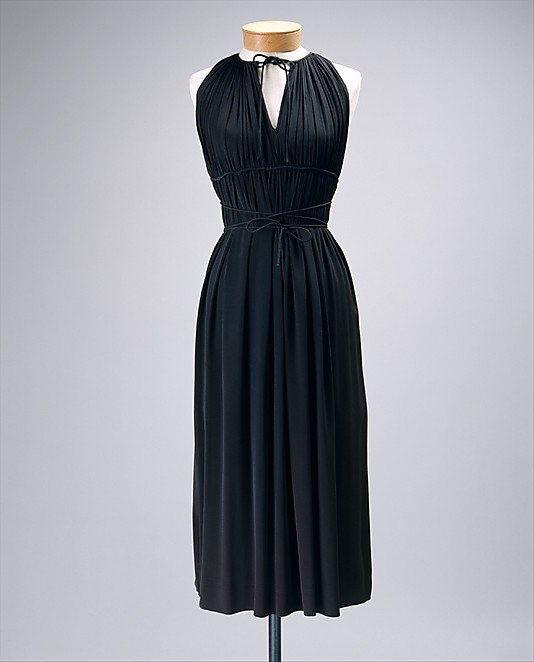
Mona von Bismarck topped the List of World’s Best Dressed Women (part one)

7 Sep
ph. Cecil Beaton
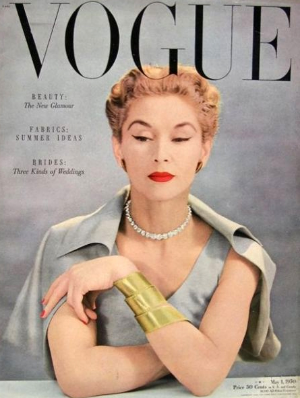
Mona von Bismarck. Ph. Cecil Beaton. Vogue, October 1, 1936.
.

From her humble beginnings in Kentucky, a girl named Edmona Strader transformed herself into Mona Schlesinger Bush Williams Bismarck-Schönhausen de Martini, the queen of international society and fashion icon, who became the world’s most photographed non-professional mannequin. She possessed charm, liveliness and a sense of humor. Her ladder up the social ranks was a familiar one: She arose quickly by marrying a series of older, wealthier men.

Mona was one of the most remarkable American women of her century.

.

Short Biography
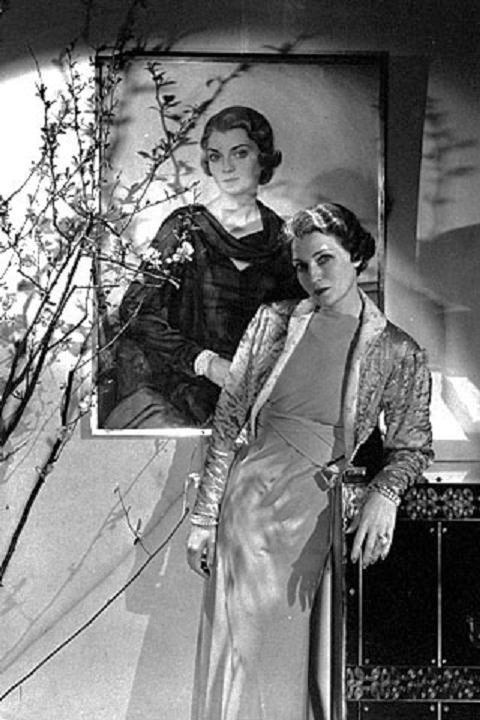
Mrs. Harrison Williams, later Mona, the Countess of Bismarck, in front of her portrait by Sorin. Photo by Cecil Beaton. Vogue, October 1, 1933.
 Mrs. Harrison Williams in front of her portrait by Sorin, ph. Cecil Beaton in Vogue, October, 1933
.

Margaret Edmona “Mona” Travis Strader was born in Louisville, 1897.  She was beautiful even as a child and developed into a stunning woman. At 20, she married Henry J. Schlesinger, who was 18 years older. Her wedding gift from the groom was “a magnificent rope of pearls.” Together they had a son, Robert H. Schlesinger, whom she left in the custody of his father in exchange for half a million dollars, when they divorced in 1920. One year later, Mona married banker and athlete James Irving Bush, fourteen years her senior and reputedly “the handsomest man in America.” This would be her second unhappy marriage and after four years, in 1925, they divorced.

Mona returned to New York, where in 1926, she opened a dress shop with a close friend, Laura Merriam Curtis. Laura was engaged to Harrison Williams, but three days after the announcement of the engagement, Laura abandoned Harrison and remarried her former husband, James Freeman Curtis. Mona, who first met Harrison at her second wedding, got reintroduced to the richest man in America with an estimated fortune of $680 million ($8,000 million in today dollars).

harrison williamsMr. Harrison Williams
.

On July 2, 1926, Mona married Harrison, who was a widower 24 years her senior. For their honeymoon they went on a cruise around the world on Harrisons  Warrior, a steam yacht with ten staterooms and a crew of 45, at the time, the largest, most expensive pleasure boat in the world. The couple stopped in Ceylon, India, Iraq, and China.

When they returned, Mona and her husband divided their time between residences in New York, Palm Beach, Paris and Capri.  Their social circle included statesmen and politicians such as American Presidents Roosevelt and Eisenhower; royalty – the Duke and Duchess of Windsor and Princess Grace of Monaco; and an impressive number of writers and artists, including Greta Garbo, Cristòbal Balienciaga, Hubert de Givenchy, Tennessee Williams, Truman Capote, Paul Newman and Enrich Maria Remarque.

Even after losing a lot of assets in the stock market crash of 1929, Harrisons wealth and position afforded Mona a lavish lifestyle, which included buying and wearing the most beautiful couture. Her favorite couturier was Cristóbal Balenciaga, with whom she developed a close friendship in the 30 years she was a client and patron. To complement her radiant complexion, Mona prefered to wear colors like beige, gray or smoked blue and for evening, pastels.

It was said that Givenchy dressed the rich; Balenciaga the very rich – and Mona was married to the richest man in the world.
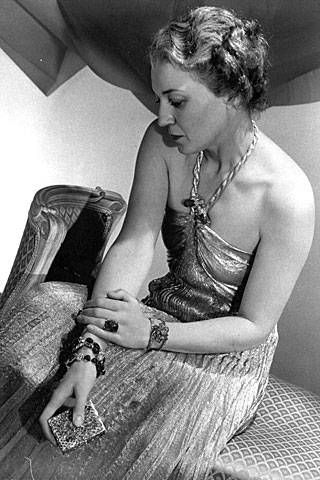
Mona von Bismarck with her cigarette case that once belonged to Louis XIV. Photo by Cecil Beaton. Vogue, February 1, 1938.Mrs. Harrison Williams with her cigarette case that once belonged to Louis XIV. Dres by Vionnet, ph. Cecil Beaton. Vogue, February 1938  
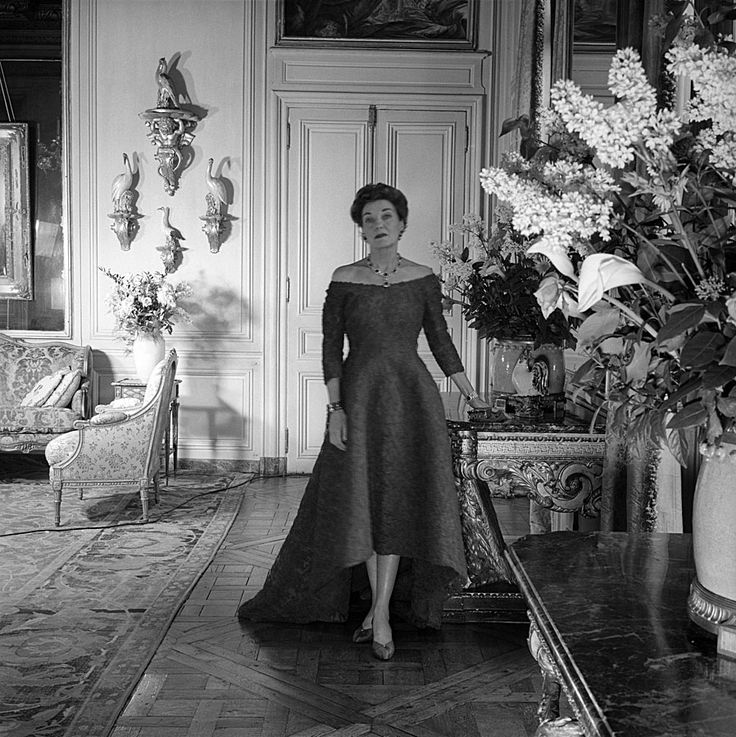
mrs. Harrison Williams
 
Countess Mona von Bismarck with Cecil Beaton and Ben Ali Haggin at the Metropolian Opera Ball, April 28, 1933.Mona with Cecil Beaton and Ben Ali Haggin at the Metropolian Opera Ball, April 28, 1933
.

In time she became known as one of the most glamorous and beautiful women in New York. In 1933, Mona was the first American to be elected one of the ten best dressed women in the world by the Parisian couturiers, including Chanel, Molyneux, Vionnet, Lelong, and Lanvin.

The next year she again topped the list of world’s best dressed women. Newspapers estimated she did spend $50,000 a year on clothing, accessories, and furs. “Mrs. Harrison Williams was among the few exceptionally beautiful women who marked the 1930s,” friend Cecil Beaton wrote. He photographed and wrote about her for the February 1 issue of Vogue, 1939.

After a railroad accident destroyed many of her clothes, she ordered 150 dresses from Balenciaga in one sitting. In 1940, Mrs. Harrison Williams tops the new International Best Dressed List, now picked by American fashion designers. Three years later Salvador Dalí painted her portrait.

Mona’s first happy marriage that ended in 1953, when Harrison Williams died at the age of 80 at the couple’s Long Island estate.

Mrs Harrisson Williams 1939 Portrait Photo Cecil Beaton Jewels Art DecoMrs Harrisson Williams 1939 Portrait Photo Cecil Beaton .

.

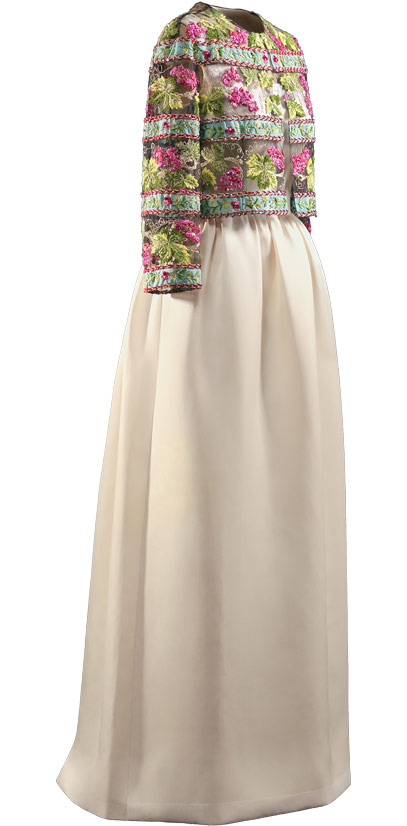
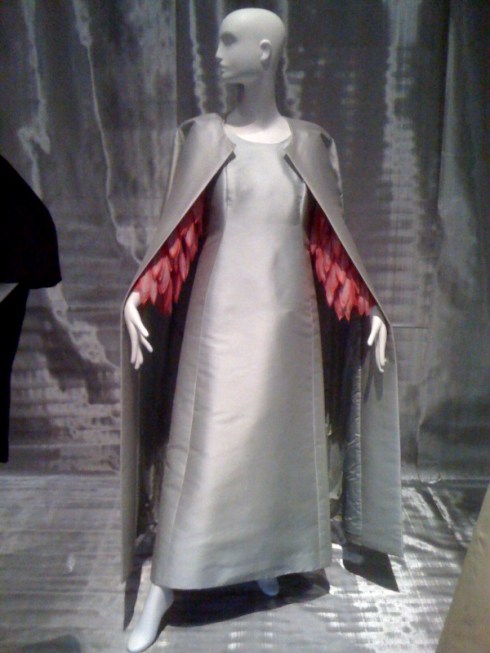
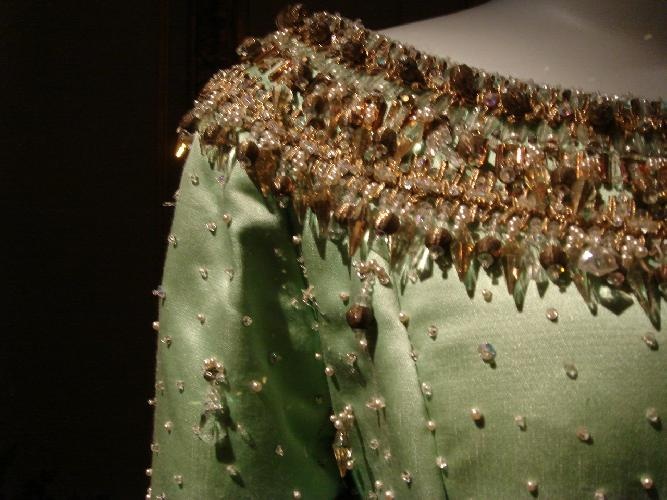
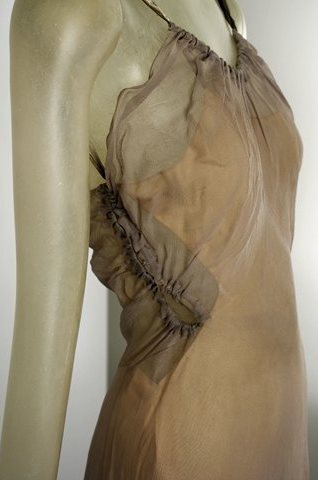
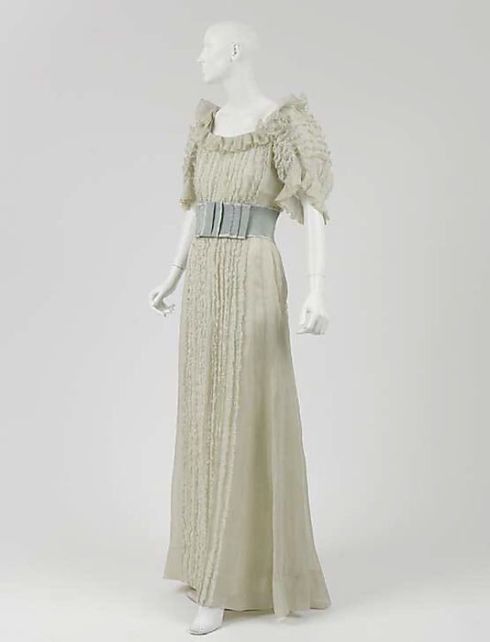
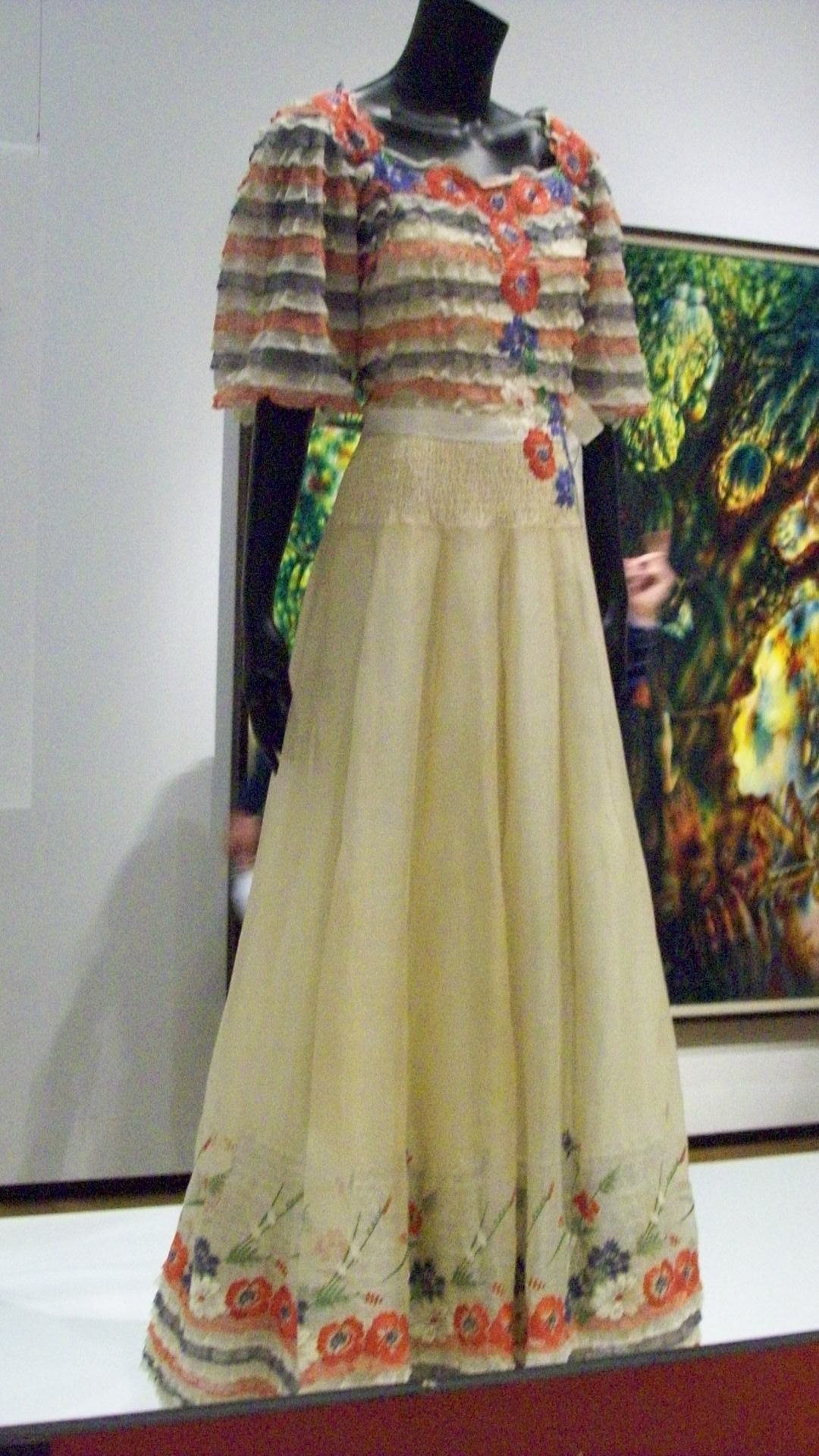
 Pieces of Mona’s wardrobe

BalenciagaBalenciaga, 1955

BalenciagaBalenciaga, 1959

2Balenciaga, 1964 

Mona Williams von Bismark-Schonhausen de Martini, Balenciaga evening ensemble, 1968Balenciaga, 1968

balenciagaBalenciaga

balenc. 1Balenciaga

BalenciagaBalenciaga

BalenciagaBalenciaga 

VionnetVionnet

VionnetVionnet

VionnetVionnet

Charles JamesCharles James

Charles JamesChanel

13Chanel

Bright Is the MorningChanel

detail Chanel dress

detail Chanel dress


next week:  Mona von Bismarck cries three days when Balenciaga retired

.

.

info: Wikipedia, VoguePedia, Style.com, The Independent & the Mona von Bismarck foundation

Lisa Fonssagrives-Penn, a multi talent (Part two)

31 Aug
Eiffel Tower by Erwin Blumenfeld for Vogue magazine, 1939. Lucien Lelong dressLisa Fonssagrives wearing a dress by Lucien Lelong in death-defying pose high on top of the Eiffel Tower overlooking the city of Paris. Photo by Erwin Blumenfeld, French Vogue, May 1939

.

In 1952, Lisa Fonssagrives-Penn, the celebrated (first) supermodel effectively retires from modeling after her son, Tom Penn, is born. She begins designing clothes by the mid-’50s. At first just an occasional dress for one of her husband’s (Irving Penn) advertising campaigns, but then people begin to special order evening gowns and suddenly she finds herself designing a line of at-home clothes for Lord and Taylor. Eventually she designs sportswear for them too. This lasts a good six years. When Lisa and Irving have to move, because the Central Park West building will be torn down, she stops designing, not being allowed to have a business in the new apartment. It is time for something else.

In their Long Island house, Lisa spends more and more time in her sculpture studio and enrolls in the Art Students League to sharpen her drawing skills. Finally Lisa and Irving move to Long Island definitely. 

She begins exhibiting her sculptures and paintings in group shows in 1968 and later has many solo shows. She will be represented by the Marlborough Gallery in Manhattan.

“I was a sculptor all my life,” Lisa Fonssagrives-Penn once said, “I was a form in space.”

Lisa dies February 4, 1992 in New York of pneumonia , survived by her second husband, Irving Penn and her two children: her daughter Mia Fonssagrives-Solow, a costume designer who is married to real estate developer Sheldon Solow, and her son, Tom Penn, a designer.

David Seidner, Lisa Fonssagrives at the Crillon, Paris, 1990Lisa Fonssagrives-Penn in the Crillon, Paris (by David Seidner, 1990) was a multi talent. During her life she was a successful dancer/ dance teacher, model, photographer, fashion designer and sculptor.

.

.

Lisa Fonssagrives-Penn Vogue and Harper’s Bazaar covers

The black and white issue June 1950, Irving PennPh. Irving Penn
lisa-fonssagrives-British-Vogue-1951-London-Paris-Collections-Erwin-BlumenfeldPh. Erwin Blumenfeld

may-1950-vogue-cover-lisa-fonssagrives

British Vogue Oct. 1951, cover by Irving PennPh. Irving Penn
Vogue coverPh. Horst P. Horst
Ph, Irving PennPh. Irving Penn
dec-1950-vogue-lisa-fonssagrives-coverPh. Irving Penn  
Louise Dahl-WolfePh. Louise Dahl-Wolf
Harper's Bazaar cover
 
.
 

And many other beautiful photographs

1949

lisa by Irving PennPh. Irving Penn
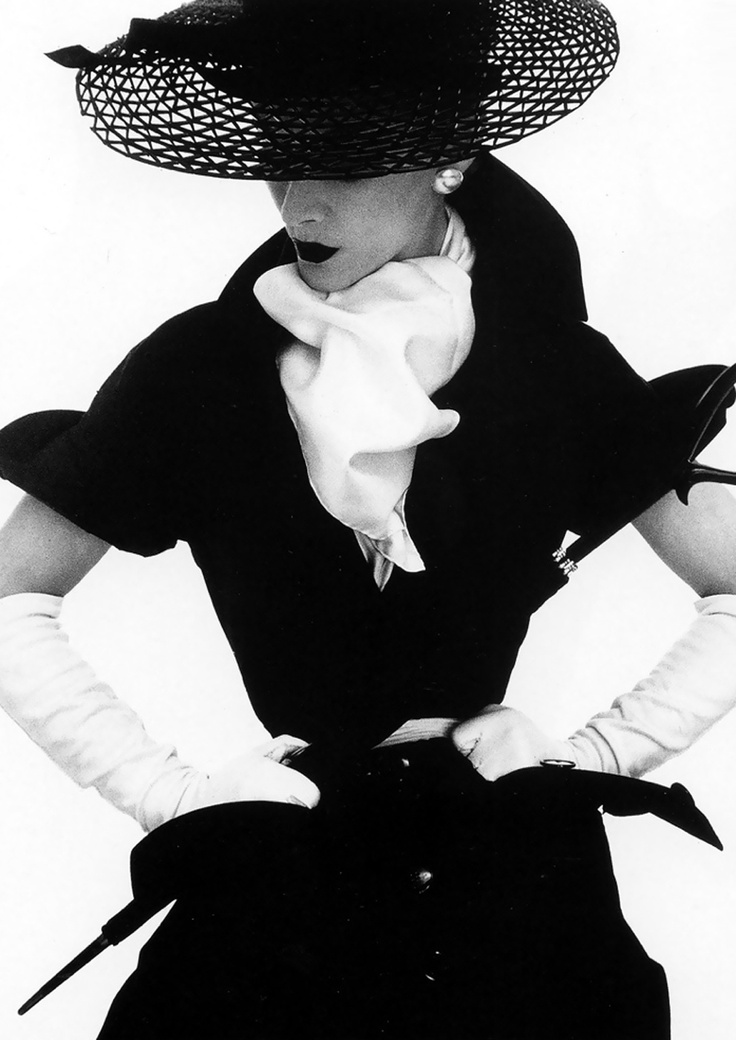
Lisa FonssagrivesChicken Hat, ph. Irving Penn
lisa , chicken hat
Chicken Hat, ph. Irving Penn (2)
lisa-fonssagrives-lilly-dache-hat-irving-penn-vogue-feb-15-1950 Lilly Dache hat, Ph. Irving Penn
penn, 1949
 Ph. Irving Penn
vogue-1952-lisa-fonssagrives-penn-irving-penn
Ph. Irving Penn
Lisa Fonssagrives
  Ph. Irving Penn
suit by Charles James, Vogue, 1950 Horst
Ph. Horst P. Horst
22hamlet-coiffure22-worn-by-lisa-fonssagrives-photo-by-irving-penn-vogue-march-1-1949
 Ph. Irving Penn

Irving PennPh. Irving Penn

Vogue early 40's image by Horst Model Lisa FonssagrivesPh. Horst P. Horst
Irving Penn for Vogue, July 1, 1952Ph. Irving Penn
1955 Modess advertisement. Yes, you read that right. Modess as in sanitary napkins.
 Modess advertisement, sanitary napkins. Ph. Irving Penn

.

 .

Books

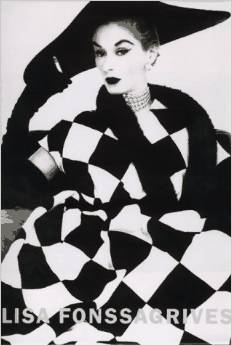
Lisa Fonssagrives: Three Decades of Classic Fashion Photography

book cover

 http://www.amazon.com/Lisa-Fonssagrives-Decades-Classic-Photography/dp/0865659788/ref=sr_1_1?ie=UTF8&qid=1408631601&sr=8-1&keywords=lisa+fonssagrives+three+decades+of+classic+fashion+photography

.

Irving Penn: Photographs. A Donation in Memory of Lisa Fonssagrive-Penn
irving penn

The complete set of images that Irving Penn donated to the Swedish museum in memory of his Swedish-born wife. A gorgeous production with exquisite printing.

http://www.amazon.com/Irving-Penn-Photographs-Fonssagrive-Penn-Fonssagrives-Penn/dp/B000SL8I00/ref=sr_1_16?ie=UTF8&qid=1408877127&sr=8-16&keywords=lisa+fonssagrives

.

.

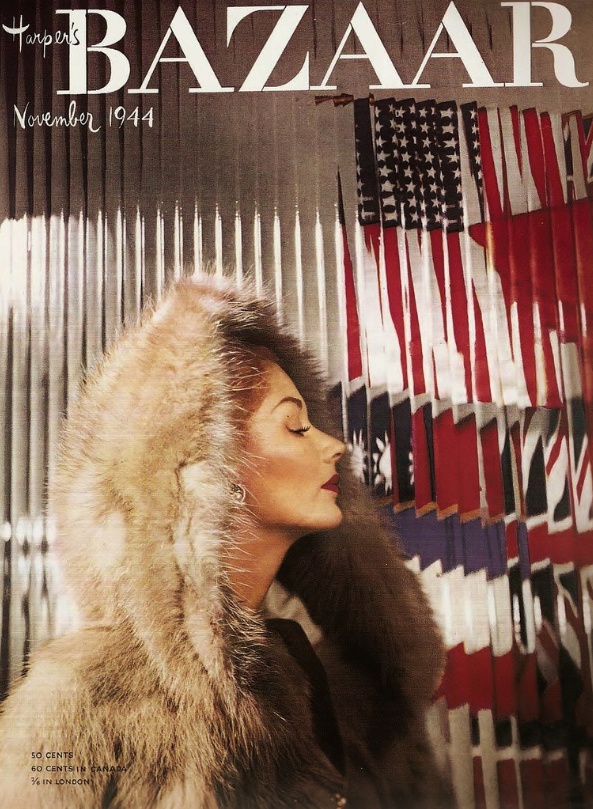
Harper´s Bazaar, 1957

info: Wikipedia, VoguePedia and interview with David Seidner

Text in a review of Alexandre Vassiliev’s book; Grant Hayter-Menzies

Lisa Fonssagrives-Penn, a multi talent (part one)

24 Aug
Irving Penn with his wife, model Lisa Fonssagrives, 1951Irving Penn & Lisa Fonssagrives, 1951
 

Which photograph can open my story about Lisa Fonssagrives-Penn……? I mean, the’re so many amazing pictures of the woman widely credited as the first supermodel. I know, many are named or self-proclaimed “first supermodel”, but for me and many others Lisa is the one!

I chose a photograph of Lisa and the love of her life, Irving Penn. 

.

Short Biography

By Fernand Fonssagrives for L'Oreal shampoo - 1935-37Lisa photographed by first husband Fernand Fonssagrives for L’Oreal, 1935-37
.

Born Lisa Birgitta Bernstone (May 17, 1911), Lisa Fonssagrives-Penn spends her childhood in Uddevalla, Sweden. As a young girl she takes up painting, sculpting and dancing. At 17, her parents want her to take cooking lessons, but Lisa is determined to pursue dancing. Three years later, she moves to Berlin to take classes with choreographer MaryWigman, a pioneer of Expressionist dance (Mary Wigman was a pioneer of modern dance in the spirit of Martha Graham).  After finishing Wigman’s, she returns to Stockholm to open her own dance school.

In 1933, Lisa takes a train to Paris, after she is asked by renowned Swedish choreographer Astrid Malmbörg  to join her in Paris for an international competition. She falls in love with the city and decides to stay. Lisa meets fellow dancer Fernand Fonssagrives with whom she marries in 1935. Together they give private dance lessons in their apartment .

Fernand Fonssagrives’ nude photographs of Lisa

fernand-fonssagrives-sand-fence-c-1930

fernand_fonssagrives_le_truite_1935

fernand-fonssagrives-la-plage-de-cabasson-1936-lisa-fonssagrives-by-her-husband-fernand-fonssagrives

In the elevator of their apartment building, Lisa catches the eye of fashion photographer Willy Maywald, who asks her to model hats for him (Willy Maywald, a fashion photographer for the houses of Dior, Fath, Griffe, and Jacques Heim. He also worked for Harper’s Bazaar). Fernand takes the prints to French Vogue, where a test shoot is promptly set up with Horst P. Horst. Lisa arrives terrified, in a homemade brown wool suit and long, wild hair. “I had never seen a fashion magazine,” she will later recall. “I didn’t know what fashion was . . .,  had no idea of what to do with myself.” The next day, she visits the Louvre to study paintings of people posing in various forms of dress. 
Lisa begins modeling for Vogue and for her husband, who has taken up the camera following a back injury. In between the collections, the two roam Europe, photographing and selling nudes, sports, and nature shots to magazines all over.

Lisa Fonssagrives becomes the first recognisable model in Vogue.

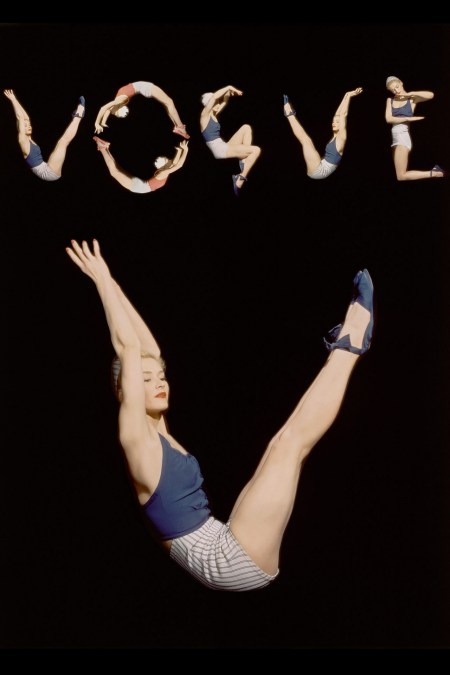
A memorable Vogue cover

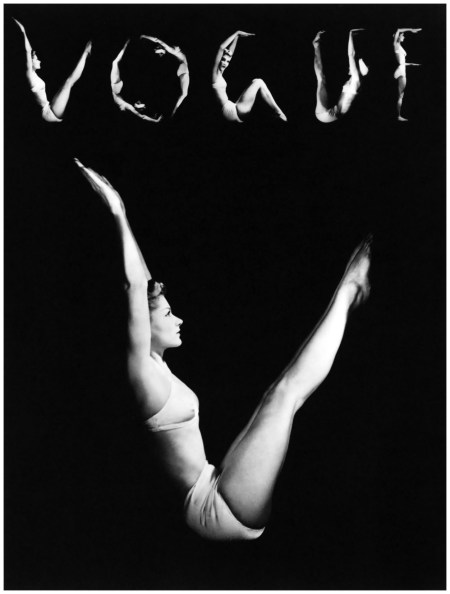
In this cover of Vogue magazine, Lisa poses in a blue and white bathing suit while sitting in a ‘V’ position, to spell out the word ‘Vogue.  The first, black & white picture is a study for the final one (third picture). 

Horst P. Horst photographed this for the June 1, 1940, issue.

lisa-fonssagrives-photographed-by-horst-p-horst-1940

model-lisa-fonssagrives-in-blue-and-white-bathing-suit-by-brigance-january-1940

lisa-fonssagrives-photographed-by-horst-p-horst-1940-vogue-cover

.

Following a Swedish vacation, the Fonssagriveses are en route to New York when war is declared in Europe. They decide to emigrate to America. Fernand begins photographing for Town & Country; Lisa connects with exiled European photographers including Horst P. Horst and Erwin Blumenfeld. She also enlists with the John Robert Powers modeling agency, doing both editorial and commercial work.

Daughter Mia Fonssagrives is born in 1941. When Lisa returns to modeling, she reduces her workload to 20 hours a week. For a long time she won’t be photographed for Vogue.

12 beauties by Irving Penn

Irving Penn’s image of “12 Beauties: The Most Photographed Models in America” runs in Vogue in May 1947; it marks Lisa’s first appearance in the magazine since 1941 and it’s the first time she works with Irving Penn (who placed Lisa at the center of the composition, a delicate ice-carved swan). Recalling this glimpse of his future wife, Irving later says, “I loved her when I first set eyes on her.”  The attraction is mutual.

Lisa becomes the first model ever to grace the cover of Time in 1949. The “Billion-Dollar Baby” is the “highest-paid, highest-praised high-fashion model in the business, considered by many of her colleagues the greatest fashion model of all time.”

harlequin-dress-lisa-fonssagrives-1950-irving-pennb

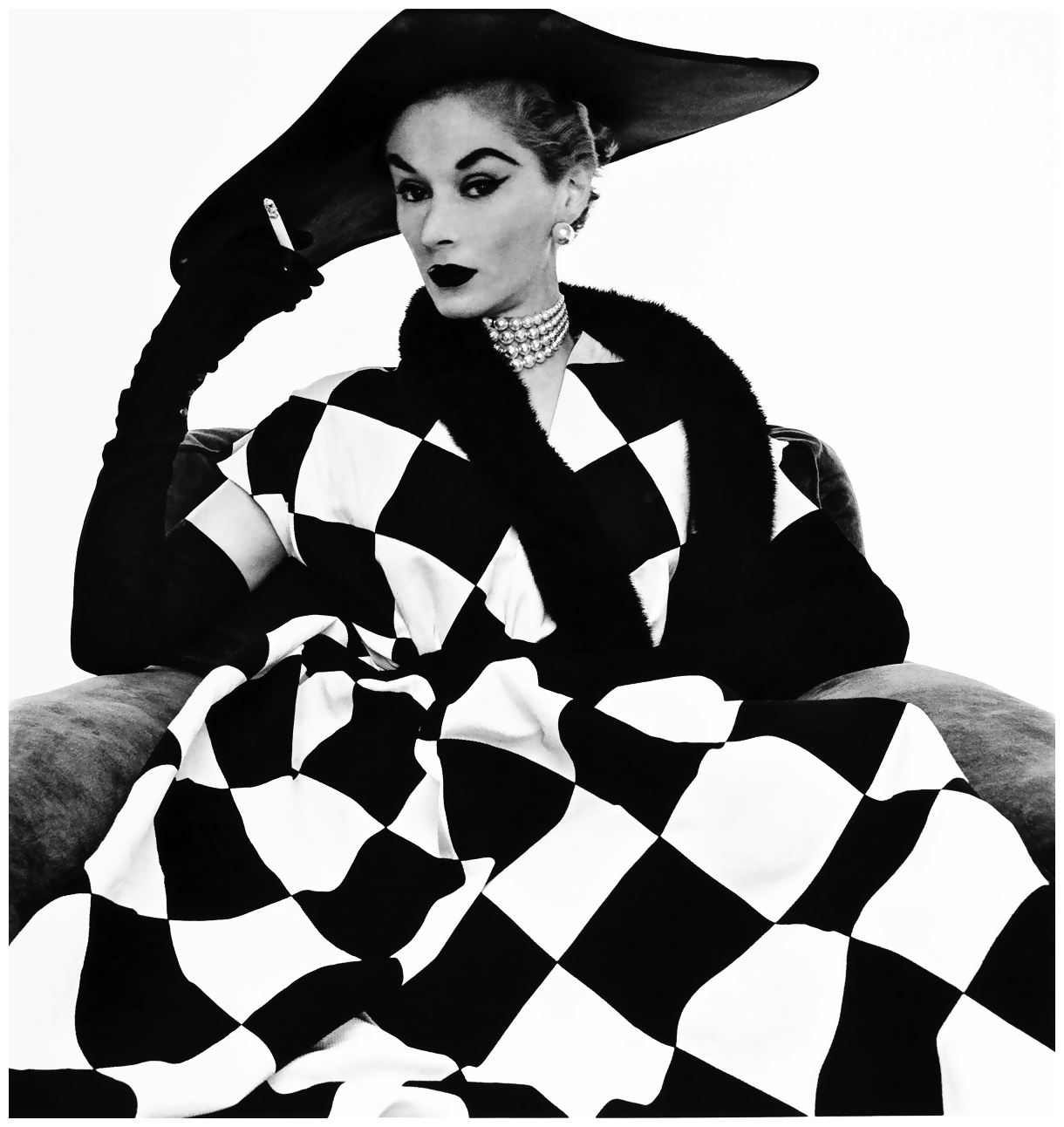
In Vogue April 1950, one of Irving’s most memorable portraits of Lisa is published, wearing a harlequin dress and portrait hat. A few months later she models the Paris couture for Irving in a top-floor, north-lit studio on Paris’s Rue de Vaugirard. These pictures will be published in Vogue following September.

After the couture shoot, the couple travels to London. By now Lisa’s marriage to Fernand Fonssagrives is over and she weds Irving Penn at the Chelsea Register Office.

In 1952, a son is born, Tom Penn and Lisa effectively retires from modeling, taking on the occasional job for old pals in the field. She also ends her own photography career, which started in 1947, taking pictures for Ladies’ Home Journal. Her apartment darkroom is changed into a nursery.

.

The 1950  Paris Couture series by Irving Penn

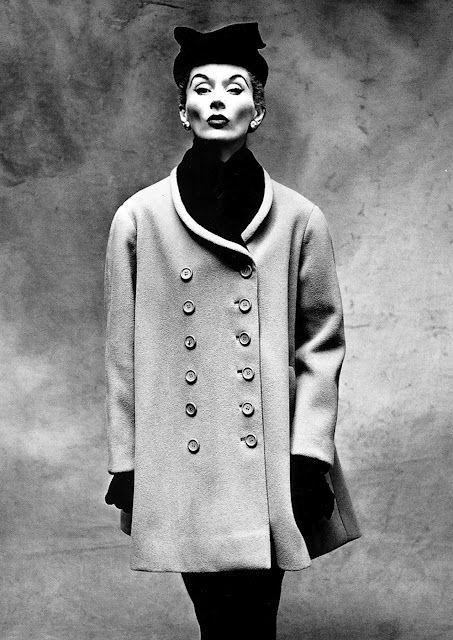
Balenciaga coatCristobal Balenciaga coat 
 
marcel rochas
Marcel Rochas dress
 
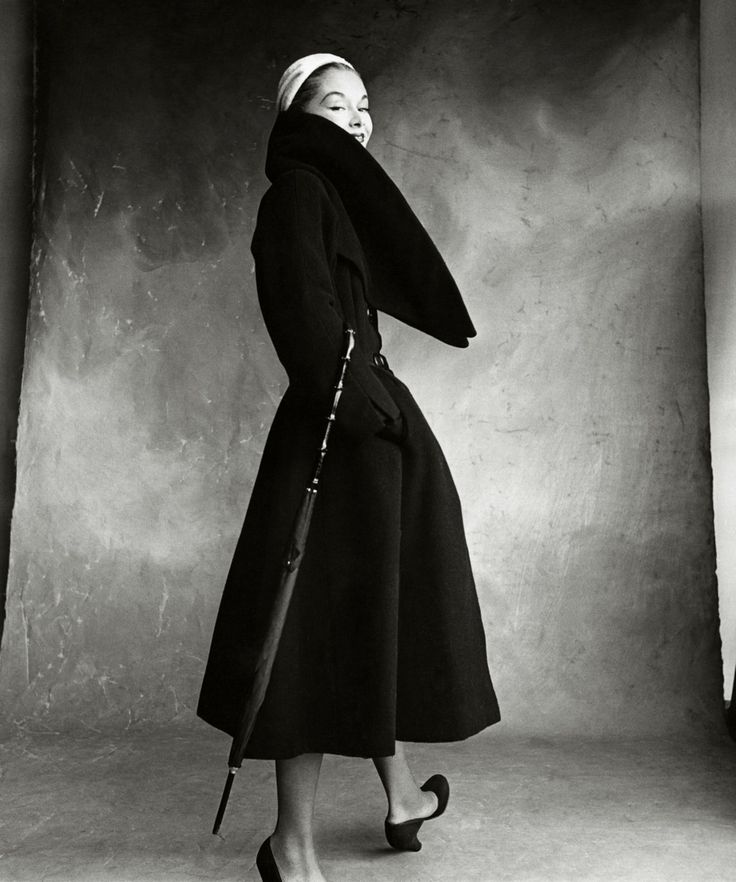
Dior, photographed by Irving Penn for Vogue in 1950
Christian Dior coat
 
balenciaga, 1950, penn
 Cristobal Balenciaga coat  
 
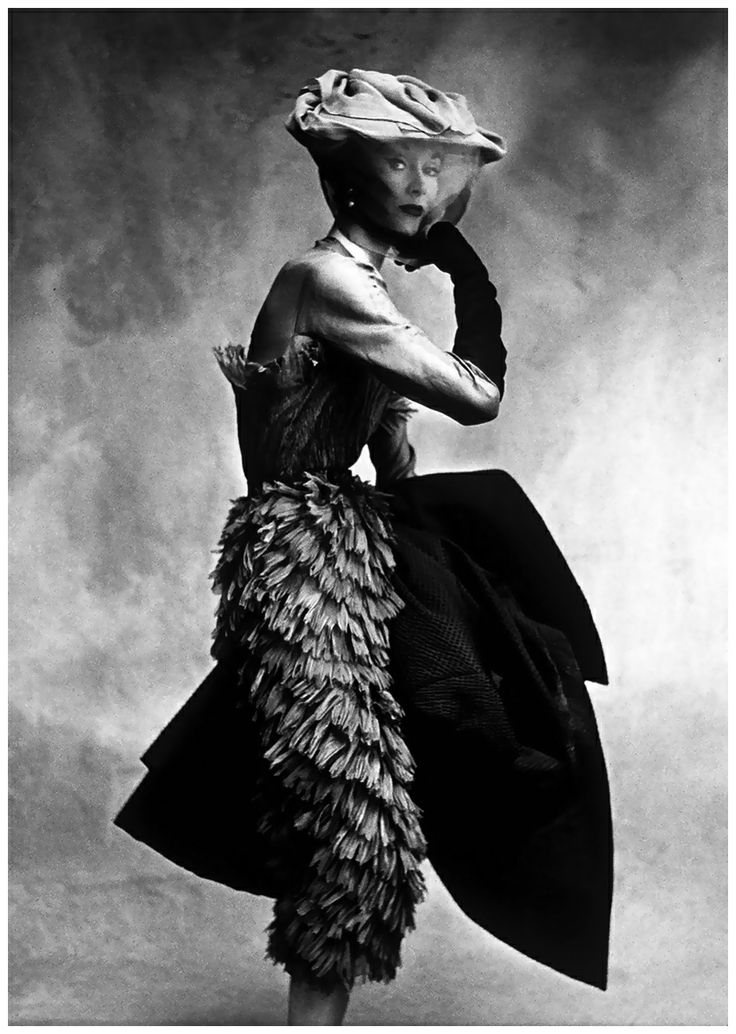
 Balenciaga Vogue, 1950
 Cristobal Balenciaga petal dress
.

Lisa’s vision on modelling 

“Making a beautiful picture is making art, isn’t it?” With a photographer’s eye, observing the way light hit the dress she was wearing as well as its drape. Then, with a discipline and dramatic flair learned from years of dance, she would stand in front of the camera and as she once put it, “concentrate my energy until I could sense it radiate into the lens.” She called it “still dancing.”

“There were no strobe lights in those days, but very hot spots, often live thousand watts on either side of you and the exposures were long. You could feel the sweat trickling down your face and the assistant would come over and hand you a towel. In fact I remember one time in New York in the ’50s when I was modeling fur coats in the summer. And there were no air conditioned studios then. It was so hot that I just fainted. And they propped me right back up and I went straight back to work.”

.

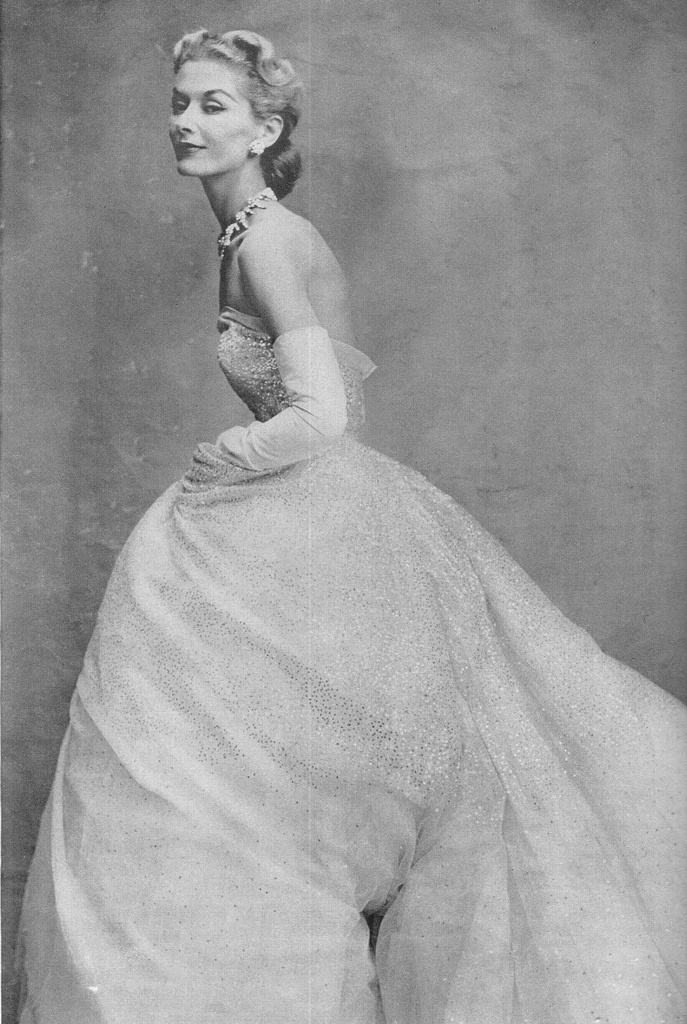
1950One of the first pictures after their mariage, Liusa Fonssagrives-Penn, photo by husband Irving Penn. A strapless cloud of tulle from Christian Dior’s landmark New Look collection.
 
info for this story: Wikipedia, VoguePedia & an intervieuw with David Seidner in Bomb magazine                                
Text in a review of Alexandre Vassiliev’s book; Grant Hayter-Menzies
.
 

Next week: Lisa Fonssagrives-Penn (Part two)

Claire McCardell once named The High Priestess of Understatement (part 2)

17 Aug

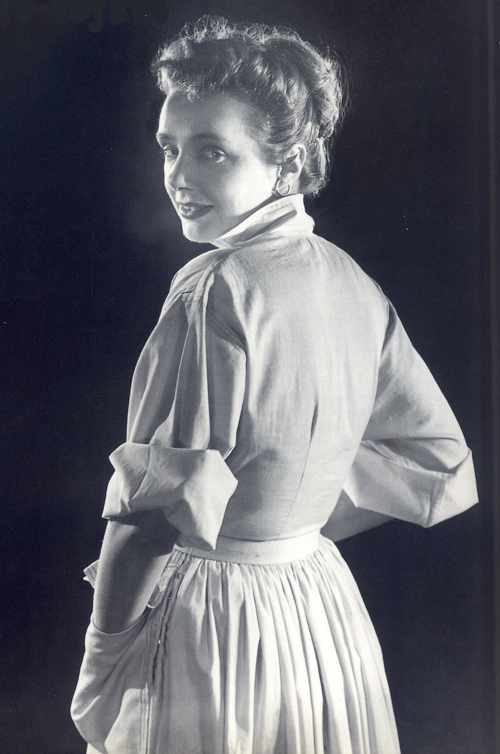
Claire McCardell

Claire McCardell
.

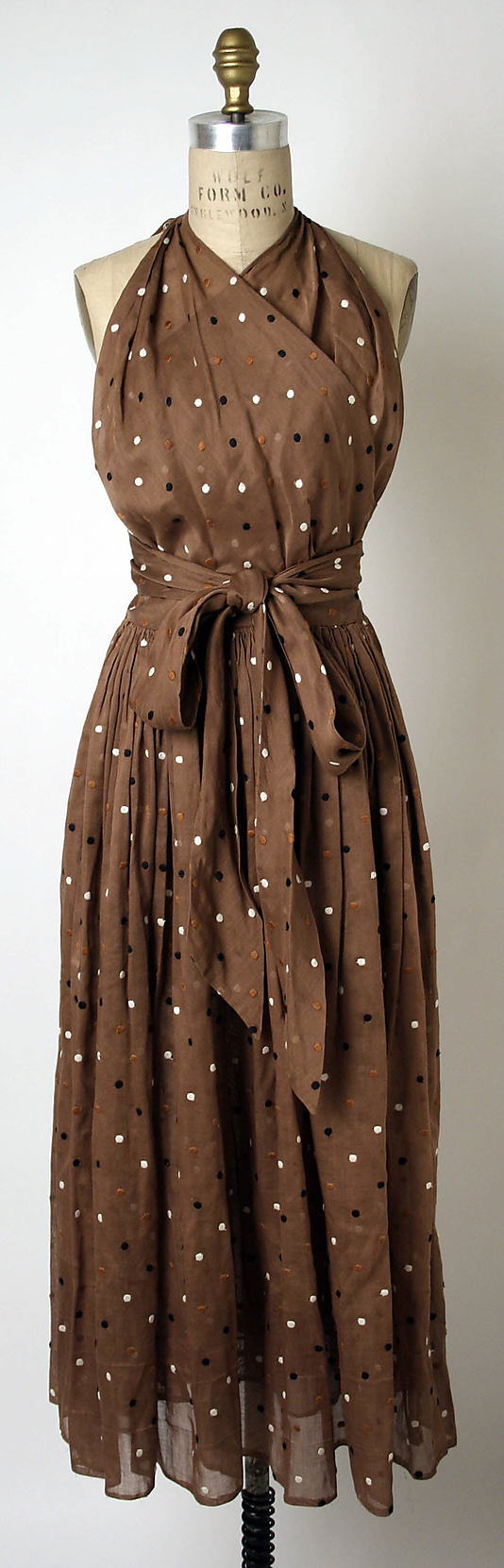
Claire McCardell was the founder of American ready-to-wear fashion, and in doing so defined what has become known as The American Look. She created casual but sophisticated clothes with a functional design, which reflected the lifestyles of American women. McCardell’s design philosophy was that clothes should be practical, comfortable, and feminine.

Claire addressed the subject of the great New York–Paris divide: “The basic difference,” she said, “is that we American women always look as if our feet were on the ground and European women mince.” She wasn’t speaking entirely metaphorically, either: She had popularized the ballet slipper as streetwear, when faced with leather shortages during the war; moreover, she built into her clothes “the McCardell slouch,” which she taught her models.

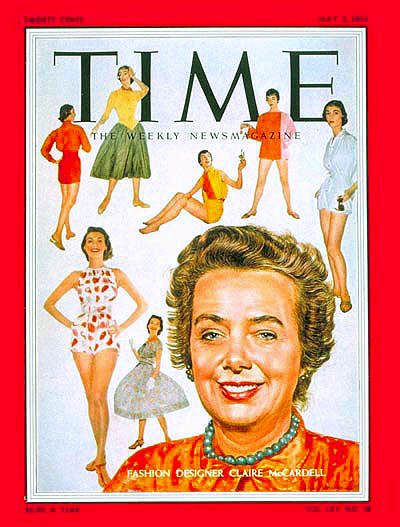
mcCardell-Time-1955

In 1955 Time Magazine published an article in which Claire McCardell’s designs were advertised “dresses that are as at home in the front seat of a station wagon as in the back seat of a Rolls, as comfortable in the vestibule of a motel as in the lobby of the Waldorf, as fitting for work in the office as for cocktails and dinner with the boss.” 

“Claire started the feeling for Americana,” Vogue’s Babs Simpson told Time. “I’ve always designed things I needed myself. It just turns out that other people need them, too,” Claire quoted.

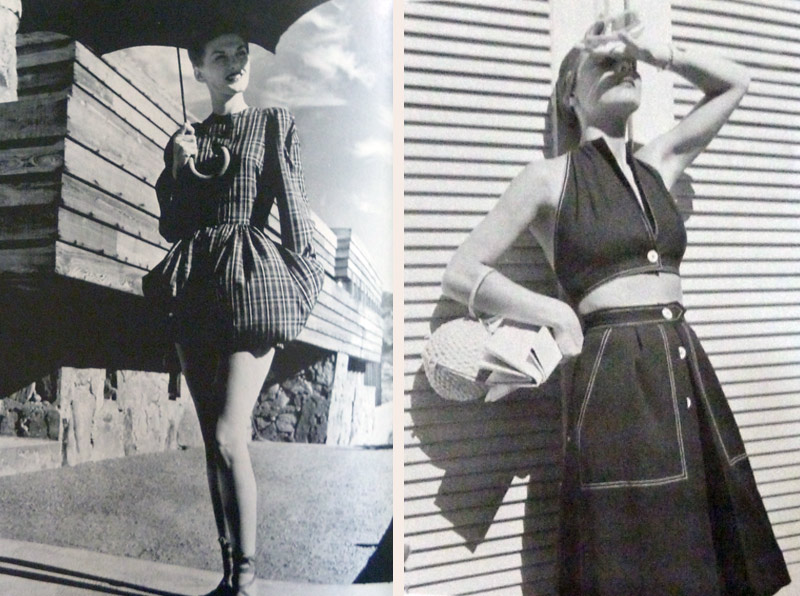
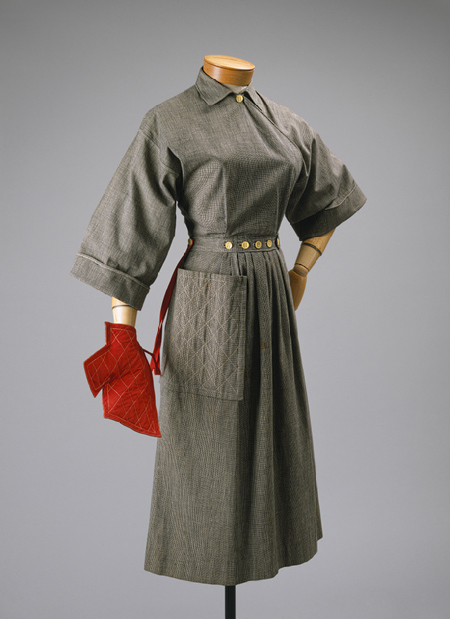
Her clothes were functional and simple with clean lines. They were considered subtly sexy with functional decorations. She utilized details from men’s work clothing, such as large pockets, denim fabric, blue-jean topstitching, metal rivets and trouser pleats. The idea of separates, in coordinating colors and creating endless configurations was revolutionary, because of its practicality and economic.

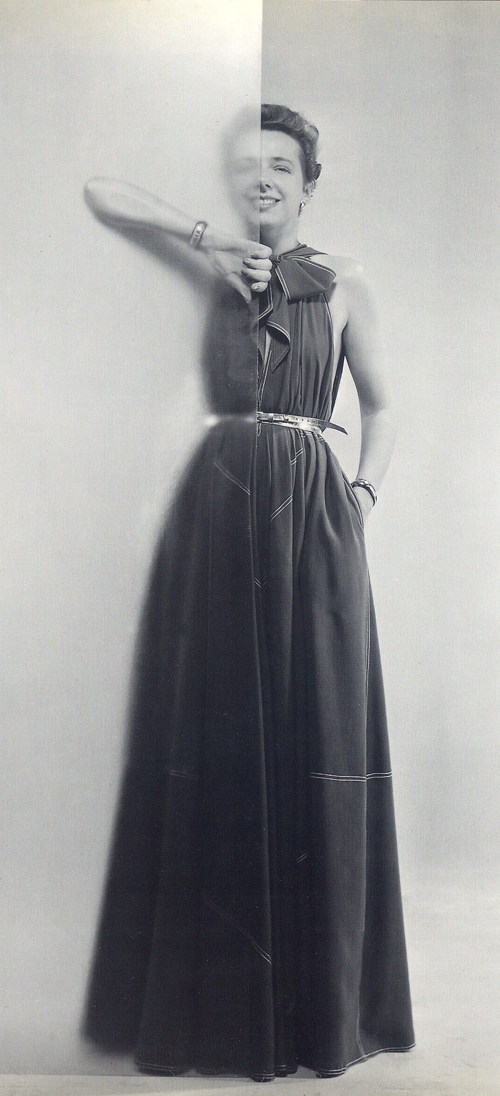
Before Claire, noboddy dared to use jersey, rayon, calico, seersucker, gingham, and cotton voiles for evening wear. She loved easy and accessible fasteners in her clothing, from zippers, to toggles, to rope. Her Madras cotton halter-style full-length hostess gowns were shown for evening.

Life magazine

Life publishes photographs (by Mark Shaw) of Claire’s designs made of fabrics created by major artists, including Pablo Picasso and Marc Chagall, in 1955.
Claire McCardell top and slacks with Pablo Pacasso's print, in his studio, 1955Picasso-print  ensemble  
 pablo picasso studio cannes 1955 mark shaw
Picasso-print  ensemble 
 Mark Shaw Marc Chagall in Studio, 1955 2
Marc Chagall-print dress 
Claire McCardell dress with print designed by Marc Chagall, 1955Marc Chagall-print dress 
Fernand Leger-print dress
mark shaw joan miro and model in studio 1955Joan Miro-print dress  
.

Her design trademarks were double top-stitching, brass hardware replacing buttons with decorative hooks, spagetti ties, large patch pockets, and Empire waists. Claire also brought denim to the fashion forefront as a dress fabric, as well as mattress ticking, and wool fleece. Manmade fibers, too, were a source of innovation. She also loved leotards, hoods, pedal pushers, and dirndl skirts. Surprising color combinations were trademarks of Claire’s work. 

The beauty of her clothes lay in the cut which then produced a clean, functional garment. Her clothes accentuated the female form without artificial understructures and padding. Rather than use shoulder pads, McCardell used the cut of the sleeve to enhance the shoulder. Relying on the bias cut, she created fitted bodices and swimsuits which flattered the wearer. Full circle skirts, neatly belted or sashed at the waist without crinolines underneath, a mandatory accessory for the New Look, created the illusion of the wasp waist. The clothes often had adjustable components, such as drawstring necklines and waists, to accommodate many different body types…

.

The American Look by Claire McCardell 

The American Look

The American Look

The American Look

The American Look

The American Look

The American Look


 Unfortunately, Claire’s life and work were cut short by a diagnosis of terminal colon cancer in 1957.  Many believed that she was just then reaching the height of her career, and yet, despite the prognosis, the designer worked feverishly to complete her final collection.  With the help of long-time friend and classmate at Parsons, Mildred Orrick, Claire completed her final collection from her hospital bed, getting up to alter the sketches when they were not to her liking. One of her brothers, Adrian, recalled how, “In spite of her impending death, anything coming out in her name she wanted to make sure was hers.” On the day of the show, Claire checked herself out of the hospital to personally introduce the collection.  Many fashion followers realized this would be her final showing and crowded New York City’s Pierre Hotel for the show, giving her a standing ovation at the conclusion.
 On March 22, 1958, at the age of 52, Claire McCardell passed away.
Claire McCardell

 “I’ve always designed things I needed myself. It just turns out that other people need them, too,”
.

 McCardell’s innovations or “McCardellisms” 

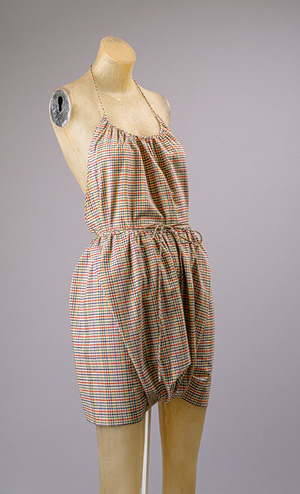
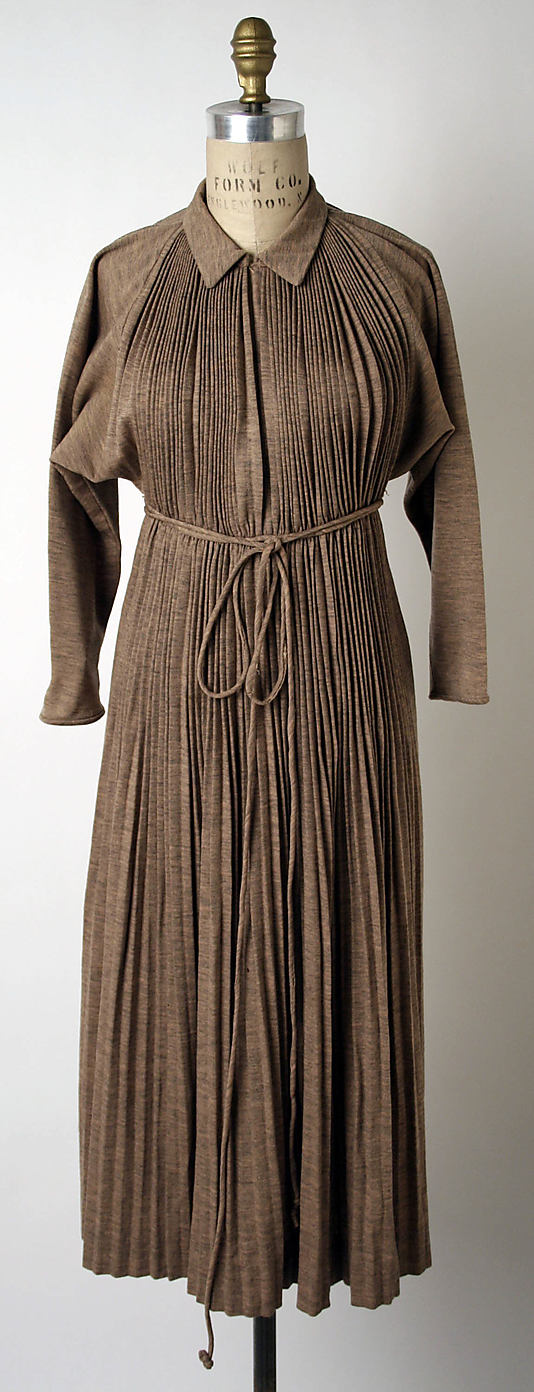
Claire contributed many “firsts” to the world of American fashion.  Her revolutionary 1938 Monastic dress was certainly one such revolutionary innovation, as was her use of blue-jean stitching and trouser pleats and pockets in women’s clothing. Like the Monastic dress, the “popover” in 1942, a “wrap-around coverall in denim,” sold more than 75,000 copies in the first season alone and Claire included variations of the popover in every succeeding collection. She also modernized the dirndl skirt, a traditional German full skirt gathered at the waist, in 1938 and although it was not popular at first, variations of the dirndl skirt remain a popular clothing staple even today.  She was also the first to incorporate the “riveted look” using “work-clothes grippers for fasteners and ornamentation. As one of the most innovative bathing-suits designers around, she introduced diaper and bloomer silhouette.s

Claire gave American women a look that set them apart from the traditional Parisian influences and helped make the everyday, such as homemaker chores, fashionable and stylish. At the same time, her designs encouraged American women to wear clothes that flattered their individual bodies and were comfortable, not restrictive ((Claire was the sworn enemy of shoulder pads), therefore ushering in a new approach to American fashion and women’s clothing.

She also started a craze for dance flats (especially Capezio) to be worn on the streets and even under evening dresses!


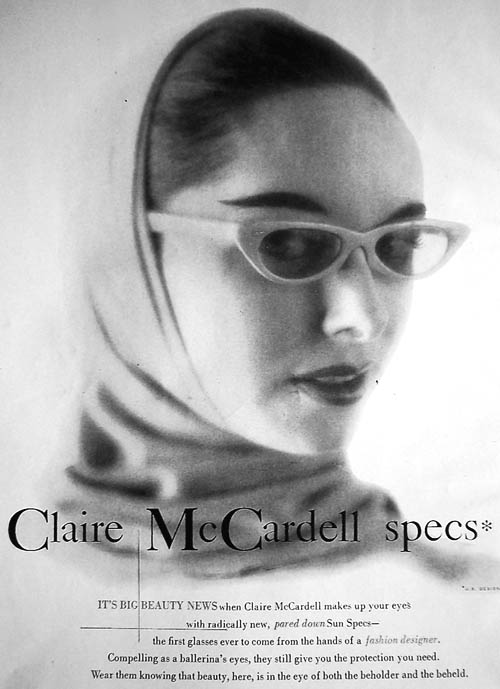
 Sunglasses by Claire McCardell for Accessocraft

Accessocraft

Accessocraft

Accessocraft

.

Exhibitions

Three Women – Madeleine Vionnet, Claire McCardell, Rei Kawakubo

three_women_vionnet_mccardell_kawakubo_fit_1987_0

1987, exhibition in FIT-Fashion Institute of Technology-Museum: Curator: Richard Martin.

Due to this exhibition, the three designers work earned them a special award in 1987 from the Council of Fashion Designers of America

http://www.amazon.com/Three-Women-Madeleine-McCardell-Kawakubo/dp/B0044PP6O2

.

Claire McCardell: Redefining Modernism”

redefining modernism

1998, exhibition opens at F.I.T. “In McCardell’s honest clothes,” publicist Eleanor Lambert writes, “you see the women of the Plains in a completely modern idiom.”

http://www.amazon.com/Claire-Mccardell-Kohle-Yohannan/dp/0810943751/ref=pd_bbs_sr_1/102-6081323-3268934?ie=UTF8&s=books&qid=1173982477&sr=8-

 .

Book

What Shall I Wear?  The What, Where, When and How Much of Fashion.

what shal l wear


Book description:

The revolutionary fashion designer credited with originating “The American Look,” Claire McCardell designed for the emerging active lifestyle of women in the 1940s and ’50s. She was the originator of mix-and-match separates, open-backed sundresses, and feminine denim fashion; she started the trend for ballet flats as a wartime leather-rationing measure. Spaghetti straps, brass hooks and eyes as fasteners, rivets, menswear details and fabrics: they were all started by McCardell. Her Monastic and Pop-over dresses achieved cult status, and her fashions were taken up by working women, the suburban set, and high society alike.

First published in 1956, What Shall I Wear? is a distillation of McCardell’s democratic fashion philosophy and a chattily vivacious guide to looking effortlessly stylish. Mostly eschewing Paris, although she studied there and was influenced by Vionnet and Madame Gres, McCardell preferred an unadorned aesthetic; modern and minimalist, elegant and relaxed, even for evening, with wool jersey and tweed among her favorite fabrics.

What Shall I Wear? provides a glimpse into the sources of McCardell’s inspiration–travel, sports, the American leisure lifestyle, and her own closet–and  how she transformed them into fashion, all the while approaching design from her chosen vantage point of usefulness. A retro treat for designers and everyone who loves fashion–vintage and contemporary–and teeming with charming illustrations and still-solid advice for finding your own best look, creatively shopping on a budget, and building a real wardrobe that is chic and individual, What Shall I Wear? is a tribute to the American spirit in fashion.

http://www.barnesandnoble.com/w/what-shall-i-wear-claire-mccardell/1118070664?ean=9781585679706

 . 

photograph by Frances McLaughlin-Gill. Published in Vogue, November 15, 1944..

Info:    VoguePedia, http://msa.maryland.gov/megafile/msa/speccol/sc3500/sc3520/013500/013581/html/13581bio.html & The fashion encyclopedia

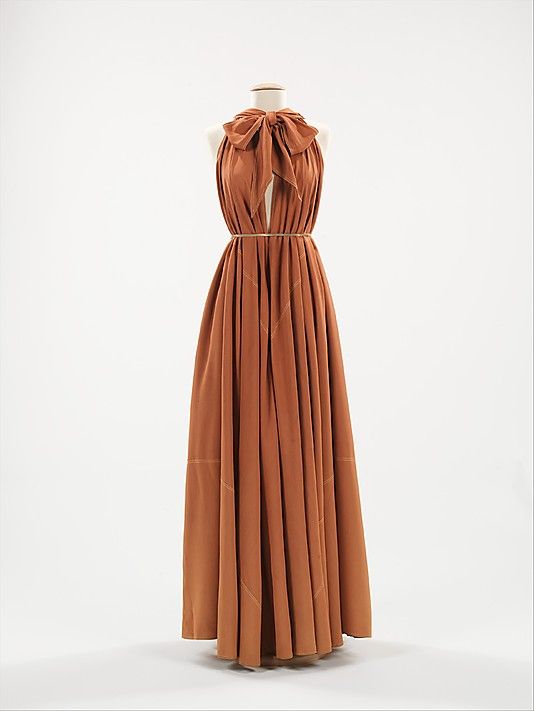
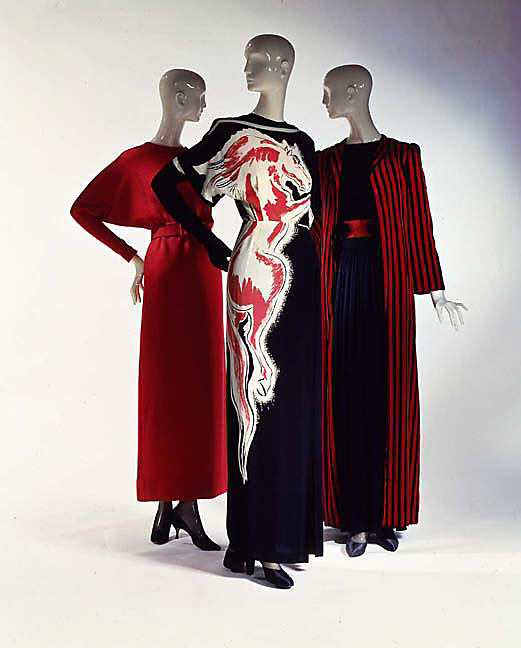
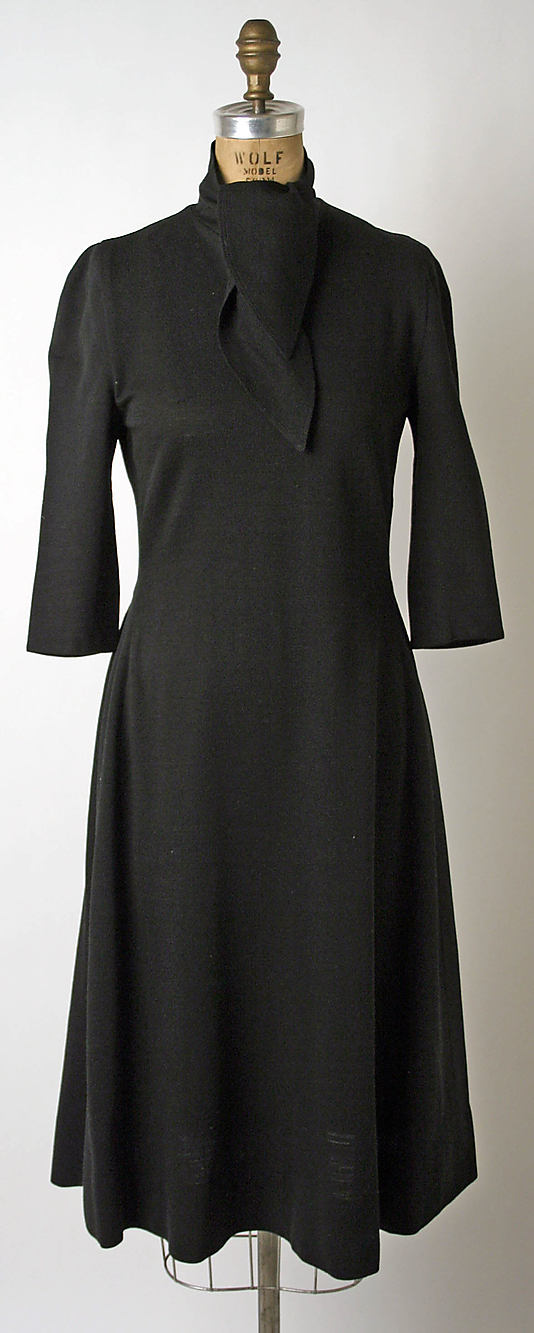
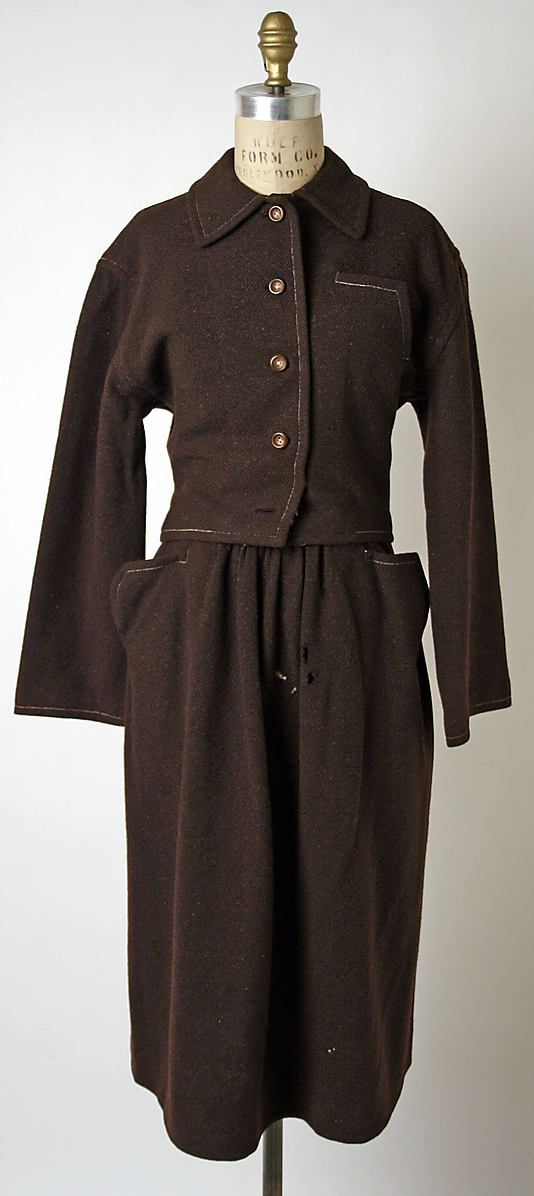
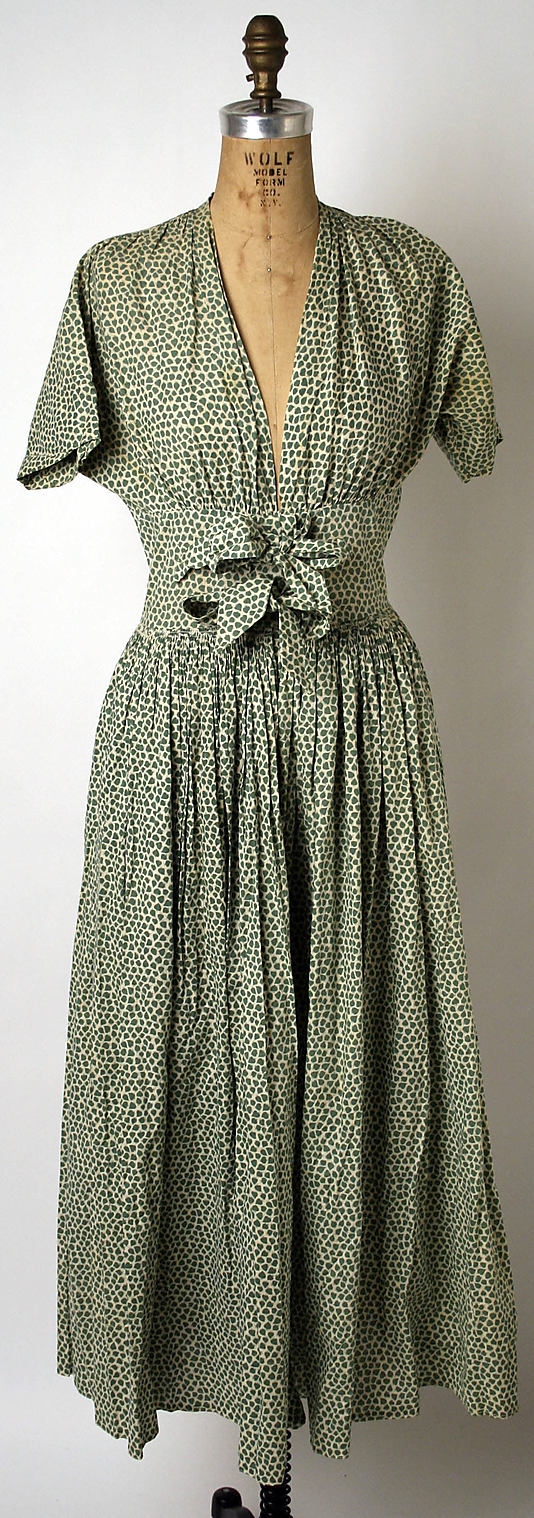
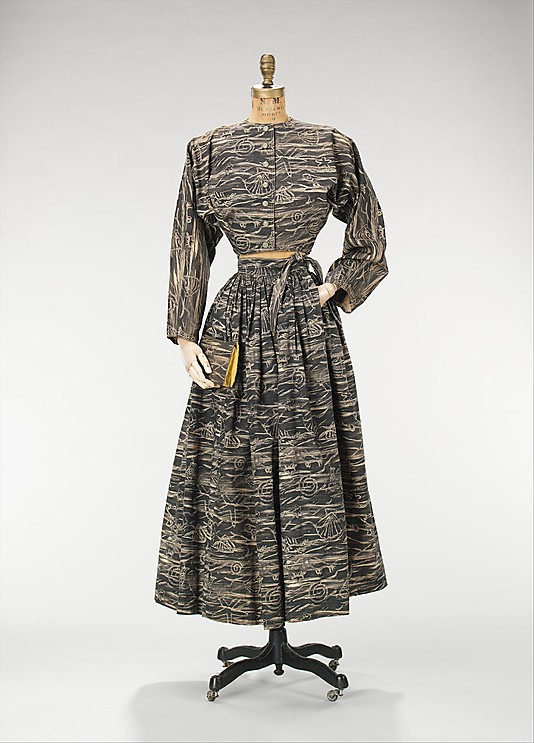
a lot of pictures found: http://www.metmuseum.org

Claire McCardell originated The American Look (part 1)

10 Aug
Claire McCardell modelling own designClaire McCardell modeling her own design
.

Paris reigned the fashion world, also in New York untill Claire McCardell came along. Before Seventh Avenue was mass producing copies of French creations, Claire originated The American Look and paved the way for designers as Halston, Calvin Klein and Donna Karan.

.

Biography

Claire McCardellon the way to ParisClaire McCardell on the way to Paris
.

Claire McCardell , born in 1905, grew up as a tomboy, probably due to being a girl only having three brothers, who nicknamed her “Kick”. She dreamed of being an illustrator and in 1925 she persuaded her father to let her transfer to the New York School of Fine and Applied Art (later Parsons). 

In 1927, Claire went to Paris, “what was then the source of all fashion” and continued her studies at the Parsons branch school at the Place des Vosges. While in Paris, Claire worked part-time tracing fashion sketches and learned, in her own words, “the way clothes worked, the way they felt, where they fastened.” Together with her classmates  she would often comb Parisian flea markets, looking for cast-off couture clothing, which they would then take home and unstitch to see exactly how the garments were created. especially the samples from the French couturier Madeleine Vionnet, whose influence was evident in Claire’s work; though she did not work in the couture tradition, she was able to create ready-to-wear clothing by simplifying Vionnet’s cut. Claire incorporated the bias cut into her designs, both for aesthetic as well as functional effects. 

After graduating Claire takes a series of jobs -painting rosebuds on lampshades and modeling for B. Altman- before she gets a job at a knitwear company. She is fired eight months later, after the owner tells her, “Stop designing for yourself and start designing for the customers.” Instead she finds a job with designer Robert Turk.

.

Bathing suits/ Play suits by Claire McCardell

bathing suittwo-piece bathing suit, 1948
bathing suit 1951bathing suit 1951 
Play,bathing suit, 1943
play suit 1943, diaper silhouet
playsuit 1944play suit 1944, bloomer sihouet
1957
swimsuit 1957
025_claire-mc-cardell_theredlistplay suit early 1950’s, bloomer silhouet 
two piece play suit
two piece play suit 
Denim Playsuit by Claire Mc Cardell, photo by Louise Dahl-Wolfe, 1946denim plat suit, 1946
033_claire-mc-cardell_theredlist

.

When Robert Turk shuts down his business, Claire follows him to Townley Frocks. Shortly after the move to Townley and just a month before the spring showing in 1931, Robert Turk tragically drowned while swimming, forcing Claire to finish the collection. She recalled how she dealt with the opportunistic crisis: “I did what everybody else did in those days – copied Paris.  The collection wasn’t great, but it sold.”  This success encouraged Claire to experiment.

In 1934, Claire launches her first innovation: the interchangeable separates, for which the public took some time to get used to. “It is my experience that a good, new idea must be repeated over and over to catch on,” she’ll later say. “You have to sneak up with it, at least in mass-produced clothes.” Three years later she designs her first bathing suits for Townley..

Department store Lord & Taylor becomes one of the first retailers to promote homegrown design during the Depression years of the thirties, it was almost a decade, according to The New York Times, before “people started talking about the ‘American look’ in fashion. It was fresh, spirited, young. It was made for healthy, long-legged girls who were going places and wanted clothes they could move in.”

For fall 1938, Claire shows dirndls (skirt with attached apron), which fall flat, and the Monastic  dress—which takes off after Best & Co. buys the look and markets it as the Nada frock. Time will later report, “Until then, American women had little choice of styles between a cotton house dress and an afternoon dress. The Monastic dress gave American fashion a new flexibility that it has never lost.” Despite being an unqualified and much copied hit, the Monastic will eventually—when Claire insists on repeating its silhouette in subsequent seasons—cripple Townley financially. The company closes later in the year.

Monastic dress

Monastic dress, 1949

Claire joins Hattie Carnegie designing “Workshop Originals”, but the company thought her designs were “too simple for the rich tastes of the Carnegie carriage trade”. In January 1940, four months before the German occupation,she  attends her last Paris fashion show. Soon after, she will leave Hattie Carnegie and work briefly for lower-cost manufacturer Win-Sum, before rejoining the reopened Townley—the surprise outcome of a chance meeting on an elevator with her former employer and his new partner Adolph Klein. She will stay with Townly till her death.

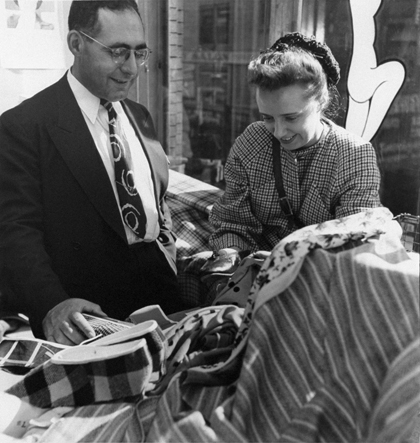
Claire introduces the Kitchen Dinner dress—just the thing, a reviewer says, “for the girl who wants quickly to whip up a meal for her beau or her husband and to serve it to him looking smart. Adolf Klein adds Claire McCardell’s name to Townley labels. Valerie Steele, chief curator of the Historic Costume Collection at the Fashion Institute of Technology in New York City noted that in Claire McCardell’s time, “You had the name of the store or manufacturer. The designer was someone kept in the back room. …But she wanted the credit. It wasn’t an ego trip. It was just acknowledgment of her work.”

Her name is becoming a brand; she is one of the very first American designers to earn this kind of personal recognition. Unable to get proper shoes for her presentations due to wartime restrictions, she uses Capezio ballet slippers, starting a craze for dance flats.

Capezio dance flats

 Caprezio dance flats 
.

The War Production Board issues Regulation L85, which sets restrictions on womenswear. Claire comes up with another innovation because of the fabric shortish:  Salvage Sally line of patchworked clothes and she introduces the denim Pop-over,a wrap-around housedress which Vogue will later describe as a major invention “born of necessity.” Some 75,000 of these $6.95 dresses ((its low price was because it was classified as a ‘utility garment’ and Claire’s manufacturer, Adolf Klein, of Townley, was able to make a special deal with labor) ) are sold within the year. Some form of a wraparound dress around $25 or $30 was always in Claire’s collection thereafter, and she liked denim so much she made coats and suits of it for townwear completed with the workman’s double topstitching as a form of decoration. … Claire could take five dollars worth of common cotton calico and make a dress a smart woman could wear anywhere. The modern woman could both be chic and do the cooking. The Popover is lauded at the Coty American Fashion Critics’ Awards.

Pop-over dress

popover dress ad

Popover dress
 

At the age of 37, Claire took a break from her professional career to focus on her personal life, marrying Texas architect Irving Drought Harris, who had two children from a previous marriage. She helped raise them, but her growing career and her husband’s disapproval put a strain on the family relationship.  Claire’s brother Bob said about the marriage: “Irving never approved of her career. He would have been very happy if she gave that up.” But she had made a name for herself and she was intent on having her career.  It was her first love.

When Claire wins her first Coty Award, Norman Norell, who received the inaugural prize the year before, will say that she should have had that first: “Don’t forget, Claire invented all those marvelous things strictly within the limits of mass production. . . .

New York Times reporter Virginia Pope writes that Claire “is frequently spoken of as the most American of designer, for she seems to have a special aptitude for understanding and interpreting the life of the American woman.”

Lord & Taylor uses the phrase The American Look for the first time in 1945. In response to MoMA’s query “Are clothes modern?” Vogue publishes an Erwin Blumenfeld portrait of Claire wearing her “future dress,” which is “made entirely of two huge triangles that tie at the neck, back, and front.”

Future dress

Claire McCardell modelling her Future Dress, ph. by Erwin BlumenfeldClaire McCardell wearing her “Future Dress”, ph. by Irving Penn 
Evening dress - Clare McCardell 1945
.

After World War II, Claire continued to branch out in the fashion industry, working as a volunteer critic at the Parsons School of Design, as well as joining an advisory panel for Time, designing a new magazine that would become Sports Illustrated. Her most lasting impression, however, would continue to be in design.

In September 1948, Claire McCardell receives the Neiman Marcus Fashion Award.

irving-penn-vogue-1950Irving Penn for Vogue, 1950: two girls being comfortable in Claire McCardell’s clothes, knitting, reading, smoking, and oozing chic insouciance at a small café table
.

“The typical McCardell girl looked comfortable in her clothes because she was comfortable,” wrote Sally Kirkland, a fashion editor at Vogue in the forties. “She always had deep side pockets, even in evening dresses, which encouraged a sort of nonchalant Astaire-like stance.”

Of her summer line for 1951, The New York Times says, “The designs were made of distinctive fabrics as always. The clothes were functional and styled basically, following the lines of the fabrics rather than molding anything to the body. Miss McCardell believes in belting gathers in at the waist rather than cutting the fabric to fit.”

In 1952 Claire becomes a partner in Townley.

Claire McCardell designs till 1952

evening ensemble 1937evening ensemble, 1937 
1939dress, 1939
dress 1939-40dress, 1939-40
1940ties
dress, 1940’s
dress 1943
dress, 1943
sundress 1943
sundress, 1943
ensemble 1944
ensemble, 1944, with workmans dubble topstiches
1945
ensemble, 1945
suit 1945
suit, 1945
sundress 1946
sundress, 1946
ensemble 1946
ensemble, 1946 
dress 1946
dress, 1946
dress 1946-47
dress, 1946-47
1947
dress, 1947
1948
dress, 1948
dress 1950
dress, 1950
1950 evening wear
evening wear, 1950
dress 1950, 2
dress, 1950
coat 1952
coat, 1952
.
.
.
Claire McCardell
Claire McCardell
 
 
NEXT WEEK: Claire McCardell (Part two)
 

Info:    VoguePedia & http://msa.maryland.gov/megafile/msa/speccol/sc3500/sc3520/013500/013581/html/13581bio.html

a lot of pictures found: http://www.metmuseum.org/