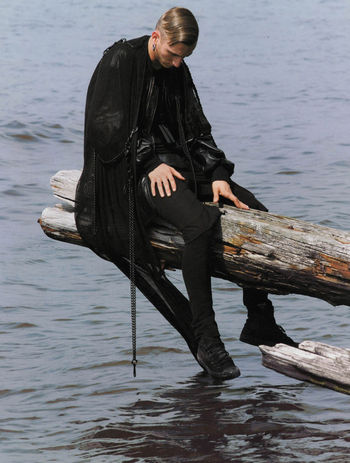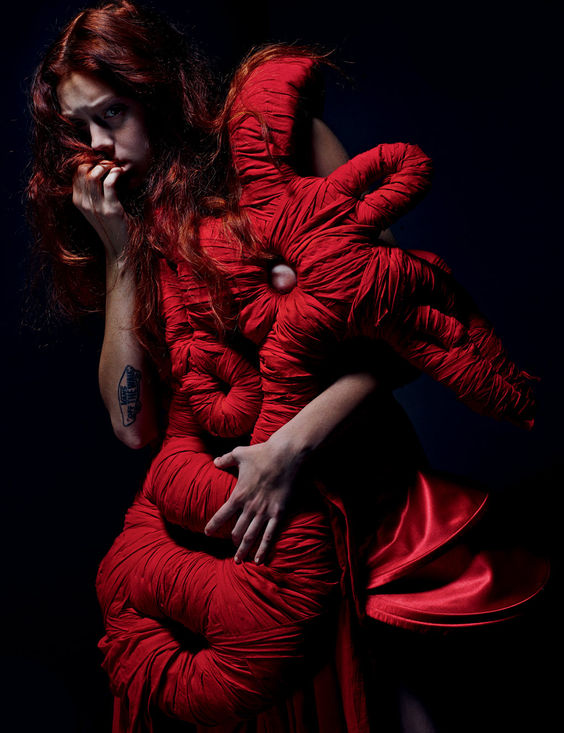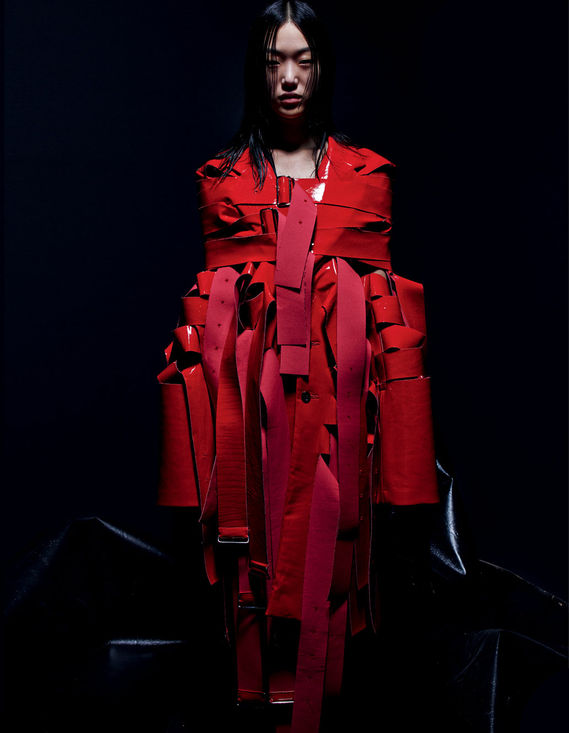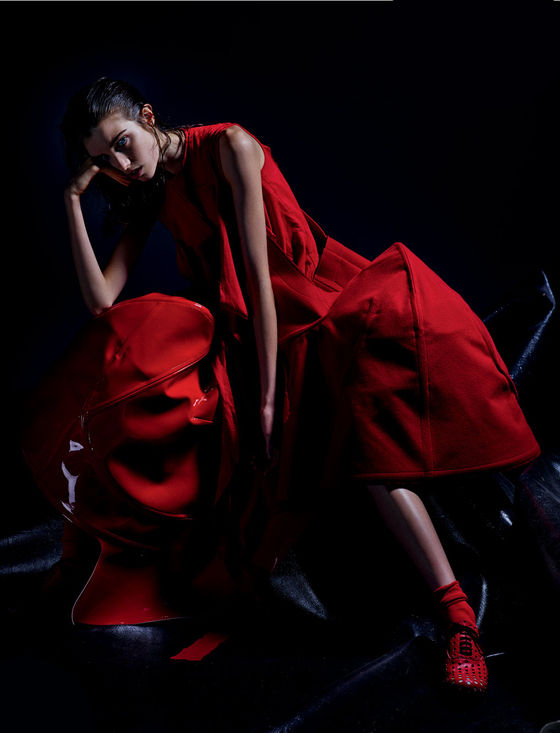
Panos Yiapanis, one of Fashion’s top Stylists

8 Mar

Panos Yiapanis Photography Ezra PetronioPanos Yiapanis, Ph. Ezra Petronio

.

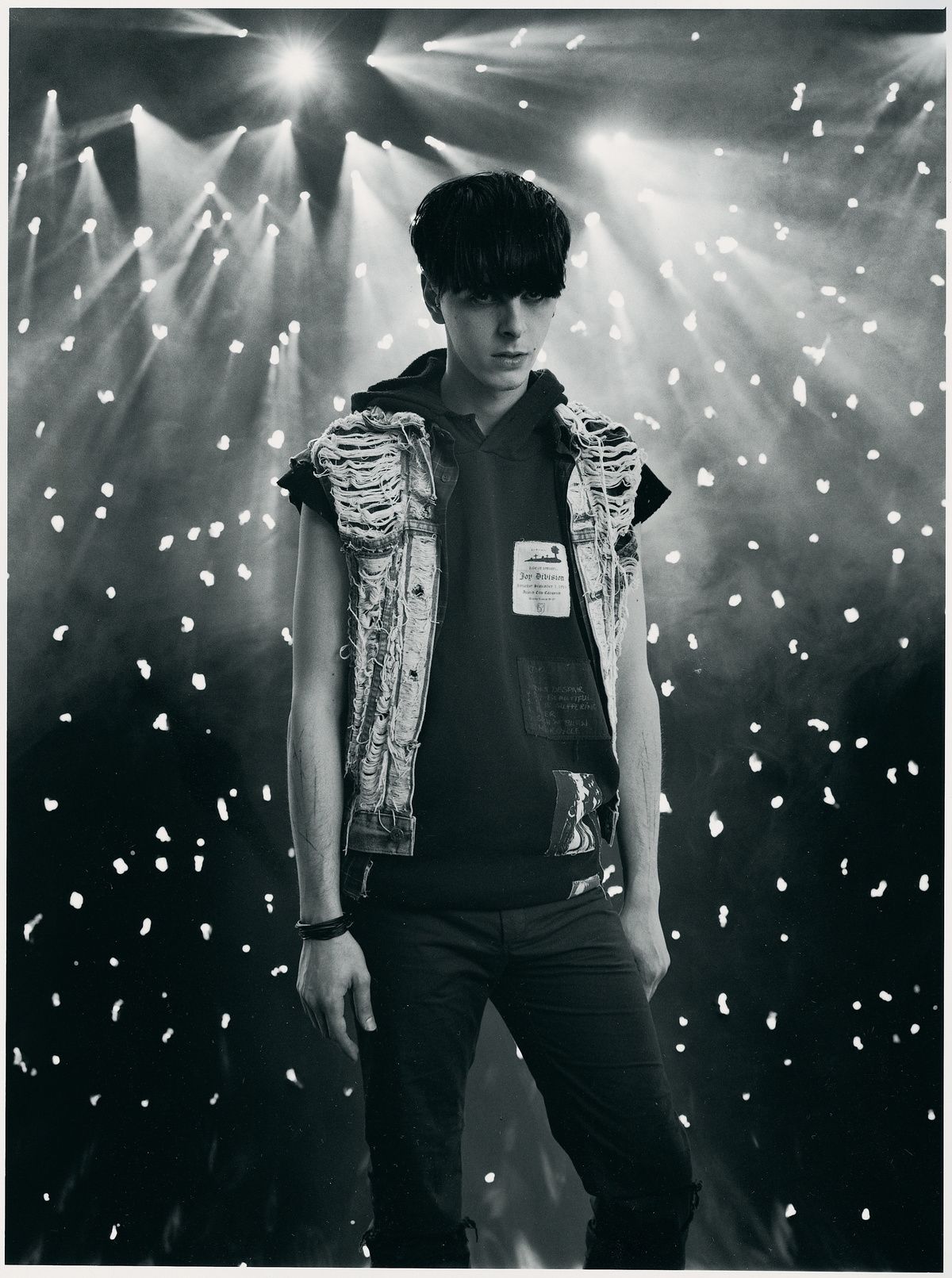
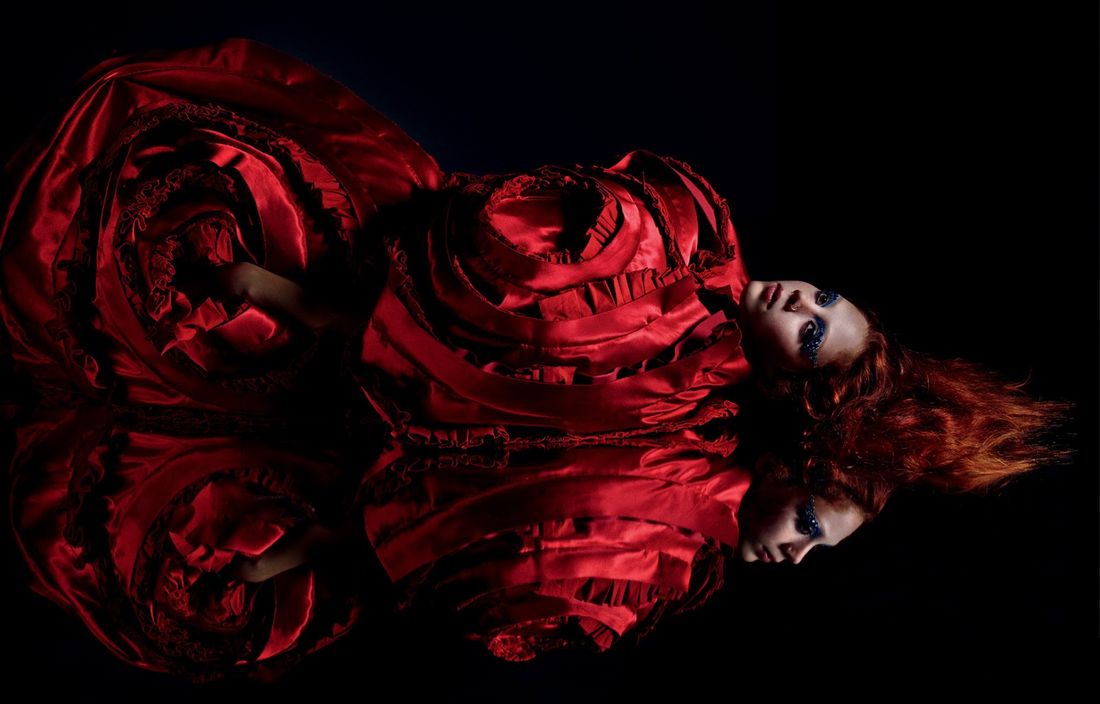
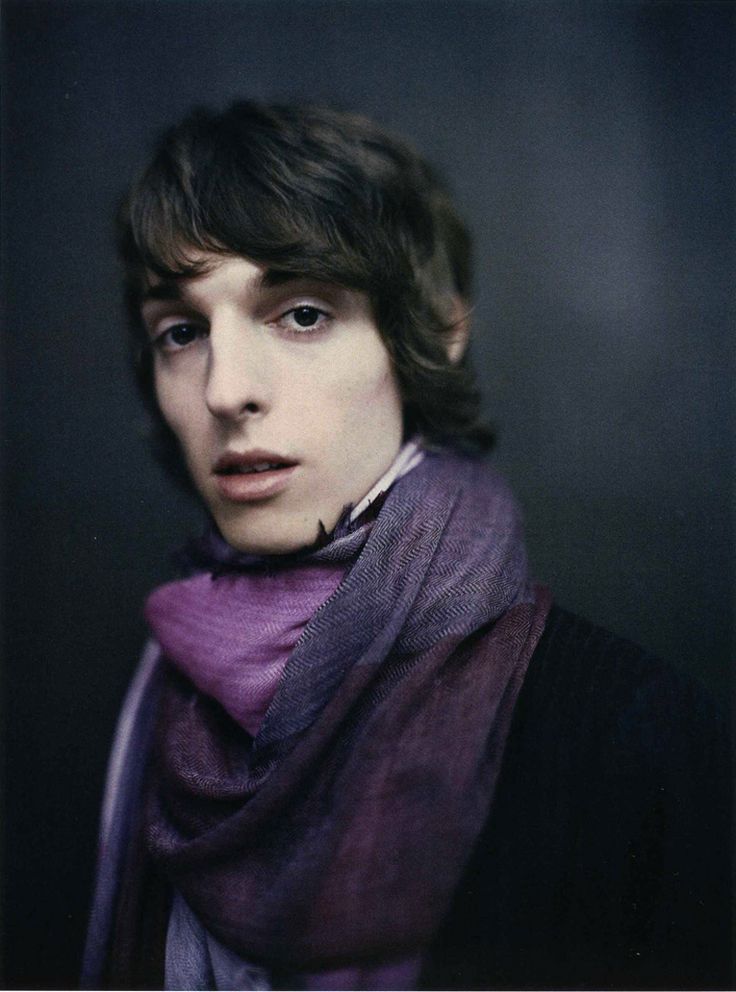
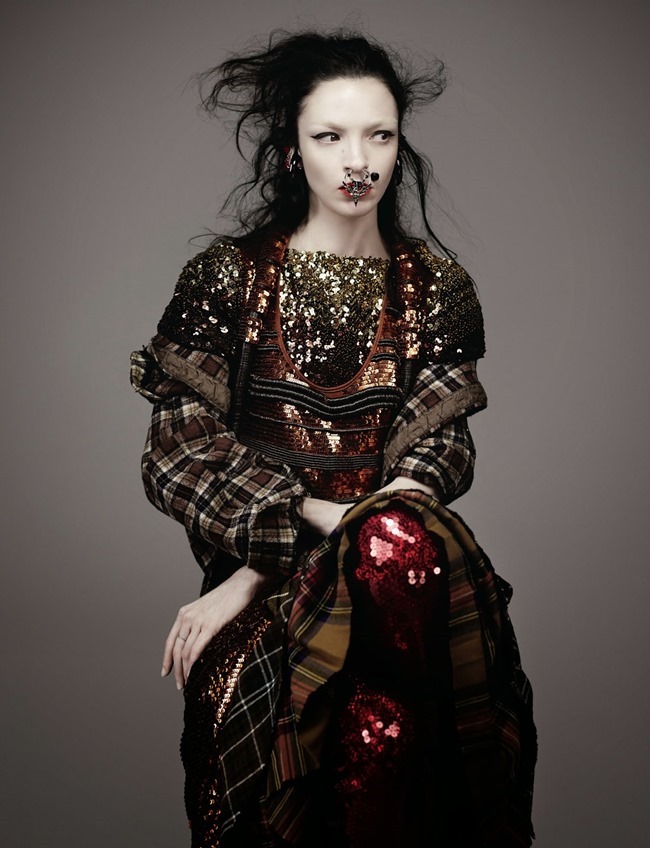
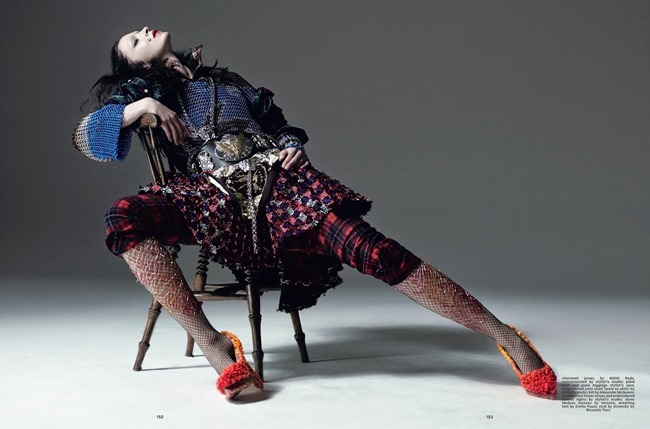
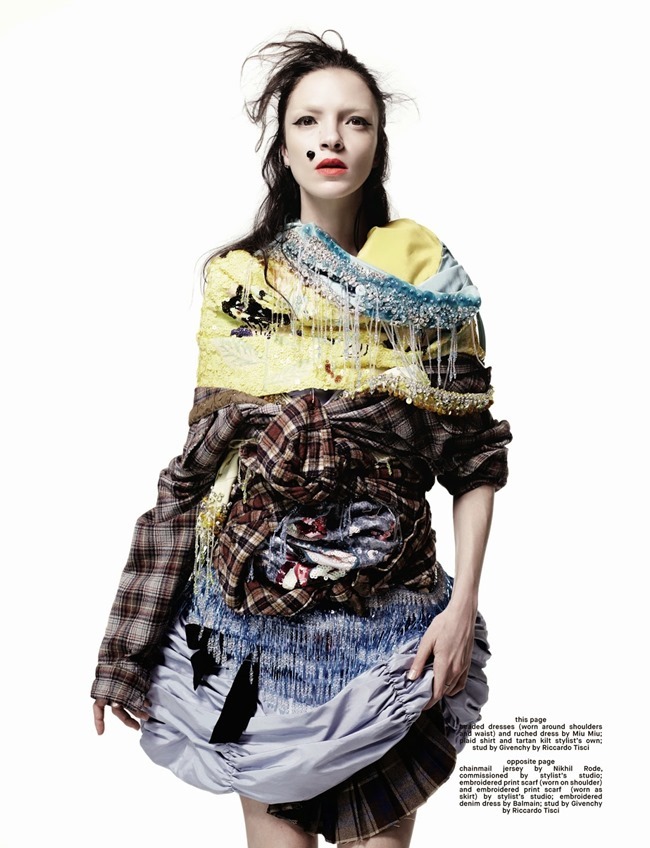
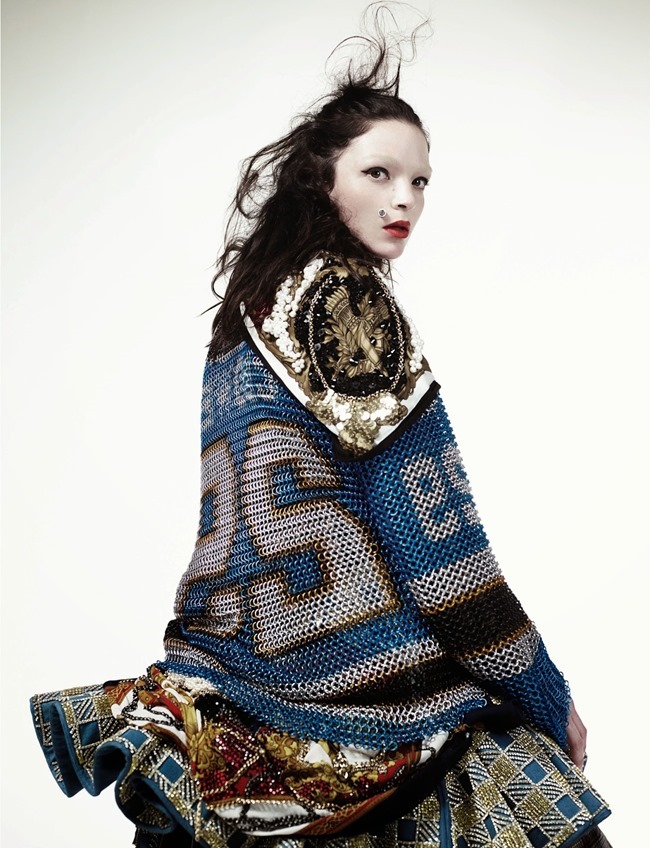
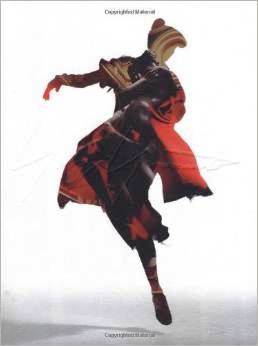
Cypriot-born stylist and fashion editor Panos Yiapanis is renowned for his fashion forward editorials and signature youth-culture-inspired aesthetic. Regularly working alongside photographers Steven Meisel, Nick Knight and Mert Alas and Marcus Piggot, Yiapanis has contributed to magazines such as Vogue Italia, Harpers Bazaar, AnOther and W and in April 2013 the stylist was appointed fashion director-at-large at Love magazine.

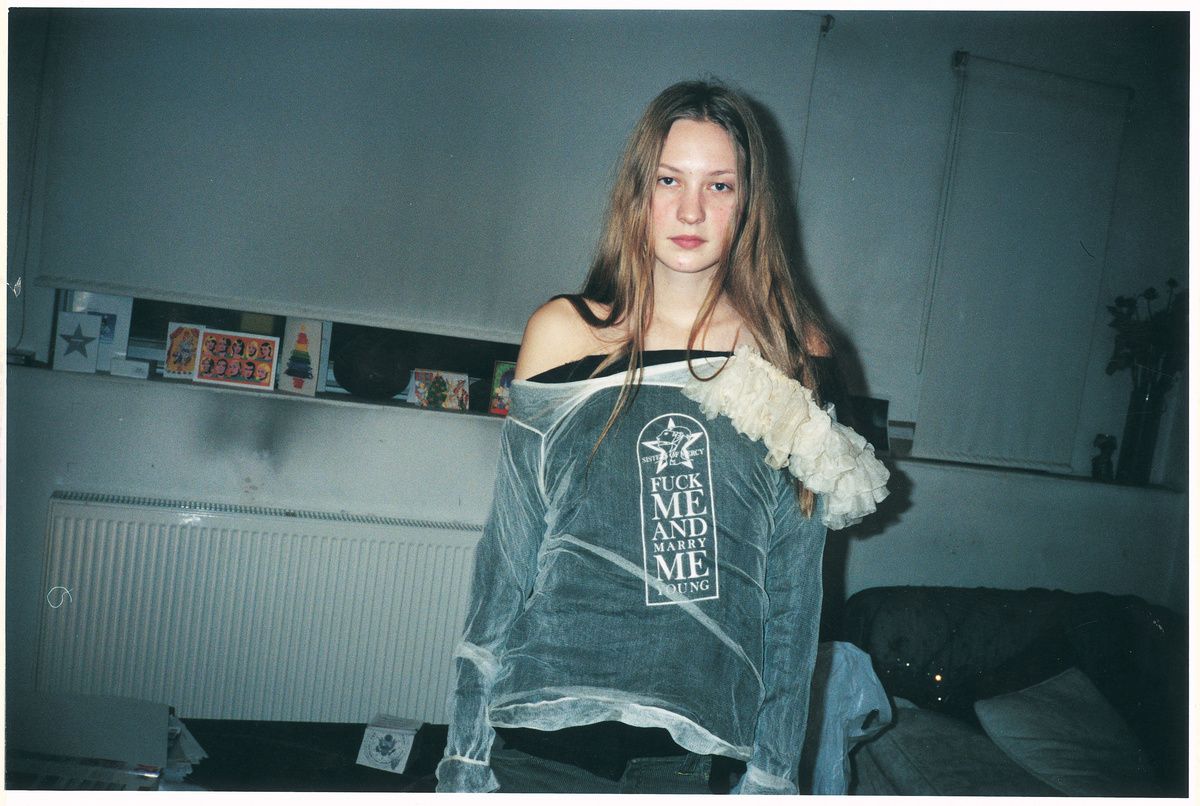
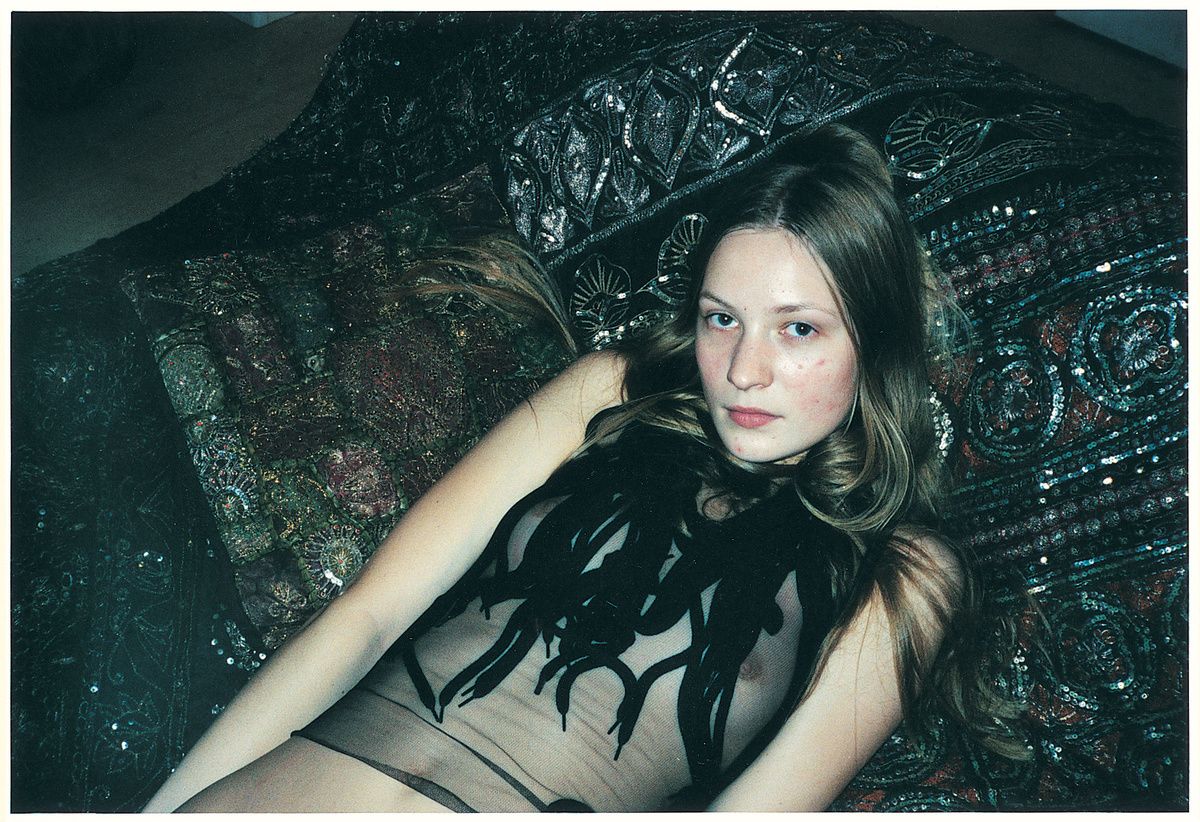
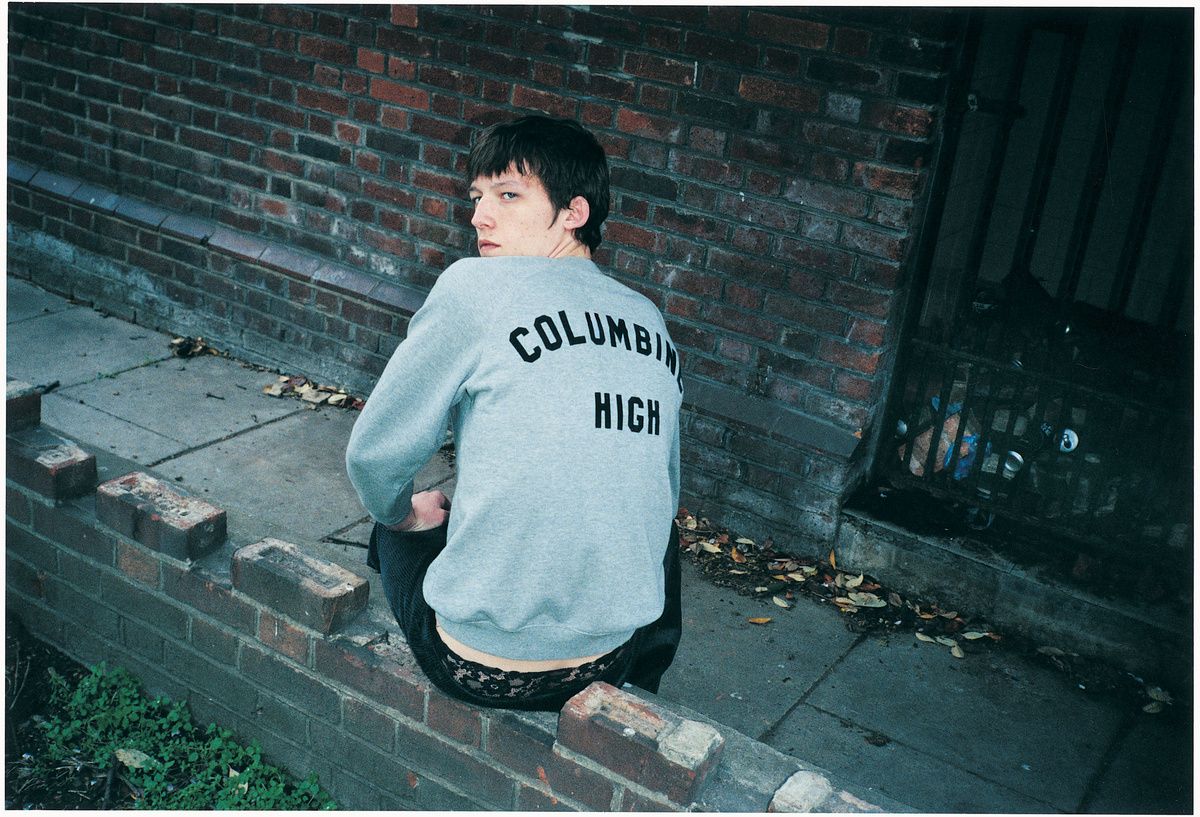
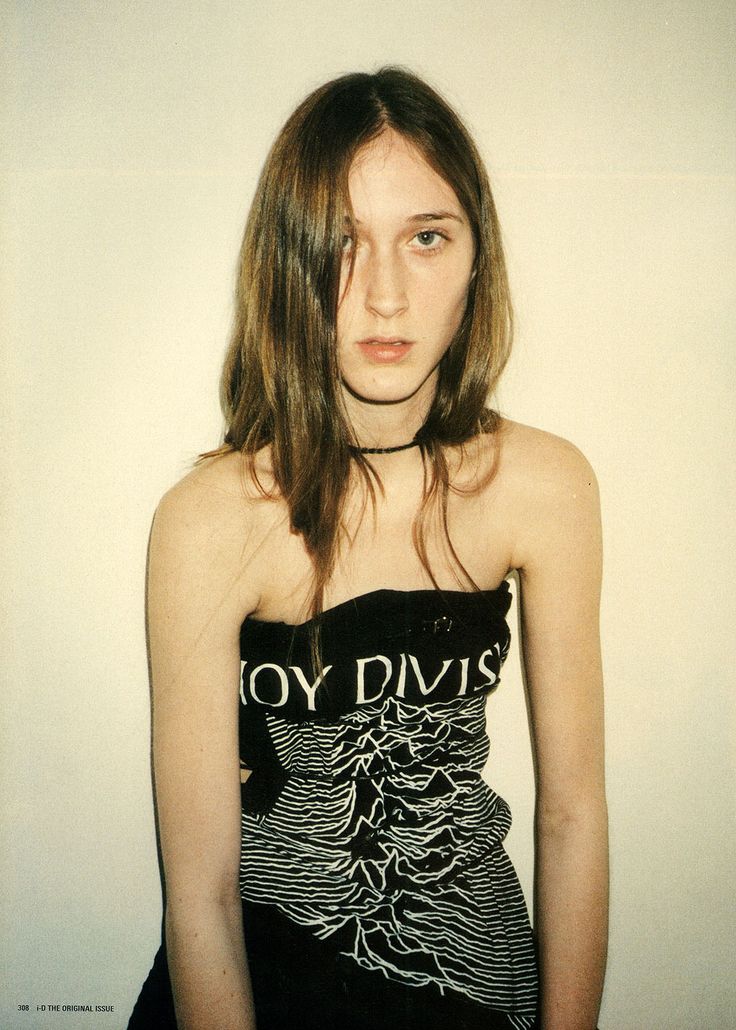
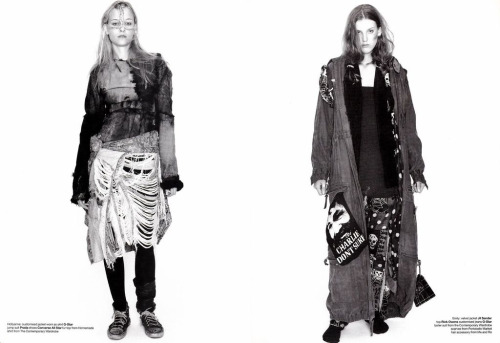
Crediting the launch of his career on a close friendship with iconic British photographer Corinne Day, Panos first began styling on mock shoots around London whilst studying sculpture at Chelsea School of Art. After leaving to pursue a career in fashion, Yiapanis worked closely alongside Day on editorials for i-D and Dutch, slowly raising his profile. Meetings with American photographer Steven Klein and Dutch photographers Inez van Lamsweerde and Vinoodh Matadin led to increased attention and Yiapanis soon began working on editorials for The Face and Arena Homme Plus.

Ph. Corinne Day,  the early days
Corinne Day

corinne day, Sisters of Mercy T-shirt

Corinne Day, styling Panos Yiapanis 3

Corinne Day, styling Panos Yiapanis

Corinne Day, styling Panos Yiapanis 4Panos holds the achievement of being the only stylist to appear in their own work at i-D, photographed by Corinne wearing Raf Simons a/w 2001 in front of a destroyed curtain. Photographed by Corinne Day for Dutch
Interview 

by Tilly Macalister-Smith

Yiapanis was only a few weeks old when he moved from his birth country of Cyprus to Greece. Growing up in Athens, he admits, “I wasn’t remotely interested in fashion at all. At some point I was a complete science fiction geek. I was quite insular and didn’t have many friends, so everything that I did was done alone and I kind of got lost in whatever world it was.”

It was a time of political upheaval as Greece and Turkey battled over their competing claims to Cyprus. By law, Yiapanis was required to complete military service and, so, he returned to Cyprus for a year at the age of 17. “I had a really old rusted Kalashnikov which weighed about a kilo and there was no kind of protective clothing,” he recalls. He was never called up for battle, though the experience was not totally lost on him. “You learnt a state of preparedness,” he says. “It pushes your endurance; it was quite amazing to see how your body will go further.”

After 12 months of service, Yiapanis left for the UK, moving first to Oxford for a year to study literature, followed by time at RADA (the Royal Academy of Dramatic Art) and the Chelsea College of Art. In London, he met the late Corinne Day and formed a lasting friendship with the photographer. “I was studying sculpture when I met Corinne through mutual friends and we connected, just personally at first. I knew some of her pictures, but I wasn’t remotely aware of what she was doing.”

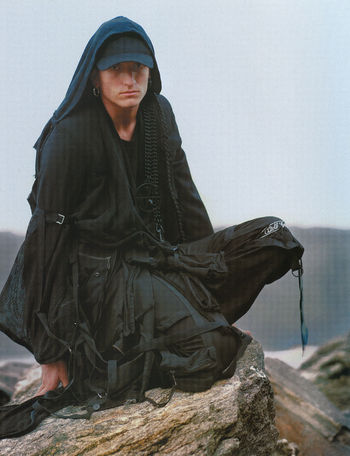
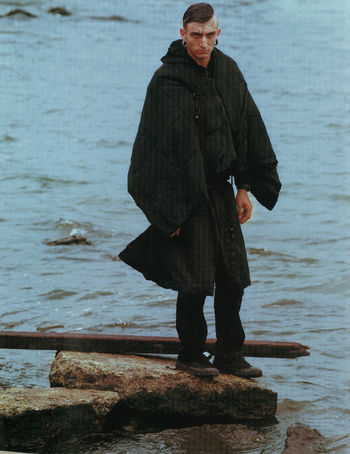
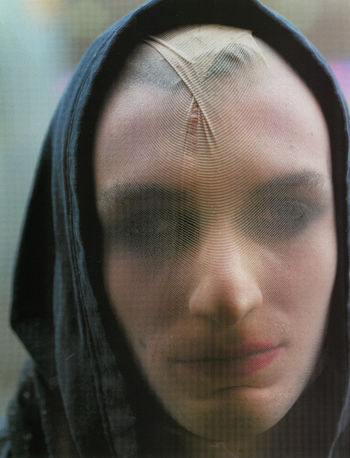
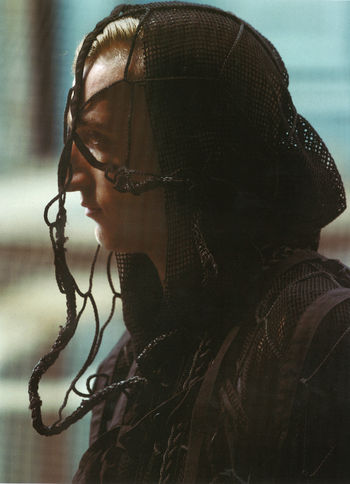
ARENA HOMME PLUS #18 ,  Raf Simons ’02 collection “Consumed” 

Ph. Mario Sorrenti
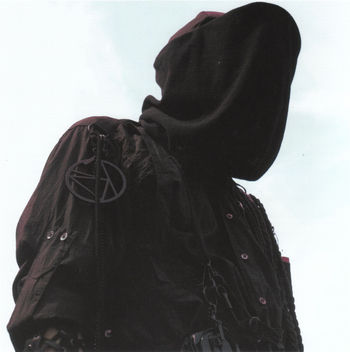
ARENA HOMME PLUS #18  2002, ph. Mario Sorrenti

ARENA HOMME PLUS #18  2002, ph. Mario Sorrenti

ARENA HOMME PLUS #18  2002, ph. Mario Sorrenti

ARENA HOMME PLUS #18  2002, ph. Mario Sorrenti

ARENA HOMME PLUS #18  2002, ph. Mario Sorrenti

ARENA HOMME PLUS #18  2002, ph. Mario Sorrenti

At the time, Day had pulled back on her fashion work and was focusing on a personal project that she later released as a book called Diary. “She started showing me old pictures that she’d taken during the 1990s and I found them so exciting, especially at a time when most pictures were really glossy. 1999 to 2000 was that Photoshop period where everything was super immaculate and there was something really human about what she did. I would go on to her about taking fashion pictures again and she said, ‘I’ll do it if you do it.’”

Yiapanis and Day began taking fashion images of friends wearing their own clothes or finds picked up at London’s Camden Market. The pictures portrayed a grainy but beautiful youth, free of make up and retouching, and became a landmark statement of rebellion against the high shine of typical fashion images of the time.

Gradually the experimental shoots turned into commissioned stories — primarily for i-D and Dutch — and Yiapanis soon began working with a wider range of photographers, including Steven Klein, with whom he connected over a mutual interest in the 1996 documentary Paradise Lost, which portrayed the case of the “West Memphis Three.”
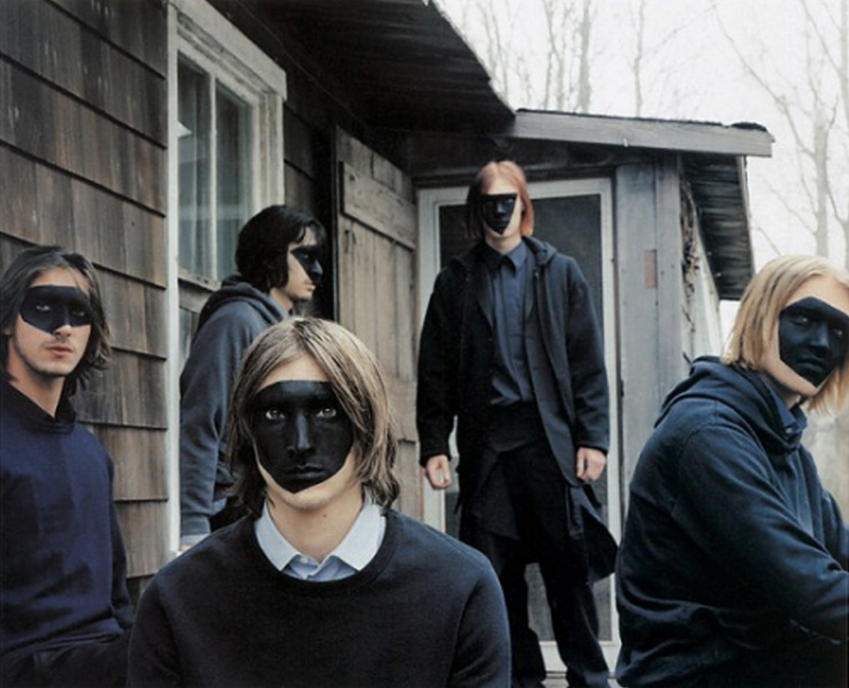
Steven Klein for Dutch magazine

“There was this documentary about three teenagers who were accused and sentenced for allegedly murdering three young boys in a satanic ritual. There was mounting pressure to solve the crime and they just basically set up these three Metallica fans,” he explains. “They brought in a ton of forensic experts and proved that there was no way these three guys actually did this. [They were convicted] based on the way they looked, in Little Rock, Arkansas. The argument was just: ‘Look at their clothes, they’re Satanists.’ So that was something that really inspired me and I did a shoot with Steven Klein for Dutch magazine that was based on it.”

The 2002 shoot depicted a gang of boys wearing hoodies and lumberjack shirts, draped in swags of material baring Public Enemy and Ramones logos, their faces painted with black make up like distorted masks. “Jason [Baldwin, one of the accused] emailed me from prison when the shoot came out. Those kinds of things were really important to me. It became this really big thing where Johnny Depp was supporting and Eddie Vedder of Pearl Jam released an album to raise funds to exonerate them and two years ago they were released from prison.”

Yiapanis is selective about the shoots he works on, styling only a handful of editorials each season for magazines such as Dazed & Confused, Vogue Hommes International, V and Love, where he is fashion director. This is partly because Yiapanis and his team create many of the garments they use from scratch, rather than relying solely on existing clothing. “When I first started, I’d make all the pieces myself. I’d be sitting at home until 4am putting eyelets on to shorts or something,” he says. “The pieces that we make in the studio are usually the anchoring for the shoot. Each shoot usually takes about a month to prep and sometimes there are about 30 people working in the studio. Initially, it was at my house and then that got a little bit hectic, so now I have a space about five minutes from my house.”

LOVE MAGAZINE | COMME DES GARCONS ’15

ph. Mario Sorrenti

LOVE MAGAZINE | COMME DES GARCONS '15

LOVE MAGAZINE | COMME DES GARCONS '15

LOVE MAGAZINE | COMME DES GARCONS '15

LOVE MAGAZINE | COMME DES GARCONS '15

LOVE MAGAZINE | COMME DES GARCONS '15

LOVE MAGAZINE | COMME DES GARCONS '15

Unlike many stylists, Yiapanis never makes mood boards. “I kind of despise them. It’s much more of an internal process and I sometimes find it very difficult to explain to a photographer exactly what I want to do. Usually an idea comes from a previous shoot that I did where something interesting happened and I want to take that further. I don’t overthink the result too much,” he says.

At Love magazine, Yiapanis has been given relatively free rein. “Katie [Grand, Love’s editor-in-chief] has been great to give me all the advantages and none of the chores. I think she is wise enough to know what is not my strongest suit. Why send a drivelling idiot to a Michael Kors advertising appointment? I would probably say something ridiculously stupid,” he says, playfully. “She knows what is best for the magazine, let’s put it that way.”

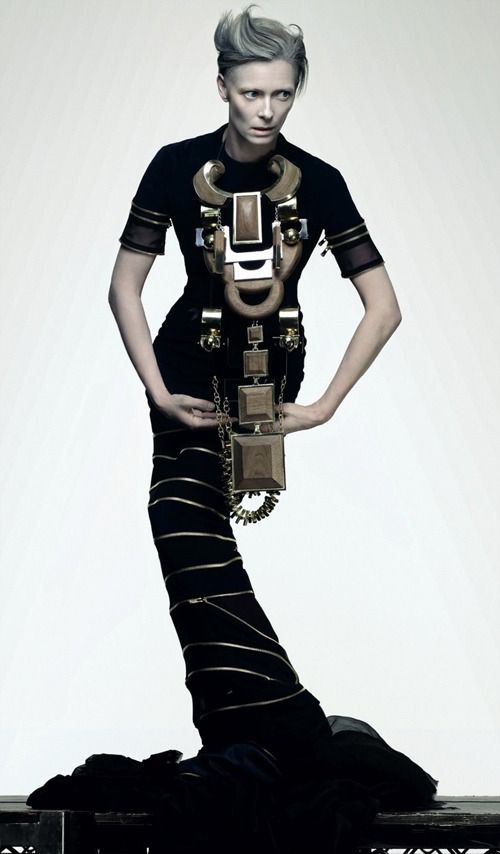
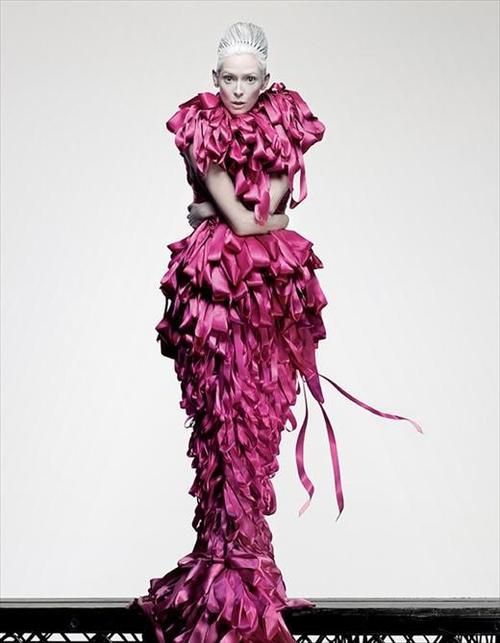
AnOther Magazine, S/S ’09  Tilda Swinton

ph. Craig McDean
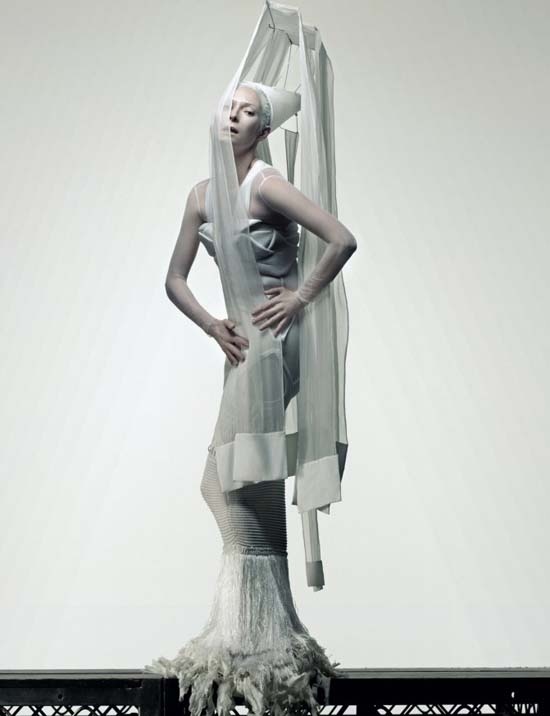
Tilda Swinton, AnOther Magazine by Craig McDean

Tilda Swinton, AnOther Magazine by Craig McDean

Tilda Swinton, AnOther Magazine SS09 Photography Craig McDean,

While many staff stylists feel increasing pressure to please advertisers, Yiapanis has never been concerned with making commercial or accessible images. “I’m not excited by the idea of doing editorials that look like catalogues. There’s a market for those types of magazines, but I’m not excited by that,” he says.

“Everyone has got a different perspective on what this job is. Editors and designers have very different demands from stylists. There are a lot of designers that hate my work because sometimes I don’t show their garments the way that they are shown on the runway. Some designers love that and some designers don’t — to the point that they won’t work with me. That’s true of some editors as well. Some think, ‘I want to sell clothes, I want advertising,’ whereas others want a nice image. I think that’s why photographers have an affinity for me, because I try to give them something visually exciting as opposed to ticking the sales box.”

But editorial work pays much less than what is offered by big shows and advertising gigs. “I’ve sometimes sold myself when it comes to doing shows,” Yiapanis admits, “but never with photographers. I’ve always been really protective about the photographers that I work with. It’s a really precious collaboration. I haven’t worked with a lot of photographers but the ones that I’ve worked with are the ones that I have deep respect for.”

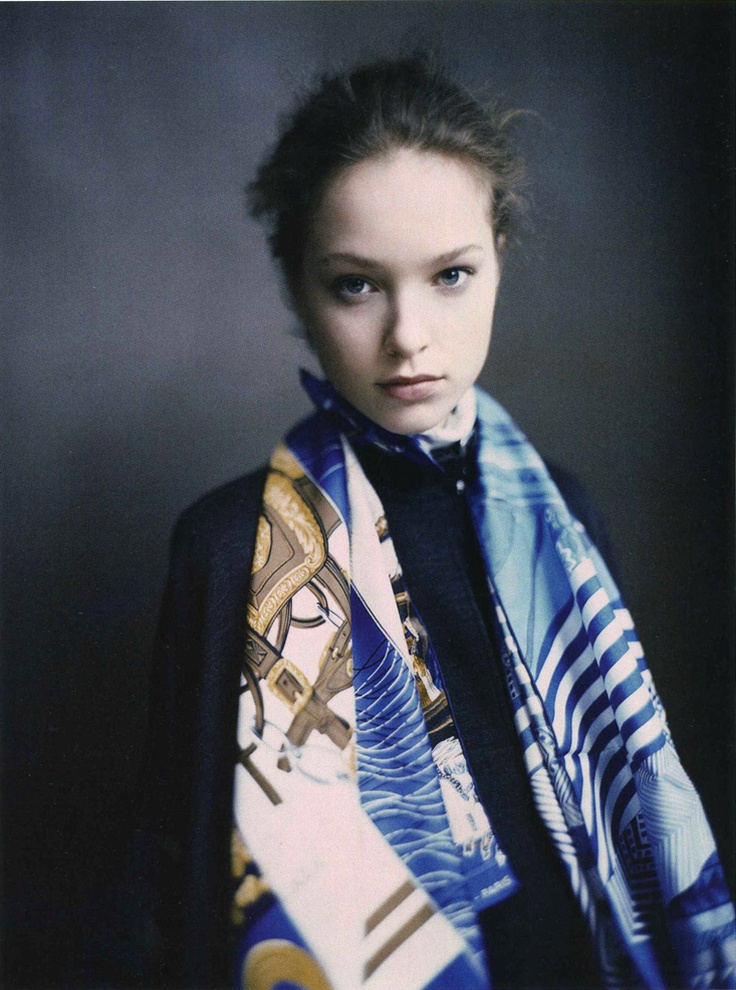
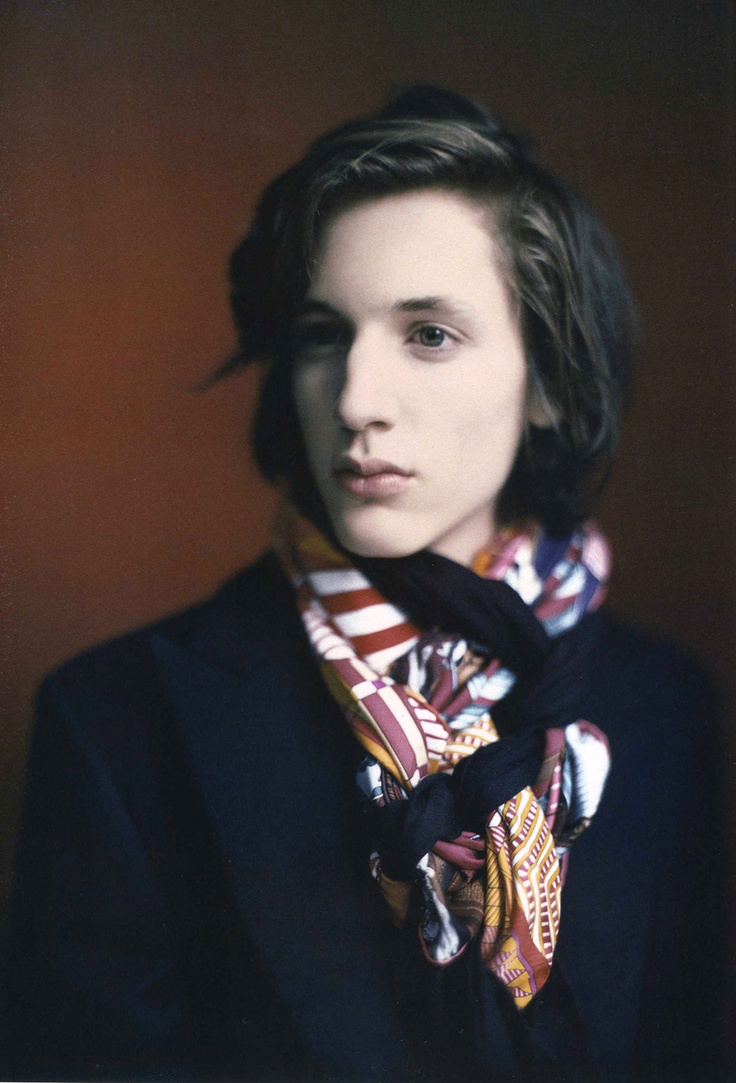
Hermes campaign f/w ’08

Ph. Paolo Roversi
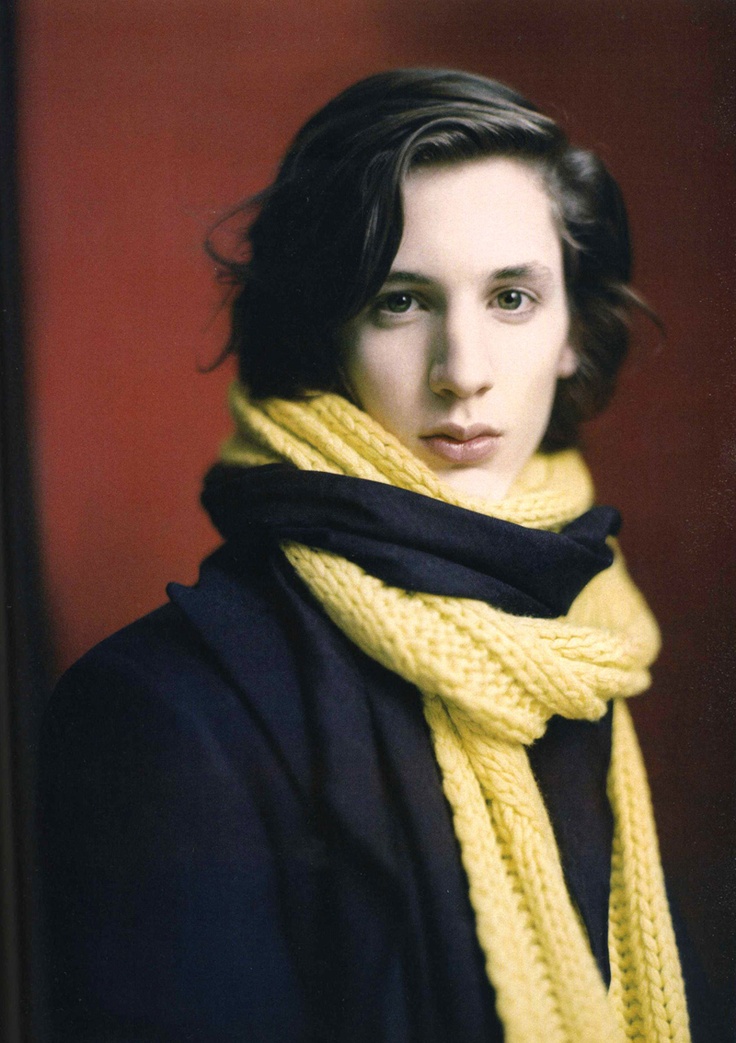
Photo by Paolo Roversi for d`Hermes fw 2008

Photo by Paolo Roversi for d`Hermes

Photo by Paolo Roversi for d`Hermes fw 2008

Photo by Paolo Roversi for d`Hermes fw 2008

There is a clear distinction between styling shows and shoots, says Yiapanis. “[With shows] you are there to be invisible; it’s not you coming out at the end, even though today everyone knows who is styling what show, more so than in the past. Once I was doing a Gucci men’s show quite early on in my career. I was quite naive about it and over-enthusiastic and put too much of myself into the show and you realise that is not what you are there for. That was a big learning experience. So since then, if I’m doing Calvin [Klein], it has to be Calvin. I’m not there to be the creative director or to change the house.”

Yiapanis believes in nurturing relationships and letting things develop over time. He has worked with Rick Owens since the designer’s very first show in New York. He also worked for many years with Givenchy, where he was engaged as a creative consultant on the men’s shows for a year and a half before Riccardo Tisci began overseeing both the men’s and women’s sides of the business for S/S 2009.
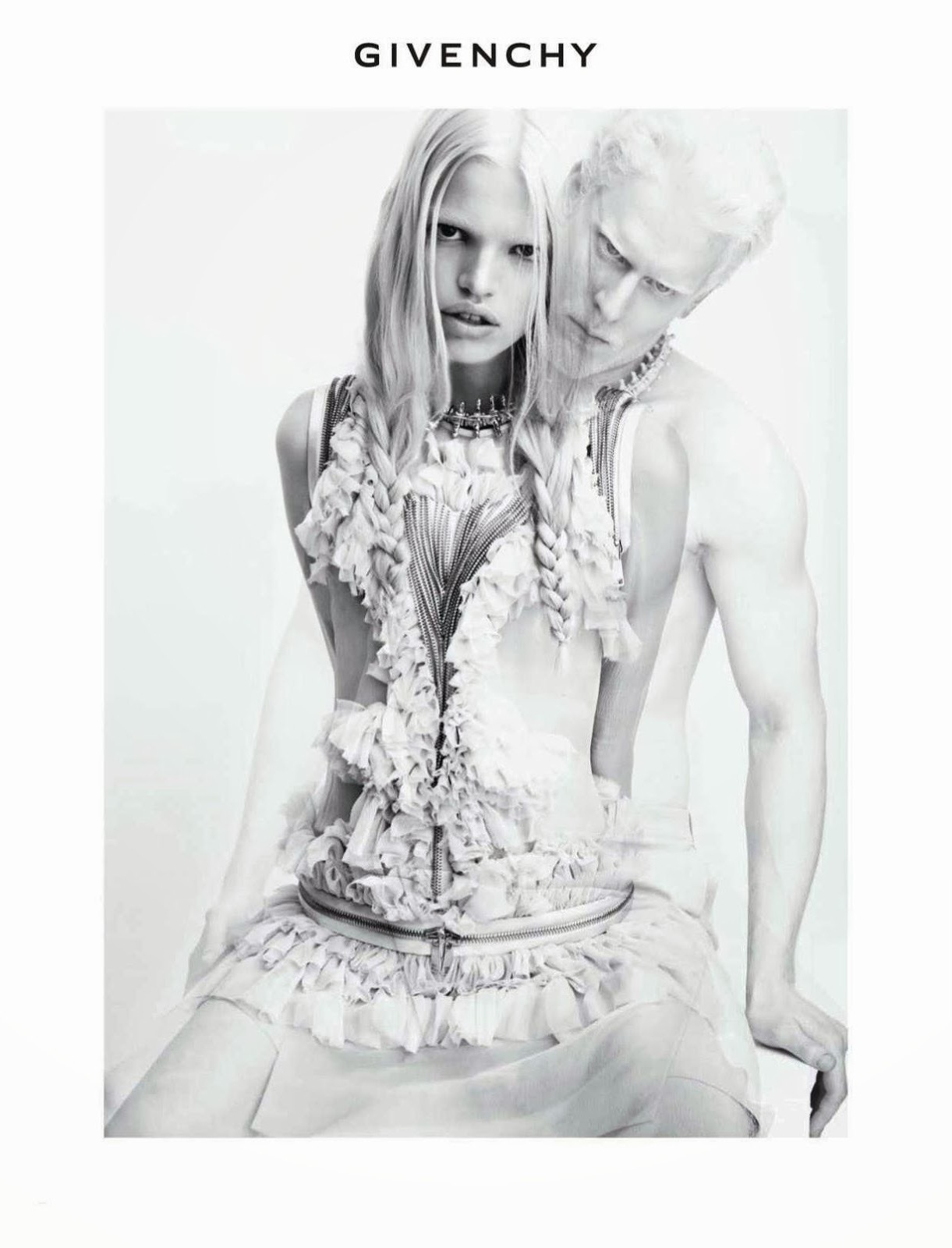
Mert & Marcus and Panos Yiapanis for Givenchy SpringSummer 2011 mert alas & marcus piggott

.

“I would go in from the inception of the idea and sit with Riccardo and we would say, ‘What’s the next show going to be?’ More so than I did with other designers. At Calvin, I’ll go in and they might have an idea of what they kind of want to do and it might change a little bit, but with Riccardo we’d start right from scratch. The men’s and women’s were so intertwined and because we were really close friends there was always a conversation about women’s too.”

Despite his assertions to the contrary, Yiapanis’ influence on Tisci’s Givenchy collections was undeniable; the sell out Rottweiler sweatshirts that were introduced for men’s A/W 2011 show — about the same time Yiapanis acquired his dog, Beast — were followed by equally coveted panther tops for the women’s A/W 2011 collection. “The animals changed but they started becoming one beast in a way.” Yiapanis stopped working with the house the following season.

“The one thing I have a bit of a bee in my bonnet about is ownership. It used to bother me that I have no ownership of any work that I’ve done,” he notes. “It’s either the designer’s right or the photographer’s right, so you feel like a perennial gypsy, moving from one place to another. But I’ve moaned about that in the past. When you are no longer involved in something that you’ve helped on, you just have to be a spectator from that point onwards.”

Nonetheless, Yiapanis has certainly build a reputation as one of fashion’s top stylists with an aesthetic that is very much his own. So what advice does he have for those aiming to follow in his footsteps?

Dazzed & Confused summer ’14

Ph. Willy Vanderperre
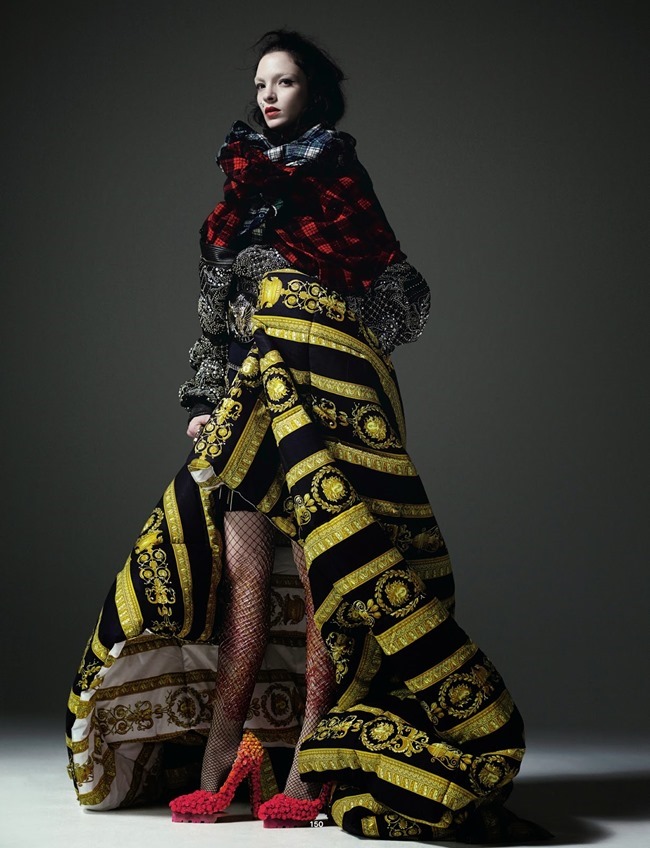
willy vanderperre.jpg summer 2014.

willy vanderperre.jpg summer 2014.jpg5

willy vanderperre.jpg summer 2014.jpg4

willy vanderperre.jpg summer 2014.jpg3

willy vanderperre.jpg summer 2014.jpg2

“Assisting sometimes can be the worst way to get into it, because if you assist someone great, then that’s good, but you have to find a way to come out of their shadow, which is extremely difficult. If you assist someone who is not that good, well, you know…” says Yiapanis.

“I can only speak for myself, but if you find something that has some resonance or something that will excite people, eventually someone will sit up and want to hear it.”

Love Magazine Fall/ Winter 2013 Monster’s Inc.

ph. Sølve Sundsbø 

.

info; http://www.businessoffashion.com/2014/12/creative-class-panos-yiapanis-stylist.html
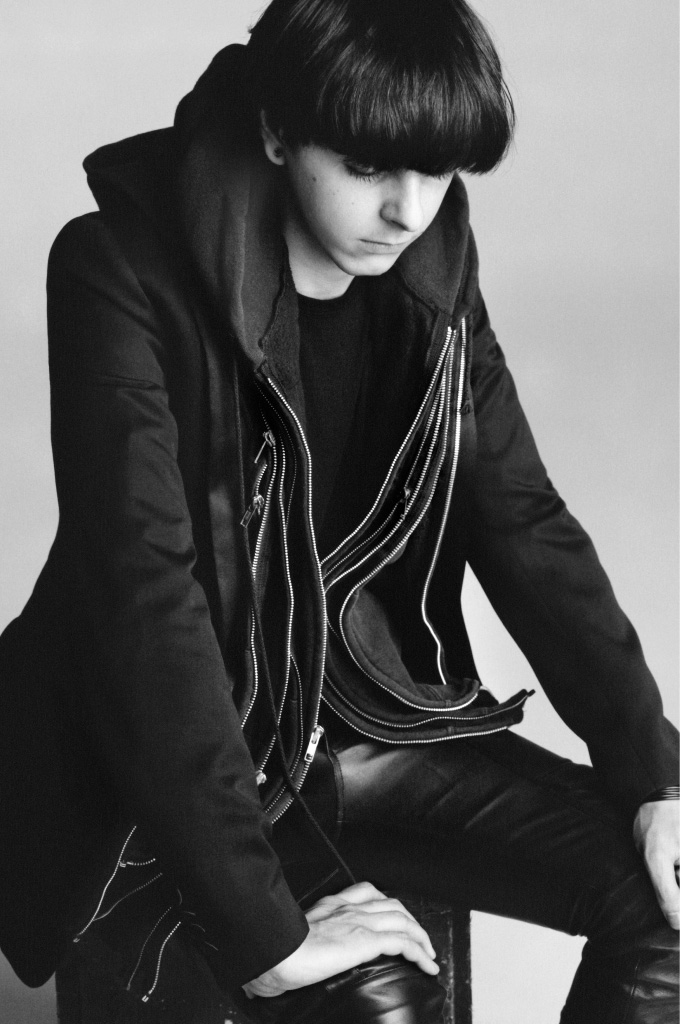
Panos-YiapanisPanos Yiapanis,  ph. Inez van Lamsweerde and Vinoodh Matadin


Liz Claiborne, the first Woman to found a Company that landed on the Fortune 500 list

1 Mar

After 25 years as a New York designer, Liz Claiborne co-founded her own firm in 1976, first designing stylish, moderately priced sportswear that freed working women from plain, dark suits, then expanding into menswear, accessories and perfume. Liz Claiborne Inc. broke into the Fortune 500 list of “America’s largest corporations”—becoming the first company founded by a woman to be so honored. 
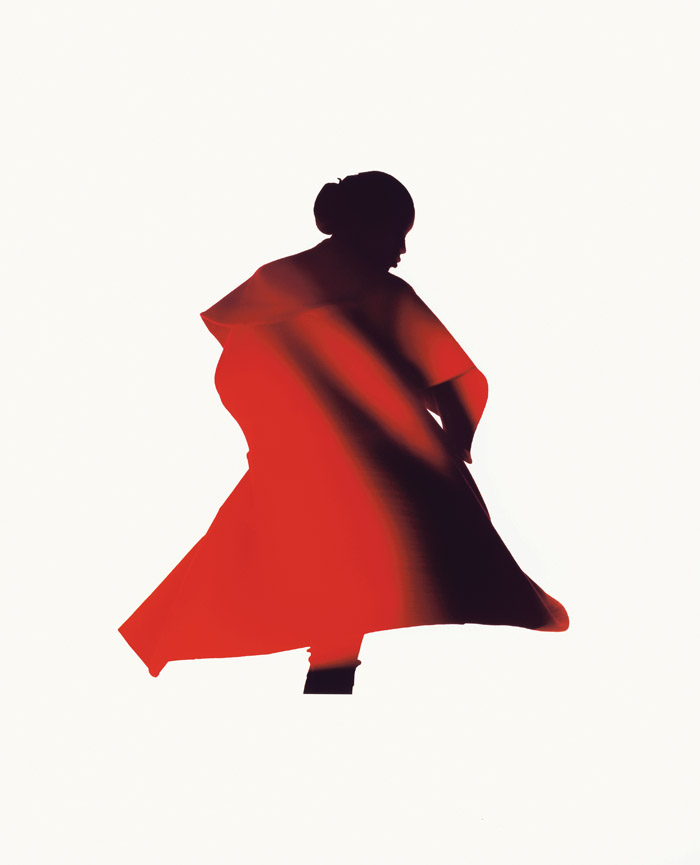
Biography

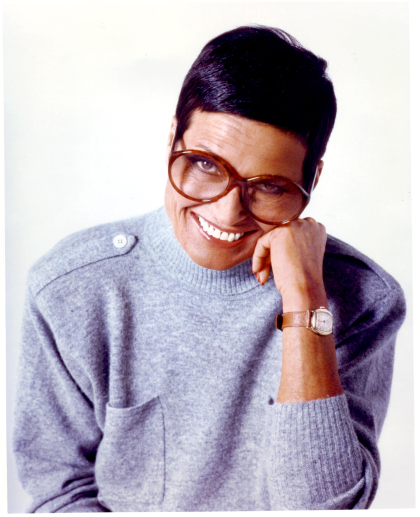
Born Anne Elisabeth Jane Claiborne in Brussels, Belgium, on March 31, 1929, Liz Claiborne is best known for revolutionizing the women’s apparel industry in the United States. She served as head designer and co-founder of the company that bears her name, Liz Claiborne Inc., for more than 20 years.
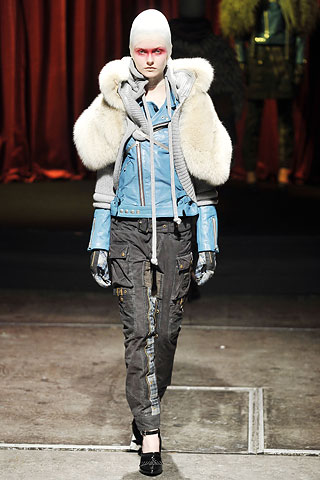
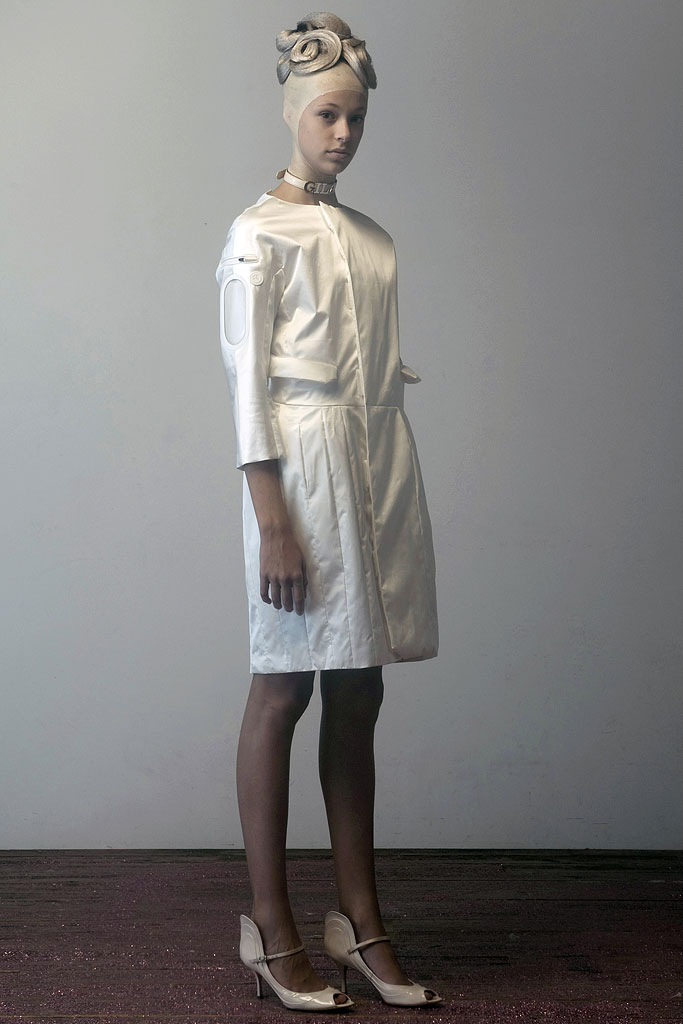
The daughter of a banker,she spent many of her early years abroad, and became fluent in both French and English. Liz and her family moved to New Orleans, Louisiana, in 1939. After WW II ended, she moved to Europe, where she studied art. Liz never earned a high school degree. At the age of 19, she won a design contest held by Harper’s Bazaar magazine, and soon moved to New York City to pursue a career in the fashion industry.

Liz’s first job was as a sketcher for sportswear designer Tina Leser, also working from time to time as a size model. She worked for several other designers over the next few years, and, in 1950, married book designer Ben Schultz. The couple had one son, Alexander, before splitting. In 1957, Liz married Arthur Ortenberg.

Liz Claiborne Inc. foundersThe founders of Liz Claiborne Inc.

liz claiborne
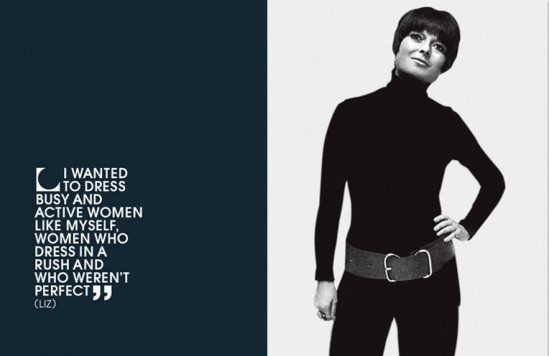
In 1960, Liz Claiborne became head designer of Jonathan Logan’s Youth Guild label, and stayed for more than 15 years before breaking out on her own. With $50,000 of her own savings and $200,000 from friends, family members and associates, she co-founded her own firm, Liz Claiborne Inc., in 1976 with her husband, Arthur Ortenberg, and partners Leonard Boxer and Jerome Chazen. At a time when women were entering the workforce in great numbers,Liz built the company into a billion-dollar-a-year business, first designing stylish, moderately priced sportswear that freed working women from plain, dark suits, then expanding into menswear, accessories and perfume.
liz-claiborne
She also chose to revamp the visual merchandising aspect of the department store; rather than separating the store by pants, shirts, and blouses Liz chose to put all the pieces together in order to make a complete look in one section of the store. After the success of her new floor plan many companies followed suit. It did not take long for Liz Claiborne, Inc. to be considered one of the fiercest competitors in the business.
Liz Claiborne Inc. reached $5.6 million in 1986, and the firm broke into the Fortune 500 list of “America’s largest corporations”—becoming the first company founded by a woman to be so honored. In 1987,Liz  Claiborne was elected chairman of the board and CEO of the company, but she retired from active management in 1989.
.
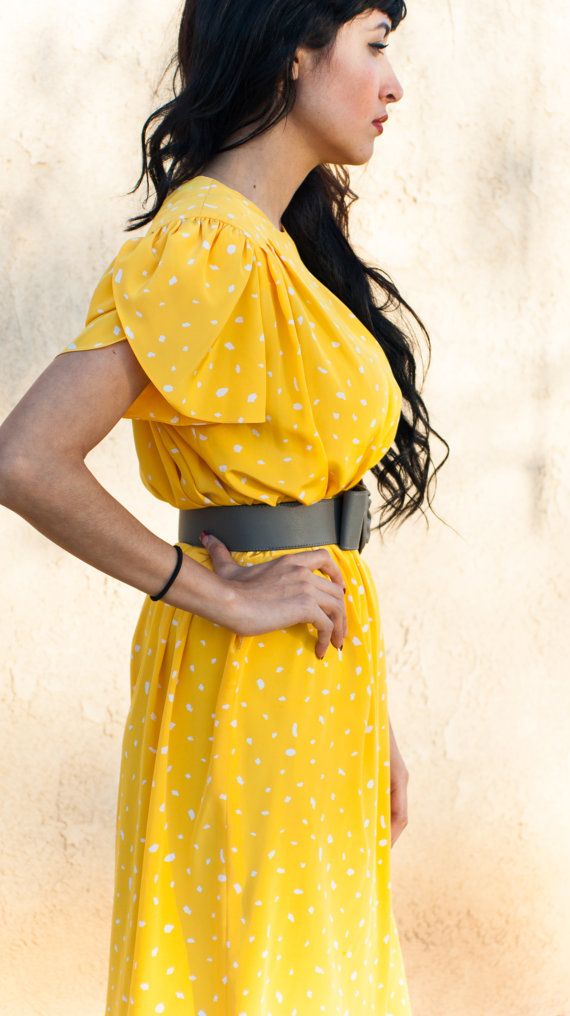
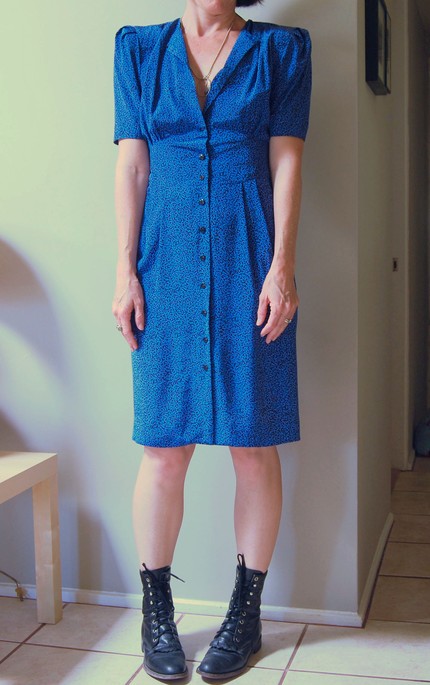
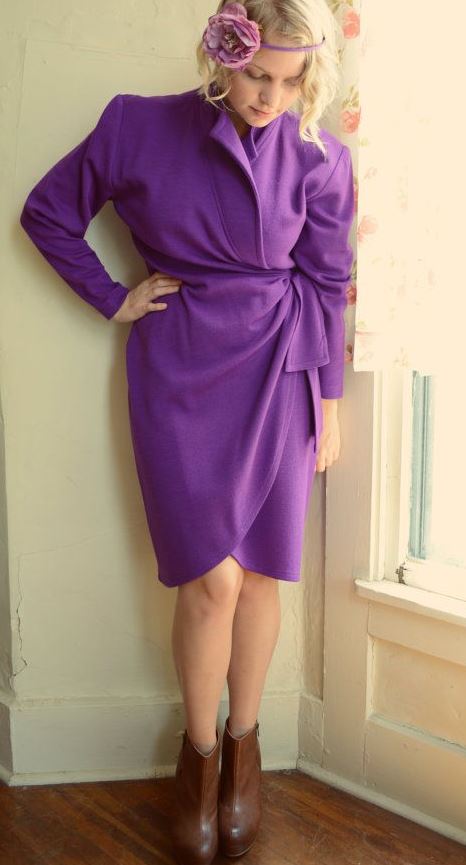
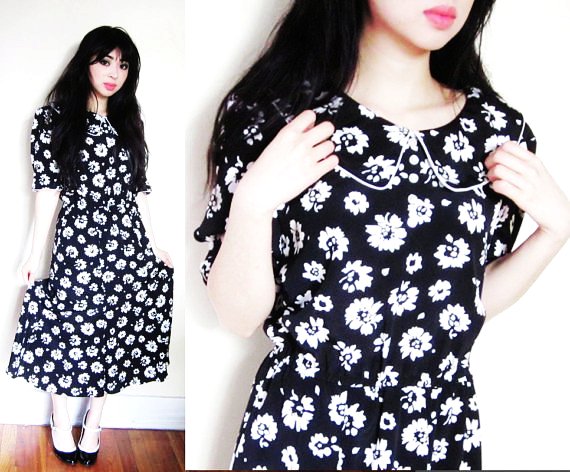
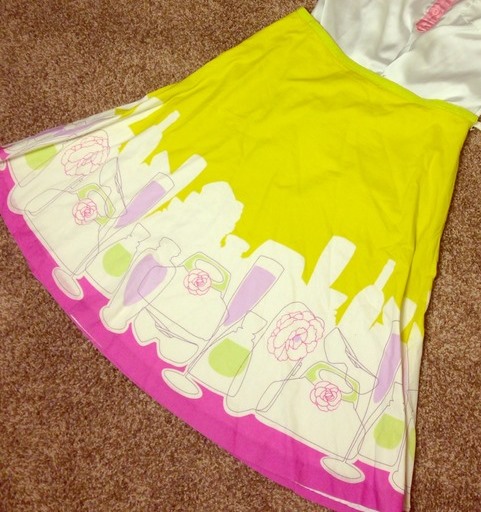
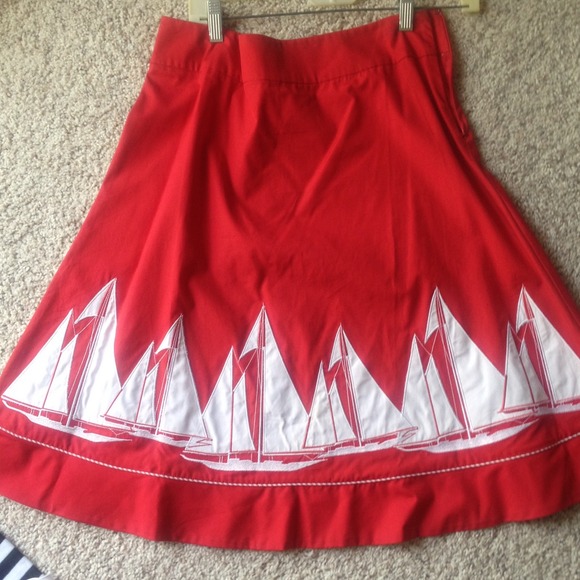
Vintage Liz Claiborne 
liz claiborne
 Liz Claiborne
liz claiborne
liz claiborne
liz claiborne
liz claiborne
liz claiborne liz claiborneAfter retiring, Liz devoted much of her time to social causes. She and her husband started the Liz Claiborne Art Ortenberg Foundation to support a number of different projects around the world; over the years, the organization has supported conservation and environment efforts, including those aimed at protecting elephants in Gabon and Mozambique.
She was honored in 2000 at the American Fashion Awards for her environmental work, especially for her work to stop the killing of elephants for their ivory tusks. But business didn’t stop after Liz stepped down. Over the years, Liz Claiborne, Inc. has acquired several companies that you may know such as, Lucky Brand jeans, Juicy Couture,Kate Spade, and Mexx
Liz faced a health crisis in her later years: She was diagnosed with peritoneal cancer, which she courageously battled for many years. She died from complications related to her cancer on June 26, 2007, at the age of 78, in New York City.
Although Liz has passed away, her name is seen everywhere and she will forever be remembered. In a biography written by her husband, Art, he concludes, “Liz left us more than her work, perhaps more than the consequences of her work; she left us herself. The making of that self, and the good she did for others, is the story I tell.”
.
More vintage Liz Claiborne 
.
liz claiborne
liz claiborne
liz claiborne
liz claiborne
liz claiborne
liz claiborne
liz claiborne
Lots of vintage Liz Claiborne can be found on http://www.etsy.com & http://www.ebay.com

Book

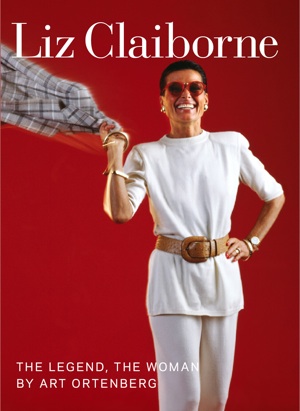
Book Cover

To have lived a joyful life and to have departed that life a victim of a vicious cancer is, in brief, the story of Liz Claiborne’s life. But the story is much more than that. Born in Brussels in 1929, the third and last child of a highborn American banker and his delicate, beautiful wife, she was born privileged and taught that privilege incurs responsibilities. She lived out her early years untouched by life and death during the ominous 1930s, until the ominous became the real and the family fled to America. Inheriting her father’s love of paintings and museums and her mother’s love of costumes and clothing, Liz early on discovered “the beauty of everyday things,” and at the age of twenty won the Grand Award in the Harper’s Junior Bazaar Design Contest, which earned her a trip to Paris to work for ten days with famed couturier Jacques Heim. For the next twenty-five years she worked as a designer and sketch artist before starting her own company with her husband Art Ortenberg. Liz Claiborne, Inc. was an immediate success, and was by 1981 a Fortune 500 company with $1.2 billion in sales. In this book Art Ortenberg does not so much celebrate Liz Claiborne the designer and entrepreneur, but rather Liz the woman. “Liz left us more than her work,” he concludes, “perhaps more than the consequences of her work; she left us herself. The making of that self, and the good she did for others, is the story I tell.”

.

.

liz claiborne


info: http://www.biography.com/people/liz-claiborne-9248891

Peter Saville & Yohji Yamamoto, a Colourful Collaboration

22 Feb

Peter SavillePeter Saville

Yohji YamamotoYohji Yamamoto

.

Peter Saville is a designer of unique influence on visual culture. Over 30 years he has challenged our understanding of graphic art. As a founder of Factory Records, the legendary independent label, he created a series of iconic album covers for the groups Joy Division and New Order. The graphics he devised have been ripped off on every level. Saville doesn’t mind that, though. 

He also worked extensively in fashion and arts, creating identities and imagery for clients including Yohji Yamamoto, Jil Sander, Christian Dior and the Centre Pompidou. Saville has exhibited internationally, with a major retrospective at London’s Design Museum in 2003 and subsequently in Tokyo and Manchester.

In 2009 he was nominated for the Prince Philip Designers Prize. He now plays a leading strategic role in the economic and cultural renaissance of his home city of Manchester, as a consultant creative director to Manchester City Council.

Fashion finds it difficult to get over Peter Saville. That’s because Saville isn’t just fashionable. His work is a style unto itself. He’s the original. 

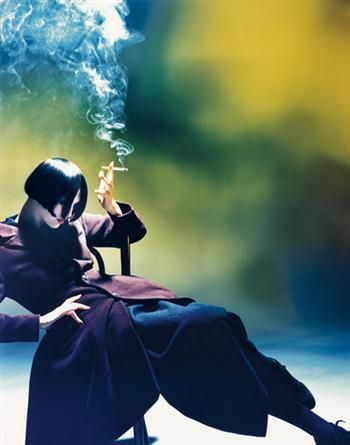
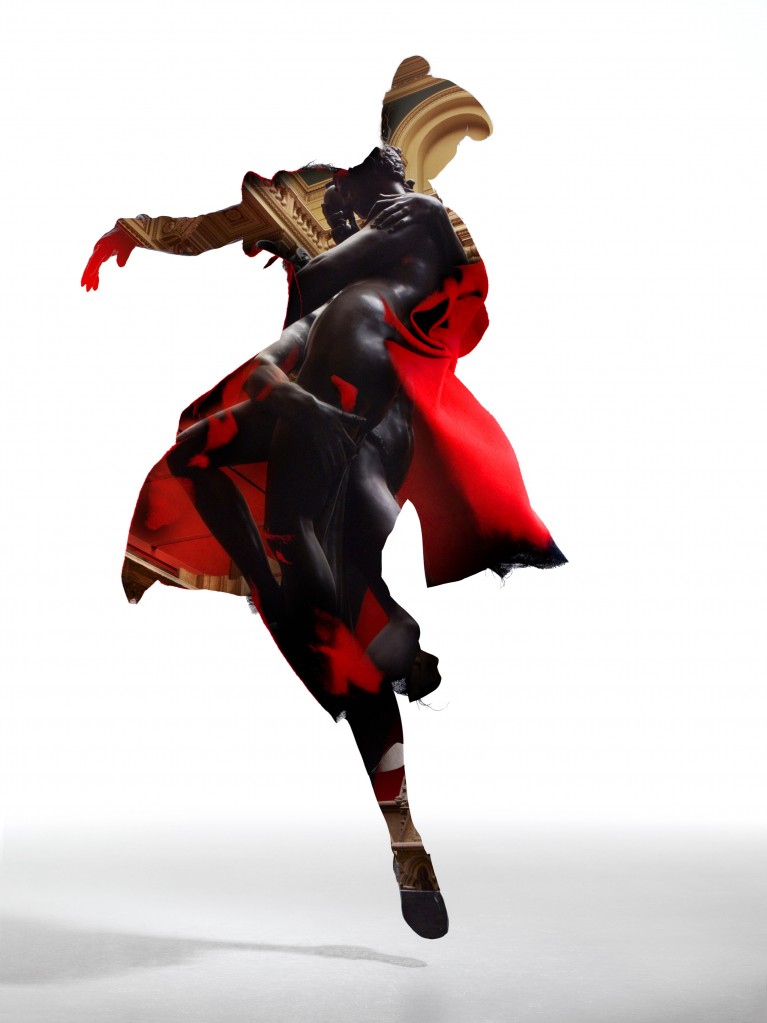
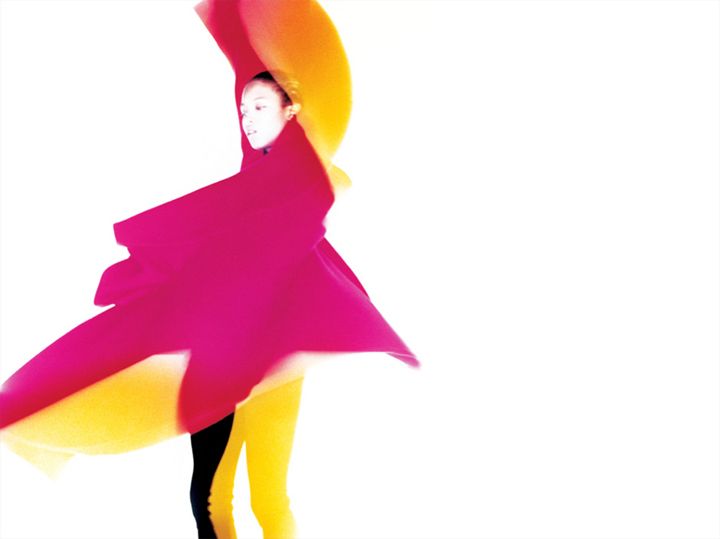
Working with Nick Knight and Marc Ascoli on the ground-breaking catalogues for Yohji Yamamoto which, like his album covers, became design fetish objects. 

.

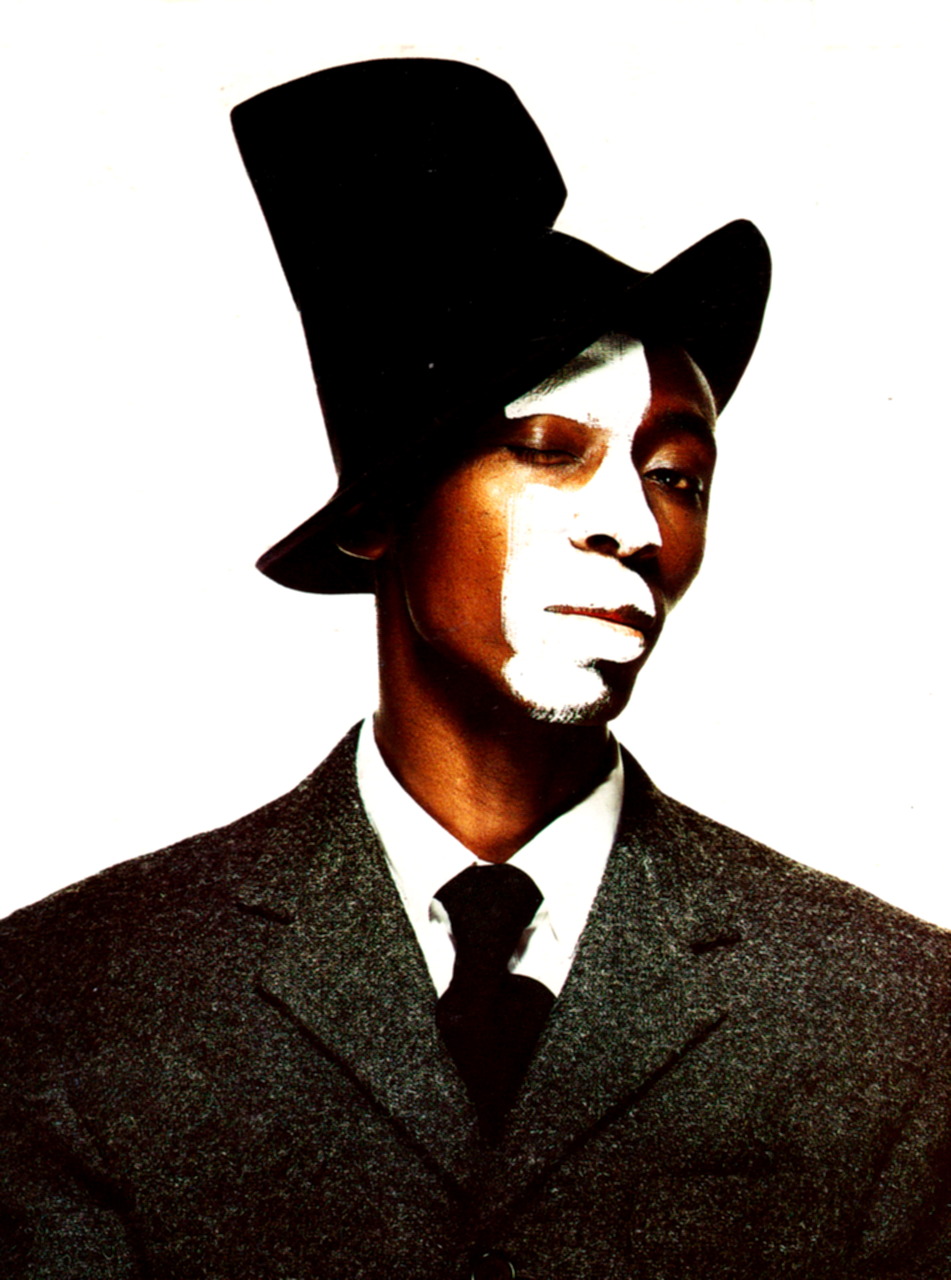
Yohji Yamamoto’s ground-breaking catalogues:

Art Director Marc Ascoli, Photographer Nick Knight and Graphic Designer Peter Saville.

Art Director Marc Ascoli, Photographer Nick Knight and Graphic Designer Peter Saville.

Art Director Marc Ascoli, Photographer Nick Knight and Graphic Designer Peter Saville.

Art Director Marc Ascoli, Photographer Nick Knight and Graphic Designer Peter Saville.

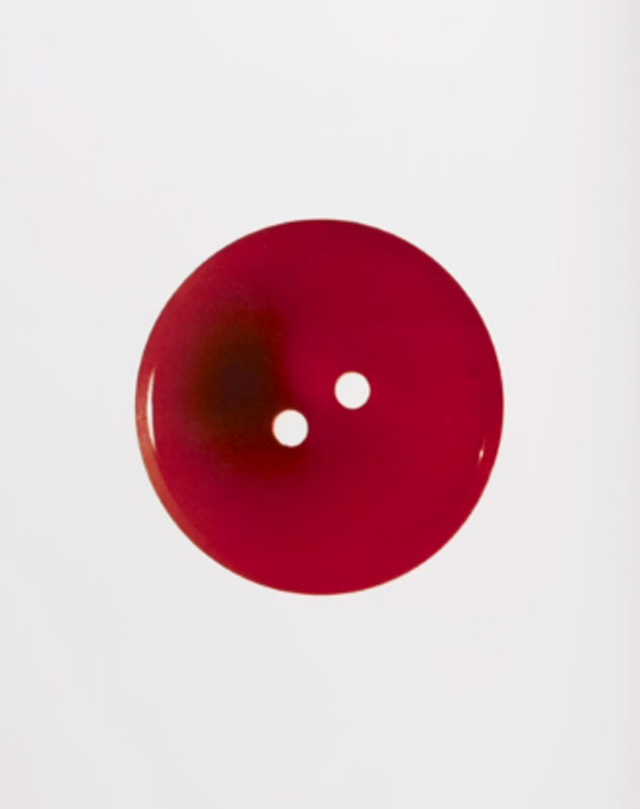
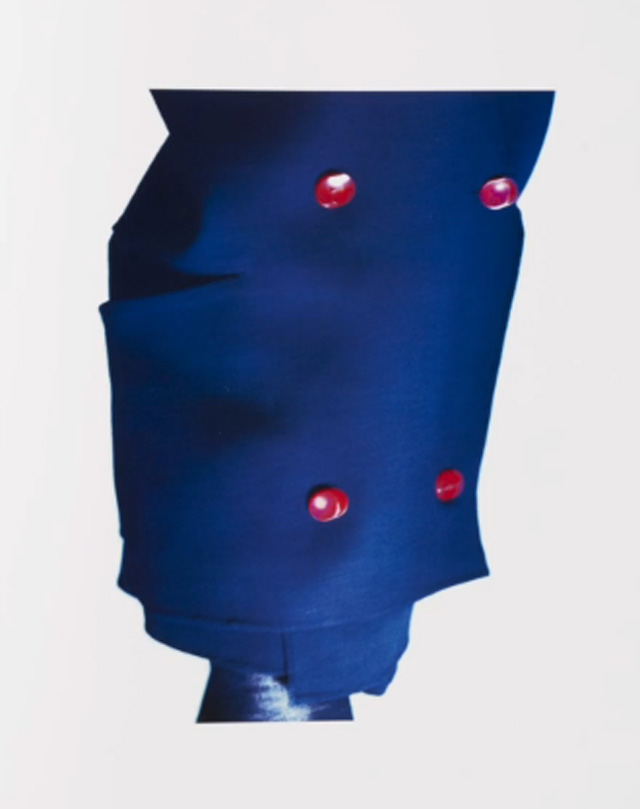
Art Director Marc Ascoli, Photographer Nick Knight and Graphic Designer Peter Saville.The Red Bustle 


Art Director Marc Ascoli, Photographer Nick Knight and Graphic Designer Peter Saville.

Art Director Marc Ascoli, Photographer Nick Knight and Graphic Designer Peter Saville.

In a period of the 1980s dominated by glamorous, Amazon-like models, materialism and logo-mania, Yohji Yamamoto, Marc Ascoli , Peter Saville and Nick Knight advocated a new vision: intellectual, sensitive, showing almost no skin. The creative process was relatively free-flowing.

“The first step is preparation — it’s important to give yourself the time to think, to study all possibilities. Nick was always available and I feel like that’s what contributed to the success of our work…. It’s all the same today,” “But I believe what we did was unique. It was the encounter of two authors, Yohji and Nick…. And with Yohji, it’s not the end of the world if you fail, so I started without pressure and with a little bit of nonchalance, and I think it helped a lot. What was amazing at this moment was the energy of the simplicity. There was no protocols, no politics.”  Marc Ascoli.

Art Director Marc Ascoli, Photographer Nick Knight and Graphic Designer Peter Saville.

Art Director Marc Ascoli, Photographer Nick Knight and Graphic Designer Peter Saville.

Art Director Marc Ascoli, Photographer Nick Knight and Graphic Designer Peter Saville.

Art Director Marc Ascoli, Photographer Nick Knight and Graphic Designer Peter Saville.

Art Director Marc Ascoli, Photographer Nick Knight and Graphic Designer Peter Saville.

Art Director Marc Ascoli, Photographer Nick Knight and Graphic Designer Peter Saville.

Art Director Marc Ascoli, Photographer Nick Knight and Graphic Designer Peter Saville.

Even before Peter Saville began working with fashion, he was fascinated with it. “From back when I was at college, I was always more interested in the other disciplines that were going on at art school than the one I was doing,” he says. “Graphic design was a way of communicating something about the things I did find more interesting. I always found architecture, fashion, product design and furniture more interesting.”

Art Director Marc Ascoli, Photographer Nick Knight and Graphic Designer Peter Saville.

Art Director Marc Ascoli, Photographer Nick Knight and Graphic Designer Peter Saville.

Art Director Marc Ascoli, Photographer Nick Knight and Graphic Designer Peter Saville.

Art Director Marc Ascoli, Photographer Nick Knight and Graphic Designer Peter Saville.

.

Interview Marc Ascoli, Nick Knight & Peter Saville on Yohji Yamamoto

http://www.anothermag.com/current/view/957/Marc_Ascoli_Nick_Knight_Peter_Saville_on-Yohji_Yamamoto

.

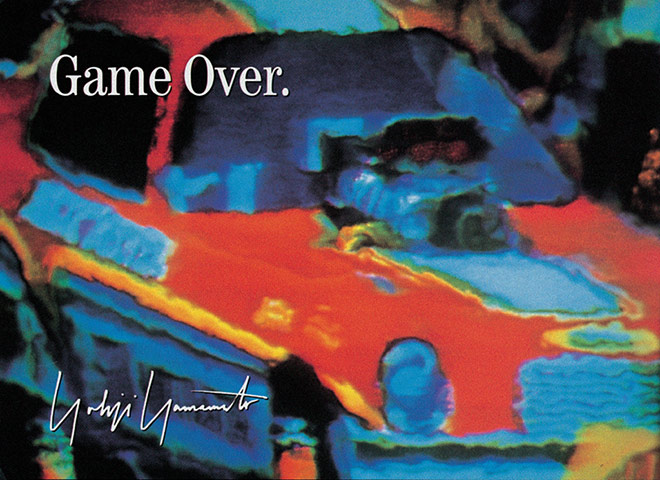
‘Game Over’ – Yohji Yamamoto A/W 1991-92

‘The recession of the early 90s informed the nihilistic point of view that Yohji and I shared and expressed in this campaign’    Peter Saville

For the first campaign, Saville juxtaposed stock photographic images with caustic slogans like Game Over. Yamamoto’s distributors were horrified: not only were their own advertising predicting the end of their industry, it didn’t even feature the clothes. Saville softened the following season by including the clothes: but styled just as they would be in real life: by a model shooting hoops and an artist dripping paint on to a canvass.

peter saville for Yohji Yamamoto

peter saville for Yohji Yamamoto

peter saville for Yohji Yamamoto


Peter Saville’s “MEANINGLESS EXCITEMENT” for Y-3

Y-3-SS-14-Communication-Campaign-Imagery_Blur1

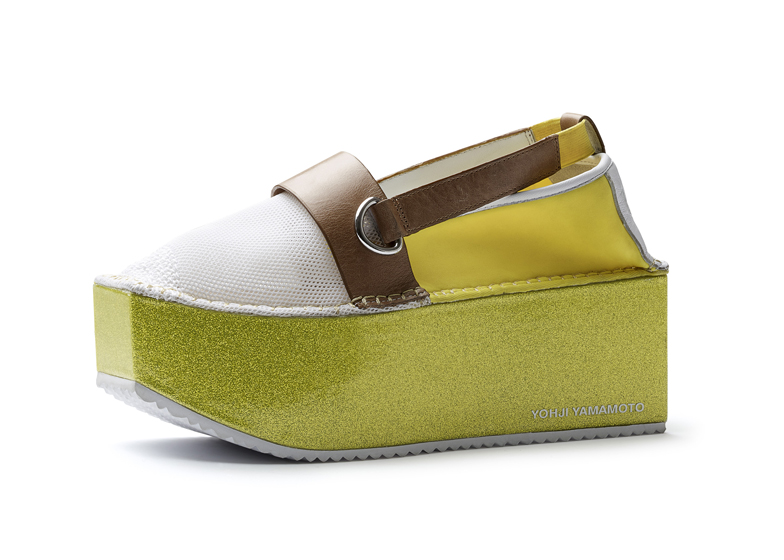
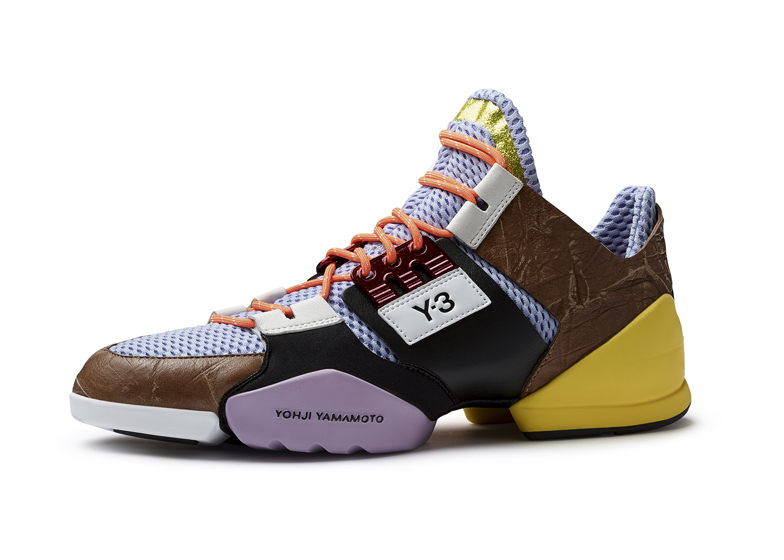
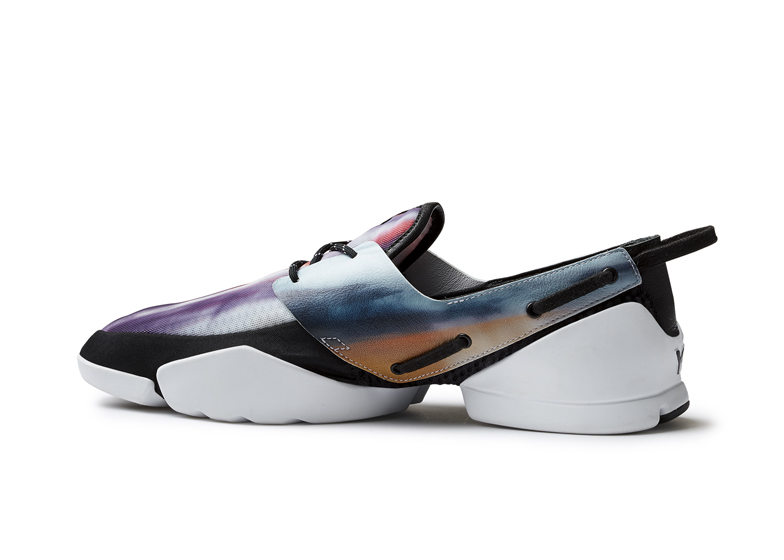
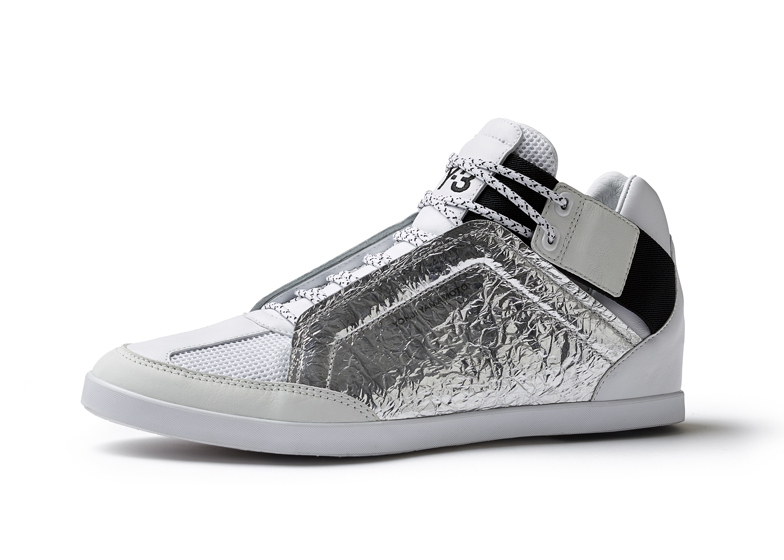
Peter Saville recently teamed up with Y-3, the sportswear hybrid between Adidas and the celebrated Yohji Yamamoto, for their s/s 2014 collection. Saville worked with Yamamoto for a series of spectacular prints and distorted slogans as well as for the collection’s campaign, which was titled “Meaningless excitement”. Coinciding with a Suzy Menkes article in The New York Times, titled “Sign of the times: the new speed of fashion”, Saville was inspired by contemporary internet culture, the constant look for the next big thing and the height and depths of the fashion world. He brought together seemingly unconnected references, images and words from online forums, social media and personal blogging platforms, and created an acid house paradise, standing on the thin line between the poetic and the political.

.

.

With slogans like “This message has no content, are you sure you want to send it?”, “Change that works for you” or “Everything is not $1.00”, the collection was characterized by a strong and bold attitude that reflected Saville’s quest for “portraying the brokenness of things, the kind of saturated backdrop”. “We find inspiration in our constantly changing world”, said Yohji Yamamoto about the collection, “It never remains the same, and we never lose our endless desire to capture the new.” A playful critic on fashion’s obsession with the short lived and, at the same time, a celebration of its transformative qualities, “Meaningless excitement” was everything but pointless. Japanese tradition met all-American sportswear, the minimal cuts of Yamamoto were side by side with Saville’s English wit and the new generation of internet-obsessed kids finally found their dream wardrobe. Saville and Yamamoto did it again!


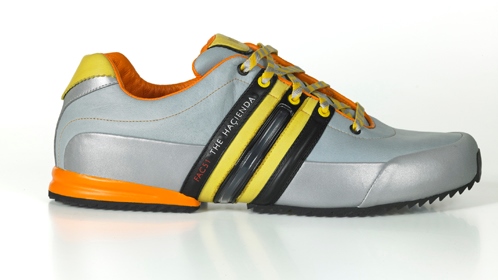
S/S 14′ footwear by Y-3 & Peter Saville for Adidas

FAC51-Y3 ADIDAS LTD ADDITION TRAINERAdidas/Y-3 FAC 51 Hacienda trainers (named after the club: The Haçienda)

Spring-Summer-2014-footwear-by-Y-3-and-Peter-Saville-for-Adidas_dezeen_ss_81

Spring Summer 2014 footwear by Y-3 and Peter Saville for Adidas

Spring-Summer-2014-footwear-by-Y-3-and-Peter-Saville-for-Adidas_dezeen_ss_151

Spring-Summer-2014-footwear-by-Y-3-and-Peter-Saville-for-Adidas_dezeen_ss_141

Spring-Summer-2014-footwear-by-Y-3-and-Peter-Saville-for-Adidas_dezeen_ss_61

.  

Book

Yohji Yamamoto by Ligaya Salazar

download (1)

 Yohji Yamamoto is one of fashion’s continual innovators and this stunning book is a fascinating insight into his working approach and relationships with other creative practitioners. This comprehensive and groundbreaking volume includes an insightful interview with Yamamoto, as well as a roundtable discussion with some of his key collaborators, among them Nick Knight, Peter Saville, and Marc Ascoli. Photographer Max Vadukal, who has been working with Yamamoto for more than 25 years, is interviewed by Terry Jones, and long-time collaborator Masao Nihei contributes an essay on some of the wider influences on Yamamoto’s designs and how they are presented. 

Beautifully illustrated using amazing photographs from the likes of Nick Knight and Paolo Roversi, selected from the Yohji Yamamoto archive, this will be an invaluable resource for anyone with an interest in fashion and design

Publisher: Victoria & Albert Museum. ISBN-10: 18517762. ISBN-13: 978-1851776276

.

ss 2014

.

Info for this post:

Official website Peter Saville: http://www.petersaville.info/

http://www.anwarmontasir.com/saville/about-peter-saville.php

Raf Simons, inspired by Richey Edwards, Ian Curtis & Kraftwerk

15 Feb

Raf Simons

Raf Simons was born on 12 January 1968 in Neerpelt, Belgium, to an army night watchman (Jacques Simons) and a house cleaner (Alda Beckers).

Raf graduated in Industrial Design and Furniture Design from a college in Genk in 1991. He began working as a furniture designer for various galleries, having previously interned at the design studio of fashion designer Walter Van Beirendock (who was part of the original wave of Belgium designers, the Antwerp Six) between 1991-1993, working on the interior design of the showroom.

Van Beirendonck took him to Paris fashion week and that was when Raf first saw a fashion show — Martin Margiela’s all-white show in 1991 — which inspired him to turn to fashion design. 

Raf Simons label

fw 1999 bert houbrechtsf/w 1998 ,Ph. Bert Houbrechts

Encouraged by Linda Loppa, head of the fashion department at the Antwerp Royal Academy, Raf became a self-trained menswear designer and launched his Raf Simons label in 1995.

His first collection was in Fall-Winter 1995, and featured two street models in a video presentation. 

f/W ’95, Raf Simons first collection 

.

From Fall-Winter 1995 to Spring-Summer 1997, Raf Simons’ collections were shown either in presentations or videos. Fall-Winter 1997 saw his first runway show in Paris, France with a look of ‘American college students and English schoolboys with a background of New Wave and Punk’.

F/W ’97

.

Raf’s early aesthetic incorporated youth culture from different sources, such as the Spring-Summer 2000 collection taking inspiration from both MENSA students and the Gabba youth subculture (a predominantly Dutch and Belgian movement associated with hardcore techno music). Music has formed an integral part of his work, with references to musical figures such as the Manic Street Preachers’s Richey Edwards and Joy Division’s Ian Curtis and his Fall-Winter 1998 collection (Radioactivity) featuring members of German electro band Kraftwerk as models.

Richey EdwardsRichey Edwards

Richey EdwardsRichey Edwards

Ian CurtisIan Curtis

IAN CURTIS OF JOY DIVISIONIan Curtis

KraftwerkKraftwerk

.

f/W ’98 part 1

f/W ’98 part 2

.

I attended the f/w ’99 catwalk show myself and it was pretty impressing. This was the collection Raf Simons presented his spectacular long black capes.

F/W ’99


In March 2000, Raf Simons shut down his company to take a sabbatical after his Fall-Winter 2000 collection (Confusion).

F/W 2000

http://vimeo.com/57030541/download?t=1423654367&v=138010384&s=343353b386032a48a0057362a1519663

.

Raf Simons x Peter Saville

For his Fall/Winter 2003 collection, Raf Simons was granted full access to the archives of Peter Saville, a living legend known for his graphic design work, much of which takes the form of record sleeves. Saville started art school in the mid-1970′s and then began working with Factory Records shortly thereafter. A partner in the Manchester-based label, as well as its artistic director, Saville was tasked with the creation of the Factory artists’ record sleeves, although he got his start designing posters for The Haçienda nightclub, which was run by the label. Inspired by Kraftwerk, a German electronic music band formed by Ralf Hütter and Florian Schneider in 1970 and a favorite of Raf Simons, and their Autobahn album sleeve, Saville went on to design the sleeves for Joy Division and New Order, among others. Rarely given any direction from bands regarding the artwork, Saville says, ”I was left to my own devices … I never had to answer to anyone.” This was especially true given the “non-commercially structured” nature of Factory, which “allowed us to make statements that we believed in and wanted to make, without much compromise,” said Saville.

Raf Simons x Peter Saville

New Order record sleeve

Raf Simons & Peter Saville

joy-division-unkown-pleasures

What Raf Simons tells about the beginning     (2007)  I was born in this very small village in Belgium. It wasn't really a creative environment. In school, creating was kept away from young people. The village was so small there was no outlet except for one little record store. I think that is where it started for me-just picking up records. I'm 40 years old , so it was LPs. The first LP I ever bought—you're going to be shocked—was Bob Marley. Then I switched to Kraftwerk, Joy Division, and that kind of stuff. I was a bit dark at that time because I felt so isolated. But not only me, there were some other young people who felt that way. We loved to dress in black. I was growing up in the New Wave period, but that wasn't allowed in school. I remember moments when they wouldn't let four people dressed in black stand together on the playground. Then, before I graduated, I remember finding this book, and there was one page about industrial design. Basically, I ended up going to school for that. At that time there was a big boom going on with fashion in Belgium. The more I looked, the more I became interested. Before that I never even thought to become a fashion designer or anything like that. I started feeling that work when I was 19 years old, but I didn't do my first collection until I was 27. I wanted to finish my education in industrial design first. My parents are very holy to me. They never said, "You should do this," or "You should do that." My dad had to go in the army when he was 16, and he stayed there. My mom was a cleaning lady her whole life. The only thing they said to me was: "Take it seriously. Do what you what you believe in, but take it seriously." So the fourth year, I had to go for an internship. I went to Walter Van Beirendonck. I knocked on his door, and I was super scared-because I had nothing to do with fashion. But he was interested. He had absolutely zero interest in all of the fashion work I had faked to impress him. He just went straight to my industrial-design stuff. He said, "I really want you to come because, next to the fact that I am a fashion designer, I have this presentation in Paris and objects to make. I'm not a traditional designer." I ended up doing that with him, and he took me to Paris, and I saw my first show, which was the third show for Martin Margiela. Nothing else in fashion has had such a big impact on me. It was a show where half the audience cried, including myself. I was just like, "What! This is fashion?" Only at that point did I understand what fashion could be or what it could mean to people. It was the "white" show, where all the models wore dresses in white and transparent plastic. Margiela had no money at the time, so the Maison ended up going to a black neighborhood in Paris and asking if they could use a children's playground for the show. The parents said, "Yes, you can have the playground, but we want our children to be able to see it." So little black children were standing with the audience in the front row. The children started to run over to the models, and they picked them up and held them around their necks.

.

Book

Book cover


Isolated Heroes by Raf Simons & David Sims (photography)

The series of photographs, collected under the banner ‘Isolated Heroes’, are the result of the collaboration British photographer David Sims and Belgian menswear designer Raf Simons undertook in the summer of 1999. Featured on the pictures are Raf Simons’ models, dressed in his collection for Spring-Summer 2000.

Each boy is credited with a serial number and his own first name. ‘Isolated Heroes’ contains both black and white and colour photographs. Originally intended as a work-in-progress, Sims’ photographs of Simons’ models soon became a body of work in it’s own right. The photographs of ‘Isolated Heroes’ were never intended for mere promotional purposes. They even transcend more traditional fashion photography, as they reach for a timeless quality, devoid of signs of the times or traces of trendiness.

The ‘Isolated Heroes’-project deals with beauty, youth, masculinity and the perfect isolation of all these preoccupations. Sims and Simons share the same notions of aesthetics: honest, untouched, pure and real. Not one of the portrayed boys in ‘Isolated Heroes’ is a professional model. They are either too ‘strange’ or too ‘ordinary’ to fit the mold of supermodels. Yet, through the eyes of Sims and Simons, they are made visible, without the aid of gimmicks or theatrical enhancements. ‘Isolated Heroes’ is a sequence of faces and expressions, mindful boys and stern young men, their gaze fixed. They express nothing but their own personality.

The photographs don’t make them more beautiful, as in traditional (fashion) portraiture; each face is a peaceful vindication of modern perception of beauty, a resolute alternative to the clichÈd glorification of male strength. In narrowing the close-up on the faces, Sims and Simons have created portraits in an almost classical sense. The images evoke memories of Classical-Greek statues and postures, further enhanced with lighting, clear backdrop and focus.

016-david-sims-and-raf-simons-theredlist

007-david-sims-and-raf-simons-theredlist

008-david-sims-and-raf-simons-theredlist

015-david-sims-and-raf-simons-theredlist

010-david-sims-and-raf-simons-theredlist

006-david-sims-and-raf-simons-theredlistPublisher: RAF SIMONS OFFICE
ISBN-10: 911036928
ISBN-13: 978-9110369283

.

Raf Simons

Info: Wikipedia & http://genius.com/Raf-simons-raf-simons-for-interview-magazine-lyrics

Jun Takahashi , the Graces, Uniqlo & Nike (part two)

8 Feb

Photo by Yoshie TominagaJun Takahashi, photo by Yoshie Tominaga


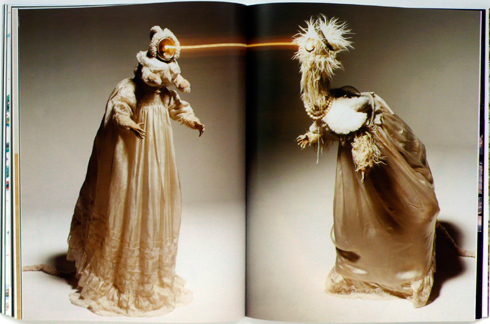
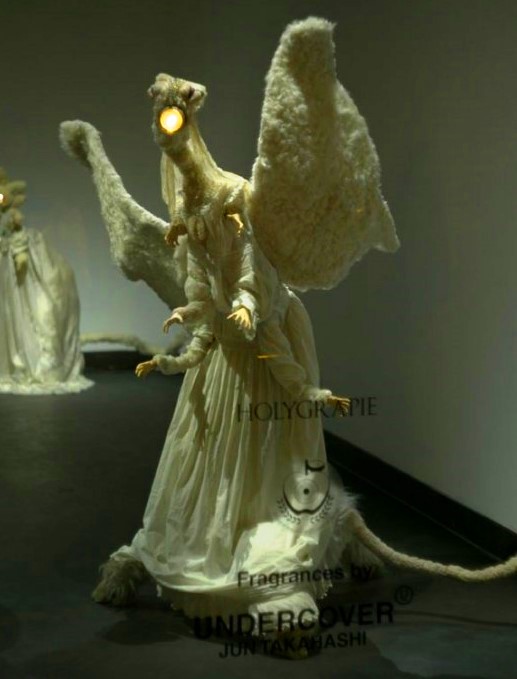
The Graces, Dolls

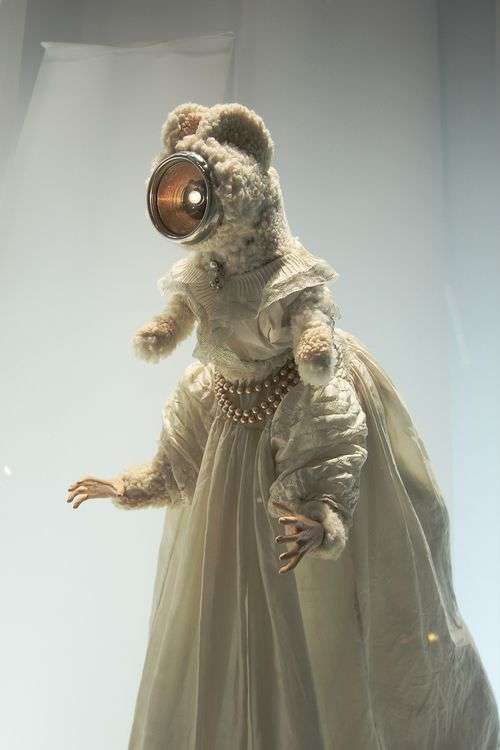
Designer Jun Takahashi of the ‘cult’ fashion house Undercover makes dolls. They’re called Graces and he makes them out of metal and teddy bears and light bulbs and other things.

Jun Takahashi: ‘The Graces spontaneously come out of me, genuinely, while making clothes is something more calculated, an entire process that requires teamwork. But doing both allows me to keep a balance in my creativity. Therefore, it makes sense to me to have everything linked.’

40 Anatomically Abnormal Hybrids

jun-takahashi-graces

Takahashi collaborated with perfume brand Comme des Garçons to release two new perfumes named after his own fashion label Undercover and inspired by his fantastic plush animals, the Graces.

The fragrances are called Undercover Holygrace and Undercover Holygrapie

undercover-fragrance-paris-launch-event-04-570x855

 .

UNDERCOVER for Uniqlo called UU

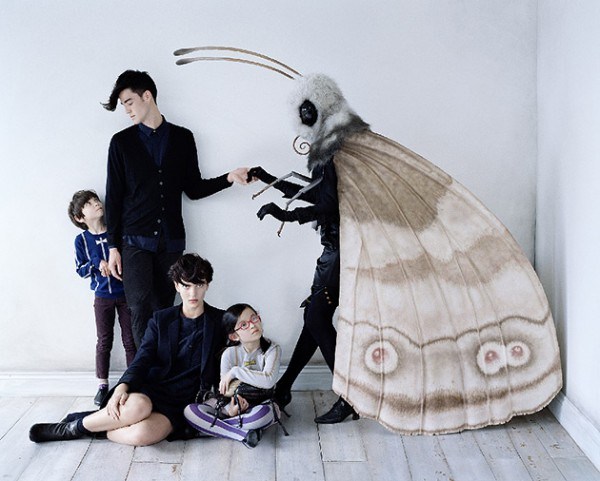
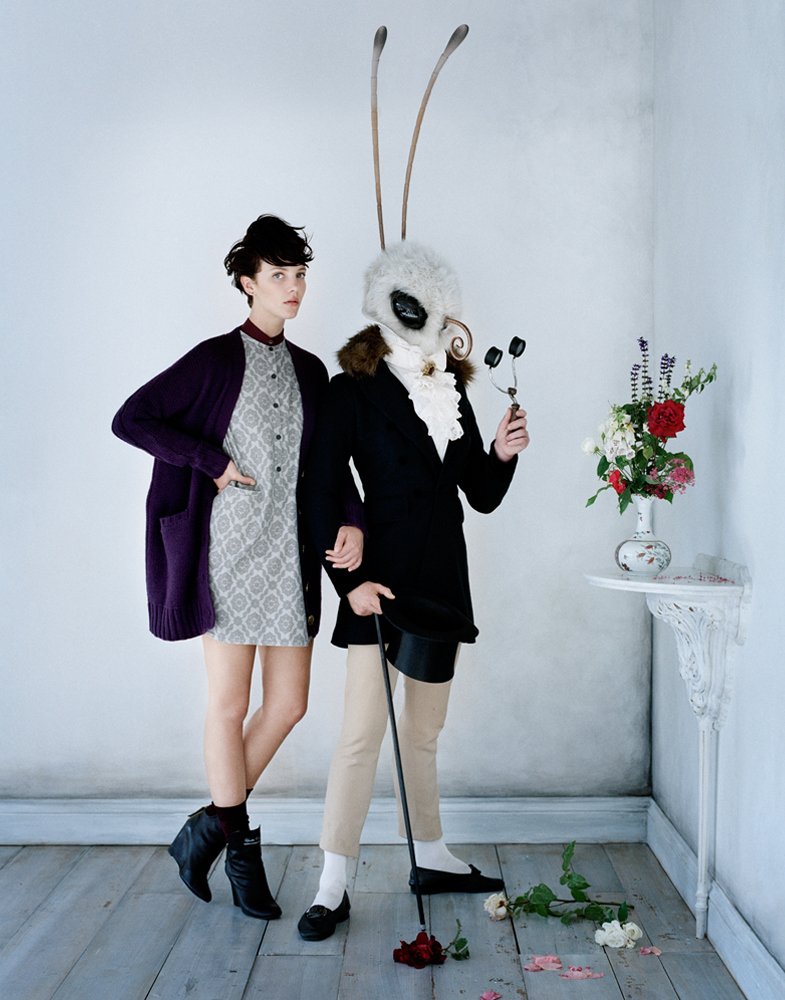
UNIQLO collaborated in a design project  Jun Takahashi and his Undercover fashion label. It debuted in 2012 and is called the UU collection which focused on a family theme, with a full lineup of apparel for women, men and, for the first time in 10 years, UNIQLO UK also offered kidswear to the British market!  

Uniqlo_Undercover

Uniqlo_Undercover

Uniqlo_Undercover

Uniqlo_Undercover

.

Nike x Undercover = Gyakusou

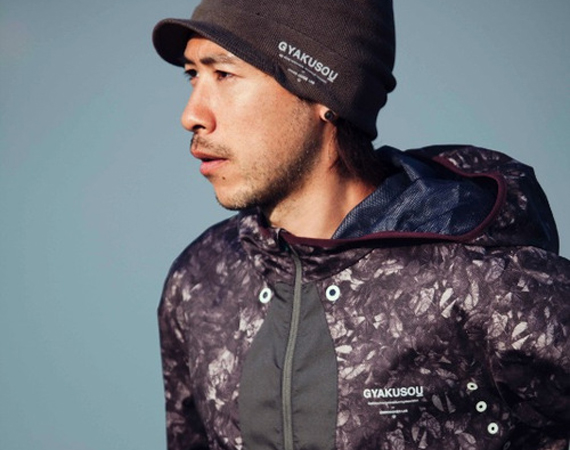
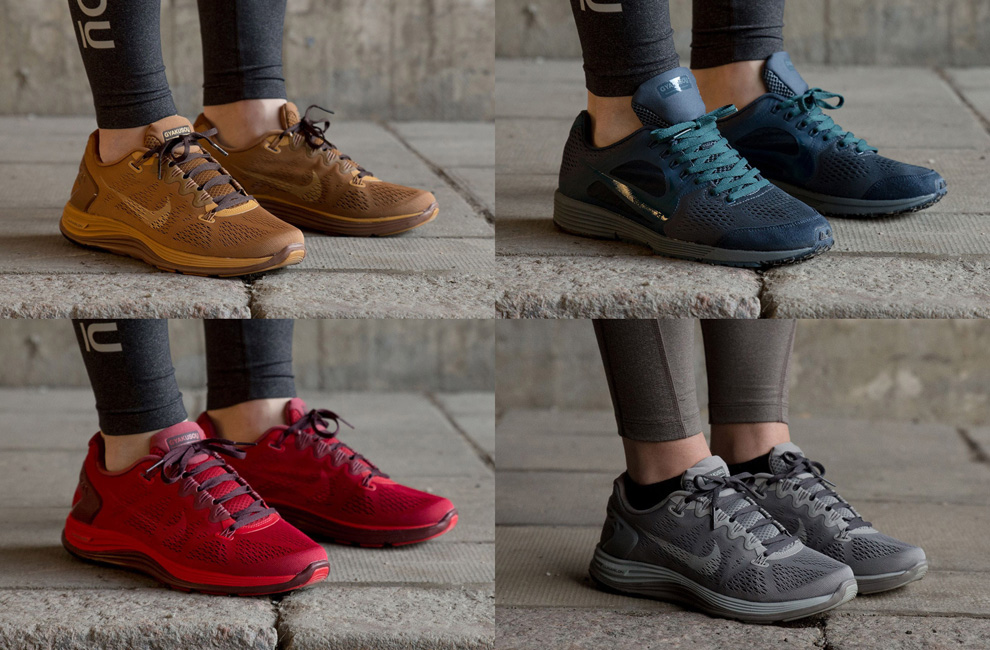
In October 2010, Nike and Jun Takahashi’s label Undercover, released the first Nike x Undercover Gyakusou performance running collection. The design partnership fused cutting edge Nike running innovations and design with the functionality of Takahashi’s Undercover.

Takahashi began running six years ago  “I run 12 or 13km every other day. It’s kind of like meditation to me – but with adrenaline. It’s part of my life. I have to run.” Gyakusou takes its name from a group of Tokyo-based runners who passionately run in their city. The name Gyakusou comes from ‘gyaku’ meaning wrong way or reverse and ‘sou’ meaning ‘run or running’. It draws upon a shared obsession for design innovation and improving the performance of the athlete.

“Style and functionality is very important and when I started running, I looked very closely at the color and styling of products as well as their performance attributes and functionality. We both wanted to create an authentic performance running collection from the point-of-view of the actual runner.” A technical approach is sustained throughout, ensuring Takahashi’s run remains a mobile personal space where he can concentrate, unwind and continually achieve.

nike-undercover-gyakusou-fall-winter-2012-collection-00Jun Takahashi

nike-undercover-gyakusou-fall-winter-2012-autumn-monks-video

nike-undercover-gyakusou-spring-2014-campaign-0

Nike-x-Gyakusou-fall-winter-20131

 .

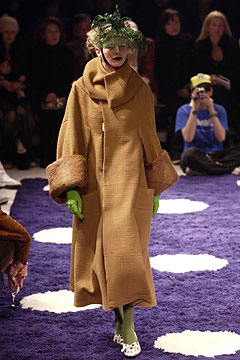
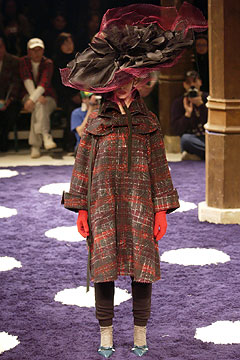
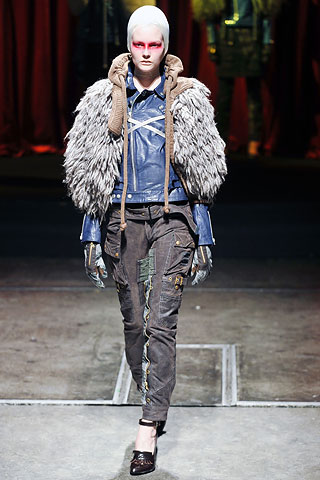
Amazing Runway Outfits 

Fall/Winter 2003

Fall 2003

2003

2003

2003

2003

2003


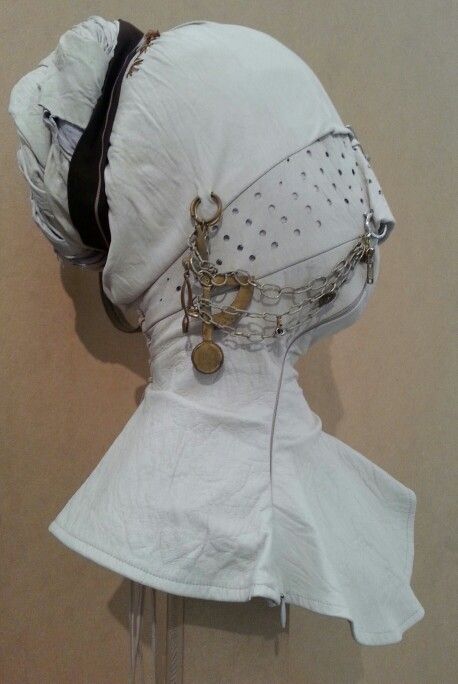
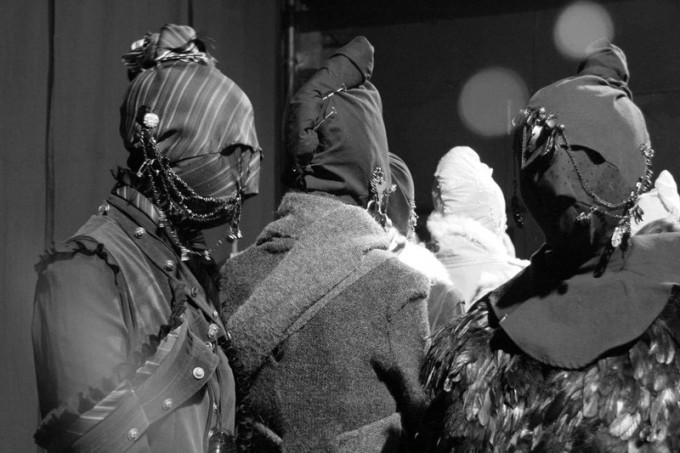
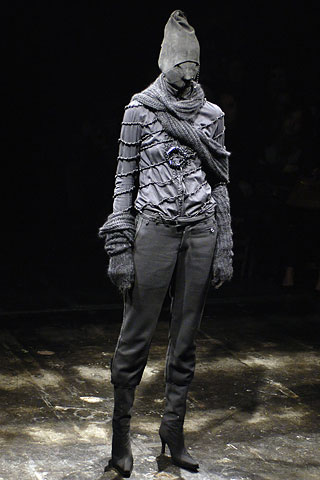
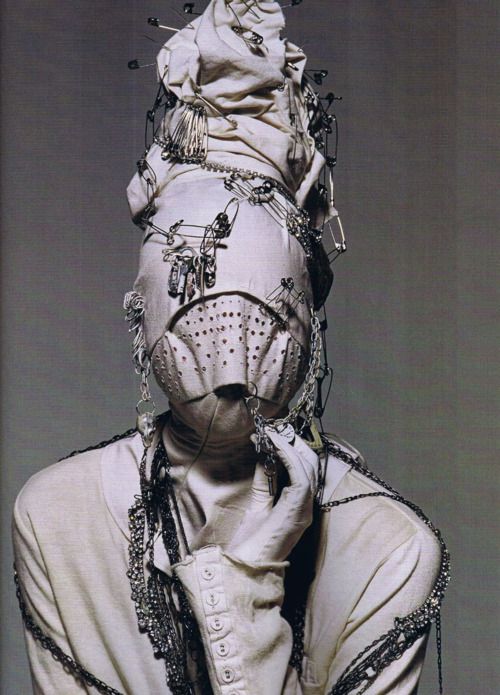
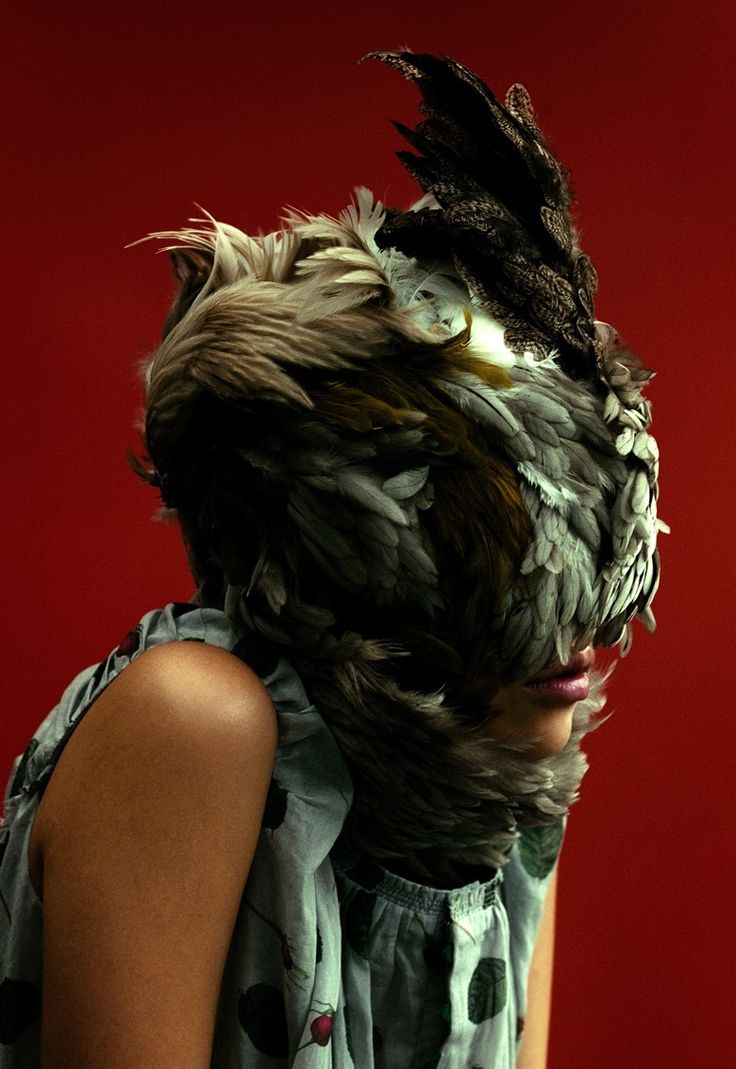
Fall/Winter 2006 collection ‘Guruguru’

Mask from collection 'Guruguru

fw 2006

undercover

00030m

undercover

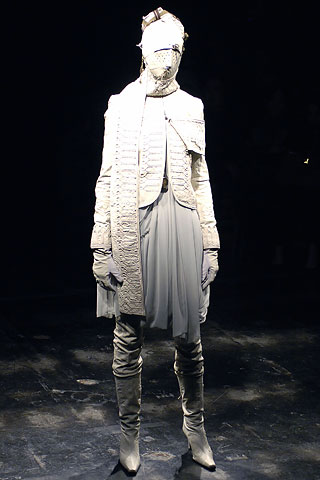
 Fall/Winter 2008-09

fw 2008-09

fall 2008 c

fall 2008 d

 Spring/Summer 2009

spring 2009 b

spring 2009

spring 2009 3

spring 2009 2

 .

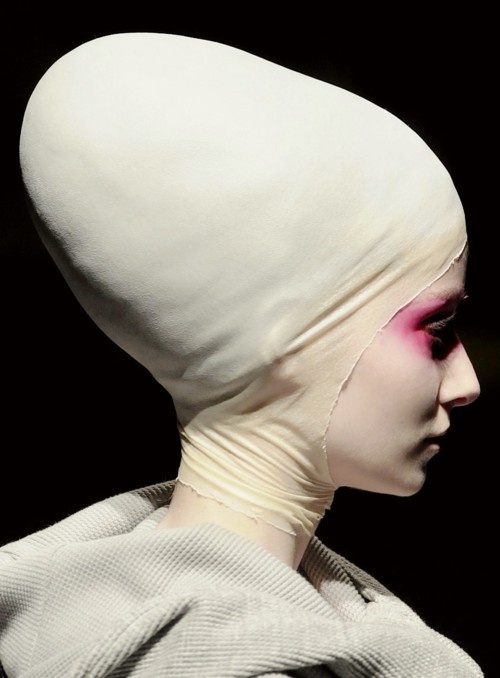
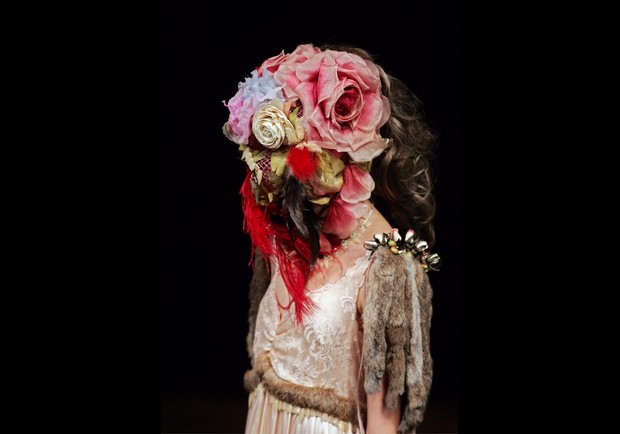
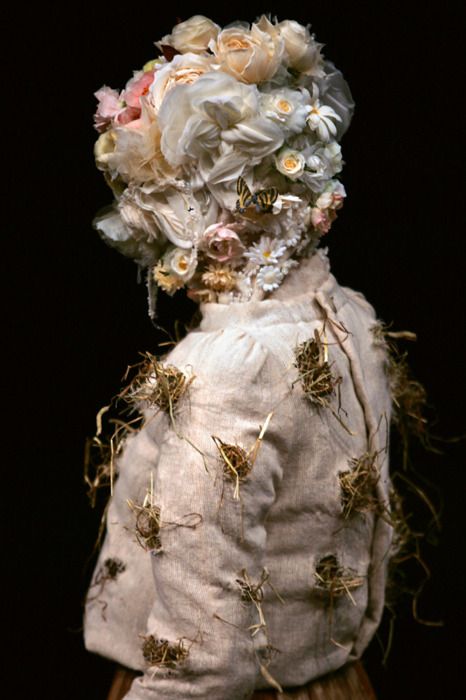
Runway Headpieces

jun takahashi

s 2005

ss 2005

 .

info official website:  http://www.undercoverism.com/

jun takahashi