Archive | stories RSS feed for this section

Nico

8 Jul

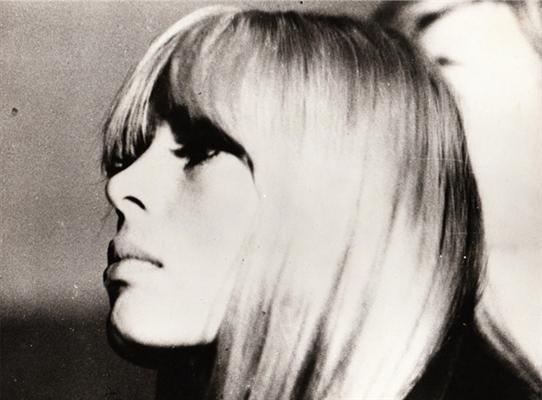
Nico was born as Krista Päffgen in 1938 in Cologne, Germany and past away in 1988 on Spanish island of Ibiza. Most of her life is a great mystery. Some say Nico was just famous for being Nico, but she was also revered to as ‘the most beautiful creature who ever lived’. She was one of the most fascinating women of her time and still is today.

Spending her first years in Germany during Hitler’s rein must have left a deep impression on Nico, as well as the death of her father (soldier), when she was still very young. For some years, in her early teens, she loved being a pretty girl, but by the time she became a model at 16, she didn’t any longer. Modelling wasn’t enough for her and Nico also started acting, which she showed a natural talent for. On holiday at a friend’s villa in Rome, she got invited to the set of La Dolce Vita, where Frederico Fellini noticed her charismatic presence. She was offered a sizable role on the spot. Nico was asked to play Nico in this movie.

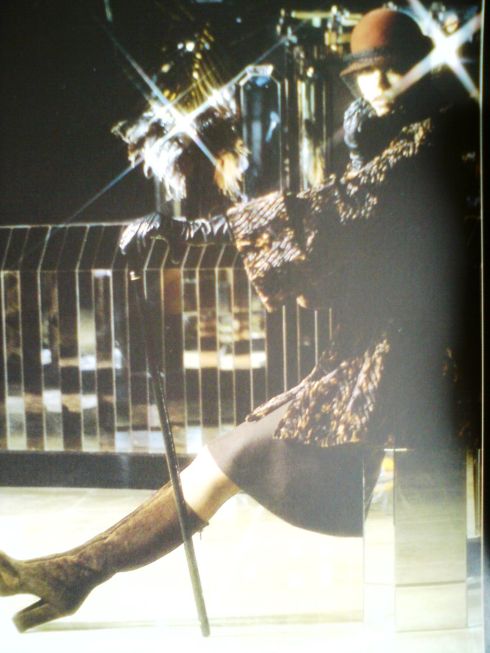
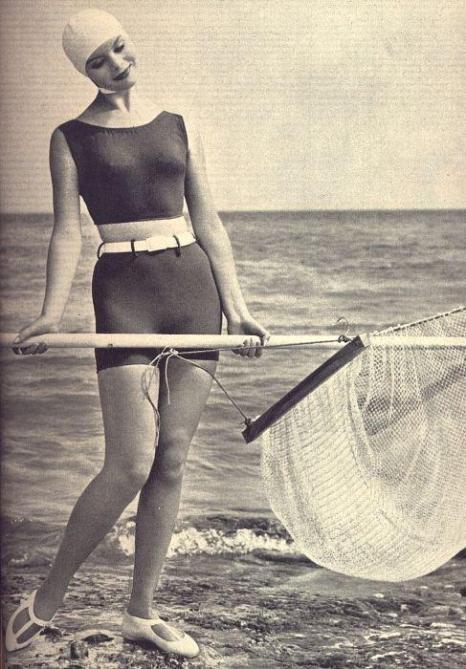
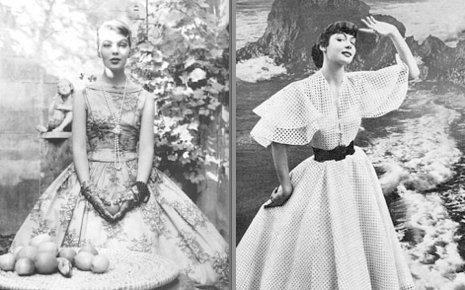
At 16 Krista was discovered by photographer Herbert Tobias, who gave her the name Nico after his ex-boyfriend, filmmaker Nikos Papataki. Not long after she was asked for by Vogue and moved to Paris. There Nico became famous for her beauty, worked for all major fashion magazines and hang-out with the in-crowd. At 17 she got a contract at Chanel.

Nico the model

Because Nico didn’t like working as a model she went to New York, where she attended acting workshops by Lee Strassberg. She wanted to become a serious actress. In 1963 she got the lead role in Jaques Poitrenaud’s film Strip-Tease. She also recorded the title track, written by Serge Gainsbourg  (in 2001 the song was included in the compilation Le Cinéma de Serge Gainsbourg)

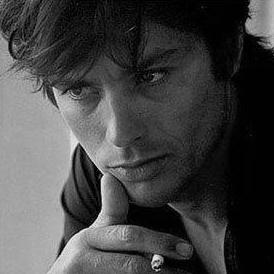
She met Alain Delon and they had a brief affair. Nico became pregnant and decided to keep the baby. She thought Delon would acknowledge the baby and marry her, but he never did. Christian Aaron ‘Ari’ Päffgen was born in 1962 and because Nico wasn’t able to take care of him, he was mostly raised by Delon’s mother and her husband, who eventually adopted Ari and gave him their surname Boulogne. Delon always denied being the father and therefore got very angry with his mother for taking in Ari, Delon never spoke to her again. Nico visited Ari whenever she was is around and took him on holidays. It was on one of their trips to Ibiza, when Nico got a bicycle accident and died as a result of the complications.

In 1965 Nico met Rolling Stones guitarist Brian Jones and she recorded her first single ‘I’m not Saying’. Brian Jones introduced her to Andy Warhol and Paul Morrissey, who work with her in their experimental movies, like Chelsea Girls. Nico was one of the original Chelsea Girls, together with Edie Sedgwick. They became a role model in fashion and were copied all over the world for their original style.

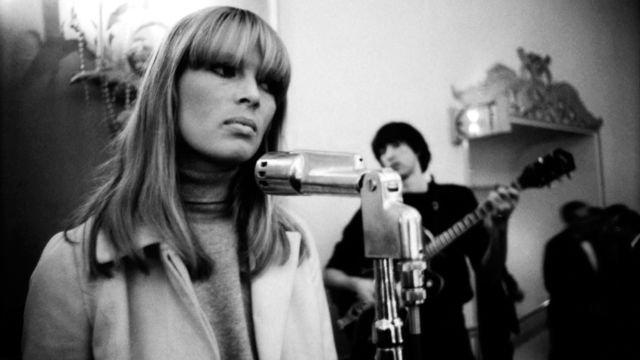
Andy Warhol began managing The Velvet Underground and proposed the group take Nico on as a ‘chanteuse’. The band wasn’t  happy with a girl singer, they thought it would give trouble and Lou Reed didn’t like to share the spotlights with Nico (Lou Reed and Nico had a brief love affair during this period), but still she joint the band for a while. Nico sang lead vocals on three songs ‘Femme Fatale’, All Tomorrow’s Parties’ and ‘I’ll Be Your Mirror’ plus the backing vocals on ‘Sunday Morning’ on the band’s debut album The Velvet Underground & Nico. This became one of the most acclaimed rock records ever! The album ranked in at #13 on ‘The 500 Greatest Albums Of All Times’ by Rolling Stone Magazine.

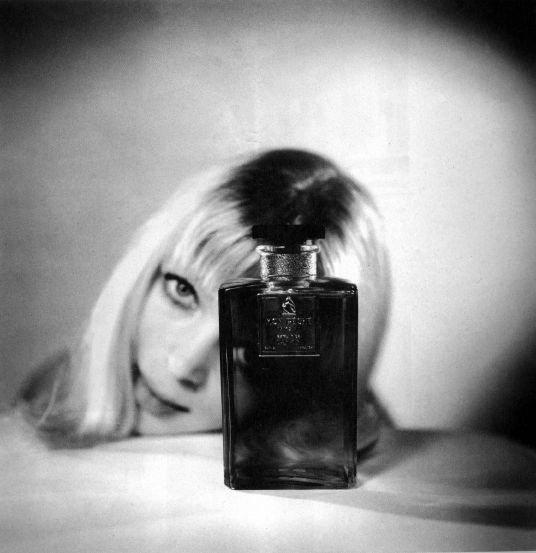
The Velvet Underground & Nico

Following her musical work with The Velvet Underground, Nico began working as a solo artist. Her debut album was called Chelsea Girl, on which she recorded songs by Bob Dylan, Tim Harding and Jackson Browne and collaborated with some members of The Velvet Underground. Her second album The Marble Index was released in 1969, Nico wrote the lyrics and music herself.

Nico the singer & actress

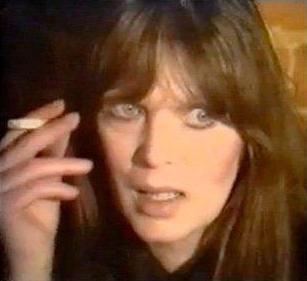
Between 1970 and 1979, Nico made about seven films with her French lover and director Philippe Garrel. Her physical beauty detested her more and more, so she dyed her hair deep dark red. When friends told her, she looked ugly now, she smiled (happily). During her days with Garrel she got hooked on heroin, which made her deteriorate more and Nico became devious to the people around her. She went from being a stunning beauty to a freak act in a couple of years. Some audiences came to her performances just to see what had become of her.

Nico died in 1988 on Ibiza, where she was spending a holiday with her son. She had recently decided to quit heroin and started a healthy food diet and physical exercise. She had a minor heart attack while riding a bike and hit her head as she fell. She was incorrectly diagnosed as suffering from heat-exposure and died July 18 at eight o’clock in the evening. Later x-rays revealed a severe hemorrhage as the cause of death.

She couldn’t stand being this Marble Statue everybody looked at and admired, was it because she hated being  judged by the cover and not for her contents? Was Nico too intelligent to be just this beautiful creature? Was she an undiagnosed manic depressed? Did she never recover from the horrible impressions WWII left on her and the death of her father when she was so little? We will never know, so we’d better celebrate her legacy of beautiful photographs, music and movies.

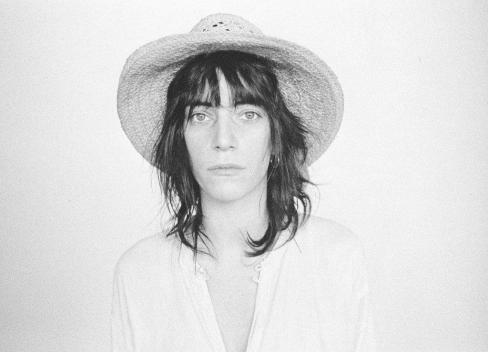
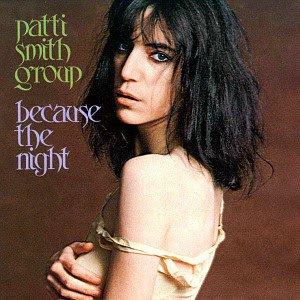
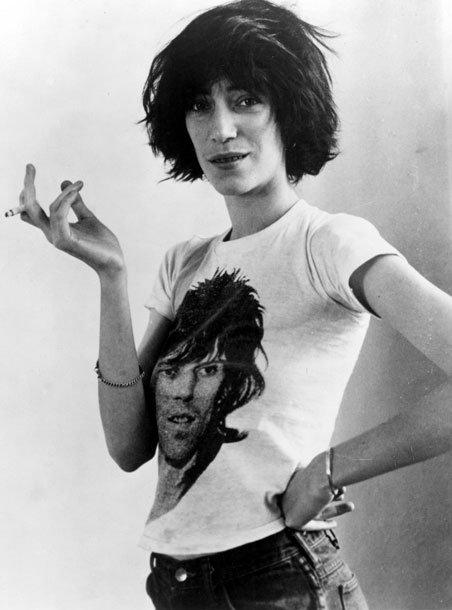
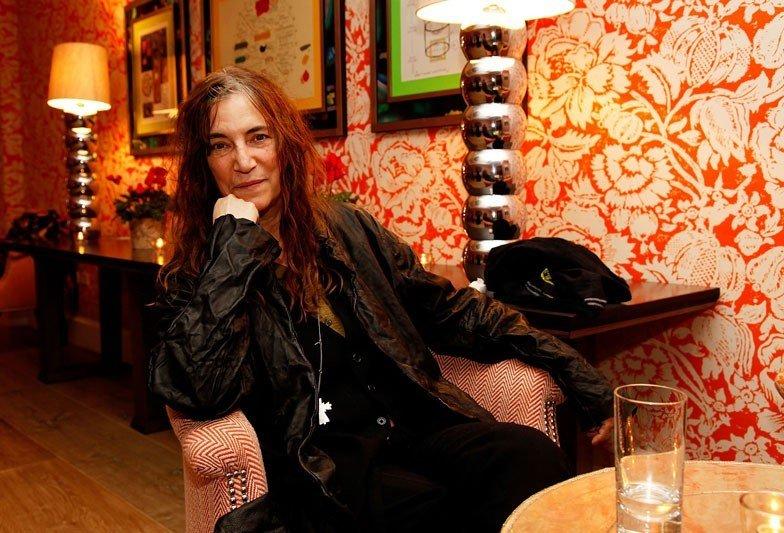
Patti Smith, Style Icon and writer of ‘Just Kids’

24 Jun

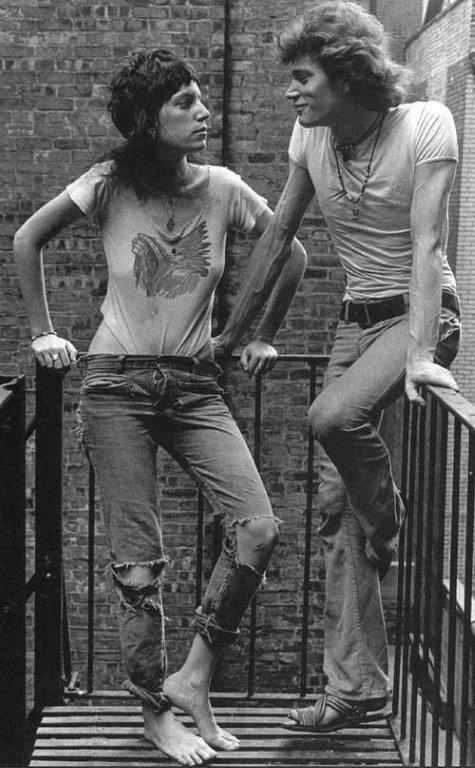
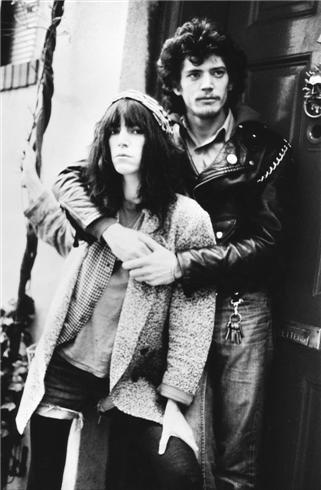
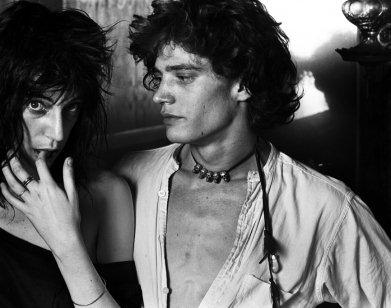
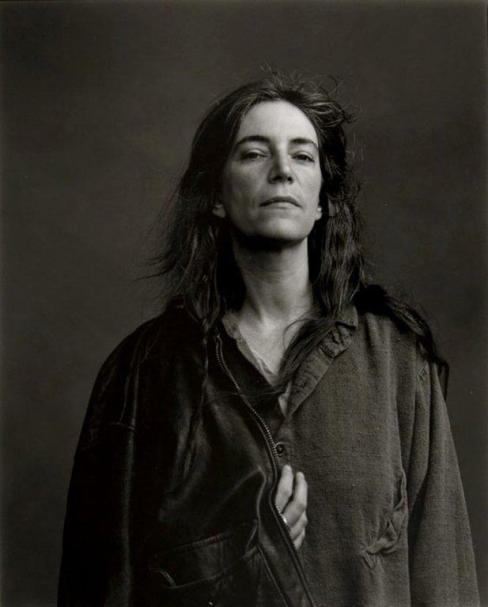
I wanted to write this post for quiet some time already, worried I wouldn’t do right to Patti Smith I kept postponing it. But it’s time I’ll give it a try. Not being a book reviewer, I dug up some reviews on ‘Just Kids’, a book by Patti Smith about the years she spent with Robert Mapplethorpe and it occurred to me, there a different ways to clarify the contents. I was mostly moved by the innocence and deep love they felt for each other, even after they went their own separate ways.

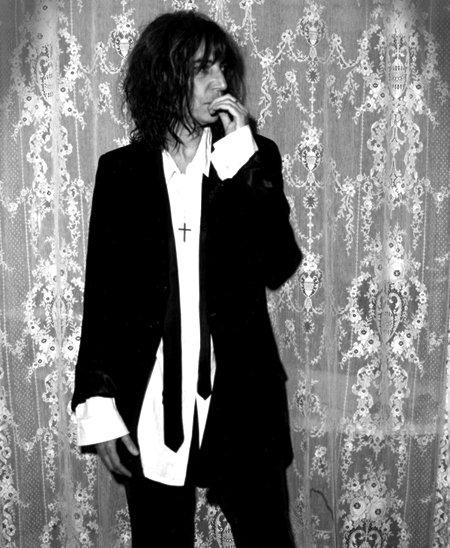
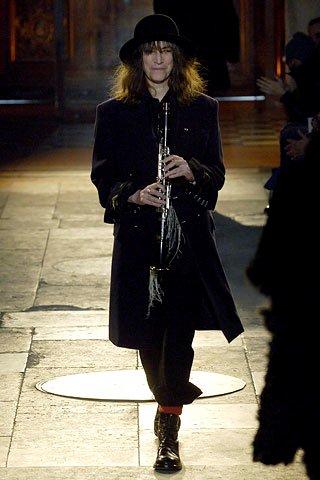
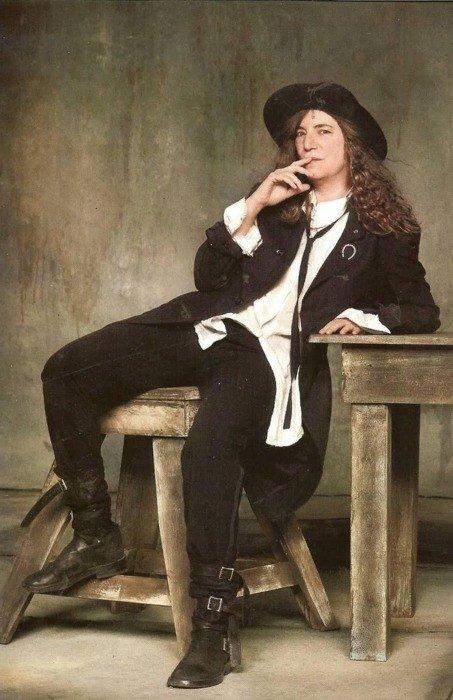
For years Patti Smith embodied poetry, bohemian lifestyle and music to me, but after seeing the film ‘Patti Smith, Dream of Life’ by Steven Sebring I noticed other things about her…, her great sence of humor and the fact she is very aware of her style. It may look like her outfits are just accidentally damn stylish, but they are not. She is very aware of the clothes she puts on for which occasion but doesn’t look like it : that’s her style. She is so good at this, you hardly notice. I got a huge smile on my face, when in ‘Dream of Life’, she starts to explain what she is wearing, pointing at her shoes, pants and shirt saying: “Prada, Prada, Comme Des Garçons….’ In another chapter a friend walks into her hotel room carrying a Prada bag and starts reading what is written on the duty free-paper that’s tacked onto the bag. He went shopping for her, but she’s not allowed to open the bag till she’s left the country and seems very disappointed not being able to look at the new Prada purchase.

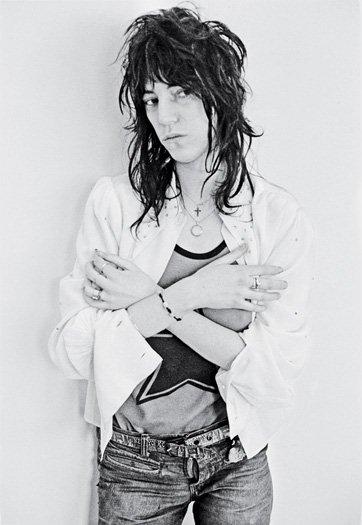
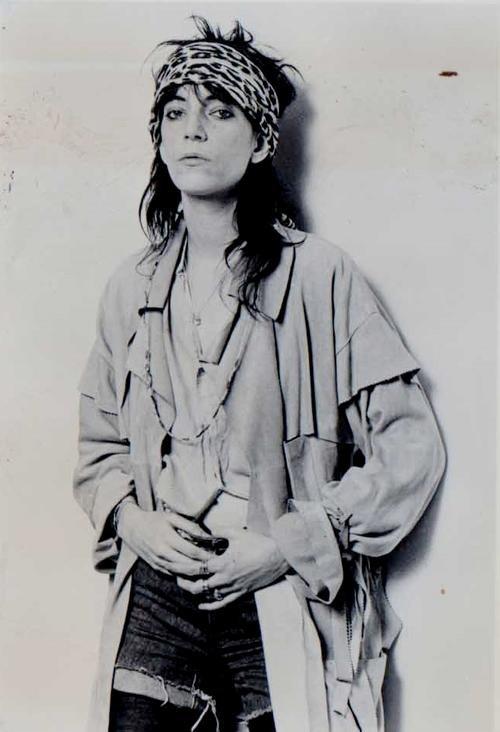
In an interview Patti Smith told she was very aware of the way she put the jacket over her shoulder, for the famous photograph Robert Mapplethorpe took of her for the album ‘Horses’…, it had to be in a Frank Sinatra-ish way.

New York Times , Ruth La Ferla, march 19, 2010

So it was surprising to learn that her roomy gray jacket, with cuffs that unfasten at the wrist, was designed by Ann Demeulenmeester, a high priestess of Parisian vanguard chic. Her jeans were Ralph Lauren, prized by Ms. Smith for their racy lines. Her boots, a gift from Johnny Depp, who wore them as the Mad Hatter in “Alice in Wonderland”, were the perfect fit, Ms. Smith exulted, “like when the magic cobbler made your shoes.”

She has a rarefied feel for that kind of evocative detail — no stray seam escaping her scrutiny. That might stun her fans, who think of Ms. Smith as a gnarly rocker, thrashing and howling soulfully on stage. But style-world insiders embrace her as a kindred spirit whose discerning eye and sensitive fashion antennas might be the envy of a veteran stylist. Ms. Smith’s look, after all, is nothing if not rehearsed.

“She is very aware of her style and she controls it,” said Ms. Demeulenmeester, a longtime friend and fashion collaborator. (Ms. Smith favors the designer’s mannish white shirts, inspired by the one she wore on the cover of her debut album, “Horses.”) “It’s about being conscious of who you are and using all the strength you have to communicate that.”

Patti Smith, Style Icon

Great books to read:

.

‘Just Kids’  by Patti Smith

‘Just Kids’ is about a moment in the lifes of Patti Smith and Robert Mapplethorpe, when they were  young and inseparable. It was pure fate that introduced them to each other and they became roommates, friends, lovers and muses. Its tells a story of innocence, ambition and  their shared transit from obscurity to stardom.

They went together to museums able to afford only one ticket (the one who saw the exhibition would describe it to the one who waited outside). They went to Coney Island, able to afford only one hot dog and she got the sauerkraut. They valued the same things, though in a different way. They were both praying for Robert’s soul: he to sell it and she to save it. Finally his prayers were the ones to be answered.

.

Patti Smith tells the story of the beginning of the end of Manhattan’s last great bohemian age, when a couple with dreams of artistic glory could live on day-old bread, cigarettes and paint fumes so precisely it feels like you’ve been there living it with them. When she writes about the time Robert started doubting his sexuality, you can feel his confusion and her pain

.

‘Just Kids’ is also a story about becoming an artist, not the race for online celebrity and corporate sponsorship that often passes for artistic success these days, but the powerful, often difficult journey towards the ecstatic experience of capturing radiance of imagination on a page or stage or photographic paper. Mapplethorpe iconic image of Patti for the cover of ‘Horses’, serves as a  symbol of both their collaborative relationship (Patti Smith:”When I look at it now, I never see me, I see us’) and  the separate paths they took thereafter; he as one of the last century’s most heralded and controversial photographers, she as a performer whose influence still extends through poetry, contemporary music, fashion and visual arts.

The book is written so vividly yet sensitive, I could hardly put it down. I bought another copy for a friend and gave mine to others to read.

.

 ‘He is the artist of my life’

Patti Smith on Robert Mapplethorpe

.

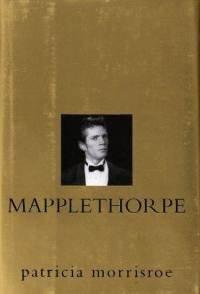
The biography ‘Mapplethorpe’ by Patricia Morrisroe

Documentary

.

‘Patti Smith,Dream of Life’ a film by Steven Sebring

.

www.dreamoflifethemovie.com

.

Barbara Hulanicki & Biba

10 Jun

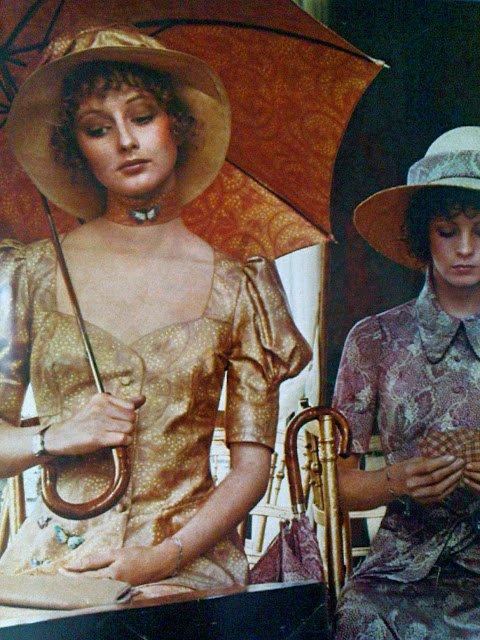
My introduction to Biba has left me with a beautiful memory. My sister Lia, who was four years older and só not into fashion, went to London with her girlfriends. There she visited the Biba department store, where she bought oatmeal-soap and a blue lipstick for me. I must have been fourteen and had never heard of Biba. When my sister told me about the store I was intrigued and the beautiful packaging of the soap and lipstick made my heart beat faster. Not much later I found an article about Biba and after reading I cut it out of the magazine and put it in my scrapbook (I still have it). One of my regrets is I’ve never been to Biba (one of my other regrets is I’ve never seen Jacques Brel perform live), I was just too young and my mom didn’t let me cross the canal yet… Years later, my sister took me to see Paris for the first time. She wasn’t happy at all to have to drag me along, but my mom made her…. Thanks mom!

How it all started

Barbara Hulanicki  and Stephen Fitz-Simon got married in november 1961(both still in their early twenties). Barbara was working as a fashion illustrator and Fitz, as Barbara liked to call him, worked as an account executive in advertising. They were so busy with their careers, they didn’t have much time to be together. Fitz came up with the idea of Barbara drawing garments and trying to sell these designs by post. This way they could work together and didn’t have to make a large investment. The first design was an inexpensive long evening skirt, which only sold 400 pieces (not enough to make a profit), the second and third design didn’t sell anything at all and the project seemed become a failure. Then Barbara got a call from the Daily Mirror. Miss Felicity Green, the fashion editor was doing a feature on four career girls and she wanted Barbara to be one of them.

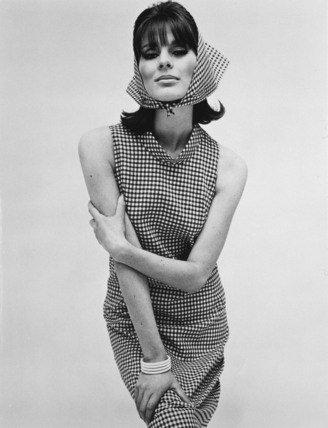
Barbara came up with a pink gingham dress with a hole in the back and a matching Brigitte Bardot kerchief. This became the breakthrough for Biba’s Postal Boutique (named after Barbara’s youngest sister Biba). Barbara and Fitz stumbled onto lots of problems before they got the 17.000 dresses, that were ordered after the publication in the Daily Mirror, produced, but in the end and with lots of help of some friend they got it all together. Barbara and Fitz held to their jobs during the day and in the evening they worked on Biba’s Postal Boutique together. Sheer brute force and ignorance got them through.
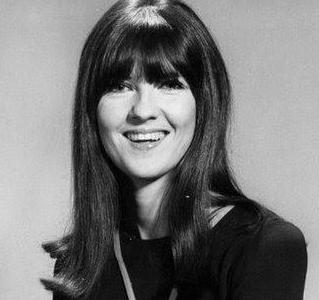
The next boost for Biba’s Postal Boutique came from Cathy McGowan, Queen of the Mods and host of Ready, Steady, Go, the friday-night music television programme. Cathy loved Biba’s clothes and wore them frequently on the show. Barbara wanted her clothes to be available for all young girls so the prices were kept low and everybody could dress like their idol now.

After more and more success with their Postal Boutique, Barbara started thinking about opening a shop, Fitz wasn’t sure about the idea. They had accumulated lots of rejects and garments that people had sent back to exchange for another and with these garments Barbara set up for a sale in their appartement. She telephoned friends and secretaries of press ladies to announce the sale. It was a huge success…

From a postal boutique to a shop

Barbara spotted a marvelous corner premises in Abingdon Road and Fitz loved it too. The shop hadn’t opened yet and they used it still as a storage for their Postal Boutique, when one morning at 10 o’clock Fitz dropped Barbara and drove back to the manufacturer to collect more dresses. Barbara had left the front door open and popped into the loo. When she came out the shop was packed with girls trying on the same dress in concentrated silence. Barbara turned on the record player and more people appeared in the shop. At 11 o’clock she had sold every dress. When Fitz came back, his car was filled with the same brown pinstriped dress in one size and girls went into the street and started fitting the dresses from the car.

The next months the Biba shop became so busy, Barbara and Fitz needed a manageress and Sarah Plunket was suggested to them. Sarah was an aristocratic girl who could control the crowd without upsetting anybody, but after a couple of weeks Sarah needed help and she pointed out two young girls who came in every evening after work. Elenor and Irene were two stunning beauties of only sixteen years old and Sarah was only twenty, but together they were a perfect combination. They became the first Biba girls.

To create the skinny look Barbara wanted, the clothes were not comfortable to wear. Biba smocks were itchy and stopped women’s arms from bending, something that did not stop customers from buying the clothes. They became the uniform of the era,with the added bonus of that whatever you bought, you could always get accessories to match. Miniskirts were causing a scene of their own, every week they got shorter. Although Mary Quant was the first British designer to show the mini skirt, Biba was responsible for putting it on the high street. Everybody wanted to be seen in the Biba look.
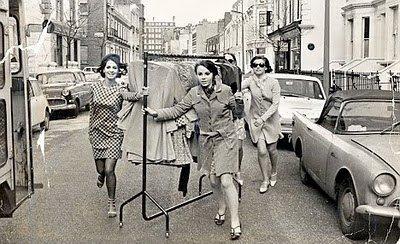
Because the shop was relatively small it only had one dressing room where all girls went  into together and when  it was to crowded in there, they started changing in the shop and stood in their underwear for everybody to see. Even the famous customers sometimes changed  in the middle of Biba. So many famous people were seen in the shop, the girls who worked there became blasé about it. After some time the shop had to move to another location, because it became too small. Expanding was required and Biba relocated to Church Street.
Cosmetics

When Barbara was about thirteen she had seen a movie, with Rita Gam as a slave girl. She hadn’t looked  made up but her lips had obviously been painted brown. Barbara couldn’t wait to have brown lipstick and other natural shades. Until then lips and nails had always been painted scarlet.

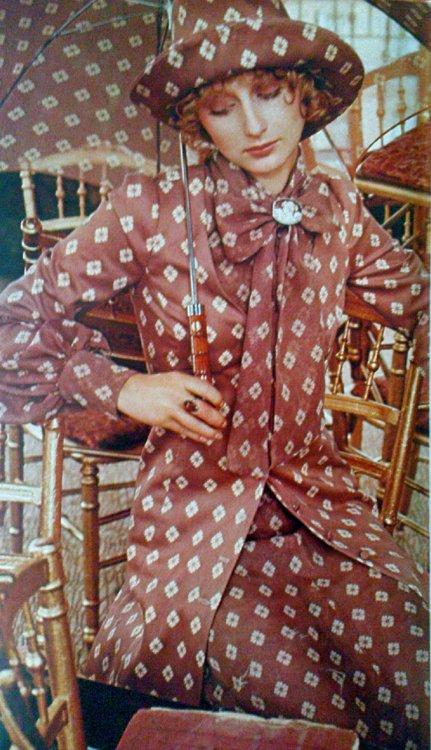
Barbara and Fitz found a factory that produced cosmetics for all the big brands. They ordered the colours that Biba was already famous for like chocolate, blackish mulberries, blueberries, rusts and plums and all kind of other ‘auntie colours’ as Barbara liked to call them. The managers of the factory didn’t seem to take them seriously, but the girls in the laboratory couldn’t wait to formulate something different from the usual range of reds.
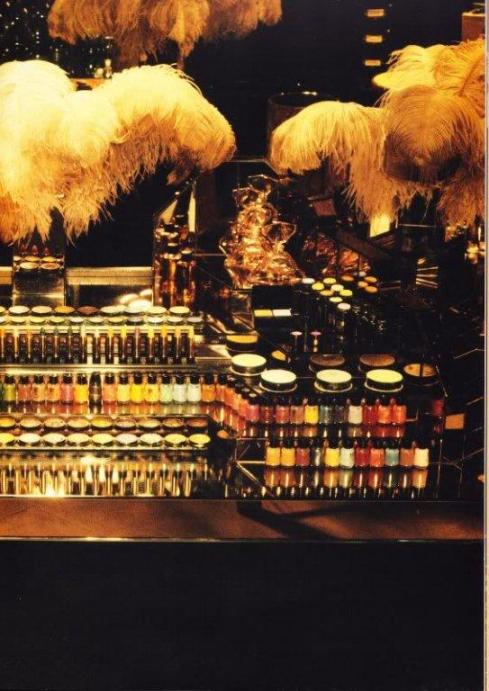
After some financial disasters happening, Fitz had needed some serious investors to keep Biba alive and sold seventy-five percent of Biba to Dorothy Perkins and Dennis Day. In 1971, after Biba had proved to be strong enough, Fitz felt it was right to distribute the cosmetics through Dorothy Perkins. The manageresses of Dorothy Perkins had to be shown how to use the chocolate lipstick and mulberry eyeshadow, so one day all the blue-rinsed ladies from the provinces got treated on a happy lunch and lessons how to apply Biba Make-up.

Biba was also the first store to encourage customers to experiment with the cosmetics before buying it. Lots of girls came in early in the morning with faces scrubbed clean, made themselves up and continued on to work .

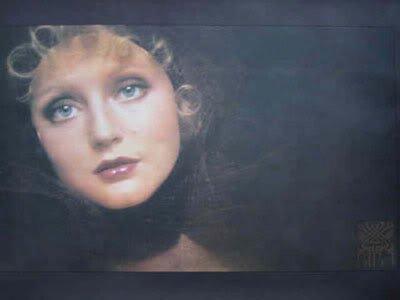
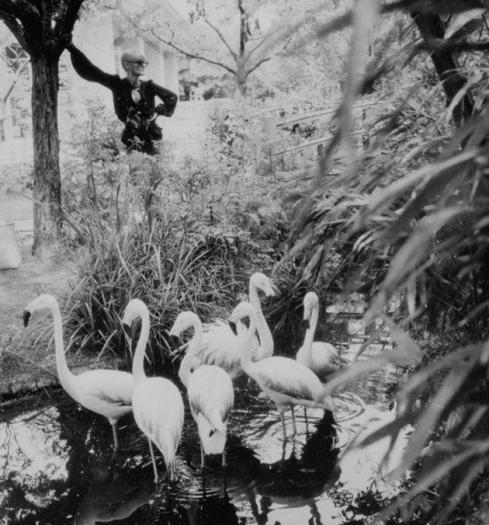
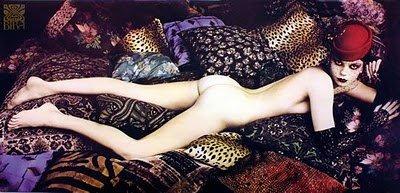
Biba cosmetics was such a great success it finally got sold al over the world. Photographer Sarah Moon was asked to photograph all ads for Biba and Biba cosmetics. Those pictures became almost iconic.

From a little department store to Big Biba

On her walks from Church Street to the new site in Kensington High Street, Barbara had examined the Derry & Toms department store building close by. It was so beautiful and so unappreciated. From the High Street shop looking at the Derry a& Toms building Barbara noticed the roof garden and one day she took het son Witold  to the ‘garden in the sky’. Looking over the balustrade you could see the whole skyline of London.

Barbara started dreaming of Big Biba, a huge department store in the Derry a& Toms building and told Fitz about it. For the next two years she collected bits of furniture, cuttings of old carpets, mouldy old curtains with interesting weaves and books and references about Derry and Toms.

‘We felt shocked when we heard that our dream was going to be either shattered or forced upon us earlier than we imagined.’ Derry and Toms was to be sold to British Home Stores and this was the last change to buy the building. Biba ltd. got hold of the building.

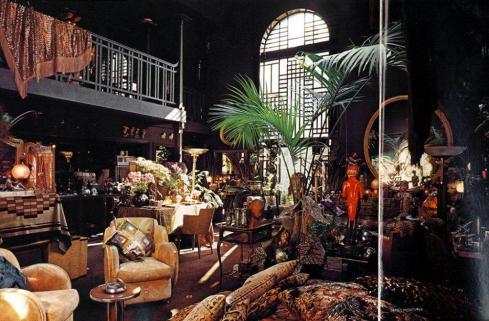
Barbara’s dream came through, but it meant total dedication and twenty-four hours a day keeping on top of everything happening in the seven storeys department store building. seventy percent of everything sold in there was own-brand goods, a thing never attempted before or since.
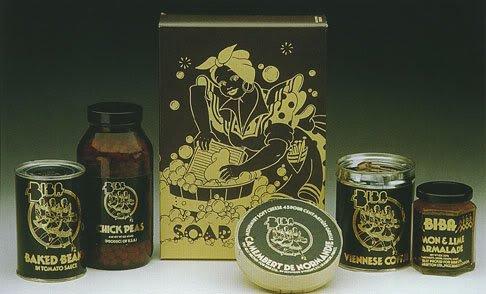
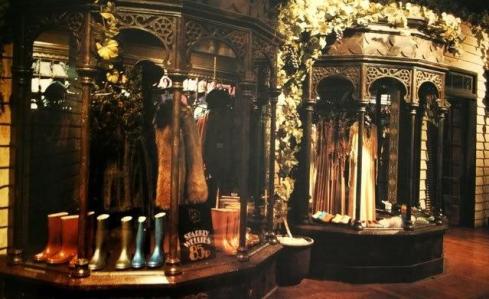
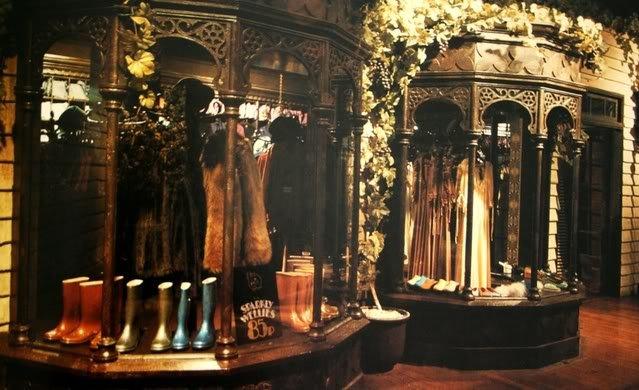
There were different departments, and each floor had its own theme, such as a children’s floor, a floor for men, a book store, a food market, and a ‘home’ floor which sold items such as wallpaper, paint, cutlery, soft furnishings and even statues. Each department had its own logo or sign, which was based on the Biba logo and had a picture describing the department; these were designed by Kasia Charko.
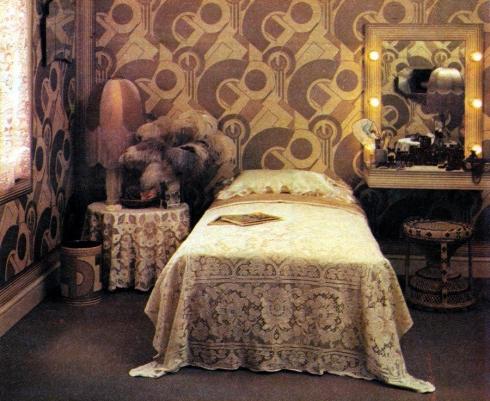
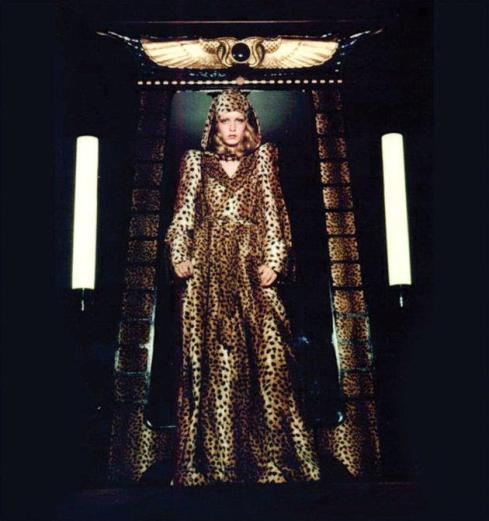
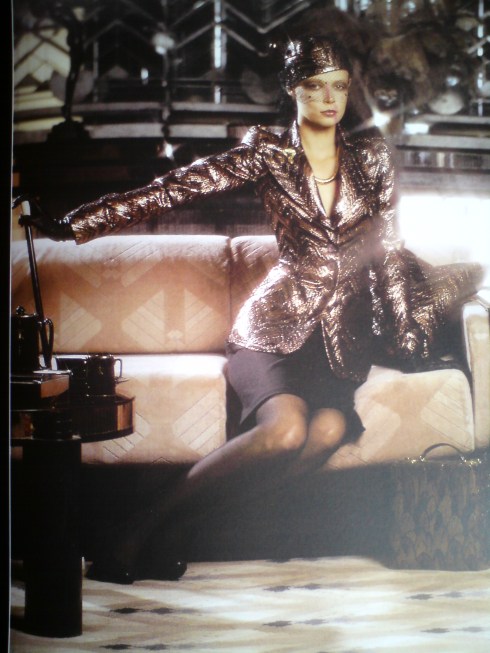
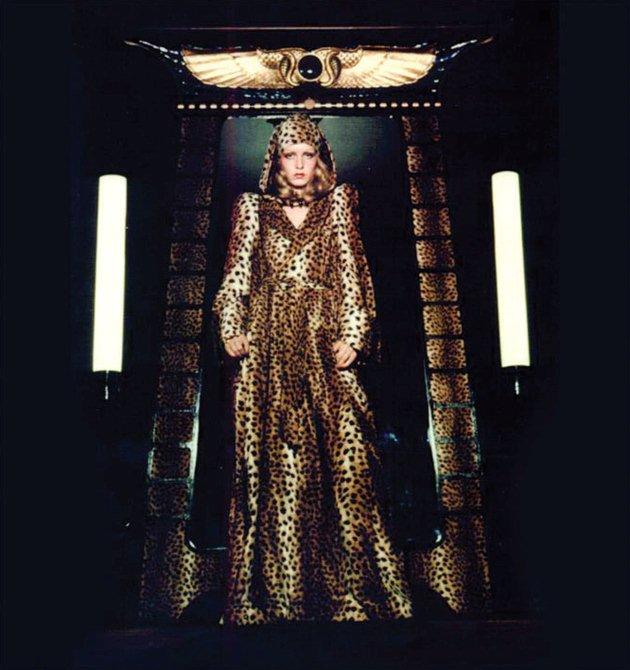
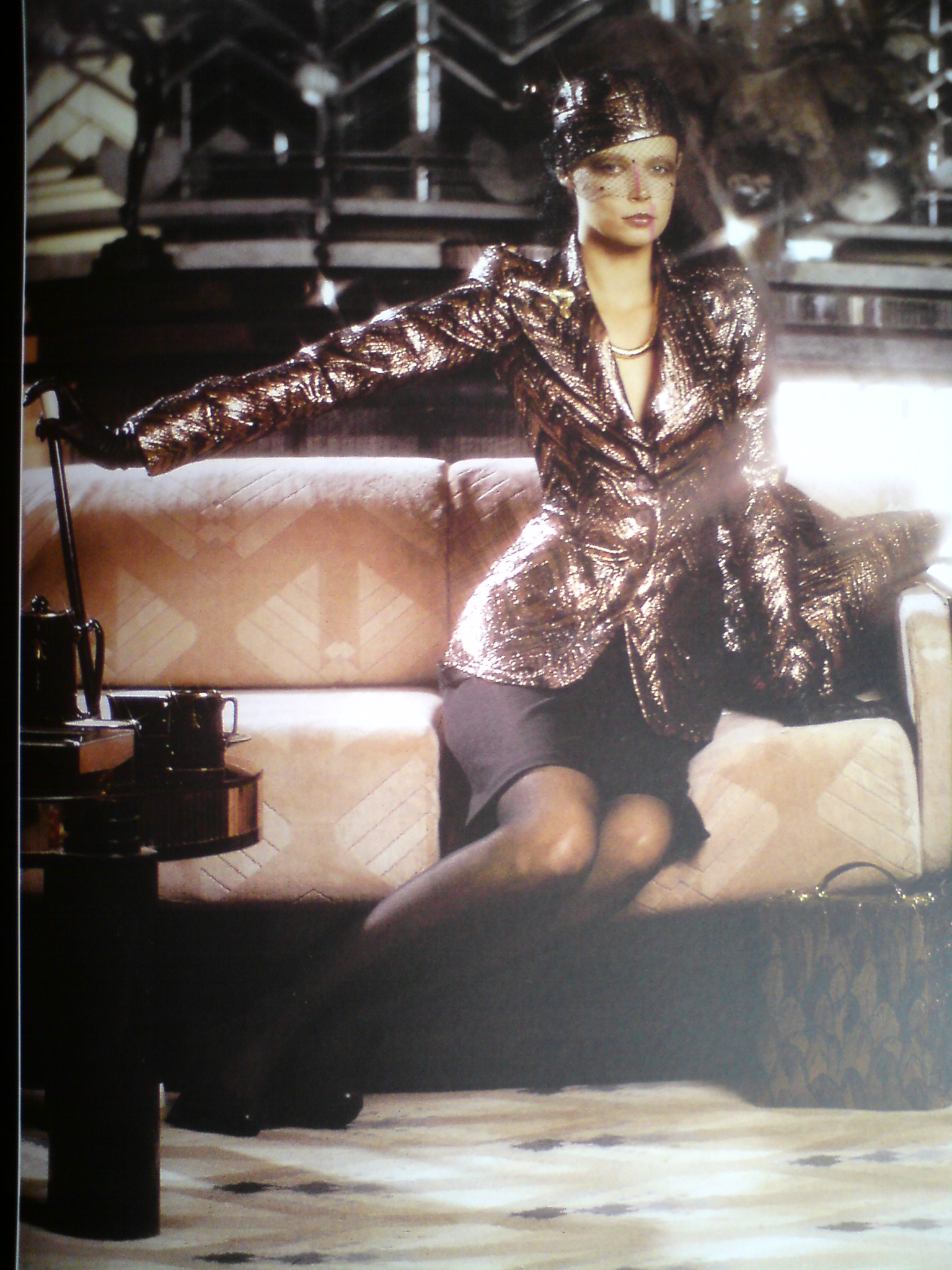
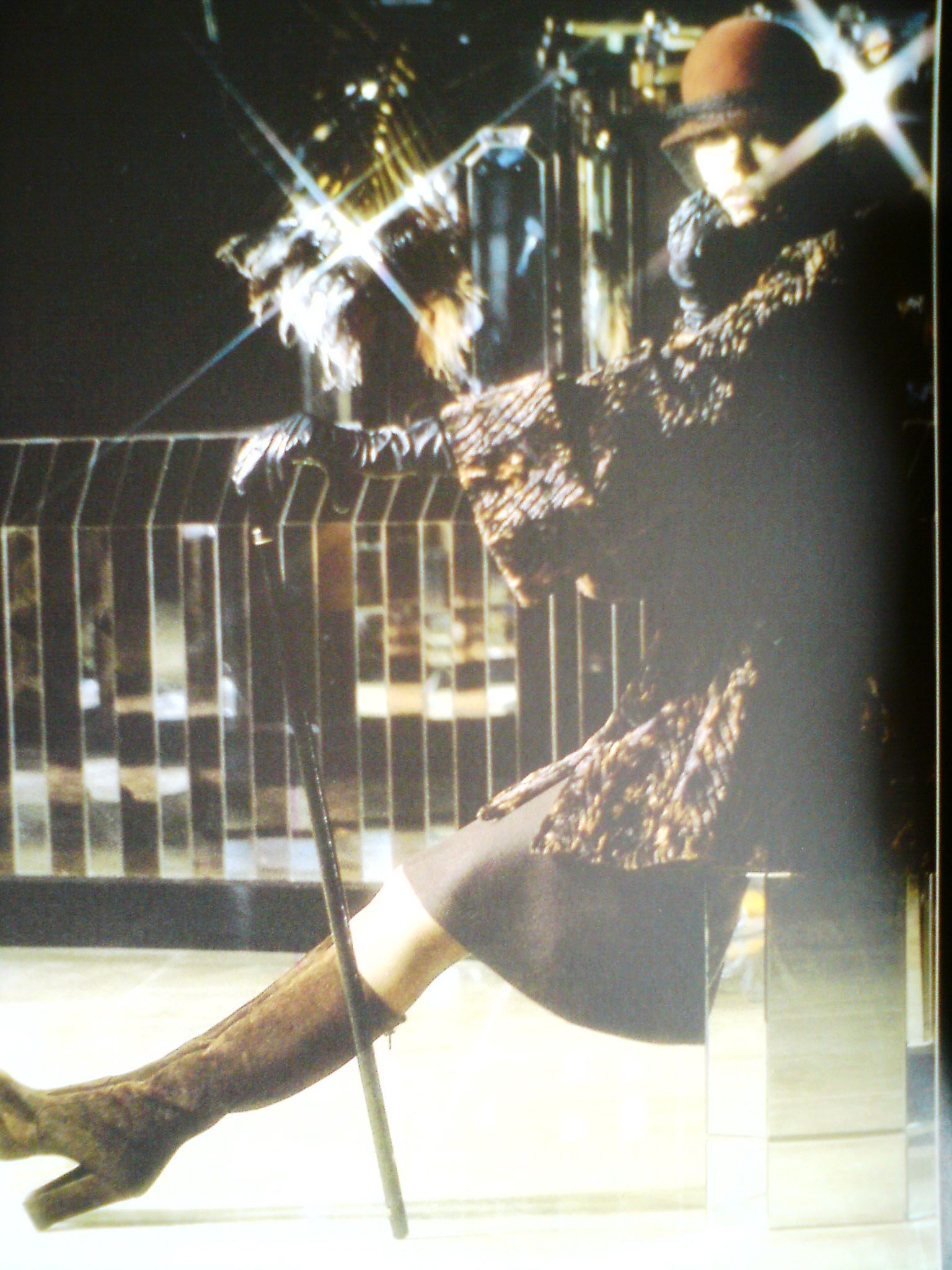
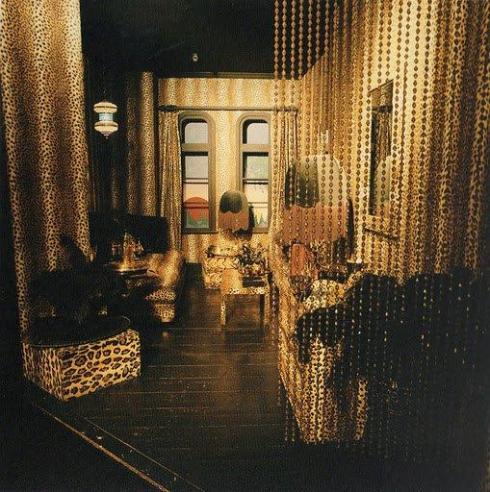
One of the most popular departments was a ‘Logo Shop’ featuring merchandise adorned with the Biba logos and pin-up art, such as playing cards, match books and coloring books. The store had an Art Deco-interior reminiscent of the Golden Age of Hollywood and non-traditional displays, such as a giant Snoopy and his doghouse in the children’s department, where merchandise based on the Peanuts comic strip was sold.
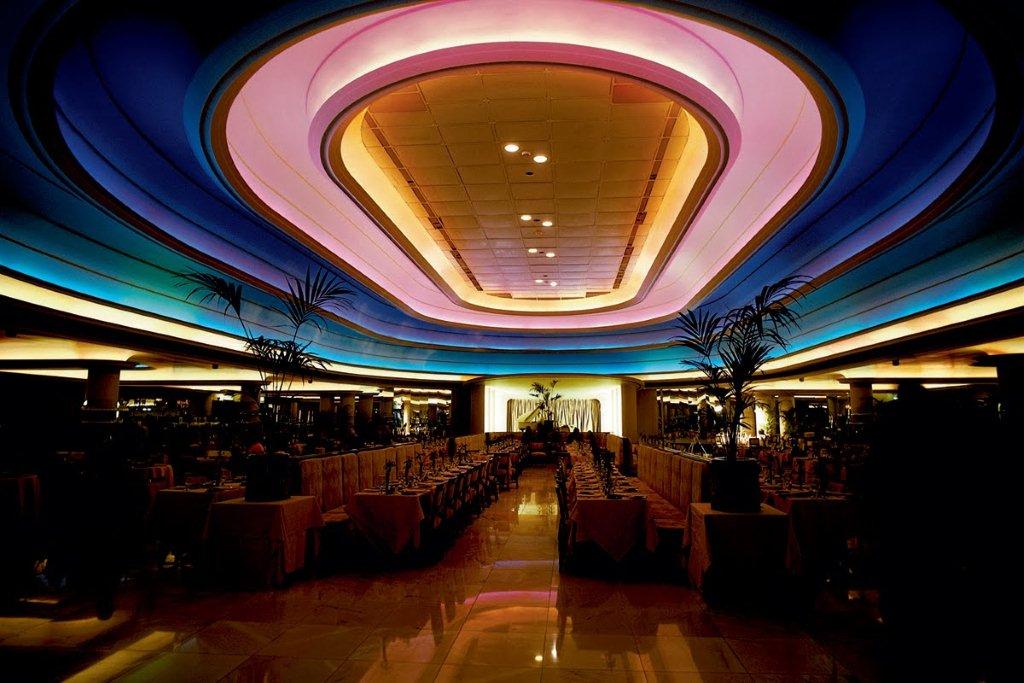
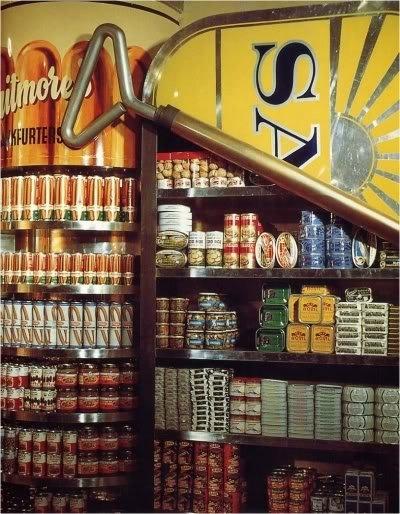
The Biba Food Hall was also designed ingeniously, each part being aimed at one particular kind of product; a unit made to look like a dog (based on Barbara’s own dog, a Great Dane named Othello)consisted of dog food; a huge baked beans tin can consisted of only tins of Baked beans; a can of ‘Warhol’s Condensed Soup’ etc., all foods having individual innovative units. Also at the new ‘Big Biba’ was ‘The Rainbow Restaurant’, which was located on the fifth floor of the department store and which was destined to become a major hang-out for rock stars, but which wasn’t solely the reserve of the elite. And of course the roof garden.
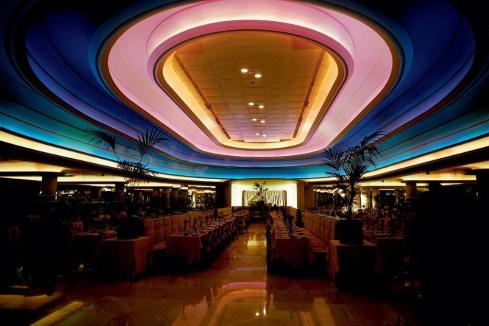
Marketing

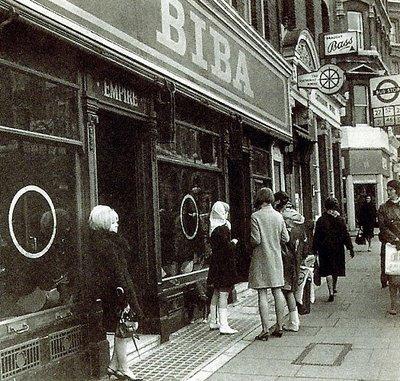
The Biba logo played a crucial part in Biba’s success; the logo was gold and black which reflected the growing taste in youth for art deco.The logo was designed by Antony Little. To create a look for Biba in the first store, Little painted the Biba sign above the shop and blacked out all the windows. The blacked out windows didn’t allow the store’s interior to receive any sunlight, which was vital for the Biba’s art nouveau atmosphere.
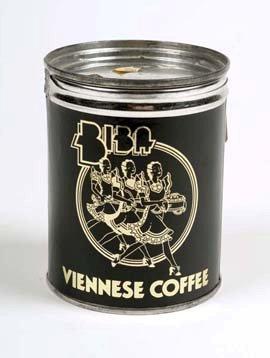
The Biba logo was customized in various ways to be appropriate for all the different products. Every product had the Biba logo on it. The labels showing size, color and price all resembled a similar style. Biba was the first to set a standard for brand marketing and the first high street store to create a look for itself. The logo was seen on everything: from clothes to food, to wallpaper.

Biba’s layout was innovative and was set to enhance the clothes rather than just to hold them. The clothes were also displayed in an unusual manner, from the beginning hanging on coat stands. Since coat stands can not hold a lot of clothes many were needed. Fitz shopped for them all year round, so that he could secure as many as they needed in the store, while ordering hundreds more.

Biba never exhibited anything in shop windows, believing instead that people would be intrigued and seduced to enter the shop by their captivating store interior seen from outside.

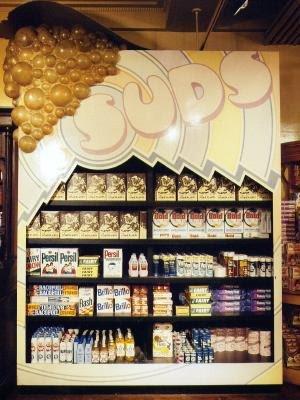
What went wrong

Big Biba was a huge success from day one. Weekly about a million visitors and all departments were selling over their forecast figures.It was, as the press dubbed it, the Superstore Boutique and one of the main attractions of Swinging London. But then came the miners’ strike and the start of the three-day working week in early 1974. At the same time the property market collapsed.

Biba’s sales, along with everybody else’s, were badly hit and suddenly the complains started to come pouring in. One minute Barbara and fitz had been hailed as geniuses and the next they could do nothing right,

Dorothy Perkings got sold to British Land Company and now owned the largest share of Biba ltd. The ‘pinstriped suites’ from British Land Company moved to an office in Biba and set up what they called a Think Tank. They were not retailers, non of them had ever ran a shop in his life. They were an accountant,  a personnel manager, someone from an advertising agency, another accountant, a head of Dorothy Perkins’s security and a junior manager.

The pinstriped suites started changing things in the department store. Large ‘Tesco-like’ white lightboxes (‘Pay Here’ and ‘Cash Desk’) were put all over the store. Their words were ‘Groovy Food Hall Basement’, ‘Cafeteria Self Service Fifth Floor'(what used to be the Rainbow Restaurant), ‘Maternity’ (formerly ‘Pregnant Mum’) and ‘Lolita’ became ‘Junior Miss’. Pretentious fibreglass figures were placed in the windows to lure customers into the store.

Big Biba was fast becoming a shifty-looking shop. The ground flour was now covered by supermarket-like units. In the Rainbow Room the glossy black cups and saucers were replaced by paper cups, which then littered the Deco carpets and nobody was there during the day to remove them.

Barbara decided it was time for her to go. Fitz tried to raise finance to buy the business back, but there was no worse time than the mid-seventies, with rising inflation and the collapse of the property market. London was full of ex-millionaires and people who knew Arabs. Finally British Land Company decided to auction off the entire interior, the Biba trademark was sold to a consortium with no connections to Barbara Hulanicki and so was the Derry & Toms building.

Biba will never return

Biba was a product of its time, a combination of the right people at the right time in the right place. A few times the Biba label is  relaunched. It was bought by the House of Fraser company in 2009 and they made the label into a success again, but the feeling and the fibes of the original Biba are long gone.

Barbara Hulanicki is a visionary and together with her Fitz started a new concept in fashion and marketing, never to be repeated again.
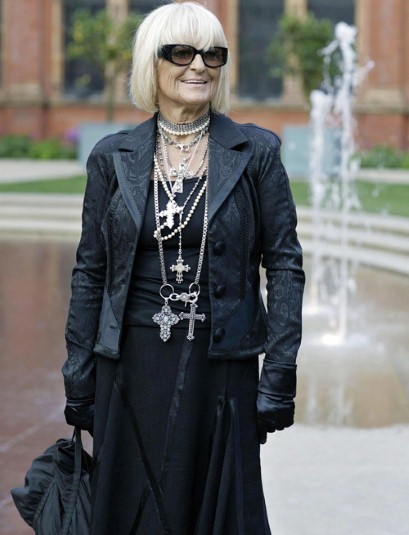
Barbara-Hulanicki-

Thank you Barbara Hulanicki for a brilliant legacy!


Most  information for this post comes from ‘From A to Biba’,the autobiography of Barbara Hulanicki. Another great purchase is ‘Welcome to BIG BIBA’ ,a book in which photographs show Big Biba in all its glory
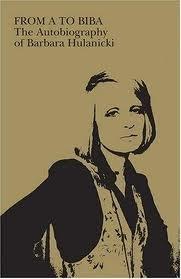
Both books can be ordered at  www.amazon.com
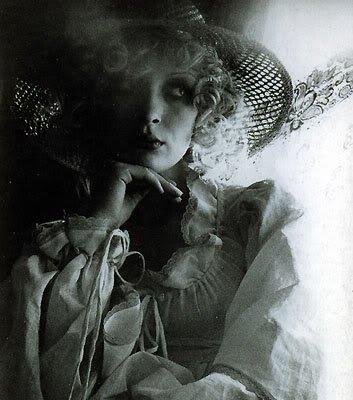
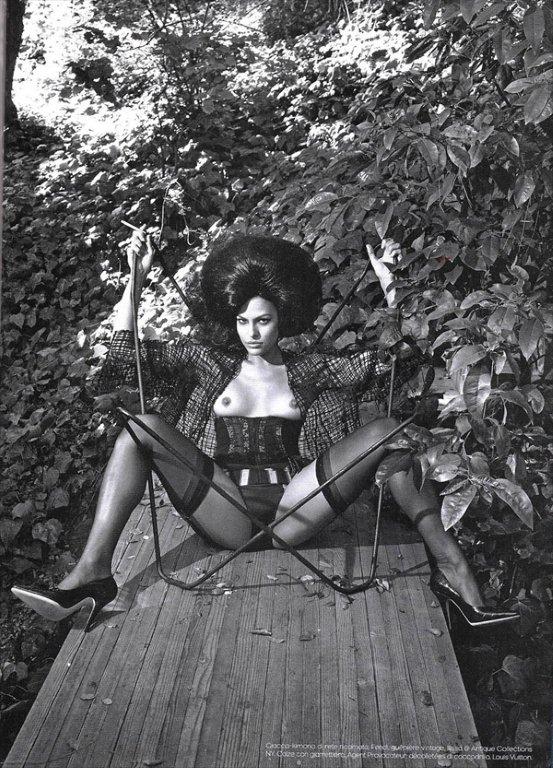
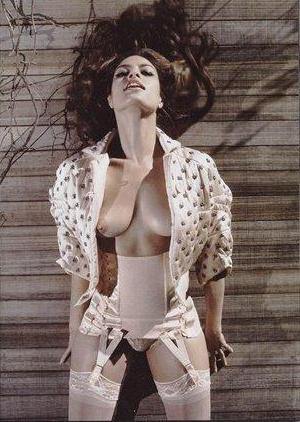
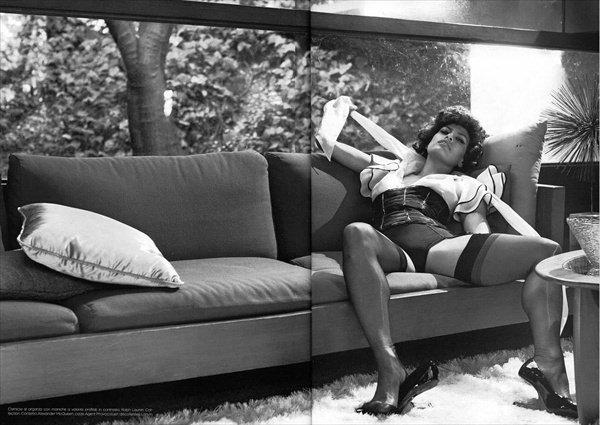
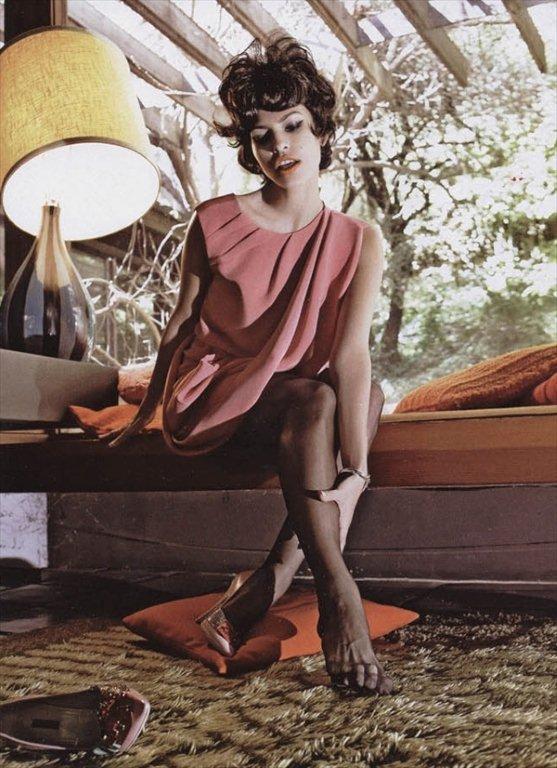
Elmer Batters (inspired Steven Meisel in may 2008)

29 Apr

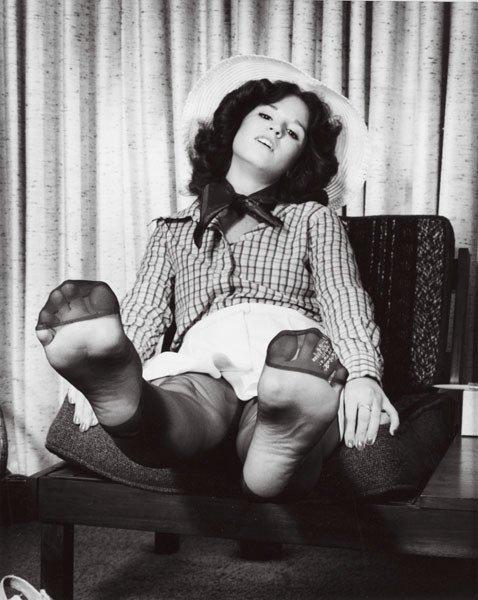
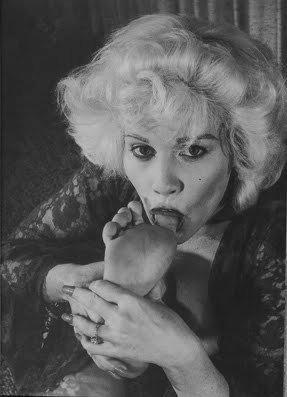
“If toe sucking, foot licking, stockings, stockings and stockings are your thing, then Elmer Batters is your man.” Fetish Times, London

 
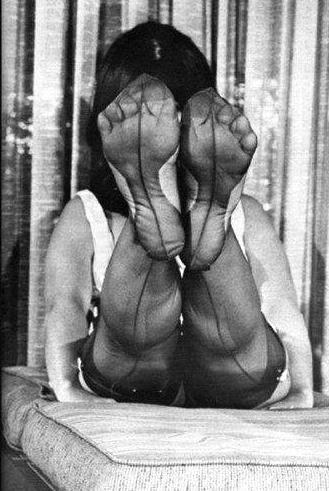
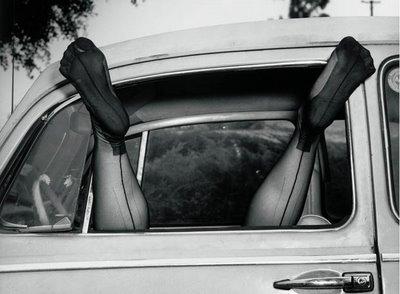
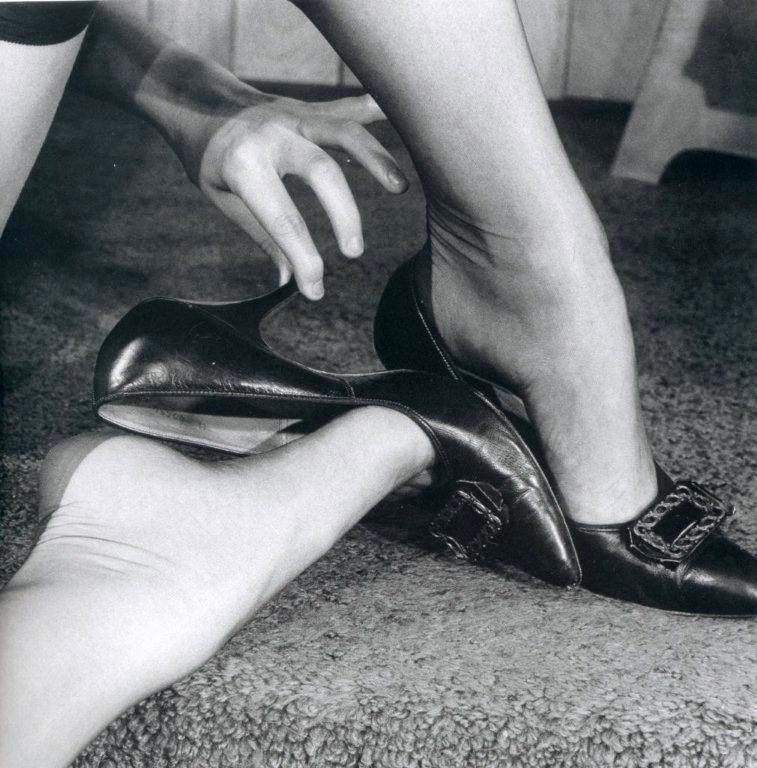
Years ago I found a book with photographs of Elmer Batters (1919-1997). The book intrigued me and I bought it. Elmer Batters was a pioneer fetish photographer who specialized in capturing artful images of women with emphasis on stockings, legs and feet. I do understand what it is to have a shoe fetish for I have one, but don’t have a clue what it is to have a foot fetish. A lot of the times feet are ‘unpleasant’ to look at, except for the feet of people who take really good care of them. To get aroused by feet is not something that would happen to me, maybe that’s the reason why it intrigues me?

Legs that Dance to Elmer’s Tune   

Introduction by Dian Hanson, Editor, Leg Show Magazine

Leg Lovers Unite!

The dean of leg men and his art

On June 25th, 1997 Elmer Batters died. I still find it hard to  believe. In ten years of working together I’d seen him leap every hurdle a bad heart and advancing years could throw up. He’d come to seem immortal. The amazing thing is that this shy, self-effacing man managed to live 77 years with a hole in his heart, even serving on a submarine during WWII  and going on to become the greatest foot photographer of all time.

Of course, in his early years he was called a leg photographer. Foot fetishism was completely in the closet back in the 1950s when Elmer took up the camera. He was acclaimed back then for his photo’s of women in black seamed stockings and garter belts. Unlike the other leg art photographers of the time Elmer often posed his models sans shoes, however, sneakily including his favorite body part. He couldn’t control his passion for the foot, didn’t want to, even though he knew it was socially unacceptable, and possibly perverse. like any true artist he was driven to express his emotions in his work, and what came through in Elmers’s masterpieces was ardent footlove. Before long, the censors took notice. it wasn’t if it were illegal to depict feet. He was breaking no laws. Nonetheless, his genius made the foot seem provocative, erotic. Viewers could plainly see careful posing and lighting of feet in his photo’s, the loving attention to the curve of the arch and sharply pointed or spread toes. The spread toes really gave him away. Such odd thing to ask of your model! Why, in some photos the model was lifting het foot, spreading her toes, and aiming it right at the camera, as if she were inviting the viewer to do something … unspeakable.

They arrested Elmer for publishing his magazines Man’s favorite Pastime and Black Silk Stockings, charging him with obscenity, not for the model’s bare breasts, but for their feet. “They said what I was doing with the stockinged feet was perverted“, he told me. “I asked them what exactly was perverted about it and they couldn’t tell me. It only proves that feet are sexy, because if something about my foot photos hadn’t got to them they wouldn’t have come after me”.

They hounded Elmer and his family until he pulled out of publishing, retreating to what he liked best anyway – photographing beautiful legs and feet. From then on he left the marketing to tougher types. Through the 60s and 70s, on into the mid-80s, Elmer perfected his foot photography. He developed his five light technique, wherein he grouped five tungsten lights – never flash – around model’s legs and feet to outline every curve and bring out the stocking shine. He also developed strong ideas about perfect leg and foot, and seldom photographed models who didn’t conform to his standard of beauty.
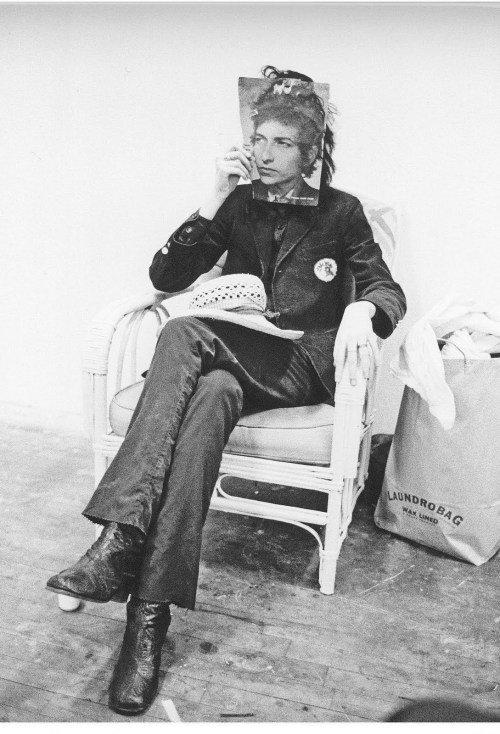
For Elmer this meant a fuller leg than is fashionable now, thick in thigh, narrow at the knee and curvy in calve, tapering to small, plump foot. He like his feet short and relatively wide, with a high shapely arch and fat, straight, lively toes capable of his trademark spread shot. “When a gal spreads her toes it’s as if she’s inviting you for a sniff of a lick’, he once confided to me. This was not an easy thing for Elmer to confess. As much as he adored feet and lavished his love on them photographically, he was acutely sensitive about his fetish. He often told me that while he considered attraction to feet normal, he had never discussed his desire to sniff or lick them with any woman. Or Man, for that matter. He always felt alienated from other men because in their discussions about what made women attractive he never dared admit the part he liked best, “Especially on the submarine the fellows spent a lot of time talking about breasts and bottoms and legs and they’d ask me what I liked and learned to lie. I came to think I was the only fellow like me in the world. I thought pretty bad about myself, like I must be pretty sick“, he told me.
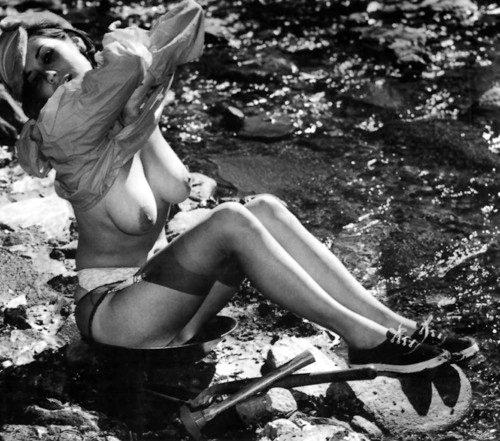
So, like so many before him, Elmer sought to explore and vanquish his demons through his art. He focused his lens on the thing he most wanted to conceal from the world – his footlove – and when his work was accepted, felt himself accepted as well. His arrest for creating perverse images could have ended his career, confirming his worst fears, but by then he had uncovered a world of fellow footlovers, and he went on as much for them as for himself.
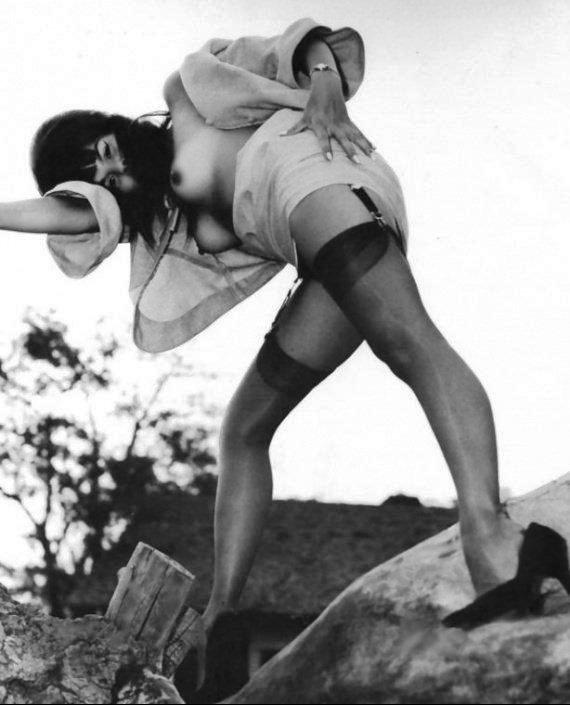
 

No one before or since has matched Elmer’s posing of female foot. I will admit that I’ve urged photographers to give me an Elmer foot pose and none get it right. Elmer said he posed the models’ feet with his own hands, but I do that too and never do get an Elmer. As a true genius, Elmer is inimitable.

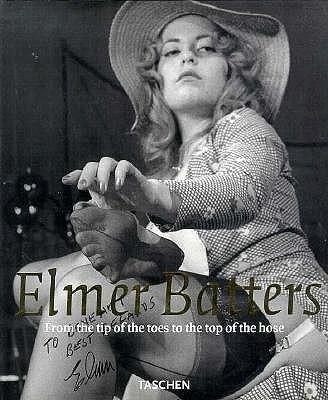
Elmer was blessed to achieve his highest career goals in his last two years of life. The publication of his first Taschen photo book, From The Tip Of The Toes To The Top Of The Hose, at last brought him recognition outside the fetish world. Initially suspicious, sure he was going to be ill-used as he had been so often in the past, seeing the finished volume was his greatest triumph. He said over and over that it was like a dream, what he’d always wanted. Sadly Elmer died as this second volume was being prepared.

Elmer was hugely excited about the release of this second book. He talked with childlike glee of being on television in Germany and his popularity in Europe. He was bitterly disappointed when his doctor told him he couldn’t travel overseas without open heart surgery – and then cancelled the surgery due to Elmer’s fragile health. Still, Elmer was optimistic in our last conversation, saying they were adjusting his medication and he felt better than he had in months. We spoke of doing new photo shoots for Leg Show, with the help of an assistant who would arrange the lights and pose the model to his specifications. The posing of the feet would be left to Elmer’s own talented hands. When I called to follow up I learned my old friend had died quietly in his sleep.

It’s hard to grasp that I’ll never speak to Elmer Again, That we’ll never again discuss theories of leg art and foot fetishism, or simply share affection for each other. Thankfully we don’t have to say goodbye to his art. His genius will live on in these collections of his work, inspiring and consoling a new generation of footlovers with his lifelong homage to the lovely, lowly foot.


Elmer Batters and his models
What were the girls paid? Fifty dollars a day.
How did you find your models? Well, the motel I’d be saying in. I’d tell the bellhop who I was and that I’d be interested in finding someone I could shoot, and I’d get call girls’ to come in and shoot. Most of them would rather screw. And I’d tell them I’d rather get pictures. Some of these models would ask me if I was queer.
What about plump Caruska, the fabled model on the backyard swing? I went to Pretty Girl International on Hollywood Boulevard. She was sitting there and nobody wanted to use her because she was too heavy. The minute I saw her… There are so many guys who like a thigh and a face like that, and she had the legs from the tip of her toes to the top of her hose. Every time you used her she’d change her look.
Elmer Batters in a conversation with Eric Kroll, Palos Verdes (CA)


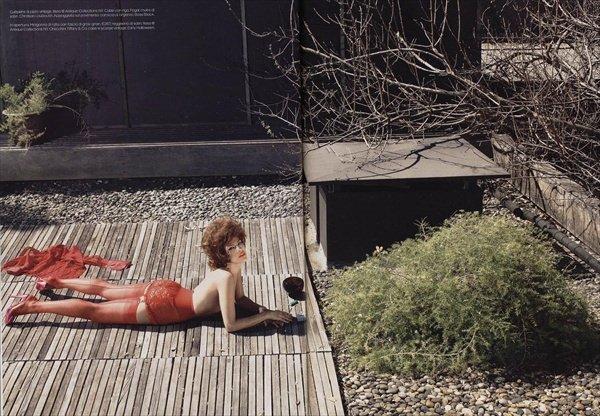
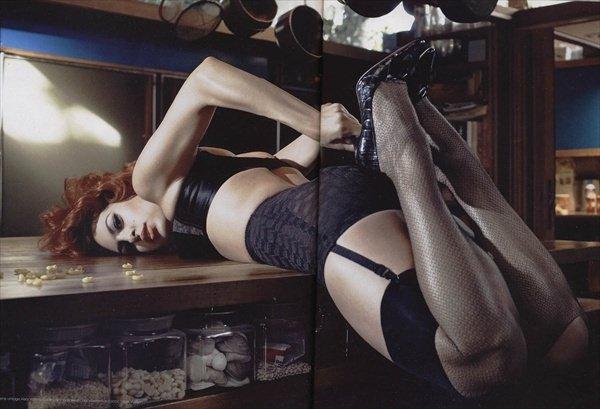
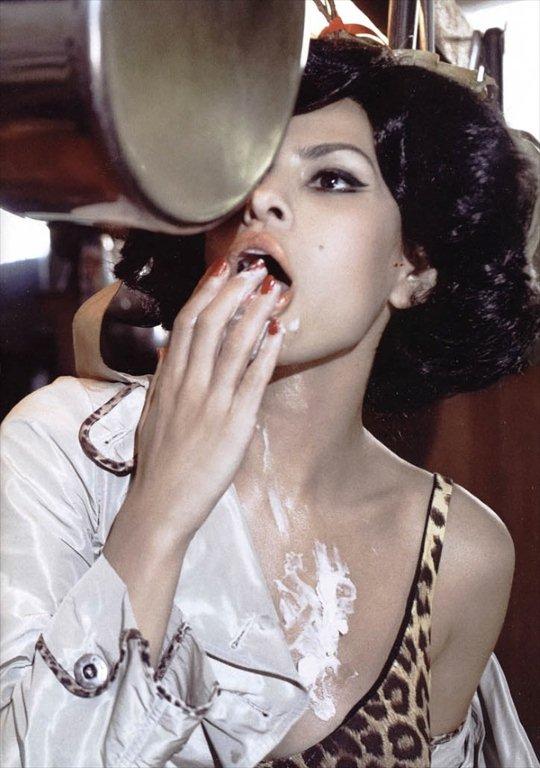
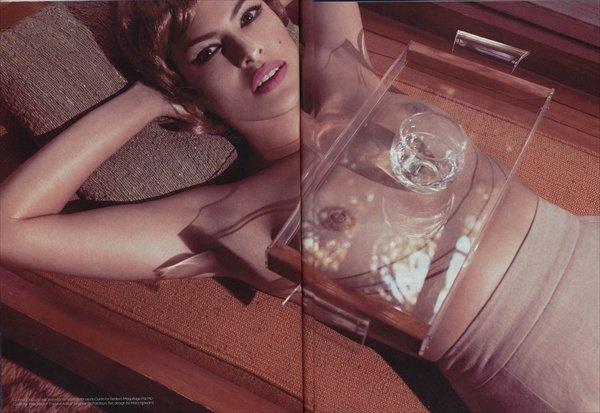
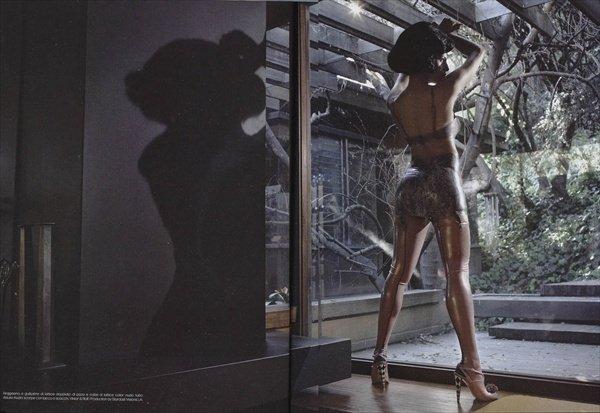
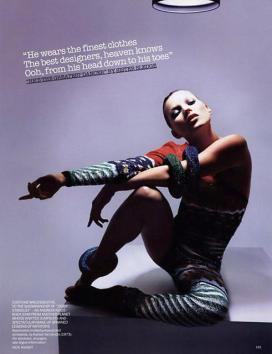
For Vogue Italia May 2008, Steven Meisel photographed a story with Eva Mendes as his model. This story is a tribute to Elmer Batters.

Eva%20Mendes

The creation of the Ziggy Stardust look…. (part 2)

22 Apr

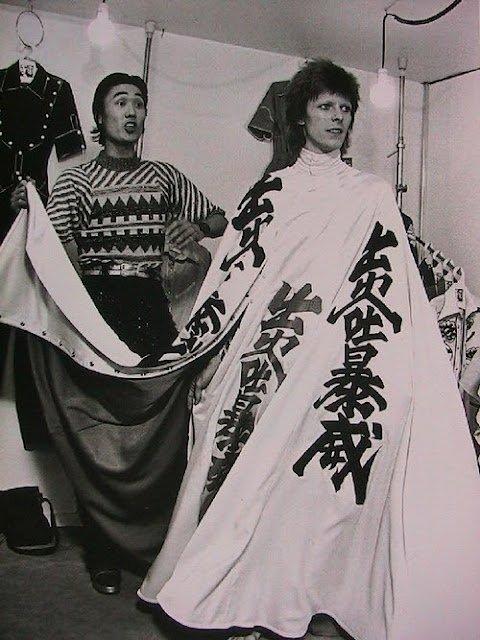
Last week I published part 1 of the Ziggy Stadust creation about the make up and hair designs for this stage persona. This post is about his clothes, designed by Kansai Yamamoto and the influence of Angela Barnett, the wife of Bowie those days.

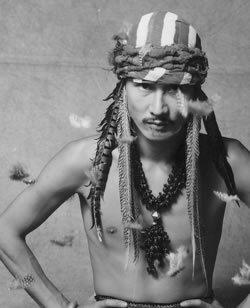
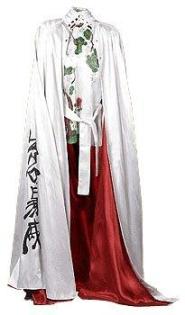
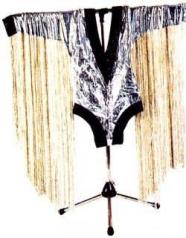
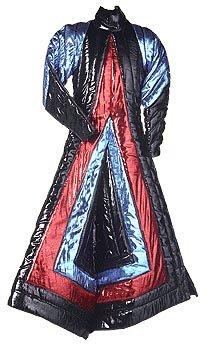
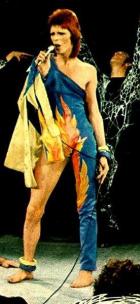
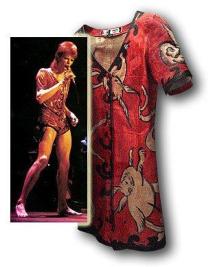
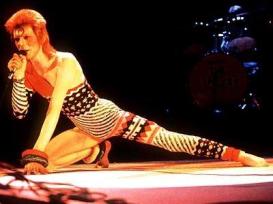
The Ziggy Stardust costumes      (by Kansai Yamamoto)

Kansai Yamamoto (1944) was the first Japanese fashion designer to hold a collection show in London in ’71. This smart move brought him an international spotlight and introduction to stars as David Bowie and Elton John..

Born just after the Second World War, Kansai Yamamoto was raised in a new Japan. Studying both engineering and English at university, he would eventually incorporate the futuristic, the imaginative and the technologically innovative and channel them into fashion, his creative medium of choice.

In many ways Kansai’s unique output would become the signature of the rebirth of his home country. If you look at the fantastic creations he made for David Bowie’s alter ego’s Ziggy Stardust and Aladdin Sane it’s clear his artistry is hugely influenced by not only the glam and glitter of the 1970s but also by pre-war Japan as well, from silken kimonos and Kabuki to the ornate armor of the Samurai, his exuberant designs contrast with the Zen-like simplicity and deconstructed silhouettes favored later by designers such as Yohji Yamamoto, Rei Kawakubo and Issey Miyake.

In the 1970s and 1980s Kansai Yamamoyo is one of the leaders in Japanese contemporary fashion. He was the first to go international and opened ‘Boutique Kansai’ in mayor cities around the world including Paris, Milan, New York, Madrid and London.

The in 2010 unveiled Skyliner train, that connects Japan’s Narita Airport with central Tokyo, is also a design by Kansai Yamamoto.

 Hello! Fashion: Kansai Yamamoto, 1971–1973 ,  filmed tour over the exhibition in Philadelphia Museum of art

The Ziggy Stardust influence  (by Angela Burnett/Angie Bowie)

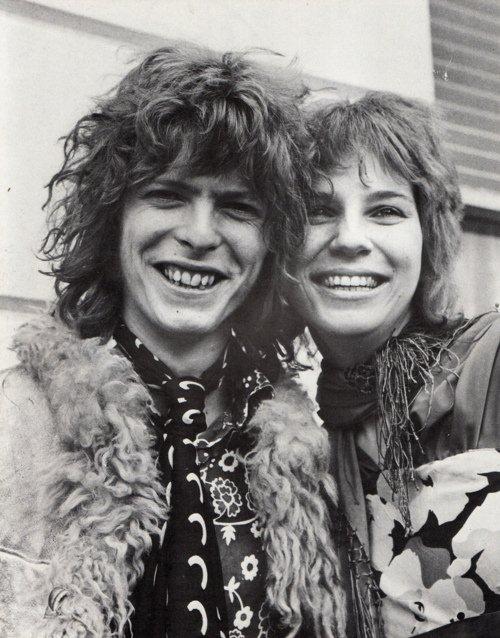
Before Ziggy Stardust was created, David Robert Jones performed under his artist name David Bowie (named after the Bowie knife). David knew he wanted to be a singer-songwriter-performer from an early age on. He met Angela Burnett in London through a mutual friend, Chinese-American record executive Dr. Calvin Mark Lee  in 1969. A year later they got married.

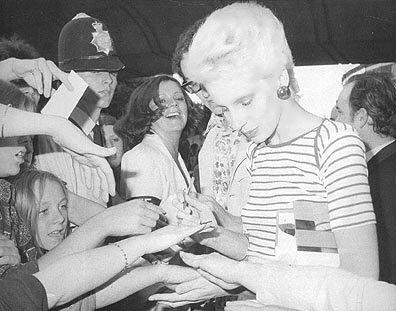
Angela had an outrageous character, she embraced everything that was going on in London those days. David Bowie needed a person like her to inspire him and help him change his image. When they met David still looked like a longhaired bohemian.

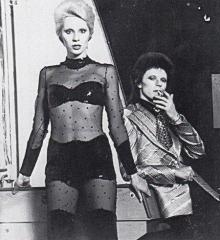
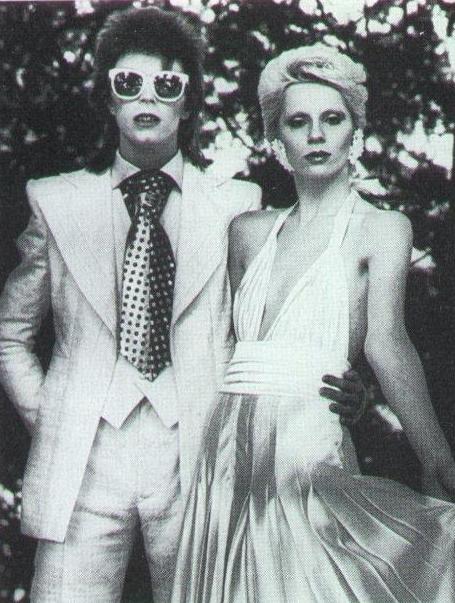
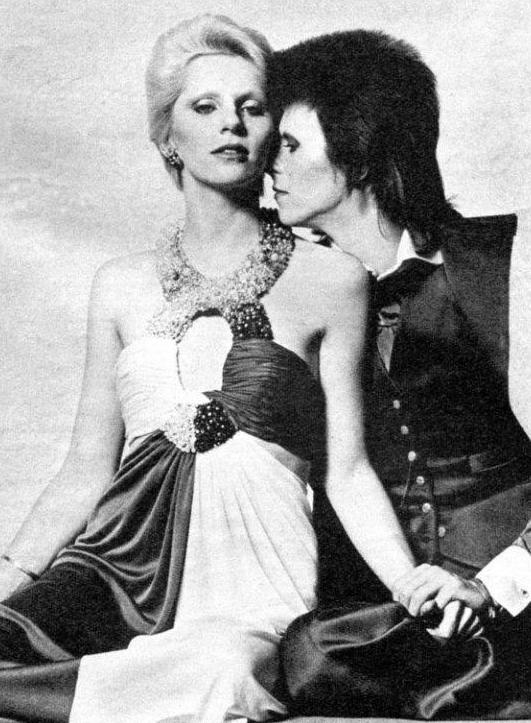
Little by little David started to change,  he also announced he was bi-sexual, this definitely also under influence of Angie, who lived a bi-sexual lifestyle too. David became more experimental with his looks and got nicknamed ‘Wowie Bowie’. Angie loved their appearances together and they even did a fashion shoot with fashion photographer Terry O’Neill.


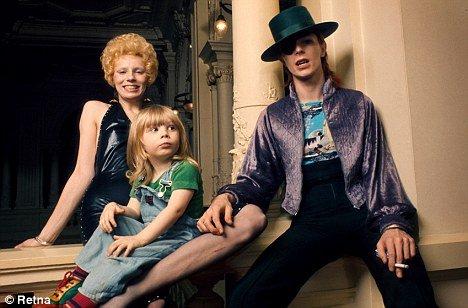
On May 30, 1971 David and Angie had a son they named Duncan Zowie Haywood Jones. Zowie later preferred to be called Joe and nowadays works under the name Duncan_Jones (he directed his first movie ‘Moon’ in 2009).

In the D.A. Pennebaker concert film Ziggy Stardust: The Motion Picture Angela appears backstage. I saw the movie years ago and remember the part with Angie vividly because she behaved so annoyingly.

David and Angie separated after eight years of marriage and divorced on February 8, 1980. Angie was disappointed the marriage ended and in 1993 she wrote a bestseller Backstage passes, Life On The Wild Side with David Bowie, a book in which she doesn’t speak well about David. Her settlement was 300.000,- pounds if she didn’t speak about her life with David for ten years.

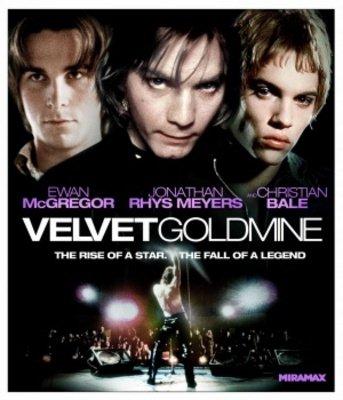
The movie Velvet Goldmine (1998) by Todd Haynes is about the Glam Rock years based on the life of David Bowie, but it’s not the real story!!