Archive | opinions RSS feed for this section

Dusty Springfield rocked a Blonde Wig and a Column Dress

12 Jul

Dusty Springfield

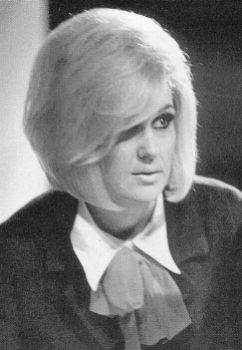
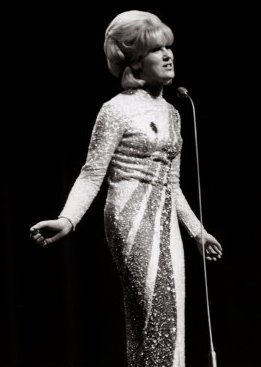
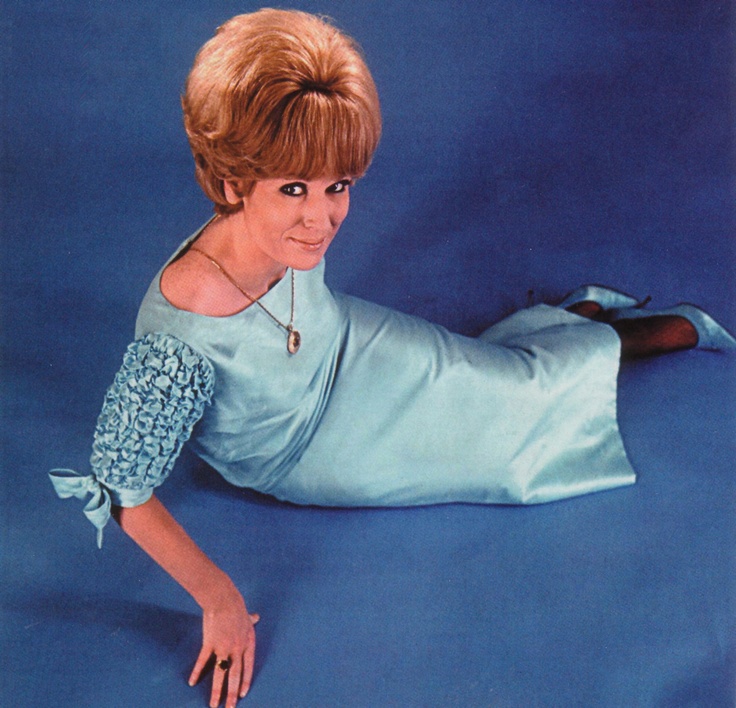
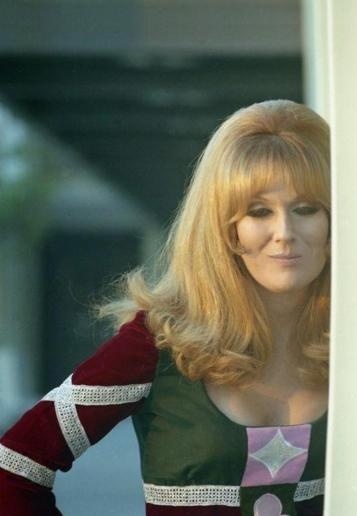
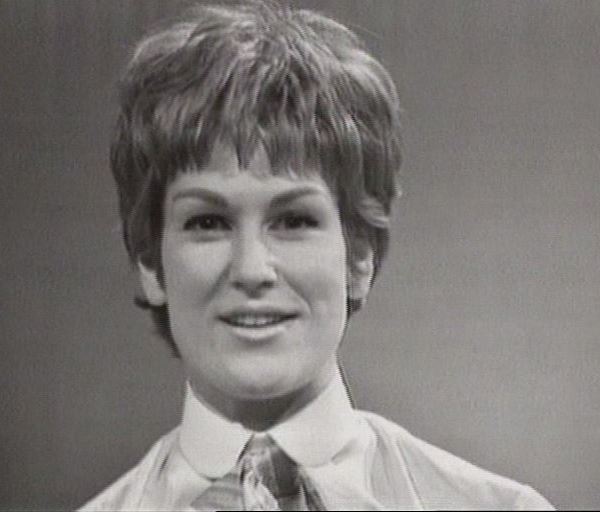
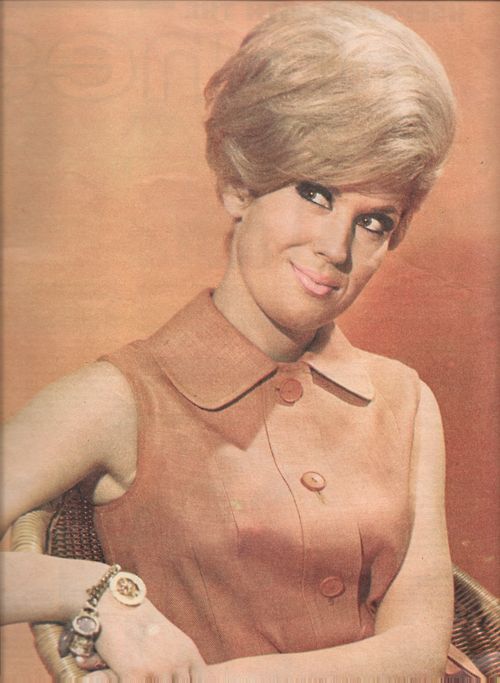
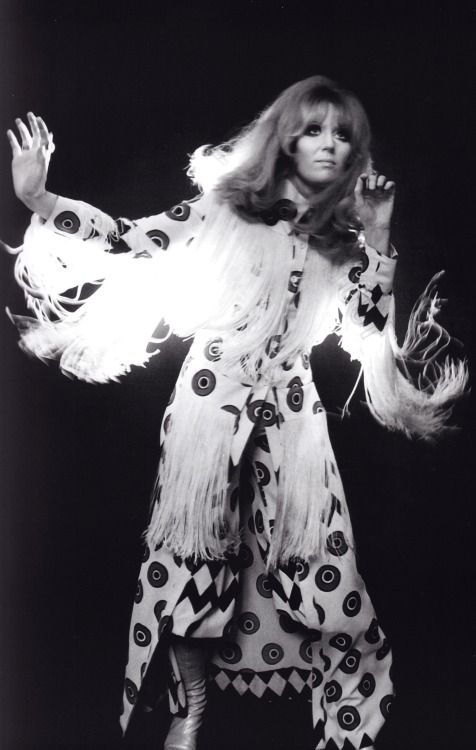
Big eyes, big hair and an even bigger voice, Dusty Springfield rocked a blonde wig and a column dress like no other. 

Dusty Springfield, the singer widely acknowledged as responsible for introducing rhythm and blues to British pop music, whose distinctive image made her a definitive figure of the Sixties, and whose personal struggles made her an icon to her legions of fans.

Once dubbed ‘the white negress‘ by Cliff Richard, because of her soulful vocal style, Springfield was described by Sir Elton John as the best white British female singer‘ of her time.

Her first success in 1963 with I Only Want to Be With You was followed by a string of hit singles, including Stay Awhile, I Just Don’t Know What to Do with Myself, and Little by Little. In 1966 she had her first number one, the ballad You Don’t Have to Say You Love Me.

Her image was a striking as her music. The heavily mascaraed ‘panda eyes‘ which became her trademark, coupled with her blond beehive hairstyle, earned her the nickname Queen of the Mods.

From Natural to Panda Eyes & Blond Wigs
Dusty Springfield

Dusty Springfield

Dusty Springfield

Dusty Springfield

Dusty Springfield

Dusty Springfield

Dusty Springfield

Dusty Springfield

Her perfectionism earned her a reputation for being difficult in the studio, which was matched by her status as a wild party-goer with a taste for throwing food.

She refused to play to segregated audiences in South Africa in 1964, incurring the ire of some on the British music scene, but her popularity was unaffected, and in the same year she was voted Best Female Vocalist in the prestigious NME Awards, an acknowledgement she was to be awarded again in 1965, 1966 1967 and 1969.

But commercial success confused her, while constant rumours about her sexuality left her craving privacy. Alcohol and tranquilizers abuse followed, and the Seventies saw her depressed and losing focus on her music.

Column Dresses

Dusty Springfield

dusty springfield

Dusty Springfield

Dusty Springfield

Dusty Springfield

Dusty Springfield

True to her survivor’s reputation, she stormed back into the British charts in 1987 with What Have I Done to Deserve This? a duet recorded with the Eighties pop duo The Pet Shop Boys. The song was a worldwide hit, and was followed by a second collaboration with the Pet Shop Boys, Nothing Has Been Proved, the theme to the film Scandal.

Matt Snow, editor of Mojo, said in bringing rhythm and blues into British pop music, Springfield had proved herself as significant as Lennon and McCartney.

‘She was an unconscious stylistic revolutionary, but a revolutionary none the less. Her emergence symbolised the beginning of a new era, with white singers adopting the emotional range of black artists.

.

.

‘Since the Pet Shop Boys rediscovered and re-presented her, she has been established in the pantheon of significant pop stylists and nothing can remove her from that.

‘The unusual thing about her as big star was that she appeased her hunger for stardom quite quickly, and was not desperate to keep plugging away. She went into semi-retirement with barely a backward glance. Her legacy is the style in which every British singer sings.’

Adam Mattera, editor of the gay men’s magazine Attitude, said Springfield’s personal story had a huge resonance with gay men at the time.

‘When the rumours began about her sexuality, and she actually said that she was attracted to men and women, it was very significant. Her lyrics were all about secret loves, but instead of going into the corner and weeping she stood daring.

Dusty Springfield

Dusty Springfield

Dusty Springfield

Dusty Springfield

Dusty Springfield

‘After the lost years, with her Eighties comeback, there was a clever, knowing sense of camp. She was in on the joke, which separated her from traditional gay icons. She understood what made her popular in the gay community and played up to it.’

Springfield bridged the gap between old-school divas like Judy Garland and more modern artists. ‘She paved the way for people like Gloria Gaynor and Donna Summer, through to Debbie Harry and Madonna, who took the defiance further.

‘She broke the mould with her music, her sexuality, by refusing to fit comfortably into the music industry’s expectations. She was subversive.’
Dusty Springfield

.

Documentary

.


Book

Book cover

Dusty Springfield: Looking Good Isn’t Always Easy – A Celebration of an Icon

Written and complied by Paul Howes, “Looking good isn’t always easy” is the luxurious, coffee table-sized photo book fans have been waiting for.

With more than 600 photographs, covering Dusty’s life from her schoolgirl days to her last TV performance, Paul Howes has retrieved hundreds of photos that have never been published before.

The book is available in hard or soft cover, and in a limited edition only. For enquiries and orders, email Paul Howes at dustybulletin@aol.com


Dusty Springfield.

.

info: http://www.theguardian.com/uk/1999/mar/04/libbybrooks

Martin Margiela, Designer of Intelligent Fashion

5 Jul

Martin Margiela

Martin Margiela first got the fashion world thinking in 1989 with a collection that challenged what luxury could be. Applying ‘grunge’ techniques such as deconstruction, recycling and raw finishes, in an intelligent and sleek manner, his ideas provoked shock and intrigue. In a rejection of mass media culture, Margiela became an anonymous design hand and has hardly ever been photographed or interviewed. Working under the collective ‘Maison Martin Margiela’ for over 20 years, Margiela left the label in 2009.

.Maison Martin Margiela studioMaison Martin Margiela studio photo on invitation show a/w '96'97 
.

Short Biography

Martin Margiela was born on April 9 1957 in Genk, Belgium.

In a rare interview with Sphere in 1983, Margiela talked about his first fashion experience. “I was watching the TV news and there was an item about (Paco) Rabanne and (André) Courrèges. As soon as I saw their designs I thought, ‘how wonderful, people are doing the sort of thing I want to do’.”

Margiela graduated from the Royal Academy of Fine Arts in Antwerp in 1979. Today he is considered an honorary member of the ‘Antwerp Six’, the ground-breaking group of designers that emerged from the academy in 1980, including Ann Demeulemeester and Dries Van Noten. This wave of talent is credited with pushing the fashion industry beyond Paris, New York, London and Milan, kick-starting today’s global marketplace.

Martin Margiela & Jean Paul GaultierMartin Margiela & Jean Paul Gaultier
.

In 1984 Martin moved to Paris to work as a design assistant to Jean Paul Gaultier. “I already knew he was good, but I didn’t realise to what extent,” Gaultier later said.

Margiela founded his eponymous label in 1988, provoking instant reaction with his first collection. “It was really a shock for everybody to see Margiela’s first silhouettes… you realised that he was much more advanced than everybody else,” designer Bob Verhelst, told Icon in 2009.

Martin Margiela won the very first ANDAM fellowship in 1989, a now prestigious prize that has since been awarded to Viktor and Rolf, Richard Nicoll, Gareth Pugh and Giles Deacon.

Martin Margiela F/W 1991-92

.

In an unexpected move, iconoclast Margiela became womenswear director of classic design house Hermes in 1997. “When (Jean-Louis Dumas, chairman of Hermes, and I) first met, he asked me anxiously if I was going to cut the Kelly in half because, at the time, the press used the words grunge and destroy to describe my work,” the designer told Grazia in a rare statement.

Margiela for HermesMartin Margiela for Hermes
.

Margiela launched his first menswear collection in 1998, known as line 10. Every new product range is given a number from 0 to 23, acting as a referencing code rather than a chronological order. The original tags were blank white labels, hand tacked with four white stitches that could be seen from the outside of the garment – a symbol of cool for those in-the-know. The ranges have expanded to include fine jewellery (12), footwear (22), eyewear (8), objects (13) and fragrance (3).

Maison Martin Margiela  Menswear

Maison Martin Margiela

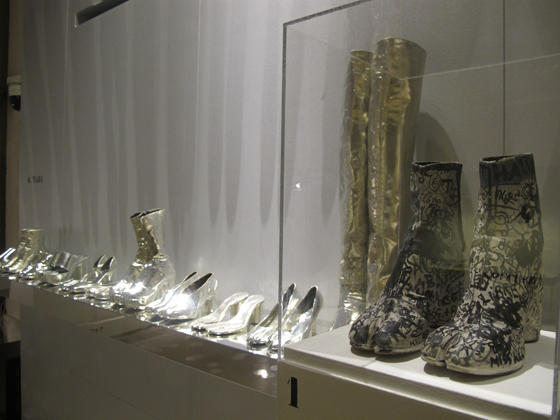
Maison Martin Margiela Footwear 

MaisonMartinMargiela-TabiBoots

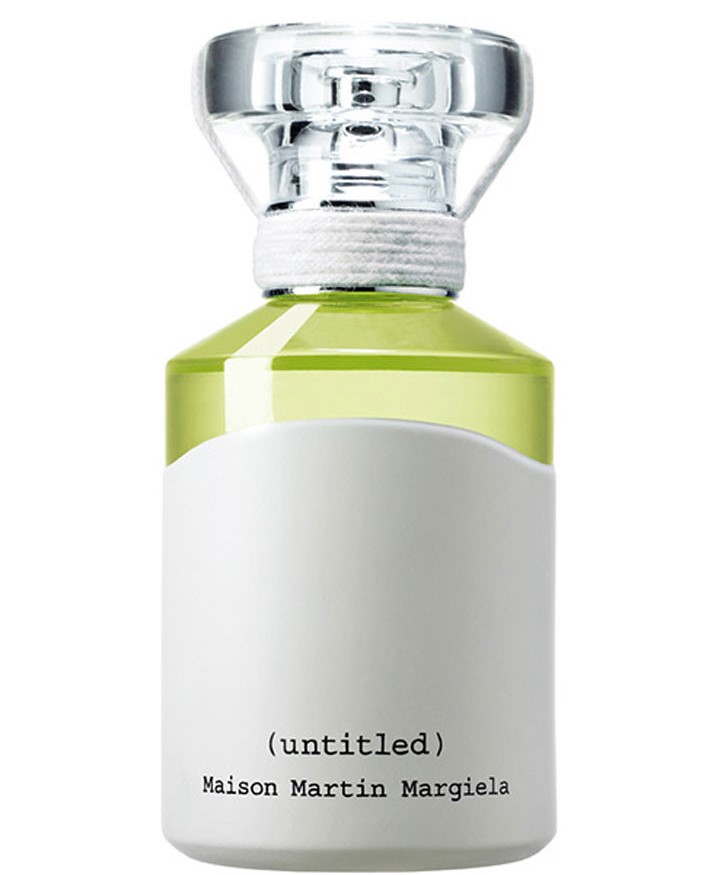
Maison Martin Margiela Fragrance

Maison MArtin Margiela Fragrance

Maison martin Margiela Fine Jewellery

https://youtu.be/EUR-Aolofl8

.

In 2002 Maison Martin Margiela became a public company with the majority share acquired by Diesel Group owner Renzo Russo.

Margiela stepped down from his role at Hermes in 2003, and was ironically succeeded by his former mentor, Jean Paul Gaultier.

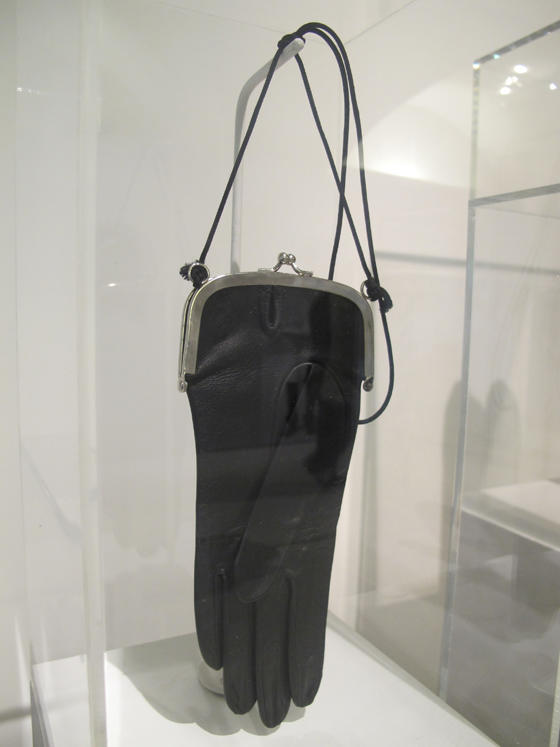
In March 2006, Margiela presented a critically acclaimed collection where perfectly tailored trouser suits were made from seventies upholstery fabrics and car seatbelts were used to draw in silhouettes. His work with unconventional materials is renowned and other hits have included tops patch-worked from vintage leather gloves, cleft-toe boots and jewellery made of coloured ice, dyeing the clothes as it melted. The designer’s presentation methods have been equally brilliant, as one show challenged editors and buyers to seat themselves according to their perceived importance, while another saw models wheeled out on trolleys.

margiela jacket from leather gloves

maison-martin-margiela-recycled-denim

The Chambre Syndicale invited Maison Martin Margiela to show their first haute couture collection on the official Paris schedule in May 2006, an acknowledgement of true excellence and craftsmanship.

In 2008, 20 a retrospective of the Maison’s work opened at the Fashion Museum Province of Antwerp.

In October 2009 it was announced that Margiela had resigned from his position as creative director at the Maison, although insiders suggested that he had been ‘absent’ for a while. Rumours circulated that he had disagreed with the commercial drive of the new Diesel ownership and felt that the Maison was sacrificing its authenticity and exclusivity in favour of becoming a globally recognised brand.

MMM-labels

In the months that followed the question of who could replace Margiela became a hot topic, with Raf Simons and Haider Ackermann reportedly turning down offers to become the successor.

The 20 retrospective moved to London’s Somerset House in June 2010 with a party attended by many of the designer’s more recognisable peers and acolytes. The big question of the evening was whether the ‘invisible’ designer himself was present. ‘Moving freely among (the celebrity-filled crowd) was that balding, grey-haired gent. Was it Margiela? Well, that assumes all Martin had to do was remove his signature cap to pass as One of Us,’ Style.Com’s Tim Blanks reported.

The 20 Retrospective Exhibition

The 20 retrospective

Maison Martin Margiela

The 20 retrospective

The 20 retrospective

The 20 retrospective

The 20 retrospective

The 20 retrospective

The 20 retrospective

Margiela’s radical concepts have influenced everybody from Azzedine Alaïa to Alexander McQueen.”Anybody who’s aware of what life is in a contemporary world is influenced by Margiela Marc Jacobs told Women’s Wear Daily in 2008.

.

Short Film on Martin Margiela: The Artist Absent

https://youtu.be/ulRtoMwxbHM

.

.

Books

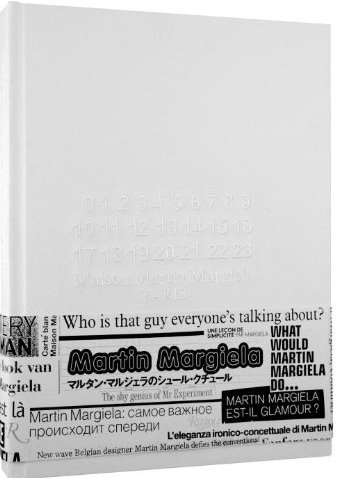
Book cover


Maison Martin Margiela

Graduating from Antwerp’s Royal Academy of Fine Arts in the 1980s, Martin Margiela (and his contemporaries in the Antwerp Six) transformed global fashion with his aggressive restatement of traditional fashion design and a polemical approach to luxury trends. Working first with the house of Gaultier, Margiela absorbed the radical design of Japanese deconstruction, making it wholly his own with the founding of his own label in 1988. Margiela propounds a singular, enigmatic look, moving beyond the recognizable tropes of deconstruction—a monochromatic palette, outsized garments, non-traditional fabrics, exposed seams, or roughly appliquéd details—to develop a fully considered worldview, one with elegance, mystery, and menace in equal measure. This book provides an inside look at the design process from a craftsman who creates pieces prized for their originality, delicacy, and daring. In the spirit of Margiela’s garments, the book is a work of art in itself, designed exclusively by Margiela and complete with silver inks, ribbon markers, a variety of lush paper types, twelve booklets, and an embroidered white-linen cover. This book provides a window onto the intimate, handmade world of a unique designer.

ISBN-13: 978-0847831883 ISBN-10: 0847831884

.

Book cover


Maison Martin Margiela: 20 Years The Exhibition

Twenty years of Maison Martin Margiela is examined in this unique retrospective exhibition catalogue. Departing from the traditional idea of presenting a comprehensive overview, the catalogue explores the different themes and concepts that have been present in the Maison’s production. This extends to their collections, events, the interior designs of their boutiques and offices, and the unmistakeable approach to their graphics and communication.

.

Book cover

Martin Margiela: Street Special 1 & 2


In 1995, Tokyo-based Street magazine approached the Paris fashion house of Martin Margiela with an invitation to publish a special edition dedicated to its work. Maison Martin Margiela guest-edited the magazine, and was solely responsible for the selection of images and presentation, which includes many previously unpublished photographs from its archives. The success of the first volume led to the publication of a second instalment in 1999, and together the two special issues cover every Martin Margiela collection from Spring/Summer 1989 through to Spring/Summer 1999. Now both popular volumes have been made available once more in this combined reprint.

.

martin margiela Belgium newspaper, dated March 3, 1983.


Martin Margiela, Belgium newspaper, dated March 3, 19838
3..
.


info:http://www.vogue.co.uk/spy/biographies/martin-margiela

Thierry Mugler, Multi Talent

7 Jun

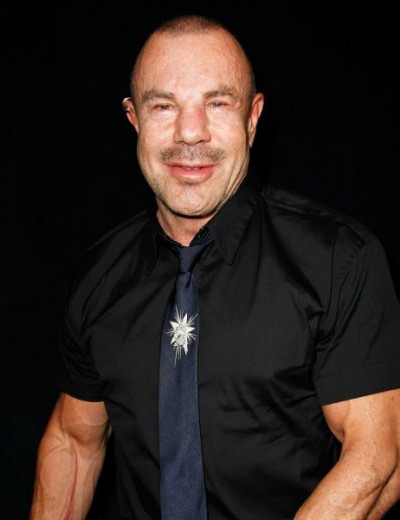
Thierry Mugler (born in 1948), French top designer, on August 26, 1976.

Thierry Mugler, born 1948 in Strasbourg, France, is more than a fashion designer, he is also a known photographer and had some early training as a ballet dancer. In 1970 he moved to Paris and worked as a window dresser, and designed clothes on the side. In 1973 he debuted his first collection, Cafe de Paris, and founded his own label for women two years later, and in 1978 he launched a collection for men.

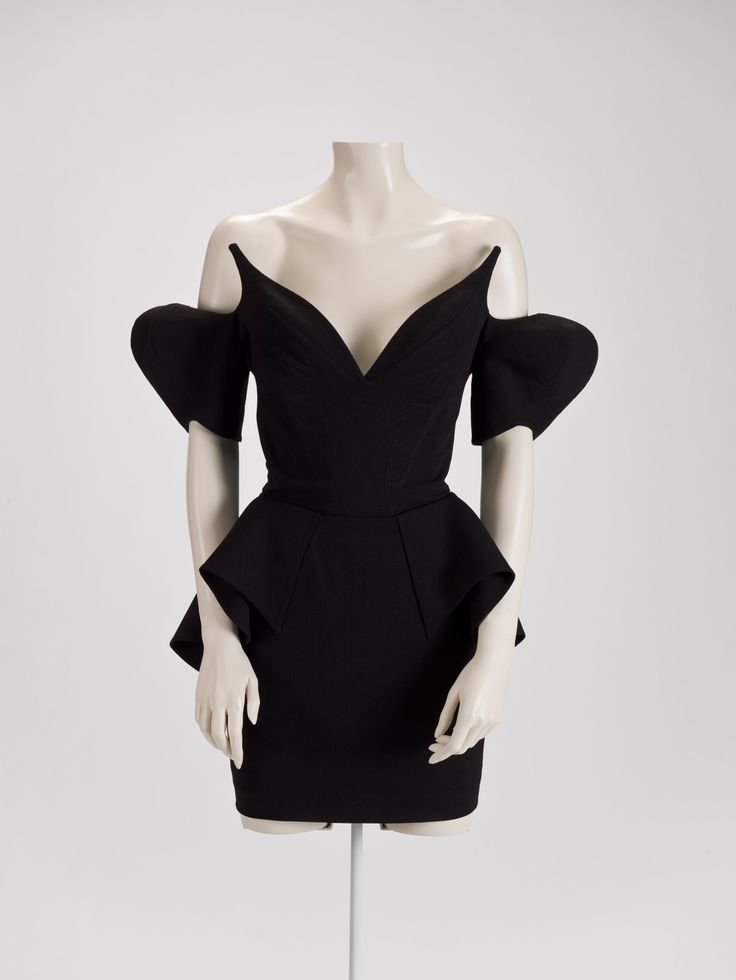
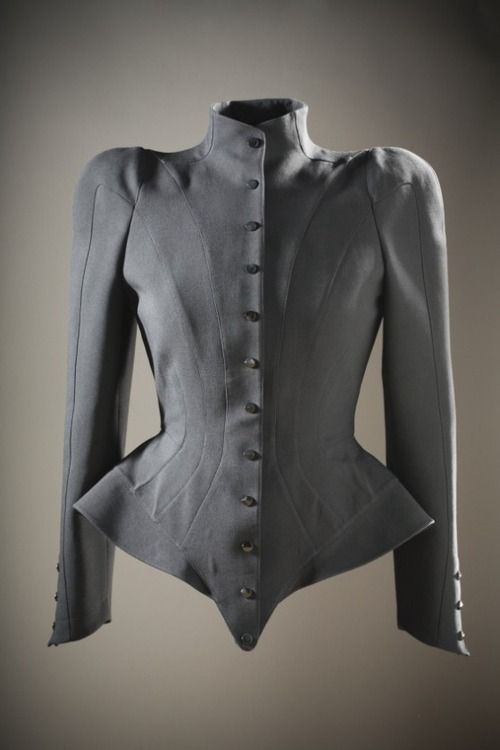
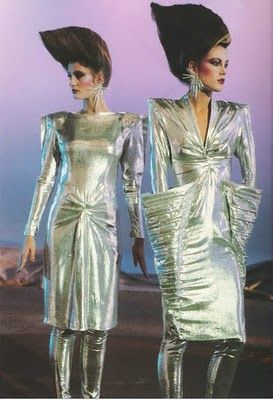
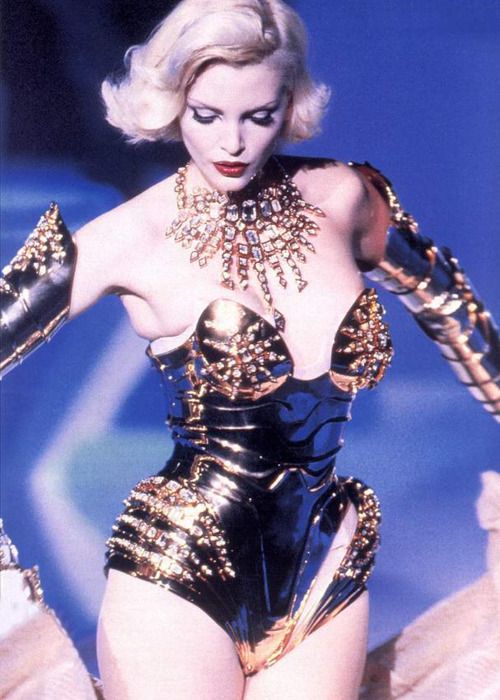
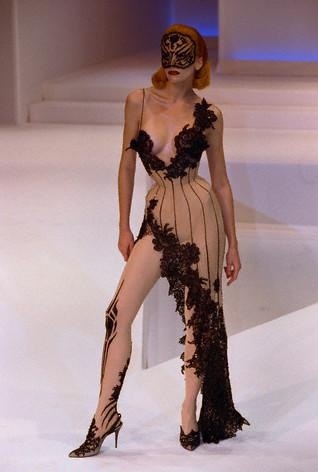
Mugler, over the next two decades created a style that was very much of its time: it was strong, malicent and sometimes almost cruel. Shoulders were wide and padded; waists were wasp like. Prints were banished: Mugler”s clothes came in solid, dominating colors. Collars had exaggerated points, or flame like cutouts. The insect kingdom was a constant influence, as were the ladies and gentlemen of film noir. PVC was often used as his material for his runway pieces, used to create space and robot themes. 1984 marked the 10th anniversary of the creation of the house. The Fall/Winter of 1984 85 collection was presented in a mega show before 6,000 people at the Zenith in Paris. It was the first fashion show in France ever opened to the general public.

Ready to Wear

1981 Thierry Mugler

Thierry Mugler

1988 The Los Angeles County Museum of Art

1979 2

1979 3

1997 Mugler developed a partnership with the French cosmetics and skincare company Clarins, the most renowned Thierry Mugler fragrances being Angel, which became the most popular perfume in France. A Men, his first men”s fragrance was launched in 1997, and has also received much popularity. The Thierry Mugler company is now known best for its perfume division: the couture division was closed in 2003, and all Thierry Mugler ready to wear is now produced under license agreements, as is a line of eyewear. After seven years of fruitful partnership, confirmed in the success of the fragrances, the CLARINS group acquired a larger majority in Thierry Mugler Couture..

In 1978, Thierry Mugler reworked the classic masculine style and came up with a resolutely modern look, as excessive as his talent : functional, slender, anatomical.

In 1992, he created his first haute couture collection upon an invitation by the Haute Couture trade union. Each piece of clothing was conceived as a work of art. His fashion shows were put together to be like real theatrical shows; he was the designer and director. Everything was original, stupefying, phenomenal, never before seen. Models and artists mingled with celebrities and unexpected characters in a multiple universe, each show more extraordinary than the last : Le Zenith (1984 : 6000 spectators came to celebrate the brand”s 10 year anniversary), le Cirque d”Hiver (1995) He became one of those Creators of the 90ties who placed fashion on the same level as visual arts, as show business.

Haute Couture

Thierry Mugler

chimera-dress-thierry-mugler-haute-couture-fall-winter-1997

Thierry Mugler

Thierry Mugler

Butterfly Thierry Mugler

1999 Thierry Mugler

An extraordinary director, he also produced short films, ads, and video clips. He created costumes for musicals, concerts, operas and the theatre (Macbeth for the Comedie Francaise). He”s worked with artists Robert Altman and George Michael.

1992, begins a new territory of expression with the birth of Angel, Thierry Mugler”s first fragrance. He became the exclusive photographer for Thierry Mugler Perfumes and shot all of the brand”s model visuals. This was the beginning of a series of high quality fragrances and after Angel came A

 2002, Thierry Mugler moves away from fashion for other universes and leaves the creation of his ready to wear collections and accessories to his creative studio where young talented designers work for the Brand.

Theirry_Mugler_MotorbikeMr Pearl’s Metal ‘Biker’ Corsets for Thierry Mugler

More about Mr. Pearl: https://agnautacouture.com/2012/08/05/mr-pearl-ethel-granger-and-stella-tennant-what-a-waist/


.

.

.

.

Books

book cover

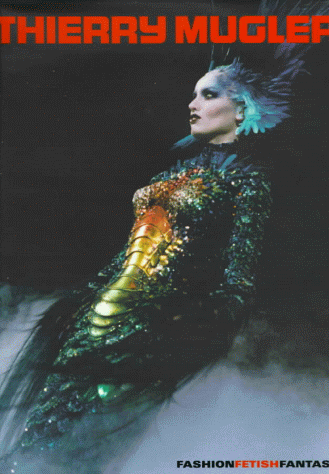
Thierry Mugler: Fashion Fetish Fantasy

For over 20 years, Thierry Mugler has stretched the boundaries of style and imagination. FashionFetishFantasy is a celebration of his extraordinary vision.

.

.
Book cover 2

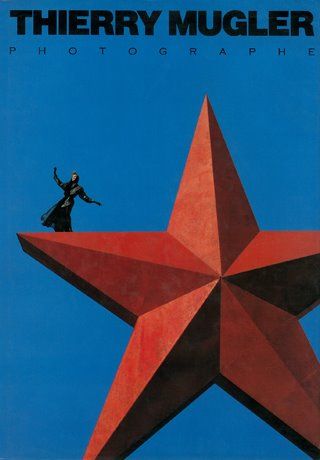
Thierry Mugler: Photographer

Amazing book of Mugler’s saturated and geometric photographs, which contrast classic Mugler with some phenomenal architecture and landscapes. “As the pictures in this album reveal, Thierry Mugler has a vision of dress based on simple yet powerful lines, bold silhouettes, and pure colors. The models she seeks out are majestic in bearing and stature, conveying a sense of strength and vitality. Juxtaposing his free-flowing creations with the angularity of architecture and the cold surfaces of stone and steel, Mugler gives new life to fashion as well as photography.”

.

.

book cover 3

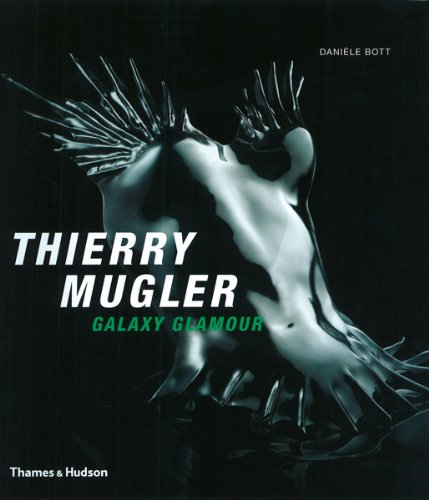
Thierry Mugler: Galaxy Glamour

The designs of the iconic French couturier Thierry Mugler convey a powerful and seductive image of womanhood. His architectural, ultra-stylized silhouettes, his exploration of new materials, his passion for staging and spectacle, and his futuristic fantasies have left an indelible impression on the world of fashion. This lavish anthology is packed with his classic work, from outrageous catwalk shows to extravagant accessories. Celebrities, supermodels and muses shine out from original sketches and photographs by Thierry Mugler himself, alongside images from some of the great names of fashion photography, including Helmut Newton, Guy Bourdin and Jean- Paul Goude. As a designer and artist, Mugler is always seeking new outlets for his inexhaustible energy, and brings his unmistakable style to everything he touches.

.
thierry-muglerThierry Mugler nowadays goes by the name Manfred

.
info: http://fashion.infomat.com/thierry-mugler-designer.html

Sarah Andelman, founder of the Coolest style-design-art-food Concept Store in the World

17 May

Sarah Andelman

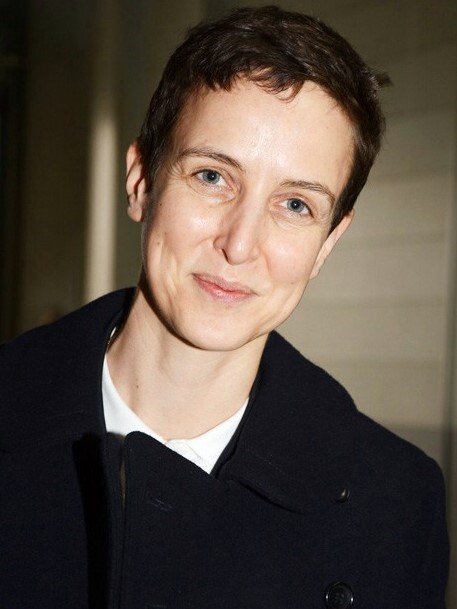
Fashion is not just about clothing or shoes, it is also about creativity, art, music and everything relating to life. Colette concept store founders, Sarah Andelman (former art student and Purple magazine intern) & her mother Colette Roussaux, after whom the store is named, understood this and made it happen by opening the now fashion institution in 1997. 
The store quickly became renowned for its revolutionary approach to retail, such as its weekly product updates and in-store restaurant and mineral water-bar.

logo

Colette, located on Rue Saint Honoré, is famed for its well judged fashion edits and quirky mix of lifestyle products that have turned the store into one of Paris’ premiere fashion pit-stops. Probably, the best thing about Colette is that it uses its great marketing force to promote young talents. Creative, young designers and artists, with revolutionary ideas and passionate about their work, who also engage humor in the creation process. It was one of the first to stock collections by Proenza Schouler, Mary Katrantzou, Rodarte, Christopher Kane, Jonathan Saunders, Raf Simons and Thom Browne.

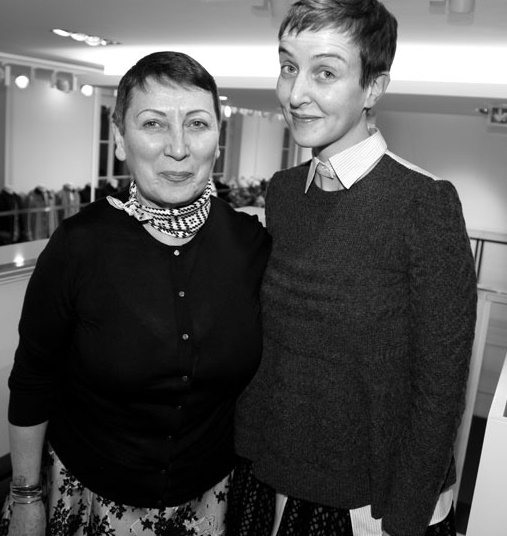
colette_et_sarah_andelman_121782554_north_883xColette Roussaux & Sarah Andelman

Colette’s creative director Sarah Andelman also pioneered the idea of designer collaborations; she’s persuaded Hermès to create special Colette scarves, Burberry to design a trench-coat with a Swarovski-studded collar, Lanvin X Balmain Batman t-shirts and a selection of candy-floss flavoured macarons by iconic French bakery Ladurée.

The Parisian store has inspired cult concept stores around the world, but has been one step ahead of its competitors.

.

.

Hedi Slimane was not amused

Saint laurent pulled a large amount of merchandise from Colette, ending a 15-year relationship.

The reason? The French fashion house was offended by the boutique’s 300-item stock of parody T-shirts that display the slogan, “Ain’t Laurent Without Yves” (a reference to designer Hedi Simane’s controversial move to rebrand the womenswear line immediately after joining the company, Yves Saint Laurent became Saint Laurent).

Hedi SlimaneHedi Slimani

Colette's "ain't Laurent without yves" t-shirt

In a more symbolic gesture, Saint Laurent rescinded creative director and retail manager Sarah Andelman’s invitation to the label’s Spring 2014 runway show.

Separately, the publisher for Document, an independent magazine, contacted Andelman to cancel a forrthcoming event, informing her that the store could no longer carry the publication because one of its covers was photographed by Slimane.

Considering the Saint Laurent designer’s fascination with youth and subcultures, it’s surprising that Slimane is so hostile to this vein of satirical streetwear — a growing trend which hinges on pop culture’s infatuation with high-end fashion. WWD notes that Colette carries other items which parody prestige brands like CélineHermès and Karl Lagerfeld. These parody pieces are displayed on another floor, separate from the designer wares.

YSL would not comment on the story, telling that the company’s dealings with retailers are confidential.  .

Sarah Andelman

INTERVIEW Magazine

interviewed Sarah Andelman, Januari 2013

INTERVIEW: What was the impetus for opening Colette? How did you define the concept of the shop in the beginning? 

SARAH ANDELMAN: It was all about the venue itself. We lived in the same building, and the space was empty for many years. One day we visited it, and we immediately had the vision to create a new place—with the restaurant, the gallery, fashion, beauty, design, music, etc. So we didn’t have the concept and then look for a space—we had the space, and how to fill it was very clear. We deeply feel Parisian, and knew what Paris was missing. There wasn’t one specific shop that influenced us—it was more a frustration about certain products that we couldn’t find in Paris that motivated us. Our vision hasn’t changed since. We’re still excited to discover new products, new brands, and to mix them all together. The shop itself, in its structure and the selection, changes all the time, but the original challenge is the same. From the beginning, the customers were always a mix—neighbors and tourists, fashion victims or hi-tech fanatics . . .

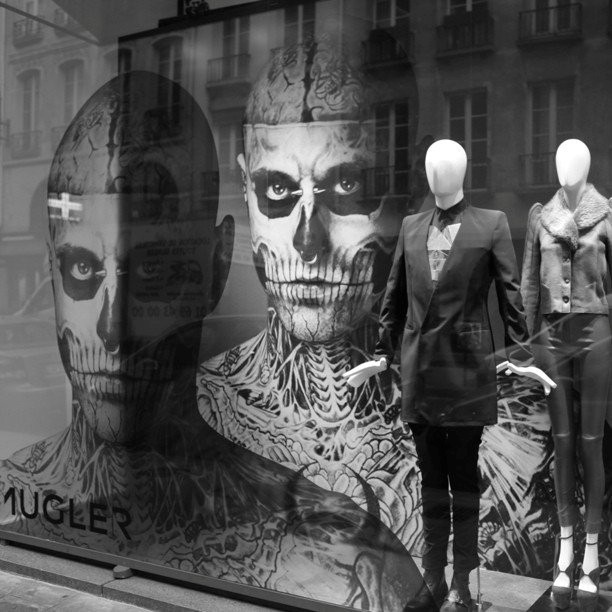
Colette Thierry Mugler windowColette’s Thierry Mugler window

INTERVIEW: How do you go about curating the store? What’s the process? 

ANDELMAN: It’s never about “commerce,” but just coups de foudre. The edit is done very spontaneously, following our instincts. We try to balance the products of the season with timeless pieces, young, new designers and major brands. We’ve carried young designers since our opening, and it has always been natural for us to support and give space to show their talent. We’ve worked since their very first collections with Jeremy Scott, Raf Simons, Proenza Schouler, Rodarte, Mary Katrantzou, Sacai, Simone Rocha, Christopher Kane, Olympia Le Tan . . . Fashion is very important, but we also considered that it was not only about fashion but many other medias around it. We’ve done so many great collaborations on products, from Moon Boots to Nike sneakers, Ladurée macaroons, and Vespa scooters, and in the gallery, had so many fabulous artists, photographers, and illustrators appear on our walls. So I never ask myself what people expect to find at Colette—I just hope to surprise them with something they can’t resist buying.

adidas-originals-consortium-city-series-colette-adidas-parisAdidas & Colette colaboration

INTERVIEW: While some other stores have opened up new outposts in other cities and countries, you’ve stuck to the single storefront on Rue Saint-Honoré. Does that kind of expansion interest you?  

ANDELMAN: We’re not interested in opening Colette in other cities—it’s all about the location, and we prefer to keep it unique and fresh. We’ve loved the pop-up shops that we’ve done with Comme des Garçons in Tokyo, Gap in New York City, or, more recently, Chanel in Paris. We’re also very proud of our collaboration with Hermès. We started to work with some international artists, brands, and generated our own community over the years. We’ll soon be launching a new version of our e-shop with more facilities, and it’s already become a great window for us to reach consumers around the worldl. Now you can find everything online, so I suppose shopping is maybe sometimes just repérage, even if we don’t really feel it at Colette. I think people are more curious and open to something they don’t know yet . . .

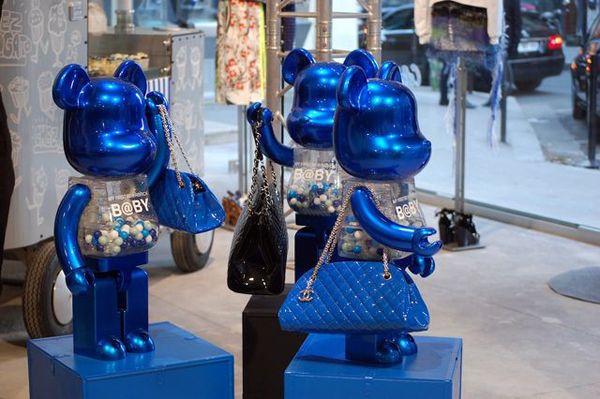
Colette collaboration with ChanelColette’s colaboration with Chanel

INTERVIEW: What do you think is the future of shopping? 

ANDELMAN: I hope they’ll develop a “buy” button on Instagram. I think the act of shopping will be quicker and quicker, like when we buy a song on iTunes. It can be a disaster for your wallet, but so good for ours.

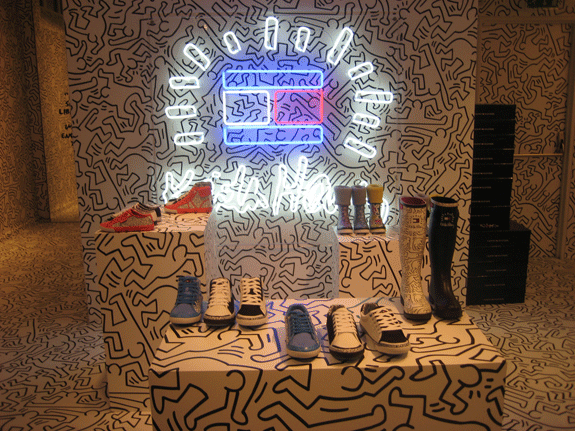
Tommy-Hilfiger-Keith-HaringTommy Hilfigger meets Keith Haring at Colette

.

.

Website:     http://www.colette.fr/

Facebook:  https://www.facebook.com/www.colette.fr

Twitter:       https://twitter.com/coletteparis

philippe-et-sarah-andelman-et-colette1Philippe & Sarah Andelman and Colette Roussaux 

info:

http://www.businessoffashion.com/community/people/sarah-andelman

http://www.interviewmagazine.com/fashion/the-curators-sarah-andelman

Rose Bertin, Marie Antoinette’s Milliner, Influences today’s Fashion

3 May

Rose Bertin portrait.jpg1Rose Bertin

.

Rose Bertin was born Marie-Jeanne Bertin (1747-1813) in Abbeville, a textile town in France. Her family was not wealthy and so she was apprenticed to a marchande de modes (fashion merchant) at a young age. By 1772 she had worked her way up to the exclusive rue Saint-Honoré in Paris, where she opened her own shop under the name of Le Grand Mogol. She quickly won the patronage of several influential courtiers (ladies who lived at the court), including the duchess of Chartres, who introduced Bertin to the newly crowned queen, Marie Antoinette, in the summer of 1774.

The queen of France quickly became Bertin’s most famous customer. Twice a week, soon after Louis XVI’s coronation, Bertin would present her newest creations to the young queen and spend hours discussing them. The Queen adored her wardrobe and was passionate about every detail and Bertin, as her milliner, became her confidante and friend.

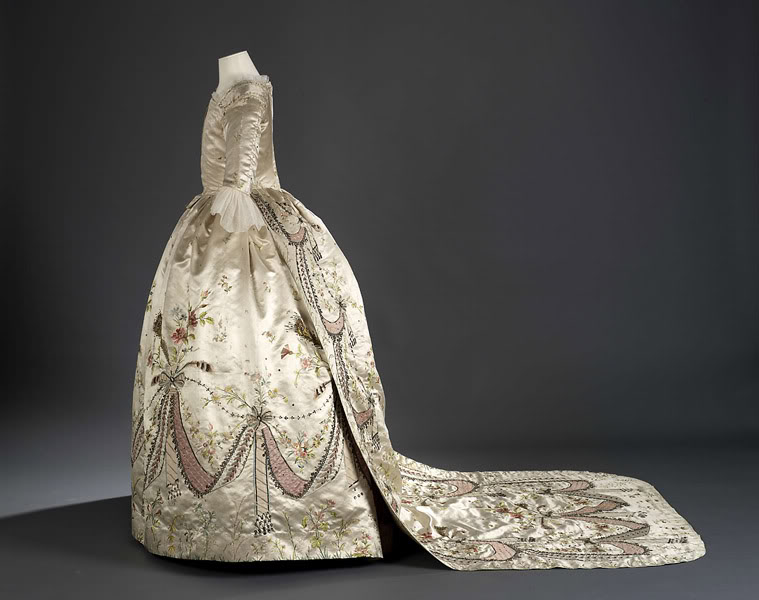
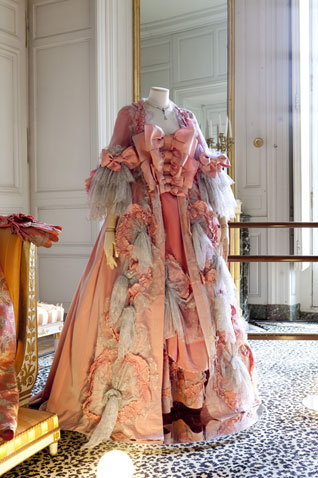
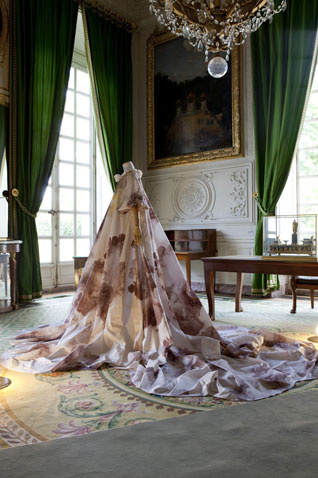
Dress designed by Rose Bertin and worn by Marie Antoinette

Rose Bertin dress

Rose Bertin dress

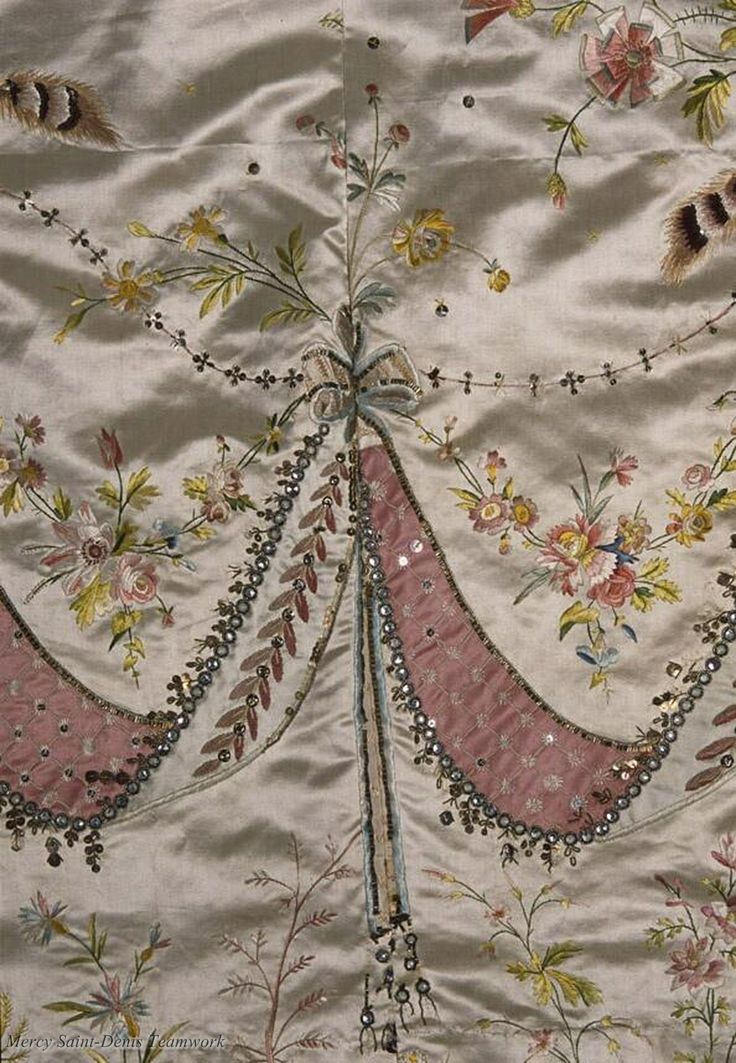
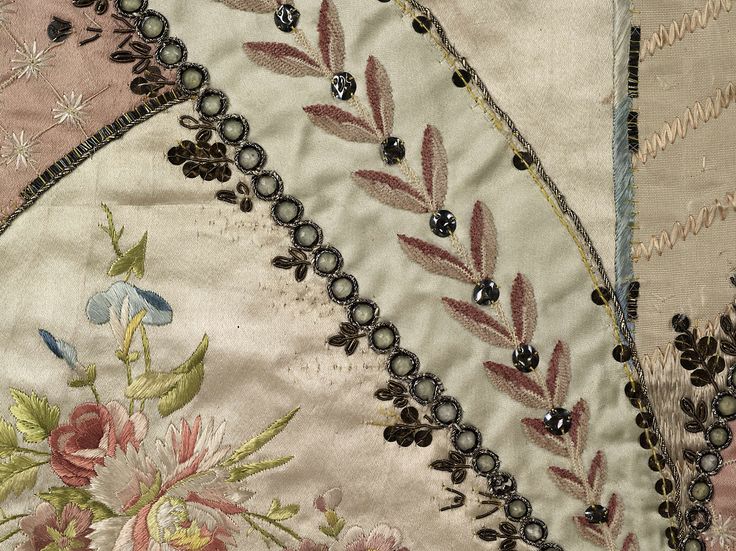
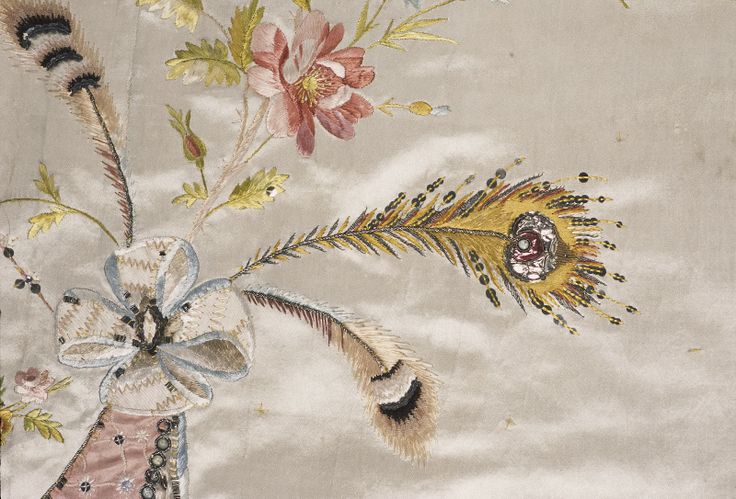
This scrap of fabric was embroidered by one of Rose Bertin's embroiderers for Marie Antoinette.

This scrap of fabric was embroidered by one of Rose Bertin's embroiderers for Marie Antoinette.

This scrap of fabric was embroidered by one of Rose Bertin's embroiderers for Marie Antoinette.

In addition to Marie Antoinette, Bertin dressed the queens of Spain, Sweden and Portugal, Grand-Duchess Maria-Fëdorovna of Russia and many European aristocrats. Indeed, Rose Bertin was the first “fashion designer” to become a celebrity in her own right. She is widely credited with having brought fashion and haute couture to the forefront of popular culture.

Marie Antoinette would buy nearly 300 dresses annually (not all by Bertin ofcourse) and never wore anything twice. To satisfy her extravagant demands, there was also her personal coiffeur Léonard Autié, who launched the poufs, elaborate hairstyles that adorned the majestic royal locks. Marie Antoinette became a fashion icon (before fashion icons were called fashion icons, that is) and not only in her own kingdom. 

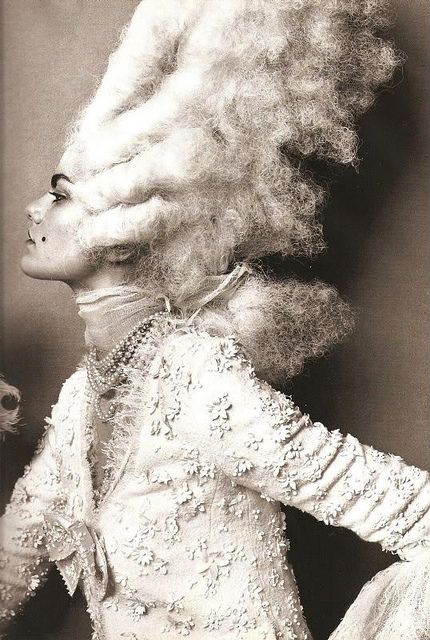
Steven MeiselPh. Steven Meisel, hair Julian d’Ys

Working with Léonard , Bertin created a coiffure that became the rage all over Europe: hair would be accessorized, stylized, cut into defining scenes and modeled into shapes and objects—ranging from recent gossip to nativities to husbands’ infidelities, to French naval vessels such as the Belle Poule, to the pouf aux insurgents in honor of the American Revolutionary War. The Queen’s most famous coif was the “inoculation” pouf that she wore to publicize her success in persuading the King to be vaccinated against smallpox.

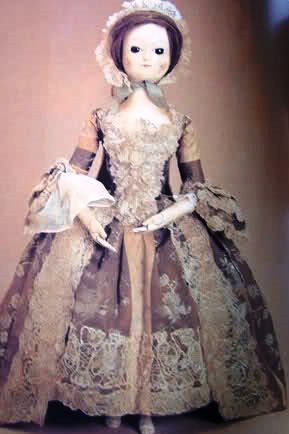
Marie Antoinette also asked Bertin to dress dolls in the latest fashions as gifts for her sisters and her mother, the Empress Maria Theresa of Austria. Bertin’s fashion dolls were called “Pandores” and were made of wax over jointed wood armatures or porcelain. There were small ones the size of a common toy doll, or large ones as big or half as big as a real person, petites Pandores and grandes Pandores. Fashion dolls as courriers of modes remained in vogue until the appearance of Fashion magazines.

Pandore

Pandore

Pandore

 When the marchandes de modes of Paris were incorporated in 1776, Bertin was elected as the guild’s first mistress. In this post, she earned the right to dress the life-sized fashion doll that toured the mercantile centers of Europe and beyond, advertising French fashions. By 1778 Bertin had grown so powerful at court that the press dubbed her France’s ministre des modes, or “minister of fashion.” The unofficial title underlined Bertin’s position as a trusted royal adviser as well as a representative of France to other nations.

Bertin’s partnership with the queen ensured her success, but it would also prove to be her undoing. As Marie Antoinette’s popularity waxed and waned, so did that of her favorite minister. Courtiers were outraged by Bertin’s privileged place in the royal circle, unprecedented for a commoner. Furthermore, her success at court gave her an ego of princely proportions. Soon Bertin was as famous for her arrogance and astronomical prices as she was for her fashions and celebrity clients. Previously, labor had represented only a fraction of the cost of a garment. By demanding star status and a star’s salary, Bertin helped elevate fashion from a trade to an art.

The outbreak of the French Revolution forced hundreds of fashion workers out of business or out of the country.  With her ties to queen and court, Bertin had every reason to fear for her life. The aristocracy saw Bertin as an upstart and an interloper, to the revolutionaries she was no better than an aristocrat herself. Royalists and Republicans alike blamed Bertin for encouraging Marie Antoinette’s excesses. While people were dying of starvation, numerous pamphlets denounced Rose Bertin as a “corrupt and corrupting maker of luxury goods”.

half size modelGrande Pandore;  half as big as a real person

.

The last outfit worn by the queen during her transfer to the Conciergerie prison were made by “Le Grand Mogol”. During the queen’s imprisonment, Bertin continued to receive orders from her former prized customer, for much smaller, almost negligible, orders of ribbons and simple alterations. She was to provide the former queen’s mourning outfit following the execution of Louis XVI, recalling a dream that Marie Antoinette had years before of her favorite milliner handing her ribbons that all turned to black.

Bertin fled Paris in 1792 and spent the next three years in such Émigré havens as Brussels, Frankfurt, and London, where she continued to dress fashionable foreigners and French exiles. Unlike her royal muse, Bertin managed to survive the French Revolution unscathed. 

By the time Bertin returned to Paris, she was out of danger but also out of fashion. She could still count a few English, Russian, and Spanish aristocrats among her clients, but hardly any Frenchwomen. Indeed, many of her French clients had perished on the scaffold, leaving their bills unpaid. The Revolution cut her career short and Rose Bertin had long been forgotten when she died on 22 September 1813.

.

Rose Bertin’s influence on today’s Fashion Designers 

vivienne westwood Vivienne Westwood

christan Lacroix 2Christian Lacroix

Vivienne westwoodVivienne Westwood

pierre balmain 1954Pierre Balmain

christan LacroixChristian Lacroix

Dior 1Dior

vivienne westwood Vivienne Westwood

thierry mugler 98Thierry Mugler

RochasRochas

Dior 2Dior

thierry mugler 92Thierry Mugler

 Rochas par Olivier TheyskensRochas by Olivier Theyskens

.

.

info: http://fashion-history.lovetoknow.com/fashion-clothing-industry/fashion-designers/rose-bertin, Wikipedia & https://stripesandvelvet.wordpress.com/author/irinacalina/