Archive | opinions RSS feed for this section

Nudie Cohn, the Rhinestone Cowboy.

2 Sep

Born in a middle-class Jewish family in highly anti-semitic Russia of 1902, little Nutya Kotlyrenko was shipped off to America at the age of eleven. At Ellis Island he took the Americanized surname his brother and cousins had already adopted, Cohn, and unable to write or spell his first name, he left Ellis Island with a botched version of it: Nudie.

‘I guess that the man never knew what a favor he did me by giving me that name,” Nudie wrote later in his life, “but it’s been a trademark for years. People are always impressed by an unusual name, and Nudie has suited me just fine.”
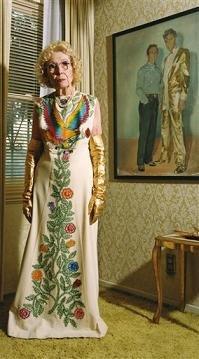
Nudie grew up poor in New York City’s garment district, apprenticing under tailors and dressmakers while dreaming of a career in music and movies. After years of traveling the United States working odd jobs, he wound up back in New York city making g-strings and burlesque costumes for strippers in Times Square at a shop called ‘Nudies for the Ladies’.

After a number of business ventures and financial hardships, the Russian immigrant who dreamed of being a singin’ cowboy moved out to San Fernando Valley along with his wife Bobbie, operating a small tailoring business out of their garage. Unable to afford a decent sewing machine or fabric to work on his own designs, Nudie decided in 1947 that country vocalist Tex Williams would be his springboard into burgeoning field of cowboy costuming.

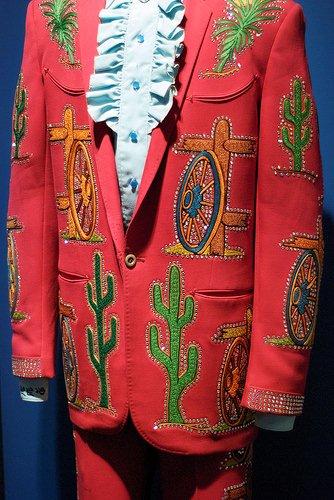
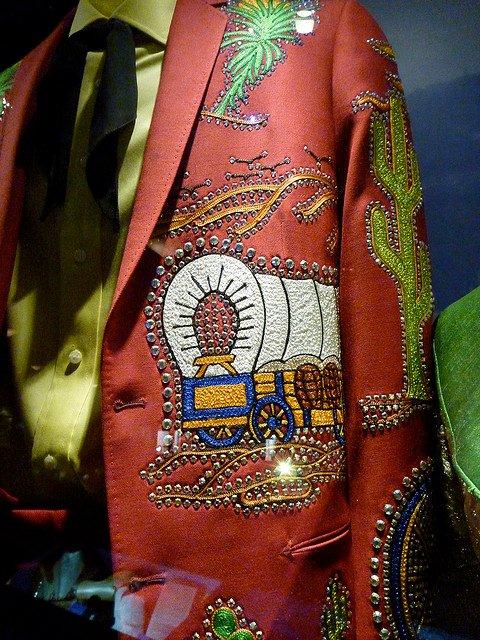
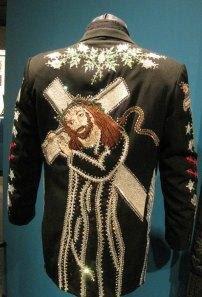
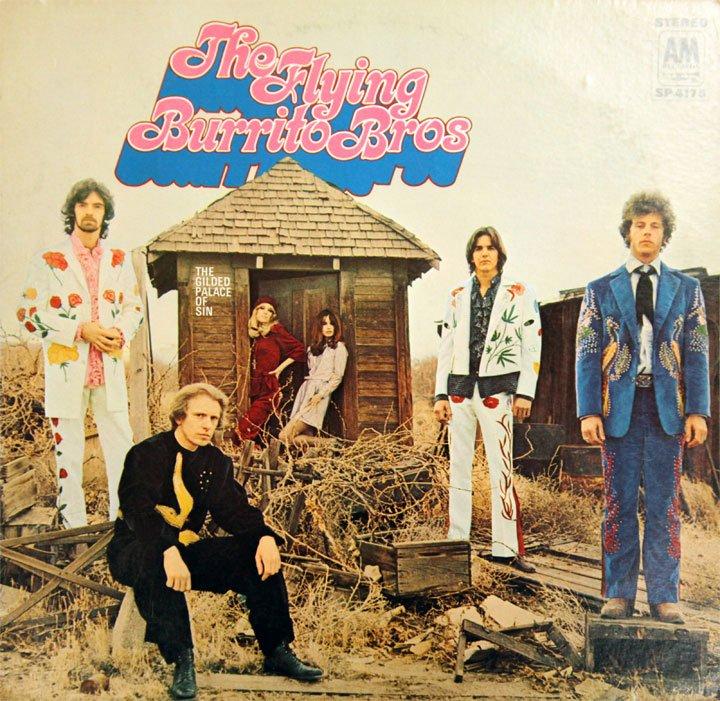
The couple soon found celebrity by selling wildly embroidered, rhinestone-studded duds to cowboy stars, country singers and … Elvis Presley. (A $10,000 gold lamé number made the cover of Rolling Stone and netted a profit of $ 9,950.)

Not knowing of the story is true, its been said Bobbie inspired her husband for the logo the company used on its labels for more than 20 years; One evening in the early 1940’s, Bobbie emerged from the boudoir wearing nothing but a cowboy hat, boots and a holster and coyly asked her husband,”When are you going to make the rest of the outfit?’ The result was what became known as the ‘naked cowgirl’ label. After Nudie converted to Christianity around 1963, the cowgirl was clothed…, making the old-label garments collector’s items.
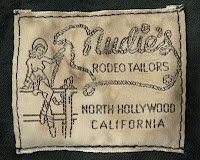
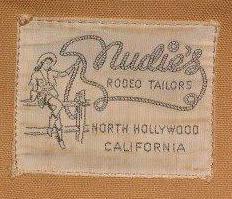
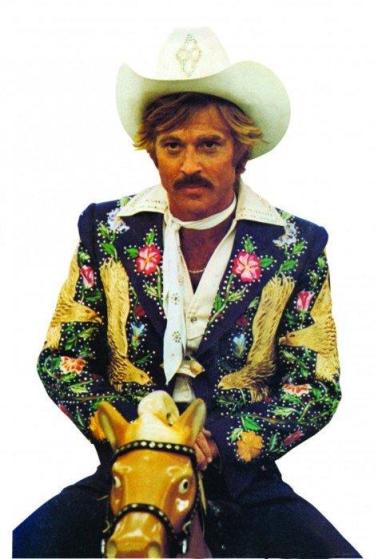
Nudie and Bobbie produced clothes for many famous celebrities, which are now museum pieces. Mr. Cohn died in 1984, Bobbie passed away in 2006. it is unclear which one of the couple came up with the Nudie motto: “It is better to be looked over than overlooked.”….
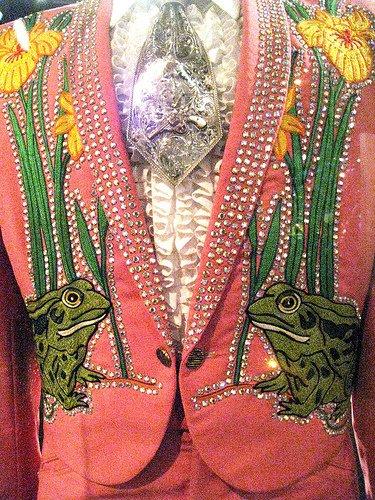
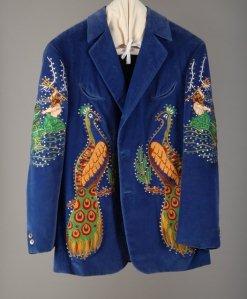
 

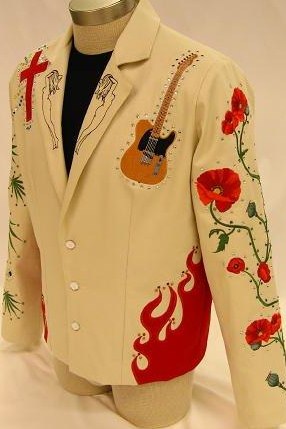
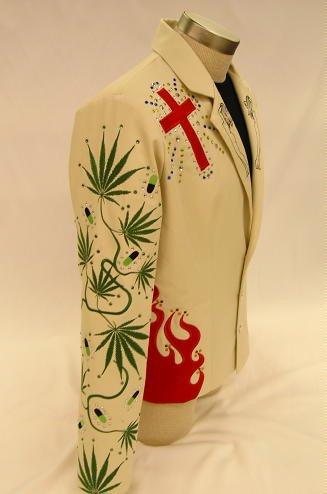
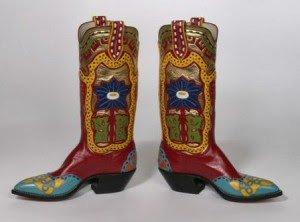
Other designs of Nudie’s rodeo tailors

Nudie’s rodeo tailor’s influence on fashion:

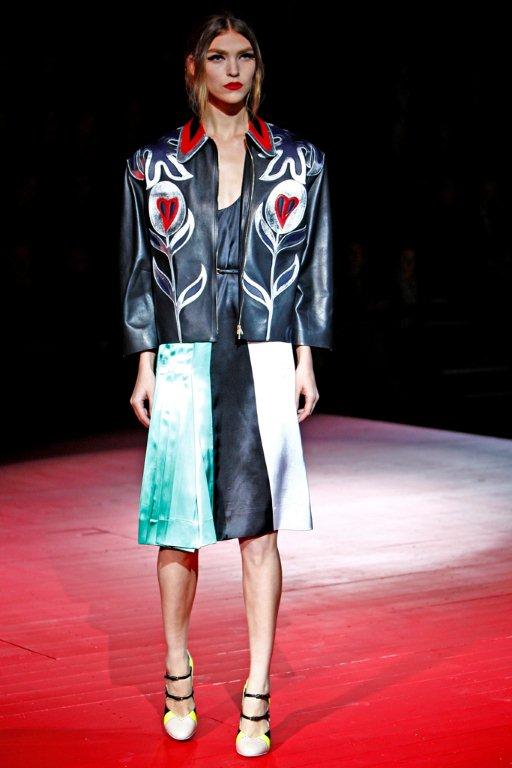
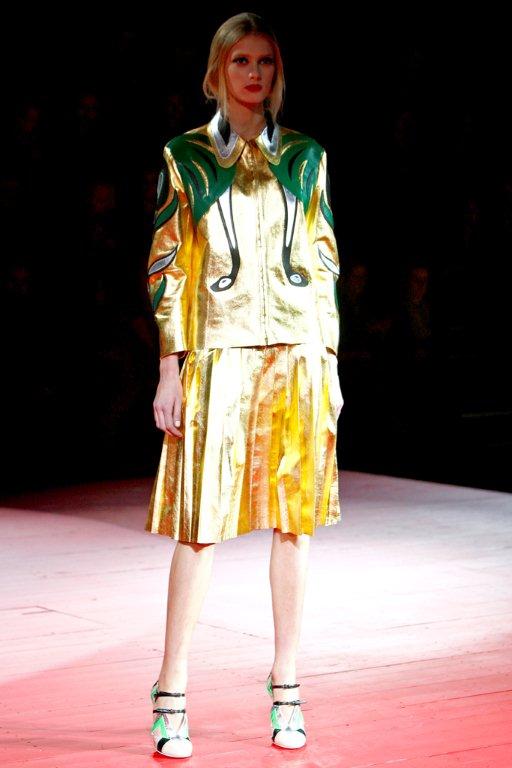
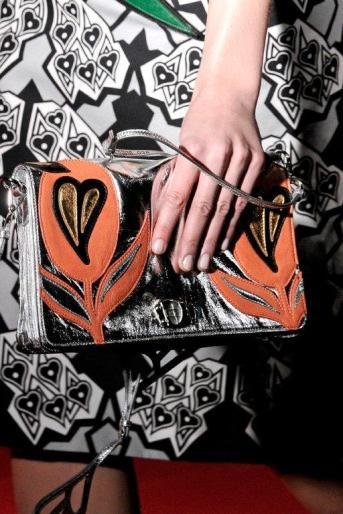
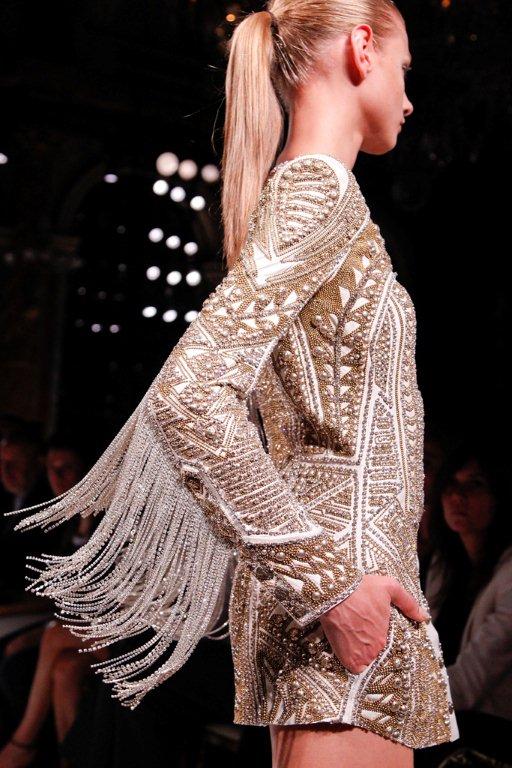
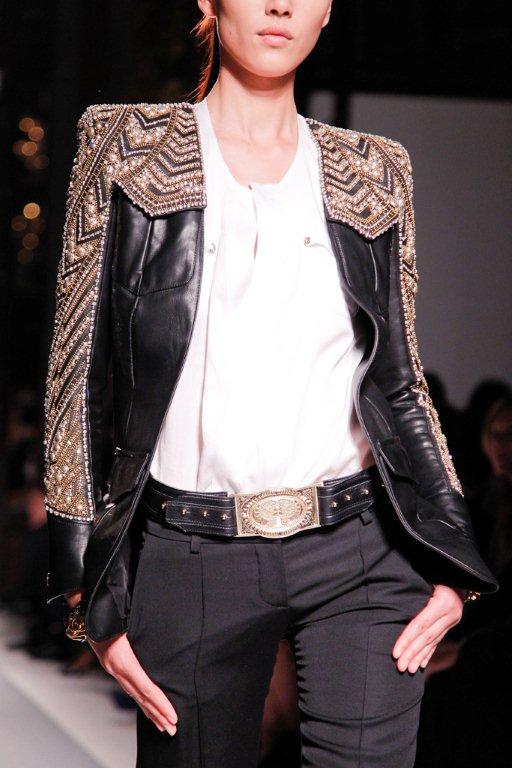
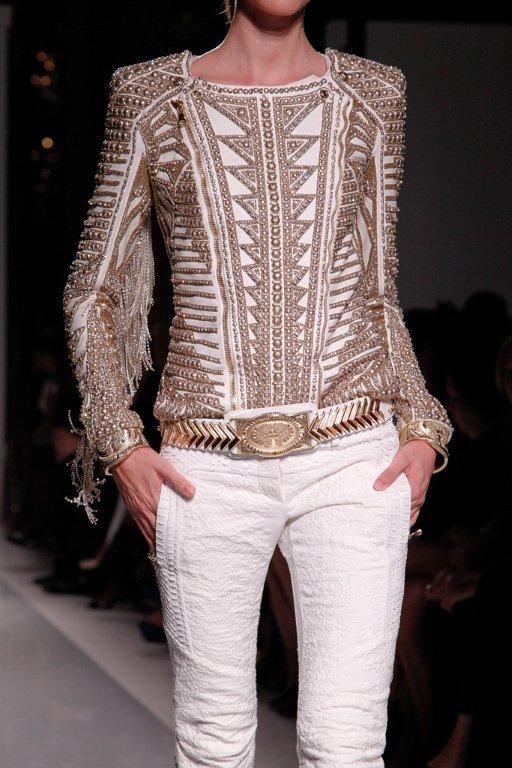
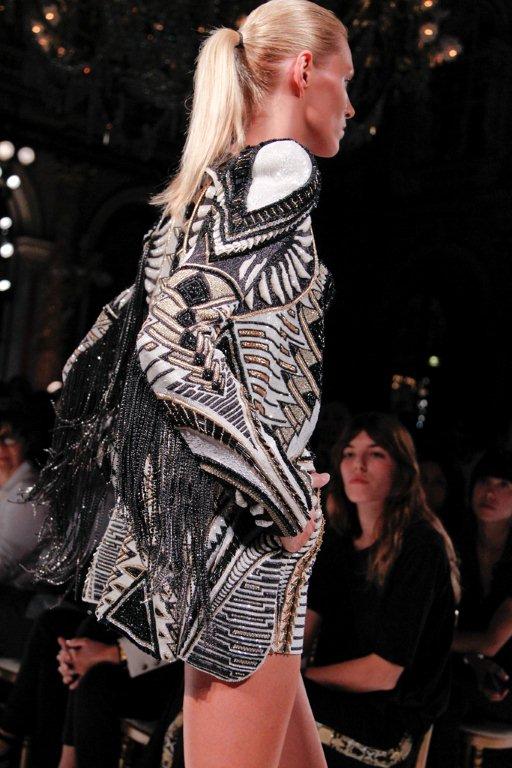
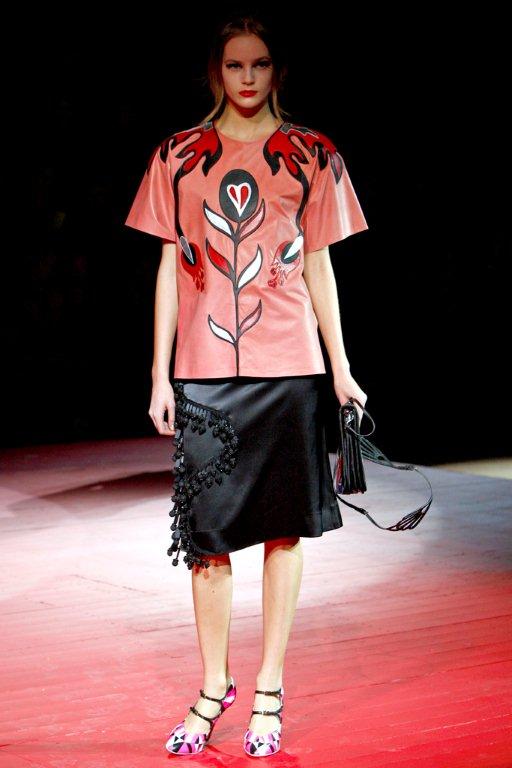
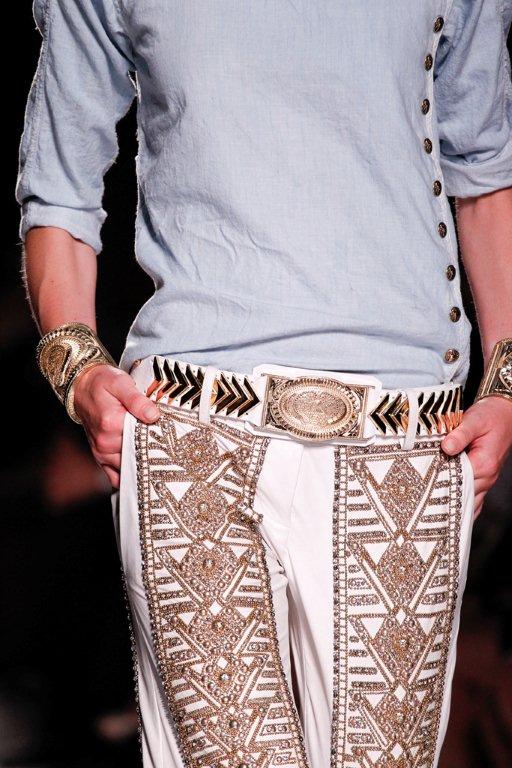
The Nudie style still inspires fashion designers like Tommy Hilfiger, Ralph Lauren, Tom Ford, Miuccia Prada and for his first Balmain collection SS 2012, Olivier Rousteing looked to Nudie Cohn’s rhinestone-covered suits….

Miu  Miu collection SS/2011
Balmain  collection SS/2012
Fashion photographer Craig McDean filmed Amber Valetta in a humble salute to Nudie’s Rodeo Tailors.

http://showstudio.com/project/made_in_hollywood/filmCraig Mcdean

In 2011, Belgian fashion museum  MoMu presented  Dreamsuits. Designs by Nudie Cohn, the Rodeo Tailor – featuring the collection of Bobbejaan Schoepen’ in the MoMu Gallery, an exhibition of fascinating outfits, accessories and ephemera by the legendary Nudie Cohn.

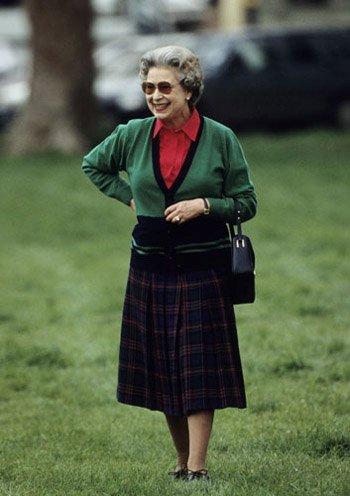
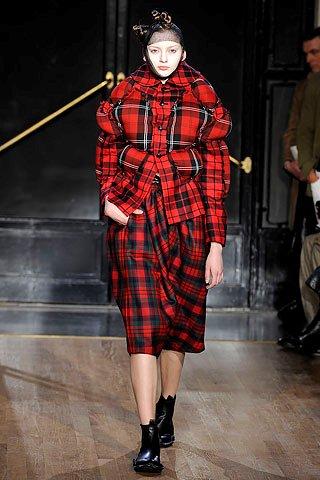
All dressed in tartans

26 Aug


Elsa Schiaparelli is the one to whom the word ‘genius’ is applied most often

19 Aug

Coco Chanel once dismissed her rival as ‘that Italian artist who makes clothes.’ (To Schiaparelli, Chanel was simply ‘that milliner.’)

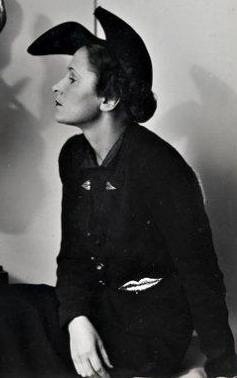
Elsa Schiaparelli (september 10, 1890 – november 13, 1973) was born in Rome, Italy. She studied philosophy and at the age of 22 she accepted a job as a nanny in London. Elsa led a refined life with a certain amount of luxury provided by her parents’ wealth and high social status. She believed, however, that this luxury was stifling to her art and creativity and so she removed herself from the ‘lap of luxury’ as quickly as possible. She moved first to New York City and then to Paris, combining her love of art and design to become a couturier.
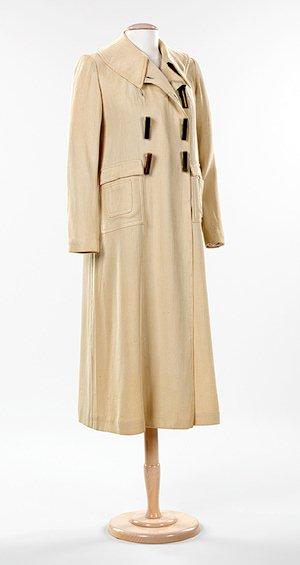
She was not a trained seamstress and her interest was not merely in fashion. She was a flamboyant persona who liked interacting with artists. She designed her clothes on paper, trusting her tailors to correctly interpret them, which was not as common then as it is today.

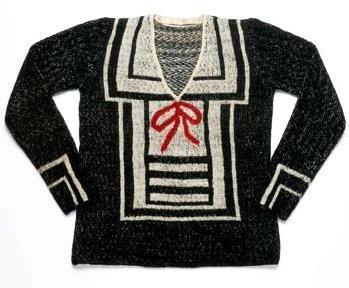
Elsa launched a collection of knitwear in 1927, after she made her first steps into fashion earlier, with some encouragement from Paul Poiret. The first collection featured sweaters with surrealist trompe l’oeil images which were published in Vogue. Her business really took off with a pattern that gave the impression of a scarf wrapped around the wearer’s neck.

Elsa’s ‘pour le Sport’ collection expanded the following year to include bathing suits, ski-wear, and linen dresses. The divided skirt, a forerunner of shorts, shocked the tennis world when worn by Lili de Alvarez at Wimbledon in 1931. She added evening wear to the collection in 1931, and the business went from strength to strength, culminating in a move from Rue de la Paix to acquiring the renowned salon of Madeleine Chéruit at 21 Place Vendôme, nicknamed the Schiap Shop.

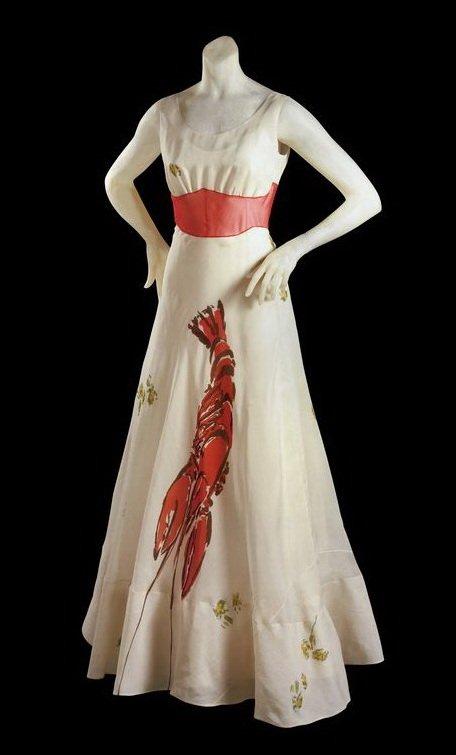
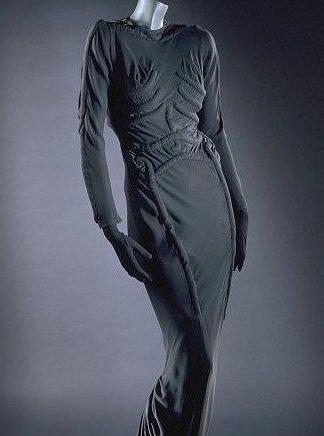
Elsa collaborated with famous artist Jean Cocteau and Salvador Dalí to create her most significant designs. She was the most innovative and influential dress designer of the 20th century, known for her shocking designs and Surrealist influences in her haute couture. Her inventions included the color Shocking Pink‘,  which she made famous, the innovative use of colorful zippers, gadget  accessories such as scarves of material with a newspaper print design  and the clinging and attractive bias-cut dresses.

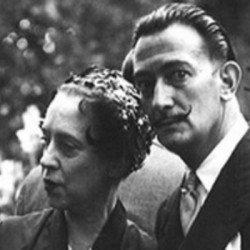
Elsa Schiaparelli & Salvador Dali

Elsa Schiaparelli & Jean Cocteau

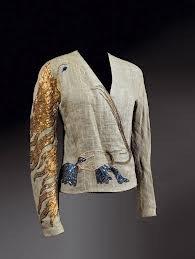
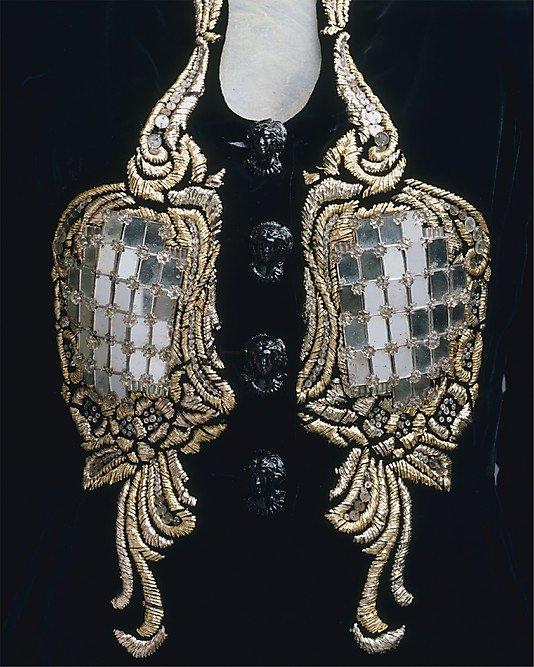
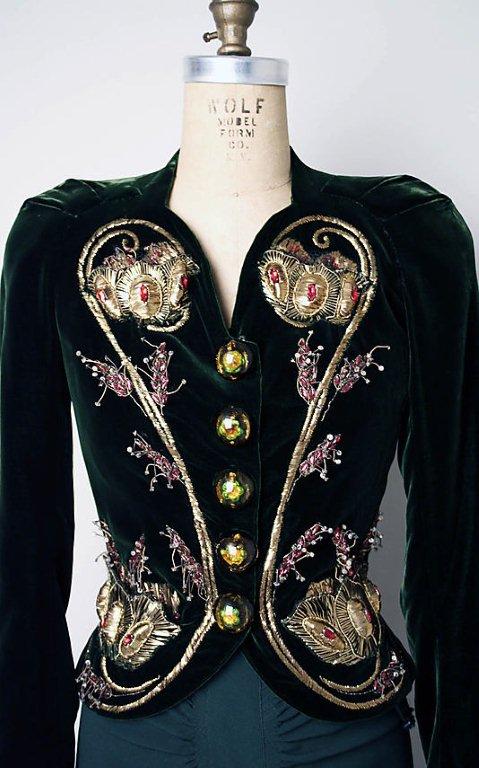
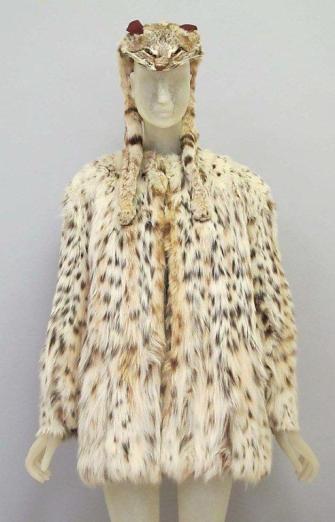
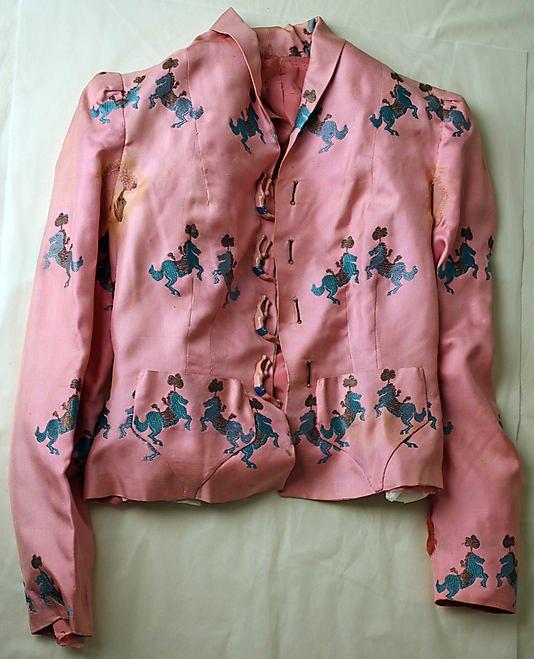
Perhaps Schiaparelli’s most important legacy was in bringing to fashion the playfulness and sense of ‘anything goes’ of the Dada and Surrealist movements. She loved to play with juxtapositions of colours, shapes and textures, and embraced the new technologies and materials of the time. With Charles Colcombet she experimented with acrylic, cellophane, a rayon jersey called “Jersela” and a rayon with metal threads called “Fildifer” – the first time synthetic materials were used in couture. Some of these innovations were not pursued further, like her 1934 “glass” cape made from Rhodophane, a transparent plastic related to cellophane. But there were more lasting innovations; Schiaparelli created wraparound dresses decades before Diane von Furstenberg and crumpled up rayon 50 years before Issey Miyake’s pleats and crinkles. In 1930 alone she created the first evening-dress with a jacket, and the first clothes with visible zippers. In fact fastenings were something of a speciality, from a jacket buttoned with silver tambourines to one with silk-covered carrots and cauliflowers.

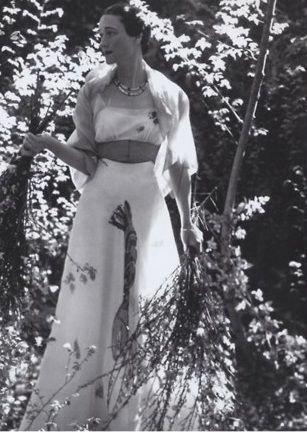
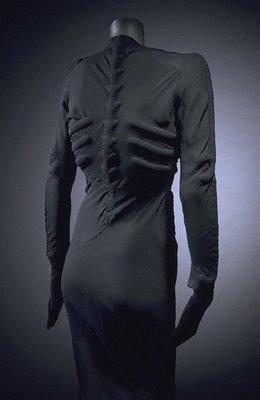
Elsa Schiaparelli clothes

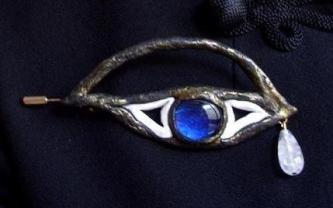
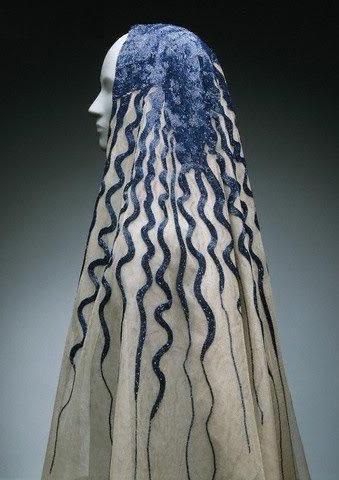
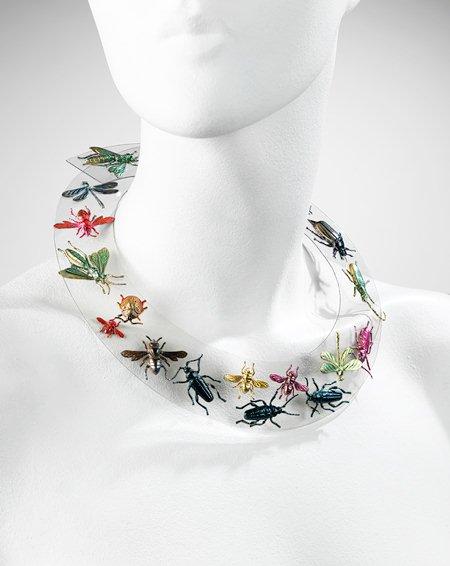
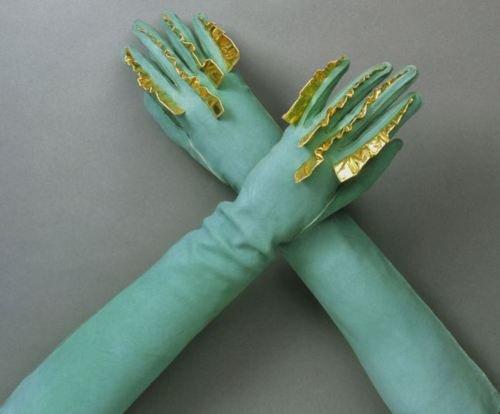
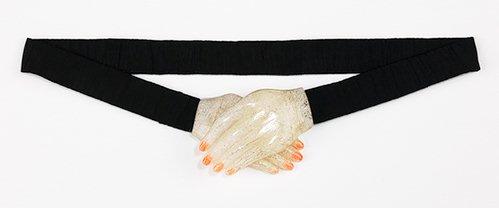
Elsa Schiaparelli accessories

The failure of her business meant that Schiaparelli’s name is not as well-remembered as that of her great rival Coco Chanel, because she did not adapt to the changes in fashion following World War II. Soon after the fall of Paris on 14 June 1940, Elsa sailed to New York for a lecture tour; apart from a few months in Paris in early 1941, she remained in New York City until the end of the war. On her return she found that fashion had changed, with Christian Dior’s ‘New Look’ marking a rejection of pre-war fashion. The house of Schiaparelli struggled in the austerity of the post-war period, and Elsa finally closed it down in December 1954, the same year that Coco Chanel returned to the business. Aged 64, Elsa wrote her autobiography and then lived out a comfortable retirement between her apartment in Paris and house in Tunisia. She died on 13 November 1973.

 Muccia Prada is inspired by Elsa Schiaparelli and surrealisme too.


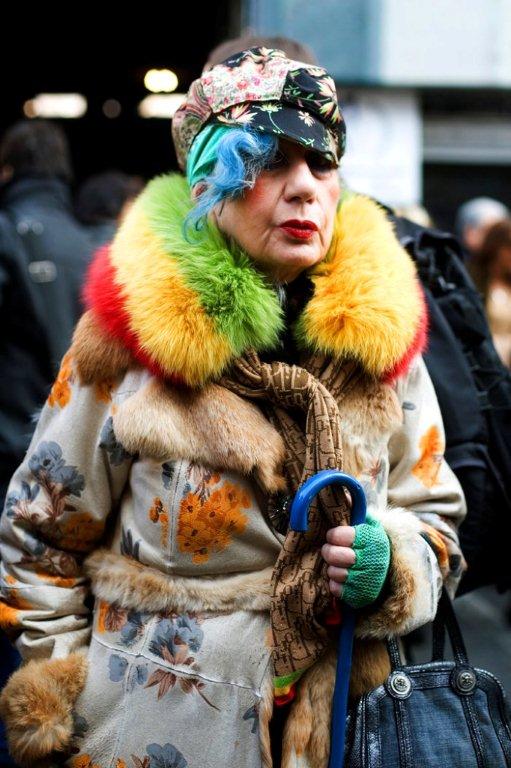
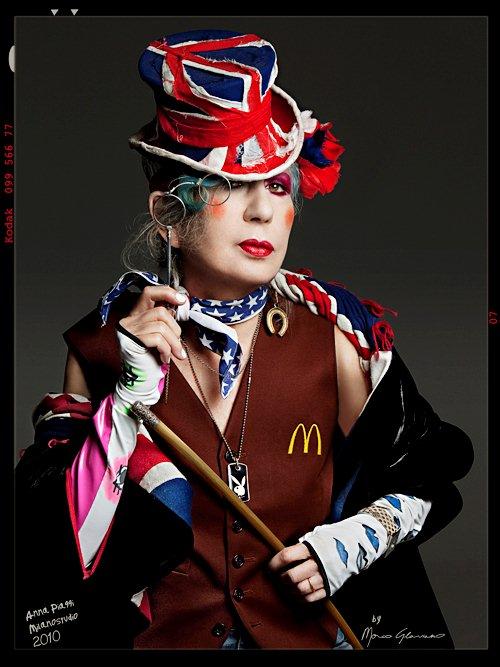
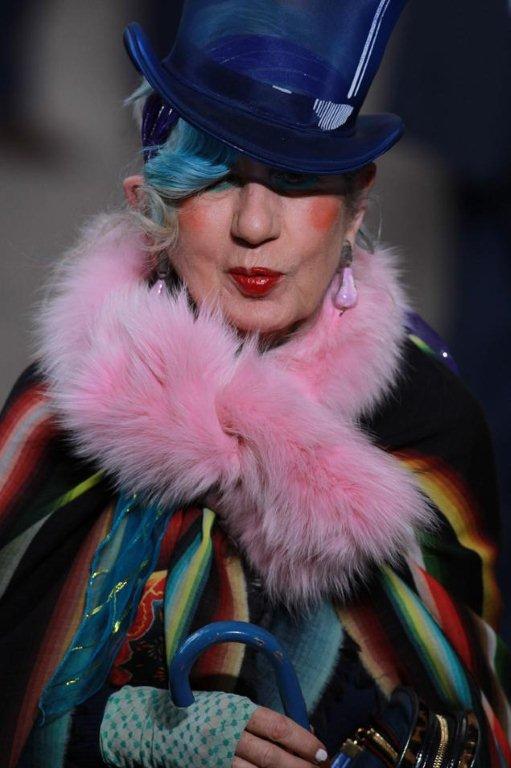
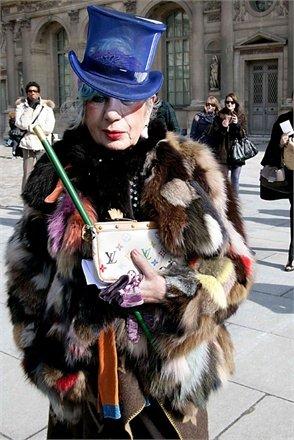
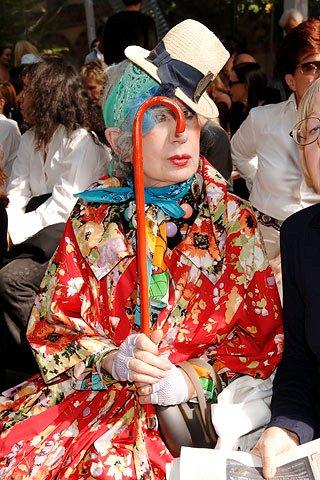
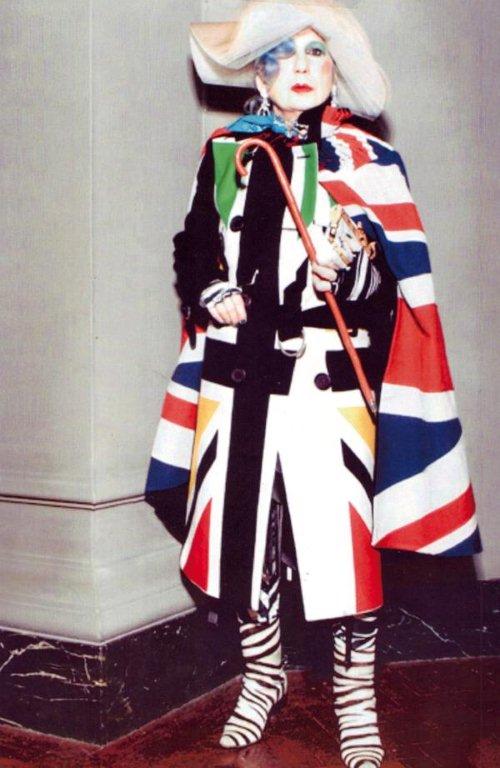
Anna Piaggi R.I.P.

7 Aug

Anna Piaggi, the world will miss you!!!

Thanks for making the world a more colourful place.

Thanks for your beautiful and inspiring work.

Thanks for sharing your spirit, style and wisdom.

 Anna Piaggi,I will miss you!!!

 Anna Piaggi,   R.I.P.

Football scarf a fashion accessory

15 Jul

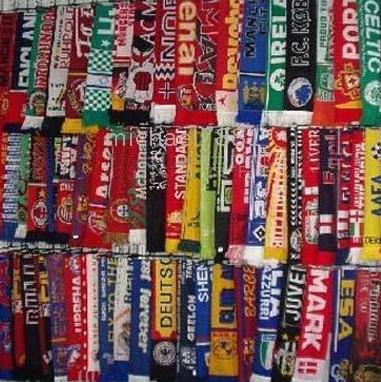
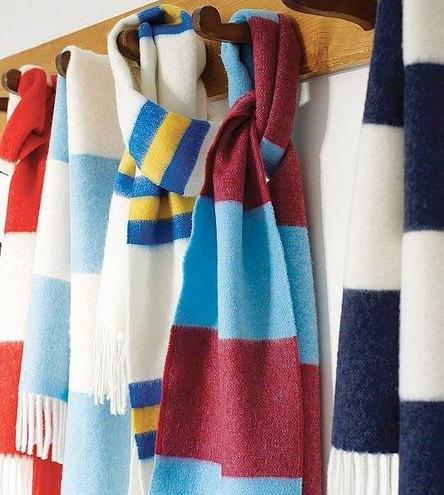
I love vintage football scarves for some of the designs are so very colourful and beautiful. A great accessory to spice up dark and cold winter days or a dull coat….

The history of the football scarf started at the early 1900s in Britain. These coloured scarves have been traditional supporter wear for fans of association football teams across the world, even those in warmer climates. This phenomenon comes in a wide variety of sizes and are made in a club’s particular colours and may contain the club crest, pictures of renowned players, and various slogans relating to the history of the club and its rivalry with others. At some clubs supporters will sometimes perform a ‘scarf wall’ in which all supporters in a section of the stadium will stretch out their scarves above their heads with both hands, creating an impressive ‘wall’ of colour.

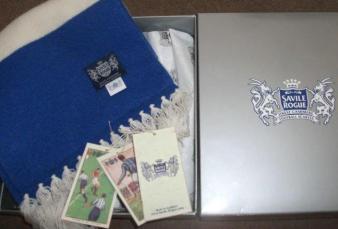
And now we’ve gone full circle with the Savile Rogue, billed as the world’s most luxurious football scarf. The scarves are produced by one of the oldest cashmere mills in Scotland from the finest cashmere wool – and in a colour scheme of virtually all the world’s leading teams. Featured above are two examples – Bolton Wanderers and West Ham. Each scarf comes in a presentation box and retails for £36.       http://www.savile-rogue.com/

Maison Martin Margiela

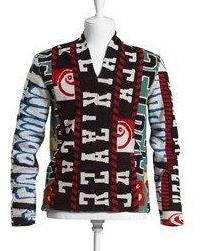
In the Maison Martin Margiela collection for H&M, the hooligan sweater. Its made from football scarves…

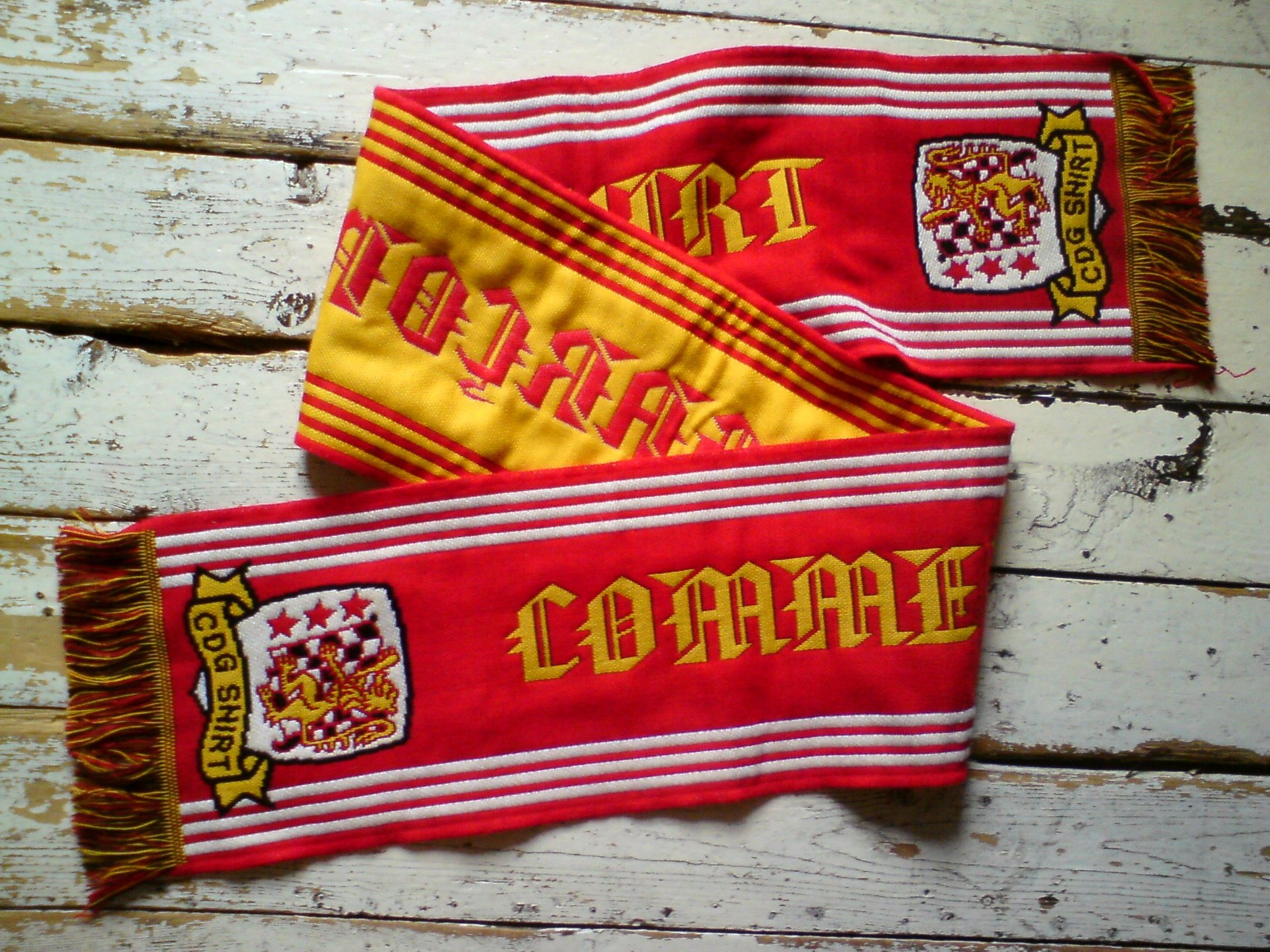
Comme des Garçons shirt

I was so happily surprised when, during my recent visit to Tokyo, I found a football scarf by Comme Des Garçons Shirt. It’s woven in the same material and technique as the genuine ones. It’s the completion of my own collection of football scarves and I can’t wait to wear it !