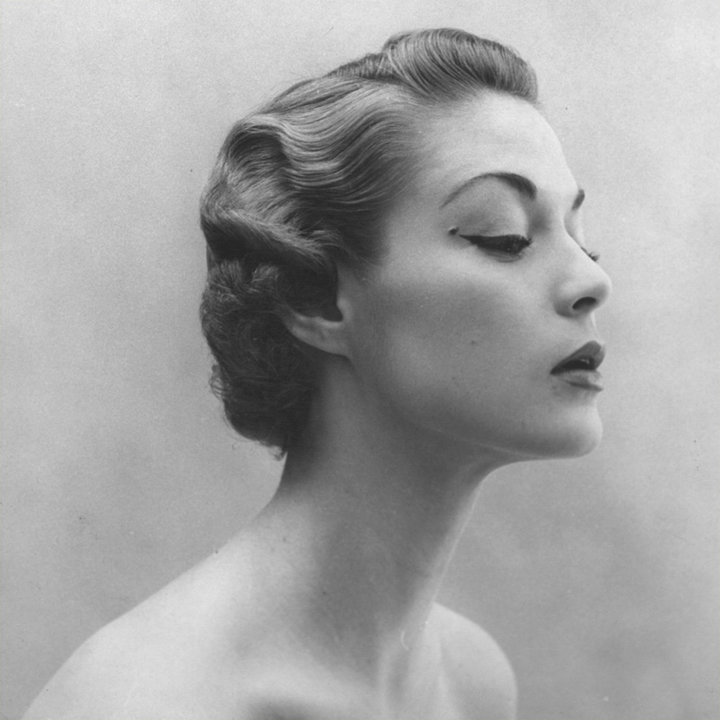
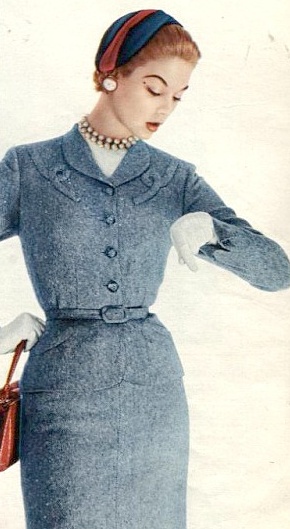
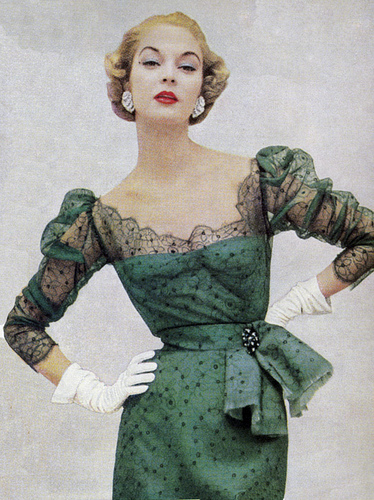
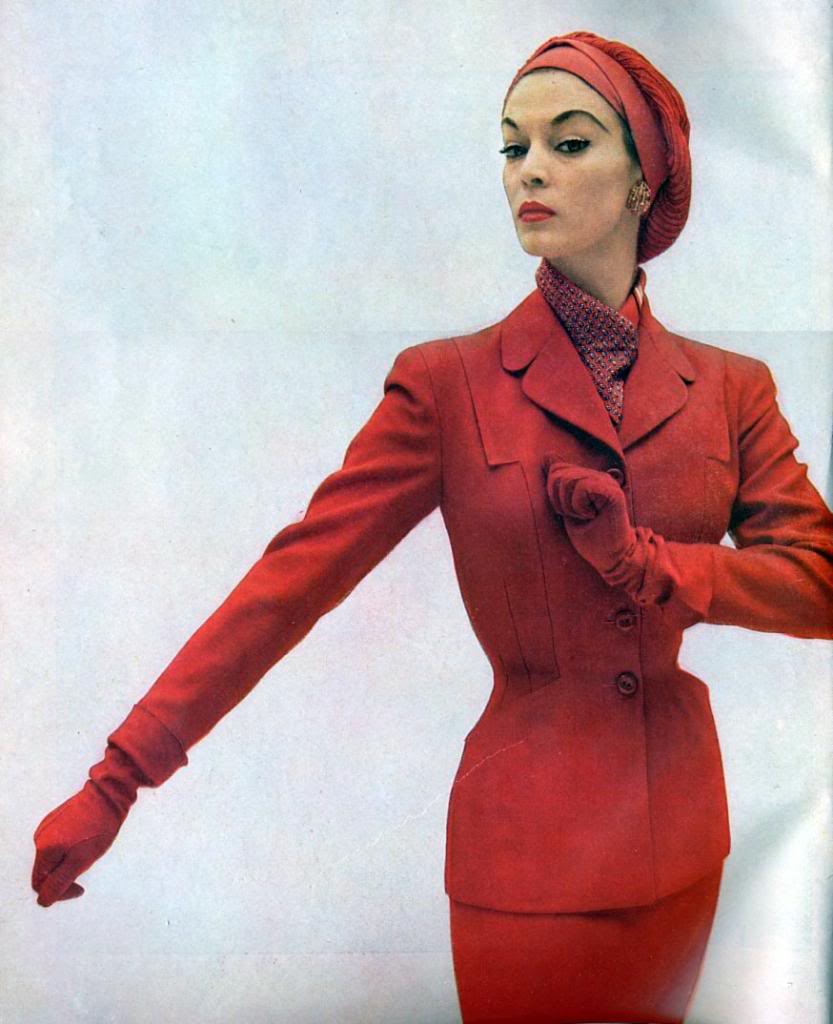
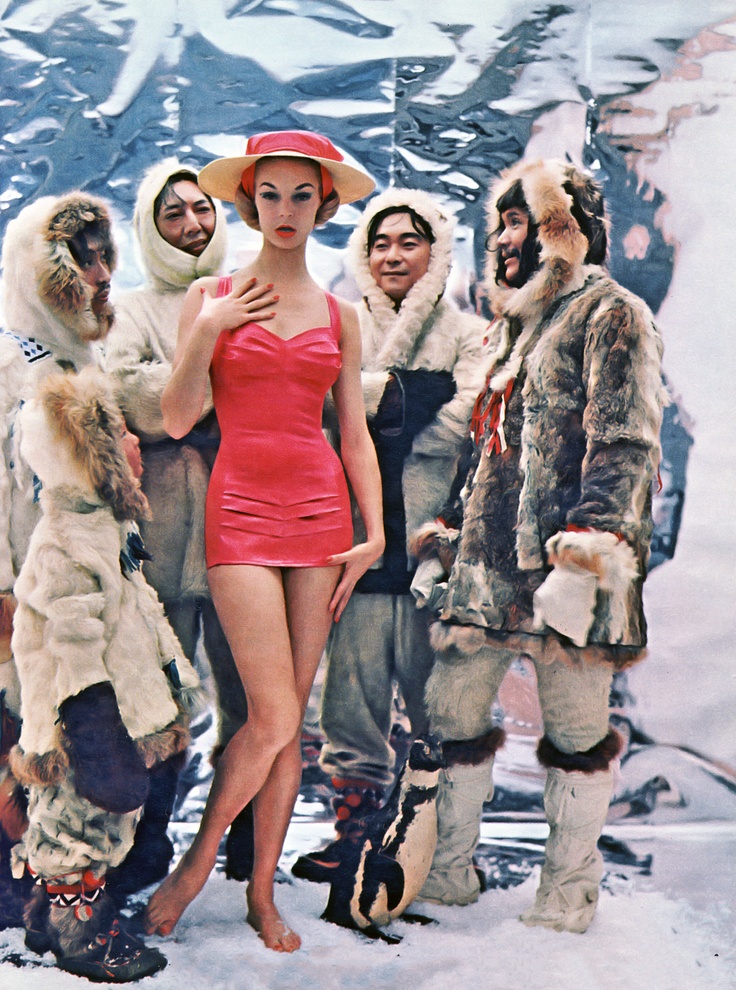
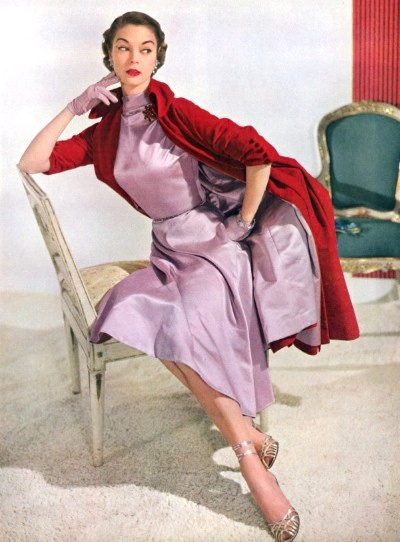
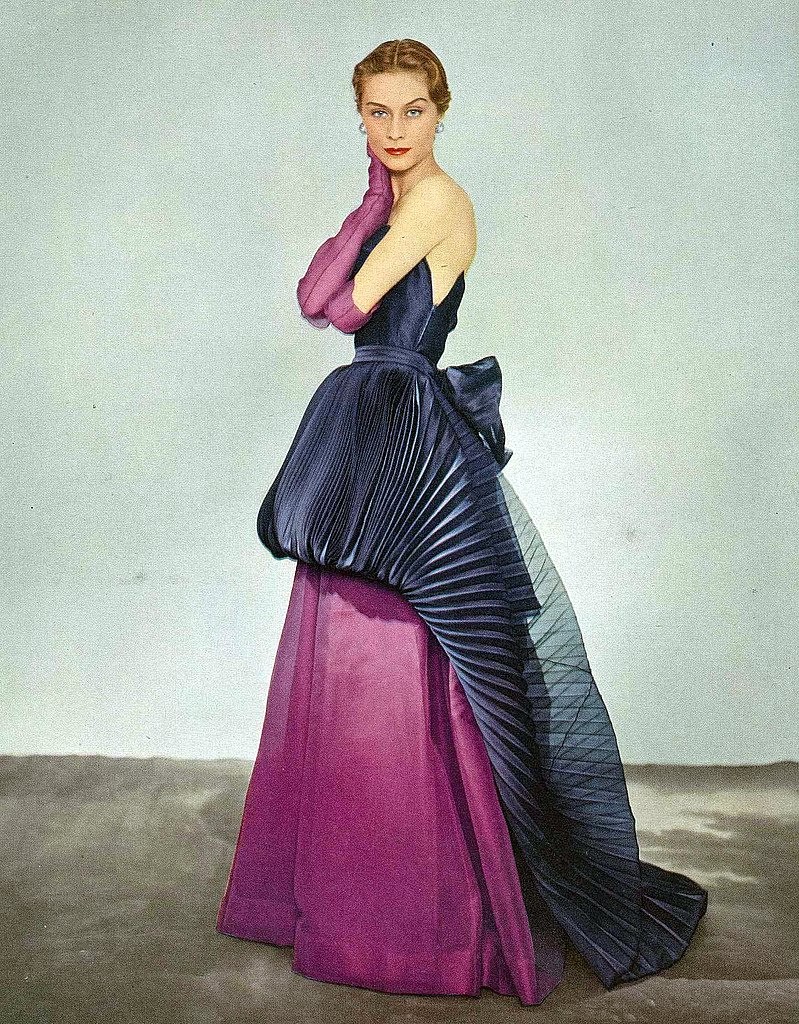
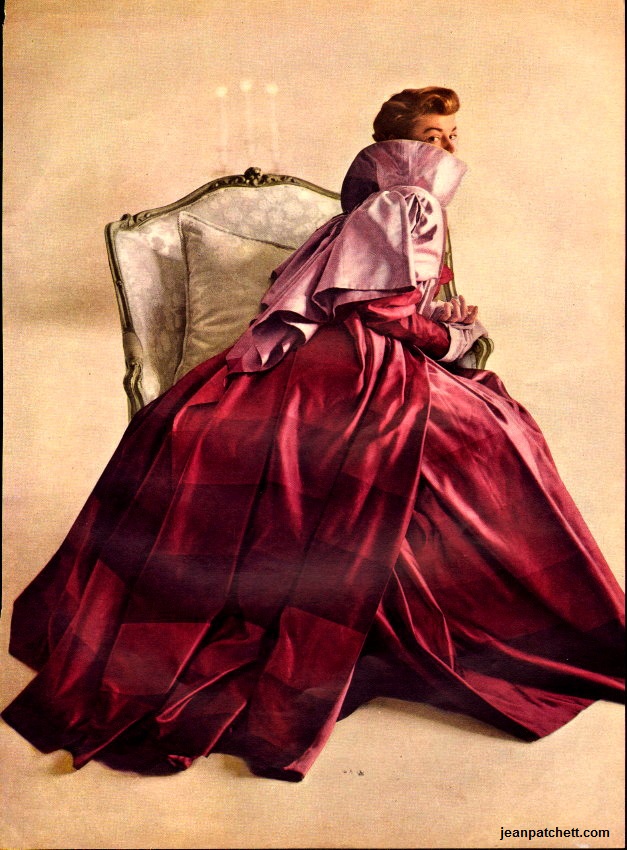
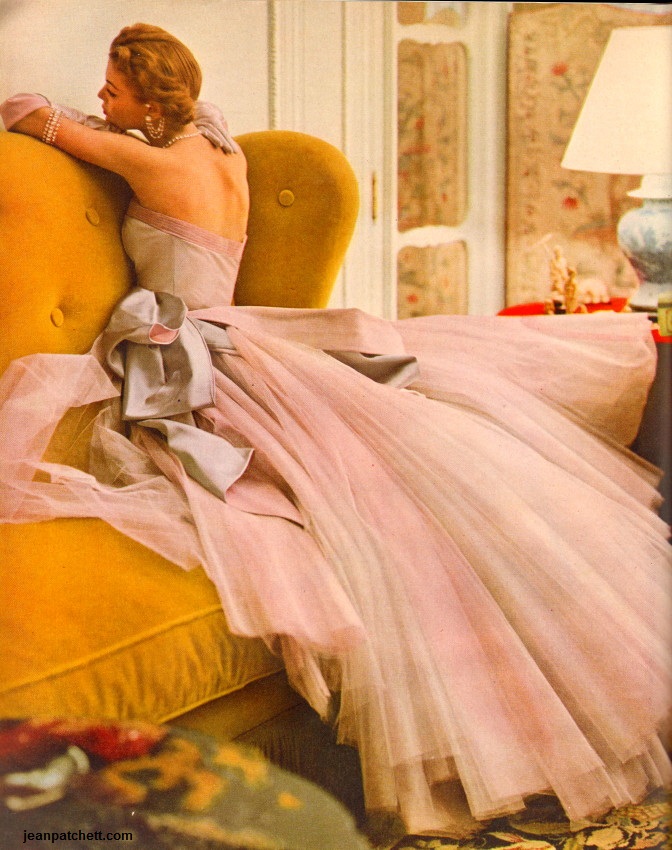
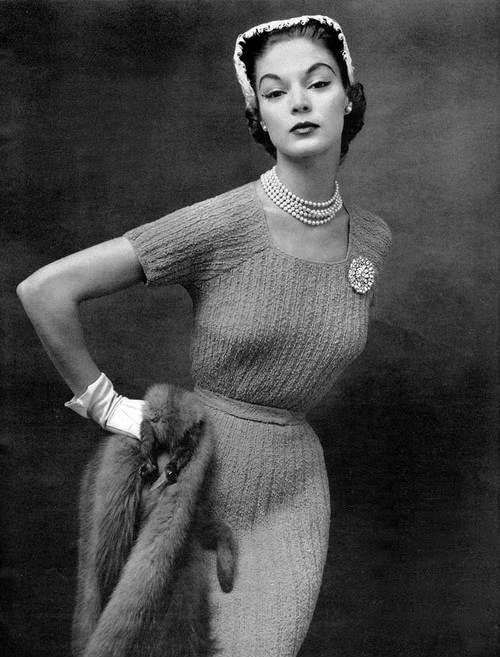
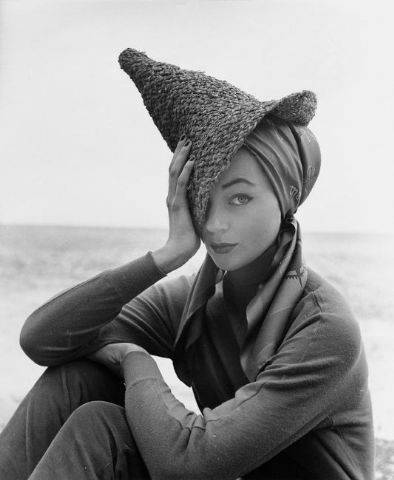
Jean Patchett’s features, delightful as they were, were not responsible for making her the most sought after, the busiest, and the most successful photographic model in New York in the 40’s & 50’s. Jean was a highly paid models because of a blemish. She had a mole next to her right eye which she darkened with an eyebrow pencil to make it more prominent. For the mole became her trademark. Manufacturers of every product from toothpaste to fashions, and jewelry to luxury cars insisted on having the girl with the mole in their advertisements. The same happened to Cindy Crawford in the 90’s.
“Photographers used to retouch the pictures they made of me very carefully, to remove the mole,” Jean said. “It used to make me angry, so out of defiance, I began to darken it with eyebrow pencil. Then one photographer left it alone and the advertising people started asking for me. That’s how it all began.”
.
If a picture is worth a thousand words, then Jean Patchett’s pictures are encyclopedic.
.
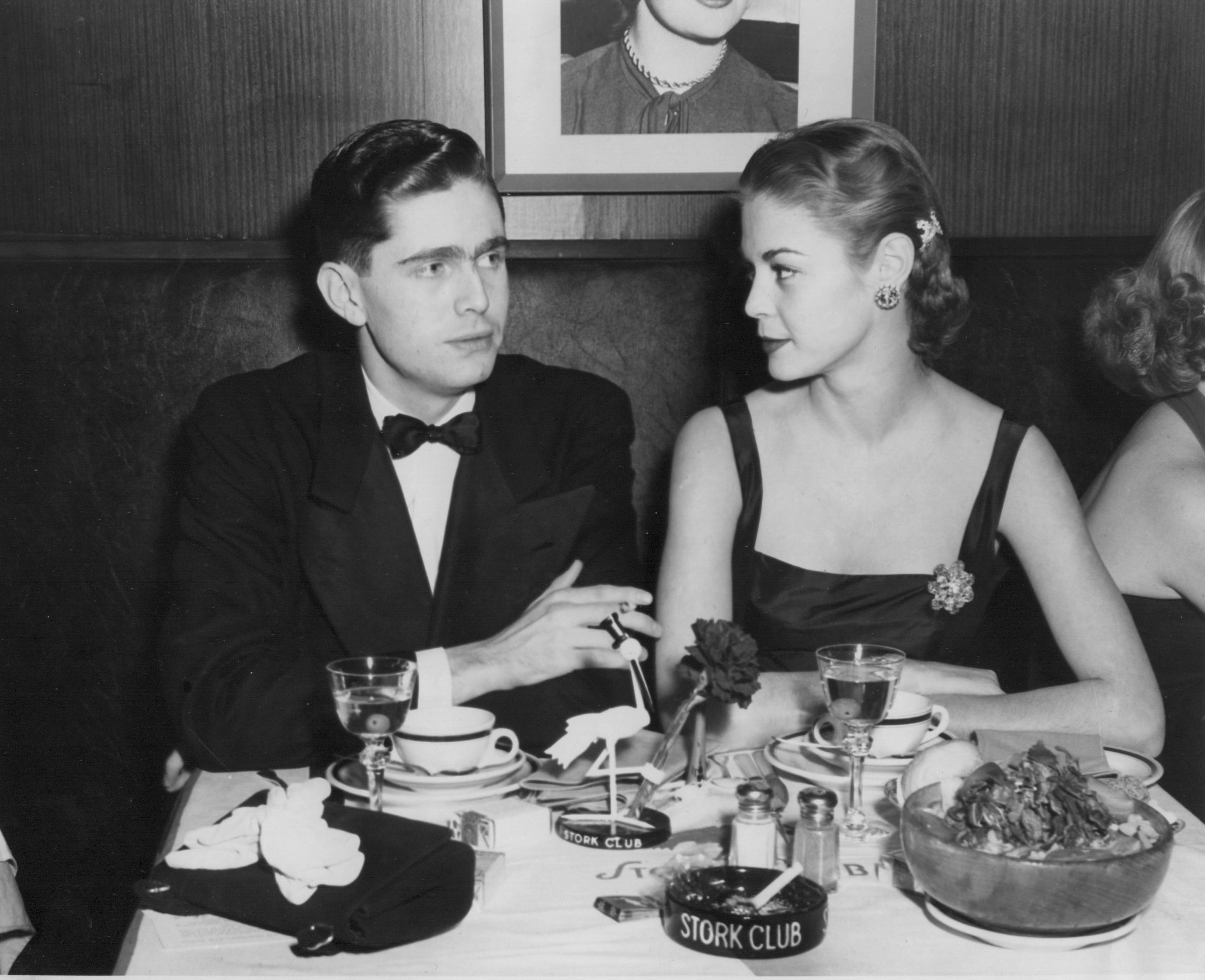
In 1951 Jean married boyfriend/fiancé Louis Auer, a Yale-educated banker, whom she had met in 1948. She didn’t stop working, what married women did mostly in those days, but she refused to work before 10 am or after 4:30 pm because she liked to cook meals for herself and her husband. She worked 3 ½ days a week.
Jean Patchett & Louis Auer
.
Jean is seen in eighteen of Vogue’s 20 issues in 1953 and constantly in the advertisements (for Bergdorf Goodman, Henri Bendel, Hattie Carnegie, and Revlon, among others). The next year she appears on the cover of Popular Photography magazine alongside “The Four Most Expensive Models in the World!”—Dovima, Evelyn Tripp, and Barbara Mullen.
In 1960 she retires to raise son Bart and daughter Amy. After they left home, Jean occasionally modelled again.
Jean Patchett dies from emphysema at 75, in 2002. In her New York Times obituary, she is remembered by Irving Penn as “a young American goddess in Paris couture.”
.
The story behind a famous photograph
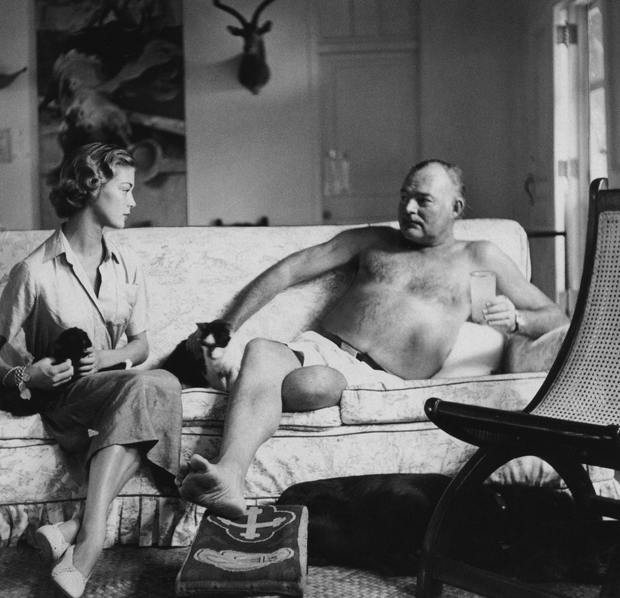
For the April 1, 1950 issue of Vogue, Jean travelled to Cuba. She met Ernest Hemingway, sat with him, and talked for hours. During their time, Hemingway kept her wine glass full. In proper etiquette, Patchett could not refuse her host. By the end of their interview, Jean reported: I could barely walk and had a headache the next day. No need to be precious, dear.
They met at his Cuban ranch and the shot was captured by fashion photographer Clifford Coffin. At Hemingway’s feet lays his beloved Black Dog and his hand rests on Ecstacy, one of his eleven cats. Jean sits, reserved, holding Boise. Hemingway elected to go shirtless and shoeless for the interview and photo shoot and Jean commented that Mr. Hemingway smelled bad.
We’re guessing Hemingway was enjoying a daiquiri, a favorite of Papa’s (his rumored go-to, the mojito, was not his drink of choice according to Philip Greene’s recent book). The tension between the two is palpable and Hemingway appears completely in control of his domain. Although Hemingway is iconic in many realms, this shot captures the essence of summer—craft cocktails, casual conversation, international models, slow days, Cuban ranches.
.
The Television Braodcast
Jean was featured on CBS Television on Edward R. Murrow’s show Person to Personon January 28, 1955. In Mr. Murrow’s introduction he said: “Jean Patchett has been the most sought after model for nearly seven years now.” Jean and husband Louis Auer V were broadcast live from their home in the relaxed style of Mr. Murrow’s TV journalism.
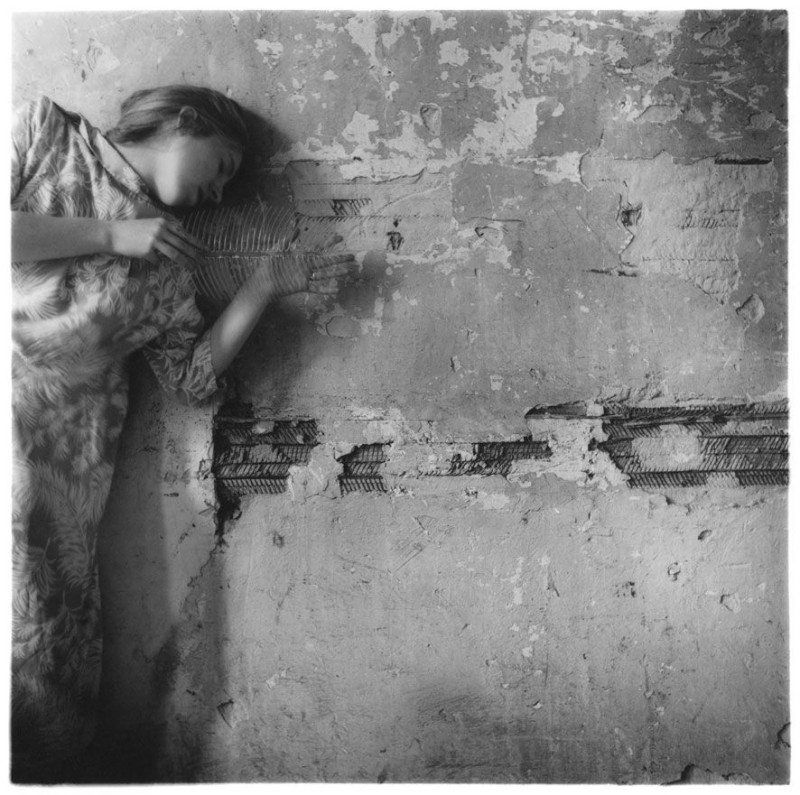
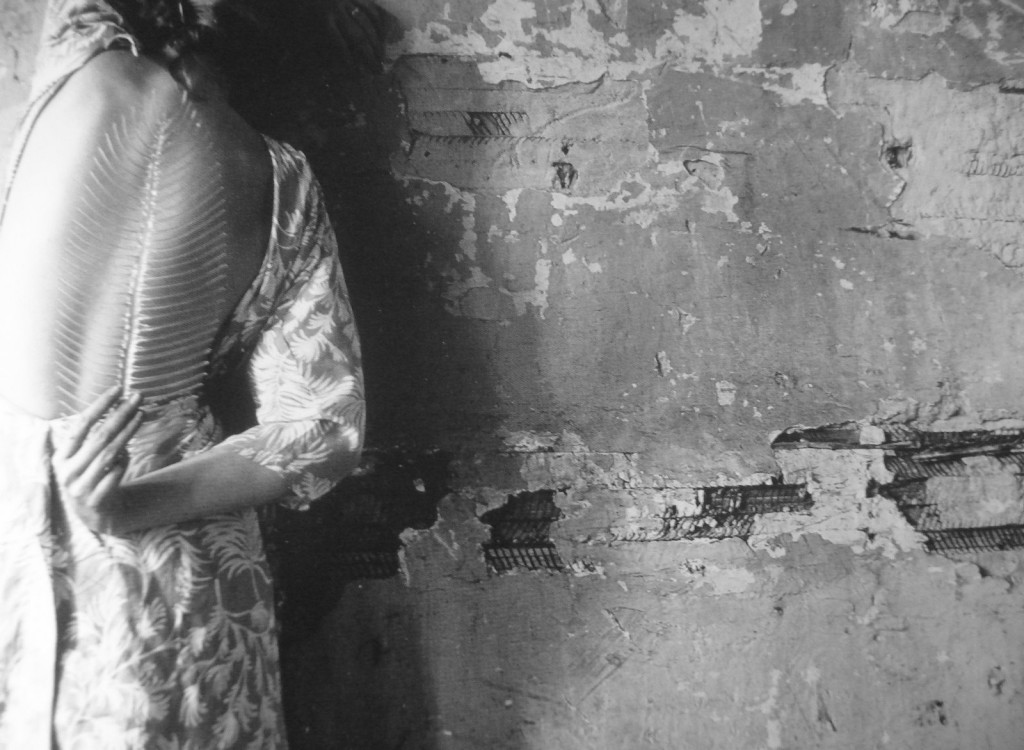
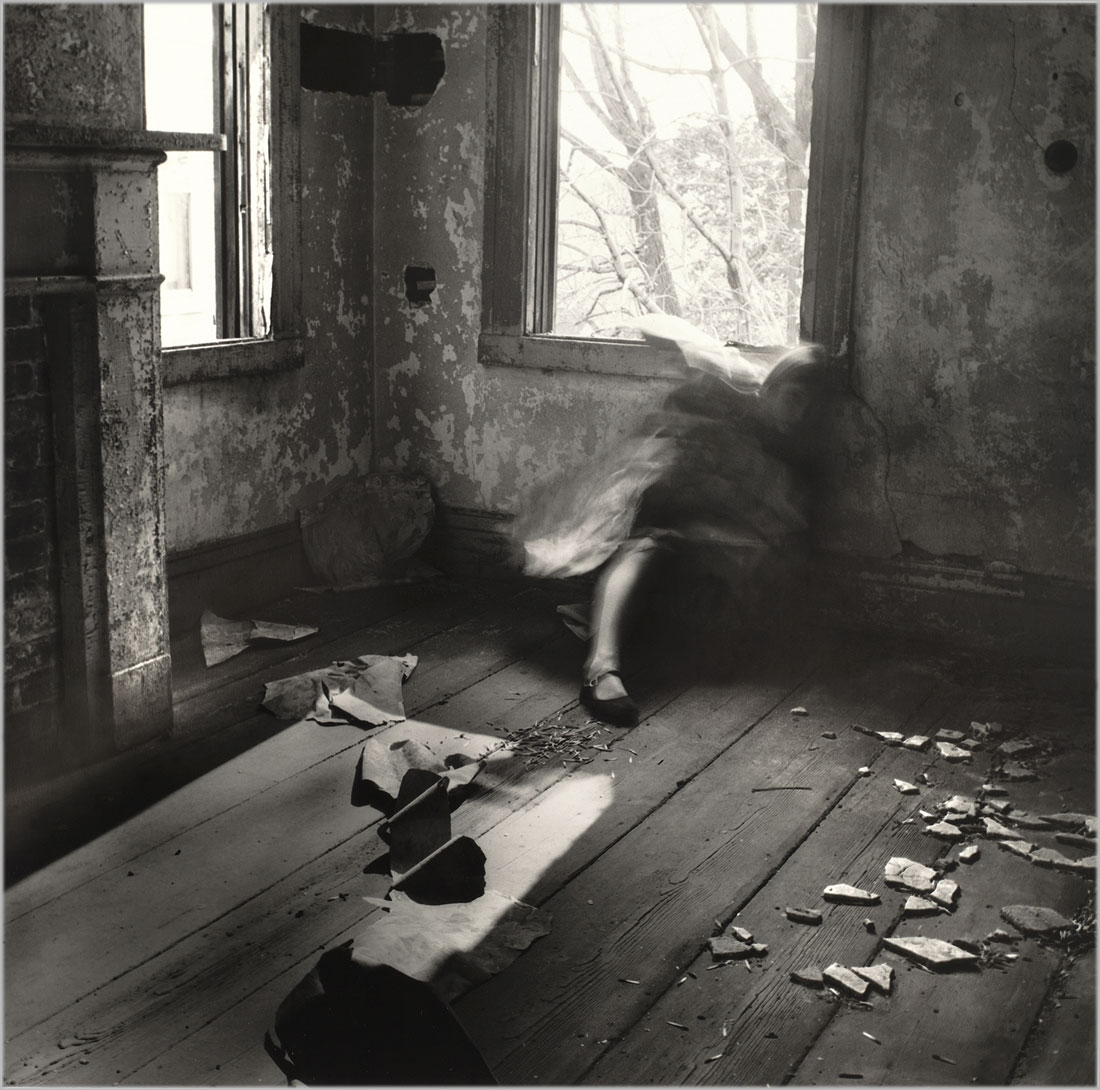
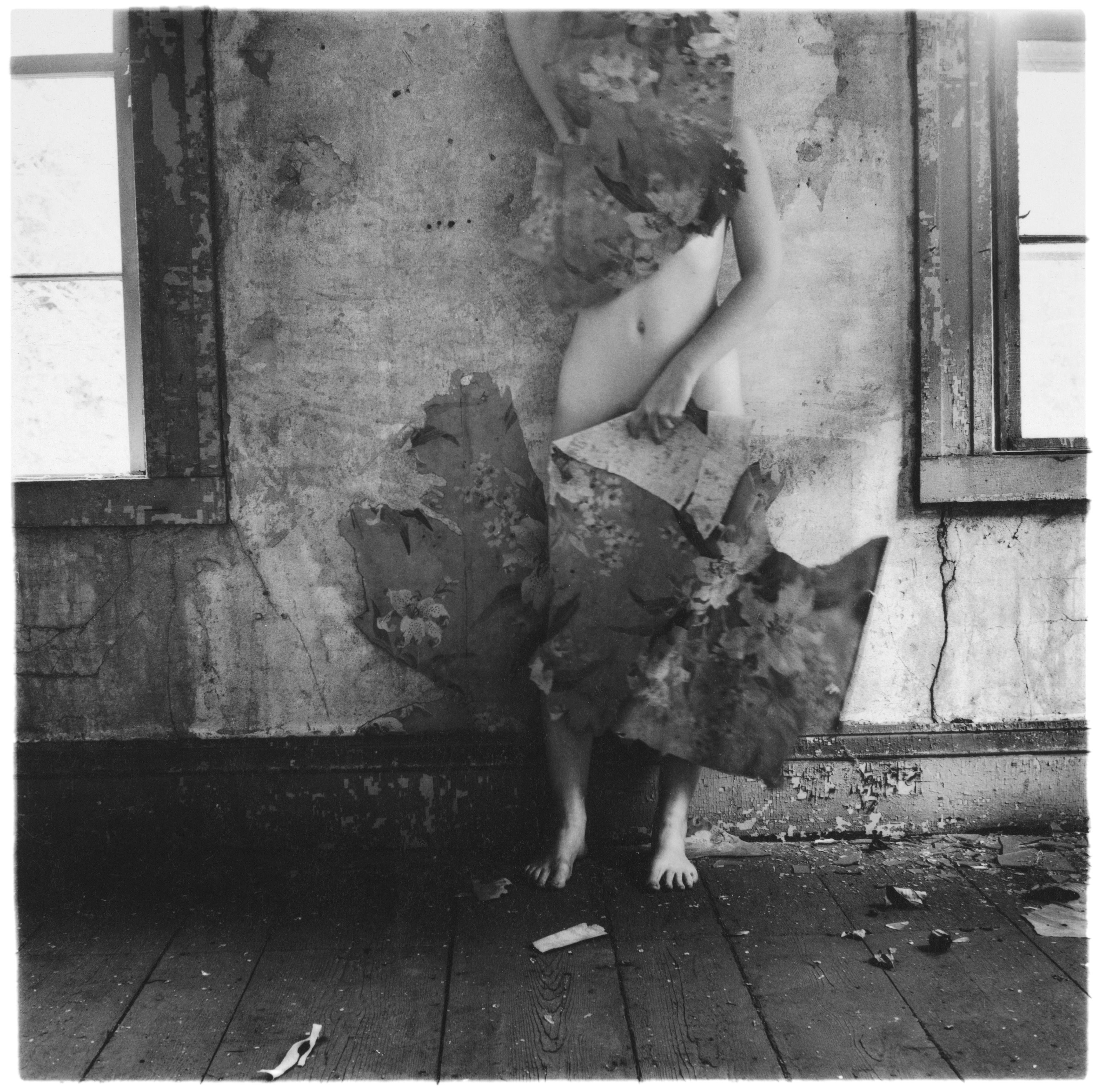
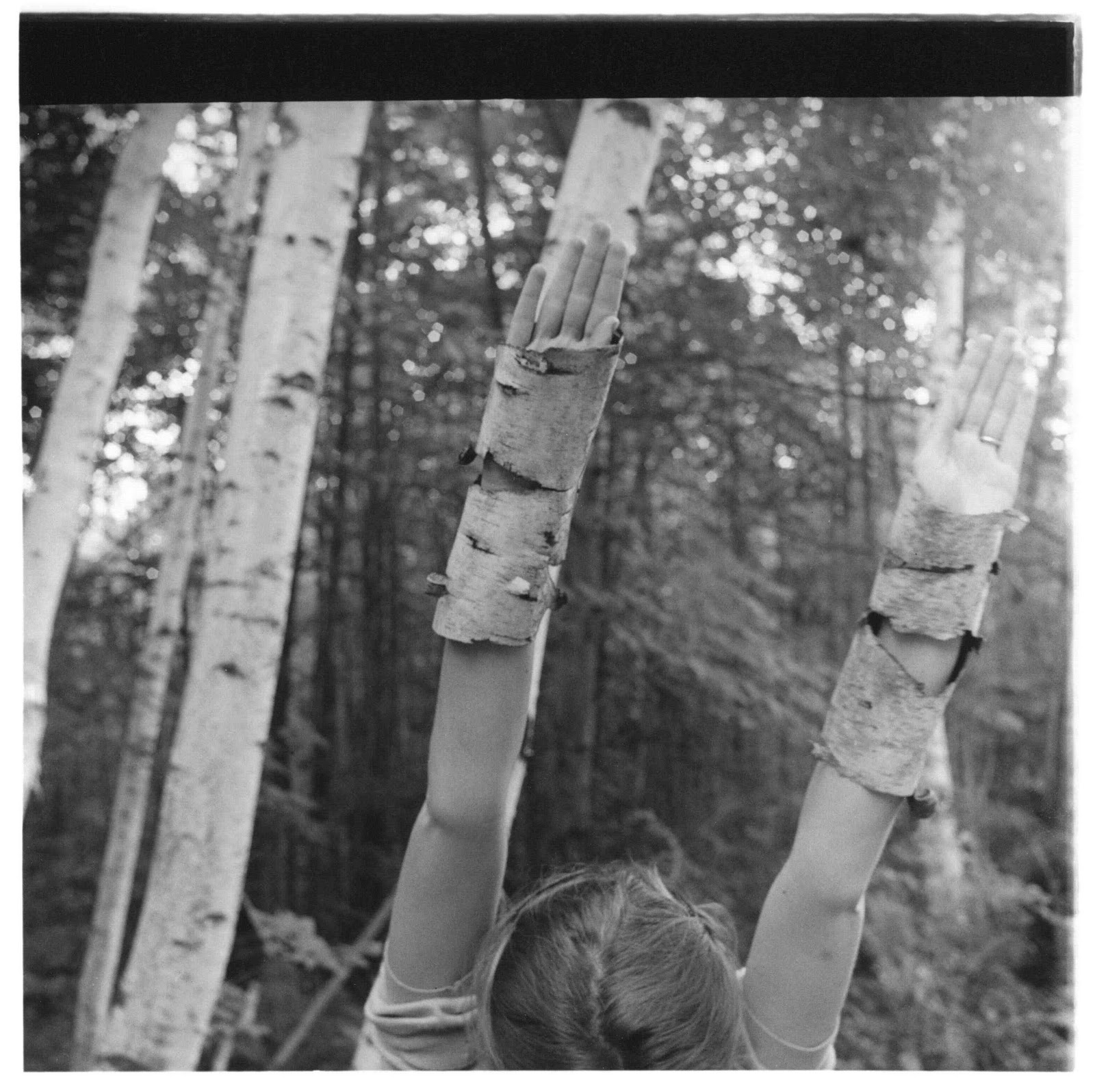
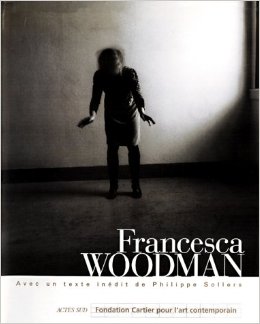
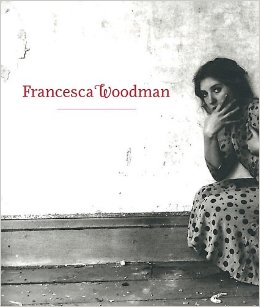
Years ago I got a the book about Francesca Woodman‘s work as a present from a friend. I’d never heard of Francesca Woodman, but I was immediately intrigued by her photographs. Her short life was intense and full of passion , as was her work.
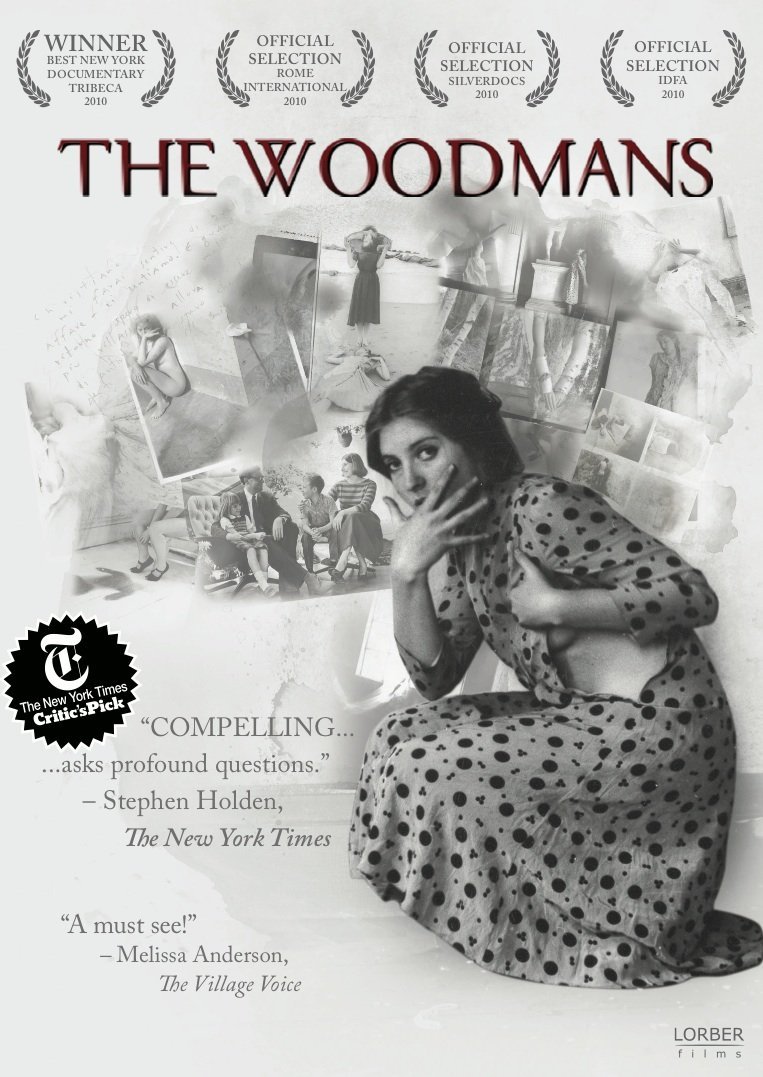
In 2010 a documentary by director C. Scott Willis about the artistic family Francesca came from, called The Woodmans, won an award at the Tribeca Film Festival.
Francesca & her father George Woodman
.
Francesca Woodman Bio
Francesca Woodman (1958-1981) only lived to be 22 years old, but her remarkable body of work has continued to increase attention in the world of contemporary art since her suicide in 1981.
She was born to an artistic family in Denver, her mother, Betty Woodman, is a sculptor and ceramicist and her father, George Woodman, is a photographer and painter. Her older brother Charles later became an associate professor of electronic art.
Beginning in 1975, Francesca attended the Rhode Island School of Design (RISD). She studied in Rome between 1977 and 1978 in a RISD honors program. A year later Francesca moved to New York “to make a career in photography”. She sent portfolios of her work to fashion photographers, but “her solicitations did not lead anywhere”.
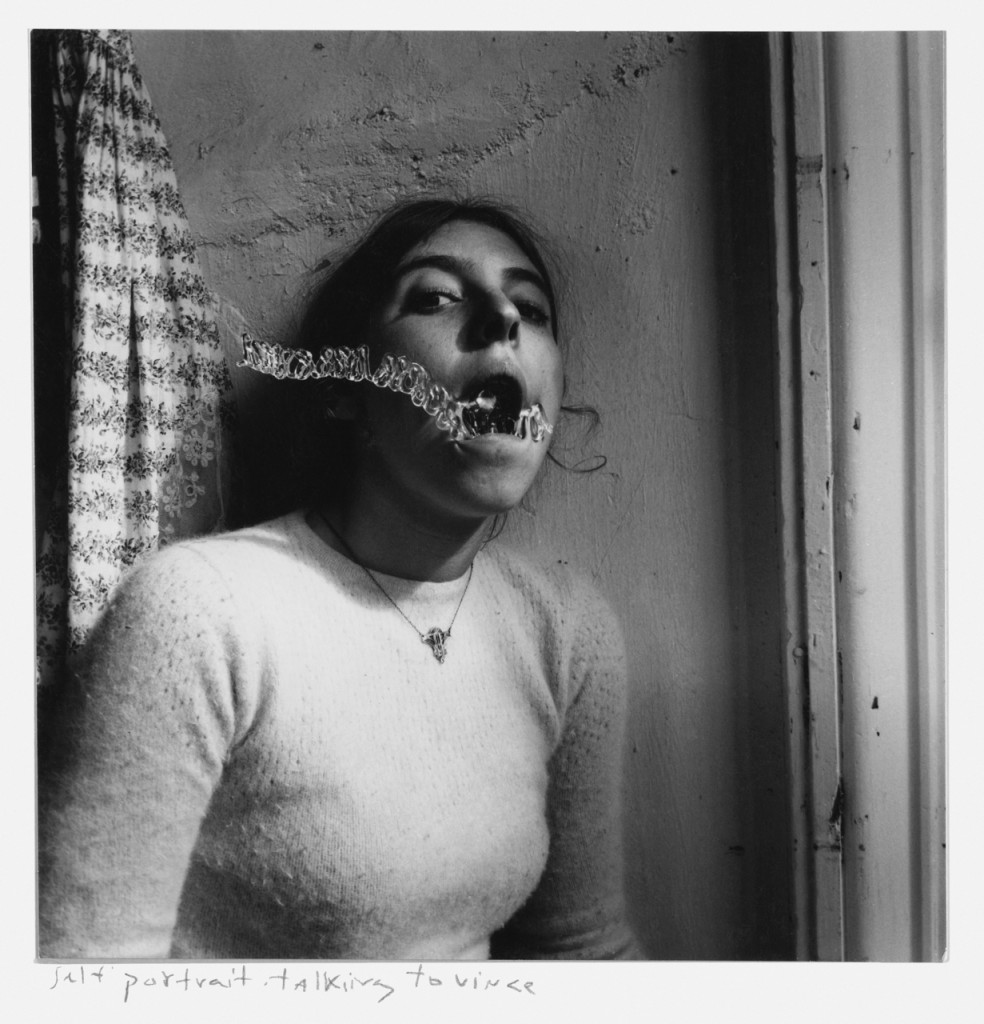
Francesca was also deeply interested in the Surrealist movement and neo-Pictorialism—as seen in the work of fashion photographer Deborah Turbeville—and both movements are evident in the abstraction, motifs, and ghostly air of her work.
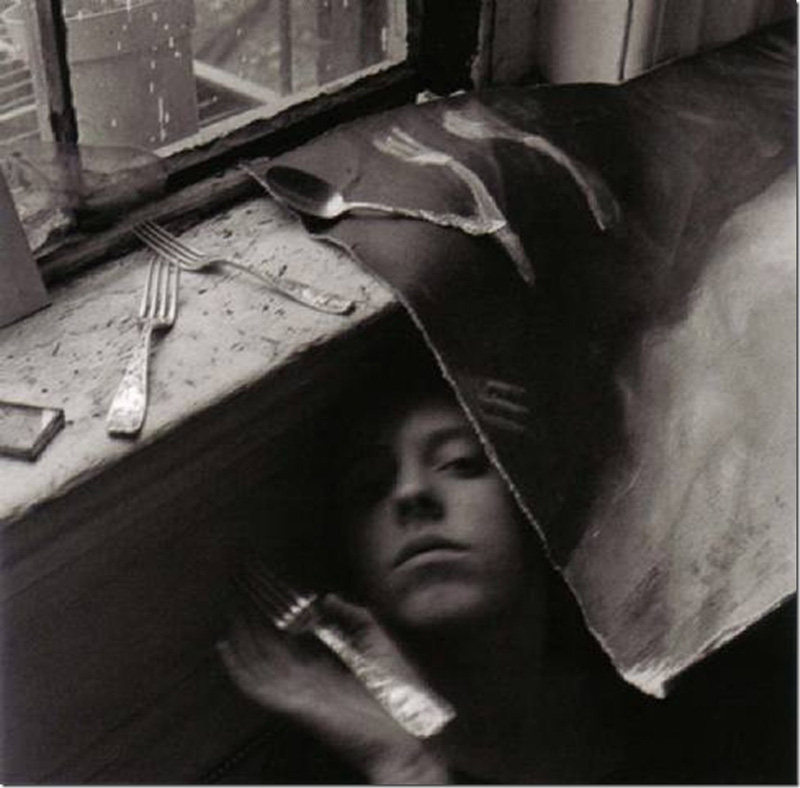
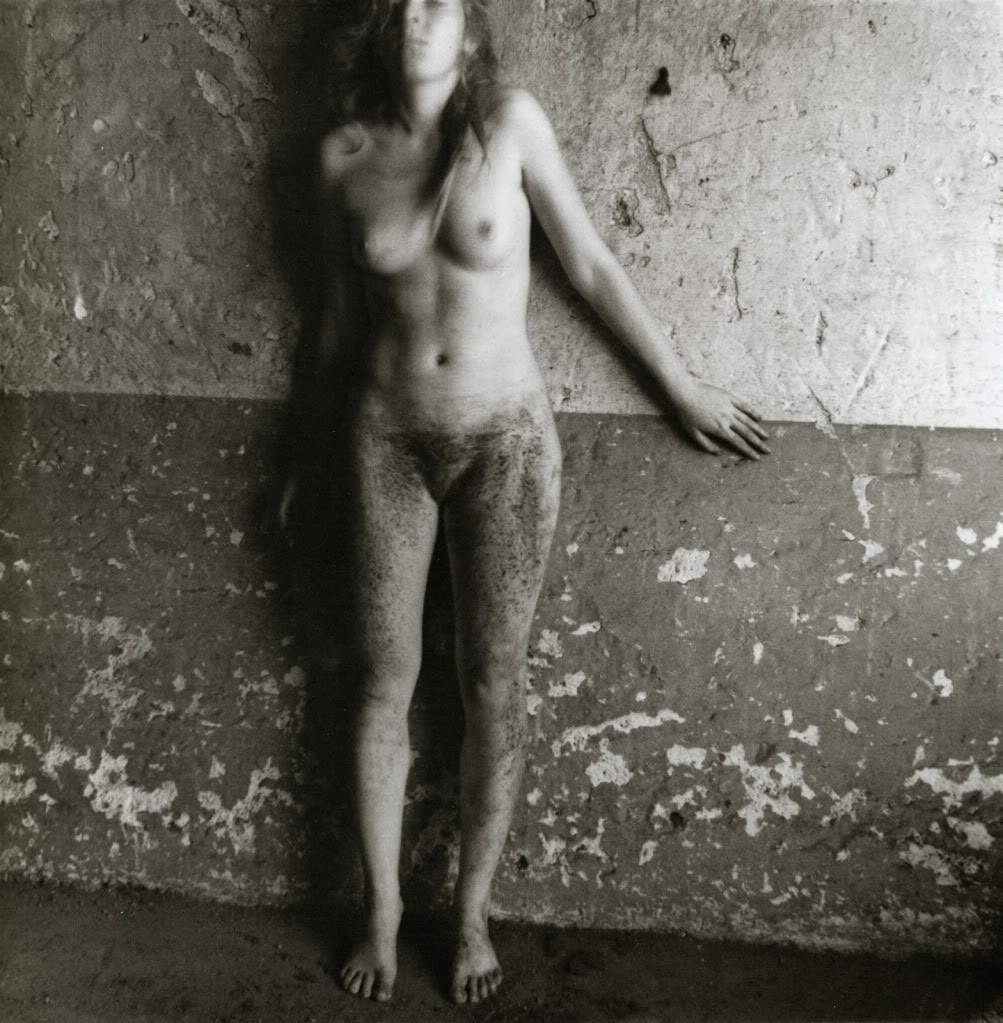
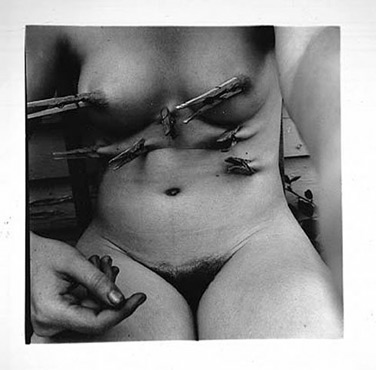
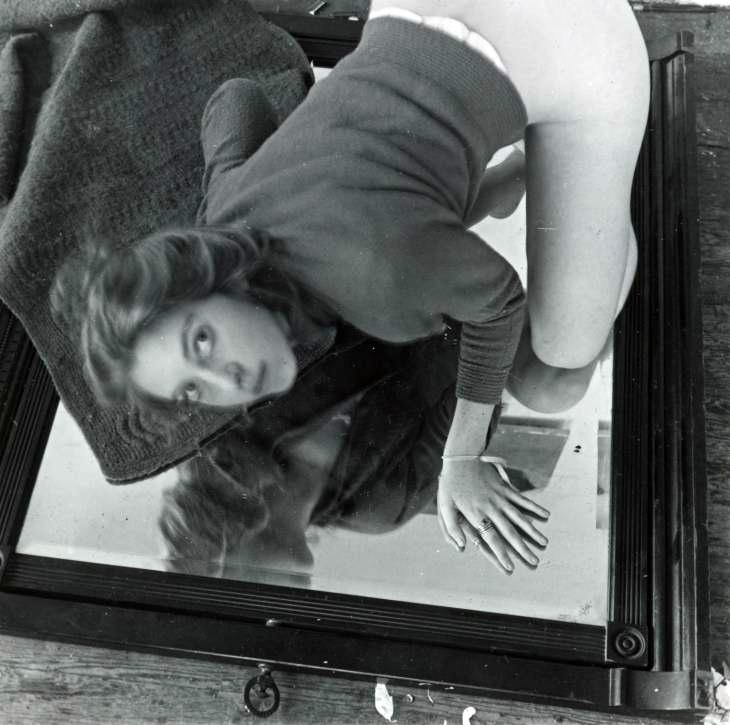
While her work would remain unknown for the entirety of her life, today she is widely celebrated for her black-and-white depictions of young women, frequently in the nude and blurred by slow shutter speed and long exposure. Many of her photographs are self-portraits—though you rarely can see Woodman’s face unobstructed—and men are an infrequent presence. Francesca made a number of short films as well, along the same aesthetics of her photographs.
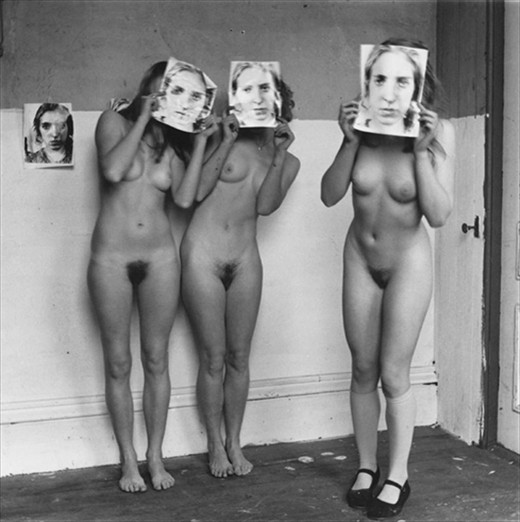
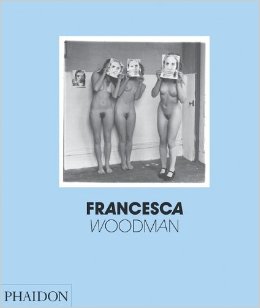
Sometimes she dressed up like the heroine of a Victorian novel – she collected vintage clothes long before it was fashionable – or as Alice about to disappear through the looking-glass. In one famous image, she stands alongside two other naked women, each of them concealing their face behind a photograph of her face, while a different Francesca Woodman face, in a self-portrait pinned to the wall, gazes out at us too.
Her nudes often recall Bellocq‘s haunting Storyville portraits of New Orleans prostitutes. One startling photograph of her legs bound tightly in ribbon or tape, her hand holding a striped glove that rests between her legs, has traces of the disturbing doll photographers of the German surrealist photographer Hans Bellmer.
In late 1980 Francesca became depressed due to the failure of her work to attract attention and to a broken relationship. Her life ended when she threw herself off a building in New York in January 1981. She was just 22, but left an archive of some 800 images.
Francesca’s photography was first exhibited at Wellesley College in 1986 after it was discovered by Ann Gabhart, the director of the Wellesley Art Museum, in the Woodmans’ family home in Colorado. Her first retrospective opened at the San Francisco Museum of Modern Art in 2011 and traveled to the Guggenheim in 2012. The photographs are in the permanent collections of both the Whitney Museum and the Metropolitan Museum of Art, and prominent artists such as Cindy Shermancontinue to cite her as an inspiration for their work.
.
Documentary: The Woodmans
The tragic story of Francesca Woodman, a young photographer renowned for her extraordinary nude self-portraits, is also the story of her brilliantly artistic family. With THE WOODMANS, director C. Scott Willis shows how the struggle for fame in the high-stakes world of art resulted in tragedy, and then in healing and redemption. As a family, the Woodmans are noted for their talent. Betty Woodman, in particular, is an internationally renowned ceramicist whose work has been shown at The Metropolitan Museum of Art. But it is the fate of Francesca, the youngest Woodman, that will haunt them over the years. By piecing together Francesca’s photos, never-before-seen experimental videos and personal journals, and through candid conversations with George and Betty Woodman, Charlie Woodman and a host of friends, Willis depicts four lives committed to art. And whose art lives through them. It is an extraordinary debut film that explores what it truly means to create.
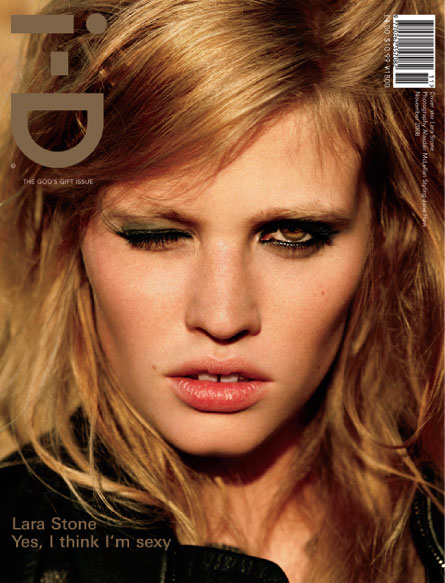
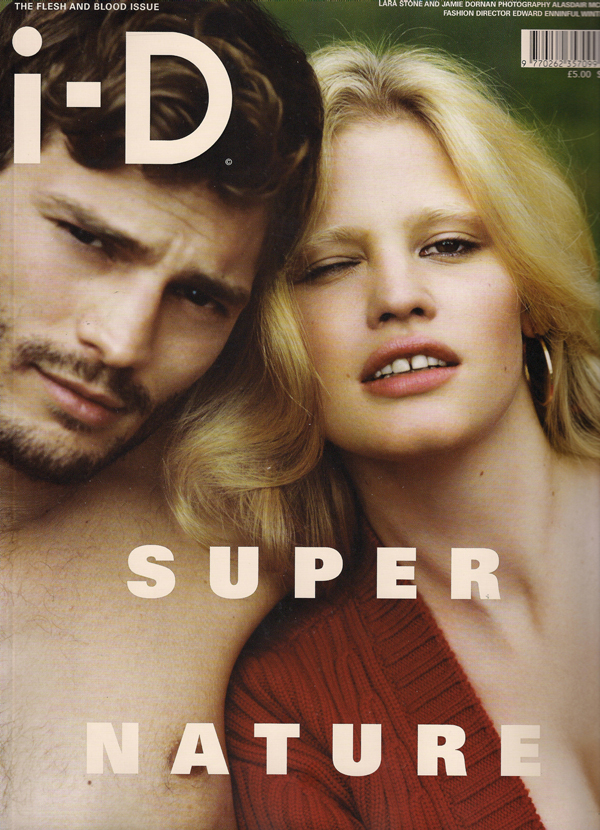
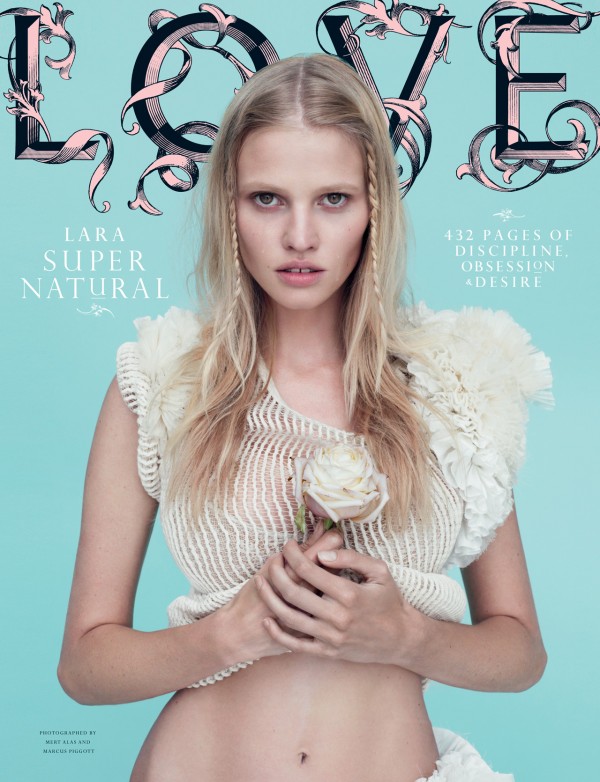
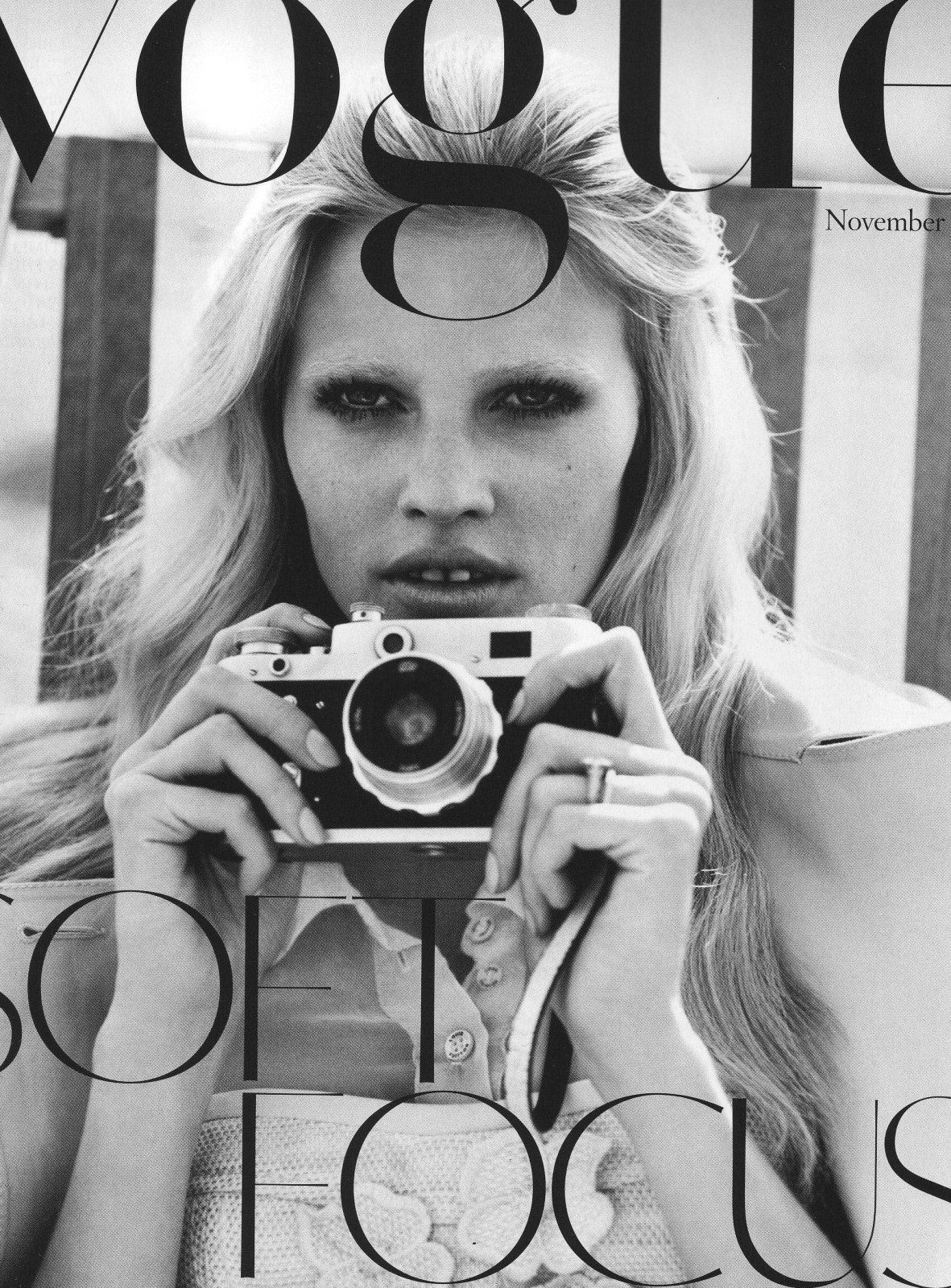
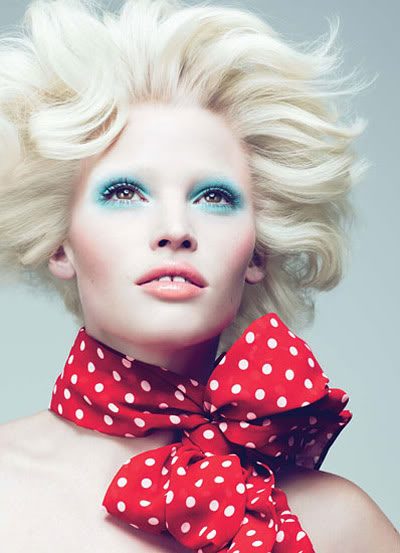
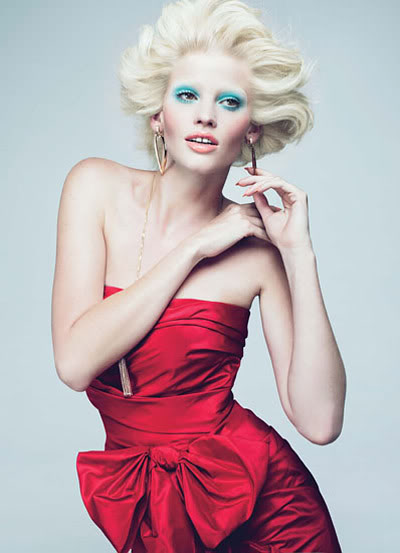
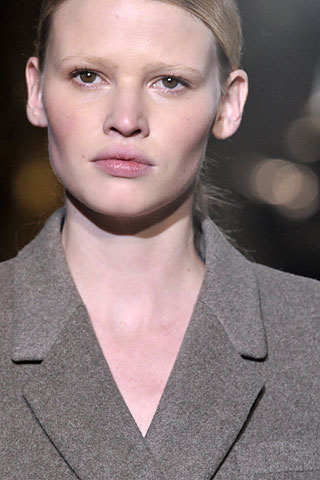
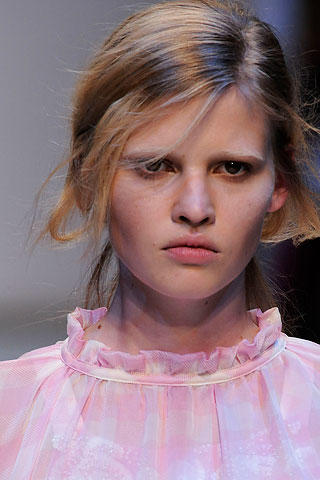
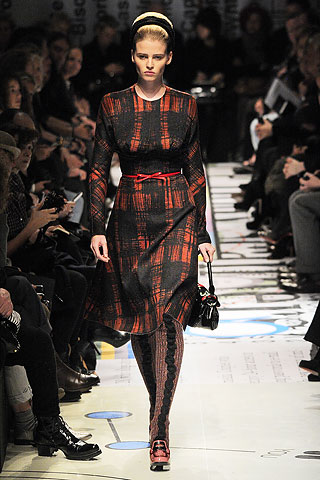
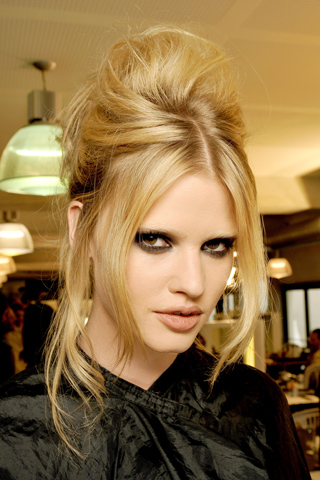
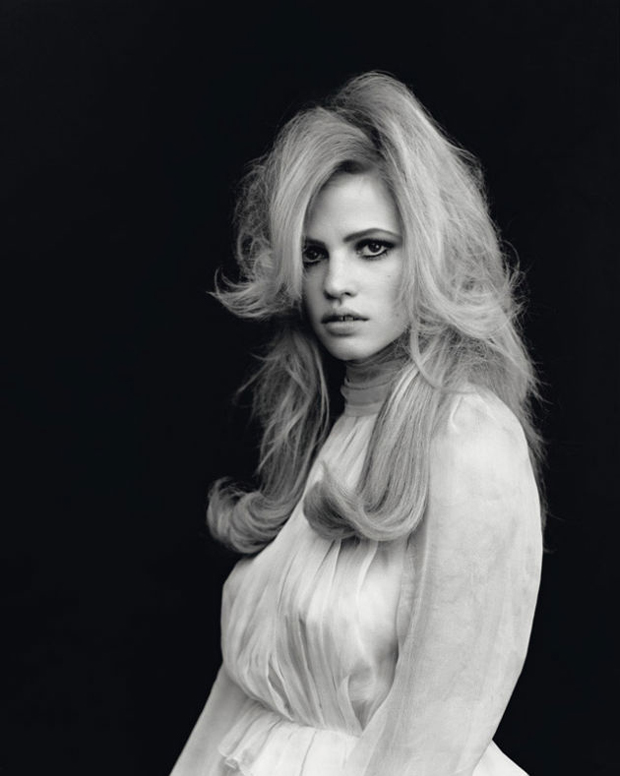
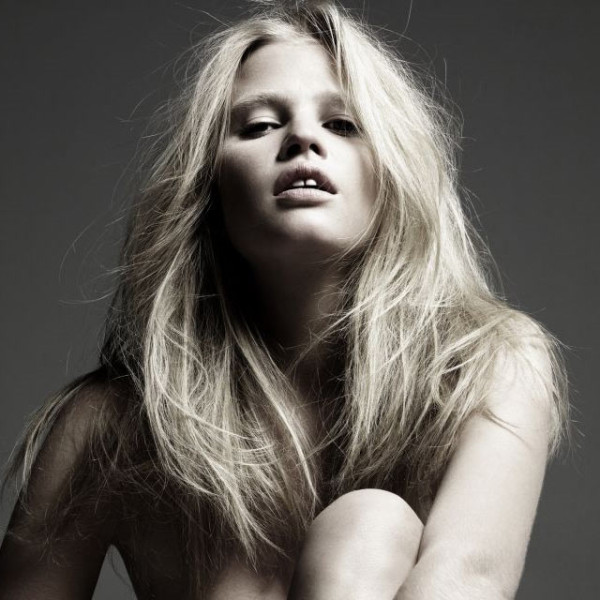
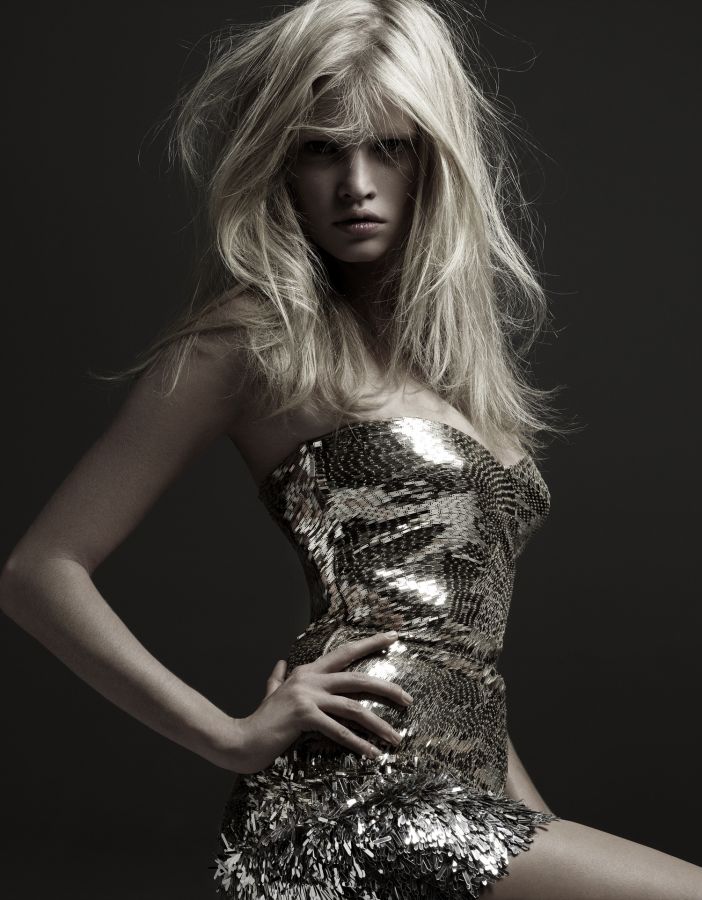
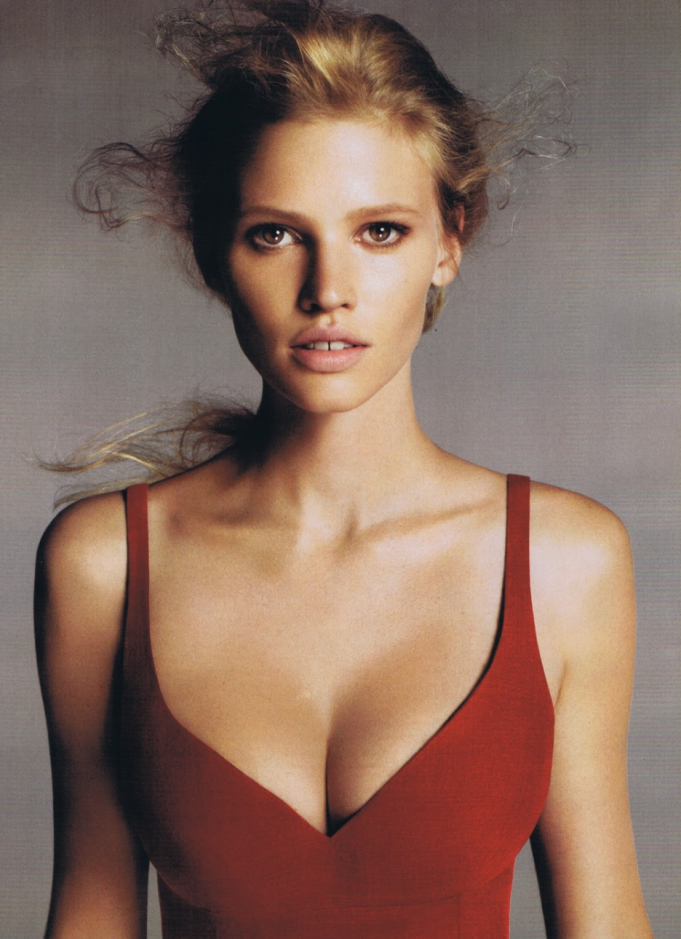
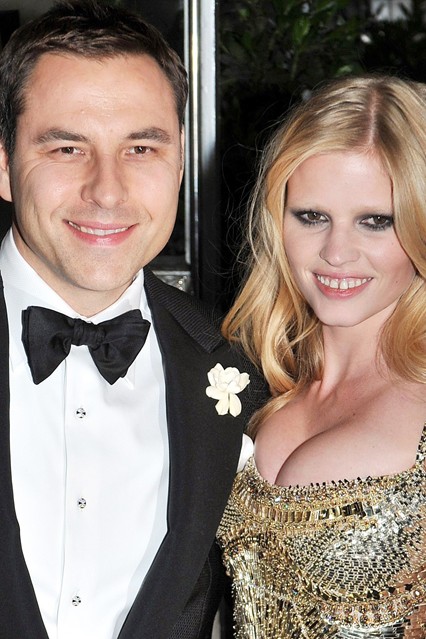
The last post of this year is a tribute to Lara Stone, the sexiest, funniest and most beautiful model at the moment.
The last time I worked with Lara was for Dutch Glamour Magazine
ph. Andrea Lennon, styling Ellen Hoste   2007
.
Short biography
Lara Stone was born (December 20,1983) to a Dutch mother and an English father in the town of Geldrop, (the Netherlands) and grew up in Mierlo. She was first discovered in the Paris Metro when she was 12, she then went on to participate in the Elite Model Look competition at age 15. She became the primary choice for editorials and advertising campaigns after signing with IMG in 2006. Lara is not a fan of the runway because of her unusually small feet of someone of her size. Because the shoes are usually too big for her, she sometimes goes down the runway thinking “Do not fall, do not fall!” (from Vogue Paris interview Feb 09). Lara Stone was made Models.com #1 on the Top 50 List in February 2010. In October 2013, joined L’Oreal as their latest ambassador.
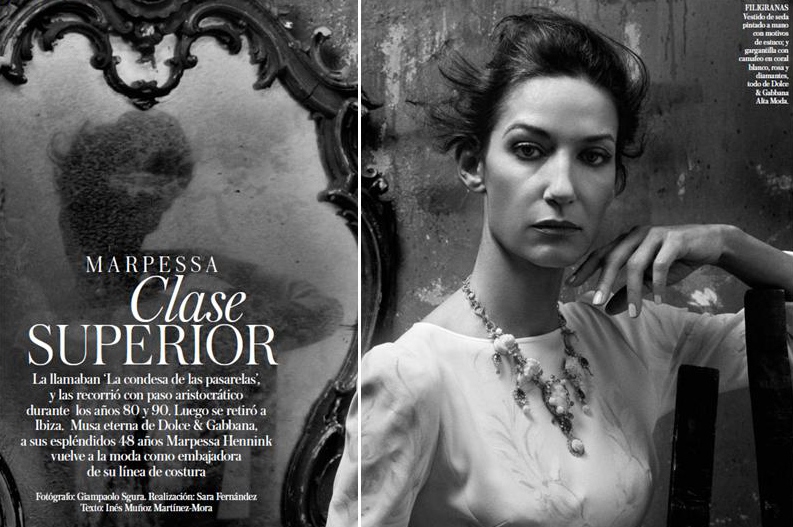
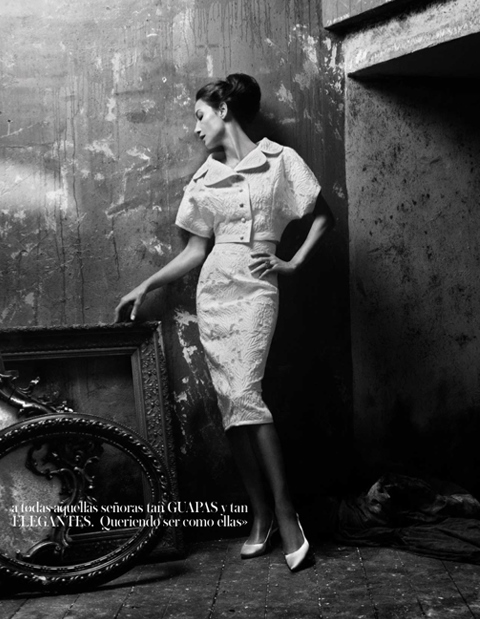
Among the 80s and 90s top models, the Dutch model Marpessa plays a particular role, thanks to her extrovert personality and her unusual beauty If it is true that the name of a person holds part of his destiny, then to be called Marpessa, like the nymph disputed between the god Apollo and the warrior Idas, or like the Afro-American actress turned by Marcel Camus into the carioca Eurydice of the Black Orpheus, means having an aura of beauty that is almost mythic. This is the case of Marpessa Hennink, which entered the Olympus of the top models between the middle 80s and the early 90s. She was born in Amsterdam from Dutch parents, and her father had origins from Suriname; at 16 years old she decided to begin her career as a model. Her strong will and her daredevil personality, that mirrored her unique way of walking, don’t let her give up when Eileen Ford, pioneer of the model management that passed by the Dutch city for some castings, rejects her.
Before there was Cindy and Christy and Naomi – and for a while, during – there was Marpessa. An olive-eyed, gravel-voiced Amsterdammer whose mixed-race lineage left her feeling an outsider among her strapping, fair classmates but also made her endlessly versatile for fashion shoots, and one of the great catwalk prowlers. “Modelling made me so much happier about myself. Before that, I was like a black sheep and then all of a sudden in Milan it was ‘Ooh bella’.”For a time, she was ubiquitous.
Then, in 1993, she bowed out. “Grunge killed it for me,”she says, waving her cigarette as if to brush away a pesky fly. “I wanted to be in fashion to be beautiful and elegant, not to walk around looking like a junkie.
“You can feel her agent’s anguish even now – walking away just as the big money began to cascade down the model chain. “Don’t worry, I made plenty,” she cackles.
I get the impression she made plenty more “in retirement” in Ibiza, where she had her daughter Ariel, now 10, and established an idyllic-sounding life of haute hippiedom and lucrative property development.
Doing up homes for affluent would-be bohos is sweet revenge for a model who for 12 years never had time to unpack, let alone hang a picture. Her life seems to have been a constant process of balancing and amendments. “My mum was quite a hippie and into sewing things and studying homoeopathy – and this was Holland in the Seventies, we weren’t exactly at the vanguard of fashion. So when I got to Paris I really went for it, clothes-wise.
“She reckons she was the first model to dress the part off duty. Not that they were ever really off. By the late Eighties the supermodel culture was fomenting nicely; theirs was the fame that only requires a first name. She and Linda (Evangelista) were fashion-obsessed, trotting around in their Alaïa leggings and Chanel jackets. “We wanted to look as good off the catwalk as we did on. Before us models didn’t dress nicely at all,” she reports disapprovingly. “It’s not supporting the business is it? I won’t mention names but some, especially the American girls, wore the ugliest cotton knickers even to their fittings.
“Marpessa, for the record, wore La Perla and Hermès. “I invented the It bag,” she laughs. She almost had an Hermès bag named after her – there was a collaboration in the offing but Ibiza got in the way.
She is an intriguing contradiction of laid-back and fastidious. But so is her parentage: her mother, the world’s “strictest hippie”, her father, a tailor “who used to go mad if he saw me up a ladder paint-stripping a wall in a Chanel jacket”.
Which would have been quite likely. She has around 17, at least two couture. She had “a particular relationship with Karl” when she was modelling. She doesn’t mean anything romantic, unless you count the creative connection that flourished between the big models of the Eighties and Nineties and the designers. She was in at the beginning, when Versace escalated the fee wars by paying models $50,000 to do one show and Dolce & Gabbana paid the models in clothes. “Models had much more input then than now,” she says. “The designers would listen to what we had to say during the fittings and sometimes they’d change the clothes because of it.” And sometimes they wouldn’t. “Then you’d have to wear something hideous on the catwalk and just pretend it was fabulous.
“Apart from her hair, which she says she can never get right herself, she’s abnormally low-maintenance – no exercise, no special beauty tips, apart from total sunblock 364 days a year and one intriguing exercise she shows me to lift your boobs (smile downwards, flex your cheeks upwards, ladies, and feel the burn). She’s a compelling argument for not messing around with injectibles. In Ibiza she floated around in sun dresses (by her friend Yvonne Sporre who also decamped to the island) and lots of antique gold jewellery.
She’s wonderful at making things look effortless and as if they don’t matter very much – it’s the Chanel jacket-up-a-ladder philosophy. Secretly I think she worked quite hard in Ibiza, buying and selling real estate, as she calls it, engaging in the odd spot of modelling (she’s been in Vogue more this year than at any other time in her career) and ensuring friends like Valentino and Domenico Dolce and Stefano Gabbana had a good time whenever they came to visit.
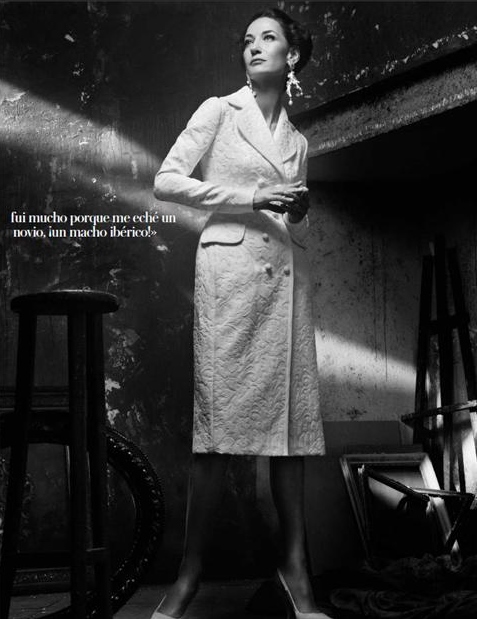
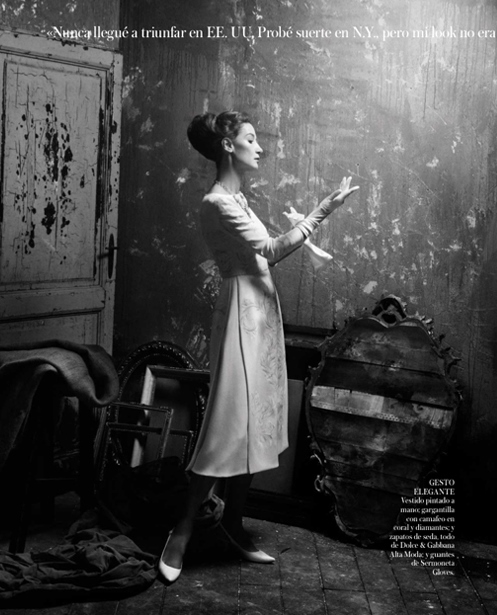
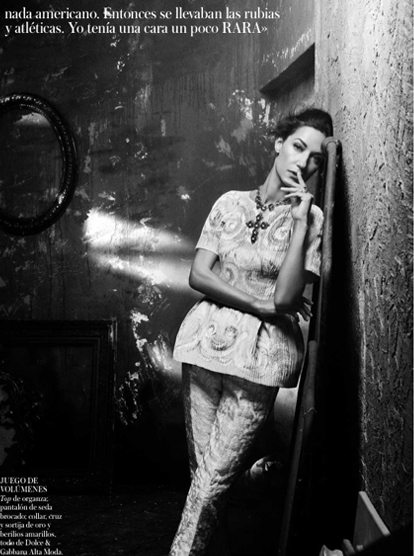
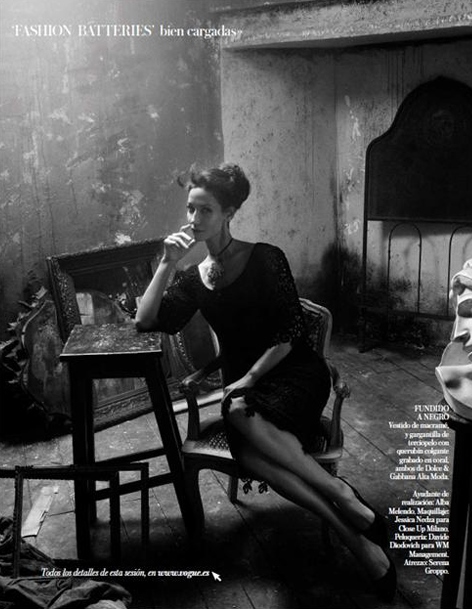
And then, last year, when Dolce & Gabbana launched its Alta Moda (haute couture) line, it offered her a job in Milan. When I ask her title she looks at me pityingly. “We don’t have titles.” If they did, hers would be something like “Person Who Takes Care Of Clients And Makes Wearing Alta Moda Look Easy”. Because amazingly, wearing lace dresses worth tens of thousands of pounds without looking like a museum piece can be quite tricky. So can those clients, even though she diplomatically insists they’re a breeze. Perhaps they’re simply in awe.
Collaboration with Ferdinando Scianna and Dolce & Gabbana
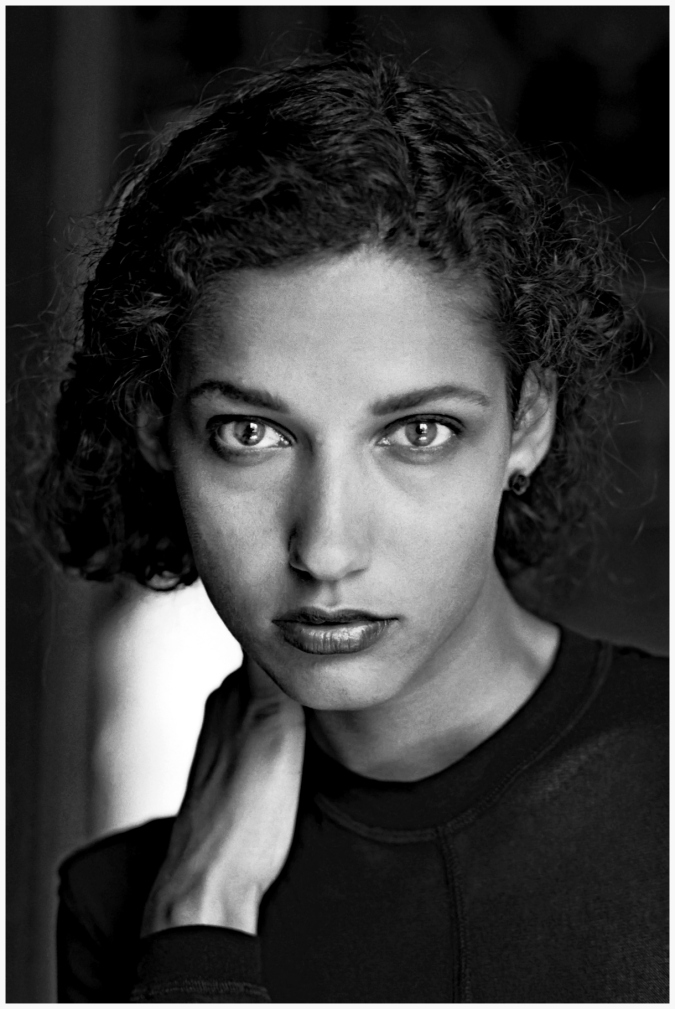
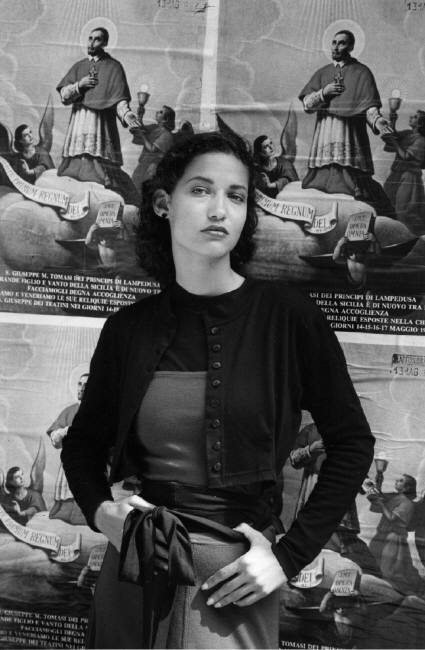
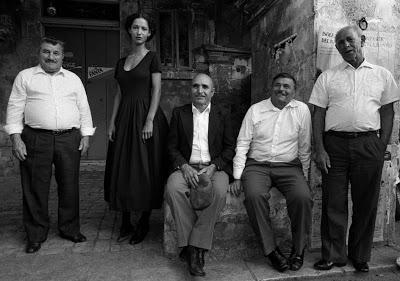
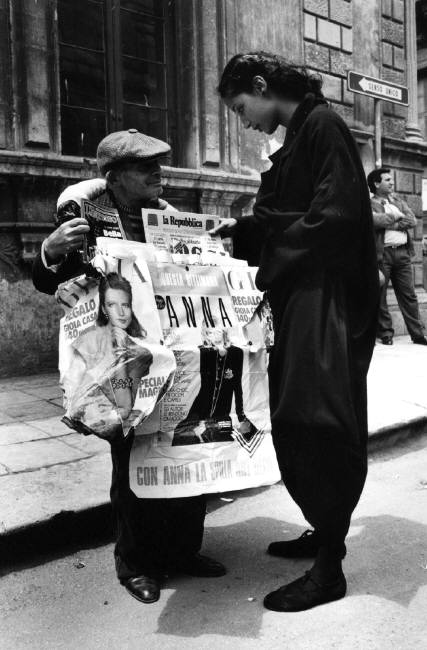
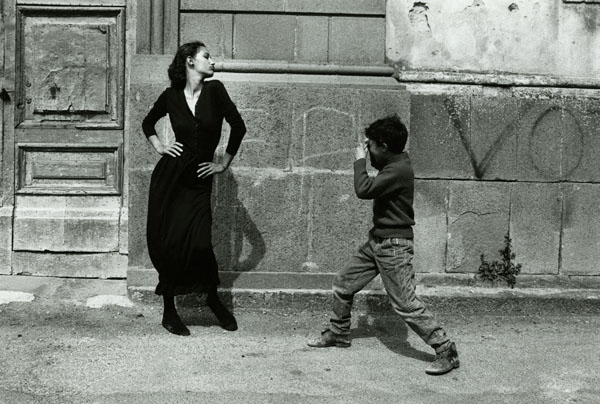
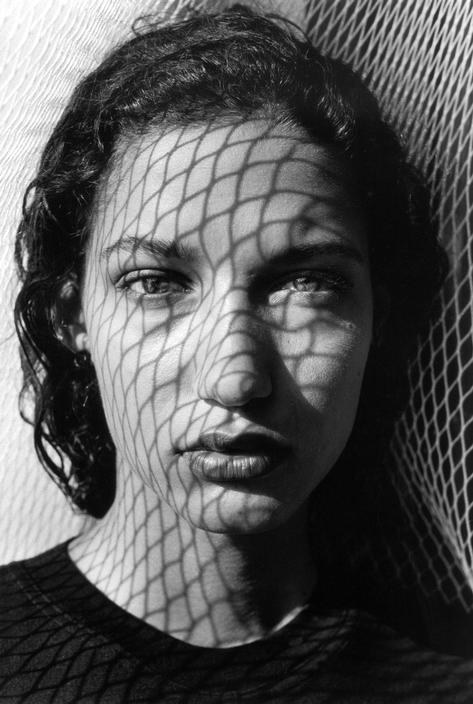
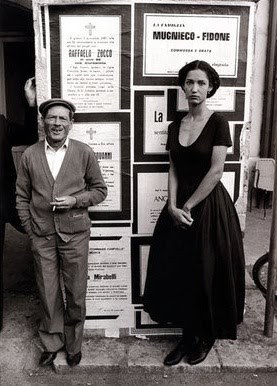
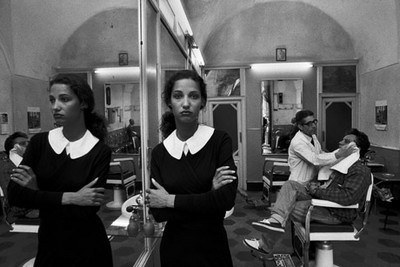
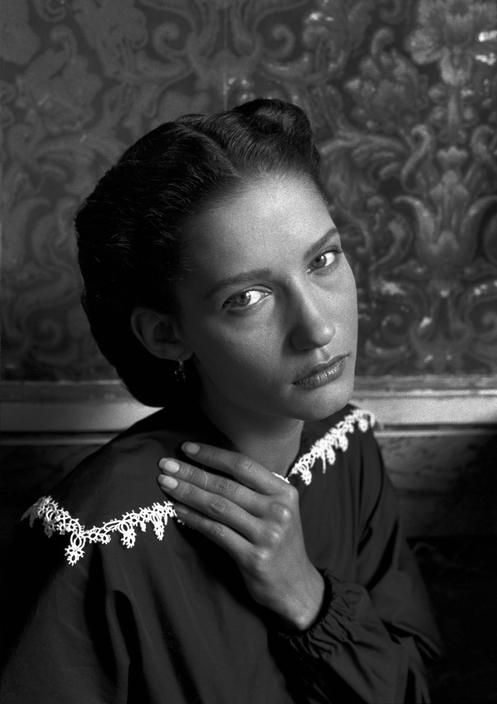
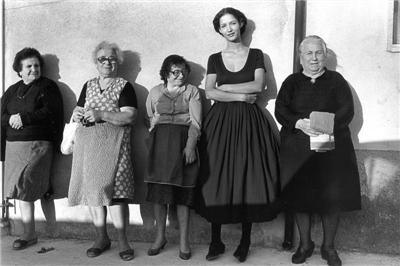
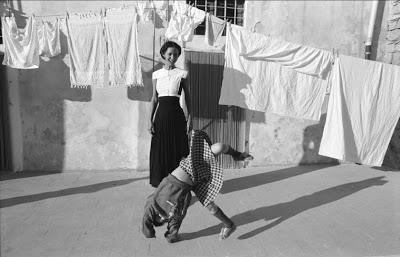
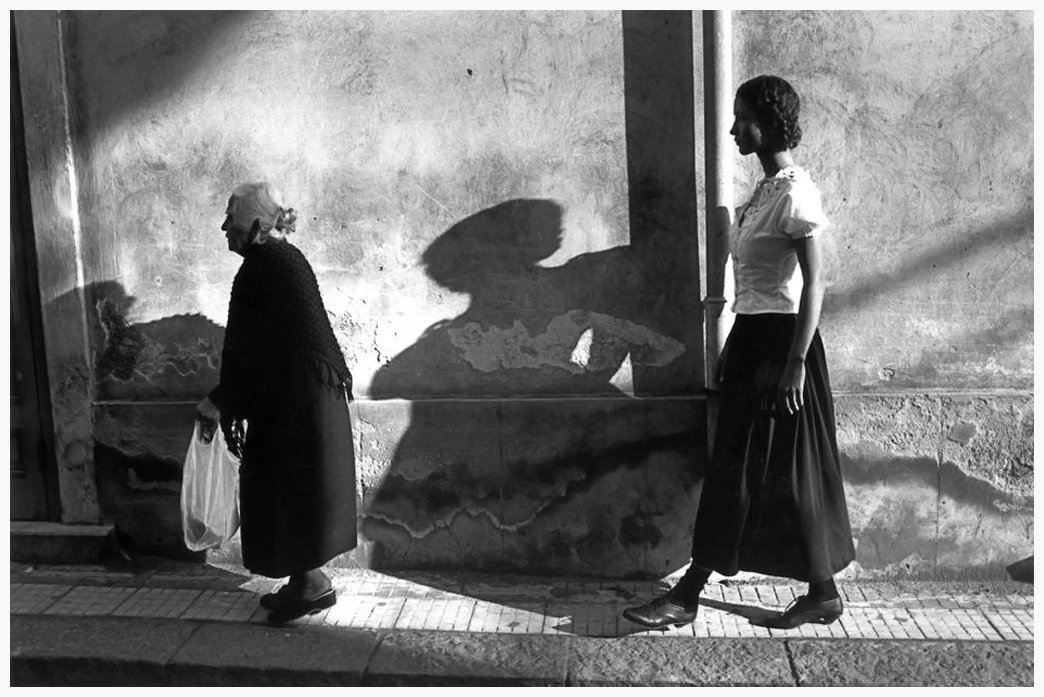
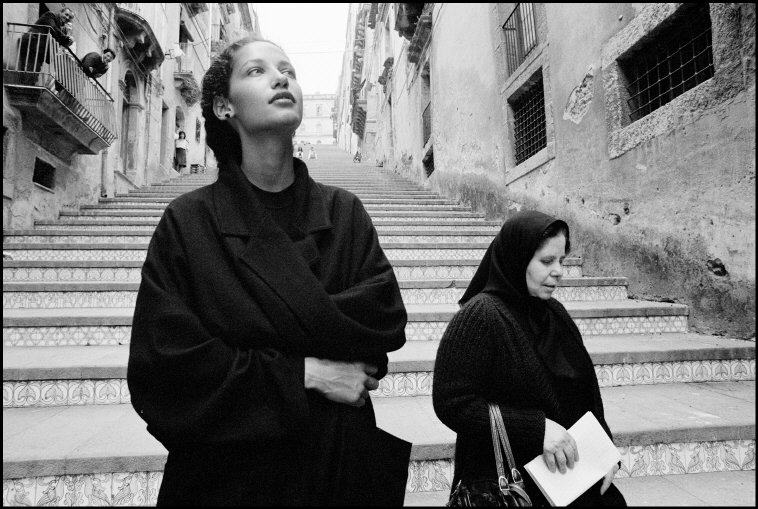
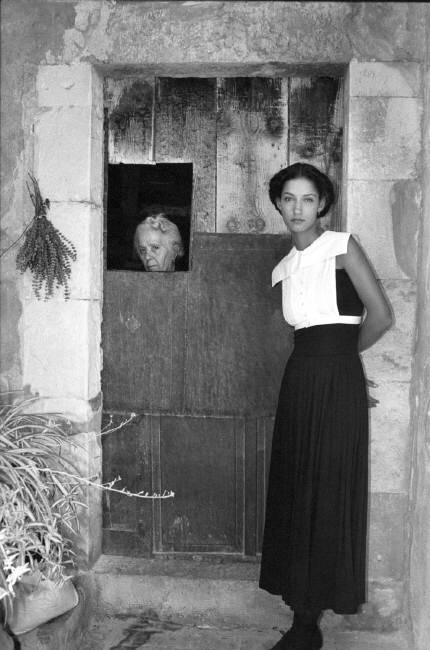
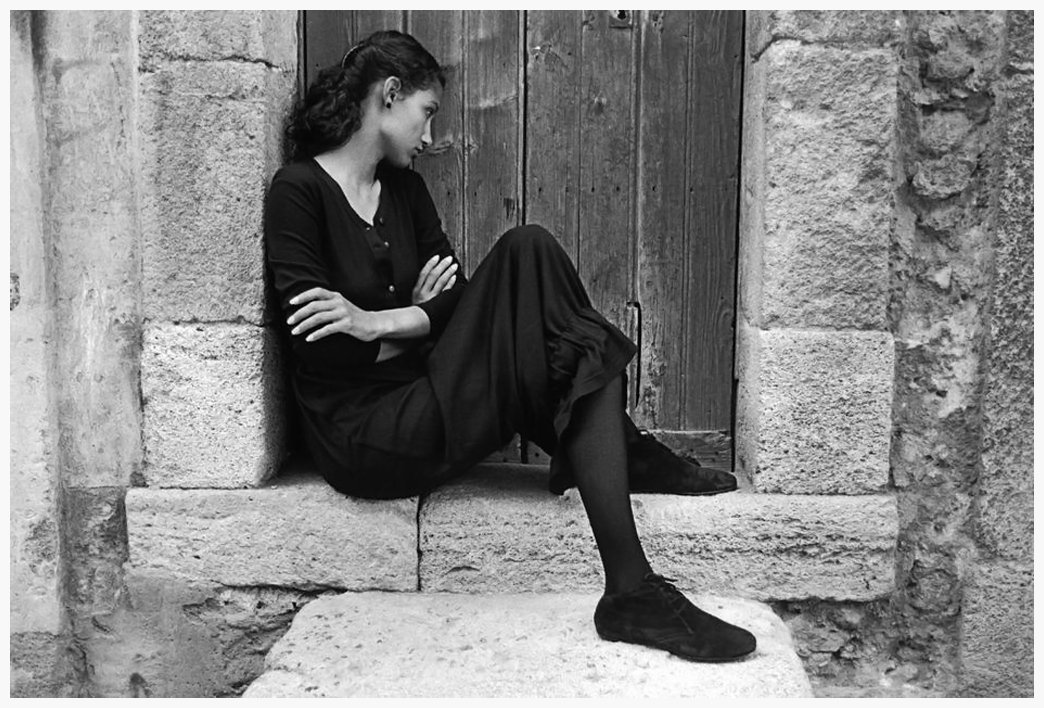
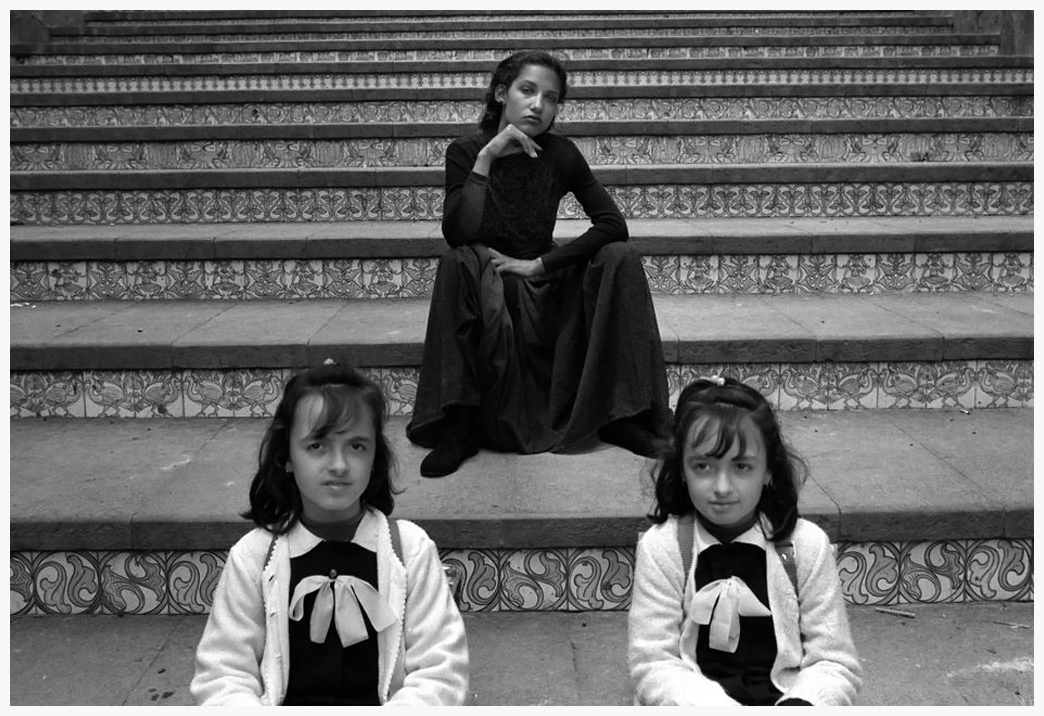
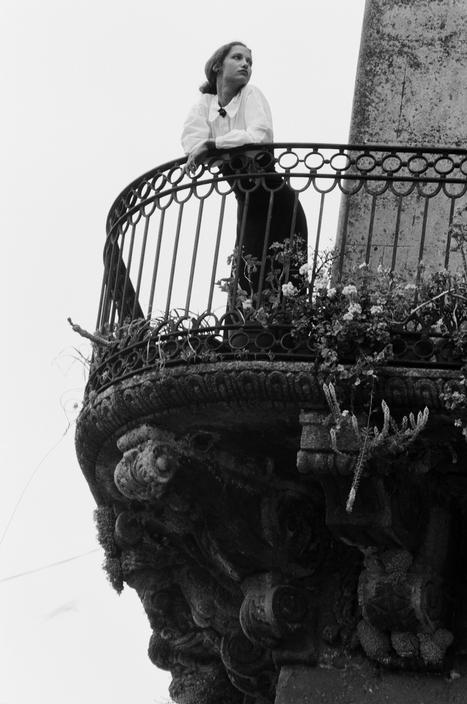
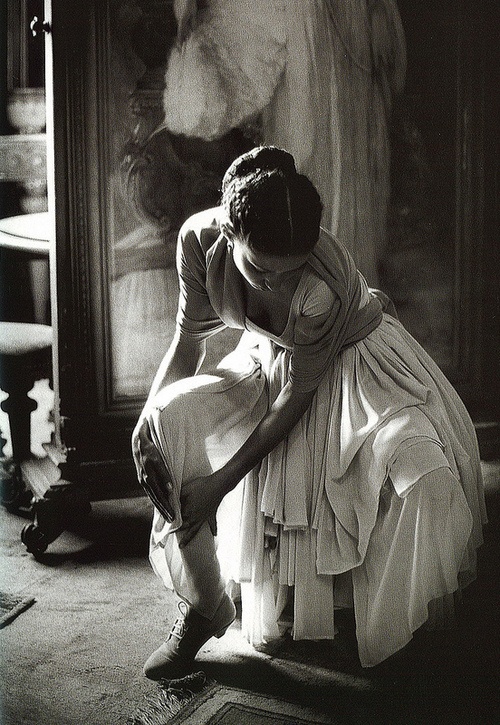
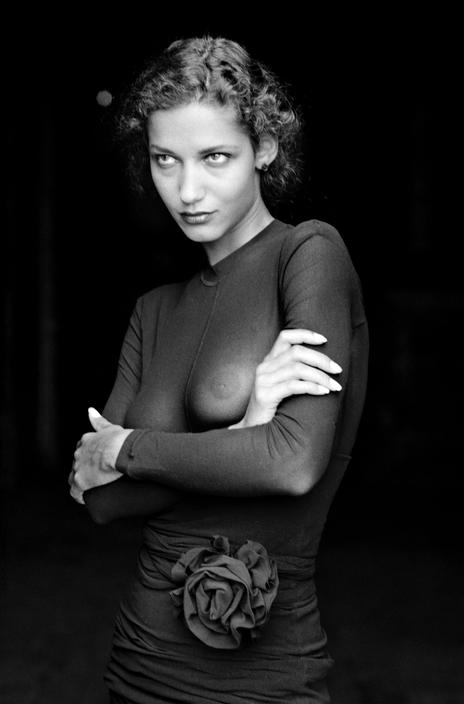
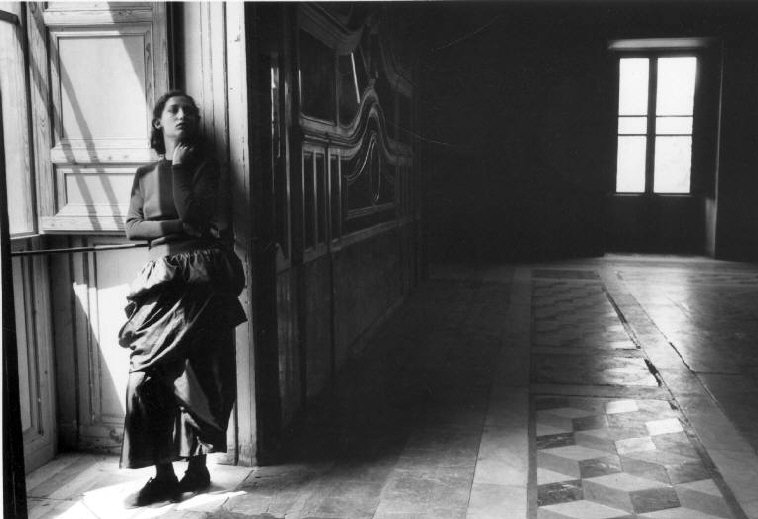
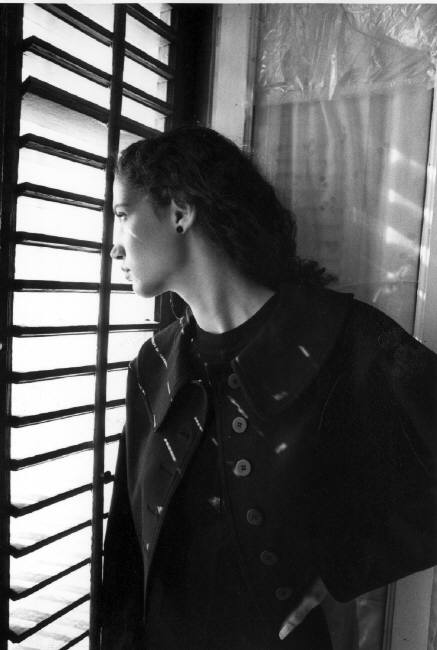
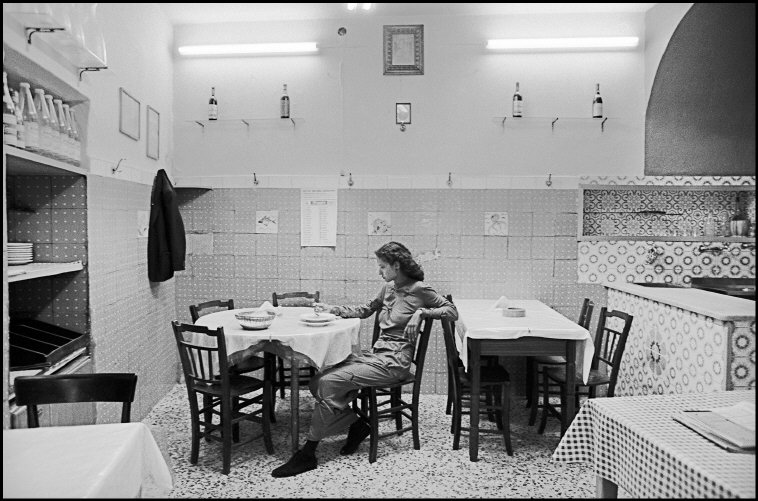
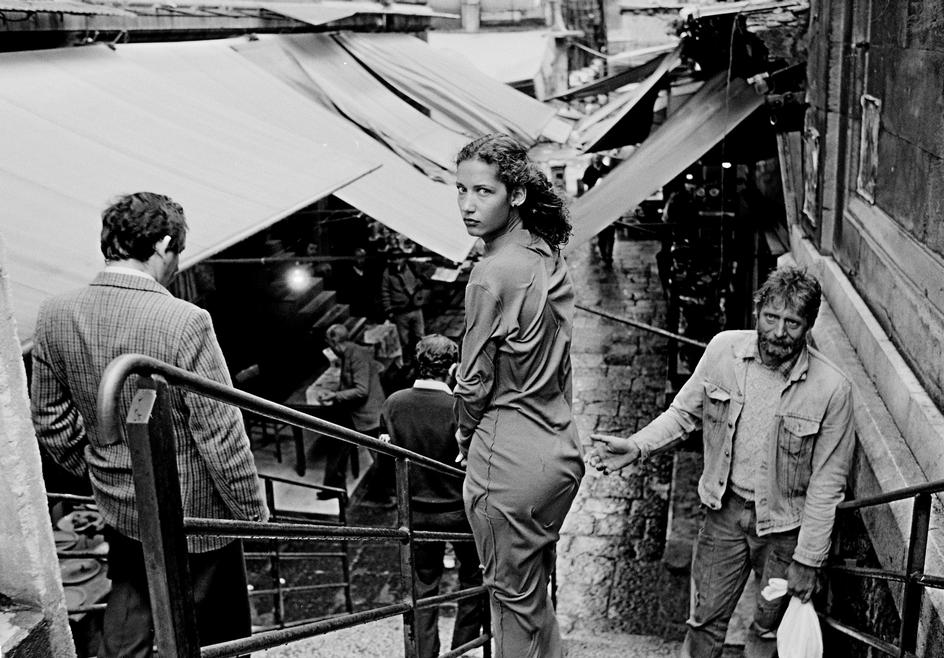
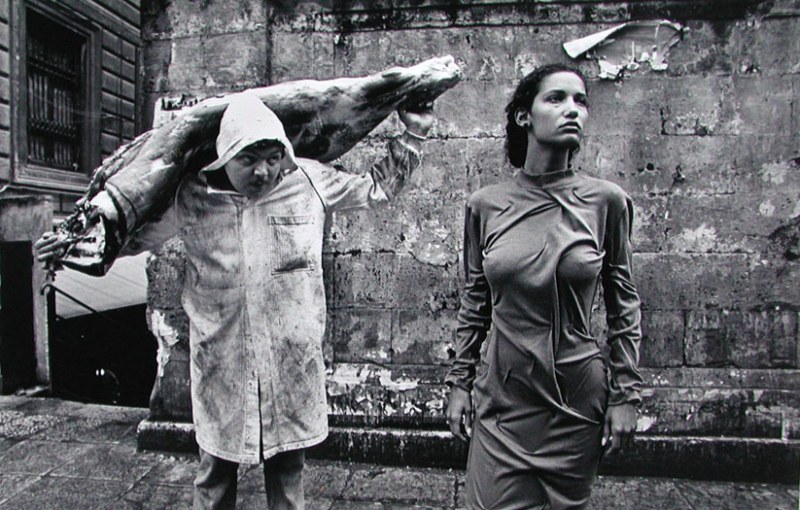
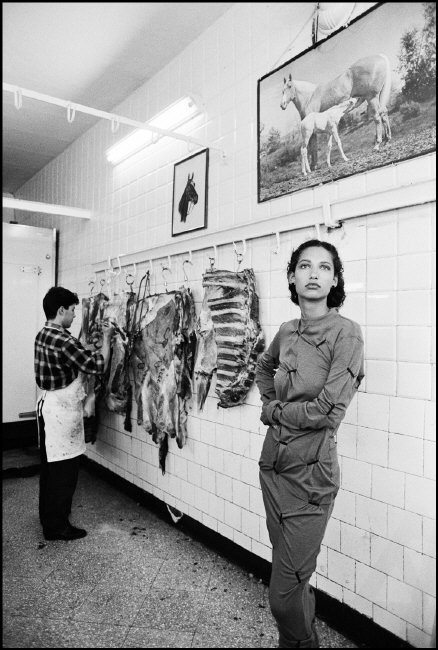
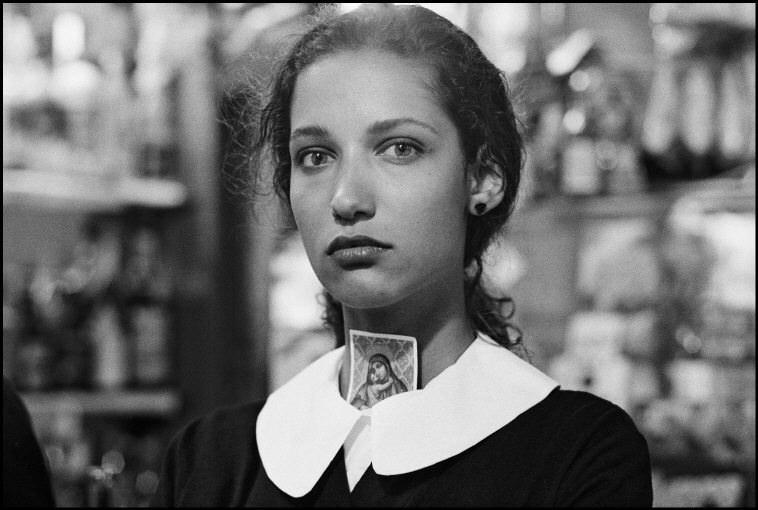
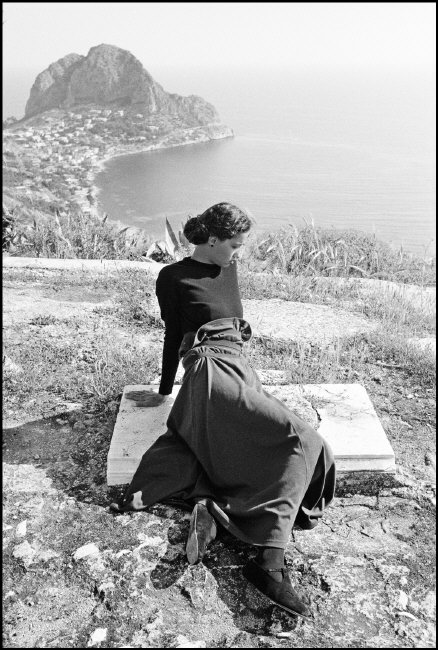
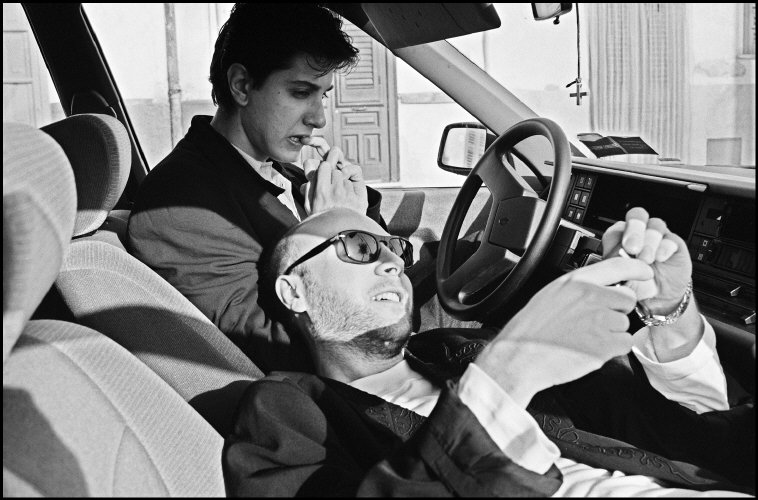
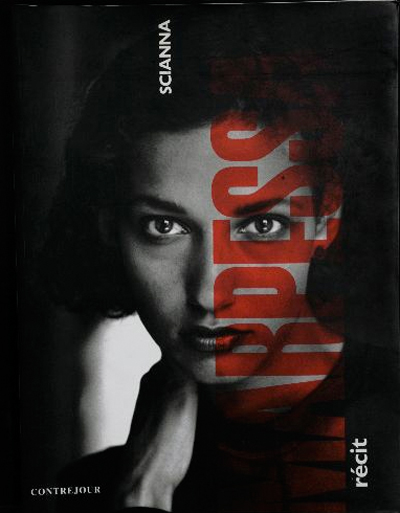
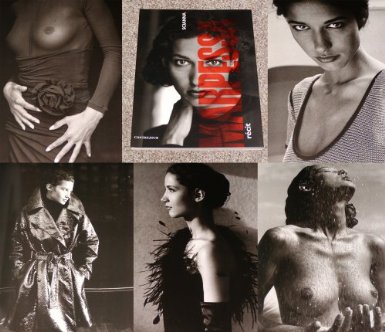
The long collaboration with Magnum photographer Ferdinando Scianna, with whom she shot the first D&G catalogues and campaigns and various editorial spreads, resulted in the publication of the book Marpessa, in 1993.
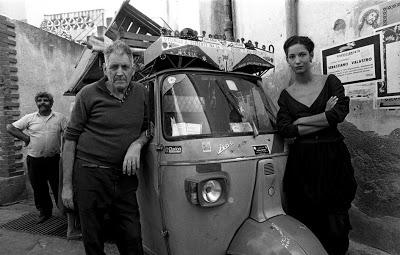
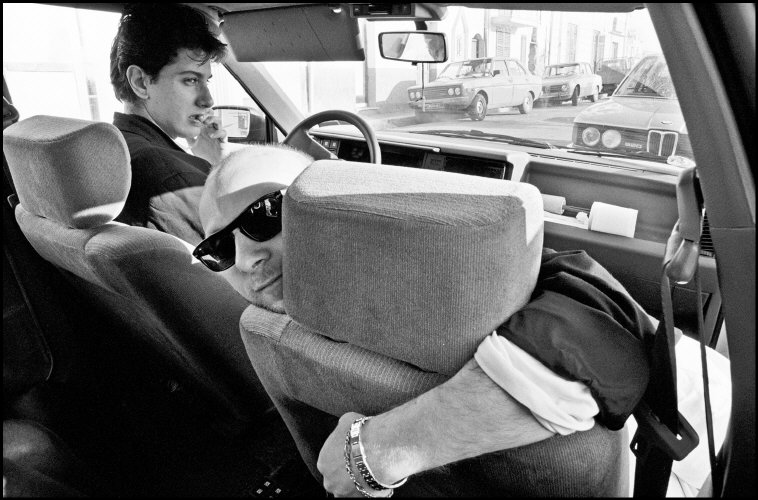
The first time Ferdinando Scianna has seen the top-model Marpessa, it was in photography, a small photography issued from the collection fall-winter 87, showed by the two italian designers Dolce & Gabbana. They asked him to work for them. Scianna knew nothing about fashion. It was his first experience. Like Scianna, Domenico Dolce was born in Sicilia. And for this collection, the clothes were inspired by Sicilia. As a photographer, Scianna was looking for the virtue of his earlier books on Sicilia to shoot Marpessa. The book surpasses the classic definition of fashion photographs. It’s simply like an sensual italian movie in black & white, as a long time ago…
.
Young Dolce & Gabbana waiting in a car during the photo shoot on Sicilia
Marpessa’s elegance and charme, as well as that glint in her eye make her a truly unique beauty, at any age. Muse to Dolce&Gabbana and queen on the runway and advertisement campaigns in the 1980s and 1990s, Marpessa was a different kind of super model.
Today her innate elegance make her relevant and still a muse to Dolce&Gabbana, to their Alta Moda Collection in particular, where know how, quiet luxury and attention to detail are key.
Vogue Spain Photographer: Giampaolo Sgura, stylist: Sara Fernandéz
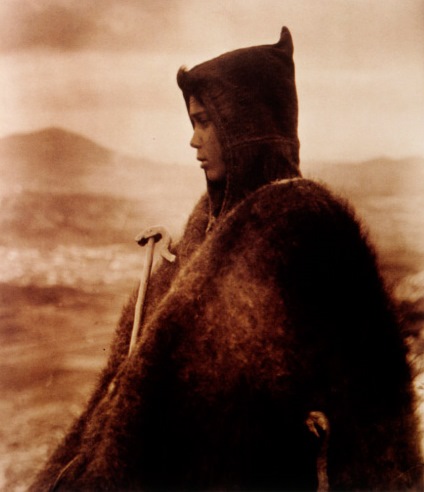
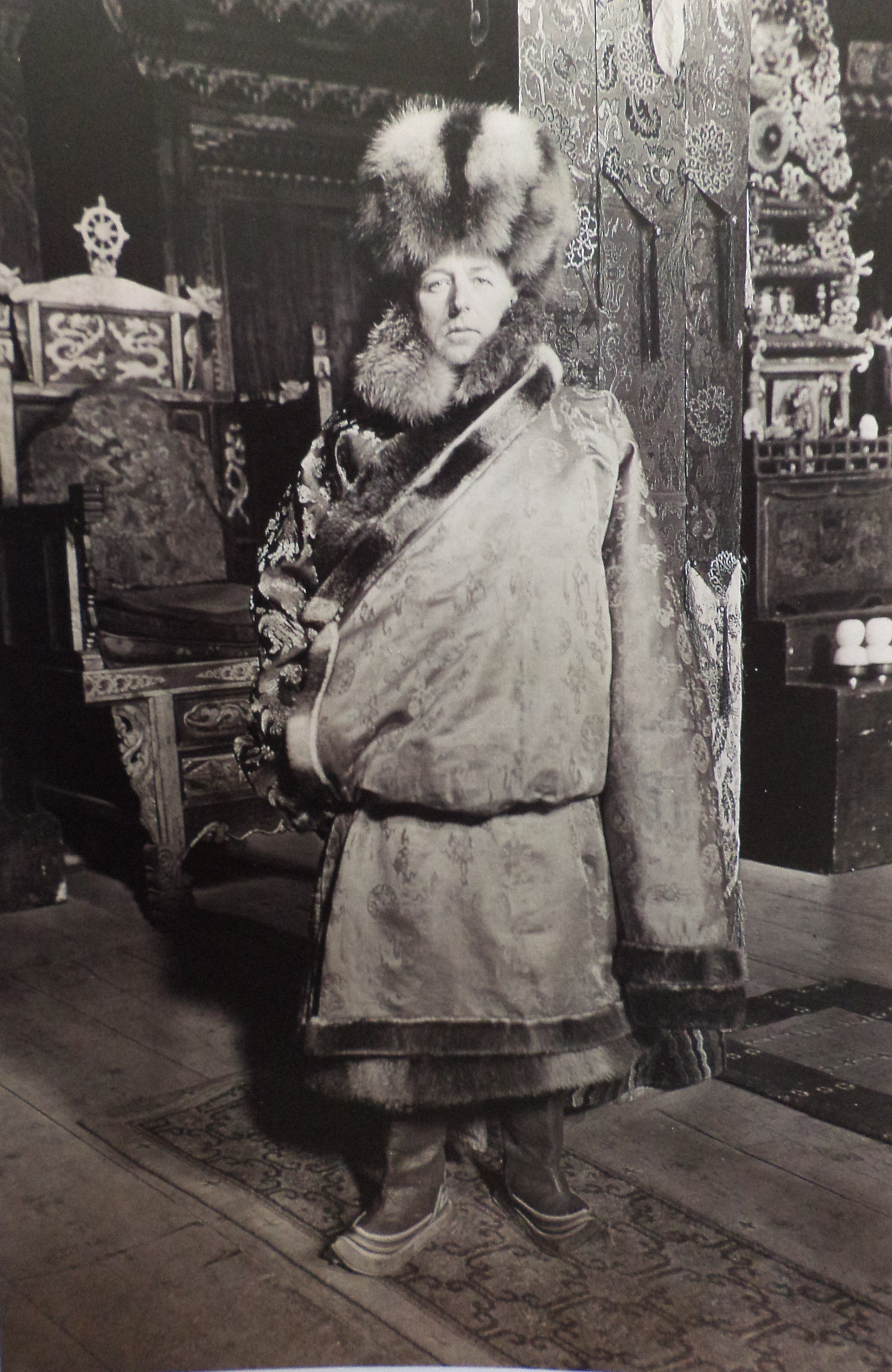
Mongolia, 1921. Ph. published in National Geographic/Fashion
.
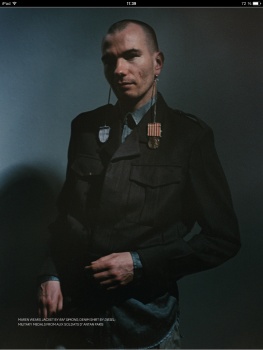
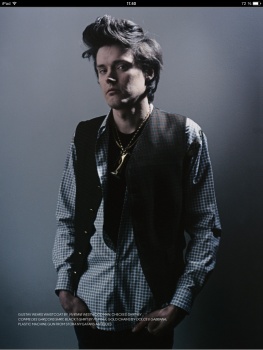
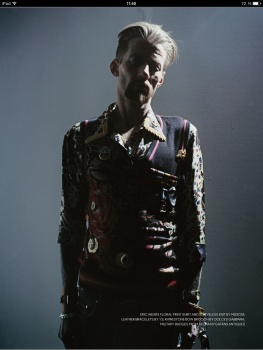
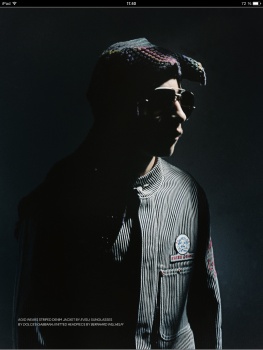
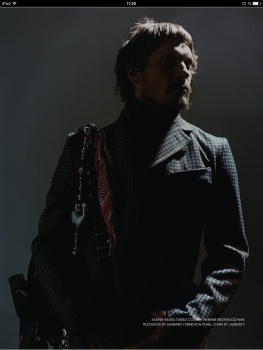
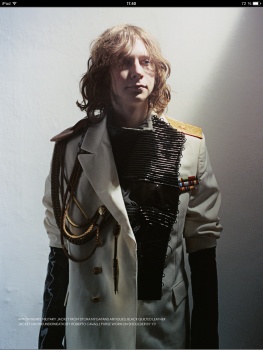
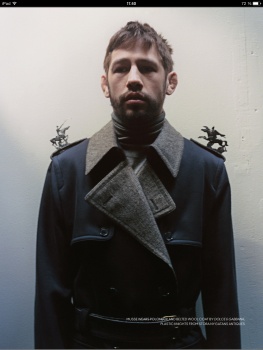
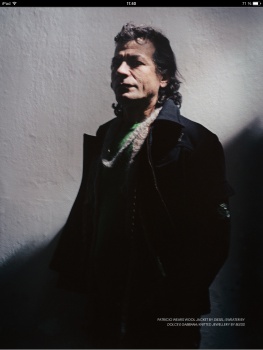
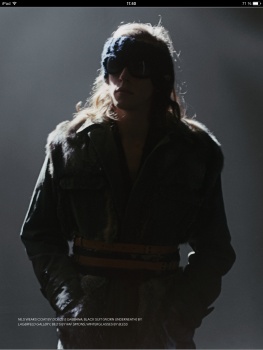
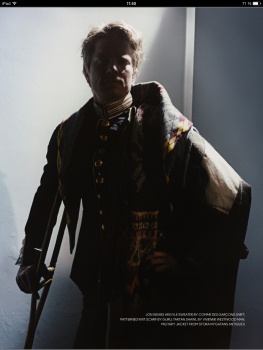
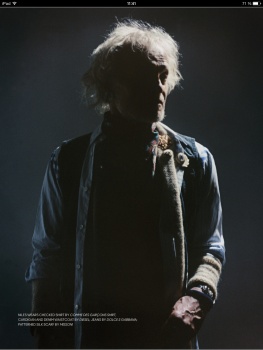
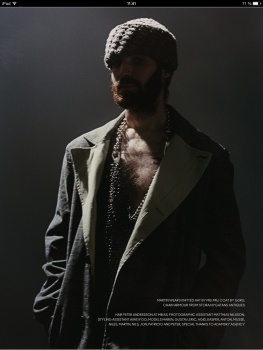
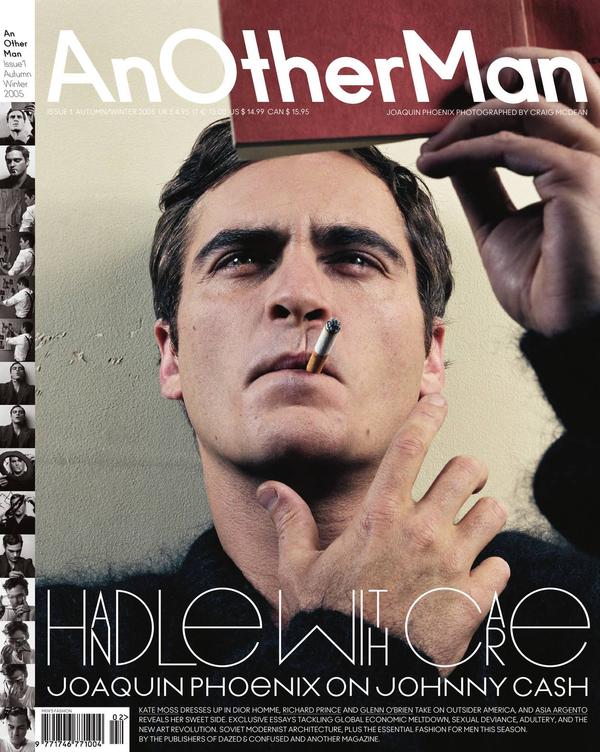
In this post I’d like to share photographs I find very inspiring, like the story by Martina Hoogland Ivanow (photography) and Desiree Heiss (styling and 1/2 of the Bless duo) for Another Man, issue 1 autumn/winter 2005.
Actually, the complete debut issue is a great source of inspiration. If you’re interested, dubble click on the link underneath the cover photo with Joaquin Phoenix, and scroll through the pages….
.
Another Man, issue 1 autumn/winter 2005
Martina Hoogland Ivanow (photography) and Desiree Heiss (styling).
.
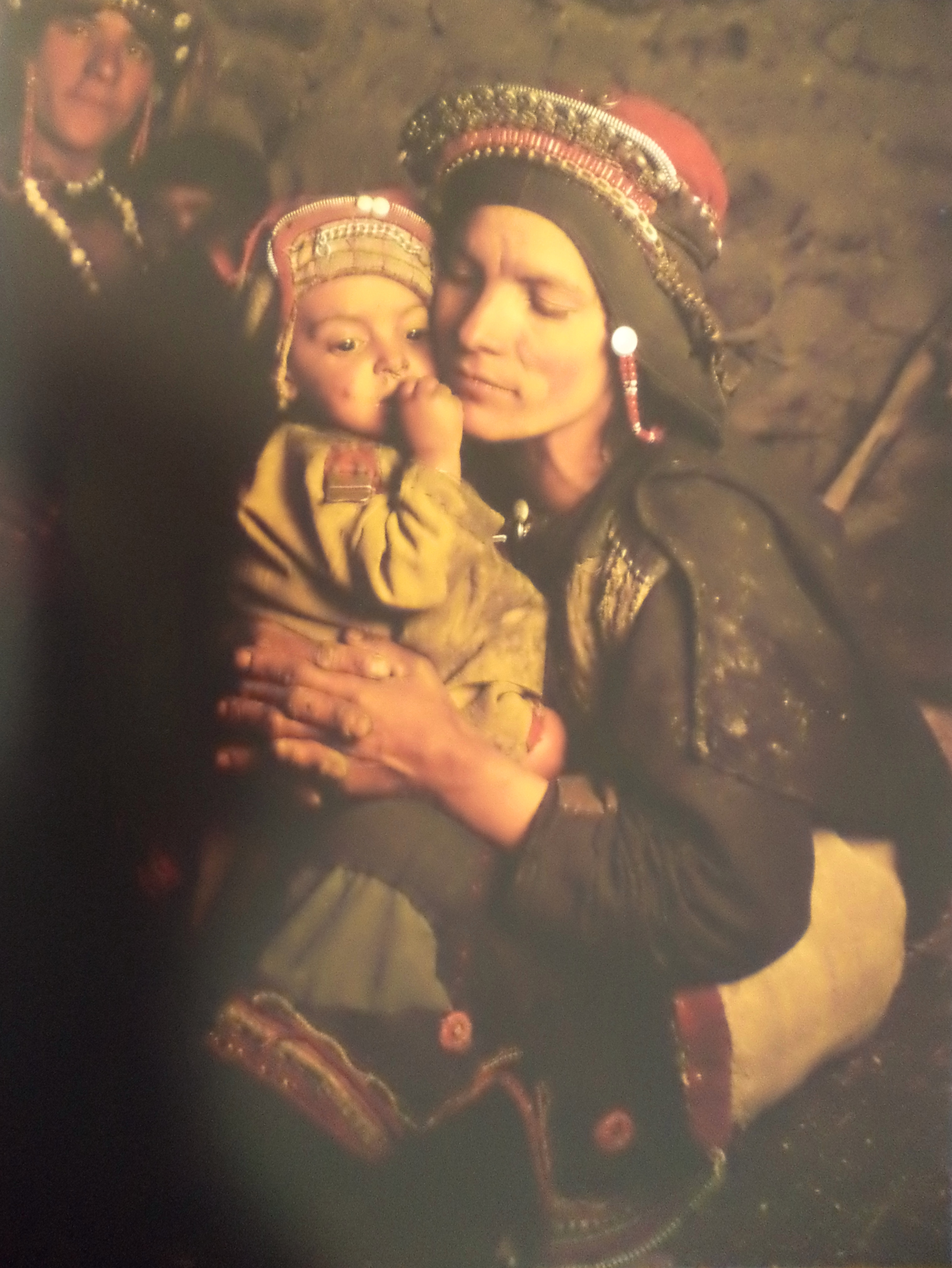
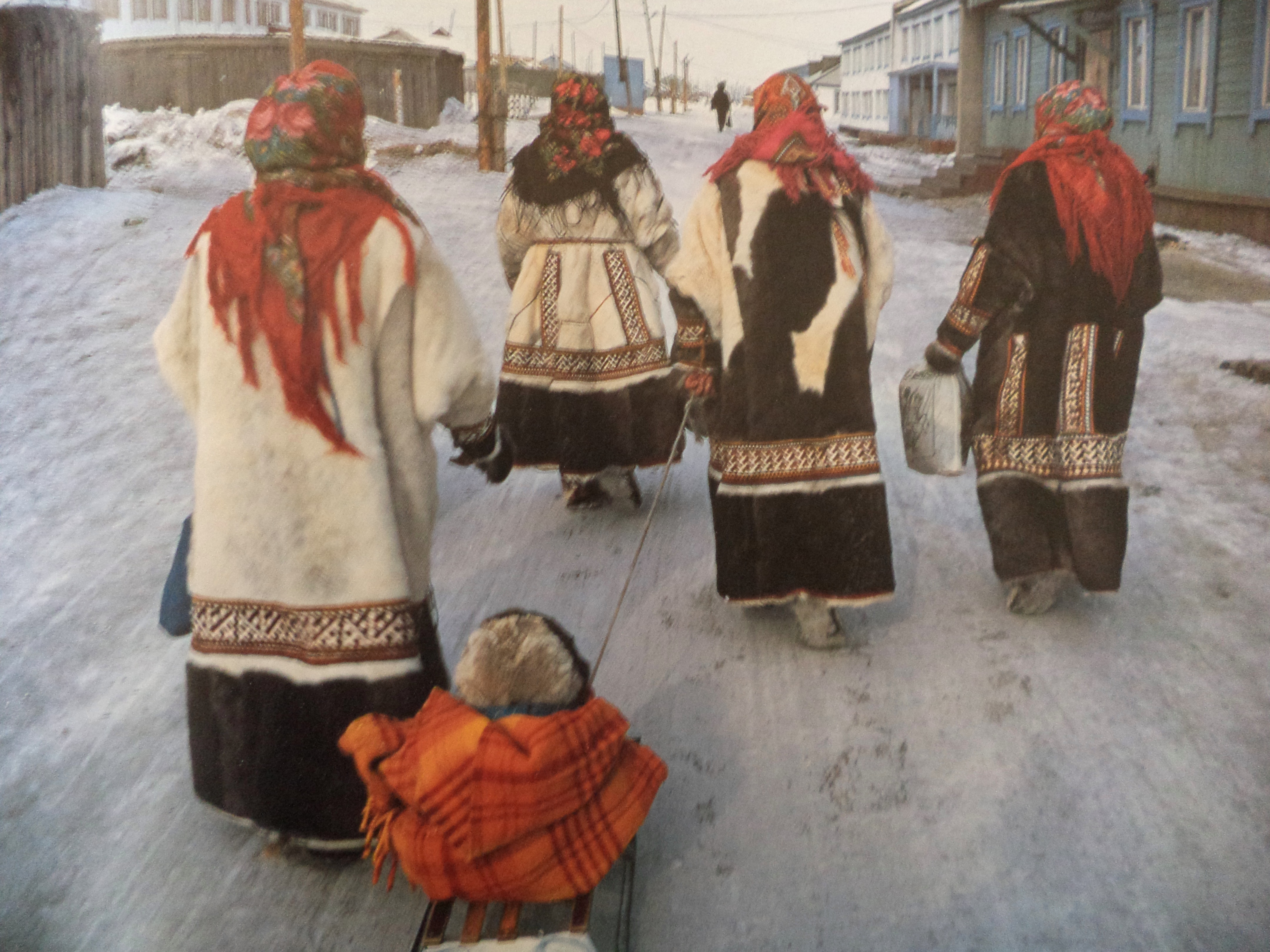
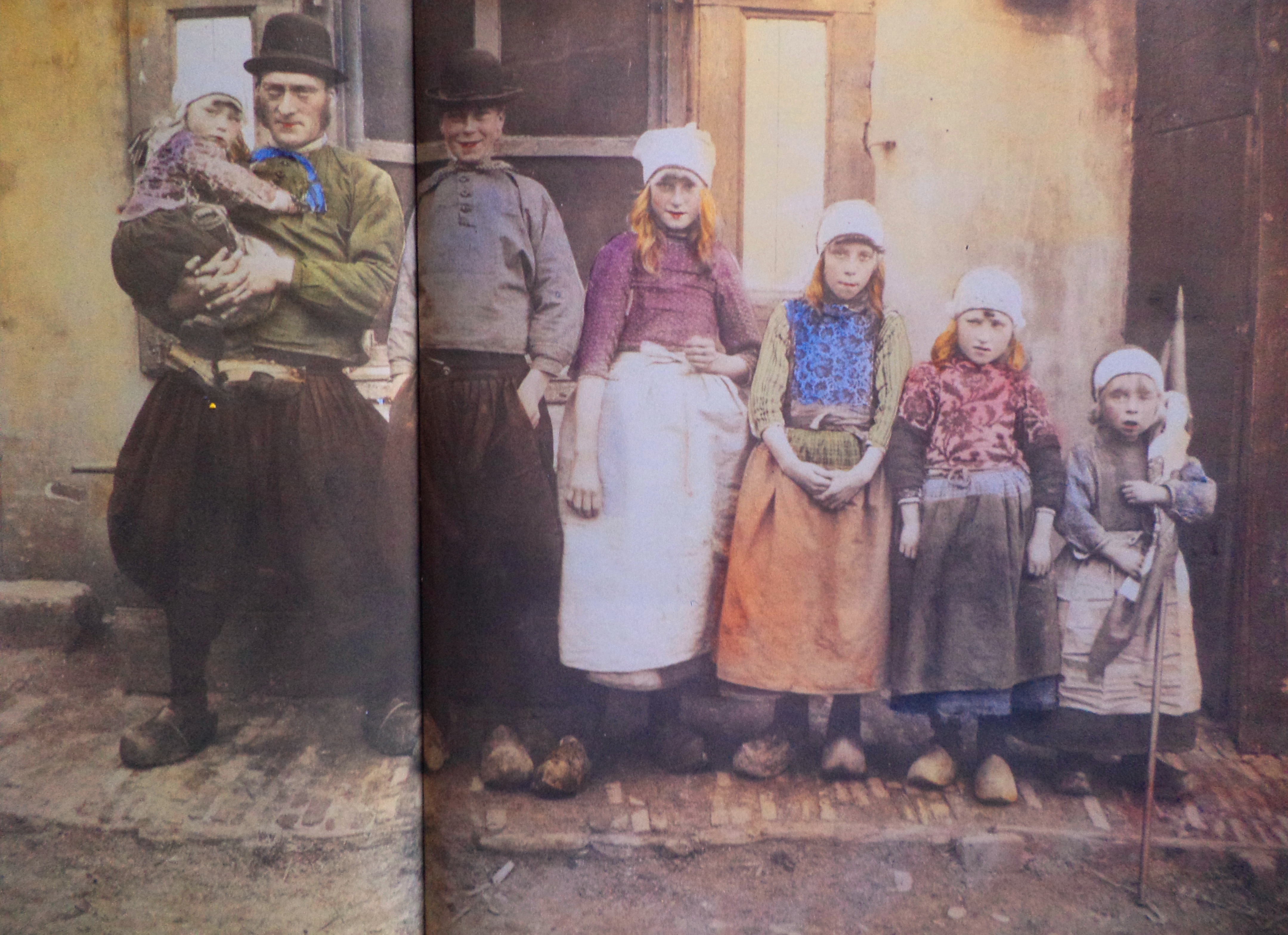
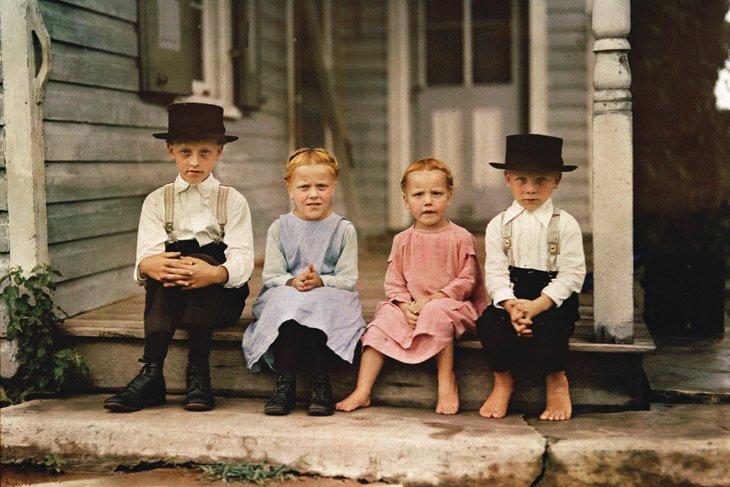
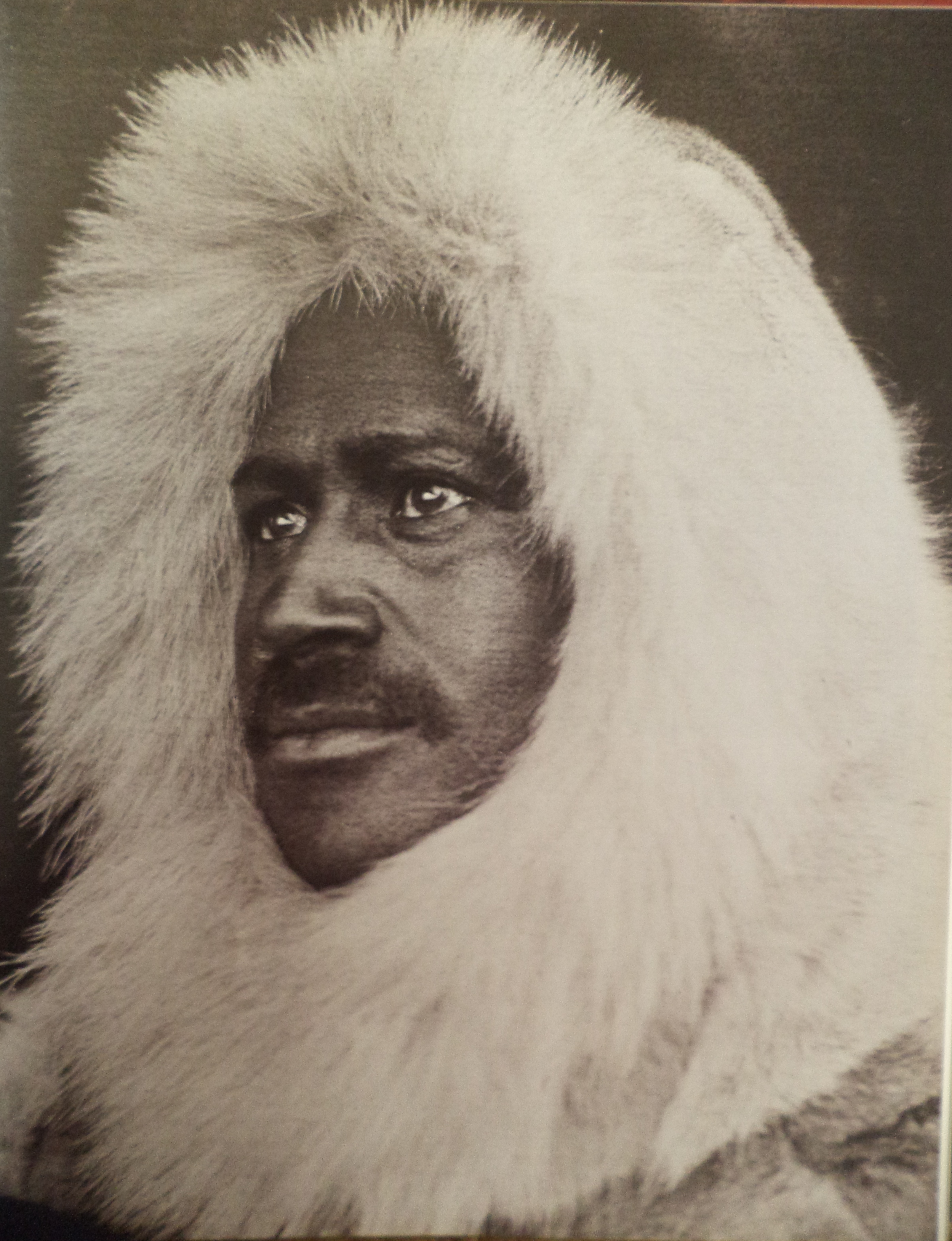
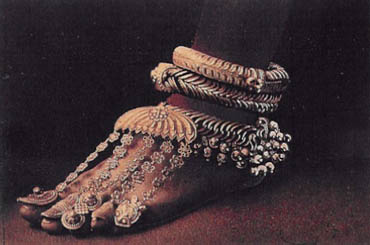
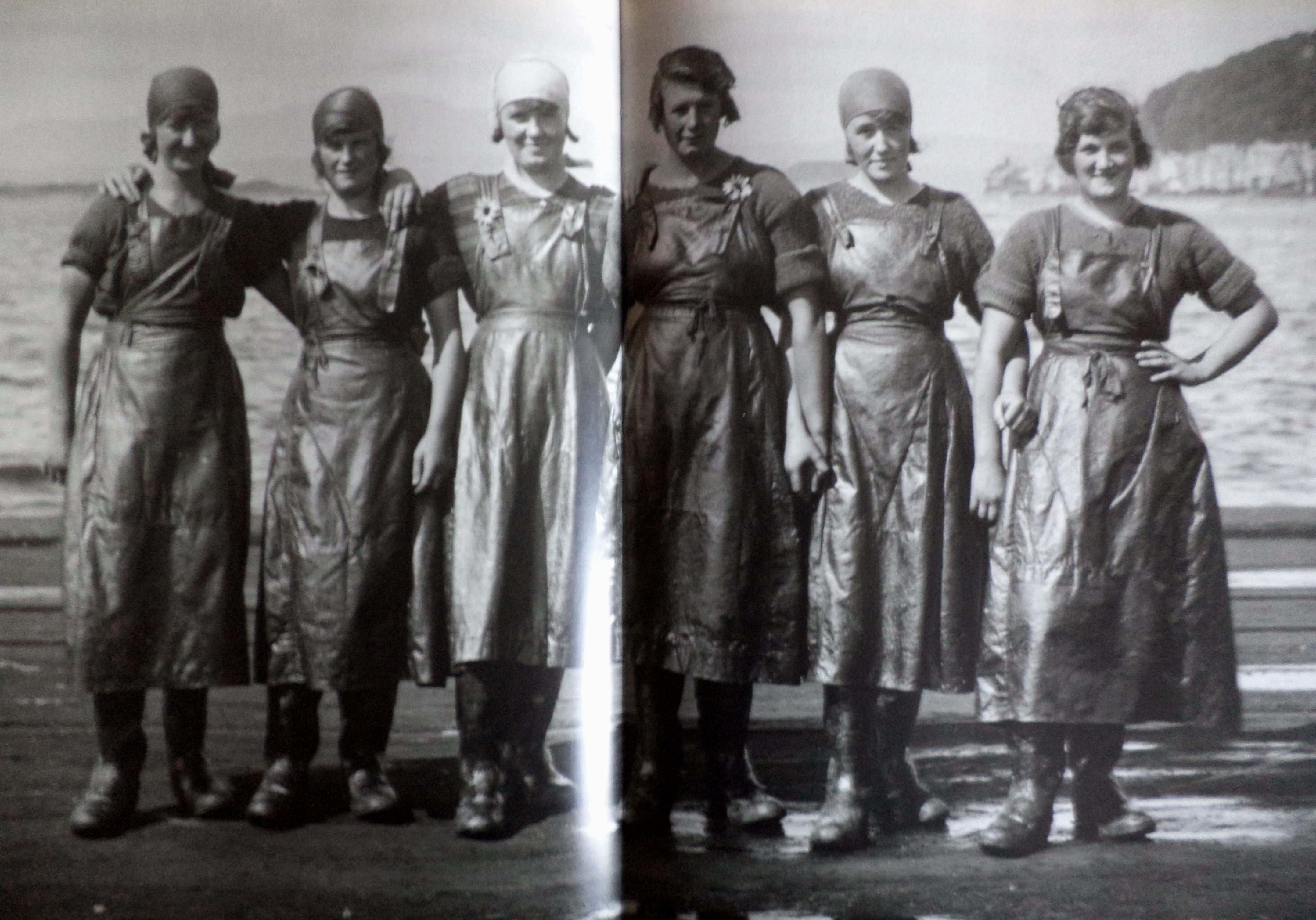
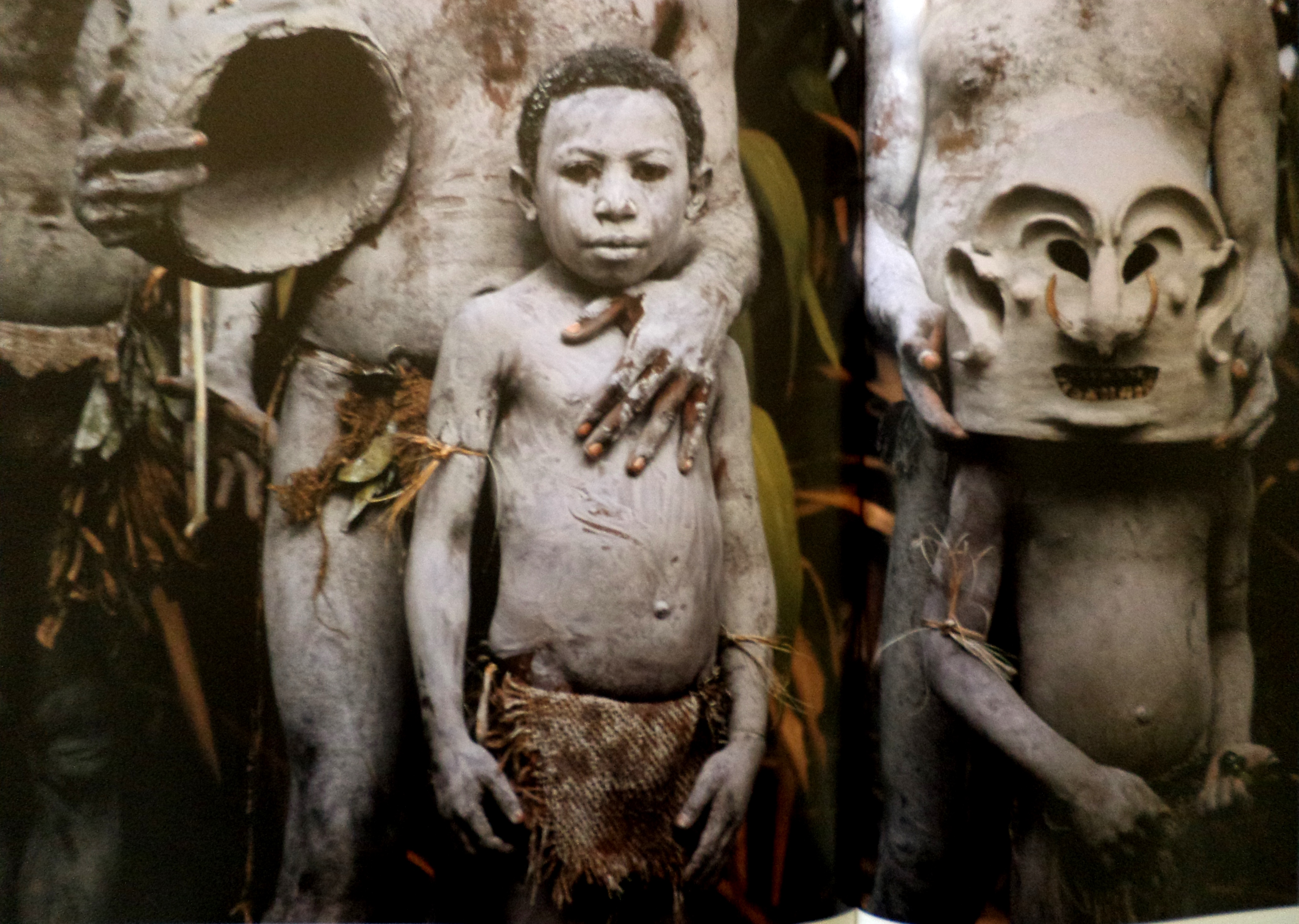
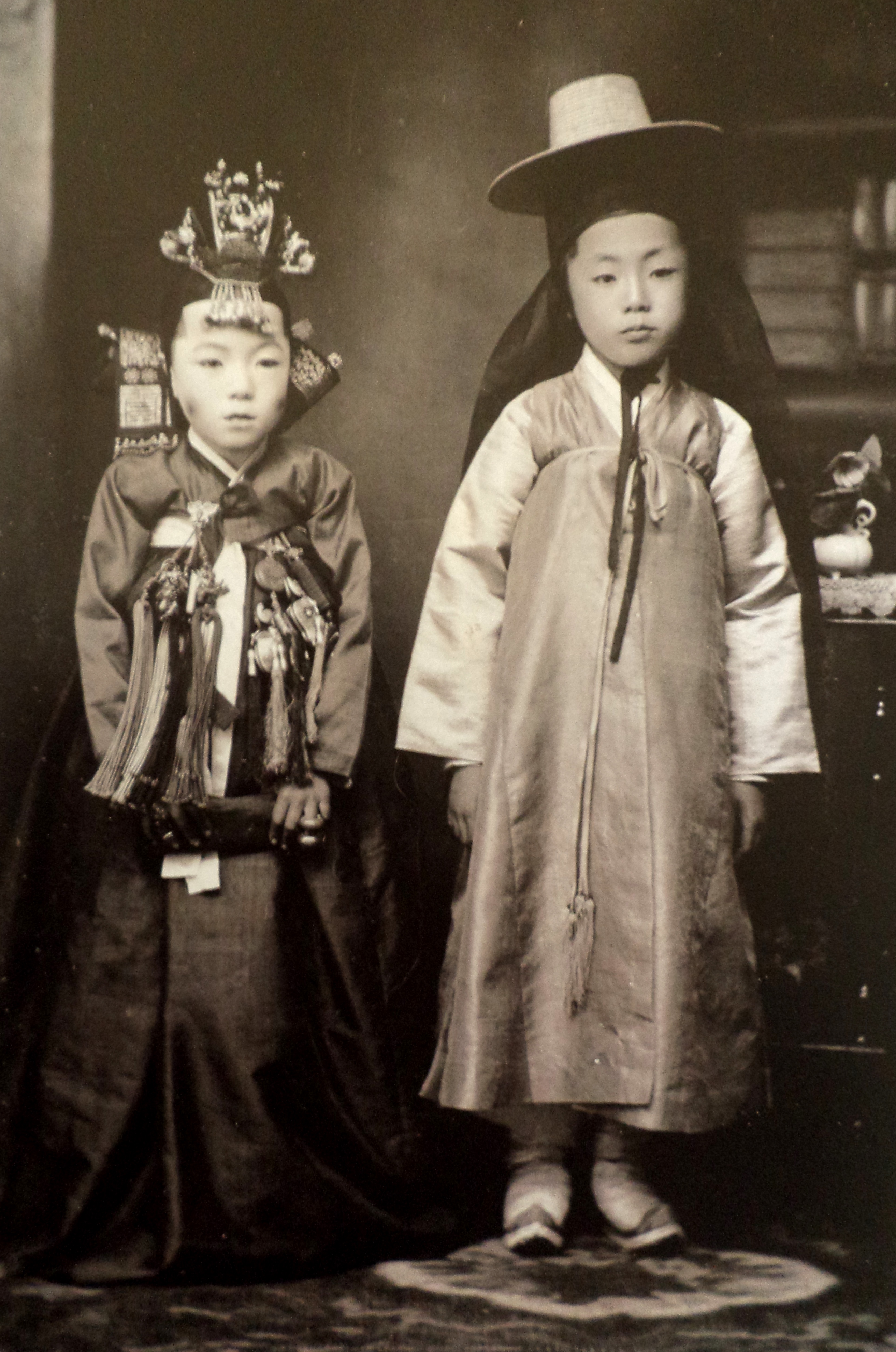
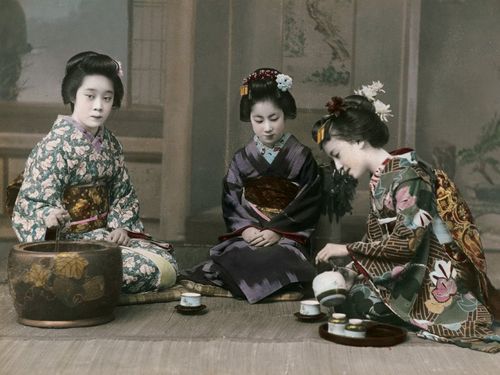
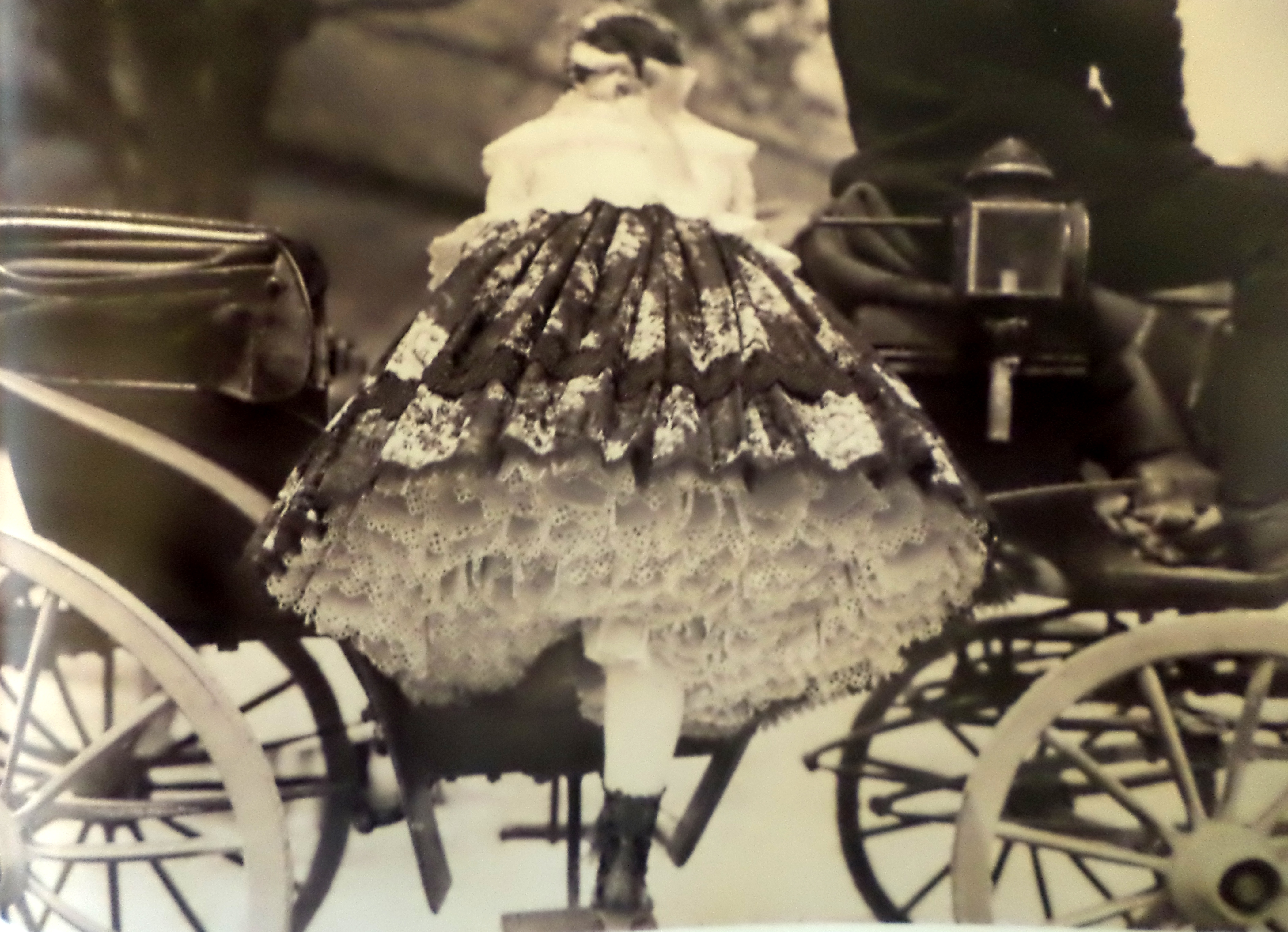
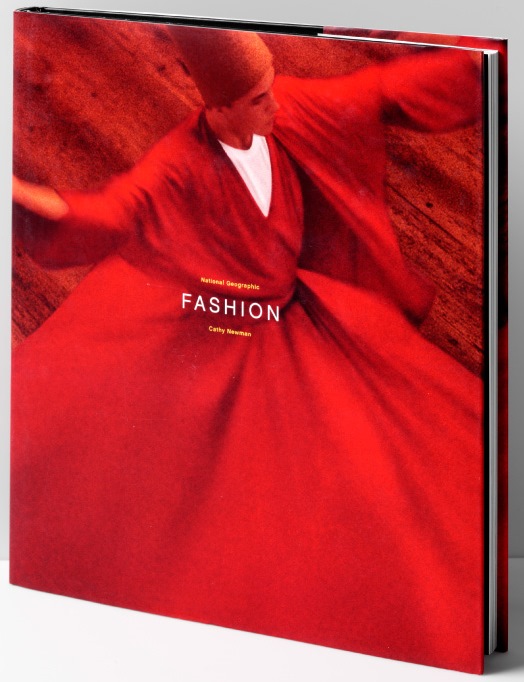
National Geographic FASHION
by Cathy Newman
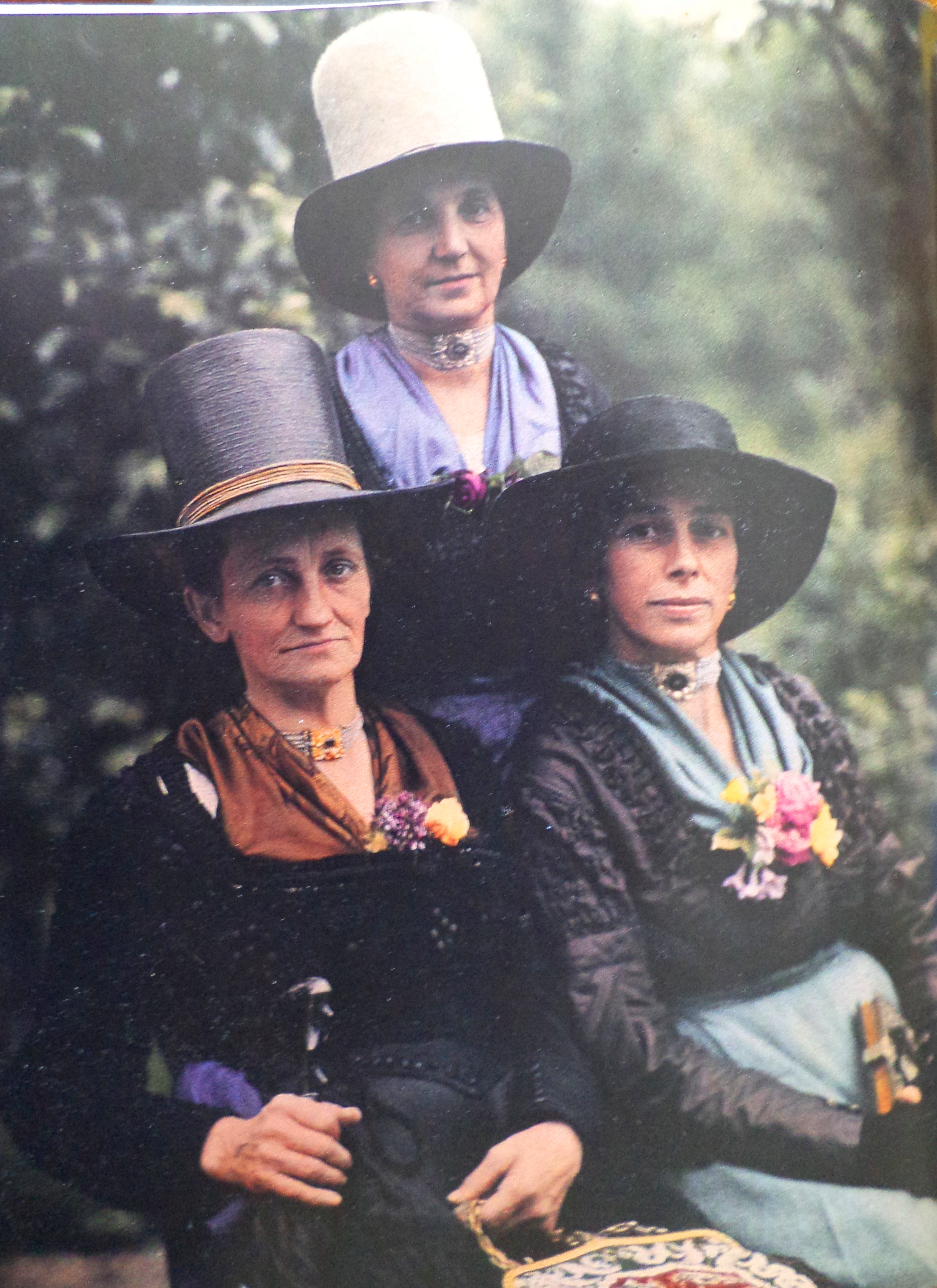
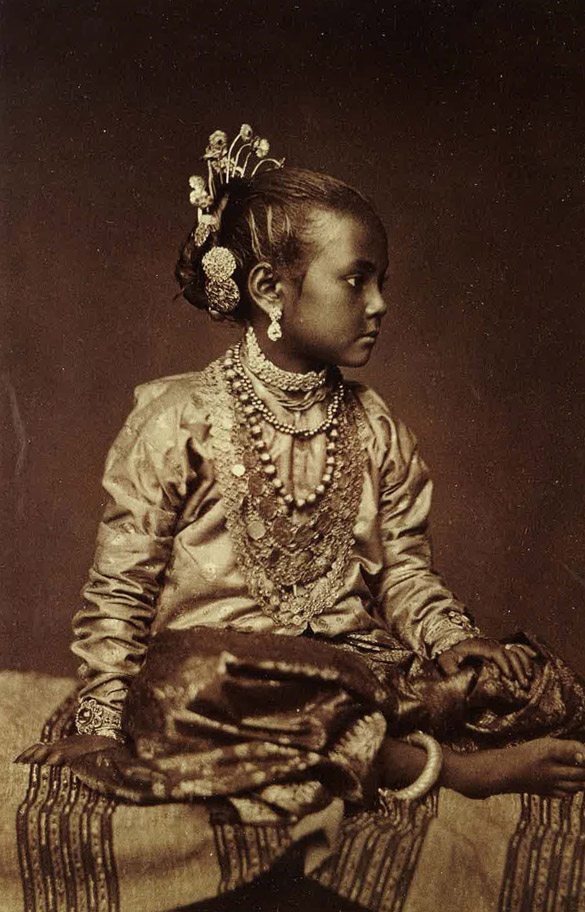
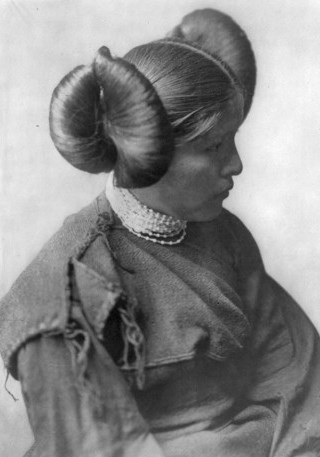
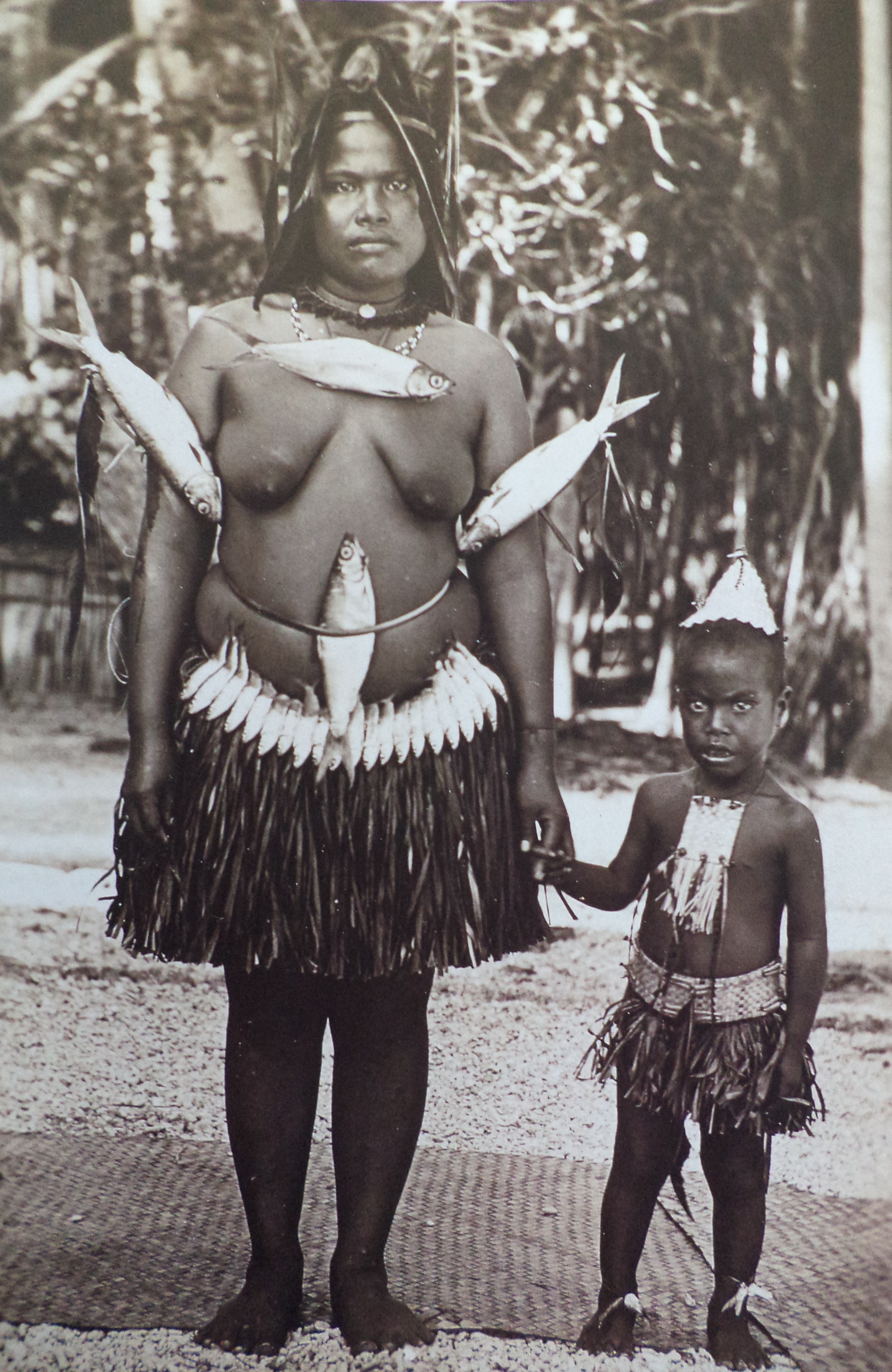
This book is also inspiring to me.It contains archival and contemporary photographs focussed on fashion while documenting the people and cultures who wear them.

 .
.

 .
.
Jean Patchett & Louis Auer .




















 agnautacouture.com