Archive | opinions RSS feed for this section

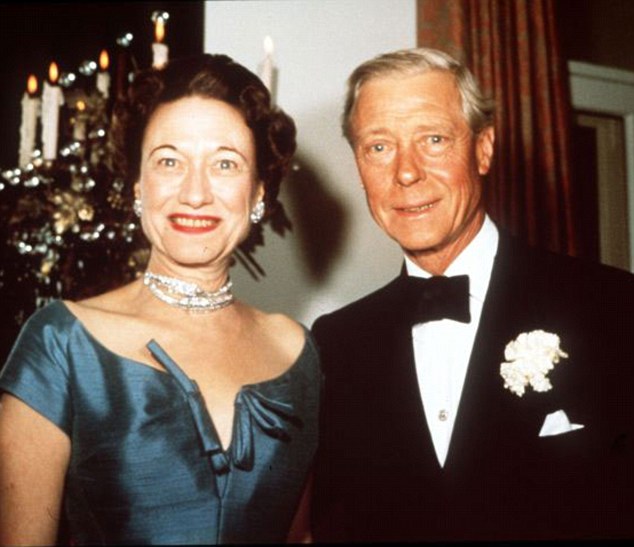
Wallis Simpson & Prince Edward, a Stylish Couple

27 Apr

Edward & Wallis

Wallis & Edward, 1935

.
.
My husband gave up everything for me. I’m not a beautiful woman. I’m nothing to look at, so the only thing I can do is dress better than anyone else. 

Wallis Simpson

.

.Duchess of Windsor, by Irving Penn; this corner was a Penn trademark.Duchess of Windsor, by Irving Penn; this corner was a Penn trademark.
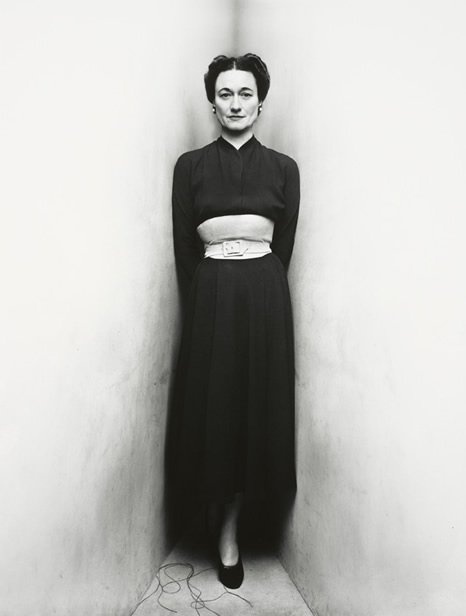
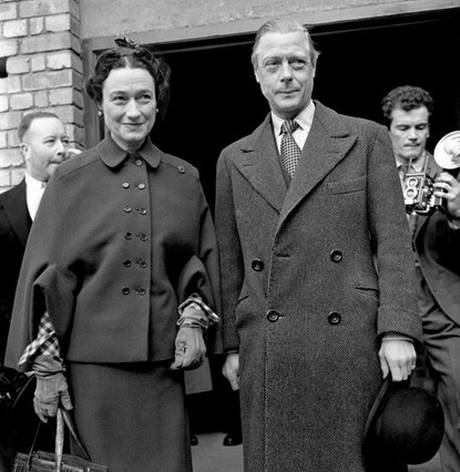
On December 11, 1936,  the King of England addressed his people: “You must believe me when I tell you that I have found it impossible to carry the heavy burden of responsibility and to discharge my duties as King as I would wish to do without the help and support of the woman I love. ”Edward’s words, solemn and delivered with obvious emotion, crackled out over the wireless in homes across the kingdom. The fledgling ruler—so new, he had not yet been crowned—had renounced his throne, all in the name of love. Across the globe, presses blazed with speculation about this very grand-scale—and, to many, quite puzzling—love story. The burning question on everyone’s lips: Who exactly was this “Wally” and what powers of mesmerization did she possess?
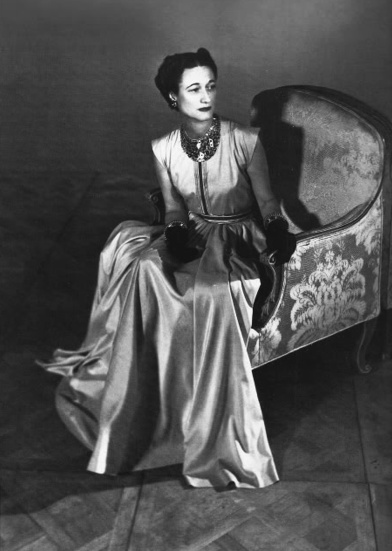
Wallis Simpson . Ph. by Horst P. Horst

Portrait of the new Duchess of Windsor, ph. Horst P. Horst

Bessie Wallis was a headstrong, violet-eyed child with sausage curls and a love of the pretty dresses sewn by her mother, the down-on-her-luck daughter of an old Virginia family. Swanning out in a satin-and-seed-pearl copy of a dress worn by the dancer Irene Castle, she made her society debut in Baltimore in 1914 as the all-grown-up “Wallis” (Bessie, she had decided, was a name for cows). Two years later, she was married to a dashing, alcoholic pilot named Earl Winfield Spencer, Jr., and living as a Navy wife in Pensacola, Florida. That turbulent marriage ended in divorce in 1928.

Divorce, of course, was still shocking in those years, a transgression that would stain a woman’s reputation ever after. But Wallis found a safe have, and stability, in her second husband, Ernest Simpson, an Anglo-American ship broker. The society decorator Syrie Maugham lent her flair to the Simpsons’ home in London and soon, their chic flat was overflowing with the cream of 1930s café society. Among the socialites and aristocrats who turned up for Wallis’s inventive cocktail fare—“[Her] hot dishes are famous,” noted Vogue—were the interior designer Elsie de Wolfe and Lady Thelma Furness, who introduced the witty, wisecracking Wallis (young Bessie had picked up some colorful language from a barman’s parrot) to Edward, the Prince of Wales.
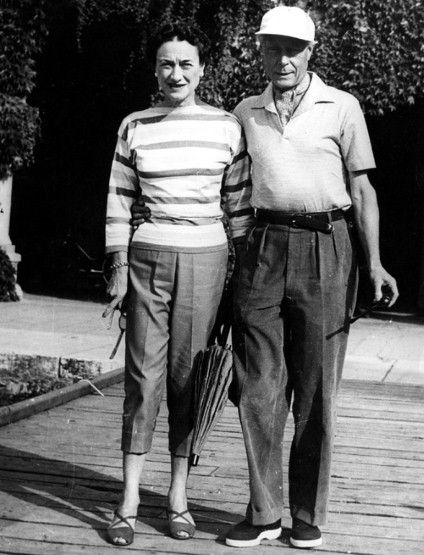
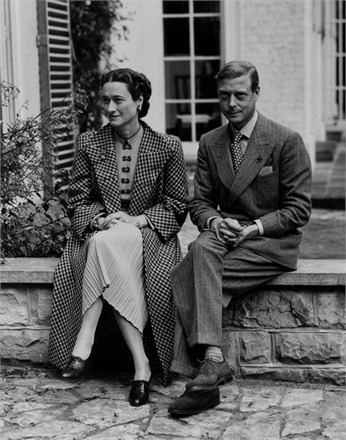
Wallis & Edward

Wallis & Edward

Wallis & Edward
 Wallis & Edward

The golden bachelor prince was a royal pin-up, a spinster’s dream from Mayfair to Milwaukee. As Vogue declared, he was “one of those people who really have glamour. ”Wallis would later record his impact on her life: “He was the open sesame to a new and glittering world. Yachts materialized; the best suites in the finest hotels were flung open; aeroplanes stood waiting. . . . It was like being Wallis in Wonderland. ”In her, Edward had found a woman as bold as the big Glenurquarhart plaids he so adored: “From the first, I looked upon her as the most independent woman I had ever met, ”he later recalled.

Three years into this acquaintance, the pair embarked on a passionate adulterous affair, which Wallis privately acknowledged in a letter to her aunt Bessie Merryman: “It requires great tact to manage both men,” she wrote. “I shall try to keep them both. ”David, as Edward was known to family and friends, would deliver his Wallis a lifetime of love notes via a most spectacular vehicle: jewelry. The Baltimore belle would one day have enough sapphires and rubies to rival a maharaja, her treasure chest stuffed with Verdura, Van Cleef & Arpels, and Cartier.

In 1936, photographs of the king and his latest mistress together on his yacht emerged. Wallis was granted a divorce from her husband, and after a waiting period of six months, was free to marry again. Wallis reportedly tried to dissuade Edward from renouncing his birthright—but to no avail.

Wallis SimpsonThe infamous Lobster Dress designed in collaboration with Salvador Dali, worn by Wallace Simpson, the Duchess of Windsor, 1937. The placement of the lobster was considered scandalous. Ph. Cecil Beaton
 
Wallis Simpson
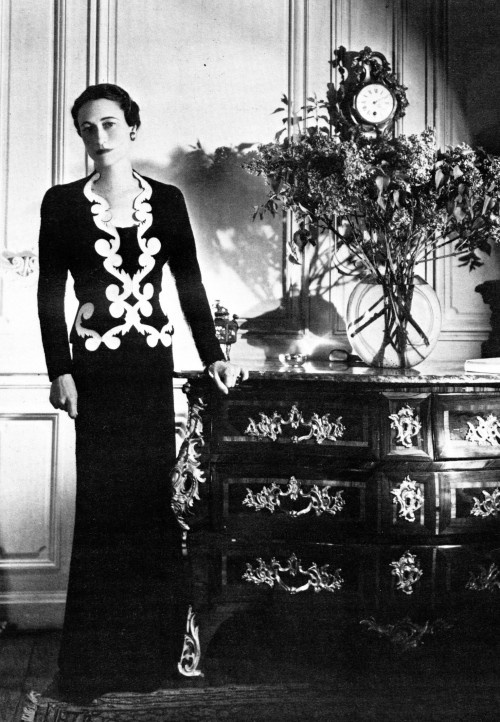
Wallis Simpson, wearing a Elsa  Schiaparelli Dress and jacket. Ph. Cecil Beaton

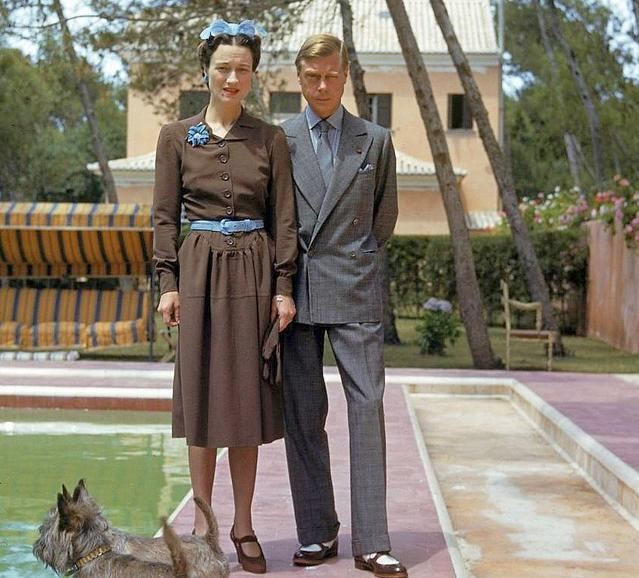
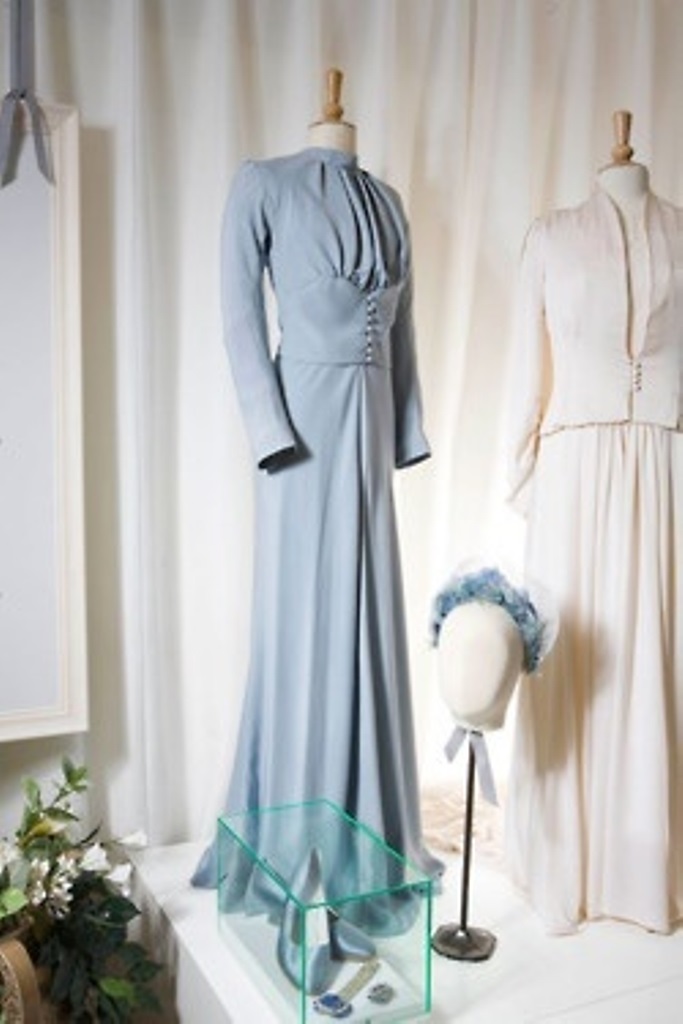
On a bright spring day—shortly before she was to marry her David—Wallis posed for a series of portraits at the Château de Candé in the Loire Valley. Cecil Beaton, the society figure and Vogue photographer, captured the handsome brunette in a thicket, sunlight dappling her Schiaparelli waltz dress of floaty white organdy. But what captures the eye is not so much the face of the not-so-blushing bride but something unusual on the front of her frock: not ribbons or an orange-blossom print, but a fat red lobster, and a sprinkling of green parsley to taste—courtesy of Salvador Dalí. No members of the royal family were present for the small wedding ceremony; the union would cause a lifelong rift. Afterward, Beaton snapped the happy couple on the château balcony, Wallis in a Mainbocher crepe dress of soft gray-blue—hereafter known as “Wallis blue”—the bodice recalling “the fluted lines of a Chinese statue of an early century,” according to Vogue. A Cartier bracelet of nine gem-set crosses, each inscribed with a message in the duke’s handwriting, circled her slender wrist. “God Save the King for Wallis, 16.VII.36, ” (It refers to the apparent assassination attempt on the king on 16th July 1936, in which an Irishman calling himself George Andrew McMahon pulled a loaded revolver on the monarch, who was riding on horseback near Buckingham Palace) read one.

179913-wallis-simpson-and-edward-viii
 
Wallis Simpson Wedding dress
 Wallis Simpson dressed in Mainbocher for Her Marriage to Prince Edward, Duke of Windsor, June 3, 1937. The crepe dress of soft gray-blue, hereafter known as “Wallis blue”.

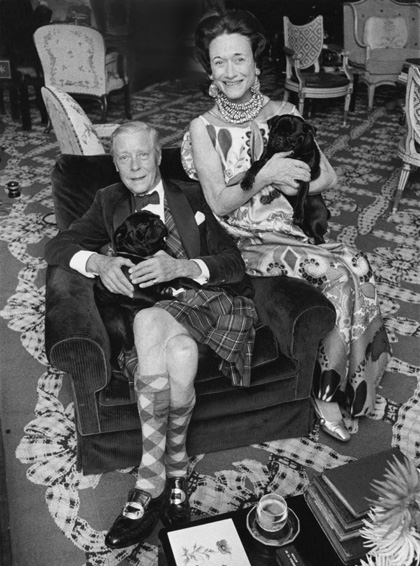
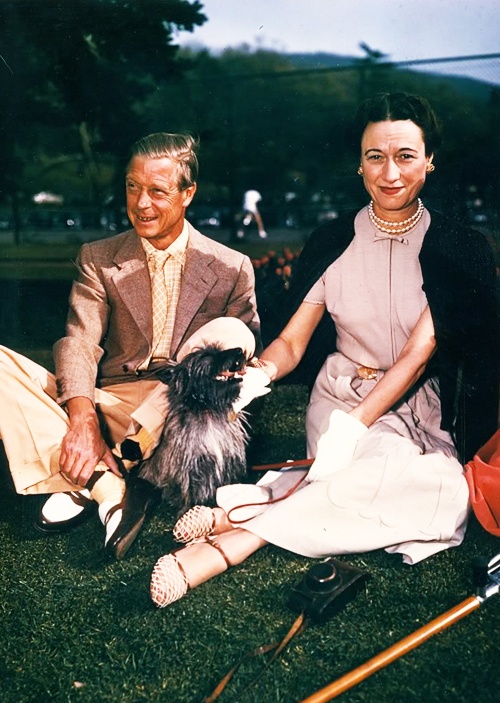
“And so the Duke and Duchess of Windsor went off together into that tarnished sunset of exiled royalty,” Time would later reflect. Though the duchess was denied the title of Royal Highness—a persistent thorn in her side—the Windsors soon became “the international jet-set’s de facto king and queen,” as Vanity Fair later put it. In the fifties and sixties, an invitation to dine at the Windsor Villa on Paris’s Bois de Boulogne was “like a gift from God, ” recalled one insider. Inside the stately Louis XVI-style edifice lingered the heady perfume of incense and orchids. From the Steinway came the duke’s favorites: “Mr. Wonderful” and “Love and Marriage.” Obedient in mink collars and gold Cartier leashes, Gin-seng and Black Diamond, the couple’s precious pugs, greeted guests in a cloud of Dior perfume. Crisp tablecloths (the ever-immaculate duchess was fanatic about ironing, even insisting her money be pressed), were laid with the Windsors’ Meissen Flying Tiger plates, and piled high with caviar. Dinner was followed by a game of cards; guests might even be treated to a Hula-Hoop performance by their dapper hosts.

Whether playing baccarat in Monte Carlo or sipping bellinis at Harry’s Bar in Venice, the Windsors were the toast of the town. On New Year’s Eve at El Morocco in New York—where they kept a suite at the Waldorf Towers—the duke and duchess were “crowned” at last . . . with makeshift paper hats. At every event, the svelte, superbly turned out duchess was “tirée à quatre épingles [pulled together with four pins], ”according to the Countess of Rochambeau, a onetime Vogue editor.

Although her reputation was always somewhat clouded—not just by the aspersions cast on her character as a possible gold digger, but, much more grievously, tainted by the observation that both she and Edward were overly friendly with Nazis in the thirties—the enigmatic Wallis was never less than intriguing. Perhaps the most lasting legacy of this unique woman is a somewhat withering quip attributed to her in the popular imagination: “You can never be too rich,” she supposedly said, “or too thin.” 
Wallis & Edward

Wallis & Edward

Wallis & Edward

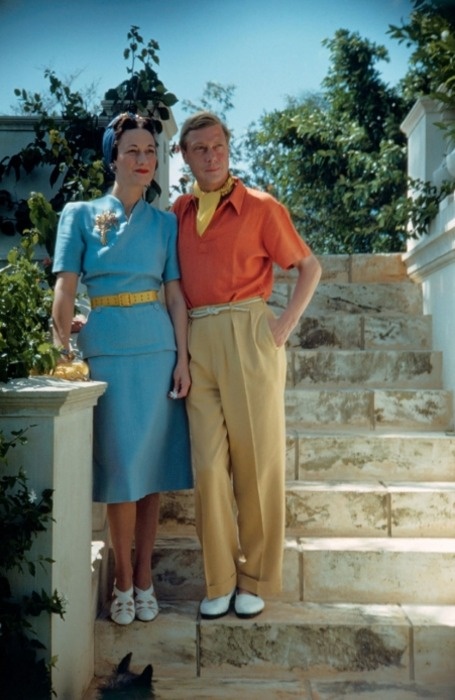
DUKE AND DUCHESS OF WINDSOR IN 1950.


Book

Book cover

This is the story of the American divorcee notorious for allegedly seducing a British king off his throne.  “That woman,” so called by Queen Elizabeth, The Queen Mother, was born Bessie Wallis Warfield in 1896 in Baltimore.  Neither beautiful nor brilliant, she endured an impoverished childhood, which fostered in her a burning desire to rise above her circumstances.

Acclaimed biographer Anne Sebba offers an eye-opening account of one of the most talked about women of her generation.  It explores the obsessive nature of Simpson’s relationship with Prince Edward, the suggestion that she may have had a Disorder of Sexual Development, and new evidence showing she may never have wanted to marry Edward at all.

Since her death, Simpson has become a symbol of female empowerment as well as a style icon.  But her psychology remains an enigma.  Drawing from interviews and newly discovered letters, That Woman shines a light on this captivating and complex woman, an object of fascination that has only grown with the years.


Wallis & Edward

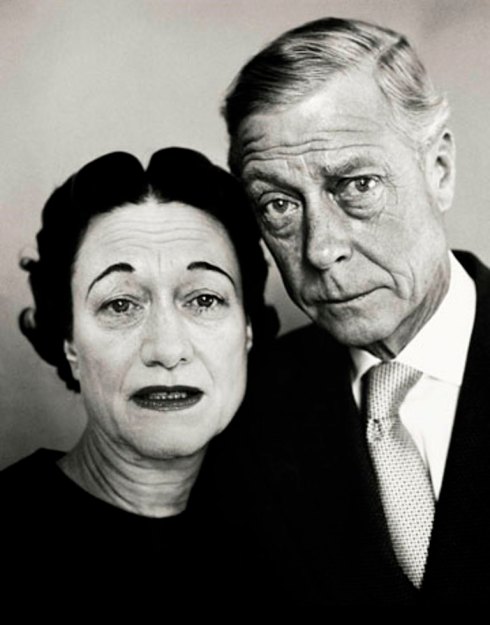
 Duke and Duchess Windsor by Richard Avedon, 1957.
 
.

Documentary

Documentary which sheds new light on the greatest crisis to rock the British monarchy in centuries – the abdication of King Edward VIII. Usually it has been presented as the only possible solution to his dilemma of having to choose between the throne and the woman he loved. Using secret documents and contemporary diaries and letters this film shows a popular monarch whose modern ideas so unsettled the establishment that his love for Wallis Simpson became the perfect excuse to bounce him off the throne

.

.

.

Wallis & Edward

.


.
info: VoguePedia and Wikipedia.

We went on a trip to Tokyo….

20 Apr

tokyo-subway-map-1024x724

Last week my friend Astrid and I  went on a trip to Tokyo and in this post I like to share some of the places we liked a lot….

.

Muji

Muji

muji2

P1080246

muji-design-store-02

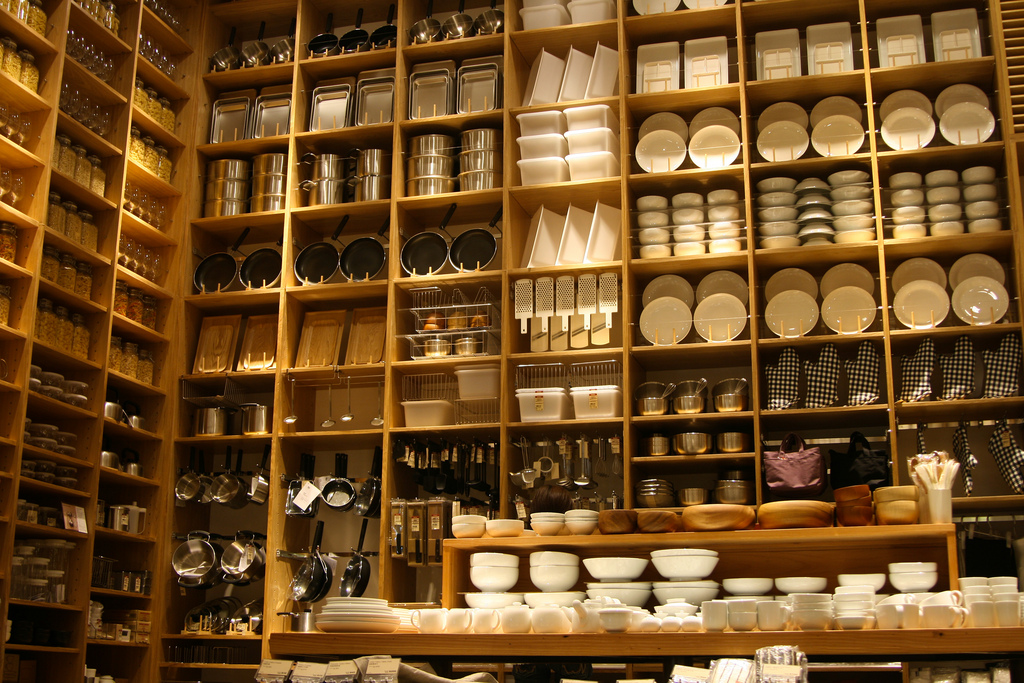
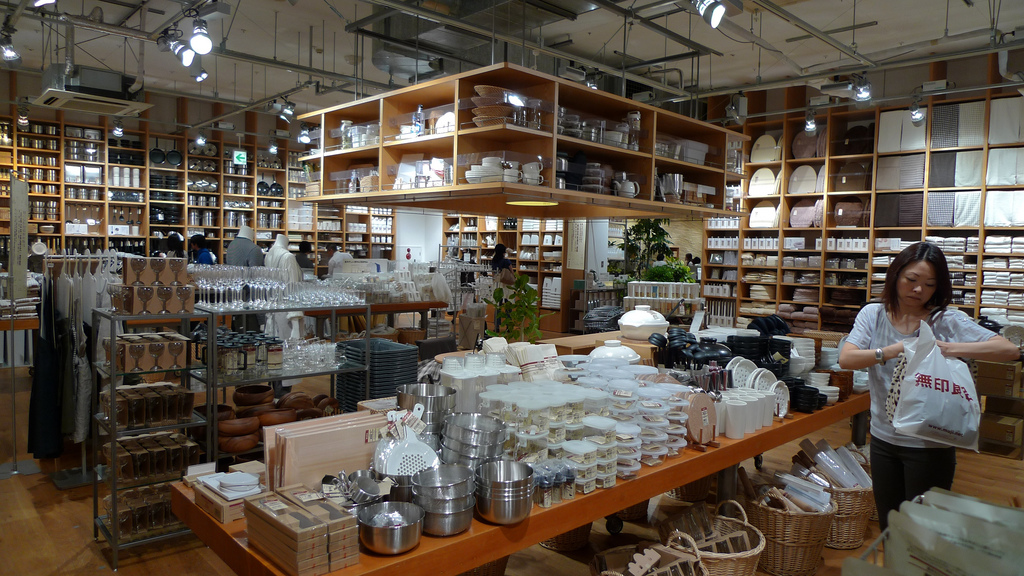
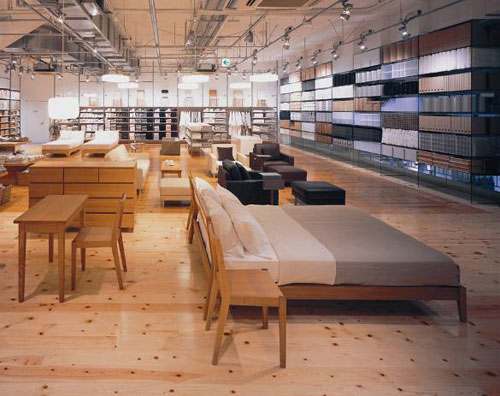
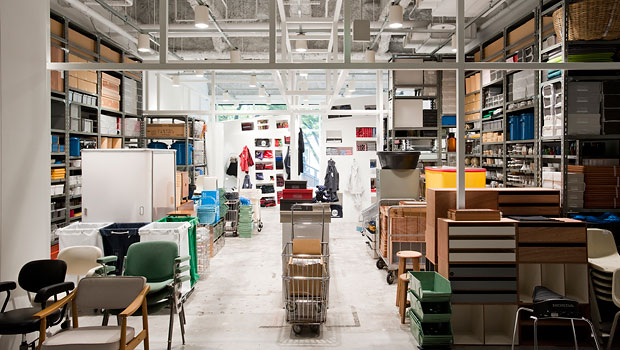
In the morning, after having breakfast is a French pastry shop in the Mitsukoshimae Subway Station (a lot of great coffee shops, restaurants and shops are under ground in subways stations!), we went to the large Muji store nearby Tokyo Station.

Muji was originally known as “Mujirushi ryohin”, a Japanese expression that means ” quality product without brand”. The value of a “Muji ” product in fact is the selection of materials, the care of its production. From simplicity of the project to the packaging. In Muji you won’t find products with excessive price, but just simple products of great quality at affordable prices. Muji has opened shops in many capitals like London and Paris. 

It’s also a place where you can rent bicycles, although you have to get there at 10, when the shop opens, because there’s only a little number of bikes for rent. It is a bit adventuruous to cycle through Tokyo, it’s not always clear where you’re supposed to ride your bike. Sometimes you find bike lanes, but other times you have to choose between the sidewalk and the main road. Still it’s an exciting way to explore the city!

.

MannenYa

MannenYa

MannenYa

MannenYa

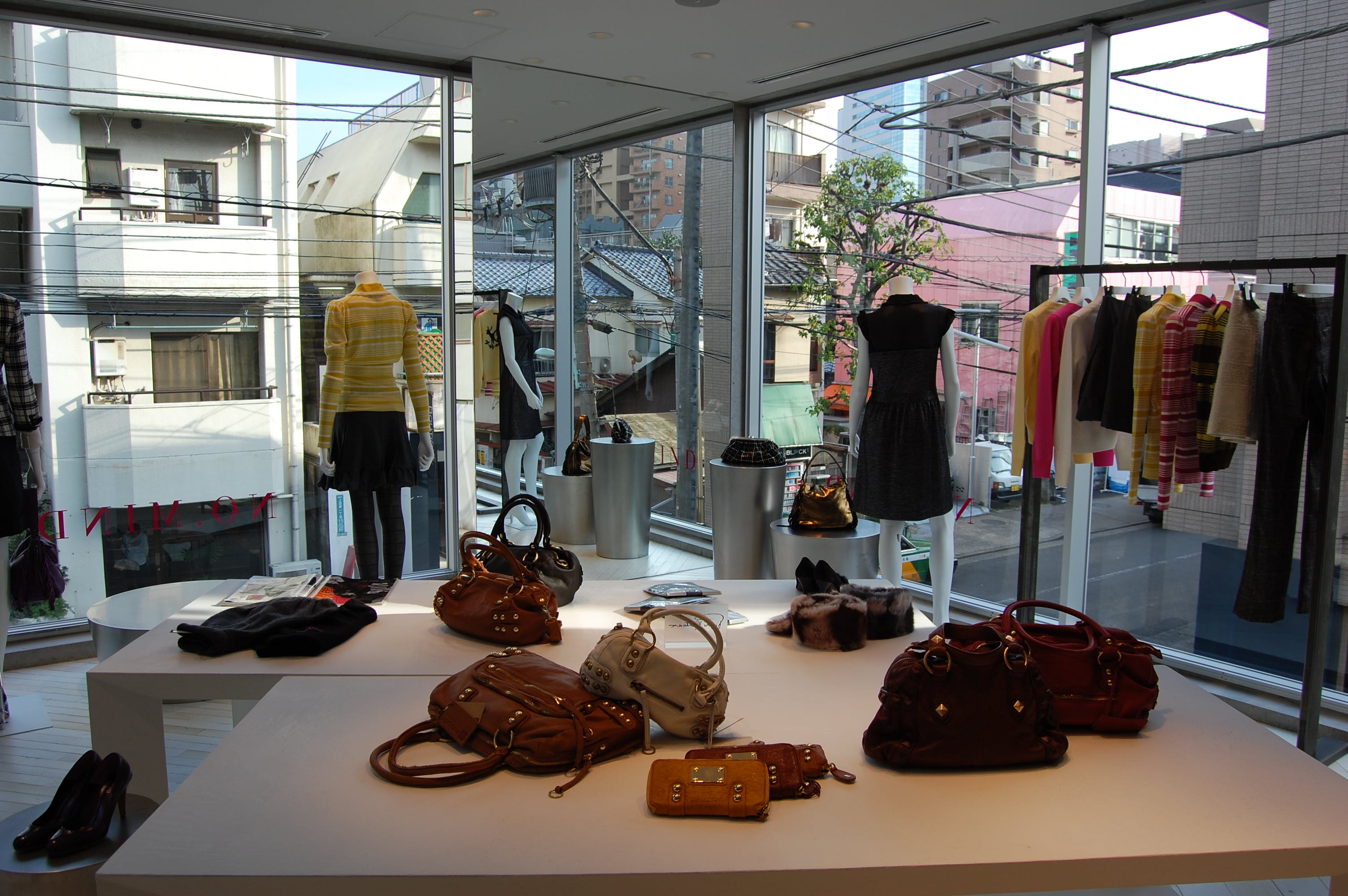
MannenYa (Mannen-ya ) , is a small but unique warehouse for Japan’s construction workers in Tokyo. It’s nearby Tokyo City Hall, where you can go up to the 48th floor to get a few of the city. Outside MannenYa you’ll see many pairs of colorful overalls, exotically but practically designed workman’s pants and shirts hanging while packed inside is an assortment of various workwears.

The items of MannenYa are not exactly high fashion but basic blue-collar gears. However, that’s exactly what draws the likes of fashion designers like Jean-Paul Gaultier and Walter Van Beirendonck 
Nishi Shinjuku 3-8-1,Shinjuku, Tokyo 160-0023, Japan

 .

Tokyu Hands

tokyu-hands-japan-ribbon

Tokyu-Hands

Tokyu Hands Shinjuku

In Tokyo you find many, many shops and stores, but one I’d like to mention specially is Tokyu Hands. The stores often take up a number of floors in large department stores or stand alone stores in their own right. Tokyu Hands opened its first store in Shibuya in 1976 and was originally a DIY and hobby shop, hence the “two hands” symbol and green color of its trade mark. The main flagship store is in Shibuya with other large stores in Ikebukuro and Shinjuku.

.

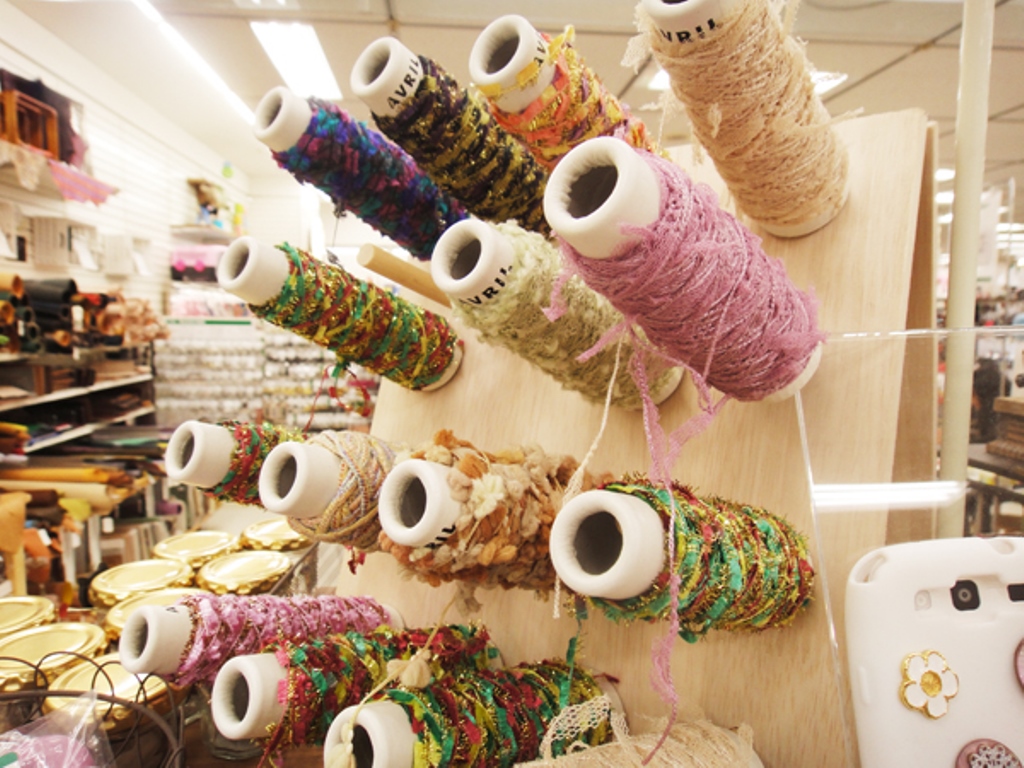
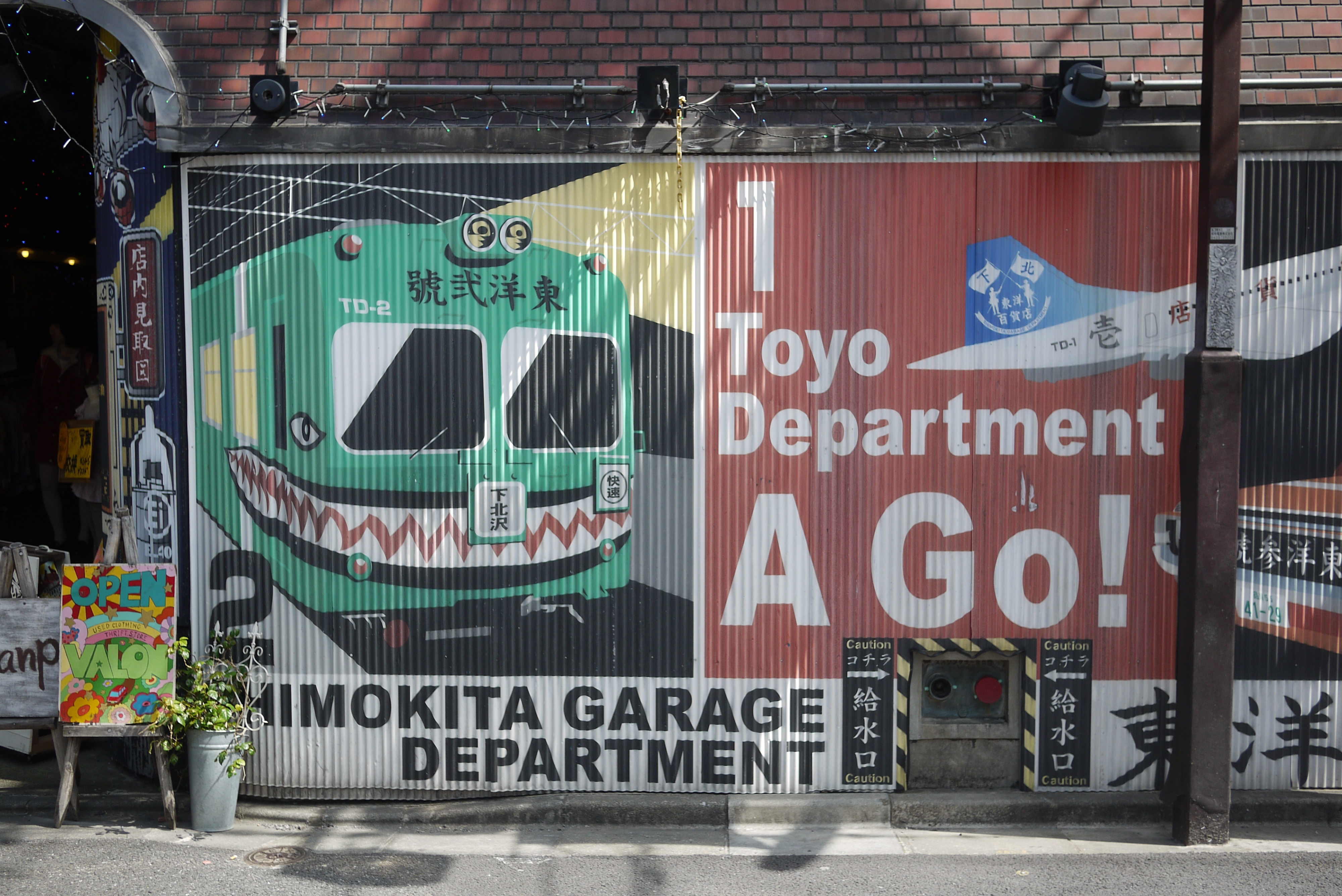
Shimokitazawa / Shimokita

Shimokita

Shimokita

P1080100

Shimokita

shimokitazawa-hdr

North side cafe

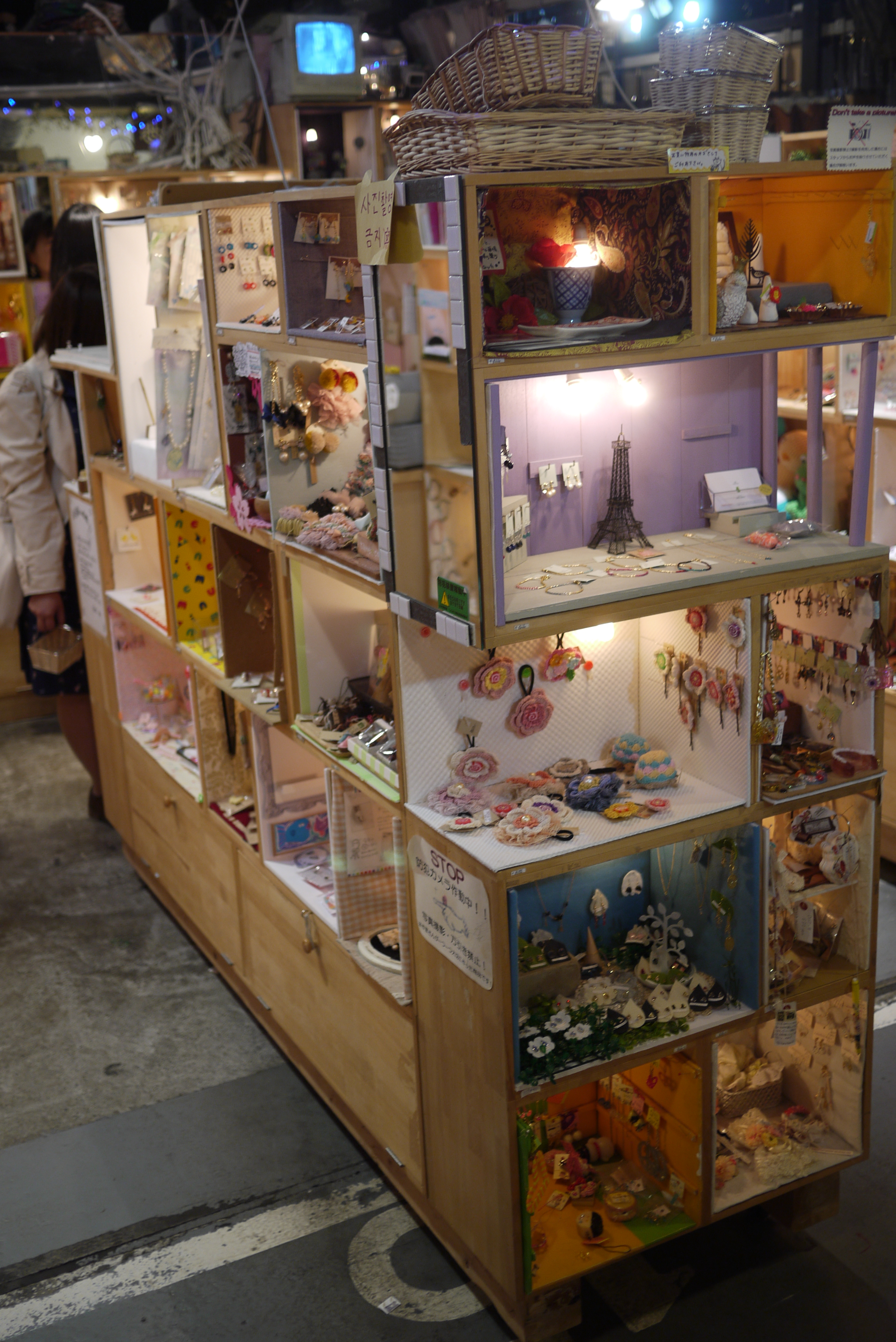
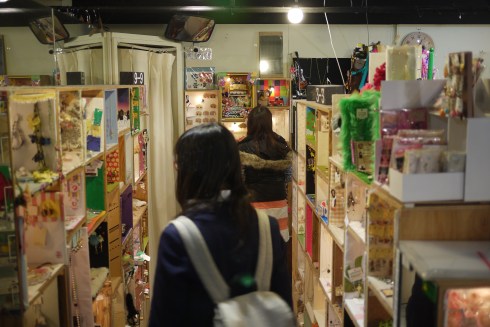
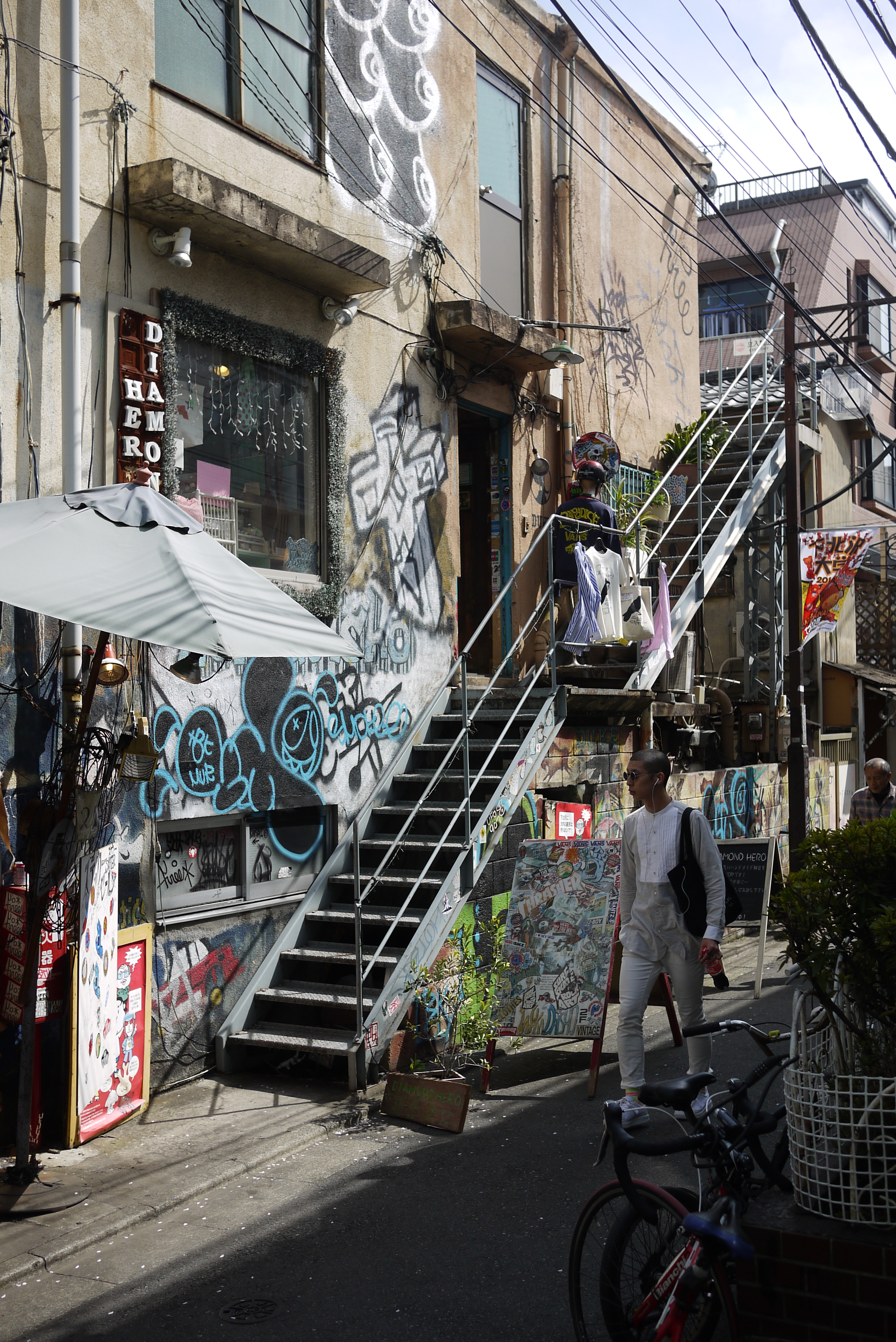
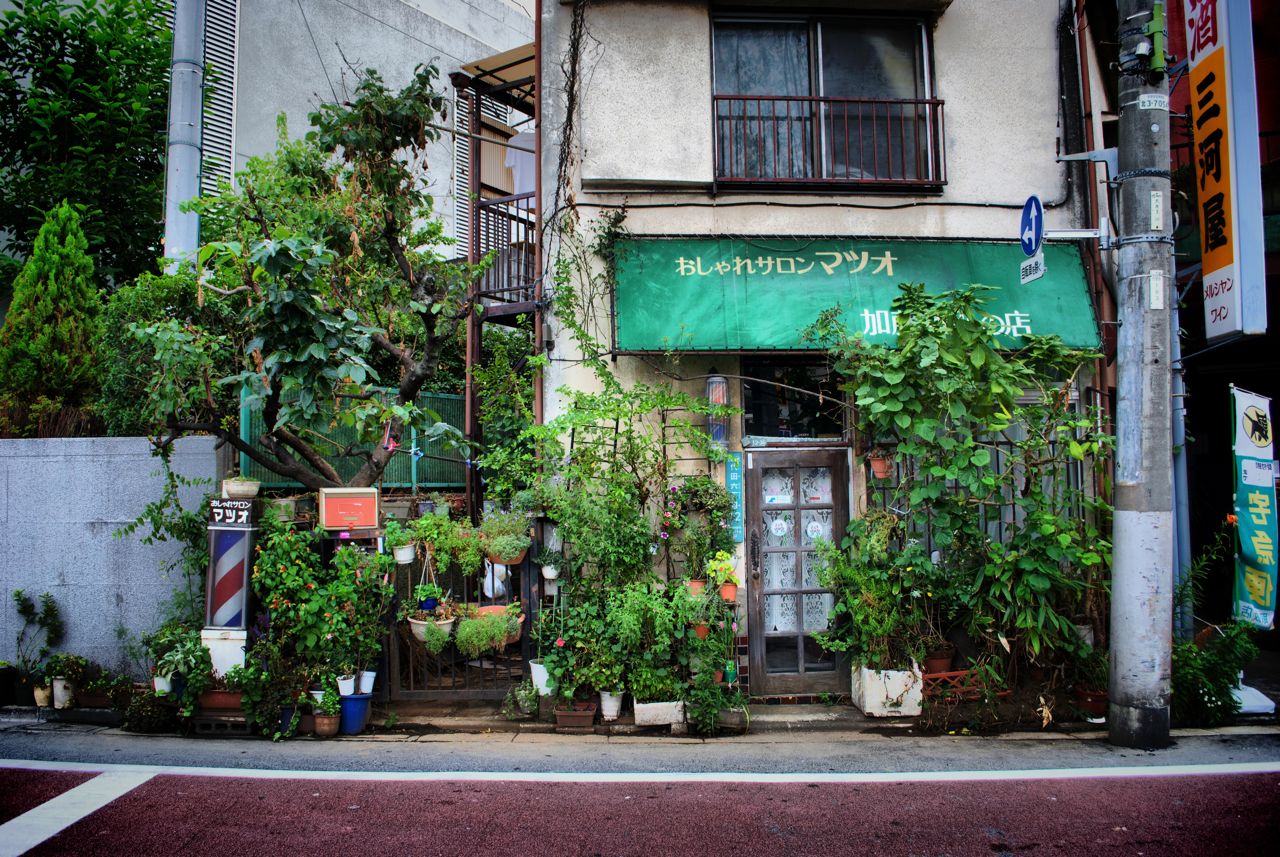
It used to be in Harajuku, but now is Shimokitazawa, commonly called “Shimokita” on the western side of Tokyo where  the young and trendy individuals spent their time in the many small theater halls, live houses, bars and secondhand clothes and record shops. With its many narrow alleys that are inaccessible to vehicles, you are given a real sense of adventure while exploring the town on foot.

The secondhand clothes shops and shops offering items from the 70s and old animation-themed toys are quite popular. The number of large-scale shops in the area has been increasing, but the nicest features of this area are the many shops expressing the ingenuity of their young owners, such as those combining a cafe and a record shop or an outlet for small handmade items.

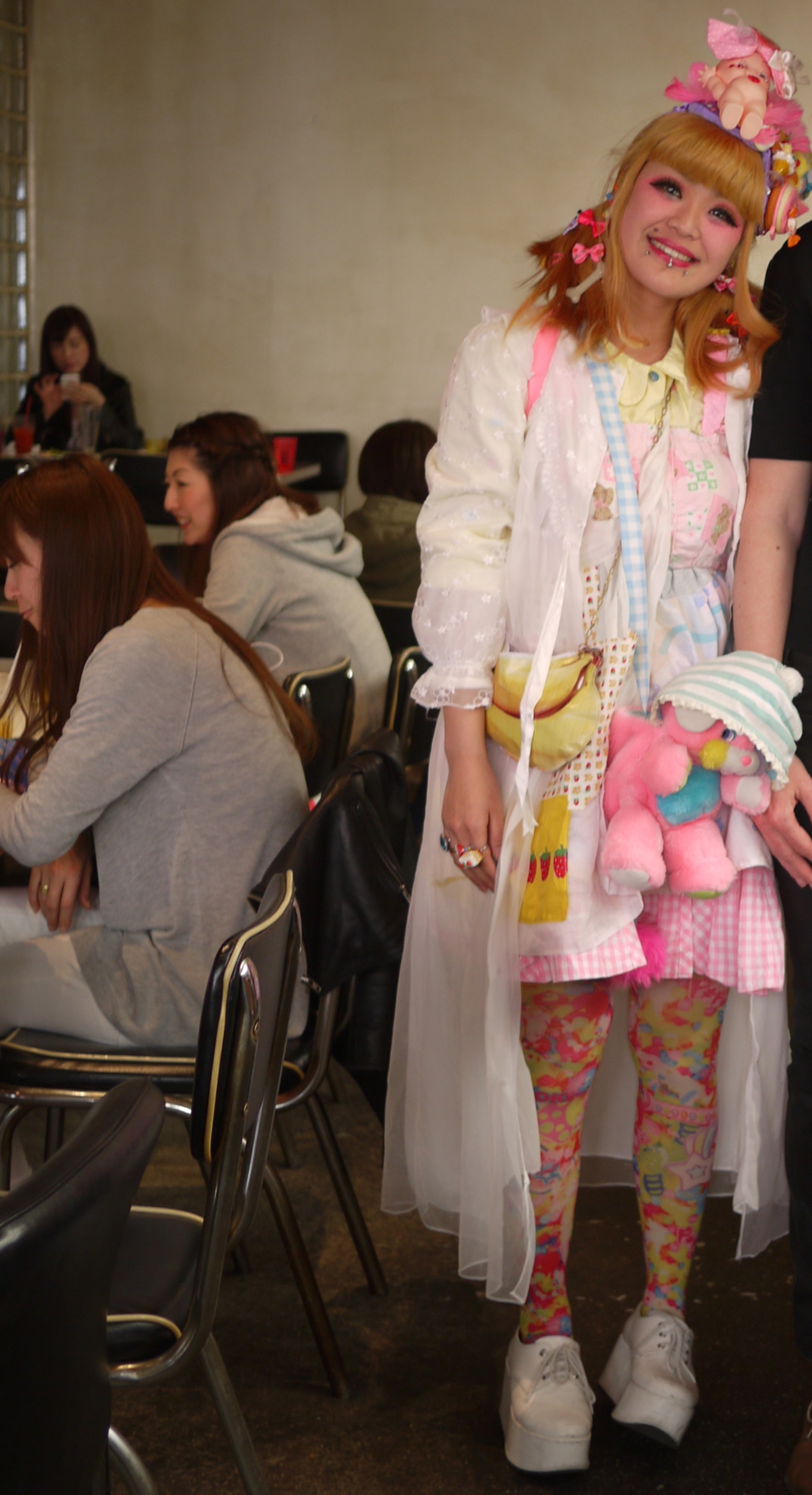
Shimokito is also a great place to watch Tokyo’s trendies and Harajuku girls stroll by!

.

Naka-Megura / Daikan-Yama

Daikan Yama

TSite-bookstore-Klein-Dytham-architecture-Daikanyama-04 dsc_0127

J'antiques Nakameguro

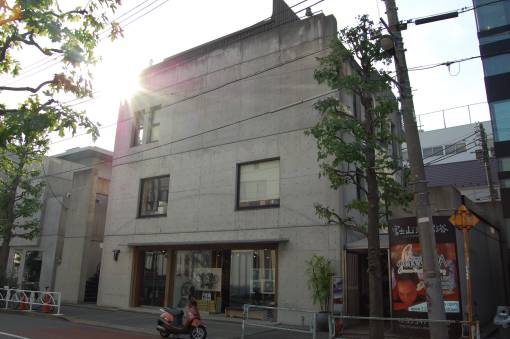
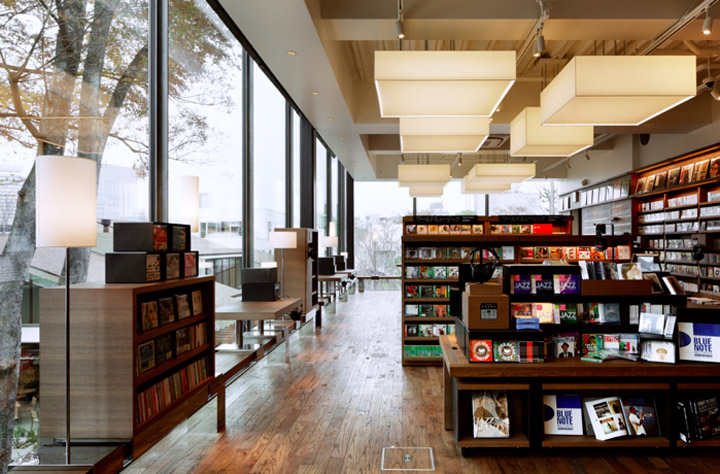
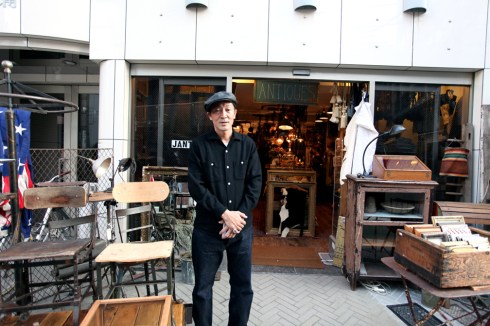
 Just west of Shibuya which is popular with young people, the area connecting Shibuya, Jiyugaoka and Futako-tamagawa is known as the “Triangle Area.” On one side of this triangle you’ll find Naka Megura / Daikan Yama, an area which doesn’t just have shops stocking fashionable sweatshirts , but also cafes where you can try hot chocolate fondue made by French trained chefs. 
On of those places is Le Cordon Bleu. The College of Culinary Arts is housed in this building, where you find a great restaurant / cafe on the ground-floor, with a large que in front of the counter. French food and the classic French way of dressing is a trend in Tokyo at the moment. Lots of French bakeries all around town and the subway stations and many girls wearing the striped ‘sailor’ shirt and a petite beige trench coat.

 .

Mori Art Museum / Art & Design Store

Maman Spider

Mori Art Museum Tokyo View

Mori Art&Design shop

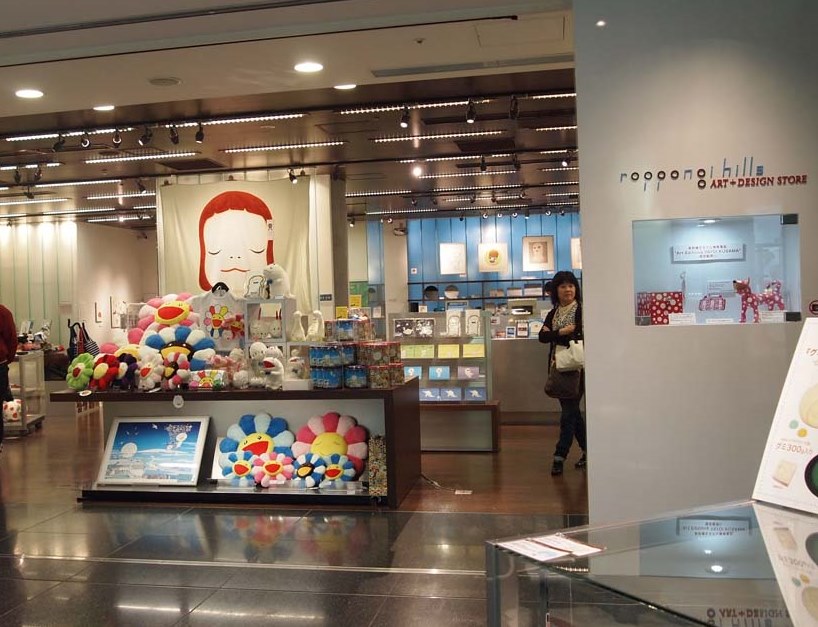
One of my favorite places for great finds is the Art & Design shop of the Mori Art Museum at Roppongi Hills.

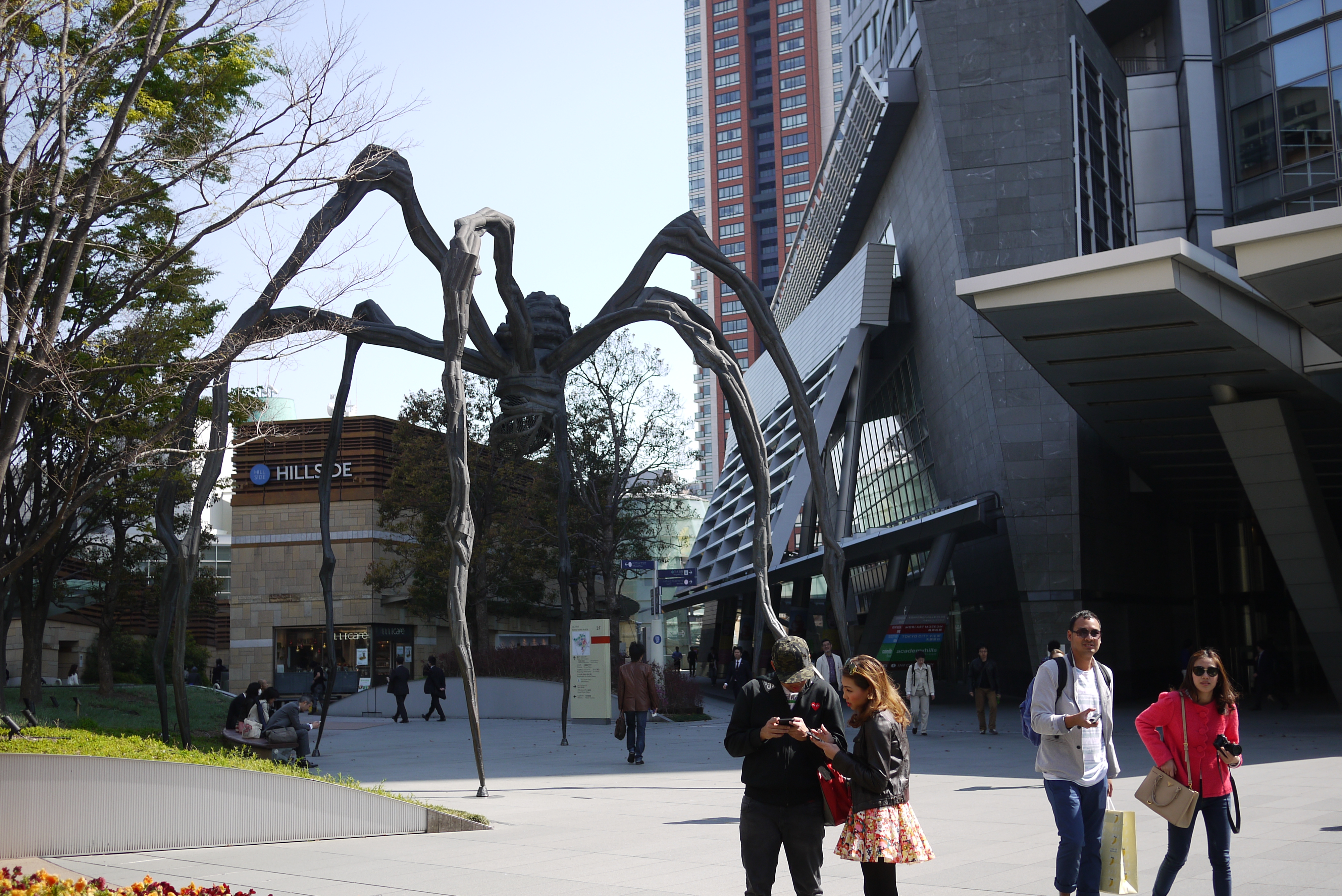
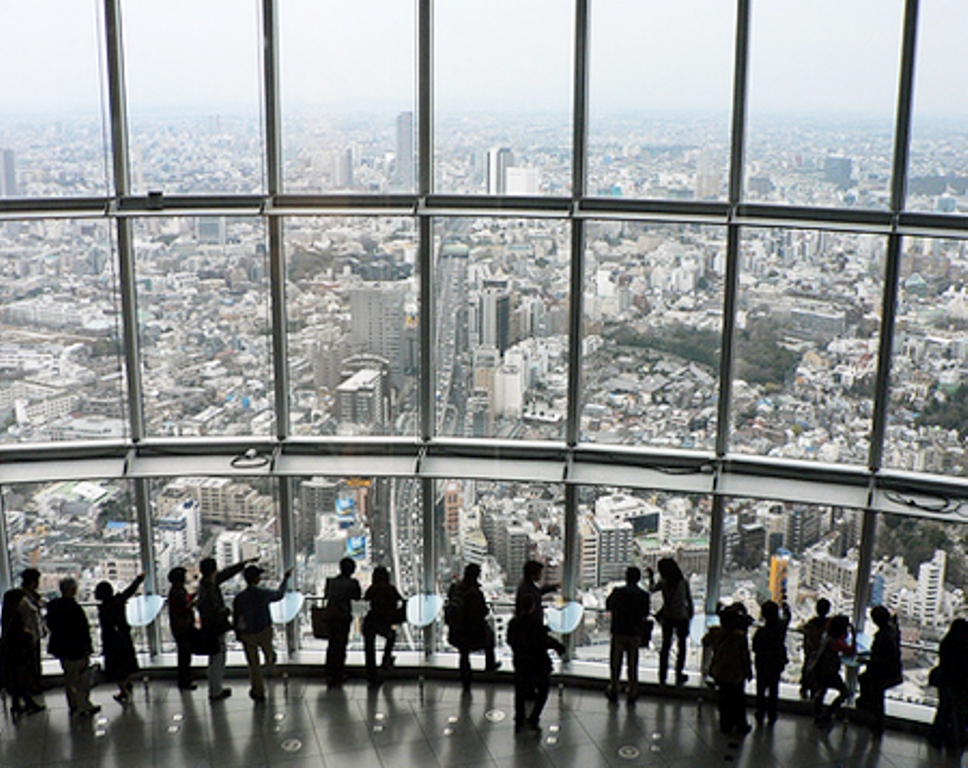
Entering the Museum building you first pass the sculpture by Louise Bourgeois, Maman Spider. You have a great view from the Mori Museum Tokyo City View. On the 3rd floor in the store you’ll find beautiful items, books and dvd’s by f.i. Comme Des Garçons and Yayoi Kusama. This time also a lot of Andy Warhol memorabilia and tableware and little vases which could be straight out of a Fred Flintstone cupboard.

.

Good Design Shop by Comme Des Garçons

Good Design Shop

comme-des-garcons-good-design-shop-d-department-05-570x379

My only disappointment was the stock in the Good Design Shop by Comme Des Garçons. Two years ago I visited the shop for the first time and loved it instantly. I bought a great ‘soccer’ scarve and saw lots of other great finds by CDG, like bags in black& white, cardigans, rain coats & jackets, wool patchwork hats & gloves and plaids. I expected to find some new items this time, but the stock stayed the same. For CDG devotees it’s a place you have to visit for sure! You can find the shop on Omotosando.

.

And if you like antique and flea markets, tokyo also has some which are worth visiting!!!

check the link:   http://www.japanspecialist.co.uk/travel-tips/antique-and-flea-markets/

..

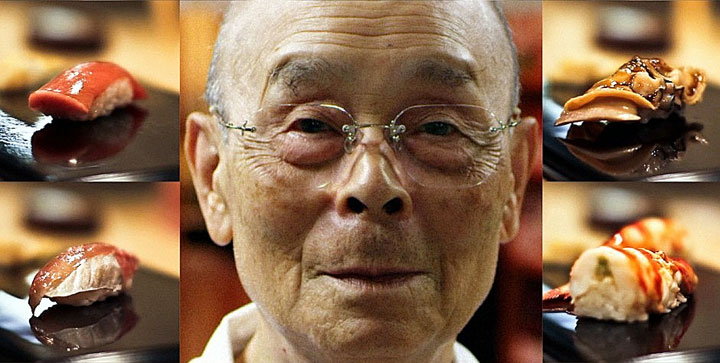
When you’re resting after a day of shopping in Tokyo, try to watch the documentary Jiro Dreams of Sushi or the movie Lost in Translation.  

jiro_dreams_of_sushi

Homage to Mathilde Willink & Fong Leng

13 Apr


Mathilde

Born Maria Theodora Mathilde de Doelder (1938-1977) in a province in the south of the Netherlands called Zeeland, she became famous as Mathilde Willink. Young Mathilde was an intelligent girl, who graduated cum laude from high school, after which she moved to Amsterdam to attend art school.

Mathilde had always been a shy and timid girl, but this changed in her new hometown. She adopted an exuberant lifestyle and at twenty-one she met the much older, well-known painter Carel Willink. Mathilde quit art school to become a stewardess at KLM Airlines. Two years she and Carel married and they lived a very comfortable lifestyle.

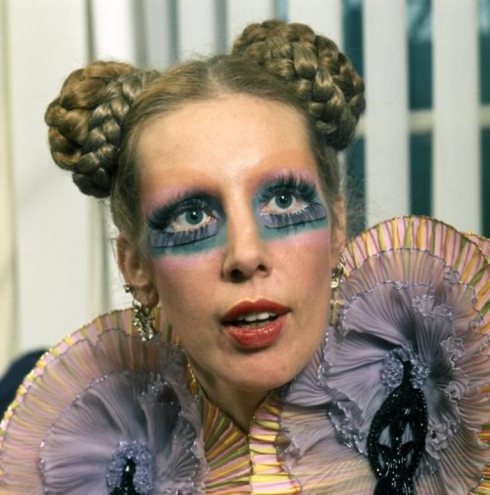
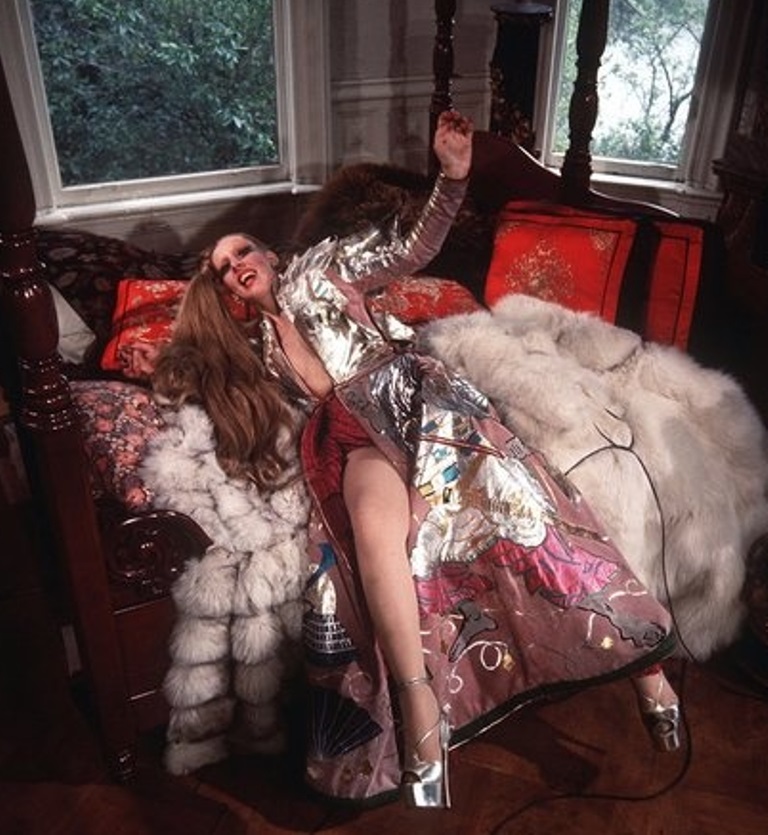
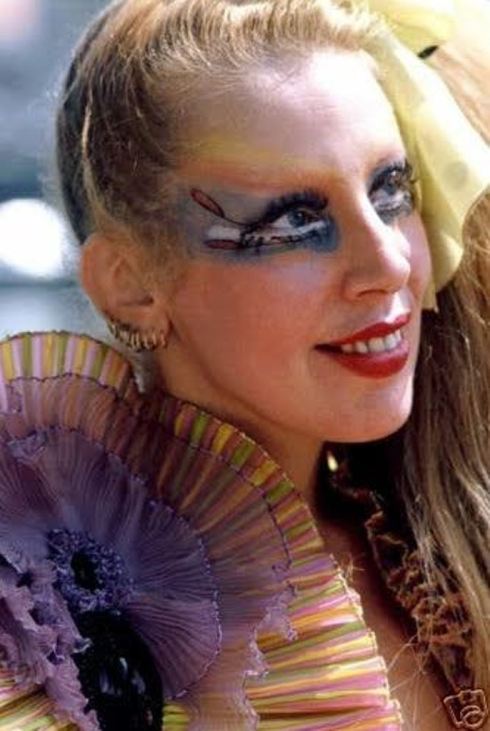
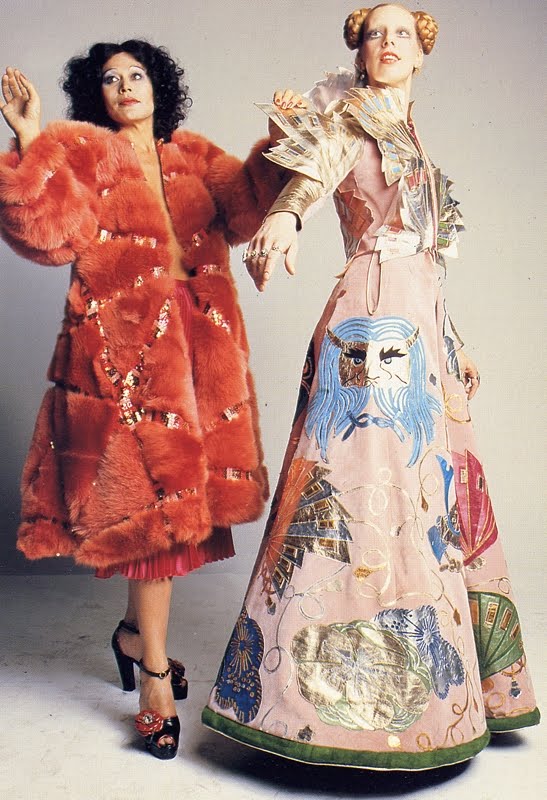
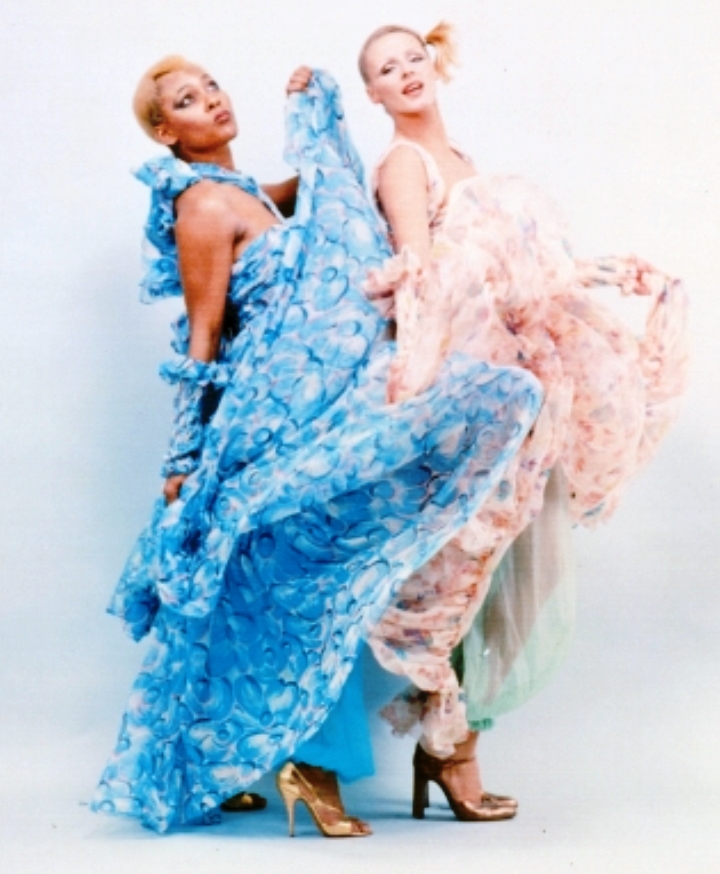
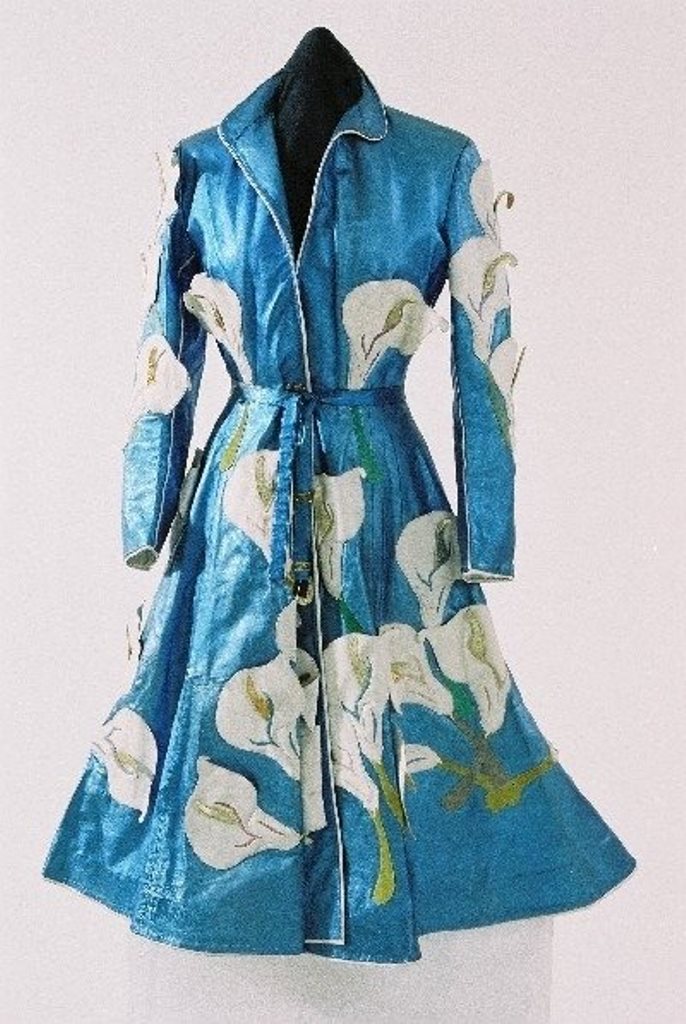
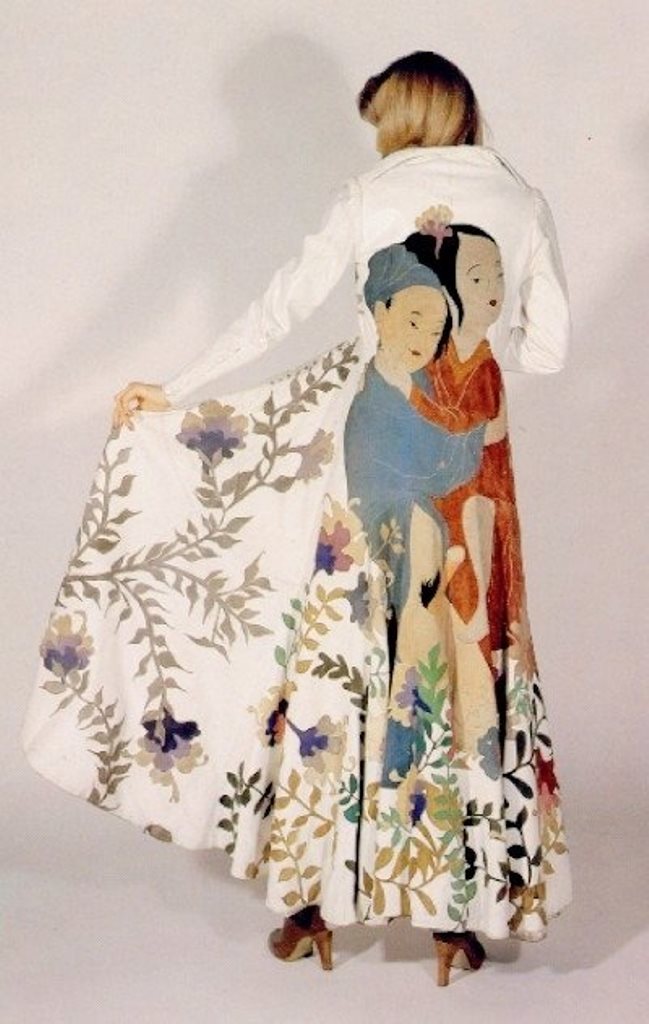
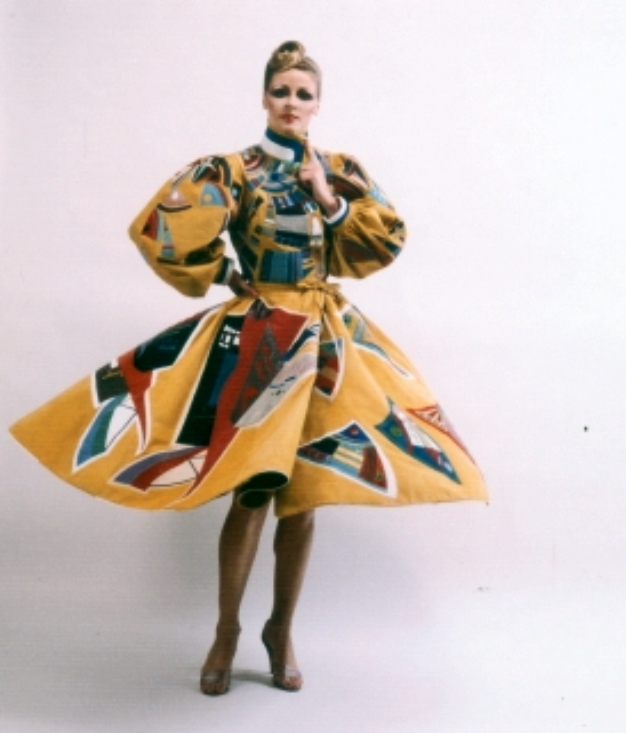
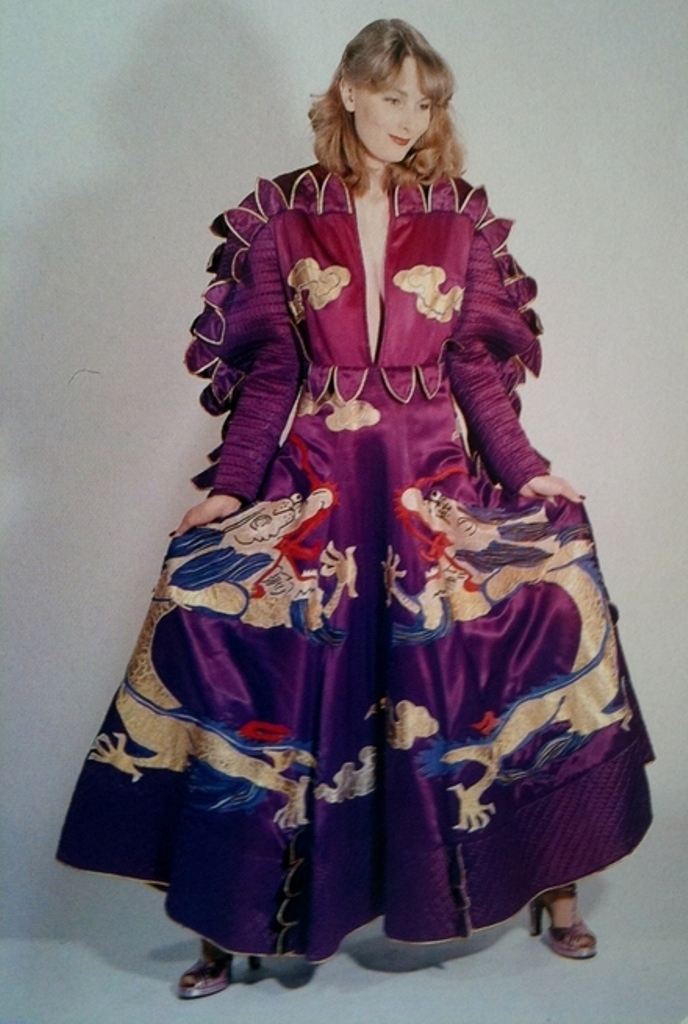
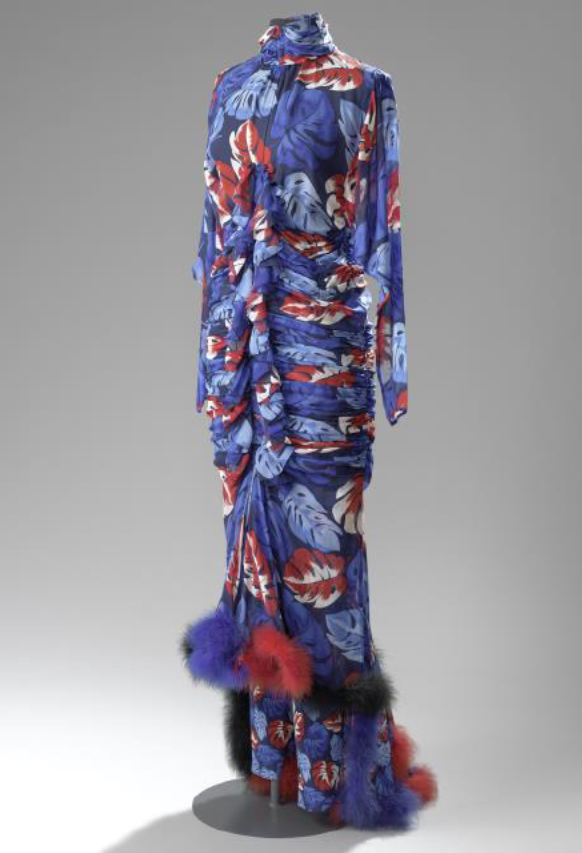
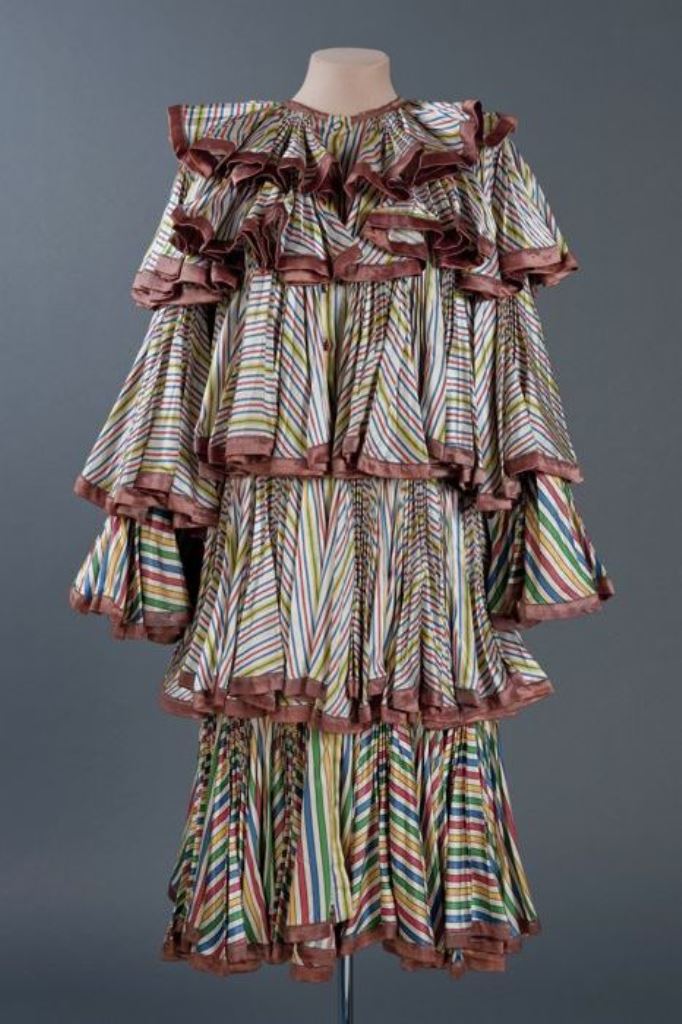
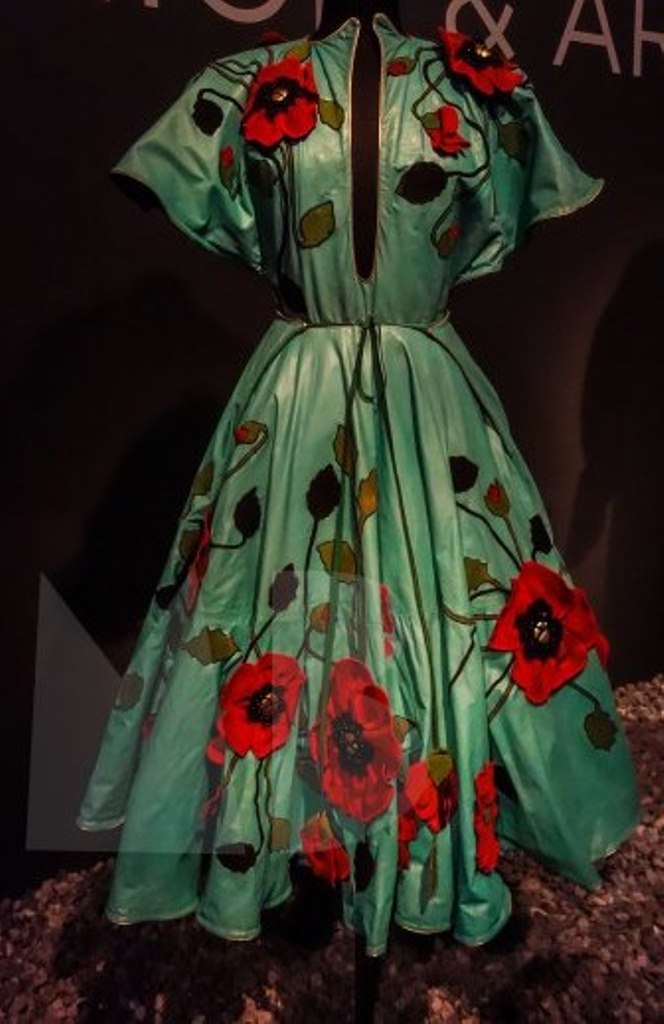
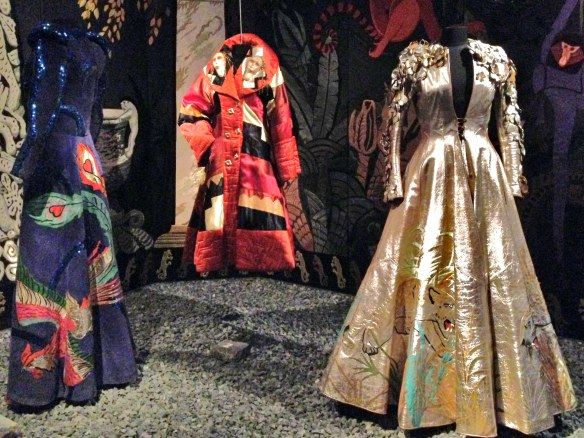
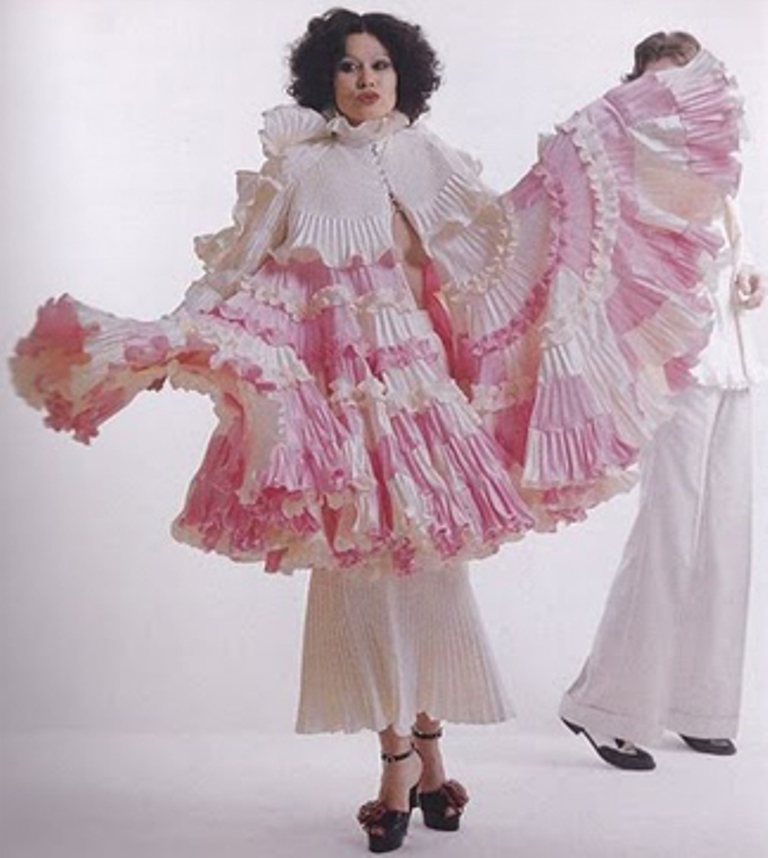
In 1972 Mathilde started wearing clothes designed by Fong Leng, an artist who had started making extravagant garments with names as exotic as the clothes itself, like Chinese roof garden, Wuthering Heights and Bird of Paradise. Carel made special ‘almost permanent’ make-up for her which she could wear day-and-night. A ‘star’ was born.

Mathilde

Mathilde Willink

Mathilde

Fong Leng & MathildeDesigner Fong Leng & Mathilde Willink
 .

.

Studio Fong Leng

In 1971 Fong Leng opened ‘ Studio Fong Leng’ in the P.C. Hooftstraat  in Amsterdam, where extravagant clothes were sold. From day one Mathilde Willink was a devoted fan. She wore the fabulous creations at society parties, at media gatherings and became a known phenomenon in the streets scenes of Amsterdam. (I saw her only ones and I remember like it was yesterday! A beautiful woman who dared to be different…. I had been ‘different’ in the town I was born in and I knew how strong and determined  you had to be, to dress abundant.)

Mathilde’s excentric looks were important building the reputation, national and international, for ‘Studio Fong Leng’. Fong Leng and Mathilde Willink names were synonymous and still are.

In a five-year period Mathilde bought 37 creations by Fong Leng, which could be priced up to € 11.345,- each.

Fong-Leng

Fong Leng

Fong Leng in one of her own designs

Fong Leng

Fong Leng

Fong Leng

Fong Leng

Fong Leng

Fong Leng

Fong Leng

Fong Leng

Fong Leng

.

Mathilde Willink was a living art objectan original and a unique person, who dared to be different.

After Carel and Mathilde divorced, her life drifted into chaos and ended with the unsolved mystery her death. It’s still unclear if she was killed or committed suicide. On her tombstone  just one word: Mathilde


“I live in a fairy-tale world made of illusions and extravagance. If people don’t notice you, it’s no use living.”
 ..

..

.

.

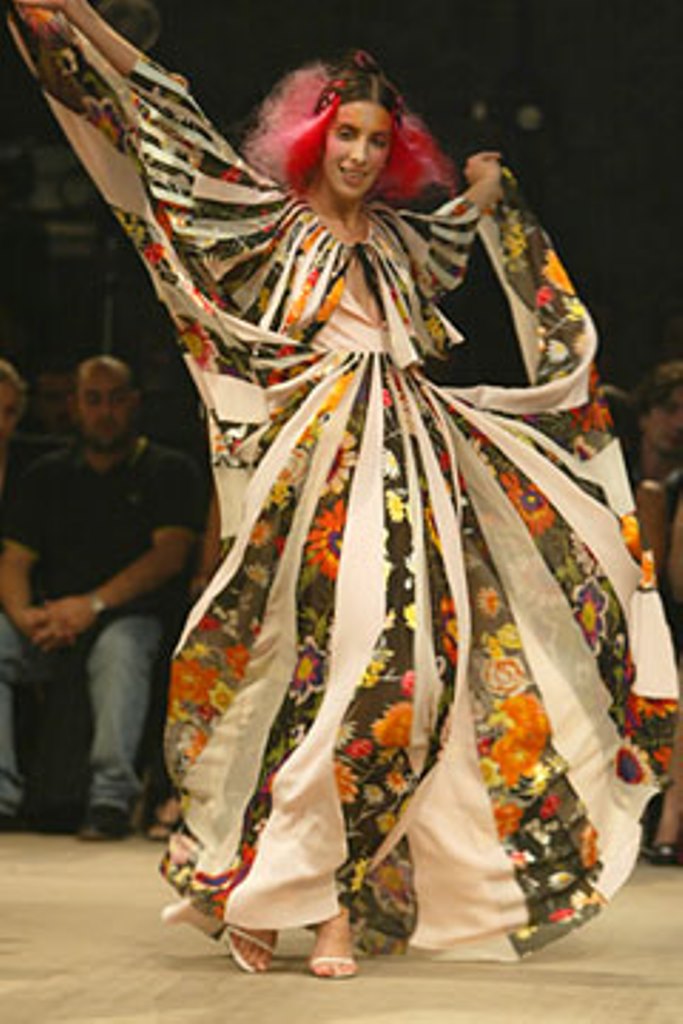
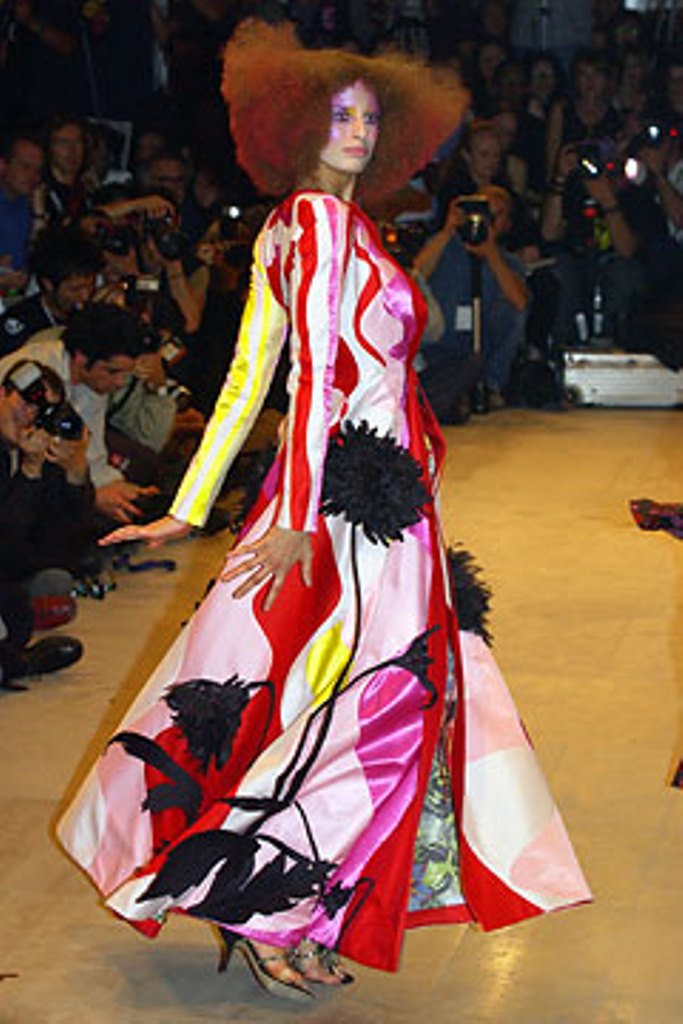
Viktor & Rolf  s/s collection 2003 

Decades after Mathilde  Willink died, she was the inspiration for the S/S 2003 catwalk collection by Viktor & Rolf . The vivid show was based on the shows Fong Leng used to present: dancing outrageous models on ‘rocking’ music, party time backstage and on the catwalk.

International press didn’t know about Mathilde and wrote about ‘dresses out of the heyday of Zandra Rhodes and Bill Gibb‘ and ‘homage to vintage Chanel’.

  (Music at the V&R show by Eddy De Clercq)

V&R

V&R

V&R

V&R

V&R

.

.

.

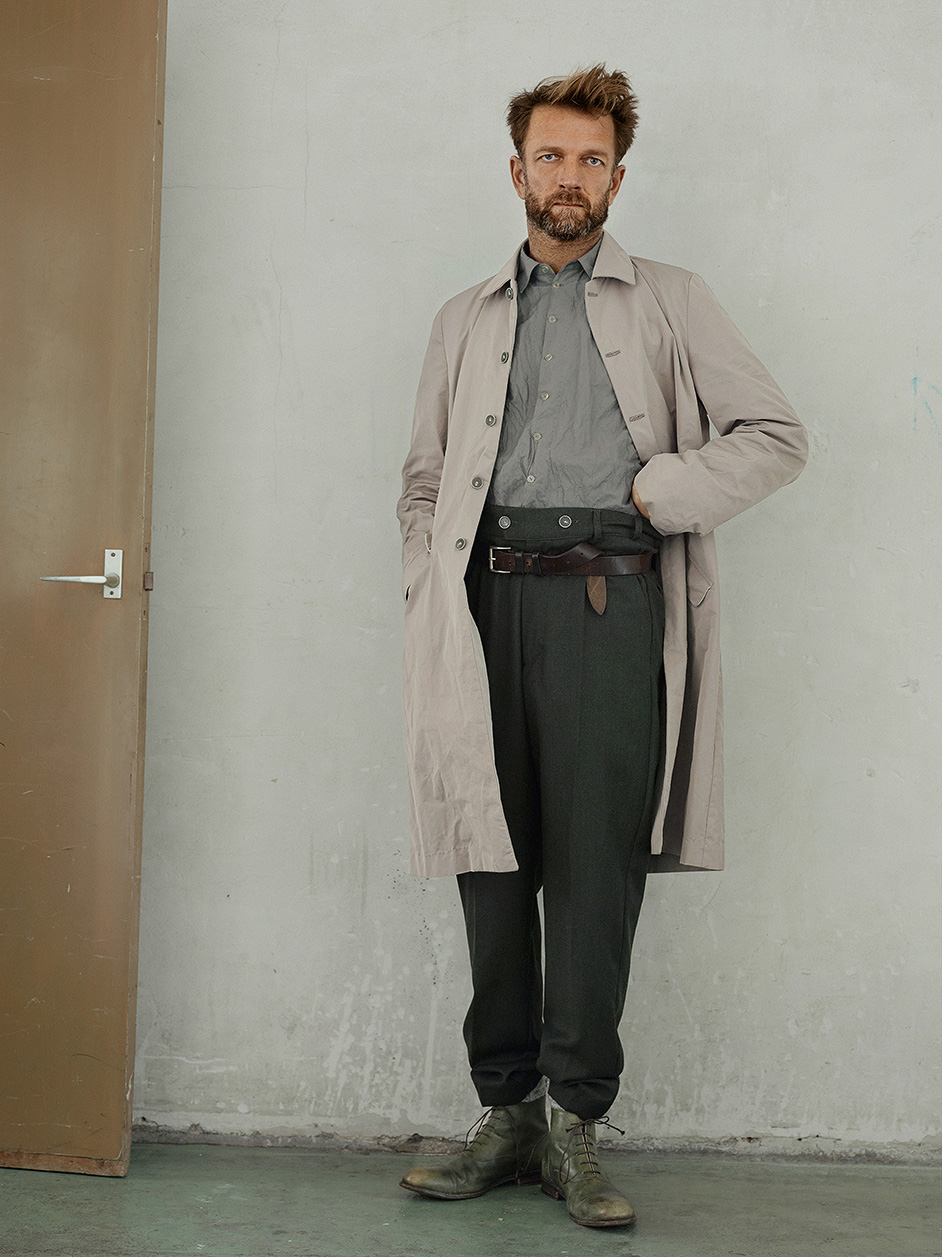
A.G.Nauta couture: “One (or Two) of a kind” collection of handmade clothes for men

25 Mar

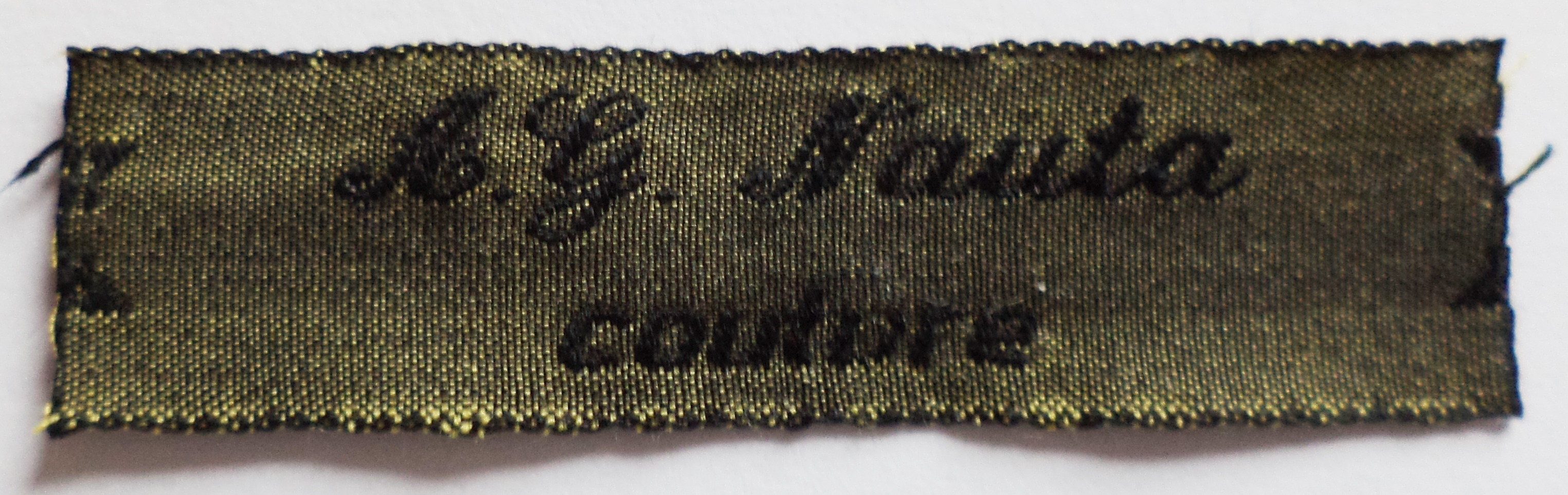
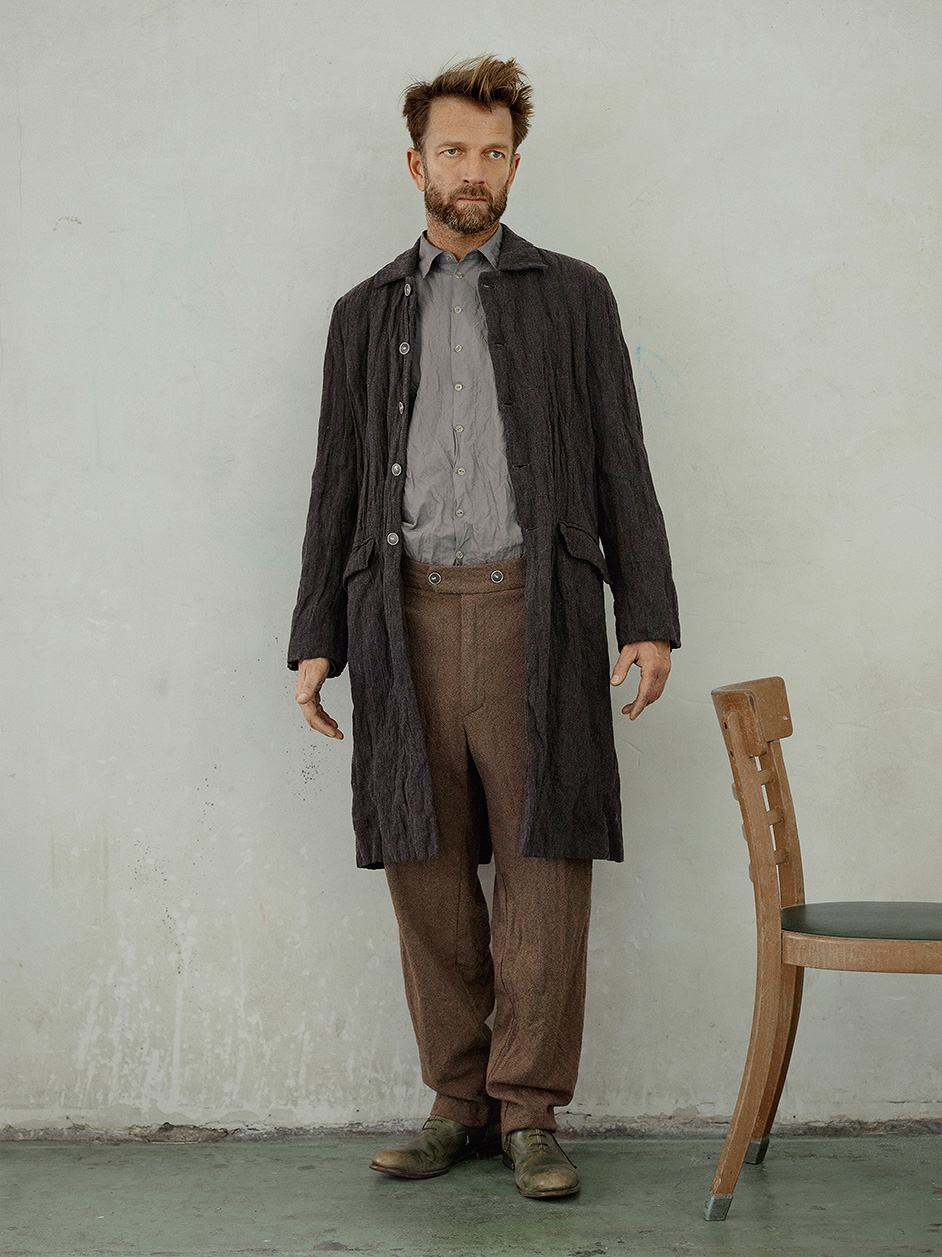
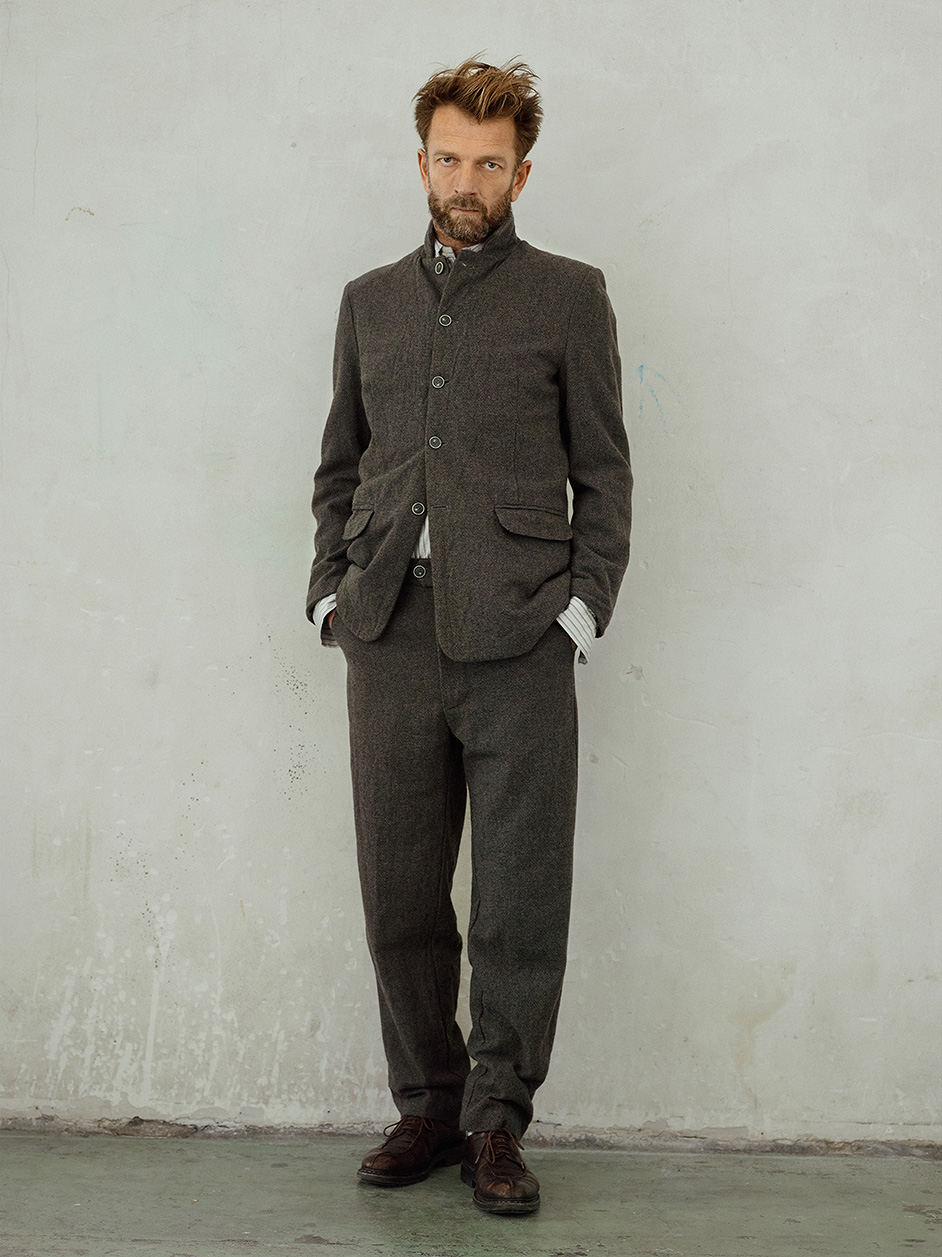
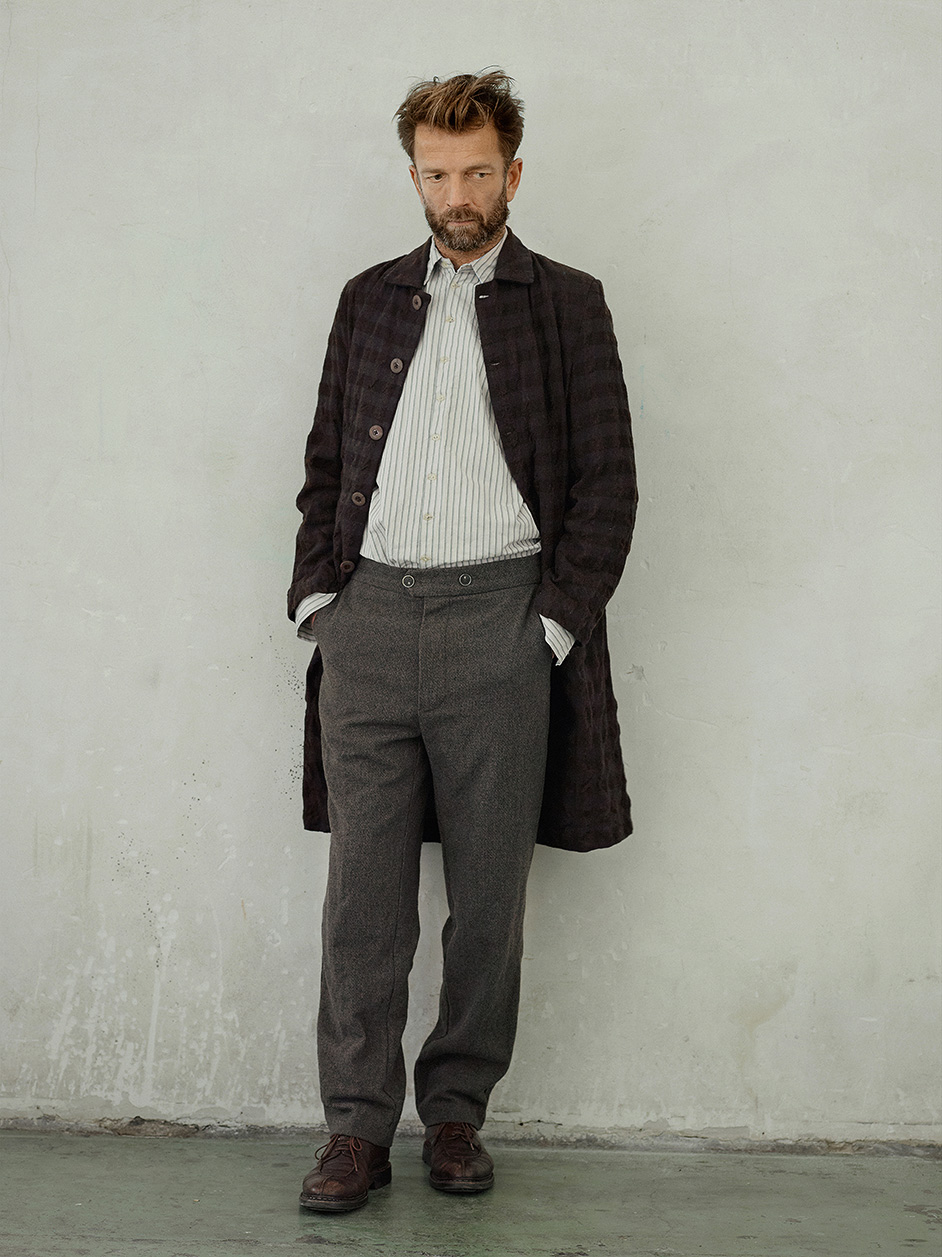
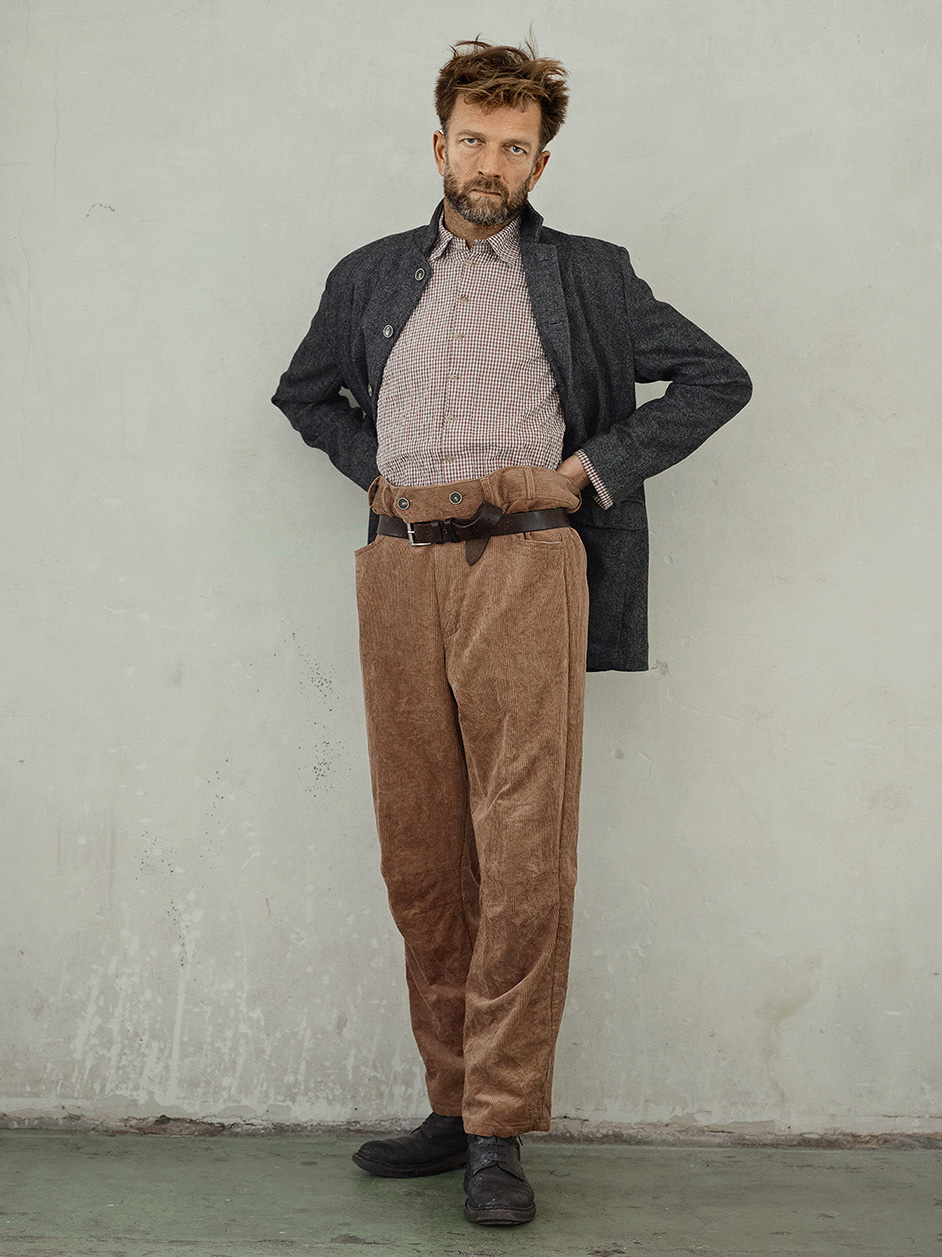
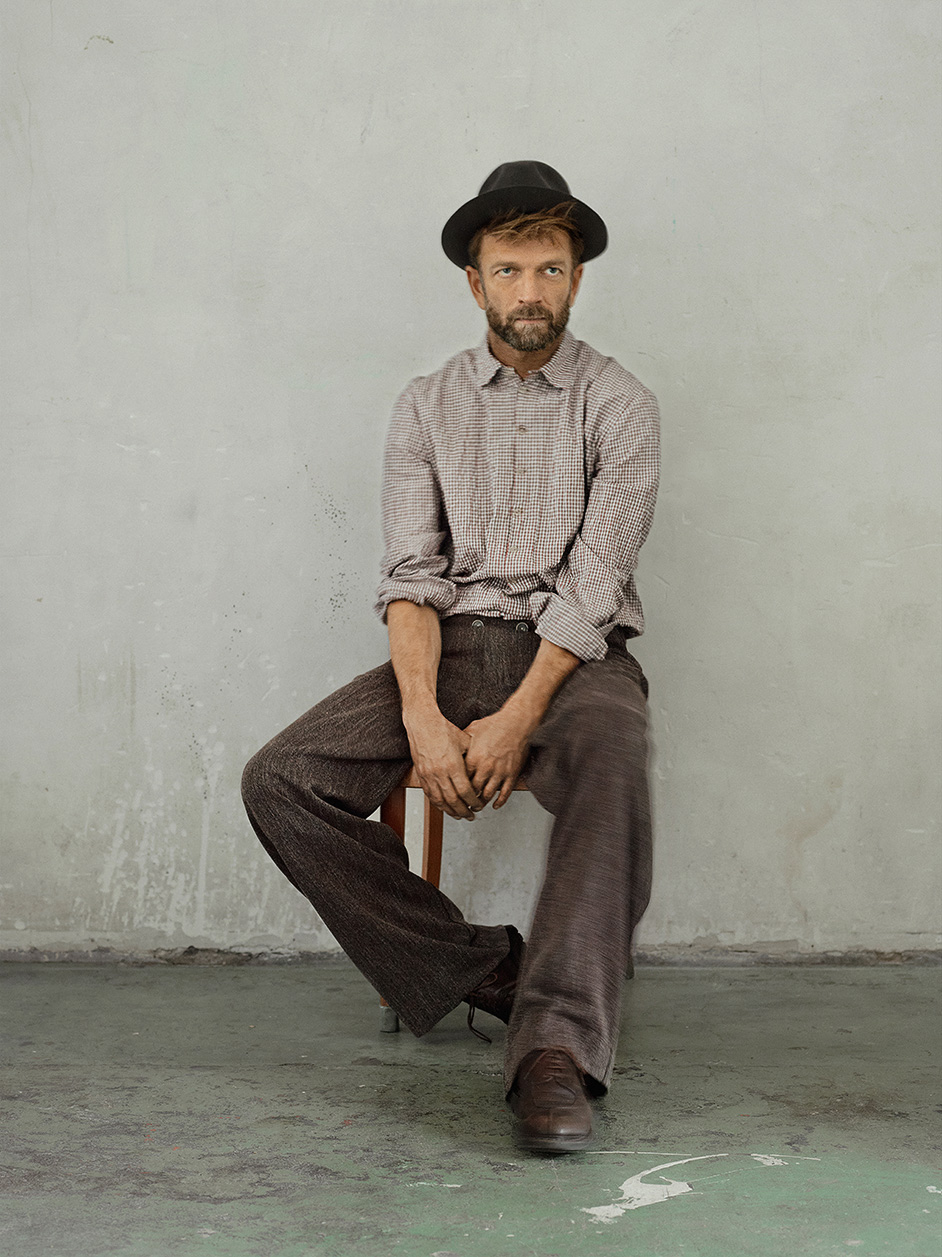
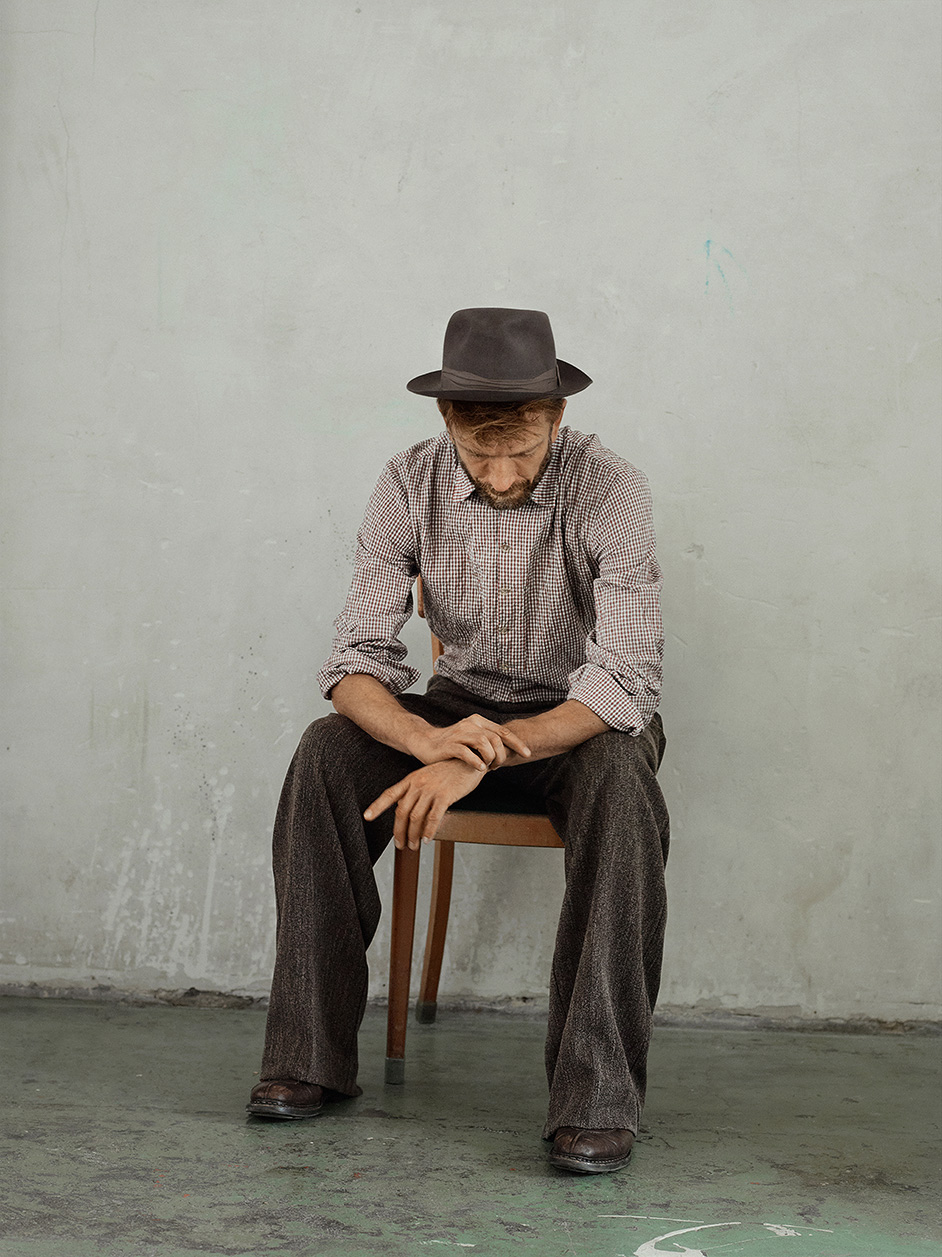
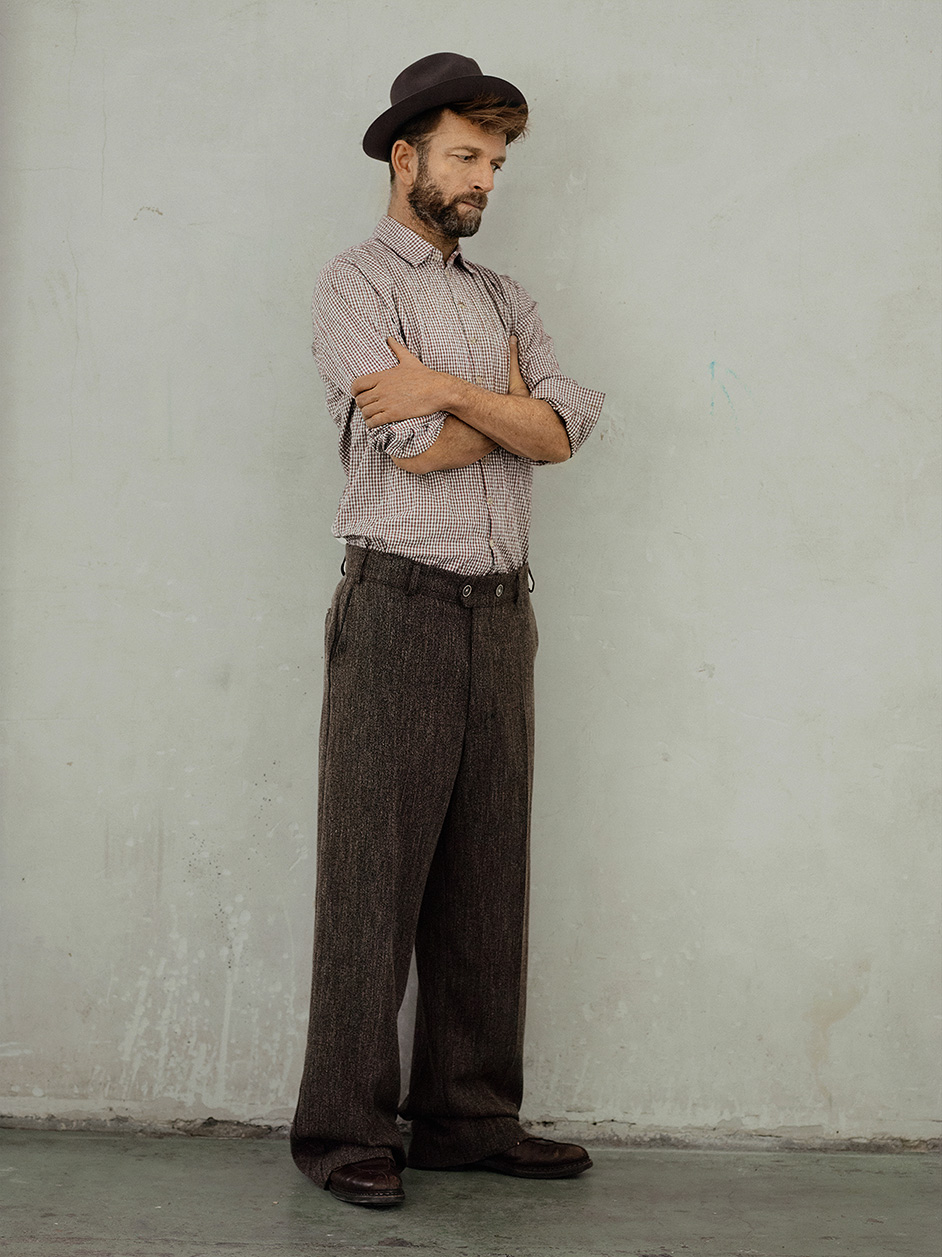
Label A.G.Nauta couture The “One (or Two) of a Kind” Collection for Men is a unique series of handmade clothes.  Only one or two items of the same fabric and/or colour are available within the collection, which contains trousers, shirts, jackets and coats.

The collection is inspired by the clothes worn in the 20’s to 40’s of the last century, but with a nowadays touch. Almost every item is made in wool, cotton, linen or viscose, pure or blends. Some of the fabrics are woven with very fine metal to secure a creased look.

All fabrics are pre-washed and after finishing an item, washed again. Some clothes get an extra treatment. All shirts, jackets, coats and most of the trousers are finished by visible hand stitching.

The online shop regularly gets new supplies!

A.G.Nauta couture

A.G.Nauta couture

A.G.Nauta couture

A.G.Nauta couture

A.G.Nauta couture

A.G.Nauta couture

A.G.Nauta couture

A.G.Nauta couture

A.G.Nauta couture

A.G.Nauta couture

.

photography:  Astrid Zuidema                              http://www.astridzuidema.com
.
modeled by artist/painter:  John Biesheuvel      http://johnbiesheuvel.com/
.
special thanks to Dave Fikkert for Photoshop
.
 and special thanks to Eddy de Clercq for inspiration
.

Photographs with or without a Story, like The Critic, Dovima with Elephants & Mainbocher Corset

23 Mar

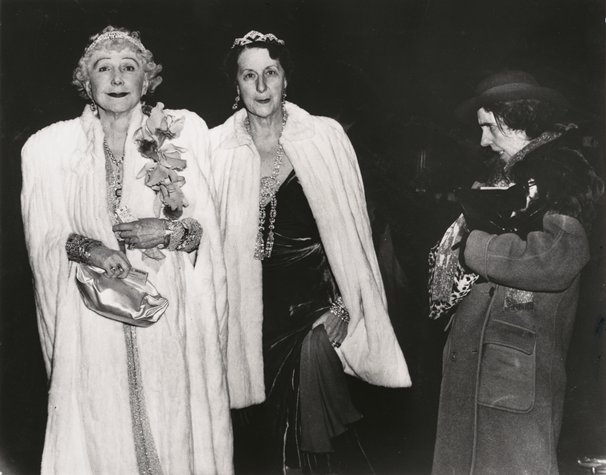
The Critic by Weegee

The Critic

by Weegee

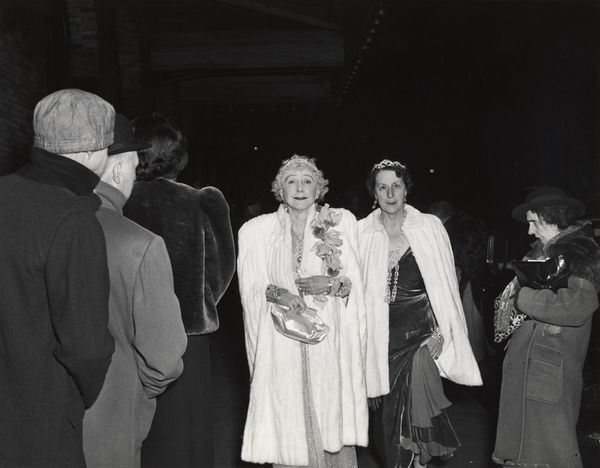
Originally titled The Fashionable People, this photograph is not the  journalistic coup it appears to be, but rather a setup planned in advance by the  photographer, Arthur H. Fellig, nicknamed Weegee.

On opening night at New York’s Metropolitan Opera in 1943 — the 60th  anniversary of the company and thus its Diamond Jubilee — Weegee sent an  assistant to Sammy’s Bar in the Bowery to pick up the drunken woman shown at  right. Weegee positioned himself for the picture as the woman encountered Mrs.  George Washington Kavanaugh and Lady Decies, two well-known art patrons often  featured in New York society pages. The setup is typical of the photographer,  who was enamored with stark juxtapositions of rich and poor, young and old, dead  and living.

The Critic, 1943.  Mrs Cavanaugh and friend entering the opera.The original photograph which was cropped later.

The picture, bearing the title The Fashionable People, was first published in Life magazine on December 03, 1943. It was renamed The  Critic in Weegee’s book The Naked City (1945).

.

.

Yves Saint-Lauren Outside Church Where Dior’s Funeral Was Held

by Loomis Dean, 1957

Yves saint LaurentA young man with the weight of the world on his shoulders

.

.

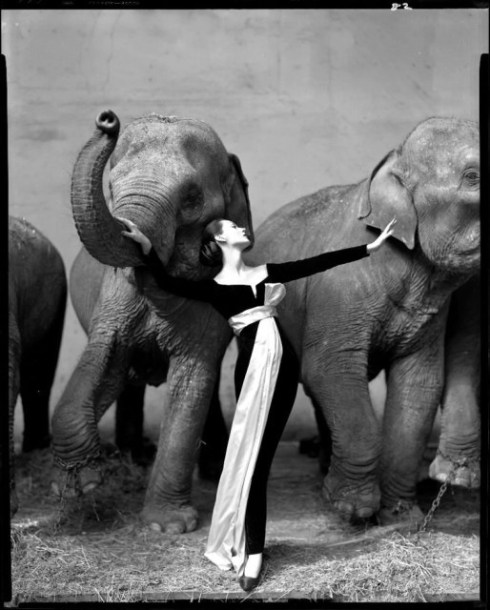
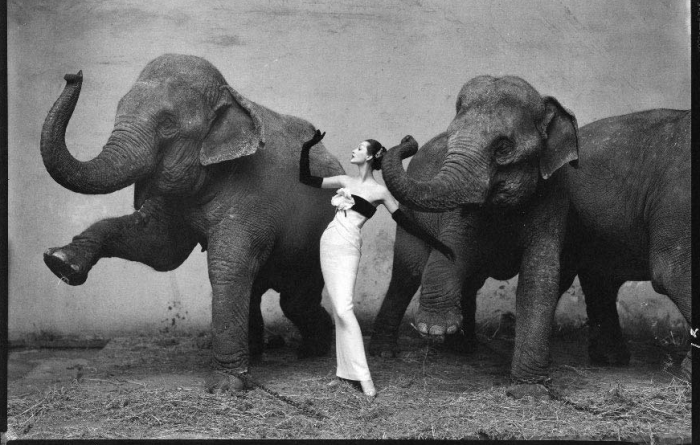
Dovima with Elephants

by Richard Avedon, 1955

Dovima by Avedon

When it took place, New York-born Avedon was 32 and had been a professional  photographer for ten years. He had been recruited to work as a staff  photographer for Harper’s Bazaar in1945 soon after completing his military  service, by the influential art director Alexey Brodovitch. Avedon, with his  enthusiasm, inventiveness and instinctive visual flair, soon established himself  as a significant new voice in fashion photography.
.
Although most  conventional fashion images after the Second World War were shot in the studio, Avedon often created his images outside, posing his models in streets, cafés and  casinos. Influenced by the Hungarian photographer Martin Munkacsi, he rejected  conventional static poses and instead pictured the models in motion and using  expressive gestures. The model chosen for the Cirque d’hiver shoot was  known as Dovima. Her real name was Dorothy Virginia Margaret Juba, but she  created her professional name from the first two letters in her three given  names. Tall and slender, Dovima epitomised 1950s style and was said to be one of  the highest-paid models of the period. She and Avedon often worked  together and Dovima later commented that the two of them ‘became like mental  Siamese twins, with me knowing what he wanted before he explained it. He asked  me to do extraordinary things, but I always knew I was going to be part of a  great picture.’ For this particular Harper’s Bazaar shoot, Dovima was asked to  pose close to four circus elephants. The shoot took place on a hot summer’s day. Avedon later recalled that when he entered the area where the elephants were kept, he saw that the animals were beautifully lit by natural light. ‘I saw the elephants  under an enormous skylight and in a second I knew… there was the potential here  for a kind of dream image.’
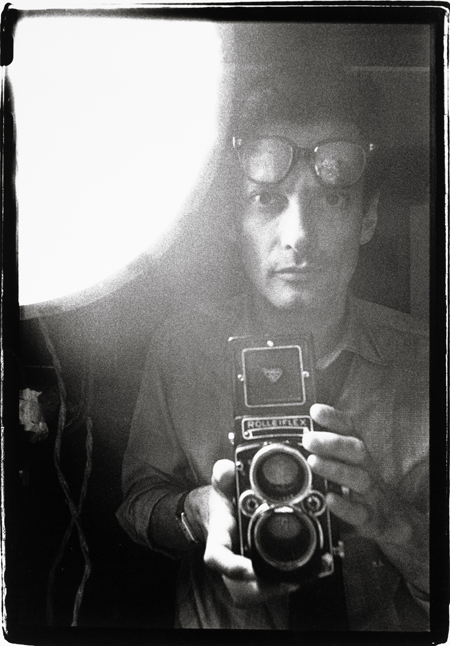
Richard Avedon
Richard Avedon, selfportrait
 .
In the most famous image from the shoot,  Dovima is shown in an ankle-length black evening gown with a white sash. It was  the first dress designed for Dior by his 19-year-old assistant, Yves  Saint-Laurent. Although the elephants each had one foot chained to the floor,  they were still potentially dangerous and Dovima had to hold her nerve as they  moved restlessly behind her. She is shown striking a graceful, narcissistic  pose, her eyes almost closed, with one hand resting on an elephant’s trunk.  The picture has become iconic for a number of reasons. First, it’s almost  surreal juxtaposition of the model and elephants is visually arresting and  unexpected, combining fantasy and reality. Second, it is beautifully lit and  elegantly posed. Finally, the picture represents a contrast of opposites: youth  and age, strength and frailty, grace and awkwardness, freedom and captivity. The  picture’s rich combination of qualities elevates it beyond the standard fashion  image and into the realm of high art.
.
Avedon’s photograph was considered  revolutionary when first published in Harper’s Bazaar in September 1955. It was  shown as part of a 14-page report on the latest Paris fashions, together with  another picture of Dovima posing with the elephants. In the second picture, she  was in a white dress with long black gloves. This latter image, however, lacks  the impact of the first and is rarely printed; Avedon stated that the negative  of this image ‘disappeared mysteriously.’
Dovima by Avedon
Avedon went on to become one of  America’s most celebrated and influential photographers, particularly for his  fashion and portraiture, and was still creating new work up to his death at the  age of 81 in 2004. Dovima, however, was less fortunate. After her modelling  career ended she appeared in a few minor film roles before ending her working  life employed as a pizza restaurant hostess. She died in 1990, aged 62. ‘She was  the last of the great elegant, aristocratic beauties,’ said Avedon, ‘the most  remarkable and unconventional beauty of her time.’
.
‘Dovima with  Elephants’ is widely regarded as one of the most iconic fashion photograph of  the 20th century. Avedon recognised its importance and displayed a large print  of the image in the entrance to his studio for more than 20 years. He  nevertheless remained unsatisfied with it. ‘I look at that picture to this day  and I don’t know why I didn’t have the sash blowing out to the left, to complete  the line of the picture,’ he said late in life. ‘The picture will always be a  failure to me because that sash isn’t out there.’ 
info Dovima with Elephants: http://www.amateurphotographer.co.uk/
.
.

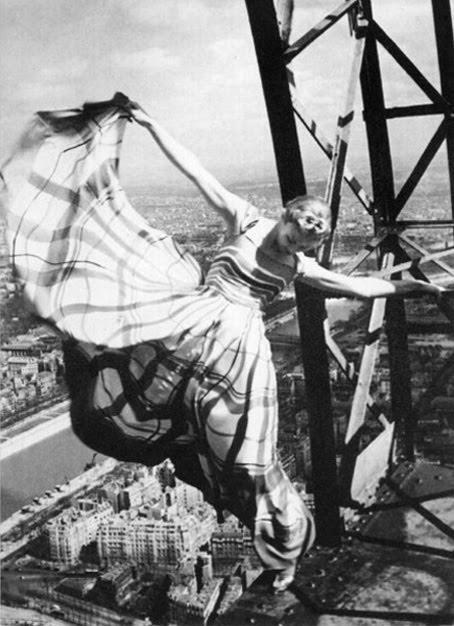
Lisa Fonssagrives on the Eiffel Tower

by Erwin Blumenfeld, 1939

Erwin BlumenfeldErwin Blumenfeld’s original set of photos featuring Lisa Fonssagrives swinging from the girders of the Eiffel Tower in a Lucien Lelong dress appeared in May 1939 Vogue.

.

.

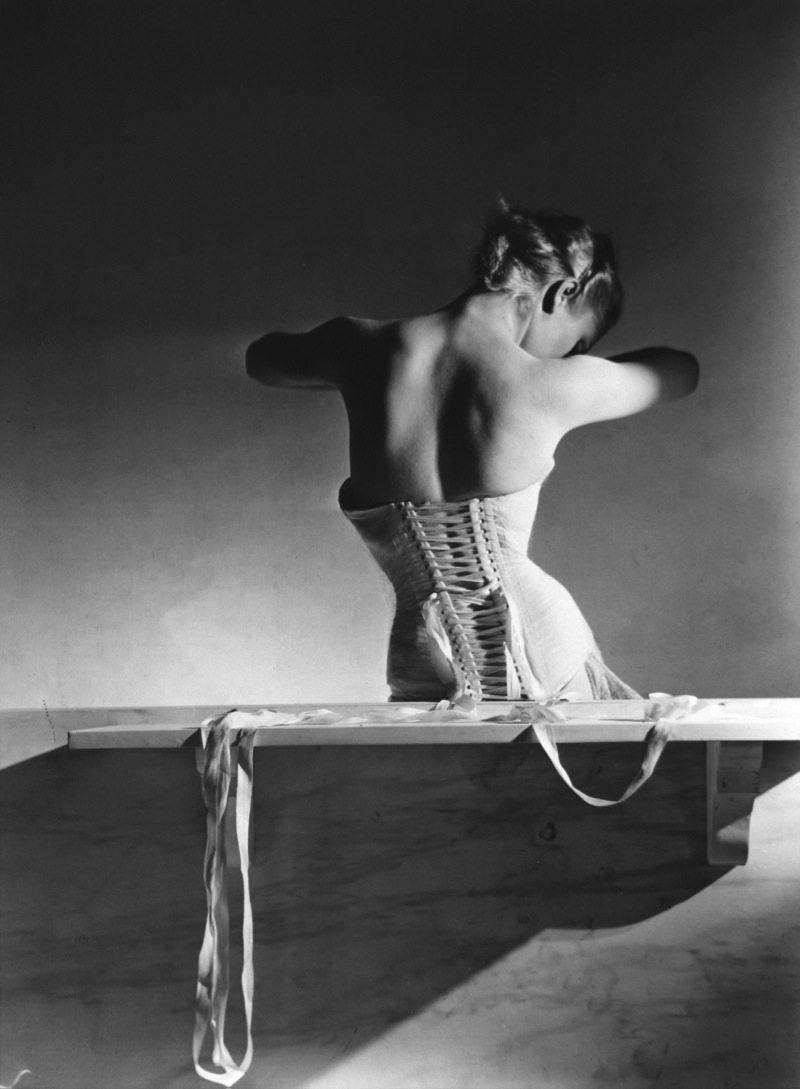
Mainbocher Corset

by Horst P. Horst, 1939

Horst P. Horst

In August 1939, on the eve of the Second World War, Horst P. Horst (called a master of dramatic lighting ) took his famous photograph of the Mainbocher Corset in the Paris Vogue studios on the Champs-Elysees. The picture, which marked the end of his work for some time, later became his most cited fashion photograph.

Many consider the photograph to be Horst P. Horst’s best work, an opinion that the photographer himself would probably agree with, for otherwise, how is one to explain that he chose the motif almost as a matter of course for the cover of his autobiography Horst – His Work and His World? 

Lucile Brokaw on Long Island Beach' by Martin MunkácsiLucile Brokaw on Long Island Beach' by Martin Munkácsi, 1933

.

Horst P. Horst photographed his Mainbocher Corset in the studios of the Paris Vogue in 1939. Only a few years earlier, Martin Munkacsi had let a model in light summer clothing and bathing shoes run along the dunes of a beach – freedom, adventure, summertime, sun, air, movement, sporty femininity – all caught by a photographic technique schooled in photojournalism. Munkacsi’s picture, first published in the December 1935 issue of Harper’s Bazaar, caused a sensation. Munkacsi photographed with a Leica, and the photographer moved to keep up with the moving object. Horst in contrast favored the large camera mounted on a stand and a focusing screen that allowed him to calculate his photograph down to the last detail. In other words, Horst sought to produce elegance as the outgrowth of intuition and hard work. How long did he pull at the bands, turn and twirl them, until they arrived at the right balance on an imaginary scale between insignificance and the determining factor in the picture! Occasionally he spoke of “a little mess” that he carefully incorporated into his pictures. 

Horst P. HorstPortrait of Horst P. Horst, by Cecil Beaton
.

Horst had photographed his famous study on the very eve of the coming catastrophe. “It was the last photograph I took in Paris before the war”, he later recalled, “I left the studio at 4:00 a.m., went back to the house, picked up my bags and caught the 7.00 a.m. train to Le Havre to board the Normandie. We all felt that war was coming. Too much armament, too much talk. And you knew that whatever happened, life would be completely different after. I had found a family in Paris and a way of life. The clothes, the books, the apartment, everything left behind. I had left Germany, George (Hoyningen-Huene, chief of photography of the French Vogue, who, in 1931 met Horst, the future photographer, who became his lover and frequent model) had left Russia, and now we experienced the same kind of loss all over again. This photograph is peculiar – for me, it is the essence of that moment. While I was taking it, I was thinking of all that I was leaving behind.” 

info the Mainbocher Corset: http://onlyoldphotography.tumblr.com/
.
.

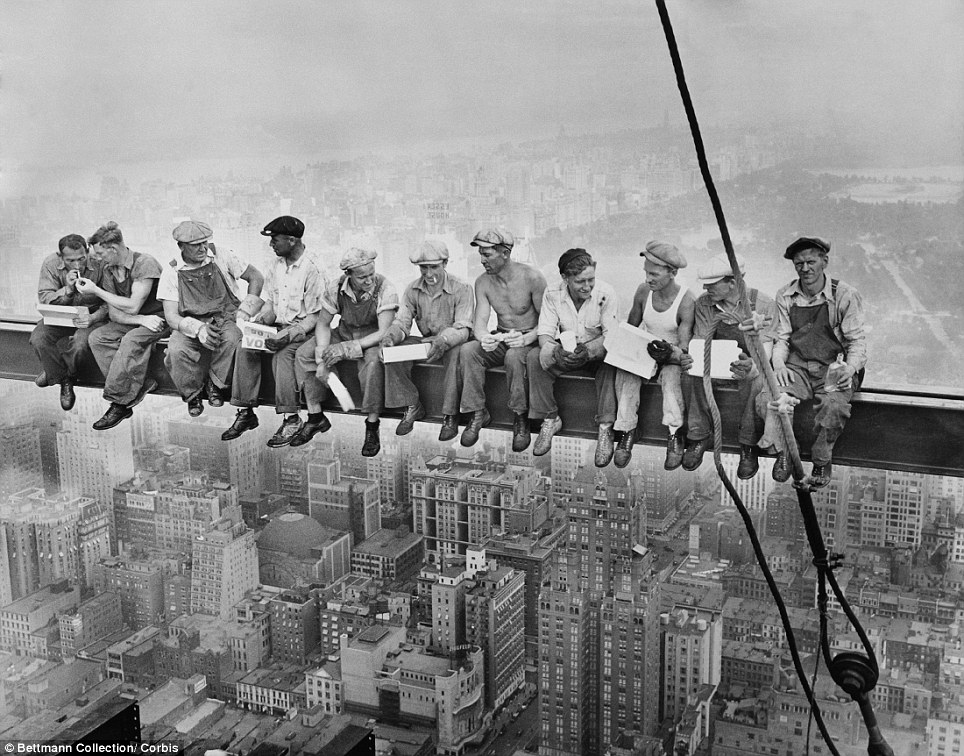
Men at Lunch

by  Charles Clyde Ebbets / unknown, 1932

men at lunch, charles c. Ebbets

A famous black-and-white photograph taken during construction of the RCA Building (renamed the GE Building in 1988) at Rockefeller Center .

The photograph depicts eleven men eating lunch, seated on a girder with their feet dangling 256 meters (840 feet) above the New York City streets. The men have no safety harness, which was linked to the Great Depression, when people were willing to take any job regardless of safety issues. They probably had a plank floor just some meters below them. The photo was taken on September 20, 1932 on the 69th floor of the RCA Building during the last months of construction. According to archivists, the photo was in fact prearranged. Although the photo shows real construction workers, it is believed that the moment was staged by the Rockefeller Center to promote its new skyscraper. The photo appeared in the Sunday photo supplement of the New York Herald Tribune on October 2. The glass negative is now owned by Corbis who acquired it from the Acme Newspictures archive in 1995.

Formerly attributed to “unkown”, it has been credited to Charles C. Ebbets since 2003 and erroneously to Lewis Hine. The Corbis corporation is now officially returning its status to unknown although sources continue to credit Ebbets.

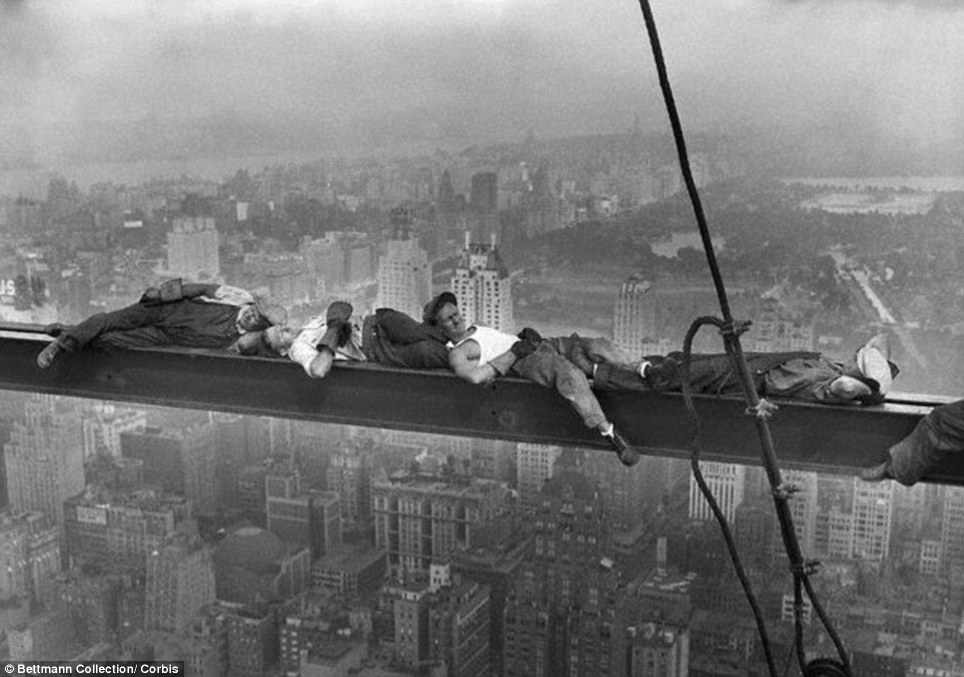
Resting on a Girder. by Charles Glyde EbbetsResting on a Girder by Charles C. Ebbets/ unknown
.

The same day, just a few hours later the photographer takes another picture at the same location, only this time the men on the girder are taking a break and resting.

.

Documentary: Men at Lunch

promo

Taken in September 1932 during the construction of Rockefeller Center, the iconic image speaks to the American dream and the immigrant experience at the height of the Depression, with daredevil workers at ease in their natural habitat, 800 feet above the street. This 2012 documentary zooms in on the hugely popular picture, whose actual photographer and subjects remain a mystery. New research yields clues to their possible identities, though the universal nature of the image is such that many are inclined to believe their father or uncle is one of the fearless workers. As one scribe wrote, they “lived on the thin edge of nothingness.” Two percent of skyscraper construction workers died on the job, the film says, or an average of one man for every 10 floors. And yet despite the daily danger, the jobs were coveted because of their high wages at a time when work was scarce. The film defends the photo against claims that it is a fake, though it probably was staged, the film concedes. But that doesn’t detract from its authenticity. It’s one of those rare photos in which everything comes together, making it work on every level. Though this film is only 67 minutes, it does start to feel a little padded near the end, but it’s still a fascinating study of a uniquely American tableau.

http://www.amazon.com/Men-at-Lunch-Fionnula-Flanagan/dp/B00F64PA1O

.

.