Archive | inspiration RSS feed for this section

Body Modification in Fashion; Crinolines, Yohji Yamamoto & Comme Des Garçons

9 Jun

crinoline shop

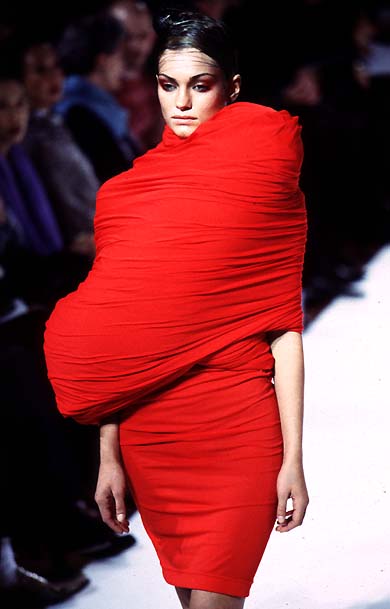
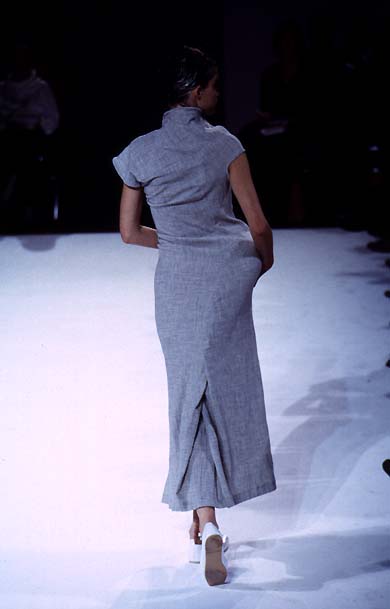
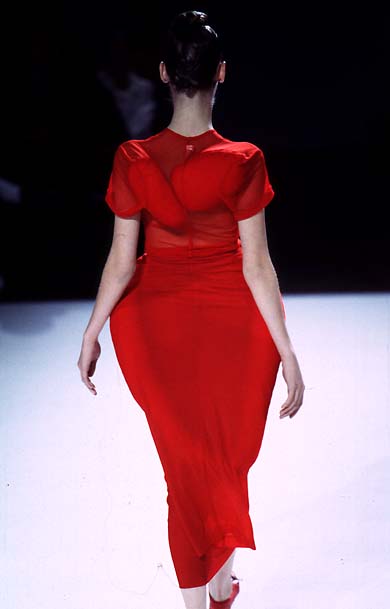
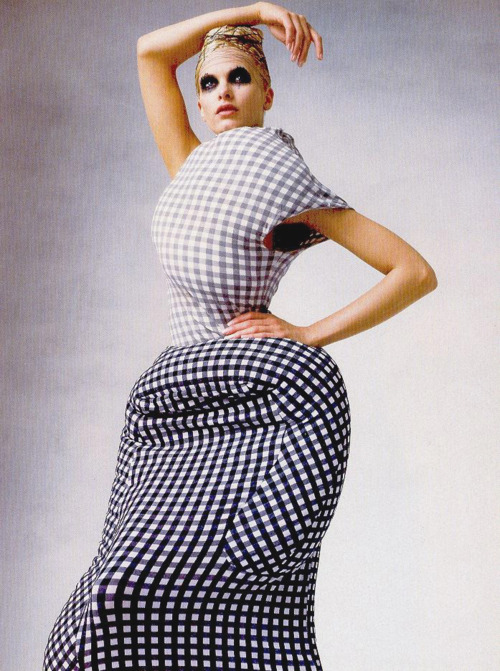
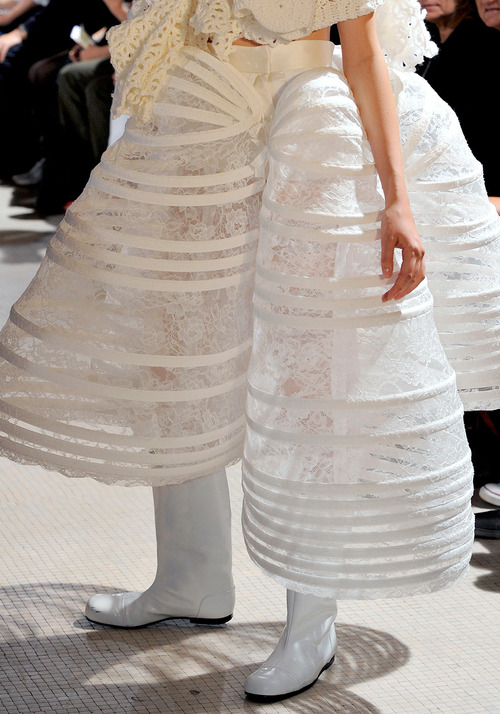
It sounds a bit scary, body manipulation in fashion, but this post is about changing the natural shapes of the body though a garment or undergarment, not changing the body itself. It’s about Crinolines, Yohji Yamamoto and Comme Des Garçons inspired by crinolines and the “Dress Meets Body, Body Meets Dress” collection by Comme Des Garçons. These, together with for instance corsets and shoulder pads, are samples of body modification in fashion.

.

Crinolines

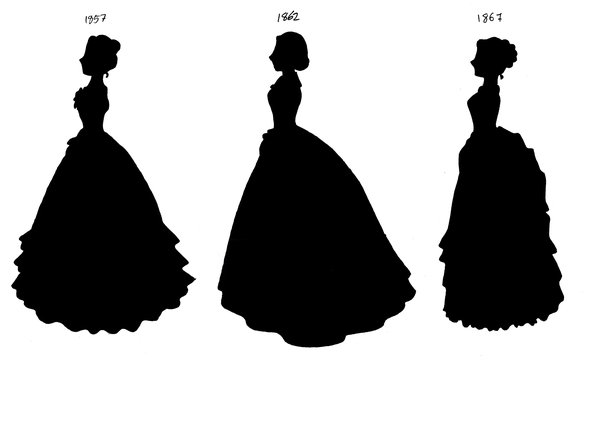
Victorian_Silhouettes_1837_52_by_lady_of_crow

Victorian_Silhouettes_1857_67_by_lady_of_crow

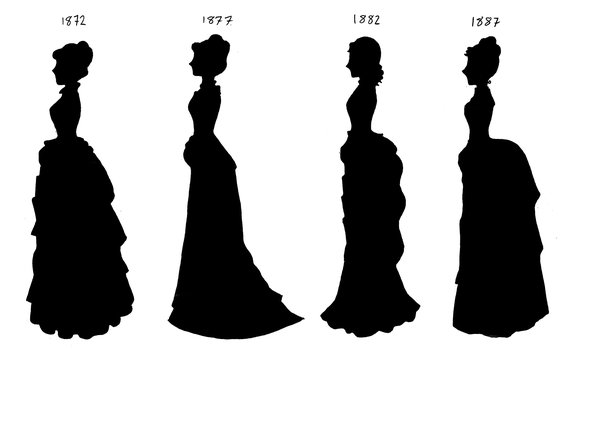
Victorian_Silhouettes_1872_87_by_lady_of_crow

Women did suffer for the sake of fashion for many centuries and many do so today with high heels and plastic surgery. Ridiculously large crinolines, protruding bustles and heavily boned corsets often did restrict movement and the range of activities women could engage in.

In 1837 Victoria ascended to the throne. The fashion press looked to this new young queen to endorse new fashions. Contrary to popular belief Victoria was, until Prince Albert’s death at least, interested in fashion. She was not a frivolous royal leader and her belief in simplicity and demure elegance is echoed by the fashion plates of the day. Gone were the flamboyant fashions of the mid-1830s with the huge balloon-like sleeves, large bonnets and trailing ribbons. Dresses of the late 1830s and 1840s were characterised by drooping shoulders, long pointed angles and a low pinched-in waist.

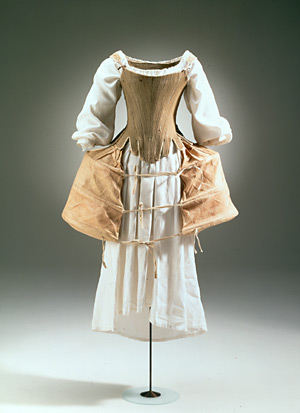
Panniers
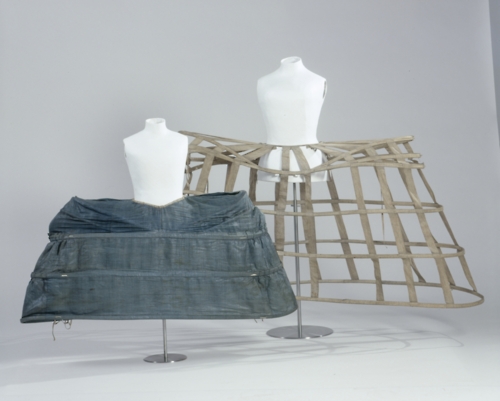
Panniers

tumblr_ltxhbr3Isk1r3u80ao1_500

tumblr_ltxhbr3Isk1r3u80ao3_500

Then fashion changed and the skirts of the new dresses  presented new problems. They increased in size and had to be supported by layers of heavy petticoats which were very hot and unhygienic – particularly in the summer. Bustle-like structures made of down-filled pads or whalebone and stiffened petticoats helped give added support. The most popular type of stiffened petticoat was made out of horsehair and linen which earned it the name crinoline (‘crin’ is the French for horsehair and ‘lin’ the linen thread it was woven with).

The development of the sewing machine in the early 1850s was one of the most important innovations of the 19th century as it led to the mass production of clothes including underwear. Although many corsets and crinolines of the 1850s were still stitched by hand, the speed of sewing on a machine meant that manufacturers could produce in far greater numbers and increase the variety of designs. Corsetry and underwear manufacture therefore became a major industry with a turnover of millions of pounds per year. During the 1850s the skirts became the focus of attention. They grew ever wider and wider, and the flounces and light materials they were made of meant that they needed more and more support. Layers of petticoats including the horsehair crinolines were no longer sufficient, and they were very heavy and uncomfortable. Something more structured was required.

Partial Panniers

il_fullxfull-102705511

corset-chemise-pocket-hoops1

tumblr_lw98v0llYO1qegasto1_500

A patent was taken out in May 1856 for a garment inflated by means of bellows and deflated to enable the wearer to sit down.

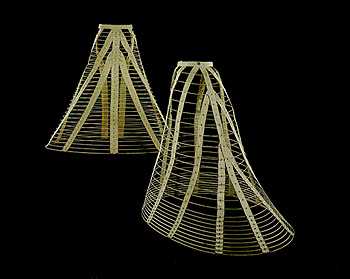
In 1858, the American W.S. Thomson greatly facilitated the development of the cage crinoline by developing an eyelet fastener to connect the steel crinoline hoops with the vertical tapes descending from a band around the wearer’s waist. The cage crinoline was adopted with enthusiasm: the numerous petticoats, even the stiffened or hooped ones, were heavy, bulky and generally uncomfortable. The cage crinoline was light — it only required one or two petticoats worn over the top to prevent the steel bands appearing as ridges in the skirt — and freed the wearer’s legs from tangling petticoats.

Unlike the farthingale and panniers, the crinoline was worn by women of every social class. The wider circulation of magazines and newspapers spread news of the new fashion, also fueling desire for it, and mass production made it affordable. It took several years for high society to accept the wearing of the cage crinoline as it started as — and remained in perception — a middle class affectation. It not only freed women from the weight of massive numbers of petticoats, but also the expense of owning, washing, and starching such copious petticoats. The wider skirts were now achievable by a greater number of less wealthy women.

Crinolines
1865-8_hoop_skirts-horsehair

Crinolines

Crinoline-inspired skirt by Comme Des Garçons
tumblr_m9nu6aqcOx1rpvcxgo1_500

There were many tales of accidents that could befall wearers of crinolines, such as being caught in her hoops as she descended from a carriage or of causing damage if she were a factory girl or servant as china, glass and other delicate materials could easily be swept off shelves and tables. In 1860 the textile firm Courtaulds instructed its workers ‘to leave Hoop and Crinoline at Home’. The most frequent, and terrible, accidents were caused by sparks from open fires, a situation not helped by the wearing of highly flammable fabrics such as muslin and silks. Some husbands were even advised to insure their wives at Fire Insurance offices.

It’s easy to imagine how women could stray too near an open fire in their large crinolines.  The stories about ladies not being able to fit into carriages or through narrow doorways are exaggerated. The cage crinolines might look very rigid but spring steel is in fact incredibly flexible and could be compressed. Accidents did happen but women would learn how to walk in crinolines and how to sit down so that they did not reveal all their underclothes.

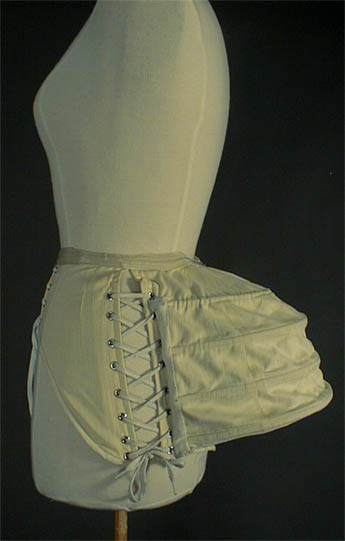
Crinolettes

Crinolette

crinolette

Crinolette

The spring steel structures were  very light so rather than imprisoning women in cages (as some of the reports and images suggest) they had a liberating effect. They freed women from the layers and layers of heavy petticoats and were much more hygienic and comfortable.

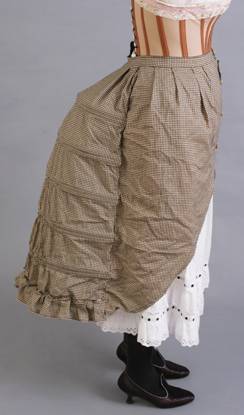
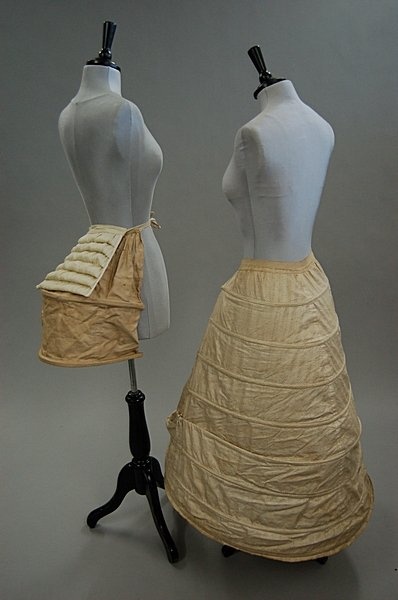
The crinoline had grown to its maximum dimensions by 1860. However, as the fashionable silhouette never remains the same for long, the huge skirts began to fall from favour. Around 1864, the shape of the crinoline began to change. Rather than being dome-shaped, the front and sides began to contract, leaving volume only at the back. The kind of crinoline that supported this style was sometimes known as a crinolette. The cage structure was still attached around the waist and extended down to the ground, but only extended down the back of the wearer’s legs. The crinolette itself was quickly superseded by the bustle, which was sufficient for supporting the drapery and train at the back of the skirt.

Crinolines are still worn today. They are usually part of a formal outfit, such as an evening gown or a wedding dress. The volume of the skirt is not as great as during the Victorian era (except for ‘Big Fat Gipsy Weddings’), so modern crinolines are most often constructed of several layers of stiff net, with flounces to extend the skirt. If there is a hoop in the crinoline, it will probably be made of plastic or nylon, which are low in cost, lightweight and flexible, or steel.

Bustle
Bustle & Crinoline

bustle

Bustle

bustleImage by Ian The Staymaker

.

.

Bustle-inspired skirts by Comme Des Garçons

CDG

CDG

.

Yohji Yamamoto

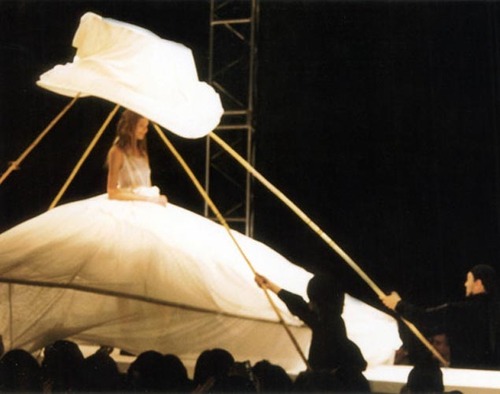
was inspired by an old picture of a woman being dressed and wearing a ridiculously large crinoline.

crinoline

Yohji Yamamoto wedding dress

yohji yamamoto_

Yohji Yamamoto

.

Dress Meets Body, Body Meets Dress

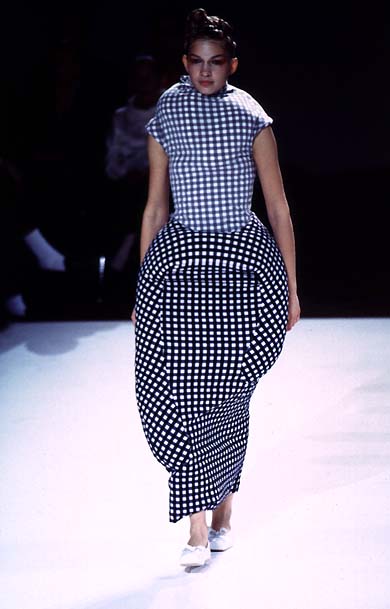
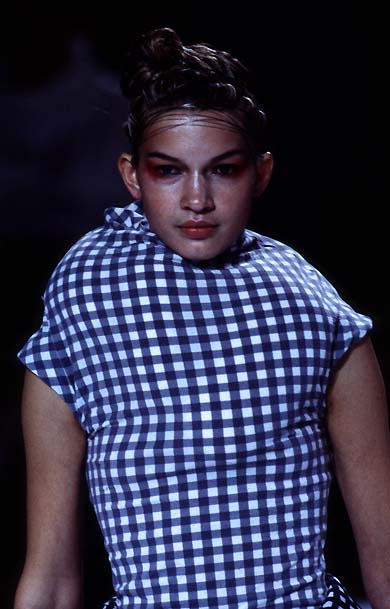
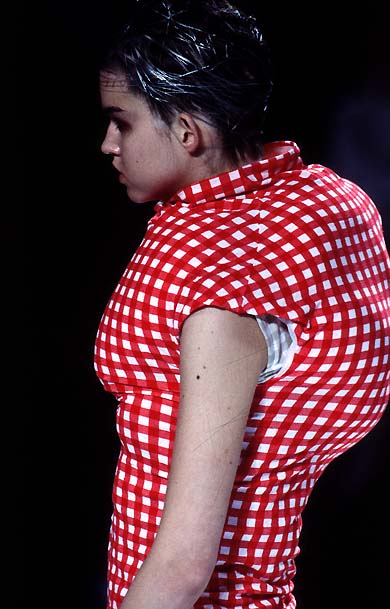
The s/s 1997 collection by Comme Des Garçons, often referred to the ‘lumps and bumps’ collection, was a much talked about show in Paris that season. It featured predominately tight tops and skirts that were swollen by goosedown-filled lumps which distorted the body shape.
cdg

cdg

cdg

cdg

CDG

cdg

cdg

cdg

cdg

cdg

cdg

CDG

CDG

.

 thanks to www.TheStaymaker.co.uk

Tim Walker creates his own world

21 Apr

Tim Walker

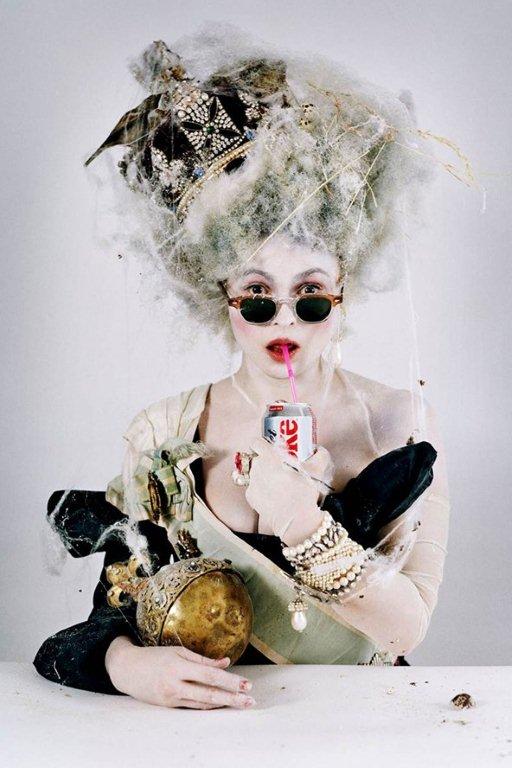
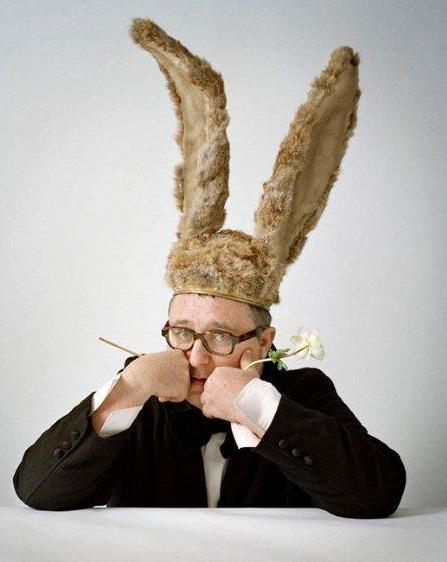
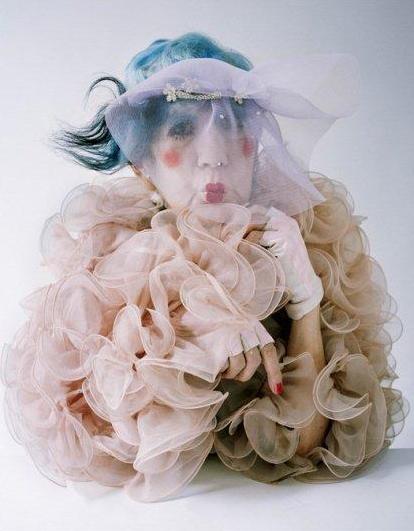
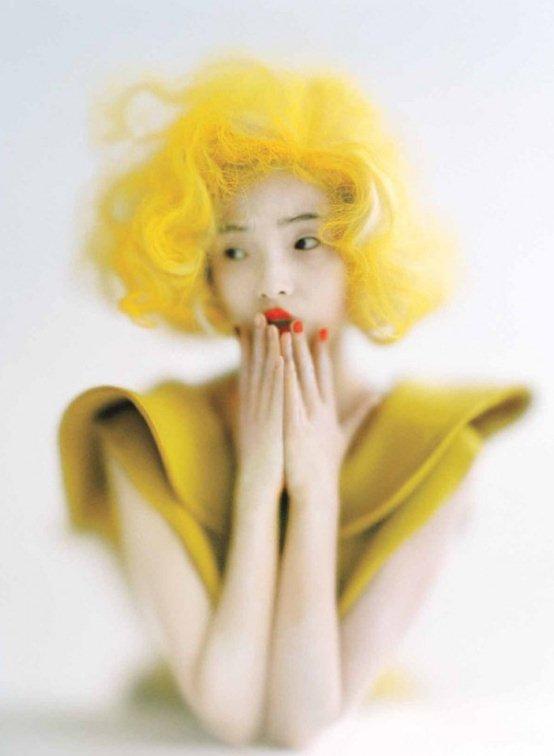
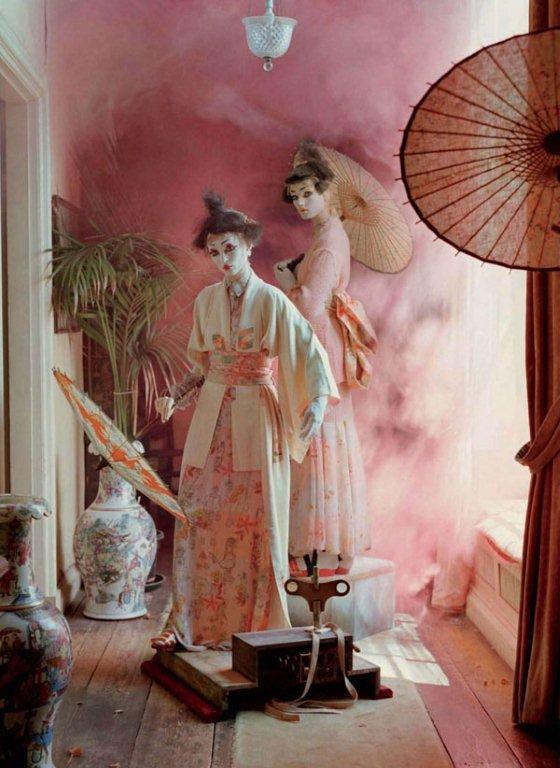
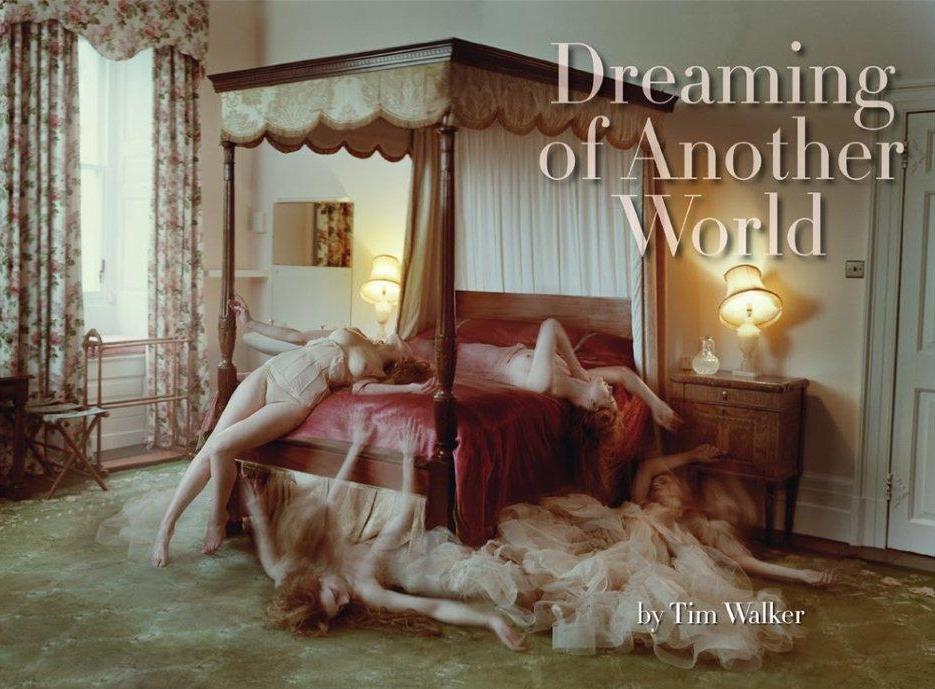
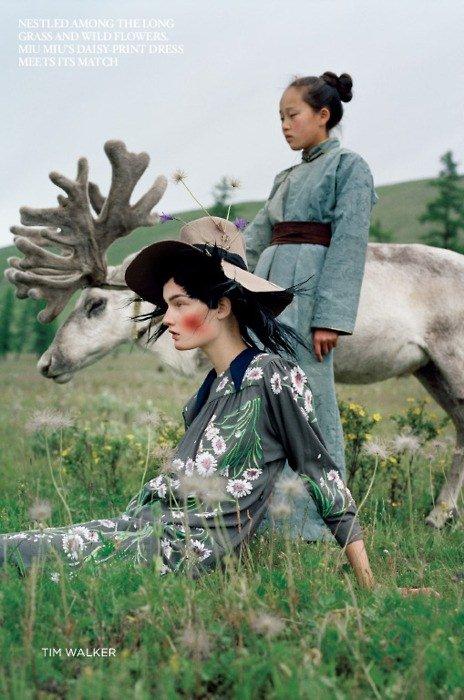
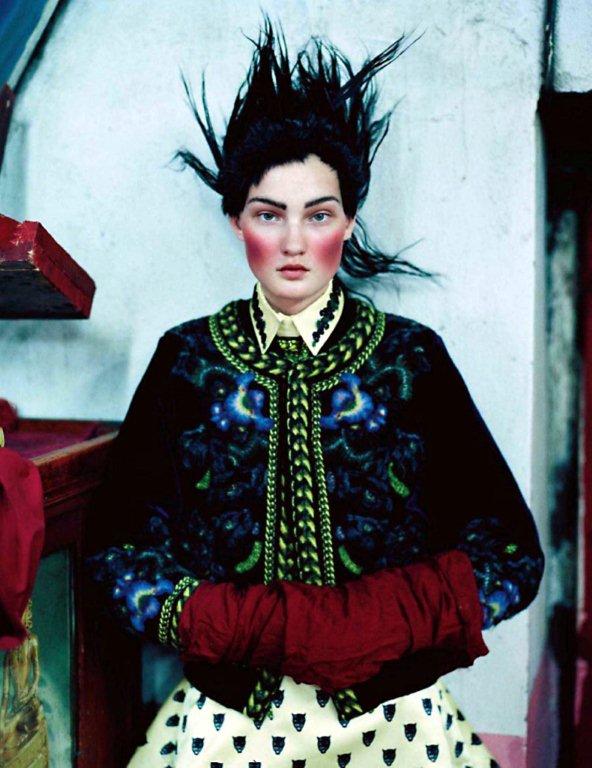
Tim Walker, born in 1970 in England, ‘invented’ a whole new style of (fashion) photography.

Extravagant staging and romantic motifs characterise his unmistakable style and his work is instantly recognisable.
On graduation in 1994, Tim Walker worked as a freelance photographic assistant in London before moving to New York City as a full time assistant to Richard Avedon. On returning to England he initially concentrated on portrait and documentary work for UK newspapers. At the age of 25 he shot his first fashion story for Vogue, and has continued to do so ever since.
Tim Walker lives in London.

There’s só much beautiful work by Tim Walker, I can’t show it all….

Earlier Work

Tim Walker

Tim Walker

Tim Walker

Tim Walker

Tim Walker

Tim Walker

.

Interview with Tim Walker

.

Portraits

Alexander McQueen

Dame Vivienne Westwood

Helena Bonham Carter

Alber Elbaz

Viktor&Rolf

Circus Maximus  Vanity Fair

Anna Piaggi

Xiao-Wen-Ju-by-Tim-Walker

.

Like a Doll

twalker_exhibition10_v_18oct12_pr_b_1080x720

.

.

Lady Grey

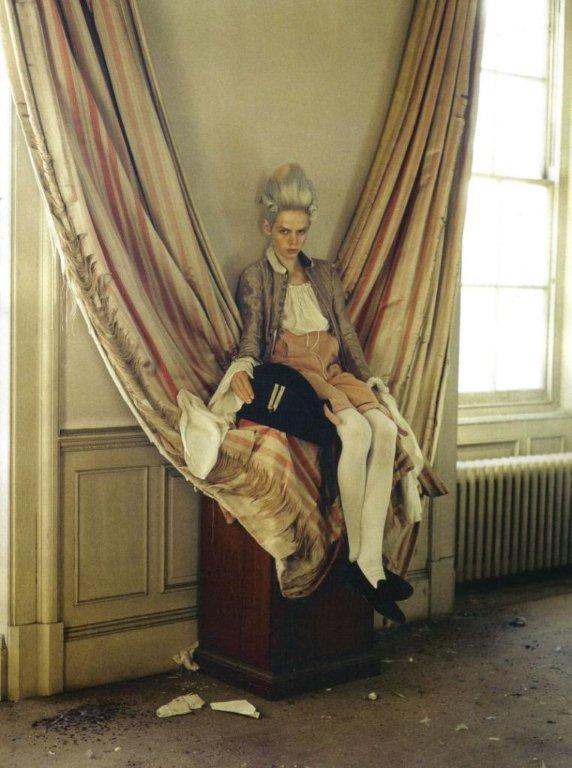
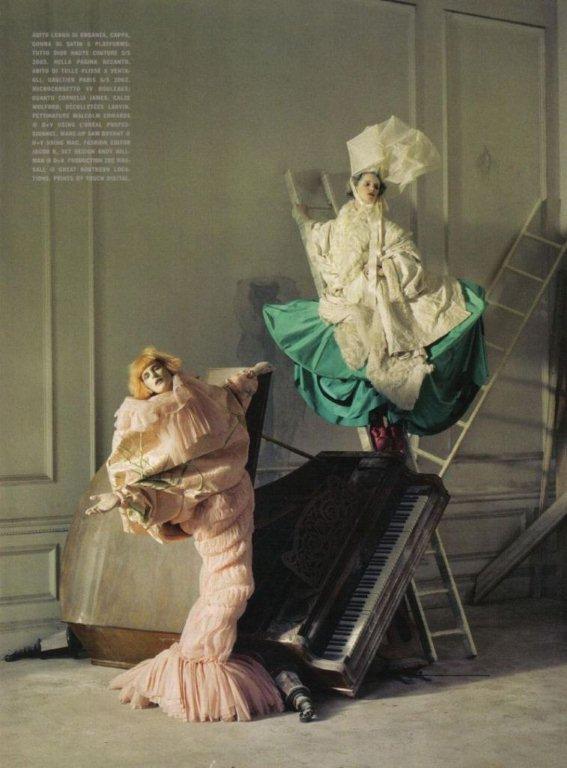
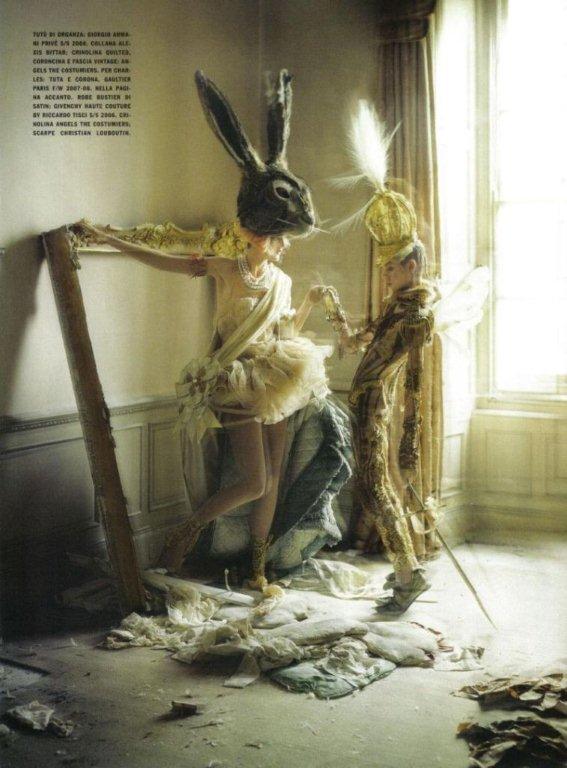
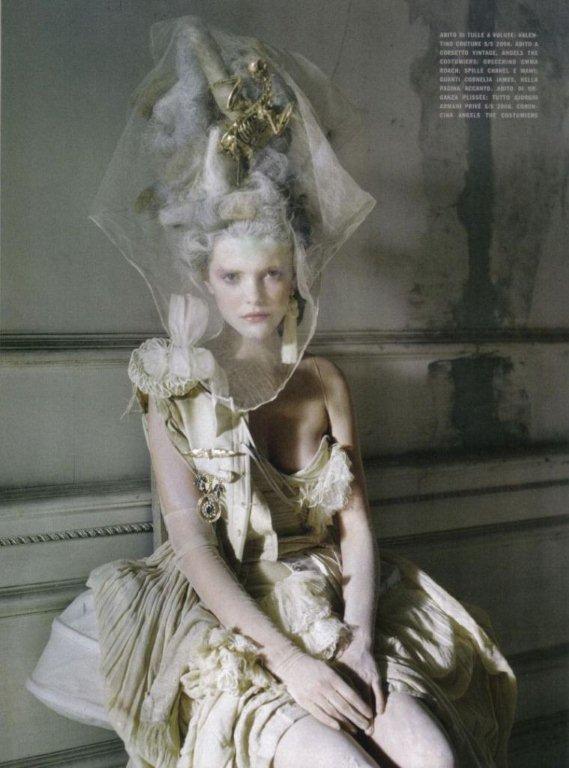
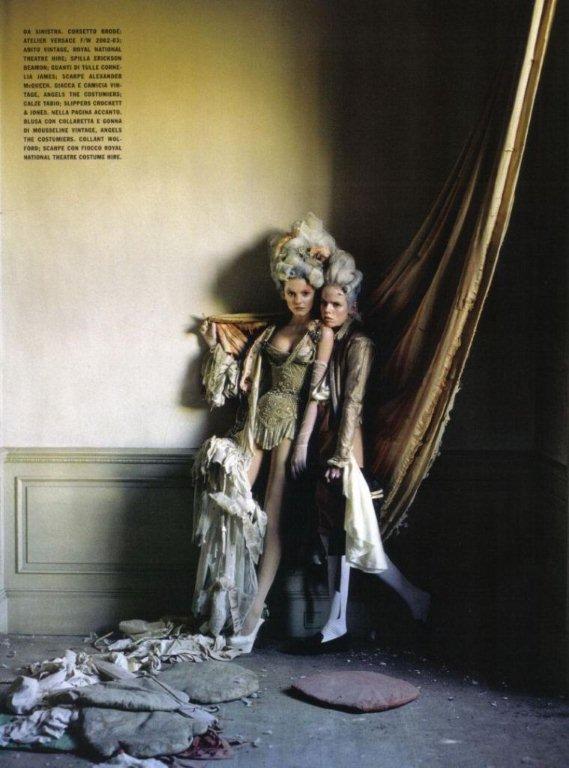
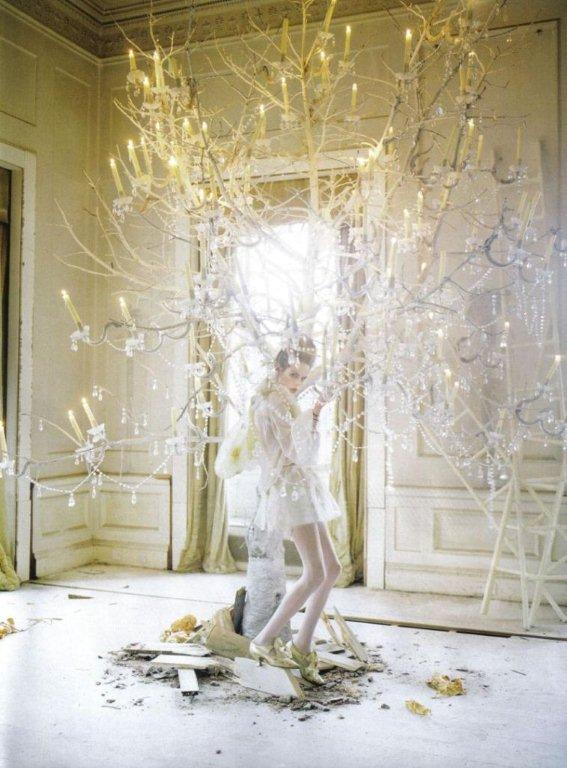
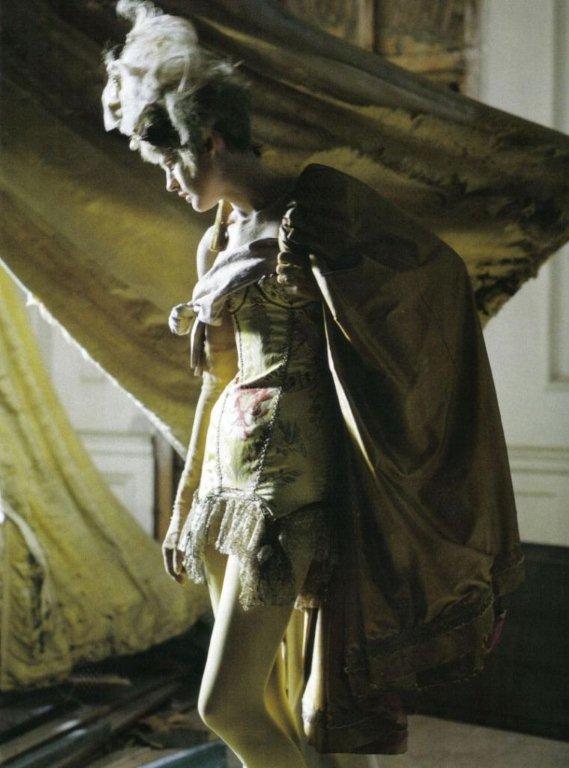
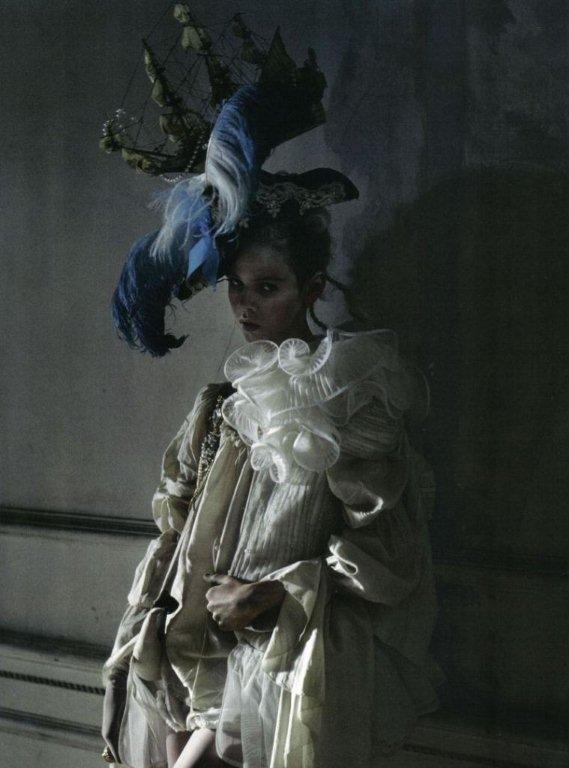
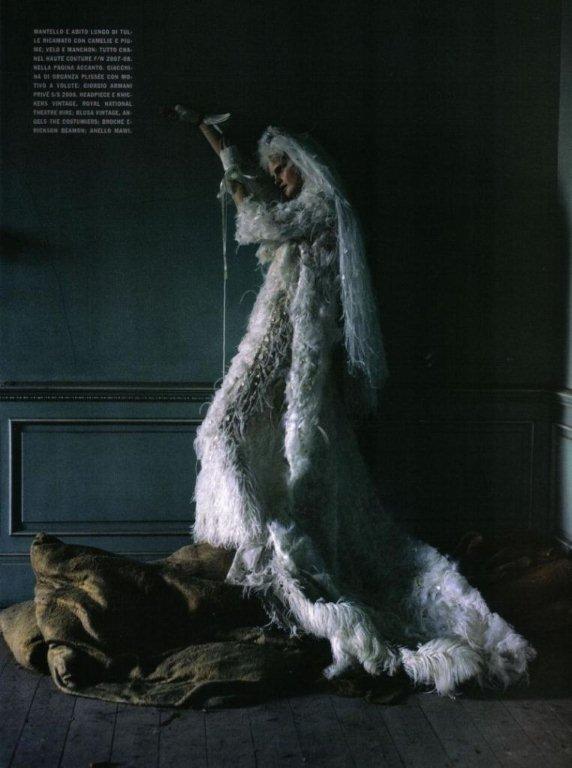
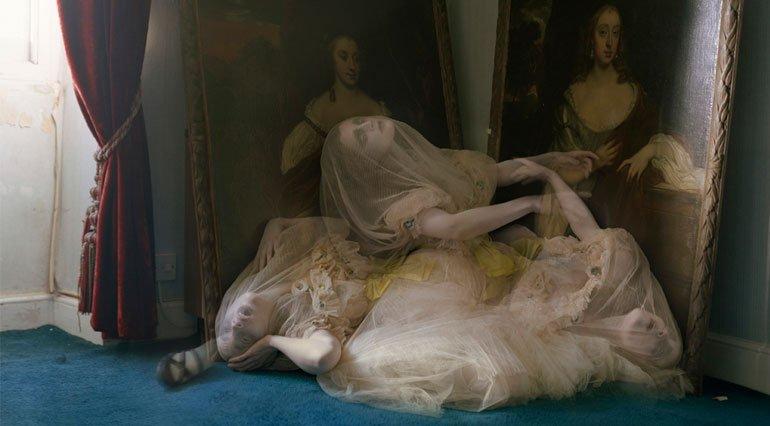
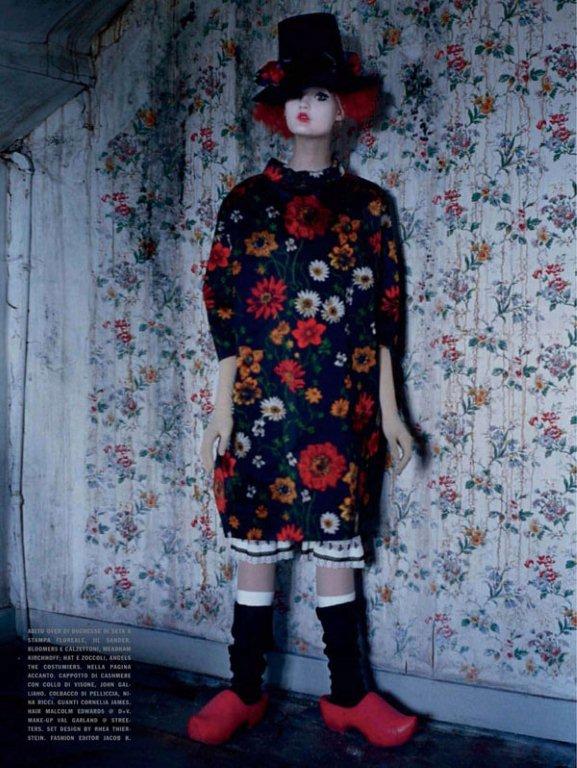
“Jean Cocteau really influenced me, especially his film Beauty and the Beast”, so said Tim Walker. “I love the fact that the house in this photo shoot is falling into decay, its inhabitants have become part of the building, they will keep on living here forever, only appearing when other people come; it’s as if the house were a living being, composed of the building itself and its former dwellers.” Walker has been long dreaming of creating pictures that would combine his obsession for decay, mythology, and the vanished grandeur of the most exclusive couture, but only recently he’s found the perfect place. “Howick Hall, the home of Earl Grey,” he explains, “has been closed since the Thirties and it’s very spectacular, romantic, tumbledown; its rooms are huge, there’s still the tapestry from the 1920s, almost torn to pieces. The old doors and structures created the perfect atmosphere for our magical sets.”

stella-tennant-imogen-morris-clarke-by-tim-walker-for-vogue-italy-march-2010-lady-grey-01

stella-tennant-imogen-morris-clarke-by-tim-walker-for-vogue-italy-march-2010-lady-grey-02

stella-tennant-imogen-morris-clarke-by-tim-walker-for-vogue-italy-march-2010-lady-grey-03

stella-tennant-imogen-morris-clarke-by-tim-walker-for-vogue-italy-march-2010-lady-grey-04

stella-tennant-imogen-morris-clarke-by-tim-walker-for-vogue-italy-march-2010-lady-grey-05

stella-tennant-imogen-morris-clarke-by-tim-walker-for-vogue-italy-march-2010-lady-grey-06

stella-tennant-imogen-morris-clarke-by-tim-walker-for-vogue-italy-march-2010-lady-grey-07

stella-tennant-imogen-morris-clarke-by-tim-walker-for-vogue-italy-march-2010-lady-grey-08

stella-tennant-imogen-morris-clarke-by-tim-walker-for-vogue-italy-march-2010-lady-grey-09

stella-tennant-imogen-morris-clarke-by-tim-walker-for-vogue-italy-march-2010-lady-grey-10

stella-tennant-imogen-morris-clarke-by-tim-walker-for-vogue-italy-march-2010-lady-grey-11

stella-tennant-imogen-morris-clarke-by-tim-walker-for-vogue-italy-march-2010-lady-grey-12

stella-tennant-imogen-morris-clarke-by-tim-walker-for-vogue-italy-march-2010-lady-grey-13

stella-tennant-imogen-morris-clarke-by-tim-walker-for-vogue-italy-march-2010-lady-grey-14

stella-tennant-imogen-morris-clarke-by-tim-walker-for-vogue-italy-march-2010-lady-grey-15

stella-tennant-imogen-morris-clarke-by-tim-walker-for-vogue-italy-march-2010-lady-grey-16

stella-tennant-imogen-morris-clarke-by-tim-walker-for-vogue-italy-march-2010-lady-grey-17

stella-tennant-imogen-morris-clarke-by-tim-walker-for-vogue-italy-march-2010-lady-grey-18

stella-tennant-imogen-morris-clarke-by-tim-walker-for-vogue-italy-march-2010-lady-grey-19

.

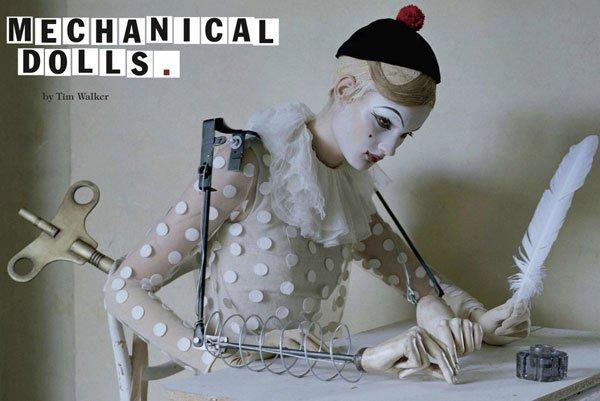
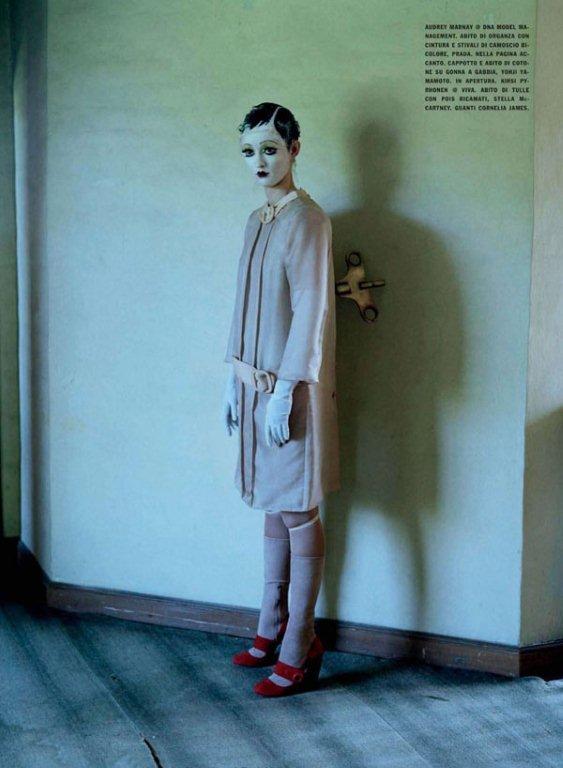
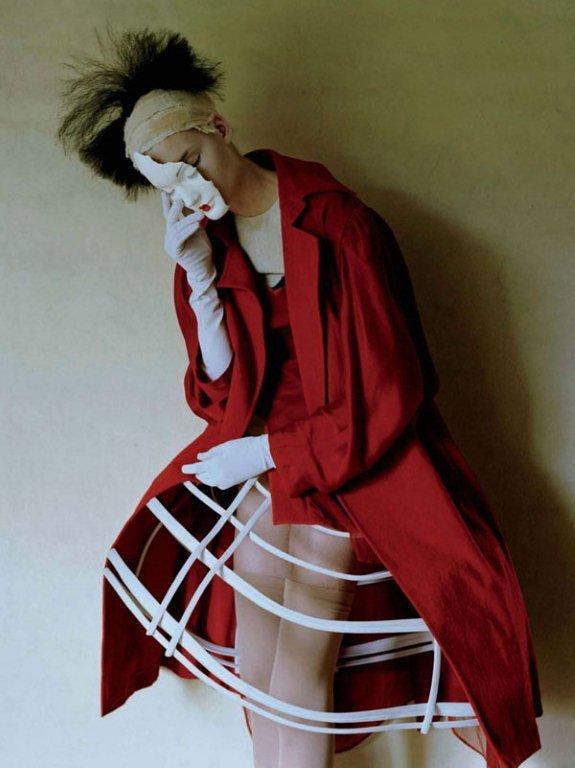
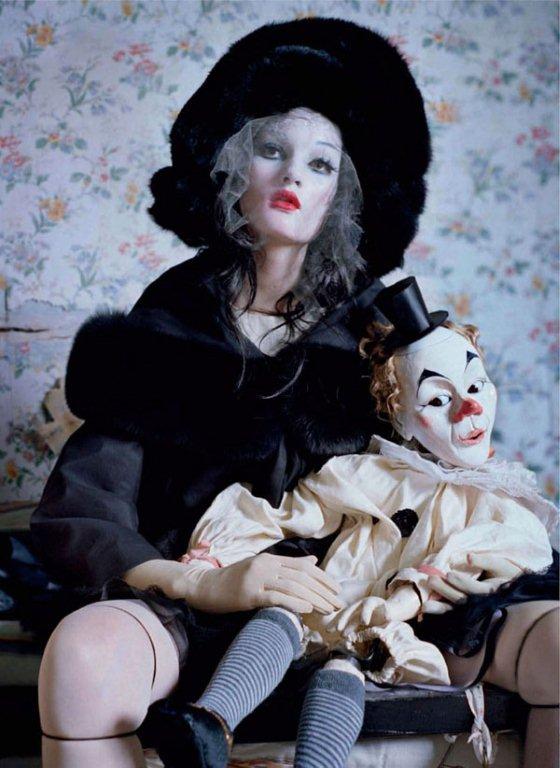
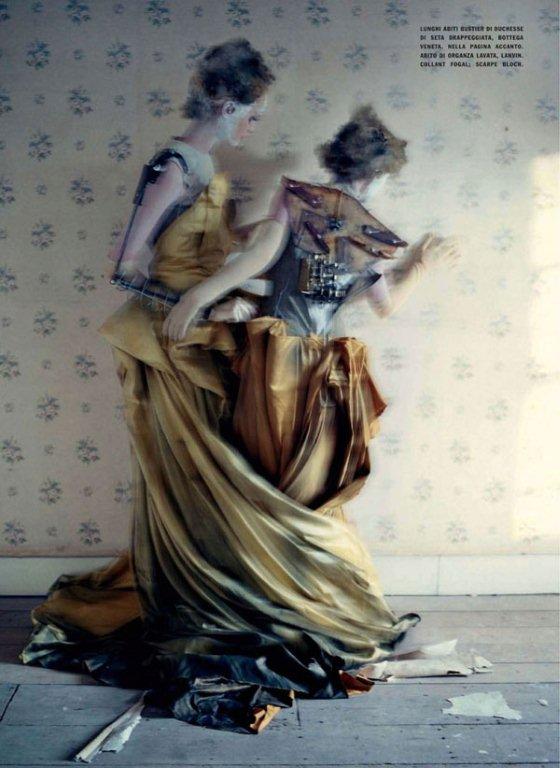
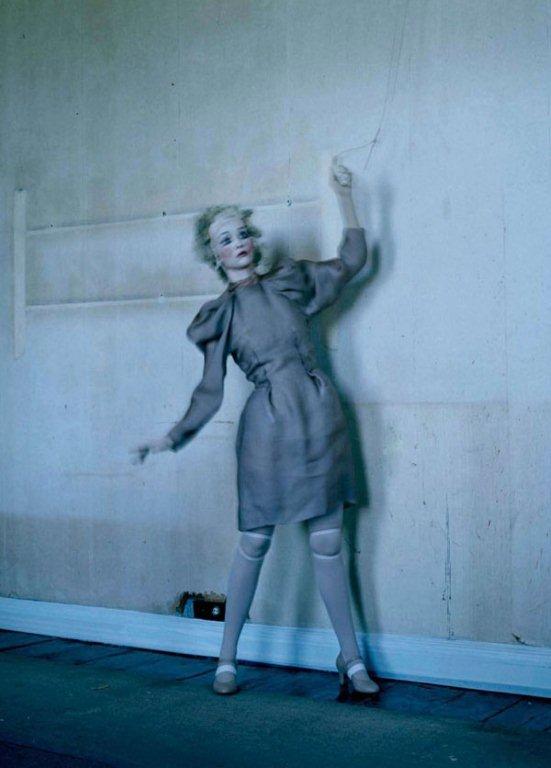
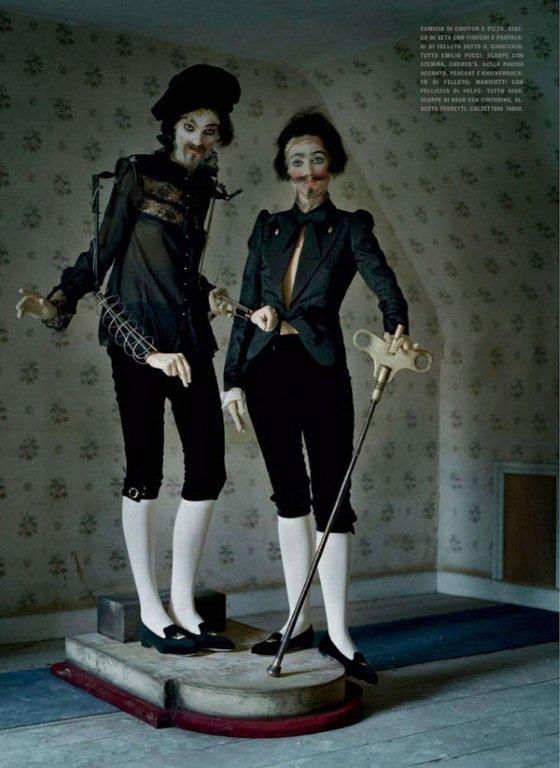
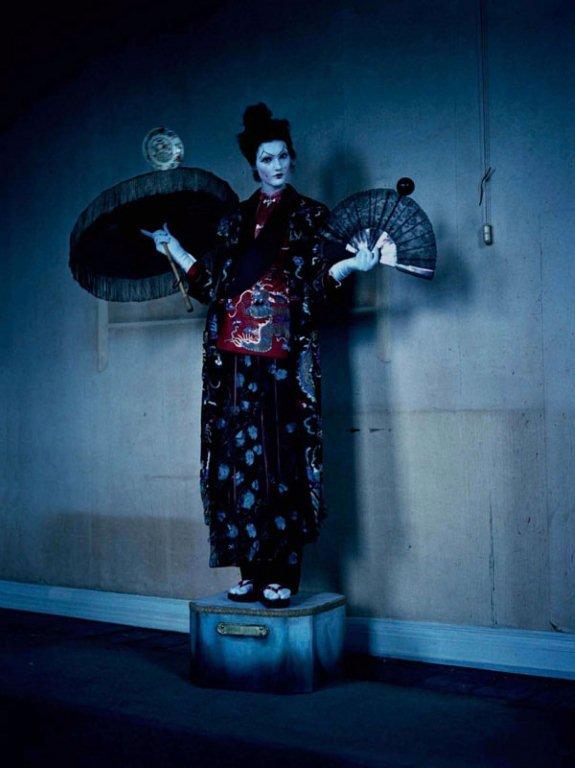
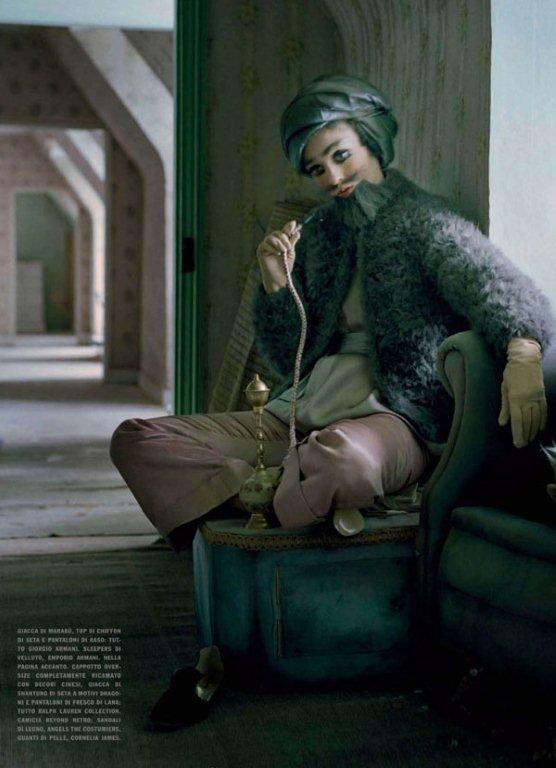
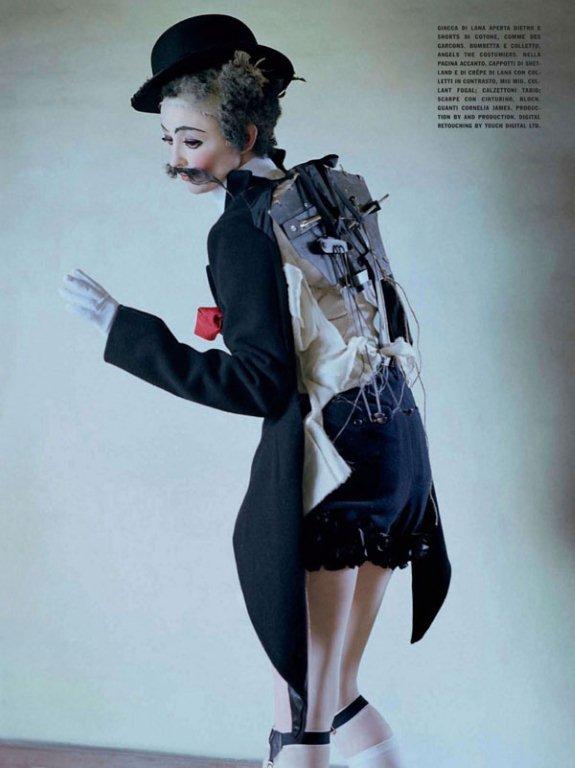
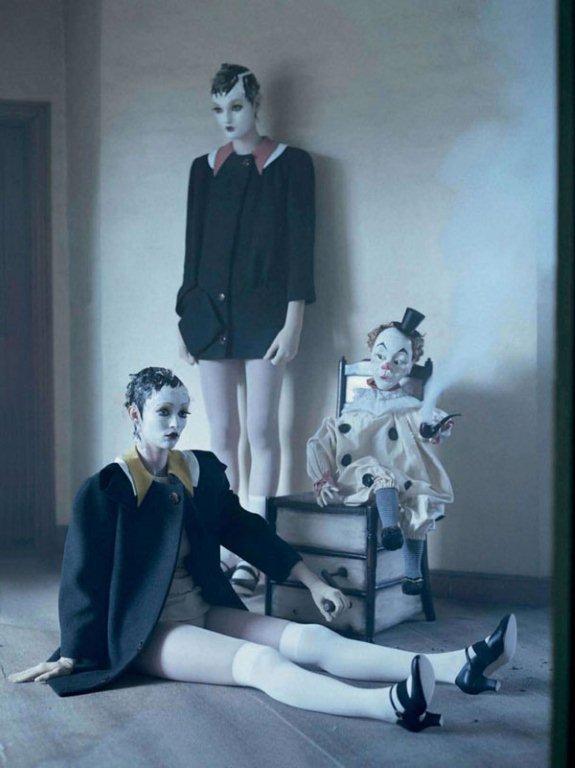
Mechanical Dolls

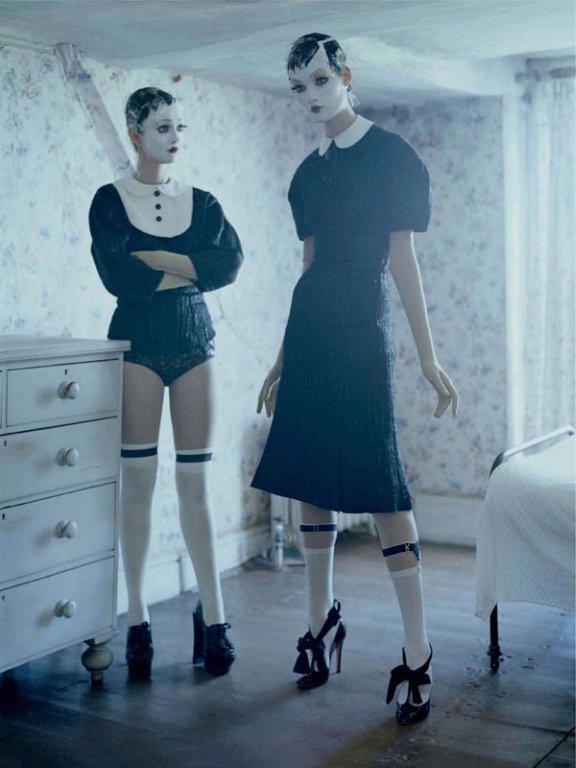
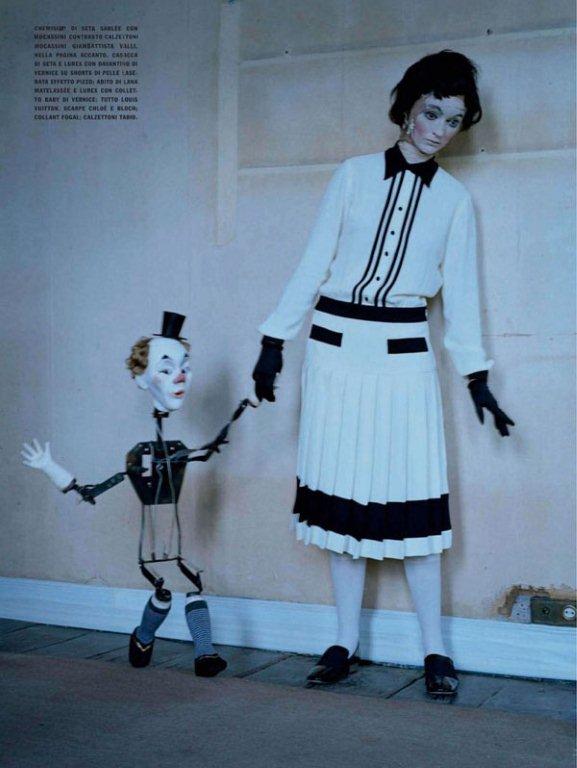
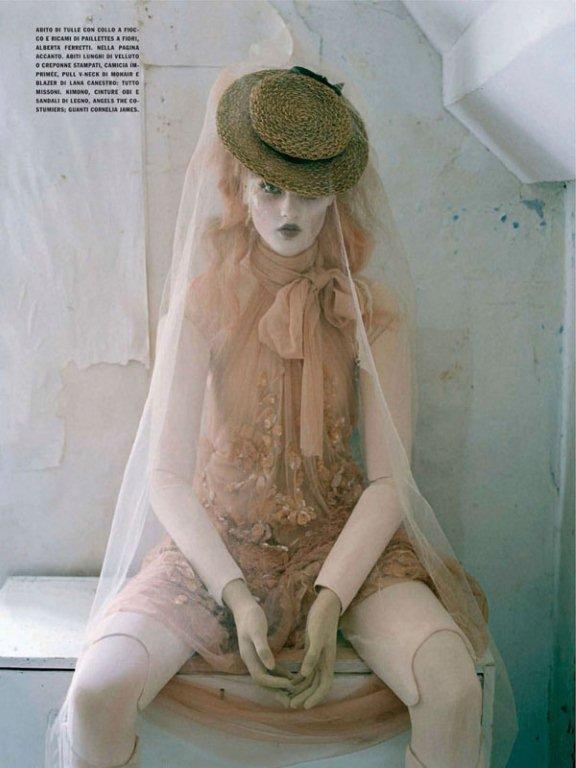
Vogue Italia October 2011

tim-walker-mechanical-dolls01

tim-walker-mechanical-dolls02

tim-walker-mechanical-dolls03

tim-walker-mechanical-dolls06

tim-walker-mechanical-dolls07

tim-walker-mechanical-dolls08

tim-walker-mechanical-dolls09

tim-walker-mechanical-dolls10

tim-walker-mechanical-dolls11

tim-walker-mechanical-dolls12

tim-walker-mechanical-dolls13

tim-walker-mechanical-dolls14

tim-walker-mechanical-dolls15

tim-walker-mechanical-dolls16

tim-walker-mechanical-dolls17

tim-walker-mechanical-dolls18

tim-walker-mechanical-dolls19

.

Dreaming of another world

Tim Walker

Tim Walker

.

.

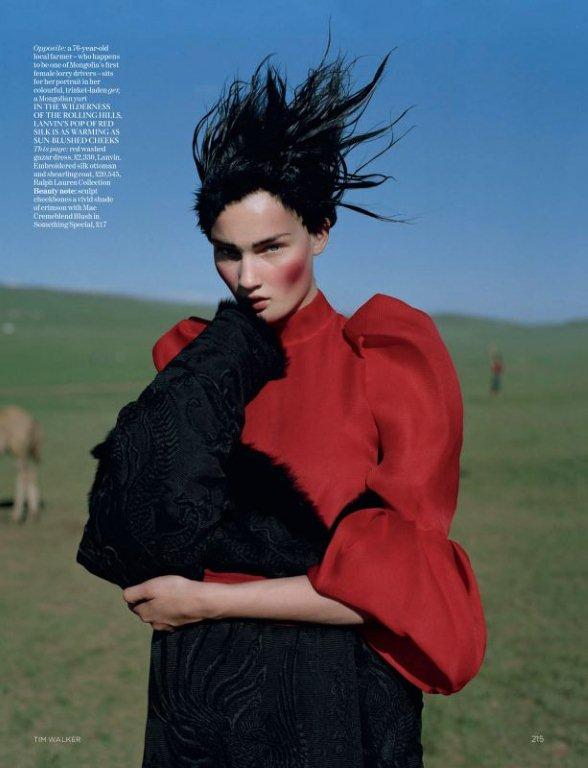
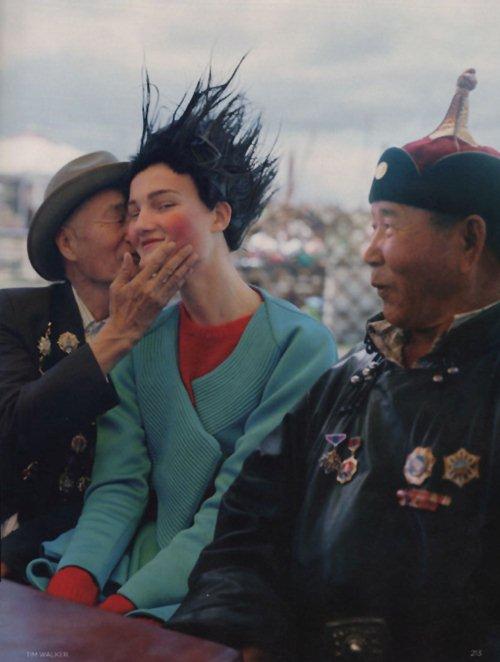
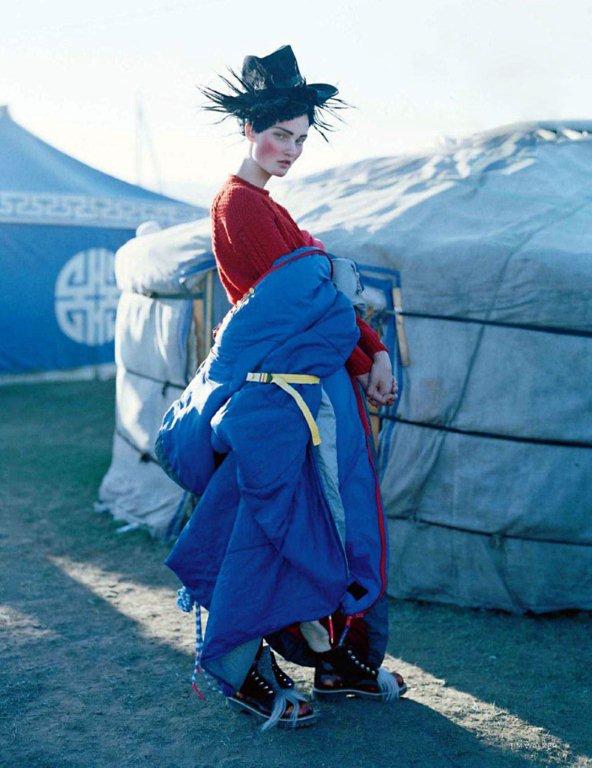
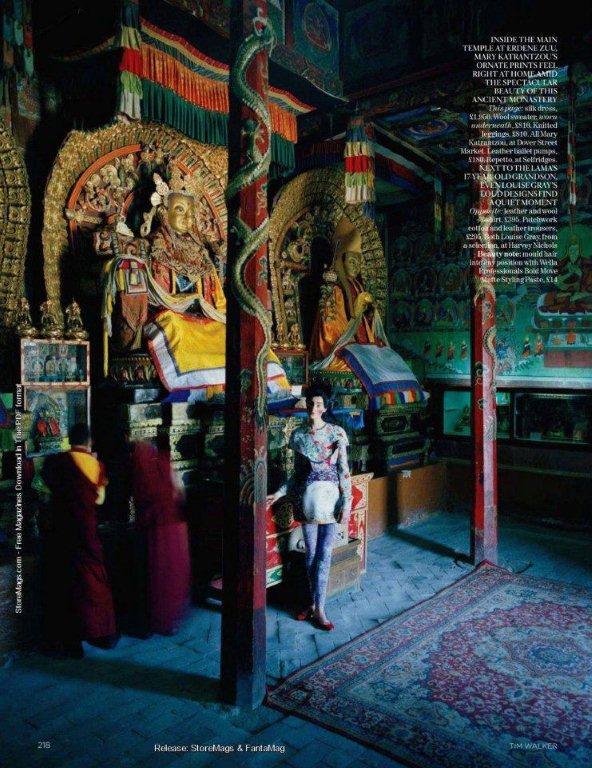
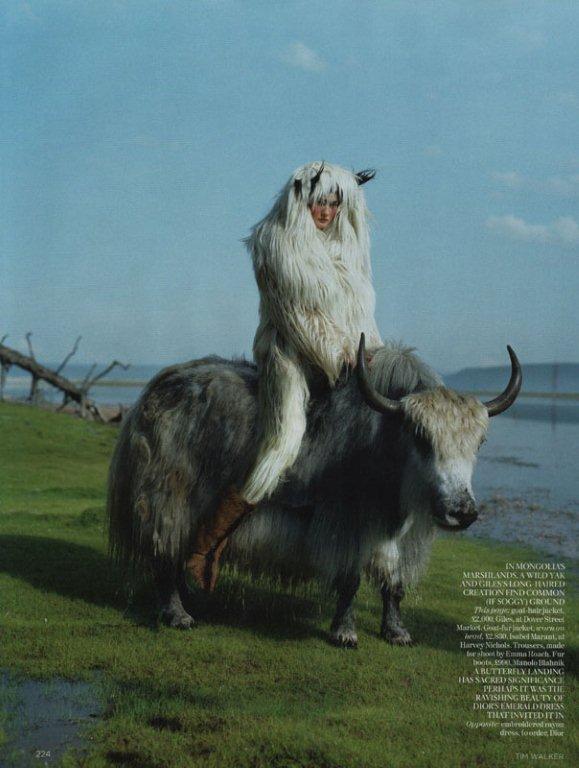
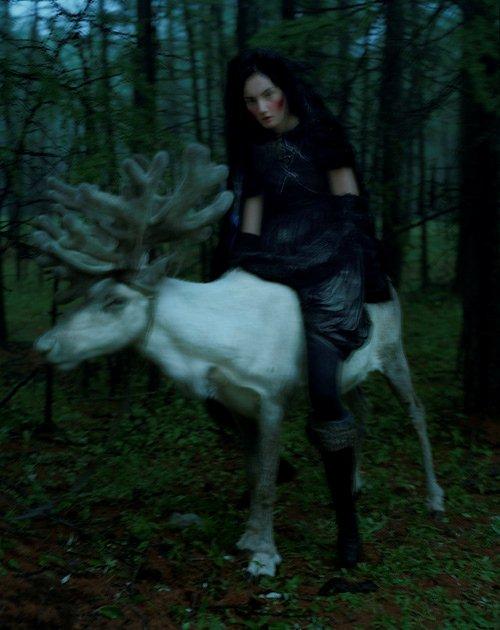
An Awful Big Adventure

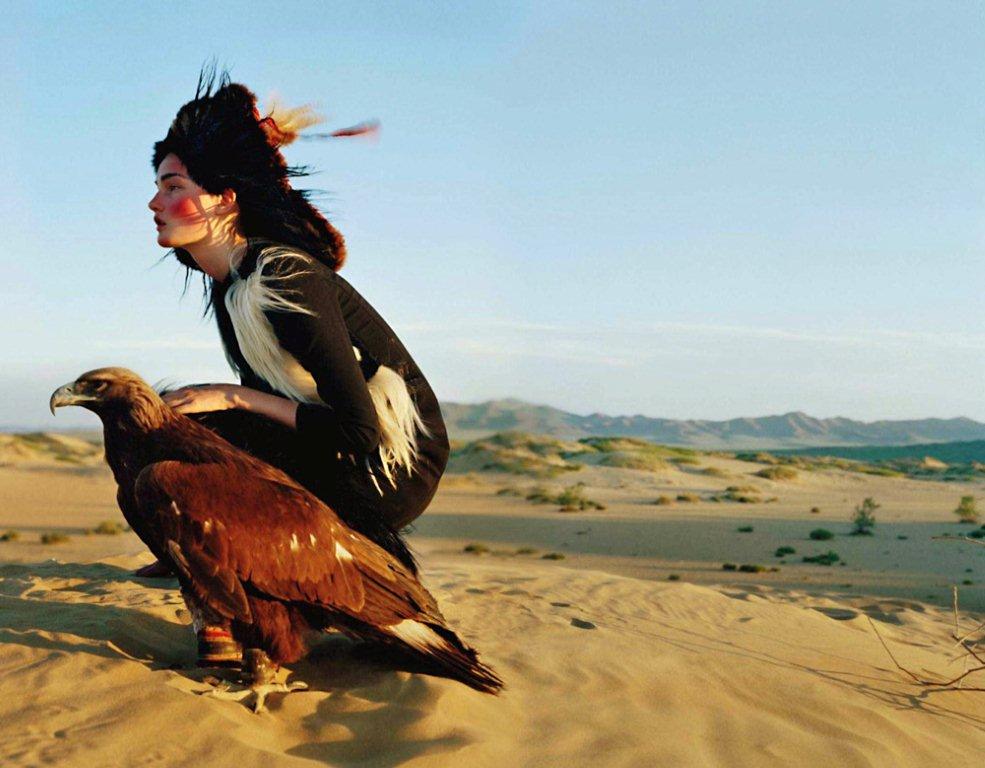
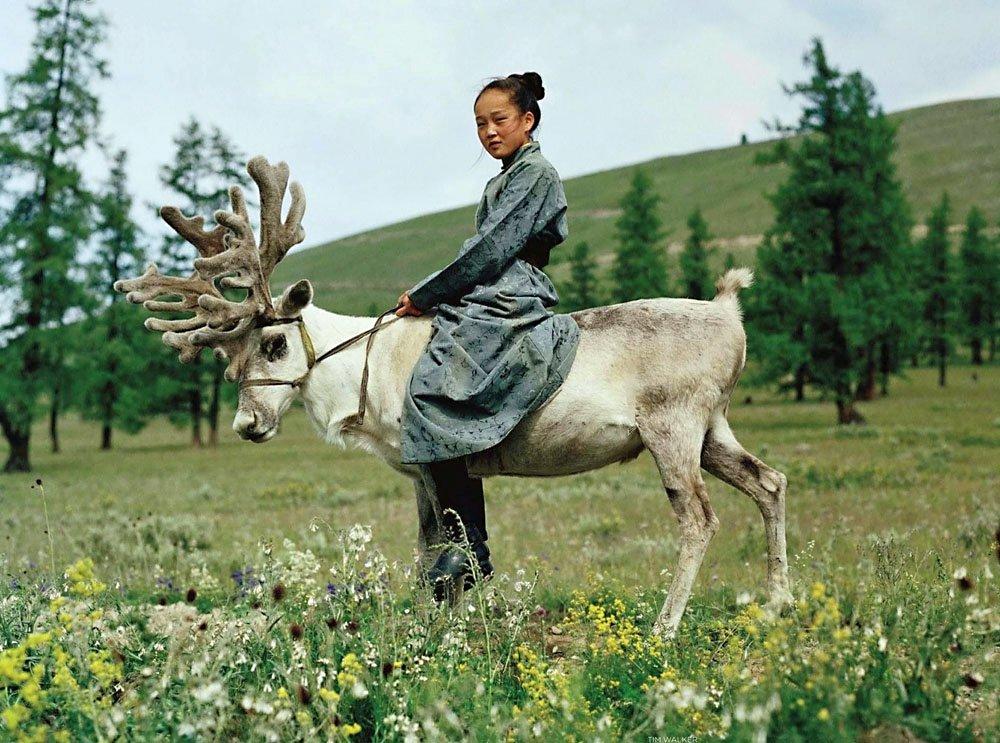
British Vogue December 2012 in Mongolia

I travelled on the ‘Trans-Mongolian Experience’ from Moscow to Beijing a couple of years ago and I fell in love with Mongolia, the most beautiful country I’ve ever seen.

(Thank you Ellen for sharing this memorable journey)

Mongolia

Mongolia

Mongolia

Mongolia

Mongolia

Mongolia

Mongolia

Mongolia

Mongolia

Mongolia

Mongolia

.Mongolia

Mongolia

Mongolia.

.

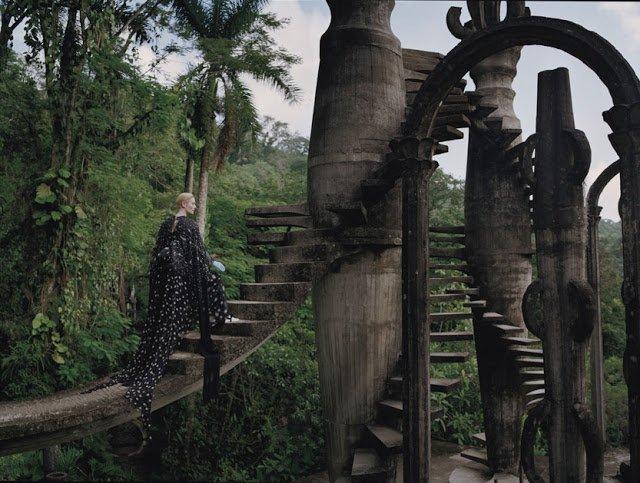
Stranger Than Paradise

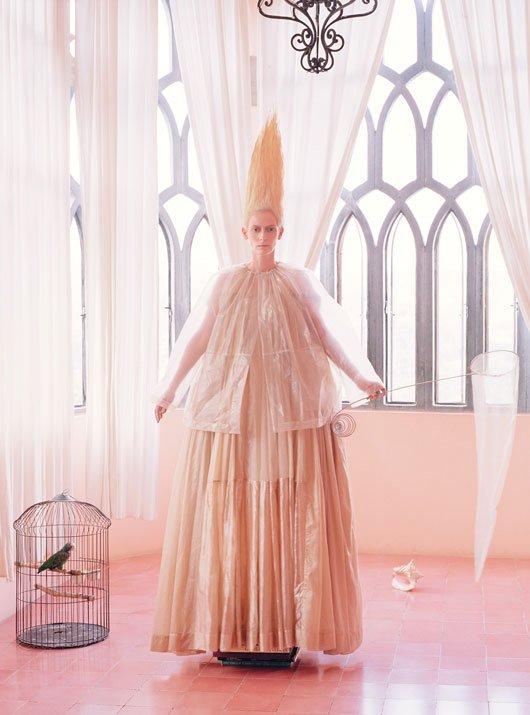
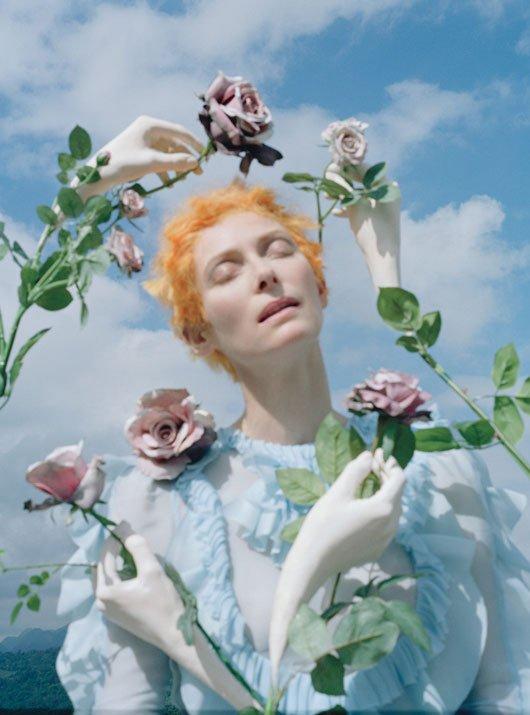
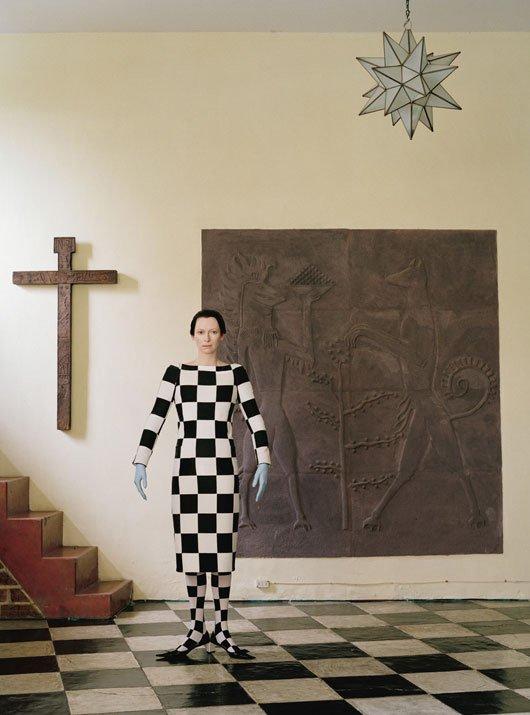
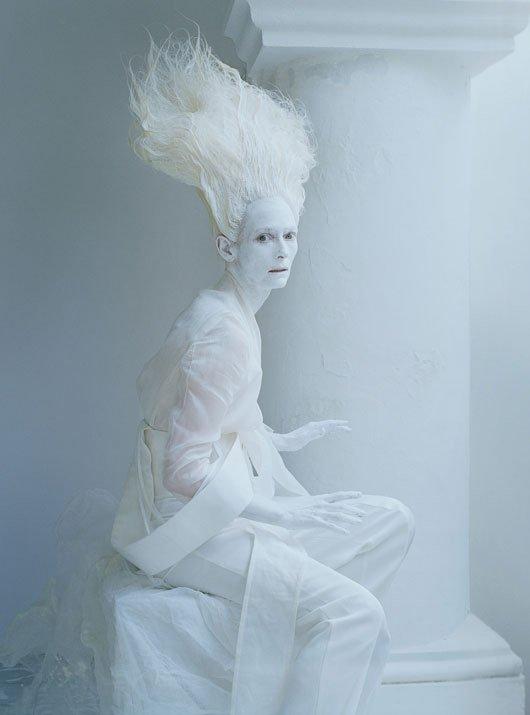
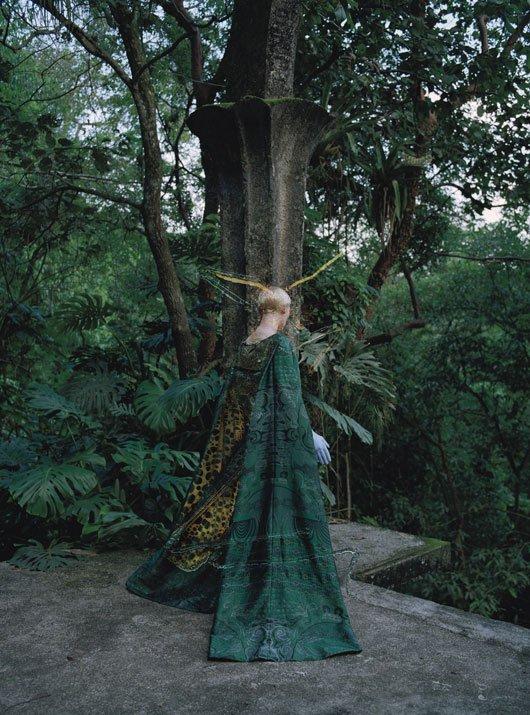
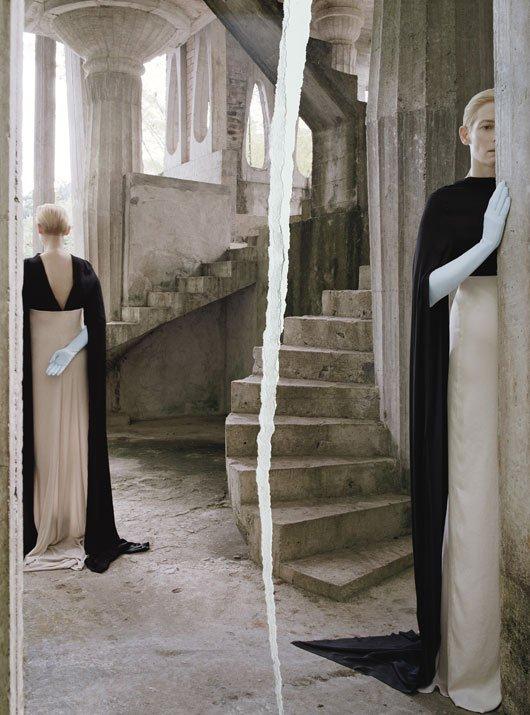
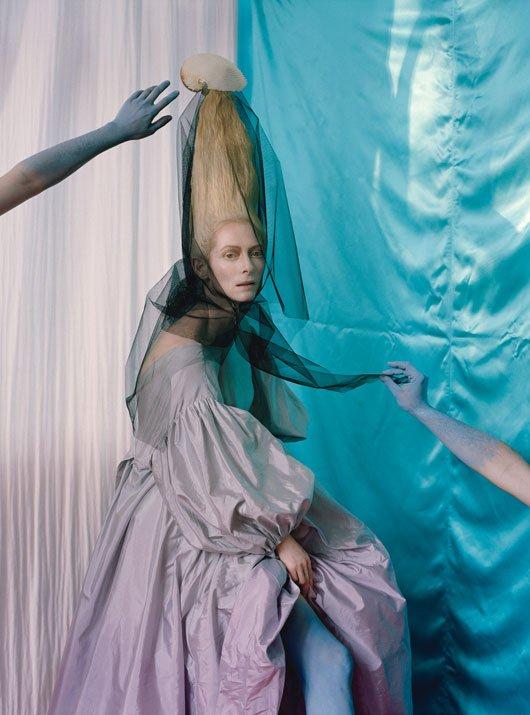
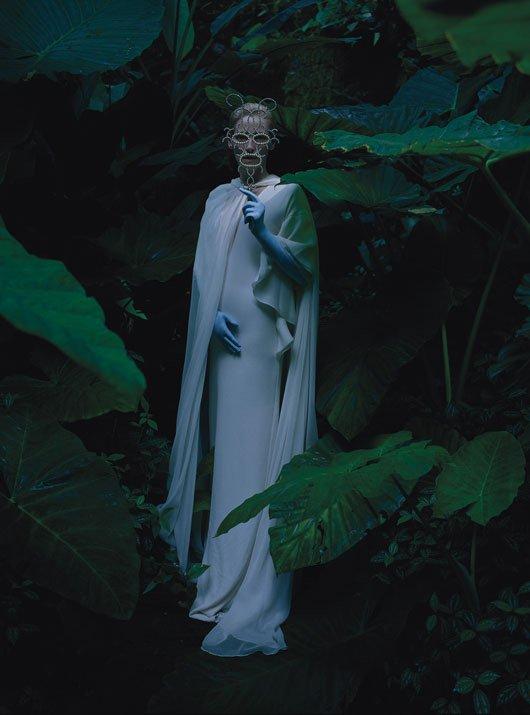
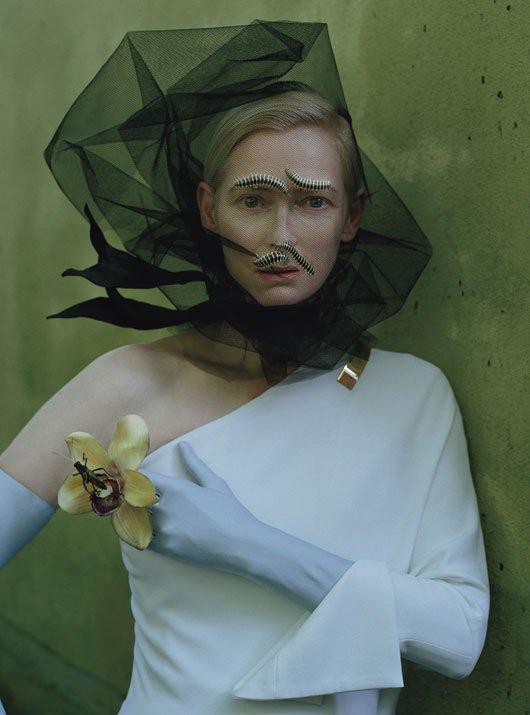
Tilda Swinton in Las Pozas (Mexico)  for W magazine May 2013

cess-tilda-swinton-tim-walker-las-pozas-01-l

cess-tilda-swinton-tim-walker-las-pozas-02-l

cess-tilda-swinton-tim-walker-las-pozas-03-l

cess-tilda-swinton-tim-walker-las-pozas-04-l

cess-tilda-swinton-tim-walker-las-pozas-05-l

cess-tilda-swinton-tim-walker-las-pozas-07-l

cess-tilda-swinton-tim-walker-las-pozas-08-l

cess-tilda-swinton-tim-walker-las-pozas-09-l

cess-tilda-swinton-tim-walker-las-pozas-10-l

cess-tilda-swinton-tim-walker-las-pozas-11-l

cess-tilda-swinton-tim-walker-las-pozas-12-l

cess-tilda-swinton-tim-walker-las-pozas-13-l

cess-tilda-swinton-tim-walker-las-pozas-14-l

cess-tilda-swinton-tim-walker-las-pozas-15-l

cess-tilda-swinton-tim-walker-las-pozas-16-l

cess-tilda-swinton-tim-walker-las-pozas-17-l

.

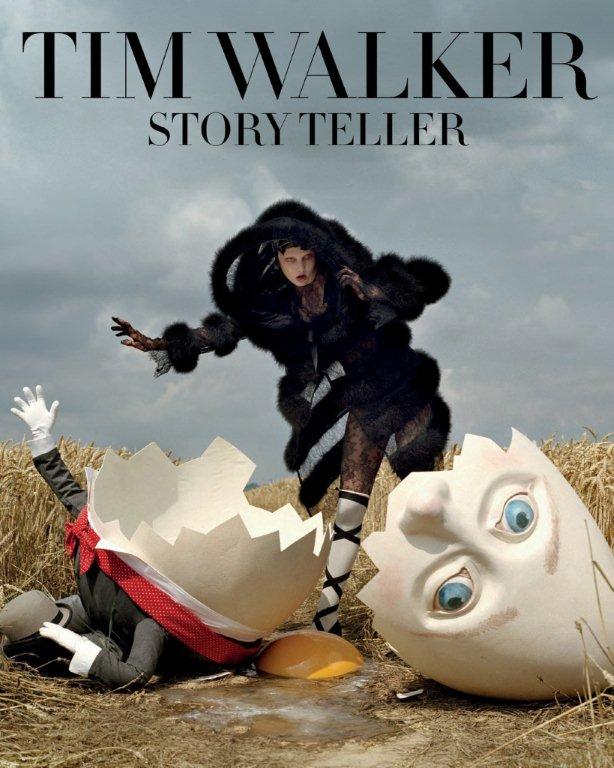
Story Teller

Book cover

http://www.amazon.com/Tim-Walker-Teller-Robin-Muir/dp/1419705083

.

I would love to spent one day in Tim Walker’s magical world…

.

Tim Walker


Hedi Slimane, Fashion Wizard (part 2, Photography)

31 Mar

Hedi Slimane

When Hedi Slimane stepped down as artistic director at Dior Homme in 2007, Fashion Wire Daily summed up his tenure this way: “Slimane leaves Dior with the well-earned reputation as the single most influential men’s designer this century, the most copied of his peers and the only one to achieve the status of a rock star.”

The comparison was apt, given Mr. Slimane’s celebrity and his role in styling the likes of Mick Jagger, David Bowie and Jack White, and the outsize reputation he garnered in his relatively brief life as a fashion designer, starting at Yves Saint Laurent in 1996, when he was just 28, and then at Dior in 2000.

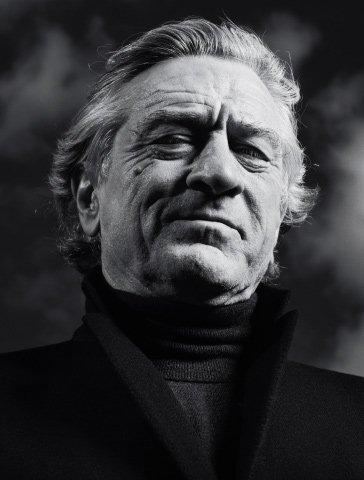
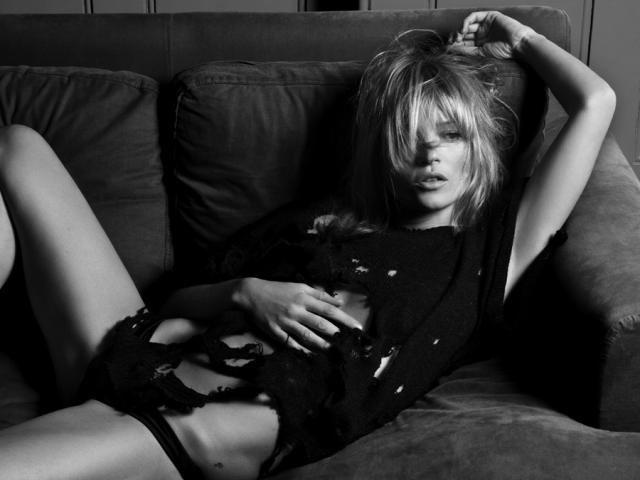
Few people leave their profession when they are at the top of the game. But Mr. Slimane had left fashion design behind with nary a second thought, reinventing himself as a photographer in the past few years, one who has produced an array of strikingly intimate portraits, nearly all of them black and white, of some of the most famous faces in contemporary culture: Amy Winehouse, Brian Wilson, Robert De Niro and Kate Moss.

Amy Winehouse

Brian Wilson

Robert De Niro

Robert De Niro

Kate Moss

Kate Moss

Never one to be talkative about himself — interviews from when he was at Saint Laurent and Dior were infrequent, and now read as if they might have been slightly torturous for the young designer — Mr. Slimane has remained somewhat elusive in his new career. He regularly declines to talk to the press and consented to an interview only under the condition that it be conducted solely by e-mail.

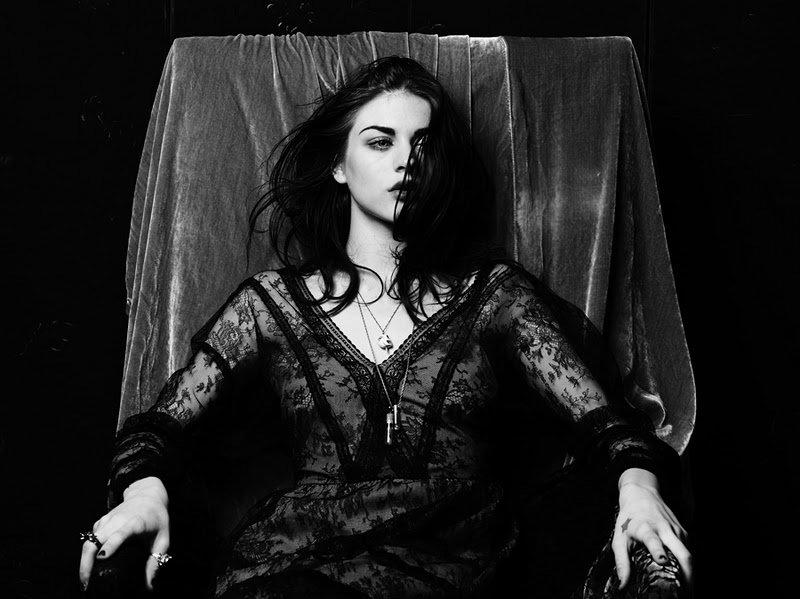
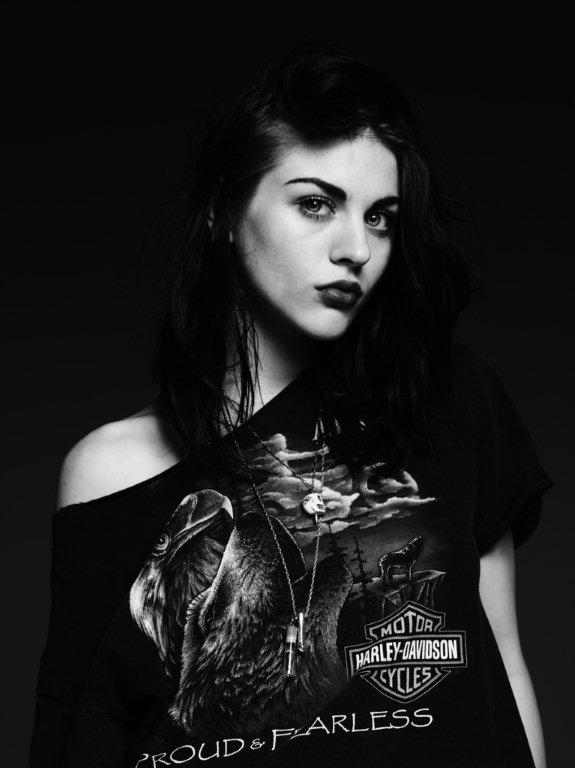
His post-fashiondesigner life has not gone entirely unnoticed, however. Like Mr. Slimane’s photographs of an all-grown-up Frances Bean Cobain — the daughter of Kurt Cobain and Courtney Love — became an Internet sensation, bringing Mr. Slimane’s name back into the public domain.

About the portraits of Ms. Cobain — “It was about a simple testimony of her 18 years,” Mr. Slimane wrote in an e-mail.

Francis Bean Cobain and Courtney Love by Hedi Slimane

frances-bean cobain

frances-bean-cobain

francis bean cobain

Frances Bean Cobain

Courtney Love

Taken together, they represent something of a coming-out party for Hedi Slimane, photographer.

“I’ve always, from the beginning, thought that he was one of the most original artistic voices of his generation,” Mr. Deitch,  director of the Los Angeles museum, said in a telephone interview. “I’m fascinated with artists like Hedi, where there’s a vision of art that goes beyond one’s medium.”

About Los Angeles

“It is just about alignments really, and everything falls into place right now” Hedi Slimane said about Los Angeles, which he has called home the last few years. “Artists, museums, and galleries are much stronger. There is also the space for everyone, the distance to elaborate. It certainly had a big influence on me. I discovered Los Angeles in the late ’90s. The city was not at its best at the time, but I fell for it right away. There is something almost haunted about it, a vibrant mythology I find rather inspiring.”

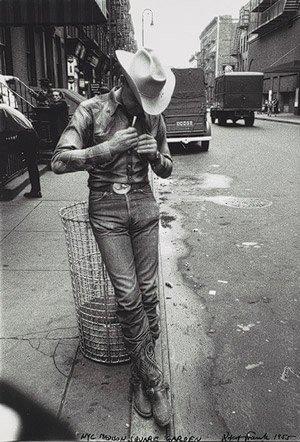
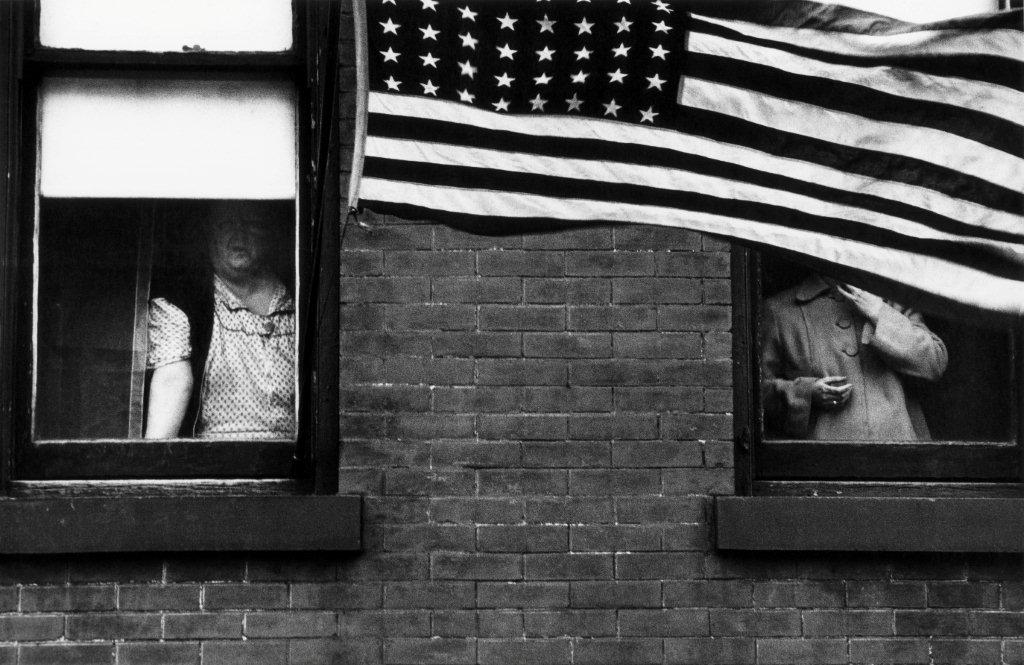
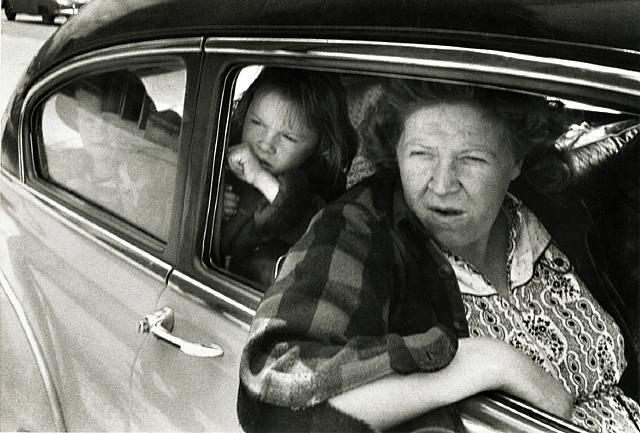
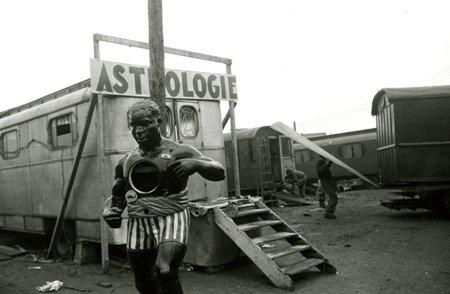
When one looks at much of Mr. Slimane’s American work from the last few years, it is hard not to think of the Swiss photographer Robert Frank, the consummate European outsider looking in, identifying and reassigning to Americans their own lost mythology.

Robert Frank Photographs

Robert Frank

Robert Frank

Robert Frank

Robert Frank

Robert Frank

Robert Frank

Mr. Deitch said that in Mr. Slimane’s work there seemed to be no clear line between where photography ended and music, fashion or fine art began. “One of the reasons why there’s such a connection between the photography and the clothing design is that his vision is sculptural.”

It is difficult to examine Mr. Slimane’s photo work separately from his reign atop the world of men’s fashion. In particular, the Dior years would define a very specific moment in his and pop culture’s conjoined histories. The black skinny jean, the skinny black tie, the short-waisted leather jacket or snug blazer: his work at Dior, where he created Dior Homme, is credited with helping bring men’s wear from the loose-fitting, slacker style of the 1990s into the postmillennial look of form-fitting, clean lines.

“With fashion design, there was also always a risk at the time to lose the sense of the perspective, the discernment,” Hedi Slimane said, adding: “It might have been perceived as an abrupt switch for others, but it felt like precisely the right moment for me, in 2007. I had already mainly defined my style, and could let it on its own for a while, see where it ends up, or survives in the streets.”

.

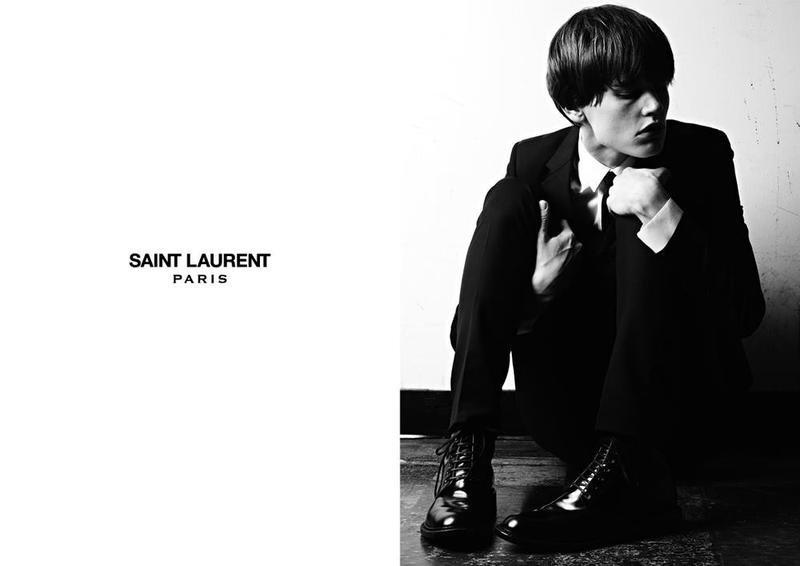
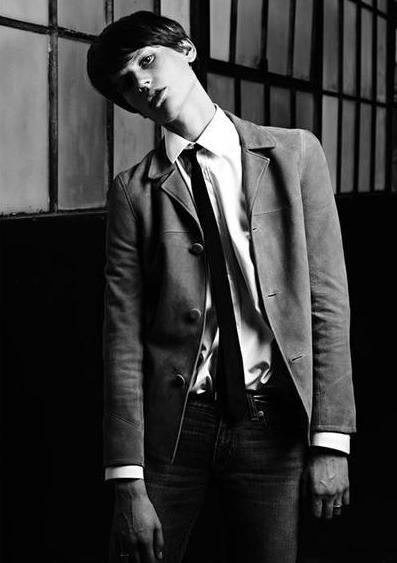
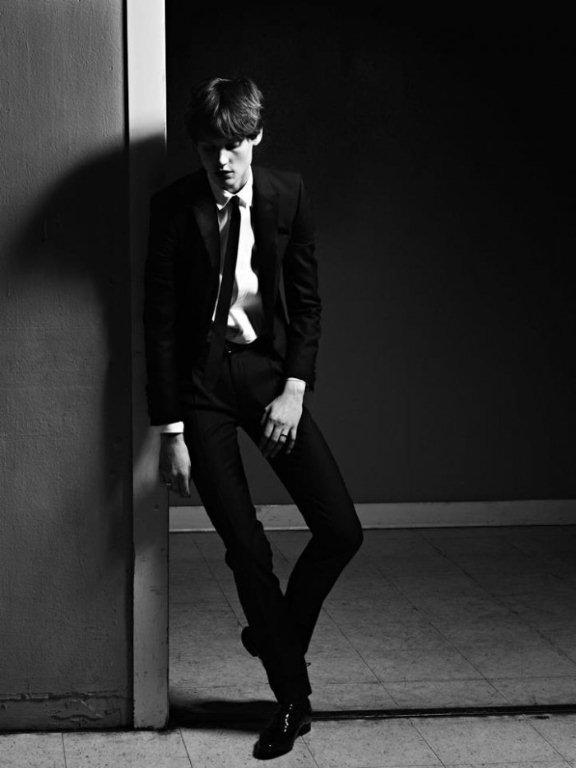
Hedi Slimane’s Photographs introducing Saint Laurent Paris campaign

.

For Mr. Slimane, now 47, full immersion in photography was a return to an interest he pursued while growing up. As a student, he took classes in photography and studied political science, in hopes of becoming a reporter and photographer on international affairs.

Ultimately, he would switch his focus to art history. Fashion came next, which, like his photography today, exhibited an intense fixation on rock culture.

“Just like zillions of children, album covers educated and informed me, and certainly did I later transpose organically, rather than by intent, those principles both in fashion design and photography,” he said.

His photo work often portrays musicians at the fringes of fame or notoriety: up-and-coming artists whose bona fides lie primarily in the independent music scene. Others, perhaps, achieved widespread renown (or infamy), like Amy Winehouse or Pete Doherty, but seemed somehow to remain at the frayed, tragic edges of rock culture.

Mr. Slimane wrote that he felt most attracted to “a certain creative honesty, an authenticity, sometimes a vulnerability” when selecting photo subjects. Those subjects, whether emerging musicians or simply someone he discovers on the street, “are usually not yet fully aware of their talent, or grace,” he explained.

“They are either completely restless, in a romantic, antiheroic manner,” he continued, “or, on the contrary, totally introverted — which you might call an ambiguous space, or rather, for me, an oblique space.”

Androgyny in Saint Laurent Paris mens collection ad campaign s/s ’13

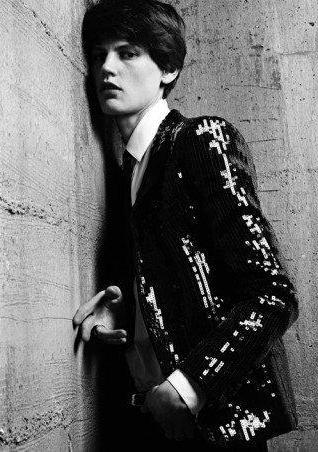
Saskia De Brauw photographed by Hedi Slimane

Saint Laurent Paris

Saint Laurent Paris

Saint Laurent Paris

Saint Laurent Paris

SAINT-LAURENT_MEN-CAMPAIGN-SS13_BD_06-640x452

What unifies much of Mr. Slimane’s work is its fixation on the “transient age between childhood and adulthood,” as he described it. It also, as some have praised and others have criticized, vaunts a certain prepubescent androgyny.

“It is about transformation, and search of identity,” he said. “By nature, it is undefined, both psychologically and physically.”

Mr. Slimane attributed his longstanding fascination with androgyny in part to the ambiguities in his first name. “Hedi was and is still misspelled ‘Heidi,’ and my perception of genders ended up slightly out of focus from an early age,” he said.

“Besides this ambiguity, my first record was a Bowie album,” he said, referring to “David Live,” which he got for his sixth birthday. He absorbed glam rock, he said, which “became a normative experience for me, and certainly the most significant creative influence for the future in both design and photography.”

Christopher Owens by Hedi Slimane

Christopher Owens

christopher owens by hedi slimane - Google zoeken

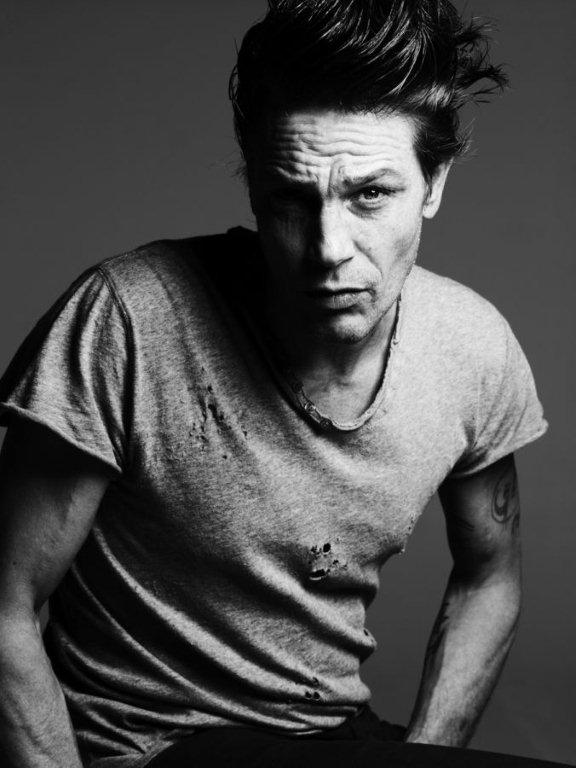
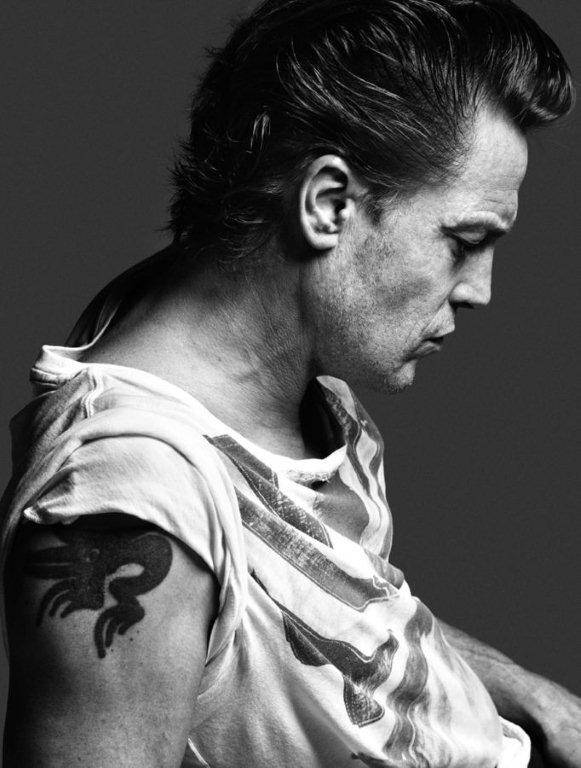
One of Mr. Slimane’s favorite subjects — and the promotional centerpiece of his exhibition  “California Song” — is Christopher Owens, the singer and the guitarist for the San Francisco band Girls. A look at Mr. Slimane’s portraits of him make it clear why: the skinny, sad-eyed singer, with his painted nails, long, stringy blond hair, tattoos and haunting stare, perfectly encapsulates the California moment — its sun-infused indie rock sounds and its slacker-fashion renaissance, recalling early images of a young, drug-addled Kurt Cobain, peering warily and wearily into the abyss of impending stardom.

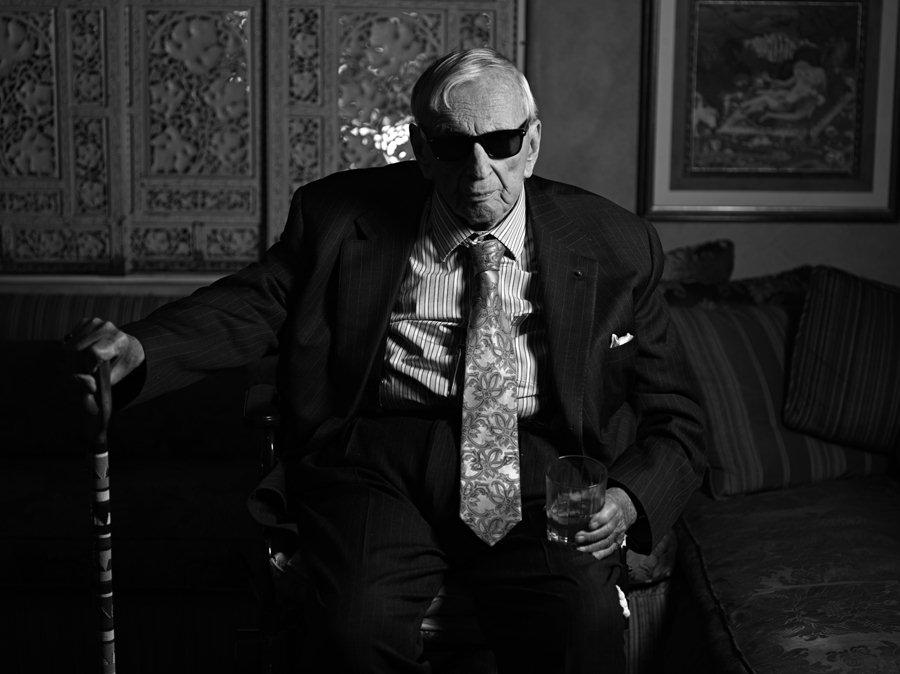
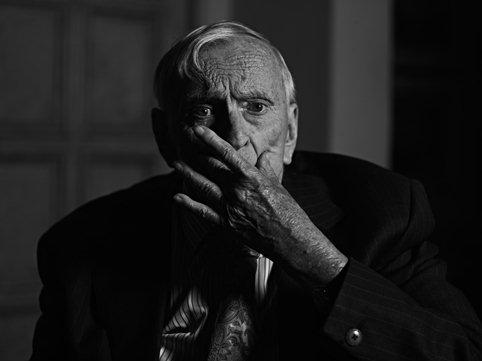
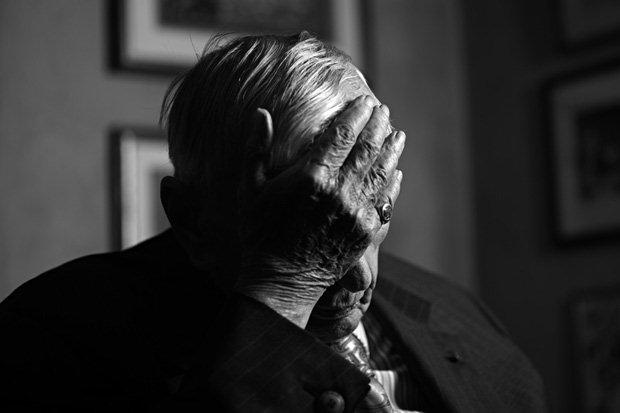
Mr. Owens said in a phone interview that Mr. Slimane’s portraits of Gore Vidal, one of Mr. Owens’s favorite authors, persuaded him to pose for several shoots: one in and around Mr. Slimane’s home in Los Angeles, and two more in Mr. Owens’s environs in San Francisco.

Gore Vidal by Hedi Slimane

gore vidal by hedi slimane - Google zoeken

Gore Vidal

Gore Vidal

Gore Vidal

“He doesn’t talk very much at all while shooting or while he’s hanging out; he’s more of a listener,” Mr. Owens said. “He wanted me to very much be myself, you know; there wasn’t any kind of styling or weird things like that, which are always uncomfortable. He just wanted me to do my thing and be very natural. But, at the same time, he knew exactly what he wanted to do as far as the structure of the shot went.”

Still Mr. Slimane remains elusive, even among friends. “It’s kind of embarrassing now that we’ve become friends, but I really don’t know that much about him,” Mr. Owens said.

That intense circumspection is, of course, what seems to make Mr. Slimane who he is. It’s a kind of resolute searching in the darkness that has come to define his work, which has, in turn, documented and informed, defined and refined the era in which he lives.

“He’s interested in performers, artists, who have an affinity for and an inspiration from the darker side,” Mr. Deitch said. “The work is something that leads into the darkness, but you come out with positive inspiration. It’s not all depressing work. It looks into the deeper recesses of the soul.”

My favorite Dutch models by Hedi Slimane

Andre van Noord

Andre  van Noord

Andre van Noord

Andre van Noord

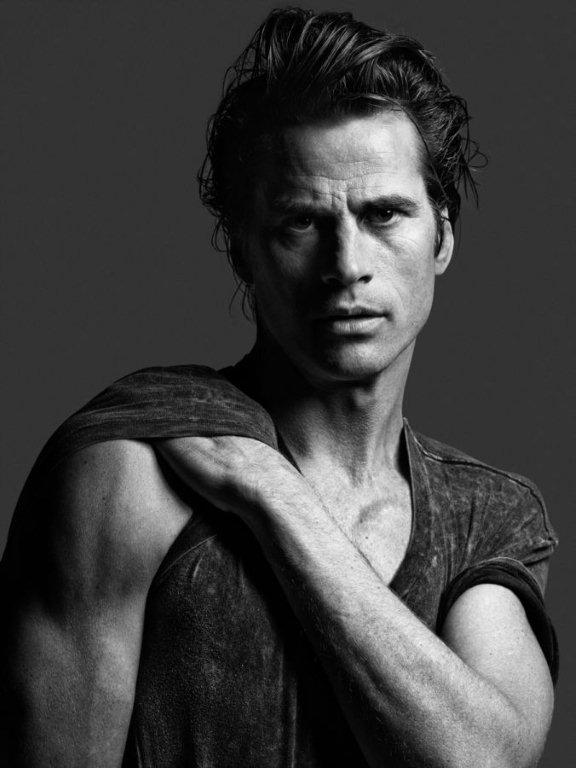
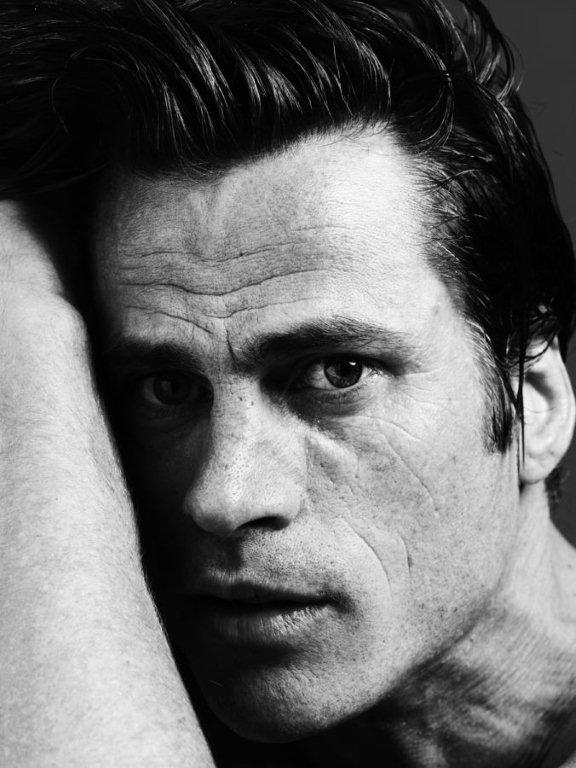
Mark Vanderloo

Mark Vanderloo

Mark Vanderloo

Mark Vanderloo

Lara Stone

Lara Stone

Lara-Stone-by-Hedi-Slimane-for-Vogue-Russia-January-201304

lara+stone+february+vogue+paris+2009+hedi+slimane+3

Lara-Stone-by-Hedi-Slimane

.

(most information in this article comes from the New York Times, 2009)

.

Hedi Slimane’s most exclusive photobook-box

Hedi Slimane

http://www.amazon.com/Hedi-Slimane-Anthology-Decade-2000-2010/dp/3037641150/ref=la_B0058V1EP6_1_1?ie=UTF8&qid=1363705850&sr=1-1

.

Hedi Slimane

Topolino, Artist with Make-up

10 Mar
Guido Mocafico for Citizen K
                                                                                 .
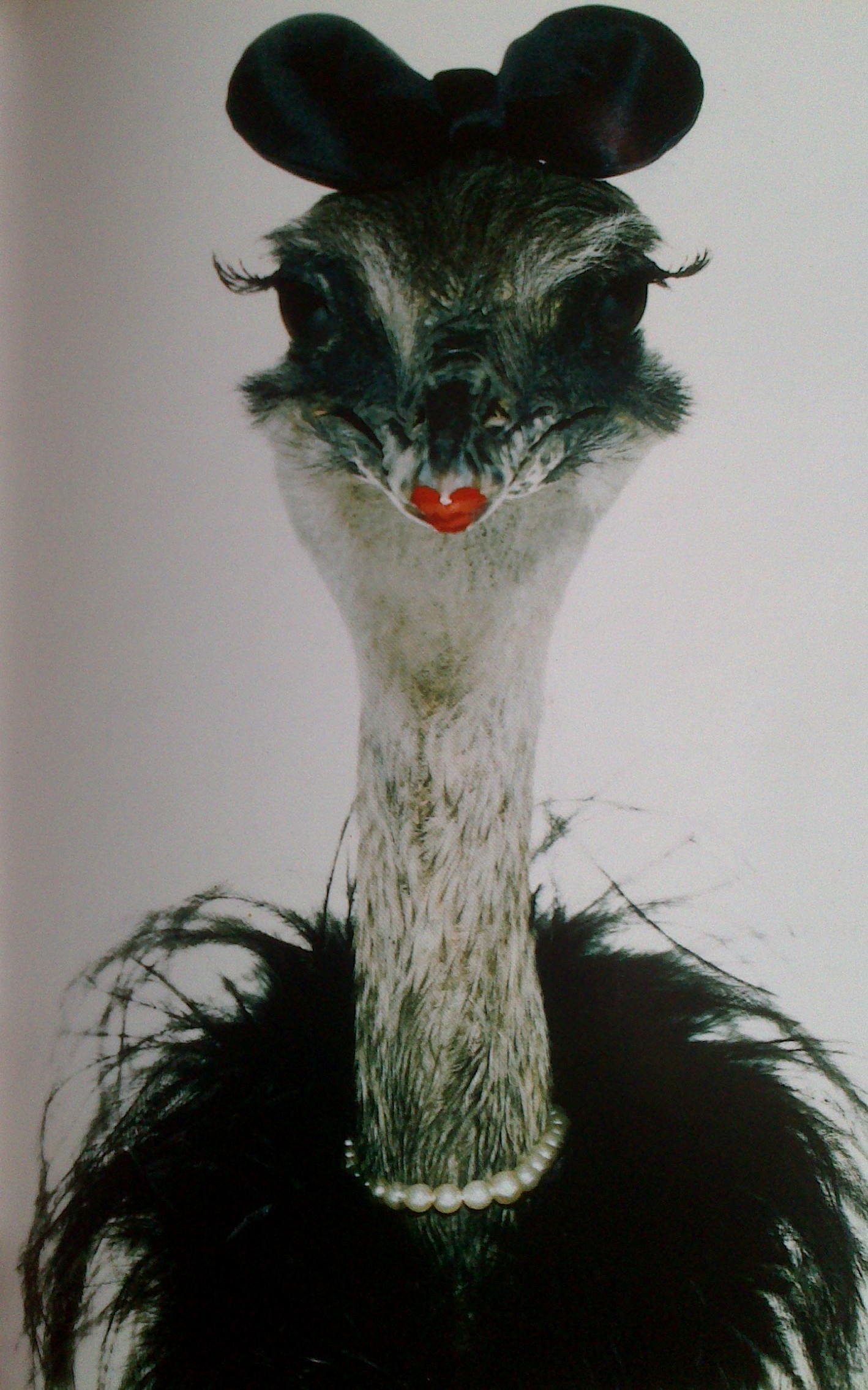
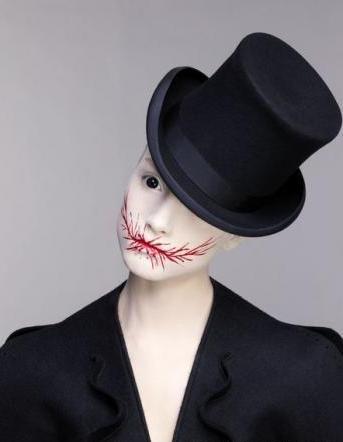
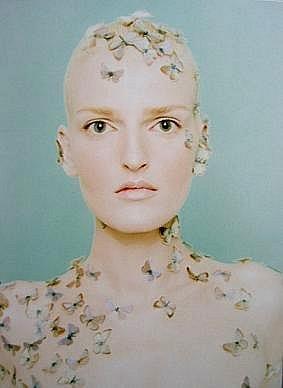
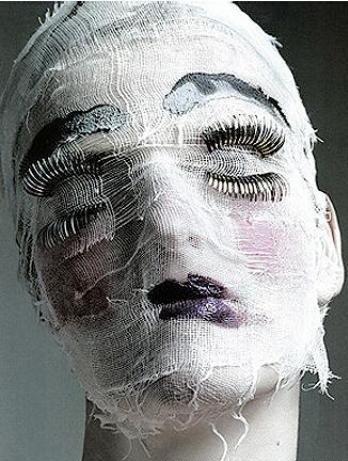
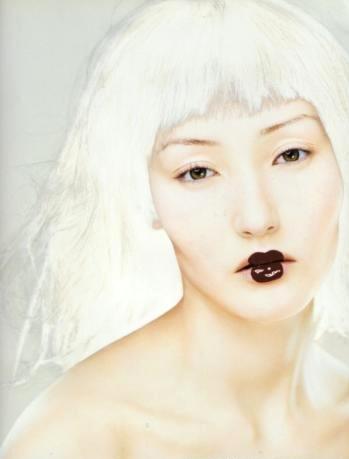
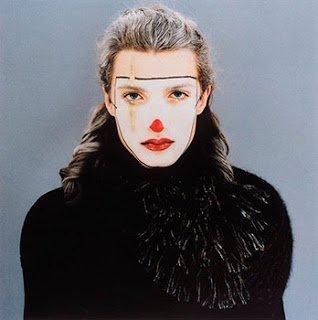
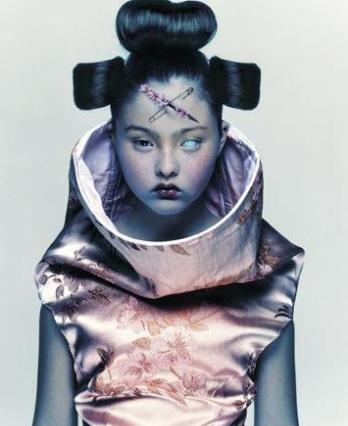
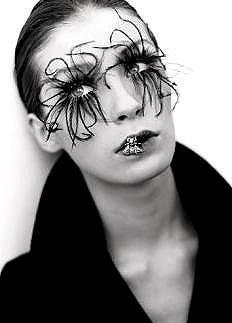
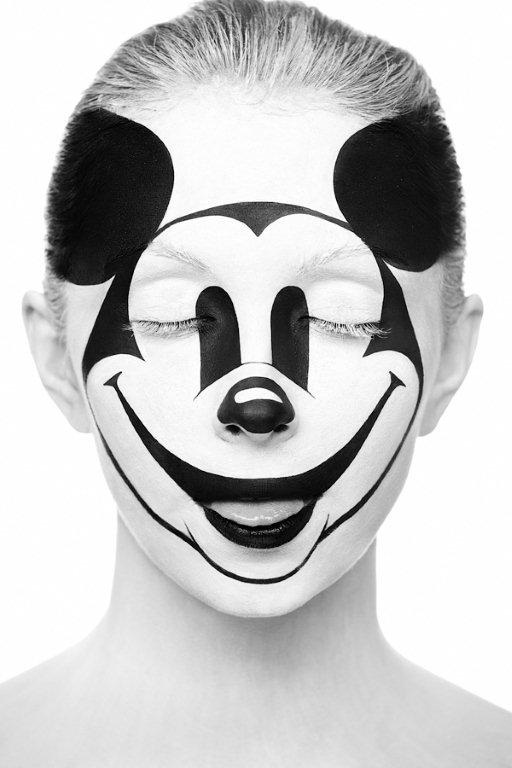
Topolino is very petite, smokes like a chimney, and has the thickest french accent. His name is Italian for Mickey Mouse, and the name of one of the most extraordinary make up artists around. Actually he is more an artist who uses make-up. Topolino is continually introducing new perspectives to the standards of beauty. Using feathers, flowers, paint and even metal, he is a perfectionist, as well as a visionary, who has turned the rules of professional make-up upside down. And not to forget, he has my favorite character trait: humour!
                                                                                 .
 Topolino came fresh from Marseilles and an apprenticeship at L’Atelier Paralelle, where he had mastered the basics of his trade: hairstyling, fashion, make-up, manicure, etc. Just at the age of 19 he moved to Paris, to carve out a career as a make-up artist. The 1980s was a booming time in fashion, a time for showing off, for cheap and chic, for mixing cultures and eras.
                                                                                  .
Topolino
ph. Éric Traoré for Vogue france
ph. Éric Traoré
                                                                                       .
Topolino’s work was free from historical references. His inspiration comes purely out of his own imagination and his own imagination is his childhood world. He thrives on fantasy, fairy tales and legends. Topolino adores clowns and cartoons and has retained spontaneity and innocence.
                                                                                       .
Topolino
                                                                                       .
All these ingredients make him a true original and original is also his use of modest means. He has the tiniest kit ever, basically the size of a handkerchief and out of this kit Topolino creates the quirkiest characters. He doesn’t care what brand the tools and products he uses are, with the exception of Vaseline-it must be American (the consistency is better for glitter adhesion. To achieve a glitter princess Topolino rubbed Vaseline all over her face, neck and chest, then poured large particle glitter into his hands and blew!).
                                                                                         .
ph. Alek & Inaki for Jalouse
                                                                                                  .
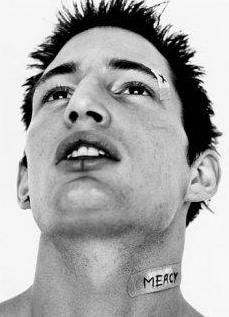
He draws tattoos with a ballpoint pen directly on the skin, uses fake tan to draw a bikini on a torso and covers a body with stars using only a black eye pencil. Self-taught, Topolino creates looks that haven’t been seen before and changes the way people look and work with make-up. However strange his concepts sometimes may sound, they still manage to be undeniable beautiful.
                                                                                                  .
For more than twenty-five years, he has worked with the greatest fashion crowd such as Alexander McQueen and Philip Treacy, photographers of our time, from Mondino to Nick Knight, and magazines like Vogue, The Face & I-D. In 1995 he was honored with a show at the Musée de la Mode.

In Topolino’s case: pictures speak louder than words…

                                                                               .

Topolino

topolino

ph. Les Cyclopes

Iph. Jean Baptiste Mondino

ph. Nick Knight

                                                                                    .

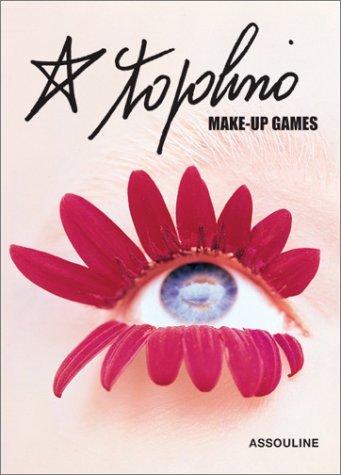
In 2001 Assouline Publishing tributed Topolino with the book Topolino,  make-up games, which contains some of his most brilliant work.

                                                                                     .

bookcover, ph. satoshi Sakusa 1987

                                                                          .

http://www.amazon.com/Topolino-Make-Up-Games/dp/2843233712

.

ph. Annett Aurel

ph. Mario Testino

Topolino

.

.

ph. Guido Mocafico

Topolino

most pictures downloaded from:  http://www.callisteparis.com/topolino

Qui Êtes-Vous, Polly Maggoo?, William Klein&Dorothy McGowan

3 Mar
Polly Maggoo
                                                                              .
Recently my friend Eddy (De Clercq) told me of this movie, Qui Êtes-Vous, Polly Maggoo? after we watched the documentary about Diana Vreeland, in which some gorgeous pictures from the film were shown. I got pretty curious and wanted to know more about this obscure movie about the fashion world in the 60ties.

.
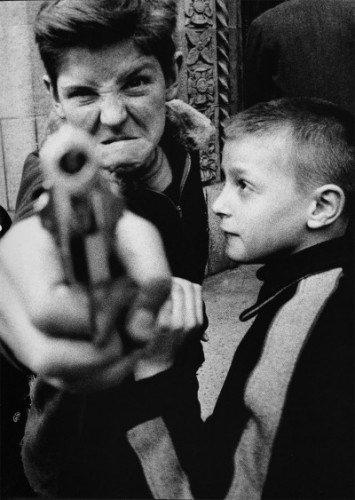
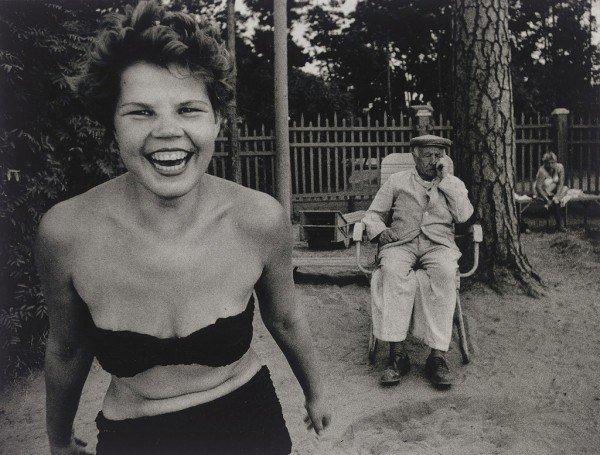
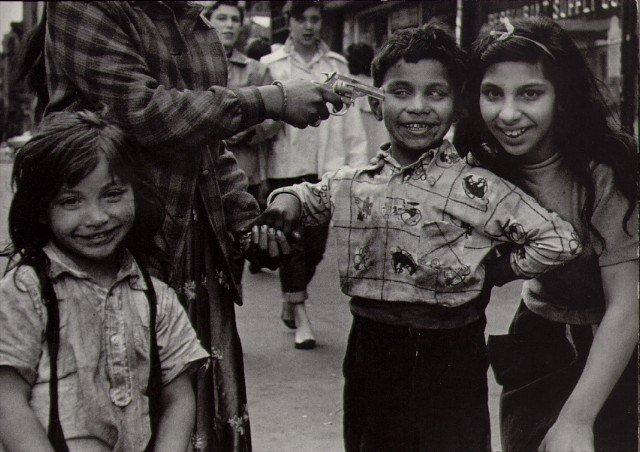
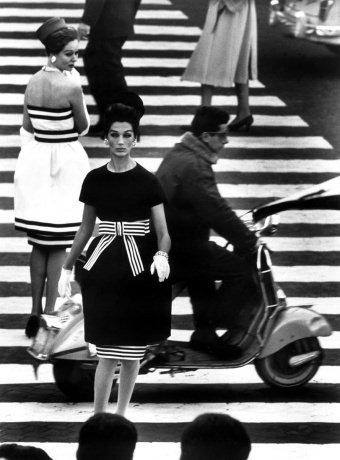
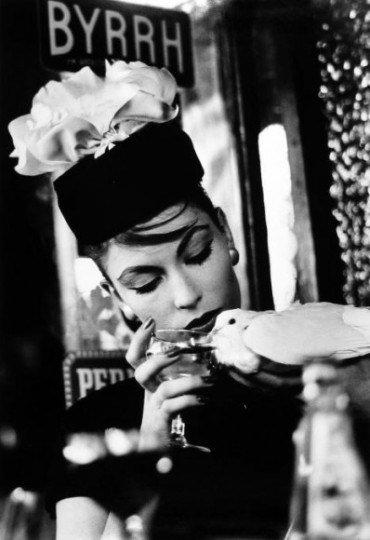
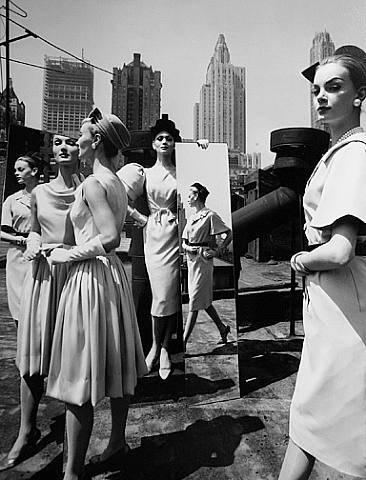
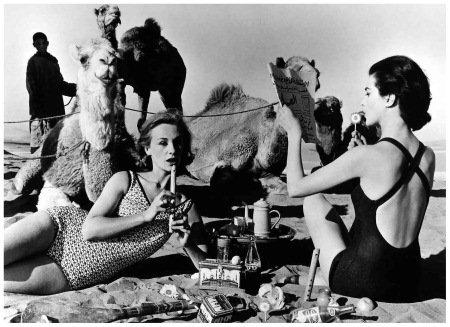
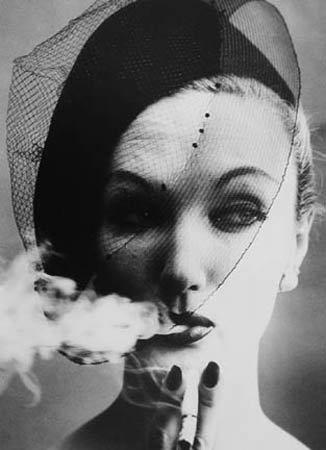
The film is a satire of the French mid-1960’s fashion world, in which William Klein, writer and director of the movie, unapologetically skewers the fashion industry. William Klein, an expat American in Paris and former fashion photographer for Vogue during the Diana Vreeland era. His explosive New York street photography made him one of the most heralded artists of the sixties. He was ranked 25th on UK’s Professional Photographer’s ‘100 Most Influential Photographers of all time’: ‘The anarchic rebel of fashion, reportage and film making. His wide-angle ‘in your face approach’ lives on, as does his attitude.’

William Klein
William-Klein-Bikini-Moscow-1959-e1332891524238
William Klein_
                                                                                 .

In 1954, Alexander Liberman, then art director of Vogue hired William Klein, launching his career as a fashion photographer, “a journey marked by his ambivalent and ironic approach to the world of fashion. Klein worked for Vogue till 1965. ” Klein did not want to continue with mundane fashion poses, but wanted to take, in his own words “at last real pictures, eliminating taboos and clichés.”

William Klein
William Klein
William Klein
William Klein
William Klein
William Klein
                                                                                   .

William Klein’s move into the cinema world was a natural progression in his artistic career. He only made three fiction features. His debut, Qui Êtes-Vous, Polly Maggoo? (1966) with, in the leading role as Polly Maggoo, Dorothy McGowan.

.

Polly Maggoo, the movie

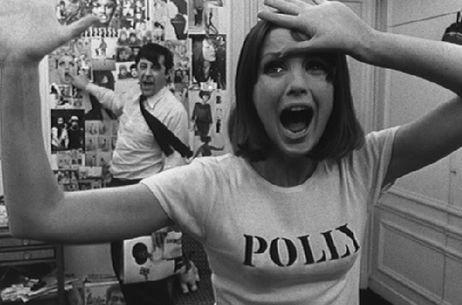
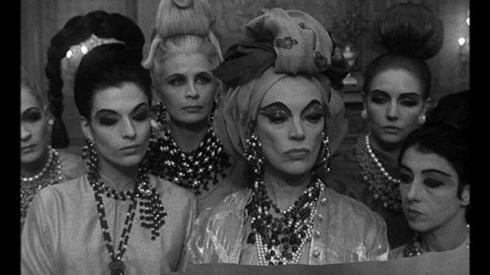
Fairly loosely plotted, the film uses a fictional documentary TV news program called “Who Are You?” to take a close look at Polly Maggoo, the world’s most popular supermodel and in the process, ruminate (often satirically) on fashion, fame, and wealth.

polly Maggoo
Polly Maggoo
                                                                                  .

It’s an art film through and through, and in the truest sense of the word. It’s extremely edgy, surrealistic, and critical of the fashion world, which exploded into a new shape during the 60s (haute couture really getting “out there” – no longer about wearable clothing but about making ‘art’ on the human form).

Polly Maggoo
Polly Maggoo
Polly Maggoo

Polly Maggoo                                                                                 .

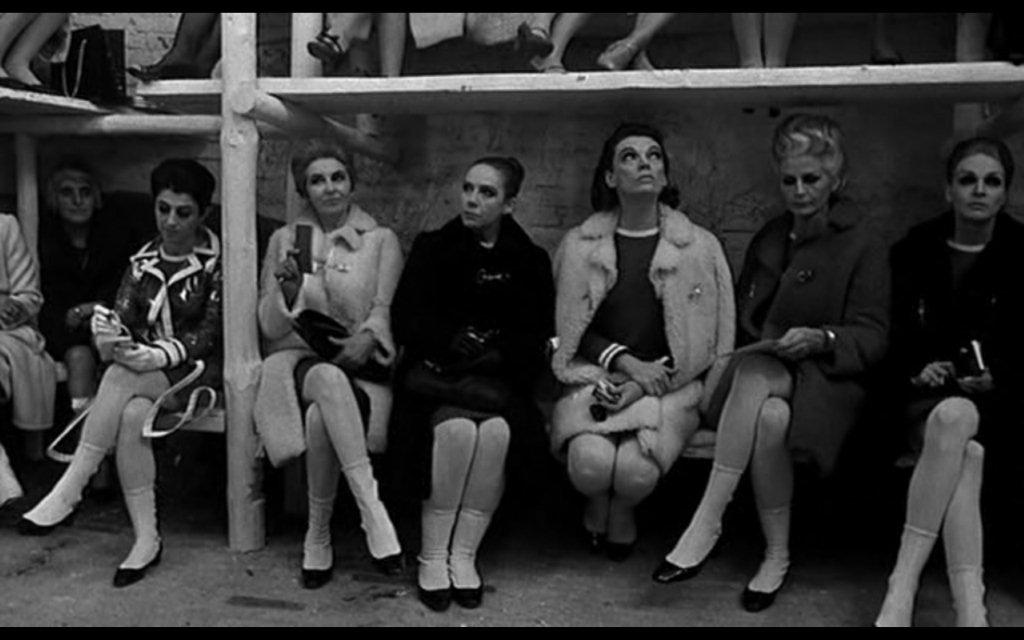
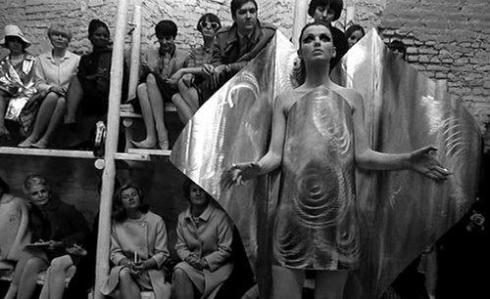
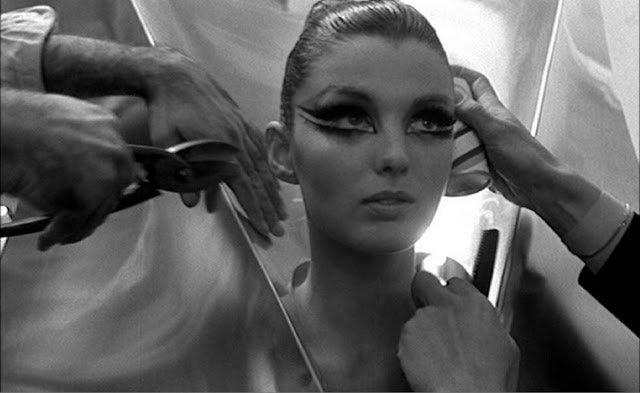
The movie starts with an absurd runway show in which the models are wearing aluminum sheets as clothes. When one of the models cuts herself at the aluminum, the designer says :”no problem, we can fix it with some foundation”, instead of caring about the pain and cuts in her arm. When the show is finished Miss Maxwell, the most famous fashion editor, who is obviously based on Diana Vreeland,  proclaims the designer has ‘recreated the woman’. Then fashion crowd goes backstage and give all ridiculous (but very funny) comments about the show and the creations and the designer pronounces: “I have great plans, I am going to do the whole collection in copper too'”.

.

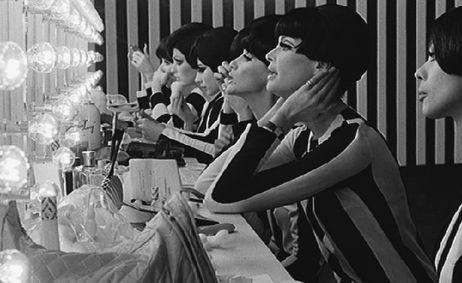
Admittedly, this won’t be for everyone, as it is rather strange (sometimes too psychedelic for me). It’s delightfully absurd and extremely stylish, crammed with awesome pop art costumes, makeup, sets, and more. It’s worth watching for the visuals alone, but it also has quite a bit of intellectual weight and interesting ideas well-presented.
.

.

Dorothy McGowan played the role of Polly Maggoo

Dorothy McGowan

Dorothy McGowan

Dorothy McGowan

Dorothy McGowan

Dorothy McGowan

                                                                                      .

Interview with Dorothy McGowan by Vanessa Lawrence of WWD (Women’s Wear Daily):
                                                                                      .

Models aren’t generally the most loquacious bunch. In fact, talking seems to be generally discouraged among their numbers: they are meant to be visual entities, whose mystique is only heightened by the lack of verbal insight they give. As such, it is usually assumed they don’t have very much to say.

.
Fortunately, Sixties mannequin Dorothy A. McGowan was perfectly at ease last Friday evening when the Metropolitan Museum of Art’s Harold Koda and historian Kohle Yohannan chatted with her before a screening of William Klein’s “Qui Êtes-vous, Polly Maggoo?” in which she stars.

.

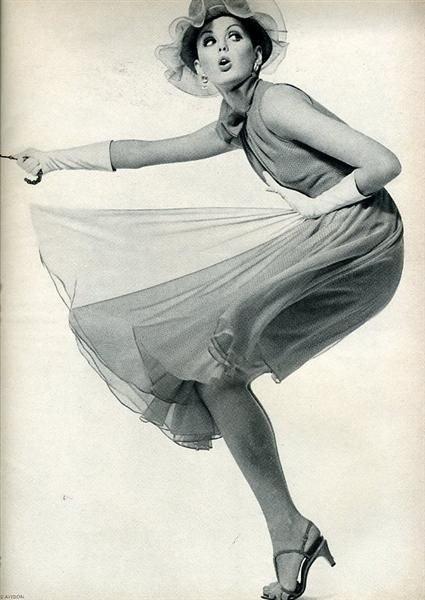
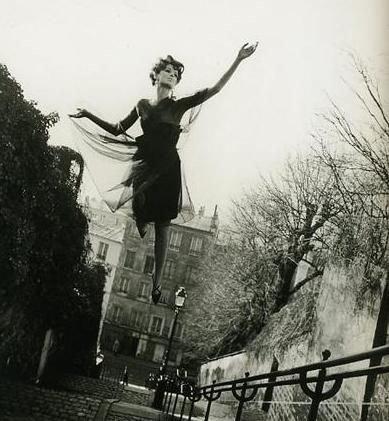
The Brooklyn-born McGowan, child of Irish immigrants, was discovered at Kennedy Airport and joined the Ford agency’s roster in 1959. She went on to work with Richard Avedon, Irving Penn and Melvin Sokolsky; nab four Vogue covers back-to-back, and most famously, become one of Klein’s favorites and the star of his 1966 French film.

.
It was all a rather bemusing trip for the young Bay Ridge native, who claimed, “I had no ambition for the future.”

.
“What happened that made you see [modeling] as a career opportunity?” asked Koda.

.
“Everyone would say to me, ‘You should be a model.’ I wasn’t stylish. I was long and lanky and had a baby face,” explained McGowan, between sips of water. “I saw this ad that said ‘Wanted: model trainee.’ And so I went to this place and this man asked me to come back the next day…it was a model agency on East 40th Street. When I was leaving his office, somebody said, ‘Who was that girl?’ and he said, ‘Oh, she’s not interesting; she’s too skinny.'”

.
“Last time that was ever said in fashion,” said Yohannon to much laughter.

.

In the satirical film, McGowan plays Brooklyn-born supermodel Polly Maggoo working in Paris. She becomes the subject of a French TV documentary series “Qui Êtes-vous?” and is simultaneously courted by both the filmmaker and a Soviet prince, all to her bewilderment.

.

“I met William Klein in 1960 in the offices of French Vogue. I was working with Penn and I guess he saw some of my pictures…and he asked me if I would do some pictures [with him],” said McGowan, who stopped modeling in 1974 and has since earned both a bachelor and graduate degree in the arts.

                                                                                     .

And despite Klein’s infamously intimidating reputation, McGowan was a willing foil.

                                                                                     .

“People were terrified of Klein as though it was a lion’s den; I was never more at home.”

                                                                                     .

William Klein

William Klein

The World Photography Organisation has announced that legendary photographer William Klein received the Outstanding Contribution to Photography Award at the 2012 Sony World Photography Awards.

.

Watch the following documentary about William Klein

.

The Delerious Fictions of William Klein

dvd box with the three movies William Klein directed: ‘Who Are You, Polly Maggoo’, Mr. Freedom’ and ‘The Model Couple”.

DVD box William Klein

http://www.amazon.com/Eclipse-Series-Delirious-Criterion-Collection/dp/B0011U3OB0/ref=sr_1_1?ie=UTF8&qid=1361893312&sr=8-1&keywords=polly+maggoo

.