Archive | biography RSS feed for this section

Pam Hogg reached what’s called Cult Status

2 Nov

pamhogg_home

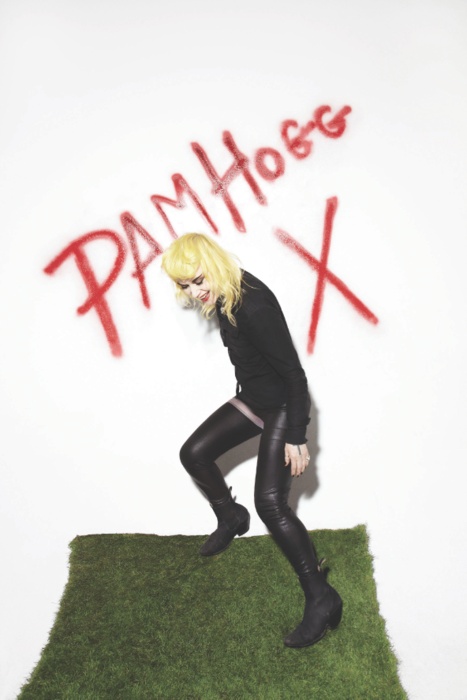
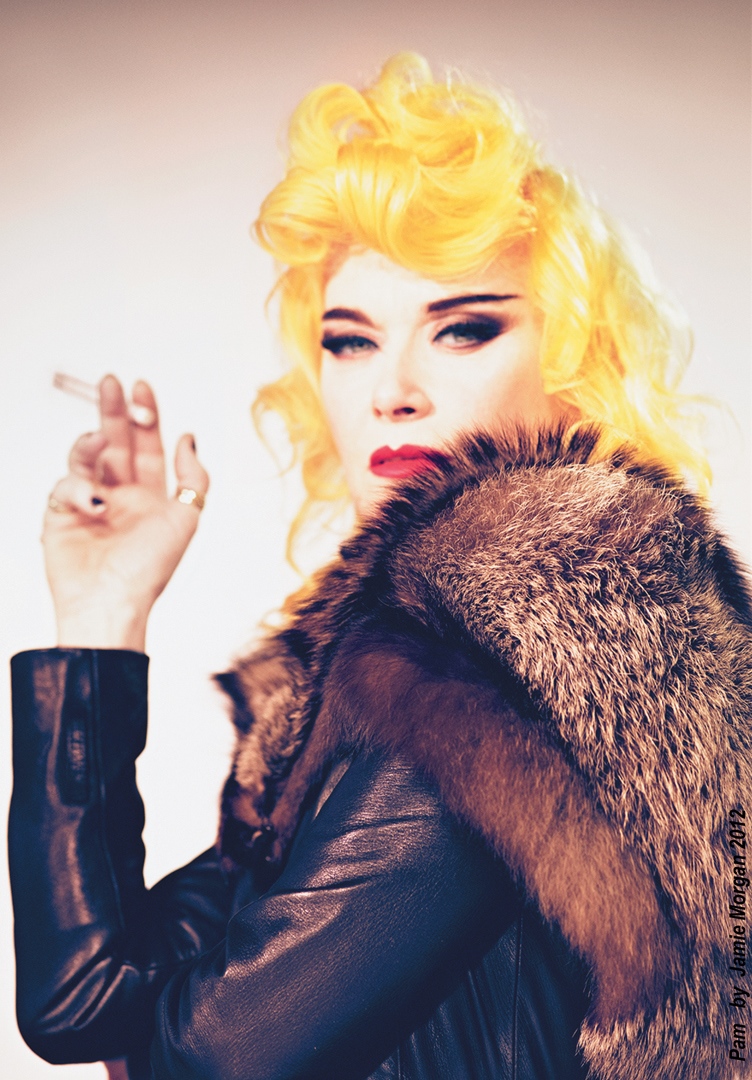
Pam Hogg, ph. by Jamie Morgan
 

…Scots-born musician and designer Pam Hogg has dressed the queens of rock and pop as often as she has appeared amongst them. Once a support act for The Pogues and Debbie Harry, she has fronted bands performing a wide range of music; from rockabilly to punk. 

Pam had an overnight rise to fame. After her studies of Fine Art and Printed Textiles at the Glasgow School of Art, where she won numerous medals, she went on to study at the Royal College of Art in London, where she gained her Masters of Art degree.

Self taught in making clothes from an early age, she caught the attention of clubland in the late seventies and early eighties which led to a career in fashion. Her creations were immediately embraced by the popular magazines of the time. She was photographed for ID, BLITZ and The Face and soon became a known fashion talent as London was named the innovative fashion capital of the world. Her first collections sold to Harrods, Harvey Nichols and Joseph in London, Bloomingdales, Bendels and Charivari in New York and independent boutiques in Paris, Italy and Tokyo.
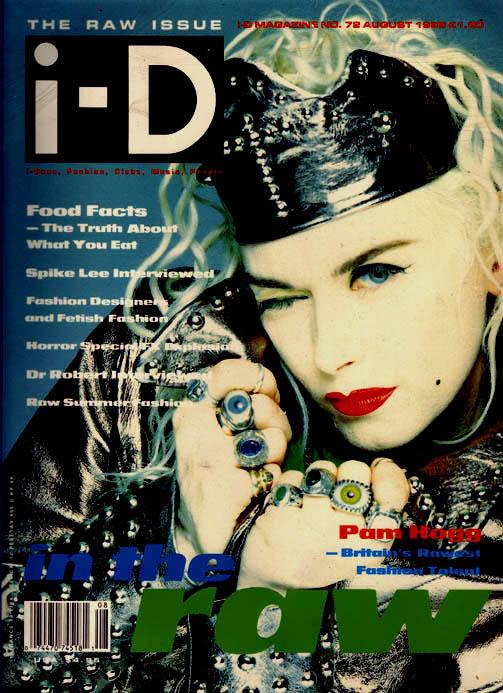
 
I-D cover

Pam’s first catwalk show was with the collective “Hyper Hyper” in 1985. Pam and her collections gained immediate press attention. In 1989, “Warrior  Queen”, her sixth and final group show won her the cover of ID magazine. She left Hyper Hyper that same year and relocated to a small self contained shop parallel to Carnaby Street in the heart of Soho. She continued to create, produce and direct her own London Fashion Week Catwalk Shows for a further six seasons. Her clients ranged from Debbie Harry and Siouxsie Sioux to Bijork, Kylie Minogue and Paula Yates.

In 1991, Terry Wogan introduced her onto the show as “one of the  most original, inventive, creative designers in Britain” adding, “She has reached what is called Cult  Status”.

In 1992 Pam quit fashion and returned to music. Her band Doll opened for Blondie in 1993 and the Raincoats in 1994.

Between 1999 and 2001 her continued love of designing and making clothes resulted in two catwalk collections and her first Fashion Film “Accelerator” starring Anita Pallenberg, Bobby Gillespie, Patti Palladin and Pam herself.  She also clinched cameo roles from Daryl Hanna, David Soul and Primal Scream towards the end of 2002, having found a voice in script writing and film directing.

Pam hogg

Inspired by Siouxsie Sioux’s Japanese concept, Pam designed the costumes for the Ice Queen of Punk’s 2004 world tour ‘Dreamshow’. In 2006, the Spanish curator Xavier Arakistain invited Pam to exhibit in the travelling art exhibition “Switch on the Power” alongside Yoko Ono, Warhol, Leigh Bowery and Kraftwerk.

Pam also returned to directing fashion movies, which resulted in the videos ‘Opel Eyes’ and ‘Electricman’’. These were viewed by a whole new unexpected audience via youtube and myspace. This direct access and exposure regenerated a new found interest in Pam’s work and pushed her back into the spotlight resulting in media attention from magazines including Vogue and ID.
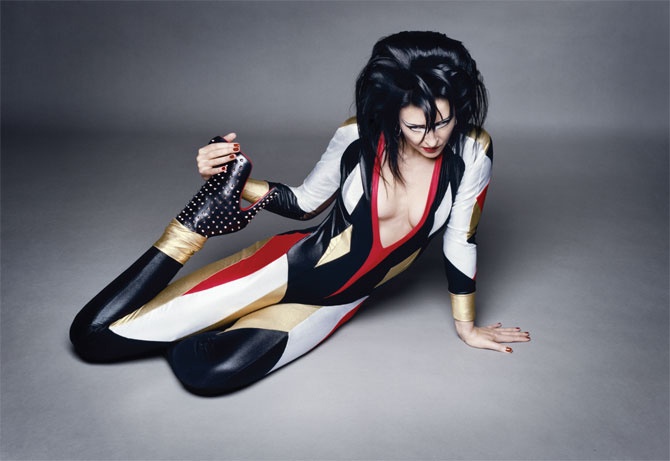
Siouxsie Sioux in Pam Hogg
Siouxsie Sioux 
fd5e14e548719314db4a9908c2ca174a
 Hogg couture in LOVE magazine
.

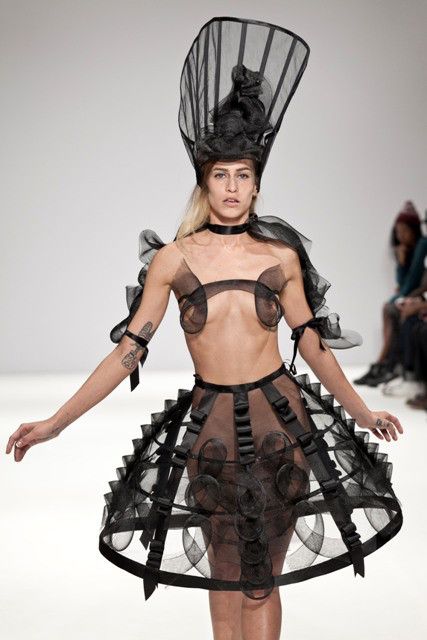
In 2007, Kylie Minogue appeared in Pam’s black mesh metal studded cat suit in her 2 Hearts Video, Naomi Campbell modelled a Pam Hogg lycra and snakeskin printed leather catsuit in Vogue while Siouxsie Sioux wore numerous distinctive Pam Hogg signature cat suits throughout her 2008 tour and appearance on Later with Joolz Holland. During the show, Pam was interviewed and announced her inevitable return to fashion.

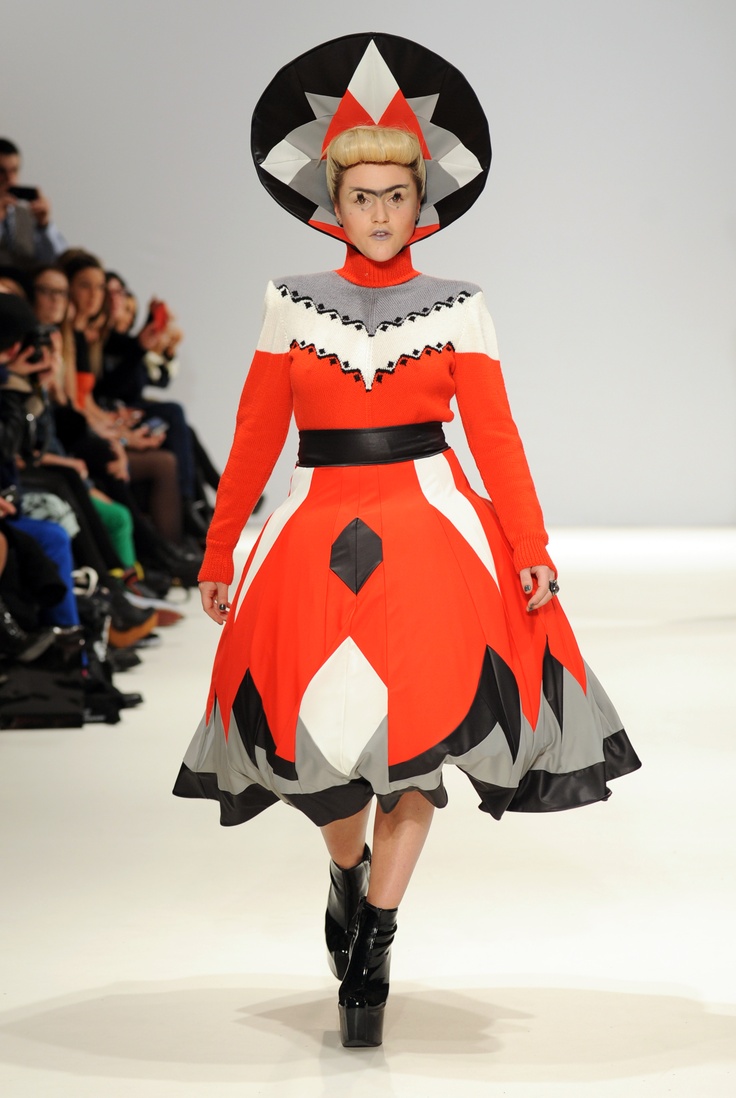
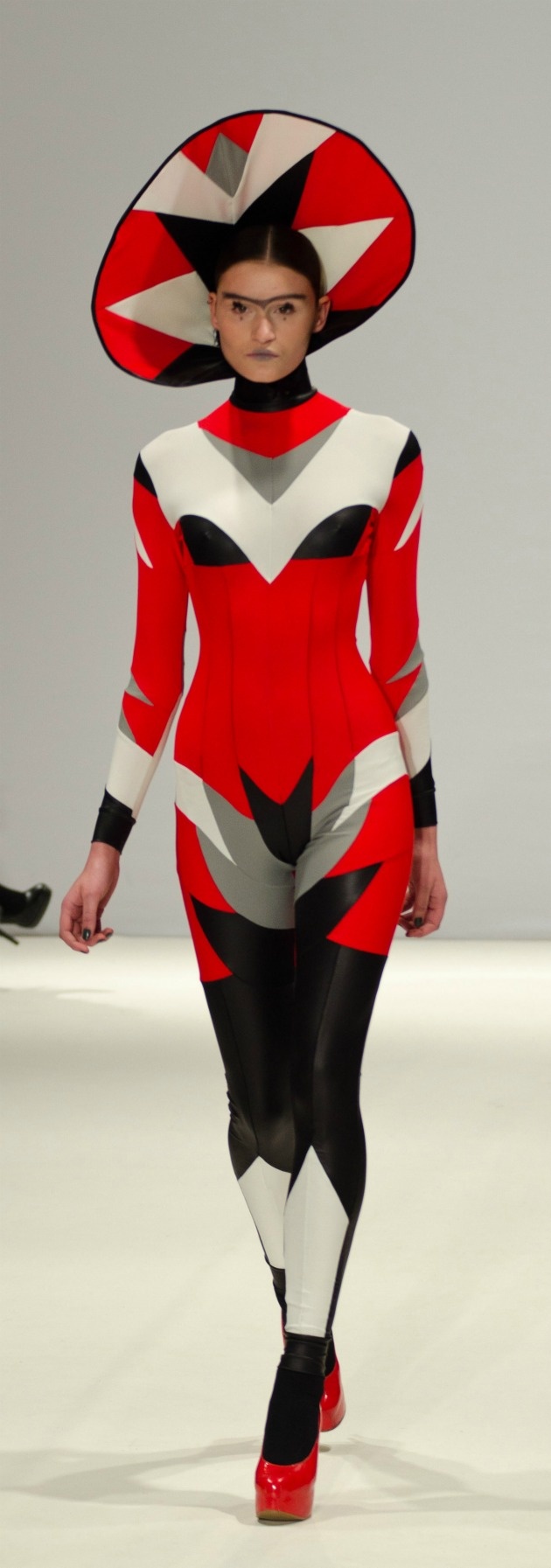
In October 2008, the prestigious Fashion store Browns of South Molton St London, was the first to stock the new Hogg-Couture collection. She was further asked to dress their widows for Halloween, an honour rarely given to one designer. Katie Grand’s new magazine LOVE, launched during London Fashion Week in February 2009 with a fashion feature over several pages styled by Joe McKenna solely featuring Pam’s new collection. 
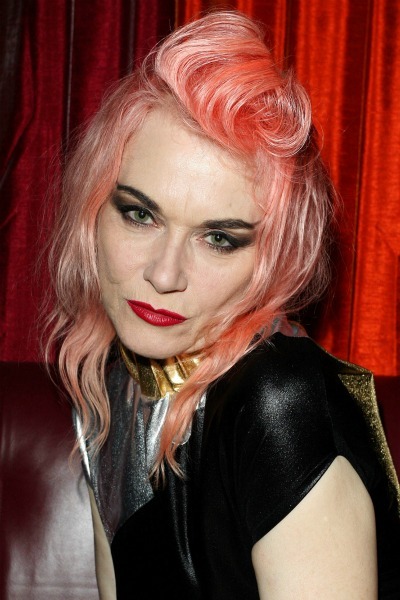
pam hogg

Creative-Excellence-Pam-Hogg-4-641x1024

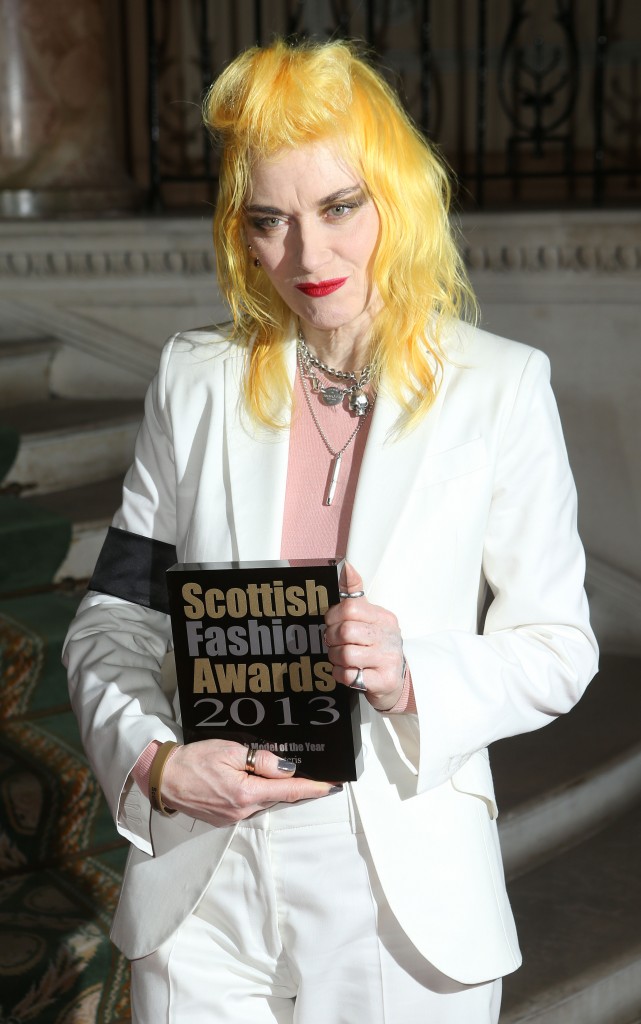
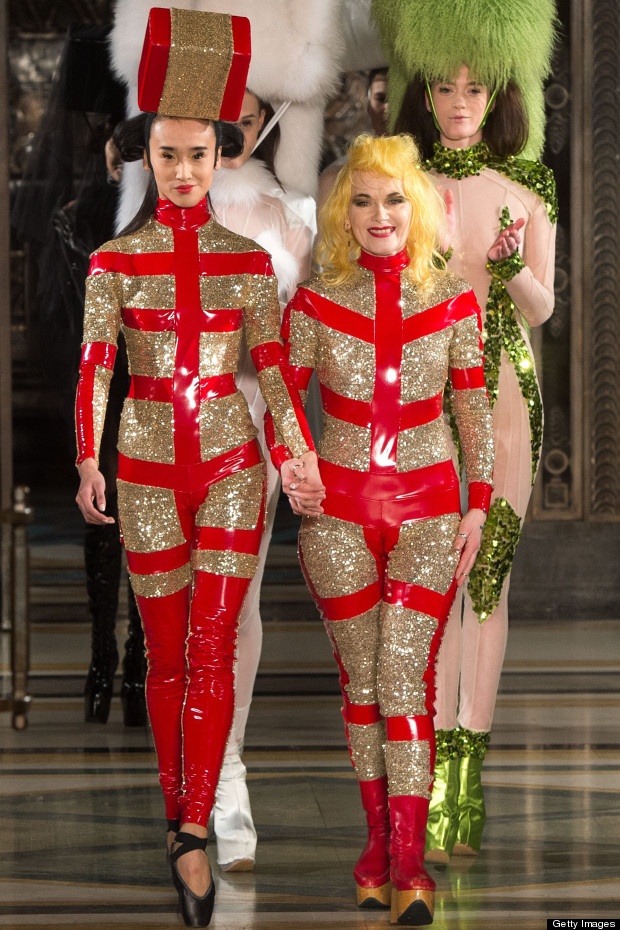
October 2013 Pam Hogg won an award for Creative Excellence by the Scottish Fashion Council.


 Wedding Dress

When model Lady Mary Charteris went backstage after a fashion show and asked Pam Hogg to create her wedding dress, Hogg’s response was a firm no. The designer had sworn off the garment. But she acquiesced, and a six-month period involving multiple references and a great deal of communication between the two followed.. (2012) 
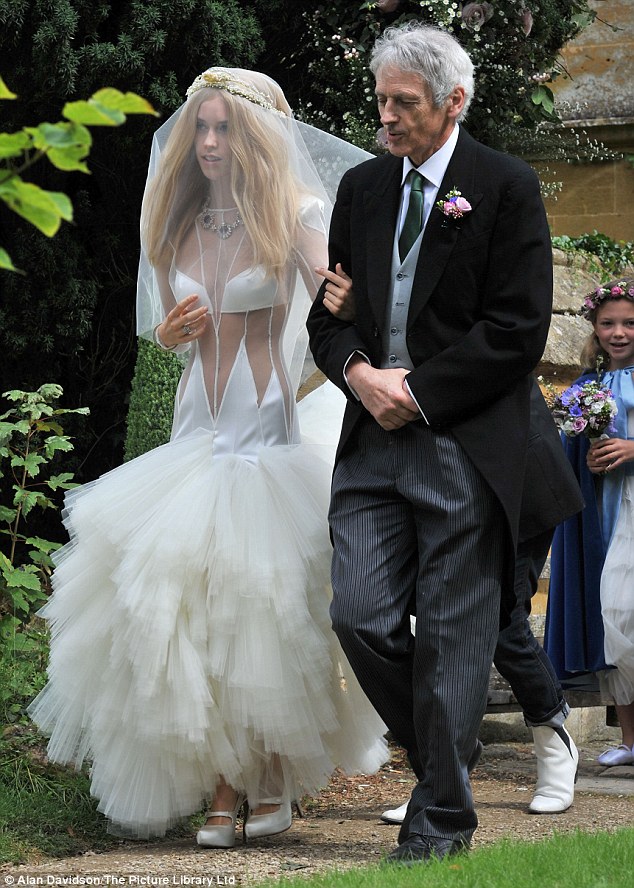
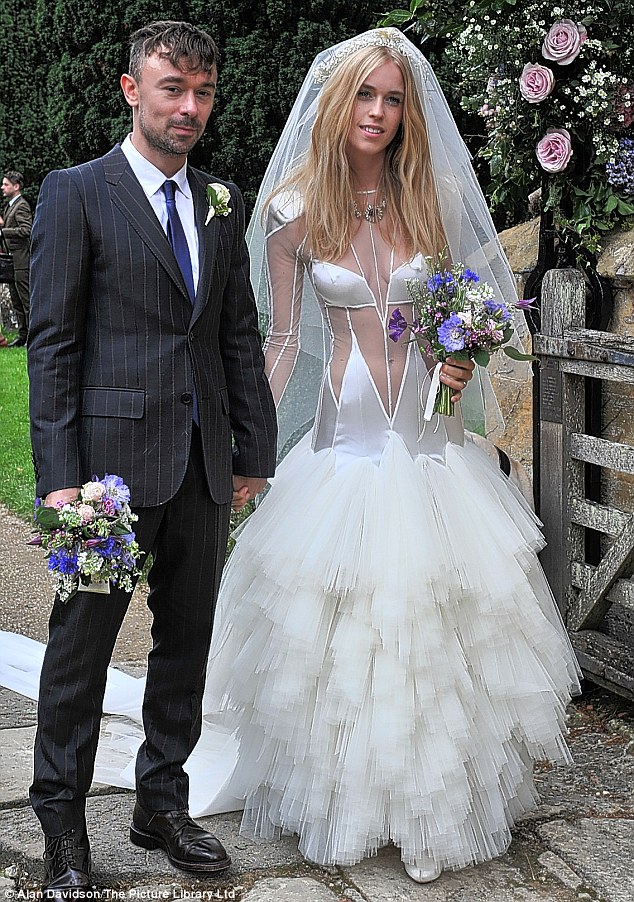
 

The 24-year-old was accompanied inside by her father The Earl of Wemyss

Lady Mary wore a Pam Hogg design when she married her boyfriend Robbie Furze earlier this month.

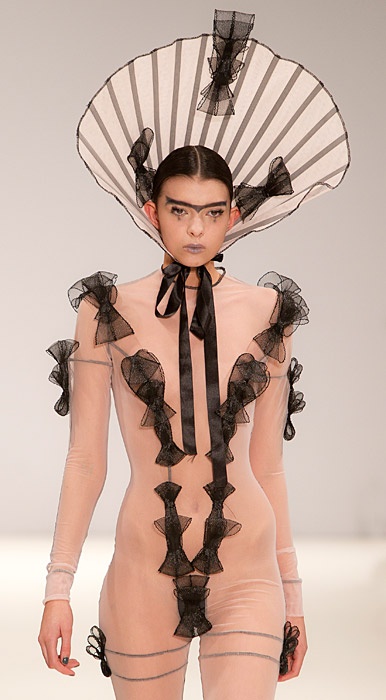
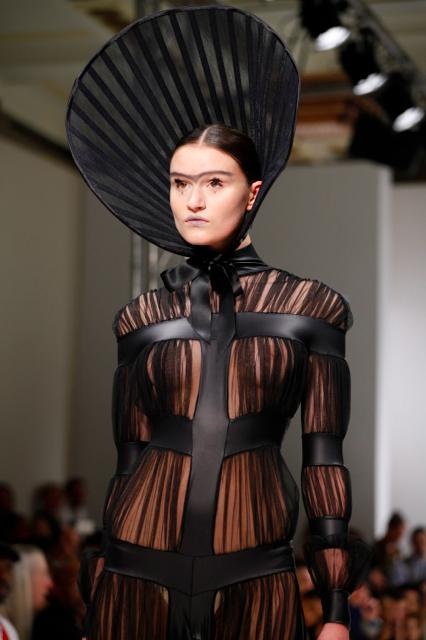
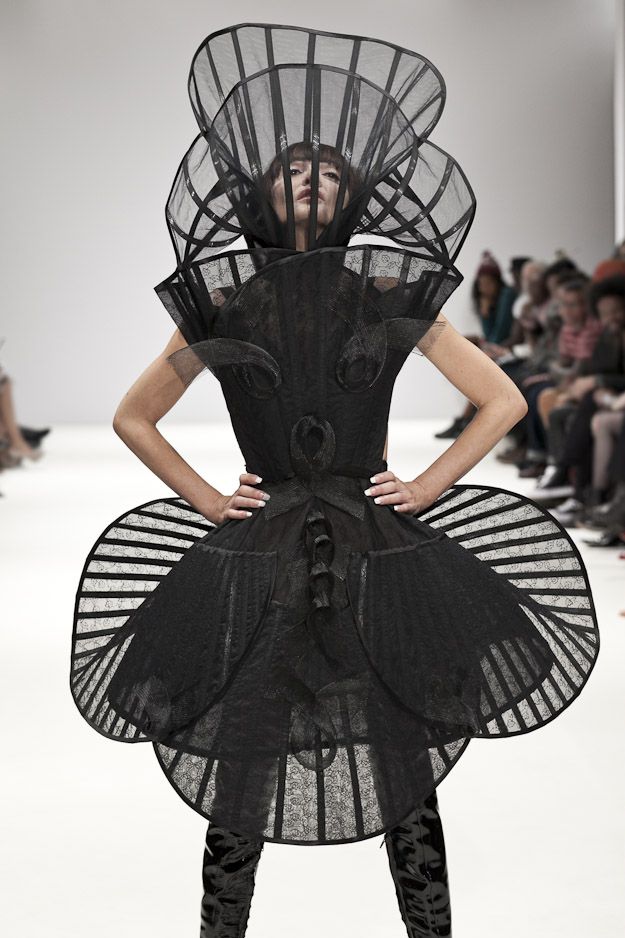
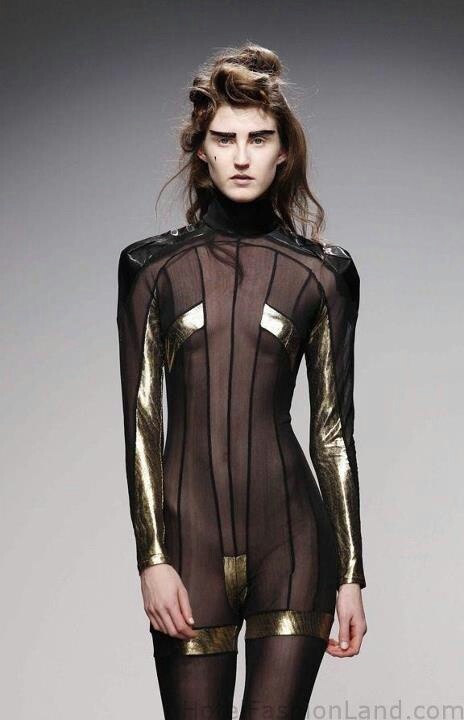
Pam Hogg Fashion

Pam Hogg

Pam Hogg

Pam Hogg

Pam Hogg

Pam Hogg

Pam Hogg

Pam Hogg

Pam Hogg

Pam Hogg

Pam Hogg

.

Pam’s Army

   .

.

Pam Hogg

Info official website: http://www.pamhogg.com
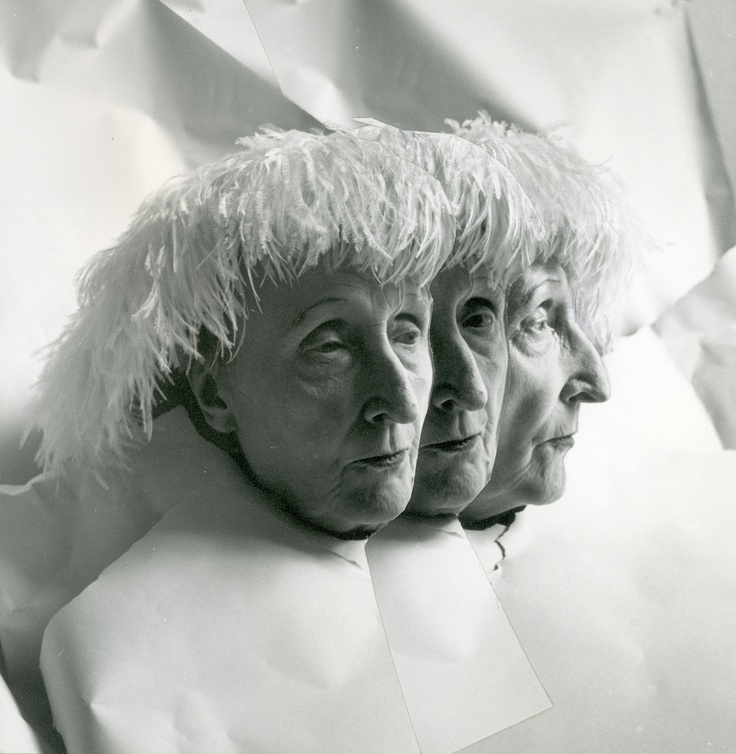
Dame Edith Sitwell: ‘Good Taste is the Worst Vice ever invented.’

21 Sep
Edith Sitwell multiple exposure, Cecil Beaton, 1962Edith Sitwell multiple exposure, Cecil Beaton, 1962

“The two greatest mannequins of the century were Gertrude Stein and Edith Sitwell – unquestionably.  You just couldn’t take a bad picture of those two old girls” 

A quote by Diana Vreeland 


Short Biography

Edith Sitwell (1887 – 1964) was born in a very wealthy, aristocratic family. She got two younger brothers (also authors), Osbert and Sacheverell, who, like Edith, had a hard time growing up with their eccentric, unloving parents. 

When still a teenager, Edith’s father made her undertake a “cure” for her supposed spinal deformation, involving locking her into an iron frame.

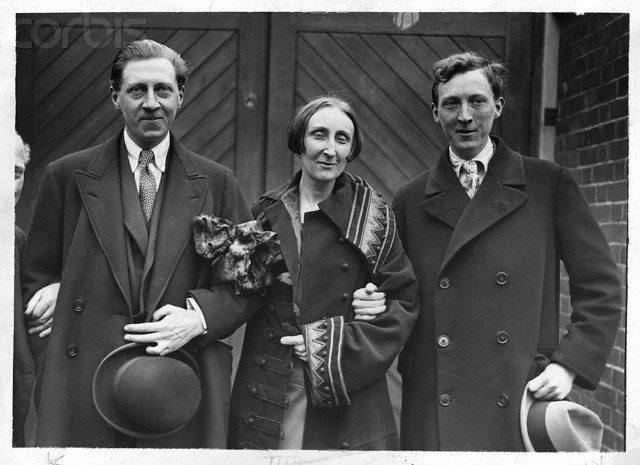
Osbert and Edith SitwellEdith, Sacheverell and Osbert Sitwell, 1930’s
.

At 23, she began publishing poetry and three years later she moved to a shabby flat in London, which she shared with her governess, Helen Rootham. In 1932 together they moved to Paris to live with Helen’s younger sister. Helen Rootham died six years later of spinal cancer. This was a tragedy for Edith, for she had never lived alone before.

Although she spent her life unmarried, Edith was passionately in love with the homosexual Russian painter Pavel Tchelitchew. This love was Edith’s most important, yet most unfulfilling, relationship of her long life. For her the spark was definitely there and it did not matter that she was almost eleven years Pavlik’s senior, initially the relationship was one of great intimacy. 

In the beginning, Pavlik was captivated by Edith’s extraordinary presence and later painted her portrait several times. Sadly, he only offered “Sitvouka” friendship and with no other choice, Edith accepted. Pavel’s interest in her seemed purely intellectual and quite possibly financial, the thought of Edith laying her hands on him in an intimate way appalled him. 

 
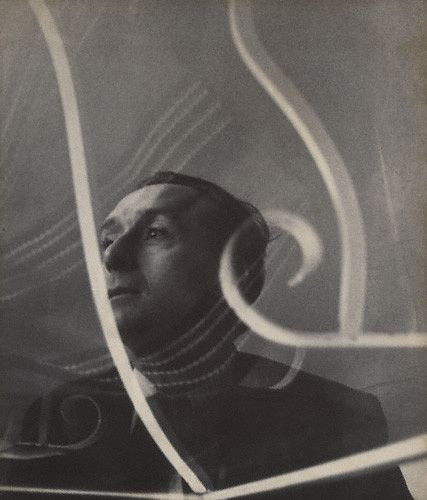
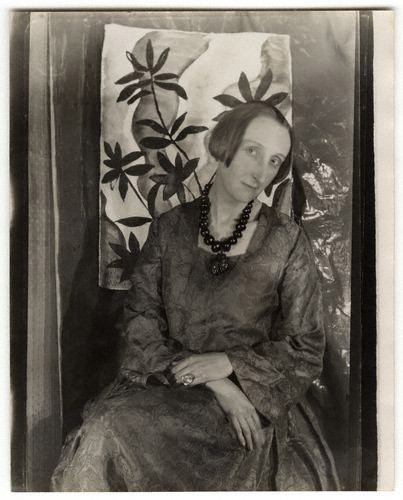
by Cecil Beaton,photograph,1930s
Pavel Tchelitchew by Cecil Beaton, 1930s
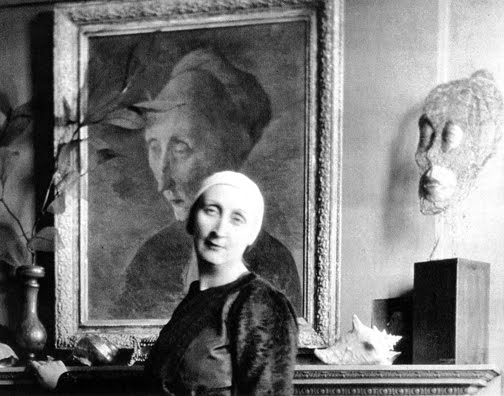
Edith In Front Of Her Tchelitchew PortraitEdith In front of a Pavel Tchelitchew Portrait of her
.

Pavel started to design her clothes and her signature look was born. Edith always tried to be somewhere near Pavel, who once said to her: “Nobody has ever understood you better, or come closer to you than I have and nobody ever will!”

Edith went to New York after the war, where the friendship almost ended as the result of a wild scene that Pavel made in a New York restaurant. Apparently, “white-faced with anger,”  he denounced Edith for being “self-obsessed” and for letting herself be corrupted by the “vulgar social figures that surrounded her.” Pavel further accused her of betraying the poet in her, the part he cherished, and “crudest of all, he coldly told her that everything that had ever been between them now was over.” 

tannerPavel Tchelitchew, Edith Sitwell and Pavel’s partner Allen Tanner
.

Crushed, Edith sailed for home the next day and spent the entire Atlantic crossing in bed. 

Although, it was possible for her to eventually forgive him the friendship barely survived.  It was a disaster of failed nerves and disappointed expectations on the sides of both.

During the WWII Edith had retired to Renishaw with her brother Osbert and his lover David Horner. She wrote under the light of oil lamps as the house had no electricity. She was lucky that during her lifetime she was surrounded by people who appreciated her and her two brothers as central to the artistic life of the times.

Jane Bown, Portrait of Edith Sitwell,1959Edith Sitwell by Jane Brown, 1959
.

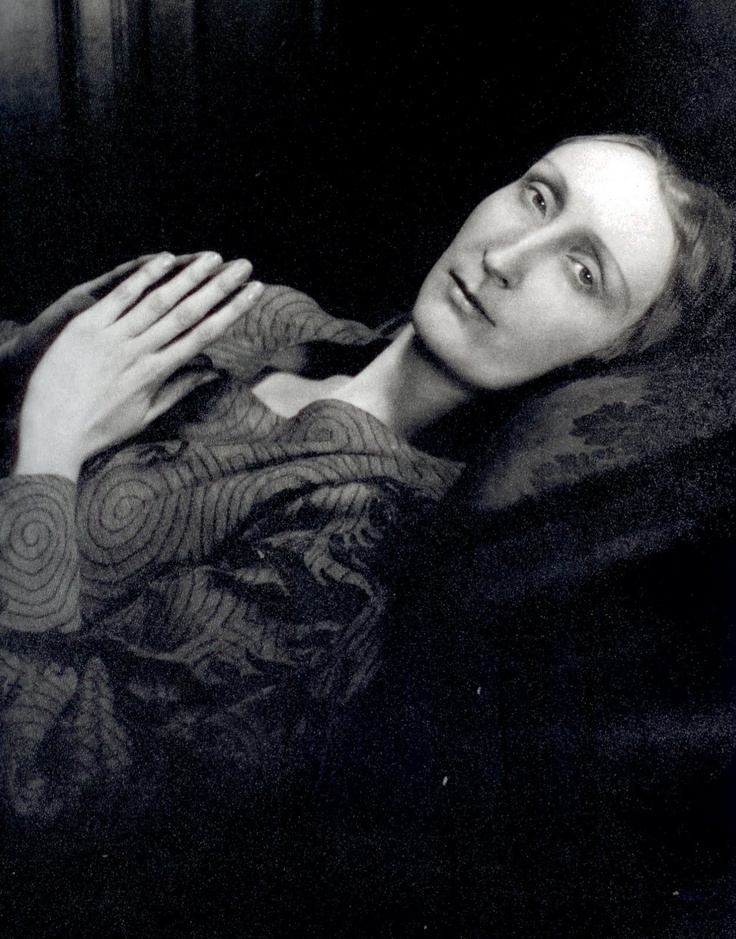
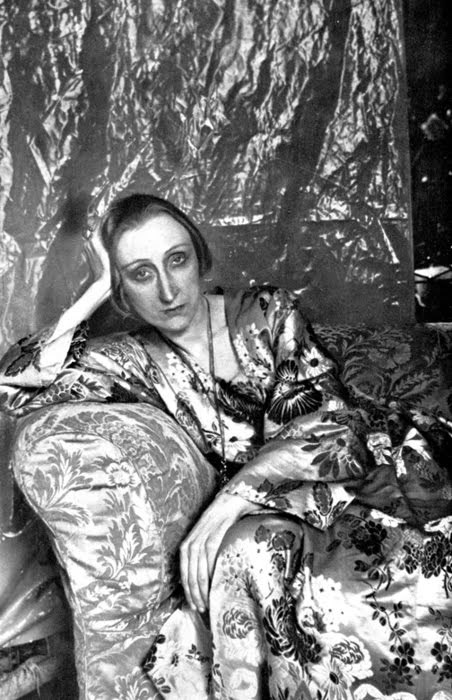
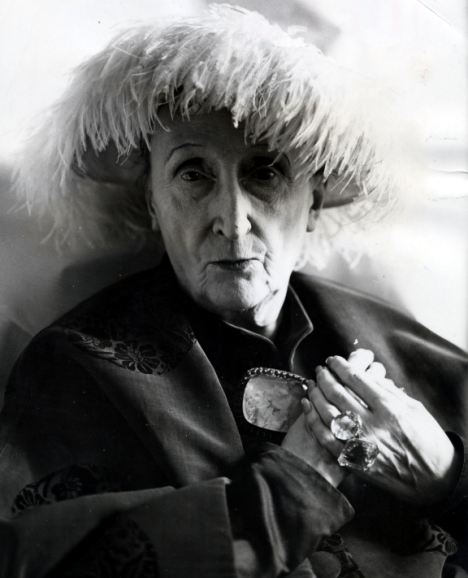
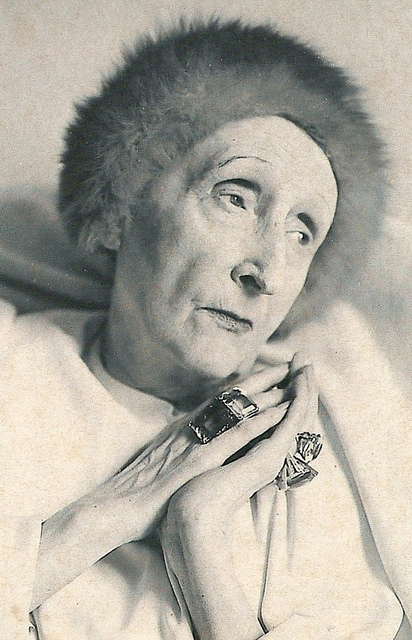
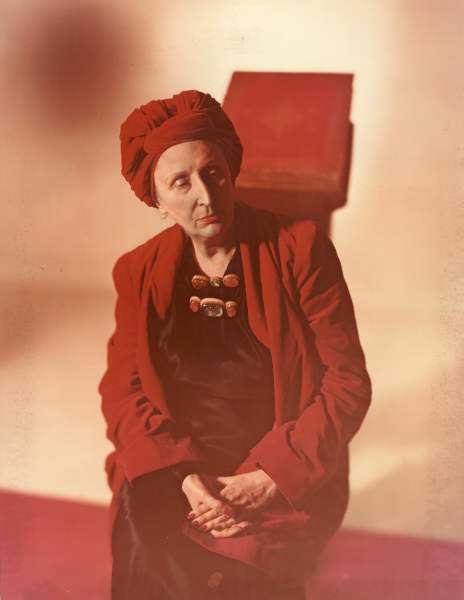
Edith Sitwell provoked many critics in conservative Great Britain because of her dramatic work, but also because of her unusual appearance. She resembled Queen Elizabeth I (they also shared the same birthday) dressed in exotic costumes, brocade and velvet gowns, adorned with gold turbans and huge colourful rings that reflected what she claimed: ‘good taste is the worst vice ever invented.’

She was created Dame of the British Empire in 1954. Three years later Edith got ill and ended up in a wheelchair. She passed away in 1964.

.

“I am not eccentric. It is just that I am more alive than most people are. I am an unpopular electric eel set in a pond of goldfish”.

(Edith Sitwell, quoted in Life magazine, 4 January 1963)
Edith Sitwell, 1962Edith Sitwell, 1962

 .

.

 Edith Sitwell (and brothers) by Cecil Beaton

Dame Edith Sitwell,by Cecil Beaton1927
Dame Edith Sitwell,by Cecil Beaton1928
Cecil Beaton, Portrait of Edith Sitwell and her brothers, 1930's
 Edith Sitwell and her brothers, 1930s
Cecil Beaton, Portrait of Edith Sitwell,1930's
1930s
cecil beaton b
  
Cecil Beaton, Portrait of Edith Sitwell,1927
1927
Vanity Fair, 1929, Cecil Beaton
Vanity Fair. Edith Sitwell and her brothers by Cecil Beaton, 1929
Cecil Beaton, Portrait of Edith Sitwell,1930's
 1930s
006_cecil-beaton_theredlist Edith Stiwell, 1962
1962, the photographs taken for her 75th birthday
1962
1962, the photographs taken for her 75th birthday
Cecil Beaton, Portrait of Edith Sitwell,1962
1962, the photographs taken for her 75th birthday
Cecil Beaton, Portrait of Edith Sitwell,1960'sv
1962, the photographs taken for her 75th birthday
Cecil Beaton, Portrait of Edith Sitwell,1960's m
1962, the photographs taken for her 75th birthday
.

Edith Sitwell first met Cecil Beaton on 7 December 1926 at the home of Allannah Hooper.  It was a fateful meeting because the photographs that Beaton made of Sitwell later in 1926, then in 1927 and 1931, brought them both much fame. 

The portraits that he took in 1926 and 1927 were all prefabricated set-ups prepared in dimly lit interiors. 

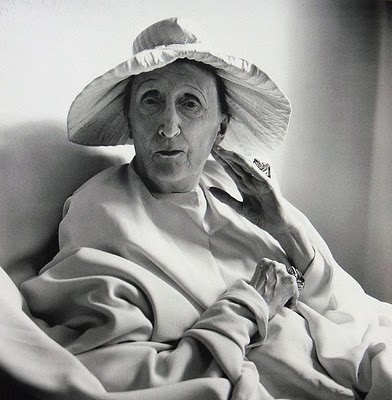
In 1962, wearing her black ostrich feather turban faced with sheer organza, she welcomed Beaton into her apartment at Greenhill in Hampstead. She had commissioned portraits from him to mark her 75th birthday. She knew that they would be published internationally and would create an instant sensation. They did and you can see why. She is performing her eccentric fame for the camera and is much more beautiful at 75 than she was at 25.
Her style was an essential part of her character. But she had also had teasing sense of humour. Early on, Cecil Beaton noted ‘the twinkle in her eye’.

The trouble with most Englishwomen is that they will dress as if they had been a mouse in a previous incarnation, they do not want to attract attention.

Edith Sitwell

.

Edith Sitwell by Horst P. Horst

Horst P. Horst, Portrait of Edith Sitwell,1948

Sitwell by Horst p. Horst

horst. p. horst portraitHorst photographed Edith in 1948 for Vogue in New York. Here-along with her aquamarines-Edith wears two massive brooches. Horst says “Edith Sitwell wore extravagant clothes and Jewels; usually the clothes did not fit at all they just hung. She did it exactly her own way and got away with it.” “She was considered an Improbable and anachronistic fashion icon frequently photographed bristling with gigantic aquamarine rings– at least two to a finger, and plastered with vast brooches of semi-precious stones”

.

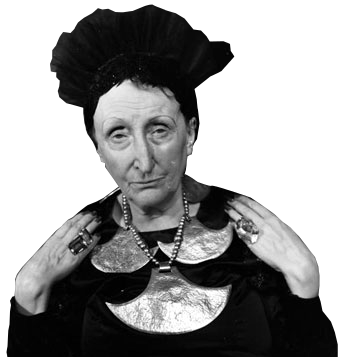
The ‘Aztec’ necklace

Edith Sitwell wearing her 'Aztec' neckalceThis gold collar was made for me by an American woman called Millicent Rogers. She was one of my greatest friends, though I only met her once. She sent it to me and the British Museum kept it four days and thought it was pre-Columban, undoubtedly from the tomb of an Inca-though they couldn’t make out how the gold could be stiffened in a way that wasn’t in existence in those days. But I have to be careful of the clanking when I am reciting and don’t often wear it for that.’ 

.T

The rings

Philippe Halsman, Portrait of Edith Sitwell, 1937Ph. Philippe Halsman, 1937
.

‘I feel undressed without my rings. These aquamarines I love, but I’ve got a beautiful topaz like a sunflower–and when I’ve worn these too much I feel it’s being neglected….I’ve got red and green and black amber bracelets, and a ring I call tiger into grape. Its yellow, veined with blue and red, but when it snows it turns blue.’ 

.

 .

Edith Sitwell & Marilyn Monroe

George Silk, Portrait of Edith Sitwell and Marilyn Monroe in Hollywood, 1953Edith Sitwell & Marilyn Monroe

People were expecting the two women to dislike each other. Instead of giving the waiting photographers a good scandal, Edith and Marilyn hit it off immediately. Edith described Marilyn in her autobiographyTaken Care Of:

In repose her face was at moments strangely, prophetically tragic, like the face of a beautiful ghost – a little spring-ghost, an innocent fertility daemon, the vegetation spirit that was Ophelia.

Marilyn was an autodidact but her intellectual curiosity and love of books were not considered consistent with her sex symbol image. Marilyn and Edith sat together chatting happily about Austrian philosopher, esoteric spiritual writer, and founder of anthroposophy Rudolf Steiner, whose books Marilyn had recently been reading.


pavel painting of edithPavel Tchelitchew Portrait of Edith Sitwell


info:

wikipedia

http://theesotericcuriosa.blogspot.nl/2010/02/unrequited-love-broken-heart-edith.html

http://aucklandartgallery.blogspot.nl/2010/08/1962-portraits-of-dame-edith-sitwell-by.html

Mona Von Bismarck cried Three Days when Cristobal Balenciaga retired (part two)

14 Sep
Mona von Bismarck. Photo by Cecil Beaton. Vogue, October 1, 1936.
 Mona von Bismarck. Ph. Cecil Beaton. Vogue, October 1, 1936.
. 

Countess Mona Bismarck (February 5, 1897 – July 10, 1983) was an American socialite and fashion icon. She married five times and was celebrated by Cecil Beaton and Salvador Dalí, satirized by Truman Capote in Answered Prayers, and memorialized in Cole Porter’s Red, Hot and Blue! In 1933, she was voted “the best-dressed woman in the world” by Coco Chanel and other top designers, and she developed a close friendship with Cristóbal Balenciaga in her 30 years as a client and patron.

.

Short Biography

mona von bismarck
mona von bismarck
mona von bismarck
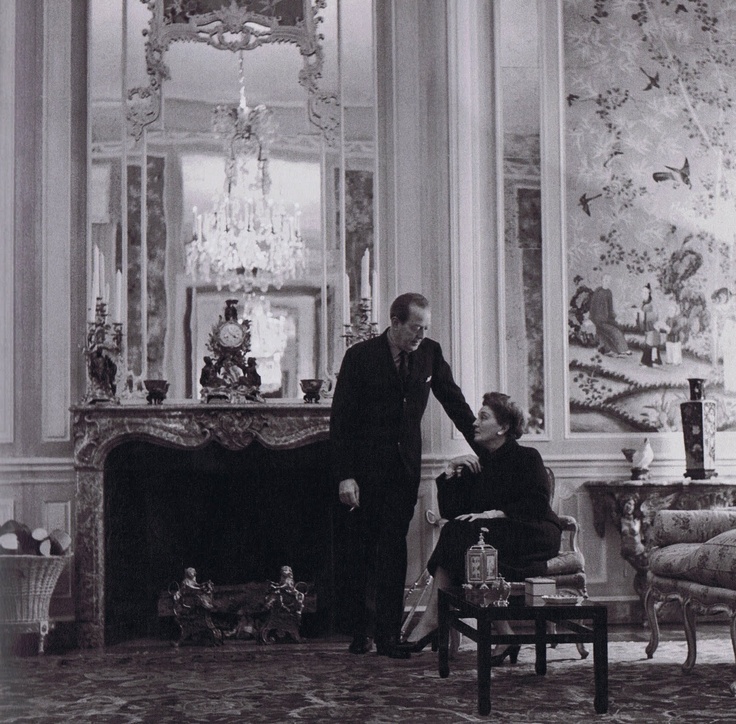
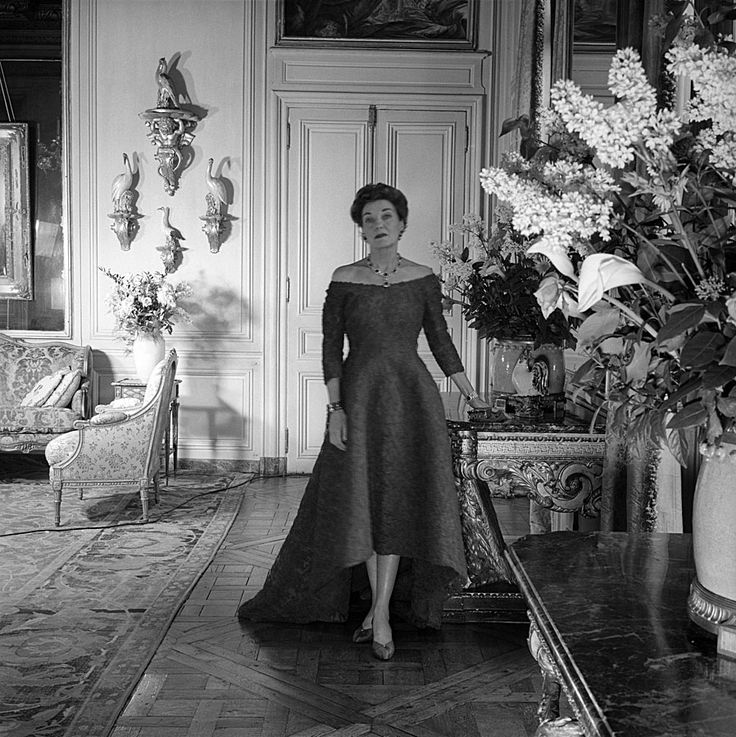
 Mona von Bismarck wearing Balenciaga in her Parisian hôtel particulier . Photo by Cecil Beaton, 1955.
.

In January 1955 Mona married her “secretary” Albrecht Edzard Heinrich Karl, Graf von Bismarck-Schönhausen (1903-1970), an “interior decorator” of an aristocratic sort and the son of Herbert von Bismarck and grandson of the German Chancellor Otto von Bismarck. First the civil marriage in New Jersey and a year later the religious marriage in Rome. Mona became Countess von Bismarck. 

Countess von Bismarck outdid heiress Barbara Hutton when she bought new 88 outfits, following this with a total of 140 items over the next two years. 

Ever energetic, for her own enjoyment, Mona read, swam, did needlework, wrote a book, and cultivated prize tulips. She kept dogs, her favorite being Mickey, a lap mutt.

Eddie von Bismarck died in 1966. Mona now resident in Capri and cut herself off from most of her friends.

Count and Countess von BismarckCount and Countess von Bismarck
.
Cristóbal Balenciaga, who made her gardening clothes, too, showed his last collection in 1968 and retired. Mona grieved for three days, shutting herself behind closed doors in the villa in Capri.
Perhaps Mona was not designed for life alone, in 1971, she married Bismarck’s physician, Umberto di Martini, she was 74 and he was 60. Through her old friend, Italy’s exiled King Umberto II, Mona purchased the title “count” for him. Martini served simple pasta dishes with inexpensive wines and dismissed her long-time employees (he was alleged to keep her medicated). It was only after his death in a sports car accident in 1979 (later referenced by socialites as “Martini on the rocks”), Mona realized that de Martini, like Bismarck, had married her for her money (exactly the same way she had married Schlesinger, Bush and Williams, so many years before), only di Martini turned out to be already married and having told her that he was opening a clinic, he had already pocketed $3 million in a Swiss bank account .
mona von bismarck
Mona von Bismarck

Mona’s old friend Cecil Beaton visited her at Capri and was shocked to find that all traces of her famous beauty had left her. “She is now suddenly a wreck. Her hair, once white and crisp and a foil to her aquamarine eyes, is now a little dried frizz, and she has painted a grotesque mask on the remains of what was once such a noble-hewn face, the lips enlarged like a clown, the eyebrows penciled with thick black grease paint, the flesh down to the pale lashes coated with turquoise… Oh, my heart broke for her.”

Cecil BeatonCecil Beaton

.

Mona’s health started to fail. She spent her last years putting her affairs in order and on 10 July 1983, she died at her house in Paris. She was buried in a Givenchy gown with her third and fourth husbands, Harrison Williams and Count Eddie von Bismarck, at Glen Cove on Long Island. Of the $90 million she had inherited from Williams, $25 million remained.
5546972a00fa5467a050e9b657c1bc0b

.

.
Hubert de Givenchy’s comments on Countess Mona von Bismarck

On one occasion Monsieur de Givenchy was reported to have made the following comments about his favorite client Countess Mona von Bismarck, ” She was splendid as could be seen in the portrait that Dali had painted of her, and had seduced five husbands. She was mad about pearls and brought them in kilos during cruises in the China Sea and the ports of Japan. She had two lifts of different speeds installed in her apartment in Ave de New York; the faster one was for the domestics so that they could reach the landing before her to open the door.”

.

.

.

.

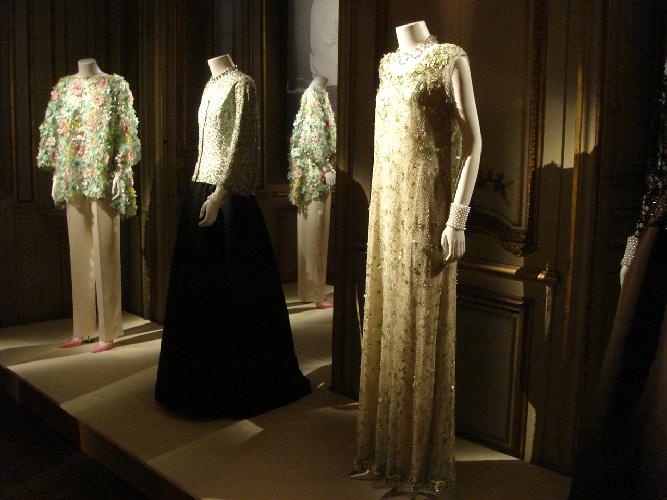
Exhibition of Mona’s wardrobe curated by Hubert de Givenchy

8

11

10

9

.

Book

Kentucky Countess: Mona Bismarck in Art & Fashion

book cover

.
.
info: Wikipedia, VoguePedia, Style.com, The Independent & the Mona von Bismarck foundation
.
.

Mona von Bismarck topped the List of World’s Best Dressed Women (part one)

7 Sep
ph. Cecil Beaton
Mona von Bismarck. Ph. Cecil Beaton. Vogue, October 1, 1936.
.

From her humble beginnings in Kentucky, a girl named Edmona Strader transformed herself into Mona Schlesinger Bush Williams Bismarck-Schönhausen de Martini, the queen of international society and fashion icon, who became the world’s most photographed non-professional mannequin. She possessed charm, liveliness and a sense of humor. Her ladder up the social ranks was a familiar one: She arose quickly by marrying a series of older, wealthier men.

Mona was one of the most remarkable American women of her century.

.

Short Biography

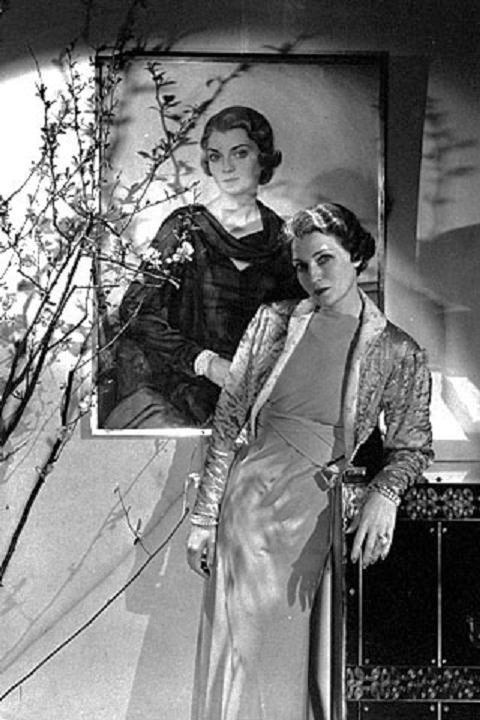
Mrs. Harrison Williams, later Mona, the Countess of Bismarck, in front of her portrait by Sorin. Photo by Cecil Beaton. Vogue, October 1, 1933.
 Mrs. Harrison Williams in front of her portrait by Sorin, ph. Cecil Beaton in Vogue, October, 1933
.

Margaret Edmona “Mona” Travis Strader was born in Louisville, 1897.  She was beautiful even as a child and developed into a stunning woman. At 20, she married Henry J. Schlesinger, who was 18 years older. Her wedding gift from the groom was “a magnificent rope of pearls.” Together they had a son, Robert H. Schlesinger, whom she left in the custody of his father in exchange for half a million dollars, when they divorced in 1920. One year later, Mona married banker and athlete James Irving Bush, fourteen years her senior and reputedly “the handsomest man in America.” This would be her second unhappy marriage and after four years, in 1925, they divorced.

Mona returned to New York, where in 1926, she opened a dress shop with a close friend, Laura Merriam Curtis. Laura was engaged to Harrison Williams, but three days after the announcement of the engagement, Laura abandoned Harrison and remarried her former husband, James Freeman Curtis. Mona, who first met Harrison at her second wedding, got reintroduced to the richest man in America with an estimated fortune of $680 million ($8,000 million in today dollars).

harrison williamsMr. Harrison Williams
.

On July 2, 1926, Mona married Harrison, who was a widower 24 years her senior. For their honeymoon they went on a cruise around the world on Harrisons  Warrior, a steam yacht with ten staterooms and a crew of 45, at the time, the largest, most expensive pleasure boat in the world. The couple stopped in Ceylon, India, Iraq, and China.

When they returned, Mona and her husband divided their time between residences in New York, Palm Beach, Paris and Capri.  Their social circle included statesmen and politicians such as American Presidents Roosevelt and Eisenhower; royalty – the Duke and Duchess of Windsor and Princess Grace of Monaco; and an impressive number of writers and artists, including Greta Garbo, Cristòbal Balienciaga, Hubert de Givenchy, Tennessee Williams, Truman Capote, Paul Newman and Enrich Maria Remarque.

Even after losing a lot of assets in the stock market crash of 1929, Harrisons wealth and position afforded Mona a lavish lifestyle, which included buying and wearing the most beautiful couture. Her favorite couturier was Cristóbal Balenciaga, with whom she developed a close friendship in the 30 years she was a client and patron. To complement her radiant complexion, Mona prefered to wear colors like beige, gray or smoked blue and for evening, pastels.

It was said that Givenchy dressed the rich; Balenciaga the very rich – and Mona was married to the richest man in the world.

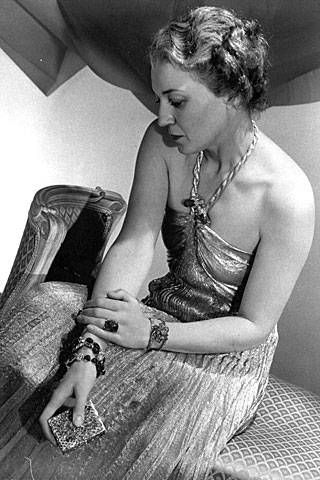
Mona von Bismarck with her cigarette case that once belonged to Louis XIV. Photo by Cecil Beaton. Vogue, February 1, 1938.Mrs. Harrison Williams with her cigarette case that once belonged to Louis XIV. Dres by Vionnet, ph. Cecil Beaton. Vogue, February 1938  
mrs. Harrison Williams
 
Countess Mona von Bismarck with Cecil Beaton and Ben Ali Haggin at the Metropolian Opera Ball, April 28, 1933.Mona with Cecil Beaton and Ben Ali Haggin at the Metropolian Opera Ball, April 28, 1933
.

In time she became known as one of the most glamorous and beautiful women in New York. In 1933, Mona was the first American to be elected one of the ten best dressed women in the world by the Parisian couturiers, including Chanel, Molyneux, Vionnet, Lelong, and Lanvin.

The next year she again topped the list of world’s best dressed women. Newspapers estimated she did spend $50,000 a year on clothing, accessories, and furs. “Mrs. Harrison Williams was among the few exceptionally beautiful women who marked the 1930s,” friend Cecil Beaton wrote. He photographed and wrote about her for the February 1 issue of Vogue, 1939.

After a railroad accident destroyed many of her clothes, she ordered 150 dresses from Balenciaga in one sitting. In 1940, Mrs. Harrison Williams tops the new International Best Dressed List, now picked by American fashion designers. Three years later Salvador Dalí painted her portrait.

Mona’s first happy marriage that ended in 1953, when Harrison Williams died at the age of 80 at the couple’s Long Island estate.

Mrs Harrisson Williams 1939 Portrait Photo Cecil Beaton Jewels Art DecoMrs Harrisson Williams 1939 Portrait Photo Cecil Beaton .

.

 Pieces of Mona’s wardrobe

BalenciagaBalenciaga, 1955

BalenciagaBalenciaga, 1959

2Balenciaga, 1964 

Mona Williams von Bismark-Schonhausen de Martini, Balenciaga evening ensemble, 1968Balenciaga, 1968

balenciagaBalenciaga

balenc. 1Balenciaga

BalenciagaBalenciaga

BalenciagaBalenciaga 

VionnetVionnet

VionnetVionnet

VionnetVionnet

Charles JamesCharles James

Charles JamesChanel

13Chanel

Bright Is the MorningChanel

detail Chanel dress

detail Chanel dress


next week:  Mona von Bismarck cries three days when Balenciaga retired

.

.

info: Wikipedia, VoguePedia, Style.com, The Independent & the Mona von Bismarck foundation

Lisa Fonssagrives-Penn, a multi talent (Part two)

31 Aug
Eiffel Tower by Erwin Blumenfeld for Vogue magazine, 1939. Lucien Lelong dressLisa Fonssagrives wearing a dress by Lucien Lelong in death-defying pose high on top of the Eiffel Tower overlooking the city of Paris. Photo by Erwin Blumenfeld, French Vogue, May 1939

.

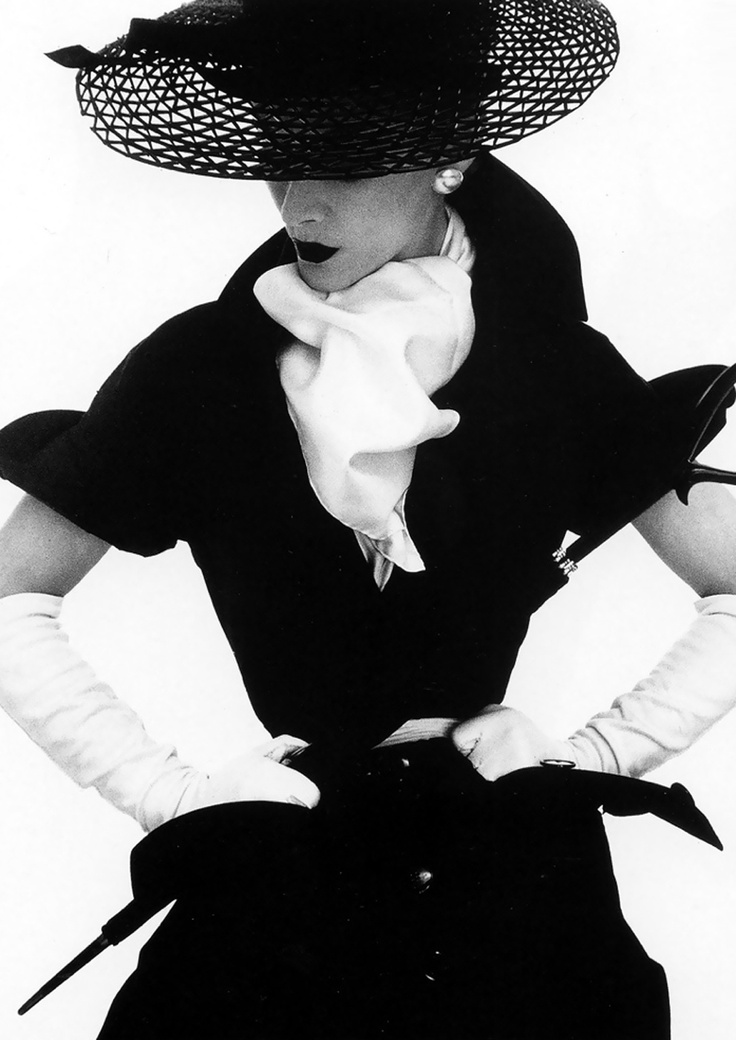
In 1952, Lisa Fonssagrives-Penn, the celebrated (first) supermodel effectively retires from modeling after her son, Tom Penn, is born. She begins designing clothes by the mid-’50s. At first just an occasional dress for one of her husband’s (Irving Penn) advertising campaigns, but then people begin to special order evening gowns and suddenly she finds herself designing a line of at-home clothes for Lord and Taylor. Eventually she designs sportswear for them too. This lasts a good six years. When Lisa and Irving have to move, because the Central Park West building will be torn down, she stops designing, not being allowed to have a business in the new apartment. It is time for something else.

In their Long Island house, Lisa spends more and more time in her sculpture studio and enrolls in the Art Students League to sharpen her drawing skills. Finally Lisa and Irving move to Long Island definitely. 

She begins exhibiting her sculptures and paintings in group shows in 1968 and later has many solo shows. She will be represented by the Marlborough Gallery in Manhattan.

“I was a sculptor all my life,” Lisa Fonssagrives-Penn once said, “I was a form in space.”

Lisa dies February 4, 1992 in New York of pneumonia , survived by her second husband, Irving Penn and her two children: her daughter Mia Fonssagrives-Solow, a costume designer who is married to real estate developer Sheldon Solow, and her son, Tom Penn, a designer.

David Seidner, Lisa Fonssagrives at the Crillon, Paris, 1990Lisa Fonssagrives-Penn in the Crillon, Paris (by David Seidner, 1990) was a multi talent. During her life she was a successful dancer/ dance teacher, model, photographer, fashion designer and sculptor.

.

.

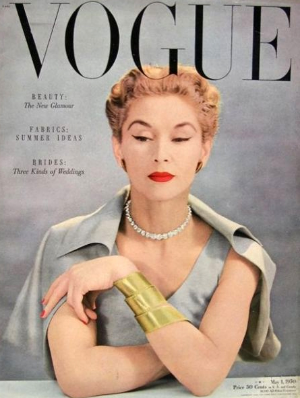
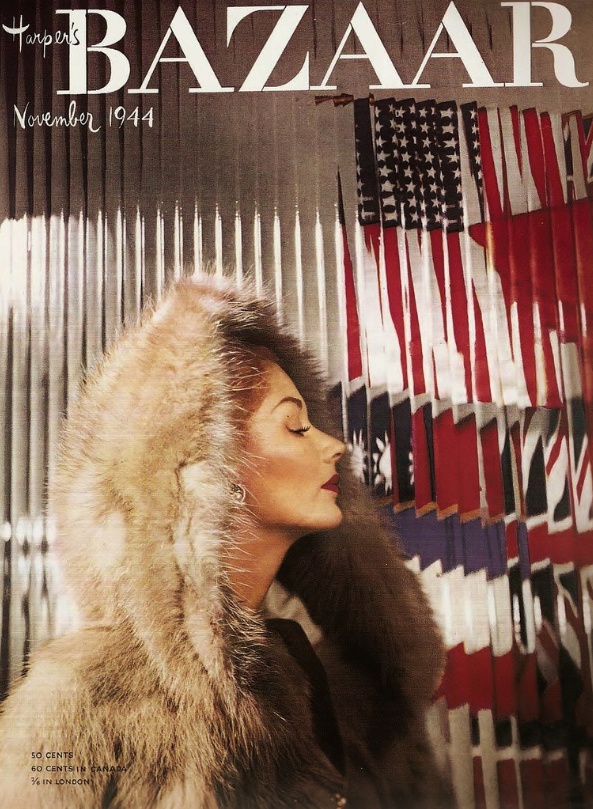
Lisa Fonssagrives-Penn Vogue and Harper’s Bazaar covers

The black and white issue June 1950, Irving PennPh. Irving Penn
lisa-fonssagrives-British-Vogue-1951-London-Paris-Collections-Erwin-BlumenfeldPh. Erwin Blumenfeld

may-1950-vogue-cover-lisa-fonssagrives

British Vogue Oct. 1951, cover by Irving PennPh. Irving Penn
Vogue coverPh. Horst P. Horst
Ph, Irving PennPh. Irving Penn
dec-1950-vogue-lisa-fonssagrives-coverPh. Irving Penn  
Louise Dahl-WolfePh. Louise Dahl-Wolf
Harper's Bazaar cover
 
.
 

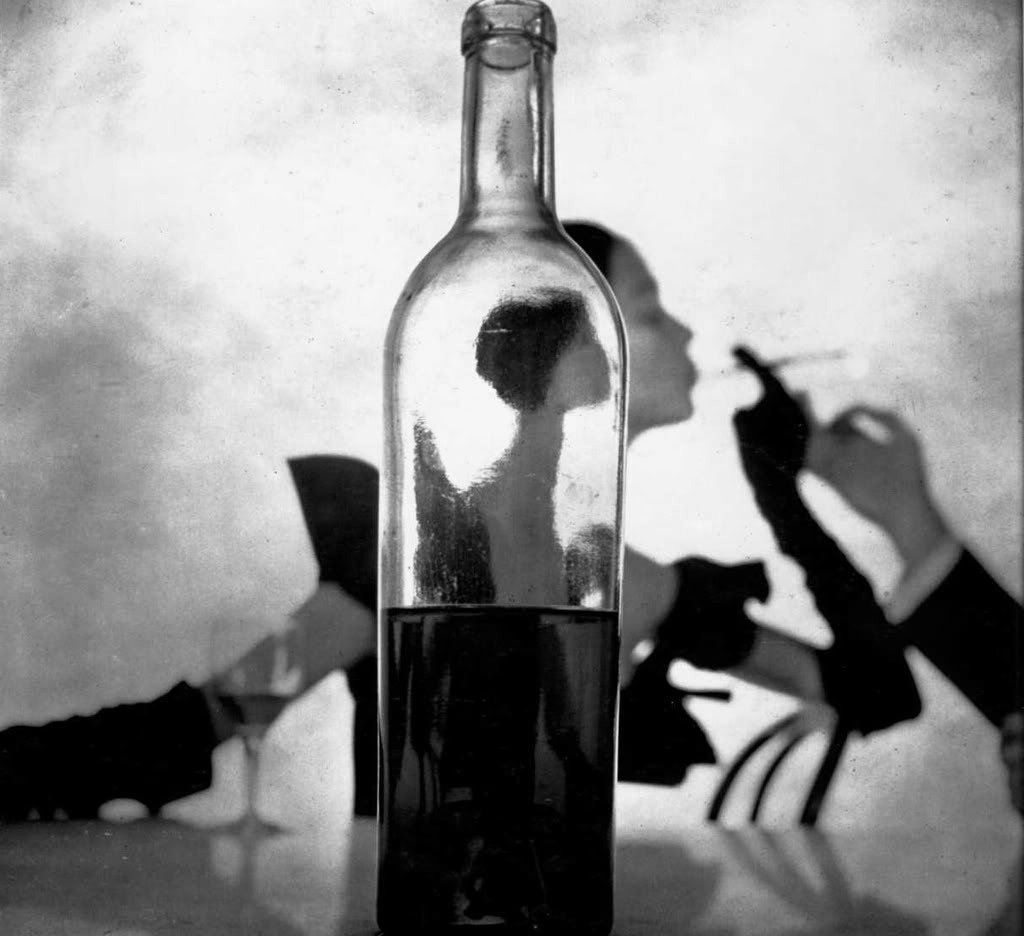
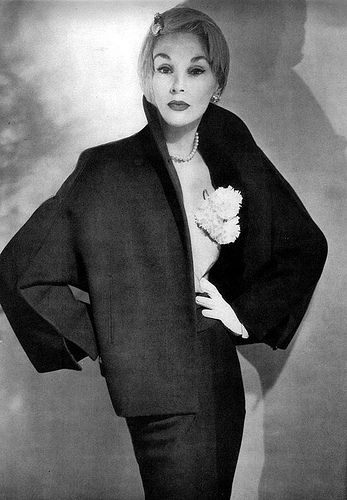
And many other beautiful photographs

1949

lisa by Irving PennPh. Irving Penn
Lisa FonssagrivesChicken Hat, ph. Irving Penn
lisa , chicken hat
Chicken Hat, ph. Irving Penn (2)
lisa-fonssagrives-lilly-dache-hat-irving-penn-vogue-feb-15-1950 Lilly Dache hat, Ph. Irving Penn
penn, 1949
 Ph. Irving Penn
vogue-1952-lisa-fonssagrives-penn-irving-penn
Ph. Irving Penn
Lisa Fonssagrives
  Ph. Irving Penn
suit by Charles James, Vogue, 1950 Horst
Ph. Horst P. Horst
22hamlet-coiffure22-worn-by-lisa-fonssagrives-photo-by-irving-penn-vogue-march-1-1949
 Ph. Irving Penn

Irving PennPh. Irving Penn

Vogue early 40's image by Horst Model Lisa FonssagrivesPh. Horst P. Horst
Irving Penn for Vogue, July 1, 1952Ph. Irving Penn
1955 Modess advertisement. Yes, you read that right. Modess as in sanitary napkins.
 Modess advertisement, sanitary napkins. Ph. Irving Penn

.

 .

Books

Lisa Fonssagrives: Three Decades of Classic Fashion Photography

book cover

 http://www.amazon.com/Lisa-Fonssagrives-Decades-Classic-Photography/dp/0865659788/ref=sr_1_1?ie=UTF8&qid=1408631601&sr=8-1&keywords=lisa+fonssagrives+three+decades+of+classic+fashion+photography

.

Irving Penn: Photographs. A Donation in Memory of Lisa Fonssagrive-Penn

irving penn

The complete set of images that Irving Penn donated to the Swedish museum in memory of his Swedish-born wife. A gorgeous production with exquisite printing.

http://www.amazon.com/Irving-Penn-Photographs-Fonssagrive-Penn-Fonssagrives-Penn/dp/B000SL8I00/ref=sr_1_16?ie=UTF8&qid=1408877127&sr=8-16&keywords=lisa+fonssagrives

.

.

Harper´s Bazaar, 1957

info: Wikipedia, VoguePedia and interview with David Seidner

Text in a review of Alexandre Vassiliev’s book; Grant Hayter-Menzies