Archive | biography RSS feed for this section

Claude Montana, a Lost Legend & a Big Tradegy

31 May

Claude Montana

This post is a tribute to my mother, who always inspired me to be myself. I gave her some hard times, dressing fashionably at a very young age, fashion she didn’t understand or like. But even when I walked around with three shoulder pads on top of each other (ultimate power dressing, ahum) and people were staring at me, she proudly walked next to me. Thanks mam for letting me find out who I am!

 .

Claude Montana is a French fashion designer. His company, The House of Montana, founded in 1979, went bankrupt in 1997.

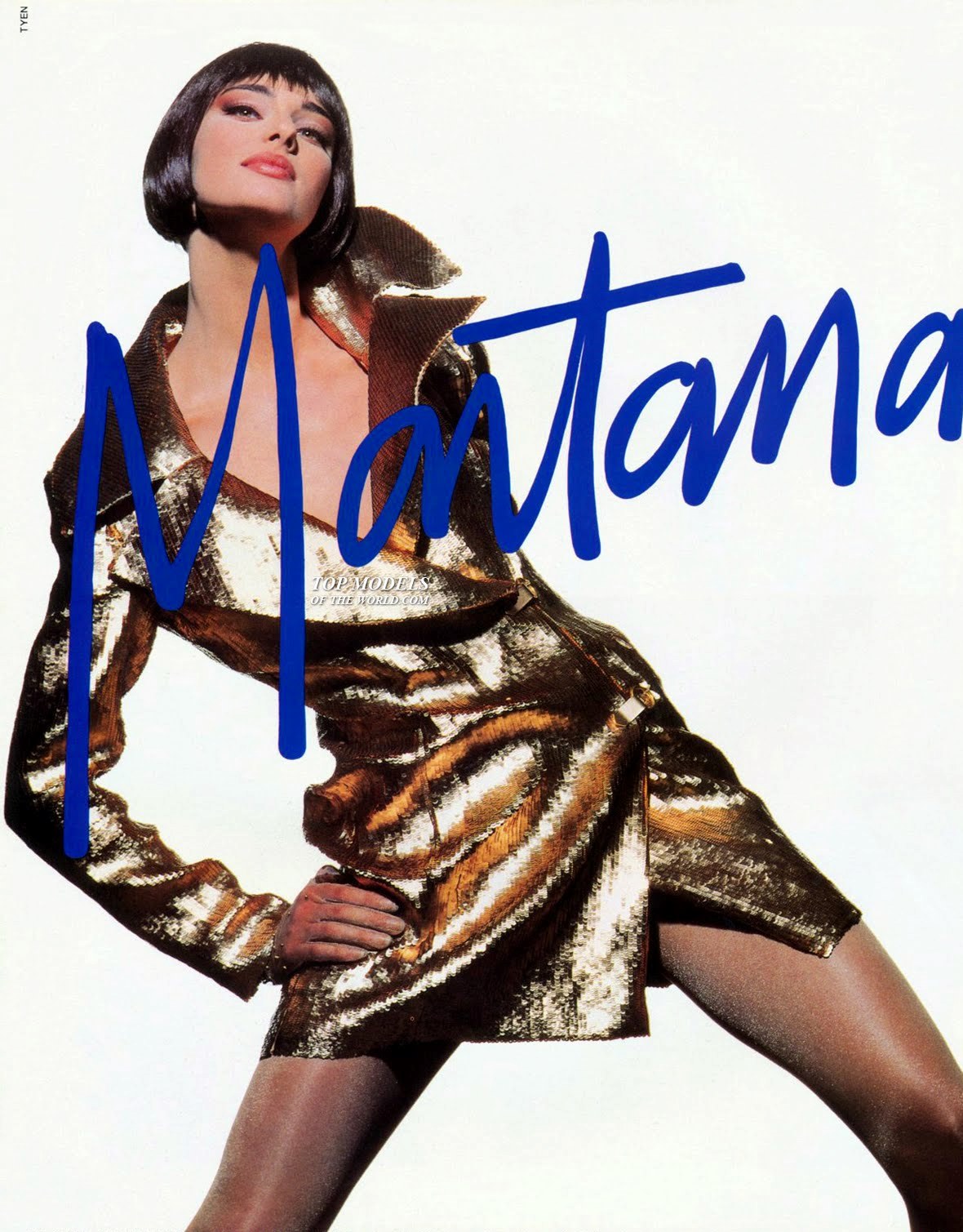
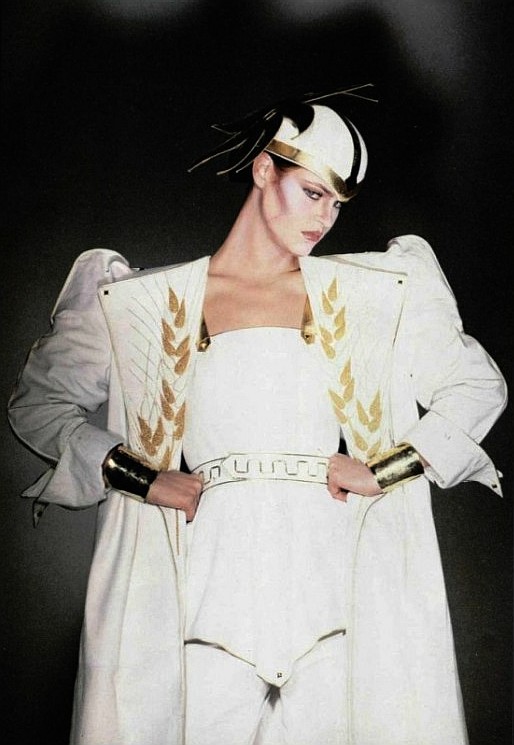
Born in Paris in 1949 to a Catalonian father and German mother, Montana began his career by designing papier-mâché jewelry covered with rhinestones. Later, he discovered leather and the complex techniques associated with it, eventually becoming a leading force in leather. His first fashion show took place in 1976. He was an avid colorist and favored blue, red, metallic, and neutral tones, in luxurious materials such as cashmere, leather and silk. He started his own company in 1979, and quickly became a darling of 1980s high fashion along with Thierry Mugler, who also favored aggressive shapes and strong colours.

Claude Montana

Claude Montana

Claude Montana

Mise en page 1

Claude Montana

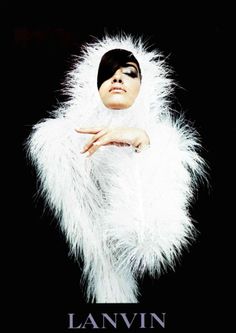
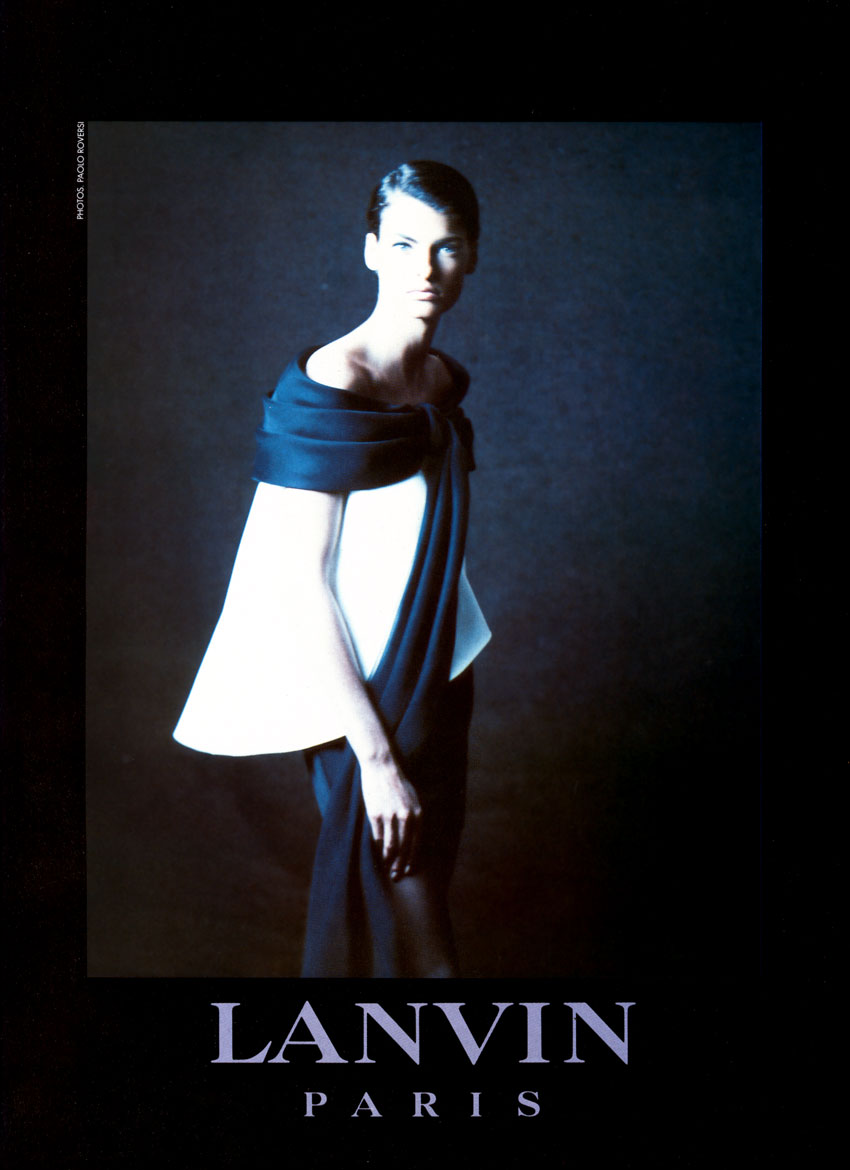
In 1981, Montana designed his first collection for men, called Montana Hommes, in which he focused on the color and material of each garment rather than trivial details. From 1990 to 1992 he designed haute couture collections for the House of Lanvin, for which he received two consecutive Golden Thimble awards. Despite critical acclaim, Montana’s bold designs were financially disastrous for the house, created at a total estimated loss of $50 million, and he was ultimately replaced by Dominique Morlotti. In 1999, he designed an affordable line of clothing for women, Montana BLU. It was inspired by his favorite themes but modified to fit the style of sportswear and citywear.

Claude Montana for Lanvin, ph. Paolo Roversi
Paolo Roversi

Paolo Roversi

Paolo Roversi

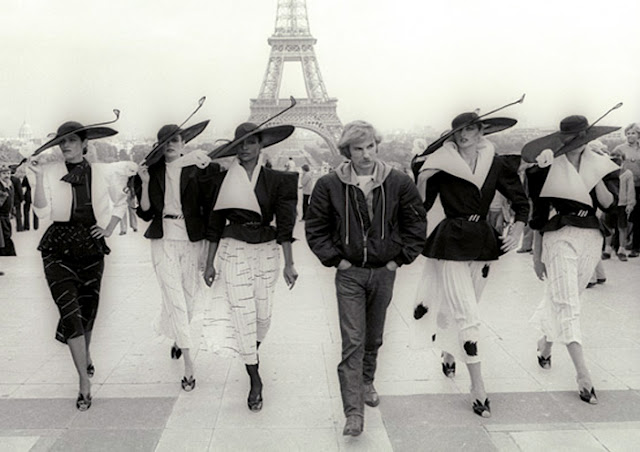
Montana’s fashion shows excelled in styling as well as in presentation. Because of their vibrations, modelling for Montana became prestigious and invitations to his shows the hottest tickets in town. With fashion’s return to harder lines in 2007 Montana has become an inspiration for many designers. Alexander McQueen praised and honored Montana many times in his collections. Both designers shared a love for construction and high quality.

.


On July 21, 1993, Montana married model Wallis Franken. It was a marriage of convenience and friendship, as Montana was openly homosexual. They were the same age, had been friends for 18 years, and she had served as his muse for many of his fashion innovations. Wallis already had two daughters and a granddaughter by a previous marriage. In June 1996, Wallis died after falling three stories from their Paris apartment. The death was ruled a suicide.

Power Dressing

claude montana

Claude Montana

1982,Claude Montana

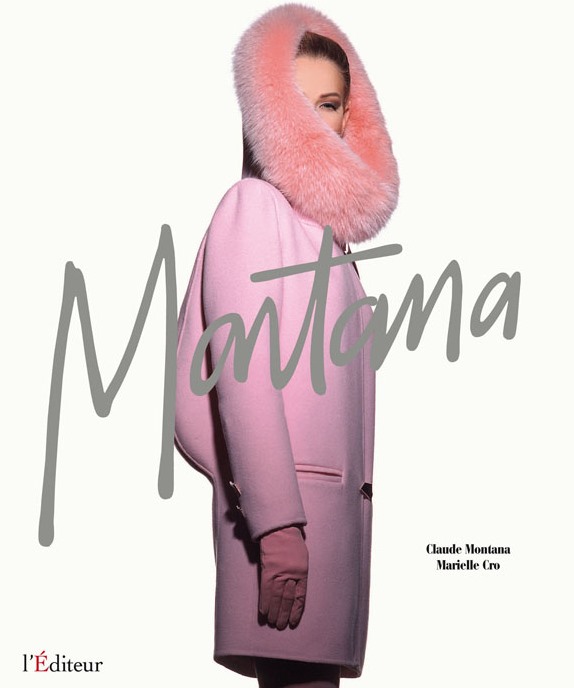
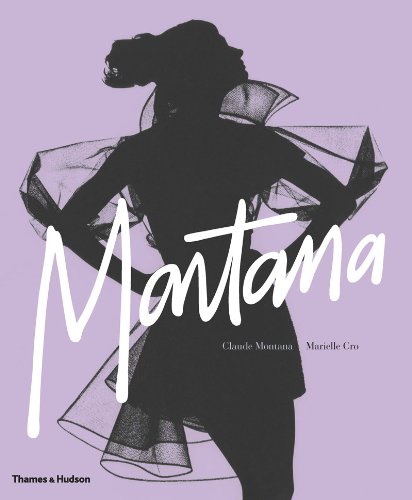
In October 2010 it was announced that Claude Montana and Marielle Cro have been working on a coffee-table book documenting Montana’s career. The book includes photos and interviews with insiders who witnessed Montana’s career firsthand.

Currently, Montana lives in Spain.

.

Death of Wallis Franken
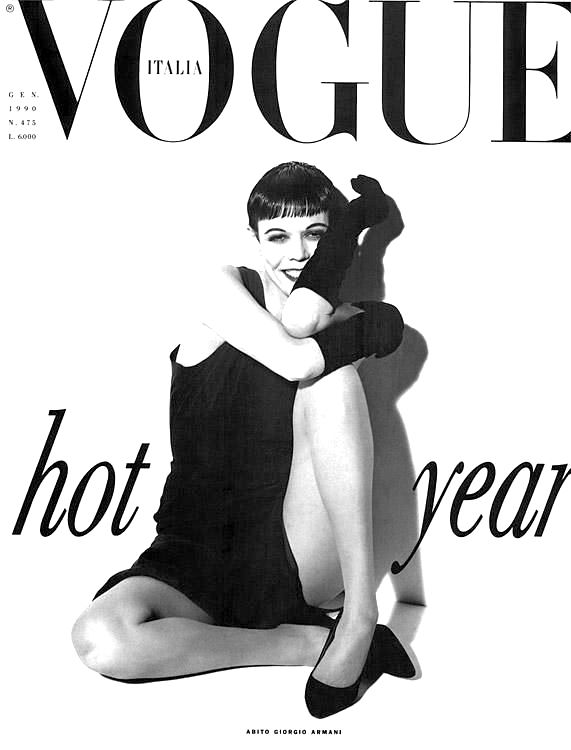
Wallis Franken Vogue cover


In the three years since she had married the hard-partying and openly gay Montana in a wedding that stunned even the normally blasé fashion world, Wallis Franken had endured terrible physical and emotional abuse from her complicated and unconventional husband. Friends had begged her to leave him, but she told them that she was “obsessed” with Montana. She had been his muse and his ally since he started out in the mid-70s, and she thought of him not only as a genius but also as her alter ego.
.
“He’s was sort of like her fate, her dark angel,” says Wallis’s friend Maxime de la Falaise. “She’d been in love with Claude for years.” Yet after decades of putting up with all the men and the nocturnal comings and goings in Montana’s life—not to mention his jealousy and possessiveness of her—the addition of the young fitting model, at a time when Wallis told friends Montana was ridiculing her as “old and ugly,” seemed particularly rattling. “Isn’t that weird?” she asked her friend Carolyn Schultz about the photographer’s request a few days before she returned to Paris from New York last May. But nobody, not even her family, seemed to have the slightest inkling of the depth of her despair. As usual, Wallis managed to fool everybody.
.
With her Louise Brooks bob, her lithe, androgynous body, and her raucous laugh, Wallis Franken was celebrated for her taste and style, but even more for her sparkling, care-free nature. To the sophisticates of Paris’s couture world, who knew her so well, she was never in a bad mood, but always warm, full of ideas, and ready for a good time. “She did not have the personality of a model but of a woman,” says designer Hervé Léger. “We do not find what she had in girls now. She became a real Parisienne. Even though we all know she didn’t have an easy time, I never saw her anxious or depressed. Wallis projected crème fraîche.
.
Her heyday on the runway was in the 70s, before the era of the supermodel, when lucrative product-endorsement contracts were rare. But at 48 she remained a fixture on the fashion scene, still able to wow them last March at Montana’s show at the Institute of the Arab World on the Left Bank. “You could see her person—there was a vulnerability in those eyes. How many models actually reveal that?” says Mark Van Amringe of Details magazine’s Paris office. “Wallis was the first mannequin to give the impression that the image belonged to her, not to the couturier,” says Christian Lacroix’s business partner, Jean-Jacques Picart. “She became an international figure.”
.
In late April and early May, Wallis spent a wonderful two weeks in New York, tending to her aging mother, seeing old friends, buying gifts for Montana, and visiting a Chinese herbalist, to whom she recited a litany of menopausal symptoms. She told him, for example, that unstoppable tears would sometimes flow from her eyes, but she never mentioned the possibility of depression. She said she was excited that her daughter, Rhea, 26, who had two small daughters, was about to give birth to a grandson. “She left in very high spirits,” says Sanchez. Wallis made a date to meet Sanchez three weeks later at his house in Marrakech. Then she flew home, arriving on Monday morning, May 6.1993 - Claude Montana & Wallis Franken fitting 4 the weddingClaude Montana & Wallis Franken fitting for the wedding, 1993
She spent Tuesday at Montana’s boutique on Avenue Marceau, playing host to a German TV crew, choosing outfits for the young fitting model to pose in, treating the visitors to jokes and champagne. Her younger daughter, Celia, 24, who worked at the boutique, was also on hand to help out. “She smiled a lot and talked to everybody,” says the TV producer, Alexandra von Schledorn. She and Montana were polite and careful with each other.
.
Nobody saw her on Wednesday, yet it was not unusual for her to take to her bed for 24 hours at a time. Neighbors who had previously complained to the police of loud music and rows emanating from Montana’s apartment on the Rue de Lille in the chic Seventh Arrondissement didn’t bother to look out to the back courtyard in the early morning hours when they heard a kind of thump. It wasn’t until seven hours later, on Thursday, May 9, that Wallis Franken’s bloodied body was discovered splattered on the cobblestones. She was wearing black leggings, socks, and a white shirt that was torn—a detail reportedly of interest to the Paris police.
.
The concierge could not even tell who she was. She had apparently taken a swan dive out the second-story kitchen window, a drop of 25 feet. The police, who woke Montana to make the identification, questioned him for hours. They found her jewelry lined up neatly on the kitchen table. Montana apparently told the police as well as Wallis’s family that he had felt a draft during the night and had closed the kitchen window, but had not looked outside. He said the last time he saw Wallis alive was in the wee hours of Wednesday, May 8, when she fell asleep on the living-room sofa. By the time he left for work that day, she had moved to her own room, or so he assumed. He did not check. Nor did he bother to look in on her Wednesday night when he returned.
.
The body was not removed from the courtyard until midafternoon. After an autopsy, which showed no marks or signs of self-defense on her body but which did show that she had ingested alcohol and cocaine, the French authorities have officially ruled Wallis Franken’s death a suicide by defenestration. Her family accepts that verdict. Nevertheless, her older brother Randy, who lives in Germany, and her mother, who lives in New York, both gave statements to the French police. They also engaged a lawyer who, according to Randy Franken, “made clear to authorities that there was a history of abuse.”wallis franken
What convinced Randy that his sister took her own life, however, was the height of the kitchen window. “I’m six foot three, and the sill hits me at my chest. If you wanted to push someone out, it would be a real job.” But these facts have not stopped the distraught and incredulous friends of Wallis Franken from blaming the diminutive Claude Montana for contributing to her death. (He, in turn, has made no public statement of any kind about his wife or her death. Neither has his press office. He declined to speak to Vanity Fair.)
.
‘I feel that no matter what Claude did, whether his hands were on her or not, the lifestyle he gave her, the way he abused her mentally, emotionally, physically, pushed her over the edge,” says Wallis’s closest friend, former model turned painter Tracey Weed. “I have no doubt that he was a contributing factor to my sister’s demise, perhaps a major contributing factor,” says Randy Franken. “We all have the same idea,” echoes painter Vincent Scali, Wallis’s witness at her marriage to Montana. “Everybody knew that his part in her death was enormous.” How did Montana contribute? “By treating her like shit, saying, ‘You’re no one, you’re nobody, you’re a weight on my life.’ … He knew Wallis was weak.… We did everything in our power to keep her away from him, and she went back. She was a masochist.”


Book

Book cover

Displays and revels in the rich inventiveness of a designer who played a key role in the fashions of the 1980s and 1990s, and who has become an inspiration for many contemporary designers.

The Montana woman embodied an extraordinary new image: razor- sharp tailoring and strong silhouettes with dramatic proportions and masculine lines, enlivened by an astonishing mix of detail and bold hues. Materials, colors, and cut were all vehicles for Claude Montana’s effervescent genius, and it was the Lanvin period in the early 1990s that marked the absolute high point of his creativity.

This book looks at the principles and practices that underpin Montana’s work. It records numerous conversations with Montana himself that help us to understand the essential forces that have shaped his work, while scores of catwalk images and reproductions of his sketches reveal the energy and singularity of his vision. It is a journey punctuated with intimate comments and observations by those who have accompanied the designer at different points along the way—among others, the photographers Dominique Issermann, Tyen, and Paolo Roversi; the embroiderer François Lesage; the designer Alain Mikli; and the makeup artist Olivier Echaudemaison. Their moving testimonies are scattered throughout these pages. 124 color and 22 black-and-white illustrations.

ISBN 9780500515396
Claude Montana


.

Info: Wikipedia, http://www.vanityfair.com/magazine/1996/09/montana199609

Elio Fiorucci, New York Store became known as the “Daytime Studio 54”

10 May

Elio Fiorucci, ph. by Giarcarlo MecarelliElio Fiorucci, ph. by Giarcarlo Mecarelli

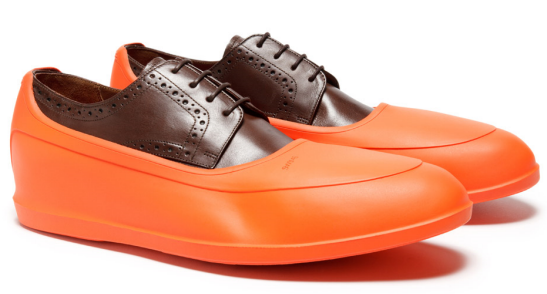
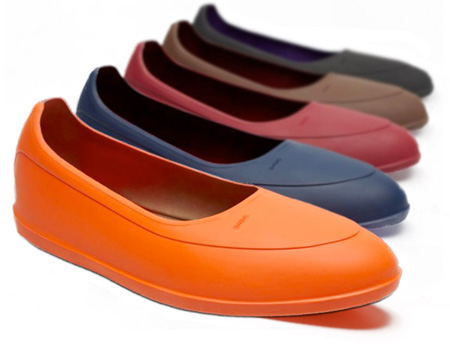
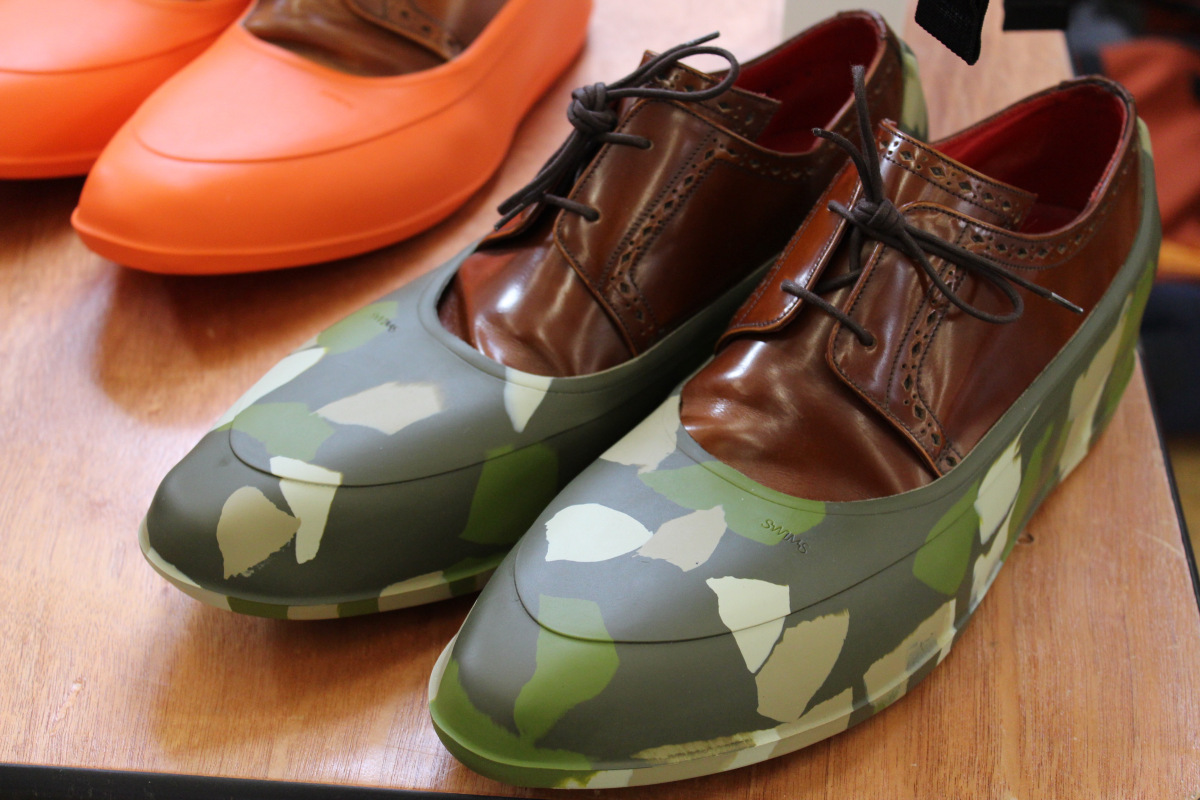
Elio Fiorucci was born in Milan on 10 June 1935, son of a shoe shop owner. One day in 1962, Elio came up with the idea of making galoshes (rubber overshoes) in bright primary colours while working at his father’s shop. When they were featured in a local weekly fashion magazine, the galoshes caused a sensation (inspiration for Prada shoes fall 2012). Following a trip to London in 1965, Elio was determined to bring Carnaby Street fashions to Milan. He opened his first shop on Galleria Passerella in Milan on 31 May 1967 selling clothes by London designers such as Ossie Clark and Zandra Rhodes.

In 1968 Fiorucci looked East for inspiration, buying cheap T-shirts from India, and turning rice sacks into bags. Two years later the company set up its own manufacturing plant, and adopted the “two angels” logo created by Italo Lupi.

Elio Fiorucci & Andy WarholAndy Warhol chose the shop window to launch of his revolutionary “Interview” magazine.

“Went to Fiorucci and it’s so much fun there. It’s everything I’ve always wanted, all plastic.”

12/21/83 Warhol diary entry
.

In 1974 the company opened a huge new store on Via Torino in Milan, expanding beyond fashion to offer books, furniture and music. The new shop also had a performance area, vintage clothing market and restaurant. Meanwhile the label introduced the monokini and thong from Brazil, causing controversy with the topless photos used to advertise them. Glass beads from New Mexico were another hit In 1975 the company opened its first store overseas, on the Kings Road in London, and launched a children’s collection called Fioruccino. It brought Afghan coats to the mass market and popularised the leopard-skin prints first created by Elsa Schiaparelli two decades before.

Fiorucci monokiniFiorucci controversial monokini ad

The real epicenter of Fiorucci’s cool was its New York store at 125 East 59th Street. Opening in the spring of 1976, it soon became a destination for all those young and weird. The press compared its atmosphere  to that of Studio 54. In 1977, New York magazine would declare: “All it took this year to achieve instant chic, day or night, at the slickest New York party or the trashiest was a pair of $110 gold cowboy boots from Fiorucci.” Customers such as Marc Jacobs, Cher and Terence Conran would rub shoulders with Jackie Onassis and Lauren Bacall, you might see drag queen Joey Arias serving the King of Spain or author Douglas Coupland absorbing the store’s pop culture or Calvin Klein and Gloria Vanderbilt buying some jeans.

oliviero toscani per Fiorucci.Oliviero Toscani for Fiorucci

Fiorucci served free espresso during the ’70s before most Americans had even heard of it. Fiorucci had DJ’s in the boutique spinning all the latest cutting edge music, B-52’s, David Bowie, Blondie, Lena Lovich, Kate Bush.  Fiorucci had models dancing in its window displays, wearing the latest fashions. Fiorucci was “cool”. Out with the old in with the new. Fiorucci had 30 stylists and trend- spotters, some as young as 16, whose job was to fly around the globe and report back on the latest trends. They would buy samples of things they saw on the street. They’d go to clubs and see what people were wearing. They would get the youngest, and best looking sales assistants, dress them up in the most outrageous outfits, and have them “sell” Fiorucci, on the streets. Look at this fabulous plastic skirt I got at Fiorucci. etc…. 

Fiorucci Art Direction by MaripolFiorucci Art Direction by Maripol

In the early 1980s the Fiorucci art director was jewelry designer Maripol, known for creating Madonna’s look at the time. Other employees included Madonna’s brother Christopher Ciccone, Terry Jones of i-D magazine, Oliviero Toscani, who shot many of the famous Benetton ads and famed interior designer Jim Walrod.


Meanwhile, the company continued to bring new products to market, including a collection made from DuPont’s new Tyvek fabric and velvet slippers from China. In 1978 they were the first fashion house to license their name for a collection of sunglasses, while in 1981 a Disney licence led to a highly successful range of clothes emblazoned with Mickey Mouse. Ever on the pulse of the times, Fiorucci sponsored the reunion of Simon and Garfunkel in The Concert in Central Park on 19 September 1981, attended by 400,000 people or more and on the bill for their birthday party in 1983 was a then-unknown Madonna.
Madonna and her dancers, the 15th anniversary of Fiorucci at Studio 54, 1983.Madonna and her dancers, the 15th anniversary of Fiorucci at Studio 54, 1983

In 1981 the company launched the first stretch jeans with Lycra, and the success of the 5-pocket “Safety” jeans was recognised three years later in a licensing deal with Wrangler Jeans.

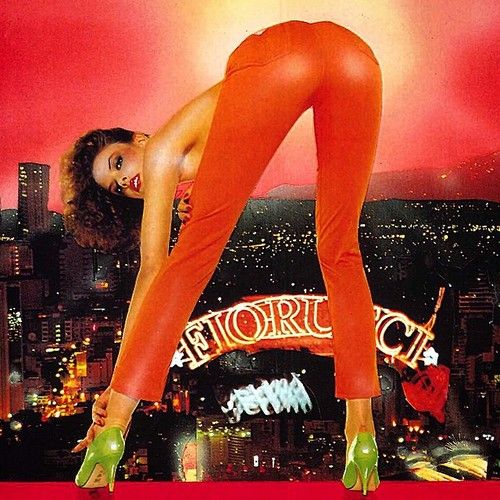
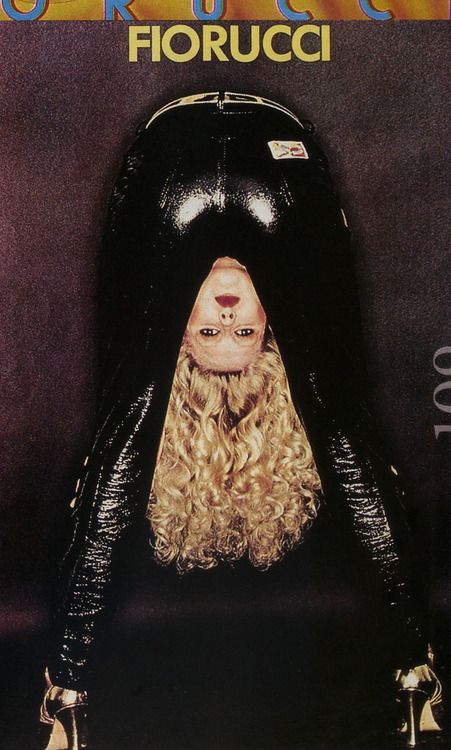
Jeans put Fiorucci onto the international fashion scene. Fiorucci created vinyl jeans that were skintight, sexy, and brightly colored. Fiorucci was crazy for color — shocking, screaming, pulsating fluorescent shades — at a time when others were proposing muted preppie plaids. Fiorucci sold sex, before the concept was coopted by mainstream media.

fiorucci

Fiorucci

Fiorucci

Fiorucci

In 1987 Fiorucci produced the Junior Gaultier line designed by Jean-Paul Gaultier, and in 1989 they went back to their roots with a deal with Vivienne Westwood, queen of the London street scene.

The company expanded rapidly after 1978, launching new stores across the US, Europe and Asia. Despite thriving sales, the company was dogged by poor management and had to close the New York store in 1986; Betsey Johnson has suggested “Fiorucci was the most happening place. It never stopped being happening — it just left New York City, because I don’t think New York City was happening enough by the mid-80’s”. Fiorucci closed down the rest of the US retail locations in 1988 after a franchise dispute, moving instead to a wholesale strategy.

logo-fiorucciFiorucci logo by Italo Lupi

Fiorucci label tagFiorucci label tag

The company was sold and resold again. January 1996 after a plea bargain, Elio Fiorucci was given a suspended jail sentence of 22 months for inflating the value of invoices to increase the value of the company to Carrera at the expense of his creditors.

In 1999 the then owners announced a plan to open a New York store once again. The initial plan was to open in time for Christmas 1999, but the store on lower Broadway finally opened its doors in June 2001. Critics were sceptical that it could recapture the buzz of times past, given the increased competition in mass-market clubbing gear from the likes of H&M and The Limited.

Fiorucci

Meanwhile the brand continued to thrive in Europe and regained some of its former notoriety in 1995 with a poster campaign for its jeans featuring a naked woman’s buttocks and pink furry handcuffs, which became instant bestsellers. In 1999 it launched a successful perfume, followed by a second, Fiorucci Loves You, in 2001, and “Miss Fiorucci” makeup in 2003.

Although Elio Fiorucci retained creative control during this era, the owners are protective of the Fiorucci trademarks and have taken legal action against H&M in the US when Elio designed their Poolside line. He has also set up a brand of his own called Love Therapy and designed for Agent Provocateur.

In March 2003, Elio Fiorucci announced that after 36 years, he was closing the doors to his historic shop in Corso Vittorio Emmanuele, Milan. When Fiorucci hit the scene nearly 40 years ago, he blew Italy – and the rest of the world – away with a larger-than-life attitude. He brought in the new and unexpected, pre-dating the surge of today’s “lifestyle” stores. Fiorucci mixed clothing with beauty products, vintage items, music and home furnishings. He even used his retail space for artistic performances. Elio said the reason he was closing his shop was because he had “fallen out of love” with fashion.

fiorucci-collage .

.

Fiorucci Made Me Hardcore

Fiorucci Made Me Hardcore patches up several videos of young people dancing, singing and partying. It starts with the disco scene of the 1970s, touches upon the Northern Soul of the late 1970s and early 1980s and climaxes with the rave scene of the 1990s. Mash-ups of a single soundtrack play during the whole video, giving a sense of unity and narrative to the video. However, there are moments of spoken text. At one point an animated element – a bird tattoo image – appears as if released from the hand of a dancer, then carried into the next shot finds its place on the arm of another of the film’s nightclubbing subjects. Some dance moves are played on loop for a few seconds, some are played in slow motion.

 .

.

Inspired by Elio Fiorucci

coloured galoshes : http://www.swims.com/MEN/Galoshes.aspx

swims-galoshes-with-shoes

SWIMS-Overshoes-

coloured galoshes

coloured galoshes

coloured galoshes

 .

.

Info:

 Wikipedia,

http://www.thedollsfactory.com/2010/07/fiorucci-provocative-genius.html#.VUUM8Pntmko

article by By Trish Donnally, Chronicle Fashion Editor


Liz Claiborne, the first Woman to found a Company that landed on the Fortune 500 list

1 Mar

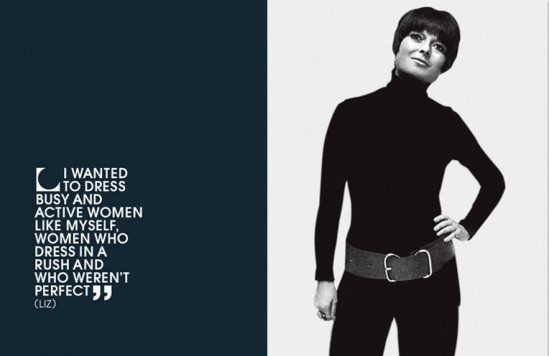
After 25 years as a New York designer, Liz Claiborne co-founded her own firm in 1976, first designing stylish, moderately priced sportswear that freed working women from plain, dark suits, then expanding into menswear, accessories and perfume. Liz Claiborne Inc. broke into the Fortune 500 list of “America’s largest corporations”—becoming the first company founded by a woman to be so honored. 

Biography

Born Anne Elisabeth Jane Claiborne in Brussels, Belgium, on March 31, 1929, Liz Claiborne is best known for revolutionizing the women’s apparel industry in the United States. She served as head designer and co-founder of the company that bears her name, Liz Claiborne Inc., for more than 20 years.

The daughter of a banker,she spent many of her early years abroad, and became fluent in both French and English. Liz and her family moved to New Orleans, Louisiana, in 1939. After WW II ended, she moved to Europe, where she studied art. Liz never earned a high school degree. At the age of 19, she won a design contest held by Harper’s Bazaar magazine, and soon moved to New York City to pursue a career in the fashion industry.

Liz’s first job was as a sketcher for sportswear designer Tina Leser, also working from time to time as a size model. She worked for several other designers over the next few years, and, in 1950, married book designer Ben Schultz. The couple had one son, Alexander, before splitting. In 1957, Liz married Arthur Ortenberg.

Liz Claiborne Inc. foundersThe founders of Liz Claiborne Inc.

liz claiborne
In 1960, Liz Claiborne became head designer of Jonathan Logan’s Youth Guild label, and stayed for more than 15 years before breaking out on her own. With $50,000 of her own savings and $200,000 from friends, family members and associates, she co-founded her own firm, Liz Claiborne Inc., in 1976 with her husband, Arthur Ortenberg, and partners Leonard Boxer and Jerome Chazen. At a time when women were entering the workforce in great numbers,Liz built the company into a billion-dollar-a-year business, first designing stylish, moderately priced sportswear that freed working women from plain, dark suits, then expanding into menswear, accessories and perfume.
liz-claiborne
She also chose to revamp the visual merchandising aspect of the department store; rather than separating the store by pants, shirts, and blouses Liz chose to put all the pieces together in order to make a complete look in one section of the store. After the success of her new floor plan many companies followed suit. It did not take long for Liz Claiborne, Inc. to be considered one of the fiercest competitors in the business.
Liz Claiborne Inc. reached $5.6 million in 1986, and the firm broke into the Fortune 500 list of “America’s largest corporations”—becoming the first company founded by a woman to be so honored. In 1987,Liz  Claiborne was elected chairman of the board and CEO of the company, but she retired from active management in 1989.
.
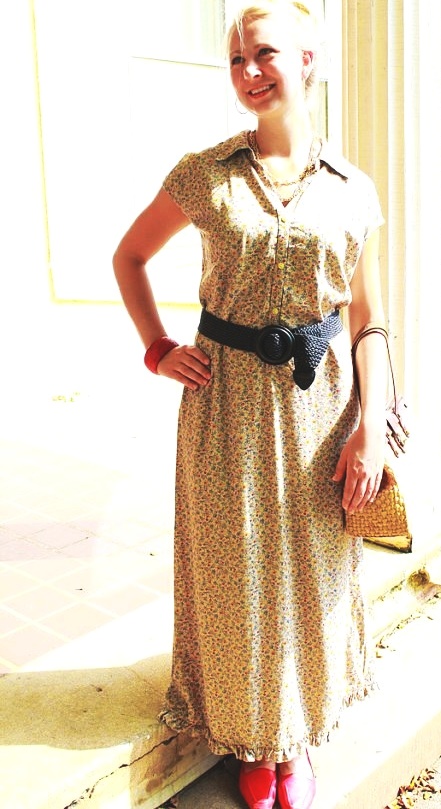
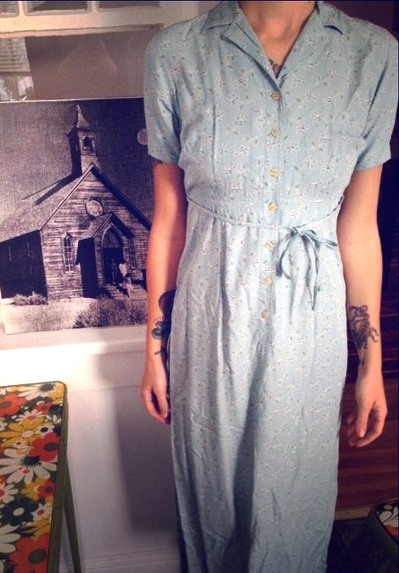
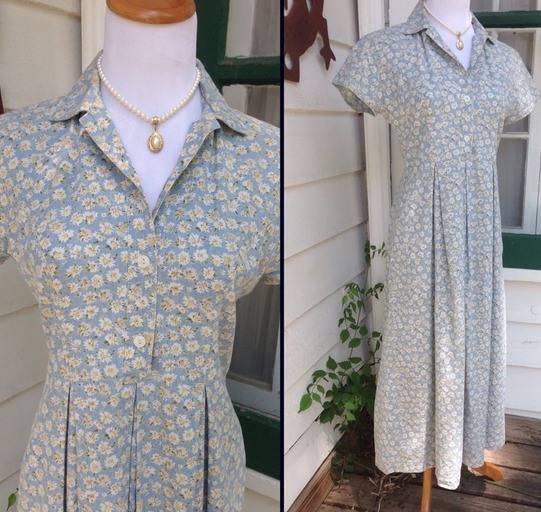
Vintage Liz Claiborne 
liz claiborne
 Liz Claiborne
liz claiborne
liz claiborne
liz claiborne
liz claiborne
liz claiborne liz claiborneAfter retiring, Liz devoted much of her time to social causes. She and her husband started the Liz Claiborne Art Ortenberg Foundation to support a number of different projects around the world; over the years, the organization has supported conservation and environment efforts, including those aimed at protecting elephants in Gabon and Mozambique.
She was honored in 2000 at the American Fashion Awards for her environmental work, especially for her work to stop the killing of elephants for their ivory tusks. But business didn’t stop after Liz stepped down. Over the years, Liz Claiborne, Inc. has acquired several companies that you may know such as, Lucky Brand jeans, Juicy Couture,Kate Spade, and Mexx
Liz faced a health crisis in her later years: She was diagnosed with peritoneal cancer, which she courageously battled for many years. She died from complications related to her cancer on June 26, 2007, at the age of 78, in New York City.
Although Liz has passed away, her name is seen everywhere and she will forever be remembered. In a biography written by her husband, Art, he concludes, “Liz left us more than her work, perhaps more than the consequences of her work; she left us herself. The making of that self, and the good she did for others, is the story I tell.”
.
More vintage Liz Claiborne 
.
liz claiborne
liz claiborne
liz claiborne
liz claiborne
liz claiborne
liz claiborne
liz claiborne
Lots of vintage Liz Claiborne can be found on http://www.etsy.com & http://www.ebay.com

Book

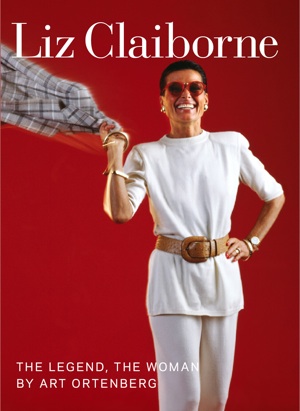
Book Cover

To have lived a joyful life and to have departed that life a victim of a vicious cancer is, in brief, the story of Liz Claiborne’s life. But the story is much more than that. Born in Brussels in 1929, the third and last child of a highborn American banker and his delicate, beautiful wife, she was born privileged and taught that privilege incurs responsibilities. She lived out her early years untouched by life and death during the ominous 1930s, until the ominous became the real and the family fled to America. Inheriting her father’s love of paintings and museums and her mother’s love of costumes and clothing, Liz early on discovered “the beauty of everyday things,” and at the age of twenty won the Grand Award in the Harper’s Junior Bazaar Design Contest, which earned her a trip to Paris to work for ten days with famed couturier Jacques Heim. For the next twenty-five years she worked as a designer and sketch artist before starting her own company with her husband Art Ortenberg. Liz Claiborne, Inc. was an immediate success, and was by 1981 a Fortune 500 company with $1.2 billion in sales. In this book Art Ortenberg does not so much celebrate Liz Claiborne the designer and entrepreneur, but rather Liz the woman. “Liz left us more than her work,” he concludes, “perhaps more than the consequences of her work; she left us herself. The making of that self, and the good she did for others, is the story I tell.”

.

.

liz claiborne


info: http://www.biography.com/people/liz-claiborne-9248891

Jun Takahashi’s brand Undercover, “the Essence of Japanese Cool” (part one)

1 Feb

Jun Takahashi

 Jun Takahashi is the founder and head designer of cult Japanese label ‘Undercover’. Born in Kiryu, Gunma prefecture, Japan in September 1969, Takahashi studied Fashion Design at the Bunka Academy of Fashion. During his study period, he founded the ‘Undercover’ brand with his friend and classmate, Nigo (who now heads the inconic Japanese streetwear label ‘A Bathing Ape’). Following his graduation in 1991, Takahashi continued to develop his Undercover label.

The brand really began in 1993 when Takahashi and Nigo opened a store called Nowhere in the trendy Tokyo district of Harajuku. Undercover really began to take off after the opening of Nowhere; therefore Takahashi and Nigo opened another shop in Aoyama (fashion district in Tokyo). Soon enough, Takahashi was seeing his designs on the catwalk in Tokyo. A new shop called “Nowhere LTD” was opened after this and featured only clothing from the Nowhere brand. Takahashi began working with fellow designer Hiroshi Fujihara in 1994 to create another brand called A.F.F.A., which stands for “Anarchy Forever Forever Anarchy”. They worked on this intermittently for about three years, taking breaks here and there, though the project eventually failed. 

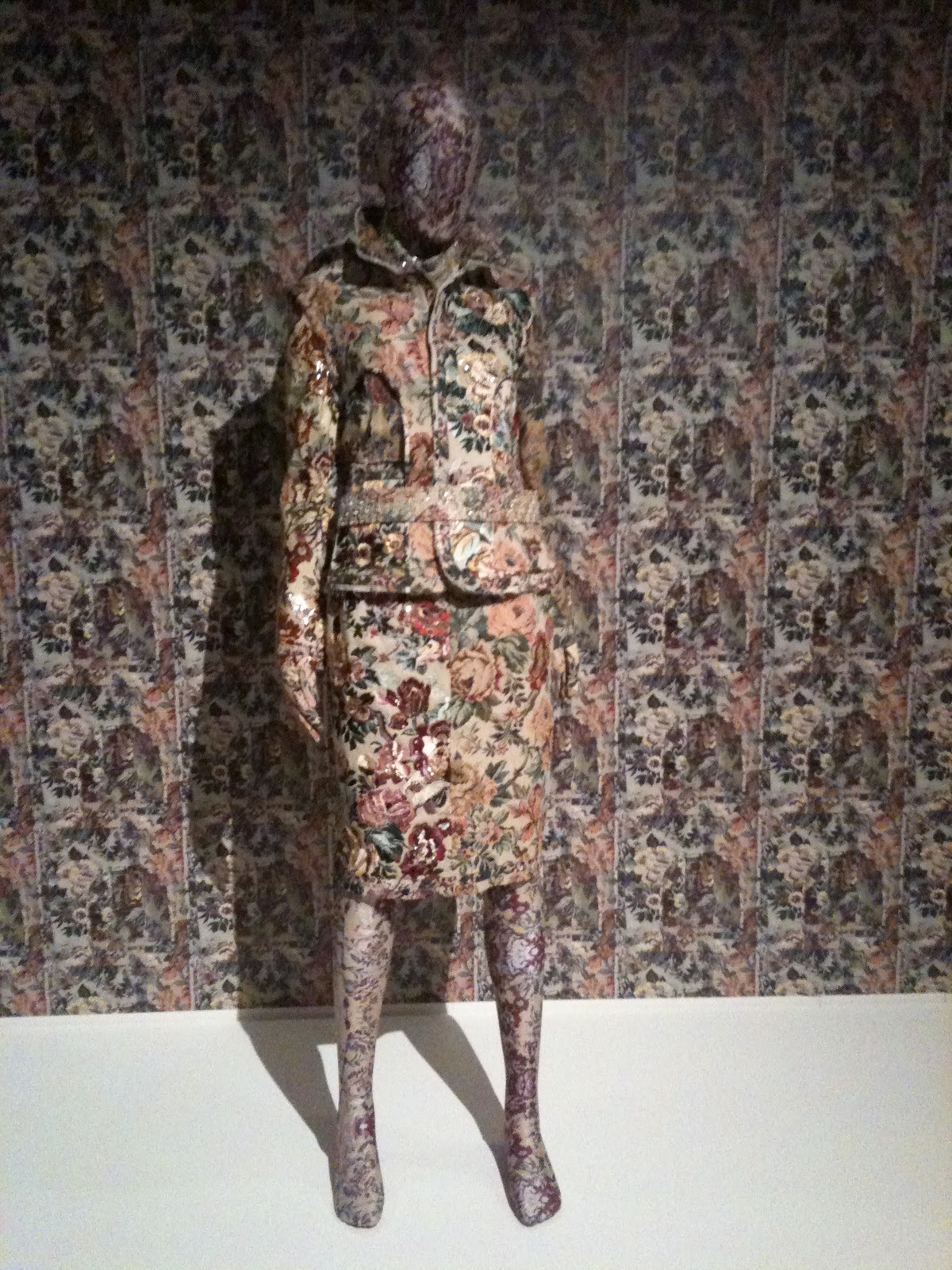
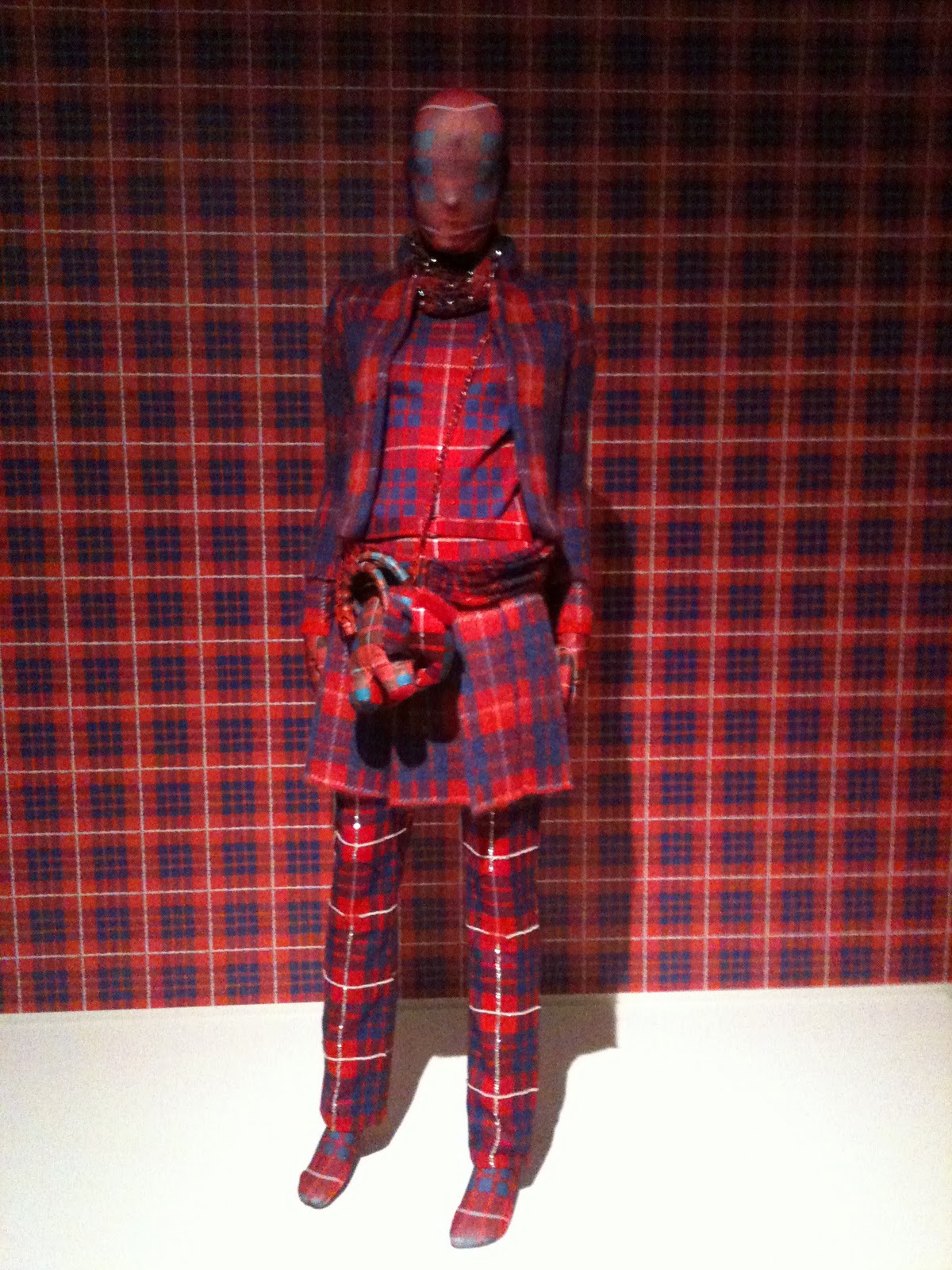
Undercover A/W 2000

a/w 2000 Undercover

A/W 2000 Undercover

IMG_0349


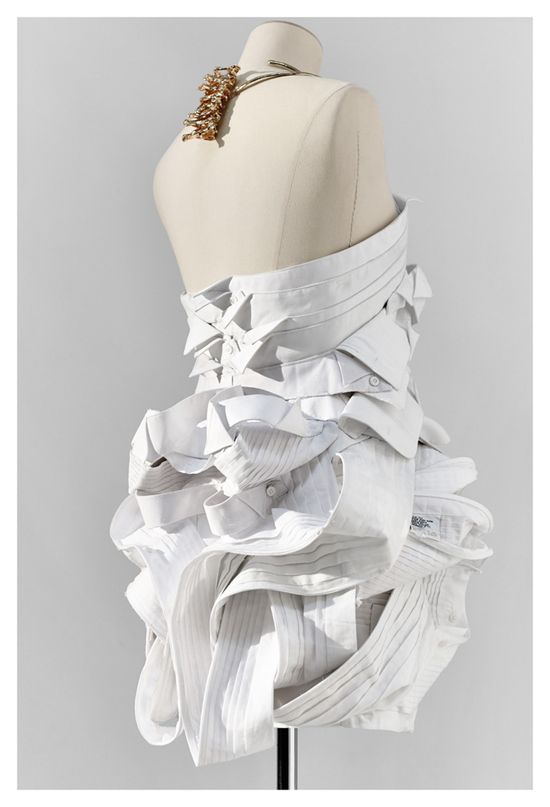
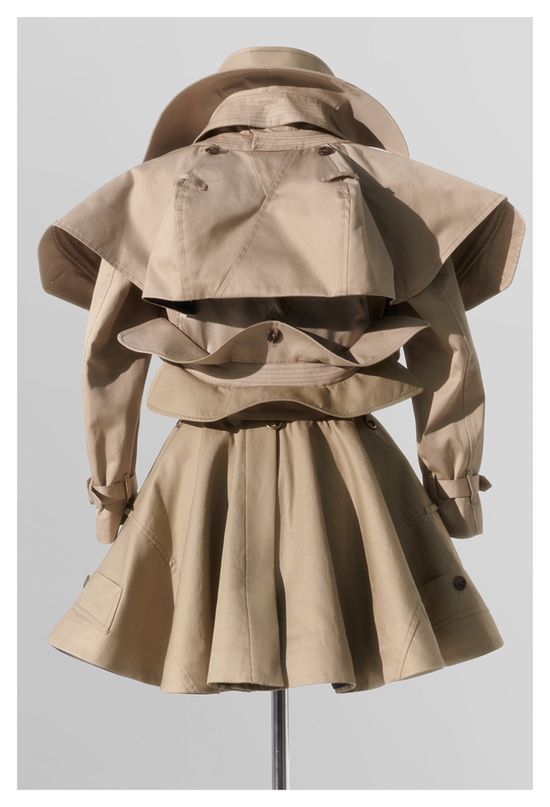
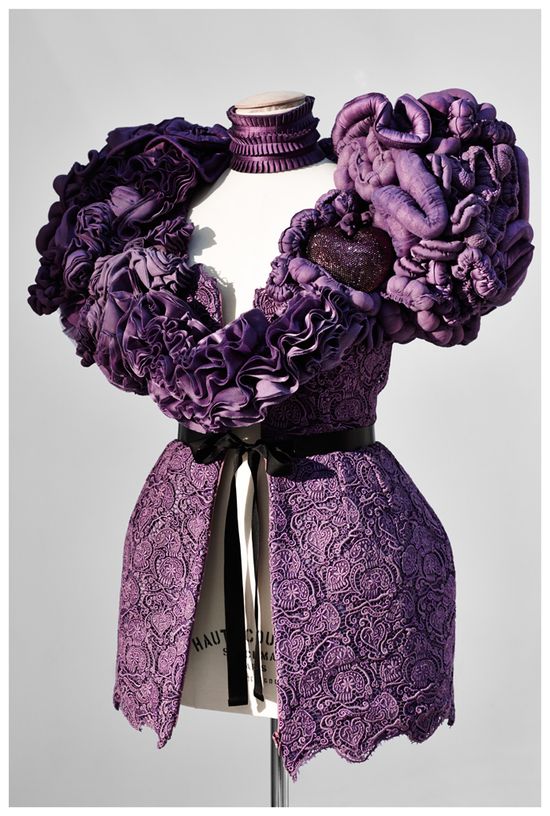
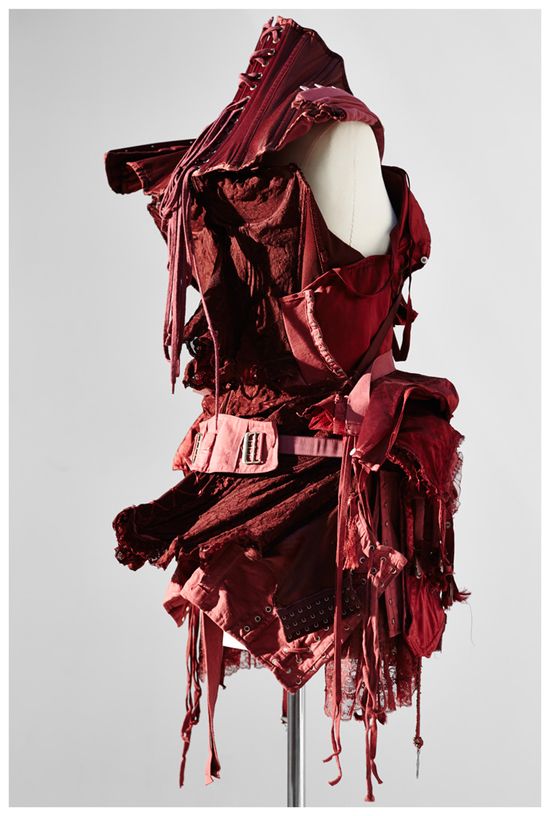
 In 2002, Takahashi’s brand debuted at Paris Fashion week with great success. Soon after in 2003, he won two major awards for his designs from the Mainichi Shimbun (one of the major newspapers in Japan). Today, the brand has a large cult following, making the brand both sought-after and expensive. One of the most important thing to note about Takahashi’s style is the incredible influence the Sex Pistols have on him. Even though it is not punk fashion per se, there are various punk influences throughout his designs, as well as references to other bits of American popular culture, such as Stanley Kubrick’s A Clockwork Orange. The cuts are often more feminine and the fabrics make use of color printing. He also makes liberal use of tattered, frayed, and shabby-chic elements in his designs. 

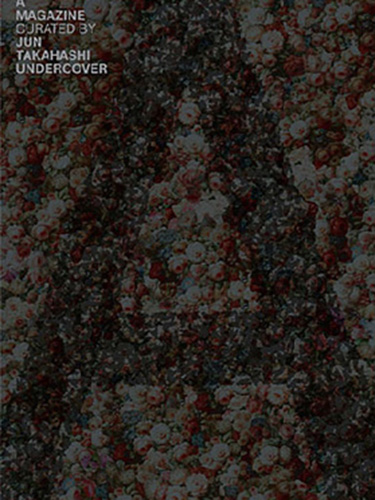
This brand’s punk and street-style look have propelled Takahashi in the fashion world and he continues to see success with his Undercover brand today. In 2005 he was invited to design a special edition camera case for Canon, as well as being given the opportunity to guest edit the Belgian A Magazine. His brand is also featured at Rei Kawakubo’s Dover Street store in London. These successes, and possibly more to come, show just how powerful a designer Takahashi is and his Undercover brand’s avid fans would whole-heartedly agree.

A Magazine cover

The brand has been called the essence of Japanese cool and features finely crafted clothing pieces which are, in the words of Takahashi himself, “strange, but beautiful”. Undercover has won numerous awards and been praized by other fashion designers including Miuccia Prada and Rei Kawakubo.

 “Political and poetic, Jun Takahashi  has been announced  as one of the most brilliant and unpredictable fashion designers of a new generation. He describes his work as an appeal for thinking about the fact that things look different depending on the way we look at them. 

.

Fall/Winter 2013-14

Jun TakahashiSpecial pieces made from deconstructed men’s white shirt collars. Photo by René Habermacher.

Fall/Winter 2013-14

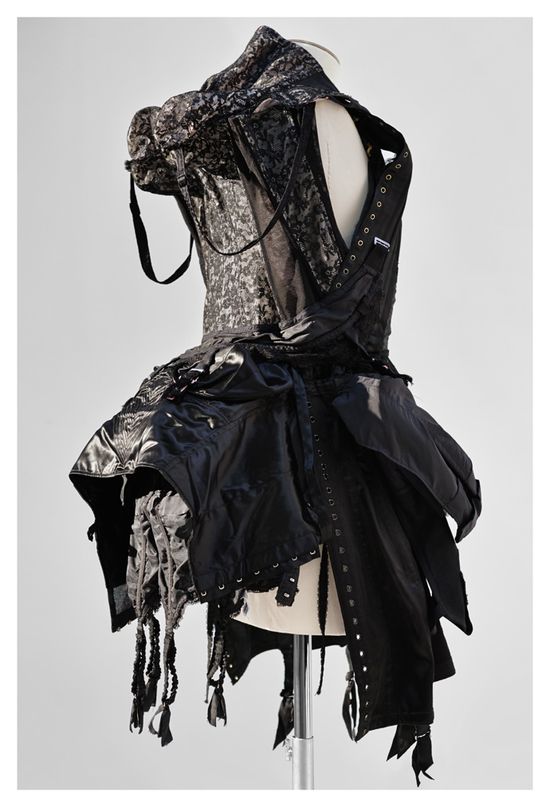
Jun TakahashiDress made out of vintage lingerie, UNDERCOVER Fall/Winter 2013 Anatomiecouture

Fall Winter 2013-14

A/W 2013-14

 A/W 2014

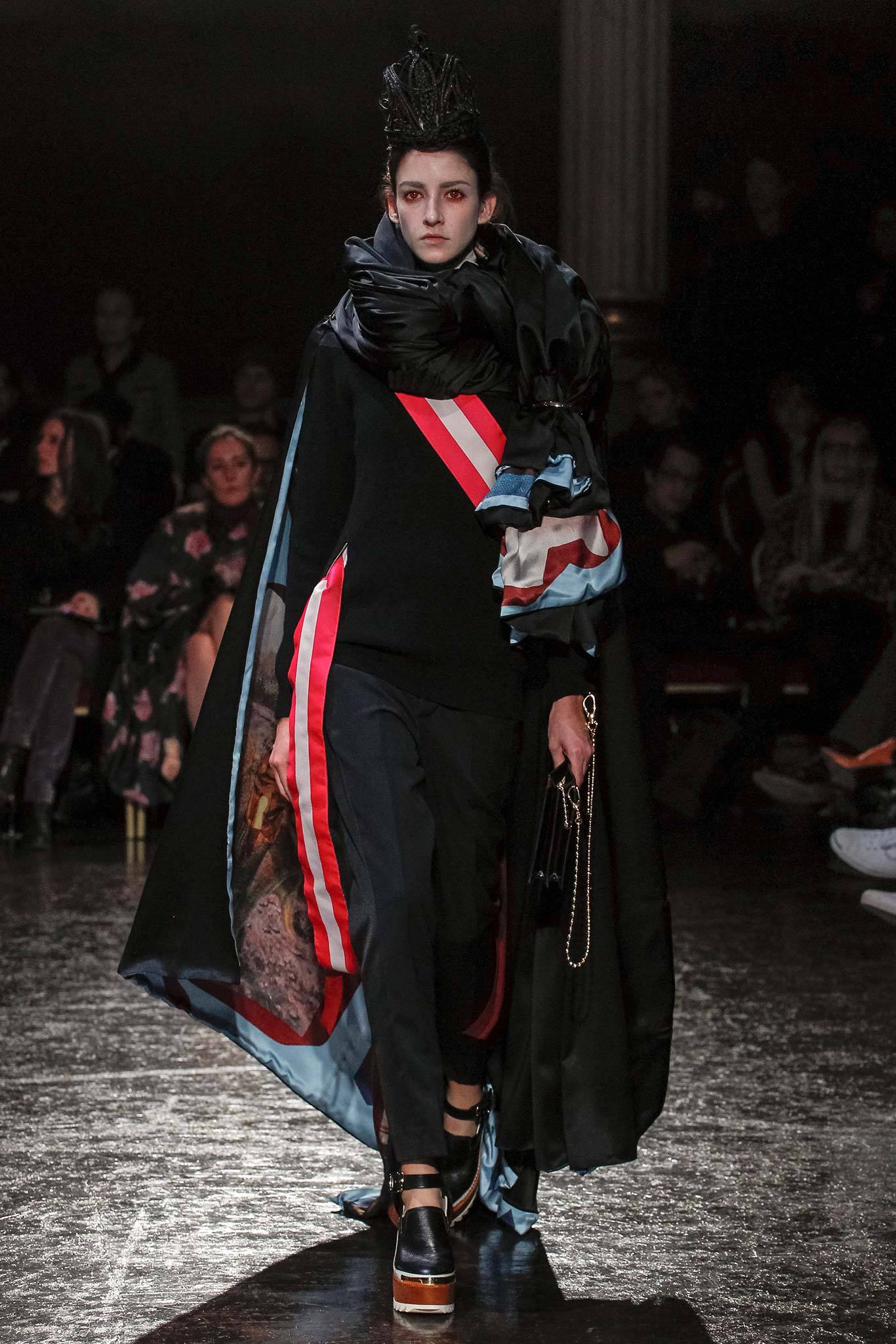
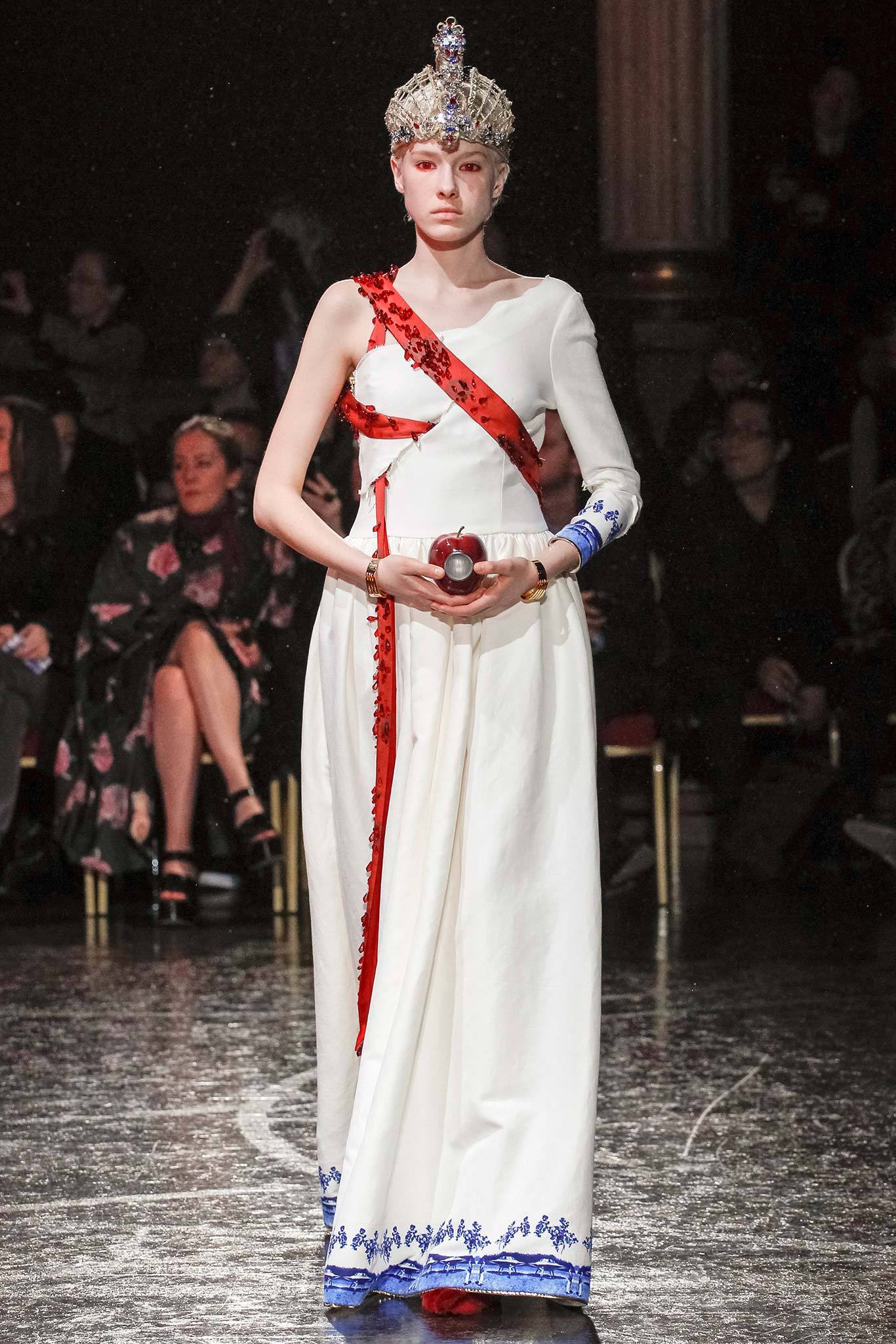
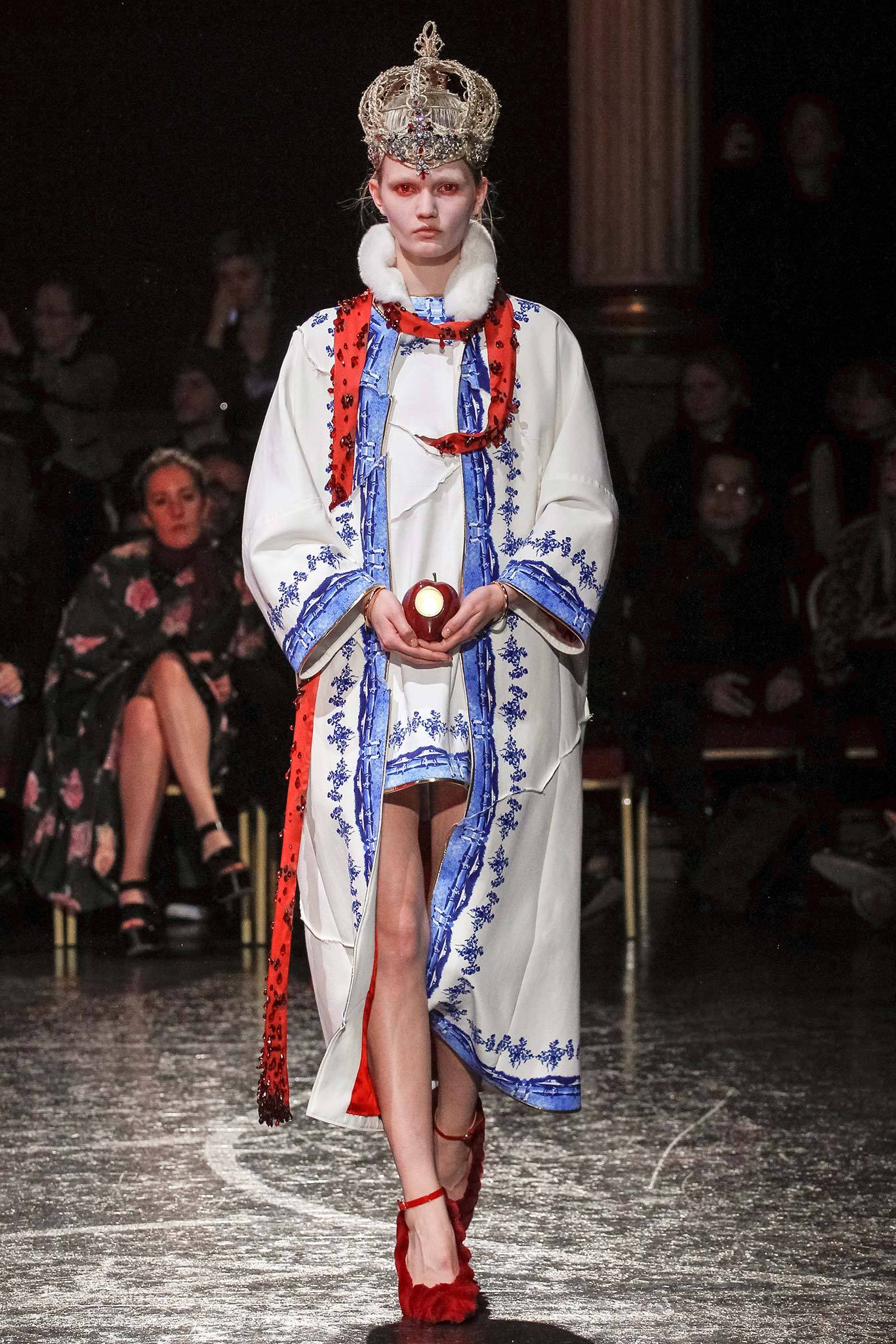
Jun Takahashi turned his models into fairytale queens, albeit wicked ones. If they looked angelic in their crowns made out of braided hair and rhinestones, their blood-red contact lenses and red mascara ensured an eerie quality “like vampires. I wanted to show how cold-blooded the girls could be,” he explains.

undercover-beauty-autumn-fall-winter-2014-pfw

Jun Takahashi

Jun Takahashi

Jun Takahashi

Jun Takahashi

 Spring/Summer 2015

 .

,

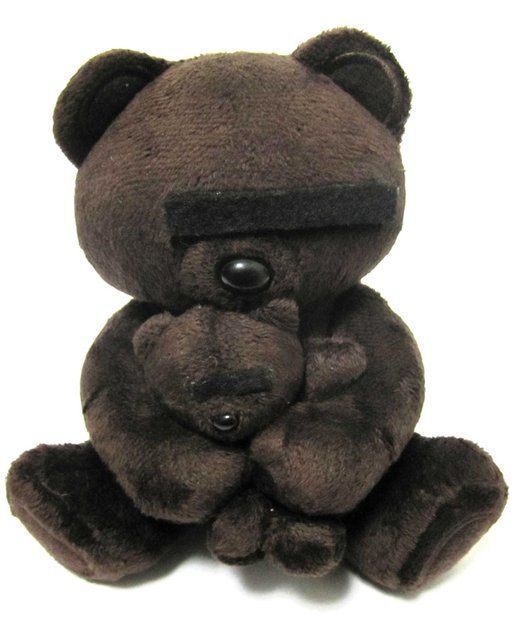
Undercover Bear Plush Toy by Jun TakahashiUndercover Bear Plush Toy by Jun Takahashi

.

Next week: Jun Takahashi (part two)

info from:  www.virtualjapan.com/wiki/Undercover

Duro Olowu, impressed with a Vibrant Mix of African Prints

14 Dec

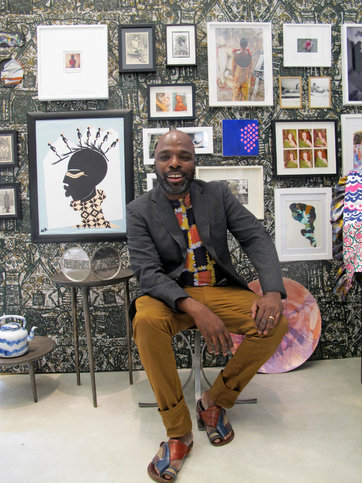
Duro OlowuDuro Olowu

.

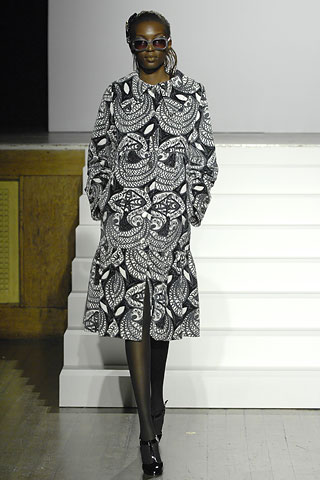
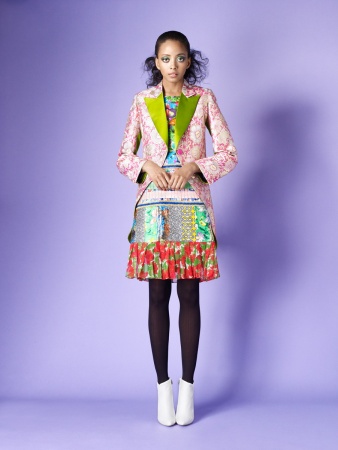
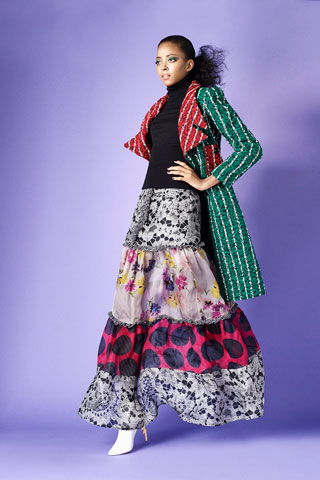
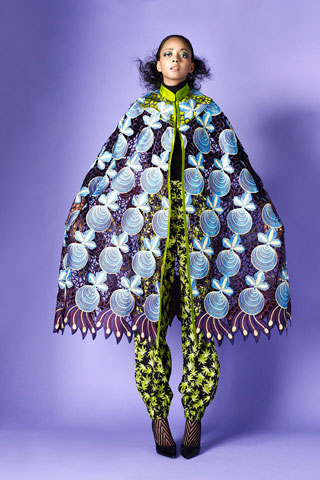
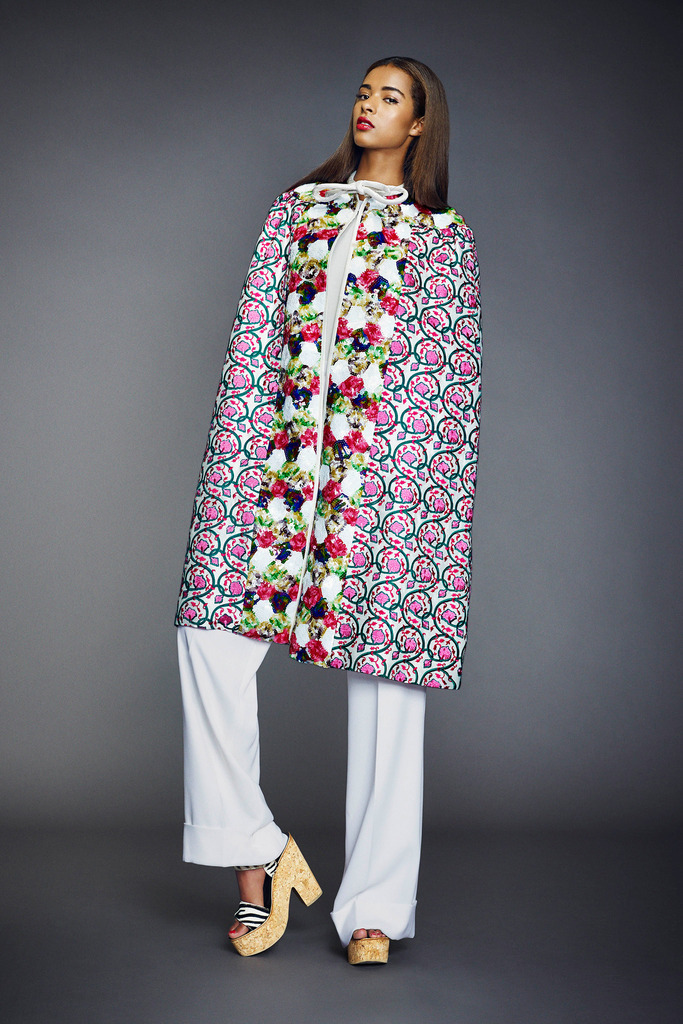
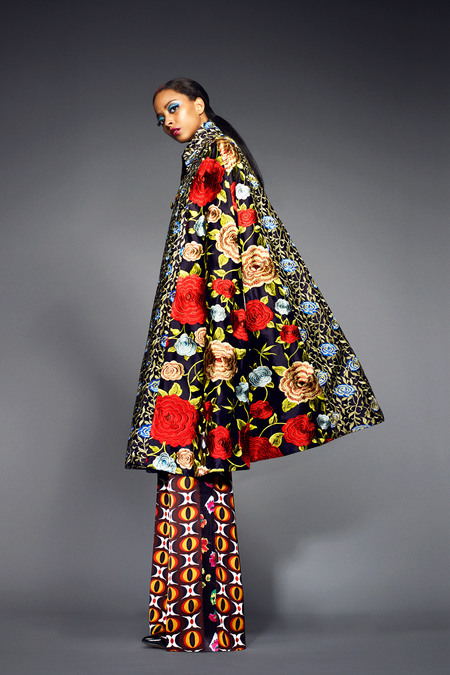
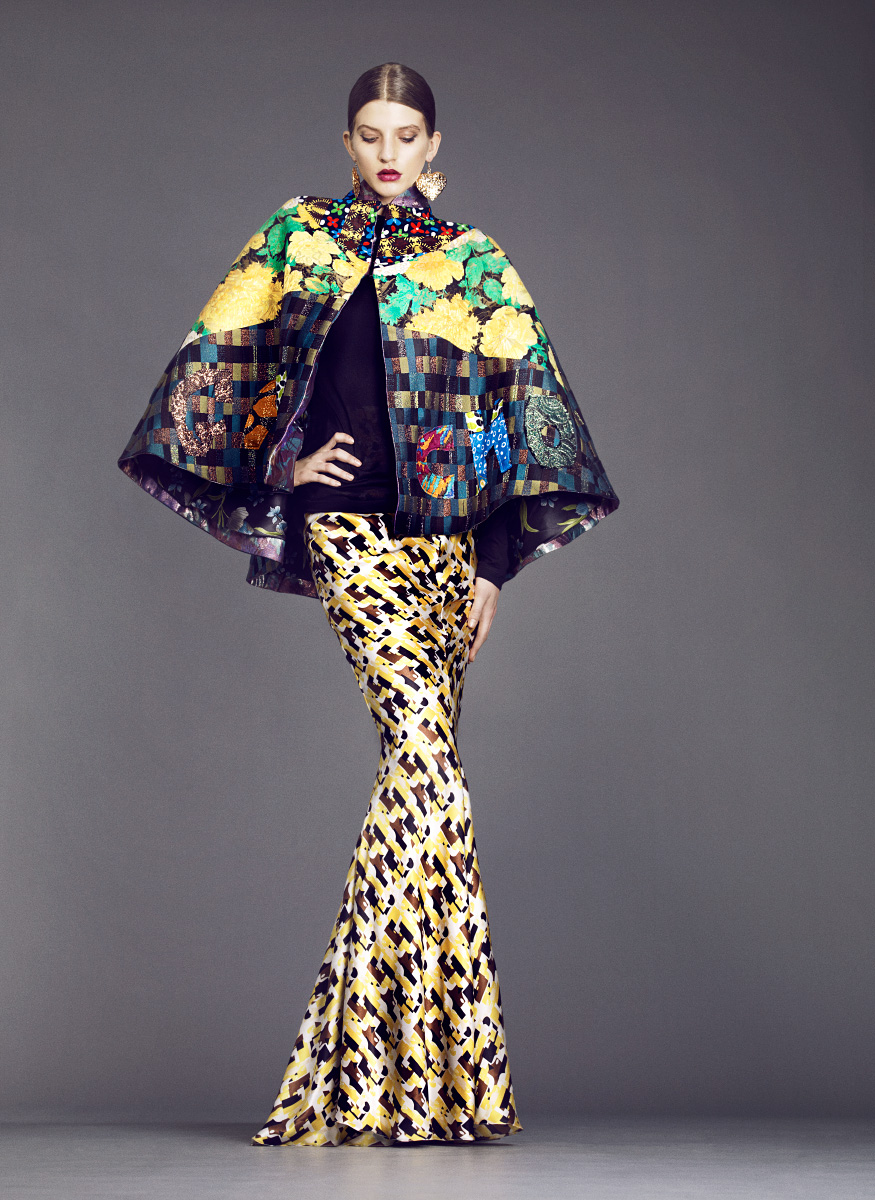
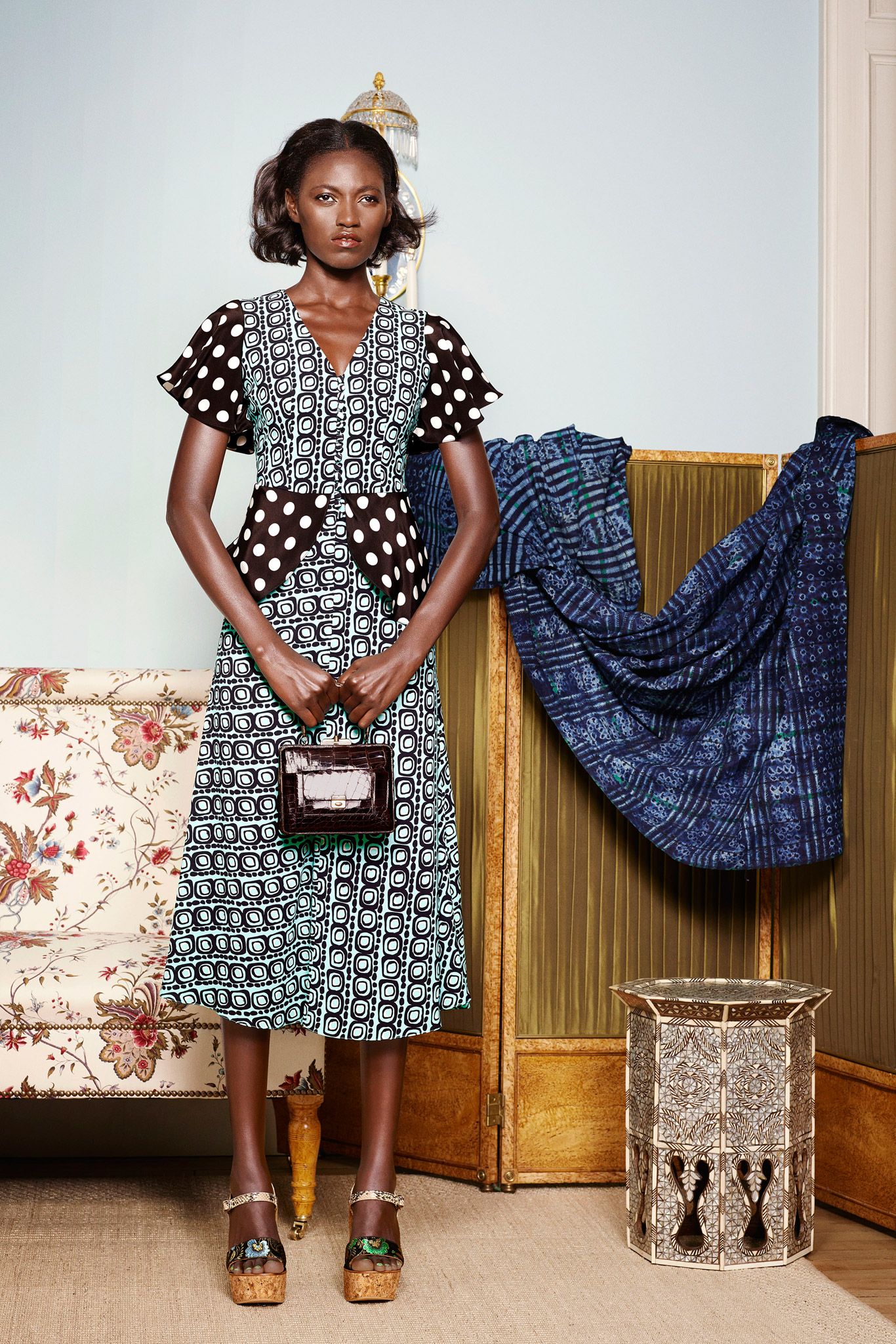
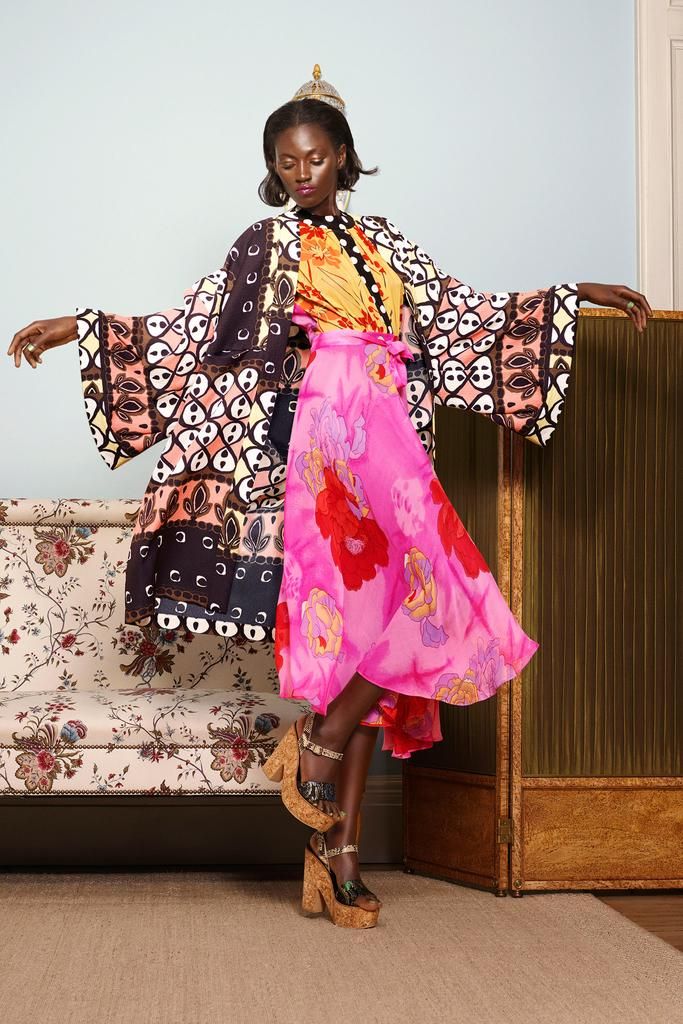
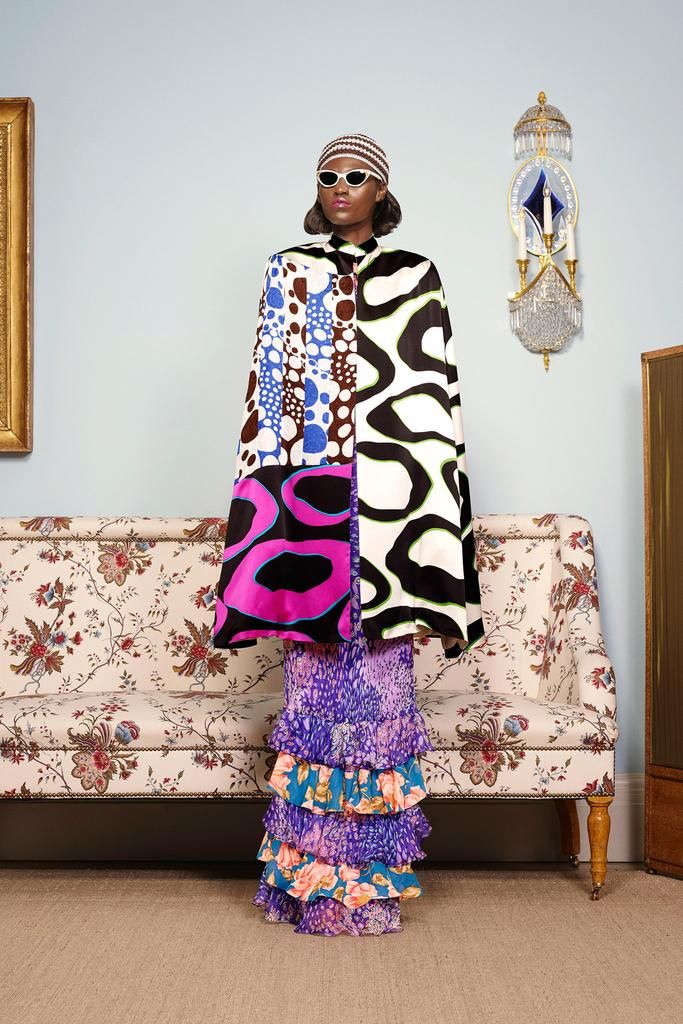
Since arriving on the London fashion scene in 2004, Nigerian-born Duro Olowu has impressed the right people with his vibrant mix of African prints, seventies tailoring, and unlikely color combos. A high-waisted patchwork boho dress—known as the “Duro”—put the brand on the fashion map and became a cult item in 2005 after being discovered by American Vogue editor Sally Singer and Julie Gilhart of Barneys.

Duro Olowu

Short Biography

Duro Olowu was born in Lagos to a Nigerian father and Jamaican mother; he grew up in a multicultural and big family (he’s the fourth of six children), where any art expression was encouraged. As a child, he passionately loved fashion: his first inspirations were fabrics and prints, shapes and volumes of dresses seen on African women.  His Jamaican mother was his first style icon. “My mother was an individual. She embraced my father’s Nigerian culture and would always mix things up. She’d wear costume jewellery with a Gucci scarf and a skirt made by a local tailor. When she got dressed it was instinctual, it wasn’t too drawn out. And I think that’s a valuable lesson.” 

My mother used to find the tailors who carried sewing machines on their shoulders and get them to make patchwork shirts and furnishings from local fabrics mixed with others she picked up on holidays abroad. She was a big influence on how I see color and print.

In the 80s he followed his parents’ wish: he studied in London and took a degree in Law, then went back to Nigeria; soon after, apart from being a lawyer, he started working in fashion. He returned to Europe, and spent a year in Paris at the beginning of the 90s, working as a freelance illustrator. He tells: “Paris was wonderful but really what it taught me is that fashion needed to be a business as well. It really showed me that the way you presented things and projected things and your vision were super-important for the future.”

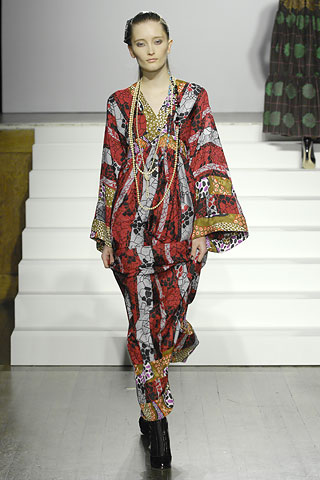
Duro Olowu Fall 2007

Duro DressThe “Duro” dress

fall 2007

fall 2007 1

When he went to London again, he met his soon-to-be first wife Elaine Golding, a shoe designer; they launched a brand – Olowu Golding – and opened a boutique: “We were working hard but we were doing things we wanted to do.”

After splitting up with his wife, in 2004 he launched another brand with his own name, totally self-financed, and opened a new boutique: the first dress he designed in this period would set his future success.

In 2005 Sally Singer, who was Fashion News/Features director at Vogue at that time, spotted a dress in the Olowu boutique and fell in love with it: wide sleeves and Empire waist, it was made of colourful and printed fabrics in different combinations. “It’s a very joyful dress, effortless, comfortable, and sexy without being in-your-face,” he explains. When buyers from important New York stores eyed this dress on the journalist, a mania started: everybody wanted the dress promptly called “Duro”.

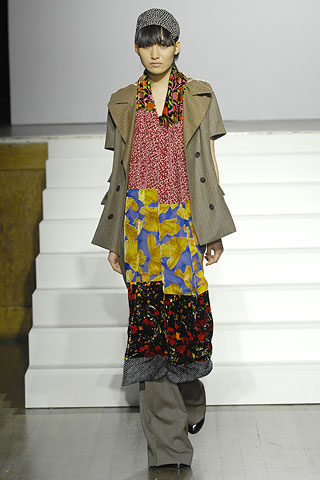
Duro Olowu Fall/Winter 2012

Duro Olowu, Ready to Wear, Fall Winter, 2012, New York

Duro Olowu, Ready to Wear, Fall Winter, 2012,

Duro Olowu, Ready to Wear, Fall Winter, 2012,

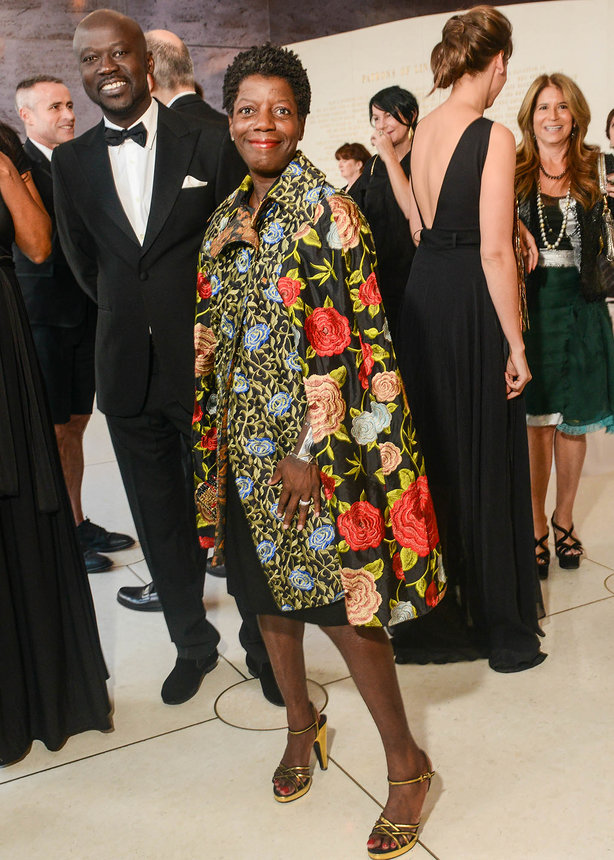
In January 2008 he married Thelma Golden, curator and chief director of Studio Museum of Harlem, in New York: the bride wore a dress designed – of course – by Duro. 

Even if he says he doesn’t design for celebrities, many of them love his style: among the others, Michelle Obama, supermodel Iman and Iris Apfel.

He takes care of all the styling in his shows and often works, as a stylist, with the German photographer Juergen Teller.  

Duro Olowu Fall/Winter 2013

Duro Olowu Fall 2013 RTW

Duro Olowu Fall 2013 RTW

Duro Olowu Fall 2013 RTW

Duro Olowu Fall 2013 RTW

Duro Olowu Fall 2013 RTW

He fights against the progressive racism in the world of fashion, where very few models on the runways are black: “The fault lies with the designers – their ignorance and their racism. Yes, it’s true that a lot of agencies don’t bother sending non-white models – my casting agent told me that I’m the only one who asks specifically for non-white models – but things will only change if the designers take a stand and ask for them.” 

In 2005 he was appointed New Designer of the Year at the British Fashion Awards, just one year after launching his own brand.

Duro Olowu spring 2015

Duro_Olowu_spring 2015

Duro_Olowu

Duro-Olowu-Spring-2015-Ready-to-Wear-Collection-Bellanaija-September2014010

Duro-Olowu-Spring-2015-Ready-to-Wear-Collection-Bellanaija-September2014017

Duro-Olowu-Spring-2015-Ready-to-Wear-Collection-Bellanaija-September2014021

.

Duro & Iris 

.

 http://www.duroolowu.com/


opera-thelma1Thelma Golden wearing one of her husbands design

.

.

info: Vogue Italia & Herald Tribune/ Suzy Menkes