Archive | biography RSS feed for this section

Bettina Graziani inspired all Great Couturiers

20 Oct

bettina

I was a success in my job as a cover girl,” she writes, “and I owe that success more to an expressive face than to my good looks.”

Bettina

.
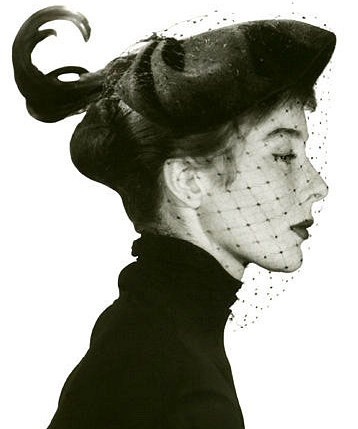
Bettina Graziani

Biography

Simone Micheline Bodin (born in France, 1925), known professionally as Bettina or Bettina Graziani, was a French fashion model of the 1940s and 1950. Simone spends her childhood in Lavel, France. Her first job is tinting drawings for an architect, while she’s  dreaming of becoming a fashion designer. She moves to Paris and presents her drawings to couturier Jacques Costet at his atelier at 4 Rue de la Paix. Costet isn’t interested in her drawings, but takes Simone on as a model. “My round country-girl’s cheeks and healthy appearance made me look quite unlike all the other mannequins,” she will later write.

Simone meets Gilbert “Beno” Graziani, a genial man-about-town (who will later become a well-known Paris Match photographer). Together they move to the Cote d’Azur to run a bar in Juan-les-Pins to make ends meet. Back in Paris, Simone marries Graziani in a borrowed Jacques Fath dress.

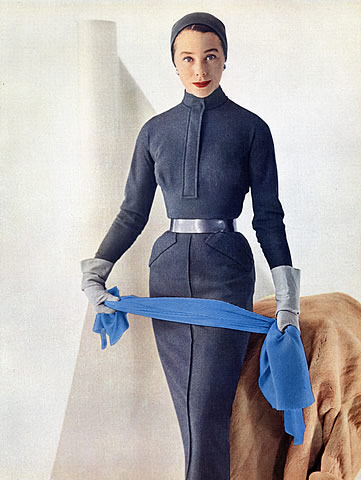
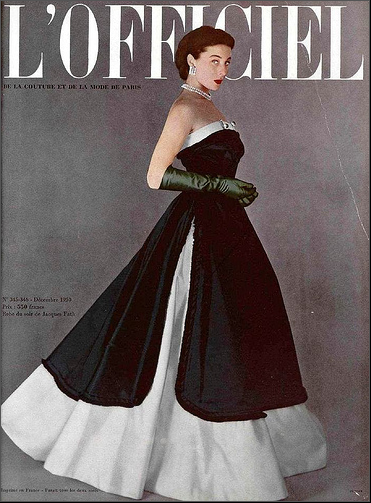
In 1947 Jacques Fath hires Simone to model for him and transforms her “from a long-legged redhead with freckles to a supremely elegant, streamlined girl”. He renames her Bettina (because there is another model named Simone in his troupe) and she is photographed in Fath finery by Erwin Blumenfeld for Vogue. A year later Bettina makes her runway debut for Jacques Fath for spring.
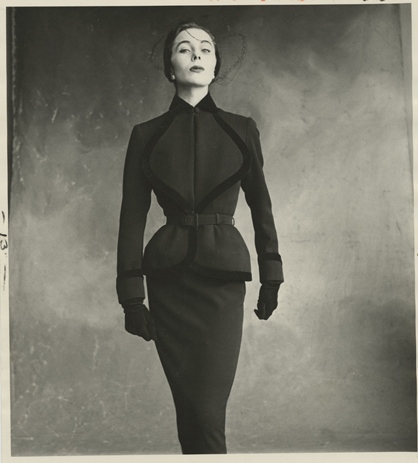
Bettina
Photograph by Irving Penn.Published in Vogue, September 1, 1950.

Jacques Fath directs her to shed her chignon in favor of a boyish “Greek shepherd” cut in 1949, which will spark a revolution in women’s hairstyles.. The same year Bettina makes her first trip to America, to work with Vogue’s Irving Penn. She gets offered a contract by 20th Century Fox, which she turns down. She is also invited by Christian Dior to join his fashion house, but  chooses instead to work for Jacques Fath.

Bettina divorces from Beno Graziani in 1950 and later befriends Peter Viertel, screenwriter of The African Queen.

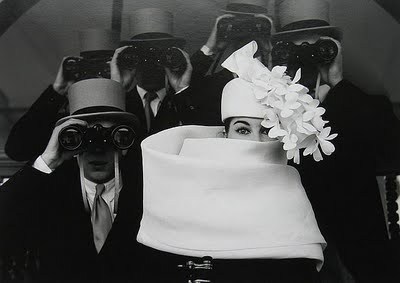
After Jacques Fath’s tragic early death, Bettina goes to work for “handsome giant” Hubert de Givenchy, as a muse and press agent in 1952. Bettina organizes and models Givenchy’s first collection, which includes an embroidered and frilled, Byronesque “Bettina” blouse, which becomes a fashion icon in the early 1950s and inspired the bottle for the best-selling Givenchy parfum “Amarige.”. In his early seasons, Givenchy channels Bettina’s personal style, sending her out barefoot in cotton separates, revolutionizing the couture at that time. Together they travel to New York for the “April in Paris” benefit at the Waldorf-Astoria. Designer and muse do a television interview with newsman Edward R. Murrow.
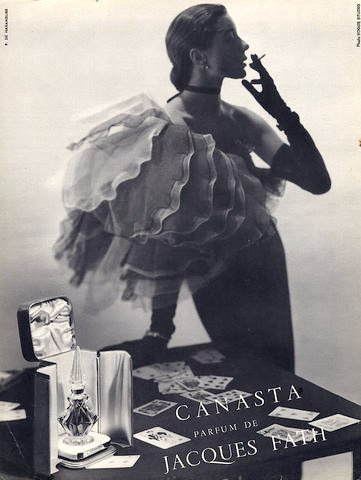
Bettina

Bettina in parfume ad for Canasta by Jaques Fath
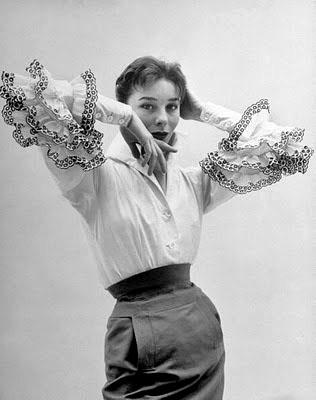
Bettina blouse

Bettina blouse by Givenchy

The Alliance with Givenchy ends after two years and Bettina is now a freelance model. She  moves for a time to Hollywood with her boyfriend. Peter Viertel.  Approached by a Hungarian manufacturer, Monsieur Hein, to create a line of sweaters called Bettina.

In 1955 Bettina meets Prince Aly Khan, a playboy who briefly was the United Nations ambassador from Pakistan. She gives up modeling to be his constant companion. This, she’ll later write, requires a change of style. “When I looked in the mirror I sometimes found it hard to recognize myself. Where was Bettina, the leading mannequin, ever in the forefront of fashion? The Bettina I saw had hair as long as Mélisande’s, and extremely decorous dresses that were sometimes even longer than fashion dictated. But I accepted what I saw in the mirror with perfectly good grace, since I knew that this was how Aly liked me to look.”
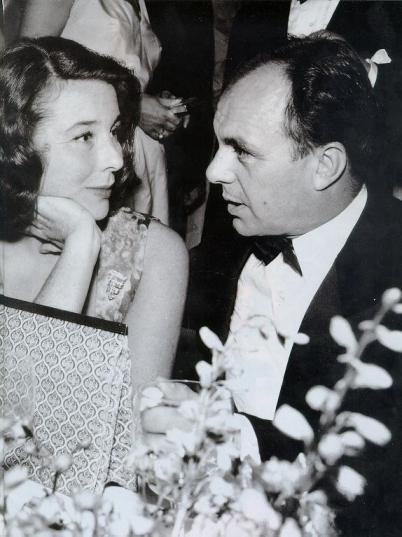
Bettina & Prince Aly Khan

Bettina & Prince Aly Khan

“No. 1 topic among the marriage-makers of the International Smart Set these days is the romance of Prince Aly Khan, ex-husband of Rita Hayworth, and the beauteous ‘Bettina,’ . . . ex–cover girl.” Bettina receives two dozen roses from the prince daily, the press reports

In 1960 disaster strikes when Aly Khan is killed in a car accident, which Bettina survives, though she’ll suffer a miscarriage. She inherits Khan’s Chantilly château, Green Lodge (which she’ll later sell to Khan’s son, Karim).

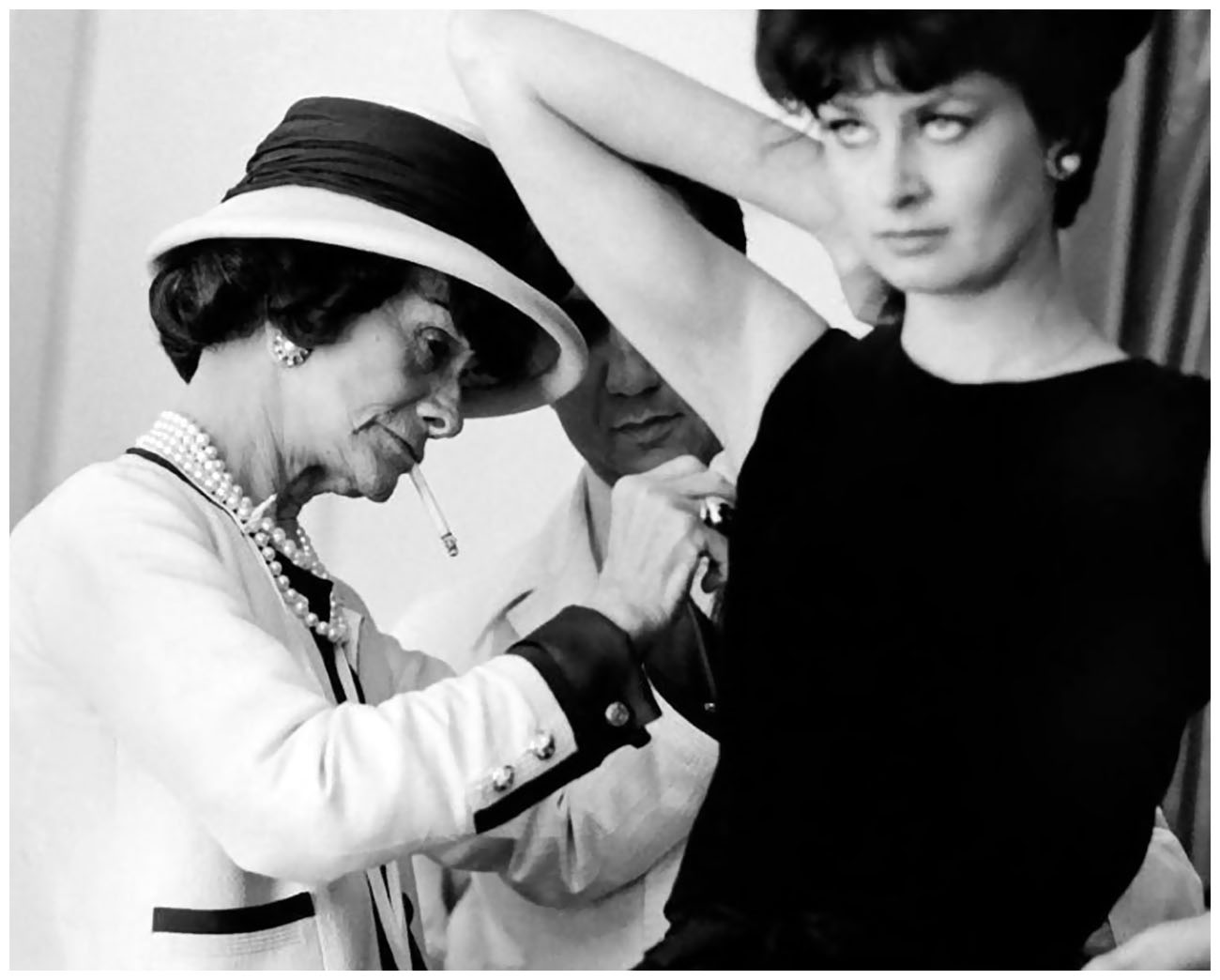
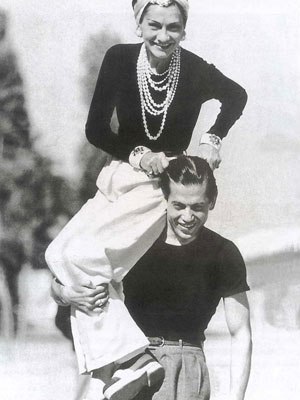
In 1967 Bettina, “the green-eyed railway worker’s daughter” goes back to modeling at the age of 42. And all because she’s bored. Bettina works for Coco Chanel, but she has a problem, for as the couturier says of her, “She needs to lose a little weight. I have told her to follow my example and don’t eat at weekends.”  After presenting Chanel’s collection in July, Bettina says, “It was fun to do it once. I never will again.”
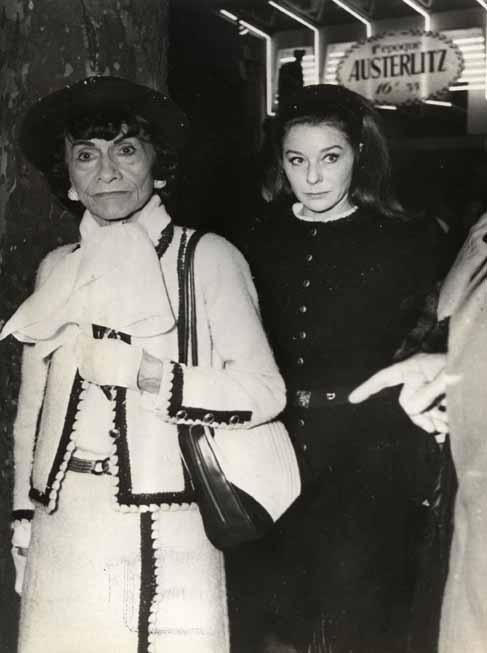
Coco Chanel & Bettina

Bettina becomes director of haute couture at Emanuel Ungaro in 1976. “I needed to go to work for the money,” she later says.

In 2010 Frédéric Mitterrand presents Bettina with France’s Ordre des Arts et des Lettres award, saying, “You are, in a word, the embodiment of the modern woman.”

.

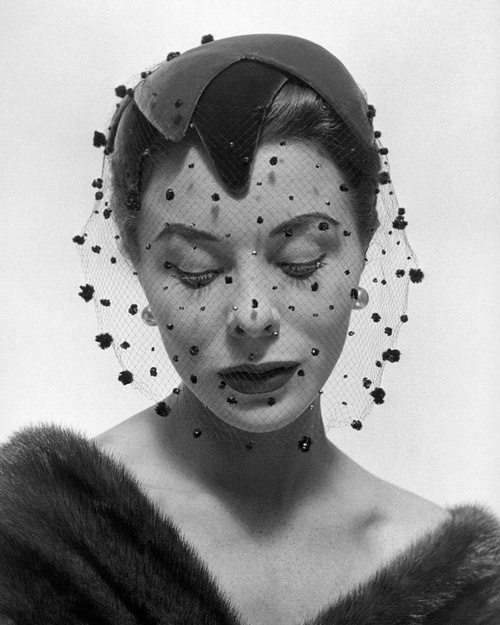
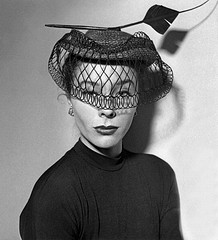
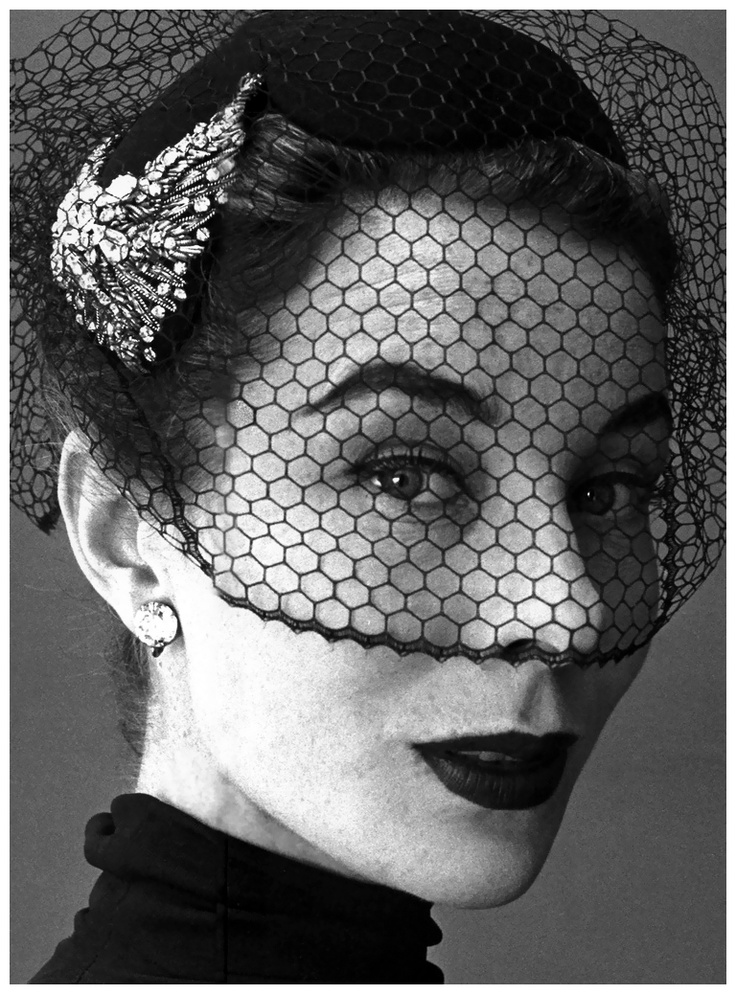
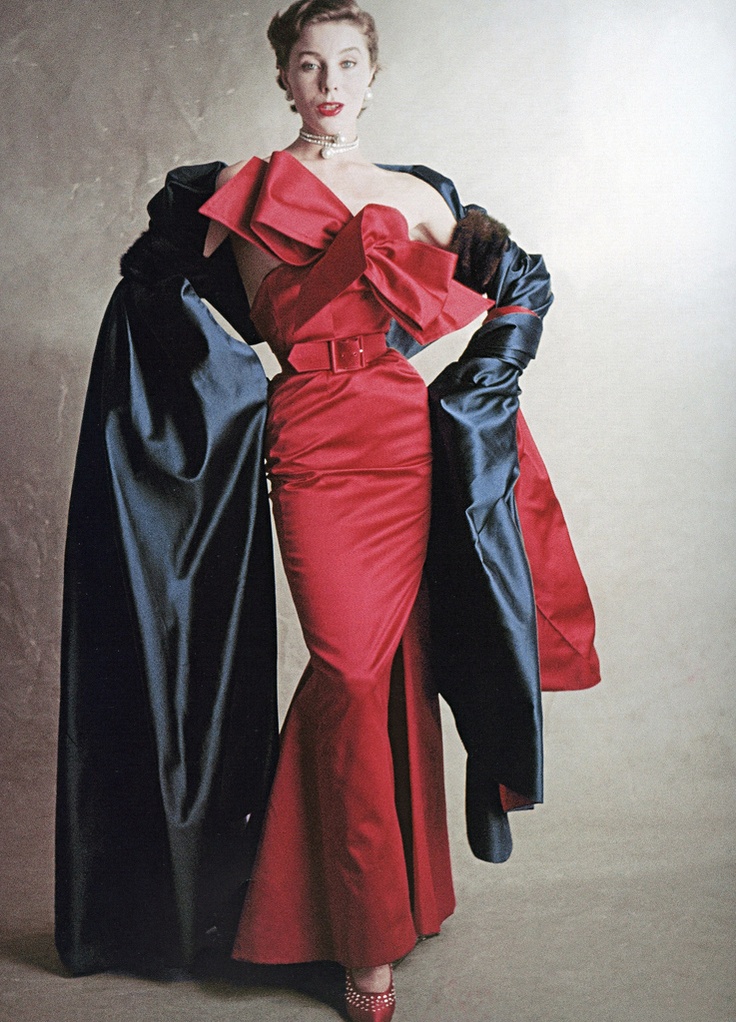
Portrets
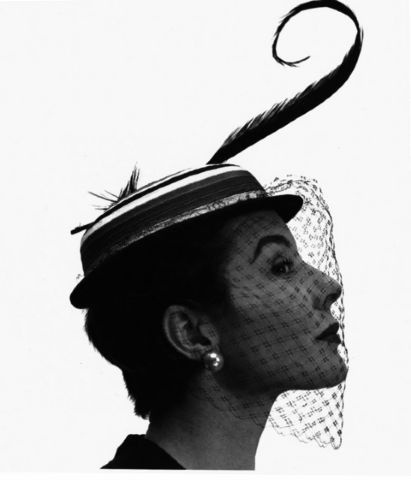
Bettina

Bettina

Bettina

Bettina

 .

Interview Magazine

Interview by Colleen Nika,   publised: 18 December, 2008  

During the postwar creative boom of early 50s France, three fashion designers revolutionized couture: Christian Dior, Pierre Balmain, and Jacques Fath. Supermodel Simone Micheline Bodin Graziani, pet named “Bettina”, rubbed shoulders with all of them, and played muse to the youngest of them, Jacques Fath. With her red hair and fresh face, Bettina personified the innovation, wit, and accessibility of Fath’s brand. Fath died in 1954, but his bold silhouettes, dramatic necklines, and unorthodox flourishes—”flying saucer buttons,” popularized by Hollywood starlets and Bettina’s editorials—continue to influence designers like Viktor & Rolf, John Galliano, and Giambattista Valli. Bettina famously lent her name to an iconic blouse by Hubert de Givenchy, from his first collection, but she considers her formative Fath years the highlight of her career. .  

jacques Fath in studio with top model Bettina_ photo Louis Dahl-Wolfe

Jacques Fath in studio with Bettina. Photo Louis Dahl-Wolfe

Colleen Nika: History has come to associate you with Givenchy, but before your worked with him, you were a muse to Jacques Fath. How did he jumpstart your career?

Bettina: I started working with Fath when I was very young, back in 1947. I had modeled before then, but on a much smaller scale. And I worked with Fath longer than any other designer in my career—four years. From the draping process through our presentations and campaigns, he used me for all of his new collections. He liked that I was “different”: I was very young, very genuine. I wore no makeup and I had red hair. At the time, Fath was interested in conveying an American spirit and a brand new attitude. He wanted to communicate a modern image to the media; it was very important to him. So, I became the face of Fath. 

CN: What do you consider most memorable during your years as Fath’s muse?

B: Fath would throw costume balls in the countryside, at the Château de Corbeville. All the best buyers, stars, writers, even other designers like Balenciaga and Balmain would come. Sometimes we would throw 20s– and 30s–themed partiesm, or cowboy-themed parties. Imagination was everything. And we had a great time at Fath’s studio, especially during draping sessions. Givenchy, who worked there when he was very young, says it was a beautiful experience and that he learned so much during that time. Guy Laroche got his start there, too. This was just after the French liberation; we all lived for the creative moment.

Jacques Fath 1950Bettina in Jacques Fath, 1950

35208-givenchy-1955-bettina-winter-dress-hprints-com

Bettina in Givenchy winter dress, 1955

CN: After your Fath years, what path did your modeling career take?

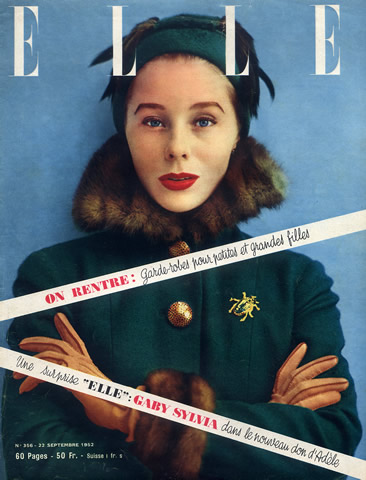
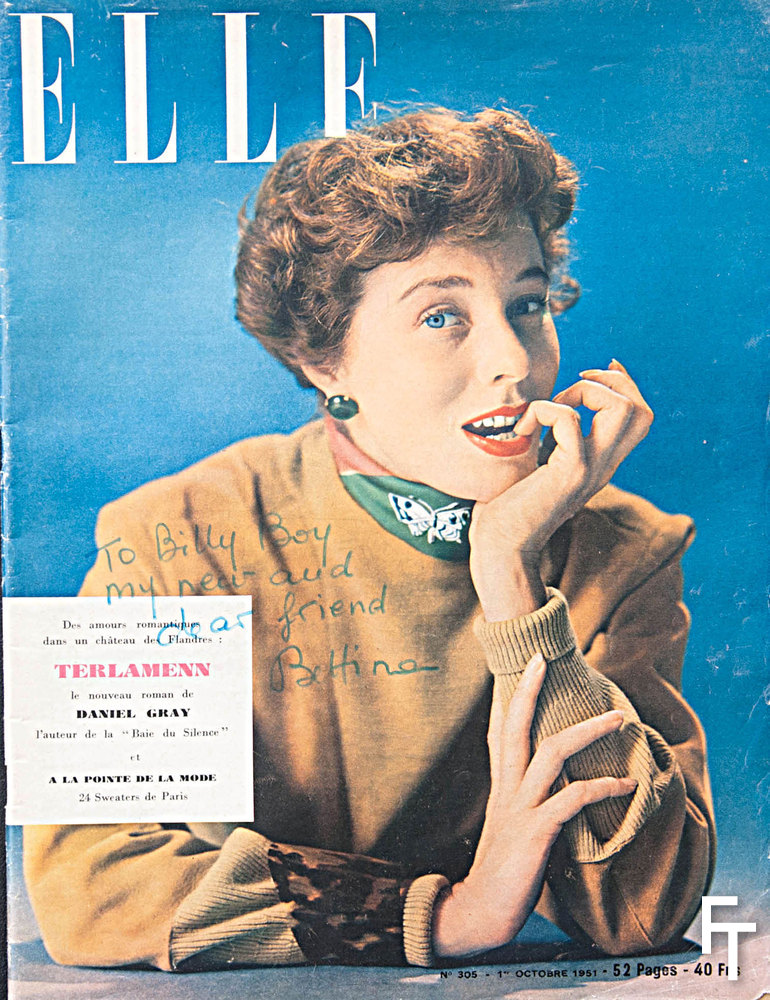
B: I worked for Givenchy for two years. I also did a lot of magazine work. I was everywhere: in Vogue, of course, but also in Elle, which was a very new magazine at that time. In those days, the models would have their name credited in the magazines, so I had a lot of publicity. I stopped modeling in the late 50s, but later, I did some work for Valentino and I was a US press agent for Emanuel Ungaro.
CN: What are your thoughts on the contemporary modeling profession?
.
029_bettina_grazianni_theredlist
B: The models are different now—they are so young, and they all look the same. Of course, I was young when I started, too, but there was so much less competition, less big names. But then, the entire business was different. The presentations were much smaller; collections were shown to select clients in salons, like a trunk show. You could reach out and touch the clothes. It was approachable. Back then, there was no ready-to-wear, only couture. Of course, because the runway events are so costly now, the industry is returning to smaller presentations. But the model’s role has definitely changed.
CN: Speaking of the present, how are you keeping busy these days? Are you still actively involved in fashion? What designers interest you?
B: Well, I travel a lot; I recently was in Malta and the Riviera. But I live in Paris, so I am still very engaged with fashion. I go the shows every season. My favorite designers? Azzedine Alaia and Yohji Yamomoto. But especially Alaia; he is the ultimate innovator. Actually, I am wearing couture Alaia now—he made this for me two years ago. [stands up to show sculptural black sheath]. And I still am very busy; I have many projects. People call me all time—they want to interview me: they ask me about the Parisian fashion scene of the 50s; they want my pictures and commentary. And I love talking about fashion history, so I am happy to do it.
.
42333-schiaparelli-1952-bettina-as-model-photographer-chevalier-hprints-com
BB-Bettina-Elle

Audrey Hepburn, Hubert de Givenchy & The Dress with its own Wikipedia Page…

6 Oct
Audrey Hepburn & Hubert de Givenchy
Audrey Hepburn & Hubert de Givenchy on the banks of Paris
.

Audrey Hepburn dress from  Breakfast At Tiffany’s, 1961 , by Givenchy

Auction description:
An evening gown of black Italian satin designed by Hubert de Givenchy for Audrey Hepburn as Holly Golightly in the 1961 Paramount film Breakfast At Tiffany’s, the sleeveless, floor-length gown with fitted bodice embellished at the back with distinctive cut-out décolleté, the skirt slightly gathered at the waist and slit to the thigh on one side, labelled inside on the waistband Givenchy; accompanied by a pair of black elbow-length gloves [made later]; an envelope addressed in Givenchy’s hand to Monsieur Dominique Lapierre in Paris; and a the November 2006 U.S. edition of Harper’s Bazaar magazine, the cover featuring Natalie Portman modelling the dress in this lot (4)

Audrey Hepburn’s iconic black dress designed by Hubert de Givenchy from the much-loved 1961 classic film, Breakfast at Tiffany’s, sold for €692.390,- at Christie’s South Kensington in the Film and Entertainment Sale on 5 December 2006.
The price establishes a new world auction record for a dress made for a film.

natalie portman in Harper's Bazaar

original Givenchy dress

The sale price was estimated by the auction house to have ended somewhere between £50,000 and £70,000, but the final price was  €692.390,- ($923,187). The money raised in the auction of the black dress ended in helping the poor people of Calcutta to build a school. It so happened that Givenchy, the designer of the dress, had donated the dress to Dominique Lapierre, the author of the book City of Joy, and his wife for raising funds for the charity. When they witnessed such a frenzied auction, the funds raised so astonished Lapierre that he made a very appropriate observation: “I’m absolutely dumbfounded to believe that a piece of cloth which belonged to such a magical actress will now enable me to buy bricks and cement to put the most destitute children in the world into schools.” Sarah Hodgson, a film specialist of Christie’s said, “This is one of the most famous black dresses in the world—an iconic piece of cinematic history—and we are glad it fetched a historic price.”

The little black dress attained such iconic fame and status that it became an integral part of a woman’s wardrobe. Givenchy not only chose the dress for the character in the film, but also added the right accessories to match the long gown in the form of a pearl choker of many strands, a foot long cigarette holder, a large black hat and opera gloves which not only “visually defined the character but indelibly linked Audrey with her”.

Breakfast at Tiffany's

Given her physical assets, she, along with her designer friend Givenchy created a dress to fit her role in the film of a waif. A well-chosen black silk dress with appropriate accessories hit the bull’s eye to bring out her effervescent personality to the fore; the dark oversized sunglasses completed the ensemble of the little black dress (LBD) which was called “the definitive LBD”. The dress, which outlined her lean shoulder blades, thus became the Hepburn style.

In a survey conducted in 2010 by LOVEFiLM, Hepburn’s little black dress was chosen as the best dress ever worn by a woman in a film. In this respect, Helen Cowley, publisher of LOVEFiLM, declared: “Audrey Hepburn has truly made that little black dress a fashion staple which has stood the test of time despite competition from some of the most stylish females around.”  Hepburn’s white dress and hat worn in My Fair Lady was voted sixth.

myfair3

.

Not the Original dress….

Why not the poster-picture of Audrey Hepburn wearing perhaps the most famous ‘little black dress’ of all time at the auction?

In 1961, Givenchy designed a little black dress for the opening scene of Blake Edwards’ romantic comedy, Breakfast at Tiffany’s, where Hepburn plays a leading role alongside actor George Peppard. Audrey took two copies of the dress back to Paramount, but the dresses, which revealed a considerable amount of Audrey’s leg, were not suitable for the movie and the lower half of the dress was redesigned by Edith Head. The original hand-stitched dress is currently in Givenchy’s private archive, whilst one copy Audrey took back to Paramount is on display at The Museum of Film in Madrid and the other was auctioned at Christie’s in December 2006. None of the actual dresses created by Givenchy were used in either the movie or the promotional photography. The movie poster was designed by artist Robert McGinnis and in Sam Wasson’s book, Fifth Avenue, 5am, he explains that the photos he based the poster on did not show any leg and he added the leg to make the poster more appealing. The actual dresses used in the movie, created by Edith Head, were destroyed by Head and Hepburn at Western Costume in California after shooting.

And the dress has its own Wikipedia page!

movie poster

284860_277080672405283_1171168838_n

Breakfast at Tiffany's

Breakfast at Tiffany's

Backstage at Breakfast at Tiffany's

.

More Audrey Hepburn in Breakfast in Tiffany’s

Audrey Hepburn

Audrey Hepburn

Audrey Hepburn

breakfast-at-tiffanys-8-520x335

.
.

Next week more Audrey Hepburn & Hubert de Givenchy

Audrey Hepburn

.

Dimitri from Paris fantastic ‘A very stylish Girl’ with Audrey Hepburn & George Peppard phrases from ‘Breakfast at Tiffany’s’ 

.

Roger Vivier, called the ‘Fabergé of Footwear’ (part 2)

25 Aug

roger-vivier

Biography

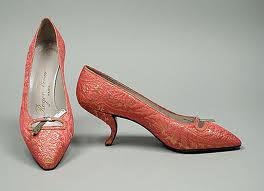
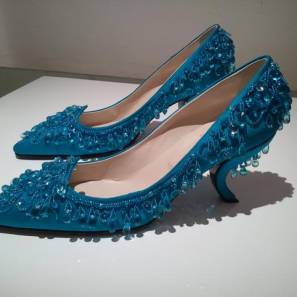
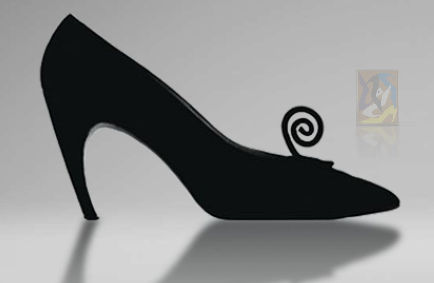
After ending the collaboration with the house of Dior, Roger Vivier opens a new boutique at 24 rue François Premier, across from maison Dior. He consults with aeronautical engineers on the design of his swooping “comma” heel, that became another one of the most copied styles in footwear history.

Comma heel

comma heel

comma heel

comma heel

comma heel

.

Roger Vivier’s collaboration with Yves Saint Laurent

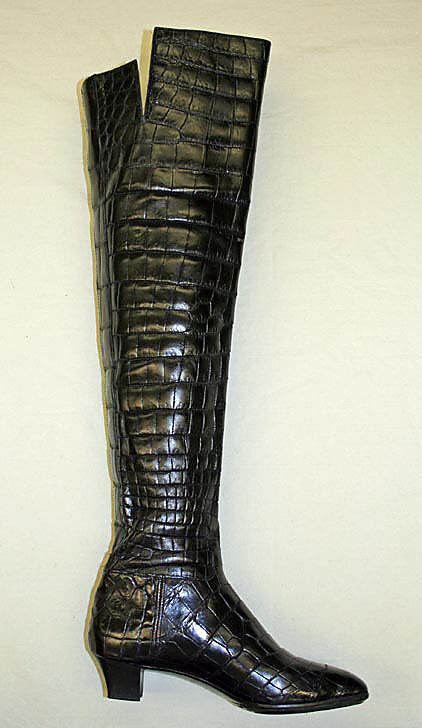
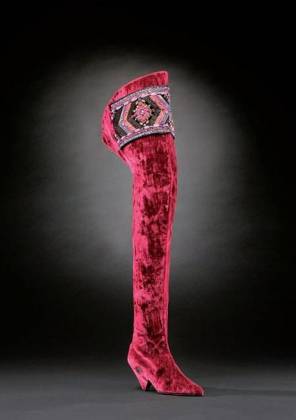
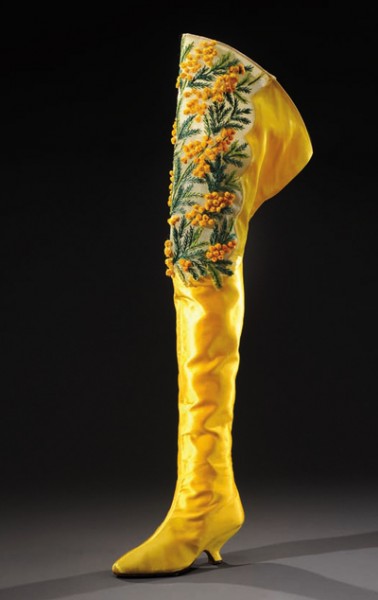
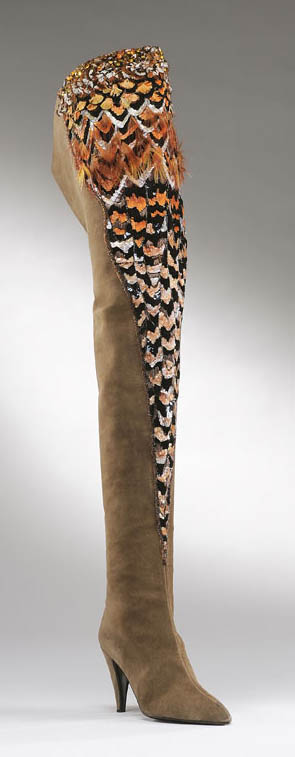
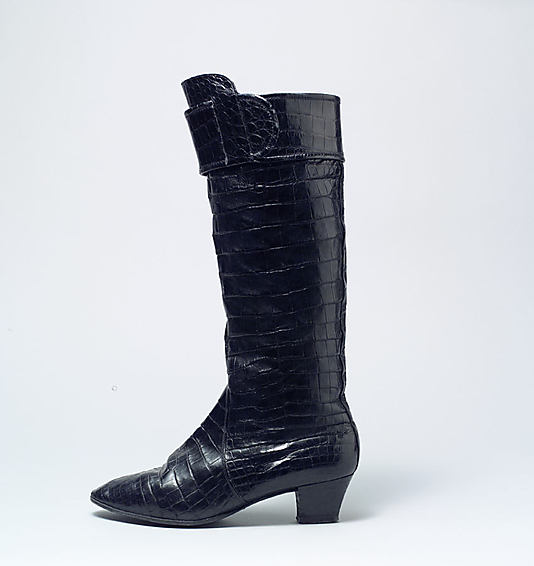
He also creates shoes for top designers and couturiers, like Emanuel Ungaro, André Coureges, Cristobal Balenciaga and features risqué crocodile thigh-high boots for Yves Saint Laurent, who is now designing under his own name.

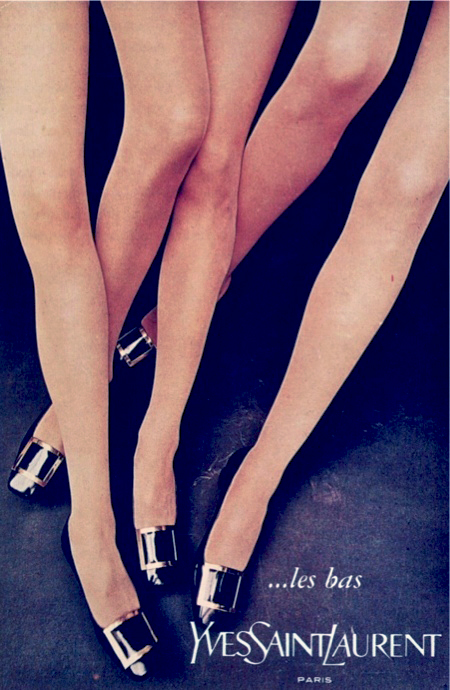
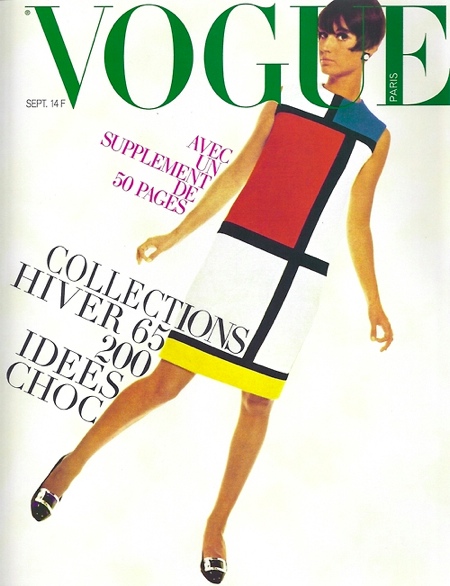
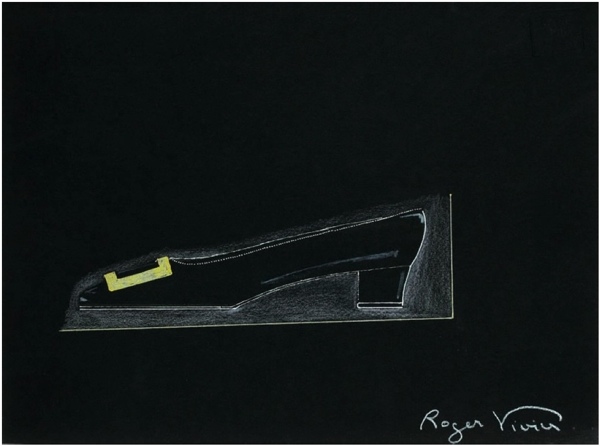
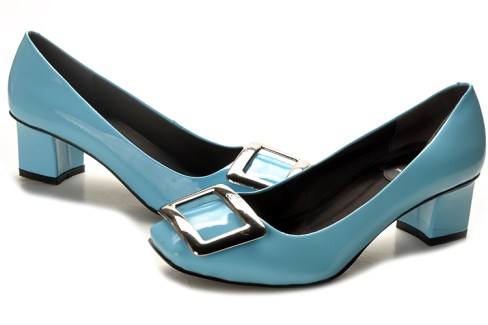
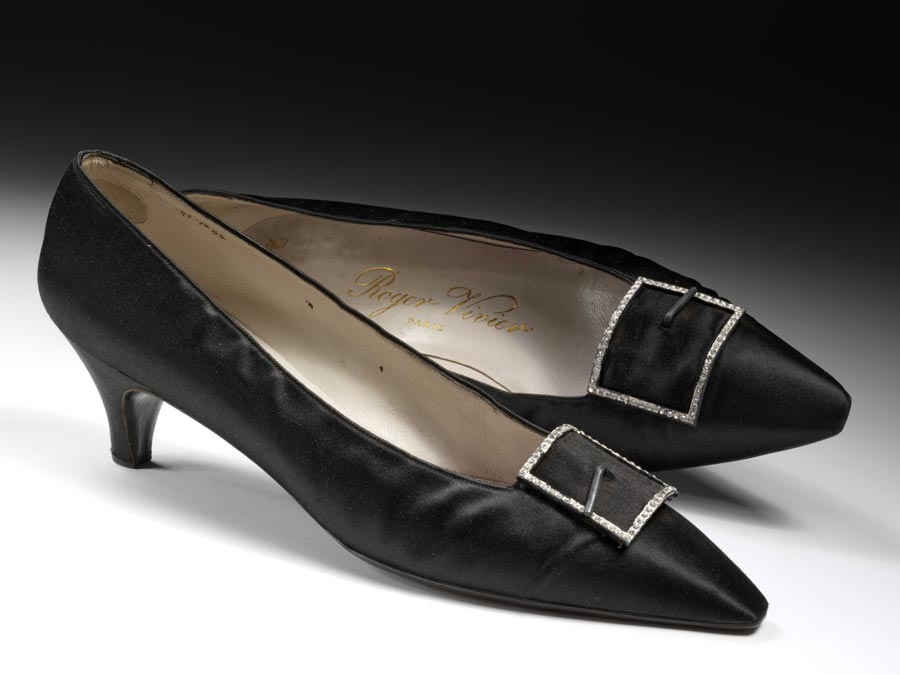
Another shoe debuts in Yves Saint Laurent’s “Mondrian” collection in 1965. The design has a square heel and a pilgrim-buckle placed on the extreme tip of the shoe, unlike the seveteenthe-century version where it was positioned on the top of the foot. 

In 1966 Roger Vivier designs transparent-plastic shoes and boots for Yves Saint Laurent.

Crocodile thigh-high boot

vivier

Pilgrim buckle shoe

Pilgrim Shoe

05_Vogue_Paris_Sept_ 1965_Photo_David_Bailey_s

 Transparent-plastic boot

Vivier

Belle de Jour

In 1967, French siren Catherine Deneuve pairs her Yves Saint Laurent wardrobe with Rogier Vivier pilgrim shoes in the movie Belle de Jour by  Luis Buñuel . The movie becomes a cult hit right away and the pilgrim shoe becomes a runaway bestseller, two hundred thousand pairs are sold in one year and is the best sold modelfor Roger Vivier ever…..

‘There’s nothing like a movie that celebrates the Madonna-whore conundrum to get hearts racing and tongues wagging. Throw in English subtitles and Catherine Deneuve in various states of undress, and you have a winning cinematic equation. But while the guys were salivating over Deneuve’s sexy siren scenes, the women were likely captivated by her classic Roger Vivier pumps. Although Vivier had already established himself as a footwear master by the time Belle de Jour came out. The elegant Pilgrim pumps paired with the sleek Yves Saint Laurent wardrobe, and juxtaposed against Deneuve’s character’s sordid double life, elevated the shoes to instant cult status. But trust us when we say you can’t go wrong in a black mid-heel variety. Look what it did for Deneuve’s sex appeal.’

roger-vivier-belle-black-patent-leather-pump-shoes

catherine-deneuve-belle-de-jour

01_VIVIER_Projet_de_soulier_a__boucle_s

.

.

In 1968 Roger ads scarves and gloves to his collection and a year later Monsieur Vivier men’s department opens in the Vivier boutique, which offers made-to-measure shoes.

Among Roger Vivier’s biggest fans were Wallis Simpson, the Duchess of Windsor , who enshrined his exquisite creations in a custom closet; and the cinema femme fatale Marlene Dietrich, who haunted his boutique almost daily and was rewarded with custom black satin pumps held up by glittering rhinestone balls. Vogue’s editor, Diana Vreeland, insisted her maid polish the soles of her Viviers with rhinoceros horn. Included in her vast collection were a dozen each of his pilgrims and rock-star vinyl boots. Vreeland was among the many who regarded Vivier’s work as true art; in her 1977 Metropolitan Museum of Art Costume Institute exhibit, “Vanity Fair,” she contrasted examples of his craftsmanship with that of 18th-century artisans.

diana_vreeland

Diane Vreeland wearing Roger Vivier boots

Roger Vivier/ Wallis Simpson

Wallis Simpson closet with Roger Vivier shoes

.

In 1994 the 86-year-old Roger Vivier signs a new licensing agreement with Rautureau Apple Shoes, which in turn allows him to open a  shop in Paris the following year. The Rautureau venture gives Vivier the backing to continue doing what he loves the most—designing shoes. Yet three years later, in October 1998, Vivier dies in Toulouse, France. He is remembered by many, including fellow shoe designer. “People try to copy him, but it’s impossible to find that mix of technical skill and design.” Kenneth Jay Lane, who has worked with the master , declares,

“He was the world’s greatest artist of shoe design.”

.

.

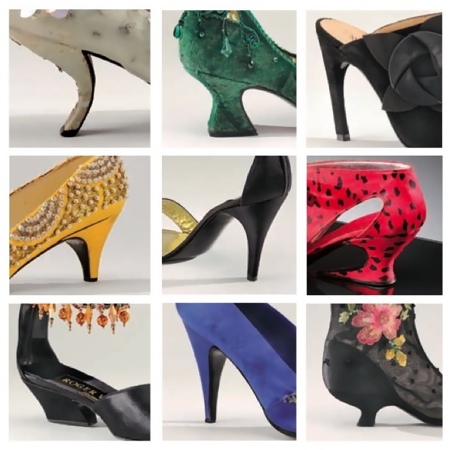
Random collection of Roger Vivier heels, shoes and boots

Vivier_Heelstory

Roger%20Vivier%20Belle%20Vivier%20Light%20Blue%20heels_1

vivier

vivier

roger vivier pump

vivier

vivier

vivier

Vivier

roger vivier

roger vivier

vivier

.

Roger Vivier book by Rizzoli

.

.

A gorgeous tribute to the legendary shoe and accessories designs of Roger Vivier.  Master designer Roger Vivier elevated both the form and decoration of ladies’ shoes during his sixty-year career. His innate Parisian style embodied a sense of perfection and craftsmanship, and his work was coveted by style icons from Elsa Schiaparelli to Jackie Onassis. Described by Yves St. Laurent as bringing to his work a “level of charm, delicacy, refinement and poetry unsurpassed,” he created the first stiletto heel for a ready-to-wear shoe line with the house of Dior in 1955. His shoes are legendary, and the tradition of his innovative spirit continues with the revival of the house by current designer Bruno Frisoni, who has updated Vivier’s concepts, bringing his own touch to signature shapes and embellishments (including the buckle pump made famous by Catherine Deneuve in Belle du Jour). This lavish volume celebrates the history of the venerated house and charts the current evolution of the fantastic haute-couture designs that keep Roger Vivier at the top of every well-dressed woman’s list. With gorgeous new photography of the house’s collection of vintage shoes, beautifully rendered sketches, and details of the amazing accessories coming out of Roger Vivier today, this book is as chic as the shoes that fill its pages.

.

Exhibition

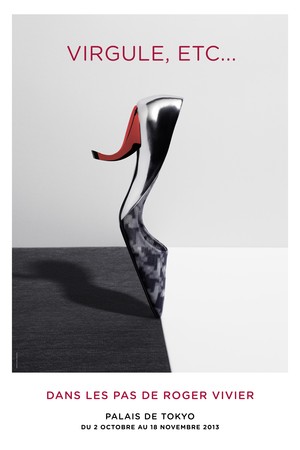
Virgule, etc… in the Footsteps of Roger Vivier

roger-vivier-

A RETROSPECTIVE paying tribute to the life and work of Roger Vivier is coming to Paris. The exhibition will be staged at the Palais de Tokyo in October, to coincide with Paris Fashion Week, and was curated by Olivier Saillard – director of the Musée Galliera. 

The showcase is titled Virgule, etc… Dans Les Pas De Roger Vivier (Comma, etc… In The Footsteps of Roger Vivier), so named after the designer’s famous comma-shaped heels. The exhibition will take the form of “a pastiche of a museum dedicated to shoes”, explains a press release, featuring about 140 footwear designs.

The retrospective will pay tribute to the brand’s eponymous founder, who died in 1998, as well as tracking the more recent history of the footwear label. Roger Vivier was revived in 2000 by Diego Della Valle, chairman of Tod’s SpA, and Bruno Frisoni joined as creative director in 2002.

The exhibition will run from October 2 to November 18.

.

.

Special thanks to http://www.thehistorialist.com/

Roger Vivier

Roger Vivier,called the ‘Fabergé of Footwear’ (part 1)

18 Aug

Roger Vivier by Brassaï
(Roger Vivier photographed by George Brassaï)

Biography

.
Roger Vivier is born in Paris, on 13 November 1907. At the age of 9 his parents die and Roger is adopted by Gérard Benoit-Vivier. In 1925 he enrolls in the Ecole des Beaus-Arts, hoping to become a sculptor. When a family friend gives him a job at a shoe factory outside of Paris, where he learns the ins and outs of shoe design, Roger realizes he can make sculptures to be worn. After he finished his job at the shoe factory Roger decides he prefers to learn all aspects of the trade by working in several other factories too and ends his study at art school. This ‘shoe-study’ takes him nine years.
.
In 1936 he takes on an offer of Laboremus, a leather distribution firm, the French arm of a large German tannery. He is responsable for predicting trends, advising on which color skins will sell best. At night he is sketching shoes he could make of these colorful skins.
.
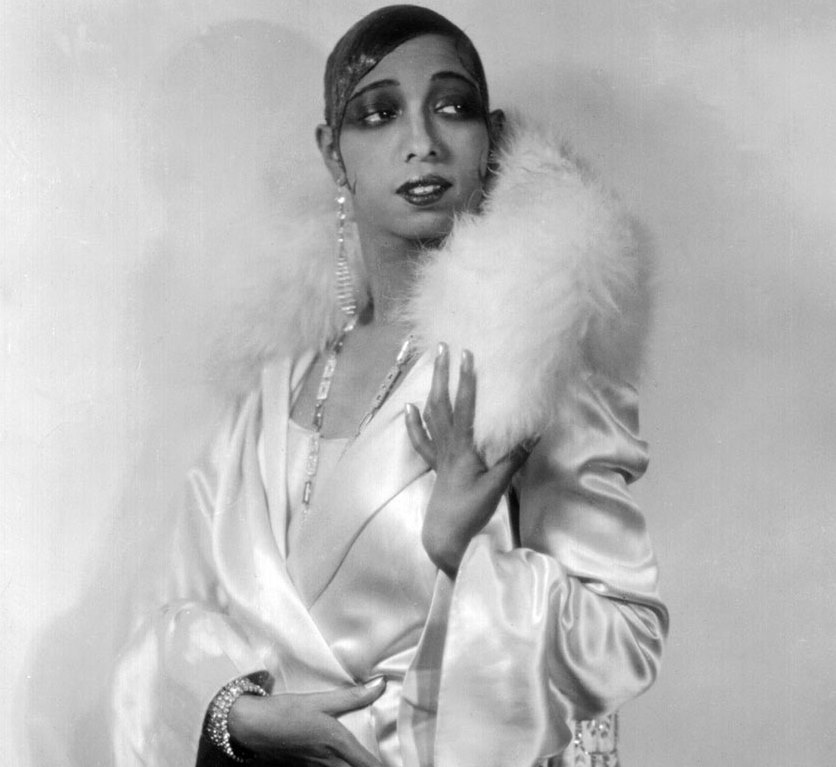
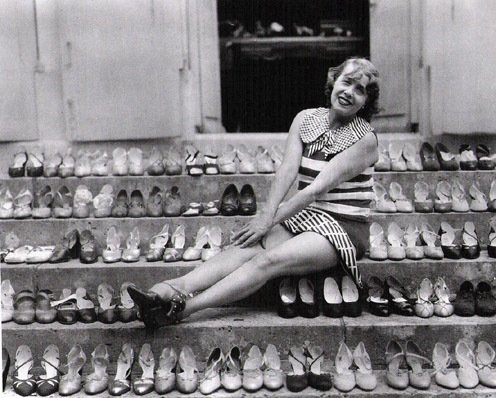
A year later he opens his first workshop in rue Royale, one of the most prestigious addresses in Paris, carrying exclusive models for private clientele, including Josephine Baker and Mistinguett. A photograph by George Brassaï  stirs interest within the profession and Roger begins to collaborate with wold’s greatest shoe manufactures, designing shoes for Pinet and Bally in France, Salamander and Mercedes in Germany, Rayne and Turner in England, Miller and Delman in the United States. His revolutionary cork-platform design is rejected by Delman, but Elsa Schiaparelli picks it up and includes it in her 1938 collection.
Josephine-Baker
Josephine Baker
Mistinguett
Dancer and actress Mistinguett
.
Just before WWII, Roger takes the last train out of Spain and embarks from Lisbon on the Exeter, one of the last liner to cross the ocean to the United States, where he is invited to continue his work. Following the Japanese attack on Pearl Harbor, the US enters the war and economic recession hits the country. A law is passed restricting the production of any new shoes and Roger is forced to switch professions. With help of Suzanne Rémy, the former head of Agnes, the famous Paris milliner, he learns how to make hats and in 1942 they open a shop called Suzanne and Roger on Madison Avenue. It becomes the Parisian meeting place in New York.

C_I_60_23_21_F
Suzanne-et-Roger-Vivier-hat
Suzanne and Roger hats
.
At the end of the war, Roger returns to designing shoes for Delman. He is one of the first to experiment with see-through plastic. In the early sixties, he creates entire collections in plastic.
.

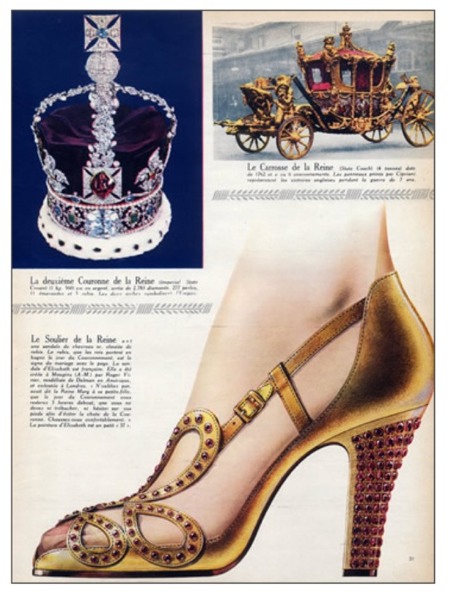
In  June 1953 Roger Vivier designs garnet-studded, gold kidskin pumps for Queen Elizabeth II’s coronation. It made him become extremely famous. It’s amazing to imagine a British Monarch receiving the crown in French shoes.

royalty-coronation-of-queen-elizabeth-ii-london

02_Roger_Vivier_for_Queen Elisabeth_II_S

04_Coronation_Shoe Replica_2012_S
Replica’s of the coronation shoes
.

Roger Vivier makes all of Christian Dior’s shoes for ten years.Together they created a golden era of design.

In 1947, on the boat back to Paris, Roger Vivier meets Christian Dior. When Dior establishes a custom-made shoe line with Delman in 1953, Roger is named designer. After two successful years of custom work, they decide to create a ready-to-wear division. Roger parts ways with Delman. His name begins appearing alongside Dior’s on the label. It’s the first time a Parisian couturier associates himself with a shoemaker for mass-market distribution. .

Vivier/ DiorChristian Dior/ Roger Vivier advertisement in l’Officiel, March 1960
Dior_1961_roger_vivierAdvertisement Christian Dior/ Roger Vivier, 1961
christian-dior-shoes-1961-roger-vivier-hprints-com
.
In 1954 Roger introduces stiletto heel, at eight centimeters (around three inches) high. Roger Vivier is often credited with inventing the stiletto. Though he didn’t invent it, he certainly refined it. Who invented it still needs to be figured out. It’s more of a group effort: one person coming up with the concept for the shoe, the other person refining that concept. It’s give and take.
The stiletto heel was not invented until after WW II. Prior to the war, no designer ever attempted to create the stiletto because wood couldn’t support the weight of a woman. It would have been the equivalent of walking on chopsticks. After WW II you have the extrusion of steel allowing designers to make steel rods that could support a woman’s weight. .
When Christian Dior dies in 1957, Roger begins collaboration with Dior’s successor, the young Yves Saint Laurent. A year later Vogue hails the new elongated, square-point toe box.
Roger’s square toe is “one of the Paris details that may make fashion history.”
.
Roger introduces the “choc” or “Shock” heel, which is inward-curving, in 1959. A year later, a streamlined update of the 19th-century d’Orsay pump becomes a prototype for many copycats. Roger is honored with the Neiman-Marcus Fashion Award.
Three years later, in 1962,  the collaboration between Roger Vivier and the house of Dior comes to an end.
.

Stiletto heel

Stiletto
roger-vivier-stilleto-dior-1954

Square toe

Roger Vivier
Roger Vivier

Choc or Shock heel

Shock heel
Roger Vivier

(Streamlined and updated 19th-century) d’Orsay pump

Roger Vivier
Roger Vivier
.
After Roger Vivier ended the collaboration with the house of Dior, he designed shoes for his new shop in Paris and the American versions of Vivier style are manufactured and sold by Saks Fifth Avenue. He also created shoes for top designers as Emanuel Ungaro, André Courreges and Cristobal Balenciaga. He still has to produce his most successful shoe
.

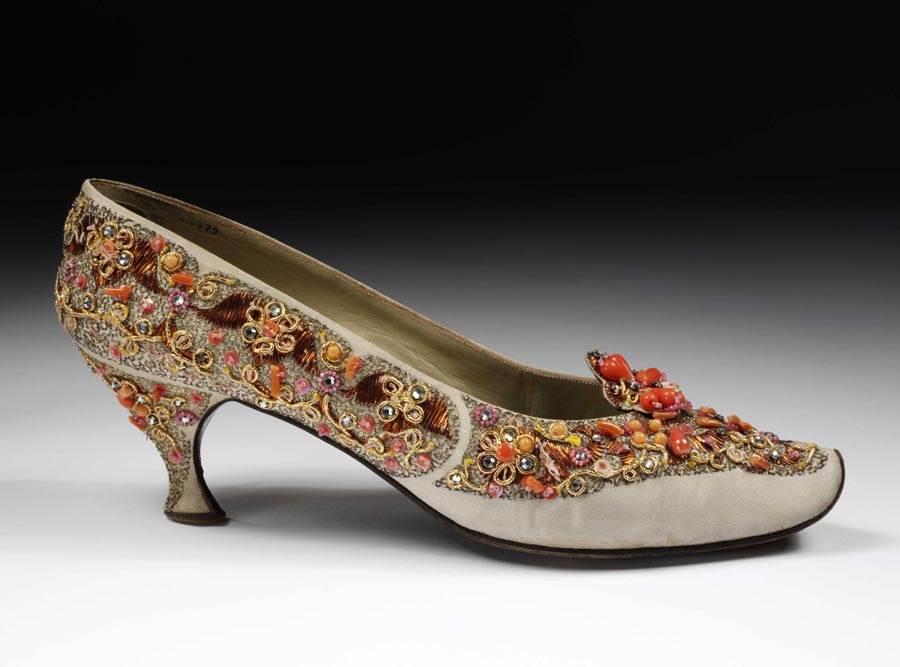
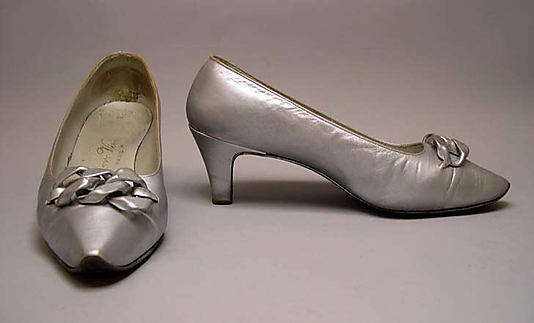
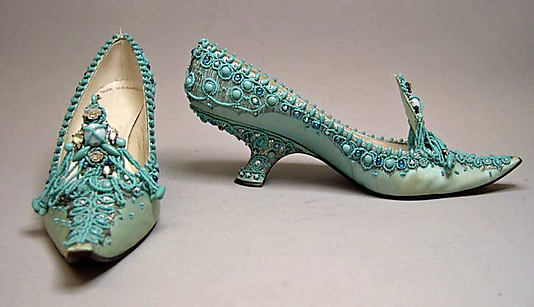
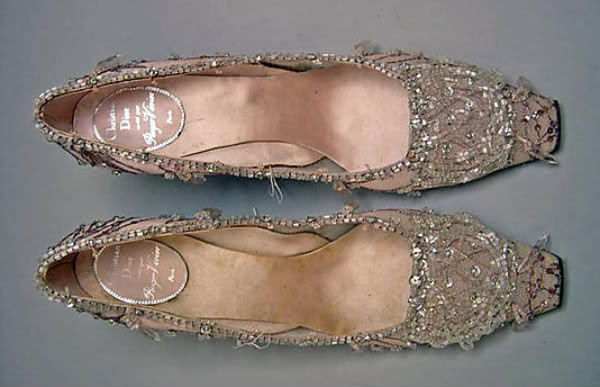
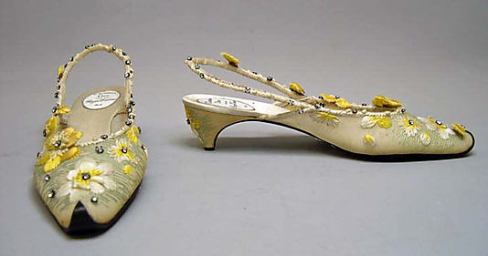
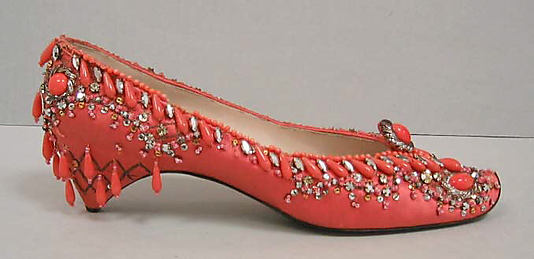
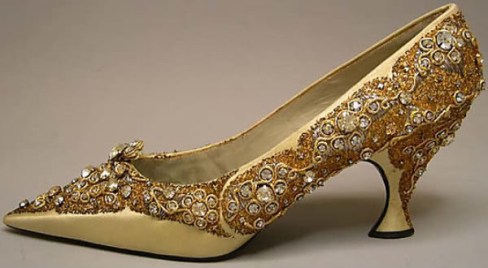
Random collection of shoes by Roger Vivier for the house of Dior

Dior

Dior

Dior

dior

Dior

1979_472_14ab_F

Vivier

1979_472_4ab_F

Dior
Dior
dior
Vivier
dior
Dior
Vivier
Vivier
Dior
Roger Vivier for Dior, 1954
Vivier
Dior
Stiletto
Dior
Special thanks to  http://www.thehistorialist.com/
.
.
Read more about Roger Vivier next week

Chanel: A Woman of her Own by Axel Madsen

28 Jul
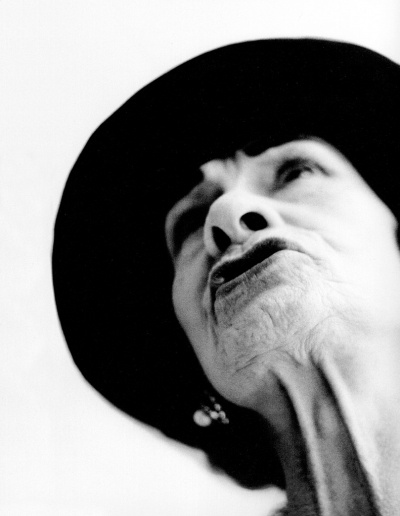
Chanel by Richard Avedon                                                  (Coco Chanel by Richard Avedon)
.

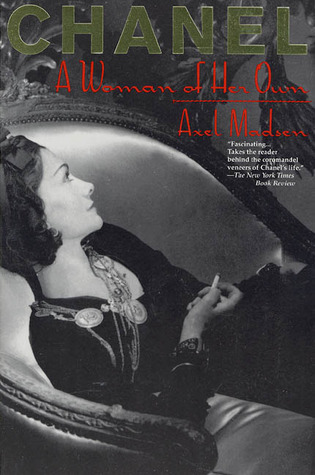
I must have read it 4 or 5 times now, Chanel: A Woman of her Own by Axel Madsen and like to recommend it as a very good read.

   “I didn’t create fashion, I am fashion.”   

Coco Chanel’s genius for fashion may have been distilled in simplicity, but her life was an extravaganza. A brilliant array of luminaries fell under her spell – Picasso, Churchill, Cocteau; lovers included the Grand Duke Dmitri; the English roué, Boy Capel; a French poet; a German spy and the Duke of Westminster, who offered to leave his wife for her permanently, if she would only bear him an heir. Paradoxically, though she might have been regarded in some lights as a pioneering feminist – sacrificing marriage to a revolutionary career in couture – Chanel was utterly baffled by the idea of women’s politics. Educated women? ‘A woman’s education consists of two lessons: never leave the house without stockings, never go out without a hat.’ Chanel’s rise from penniless orphan to millionaire designer – ‘inventing’ sportswear, the little black dress and No. 5 – makes compelling reading, not least because she was inclined to design her own life as deftly as she did her fashions. Axel Madsen negotiates Chanel’s smoke screens with skill, bringing this tantalizing woman to life in all her alluring complexity.

.

bookcover

PEERS BOOK REVIEWS

Review by Cathleen Myers
It’s not easy to construct a biography of a compulsive liar, especially when your subject is a highly creative liar who told a different set of lies to each biographer and eventually came to believe some of her own fantasies.
.
According to Axel Madsen’s well-documented biography, most of the “accepted” story about Gabrielle “Coco” Chanel’s romantic early life is pure fantasy. She didn’t learn dressmaking from sewing samplers for her strict “aunts” or from “taking courses in design;” but from the nuns at the orphanage where she was raised after her mother’s death and from an ordinary apprenticeship at a provincial dressmaker’s. Her first hat shop was started on money from her first protector, Etienne Balsan, not from her first love the polo-playing Englishman “Boy” Capell. Her father was not a respectable horse trader but an itinerant market fair trader who abandoned her; and she was illegitimate, a disgrace she sought to hide all her life.
.
Madsen’s biography is an eminently readable celebration of Chanel’s genius as both a couturier and as a self-made business woman who refused the easy life of a kept woman to start her own business, rise to the top of a male-dominated profession and help transform women’s fashion from the opulent Edwardian style to the practical, natural, “modern” look most of us wear today (to work, at least). The author’s style is lively and novelistic and he does have a good knowledge of the fashion industry, though he gives Coco credit for innovations that were not her own (The “feminization of masculine fashion” had been going on in England before Coco’s birth). But Madsen dishes so well about the deadly world of Haute Couture that his lavishly illustrated book is a must for anyone interested in the history of fashion and costume.
.
Historian’s warning: Madsen’s main weakness is a lack of understanding of the class structure of Chanel’s world (as his misuse of British titles makes clear). A true American, Madsen wonders why Coco fought so hard to conceal her “roots.” Since her true rags-to-riches story is so remarkable, why pretend to have risen from the lower middle class? But those of us who understand 19th century social history understand Chanel’s motives. Nor does Madsen seem to understand the social cachet that an English duke carries even today – which explains Chanel’s desire to marry the eccentric Duke of Westminster, her ruthless erasure of her past, and Westminster’s ultimate refusal to marry her. He was desperate for a male heir and, judging from Debrett’s, preferred well-born brides .

Coco Chanel’s life in photographs & quotes

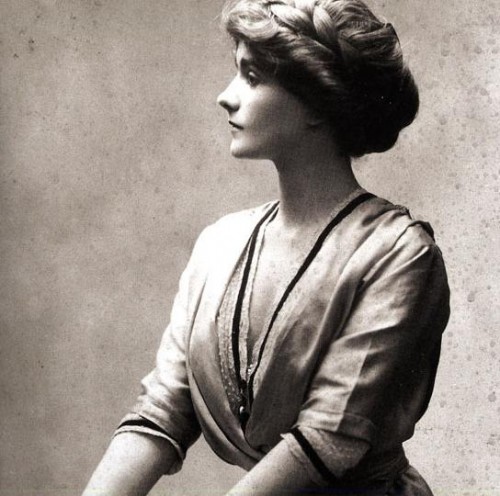
coco-chanel_6059_1-e1323537635564 Coco Chanel at the age of 23

. coco & etienne balsan Coco & Etienne Balsan

.Chanel

When Coco Chanel lived with Etienne Balsan at Royallieu, she started wearing men’s clothes
.
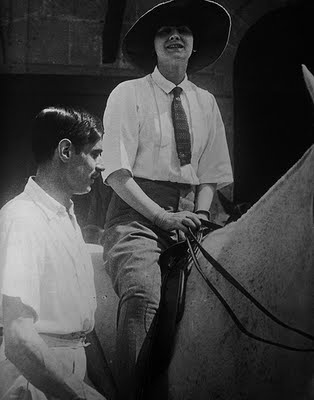
Coco & BoyCoco Chanel & Boy Capel, 1912
.
coco chanel & adrienneCoco & Adrienne in 1913, in front of Coco’s first boutique in Deauville
.

“Hard  times arouse an instinctive desire for authenticity.”

.

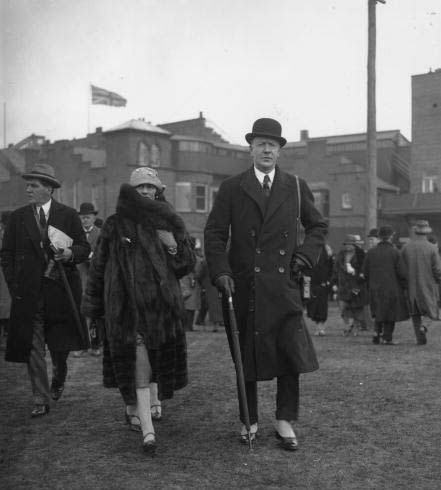
Coco & the duke of WestminsterCoco & Bendor, the Duke of Westminster, at the Grand National racetrack

.
Coco
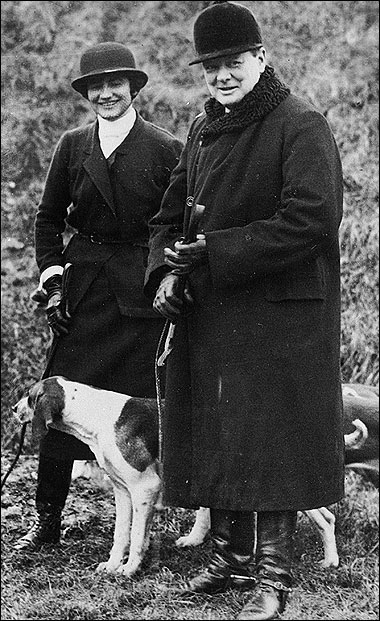
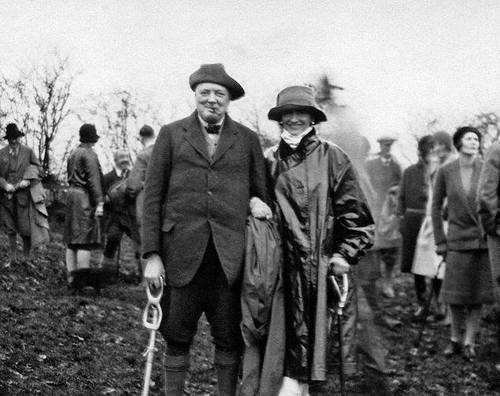
Coco & Winston Churchill
.
coco
Coco & Winston Churchill
.
Gabrielle 'Coco' Chanel and Serge Lifar (The principal dancer of Diaghilev’s Ballets Russes during its final years in the late 1920's) -Coco & Serge Lifar (The principal dancer of Diaghilev’s Ballets Russes during its final years in the late 1920’s)
.
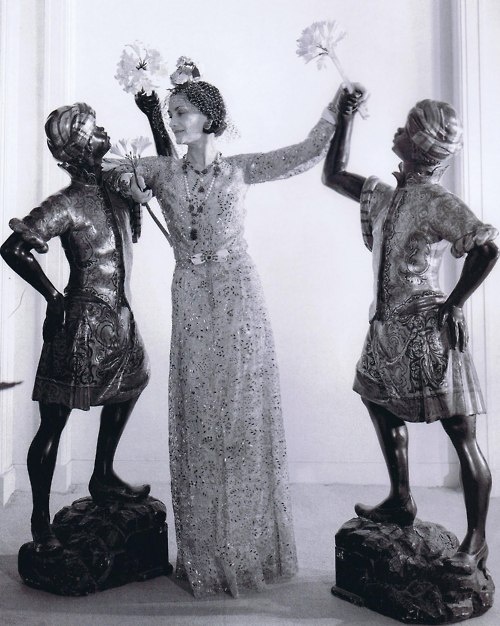
COCOCoco photographed by Cecil Beaton, 1937
.
Coco
.

“A girl should be two things: classy and fabulous.”

.

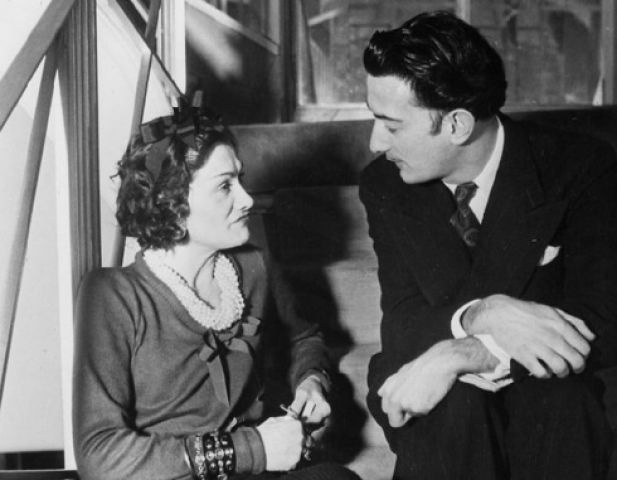
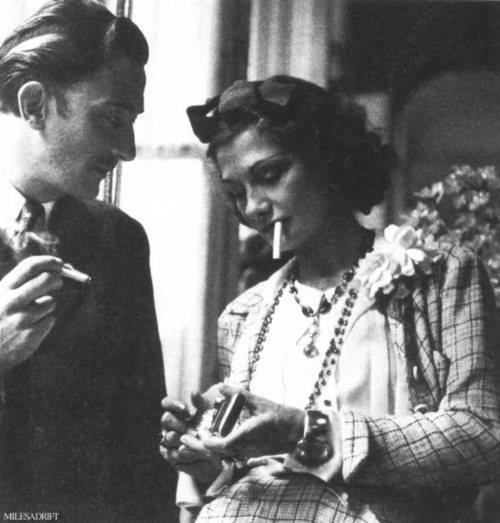
Coco & Salvador DalíCoco & Salvador Dalí
.
CocoCoco Chanel at 50 by George Hoyningen-Huene
.
coco-chanel.

“Dress shabbily and they remember the dress; dress impeccably and they remember the woman.”

.

Coco

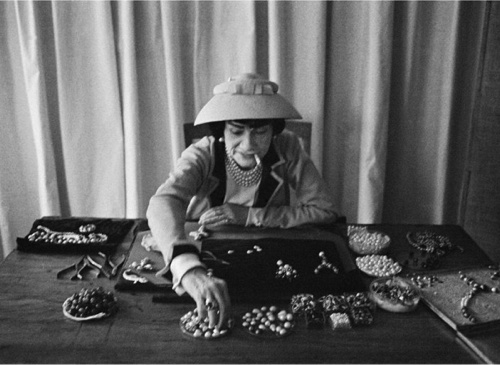
Coco working on het beloved jewelry

.

coco

coco-chanel-photo-douglas-kirkland

.

“Fashion has become a joke. The designers have forgotten that there are women inside the dresses. Most women dress for men and want to be admired. But they must also be able to move, to get into a car without bursting their seams! Clothes must have a natural shape.”

.
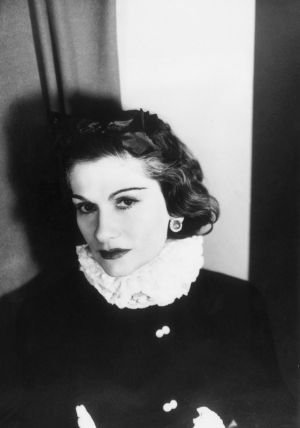
Coco Chanel
.