Archive | 2015

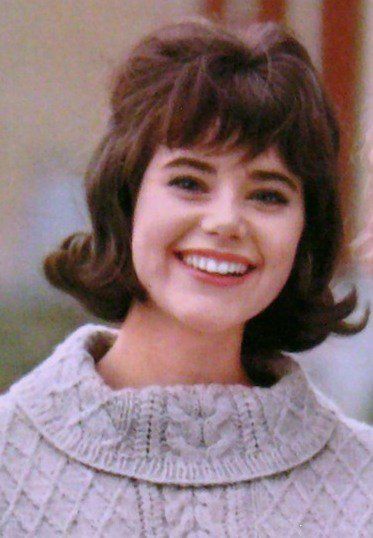
Colleen Corby, Model Icon in a more Innocent Time

9 Aug

Colleen Corby

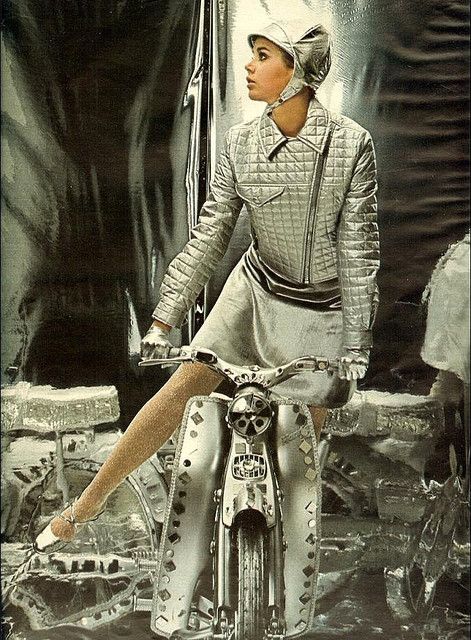
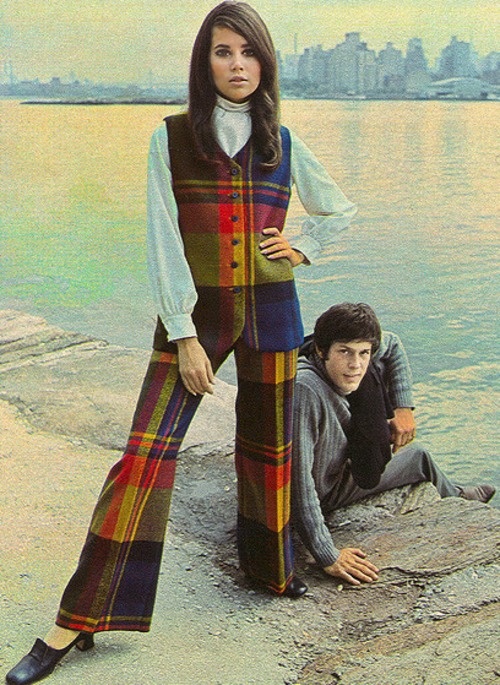
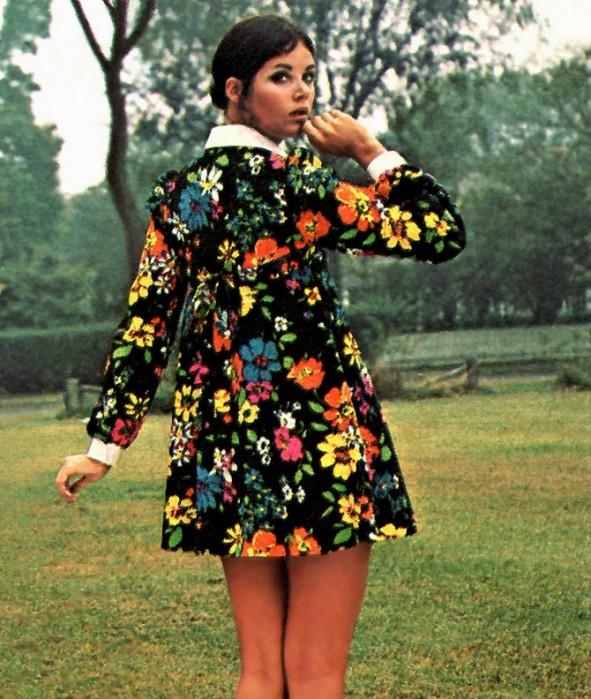
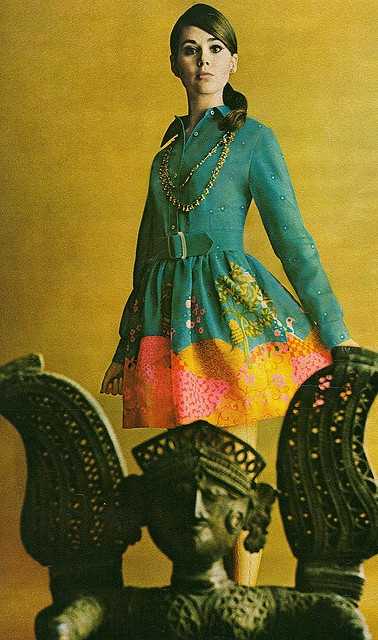
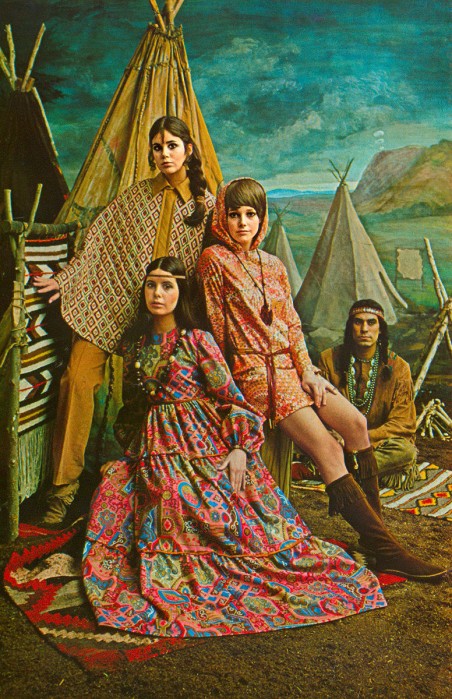
During the 1960s women’s clothing fashions assumed a more significant role in American society than ever before. Reflecting the shifting political culture of the time, the styles were more rebellious than the rigid designs of the 1950s.

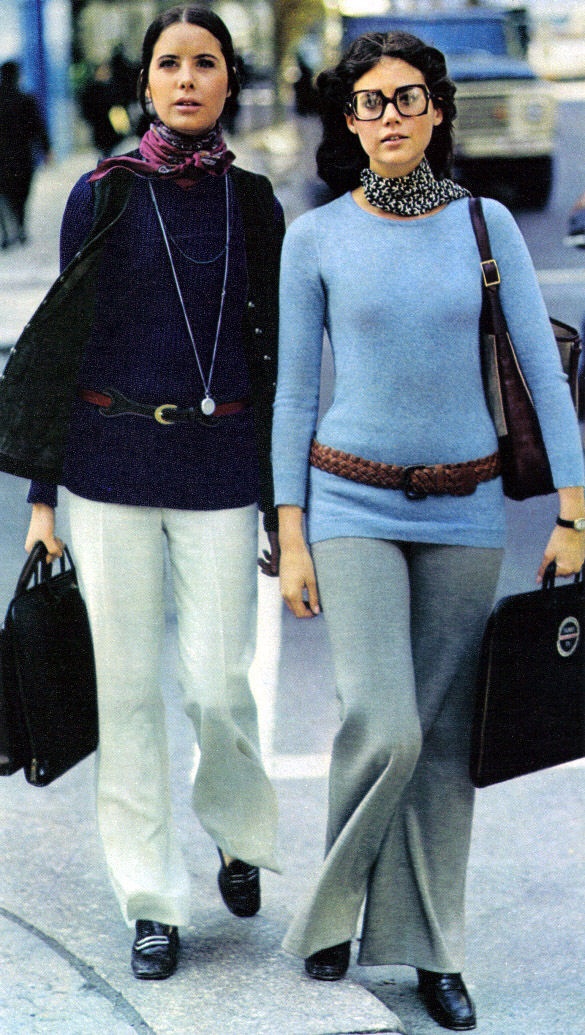
“Hippies,” college-aged youth bent on making a political statement, favored relaxed, comfortable and natural clothing such as blue jeans and tie-dyed T-shirts. More acceptable, were “modern” fashions characterized by bright colored bellbottoms, revealing mini-skirts, and hyper tailored designs.

Models who advertised the new fashions were young and appealed to a youth-driven Baby Boom generation. Among them was Colleen Corby, who became a cultural icon among the teen girl crowd.

One of the first young models to capitalize on the sensual look while retaining an innocent sweetness, Corby graced the cover of “Seventeen Magazine” an unprecedented 15 times during the decade. She also appeared on the covers of “American Girl,” “Teen Magazine,” “Ingenue,” “Co-Ed,” “Glamour” and “Mademoiselle” and modeled for “Simplicity,” “McCalls,” and “Butterick” sewing patterns.
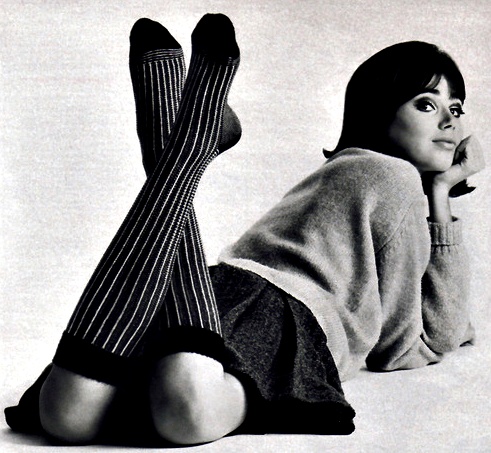
Colleen Corby

Short Biography

Born on Aug. 3, 1947, in Wilkes-Barre, Colleen Corby was the eldest daughter of Peggy and Robert Corby, a public relations executive. She was raised nearby in Luzerne, where she led a “nice, normal childhood.

“There was really nothing extraordinary about my childhood,” Corby recalled in an interview. “Just like all the other kids, I walked to school, came home for lunch and played outside after school.”

The only exception to the “normalcy” was modeling. As a child, Corby began posing for the Boston Store in Wilkes-Barre, usually doing back-to-school advertisements. Her career took off when the family moved to New York City in 1958. Two weeks after walking into Eileen Ford’s modeling agency (supposedly to look for a summer job), Corby was sent on her first modeling assignment, a cover shoot for “Girl Scout Equipment” magazine.
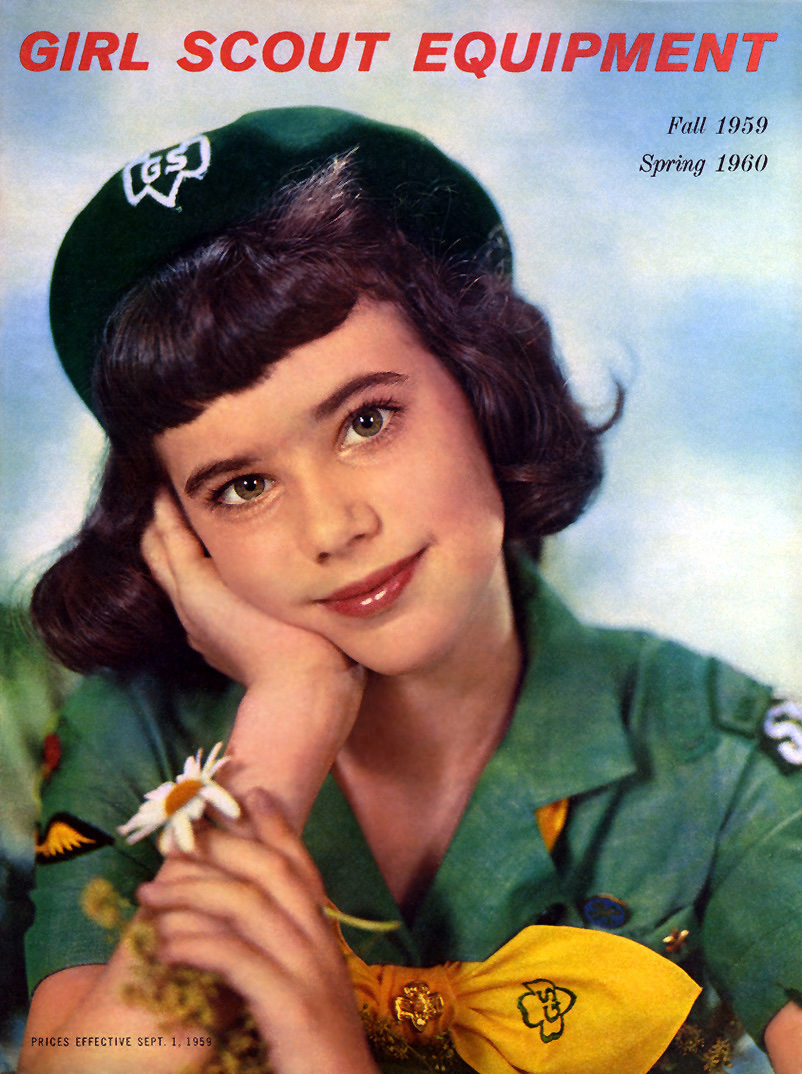
colleen-corby-girl-scout-catalog-1959

By the end of the summer the assignments were coming so steadily that her parents enrolled her in Manhattan’s Professional Children’s School, which allowed for the irregular schedules of actors and models.

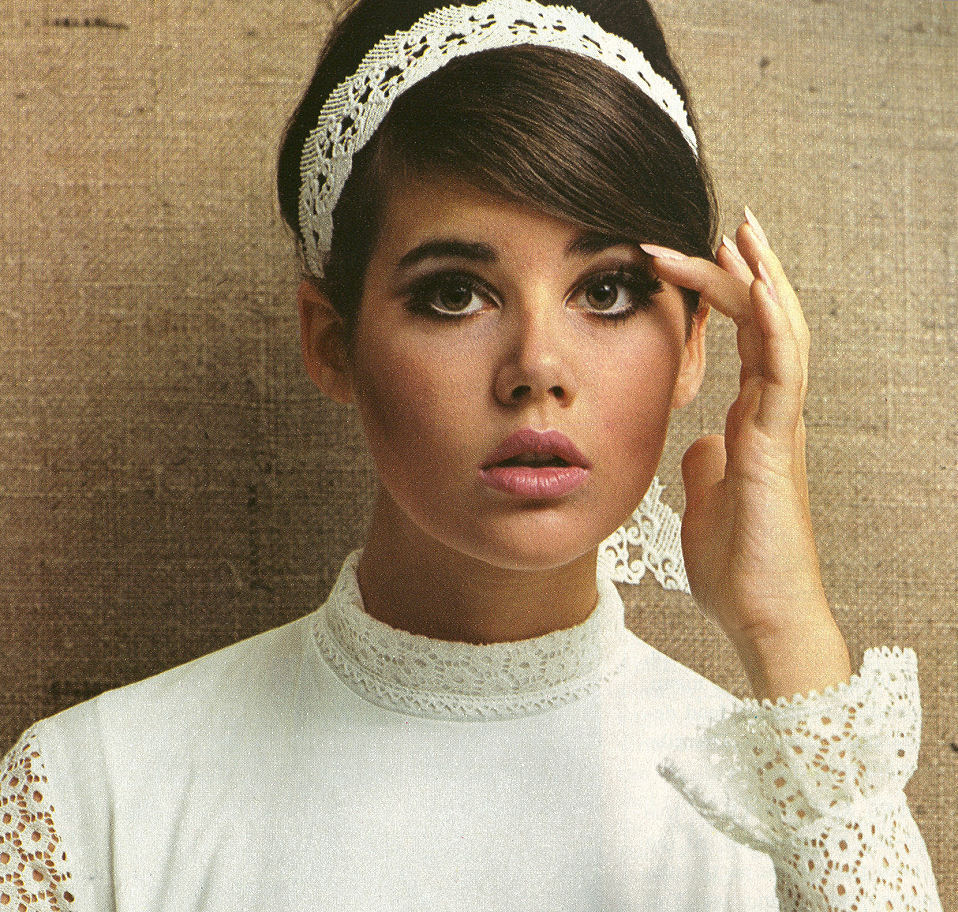
With her dark brown hair, glowing skin and piercing, green eyes, Colleen attracted the attention of several teen magazine editors and posed for the covers of the “Girl Scout Magazine,” “American Girl,” “Teen,” and “Co-ed.” She was already an experienced model by age 16 when she first appeared on the cover of “Seventeen” in April 1963.

“Seventeen” was a magazine that helped to shape teenage life in America by running music and movie reviews, identifying social issues and celebrating icons of popular culture.
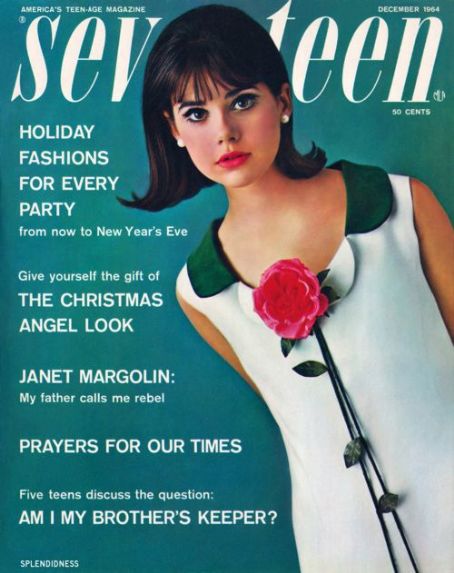
Colleen Corby on Seventeen Magazine cover

Colleen Corby on Seventeen Magazine cover

Colleen Corby on Seventeen Magazine cover

During the 1960s, the magazine was also becoming a major influence in defining notions of beauty and style among adolescent females. Girls combed its pages, choosing their favorite brunette and blond models – Terry Reno, Joan Delaney, Rinske Hali, Wendy Hill, Jennifer O’Neil, and, of course, Colleen Corby – usually depending on their own coloring. 

At 5 feet 7 inches and just 107 pounds, Colleen was more petite than some of the other regular “Seventeen” models, but her alluring combination of unmistakable innocence and tempered boldness made her an ideal cover girl for the magazine. During the 1960s, Corby’s image appeared on the cover an unprecedented 15 times (five times in 1964 alone), and seemed to be on every other page. As a result, she became a hero for a whole generation of 13- to 18-year old girls.

In a profession filled with sensitive egos, Corby was somehow able to bond with a fairly small group of models who appeared together in the ads and editorial pages for “Seventeen.” They played off one another so smoothly that Corby was comfortable taking center stage or complimenting the lead of another model.

Model Sisters Molly and Colleen CorbyModel Sisters Colleen & Molly Corby

Unlike today’s supermodels, Corby lived quietly in a Manhattan apartment with her businessman father, stay-at-home mother and little sister, Molly, who was also a model. Between modeling assignments, she spent time doing homework, listening to Andy Williams records and answering her considerable fan mail.

“To be honest, modelling was just a job like any other job,” said Corby. “I didn’t get carried away with it because my family kept me grounded. Though we lived in New York City, my parents’ value system was shaped by the Wyoming Valley. They stressed hard work, doing one’s best and maintaining a sense of humility.”

Mid-1960s
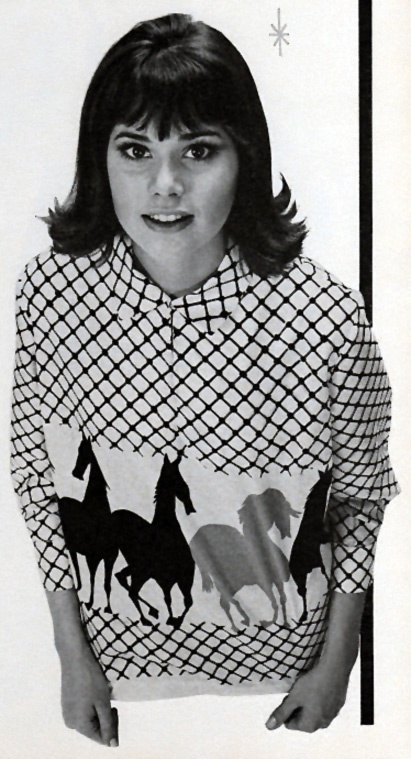
Teen Magazine  1963

Colleen Corby in Seventeen Magazine 1965

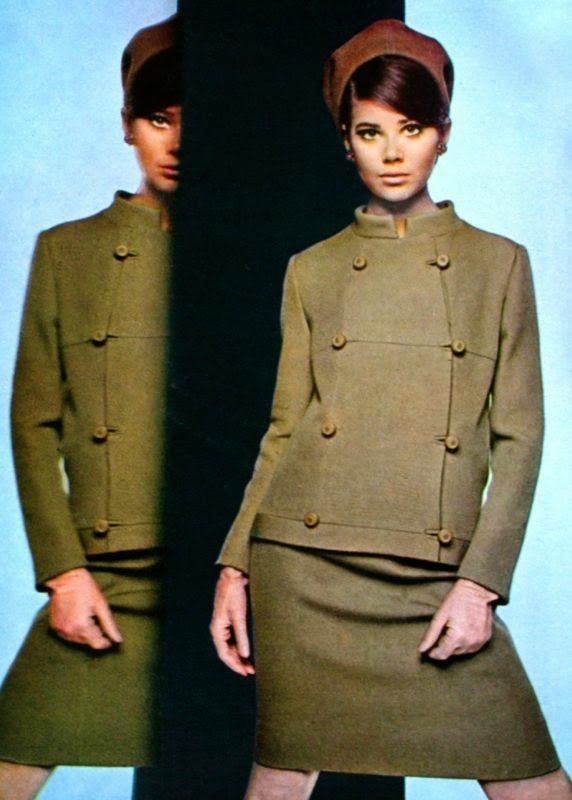
Colleen Corby in Pierre Balmain Marie Claire France September 1965

1967 Colleen Corby

Colleen Corby

Colleen Corby

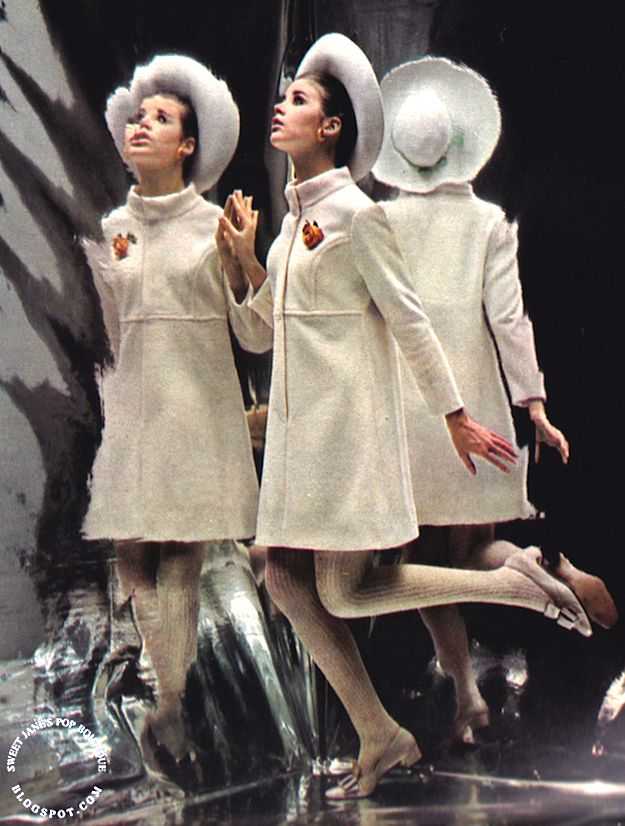
During the mid-1960s, Corby’s popularity was at its peak. She had blossomed into a wholesome young woman whose 32-23-33 measurements attracted a new, adolescent male audience. Her image seemed to be everywhere: TV commercials, magazines and catalogs.

Naturally comfortable before a camera, Corby signed a multi-year movie contract with Universal Pictures. “Acting wasn’t really something I wanted to do,” she admitted. “As a model I had to take acting lessons and I was offered the contract. But I never actively pursued it”

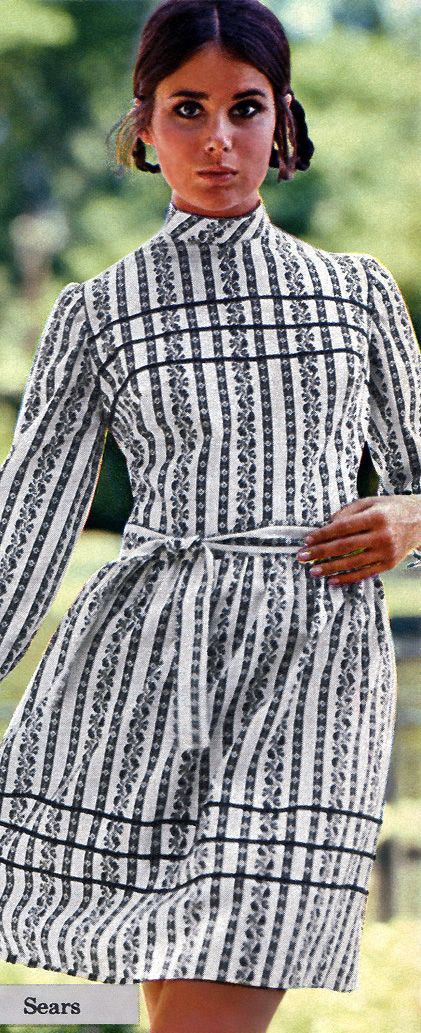
By the 1970s, Corby’s teen market had vanished, but she continued to appear in magazines like “Glamour” and “Mademoiselle.” She was also a fixture in the catalogs of major retailers like Sears and JCPenney.

1970s
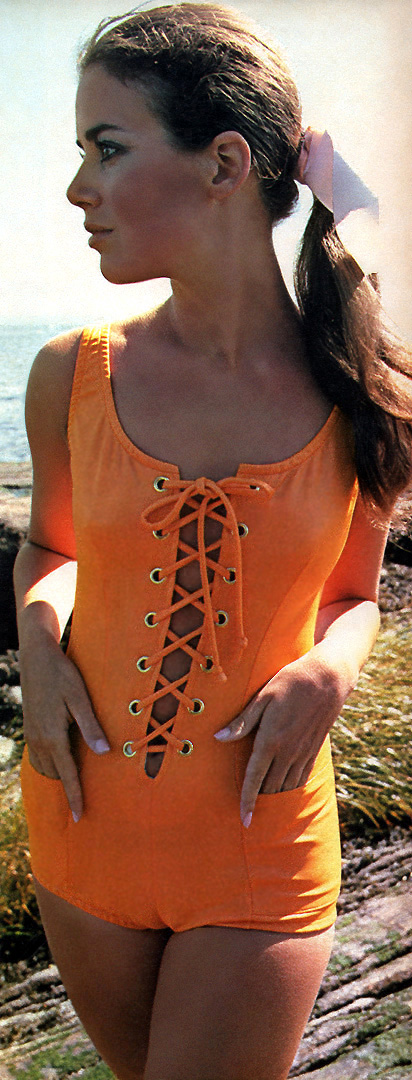
colleen corby

Colleen-Corby-70s

Colleen-Corby

Colleen Corby

collen-corby-seventies

Sears 1971

01f23dba681e1f6a621b6a8cffe8bec2

Corby retired from modeling in 1979 after her marriage only to return briefly to the profession in the early 1980s. After giving birth to two sons – Alexander and Christopher – she left New York and the fashion world for good and turned her full attention to raising a family.

“I had no regrets about walking away,” said Corby. “I wanted to get married and to have children, and you can’t really raise a family and be a full-time professional model. Besides, I was always very busy doing a lot of volunteer work at my sons’ schools.” Corby’s last public appearance came in 2000 on the “Oprah Winfrey Show,” though she had some initial reservations. “I had put the modeling career in the past, and I really didn’t want to do the show,” said Corby. “But Oprah’s producers kept calling me, and many of my friends encouraged me to do it.

“As it turned out, the appearance was a very pleasant experience. I enjoyed meeting Oprah and was flattered to find out that I was her favorite model as a child. Apparently, she even papered her bedroom walls with some of the covers I did for ‘Seventeen.’

Corby, now age 68, believes she was fortunate to have been a fashion model in the 1960s. “It was a very different industry than it is today,” she said. “You didn’t have the same pressures (i.e., short deadlines, intense competition, anorexia, designer drugs) that now exist. We were very protected, especially working for ‘Seventeen Magazine.’ The Ford agency was also very careful with young models. It was just a more innocent time.” That innocence can still be found in the smiling face of an 11-year-old Corby who appeared on the cover of “Girl Scout Magazine” 50 years ago.

.
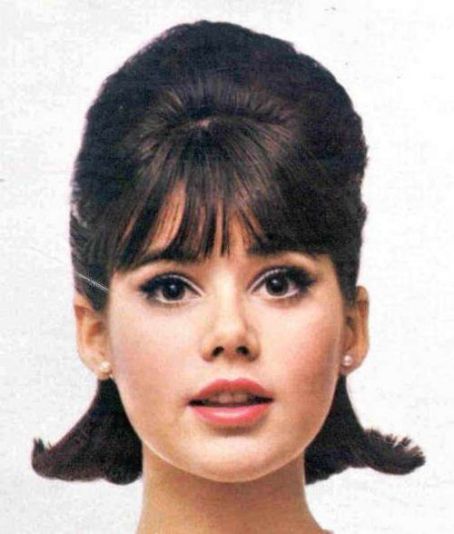
Colleen Corby


.

.

Written by William Kashatus 

Info: http://citizensvoice.com/arts-living/colleen-corby-teen-fashion-icon-of-the-1960s-1.215293

Miuccia Prada rebuilt a sleepy Family Business

2 Aug
Miuccia Prada was born Maria Bianchi Prada on May 10, 1949, in Milan, Italy. She was the youngest granddaughter of Mario Prada, who started the Prada fashion line in 1913 by manufacturing well-crafted, high-end suitcases, handbags and steamer trunks for the Milanese elite.
.
Miuccia was an unlikely inheritor of her family’s business. A former member of the Italian Communist Party, she attended the University of Milan, where she made a name for herself as an ardent feminist and earned a Ph.D. in political science. Following her academic work, Prada planted herself at Milan’s Piccolo Teatro, where she trained as a mime for five years.
.
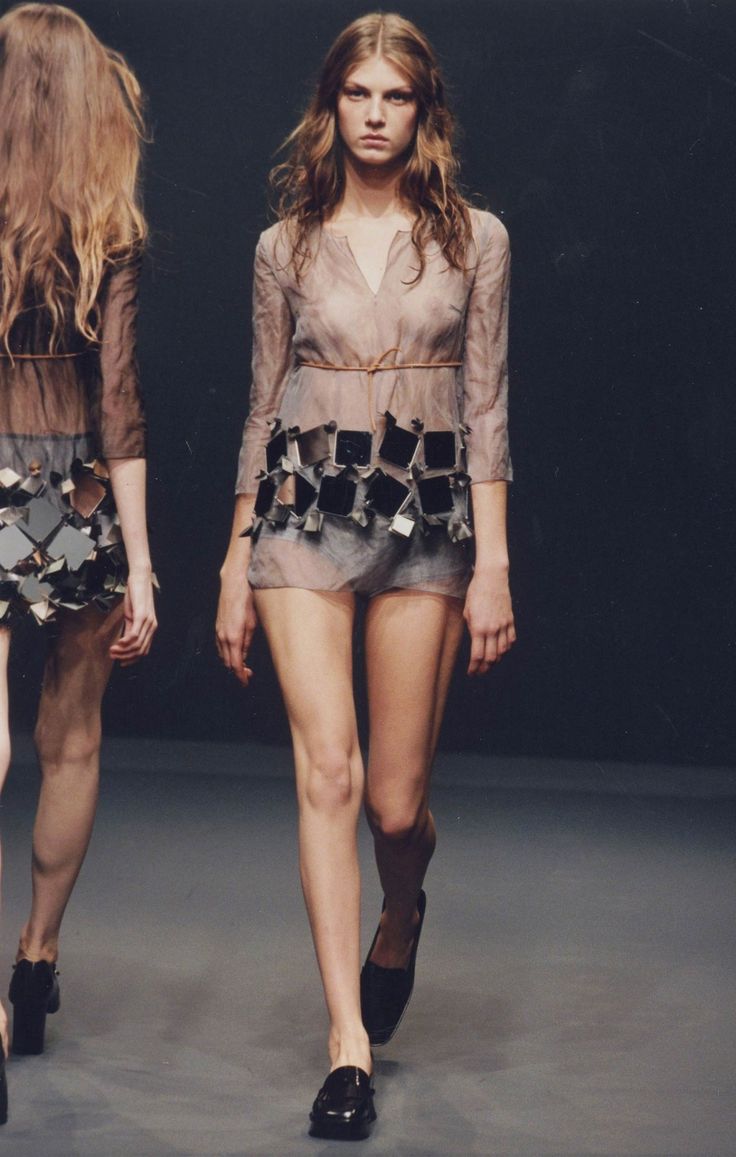
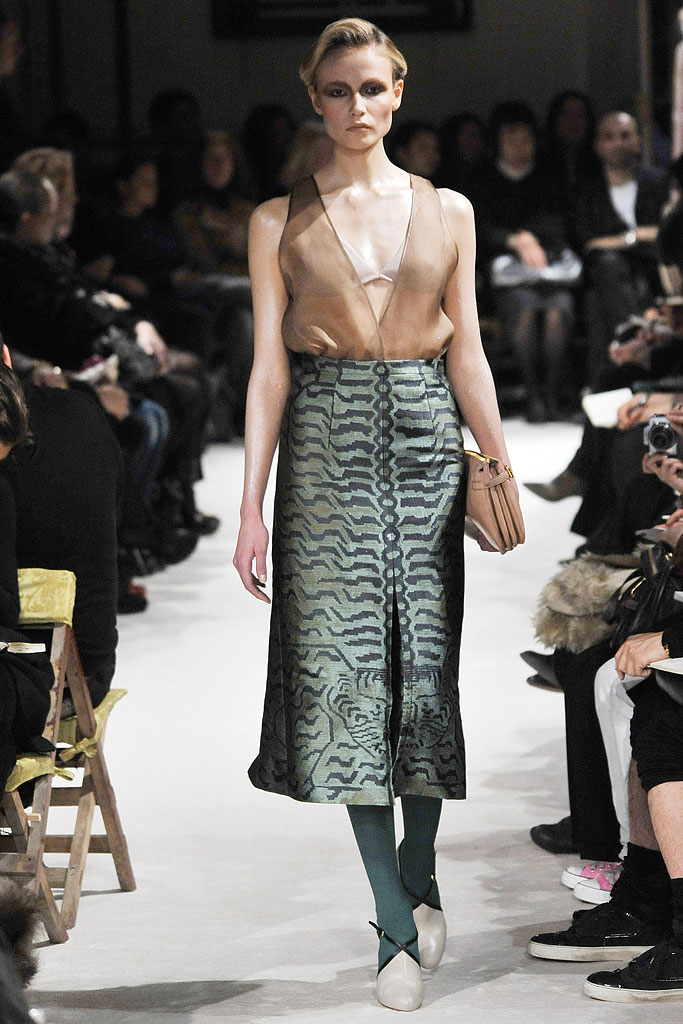
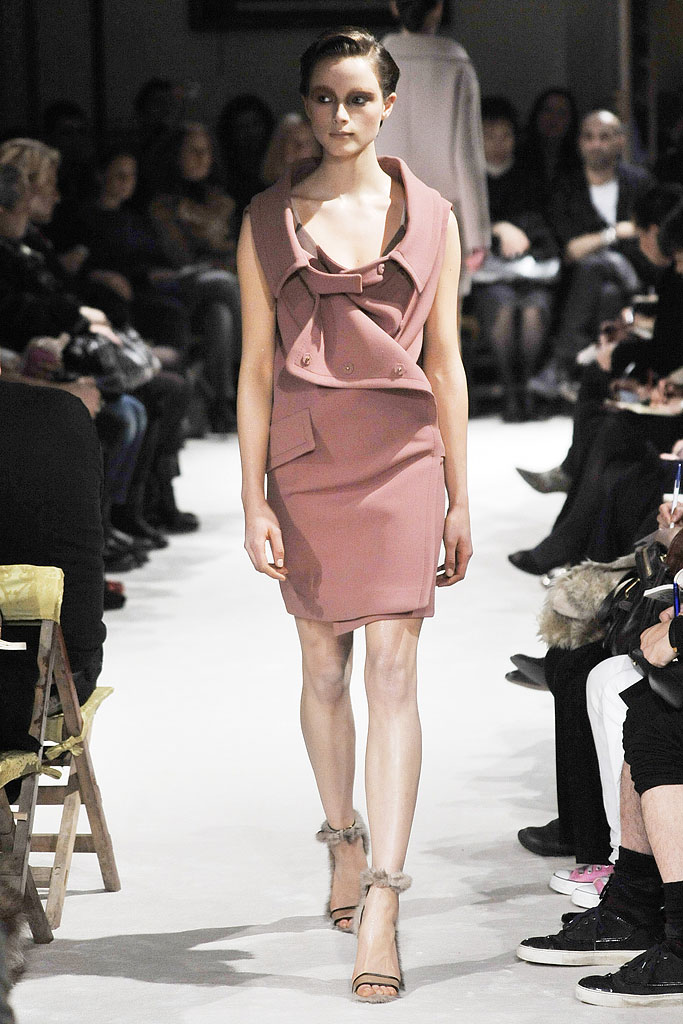
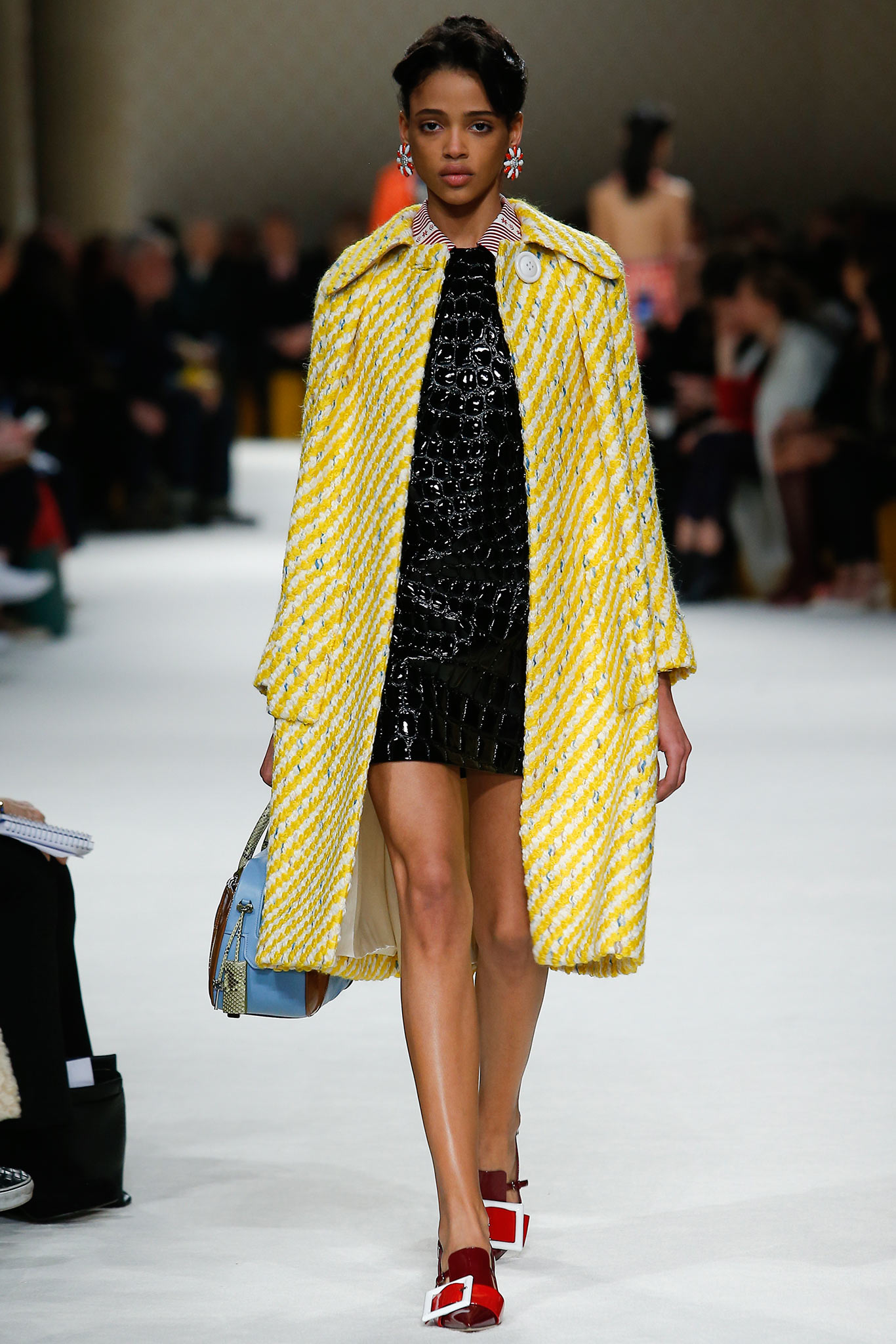
In 1978, Miuccia entered her family’s business and soon set to work on rebuilt a company that had grown sleepy and inactive. With the help of her future husband, Patrizio Bertelli, Muiccia began updating the company’s merchandise with designs she’d developed herself.She first dazzled the fashion world in 1985, when she unveiled a series of black nylon handbags and backpacks with understated labeling—a stark contrast to the logo heavy clothes that dominated the fashion world at the time. Four years later, Prada, who has no formal fashion training, introduced a line of ready-to-wear women’s clothes that she called “uniforms for the slightly disenfranchised.” (disenfranchised : voteless, voiceless)  Some critics burned it, but consumers ate it up. 
.

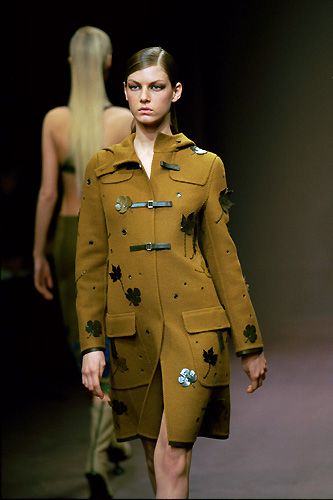
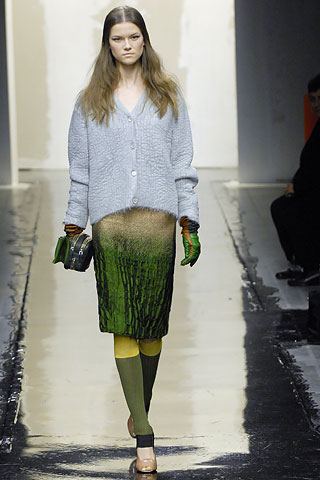
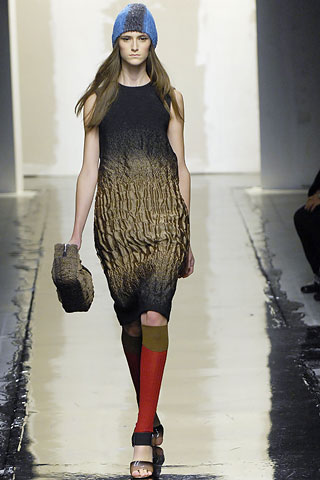
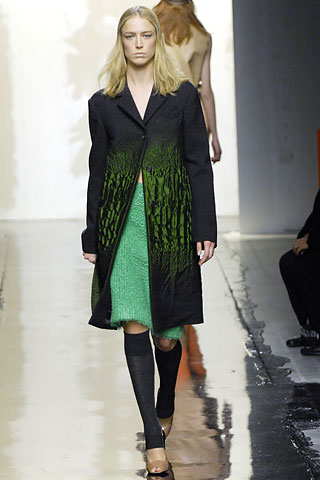
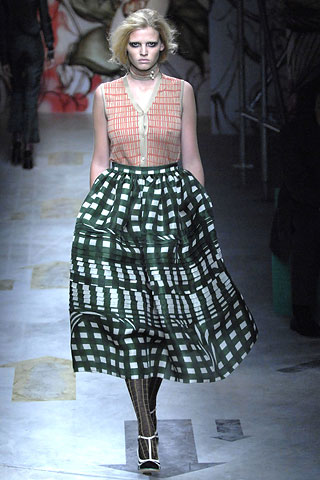
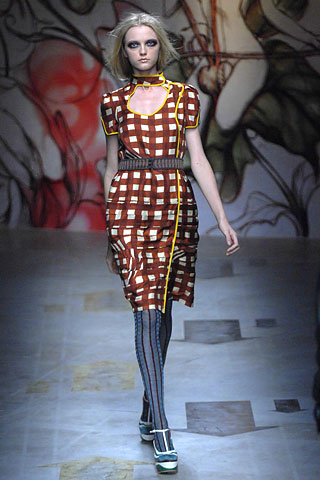
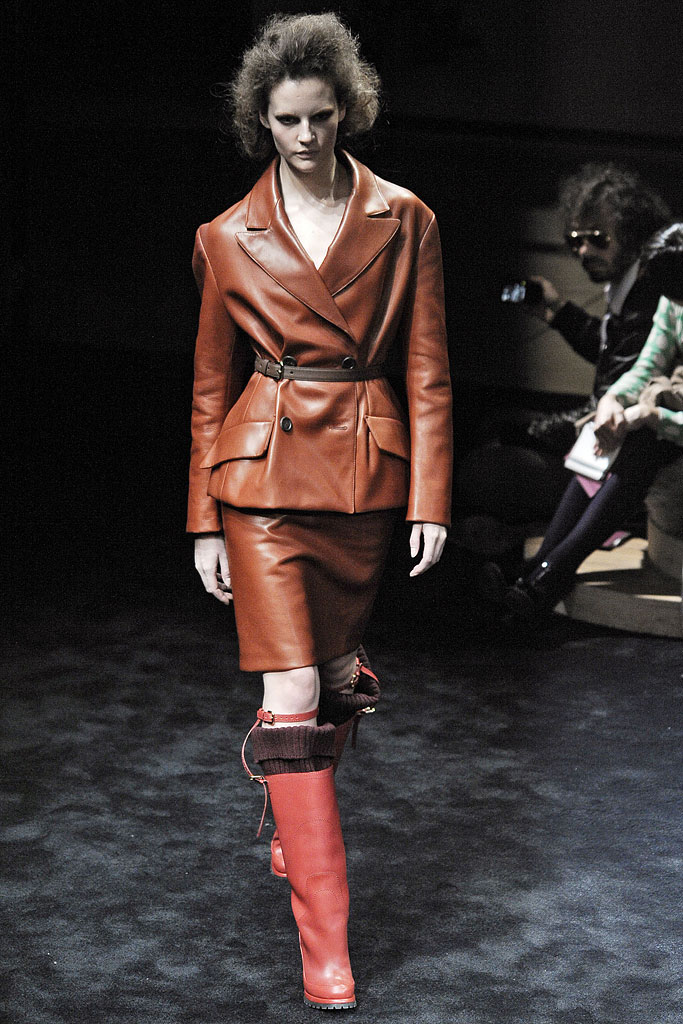
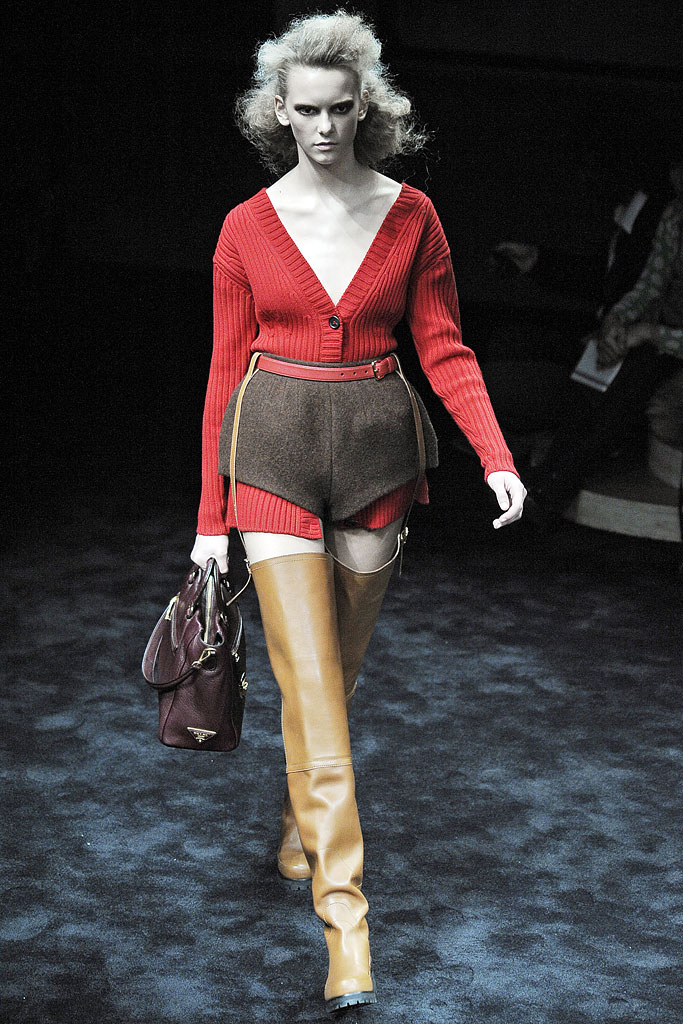
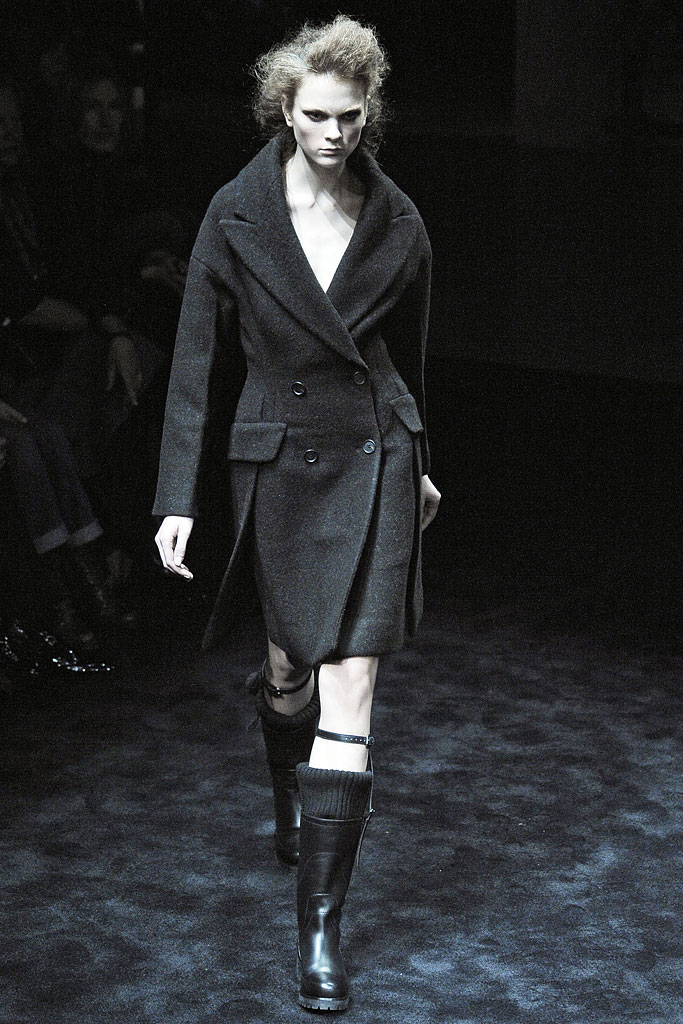
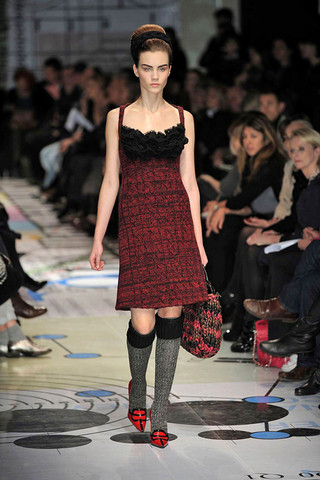
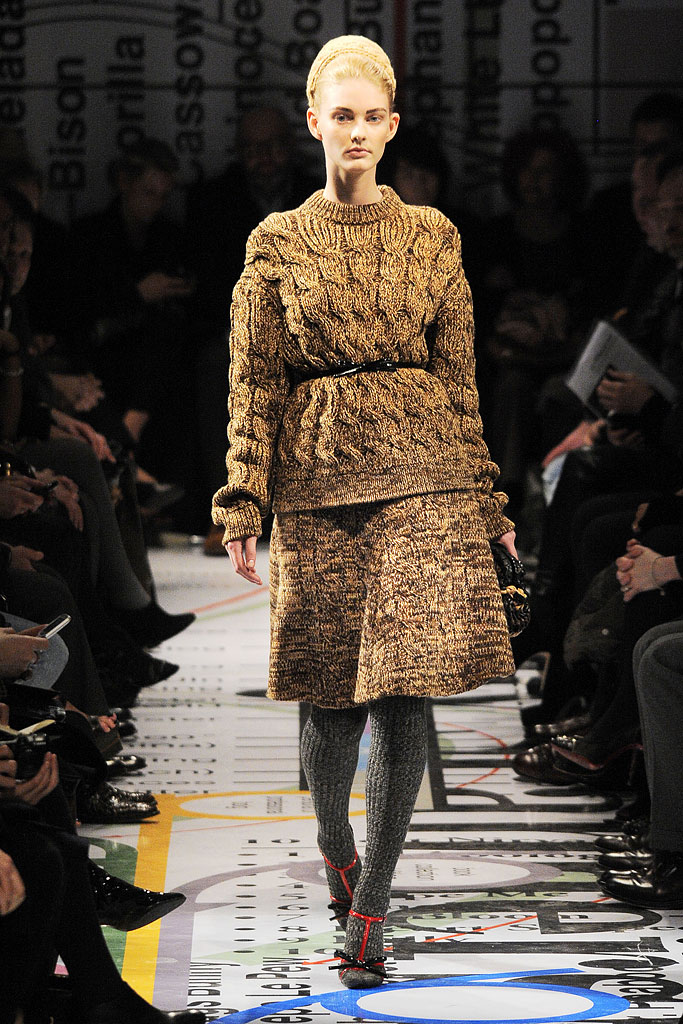
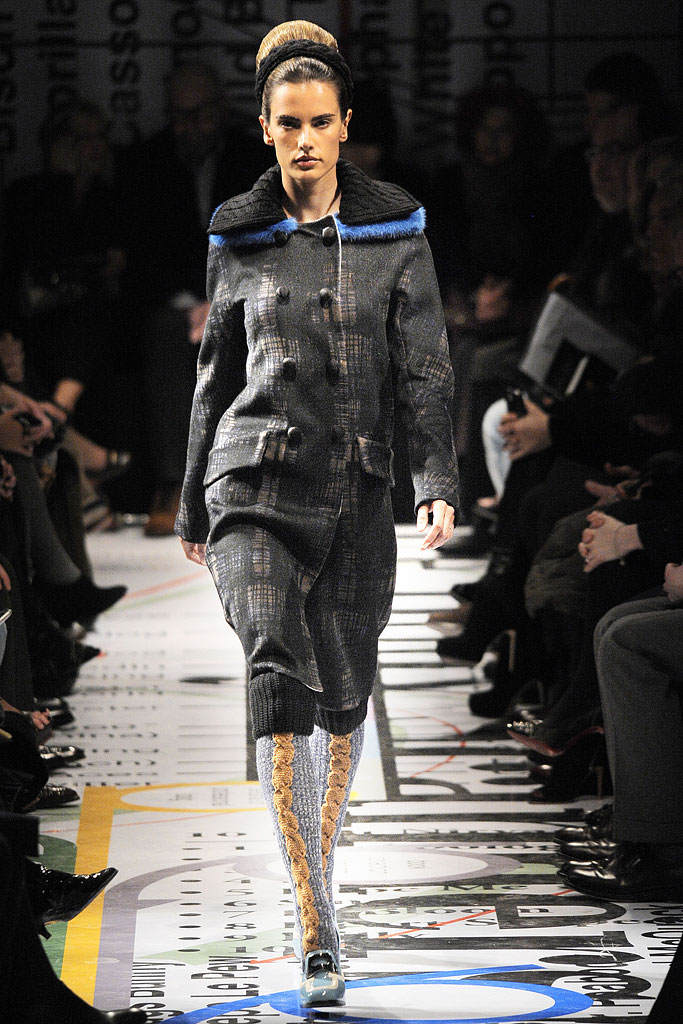
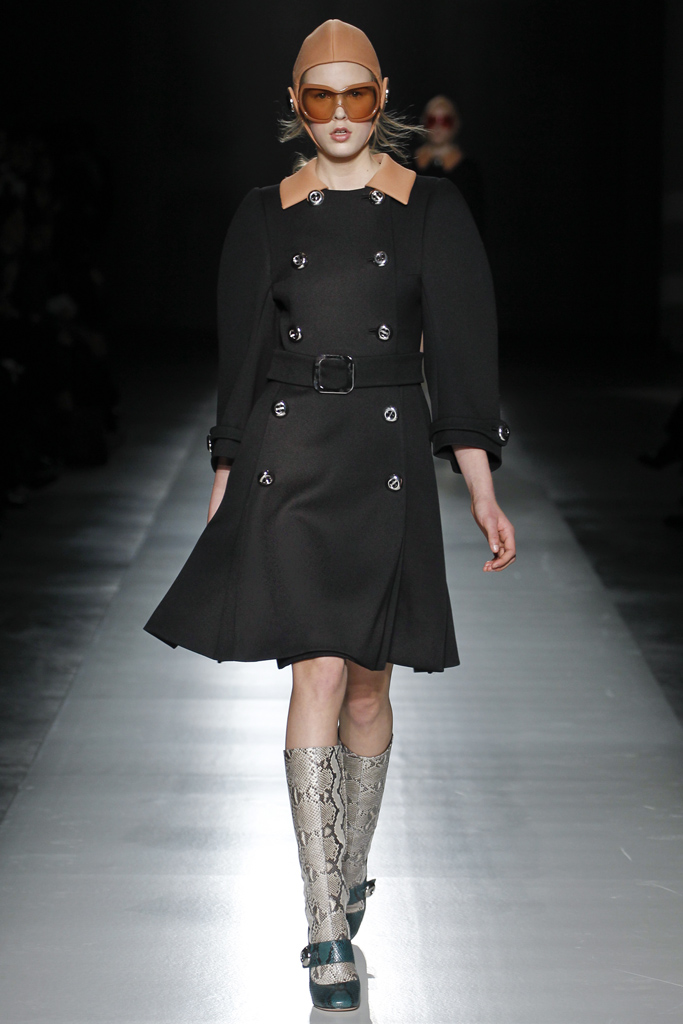
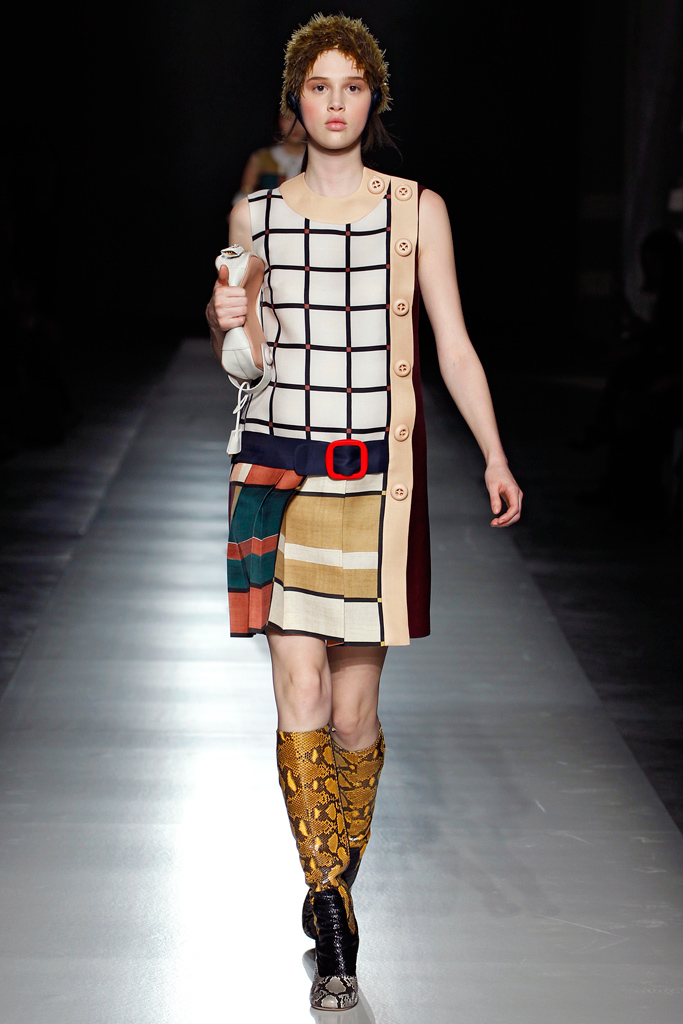
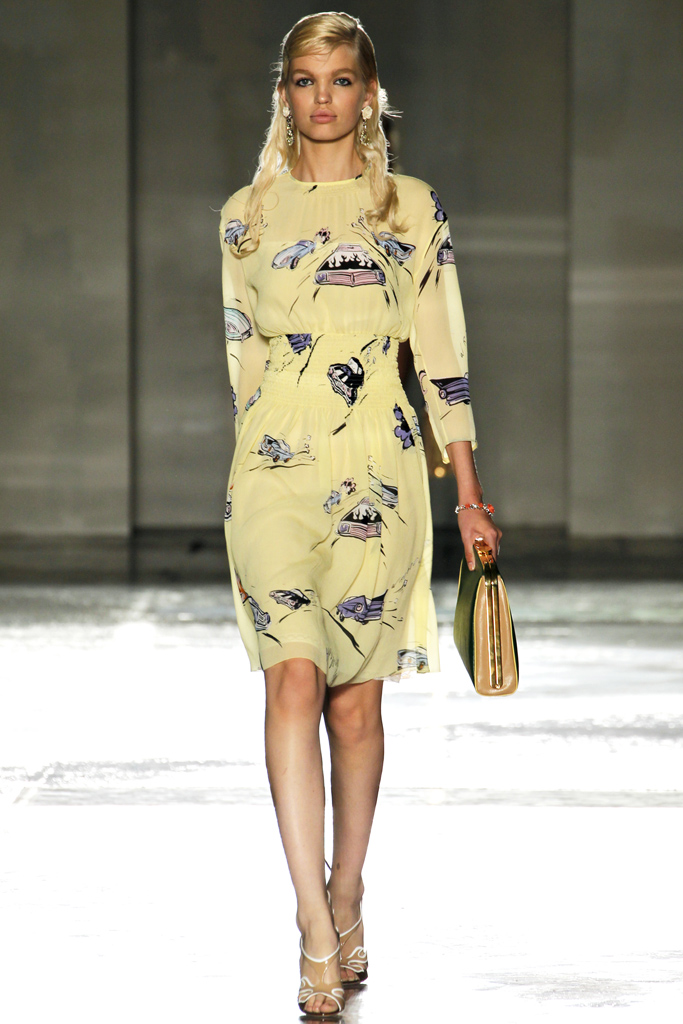
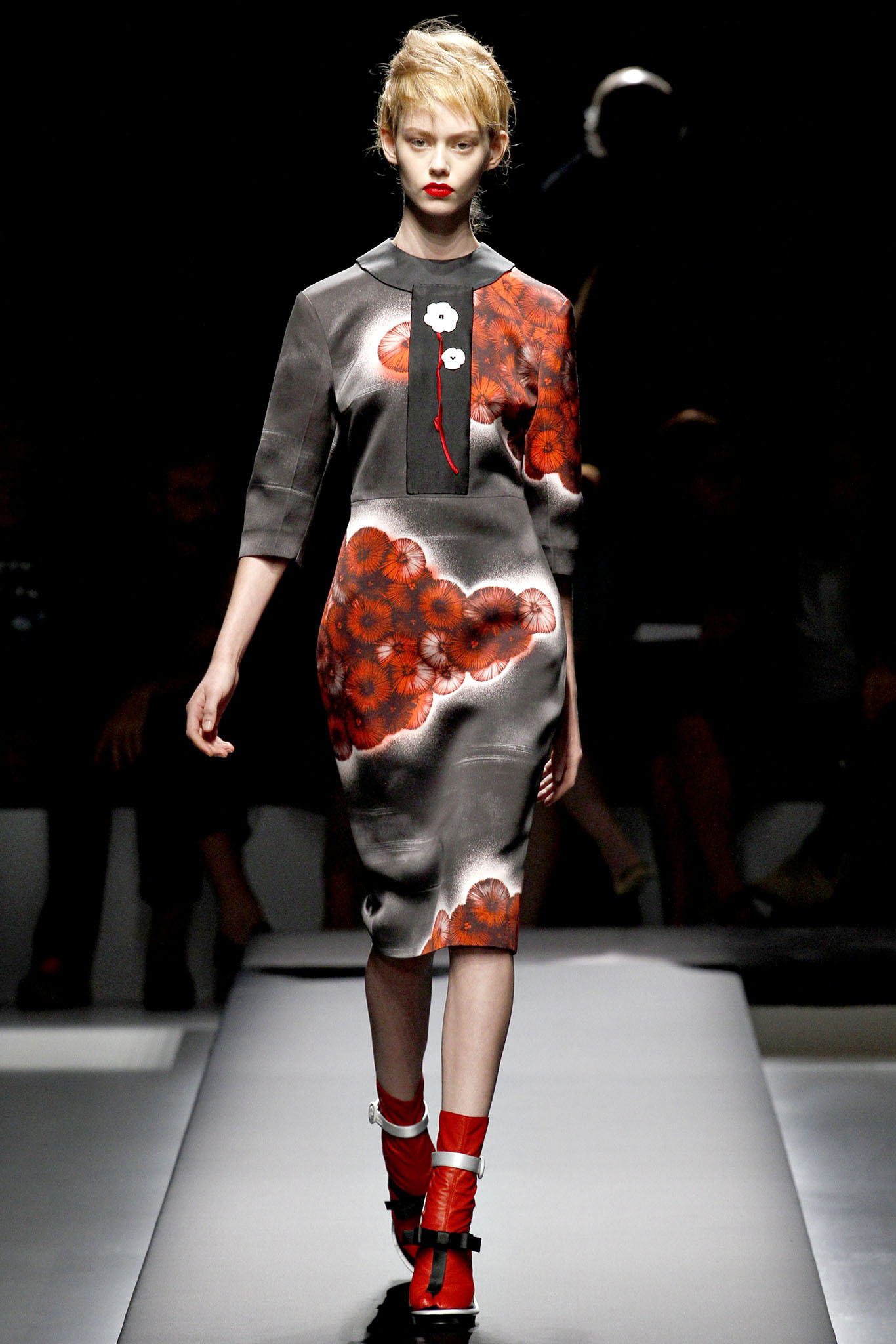
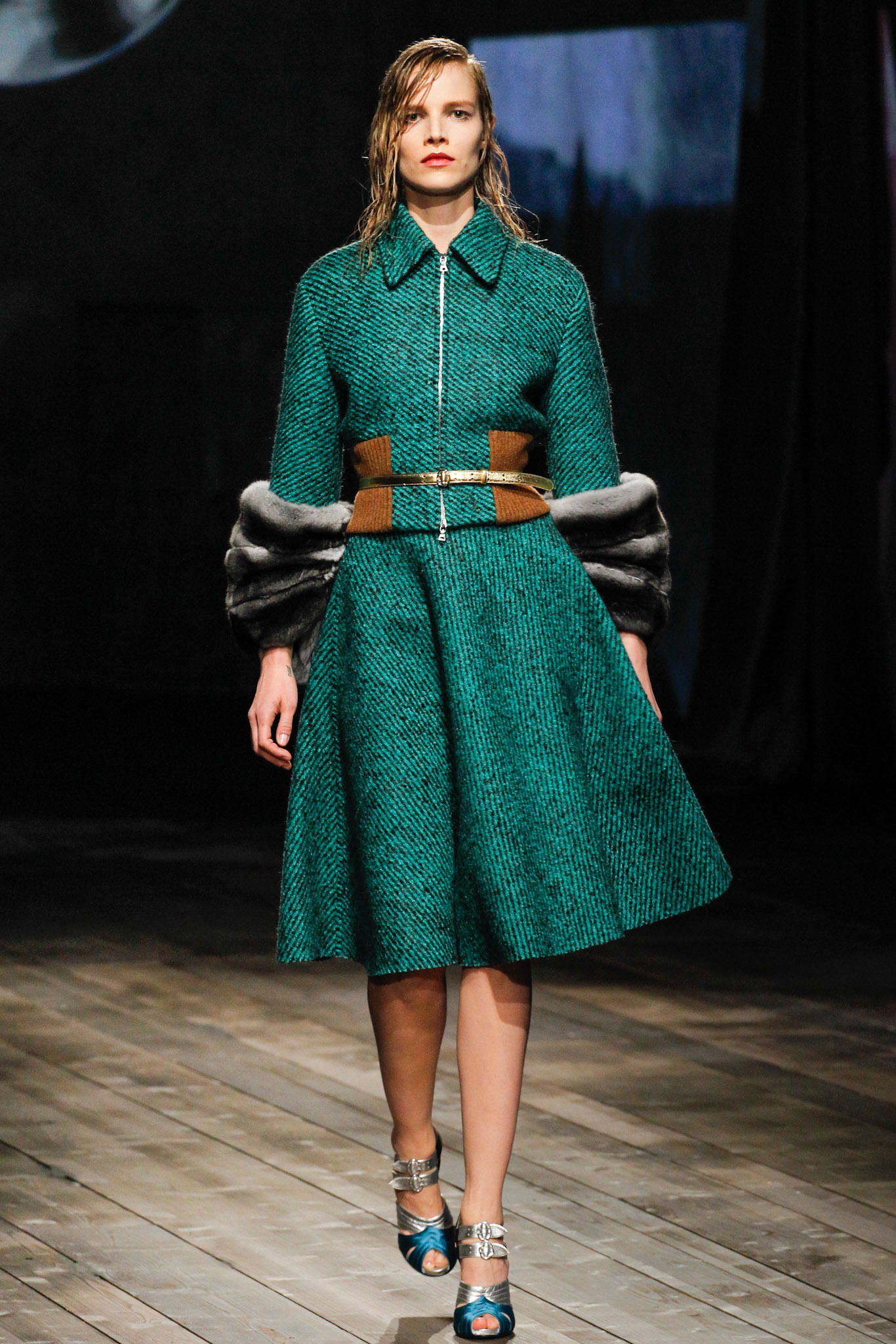
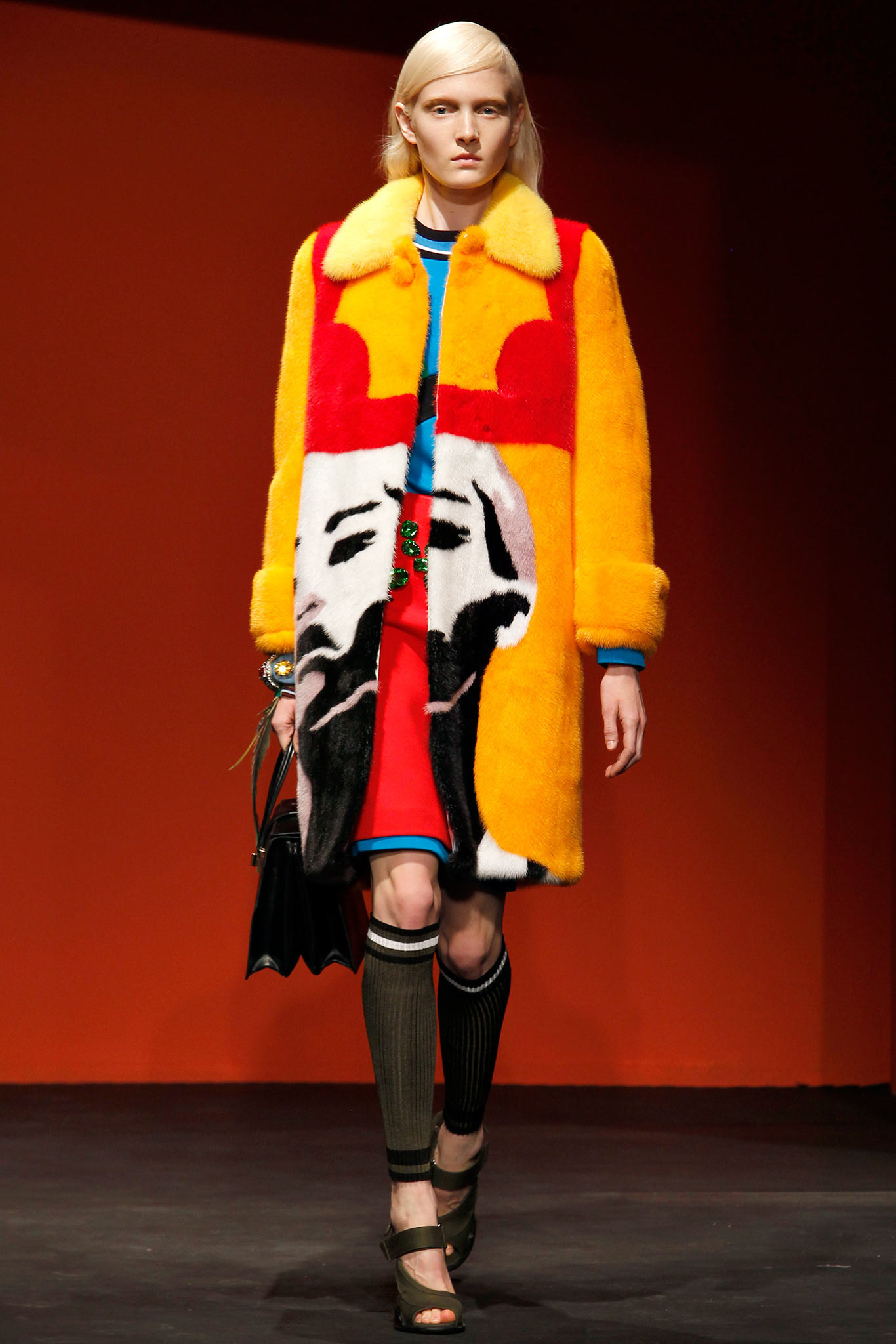
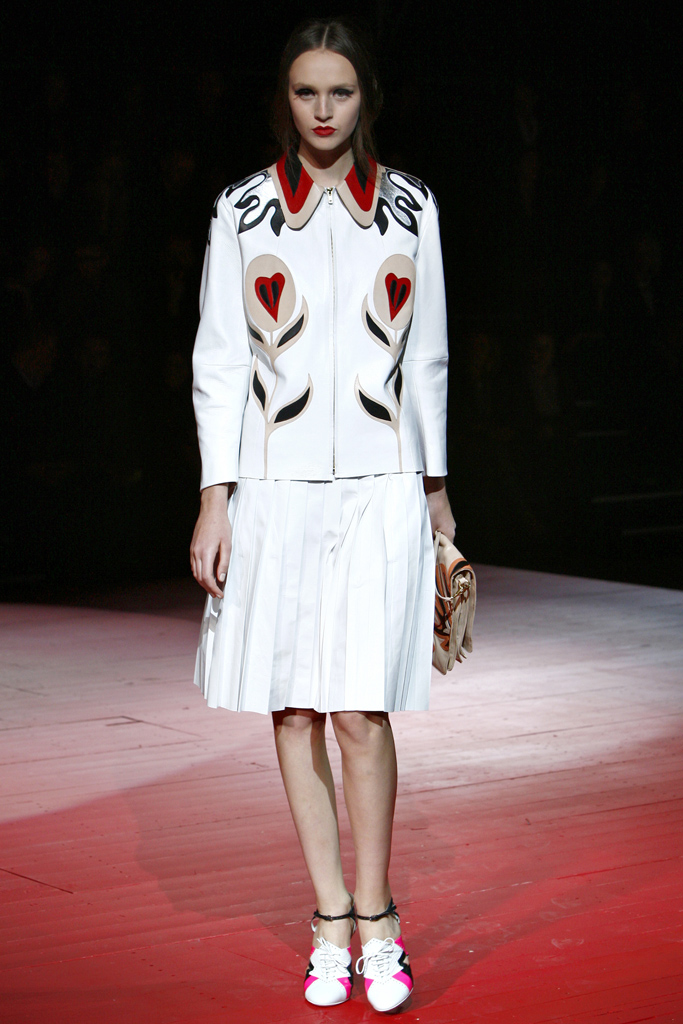
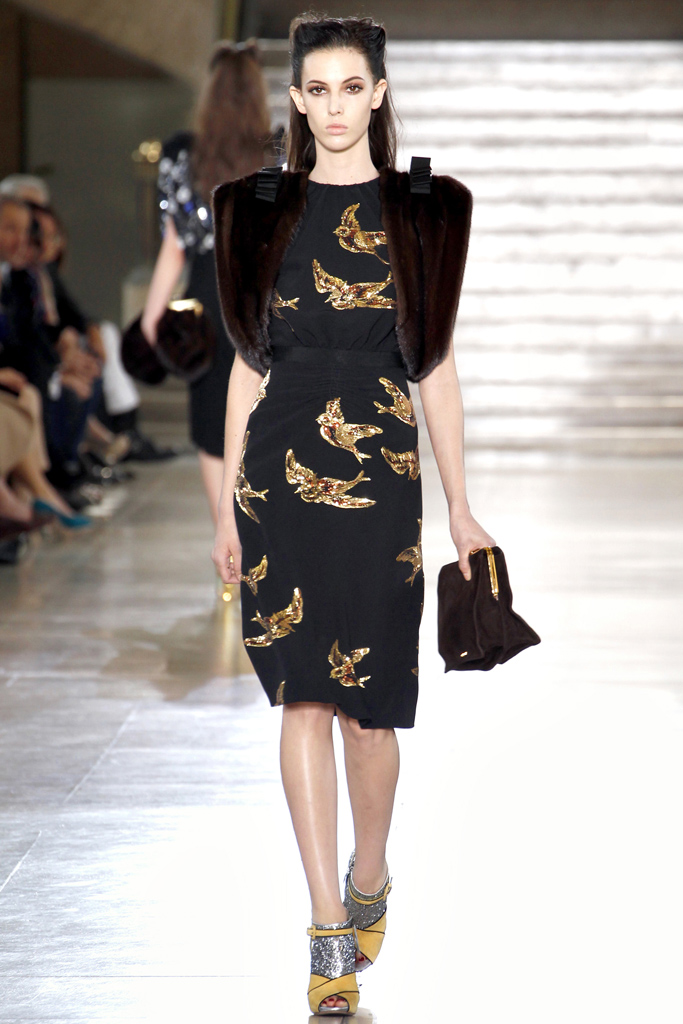
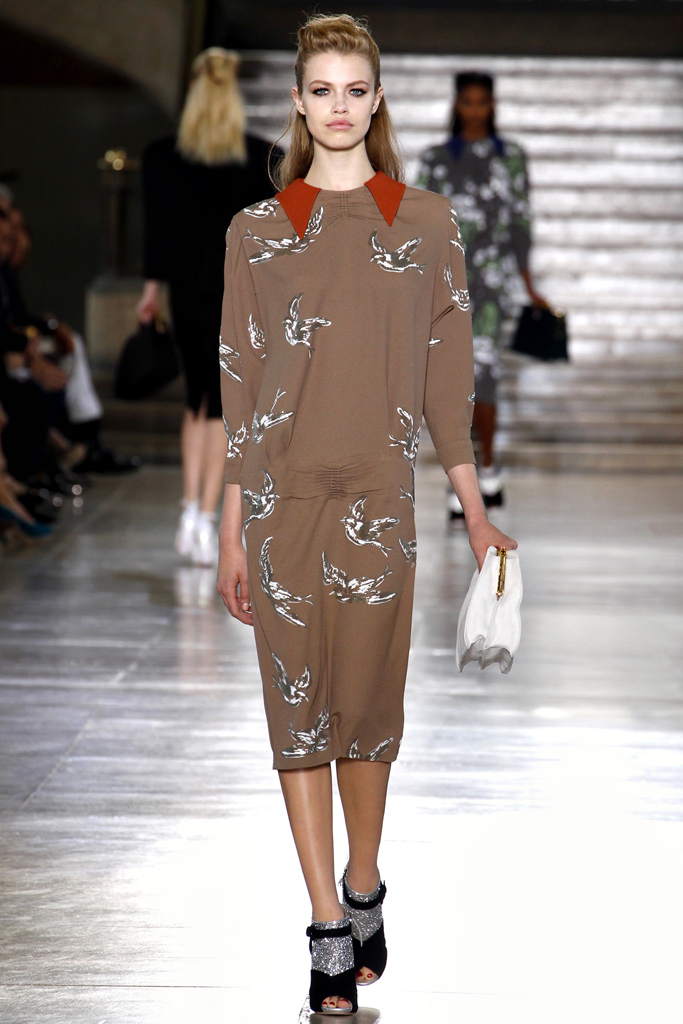
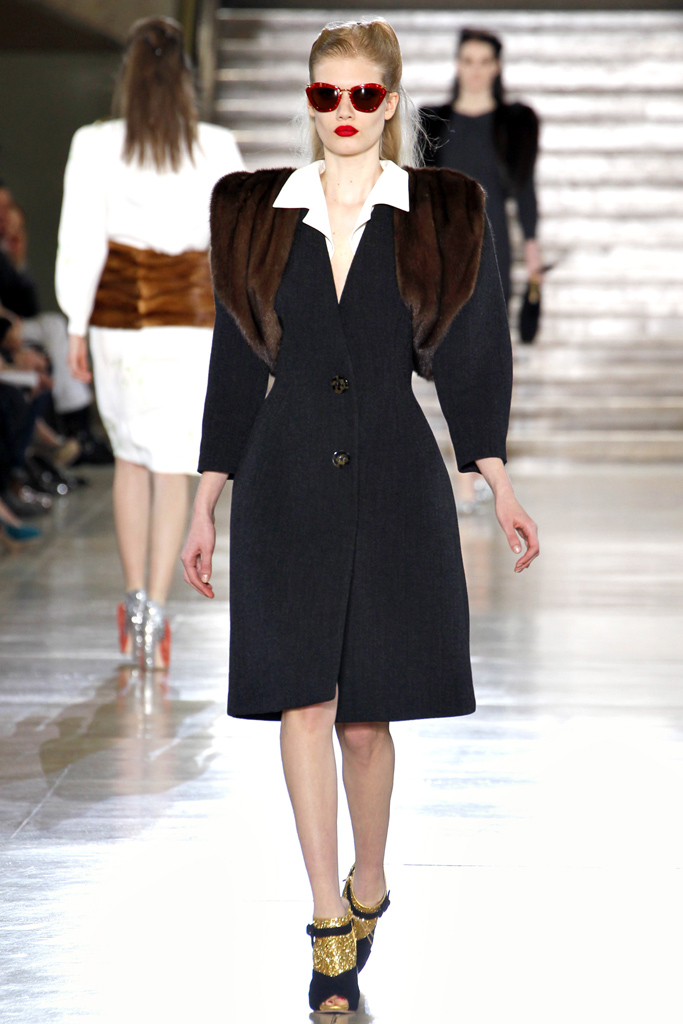
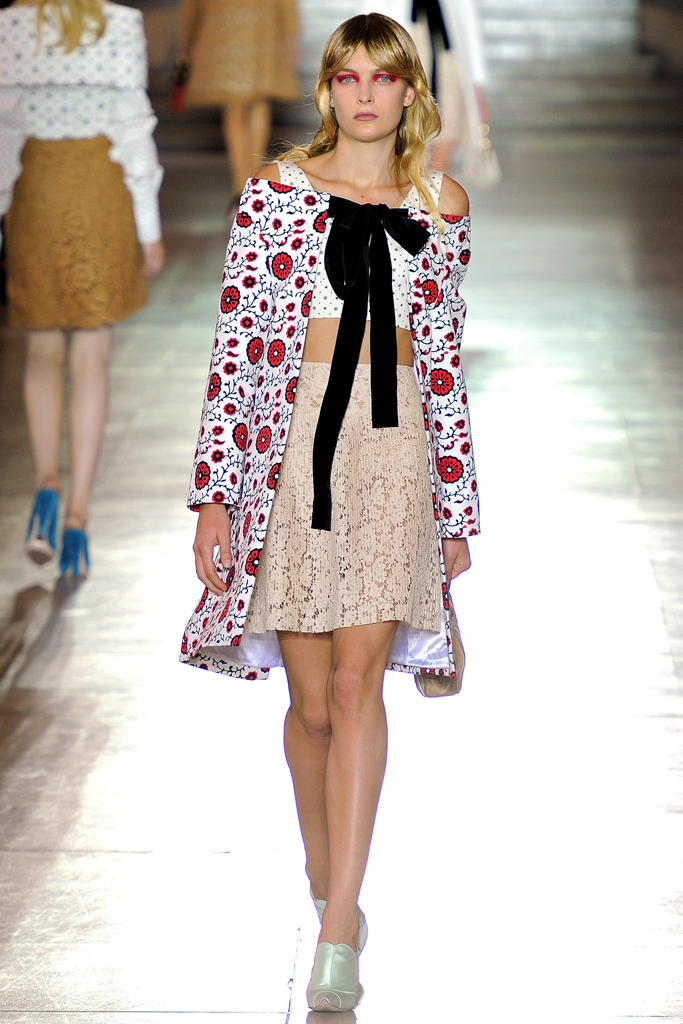
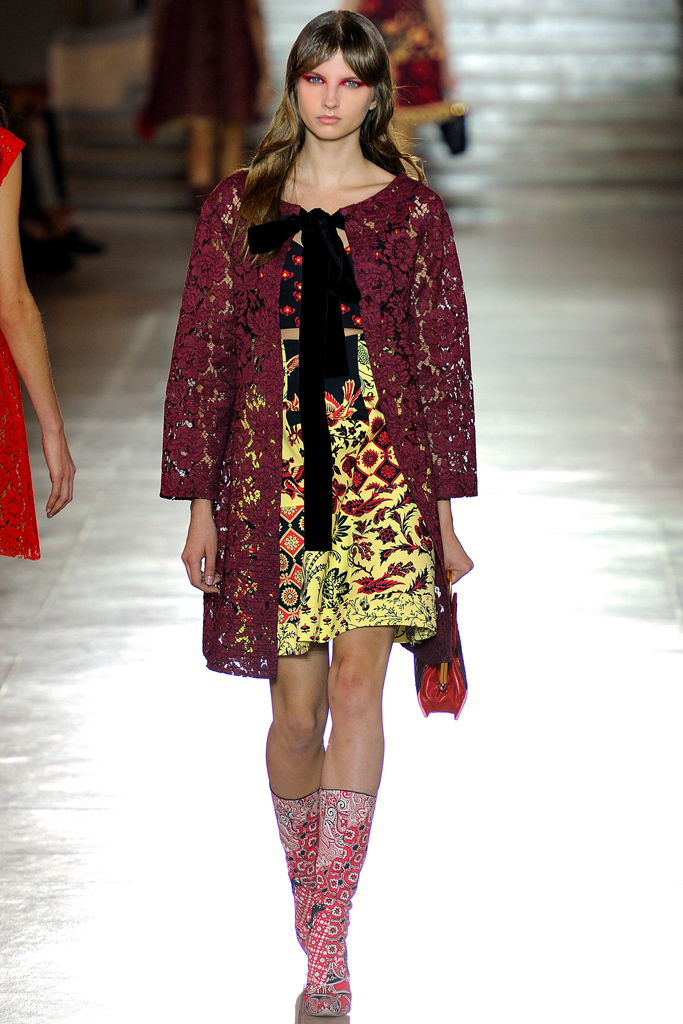
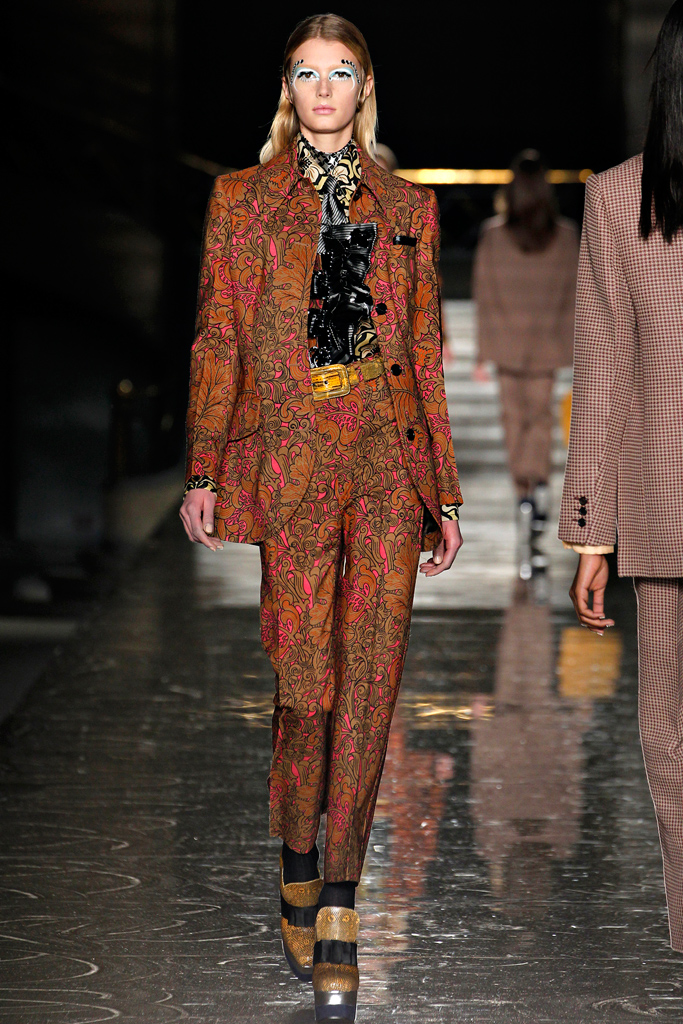
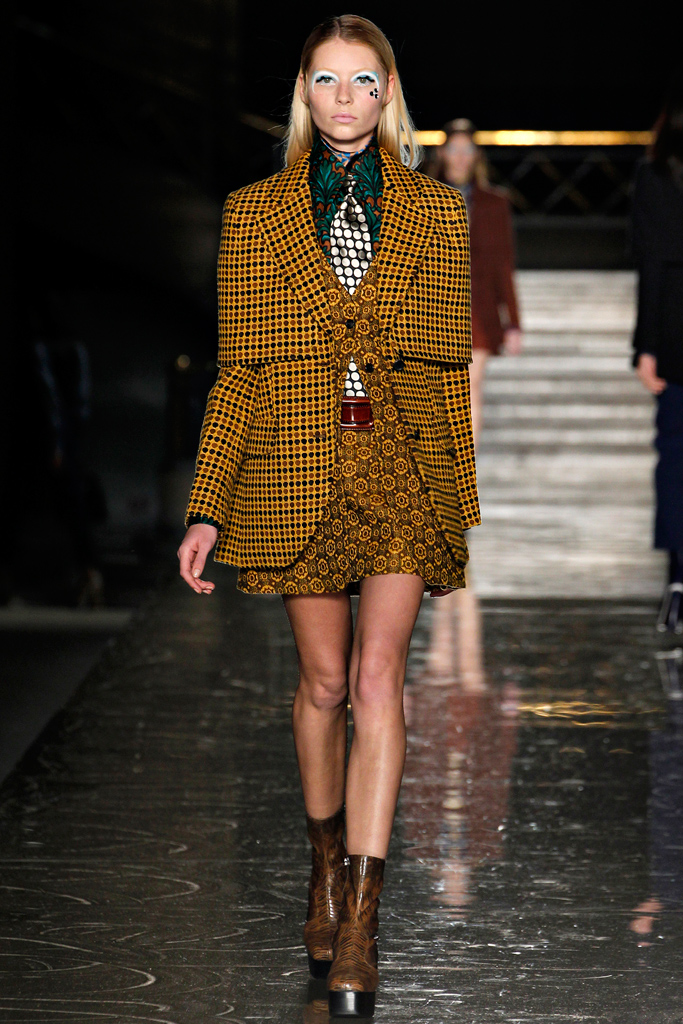
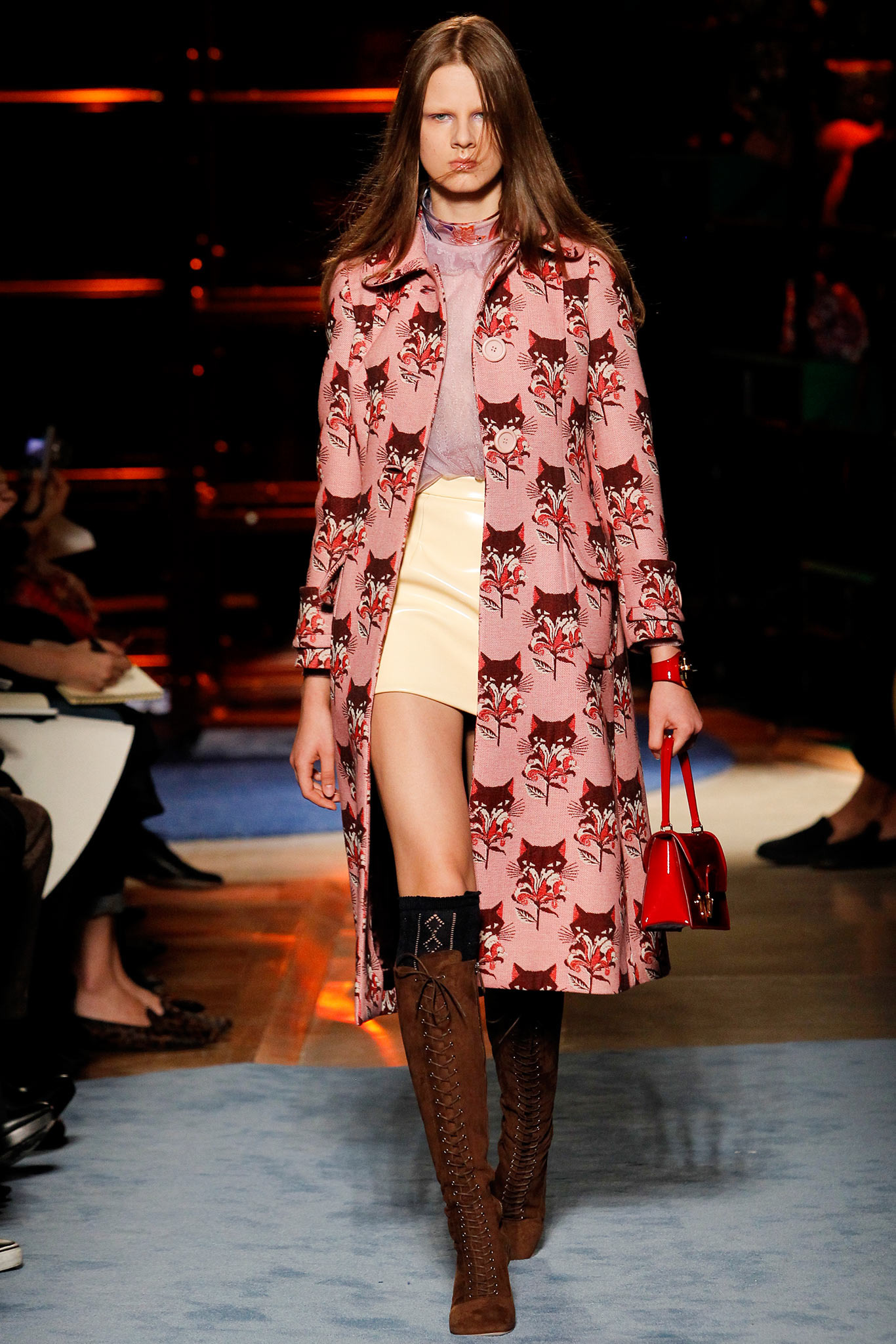
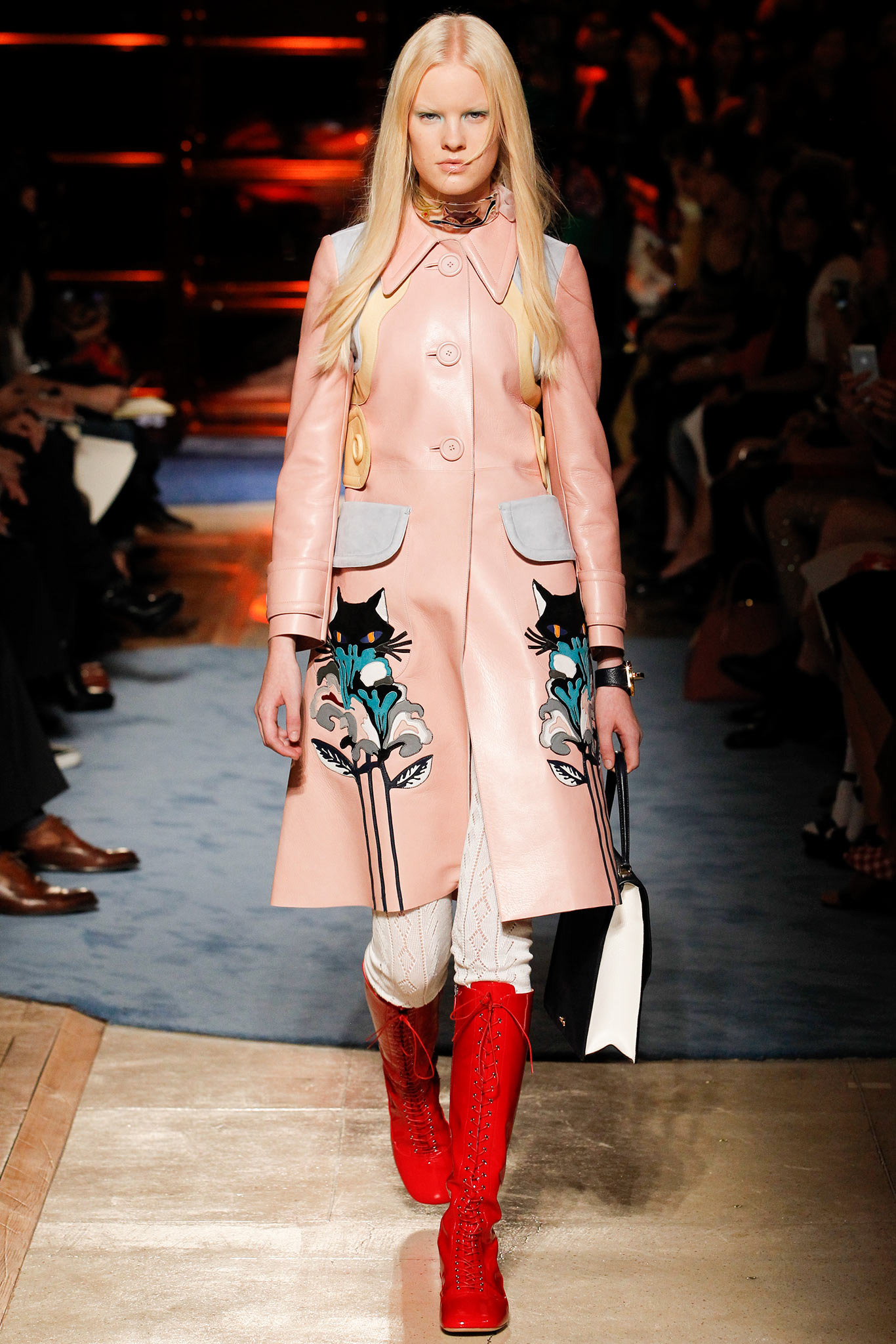
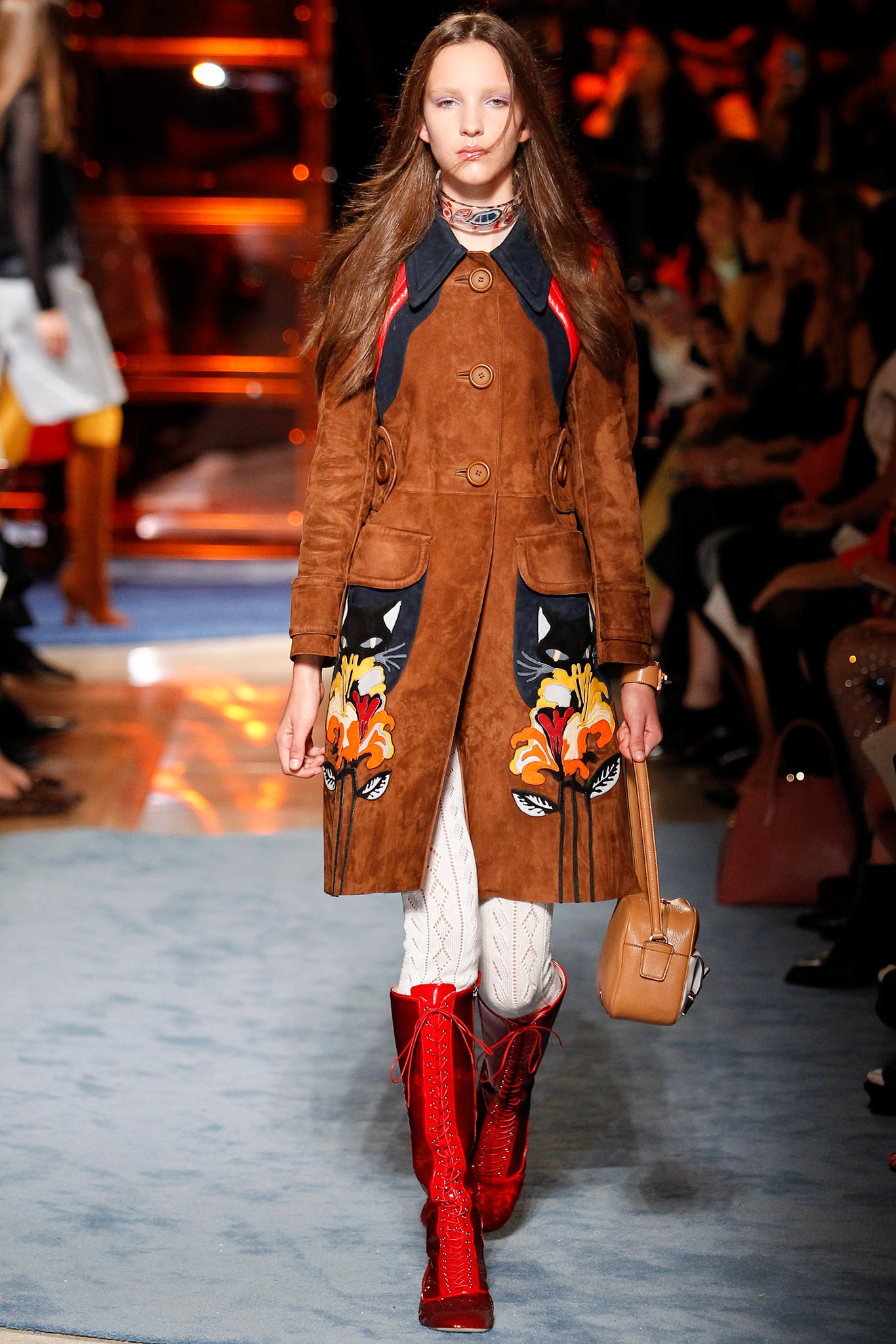
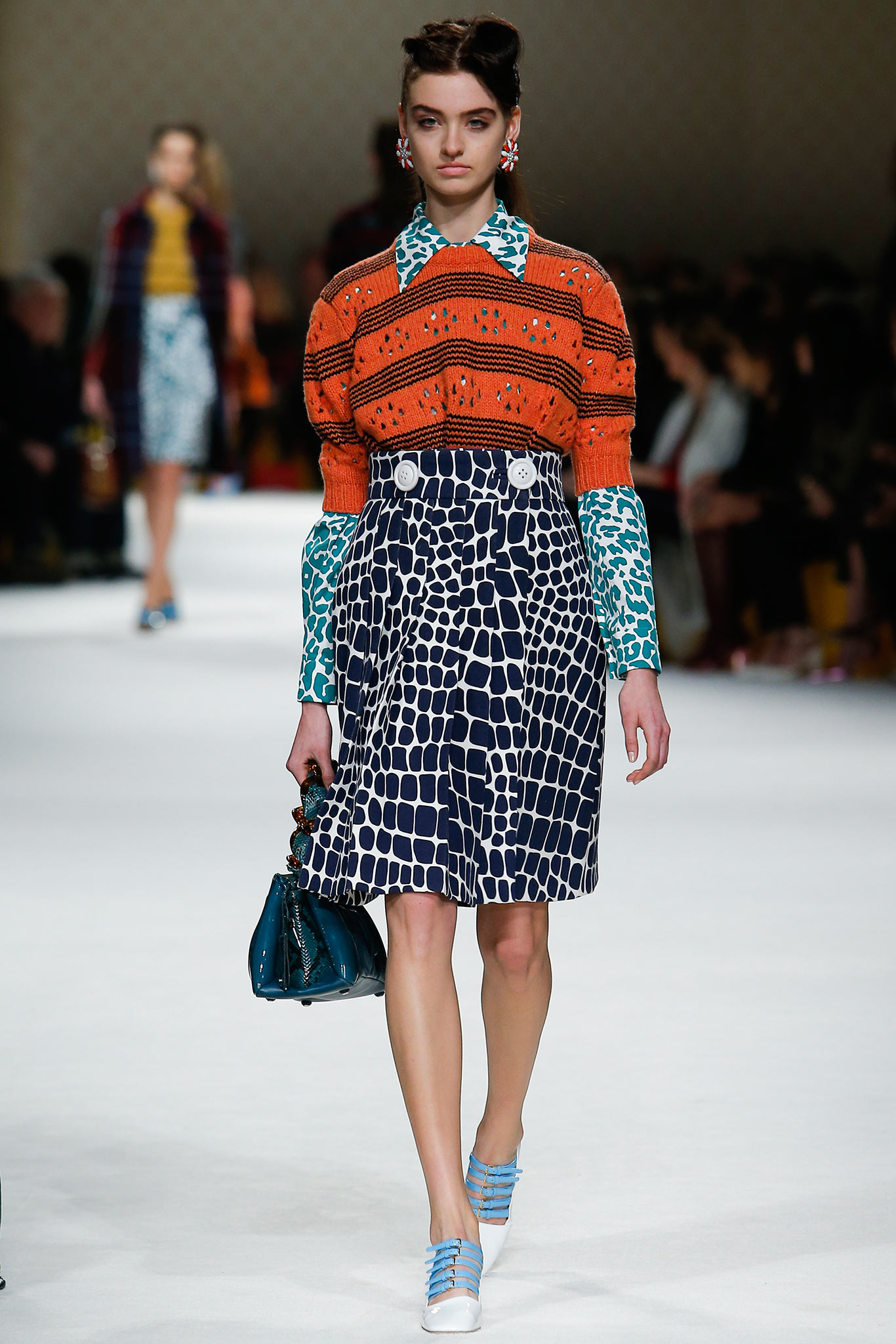
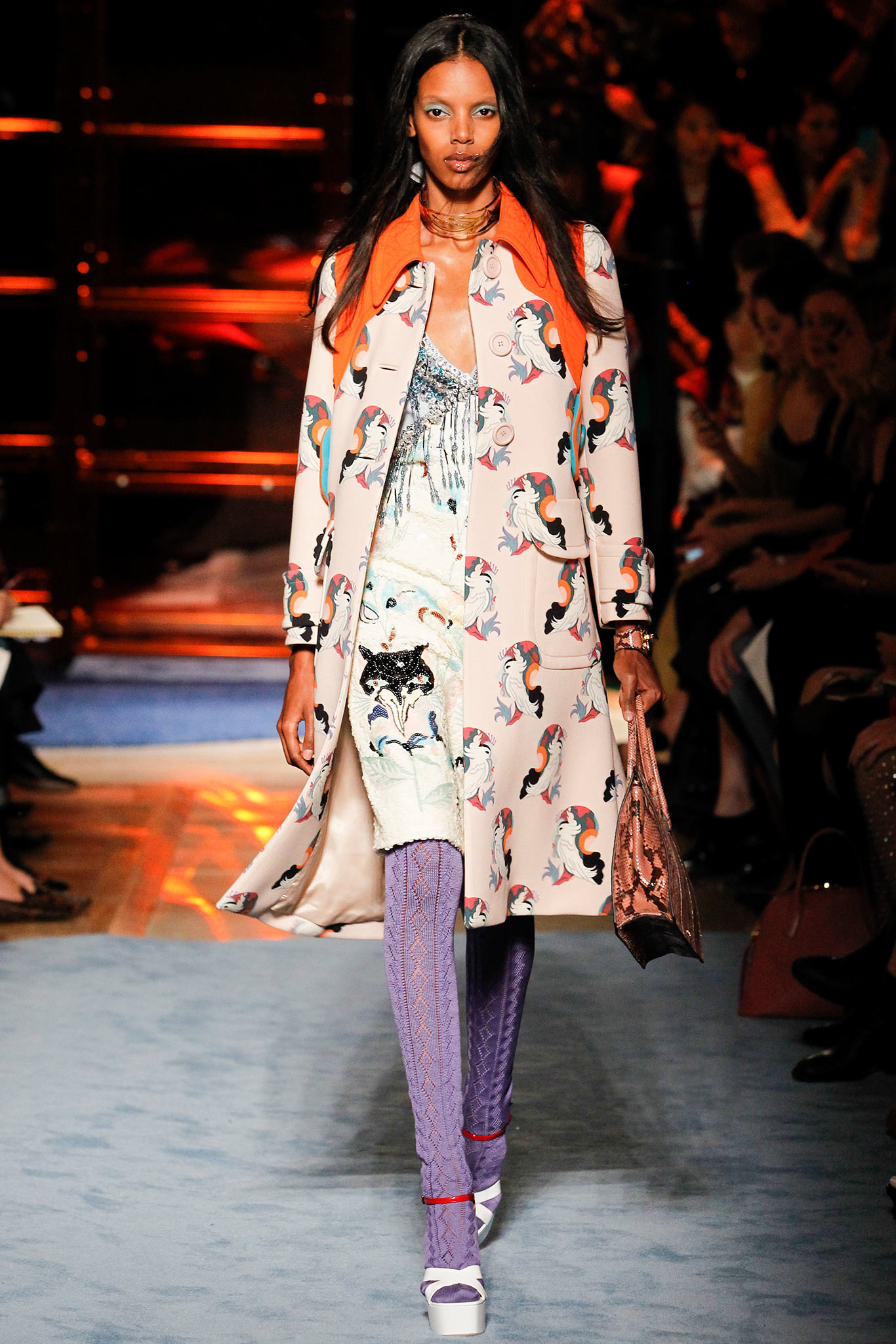
Miuccia’s Wayward Designs for Prada

Spring ’96

Spring 1996 2

Spring ’99

spring 1996 1

Spring 1996

Fall ’99

Fall 1999

Fall 2007fall 2007

fall 2007 2

fall 2007 1

fall 2007 3
Spring 2008

spring 2008 1

spring 2008

Fall 2009

fall 2009

fall 2009 1

fall 2009 2

Fall 2010

Fall 2010

fall 2010

fall 2010 3

Fall 2011fall 2011

fall 2011 1

Spring 2012

spring 2012 1

Spring 2013

spring 2013

Fall 2013fall 2013

fall 2013 1

Spring 2014

spring 2014

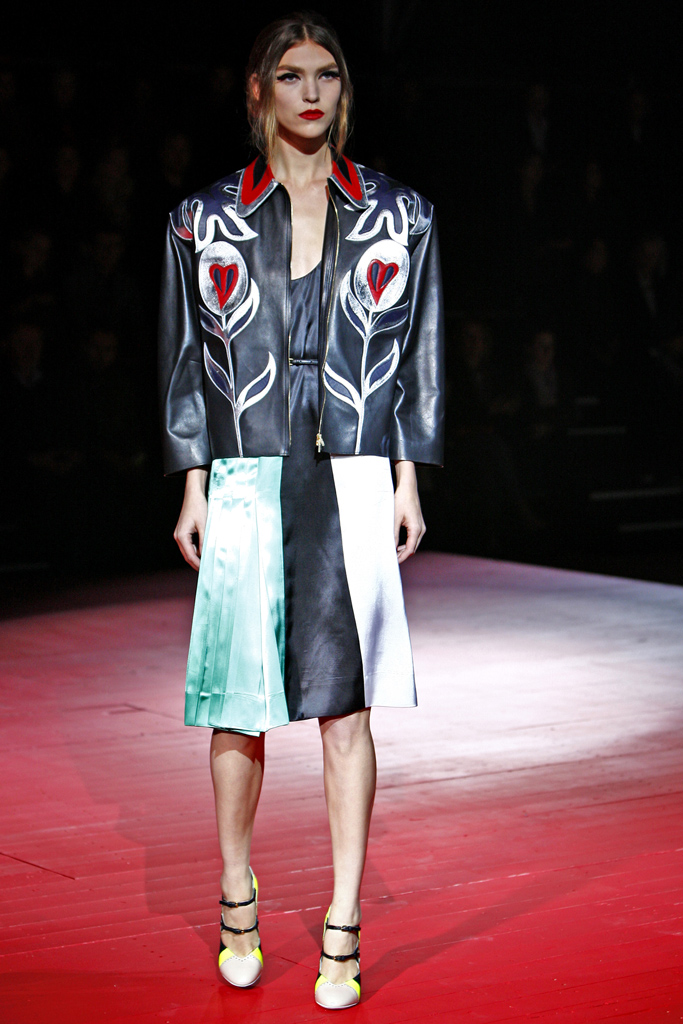
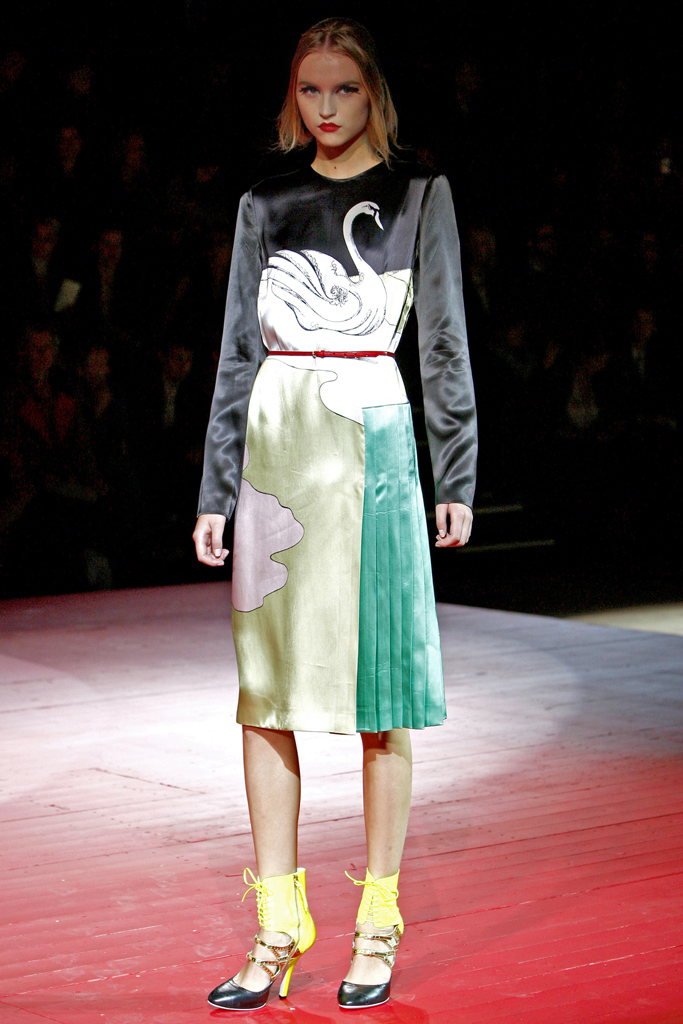
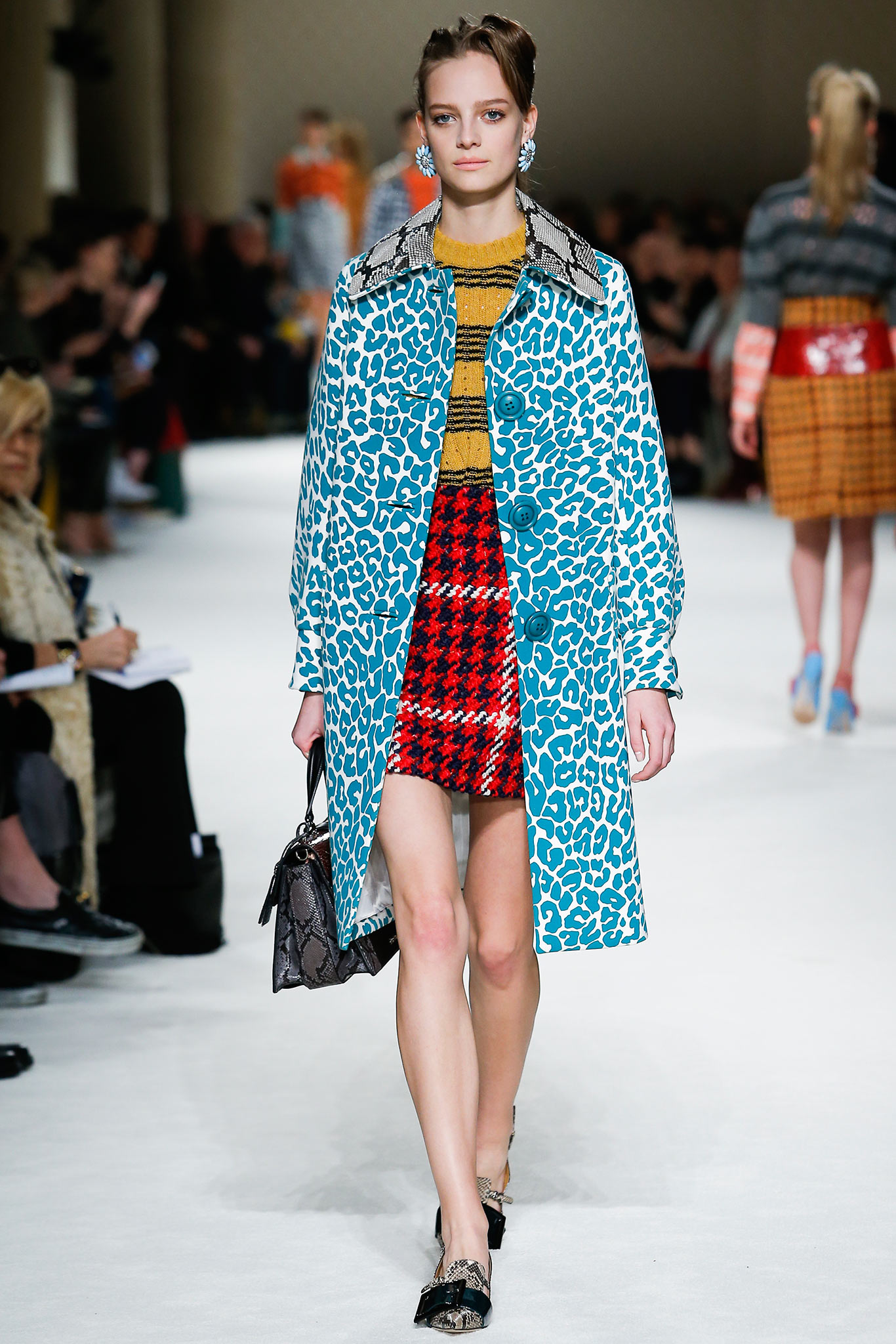
In 1992, she introduced a new, more affordable label called Miu Miu. Three years later, the company unveiled a line of men’s clothing..

Much of what set Prada apart from the rest of the fashion world is Miuccia’s seeming disregard for the fashion industry. She has always blazed her own trail in trying new styles. Her experimentation once included a raincoat that was transparent until it became wet, at which point it turned opaque. While major-league designers cashed in on their singular, predictable vision, Miuccia Prada has made her creative quirky behaviour pay off. If the rest of the fashion world says “color,” she will present an all-black collection. In the process, she has been consistent for the most part only in her fearlessness. “When they tell me something won’t sell, that is when I want to make it,” she has often said, alluding to her choices in fabrics and silhouettes.
.

Her knowledge of fashion comes from her own closet and her personal style. Growing up in a wealthy Milanese family, Miuccia was wearing Courrèges and Yves Saint Laurent by the time she was a teenager. Her ability to marry the functional with the radical has inspired such influential trends as clothing made of techno fabric, 1950s housewife dresses cut from nylon and, of course, the nylon backpack.

Miu-Miu

Fall 2008MM Fall 2008

MM Fall 2008 a

Fall 2009

MM Fall 2009

MM Fall 2009 a

Spring 2011

MM Spring 2011 a

MM Spring 2011

MM Spring 2011 c

Fall 2011

MM Fall 2011

MM Fall 2011 a

MM Fall 2011 bSpring 2012

MM Spring 2012 a

MM Spring 2012

Fall 2012

MM Fall 2012 b

MM Fall 2012 a

Spring 2014

MM Spring 2014

MM Spring 2014 b

MM Spring 2014 c

MM Spring 2014 a

Fall 2015

MM Fall 2015 a

MM Fall 2015

MM Fall 2015 b


.

.

.

Miuccia Prada

info: http://content.time.com/time/specials/2007/article/0,28804,1647860_1647834_1644300,00.html

Pierre Cardin, Fetish for the Bubble

26 Jul
Pierre Cardin
One of the most recognizable names in fashion, Pierre Cardin has been designing elegant and avant-garde creations for over half a century. Born as Pietro Cardin in a small town in Italy on 2 July 1922, Cardin made a name for himself in France after moving to Paris post World War II. In 1946, he was commissioned to design the costumes for legendary film director Jean Cocteau’s Beauty and the Beast. Cocteau was very impressed with his work and introduced him to designer Christian Dior. At the age of 25, Cardin secured a position as the head of one of Christian Dior’s studios. A few years later in 1953, the House of Cardin was founded and he quickly gained a following of his own.
1946_cocteau_belle-et-bete_cJean Cocteau’s Beauty and the Beast, costumes by Pierre Cardin

.

Short Biography

pierre-cardin-logo2

Beginning his career early, Cardin, aged 14, worked as a clothier’s apprentice, learning the basics of fashion design and construction. In 1939, he left home to work for a tailor in Vichy, where he began making suits for women. During WWII, he worked for the Red Cross.
 .
Cardin moved to Paris in 1945. There, he studied architecture and worked with the fashion house of Paquin. He worked with Elsa Schiaparelli until he became head of Christian Dior’s tailleure atelier in 1947, but was denied work at Balenciaga.
Cardin founded his own house in 1950. He started out by designing clothing for stage productions, but soon built up a client base. Christian Dior sent Cardin roses as congratulations, and, a much more important gesture of encouragement, directed his overflow clients to Cardin’s new business.
.
His career was launched when he designed about 30 of the costumes for “the party of the century”, a masquerade ball at Palazzo Labia in Venice on 3 September 1951, hosted by the palazzo’s owner, Carlos de Beistegui. 
.
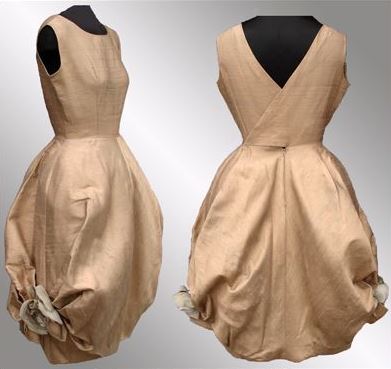
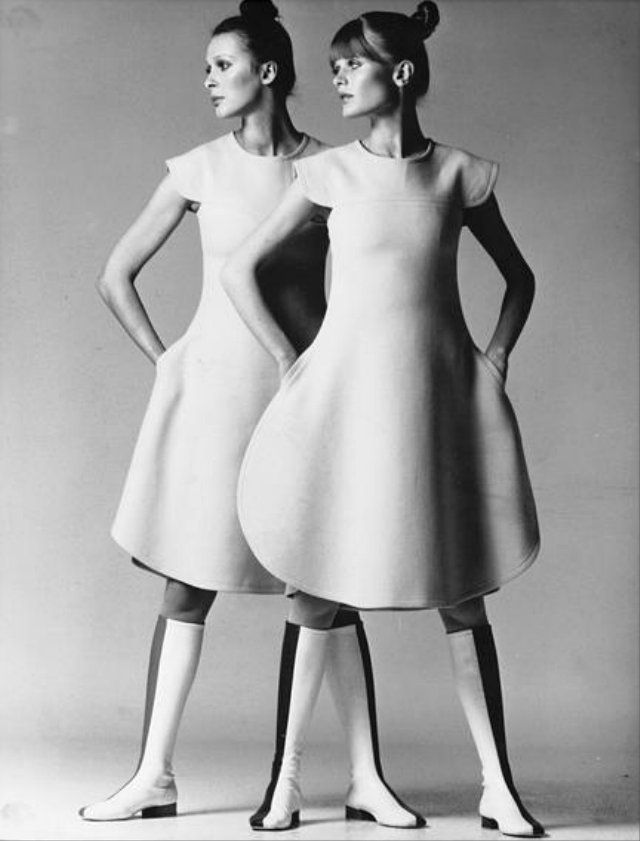
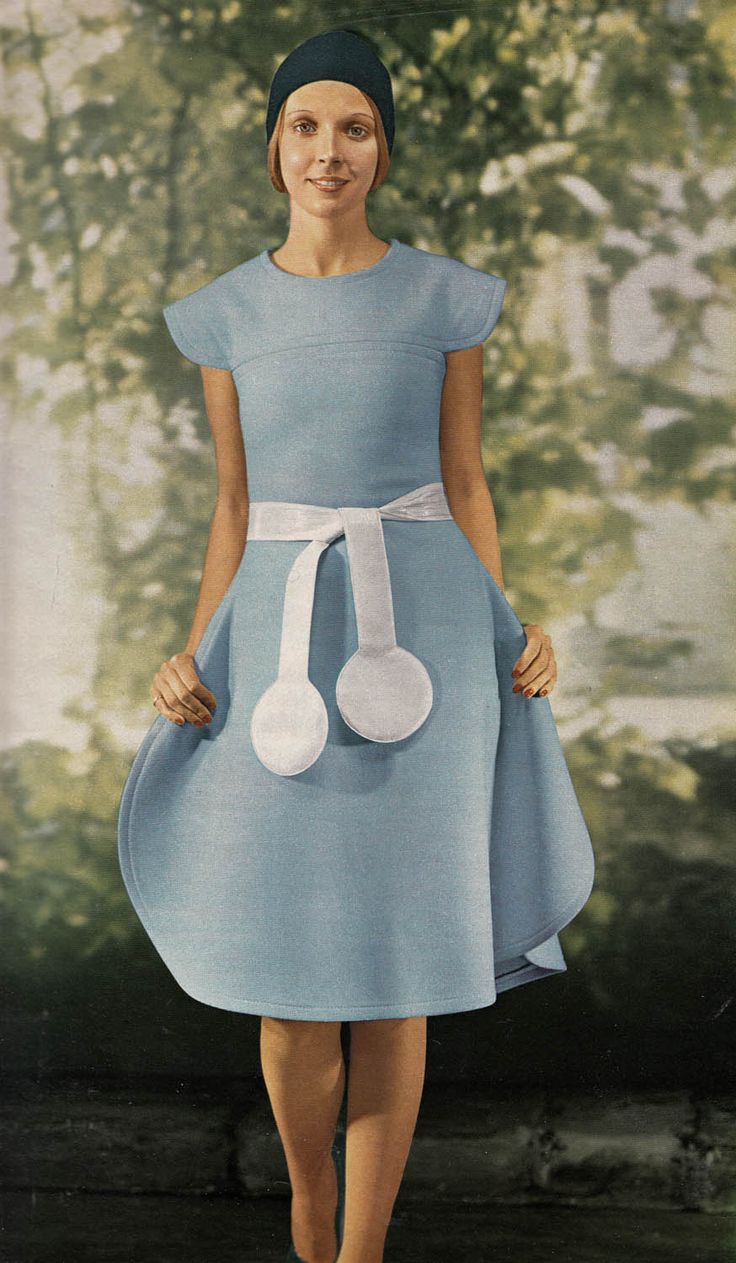
Cardin says of his company’s beginning, “I started with 20 people. I was successful immediately.” In 1953, Cardin released his first collection of women’s clothing and became a member of the Chambre Syndicale, a French association of haute couture designers. In 1954, he opened his first boutique for women, called Eve. That same year, his bubble dresses became an international success. The design is still popular today: a loose-fitting dress is tightened near the waistline, broadens and then is brought back in at the hem, creating a “bubble” effect.
Pierre Cardin Bubble DressA Pierre Cardin Bubble Dress


Soon, though, Cardin was looking outside France for inspiration. He visited Japan in 1957, becoming one of the first Western designers to seek out Eastern influences. In Japan, he scoped out business opportunities while studying the country’s fashions for new ideas. The Japanese fashion school Bunka Fukusoi made him an honorary professor, and he taught a one-month class there on three-dimensional cuts. Also in 1957, Cardin opened his first boutique for men in Paris, called Adam.

In 1959, he was expelled from the Chambre Syndicale for launching a ready-to-wear collection for the Printemps department store as the first couturier in Paris, but was soon reinstated.

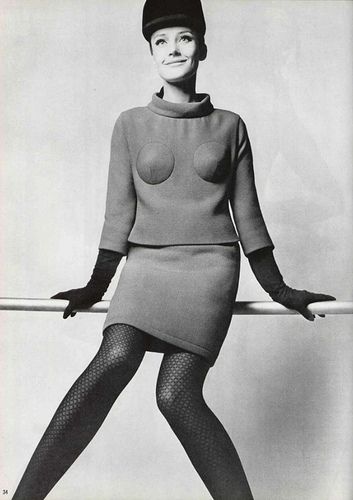
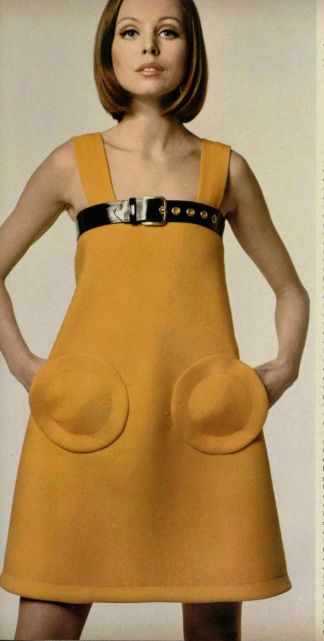
Circles in Pierre Cardin’s Fashion Designs

Pierre Cardin

1966 Pierre Cardin

Pierre Cardin

1970 Pierre Cardin

1971 Pierre Cardin

During the 1960s, Cardin began a practise that is now commonplace by creating the system of licenses that he was to apply to fashion. A clothing collection launched around this period surprised all by displaying the designer’s logo on the garments for the first time.

.

Cardin resigned from the Chambre Syndicale in 1966 and began showing his collections in his own venue, the “Espace Cardin” (opened 1971) in Paris, formerly the “Théâtre des Ambassadeurs”. The Espace Cardin is also used to promote new artistic talents, like theater ensembles, musicians, and others. He was also contacted by Pakistan International Airlines to design uniforms for the flag carrier. The uniforms were introduced in 1966 to 1971 and became an instant hit.

Pierre Cardin for PIAUniforms for Paskistan International Airlines 
.
In 1971, Cardin redesigned the Barong Tagalog, a national costume of the Philipines by opening the front, removing the cuffs that needed  cufflinks, flaring the sleeves, and minimizing the embroidery. It was also tapered to the body, in contrast with the traditional loose-fitting design; it also had a thicker collar with sharp and pointed cuffs. 
.
Continuously fascinated by geometric shapes, in 1975, Cardin applied his fetish for the bubble to a monumental domestic work which would become Le Palais Bulles (the Bubble House), along with the help of architect Antti Lovag. Cardin furnished the Bubble House with his original creations. The curves of the Bubble House extend over 1,200 square metres and contain ten bedrooms decorated by contemporary artists, as well as a panoramic living room.

The Bubble House

Pierre-Cardin’s-Bubble-House-by-Antti-Lovag-designrulz-1
Pierre-Cardin’s-Bubble-House-by-Antti-Lovag-designrulz-2
Pierre-Cardin’s-Bubble-House-by-Antti-Lovag-designrulz-4
Pierre-Cardin’s-Bubble-House-by-Antti-Lovag-designrulz-8
Cardin was a member of the Chambre Syndicale de la Haute Couture et du Prêt-à-Porter from 1953 to 1993.

Cardin bought Maxim’s restaurants in 1981 and soon opened branches in New York, London, and Beijing (1983). A chain of Maxim’s Hotels are now included in the assets. He has also licensed a wide range of food products under that name..

Like many other designers today, Cardin decided in 1994 to show his collection only to a small circle of selected clients and journalists. After a break of 15 years, he showed a new collection to a group of 150 journalists at his bubble home in Cannes.

1967 Pierre Cardin


1967 Pierre Cardin

1971 Pierre Cardin

1968 Pierre Cardin

1973 Pierre Cardin

1968 Pierre Cardin

Pierre Cardin

Pierre Cardin

Pierre Cardin


.

.

 Books

book cover

Pierre Cardin: Fifty Years of Fashion and design

This is the first authorized monograph on Pierre Cardin (b. 1922). Visionary fashion designer and licensing pioneer, Cardin began his career apprenticed to Elsa Schiaparelli and Christian Dior. He quickly launched his own haute couture line, in 1954, followed rapidly by the first women’s and men’s prêt-à-porter (ready-to-wear) collections from a couture designer. Since the 1960s, Cardin’s cutting-edge, futuristic designs have continually broken new ground and established exciting new trends. And he invented the business of fashion as we know it today, with international brand licensing across a variety of products and media. Pierre Cardin himself made his ambition clear: “I wanted my name to become a brand and not just a label.”

Cardin brought high fashion to the street; he invented the bubble dress and launched the use of cartridge pleating, bright clear colors, as well as vinyl, plastics, metal rings, and oversize buttons. Pierre Cardin has also designed accessories, furniture, and cosmetics. There are now more than 900 licenses in over 140 countries, employing more than 200,000 people under the Pierre Cardin trademark.

.

Book cover


Pierre Cardin: 60 Years of Innovation

The Cardin fashion house celebrated its 60th anniversary in 2010, an occasion that called for a retrospective of the work of its founder, designer Pierre Cardin. Born in 1922 in Sant’Andrea de Barbarana, Venice province, Pierre Cardin immigrated to Paris in 1924 with his parents, who were thrown into poverty by World War I. After working briefly with Elsa Schiaparelli, Cardin joined Dior in 1946 and opened his own couture house in 1950.

He was a pioneer from the start, creating a design-based, architectural fash ion with a futurist sensibility. Cardin also had a pioneer’s understanding of fashion’s relationship to new audiences, presenting his collections to large crowds. He was the first to demonstrate that fashion can be both a creative process and a business – and that one man can excel as both a business man and an artist.

This volume is a tribute to an iconoclastic – and now iconic – designer, entrepreneur, and visionary.

pierre-candin-and-models-1966

pierre cardin logo


info: http://www.whatgoesaroundnyc.com/blog/12540 & Wikipedia

The Row, from Celebrity Brand to Womenswear Designers of the Year

19 Jul


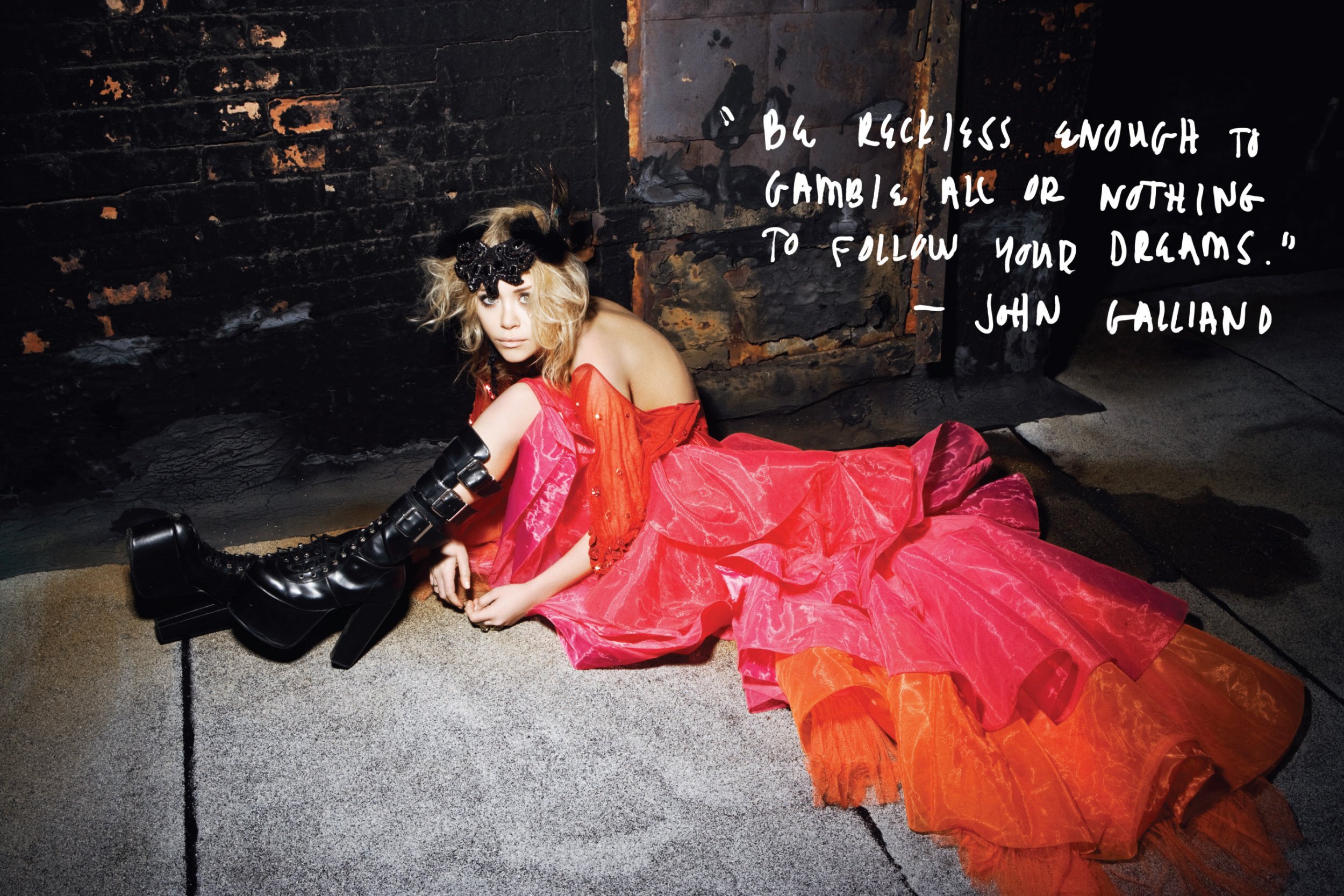
MARY-KATE-AND-ASHLEY-OLSEN

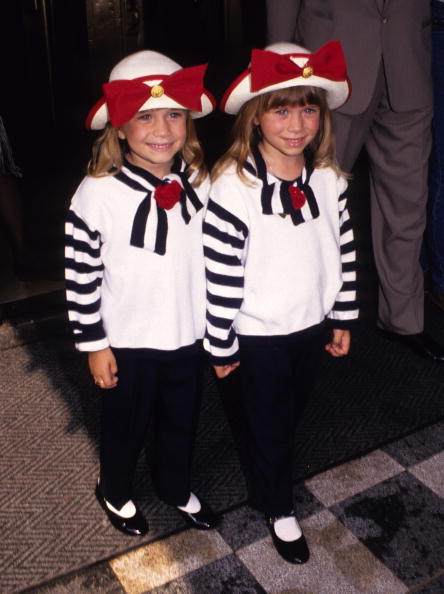
Mary-Kate Olsen and Ashley Fuller Olsen (born June 13, 1986), also known as the Olsen twins collectively, are American actresses and fashion designers. The twins made their acting debut as infants playing Michelle Tanner on the television series Full House. At the age of six, they began starring together in TV, film, and video projects, which continued to their teenage years. Through their company Dualstar, the Olsens joined the ranks of the wealthiest women in the entertainment industry at a young age.

The Olsens had a clothing line for girls ages 4–14 in Wal-Mart stores across North America, as well as a beauty line called “Mary-Kate and Ashley: Real fashion for real girls“. In 2004, they made news by signing a pledge to allow full maternity leave to all the workers that sew their line of clothing in Bangladesh. The National Labor Committee, which organized the pledge, praised the twins for their commitment to worker rights.

Mary-Kate & Ashley Boho style

The Olsen twins

Olsen boho style

Olsen twins

As the sisters matured, they expressed greater interest in their fashion choices, with The New York Times declaring Mary-Kate a fashion icon for pioneering her signature (and now popular among celebrities and fans alike) “homeless” look. The style, sometimes referred to by fashion journalists as “ashcan” or “bohemian-bourgeois“, is similar to the boho-chic style popularized in Britain by Kate Moss. The look consists of oversized sunglasses, boots, loose sweaters, and flowing skirts, with an aesthetic of mixing high-end and low-end pieces. The twins were tapped as the faces of upscale fashion line Badgley Mischka in 2006.

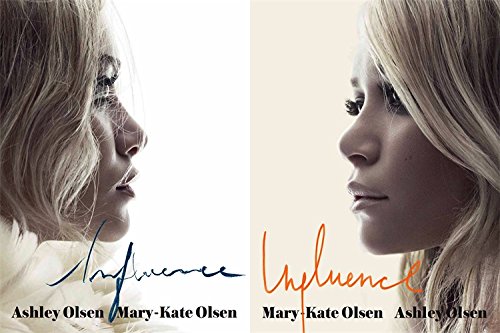
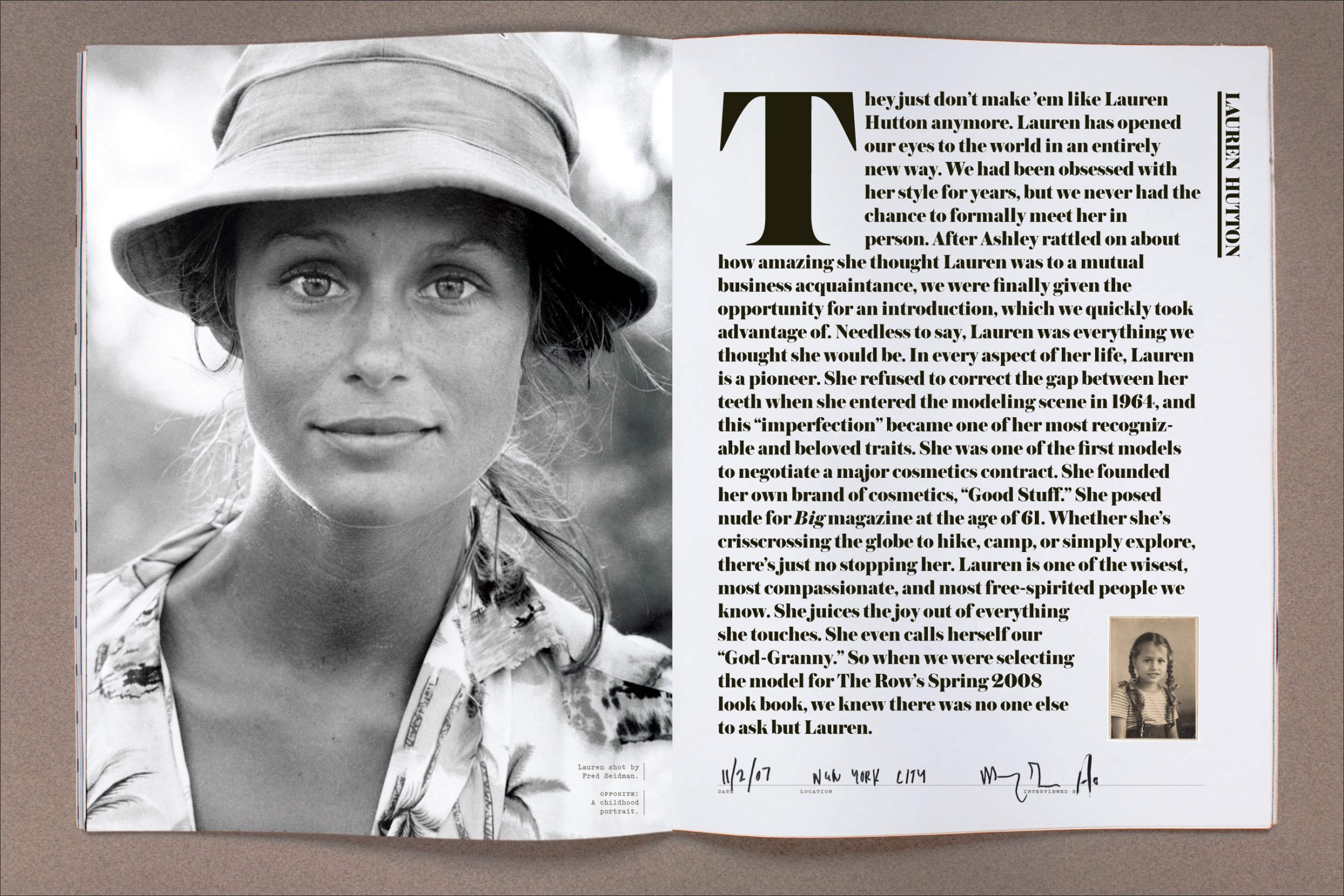
In 2006 the Olsens launched their own fashion label, “The Row“, named after Savile Row in London.In 2007, they launched Elizabeth & James, a contemporary collection inspired by many of their unique vintage finds and pieces in their personal wardrobes. They have also released a women’s clothing line for J.C. Penney, called Olsenboye, and a T-shirt line called “StyleMint”. In 2008, the sisters published the book Influence, a compilation of interviews with many of the most prominent people in the field of fashion. In 2012, Mary Kate and Ashley were named Womenswear Designers of the Year by the Council of Fashion Designers of America (CFDA) for their brand The Row.

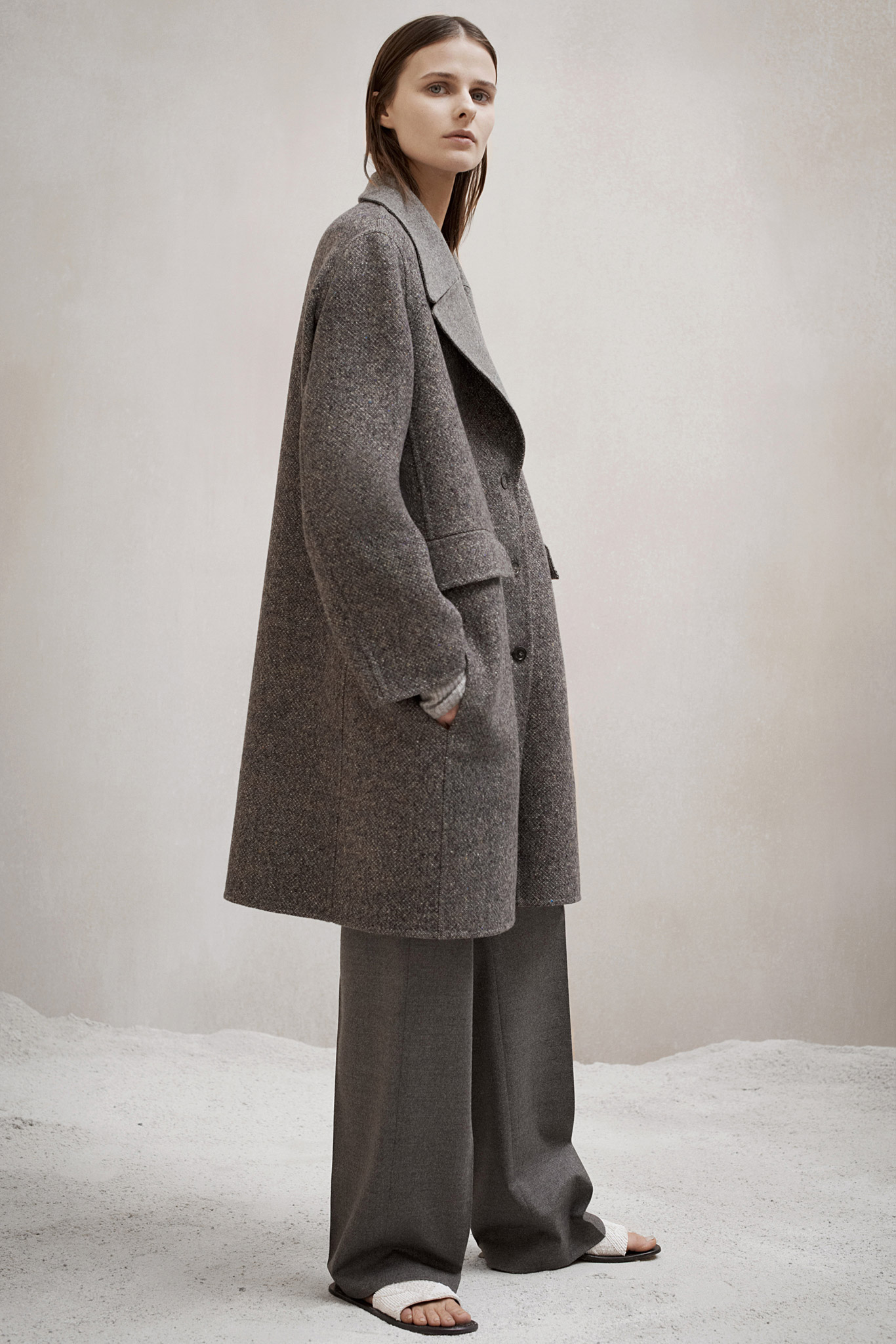
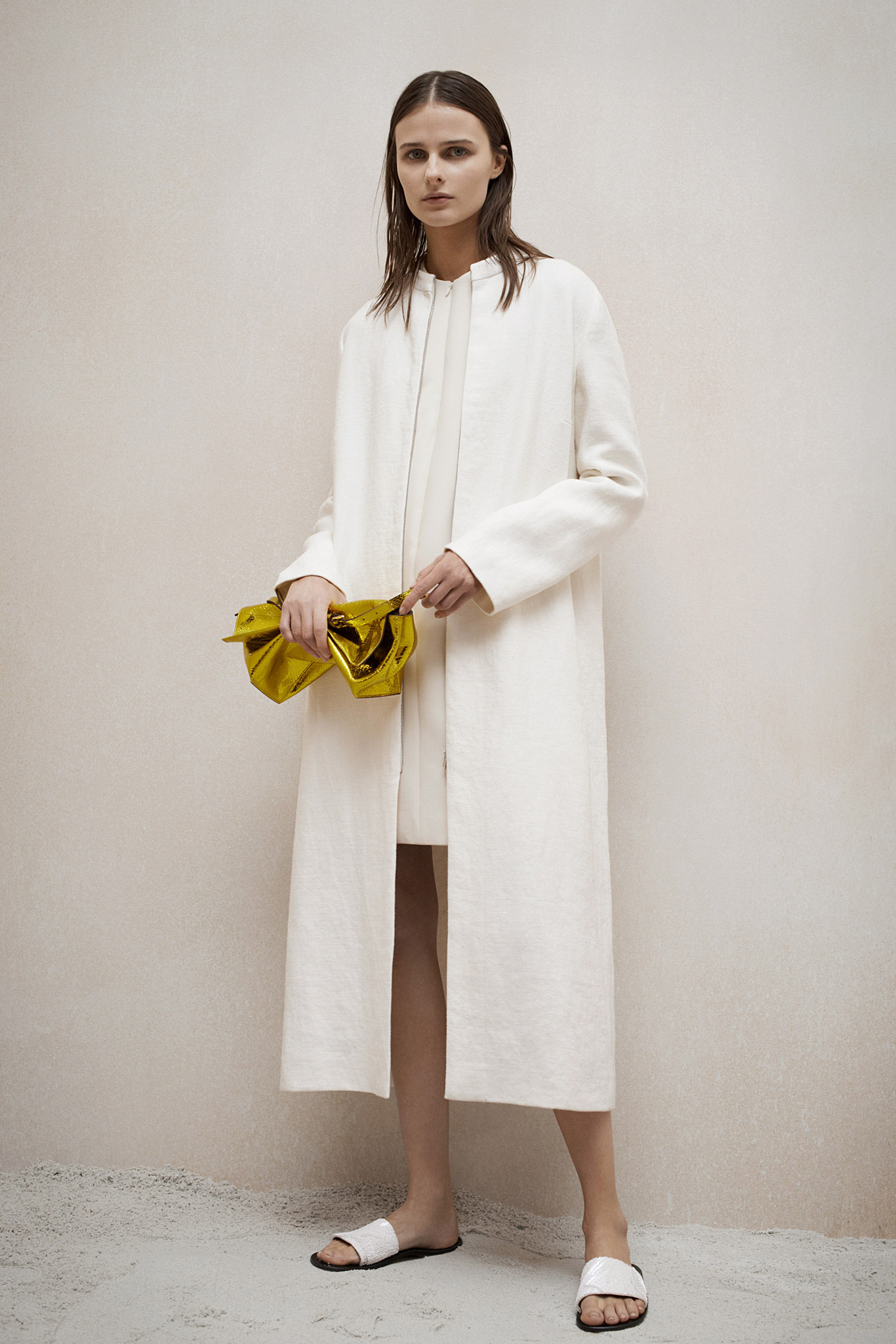
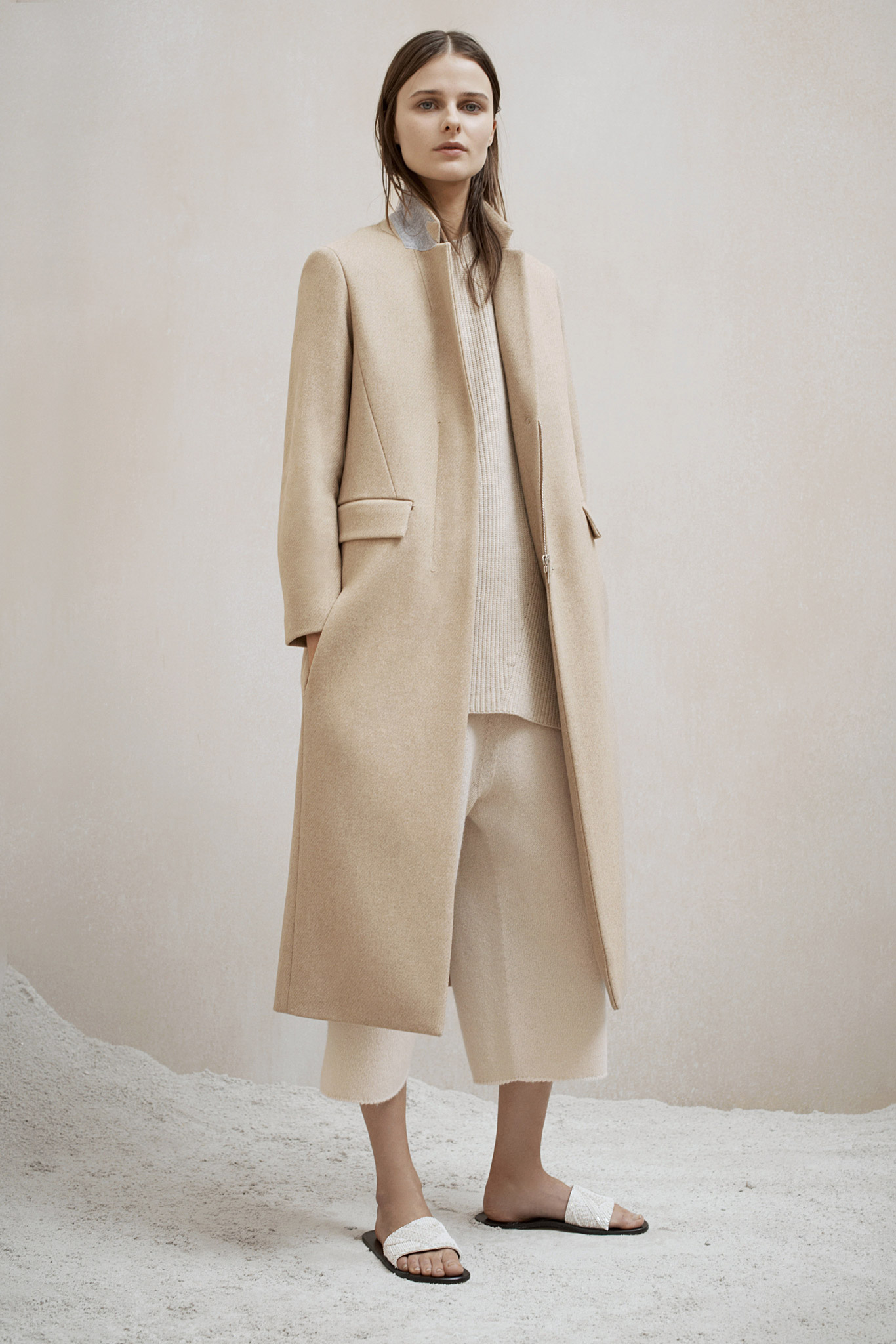
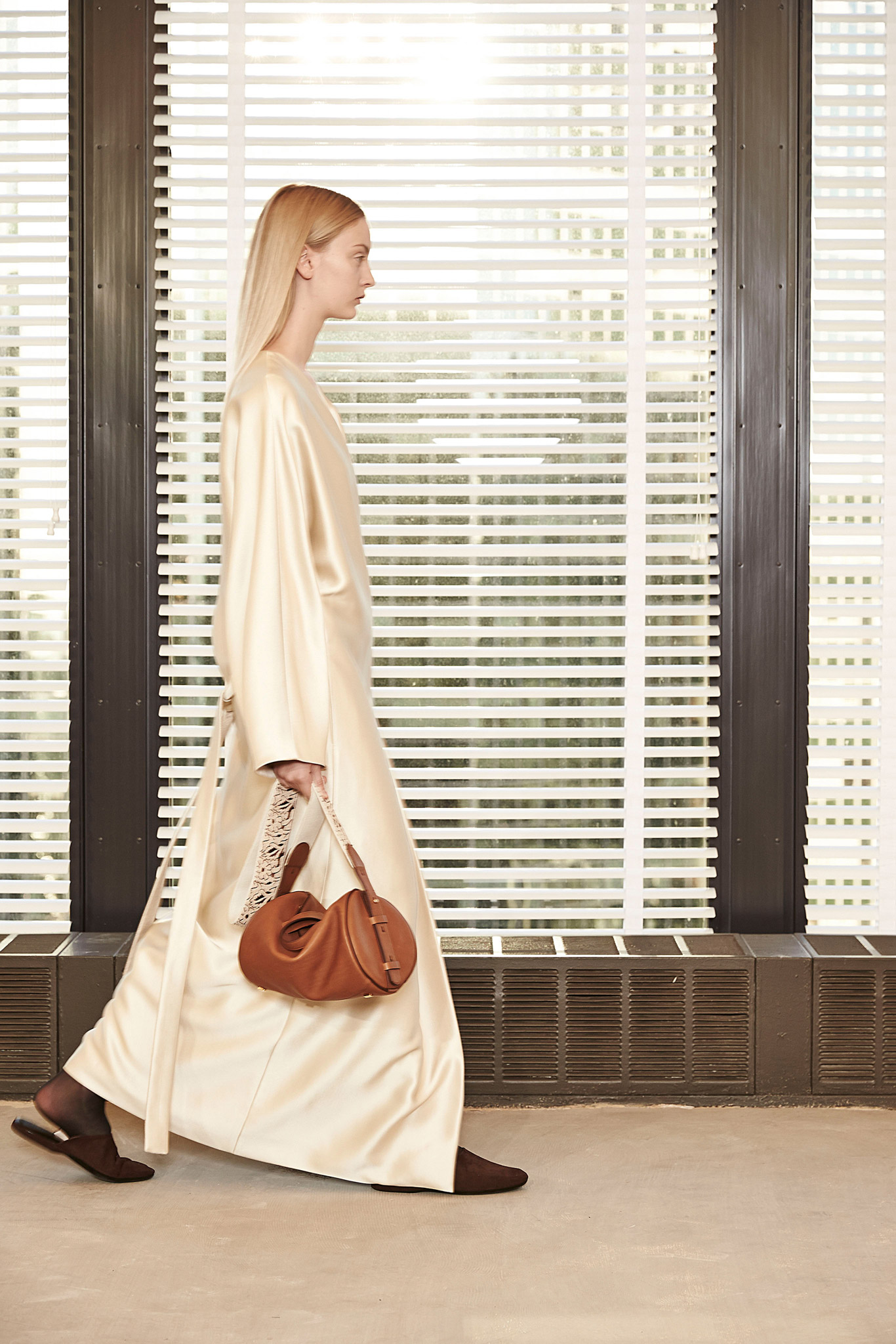
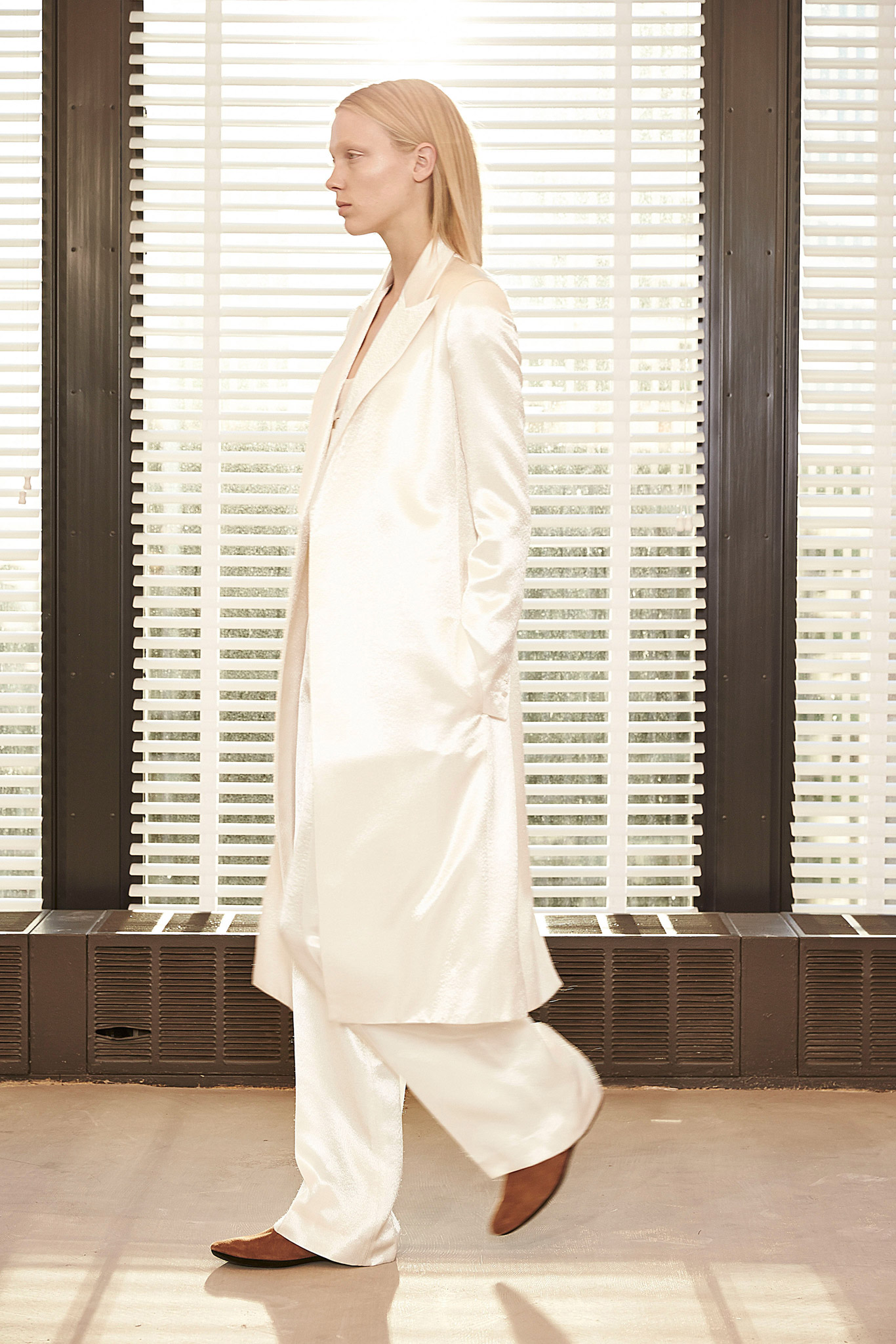
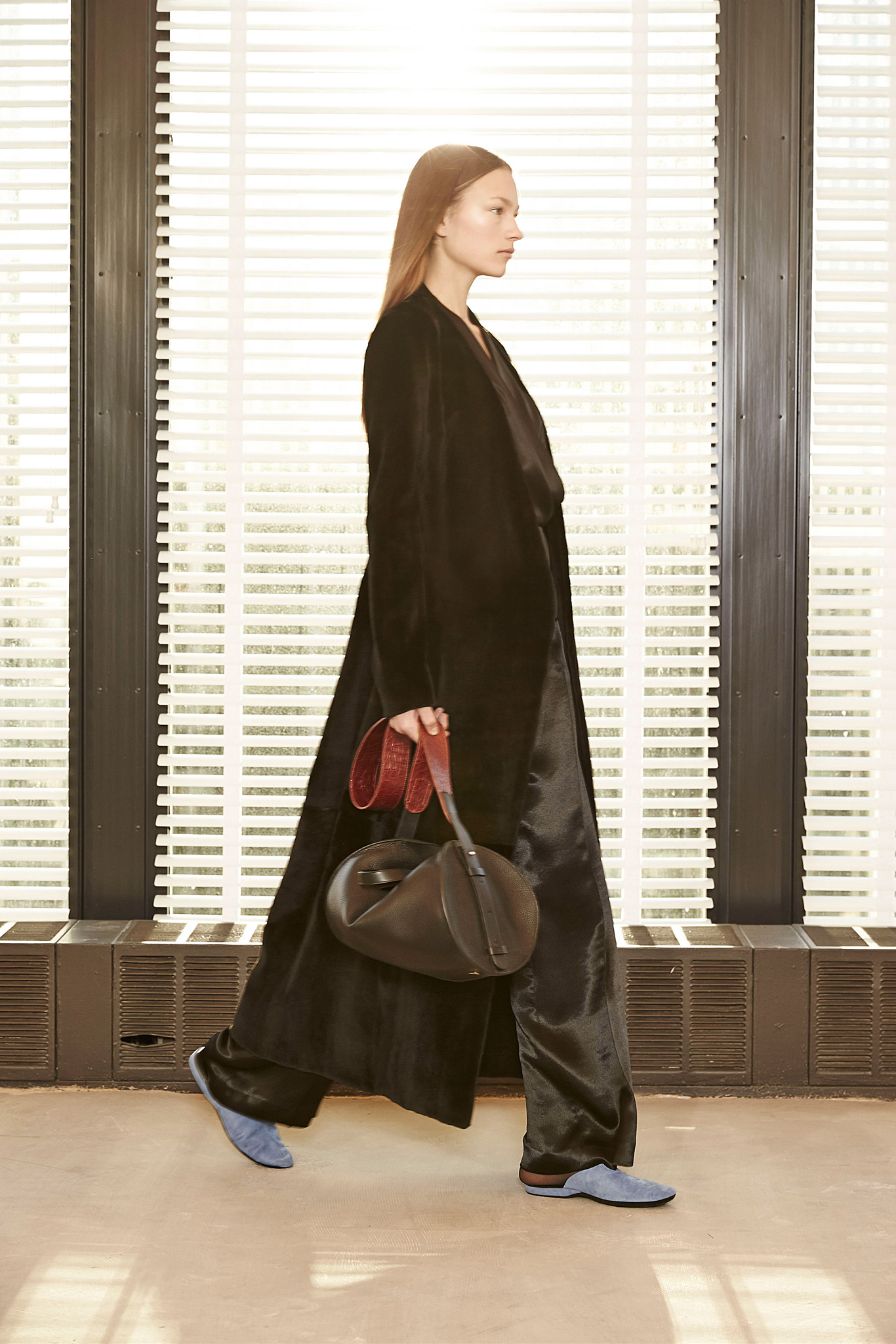
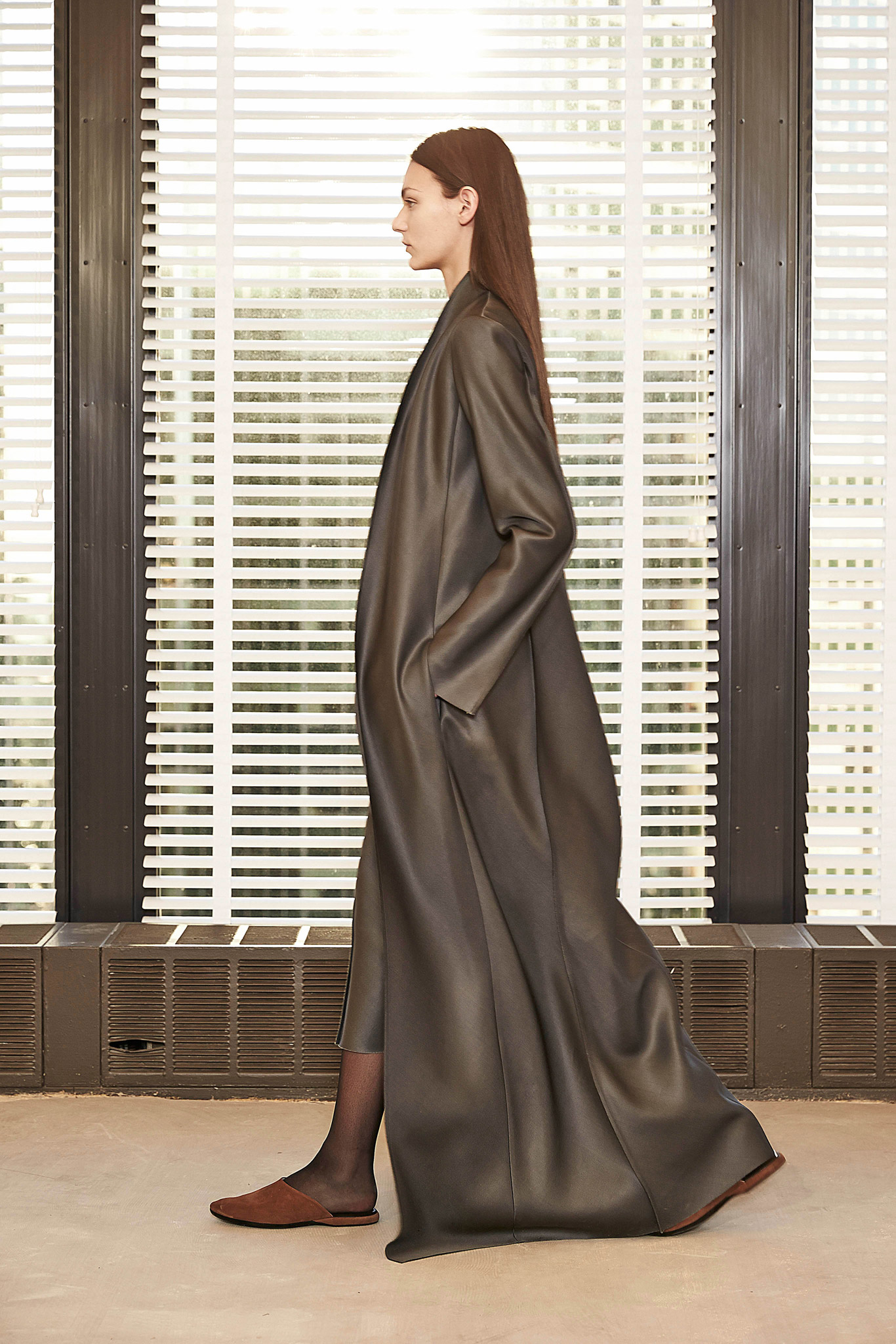
The Row speaks fashion’s language. It’s luxurious, understated and minimalist, without being boring. Now nearly 10 years in the business, they have nailed a sort of loungy minimalism as their aesthetic – a tiny nod to Mary-Kate’s style, but without a floppy fedora in sight. Rather than wanting to look like the founders, fashion insiders just want to wear the clothes. It helps that they’re reassuringly expensive. A backpack this season retails at nearly £2,700, while a white cotton shirt is £690. A previous bag design, an alligator backpack, was famously priced at £22,950. That puts it up there with the priciest of luxury brands, Saint Laurent and Céline and, without shouting about it, that’s a statement of intent. This is the territory that The Row want to enter, going from celebrity brand to the upper positions of the fashion industry.

The Row collections

The Row

The Row

The Row

The Row

The Row

The Row

The Row

The Row

The Row

The Row

The Row

The Row

The Row

.

.

Book

Front-back book cover

Influence

Influence

Influence

Influence

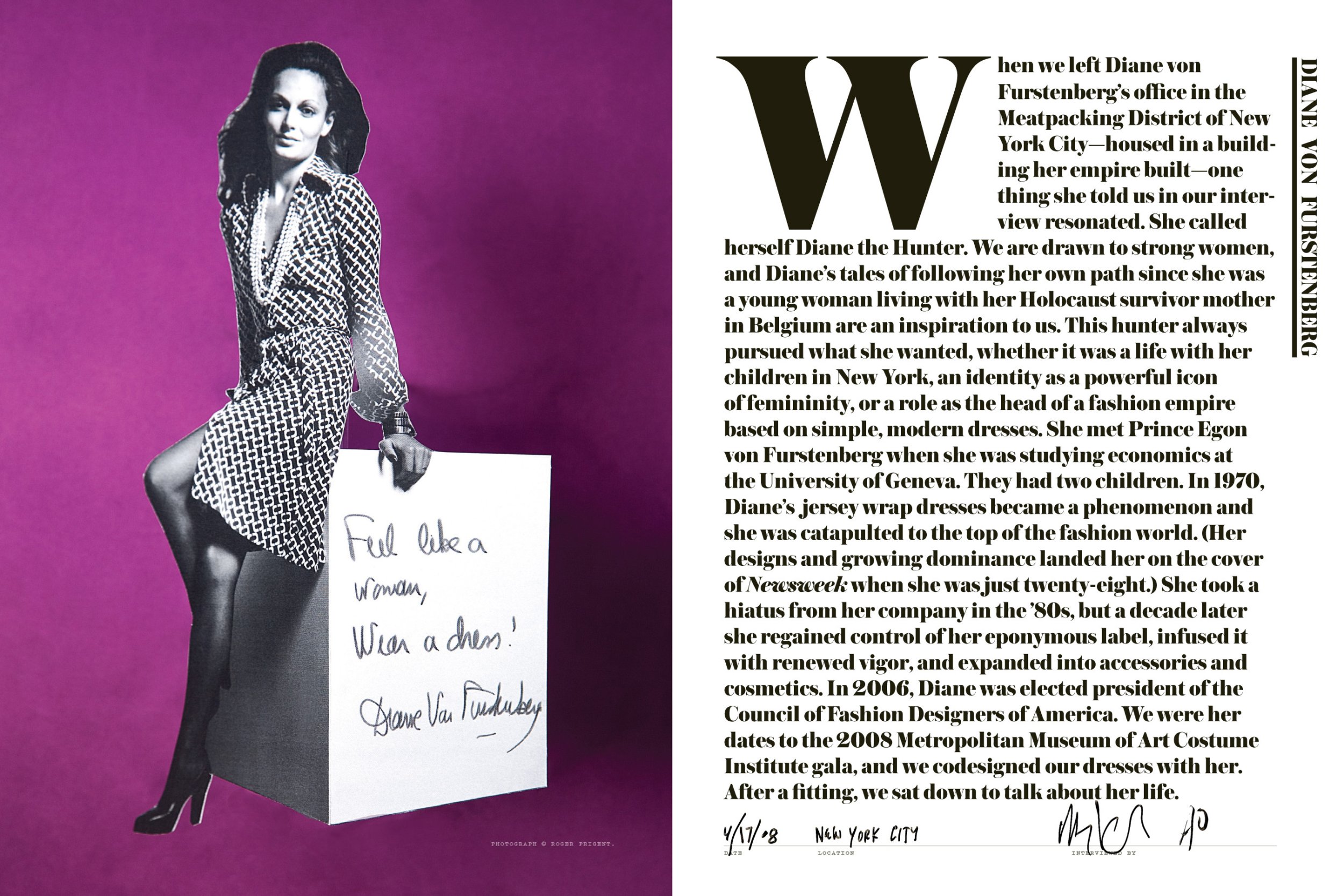
Influence is about the Olsen twins’ influences in fashion and style, the book includes interviews with: Karl Lagerfeld Diane Von Furstenberg John Galliano Lauren Hutton Christian Louboutin amongst many others.

.

.

Mary-Kate Olsen and Ashley Olsen in New York, NY (Photo by Don Parks/WireImage)

Dusty Springfield rocked a Blonde Wig and a Column Dress

12 Jul

Dusty Springfield

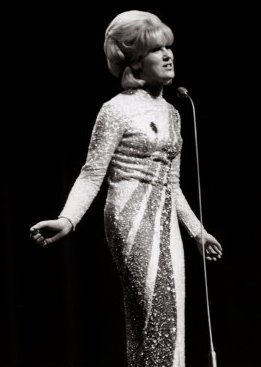
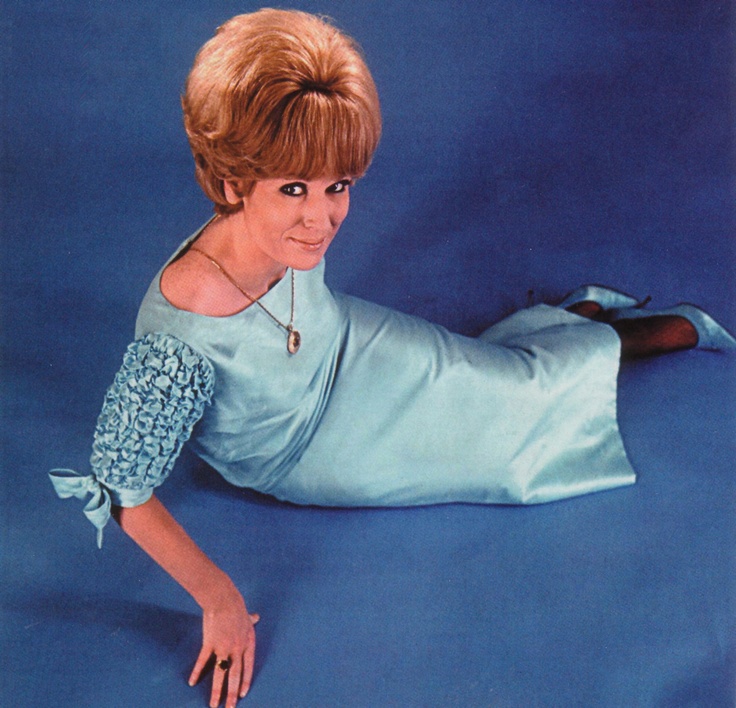
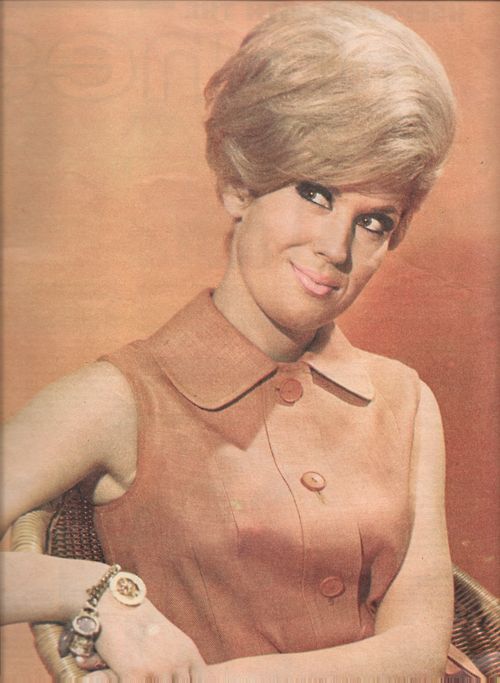
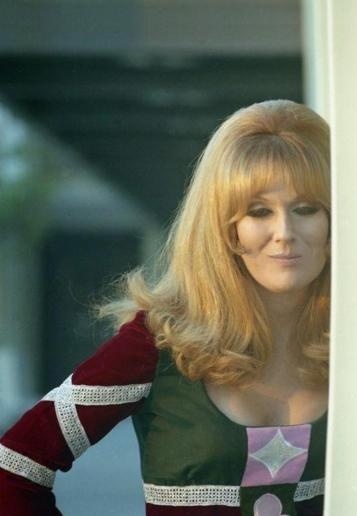
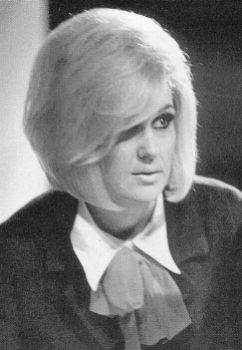
Big eyes, big hair and an even bigger voice, Dusty Springfield rocked a blonde wig and a column dress like no other. 

Dusty Springfield, the singer widely acknowledged as responsible for introducing rhythm and blues to British pop music, whose distinctive image made her a definitive figure of the Sixties, and whose personal struggles made her an icon to her legions of fans.

Once dubbed ‘the white negress‘ by Cliff Richard, because of her soulful vocal style, Springfield was described by Sir Elton John as the best white British female singer‘ of her time.

Her first success in 1963 with I Only Want to Be With You was followed by a string of hit singles, including Stay Awhile, I Just Don’t Know What to Do with Myself, and Little by Little. In 1966 she had her first number one, the ballad You Don’t Have to Say You Love Me.

Her image was a striking as her music. The heavily mascaraed ‘panda eyes‘ which became her trademark, coupled with her blond beehive hairstyle, earned her the nickname Queen of the Mods.

From Natural to Panda Eyes & Blond Wigs

Dusty Springfield

Dusty Springfield

Dusty Springfield

Dusty Springfield

Dusty Springfield

Dusty Springfield

Dusty Springfield

Dusty Springfield

Her perfectionism earned her a reputation for being difficult in the studio, which was matched by her status as a wild party-goer with a taste for throwing food.

She refused to play to segregated audiences in South Africa in 1964, incurring the ire of some on the British music scene, but her popularity was unaffected, and in the same year she was voted Best Female Vocalist in the prestigious NME Awards, an acknowledgement she was to be awarded again in 1965, 1966 1967 and 1969.

But commercial success confused her, while constant rumours about her sexuality left her craving privacy. Alcohol and tranquilizers abuse followed, and the Seventies saw her depressed and losing focus on her music.

Column Dresses

Dusty Springfield

dusty springfield

Dusty Springfield

Dusty Springfield

Dusty Springfield

Dusty Springfield

True to her survivor’s reputation, she stormed back into the British charts in 1987 with What Have I Done to Deserve This? a duet recorded with the Eighties pop duo The Pet Shop Boys. The song was a worldwide hit, and was followed by a second collaboration with the Pet Shop Boys, Nothing Has Been Proved, the theme to the film Scandal.

Matt Snow, editor of Mojo, said in bringing rhythm and blues into British pop music, Springfield had proved herself as significant as Lennon and McCartney.

‘She was an unconscious stylistic revolutionary, but a revolutionary none the less. Her emergence symbolised the beginning of a new era, with white singers adopting the emotional range of black artists.

.

.

‘Since the Pet Shop Boys rediscovered and re-presented her, she has been established in the pantheon of significant pop stylists and nothing can remove her from that.

‘The unusual thing about her as big star was that she appeased her hunger for stardom quite quickly, and was not desperate to keep plugging away. She went into semi-retirement with barely a backward glance. Her legacy is the style in which every British singer sings.’

Adam Mattera, editor of the gay men’s magazine Attitude, said Springfield’s personal story had a huge resonance with gay men at the time.

‘When the rumours began about her sexuality, and she actually said that she was attracted to men and women, it was very significant. Her lyrics were all about secret loves, but instead of going into the corner and weeping she stood daring.

Dusty Springfield

Dusty Springfield

Dusty Springfield

Dusty Springfield

Dusty Springfield

‘After the lost years, with her Eighties comeback, there was a clever, knowing sense of camp. She was in on the joke, which separated her from traditional gay icons. She understood what made her popular in the gay community and played up to it.’

Springfield bridged the gap between old-school divas like Judy Garland and more modern artists. ‘She paved the way for people like Gloria Gaynor and Donna Summer, through to Debbie Harry and Madonna, who took the defiance further.

‘She broke the mould with her music, her sexuality, by refusing to fit comfortably into the music industry’s expectations. She was subversive.’

Dusty Springfield

.

Documentary

.


Book

Book cover

Dusty Springfield: Looking Good Isn’t Always Easy – A Celebration of an Icon

Written and complied by Paul Howes, “Looking good isn’t always easy” is the luxurious, coffee table-sized photo book fans have been waiting for.

With more than 600 photographs, covering Dusty’s life from her schoolgirl days to her last TV performance, Paul Howes has retrieved hundreds of photos that have never been published before.

The book is available in hard or soft cover, and in a limited edition only. For enquiries and orders, email Paul Howes at dustybulletin@aol.com


Dusty Springfield.

.

info: http://www.theguardian.com/uk/1999/mar/04/libbybrooks