Archive | 2015

Barbara ‘Babe’ Paley, the Ultimate Trophy Wife

22 Nov
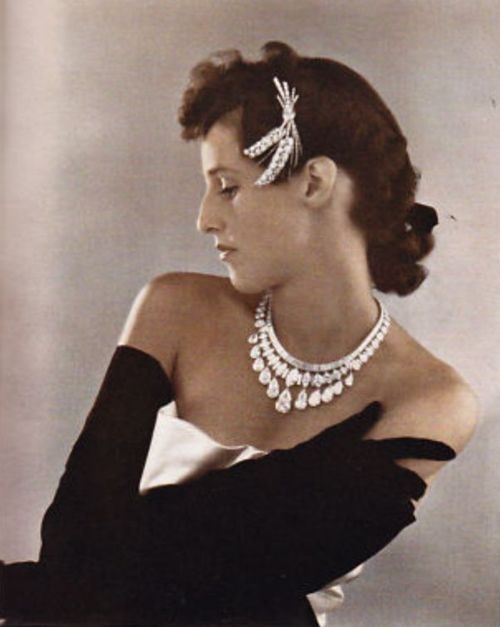
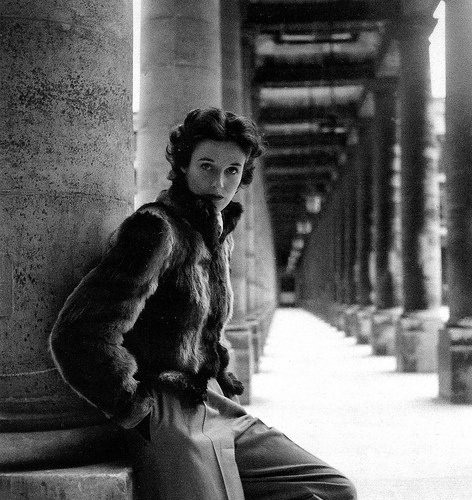
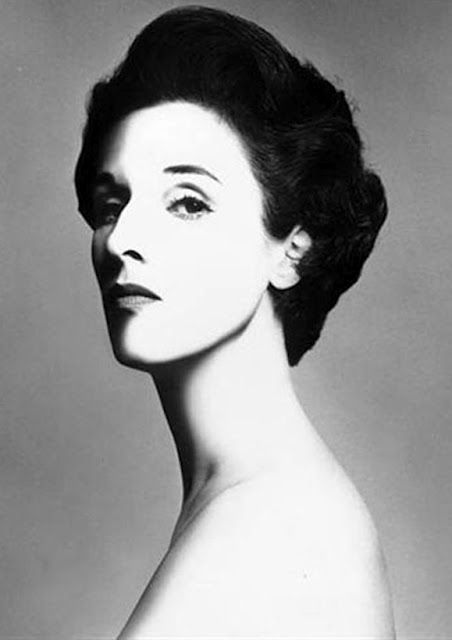
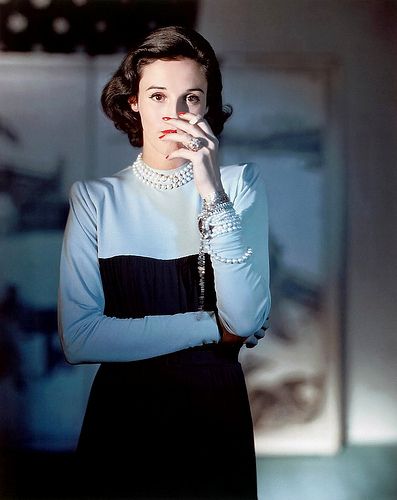
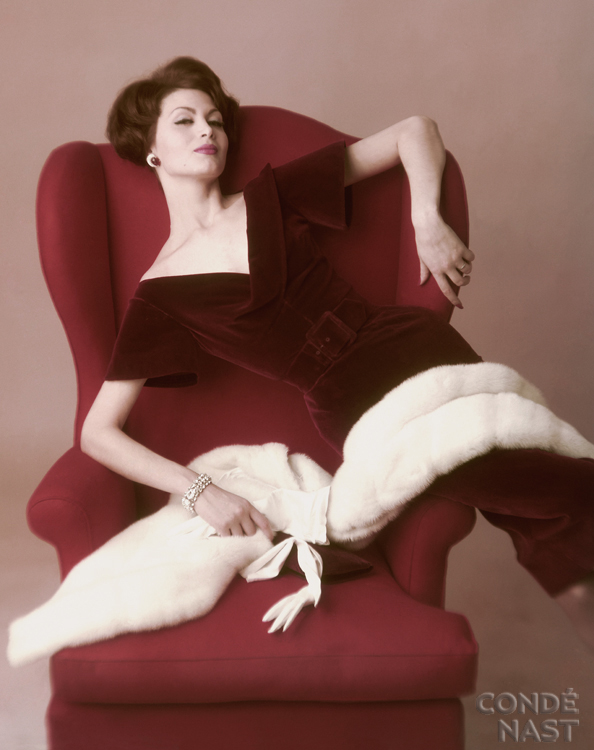
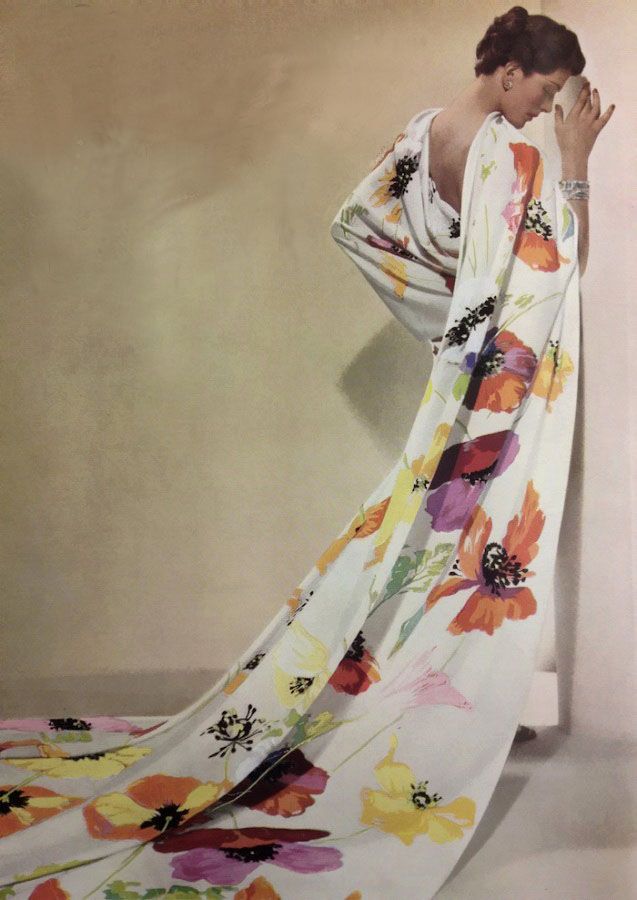
Erwin Blumenfeld, Portrait of Barbara "Babe" Paley, 1947Ph. Erwin Blumenfeld, 1947
.

Barbara Cushing in Boston (July 5th, 1015), she was the daughter of world-renowned brain surgeon Dr. Harvey Cushing, who was professor of surgery at Johns Hopkins, Harvard and Yale universities, and Katharine Stone Crowell Cushing. 

A student at the Westover School in Middlebury, Connecticut, she was presented as a debutante in October 1934 in Boston, with Roosevelt’s sons in attendance. Her debut drew great attention during the Great Depression, and marked the beginning of her social career. 

In 1934, she was disfigured in a serious car accident and underwent re-constructive surgery that turned her into a beautiful woman.
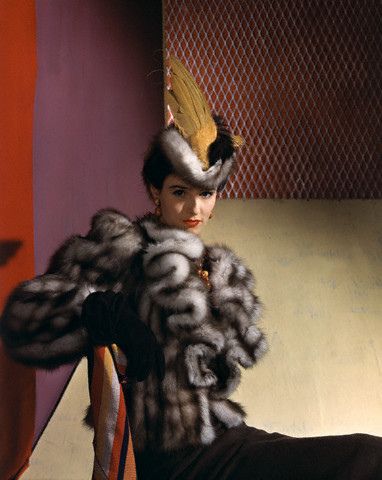
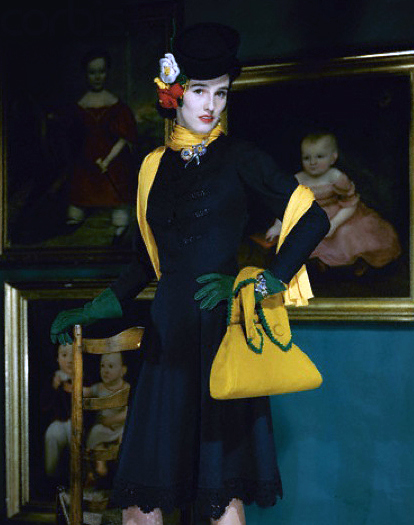
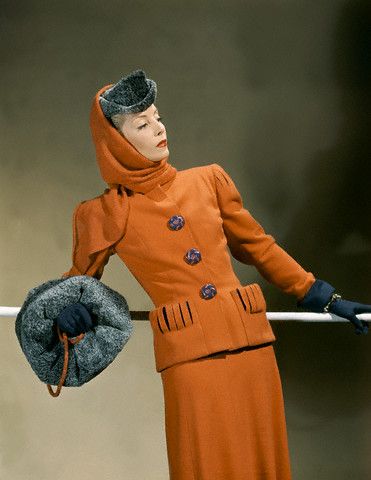
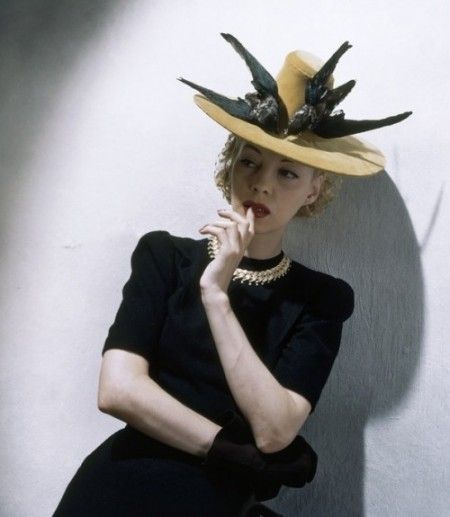
1939 horst p horst Babe Paley is wearing a be-winged marten hat and jabot revers on a natural marten hat by John FredericsPh. Horst P. Horst, 1939
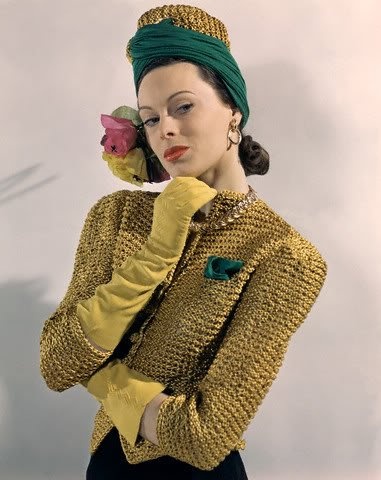
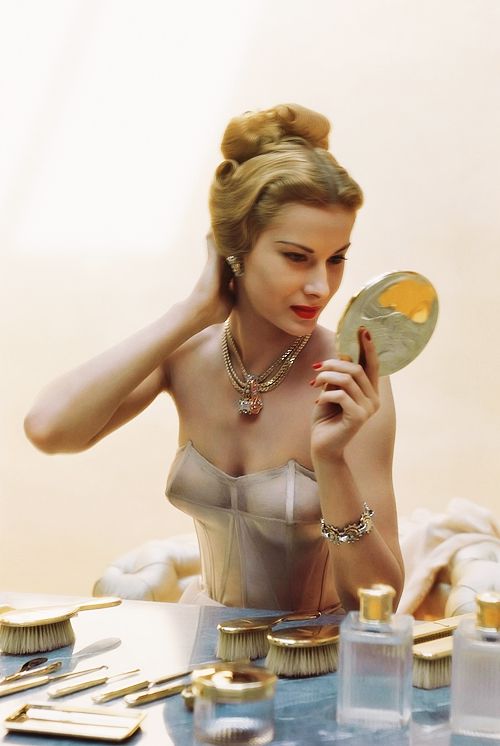
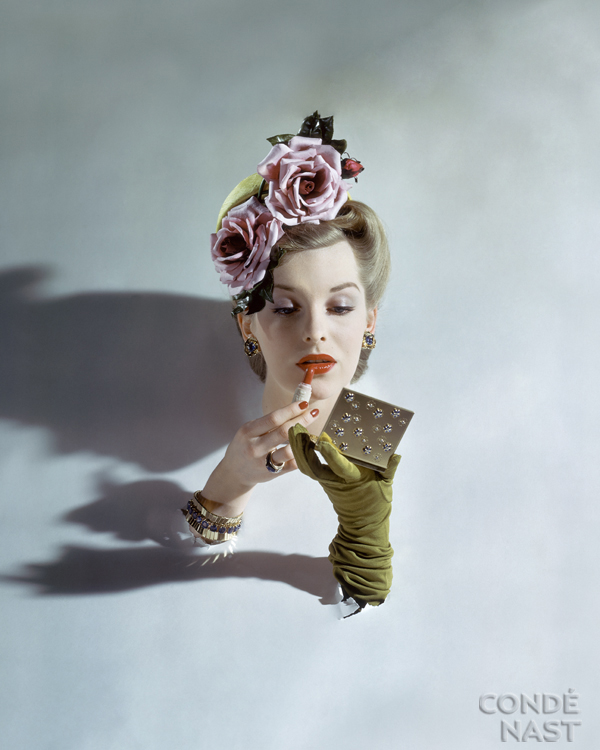
John Rawlings ca. 1941John Rawlings ca. 1941
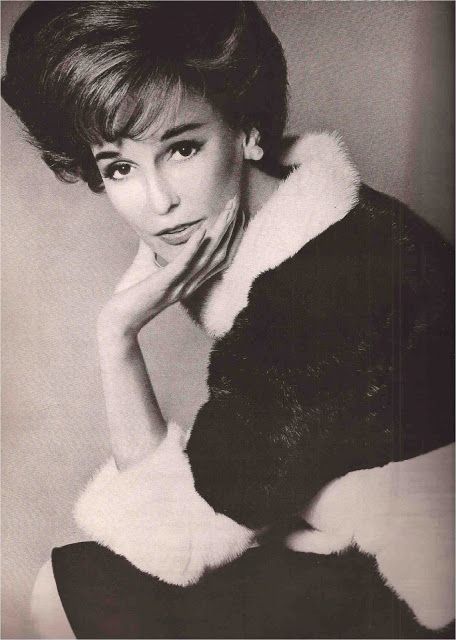
Vogue 1939 babe paleyVogue, 1939
photographed by Erwin Blumenfeld for Vogue, 1946.Ph. Erwin Blumenfeld for Vogue, 1946.
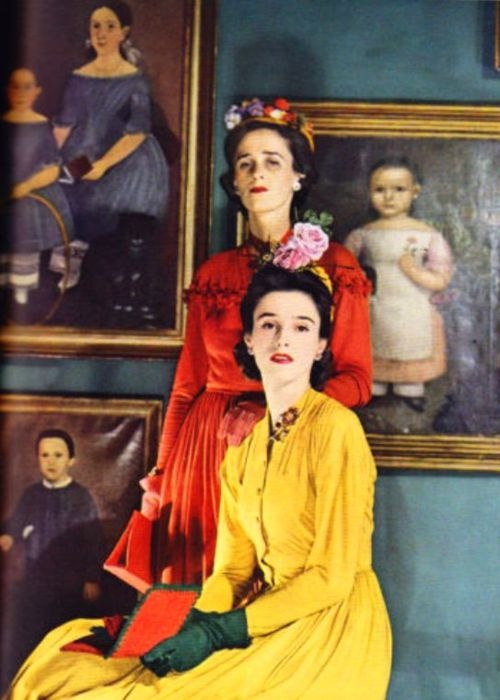
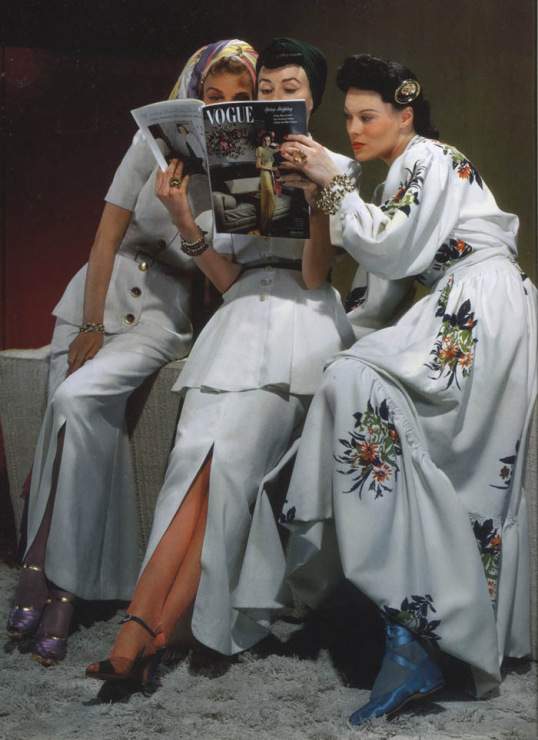
Babe Paley for Vogue, February 1941Vogue, February 1941 Horst P. Horst (Babe Paley on the right)Ph. by Horst P. Horst (Babe Paley on the right)

.

Babe met and married oil heir Stanley Grafton Mortimer, Jr., in 1940. Though her mother preferred that she marry a powerful man with a title, she generally approved of the union. She and Mortimer had two children: Amanda Jay Mortimer  and Stanley Grafton Mortimer III. Their marriage ended by 1946. Several retrospectives have claimed that Babe neglected her children while in pursuit of social status and depended upon the wealth of her husbands to support her lavish lifestyle. Her daughter Amanda has admitted that their relationship was “virtually nonexistent” and that the distance “was her choice, not mine”.

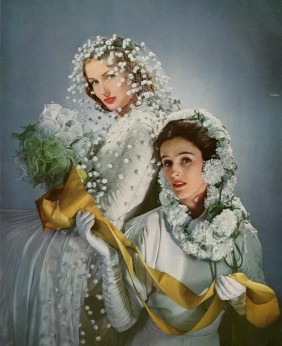
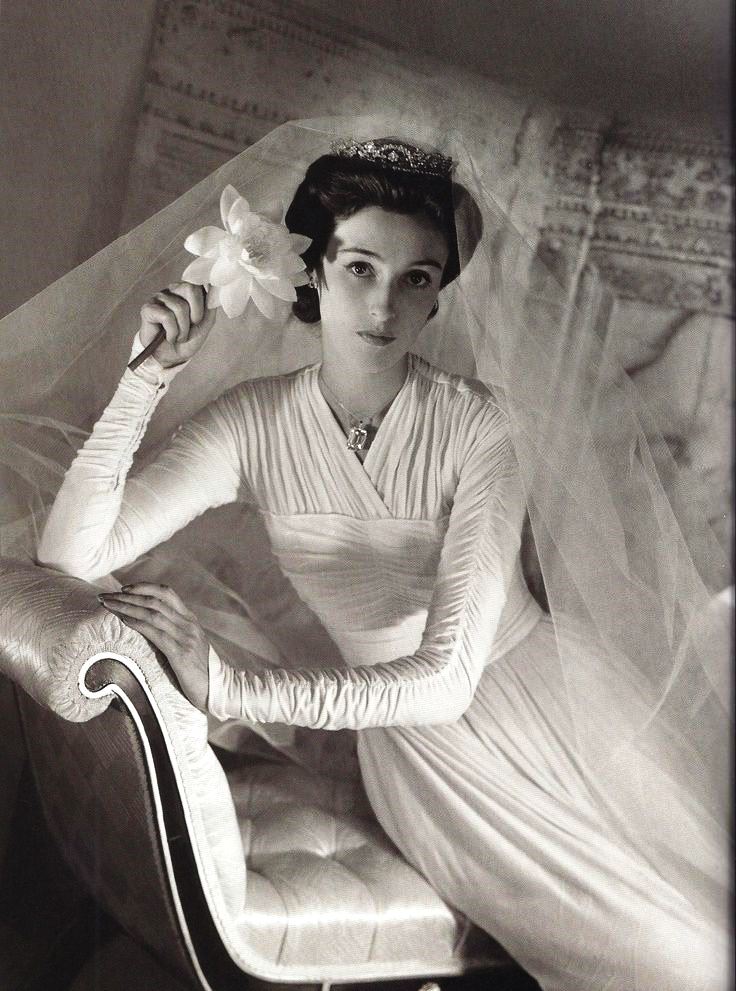
Wedding Gown by Mabel McIlvain Downs.Babe in her wedding dress when she married Stanley Mortimer.Ph. Horst P.Horst,1940
.
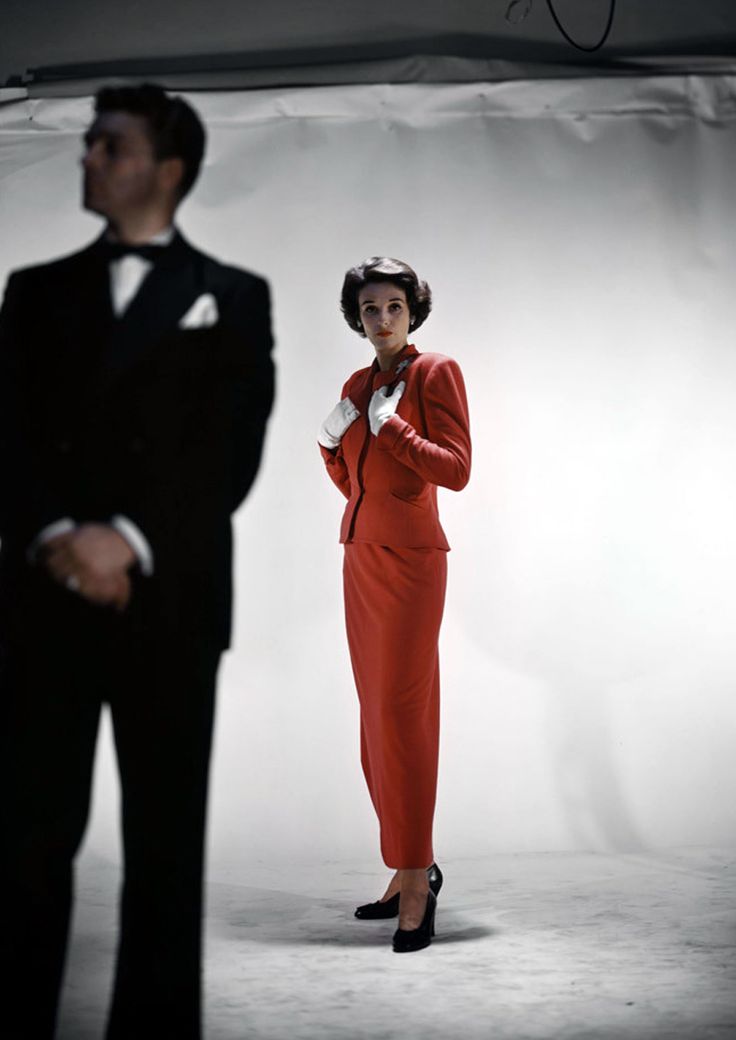
In 1938, Babe began working as a fashion editor for Vogue in New York City. Her position at Vogue gave her access to designer clothes, often given in exchange for Babe’s high profile and glamorous image. In 1941, Time magazine voted her the world’s second best dressed woman after Wallis Simpson. In 1945 and 1946 Babe appeared on the best-dressed-list again. Upon her second marriage in 1947 to William S. Paley , she left her job at Vogue.

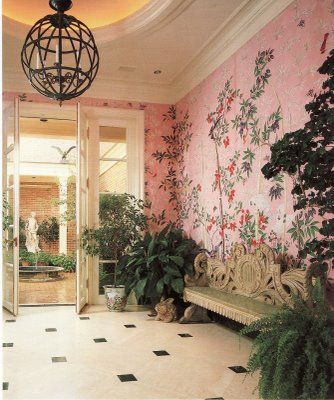
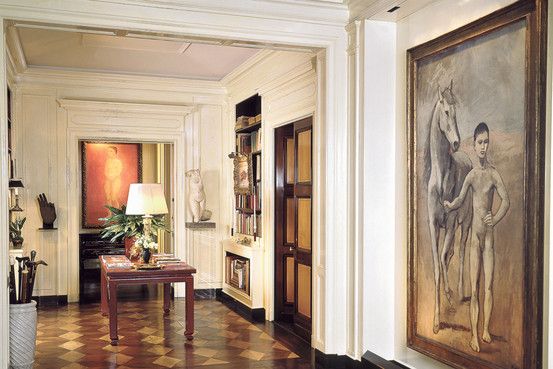
Apartment at the St. Regis

Babe Paley
Babe Paley
b22e87f1fa003c587dc3d9258ad41782

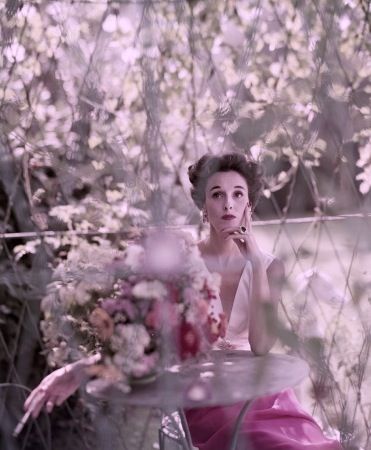
Babe set about to cultivate and create a picture-perfect social world. The couple took an elegant apartment at the St. Regis and hired noted interior designer Billy Baldwin to decorate. She and Paley lived there during the week, while weekends were spent at Kiluna Farm, on 80 acres (320,000 m2) in Manhasset, Long Island, where a succession of landscape architects and garden designers beautified the grounds.

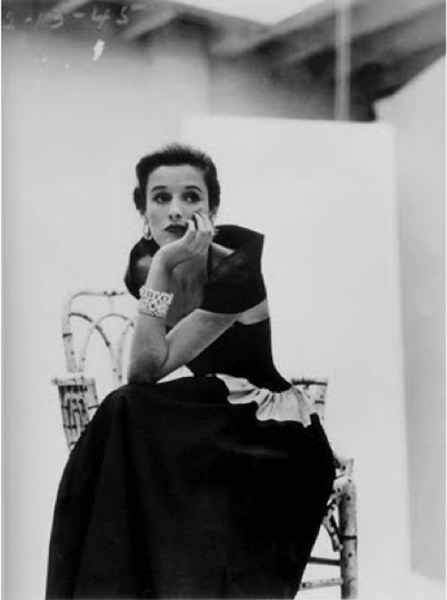
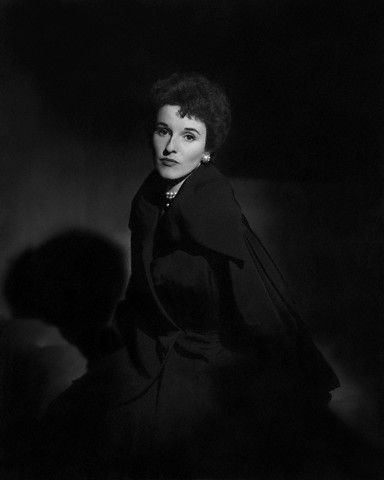
In addition to lavish entertaining, Babe maintained her position on the best-dressed list fourteen times before being inducted into the Fashion Hall of Fame in 1958. She regularly bought entire haute couture collections from major fashion houses like Givenchy and Valentino SpA. Her personal style was inspirational to thousands of women who tried to copy her, but as Bill Blass once observed, “I never saw her not grab anyone’s attention, the hair, the makeup, the crispness. You were never conscious of what she was wearing; you noticed Babe and nothing else.”

Babe Paley John Rawlings for Vogue February 1946Ph.John Rawlings, Vogue February 1946
Babe Paley shot by Clifford Coffin for British Vogue December 1946Ph. Clifford Coffin for British Vogue December 19469.-babe-paley-by-lord-snowdon-300x300Ph. Lord Snowdon

.
Her personal, unconventional style was enormously influential. A photograph of Babe with a scarf tied to her handbag, for example, created a trendy tidal wave that millions of women emulated. She often mixed extravagant jewelry by Fulco di Verdura and Jean Schlumberger (jewelry designer) with cheap costume pieces, and embraced letting her hair go gray instead of camouflaging it with dye. In a stroke of modernism, she made pantsuits chic. Her image and status reportedly created a strain on her marriage to William S. Paley, who insisted that his wife be wrapped in sable and completely bejeweled at all times.

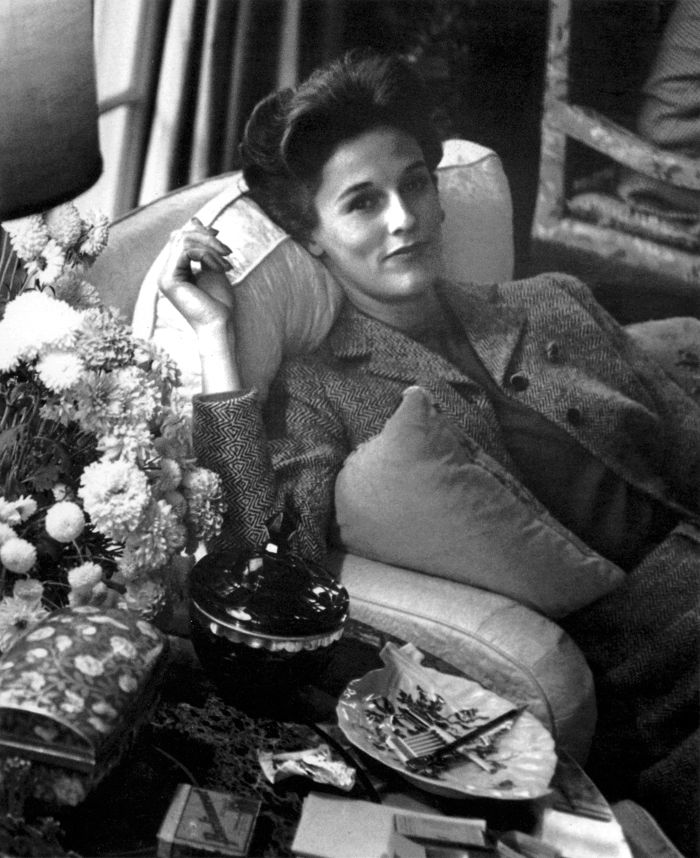
By many biographers’ accounts, Babe was lonely and frustrated as William Paley carried on a chain of extramarital affairs. This psychological battering took its toll on her and her family. She was constantly under the scrutiny of society and the media, who pressed her to maintain the unrealistic image of a social and fashion goddess. These external pressures, as well as a two-pack-a-day cigarette habit, finally affected her health.
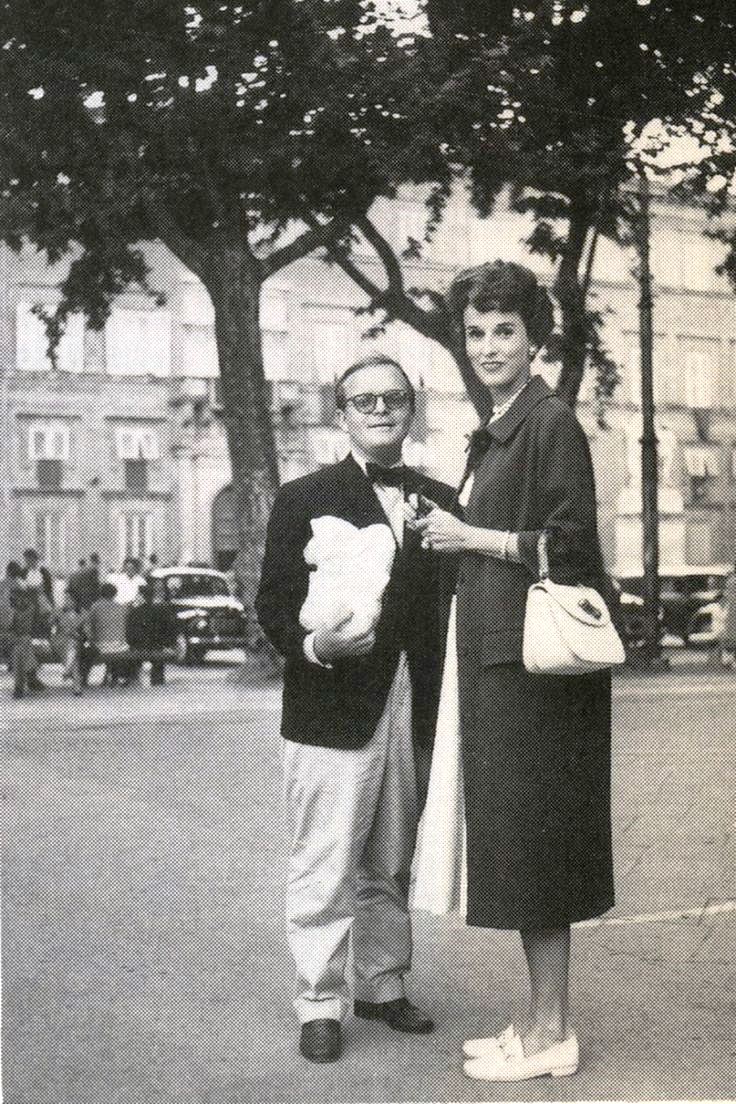
Babe Paley & Truman CapoteBabe Paley & Truman Capote


Babe Paley had only one fault, she was perfect. Otherwise, she was perfect. 

Truman Capote.
.

Truman Capote was Babe Paley’s close friend and confidant until he did the unforgivable: In “Answered Prayers” he depicted a character apparently based on her husband in an extramarital tryst with someone said to be modeled on Happy Rockefeller, which ended up in a big mess. Literally. When she read the excerpt from the book, Babe dropped him and never spoke to him again.

(Babe Paley) wearing a Creation of Traina-Norell, photographed by Horst P. Horst from American Vogue in 1946.Ph. Horst P. Horst
photo by Norman ParkinsonPh. Norman Parkinson
Babe Paley
photographed by Alexander Liberman, 1942.Ph. Alexander Liberman, 1942
Babe Paley

A heavy smoker, Babe was diagnosed with lung cancer in 1974. She planned her own funeral, right down to the food and wine selections that would be served at the funeral luncheon. She carefully allocated her jewelry collection and personal belongings to friends and family, wrapped them in colorful paper, and created a complete file system with directions as to how they would be distributed after her death, which happened on July 6, 1978.

.

.

.

.

JOHN RAWLINGSPh. John Rawlings

.

Info:  Wikpedia &

http://video.vanityfair.com/watch/the-best-dressed-women-of-all-time–babe-paley

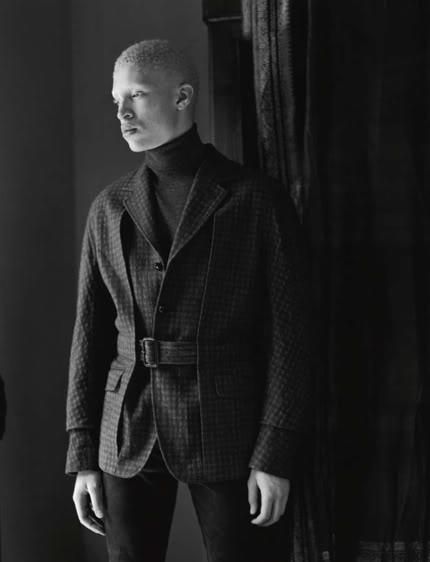
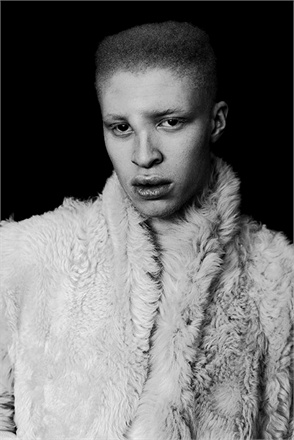
Shaun Ross, the first Afro-American Male Model born with Albinism

15 Nov
Shaun RossShaun Ross
.

This week I watched a documentary about the hunt for Albinos in parts of Africa and it completely took my by the throat. Wanting to share this film, I surged for a connection with my blog and found it in Shaun Ross.

‘.

Albinism in humans (from the Latin albus, “white”) is a congenital disorder characterized by the complete or partial absence of pigment in the skin, hair and eyes due to absence or defect of tyrosinase, a copper-containing enzyme involved in the production of melanin. It is the opposite of melanism. 


Shaun Ross

“I was always the outcast, but a confident outcast”  

Shaun Ross (born May 10, 1991) is an American professional fashion model, actor and dancer best known for being the first male albino pro model. He has been featured in photo-editorial campaigns in fashion publications including British GQ, Italian Vogue, i-D Magazine, Paper Magazine and Another Man. He has modeled for Alexander McQueen and Givenchy.

Ross’s mom gave birth to him on the highway on the way to the hospital. “The nickname my parents always called me was Nissan,” Ross said with a laugh.

Ross is of African-American descent. Born in the Bronx, when he was growing up, Ross dealt with much discrimination for being albino. He was bullied frequently by his peers, called names such as “Powder”, “Wite-Out”, and “Casper”. After training at the Alvin Ailey School for five years, Ross was discovered on YouTube and crossed over to the fashion industry in 2008 at 16 years old.
african american albino models shaun ross & diandra forrestmodels Shaun Ross & Diandra Forrest
.

In 2009, Ross appeared on the Tyra Banks Show. He shared the show with fellow albinistic African American model Diandra Forrest; together, they shared their life stories about how different life was for them. Later that year, Ross played a role in a short film by Yoann Lemoine which won a first-place prize in a contest sponsored by Italian VogueRoss also has worked with other directors, such as Julien Seri, Jason Last, Jessica Yatrofsky and Ella Manor in both film and television. Ross, who is bisexual, participates in the underground ballroom scene in New York, where he often vogues as a free agent.
.


Shaun Ross in People Magazine:

Growing up in New York, I had to face scrutiny of my looks for as long as I can remember. Looking different, feeling different, all because of the way the world wants to classify you. I got called “weird,” “powder,” or “Casper.” When the world doesn’t want to see you – or better yet, accept you the way you are – the last thing you think you could become is a supermodel. 

Society makes it seem that the most beautiful people in the world are models; they are the perfect design of what a human being should look like: female models with long straight hair and a tiny thin waist and male models with bleach blond hair or Herculean bodies. When you’re raised with the public telling you that you are ugly or you have a disease, you don’t think you have a chance. 

As a child, I was always very outgoing and charismatic, traits I got from my parents. They helped me gain the confidence to eventually become a dancer, like my idols Michael and Janet Jackson, Madonna and Beyoncé. Later, Shameer Khan scouted me for a modeling contract. When this break led to me becoming the first male model with albinism, I knew I was helping to change the way people thought. I was breaking the mold by changing the standards of beauty with the help of others before me like Alek Wek, Stacey McKenzie and Connie Chiu.

Shaun Ross

Ross says that his condition doesn’t define him or confine him in any way. It has just always been there. The problem lies with others and with people’s perception.

Shaun Ross

Shaun Ross

David Armstrong for Another Man MagazinePh. David Armstrong for Another Man Magazine
Danny Roche, Vogue ItPh. Danny Roche, Vogue Italia
Shaun RossFord Motor Company campaign "Be Unique"
Shaun Ross
Shaun Ross


,

http://www.inmyskiniwin.com/

Ross summed up his attitude with a hashtag he uses to his growing social media following, #InMySkinIWin, which he says promotes a level of comfort with yourself. He started it to raise albinism awareness, but has since expanded the meaning to just loving who you are.

16ca56b4ae27a1a2896cb9a676476653

http://shaundross.tumblr.com/

.

.

Documentary

The hunt for Albinos

In parts of Africa people believe that giving birth to an Albino “creature” is a curse. Some also believe that owning a part of their body will make them rich. Albinos are hunted down and hacked to death. Or, if lucky, they will only lose an arm (sold for $225).

In this amazing documentary Joseph Terner reaches out to the same people who made his life hell. He explains Albinos are not the product of a curse, but that of a genetic mutation.

.

.

nixi-magazine-shaun-ross-terry-richardson-portrait-male-model-13-e1434580494325Ph.Terry Richardson for Nixi Magazine
;
;

Info:

http://www.huffingtonpost.com/shaun-ross/

http://www.people.com/article/shaun-ross-model-albinism-tanzanian-refugees

http://edition.cnn.com/2013/09/10/living/fashion-week-imperfect-model-shaun-ross/

Zelda Fitzgerald, the “First American Flapper”

8 Nov

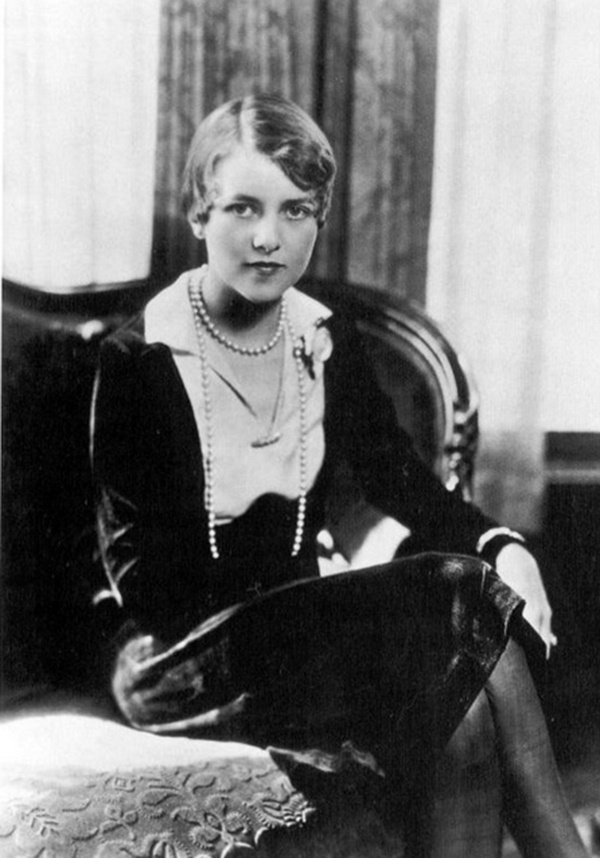
Zelda Fitzgerald

Flappers were a “new breed” of young Western women in the 1920s who wore short skirts, bobbed their hair, listened to jazz and flaunted their disdain for what was then considered acceptable behavior. Flappers were seen as brash for wearing excessive makeup, drinking, treating sex in a casual manner, smoking, driving automobiles, and otherwise flouting social and sexual norms. Flappers had their origins in the liberal period of the Roaring Twenties, the social, political turbulence and increased transatlantic cultural exchange that followed the end of World War I, as well as the export of American jazz culture to Europe.  (Wikipedia)

Zelda Sayre Fitzgerald

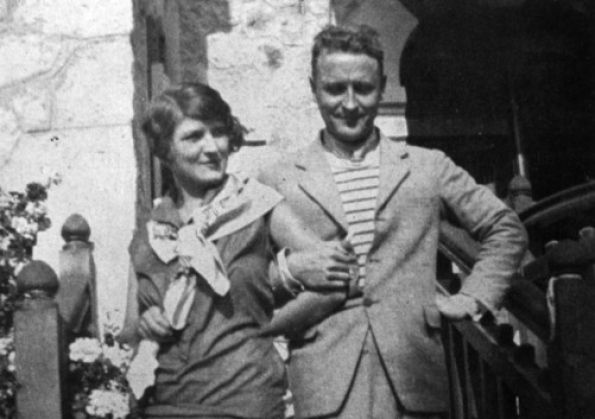
The empress of the Jazz Age, Zelda Fitzgerald  inspired fashion in much the same way she inspired her husband F. Scott Fitzgerald’s writing: firmly and fiercely. The two married in 1920, and soon after Scott achieved literary success with This Side of Paradise. Feisty, talented and a prodigious social butterfly, Zelda quickly made a name for herself as his charismatic muse. Dubbed the “first American flapper” by her husband, Zelda epitomized the Roaring Twenties with her bobbed hair, short skirts and unapologetic drinking as she made her way through the most exclusive social circles in New York and, later, Paris. She wore a flesh-colored bathing suit to fuel rumors that she swam nude–she liked the attention. However, in reality, life wasn’t quite so enchanting — the Fitzgeralds’ marriage was often turbulent. Zelda spent much time in and out of institutions being treated for mental illness. She was staying in an institution in North Carolina in 1948 when she died after a fire broke out. However, despite the personal hardships, Zelda had embodied everything that fabled era promised: defiance, recklessness and, above all, glamour.

Zelda Fitzgerald

Zelda & Scott FitzgeraldZelda & Scott Fitzgerald

Zelda Fitzgerald

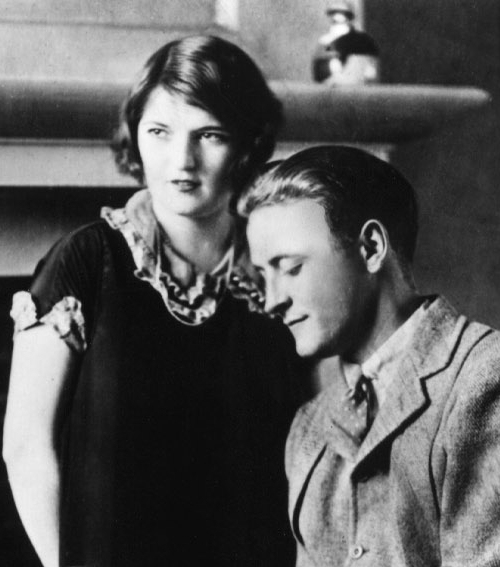
Zelda & Scott FitzgeraldZelda & Scott Fitzgerald
.

When Dorothy Parker first caught a glimpse of Zelda and F. Scott Fitzgerald, in the early twenties, they were sitting atop a taxi. “They did both look as though they had just stepped out of the sun; their youth was striking,” she said. “Everyone wanted to meet him.”

And her as well. Zelda Fitzgerald, the iconic flapper, whose glory and despair have come to define the Jazz Age, was born in Montgomery, Alabama, on July 24 1900, as Zelda Sayre. “Youth doesn’t need friends—it only needs crowds,” she once wrote, but she was wrong. She loved the limelight, at least initially, but she certainly needed her friends—married to Scott, and the star and heroine of his bestsellers, she was, like all celebrities, like all It girls, trapped in the image she had come to represent, even when she was a willing co-conspirator in authoring the myth. The pressure of living up to—or down to—that myth, it has been argued, is what literally drove her mad, and was responsible for her tragic spiral.

Zelda Fitzgerald

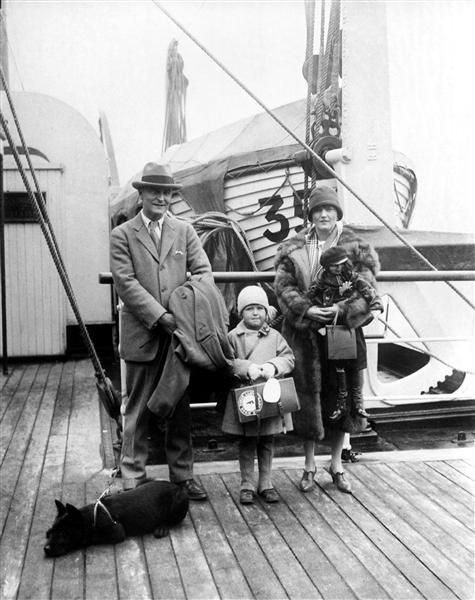
Zelda & Scott FitzgeraldZelda, Scott & Frances "Scottie" Fitzgerald

.

The clever, charismatic Mrs. Fitzgerald bristled at her wife-of-the-artist role—in her own right she was a serious ballet dancer and a talented author. In 1932 she published a novel, which infuriated Scott, though he had borrowed liberally from her diaries and letters for his own work. She was in the end far more complicated, deeply more interesting, than the champagne-guzzling-fountain-jumping-goddess-bad-girl the public thought they knew.

Zelda Fitzgerald

Zelda and Francis Scott Fitzgerald in 1926Zelda & Scott Fitzgerald
Zelda & Scott FitzgeraldZelda, Scott & Frances "Scottie" Fitzgerald
zelda-and-scott-fitzgerald-mylusciouslife-com-zelda-fitzgerald1Zelda & Scott Fitzgerald
.

But, by 1925, Zelda wrote, ”The flapper! She is growing old. She has come to none of the predicted ‘bad ends,’ but has gone at last, where all good flappers go — into the young married set, into boredom and gathering conventions and the pleasure of having children, having lent a while a splendor and courageousness and brightness to life, as all good flappers should.”

Zelda Fitzgerald

.

Zelda Wasn’t ‘Crazy’

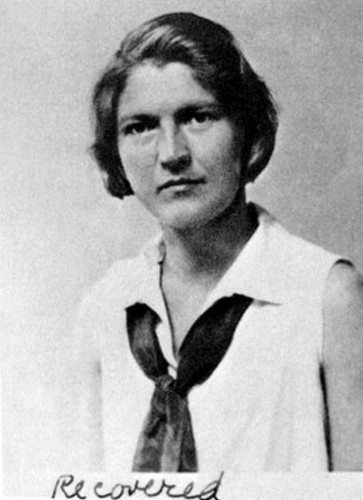
According to Zelda biographer, Theresa Ann Fowler: “Zelda did suffer some mental health crises — depression, primarily — and was an uninhibited, uncensored woman who didn’t always think before she acted, but she wasn’t crazy. Unwise? Sometimes. Insane? No.”

Zelda Fitzgerald

.

.

Book

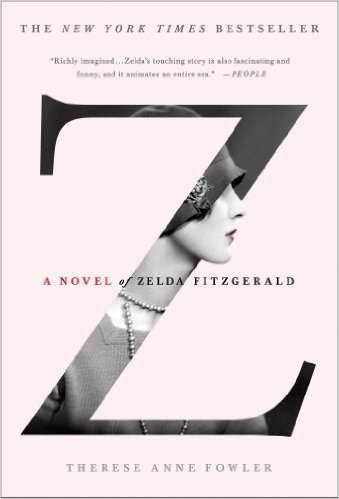
Book Cover

When beautiful, reckless Southern belle Zelda Sayre meets F. Scott Fitzgerald at a country club dance in 1918, she is seventeen years old and he is a young army lieutenant stationed in Alabama. Before long, the “ungettable” Zelda has fallen for him despite his unsuitability: Scott isn’t wealthy or prominent or even a Southerner, and keeps insisting, absurdly, that his writing will bring him both fortune and fame. Her father is deeply unimpressed. But after Scott sells his first novel, This Side of Paradise, to Scribner’s, Zelda optimistically boards a train north, to marry him in the vestry of St. Patrick’s Cathedral and take the rest as it comes.

What comes, here at the dawn of the Jazz Age, is unimagined attention and success and celebrity that will make Scott and Zelda legends in their own time. Everyone wants to meet the dashing young author of the scandalous novel―and his witty, perhaps even more scandalous wife. Zelda bobs her hair, adopts daring new fashions, and revels in this wild new world. Each place they go becomes a playground: New York City, Long Island, Hollywood, Paris, and the French Riviera―where they join the endless party of the glamorous, sometimes doomed Lost Generation that includes Ernest Hemingway, Sara and Gerald Murphy, and Gertrude Stein.

Everything seems new and possible. Troubles, at first, seem to fade like morning mist. But not even Jay Gatsby’s parties go on forever. Who is Zelda, other than the wife of a famous―sometimes infamous―husband? How can she forge her own identity while fighting her demons and Scott’s, too? With brilliant insight and imagination, Therese Anne Fowler brings us Zelda’s irresistible story as she herself might have told it.

.

.


John Rawlings, elevated Commercial Photography to an Art Form

1 Nov

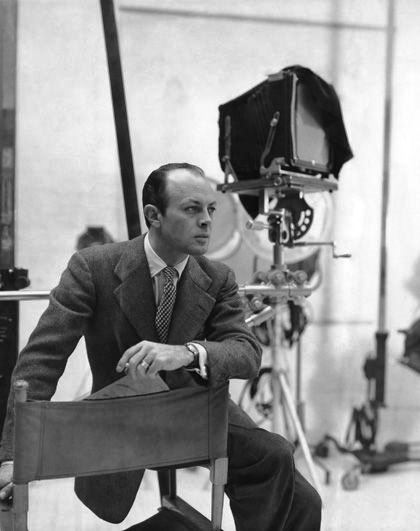
Self-Portrait of John Rawlings, fashion photographer

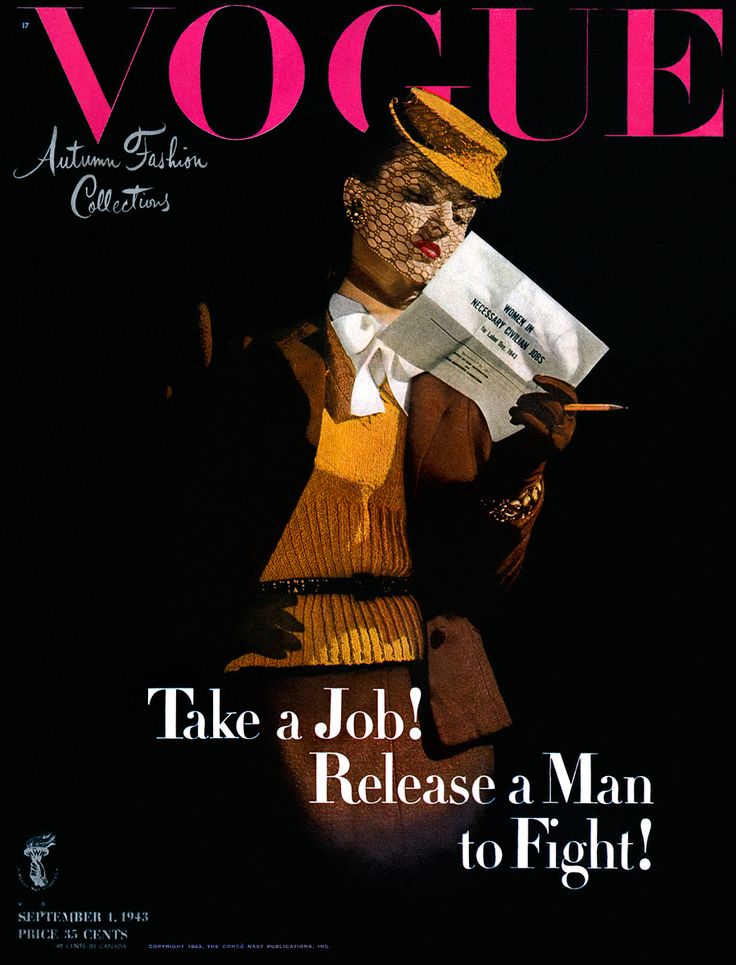
John Rawlings (1912-1970) was a Condé Nast Publications fashion photographer from the 1930s through the 1960s. Though Rawlings left a significant body of work, including 200 Vogue magazine and Glamour magazine covers to his credit, he never achieved the name and fame of his lengendary colleagues and masters Cecil Beaten and Horst P. Horst.

Ph. John RawlingsThe introduction of American photographer John Rawlings to Vogue’s visual team in 1936 was certainly one of Conde Nast’s best strategic moves. At a time when opulence, pretentiousness, and theatrical lighting were prevalent in fashion photography – fueled by the European school led by the British Beaton, the German Horst, and the Russian Hoyningen-Huene – Nast and Vogue’s editor in chief Edna Woolman Chase decided they needed a change of direction and placed their bets on a talented but unknown twenty-four-year Midwesterner.

In two memos sent by Chase, one to her staff in 1937 and another to the photographers in 1938, she demanded more information and less art in Vogue pictures: “Several of the photographs for September fifteenth are nothing but black smudges,” she wrote in the second. “Concentrate completely on showing the dress, light it for this purpose and if that can’t be done with art then art be damned. Show the dress. This is an order straight from the boss’s mouth and will you please have it typed and hung in the studio”. 

ph. John Rawlings

ph. John Rawlings

ph. John Rawlings

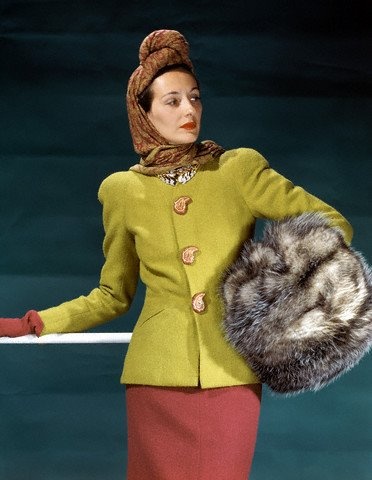
The change of direction would take a few years, but the man to lead it, John Rawlings, would become one of the most prolific and important photographers of the twentieth century, with more than two hundred Vogue and Glamour covers to his credit. John Rawlings for Vogue April, 1947

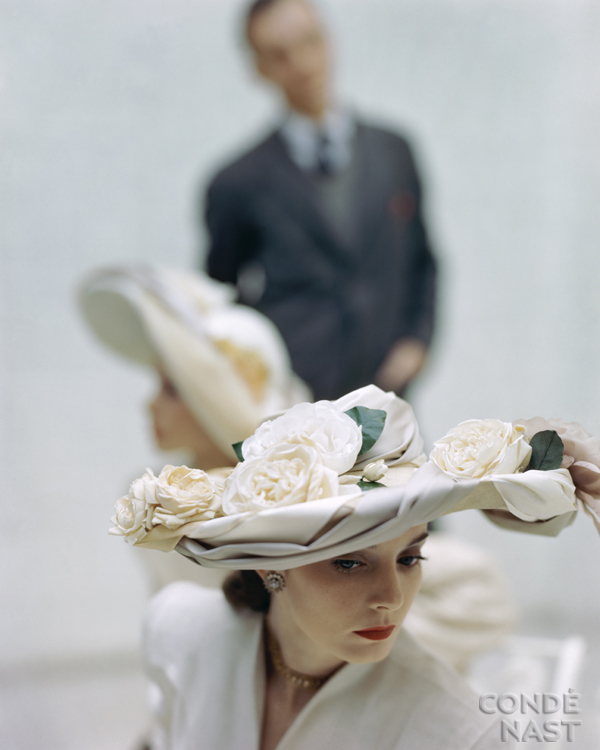
Flowered Hat

Ph. John Rawlings

His beginnings were unremarkable. Born in Ohio in 1912, John Rawlings attended the local Wesleyan University, and upon graduation in the early 1930s he relocated to New York, where he became a freelance store window dresser. After buying a Leica to photograph his work and show it to potential clients, Rawlings discovered that he enjoyed taking pictures and eventually started to photograph some of the aristocratic clients themselves, alone or with their dogs. A few of those shots found their way to the desk of Nast, who decided to offer Rawlings a job at the Vogue studios as prop builder, studio hand, and apprentice to the legendary masters Beaton and Horst. The young man was so dedicated and worked with such unbridled enthusiasm that four months later he not only was promoted to first assistant to the masters but also got his first photo published in the September 15 issue of Vogue. Impressed by his precocious talent and visual style, Nast and Chase rewarded him in 1937 with a job at the British Vogue studio in London, where he would train and work until the early 1940s. During his time there, Rawlings experimented with his style and began to develop his signature uses of light, setting and posing. His British Vogue work was so impressive it began cirulating in French and American Vogue as well.

vogue 1938

Ph. John Rawlings

Ph. John Rawlings

Charles Dare Scheips Jr., former director of the Conde Nast Archives, called Rawlings “The first major Conde Nast photographer to demonstrate a truly American eye.”

Rawlings is credited as the first fashion photographer to associate fashion with Hollywood celebrities and also said to have single-handedly elevated commercial photography to an art form. 

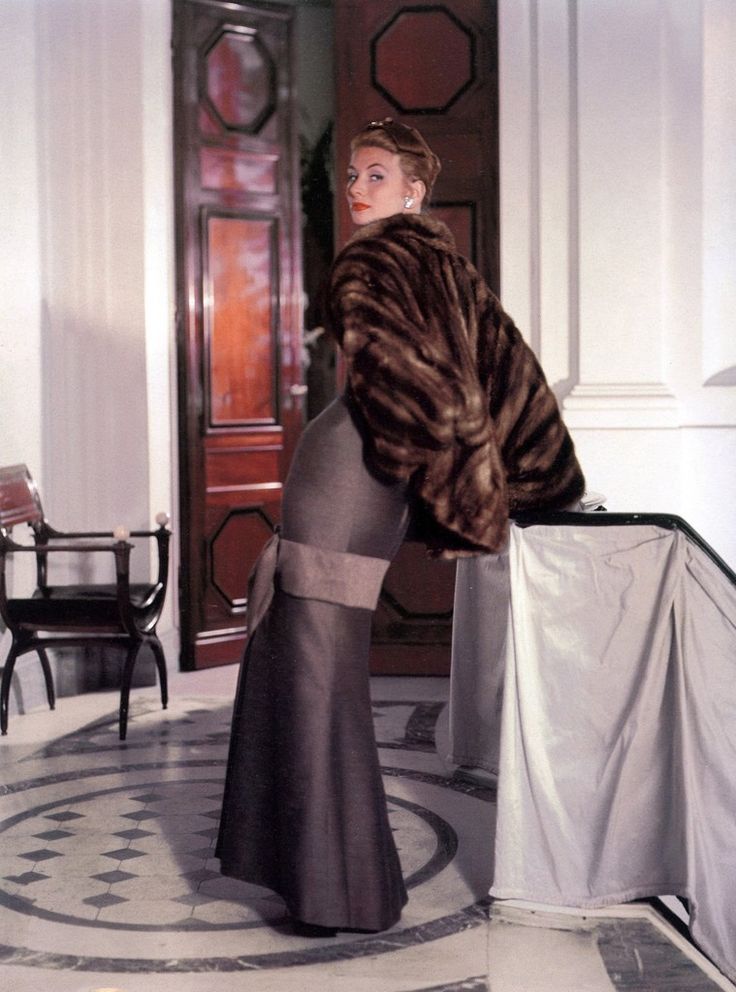
Suzy Parker in Christian Dior, Vogue, October 15, 1953.

Wilhelmina Cooper

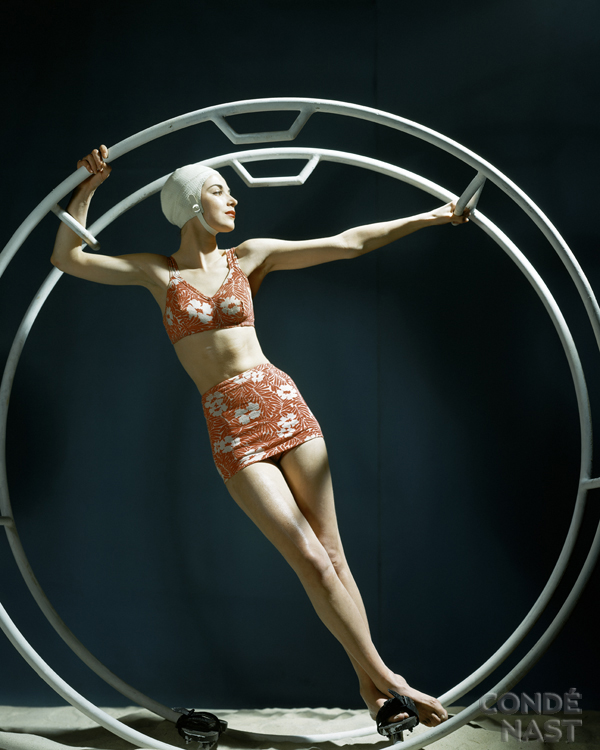
Exercise Ring and Jantzen Swimsuit

Ph. John Rawlings


.


Book    

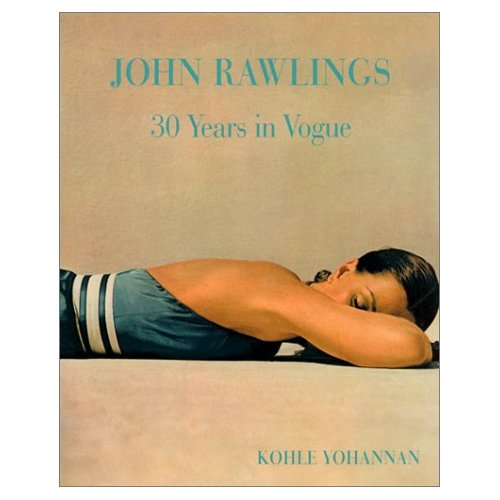
Book cover John Rawlings: 30 Years in Vogue

With over 200 Vogue and Glamour covers to his credit and 30,000 photos in archive, John Rawlings (1912-1970) immortalized the era in which American fashion and style truly came into their own. During his three-decade affiliation with Conde Nast, Rawlings’s work paralleled his publishers’ and editors’ efforts to reformat and expand the power and scope of the fashion press. Rawlings was in the elite circle of Irving Penn, Horst P. Horst, George Hoyningen-Huene, and George Platt Lynes, all top Vogue photographers, yet never received the kind of attention lauded on his colleagues — until now. Drawing on the photographer’s rediscovered archive, curator Kohle Yohannan presents glamour portraits as well as never-before-published nudes that testify to the artist’s ground-breaking and compelling body of work. Photographs of stage, screen, and society stars of the 1940s and 1950s, including Marlene Dietrich, Salvador Dali, Veronica Lake, Lena Horne, and Montgomery Clift are featured.

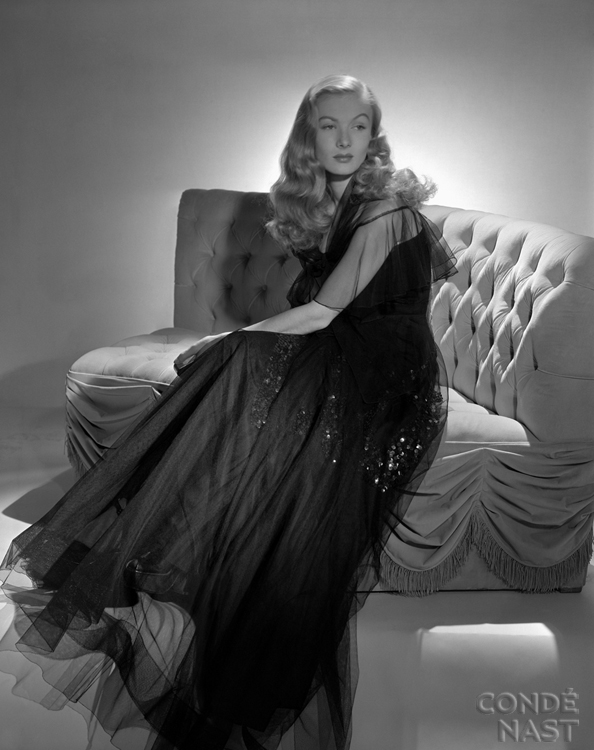
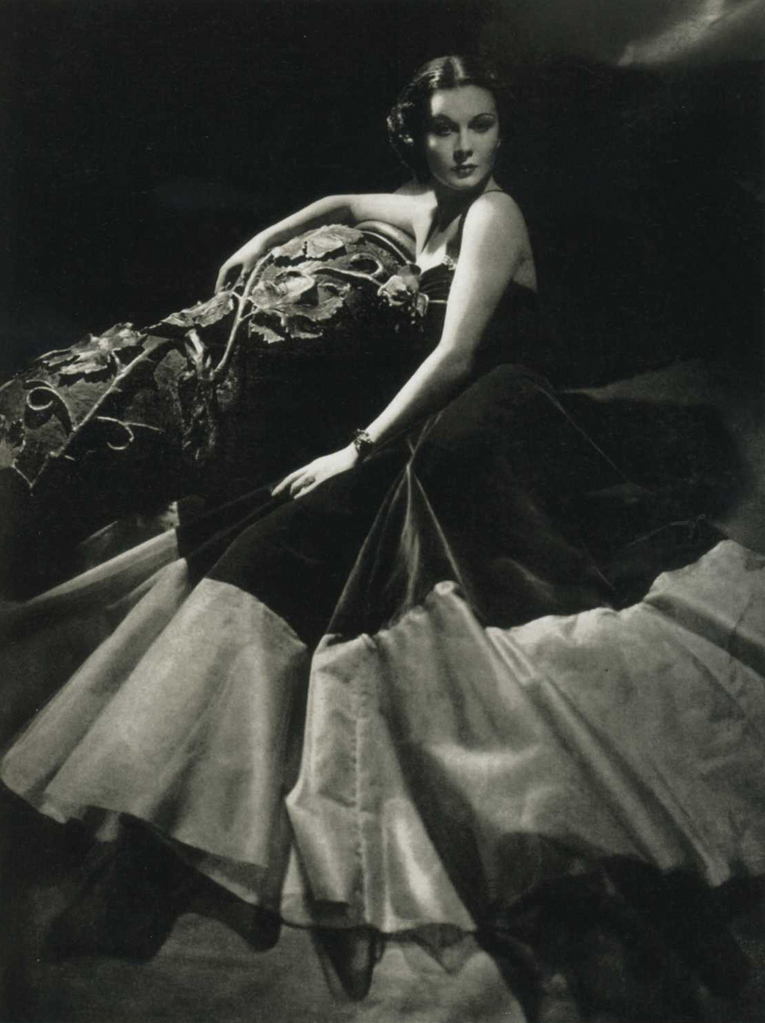
Veronica LakeVeronica LakeVivien LeighVivien Leigh
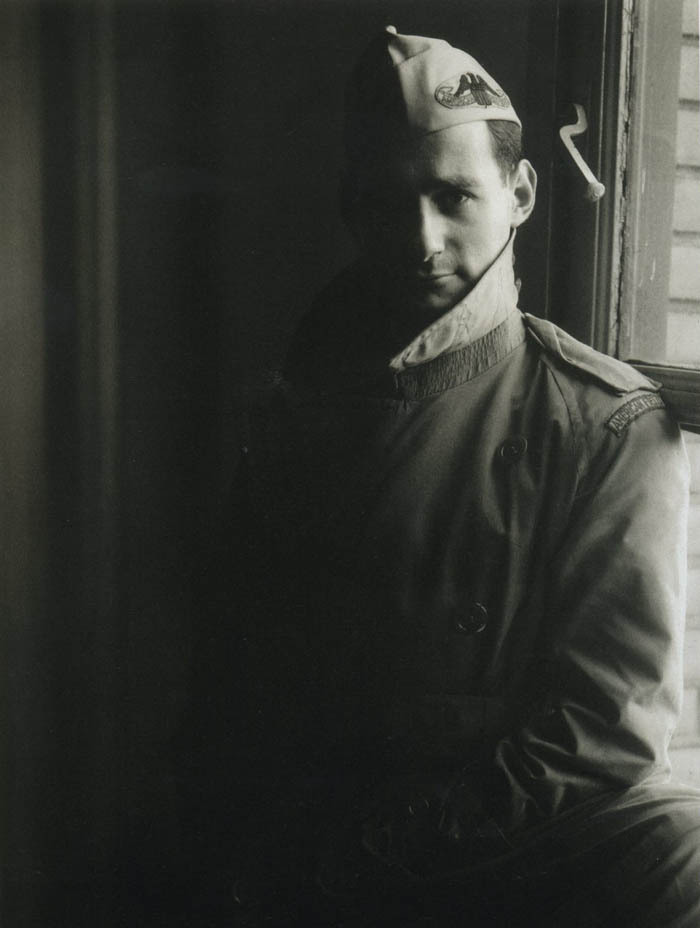
Photographer Irving Penn in his American Field Service uniform.Photographer Irving Penn in his American Field Service uniform.
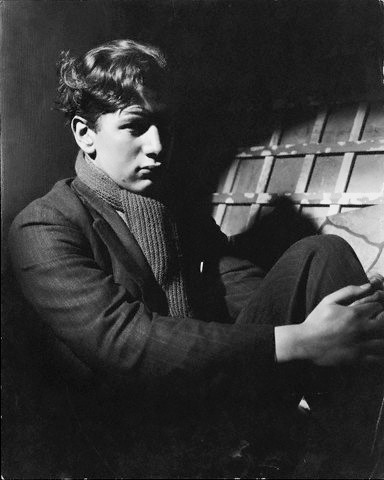
Actor Peter UstinovActor Peter Ustinov
.
.
.
June 1, 1941 cover
.
.
info:

http://bygonefashion.livejournal.com/195868.html

http://www.fashionmefabulous.com/2011/03/famous-fashion-photographers-john.htmlshion Me Fabulous

Donyale Luna, the real First Black Supermodel

25 Oct
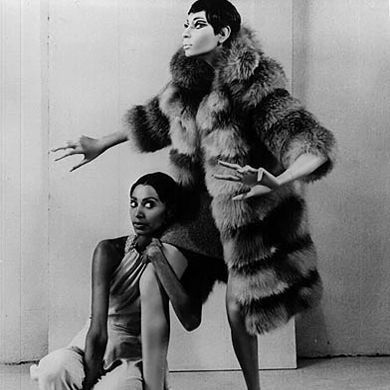
Charlotte March's shoot for Twen magazine, 1966Donyale Luna, ph. Charlotte March, Twen magazine, 1966


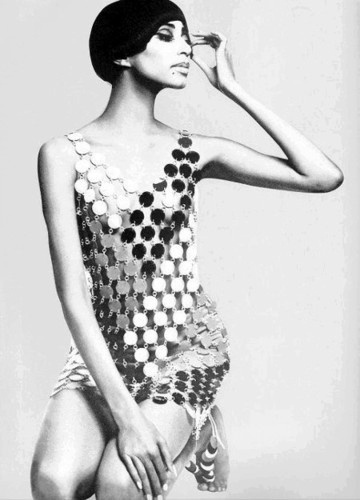
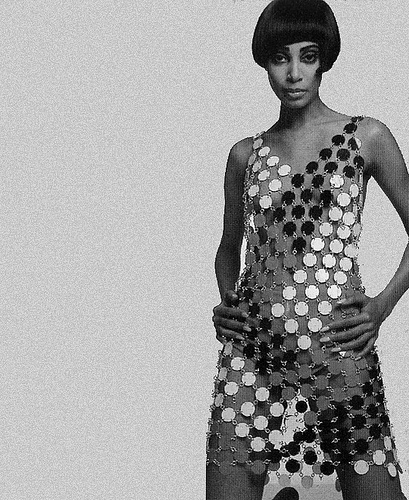
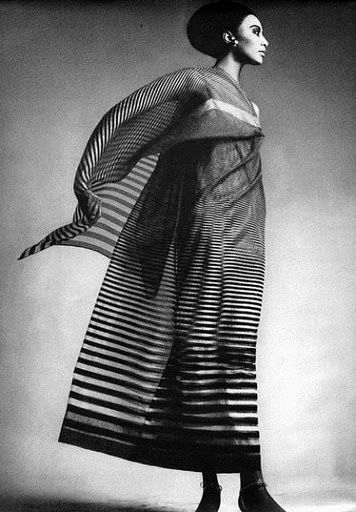
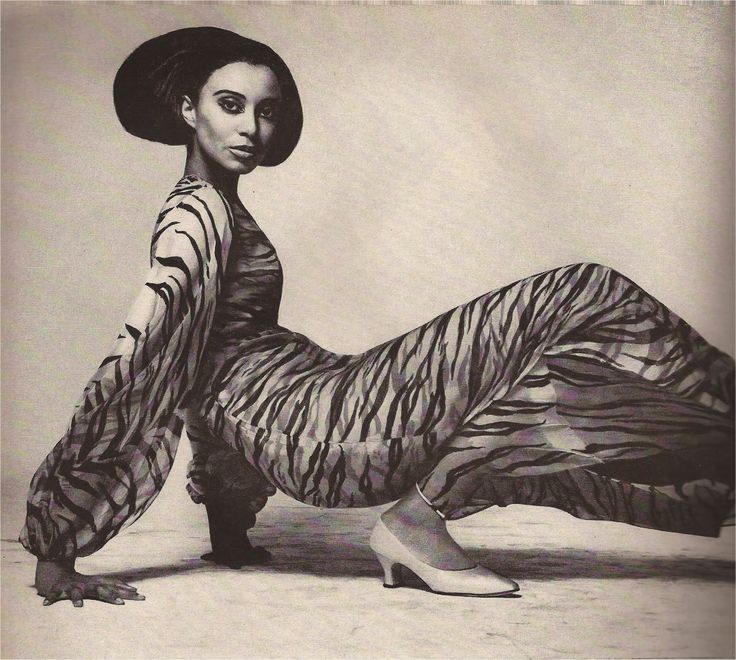
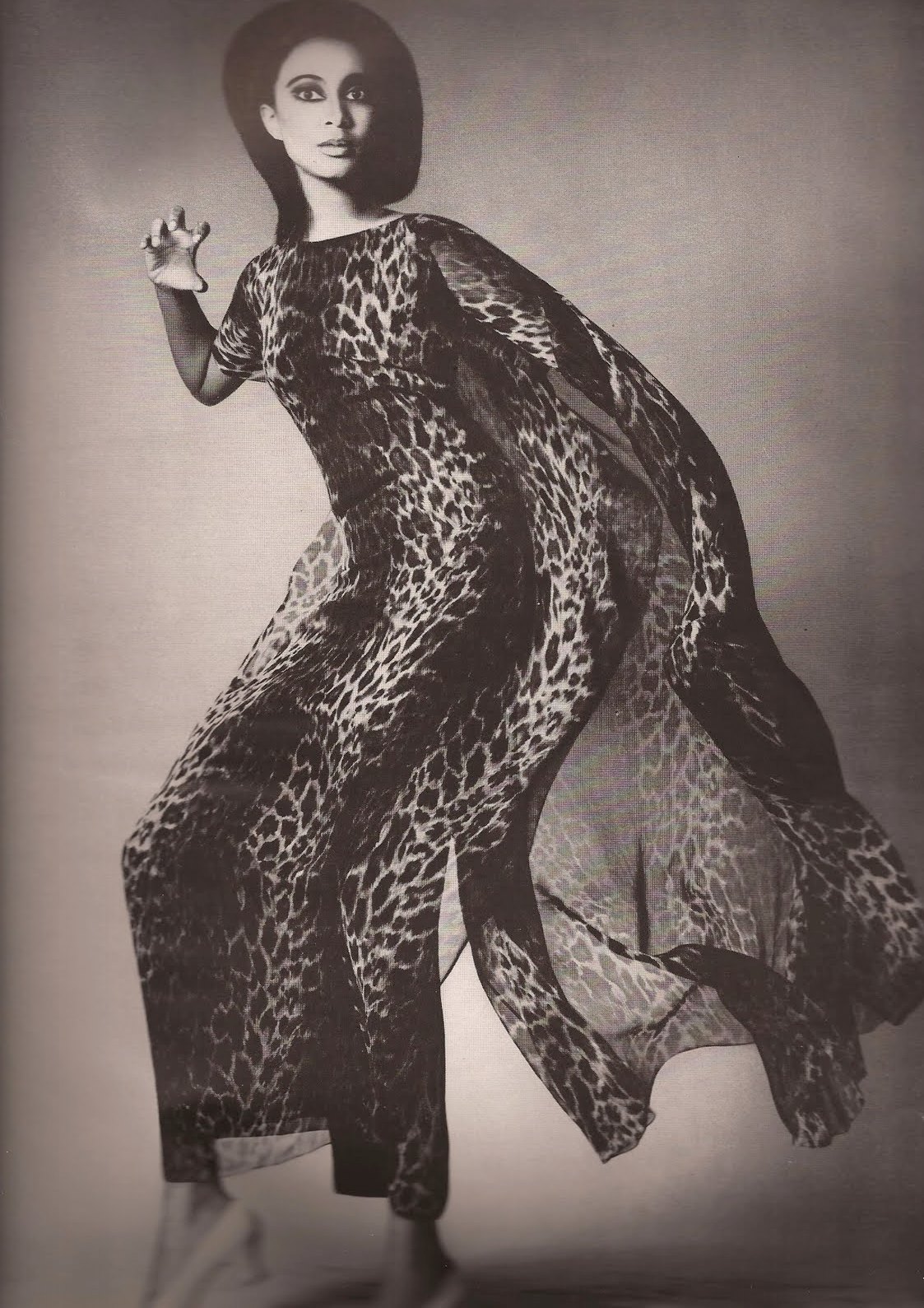
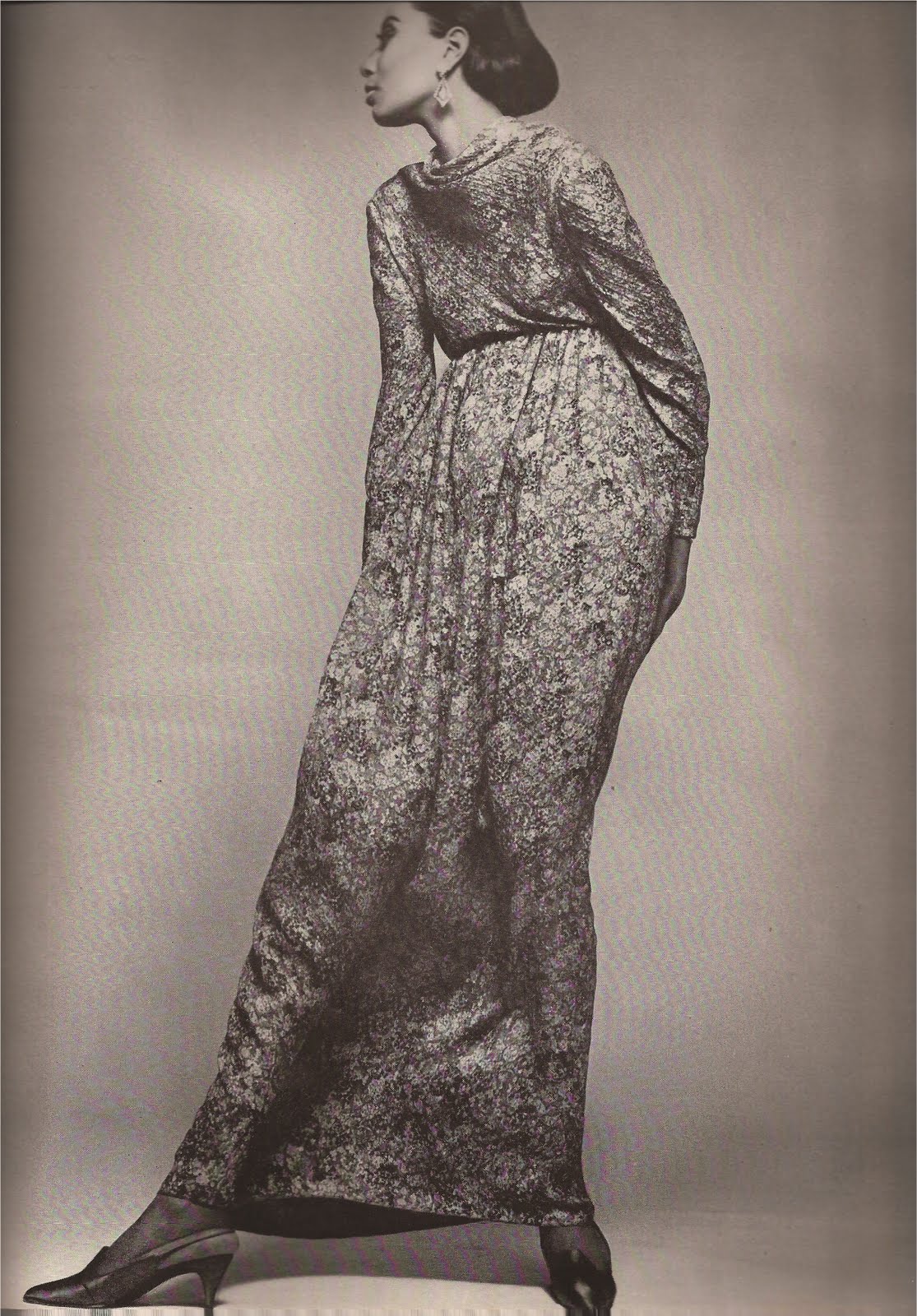
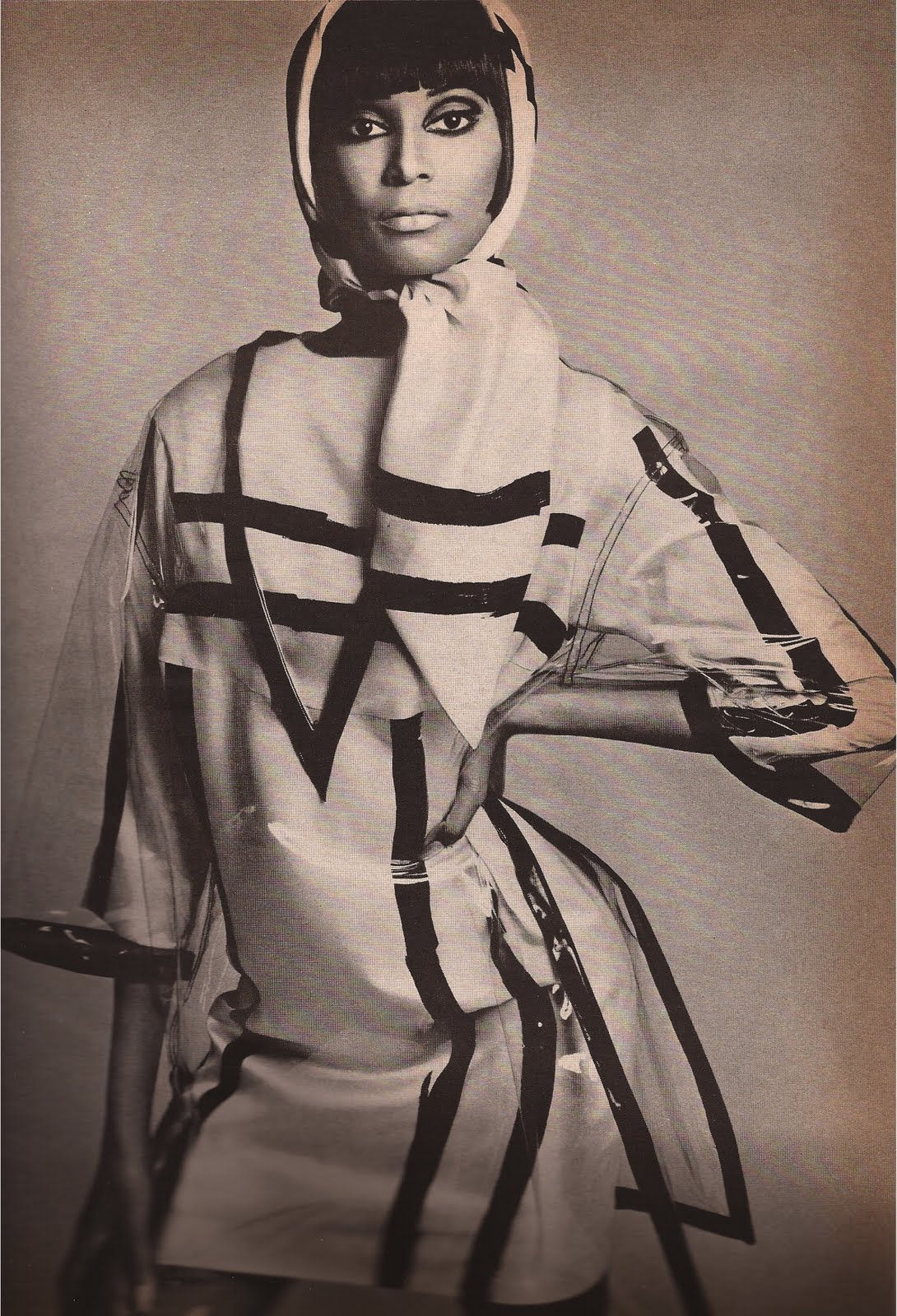
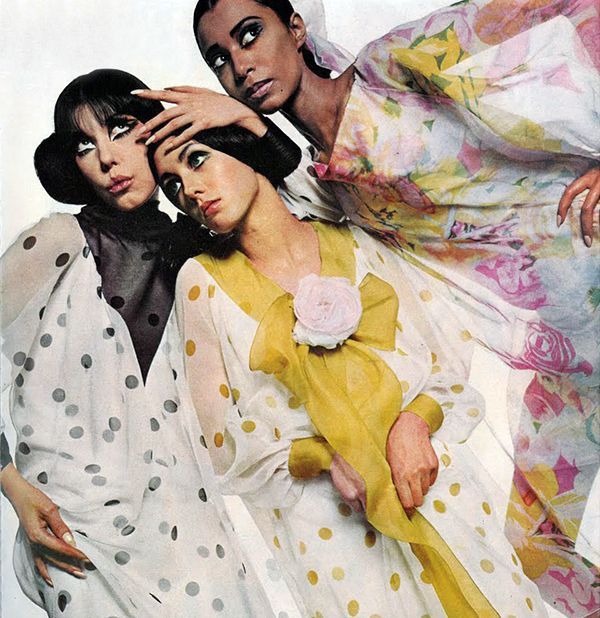
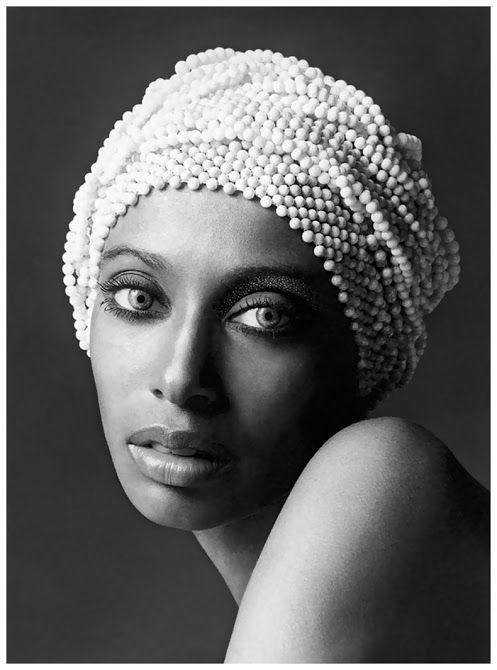
.Donyale Luna was the first black Supermodel, though many long established fashion-watchers don’t even know her name.  At the height of her career, the New York Times called Luna “a stunning Negro model whose face had the hauteur and feline grace of Nefertiti.” The designer Stephen Burrows recalled that “she was just one of those extraordinary girls.” And in 1966, when Beatrix Miller, the editor of British Vogue, chose her as the first-ever black model for that magazine’s cover, it was because of “her bite and personality.” Bethann Hardison, another ascendant model, remembers that “no one looked like her. She was like a really extraordinary species.”

Donyale Luna, first black model on cover of Vogue. ph. David BaileyPh. by David Bailey 
.

David McCabe, known for photographing celebrities like Twiggy and Andy Warhol, recognized that Luna had something special the first time he saw her in 1963. “I was on a photo assignment in Detroit, photographing Ford cars [and] there was a school nearby,” he recalled. “I was struck by this almost 6-foot-tall beautiful girl – around 14-years-old at the time – wearing her Catholic uniform. She stopped to see what was going on.” He told her that he was a photographer for magazines like Mademoiselle and Glamour and that, if she was ever in New York, she should call him. In 1964, he got that call, and sent the ensuing photos to various agencies. “I also called Richard Avedon,” he remembers. “I said you’ve got to see this girl. She’s just unbelievable. Soon Avedon began photographing her, too, eventually signing her to a one year contract.

Harper's bazaar, Donyale Luna

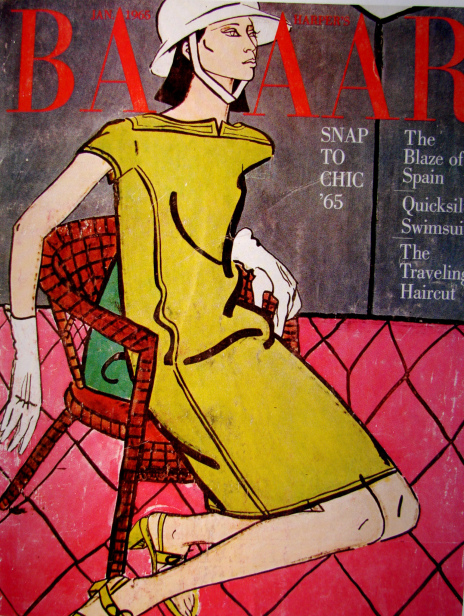
In the mid-sixties, “the magazine world really wasn’t ready for photographing beautiful black women,” McCabe says. Luna’s first major cover, for Harper’s Bazaar in 1965, was a sketch in which her racial identity remained ambiguous. Luna’s face, most notably her lips and nose, are also obscured on her British Vogue cover, also somewhat hiding her race.

Despite all that, Luna’s role as a trailblazer is largely forgotten. Luna’s name is still a rarity on many “black firsts” lists. And Beverly Johnson is routinely referred to as “the first black woman to appear on the cover of Vogue,” for her turn on the American edition eight years after Luna’s British cover.

Donyale Luna

Short Biography

Donyale Luna (August 31, 1945 – May 17, 1979) was born Peggy Ann Freeman in Detroit, Michigan, to Nathaniel A. and Peggy Freeman (née Hertzog). She was the youngest of three daughters. In January 1965, her mother fatally shot her father in self-defense as he was reportedly abusive.

Despite the parentage stated on her birth certificate, she insisted that her biological father was a man with the surname Luna and that her mother was Indigenous Mexican and of Afro-Egyptian lineage. According to Luna, one of her grandmothers was reportedly a former Irish actress who married a black interior decorator. Whether any of this background is true is uncertain. Luna’s sister later described her as being “a very weird child, even from birth, living in a wonderland, a dream”. She would routinely create fantasies about her background and herself (like Coco Chanel did).

As a teen, she attended Cass Technical High School, where she studied journalism and was in the school choir. It was during this time that she began calling herself “Donyale”. She was later described by friends and classmates as being “kind of kooky”.

After being discovered by the photographer David McCabe, she moved from Detroit to New York City to pursue a modeling career. In January 1965, a sketch of Luna appeared on the cover of Harper’s Bazaar. She became the first black model to appear on the cover of a Vogue magazine, the March 1966 British issue, shot by photographer David Bailey.

Luna was under exclusive contract to the photographer Richard Avedon for a year at the beginning of her career.

Photographs by Richard Avedon

Donyale Luna, shot by Richard Avedon, 1966.

Donyale Luna by Richard A vedon

Donyale Luna by Richard A vedon

Donyale Luna, ph. Richard Avedon, HARPER'S BAZAAR APRIL 1965

Donyale Luna, ph. Richard Avedon, HARPER'S BAZAAR APRIL 1965

Donyale Luna, ph. Richard Avedon, HARPER'S BAZAAR APRIL 1965

Donyale Luna, ph. Richard Avedon, HARPER'S BAZAAR APRIL 1965

Donyale Luna, ph. Richard Avedon, HARPER'S BAZAAR APRIL 1965

Donyale Luna by Avedon

After being discovered by the photographer David McCabe, she moved from Detroit to New York City to pursue a modeling career. In January 1965, a sketch of Luna appeared on the cover of Harper’s Bazaar. She became the first black model to appear on the cover of a Vogue magazine, the March 1966 British issue, shot by photographer David Bailey.

Luna was under exclusive contract to the photographer Richard Avedon for a year at the beginning of her career.

Photographs by David Bailey

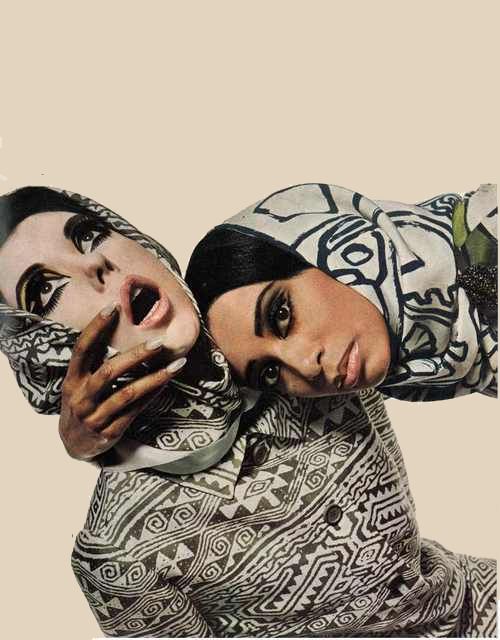
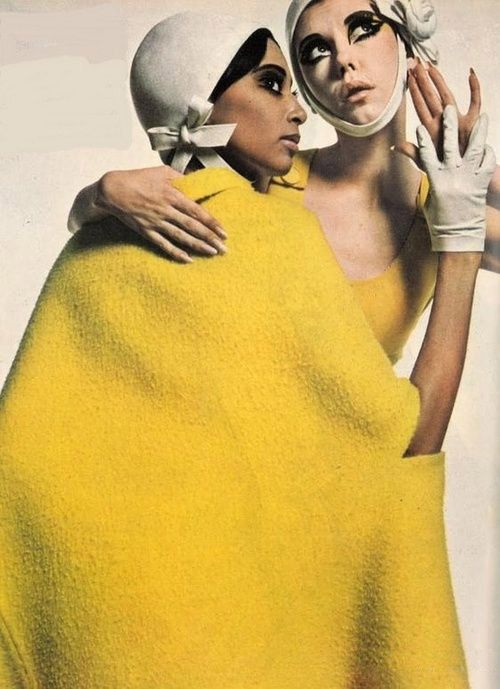
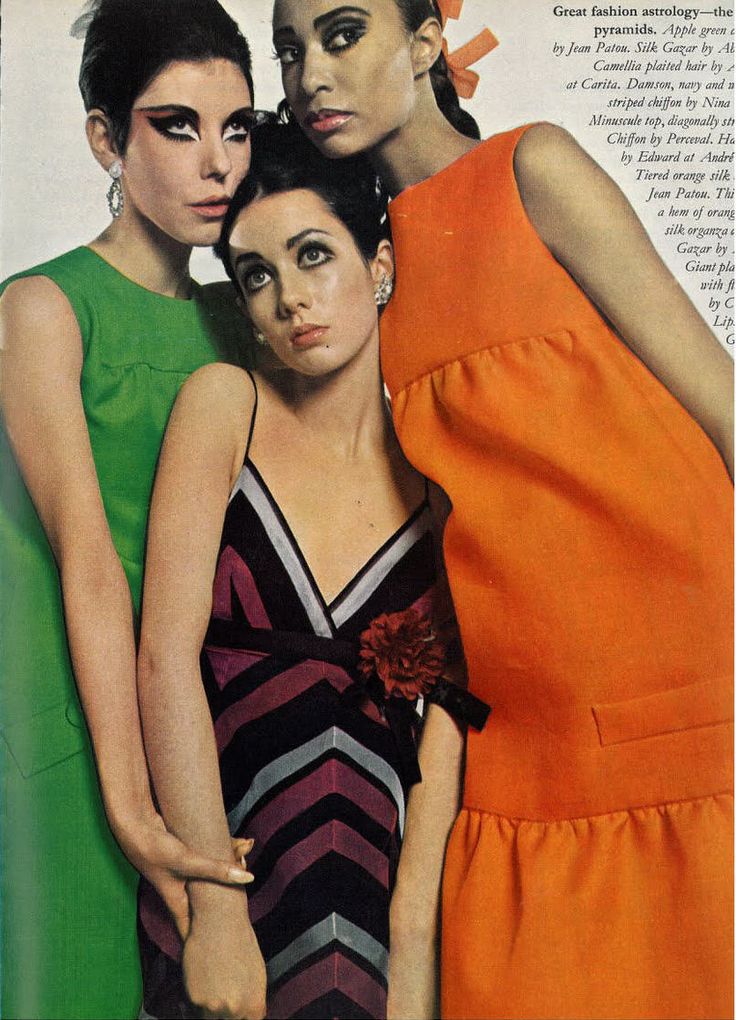
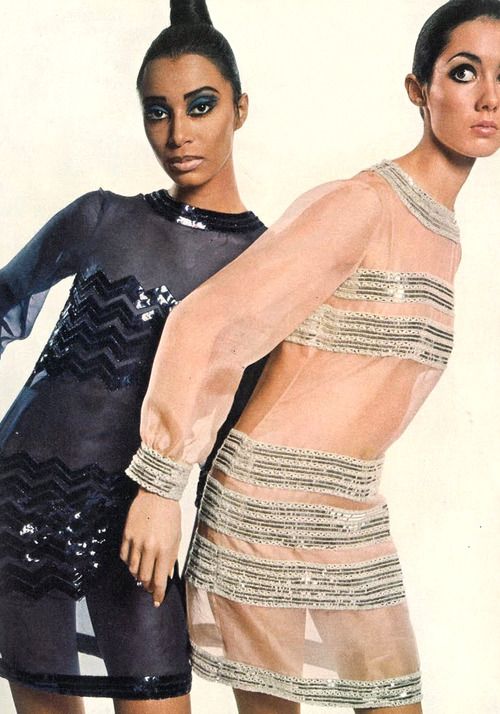
Donyale Luna, Peggy Moffit and Moyra Swann by Bailey. UK Vogue 1966

Donyale Luna, Peggy Moffit and Moyra Swann for UK Vogue 1966

Donyale Luna, Peggy Moffit and Moyra Swann for UK Vogue 1966

Donyale Luna and Moyra Swann by David Bailey, 1966.

Donyale Luna, Peggy Moffit and Moyra Swann by Bailey. UK Vogue 1966 2

Donyale Luna by David Bailey, 1966

Donyale Luna , photo by David Bailey , 1966

An article in Time magazine published on April 1, 1966, “The Luna Year”, described her as a new heavenly body who, because of her striking singularity, promises to remain on high for many a season. Donyale Luna, as she calls herself, is unquestionably the hottest model in Europe at the moment. She is only 20, a Negro, hails from Detroit, and is not to be missed if one reads Harper’s Bazaar, Paris Match, Britain’s Queen, the British, French or American editions of Vogue.

By the 1970s, however, Luna’s modeling career began to decline due to her drug use, eccentric behavior and tendency to be difficult. A designer for whom Luna once worked said, “She took a lot of drugs and never paid her bills”. Fellow model Beverly Johnson later said, “[Luna] doesn’t wear shoes winter or summer. Ask her where she’s from—Mars? She went up and down the runways on her hands and knees. She didn’t show up for bookings. She didn’t have a hard time, she made it hard for herself.”

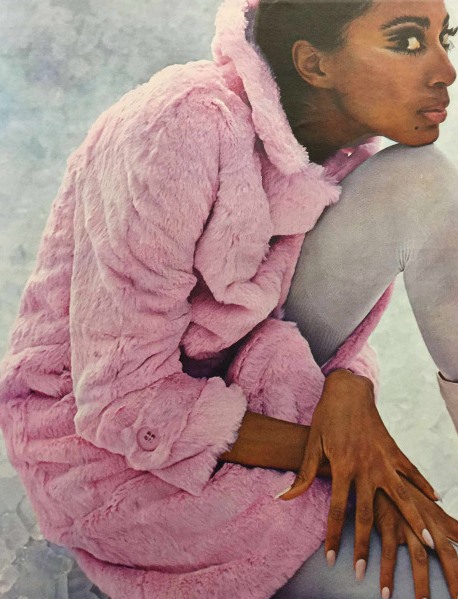
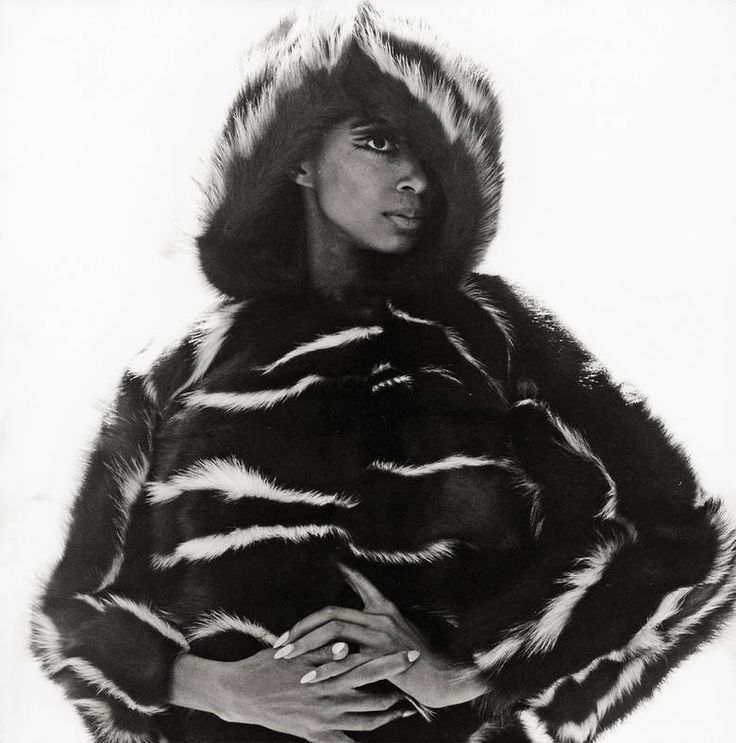
‘Fur on Ice’, Twen magazine, 1966, ph. Charlotte March

Ph. Charlotte March, 'Fur on Ice', Twen magazine, 1966

Ph. Charlotte March, 'Fur on Ice', Twen magazine, 1966

Ph. Charlotte March, 'Fur on Ice', Twen magazine, 1966

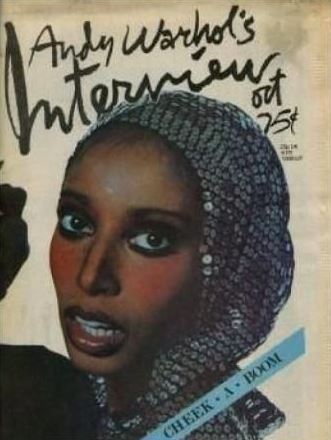
During the late 1960s Luna appeared in several films produced by Andy Warhol. These included Screen Test: Donyale Luna (1964), Camp (1965), and Donyale Luna (1967), a 33-minute color film in which the model starred as Snow White.

In the 1969 Federico Fellini film Fellini Satyricon, she portrayed the whitch Oenothea, and Luna also appeared in The Rolling Stones Rock and Roll Circus, the Otto Preminger comedy Skidoo, the documentary Tonite Let’s All Make Love in London and  starred as the title character in the 1972 Italian film Salomé by director Carmelo Bene.

Donyale Luna on the set of SatyriconDonyale Luna on the set of Satyricon
.

Donyale Luna was married, engaged or romantically involved many times, like to Austrian-born Swiss actor Maximilian Schell and in 1969 with German actor Klaus Kinski. This relationship ended when Kinski asked her entourage to leave his house in Rome: he was concerned that their drug use could damage his career. Another one of her liaisons was with Rolling Stone Brian Jones

Luna married the Italian photographer Luigi Cazzaniga. In 1977 they had a daughter, Dream.

At the age of 33 the drug-taking finally caught up with Donyale Luna. Estranged from her husband, she died in a Rome clinic in the early hours of 17 May 1979 of an accidental heroin overdose. She left behind her 18-month-old daughter, Dream.

Luigi Cazzaniga.Donyale Luna, ph. Luigi Cazzaniga

.

.

Rootstein mannequin

Donyale Luna & her Rootstein mannequin

Donyale Luna, the first notable African American fashion model and cover girl, was also the first African American to have a mannequin created in her likeness. It was produced in 1967 by the leading mannequin manufacturer, Adel Rooststein, as a follow-up to their famous Twiggy mannequin of 1966.


eBook

Beauty’s Enigma – Donyale Luna – The First Black Supermodel

Beauty's Enigma

They called her “the reincarnation of Nefertiti,” and “a girl of staggering beauty and magnetism.” She was Donyale Luna, the startling, owl-like beauty who crashed through fashion’s apartheid system in the mid-1960s to become the world’s first black supermodel, and the first to grace a Vogue cover. In a short but action-packed career, she worked with Salvador Dali, Frederico Fellini, Andy Warhol, David Bailey, Helmut Newton and Richard Avedon, before her untimely death from a drug overdose in 1979. This new biography by Ben Arogundade, author of Black Beauty, details her amazing life story in all its dramatic glory.
eBook
ISBN: 978-0-9569394-4-9.

.

Donyale Luna


Info:

Wikipedia &

http://nymag.com/thecut/2013/07/first-black-supermodel-whom-history-forgot.html