Archive | 2015

Raf Simons, inspired by Richey Edwards, Ian Curtis & Kraftwerk

15 Feb

Raf Simons

Raf Simons was born on 12 January 1968 in Neerpelt, Belgium, to an army night watchman (Jacques Simons) and a house cleaner (Alda Beckers).

Raf graduated in Industrial Design and Furniture Design from a college in Genk in 1991. He began working as a furniture designer for various galleries, having previously interned at the design studio of fashion designer Walter Van Beirendock (who was part of the original wave of Belgium designers, the Antwerp Six) between 1991-1993, working on the interior design of the showroom.

Van Beirendonck took him to Paris fashion week and that was when Raf first saw a fashion show — Martin Margiela’s all-white show in 1991 — which inspired him to turn to fashion design. 

Raf Simons label

fw 1999 bert houbrechtsf/w 1998 ,Ph. Bert Houbrechts

Encouraged by Linda Loppa, head of the fashion department at the Antwerp Royal Academy, Raf became a self-trained menswear designer and launched his Raf Simons label in 1995.

His first collection was in Fall-Winter 1995, and featured two street models in a video presentation. 

f/W ’95, Raf Simons first collection 

.

From Fall-Winter 1995 to Spring-Summer 1997, Raf Simons’ collections were shown either in presentations or videos. Fall-Winter 1997 saw his first runway show in Paris, France with a look of ‘American college students and English schoolboys with a background of New Wave and Punk’.

F/W ’97

.

Raf’s early aesthetic incorporated youth culture from different sources, such as the Spring-Summer 2000 collection taking inspiration from both MENSA students and the Gabba youth subculture (a predominantly Dutch and Belgian movement associated with hardcore techno music). Music has formed an integral part of his work, with references to musical figures such as the Manic Street Preachers’s Richey Edwards and Joy Division’s Ian Curtis and his Fall-Winter 1998 collection (Radioactivity) featuring members of German electro band Kraftwerk as models.

Richey EdwardsRichey Edwards

Richey EdwardsRichey Edwards

Ian CurtisIan Curtis

IAN CURTIS OF JOY DIVISIONIan Curtis

KraftwerkKraftwerk

.

f/W ’98 part 1

f/W ’98 part 2

.

I attended the f/w ’99 catwalk show myself and it was pretty impressing. This was the collection Raf Simons presented his spectacular long black capes.

F/W ’99


In March 2000, Raf Simons shut down his company to take a sabbatical after his Fall-Winter 2000 collection (Confusion).

F/W 2000

http://vimeo.com/57030541/download?t=1423654367&v=138010384&s=343353b386032a48a0057362a1519663

.

Raf Simons x Peter Saville

For his Fall/Winter 2003 collection, Raf Simons was granted full access to the archives of Peter Saville, a living legend known for his graphic design work, much of which takes the form of record sleeves. Saville started art school in the mid-1970′s and then began working with Factory Records shortly thereafter. A partner in the Manchester-based label, as well as its artistic director, Saville was tasked with the creation of the Factory artists’ record sleeves, although he got his start designing posters for The Haçienda nightclub, which was run by the label. Inspired by Kraftwerk, a German electronic music band formed by Ralf Hütter and Florian Schneider in 1970 and a favorite of Raf Simons, and their Autobahn album sleeve, Saville went on to design the sleeves for Joy Division and New Order, among others. Rarely given any direction from bands regarding the artwork, Saville says, ”I was left to my own devices … I never had to answer to anyone.” This was especially true given the “non-commercially structured” nature of Factory, which “allowed us to make statements that we believed in and wanted to make, without much compromise,” said Saville.

Raf Simons x Peter Saville

New Order record sleeve

Raf Simons & Peter Saville

joy-division-unkown-pleasures

What Raf Simons tells about the beginning     (2007)  I was born in this very small village in Belgium. It wasn't really a creative environment. In school, creating was kept away from young people. The village was so small there was no outlet except for one little record store. I think that is where it started for me-just picking up records. I'm 40 years old , so it was LPs. The first LP I ever bought—you're going to be shocked—was Bob Marley. Then I switched to Kraftwerk, Joy Division, and that kind of stuff. I was a bit dark at that time because I felt so isolated. But not only me, there were some other young people who felt that way. We loved to dress in black. I was growing up in the New Wave period, but that wasn't allowed in school. I remember moments when they wouldn't let four people dressed in black stand together on the playground. Then, before I graduated, I remember finding this book, and there was one page about industrial design. Basically, I ended up going to school for that. At that time there was a big boom going on with fashion in Belgium. The more I looked, the more I became interested. Before that I never even thought to become a fashion designer or anything like that. I started feeling that work when I was 19 years old, but I didn't do my first collection until I was 27. I wanted to finish my education in industrial design first. My parents are very holy to me. They never said, "You should do this," or "You should do that." My dad had to go in the army when he was 16, and he stayed there. My mom was a cleaning lady her whole life. The only thing they said to me was: "Take it seriously. Do what you what you believe in, but take it seriously." So the fourth year, I had to go for an internship. I went to Walter Van Beirendonck. I knocked on his door, and I was super scared-because I had nothing to do with fashion. But he was interested. He had absolutely zero interest in all of the fashion work I had faked to impress him. He just went straight to my industrial-design stuff. He said, "I really want you to come because, next to the fact that I am a fashion designer, I have this presentation in Paris and objects to make. I'm not a traditional designer." I ended up doing that with him, and he took me to Paris, and I saw my first show, which was the third show for Martin Margiela. Nothing else in fashion has had such a big impact on me. It was a show where half the audience cried, including myself. I was just like, "What! This is fashion?" Only at that point did I understand what fashion could be or what it could mean to people. It was the "white" show, where all the models wore dresses in white and transparent plastic. Margiela had no money at the time, so the Maison ended up going to a black neighborhood in Paris and asking if they could use a children's playground for the show. The parents said, "Yes, you can have the playground, but we want our children to be able to see it." So little black children were standing with the audience in the front row. The children started to run over to the models, and they picked them up and held them around their necks.

.

Book

Book cover


Isolated Heroes by Raf Simons & David Sims (photography)

The series of photographs, collected under the banner ‘Isolated Heroes’, are the result of the collaboration British photographer David Sims and Belgian menswear designer Raf Simons undertook in the summer of 1999. Featured on the pictures are Raf Simons’ models, dressed in his collection for Spring-Summer 2000.

Each boy is credited with a serial number and his own first name. ‘Isolated Heroes’ contains both black and white and colour photographs. Originally intended as a work-in-progress, Sims’ photographs of Simons’ models soon became a body of work in it’s own right. The photographs of ‘Isolated Heroes’ were never intended for mere promotional purposes. They even transcend more traditional fashion photography, as they reach for a timeless quality, devoid of signs of the times or traces of trendiness.

The ‘Isolated Heroes’-project deals with beauty, youth, masculinity and the perfect isolation of all these preoccupations. Sims and Simons share the same notions of aesthetics: honest, untouched, pure and real. Not one of the portrayed boys in ‘Isolated Heroes’ is a professional model. They are either too ‘strange’ or too ‘ordinary’ to fit the mold of supermodels. Yet, through the eyes of Sims and Simons, they are made visible, without the aid of gimmicks or theatrical enhancements. ‘Isolated Heroes’ is a sequence of faces and expressions, mindful boys and stern young men, their gaze fixed. They express nothing but their own personality.

The photographs don’t make them more beautiful, as in traditional (fashion) portraiture; each face is a peaceful vindication of modern perception of beauty, a resolute alternative to the clichÈd glorification of male strength. In narrowing the close-up on the faces, Sims and Simons have created portraits in an almost classical sense. The images evoke memories of Classical-Greek statues and postures, further enhanced with lighting, clear backdrop and focus.

016-david-sims-and-raf-simons-theredlist

007-david-sims-and-raf-simons-theredlist

008-david-sims-and-raf-simons-theredlist

015-david-sims-and-raf-simons-theredlist

010-david-sims-and-raf-simons-theredlist

006-david-sims-and-raf-simons-theredlistPublisher: RAF SIMONS OFFICE
ISBN-10: 911036928
ISBN-13: 978-9110369283

.

Raf Simons

Info: Wikipedia & http://genius.com/Raf-simons-raf-simons-for-interview-magazine-lyrics
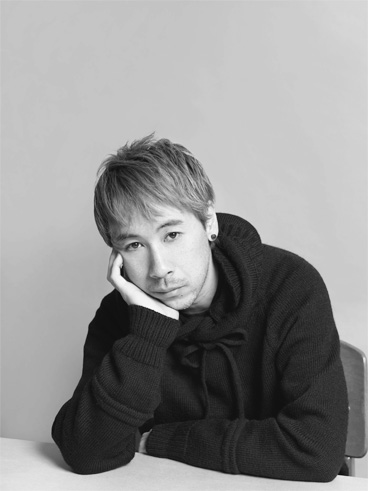
Jun Takahashi , the Graces, Uniqlo & Nike (part two)

8 Feb

Photo by Yoshie TominagaJun Takahashi, photo by Yoshie Tominaga


The Graces, Dolls

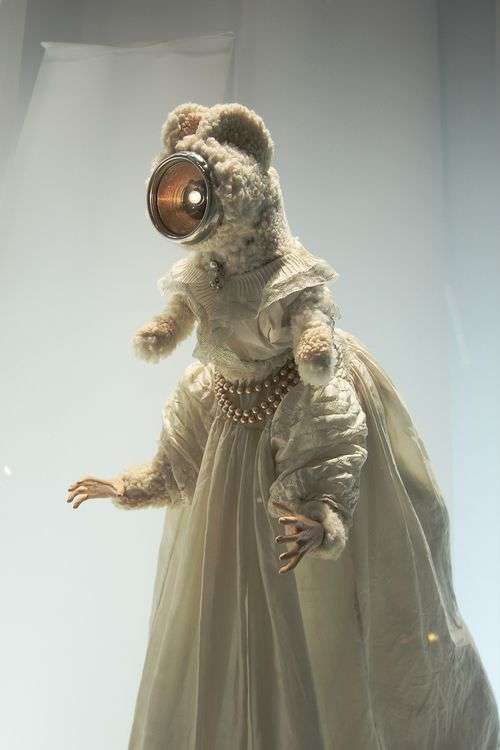
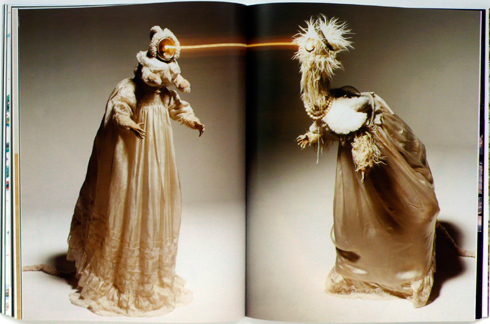
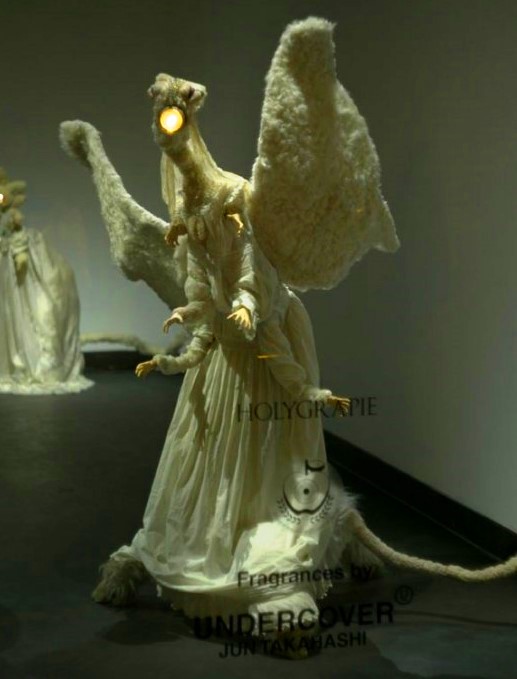
Designer Jun Takahashi of the ‘cult’ fashion house Undercover makes dolls. They’re called Graces and he makes them out of metal and teddy bears and light bulbs and other things.

Jun Takahashi: ‘The Graces spontaneously come out of me, genuinely, while making clothes is something more calculated, an entire process that requires teamwork. But doing both allows me to keep a balance in my creativity. Therefore, it makes sense to me to have everything linked.’

40 Anatomically Abnormal Hybrids

jun-takahashi-graces

Takahashi collaborated with perfume brand Comme des Garçons to release two new perfumes named after his own fashion label Undercover and inspired by his fantastic plush animals, the Graces.

The fragrances are called Undercover Holygrace and Undercover Holygrapie

undercover-fragrance-paris-launch-event-04-570x855

 .

UNDERCOVER for Uniqlo called UU

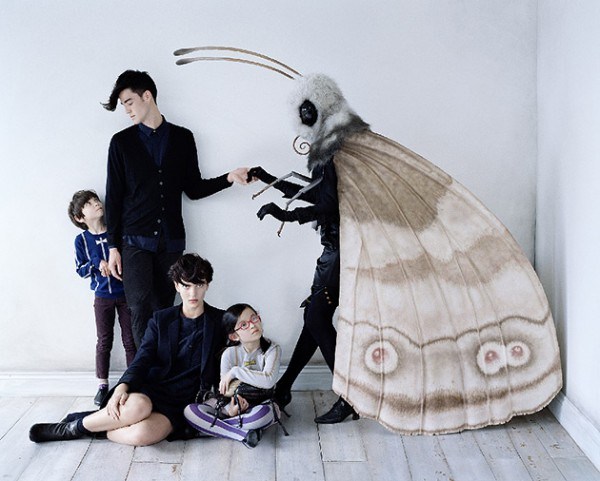
UNIQLO collaborated in a design project  Jun Takahashi and his Undercover fashion label. It debuted in 2012 and is called the UU collection which focused on a family theme, with a full lineup of apparel for women, men and, for the first time in 10 years, UNIQLO UK also offered kidswear to the British market!  

Uniqlo_Undercover

Uniqlo_Undercover

Uniqlo_Undercover

Uniqlo_Undercover

.

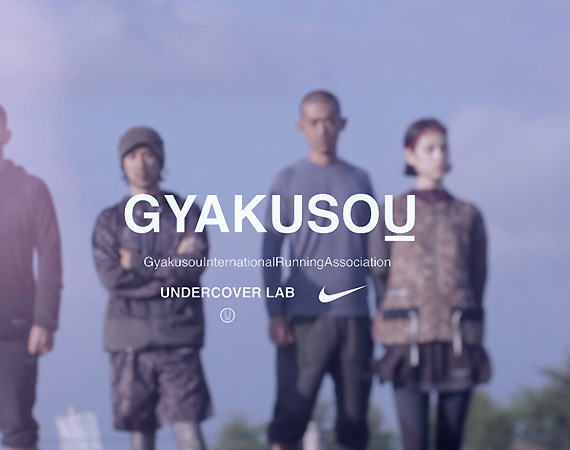
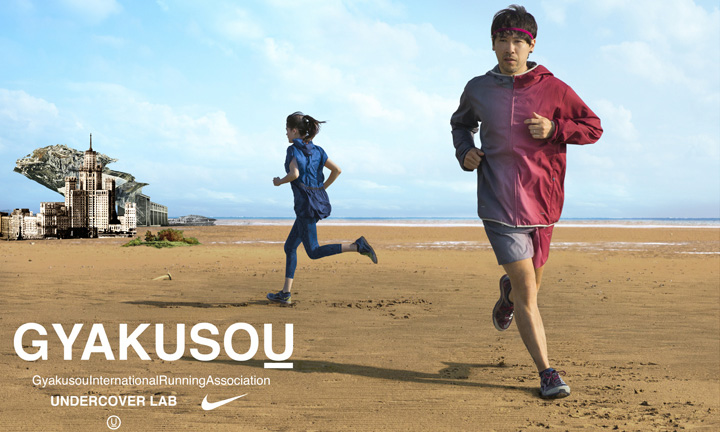
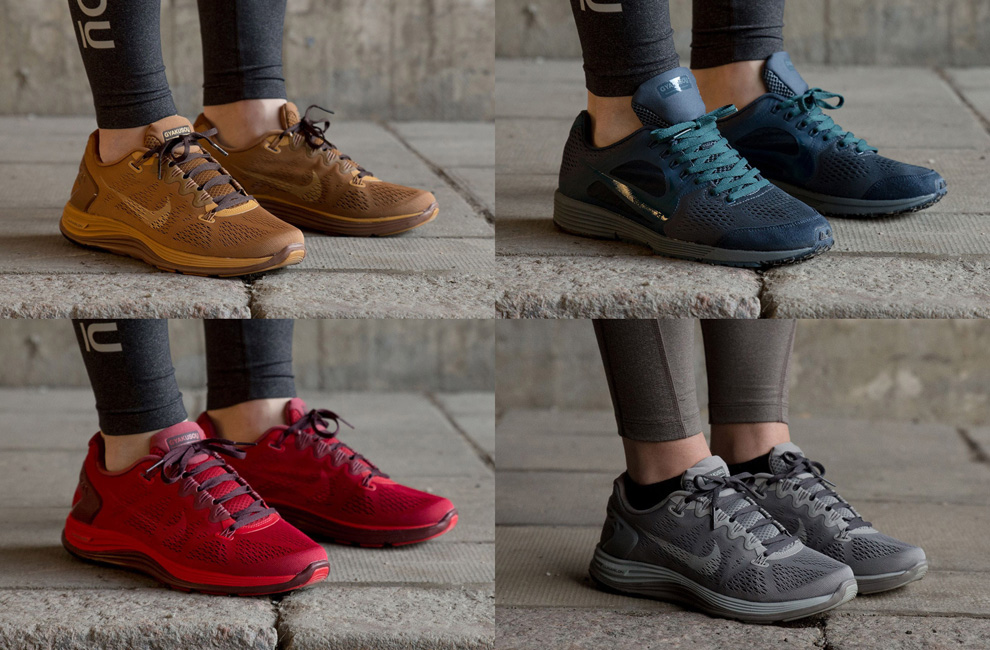
Nike x Undercover = Gyakusou

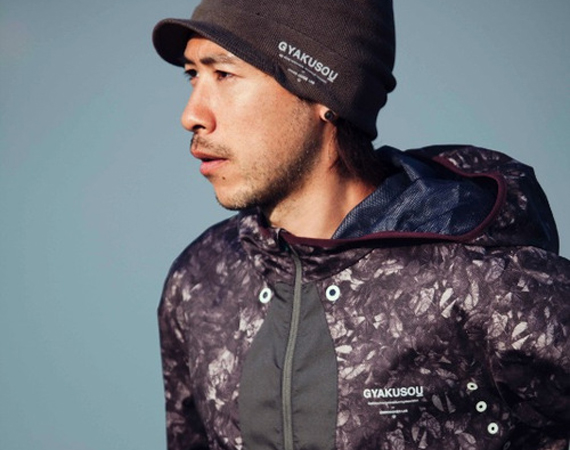
In October 2010, Nike and Jun Takahashi’s label Undercover, released the first Nike x Undercover Gyakusou performance running collection. The design partnership fused cutting edge Nike running innovations and design with the functionality of Takahashi’s Undercover.

Takahashi began running six years ago  “I run 12 or 13km every other day. It’s kind of like meditation to me – but with adrenaline. It’s part of my life. I have to run.” Gyakusou takes its name from a group of Tokyo-based runners who passionately run in their city. The name Gyakusou comes from ‘gyaku’ meaning wrong way or reverse and ‘sou’ meaning ‘run or running’. It draws upon a shared obsession for design innovation and improving the performance of the athlete.

“Style and functionality is very important and when I started running, I looked very closely at the color and styling of products as well as their performance attributes and functionality. We both wanted to create an authentic performance running collection from the point-of-view of the actual runner.” A technical approach is sustained throughout, ensuring Takahashi’s run remains a mobile personal space where he can concentrate, unwind and continually achieve.

nike-undercover-gyakusou-fall-winter-2012-collection-00Jun Takahashi

nike-undercover-gyakusou-fall-winter-2012-autumn-monks-video

nike-undercover-gyakusou-spring-2014-campaign-0

Nike-x-Gyakusou-fall-winter-20131

 .

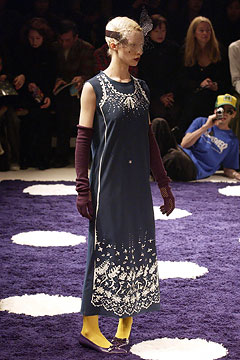
Amazing Runway Outfits 

Fall/Winter 2003

Fall 2003

2003

2003

2003

2003

2003


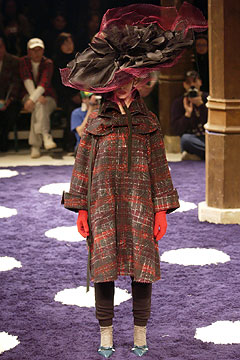
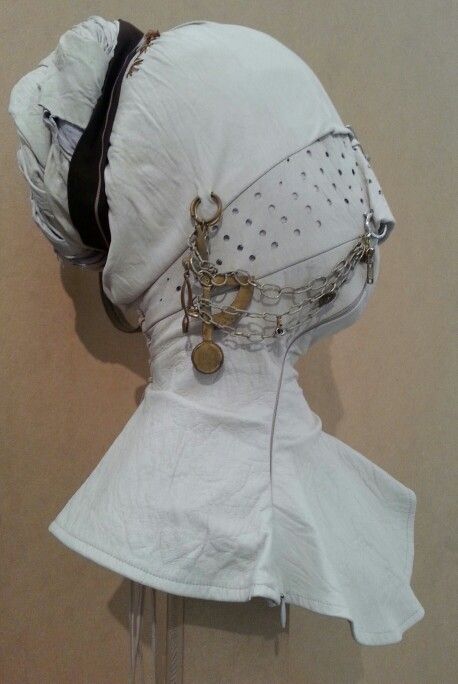
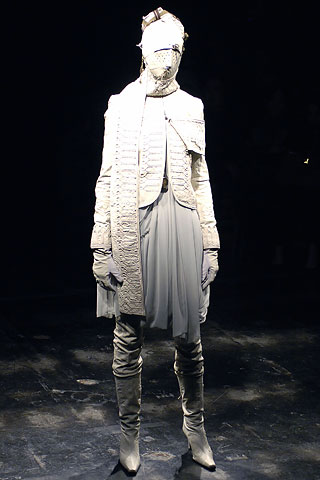
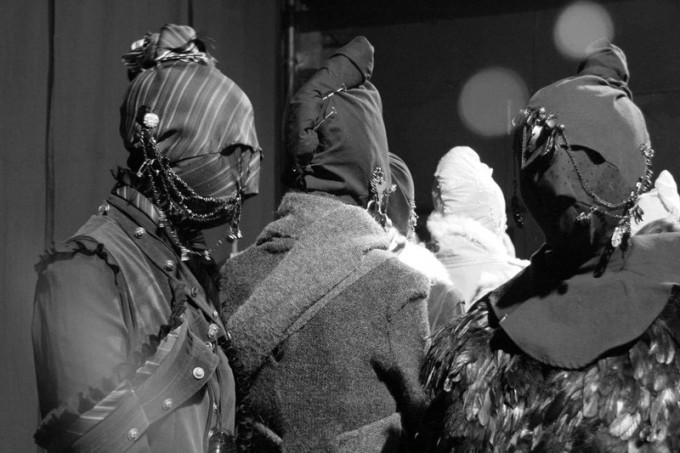
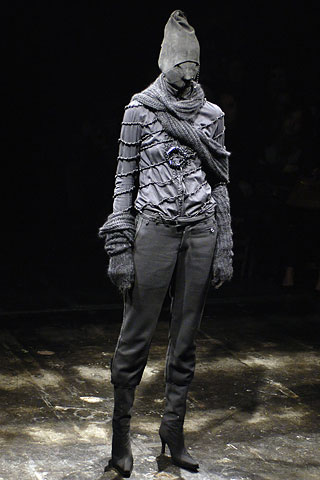
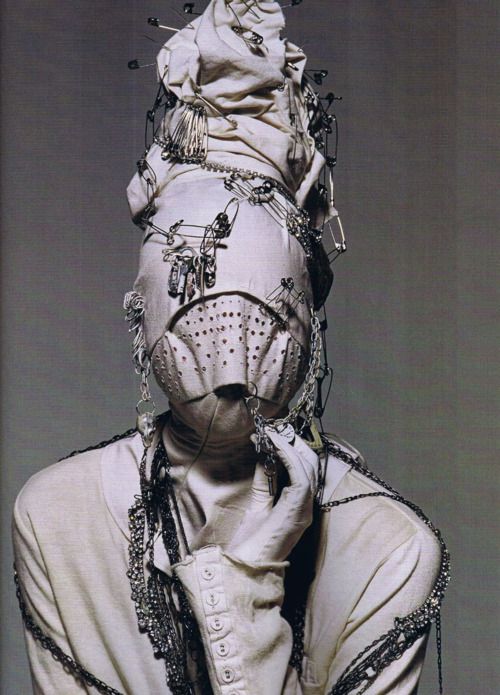
Fall/Winter 2006 collection ‘Guruguru’

Mask from collection 'Guruguru

fw 2006

undercover

00030m

undercover

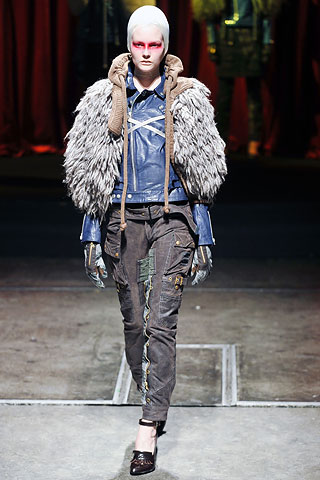
 Fall/Winter 2008-09

fw 2008-09

fall 2008 c

fall 2008 d

 Spring/Summer 2009

spring 2009 b

spring 2009

spring 2009 3

spring 2009 2

 .

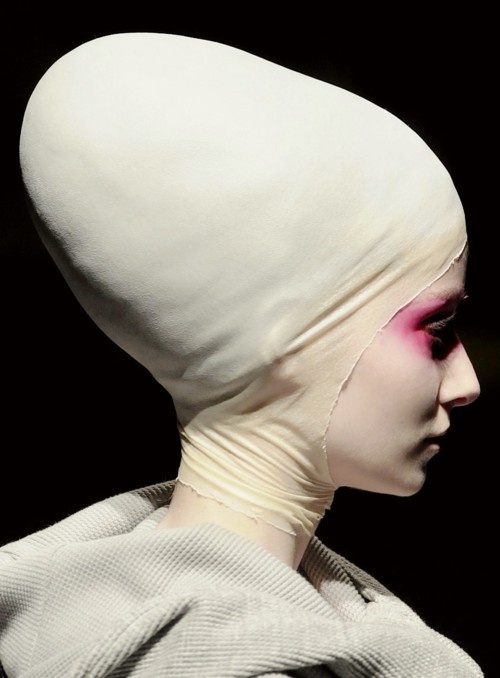
Runway Headpieces

jun takahashi

s 2005

ss 2005

 .

info official website:  http://www.undercoverism.com/

jun takahashi


Jun Takahashi’s brand Undercover, “the Essence of Japanese Cool” (part one)

1 Feb

Jun Takahashi

 Jun Takahashi is the founder and head designer of cult Japanese label ‘Undercover’. Born in Kiryu, Gunma prefecture, Japan in September 1969, Takahashi studied Fashion Design at the Bunka Academy of Fashion. During his study period, he founded the ‘Undercover’ brand with his friend and classmate, Nigo (who now heads the inconic Japanese streetwear label ‘A Bathing Ape’). Following his graduation in 1991, Takahashi continued to develop his Undercover label.

The brand really began in 1993 when Takahashi and Nigo opened a store called Nowhere in the trendy Tokyo district of Harajuku. Undercover really began to take off after the opening of Nowhere; therefore Takahashi and Nigo opened another shop in Aoyama (fashion district in Tokyo). Soon enough, Takahashi was seeing his designs on the catwalk in Tokyo. A new shop called “Nowhere LTD” was opened after this and featured only clothing from the Nowhere brand. Takahashi began working with fellow designer Hiroshi Fujihara in 1994 to create another brand called A.F.F.A., which stands for “Anarchy Forever Forever Anarchy”. They worked on this intermittently for about three years, taking breaks here and there, though the project eventually failed. 

Undercover A/W 2000

a/w 2000 Undercover

A/W 2000 Undercover

IMG_0349


 In 2002, Takahashi’s brand debuted at Paris Fashion week with great success. Soon after in 2003, he won two major awards for his designs from the Mainichi Shimbun (one of the major newspapers in Japan). Today, the brand has a large cult following, making the brand both sought-after and expensive. One of the most important thing to note about Takahashi’s style is the incredible influence the Sex Pistols have on him. Even though it is not punk fashion per se, there are various punk influences throughout his designs, as well as references to other bits of American popular culture, such as Stanley Kubrick’s A Clockwork Orange. The cuts are often more feminine and the fabrics make use of color printing. He also makes liberal use of tattered, frayed, and shabby-chic elements in his designs. 
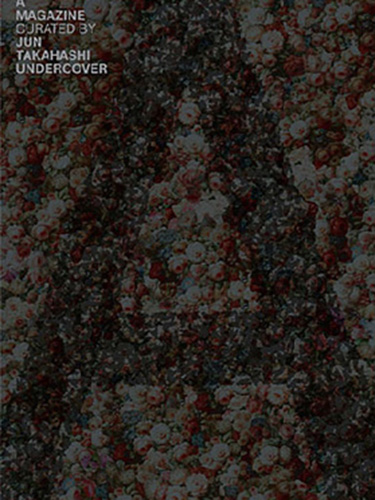
This brand’s punk and street-style look have propelled Takahashi in the fashion world and he continues to see success with his Undercover brand today. In 2005 he was invited to design a special edition camera case for Canon, as well as being given the opportunity to guest edit the Belgian A Magazine. His brand is also featured at Rei Kawakubo’s Dover Street store in London. These successes, and possibly more to come, show just how powerful a designer Takahashi is and his Undercover brand’s avid fans would whole-heartedly agree.

A Magazine cover

The brand has been called the essence of Japanese cool and features finely crafted clothing pieces which are, in the words of Takahashi himself, “strange, but beautiful”. Undercover has won numerous awards and been praized by other fashion designers including Miuccia Prada and Rei Kawakubo.

 “Political and poetic, Jun Takahashi  has been announced  as one of the most brilliant and unpredictable fashion designers of a new generation. He describes his work as an appeal for thinking about the fact that things look different depending on the way we look at them. 

.

Fall/Winter 2013-14

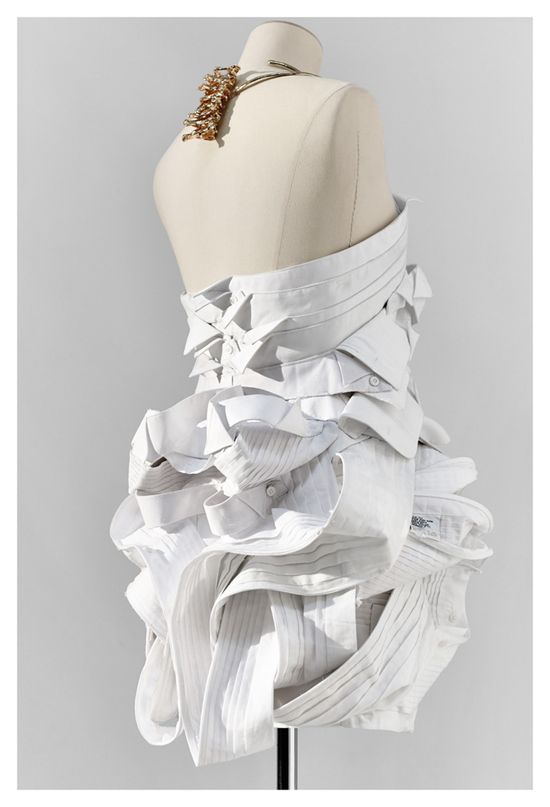
Jun TakahashiSpecial pieces made from deconstructed men’s white shirt collars. Photo by René Habermacher.

Fall/Winter 2013-14

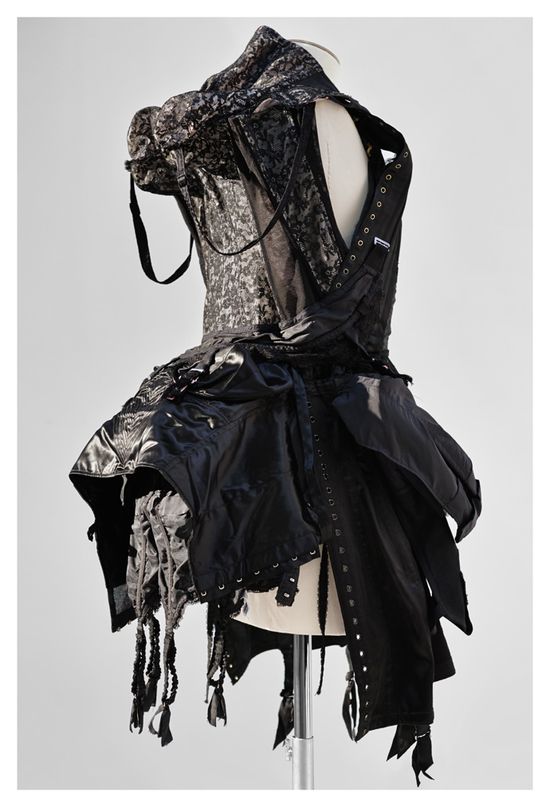
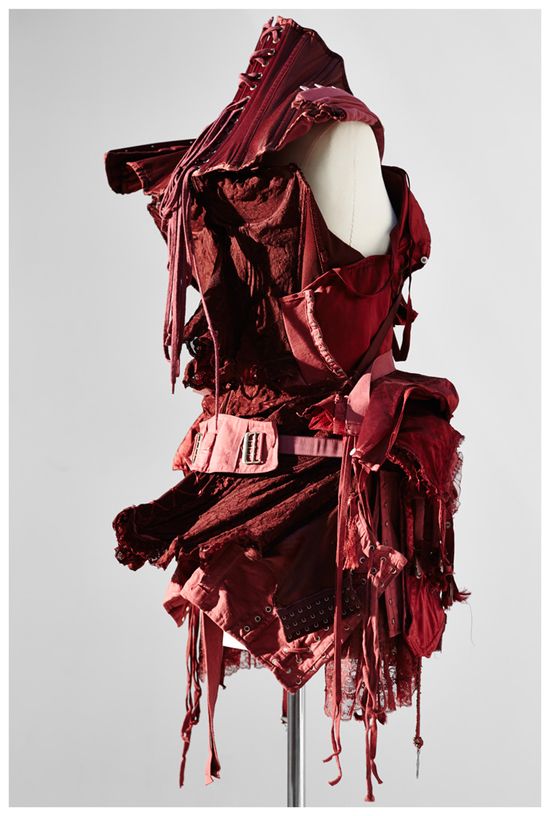
Jun TakahashiDress made out of vintage lingerie, UNDERCOVER Fall/Winter 2013 Anatomiecouture

Fall Winter 2013-14

A/W 2013-14

 A/W 2014

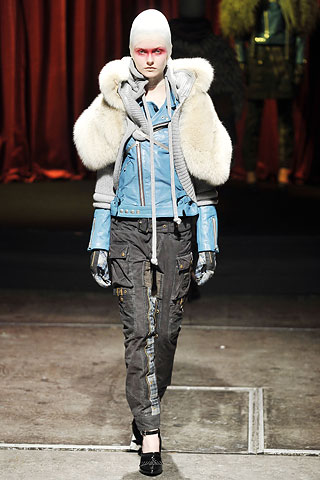
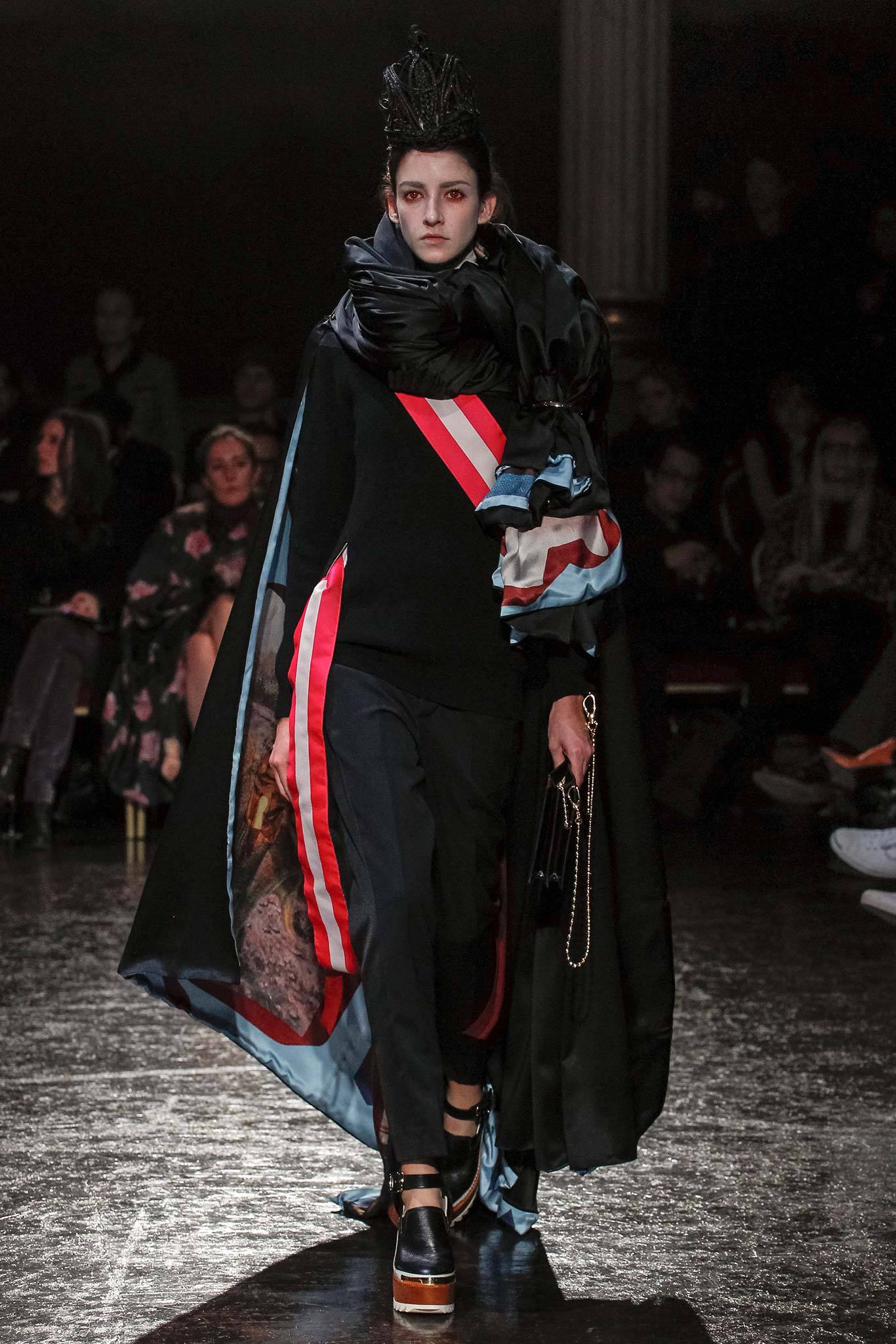
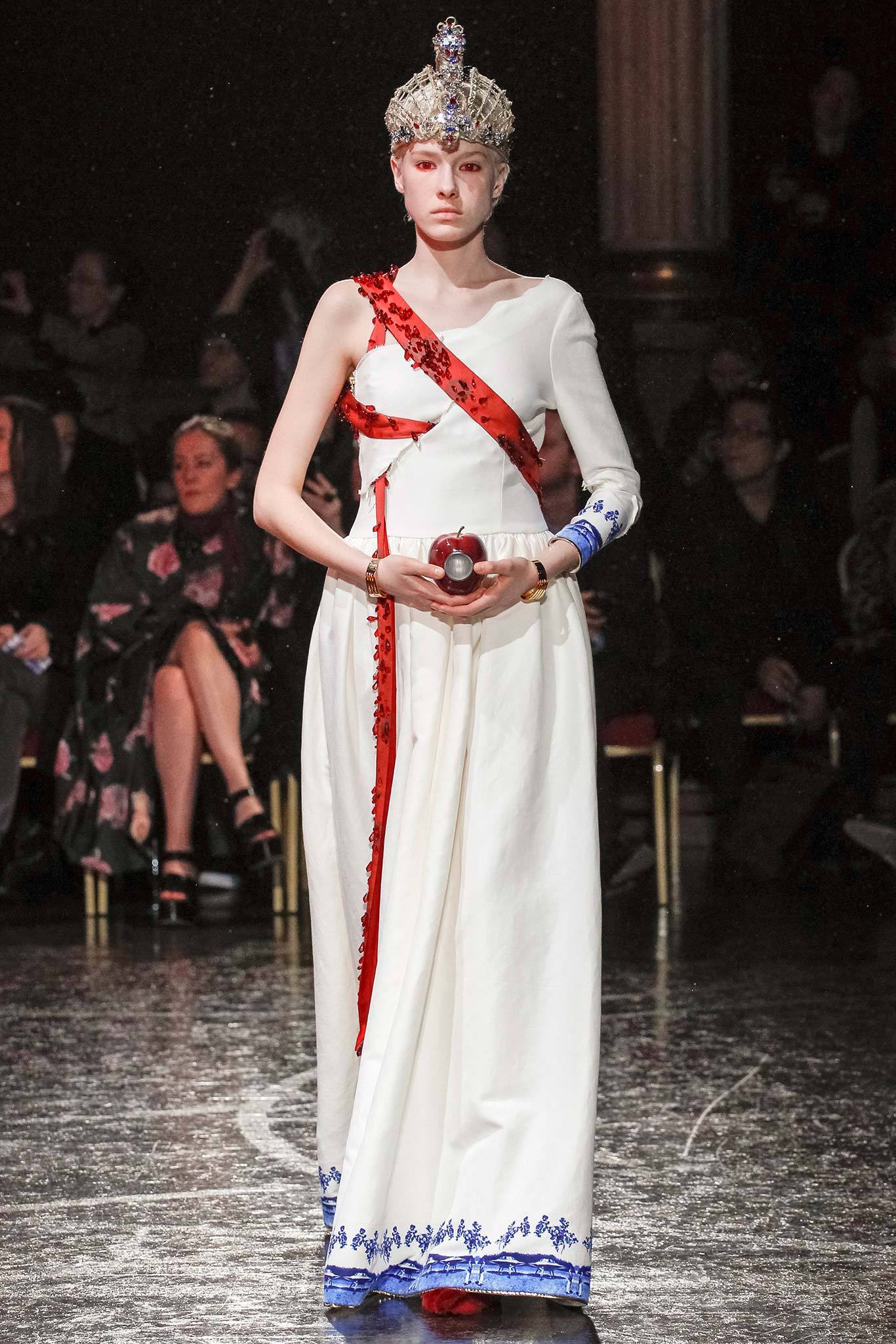
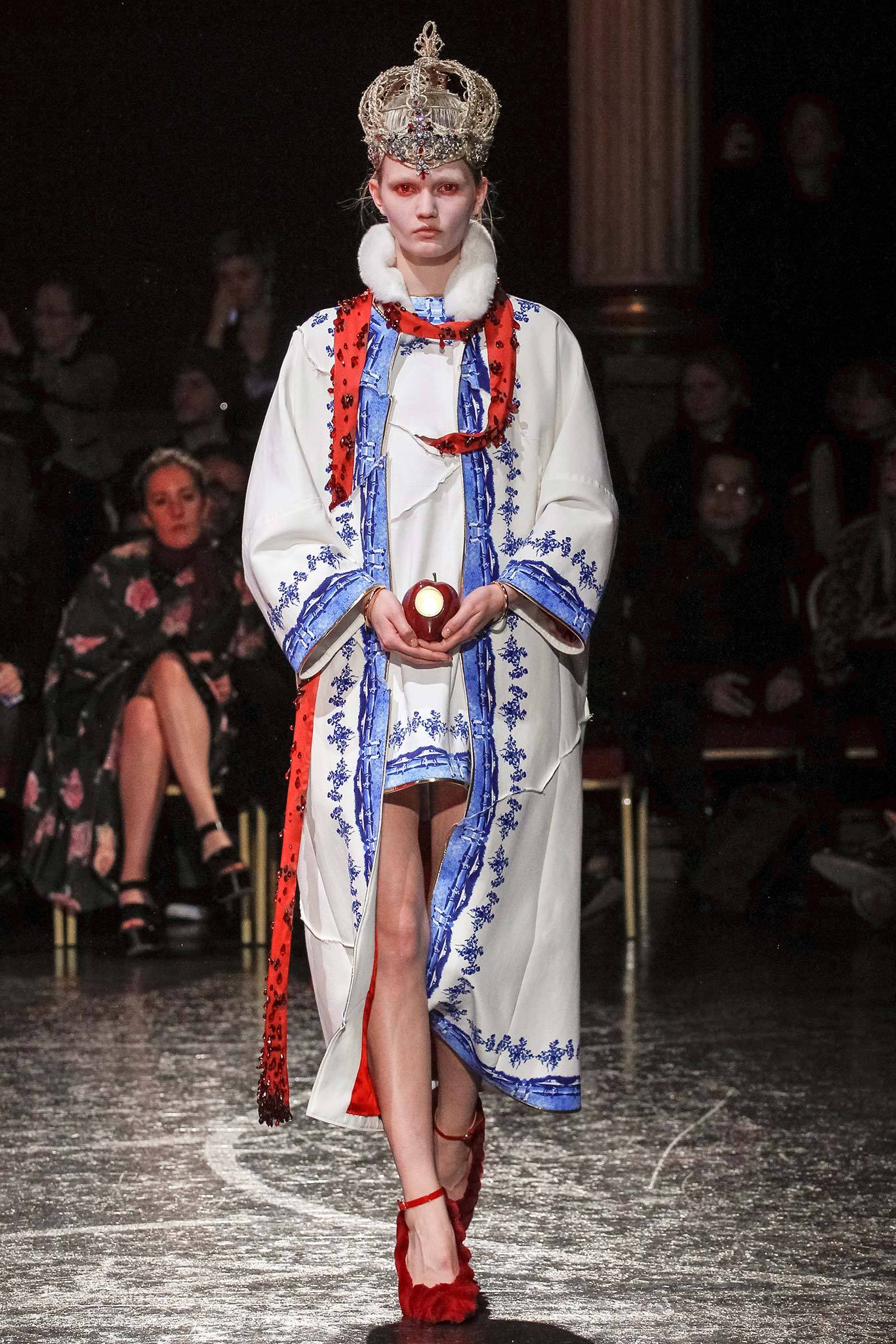
Jun Takahashi turned his models into fairytale queens, albeit wicked ones. If they looked angelic in their crowns made out of braided hair and rhinestones, their blood-red contact lenses and red mascara ensured an eerie quality “like vampires. I wanted to show how cold-blooded the girls could be,” he explains.

undercover-beauty-autumn-fall-winter-2014-pfw

Jun Takahashi

Jun Takahashi

Jun Takahashi

Jun Takahashi

 Spring/Summer 2015

 .

,

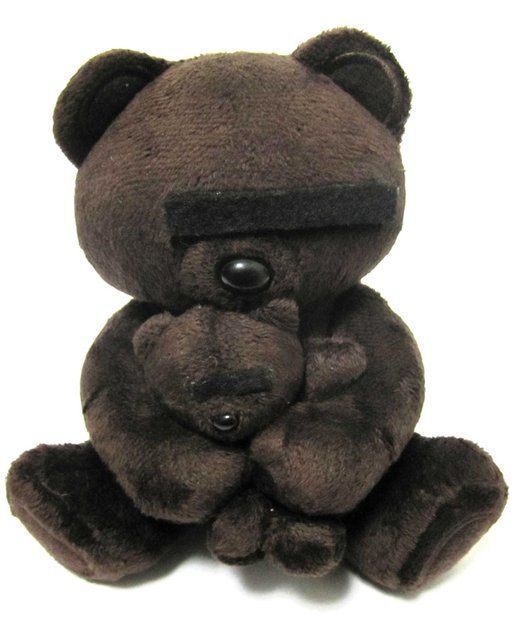
Undercover Bear Plush Toy by Jun TakahashiUndercover Bear Plush Toy by Jun Takahashi

.

Next week: Jun Takahashi (part two)

info from:  www.virtualjapan.com/wiki/Undercover

John Lennon, ever-changing & always inspiring Personal Style

25 Jan

John LennonJohn Lennon circa 1950’s “Teddy-boy” look

.

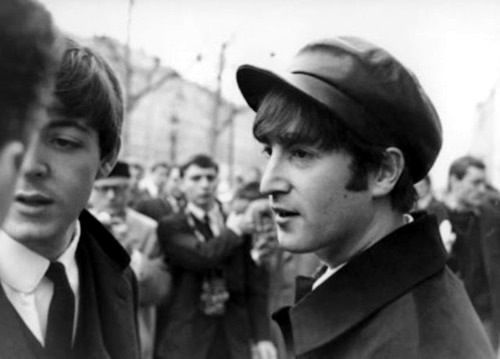
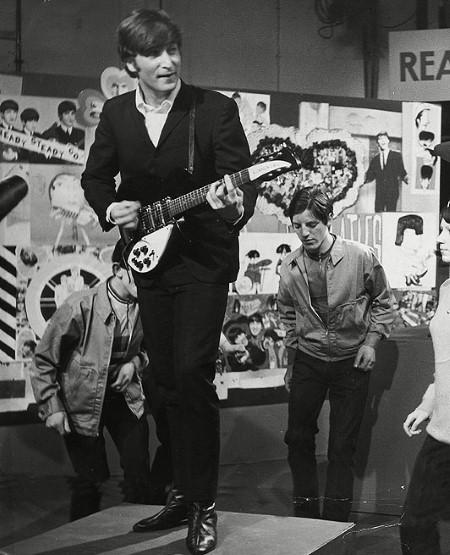
John Lennon is notoriously known as an eternal style icon and infamous music legend. He defined and in the opinion of many, created the profound relationship between music and fashion. He will forever remembered by not only his revolutionary music but for his ever-changing, always inspiring personal style.

.

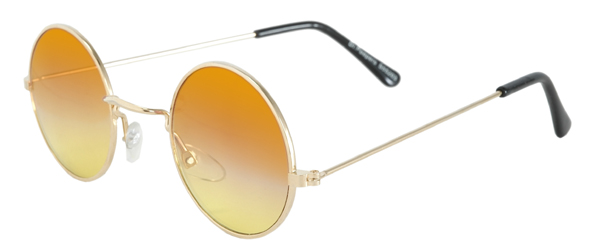
tinted glasses

The round wire-rimmed style of glasses will forever be associated with John Lennon, but in the early years of The Beatles John didn’t think wearing glasses was cool enough for a rock star. It wasn’t until after he wore the round framed glasses for his role in the 1967 film “How I Won The War” that he started to wear them regularly in public.

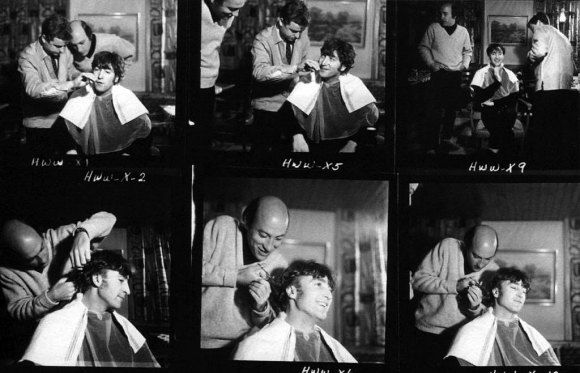
In preparation for his role as Richard Lester, John was given an army-style haircut and a pair of new glasses to wear. John’s haircut took place in the breakfast room of the bar The Inn On The Heath hotel in Celle, near Hanover, West Germany. The short-back-and-sides, performed by 28-year-old German hairdresser Klaus Baruch, made headlines around the world. Baruch shaved off John’s sideburns, swept back his fringe and greased it down. The cut hair was later burnt to prevent it being sold. 

Although the hairstyle proved a temporary measure, the old-fashioned round National Health ‘granny’ glasses quickly became a trademark of his public image. They became soon fashionable and he retained the look until the end of his life.

John lennon haircut 1966

June ’64 interview ’16 Magazine’

What do you dislike about yourself? The fact that I’m so short-sighted. Off stage I have to wear very thick glasses. On stage I can’t see the crowd, but I know they are there by their screams. The boys have a lot of fun telling me the wrong door to go through, and I often end up in a cupboard. 

How did you decide on your “puddin’-basin” haircuts? Well our hair was just growing most of the time. One of us got dunked in a pool once and their hair dried in that “position.” All the rest dug it-so that was that. 

What do you plan to invest your money in? I’d like to invest in a string of high-class clothes shops.

What kind of clothes do you like to wear? Neat lines in dark shades. I love suede, leather and cord.

What kind of clothes do you dislike? Baggy things or anything in a bright colour.

Elvis was an iconTeddy boy with leather jacket & pompadour

Puddin'haircut “puddin’-basin” pop look and Buddy Holly like glasses

John himself wasn’t the trend-setter of all  his iconic styles, his looks were also inspired by others. Back in the day before The Beatles, the “teddy-boy” look was the in-thing and John adorned a leather jacket and a pompadour hair-do. Then came the mop-head a.k.a the “puddin’-basin” pop look. The psychedelic hippie movement came next, followed the avant-garde hipster scene.

Before he took to his classic look of round specs, he would sometimes were Buddy Holly-esk horn rim glasses. Paul also explained how John came to actually take on Buddy Holly’s persona. “John was very short-sighted.  He wore glasses, but he would only wear them in private.  Until Buddy Holly arrived on the scene he would never get them out because he felt like an idiot, with his big horn-rimmed glasses…But when Buddy came out, the glasses came out too.  John could go on stage and see who he was playing to.  In our imaginations back then, John was Buddy and I was Little Richard or Elvis.  You’re always somebody when you start.”

So whether John’s iconic style was inspired or original,  John Lennon a style Icon!

Neat lines in dark shades

0eb86ff9bb3a266a63ed415f456491a6

1964 b

1964John & George

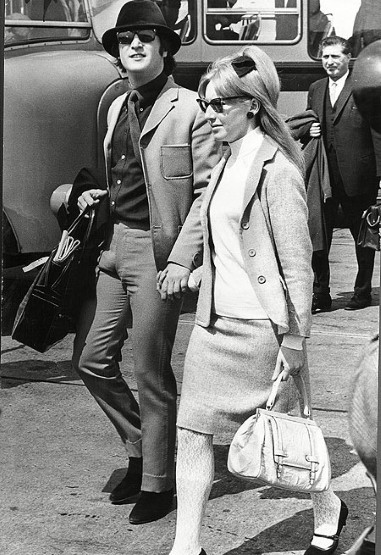
cannes film festivalJohn & first wife Cynthia

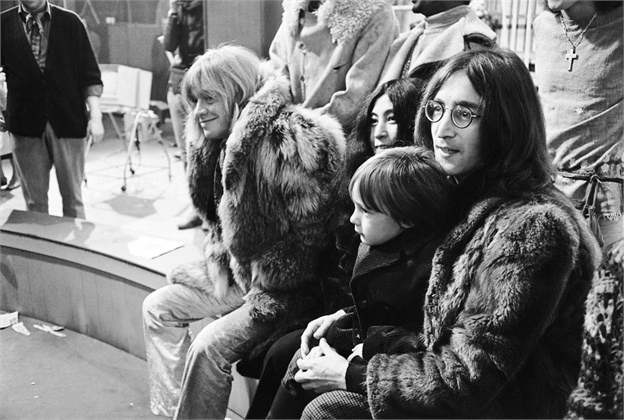
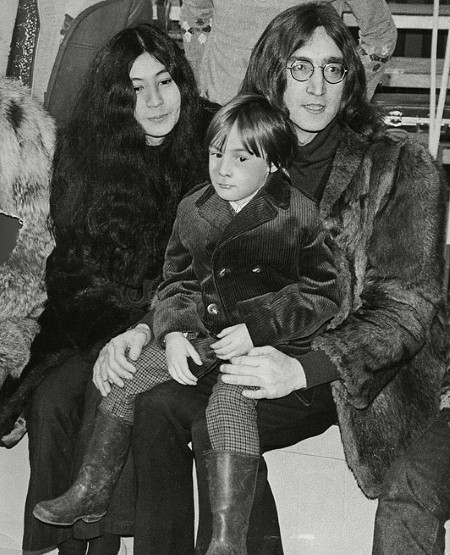
John loved wearing his Fur Coats 

Fur coat

fur coat

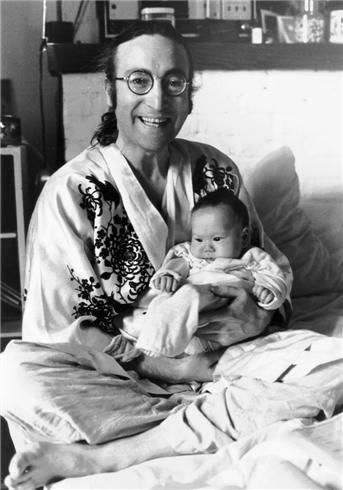
again in fur with son

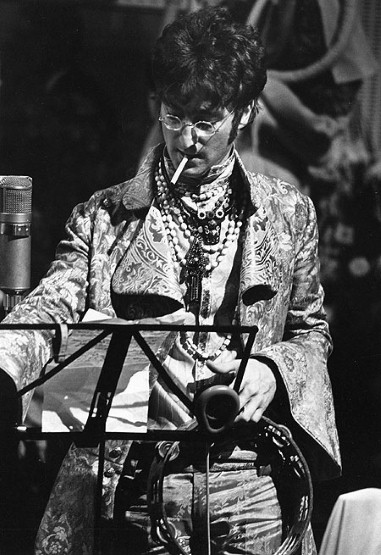
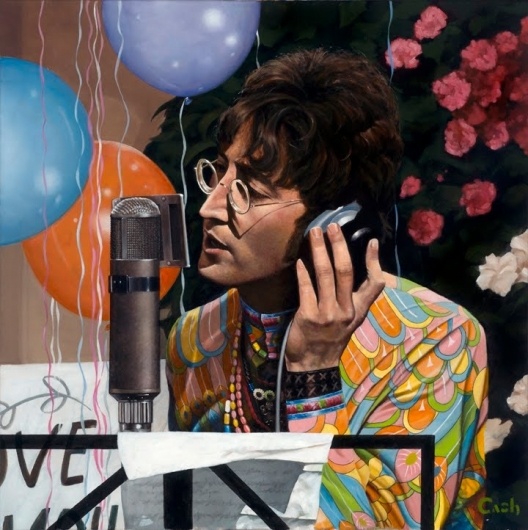
The Psychedelic Hippie

necklace

819b66275b7138ac82bd51267d964b4b

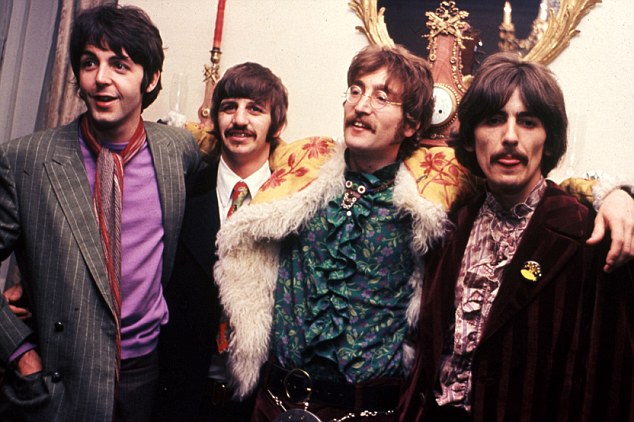
BEATLES in their Apple offices in Saville Row, London, for  the launch of Sgt Pepper in June 1967

Avant Garde with Yoko Ono

John & Yoko

John & Yoko

John & Yoko

elvis badgeJohn wearing an Elvis badge

John and Sean Lennon, 1975 Bob Gruen

.

.

.

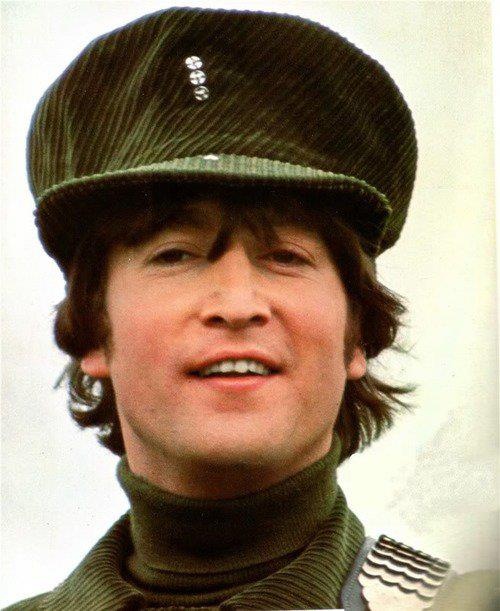
John loved corduroyJohn Lennon loved corduroy


info: Vogue Italia &  BLOGGINGHABIT


Isabella Rossellini and Steven Meisel for Dolce & Gabanna and a Tribute to Emilio Pucci

18 Jan

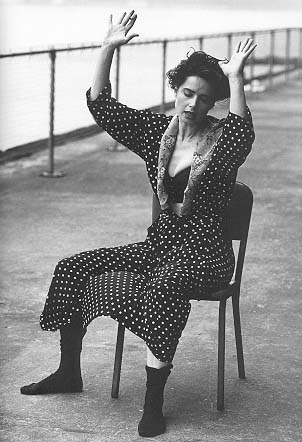
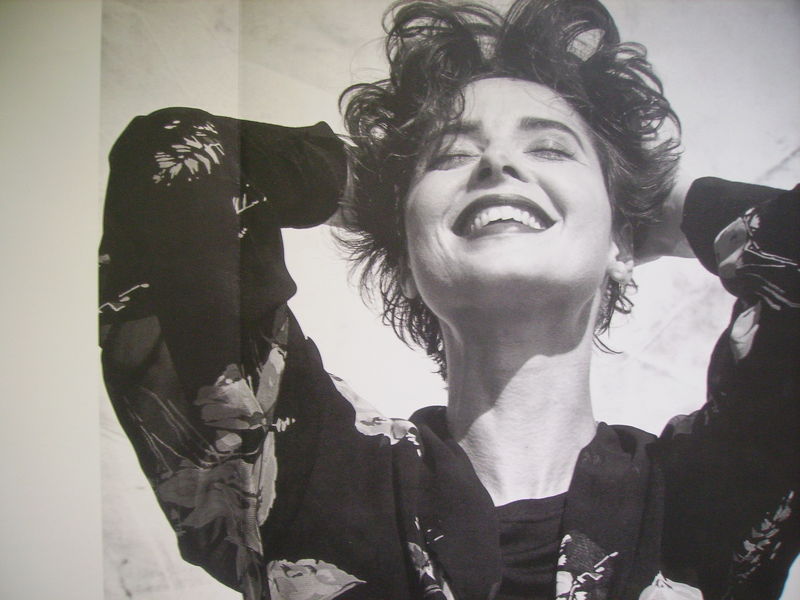
D&G campaign f/w 89-90

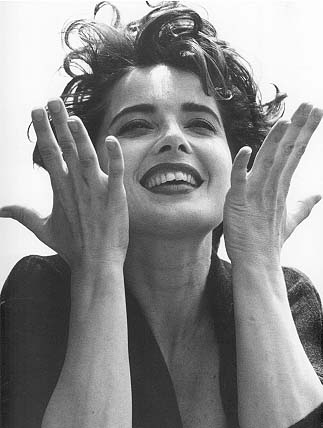
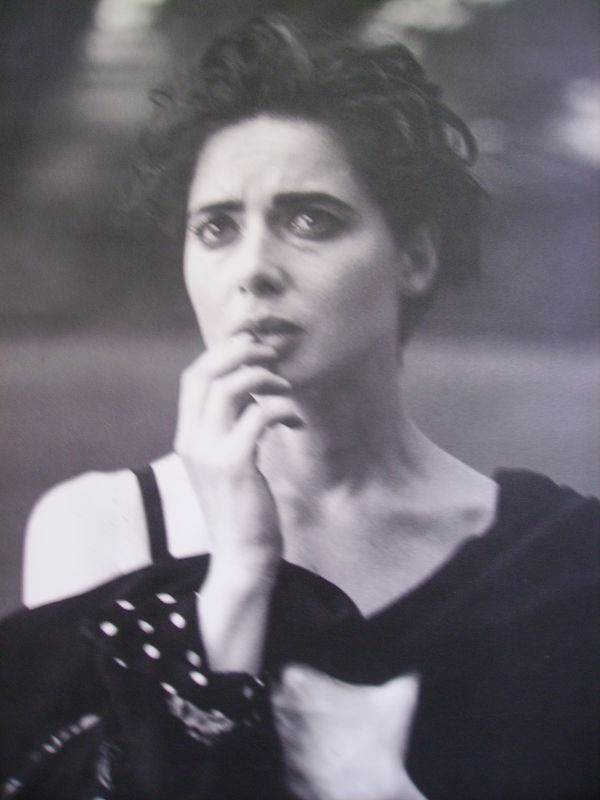
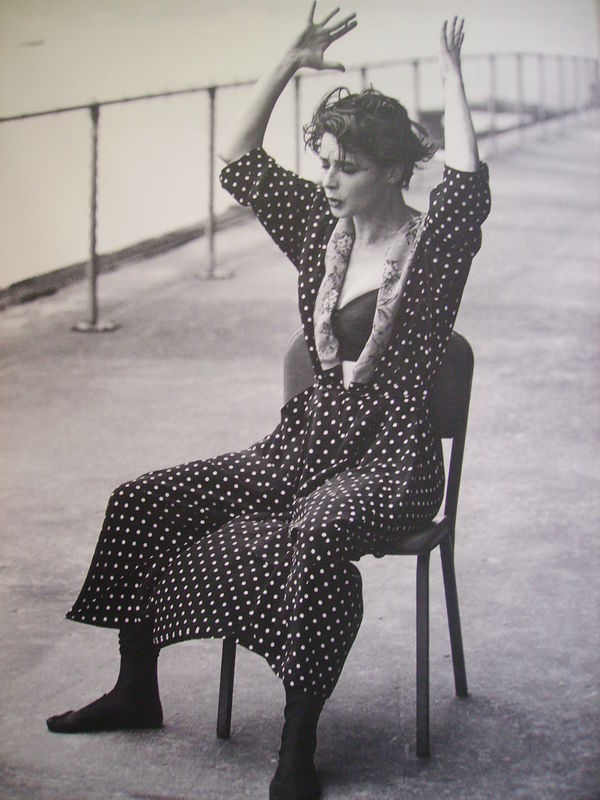
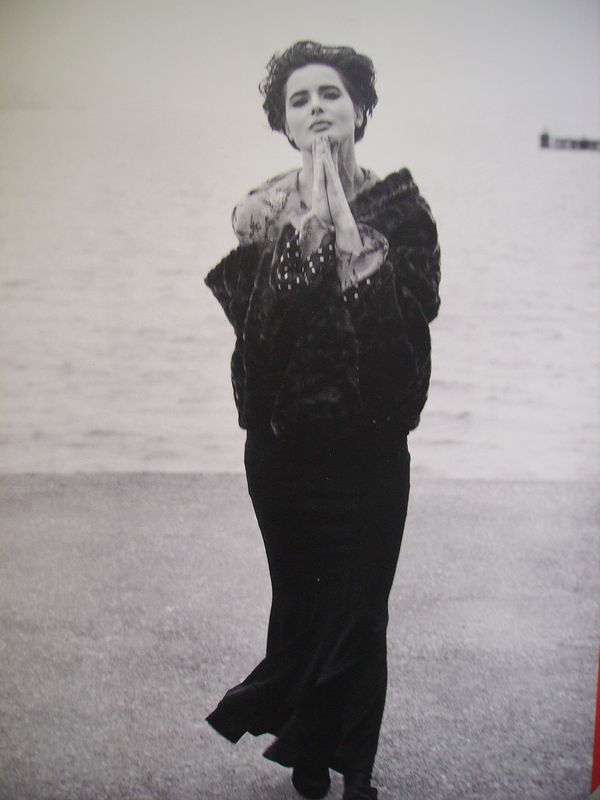
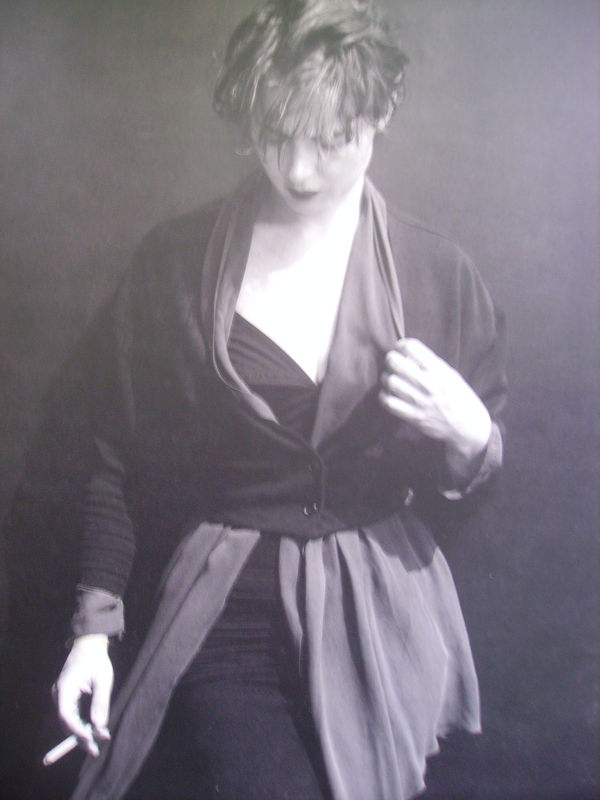
Leaving their native Italian soil to land in Manhattan with a collection packed in suitcases, Domenico Dolce and Stefano Gabanna had asked Steven Meisel to photograph their next campaign. Steven wanted to convey emotions and the clothes to accentuate Isabella Rosselini’s attitudes.

Her crying, her laughing, got the drama out of very genuine designs. The photographs were a new approach to a fashion campaign. And who better than Isabella could reveal the neorealist influence in Dolce&Gabbana’s creations; her father Roberto Rossellini invented it somehow.

A strong connection between the designers and their muse plus a confidence in Steven Meisel’s photographic eye made it happen. 

Fall/Winter 89-90 was characterised by the simplicity and femininity expressed in their first ever embroidered corsets to become part of their trademark and by a stronger and more underlined sex appeal for an interpreted version of Anna Magnani.

D&G campaign f/w 89-90

D&G campaign f/w 89-90

D&G campaign f/w 89-90

D&G campaign f/w 89-90

D&G campaign f/w 89-90

D&G campaign f/w 89-90

D&G campaign f/w 89-90

D&G campaign f/w 89-90

D&G campaign f/w 89-90

D&G campaign f/w 89-90

D&G campaign f/w 89-90

D&G campaign f/w 89-90


.

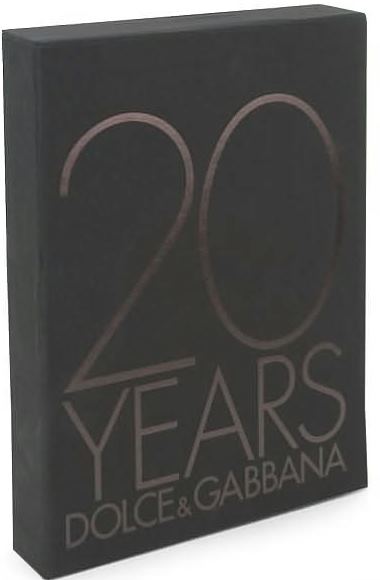
book cover

20 Years Dolce & Gabbana

To celebrate their twentieth anniversary, Italian designers Dolce & Gabbana feature their most significant fashion moments in this luxurious book. Known for their contemporary fashion with a strong Mediterranean identity, Dolce & Gabbana’s style is sensual and unique with the utmost attention to quality and detail. Adored by Hollywood elite and pop stars around the globe, their creations convey a message in a universal language. 20 Years Dolce & Gabbana is a collection of memories and iconic images that mark each step of their evolution. The book features images from photographers such as Steven Meisel, Mario Sorrenti, Ferdinando Scianna among others and models of the likes of Gisele, Linda Evangelista, Isabella Rossellini and Marpessa.

http://www.goodreads.com/book/show/1540344.20_Years_Dolce_Gabbana

 .

.

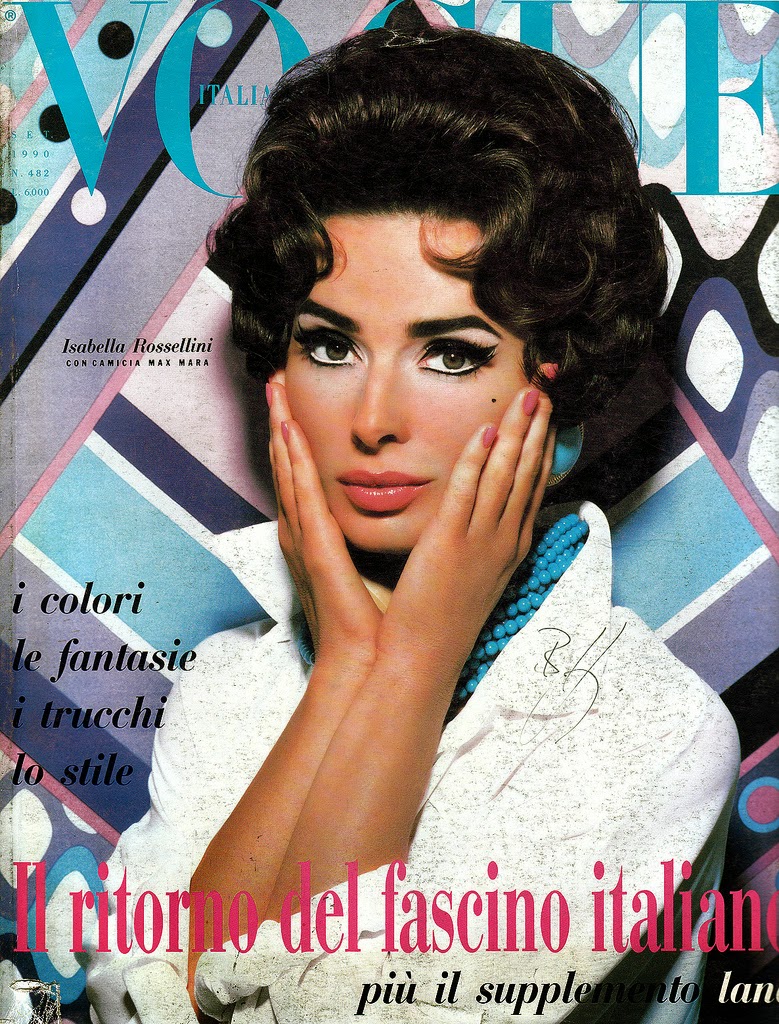
Tribute to Emilio Pucci, Vogue Italia 1990

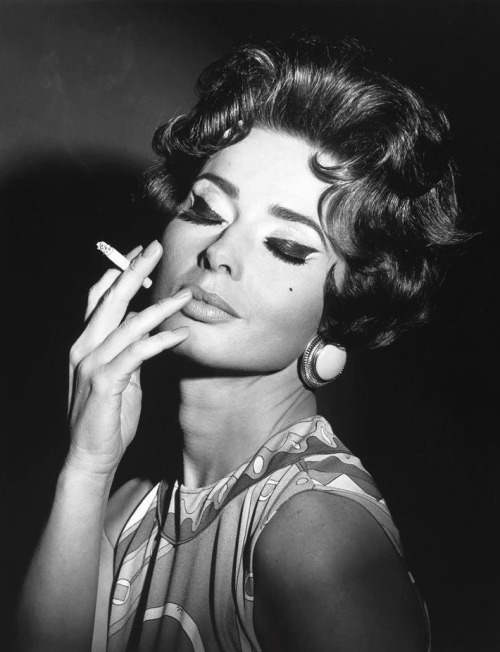
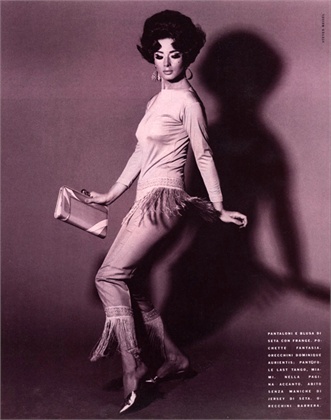
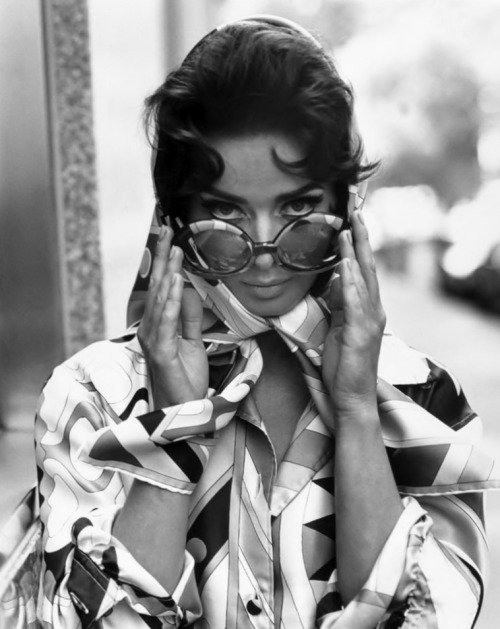
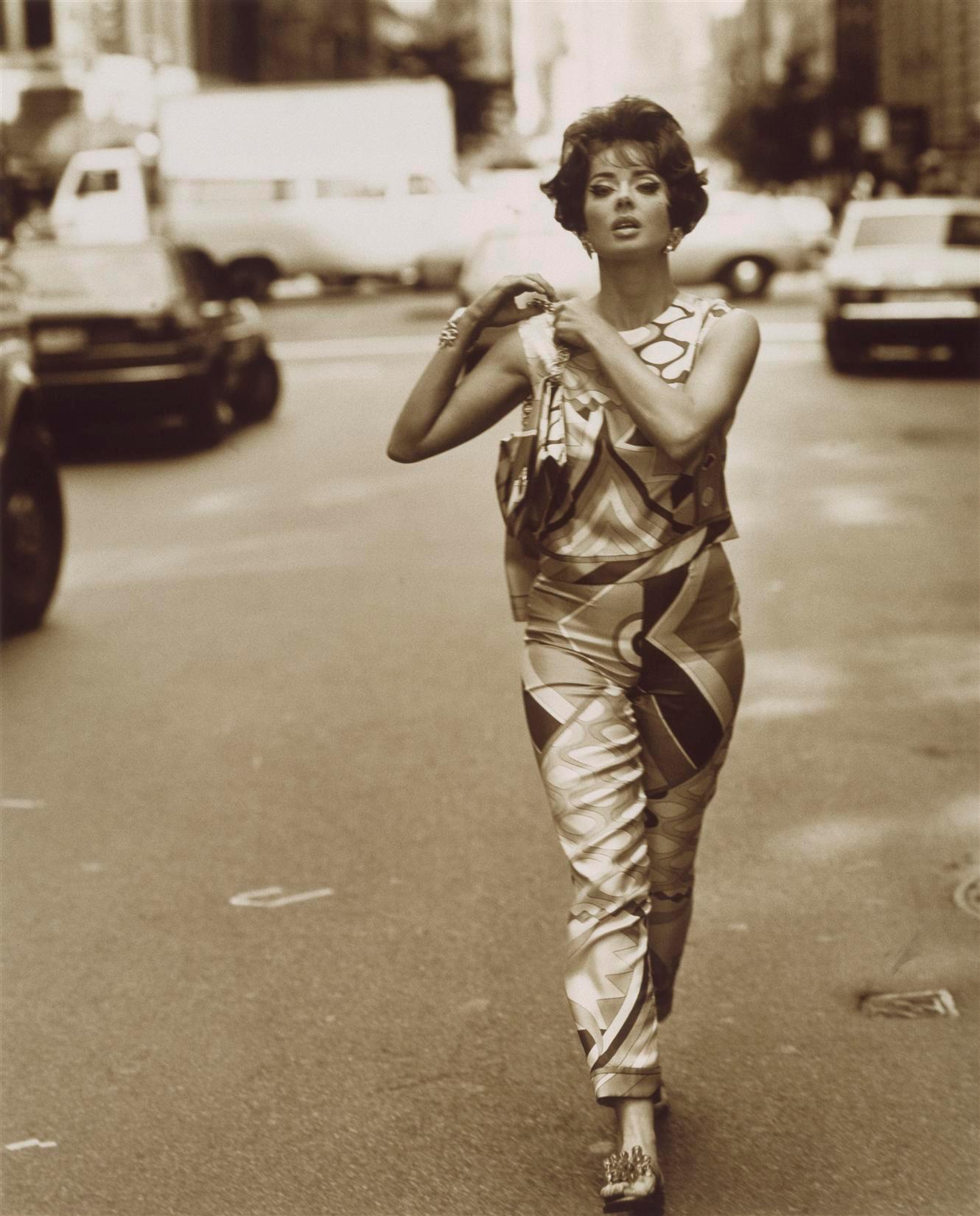
One of those iconic photoshoots for Vogue Italia by Steven Meisel, modelled by Isabella Rossellini. A tribute to the collections by Emilio Pucci,  Marchese di Barsento (20 November 1914 – 29 November 1992) who was a Italian fashion designer and politician. He and his eponymous company are synonymous with geometric prints in a kaleidoscope of colours.  

Isabella Rossellini wearing Emilio Pucci_ Photo by Steven Meisel, Vogue Italia, September 1990.Cover Vogue Italy,  September 1990 

Isabella Rossellini wearing Emilio Pucci_ Photo by Steven Meisel, Vogue Italia, September 1990.

Isabella Rossellini wearing Emilio Pucci_ Photo by Steven Meisel, Vogue Italia, September 1990.

Isabella Rossellini wearing Emilio Pucci_ Photo by Steven Meisel, Vogue Italia, September 1990.

034_isabella_rossellini_theredlist

Isabella Rossellini wearing Emilio Pucci_ Photo by Steven Meisel, Vogue Italia, September 1990.

Isabella Rossellini wearing Emilio Pucci_ Photo by Steven Meisel, Vogue Italia, September 1990.

.