Archive | 2015

Debbie Harry, the Heart of Glass dress

27 Dec

Debbie Harry, Heart of Glass 1979

“Heart of Glass” is a dreamy pop hit that at the very least is pleasing to anyone sane and addictive to those who love to dance. And the video delivered so much more: a beautiful blonde front woman whose delivery matched her persona: Detached, willful, feminine, feminist, bored and flirtatious. And the style! Was she disco, New Wave, rock or punk? Was she an uptown princess or downtown cokehead? Her outfit—a scrap of a dress paired with clear plastic heels—hints at posh but also feels like a one-off. The duality made Blondie lead singer Debbie Harry endlessly alluring and enigmatic. Through “Heart of Glass,” Harry was introducing the world to fashion designer Stephen Sprouse, who styled her rock goddess image from the tips of her bleached roots to the transparent toes of her Cinderella slippers, East Village style.

Debbie harry before Stephen SprouseDebbie Harry before Stephen Sprouse
.

Sprouse met Harry in 1975, after he moved into the East Village loft above a liquor store where Harry lived. The two shared a kitchen and bathroom, and Harry would often feed the designer’s cats. Sprouse had some clothes he’d “been dragging around for years,” and started to put a look together, cutting up dance tights and T-shirts into outfits and helping her dress. Rock music was a primary source of inspiration for Sprouse, and in 1978 he took a picture of lines of pixels dancing across the TV, photo-printed the enlarged image onto diaphanous chiffon and designed what became “the Heart of Glass dress” for Harry. When that song shot to number one on the dance charts, even in those pre-MTV days, Sprouse’s reputation quietly crept above ground and uptown.

Debbie Harry, Heart of Glass 1979

Watch any Blondie video and it quickly becomes clear that it is next to impossible to draw attention away from stunning Harry—her band mates tried in vain to do so through the lifespan of the group—but Sprouse’s dress does it. In fact, all of the costumes he created for her various videos and appearances hold their own against Harry’s magnetic “It factor,” precisely because they are so perfectly styled for her; they are her. The Heart of Glass dress, for, fits and drapes superbly and, with its hip-high asymmetrical hemline, might have looked Halstonesque were it not for the single, off-kilter strap and DIY print. It hangs from her tiny frame like an oversize kerchief; torn, filmy and strangely unforgettable.

Years later, Harry told People magazine that Sprouse “put a layer of cotton fabric underneath and a layer of chiffon on top, and then the scan-lines would do this op-art thing.” A shadow of a stripe is repeated on the thin scarf Harry bats about and on the coordinated T-shirts the rest of the band wears. In the world’s first glimpse of the band, Sprouse’s styling created the image of Blondie, a group not quite disco and not quite pop, one with punk-rock roots that appeals to the upper-crust set.

.

-Stephen-Sprouse-Worn-by-Debbie-Harry

.

.

info: written by Ali Basye
.
.

.

.

.
Comment by kafkette   /  http://trashilove.wordpress.com

wait.
i like debbie harry, blondie, stephen sprouse, & yr blog.
but the photo of her with the dark hair is from much earlier, c1969, when she was in a band called wind in the willows. & ‘heart of glass’ was ABSOLUTELY NOT the world’s first glimpse of her. all the punkrocker types knew who she was for YEARS before that, since ’75-’76, maybe? and the only worry over what type of music blondie made showed up maybe at the time of ‘heart of glass’ by people who actually had never heard them before. they are from the same scene as television, the heartbreakers, the ramones, every-new york-one who then mattered. blondie was a fixture on the tiny punk scene—maybe 500 core people WORLDWIDE, not what people think at all.
other than that, do not worry, yr article is very good. and even my friend, who does not follow fashion in the least, loved the one about koos. i sent it to her, as i will send this one to another friend, who will enjoy it. i just wanted to make the abovenoted clear, because so much of our tiny culture’s history is lost, gone with so very many of our dead. i’m still here, not very druggy & one of the youngest so count me still alive. sadly.

Koos Van den Akker, Painted with Fabrics

20 Dec

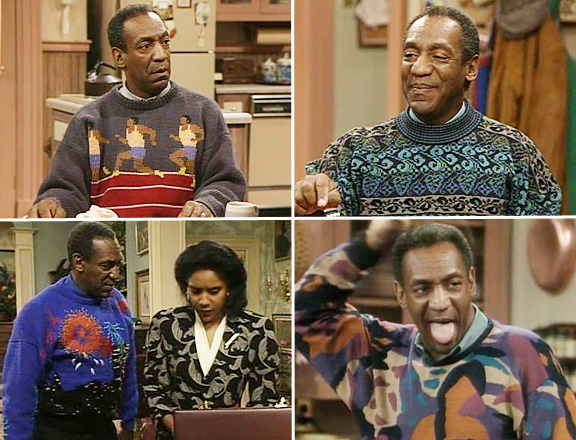
Koos van den AkkerKoos Van Den Akker (March 16, 1939 – February 3, 2015) was a Dutch-born fashion designer based in New York. He was famed for his unique collaged ‘Koos’ designed clothing and notably the creator of the ‘Bill Cosby’ Sweaters.

.

I think of myself as very basic . I am a craftsperson and I sew like that. I sew beautiful clothes. I am nothing more than a worker sitting behind a sewing machine. That’s where I feel most comfortable, that’s where I am the best. That’s what I do best and it’s very basic.    

 Koos Van den Akker

.

Short Biography

koosin front of his store, beginning 80ties

Koos Van Den Akker was born on March 16, 1939 in the Hague, Netherlands. He taught himself to sew using a simple sewing machine and his first creation was a dress made from a white bed sheet for his sister. With a broad portfolio at just age 15 he bypassed the 18-year-old requirement age to attend the Royal Academy of Art where he studied fashion and made window displays for a department store until he was 18. He then had to spend two years in the Dutch army where his skills were recognized and a workroom in a basement was set up for him where he made clothes for the officers wives and daughters.

After the two years Koos voyaged to Paris to design window displays for the famous Galeries Lafayette but realizing he needed more formal training, in 1961 he enrolled in L’Ecole Guerre Lavigne which was located in the same building as the Christian Dior workrooms. Every year Christian Dior picked the most gifted students for an apprenticeship and in 1963 Koos was selected. After three years at Dior and learning every detail about crafting beautiful clothes he moved back to the Netherlands and started his own business opened up his first store in The Hague. But the Netherlands wasn’t ready for his designs and anything glamorous or fashionable was shunned by Dutch women so after his father’s death in 1968 Koos took off to New York.

met museum, Koos Van Den Akker

Koos Van Den Akker

1988From a sewing machine on a hotel bed and only $180 in the pocket Koos set up a string of stores including ones on Madison Avenue, Columbus Avenue, Thomson Street Soho, 10th on Bleeker and even one in Beverley Hills, LA. In the mid seventies he even had a wholesale line with a showroom where major upscale stores bought their supplies of Koos’. Overspending and stagnating sales by Koos’ business eventually led it to obtain a tax-debt of a half a million dollars.

In 1998 Koos started a label for television retailer QVC called ‘Koos of Course!’ and presented his own show with the collection selling out in 27 minutes. The line continued on QVC until his final show in February 2006.

e92134e74d89cb7488ed7d7bb64c9af8

1974, Koos Van Den Akker

Koos Van Den Akker

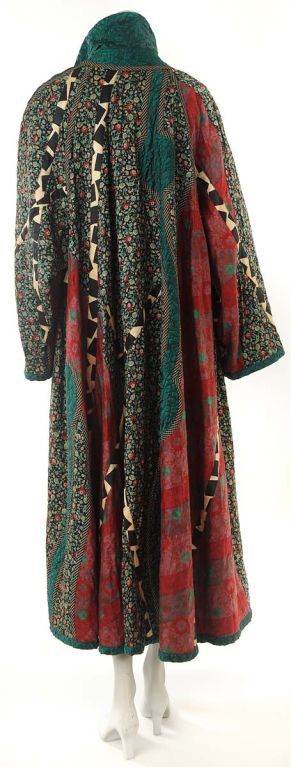
Koos Van Den AkkerKoos was known for his painterly in mixing colors, patterns, and textures in unusual, often one of a kind, garments. Conservatively styled suits consisting of cardigan jackets and gored skirts might be covered with textured mixtures of fur, quilted fabric, leather strips, or pieces of wool. A dress of lace might be dramatized by bold appliqué.

Until his death Koos had a store at 1263 Madison Avenue, New York, his former location for decades and a studio in the Garment District. Koos maintained a high-profile in New York and LA. He collected a following among celebrities and much press from Vogue, Harper’s Bazaar, L’Officiel, Vice Magazine and I-D.

1985, Koos Van Den Akker

Koos Van Den Akker


Koos Van Den Akker

.

The Bill Cosby Sweater

bill-cosby-show-sweaters

Josephine Premice, a singer in the 1980s and a good friend of Koos’s, asked him to make a sweater as present for Bill Cosby. She took it to the set of The Cosby Show where Bill immediately put it on and wore it for the taping. It was an instantaneous hit

The attention gained by Cosby’s wearing of Van Den Akker’s wild collaged sweaters on television established the designer’s reputation with the rich and famous.

 .
.
.
.

 Book

Book cover

This biography and illustrated guide highlights the work of master designer Koos van den Akker and provides inspiration for bold, unique sewing creations. Chronicling the designer’s 30 years in haute couture, this book follows van den Akker from his start in the Paris workrooms of Christian Dior to his rise in the fashion world and the establishment of his own Madison Avenue boutique. Included are demonstrations for duplicating several of his construction and design techniques that offer illustrated sewing instructions and intricate details for home sewers to imitate. The designs, with their richness of texture, generosity of color, and dynamic mix of fabrics, share the full scope of van den Akker’s masterful creations.

.

Koos Van Den AkkerKoos Van Den Akker at home in New York


Thea Porter, Godmother of Bohemian Chique

13 Dec

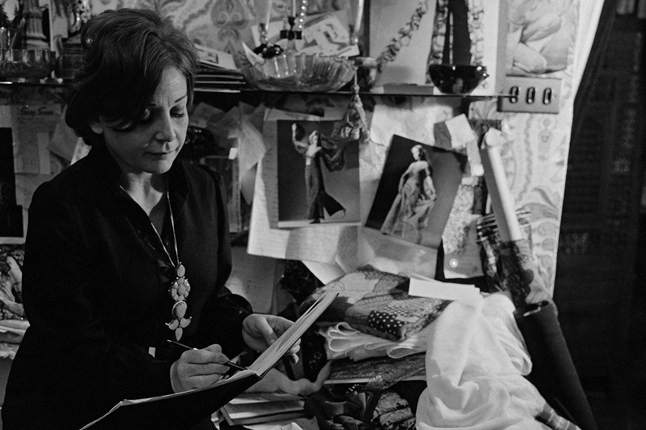
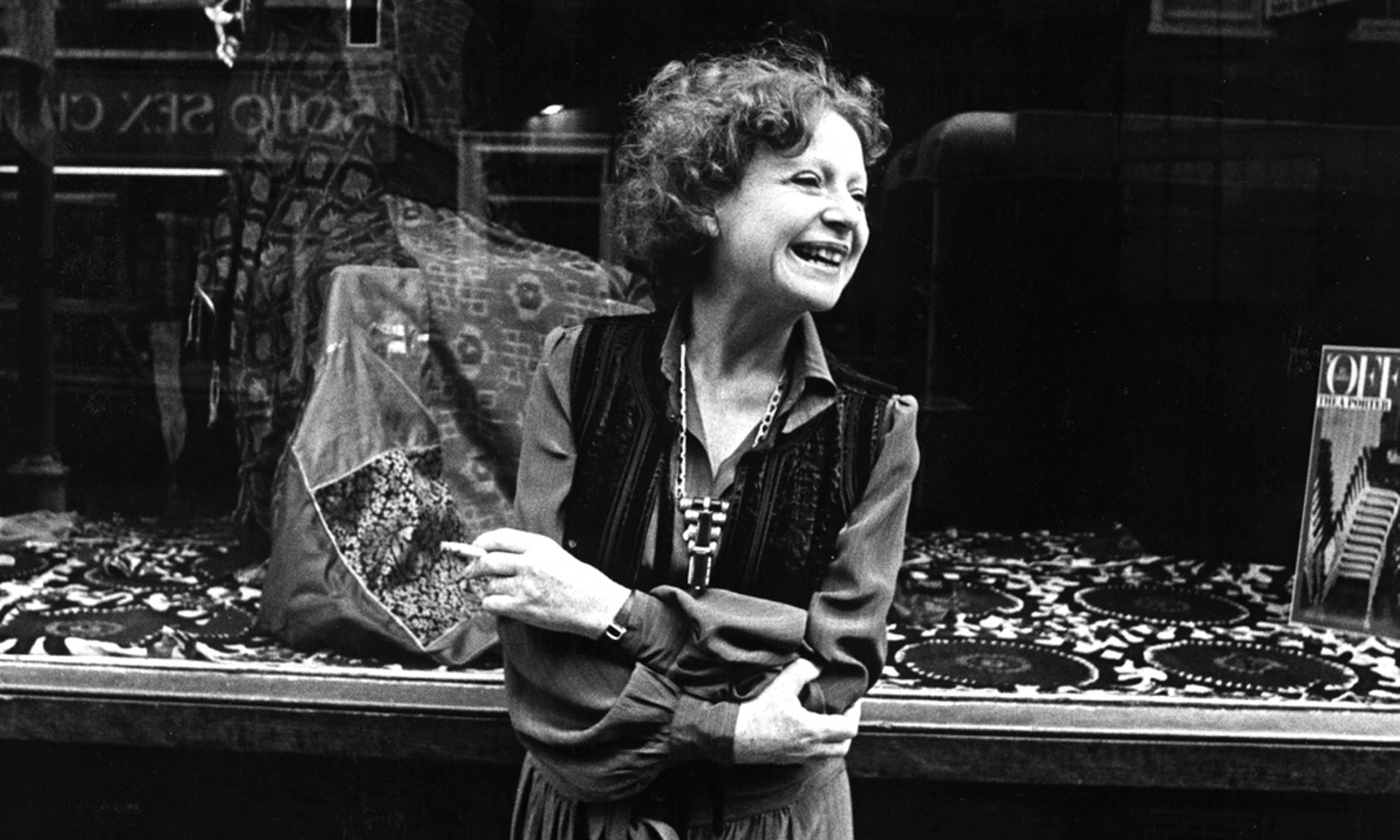
Thea PorterThea Porter reflected in her dining table.  Ph. Jim Lee for the Sunday Times , 1971
.
Once, towns strewn across Turkey and Afghanistan owed their economies to the western appetite for the kaftan. During the 1970s travellers on the hippy trail brought back pottery, soft furnishings and piles of clothes to remind them of their spiritual adventures.

More than 40 years on, the kaftan has had several revivals as a key fashion piece. And, like Indian cuisine, it now seems to have been adopted as a British staple. It is the late Thea Porter, who is credited with bringing the bohemian look to London catwalks…. 

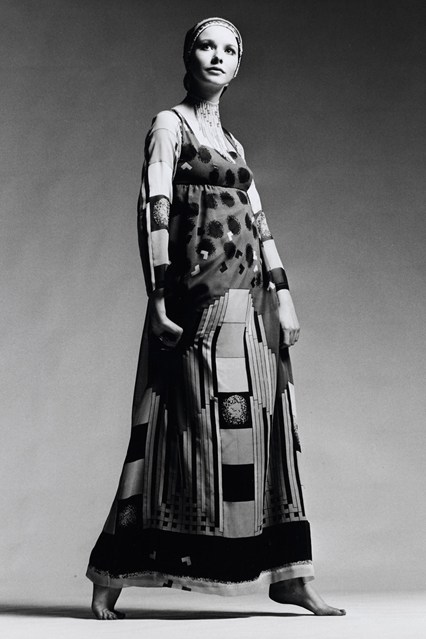
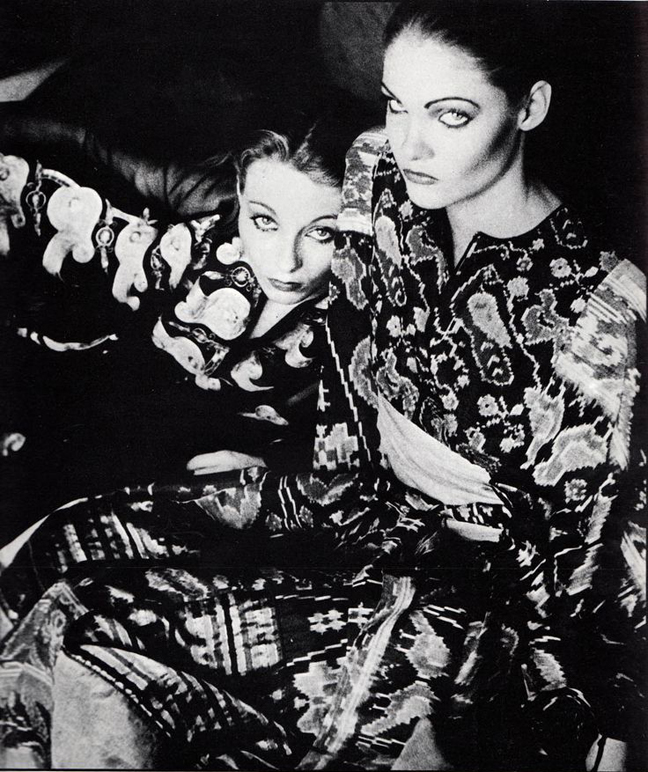
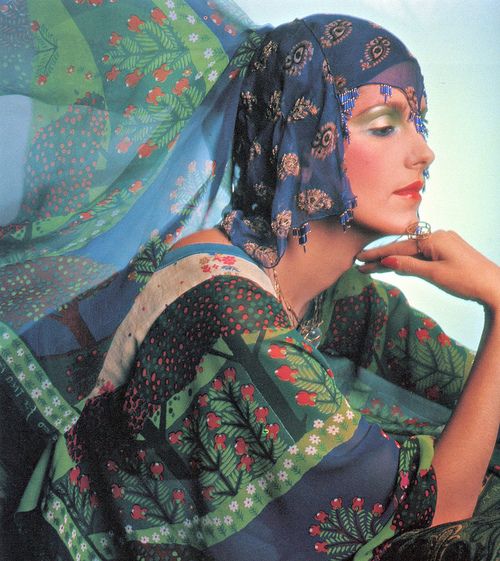
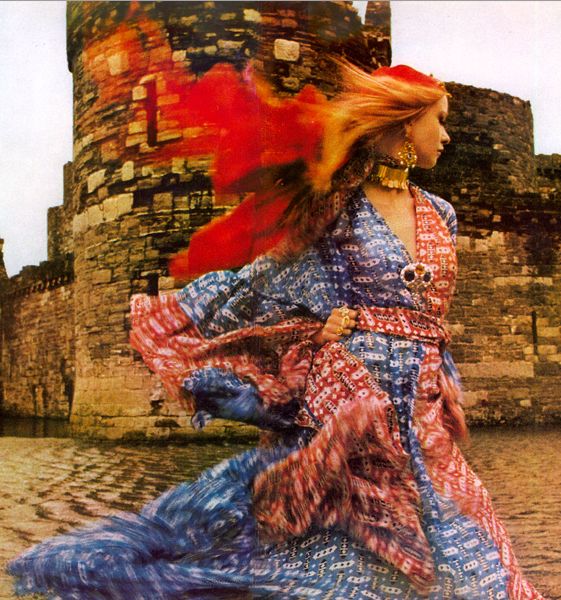
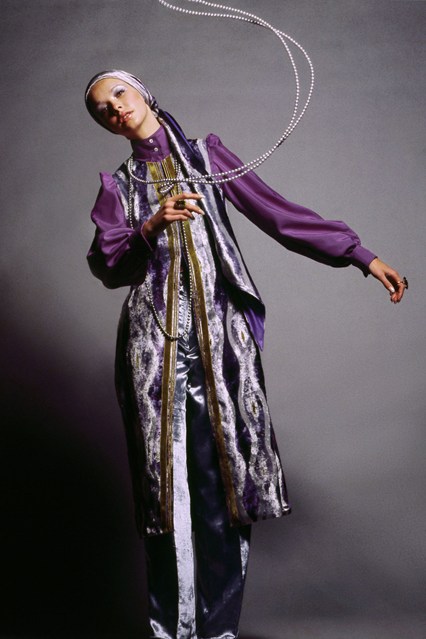
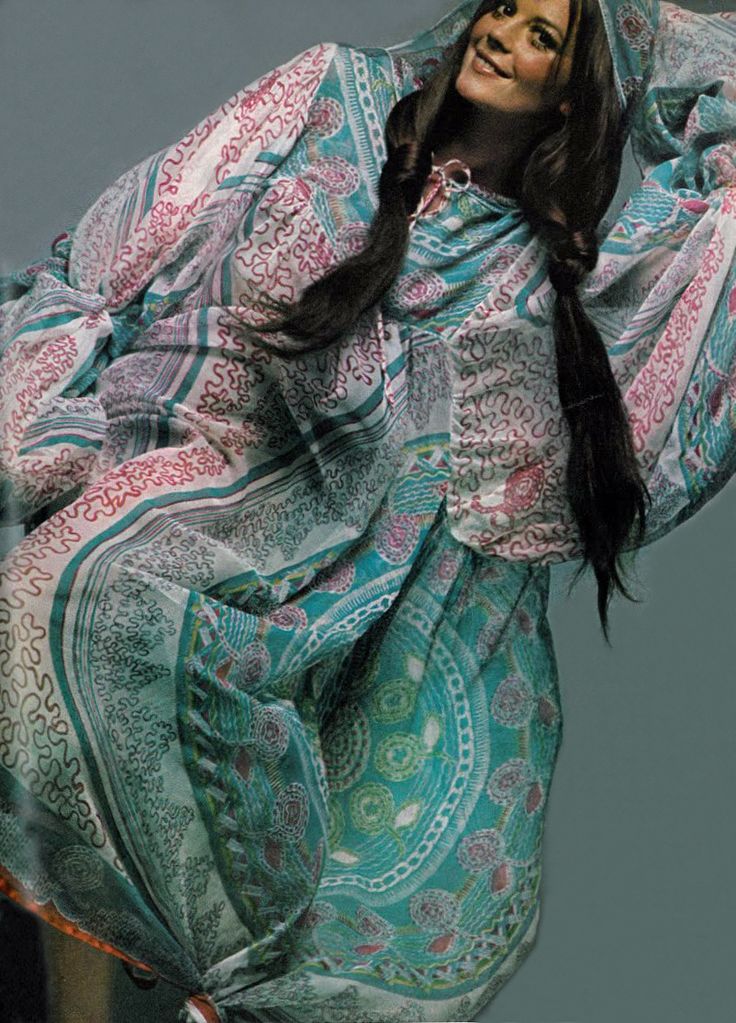
Although Thea Porter is not as famous a name as Mary Quant or Laura Ashley, her influence on the look of her era is just as potent. Her loose, draped shapes and fabrics helped create the style of stars such as Faye Dunaway and Elizabeth Taylor in the 1970s, and they have since become forever entangled with the idea of rock-star self-indulgence.  Vogue UK, June 1971.Vogue UK, June 1971Maudie-James-1970-Photograph-by-Patrick-Hunt-Courtesy-of-the-Venetia-Porter-collection-Image-VA-Photographic-Studio_426x639Maudie James, ph. Patrick Hunt 1970

Thea Porter, Mode Avant Garde, September 1978. Photograph by Jacques d’AlvaAvant Garde, September 1978, Ph. Jacques d’Alva

Thea-Porter_
.

Short Biography

Thea-Porter-in-her-work-room-Thea Porter in her work room
.
Thea Porter was born Dorothea Noelle Naomi Seale, on 24 December 1927, in Jerusalem and raised in Damascus. She was the daughter of Morris S. Seale, the Arabist and theologian, who was a Christian missionary in Syria, and his French wife, who was also a missionary.  

Thea was educated at the Lycée Française in Damascus, Fernhill Manor, then for a short time studying French and Old English at Royal Holloway College, London, before being expelled.

Following her studies in England, she worked in the library of the British embassy in Beirut, where she met her future husband, Robert Porter. Together they travelled to Jordan and Iran, and had holidays in France and Italy. She studied painting during the day, and “went to nightclubs every night and had millions of clothes.” In June 1961 Thea had her first solo painting exhibition at the Alecco Saab Gallery, Beirut. Together they had a daughter, Venetia.
Thea-Porter-Vogue-1975-April-Barry-LateganVogue April 1975, ph. Barry Lategan
Thea-Porter-Vogue-1970-November-May-Barry-Lategan_426x639Vogue November 1970, ph. Barry Lategan
Thea Porter British Vogue 1969Vogue 1969
Thea-Porter-Vogue-Oct69-Guy-Bourdin_426x639Vogue October 1969, ph. Guy Bourdin
.

After she separated from her husband, Thea moved to London in May 1964. Her first job was in interior design, working for Elizabeth Eaton. She opened her first shop, an interior decorating business offering imported cushions, fabrics and hangings called Thea Porter Decorations Ltd, in Soho at 8 Greek street on July 27, 1966. She realised that rather than just cutting up her imported kaftan to use the fabric for cushion covers, they were fashionable in their own right, and began making up her own in mixed fabrics and antique trimmings.

From 1967, she expanded internationally; her first wholesale client was Henri Bendel in New York in 1968. 

Gypsy-dress-Liz-Goldwyn-Collection-Photograph-by-Amanda-Charchian_426x639

Thea Porter 1970-1973

Gipsy-dress-Courtesy-of-the-Venetia-Porter-collection-Image-VA-Photographic-Studio_426x639

Thea Porter

Thea Porter '70-'72

Thea Porter

In 1971, Thea opened a store in New York financed by Michael Butler, the producer of the hit Broadway musical Hair. It closed after six months, but she continued to sell very successfully at high-end boutiques across the United States; Giorgio Beverly Hills sold approximately $300,000 worth of Thea Porter designs per year in the mid-1970s. On April 1, 1977 she opened a store in Paris, on the Rue de Tournon; this closed in 1979. Thea Porter Decorations Ltd went into receivership in February 1981; she subsequently worked from ateliers on Avery Row and Beauchamp Place. Zandra Rhodes has stated, “Sadly, one didn’t hear of her after that“.

In 1994 Thea was diagnosed with Alzheimer’s disease. Thea Porter died in London on 24 July 2000.

.

Though she’s no longer a household name, Thea Porter basically owned the boho look from the late 60s onwards. 
Outside the Greek Street shop in 1977. Ph. Tony McGrath, the ObserverFacts about Thea Porter:

Growing up in the Middle East had a lasting influence on her designs

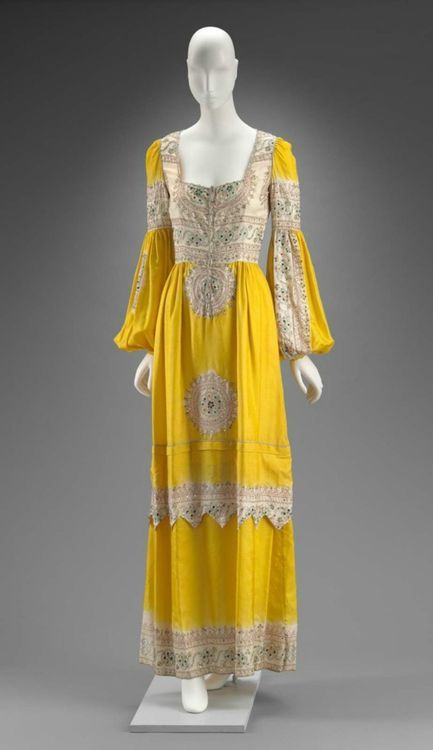
Thea was born in Jerusalem, grew up in Damascus and studied in Beirut. Eventually settling in London in the mid-60s, the influences of her upbringing made her designs feel new. She brought the flowing robes and rich textures that she’d seen as a child to a London crowd who had been dressing in the Op Art and modernist styles of the early 60s. Moroccan djellaba robes, Iraqi Samawa carpets and 17th-century Persian paintings were all inspirations. A shirtdress made from the Damascus tablecloth fabric, aghabani, became a bestseller.

She started out with interiors, and menswear followed

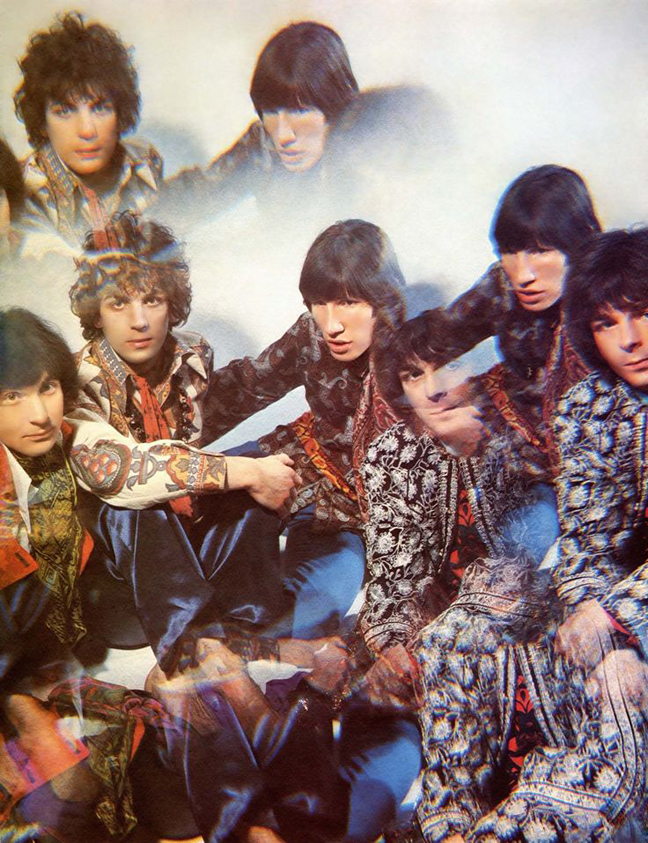
Her first shop, on Soho’s Greek Street 8, was quite the hangout. It opened in 1966, and sold Thea’s ornate, colourful furnishings, including wall hangings and curtains. The Beatles snapped them up to decorate their short-lived Apple Boutique. Rock royalty liked her menswear designs, too. Elton John was an early fan and Pink Floyd wore her embroidered jackets and vibrant shirts on the cover of their appropriately trippy debut album The Piper At The Gates Of Dawn in 1967.

Piper AlternatePink Floyd album cover  'The Piper At The Gates Of Dawn'

She also excelled at womenswear

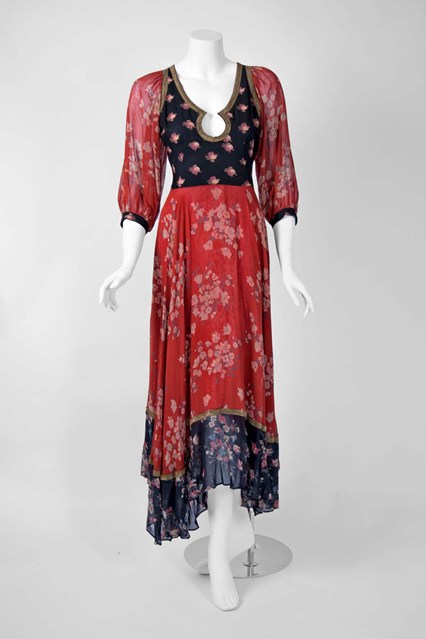
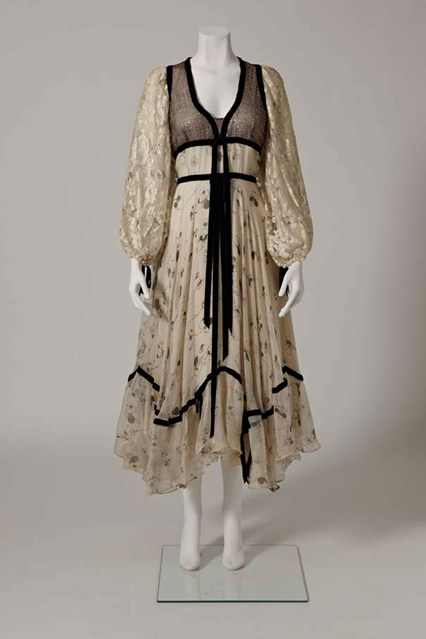
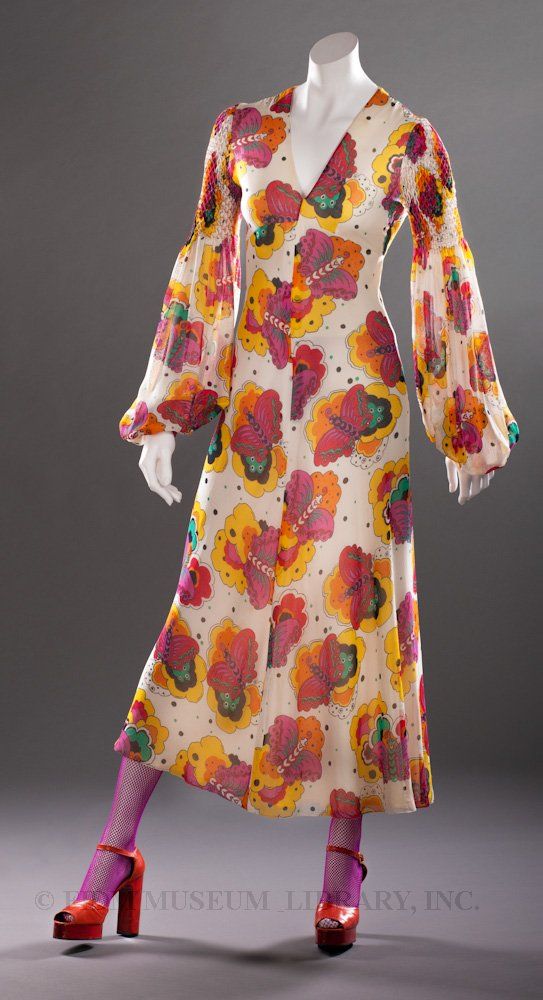
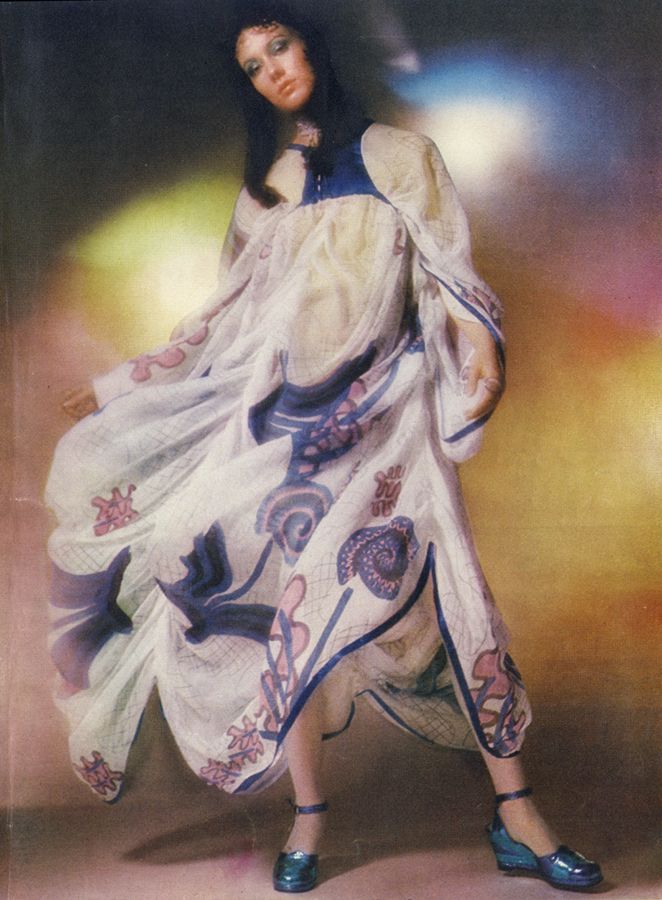
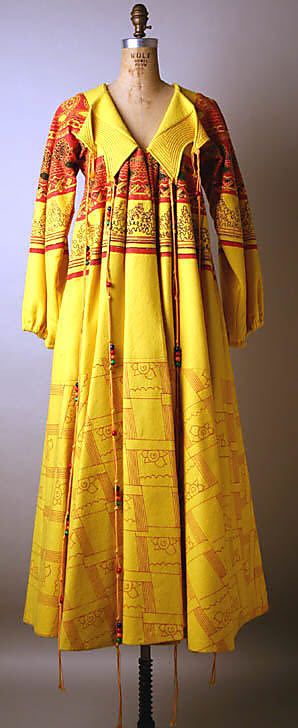
Thea fitted into the floaty, feminine mood of the time that other designers – Bill Gibb, Ossie Clark, Laura Ashley – were also exploring, but made it her own with several signatures. Along with the aghabani shirtdress, her so-called “gipsy” dress – layers of vibrantly printed chiffon, with a tight bodice and flowing sleeves – had the requisite wild romanticism, especially when worn with swashbuckling boots. 

She had a good business brain on her chiffon-clad shoulders

By 1969, Thea had expanded overseas, with a concession in New York department store Henri Bendel. A stand-alone store followed in 1971, and she sold her designs successfully in LA, too. Her success partly came from an ability to evolve her aesthetic. The very ornate designs gave way to simpler pieces in the 1970s, influenced by the classical lines of 30s fashion. At this time, she also hired a young Katharine Hamnett who worked for Thea while still studying at Central Saint Martins.

Her clothes were loved by a well-heeled crowd

A regular in the pages of British Vogue – where luminaries including Lauren Hutton, Penelope Tree and Rudolf Nureyev modelled her clothes – the likes of Barbra Streisand and Faye Dunaway were clients in the Greek Street store and Elsa Peretti modelled in her shows. While Thea’s name faded into obscurity in the 1980s and 90s, it’s since become a cult favourite on the vintage scene, with original pieces fetching more than £1,000 on eBay. 

.
Book

book cover

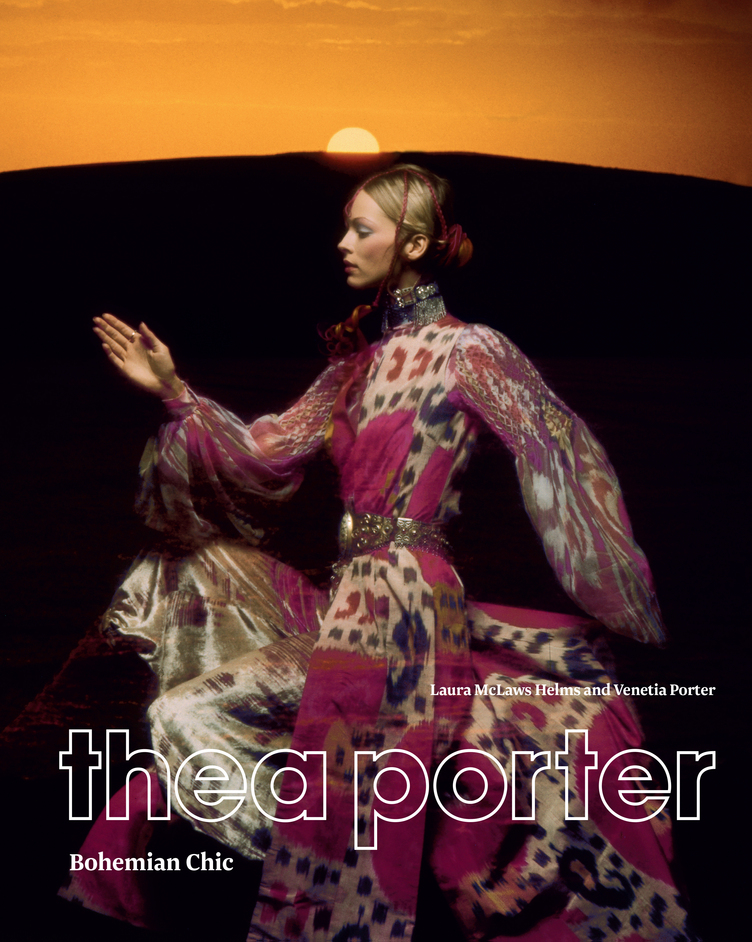
Thea Porter: Bohemian Chiq

Thea Porter (1927–2000) came to epitomize bohemian chic in the 1960s and ’70s, using an eclectic mix of luxurious fabrics for her signature flowing dresses that became favorites of stylish women everywhere. Faye Dunaway, Joan Collins, Barbra Streisand, and Elizabeth Taylor were fans; Vogue’s Diana Vreeland championed her clothes; and today vintage Thea Porter is worn by Kate Moss, Nicole Richie, and other fashionistas. This first  book devoted to the UK-based fashion designer features new photography of her fabulous clothes and jewelry as well as press clippings, sketches, and excerpts from an unpublished memoir she wrote about her aesthetics, philosophies, and work.

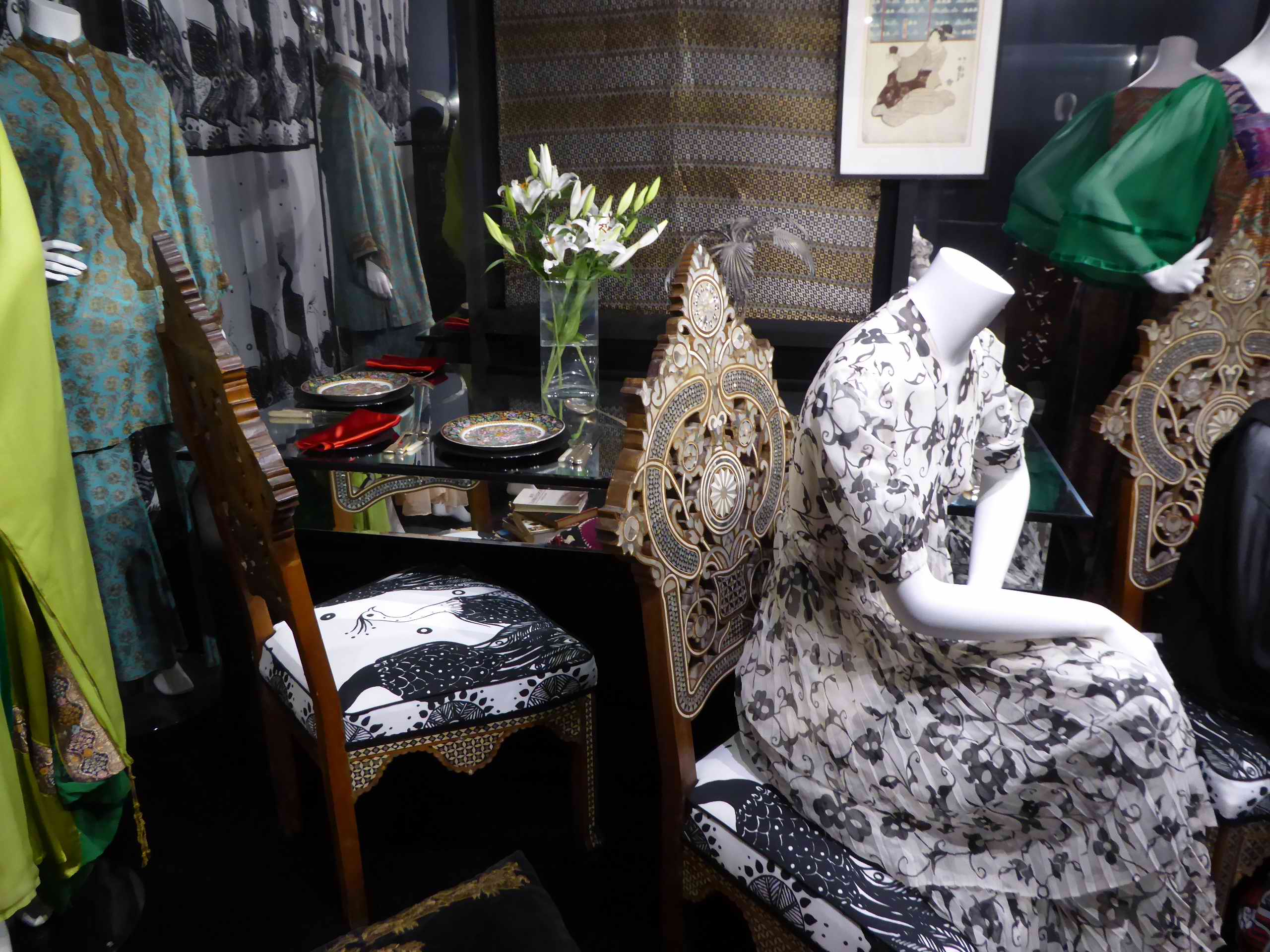
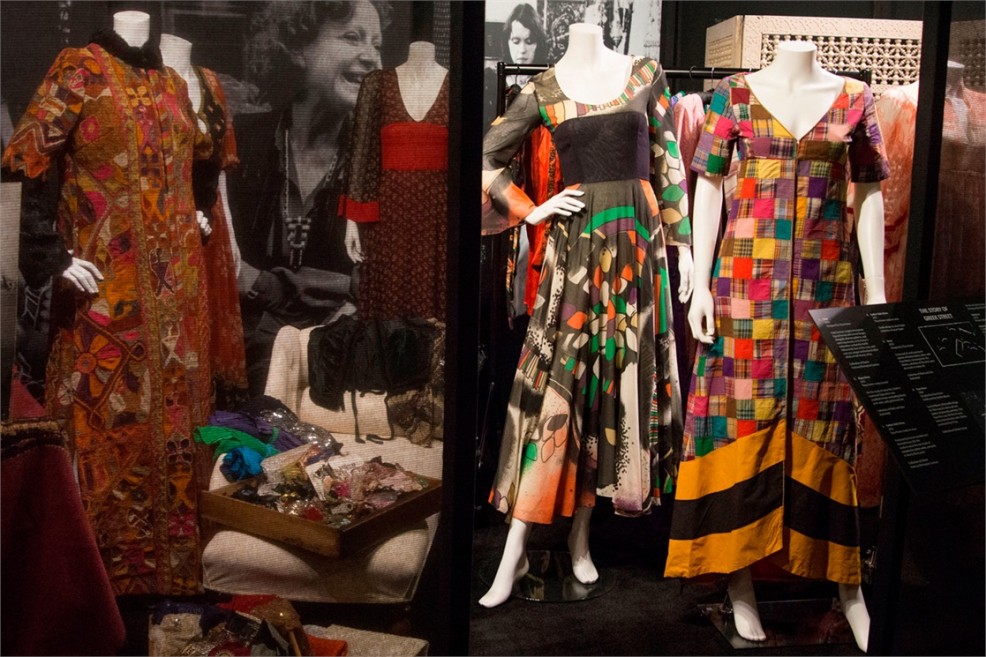
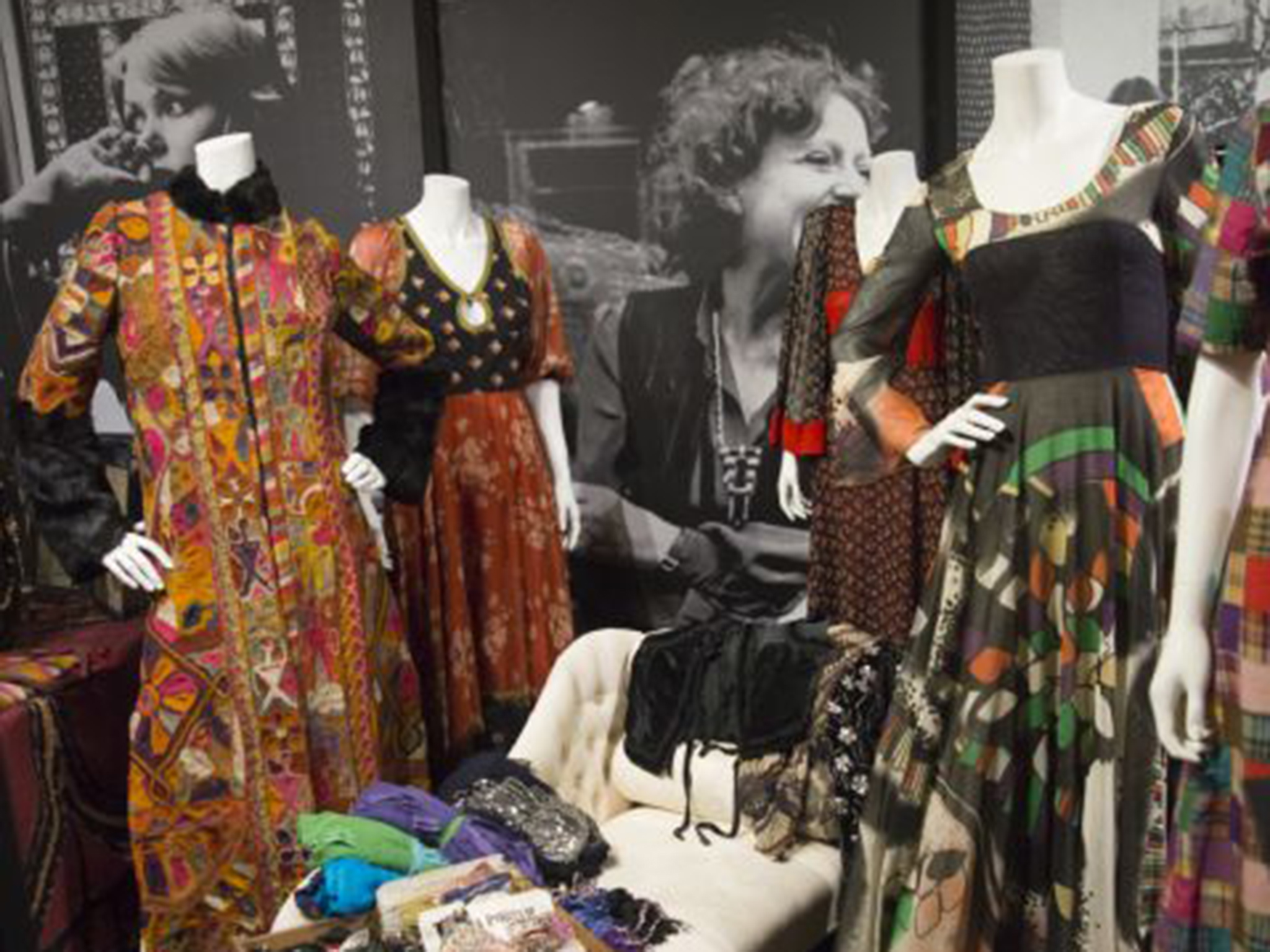
Photo’s of the Thea Porter exhibition in the Fashion &Textile Museum, London

Greek-Street-shop-2

Thea Porter exhibition

Thea Porter exhibition

Thea Porter exhibition

.

info:

Click to access TheaPorter-press-release.pdf

WikiPedia

http://www.theguardian.com

http://fashion.telegraph.co.uk/

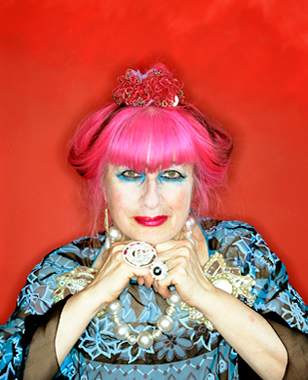
Dame Zandra Rhodes, a Lifelong Love Affair with Textiles

6 Dec

Zandra Rhodes

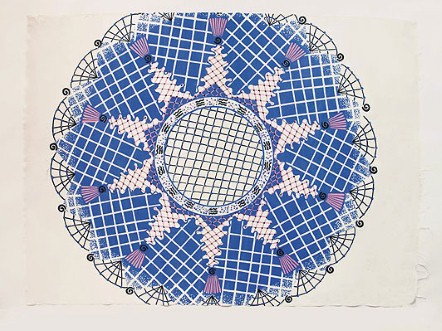
Zandra Rhodes (born 19 September, 1940. Chatham, England) was introduced to the world of fashion by her mother, a fitter for the Paris fashion House of  (Charles) Worth and later a lecturer at Medway College of Art. Zandra studied at Medway College of Art, and then at The Royal College of Art in London. Her major area of study was printed textile design.

Zandra Rhodes Textile Designs

Textile design Zandra Rhodes

Textile design Zandra Rhodes

textile design, 1964, Zandra Rhodes

Textile design Zandra Rhodes

Textile design Zandra Rhodes

Textile design Zandra Rhodes

Her early textile designs were considered too outrageous by the traditional British manufacturers so she decided to make dresses from her own fabrics and pioneered the very special use of printed textiles as an intrinsic part of the garments she created. While teaching at art college, in 1967, she opened her first shop: The Fulham Road Clothes Shop in London with Sylvia Ayton. In 1969 she set up on her own and took her collection to New York where Diana Vreeland featured her garments in American Vogue, after which she started selling to Henri Bendel in NY, followed by Sakowitz, Neiman Marcus and Saks. In the UK, Zandra was given her own area in Fortnum and Mason, London. She was Designer of the Year in 1972 and in 1974 Royal Designer for Industry. In 1975 she founded her own shop off Bond Street London and boutique area in Marshall Fields, Chicago.

Zandra Rhodes garments in American Vogue 1970

Natalie Wood by Penati in Zandra Rhodes Vogue 1970Natalie Wood by Penati in Zandra Rhodes Vogue 1970
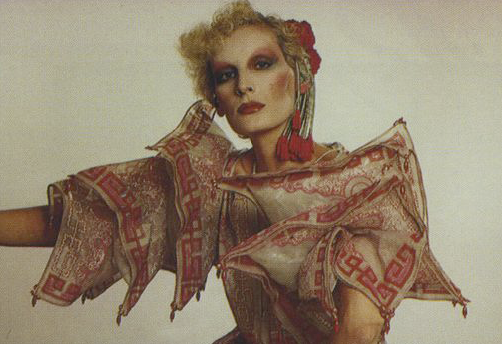
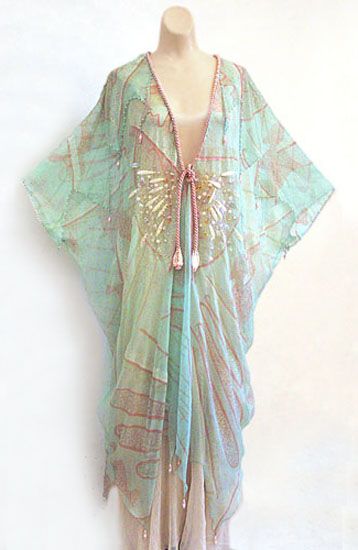
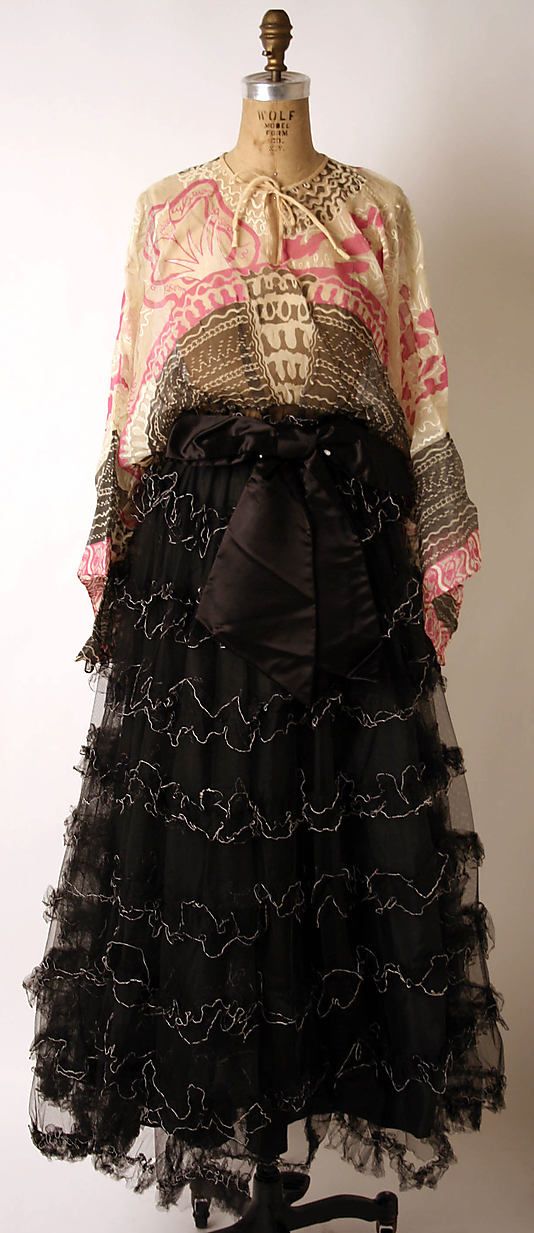
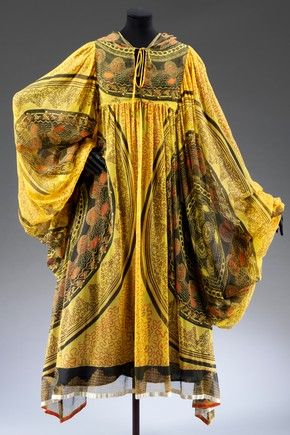
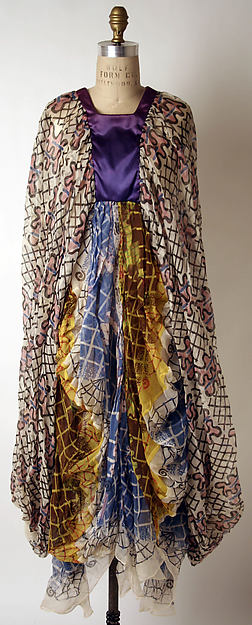
Natalie Wood by Penati in Zandra Rhodes Vogue 1970Zandra’s own lifestyle is as dramatic, glamorous and extrovert as her designs. With her bright pink hair, theatrical make-up and art jewellery, she has stamped her identity on the international world of fashion. She was one of the new wave of British designers who put London at the forefront of the international fashion scene in the 1970s. Her unique use of bold prints, fiercely feminine patterns and theatrical use of colour has given her garments a timeless quality that makes them unmistakably a Rhodes creation. In 1977 she pioneered the pink and black jersey collection with holes and beaded safety pins that earned her the name of “Princess of Punk”. Her posters from this period have been a continuous inspiration for make-up artists and are collectors’ items.

Zandra Rhodes Chinese Lantern

David Bailey, Vogue UK

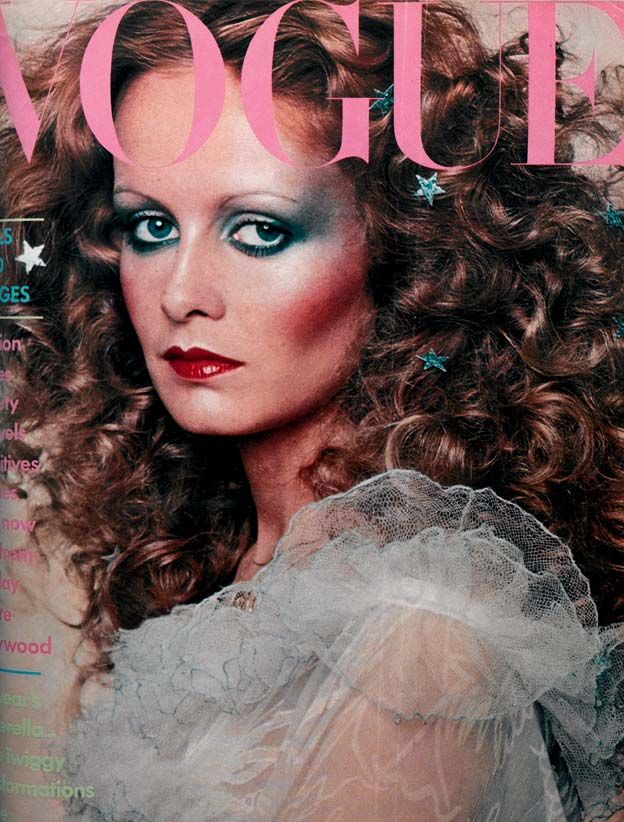
Vogue UK March 1974

Zandra Rhodes

1968 zandra rhodes
She has designed for clients as diverse as Diana, Princess of Wales, Jackie Onassis, Elizabeth Taylor and Freddie Mercury of the rock group ‘Queen’. She has a strong following in the US, UK, and Australia.

Zandra’s dresses are the ultimate dress-up dress. Helen Mirren, star of “The Queen” wore a Zandra Rhodes when she received her award from BAFTA and Sarah Jessica Parker dressed up in a Zandra for “Sex and the City”. Her vintage pieces have long been collected by Tom Ford and Anna Sui and have been worn by Kelly Osborne, Ashley Olsen, Kate Moss and Naomi Campbell.

ss 1971, Zandra Rhodes

Zandra Rhodes, 1973

1972,72 Zandra Rhodes

Zandra Rhodes

Additionally, Zandra has set up the Fashion and Textile Museum in London which was officially opened May 2003 by HRH Princess Michael of Kent. Mexican architect Ricardo Legorreta designed the museum, which is in stunning pink and orange, and already has a preservation plaque. The museum is dedicated to showing the work of fashion and textile designers from the 1950s onwards. This museum has created several notable exhibitions: “My Favorite Dress”, “The Little Black Dress”, and Zandra’s very own “Zandra Rhodes: A Lifelong Love Affair with Textiles”, which is a major monographic exhibition exploring the forty year career of the iconic British Designer herself. 

'68 '69, Zandra Rhodes

1975, Zandra Rhodes

1969, Zandra Rhodes

1973, Zandra Rhodes

1968-1969, Zandra Rhodes

Rhodes was appointed Commander of the British Empire (CBE) in 1997 and Dame Commander of the Order of the British Empire (DBE) in the 2014 Birthday Honours for services to British fashion and textiles, having been invested at Buckingham Palace by Princess Anne.

.

.

Book Zandra_Rhodes_1024x1024

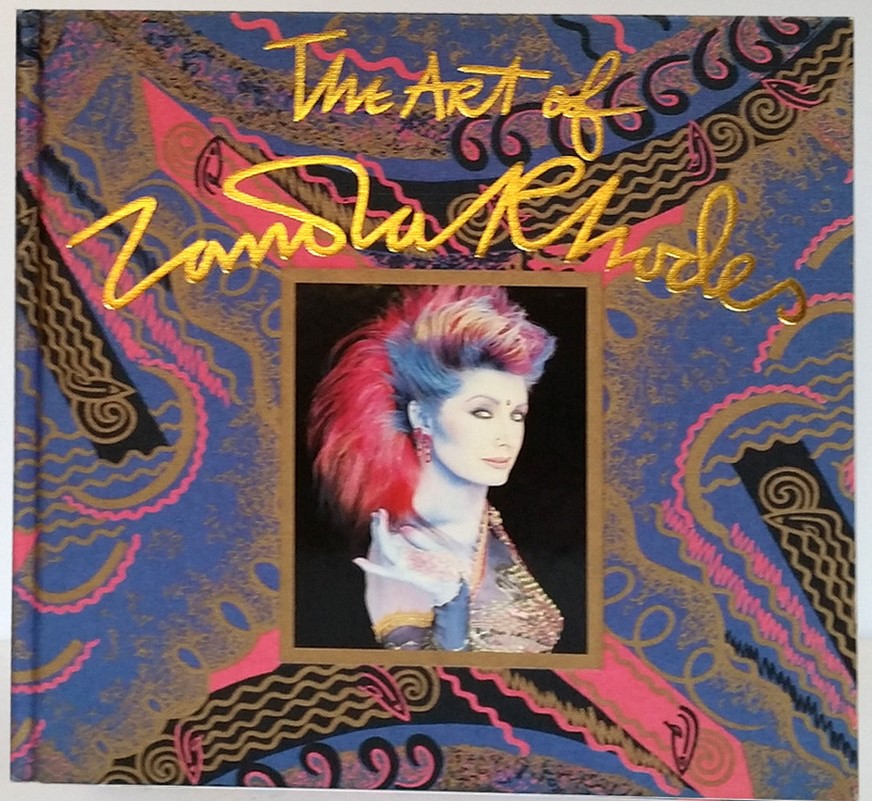
The Art of Zandra Rhodes
A glamorous hardcover reprint of the 1984 edition

This book began as a record of Zandra Rhodes’ work and has become the ultimate reference book for students studying the process behind creating designs. It explains how Zandra’s ideas are translated from her original sketchbook drawing, into a textile design, and then into the final garment. It spans from the beginning of her career to 1981.

.

.

zandra-rhodes-2015Zandra Rhodes 2015

.

info:

WikiPedia

http://www.zandrarhodes.com/about


Bianca Jagger, the Reigning Queen of Studio 54

29 Nov
british_vogue_december_1974__bianca_jagger__baileyVogue UK December 1974, ph. David Bailey
.

Bianca Jagger (born Bianca Pérez-Mora Macias, 2 May 1945) is a Nicaraguan-born socialite turned human rights activist.

She was born in Managua, Nicaragua. Her father was a successful import-export merchant and her mother a housewife. They divorced when Bianca was ten and she stayed with her mother, who had to take care of three children on a small income. She received a scholarship to study political science in France at the Paris Institute of Political Studies. 

Bianca & Mick Jagger
Bianca Jagger wears a YSL Le Smoking jacket to her 1971 wedding to Mick Jagger

Bianca & Mick Jagger

Bianca & Mick Jagger

Bianca & Mick Jagger

Bianca & Mick Jagger

Mick Jagger and Bianca Jagger by Leni Riefenstahl for The Sunday Times, 1974
Bianca & Mick Jagger

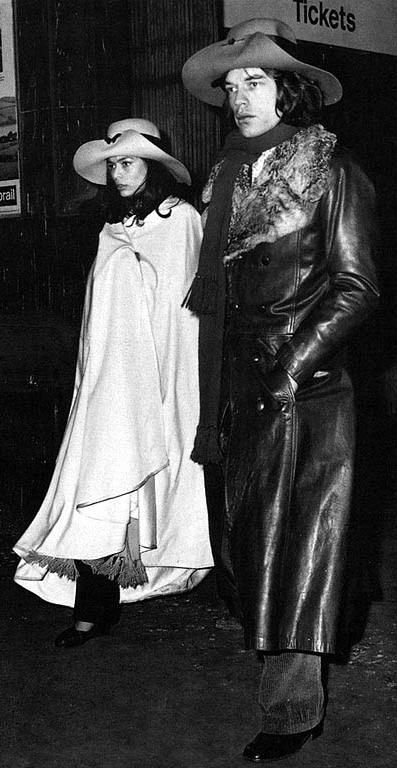
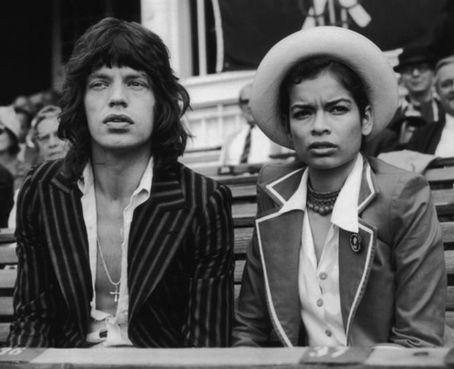
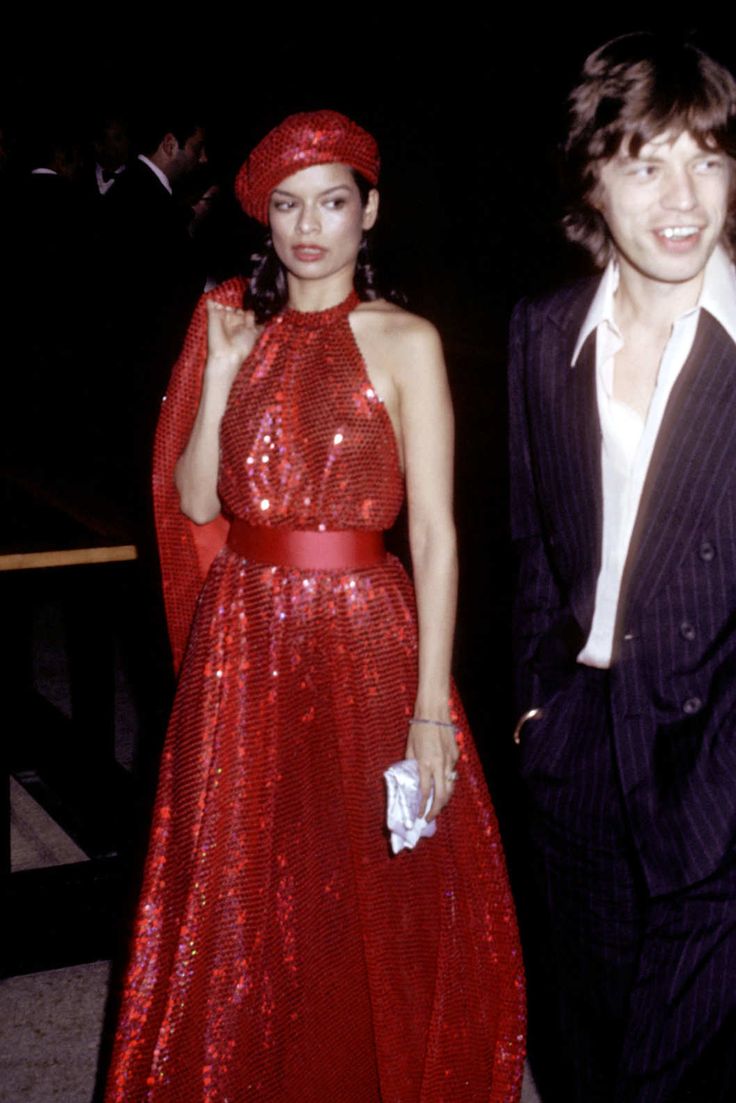
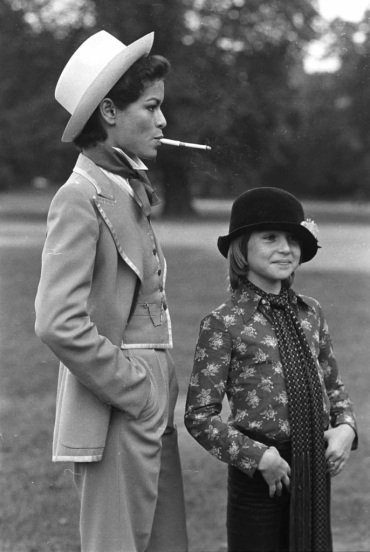
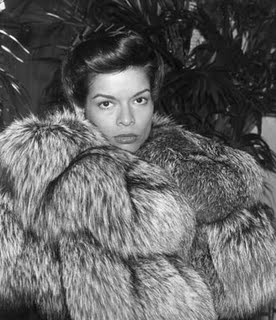
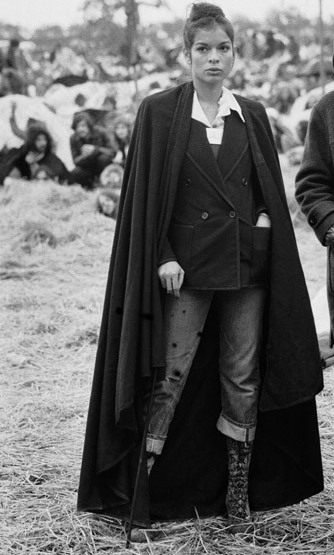
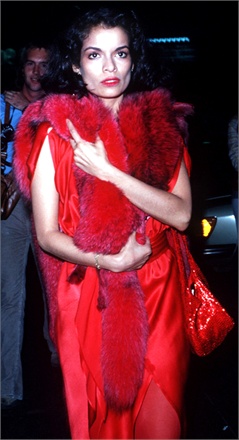
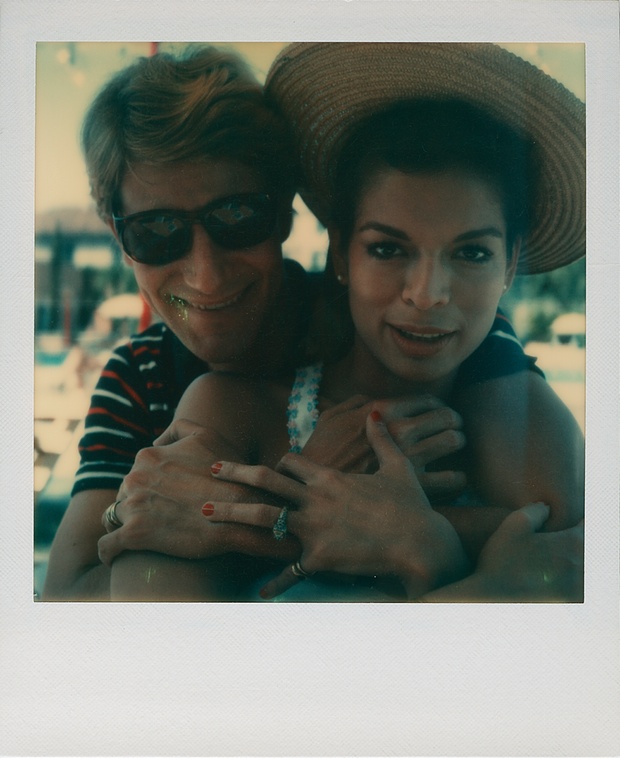
Bianca Jagger is known for being both the first wife of Mick Jagger and one of the most impeccably stylish women in the world. Bianca’s exotic beauty caught the Rolling Stones’ frontman’s eye at a party in France after one of their concerts in 1970 and they married ( Bianca wore a YSL Le Smoking jacket on her wedding day) a year later in St Tropez. Bianca has since said that her marriage was over as soon as it began, but black and white photographs of the cooler-than-cool pair dripping with ’70s glamour suggest it was beautiful while it lasted. Their split did little to snuff out Bianca’s jet-setting, party-going reputation, and she was a solid fixture on Manhattan’s Studio 54 scene always decked out in luxurious furs, glittering sequins and exquisitely tailored white YSL trouser suits.

Bianca jagger

Bianca jagger & Tatum O'Neal

Bianca jagger

Bianca jagger

tumblr_m1odu3p2xx1r13koao1_400

Bianca Jagger At A Party

A close friend and photographic favourite of Andy Warhol (her daughter Jade once urinated on a piece of his artwork), Bianca also personified the elegant Halston woman along with Liza Minnelli and Lauren Bacall. It was Halston she wore to her 30th birthday party at Studio 54 where she famously rode on a white horse lead by a semi-clad man.

Studio 54

Steve Rubel, Halston and Bianca Jagger at Studio 54, 1978Steve Rubel(owner Studio 54), Halston and Bianca Jagger at Studio 54, 1978
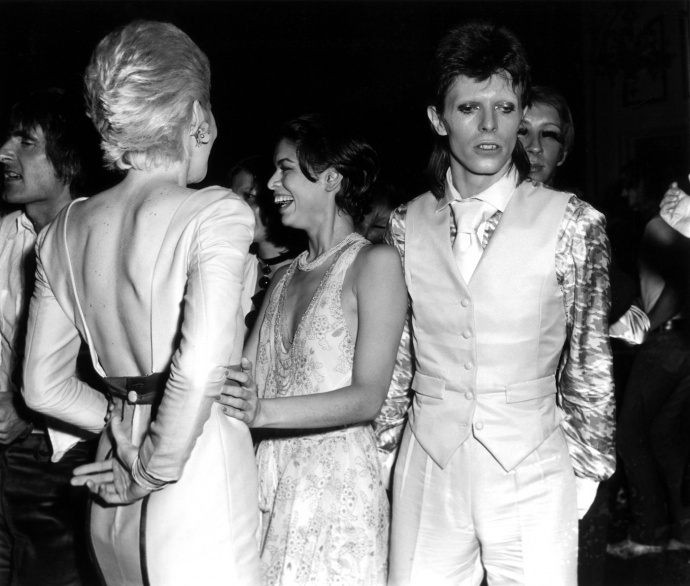
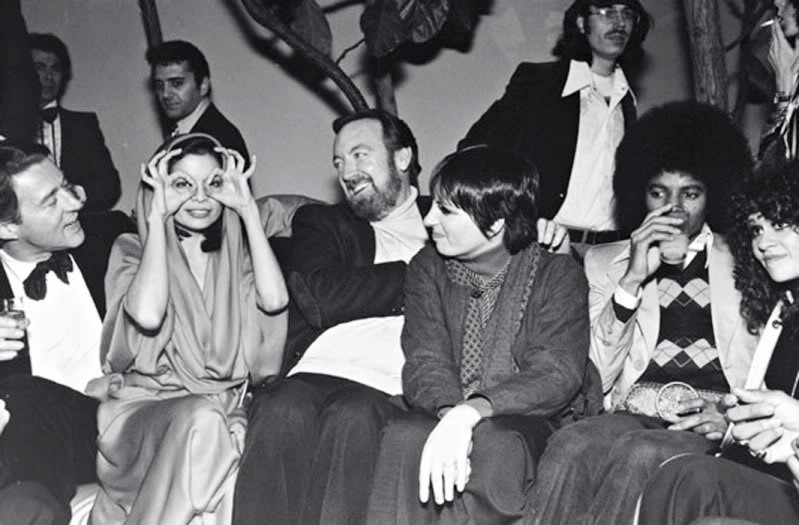
Liza Minnelli;Andy Warhol;Halston;Jack Jr. Haley [& Wife];Mrs. Mick JaggerHalston, Bianca & Andy WarholBianca Jagger with David & Angie BowieWith Angie & David BowieLiz-Taylor-Halston-Bianca-JaggerElisabeth Taylor, Halston & Bianca
the-gangHalston, Bianca,Liza Minnelli & Micheal Jackson
.

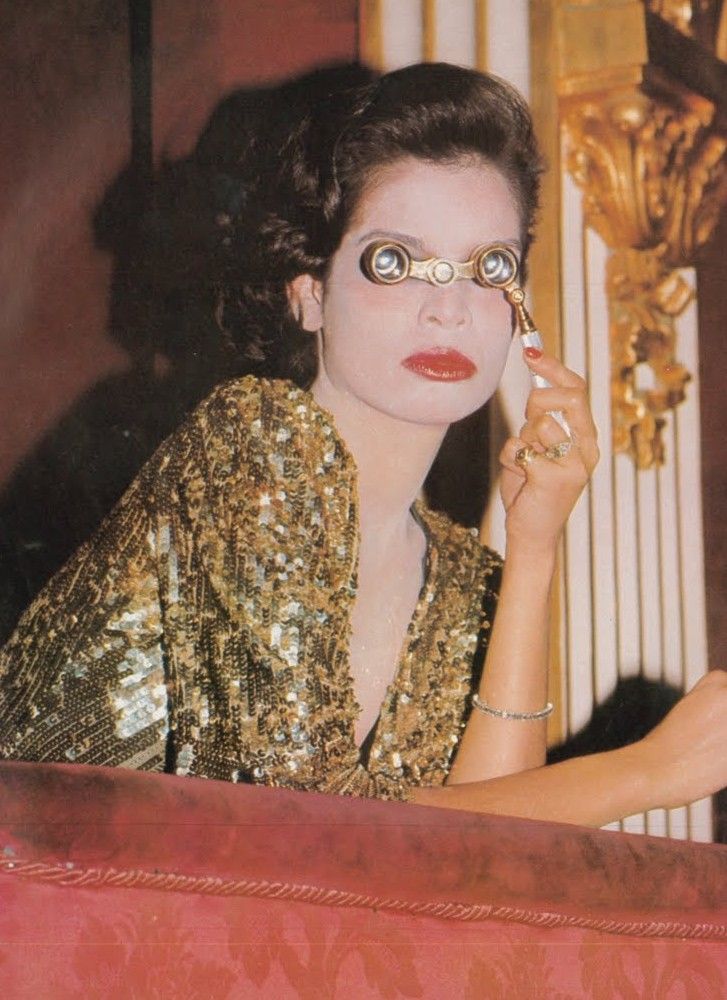
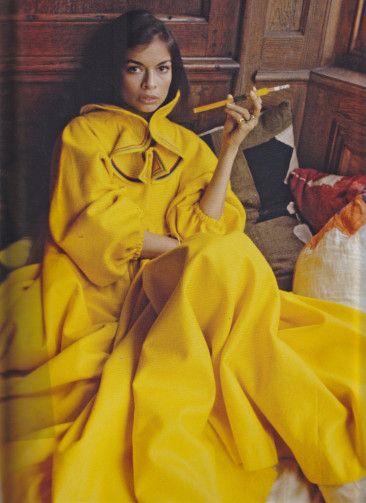
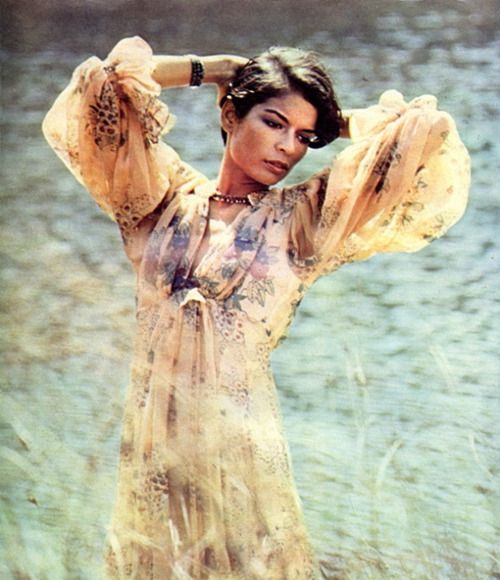
The It Girl of the decade, Bianca’s glam look ranged from unbuttoned blouses, wide-lapel suits, bold choker necklaces, one-shoulder dresses, and fierce facial expressions. As she puts it well, “Style is knowing what suits you, who you are, and what your assets are. It is also accepting it all.”

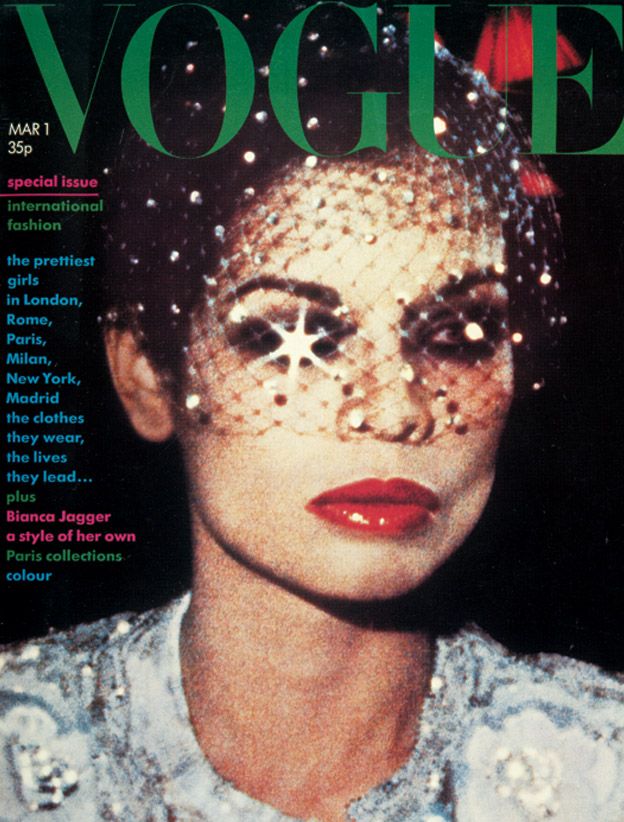
Bianca Jagger , cover Vogue

Bianca Jagger by Eric Boman for Vogue UK, March 1974.

cam-00047796.highres-0_0x440

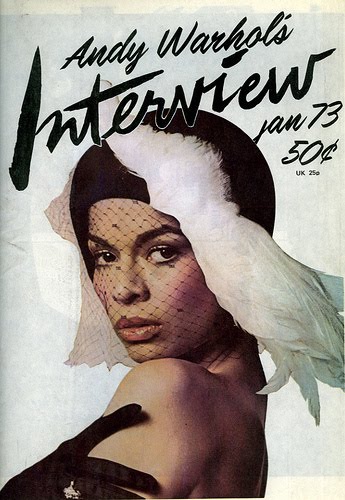
Bianca Jagger wearing Zandra RhodesWearing Zandra Rhodes Bianca Jagger wearing a dress by Ossie ClarkWearing Ossie Clark1819With Yves Saint LaurentBianca Jagger, cover Interview magazine.

.
Studio 54 Fable
Bianca-Jagger

Bianca Jagger wants to set the record straight about a certain night at Studio 54, which has haunted the annals of night life lore since 1977. “Mick Jagger and I walked into Studio 54,” she wrote in a letter to the editor in the Financial Times, finally setting to rest the rumors that she rode into the famed nightclub on a white horse.

As with most rumors, the story has some basis in fact. Fashion designer Halston threw a 30th birthday party at Studio 54 for Jagger, who at the time was married to Rolling Stones frontman, Mick Jagger. At the party, a naked giant covered in gold glitter led Bianca, clad in Halston and Manolo Blahniks, around the night club on horseback. The moment was captured by noted fashion photographerRose Hartman and the image went whatever was the 1977 equivalent of viral, slowly becoming emblematic of the excesses (read: fun) of the era and eventually becoming a legend.

However somewhere along the way, the story was twisted to include the detail that Jaggerrode into the nightclub on the horse, which would certainly be a memorable feat. However, Jagger took to the Financial Times today to declare that detail preposterous and, as an animal rights defender, downright offensive. In the letter to the editor, she wrote: “It is one thing to, on the spur of the moment, get on a horse in a night club, but it quite another to ride in on one.”

She explained that the club’s owner, Steve Rubell, had brought the horse into a club as a lark, after seeing a photo of her riding one in her home of Nicaragua. When she saw the horse inside the club, Jagger thought it would be fun to hop on and take it for a quick spin. Contrary to rumor, she did not ride the white horse down 54th street and into the velvet-roped doors of Studio 54. In her letter to the editor, Jagger wrote: “I often ask myself how people visualise this fable . . . Where was Mick during this time? Was he holding the reins and pulling me and the horse through the streets of New York, or following submissively behind me!?”

She closed the note with the hope that her letter would finally “put this Studio 54 fable — out to pasture.”

By Melissa Locker for Vanity Fair

.

.

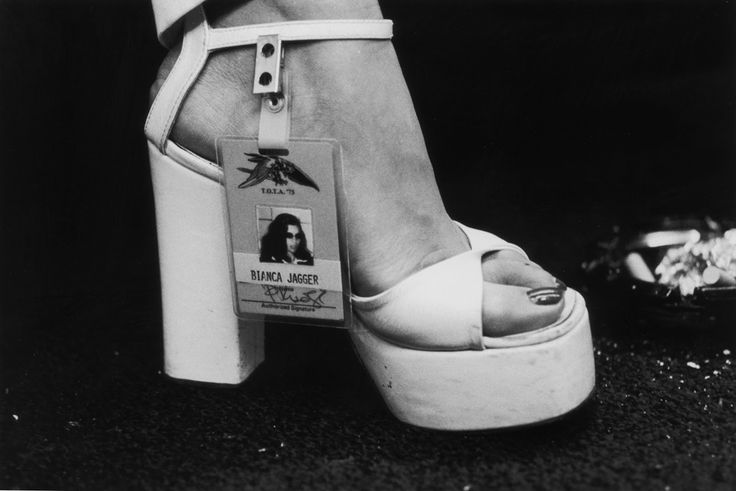
Bianca Jagger Wearing her backstage pass on het shoe


info:

WikiPedia

http://www.oystermag.com

http://www.vanityfair.com/hollywood/2015/04/bianca-jagger-studio-54