Archive | 2013

Amazing Pattern Books

14 Jul

pattern magic 12

A couple of years ago, my sister Mary showed me a great online shop specialized in books on crafts like sawing, knitting, beading, embroidery etc. She had bought a Japanese book with patterns for children’s clothes which was really great, so I started searching the shop for other pattern books and found the best ever. They were written in Japanese, but because I am a very advanced sewer this didn’t withhold me from buying some of the books. A little while ago I noticed one of these books in a bookstore in Amsterdam, but this one was translated in English. So for my fellow craftsmen who haven’t been introduced to these fantastic books, read this post.

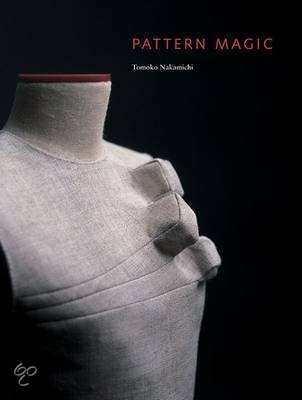
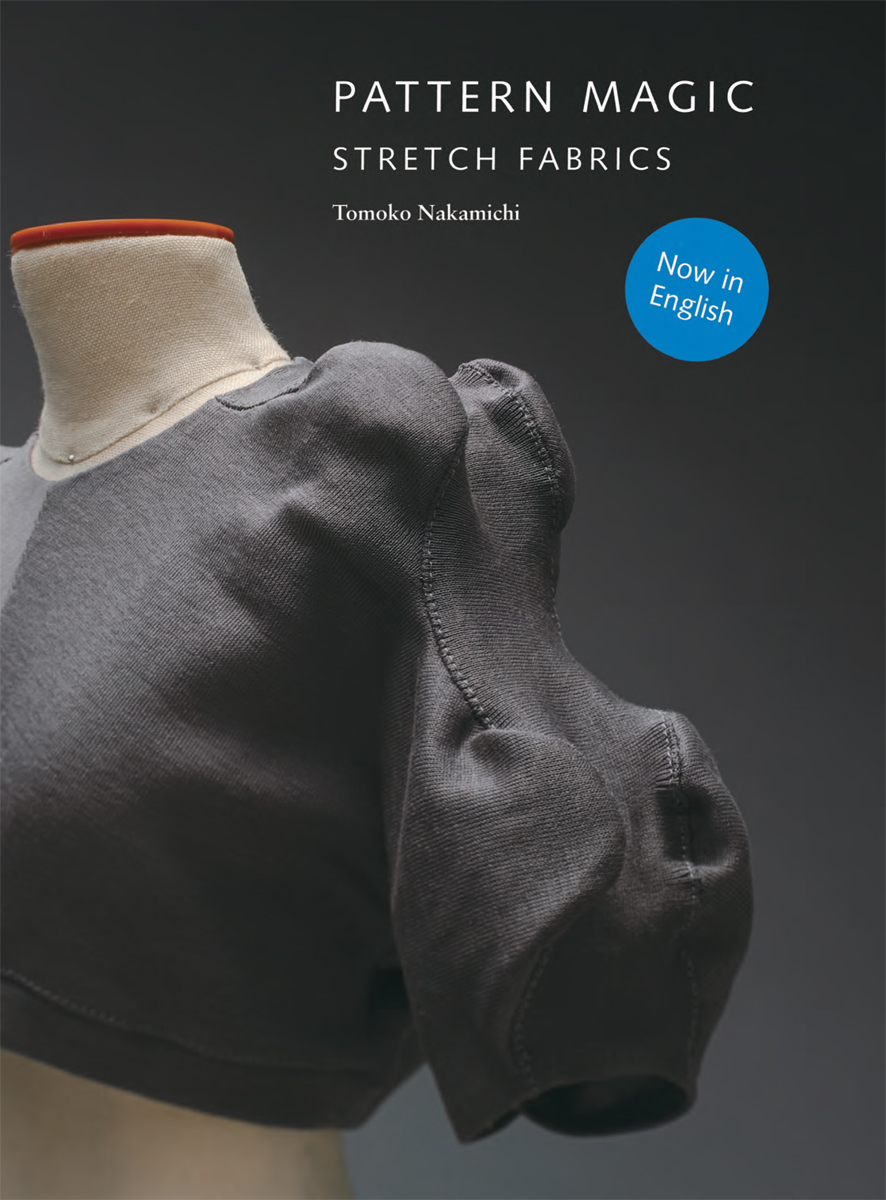
 Pattern Magic

Pattern Magic

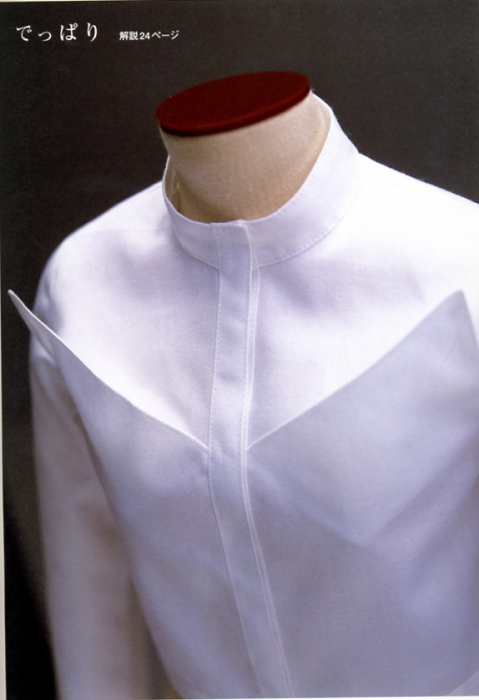
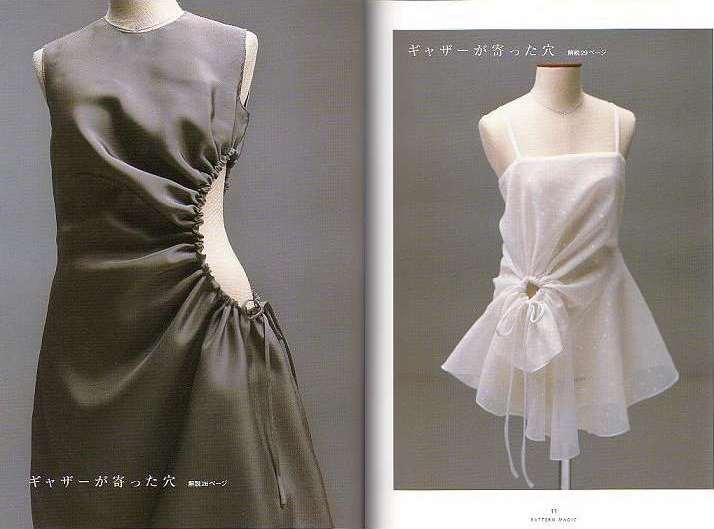
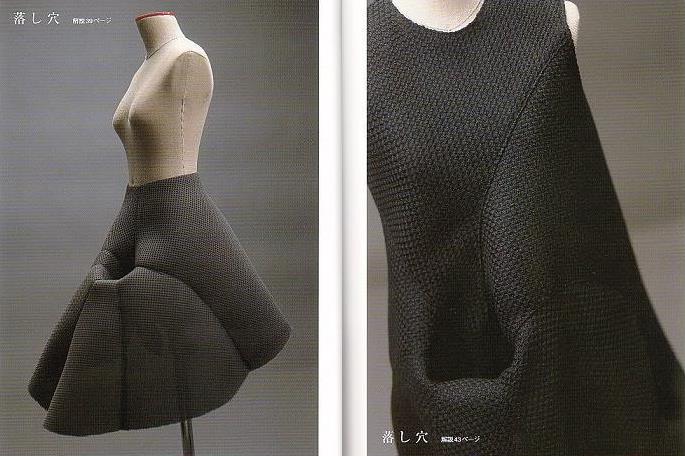
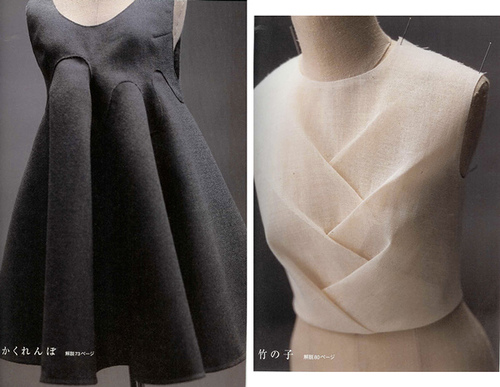
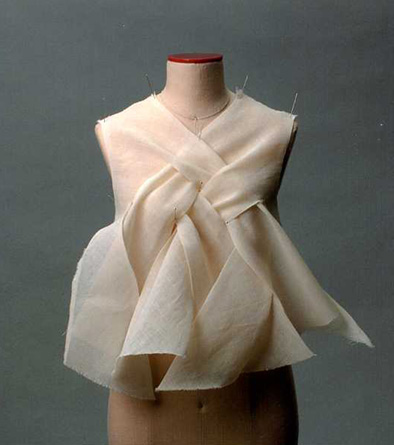
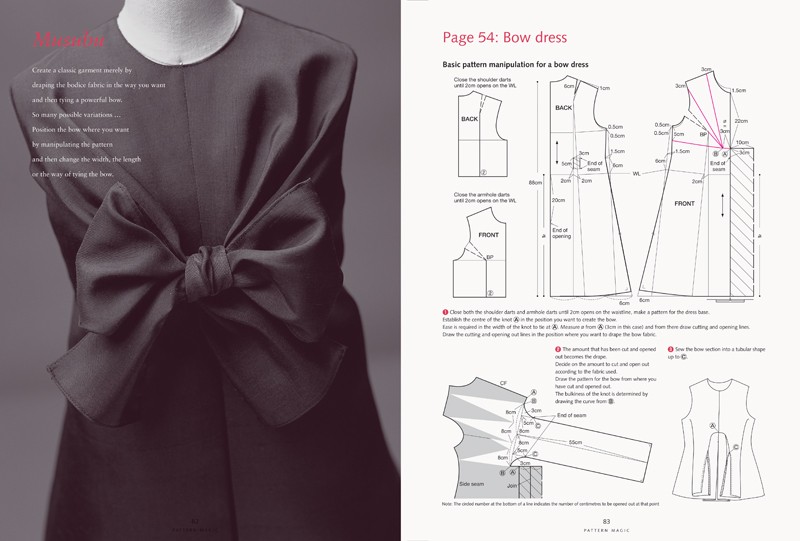
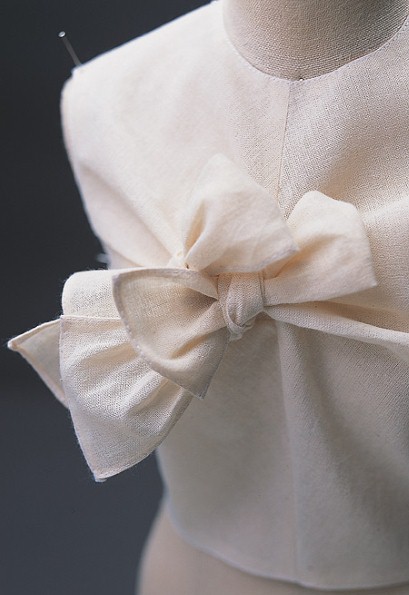
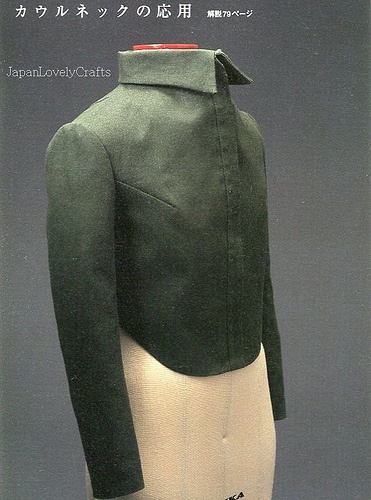
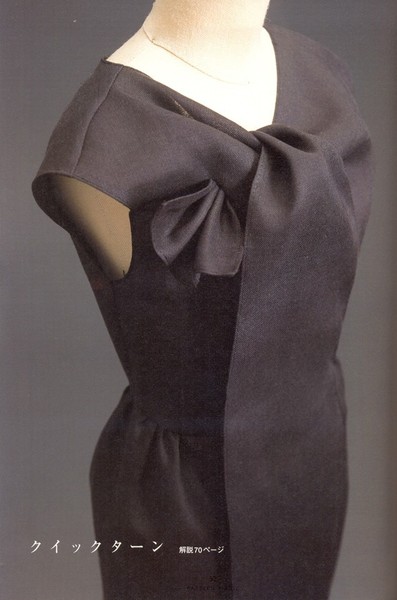
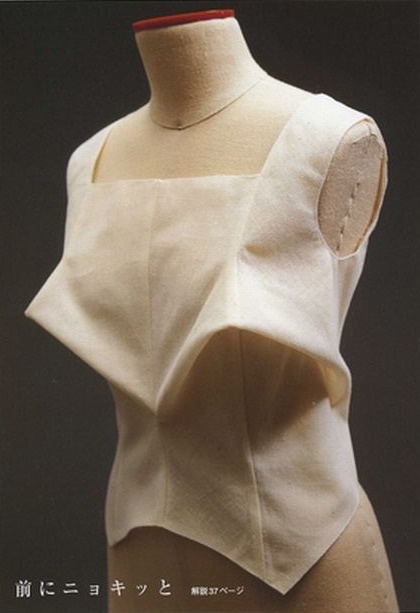
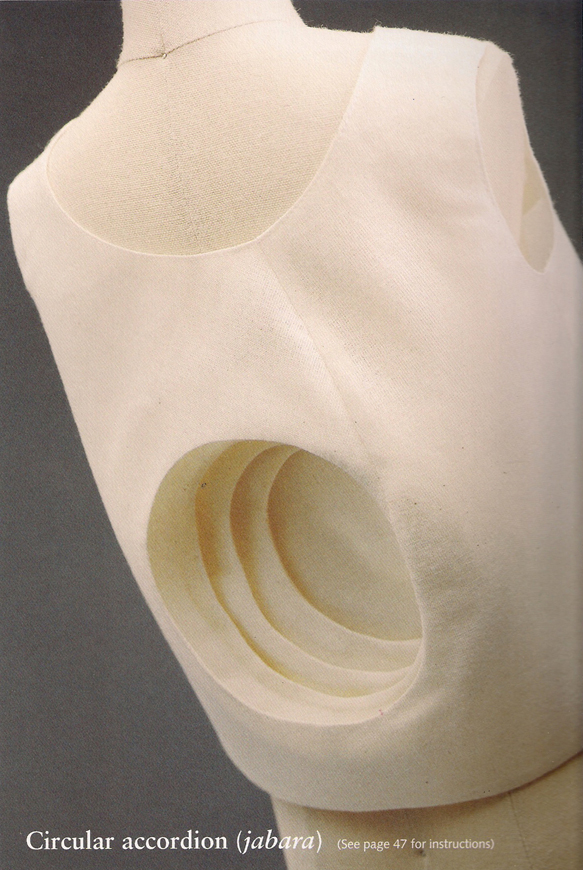
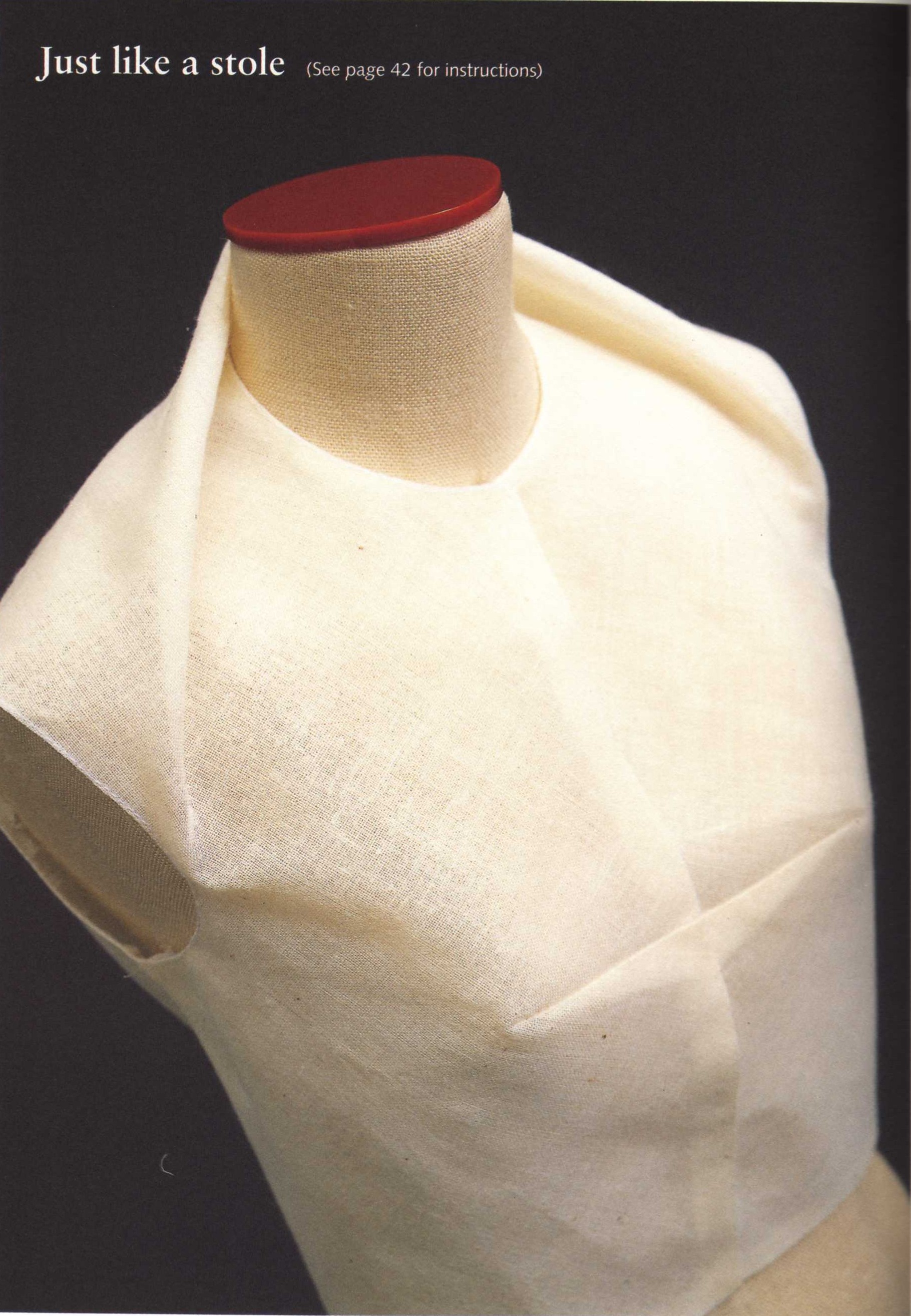
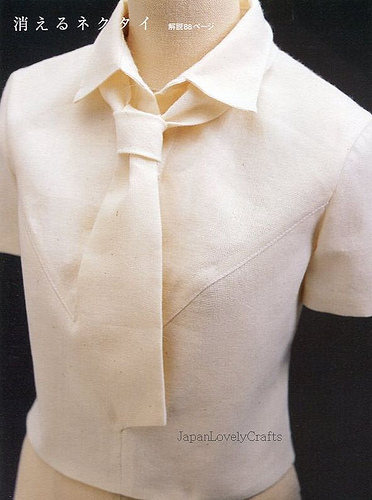
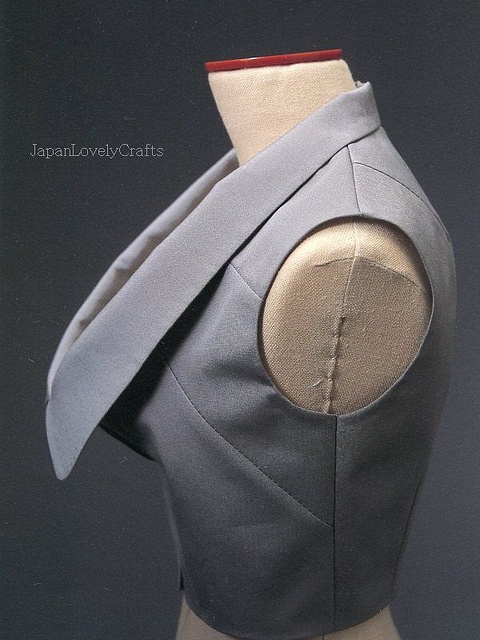
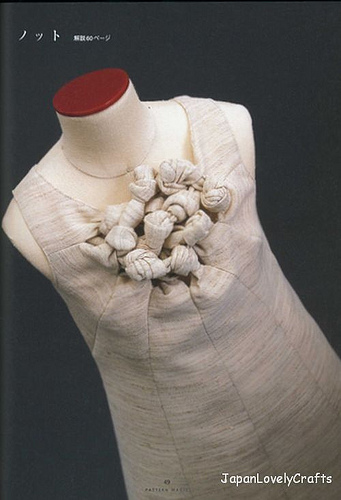
Pattern Magic is the cult pattern-cutting book from Japan. Taking inspiration from nature, from geometric shapes and from the street, this book harnesses the sheer joy of making and sculpting clothes. The book takes a creative approach to pattern cutting, with step-by-step projects for fashion designers and dressmakers to enjoy.
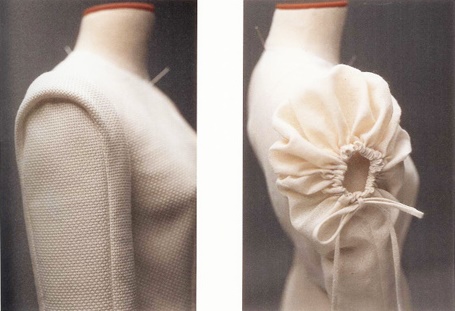
All the basic information you need to start pattern cutting is included, from the basic block to measurements and scaling. Each project is beautifully illustrated with clear diagrams and photographs showing the stages of construction, the toiles and the finished garments. These easy-to-follow illustrations and detailed instructions make it easy to create stunning, sculptural clothes with a couture look.

1

2

3
4

5

6

7
8
.

 Pattern Magic  vol. 2

Pattern magic vol. 2

About the Author

After serving many years as a professor at Bunka Fashion College, Tomoko Nakamichi currently delivers lectures and holds courses on design making, both in Japan and overseas.

1
2
3
8
4
5
6
7
.
Pattern Magic even has its own Facebook page on which people show their own Magic Pattern-garments and their own designs !
 
.

Pattern Magic  Stretch Fabrics

Pattern Magic
.
All three books (English version)  can be ordered by Amazon.com
.

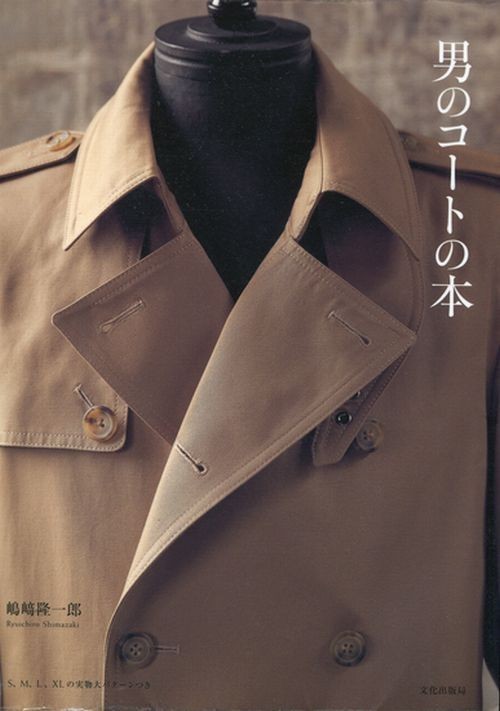
Men’s coats by Ryuichiro Shimazaki

bookcover
.
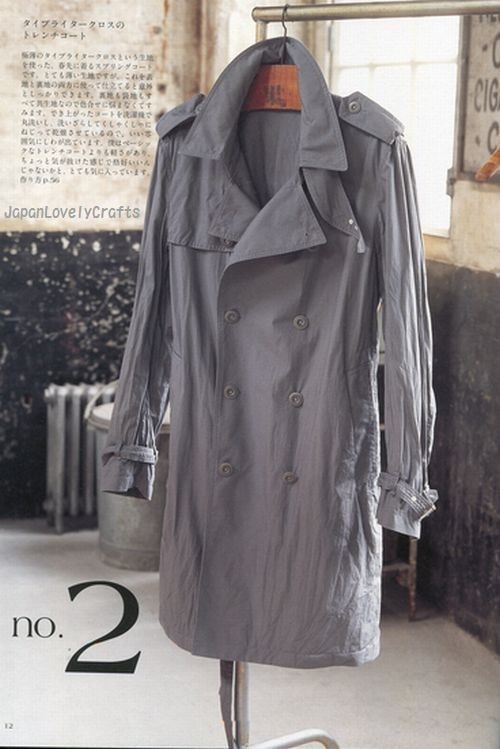
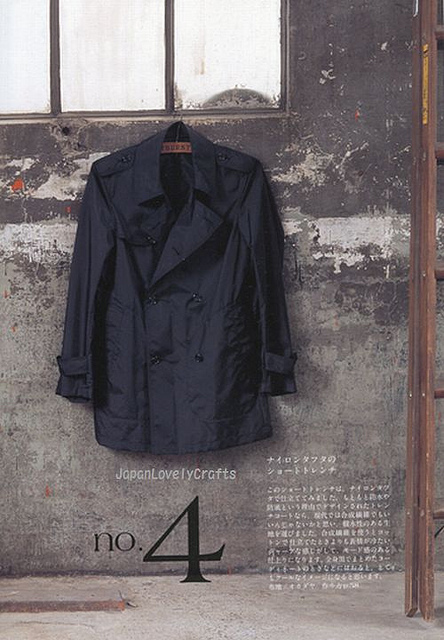
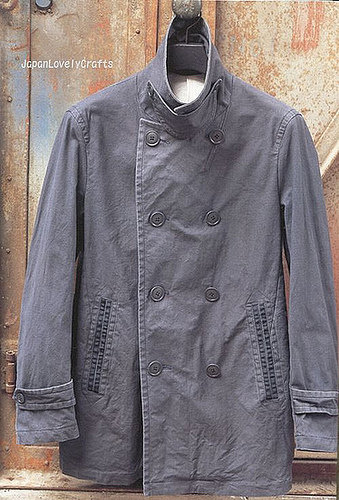
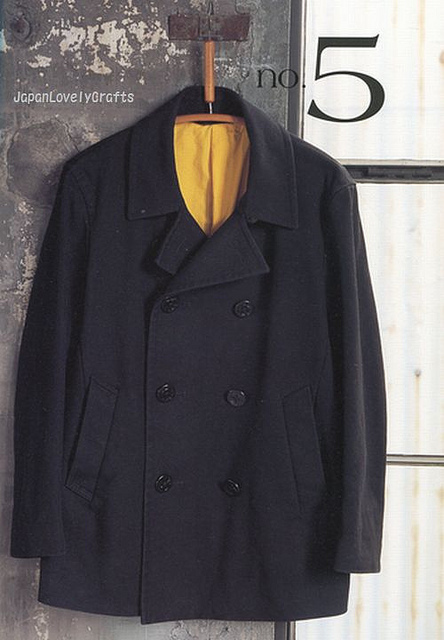
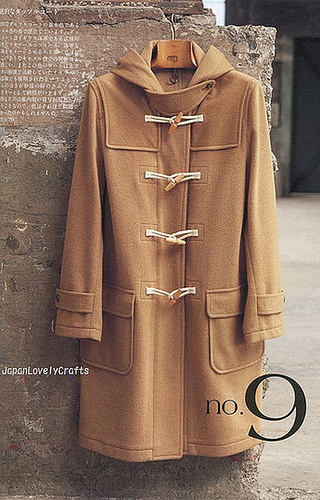
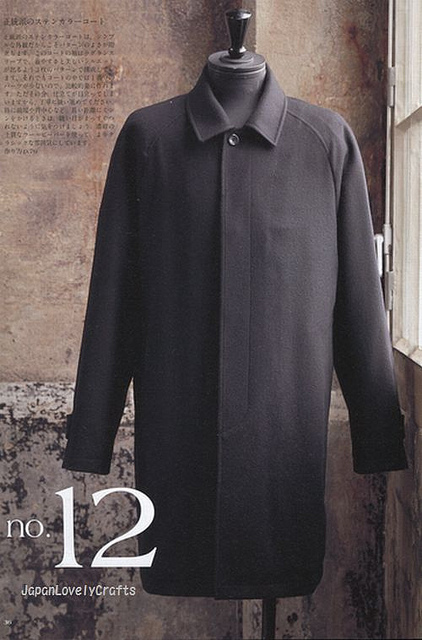
Japanese Sewing Pattern book for Men’s Coats with Full-Sized Pattern Sheet Basic & Cool!!! These cool coats are all designed by  Ryuichiro Shimazaki. Ryuichiro Shimazaki is very famous Sewing Designer for men in Japan!! This book is absolutely FANTASTIC! It’s written in Japanese though… Don’t worry 🙂 You can get step-by-step instructions  in illustrations ! 01 – Trench Coat 02 – Trench Coat (Spring Coat) 03 – Casual Trench 04 – Short Trench 05 – Pea Coat 06 – Pea Coat (Vintage Style) 07 – Pea Coat (Marine Style) 08 – Pea Coat (Military Style) 09 – Duffel Coat (Traditional) 10 – Duffel Coat (Off-White) 11 – Duffel Coat (Canvas) 12 – Balmacaan Coat (Traditional) 13 – Balmacaan Coat (Used Style)
.
2
4
Magic Patterns
5
9

.

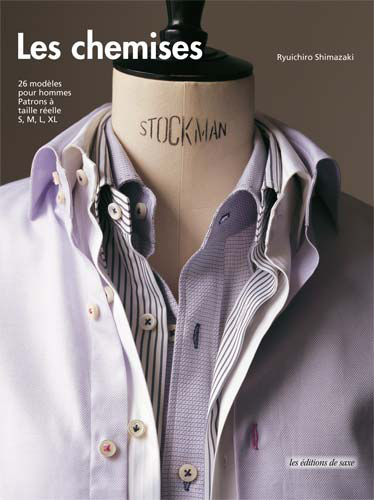
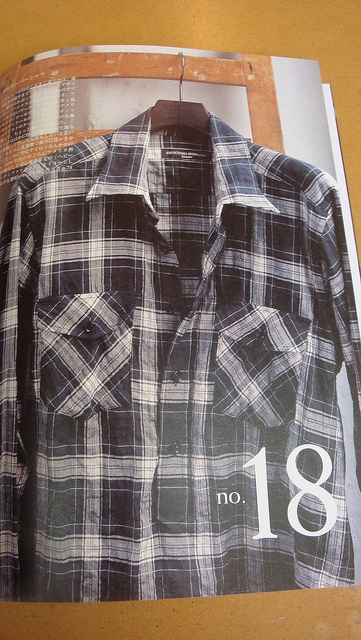
Shirts by Ryuichiro Shimazaki

les-chemises-couture-Shimazaki-edisaxe

This book is can be bought in the French or Japanese language

making_cool_men_shirts_by_ryuichiro_shimazaki_-_japanese_sewing_book_7f80475e

making_cool_men_shirts_by_ryuichiro_shimazaki_-_japanese_sewing_book_7f11244d

making_cool_men_shirts_by_ryuichiro_shimazaki_-_japanese_sewing_book_58af4737

18

.
.

Salvatore Ferragamo, searching for ‘shoes which fit perfectly’

7 Jul

Salvatore Ferragamo

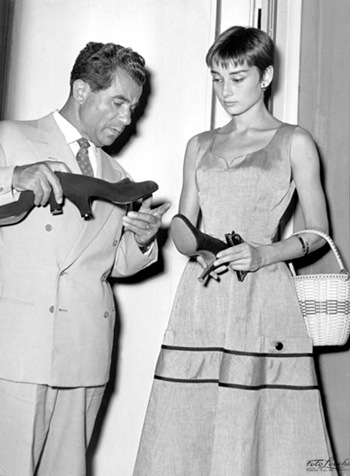
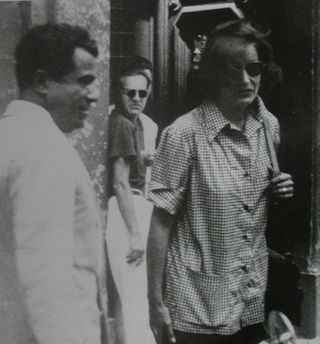
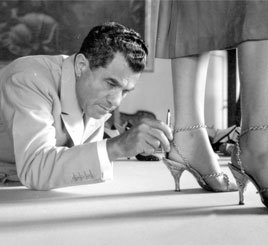
Salvatore Ferragamo was one of the most influential footwear designers of the 20th century, providing Hollywood’s glitterati with unique hand-made designs

.
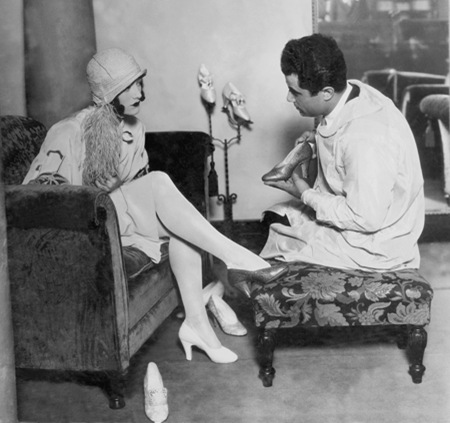
Salvatore Ferragamo was born, the eleventh of fourteen children, in 1898 in Bonito, a village about 100 kilometres from Naples. After making his first pair of shoes when he was only 9, for her sister to wear on her confirmation, young Salvatore decided that he had found his calling.  He studied  shoemaking in Naples for a year, and opened a small store based in his parent’s home. In 1914, Salvatore emigrated to Boston, where one of his brothers worked in a cowboy boot factory. Salvatore was fascinated by the modern machinery and working procedures but at the same time saw its quality limitations  After a brief stint at the factory, Salvatore convinced his brother to move to California, first Santa Barbara then Hollywood. In the early Twenties he moved to Santa Barbara, California, to join another brother. It was here that Salvatore found success, initially opening a shop for repair and made-to-measure shoes, which soon became prized items among celebrities of the day, leading to a long period of designing footwear for the cinema.
.
Joan Crawford

Joan Crawford

Sophia Loren

Sophia Loren

Audrey Hepburn

Audrey Hepburn

Greta Garbo

Garbo & ferragamo

.

Marilyn Monroe famous movie scene in Salvatore Ferragamo heels

Marilyn Monroe

.

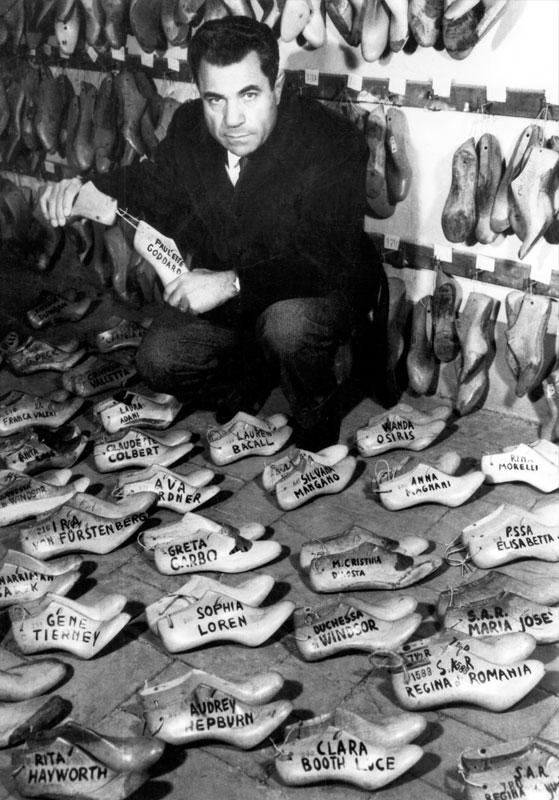
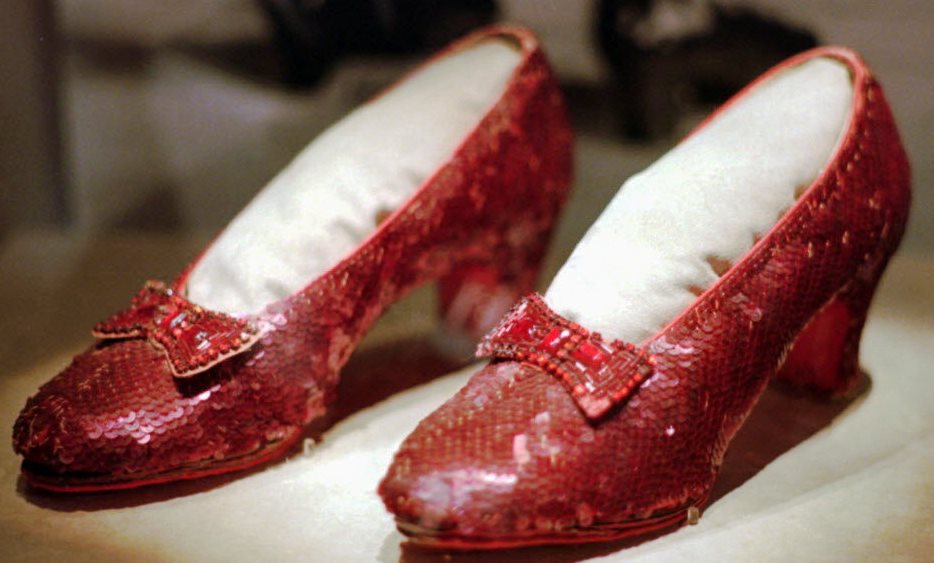
California was a dreamland in those years . For more than 30 years he shod the whole galaxy, from Lillian Gish in the first silent films to Marilyn Monroe in the Seven Year Itch. Greta Garbo purchased 70 pairs of shoes in one visit to the shop in Florence. One of his most celebrated pieces are Dorothy’s ruby slippers for the 1939 version of The Wizard of Oz. Meanwhile Salvatore himself, in his constant search for ‘shoes which fit perfectly’ studied human anatomy, chemical engineering and mathematics at university in Los Angeles. When the movie industry moved to Hollywood, Salvatore  followed. In 1923 he opened the ‘Hollywood Boot Shop’, which marked the start of his career as ‘shoemaker to the stars’, as he was defined by the local press. His success was such that he couldn’t keep pace with the orders, but American labour wasn’t capable of making the shoes Salvatore wanted and in 1927 he decided to return to Italy, to Florence, a city traditionally rich in skilled craftsmanship.
.
Salvatore Ferragamo
Ferragamo Workshop
Salvatore Ferragamo

Salvatore

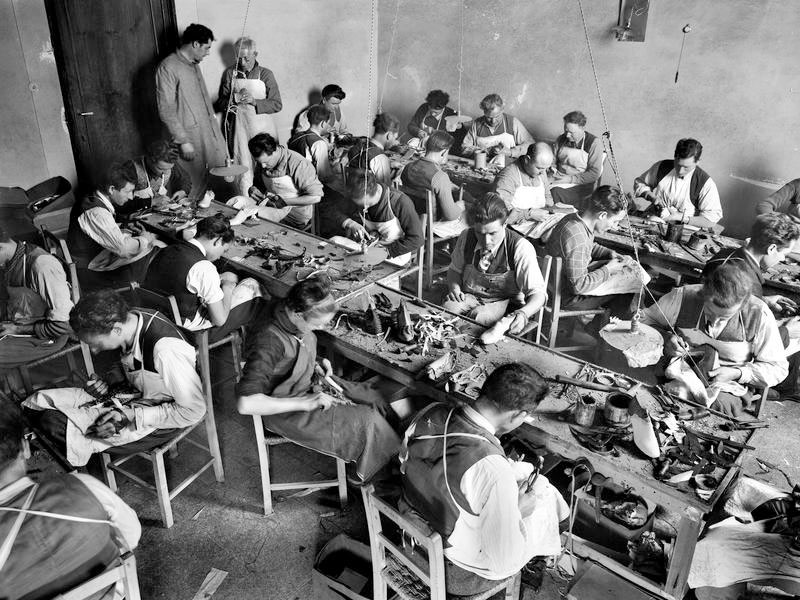
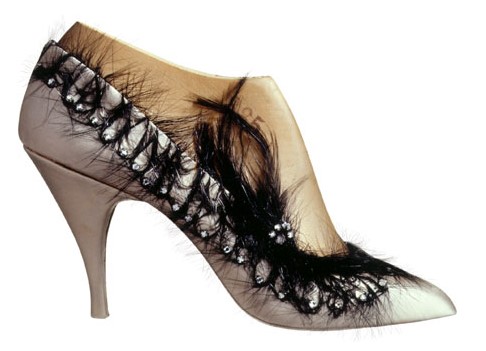
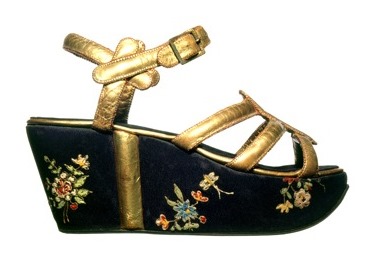
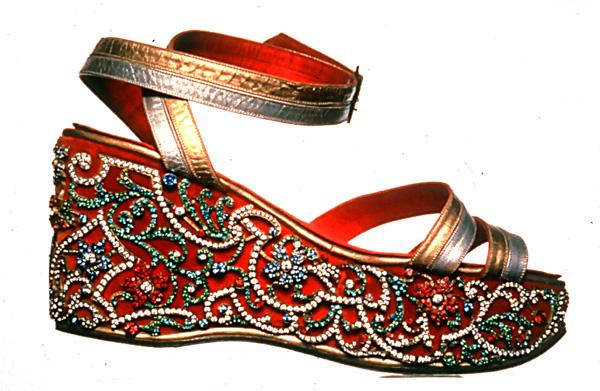
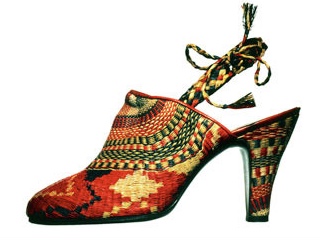
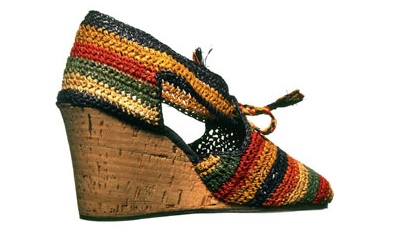
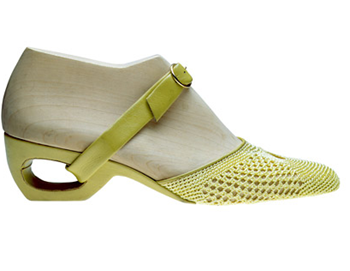
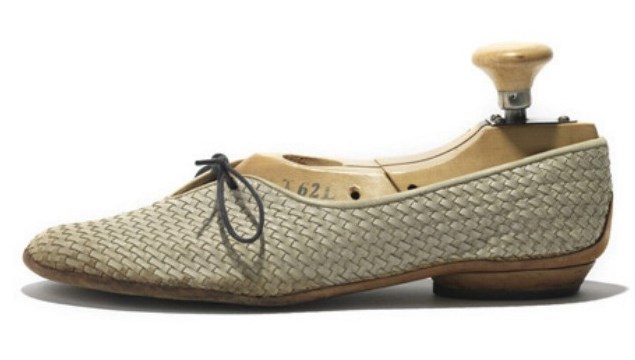
From his Florentine workshop – in which he adapted production line techniques to the specialised and strictly manual operations of his own workers – he launched a constant stream of exports to the States. Then came the great crisis of 1929, which brusquely interrupted relations with the American market, and the firm had to close. Salvatore didn’t not lose heart however, turning his energies instead to the national market. By 1936 business was going so well he started renting two workshops and a shop in Palazzo Spini Feroni, in via Tornabuoni. These were years of economic sanctions against Mussolini’s Italy and it was in this period that Salvatore turned out some of his most popular and widely-imitated creations, such as the strong but light cork wedges. Cork, needlepoint, lace, hemp, wood, metal wire, raffia, felt,  glass-like synthetic resins  cellophane and raffia, – he even tried fishskin- were among the innovative materials that Salvatore used to creatively replace the leather and steel which trade restrictions prevented him from using.

 Ferragamo FamilyFerragamo family
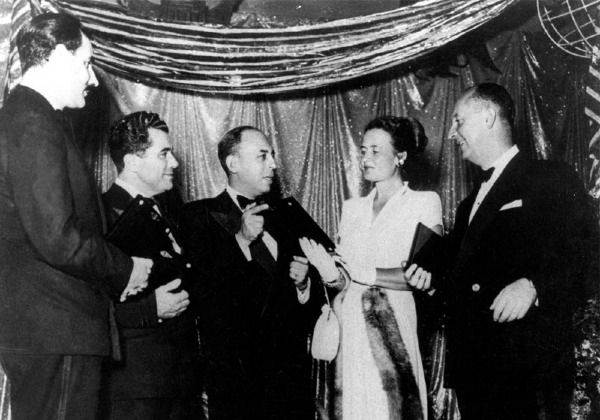
Neiman Marcus Award (Salvatore second from left, Christian Dior standing at the right side)
1947 Ferragamo Dior

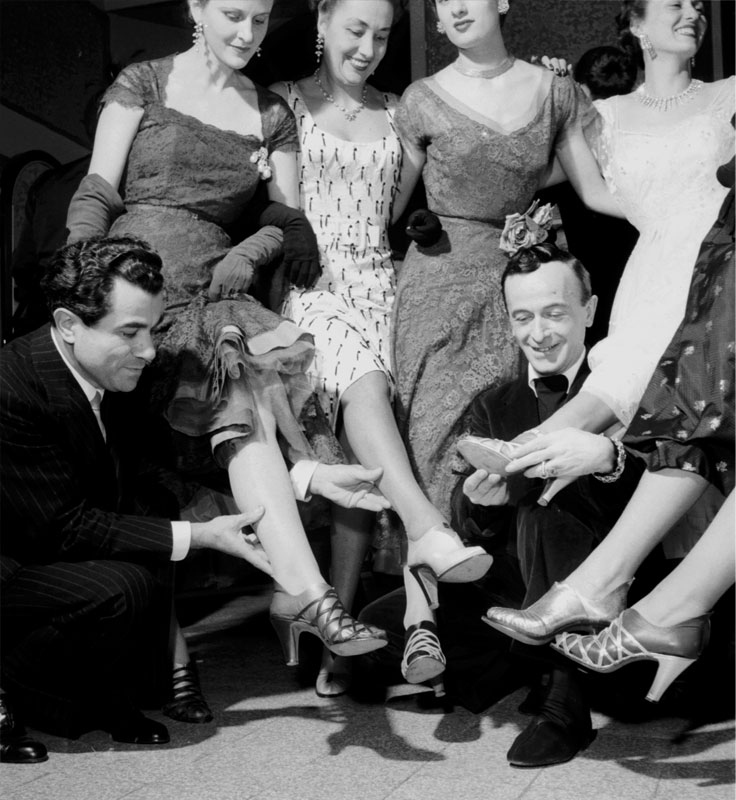
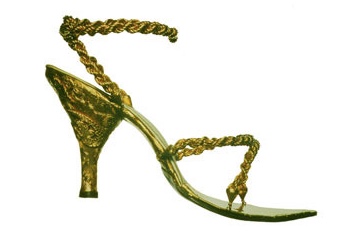
On the strength of his success, in 1938 Salvatore was in a position to pay the first instalment for the purchase of the entire Palazzo Spini Feroni, which has been Company headquarters ever since. In 1940 he married Wanda Miletti, the young daughter of the local doctor in Bonito, who had followed him to Florence and who was to bear him six children, three sons (Ferruccio, Leonardo and Massimo) and three daughters (Fiamma, Giovanna and Fulvia). In the post-war period, all over the world the shoes of Salvatore Ferragamo became a symbol of Italy’s reconstruction, through design and production. These were years of memorable inventions: the metal-reinforced stiletto heels made famous by Marilyn Monroe, gold sandals, and the invisible sandals with uppers made from nylon thread (which in 1947 were to win Salvatore the prestigious ‘Neiman Marcus Award’, the Oscar of the fashion world, awarded for the first time to a footwear designer).

.

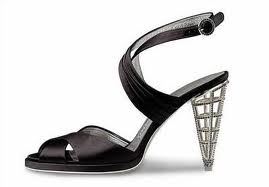
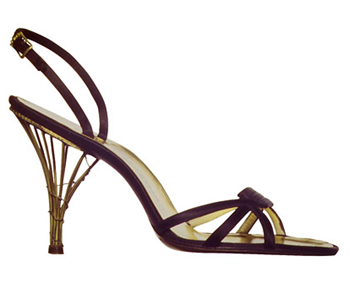
Cage heel 

Cage heel

Cage heelStiletto heel

Salvatore-Ferragamo-shoesPlatform sole
ferragamo_platform
Ferragamo
Golden sandal
Golden shoe
Raffia
Ferragamo
FerragamoInvisible sandal

Salvatore-Ferragamo-invisable-shoes

Ferragamo

salvatore-ferragamo-wedge-300409-1

ferragamo

Ferragamo

Ferragamo

Greta Garbo shoe by Ferragamo

The_Mystery_of_Style_Exhibition-14 2

When Salvatore Ferragamo died in 1960 he had realised the great dream of his life: to create and produce the most beautiful shoes in the world. His family was left the task of carrying on and fulfilling the plan that Salvatore had nurtured in his final years: transforming Ferragamo into a great fashion house.

.

.

Salvatore Ferragamo was always recognized as a visionary, and his designs ranged from the strikingly bizarre objet d’art to the traditionally elegant, often serving as the main inspiration to other footwear designers of his time and beyond.

. 82-gr.

Dorothy’s ruby slippers for the 1939 version of The Wizard of Oz

.

dorothy-s-ruby-slippers-20820147jpg-062fbc10cdec14cd
.
.

Six Magazine is Moving…

30 Jun

CDG

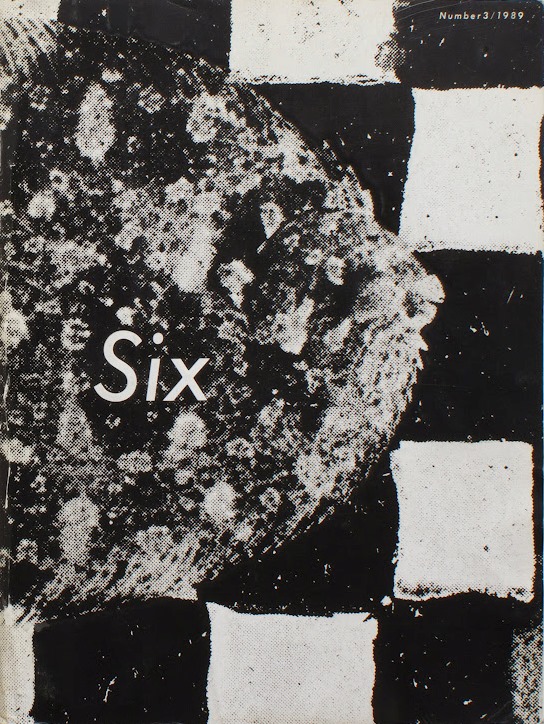
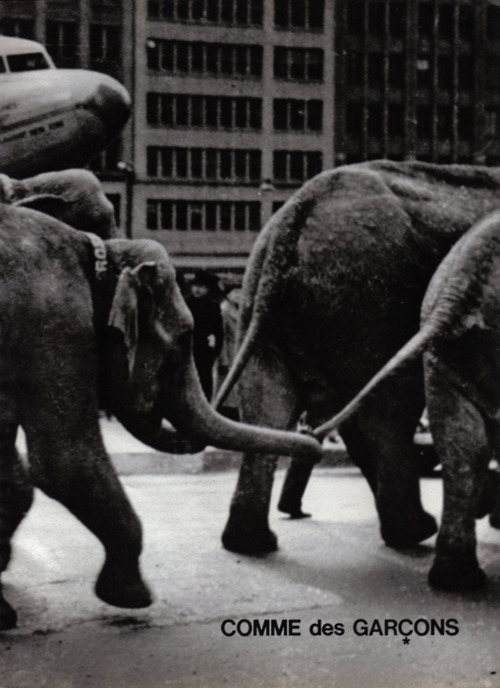
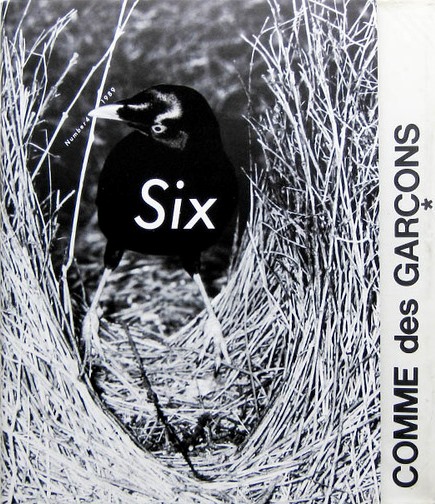
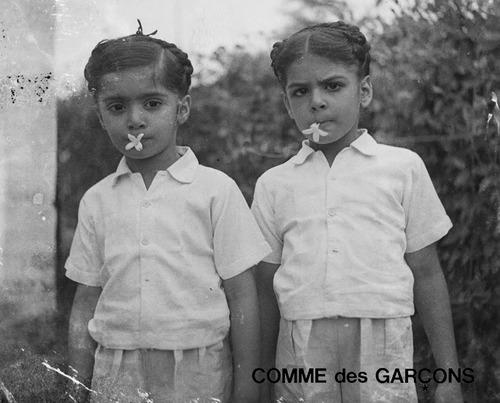
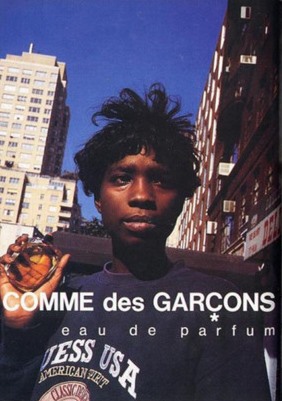
Twice a year I took the train to Paris, just so I could get my hands on the next issue of Six Magazine by Comme Des Garçons, the most inspiring magazine at the time.

.

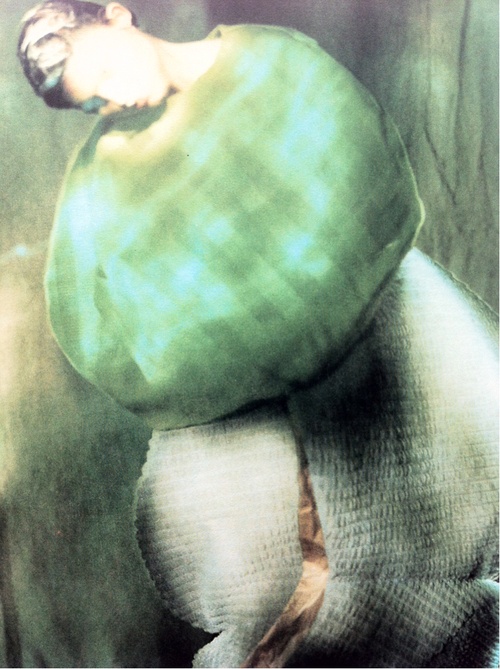
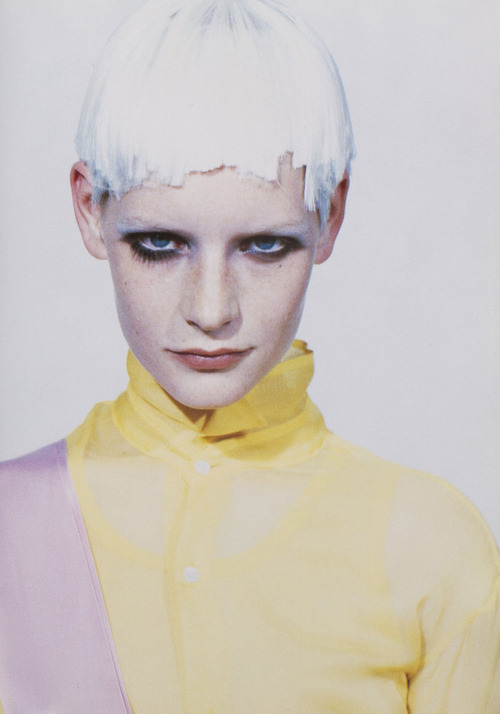
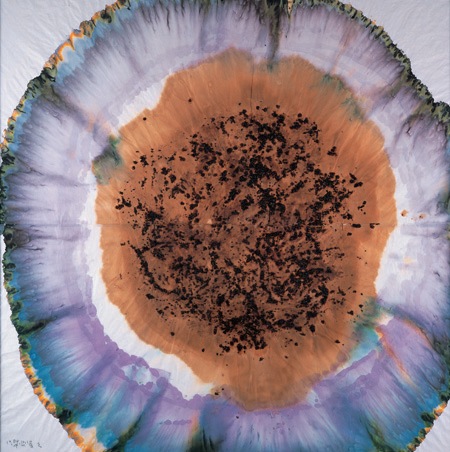
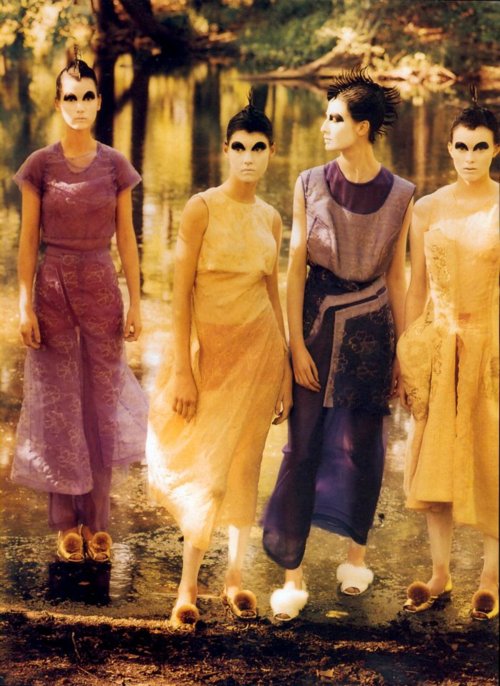
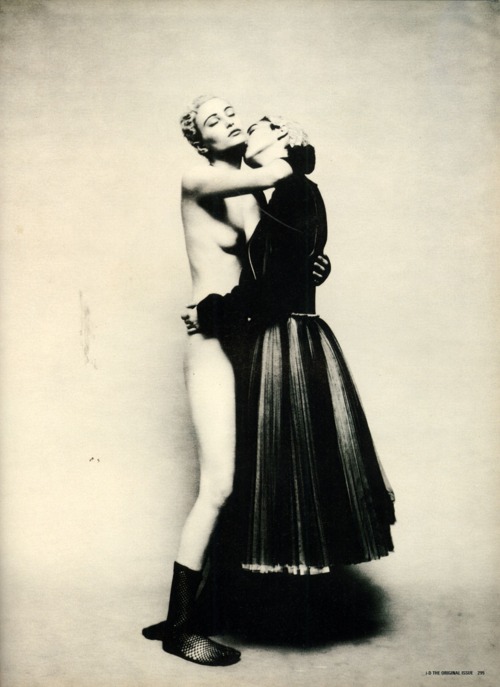
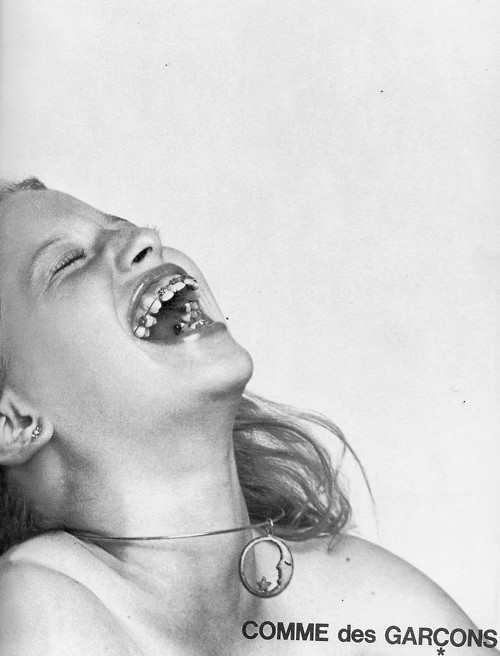
In 1988, Comme des Garçons founder and creative director Rei Kawakubo created bi-annual creative journal Six (and abbreviation of Sixth Sense), presenting her own work alongside that of other artists, photographers, designers and writers. The magazine closed its doors in 1991, by which time it had become an institution for the Japanese brand, and it’s now the subject of a stylish new iPad app. Moving Six takes an interactive look back into the archives, still a source of inspiration for Rei Kawakubo, packed with photos by Steven Meisel, Minsei Tominaga and Karl Blossfeldt, all tinted and enhanced especially. Be inspired.

.

CDG

Yukio Nakagawa Flower arrangement

CDG shirt

CDG

CDG

CDG

CDG

CDG

CDG

CDG

CDG

CDG

CDG

CDG

CDG

CDG

CDG

CDG

CDG

CDG

CDG

CDG

CDG

CDG

CDG

.

Comme des Garçons’ Moving Six app

Comme des Garçons presented a brand new iPad application in 2012, exploring the world of Six magazine, edited by designer Rei Kawakubo from 1988 to 1991.

.

.

(most pictures in this post were published in Six Magazine, the other pictures are also related to Comme des Garçons)

Corinne Day, remembered for transforming fashion photography

23 Jun

Corinne Day

From sudden Fame to harsh Criticism

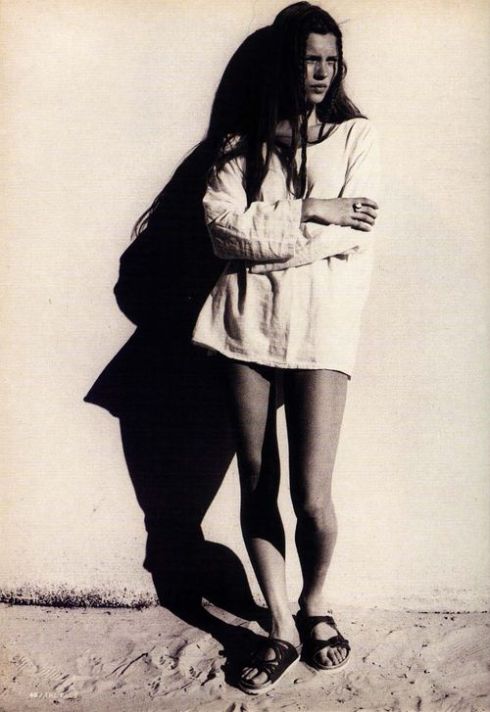
In many ways Corinne Day  memory is shadowed by the moment of her greatest good fortune: her spotting of a Polaroid of a gangly Croydon teenager among the files of a London model agency in the spring of 1990. She brought a photograph of the 14-year-old Kate Moss to Phil Bicker, the visionary art director of the Face magazine, then the single most influential style magazine in Europe. Back then, Bicker was busy reinventing British fashion photography as a gritty, altogether less glamorous form. He had gathered a bunch of young and ambitious photographers, including Glen Luchford, David Sims and Nigel Shafran, all of whom became successful in the fashion and art world. Corinne Day was perhaps the most temperamental, a feisty, self-taught, model-turned-photographer with attitude to burn.

“It was an exciting time because we were making up the rules as we went along,” says Bicker, “I saw the same thing in Kate as Corinne saw, that she represented something very real: the opposite, in fact, of all the unreal high glamour of fashion. I sent Corinne and stylist, Melanie Ward, down to Camber Sands to do a shoot with her.”

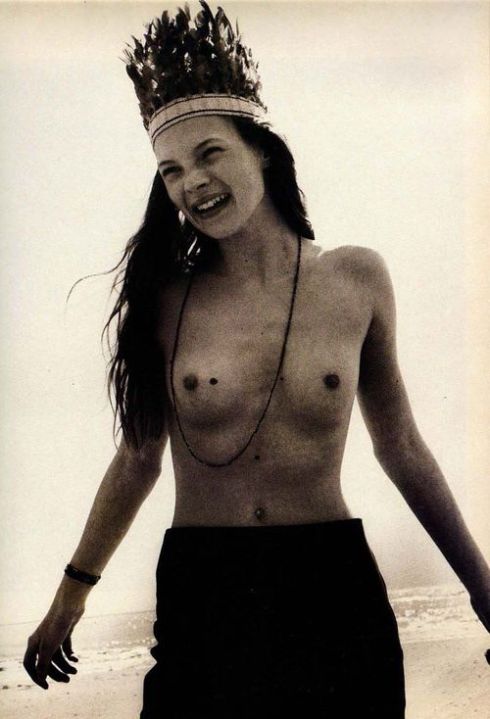
The cover of the July 1990 issue of the Face gained iconic status in the fashion world and beyond. On it, the young Moss, who appears to be wearing no make-up, grins like an excited and slightly gauche teenager from beneath a headdress made of fabric and feathers. The cover line announces “The 3rd Summer of Love” and promises features on the Stone Roses, Daisy Age fashion and psychedelia. The summer – and the decade, and the style-obsessed world in which we now live – had found its face.

.The-Face-Cover-Kate-Moss-by-Corinne-Day-e1326810400856.
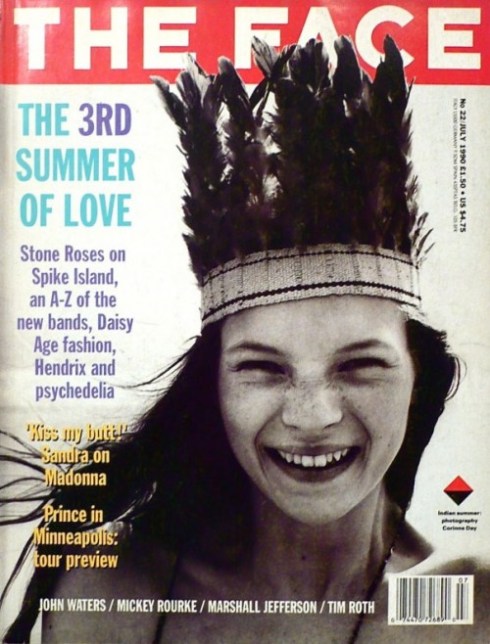
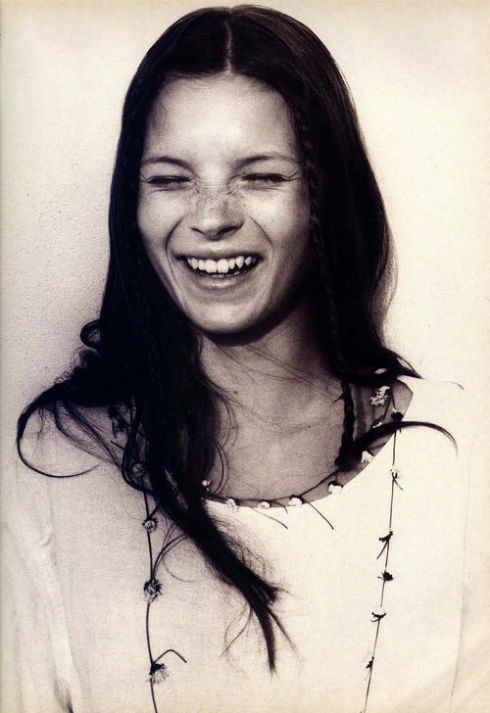
Inside, Kate Moss cavorted on Camber Sands in hippy-style clothes, sometimes topless, like a girl who could not quite believe her luck. Bicker is quick to point out that, although the fashion shoot seemed casual and unstyled, it was, in reality, the opposite. “It looked natural and simple but it was carefully constructed to look like that. In fact, as I recall, I sent them down there two or three times until they got it right. Kate hadn’t been modelling for very long but, even in her awkwardness, she had that thing about her that Twiggy had in the 60s, a freshness that matched the times.”

Juergen Teller, one of Corinne Day’s peers, and now the most globally successful photographer of all the young iconoclasts of that time, concurs. “I loved Corinne’s first photographs of Kate. They had that end-of-summer feel and seemed very fresh and almost naive, but in a good way. To me, they were her best photographs.”

The 3rd Summer of Love
Corinne Day

Corinne Day

Corinne Day

Corinne Day

Corinne Day

Corinne Day

Corinne Day

.
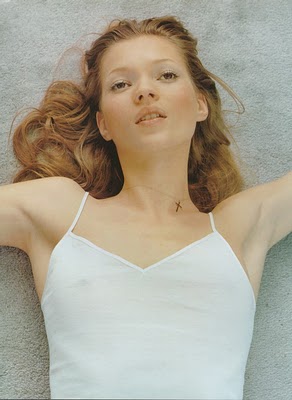
Revealingly, neither Kate Moss or her model agency were pleased with the photographs, finding them too raw and unadorned. Corinne Day had brought her own experience of being a model into the shoot. She later said, “It was something so deep inside, being a model and hating the way I was made up. The photographer always made me into someone I wasn’t. I wanted to go in the opposite direction.”

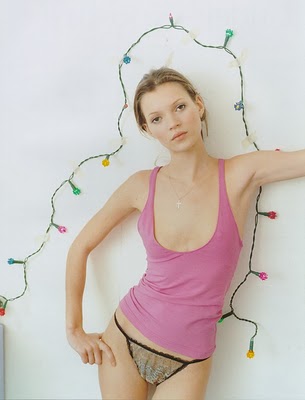
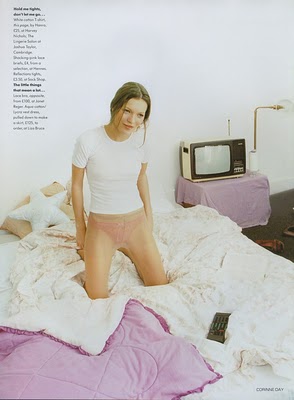
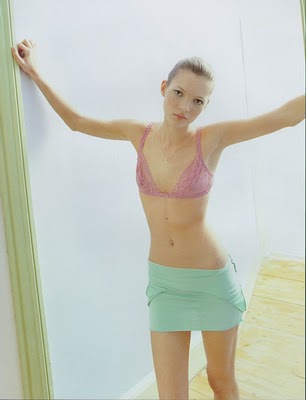
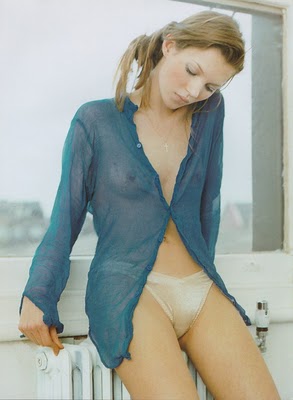
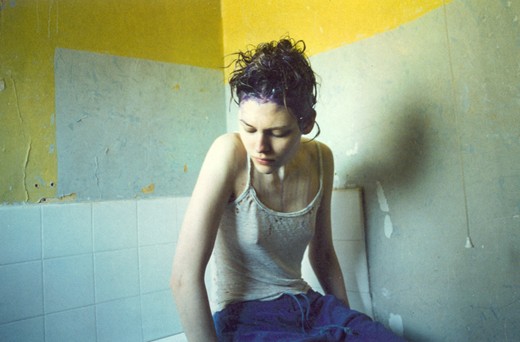
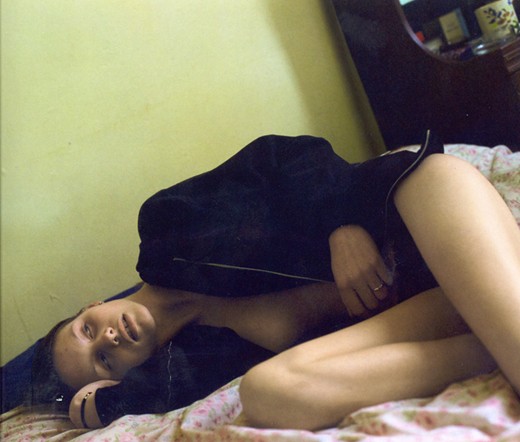
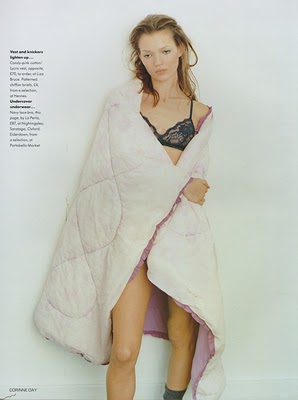
But the next time Corinne Day impinged on the public consciousness, that freshness had been replaced by a darker, harsher vision. In 1993, she photographed Kate Moss for a fashion shoot for British Vogue, Under-exposure. In it, the model looked strung out and sad, dressed down in baggy tights and stringy underwear that exacerbated her skinniness. Again, the photographs were a reaction to the glitzy unrealness of the fashion photography that Vogue usually featured, but here the extremity of Corinne Day’s vision provoked outrage and hysterical headlines about the glamorization of anorexia and hard drug use.

The terms “heroin chic” and “grunge fashion” were born and bandied about in the tabloids. By then, the troubled and troublesome photographer had burned too many bridges in the fashion world and, more problematically, was actually living in, and intimately photographing, a bohemian milieu defined by hard drug use.

Under-exposure

Corinne Day

Corinne Day

Corinne Day

Corinne Day later said that she took the shot above on a day when Kate had been crying after a fight with her then-boyfriend, resulting in the vulnerability that turned this into one of the most iconic and controversial images produced in the 90s (on, of course, the charge that Kate was too thin, heroin chic,etc). It’s the most reproduced image of the entire editorial, but the clothes (pink Liza Bruce vest and Hennes- now known as H&M- chiffon knickers) are rarely remembered, or credited. I have the picture on my Wall of Fame. The vulnerability, innocence & simplicity of the image made it iconic picture to me too.
55793_fash8195_122_613lo

55798_fash8196_122_215lo

55799_fash8197_122_613lo

55804_fash8198_122_251lo

55815_fash8199_122_684lo

Start photography

Corinne grew up in Ickenham with her younger brother and her grandparents. She left school aged sixteen and worked as an assistant in a local bank. After a year at the bank she became an international mail courier. It was during this period that someone suggested she try modelling – she worked consistently as a catalogue model for several years. In 1985 she met Mark Szaszy on a train in Tokyo – Mark was a male model and had a keen interest in film and photography.

During an extended trip to Hong Kong and Thailand, Mark taught Corinne how to use a camera and in 1987 they moved to Milan. It was in Milan that Day’s career as a fashion photographer started. Having produced photographs of Mark and her friends for their modelling portfolios, Corinne began approaching magazines for work.

From Fashion to Documentary

Corinne retreated from fashion work in the wake of the heroin chic debate, instead choosing to tour America with the band Pusherman and concentrate on her documentary photography. She also undertook work photographing musicians, including the image of Moby, used on his 1999 album Play.

Her autobiographical book, Diary was published by Krus Verlag in 2000, and contained frank and at times shocking images of Corinne and her friends. The images in Diary featured young people hanging out, taking drugs and having sex, and have been compared to the documentary realism of Nan Goldin. Coinciding with the publication of Diary,  Corinne had two large-scale exhibitions in London in 2000.

Diary

diary

Diary

Diary

Diary3

Diary

Diary

Diary

Diary

corrine-day-diary-2

Diary

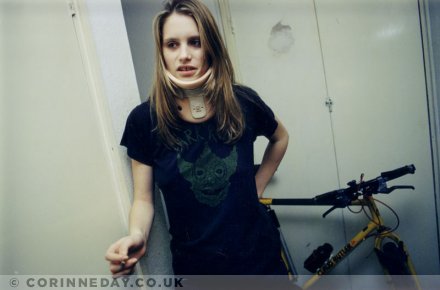
Diary also records the dramatic events of the fateful night in 1996 when Corinne collapsed in her New York apartment and was rushed to Bellevue hospital. There, she underwent an emergency operation for a brain tumour. She insisted that Mark photographed her, even in the moments leading up to her surgery. She looks dazed, helpless, disoriented. “To me, photography is about showing us things we don’t normally see,” she said later, “Getting as close as you can to real life.” The book’s final picture is of a beach strewn with beer cans: a glimmer of hope, and yet a tarnished one.

After her initial illness, Corinne made an uneasy truce with fashion photography. She abandoned her raw, edgy style for something more traditional in the fashion shoots she did for, among others, British, French and Italian Vogue, Arena and Vivienne Westwood.
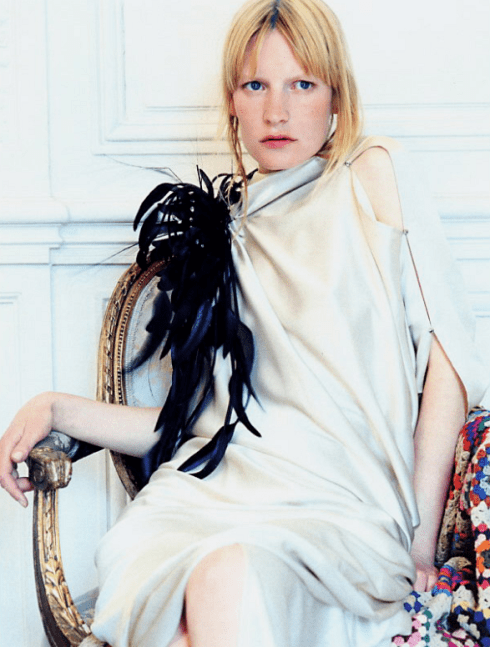
Corinne Day

Corinne Day

Corinne Day

Corinne Day

Corinne Day

Corinne Day

Corinne Day

Corinne Day

Corinne’s tumour returned in 2008 and a campaign called Save the Day was started by her friends to pay for treatment in a clinic in Arizona. It raised £100,000, much of it from the sale of signed, limited-edition prints, including several of Kate Moss that were signed by the model and the photographer.

Corinne Day/Kate Moss

Corinne Day, who died 27 August 2010 , will be remembered for transforming fashion with her pictures of the young Kate Moss for the Face.

Kate Moss & Corinne Day

Most information for this post from:  The Observer, article by  Sean O’Hagan & Wikipedia

Official website Corinne Day:  http://www.corinneday.co.uk/home.php

Body Modification inspires… (Part 2)

16 Jun

streched-ears

Body modification (or body alteration) is the deliberate altering of the human anatomy. It is often done for aesthetics, sexual enhancement, rites of passage, religious beliefs, to display group membership or affiliation, to create body art, for shock value, and as self-expression, among other reasons. In its most broad definition it includes plastic surgery, socially acceptable decoration (e.g., common ear piercing in many societies), and religious rites of passage (e.g., circumcision in a number of cultures), as well as the modern primitive movement.
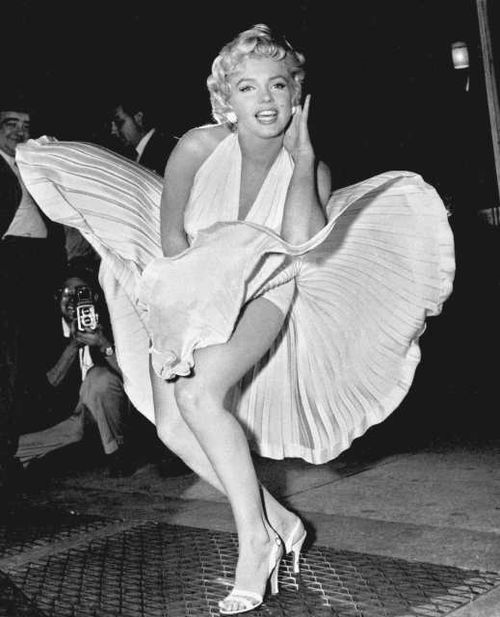
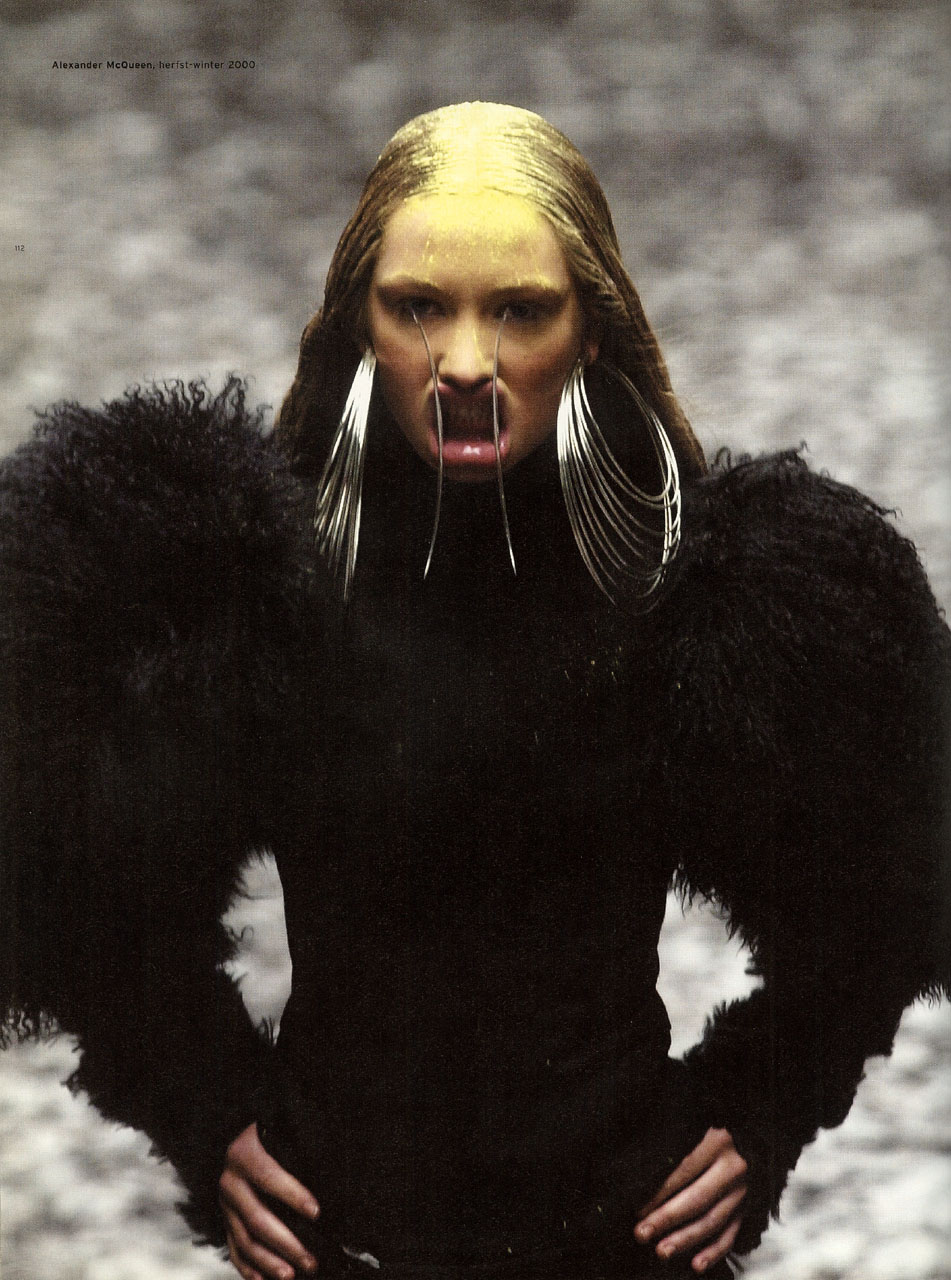
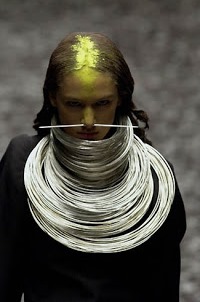
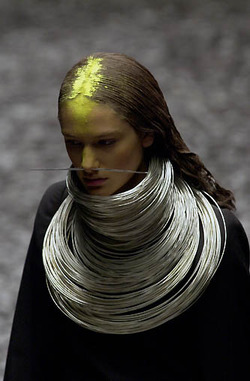
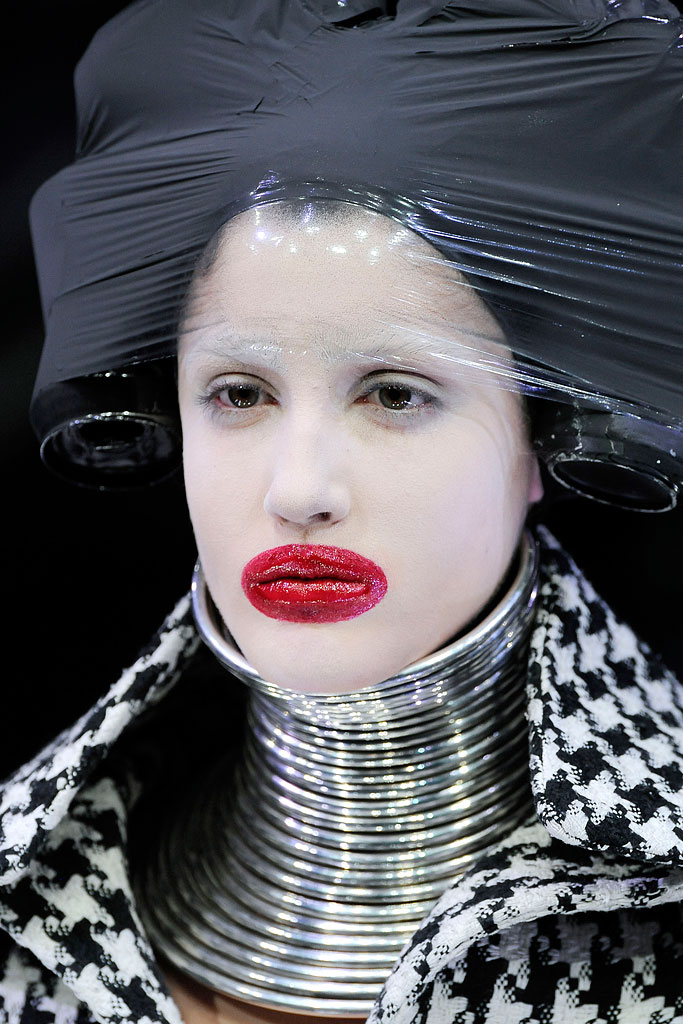
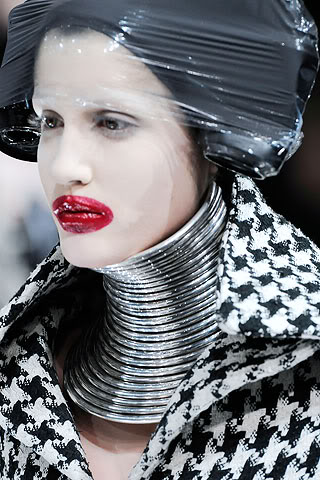
Walter van Beirendonck, Alexander McQueen & Riccardo Tisci found inspiration in body modification and its jewelry.

firestarter

.

Piercing

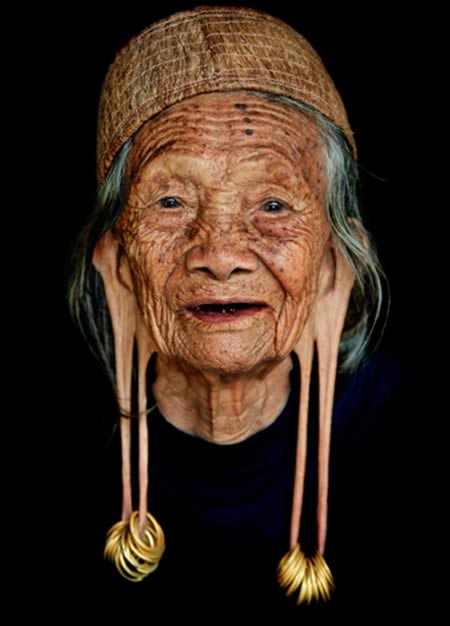
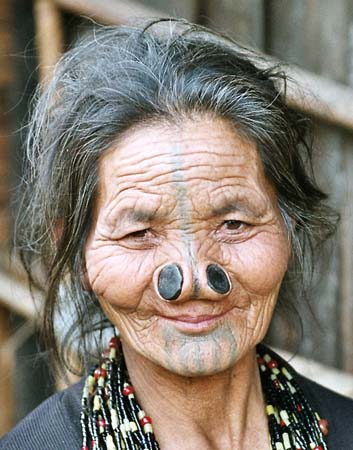
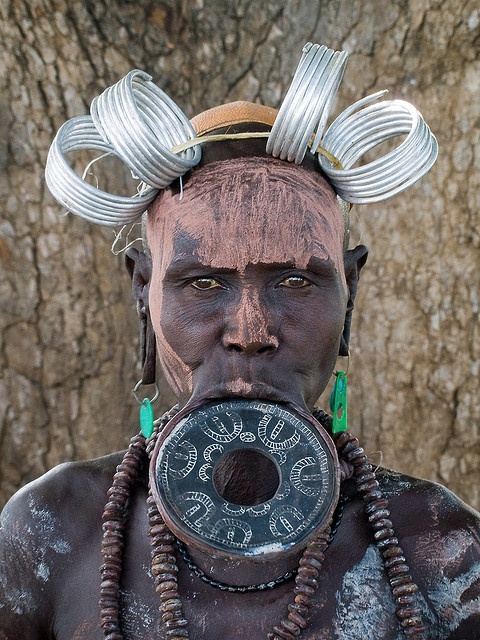
It’s a misconception that body piercing is a relatively recent trend or fashion. Ear piercing is incredibly common in almost every culture throughout history, with a huge range of legends, myths, and meanings behind the jewelry worn and its placement. Nostril piercing has been documented in the Middle East as far back as 4,000 years. The fashion continued in India in the sixteenth century, and is still widely practiced there to this day. Both ear and nostril piercing and jewelry are mentioned in the Bible. And piercings in other parts of the body, such as labret or lip piercings, are widely practiced often in the form of enlarged piercings and lip discs. Tribes across Africa, in Southeast Asia, and in North and South America all participate in lip piercing.

enlarged nostril piercing

streched nose piercings

enlarged ear piercings

piercing

enlarged piersings

lip discs

Lip disc

Lip disc

tumblr_lykp5gVI6m1qh1nq7o1_500

.

Tattooing

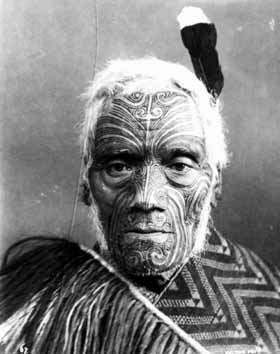
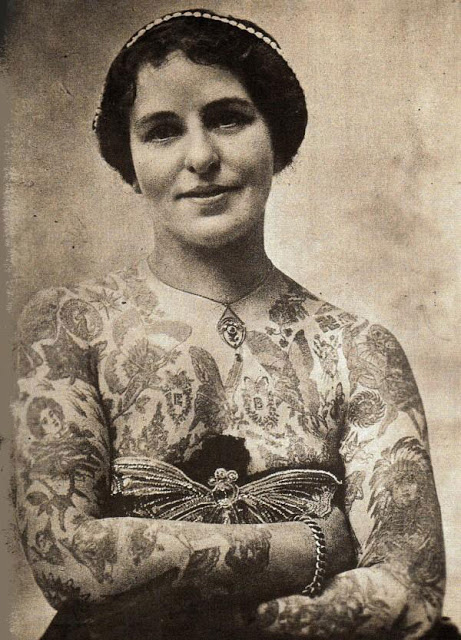
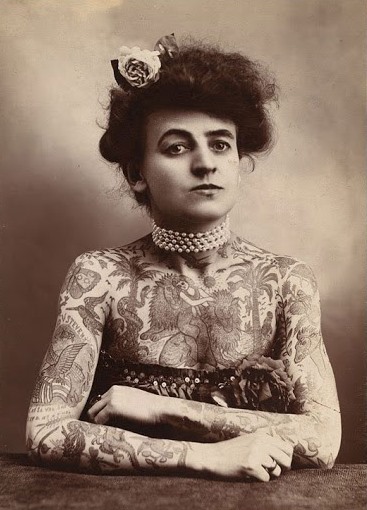
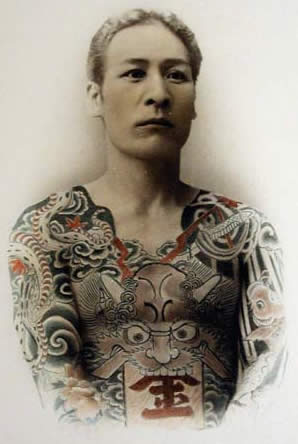
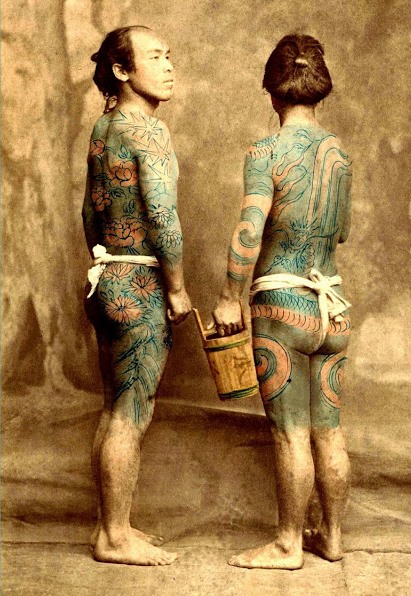
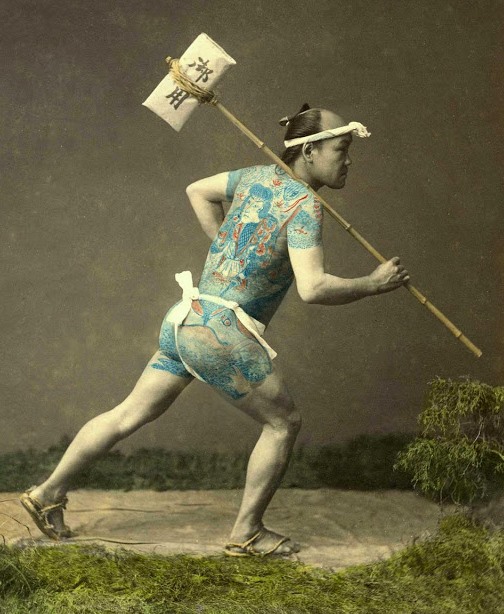
Tattooing, as we know it, is documented as far back as 3300 BCE as seen in the discovery of Otzi the iceman in 1991 and ancient Egyptian mummies bearing tattoos of animals and various creatures.  The practice, however, is believed to have originated over 10,000 years ago. The mechanics of tattooing have changed over the years, and the pigments and inks used have wildly improved in recent times, but whether hand-tapped, poked with a single needle or administered with the telltale buzz of a modern tattoo machine, the basic reasons behind the choice to become tattooed haven’t changed much in all that time: fashion, function or just to make a statement of some kind.

People have also been forcibly tattooed to identify them permanently as criminals or undesirables in society and that associated stigma of tattooing as ‘lowbrow’ or undesirable still exists in the minds of many. Despite that, tattoos are enjoying a resurgence of popularity and are very common in modern culture and for the most part, accepted as the norm.

MaoriChief-lg

tattooed woman

Tattooed woman

japanese-tattoos-1900

THE TATTOOED MEN of OLD JAPAN

TATTOOED POST RUNNER  --  Delivering the Mail in Old Japan (1)

.

Neck rings

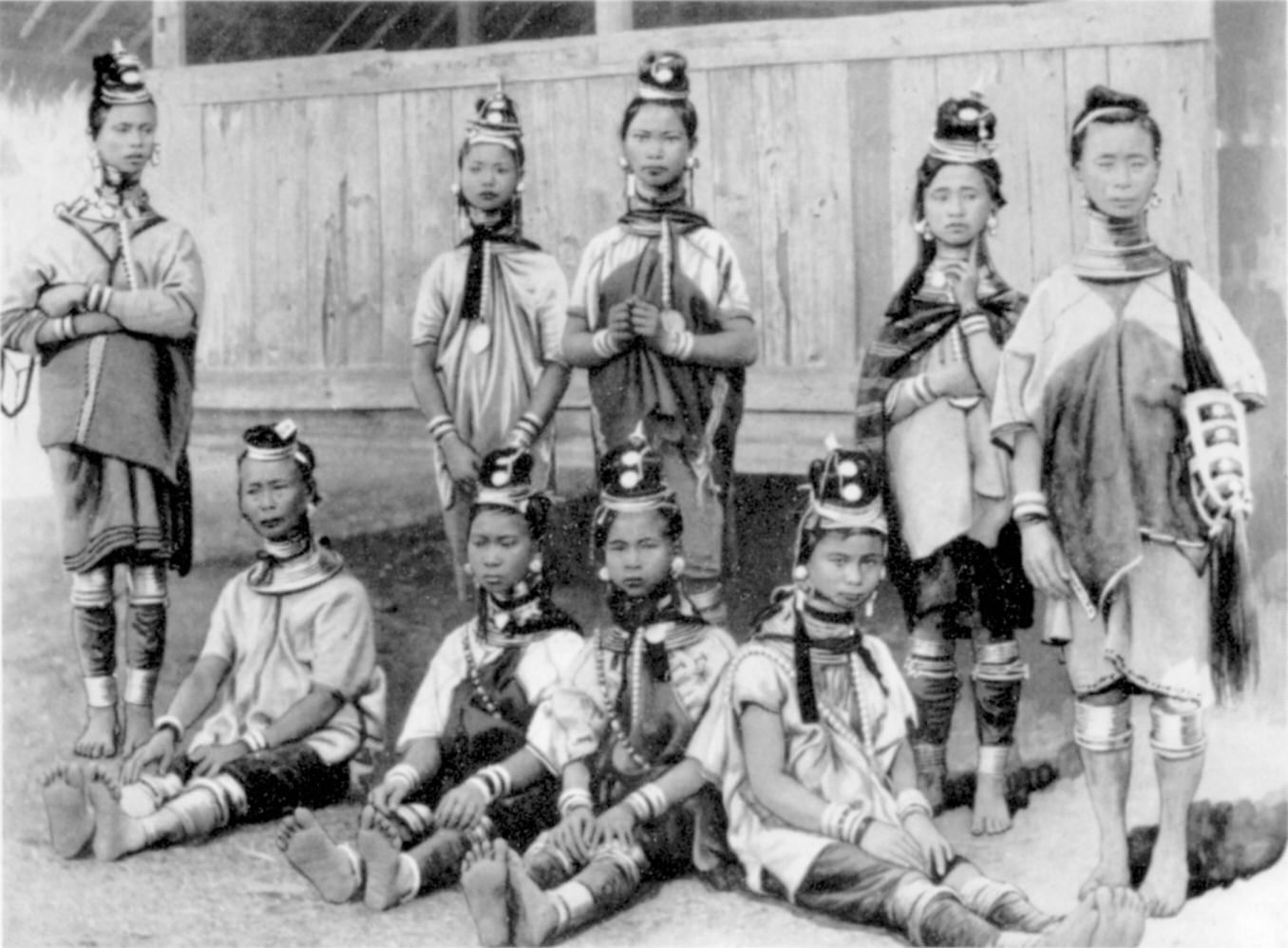
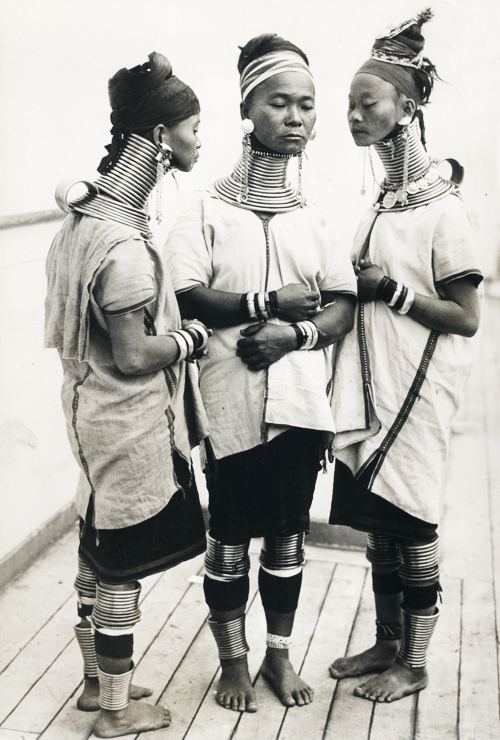
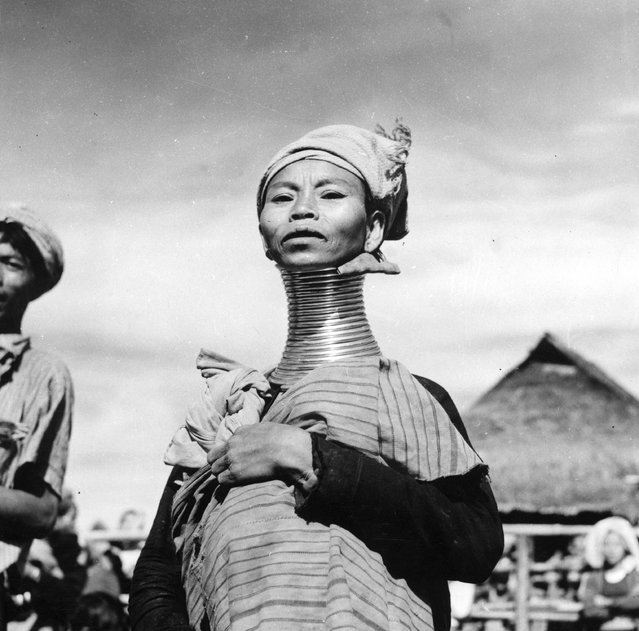
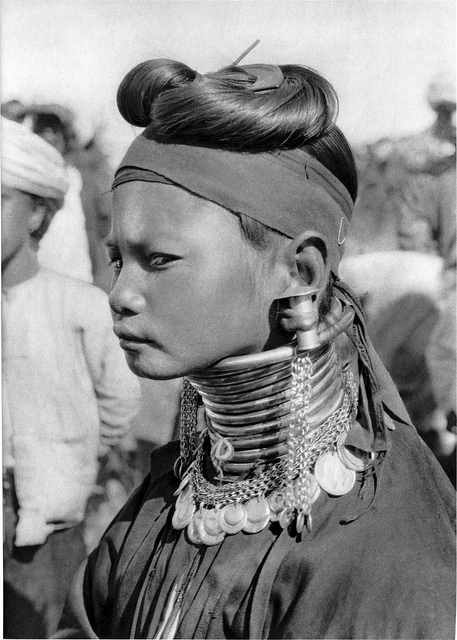
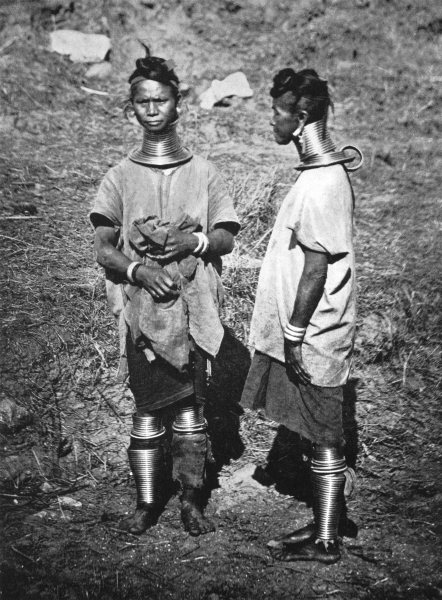
Neck rings are one or more spiral metal coils of many turns worn as an ornament around the neck of an individual. In a few African and Asian cultures neck rings are worn usually to create the appearance that the neck has been stretched. Padaung (Kayan Lahwi) women of the Kayan people begin to wear neck coils from as young as age two. The length of the coil is gradually increased to as much as twenty turns. The weight of the coils will eventually place sufficient pressure on the shoulder blade to cause it to deform and create an impression of a longer neck.

The custom of wearing neck rings is related to an ideal of beauty: an elongated neck. Neck rings push the collarbone and ribs down. The neck stretching is mostly illusory: the weight of the rings twists the collar bone and eventually the upper ribs at an angle 45 degrees lower than what is natural, causing the illusion of an elongated neck. The vertebrae do not elongate, though the space between them may increase as the intervertebral discs absorb liquid.

The South Ndebele peoples of Africa also wear neck rings as part of their traditional dress and as a sign of wealth and status. Only married women are allowed to wear the rings, called “dzilla”. Metal rings are also worn on different parts of the body, not just the neck. The rings are usually made of copper or brass. If these rings are removed from around the neck, the neck could collapse under its own weight.
Scott's_portrait_of_Padaung_'giraffe_women'_in_the_1890s
tumblr_mdnh7qnkq01qa70eyo1_500
Amazing Photos of Burmese Women in The Past (3)
tumblr_m2eag4QhOx1qgazxho1_500
burma-burma-padaung-women-neck-rings-antique-print-1900-117969-p
LongNeckWoman&ChildC
.

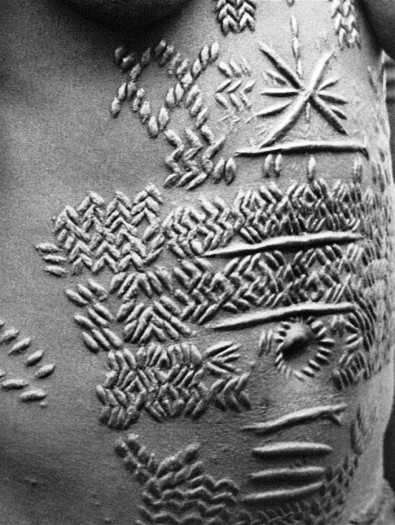
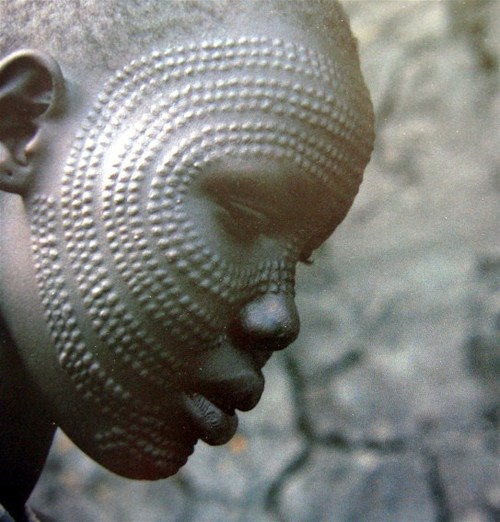
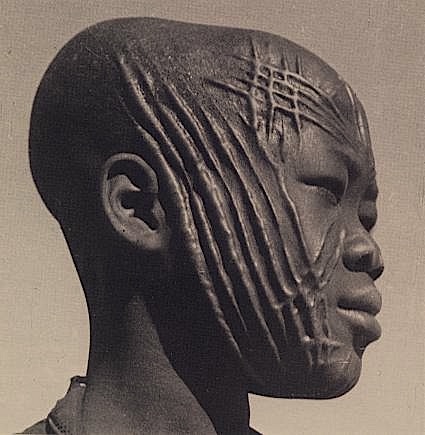
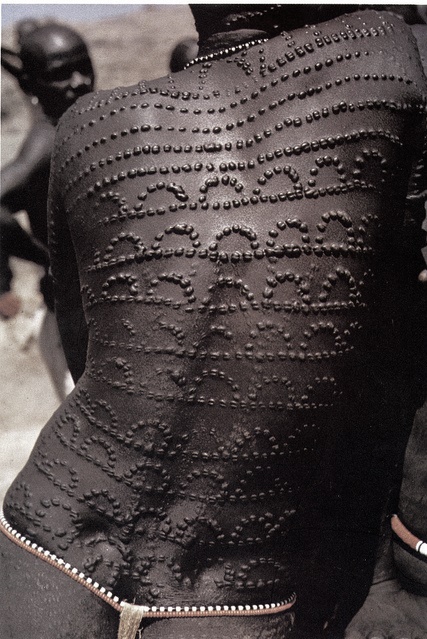
Scarification & Branding

Traditionally, scarification is seen most widely amongst dark-skinned people in equatorial regions-people who tend to have so much melanin in their skin that tattooing isn’t very effective, visually. The “crocodile” people of Papua New Guinea’s Sepik region, several Aboriginal tribes in northern Australia and the Karo people of Ethiopia are just a few of the many cultures who, to this day, participate in traditional rites involving scarification.

In the modern-day Western context, scarification and branding, while markedly less popular than tattooing, are still common forms of body modification, with beautiful end results for many devotees. The aesthetic outcome of a healed scarification, however, has less to do with the artist and more to do with the healing and genetics of the wearer and that (along with the pain and discomfort of the procedure and healing) will probably ensure that scarification never becomes as common as, say, getting a tattoo.

scarification

scarification

scarification

scarification

scarification

.

Hardcore

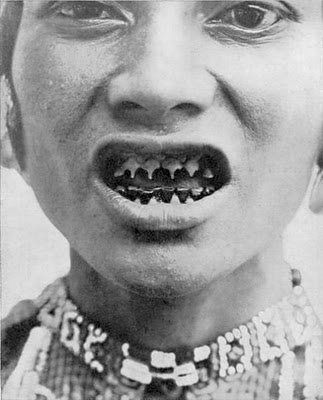
Other surgical modifications seen in recent times are ear pointing, tongue splitting, and many different genital modifications, all offered by “cutters” and in many cases, by sympathetic board-certified surgeons. But even within the bodymod community at large, these types of modifications are often considered “hardcore,” are generally more unusual (though not uncommon) and are mostly of interest to those body modification enthusiasts motivated to push the boundaries of social acceptance.

carved teeth

carved teeth

(Teeth Chiseling is a tradition often performed without any anesthesia by the  Mentawai people in Indonesia).

Body modification has been around as long as humans have lived and with its rich and fascinating history, the practice is unlikely to die out anytime soon. But despite some lingering societal disdain, modifications, even of the more esoteric variety, are becoming more mainstream and acceptable every day, and the craft behind performing these procedures is being constantly perfected and refined by the artists involved. And as new ideas and techniques become reality and traditional standbys are adapted and perfected, it’s safe to say that

humans will continue to reshape and redefine themselves by modifying their bodies.

.

.

Influence on Walter Van Beirendonck

Book cover

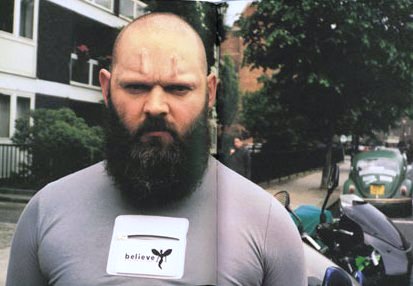
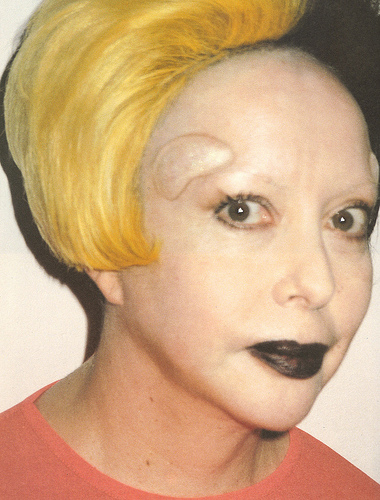
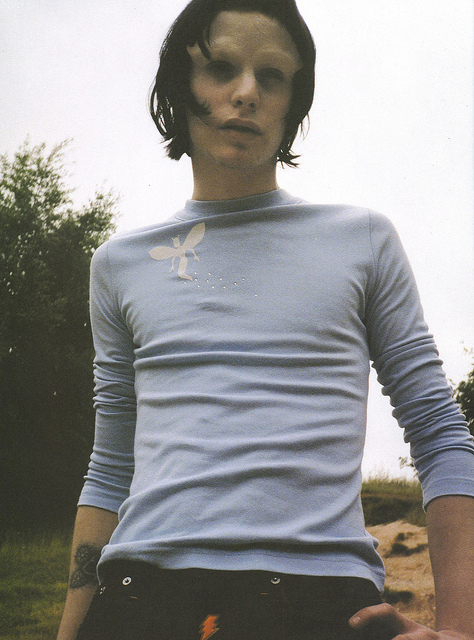
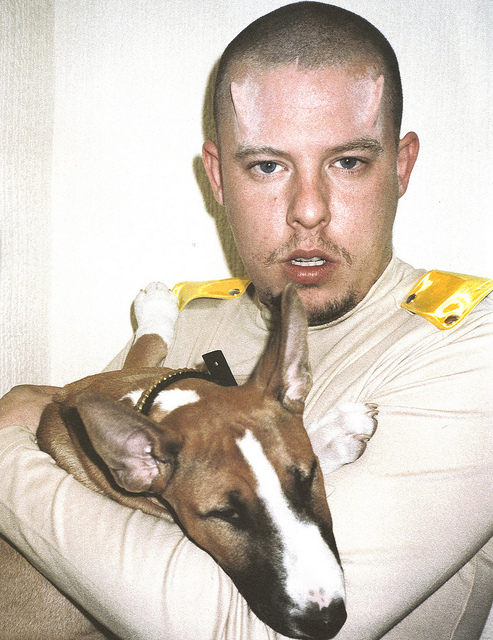
Walter Van Beirendonck and his Wild and Lethal Trash label caused a furor during Paris fashion week in 1998. One look at his work and the reason should be clear, for in this book he uses French artist Orlan — whose medium, her own body, she alters with plastic surgery — for a blend of fashion, make up (fake implants) , art, and design. Photographed by Juergen Teller.
.
Believe
Believe
Believe
Believe
Believe
Believe
Believe
Believe
.

Influence on Alexander McQueen

McQueen

tumblr_m0x1zzlLzR1qbbjpeo1_1280

6222414268_058038d3b9_b

tumblr_maglmyxTWk1qguputo1_250

00080fullscreen

AMcQnF09AmandaLaine

00050fullscreen

.

Influence on Givenchy

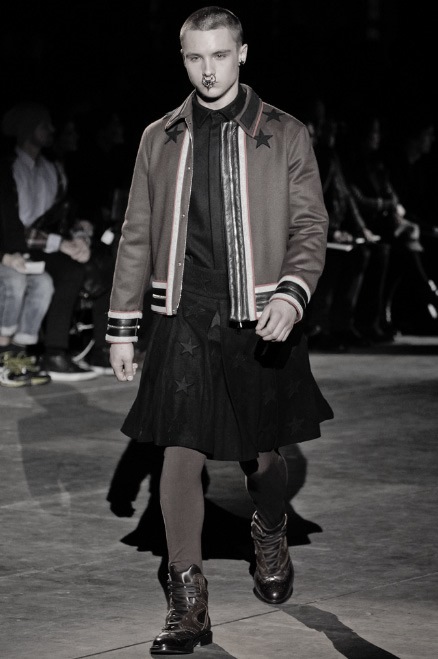
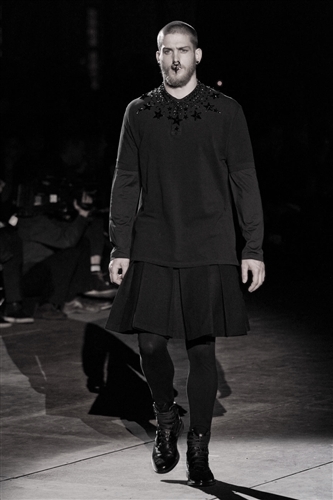
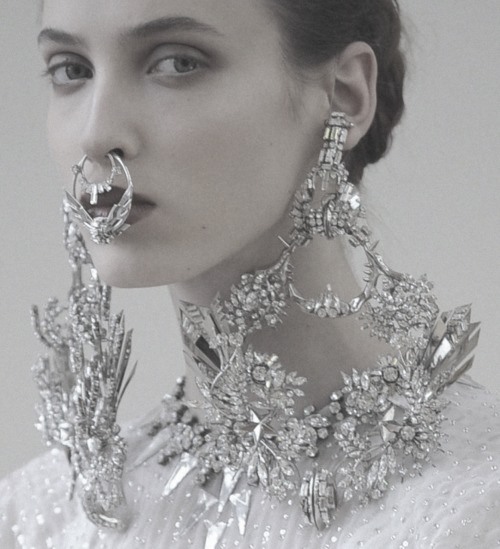
Riccardo Tisci (head designer of Givenchy)) was inspired by the look of singer Keith Flint of the Prodigy in the 1996 hit video Firestarter for his mens collection a/w 2012. Also Keith’s nose ring became an item of the collection. For Women Tisci also found inspiration in piercing objects for jewelry.

.

.

Givenchy-men-black-red-stripe-jersey-star-sweater-fall-winter-2012

givenchy-fall-winter-2012-collection-15

Givenchy-m-RF12-5783

Women jewelry f/w 2012 by Givenchy

Haute Couture

Givenchy

.

Most information in this post  from:

The Art and History of Body Modification by Lori St. Leone