




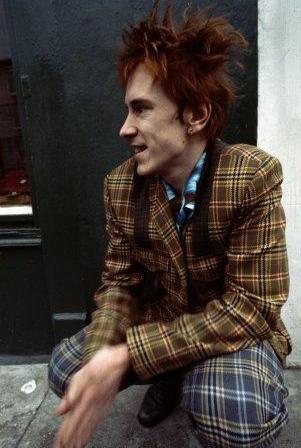

Coco Chanel once dismissed her rival as ‘that Italian artist who makes clothes.’ (To Schiaparelli, Chanel was simply ‘that milliner.’)
Elsa Schiaparelli (september 10, 1890 – november 13, 1973) was born in Rome, Italy. She studied philosophy and at the age of 22 she accepted a job as a nanny in London. Elsa led a refined life with a certain amount of luxury provided by her parents’ wealth and high social status. She believed, however, that this luxury was stifling to her art and creativity and so she removed herself from the ‘lap of luxury’ as quickly as possible. She moved first to New York City and then to Paris, combining her love of art and design to become a couturier.
She was not a trained seamstress and her interest was not merely in fashion. She was a flamboyant persona who liked interacting with artists. She designed her clothes on paper, trusting her tailors to correctly interpret them, which was not as common then as it is today.
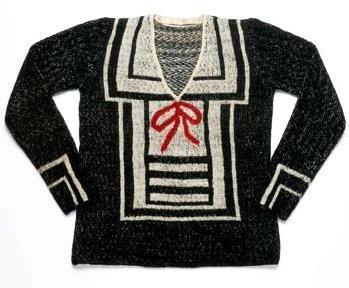

Elsa launched a collection of knitwear in 1927, after she made her first steps into fashion earlier, with some encouragement from Paul Poiret. The first collection featured sweaters with surrealist trompe l’oeil images which were published in Vogue. Her business really took off with a pattern that gave the impression of a scarf wrapped around the wearer’s neck.

Elsa’s ‘pour le Sport’ collection expanded the following year to include bathing suits, ski-wear, and linen dresses. The divided skirt, a forerunner of shorts, shocked the tennis world when worn by Lili de Alvarez at Wimbledon in 1931. She added evening wear to the collection in 1931, and the business went from strength to strength, culminating in a move from Rue de la Paix to acquiring the renowned salon of Madeleine Chéruit at 21 Place Vendôme, nicknamed the Schiap Shop.
Elsa collaborated with famous artist Jean Cocteau and Salvador Dalí to create her most significant designs. She was the most innovative and influential dress designer of the 20th century, known for her shocking designs and Surrealist influences in her haute couture. Her inventions included the color ‘Shocking Pink‘, which she made famous, the innovative use of colorful zippers, gadget accessories such as scarves of material with a newspaper print design and the clinging and attractive bias-cut dresses.

Elsa Schiaparelli & Salvador Dali
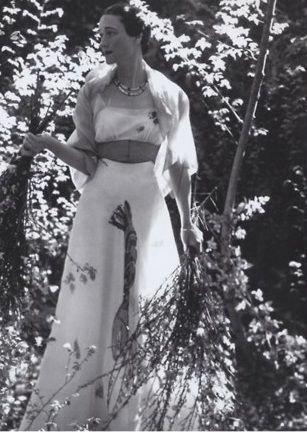
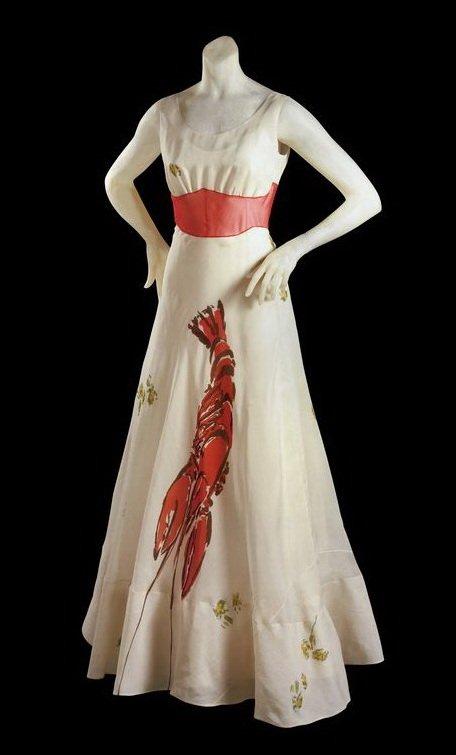

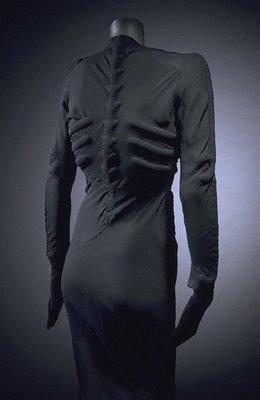
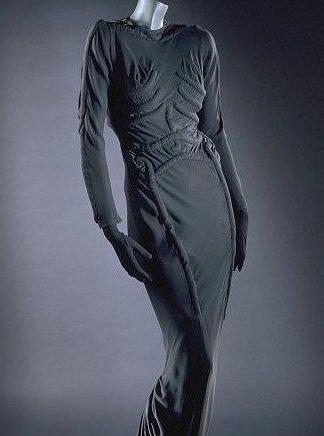

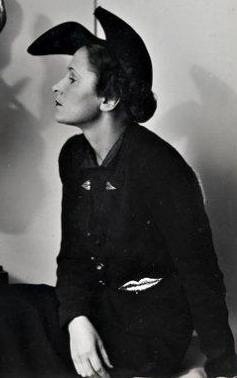
Elsa Schiaparelli & Jean Cocteau

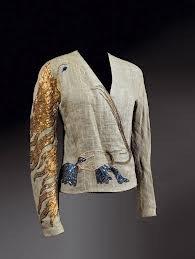
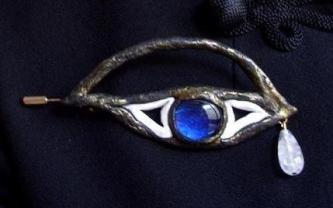
Perhaps Schiaparelli’s most important legacy was in bringing to fashion the playfulness and sense of ‘anything goes’ of the Dada and Surrealist movements. She loved to play with juxtapositions of colours, shapes and textures, and embraced the new technologies and materials of the time. With Charles Colcombet she experimented with acrylic, cellophane, a rayon jersey called “Jersela” and a rayon with metal threads called “Fildifer” – the first time synthetic materials were used in couture. Some of these innovations were not pursued further, like her 1934 “glass” cape made from Rhodophane, a transparent plastic related to cellophane. But there were more lasting innovations; Schiaparelli created wraparound dresses decades before Diane von Furstenberg and crumpled up rayon 50 years before Issey Miyake’s pleats and crinkles. In 1930 alone she created the first evening-dress with a jacket, and the first clothes with visible zippers. In fact fastenings were something of a speciality, from a jacket buttoned with silver tambourines to one with silk-covered carrots and cauliflowers.
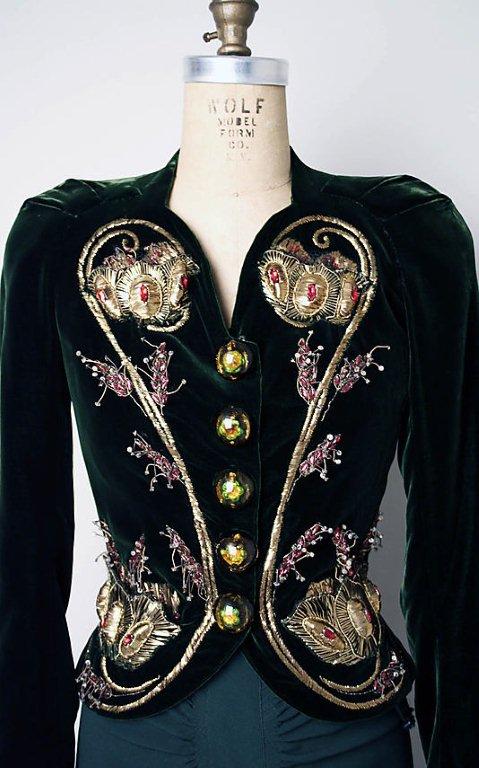
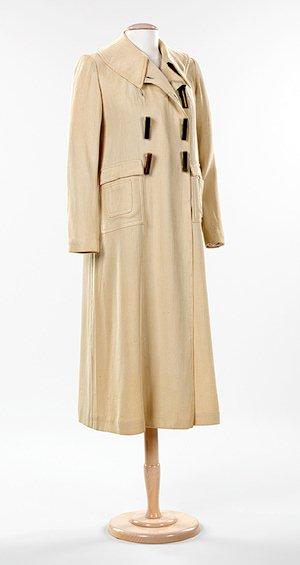
Elsa Schiaparelli clothes
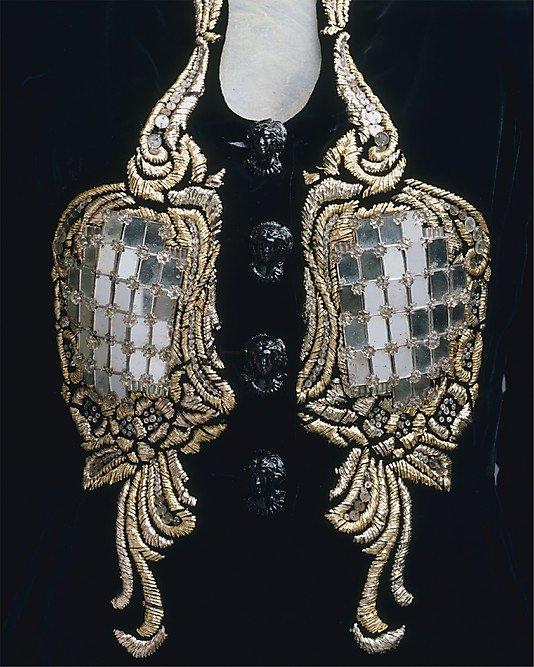



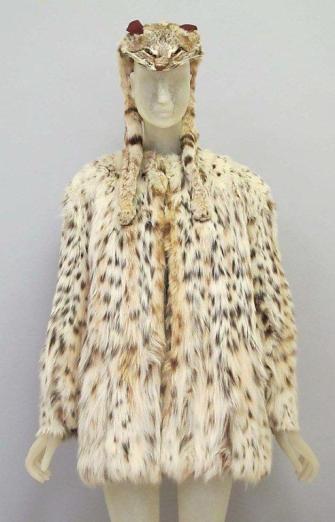
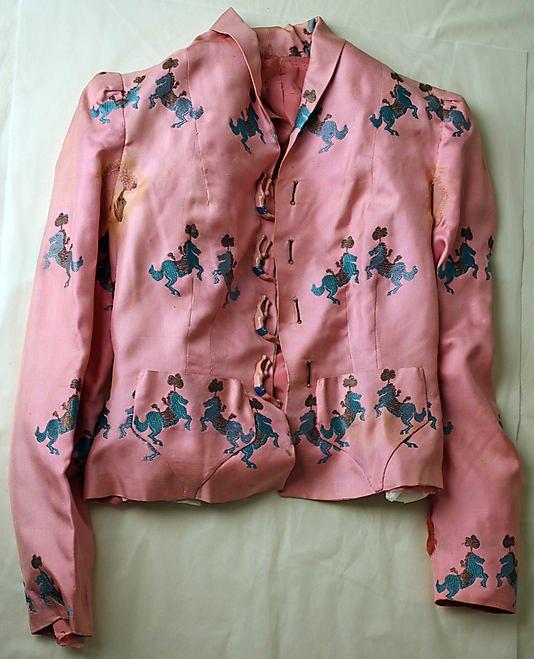


Elsa Schiaparelli accessories
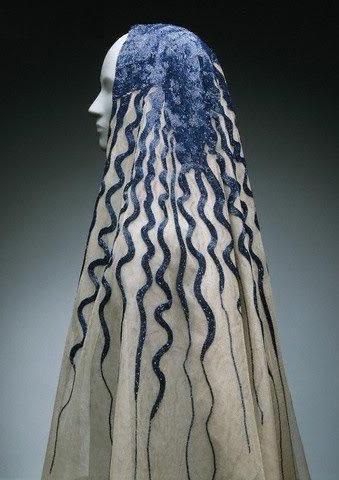
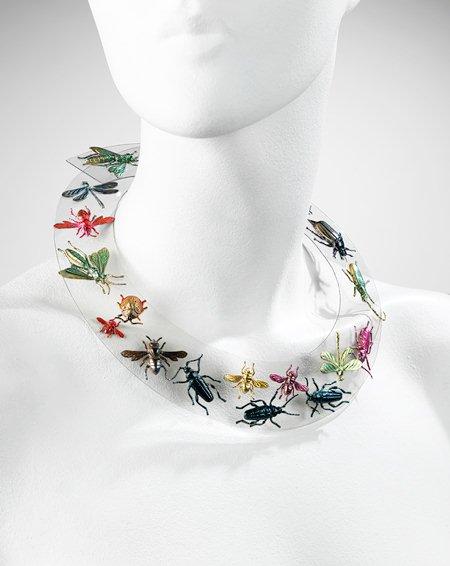
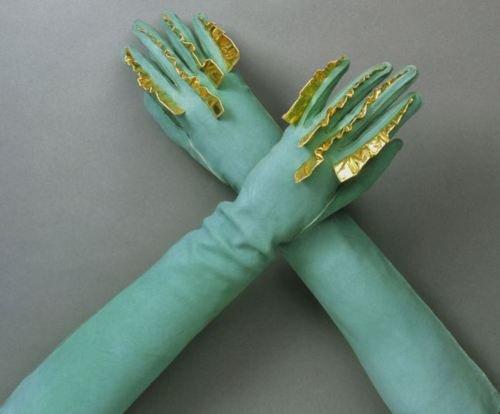

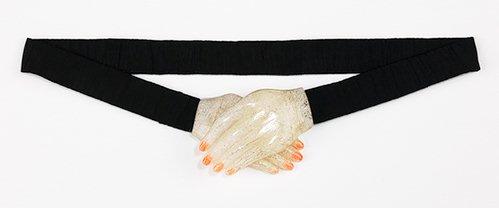
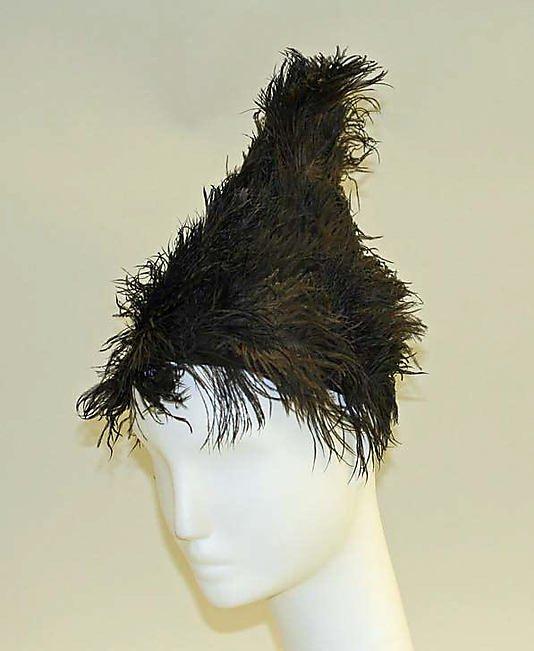
The failure of her business meant that Schiaparelli’s name is not as well-remembered as that of her great rival Coco Chanel, because she did not adapt to the changes in fashion following World War II. Soon after the fall of Paris on 14 June 1940, Elsa sailed to New York for a lecture tour; apart from a few months in Paris in early 1941, she remained in New York City until the end of the war. On her return she found that fashion had changed, with Christian Dior’s ‘New Look’ marking a rejection of pre-war fashion. The house of Schiaparelli struggled in the austerity of the post-war period, and Elsa finally closed it down in December 1954, the same year that Coco Chanel returned to the business. Aged 64, Elsa wrote her autobiography and then lived out a comfortable retirement between her apartment in Paris and house in Tunisia. She died on 13 November 1973.
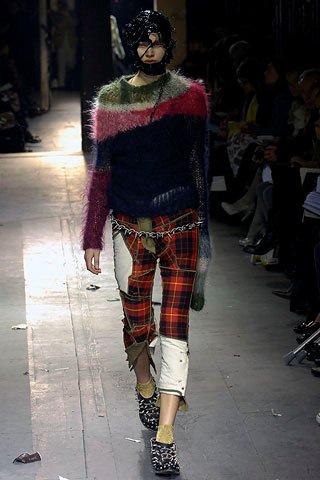
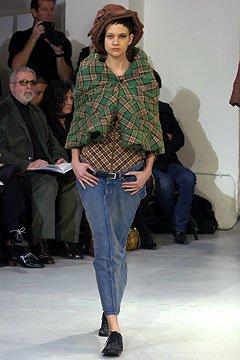
Muccia Prada is inspired by Elsa Schiaparelli and surrealisme too.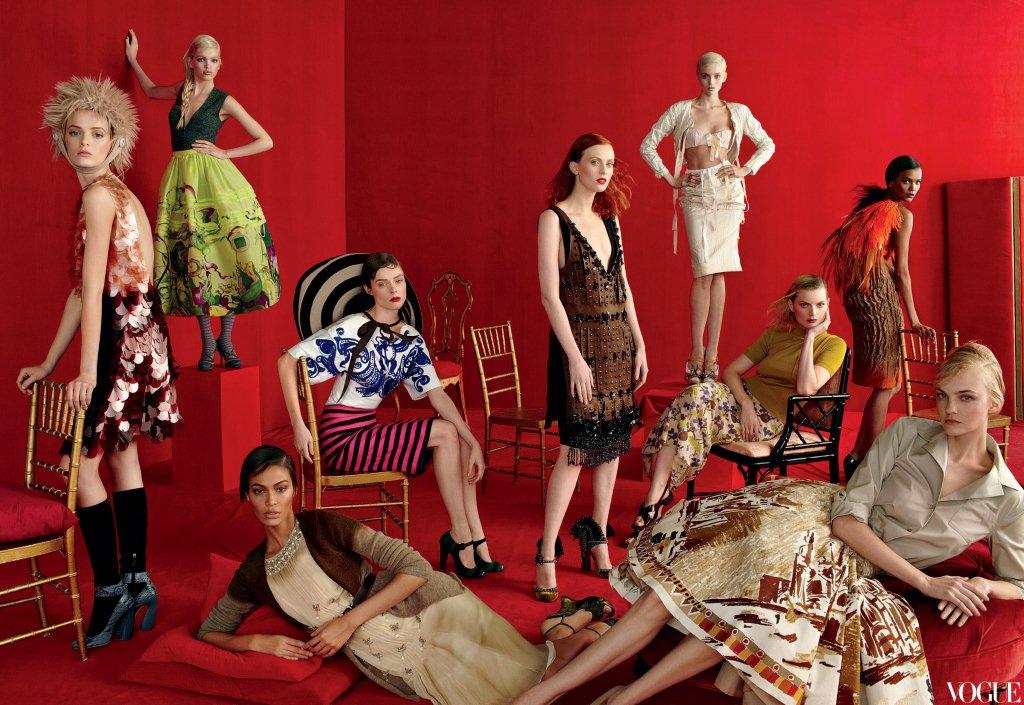
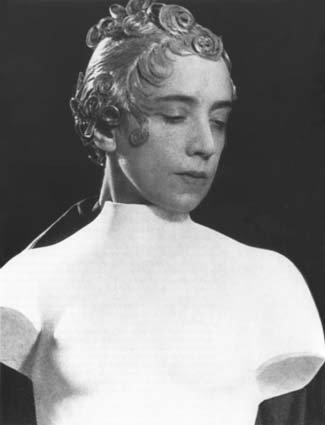
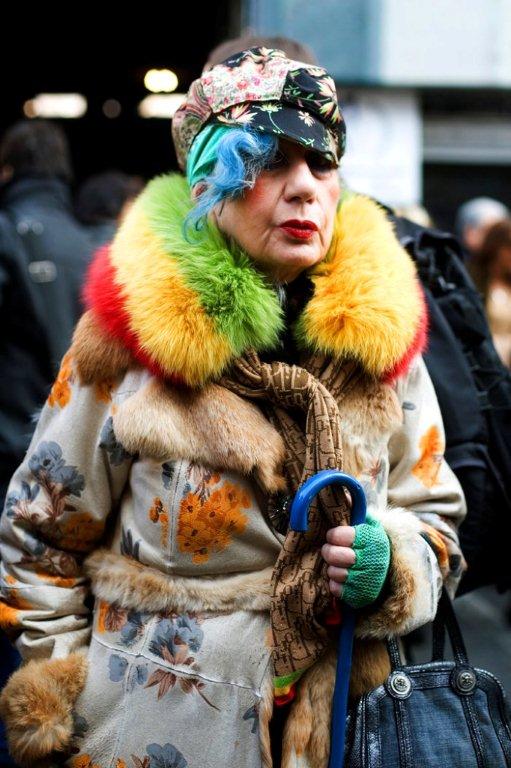
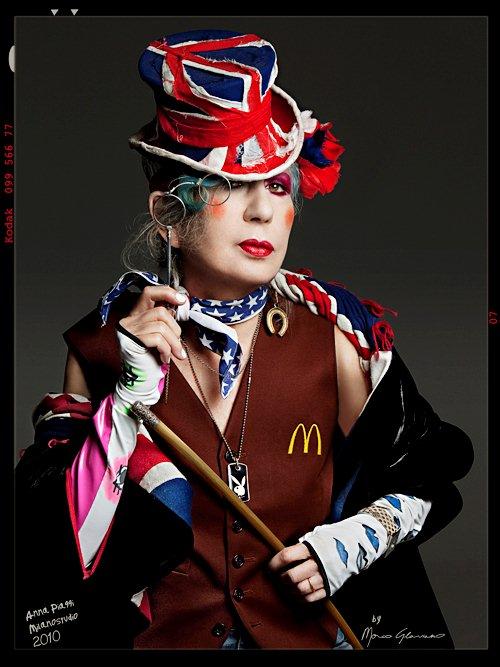

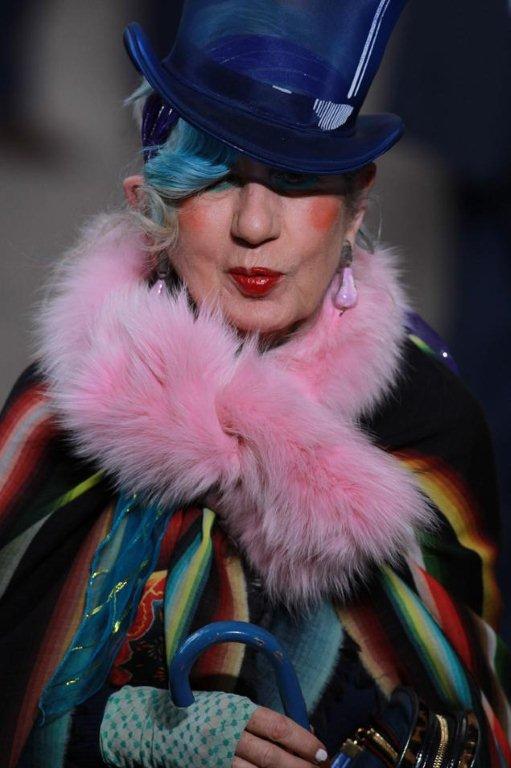
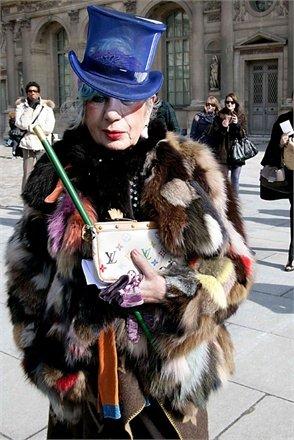
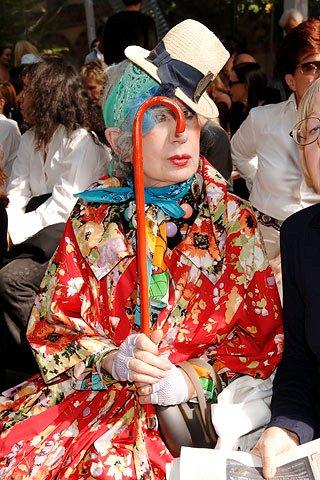
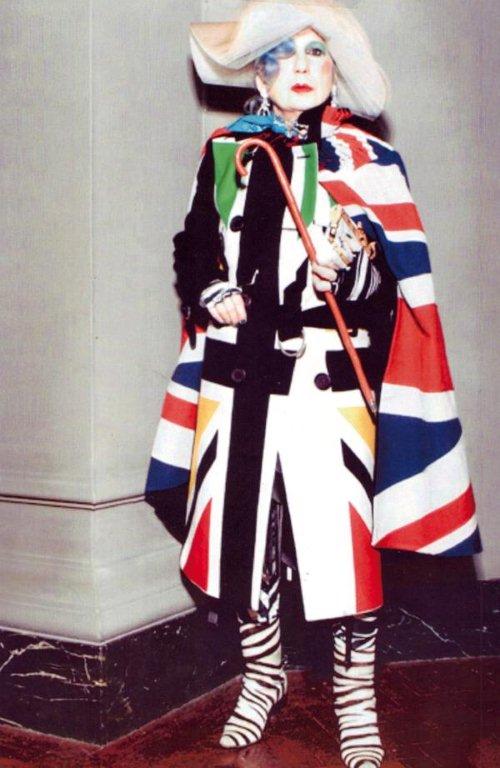
 Anna Piaggi,I will miss you!!!
Showing a tiny, tiny waist hasn’t been a fashion topic for quiet some time now. Women are more into comfort and ability to move freely when it comes to fashion. The last couple of years A-lines and hipsters dominated the catwalk as well as straight lined clothes and even some oversized ones. I am curious what will happen when fashion starts to embrace the hourglass figure again?
In the old days women were willing to wear very tight-laced corsets because it was in fashion, like the Empress of Austria, Elisabeth in Beieren (Sisi), who was famous for her tiny waist. In the seventies women fought for equality to men and part of the liberation of women was taking of their corsets and bra’s. Not wearing a bra didn’t turn out to be a great idea because of gravity and after a while women started wearing bra’s again, but out of their own free will and the way they are manufactured and designed has changed to comfort and great looking. The corset never came back as a necessary undergarment, but as a sexy outer garment.
For some people a tiny waist is an outing of total discipline or sexual excitement. Ethel Granger for instance got into corsets because her husband, William Granger, told her he liked her to. Although Ethel resisted at first, her husband persuaded her. Mark Pullen alias Mr. Pearl, got introduced to corsets by his grandmother, whom he happily laced up when he was a little boy. He said this ritual must have planted a seed.


Mr.Pearl, born in 1962 in South Africa, is the most amazing corsetier of this time. His corsets are made without any form of modern technology and it can take up to several months each to construct. He started wearing corsets himself when he was 30 years, after seeing pictures of Fakir Musafar. Mr. Pearl has a 46 cm corseted waist at the smallest, ‘I have let it slip out these days to about 56 cm, very lazy’. He wears his corset 24 hours a day, except when bathing.
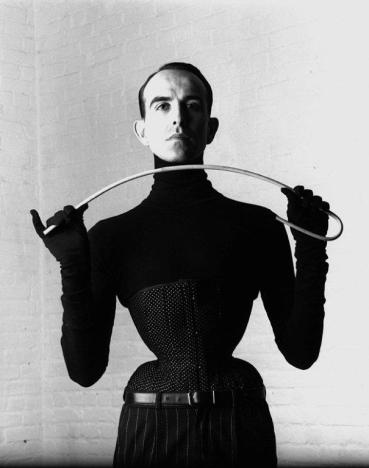

Mr. Pearl moved to London in 1994, setting up shop as a corsetier. In 2002 he moved to Paris where he now works in the romantic setting behind the Notre Dame. He has made corsets for designers such as Jean Paul Gaultier, Thierry Mugler, John Galliano, Chloe, Alexander McQueen, Christian Lacroix and Vivienne Westwood. Dita Von Teece wears his corsets during her performances.
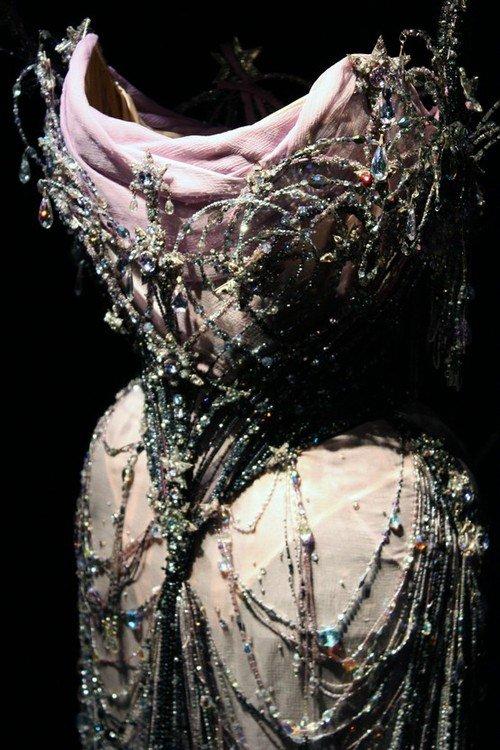


In an interview he explained: ‘My interest in classical ballet, discipline and training helped me to understand more about the incredible capacity of the human body and how it can push limits for change – mind over matter’. ‘Ballet bodices require to fit like a glove, they are boned like corsets. In my spare time I assisted in the costume wardrobe where I observed that these tightly fitted bodices enhanced the natural form of the human body. I came to understand that the posture in ballet derives from the fact the dancers were corseted up until the end of the 19th century. I wanted to make such form enhancing garments’.

.
The story of Ethel Granger is a more difficult one. Although she did get to like wearing her corsets, she was pushed into it by her husband, who kept tightening her waist for his pleasure. Starting out with only having to wear the corsets during the day, after some years she went further to please him by wearing them 24/7.
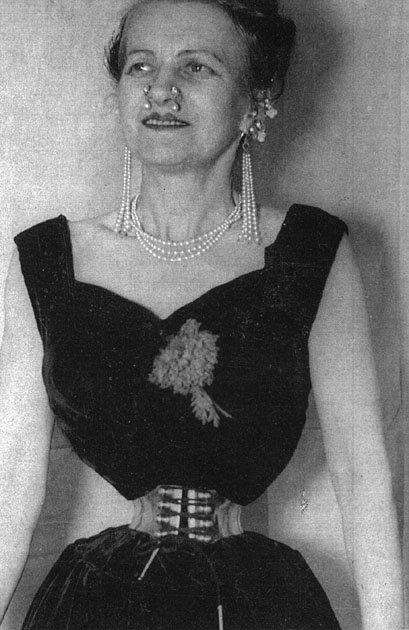
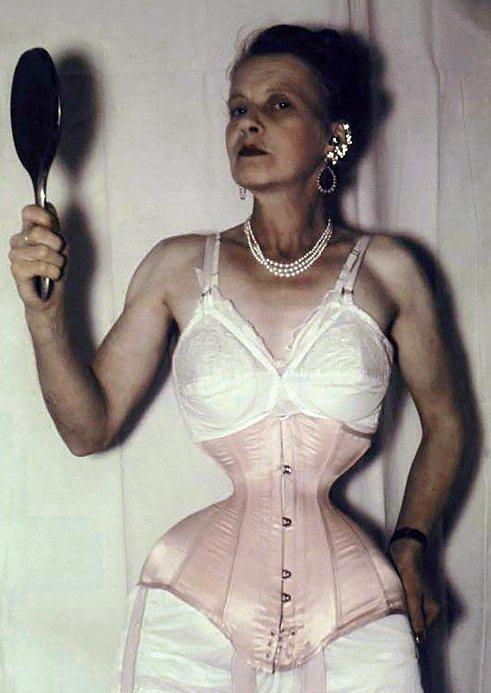
His fetish went further by piercing Ethel himself and stretching the holes in her ears, nose and nipples to the max and making her wear heels as high, till she could just reach the floor with tip of her toes. He had corsets made smaller and smaller, till a waist size of 33 centimeters, which made her the woman with the smallest waist in history of mankind.


Ethel Granger’s story is about love for her husband without limits, sacrifice, suffering and devotion to beauty which led to deform herself. After some time she started to enjoy all the pain and suffering of the deformation and got pleasure out of pushing the boundaries of her body.
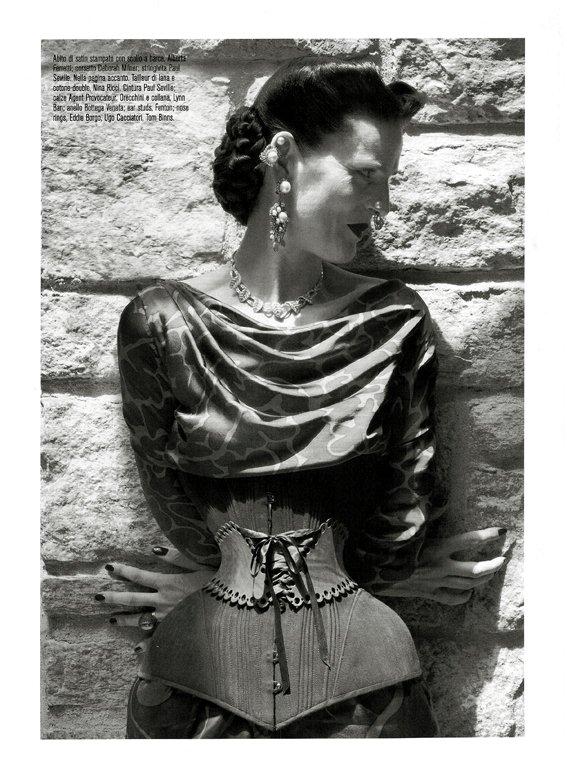
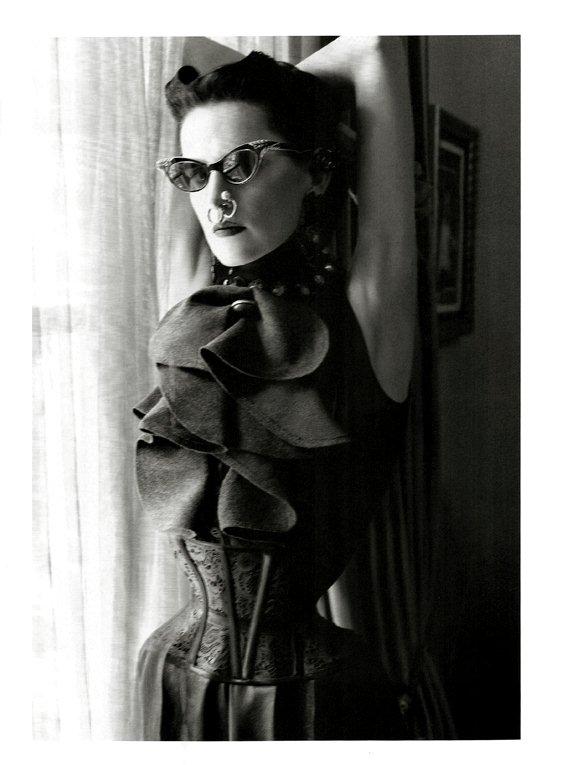
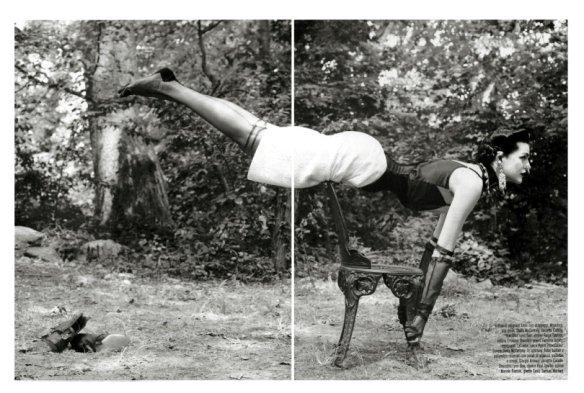
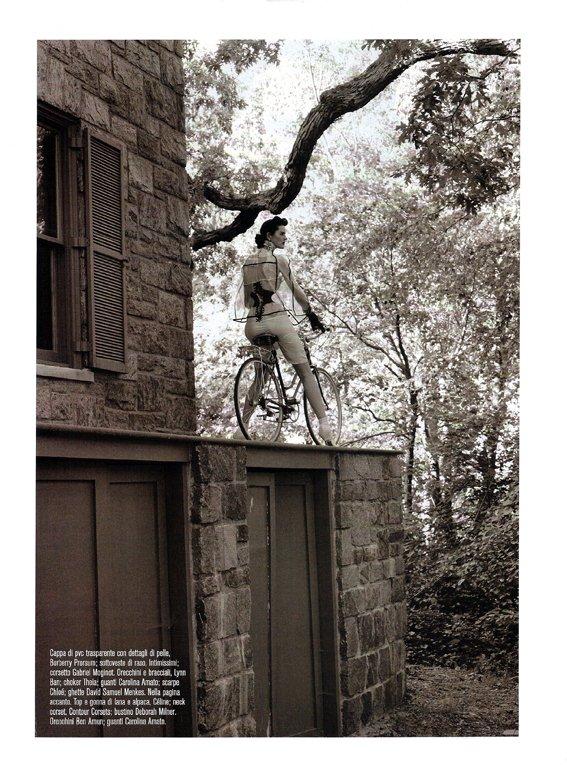
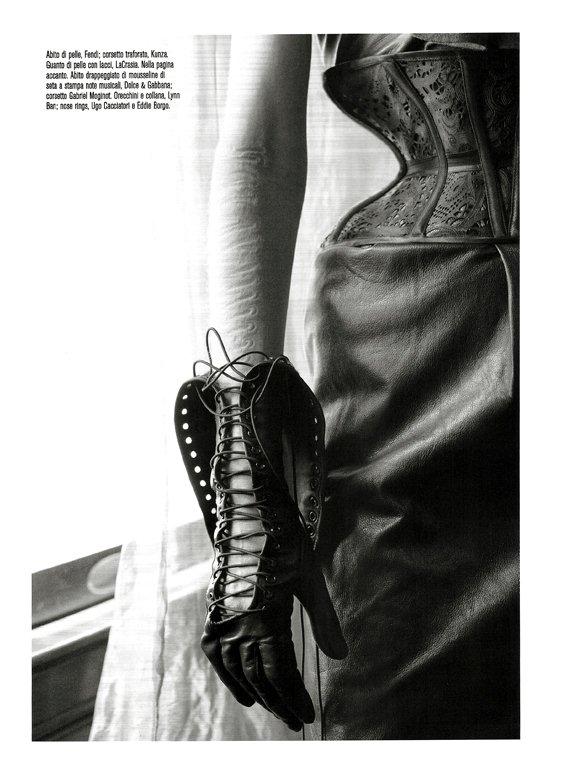
For Vogue Italia september 2011 photographer Steven Meisel shot a fashion story inspired by the look of Ethel Granger modelled by Stella Tennant.








 agnautacouture.com